Whakarewarewa

We were looking forward to experiencing some Māori culture while in New Zealand and Rotorua is the place to do just that. There are a few options available but we chose Whakarewarewa because it is the only one that is an actual living village. The full name is Whakarewarewa-tanga-o-te-ope-taua-a-Wāhiao (The Uprising of the Army of Wāhiao) and was first occupied in 1325. The full name was adopted when, 300 years ago, a Warrior Chief named Wāhiao, gathered an army to avenge the killing of his father. They waited, hidden by geothermal steam and then performed a Haka before charging into battle.
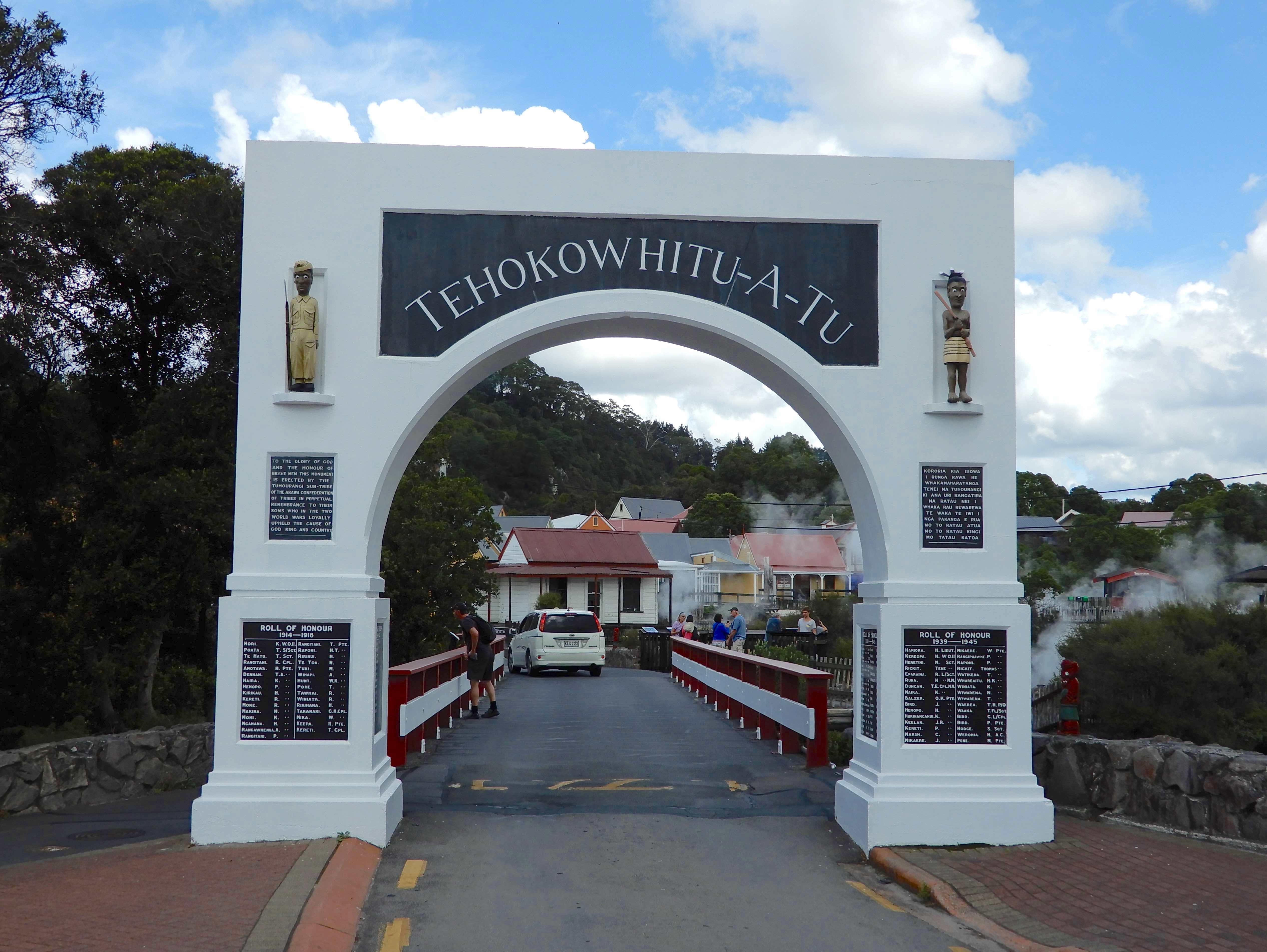
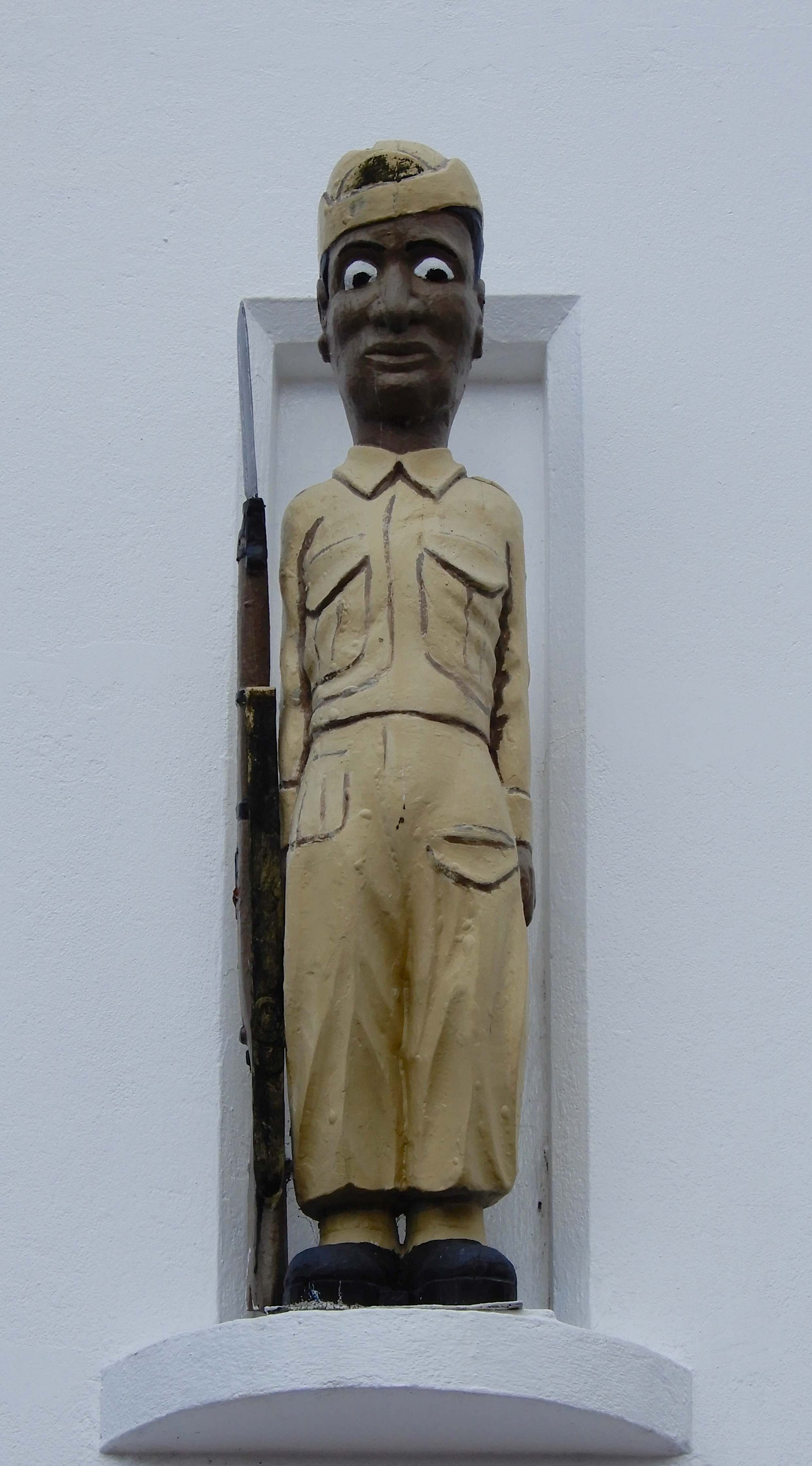
After lunching on a tasty Hangi Pie at the Geyser Café, we entered the village through the memorial archway. Commemorating the fallen soldiers and tribal members who served in the two World Wars, the inscription, Te Hokowhitu a Tū, acknowledges the war god Tūmatauenga and was the motto of the Māori contingent.
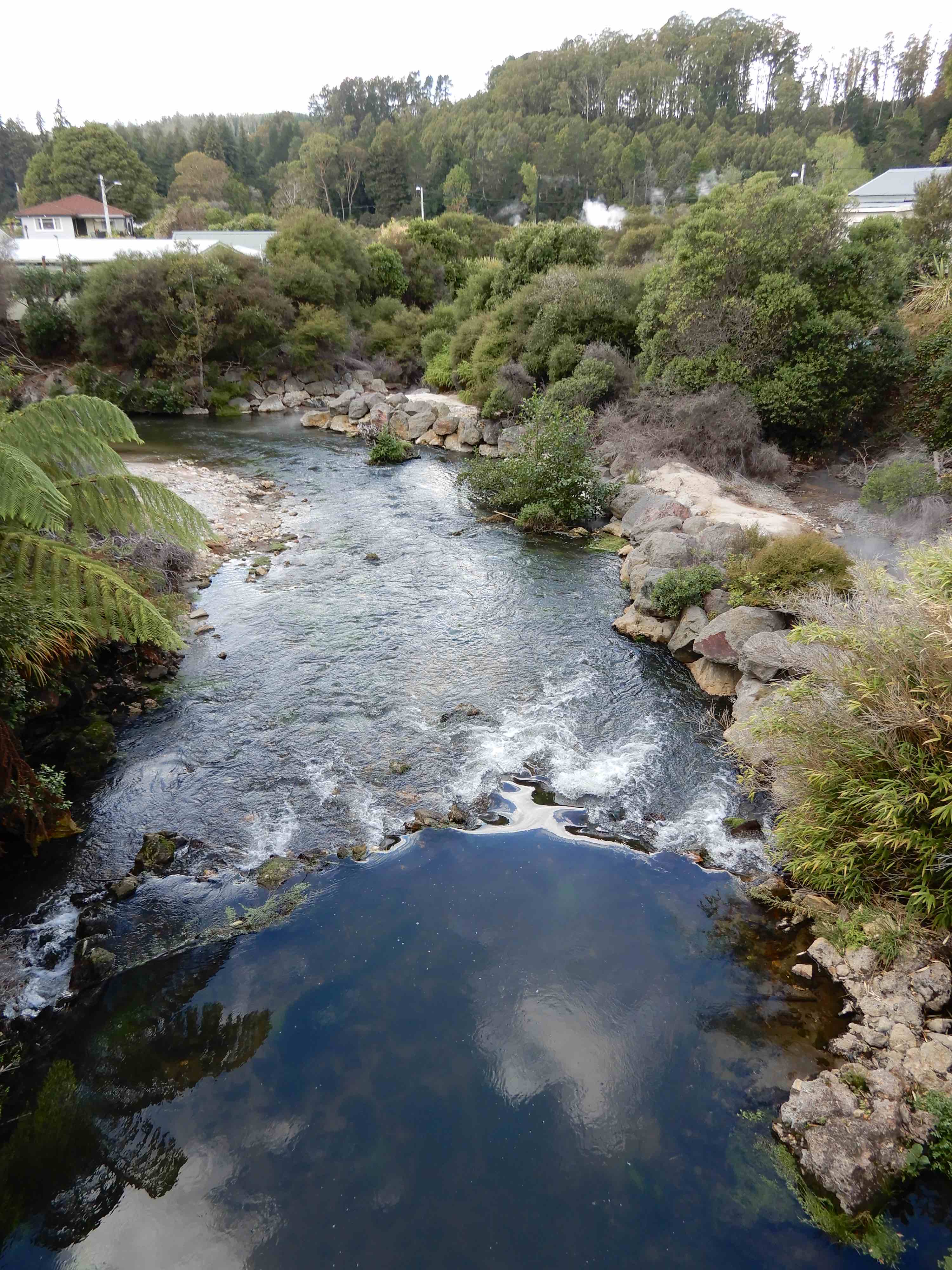
Tourism came to the village in the 1800s when the Europeans began arriving in New Zealand. They were fascinated by the geothermal activity and local way of life. Before the bridge was built in 1885, the only way visitors could enter the village was to be carried across the river by the men, often in return for a penny. For generations, local village children have jumped from the bridge to retrieve the coins tossed in by visitors, earning them the nickname ‘Penny Divers’.

The Te Puarenga is also known as ‘Floating Blossom’ due to the yellow sulphur deposits that float on the surface as they make their way downstream.
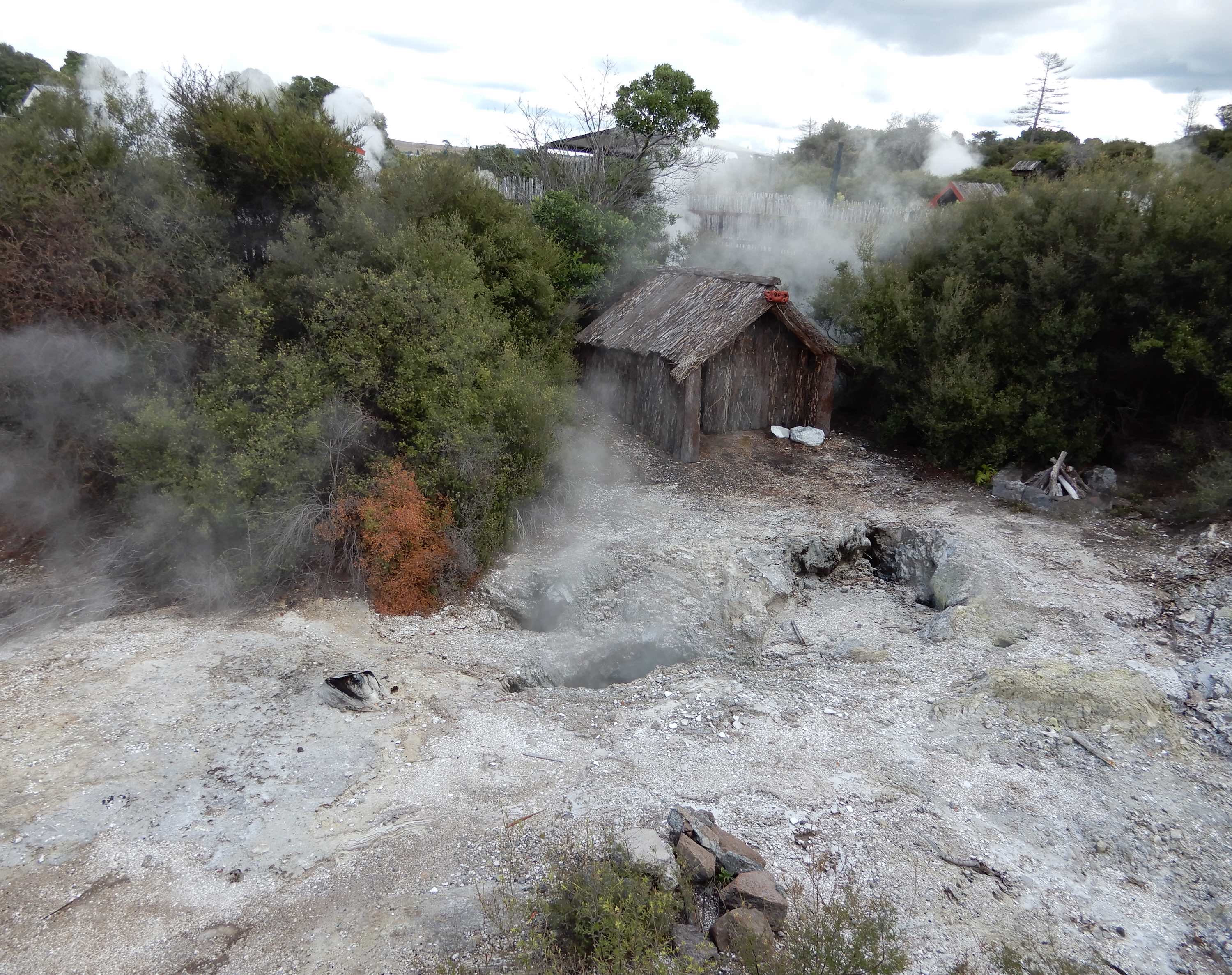
Just over the bridge is a wharepuni, or sleeping house, traditionally built with natural materials such as tree ferns. A bit too close to the hot springs for my liking but apparently handy to make use of the heat.
The Ancestral Meeting House is named after Wāhaio, the traditional carvings tell stories and legends of his people and their tribal connections.

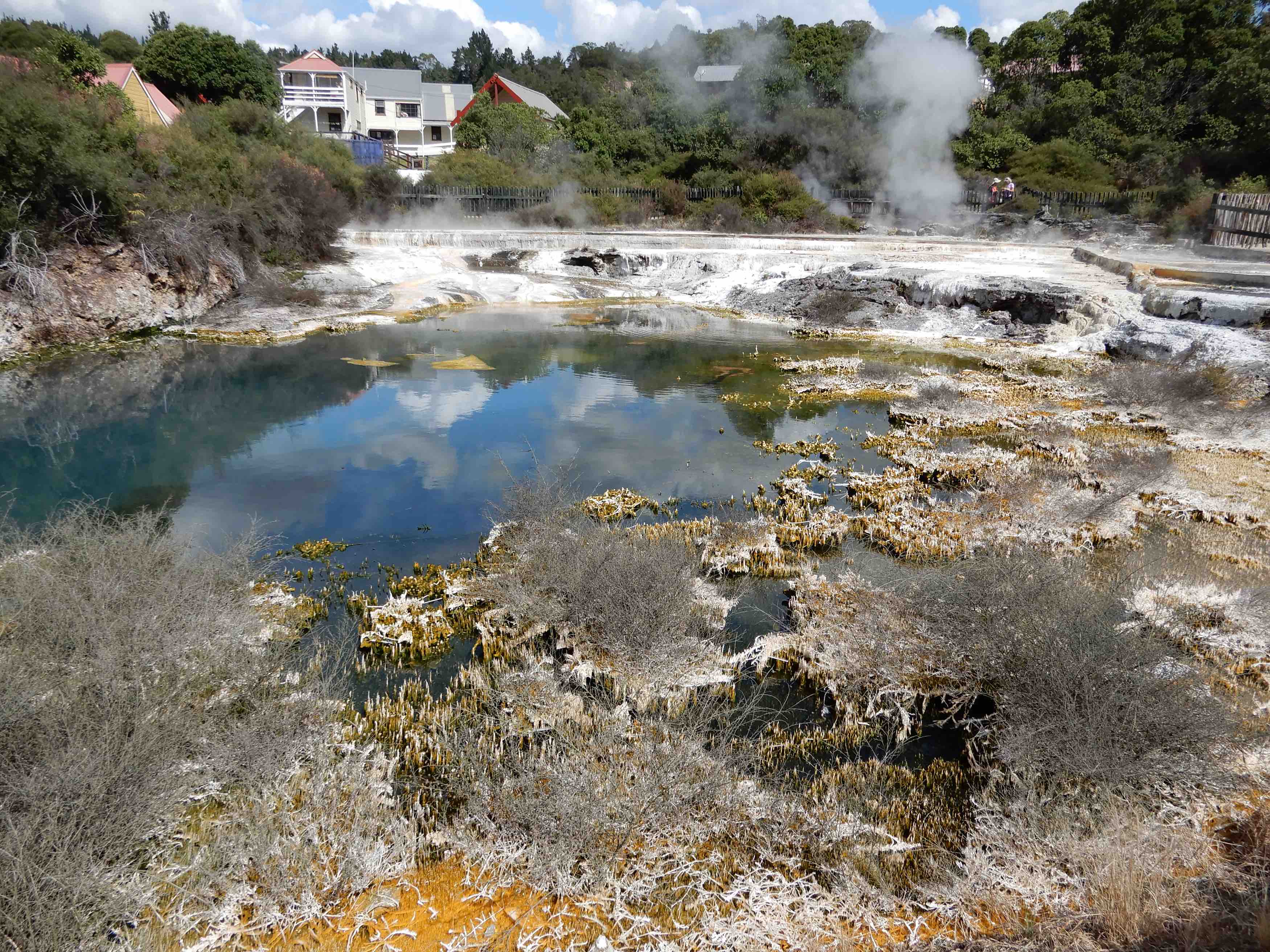
With time to spare before the afternoon cultural performance, we wandered past thermal lakes, mud pools and steam vents

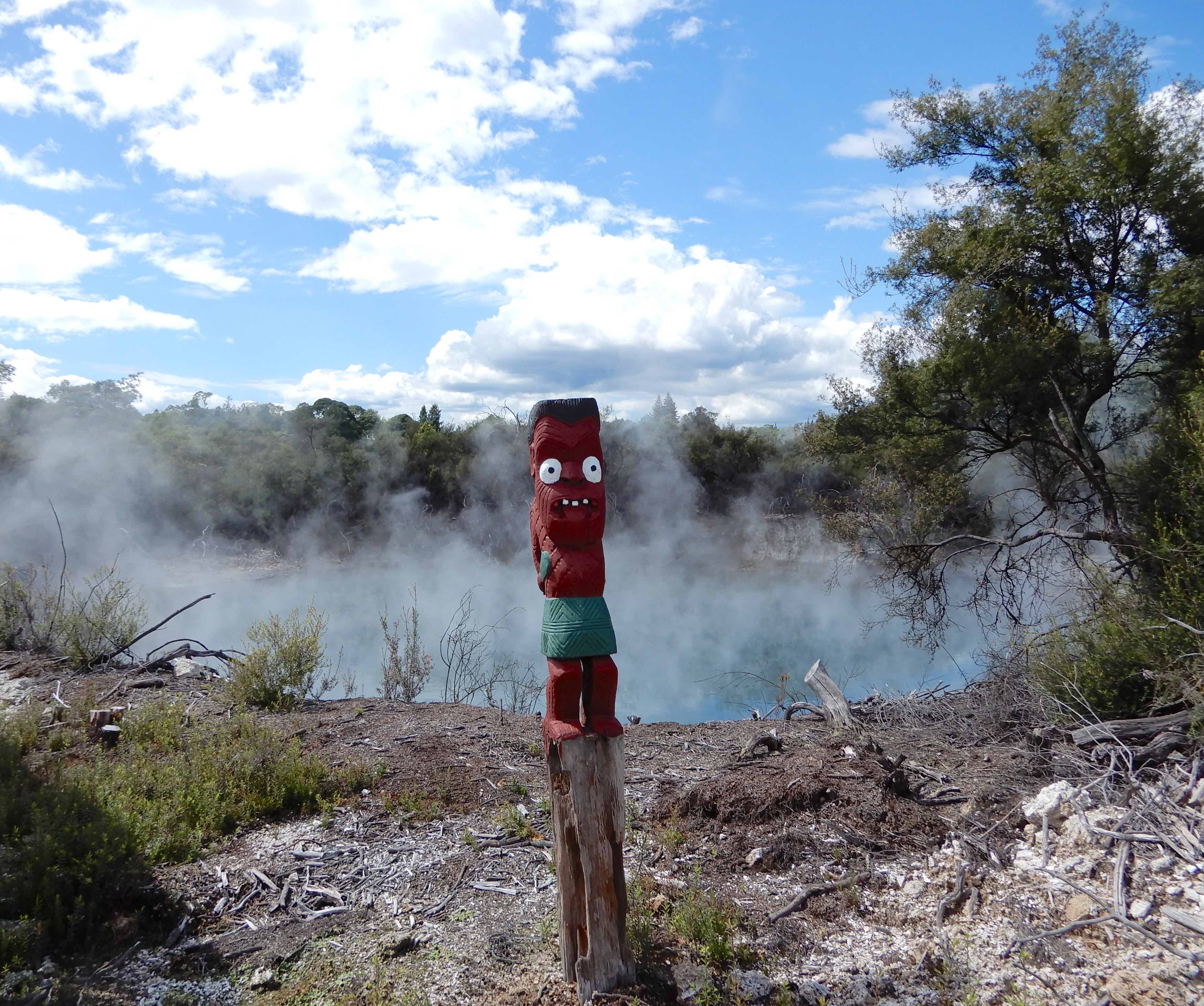
to the bubbling waters of Te Roto a Tamaheke. Named after a chief living in the area many years ago, the lake has a number of hot springs that heat it above boiling point.

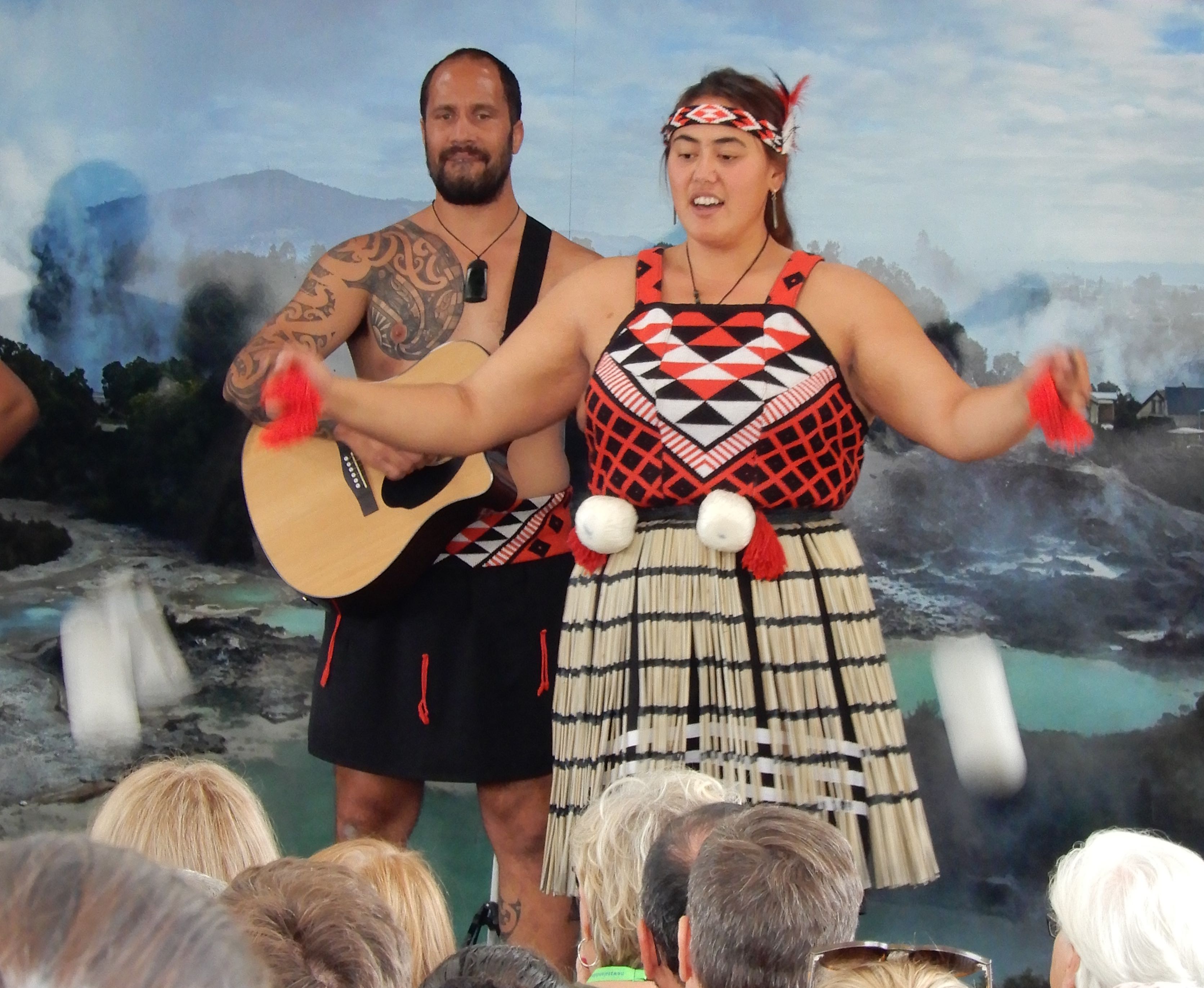
Before the entertainment began, we were introduced to some of the quirks of the Māori language. The explanation of the vowel sounds, none of which are pronounced the same as in the English language, was highly amusing. We were surprised to learn that ‘Wh’ is vocalised as an ‘f’ sound, an interesting concept when the name of the village is shortened to Whaka. The local performing group, Te Pakira, opened the show with a waiata-ā-ringa, an action song where the use of fluttering hand movements support the lyrics, symbolising shimmering waters, heat waves and such like.
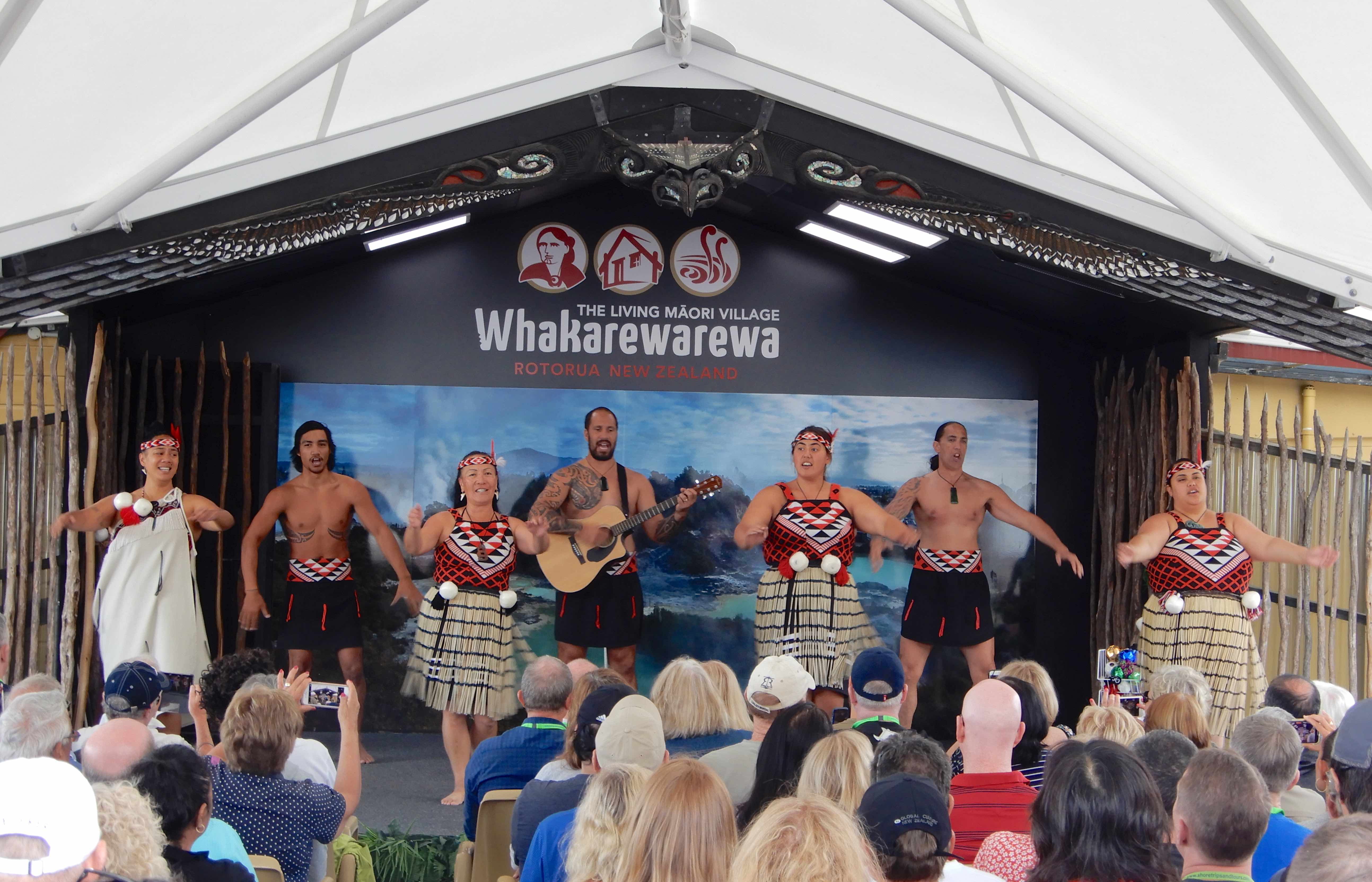
A beautiful rendition of the love song, Pokarekare Ana, brought a tear to the eye. First sung at an army camp at Auckland in 1914, the song tells of Paraire Tomoana’s courtship of Kuini Raerena.

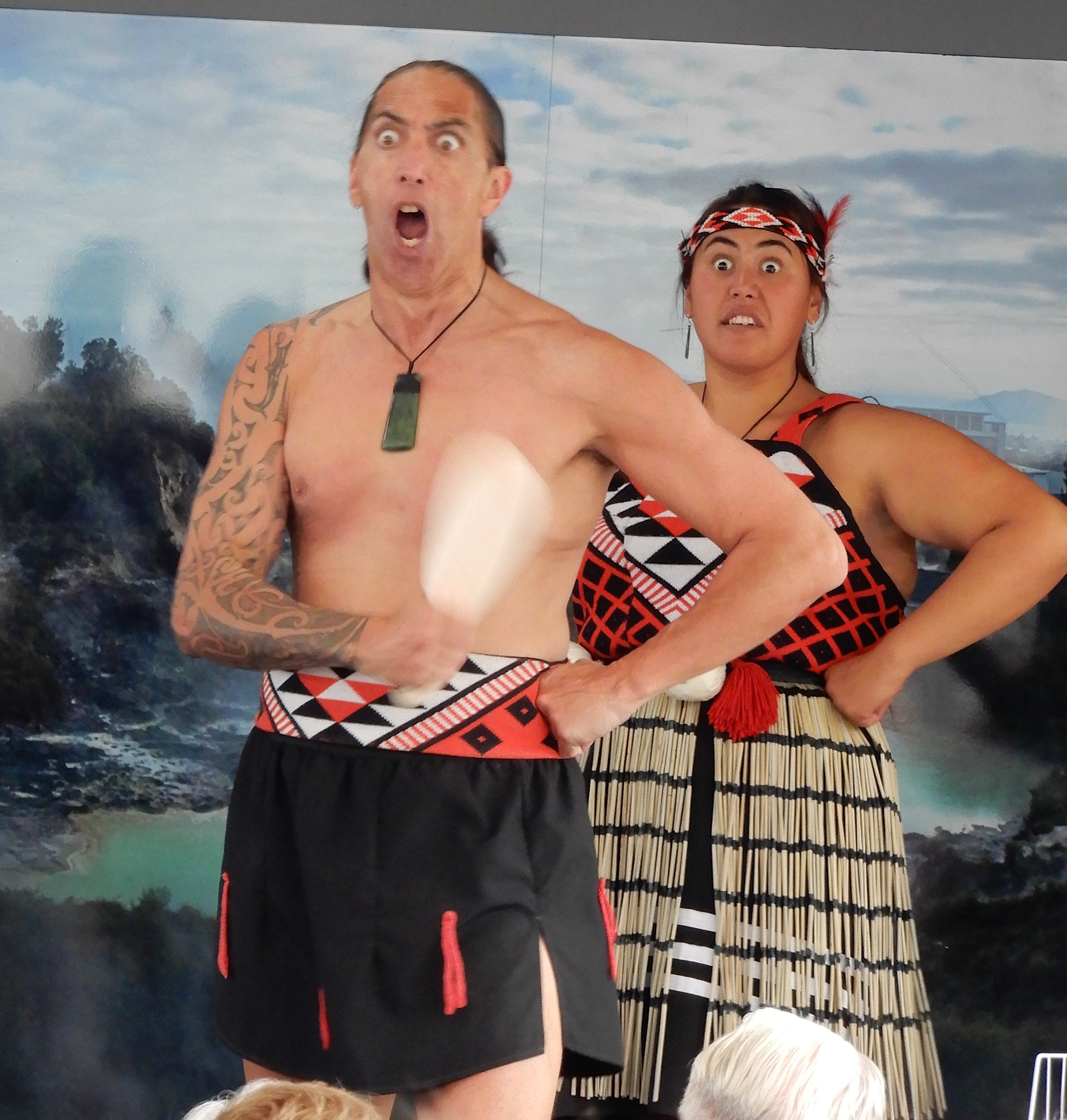
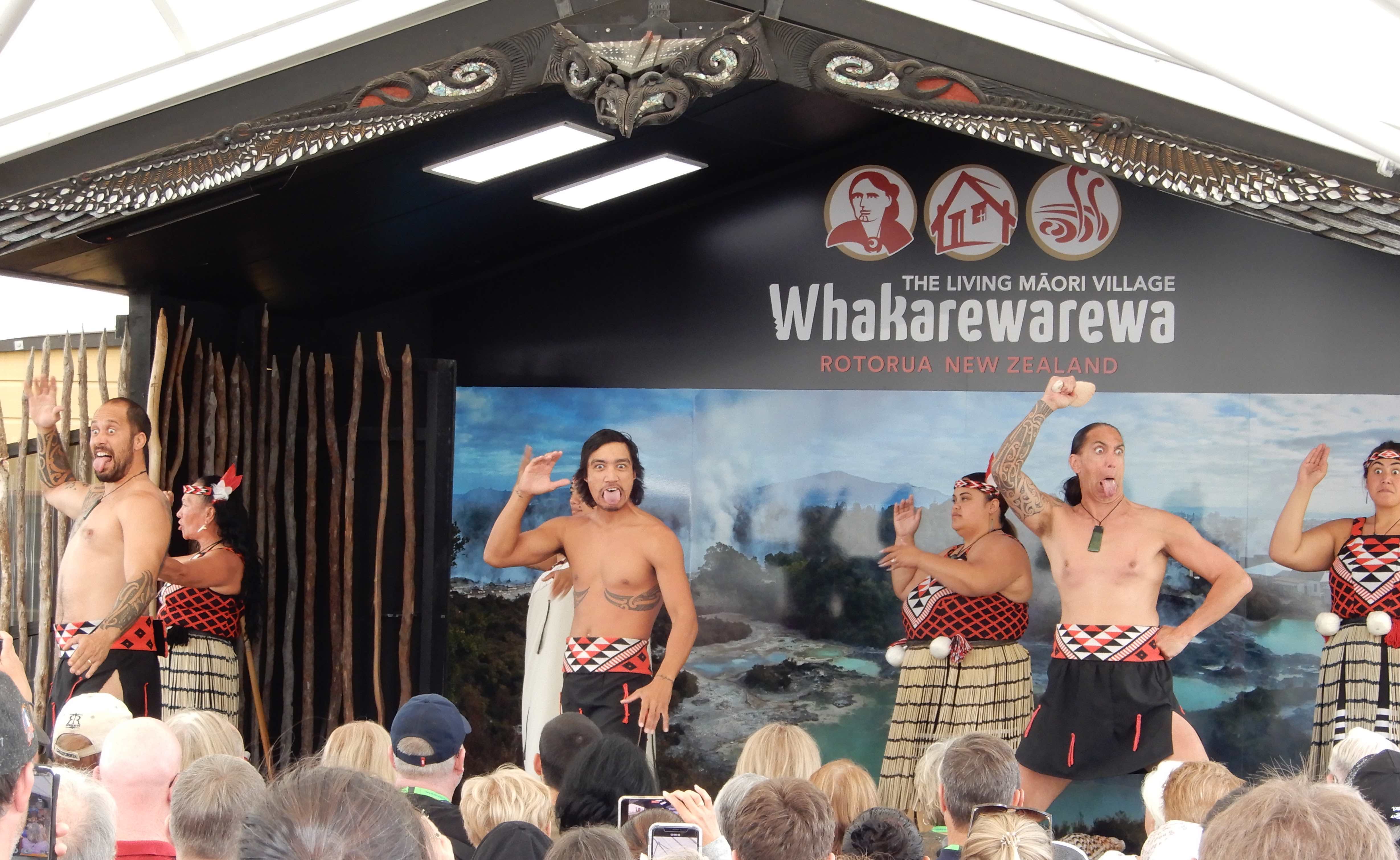
Next came the moment we had been waiting for – the Haka. The loud chanting, foot stomping, thigh-slapping war dance accompanied by poking tongues and staring eyes certainly stirred the blood. For me, it is the highlight of any All Blacks rugby game.
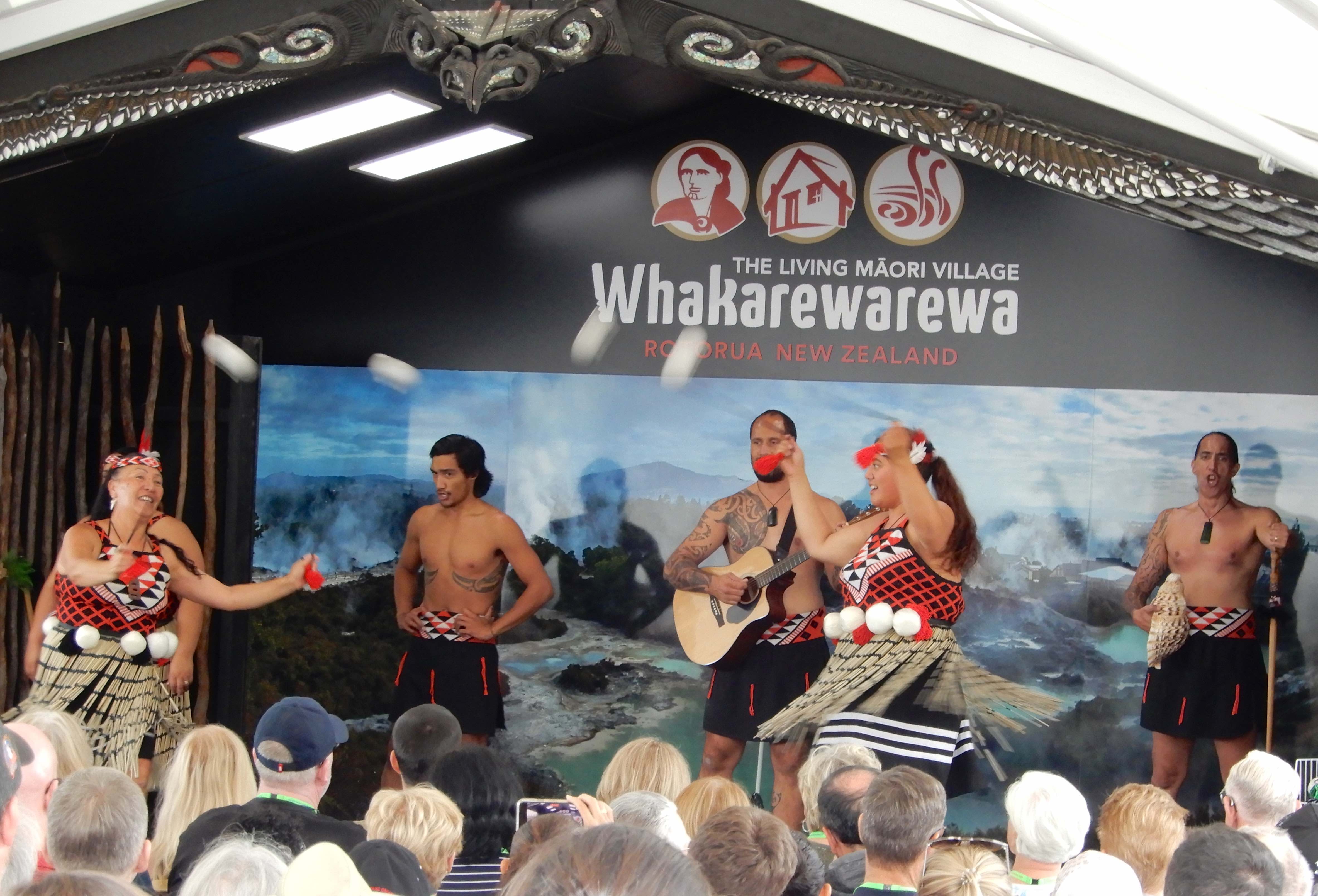
The skill and accuracy displayed in the stick games and Poi dances was boggling. The poi is a ball (or two) on a chord that is twirled in perfect unison with others and the direction can be changed by striking the ball on a part of the body, creating a percussive rhythm.

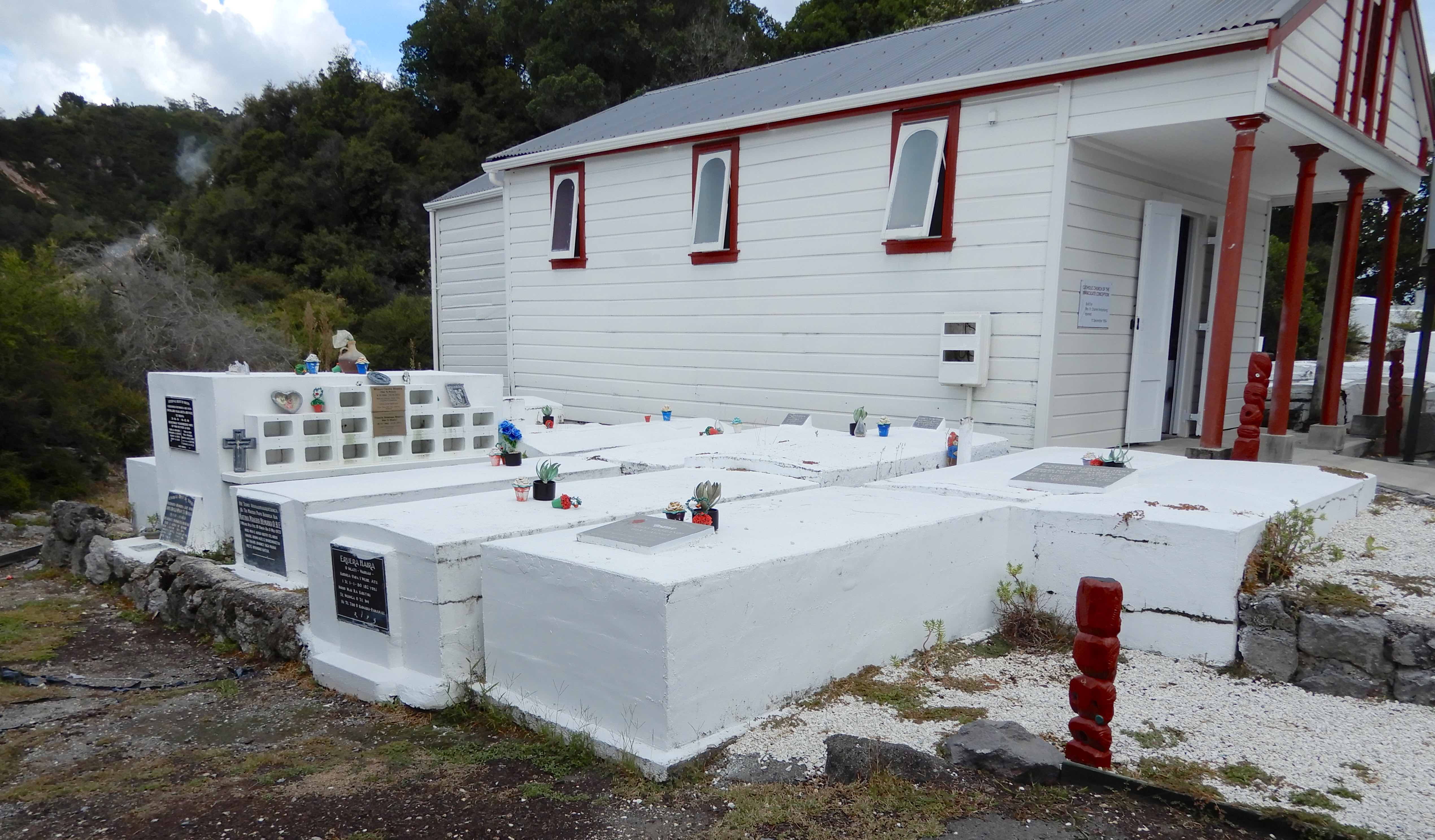
The performance over, we joined our guide for a tour of the village. The guiding tradition began over 200 years ago as tourism developed in the area and became a formalised profession for local Māori guides. The Catholic Church was built in 1905 and, due to the ongoing geothermal activity, in the cemetery the deceased are placed in tombs above the ground.
Retracing our steps down Tukiterangi Street

we turned left at Tuhoromatakaka, the family house built by master carver Tene Waitere in 1909 for guide Maggie Papakura.

The first inhabitants of the village discovered that food can be cooked by harnessing the heat from the ground and the steam box hangi is still used by the twenty one families living in Whakarewarewa.

The largest hot spring in the village, Parekohuru, is used for cooking leaf & root vegetables and seafood. Every 45 minutes or so, the pool pulsates and the water rises. The water level then drops and bubbles rise to the surface, hence the name ‘Champagne Pool’. I must say, I prefer my champagne on the cooler side.

At this point, I was distracted by the spectacular cloud formations.

Storms weren’t forecast but the nearby pools, Purerehua, told a different story. They are affected by the change in atmospheric pressure and when the water level drops, it means a change in the weather is imminent.
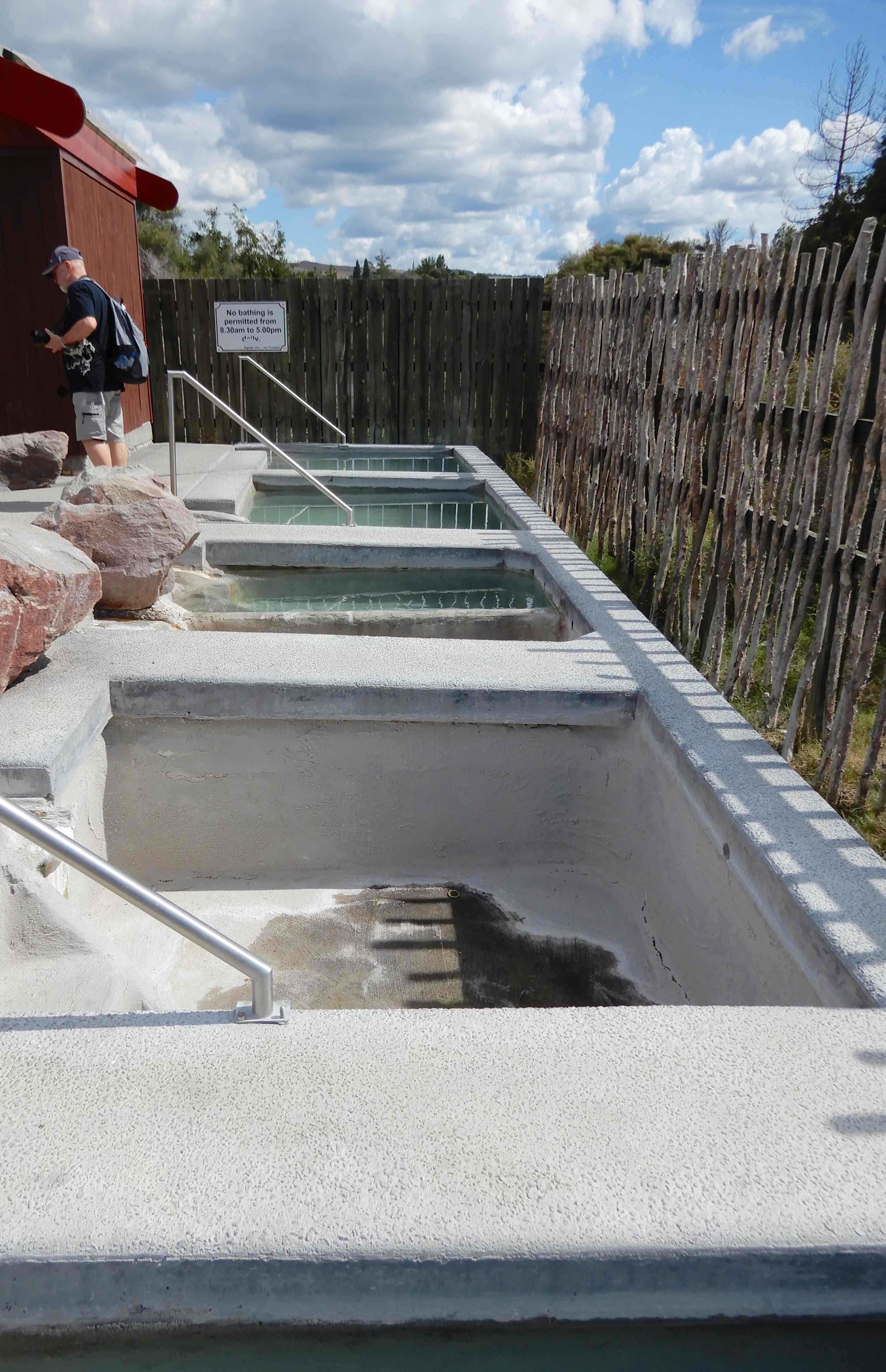
Many families in the village bathe in the communal baths known as oil baths because of the oily texture and mineral deposits in the water. It is very good for the skin as well as treating the aches and pains of arthritis and rheumatism.
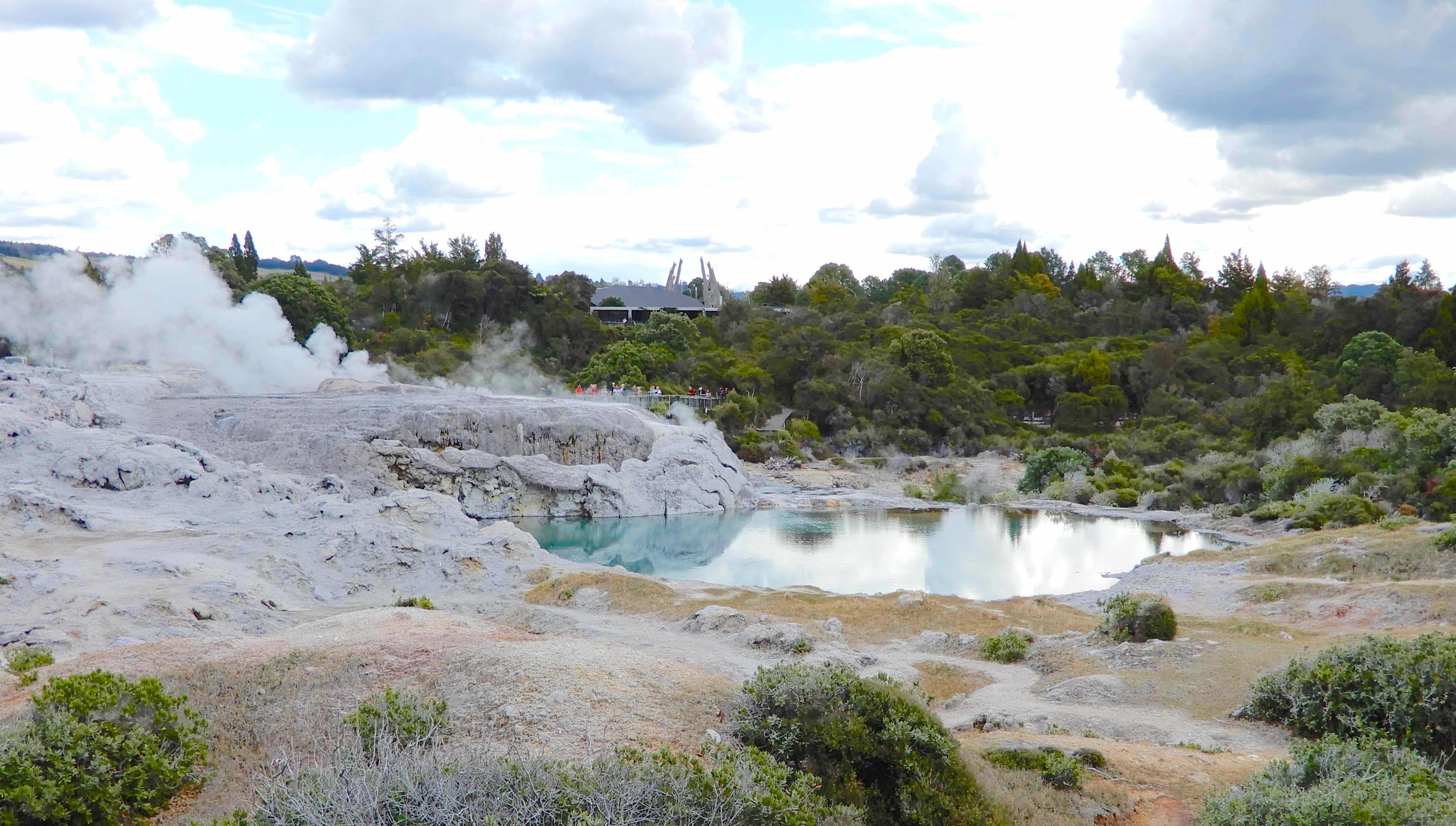
The view from the Pōhutu Geyser lookout was quite ethereal. There are three active geysers aligned on the sinter terrace, a rock made of very fine-grained silica formed from the waters of the hot springs. The blue pool in front of the terrace is not fed by its own hot spring but collects water from the geysers.
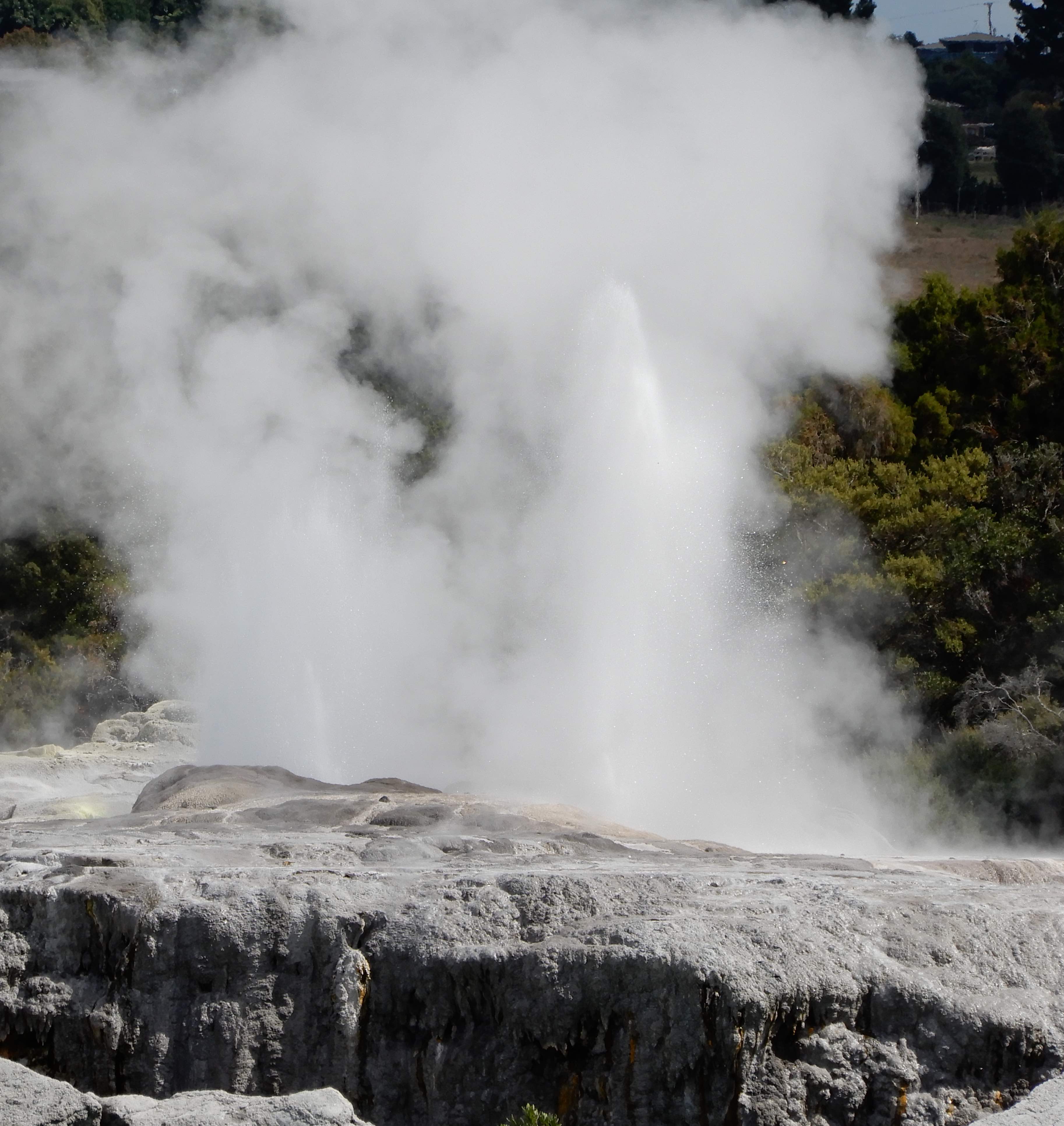
The activity of each geyser affects the others with the largest, Pōhutu, erupting hourly up to a height of 30 metres. Its closest neighbour, Prince of Wales Feathers, always precedes Pōhutu but only to a height of 9 metres. The original name was Te Tohu (The Indicator) but it was renamed in 1901 on the occasion of a visit from the Prince of Wales because the geyser’s plume resembled the feathers on his coat of arms. The third geyser, Kererū, is named after an endemic New Zealand pigeon because the behaviour is as erratic as that of the bird. Unfortunately, we didn’t witness the full spectacle but were most impressed by the display we observed.
According to Māori myths and legends, the Whakarewarewa thermal area was created when Te Hoata and Te Pupu (Goddesses of Fire) travelled from Hawaiki in the form of fire to relieve their brother’s chills. Along the way, they created New Zealand’s volcanoes, mud pools, geysers and hot springs. I think they excelled themselves.
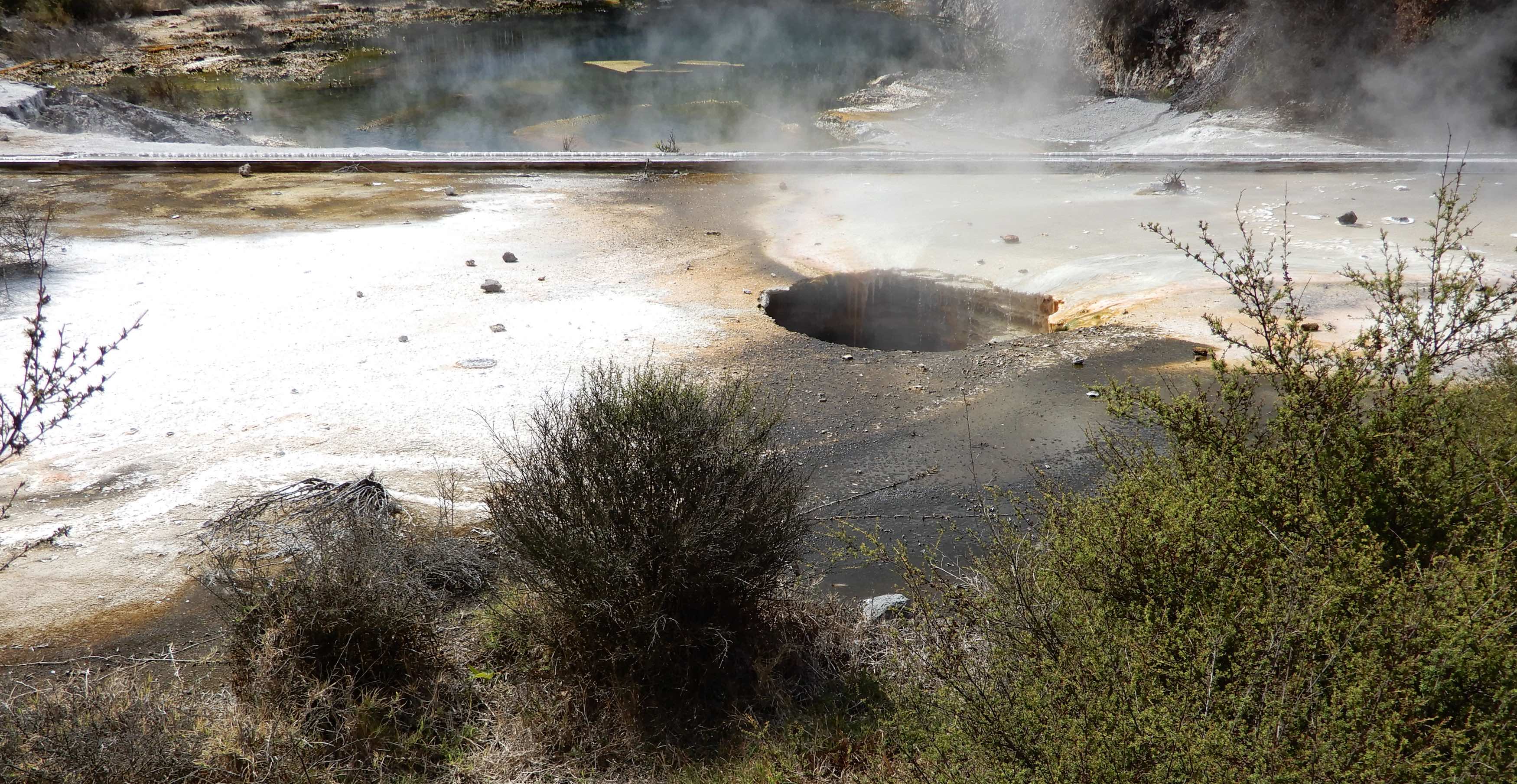
We meandered back through the village, reflecting on the lifestyle in this amazing part of the world

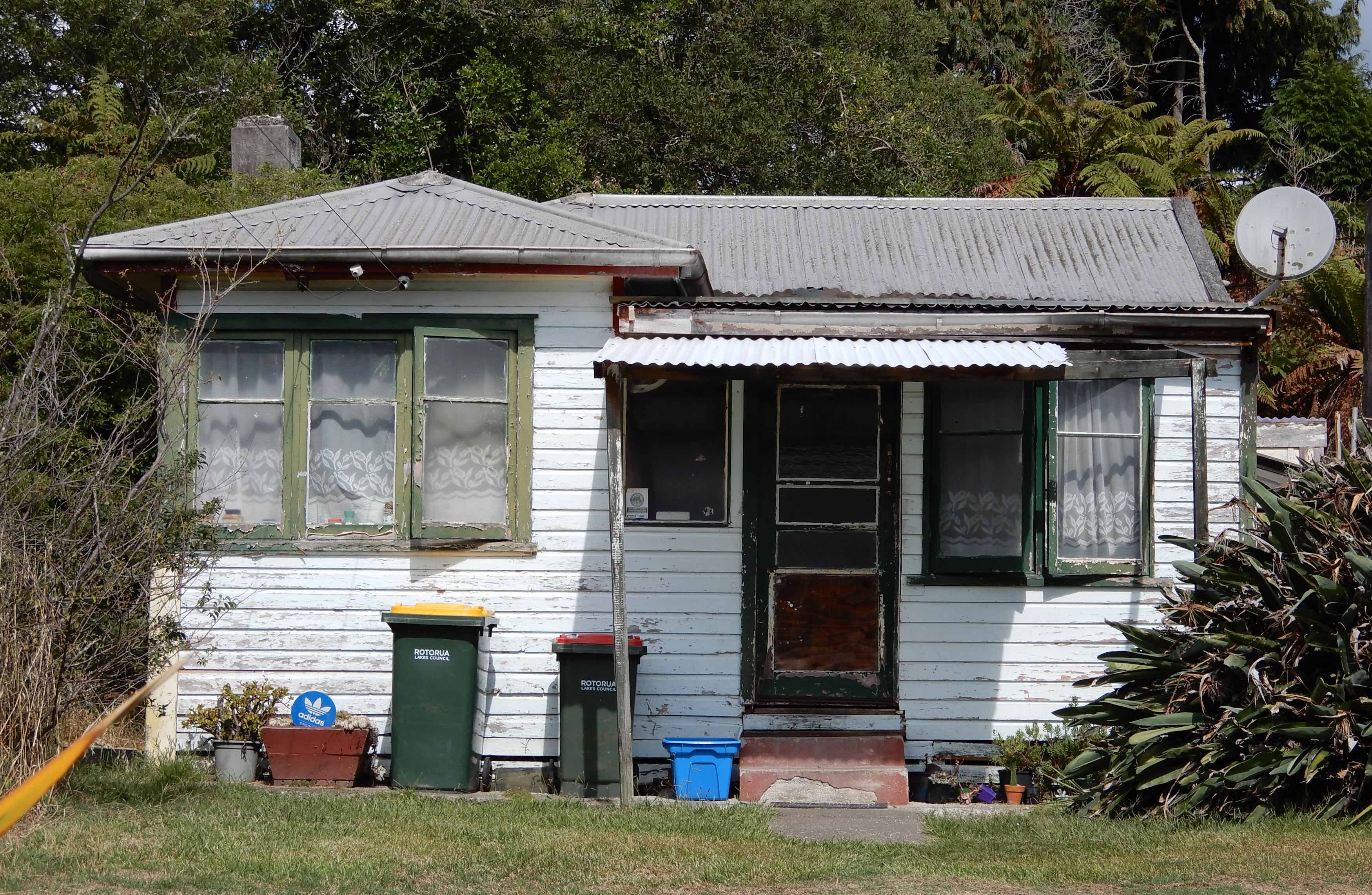
and the stunning landscape beyond.

Bomarzo

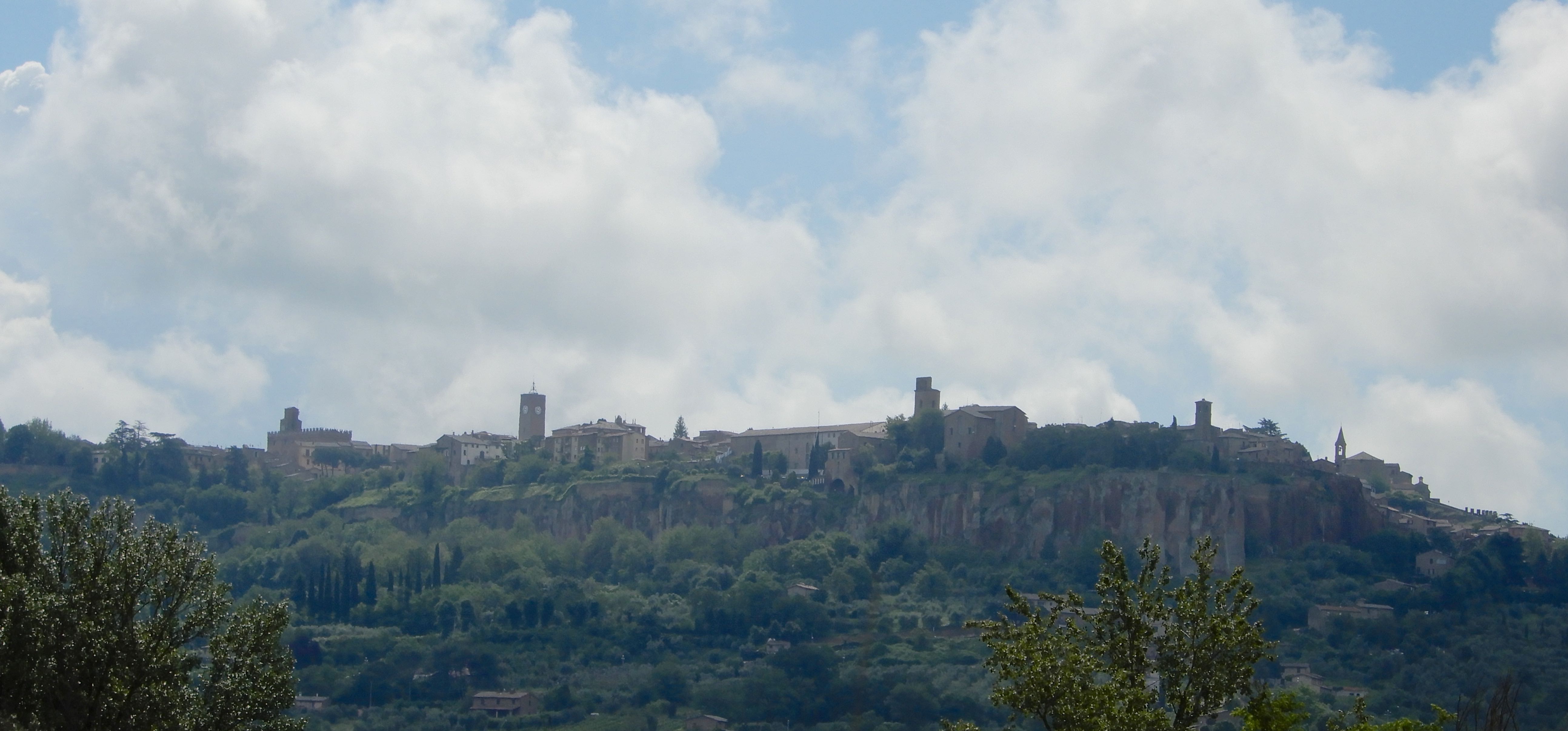
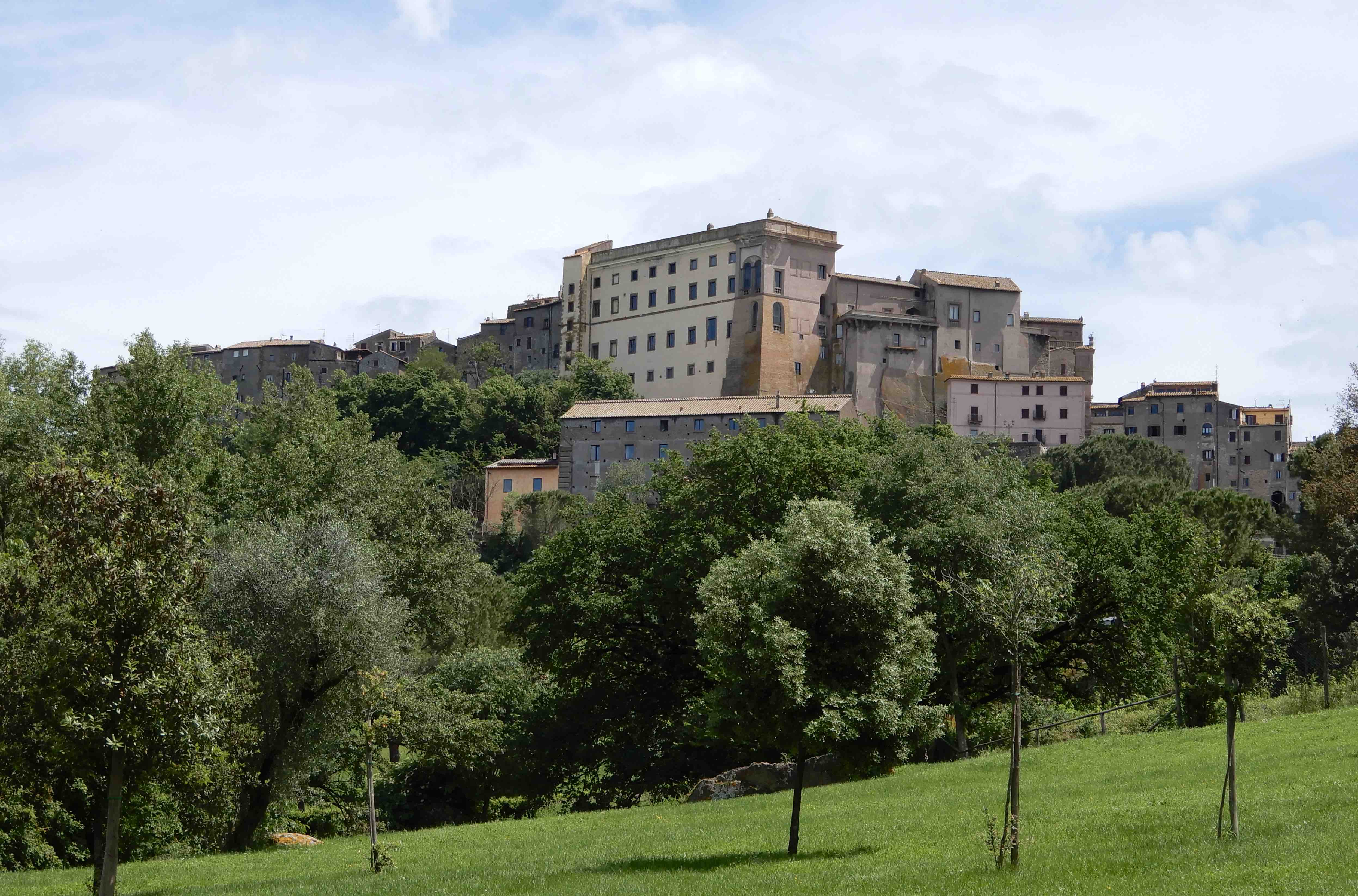
After a morning spent wandering amongst the monsters at Parco di Mostri we were in need of light refreshment. The ancient hill town of Bomarzo was only a short drive away

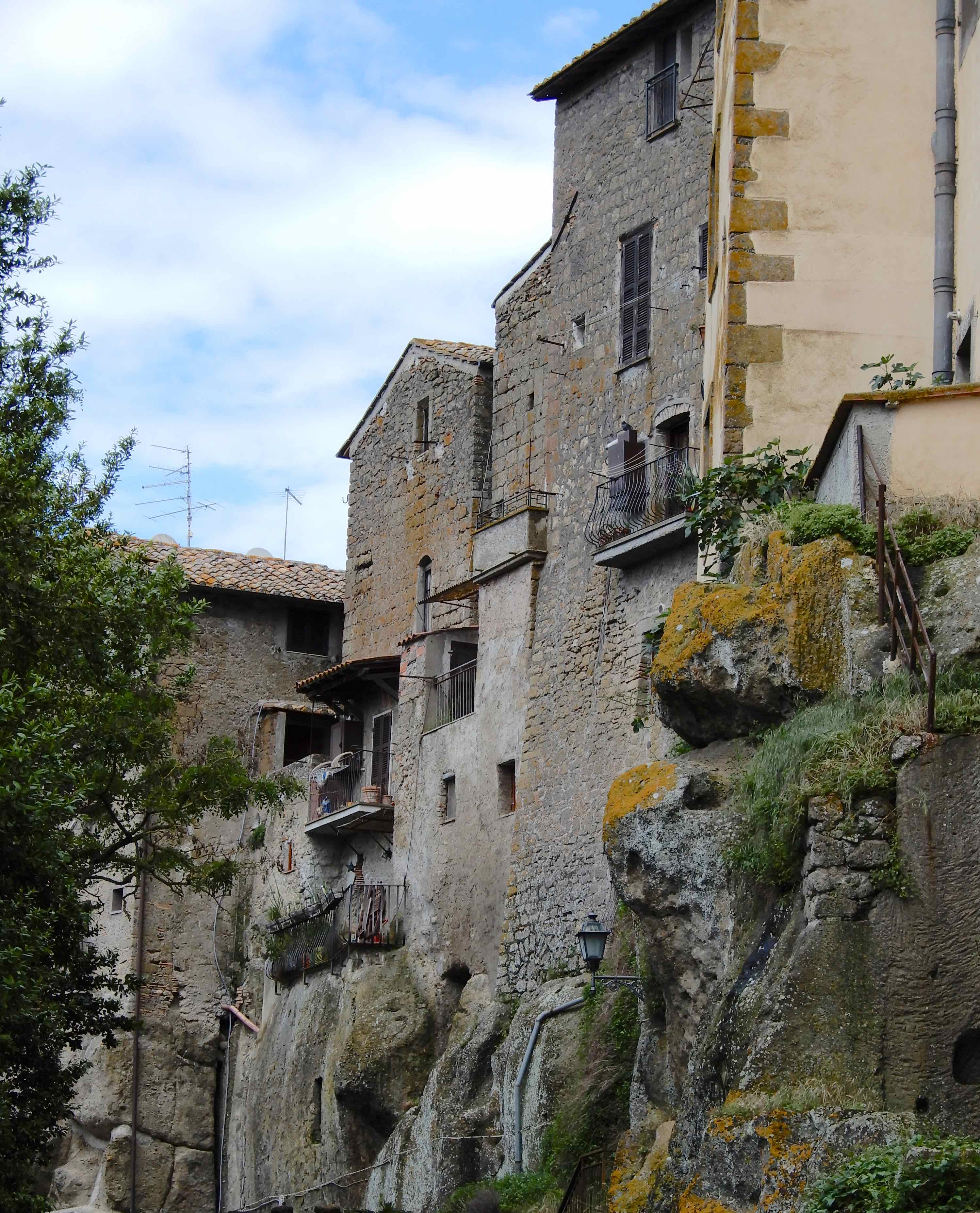
and the neighbouring hamlet of Mugnano in Teverina rose on its own tufa mound.

The Etruscans populated Bomarzo until the Romans conquered it in the 5th century BC. The town has been repeatedly invaded and has changed hands several times before being sold to the city of Viterbo in 1298 and then given to the Orsini family in the 16th century. The building of Palazzo Orsini on the remains of an older medieval castle began in 1519. It is made up of two main buildings and occupies nearly half the town.

We parked the car on the outskirts and, at the risk of intruding, I just had to photograph this beautiful young couple sharing lunch.

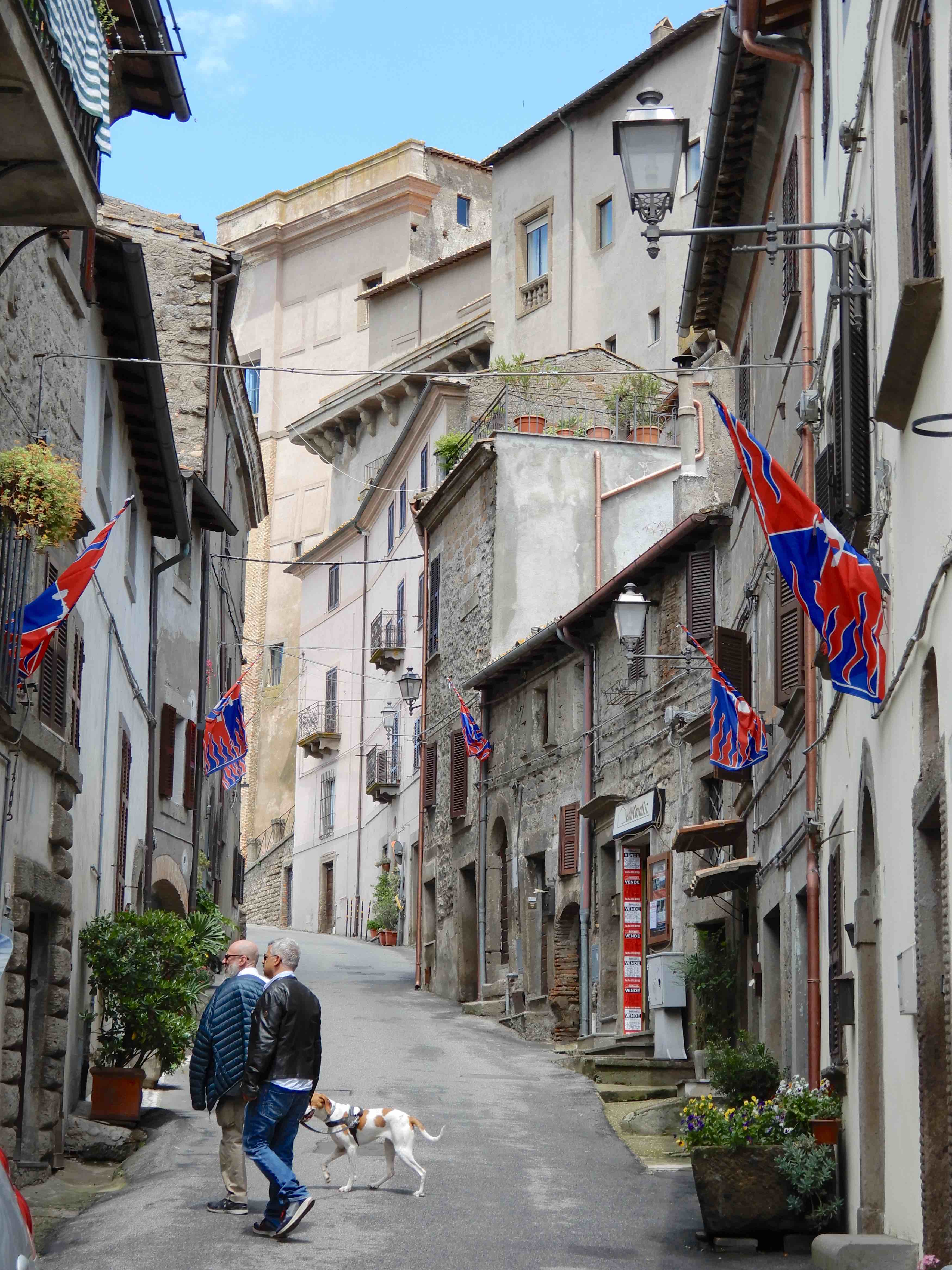
We slowly ascended the narrow streets,

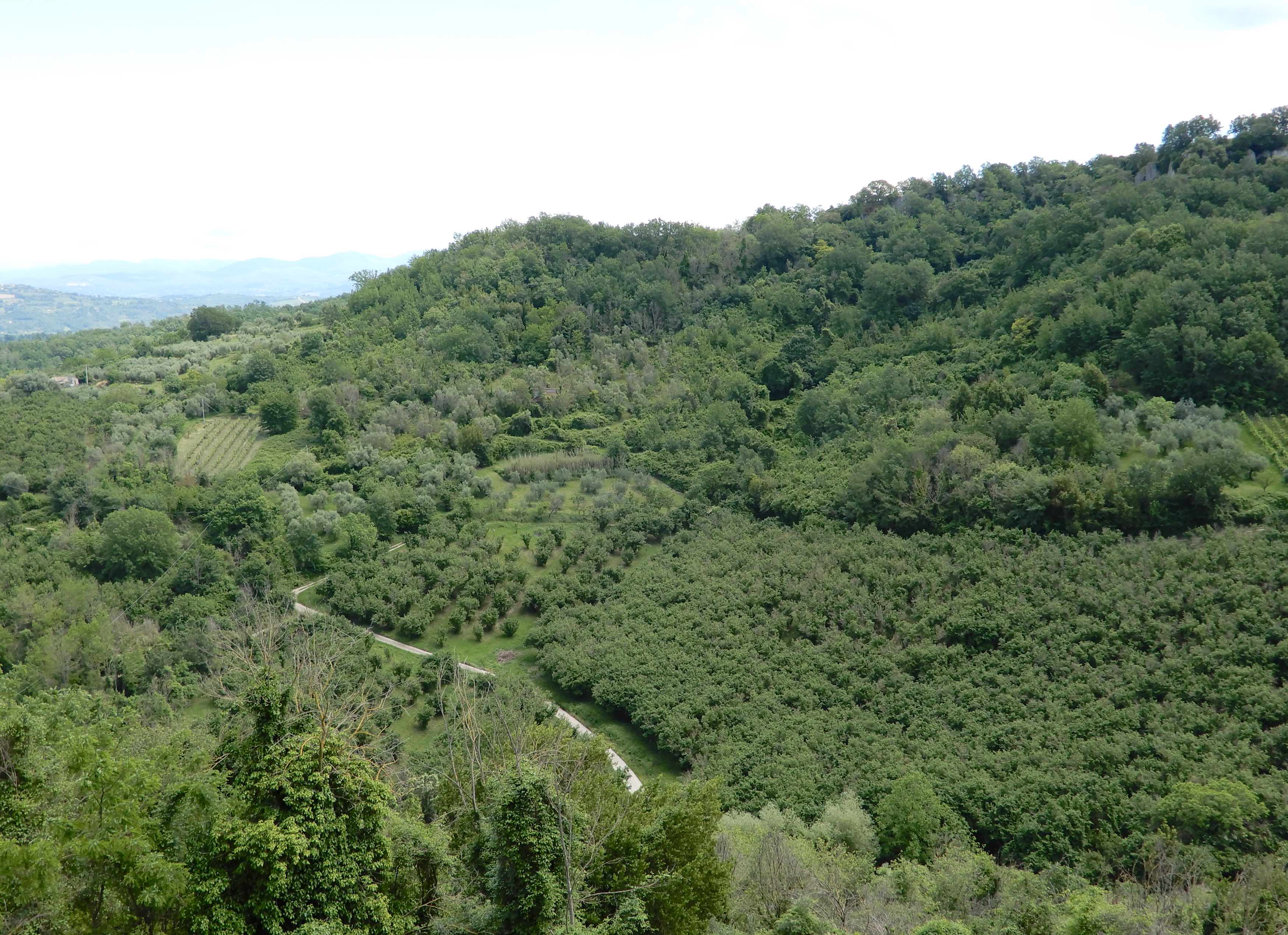
resting to admire the vista across olive groves.

Mugnano in Teverina was now below us and the town of Giove, across the River Tiber in Umbria, was visible in the distance.

With yet more climbing ahead we were very relieved to find an elevator to transport us to higher ground.

The panorama from the top was breathtaking,

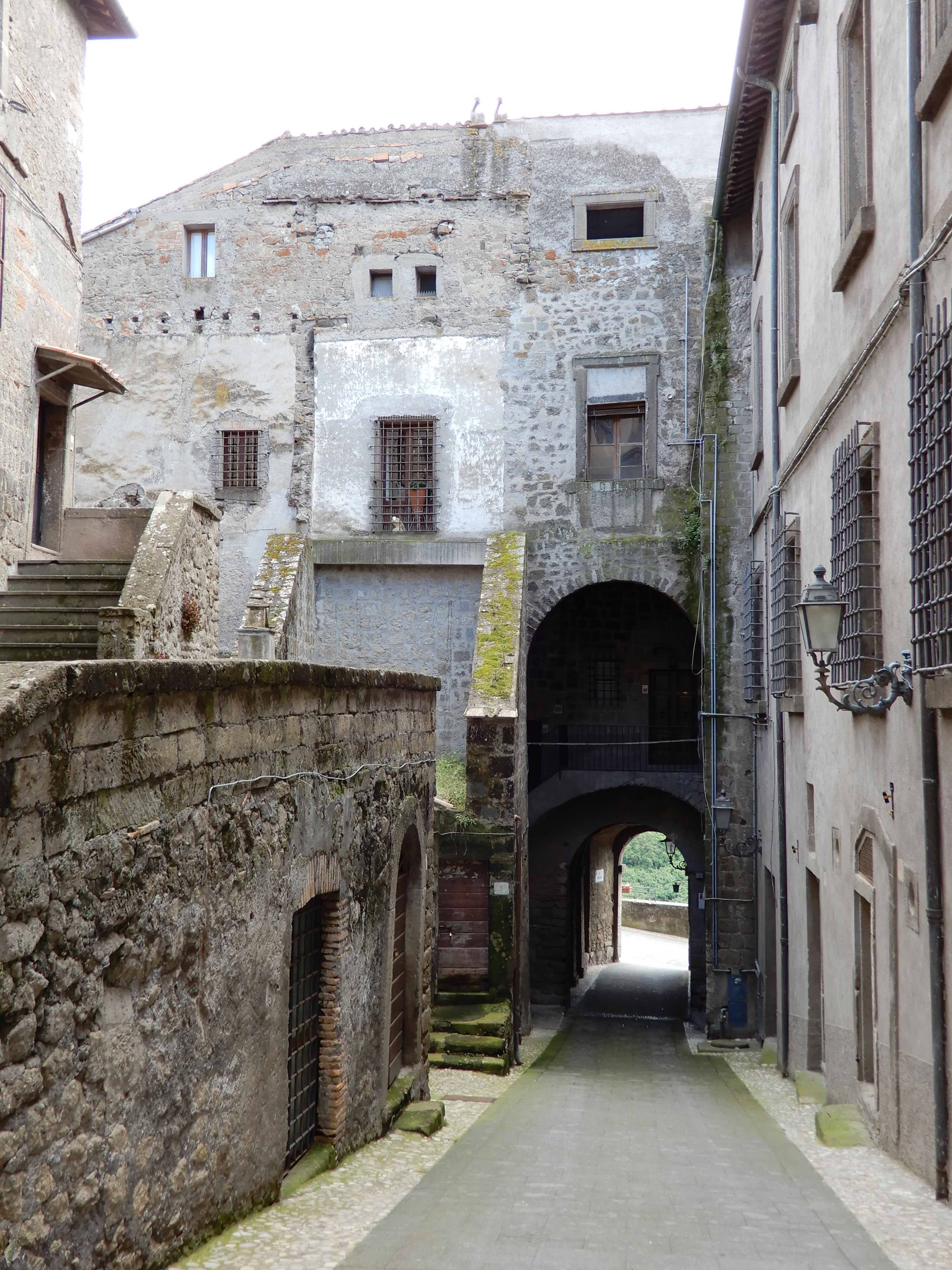
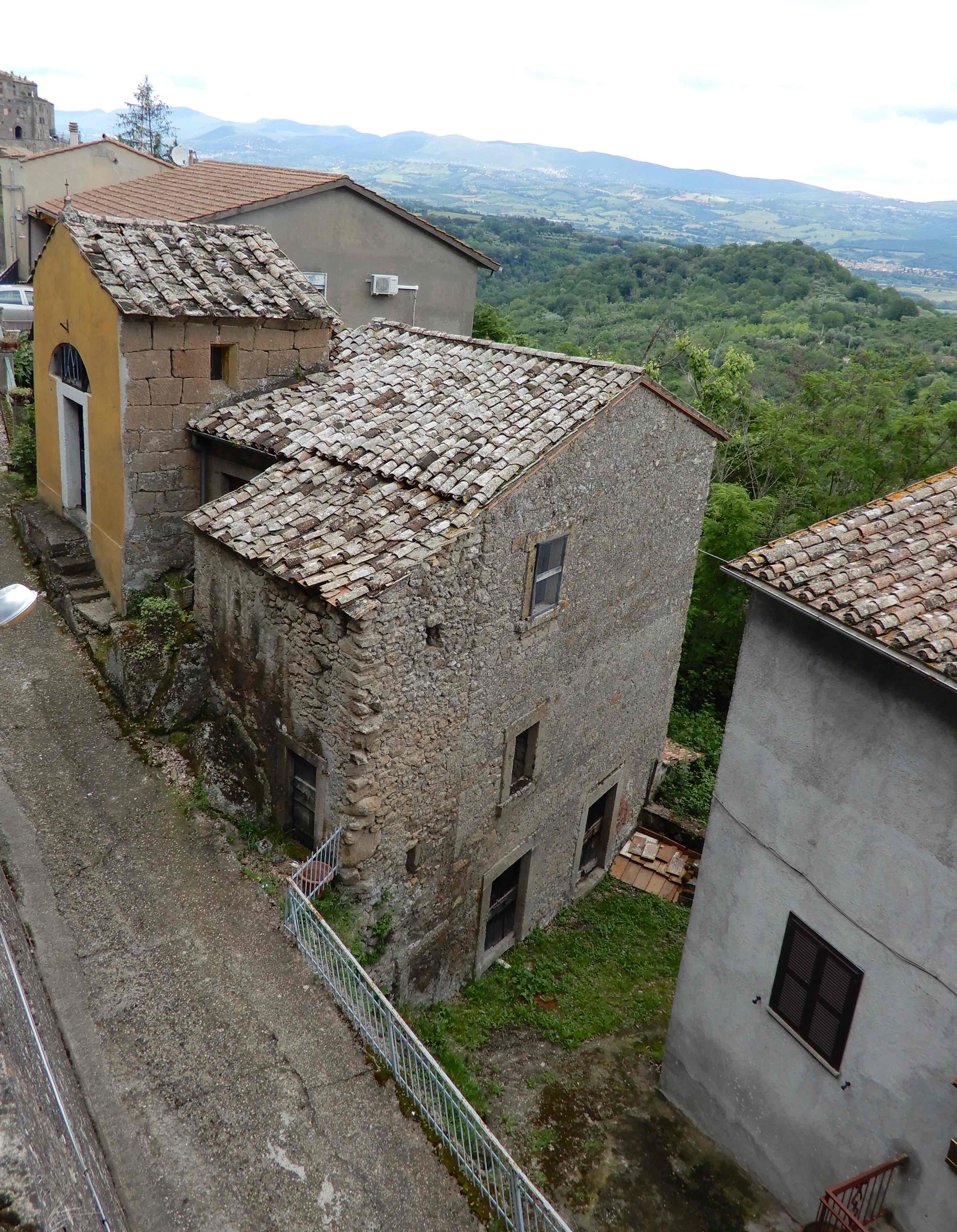
the streets became alleyways

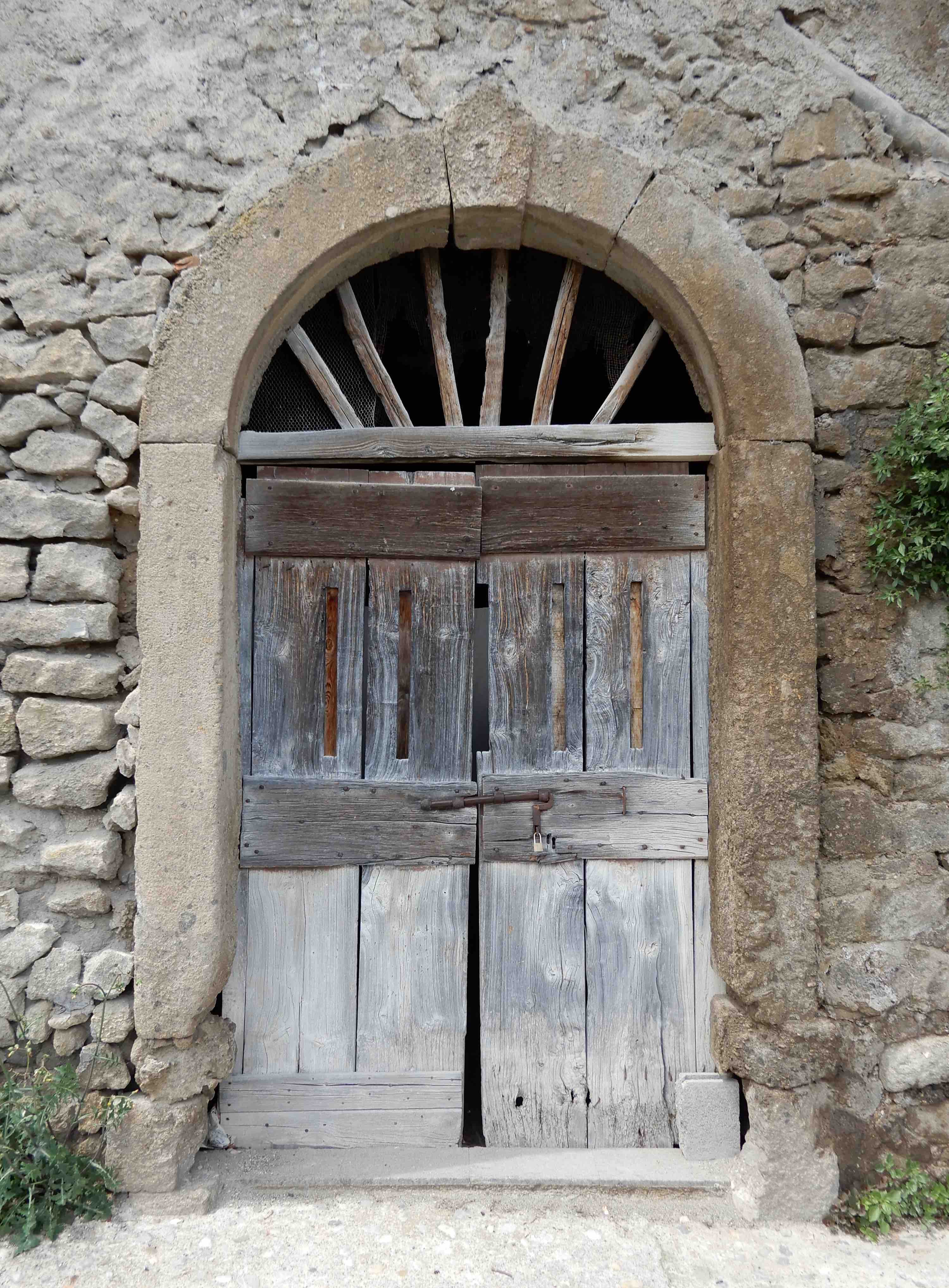
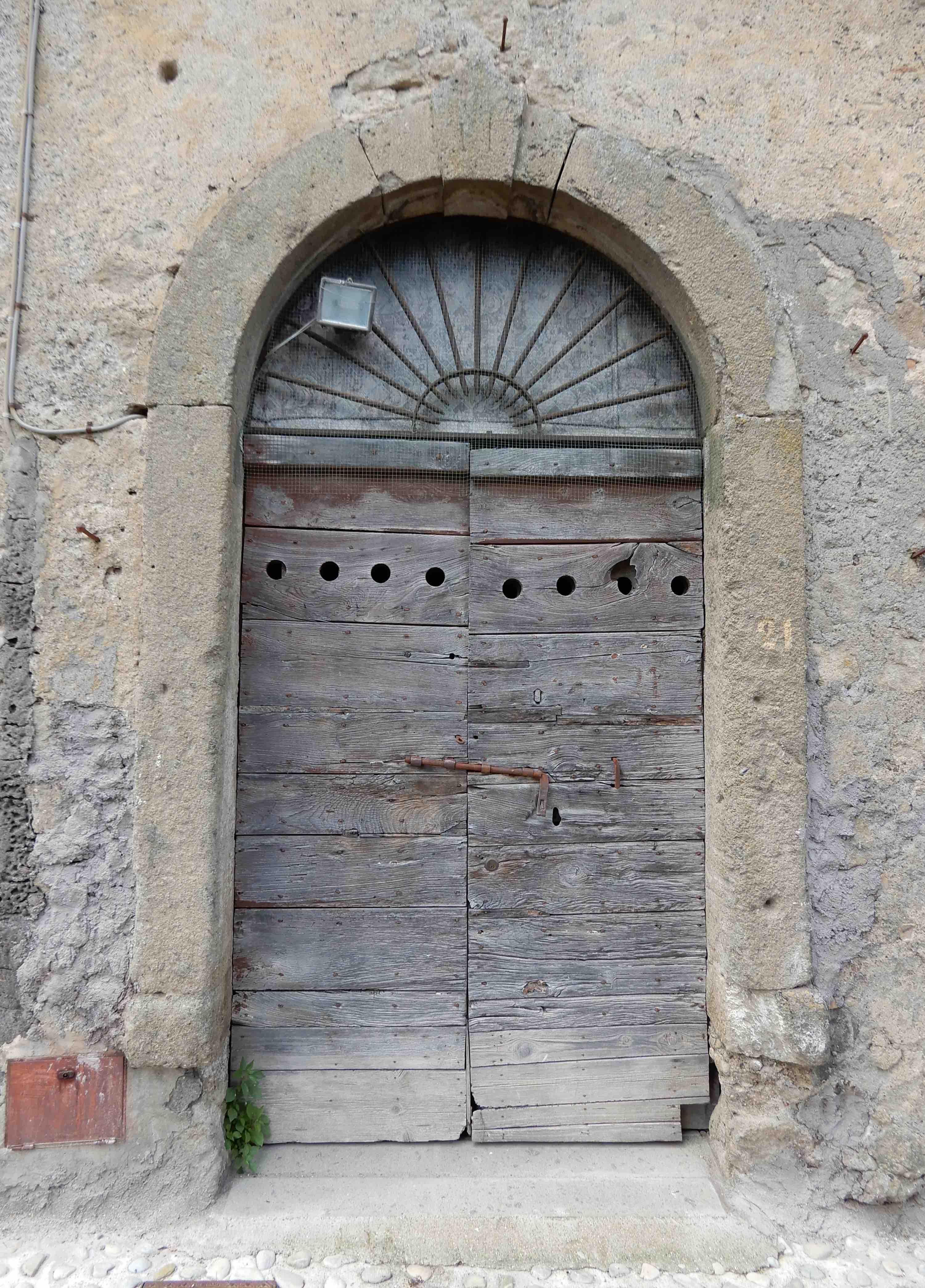
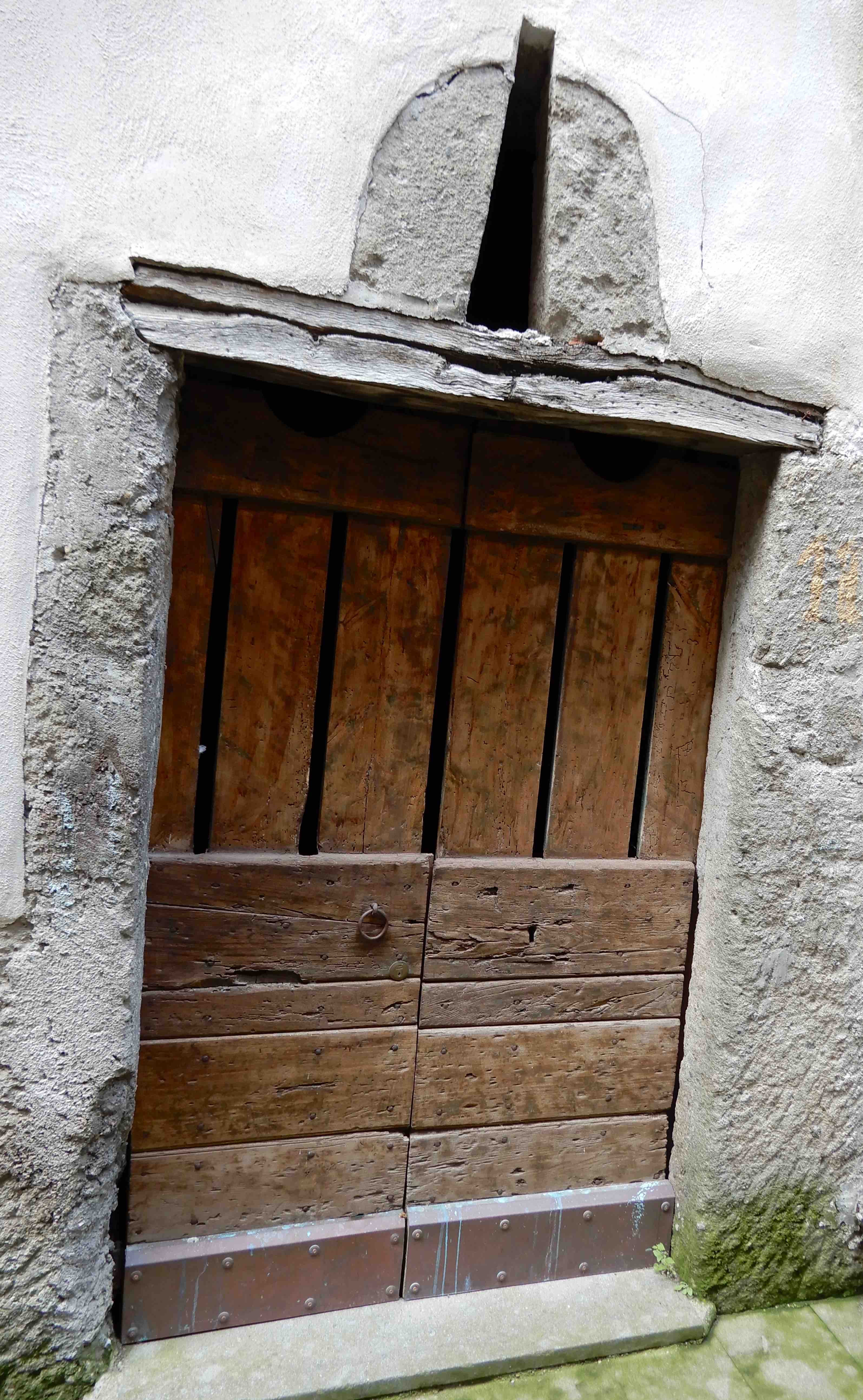
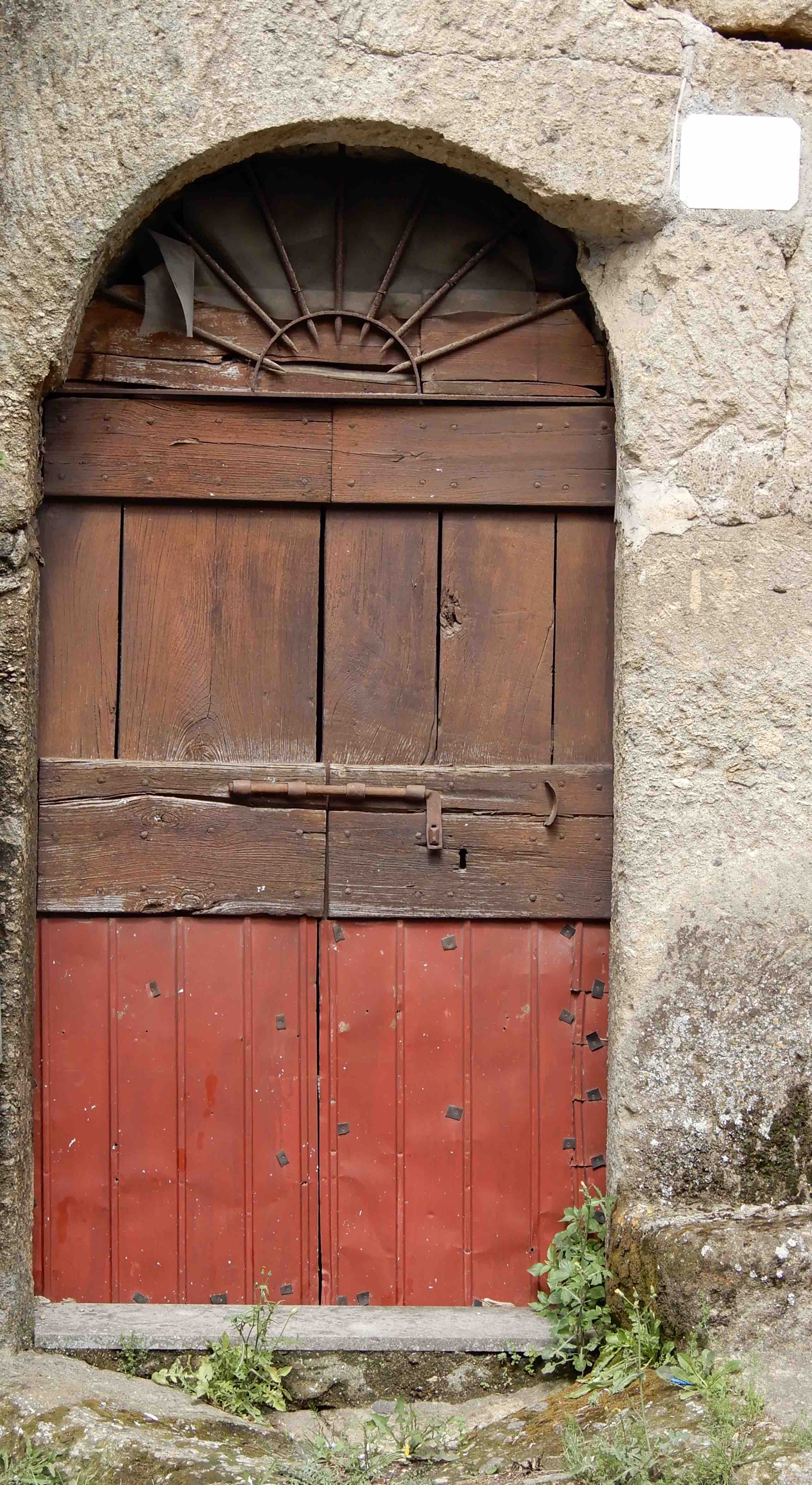
and the myriad doors were fascinating.

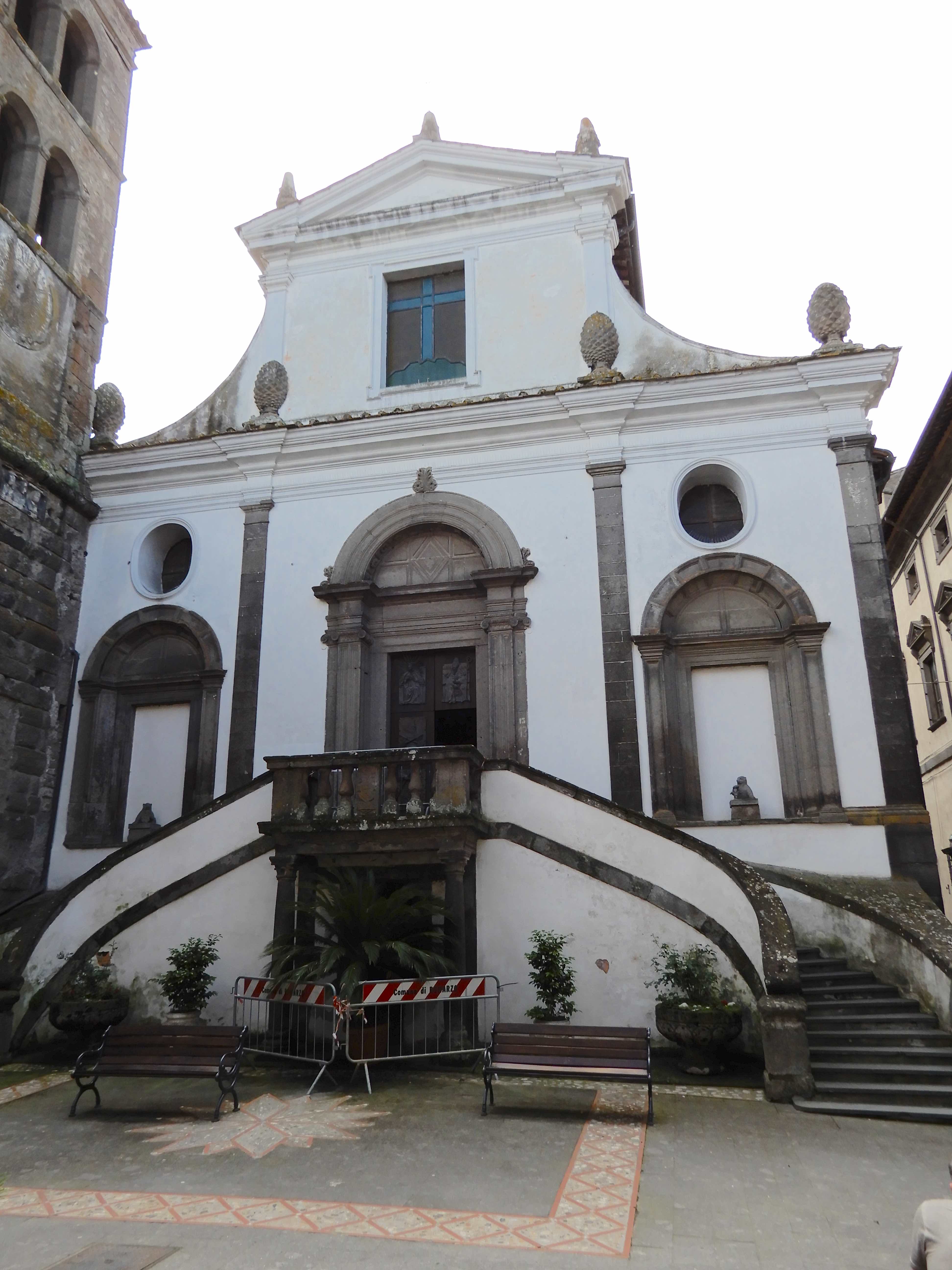
The 15th century cathedral of Bomarzo, dedicated to Santa Maria Assunta, was given a Renaissance façade and decorated with frescoes when Prince Orsini renovated it the following century.

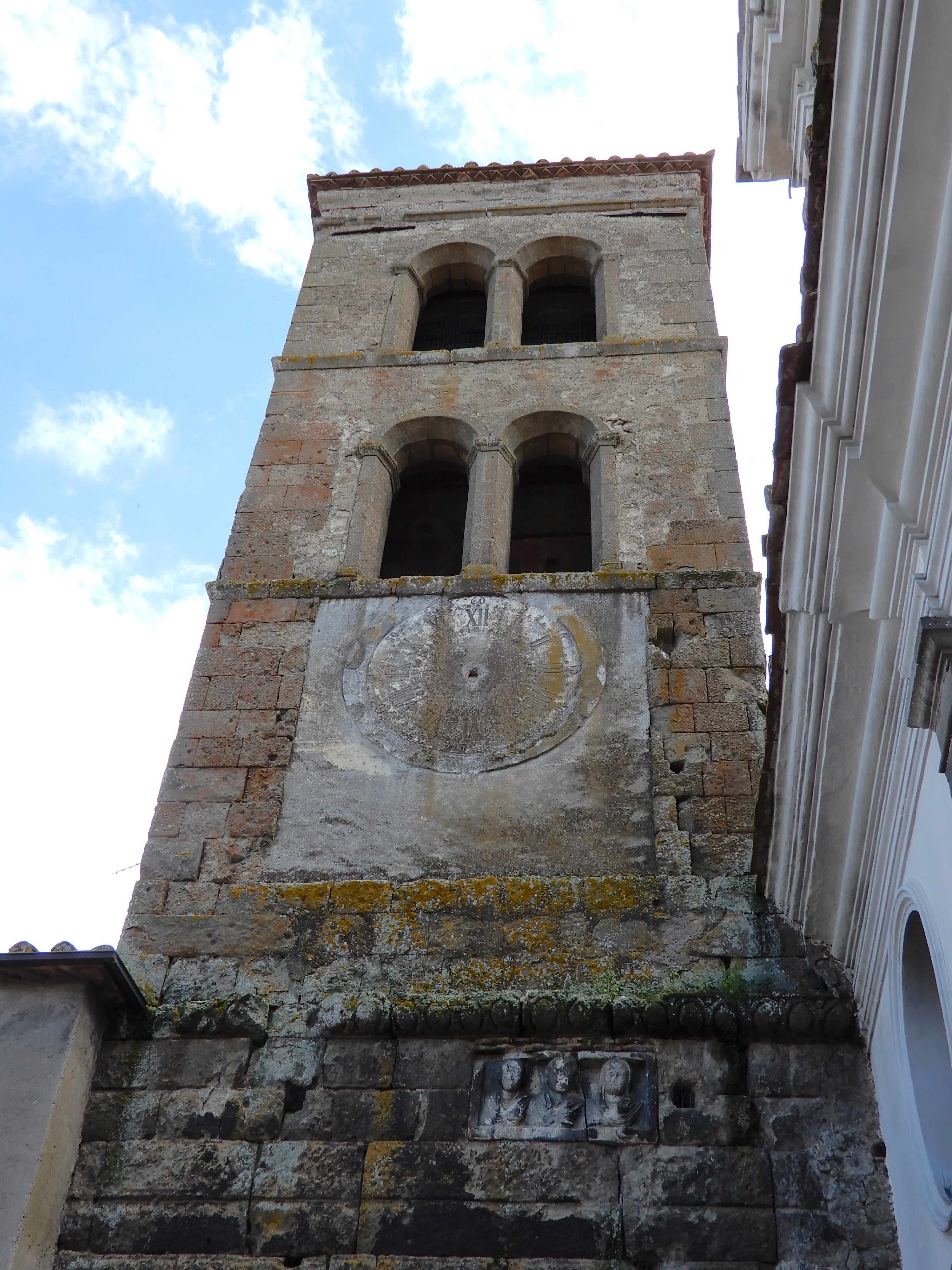
The fabulous belltower is built from blocks of peperino

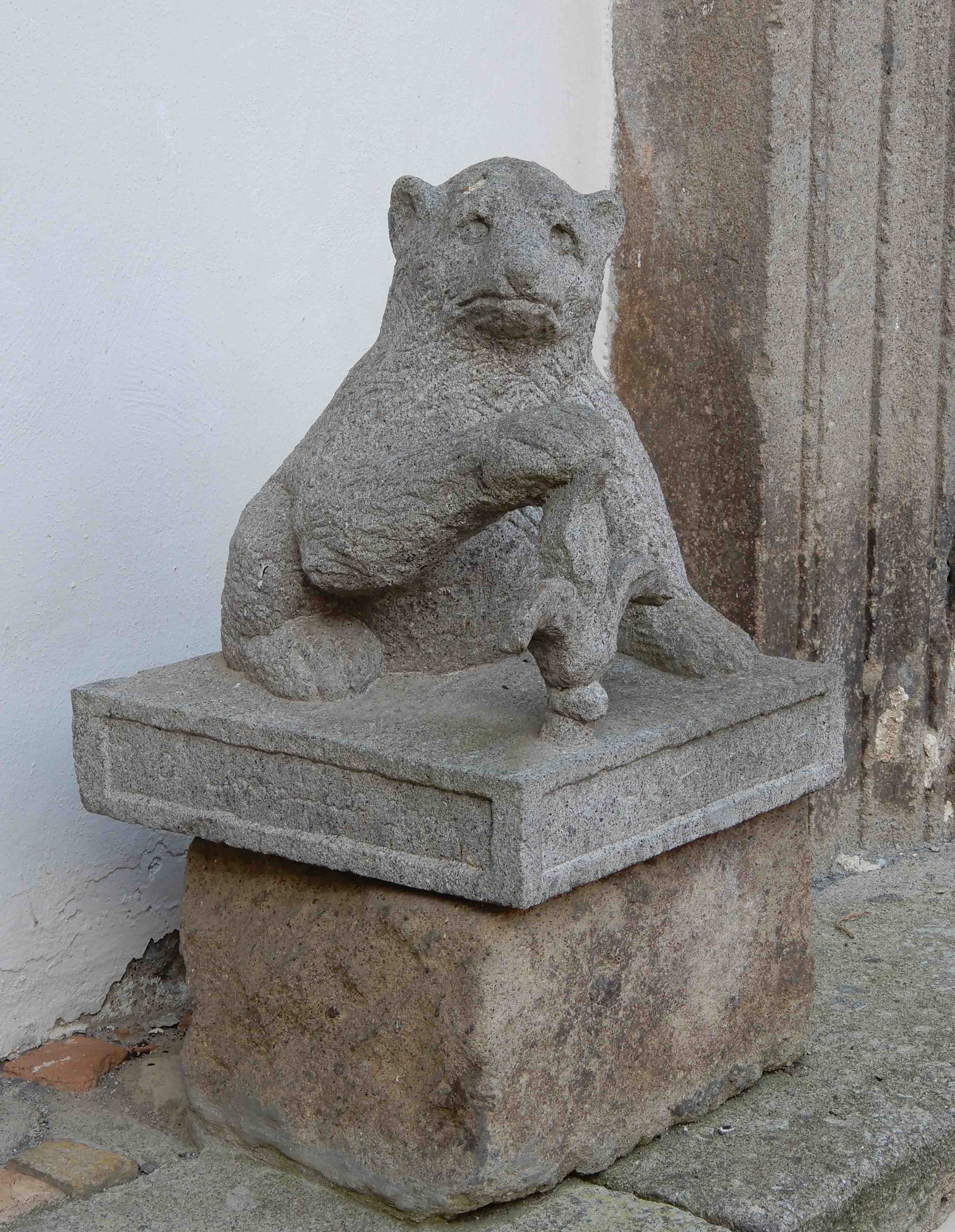
and the door is guarded by the Orsini symbol of bears, one with a rose and one with a lily, both of whom look rather unhappy.

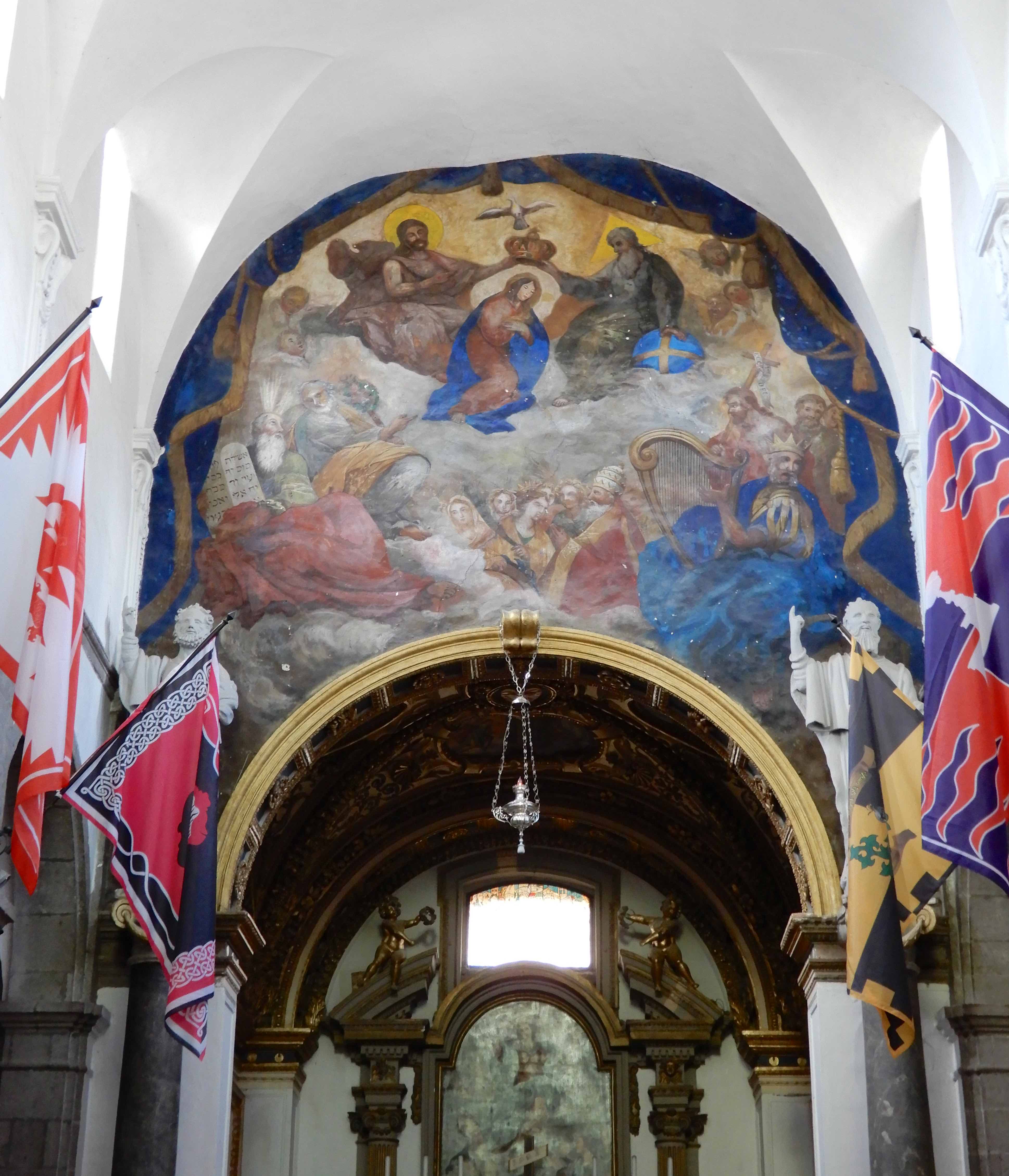
Inside, the church was light and airy with a stunning 17th century fresco depicting the coronation of the Virgin surrounded by angels and saints above the main altar.

Unfortunately, Palazzo Orsini was closed, we could only admire from the outside and imagine the spectacular views from within.

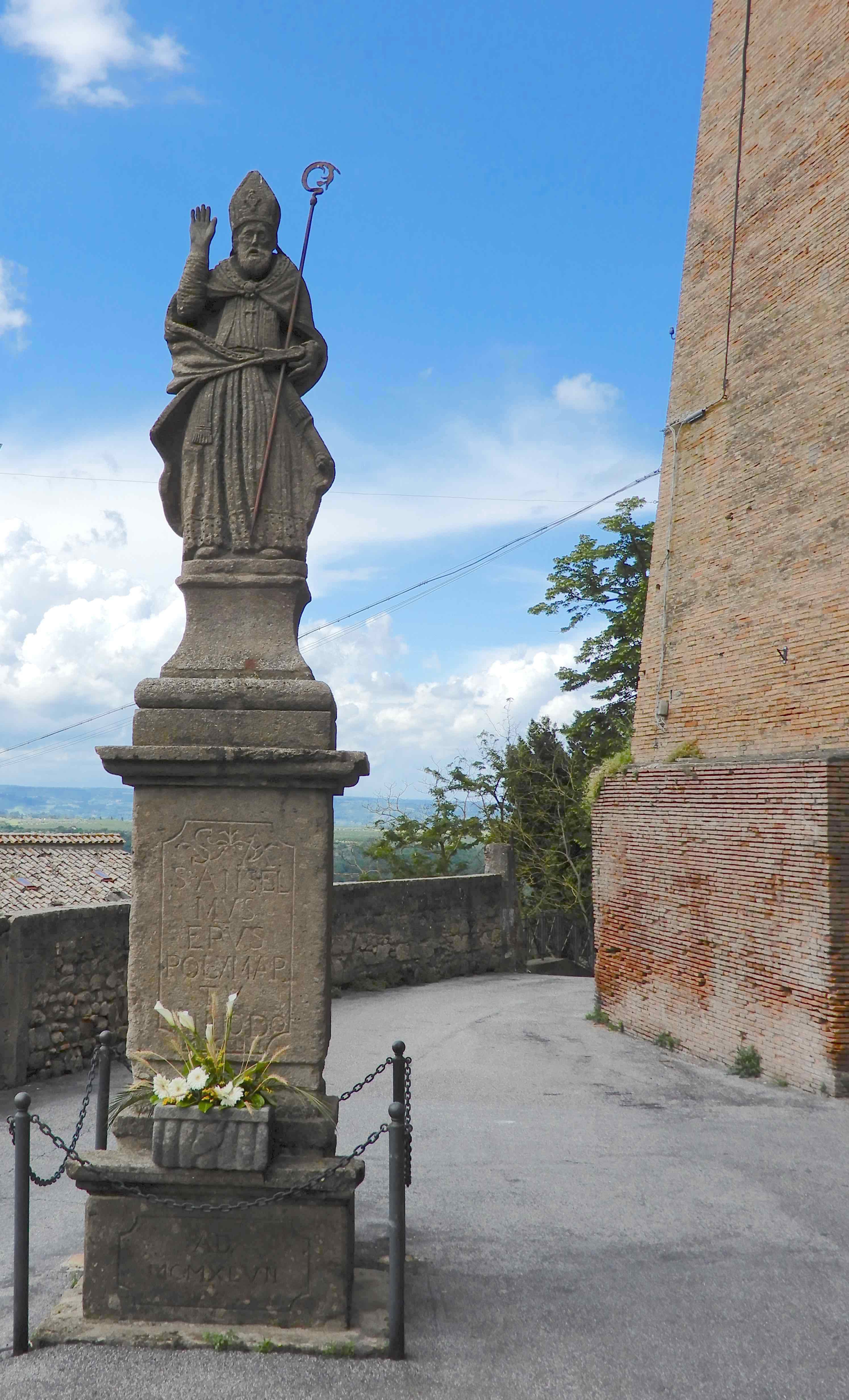
A statue of Saint Anselmo, a 6th century bishop of Bomarzo, has pride of place alongside the palace, his remains are interred beneath the main altar in the cathedral.

Our thoughts had turned to lunch but there didn’t seem to be the array of eateries we had become used to. Venturing further,

we passed a war memorial set against a dramatic cliff face. There was a list of names in memory of the fallen as well as a bronze bust depicting carabiniere Luciano Fosci, a military man who was shot dead while trying to block an angry crowd at a political demonstration in Somalia in 1952. He received the gold medal for civil merit.

A little further up the road

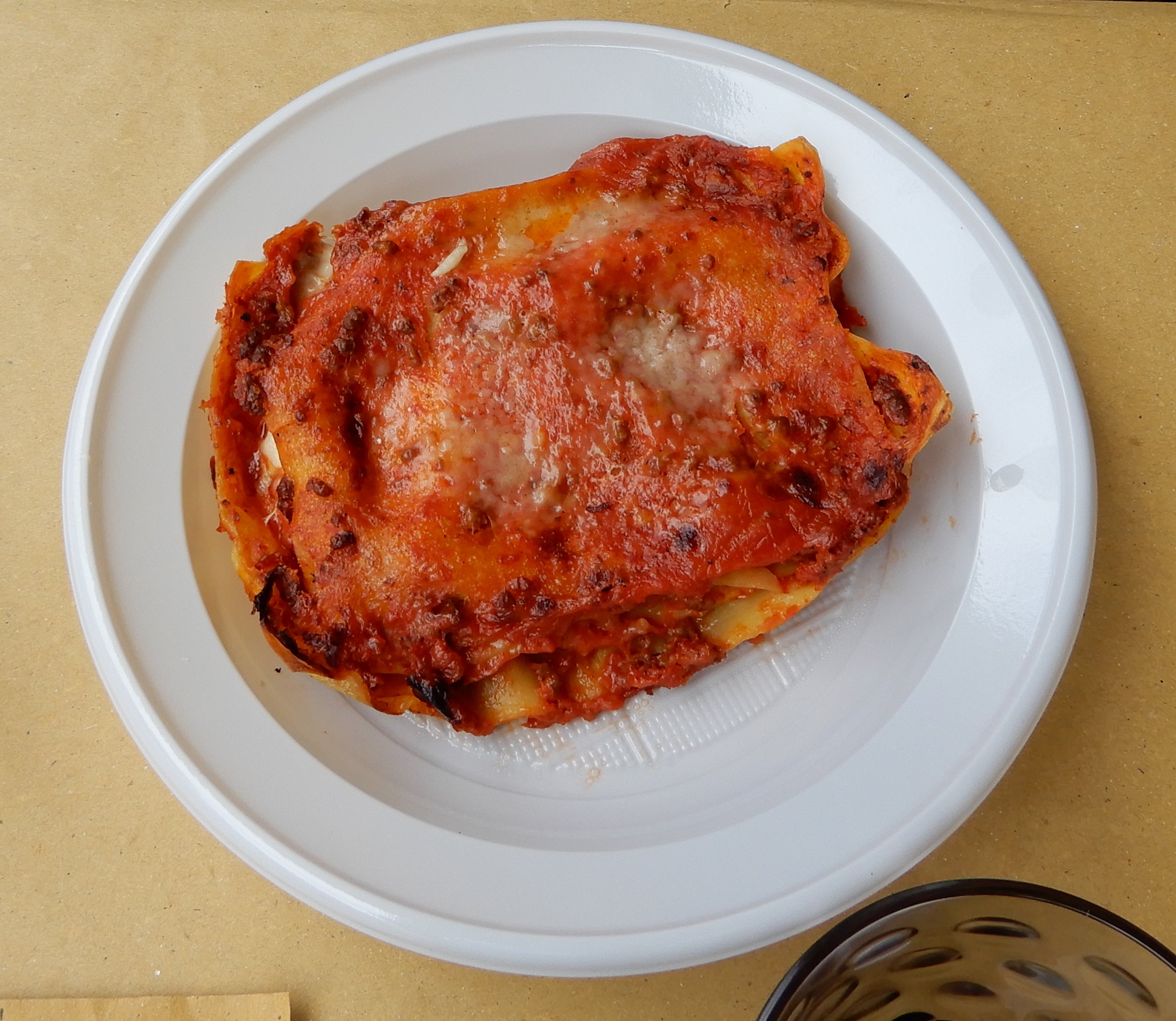
our perseverance paid off and we found a tiny cafe, seemingly the only place serving food in Bomarzo. What it lacked in ambience it made up for with friendliness and food. The meals were fresh, homemade and delicious

and the doorways across the road were equally as memorable.

nice natiche

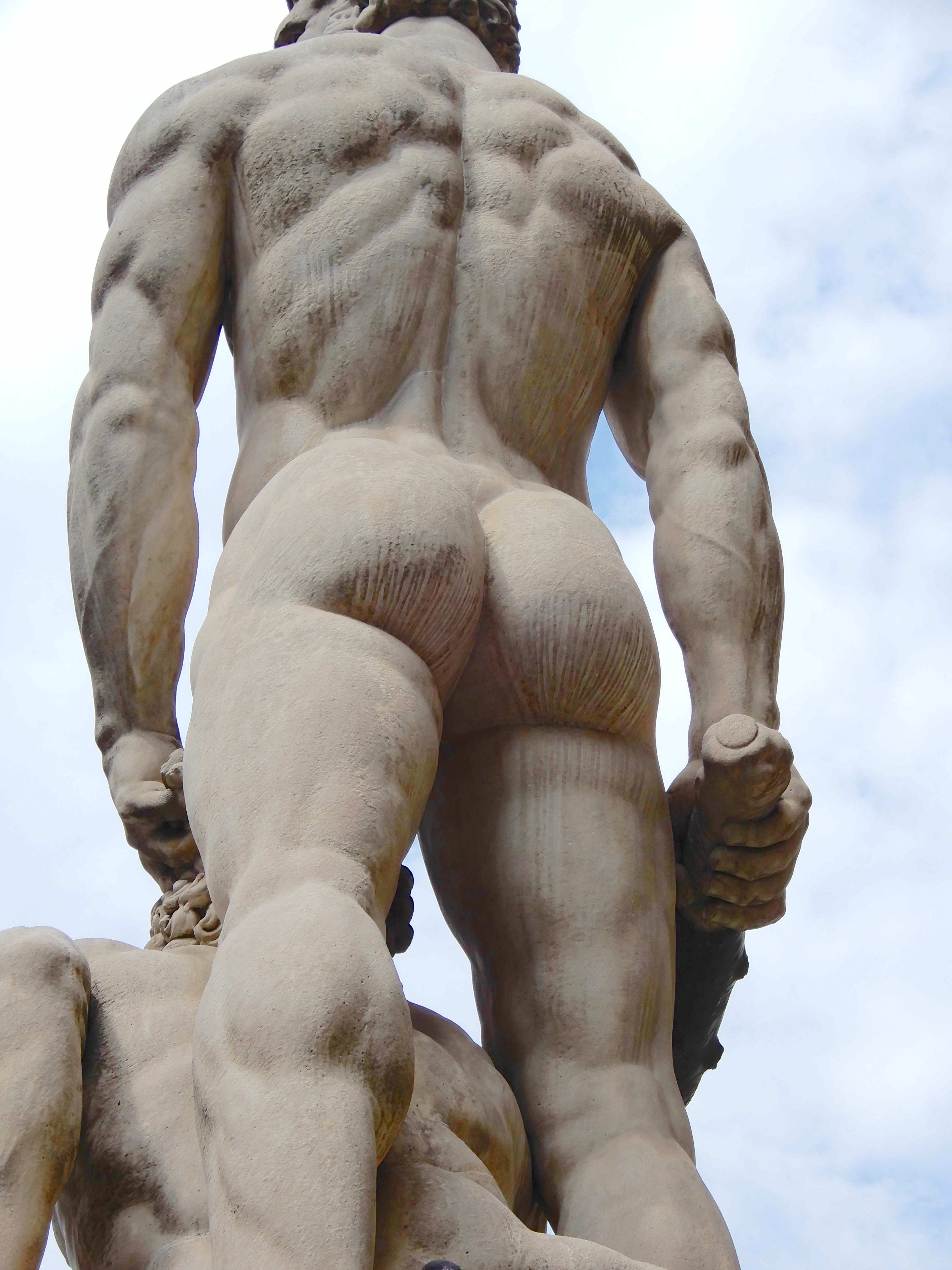
It is no secret that Italy is home to some of the most impressive classical statues in the world. The Piazza della Signoria in Florence has an abundance of marble crafted male genitalia, all notably underendowed (I will get to the reason for that shortly). In my opinion, the true forte of the 16th century sculptors was fashioning a fine set of buttocks. Florentine artist Baccio Bandinelli excelled himself with the spectacular derrière of Hercules, poised to slay Cacus for stealing his cattle.

The work was commissioned to stand to the right of the entrance of the Palazzo Vecchio, to balance Michelangelo’s David on the left. At around five metres tall, they are both rather imposing figures, although David is probably more widely known. Many aspersions have been cast on the size of David’s appendage and much has been written on the subject. Historians have reasoned that large penises were associated with unappealing characteristics such as foolishness, lust and ugliness, whereas a small member belonged to a rational, intellectual and authoritative man. In 2005, two Florentine doctors argued another theory that the impending fight with Goliath has caused some shrinkage due to fear. The reasoning is irrelevant, the point is, David’s real assets are viewed from behind.

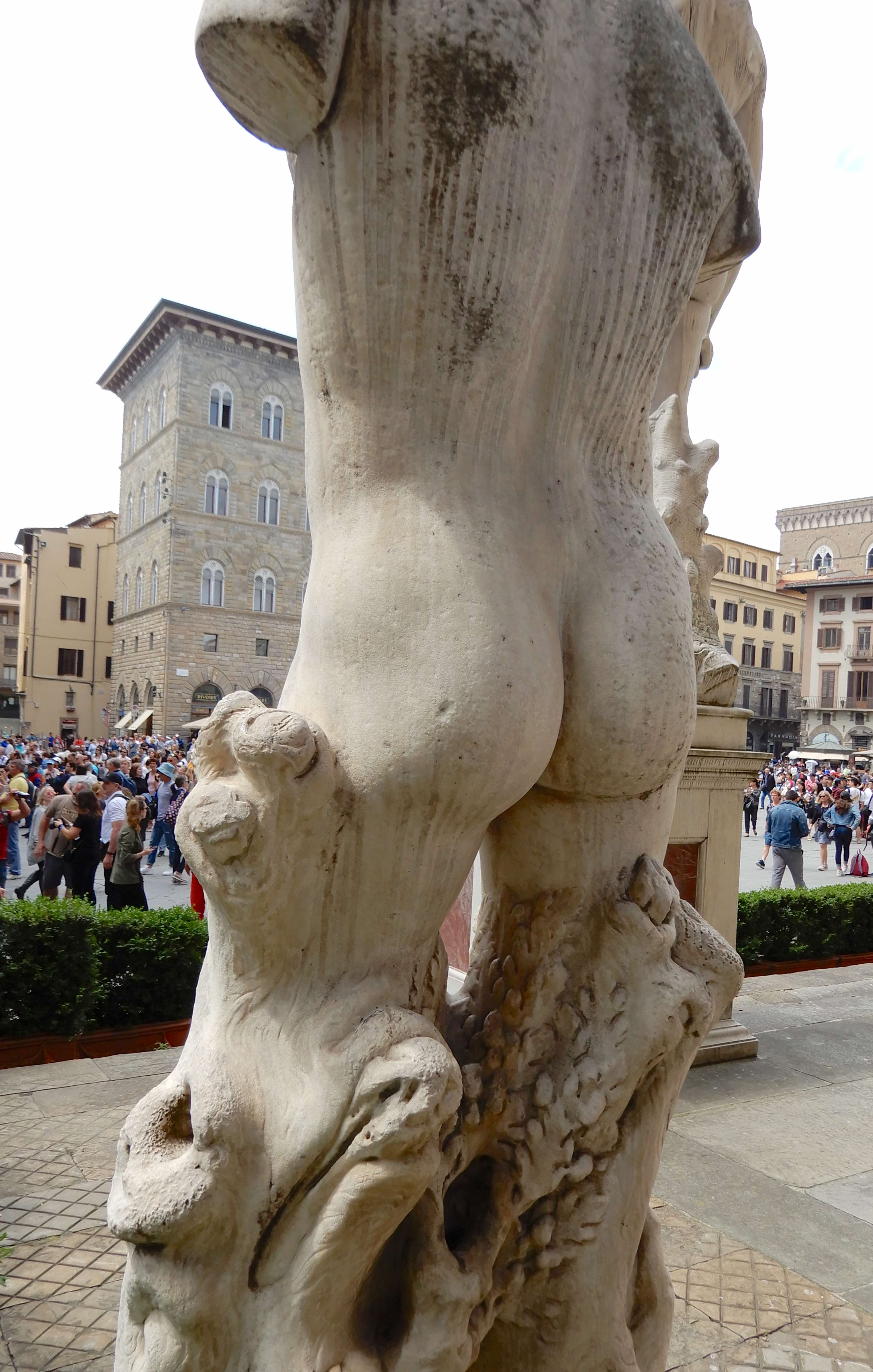
There is a young man on the left of the doorway to the Palazzo Vecchio sporting a modestly poised fig leaf but he doesn’t rate a mention in any literature I could find. He may represent Adam and, although he is smaller in stature than Hercules and David, he too has a pleasing posterior.

Across from the palazzo in the Loggia di Lanzi, Flemish sculptor, Giambologna, has continued the custom with his work, The Rape of the Sabine Women (I must clarify, at that time the term ‘rape’ referred to abduction or kidnapping not sexual assault).

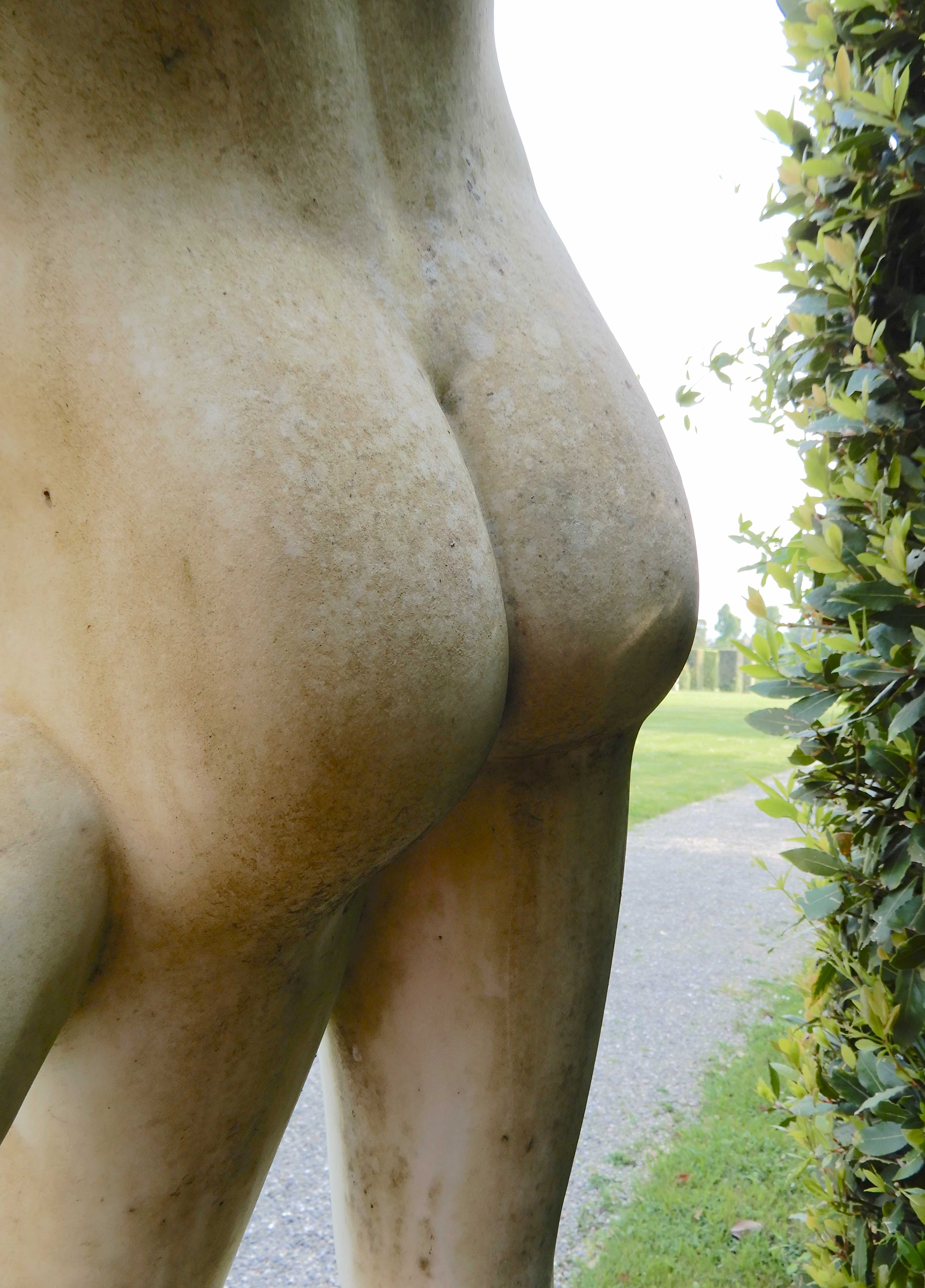
There are many more superb examples in the Piazza della Signoria although I wasn’t really aware of it at the time, I shall have to return for more extensive research. At Villa Reale di Marlia, the adolescent god Apollino presented a youthful rear

but this one had seen better days. Perhaps the marble will shine again with a good clean.

It seems it wasn’t only human bottoms that were given such attention to detail as we found at the Colosseum.

Firth Tower Museum

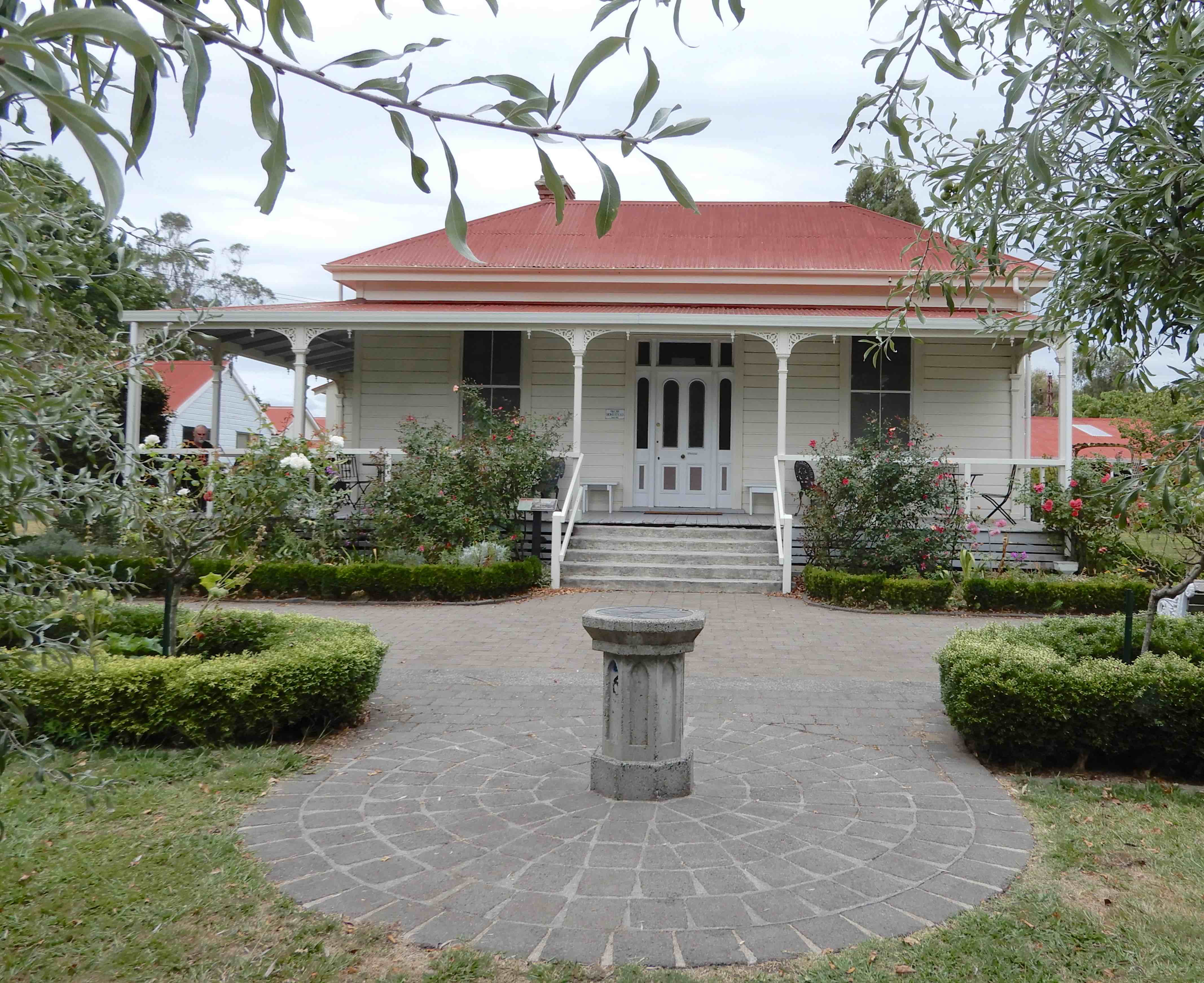
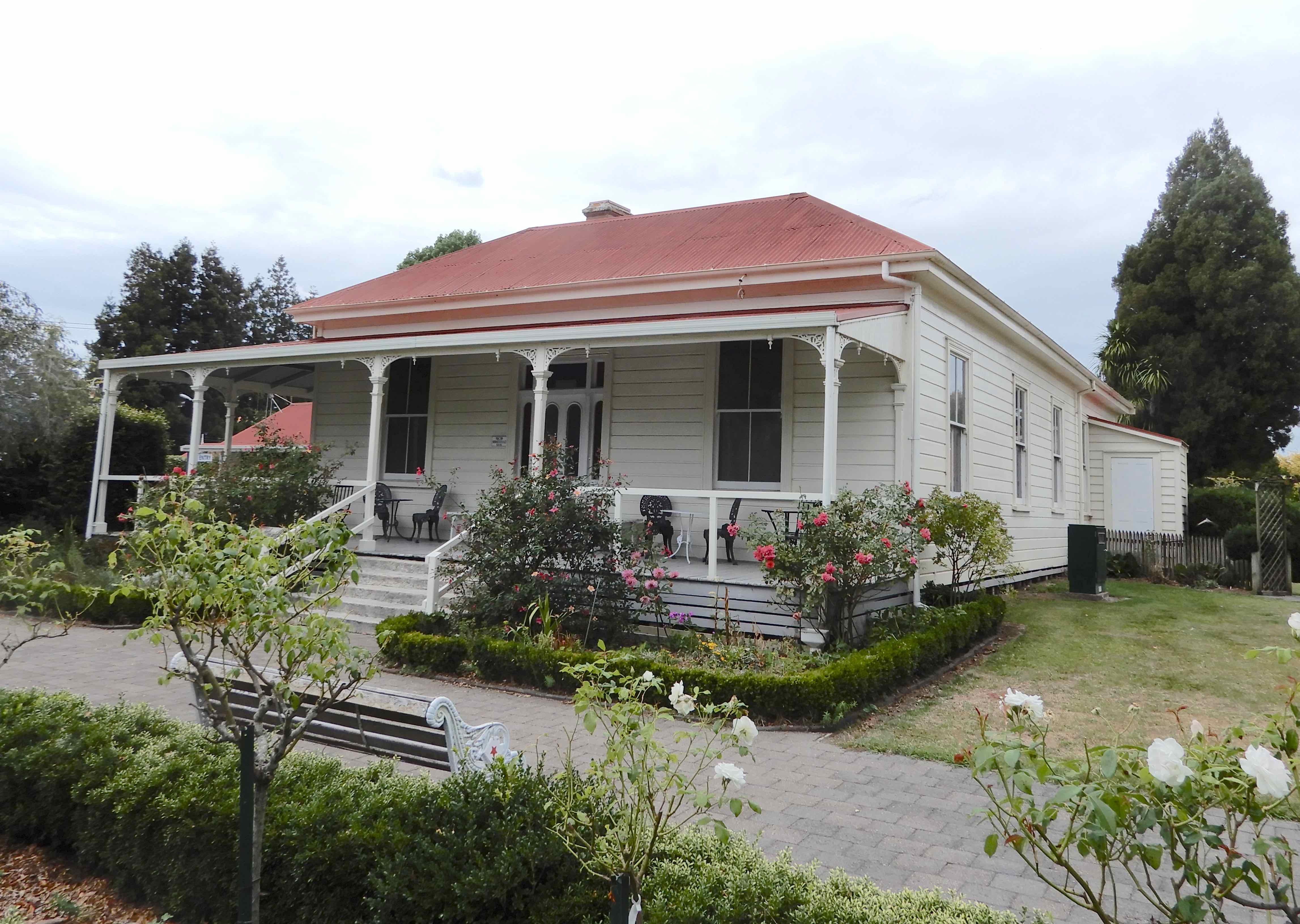
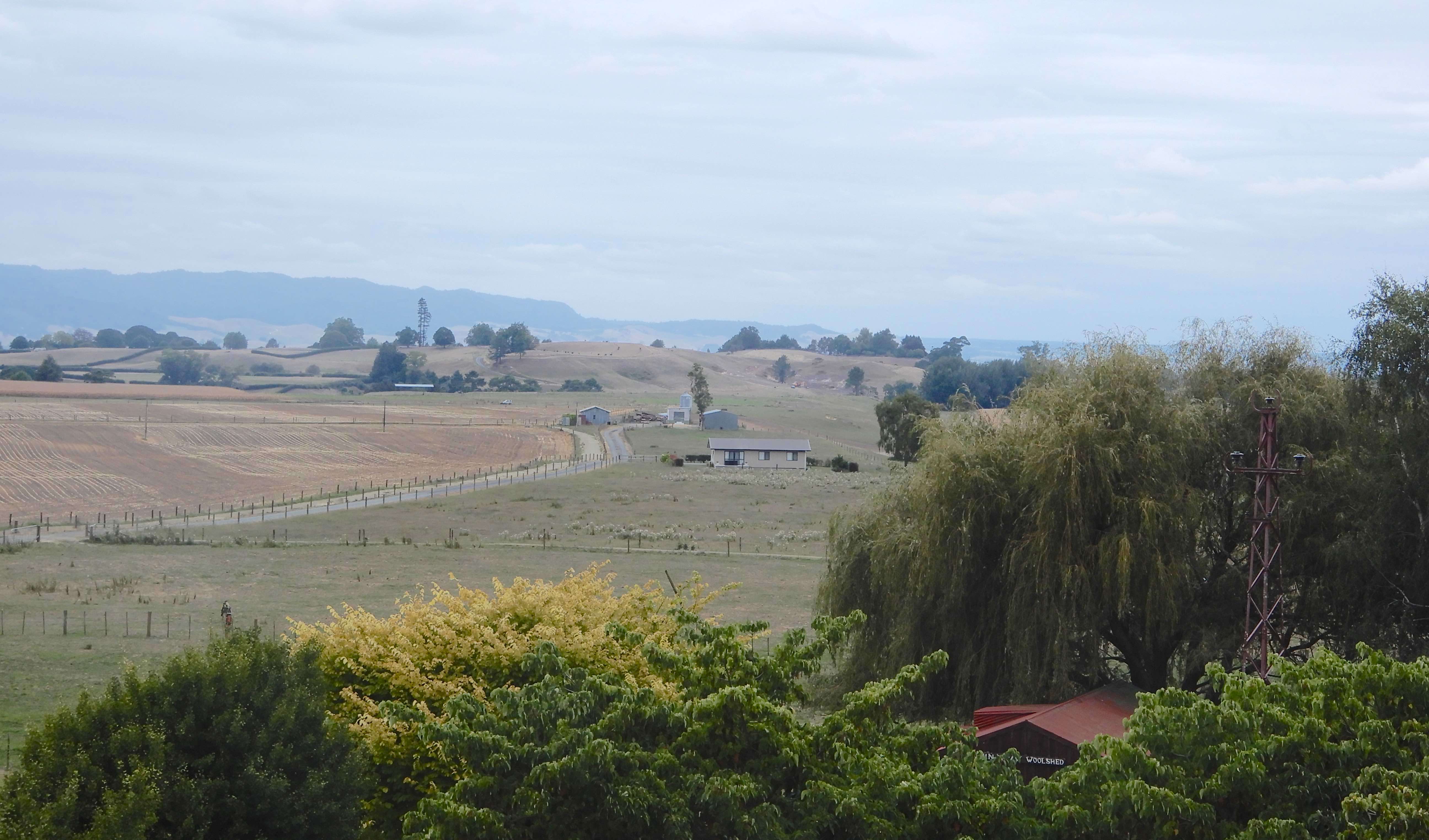
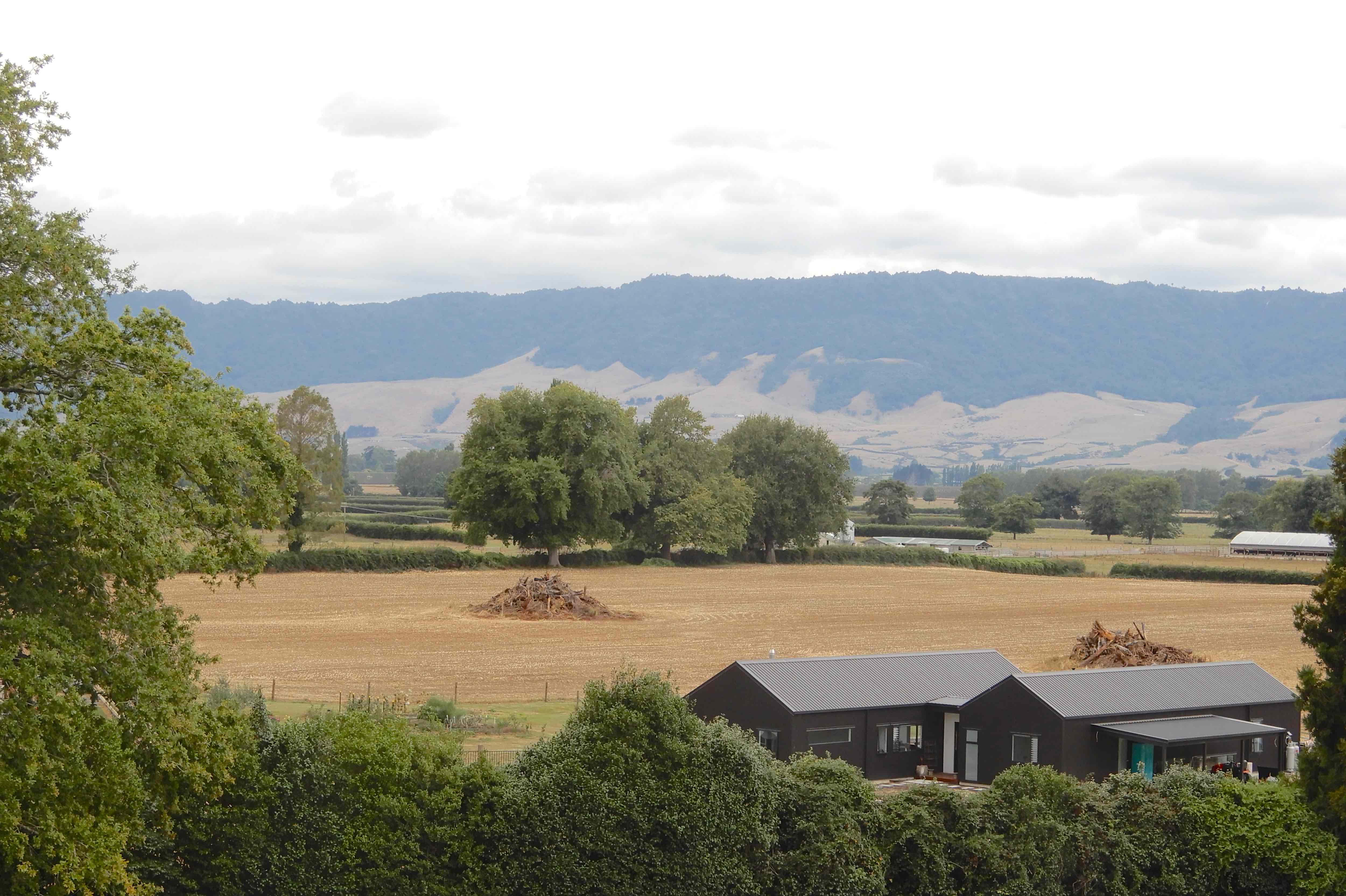
On the way to Matamata we spent some time exploring Firth Tower Museum. Resembling a small village, the colonial buildings are set in manicured grounds on land that was once the centre of the 56,000 acre Matamata Estate established by Josiah Clifton Firth. Not knowing where we would be at lunchtime, we had purchased sandwiches earlier in the day and the lovely ladies at reception suggested we enjoy them on the verandah of the homestead. As a light drizzle set in, we did just that.

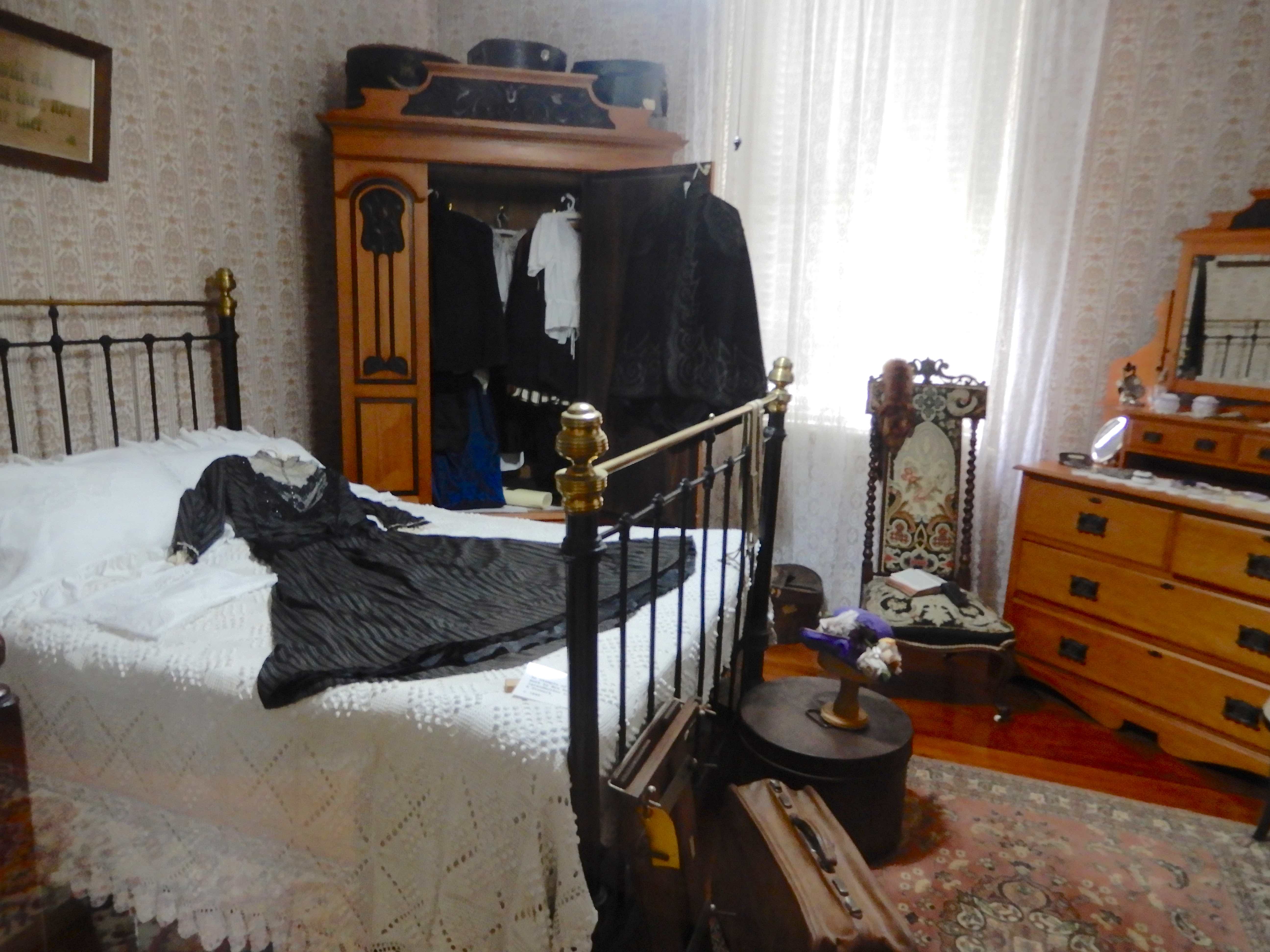
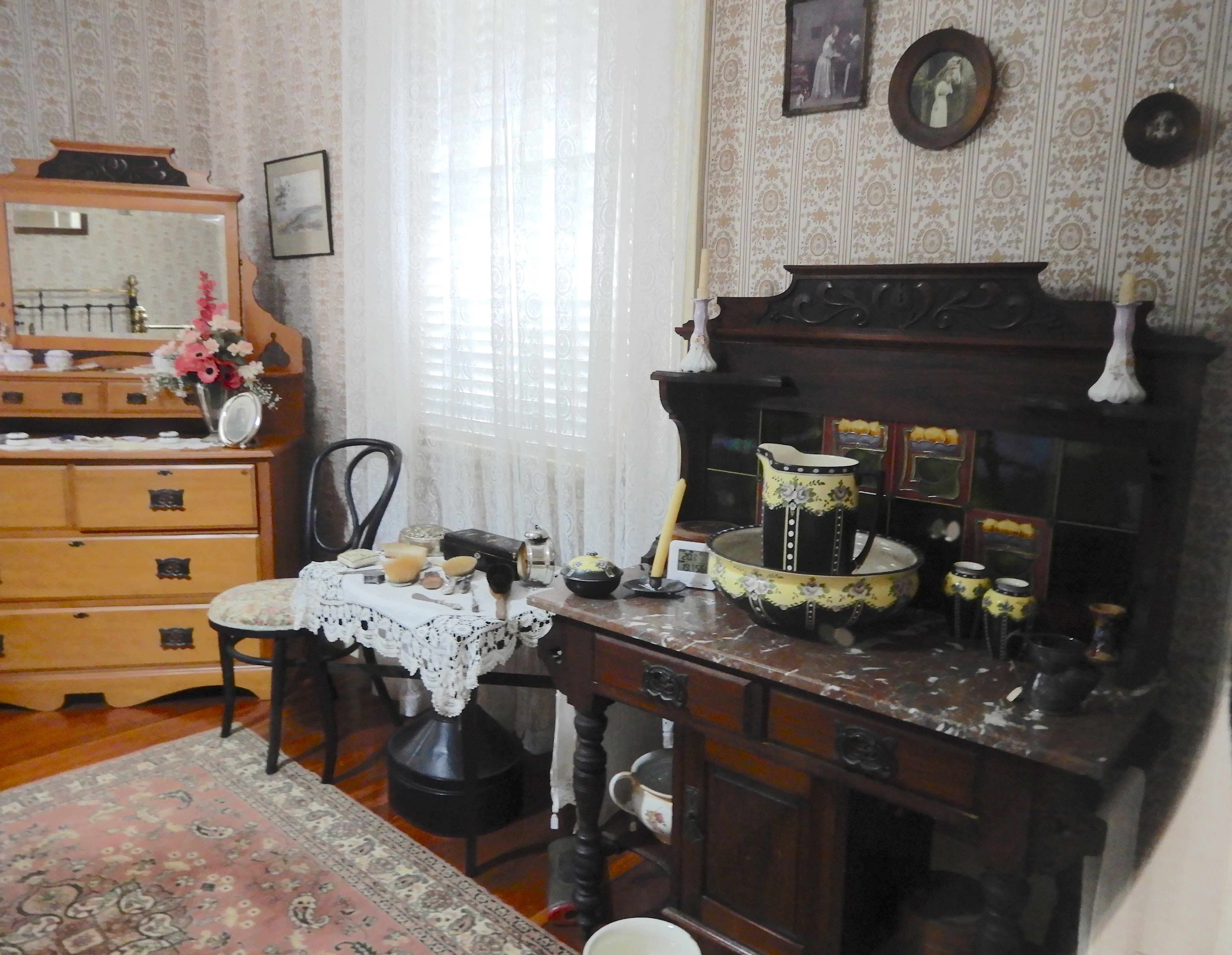
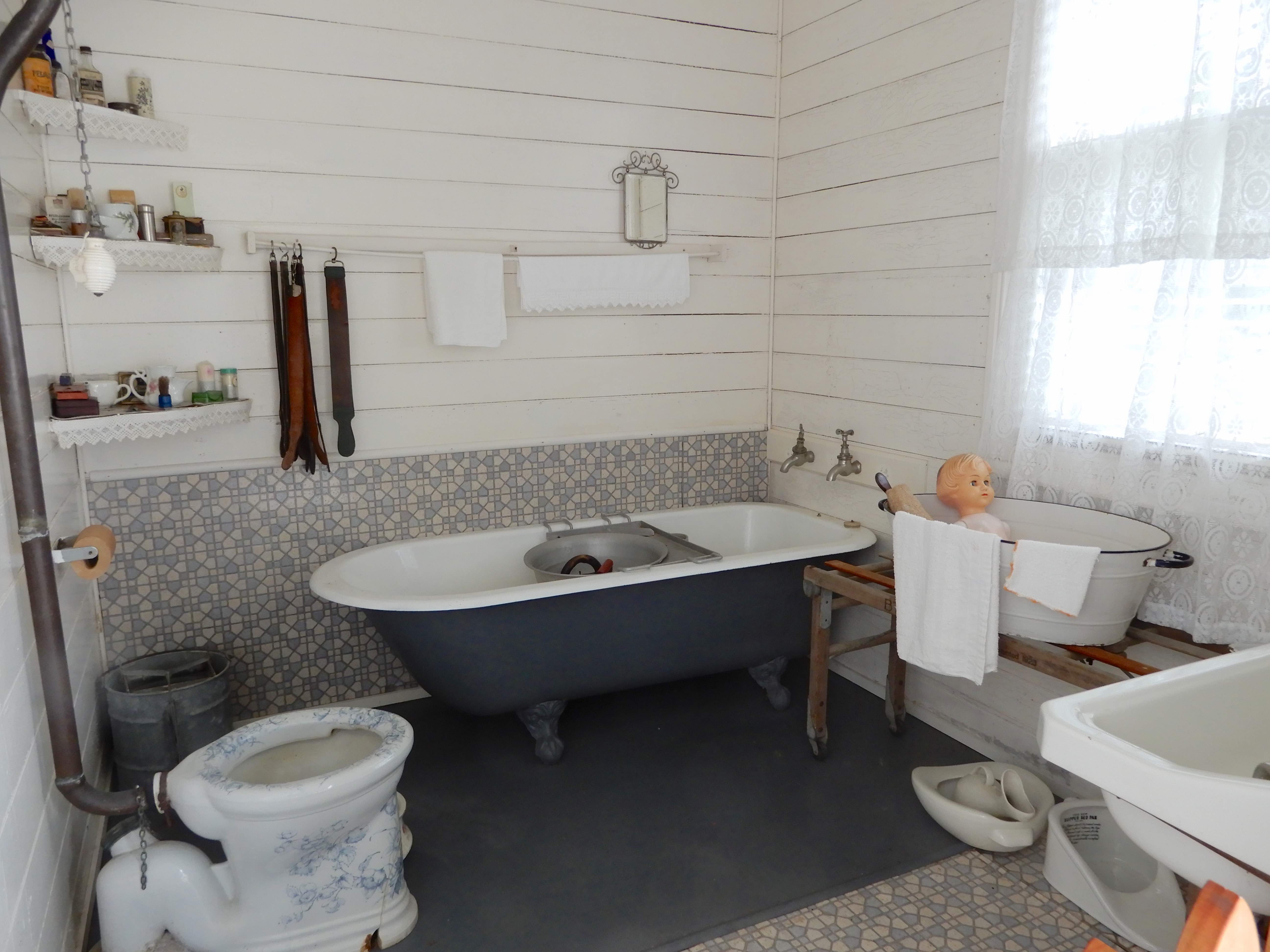
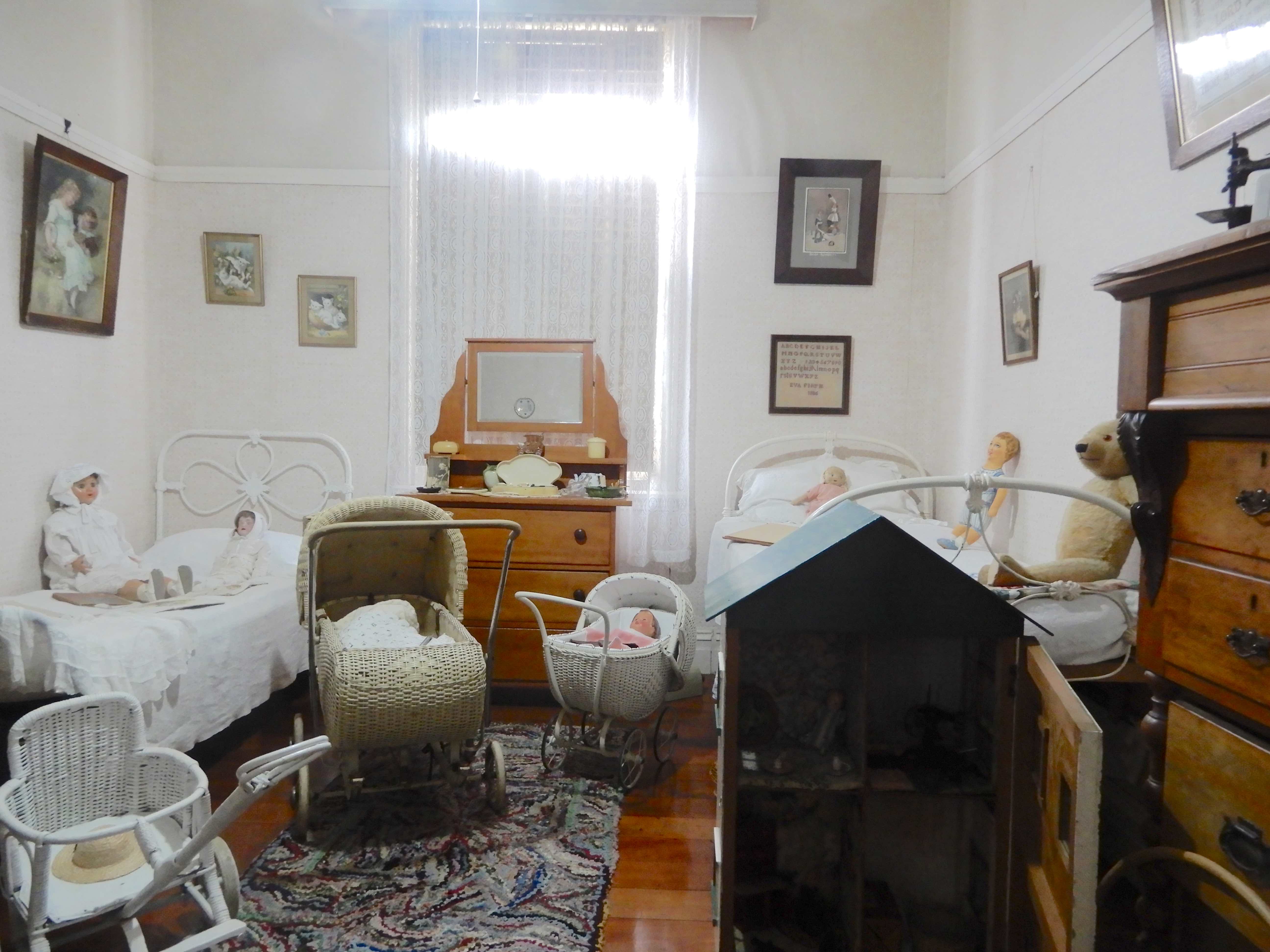
In 1904, the estate was divided into 117 farms and the then manager, John McCaw, attained the Tower Farm. The old station homestead, built in 1879, was razed by fire and the present one replaced it in 1902. The house is beautifully preserved and presented to reflect life at that time.

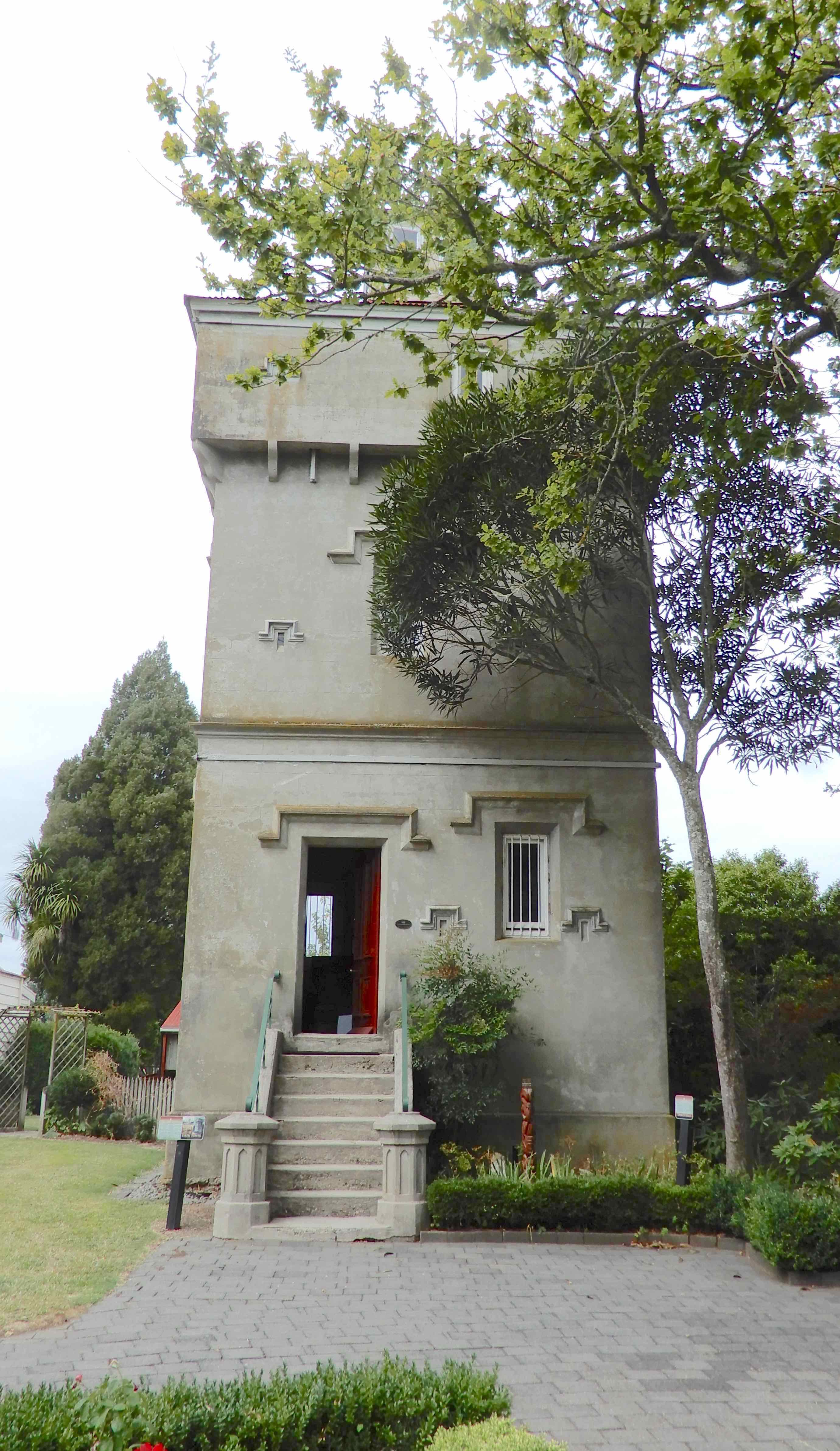
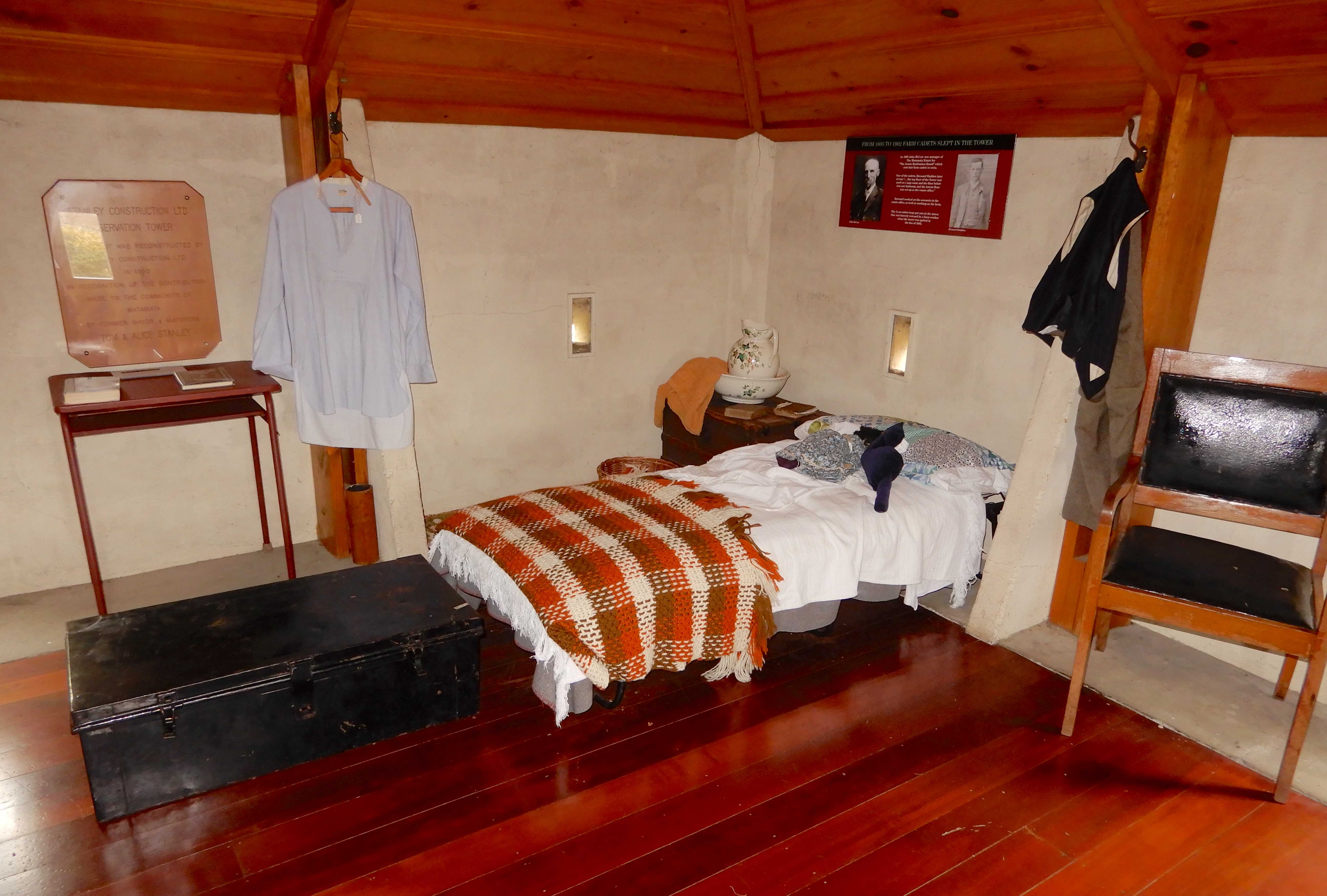
Englishman Josiah Firth moved to New Zealand in the early 1850s and settled in Auckland. Coming from a family background of farming and industrial development, his entrepreneurial skills soon saw him pouring money into land clearing, introducing new agricultural machinery and opening the Waihou River for navigation to send farm produce to Auckland markets. One of the earliest reinforced concrete buildings in New Zealand, the tower was built in 1882 and was used as the estate office and sleeping quarters for single men.

At 16 metres tall, it also provided a lookout across the estate and countryside beyond.

The village buildings have been brought to the present location and are maintained by the Matamata Historical Society.

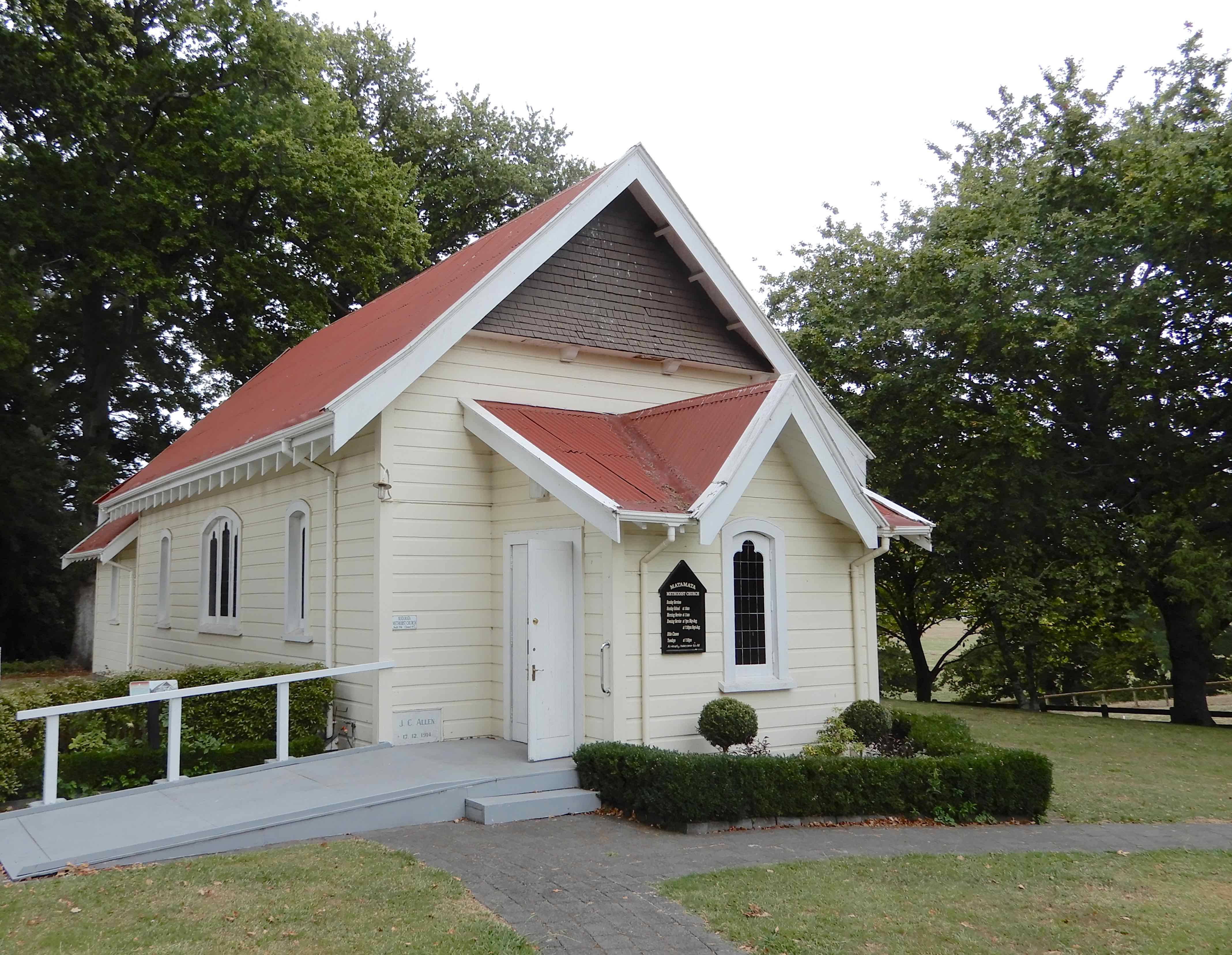
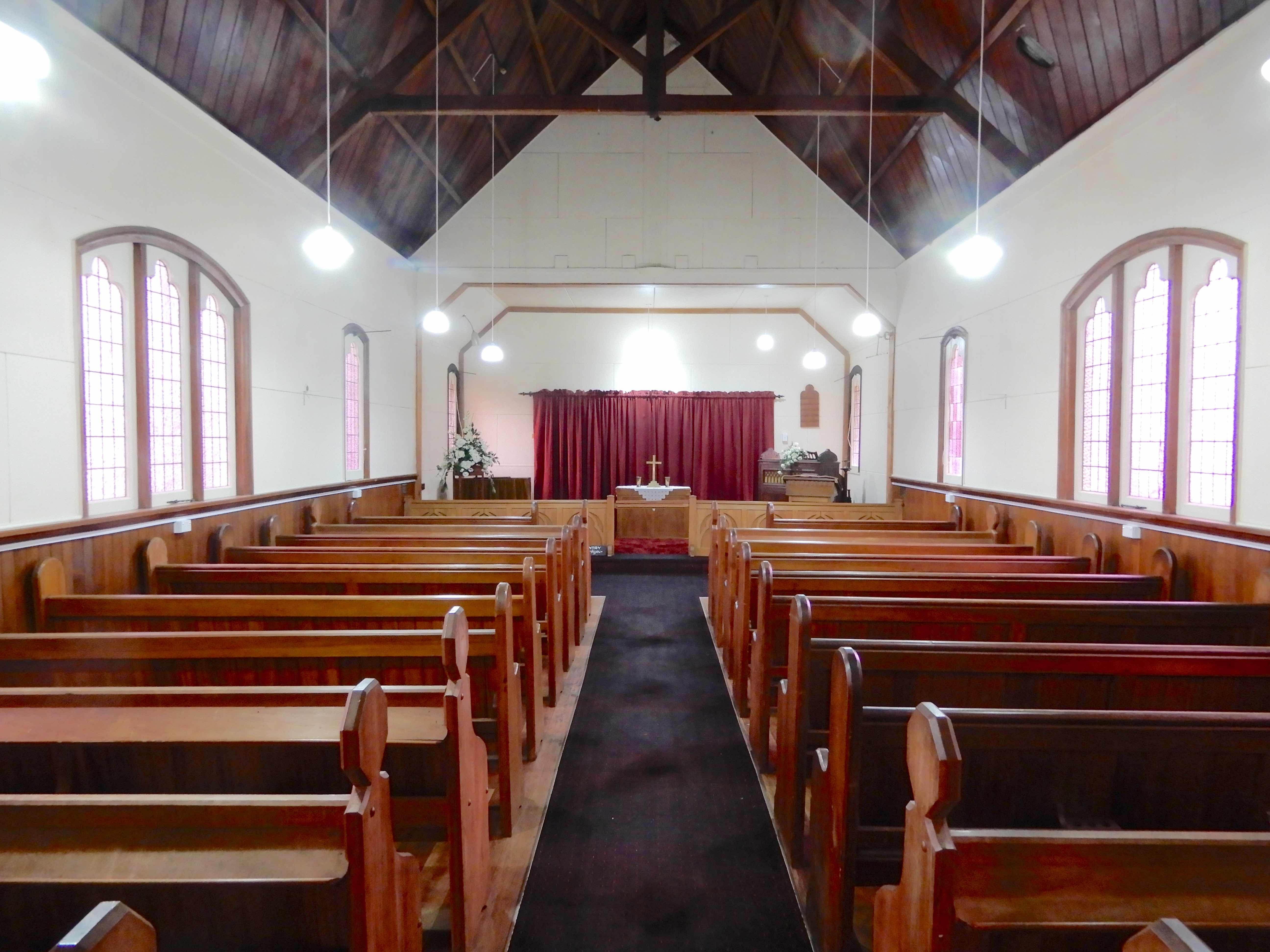
The old Matamata Methodist Church was built in 1914, closed in 1972 and was moved here in 1978.

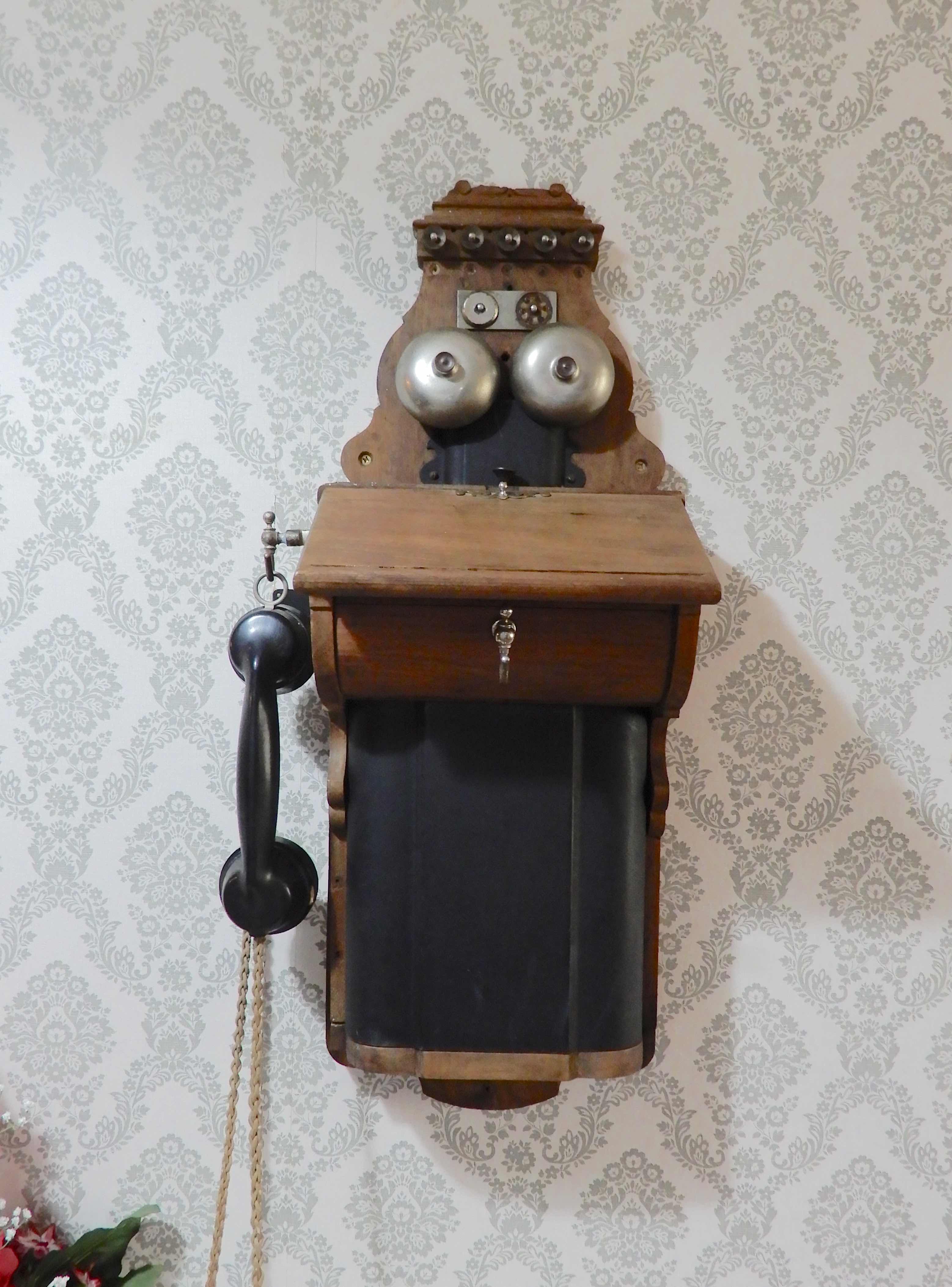
Okoroire post office began in 1891 when the postmaster was also the hotel keeper. The original building burnt down in 1912 and was replaced by this one in 1928. A century of communications development is on display, including old letters and Morse code transmitters.

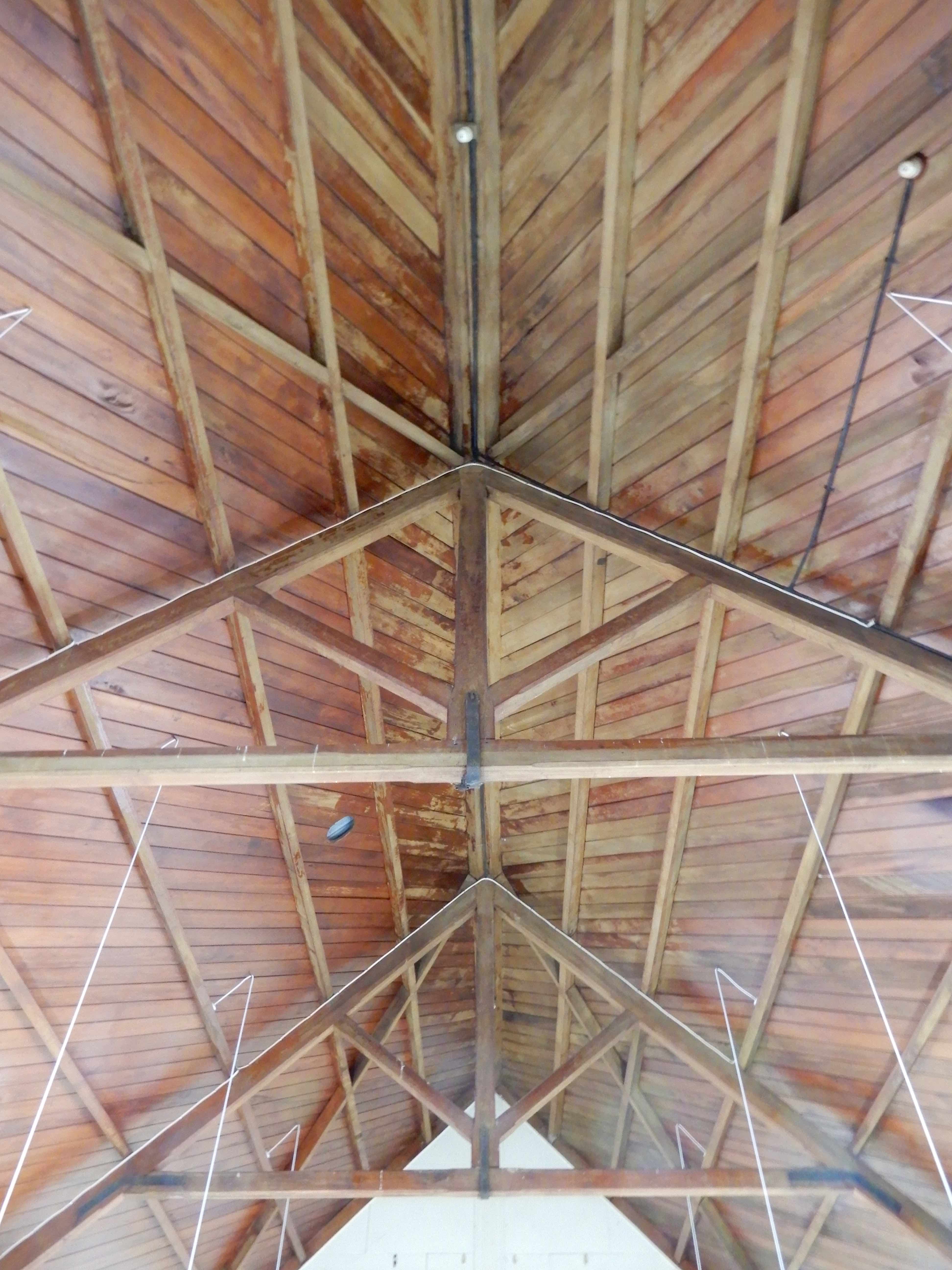
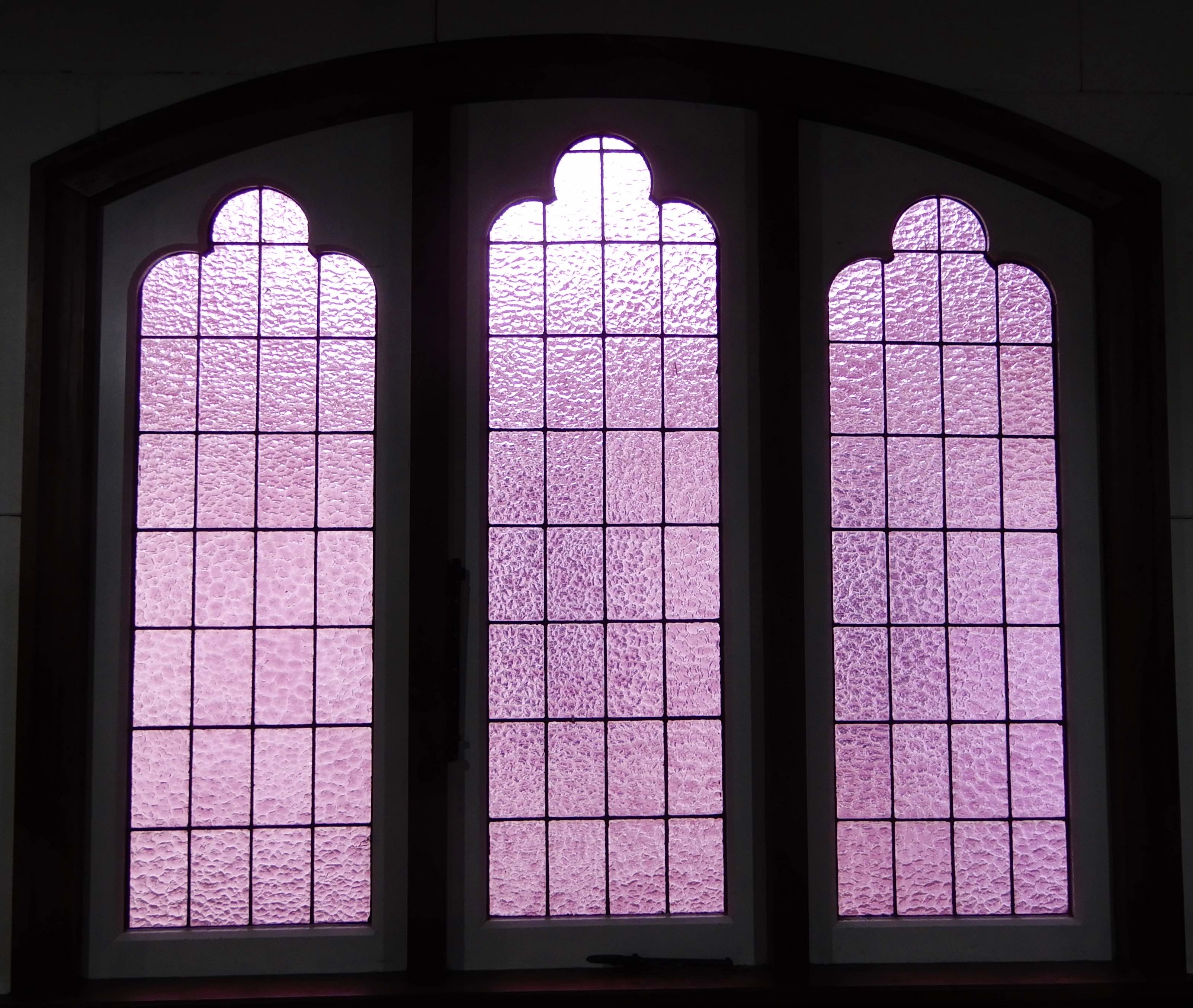
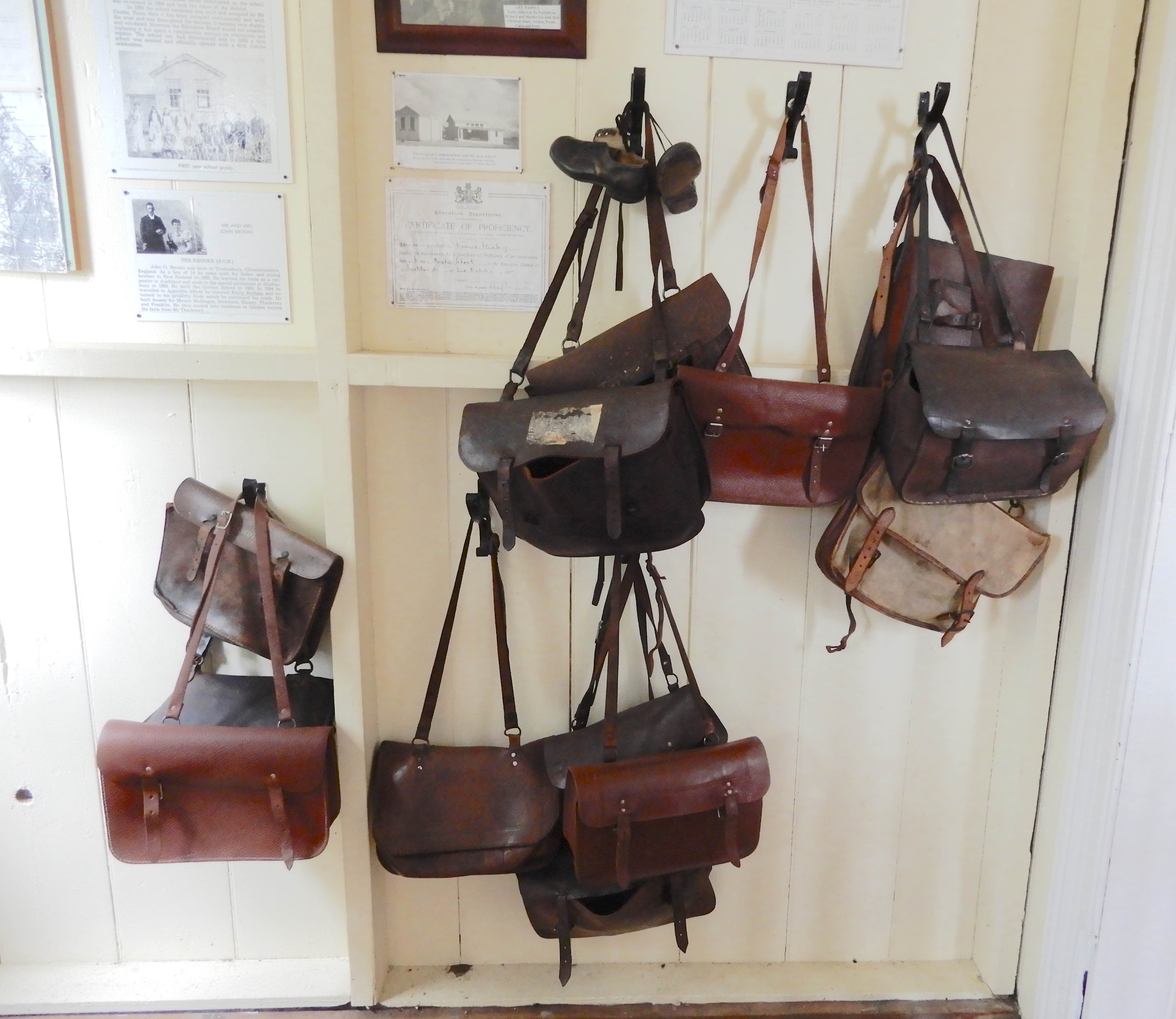
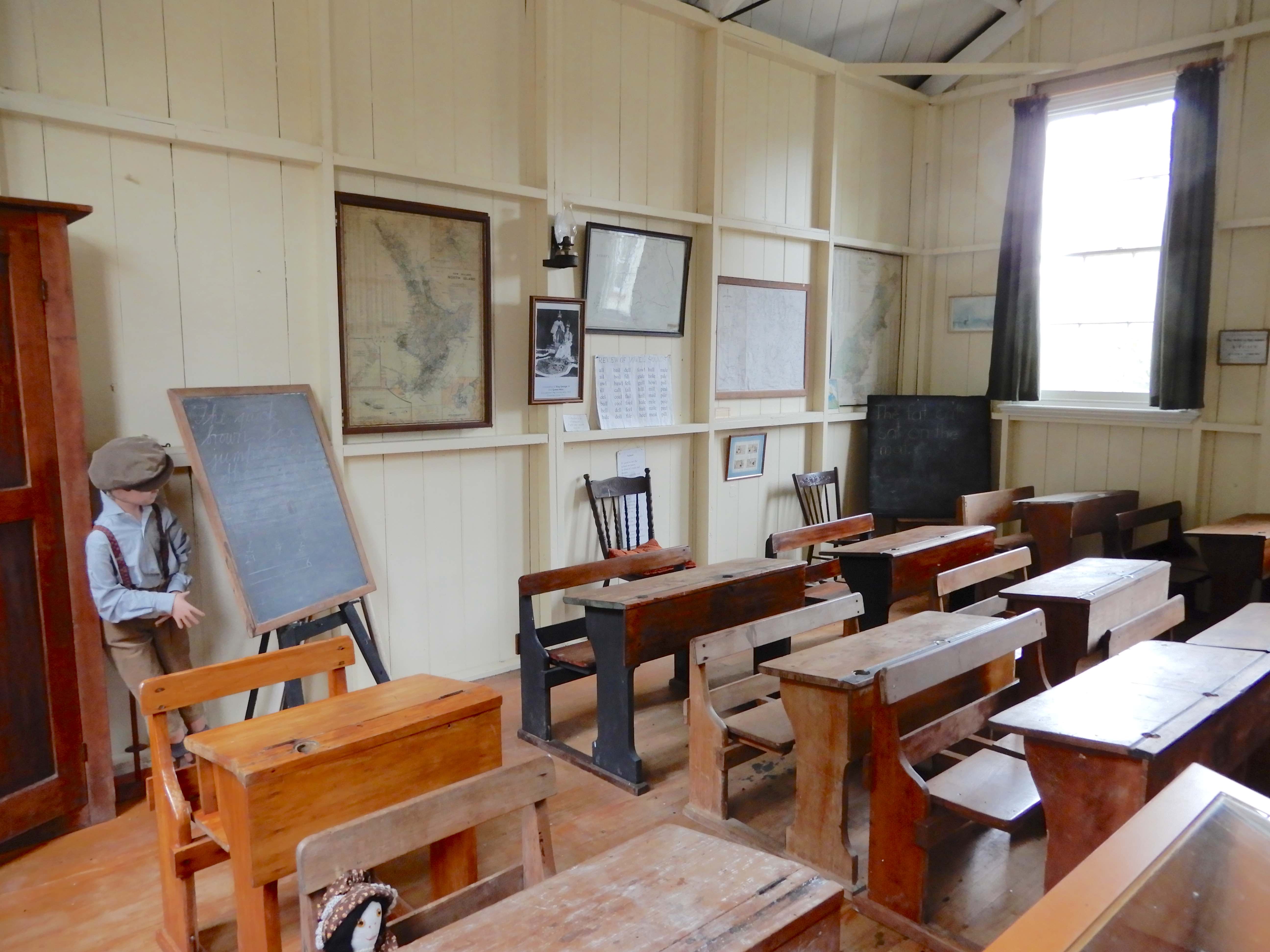
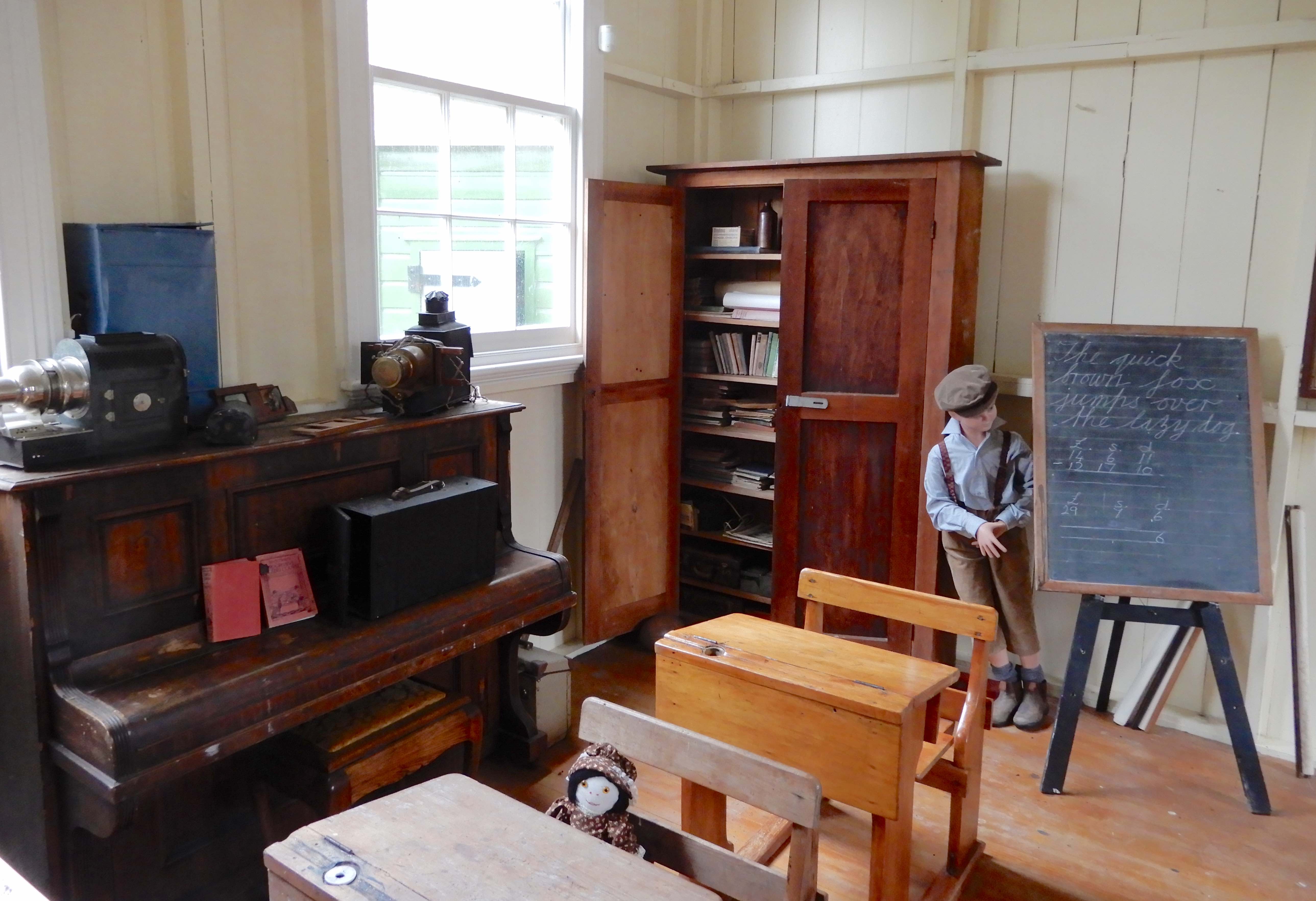
The school building has a varied history. Built in 1893 as part of a planned Armadale Township, it was used as a community hall as well as a school. The village of Armadale never eventuated and so it was renamed Gordon School after the Gordon District in 1896. A new school building was erected in 1938 and the old one sat abandoned until it was moved to Selwyn School as a second room to accommodate more students in 1946. Seventeen years later, once again redundant, it was bought by a local farming family and used as a hay shed. The old Gordon School was brought to Firth Tower Museum in 1983 and is set up as a pre and early 1900s classroom.
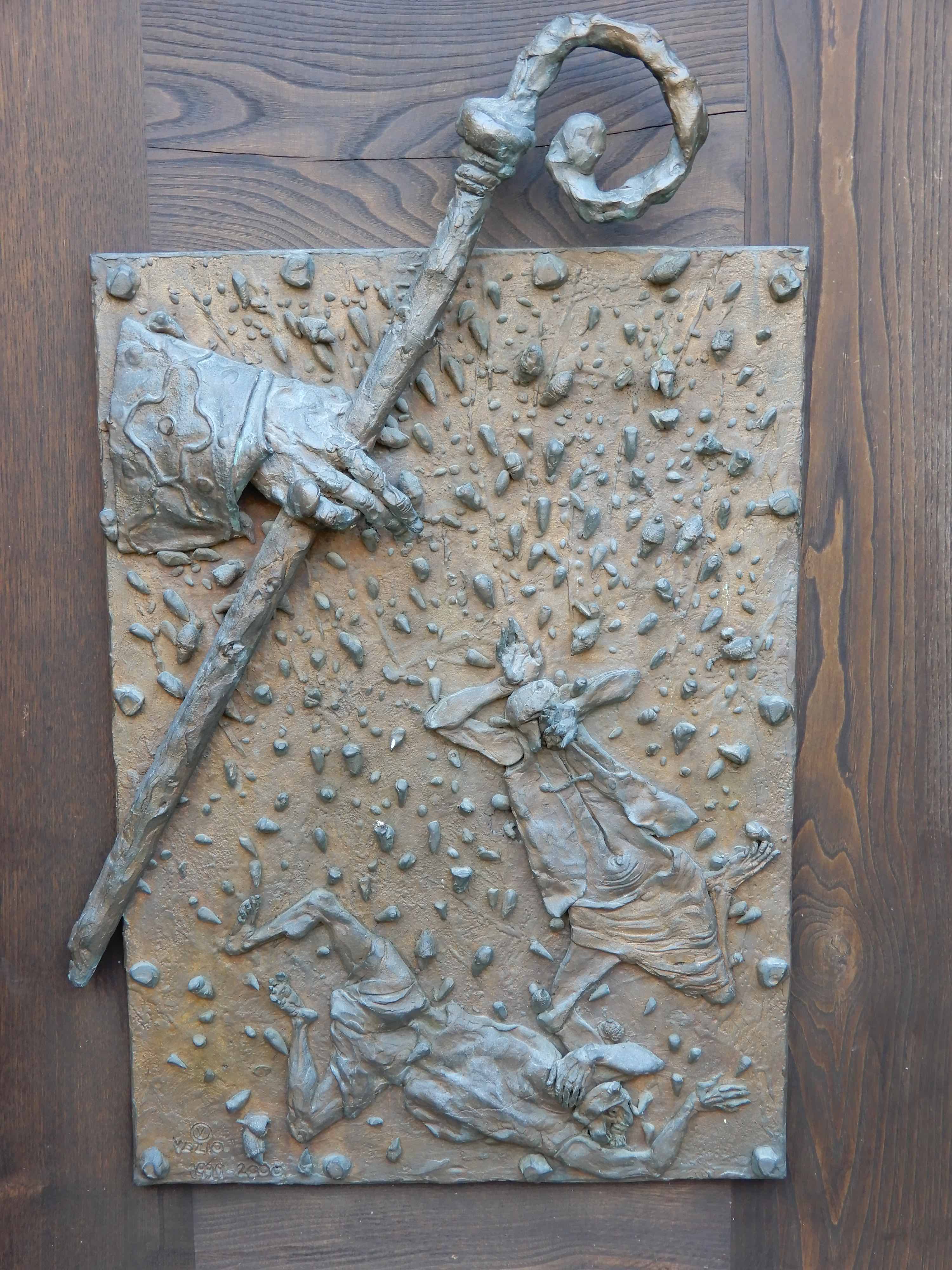
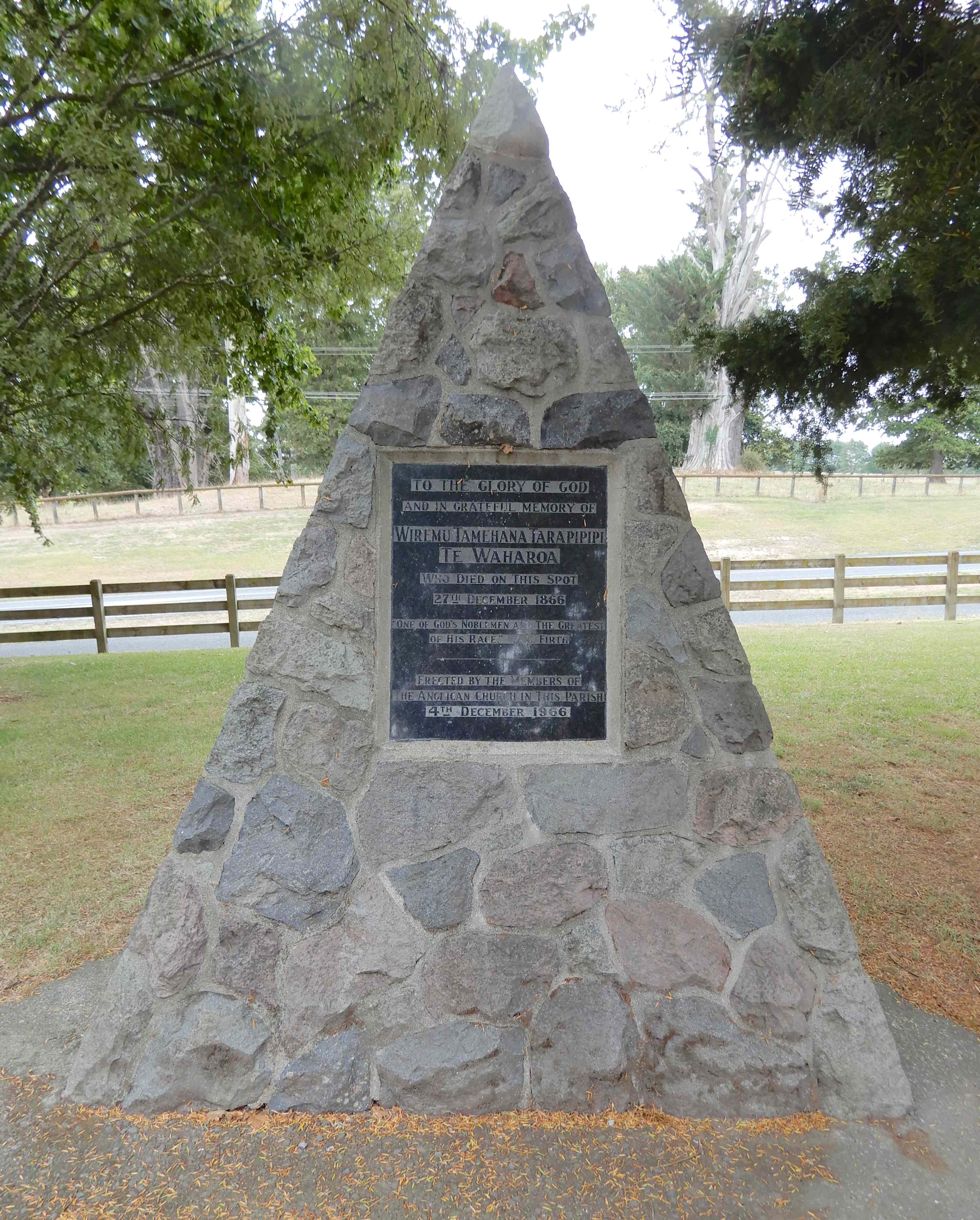
There is a memorial cairn close by dedicated to Wiremu Tamihana Tarapipipi Te Waharoa, a Māori statesman, also known as ‘The Kingmaker’. Josiah Firth was on good terms with the Māori and supported Wiremu Tamihana’s efforts to establish a Māori king and later, in 1870, attempted to broker peace between Te Kooti and the government. Firth erected a monument following Tamihana’s death in 1866 which was later destroyed. This one was erected in the same spot in 1966 but was moved to the museum in 1978 to protect it from vandalism.
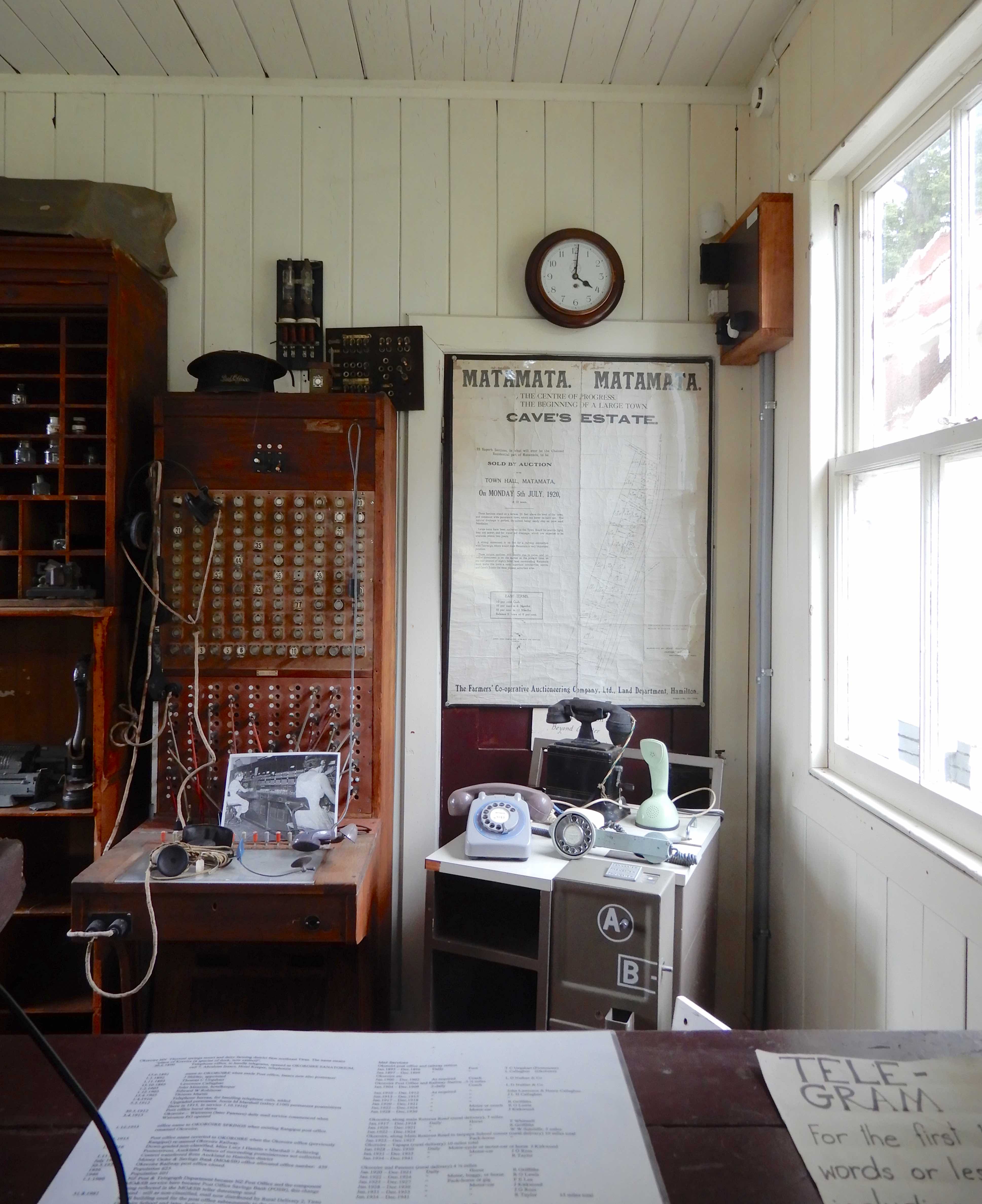
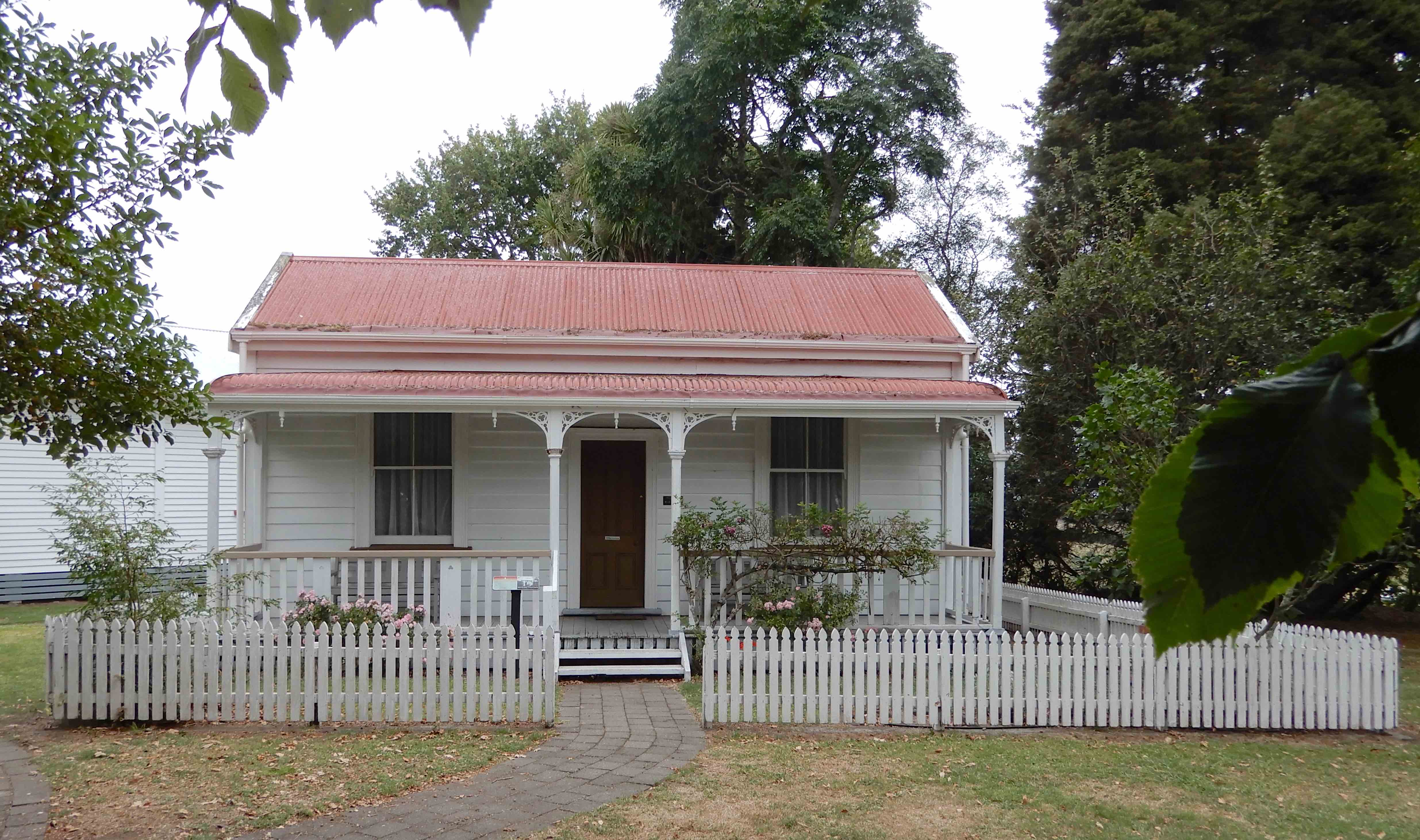
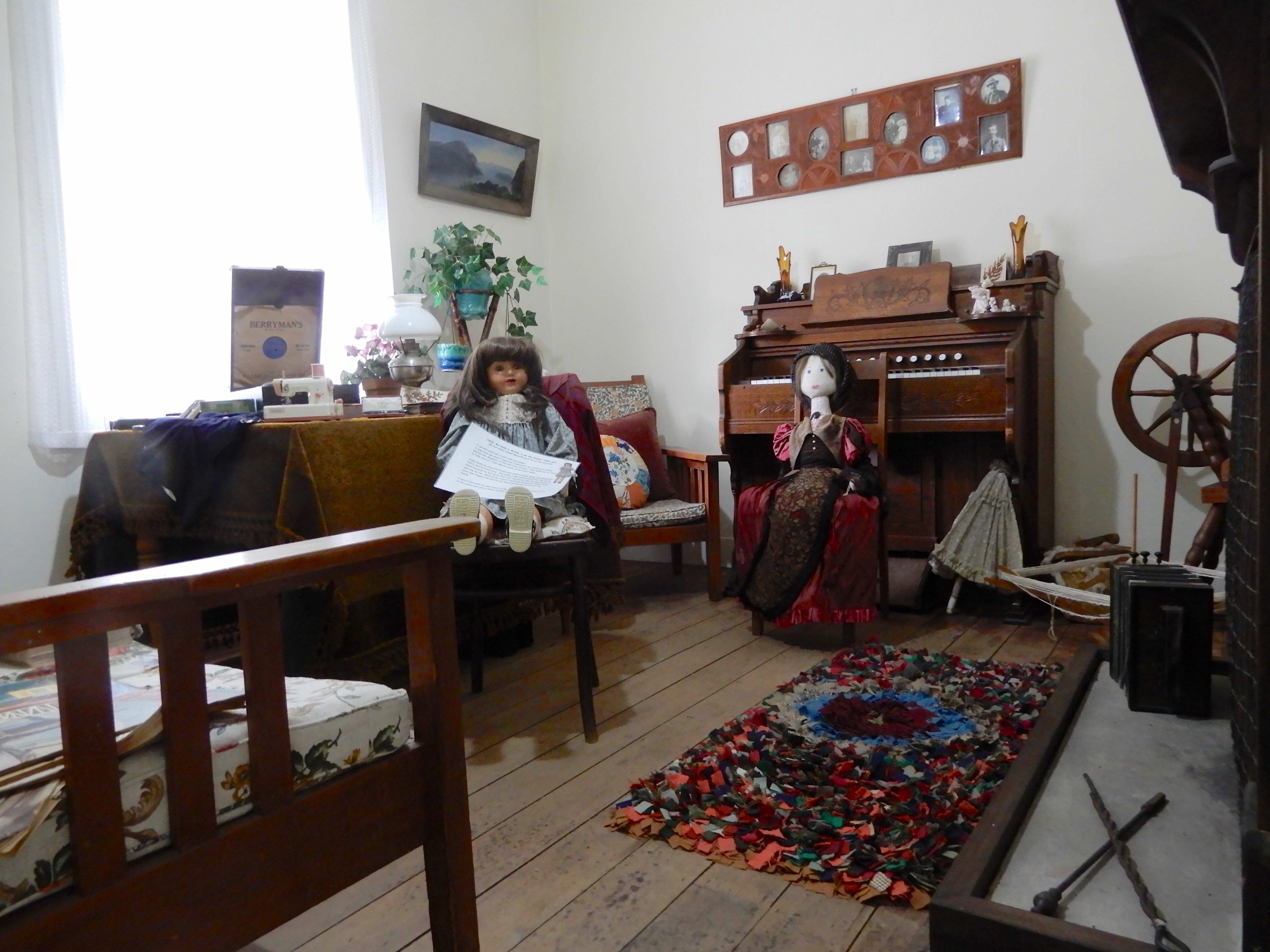
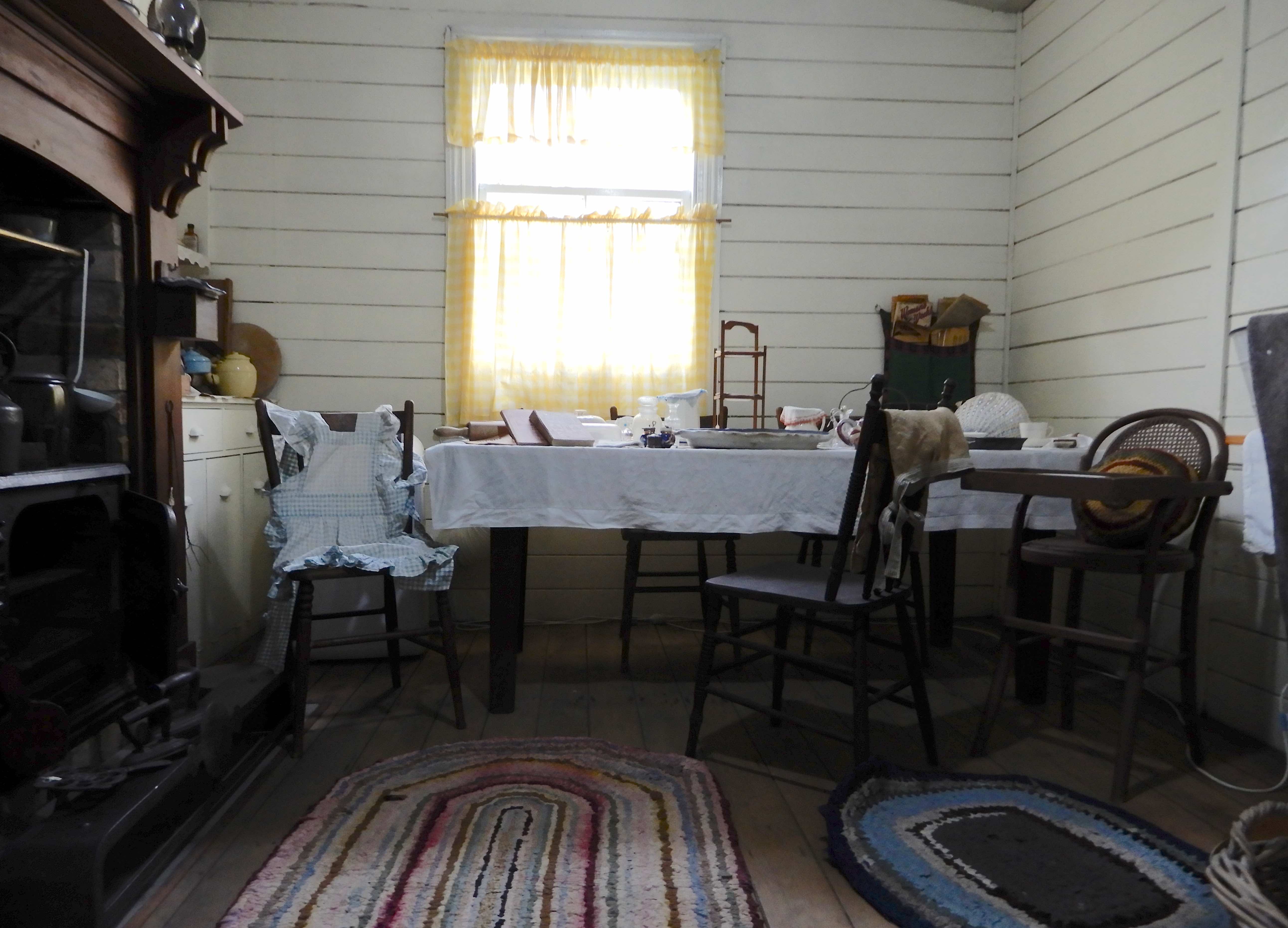
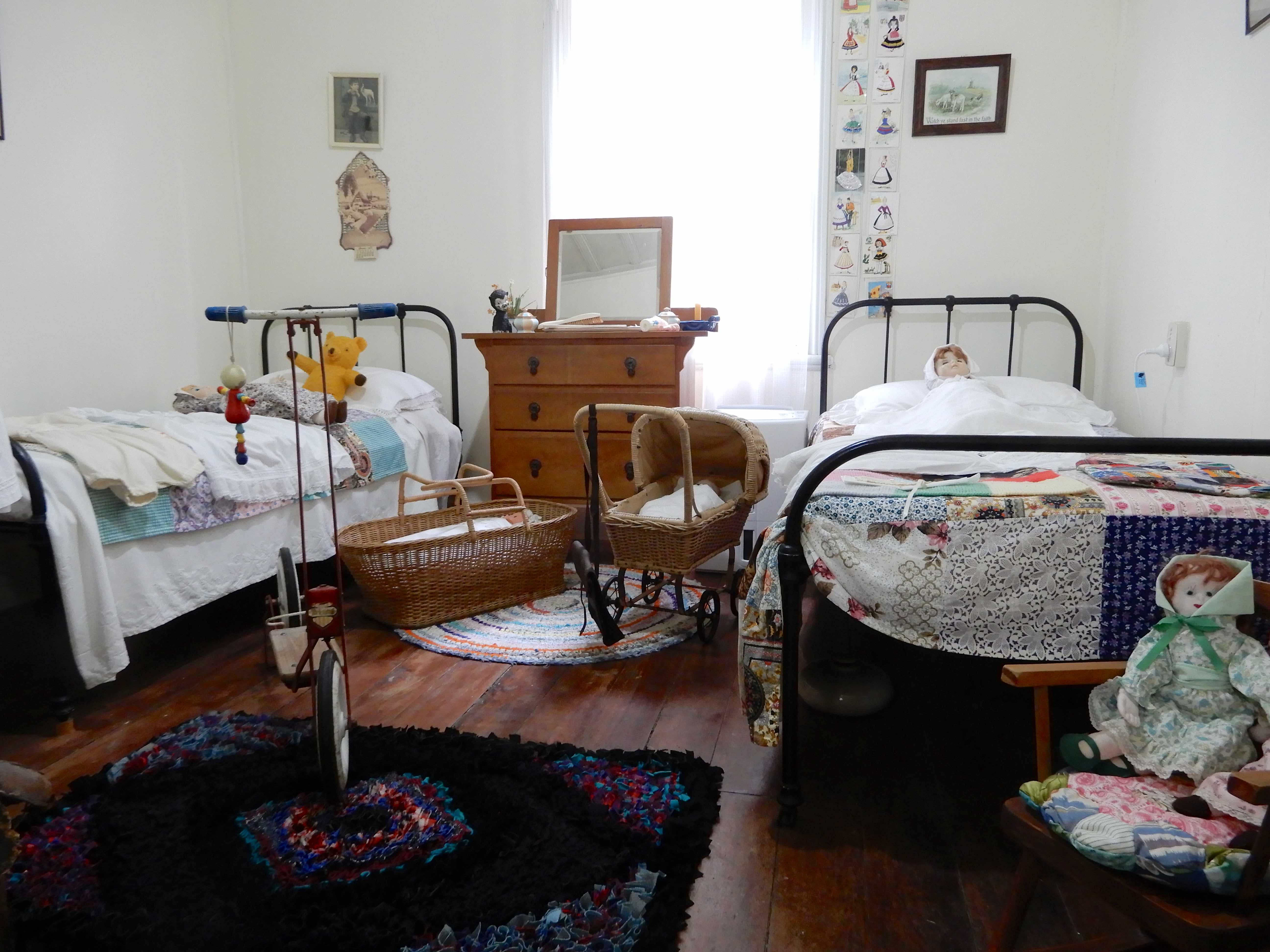
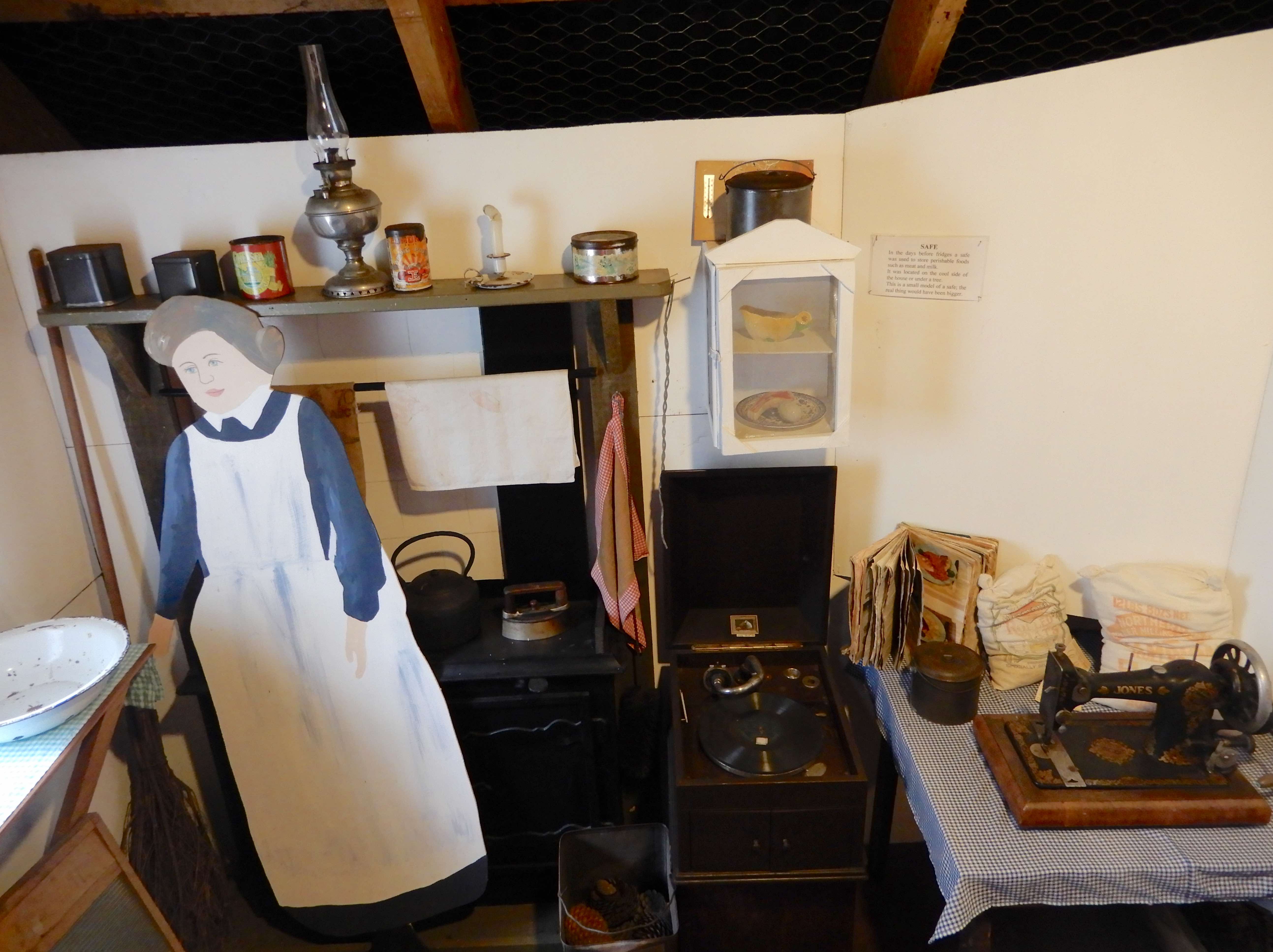
A settler’s cottage was moved from ‘behind the butcher’s shop’ in Waharoa and is furnished as a workman’s home of the 1900s.

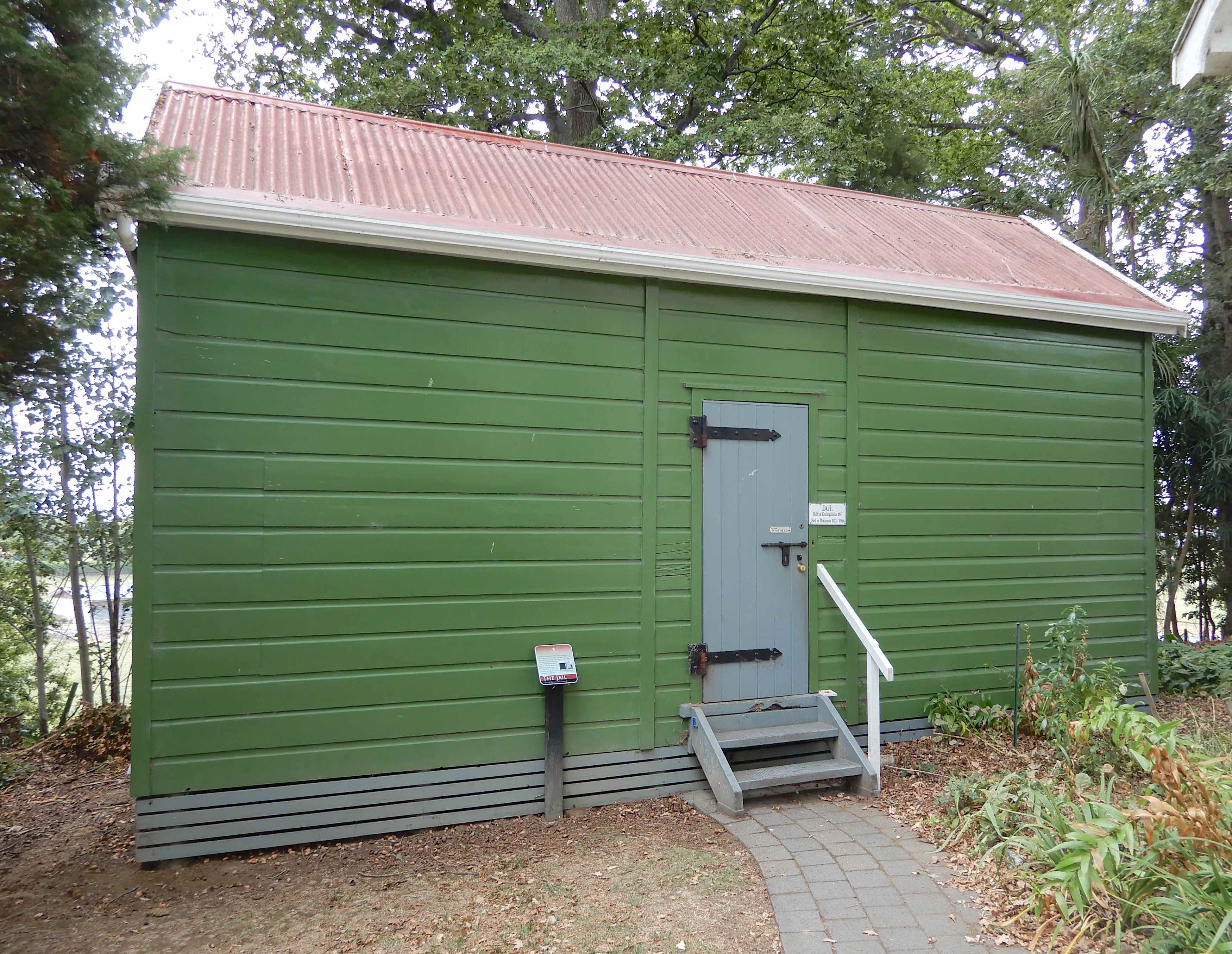
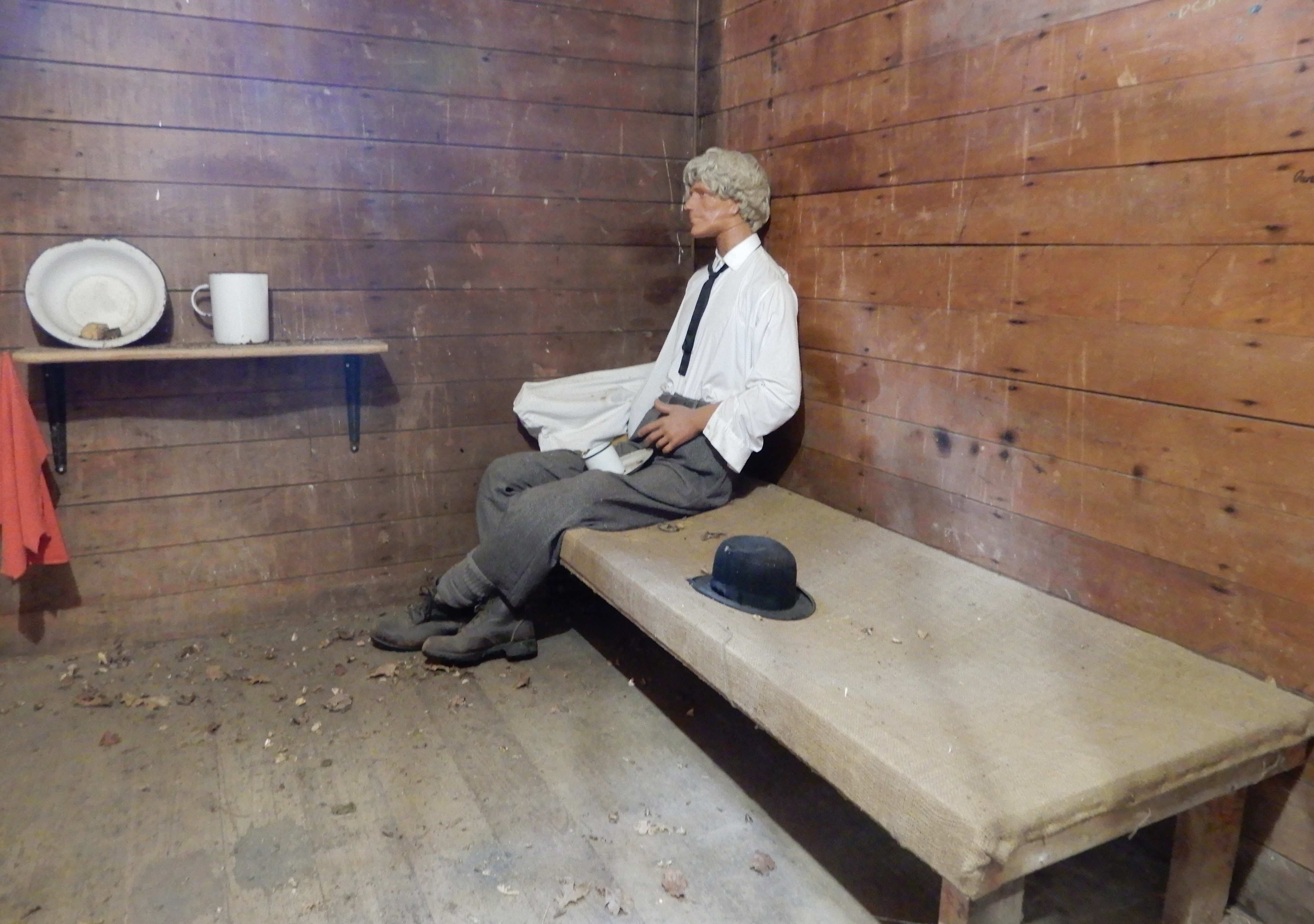
The jail was built in 1892 in Karangahake and was moved to Matamata in 1920 where it served for the next thirty years.

Many activities are offered for groups at the museum including interactive days for school children. Unfortunately, the gallery-workshop wasn’t open this day.

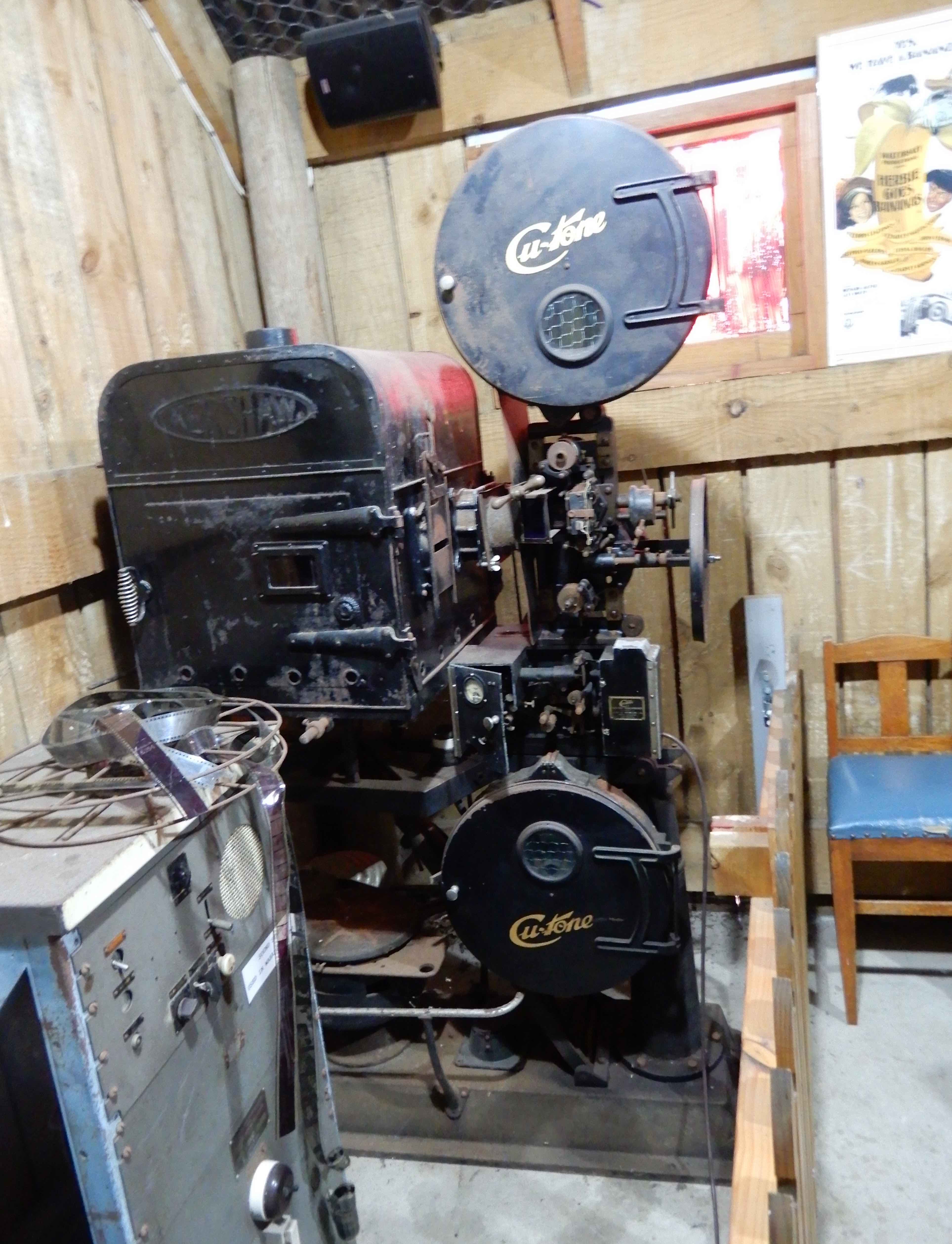
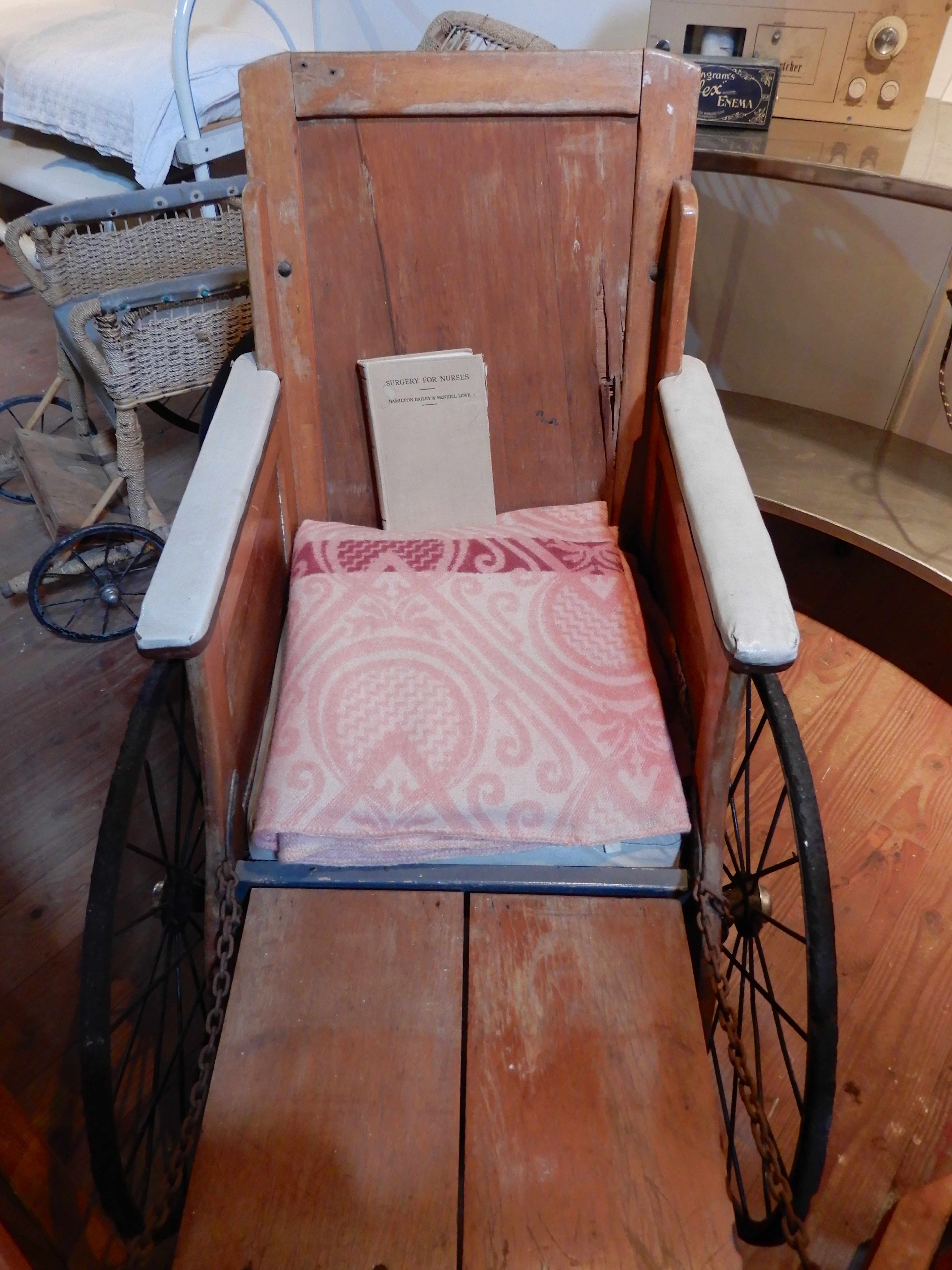
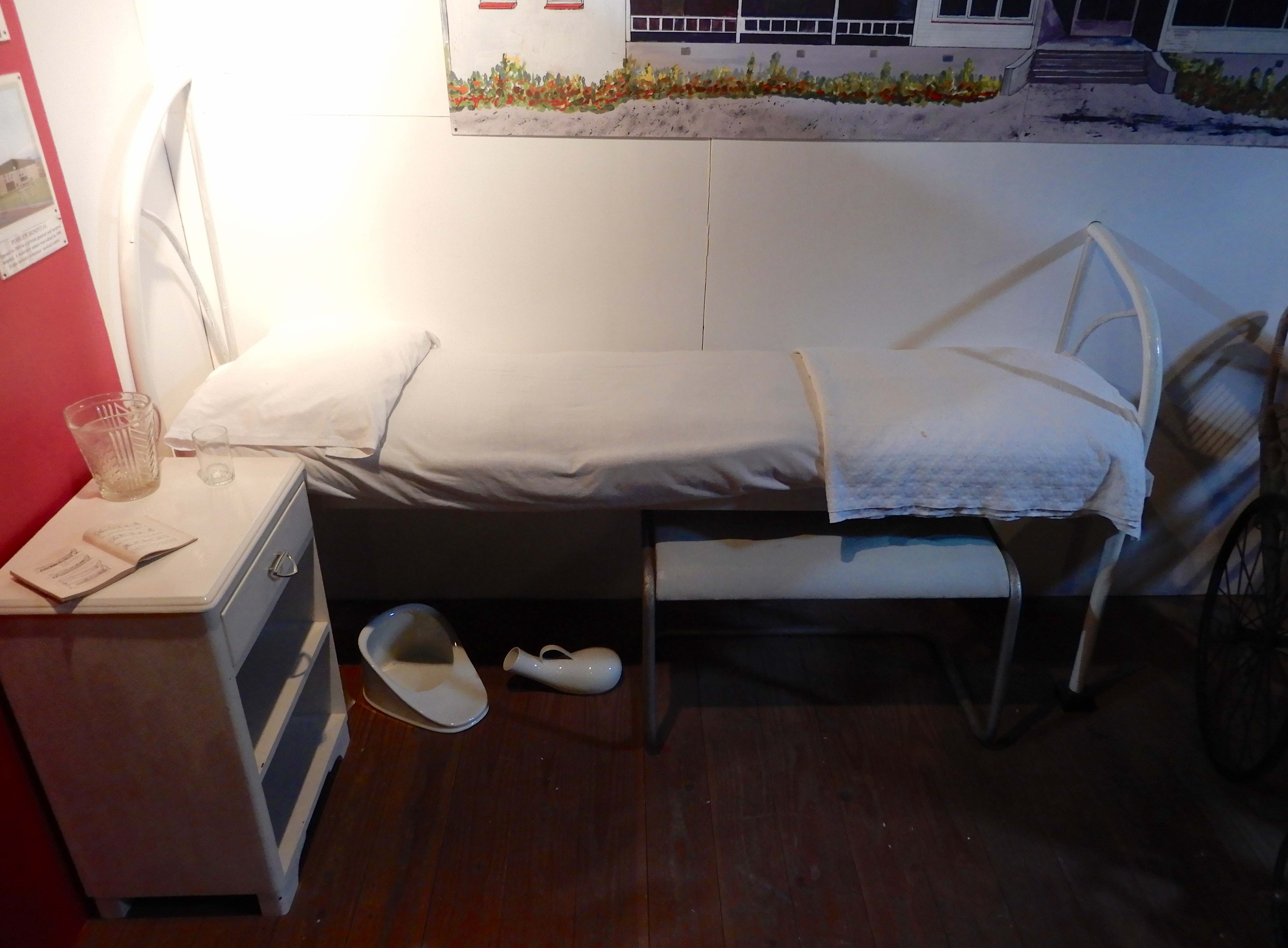
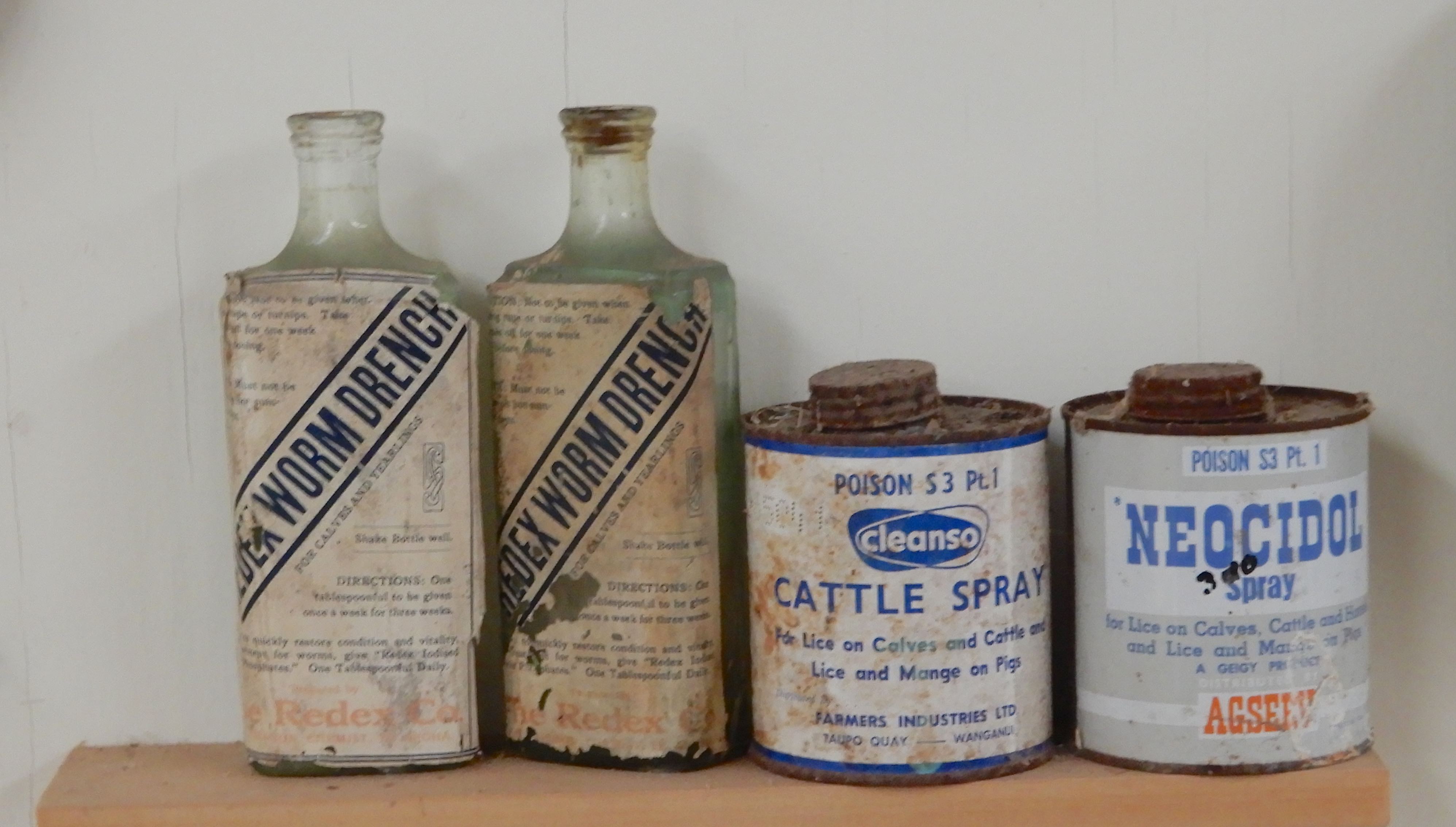
There are a number of outbuildings housing interesting displays of life in the late 19th and early 20th centuries. The history of movie going and Matamata’s doctors, dentists and hospitals are among those featured in The Barn.

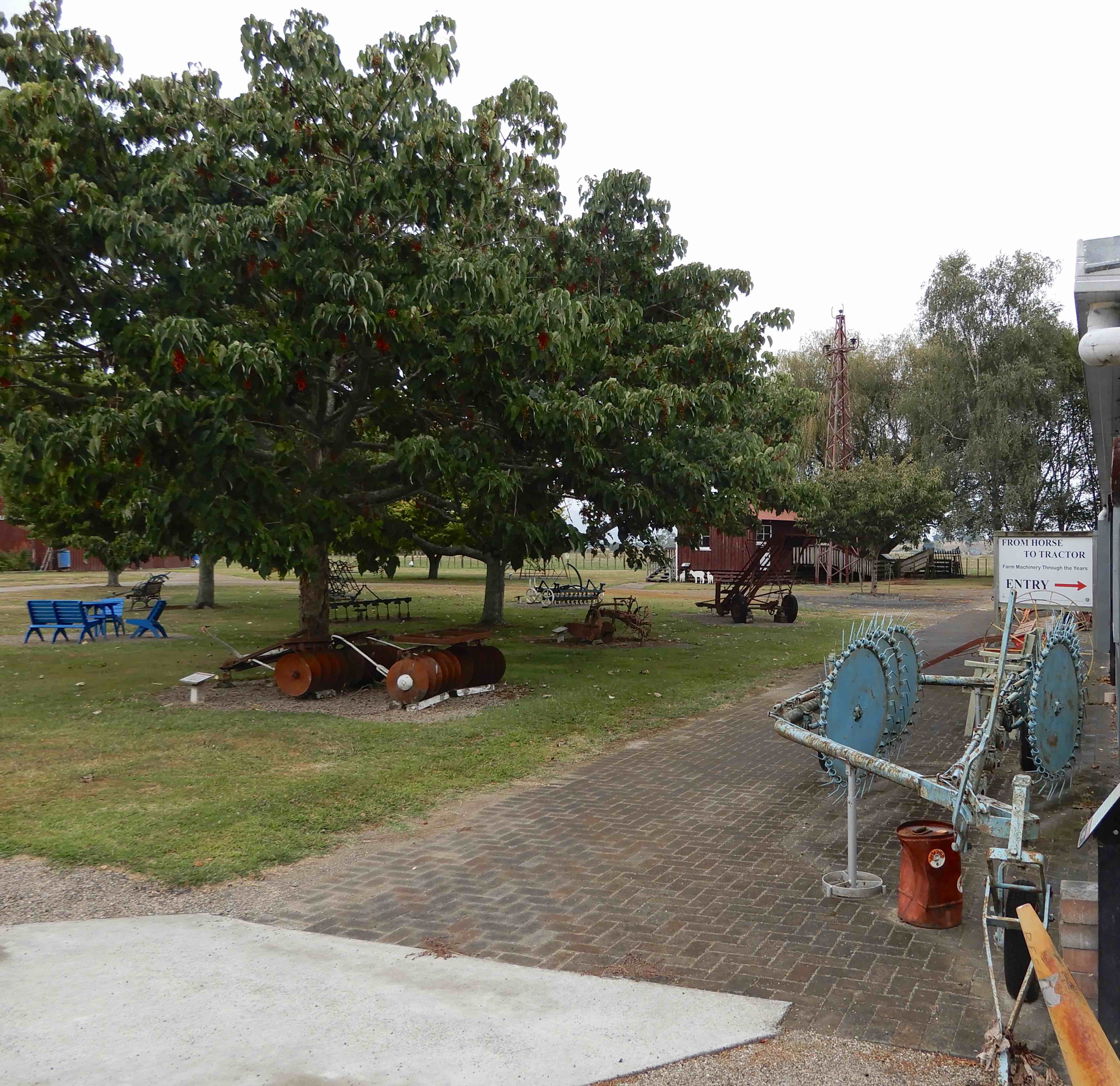
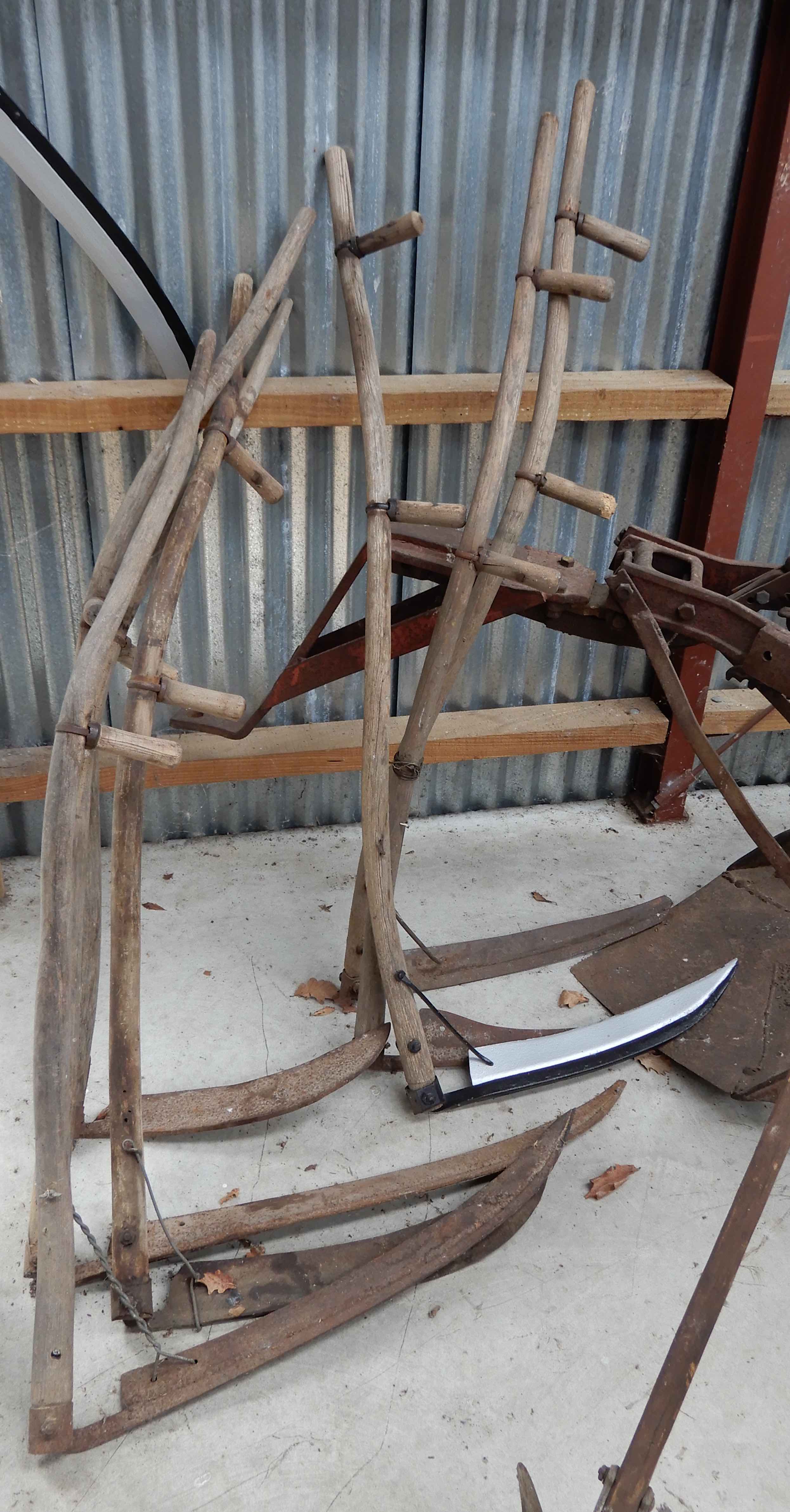
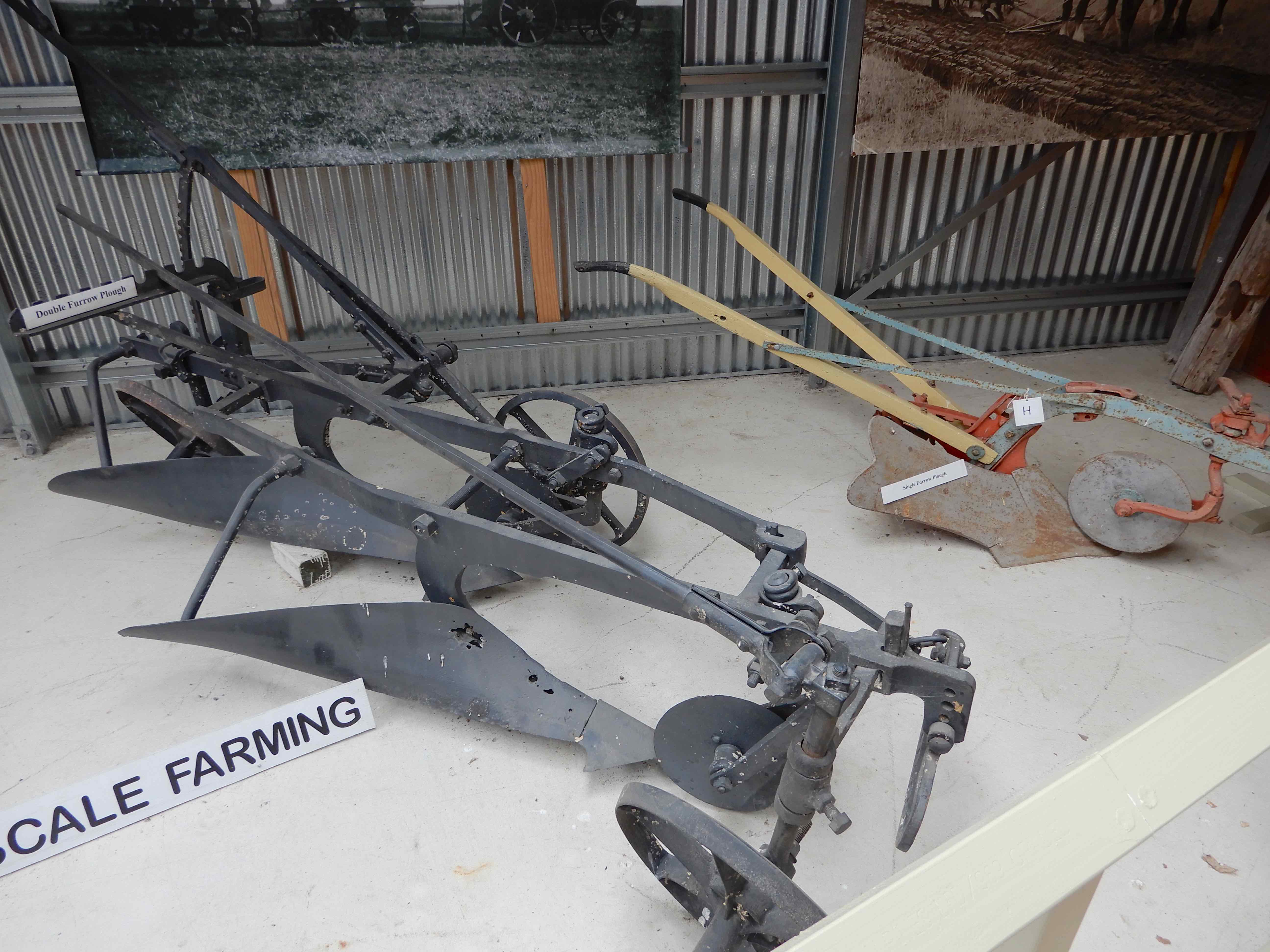
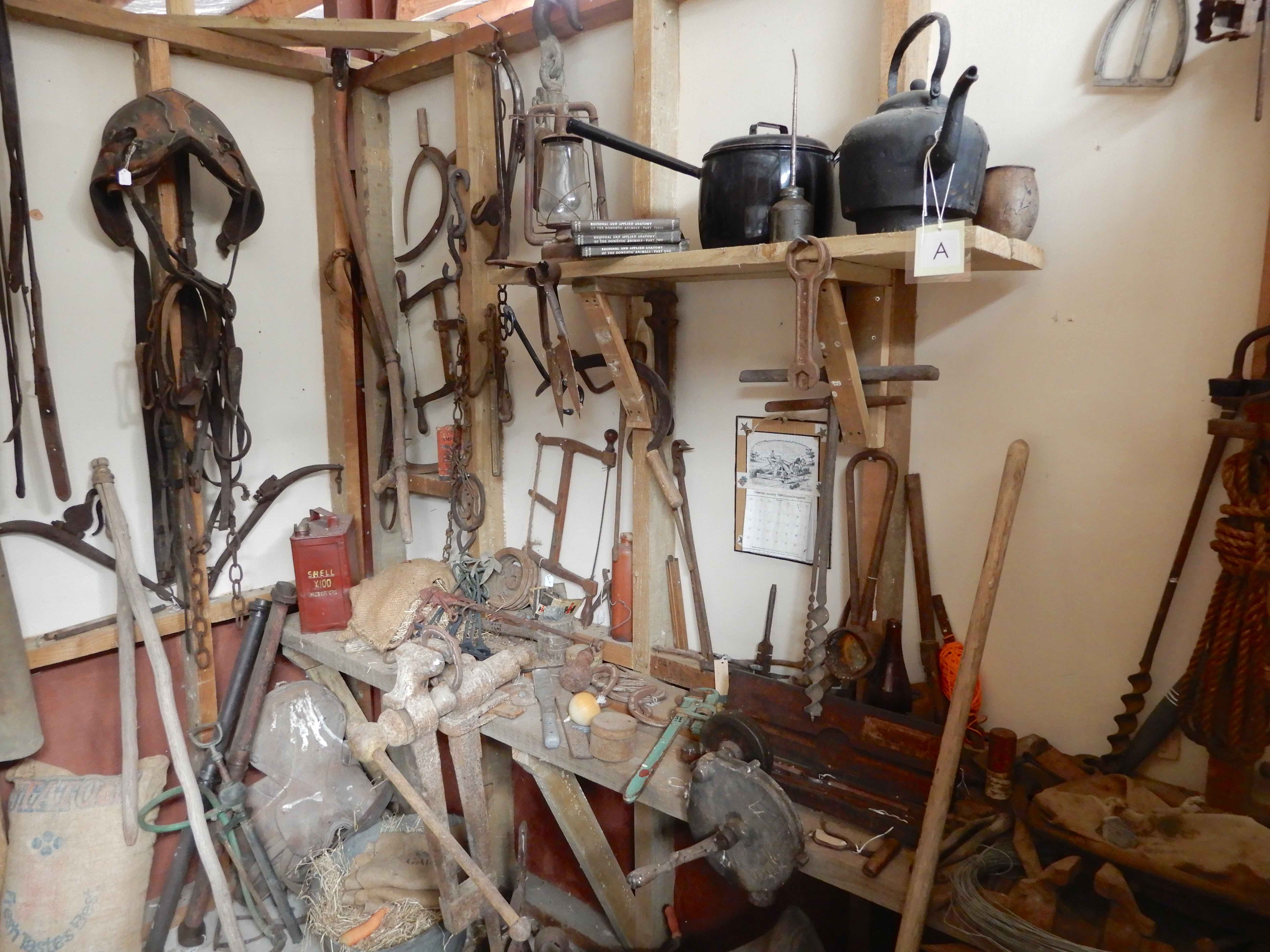
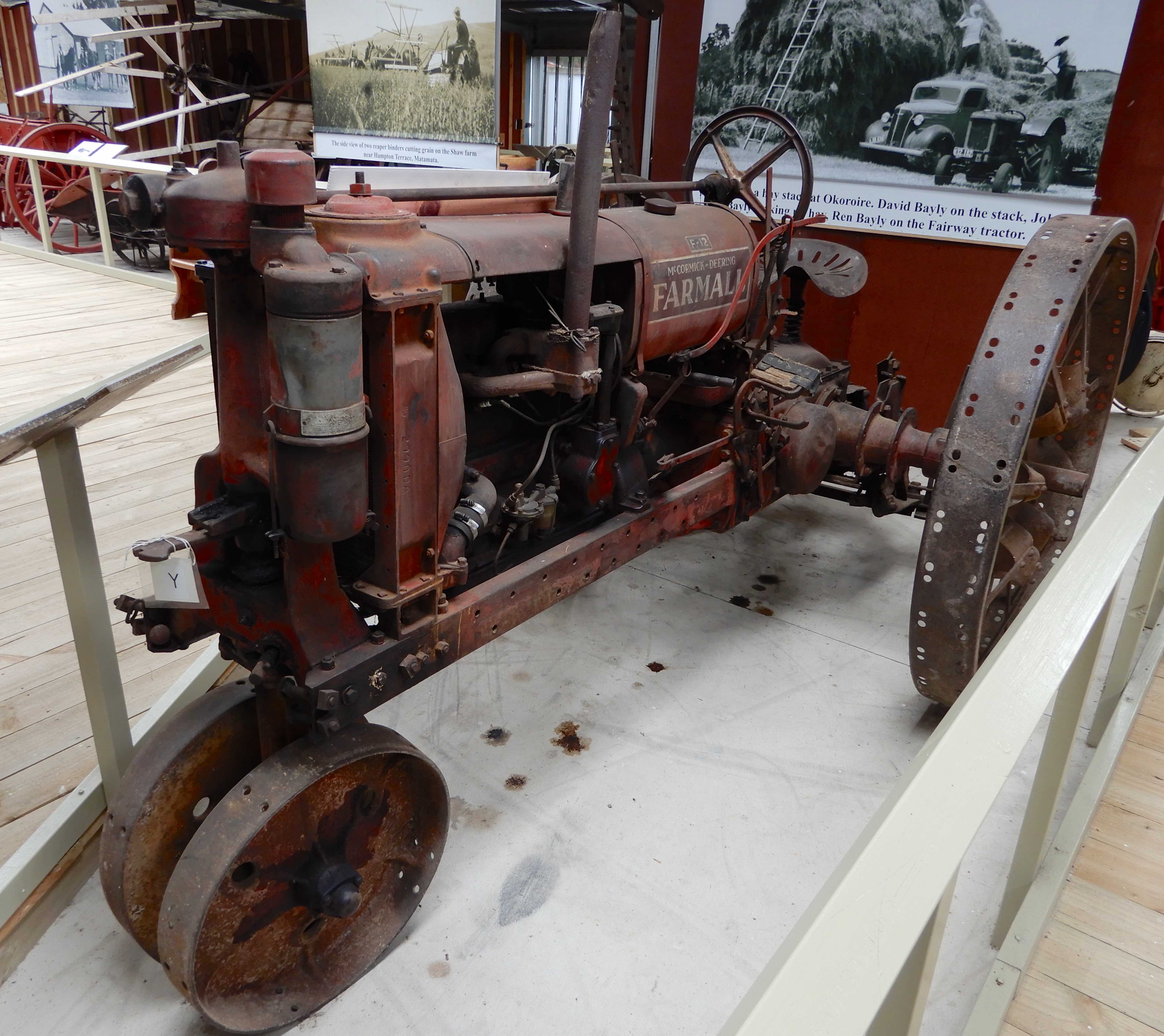
‘From Horse to Tractor’ was the theme in the Mark Madill Shed. I love the old farm machinery, they are real works of art.

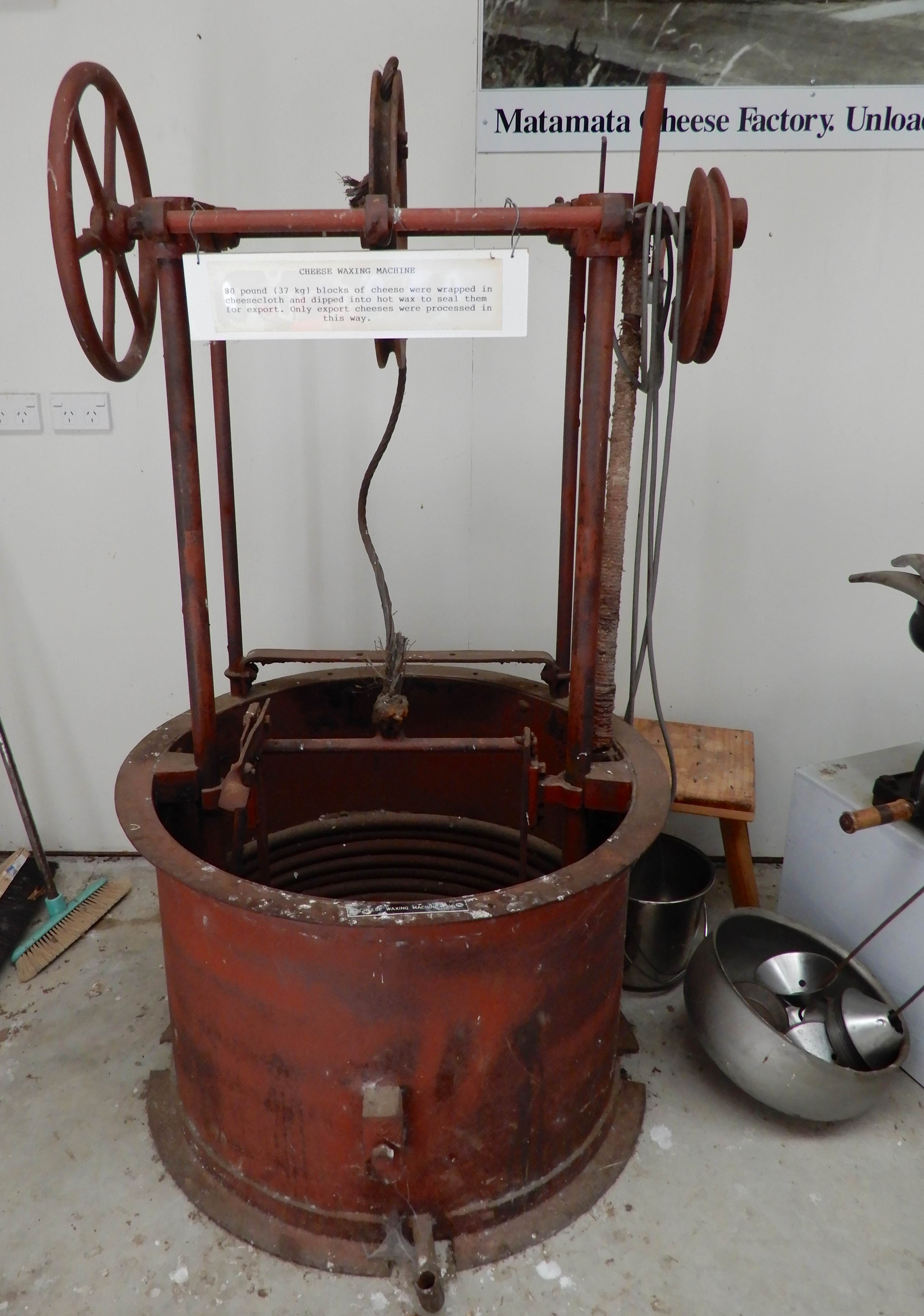
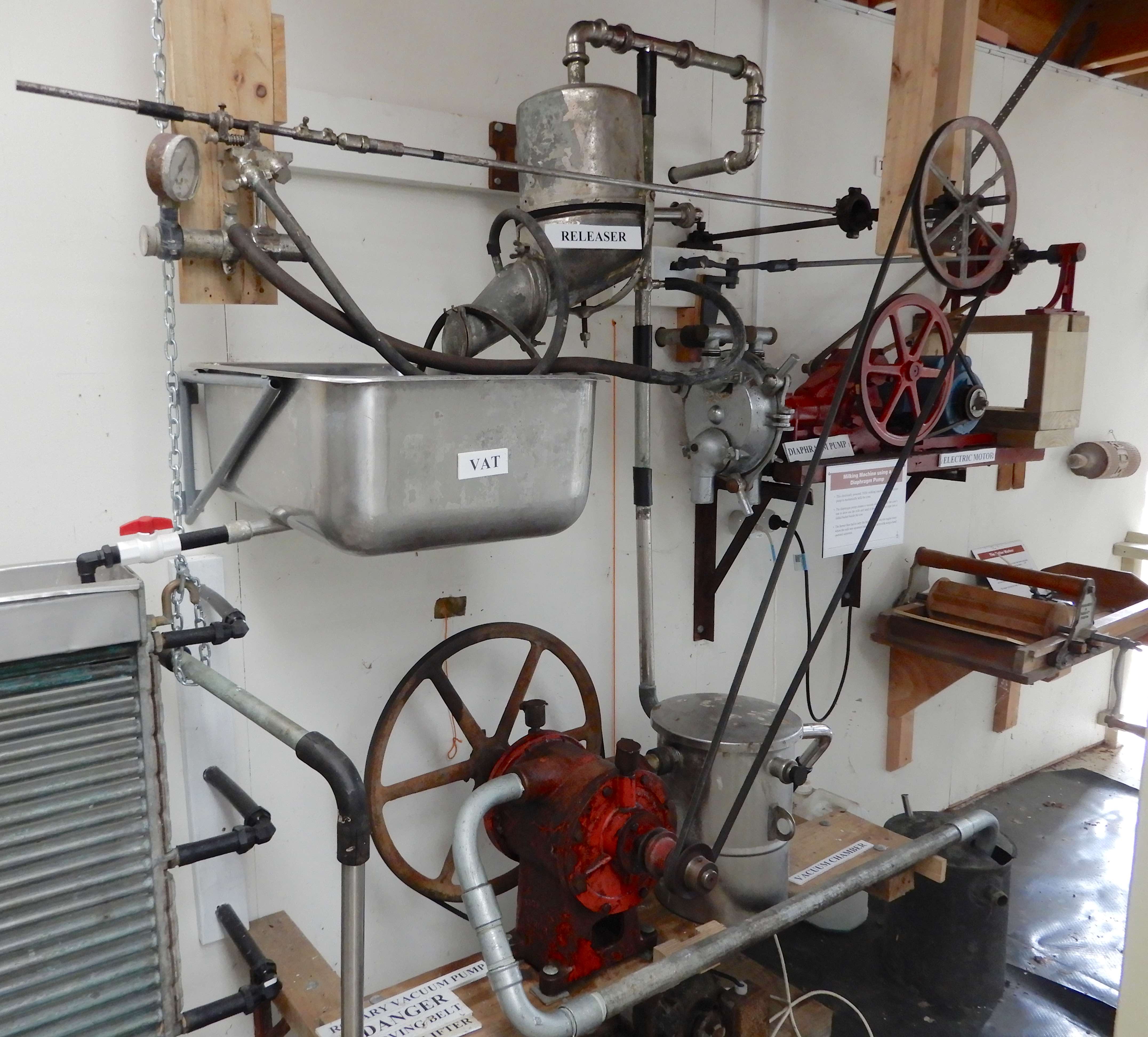
The Joan & David Stanley Shed is all about dairy farming and 100 years of milking methods are on display.

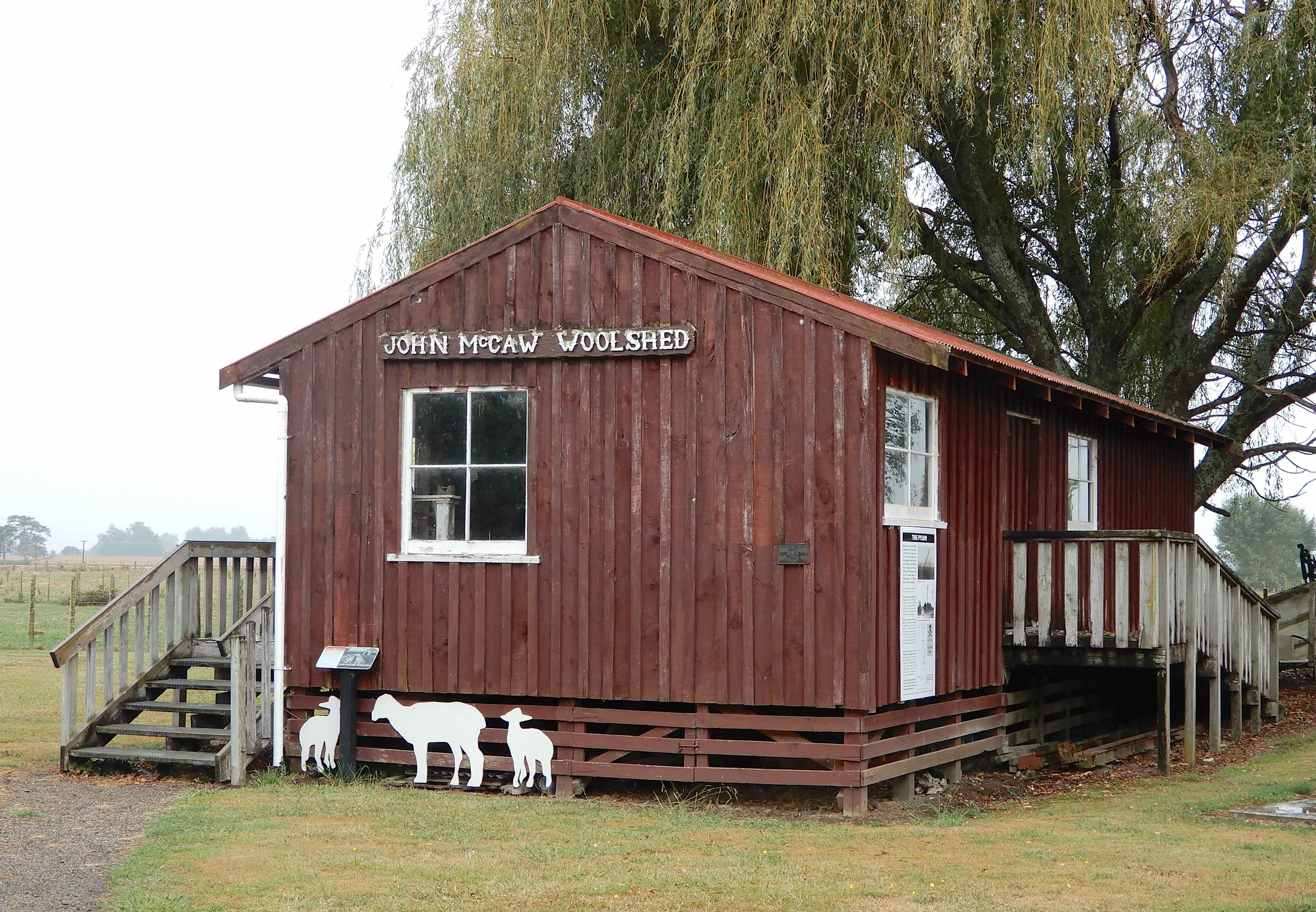
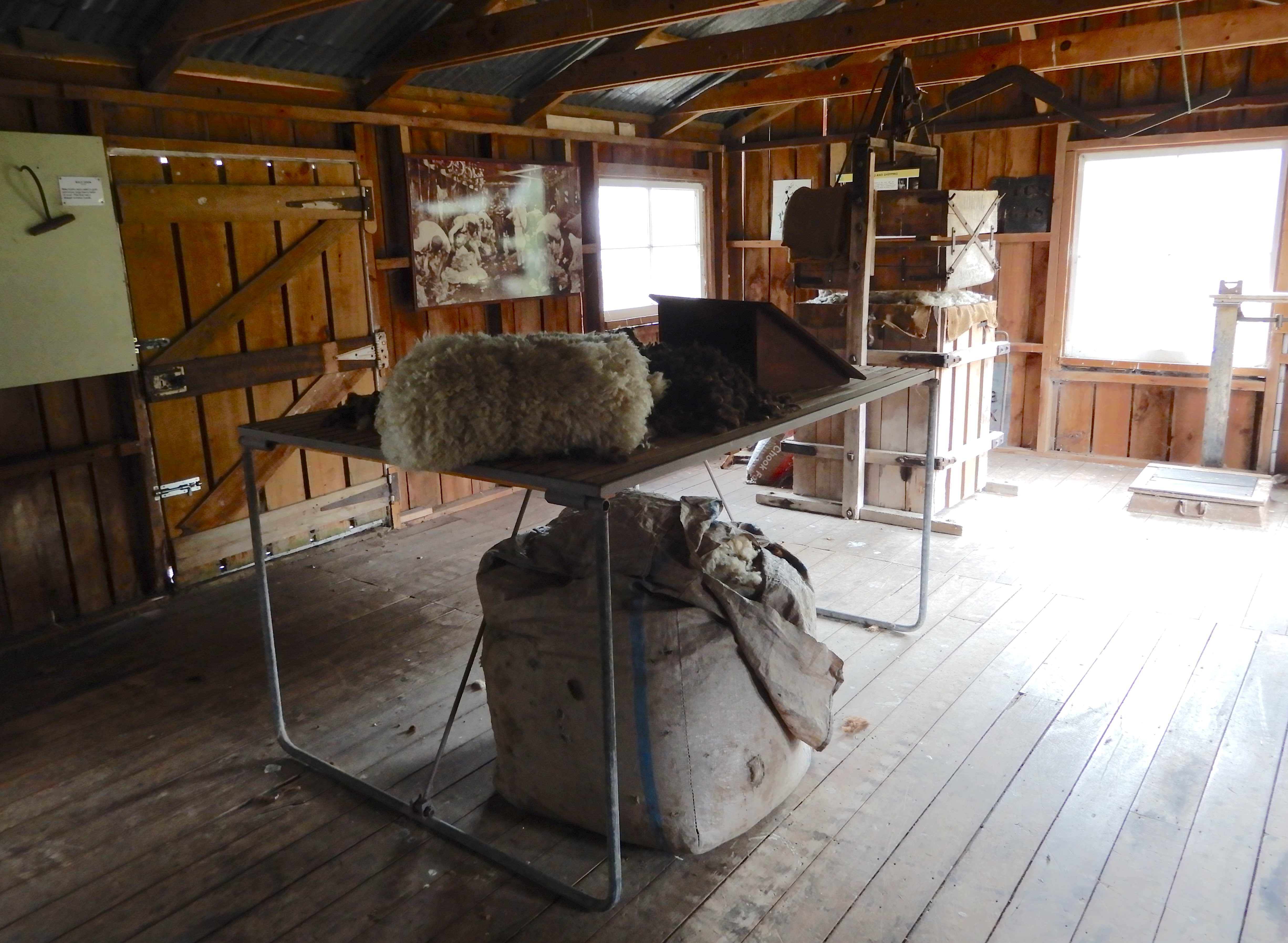
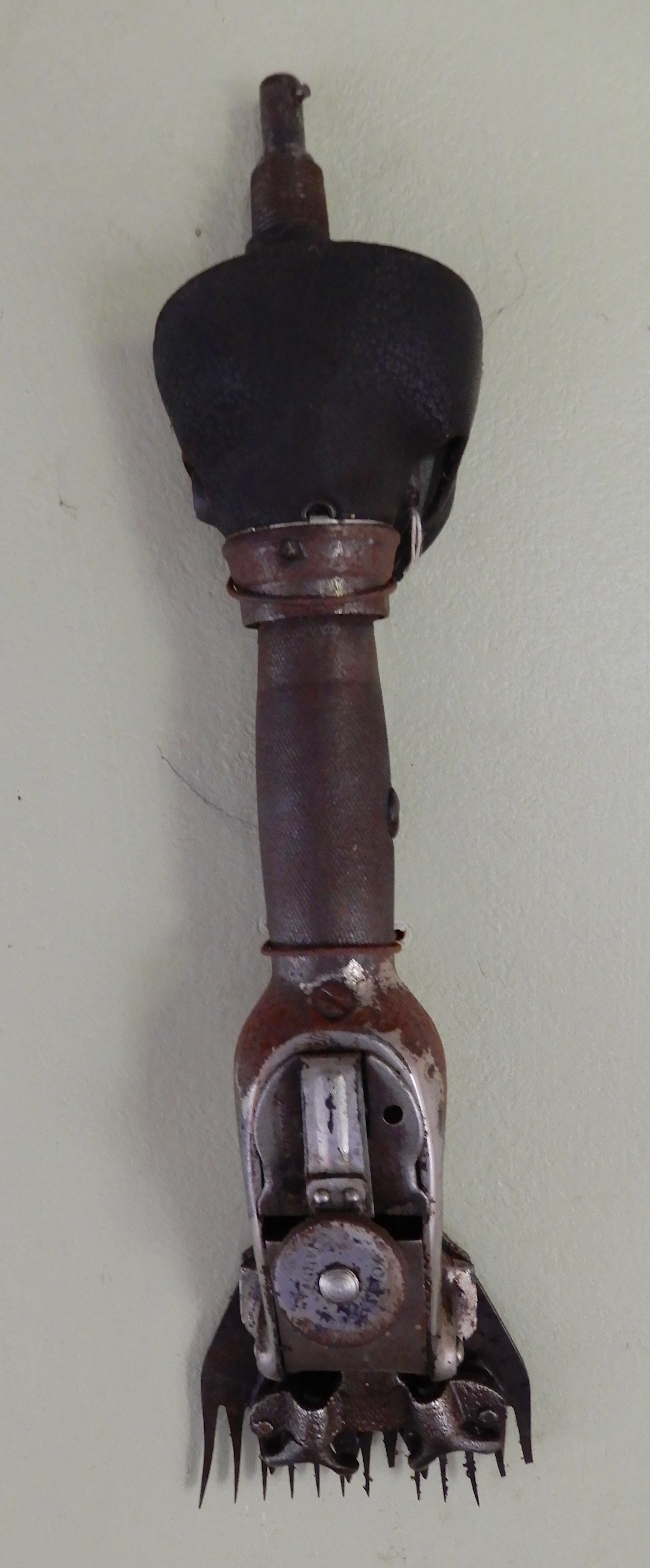
Sheep farming was next in the John McCaw Woolshed with shearing equipment, fleece sorting table and wool bales.

Next to the original stables, a typical 19th century vegetable garden, complete with a scarecrow, is brimming with produce and flowers.

As we returned to our starting point, a pair of old railway goods wagons contain the story of the Kaimai Tunnel construction but they are in such a state of dilapidation, the exhibit is no longer accessible due to health & safety concerns. Plans are underway to move the display to a new environment in the near future.

Bomarzo Garden

I had read about the Parco di Mostri in Bomarzo before going to Italy and it sounded fascinating. The Park of Monsters is the creation of Prince Pier Francesco Orsini who, although living in a rather fabulous palace, had his share of bad luck. In 1552, he returned from a war in which his friend had been killed and he was taken prisoner and his thoughts turned to planning a special garden. Five years later, his beloved wife, Giulia Farnese Orsini, died. As an outlet for his sorrow, he pushed ahead with the project and for more than thirty years dedicated his life to finishing the garden. In 1579, he noted in his diary: “I can find relief only in my beloved forest, and I bless the money I have spent and still spend on this magic area”.

Six years later, Orsini died at the age of 62. Sadly, after his death, the garden was abandoned and swallowed up by the forest until 1951 when an estate agent, Giancarlo Bettini, stumbled across the hidden monsters when looking for land to buy. He bought the whole lot and proceeded to restore the garden for its intended purpose. A short stroll from the ticket office

we come to the entrance.

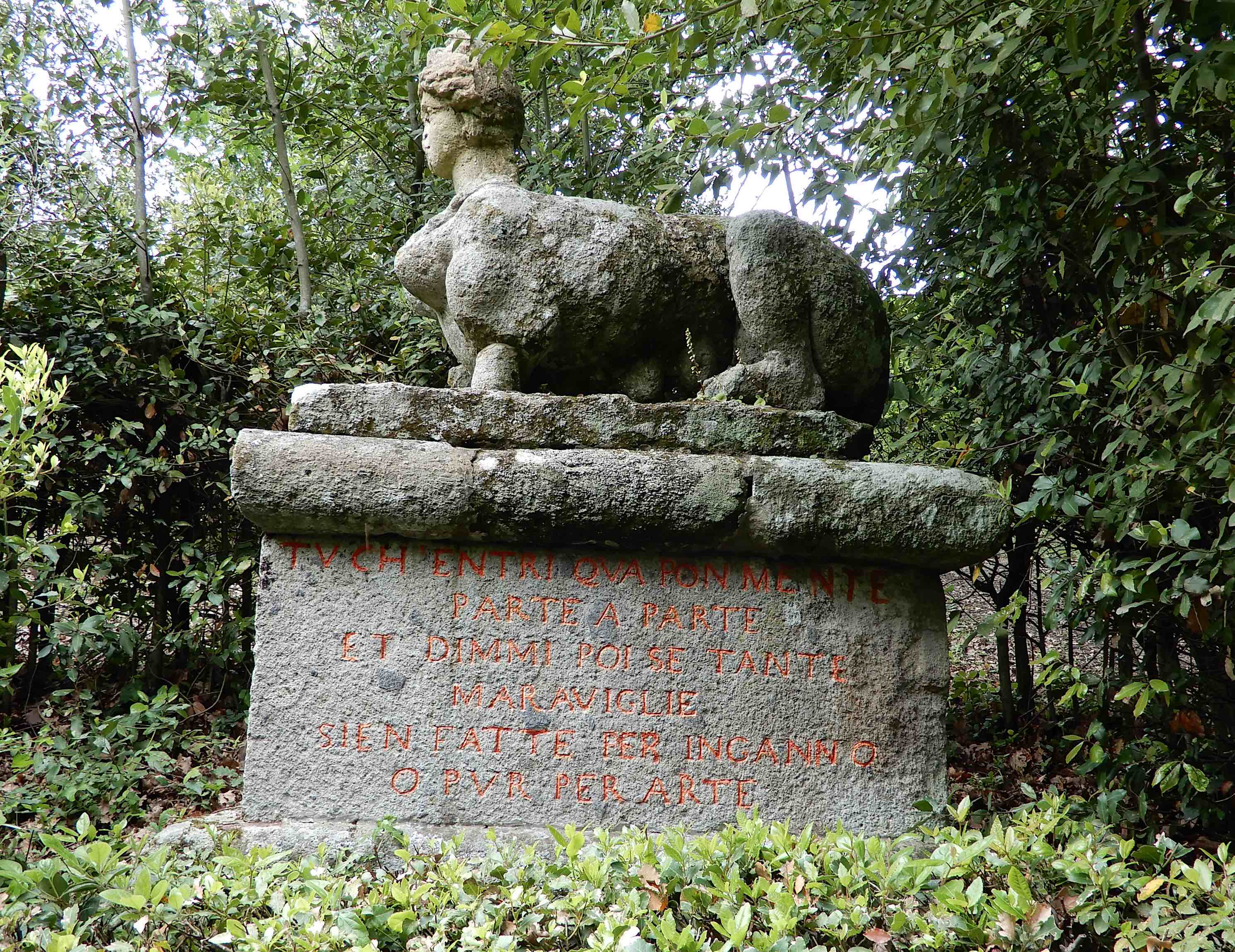
A pair of sphinxes await and each plinth bears an inscription; “He who does not go there with eyes wide open and lips sealed will not be able to admire the most wonderful marvels” and “You who enter here put your mind to it part by part and tell me if some many marvels were made by deceit or by design”.

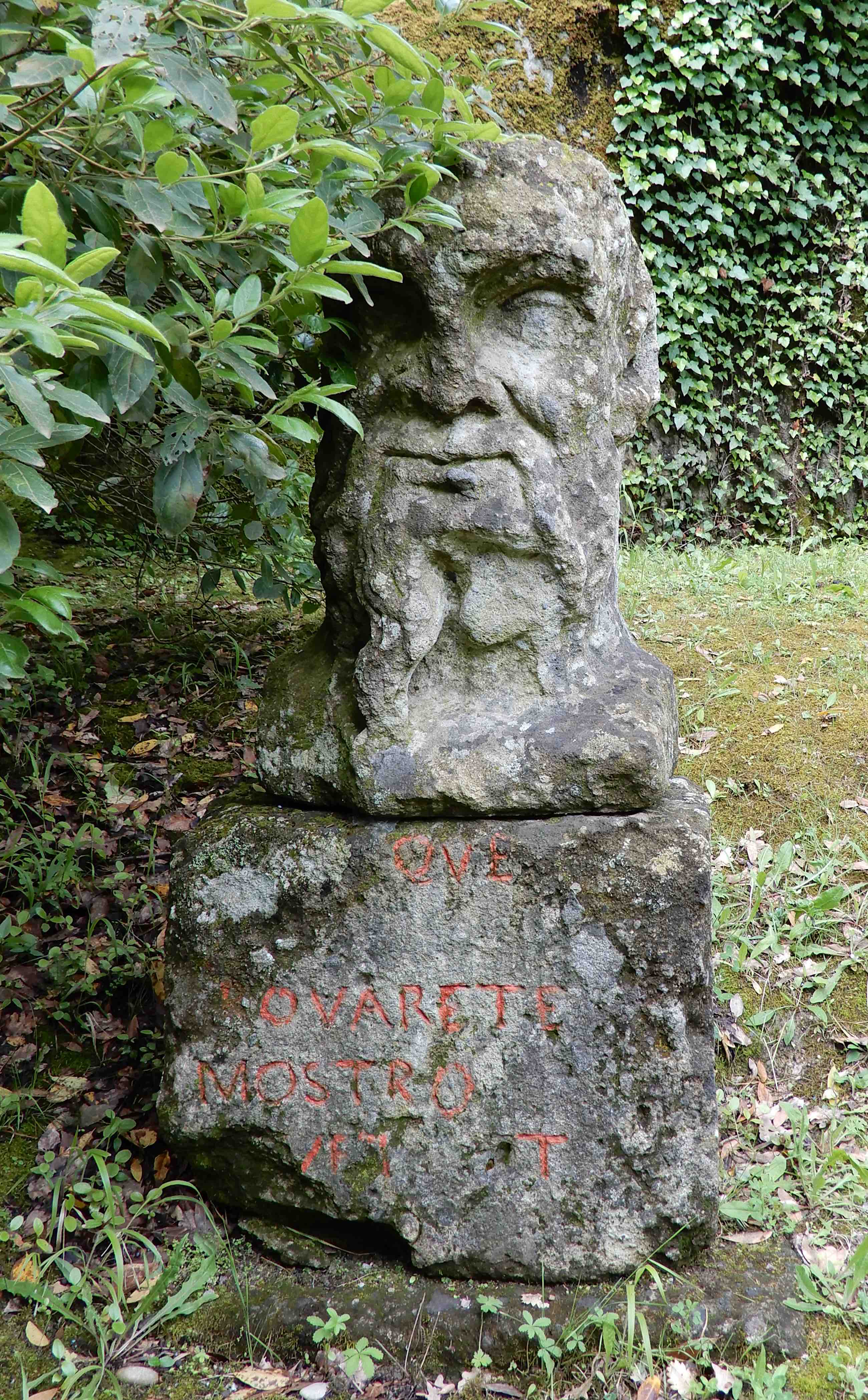
A series of heads depicting the Gods are scattered around, peering from shrubbery when you least expect it.

Proteus Glaucus represents the Greek God of the Sea, Proteus, and Glaucus, the fisherman who became a Sea God after eating a magical herb. The globe and castle atop the head are symbols of the Orsini family.

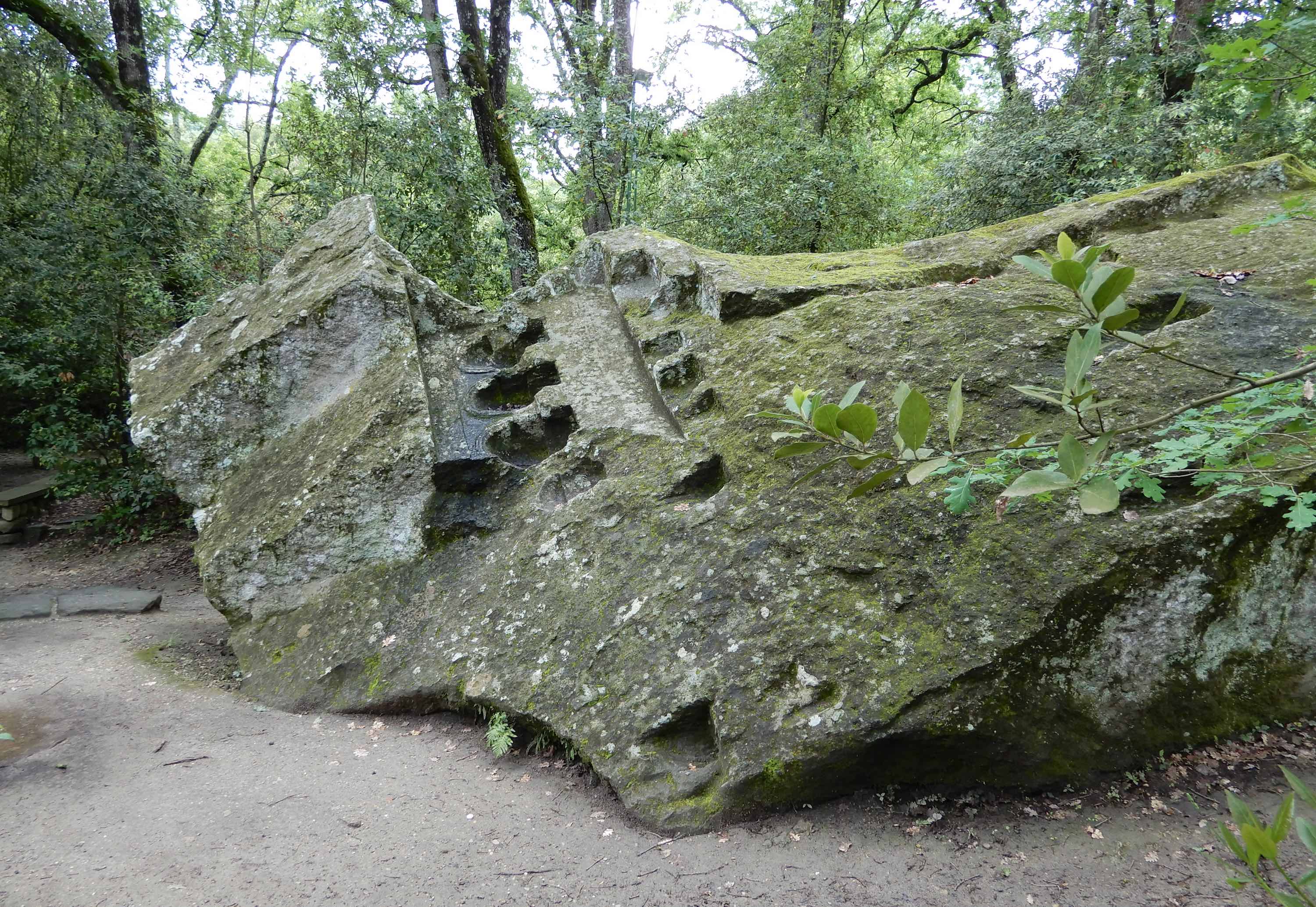
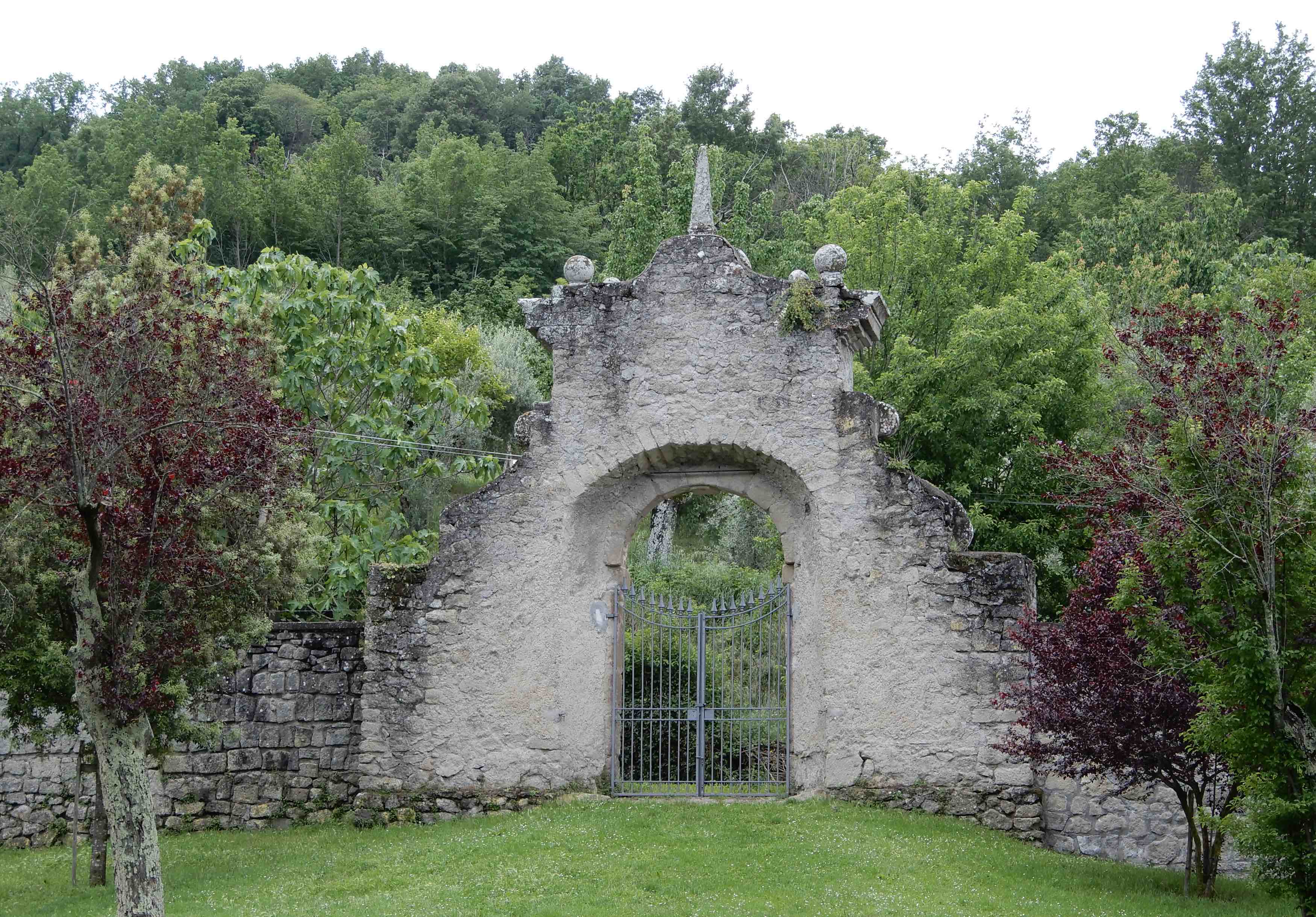
The ruined mausoleum is intentionally half destroyed and fallen over and we passed an intriguing gate in a stone wall.

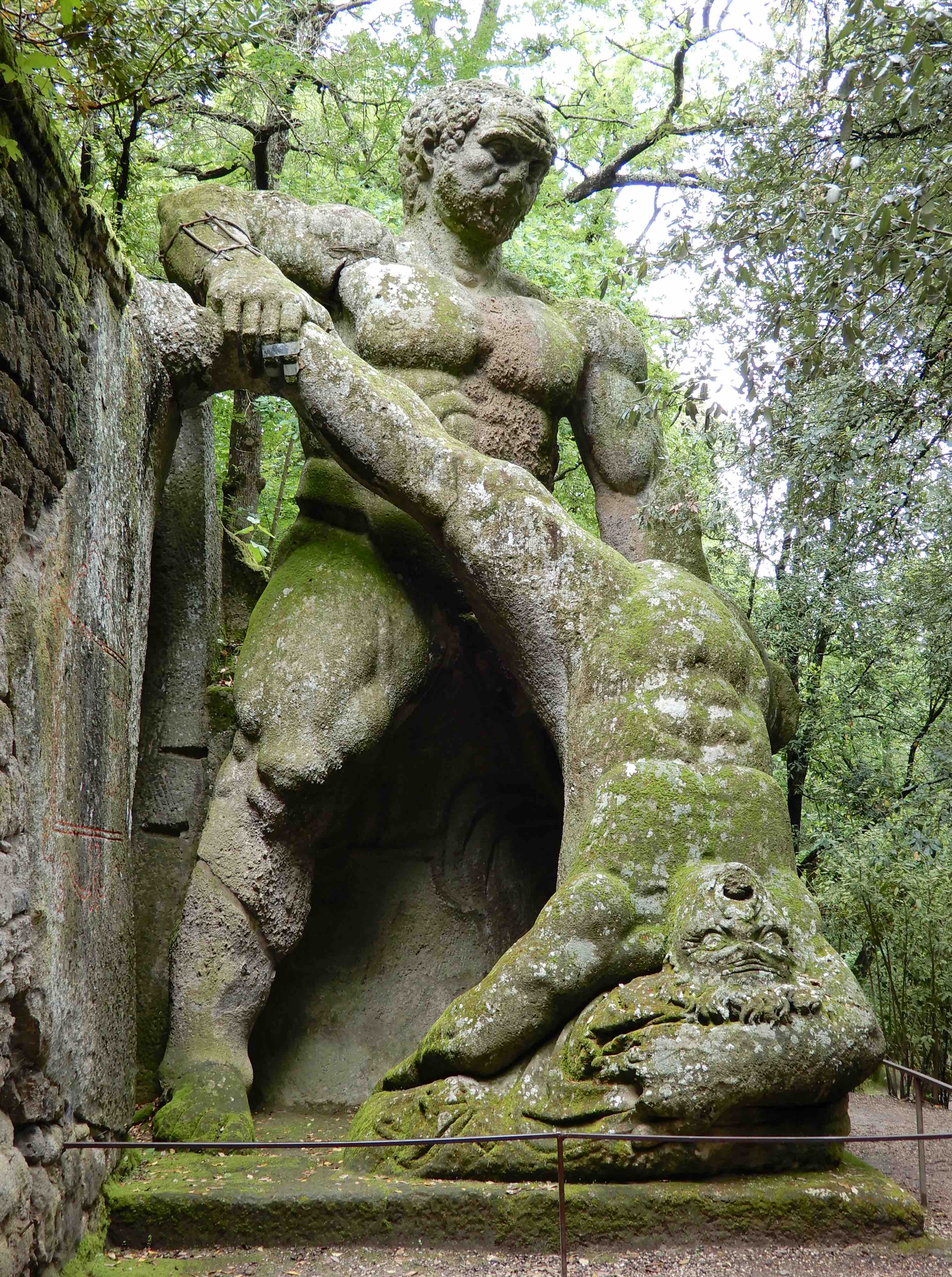
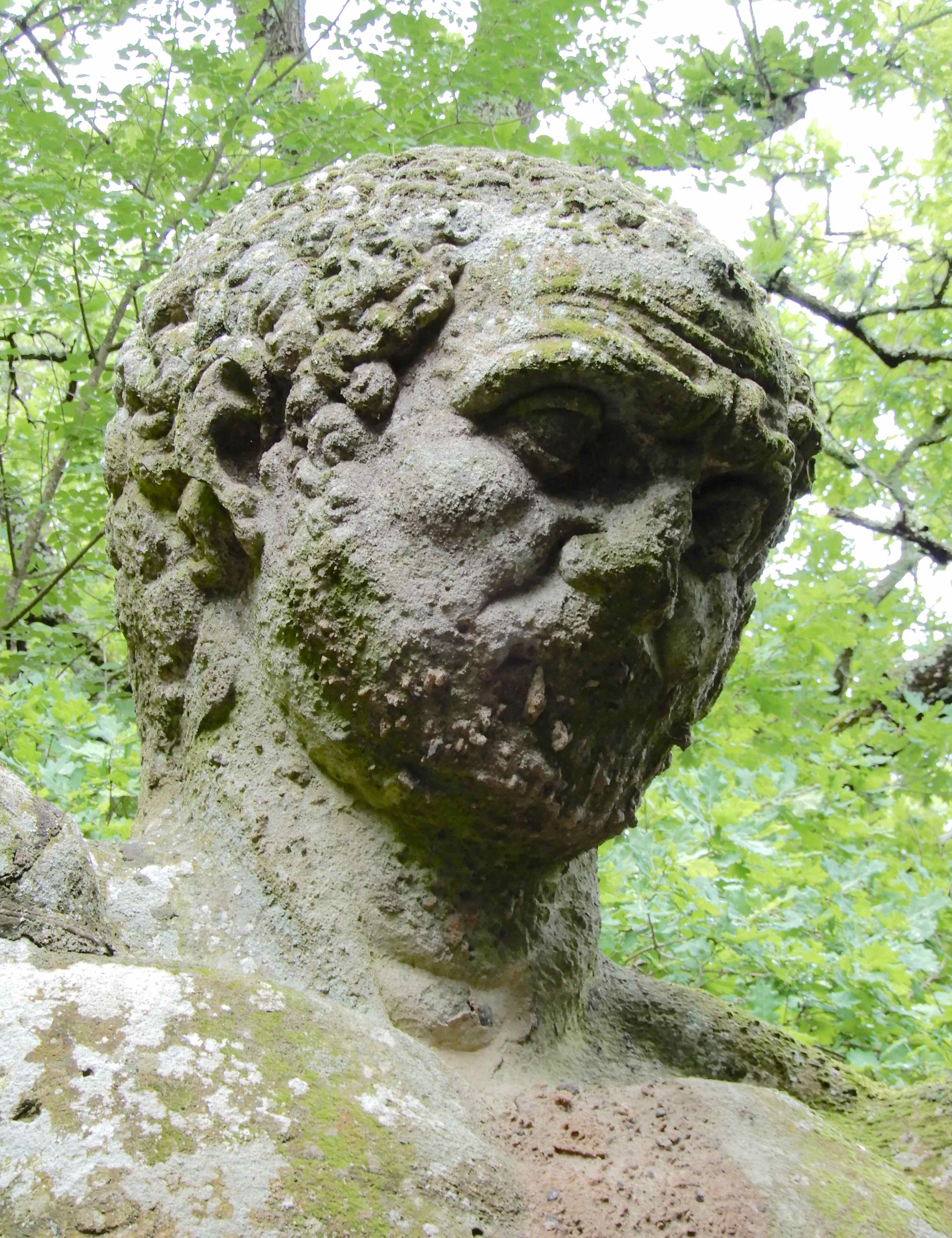
Hercules and Cacus are embroiled in a very one-sided fight.

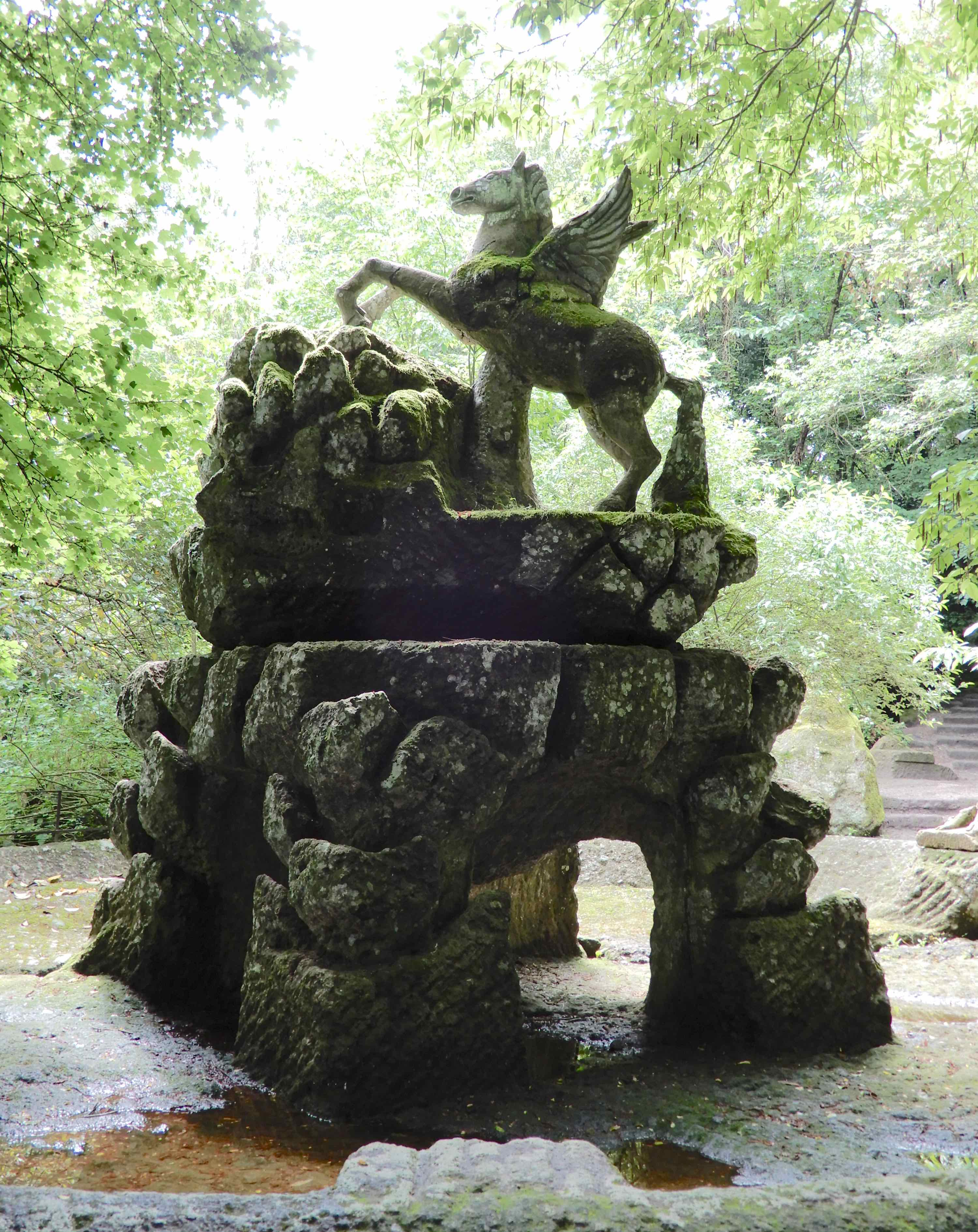
Nearby, a stream soothes the tension as it tumbles over the rocks

while the winged stallion, Pegasus, oversees the flow.

There is a turtle with a fairy on its back, both looking in the same direction as Pegasus.

Not too far away, a whale emerges from the water.

Dedicated to all nymphs, the aptly named nymphaneum seems to be guarded by a lion with a ball under his paw.

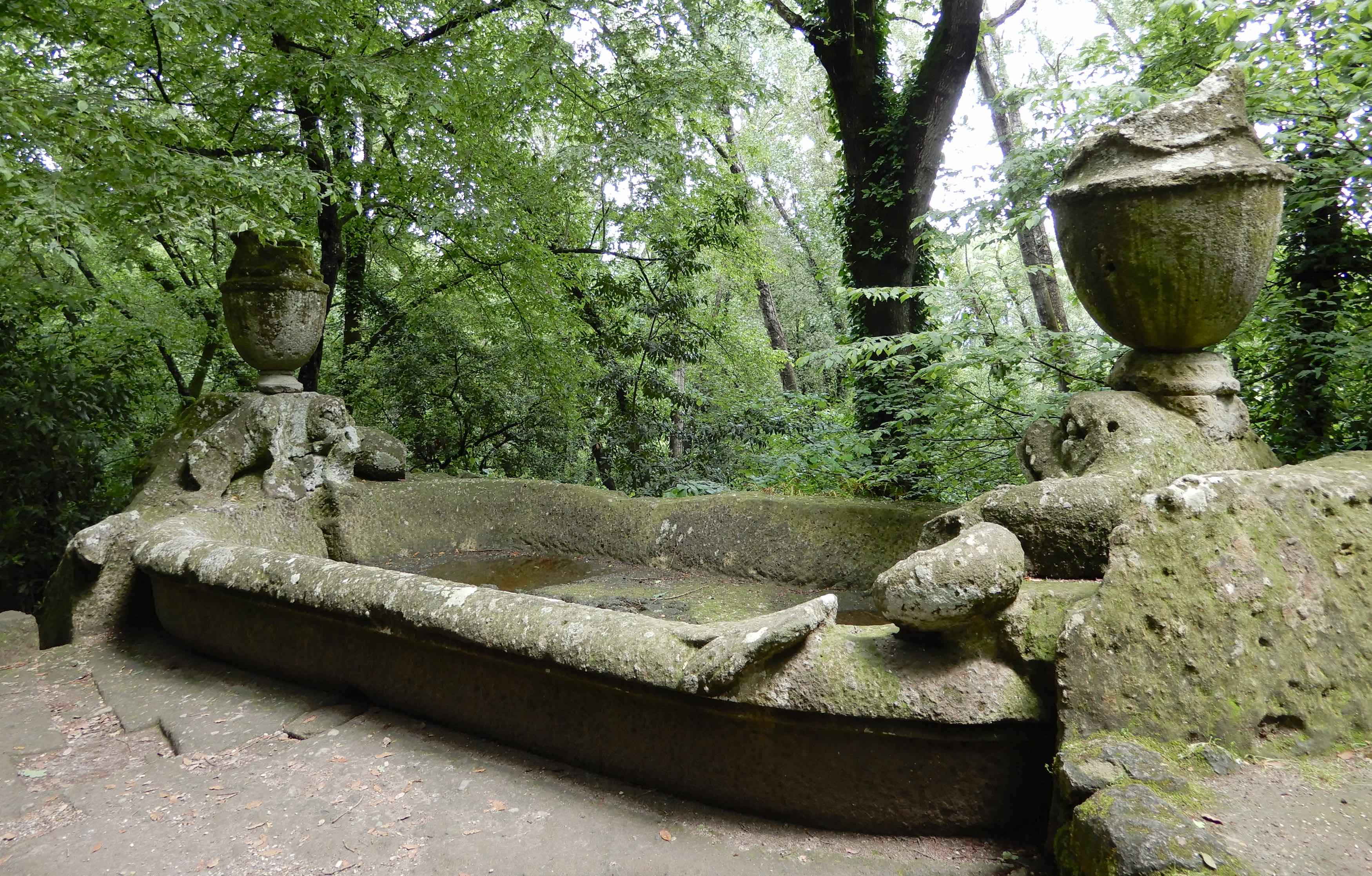
In front of it, there is a dormant fountain with dolphins each end

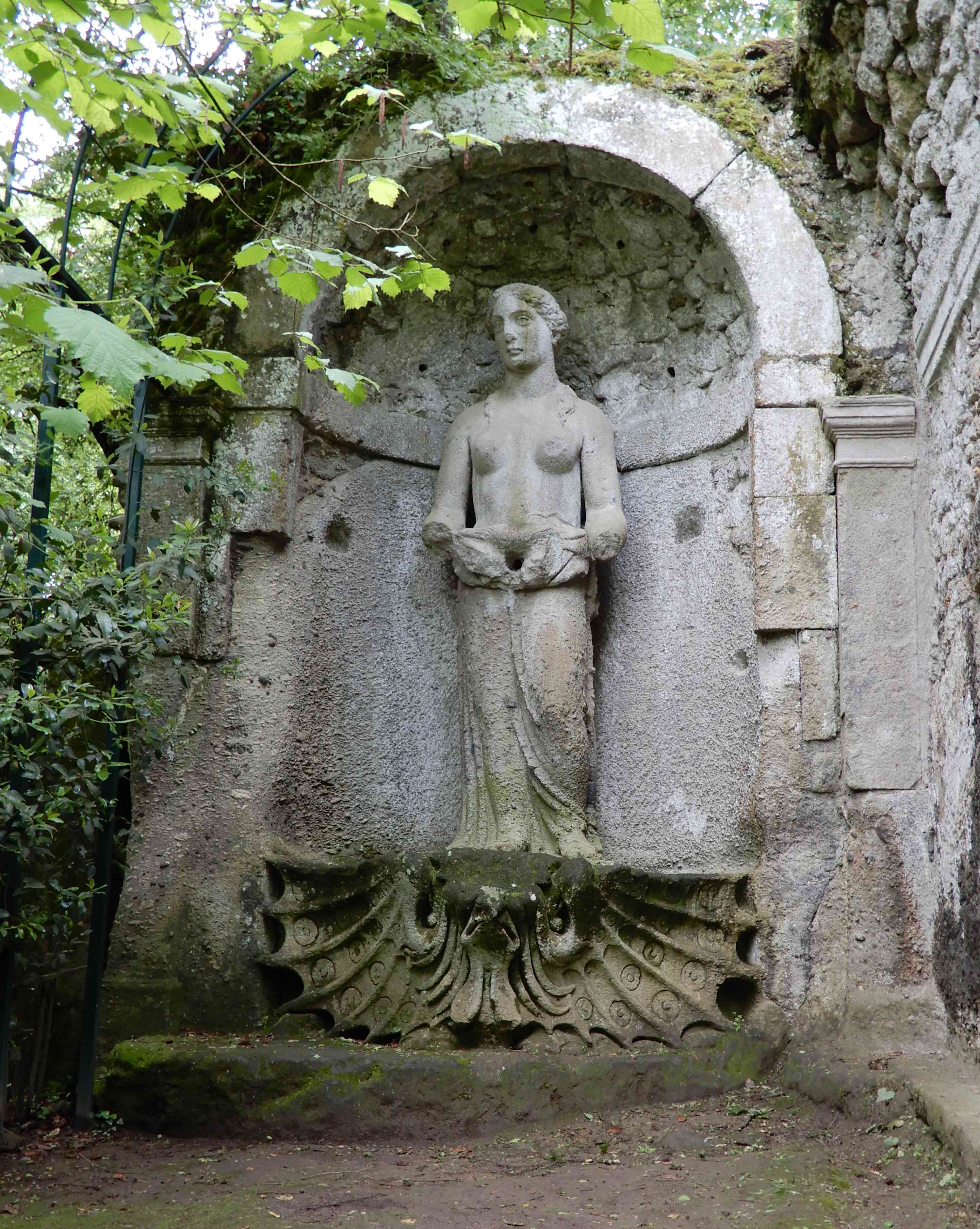
with Jupiter and Venus standing by.

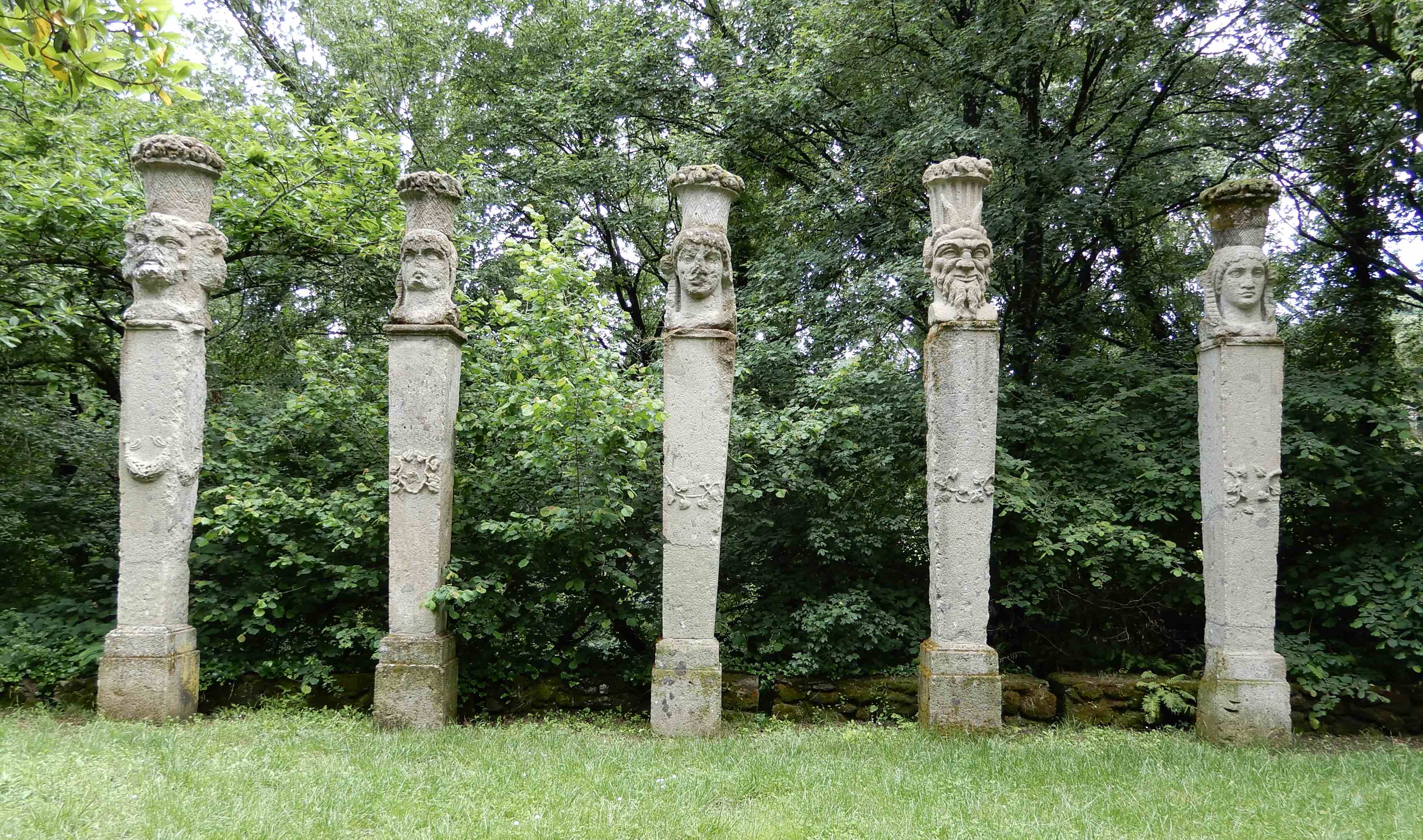
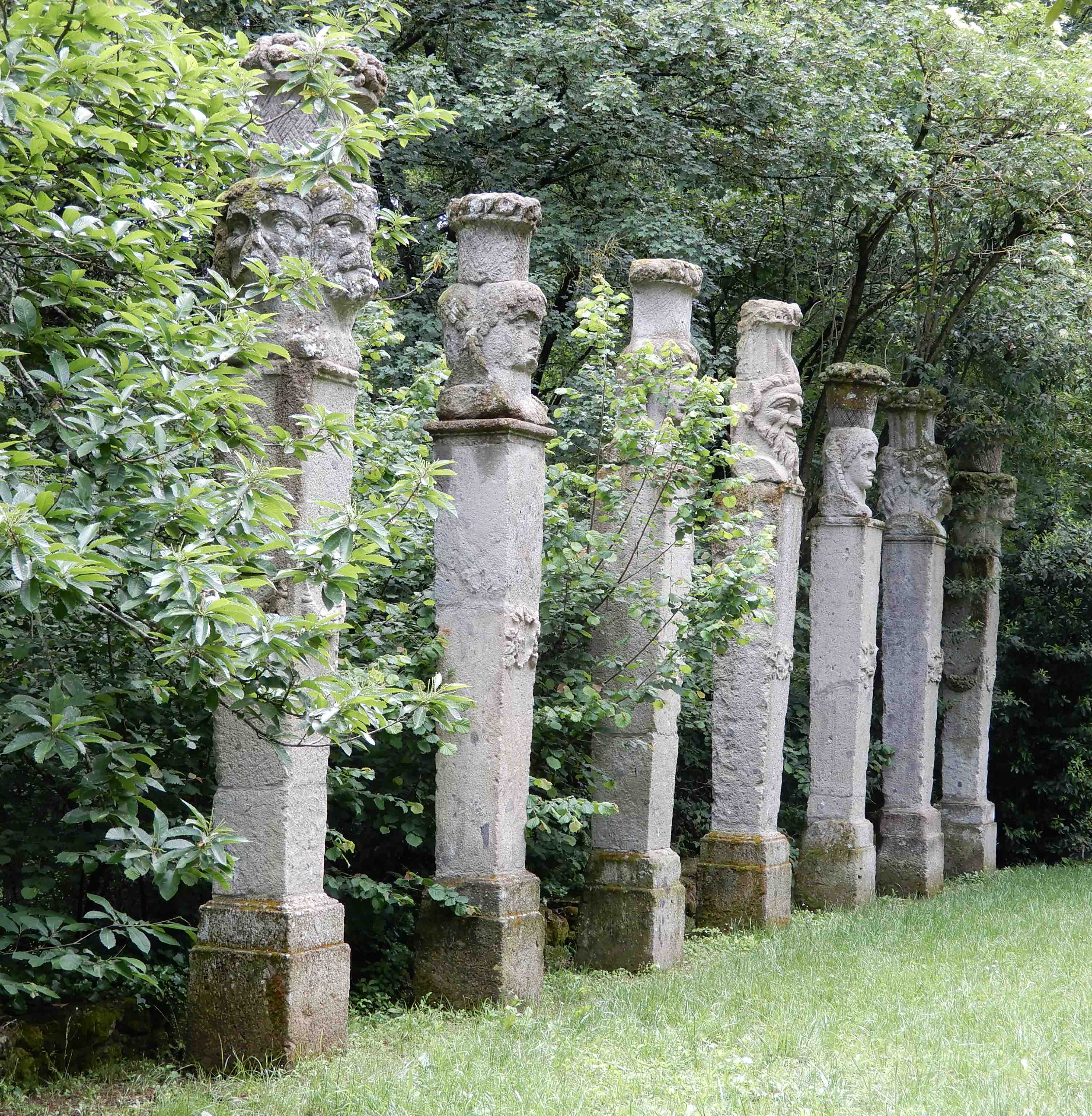
Seven obelisks topped with sculpted heads form the audience at the theatre,

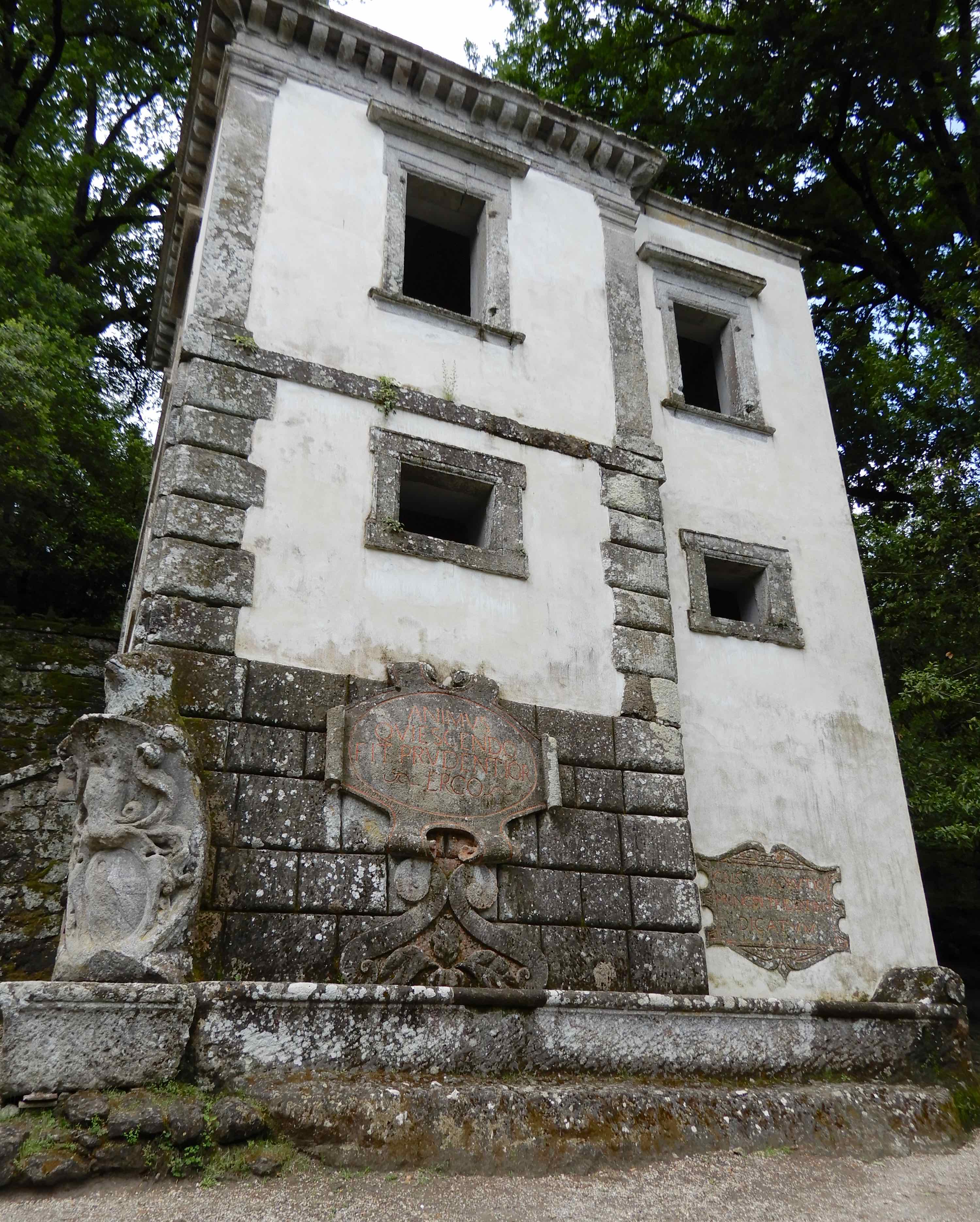
not far from the leaning house. One of the first constructions of the garden, it is thought to have been built at the request of Giulia.

We pass statues of Ceres, Roman goddess of agriculture and Neptune, Roman god of the sea.

An elephant carrying a castle appears, a symbol of strength and restraint, with a wounded or dead Roman soldier held in its trunk. 

Another fight is raging around the corner, this time a dog, a lion and a wolf are battling with a dragon. Three against one just doesn’t seem fair.

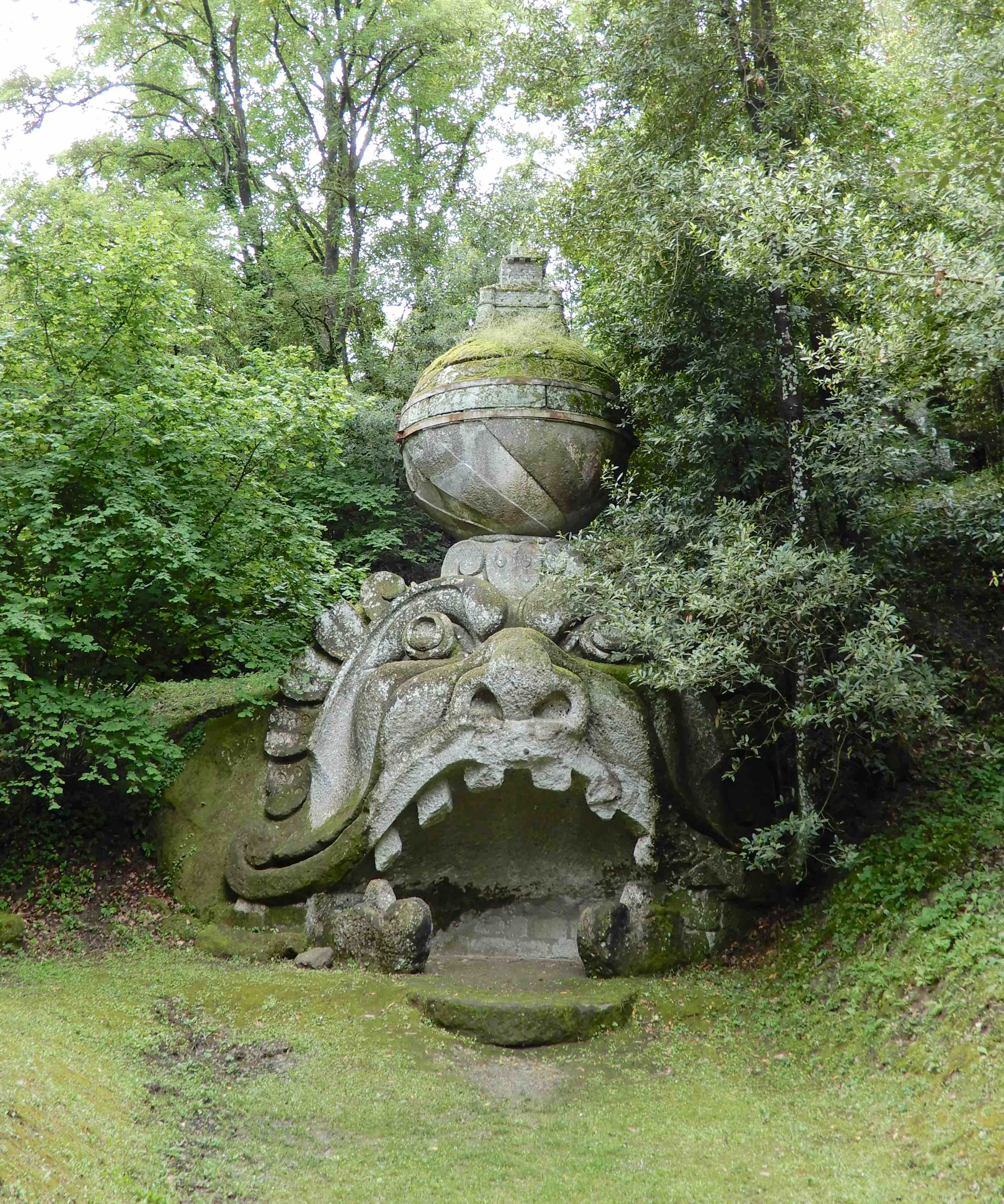
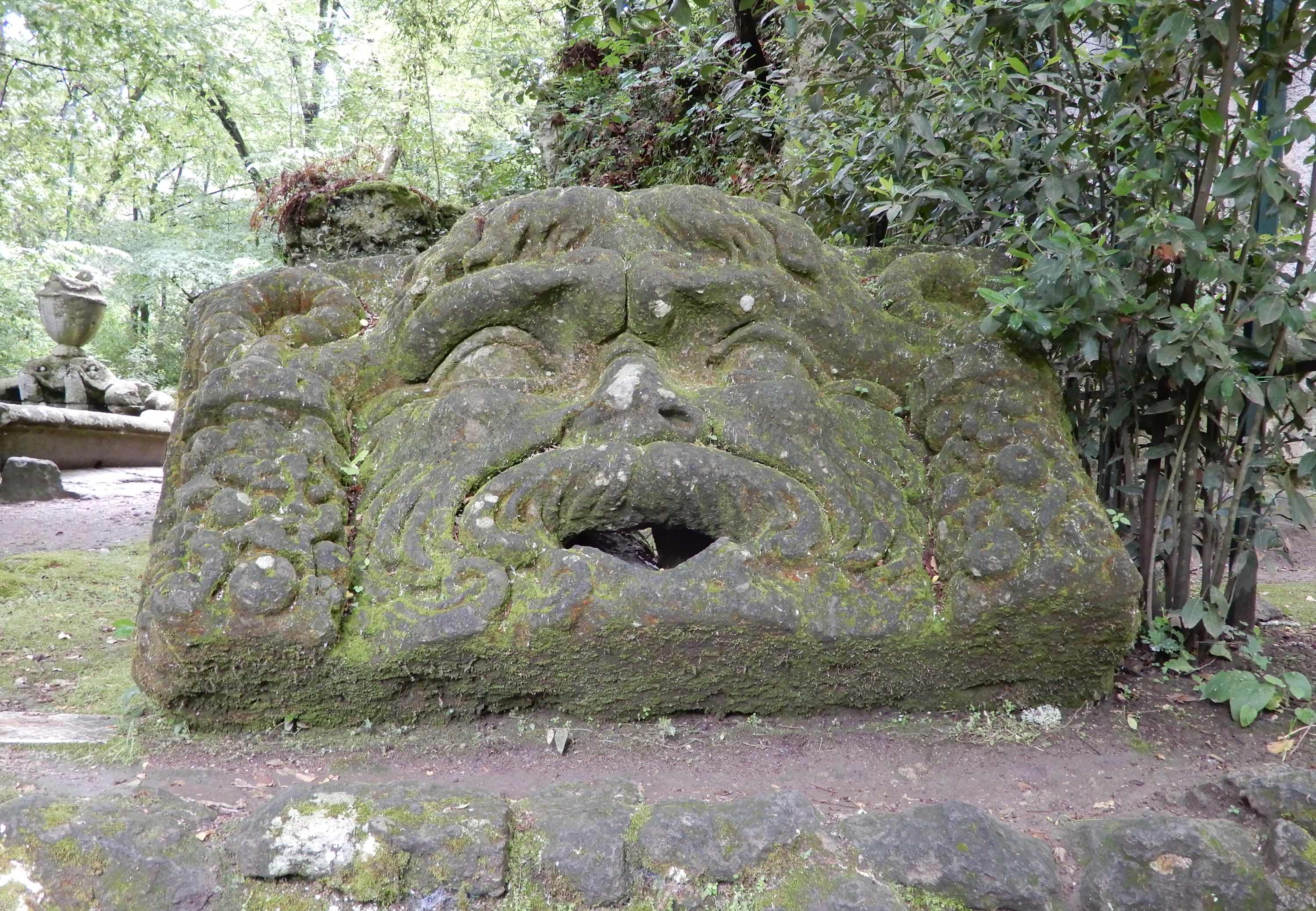
The Mouth of Hell, the Orc, the Ogre, whichever name you choose, it is nonetheless disturbing. The inscription on the top lip translates as, “all thoughts fly”. There is a picnic bench inside, not a very inviting setting in which to dine.

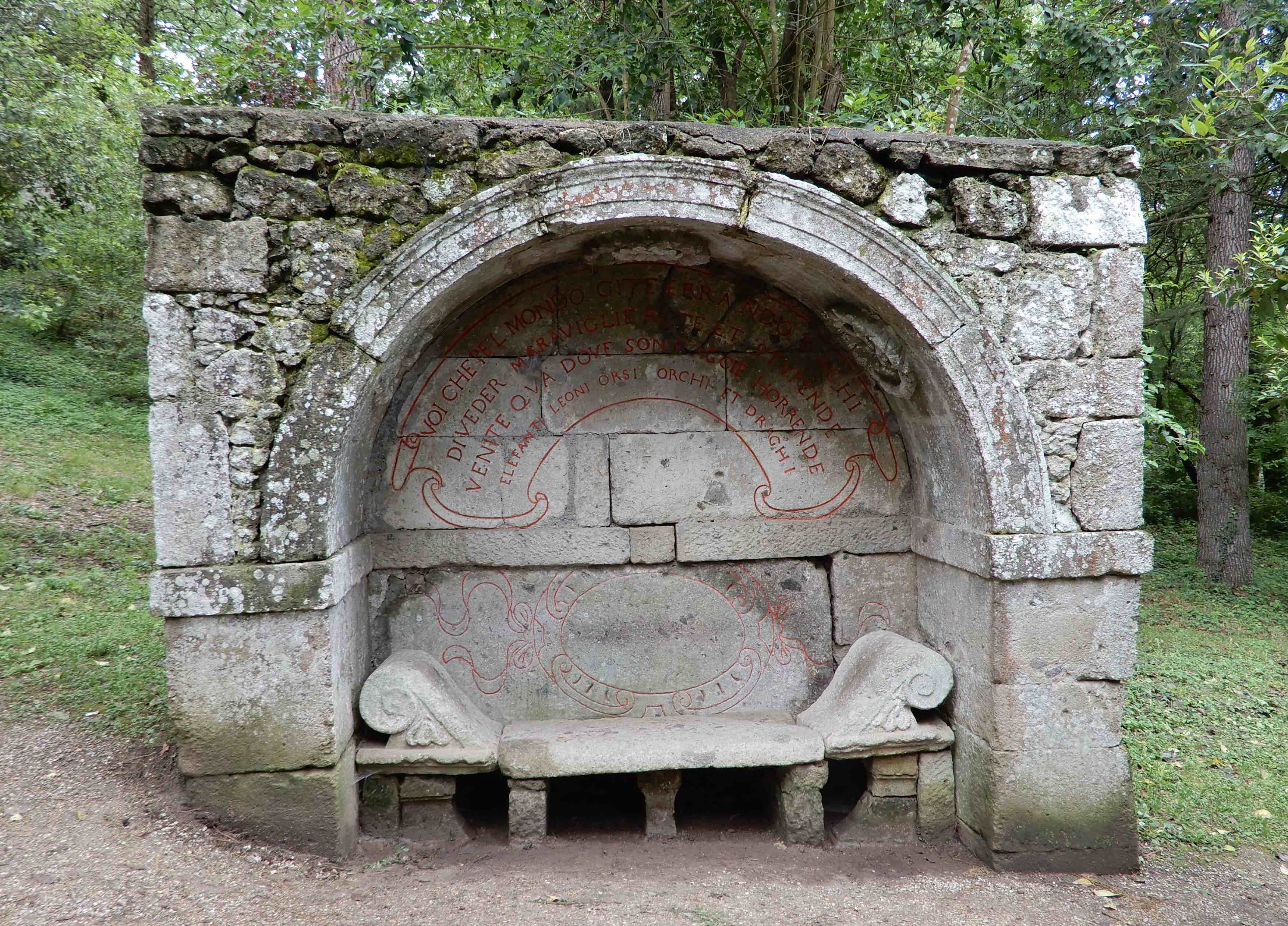
The Etruscan bench has a very well preserved inscription, “You who have travelled the world wishing to see great and stupendous marvels, come here, where there are horrendous faces, elephants, lions, bears, orcs and dragons”. Who can argue with that?

Continuing up some steps,

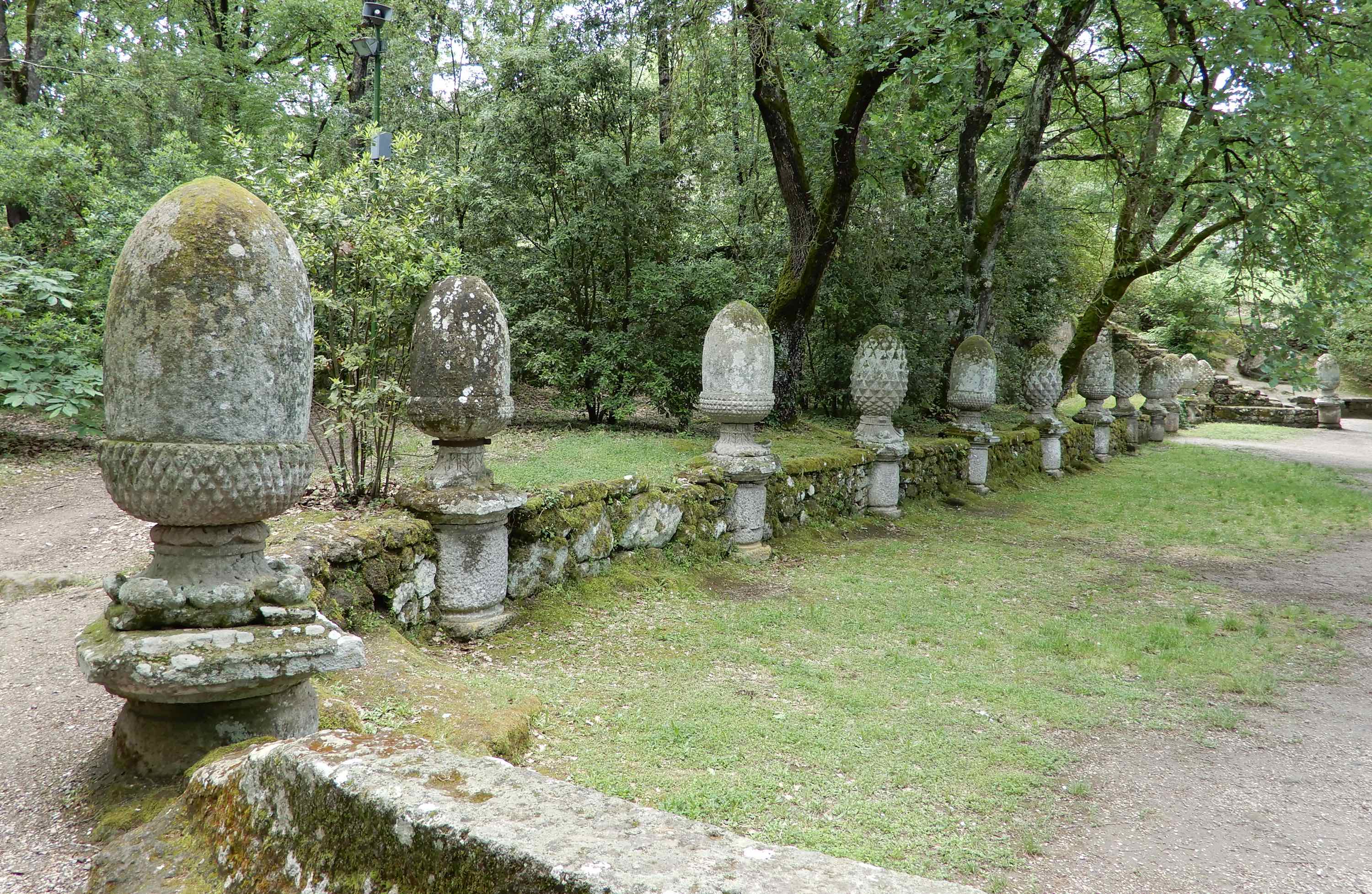
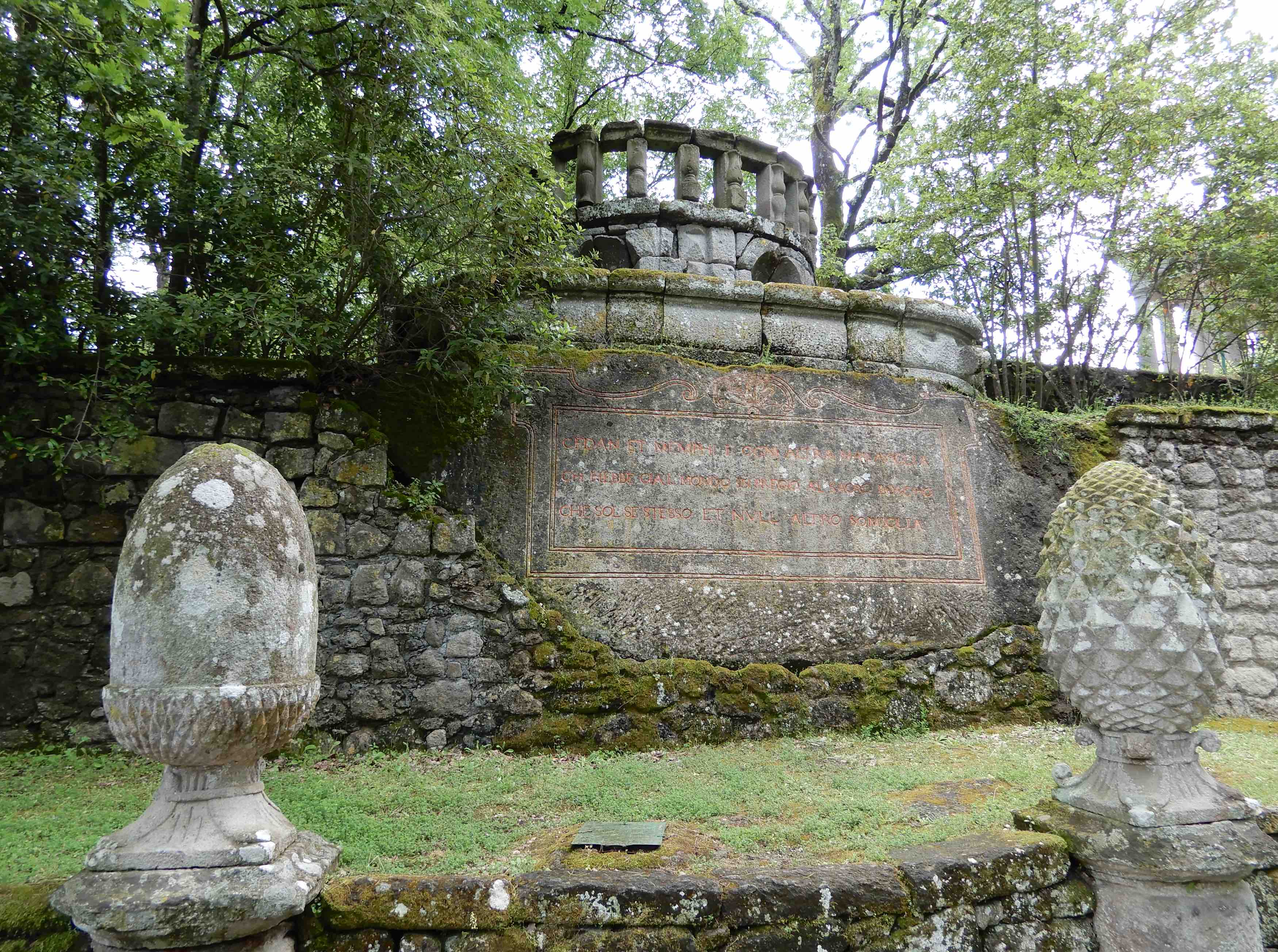
we come to the Hippodrome Garden, the perimeter is decorated with large pinecones and acorns.

At the near end, there is a bench surmounted by a female figure with a bifurcated fish tail

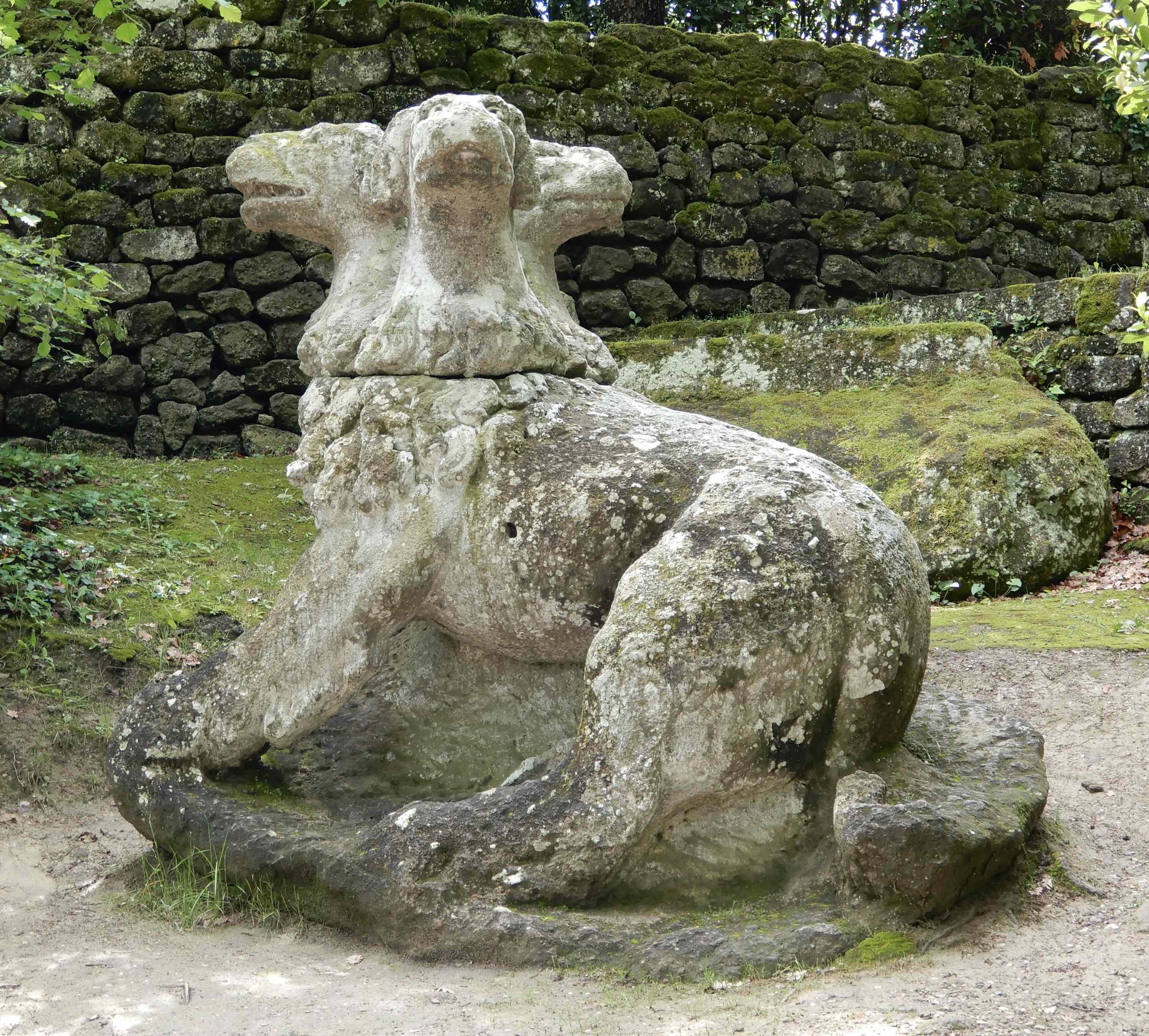
while the three-headed dog, Cerberus stands guard nearby.

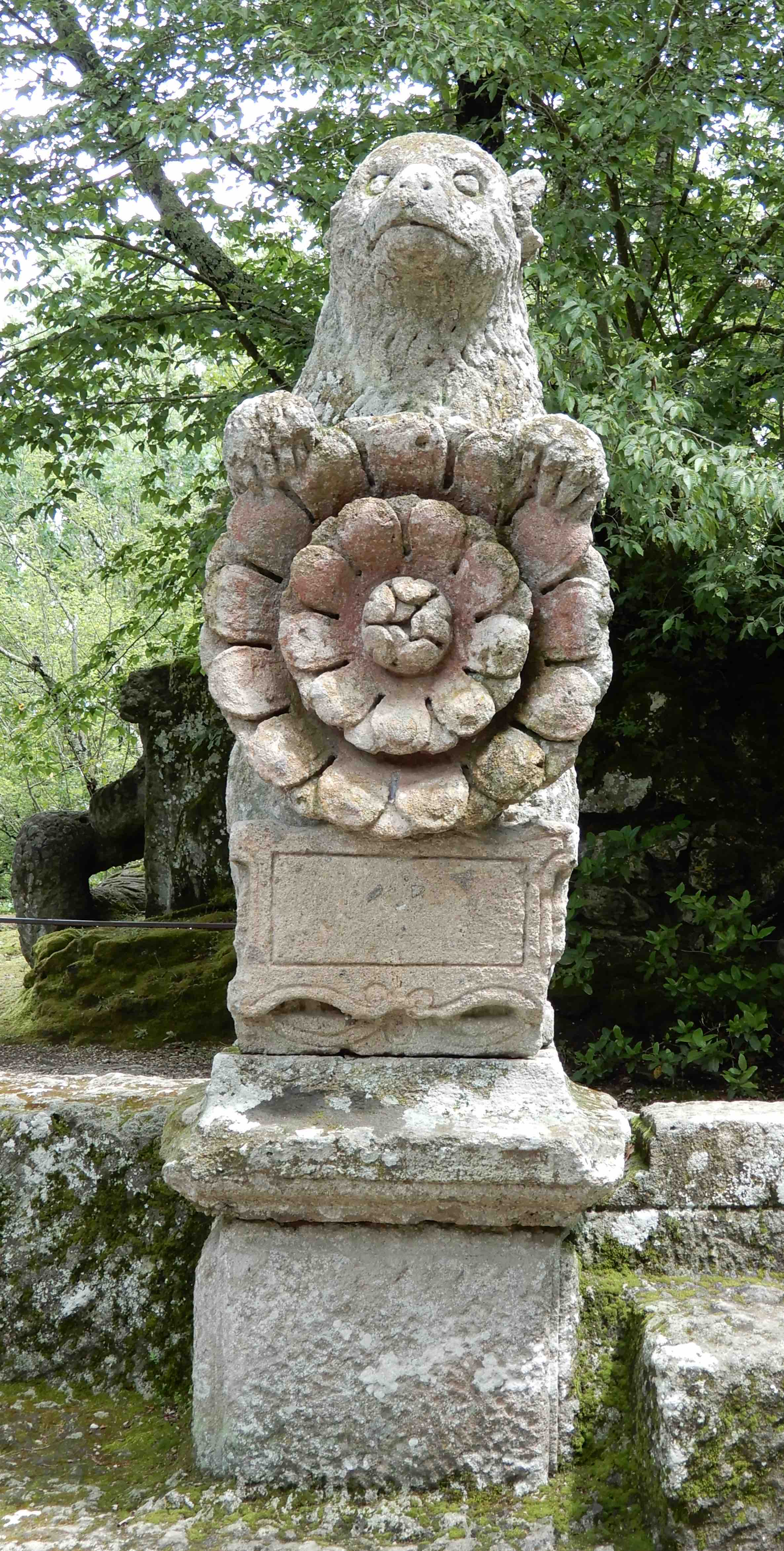
At the far end are two bears, one carrying the family coat of arms and the other, a Roman rose.

On the other side sits Echidna, the half-woman half-snake (mother of Cerberus) and Fury, the female winged creature with a dragon’s tail and claws with a pair of lions separating the two.

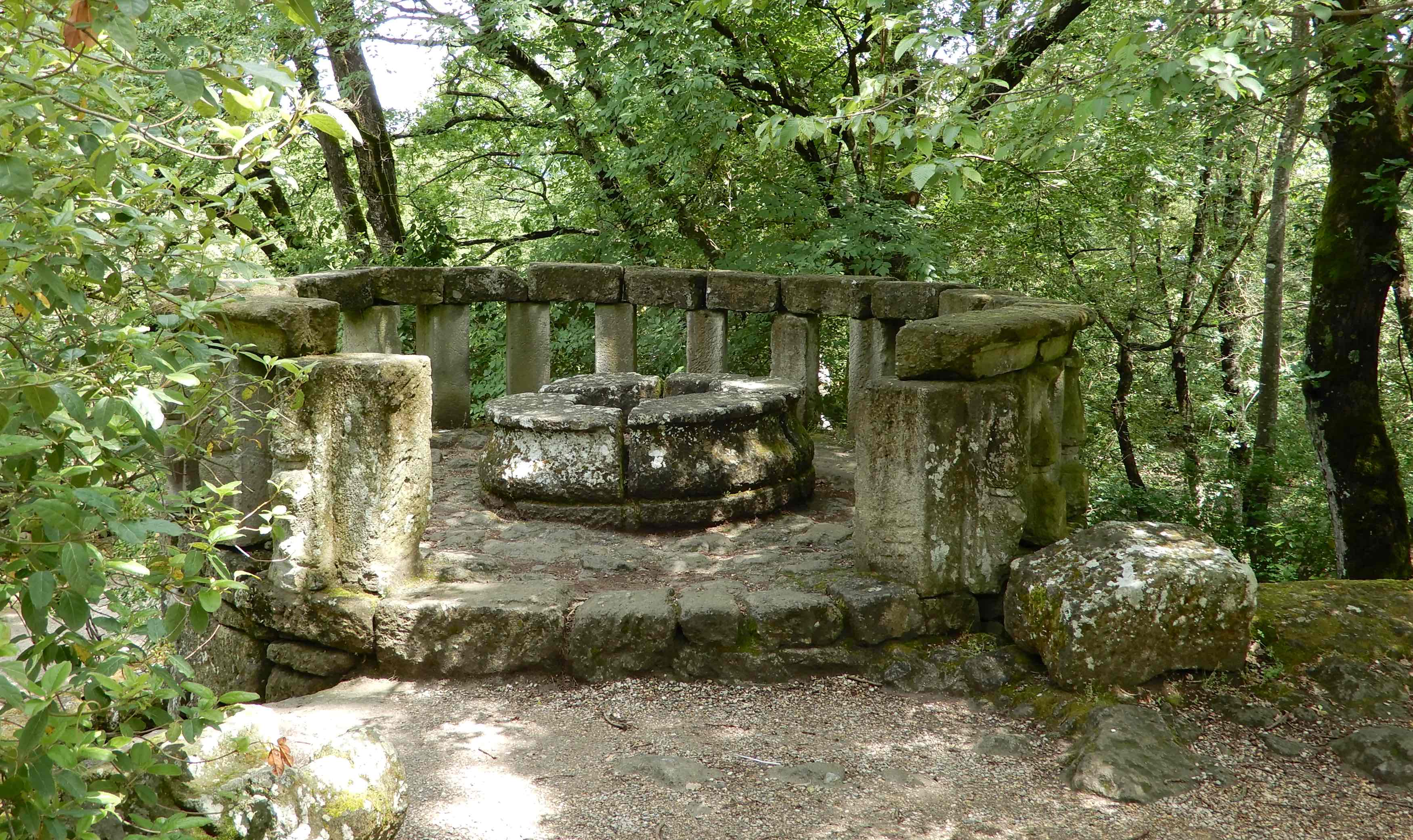
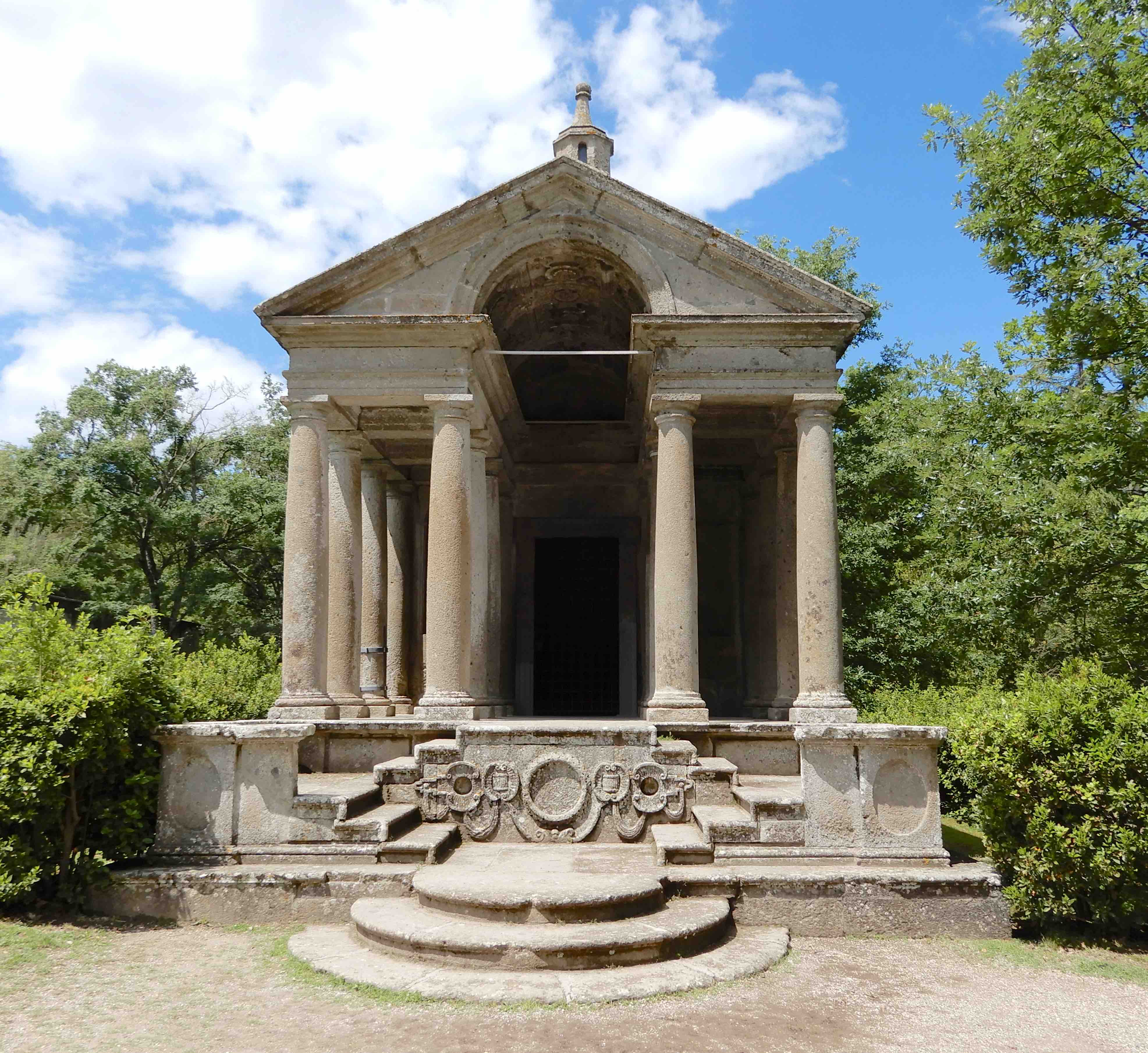
The Rotonda is a circular fountain at the top of a staircase leading to the Tempietto.

The ‘small temple’ was the last construction of the garden as a memorial to Giulia, a symbol of her constancy, having remained faithful to her husband when he was absent at war. The ceiling is decorated with lilies, symbol of the Farnese family and roses, symbol of the Orsini family. Giancarlo and Tina Bettini, who restored the garden in 1952, are buried in the Tempietto.

Stunned, shocked and amazed, with Palazzo Orsini in our sights, we returned to the car to seek lunch in Bomarzo.