Palazzo Davanzati

While staying at Villa Boccella our lovely friend, Deb (not the same lovely Deb that lives in Launceston), escorted us on a day trip to Florence to share the wonders of a city she knows well. Without her, we never would have discovered Palazzo Davanzati. Built by the wealthy merchant Davizzi family in the 14th century, the palace was purchased by the Davanzati family in 1578, their coat of arms is proudly displayed on the façade.

1.Palazzo Davanzati

They retained possession until 1838 after which the residence was divided into flats. In 1904, antique dealer Elia Volpi rescued, restored and furnished the property before opening it to the public as a museum in 1910. Ownership changed hands again in the 1920s and eventually the Italian state took over in 1951. The museum has undergone major restoration in recent years, the result is nothing short of spectacular. We entered into an internal courtyard, instantly boggled by the grandeur.

2.looking up from courtyard

The rooms on the upper floors are arranged around the central courtyard, gazing upward the architecture resembles a labyrinthine puzzle.
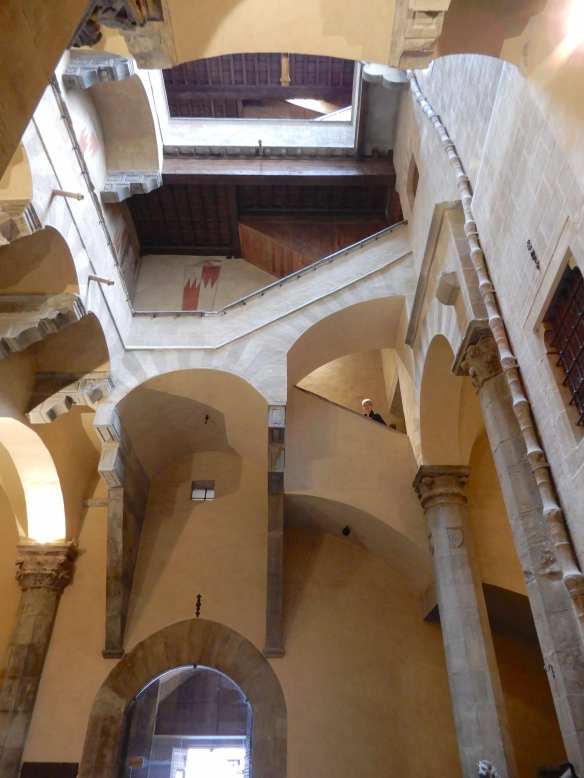
6.looking up from courtyard

We climbed the worn stone steps to the first floor
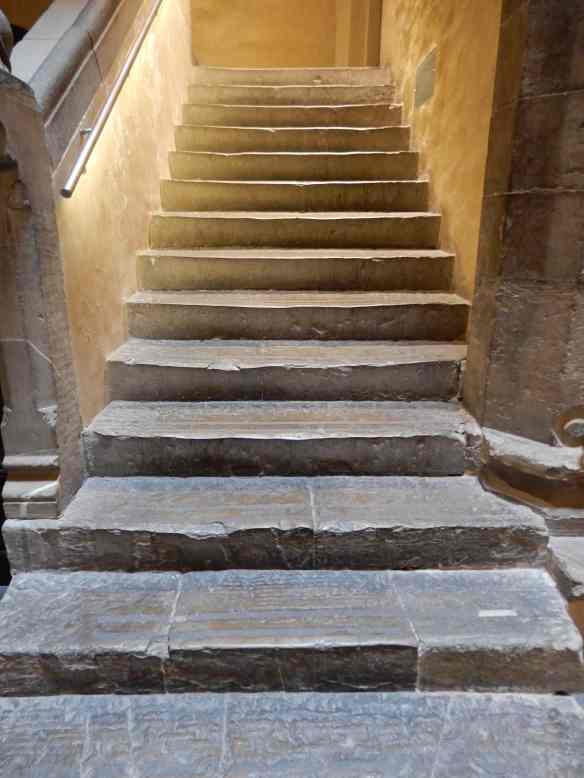
7.steps

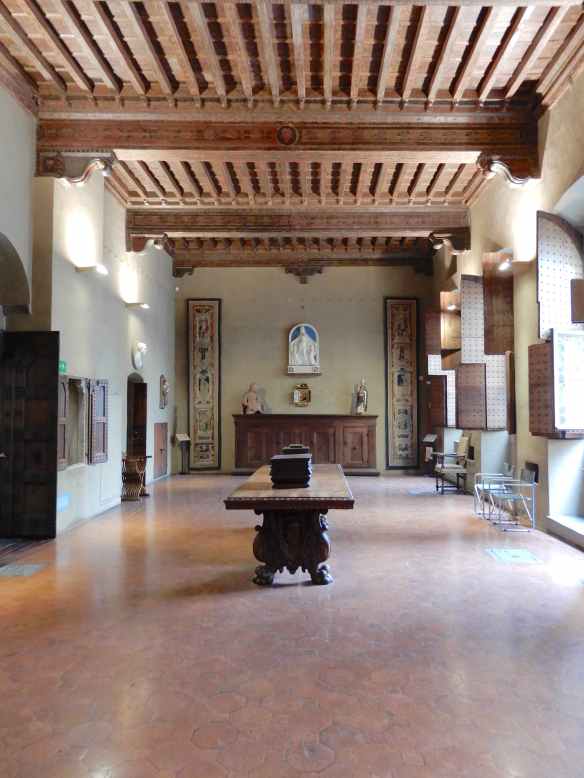
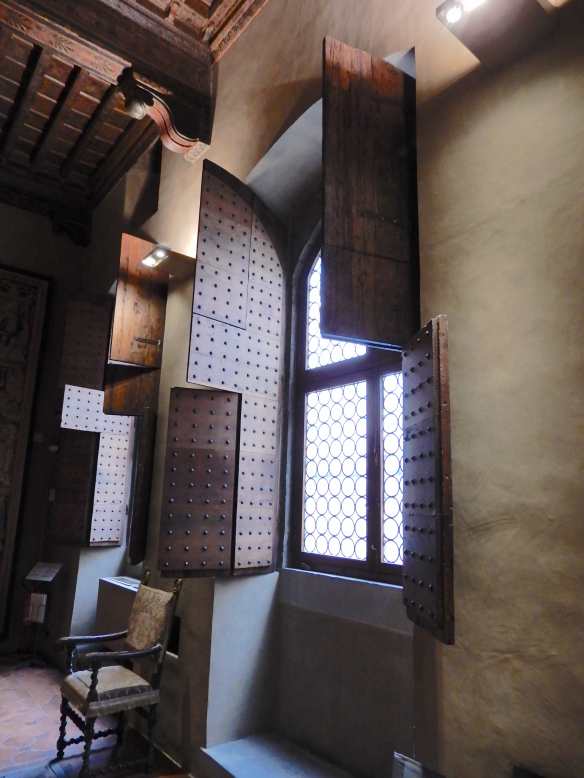
and entered the Great Hall, a room that would have been used for conducting business. The trapdoors in the floor in front of the windows open up to the loggia below so visitors can be identified before granting entry.
8.Great Hall9.Great Hall

The intricate ceiling detail is stunning, though I wondered about the comfort of the furniture.

Water can be hauled to all floors from the private well in the courtyard via pitchers on a pulley system.

On the same floor, the walls of the Parrot Room are decorated with a geometric patchwork design, motifs of the birds are painted in the lattice separating the blocks.

14.Parrot Room

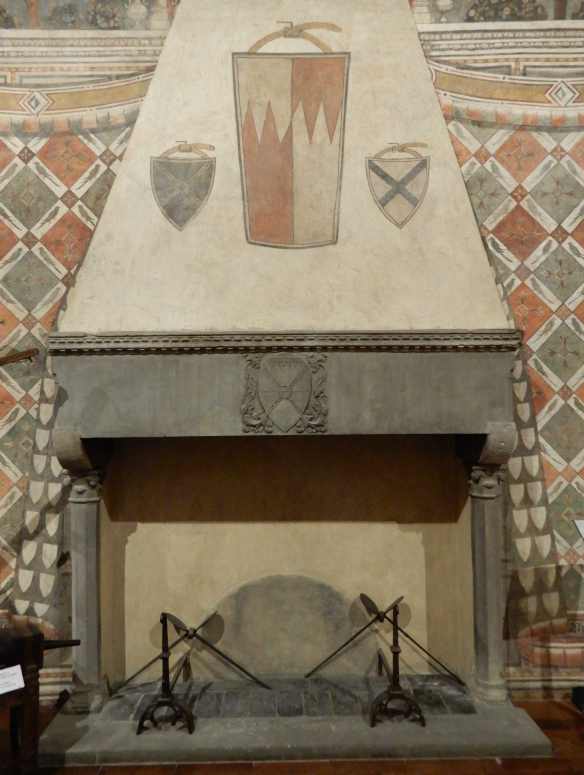
The huge fireplace is adorned with the red and white Davizzi coat of arms with emblems on either side representing the Ridolfo and Alberti families who married into the Davizzi family.
15.Parrot Room fireplace

The frescoed wall of the adjacent bedroom incorporates coats of arms of families allied with the Davizzi. The beautiful bed cover is a copy of the Guicciardini Quilt, the only known surviving example of medieval quilts. The original, made in Sicily in the second half of the 14th century, resides in The Bargello less than a kilometre down the road.

16.Peacock Room

Even though it would have been a luxury at the time, the ensuite bathroom is small and not conducive to a good long soak.

19.ensuite

There is a room displaying sewing and spinning implements as well as exquisite examples of lacework.

Another room exhibits furniture from the 14th to 19th century: delicate porcelain, timber cabinets, chairs and storage boxes fill the space.

24.cassone

30.chest

26.armour cabinet, Audience Room

A small water closet hides behind a very substantial timber door.

31.water closet

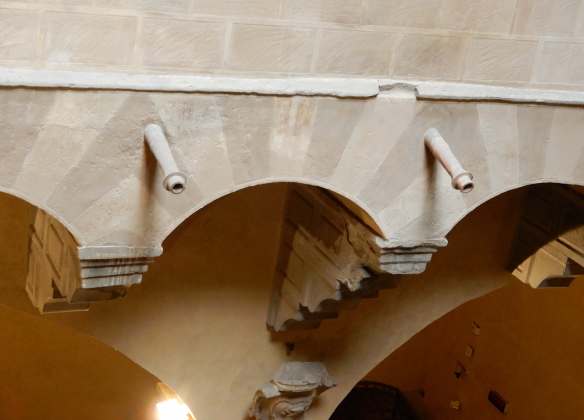
Obviously, there is indoor plumbing, these appear to be breather vents
32.breather pipes

and the drainage pipe snakes its way down the internal courtyard wall.

On the second floor, the frescoes in the most sumptuous bedroom are inspired by the tale of the Chatelaine de Vergi (I love this version, I was enthralled), a tragic medieval story of friendship, love, loyalty, betrayal and the consequences of all the aforementioned. An unusual choice for a marital bedchamber or perhaps a constant reminder of the benefits of fidelity?

35.bedroom of the landlady

38.bedroom of the landlady

The addition of the ensuite bathroom was again unexpected.

39.bathroom

There is another bedroom on the third floor, as well as the kitchen, I don’t know why I haven’t got any photos of them. Interestingly, the kitchen is on the top floor to avoid cooking smells in the lower living areas and contain damage in case of a fire. Just when I thought we’d seen everything, a circular painting caught my eye. The timber platter is a birthing salver, circa 1450, originally used in Florence to bring food to pregnant women and then became symbolic gifts for a successful birth. The cherubs are engaging in a game of civettino where the players have to maintain a certain distance, the right foot of one touching the left of the other. The aim is to avoid being slapped by your opponent, although ‘slapping’ is probably not the most appropriate term to explain this depiction.
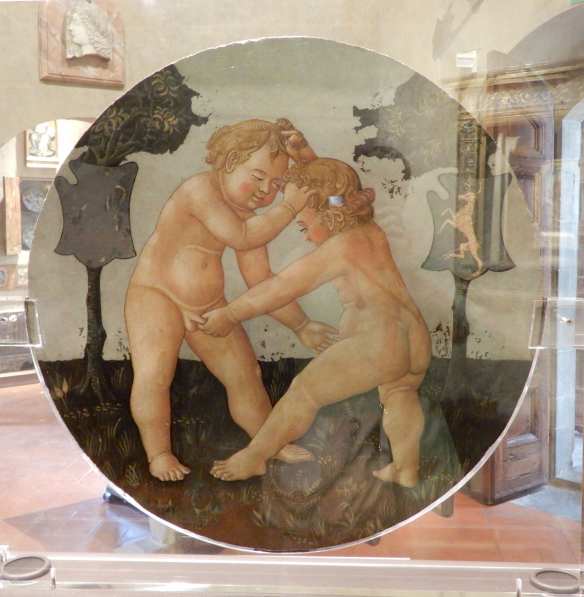
40.birth salver

Kilmainham Gaol

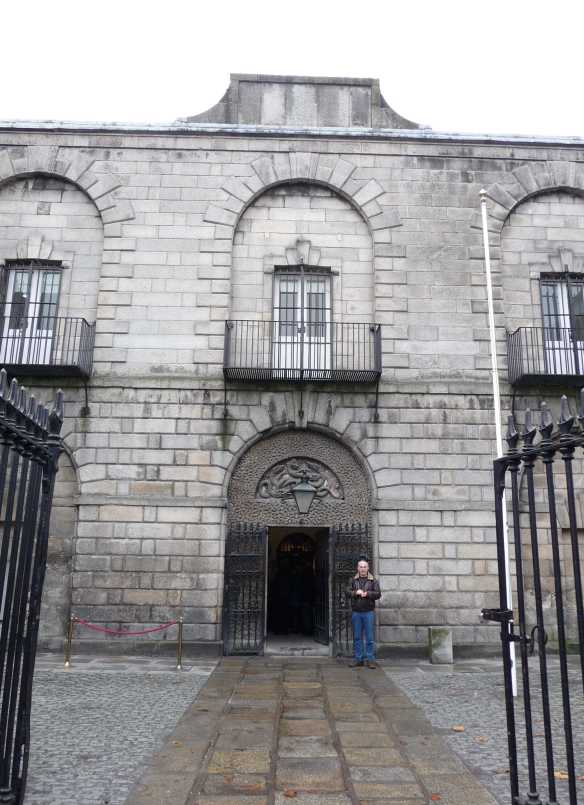
A suitably gloomy Dublin day accompanied our visit to Kilmainham Gaol, a prison built in 1796 and remembered for the incarceration and executions of the leaders of the 1916 Easter Rising. Decommissioned in 1924, the property was left deserted and neglected until 1960 when volunteers set about restoring the site to preserve it as a museum.

1.Kilmainham Gaol entrance

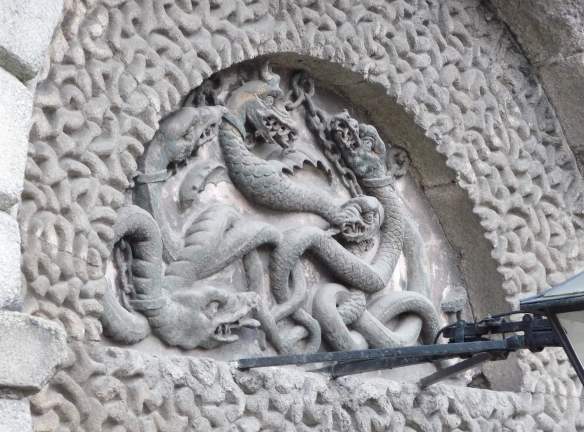
Above the entrance, a carving of five serpents in chains represents the five most heinous crimes: rape, murder, theft, piracy and treason.

2.Five serpents in chains above entrance

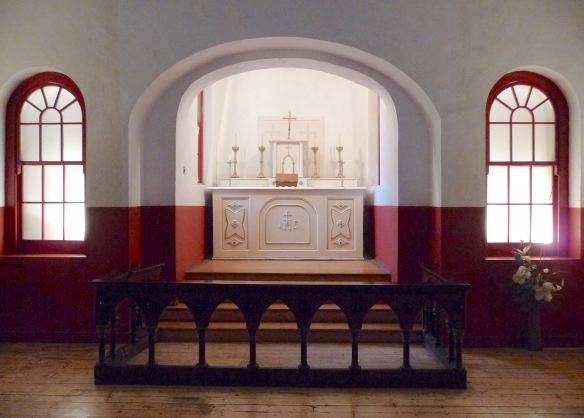
The restoration was completed in 1971 with the re-opening of the chapel after reconstruction of the altar. One of the leaders of the Easter Rising, Joseph Plunkett, married his fiancé Grace Gifford in the chapel just hours before he was executed.

3.Chapel

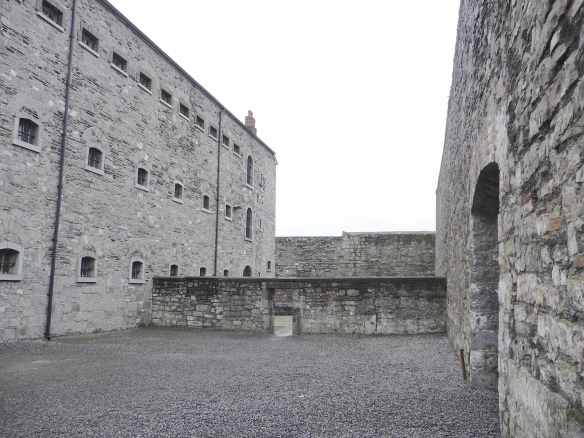
The West Wing is the oldest part of the gaol, the corridors are long, dark and cold.

4.West Wing5.West Wing

The limestone walls gave no insulation and the windows had no panes, an attempt to reduce the incidence of disease with the flow of fresh air.

Poor health and hygiene was inevitable with five prisoners sharing a cell built for one. There was no segregation between men, women and children and a single candle provided the only light and had to last two weeks.

9.cell

An inscription has been scratched by a former prisoner over a doorway , “beware of the risen people that have harried and held, Ye that have bullied and bribed”. The quote is from the poem, The Rebel by Patrick Pearse, one of the authors of the Irish Proclamation of Freedom and a leader of the Easter Rising.

10.Padraig Pearse quote

The Great Famine contributed immensely to the problem of overcrowding in the West Wing with more people found guilty of stealing food and those committing crimes deliberately so they would at least be fed regularly. Adding to the numbers were convicts awaiting transportation to Australia and people with mental illnesses.

11.West Wing

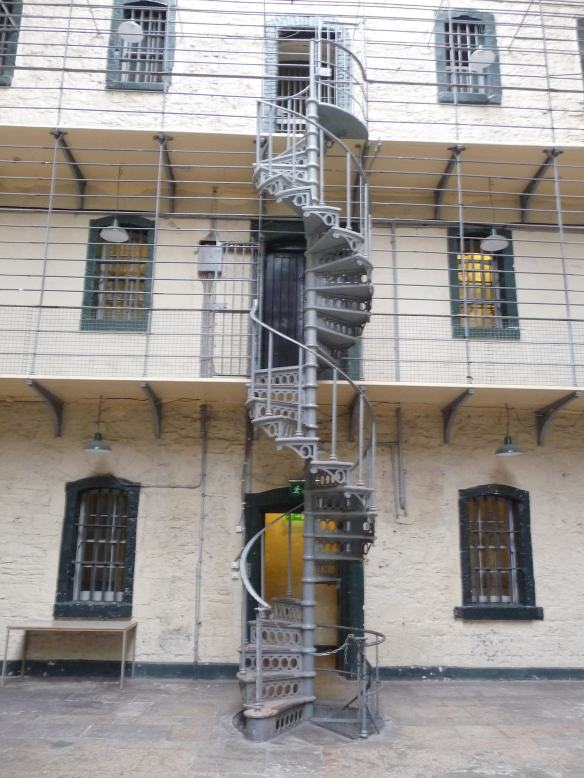
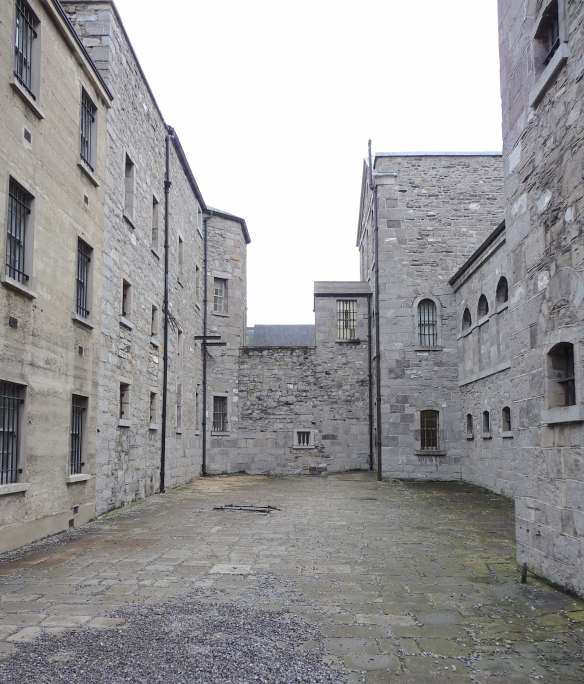
The situation was alleviated somewhat in 1862 with the opening of an additional ninety six cells in the new East Wing. The Victorian era brought different ideas on the reform of inmates and the new addition was more open and much lighter.

12.East Wing Main Hall13.East Wing16.East Wing

The cells didn’t seem to be any bigger but definitely less draughty, a bonus for the men who were moved to the East Wing. The women stayed behind in the dark, cold cells of the West.

With the new wing came exercise yards where the prisoners spent one hour a day, silently walking in a circle. Another hour was spent in church and the remaining 22 hours confined to their cells.

19.exercise yard East Wing20.exercise yard East Wing21.exercise yard East Wing

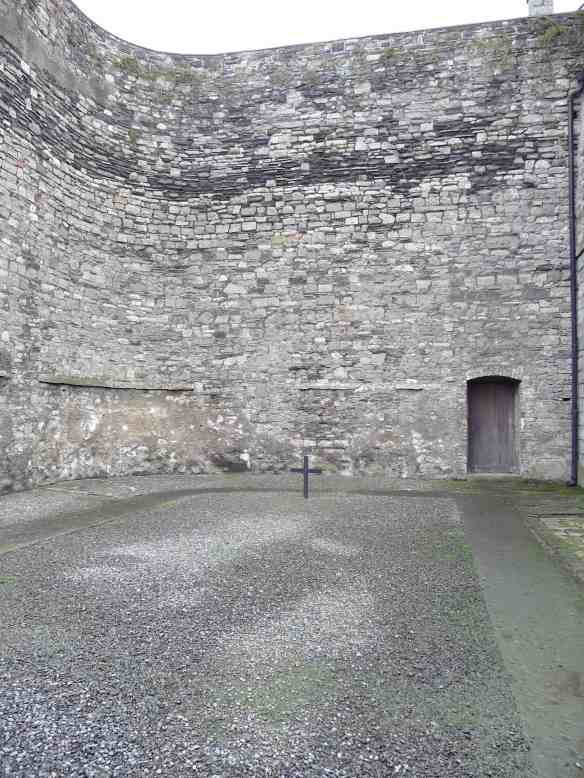
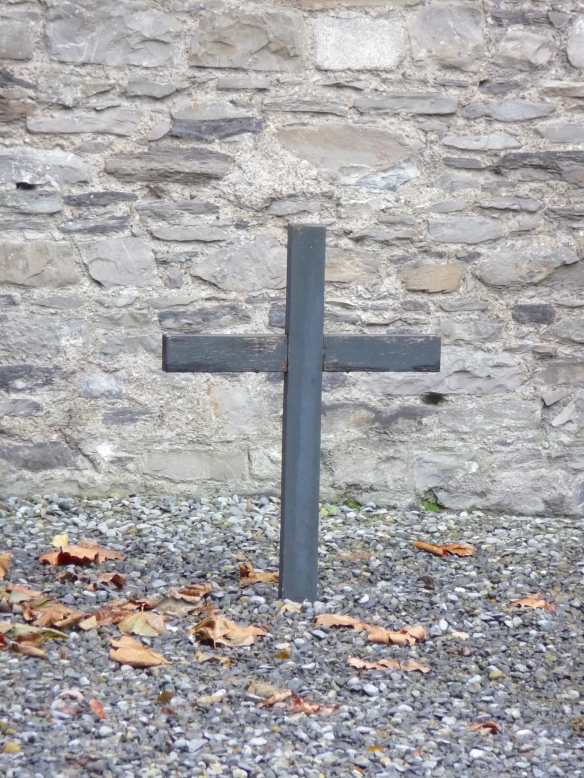
The Stonebreakers’ Yard was stunningly silent, a palpable ominosity hung in the air. Between May 3rd and May 12th 1916, fourteen men, leaders of the Easter Rising, were executed by a British firing squad. The first was Patrick Pearse, a cross marks the ground where he and the next twelve died.

22.Cross marking the place of execution of the leaders of the 1916 Rising

James Connolly was the last. He had been badly wounded in the uprising and, even though he only had a day or two to live, was brought to the courtyard on a stretcher, through the gate.

23.Stonebreakers' Yard gate where ambulance brought James Connolly

Unable to stand, instead of being marched to the other end of the yard for execution, he was tied to a chair and shot. A second cross marks the spot where he died.

24.Cross marking the place of execution of James Connolly

It seems fitting that the Irish tricolour flies between these two crosses, a symbol of the independence these men fought so hard for.

25.Irish tricolour between crosses in Stonebreakers' Yard

Barga

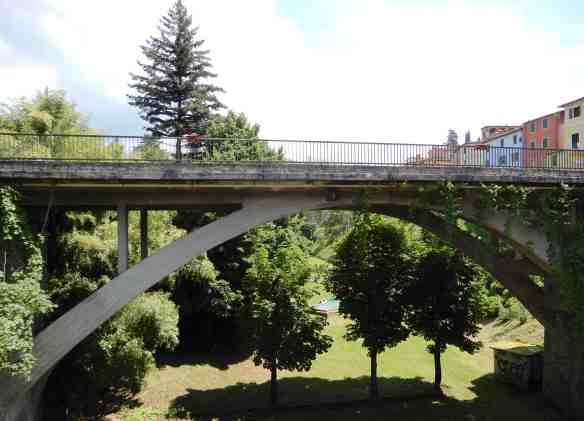
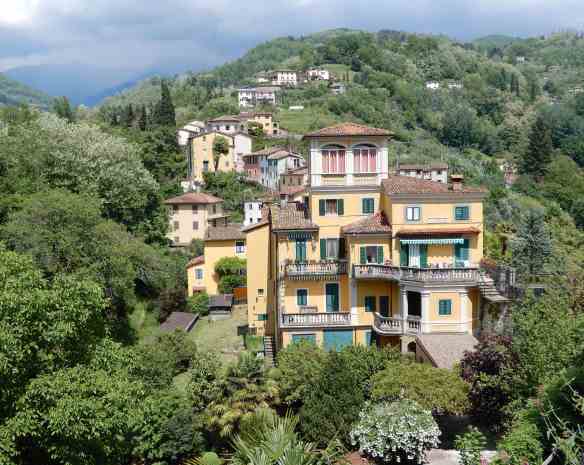
On a perfect sunny spring day, we drove to the medieval walled town of Barga, an easy 45 minute drive from Lucca. We had learned it was easier to park outside these ancient towns and walk in rather than risk inadvertently driving into a pedestrian zone or the wrong way down a one way street. Crossing the bridge, we passed Parco Fratelli Kennedy, named in honour of American President John F. Kennedy and his brother Robert, both of whom were assassinated.

1.Parco Kennedy

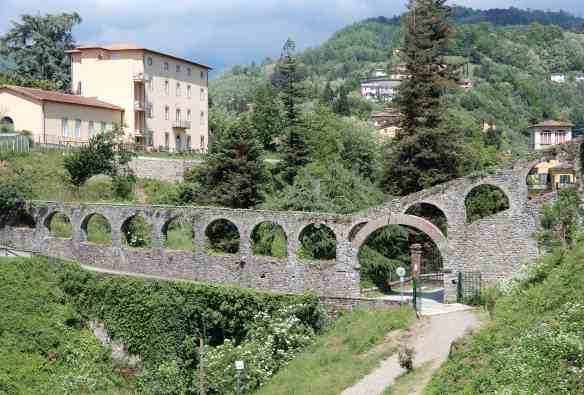
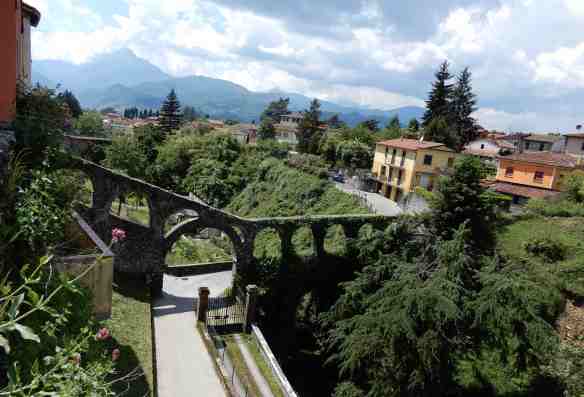
The old stone aqueduct was built in the 15th century to supply clean water for the fountains and crosses the original moat of the old village.

1a.aqueduct Parco Kennedy

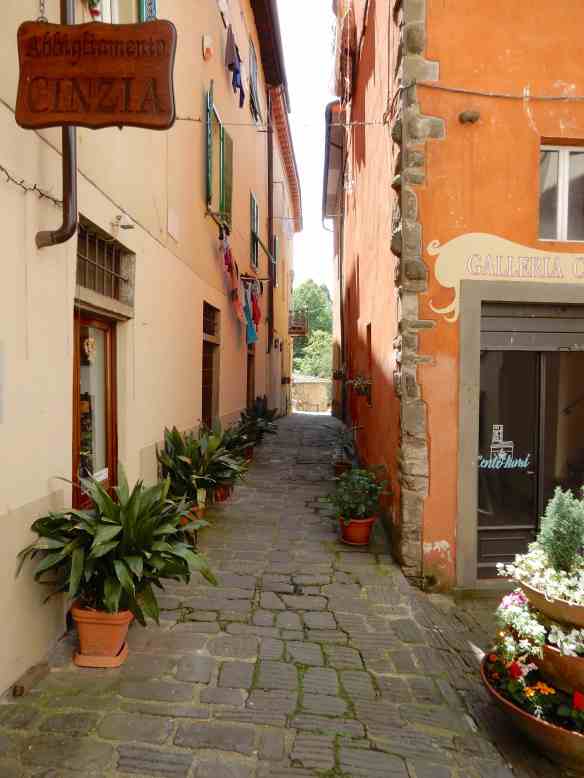
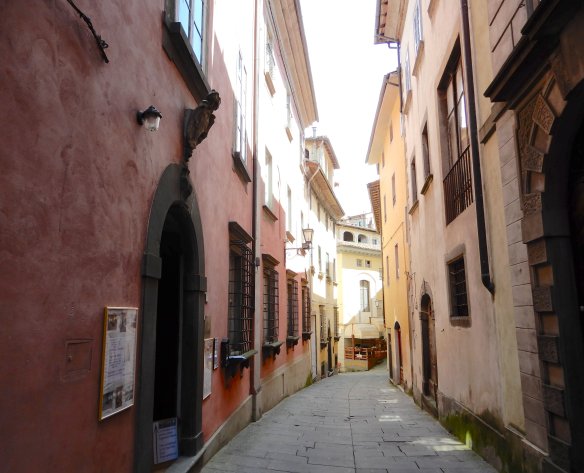
Narrow streets and steep steps hinted at what was to come once we were inside the walls.

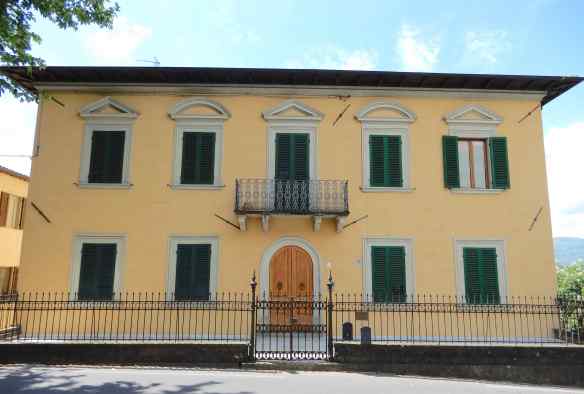
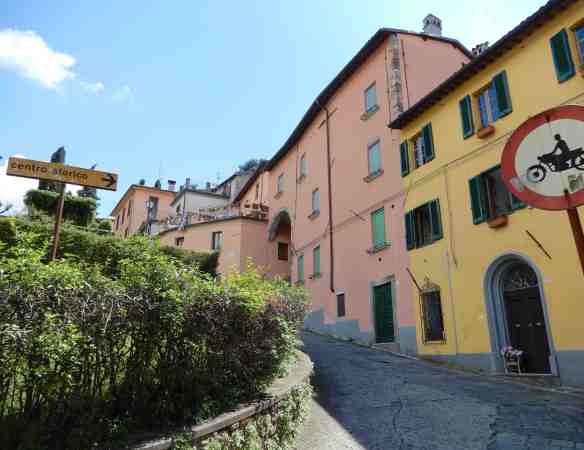
Beautiful buildings lined the main thoroughfare

4.beautiful building

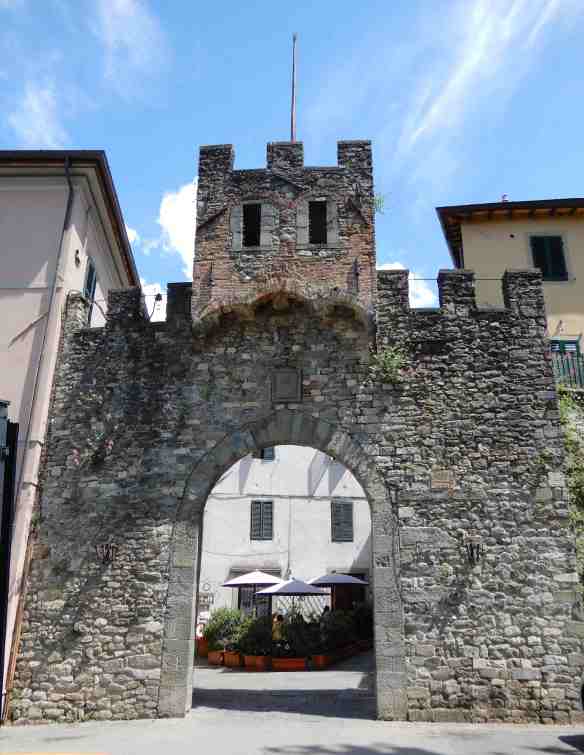
as we made our way to Porta Reale, one of the three gates in the medieval city walls. Below the observation tower, the gate still displays the ancient coat of arms of the city.

5.Porta Reale

The layout of the town has remained virtually unchanged since the 8th century, buildings at impossible angles hug narrow lanes, mysterious alleyways and stone steps.

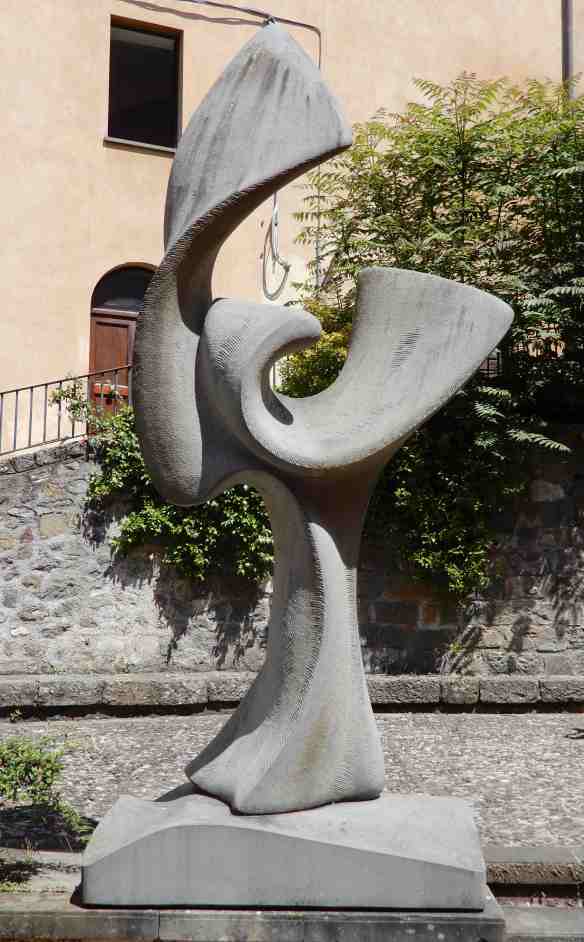
We set off through the web of streets with no real destination in mind, happy to amble randomly in the sunshine. An interesting sculpture caught our eye

10.sculpture

outside the Teatro dei Differenti, Barga’s main theatre. Constructed in 1668 it was deemed too small at the end of the 18th century, a new structure was built on top of the old one.

11.Teatro dei Differenti

Along with the theatre, the adjacent buildings have been beautifully restored.

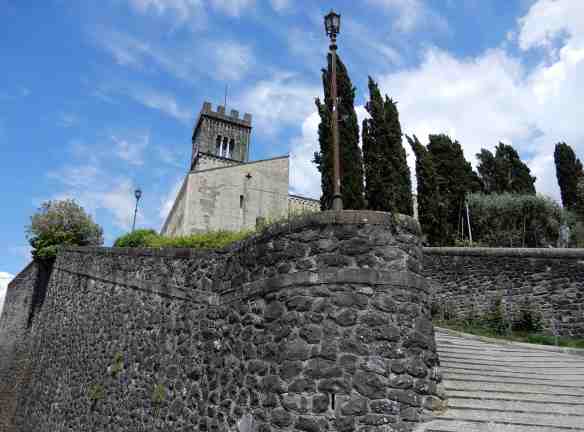
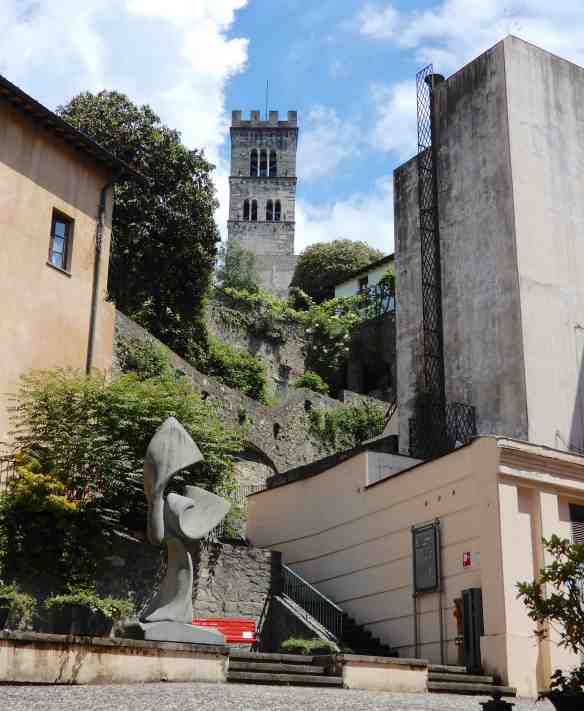
We decided to head to the highest point in the town once we spotted the bell tower of the Duomo di San Cristoforo.

14.Duomo di San Cristoforo

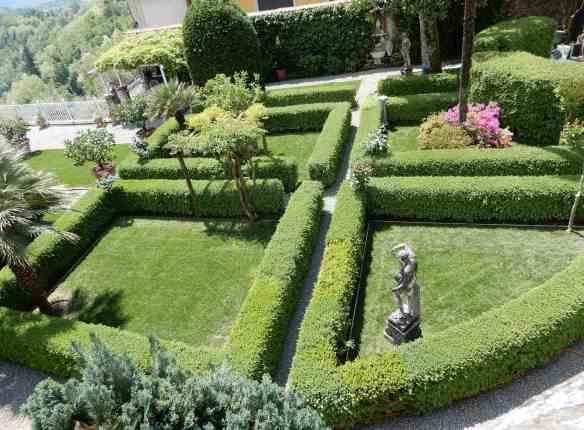
Our quest took us past the immaculate garden of the Palazzo Salvi,

15.Palazzo Salvi16.Giardino di Palazzo Salvi

less opulent but equally interesting plots

17.garden

and the myriad doorways we had come to expect.

We finally reached the cathedral, a spectacular edifice that I will need to cover in a separate post.

30.Duomo di San Cristoforo

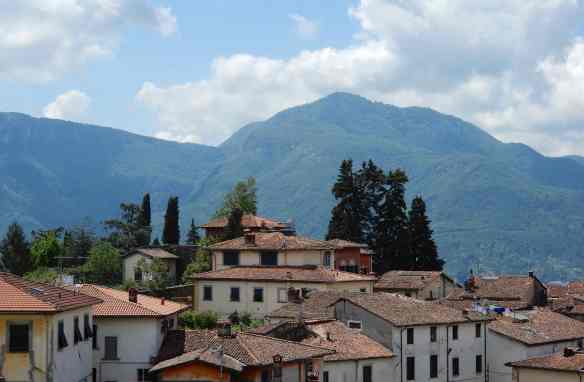
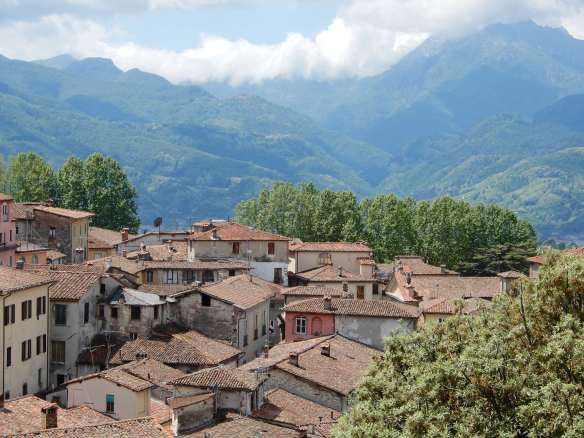
The views across the rooftops to the Apuan Alps and the shrouded peak of Pania della Croce were stunning.

31.view

33a.view

Tearing ourselves away, we meandered back to town in search of sustenance, discovering a memorial garden in Piazza Garibaldi, adjacent to the Museum of Memory. A large sculpture entitled La Vedette (in military terms meaning the forward observer) was unveiled in 2009 on the 4th November, a day celebrated in Italy as the anniversary of the end of  World War I.

We reached Piazza Angelio at lunch time, a popular place in summer for exhibitions and entertainment. The particular shape and almost perfect acoustics of the piazza make an ideal setting for international festivals such as “Opera Barga” and “Barga Jazz”.

16th century poet Pietro Angeli, nicknamed Bargeo, watches over the piazza from the corner of Palazzo Angeli.

The offerings on the blackboard at L’Osteria enticed us in, we weren’t disappointed.

41.L'Osteria

With much of the town still to see, we continued our wanderings in a different direction.

45.narrow street

Colourful homes lined the street

48.colourful houses

and some clung precariously to the edge of the cliff.

49.fabulous homes

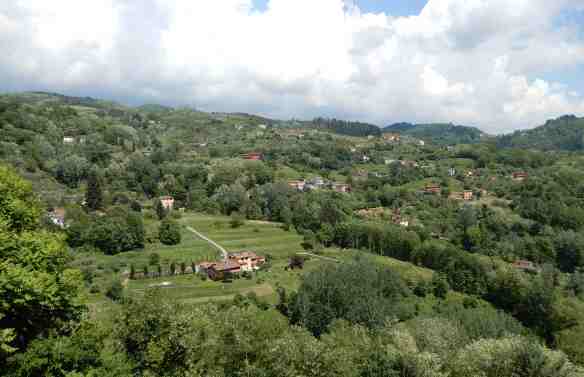
All had magnificent views of neighbouring hilltop towns and verdant countryside.

50.hilltop town51.views

The aqueduct and Kennedy Park were behind us

52.aqueduct

as the outskirts of town stretched in front.

53.Villa Buenos Aires

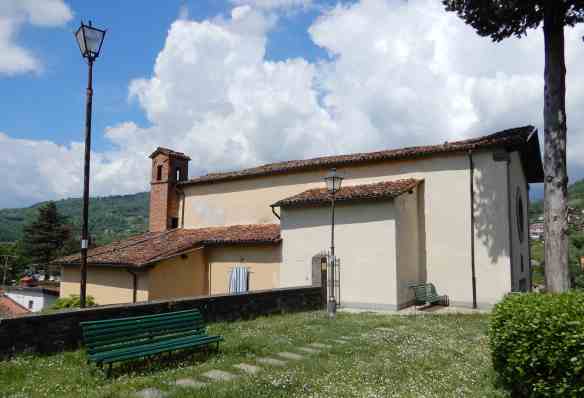
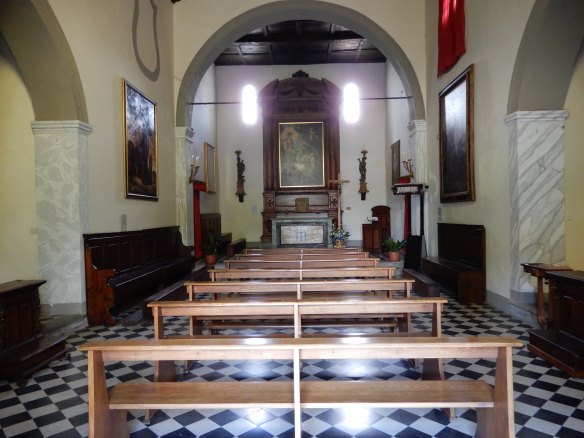
The 17th century Chiesa di San Felice, was quite small and understated when compared to others we had seen on our travels.

54.Chiesa di San Felice55.Chiesa di San Felice

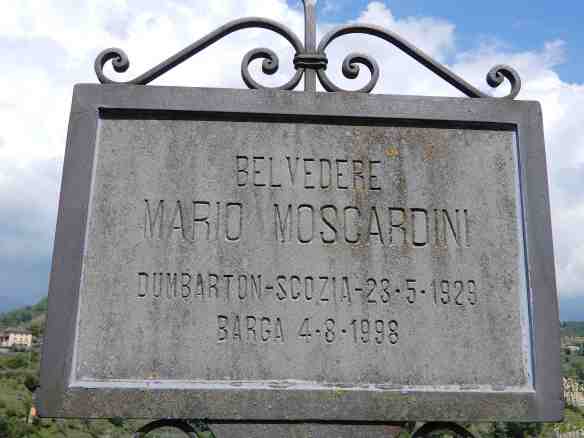
Outside the church was this memorial plaque, apparently dedicated to a Scotsman with an Italian name. It seems Barga has a strong connection to Scotland, with many residents emigrating there in the 19th century in search of work when industry in Tuscany suffered a decline. They won the Scots over with their gelato making skills and, coupled with a knack for cooking fish and chips, made great success out of their cafés and restaurants. Over the generations, some returned to Barga and now sixty percent of the town’s 10,000 residents have Scottish relations. The annual Festival of Fish and Chips, Sagra del Pesce e Patate, celebrates this connection for three weeks each July/August. I can’t find any clues as to the life of Mario Moscardini but I assume he made a considerable contribution to Barga.

61.memorial

Working our way along Via di Mezzo, we found an interesting little face peering out from the wall of a restaurant. It is known as a scacciaguai, a folk magic figure that protects from trouble and harm. Hopefully, the charm has worked for the restaurant of the same name.

62.scacciaguai

Three doors along, we paid a visit to Casa Cordati, a 17th century palazzo that was once the studio of local artist Bruno Cordati.

63.Casa Cordati

It is now owned by his grandson, Giordano, and offers rather sumptuous accommodation as well as an extensive gallery on the first floor. The rooms on this floor have been preserved as they were during Bruno Cordati’s creative years, the views were nothing short of inspirational.

Our exploration of this magical town had come to an end as we reached the Piazza della Santissima Annunziata and the 16th century church of the same name. The 19th century façade was badly damaged by artillery shells in World War II and was later restored.

72.Piazza della Santissima Annunziata

There was only one thing left to do to make the day complete.

73.gelati

Queenstown

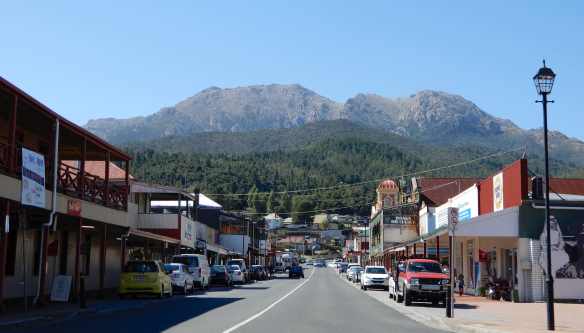
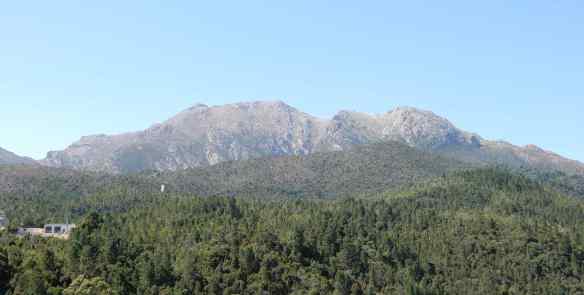
Queenstown has always been one of those places we passed through on our way to somewhere else. The first time was on holiday in 1998, the barren terrain and torrential deluge didn’t entice us to linger. The largest town on Tasmania’s west coast has changed considerably since then. The early 1900s saw mass logging as the mining town boomed and the expansion of the copper mines left an eerie, lunar landscape bereft of vegetation. The main street is reminiscent of a wild west movie set with Mount Owen towering above re-forested hillsides.
1.Orr Street

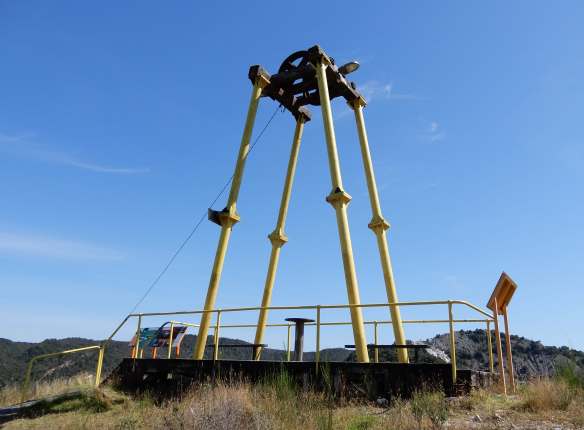
We made our way to Spion Kopf Lookout for a different perspective of the town. Tasmania was one of the first British colonies to send volunteers when the second Boer War broke out in 1899. The British suffered a humiliating defeat on a hill in Natal called Spion Kopf, meaning ‘Spy Hill’, and on returning home, the British survivors named stands at their local football grounds ‘the Kop’ to commemorate the fallen. I don’t know if Queenstown had a football ground, but this hill was named for the same reason. There is a poppet head made from materials from the old mine

2.poppet head

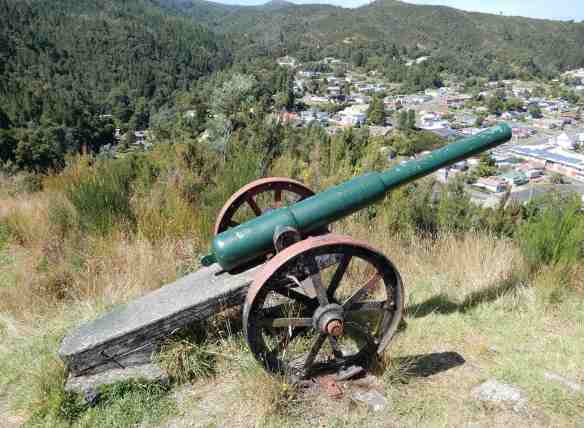
as well as a restored cannon, one of two cast at the Queenstown smelters in 1898.

3.cannon

The second cannon was transported to Victoria in 1910 where it was used to fire the royal salute on the coronation of King George V. It was used again in 1918 to celebrate the end of World War I but, unfortunately, it was overloaded with powder and exploded when it was fired.

4.lookout

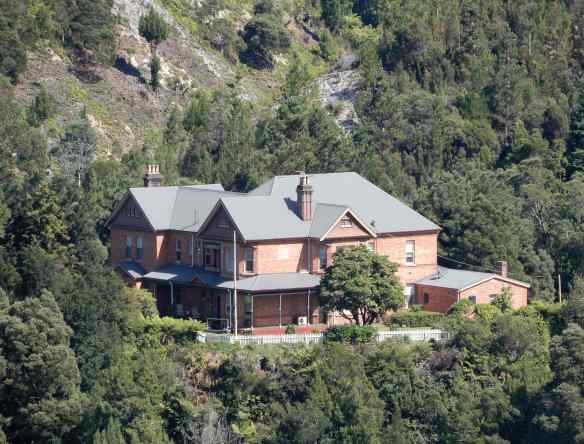
From our perch, we had a fabulous view of the rather impressive Penghana, built in 1898 for Mr. Robert Sticht, the General Manager of the Mount Lyell Mining & Railway Company. The home certainly reflects the power of a man in his position  and the wealth in the town at the time. Robert Sticht died in 1922 and ten more general managers and their families lived at Penghana until 1995 when the title was transferred to the National Trust. The house is now run as a unique bed & breakfast, I think we need to find an excuse to stay at Penghana.

5.Penghana Bed & Breakfast

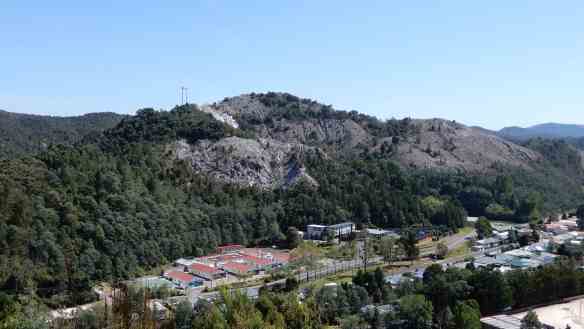
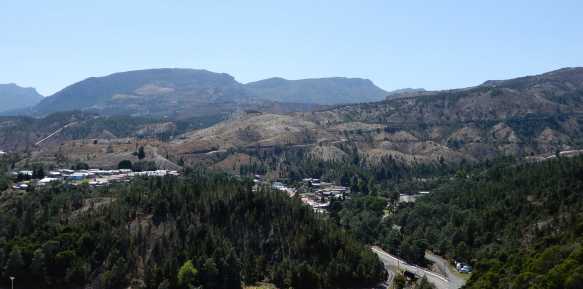
The hills surrounding the town still have some regenerating to do and the isolation is evident from this outlook.

6.lookout view7.lookout view8.Mt. Owen

We returned to ground level for lunch at the Empire Hotel, a beautiful, heritage listed building dating back to 1901.

The lobby is dominated by a stunning hand-carved Tasmanian Blackwood staircase. The raw timber was shipped to England, carved and shipped back to Queenstown.

13.Empire Hotel lobby

The tasteful furnishings echoed the era

15.Empire Hotel lobby

and the traditional dining room had a cosy ambience

16.Dining Room

with a beautifully restored ceiling rose.

17.ceiling rose

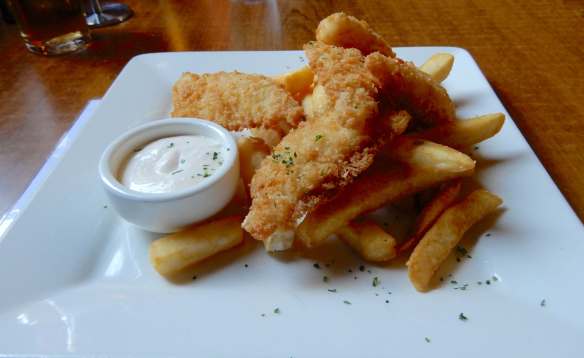
The menu was extensive but who can go past fish ‘n’ chips on a Friday?

18.fish & chips

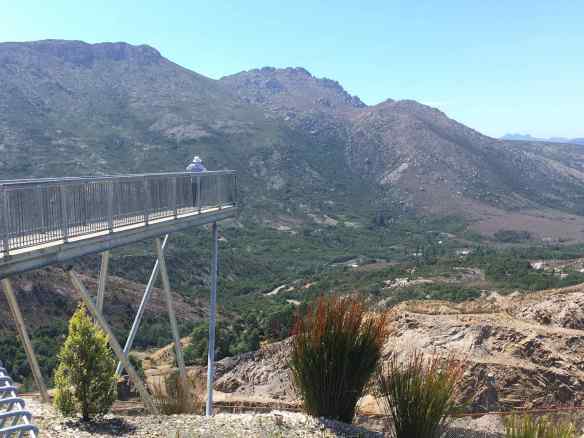
Fortified, we were ready to tackle the ’99 bends’, the infamous road between Queenstown and Gormanston that makes us appreciate the innovation of power steering. As the road straightened, we turned off to Iron Blow Lookout, an extended viewing platform over the former open-cut mine.

19.Iron Blow Lookout

Miners flocked to the area when gold was discovered in 1883 but they found the plentiful copper deposits more profitable. The colours were striking on this sunny day.

20.Iron Blow Lookout

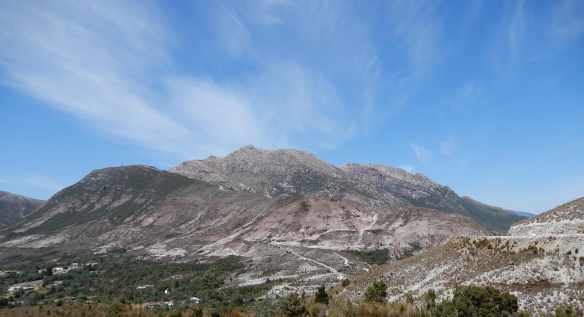
The view across the Linda Valley to Lake Burbury was spectacular,

21.Iron Blow Lookout22.Lake Burbury

while the denuded landscape remains as a legacy from the past.

23.Iron Blow Lookout24.Iron Blow Lookout25.Iron Blow Lookout

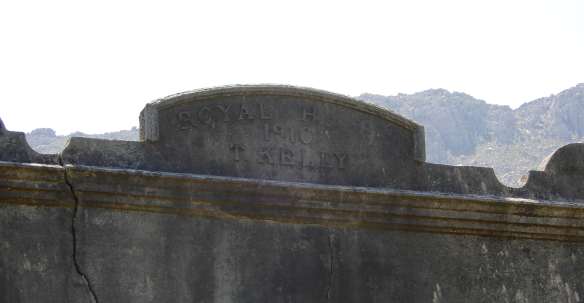
The nearby settlements of Gormanston and Linda were built for workers of the Iron Blow but both are now ghost towns. The only evidence of former lives in Linda is the haunting remnants of the Royal Hotel. The original structure burnt down in January 1910 and T Kelly rebuilt using concrete to avert any future disasters. The hotel finally closed in the 1950s and the shell still stands despite more recent flames.

26.Royal Hotel, Linda27.Royal Hotel, Linda

We left the west coast behind as we crossed the bridge over Lake Burbury, uplifted by the afternoon sun glistening on the pristine water.

28.Lake Burbury

Dublin

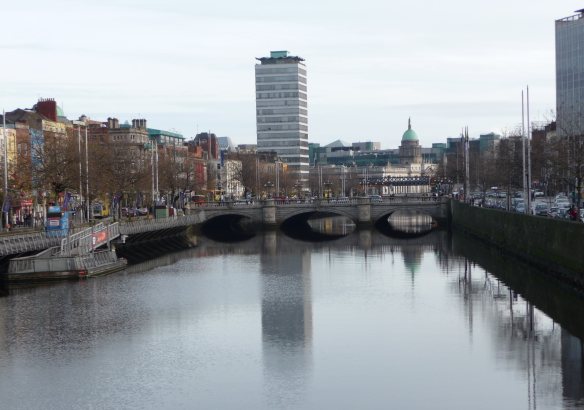
It was a very good decision of ours to return to Dublin and revise our initial  impression from our previous visit. Although the sky wasn’t exactly clear, the Liffey River offered stunning reflections of the Ha’penny Bridge

1.Ha'penny Bridge

and O’Connell Bridge.

2.O'Connell Bridge

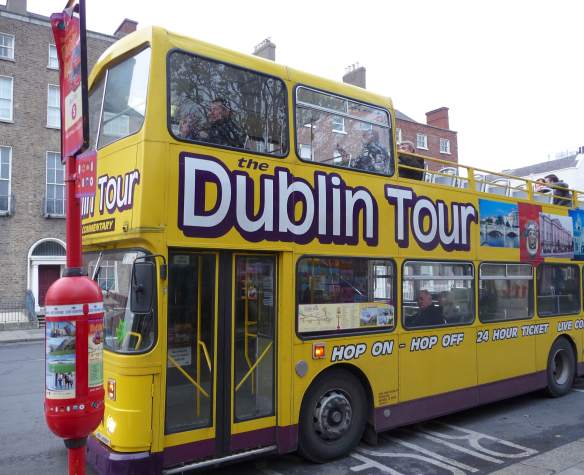
We opted for a Hop On Hop Off bus experience to make the most of our limited time.

3.Hop On Hop Off bus

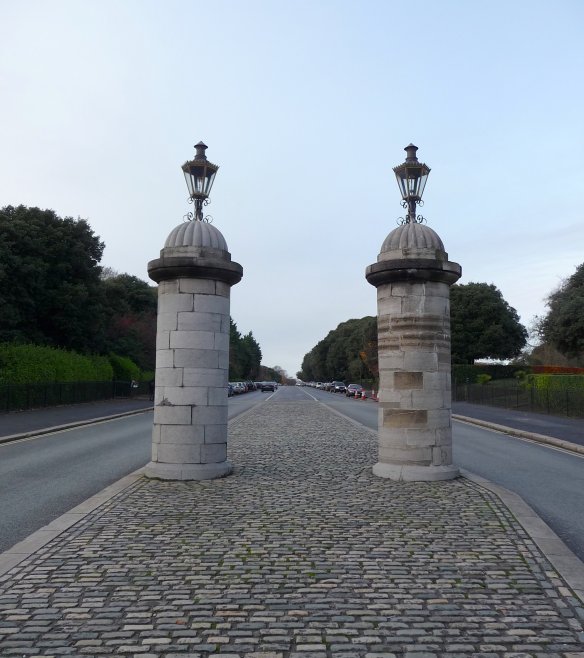
We hopped off at Phoenix Park, the largest enclosed public park in any European capital city. The 11 km perimeter wall encloses 1,752 acres, twice the size of Central Park in New York and bigger than all the parks in London put together.

4.Phoenix Park entrance

The name of the park is not related to the mythical bird but the Gaelic expression Fionn Uisce, meaning clear water. The park was originally formed in the 1660s for royal hunting and was opened to the public in 1747.

5.Phoenix Park

We had intended visiting Dublin Zoo which is also within the grounds but we didn’t really have the time to do it justice. We did discover the Wellington Monument, commemorating the victories of the Duke of Wellington. The 62 metre tall obelisk is the largest in Europe and would have been even higher if funding hadn’t run out. The four bronze plaques around the base were cast from cannons captured at the Battle of Waterloo.

6.Wellington Monument

Instead of hopping back on the bus, we walked in the direction of the city centre, stumbling across Old Jameson Distillery on the way. Founded in 1780 as the Bow Street Distillery, the building is now a Heritage Centre displaying the various steps that produce Jameson Irish Whiskey.

7.Old Jameson Distillery

We ventured far enough to admire the magnificent derelict still in the entrance courtyard.

10.derelict still

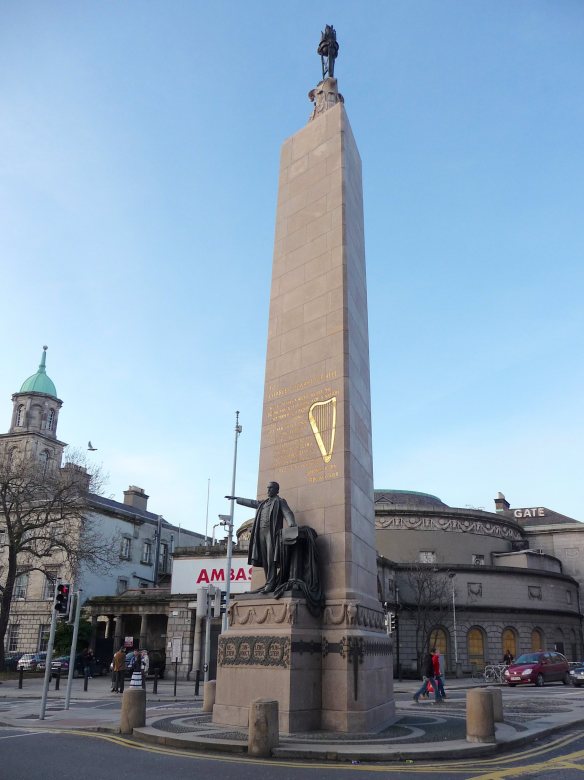
Continuing on foot, we reached the northern end of O’Connell Street, Dublin’s main thoroughfare. A bronze statue of Charles Stewart Parnell stands at the base of an imposing granite obelisk, a memorial to the founder and leader of the Irish Parliamentary Party in the late 1800s.

11.Charles Stewart Parnell memorial

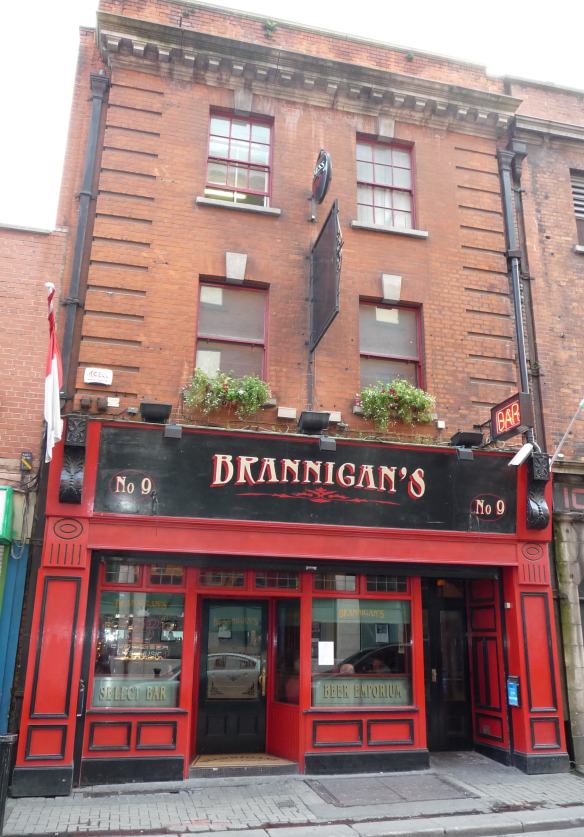
Having worked up a bit of a thirst, we couldn’t possibly pass Brannigan’s without closer inspection. The pub was named in the late nineties after local policeman James Brannigan, otherwise known as ‘Lugs’. As well as serving in the force for over forty years, he was a distinguished boxer and was known for dispensing his own form of justice.
12.Brannigans

The Nescafé jar was an absurdly incongruous adjunct to the commercial coffee machine.

13.Irish Coffee Machine

We hopped back on the bus to appreciate O’Connell Street from the top deck. The huge Christmas tree was a new addition but apparently Dubliners weren’t too happy about it. The 18 metre structure cost the city €300,000 and would supposedly remain for ten years, thereby saving money that was usually spent each year on multiple trees around the city. Designed by the French firm that created the lighting for the Eiffel Tower, the 100,000 bulbs would look spectacular at night.

14.O'Connell St

With winter upon us, the leafless trees allowed an uninterrupted view of the gorgeous façades along the street. Many of the original buildings were destroyed during the Easter rising of May 1916 but have been beautifully resurrected.

15.O'Connell St

As we made our way back to our hotel, we detoured through Merrion Square where a new memorial had just been unveiled. The pyramid-shaped granite structure is dedicated to the members of the Irish Defence Forces who died while serving with the United Nations. Four bronze figures, representing the Army, Navy, Air Corps and Reserve, stand guard over an eternal flame that emanates from the Defence Forces badge.

16.Merrion Square

The manicured gardens are at the centre of the square and the lovely Georgian houses that surround it have been home to many famous folk including literary notables Oscar Wilde and W.B.Yeats.

17.Merrion Square

I know the Irish are often, unfairly, the subject of ridicule but I can’t help sharing this. I have to question the logic of the placement of the toilet roll holder.

18.Irish toilet roll holder