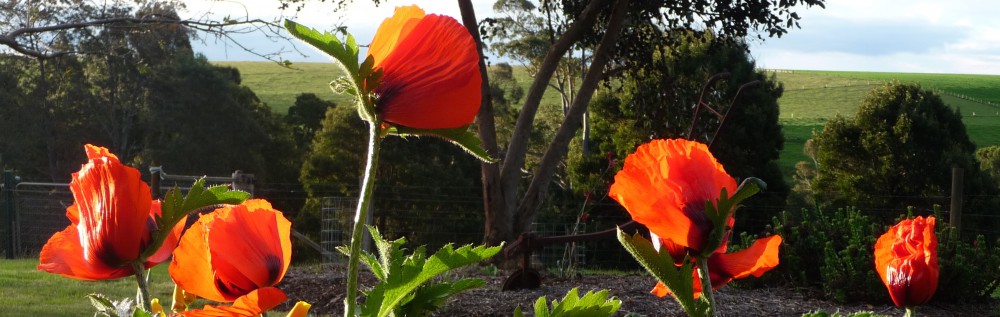
twelve months

It is just over a year since the creation of cannonhill chronicles. I have had so much enjoyment sharing our lives and re-living our experiences and it never ceases to amaze me how many corners of the world this simple little blog reaches. Thank you to everyone who has stopped by, you are my inspiration.

One of my early posts introduced you to my spring garden. After a long, cold, wet winter, I had forgotten how beautiful and renewing spring can be. The days are warming, the sun is shining and the evenings are longer. The daffodils are in decline
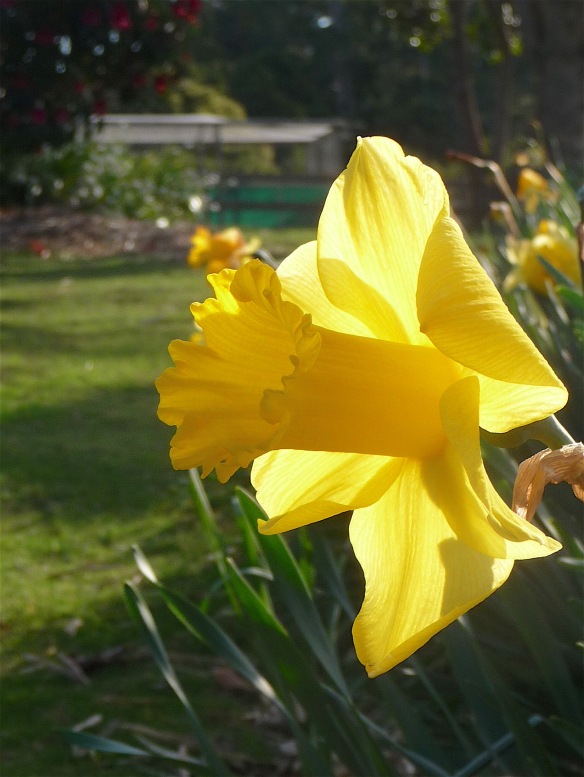
1-daffodil

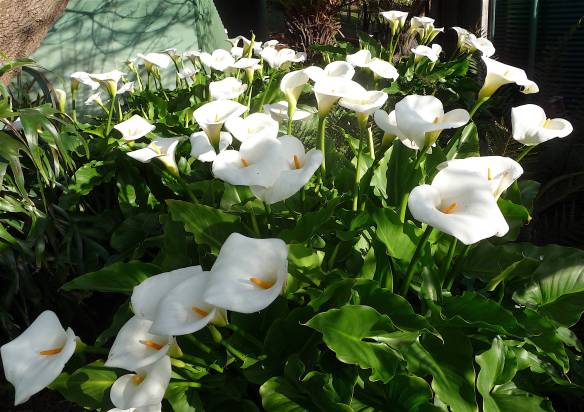
but there’s no stopping the lilies

2-lilies

and irises.

The crocuses are appearing in places new

as are the clivea
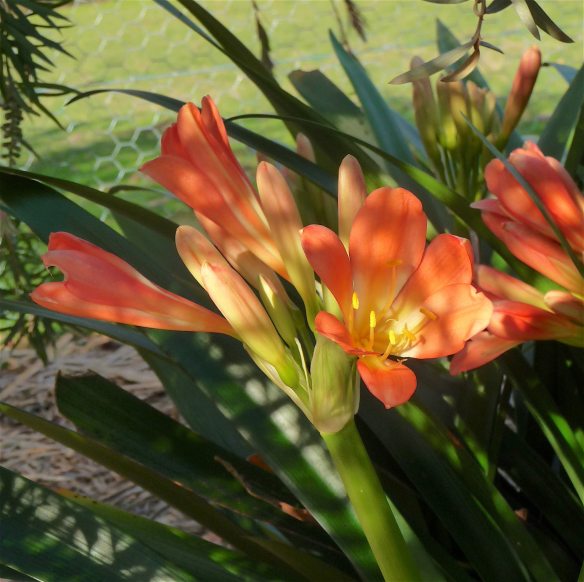
9-clivea

and Queens tears.

10-queens-tears

The orchids haven’t disappointed this year.

The bees are enjoying the diosma
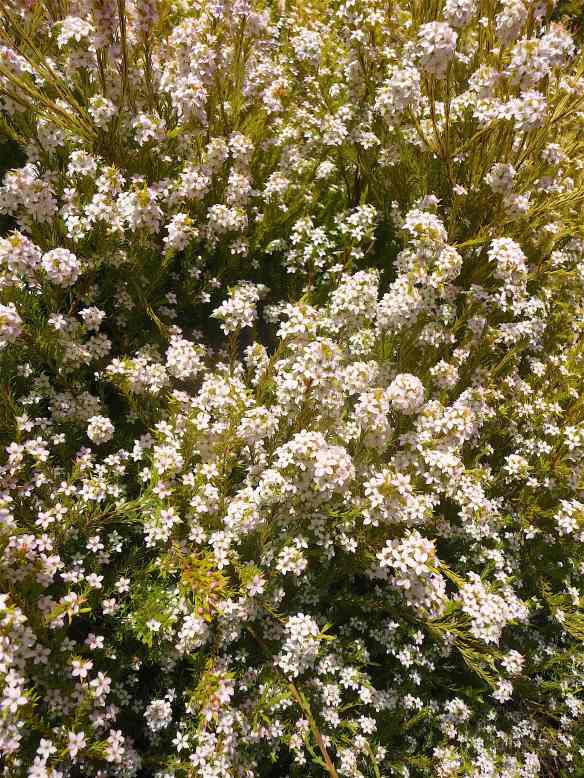
13-diosma

and the waratah is in full bloom.

The first rhododendron has flowered
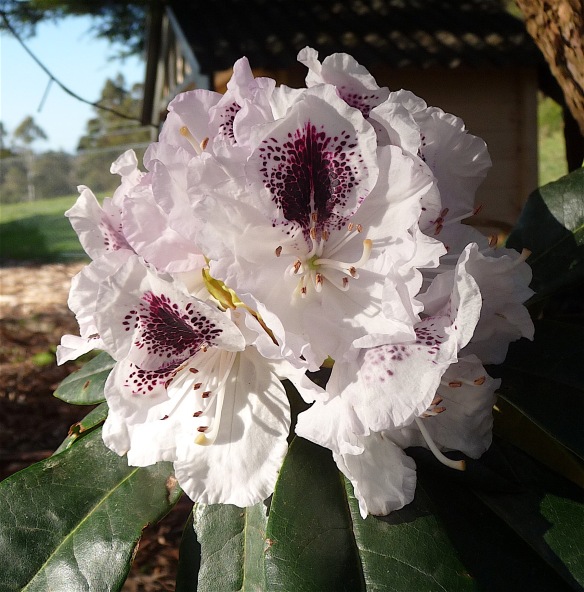
17-rhododendron

and nearby was my greatest surprise. The previous owners had planted a camellia in a very narrow bed against a shed wall. Rather than risk transplanting, I espaliered it a few years ago. Although it has thrived, it has never blossomed….until now.
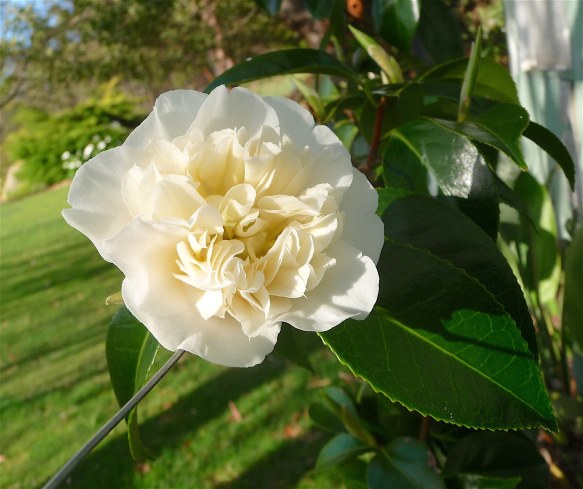
18-white-camellia

Just the one so far but it is perfect.
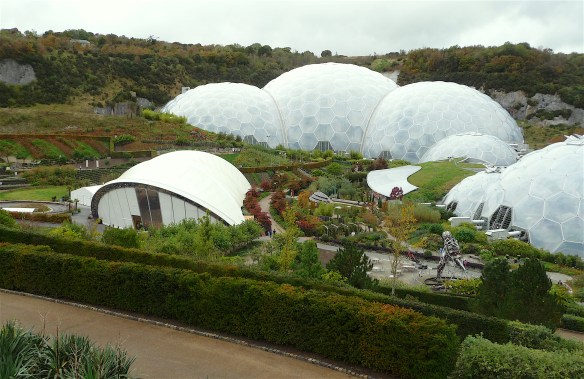
Eden Project

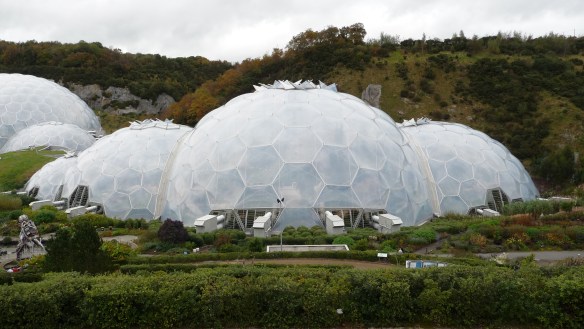
We had been told about the wonders of the Eden Project by, believe it or not, a friendly parking inspector while visiting Bath. On an overcast morning, we drove to St. Austell to see for ourselves. Created in a reclaimed Cornish clay pit, the 35 acre site was a spectacular vision.

1.Eden Project

White domes bulged from the surrounding landscape,

2.Eden Project

their magnitude truly appreciated the nearer we walked.

3.Eden Project

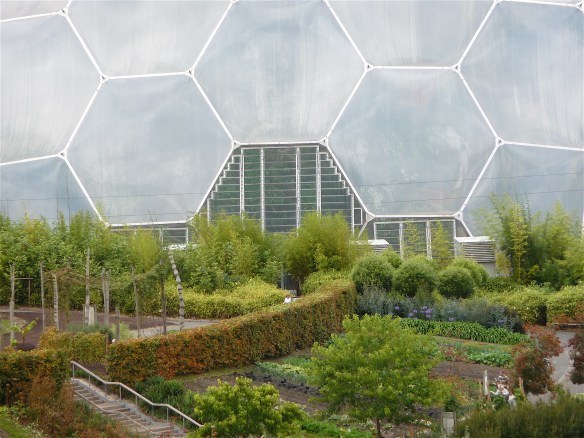
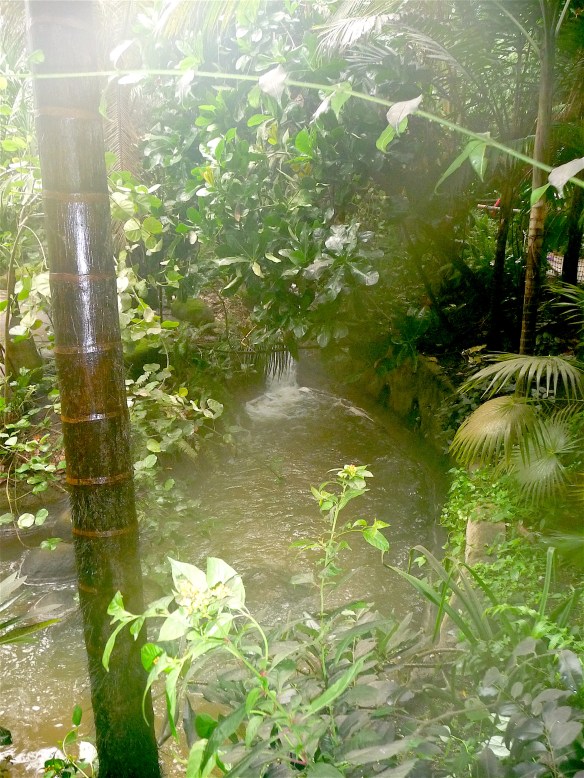
Eden Project is intended to make us think about the relationship between people and plants, as well as the sustainability of our planet. The tropical biome is fifty metres high and four of the world’s rainforest environments are re-created in nearly 4 acres.

4.rainforest biome

I was reluctant to expose my camera to the hot, steamy atmosphere

5.rainforest biome6.rainforest biome

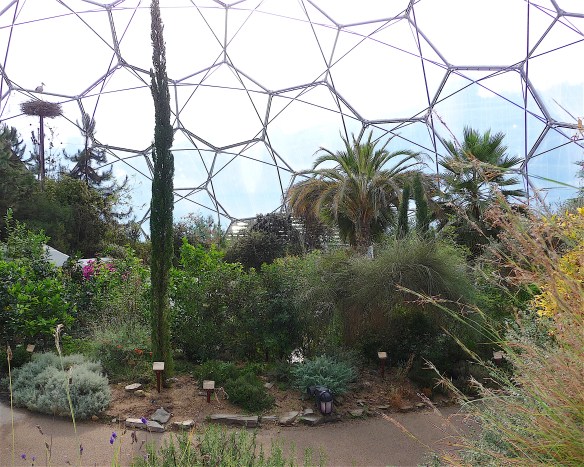
and very relieved to enter the Mediterranean biome and a more agreeable climate.

7.mediterranean biome

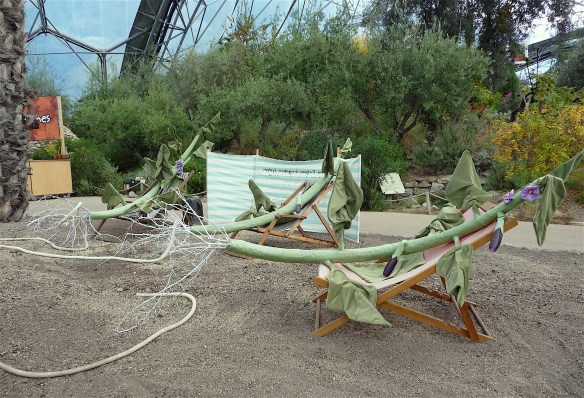
There were some interesting installations

8.mediterranean biome9.mediterranean biome10.mediterranean biome

including sculptures depicting the Rites of Dionysus.

11.Rites of Dionysus sculptures

The Greek god of the vines and his followers seem to be enjoying themselves immensely.

12.Rites of Dionysus sculptures

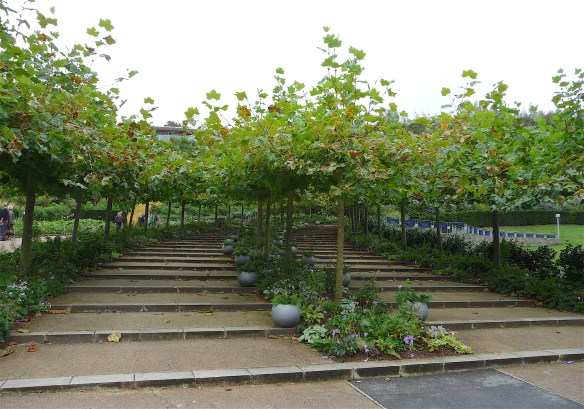
The outdoor gardens represent the temperate regions of the world with more than 3,000 plant varieties.

13.outdoor gardens14.outdoor gardens

Meandering our way along the paths, we encountered many surprises.

15.outdoor gardens

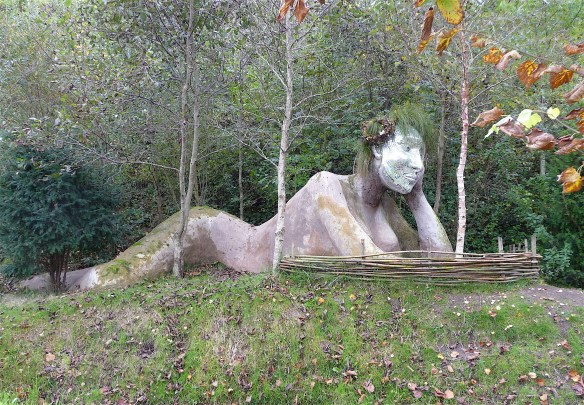
The living sculpture of Eve is made mostly of clay from Eden, she looks very relaxed amongst the trees.

18.Eve

The Giant Steel Man sculpture keeps an eye on the Hemp exhibit

The Industrial Flame Plant is a comment on fossil fuels. We are warned that most varieties of the genus ‘Industrialis’ extract energy stored in fossilized plant remains from ancient forests. They convert raw materials into a variety of useful products and harmful emissions. Widespread overplanting causes environmental damage and climate change.

21.Industrial Flame Plant

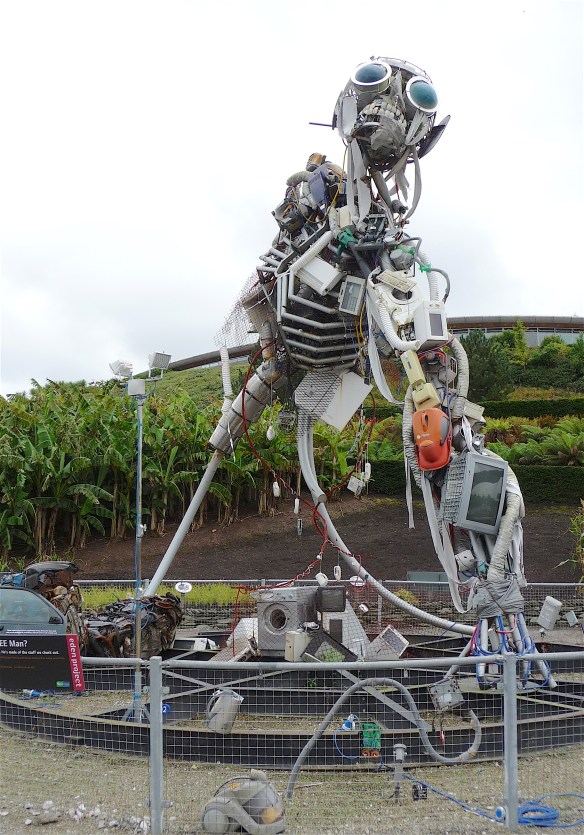
WEEE Man is a 3.3 tonne, 7m high structure representing the amount of waste electrical and electronic equipment (WEEE) the average British household throws away in a lifetime.

22.WEEE Man

The Core building is an education facility with interactive exhibits, the structure of which is based on a sunflower.

23.Core building

The Nutcracker was designed to get us thinking about how much energy and resources we often use to do simple things. A wind of the handle transports a hazelnut through a series of cogs, wheels, pulleys and cranks before it is eventually cracked.

24.The Nutcracker

Seed was fascinating. The 70 tonne sculpture is at the epicenter of the Core building and is carved from a single piece of granite. The complex pattern of protrusions are based upon the geometric and mathematical principles of plant growth.

25.Seed

There was so much to see at Eden Project, I’m sure we missed some of it. We shall have to return one day.

Villa Grabau

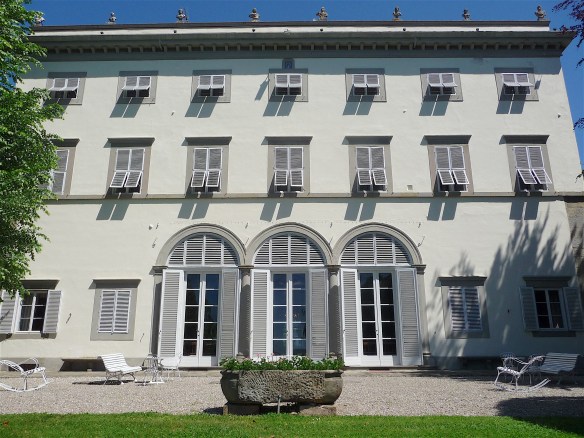
Lucca is surrounded by magnificent historical residences of the 16th century. On a perfect spring day, three of us ventured out to discover a couple of them. Villa Grabau was first built in Renaissance style in the late 16th century,

1.villa2.villa

then renovated in the 19th century in a neo-classical style.

3.villa

Following a tour of the villa, owned by the Grabau family since 1868, we explored the 9 hectares of beautiful gardens. Starting with the formal Italian garden behind the villa,

4.Italian garden5.Italian garden

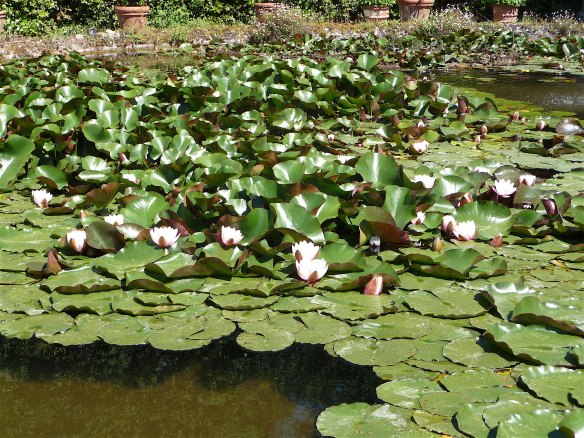
the pond lilies enjoying the sunshine.

6.lily pond7.lily pond

We meandered along mysterious paths

8.path10.path

never knowing quite what we would find.

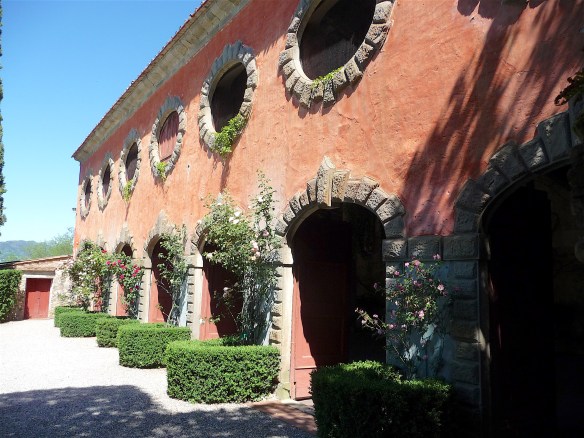
The 17th century limonaia was fascinating.

12.limonaia

Over 100 lemon trees are moved inside, in their terracotta pots, to shelter in winter.

13.limonaia

There are many rare species in the park,

we didn’t expect to find giant bamboo in an Italian garden.

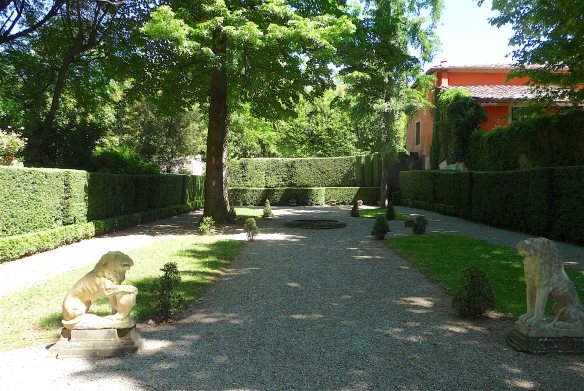
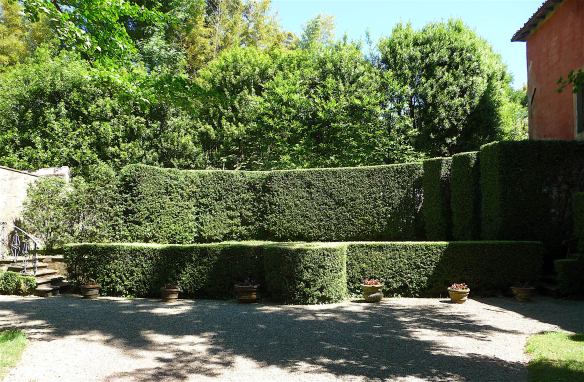
The ‘Box Hedge Theatre’ was enchanting.

27.box hedge theatre

A stage defined by box tree hedges set in a secluded position,

28.box hedge theatre29.box hedge theatre

the theatre garden contains two marble lions and a bubbling fountain.

30.box hedge theatre

Having worked up an appetite, we had a delicious al fresco lunch at a small roadside Osteria, Bottega sulla Fraga.

32.osteria

The English translation of the menu was dubious

but the meals were superb.

After lunch, we made our way to Villa Reale but that will be another post.

auspicious autumn

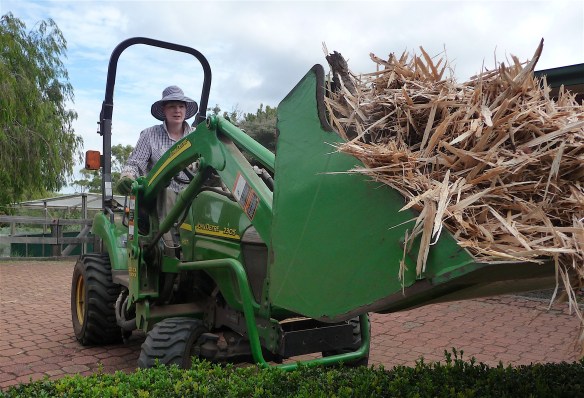
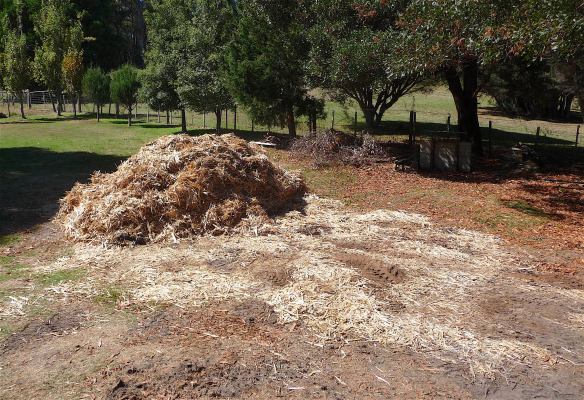
Autumn is a busy time in the garden, with two truckloads of mulch to spread

1.mulch pile14.mulching 3.mulch pile3

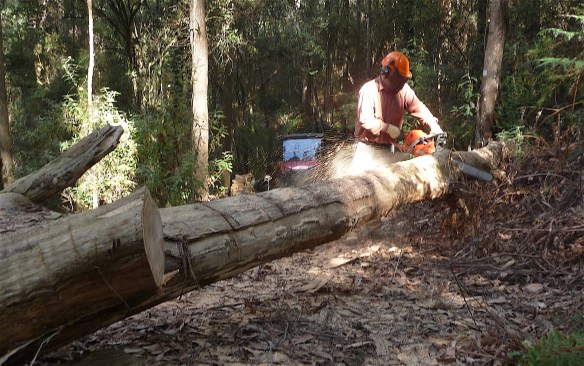
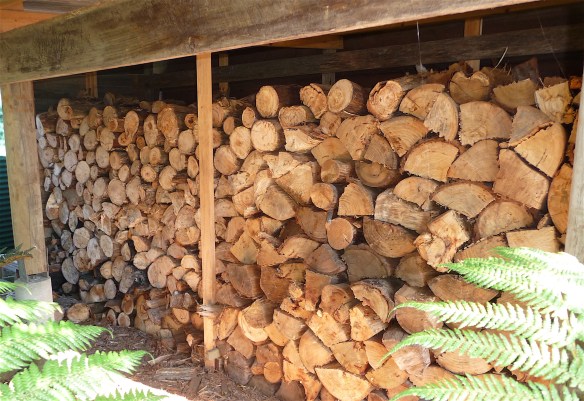
and firewood to get in for the winter. We don’t cut down trees in our forest but sometimes nature helps out.

5.wood16.wood2

It’s hard work – he cuts,

7.wood38.wood49.wood5

I stack

then Betsy helps us take it up the hill.

12.wood8

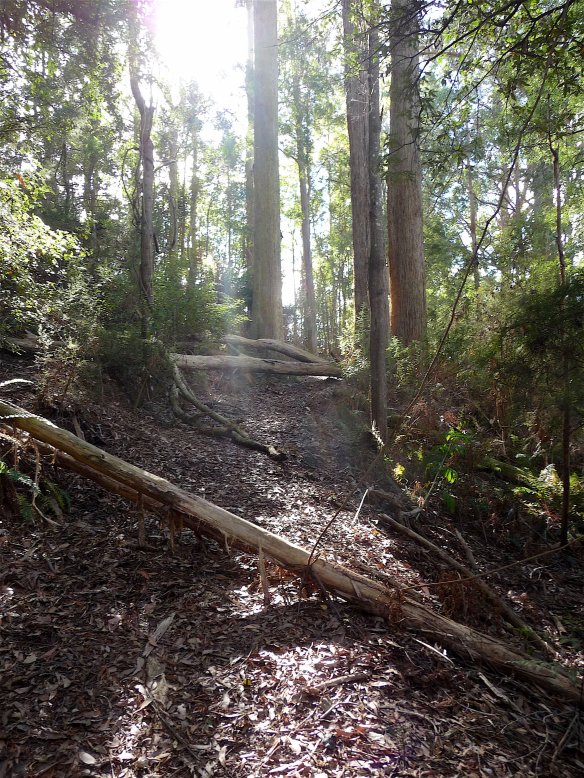
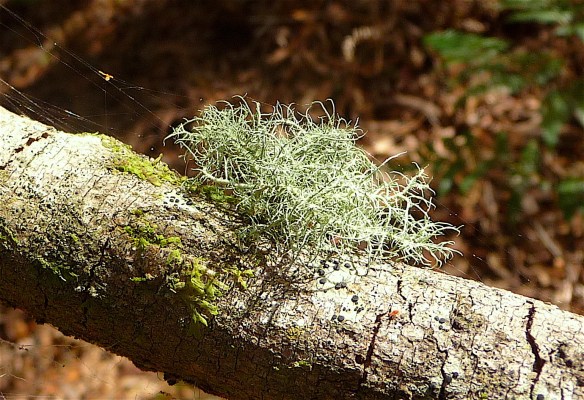
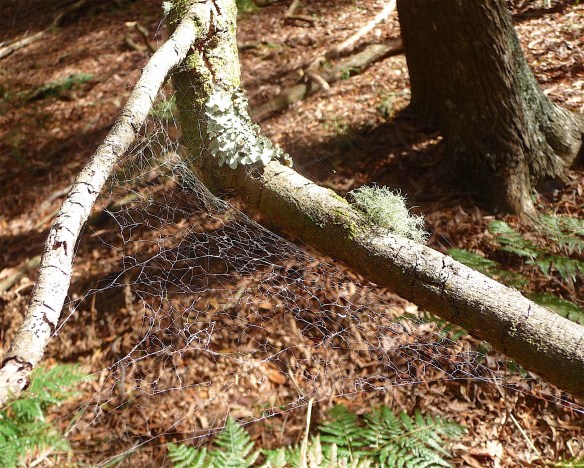
I find some fascinating features in the forest

15.lichen16.web

trees that appear to have died have not.

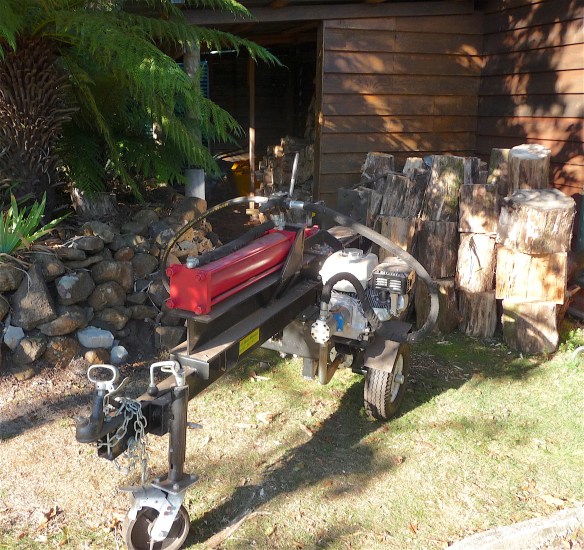
We split

19.splitter1

and stack the wood ready for our winter warmth.

23.woodshed1

The garden still has some colour

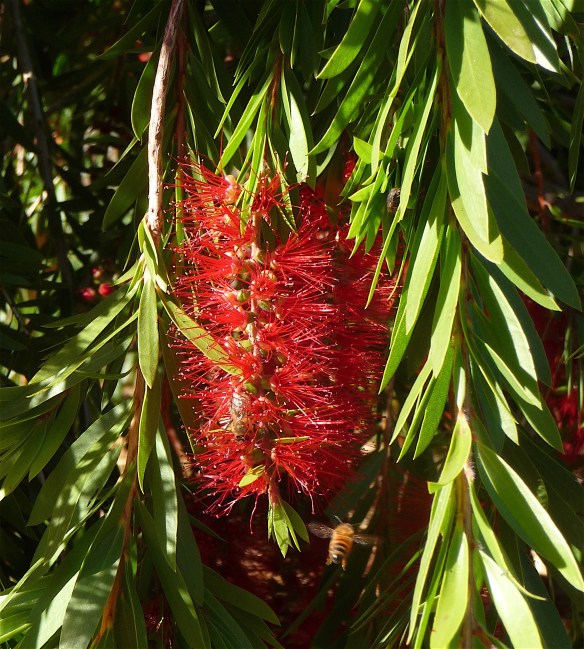
and the bees love the callistemon.

36.callistemon bee

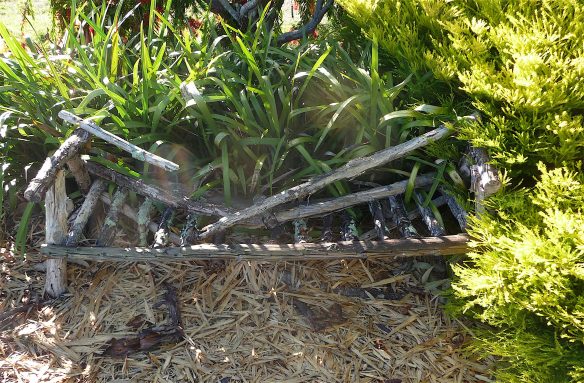
Five years ago I made a bench from the branches of our pruned fruit trees.

37.bench1

Sadly, it has succumbed to the elements.

38.bench3

Maybe another project…..

Isle of Wight

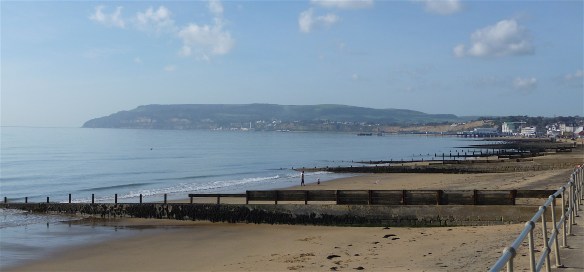
The Isle of Wight was a lovely surprise, so much to see and so much beauty in just 380 sq.km. We started early with a walk along Bembridge seafront

1.Bembridge2.Bembridge3.Bembridge

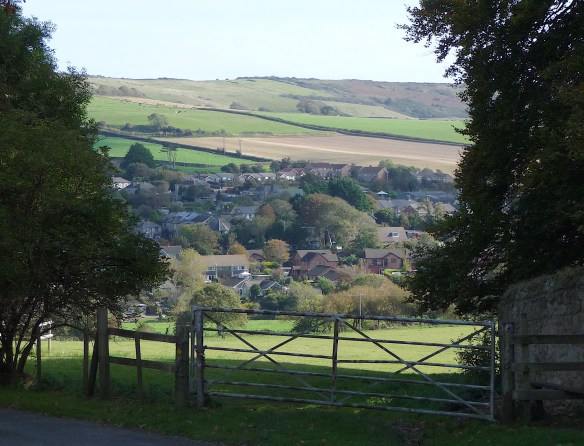
through peaceful countryside.

4.Bembridge

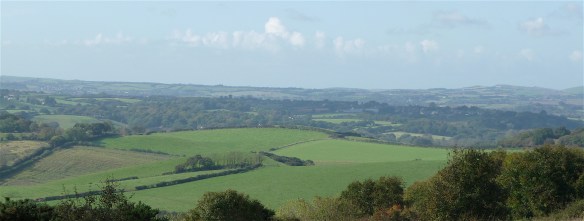
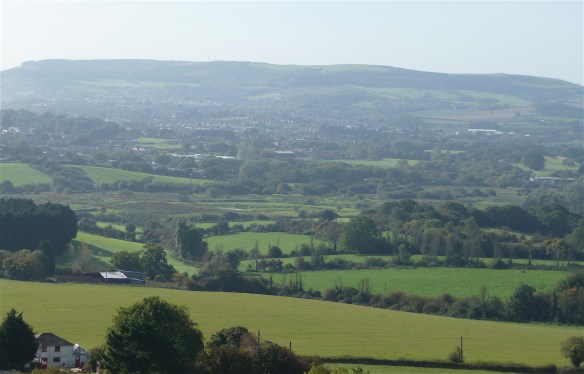
A short drive westward, we stopped at Adgestone Vineyard, the oldest vineyard in Britain. Unfortunately, there was no tasting but the views were breathtaking.

5.Adgestone Vineyard View6.Adgestone Vineyard View7.Adgestone Vineyard View

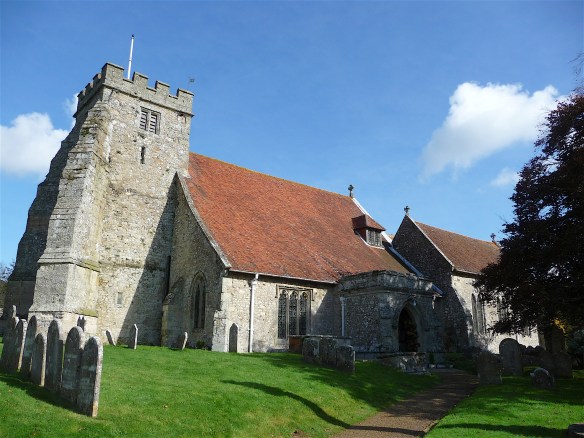
On to Arreton Barns, a traditional working craft village

with the 12th century Church of St George.

11.Arreton Barns

Donkeys are one of my favourite animals. I’ve always wanted a couple but Michael says they’re too noisy. The Donkey Sanctuary was heaven, a deserving retirement for these beautiful creatures who have patiently walked the seashores with all shapes and sizes on their backs.

We were hoping for a raptor experience at the Owl & Falconry centre but it was closed. All we got was more stunning scenery.

18.Owl &Falconry Centre

After a delicious pub lunch at The White Lion in Niton

19.White Lion, Niton

we ventured on to Mottistone Manor. Dating from early 16th century, the house is not open to the public

20.MottistoneManor21.MottistoneManor

but the gardens are wondrous to stroll around.

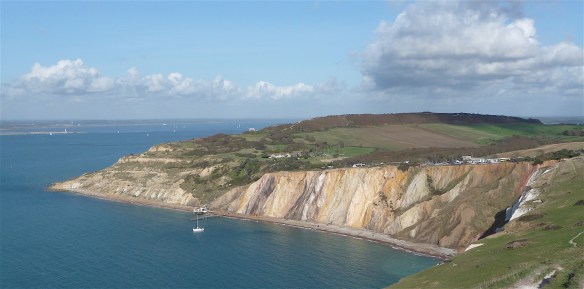
We continued driving to the most western point on the island. A short walk along the cliff top

28.The Needles

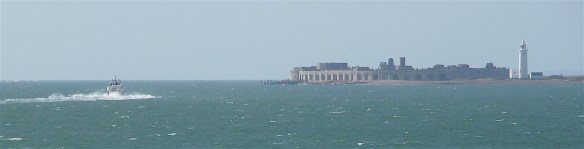
rewarded with magnificent views across the Solent to Hurst Castle, built by Henry VIII in 1544.

29.Hurst Castle

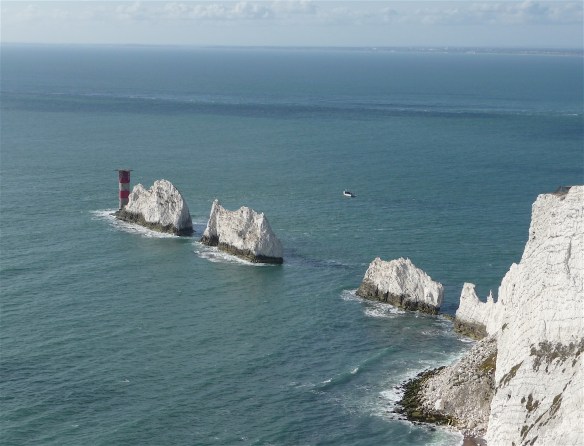
At the tip of the headland are The Needles, three distinctive stacks of chalk rising out of the sea.

31.The Needles

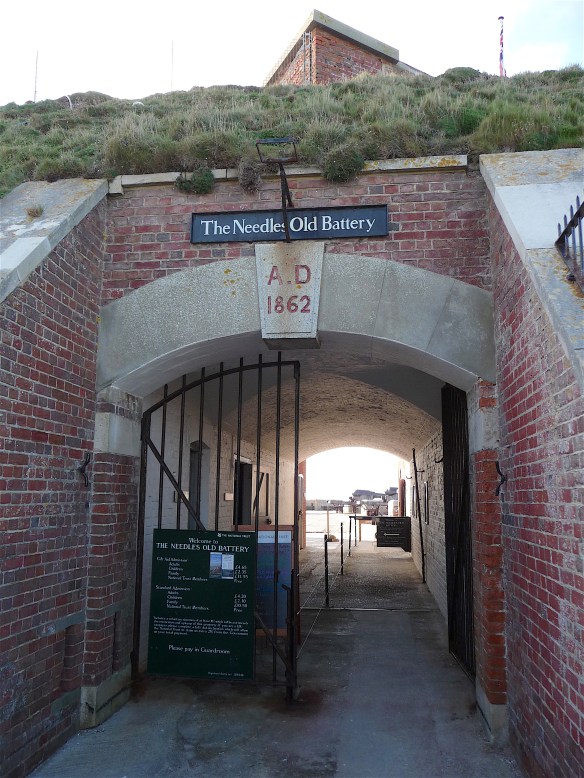
The Old Battery is a fort built in 1862 following the threat of French invasion.

34.The Needles

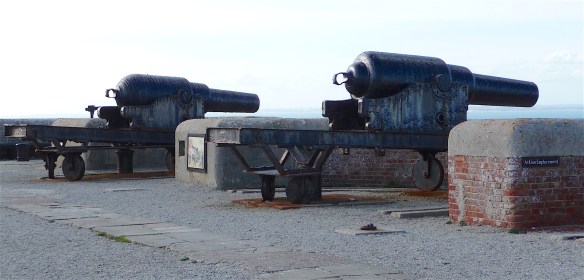
These two gun barrels are original from 1873.

35.The Needles

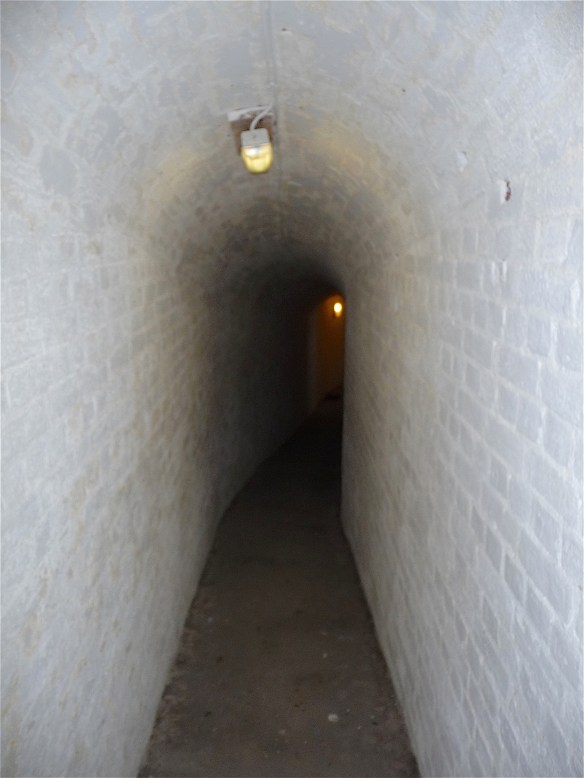
An underground tunnel

36.The Needles

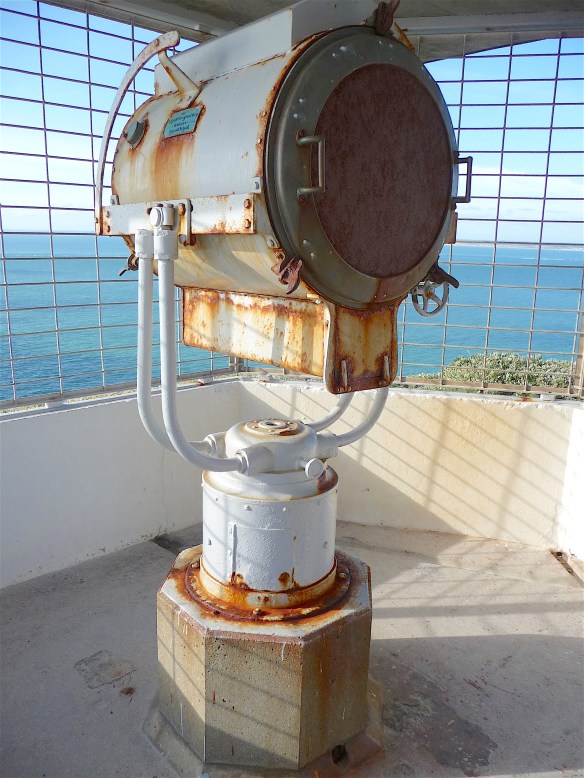
leads to an observation post housing a searchlight dating from 1899.

37.The Needles

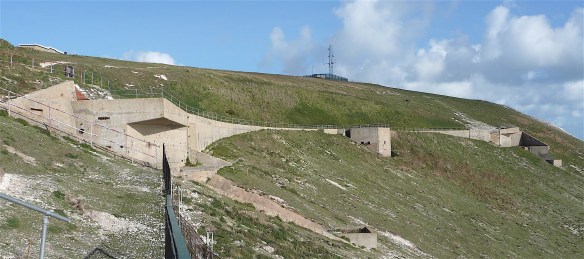
Further up the headland is the New Battery where British space rockets were secretly tested in the 1950s & 60s. After testing, they were taken to Woomera in South Australia for launching.

38.The Needles

We made our way back to Bembridge for a well earned beverage and dinner. Next morning, we visited Bembridge Windmill. Built around 1700, it is the only remaining windmill on the Isle of Wight.

39.Bembridge Windmill

Last operated in 1913, most of the original machinery is intact.

Our final destination on the island was Yarmouth for the ferry journey back to the big island.

We appreciated a different perspective of Hurst Castle

49.Hurst Castle

and Lymington marina welcomed us back.
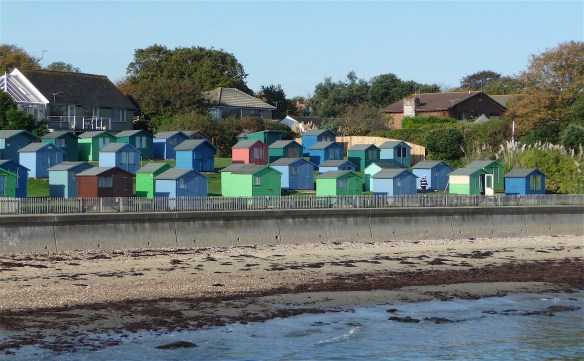
50.Lymington Marina