wilderness & wine

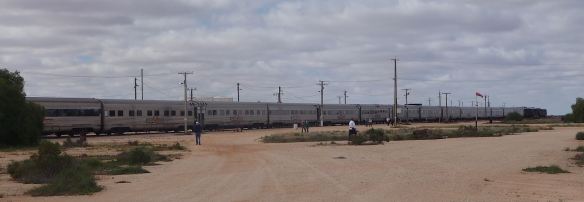
The second day of our transcontinental journey on the Indian Pacific was spent relaxing, reading and watching the scenery pass by.

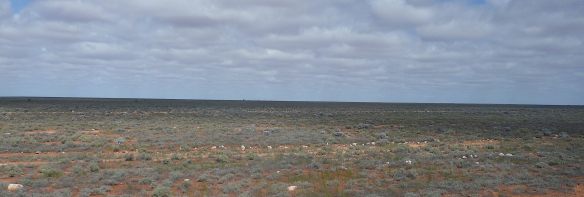
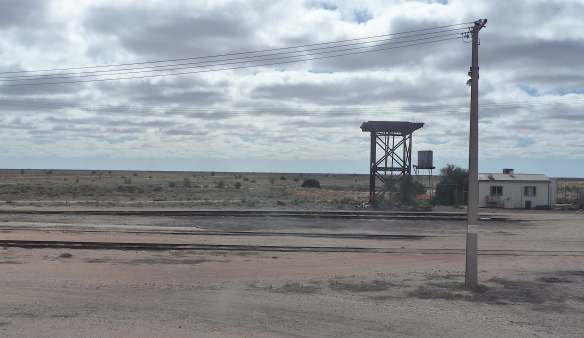
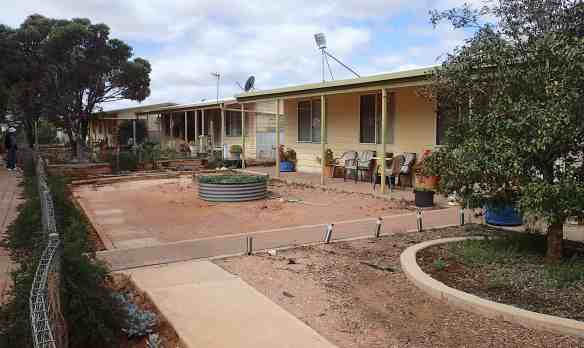
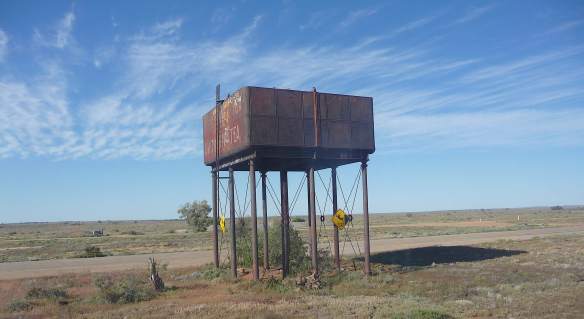
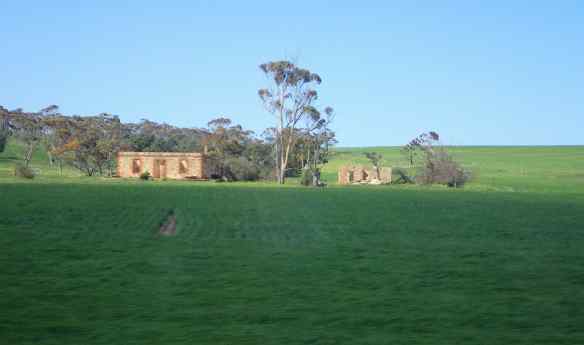
There were sporadic signs of human habitation in the otherwise desolate landscape.

2-outback

The terrain changed the further we travelled through South Australia

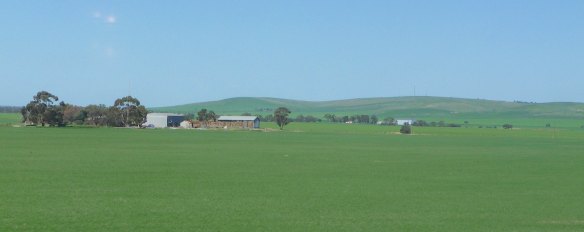
and just north of Peterborough, the fertile green fields of farmland contrasted with the barren outback.

4-peterborough

Passengers can commence their journey in Adelaide, where the train stops for supplies and welcomes a new crew. This allows a few hours to enjoy an off train excursion to the National Wine Centre. Built in the year 2000 in the shape of an oak barrel, it has won many architectural awards.

We were taken on a Wine Discovery Journey, beginning with the open cellar.

With the capacity to store up to 38,000 bottles, it is one of the largest in the Southern Hemisphere.

The ‘Wined Bar’ would be a lovely place to linger, with 120 different wines to sample in one tasting room.

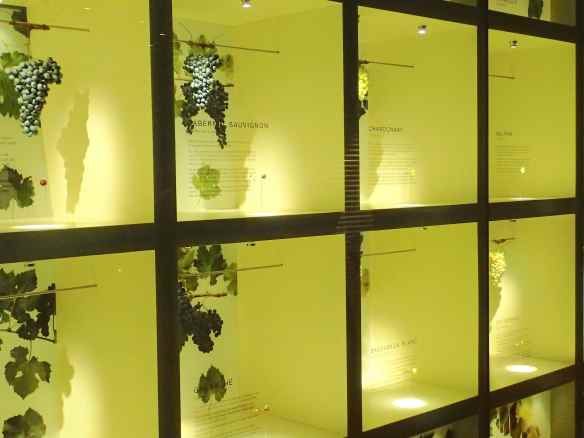
We were introduced to the technology, varieties and styles of wine

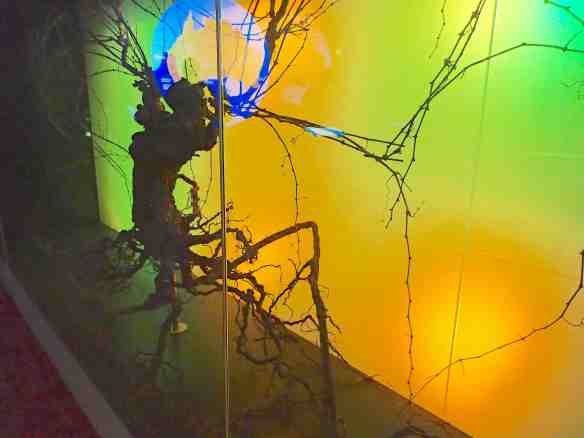
as well as this 150 year old Shiraz vine, painstakingly extracted from St. Hallett’s vineyard in Tanunda.
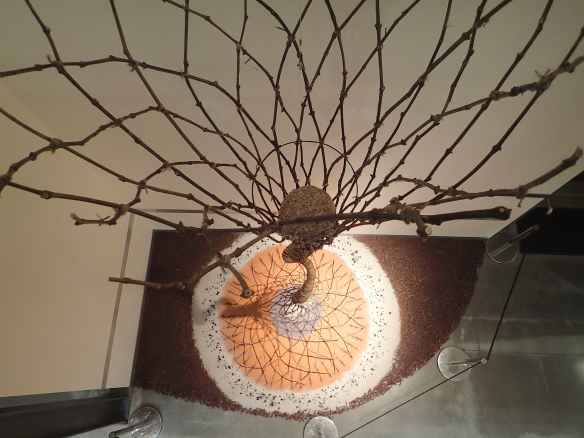
We made our way back to the dining room, passing some interesting art pieces,

to indulge in canapés and a delicious dinner – with wine, of course. A rainy night greeted us as we left the wine centre

and boarded a coach to return to the station.

I think a good night’s sleep was had by all.

Chianti

After saying our goodbyes, we left Benabbio for a day of leisurely driving to our next destination near Cortona. By lunch time we were surrounded by the stunning scenery of the Chianti Valley and were lured by the trusty knife & fork symbol at Castello di Gabbiano.

1-castello-di-gabbiano

Unfortunately, they didn’t serve lunch but we stayed a while to admire the magnificent 12th century castle, now a very inviting B&B.

2-castello-di-gabbiano3-castello-di-gabbiano

The castle has an interesting history

4-castello-di-gabbiano

and is home to one of the oldest and best known wineries in the Chianti Classico region. The views over acres of vines, olives and woods were breathtaking.

5-castello-di-gabbiano6-castello-di-gabbiano7-castello-di-gabbiano8-castello-di-gabbiano

We continued to Greve in Chianti where we finally had some lunch. The drive slowed down as we ogled the scenery through the heart of old Tuscany.

9-chianti-valley

There seemed no end to the green rolling hills dotted with peaceful stone villas.

10-chianti-valley11-chianti-valley

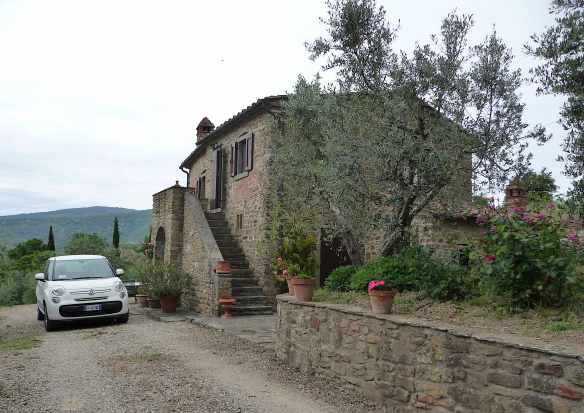
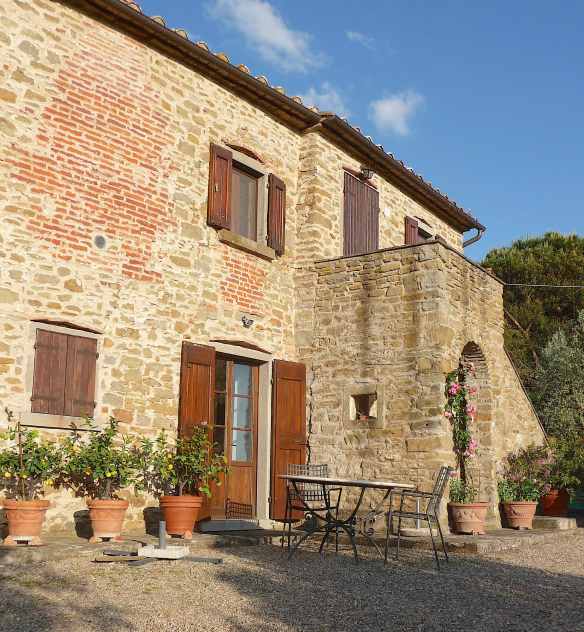
We eventually left Chianti behind and found Camucia and our accommodation, relatively easily thanks to the detailed directions from the owner. After locating the caretaker, Isolina, ‘up the road and round the corner’, we poured a vino and settled in.
Conwy

One of the most memorable B&Bs on our travels in Britain was Whinward House in Conwy, on the north coast of Wales. The 1890s Coaching Inn had been renovated beautifully and hosts, Chris & Janis made us very welcome. After a good night sleep

1-whinward-house

and a hearty home cooked breakfast,

2-whinward-house

we strolled along the river walk

3-conwy4-conwy5-conwy6-conwy7-conwy

to the walled market town of Conwy.

8-conwy

The smallest house in Great Britain, 3.05m x 1.8m, was occupied from the 16th century to 1900. The last tenant was a 6’3” fisherman and he was eventually forced to move out when the council declared the house unfit for human habitation.
9-smallest-house

The living area on the ground floor had room for coal and an open fire
10-smallest-house

while the cosy bedroom was upstairs.

11-smallest-house

We explored Aberconwy House, a 14th century merchant’s house and the oldest recorded dwelling in Wales.

12-aberconwy-house

No visit to Conwy would be complete without experiencing the castle.

The castle and town walls were built between 1283 and 1289.

15-conwy-castle

Glimpses of the River Conwy could be seen through the windows

and the interior of the castle has been remarkably preserved.

18-conwy-castle

Someone had a very comfortable home.

21-pigeon

The perspective of the castle changed as we climbed higher

and the views of the river and countryside were beautiful.

25-conwy-castle26-view

The suspension bridge was completed in 1826 to replace the ferry across the River Conwy and is now only open to pedestrians.

27-suspension-bridge

We bade farewell to Conwy Castle

28-conwy-castle

and returned along the river walk. The tide had risen, the name of this boat seemed very appropriate.

29-conwy

We wandered to the marina

30-conwy

and enjoyed a wonderful meal at The Mulberry

31-the-mulberry

before another comfortable night at Whinward House.

Silver City

Our journey on the Indian Pacific included some interesting off-train excursions. The first morning, we were supposed to arrive early in Broken Hill and watch the sunrise over the city from the lookout of the Miners’ Memorial. Unfortunately, the train was running an hour late and the sun had risen

1-sunrise

by the time we pulled into the station.

I had been looking forward to discovering Broken Hill after reading a wonderful book, ‘Silver Dreams’, by Pam Bayfield who grew up there. My first impression was the rear view of the Theatre Royal Hotel

4-theatre-royal-hotel

before boarding the coach for a tour of the town. The Theatre Royal Hotel was established in 1886

and within a few years there were seventy pubs to choose from. The Palace Hotel was originally a coffee house, built in 1889 by the Temperance Movement in an attempt to curb the drinking by the miners.

Within three years, the Palace became a regular drinking den and gained more recent infamy thanks to Priscilla, Queen of the Desert.

The ABC radio station was adorned with an impressive mural featuring some of the city’s best known personalities.

We passed the Pro Hart Gallery

and the house he had lived in, just next door.

The Igloo House, as it is affectionately known, was built for Pro Hart in the early 1980s, (also known as Cleavage Corner!).

The sun was casting a warming glow as we continued our tour, shining beatifically on Sacred Heart Cathedral

and the narrow gauge rail cars at the Sulphide Street Railway Museum.

We were surprised to see what appeared to be a mine shaft in the middle of town. The Kintore Headframe is a retired wooden headframe from the 1800s and was relocated to Kintore Reserve in 1984.

The Centennial Hotel was established in 1889. A favourite with the shearers, it closed in 1990.

The Trades Hall has been the home of the union movement in Broken Hill since it was built in 1905. It is the first privately owned Trades Hall in the Southern Hemisphere, built and paid for entirely by the people of Broken Hill.

We were driven to the top of the Line of Lode mullock heap, 54 metres above the city. The Miners’ Memorial building faces east-west, capturing the rising and setting of the sun. The walls are lined with the names of over 800 miners who lost their lives working in the Broken Hill mines.

17-line-of-lode-miners-memorial

The old poppet head at the Line of Lode still stands

and there are far reaching views over Broken Hill and the outback beyond.

Our time in Broken Hill was brief and we soon boarded the train for a hearty breakfast

and a relaxing day enjoying the scenery.

Visit Pam’s website to find out more about her life and books. http://www.pambayfield.com.au/silver-dreams.html

Farewell Benabbio

The time had come to leave Benabbio. There were many things I would miss, the tranquility and beauty not least. I never tired of the mountains that surrounded us

1-benabbio

4-mountains

and the mesmerising mist that awaited when I opened the bedroom shutters in the morning.

5-morning-mist6-morning-mist7-morning-mist8-morning-mist

No matter where we wandered in the village, the mountains followed us.

9-mountains10-mountains11-mountains

We were sad to say goodbye to beautiful Benabbio and our new found friends

14-view

but there were more adventures awaiting us.