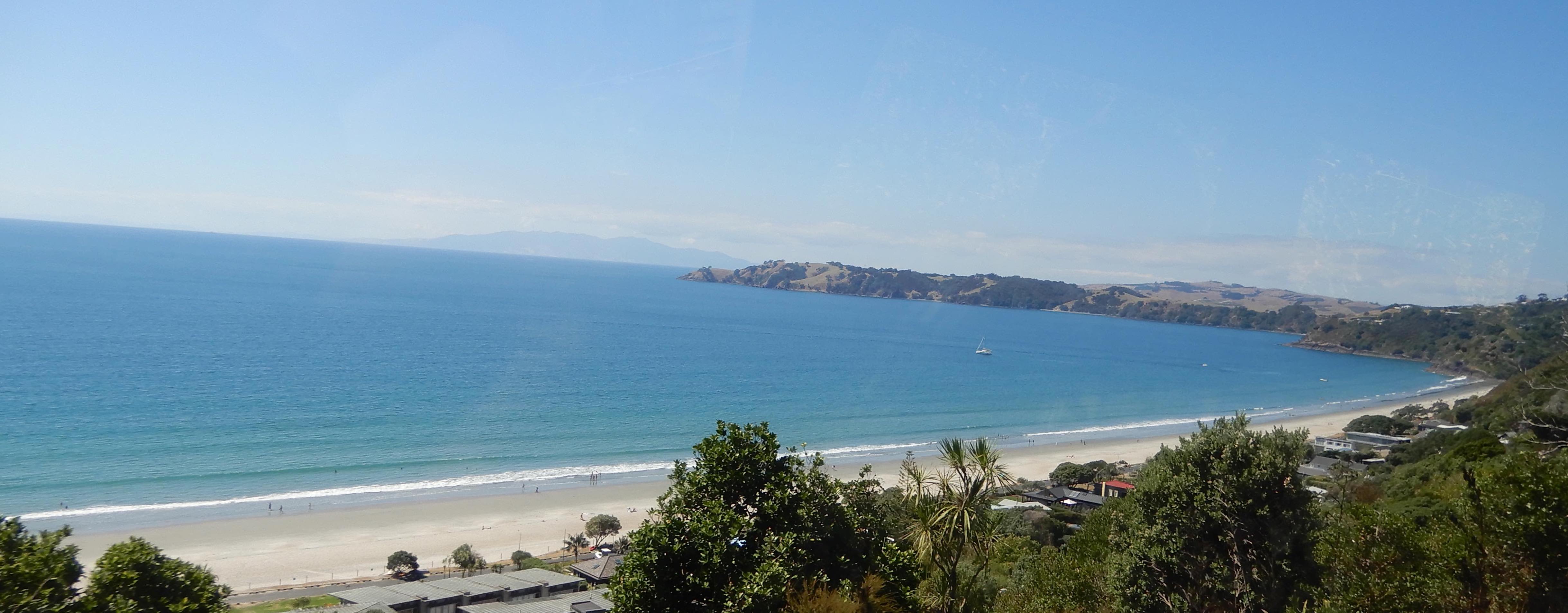
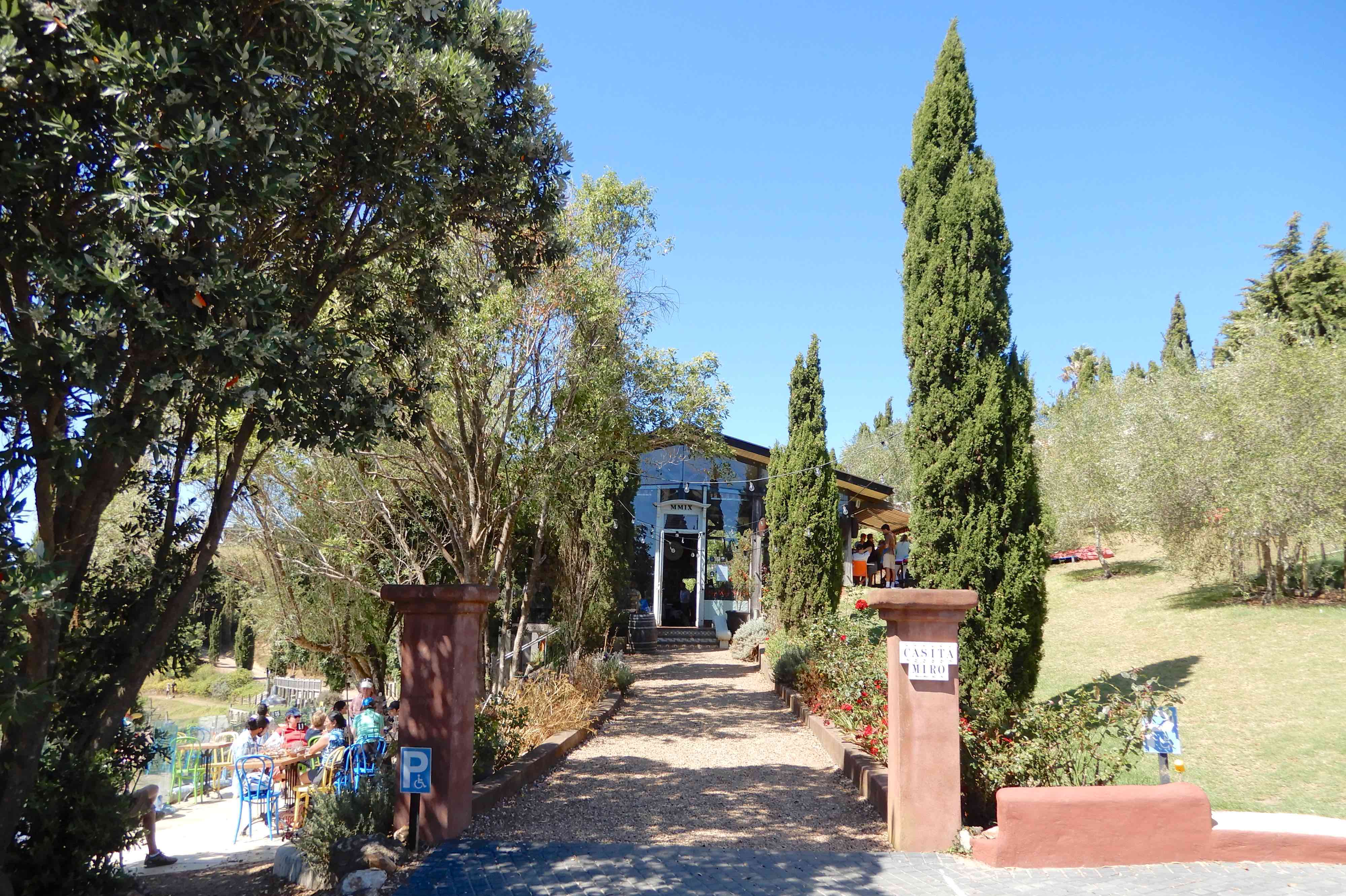
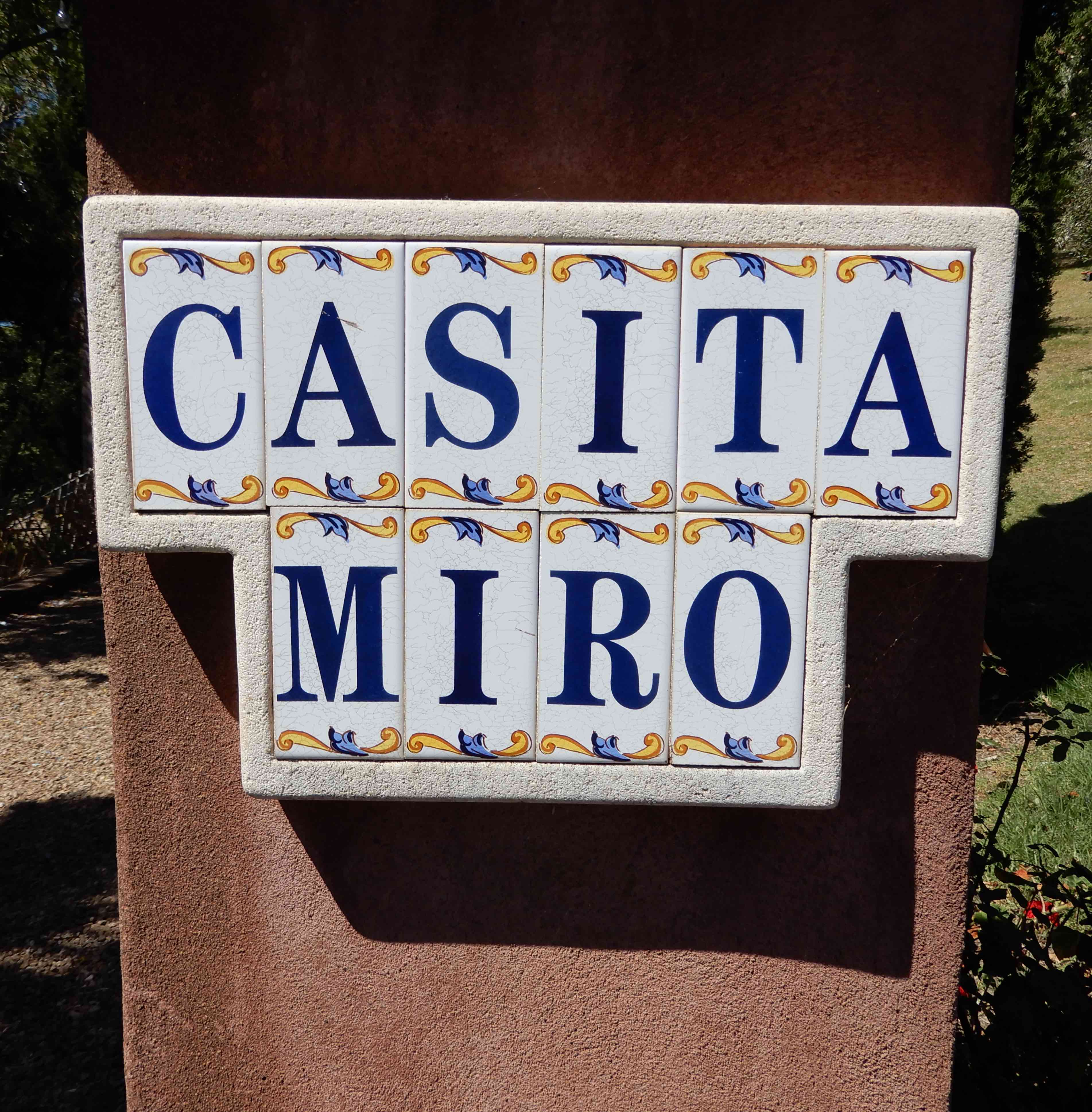
Set on a hill with spectacular views overlooking Onetangi Beach, Spanish influenced Casita Miro was the second winery of our Waiheke Island tour.
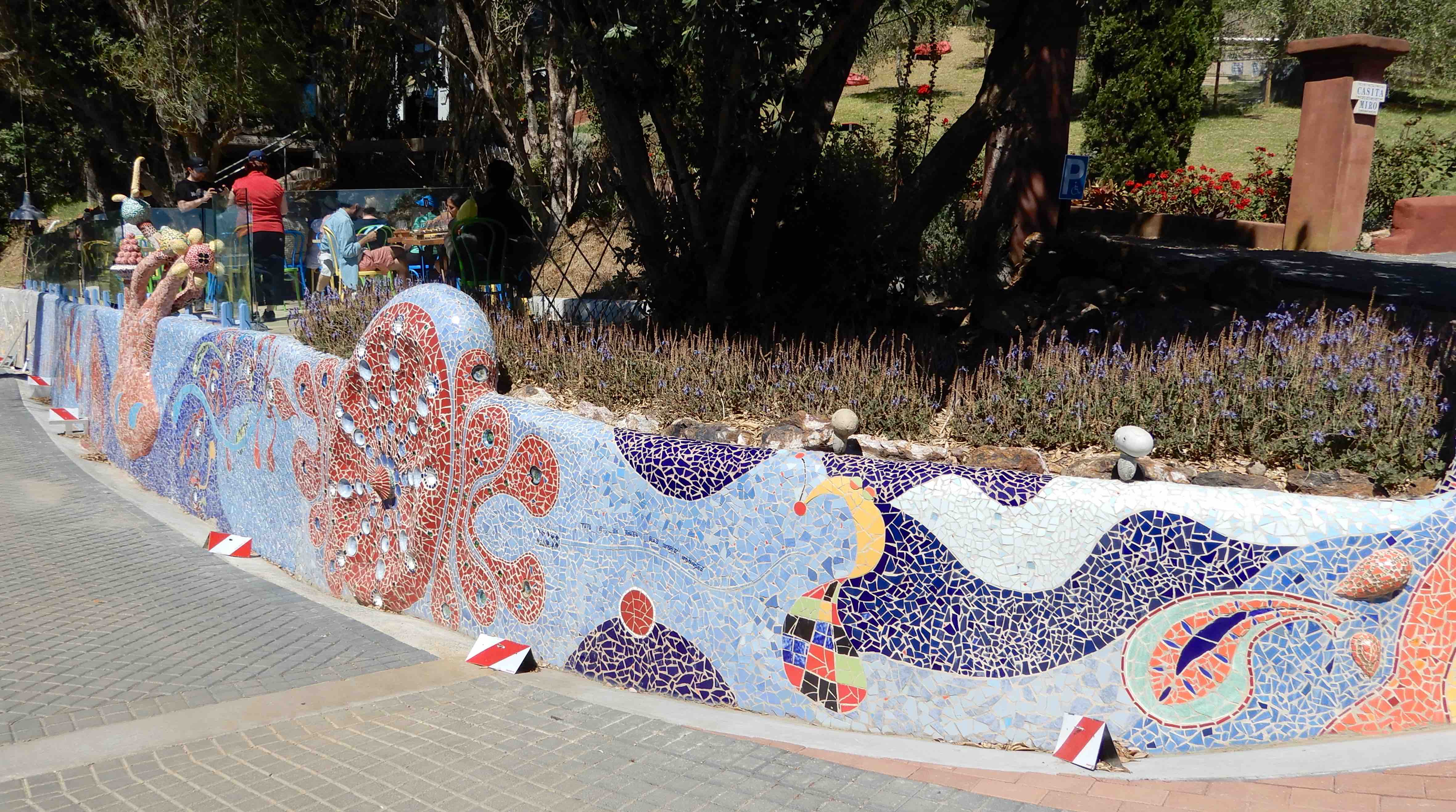
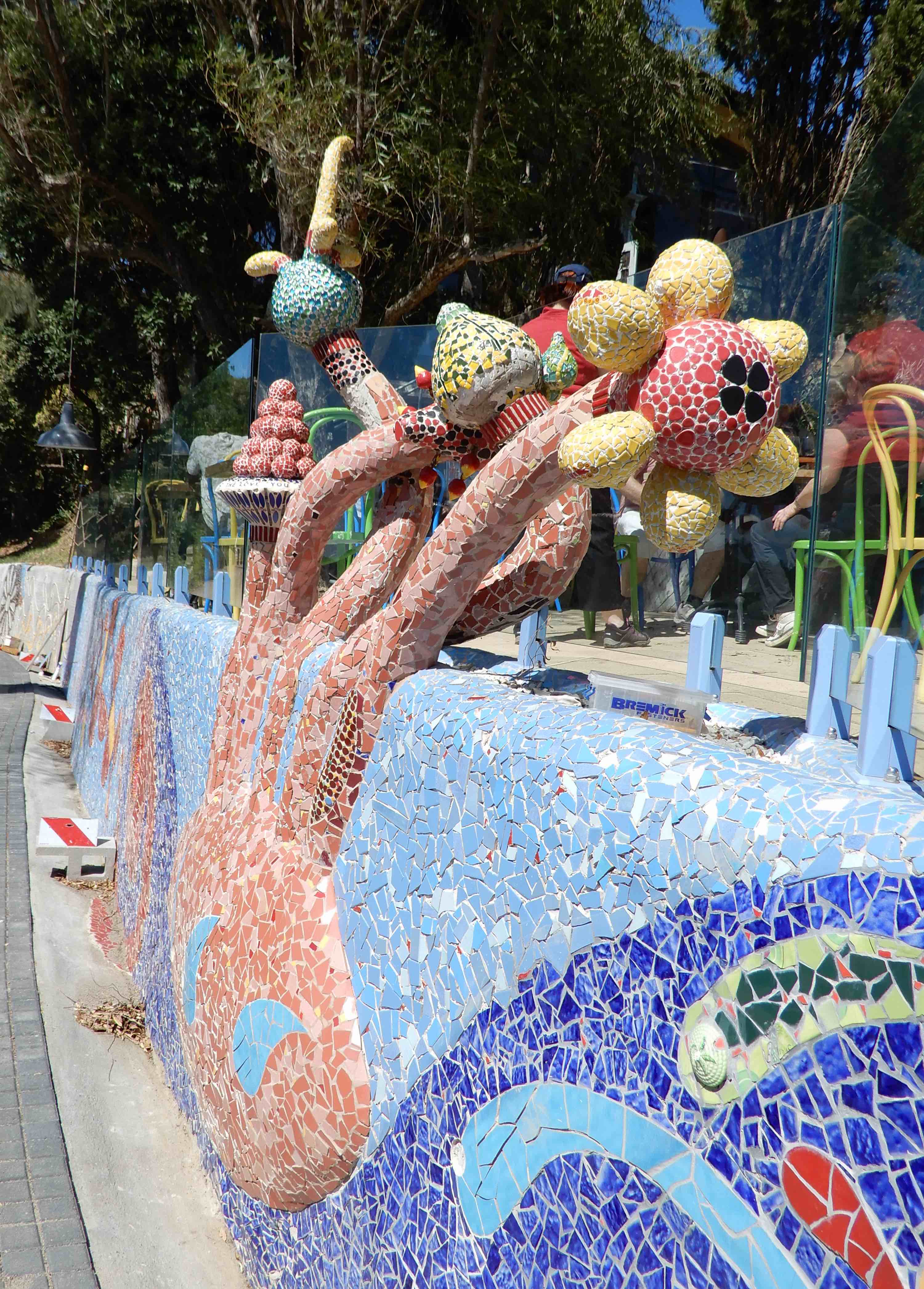
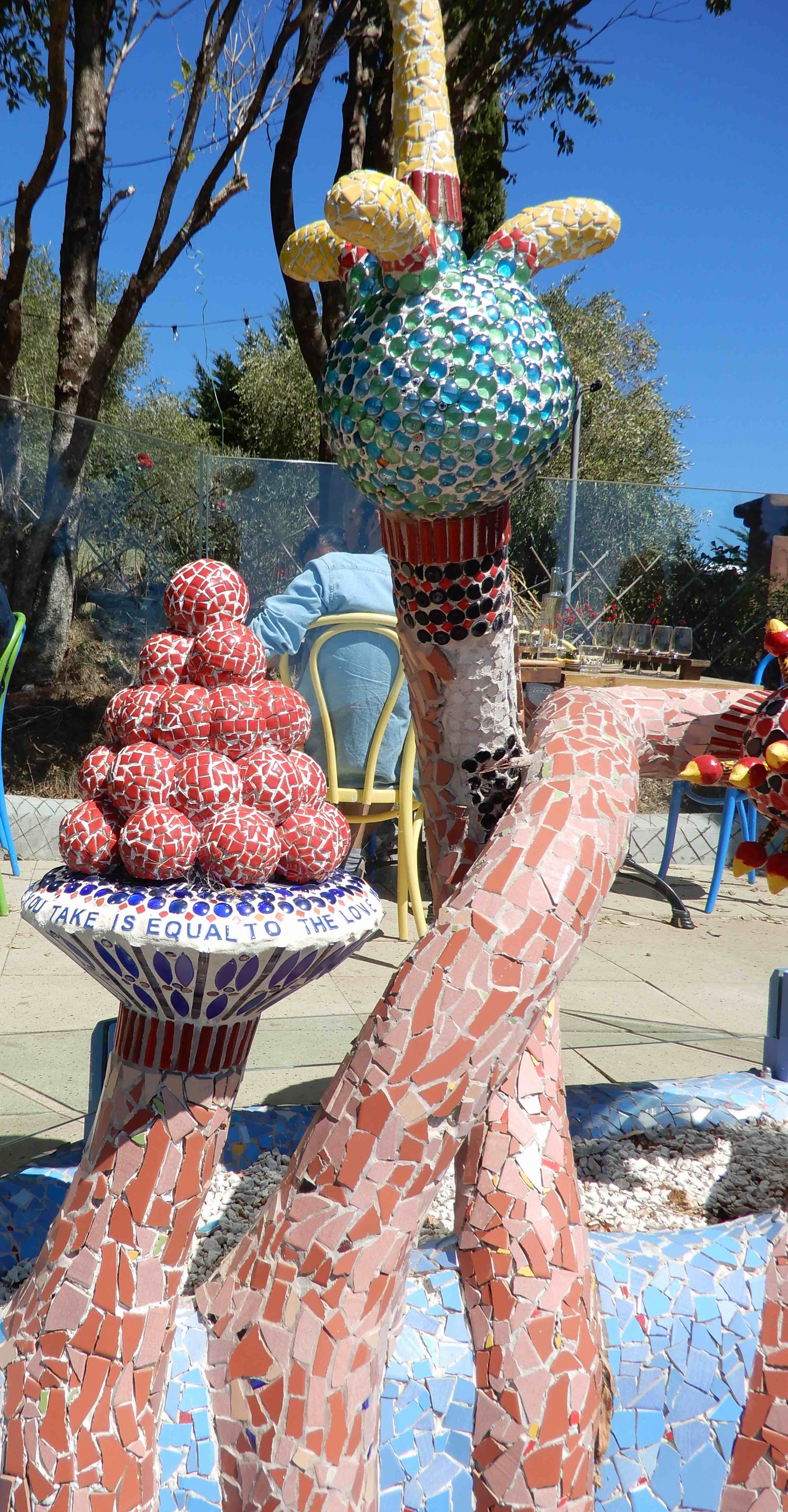
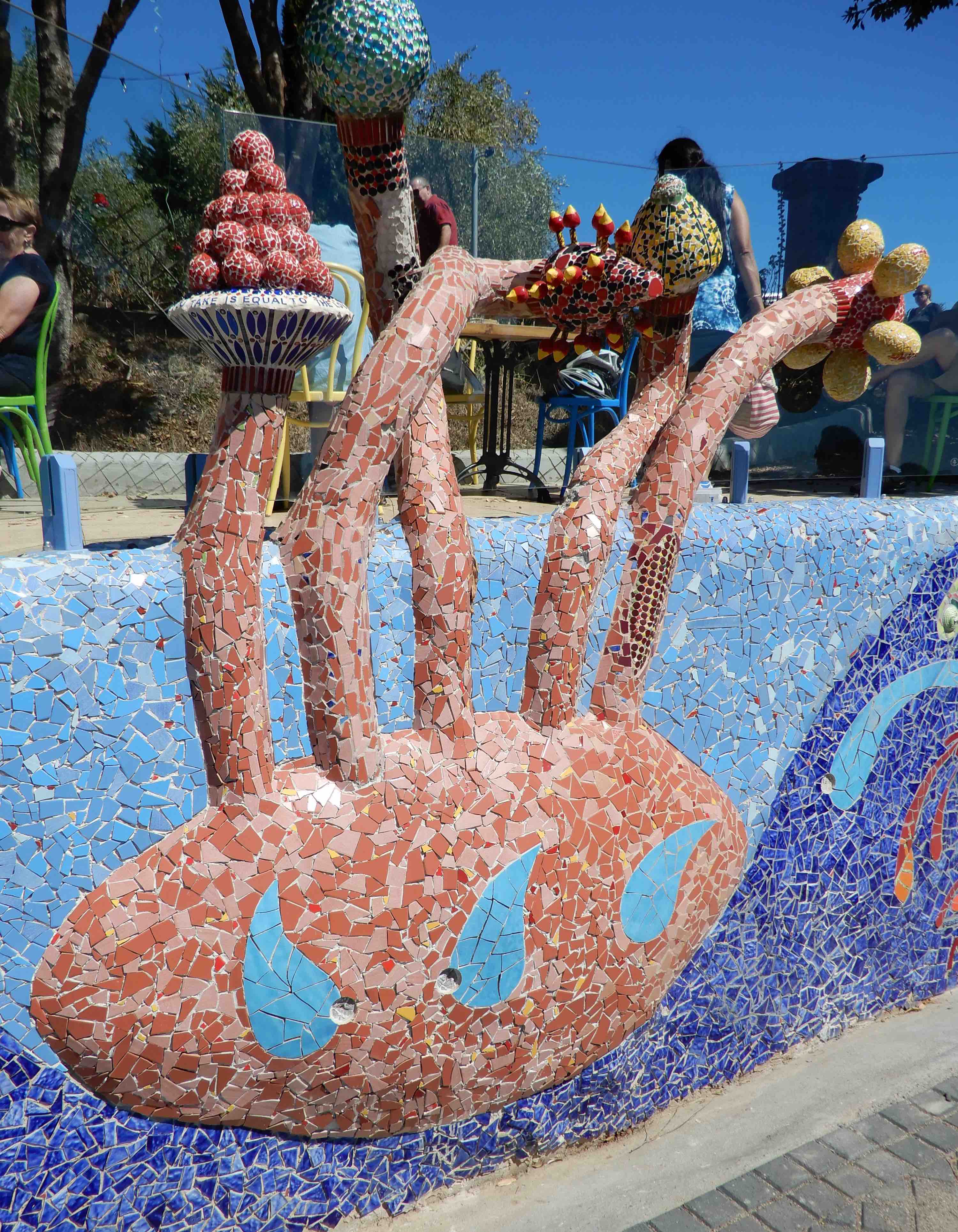
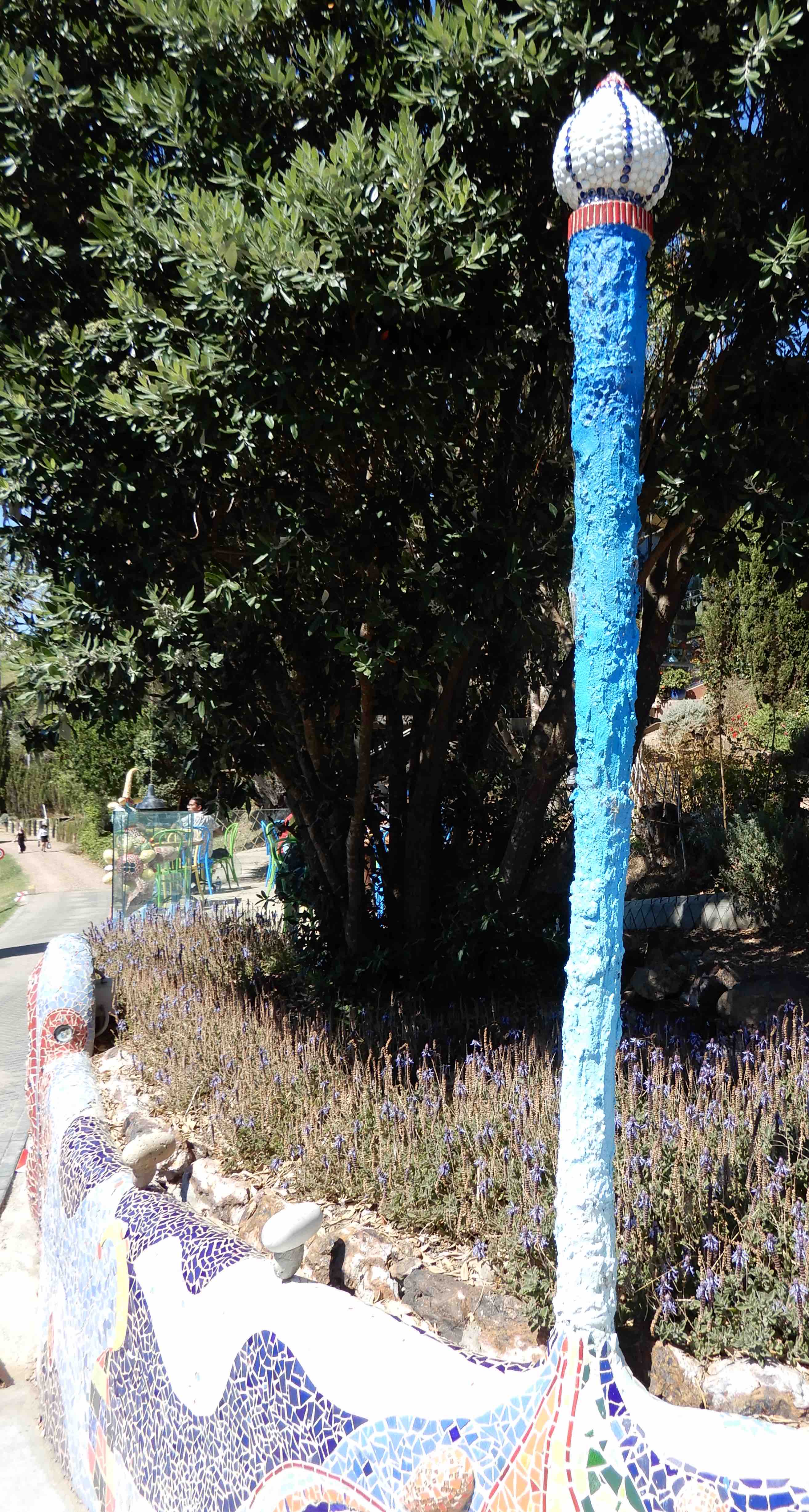
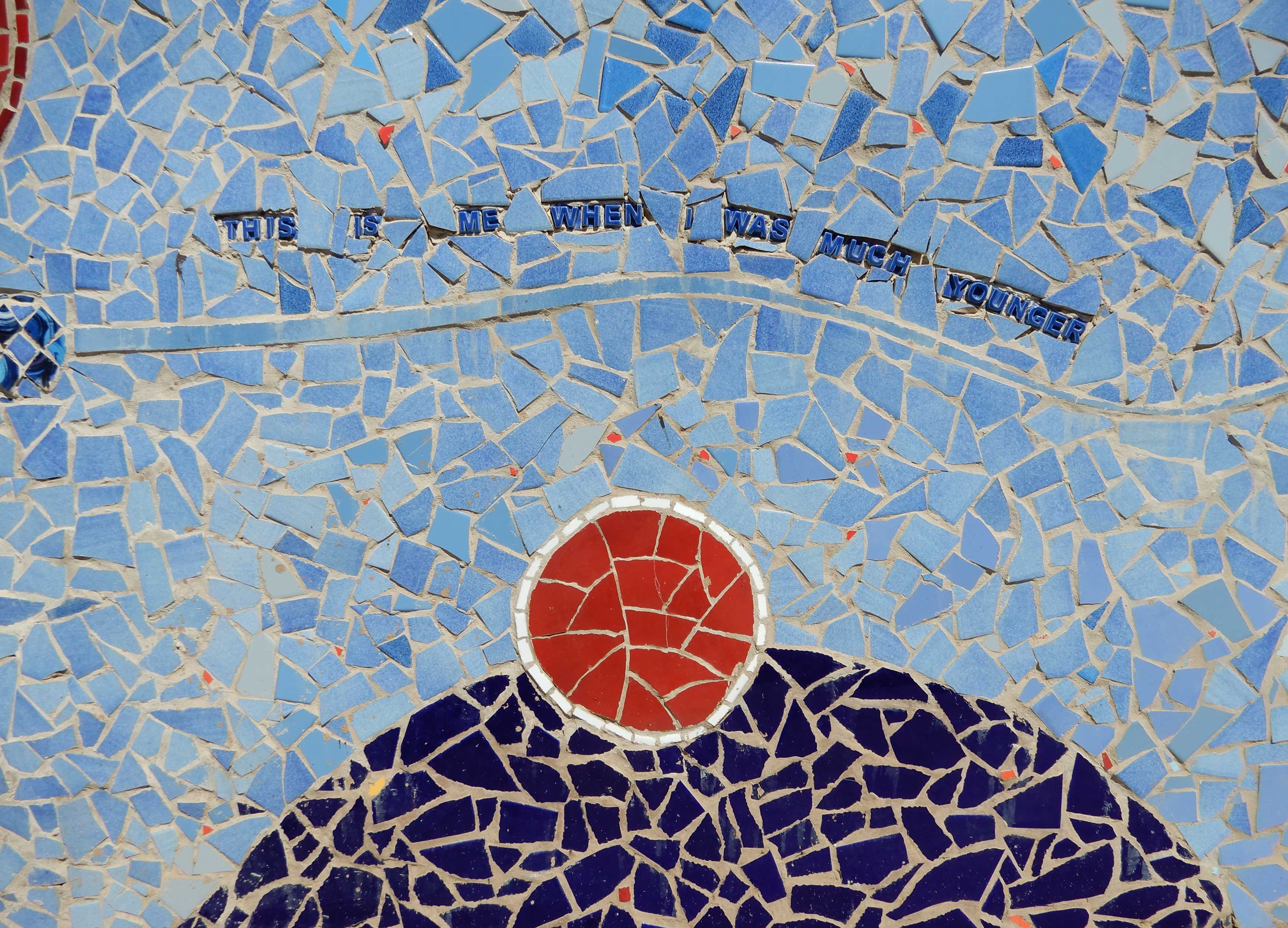
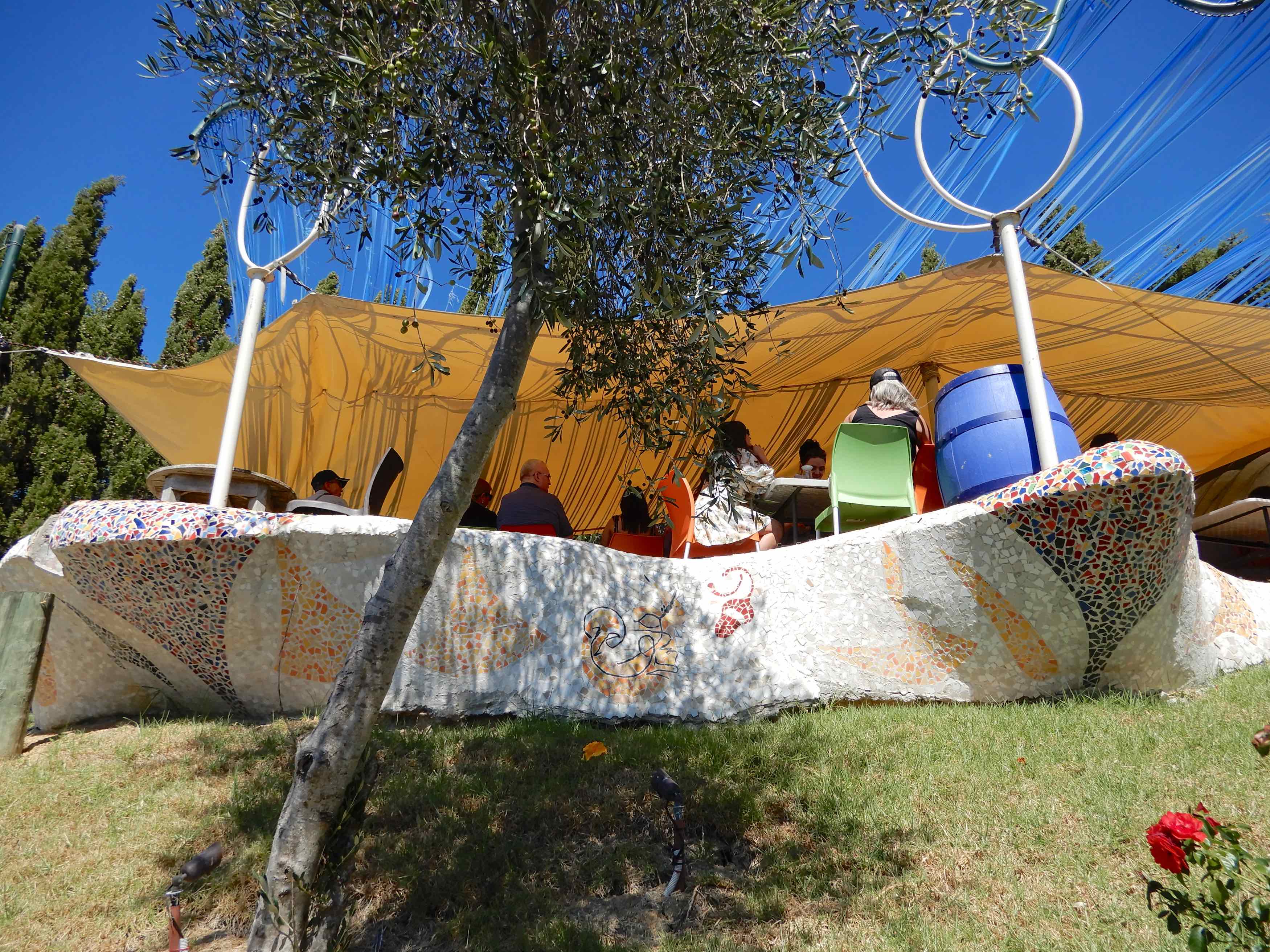
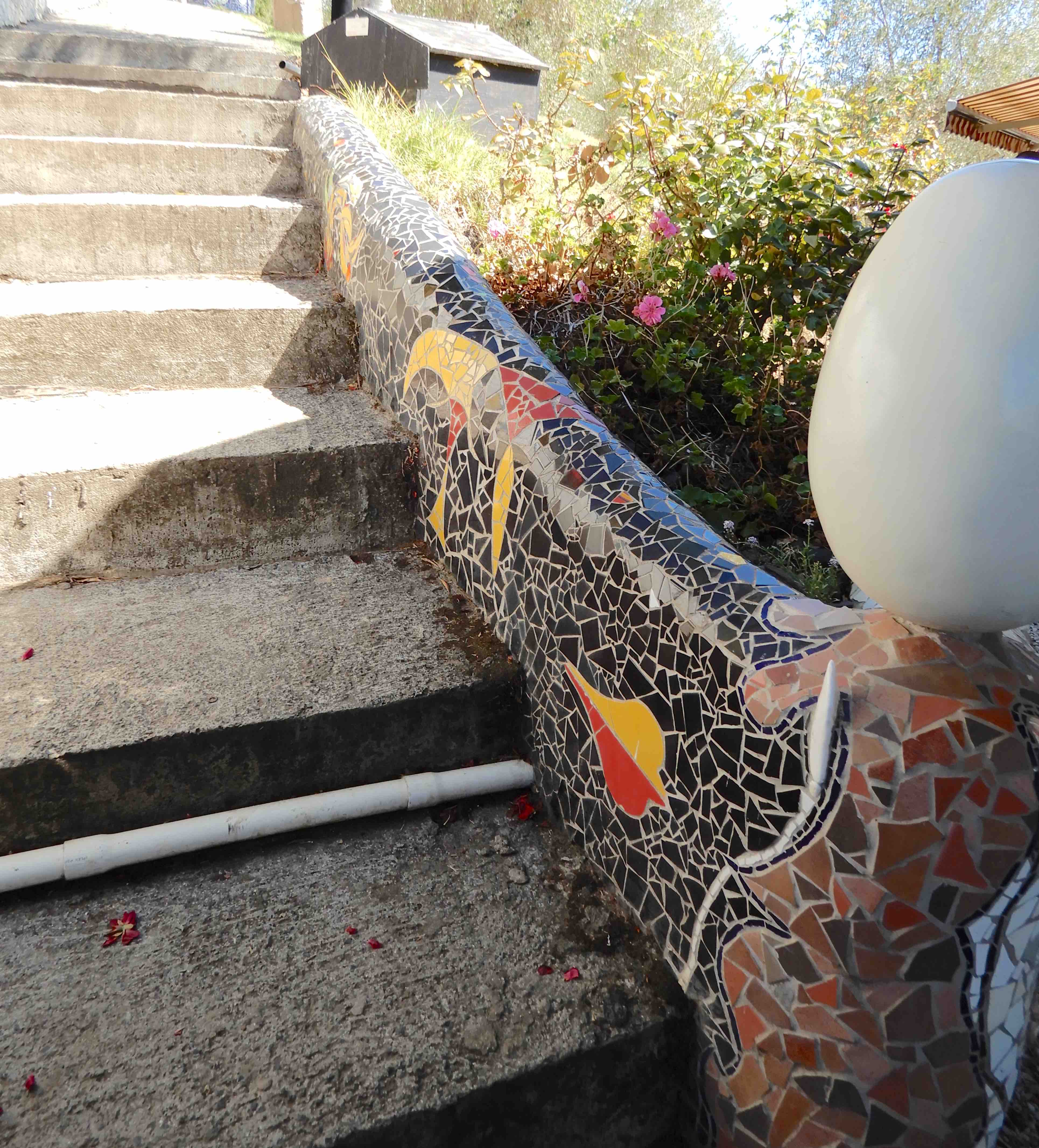
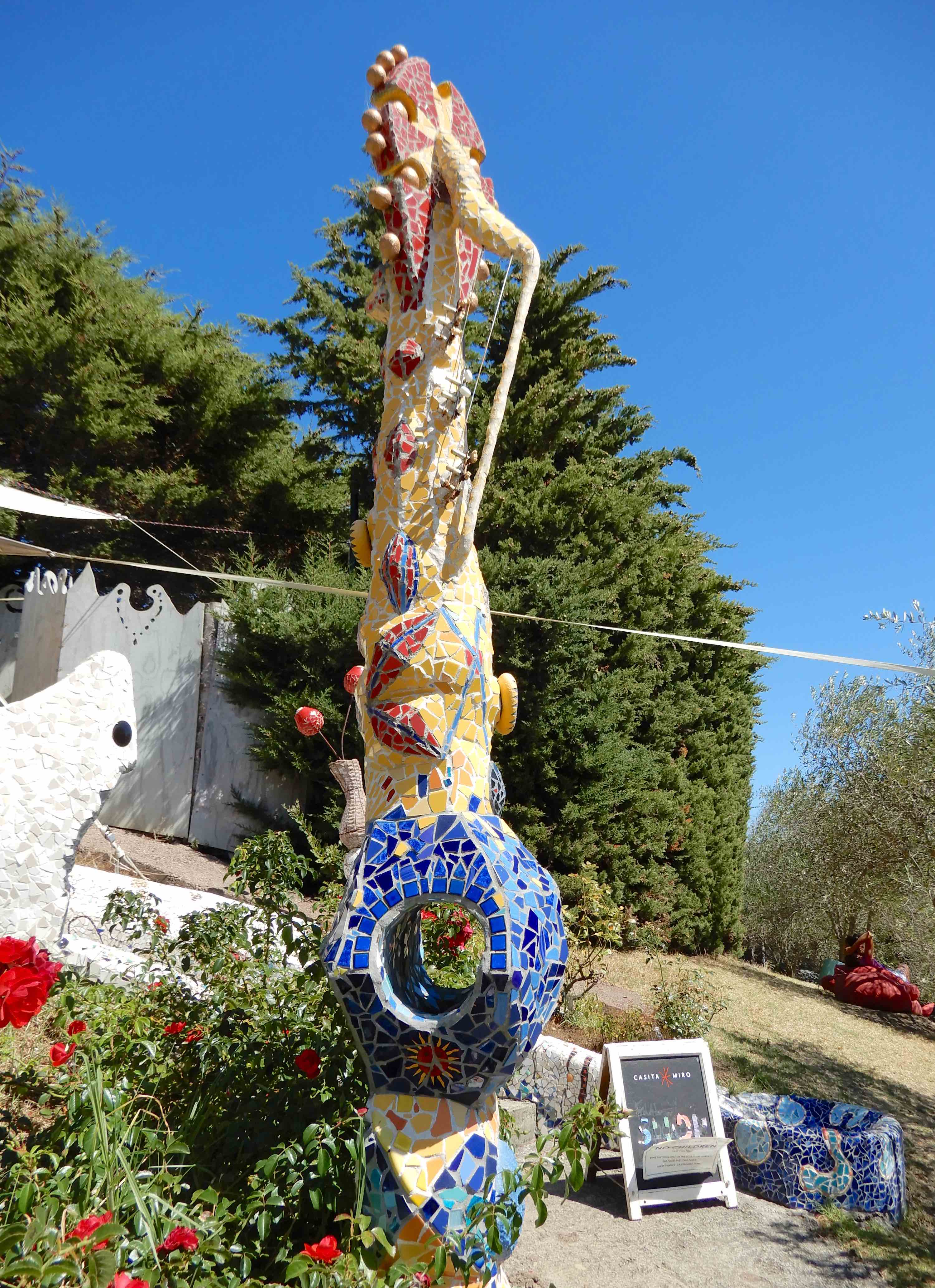
A magnificent mosaic wall follows the entrance driveway, an intricate work of art created by the Bond family who have been growing grapes and making wine here for twenty years.
We were greeted by a lovely lady with the unusual name Meander, a legacy of Dutch hippy parents apparently, who led us through the award winning tapas restaurant.
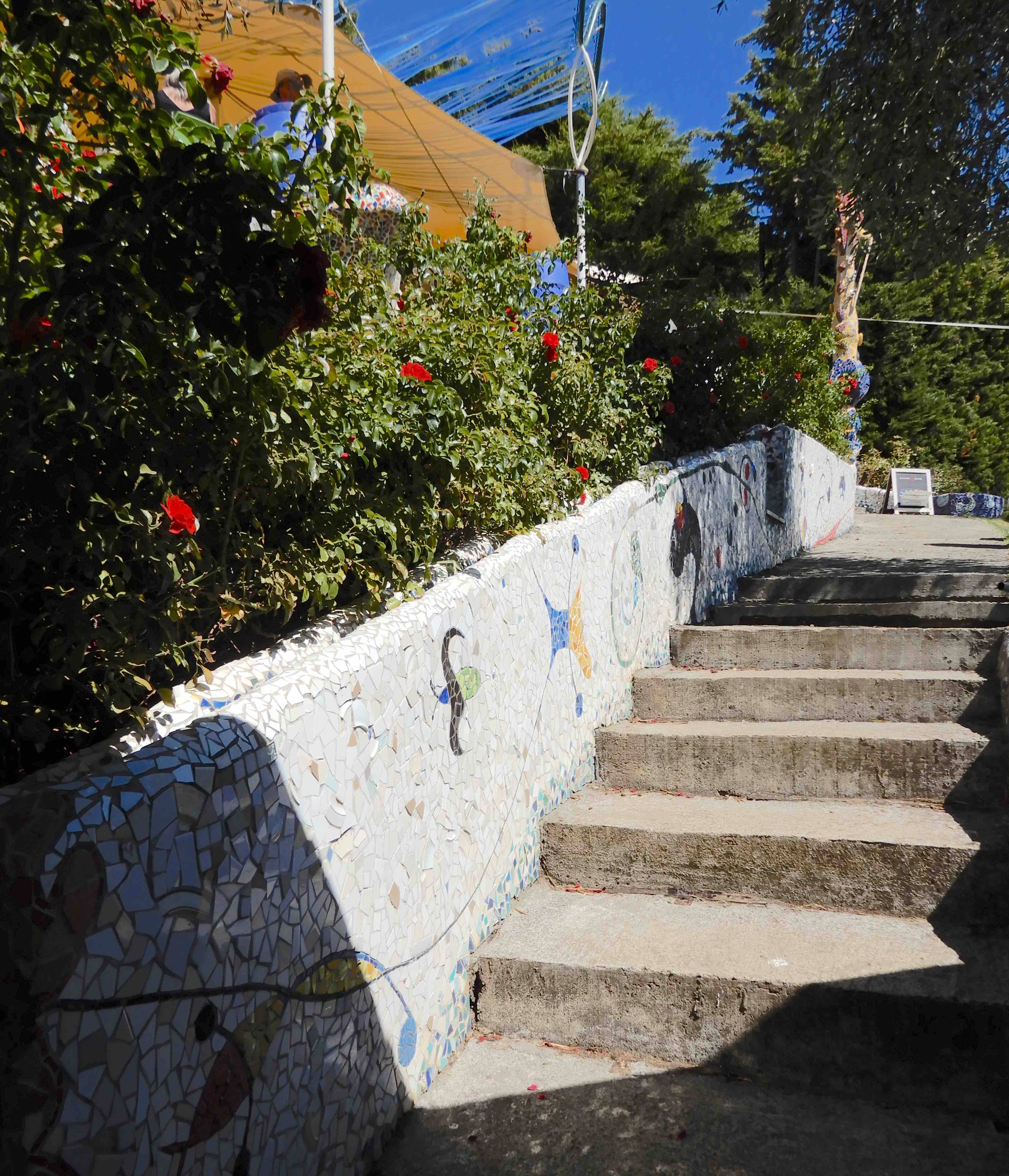
The steps to the Bond Bar,
our venue to indulge in tastings of the Miro Vineyard wines, were edged with more astounding mosaics.
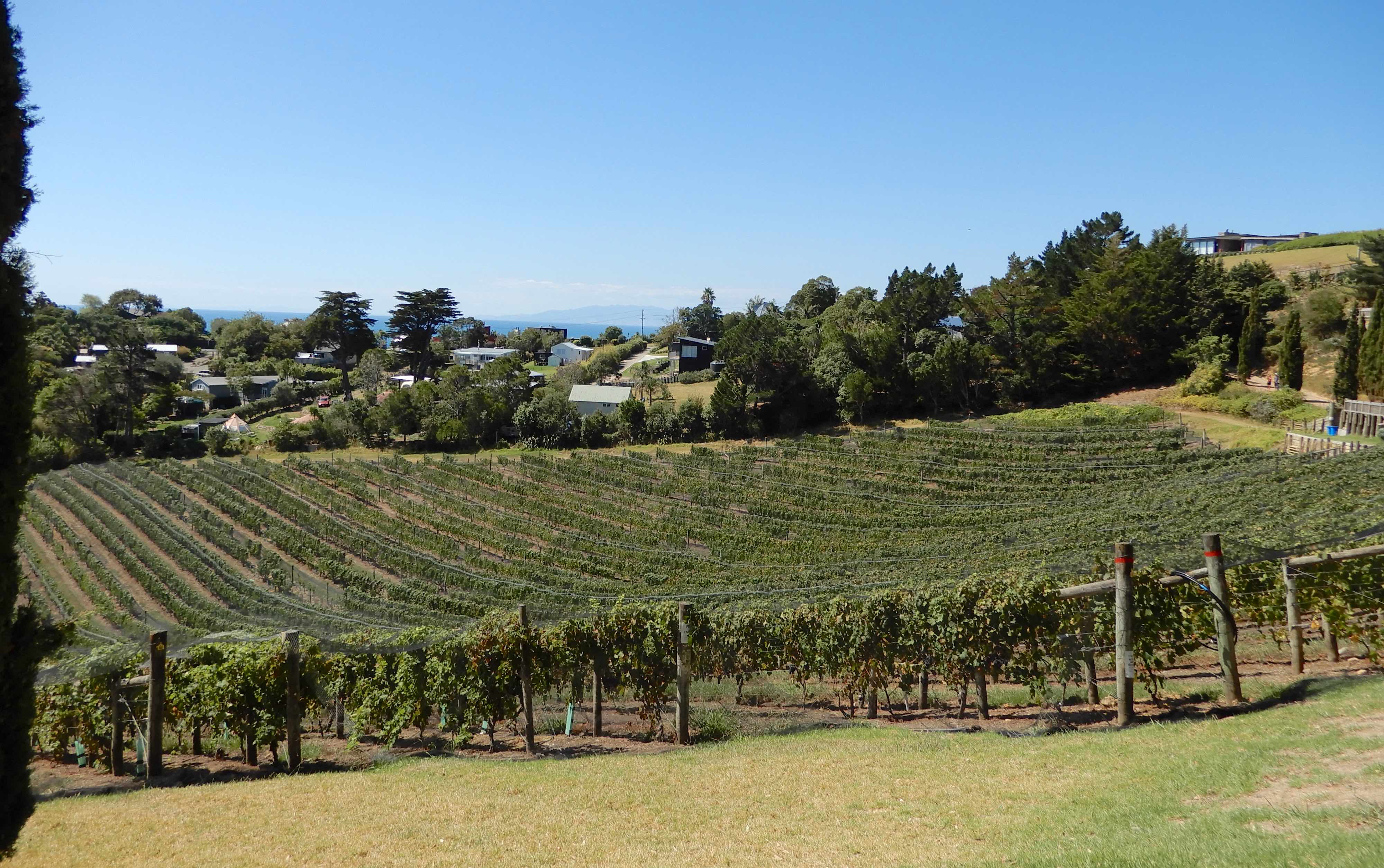
The view from the top, across vineyards to the ocean, was breathtaking.
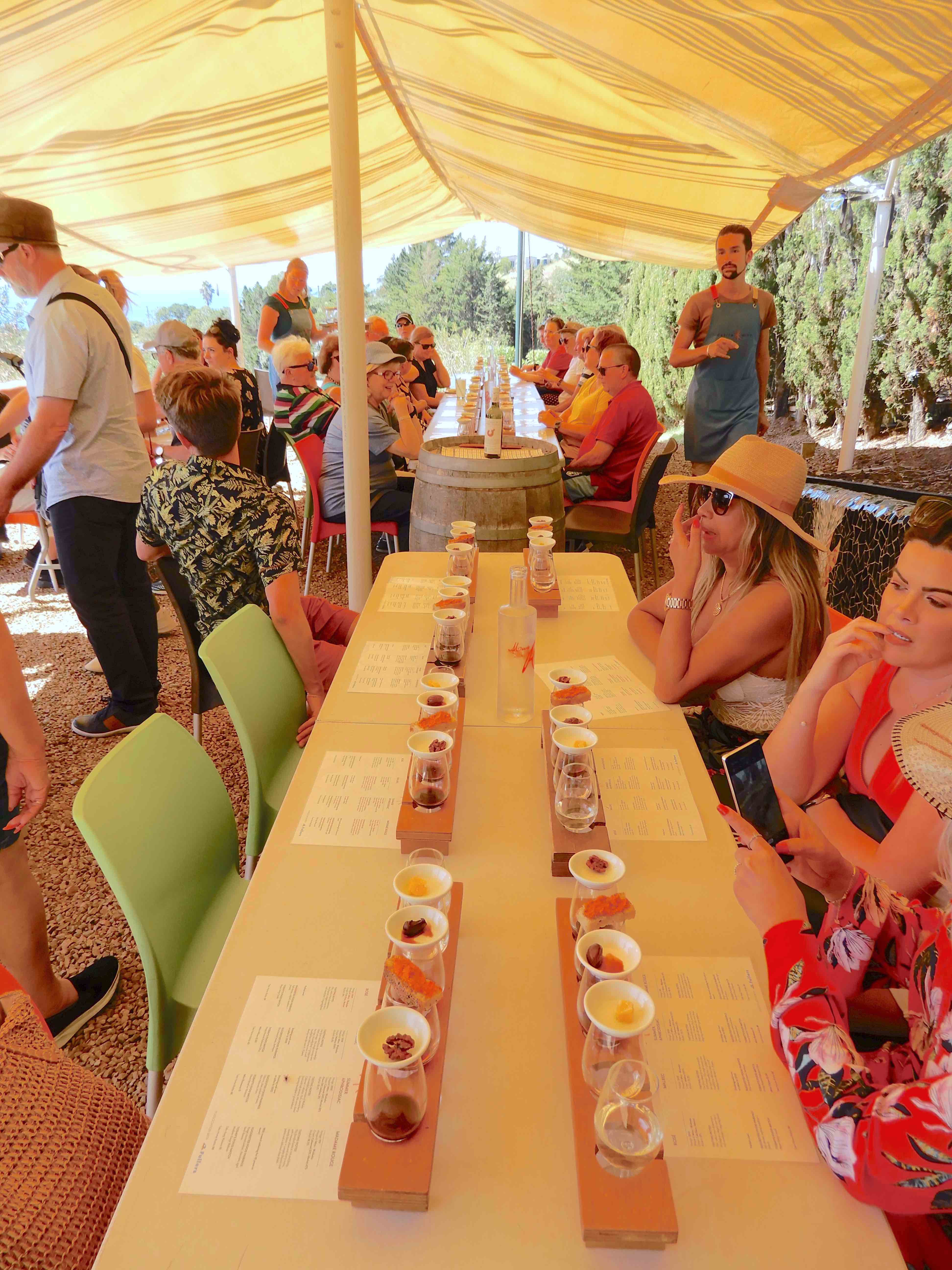
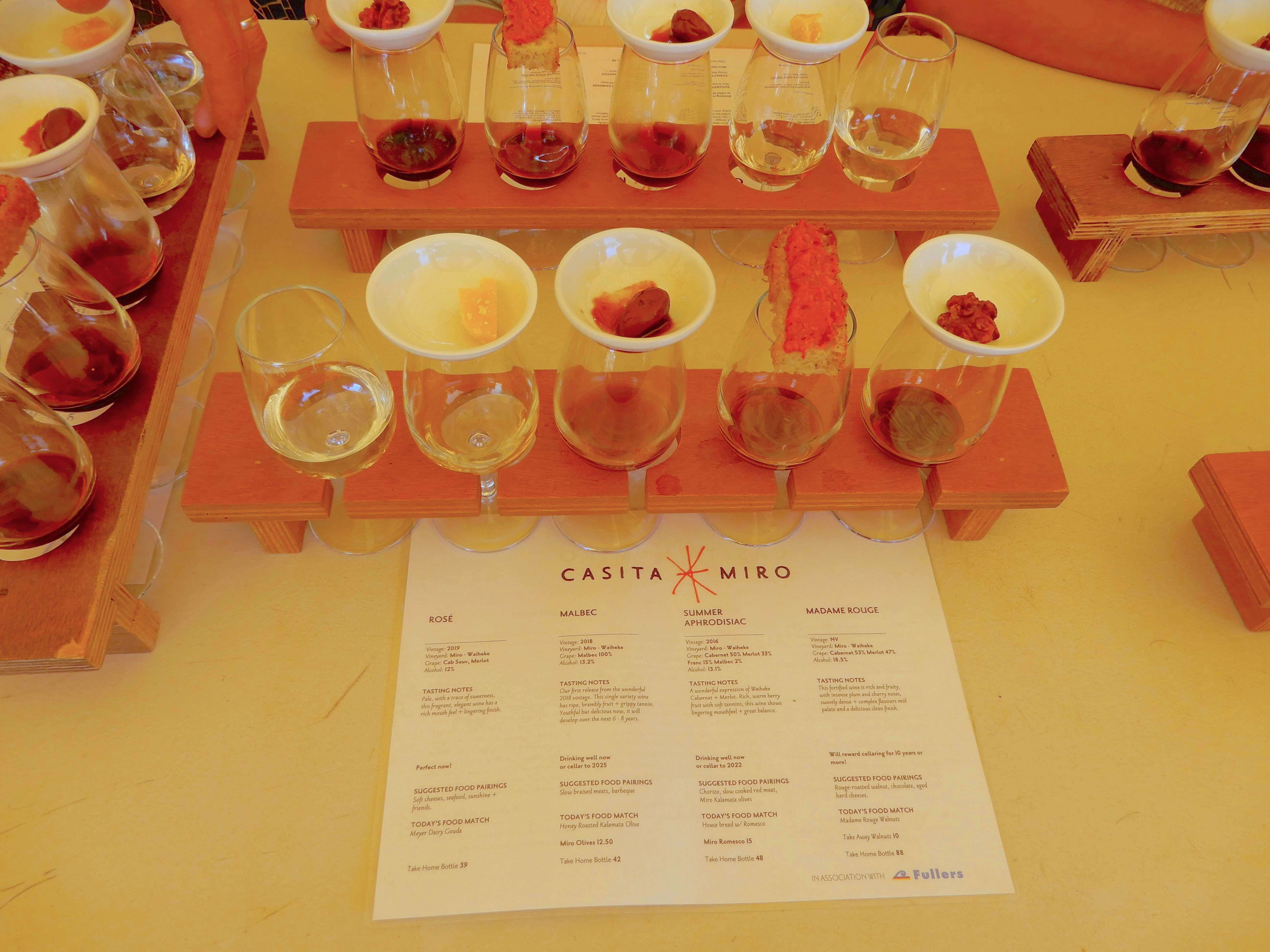
In a sublime atmosphere, Meander navigated us through four wines, each one matched with a tasty morsel.
The Madame Rouge Walnuts were delicious. Roasted in Madame Rouge aperitif, a fortified blend of Merlot and Cabernet Sauvignon grape juice, along with butter, cayenne, salt and brown sugar. With a glass of wine in hand we farewelled the Bond Bar and retreated to the restaurant to purchase a bucketful for future consumption.
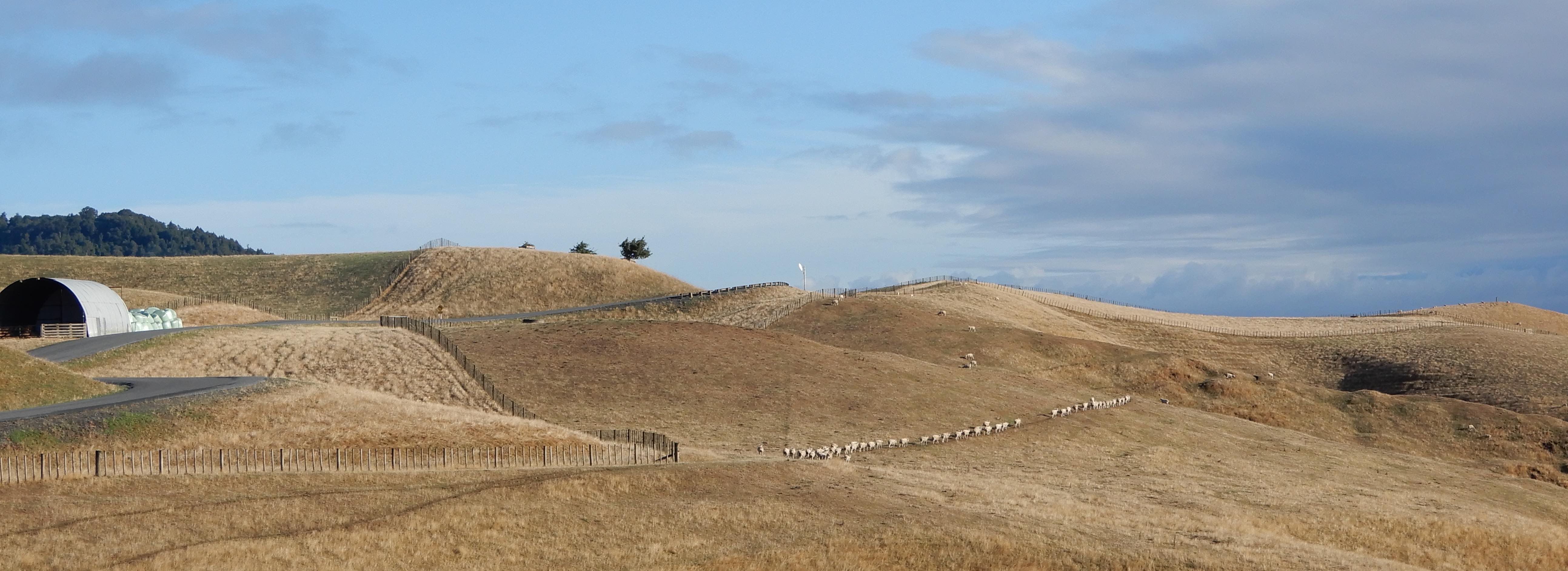
The reason we chose to stay at Matamata was its proximity to Hobbiton, the film location for The Lord of the Rings trilogy and The Hobbit trilogy. You don’t have to be a fan of these literary works to appreciate the beauty of The Shire but it adds to the fascination if able to picture the movie scenes as you wander around. Sir Peter Jackson spotted the 1,250 acre sheep farm while aerial scouting for film locations in September 1998. He, apparently, knocked on the door of the Alexander home, explained what he wanted, and was asked to come back later as they were watching the rugby! The original set was never intended to be a permanent fixture and was dismantled at the end of filming The Lord of the Rings. Two years later, The Shire was rebuilt for The Hobbit, this time from wood, concrete and bricks instead of polystyrene and plywood. We learned a lot of interesting facts on the bus ride through the farmland, arriving in Hobbiton eager to see more.
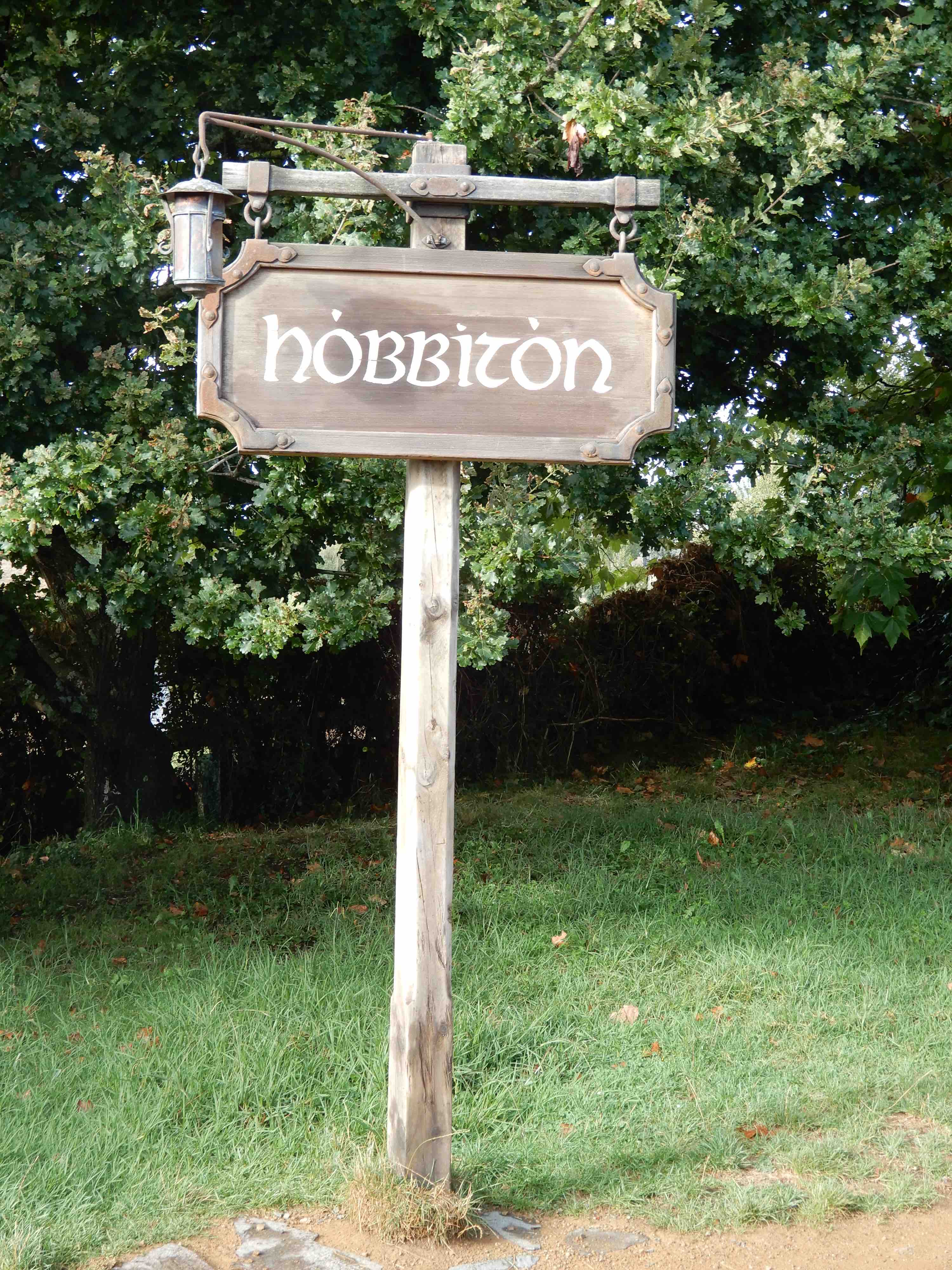
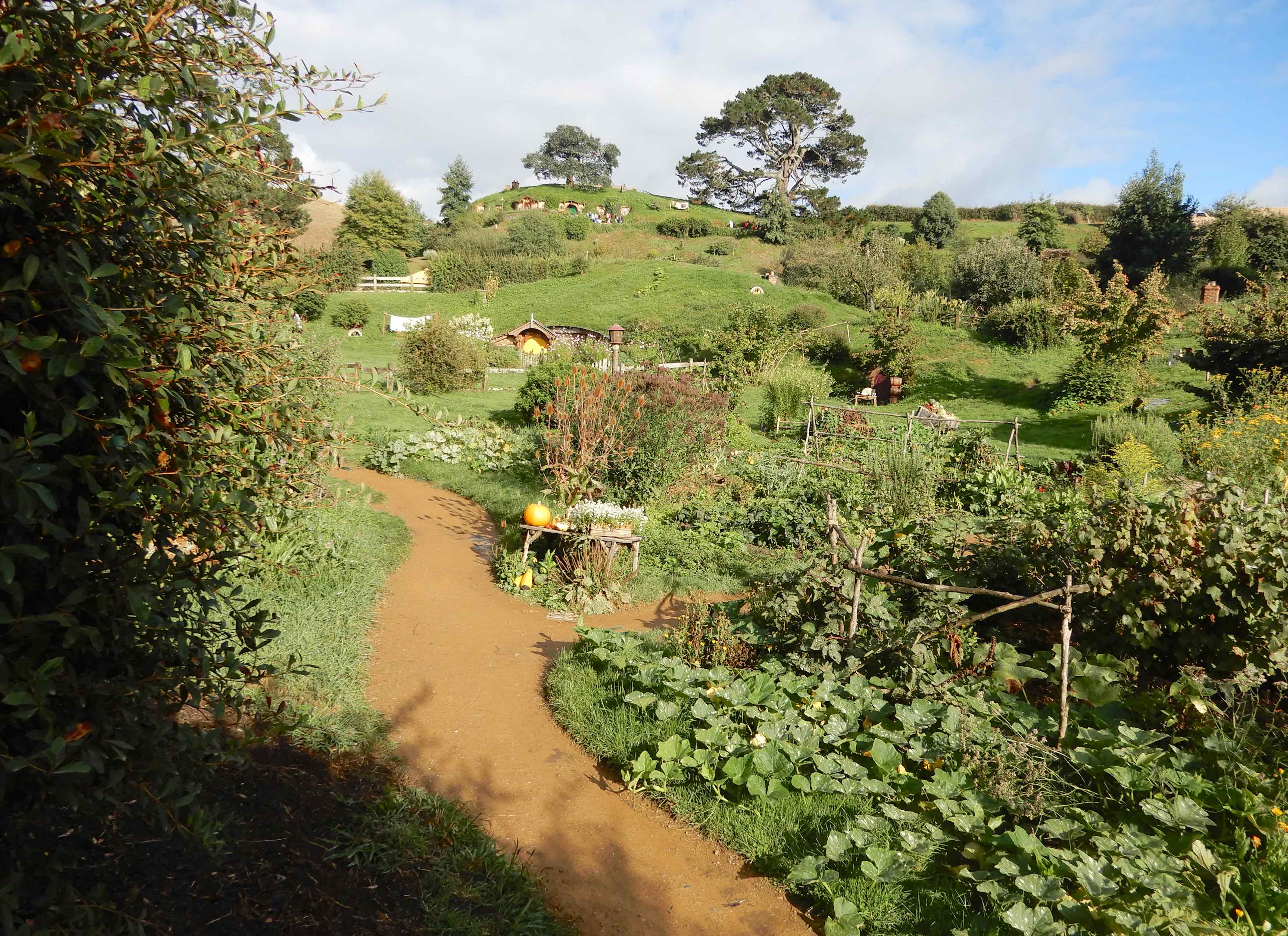
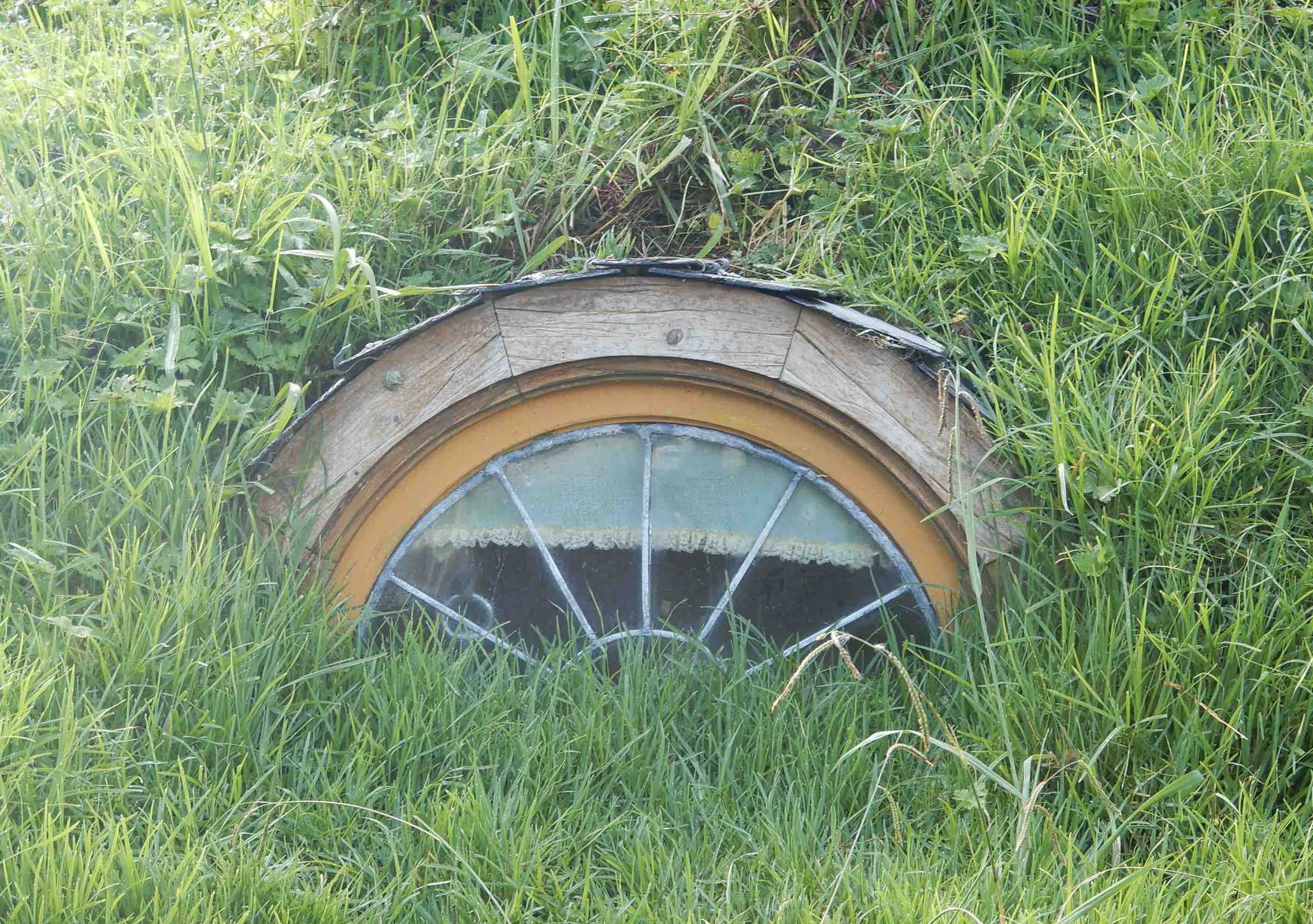
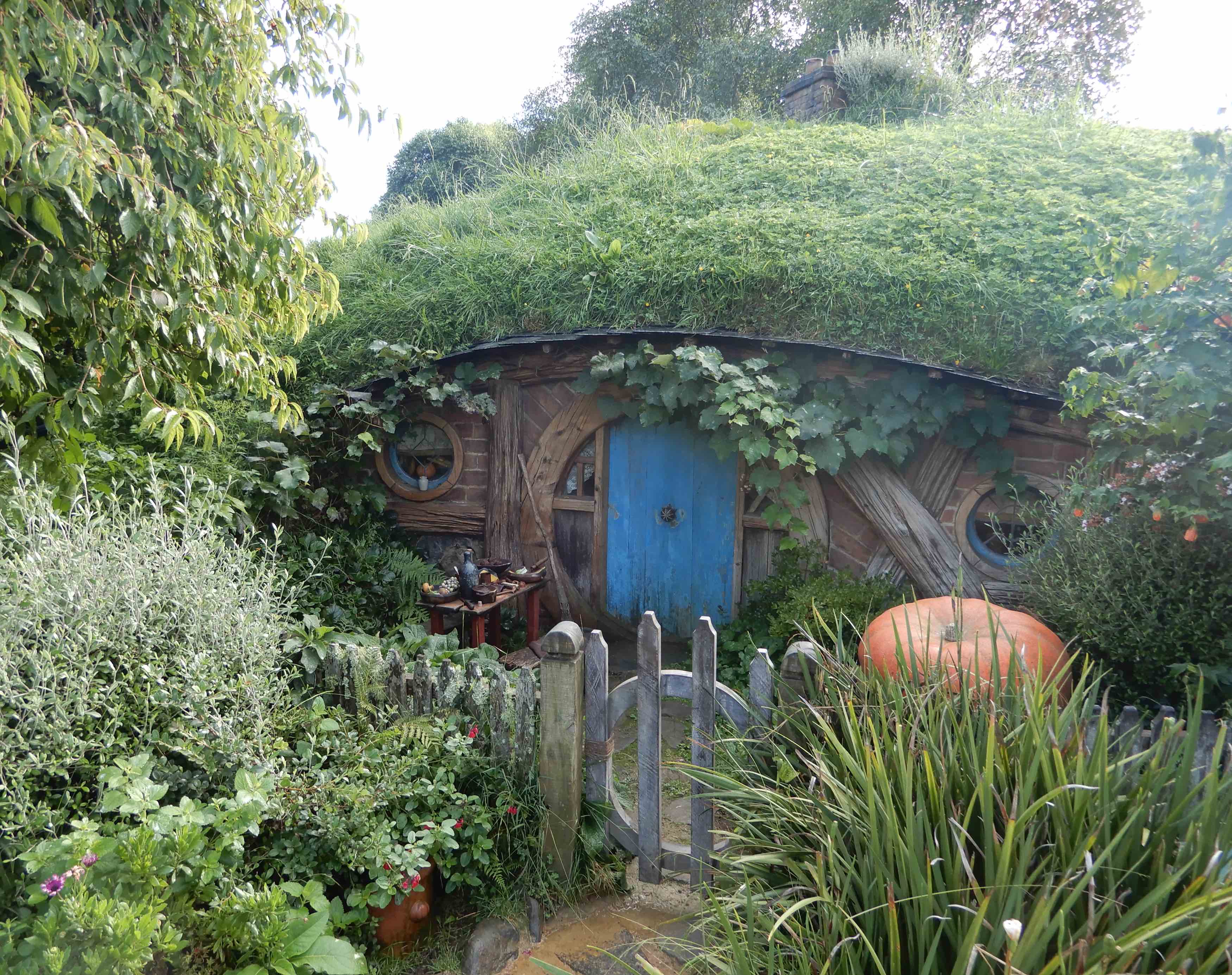
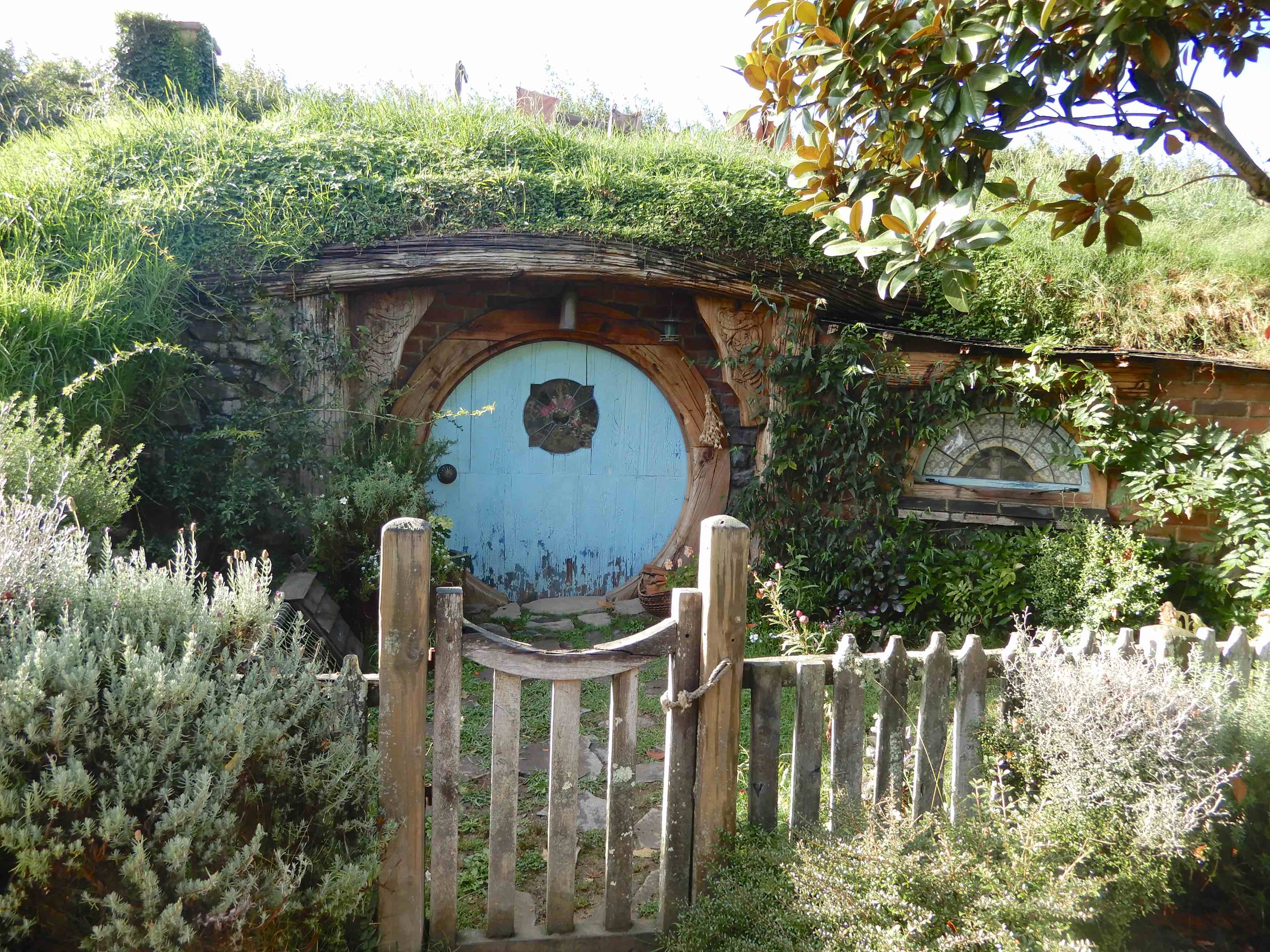
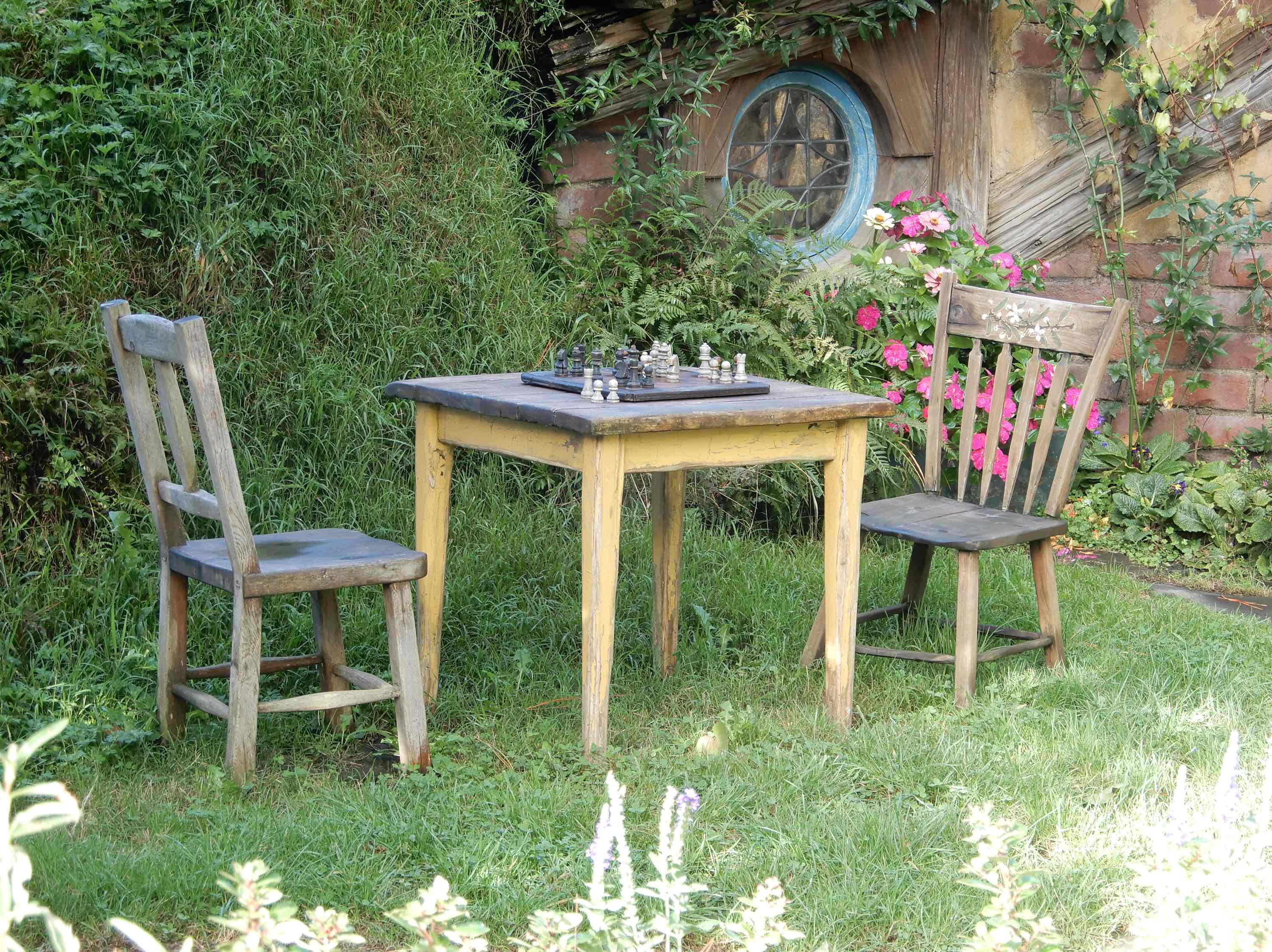
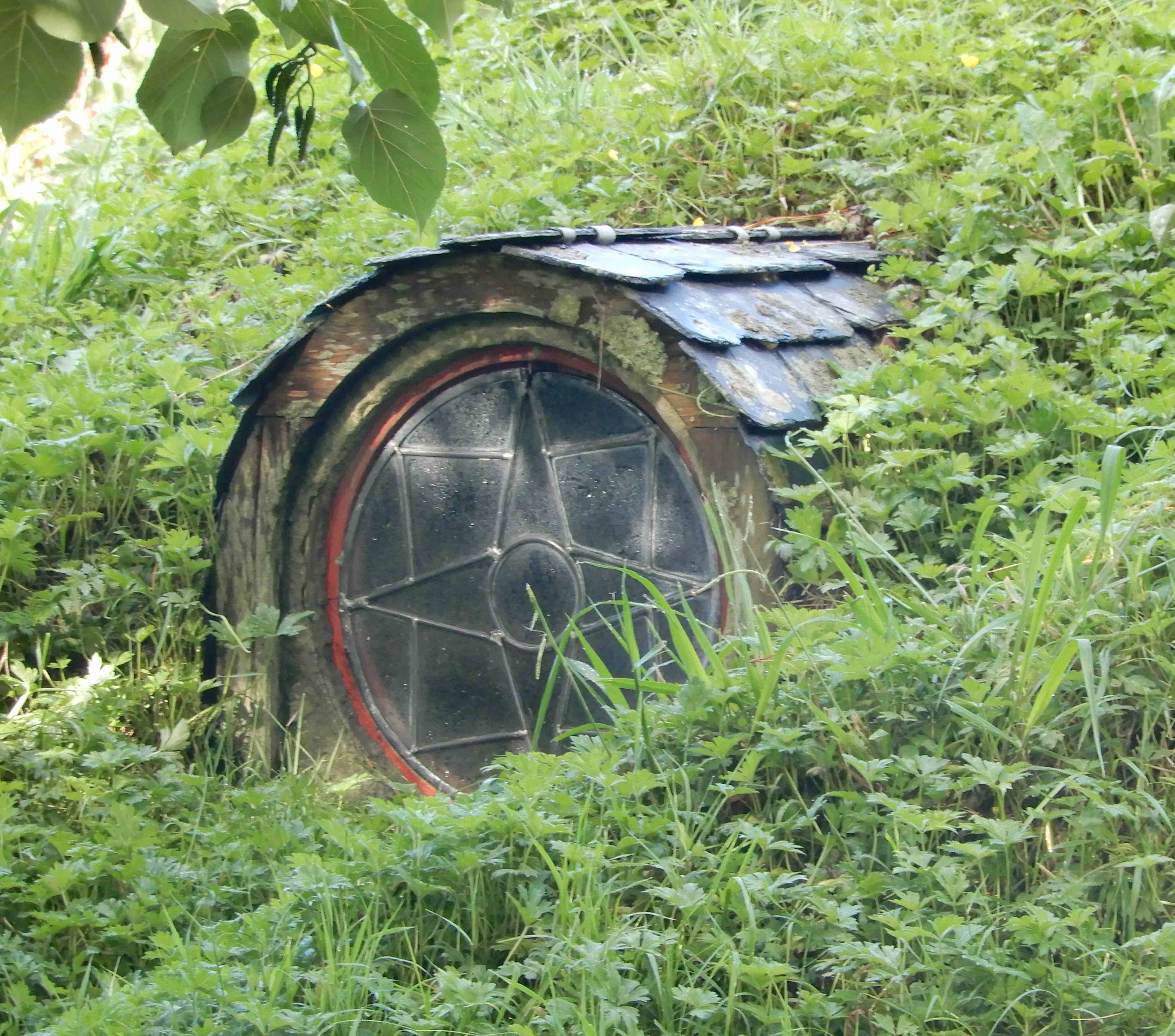
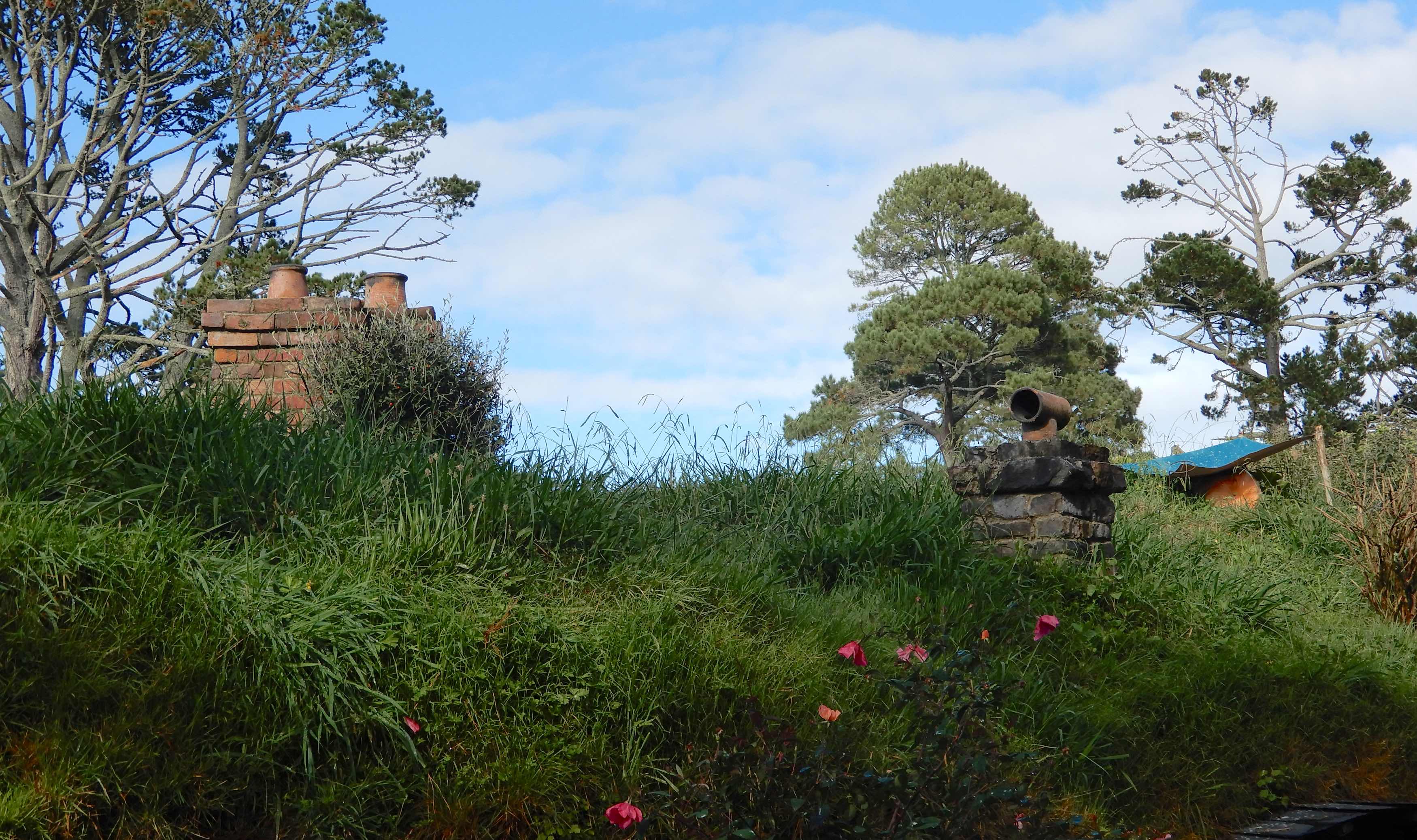
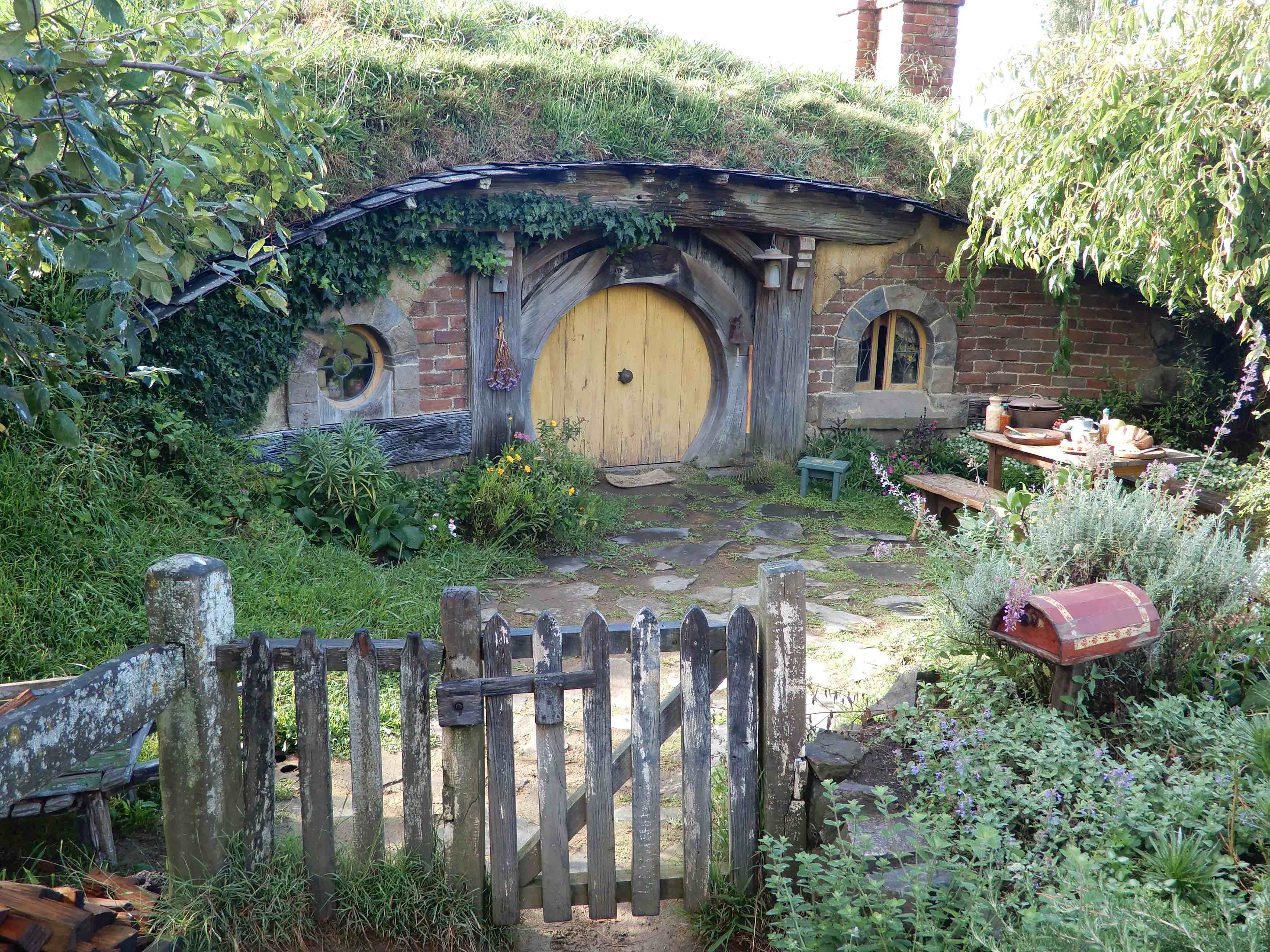
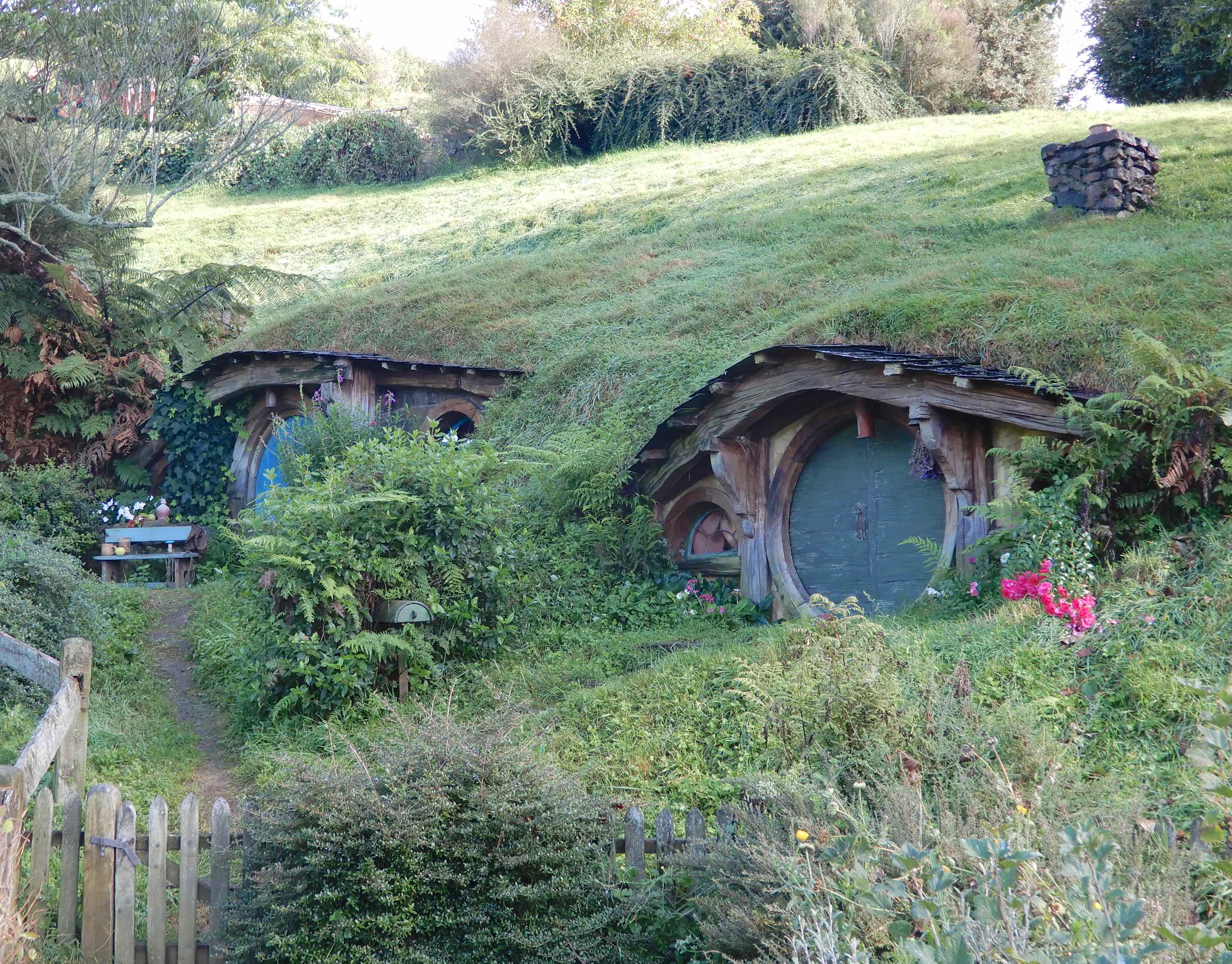
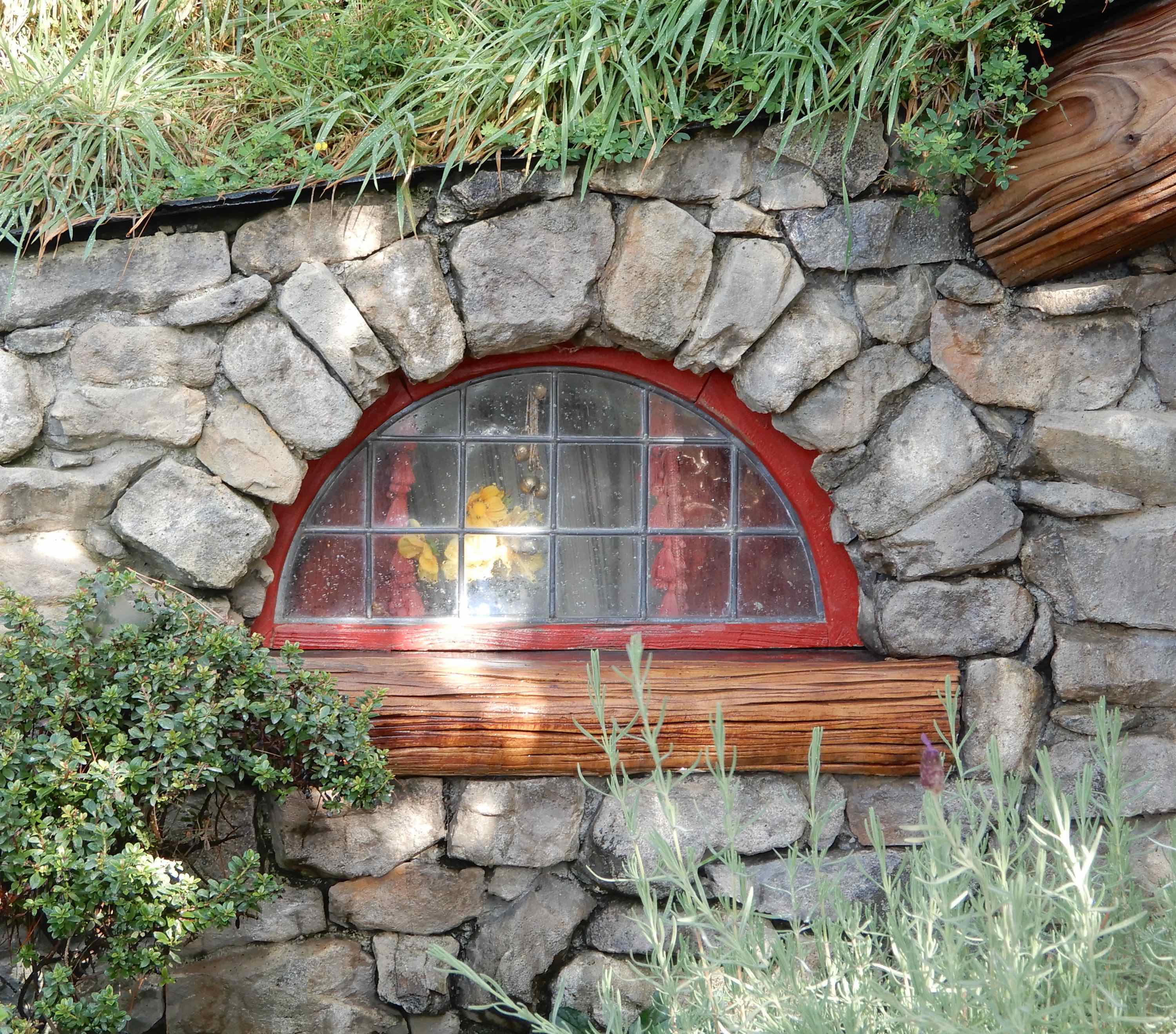
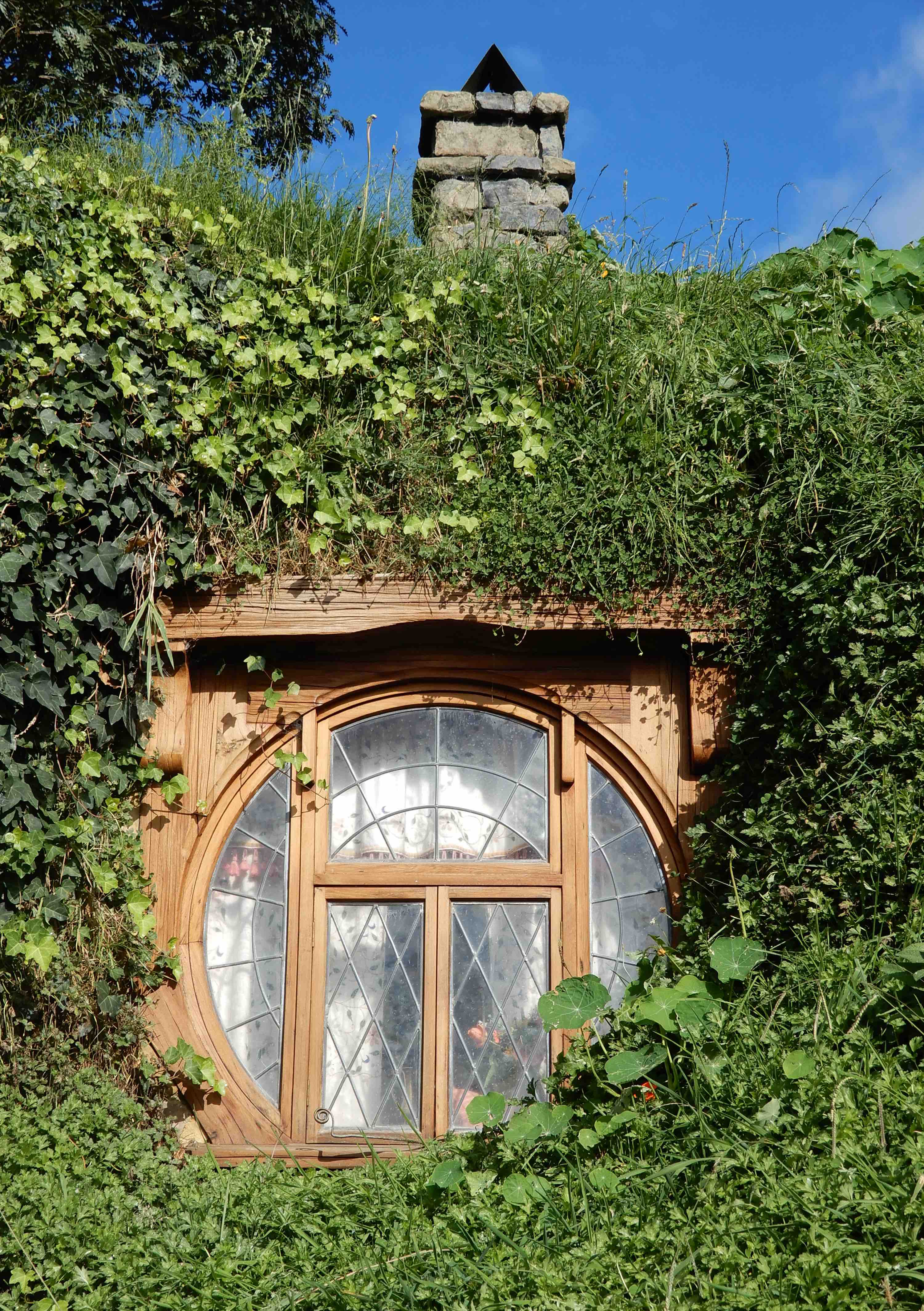
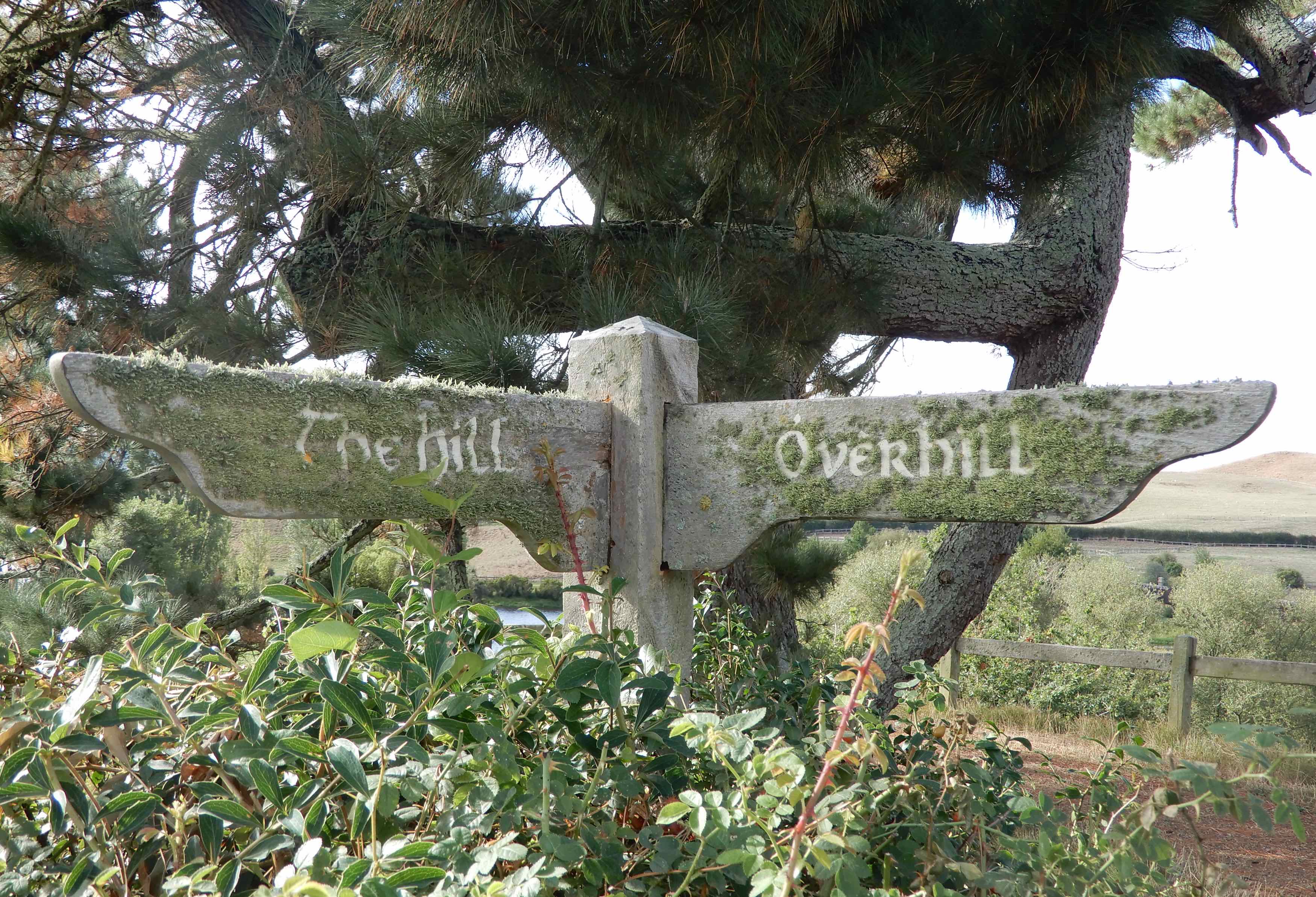
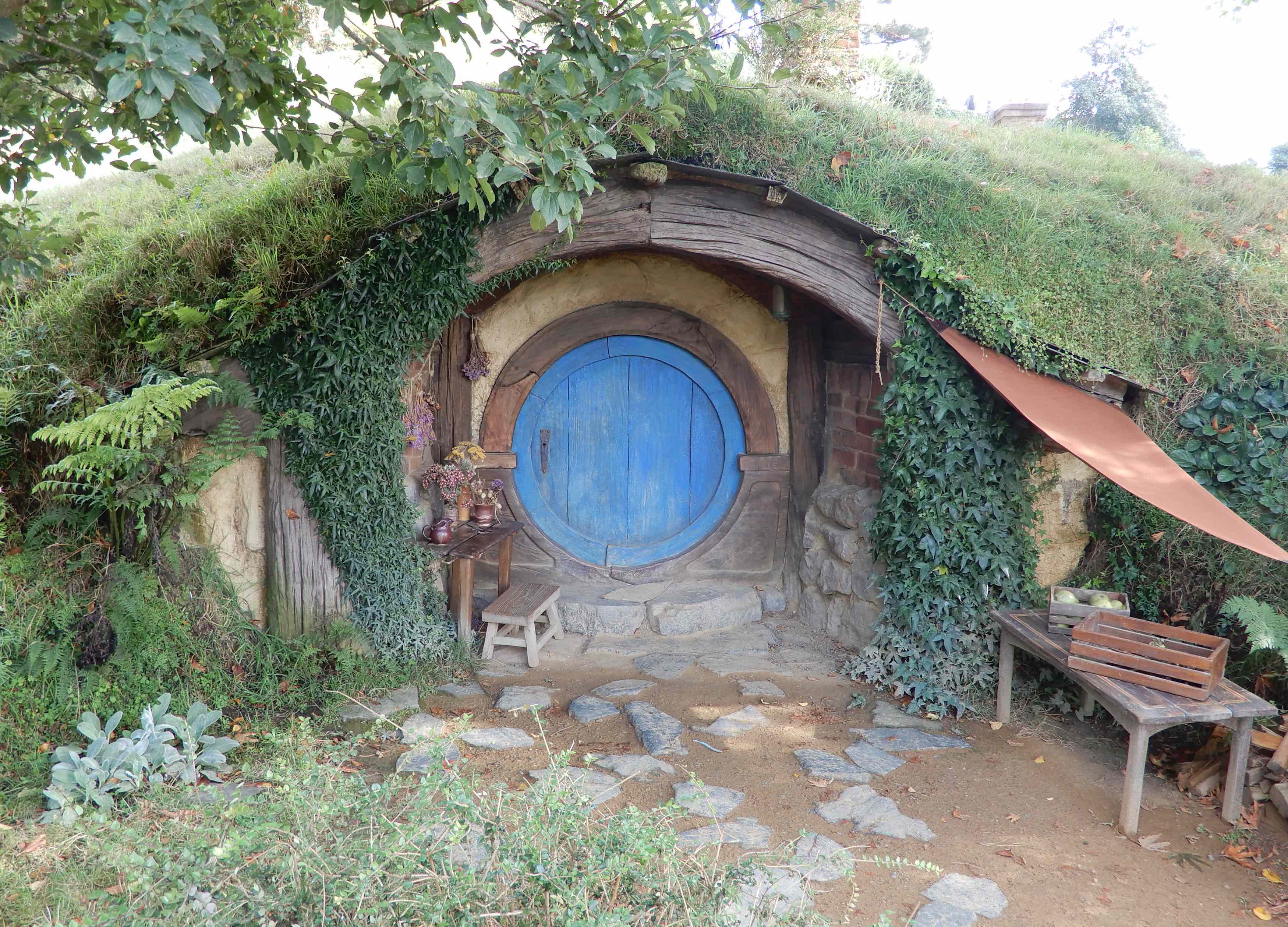
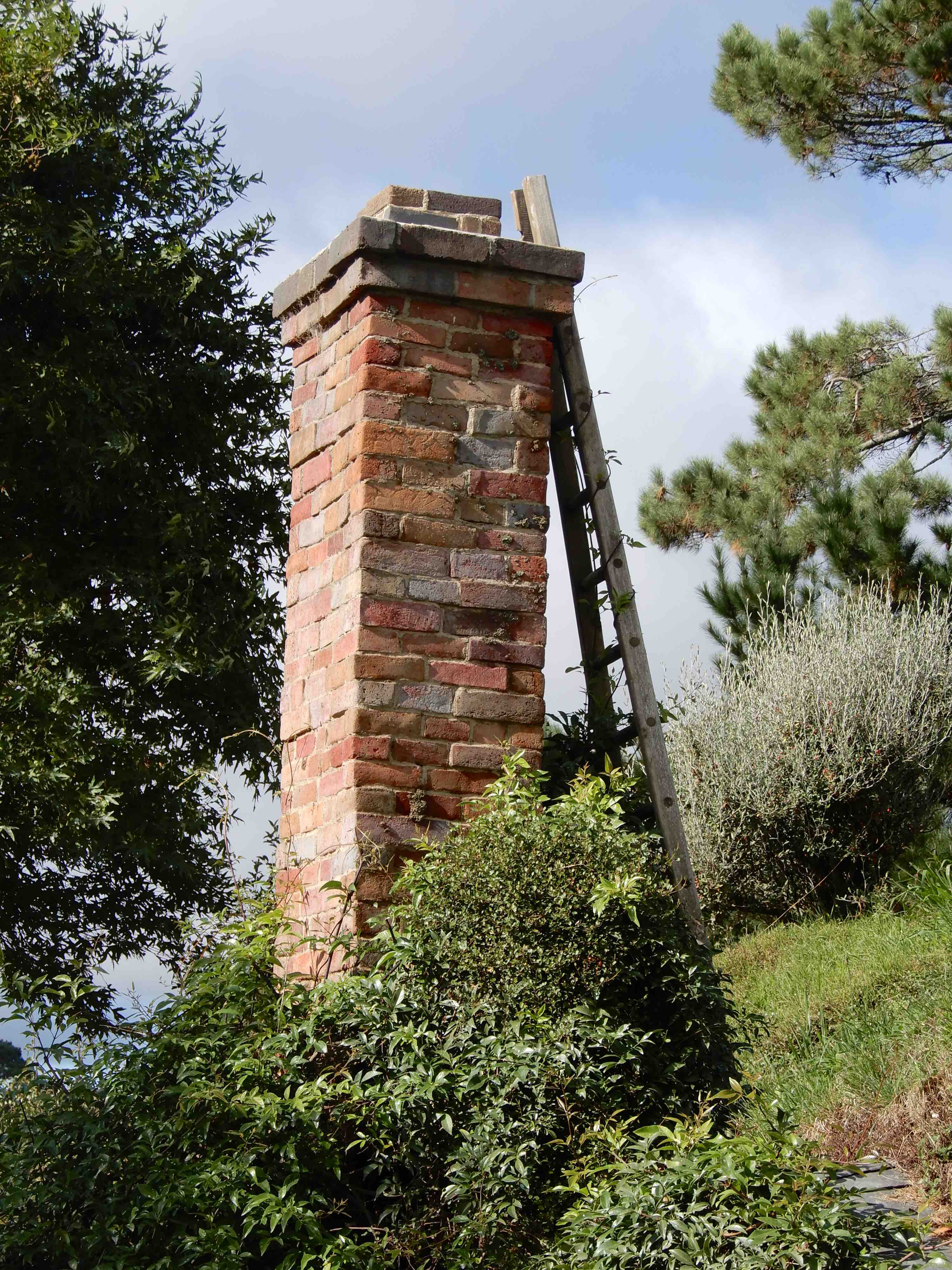
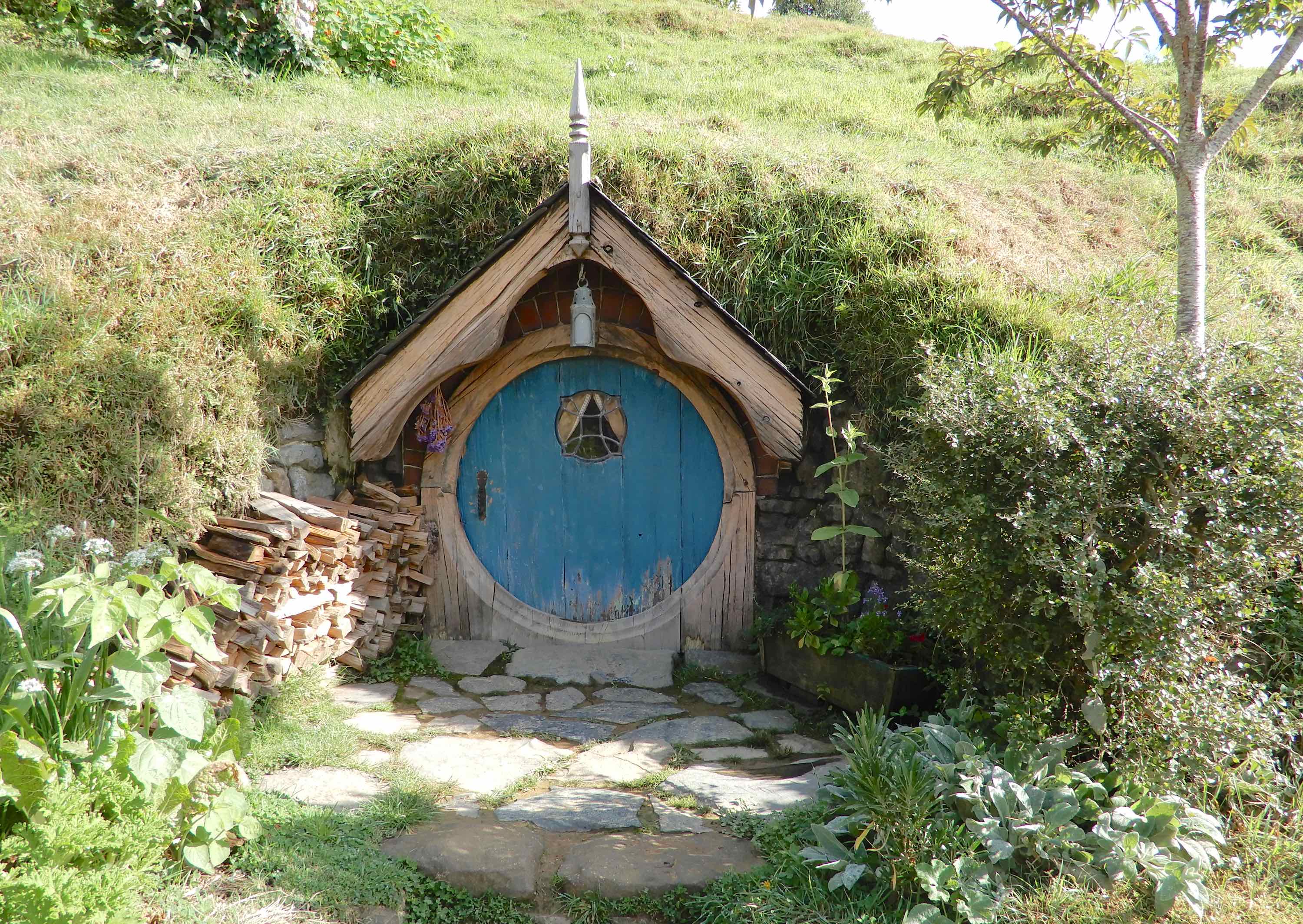
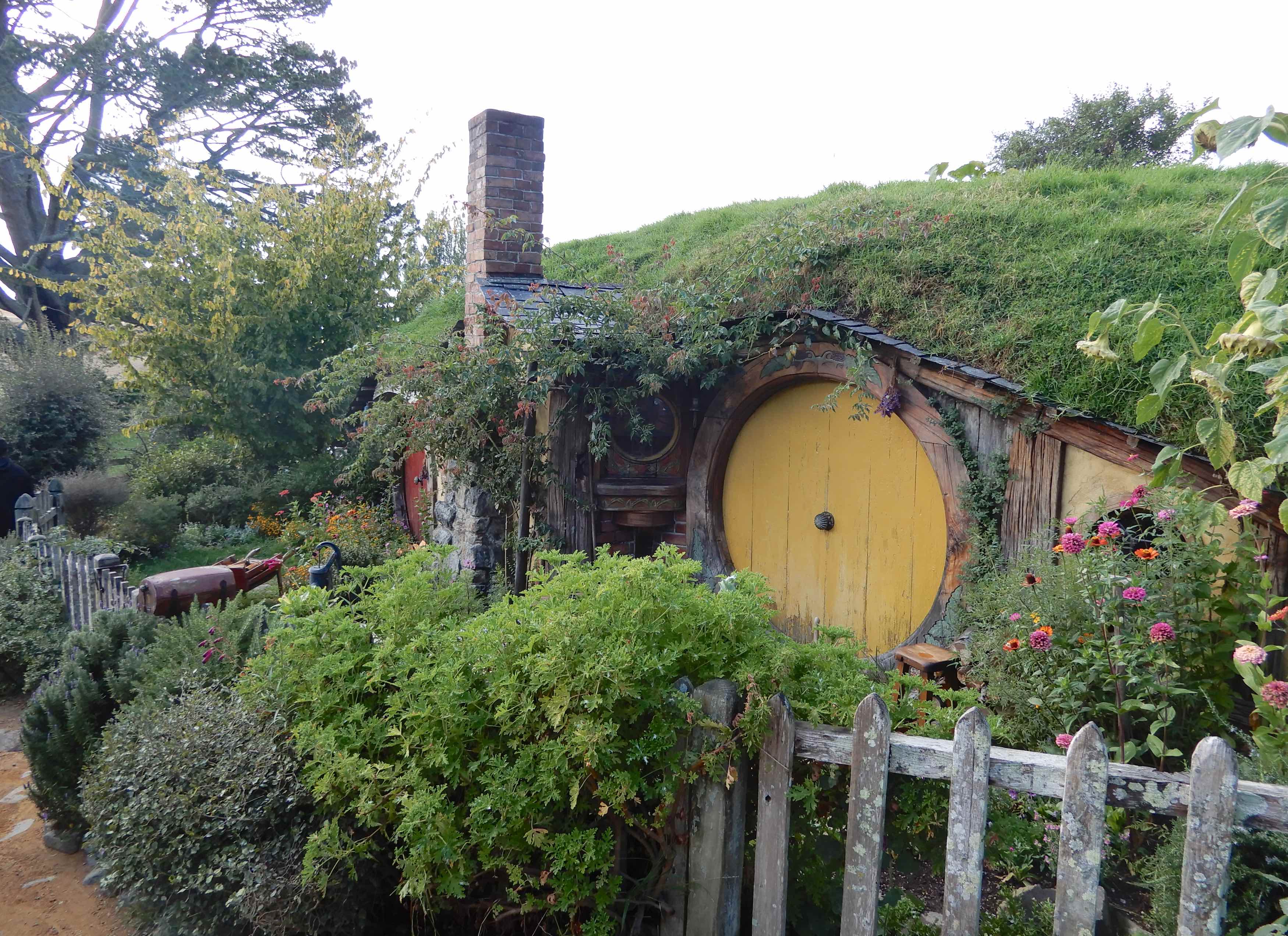
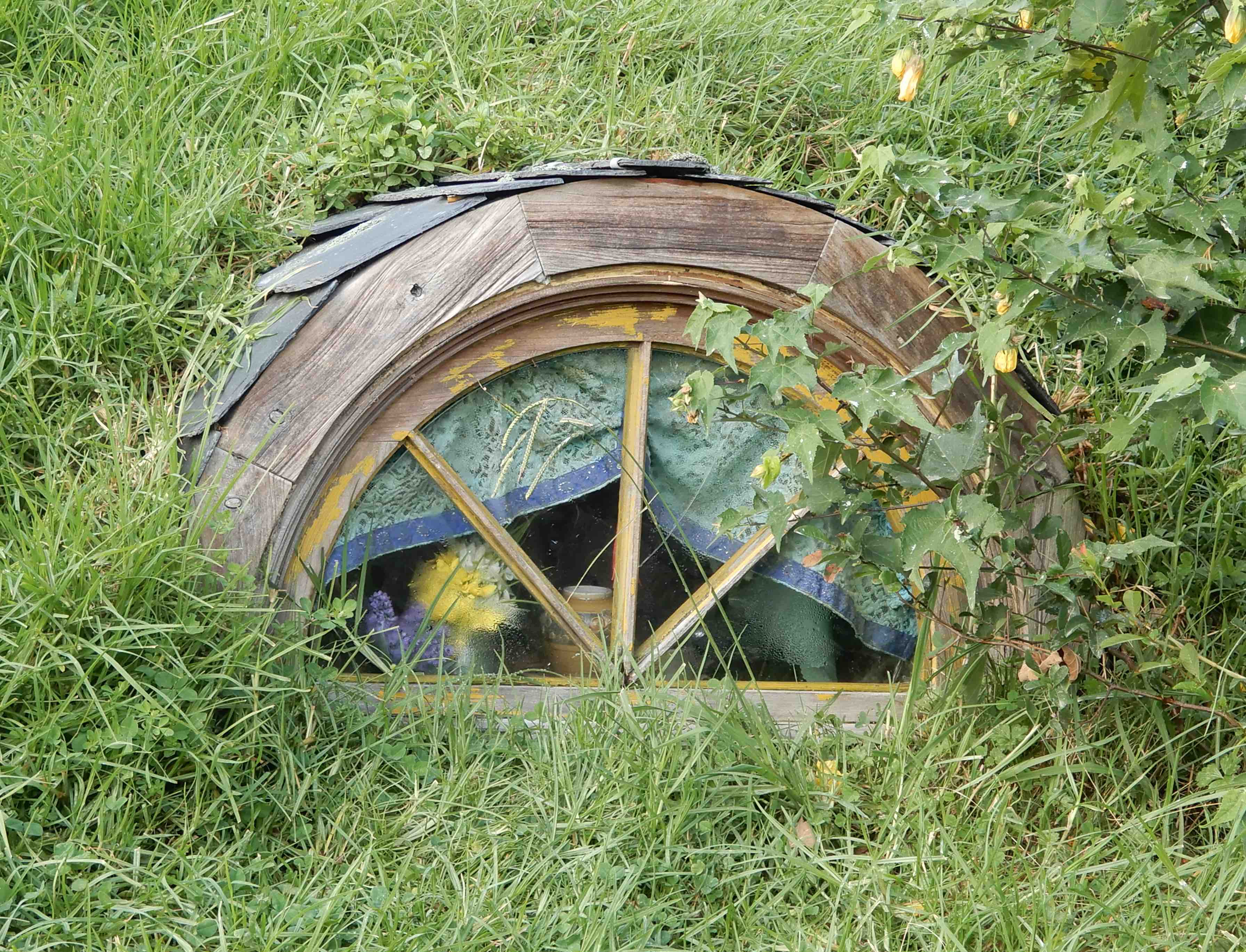
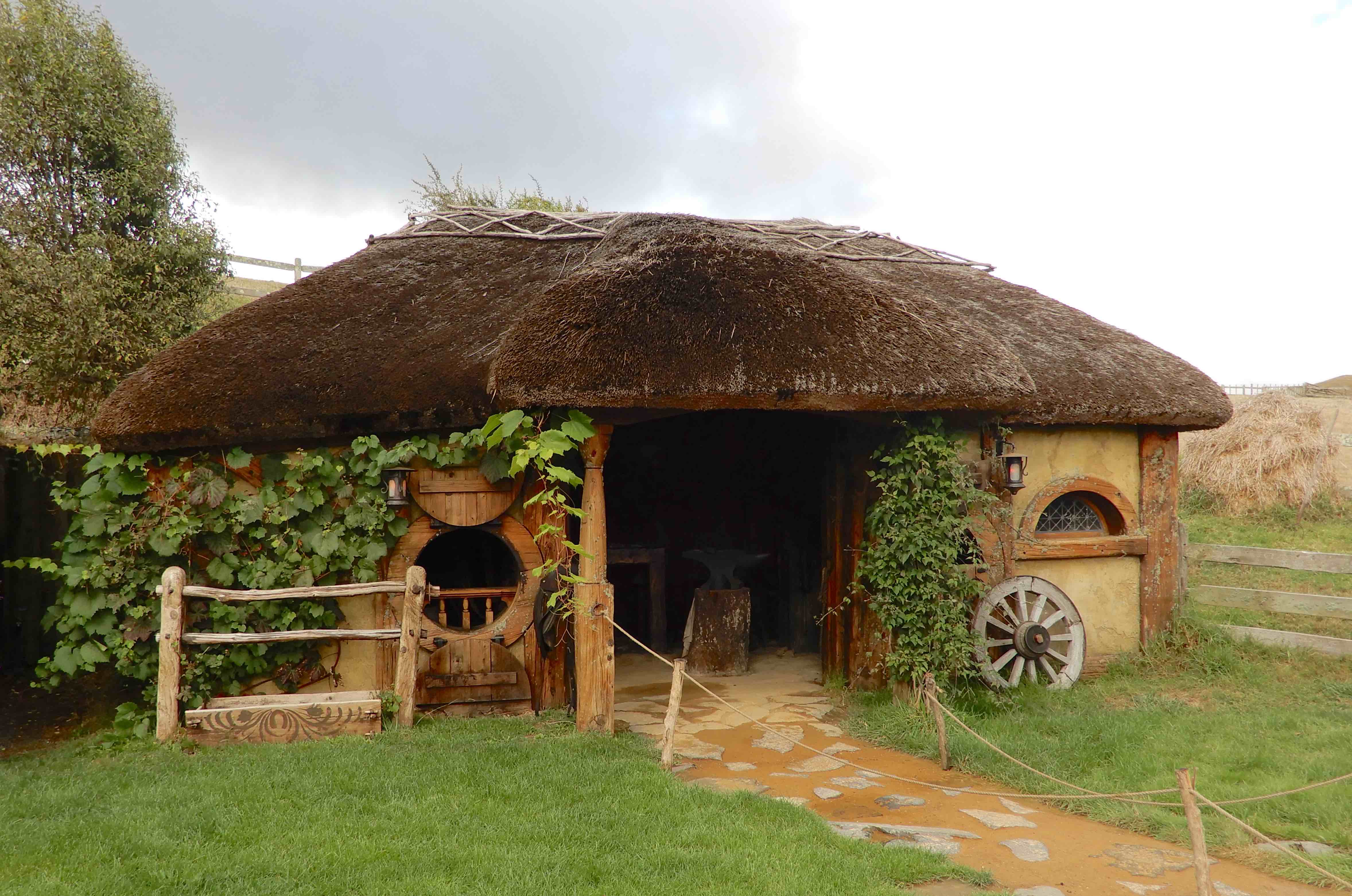
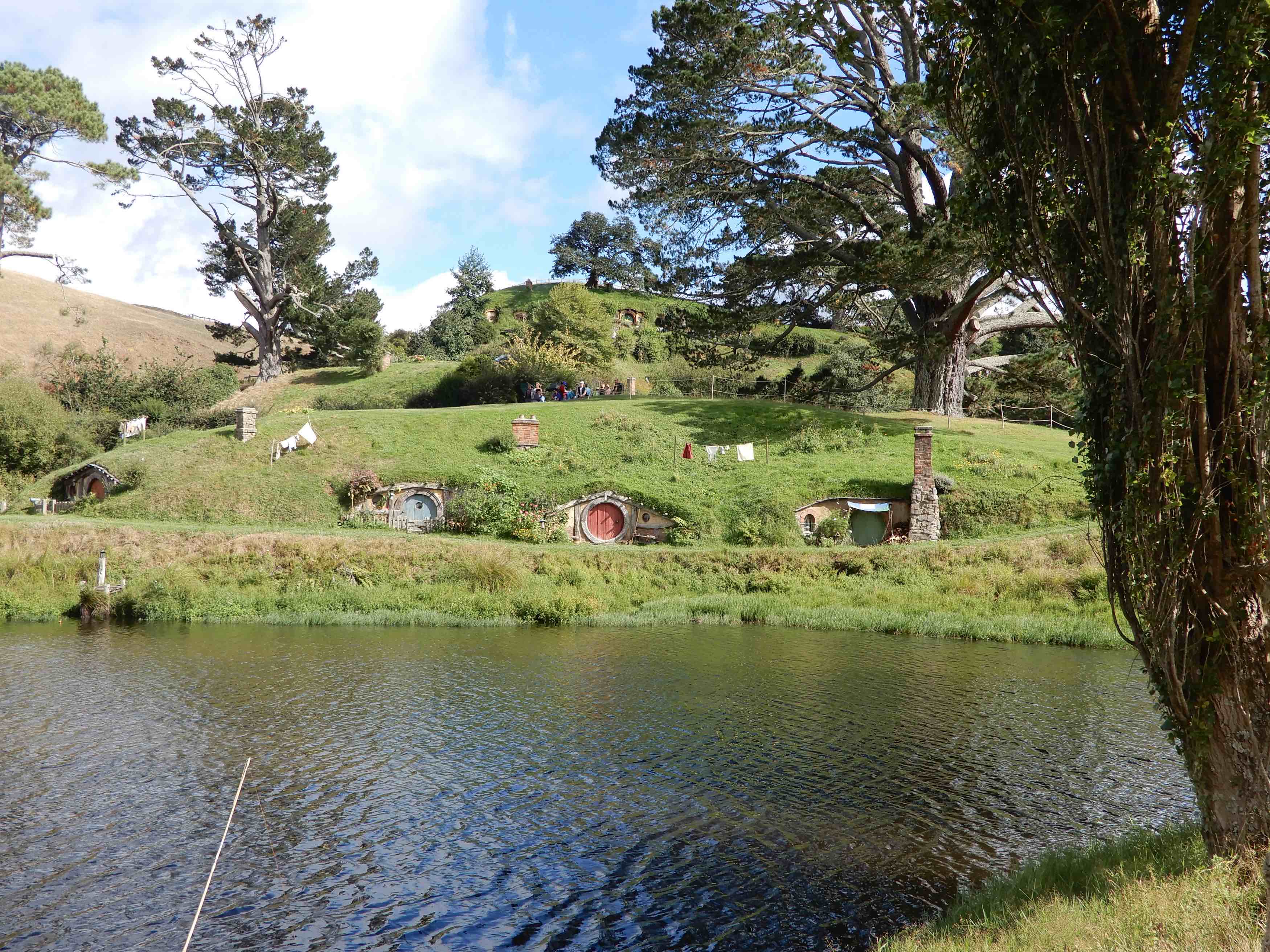
A short walk from the car park along Gandalf’s Cutting, we halted to take in the scene before us. Hobbit holes, 44 in all, dotted the green rolling hills, their chimney stacks and enchanting windows emerge sporadically from the landscape.
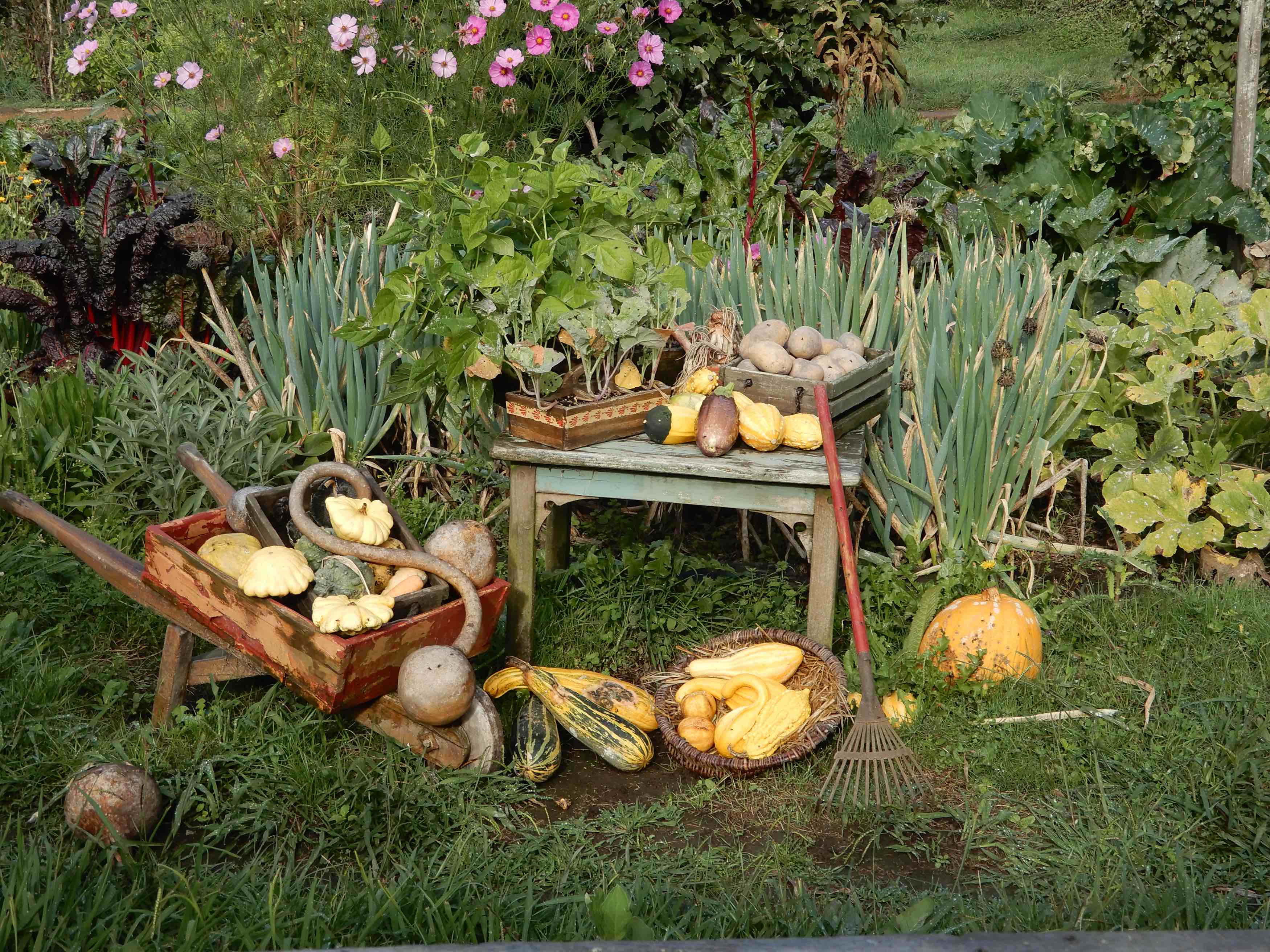
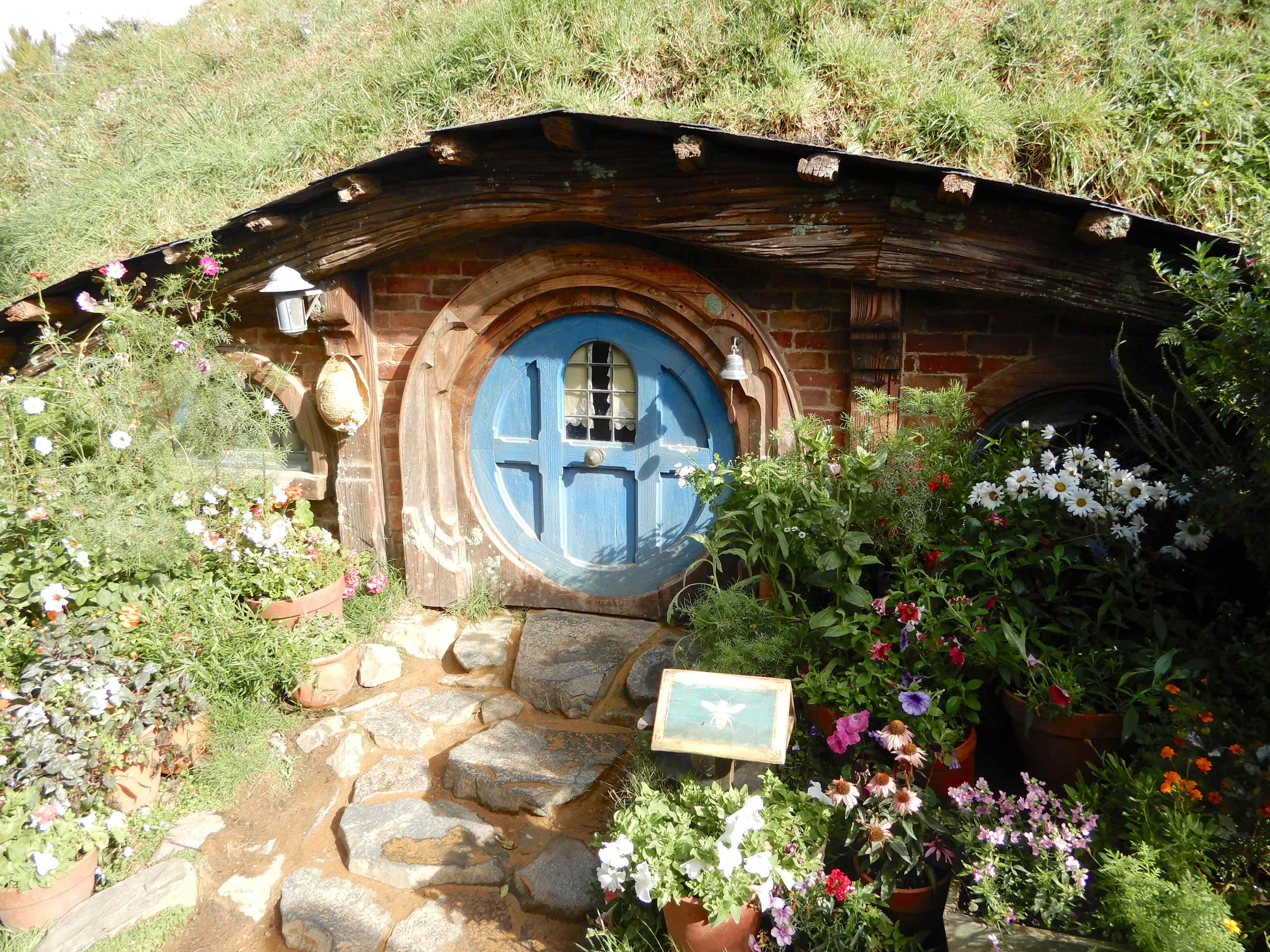
I can’t think of a job I would rather have than tending the gardens in Hobbiton. There are between 30 and 200 plants around each hobbit hole and all the fruit and vegetables are seasonal.
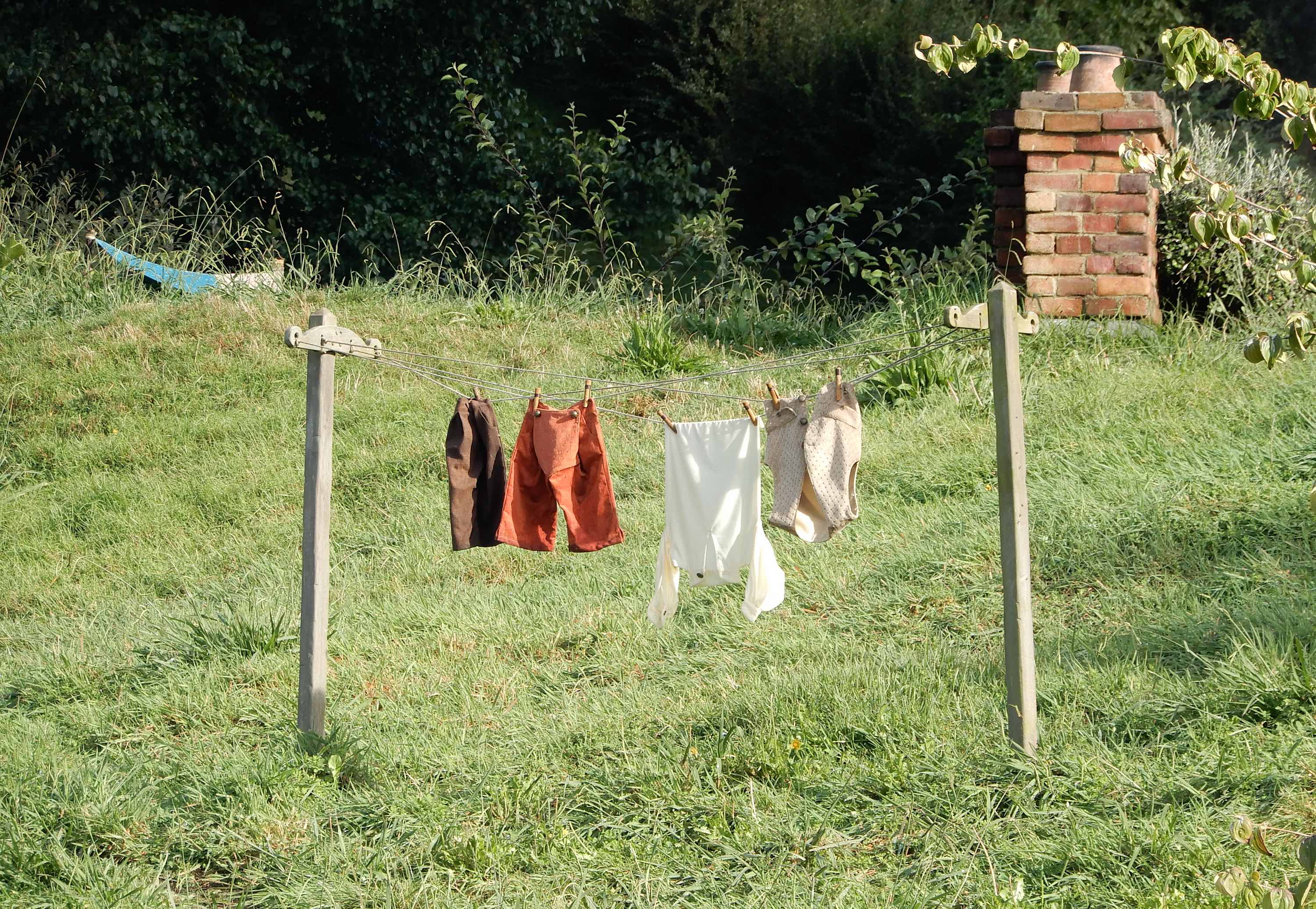
During filming, a person was employed to walk to the clothes lines and back to make a well-worn track.
Not all hobbit holes are equal. The poorer inhabitants live lower down the hill and the further up the hill you go, the homes are bigger with more manicured gardens.
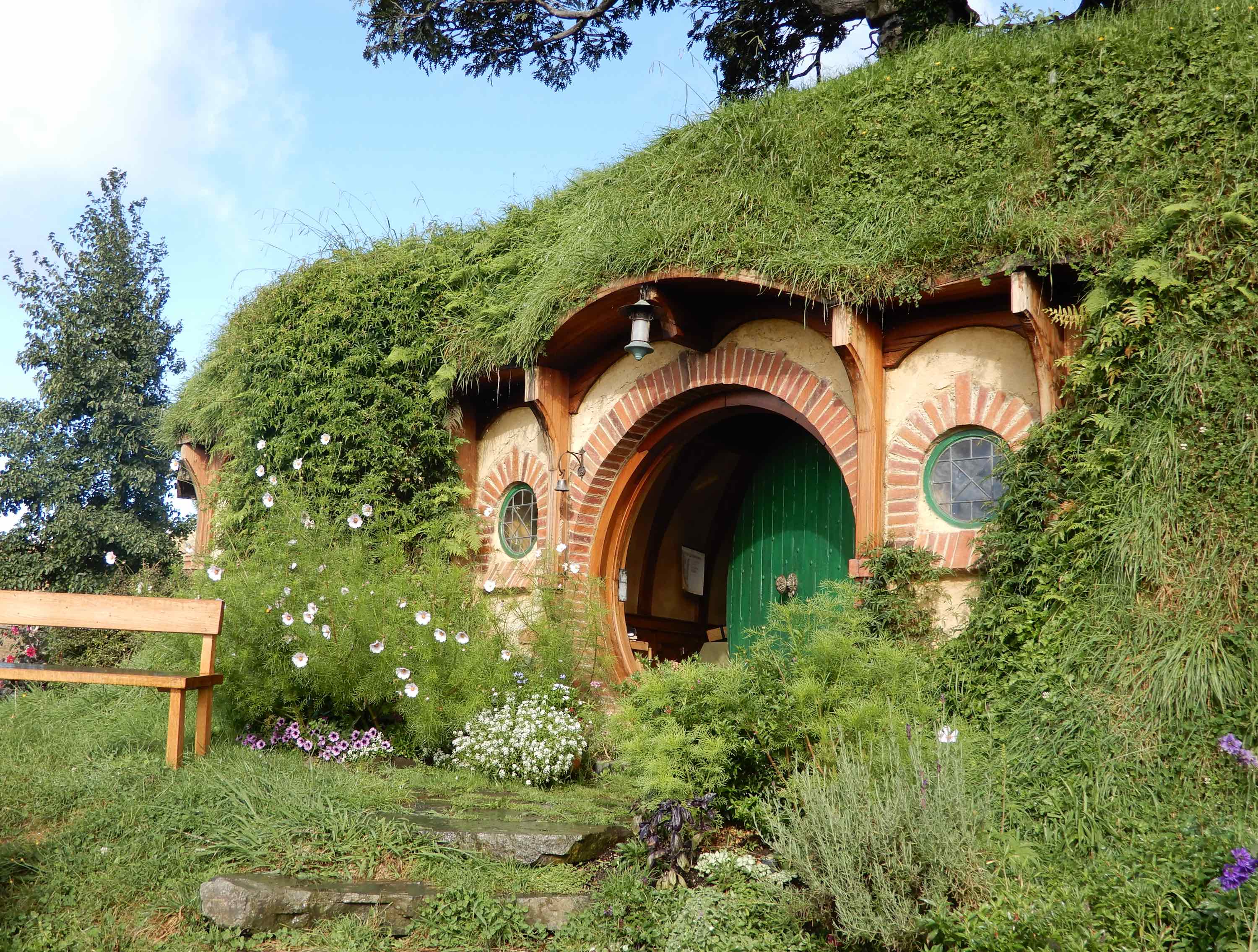
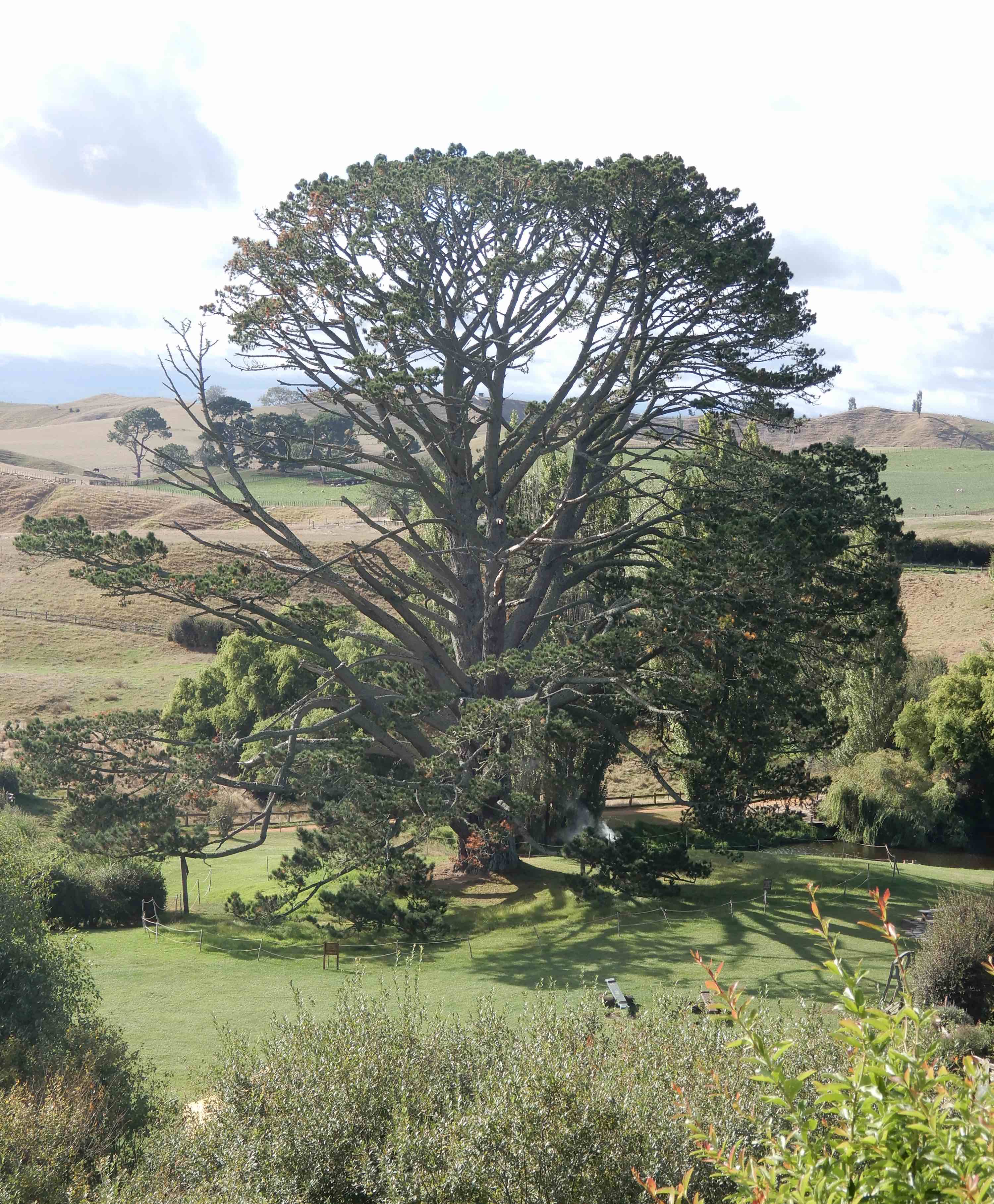
Bilbo, at Bag End, is one of the wealthiest. The magnificent oak at the top of the hill is actually made from fibreglass and the silk leaves, imported from Taiwan, were individually painted and wired on to the branches.
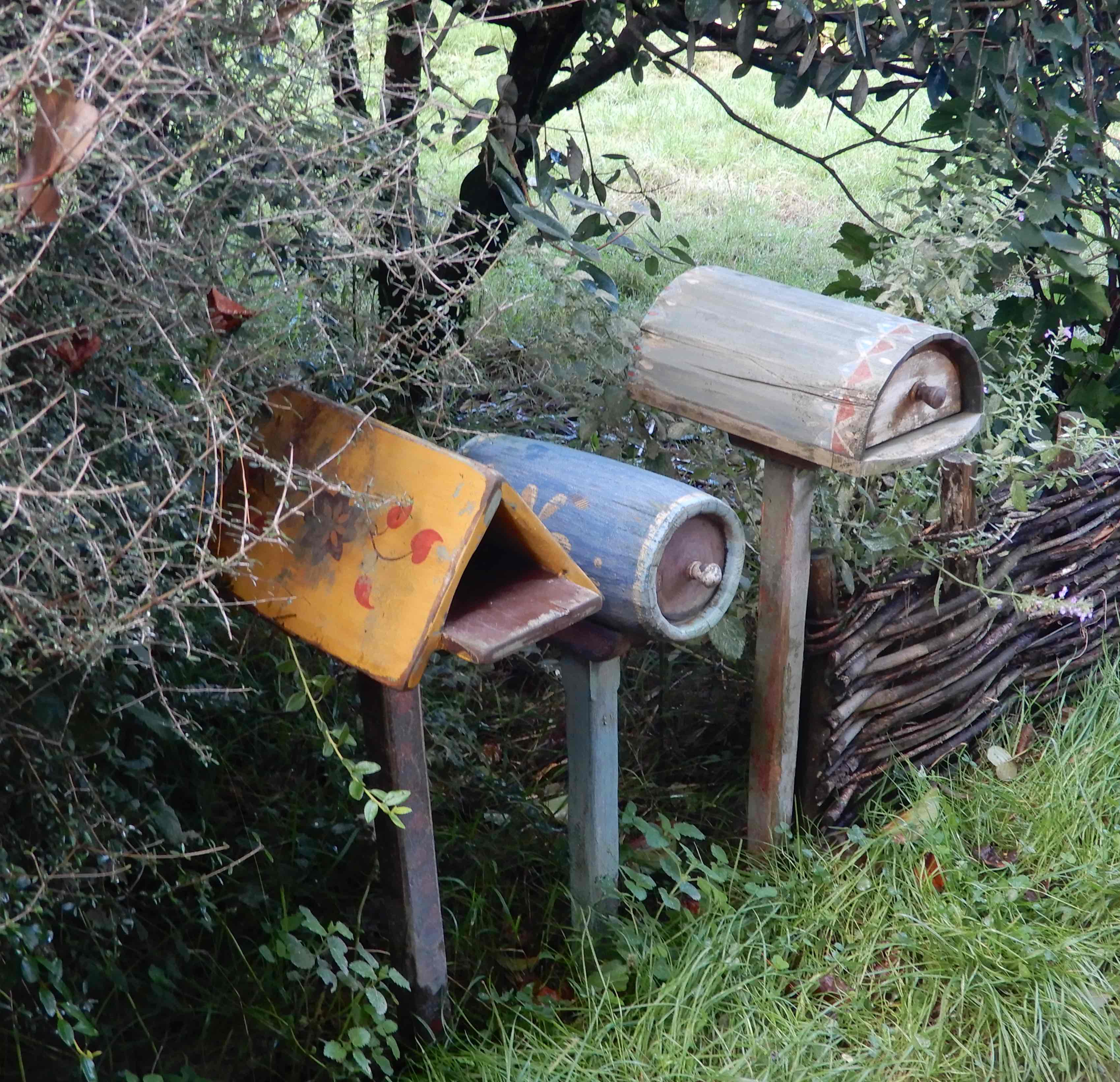
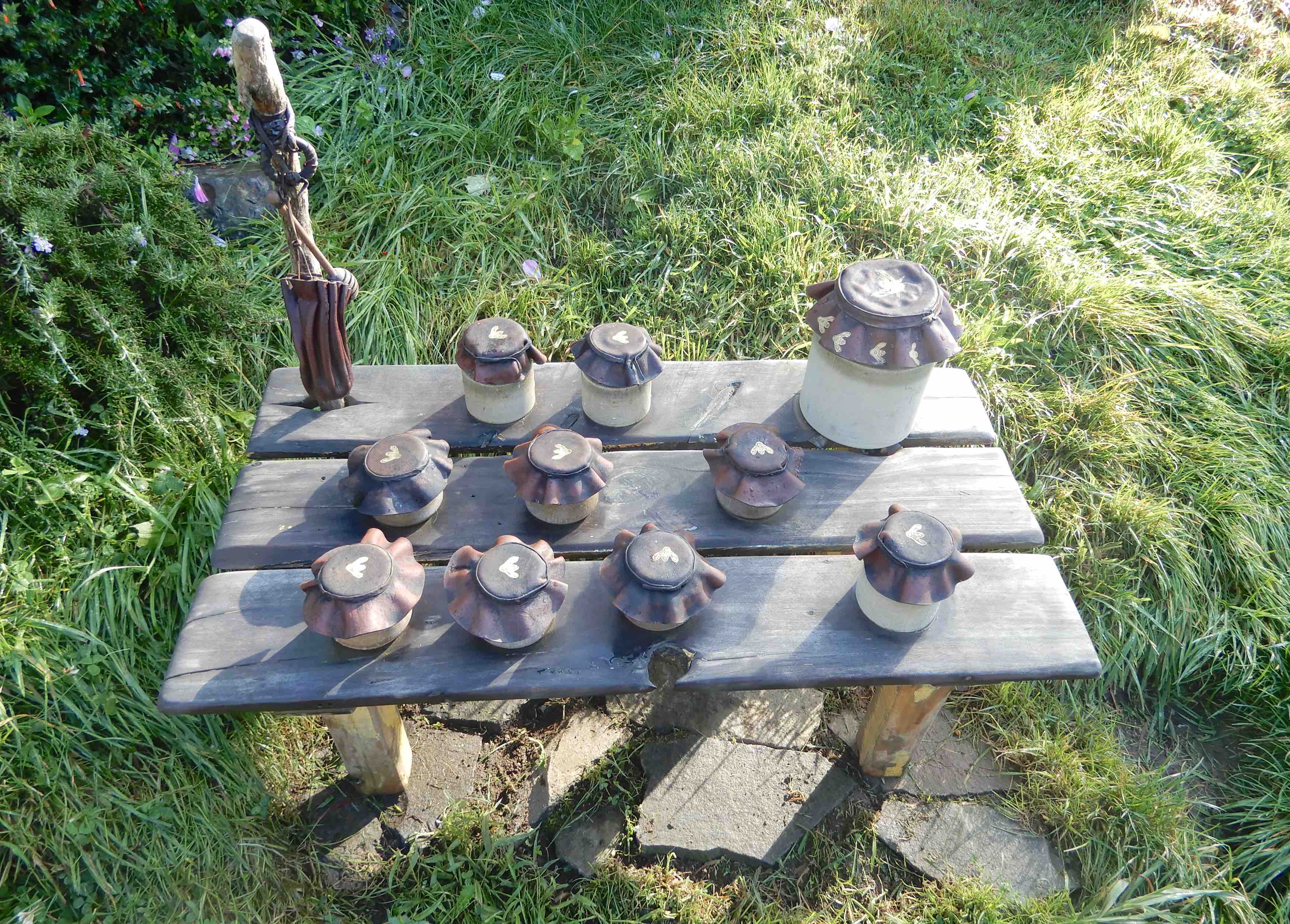
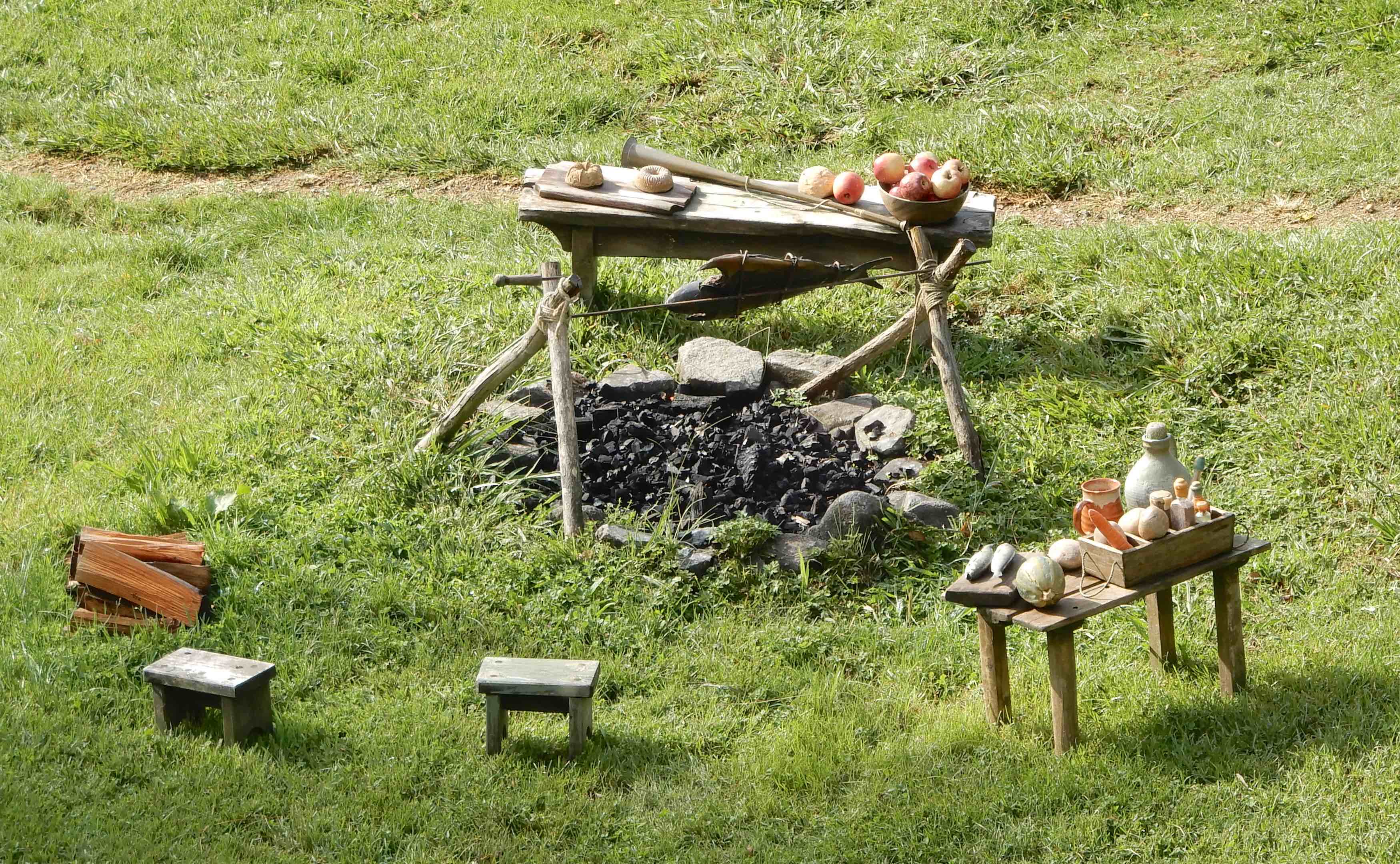
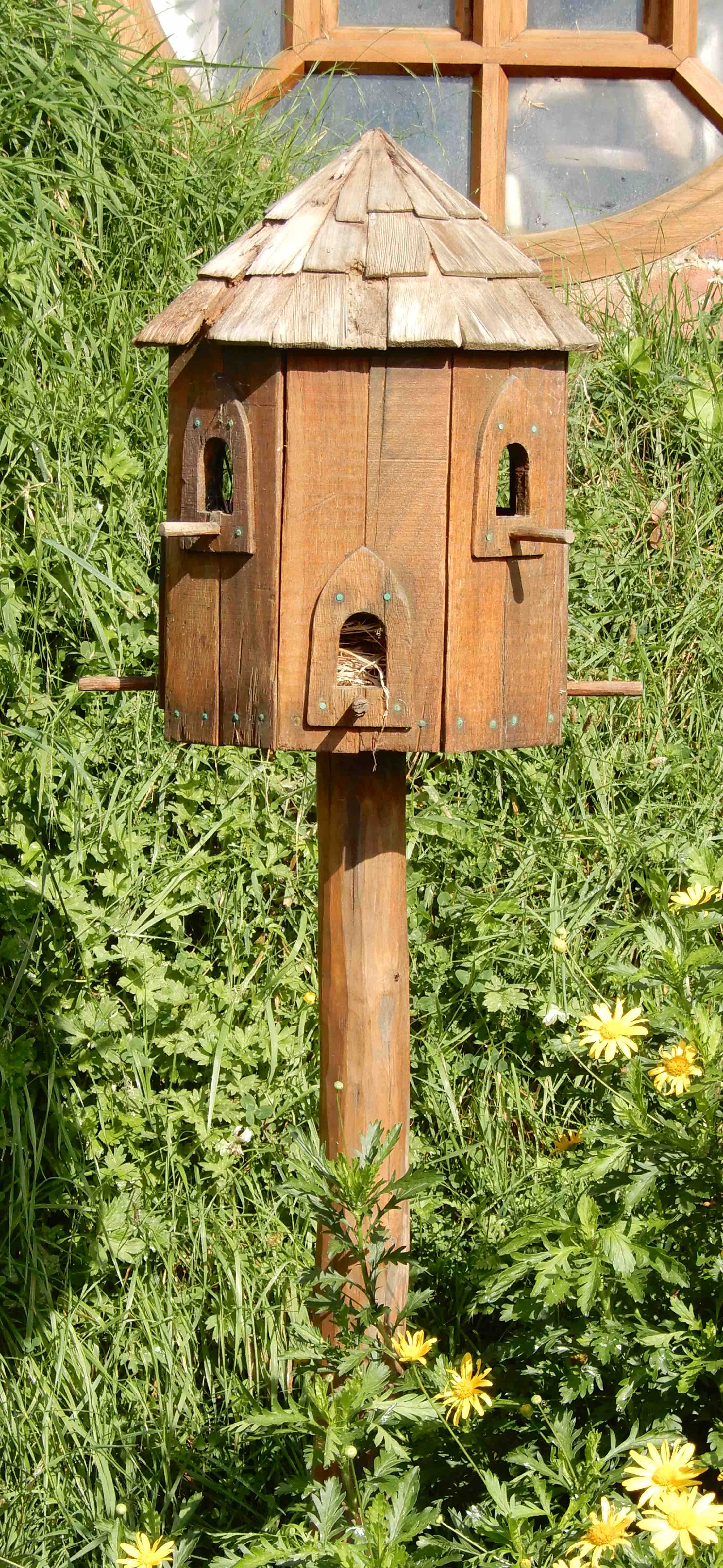
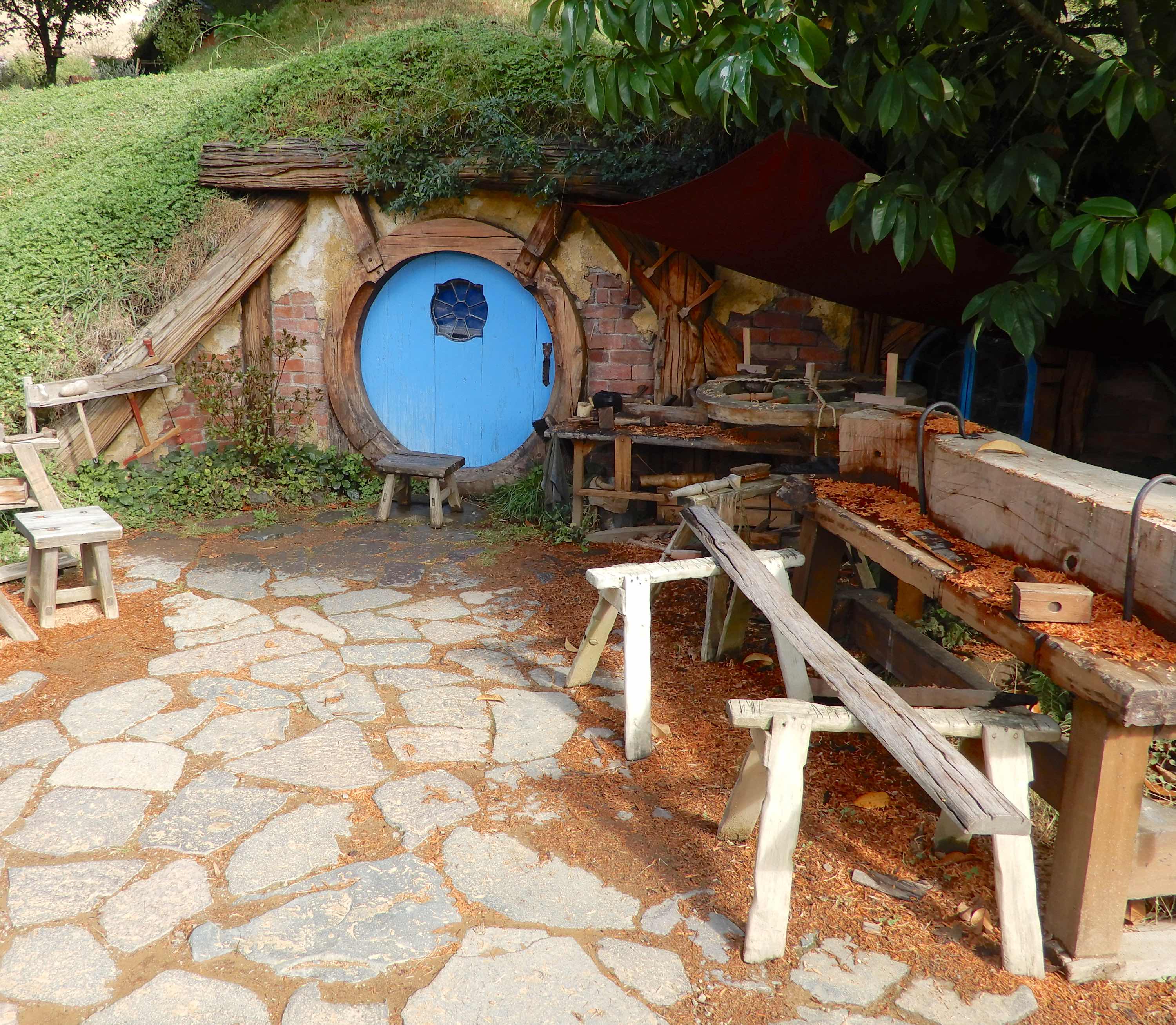
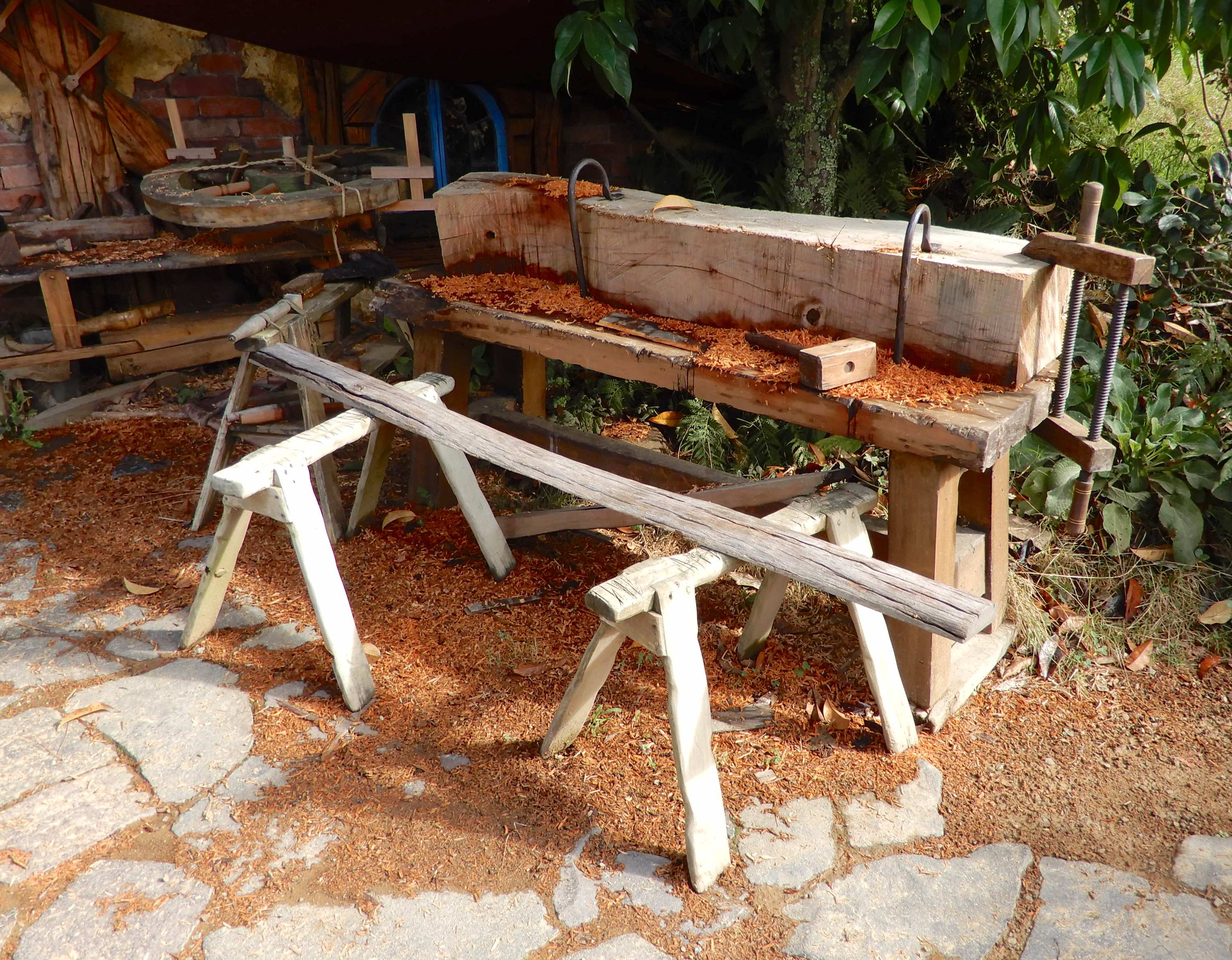
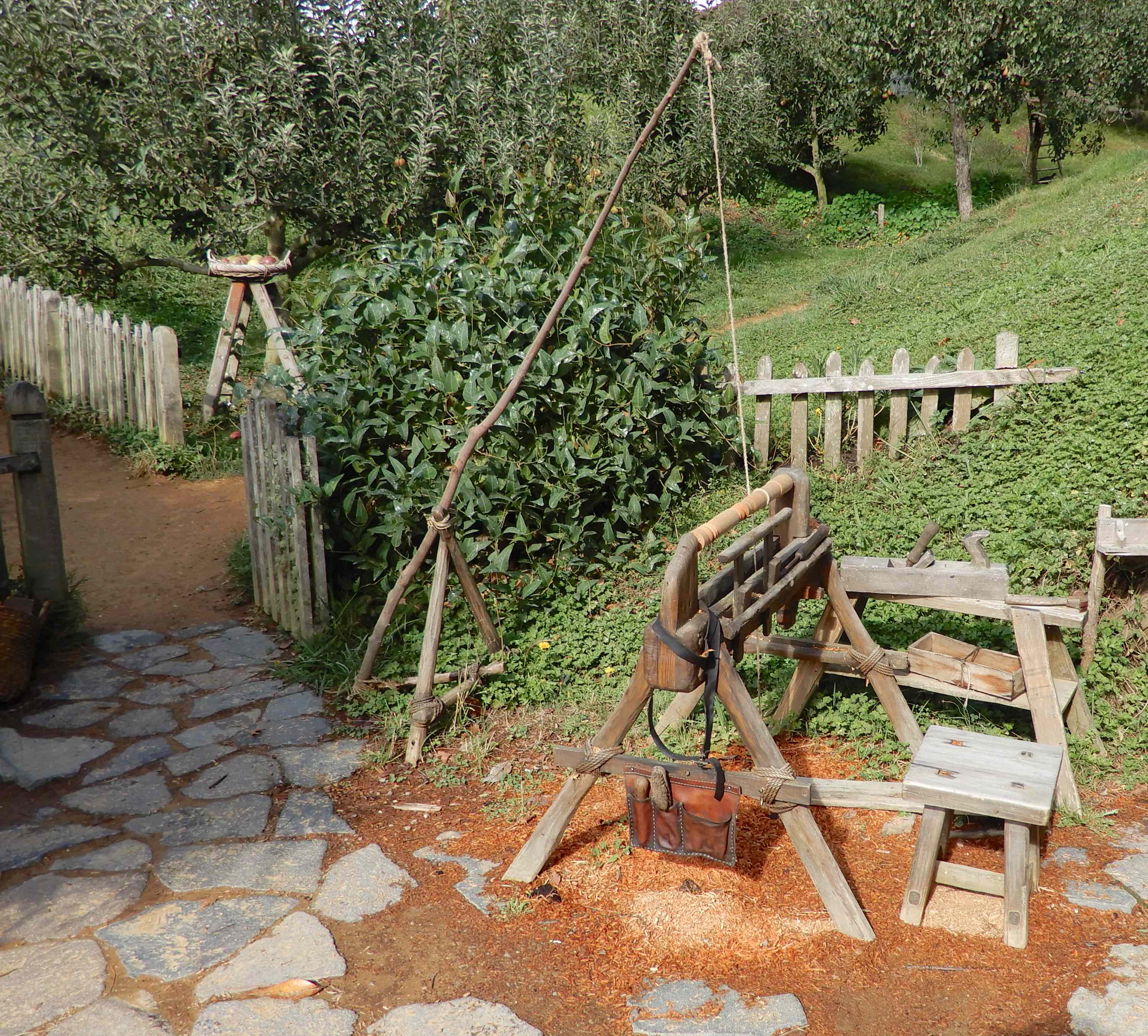
The occupations of the residents are depicted in great detail by some of the exterior props including beekeepers, loggers, bakers and cheesemakers.
Local frogs soon moved into the man made pond and they were so loud during filming, someone was paid to collect all the frogs and relocate them to another pond on the farm.
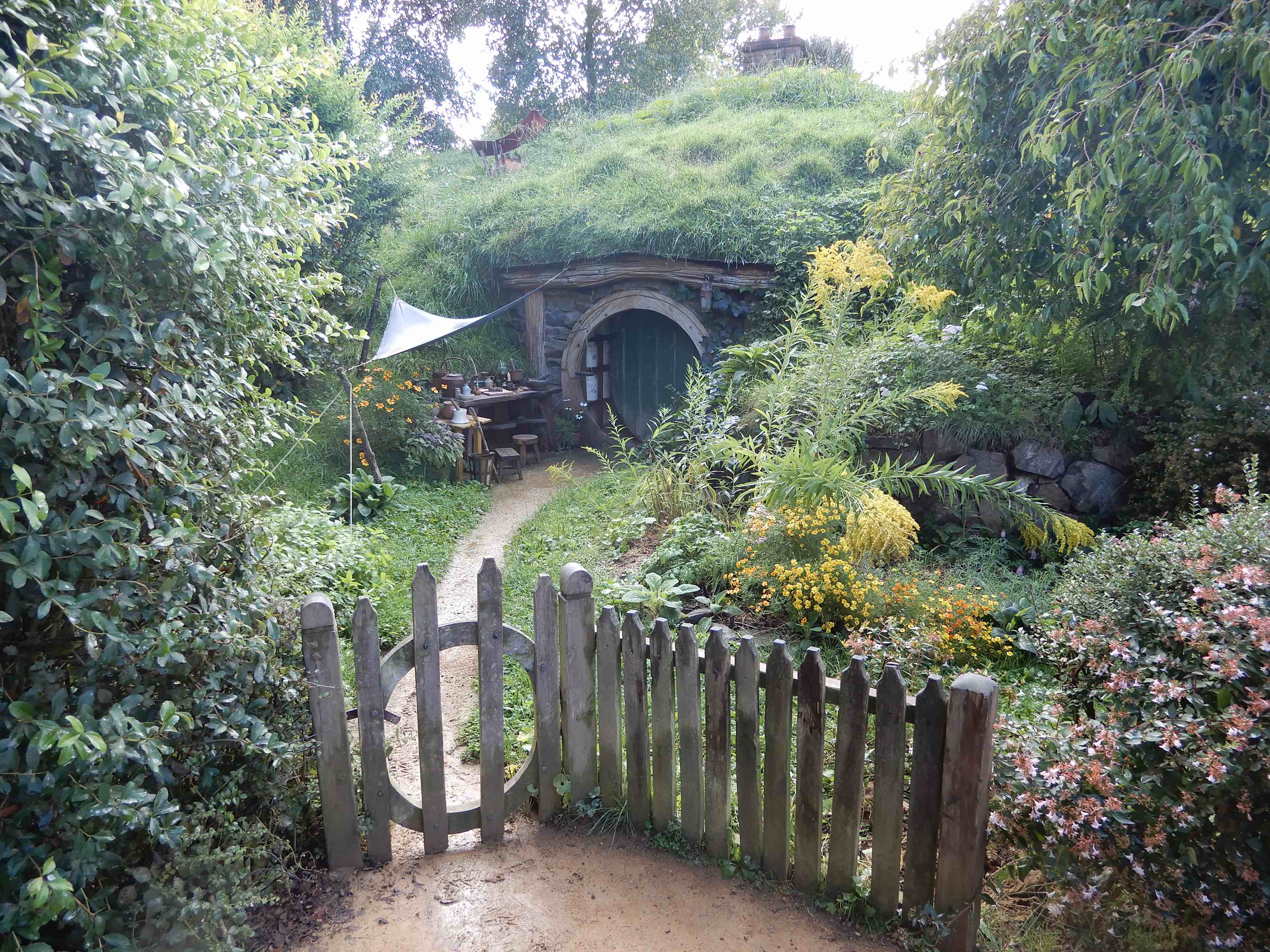
Most of the hobbit holes are just facades, the interior shots were filmed in a studio in Wellington, although the half open door at Bag End gives a hint of a cosy abode.
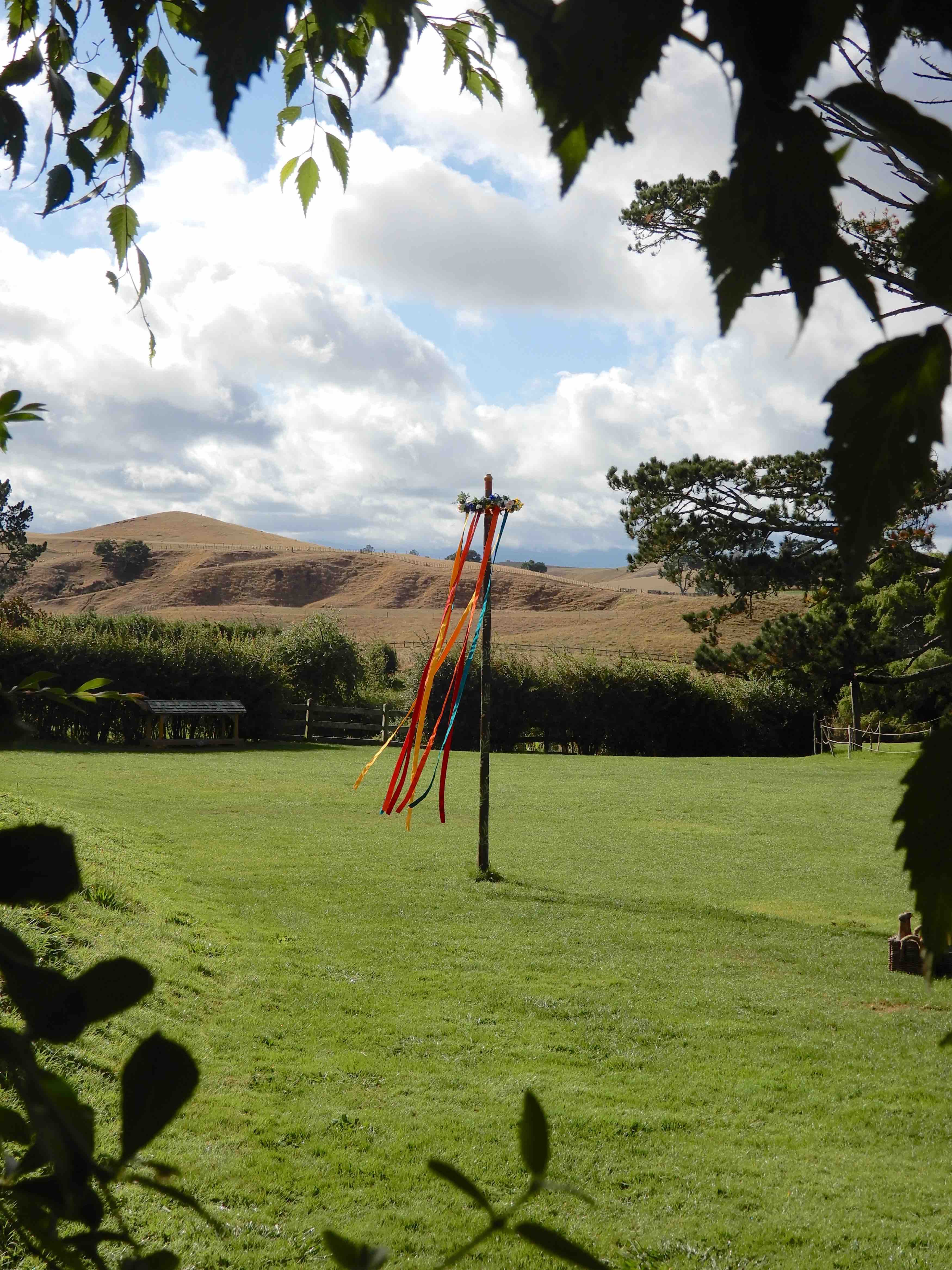
There was no need to manufacture leaves for the Party Tree, the perfect specimen as described in the books was found on the property.
The morning sunlight shone beatifically on some of the hobbit doors, Bag End is one that faces east. To create the scene where Bilbo and Gandalf are sitting facing a sunset, the crew had to get up early to film sunrises and play them backwards. It took seven attempts to capture the one we see in the movie.
The hobbit holes were built to two different scales. The smaller ones at 60% scale were used for scenes with Gandalf to make him look larger. To be cast as a hobbit you had to be 5’2” and they were filmed around the 90% scale doors.
There is a scene in The Lord of the Rings book where children are playing under plum trees but Peter Jackson thought plum trees would look too big. Instead, he had apple and pear trees planted and just before filming, all the fruit was stripped from the trees and replaced with fake ones. After all that effort, the scene never made it to the movie.
Samwise Gamgee lived at number 3 Bagshot Row, a lovely terrace of hobbit holes
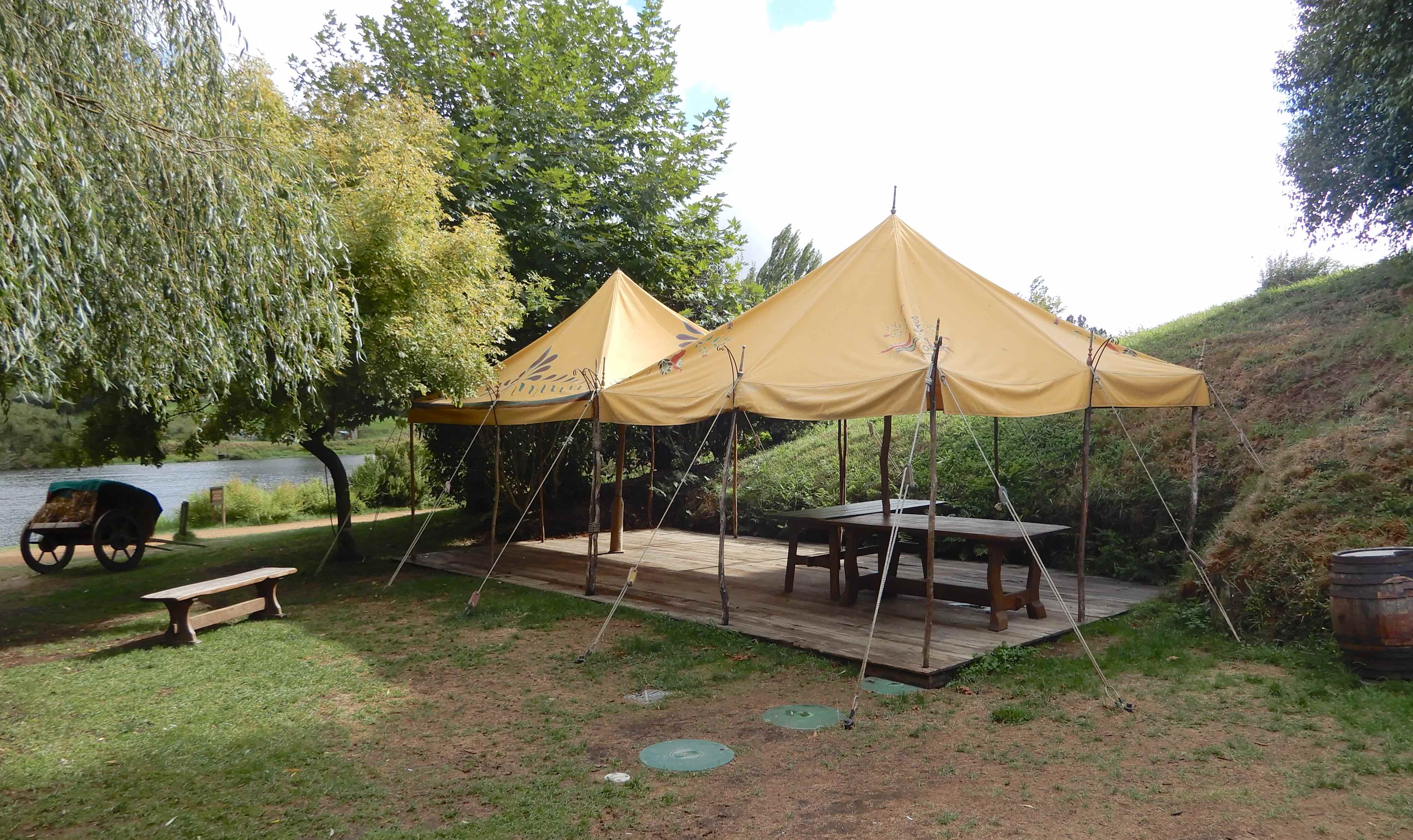
with convenient access to the Party Field.
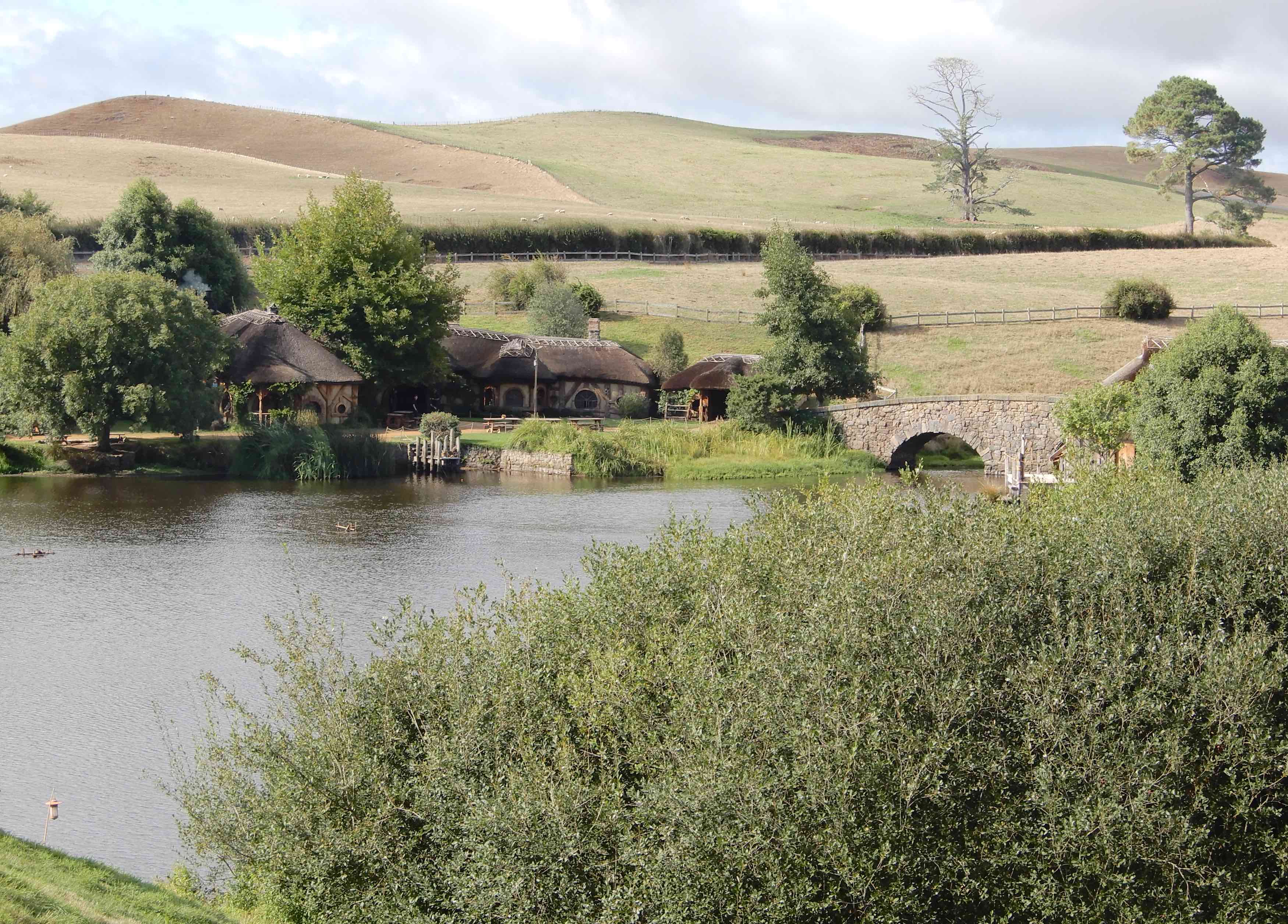
With the Green Dragon Inn in our sights,
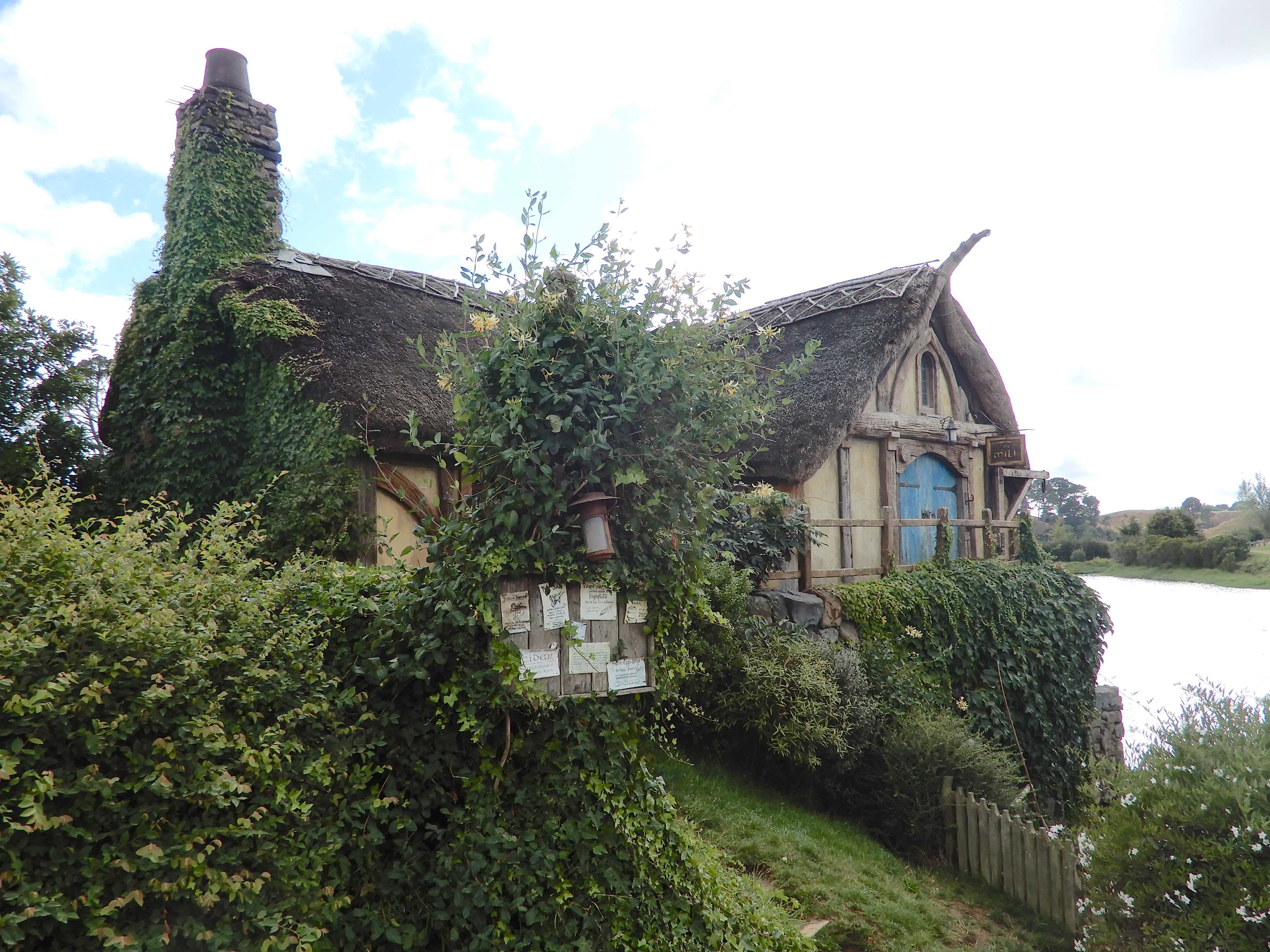
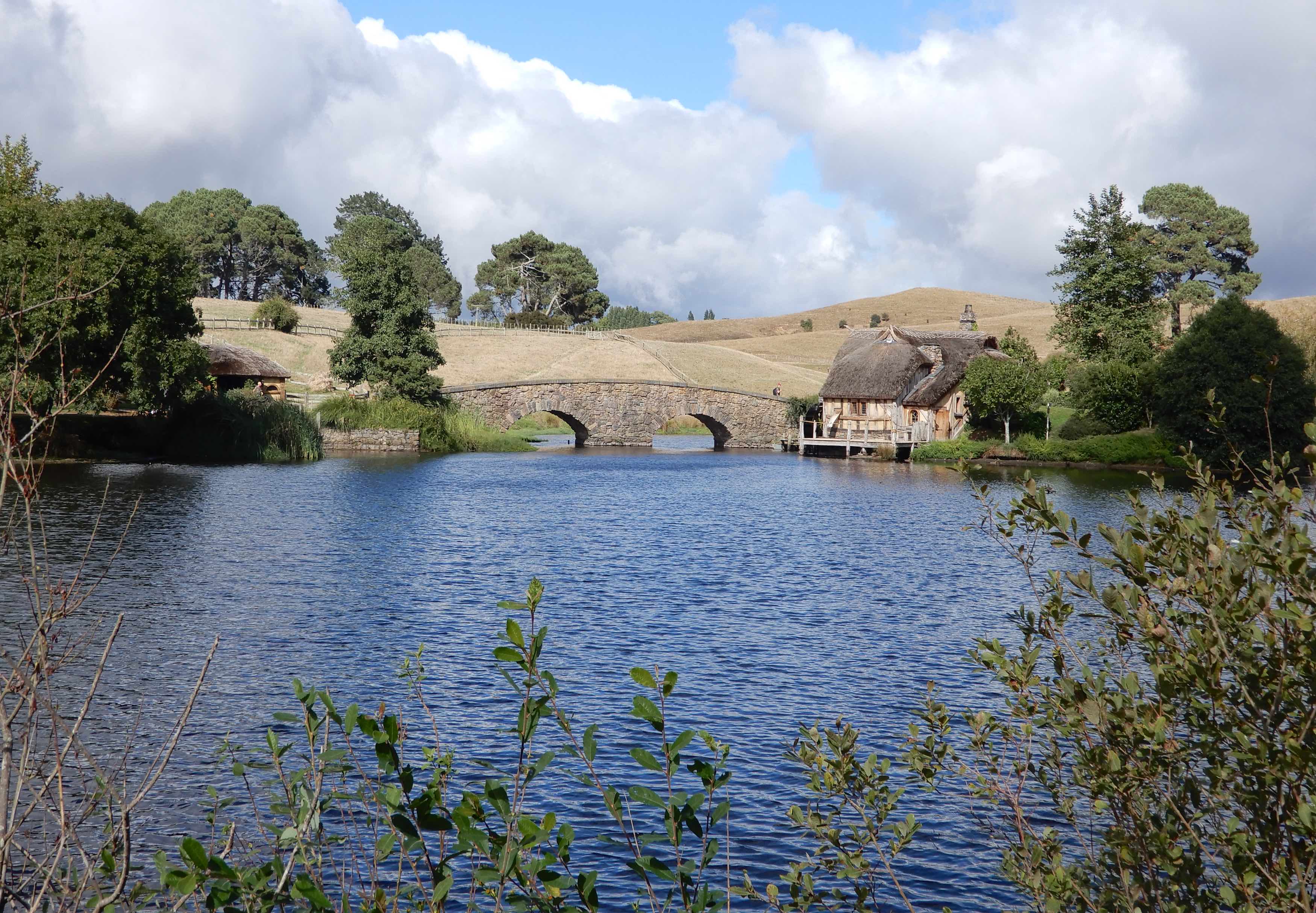
we meandered our way to the double arch stone bridge and the Old Mill where the large water wheel still turns.
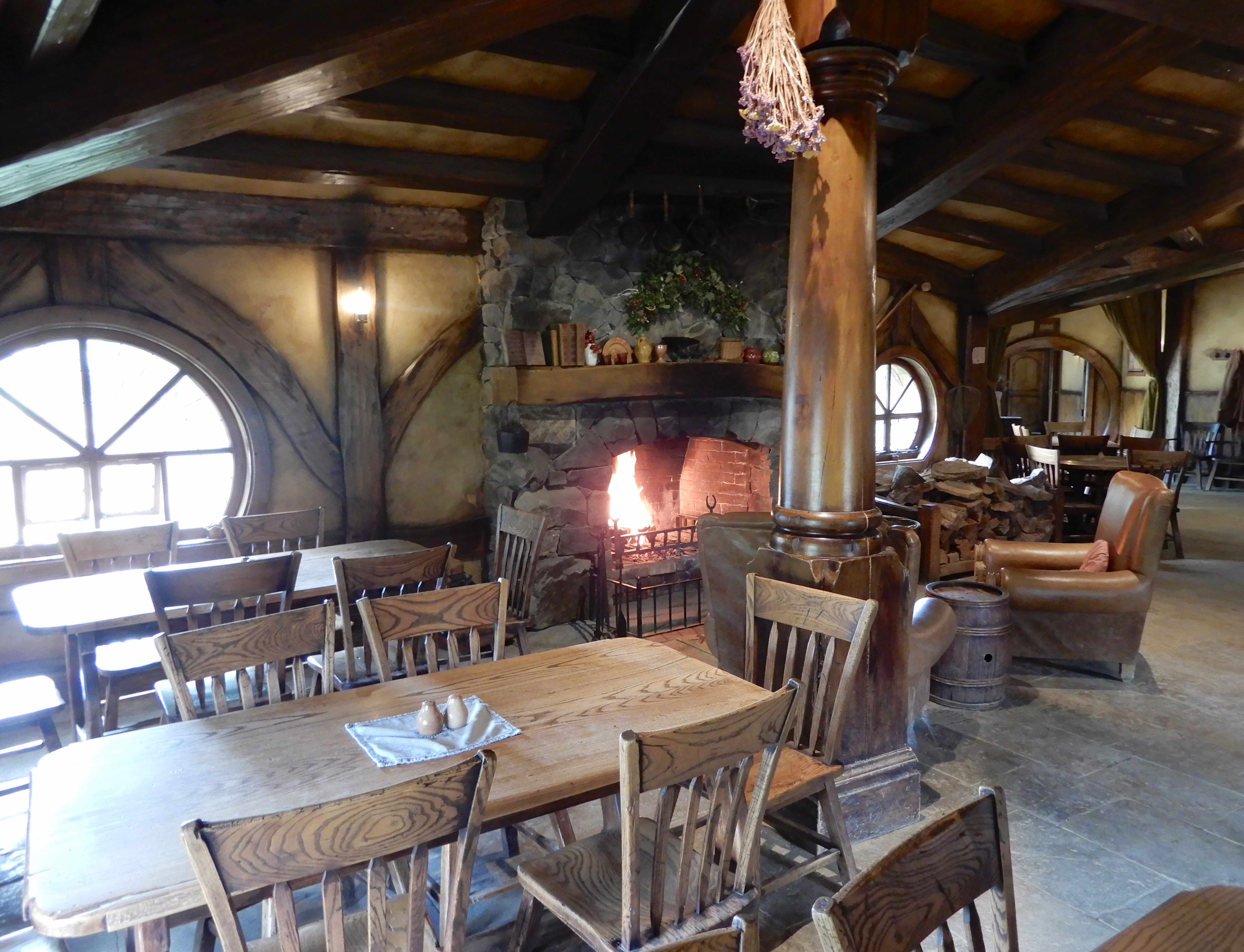
The Green Dragon Inn was added to Hobbiton in 2012
and the interior has been reconstructed to appear as it did in the films.
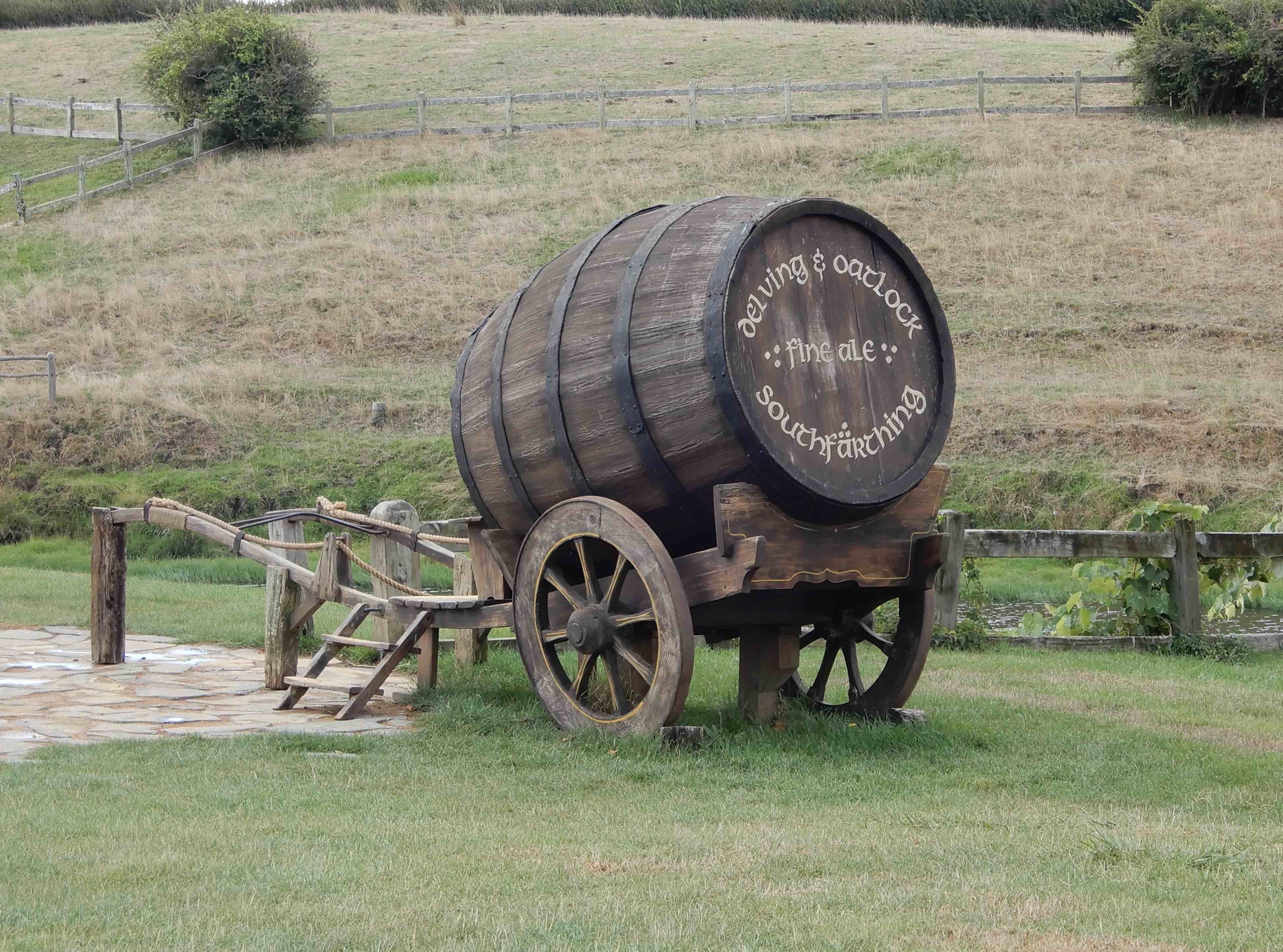
Our tour included a complimentary beverage from the Southfarthing range; Girdley Fine Grain Amber Ale, Sackville Apple Cider, Oatbarton Traditional English Ale or Frogmorton Ginger Beer. All are brewed at the Good George Brewery in Hamilton and available only at the Green Dragon Inn.
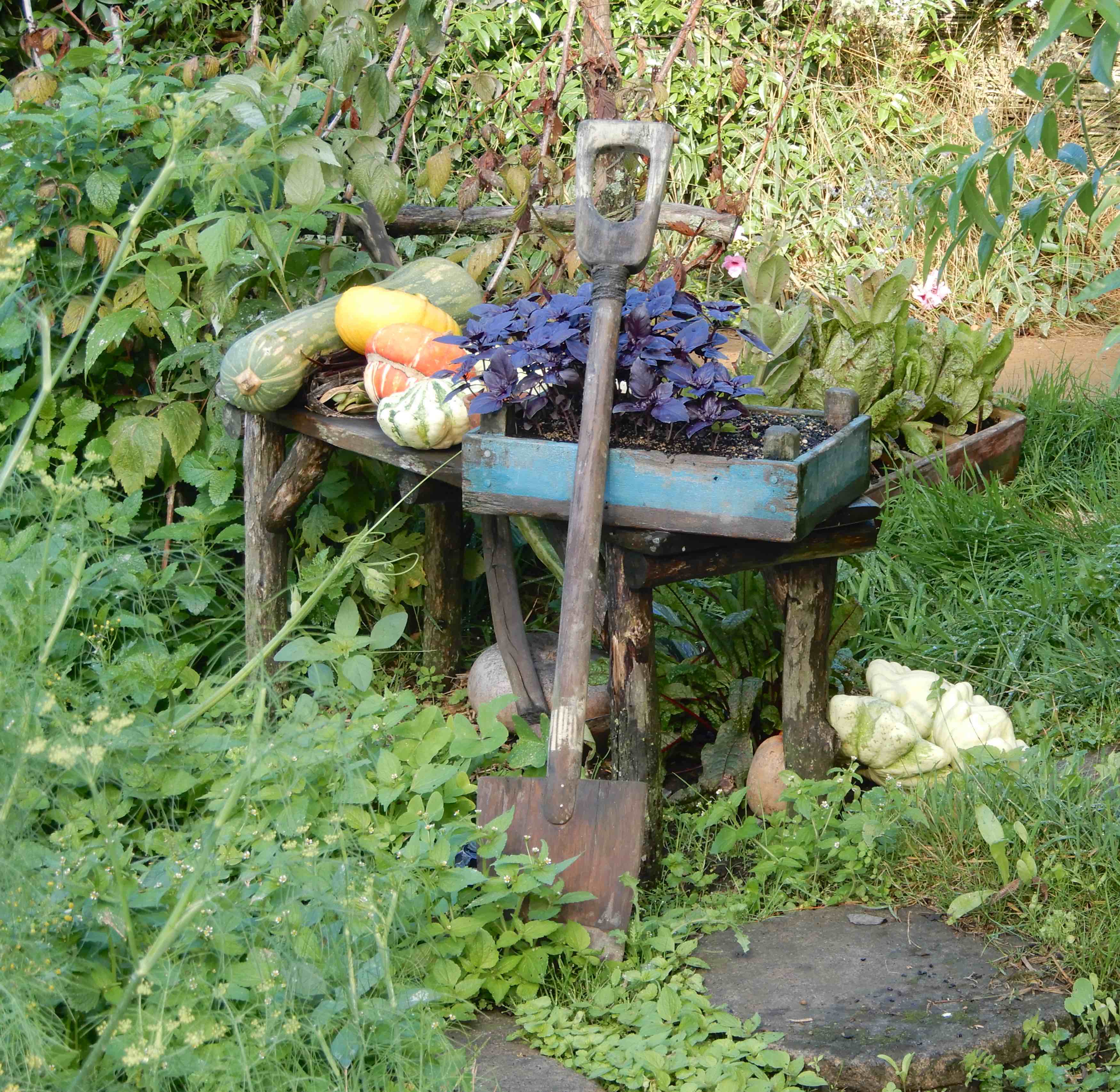
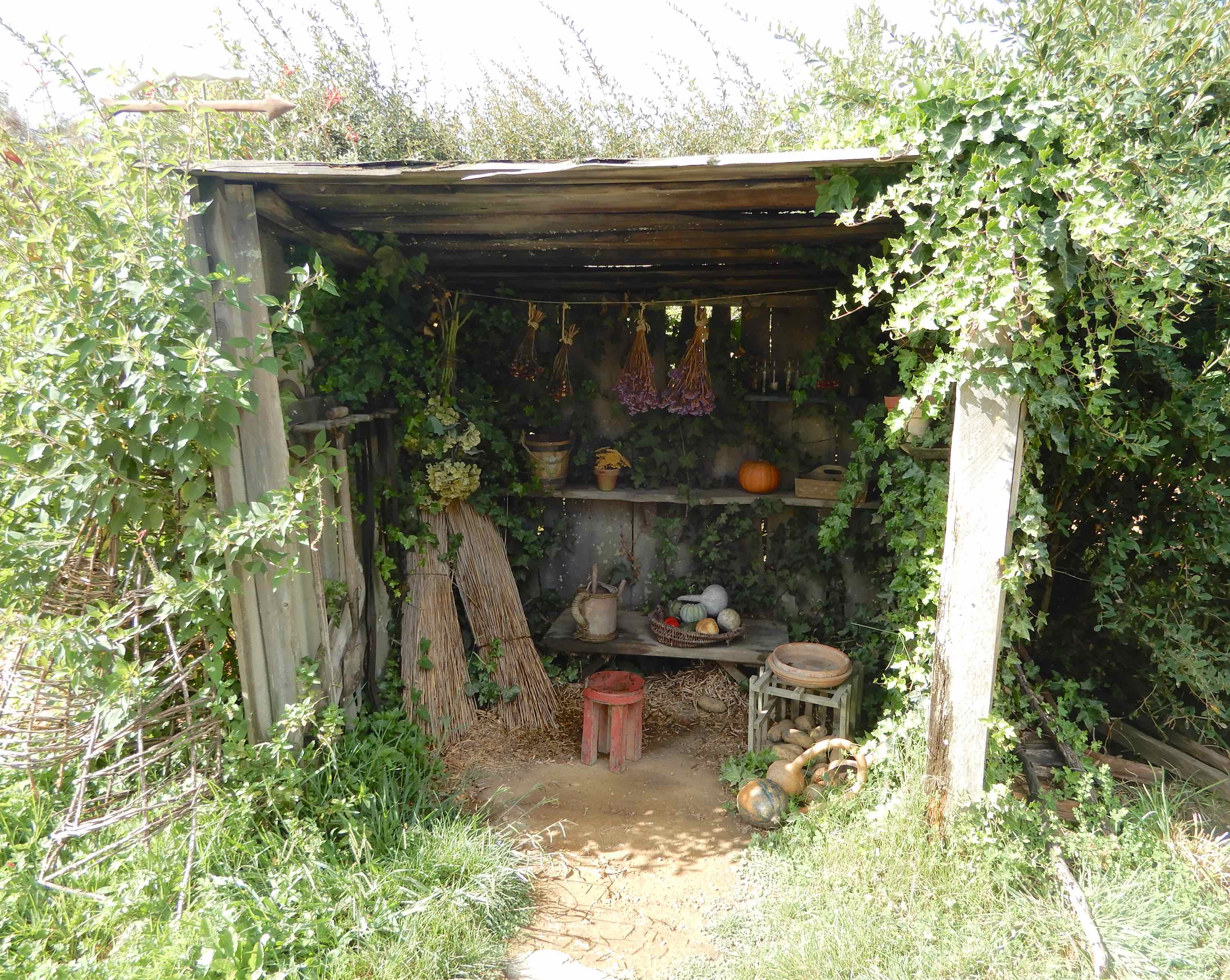
Our circuitous route returned us to the car park past flourishing vegetable gardens
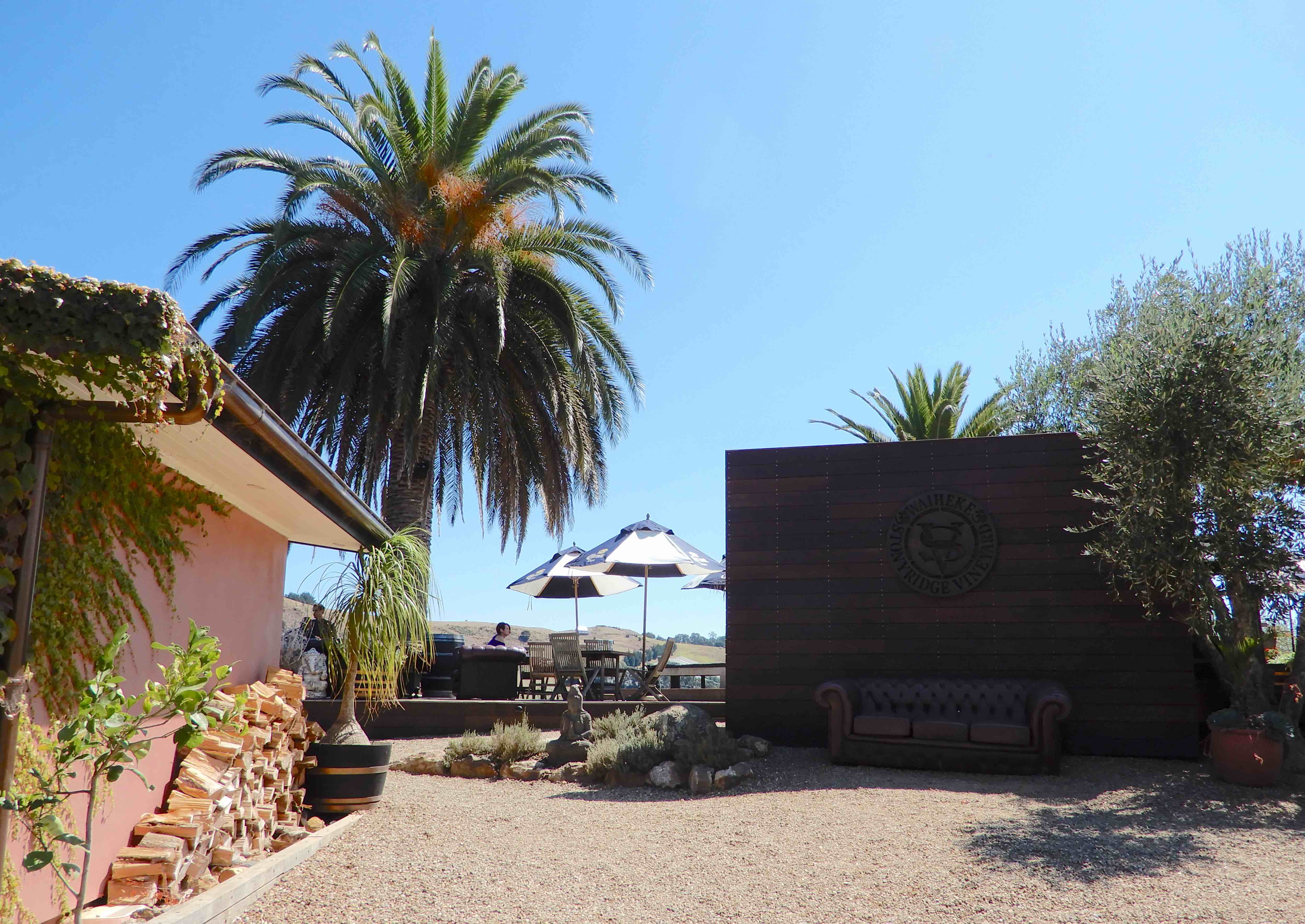
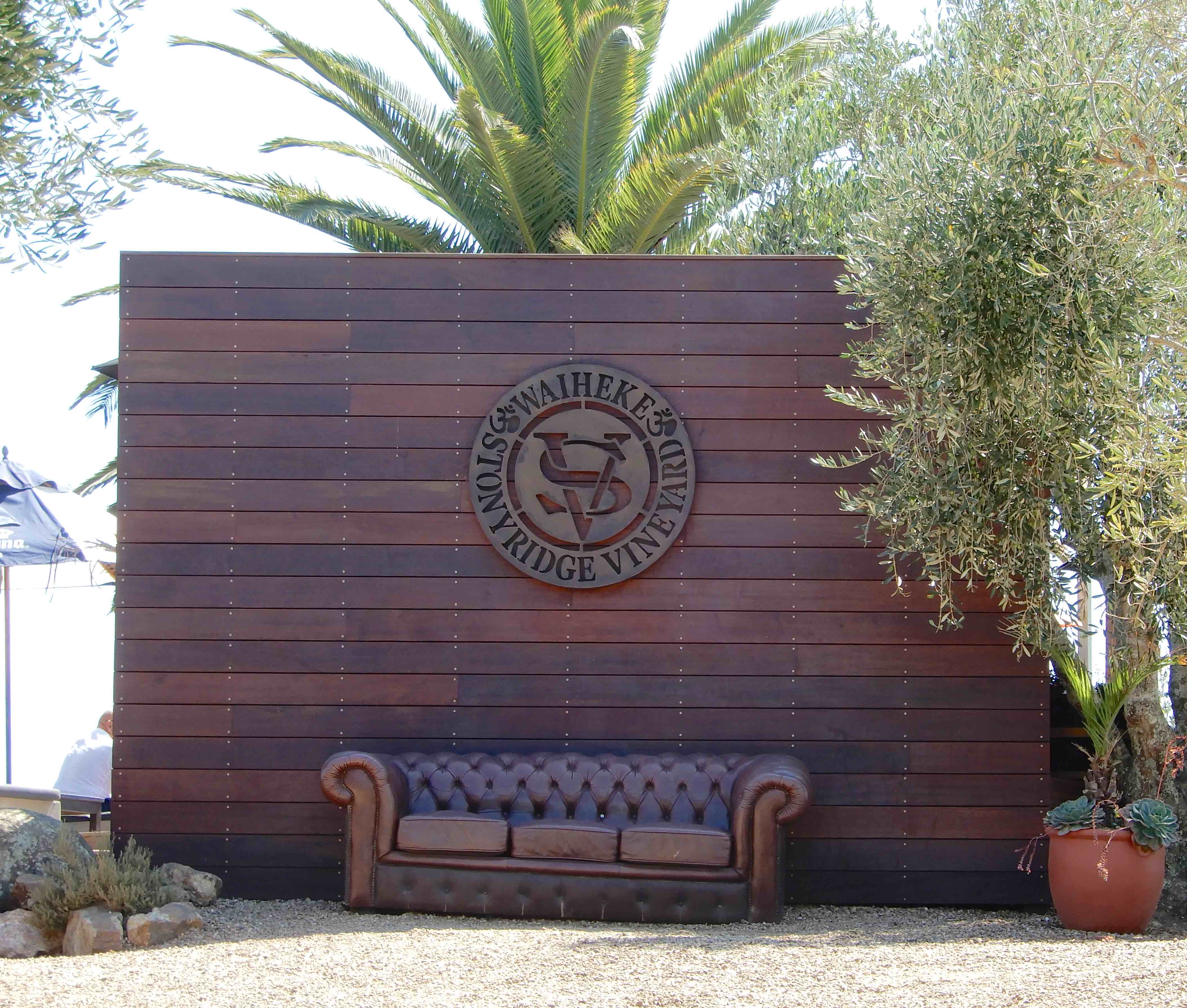
A stunning scenic drive from Matiatia Bay along narrow, winding roads brought us to the first port of call on our Taste of Waiheke Tour, Stonyridge Vineyard.
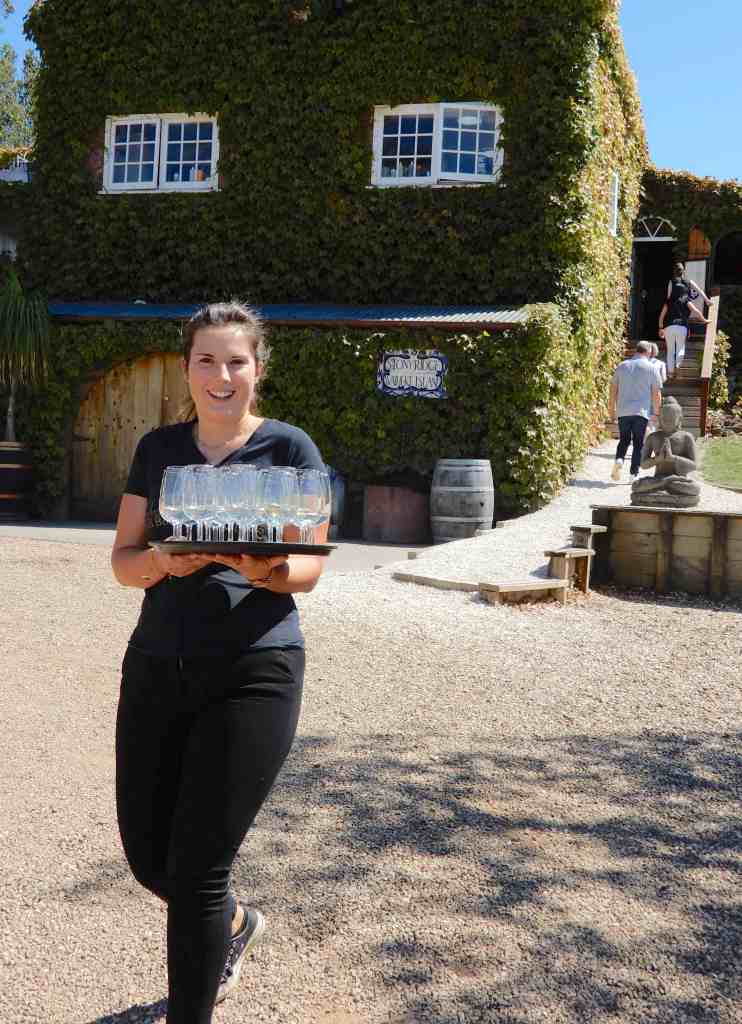
It wasn’t long before we were greeted with a lovely smile and a tray of welcome tipple.
Gathering in the dappled shade of the olive grove, we heard more about the superb wines we were tasting in the company of gnarly aged cork trees.
Stonyridge became the first commercial olive grove in New Zealand after friends and family initially planted the trees in 1982.
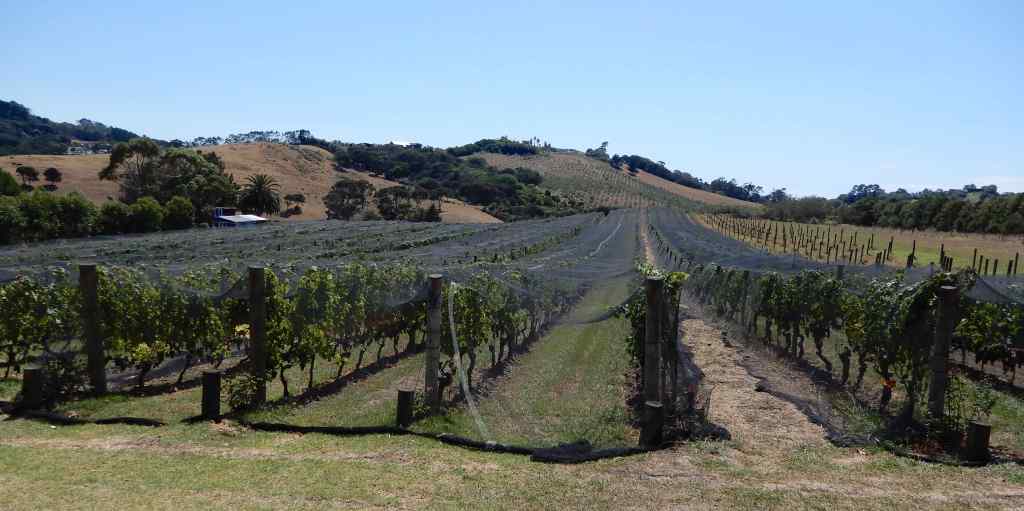
The first Bordeaux vines were planted the same year followed by Cabernet Franc and Malbec in 1983. Owner Stephen White produced the first vintage two years later and Stonyridge is now recognised as the home of world class Bordeaux style red wine. There was no shortage of comfortable seating to relax and savour a beverage while enjoying the expansive vista across the north facing vineyard.
Tables were set for our little group and we selected a wine to accompany the delicious quiche & salad.
We would have been happy to stay all afternoon but this was just the beginning.
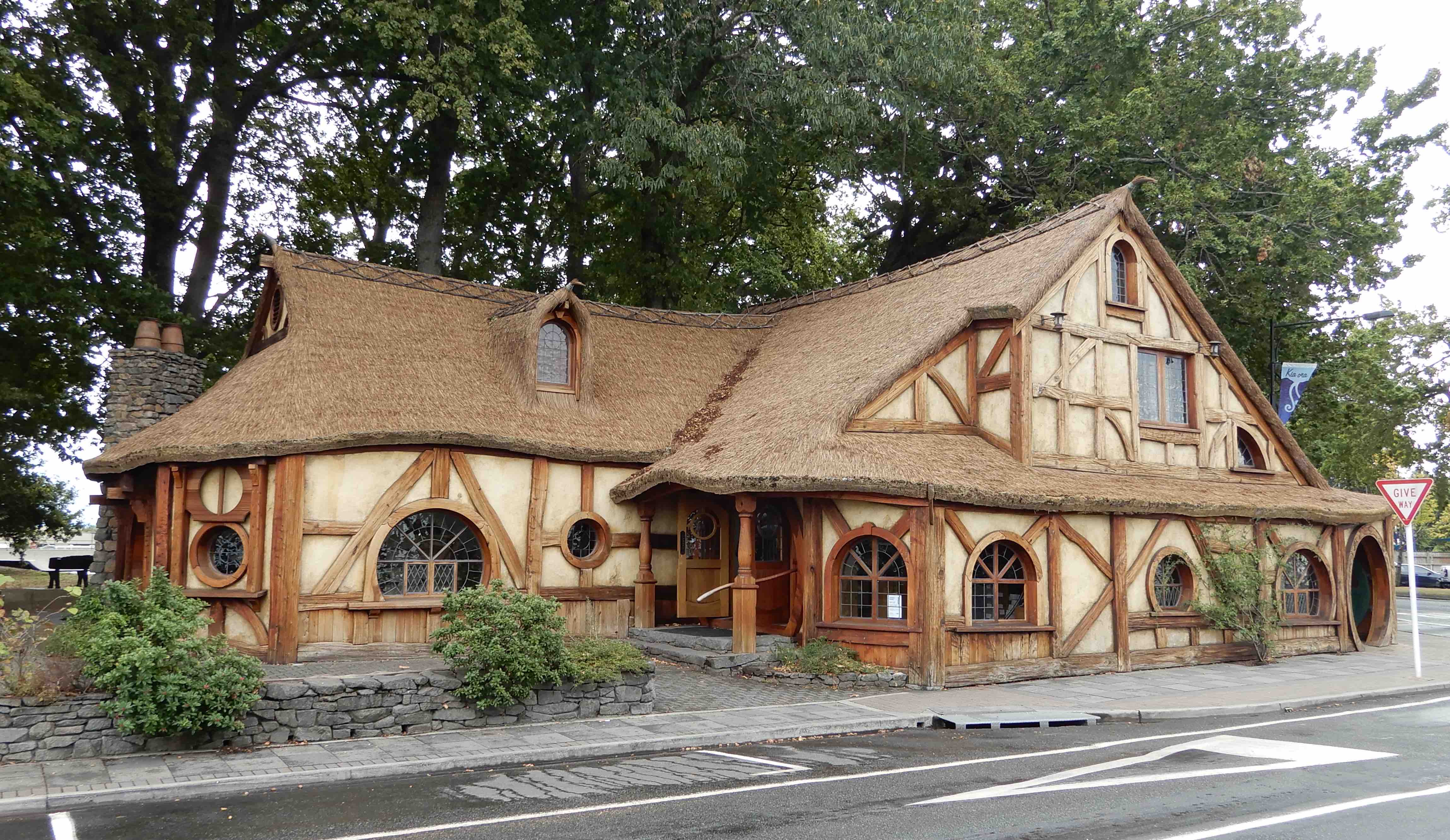
Much as we enjoyed our time in Auckland, after three nights we were ready to leave the confines of the city and breathe the country air. A scenic two hour drive south of Auckland, we arrived at Matamata. Established as a Māori pā in 1830, the name means ‘headland’ and the position on a ridge of high ground was perfect for the defensive settlement. The town is now recognised as the home of The Shire, anyone who is familiar with TheLord of the Rings will know what I mean. There was no doubt we were in Hobbit country when we located the information centre.
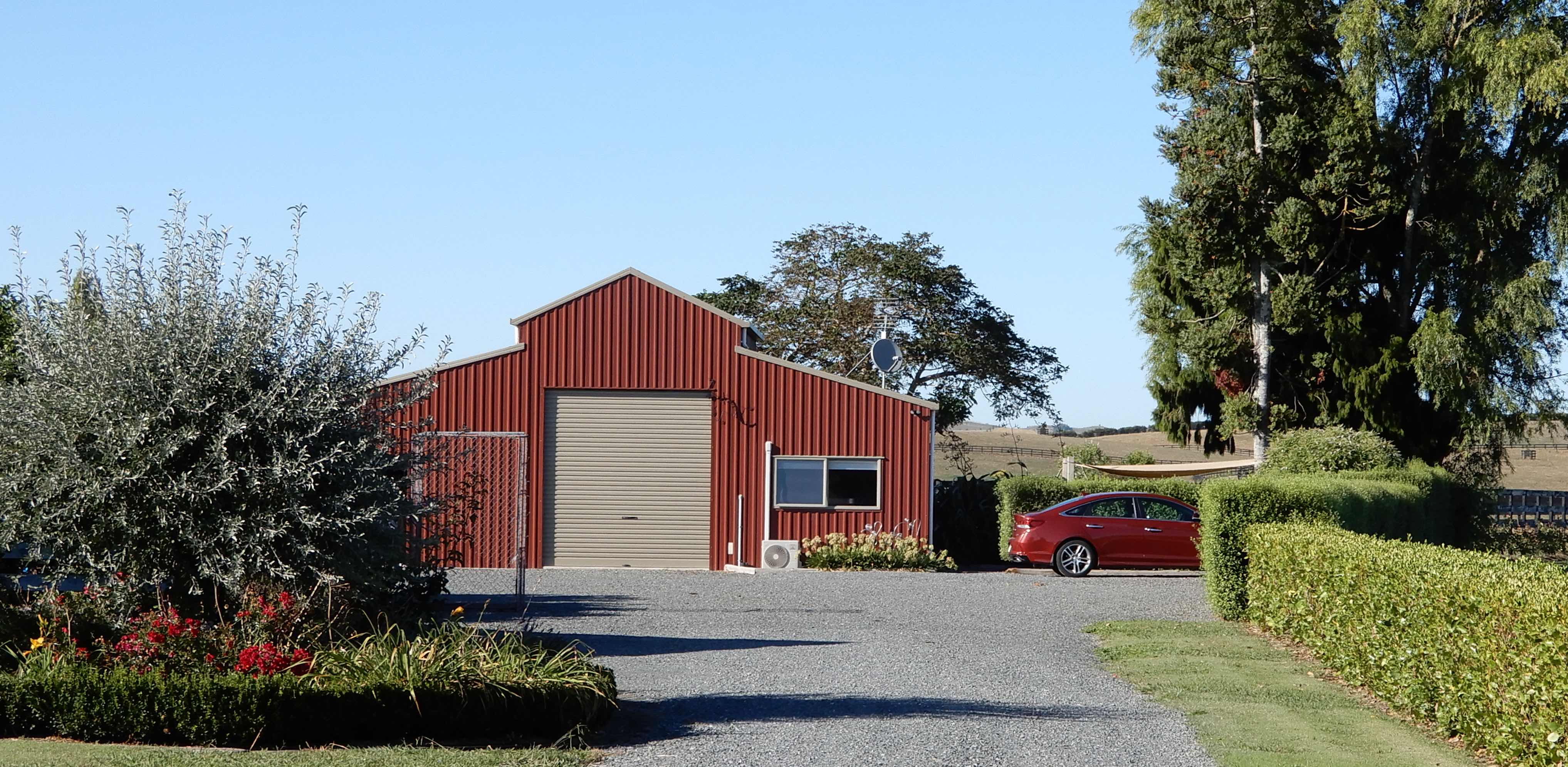
We were very fortunate to have booked accommodation only 4km from Hobbiton, it wasn’t difficult to see why Peter Jackson chose this area for the filming of his movie.
The setting of Buckland B&B couldn’t have been more peaceful,
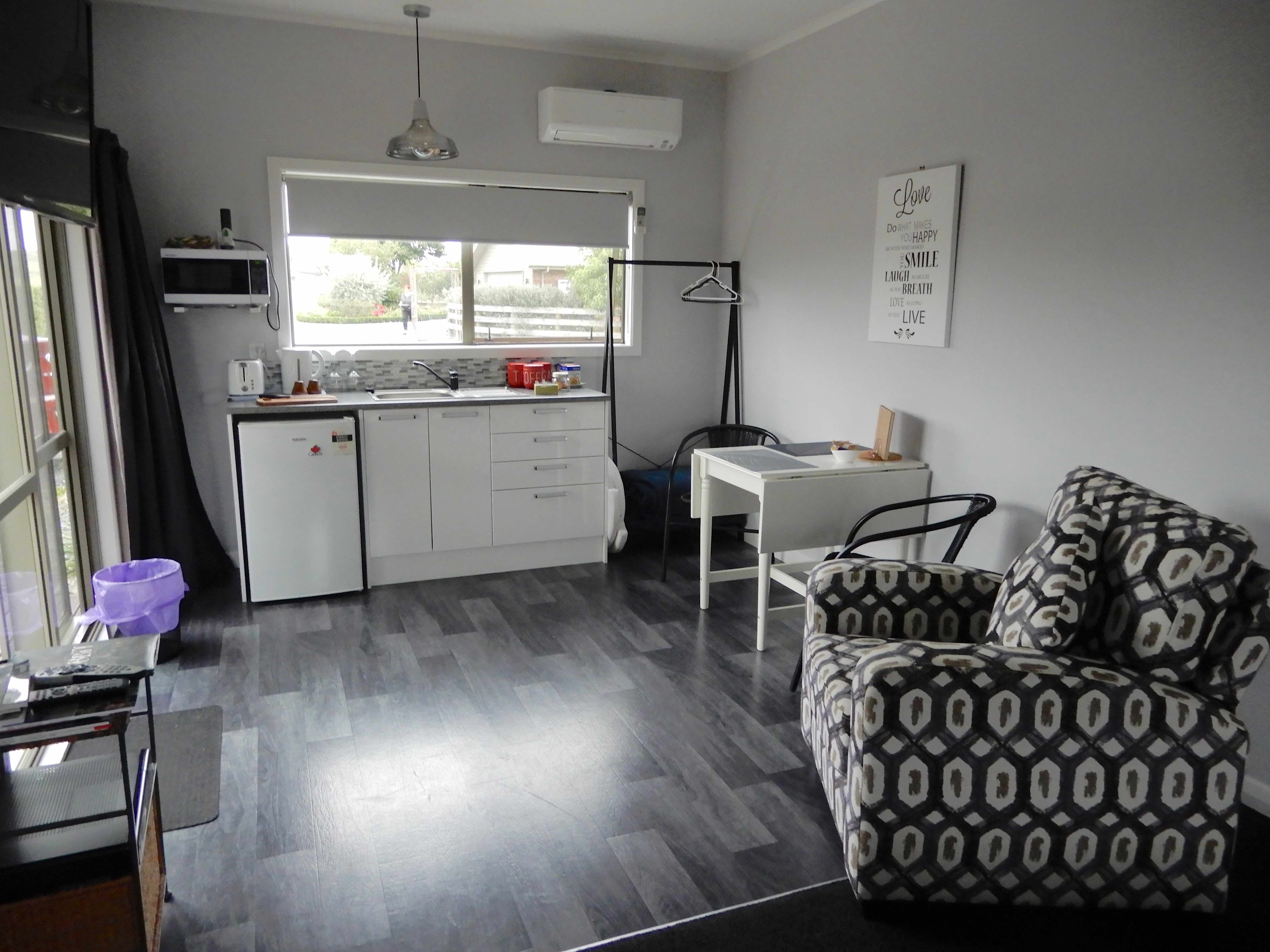
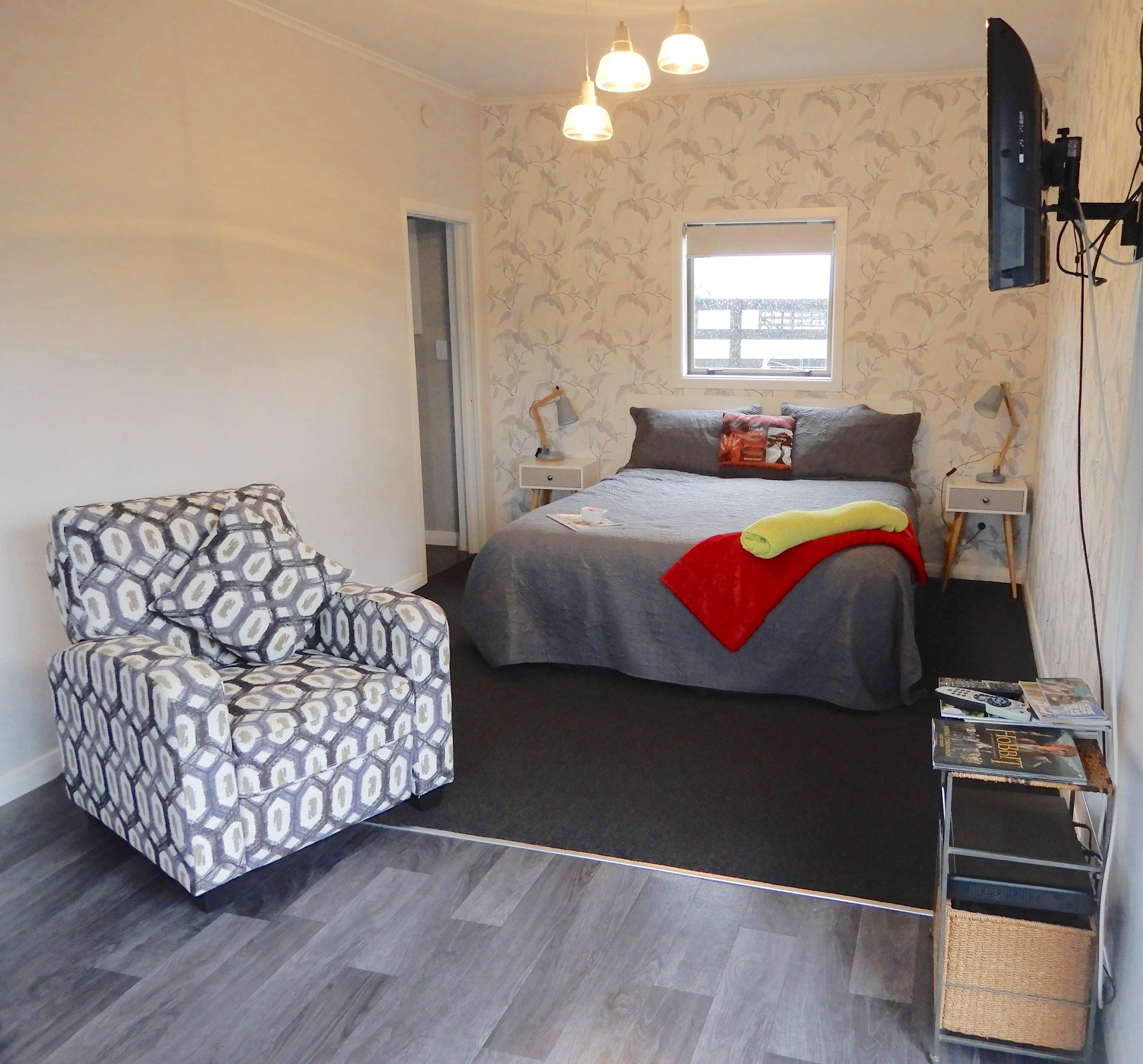
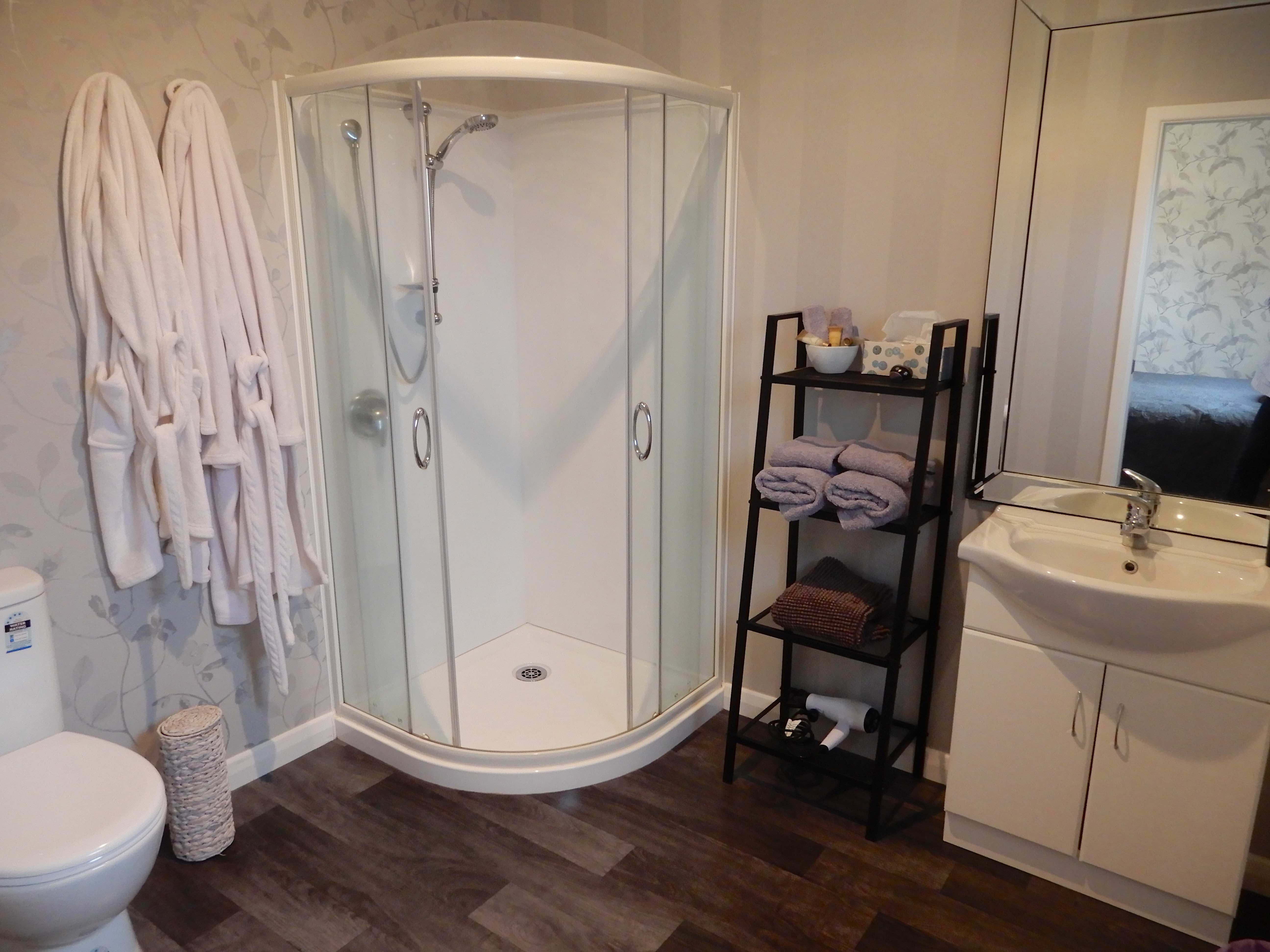
the spacious living area was a welcome contrast to our cramped city apartment. It is amazing how a section of this American barn has been so tastefully transformed.
The outdoor area was perfect for a late afternoon aperitivo,
undisturbed by the amiable neighbours.
Scrumptious homemade bread was delivered to our door daily, what didn’t get eaten for breakfast was enjoyed with our Rangihoua olive oil at dinner.
We stayed four nights at Buckland, not only is it close to Hobbiton it is a great base for day trips west to Hamilton and east to Rotorua. Thank you Tracy & Kevin for a wonderful experience.
Leaving the ferry after our wonderful day on Waiheke Island we enjoyed a supplementary beverage at Viaduct Harbour before exploring further.
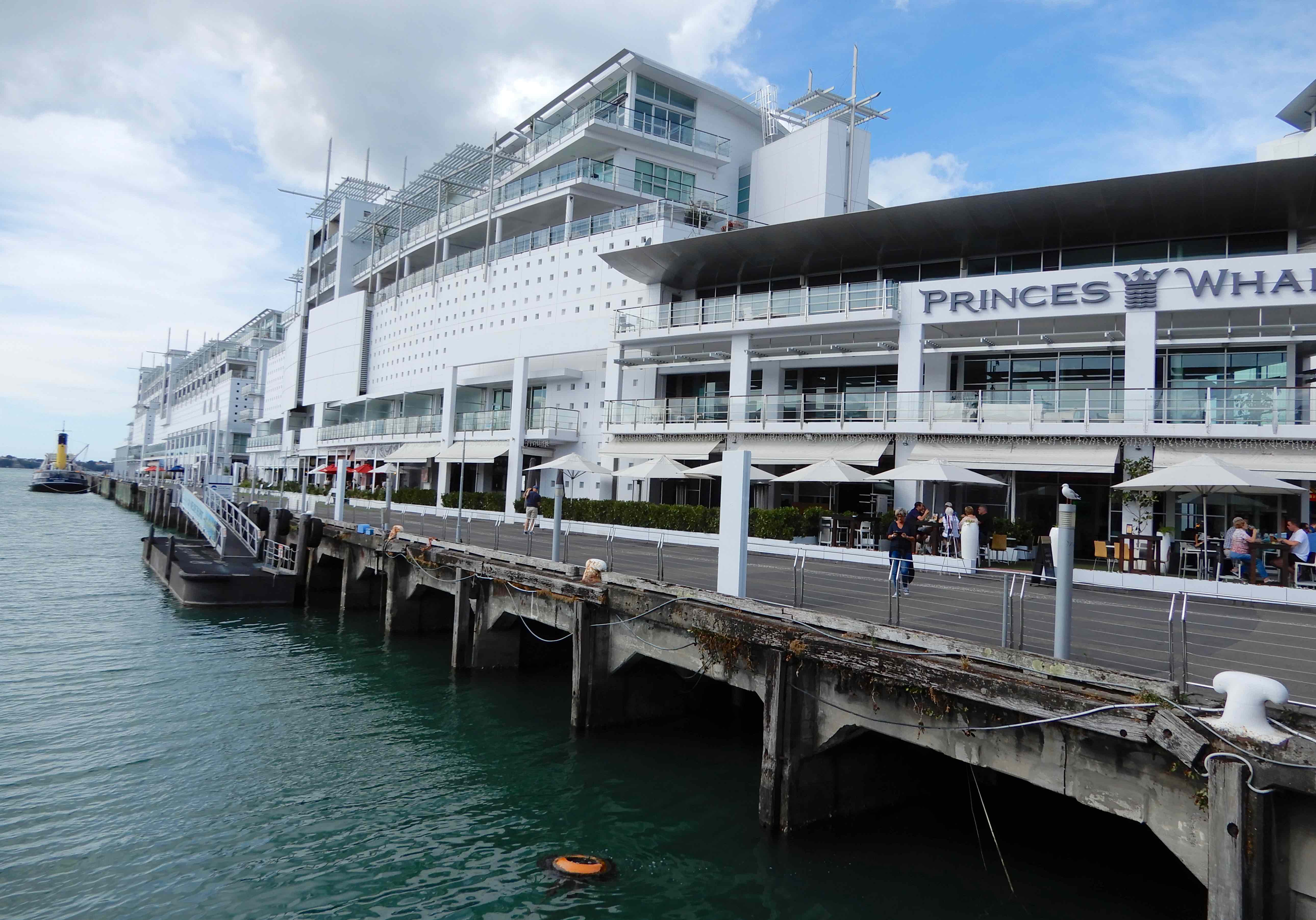
With evening meal time still a couple of hours away, we scouted the restaurant menus along Princes Wharf. There were some definite possibilities but the doof-doof music emanating from the establishments wasn’t really enticing for a relaxing dining experience.
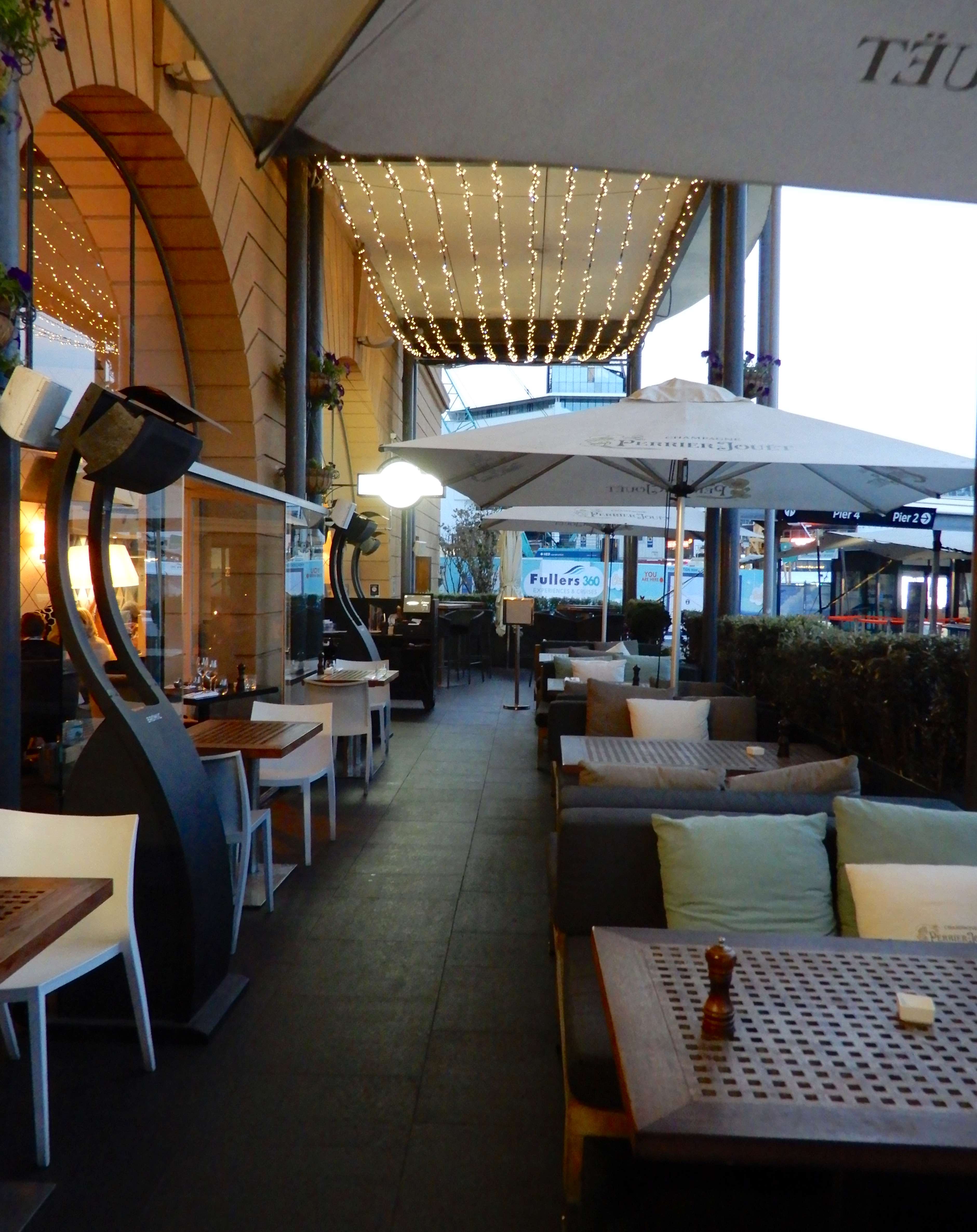
Returning to the old Ferry Building, we settled in the sunshine at Botswana Butchery for, you guessed it, another beverage.
We were very comfortable watching the ferries come and go
and, after perusing the menu, we moved inside to dine as the light was fading.
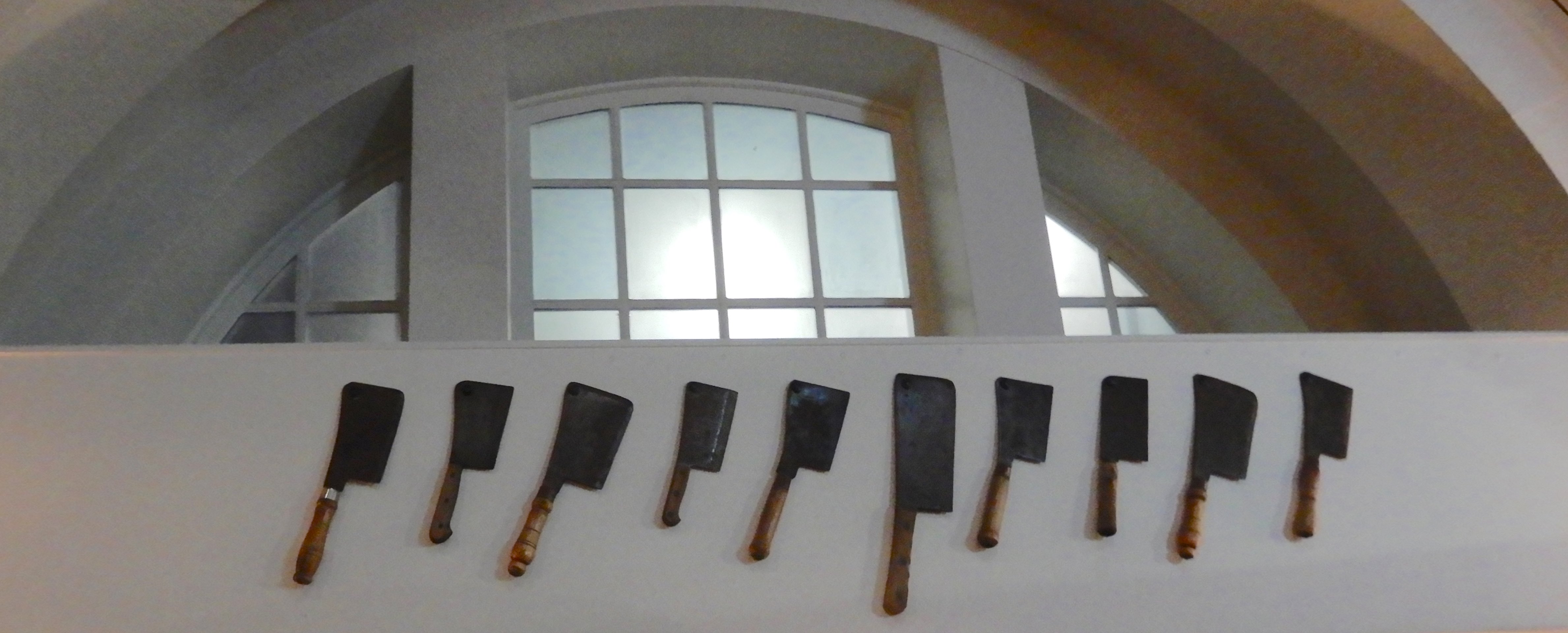
The stunning décor coupled with genial waiting staff made for a lovely, relaxing ambience.
Using the best local ingredients, the meals were superb. I had Crispy Half Duckling with blackberries, parsnip puree, baby vegetables, watercress & duck jus, while Michael opted for the Raukumara Venison Loin (from the Raukumara Ranges, Bay of Plenty). Steamed Seasonal Vegetables completed the main event.
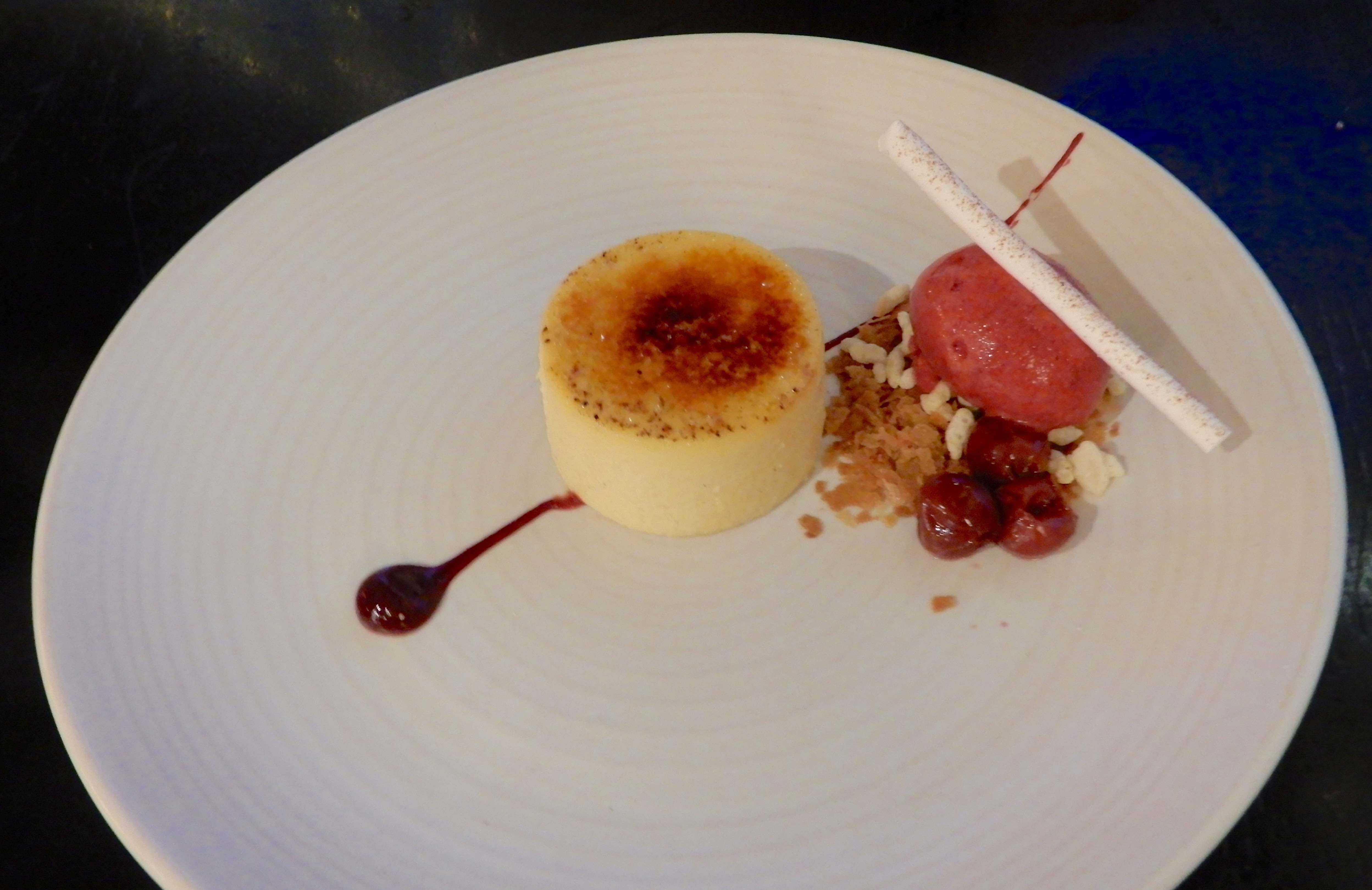
There was only one element left to make my day complete – Vanilla Crème Brulee with cherry sorbet, rice flakes, pickled cherries and a meringue cigar.

































































 cannonhillchronicles