dewdrop diamonds

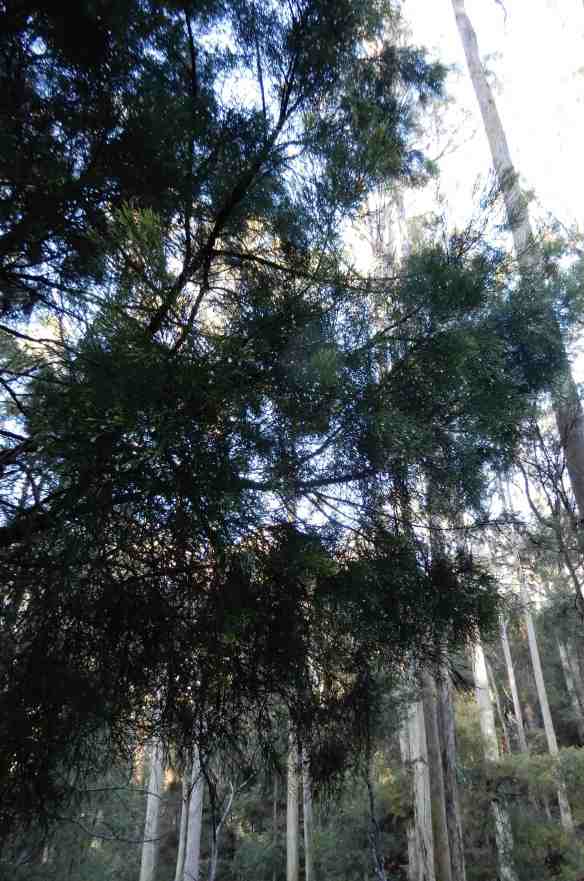
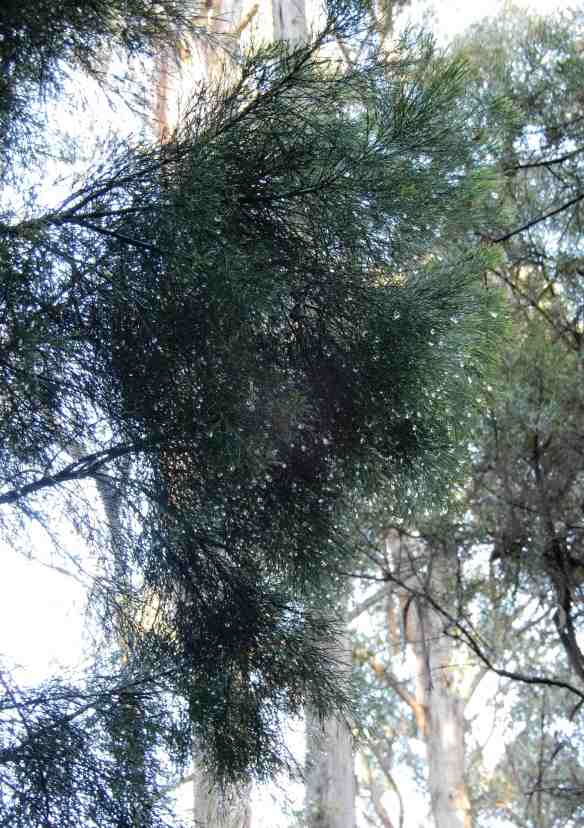
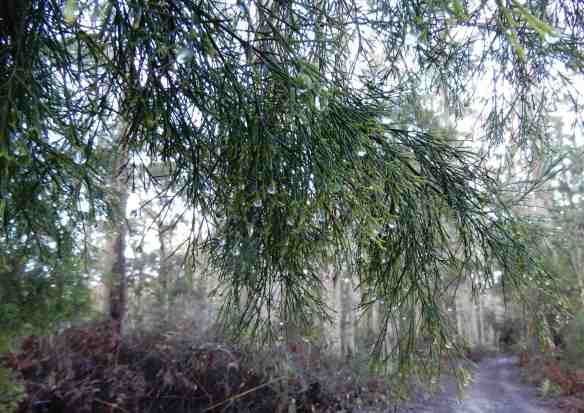
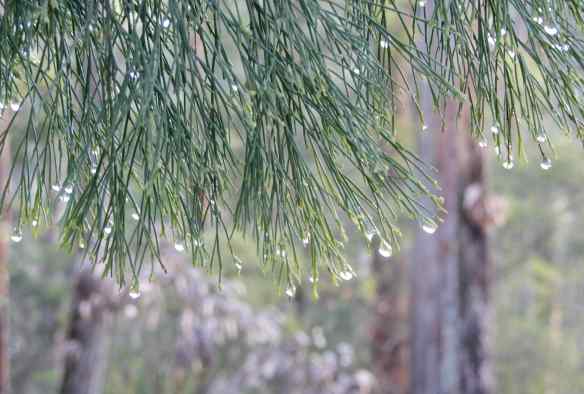
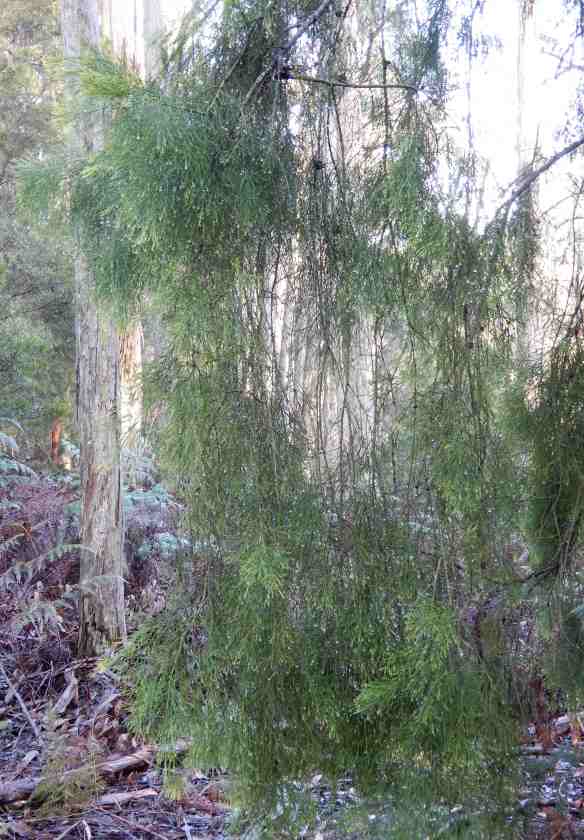
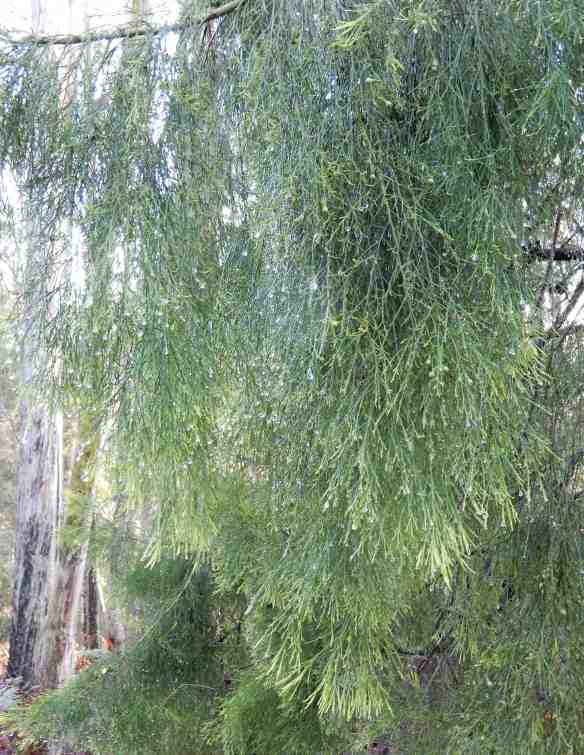
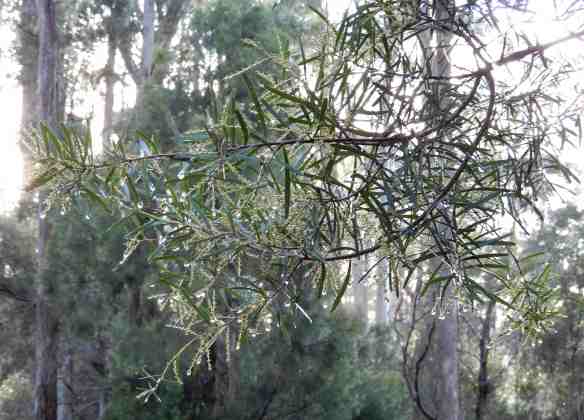
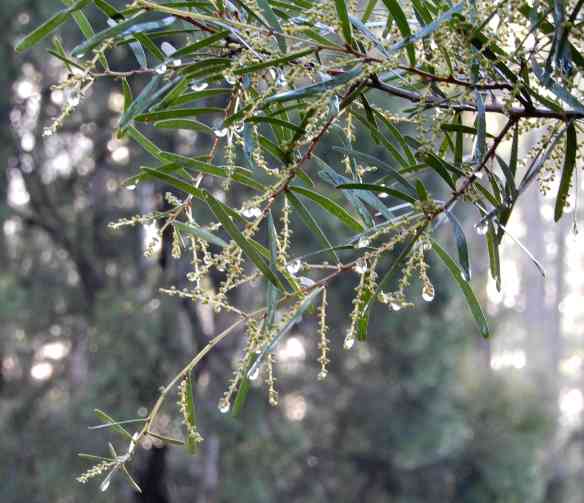
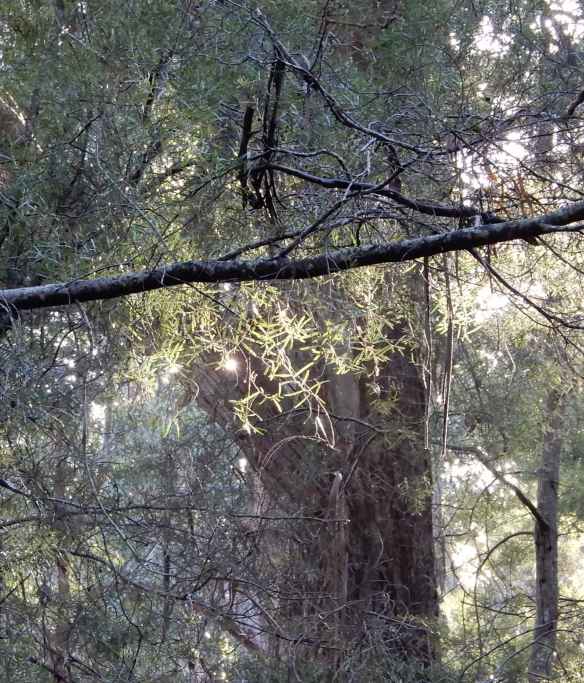
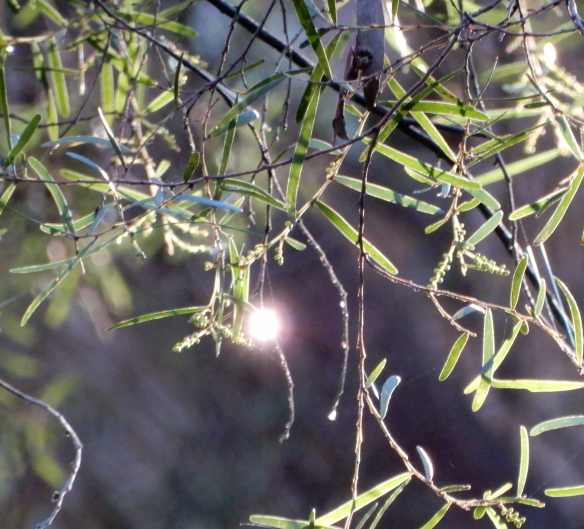
Walking in the forest on a crisp, cold morning after a heavy frost is like strolling through nature’s jewellery store. The sun, low in the sky, turns simple dew drops into glittering diamonds.

1.dewdrops2.dewdrops3.dewdrops4.dewdrops5.dewdrops6.dewdrops

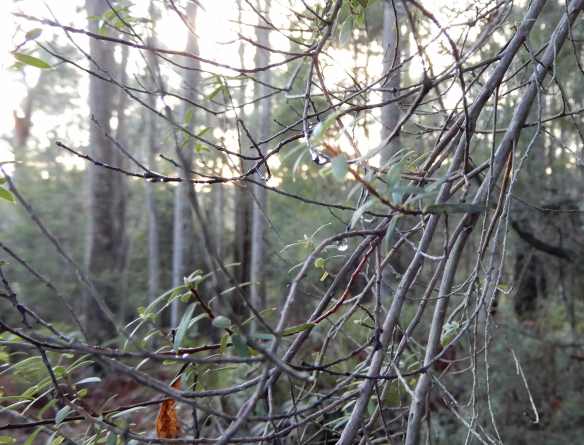
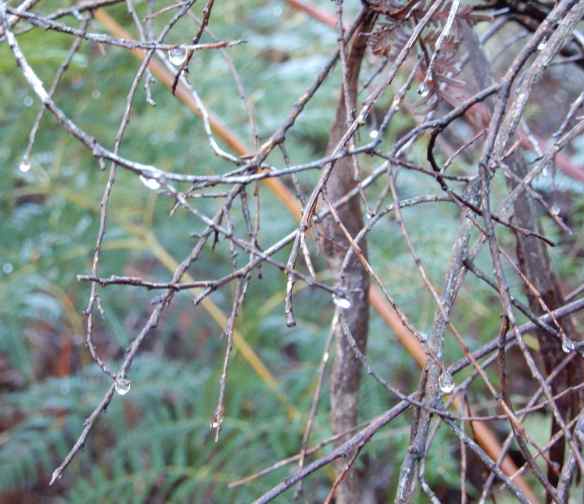
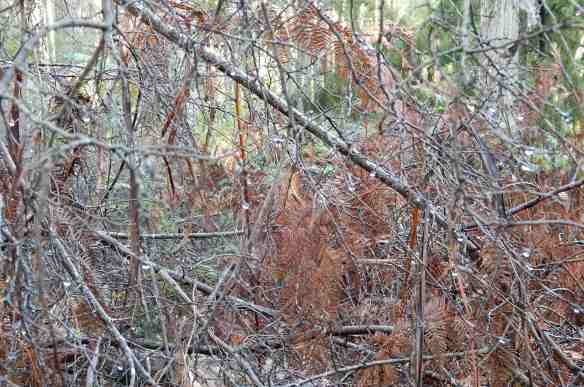
Even those stems bereft of foliage held onto the occasional glistening droplet.

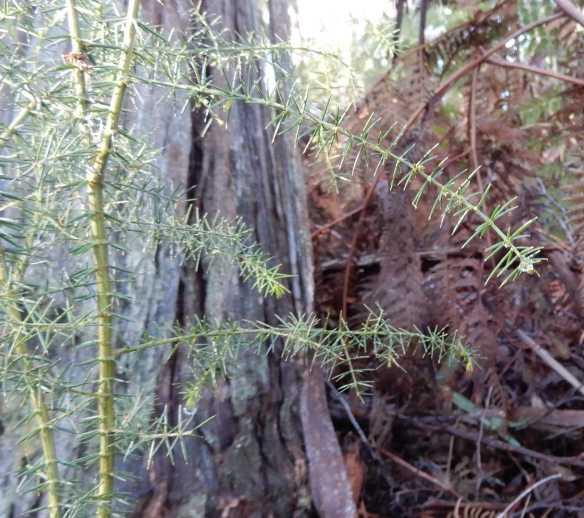
7.dewdrop8.dewdrops9.dewdrops10.Prickly Moses

I was like a child in a sweet shop, I couldn’t get enough of this amazing beauty.

11.dewdrops12.dewdrops13.dewdrop

The gems would disappear as the sun climbed, but for now I was content to experience another of nature’s treats.

14.dewdrop


resplendent robin

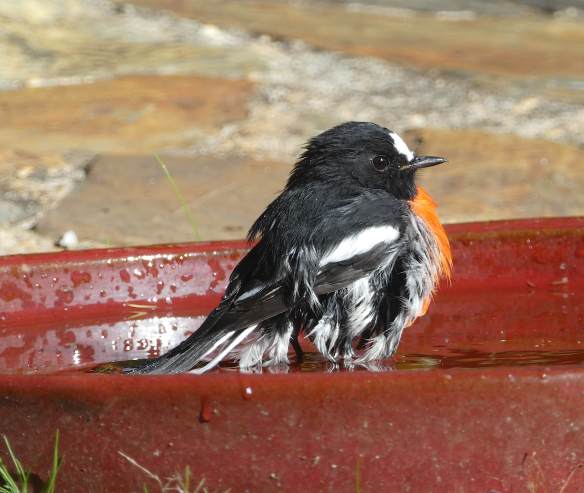
Winter has arrived and our gorgeous scarlet robins have returned. They form permanent monogamous pairs and move to the open forests during the warmer months, returning to nest in our garden as the days shorten. The male makes quite a show once he is back, letting everyone know this is his territory again. Late one afternoon, he spent quite some time admiring himself in the window. Unfortunately, he was in shade and I didn’t capture him in all his glory.

The next day, Michael sat patiently while the sun shone on the same perch, in the hope of catching the perfect image.

5.no robin

Initially disappointed, he was soon rewarded with a prolonged robin lavation.

The black headed honeyeater seems bemused by the aquatic antics, reluctant to take the plunge.

10.robin & friend

I haven’t seen the female recently and assume she is busy building the nest while he makes himself irresistible.

I’m pleased to say he is not totally narcissistic. While his partner incubates the eggs, he will feed her and both parents share responsibility for feeding the young.

13.robin

lunar landscape

One of the wondrous elements of living in the backwoods is the presence of a clear night sky. Many times, the night is never really dark, the light of the moon and stars filter through the closed curtains. Our last full moon was no exception. One evening, I had tucked myself into bed while Michael accompanied Poppy outside for her bedtime ablution. He promptly returned to retrieve my camera with the message that the moon was amazing. The first photo showed the bright, waning moon shrouded mysteriously in cloud.

1.moon

What followed was nothing less than spectacular. The countless craters, produced by meteor impacts are clearly visible. The dark regions are the seas, though they don’t contain water but are remnants of lava flows on the moon’s surface. Curiously, almost all the moon’s seas are on the side of the moon facing Earth. The light areas are the highlands and the bright rays shooting outward are impact craters. I wonder what is on the dark side of the moon?

2.moon

Southern Swan

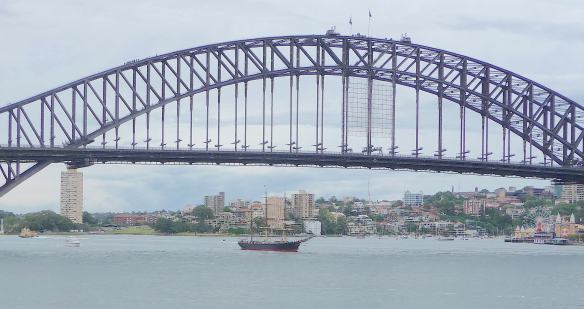
Strolling around The Rocks in Sydney one morning, we noticed a magnificent tall ship sailing in the harbour.
1.James Craig

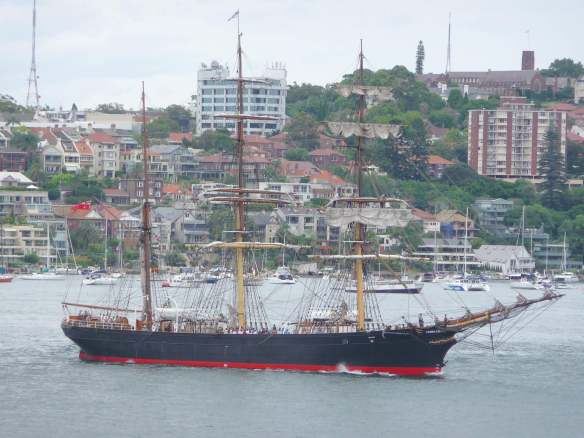
The James Craig, a 19th century barque, was rescued in 1972 from Recherche Bay in Tasmania where she had been purposely sunk in 1932. Restoration began in Hobart before she was towed to Sydney in 1981 where the work was completed and she returned to the sea in 2001.
2.James Craig

Watching her gracefully glide across the water, we knew we wanted the experience and promptly signed up for a twilight dinner cruise on the Southern Swan, berthed at Campbell’s Cove, The Rocks.

3.Southern Swan

Originally named Our Svanen, the three-masted barquentine was built in Denmark in 1922 and traded as a grain carrier through the cold waters of the North Atlantic. She then sailed Baltic trade routes as a cargo vessel for Tuborg brewery until she was purchased as a private vessel in 1969. Since then, she has served as a training ship with the Canadian Sea Cadets, travelled to Vancouver for the 1986 World Expo, sailed to England for the First Fleet Re-enactment and returned to Australia for the Bicentennial First Fleet Re-enactment. She now has a lovely home with stunning harbour views.

4.Southern Swan

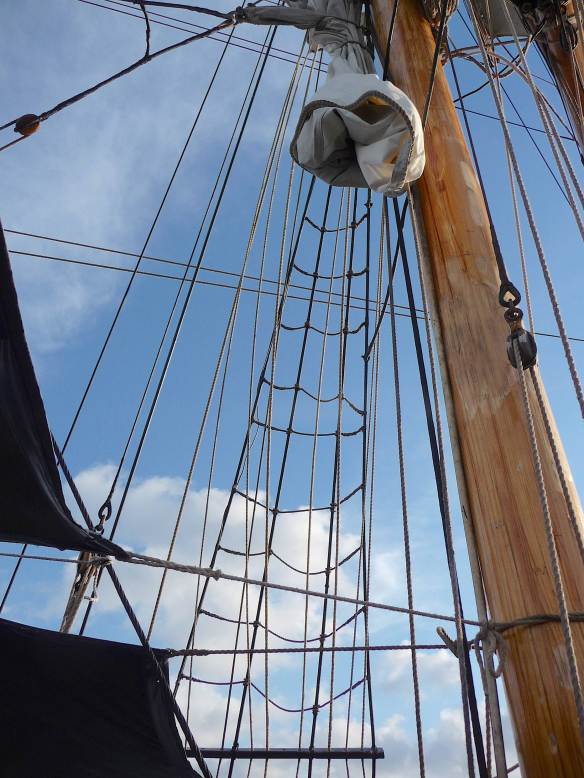
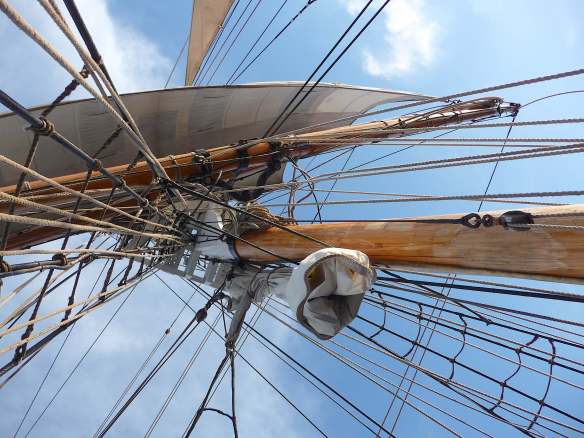
For two hours, we sipped champagne and enjoyed a delicious three course meal surrounded by the most beautiful harbour in the world (in my humble opinion). I was fascinated by the ropes and pulleys, works of art with a purpose.

As we neared the magnificent Sydney Heads, Bradleys Head lighthouse, built in 1905, warned of treacherous waters. The mast mounted on the point is from HMAS Sydney, renowned for her battle with the German cruiser Emden in 1914.

15.toward the heads

The tall ships cruise offers the chance of a mast climb challenge. There were no takers this time, possibly because alcohol is not to be consumed prior to a climb and, after all, it was a dinner cruise. Looking up at the mast was enough of a thrill for me.
16.mast17.mast

Our time on the water went by too soon and, as the sun sank in the west, we returned to Campbell’s Cove, another wonderful experience tucked away as memories.

18.mast

the humble bumble

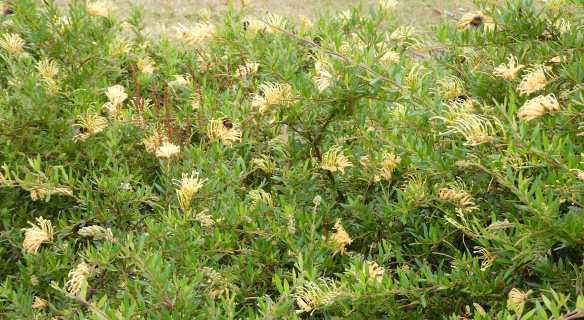
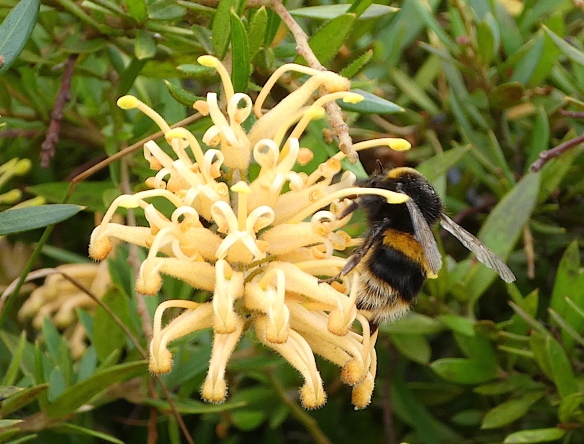
One of the things we noticed on our earlier visits to Tasmania was the presence of the bumblebee, something we had only seen in Britain. I was distracted from my gardening recently by the frenzied activity around the Grevillea.

1.Grevillea

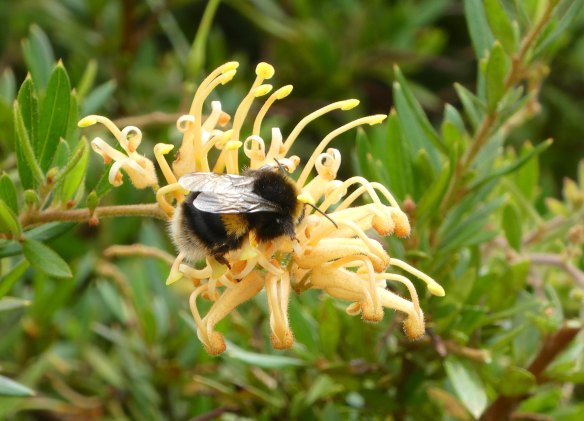
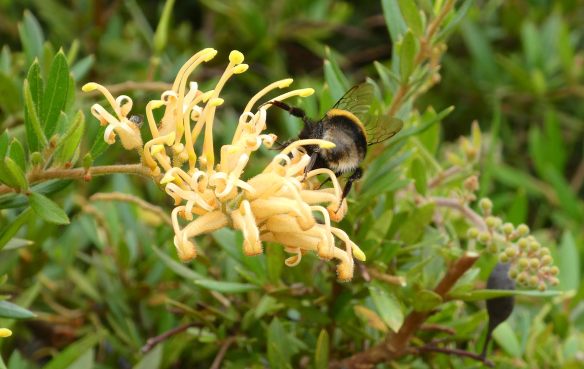
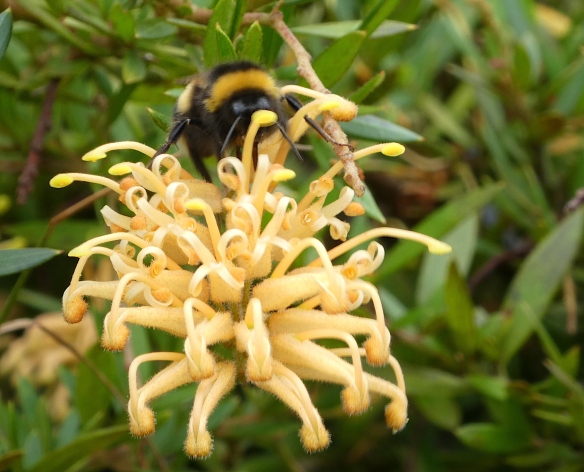
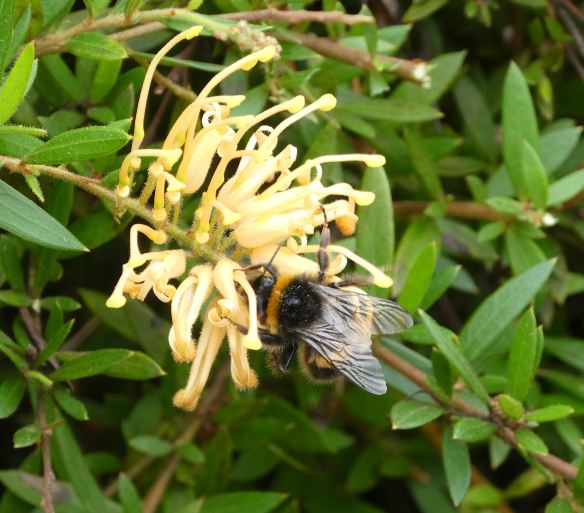
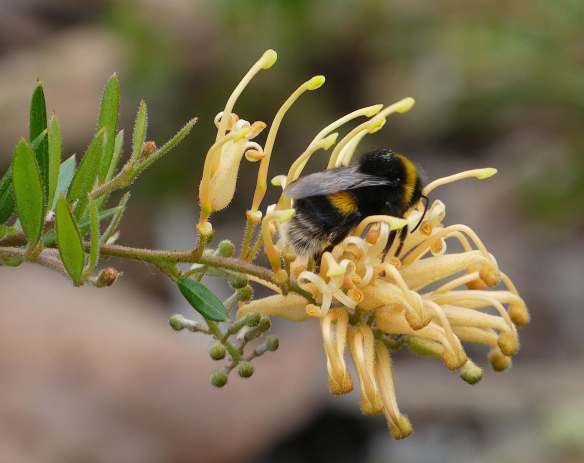
I sat with my camera, trying to capture these gorgeous little creatures at work. Bombus terrestris have round, furry bodies with a yellow band across the thorax and abdomen and a buff coloured tail end.

2.bumble bee3.bumble bee

They were first found in Tasmania in 1992, presumably introduced from New Zealand. Like their honey bee relatives, the bumbles feed on nectar. They lap up the liquid with their long, hairy tongues, sometimes making a hole in the base of the flower to access the nectar.

4.bumble bee5.bumble bee

Our cooler climate doesn’t bother these bees, they can absorb heat from even weak sunshine and are well insulated under their thick coats.

6.bumble bee

Bumblebees are very social insects and, apparently, very smart. There have been many studies on the behaviour of bumbles, I like the idea that they can play football

https://www.nature.com/news/bees-learn-football-from-their-buddies-1.21540

7.bumble bee

Unfortunately, in Australia the bumblebees are considered feral, with some concern that, being such efficient pollinators, they will increase the spread of environmental weeds. However, their decline in Europe, North America and Asia is causing concern as they are important agricultural pollinators. Tomato growers in Tasmanian have fought for years to change the laws to allow them to use bumblebees as pollinators but their applications have been rejected on environmental grounds.

8.bumble bee