Pieman River

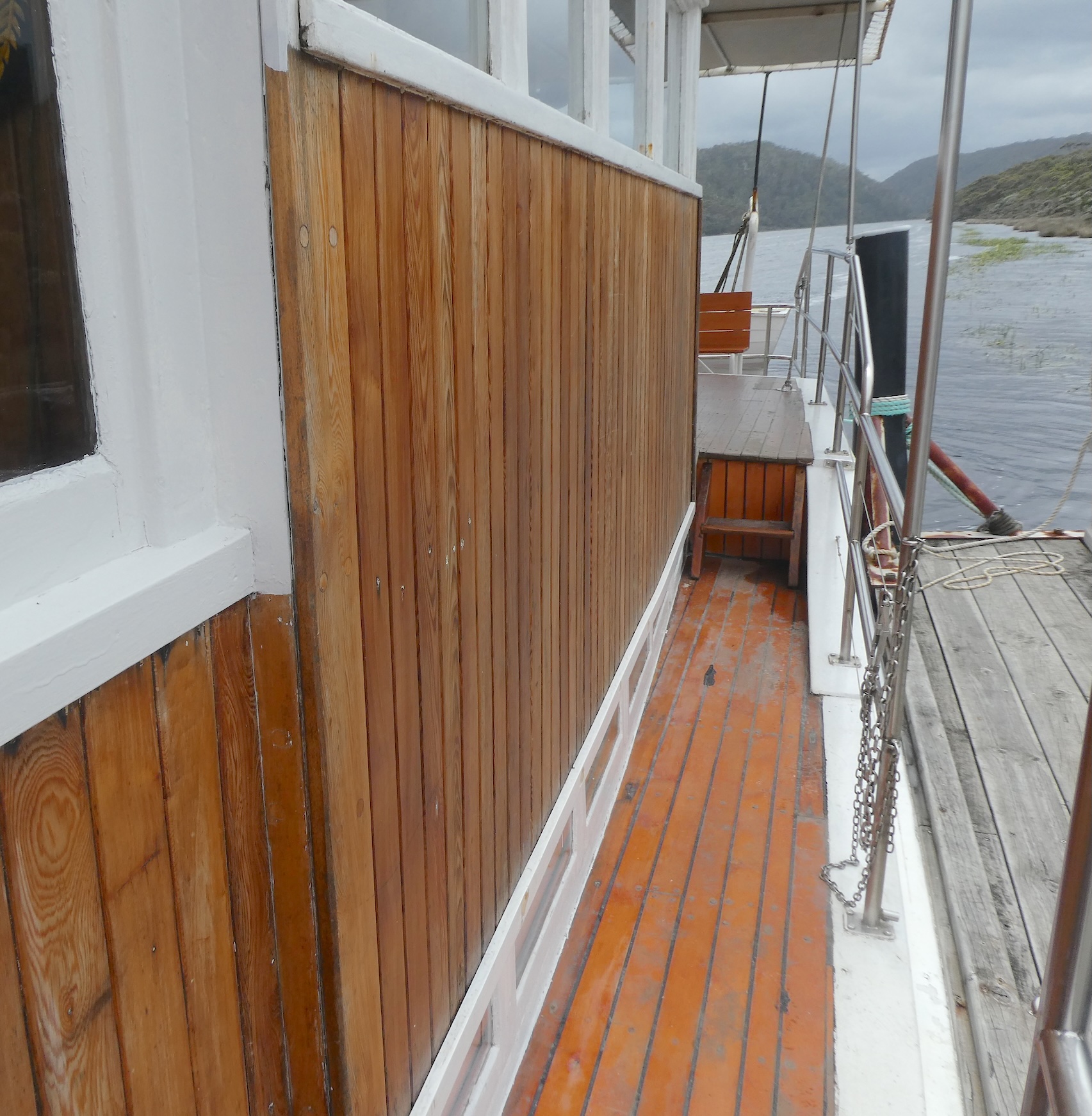
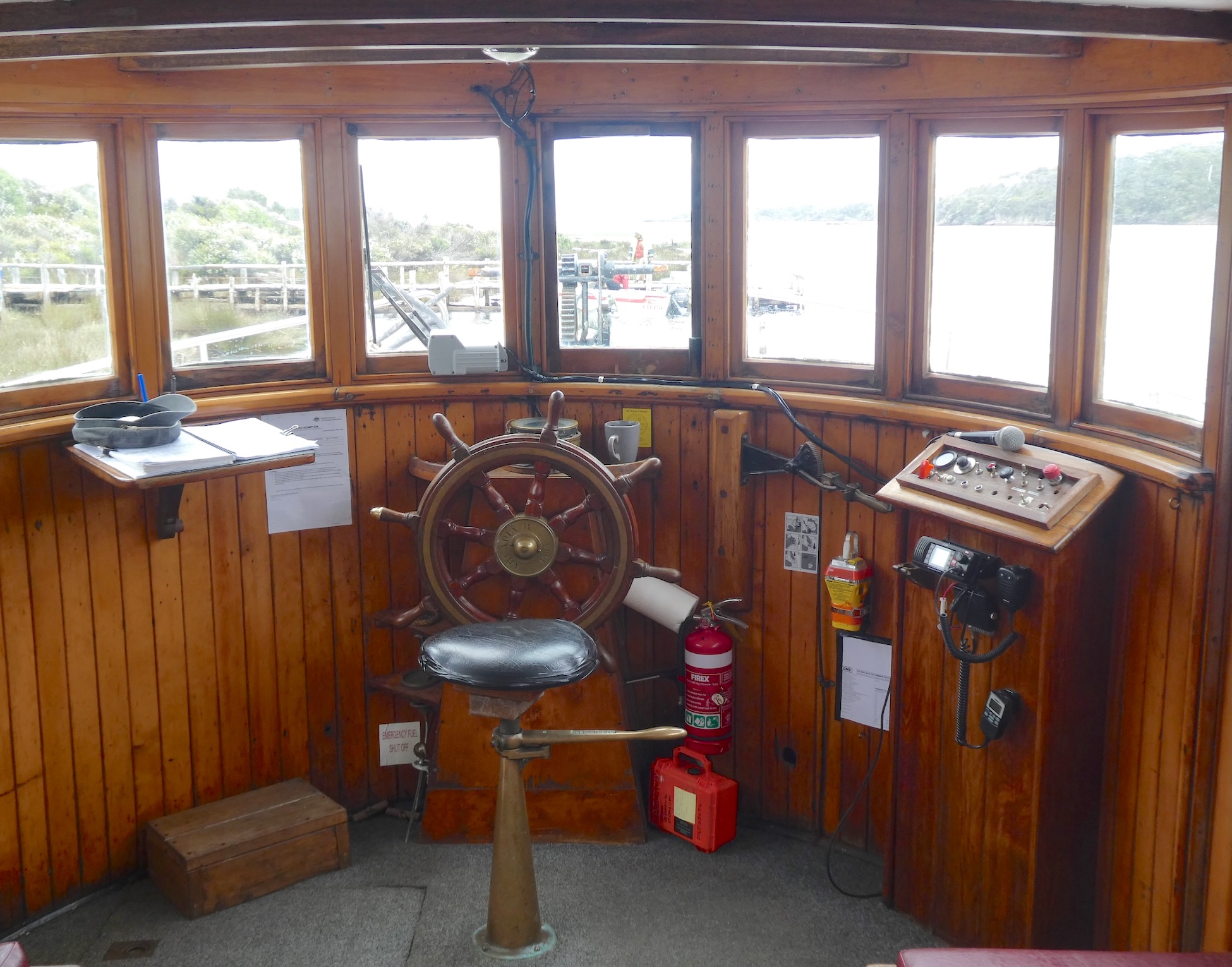
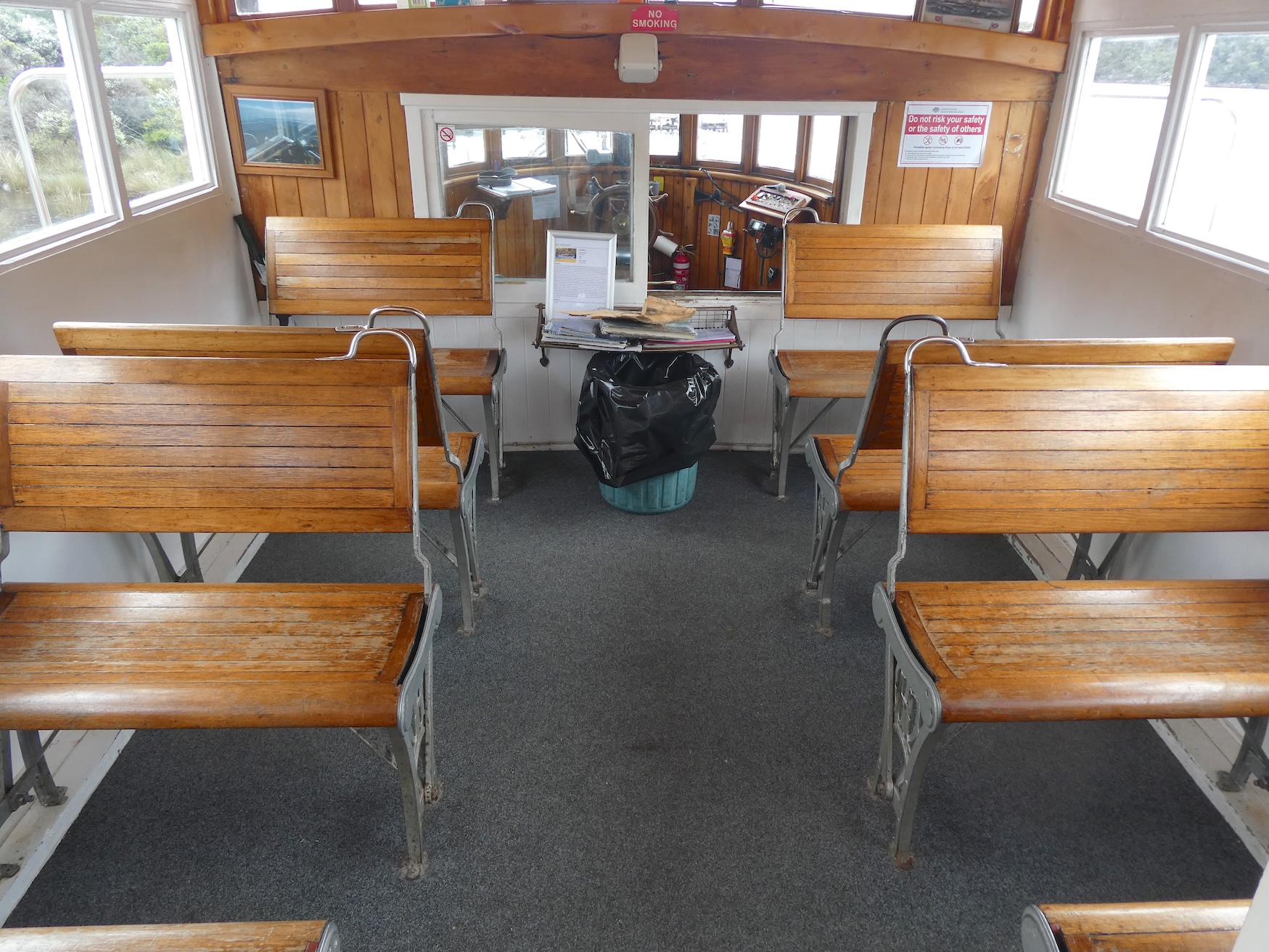
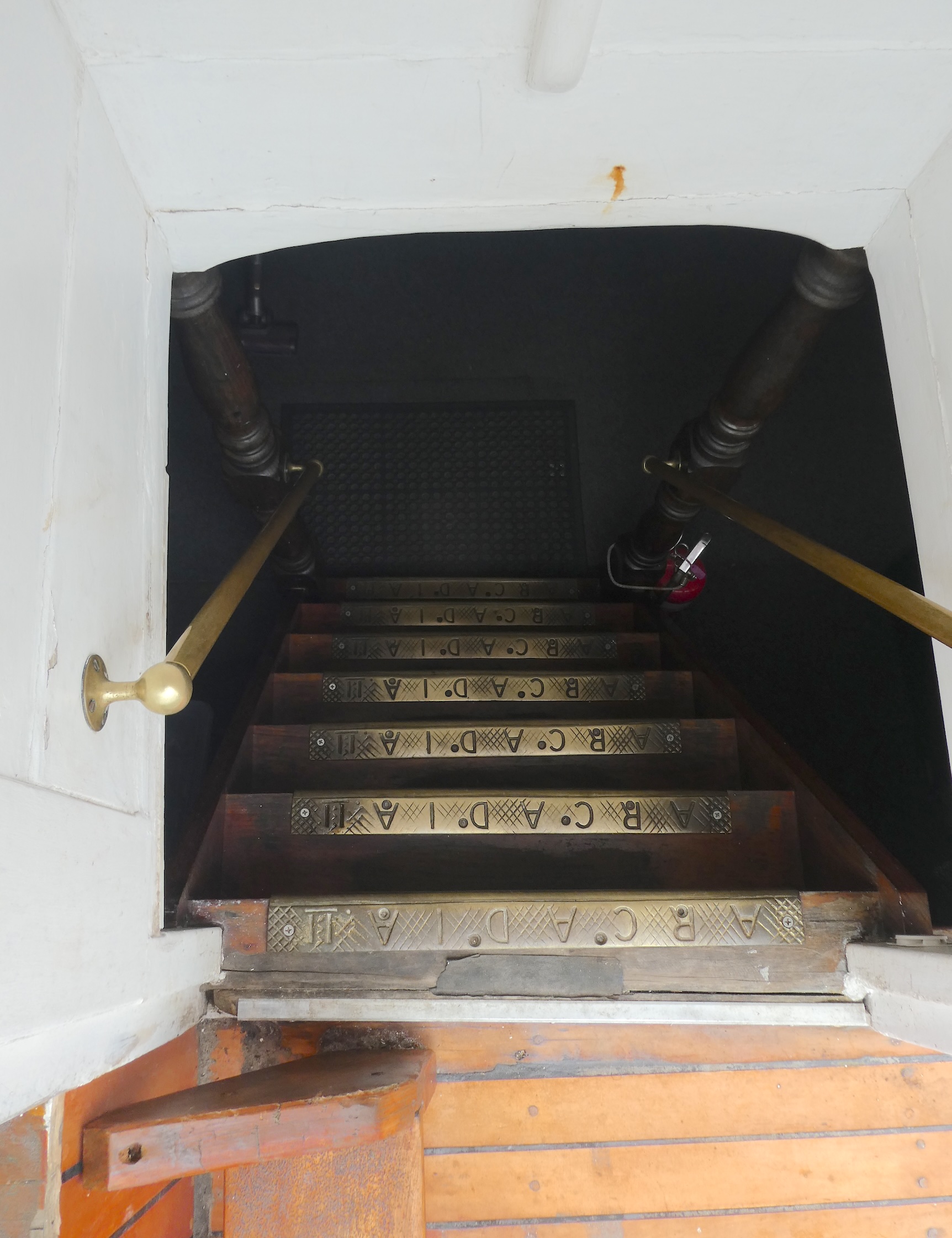
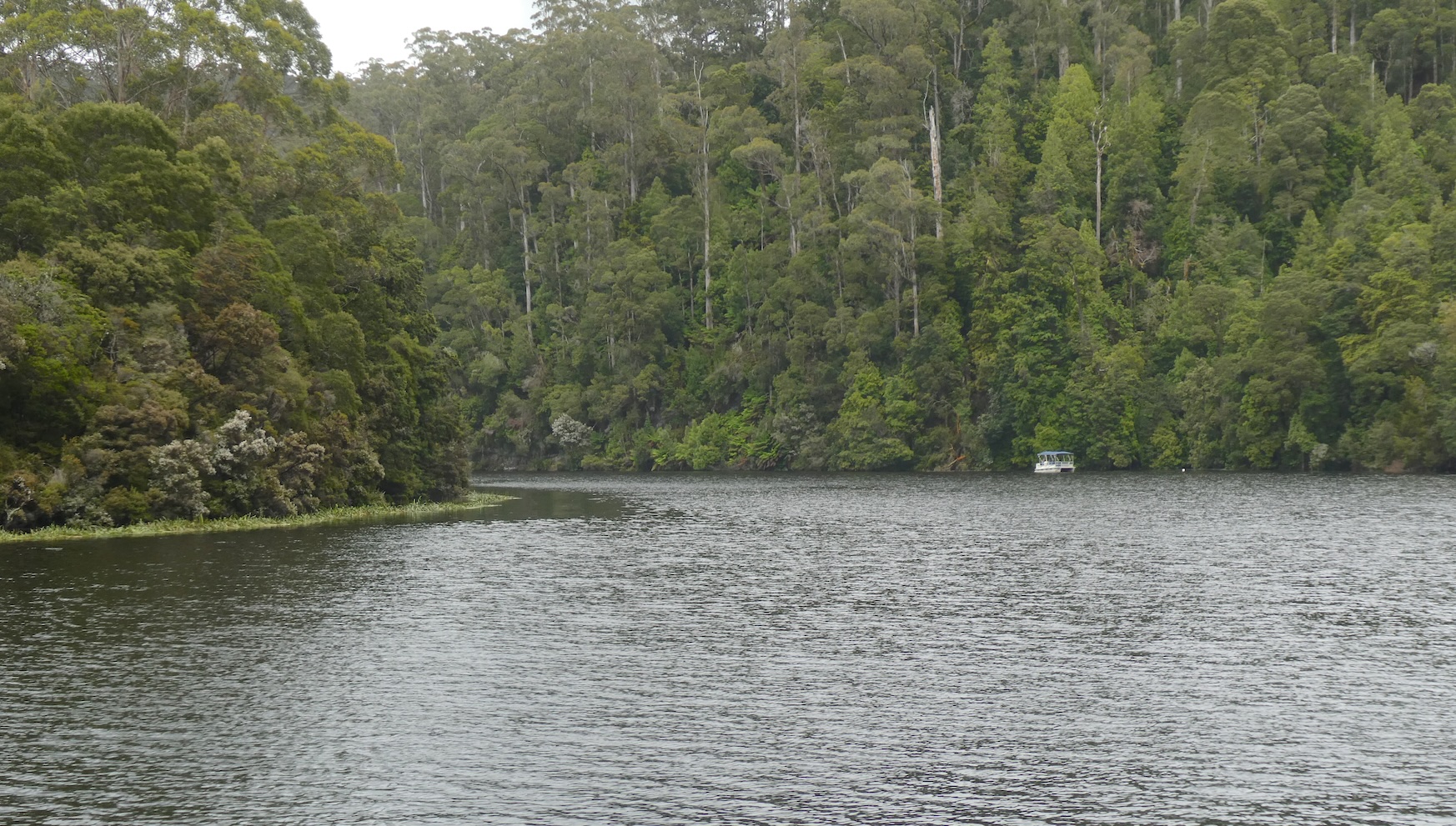
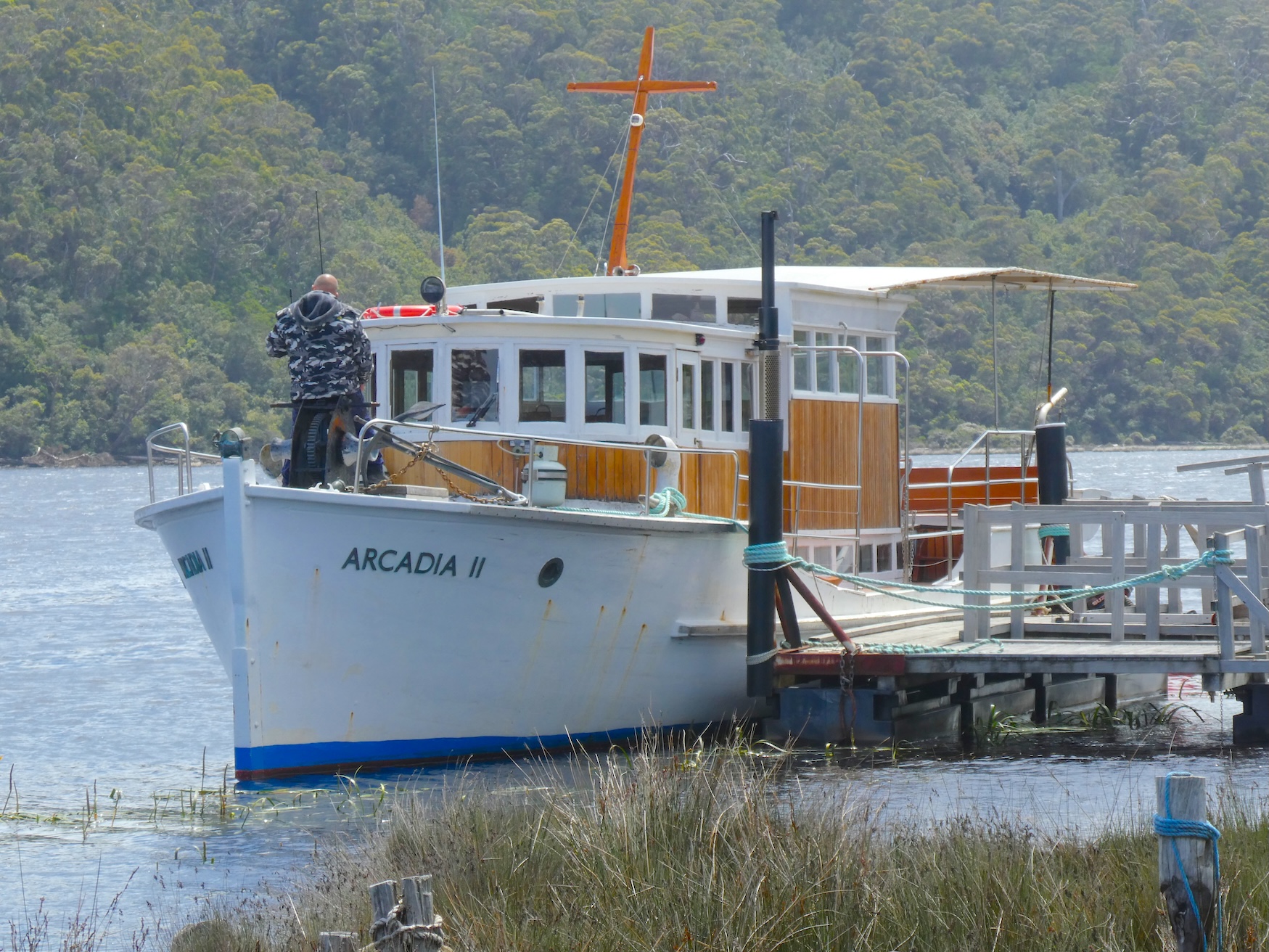
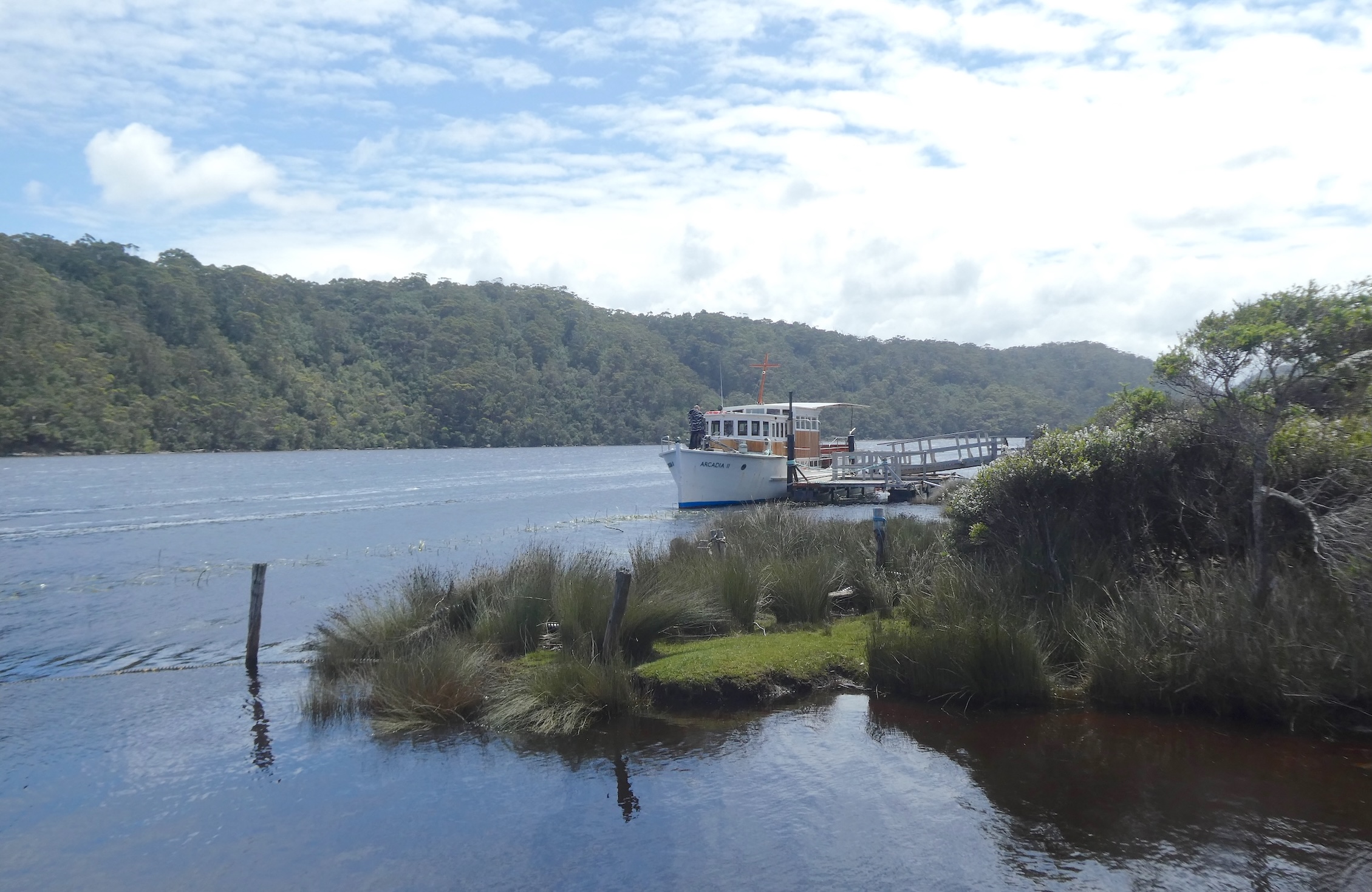
A leisurely way to experience the Tarkine Wilderness is to spend a few hours on the Pieman River aboard the heritage vessel, MV Arcadia II.

The 17 metre boat was built of Huon Pine in 1939 as a luxury pleasure craft based in Hobart. She was requisitioned to serve as a supply ship in New Guinea during the Second World War. Life became more peaceful as a scallop fishing boat on the east coast of Tasmania and then as a cruise boat on Macquarie Harbour and the Gordon River in 1961.

The Arcadia II has been cruising the Pieman River since 1970 and is the only Huon Pine river cruiser still operating anywhere in the world. A refurbishment in 2006 returned her to original pristine condition. I was hoping we had no need for the lifeboat.

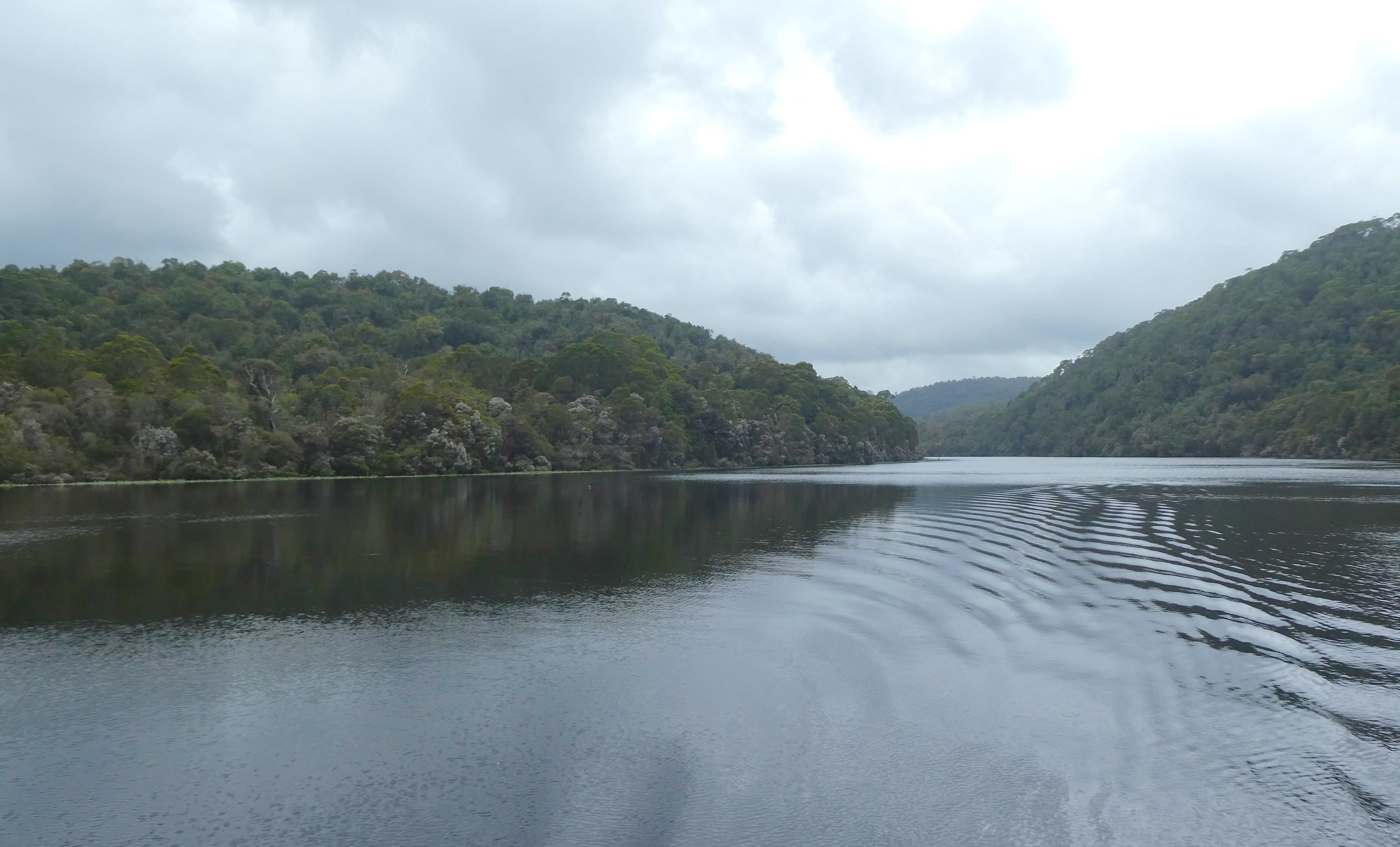
We departed from Corinna at 10am on a moody, overcast morning.

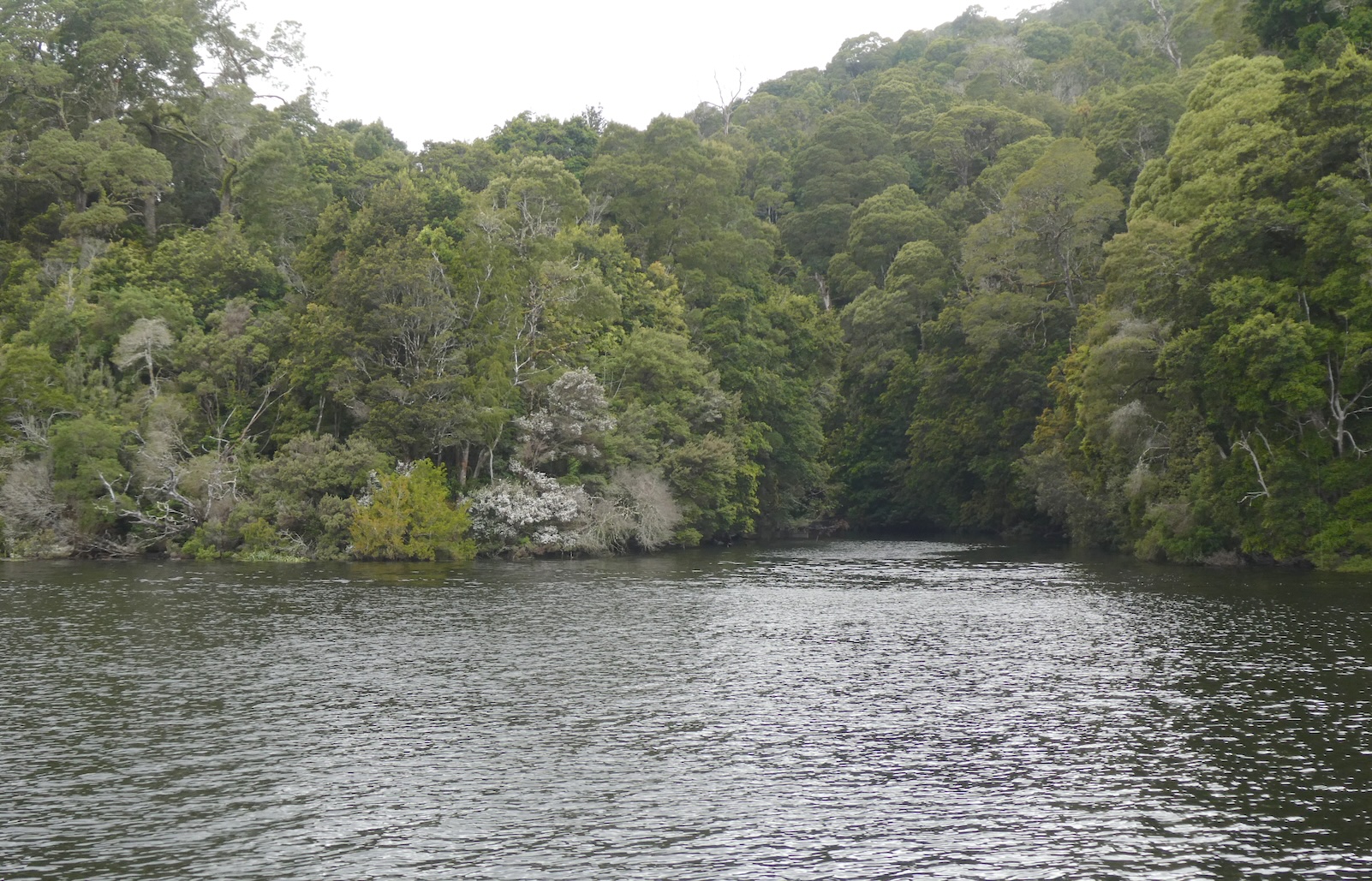
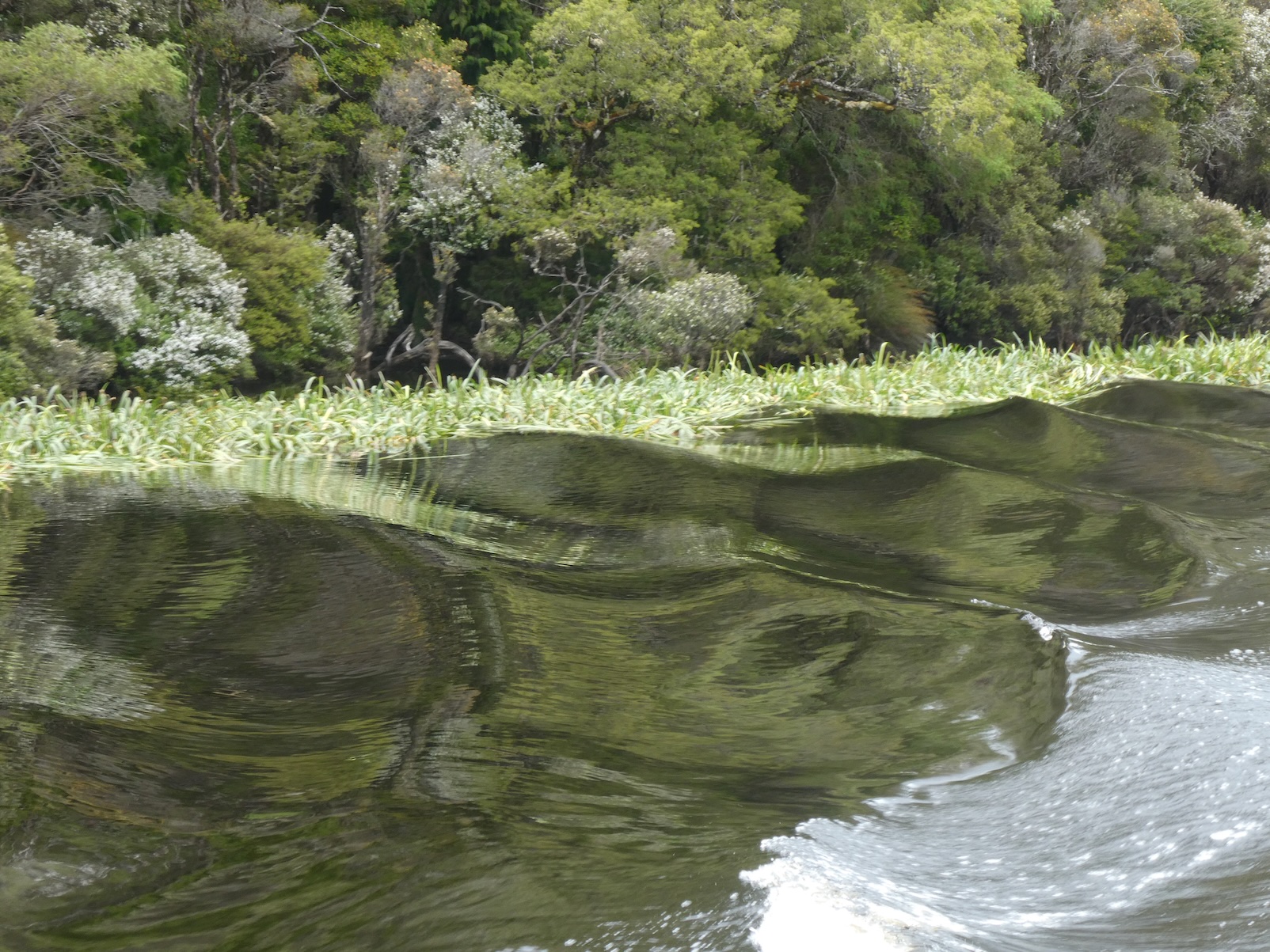
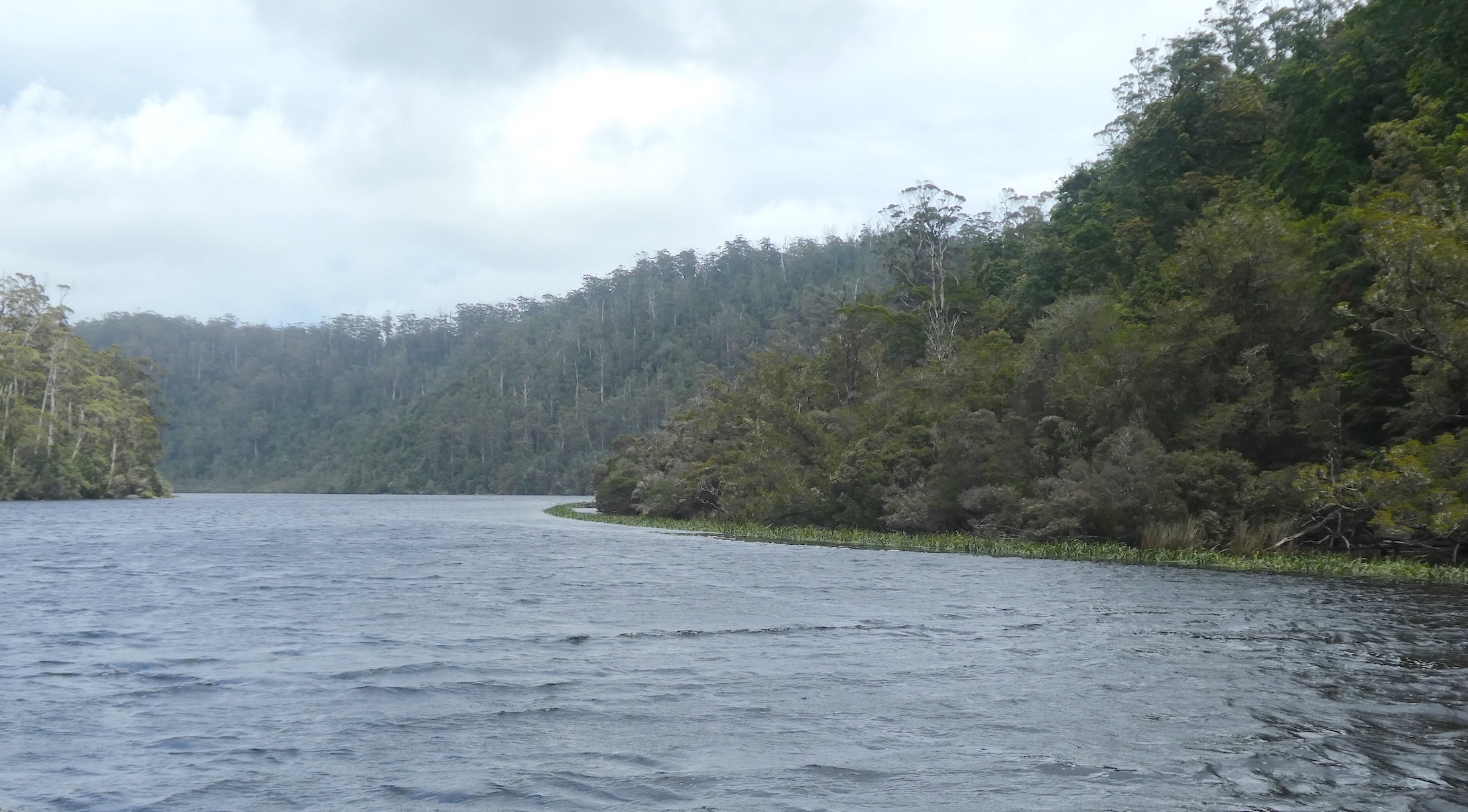
Huon Pines dipped their pendulous foliage in the tannin hued water

as we rounded a bend, leaving Corinna behind .

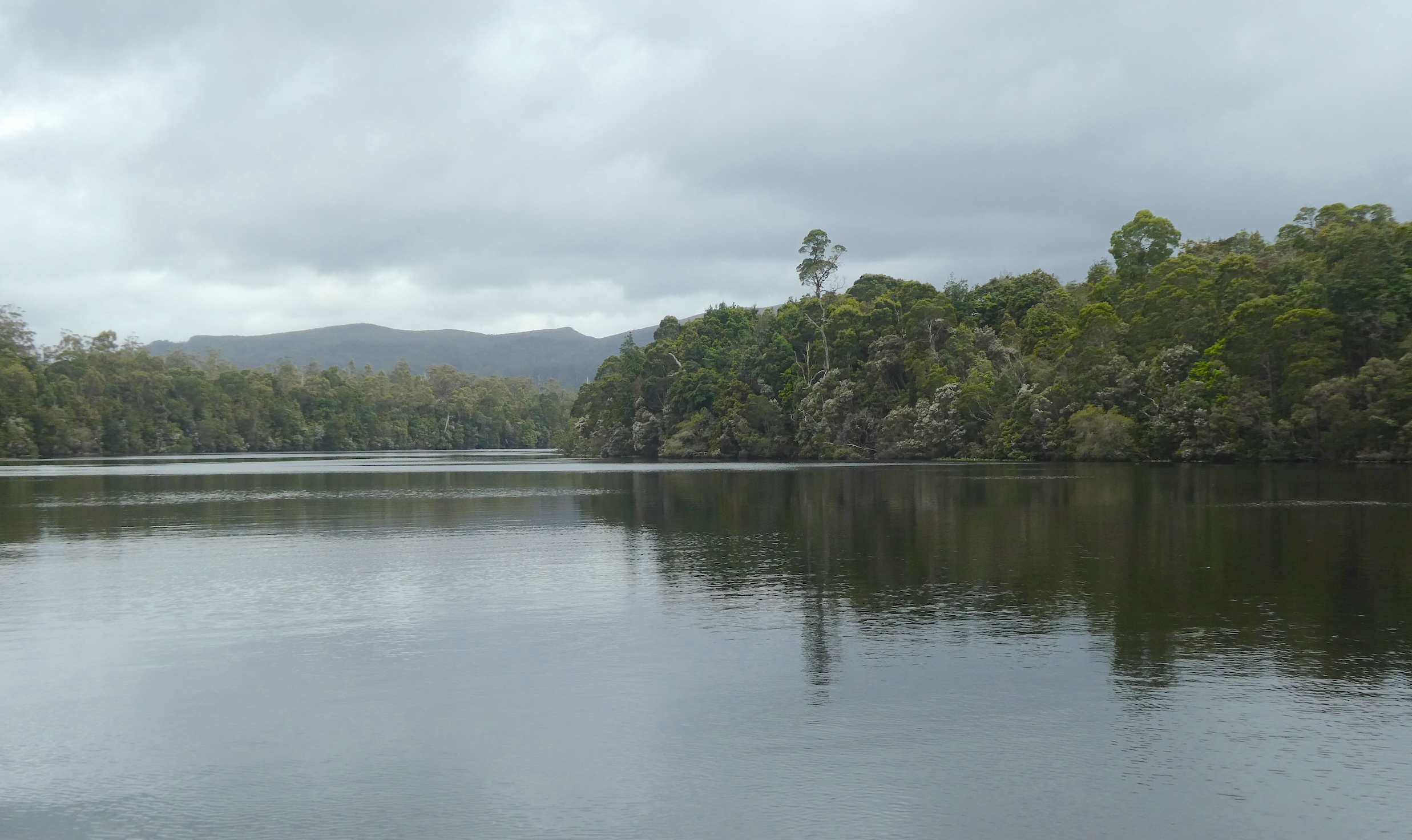
The 434 metre peak of Mount Donaldson, part of the Norfolk Range, loomed in the distance

as we passed the confluence of the Savage River, ending its 71.7km journey.

A little further downstream, the Donaldson River also flows into the Pieman after a 54km course from its source.

We were hopeful for a sighting of the ever elusive platypus and, keeping our eyes peeled, we weren’t disappointed.

We would have missed the sea eagles nest if it hadn’t been pointed out by the skipper.

Enjoying the tranquility, we were served hot chocolate, cake and biscuits – what could be better?

As the skies cleared and the forest vegetation changed, we soon arrived at our destination.

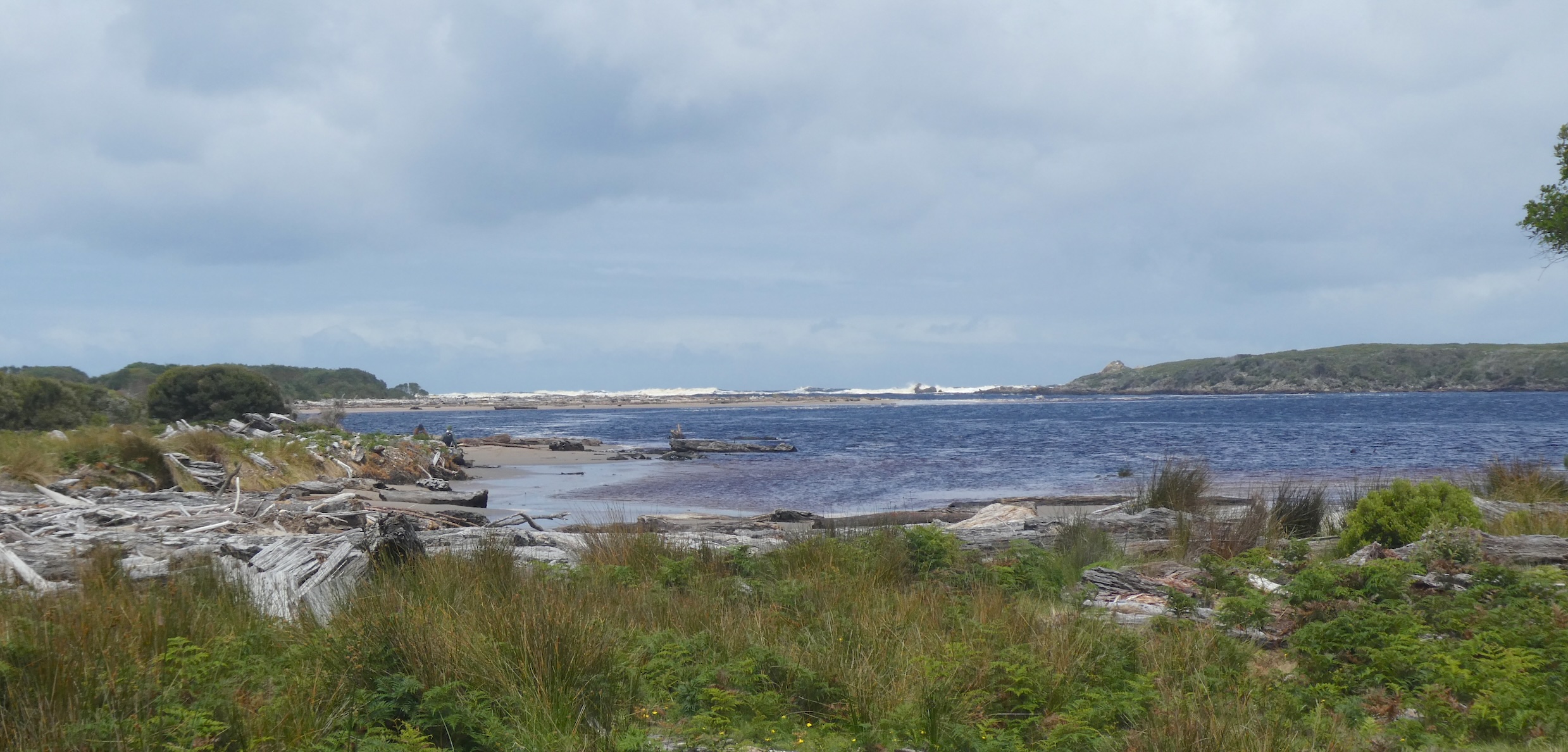
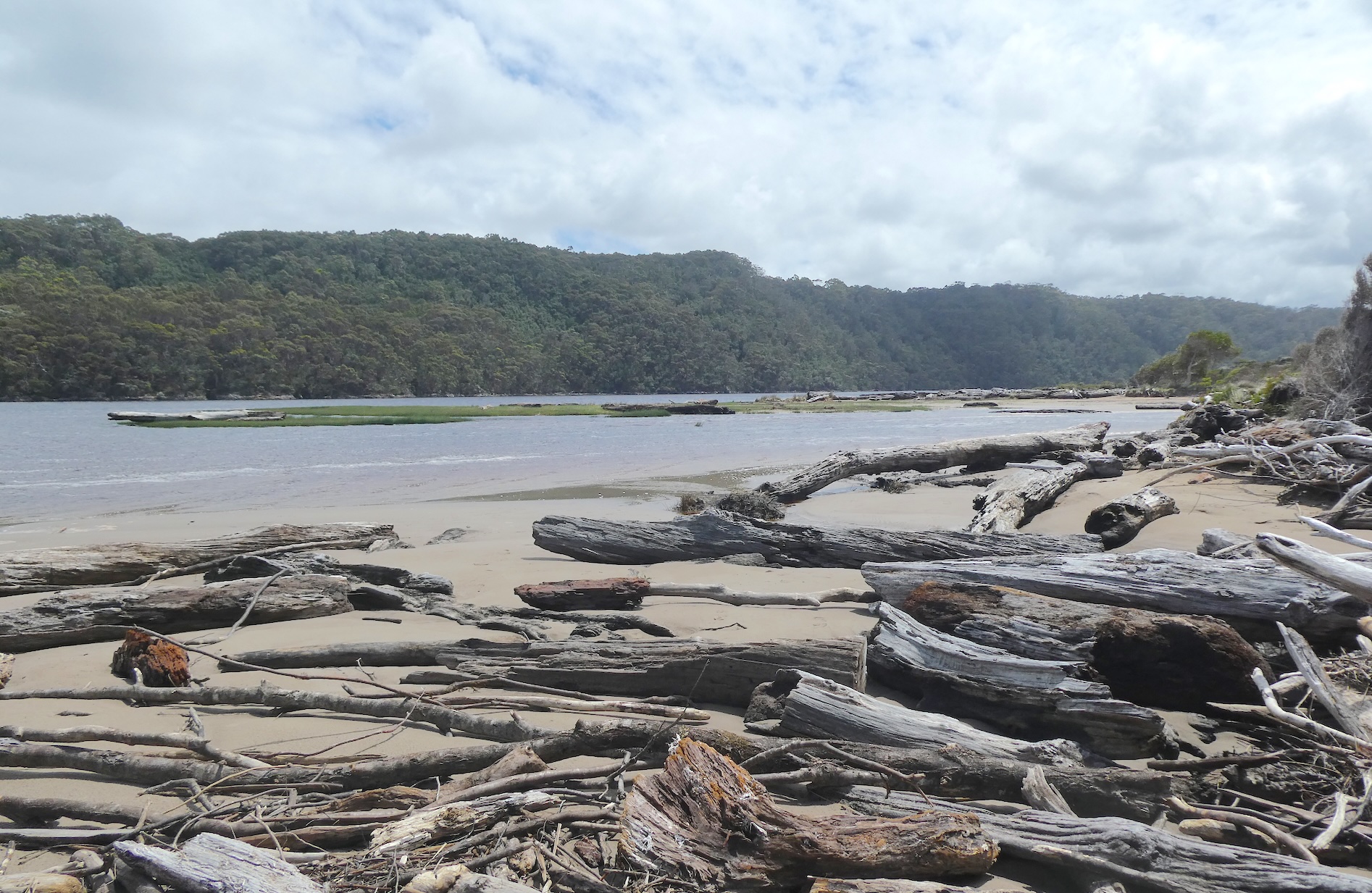
Pieman Heads, where the Pieman River meets the Indian Ocean, marks the southern extremity of the Arthur-Pieman Conservation Area.

Breathing in the freshest air on Earth, we walked a few hundred metres from the boat and perched amongst the driftwood to savour our tasty packed lunch.

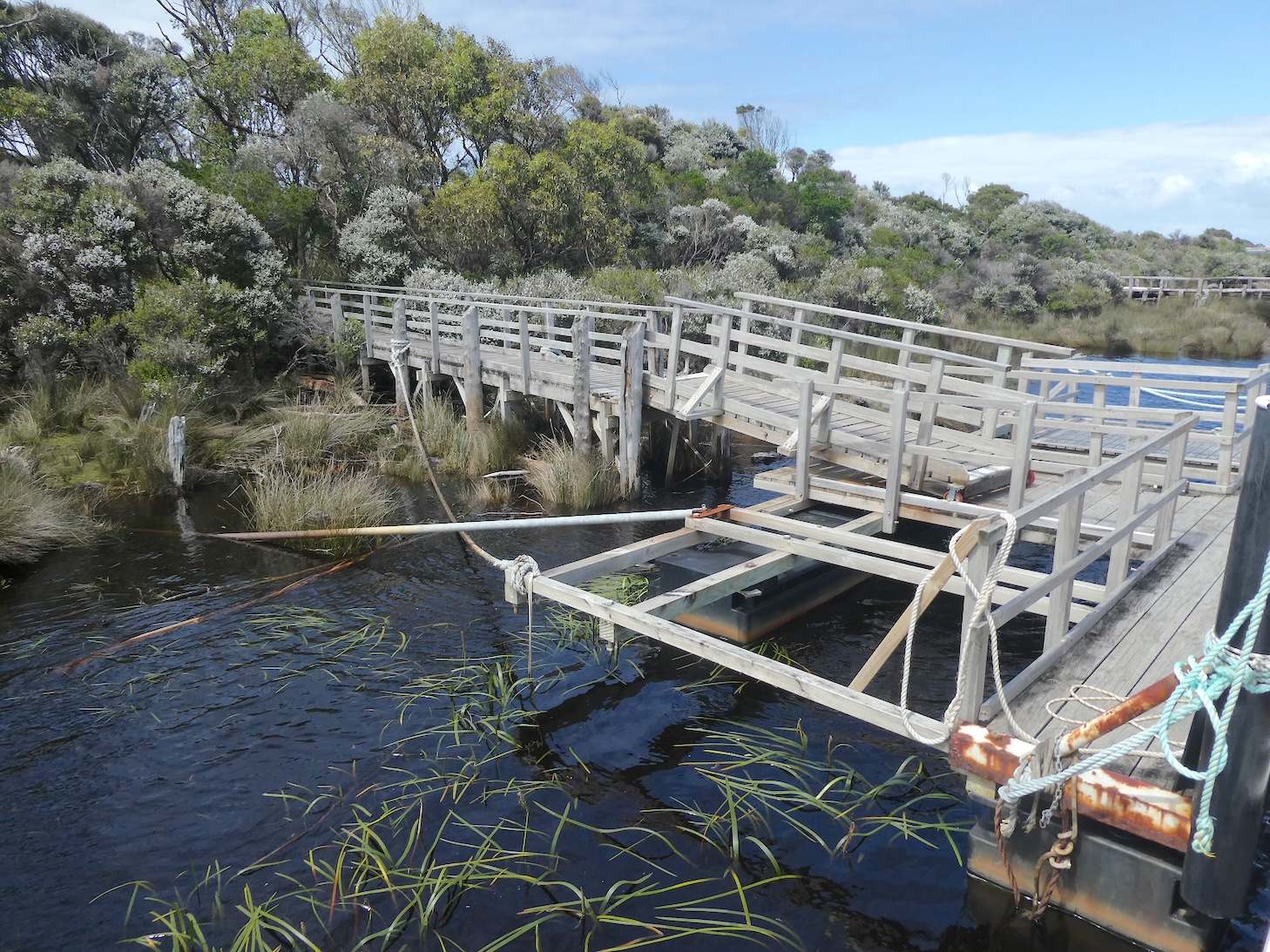
Strolling back an hour or so later, we came across an interesting structure. The Huon Pine timbers were recovered from the river in 2005 after spending forty years buried in silt and sand at the heads. They were part of the original Corinna barge, built in 1878, that transported prospectors, surveyors, livestock and general goods across the river using a cable and hand winch. From 1945, the barge plied up and down the river assisted by a power boat tied alongside. It’s life came to an end when, in 1964, it was washed away from its moorings in a flood and lost.

We returned to our more reliable form of transport

with nothing to do but relax and enjoy the ride.

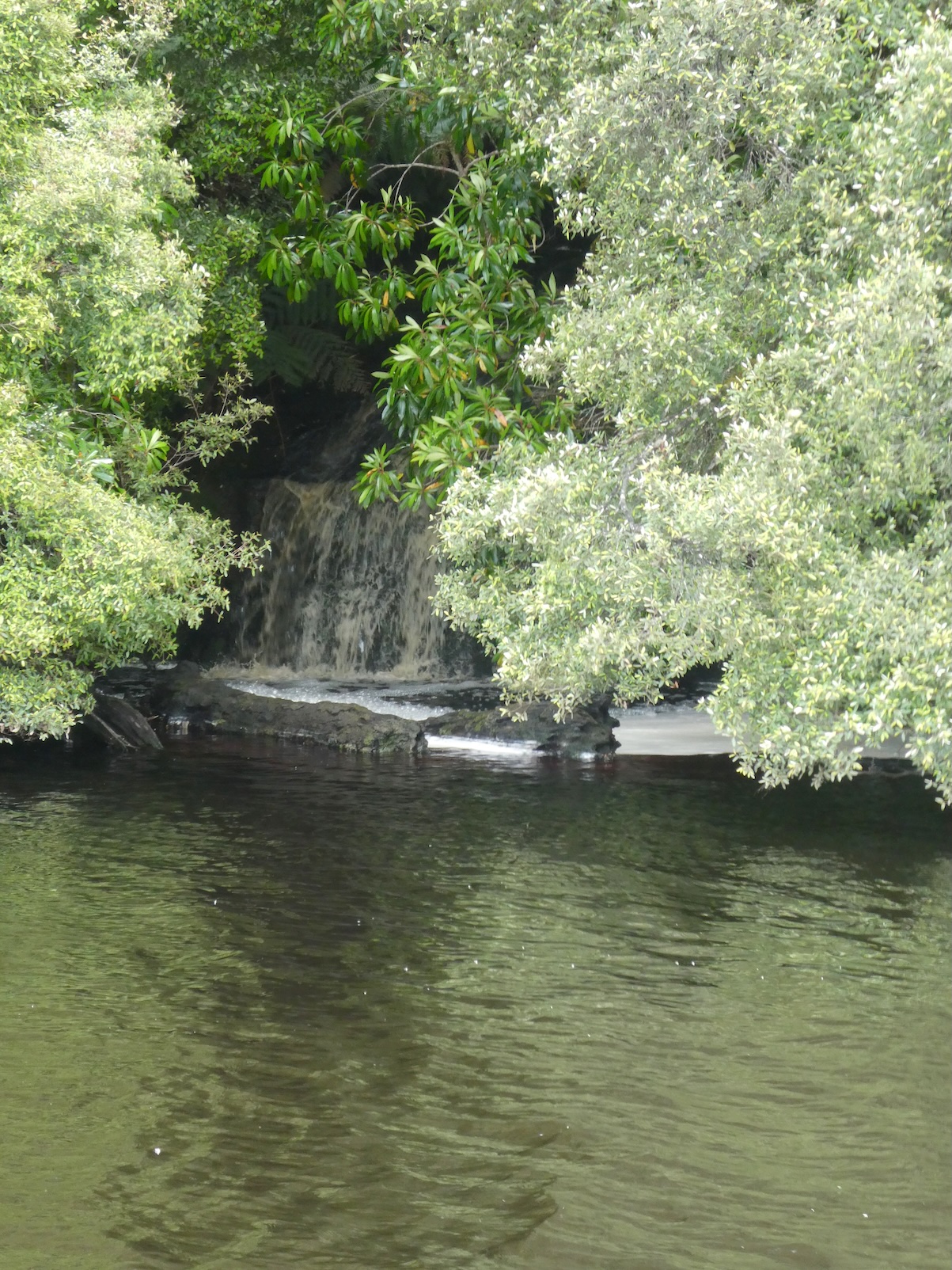
The mysterious stairway along the river, not far downstream from Corinna, leads to Lovers Falls.

There is a shorter cruise on a smaller craft, (Sweetwater Cruise) that ties up at the stairs to enable a walk to the waterfall. The only other way to reach them is by kayak.

Arriving back at Corinna at 2.30pm, we had time for a short walk before bevvies and a delicious dinner at the hotel.

Moonlight Stories

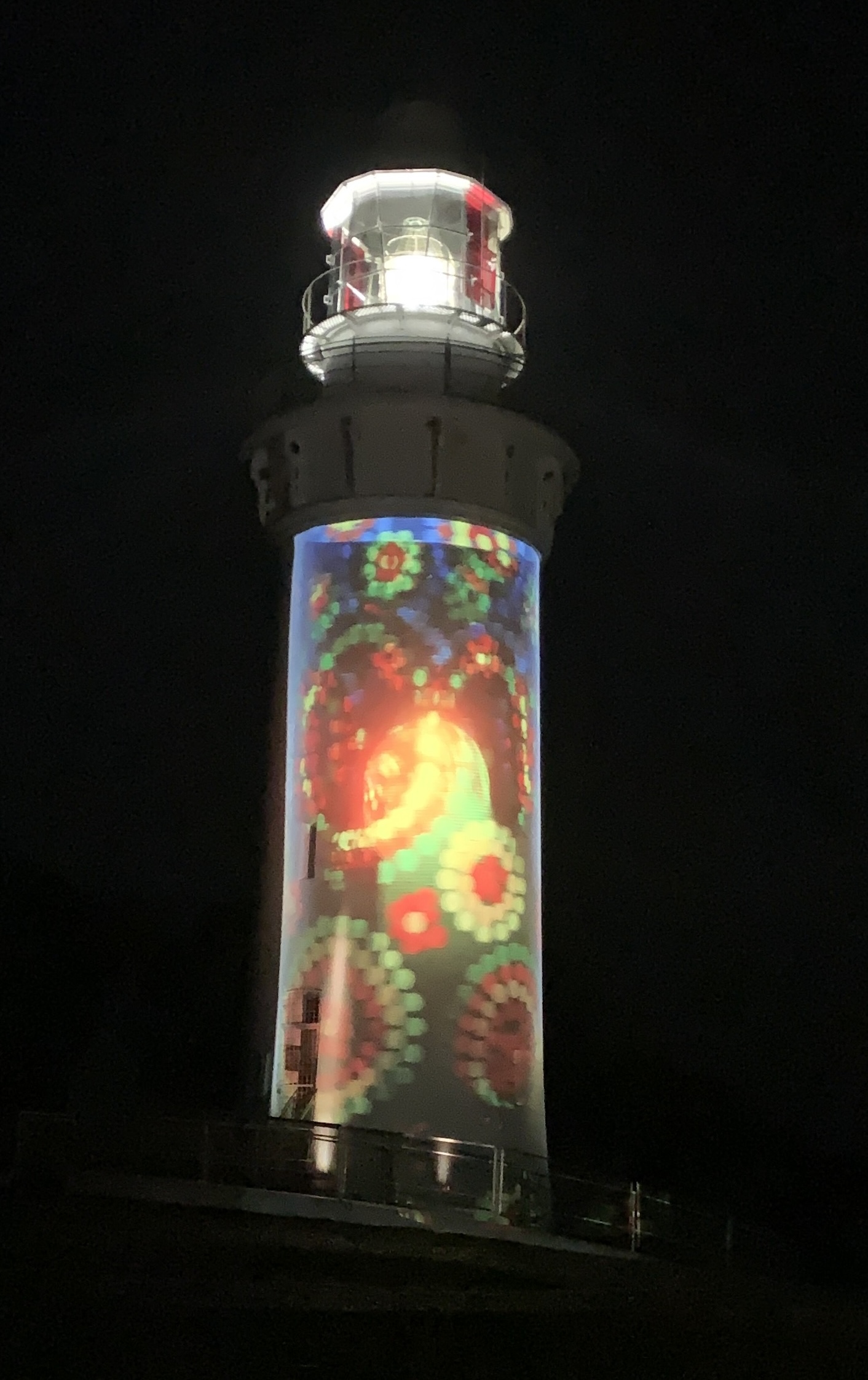
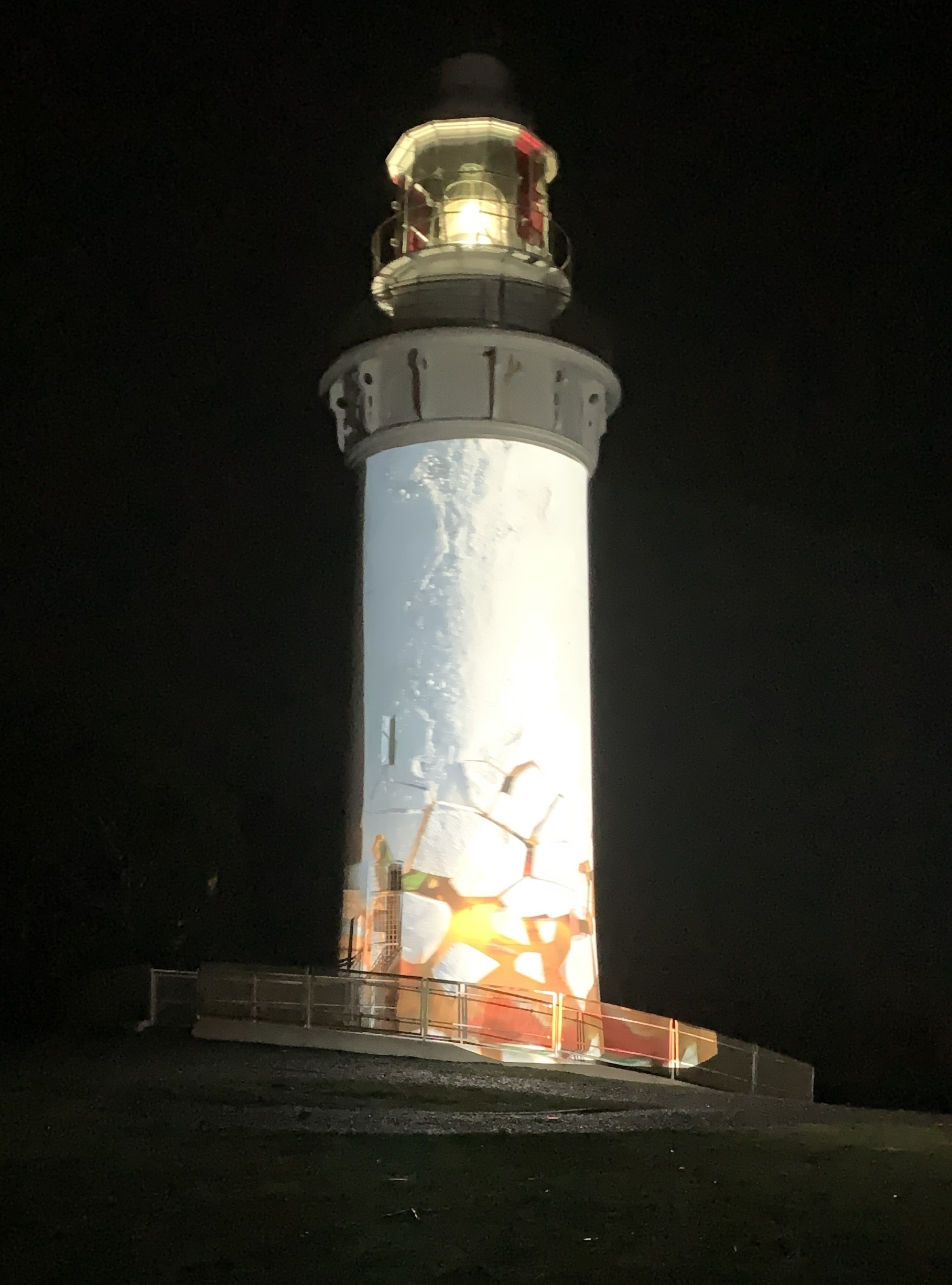
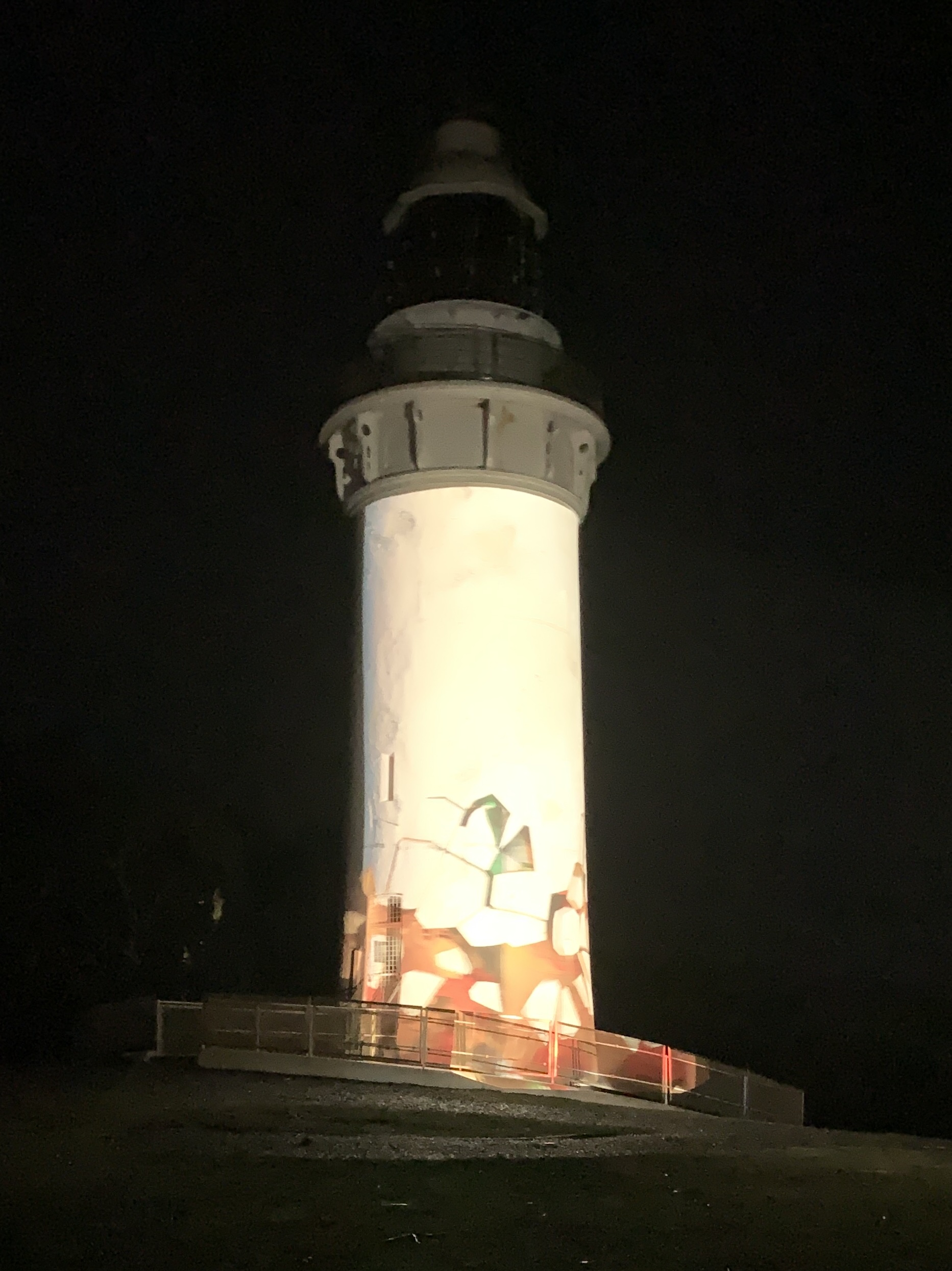
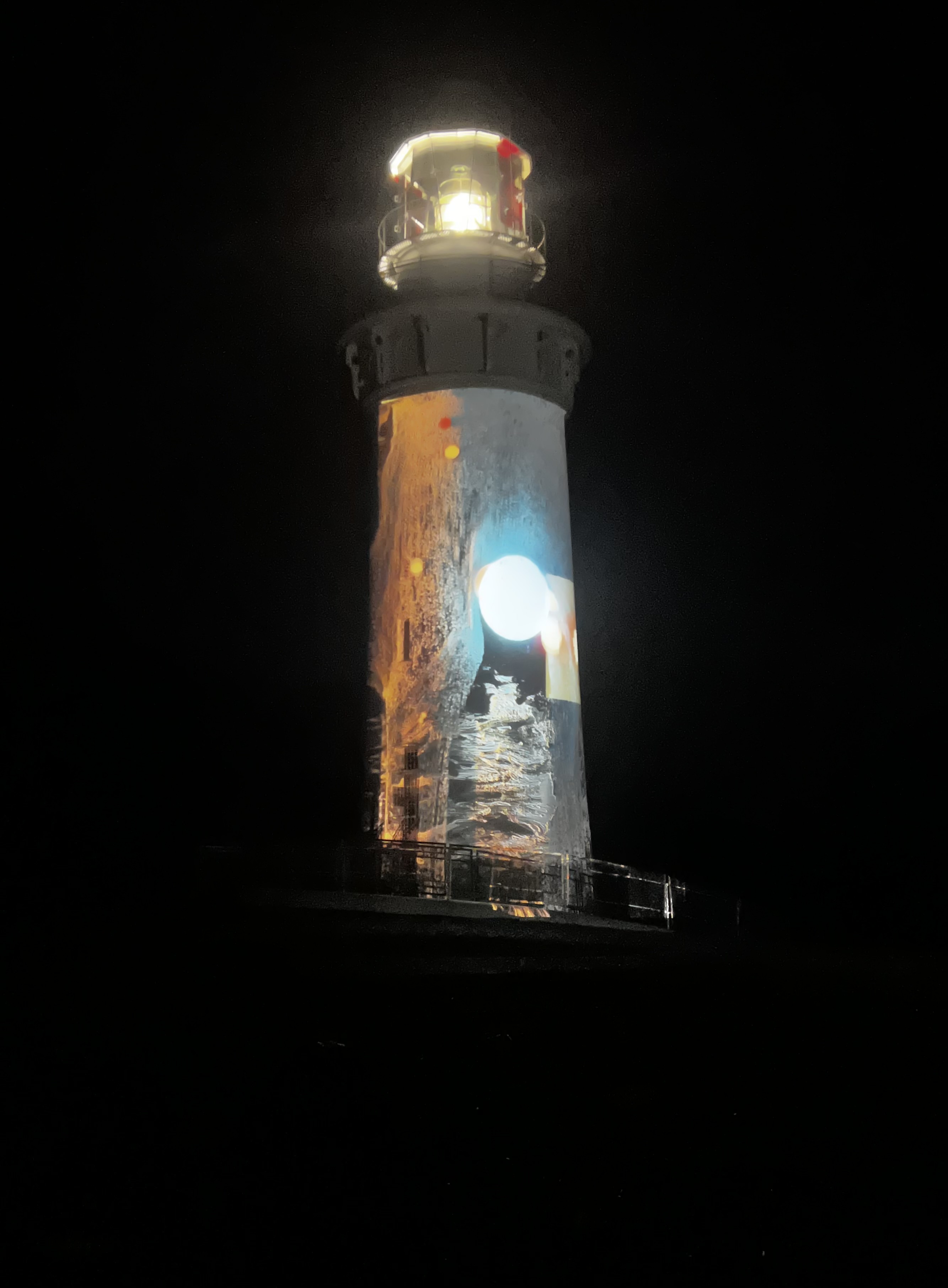
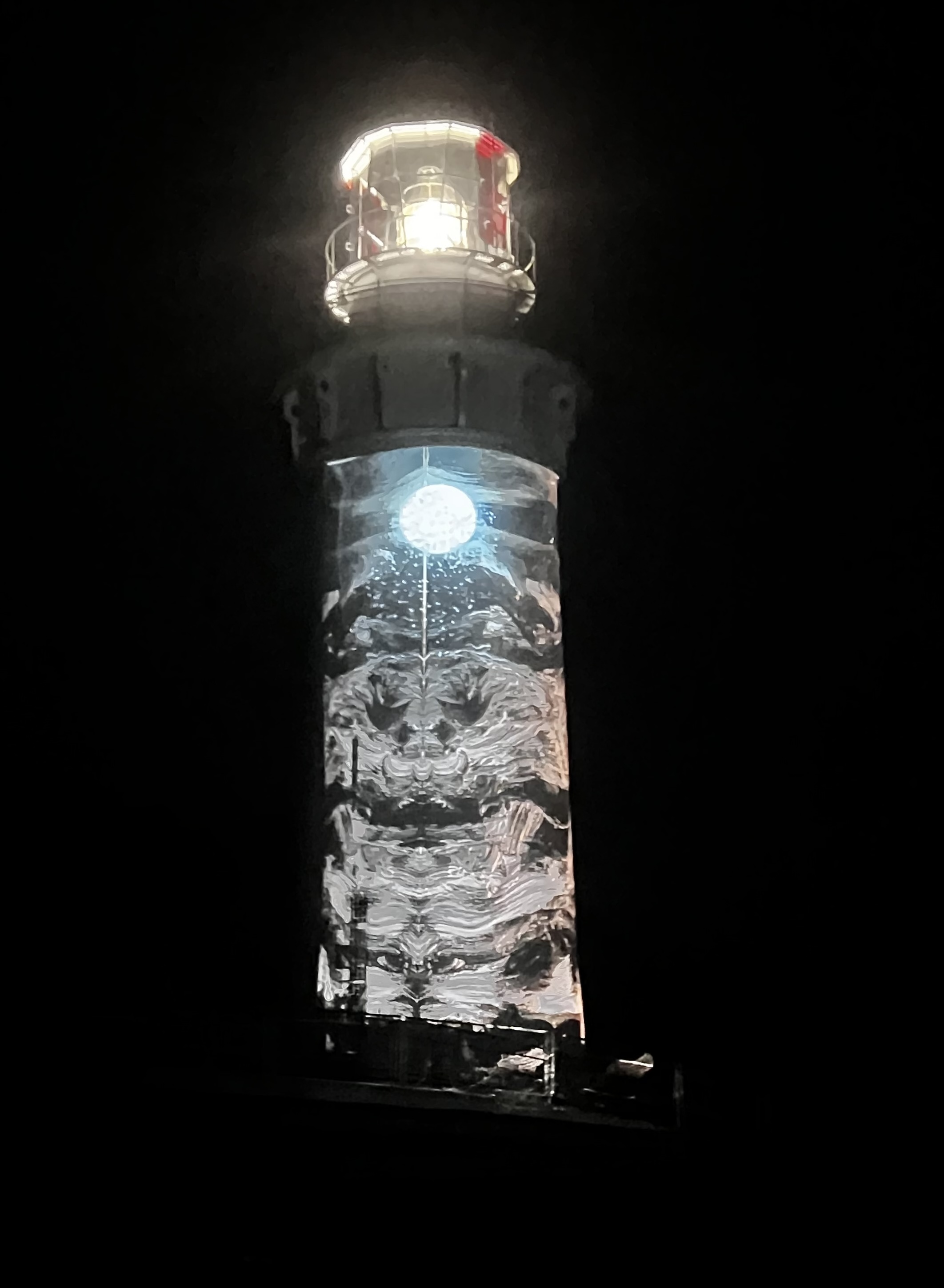
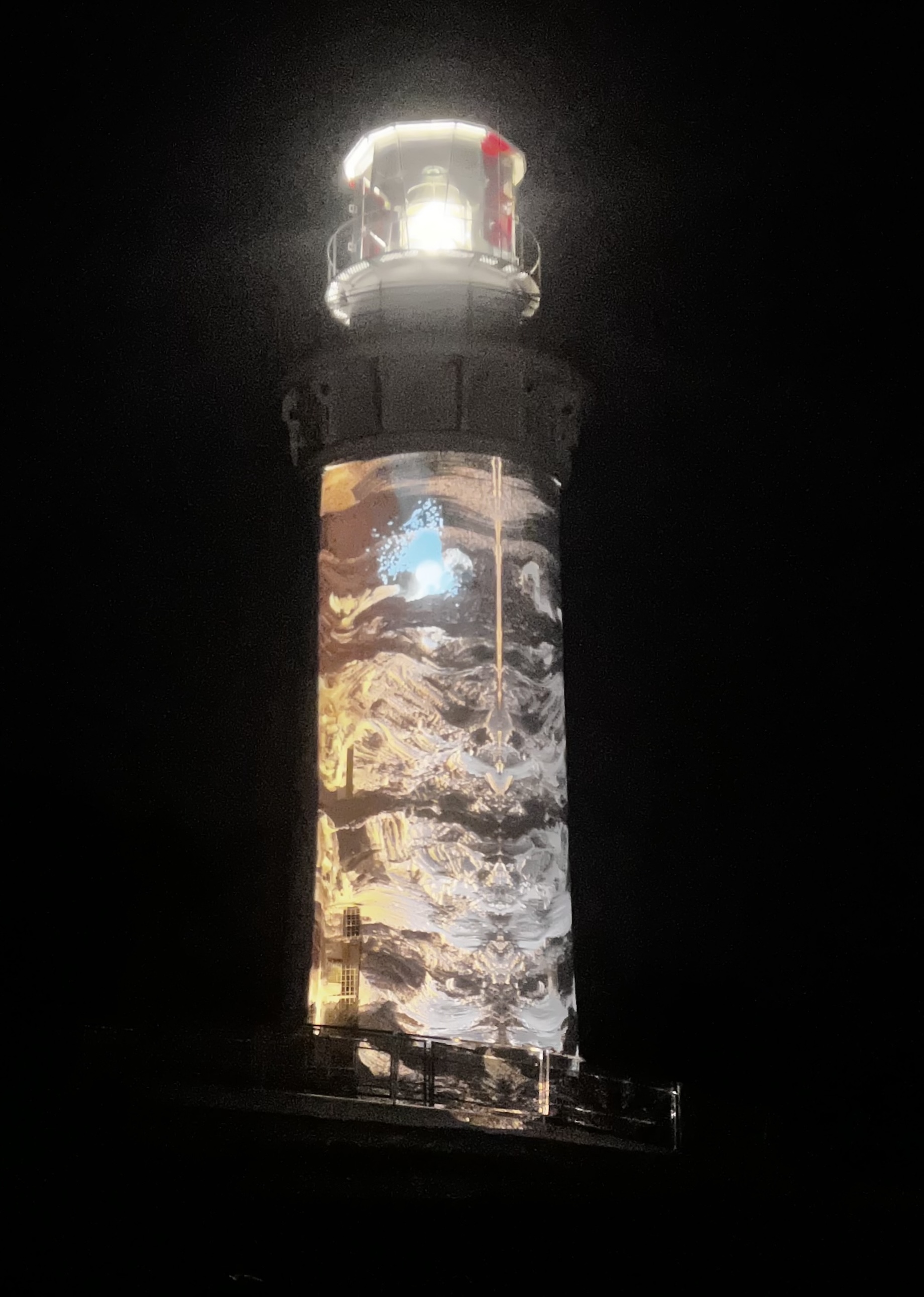
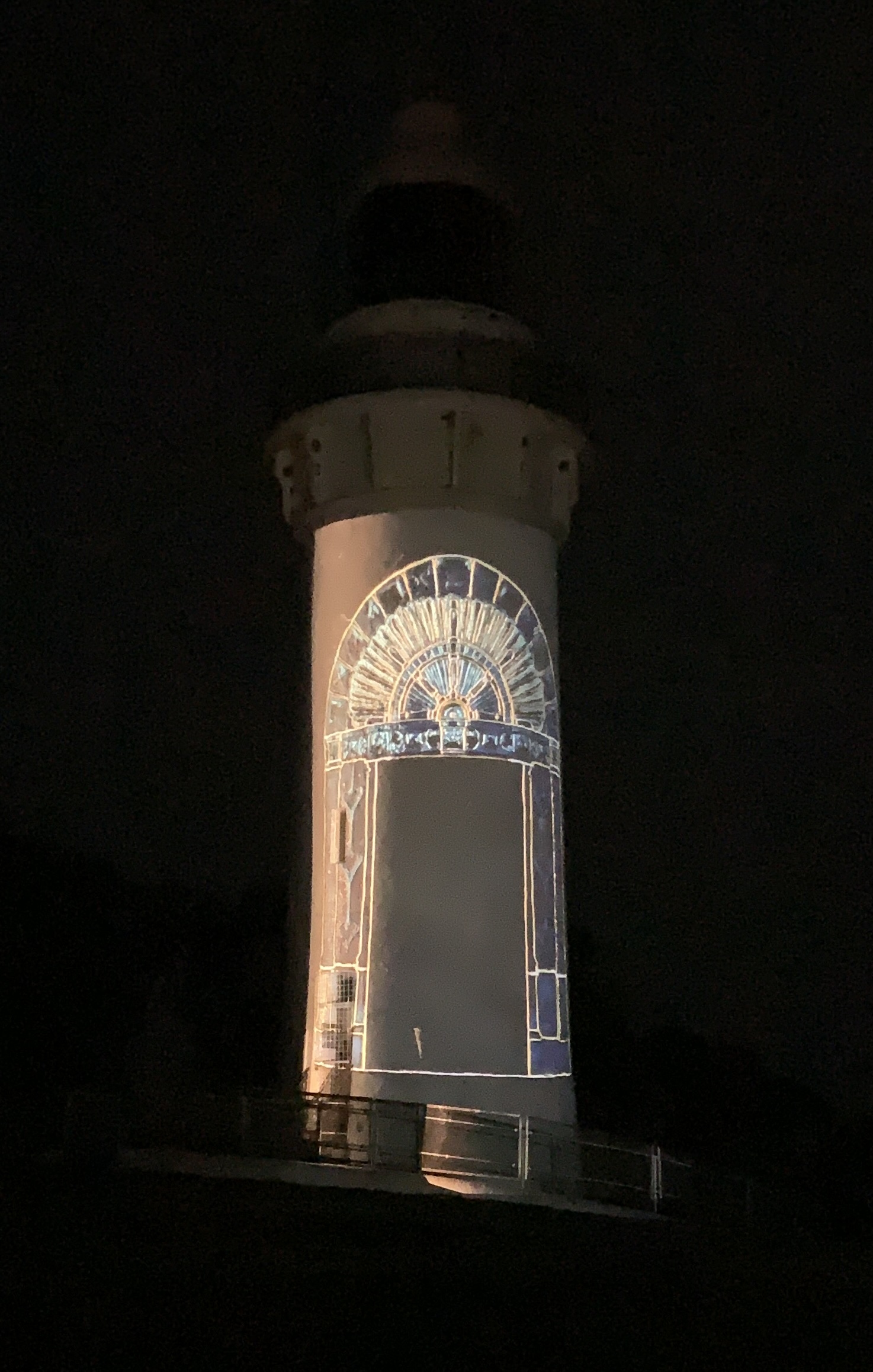
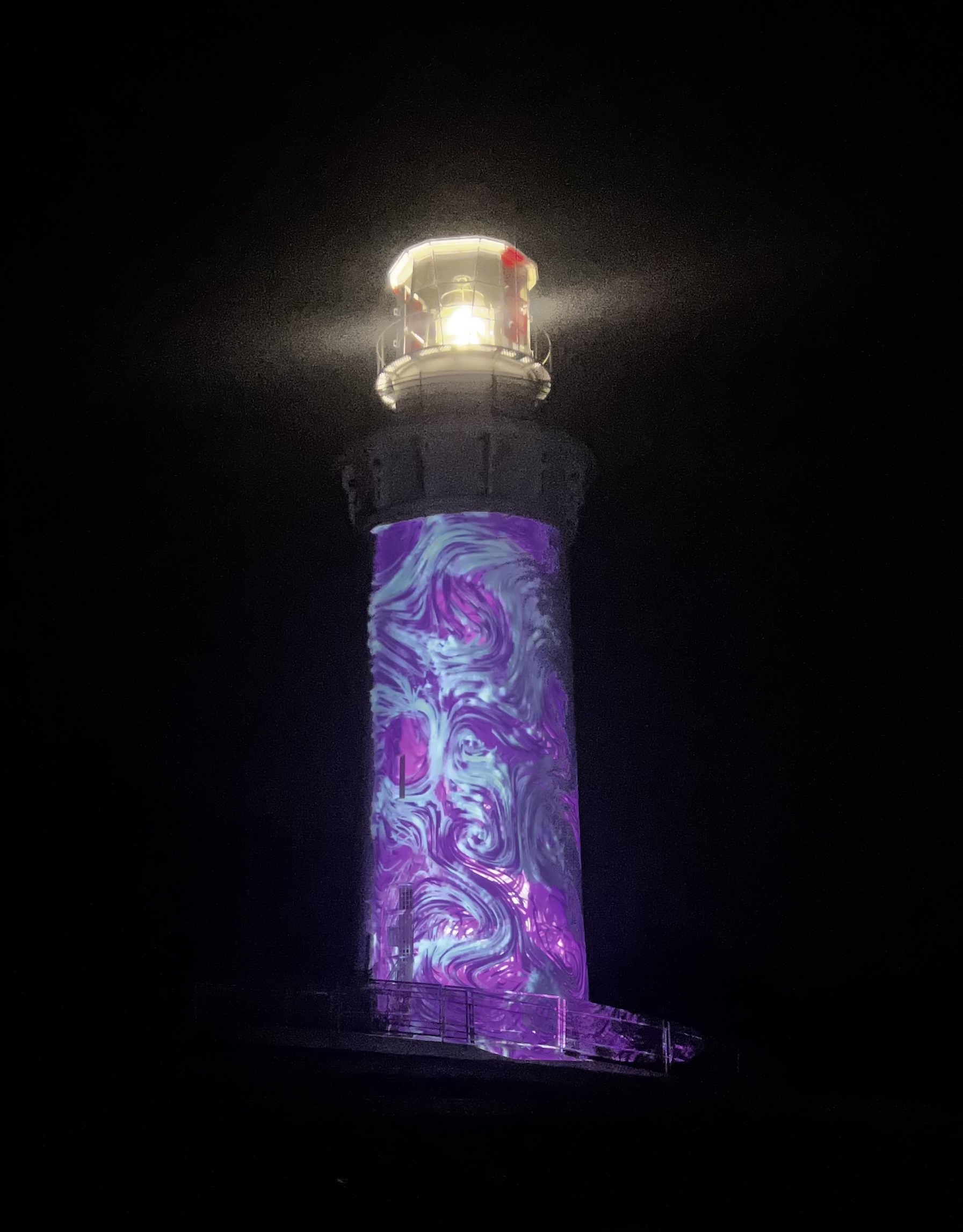
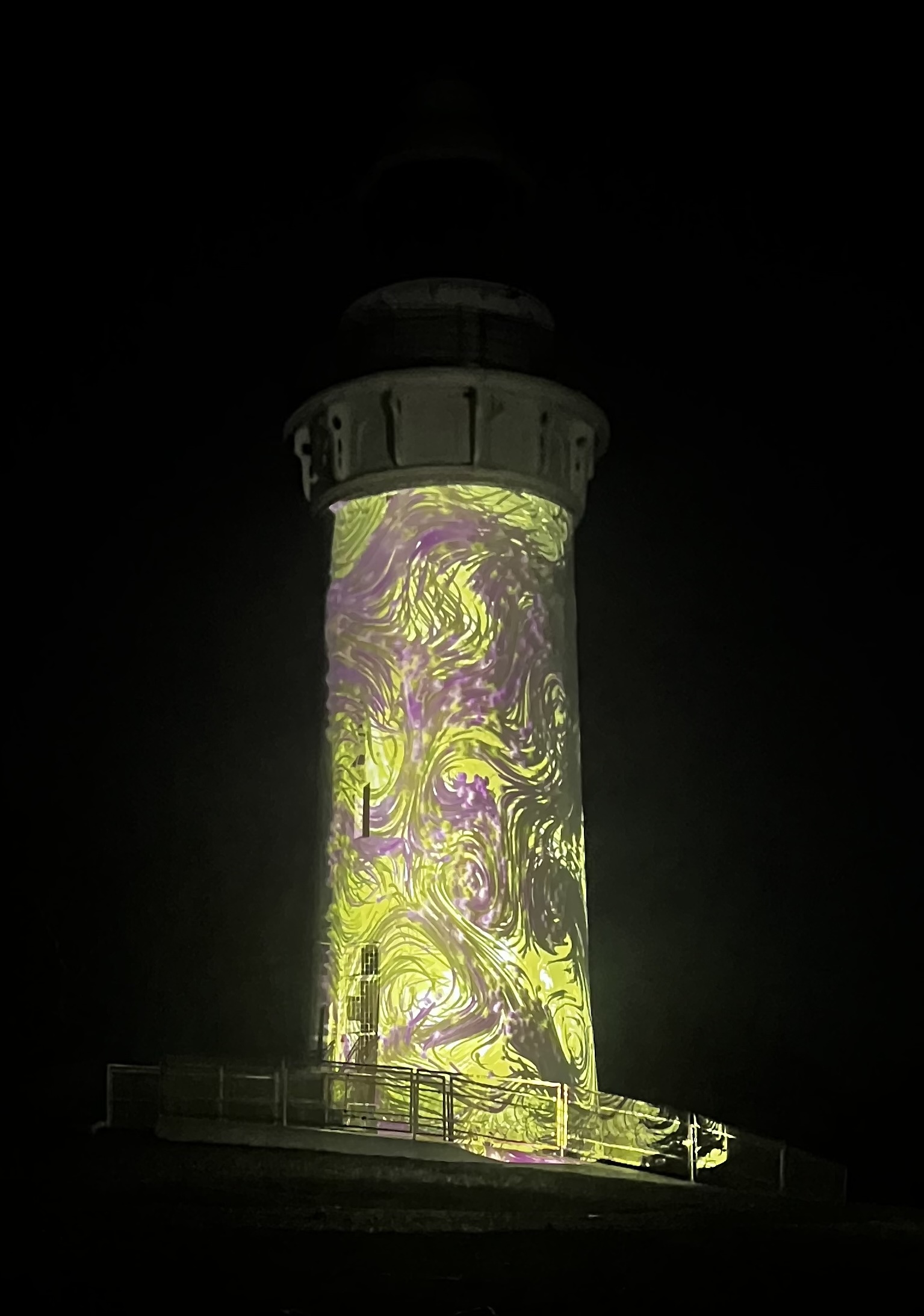
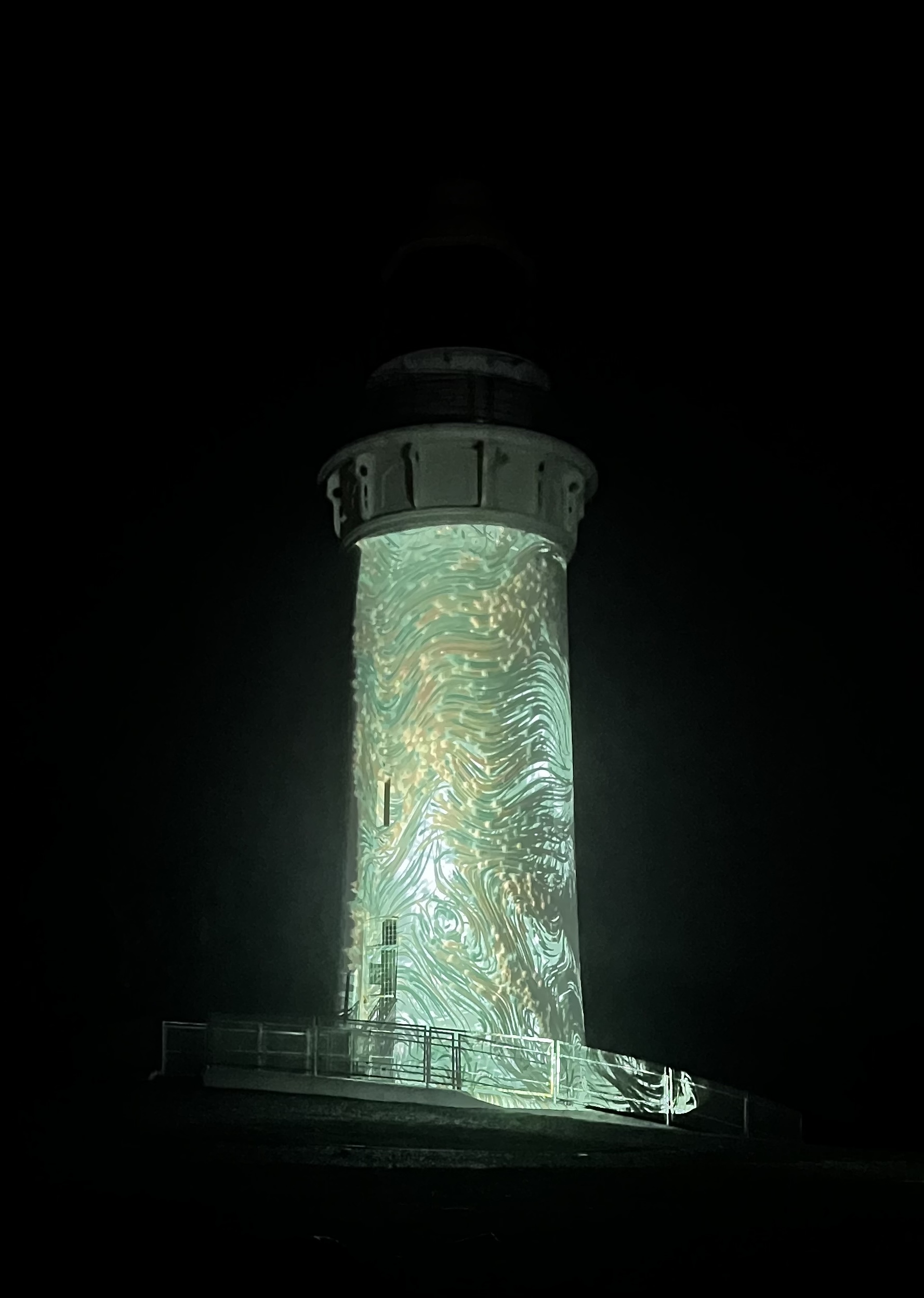
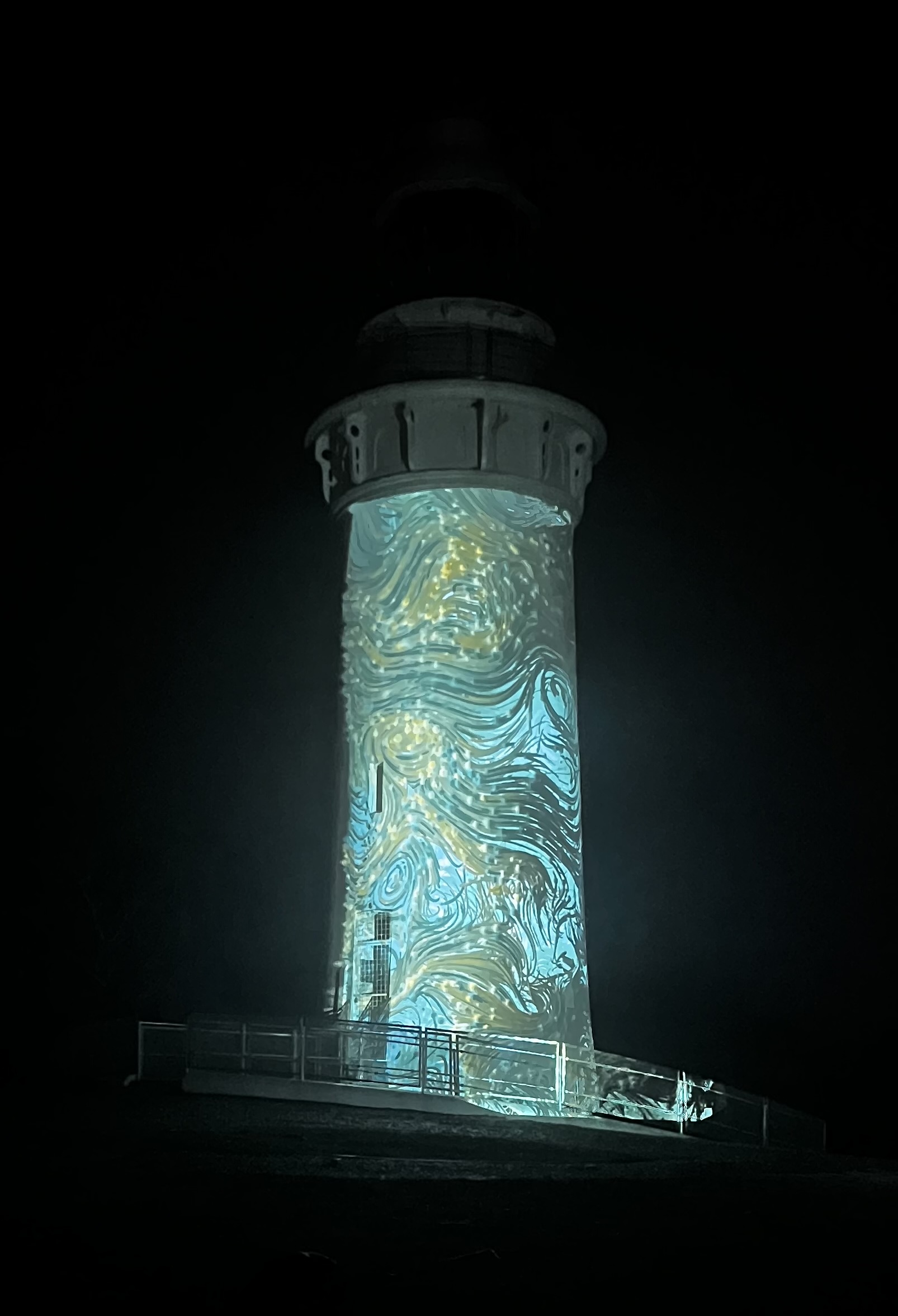
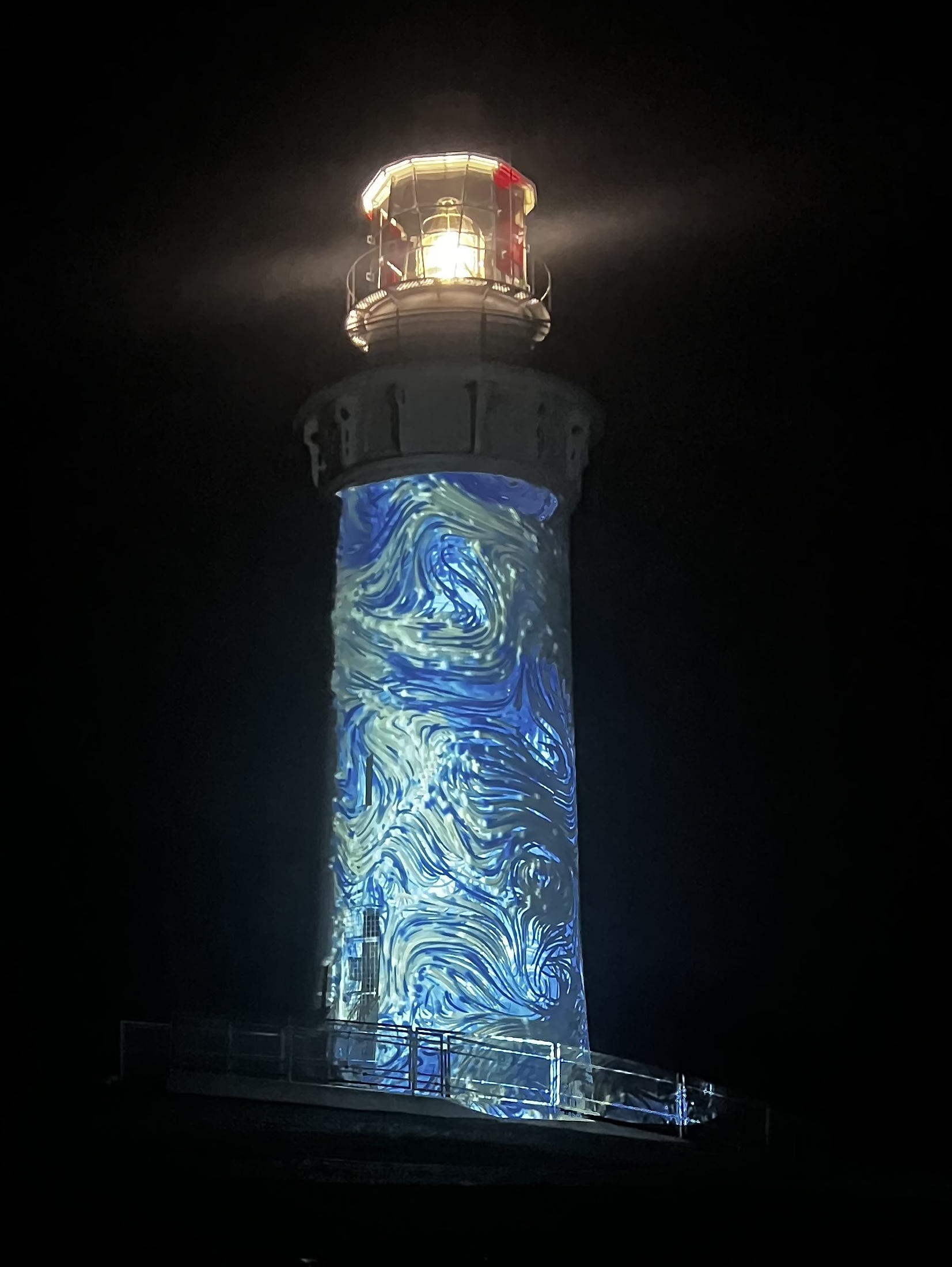
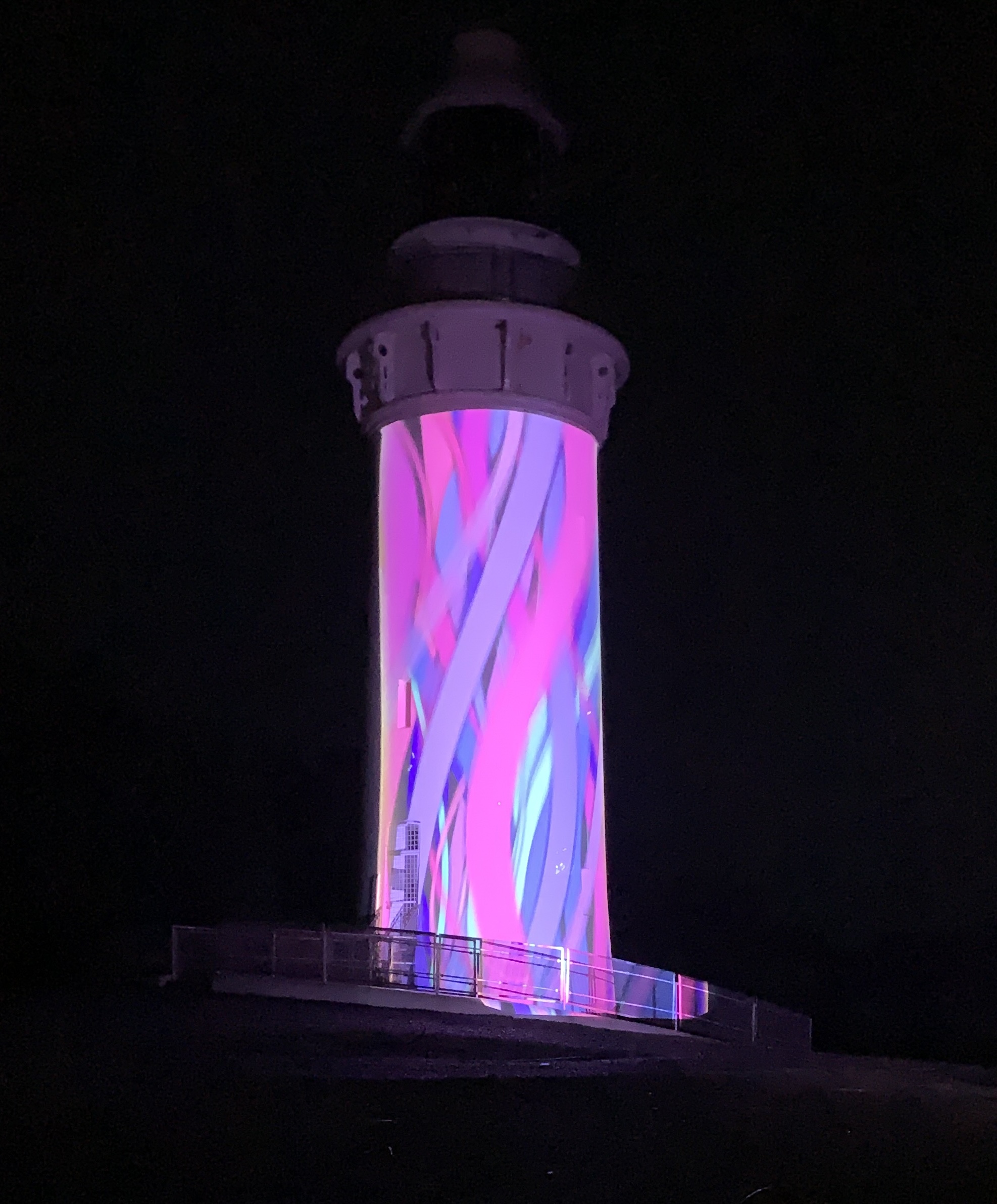
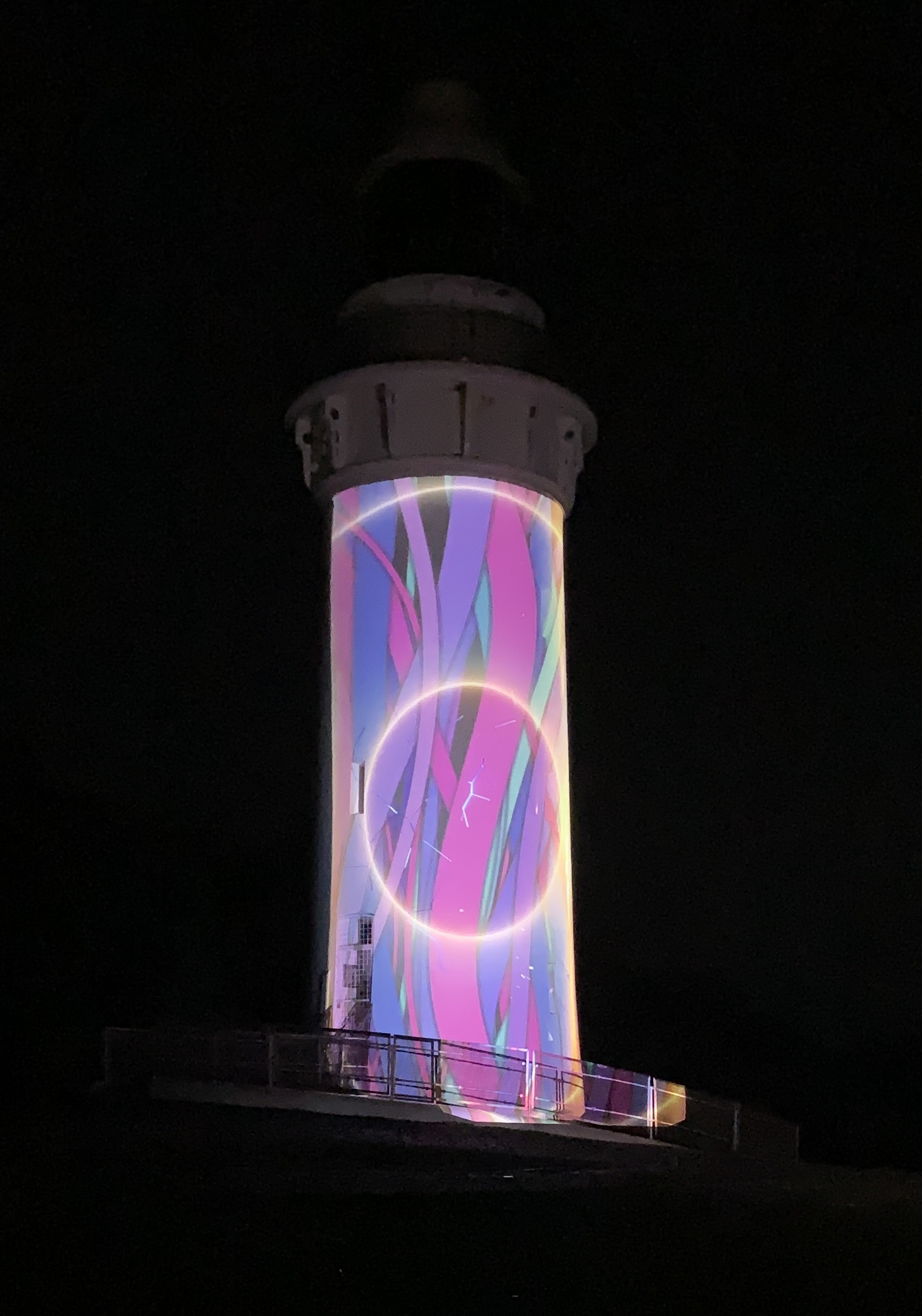
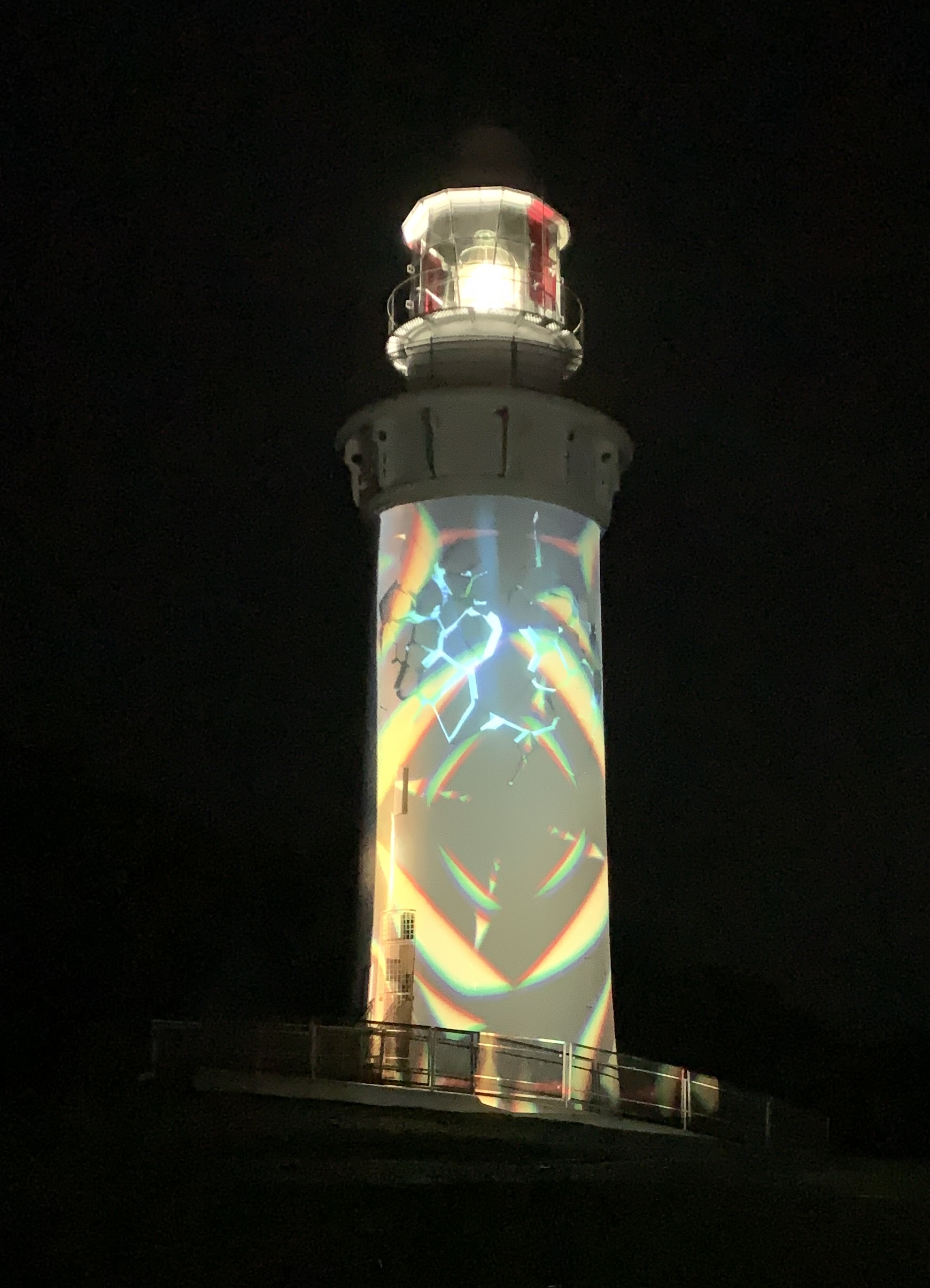
Atop Table Cape, an extinct volcano rising 180 metres above the ocean in northwest Tasmania, is a heritage listed lighthouse. Each weekend evening throughout the month of July, the structure becomes the centrepiece for a stunning visual and auditory light experience.

Moonlight Stories is one of a series of events, collectively known as Permission to Trespass, presented during our Tasmanian winter. Other events, offering exclusive access to private properties in the stunning Wynyard and Table Cape areas, include long table feasts, creative workshops and secret whisky tastings. As the volunteer contingent for one Saturday show, we arrived before dark to arrange a few hay bales with blankets for seating and prepared the headsets to hand out to the anticipated crowds. With three shows of ten minutes duration and twenty minutes between shows, there was no time to rest. Fortunately, we were able to enjoy the final session of the evening.

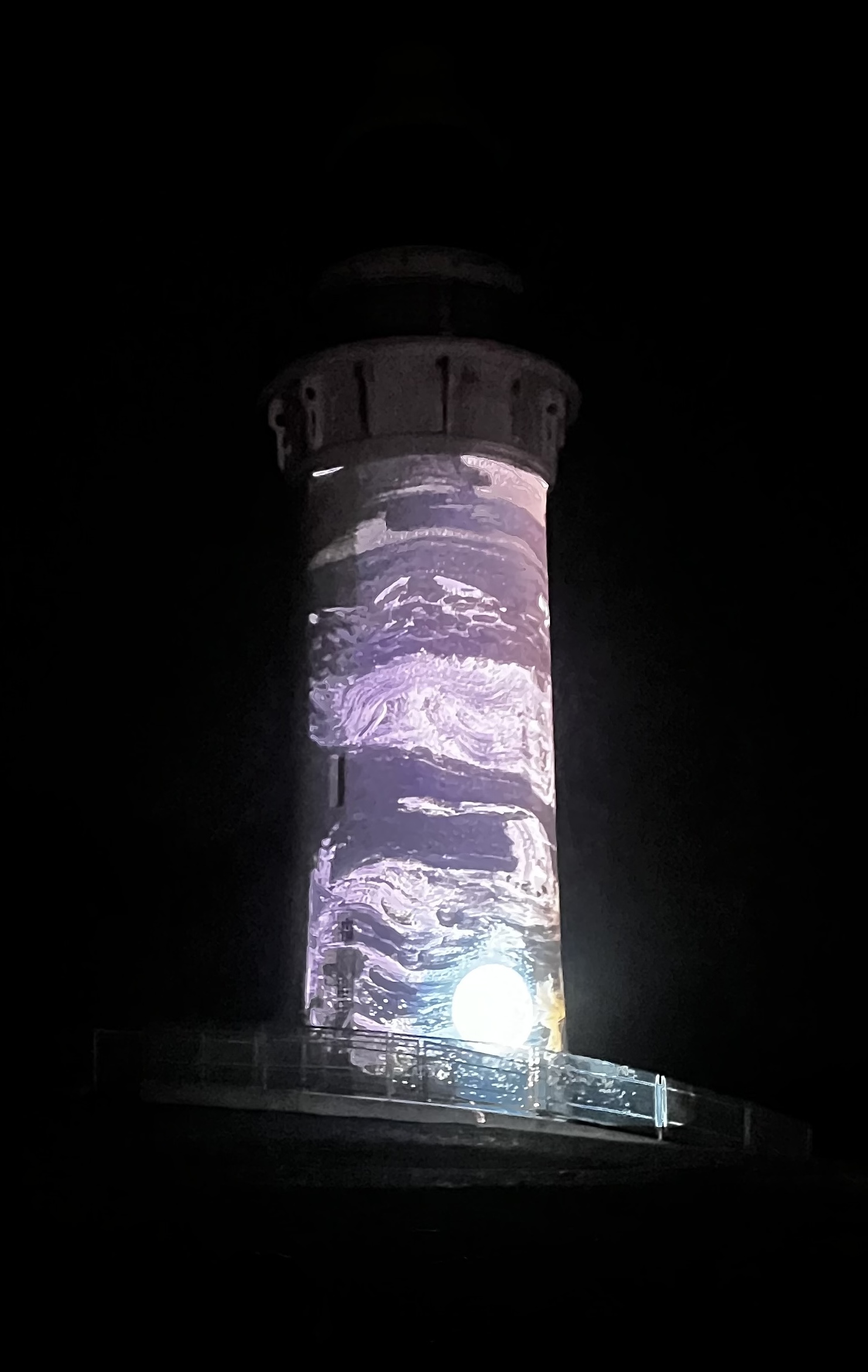
Inner Light is the work of Tasmanian artist, Alex Moss, who encourages discovery and challenges perceptions through projected light, sound design and interactive elements. We took a few photos, though they don’t really convey the true spectacle of the visual revelation on the 25 metre high tower, and of course, the narration is absent. At times, the wall of the lighthouse appeared to crack and fall away, revealing colourful images beneath. (Click on the images to see enlarged version).

possum proofing

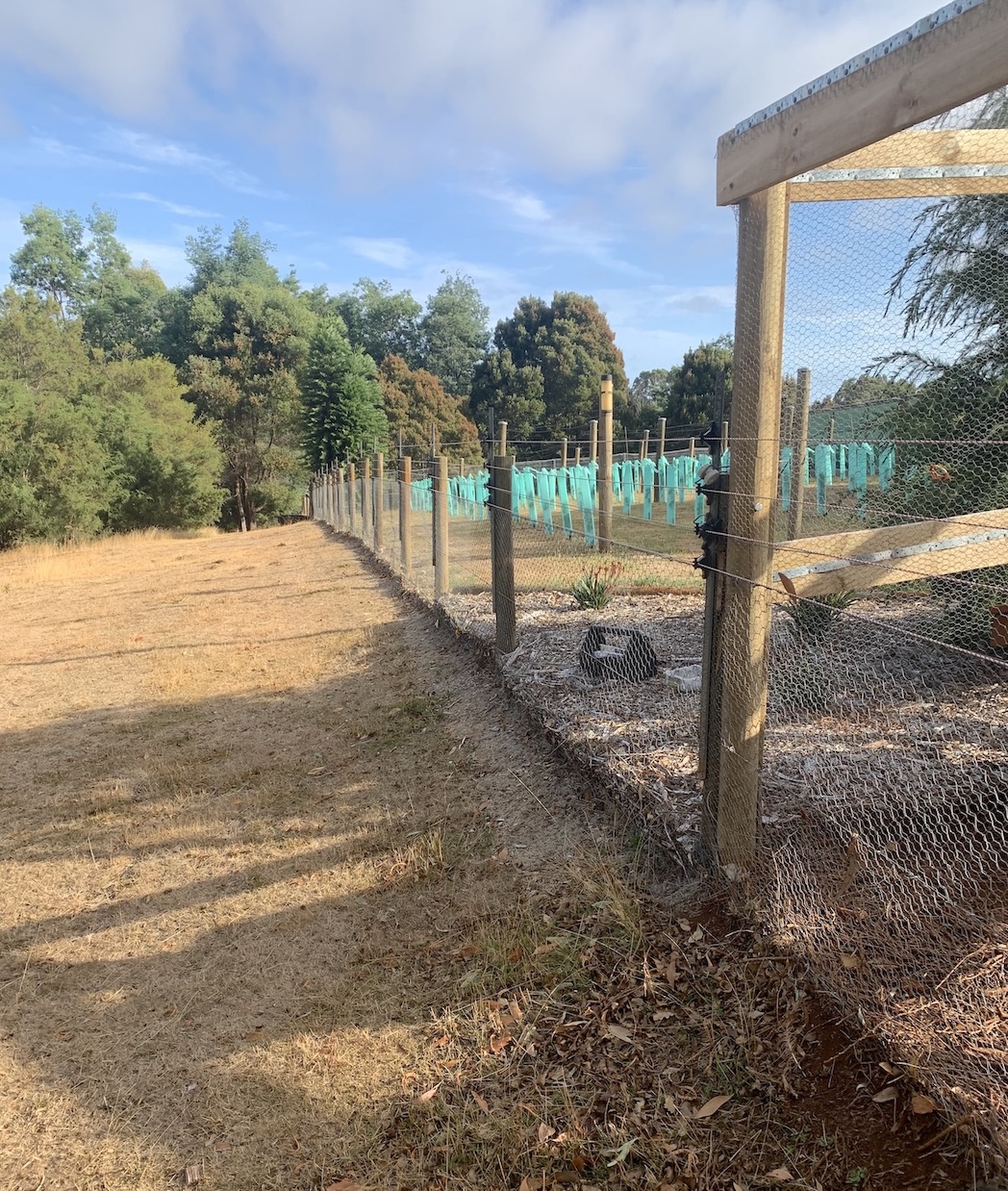
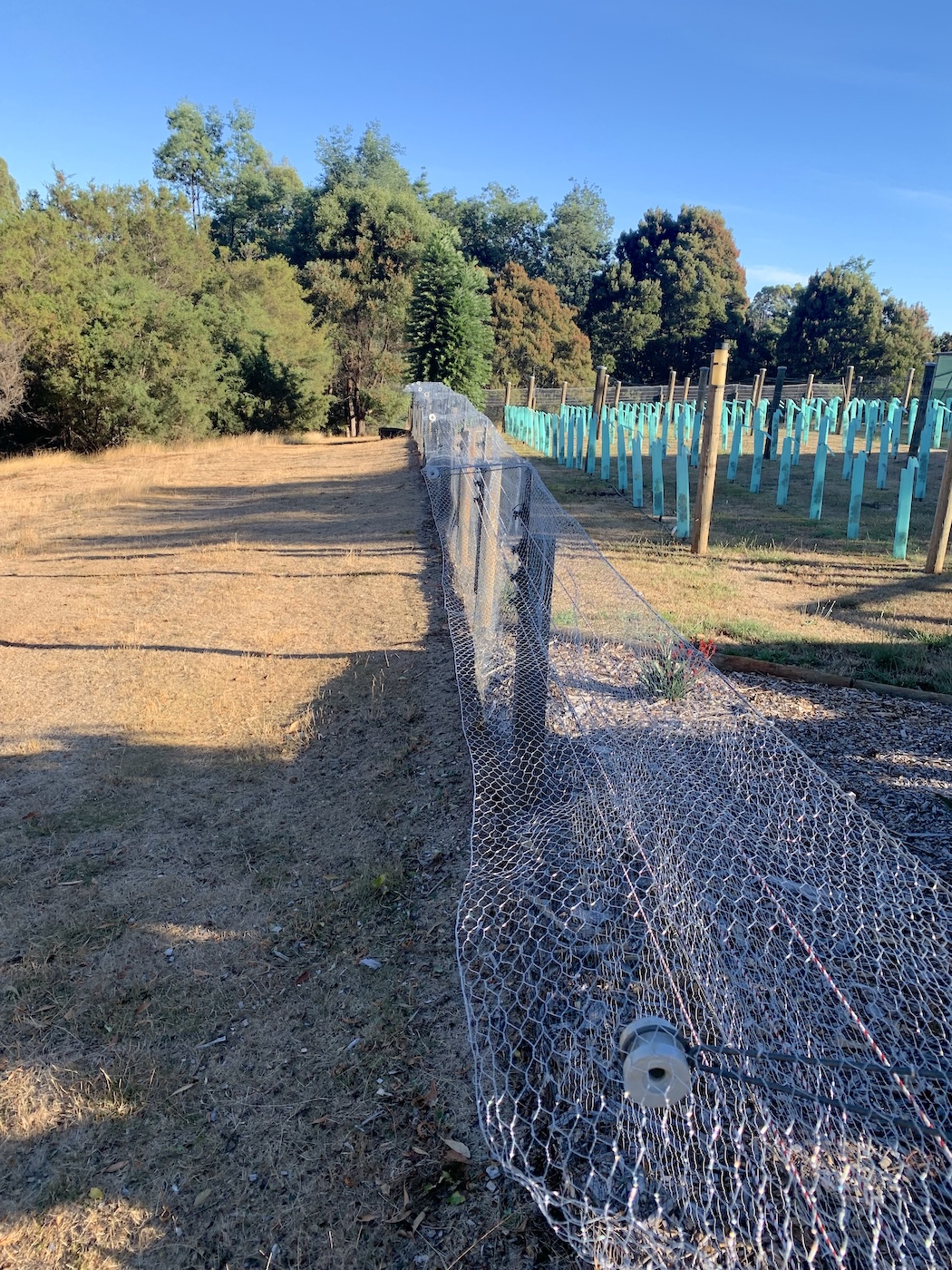
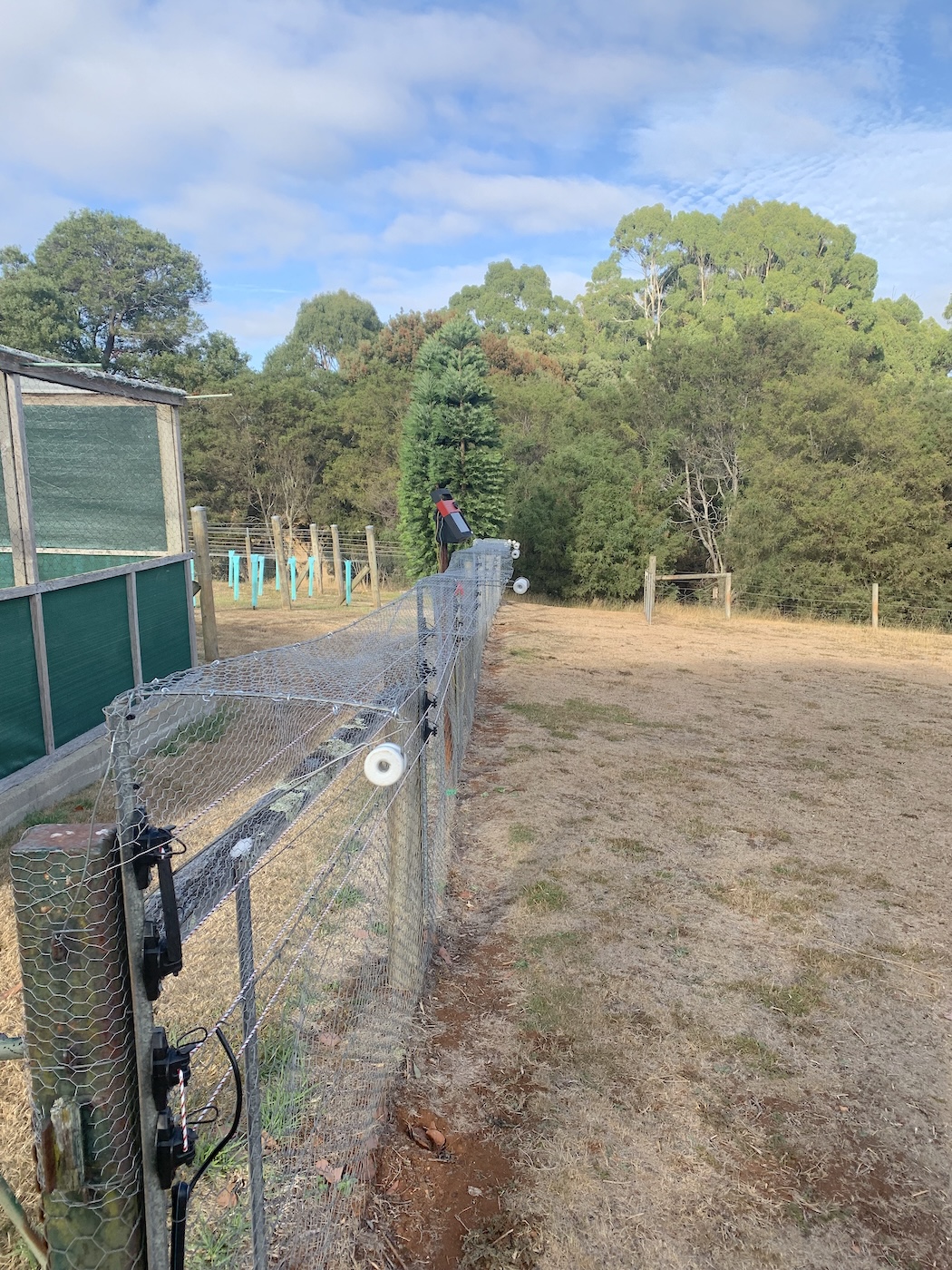
When we decided to plant a micro vineyard two years ago, we didn’t really anticipate the devious, destructive determination of the local possum population. Despite four lines of electric fence, to a height of 1.4 metres, delivering 5,000 volts to any unsuspecting creature coming into contact with it, the pesky possums continued to make ingress. They managed to elude the motion detection cameras we set up, denying us any hope of targeting their entry points. We tried using bird spikes without success and finally conceded the only solution was to create a ‘floppy fence’ around the whole perimeter. I had my reservations about this due to the aesthetics, especially on the garden side but we had no choice. We started on the fence line along the paddock so we could modify our system, depending on the outcome, before getting to the garden line.

We came up with the idea of using the electric fence outriggers we had stashed in the shed to support the wire.

The usual level of swearage ensued as we fought with the wire and wind but the result is actually quite neat.

The second paddock line followed

and we turned our attention to the garden side. We opted for a firmer wire for the sake of neatness but stayed with our method using the outriggers.

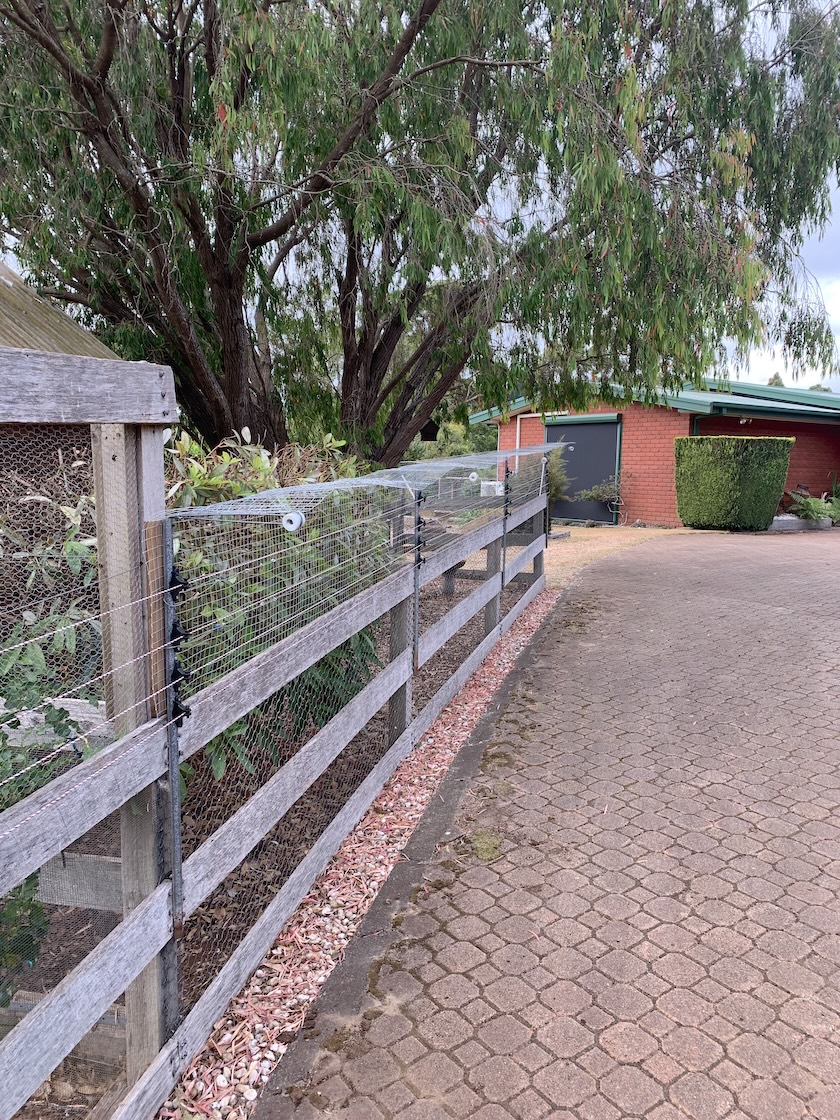
I have to admit, it doesn’t look as ugly as I thought it would.

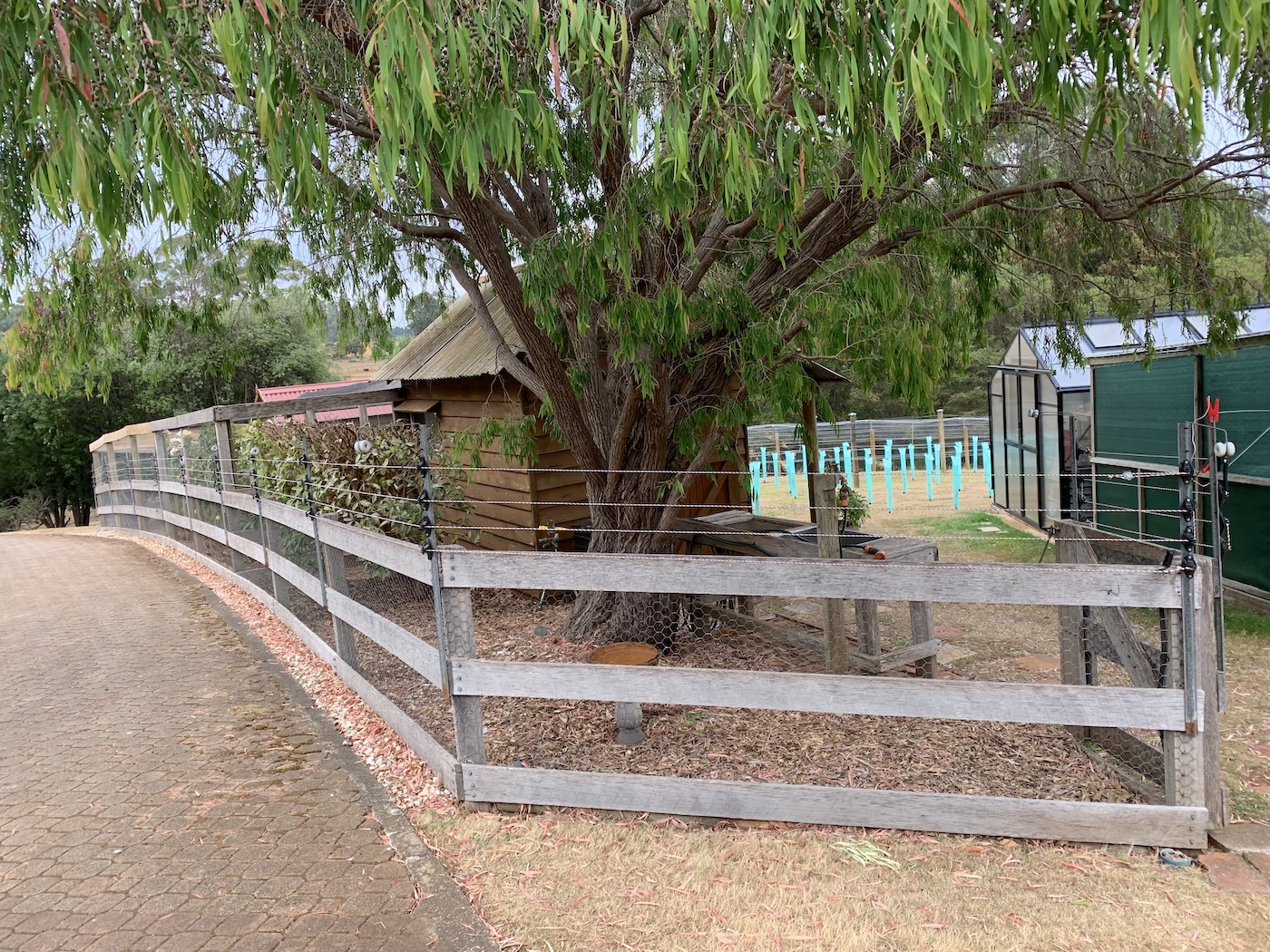
We did the same for the line along the driveway,

joined them at the corner and then finished the gates in the same way.

I am very pleased to report there has been no evidence of possum pandemonium since completion and hopefully, after pruning the vines this winter, we will see substantial growth in spring.

Waratah museum

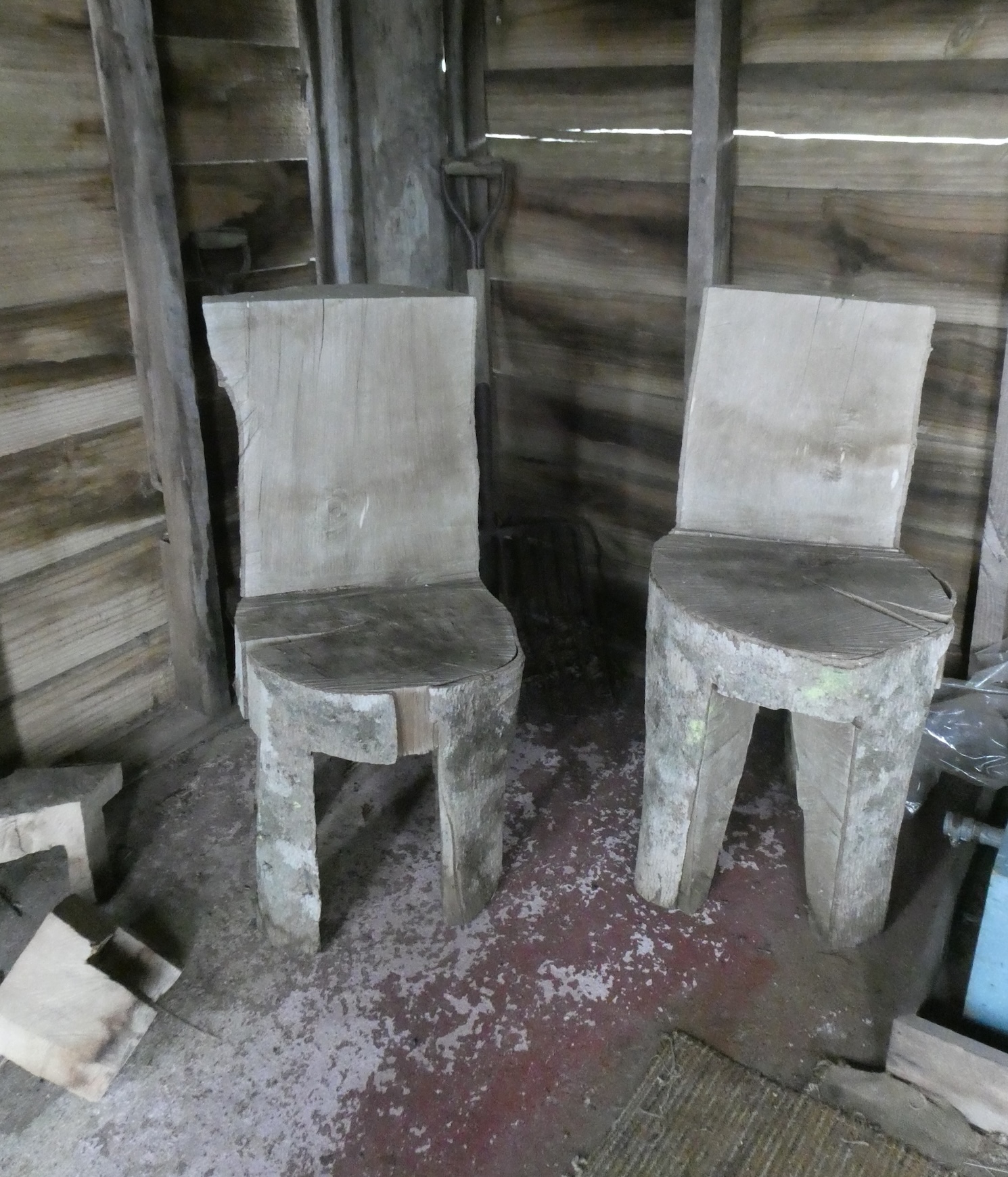
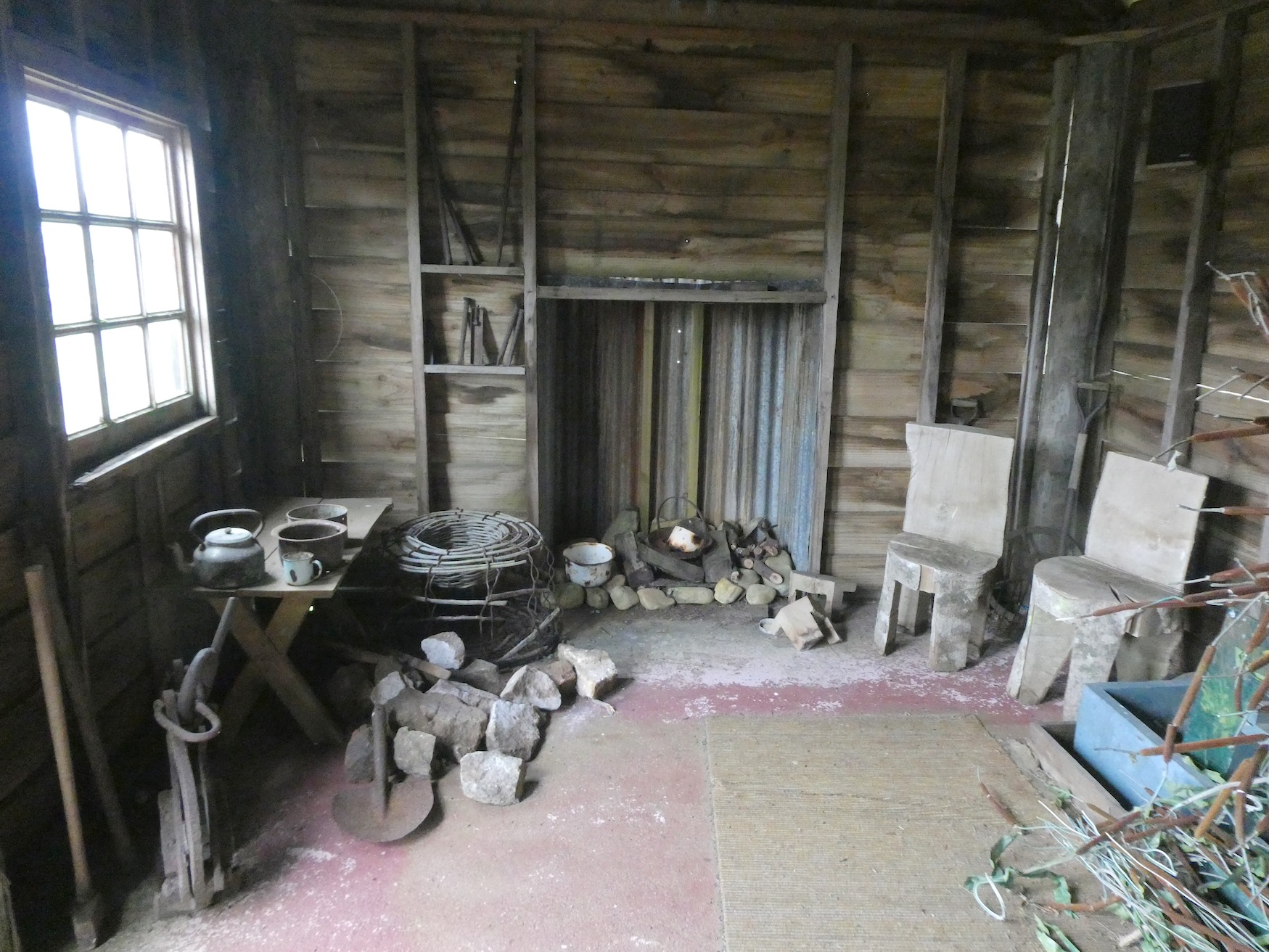
Driving through Waratah on our way to Corinna, we spied an interesting rustic cabin. We stopped to investigate and found Philosopher Smith’s hut, a replica of a typical miner’s hut from the late 1800s.

James ‘Philosopher’ Smith is credited with the discovery of tin at Mount Bischoff and the founding of Waratah in 1871.

The interior was less than comfortable and displayed the equipment a prospector would have used when searching for minerals in the 1870s.

With time to spare before lunch, we moved on to explore the adjacent museum.

The former Courthouse building is now home to a collection of local historical photographs and artefacts. The main courtroom has retained the judge’s bench and witness box among other original features.

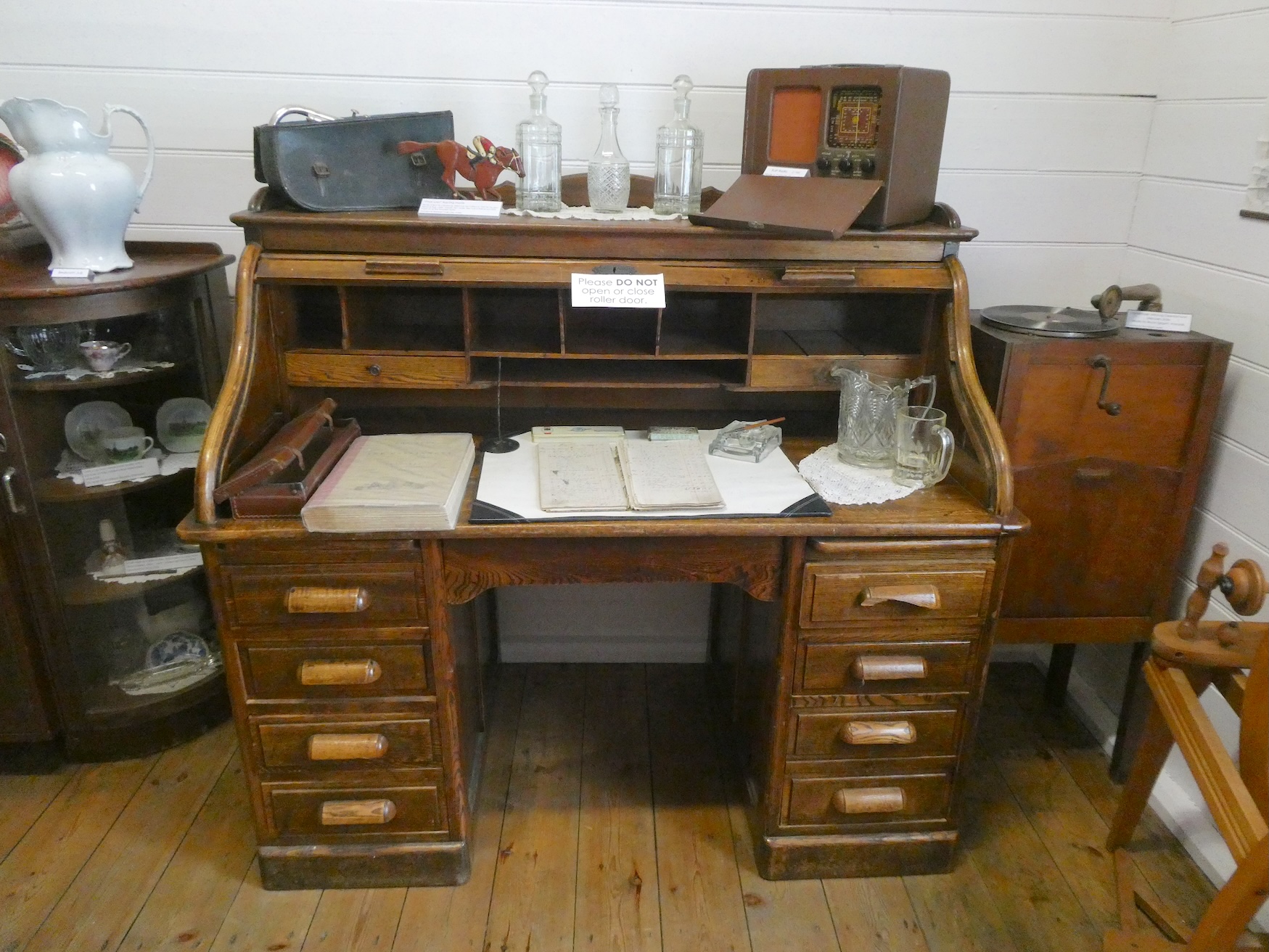
A roll-top desk has pride of place in an adjoining room with a neatly scribed ledger showing receipts and payments.

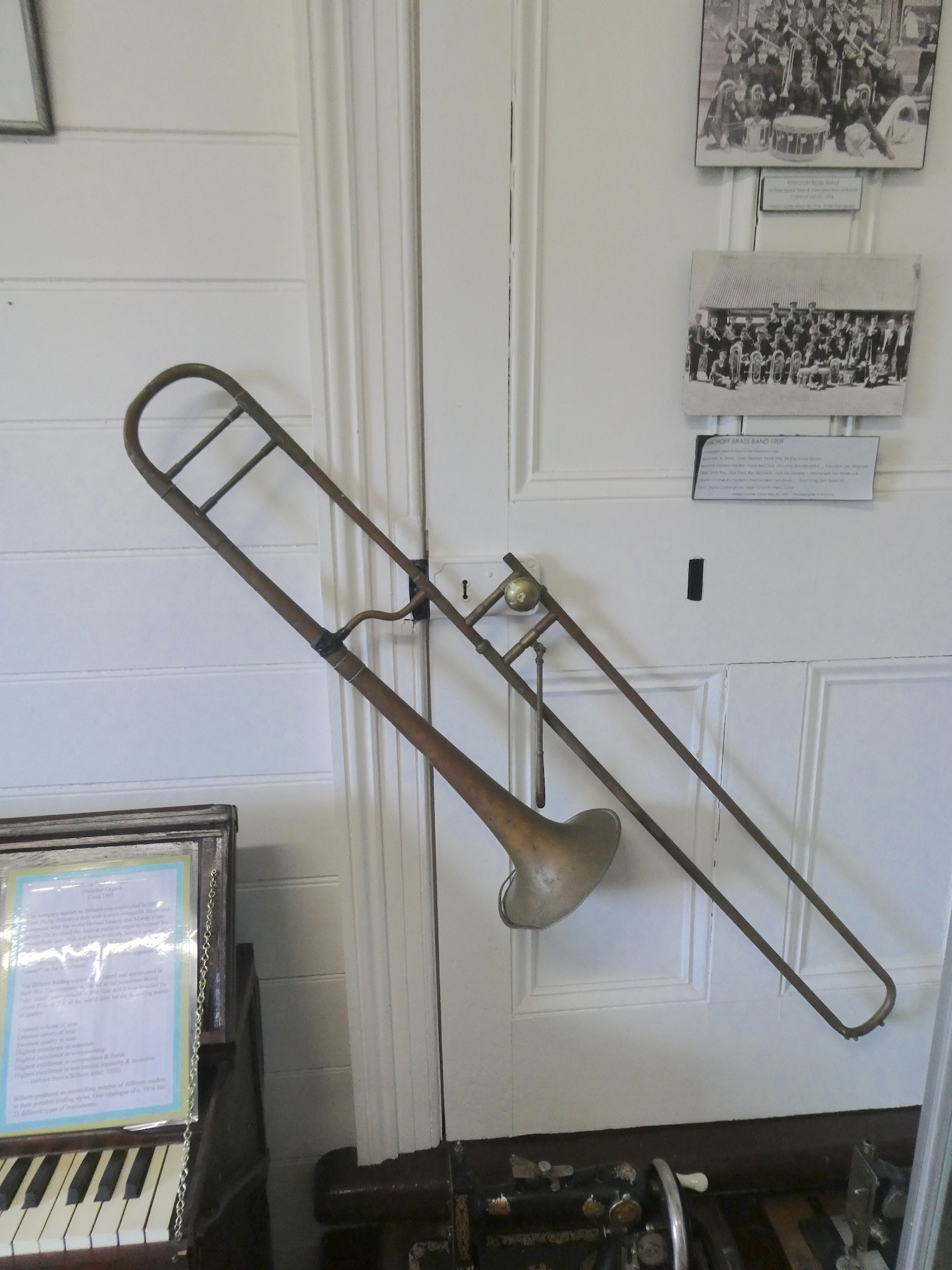
In the music room, vintage instruments, sheet music and old vinyl records reflect a time when music was an integral part of the social scene.

As expected, mining memorabilia abounds along with specimens of gemstones and minerals.

Among all the fascinating items, my favourite is this child’s dress. Despite the pretty trimmings, it does look a might scratchy.

bonsai boffin

Michael developed a fascination with all things Japanese in his mid twenties and so began his interest in the art of bonsai. When we met, fifteen years later, he came as a package deal and his beloved bonsai found a home in a sunny spot under the pergola of our suburban backyard.

Five years on, we moved to a property in the Adelaide Hills and one of the first items we added to the garden was a shade house to protect the bonsai from unpredictable weather. (It did become airborne in one particular storm but, fortunately, no bonsai were harmed. We then concreted the corner posts into the ground.)

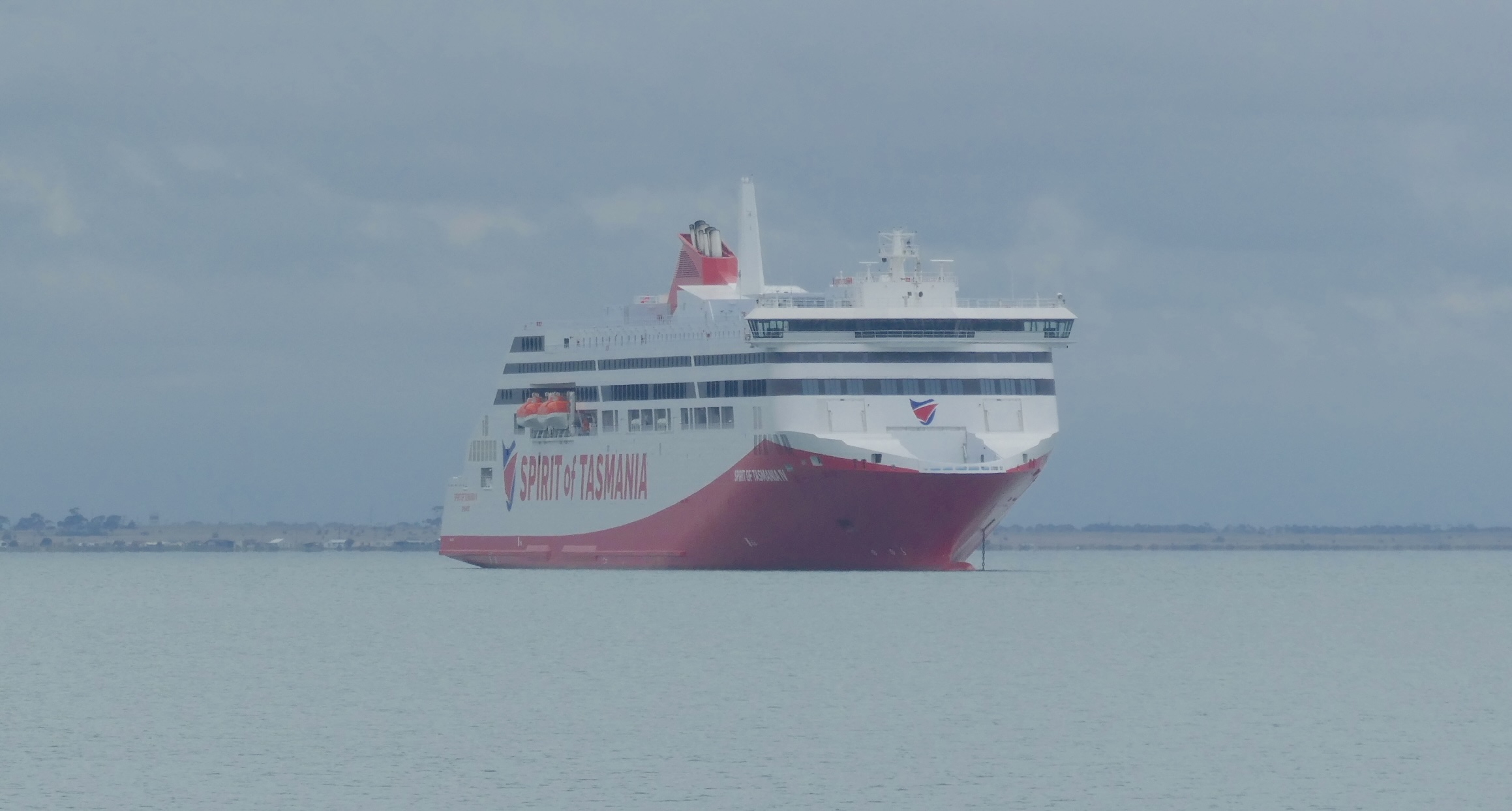
Fast forward another seven years and we made the bold decision to relocate to Tasmania. By this stage, there were over forty bonsai to consider in varying stages of evolution. There were strict biosecurity rules for entry into Tasmania, any potted plants had to be fumigated by a registered authority and sealed until arrival across the creek. Sadly, all but four were sold or given away and the remaining plants travelled with us on the Spirit of Tasmania to their new abode. More specimens have been procured and nurtured since our arrival but they have been somewhat “out of sight” in various spots around the garden.

After years of planning and procrastinating, the new bonsai stand was finally created last winter.

The little trees received some long overdue attention with pruning, root trimming and re-potting.

Let me introduce you to the collection. The radiata pine was given to Michael by someone who no longer wanted to continue with bonsai, and the three sticks on the right are English oaks that had self-seeded on a friends property at Table Cape.

Spring brought verdancy to the oaks but, regrettably, the radiata failed to thrive.

The origin of this liquidambar is uncertain (meaning forgotten) but, despite resembling a twig in winter, it perked up once the warmer weather arrived.

We have a huge holly tree in the garden from which we occasionally find young saplings, the perfect source to experiment with bonsai. So far, this one is a success.

I bought Michael this olive as a gift nearly thirty years ago. He re-trained it and it is one of the chosen few who came from South Australia with us.

The ash tree is quite spectacular. Liberated from between two pavers on a suburban footpath in the mid 80s, Michael trained the roots around a rock before planting in a deep pot. The roots were then gradually exposed and this is the result.

The oldest exhibit in the collection is a copse of English elms. One of the original seven died in transport to Tasmania but there are two new saplings growing in the grove and one will be nurtured to reinstate the preferred uneven number.

The dwarf camellia has done well and produced a beautiful pink flower last year.

Perhaps the hardiest of them all is the Japanese maple. Firstly created as a bonsai, it was then planted in the garden to enable it to reach its full potential. That wasn’t to be when the neighbours horses reached over the fence and ate most of it. Reclaiming it into a pot seemed the kindest thing to do, now we just need to find a way to stop the nocturnal wildlife having a nibble.

The Australian blackwood was gifted at the same time as the radiata but has fared considerably better. Several root suckers have emerged and will hopefully result in a miniature blackwood forest.

Dogwood trees are prolific in our forest and Michael took these three from the path to see if they could become bonsai. I’d say it was a successful experiment.

With the Japanese Buddhas enjoying themselves at the watering hole,

the new display is complete….for now.