possum proofing

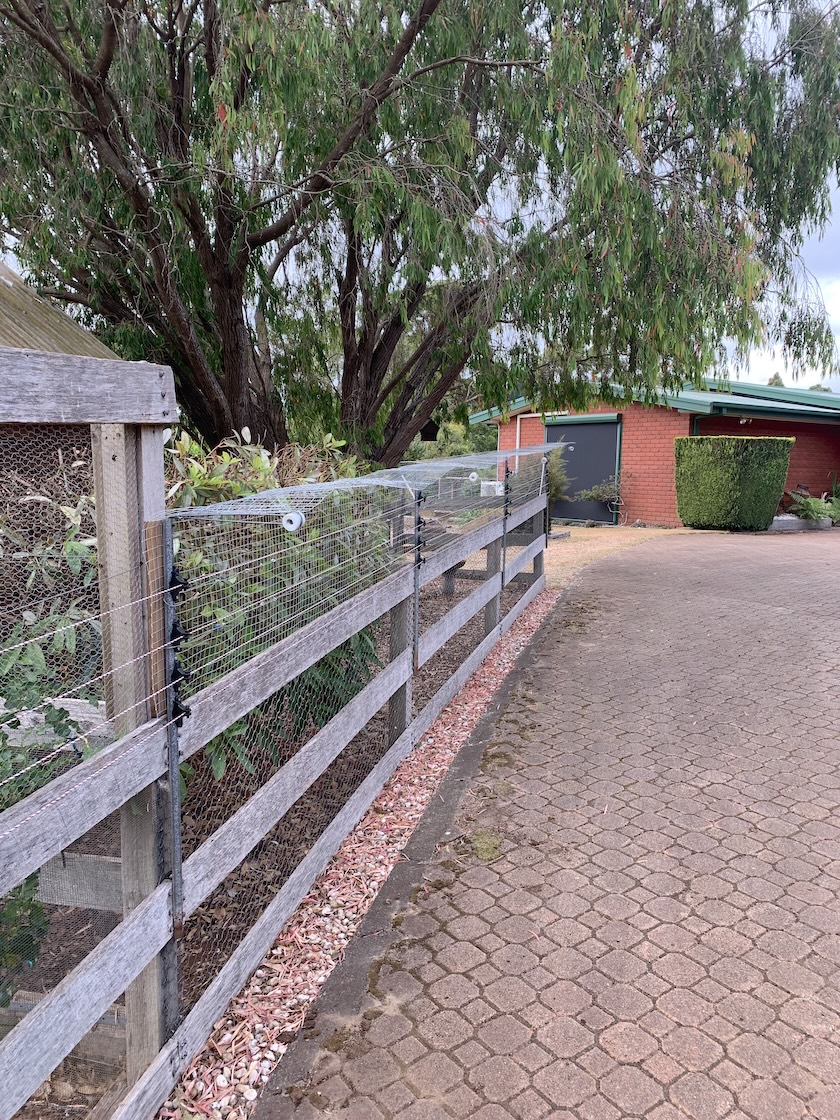
When we decided to plant a micro vineyard two years ago, we didn’t really anticipate the devious, destructive determination of the local possum population. Despite four lines of electric fence, to a height of 1.4 metres, delivering 5,000 volts to any unsuspecting creature coming into contact with it, the pesky possums continued to make ingress. They managed to elude the motion detection cameras we set up, denying us any hope of targeting their entry points. We tried using bird spikes without success and finally conceded the only solution was to create a ‘floppy fence’ around the whole perimeter. I had my reservations about this due to the aesthetics, especially on the garden side but we had no choice. We started on the fence line along the paddock so we could modify our system, depending on the outcome, before getting to the garden line.
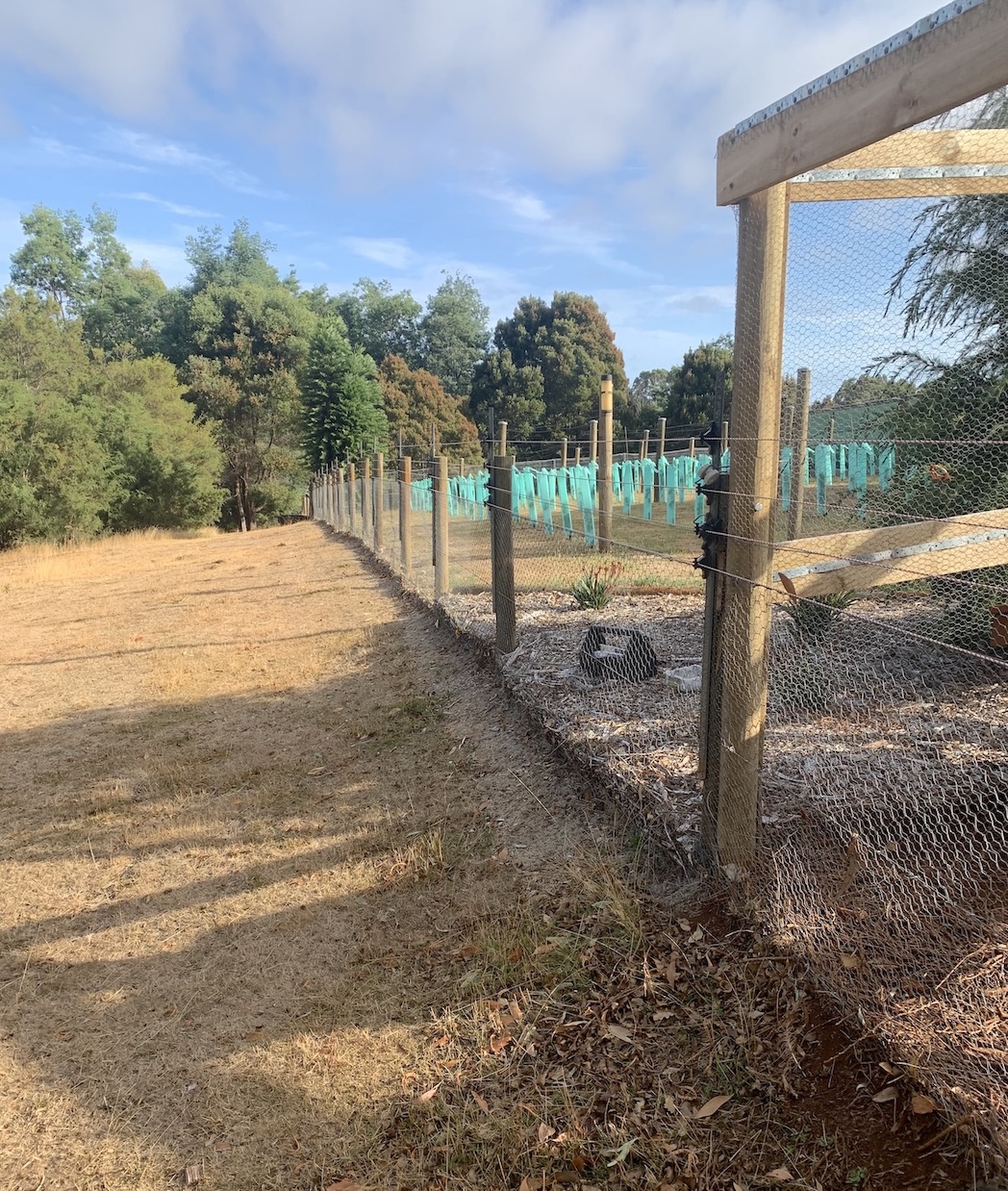
We came up with the idea of using the electric fence outriggers we had stashed in the shed to support the wire.

The usual level of swearage ensued as we fought with the wire and wind but the result is actually quite neat.
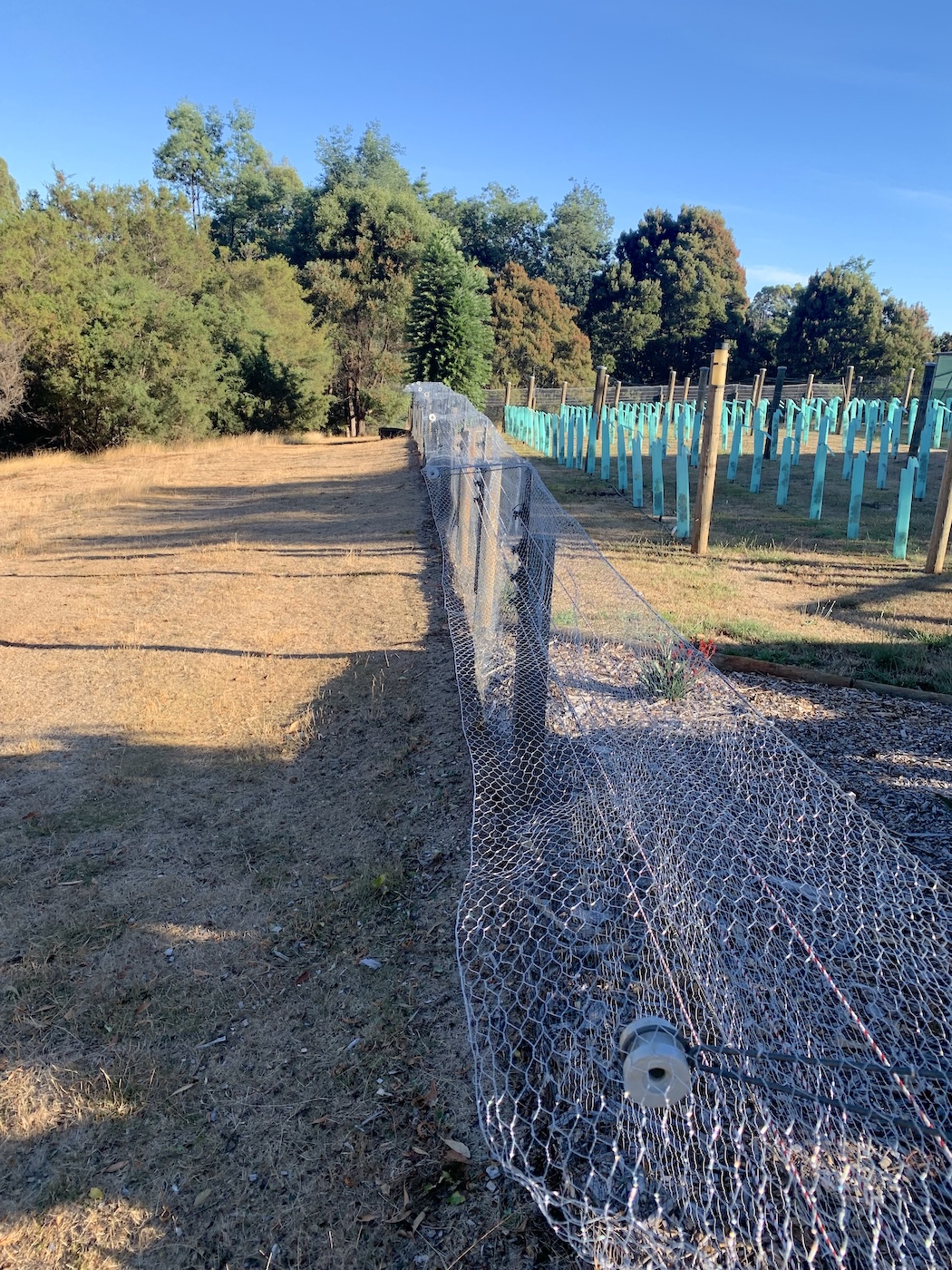
The second paddock line followed
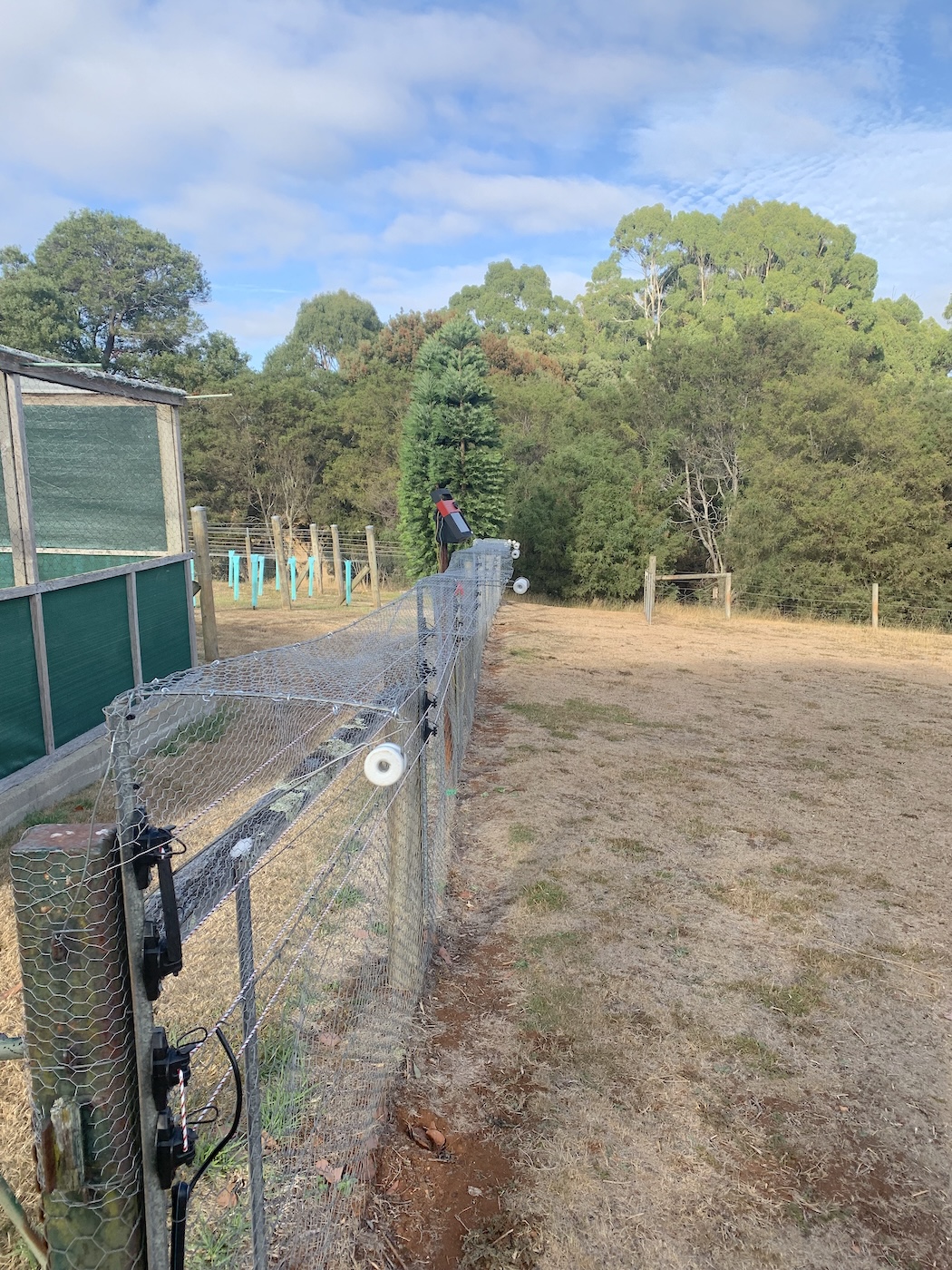
and we turned our attention to the garden side. We opted for a firmer wire for the sake of neatness but stayed with our method using the outriggers.

I have to admit, it doesn’t look as ugly as I thought it would.

We did the same for the line along the driveway,
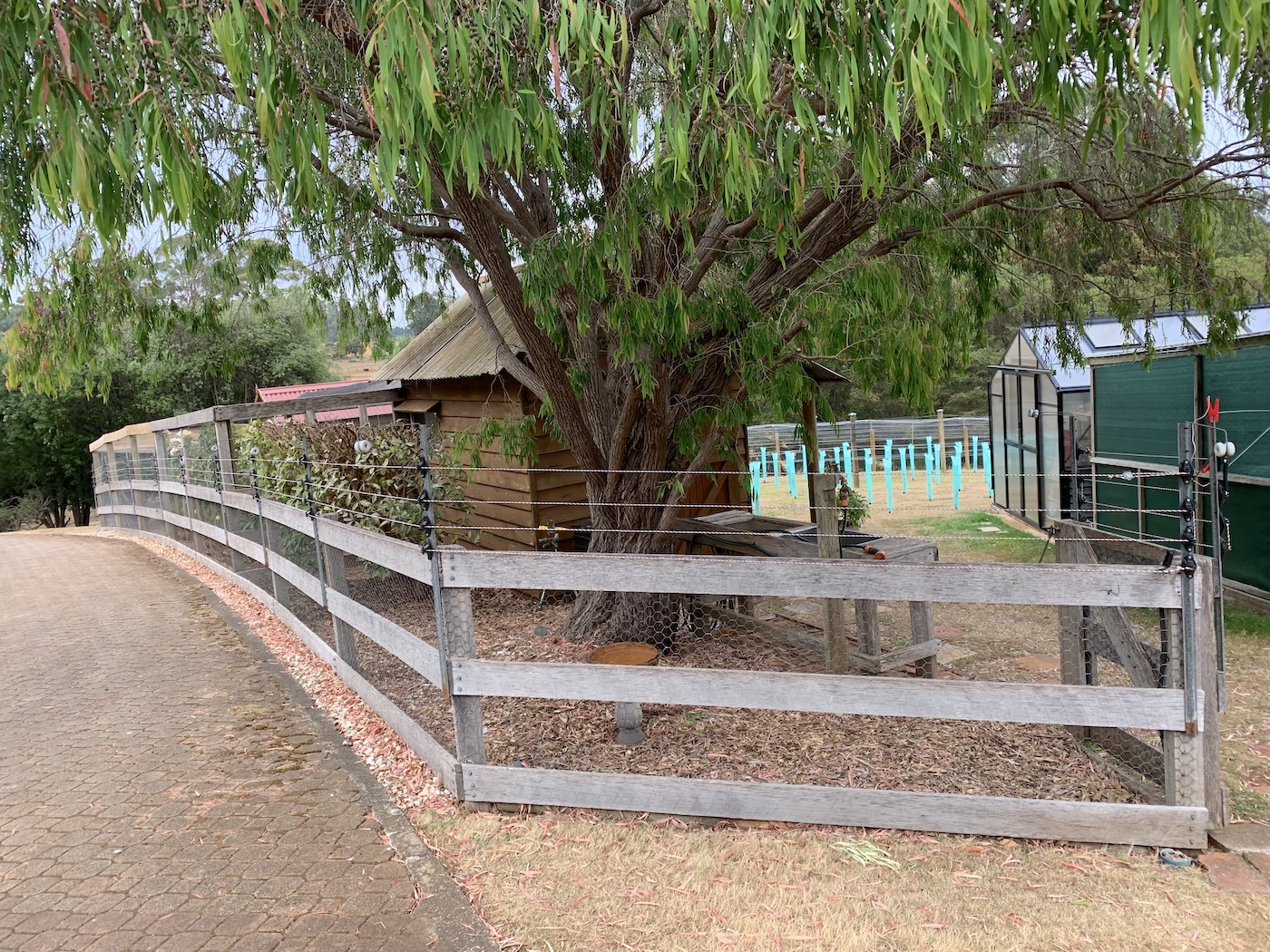
joined them at the corner and then finished the gates in the same way.

I am very pleased to report there has been no evidence of possum pandemonium since completion and hopefully, after pruning the vines this winter, we will see substantial growth in spring.

Corinna

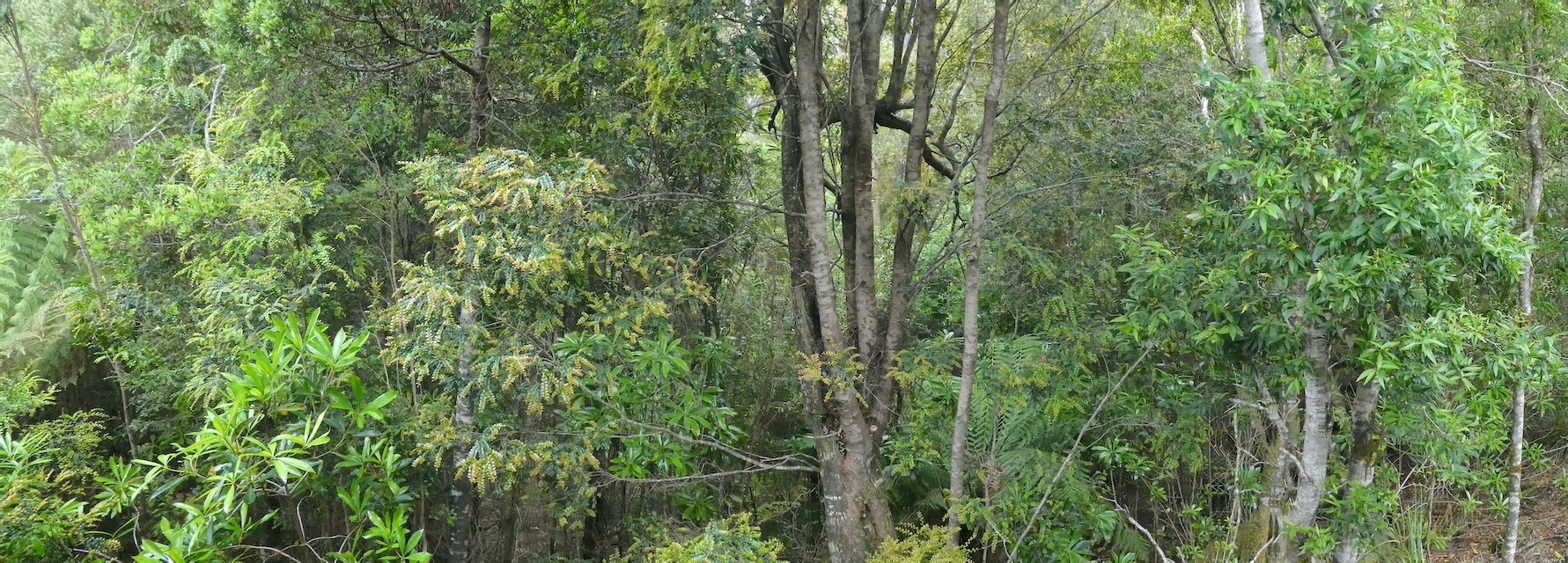
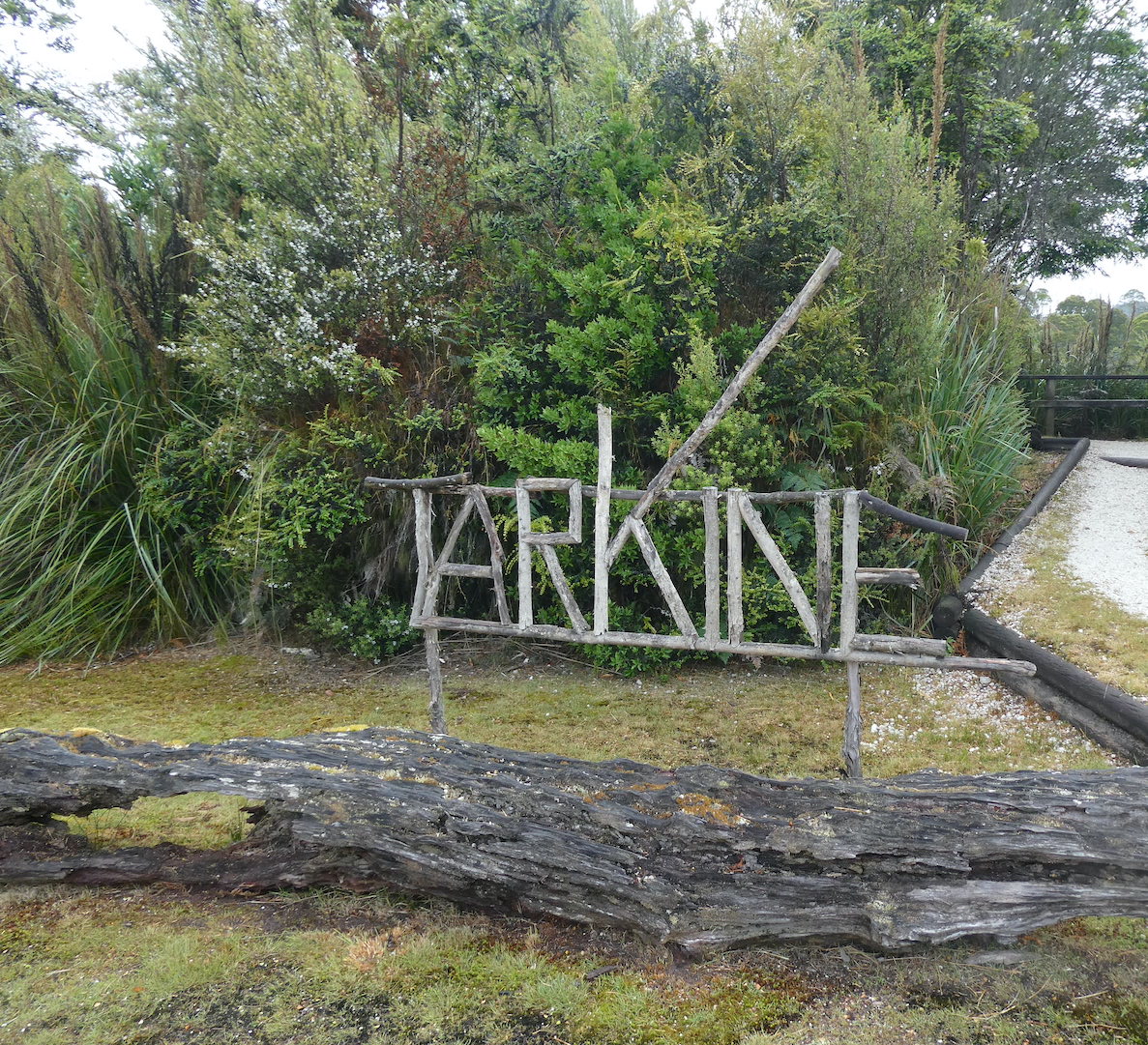
We recently ticked another item off our bucket list with a short stay at Corinna on the west coast of Tasmania. The gold rush of the early 1880s brought a flood of people to the area and Corinna was proclaimed a town in 1894 with a population of 2500. Within a few years, the gold deposits that could be easily worked were exhausted and the town declined in population when the Emu Bay railway to Zeehan was opened in 1900. The historic mining town is now a wilderness retreat set on three hectares surrounded by the Tarkine rainforest. The owners have restored and developed the buildings in heritage style to create a village atmosphere. We enjoyed a very comfortable three nights in “Hobbs” cottage.

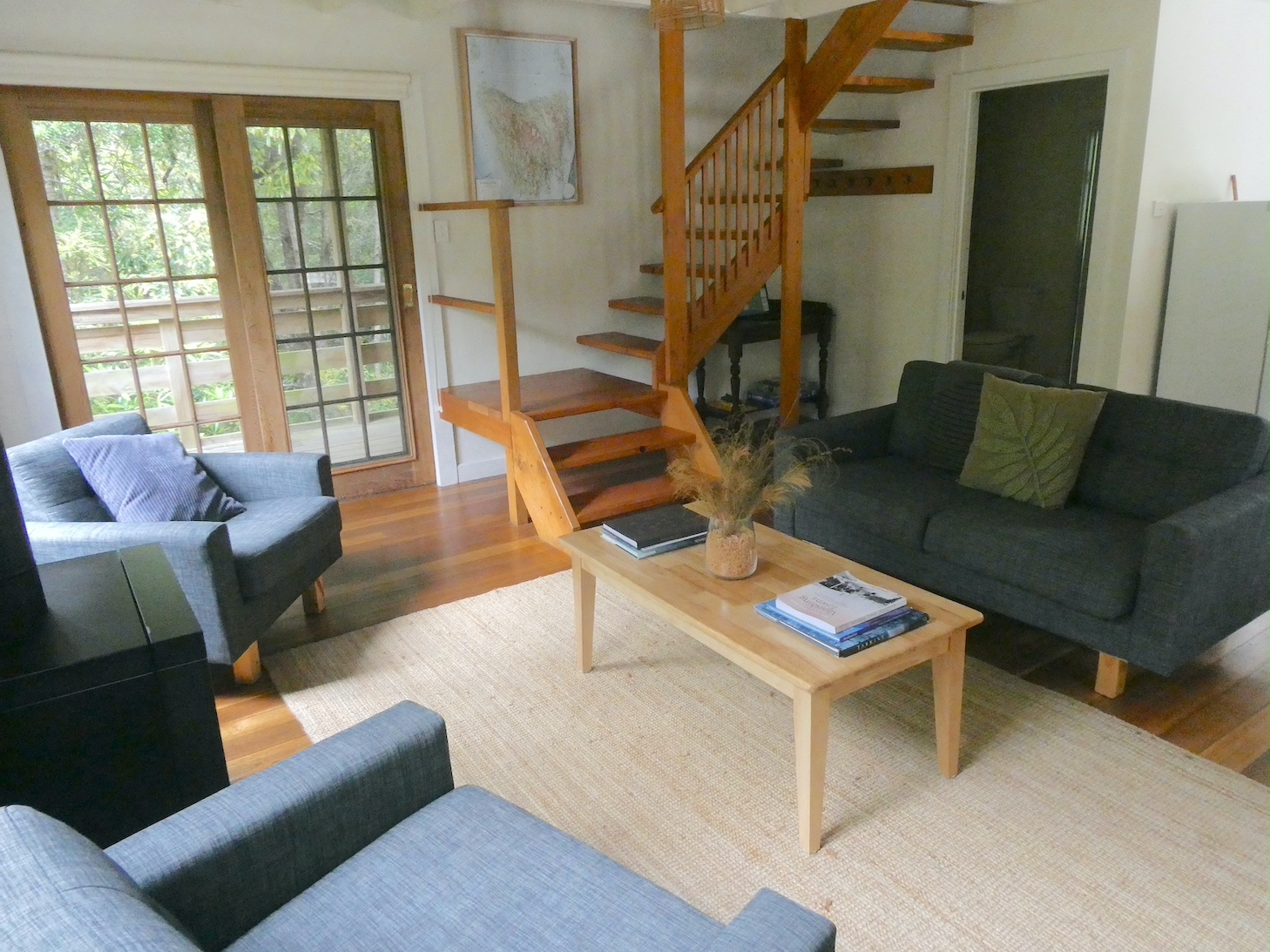
Named in honour of explorer James Hobbs who led a party to the west coast of Van Diemen’s Land in early 1824, our level of comfort far exceeded that of poor Hobbs. I am always prepared that photos on property websites are more enticing than in reality but we weren’t disappointed. The open plan living space downstairs

and bedrooms upstairs

were even better than anticipated and the gas heater warmed the whole area without effort. The rainforest embraced the spacious back deck

and the front verandah was the perfect spot to share a platter and bottle.

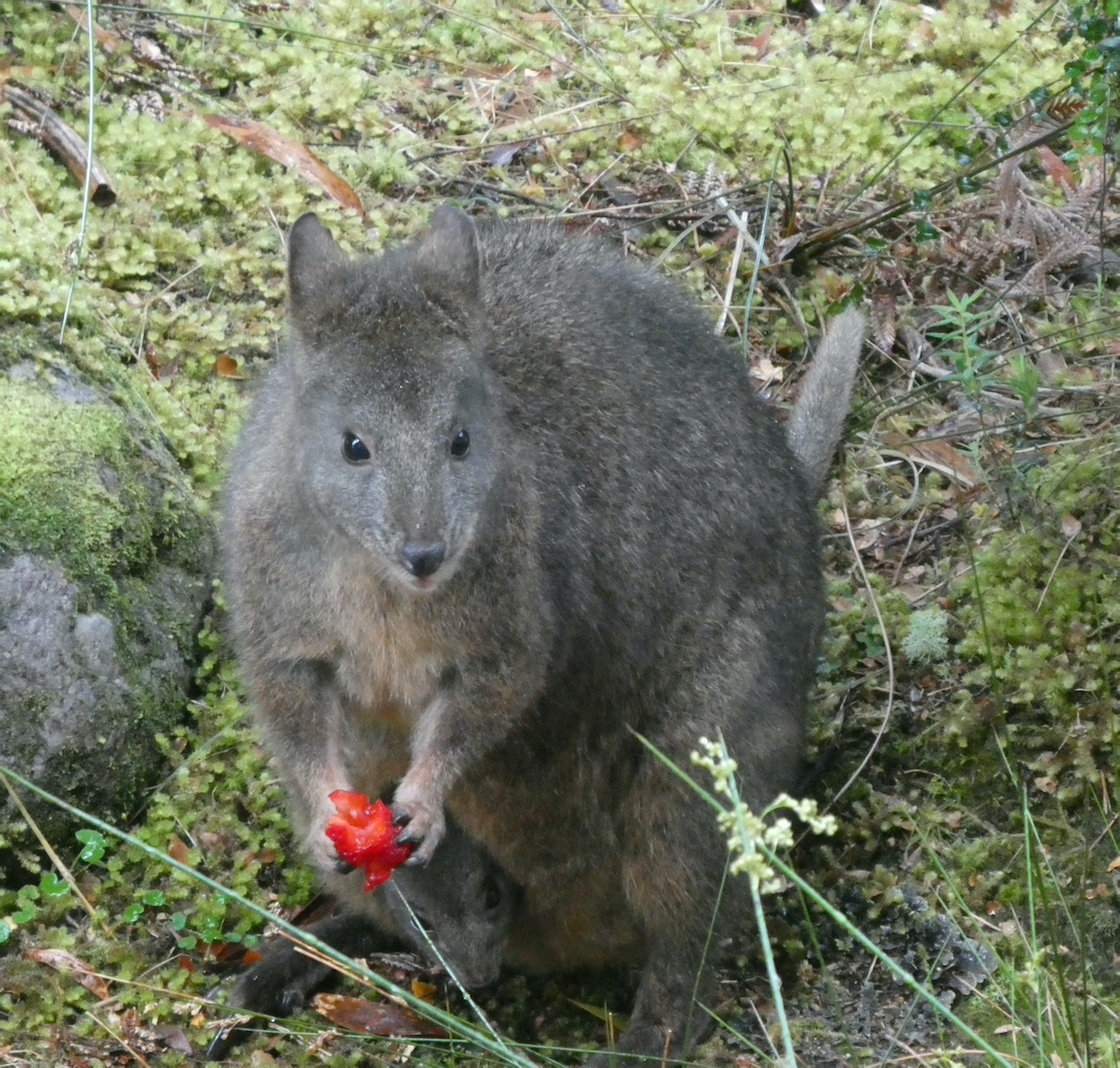
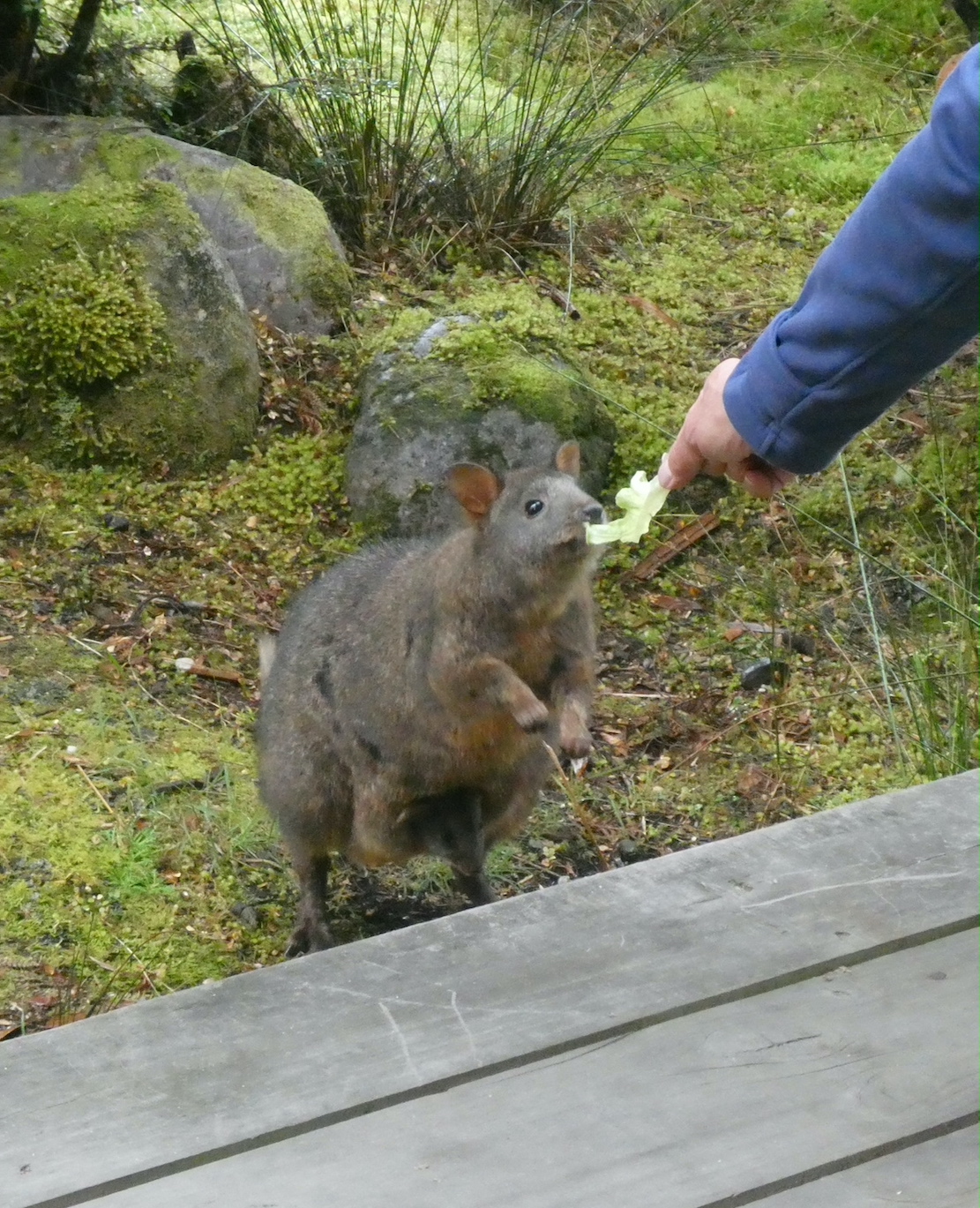
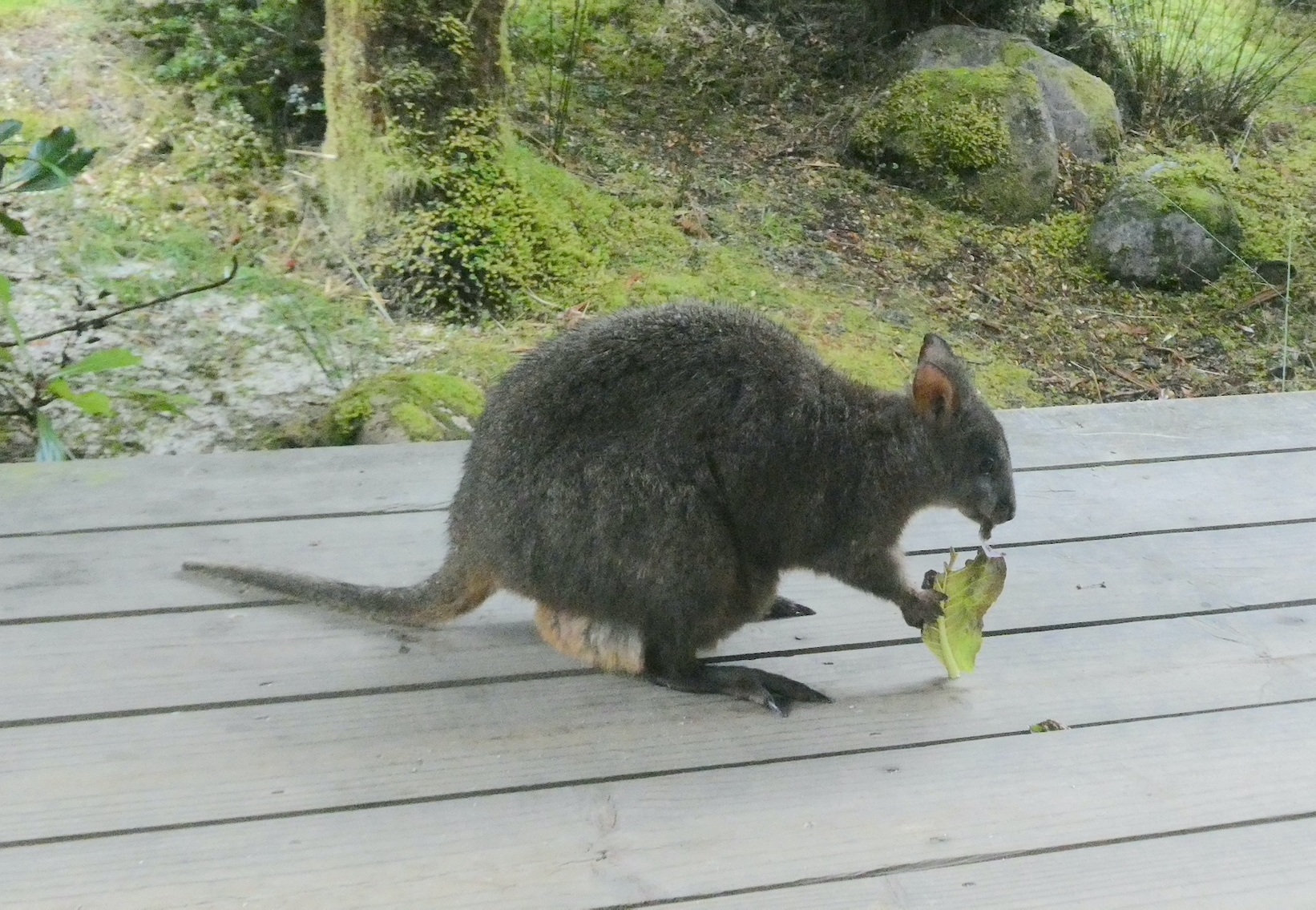
We were happy to share our food with the locals, especially when one had a baby on board.

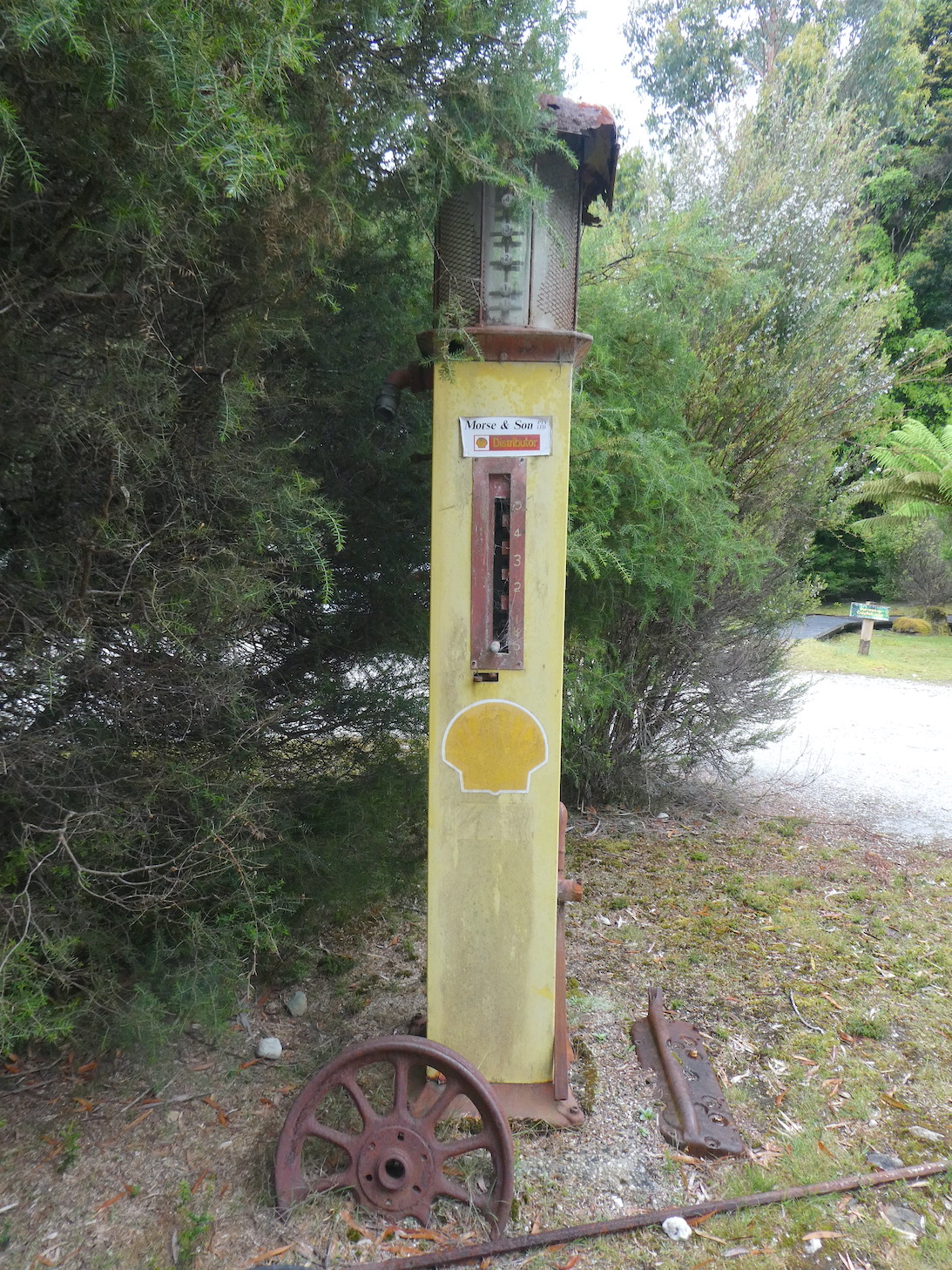
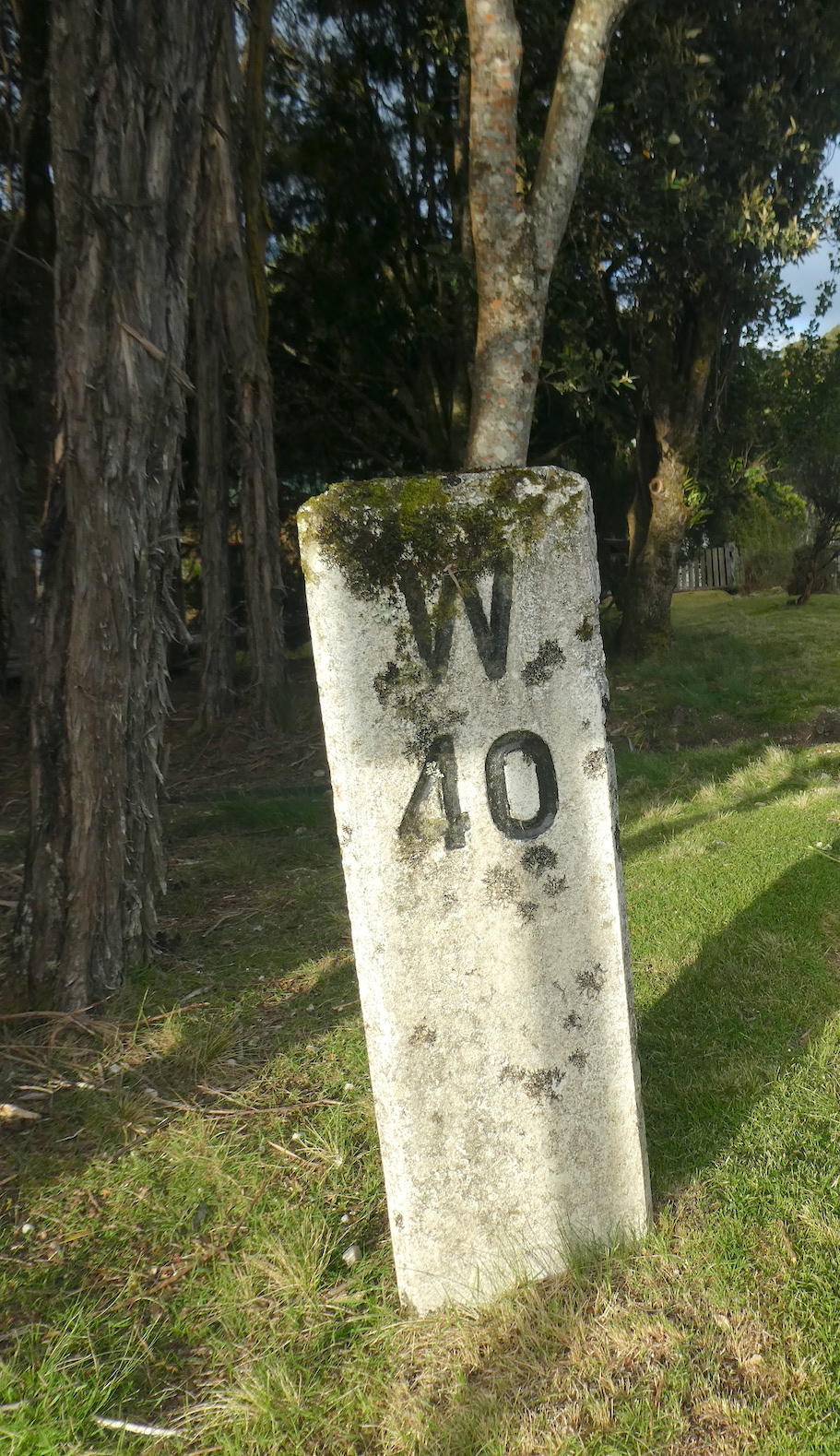
Corinna is totally off grid with solar power, rain and bore water and chemical free sewage treatment. Cooking, hot water and heating are powered by gas cylinders. Visitors are requested to take any rubbish with them when they leave, not a big ask to maintain the pristine environment. After settling in, a stroll around the village revealed remnants of times past.

The old butcher’s shop is now guest accommodation.

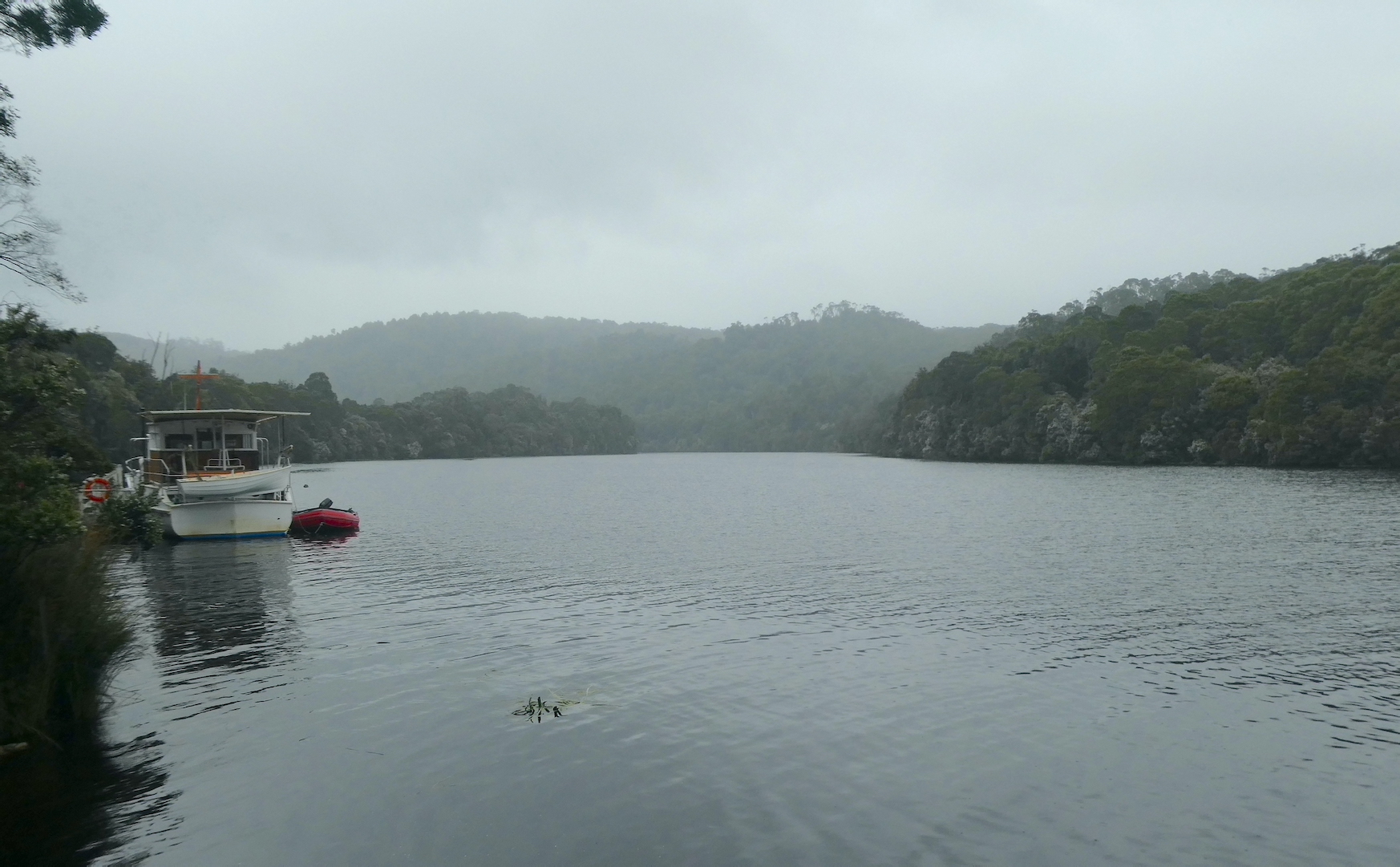
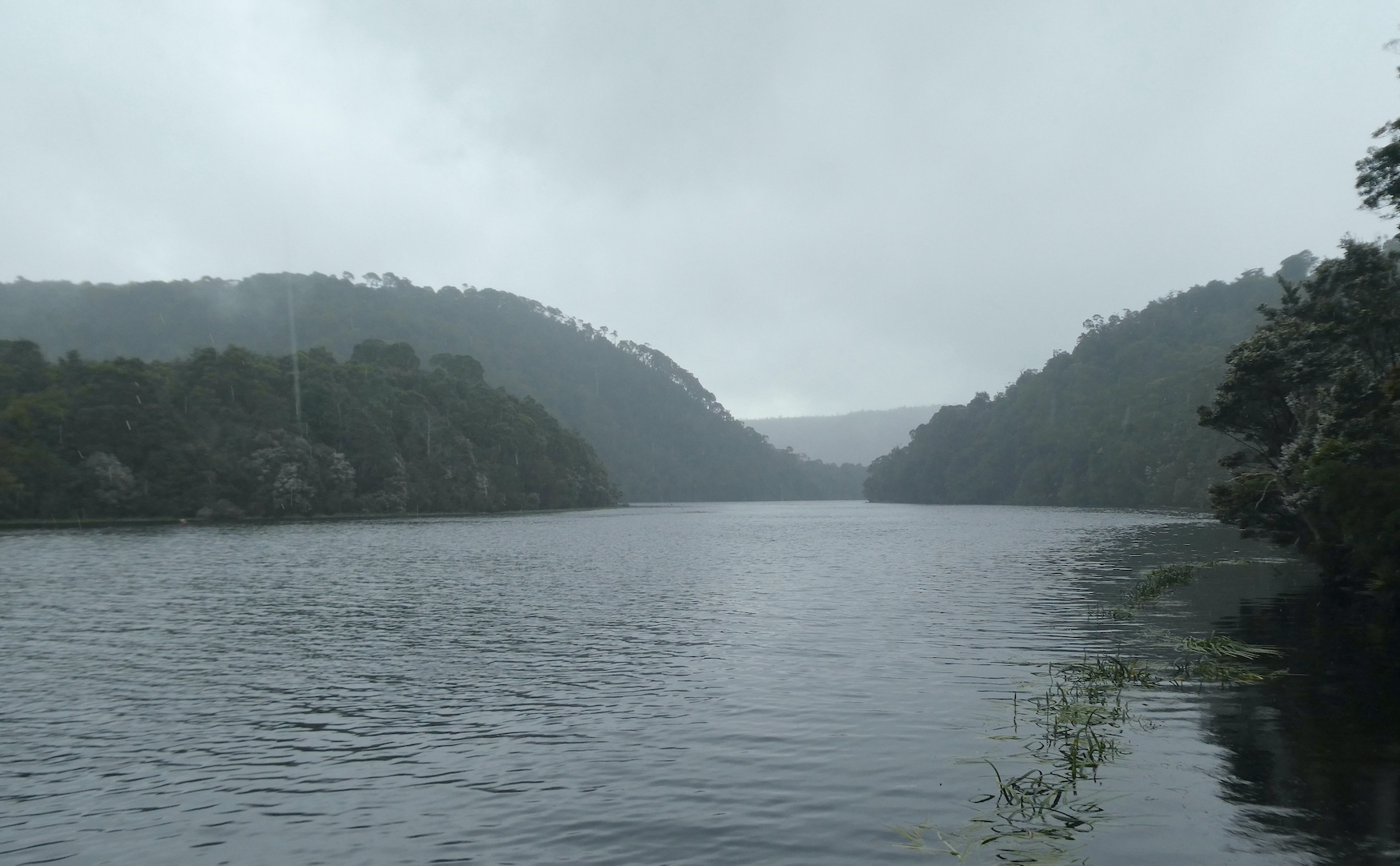
A light drizzle accompanied us as we wandered to the Pieman River at the edge of the property.

For those arriving at or leaving Corinna in a southerly direction, the Fatman Barge takes five minutes to cross the 130 metres to the other side of the river. It is the only cable driven vehicular barge remaining in Tasmania.

Although the cottage was equipped for self-catering, the Tannin Restaurant in the on-site Tarkine Hotel has a mouthwatering menu.

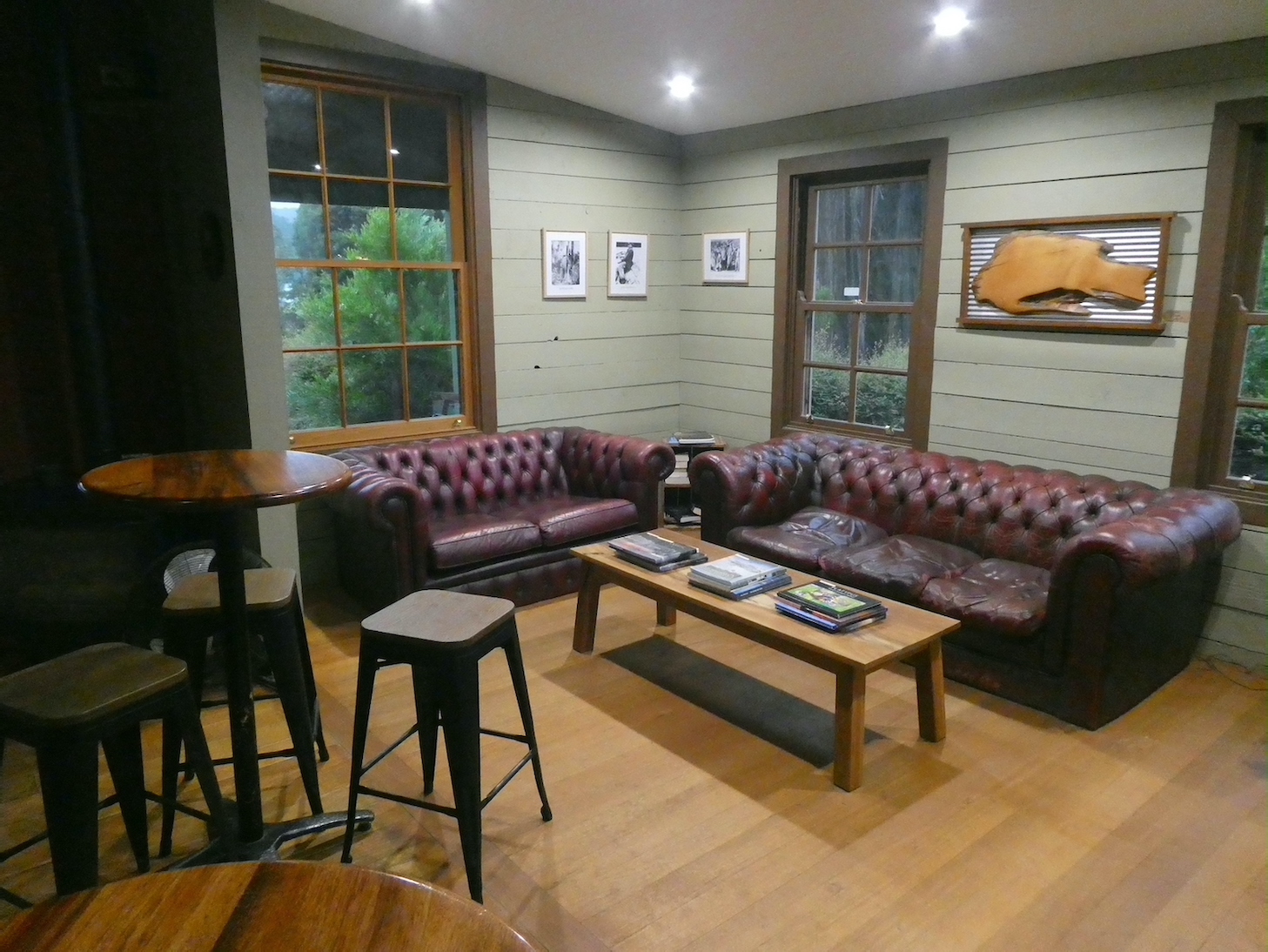
After a days adventure we would amble to the Ahrberg Bar and take up residence on the squidgy Chesterfield with a pre dinner beverage.

Moving on to the dining area, the meals were superb, all prepared using fresh Tasmanian produce. The only down side was, I didn’t have any room for the desserts on offer.

With no TV or Wi-fi (a blessing) it was back to the cottage for board games and bed.

devilish dining

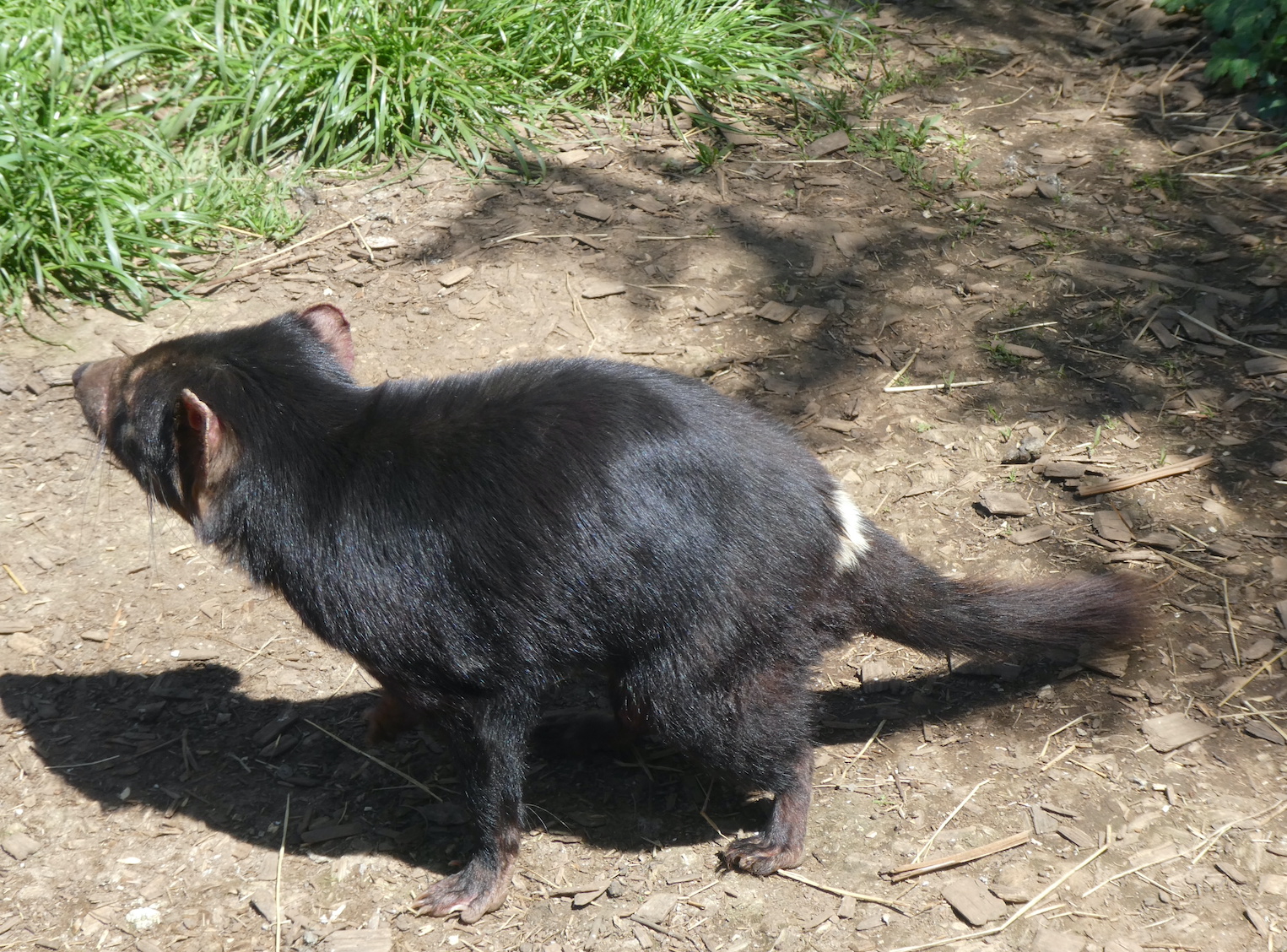
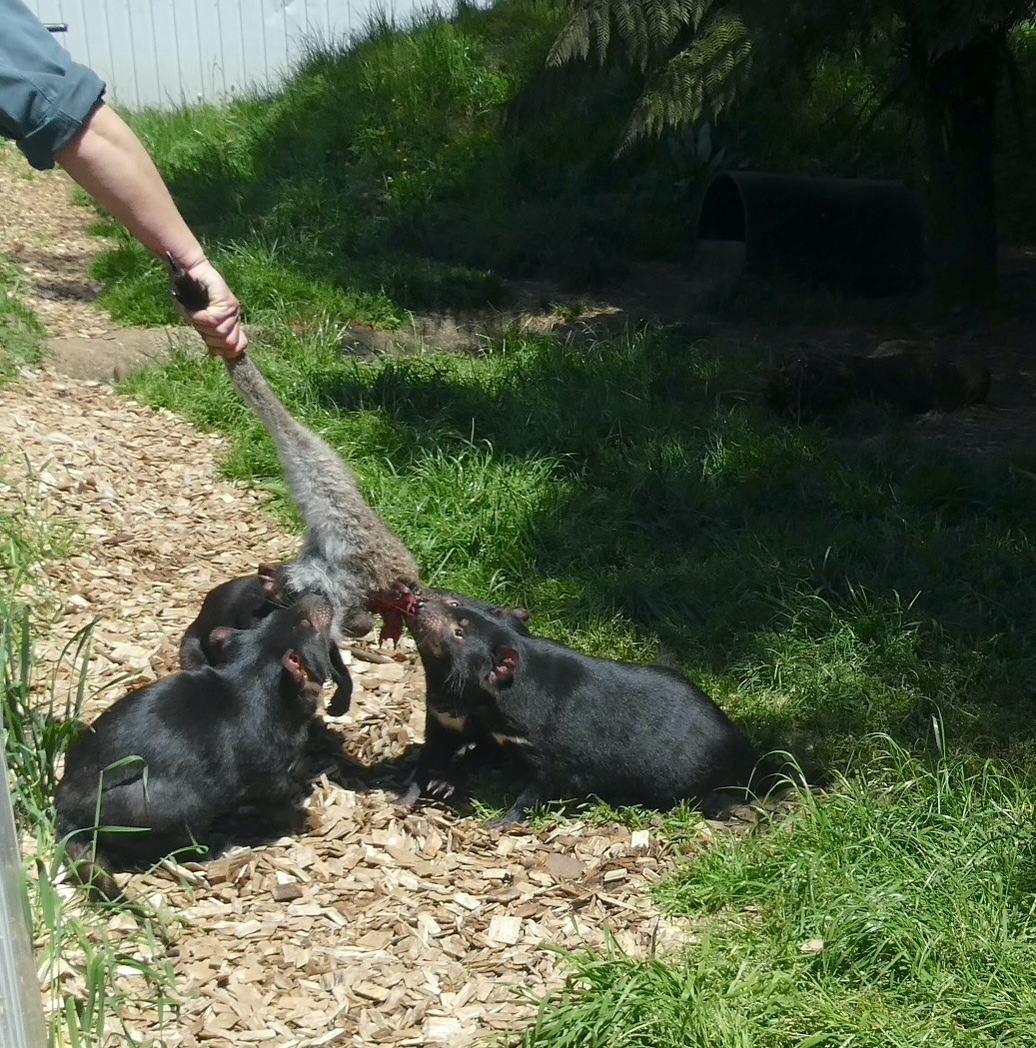
The Tasmanian Devil may not fit the ideal impression of cute and cuddly but I think they have a certain appeal. A recent visit to Wings Wildlife Park confirmed my notion and, watching them lazing in the sunshine, I would go as far as saying they are adorable.

The glossy dark fur is marked with a characteristic white stripe across the chest and sometimes across the rump.

The largest carnivorous marsupials in the world, the devils powerful jaws and teeth enable them to devour every scrap of their food, including bones and fur.

The Devil Facial Tumour Disease, first recorded in 1996, decimated the devil population and a large network of captive breeding programmes was established in the early 2000s. The contagious cancers were transmitted through biting during the fierce competition for food. Facial scarring is not unusual from the frenzied activity.

Peace was about to be shattered

as a meerkat impersonator spotted the arrival of lunch.

There is nothing quite like a succulent wallaby leg to elicit the grunts and growls that have earned the Tasmanian Devils their reputation for being aggressive.

They seemed to understand the concept of sharing for a while

before breaking a large enough morsel to enjoy in private.

The Store

We were looking forward to exploring Marlborough wine country on our way to Blenheim but, sadly, early morning is not the time for winery visits. We indulged instead in a leisurely coffee and cake stop somewhere amidst the eye popping countryside. Another hour down the road, we came across The Store at Kēkerengū, perfect timing for lunch.

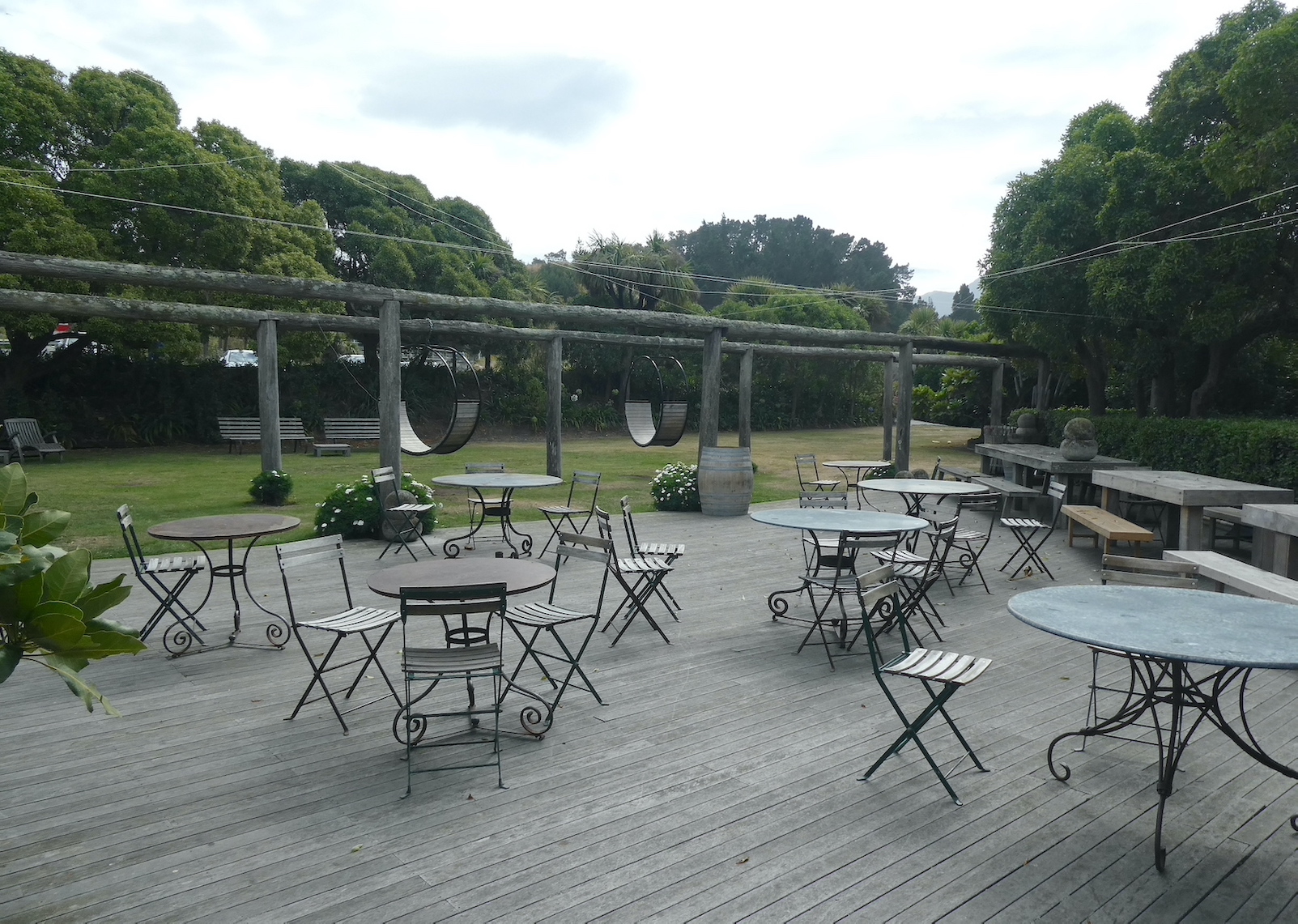
First established in 1994 as a tearooms and garage, The Store was transformed twenty years ago into the restaurant, café and gift shop it is today. There are options for indoor and outdoor dining

and a stroll around the grounds revealed a thriving kitchen garden.

Despite the overcast skies, we opted for a seat in the fresh air at the top of the stairs,

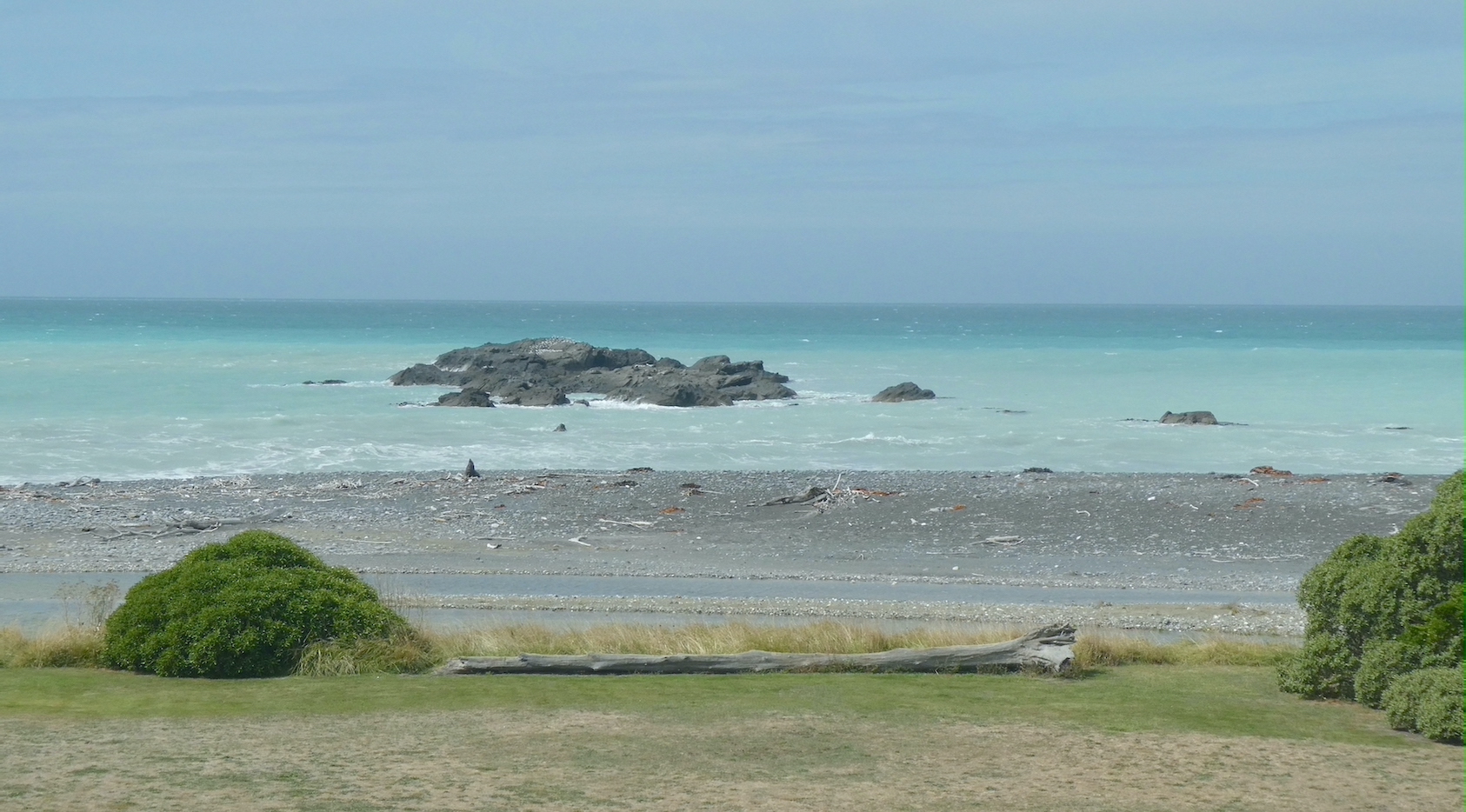
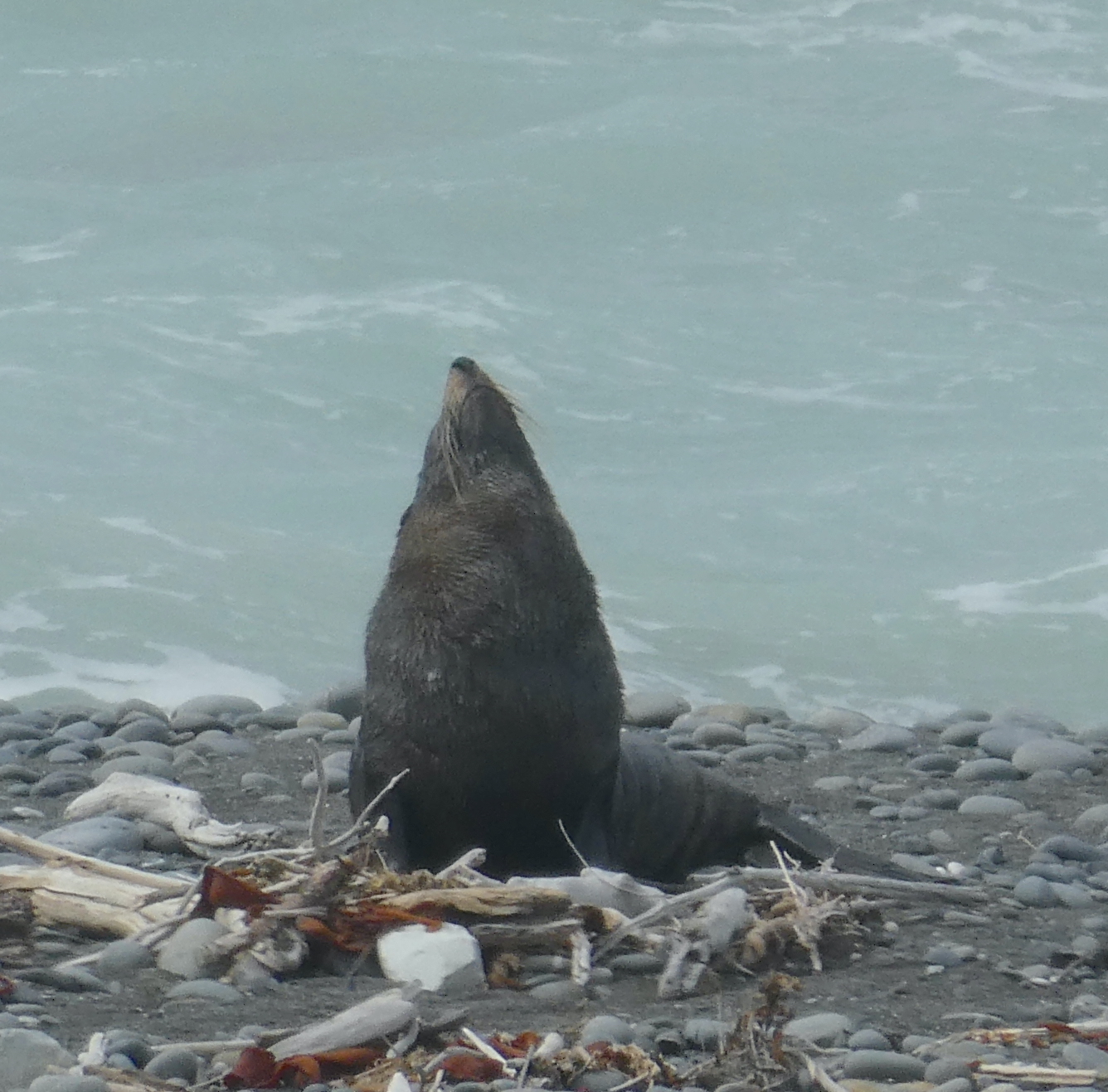
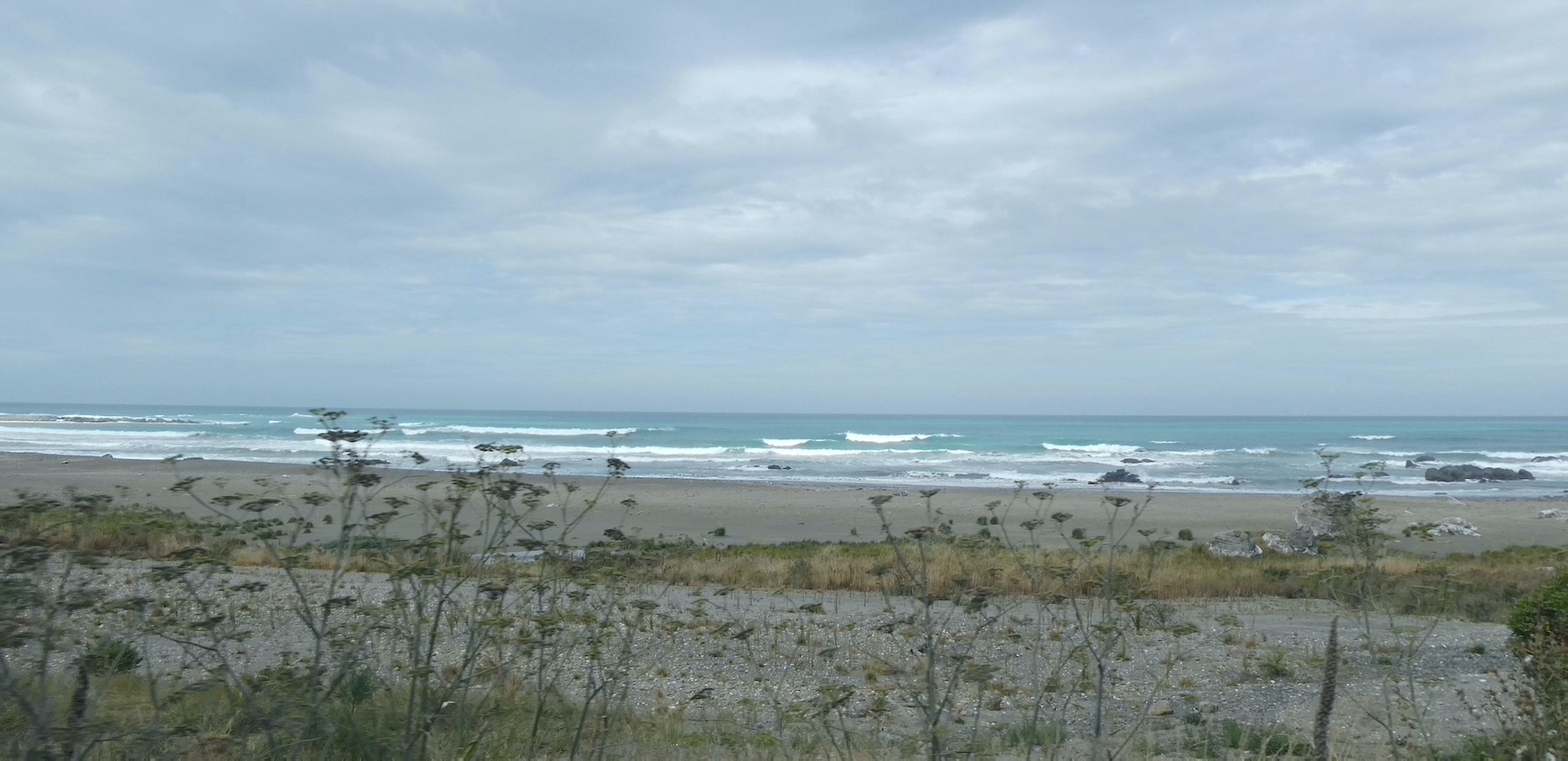
with a front row view of the Pacific Ocean and resident seals preening on the sand.

Beachfront campsites are available with mountain views and secluded bays from which to enjoy East Coast sunrises.

Tempting though it was to partake in a stroll along the beach

or a short post-prandial nap,

it was time to continue the journey to our next destination, Kaikōura.

miscellaneous moments

A few years ago, I posted ‘random rambling’, a selection of photos that didn’t really fit any one subject. I have since accumulated a few more that I thought I would share with you. The male blue wrens have been in their eclipse phase through winter and are now bobbing around the garden in their bright blue plumage in pursuit of the ladies.

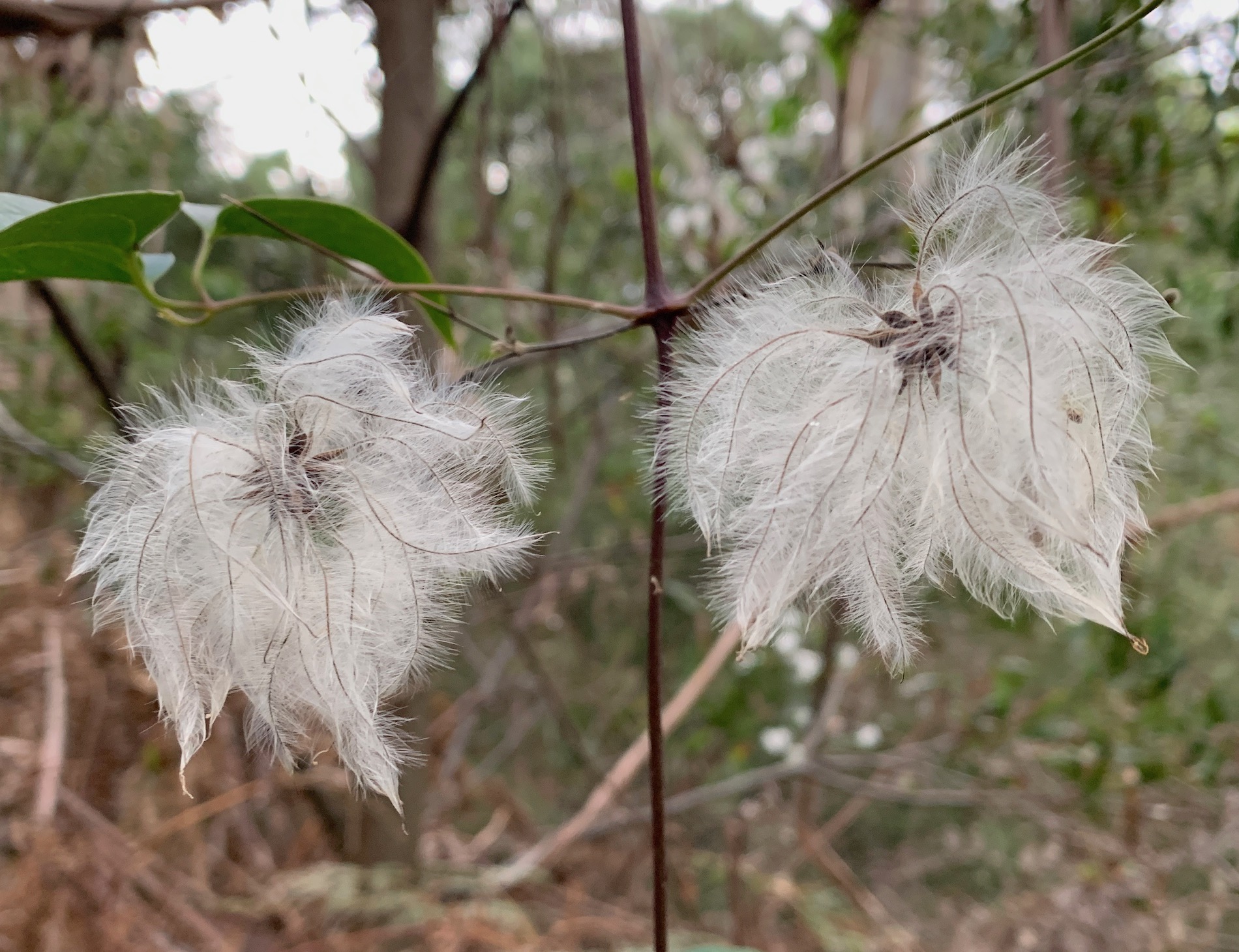
In the forest, flowers of wild white clematis transform in autumn to feathery seed floss.

Here is a bit of silliness. Spreading a few tons of mulch, Michael captured this from his perch on the tractor. He calls it, “burying the wife”.

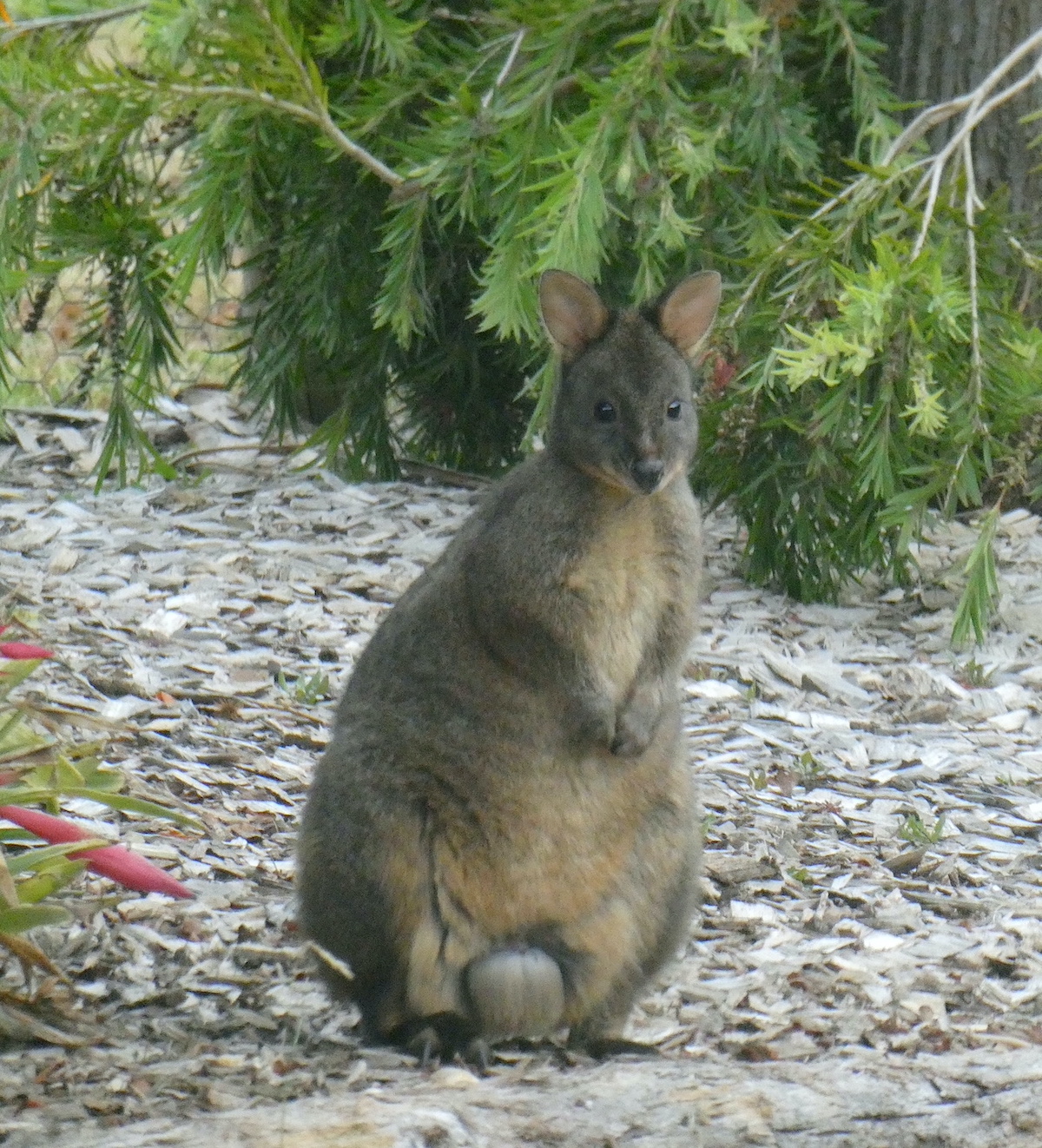
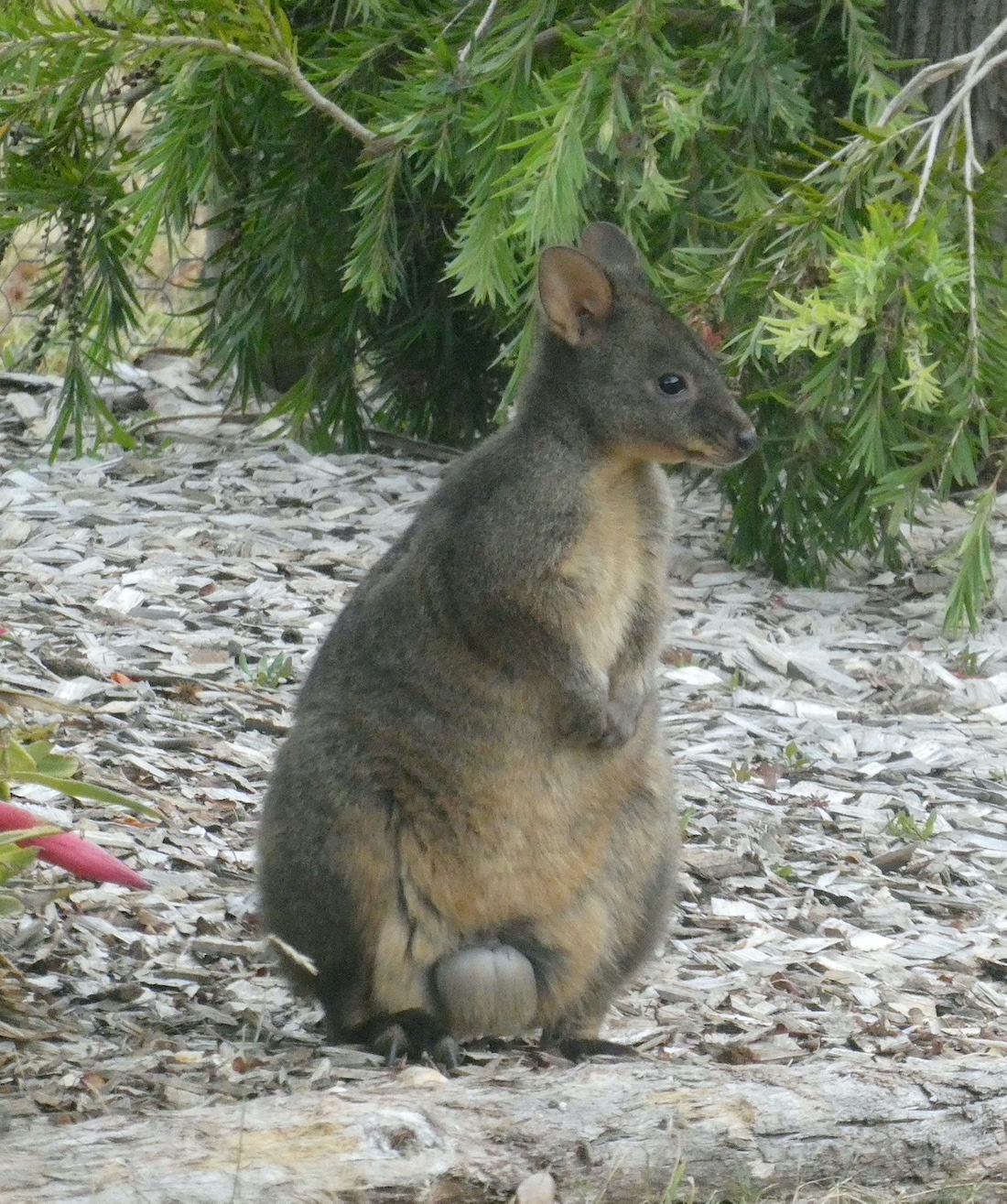
After dark, our garden becomes a marsupial playground and sometimes the critters are slow to leave come morning. This pademelon didn’t seem in any particular hurry to return to the forest.

The elegant art installation by a local orb spinner decorated the verandah. Backlit by the morning sun, it was fortunately too high to trap the unsuspecting human.

Sitting at the dining table one afternoon, I saw a flash of white in my peripheral vision. I assumed it was a sulphur-crested cockatoo but on closer inspection, a beautiful Grey Goshawk had landed in a tree just outside the window. The threatened species has a population currently estimated at less than 110 breeding pairs in Tasmania, we are hopeful our forest is home to at least one of those pairs.

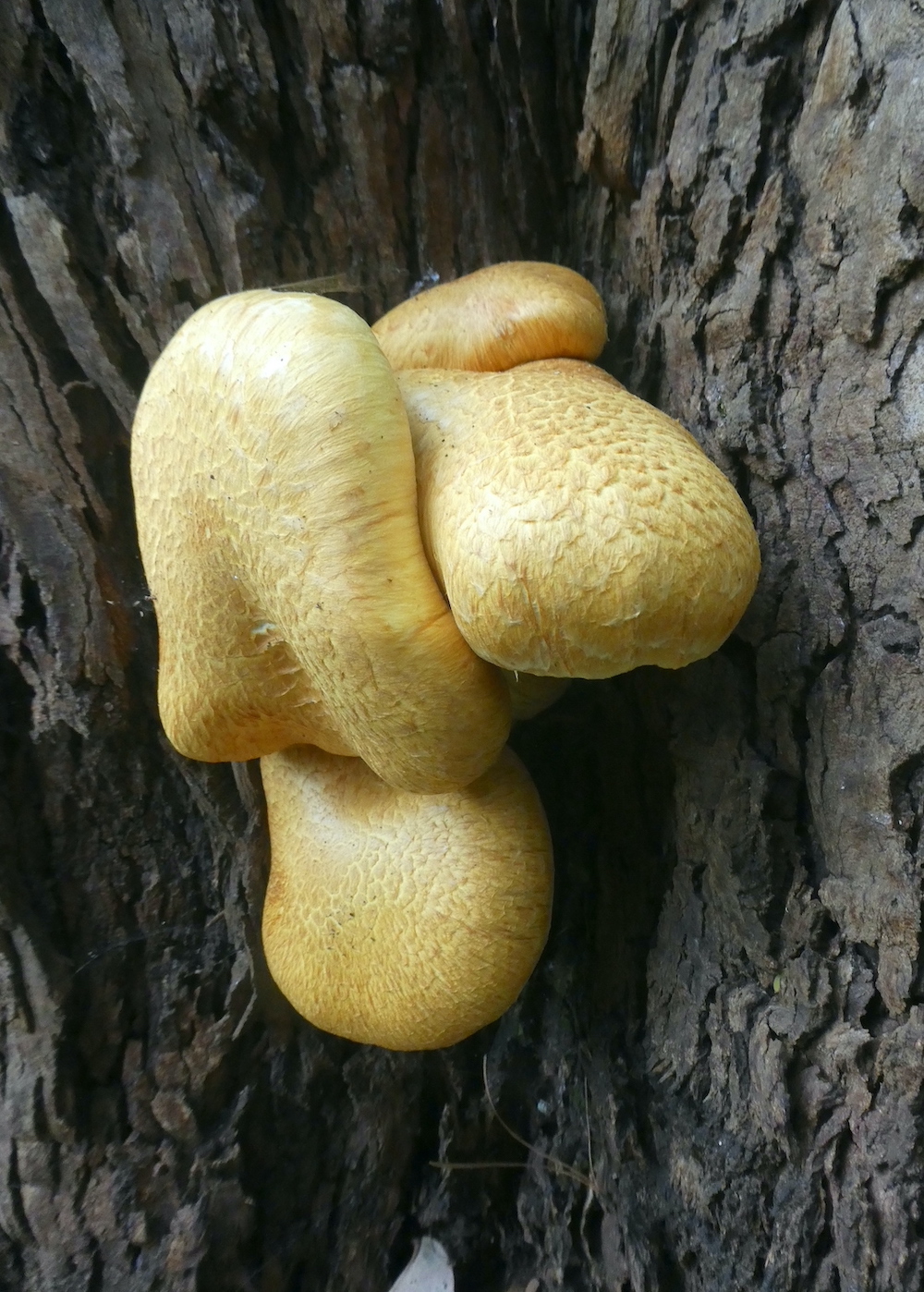
I spotted this humongous fungus in the crevice of a tree trunk in the garden,

ten days later, it had started to shrivel and change shape.

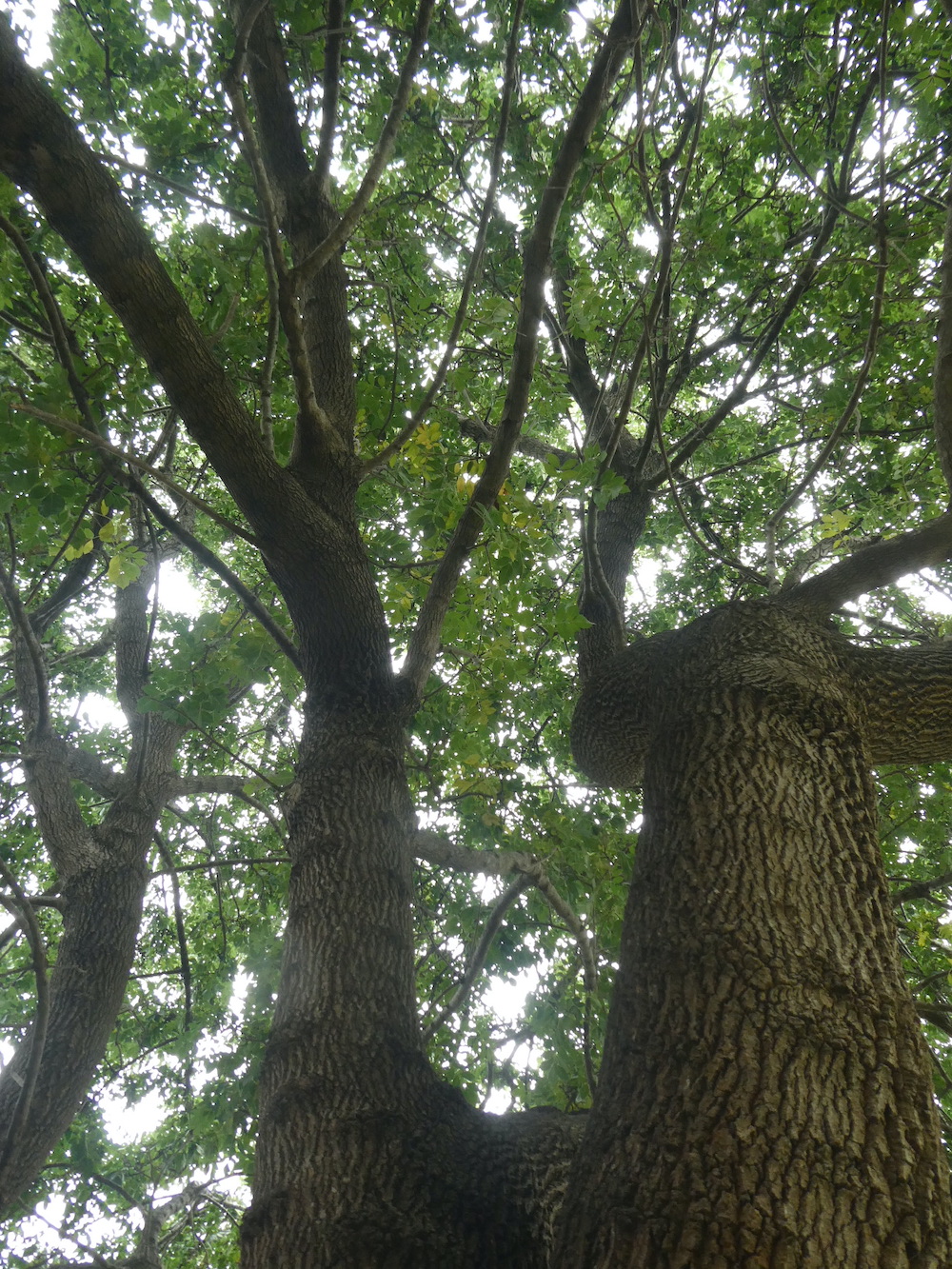
Our magnificent Golden Ash tree provides shelter through summer before the leaves turn gold in autumn and fall to the ground.

On this particular day, I looked up from my usual gardening position on my knees and was awed by the comfort of the canopy. I felt as though the tree was embracing me

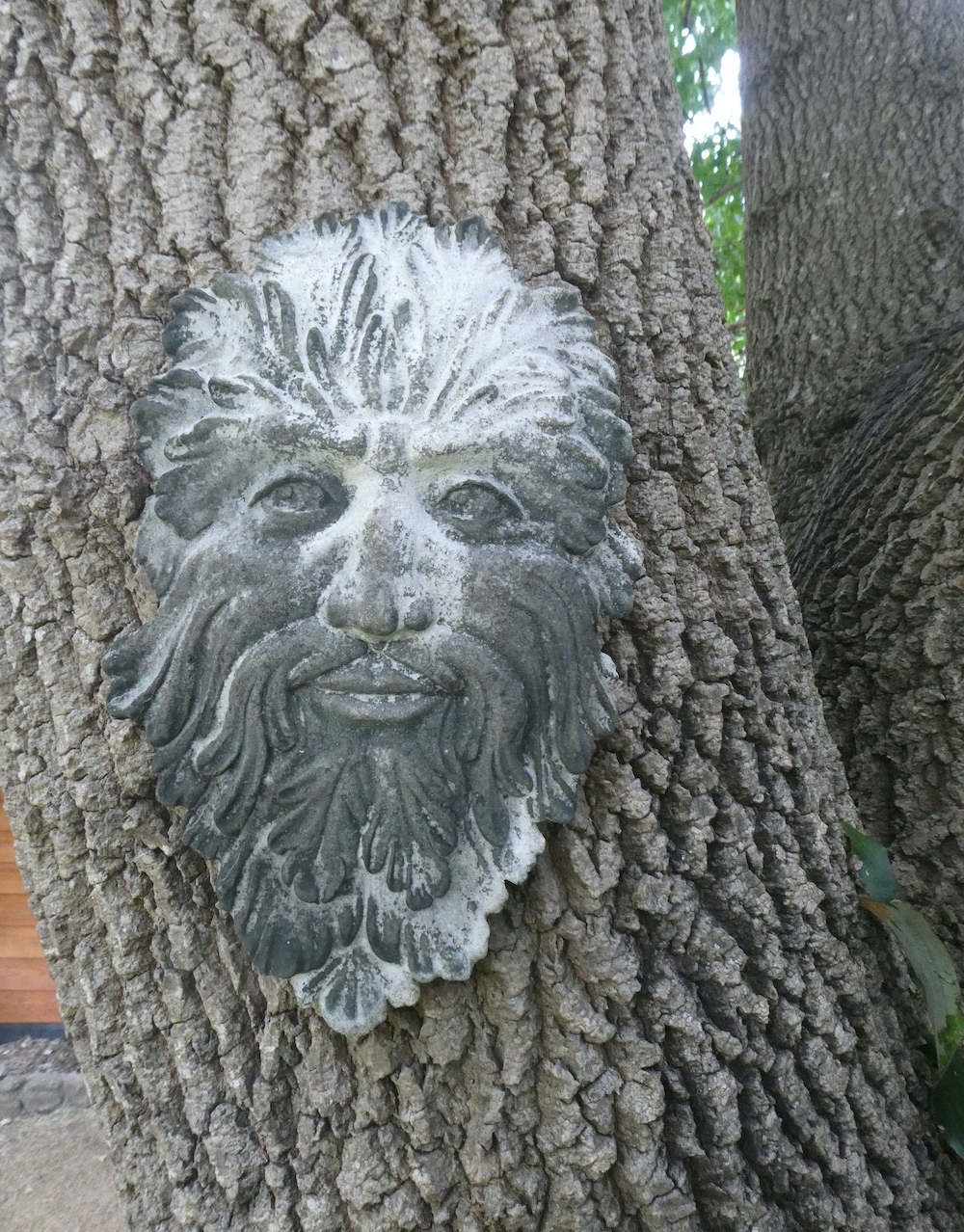
or maybe it was my handsome North Wind man?

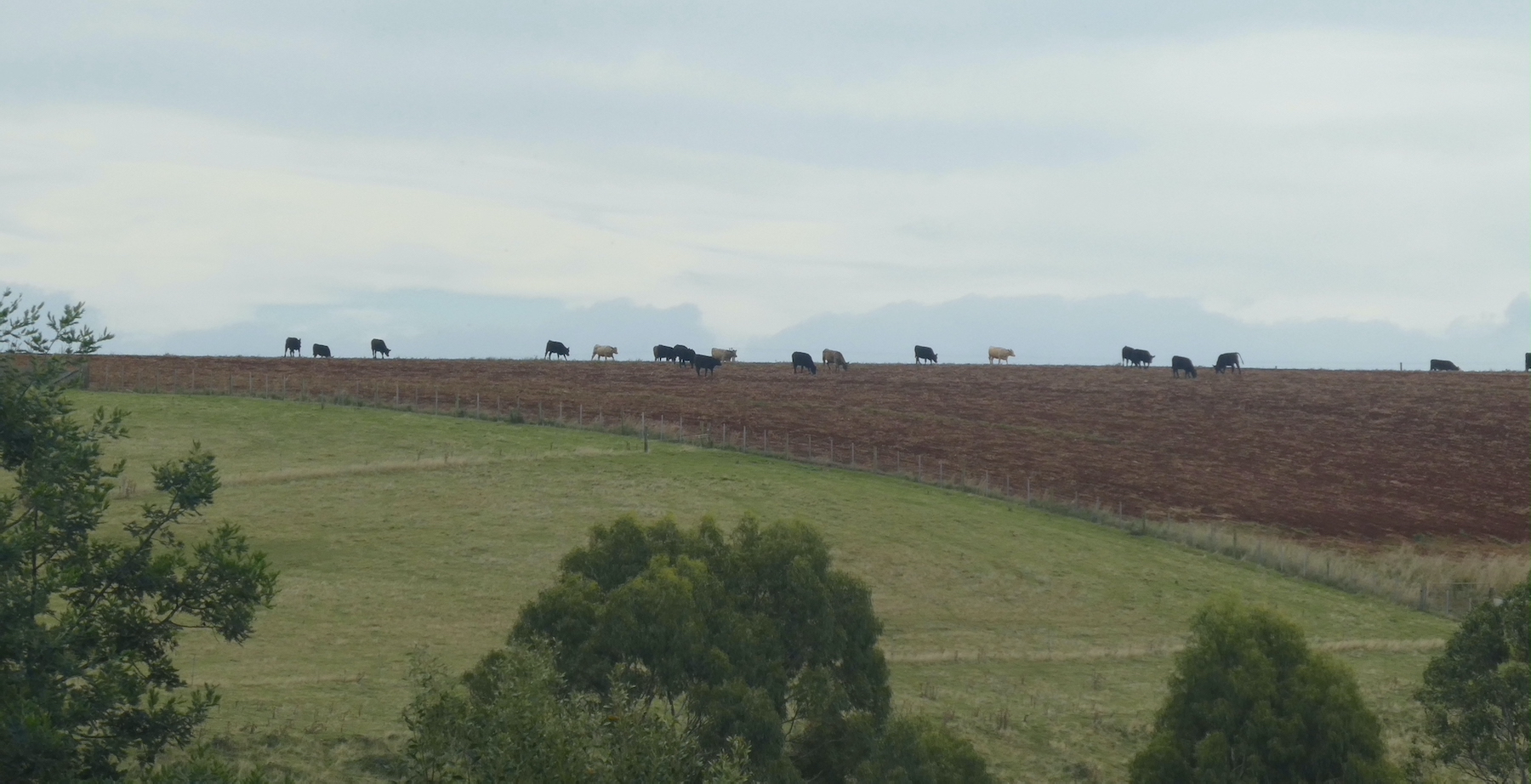
Looking out of the window one day, I could see black objects on the horizon (my eyesight isn’t what it used to be). I took a photo for identification purposes and confirmed nothing more exciting than the neighbouring cattle searching for tasty remnants in a barren field.

I discovered this delicate, white fungus while picking the last of our daffodils, it reminds me of coral. Apparently, it is called Shizophyllum commune and is very common on dead wood.

Our holly tree, once starved of light under a huge gum tree we have since removed, has flourished. I think this is proof that Christmas should be in winter.

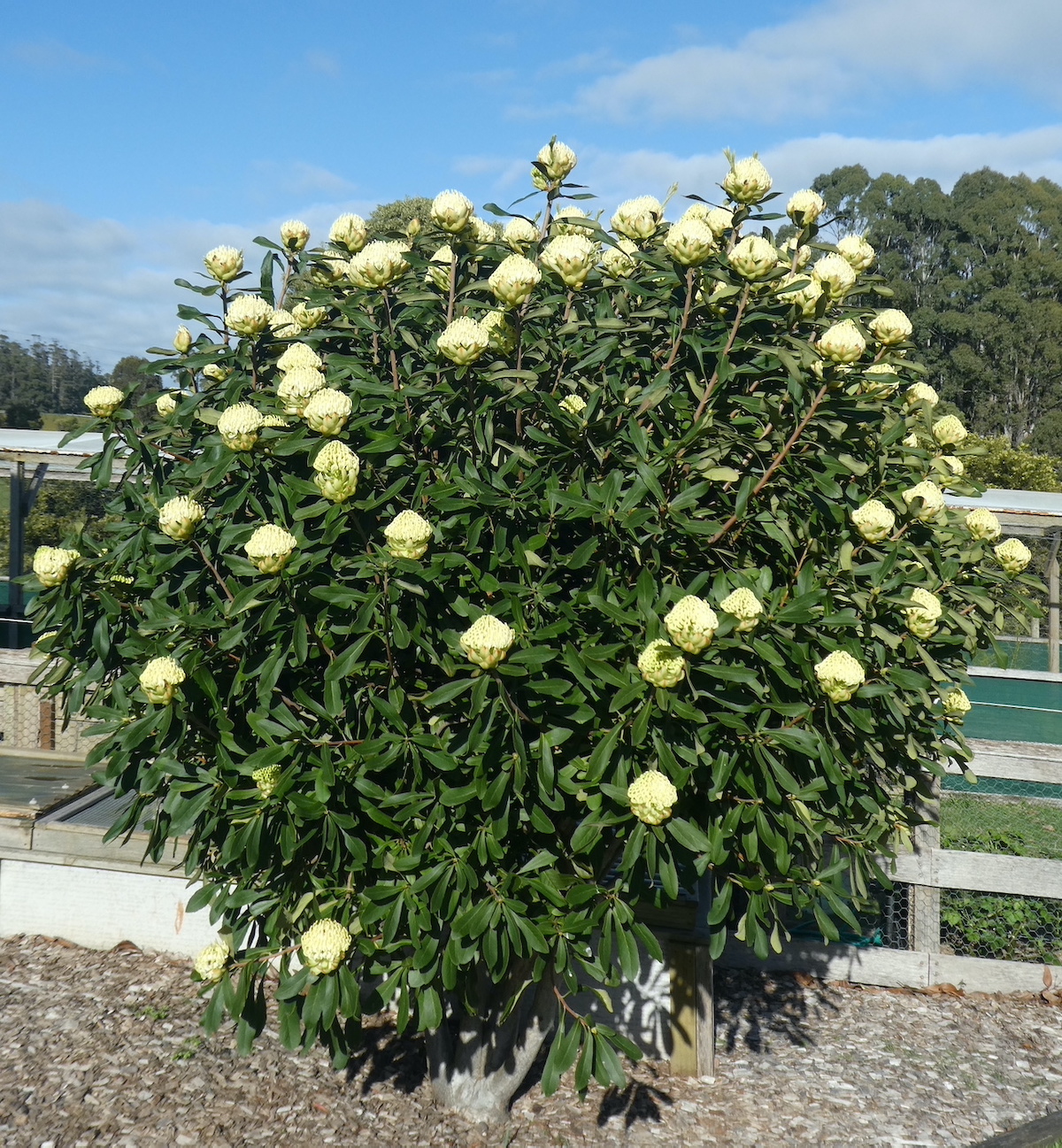
Both the red and yellow waratahs are presenting a stunning display this year

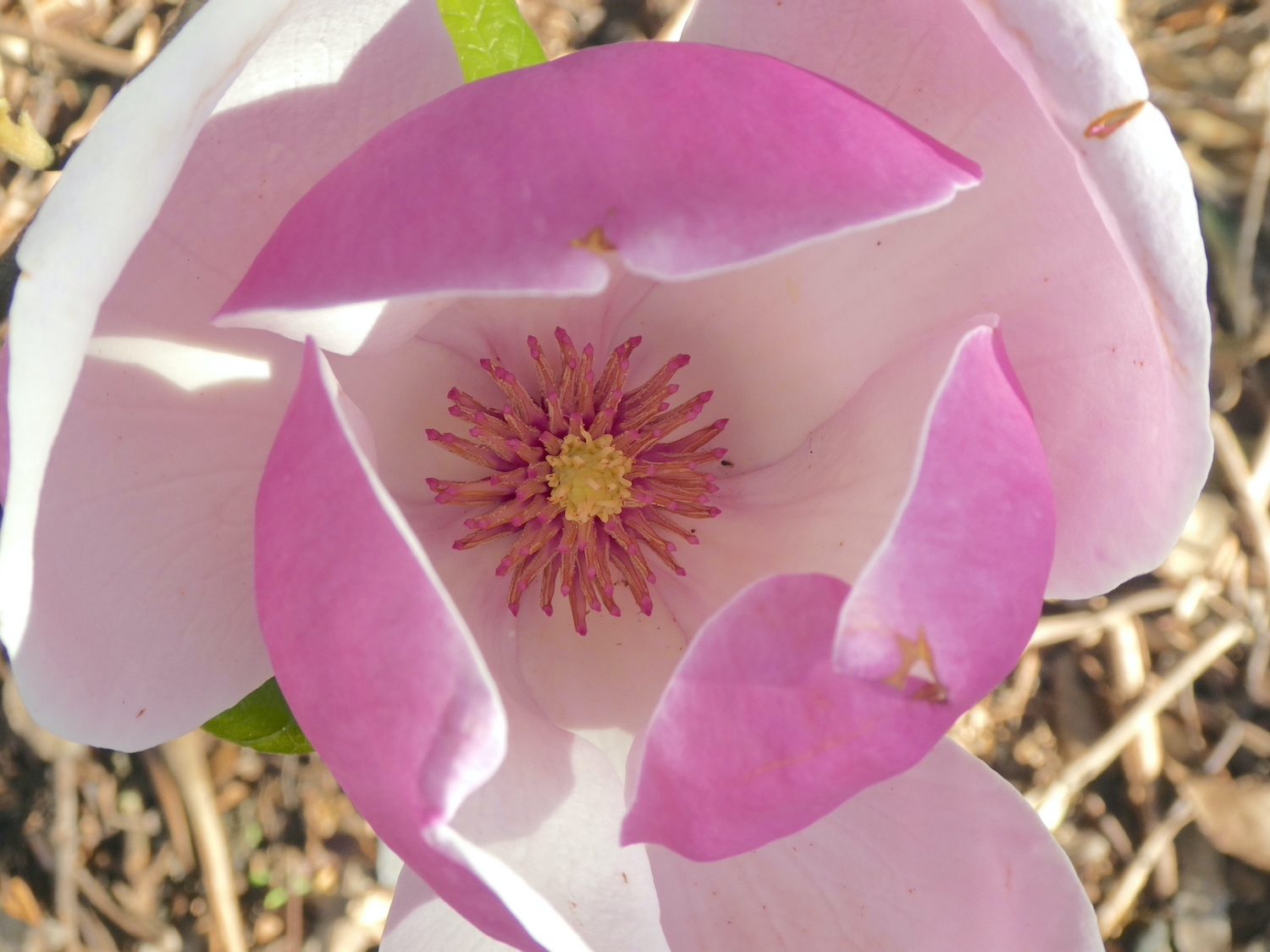
and the port wine magnolia is again in bloom.