possum proofing

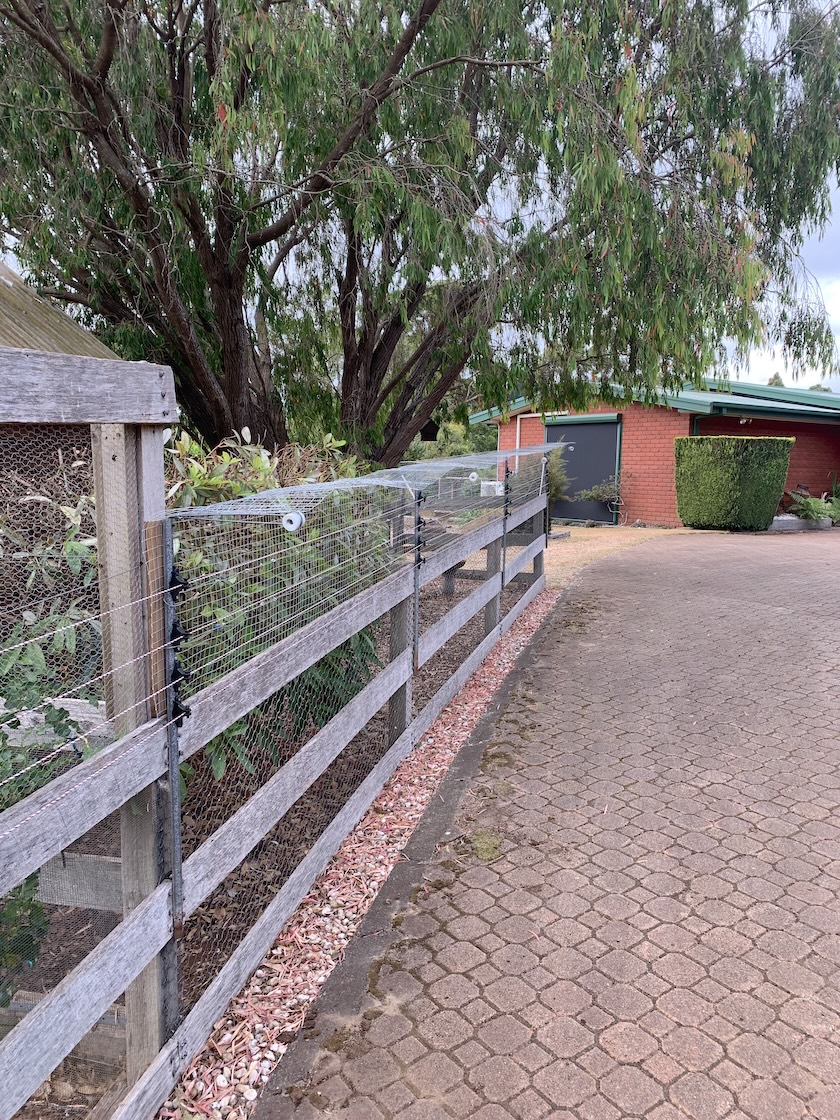
When we decided to plant a micro vineyard two years ago, we didn’t really anticipate the devious, destructive determination of the local possum population. Despite four lines of electric fence, to a height of 1.4 metres, delivering 5,000 volts to any unsuspecting creature coming into contact with it, the pesky possums continued to make ingress. They managed to elude the motion detection cameras we set up, denying us any hope of targeting their entry points. We tried using bird spikes without success and finally conceded the only solution was to create a ‘floppy fence’ around the whole perimeter. I had my reservations about this due to the aesthetics, especially on the garden side but we had no choice. We started on the fence line along the paddock so we could modify our system, depending on the outcome, before getting to the garden line.
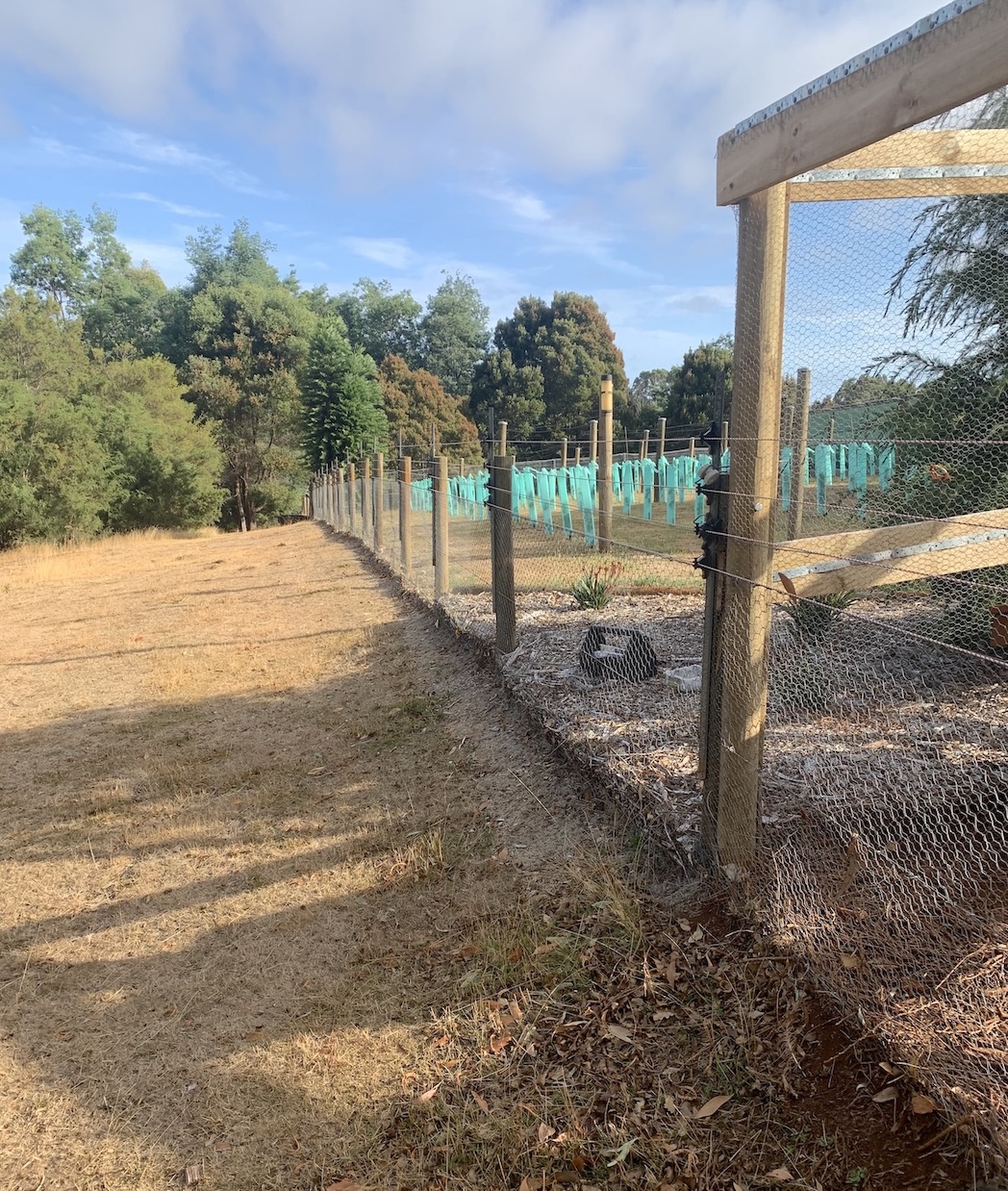
We came up with the idea of using the electric fence outriggers we had stashed in the shed to support the wire.

The usual level of swearage ensued as we fought with the wire and wind but the result is actually quite neat.
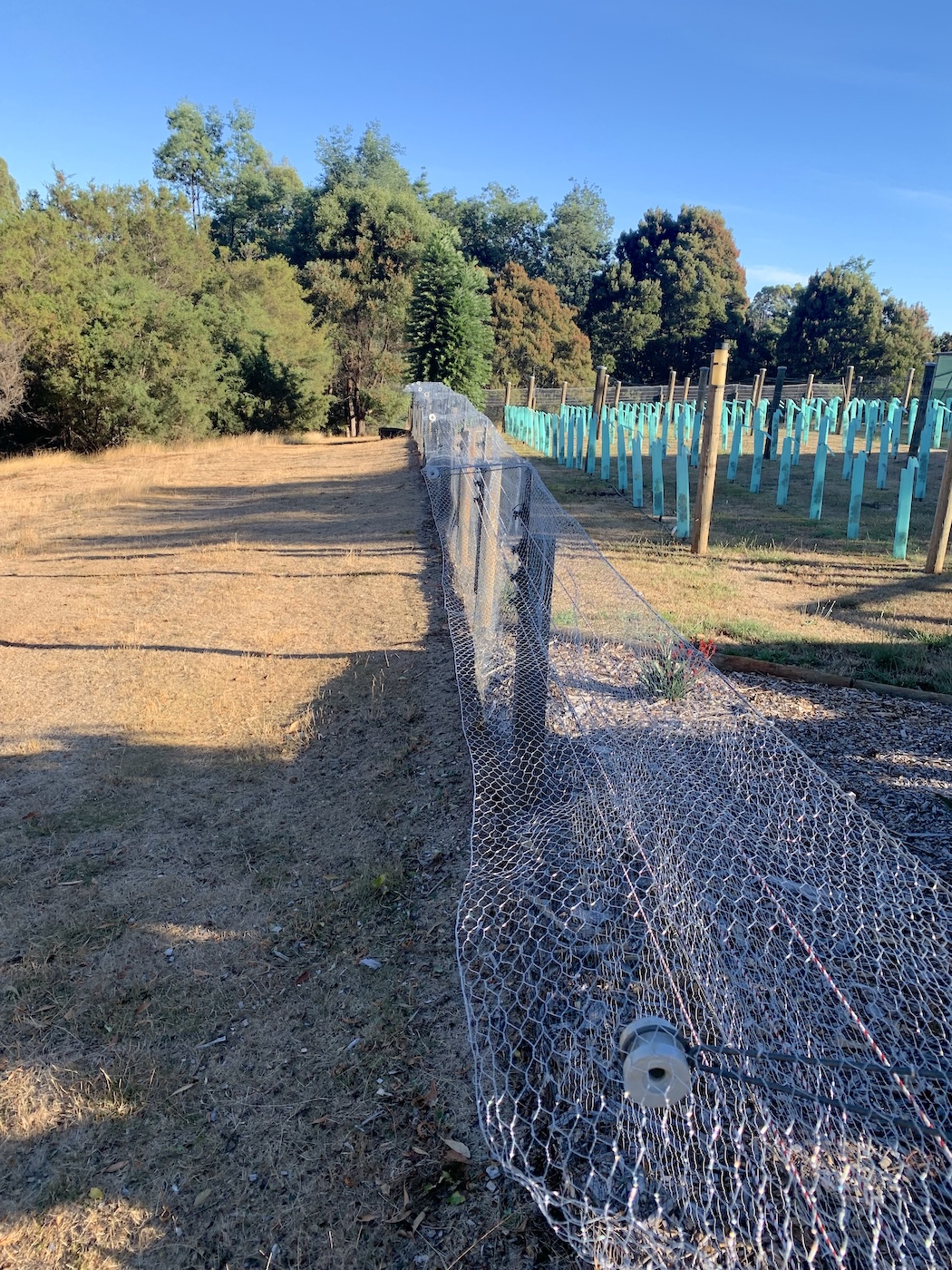
The second paddock line followed
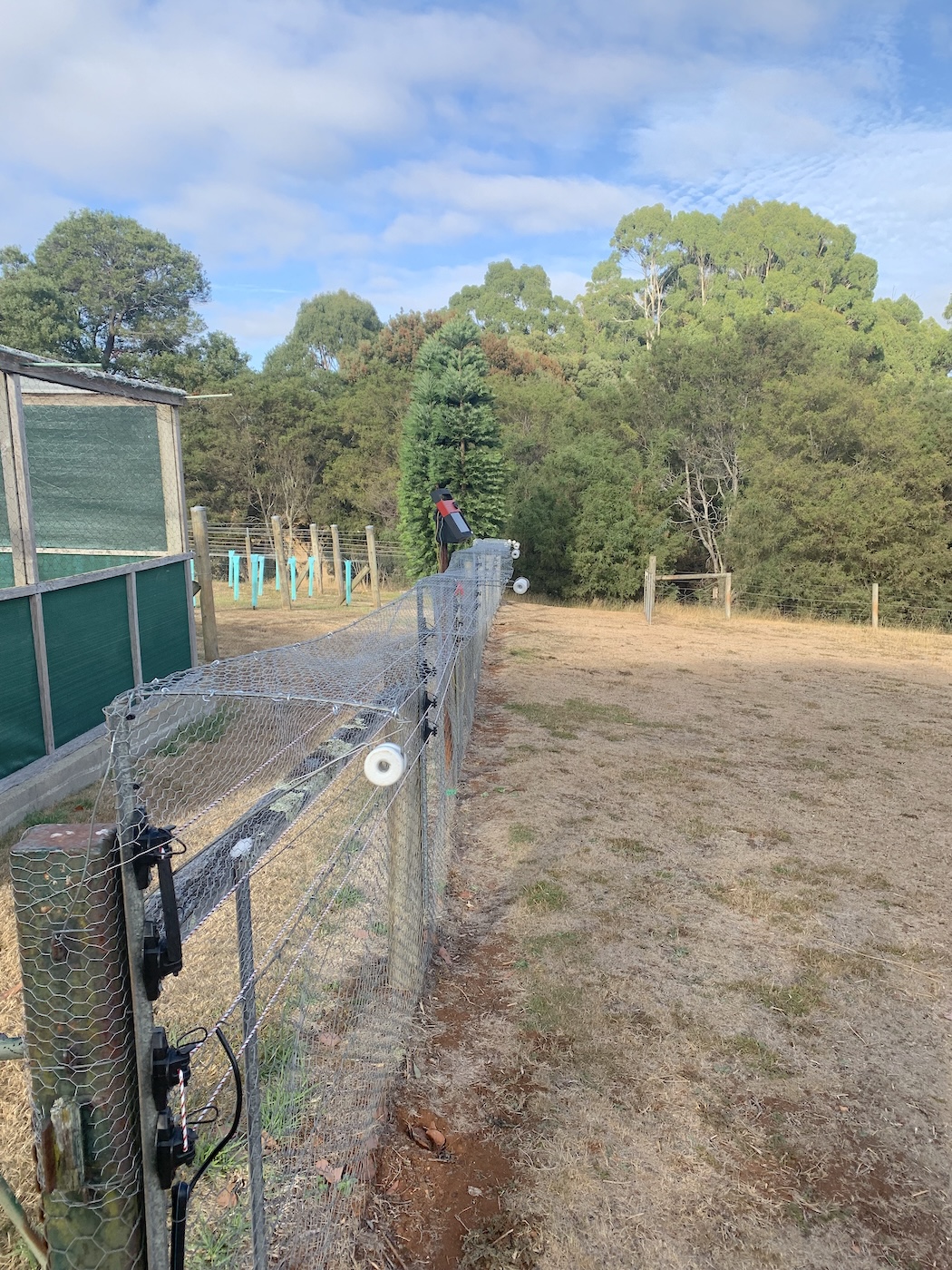
and we turned our attention to the garden side. We opted for a firmer wire for the sake of neatness but stayed with our method using the outriggers.

I have to admit, it doesn’t look as ugly as I thought it would.

We did the same for the line along the driveway,
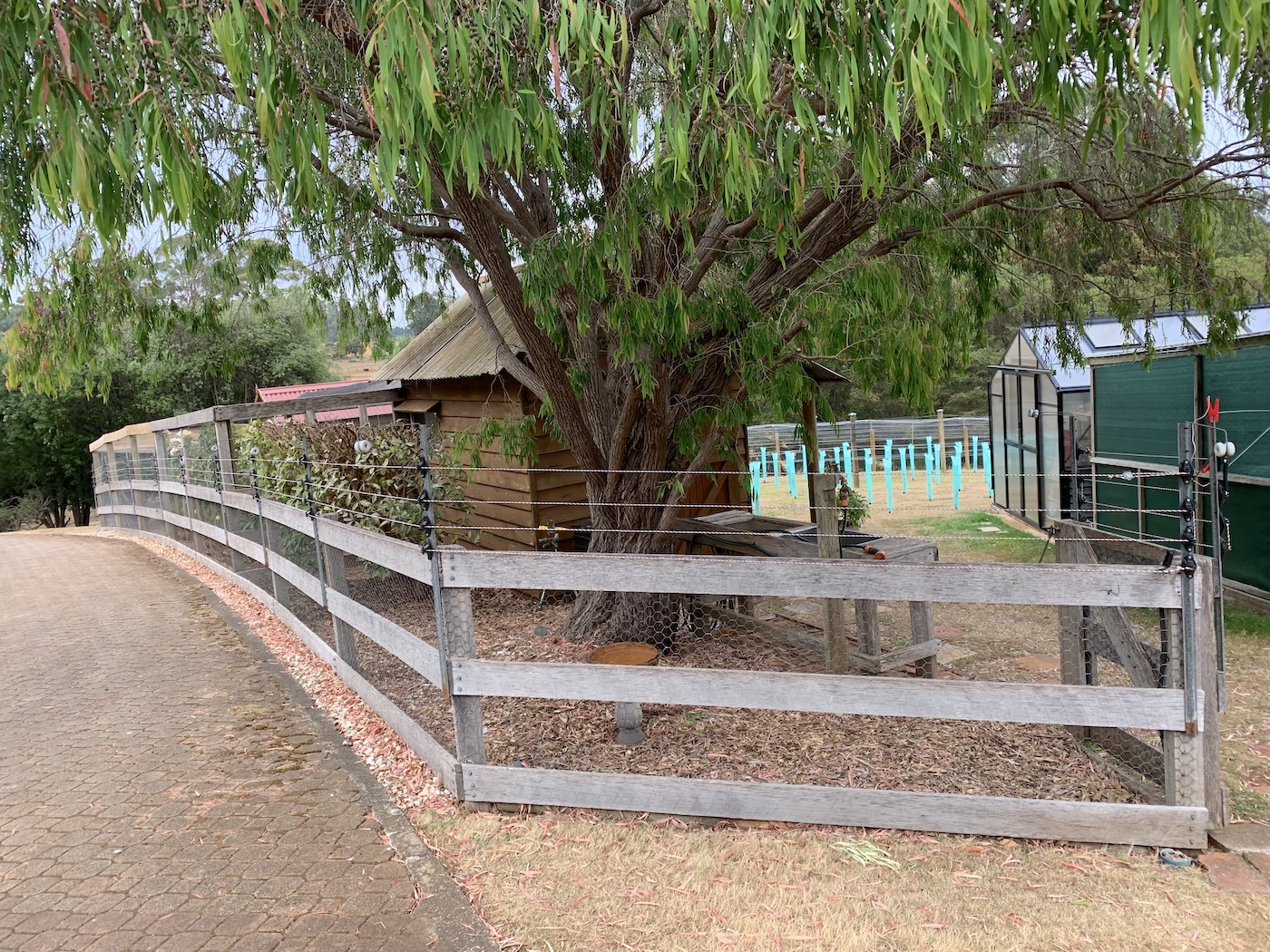
joined them at the corner and then finished the gates in the same way.

I am very pleased to report there has been no evidence of possum pandemonium since completion and hopefully, after pruning the vines this winter, we will see substantial growth in spring.

precious Pinot

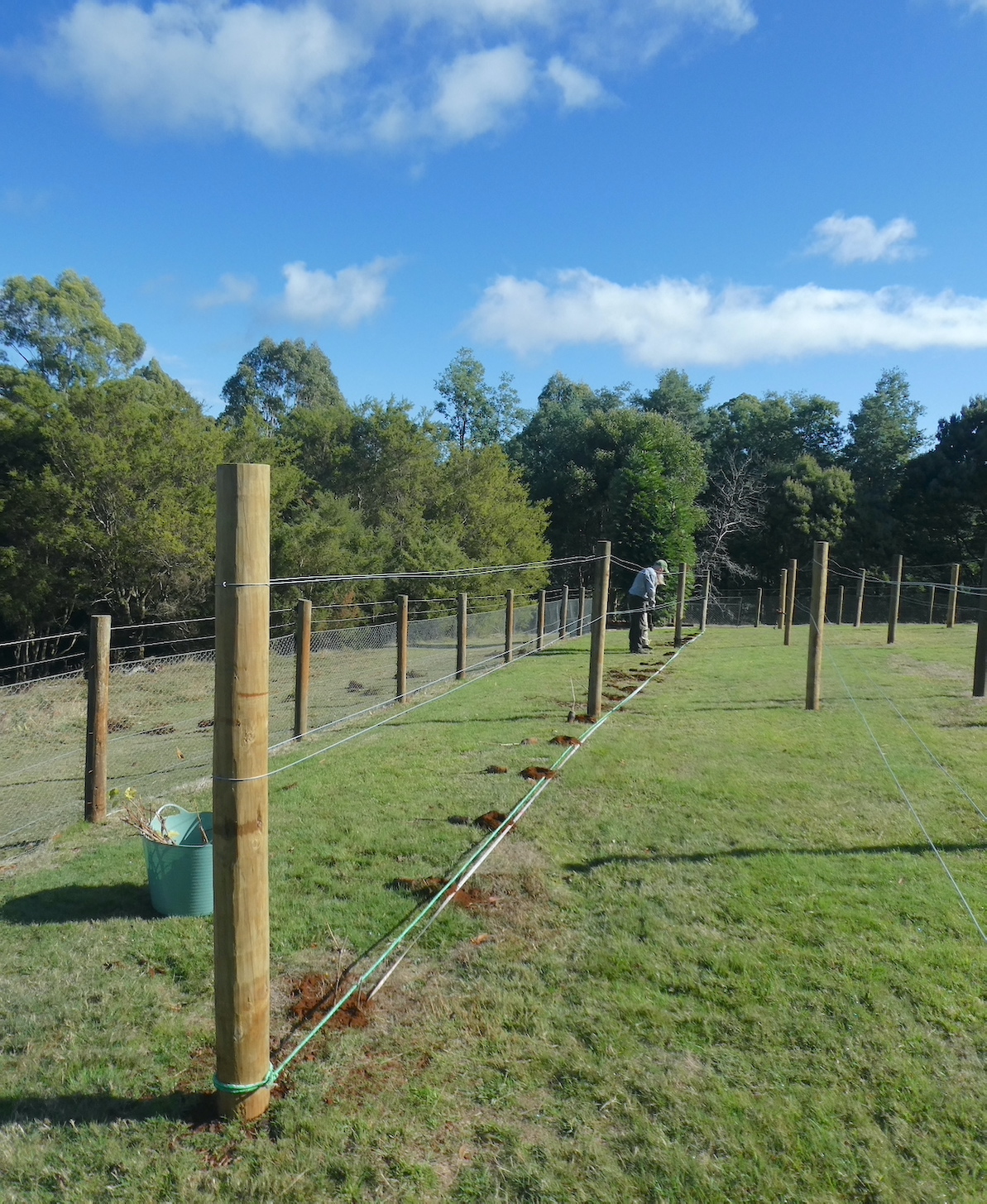
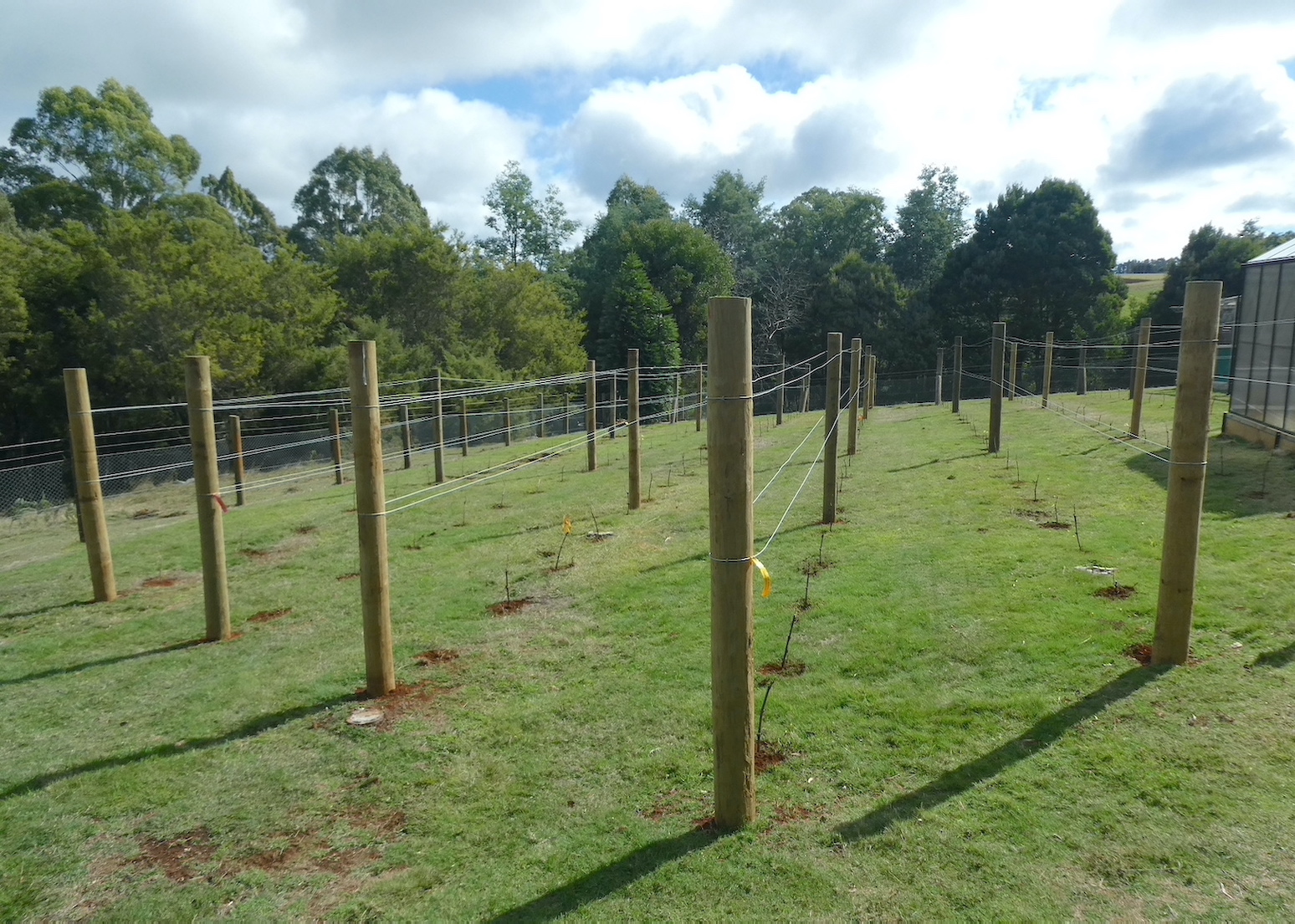
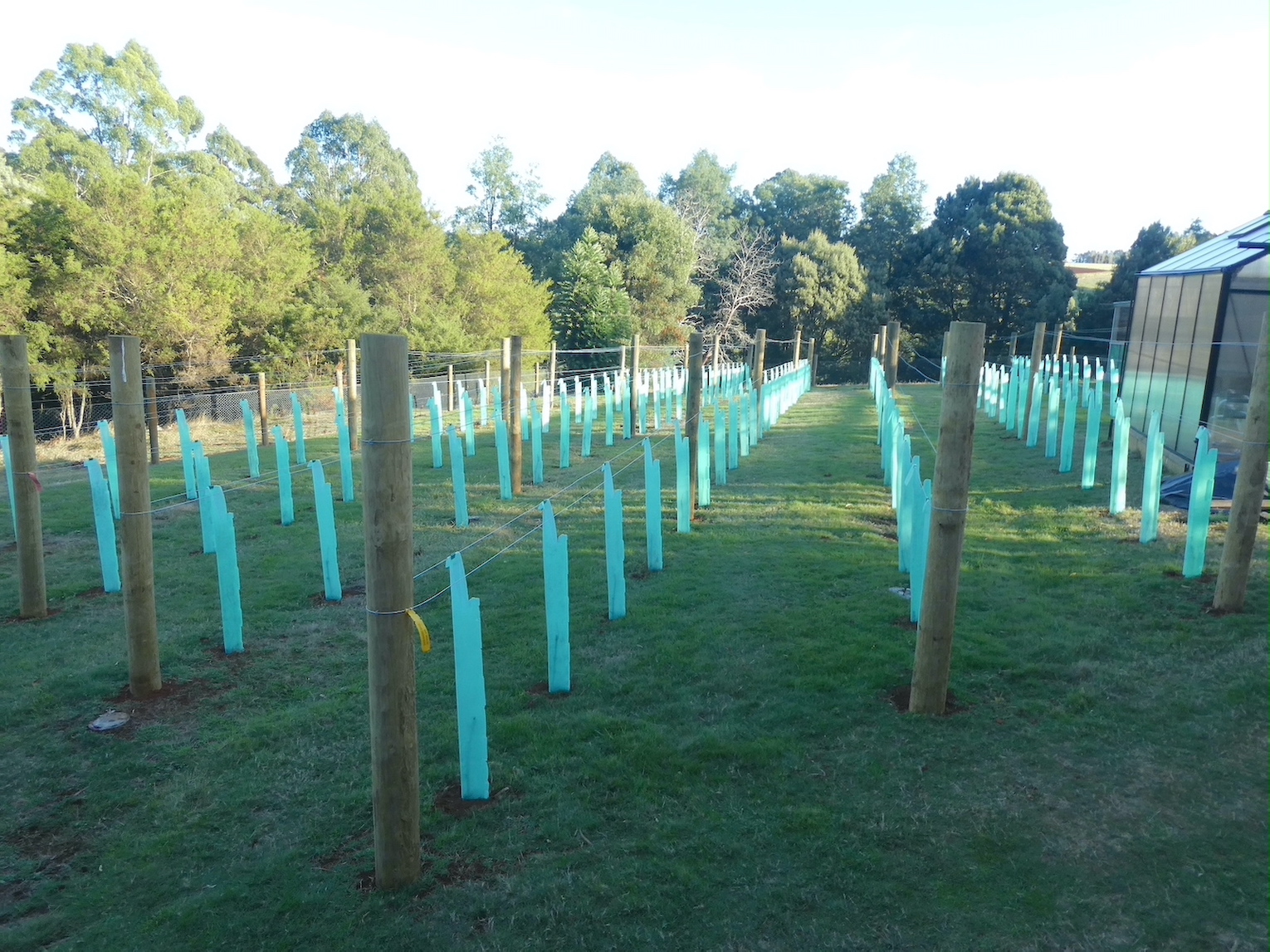
Last summer, a conversation over lunch with a friend revealed her desire to establish a micro-vineyard. However, finding the right parcel of land was proving difficult, at which point we offered a few options on our property. The area designated as ‘orchard’ when we moved here has, over the years, seen the demise of the aged fruit trees and we had intended moving the remaining plants. This plot was deemed perfect for the project. Posts were added to our already existing few just before the new year

and support wires were strung soon after.

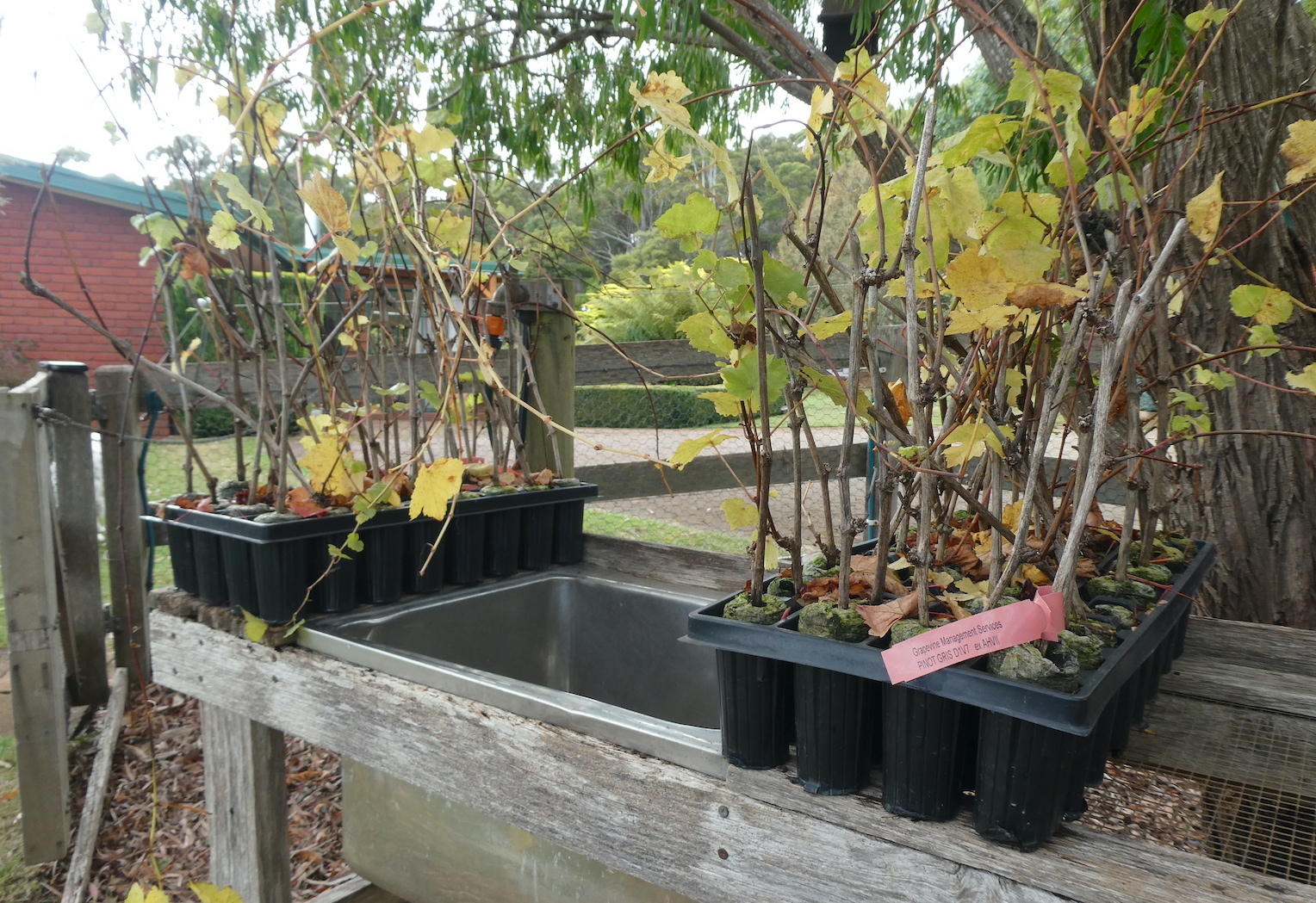
The vines were secured within the veggie enclosure through summer

until ready for planting in autumn.

Each vine was trimmed to the first two or three buds

while Michael took up the auger and embraced the arduous task of hole digging.
Each plant was placed into the precisely drilled holes, backfilled and watered

until 158 vines nestled in their new home.

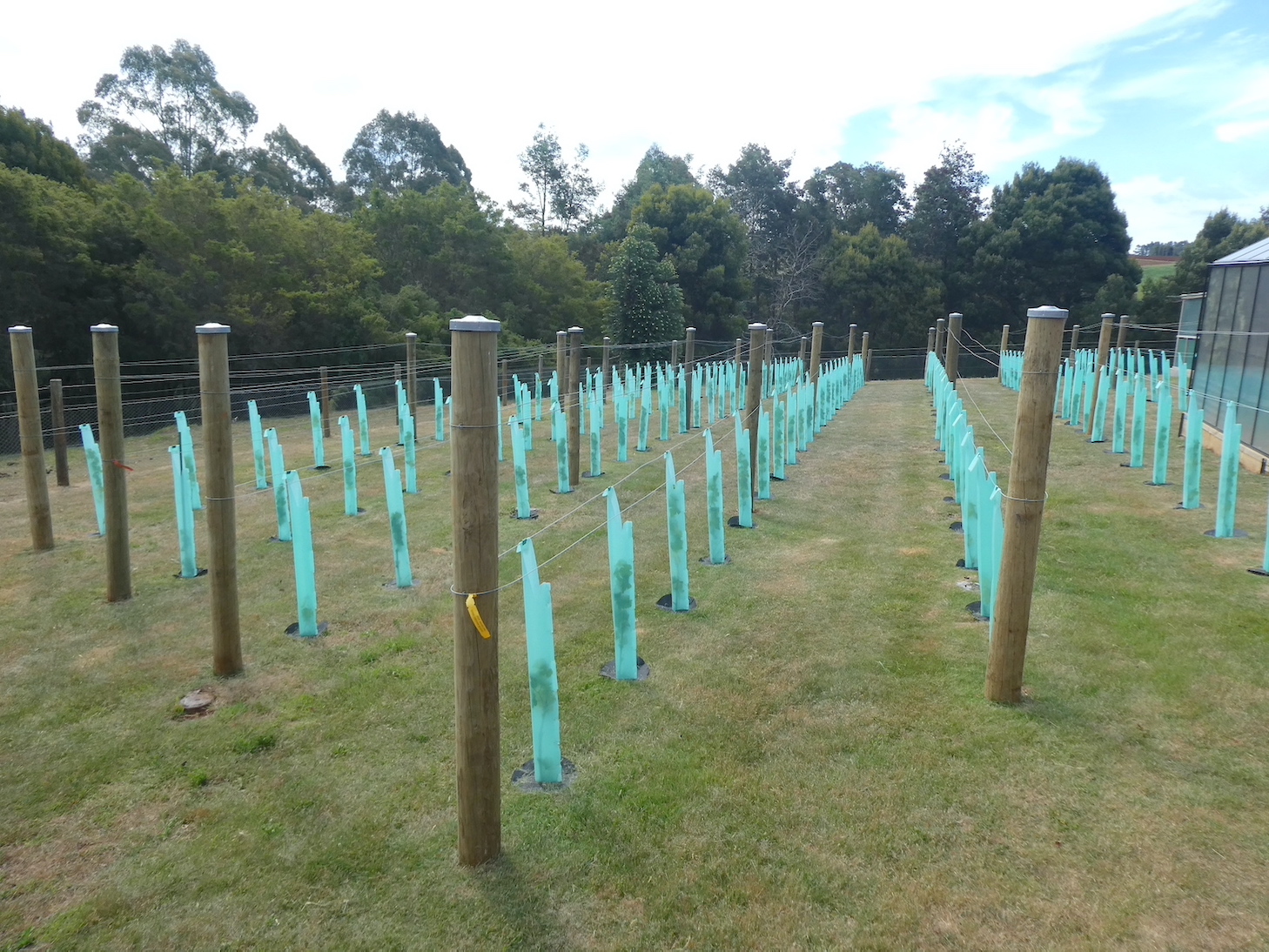
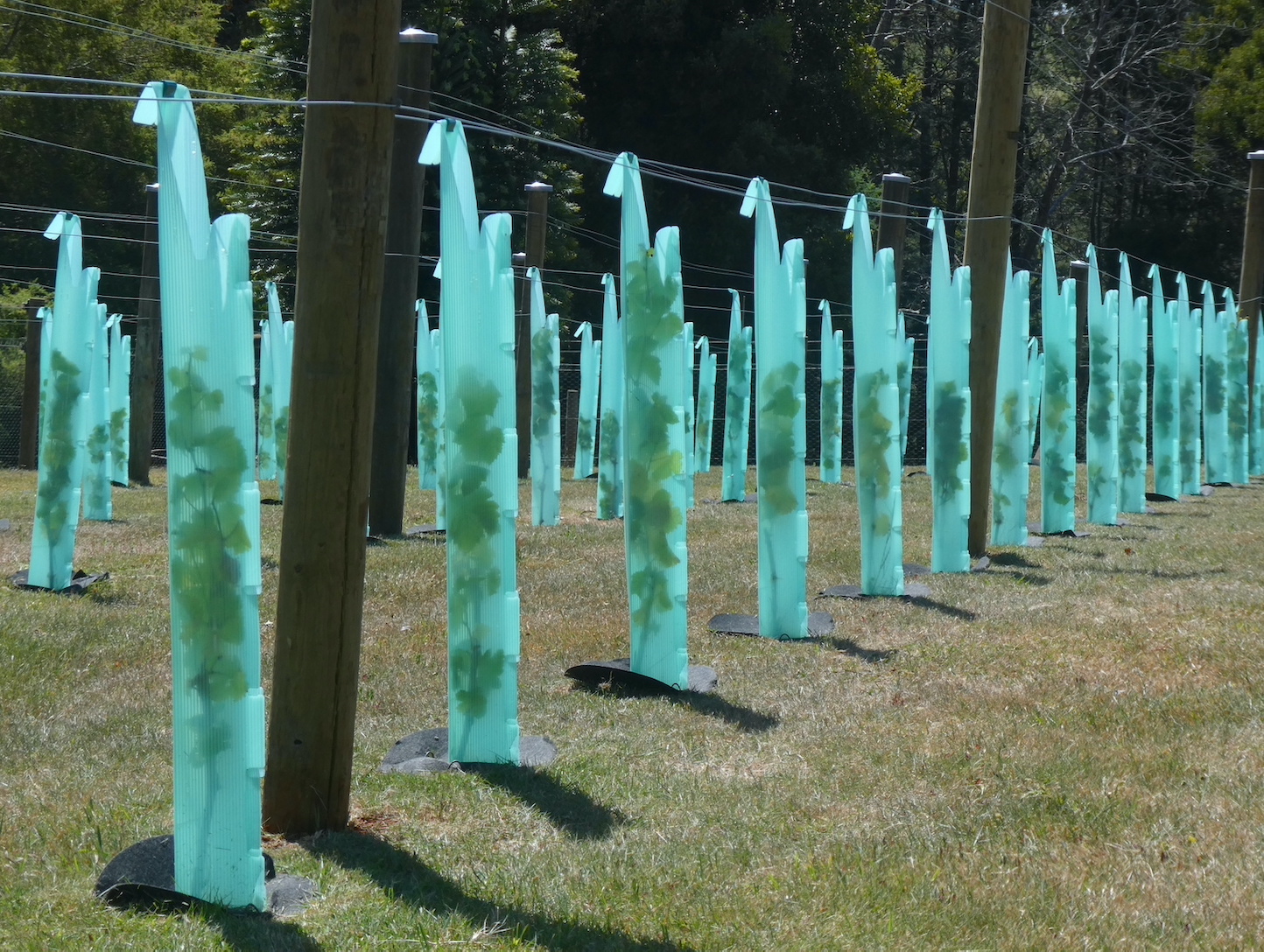
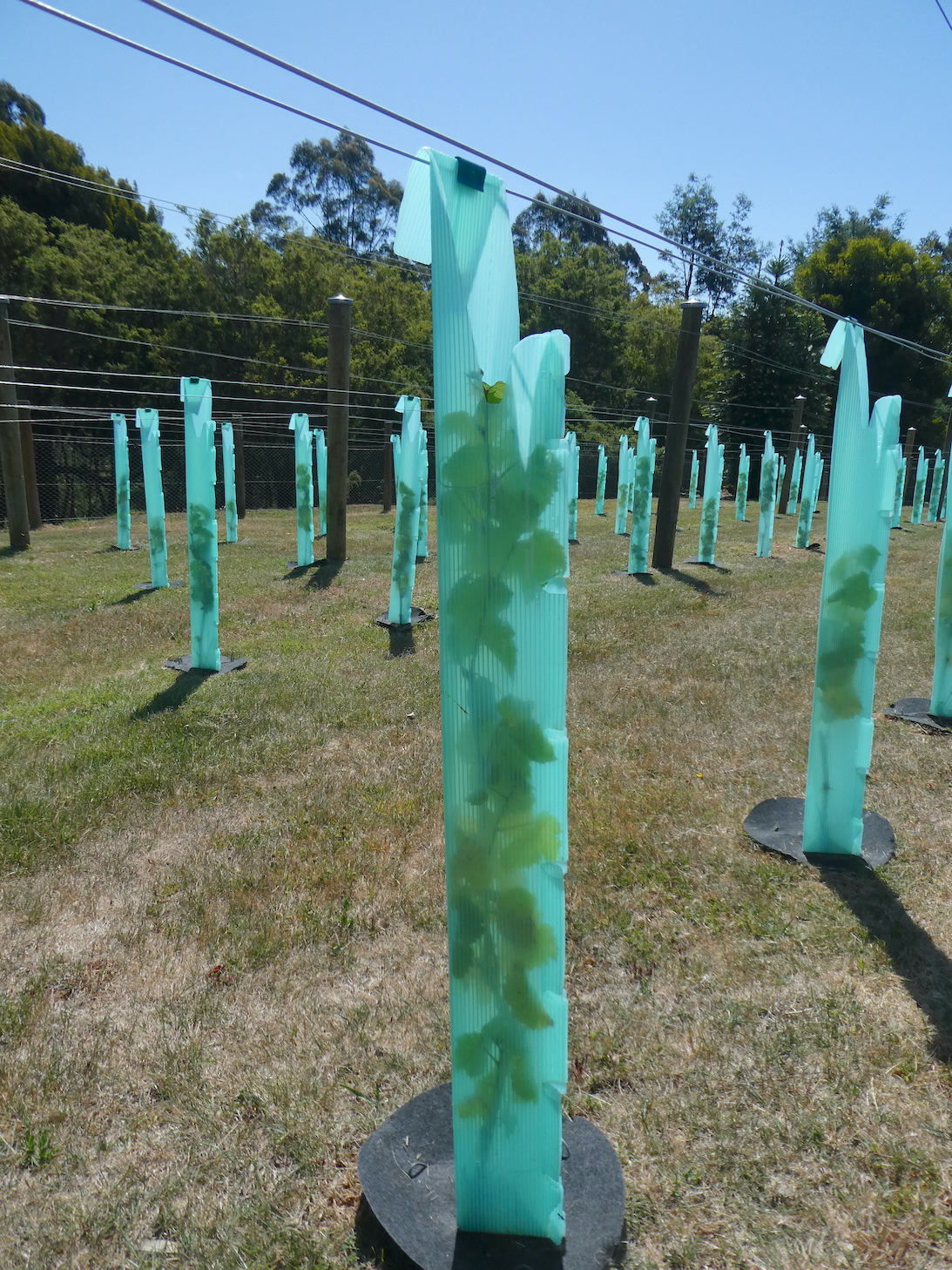
Tree guards would protect the youngsters through the winter months and stave off attacks by marauding wildlife.

There was nothing left to do but wait and let nature work her magic. Seven months later, they are thriving, safe from the dreaded spring winds within their corflute cocoons.

There are two rows of Pinot Gris and the rest are Pinot Noir, a few years away from the bottle yet but an exciting journey lies ahead.

Moutere Hills Vineyard

We had planned a day discovering the many wineries of the Nelson region but, having spent longer than anticipated at the World of WearbleArt and Classic Car Museum (that’s another story), our day was considerably shortened. Heading north along the coast, we detoured for a closer look at Ruby Bay. The name was inspired by the small ‘rubies’ of red chert (also known as flint or jasper) found in the gravel of the Moutere region, though the colour wasn’t really obvious.

Further north, at Motueka, we enjoyed a fabulous lunch at TOAD Hall Brewery & Café. I think I was too hungry by then to take photos but I do recall the scrumptious cider. Driving inland through picturesque countryside, we discovered Moutere Hills Vineyard. Grapes were first planted on the lower home block of the 12 hectare property in 1993, with further plantings on the north facing hill block in 1998. The vines benefit from the unique microclimate of the Sunrise Valley where it is often 2°C or more warmer than the Nelson city area.

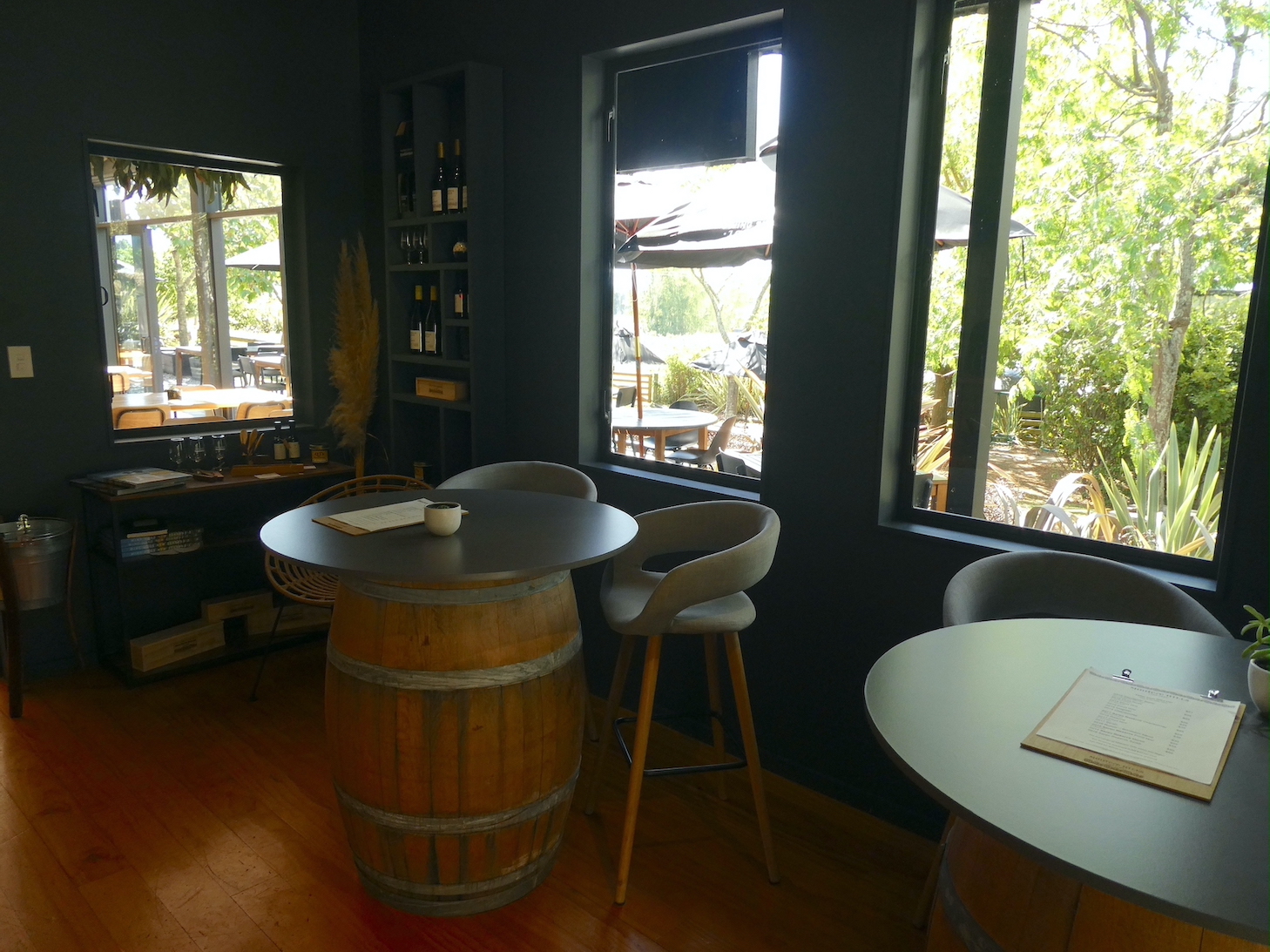
The original winery and cellar door was destroyed by fire in 2006 and a new café and winery was built. The unassuming entrance to the cellar door is almost hidden within landscaped native gardens.

The interior is welcoming and offers a comfortable space to sit and sample at leisure. The wines are sold exclusively at the cellar door or online through their website.

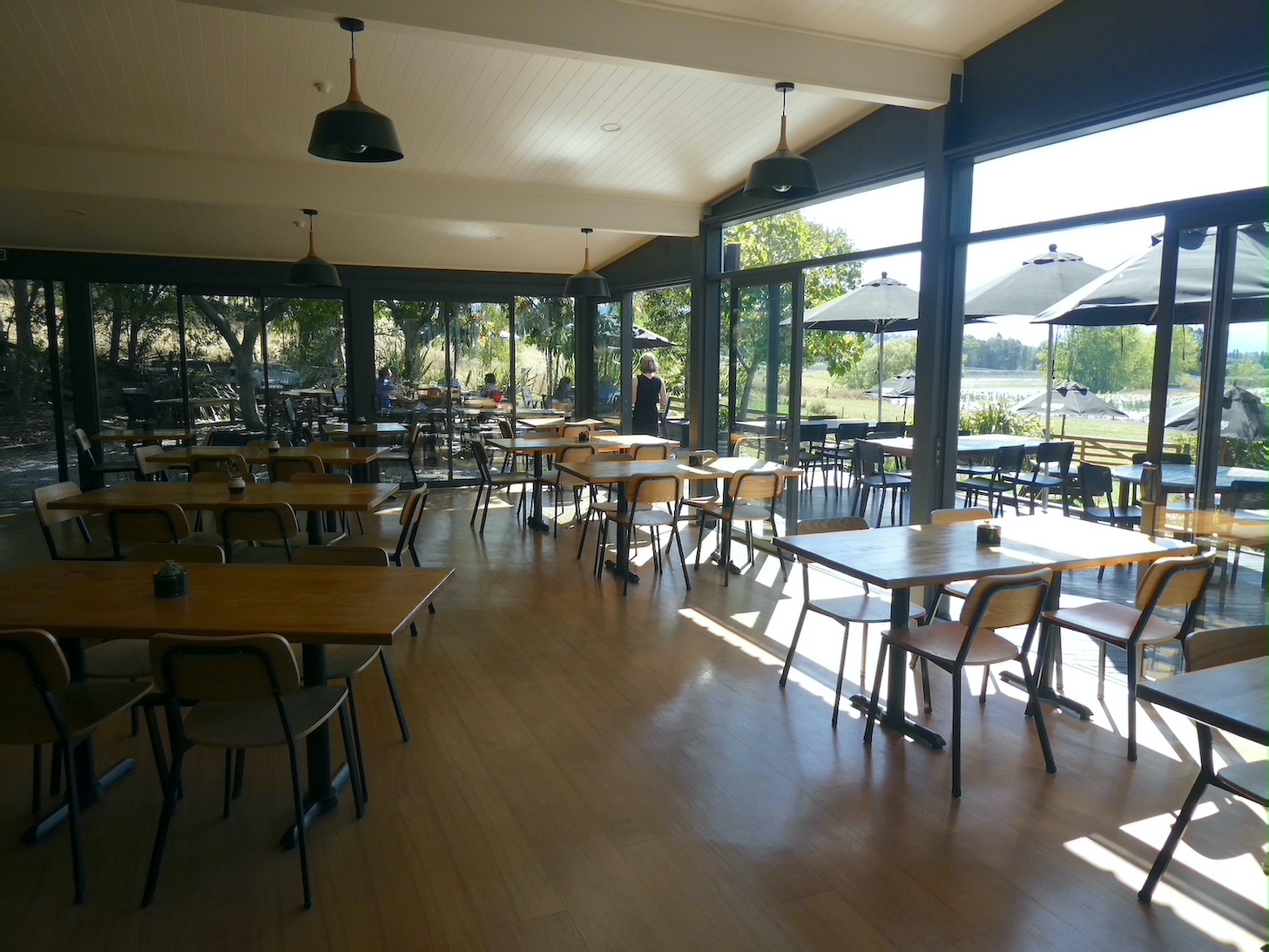
Beyond the tasting room, the café received a complete upgrade in 2018 and Forsters Moutere Hills restaurant now offers superb dishes prepared by award winning chef (and owner), Alistair Forster.

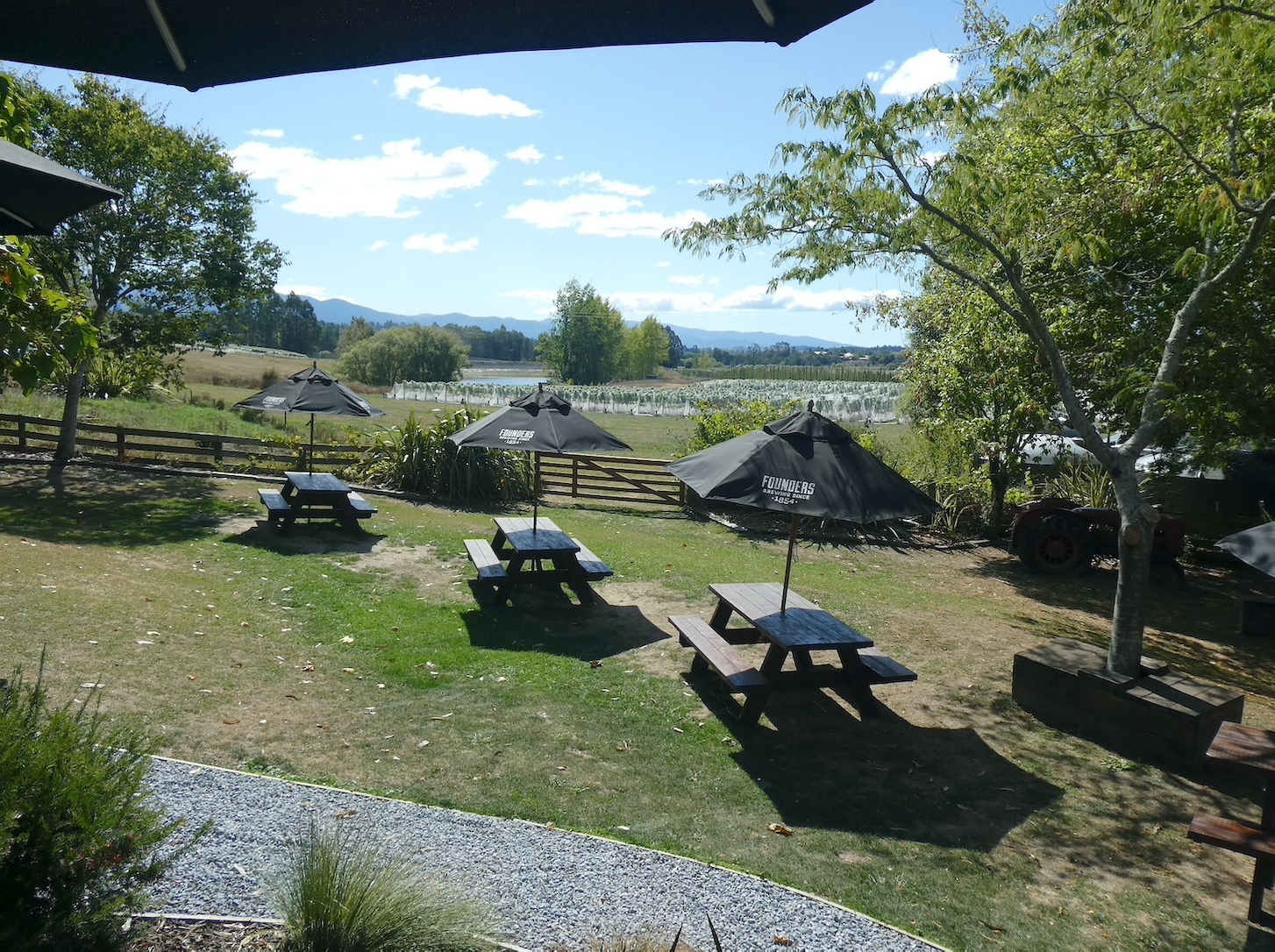
The views from the restaurant, over vineyards and beyond, are spectacular.

Following the fire in 2006, the old hops barn was partially restored and in 2013 it was reborn as the Fox n Grapes bar, a popular watering hole for locals on a Friday night.

Swinging Gate

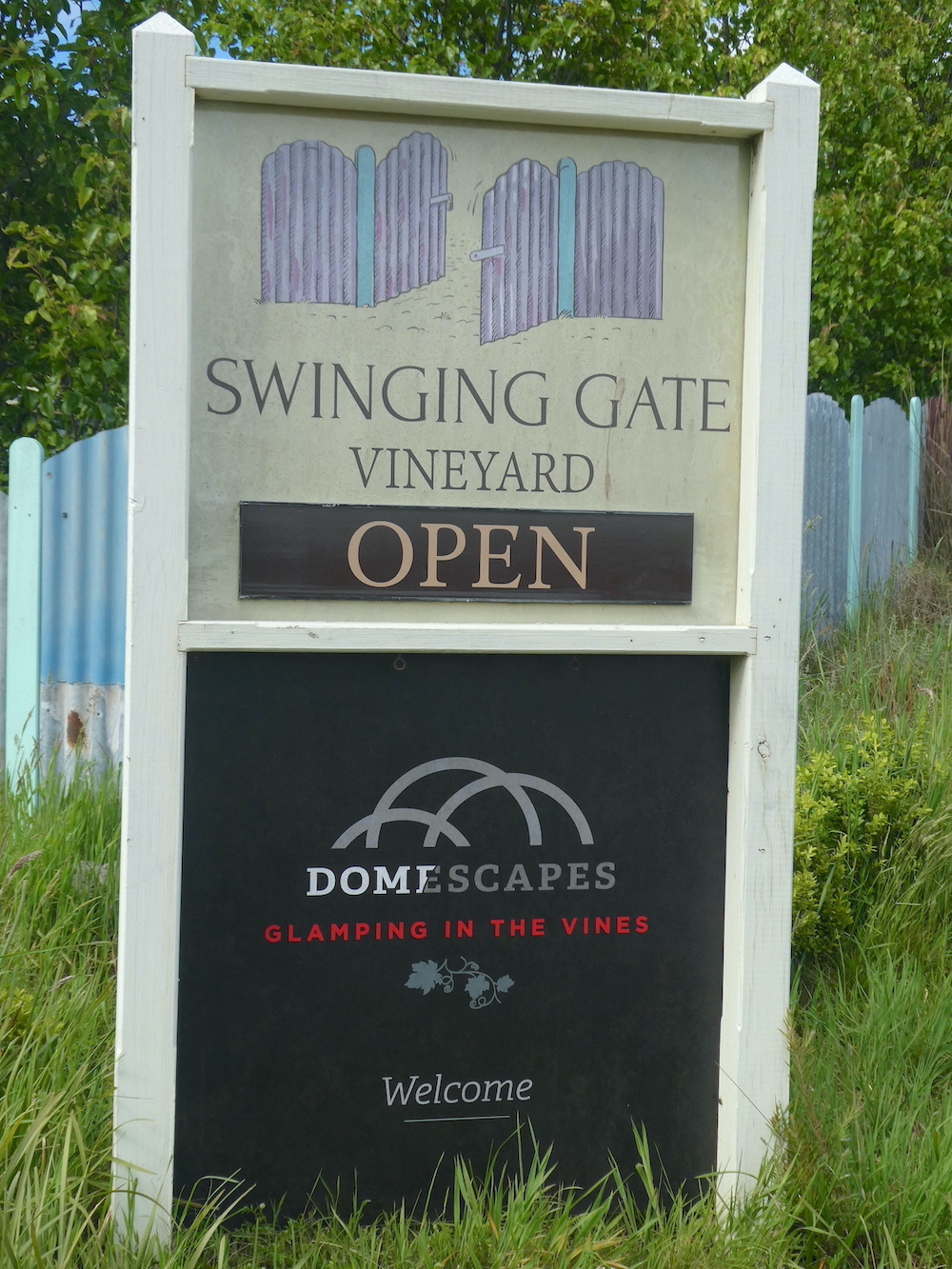
With more than thirty two vineyards along the Tamar Valley Wine Route to choose from, it was a difficult task to narrow down those to visit within our limited time frame. Looking for something a bit different, we headed to Swinging Gate at Sidmouth. The vines were originally planted in 1985 and, then known as Buchanan Vineyard, the fruit was sold to various Tasmanian wineries but never had an identity of its own. Fifteen years later, the plot was sold and abandoned until horticulturalist Doug Cox and his wife Corrie purchased the vineyard in 2014 and set about resurrecting it. The name is in reference to the gates swinging open again for the first time in many years.

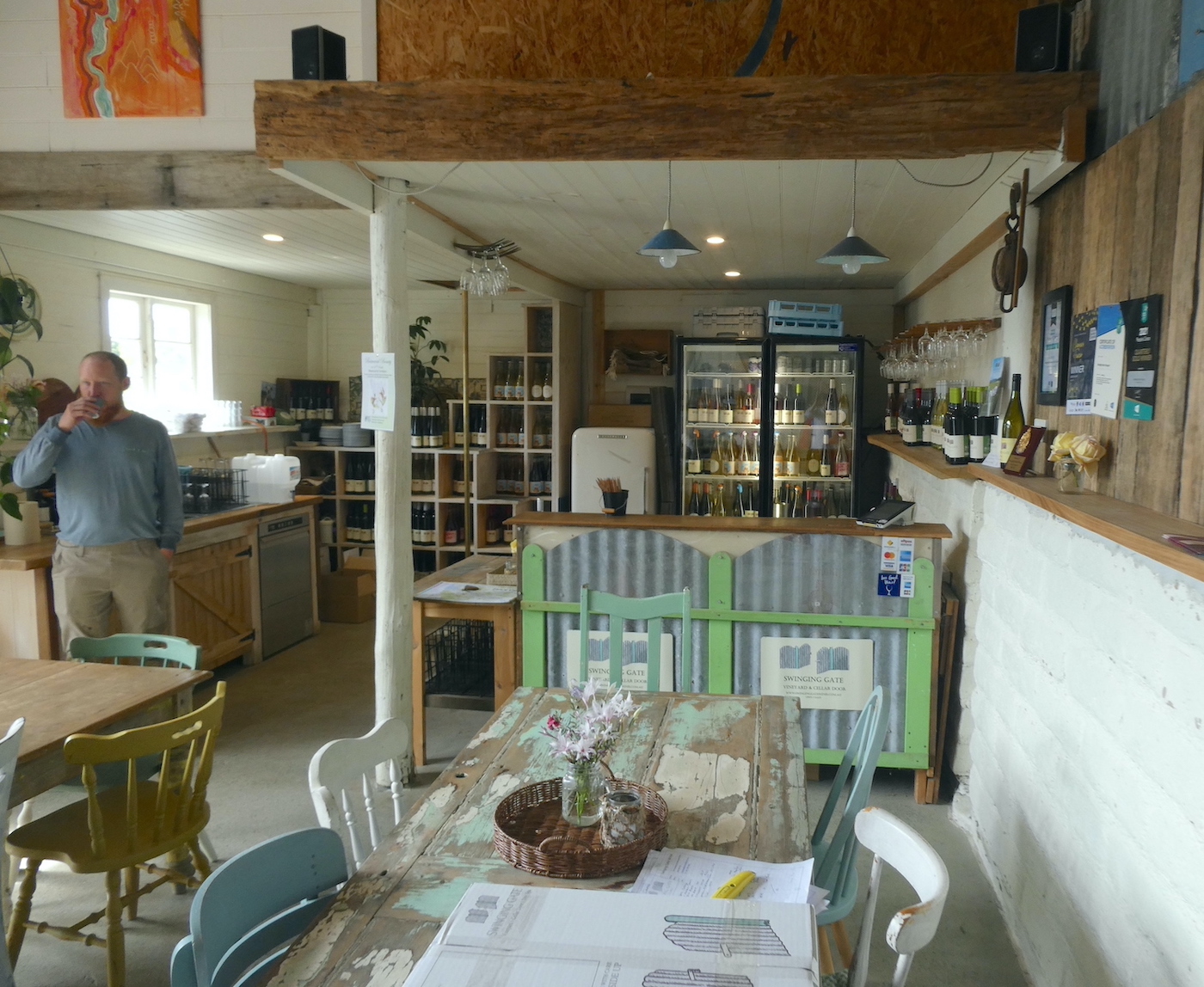
The old machinery shed has been converted to a quirky cellar door and adjoining day spa.

Wine dog, Nellie, is happy to receive attention from visitors, although I think a little too much of the good life has ended her modelling career.

The rustic interior was instantly welcoming, with mismatched tables and chairs offering the perfect setting for an informal tasting experience.

As it was only 10.30am, we had Doug’s undivided attention as he led us through the myriad wines on offer while sharing the background of Swinging Gate. With a 30 year career in horticulture under his belt, after purchasing the vineyard Doug taught himself the winemaking process. The first year was spent rejuvenating the vines and in 2015, they produced 5,000 bottles to celebrate the 30th vintage of the vines. It appeared as though the adjoining barrel room was furnished for a tipple and quiet contemplation at the end of the day.

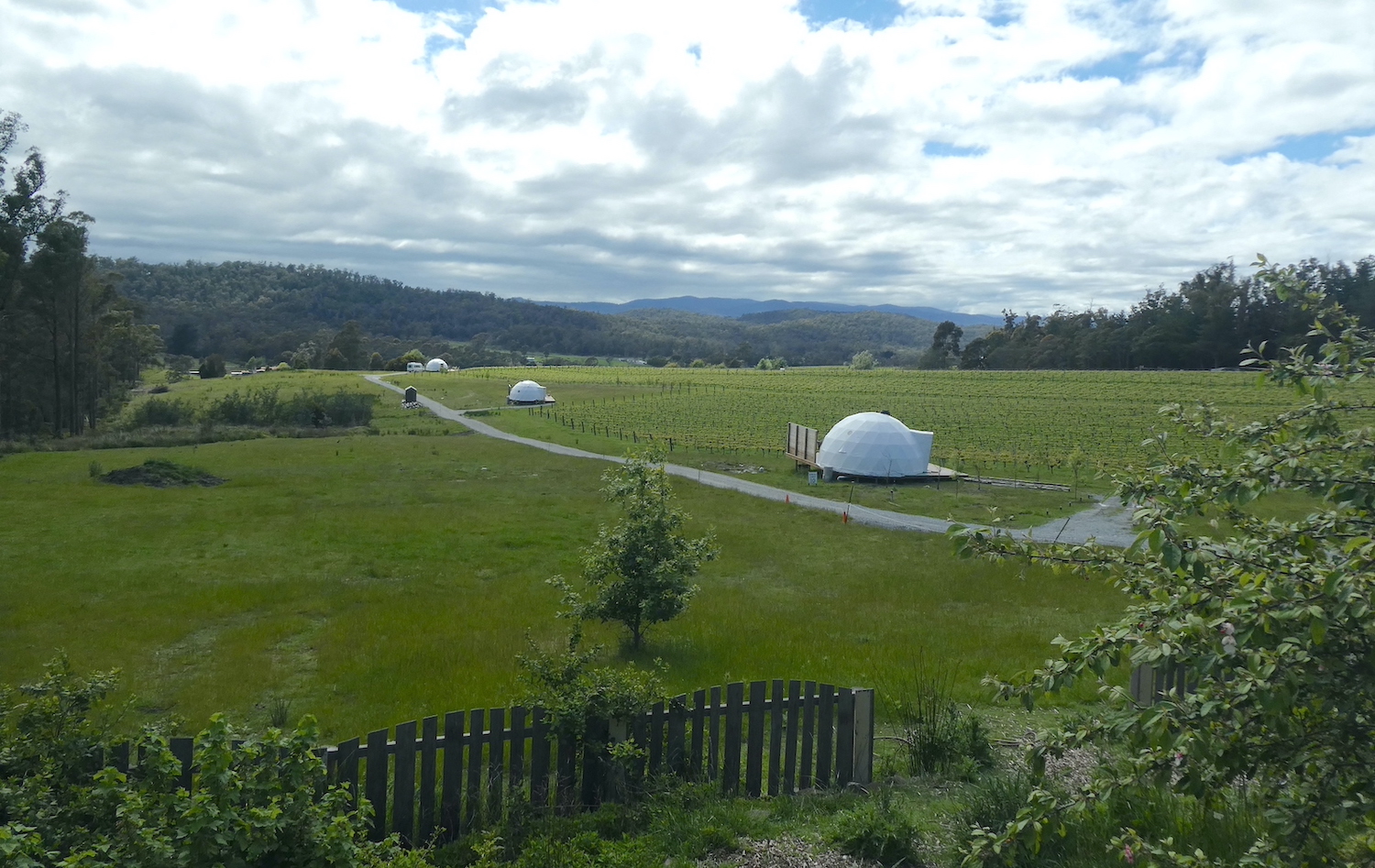
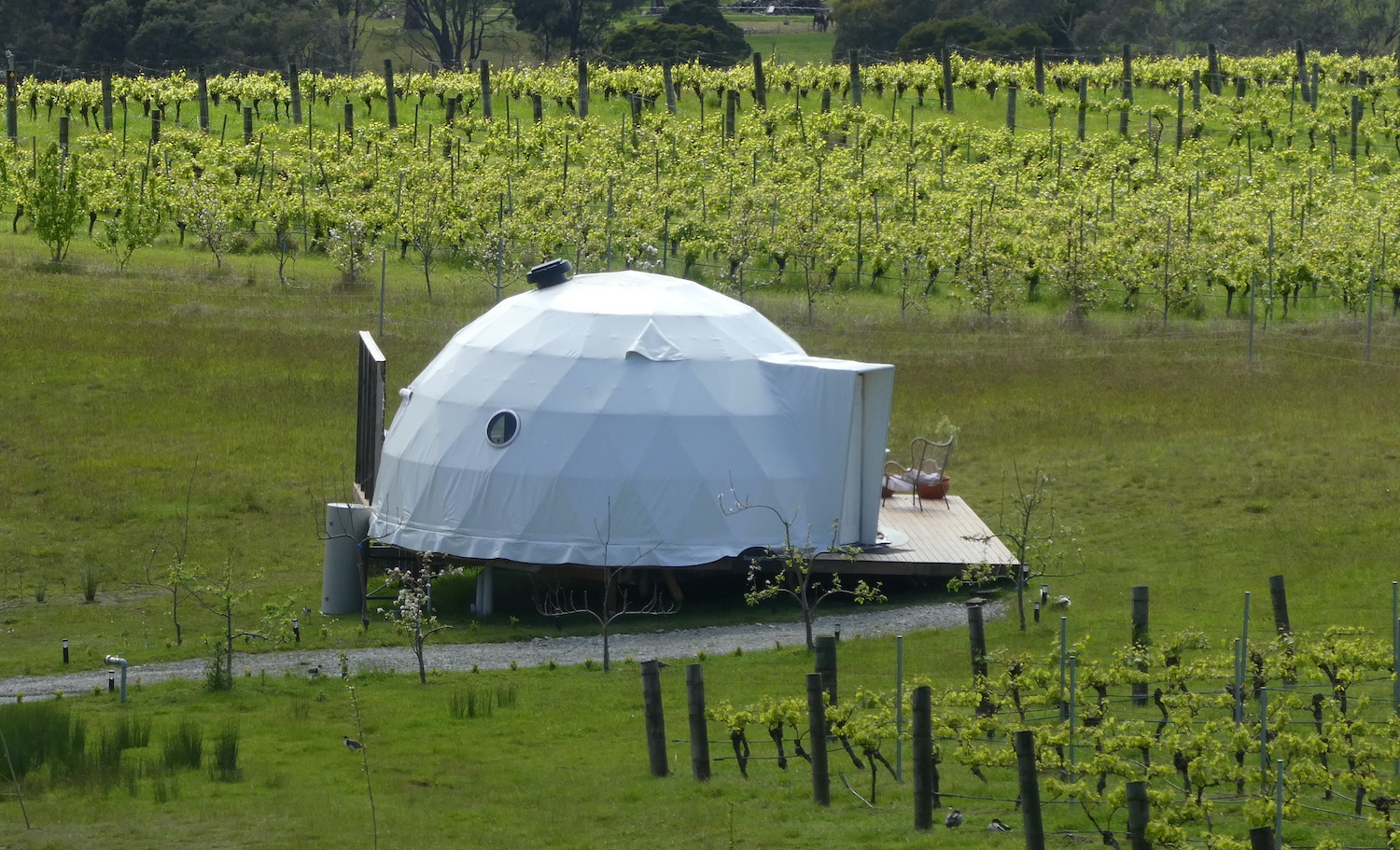
Swinging Gate is not just a winery. In 2019 the first geodesic dome appeared amongst the vines, and there are now three dotting the landscape.

Offering the ultimate glamping experience, each 6 metre dome is furnished with a king-size bed and, as well as private ensuites, two of the domes have outdoor bathtubs. I have just added an item to our bucket list.

Mudbrick

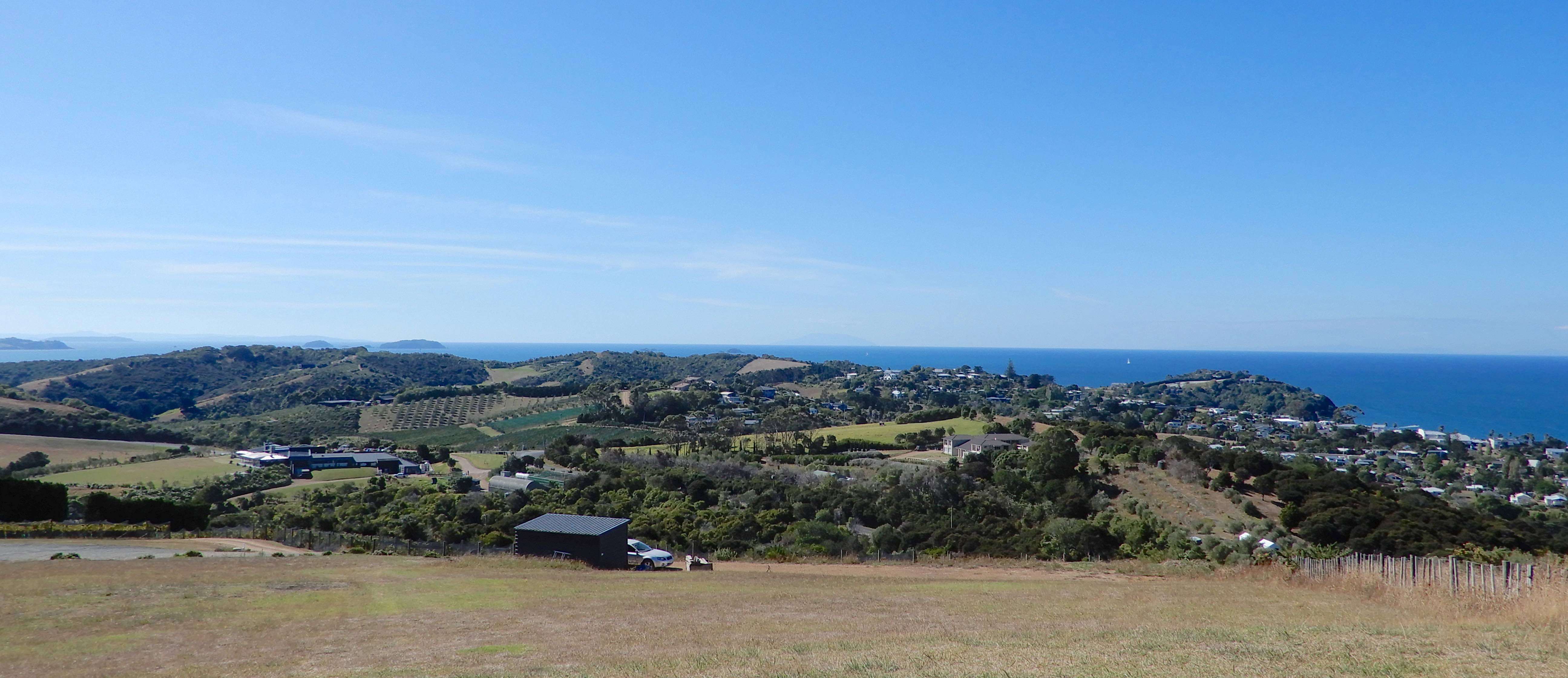
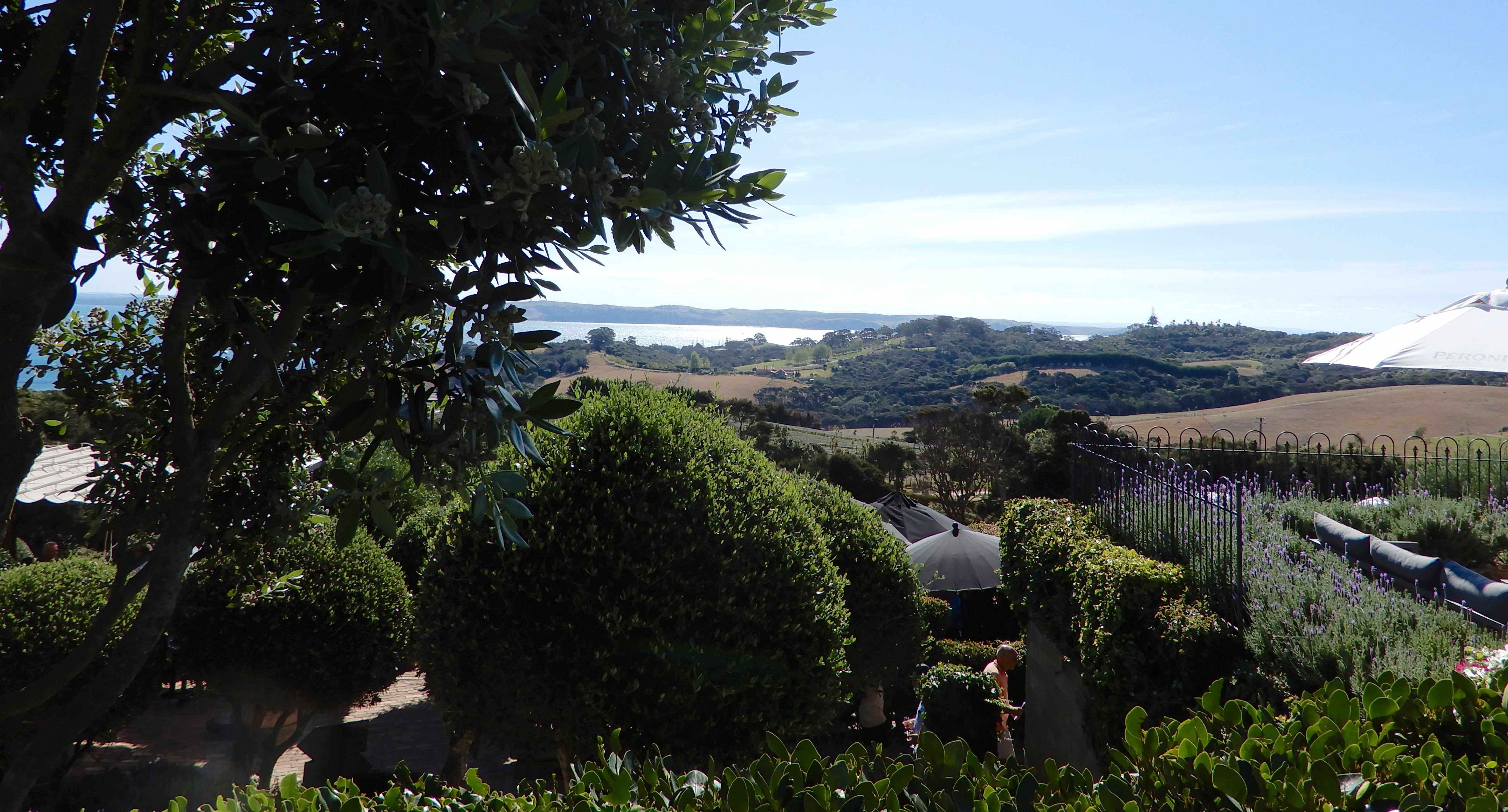
There was no shortage of spectacular views, along with magnificent food and wine, on our Taste of Waiheke Tour. Just when we thought we’d seen it all, our third and final winery, Mudbrick, delivered in spades. The initial vista was very impressive across the Hauraki Gulf, Rangitoto Island and Auckland in the distance but there was more to come.

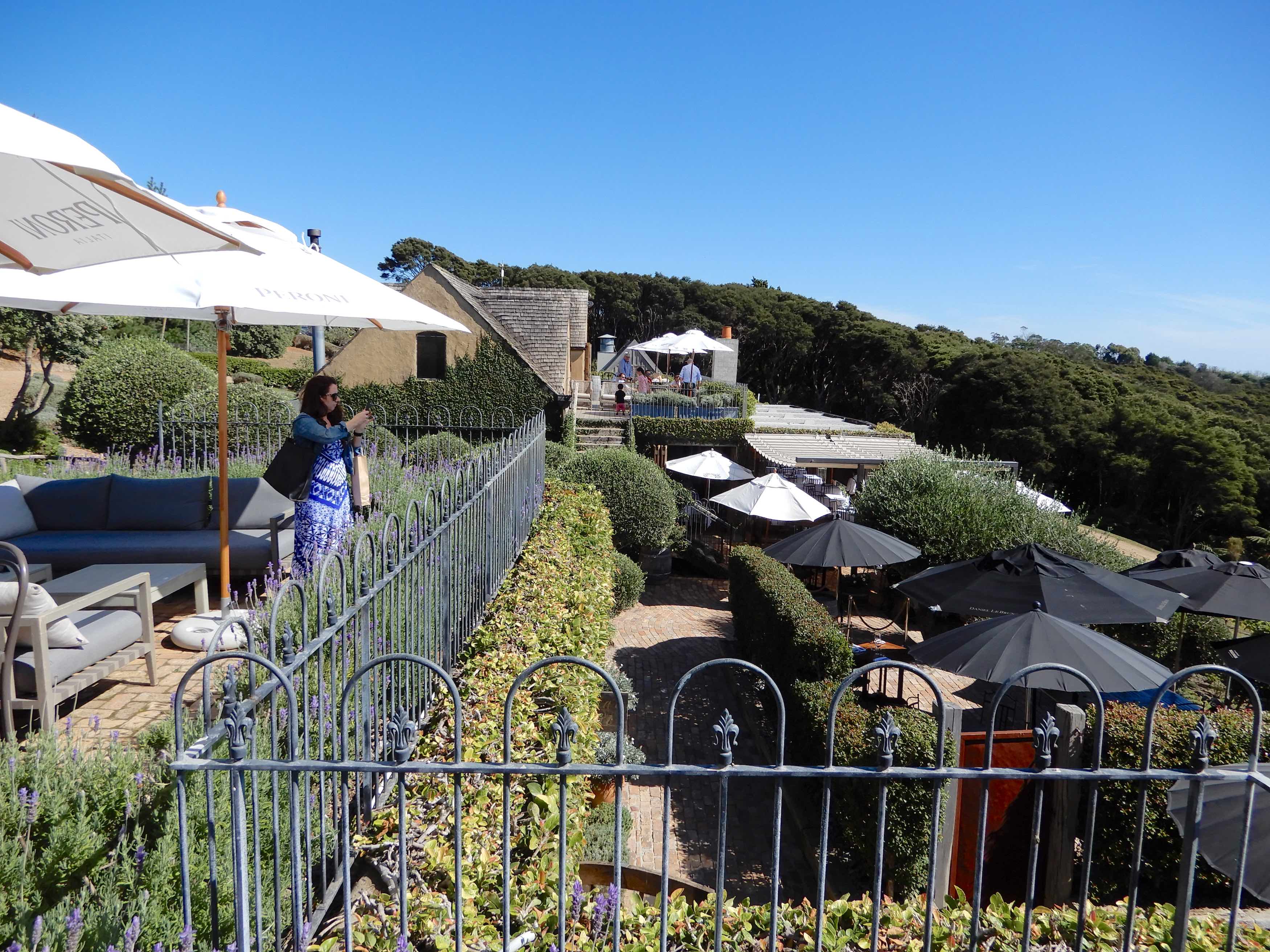
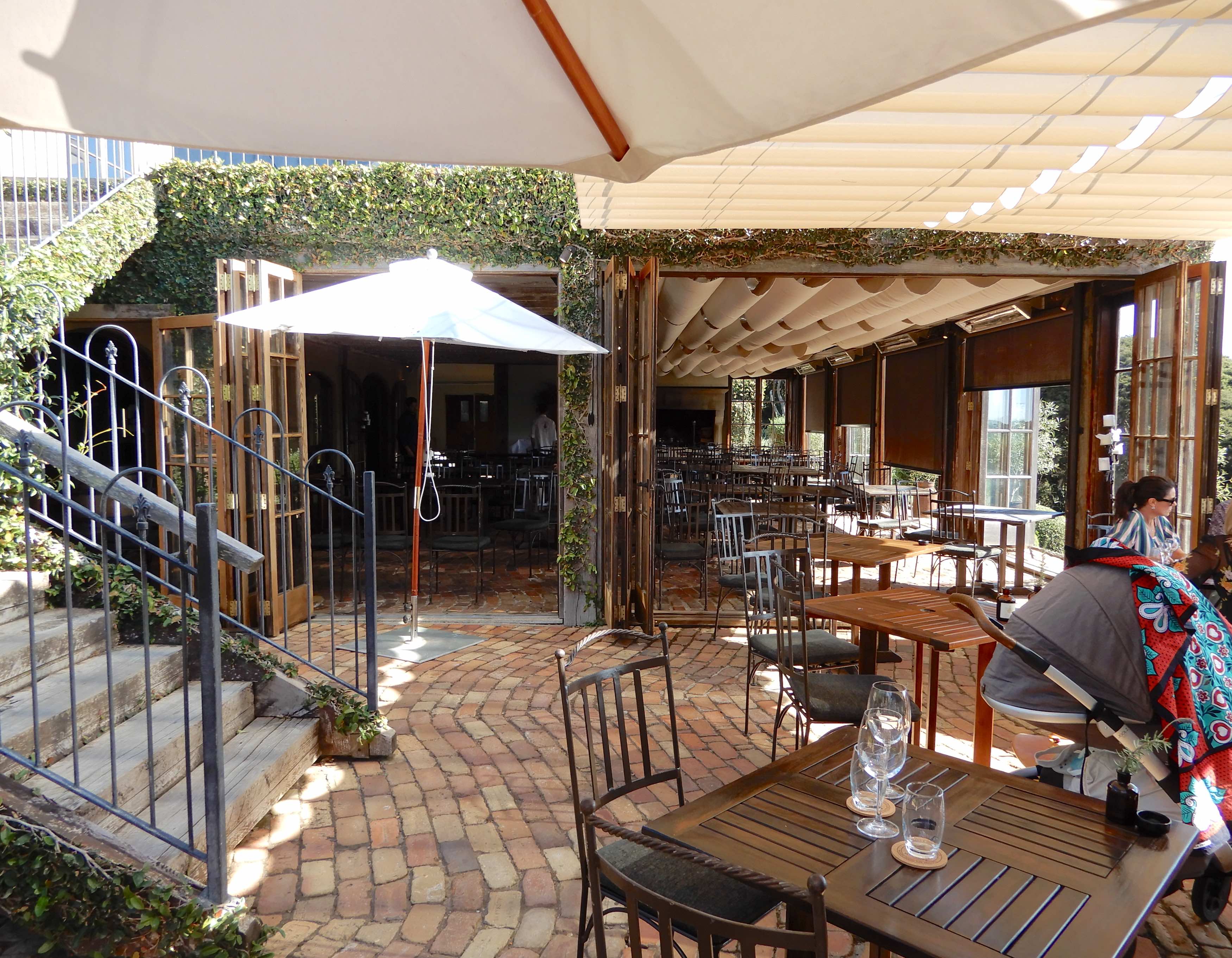
We made our way to the terrace for an introduction to the winery, its history and a spot of tasting.
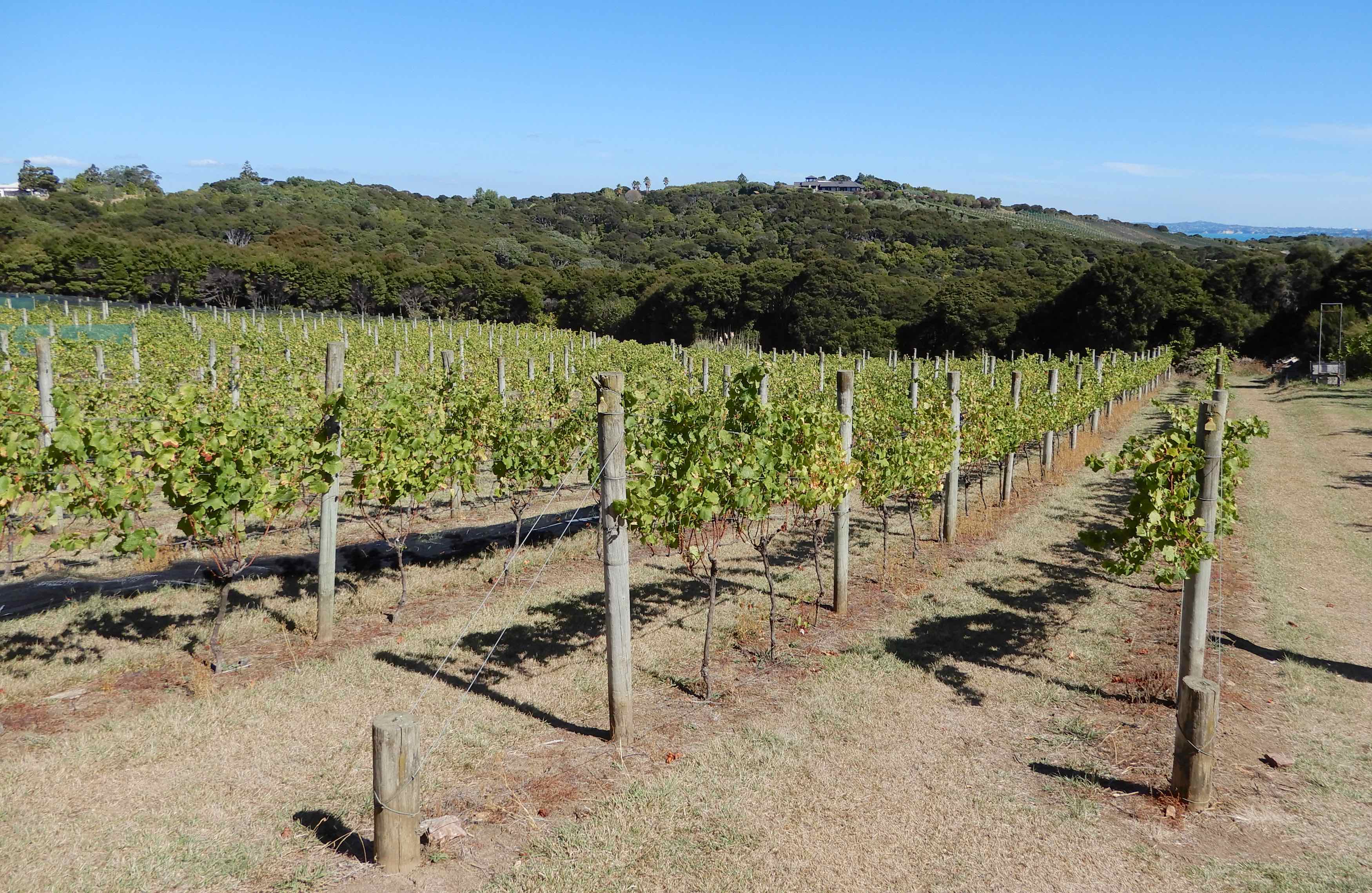
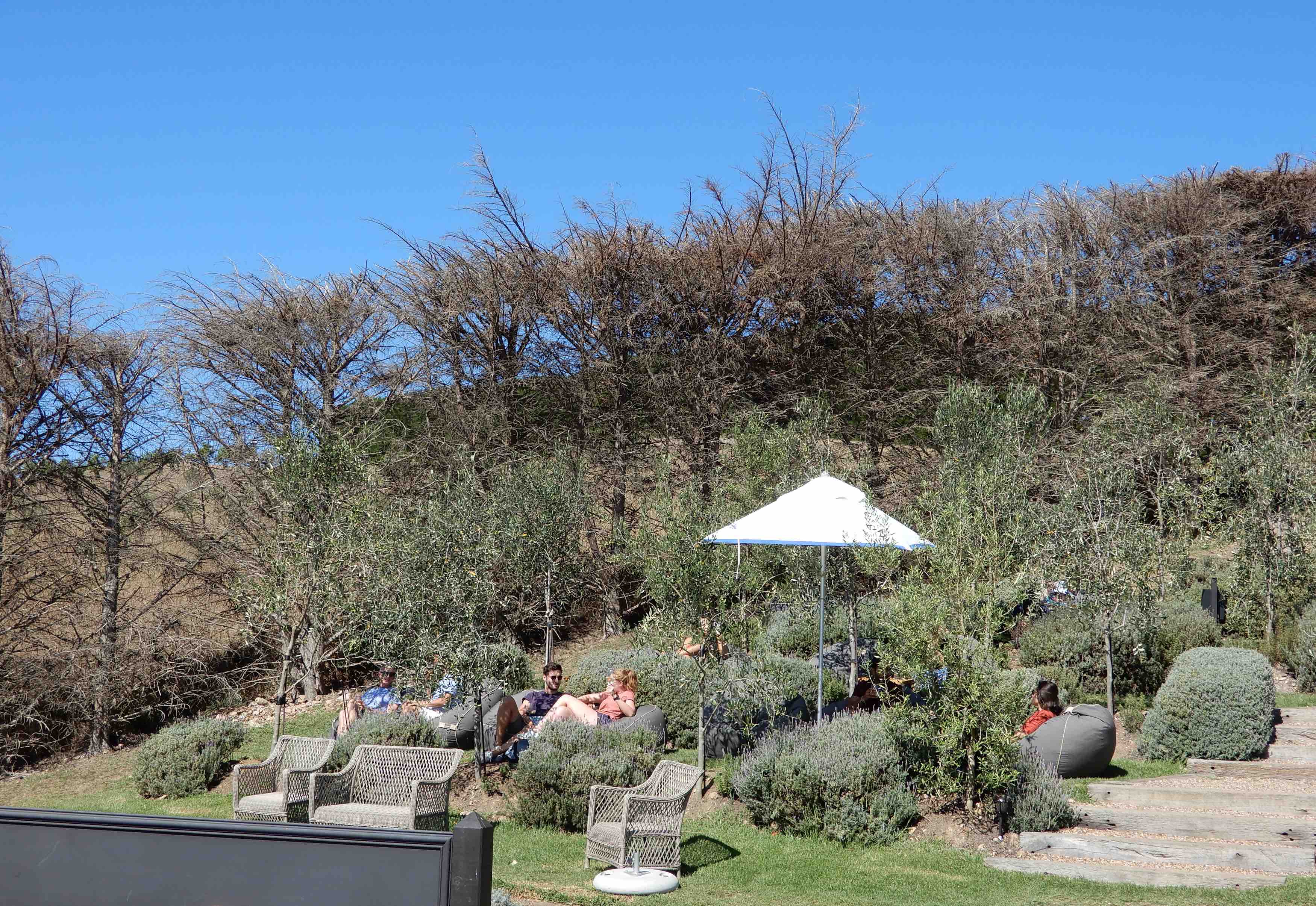
Robyn and Nicholas Jones bought the land as a lifestyle block in 1992. Both accountants, they had no experience in winemaking or hospitality but obviously had incredible vision. They spent weekends at the property planting everything from shelter belts to vines on the bare block as well as completing a multi-purpose mud brick building. The café soon followed and, 18 years later, is now a world famous restaurant. With glass in hand, we embarked on a tour of the vineyard while learning more about Mudbrick and the process of making their award winning wines.
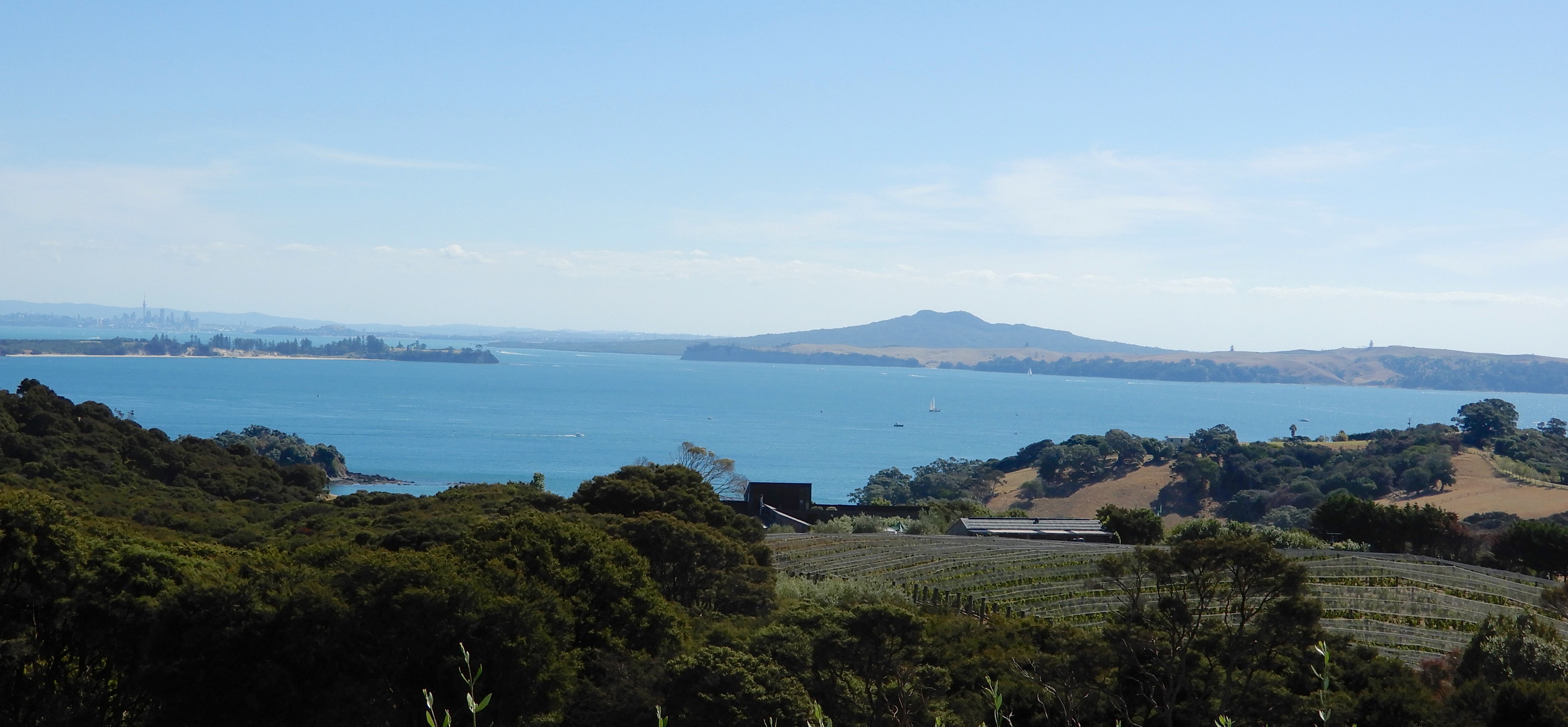
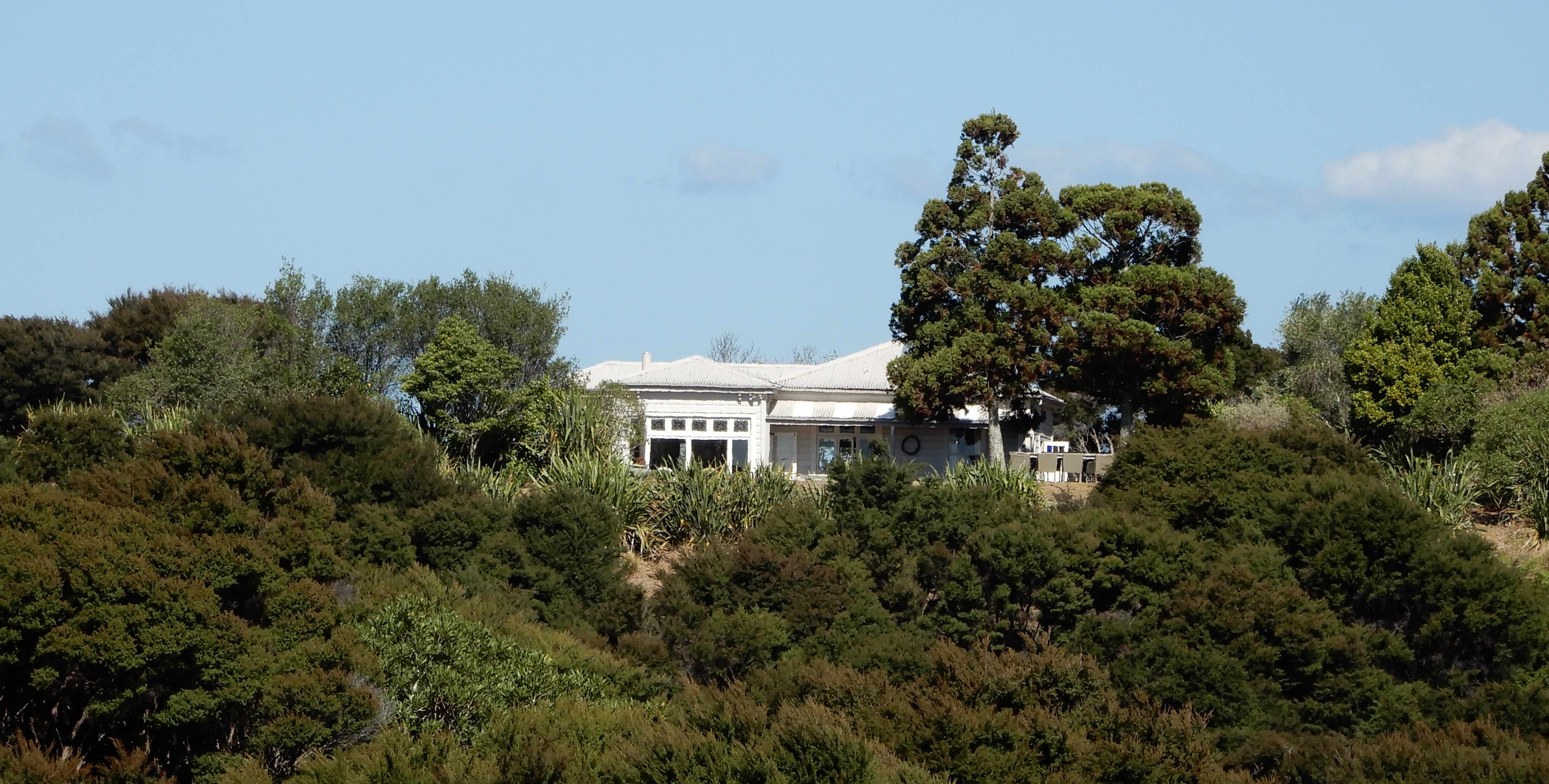
There wouldn’t be many better places in the world to have a house.

As we climbed higher, the views became even more stupendous.

At the top, we had a 360 degree view of Waiheke Island from the helipad. Yes, you can arrive and depart Mudbrick by helicopter.

We returned to the restaurant

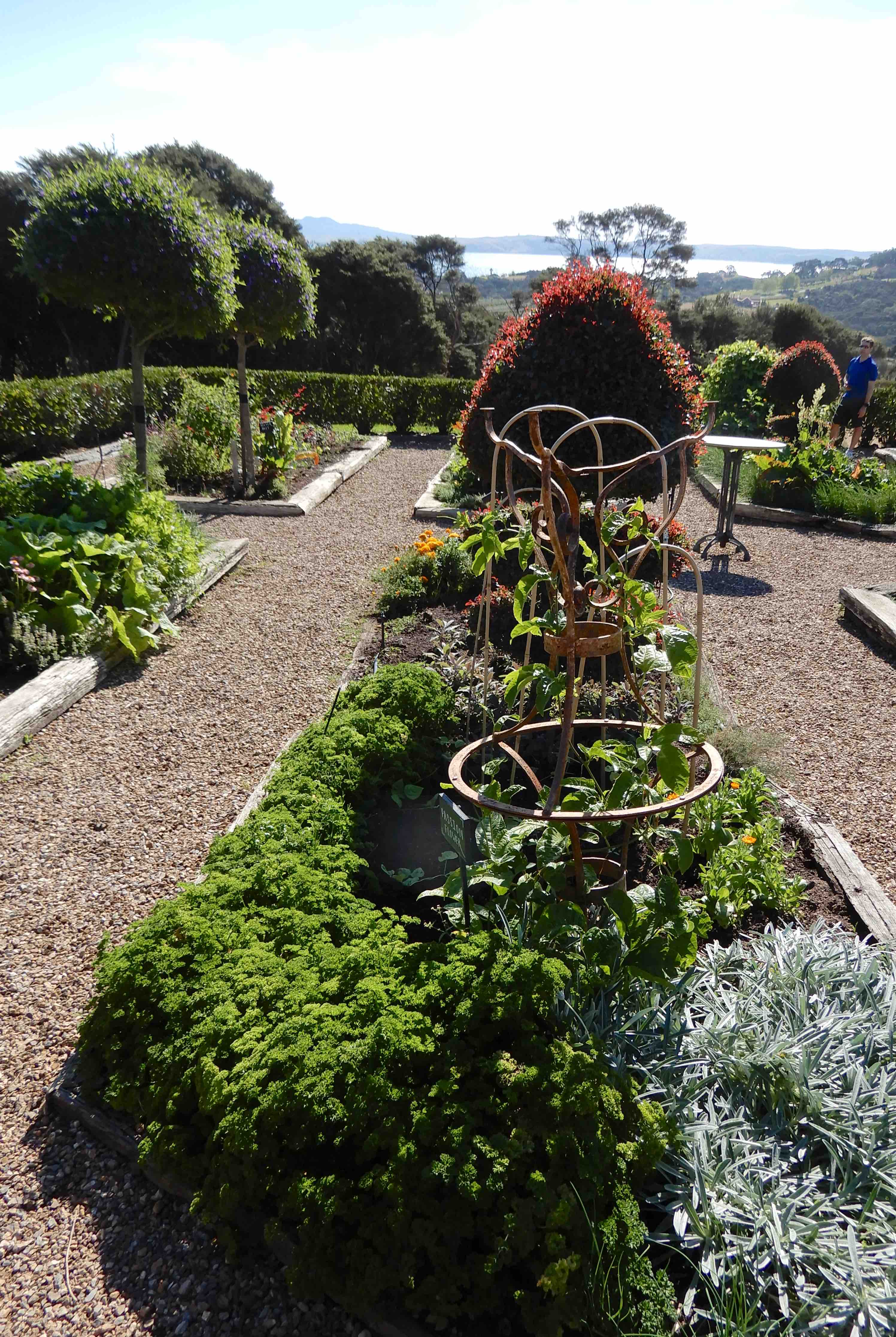
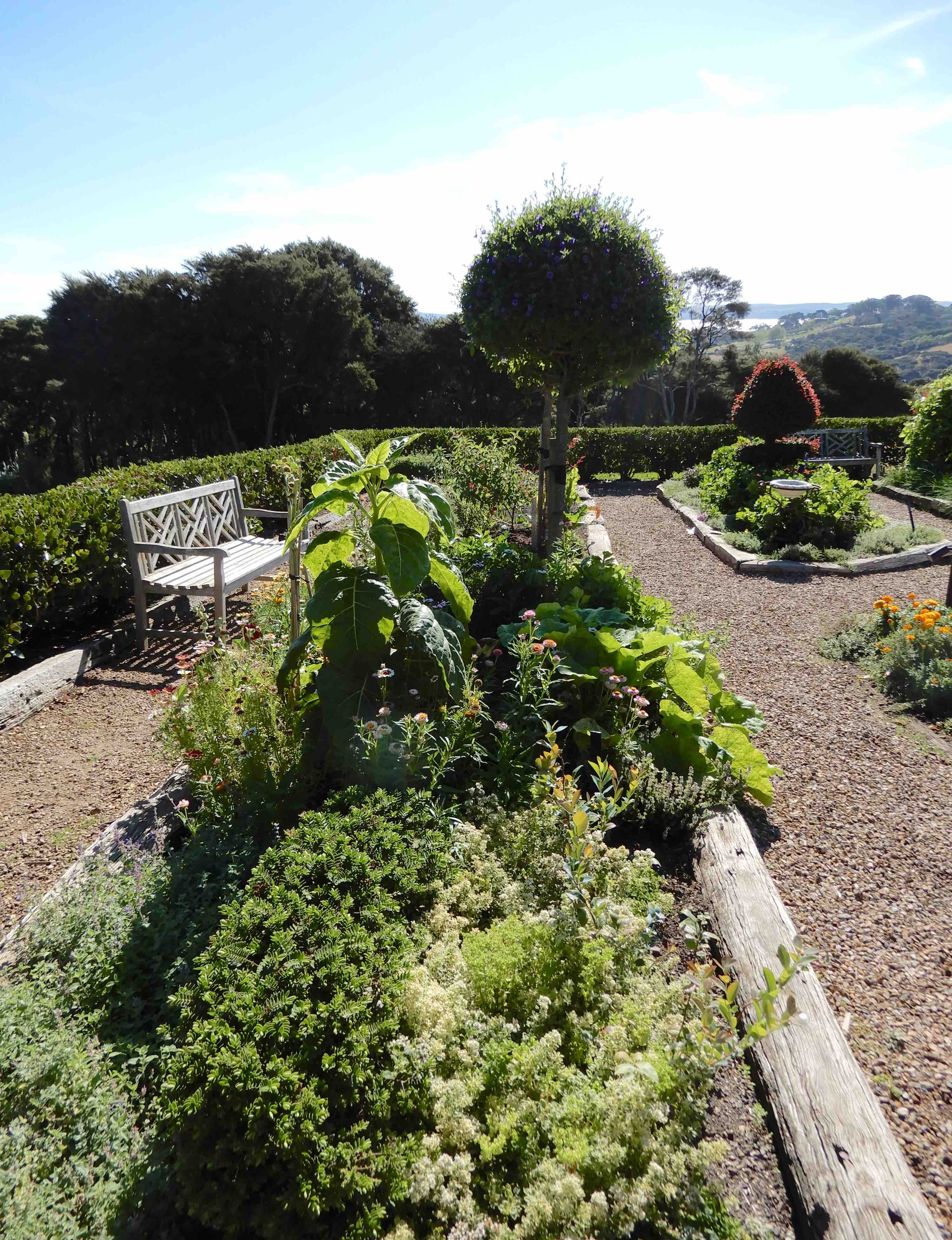
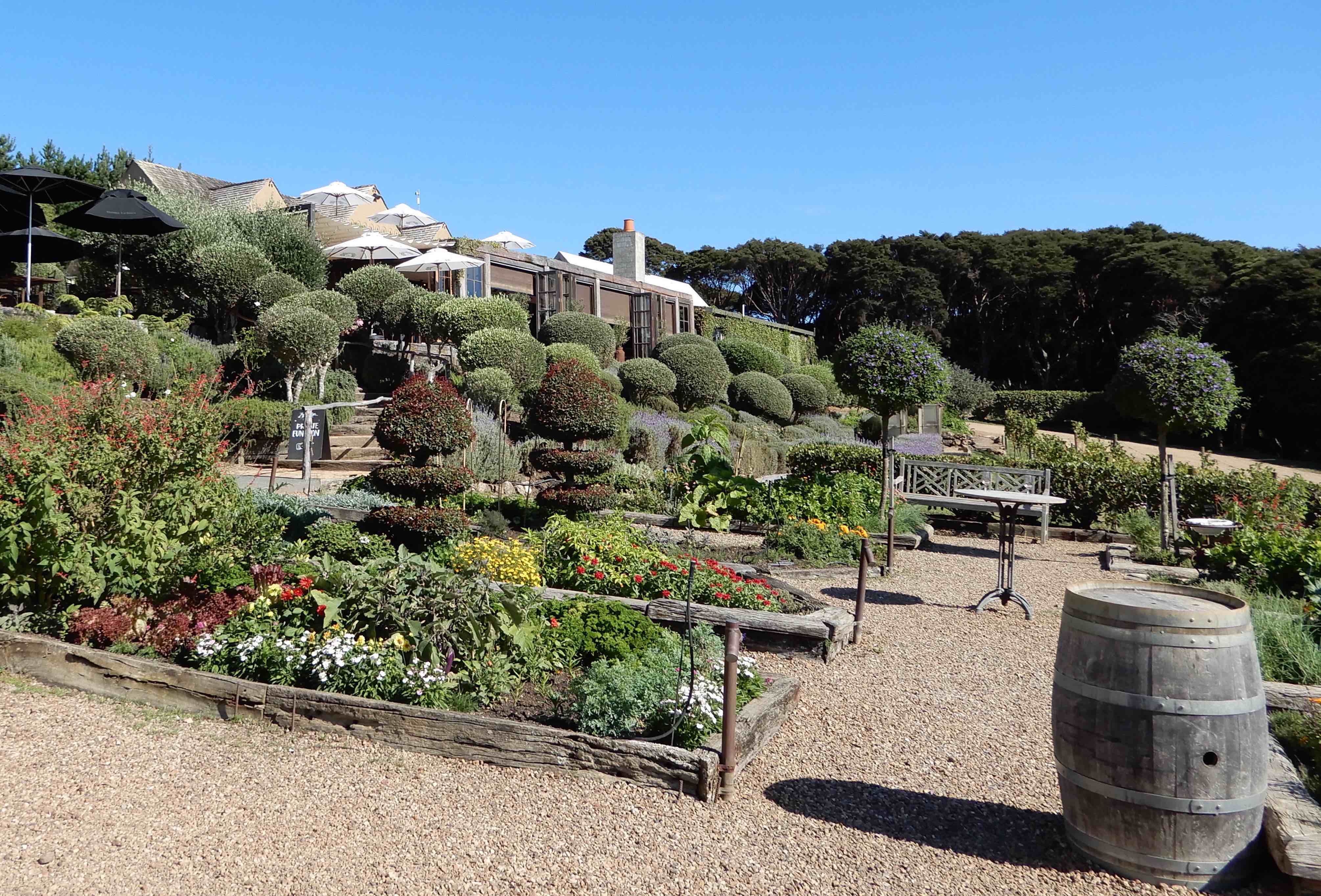
and wandered for a while around the flourishing potager garden.

Vegetables, herbs and edible flowers provide fresh ingredients each day to grace the plates presented to diners. Any organic waste from the restaurant is returned to the soil in the form of compost, recycling at its best.

Our day on Waiheke Island was almost over, what an exceptional day it had been.