Eden Project

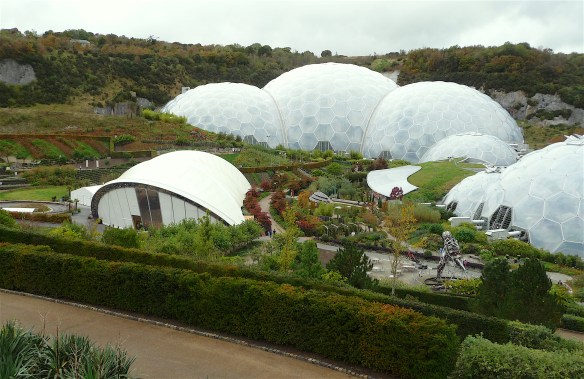
We had been told about the wonders of the Eden Project by, believe it or not, a friendly parking inspector while visiting Bath. On an overcast morning, we drove to St. Austell to see for ourselves. Created in a reclaimed Cornish clay pit, the 35 acre site was a spectacular vision.
1.Eden Project

White domes bulged from the surrounding landscape,
2.Eden Project

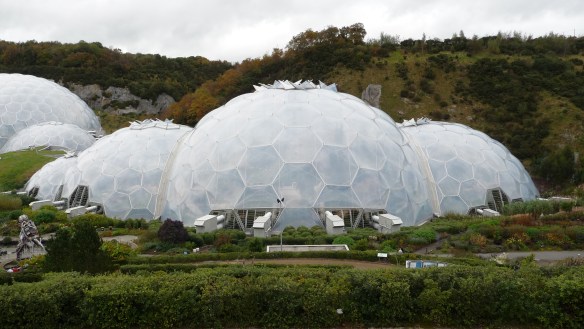
their magnitude truly appreciated the nearer we walked.
3.Eden Project

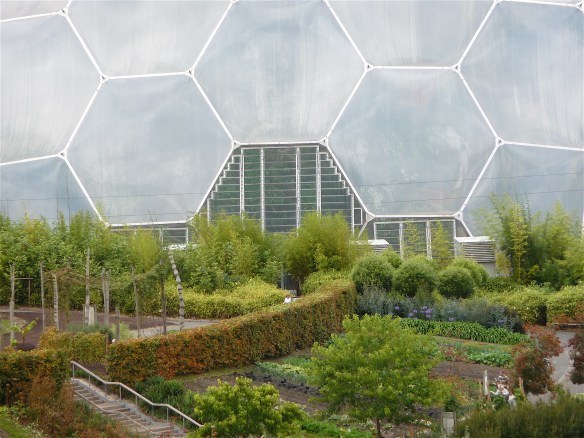
Eden Project is intended to make us think about the relationship between people and plants, as well as the sustainability of our planet. The tropical biome is fifty metres high and four of the world’s rainforest environments are re-created in nearly 4 acres.

4.rainforest biome

I was reluctant to expose my camera to the hot, steamy atmosphere
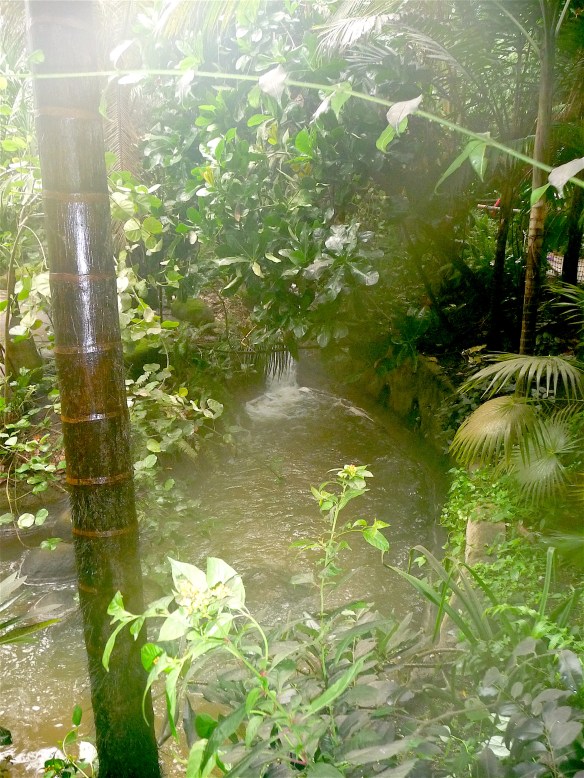
5.rainforest biome6.rainforest biome

and very relieved to enter the Mediterranean biome and a more agreeable climate.
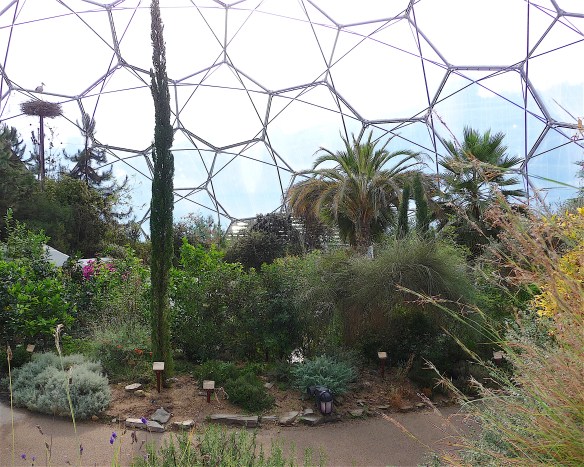
7.mediterranean biome

There were some interesting installations

8.mediterranean biome9.mediterranean biome10.mediterranean biome

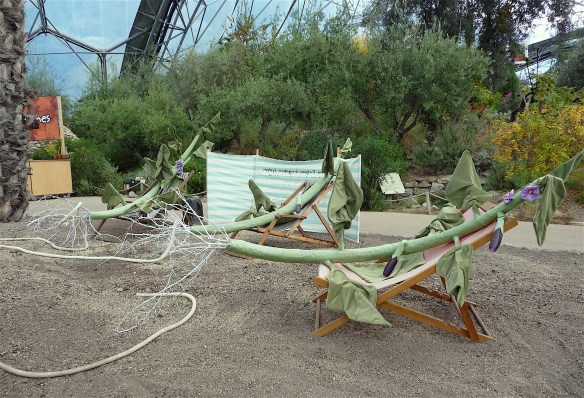
including sculptures depicting the Rites of Dionysus.

11.Rites of Dionysus sculptures

The Greek god of the vines and his followers seem to be enjoying themselves immensely.

12.Rites of Dionysus sculptures

The outdoor gardens represent the temperate regions of the world with more than 3,000 plant varieties.

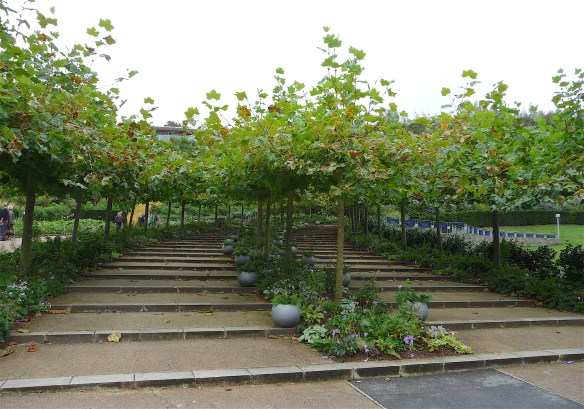
13.outdoor gardens14.outdoor gardens

Meandering our way along the paths, we encountered many surprises.

15.outdoor gardens

The living sculpture of Eve is made mostly of clay from Eden, she looks very relaxed amongst the trees.
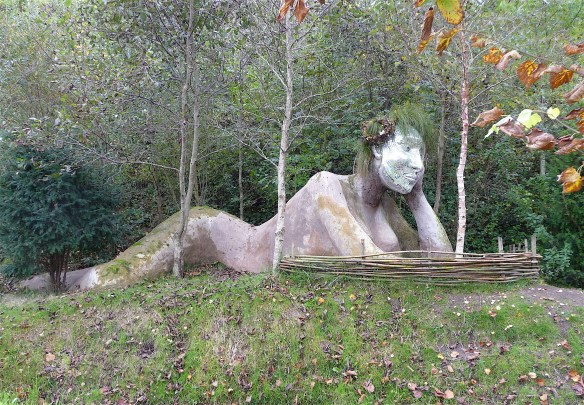
18.Eve

The Giant Steel Man sculpture keeps an eye on the Hemp exhibit

The Industrial Flame Plant is a comment on fossil fuels. We are warned that most varieties of the genus ‘Industrialis’ extract energy stored in fossilized plant remains from ancient forests. They convert raw materials into a variety of useful products and harmful emissions. Widespread overplanting causes environmental damage and climate change.

21.Industrial Flame Plant

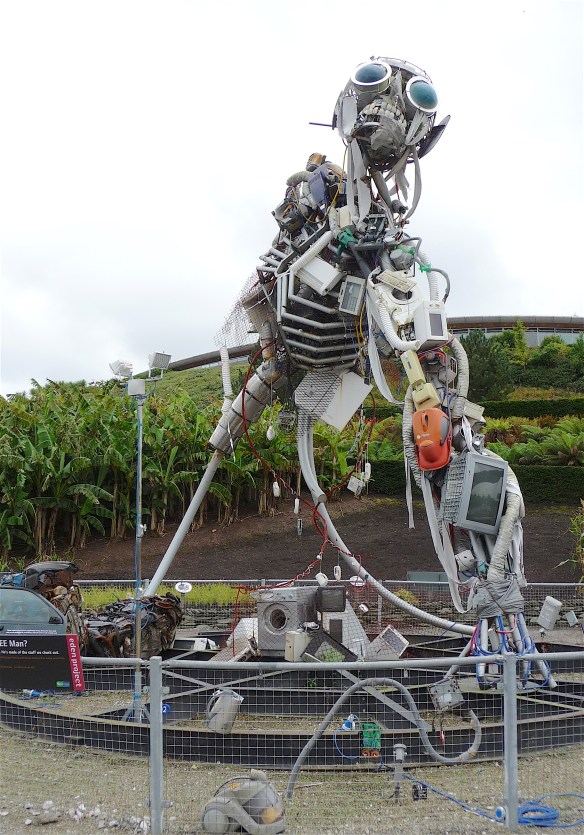
WEEE Man is a 3.3 tonne, 7m high structure representing the amount of waste electrical and electronic equipment (WEEE) the average British household throws away in a lifetime.
22.WEEE Man

The Core building is an education facility with interactive exhibits, the structure of which is based on a sunflower.

23.Core building

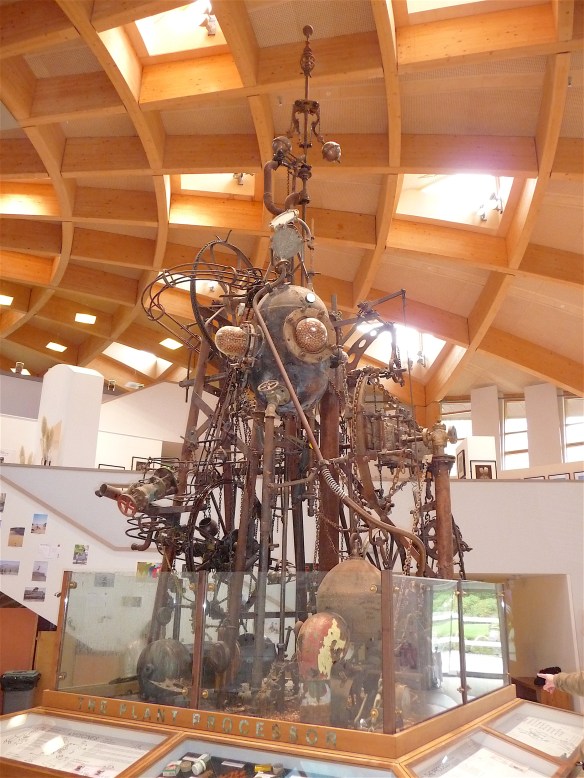
The Nutcracker was designed to get us thinking about how much energy and resources we often use to do simple things. A wind of the handle transports a hazelnut through a series of cogs, wheels, pulleys and cranks before it is eventually cracked.
24.The Nutcracker

Seed was fascinating. The 70 tonne sculpture is at the epicenter of the Core building and is carved from a single piece of granite. The complex pattern of protrusions are based upon the geometric and mathematical principles of plant growth.

25.Seed

There was so much to see at Eden Project, I’m sure we missed some of it. We shall have to return one day.
Uluru

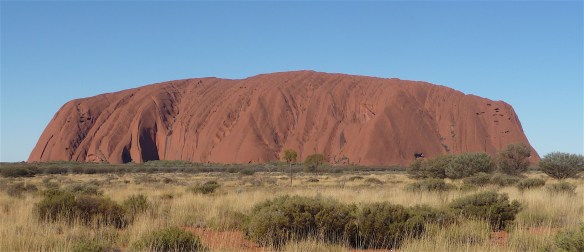
For many years, a visit to the centre of Australia was on our ‘must do’ list. After yearning to experience an iconic landmark and finally realising that dream, sometimes we are disappointed with the reality. As we approached Uluru, I was wondering if that would be the case this time. It wasn’t. The rock is awesome.
1.Uluru

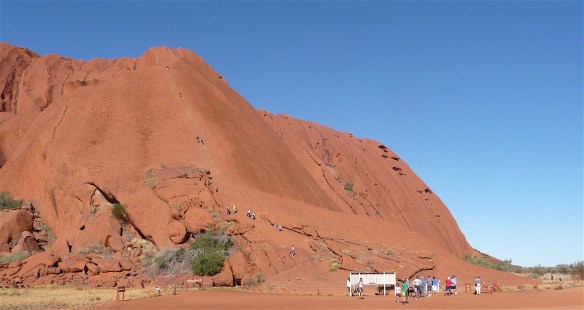
Uluru is sacred to the Anangu, the Aboriginal people of the area. William Gosse first sighted it in 1873 and named it Ayers Rock in honour of the then Chief Secretary of South Australia, Sir Henry Ayers. Since then, both names have been used. Because of its great spiritual significance, the Anangu do not climb Uluru. The visitors guide suggests, ‘the climb is not prohibited, but we prefer that, as a guest on Anangu land, you will choose to respect our law and culture by not climbing.’ Alas, human nature is what it is.

2.climbing

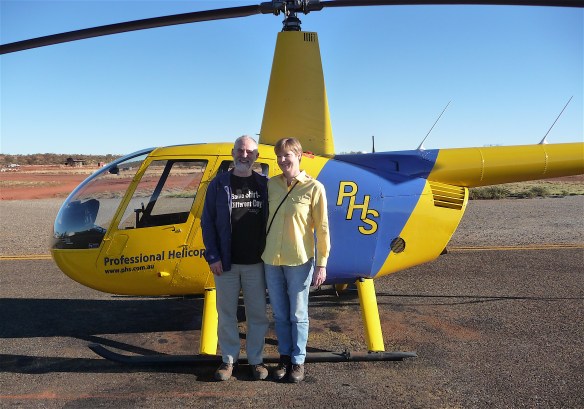
We decided the best way to see the top was from a helicopter.

3.helicopter

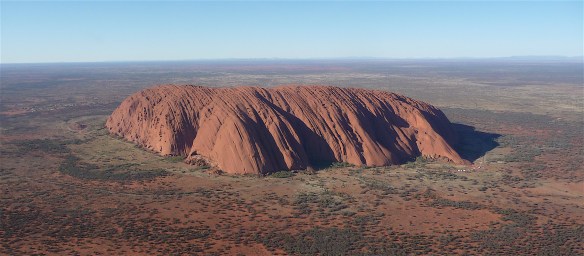
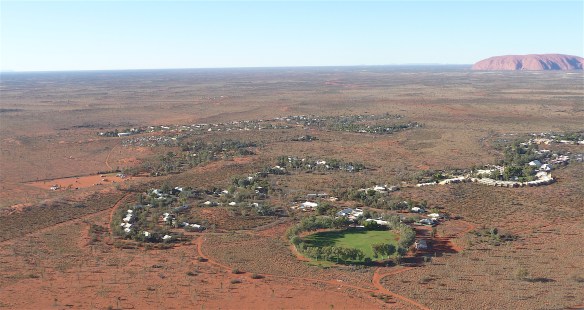
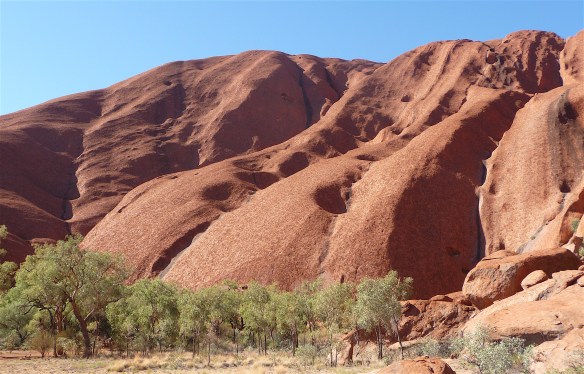
The perspective from above showed the diverse features of this amazing sandstone formation. Standing 348m high, most of the bulk lies underground.

4.Uluru5.Uluru6.Uluru7.Uluru8.Uluru

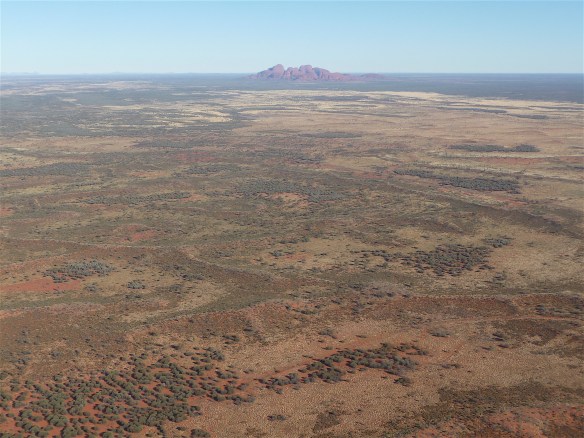
The vastness of the desert was absolutely breathtaking, with Kata Tjuta rising from the landscape to break the monotony.

9.Kata Tjuta

The township and holiday resorts of Yulara offer an oasis in the desert.

10.Yulara

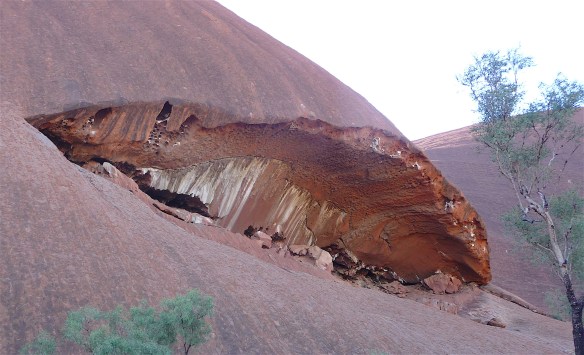
We then embarked on the base walk, 10.6km around Uluru. Visitors are asked not to photograph certain sections for reasons related to the traditional beliefs of the Anangu people. Prior to our visit, I had expected the rock to be quite featureless. On the contrary, it is truly remarkable.

11.rock

19.rock

The walk was exhausting on a hot, dry day

24.walk

but the rewards were many.

31.rock

With the sun descending, we bid farewell to Uluru

36.rock

with a long, cold beer in our sights.

Villa Grabau

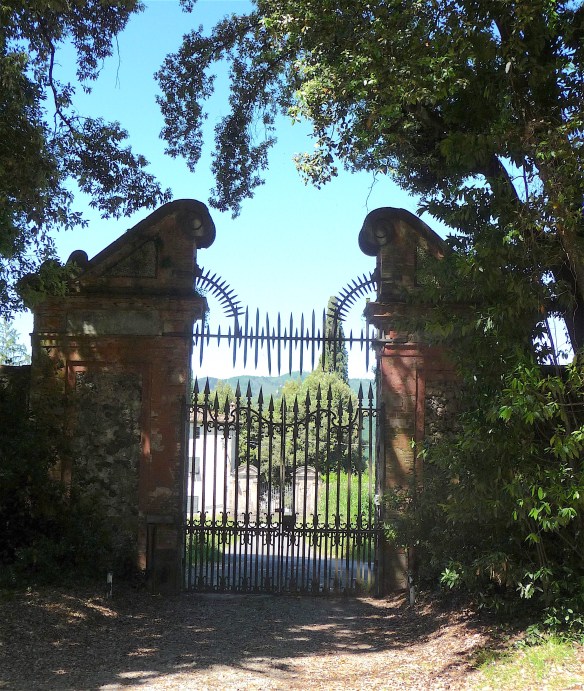
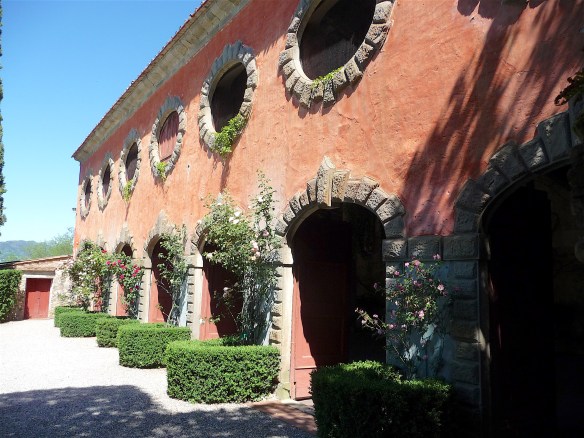
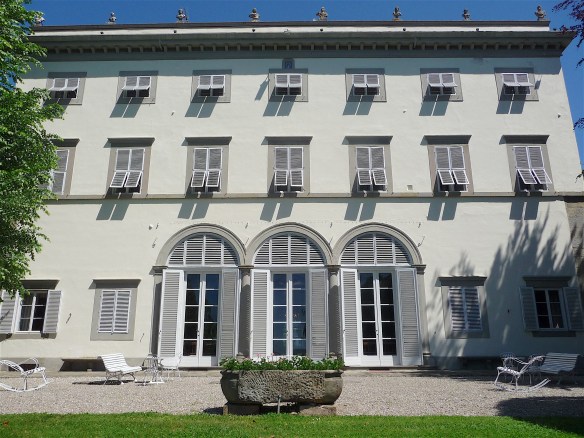
Lucca is surrounded by magnificent historical residences of the 16th century. On a perfect spring day, three of us ventured out to discover a couple of them. Villa Grabau was first built in Renaissance style in the late 16th century,

1.villa2.villa

then renovated in the 19th century in a neo-classical style.

3.villa

Following a tour of the villa, owned by the Grabau family since 1868, we explored the 9 hectares of beautiful gardens. Starting with the formal Italian garden behind the villa,

4.Italian garden5.Italian garden

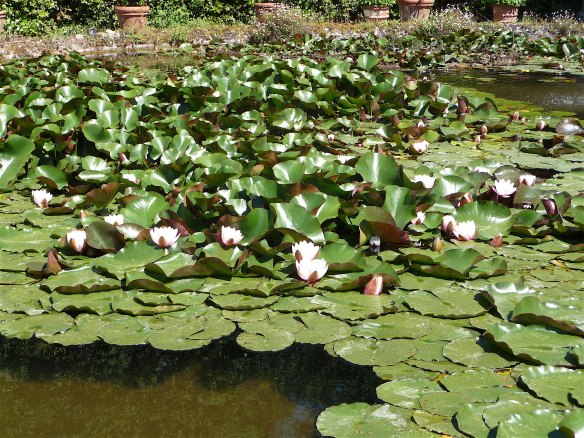
the pond lilies enjoying the sunshine.

6.lily pond7.lily pond

We meandered along mysterious paths

8.path10.path

never knowing quite what we would find.

The 17th century limonaia was fascinating.

12.limonaia

Over 100 lemon trees are moved inside, in their terracotta pots, to shelter in winter.

13.limonaia

There are many rare species in the park,

we didn’t expect to find giant bamboo in an Italian garden.

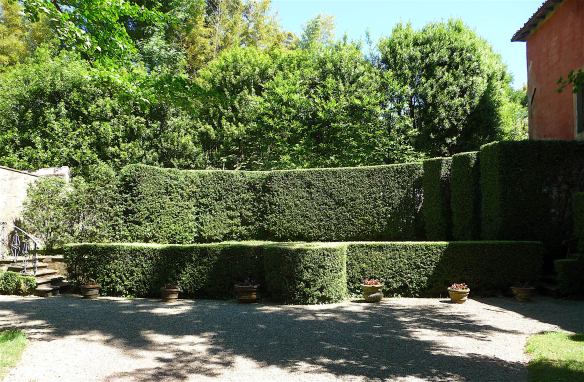
The ‘Box Hedge Theatre’ was enchanting.

27.box hedge theatre

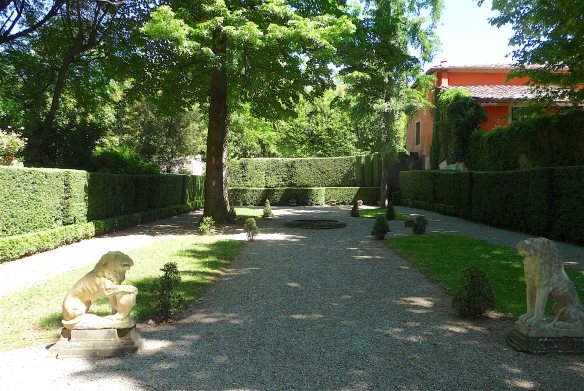
A stage defined by box tree hedges set in a secluded position,

28.box hedge theatre29.box hedge theatre

the theatre garden contains two marble lions and a bubbling fountain.

30.box hedge theatre

Having worked up an appetite, we had a delicious al fresco lunch at a small roadside Osteria, Bottega sulla Fraga.

32.osteria

The English translation of the menu was dubious

but the meals were superb.

After lunch, we made our way to Villa Reale but that will be another post.

Mountain Valley

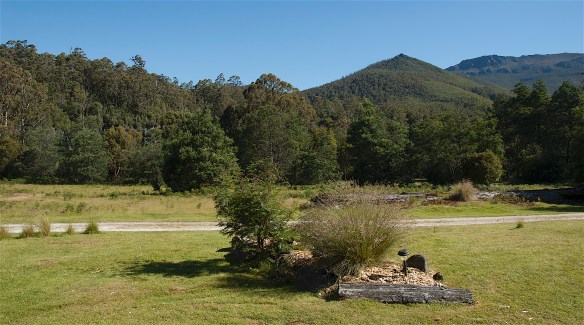
Mountain Valley is a secluded retreat in the Loongana Valley, we first discovered while on holiday here.

1.setting

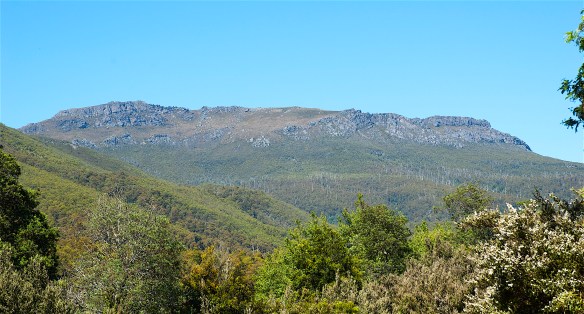
50km inland from the coast of northwest Tasmania, this 61 hectare Private Nature Reserve nestles beneath the majestic Black Bluff.

2.Black Bluff

There are six eco-cabins to choose from, our favourite is Blue Wren.

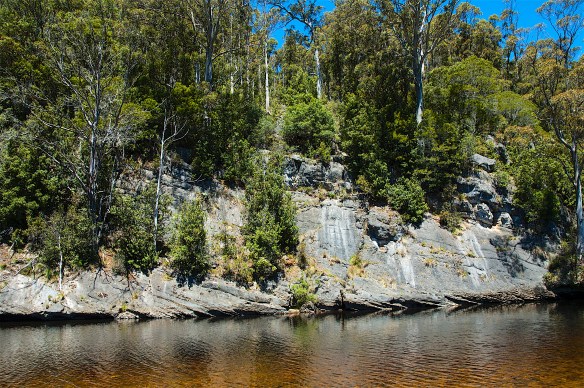
The Leven River flows through the property

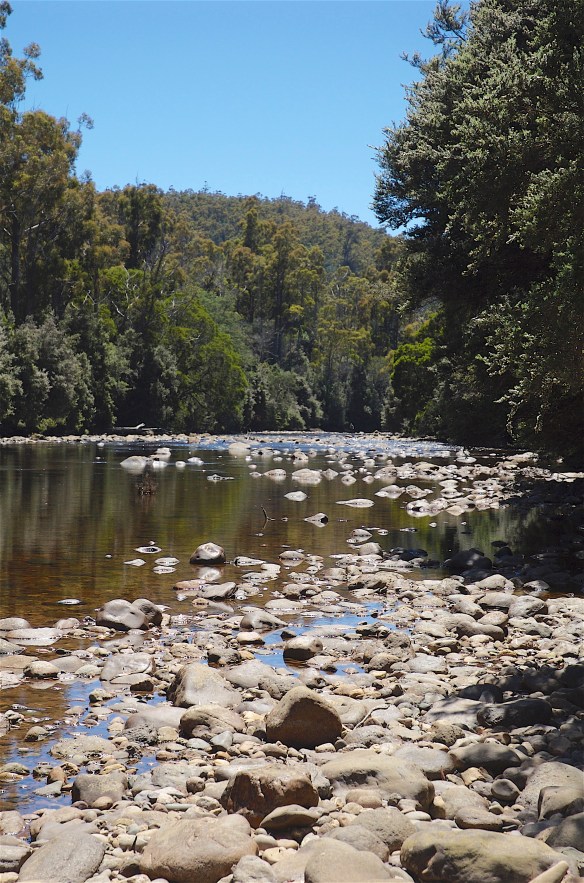
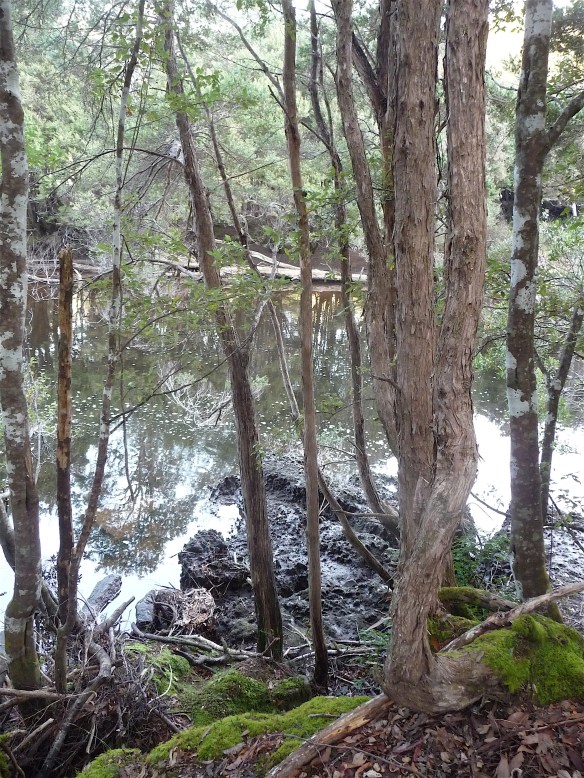
7.river8.river

and many an hour has been spent idly waiting to spy the elusive platypus.

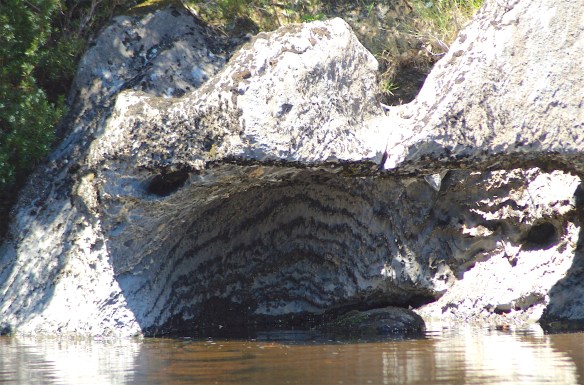
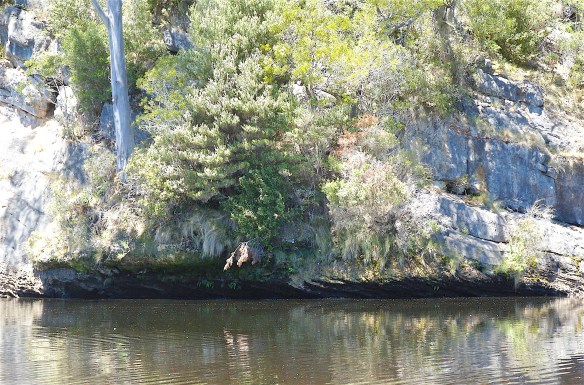
9.river10.river11.river12.river13.cliff

Across the bridge,

14.bridge

the path follows the river. Trout can be seen jumping in the shallows

15.river16.river

and the native hens appear when you least expect them.

17.river

The path becomes narrow and we still search for that perplexing platypus.

18.river19.river

Native creatures abound in this sanctuary – wallabies, possums, quolls, birds and of course, our gorgeous pademelons.

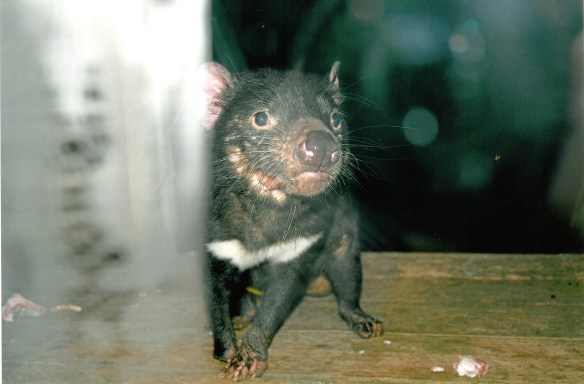
We watched Tasmanian Devils and quolls eating their evening meal on the verandah. Our host placed tasty morsels for them at dusk and they slowly came after dark as Michael sat motionless among them while I opted to watch through the window.

22.Devil

The guided walk to the glow worm grotto took us through serene grassland,

23.walk to cave

and we learned the beautiful foxglove is regarded as an environmental weed in Tasmania.

24.foxglove

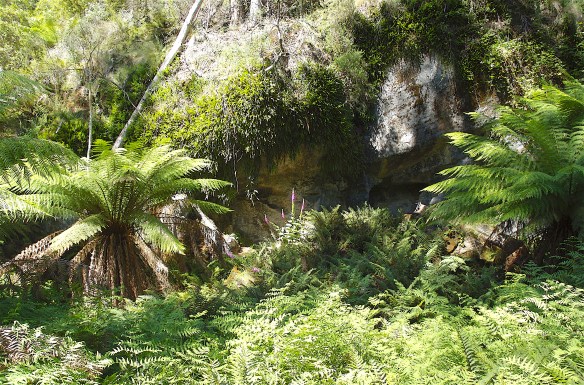
There are many walks to take through fern glades

25.walk to cave

and rainforest

to discover hidden caves.

31.walk to cave

There is much more to explore at Mountain Valley, it is a wonderful experience and for those who are feeling energetic, there is the walk to the top of Black Bluff.

32.Black Bluff

I am looking forward to our next visit. http://mountainvalley.com.au

Trevigue Farm

While travelling through Britain, we stayed at many wonderful B&Bs. Trevigue Farm was no exception.

1.Trevigue Farm

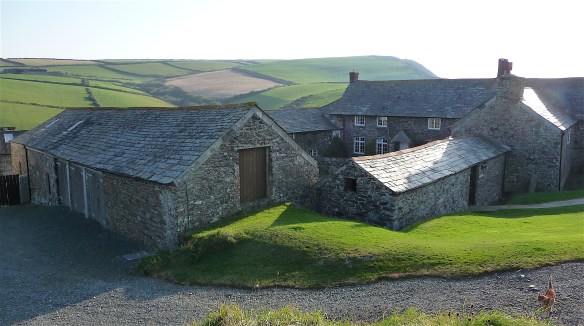
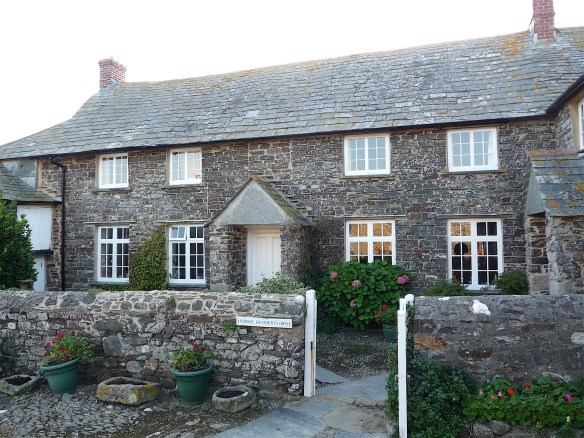
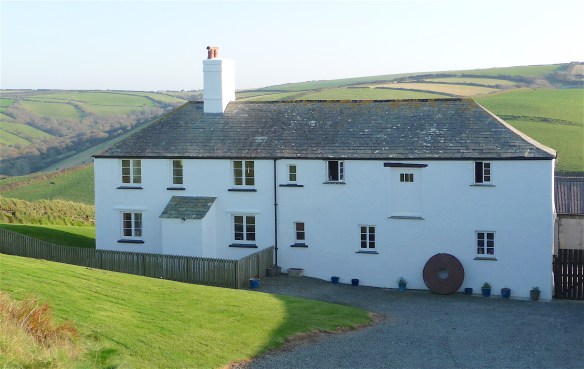
We navigated the narrow lanes of Cornwall, getting momentarily lost in Crackington Haven, to find this beautiful 16th century farmhouse.

2.Trevigue Farm3.Trevigue Farm4.Trevigue Farm5.Trevigue Farm

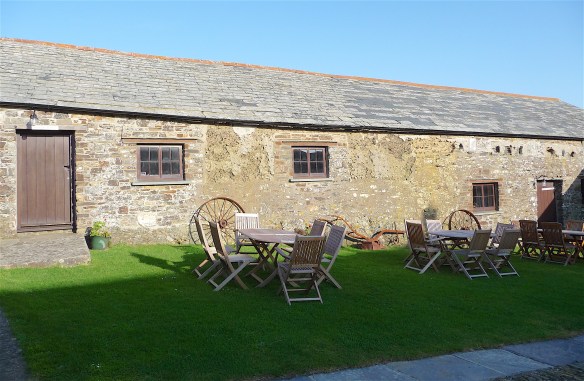
Located high on the Cornish cliffs, this 200 acre farm is set around an ancient cobbled courtyard.

6.courtyard

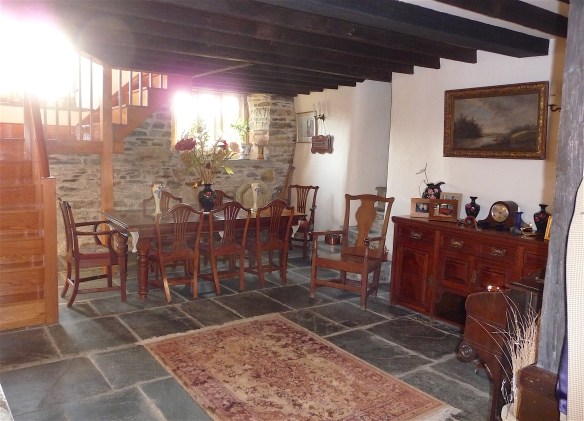
We were welcomed into the gorgeous entrance hall

7.entrance hall

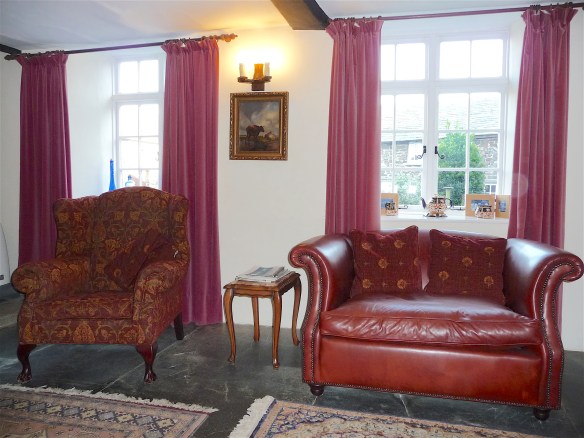
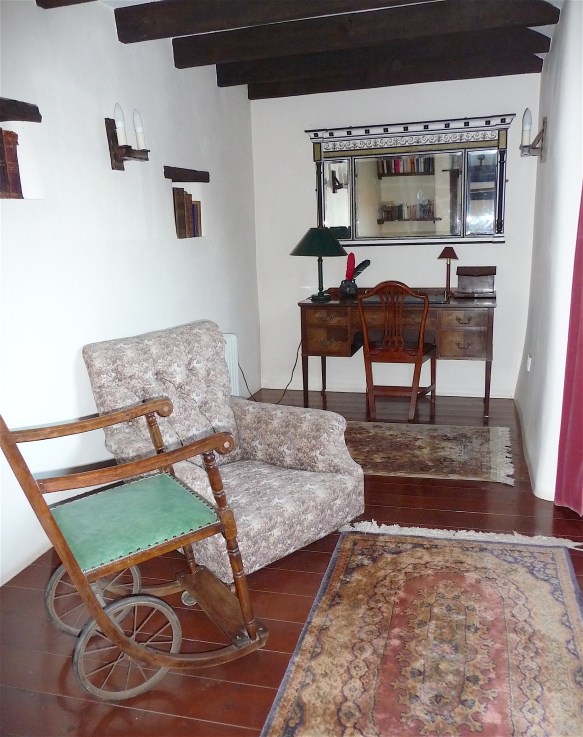
and shown to the sitting room

8.sitting room9.sitting room

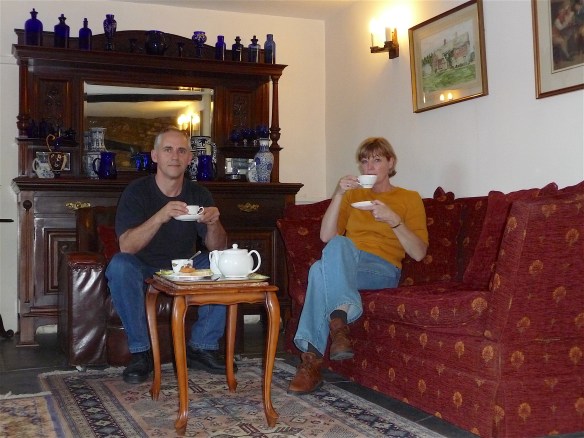
where we enjoyed a cup of tea and home baked treats.

10.sitting room

There was a snug alcove tucked around the corner.

11.alcove

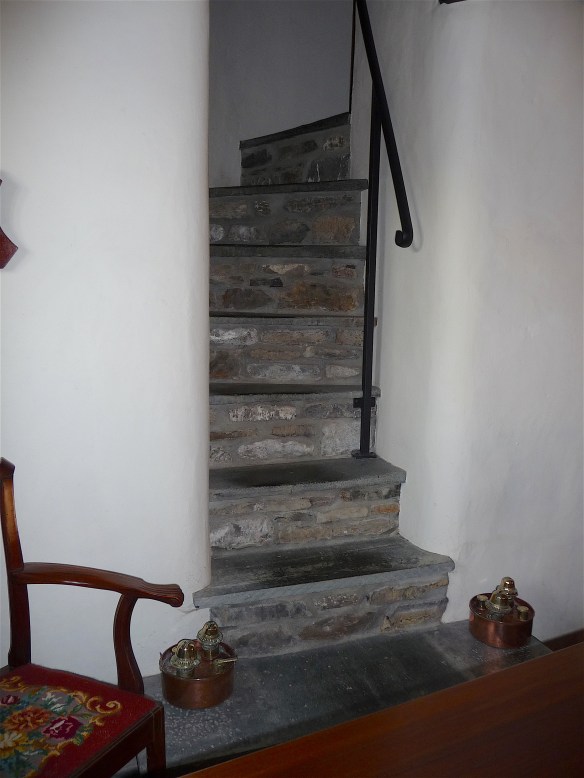
We were then led up the stairs

12.stairs

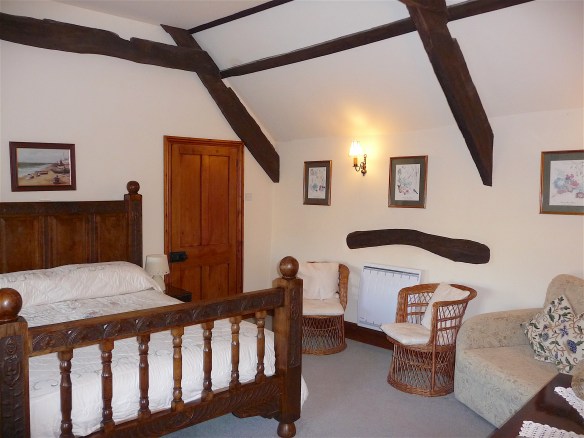
to our bedroom.

13.bedroom

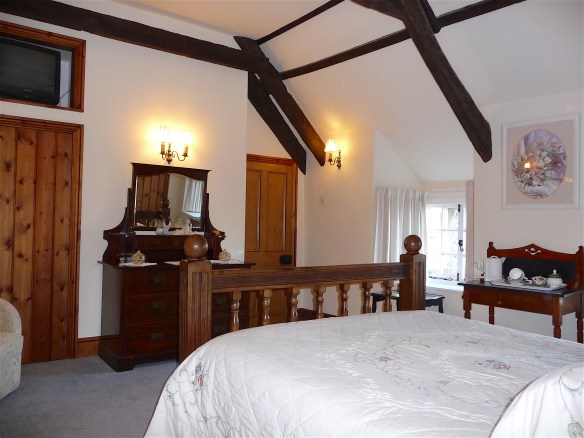
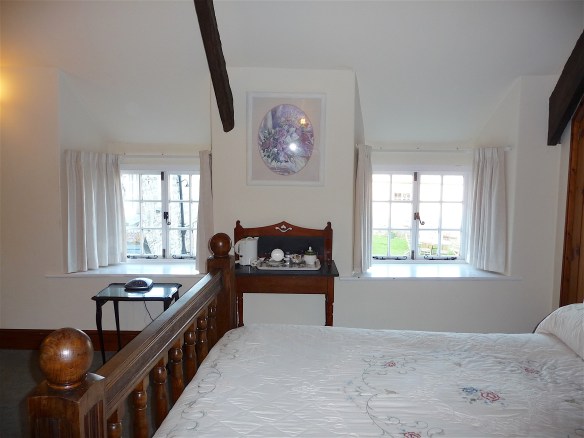
The room was magnificent with a huge French style bed, vaulted oak beamed ceiling

14.bedroom15.bedroom

and a lovely outlook over the courtyard.

16.bedroom view

We strolled around the farm admiring the stunning views

17.view18.view

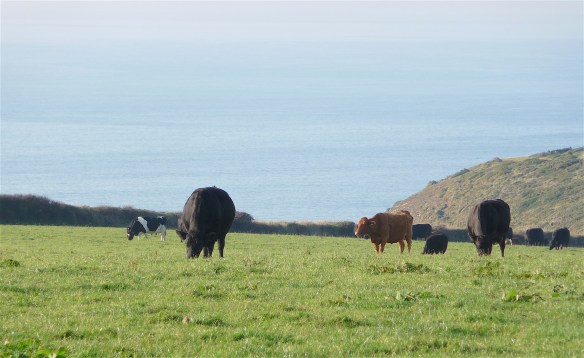
and the contented animals.

21.cows

22.cows

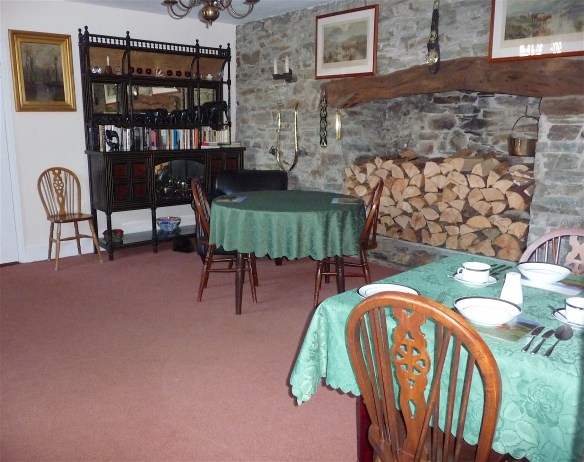
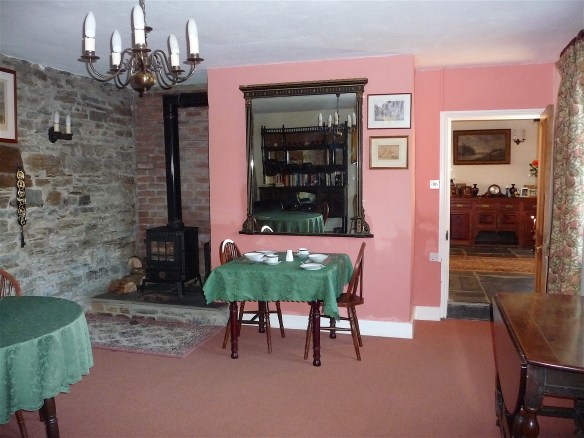
The next morning we were treated to a marvellous cooked breakfast in the cosy dining room

23.dining room24.dining room

before heading off for a day of discovery in Cornwall.