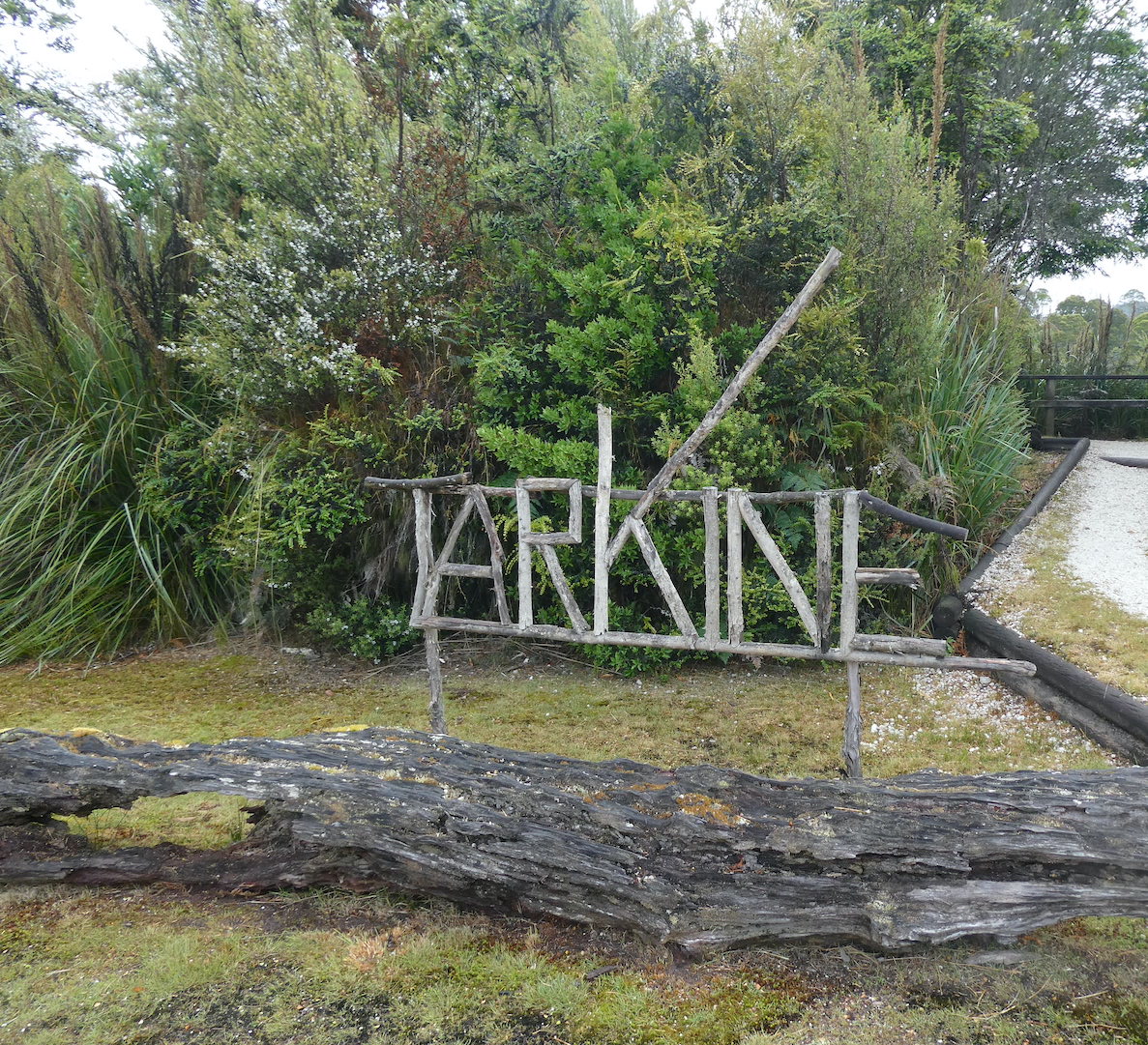
Pieman River

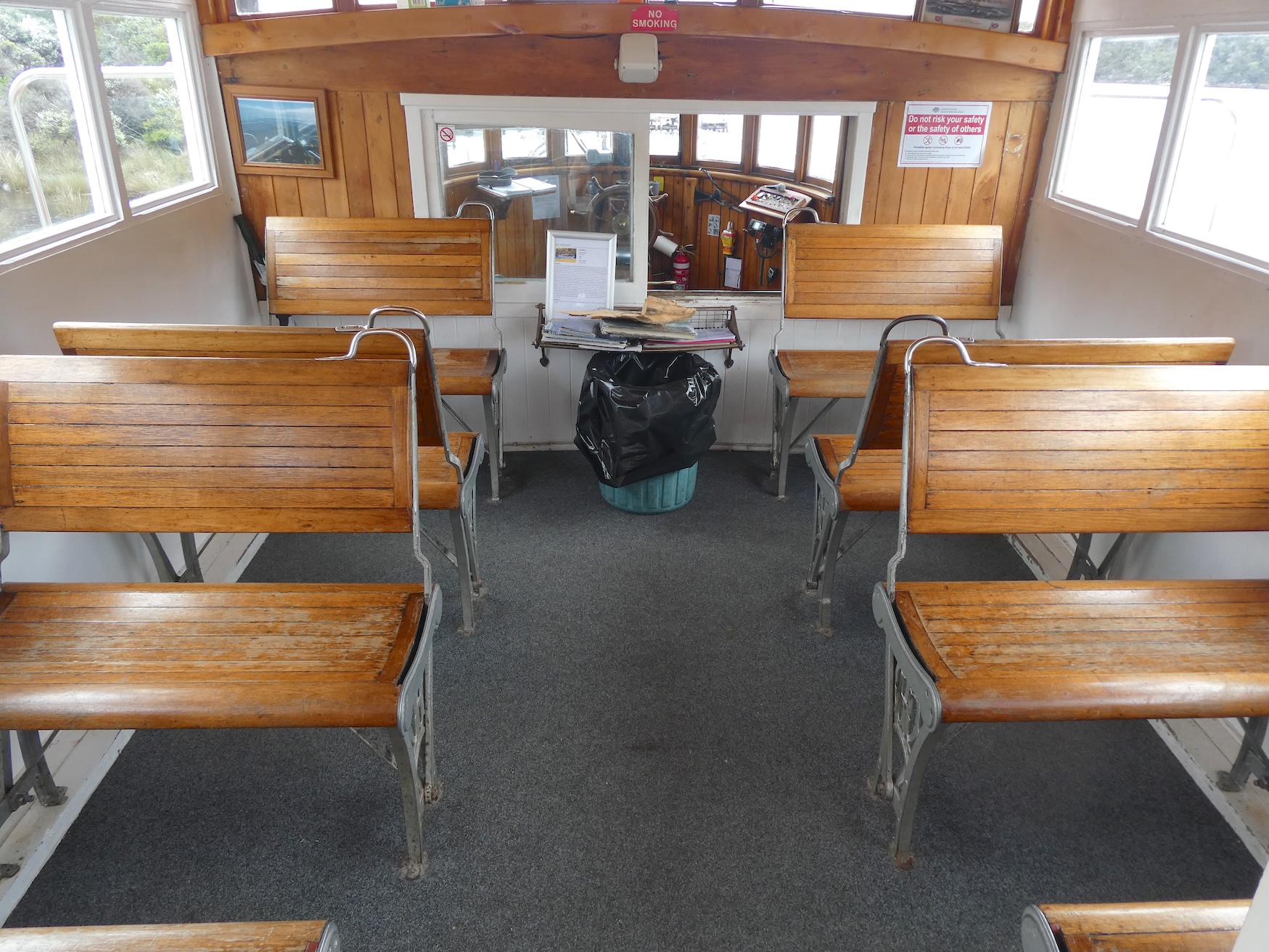
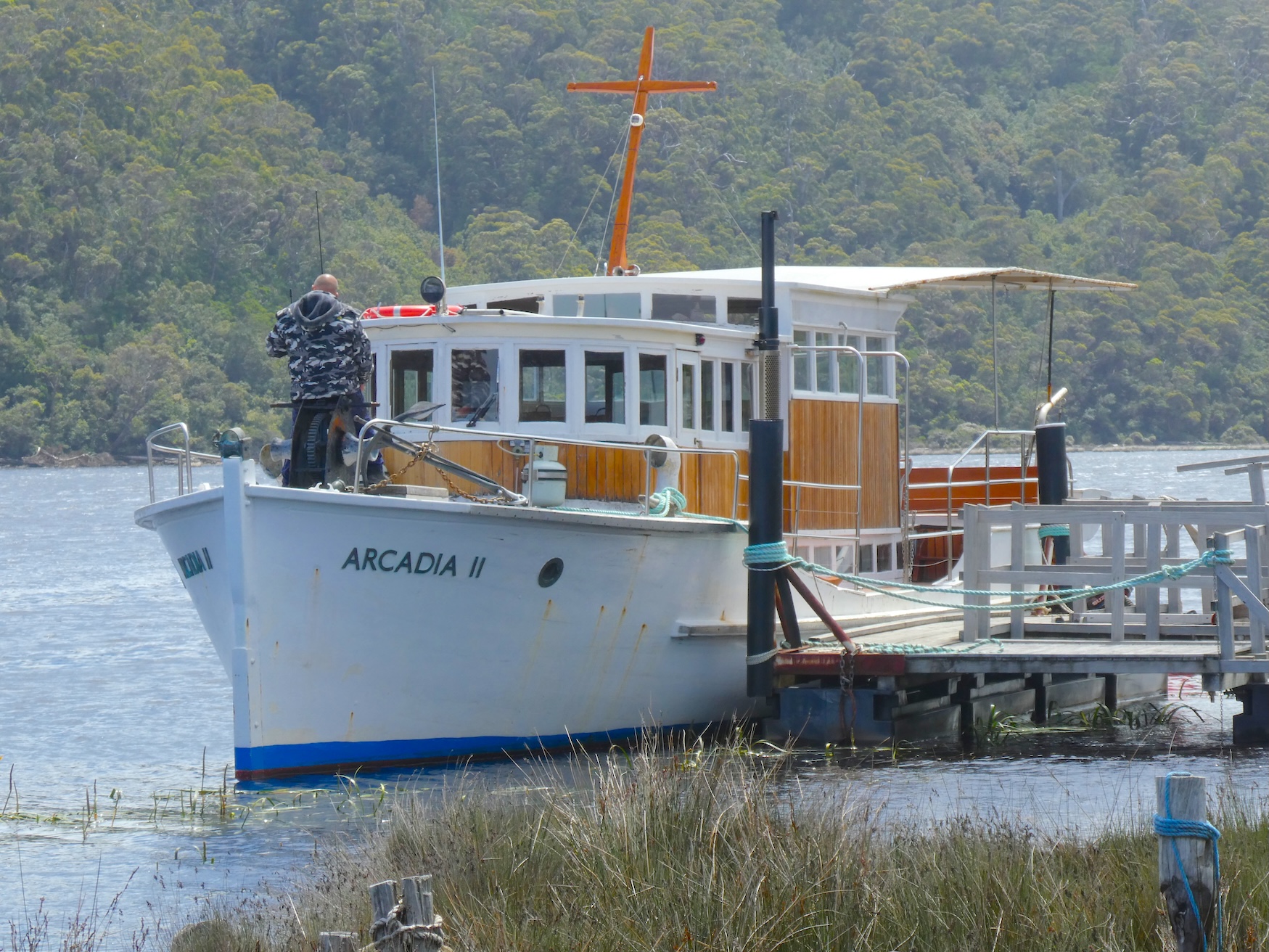
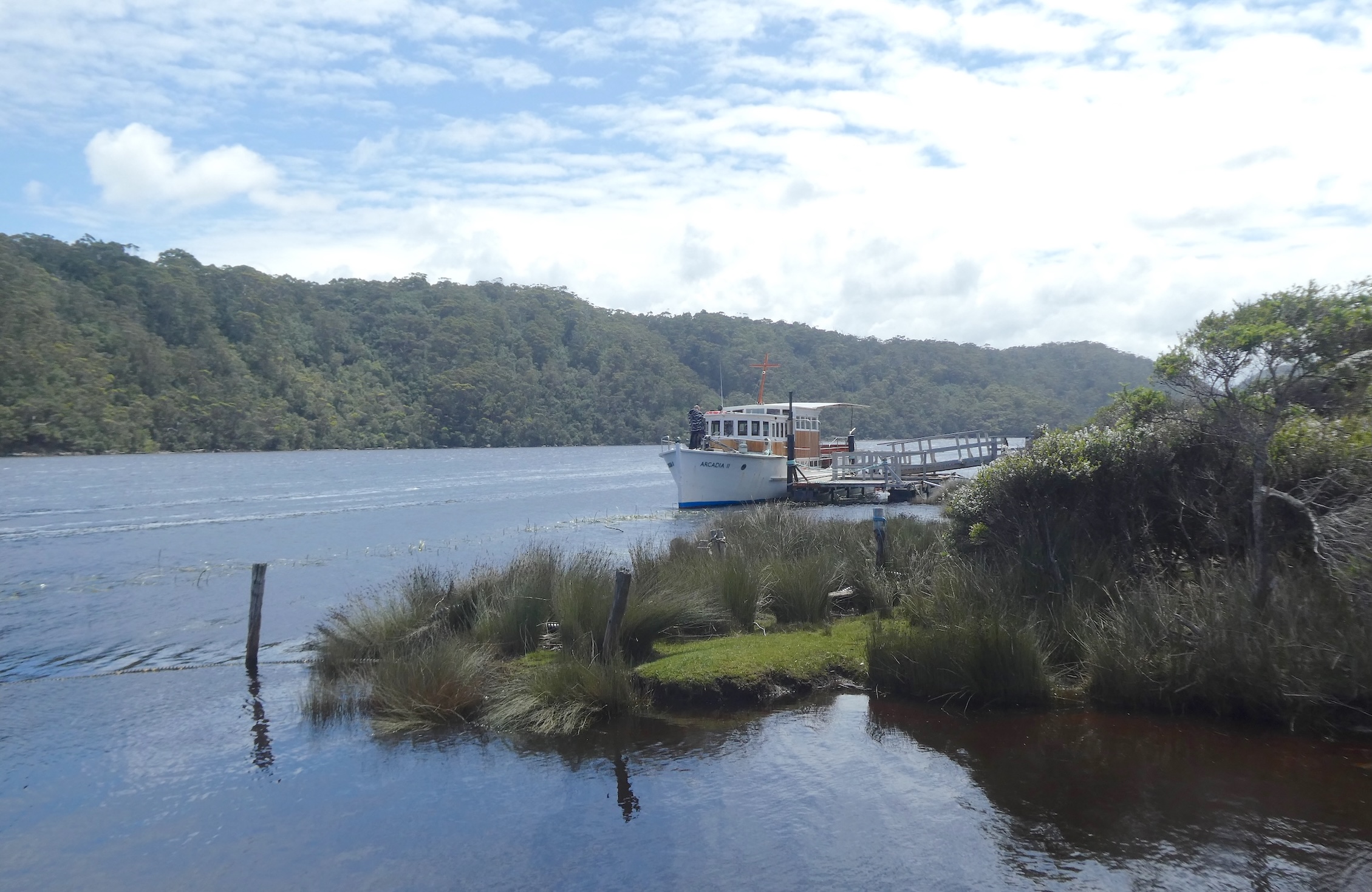
A leisurely way to experience the Tarkine Wilderness is to spend a few hours on the Pieman River aboard the heritage vessel, MV Arcadia II.

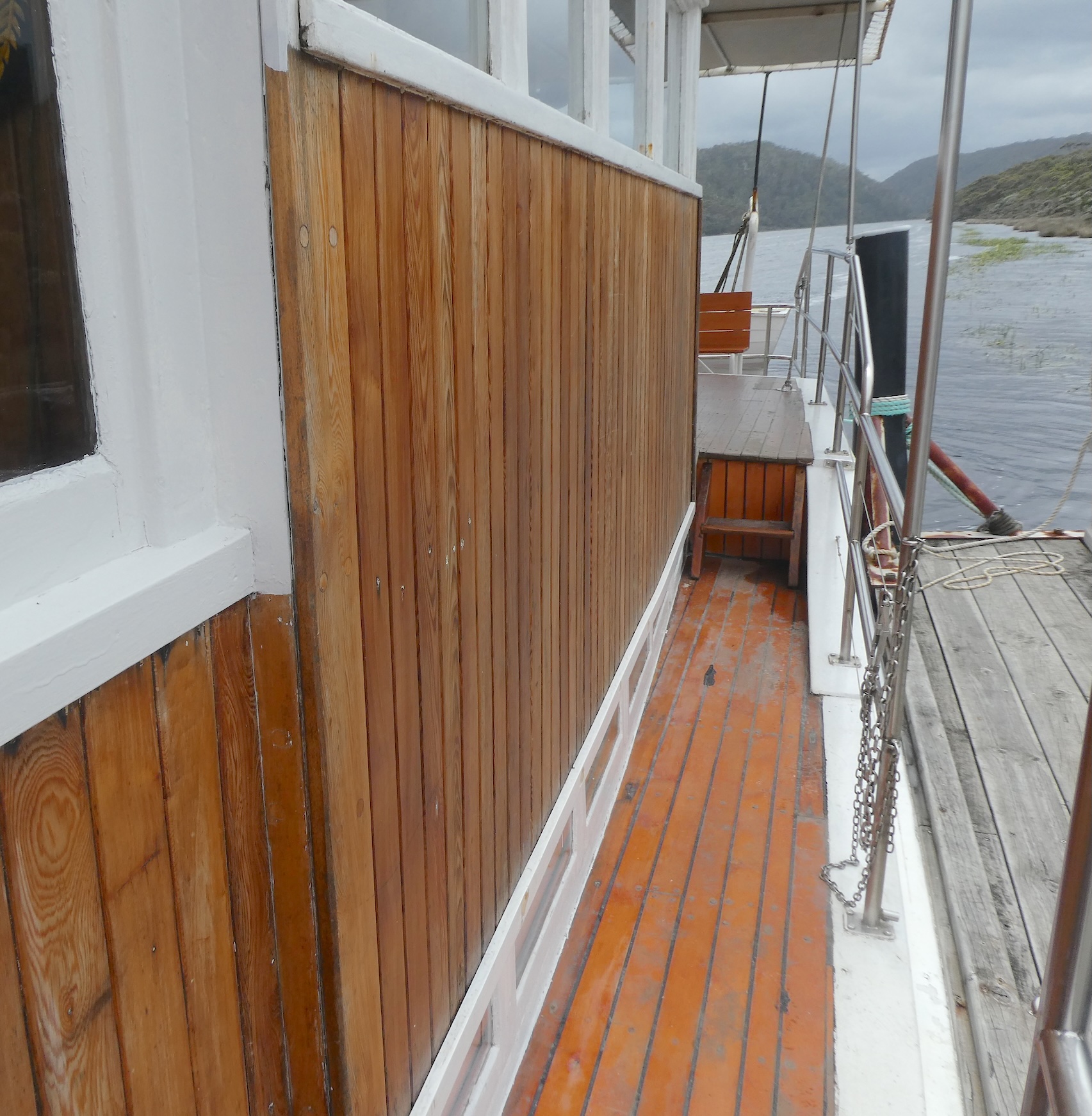
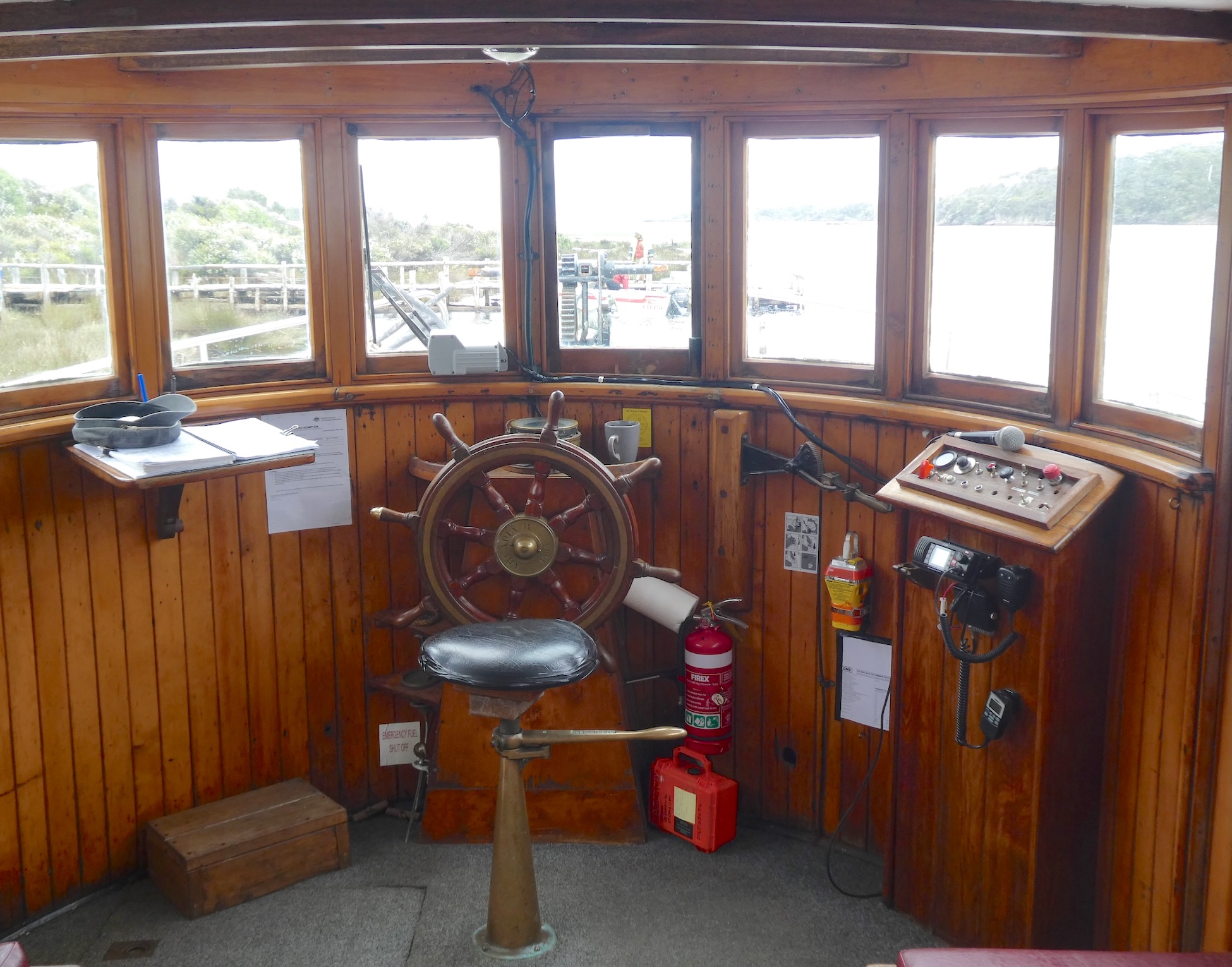
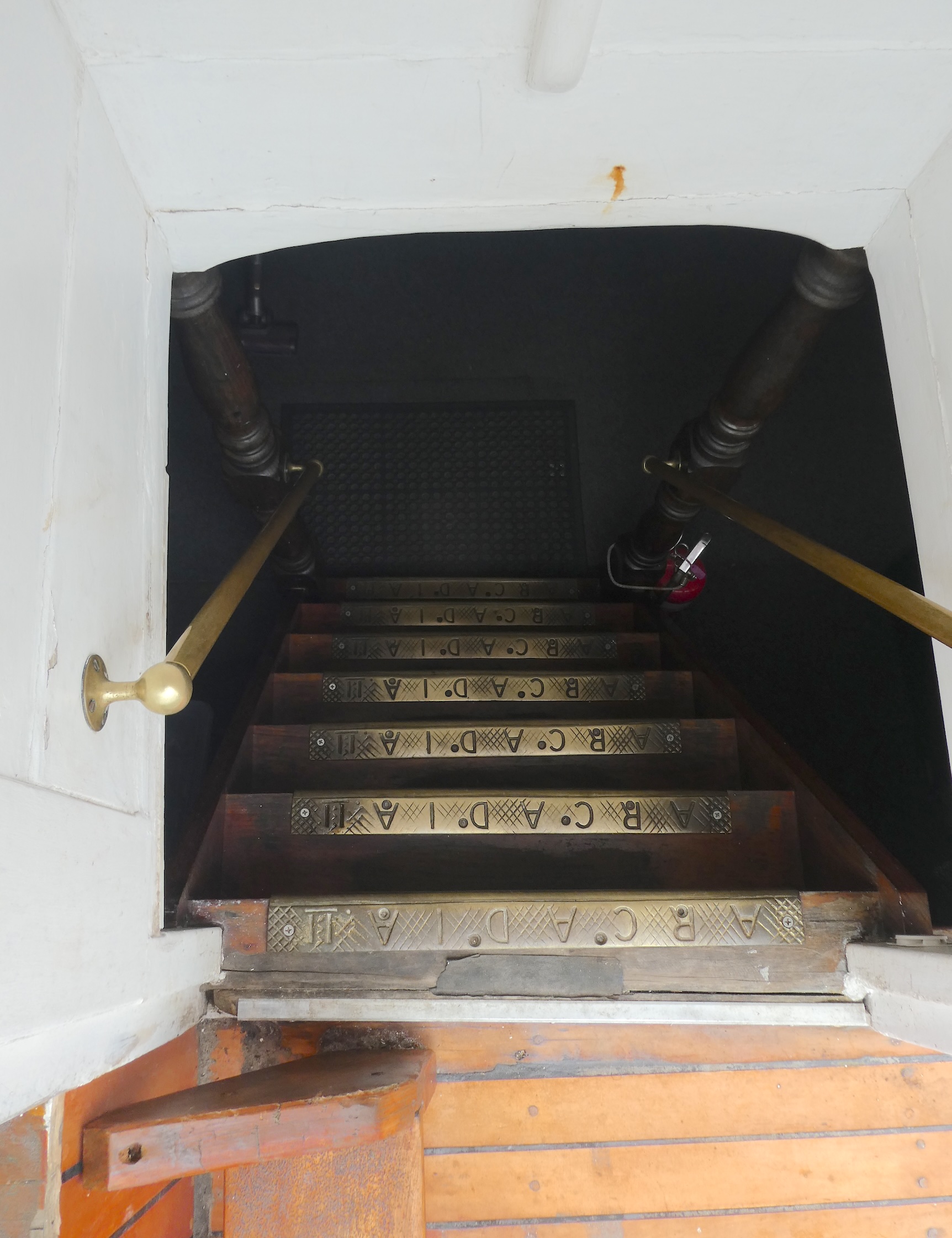
The 17 metre boat was built of Huon Pine in 1939 as a luxury pleasure craft based in Hobart. She was requisitioned to serve as a supply ship in New Guinea during the Second World War. Life became more peaceful as a scallop fishing boat on the east coast of Tasmania and then as a cruise boat on Macquarie Harbour and the Gordon River in 1961.

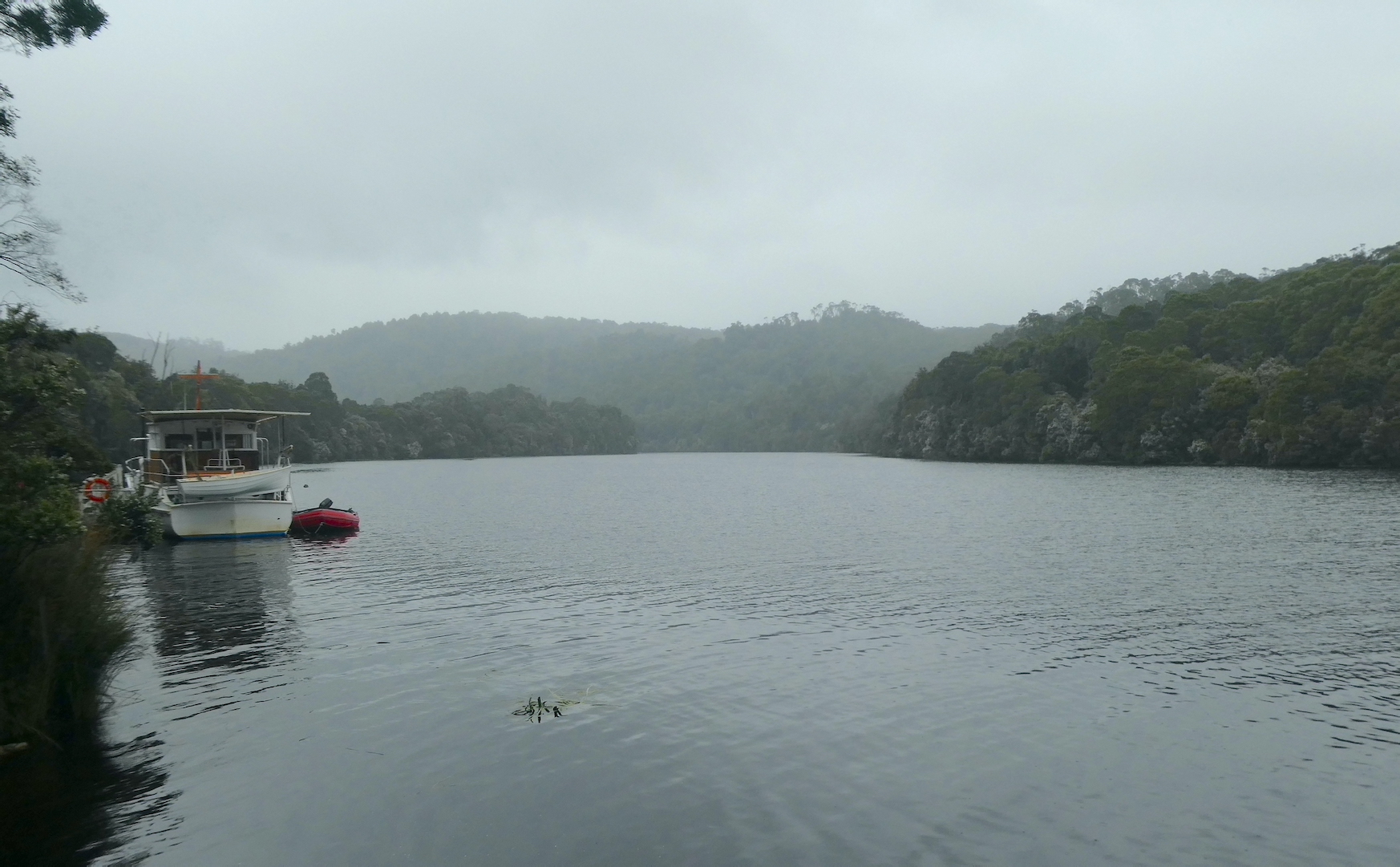
The Arcadia II has been cruising the Pieman River since 1970 and is the only Huon Pine river cruiser still operating anywhere in the world. A refurbishment in 2006 returned her to original pristine condition. I was hoping we had no need for the lifeboat.

We departed from Corinna at 10am on a moody, overcast morning.

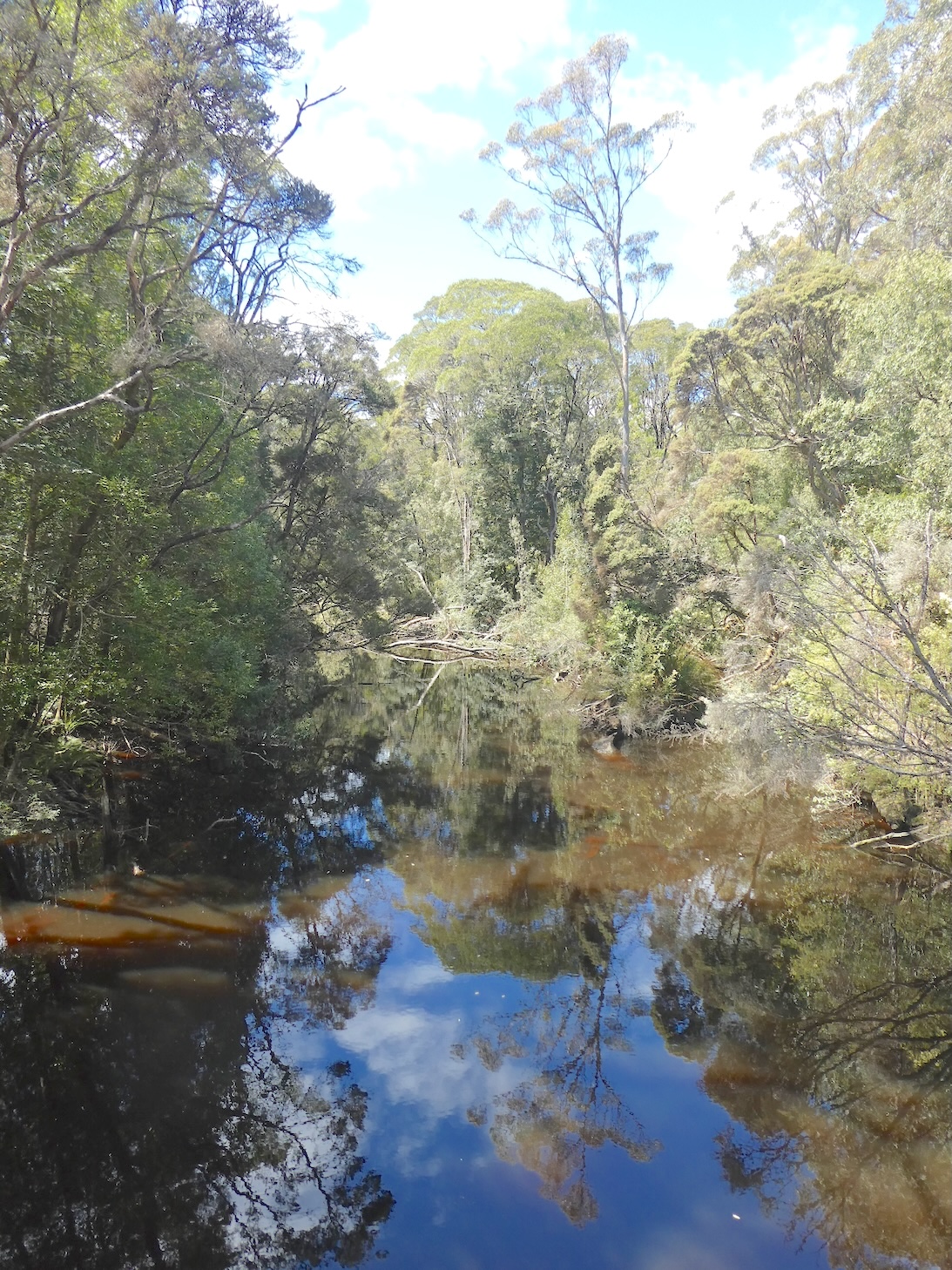
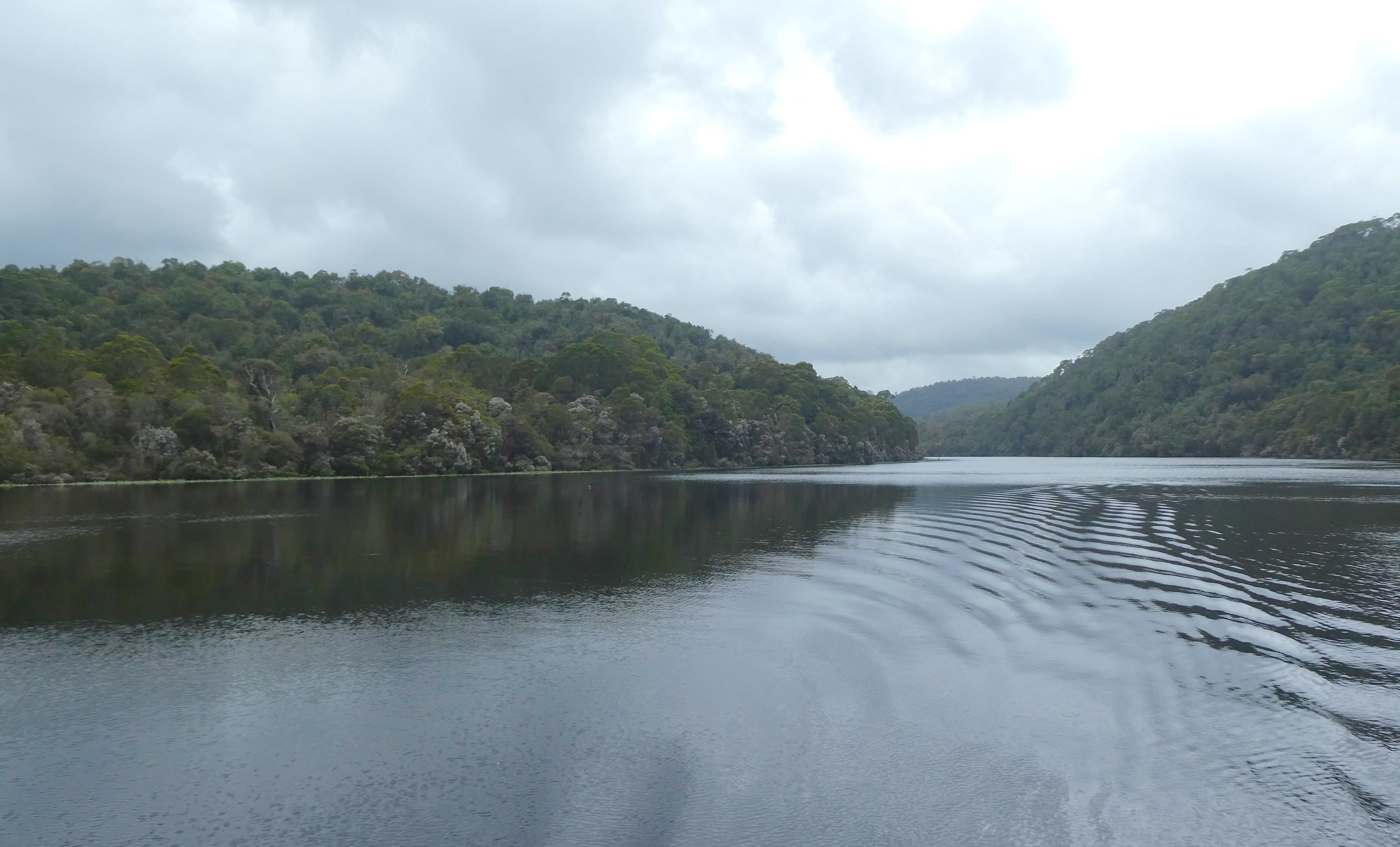
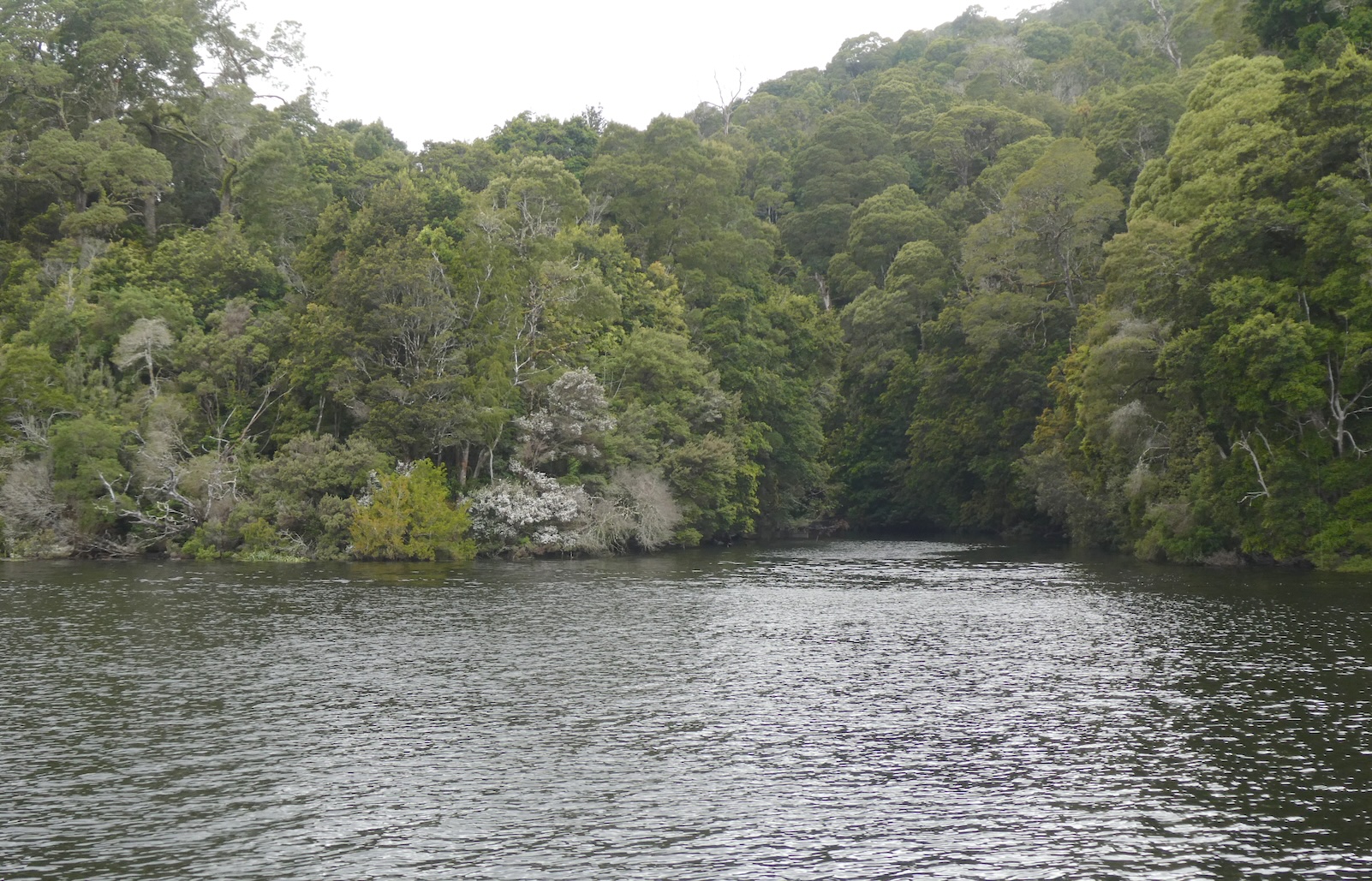
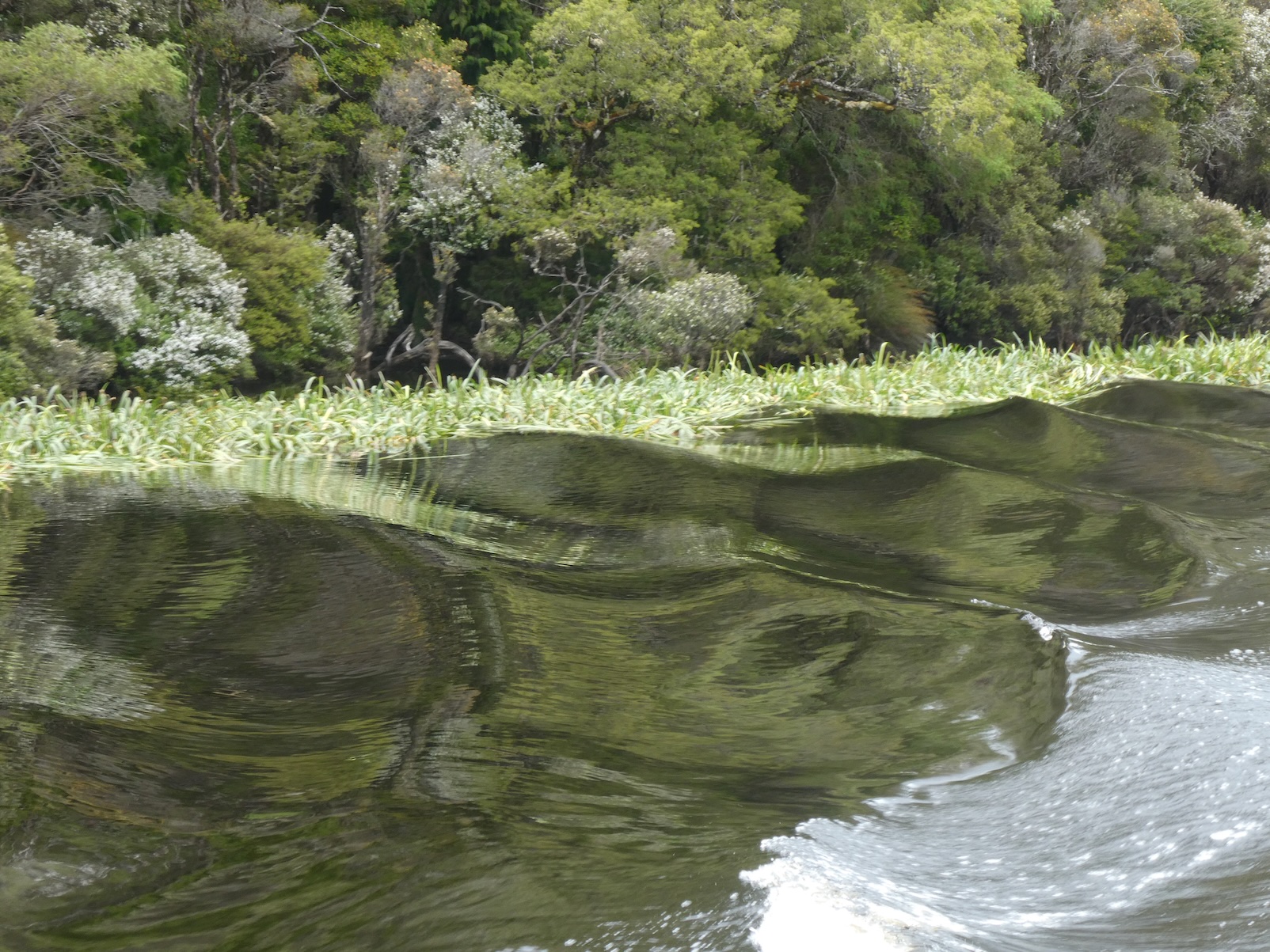
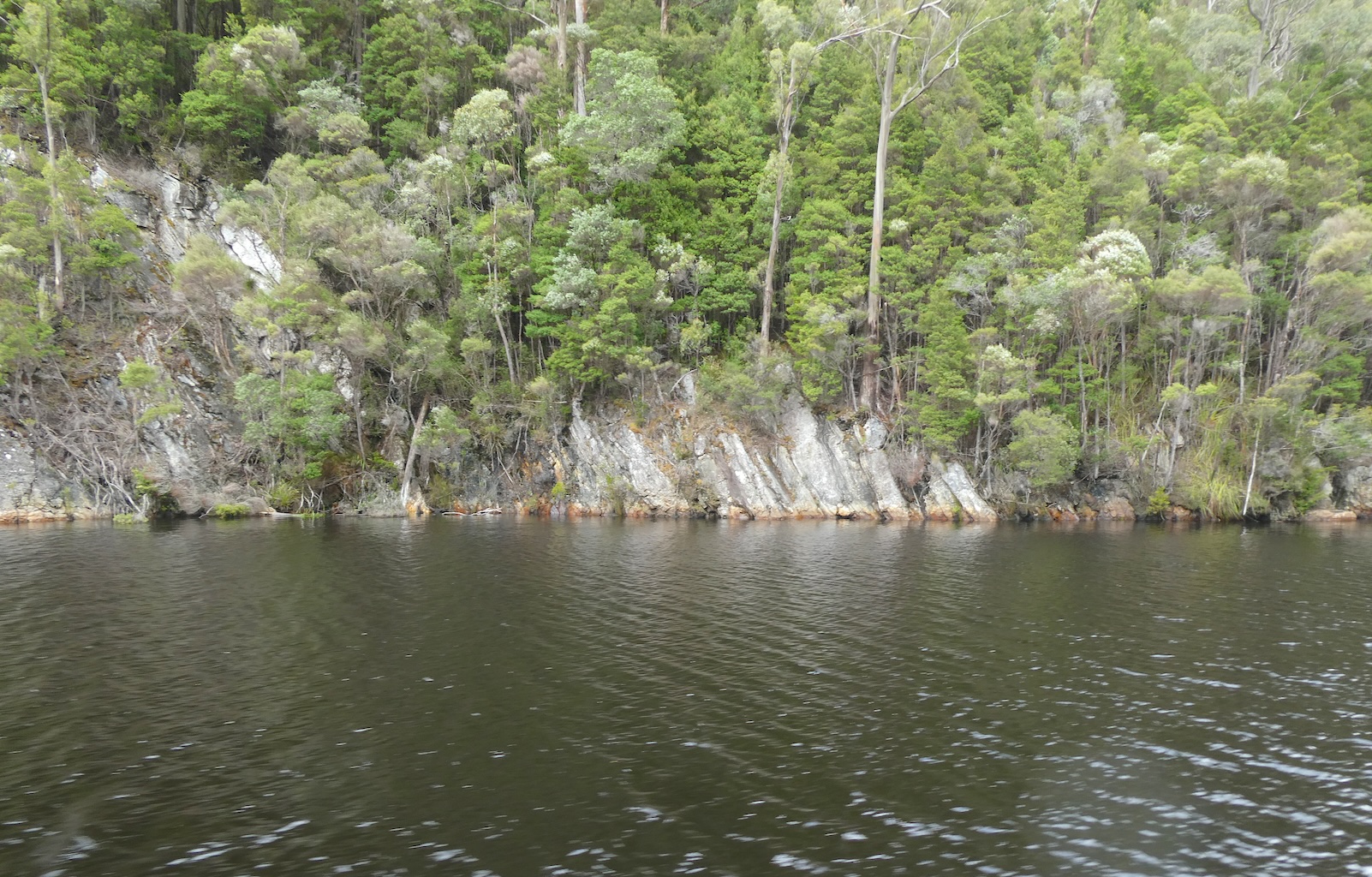
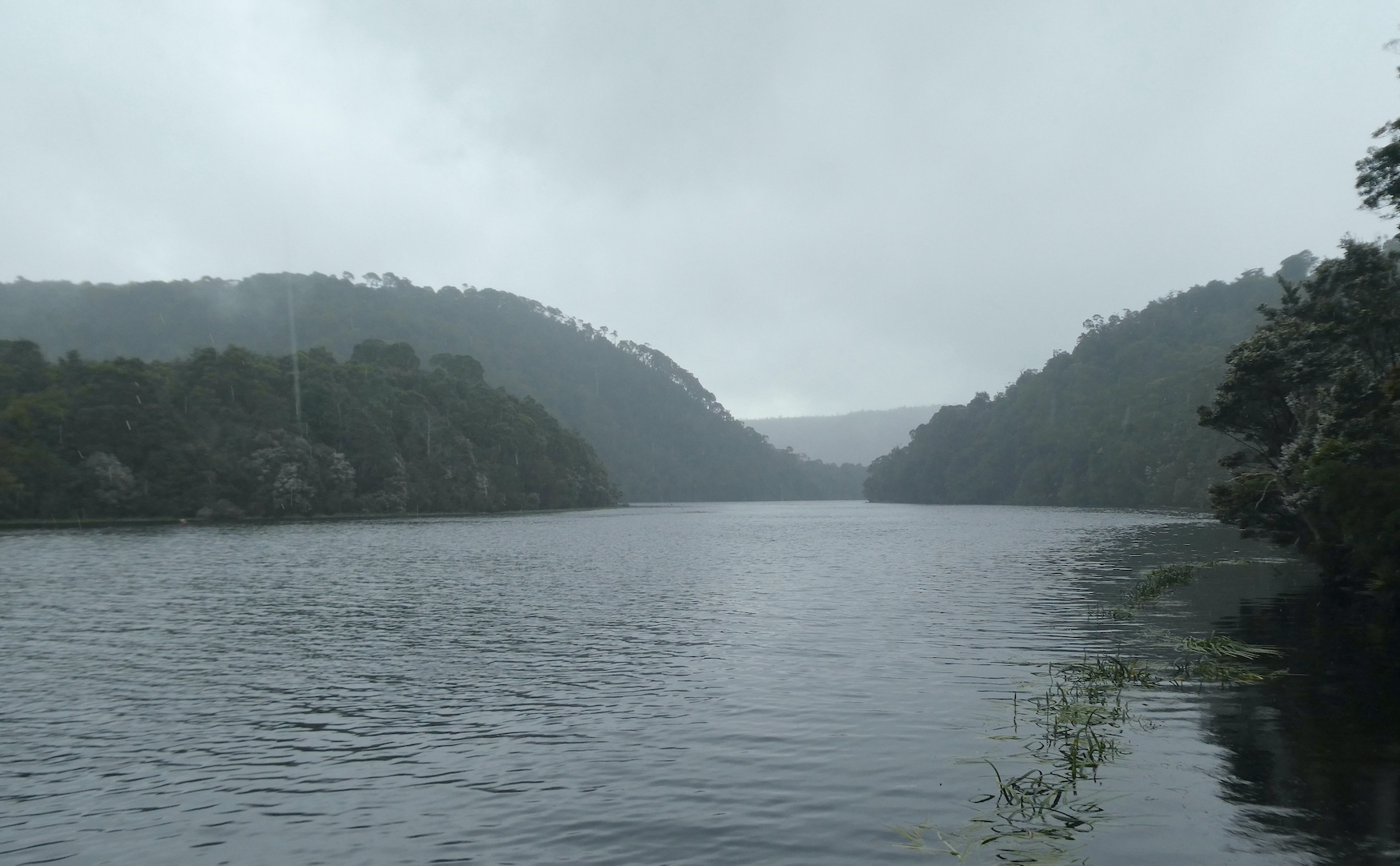
Huon Pines dipped their pendulous foliage in the tannin hued water

as we rounded a bend, leaving Corinna behind .

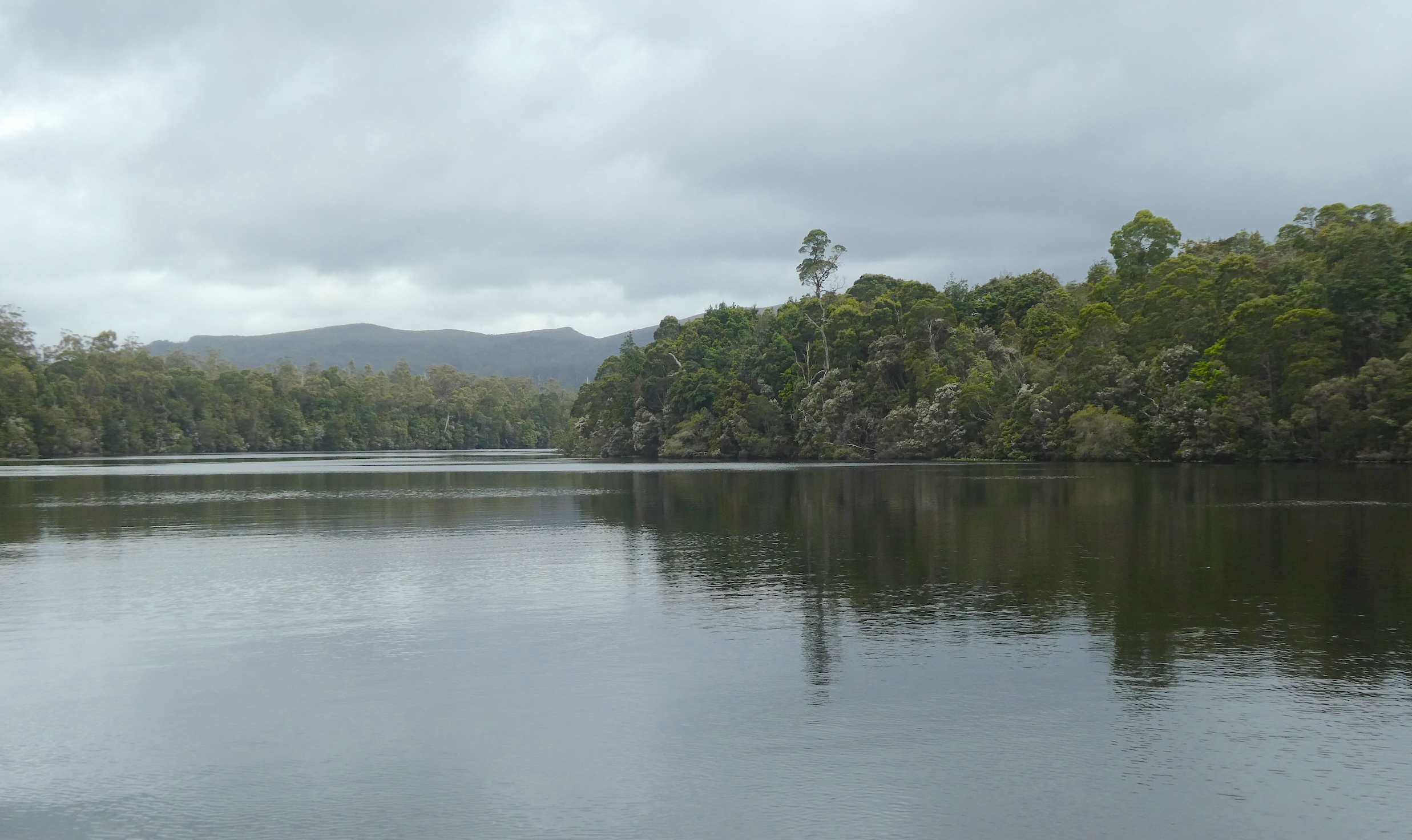
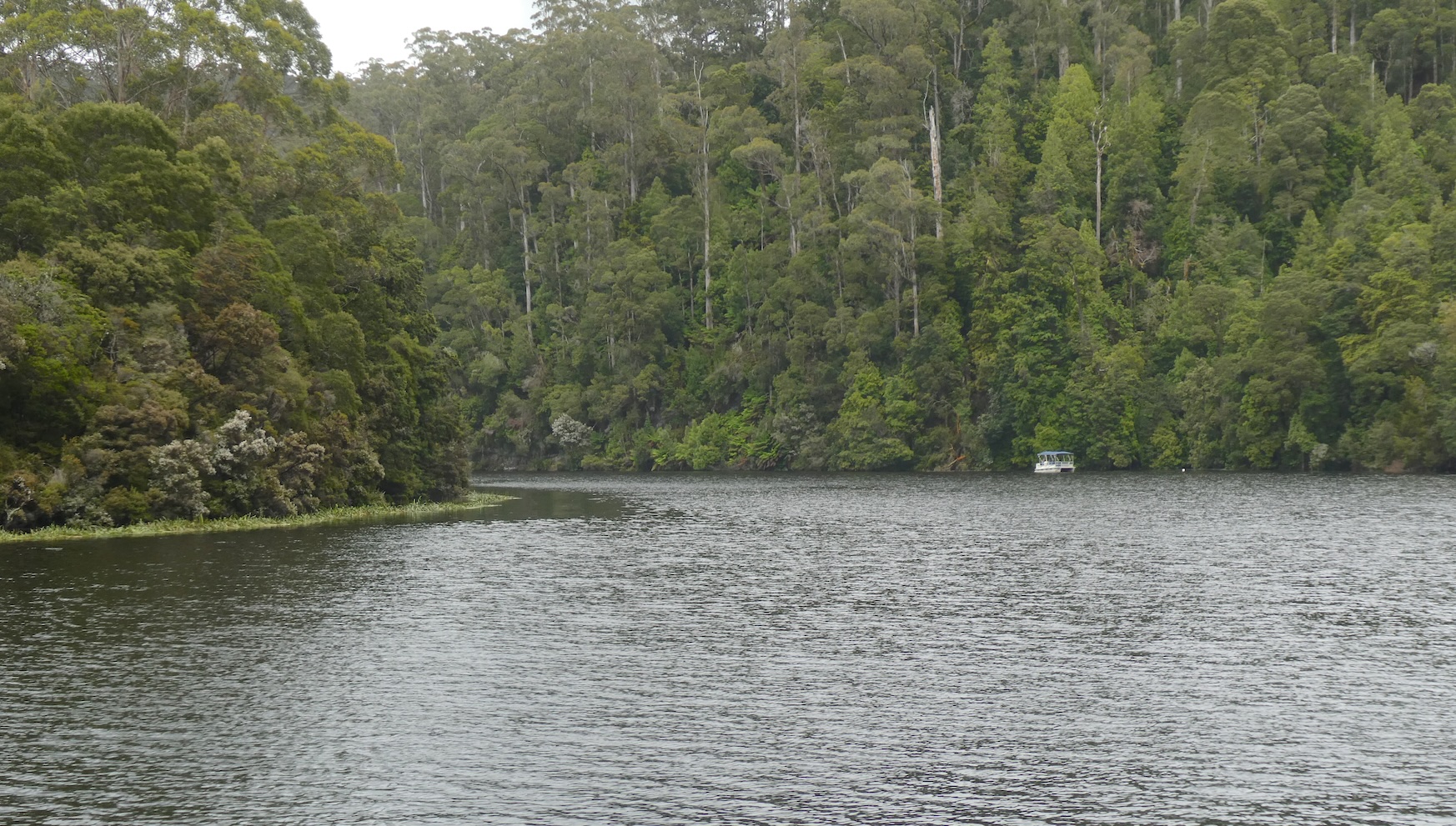
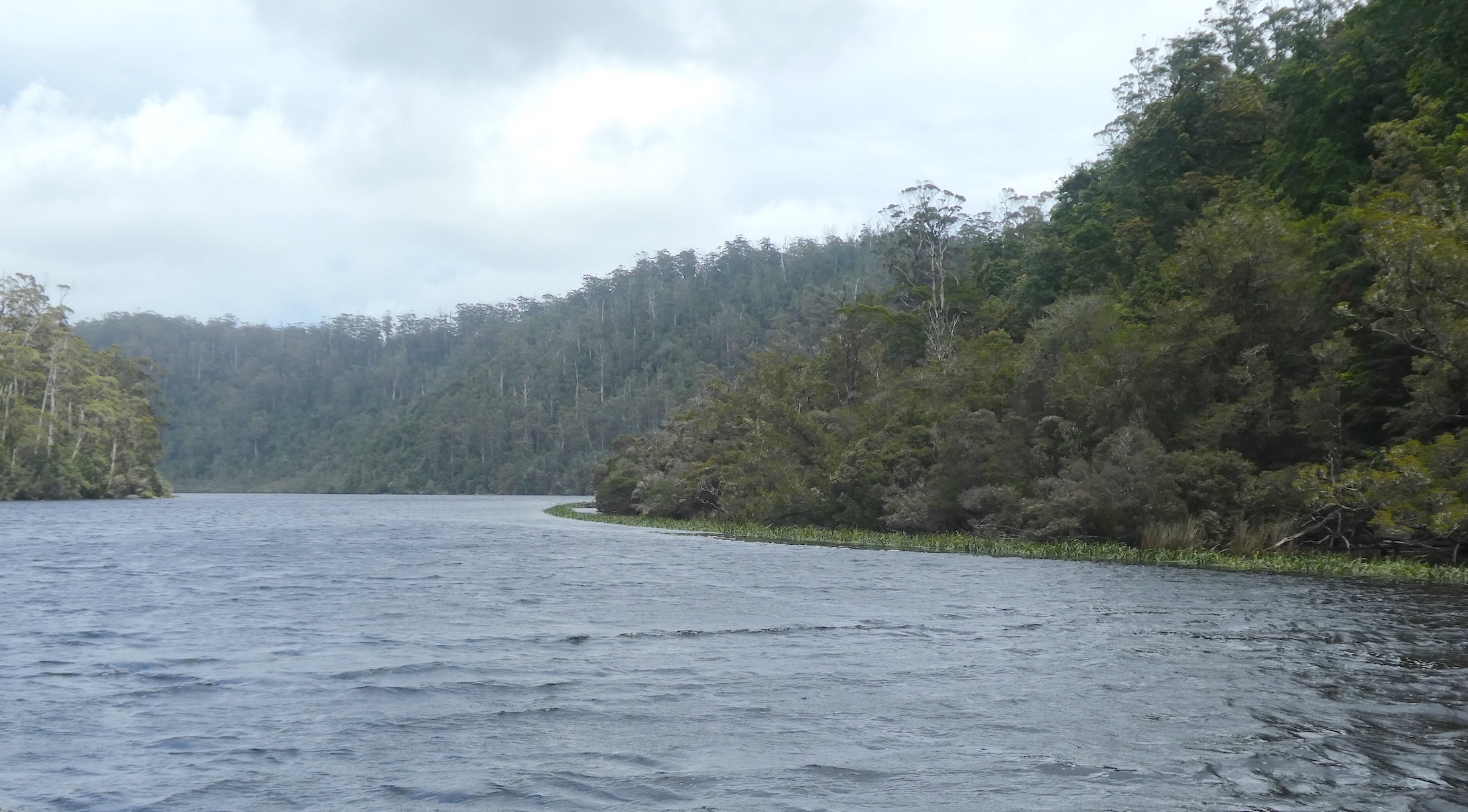
The 434 metre peak of Mount Donaldson, part of the Norfolk Range, loomed in the distance

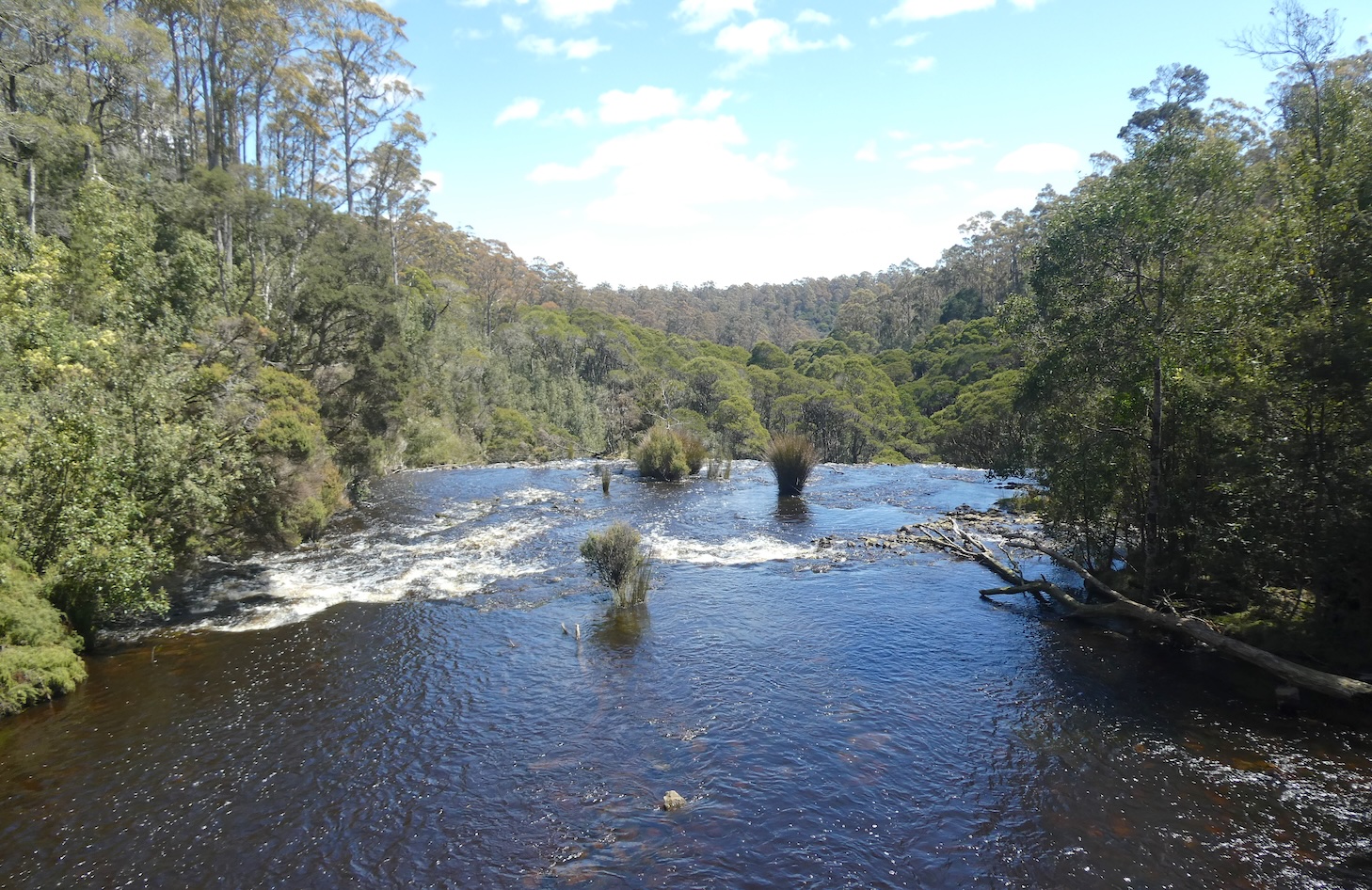
as we passed the confluence of the Savage River, ending its 71.7km journey.

A little further downstream, the Donaldson River also flows into the Pieman after a 54km course from its source.

We were hopeful for a sighting of the ever elusive platypus and, keeping our eyes peeled, we weren’t disappointed.

We would have missed the sea eagles nest if it hadn’t been pointed out by the skipper.

Enjoying the tranquility, we were served hot chocolate, cake and biscuits – what could be better?

As the skies cleared and the forest vegetation changed, we soon arrived at our destination.

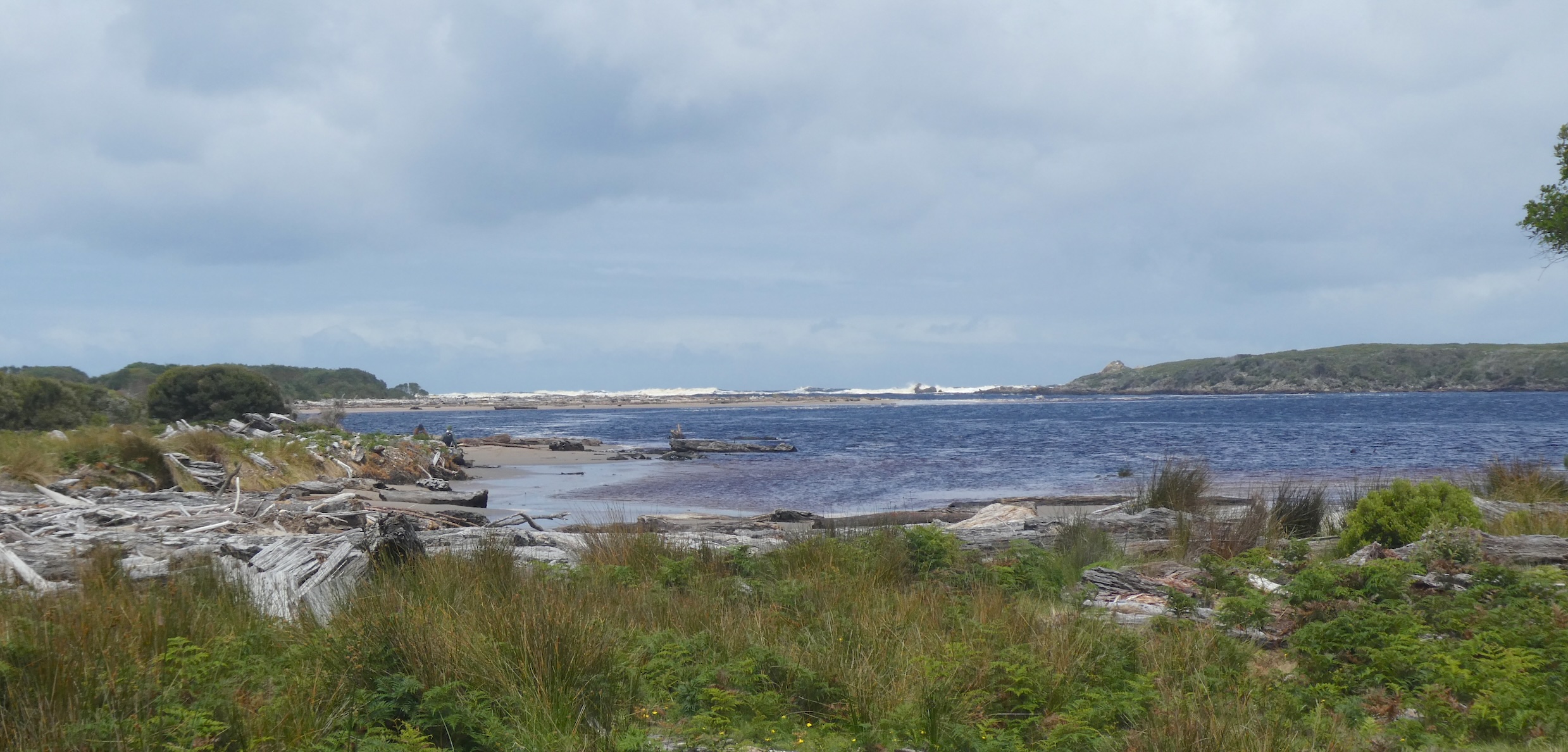
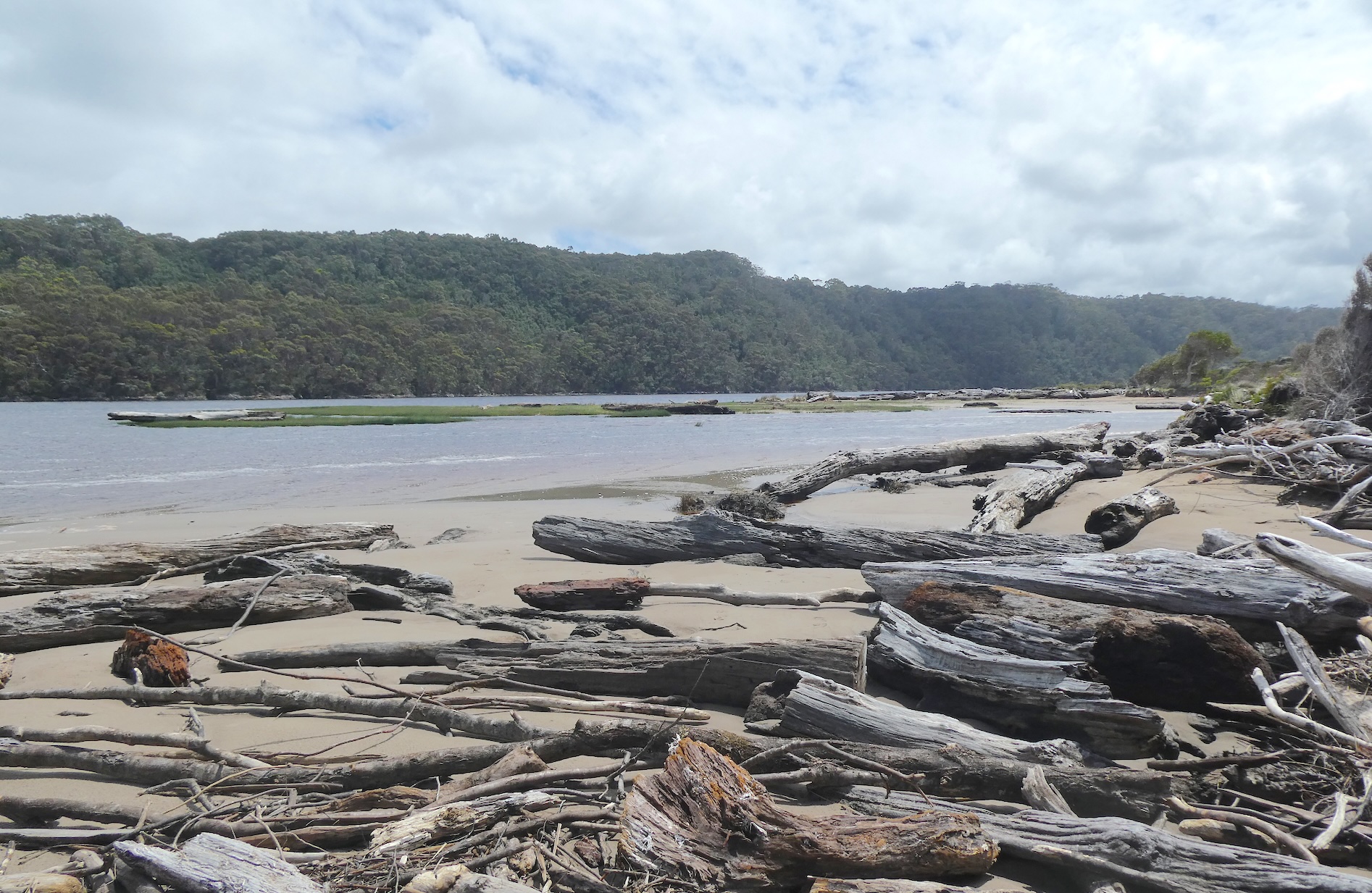
Pieman Heads, where the Pieman River meets the Indian Ocean, marks the southern extremity of the Arthur-Pieman Conservation Area.

Breathing in the freshest air on Earth, we walked a few hundred metres from the boat and perched amongst the driftwood to savour our tasty packed lunch.

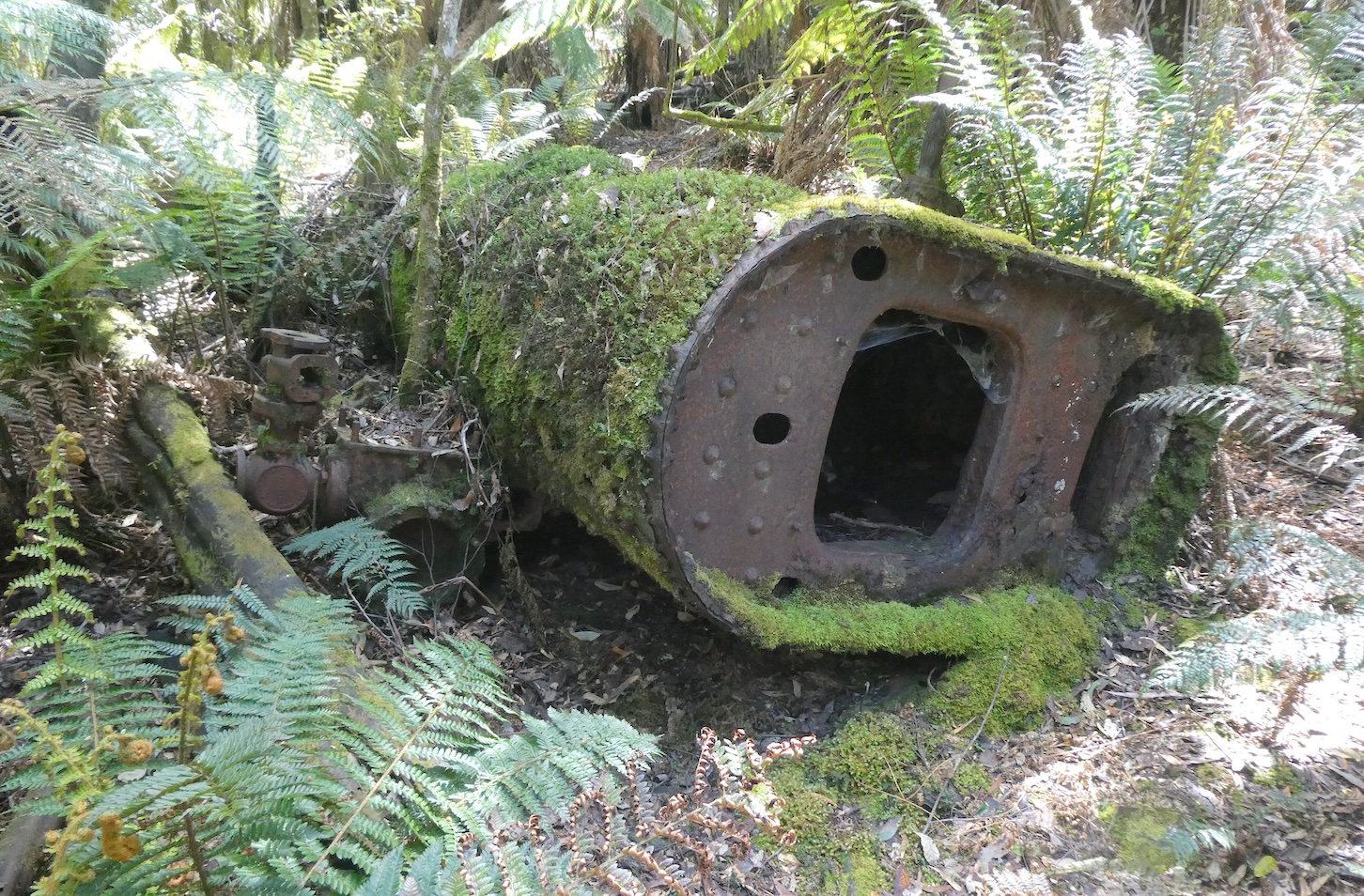
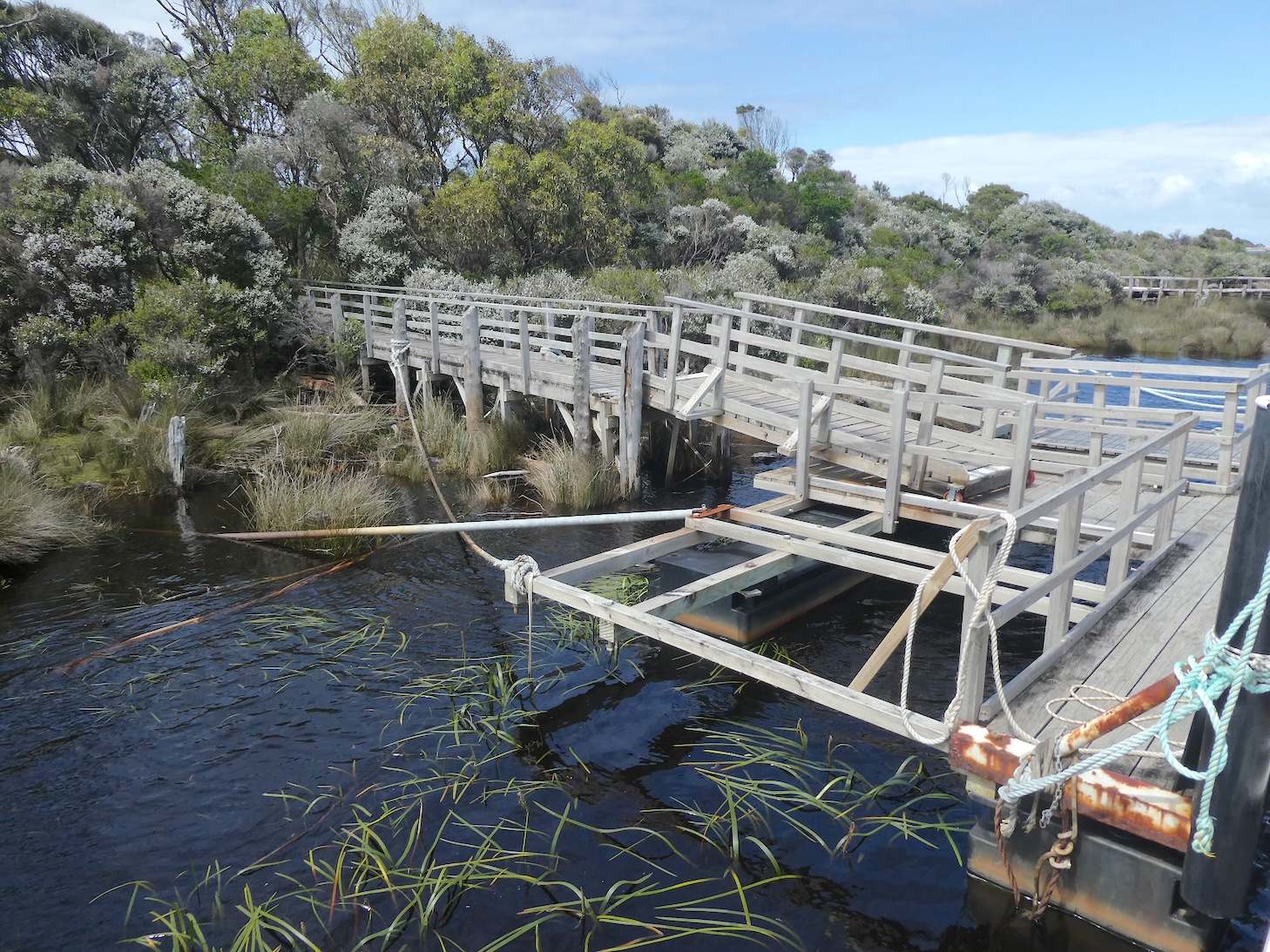
Strolling back an hour or so later, we came across an interesting structure. The Huon Pine timbers were recovered from the river in 2005 after spending forty years buried in silt and sand at the heads. They were part of the original Corinna barge, built in 1878, that transported prospectors, surveyors, livestock and general goods across the river using a cable and hand winch. From 1945, the barge plied up and down the river assisted by a power boat tied alongside. It’s life came to an end when, in 1964, it was washed away from its moorings in a flood and lost.

We returned to our more reliable form of transport

with nothing to do but relax and enjoy the ride.

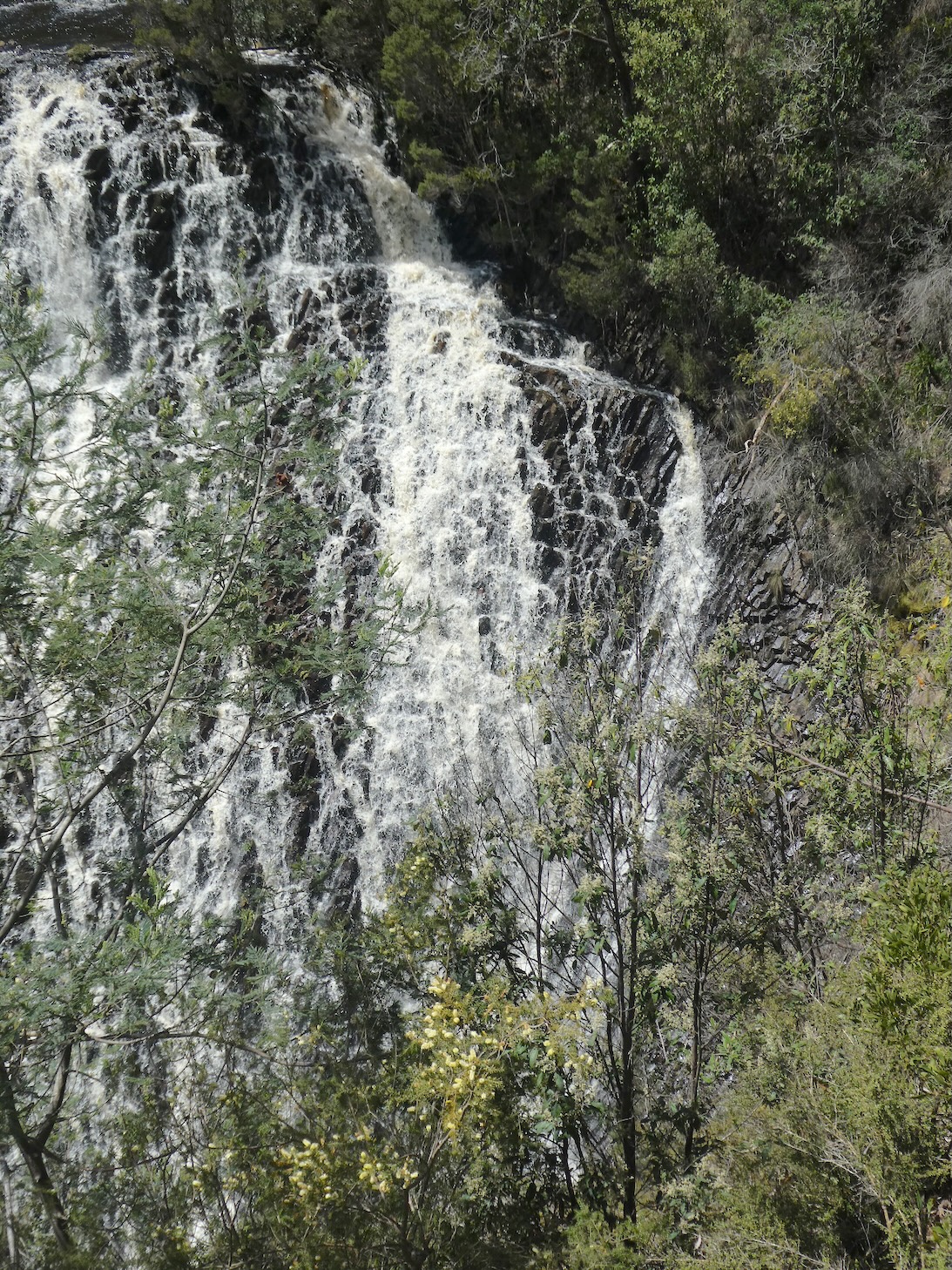
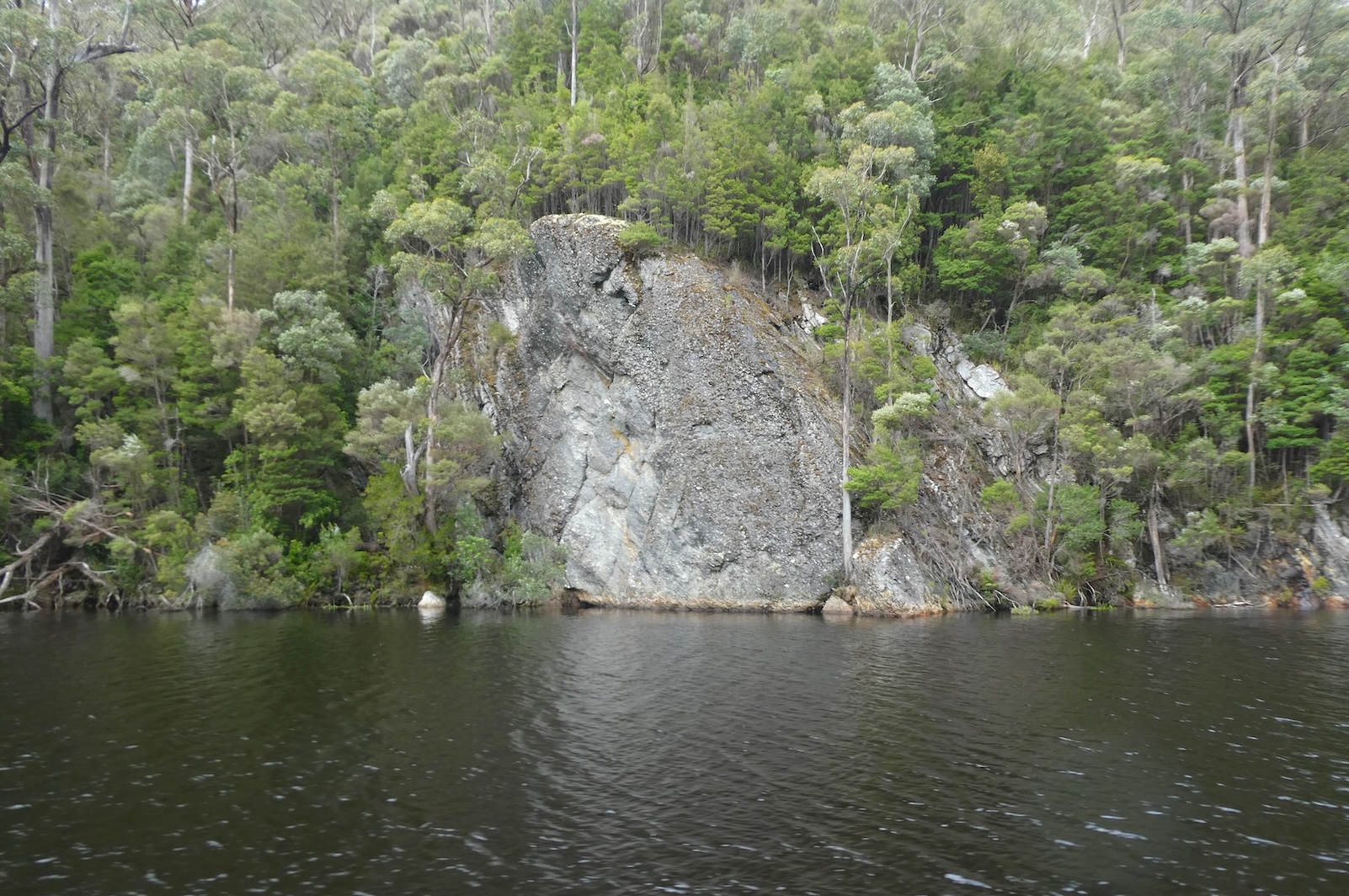
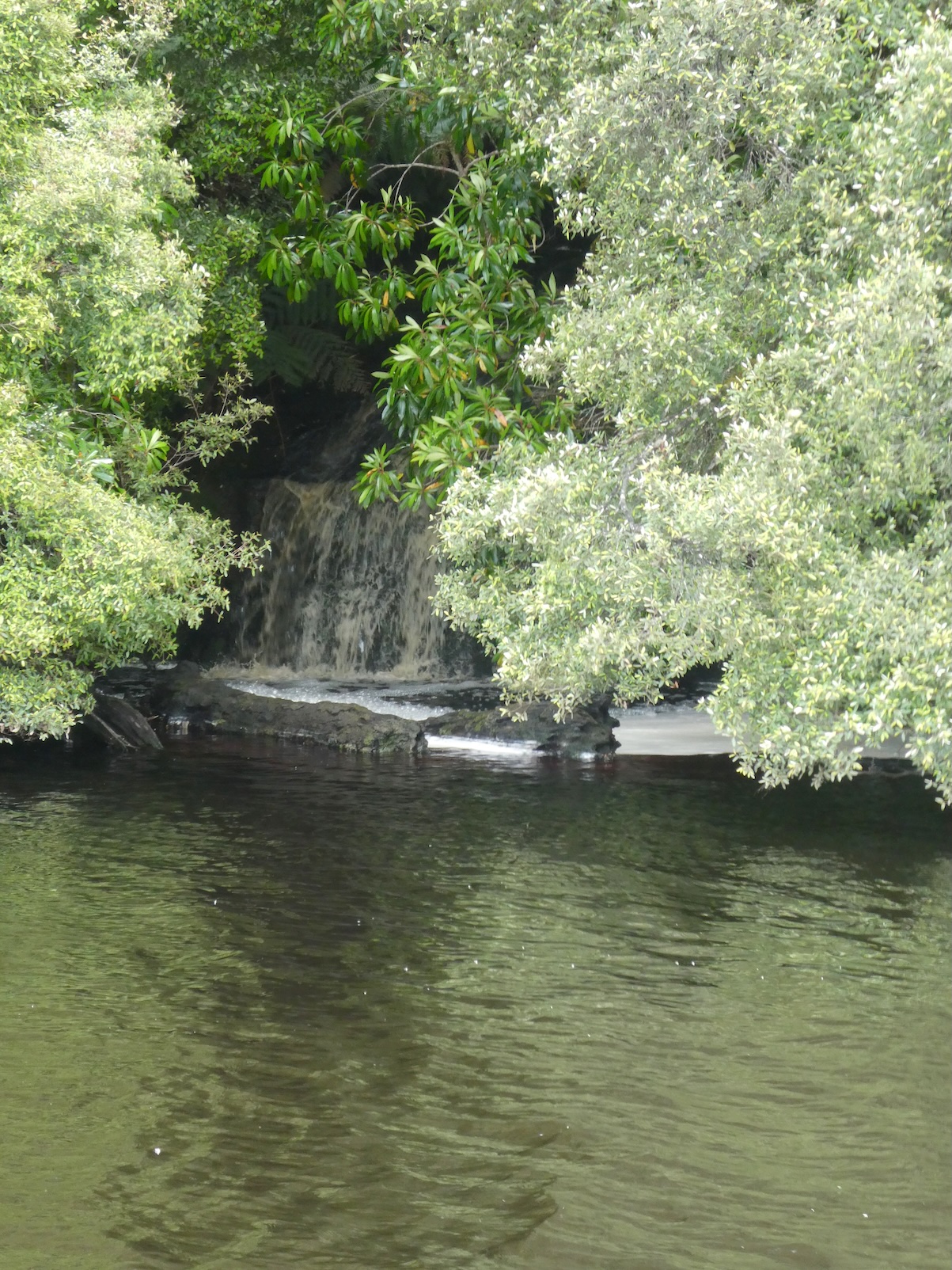
The mysterious stairway along the river, not far downstream from Corinna, leads to Lovers Falls.

There is a shorter cruise on a smaller craft, (Sweetwater Cruise) that ties up at the stairs to enable a walk to the waterfall. The only other way to reach them is by kayak.

Arriving back at Corinna at 2.30pm, we had time for a short walk before bevvies and a delicious dinner at the hotel.

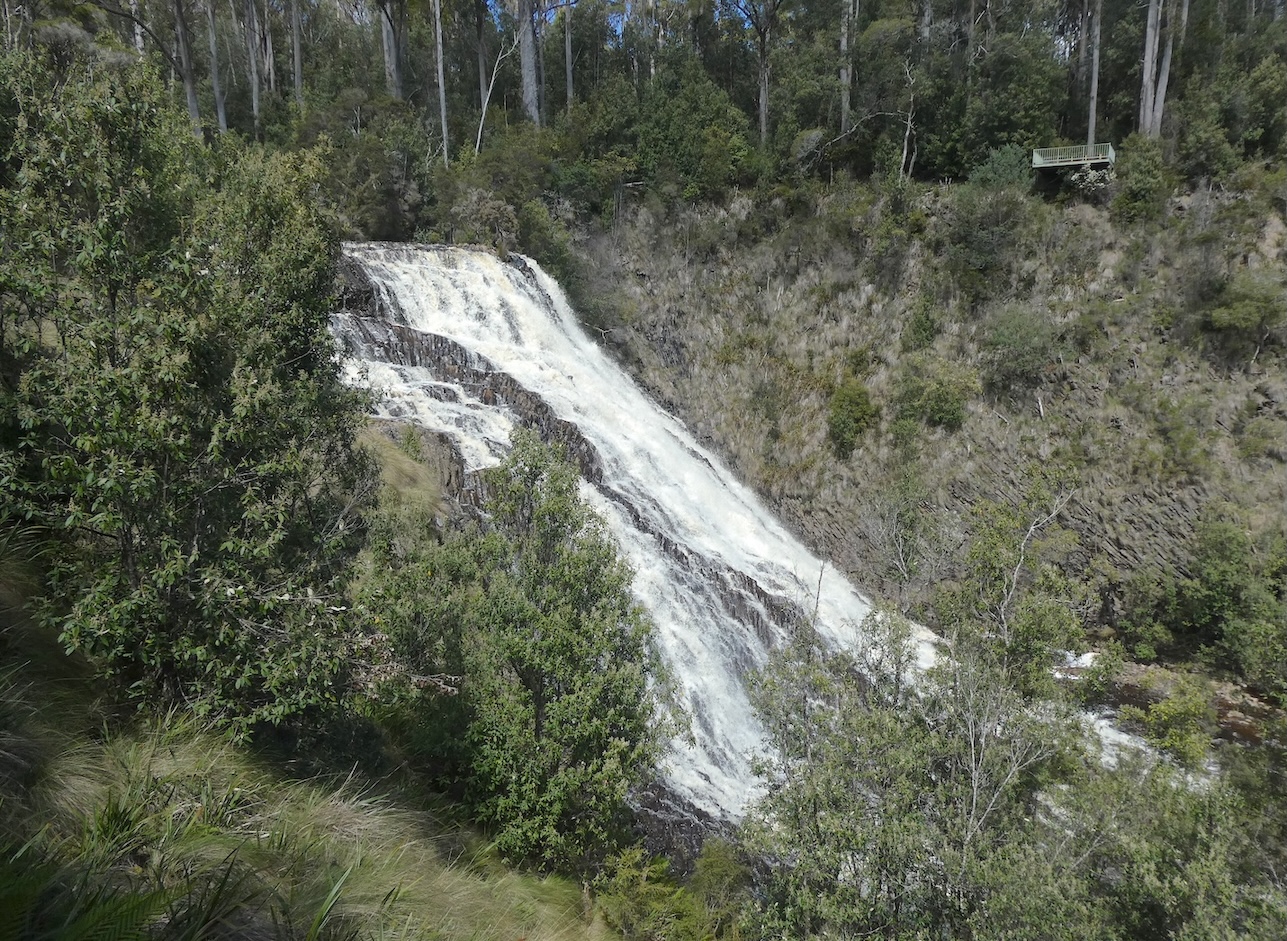
Philosopher Falls Walk

Having read some horror reviews of the condition of the road from Waratah to Corinna, we had no idea how long the drive would take, especially as some roads were still closed following heavy spring rains. We deliberated a diversion to explore Philosopher Falls, named after explorer James ‘Philosopher’ Smith who discovered the waterfall in 1871. Setting ourselves a time limit, we ventured along the trail

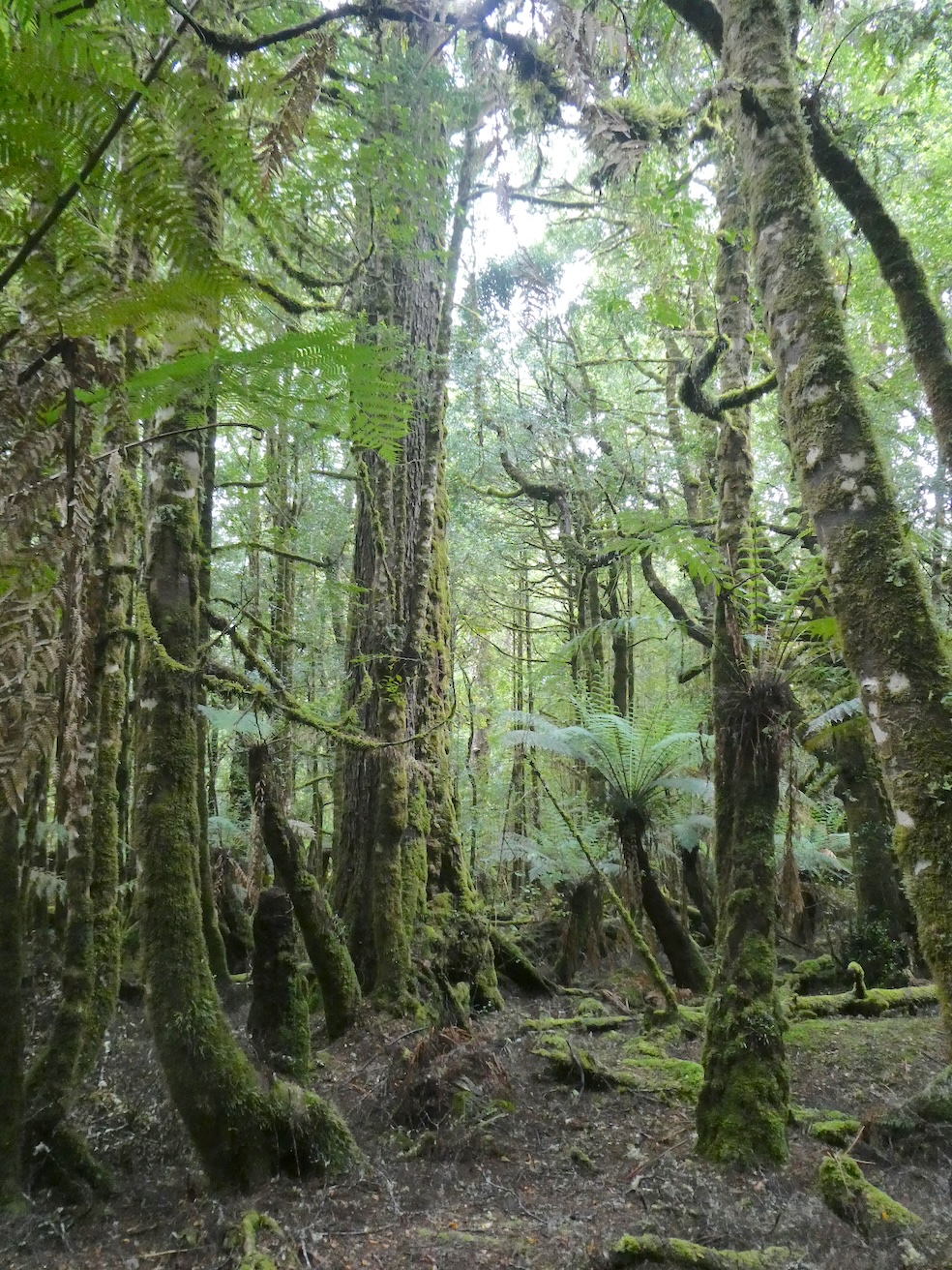
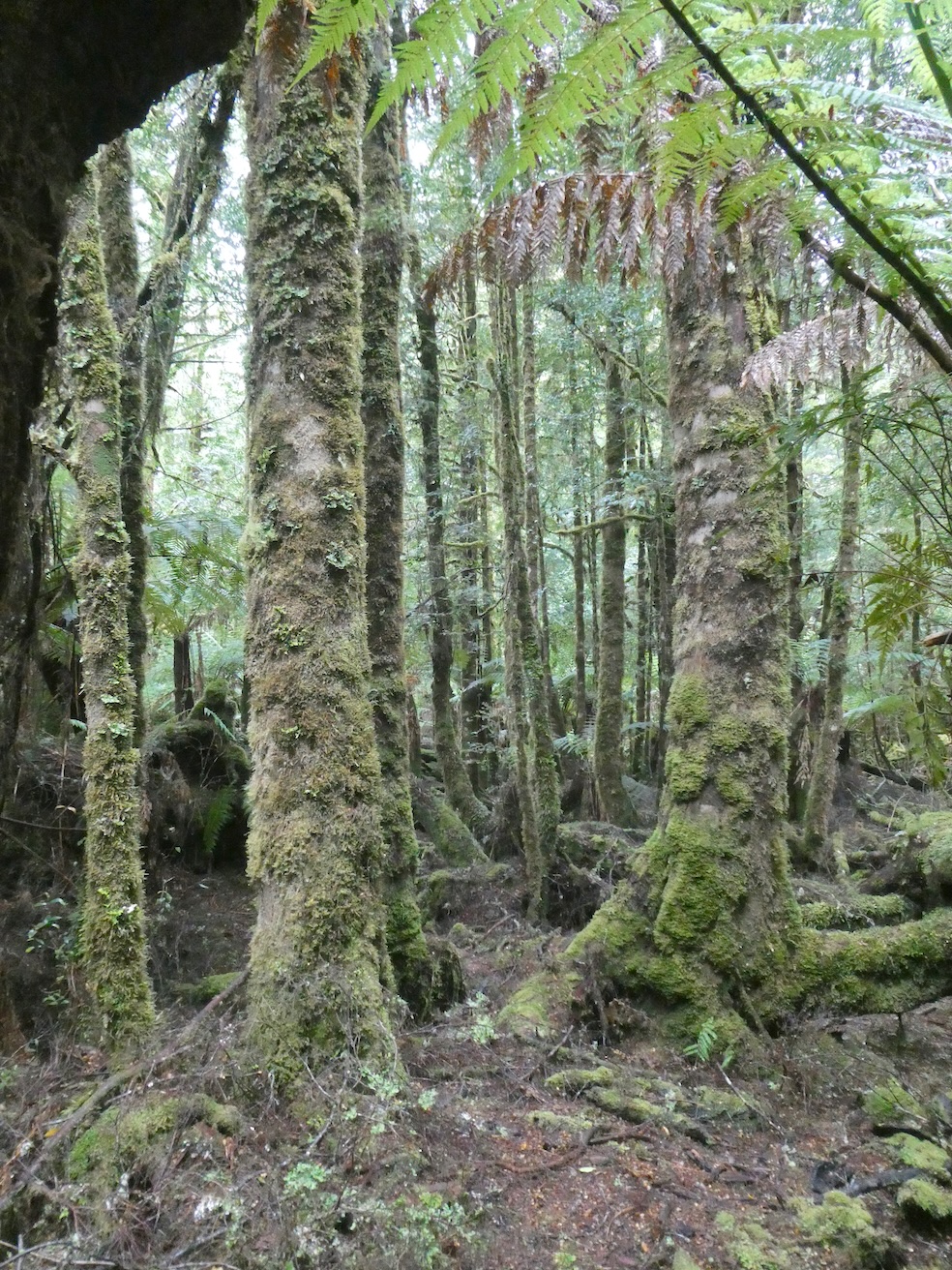
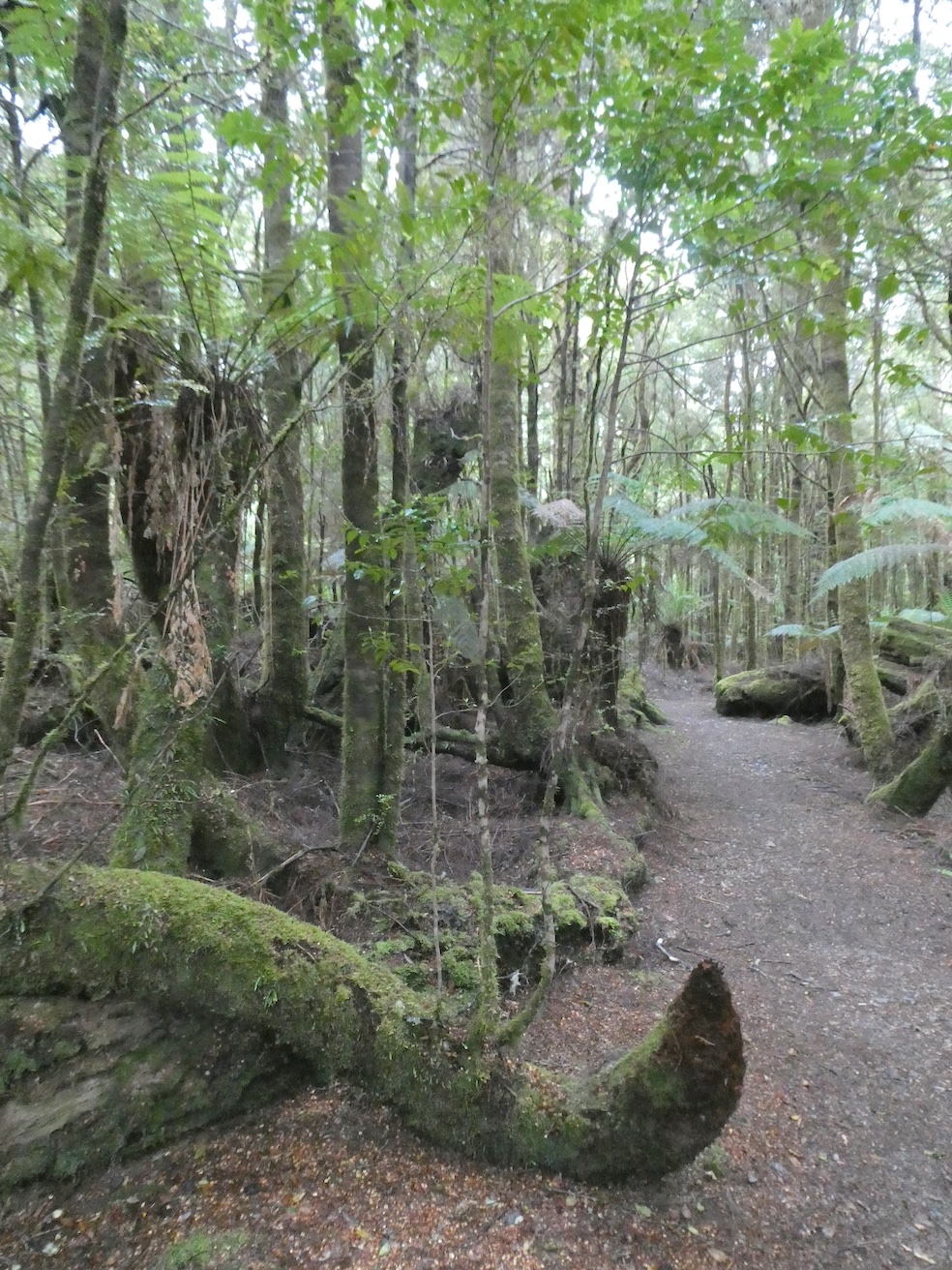
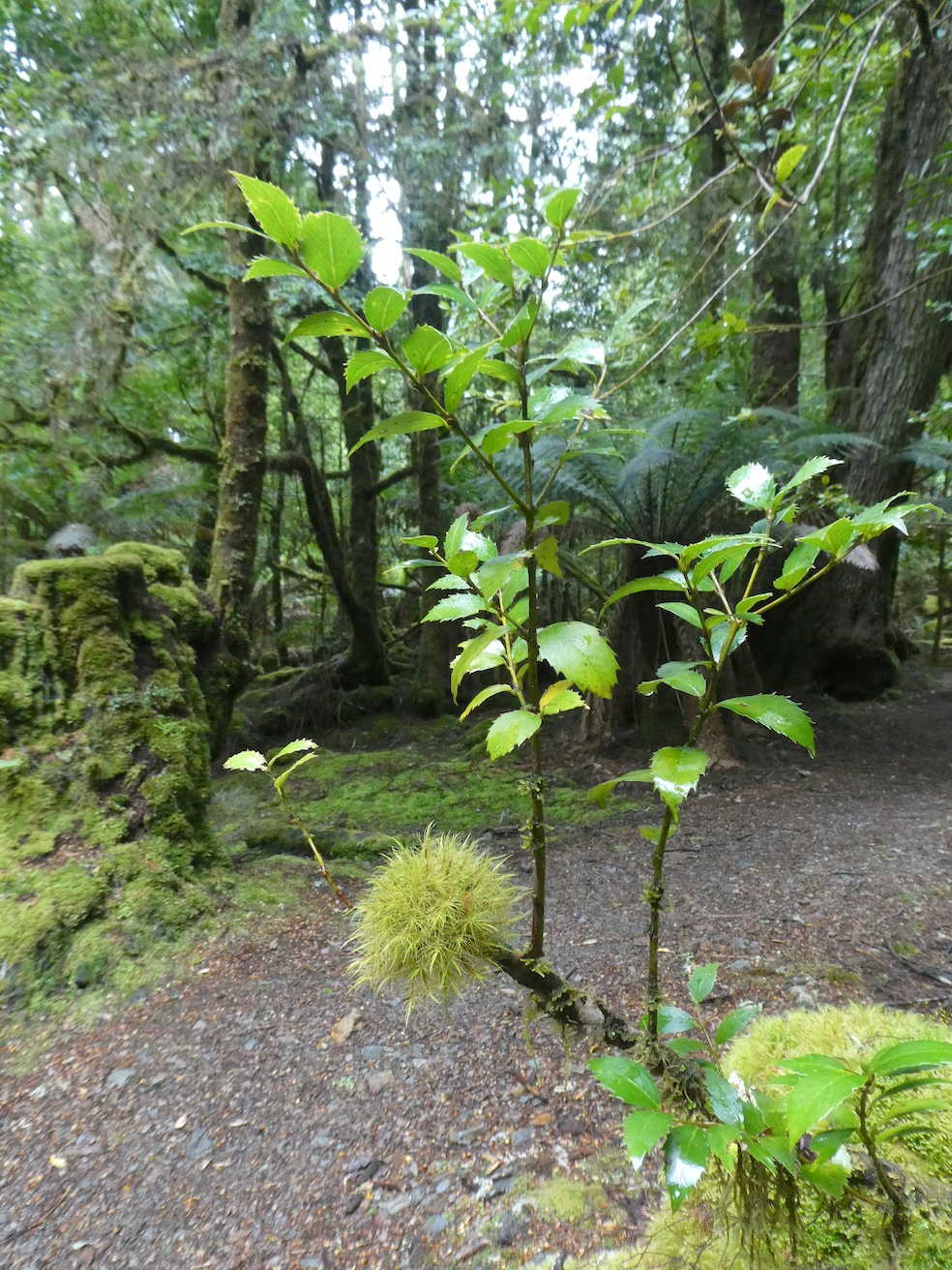
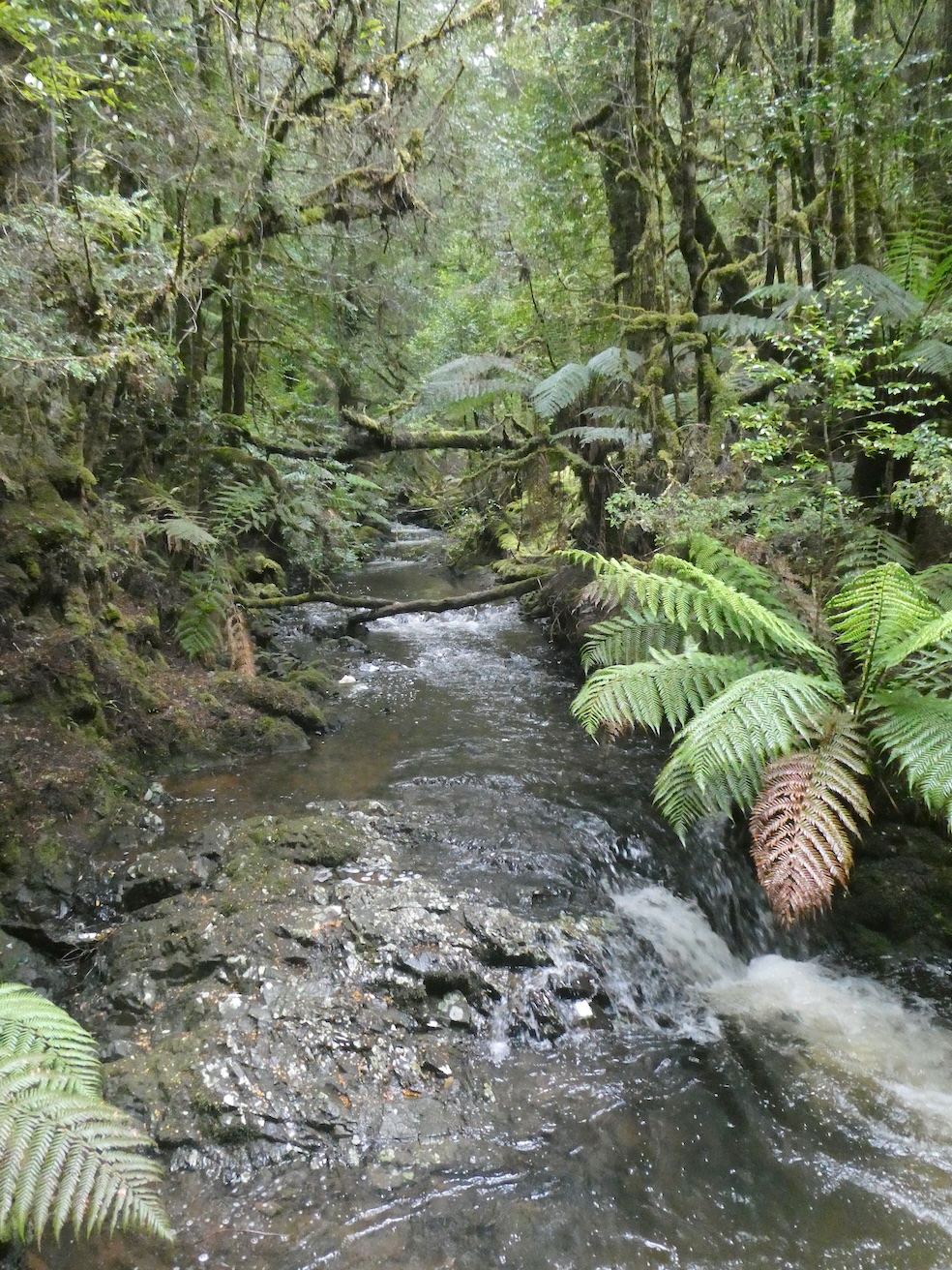
and were soon embraced by towering myrtles and sassafras trees.

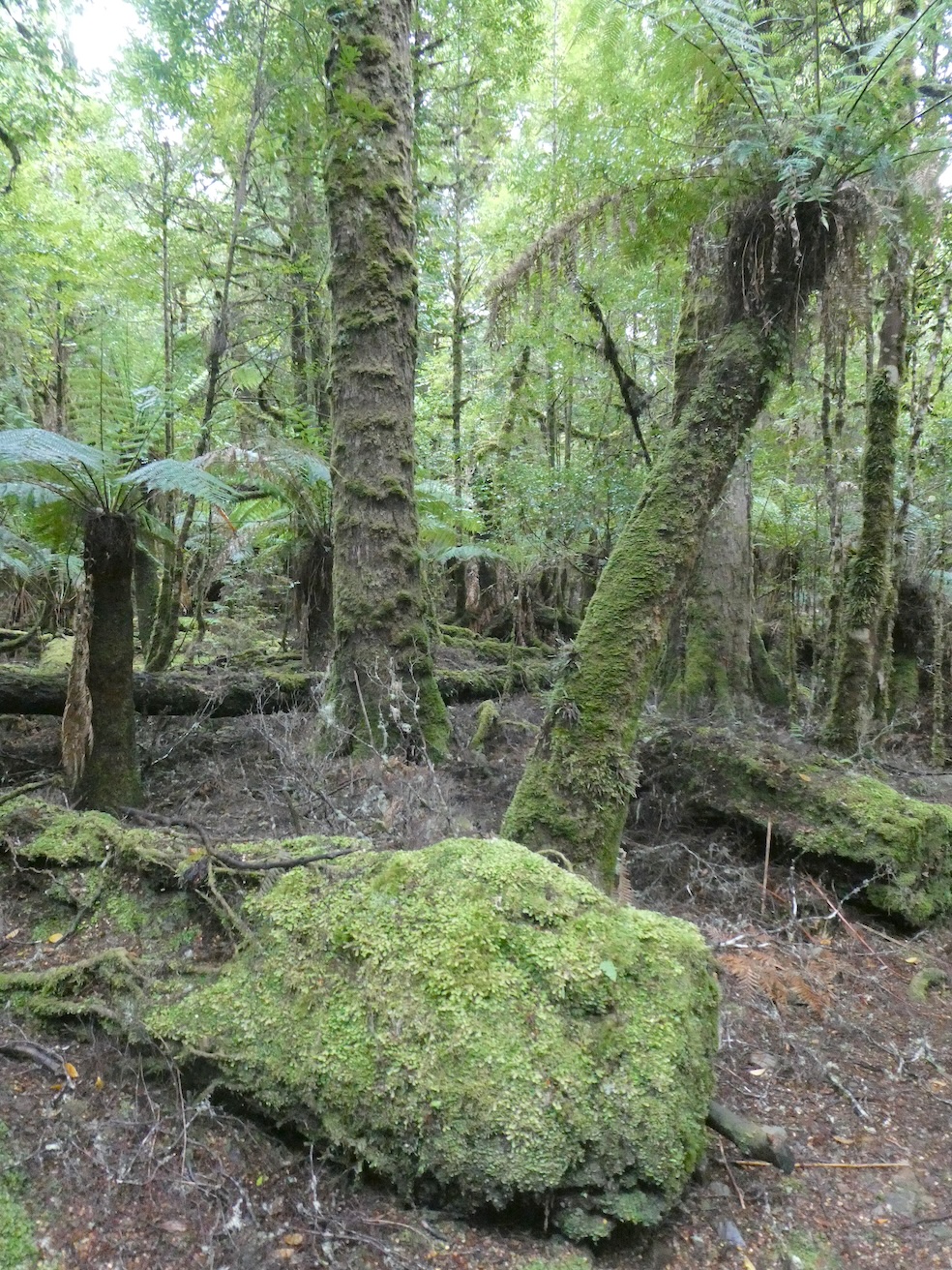
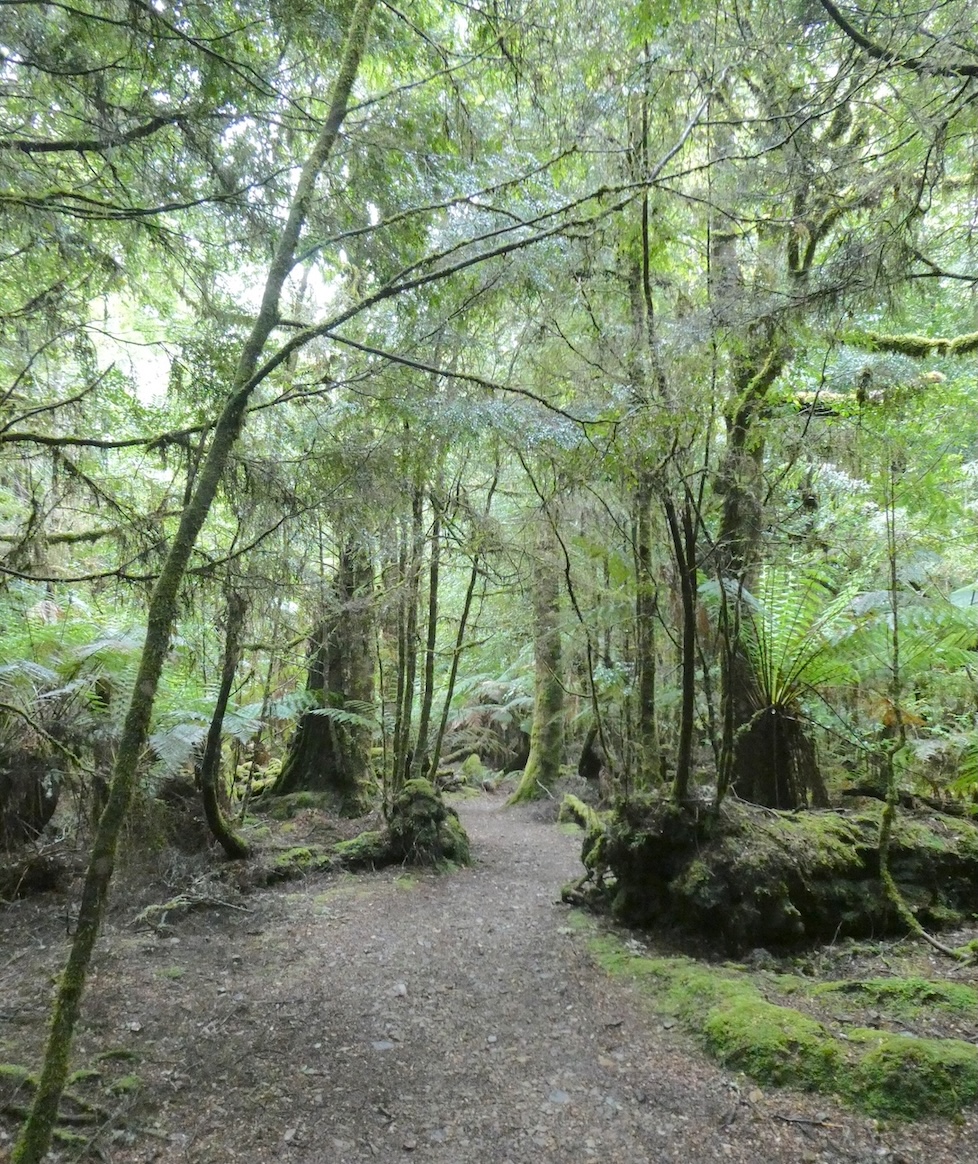
Verdant ferns and mosses carpeted the ground beneath the canopy.

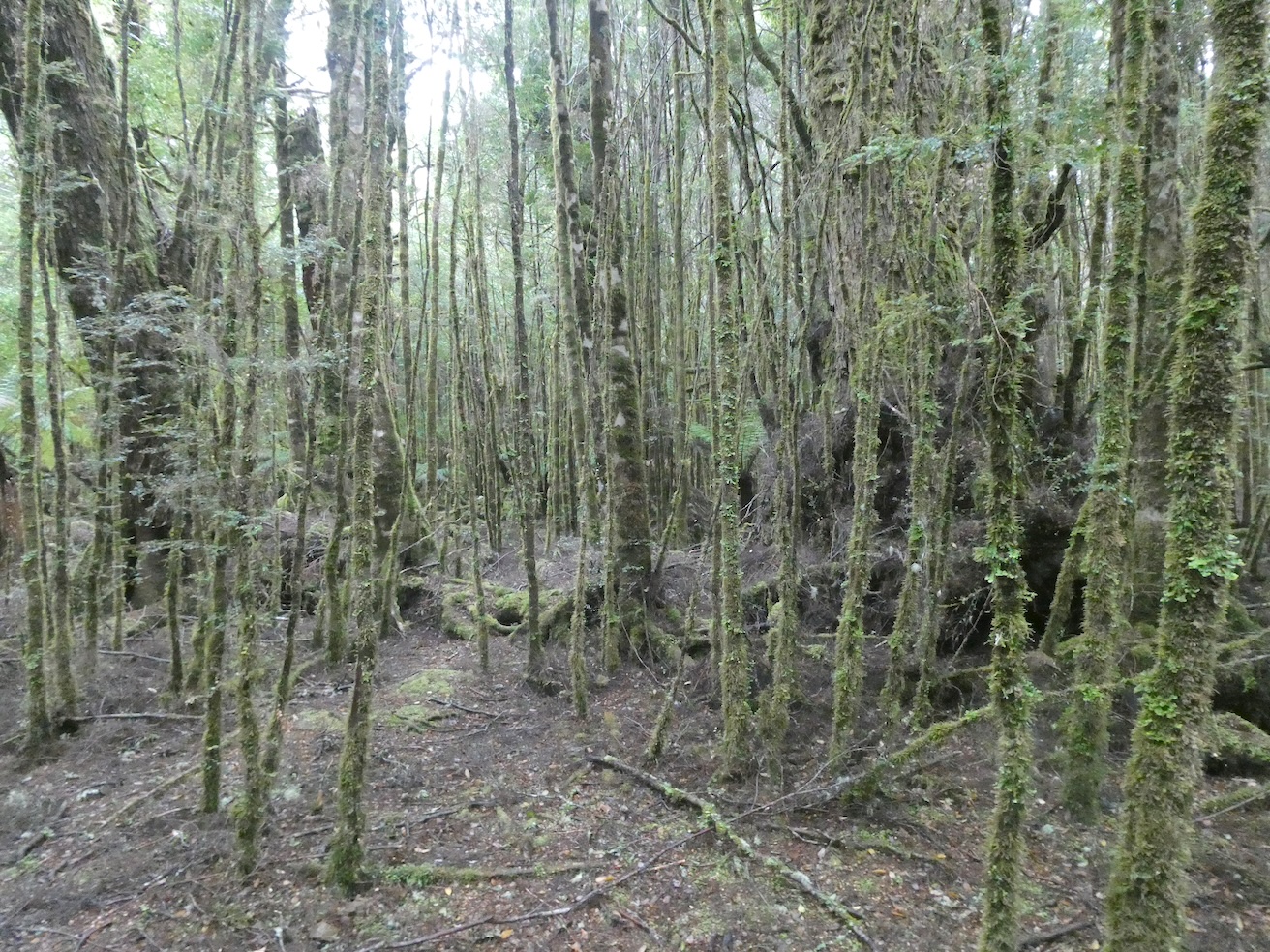
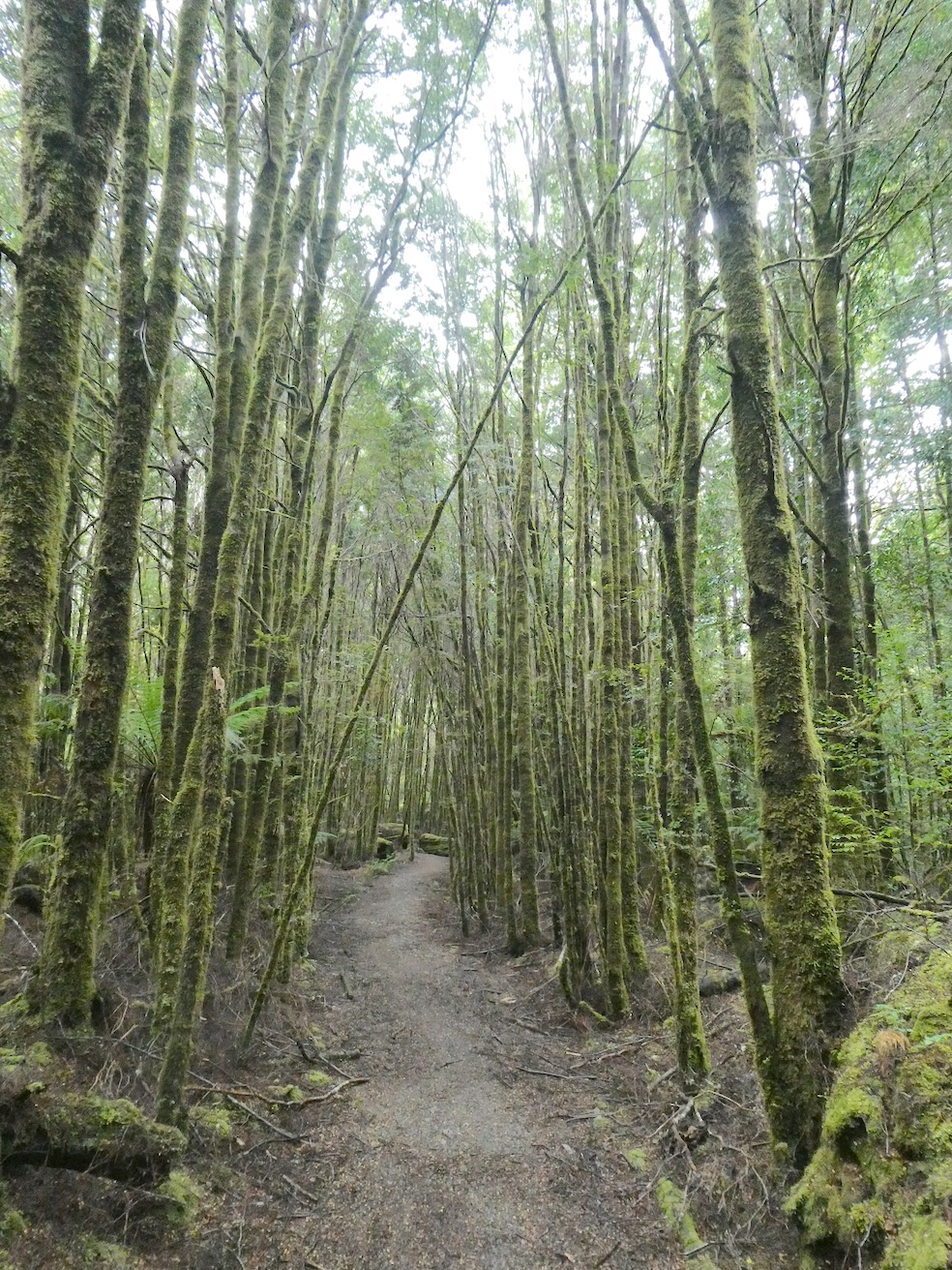
Suddenly, the thick forest transformed and an area of tall, spindly trees flanked the path.

As the canopy closed in again,

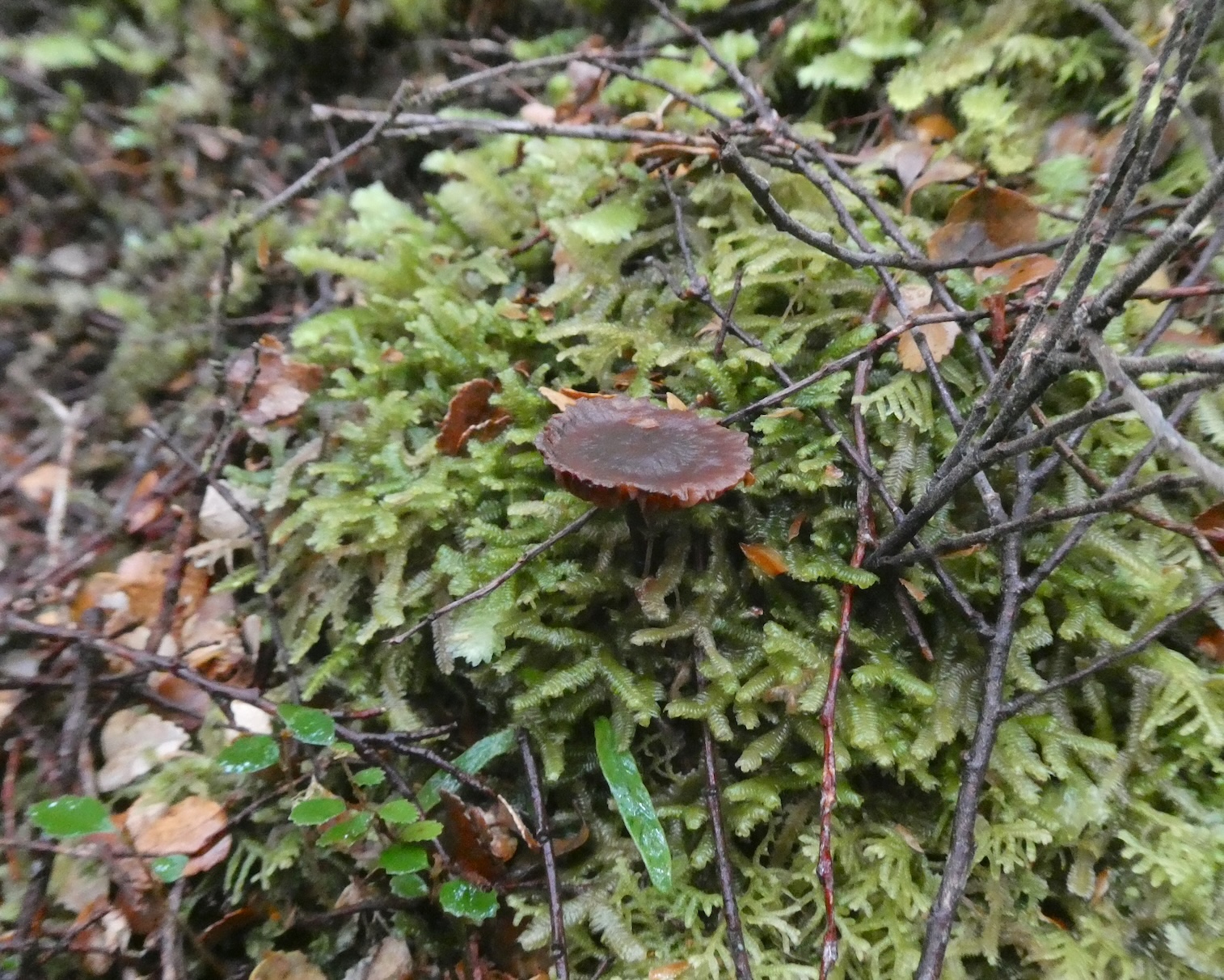
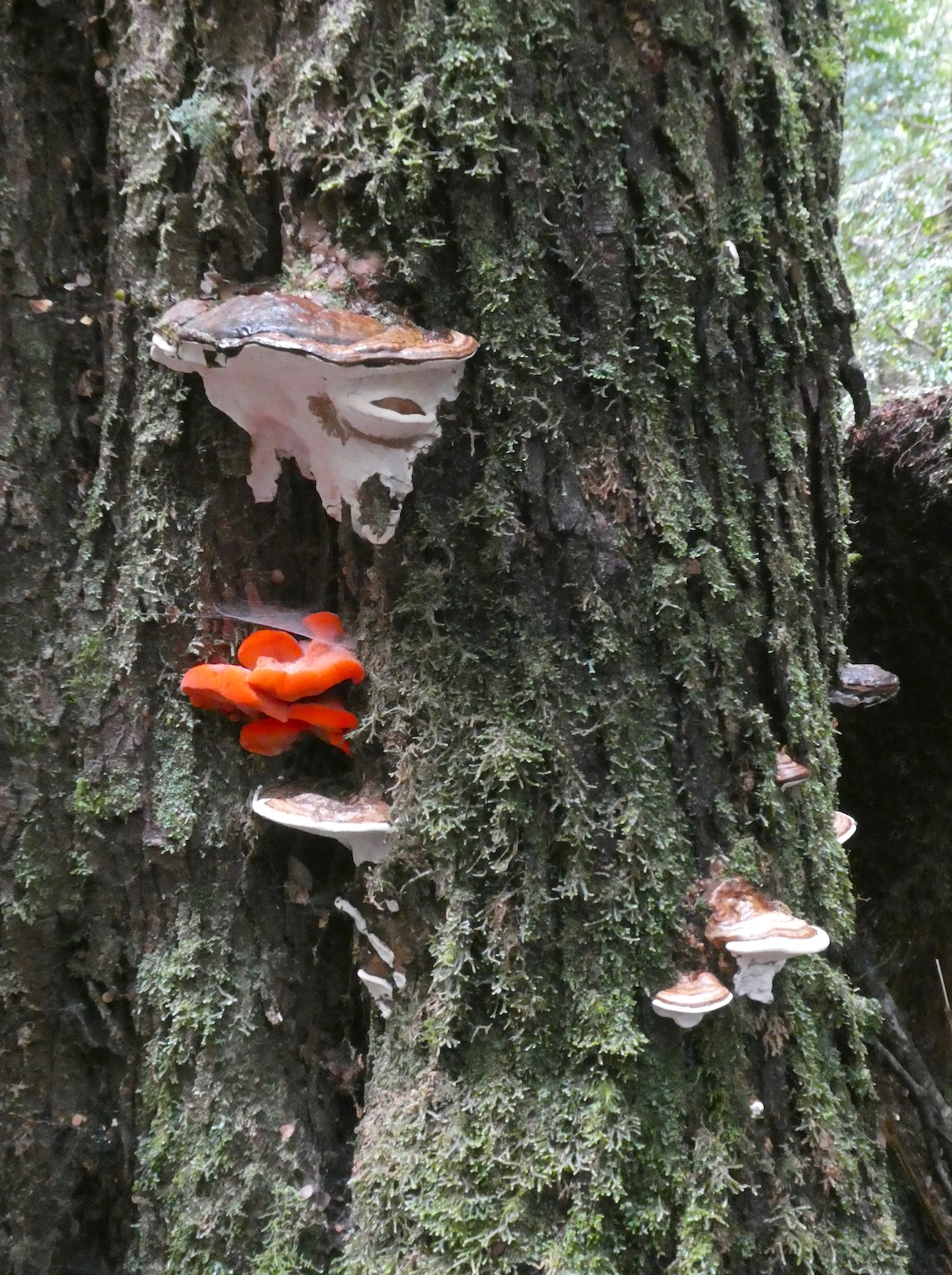
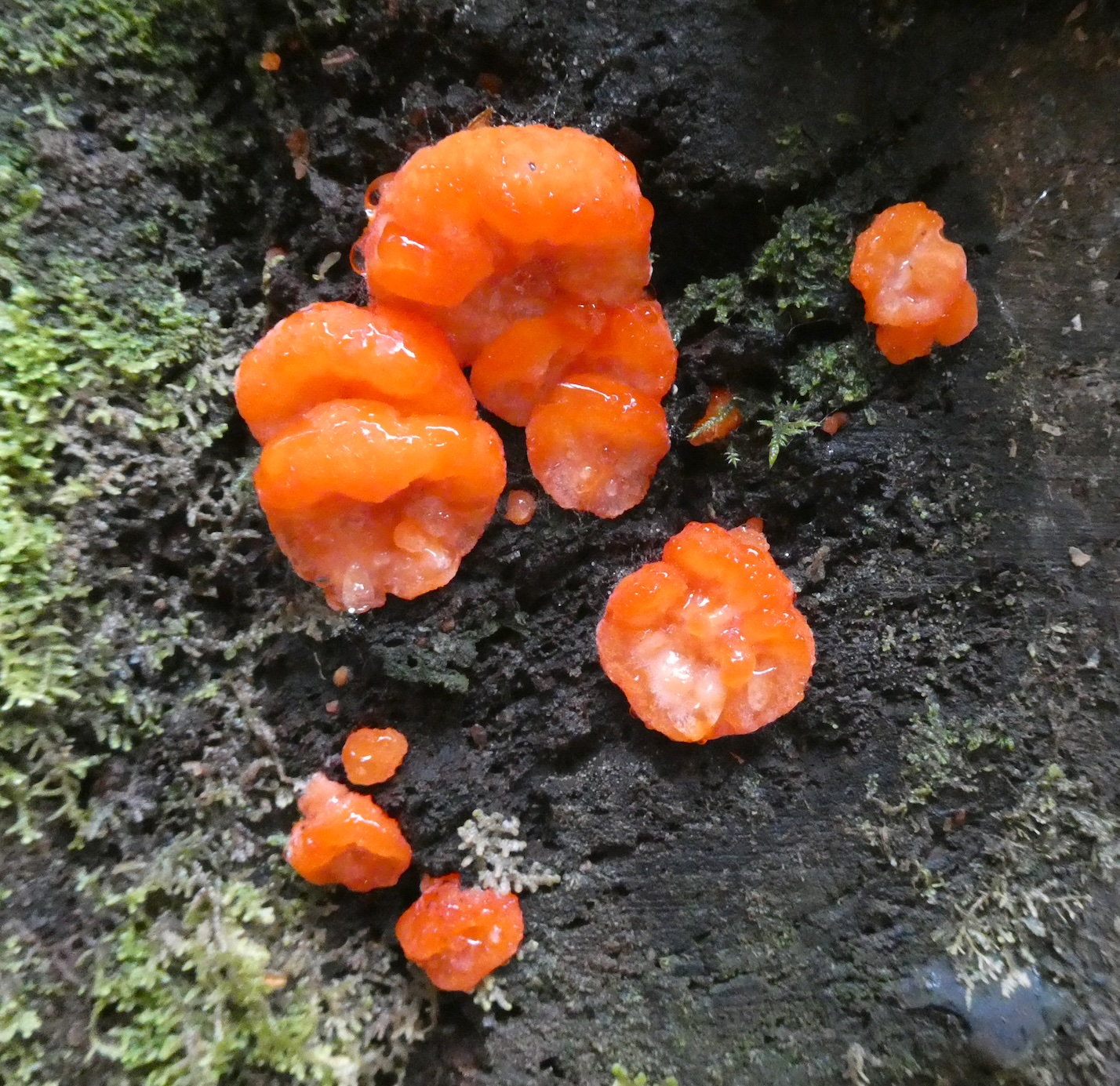
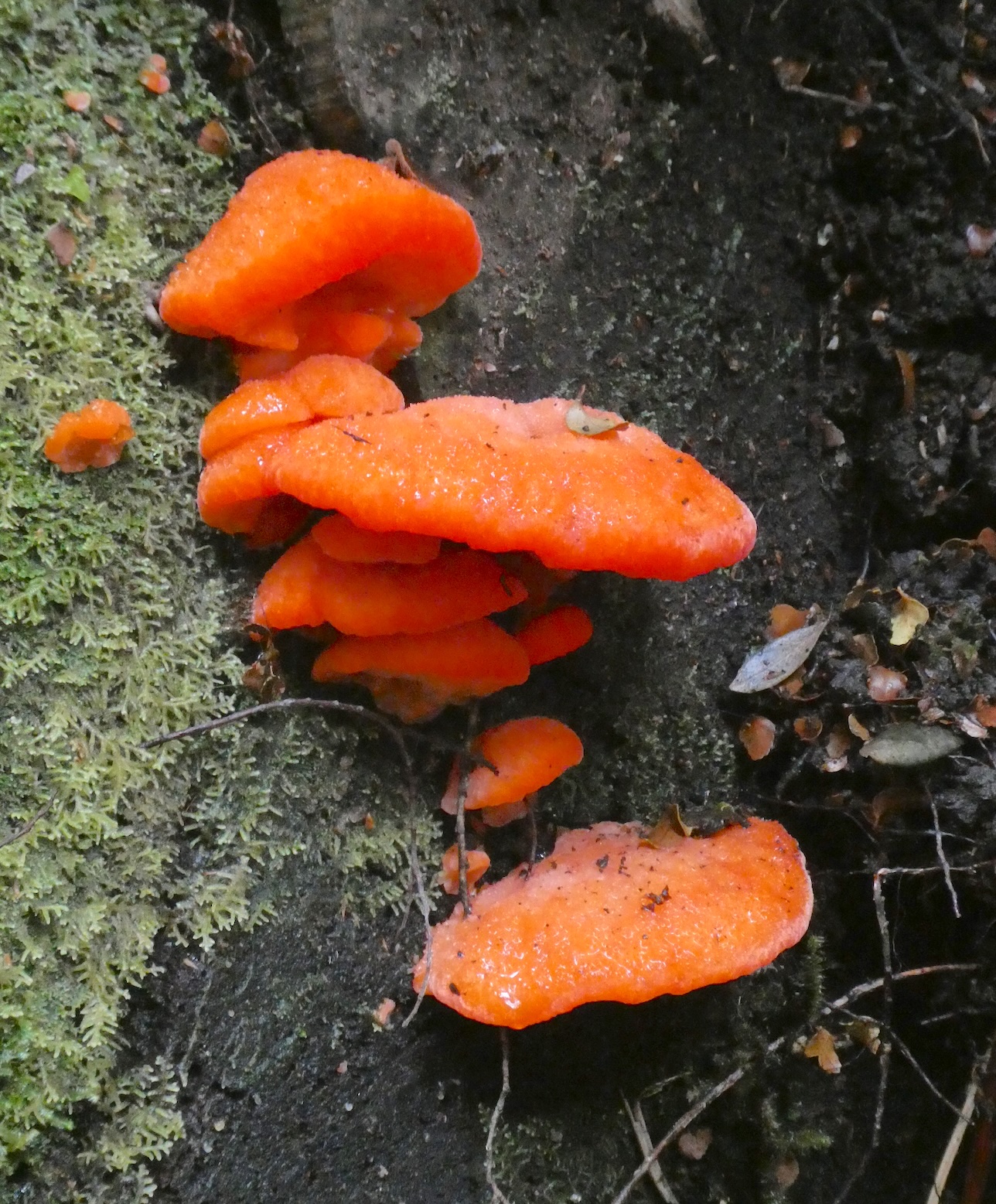
we were entranced by vibrant fungi, coloured courtesy of nature’s palette.

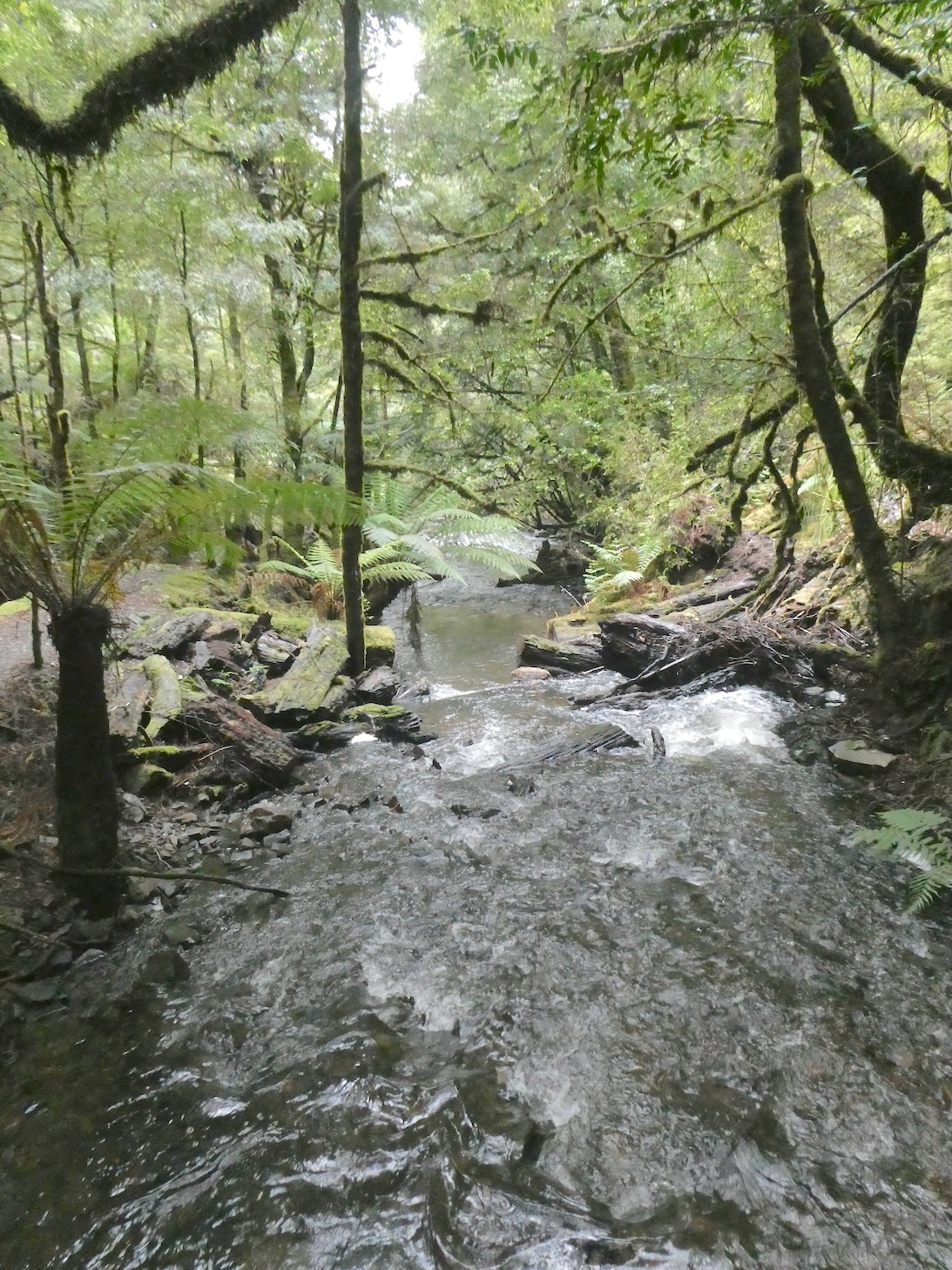
We came to a footbridge spanning a flowing creek, a tributary to the Arthur River, and made the decision to turn back.

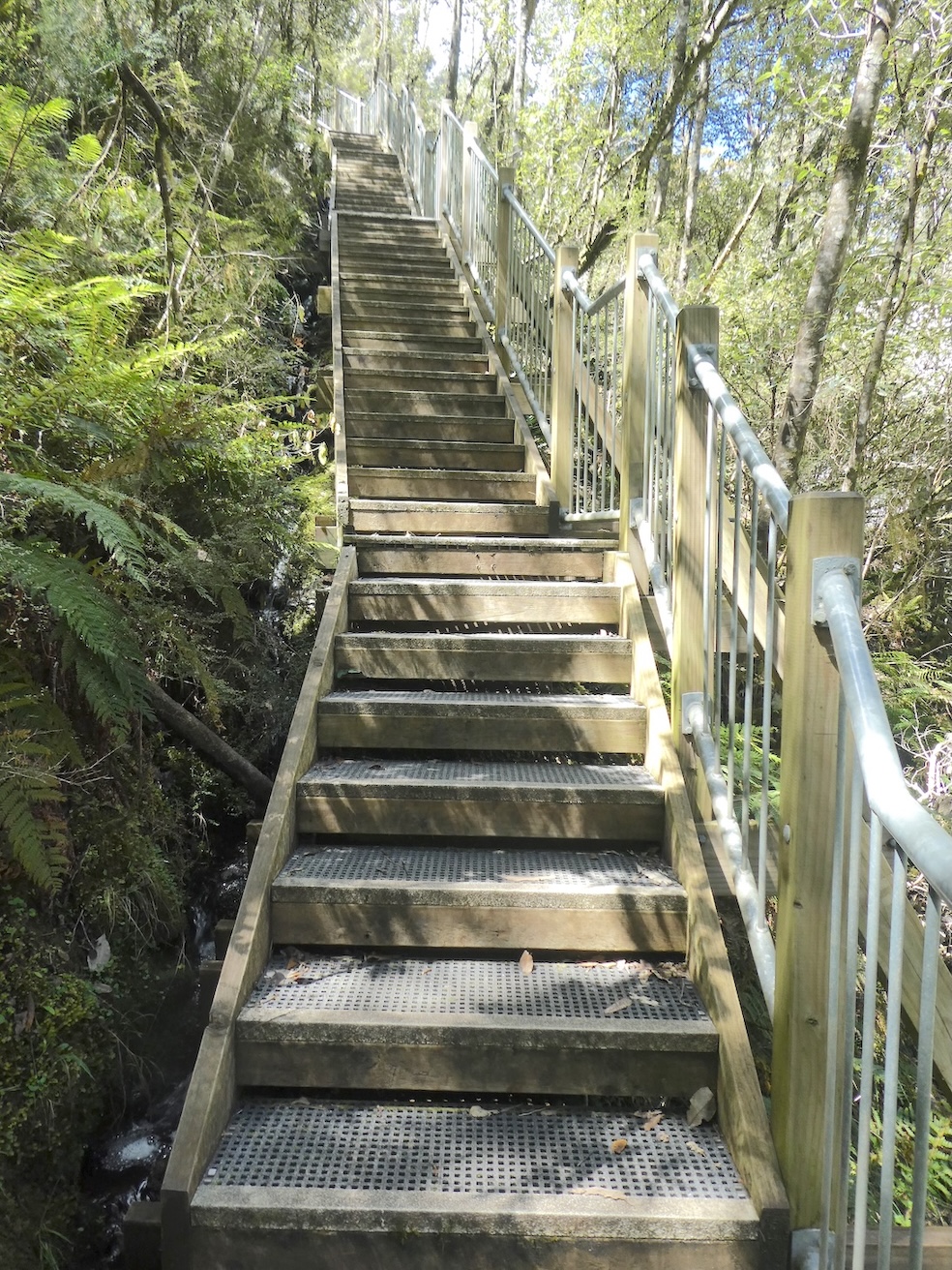
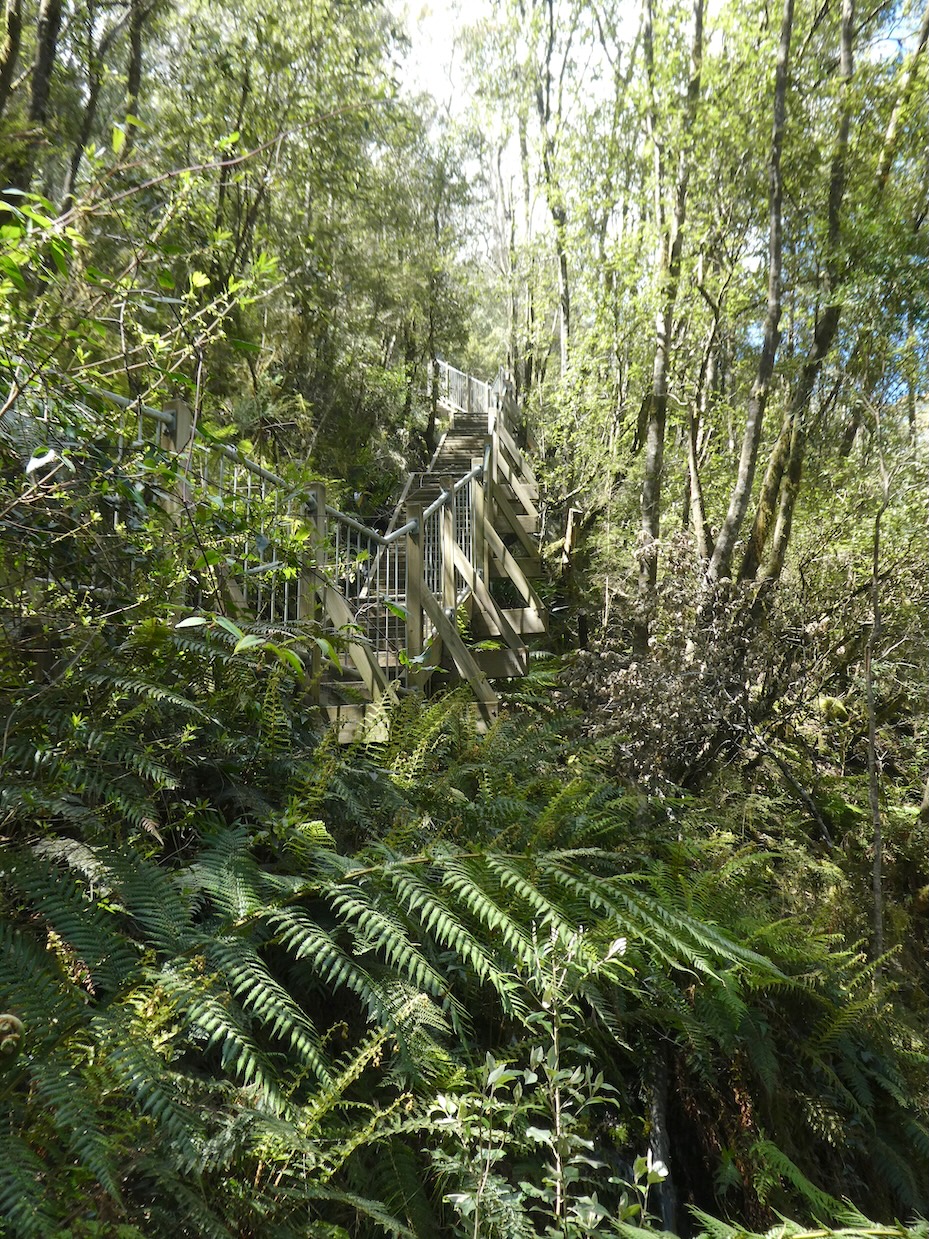
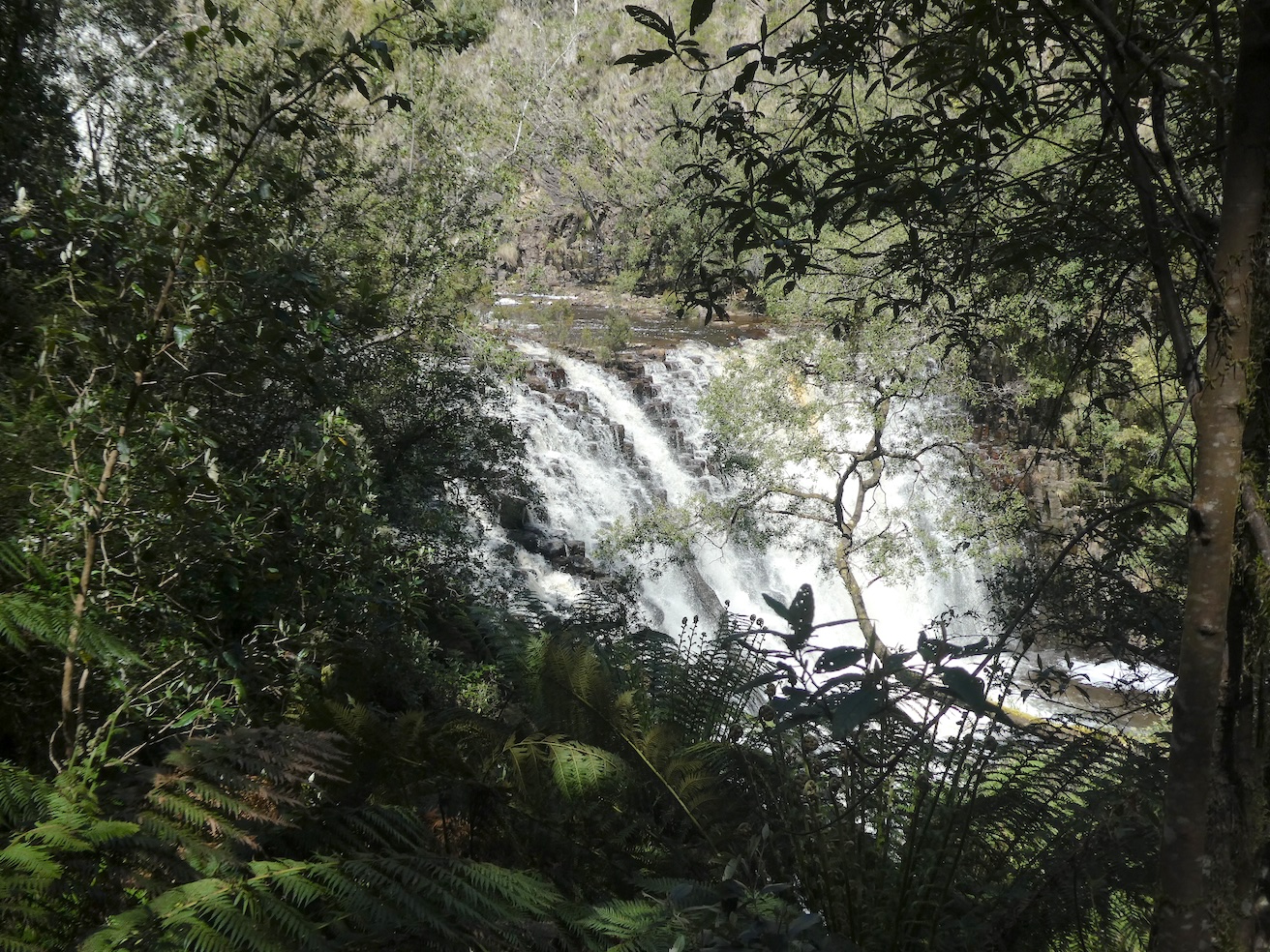
Had we continued, we would have walked the track that follows an old water race built to supply Magnet Mine in the early 1900s. Eventually, a 210-step staircase leads to a view from the bottom of the multi-tiered waterfall. We will have to return one day when we have no time constraints.

Corinna

We recently ticked another item off our bucket list with a short stay at Corinna on the west coast of Tasmania. The gold rush of the early 1880s brought a flood of people to the area and Corinna was proclaimed a town in 1894 with a population of 2500. Within a few years, the gold deposits that could be easily worked were exhausted and the town declined in population when the Emu Bay railway to Zeehan was opened in 1900. The historic mining town is now a wilderness retreat set on three hectares surrounded by the Tarkine rainforest. The owners have restored and developed the buildings in heritage style to create a village atmosphere. We enjoyed a very comfortable three nights in “Hobbs” cottage.

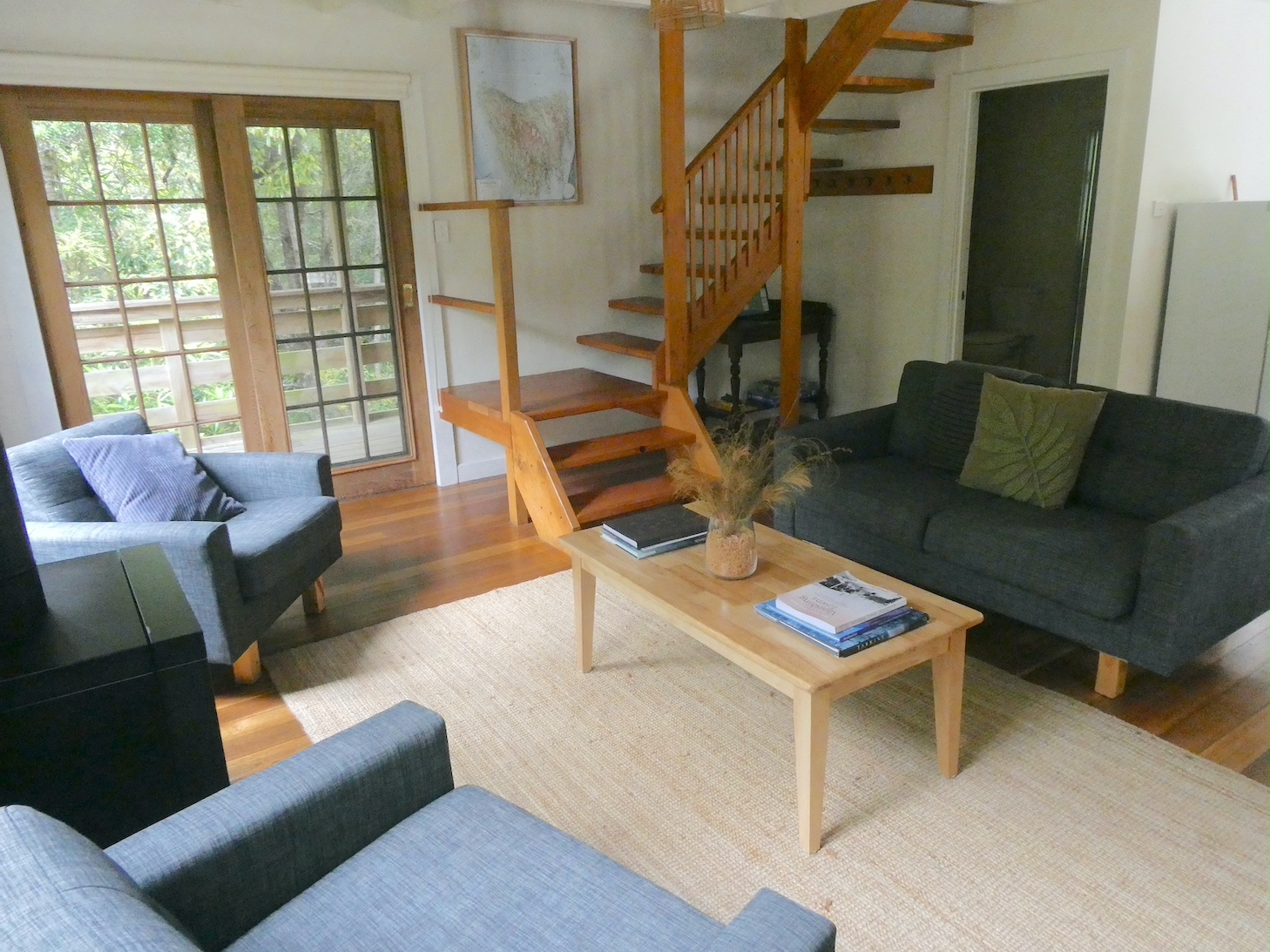
Named in honour of explorer James Hobbs who led a party to the west coast of Van Diemen’s Land in early 1824, our level of comfort far exceeded that of poor Hobbs. I am always prepared that photos on property websites are more enticing than in reality but we weren’t disappointed. The open plan living space downstairs

and bedrooms upstairs

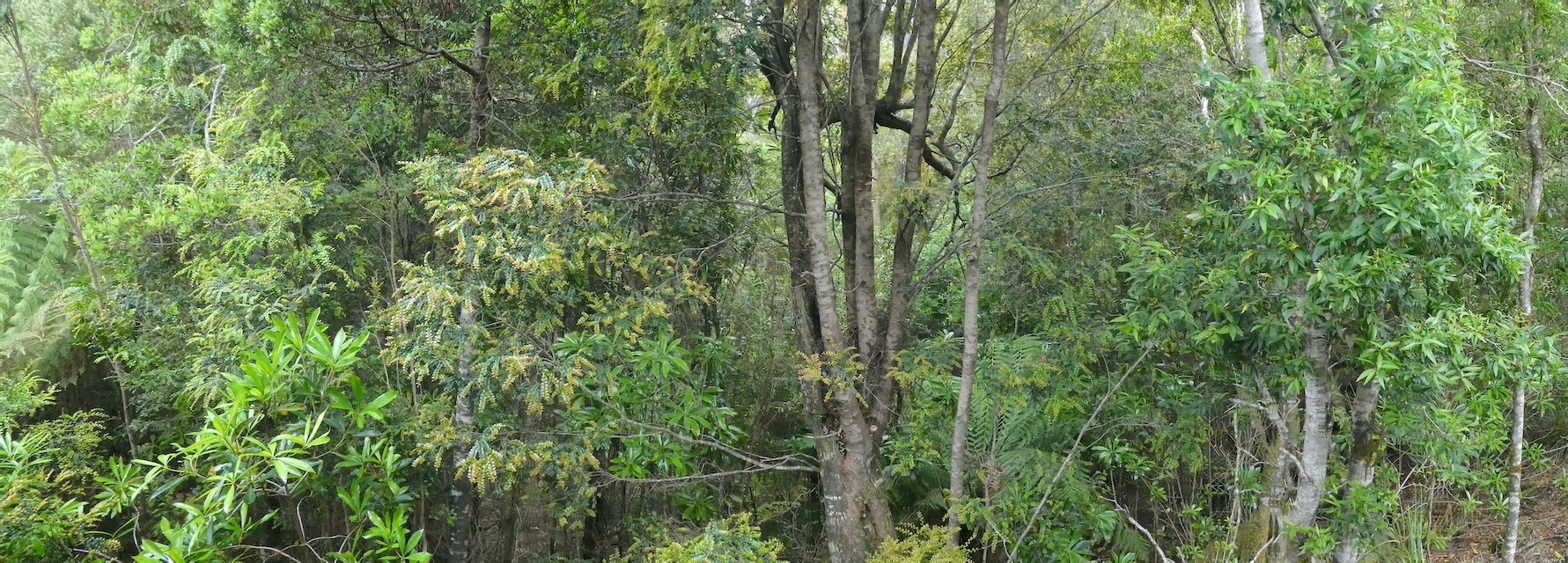
were even better than anticipated and the gas heater warmed the whole area without effort. The rainforest embraced the spacious back deck

and the front verandah was the perfect spot to share a platter and bottle.

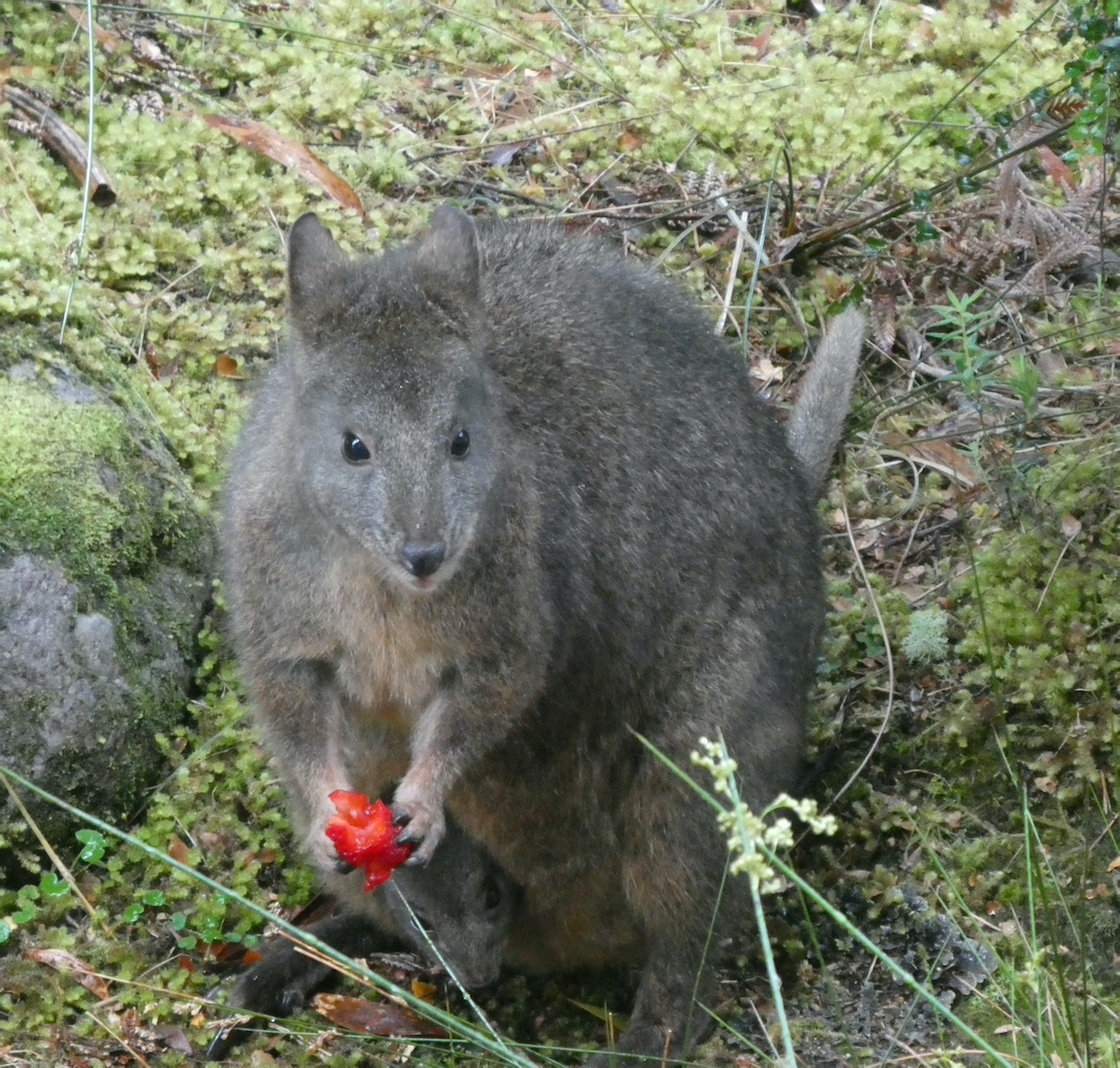
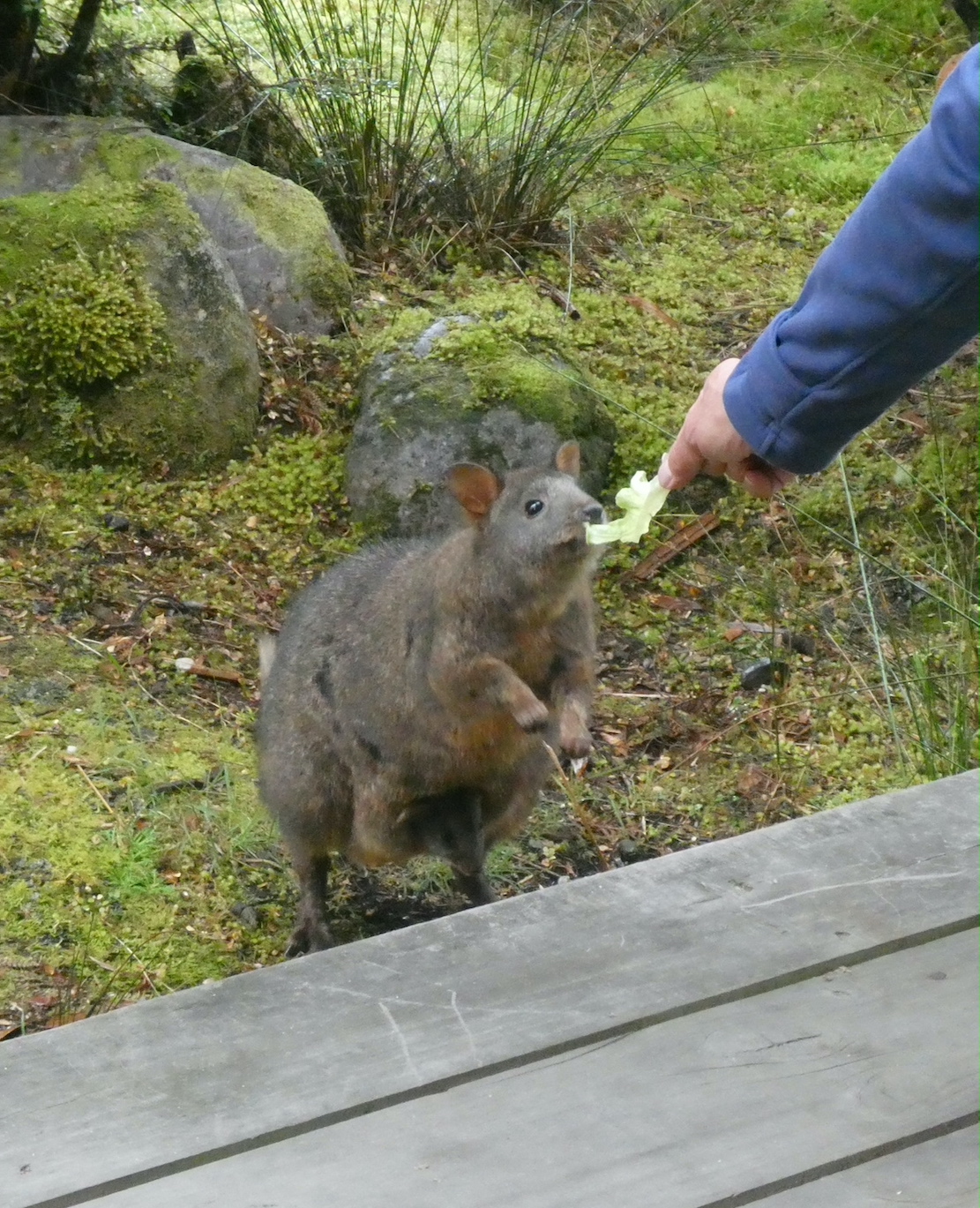
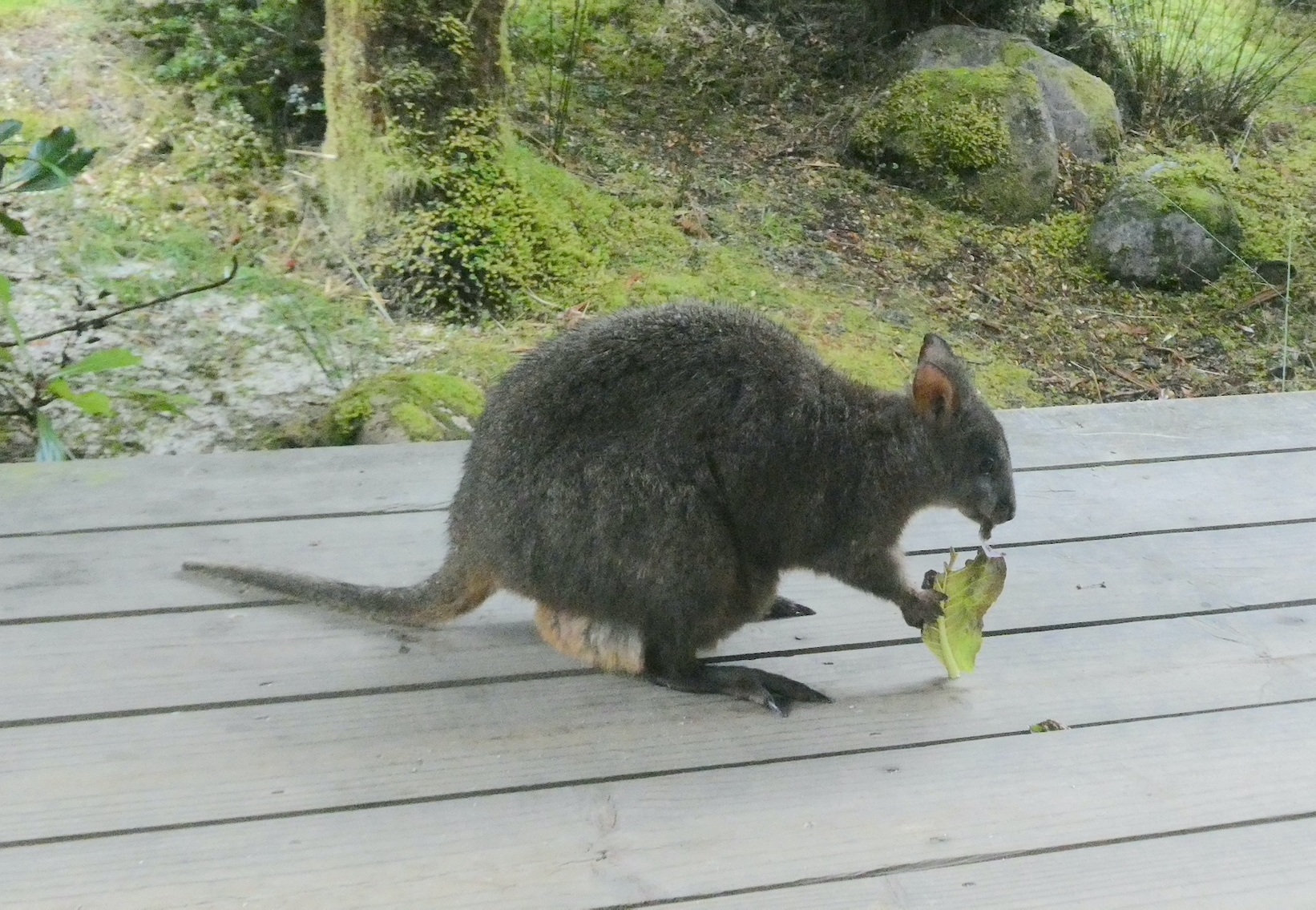
We were happy to share our food with the locals, especially when one had a baby on board.

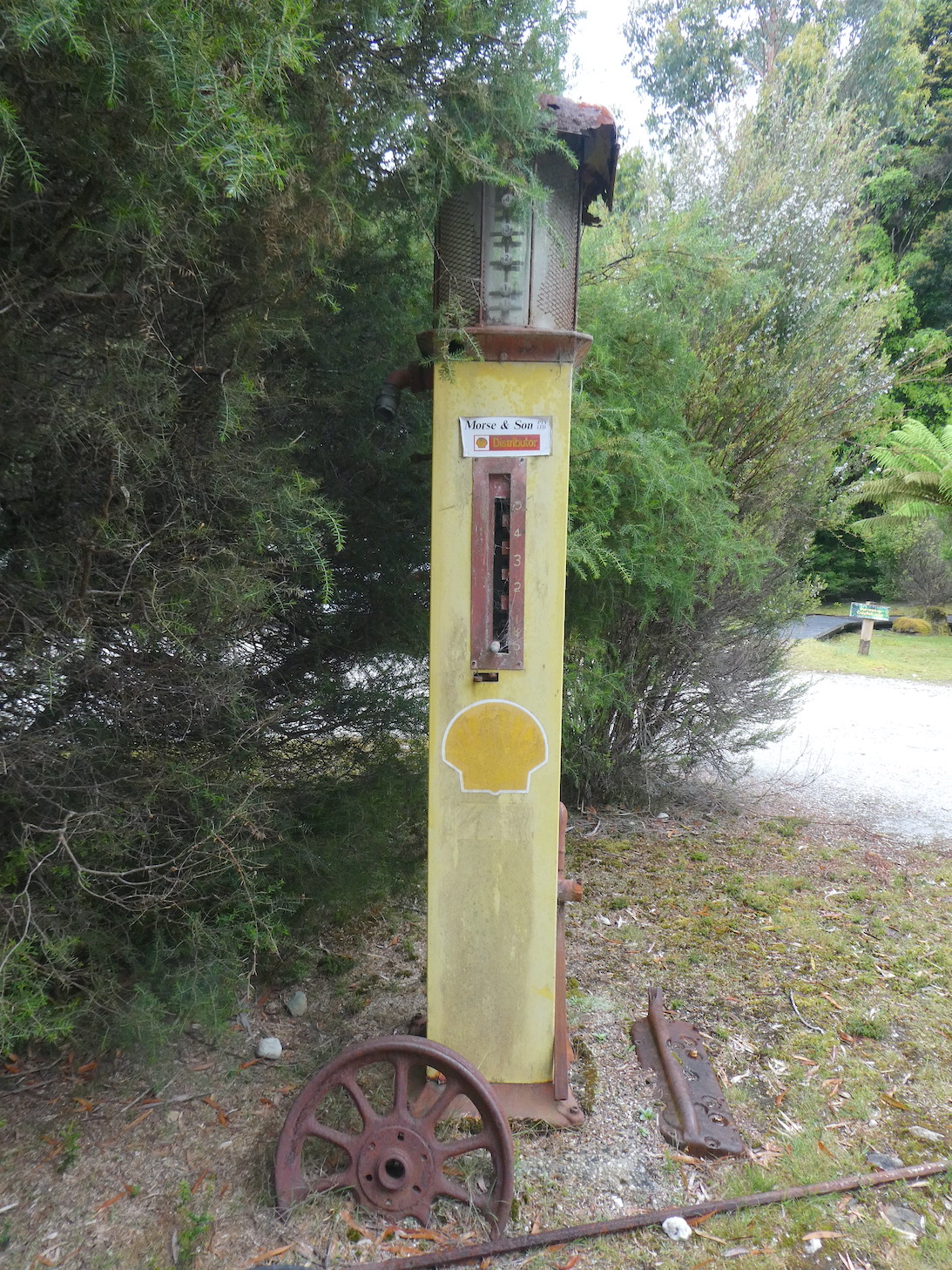
Corinna is totally off grid with solar power, rain and bore water and chemical free sewage treatment. Cooking, hot water and heating are powered by gas cylinders. Visitors are requested to take any rubbish with them when they leave, not a big ask to maintain the pristine environment. After settling in, a stroll around the village revealed remnants of times past.

The old butcher’s shop is now guest accommodation.

A light drizzle accompanied us as we wandered to the Pieman River at the edge of the property.

For those arriving at or leaving Corinna in a southerly direction, the Fatman Barge takes five minutes to cross the 130 metres to the other side of the river. It is the only cable driven vehicular barge remaining in Tasmania.

Although the cottage was equipped for self-catering, the Tannin Restaurant in the on-site Tarkine Hotel has a mouthwatering menu.

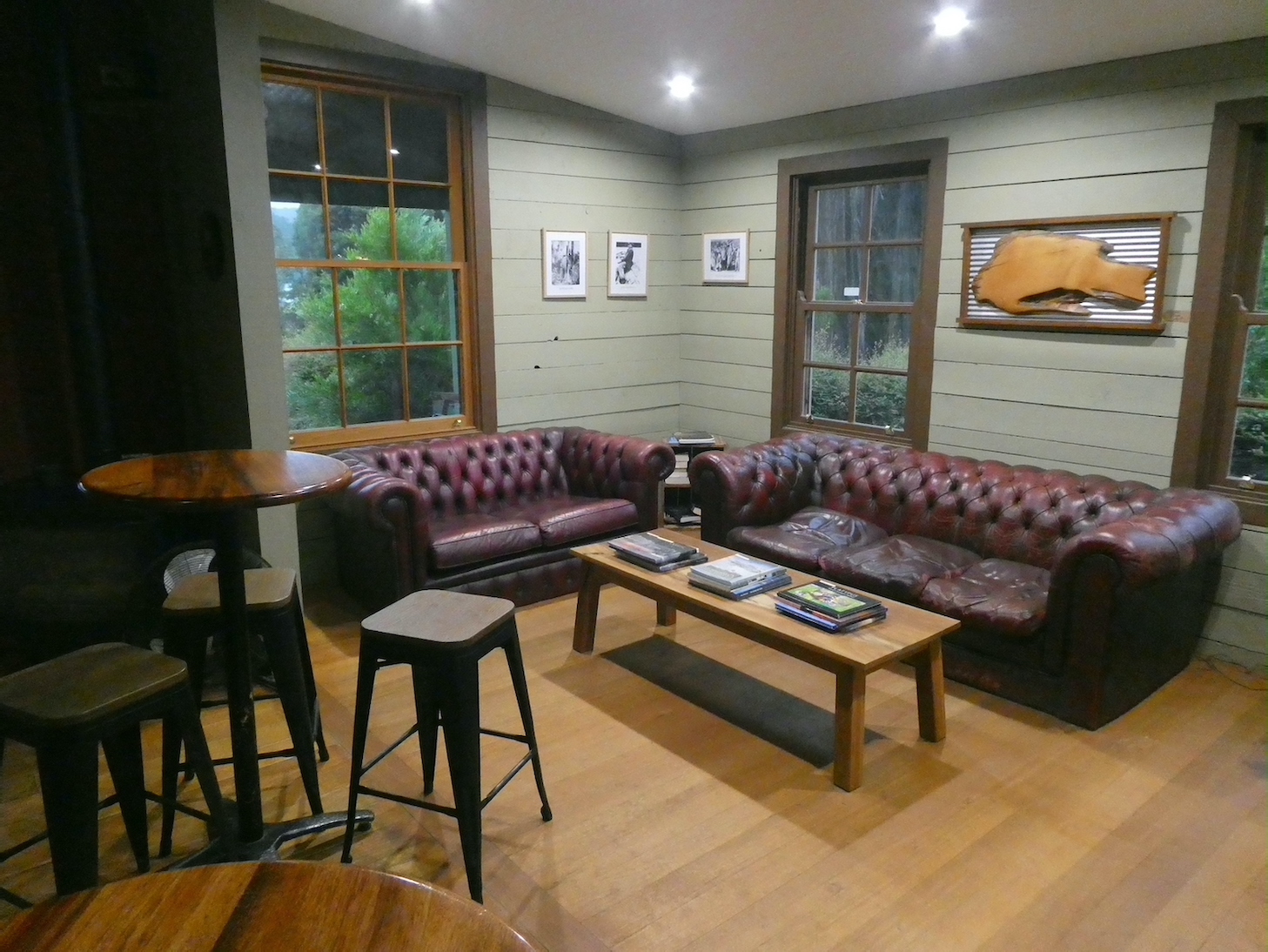
After a days adventure we would amble to the Ahrberg Bar and take up residence on the squidgy Chesterfield with a pre dinner beverage.

Moving on to the dining area, the meals were superb, all prepared using fresh Tasmanian produce. The only down side was, I didn’t have any room for the desserts on offer.
With no TV or Wi-fi (a blessing) it was back to the cottage for board games and bed.

Enchanted Walk

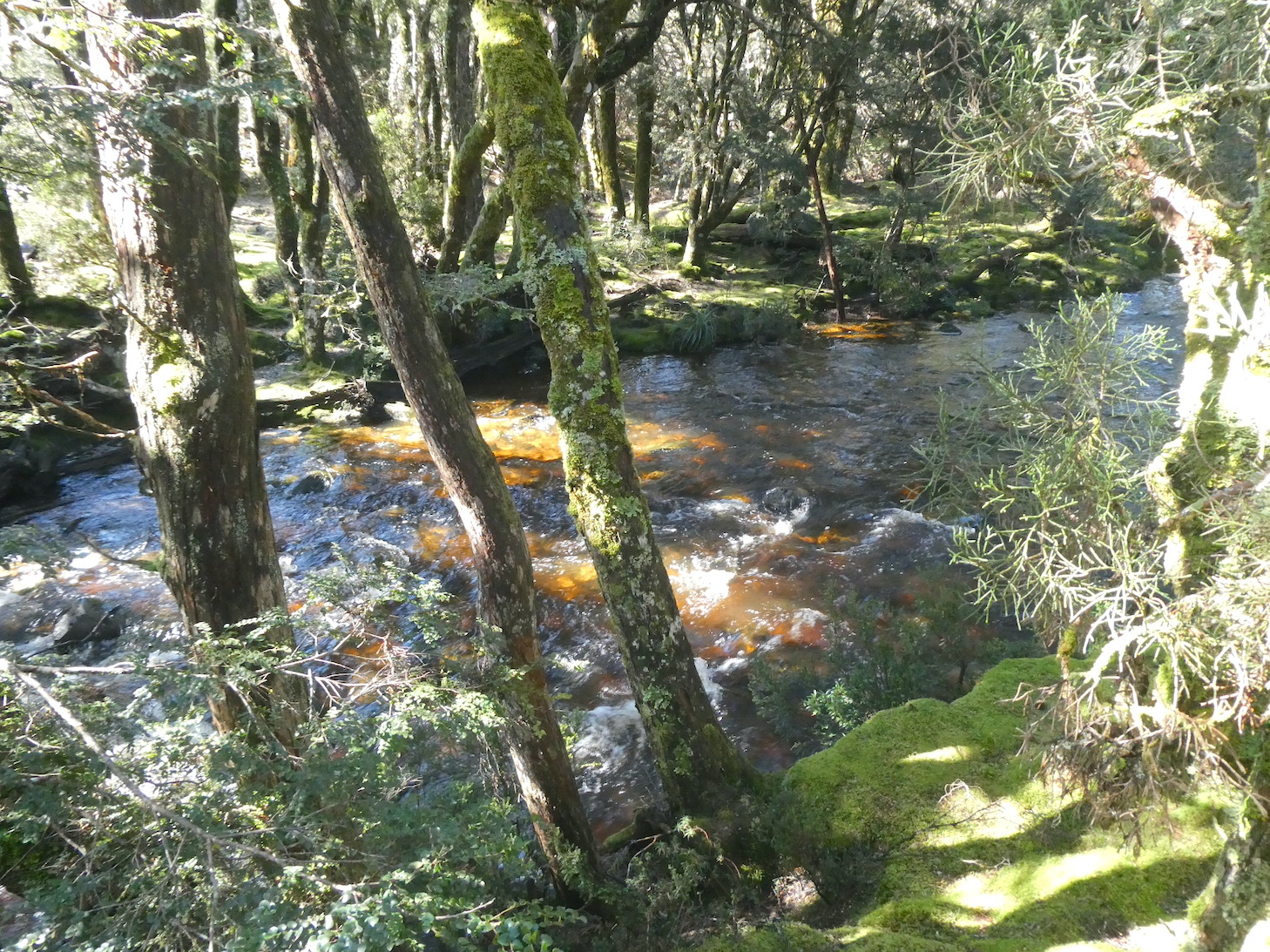
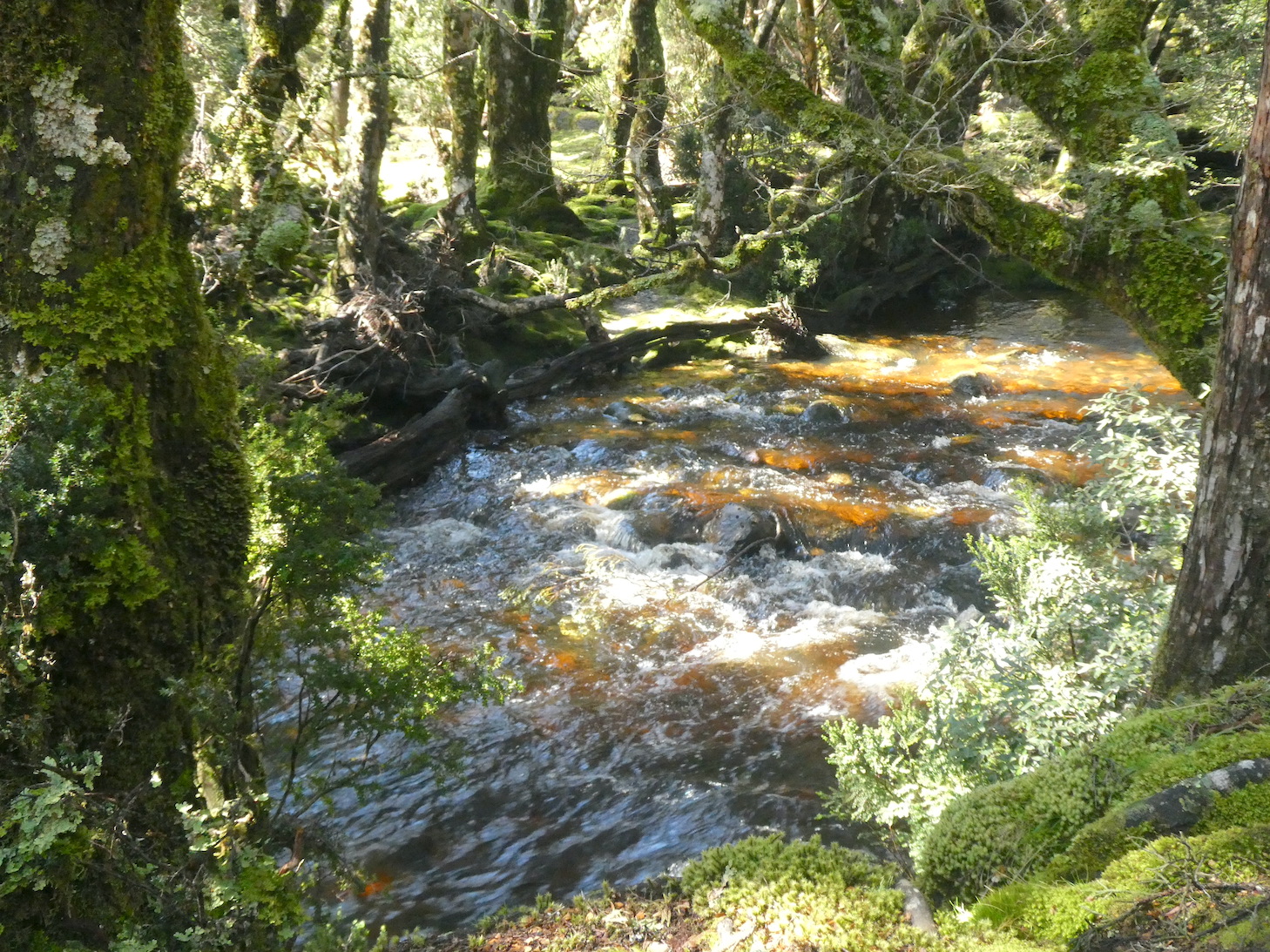
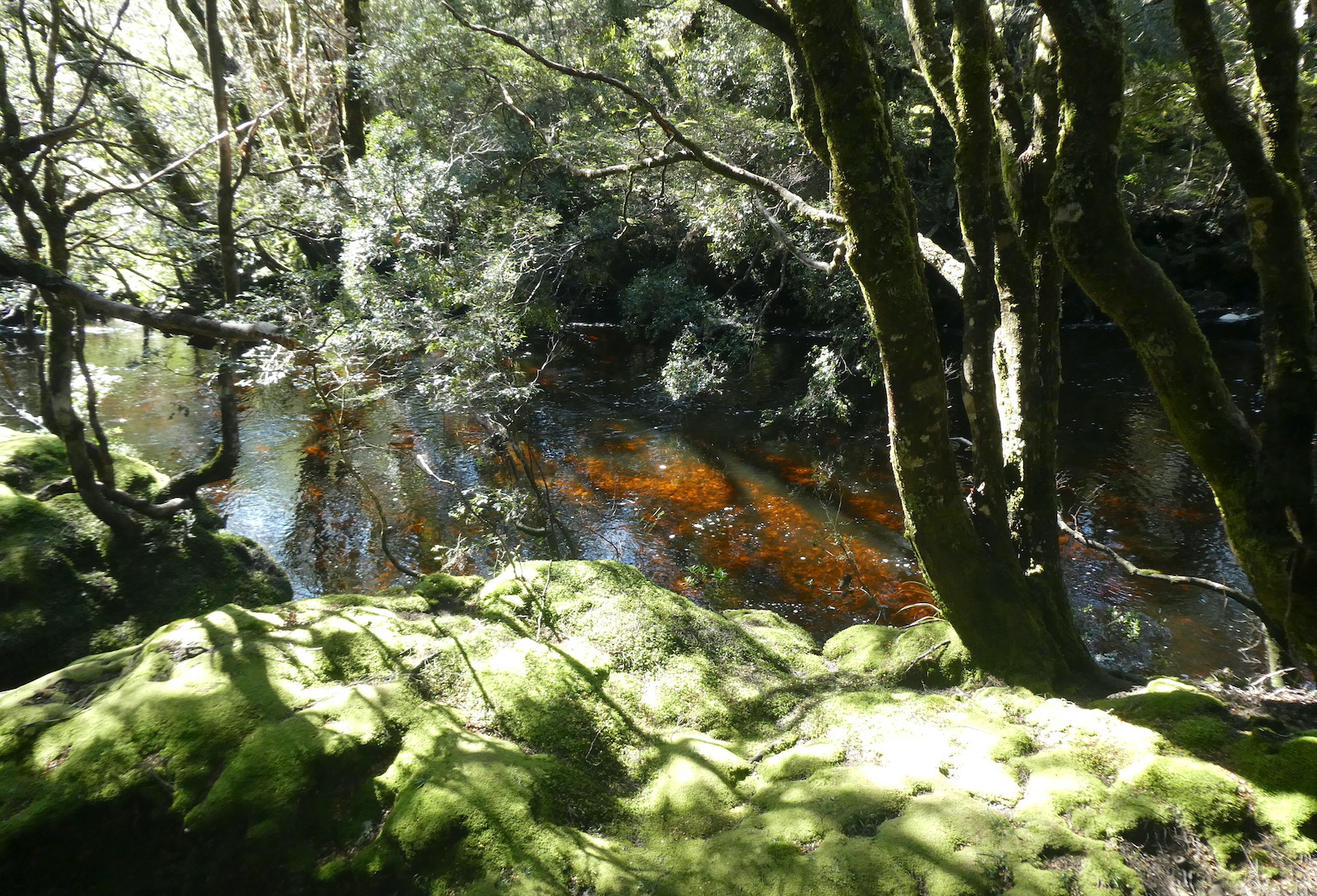
There are many wondrous walks to choose from in Cradle Mountain National Park but my favourite is Enchanted Walk. Just over one kilometre long, the circuit takes around twenty minutes, depending on how much time one spends admiring the scenery. The trail starts at Cradle Mountain Lodge and follows Pencil Pine Creek as it bubbles along, embraced by mossy banks and majestic trees of the rainforest. On this morning the sunlight danced on the water, highlighting natures artistry.

Tannins from surrounding buttongrass moorland created a startling palette of orange hues amidst the shadows.

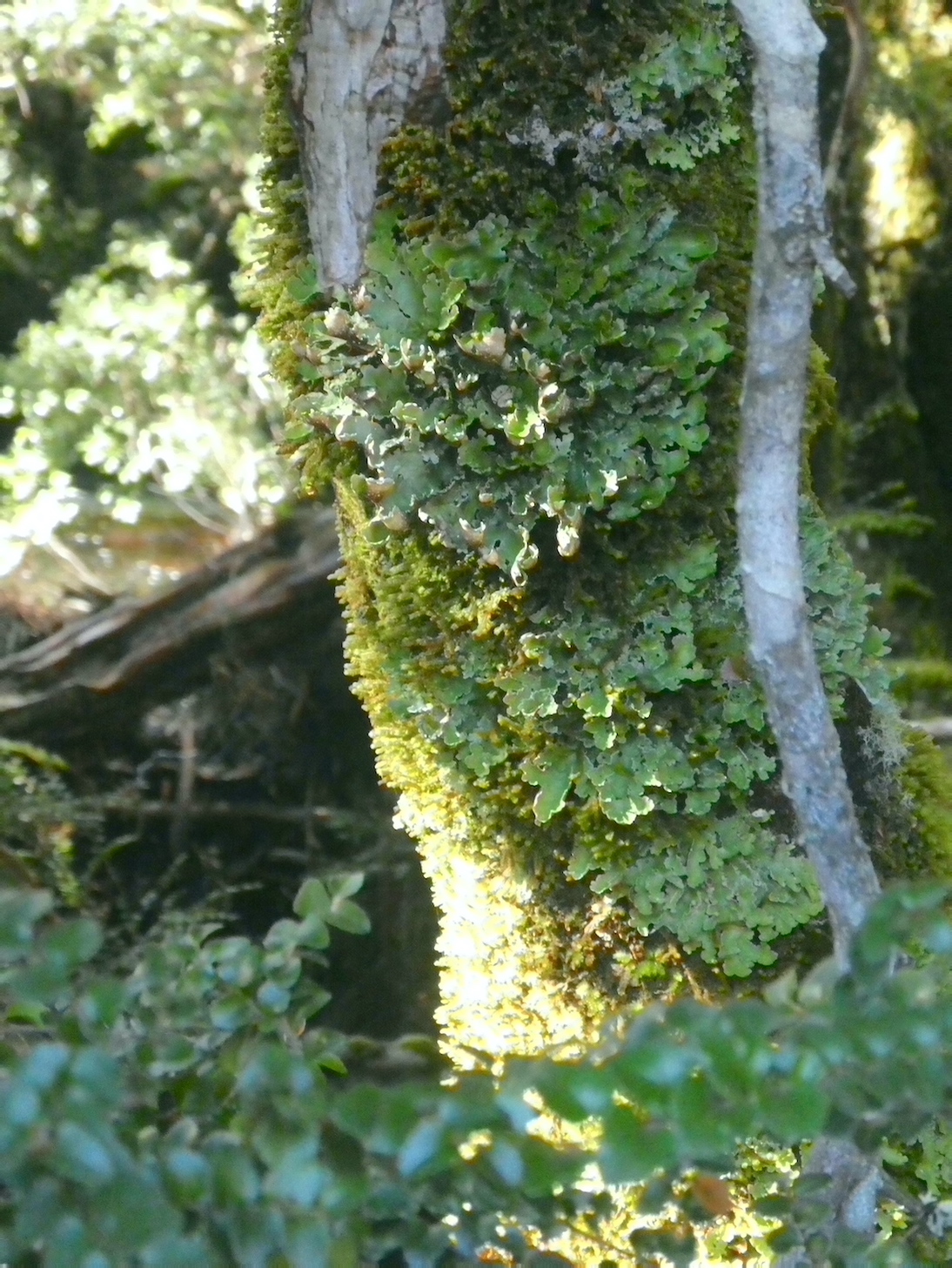
As we meandered further into the forest, verdant lichens complemented the russet glow.

At the end of the walk, the creek tumbles over rocks at Pencil Pine Cascades on its way to Pencil Pine Falls and, eventually, on a convoluted journey into the Forth River and Bass Strait.

Low Head

There are so many beautiful places to visit along the Tamar River, and a scenic forty minute drive from Launceston, the most sublime can be found as the waters empty into Bass Strait. It is impossible to feel anything other than calm when arriving at Low Head, surrounded by the blues and greens that only nature can bestow. This fabulous old Queenslander can be rented as holiday accommodation, with a view like that I don’t think I would ever want to leave.

In 1798, explorers George Bass and Matthew Flinders circumnavigated Tasmania in their vessel, Norfolk and proved the existence of a strait separating the island from Australia (apparently, it took a long time to dig that ditch). With much difficulty, they located the mouth of the Tamar River and made landfall seven kilometres up river at Port Dalrymple, now called Georgetown. Ten years later, the crew of Hebe found the entrance more than ‘difficult’ and came to grief on the treacherous reef, the first of nine shipwrecks to come. Consequently, convict labour set to work to construct Tasmania’s second (Australia’s third) lighthouse from local rubble with a coat of stucco to help with durability and a lantern room built of timber.

First lit in December 1833, the structure slowly deteriorated and was replaced in 1888 with the double brick version still standing today. Originally painted solid white, the red band was added in 1926 to improve visibility during daylight.

The initial four-roomed lighthouse keeper’s quarters were attached to the base of the tower, as seen in this illustration that is exhibited at the site.

A new Head Keeper’s quarters was built in 1890 (now available as holiday rental) and an Assistant Keeper’s quarters followed in 1916.

Tasmania’s only foghorn was installed at Low Head in 1929. For those who might understand, it is one of the largest Type G diaphones ever constructed and is one of only two of the type functioning in the world today. Decommissioned in 1973, it was restored by a group of volunteers and became operational again in April 2001.

The foghorn is sounded at noon each Sunday and can be heard up to thirty kilometres out to sea.

The area around the lighthouse encompasses Low Head Coastal Reserve, home to little penguins, the smallest of all penguin species. Also known as fairy penguins, they are the only species of penguin that are dark blue and white rather than black and white. The Penguin Tour experience sees them waddling back to their burrows after a day in the sea under cover of darkness. We were fortunate to spy this lovely creature settled on the nest, apparently accustomed to human presence.