Having explored the Hamilton Gardens Paradise Collection, we moved on to the Fantasy Collection where imagination and fantasy are integral to the garden design. Three of these are found along paths leading from Time Court. Bronze characters from Alice in Wonderland are assembled atop a plinth, a plaque quotes: “If you don’t know where you are going, any road will take you there. Lewis Carroll.”


We entered the Surrealist Garden along a disconcerting black & white tiled passageway that led to a fireplace with nothing on the mantlepiece except a pair of egg shaped ornaments.
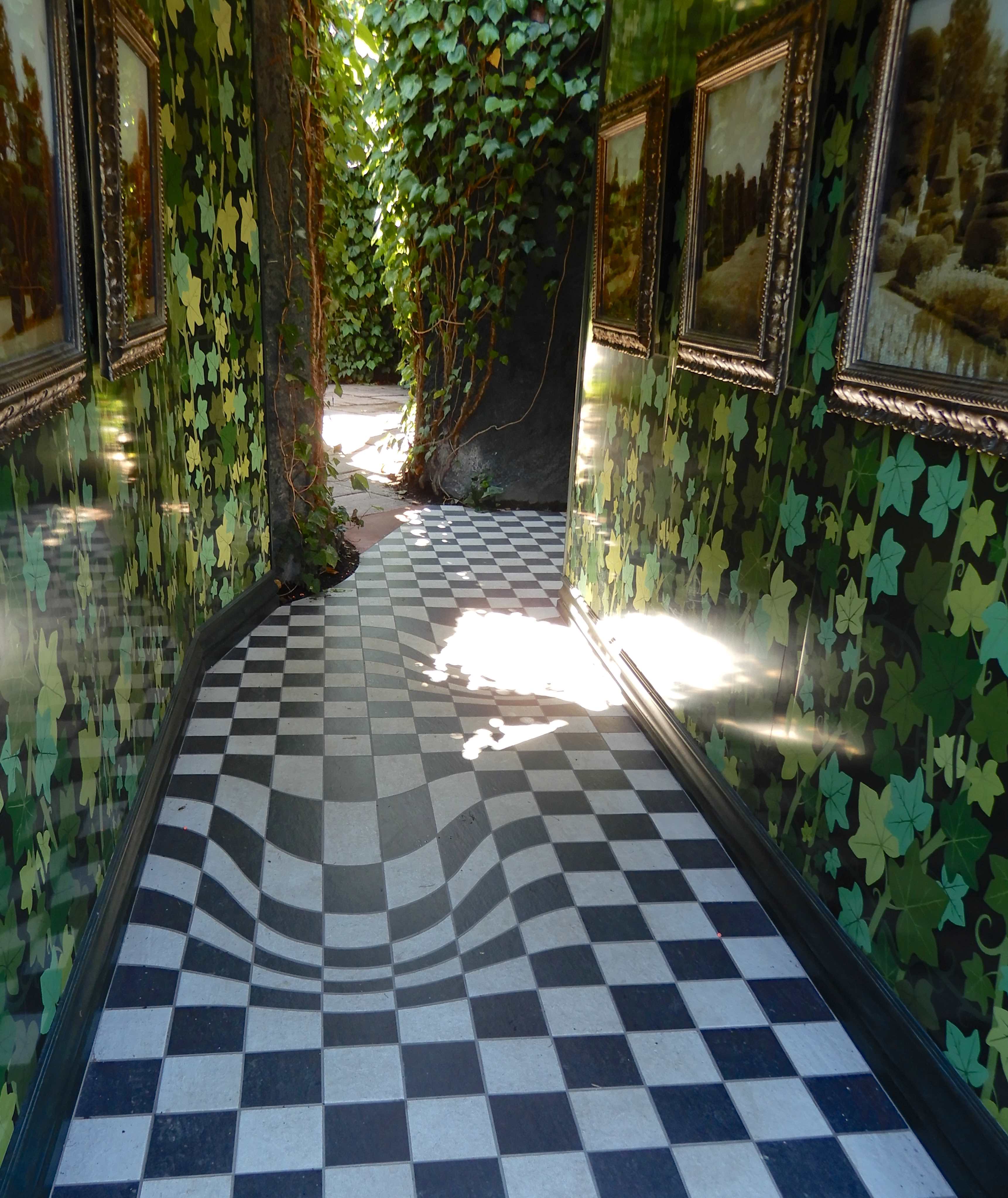

Surrealist art came to the fore in the 1920s and 30s when artists and writers became fascinated with the mysterious world of dreams and the subconscious mind. In garden design, this was illustrated through distortion of scale, strange forms of topiary & sculptures and elements behaving in an unexpected manner.

Everything in this garden is five times the normal scale


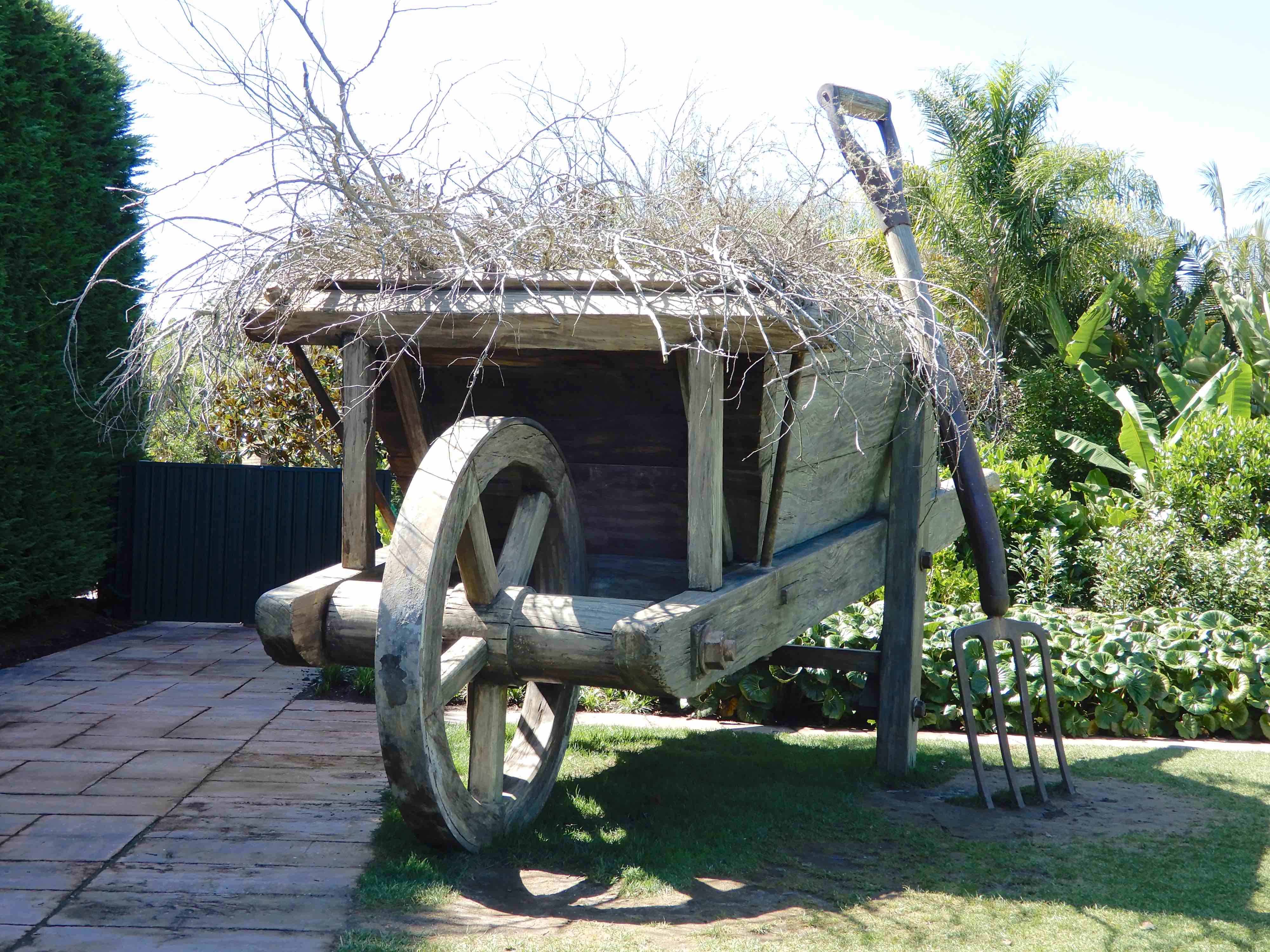
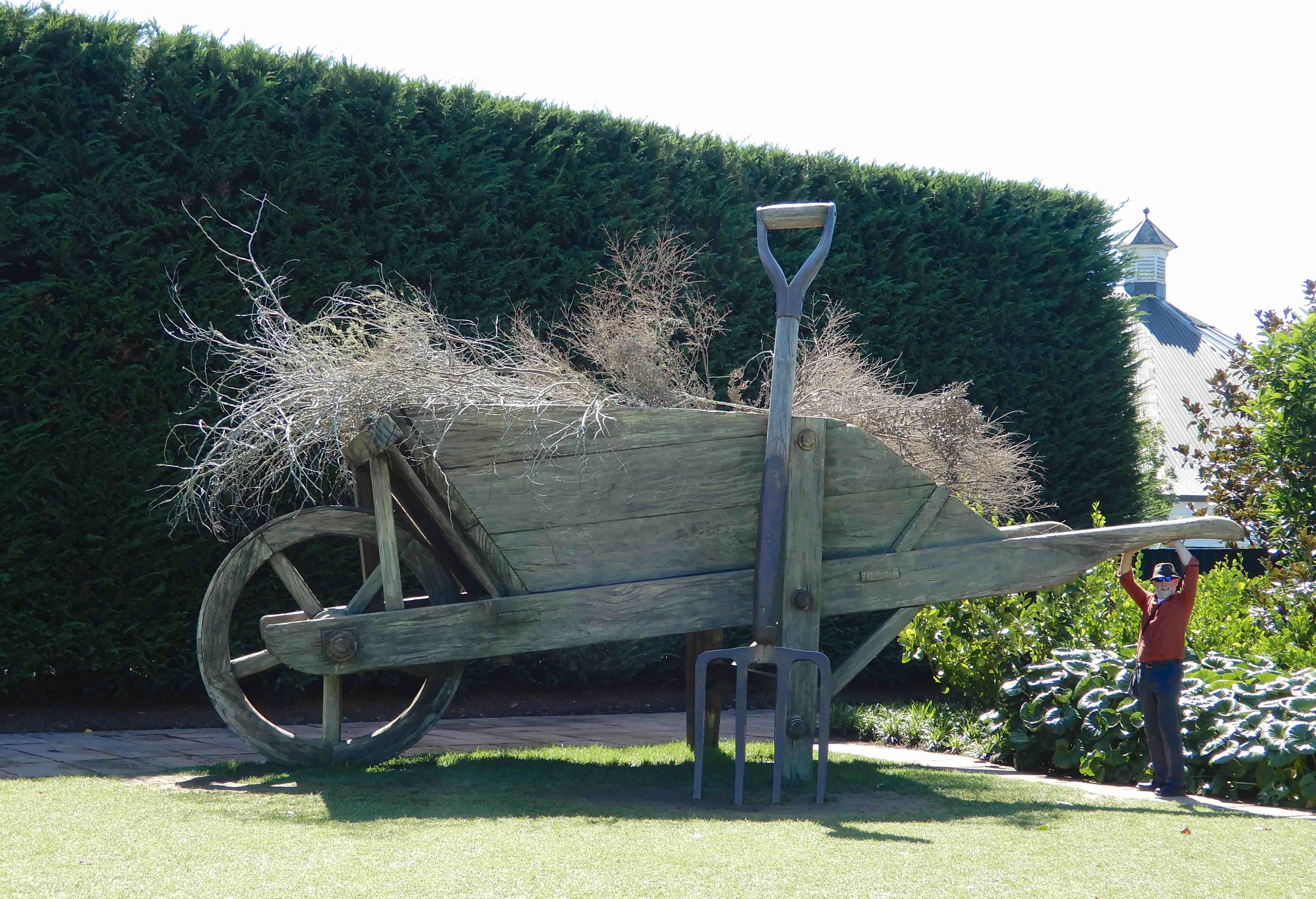
and the lawn edging curves up at the corners like a sheet of paper.
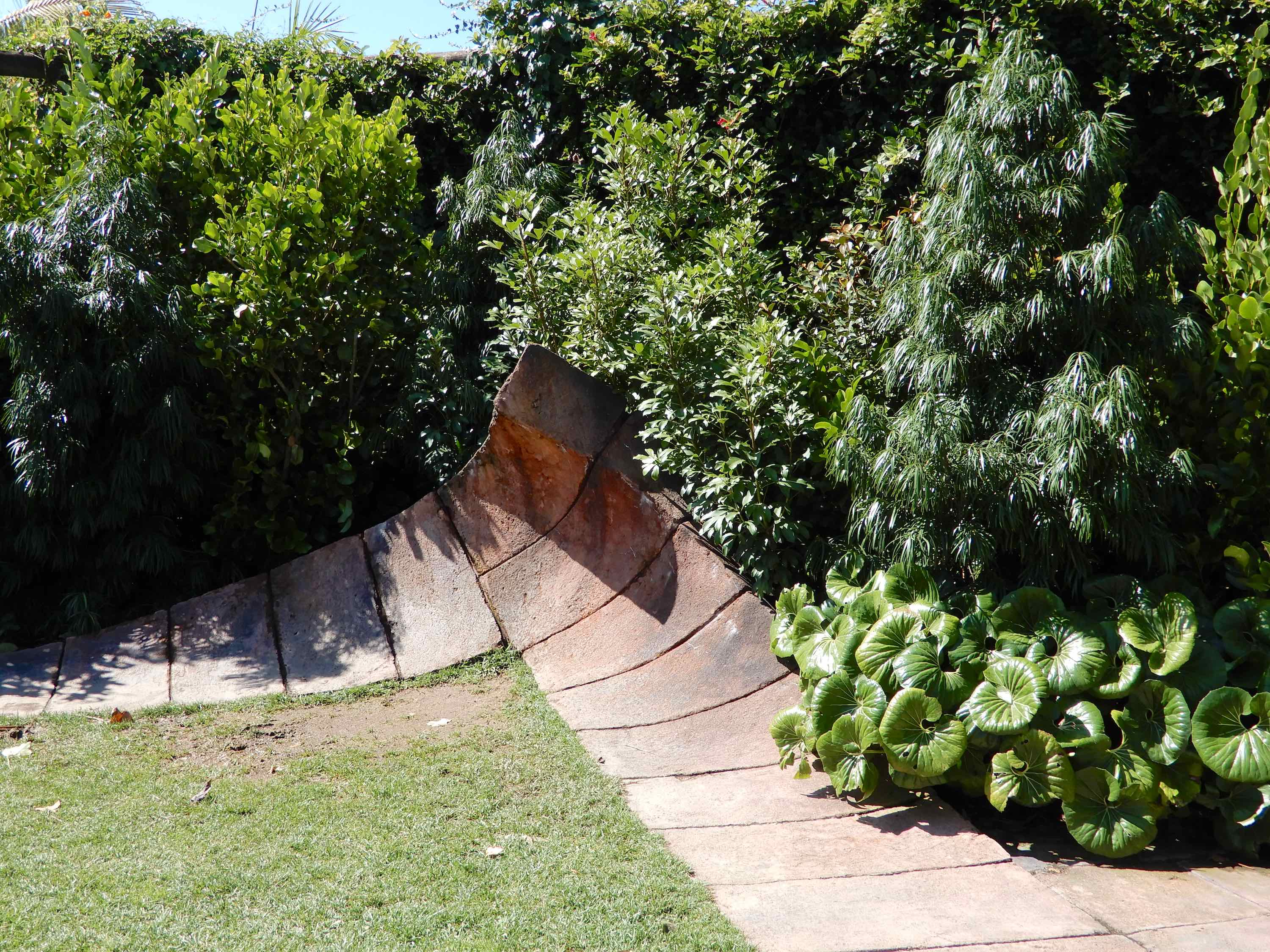
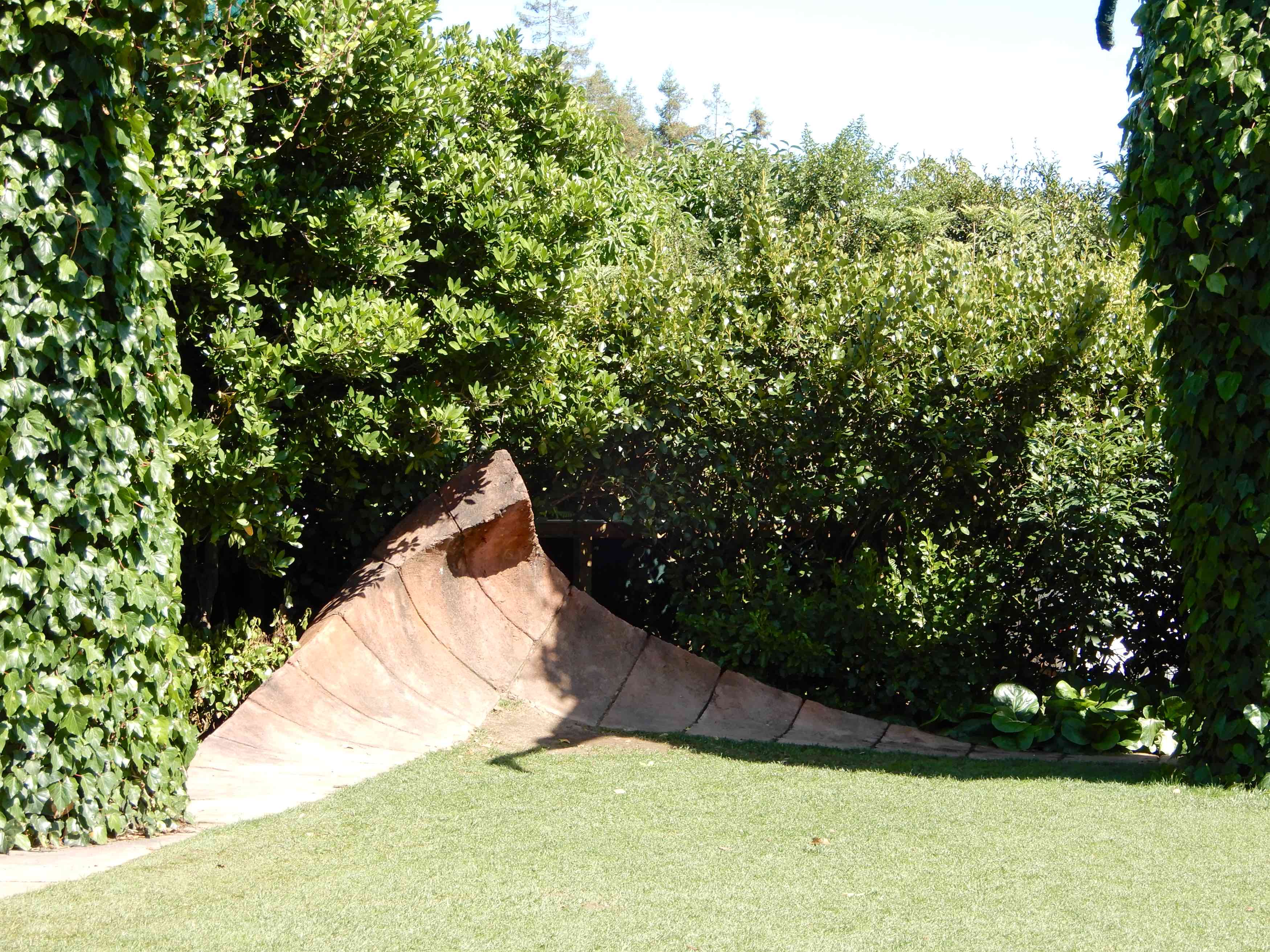
Instead of a dozen white roses, a dozen white noses are dotted throughout the thick foliage bordering the lawn.


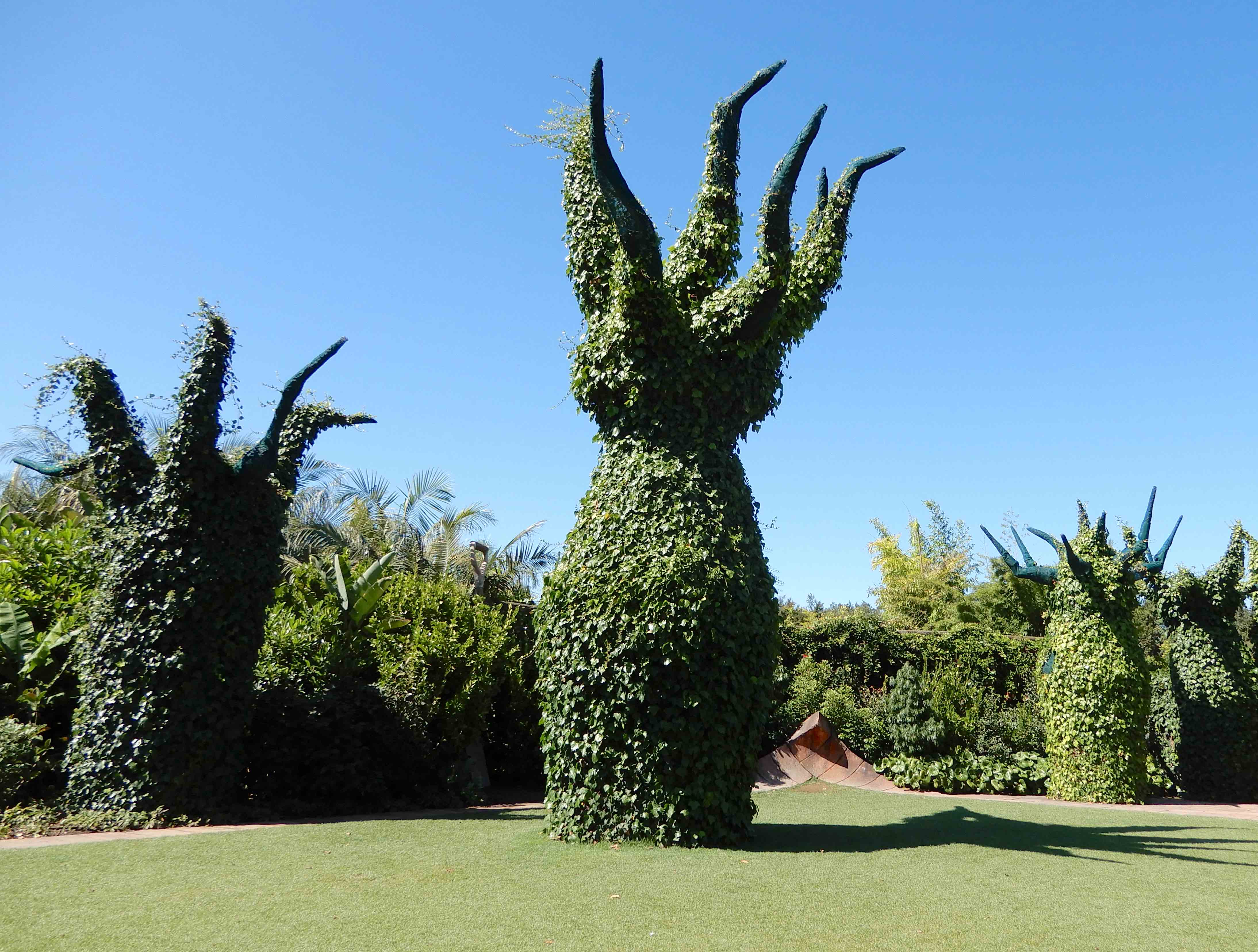
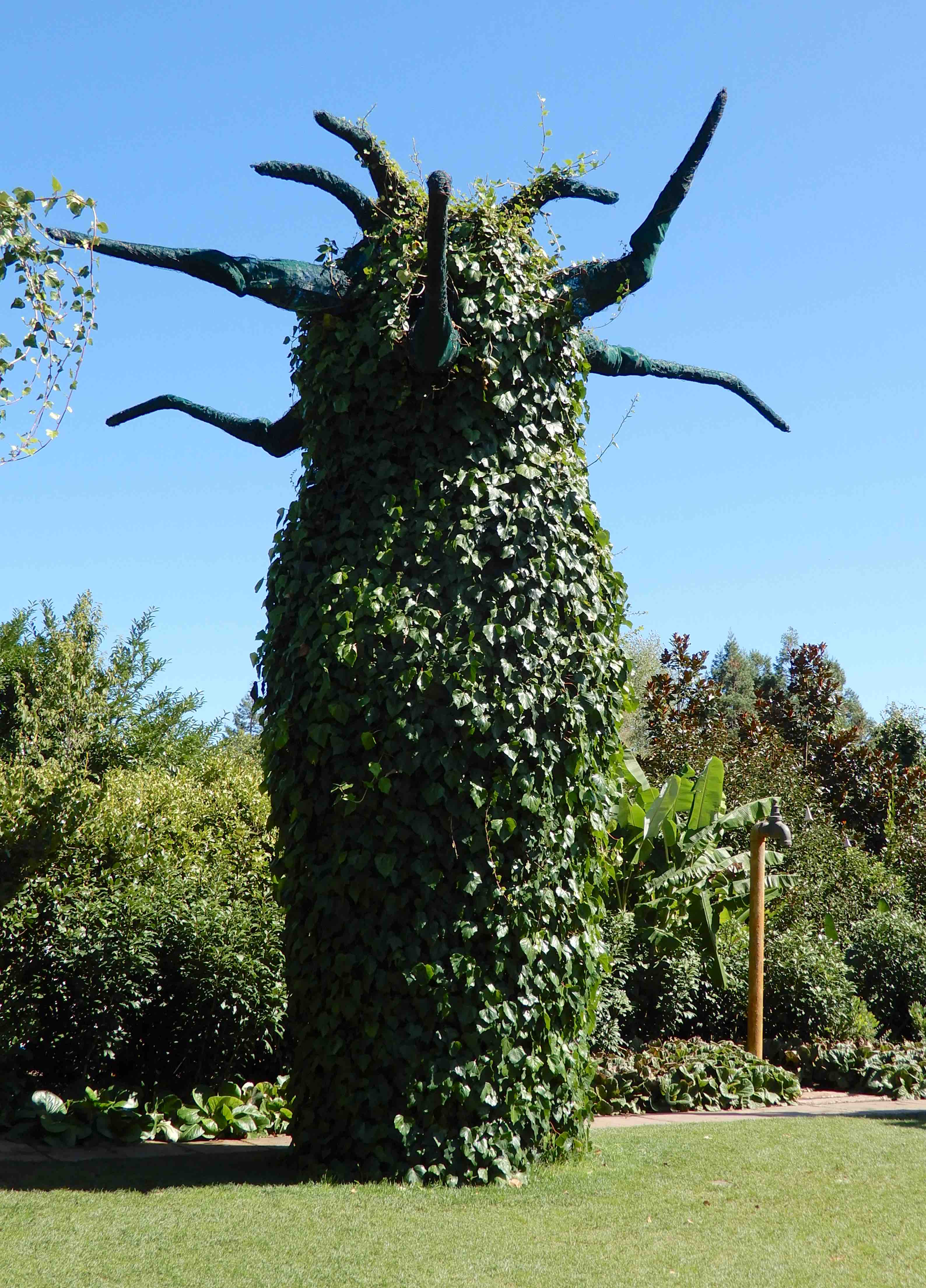
I thought I was seeing thing when I saw the ‘branches’ of these trees moving. The ivy covered shapes, known as ‘trons’, appear slightly sinister as their hydraulically controlled arms move when least expected.
The Tudor Garden reflects the fascination 16th century English aristocracy had with geometric patterns and symbolism. A stone pavilion, based on the one at Montacute House in Somerset, overlooks intricate knot gardens that were traditionally outdoor settings for fantasy plays or ‘masques’.
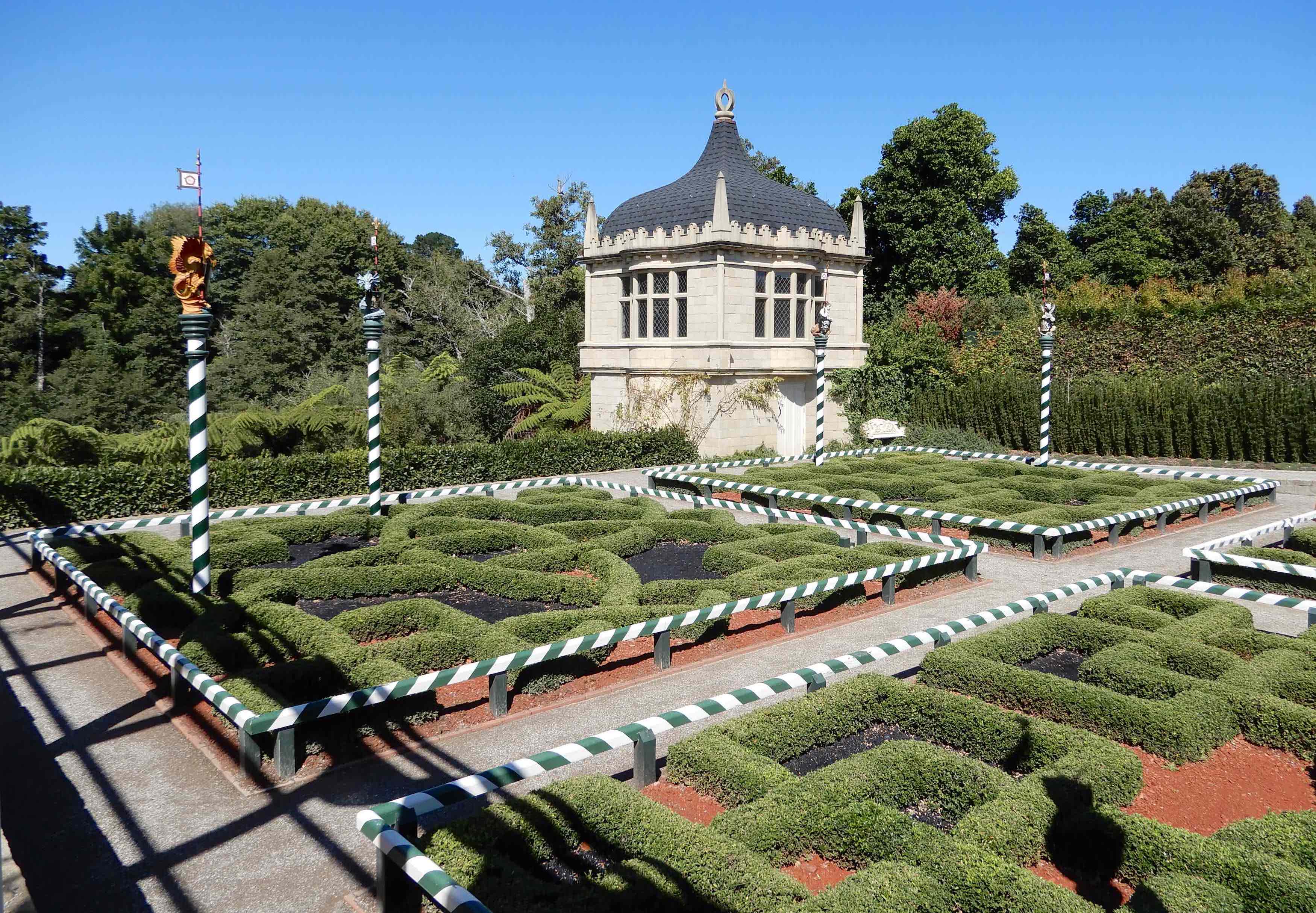
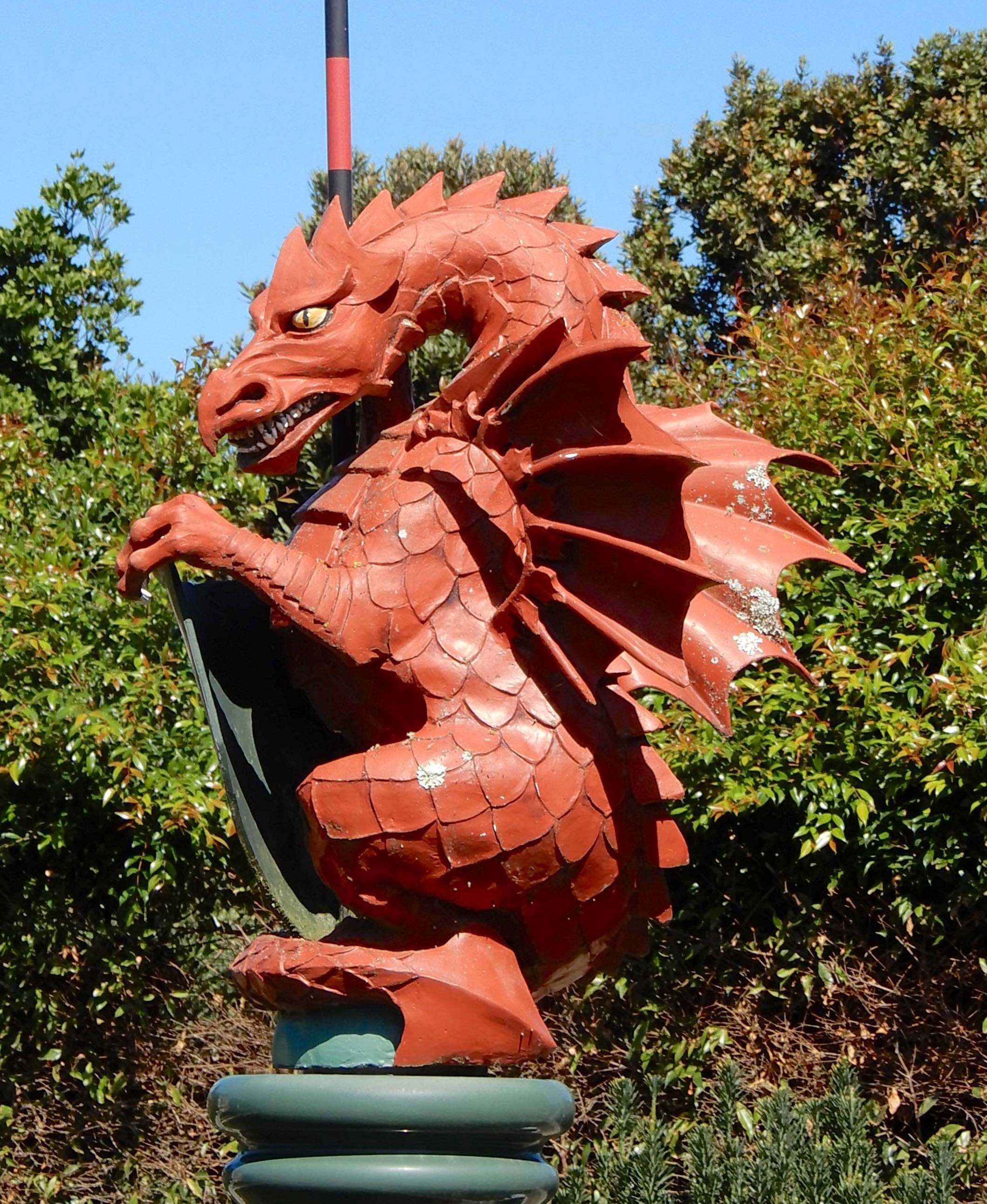
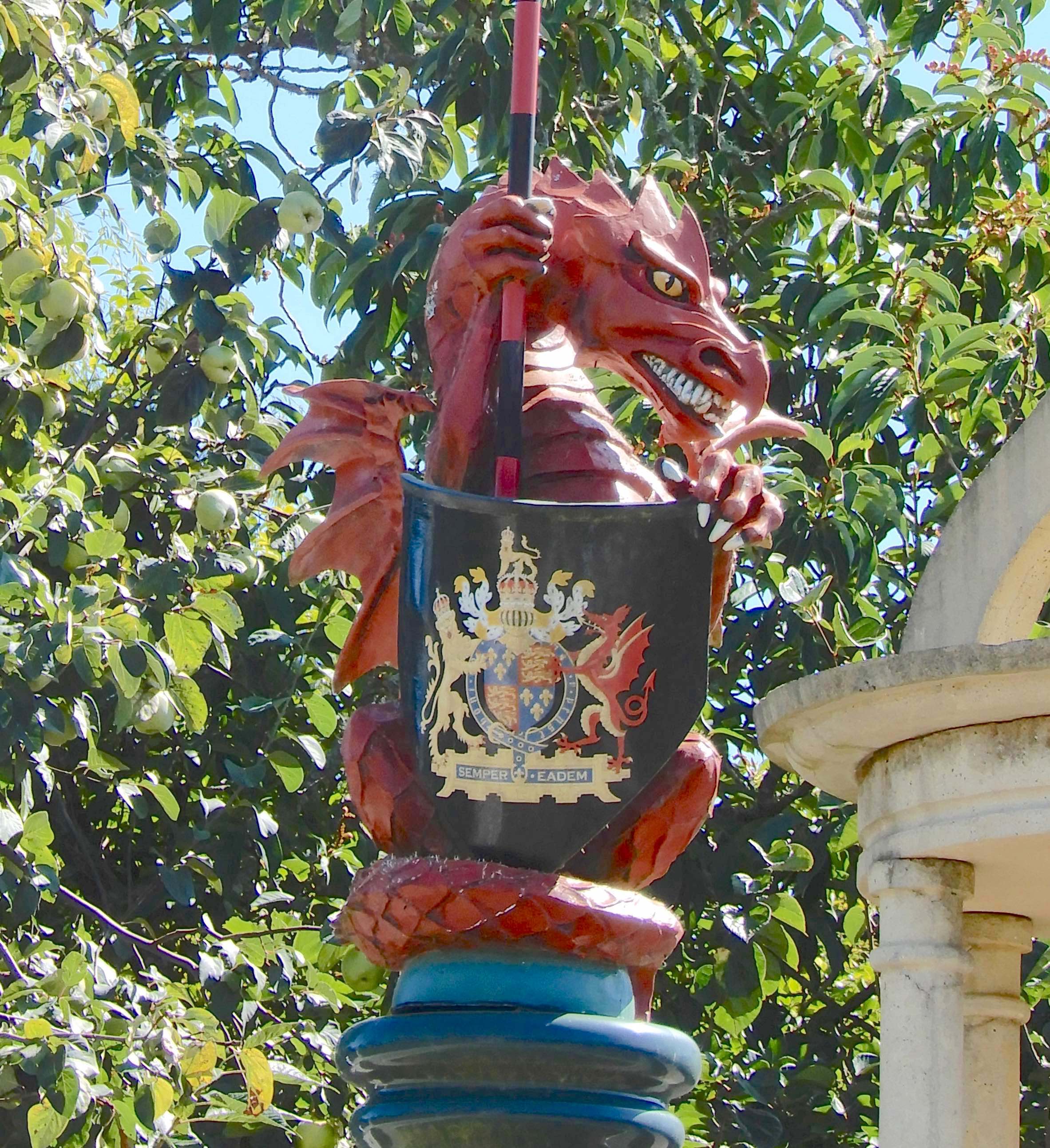
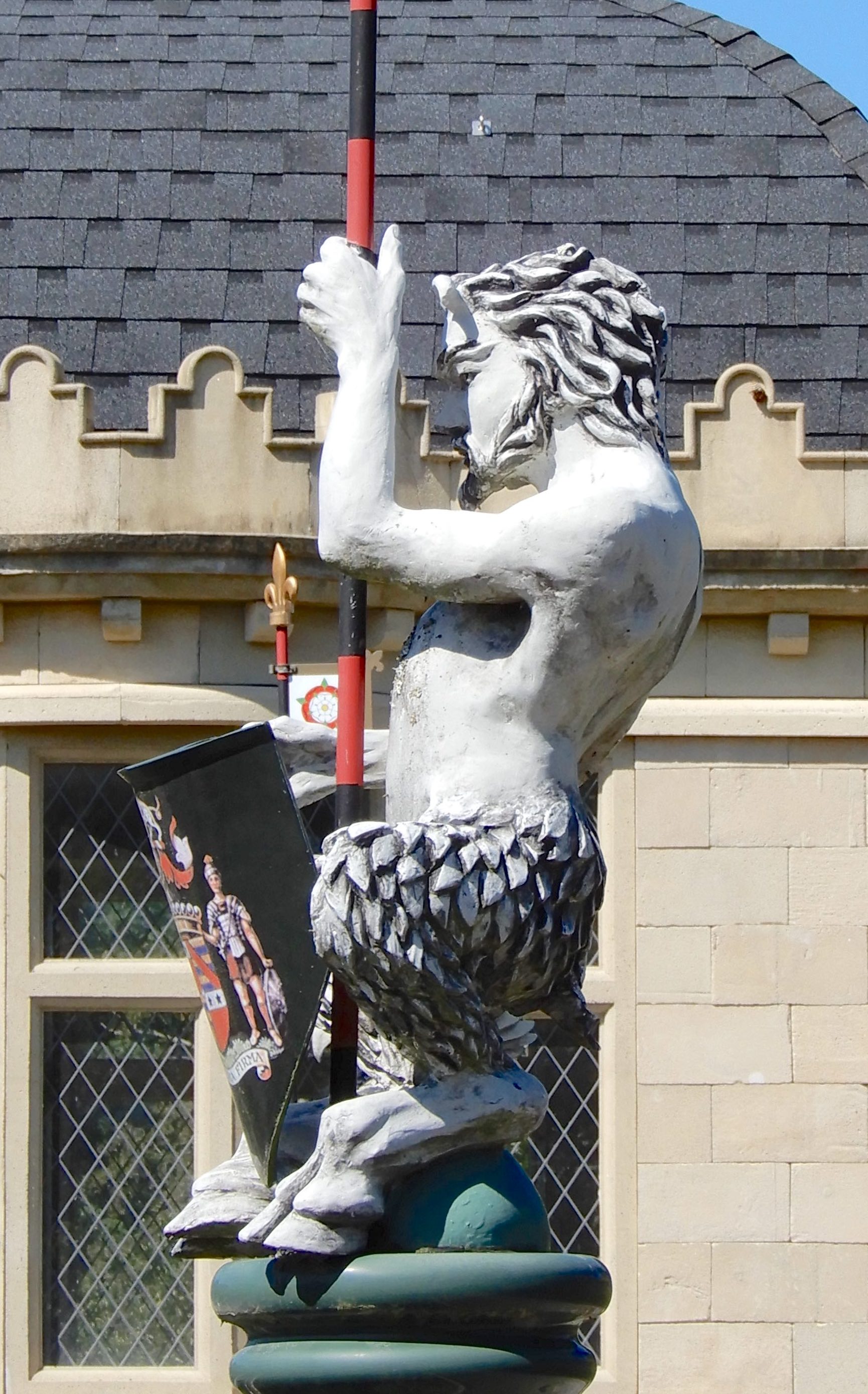
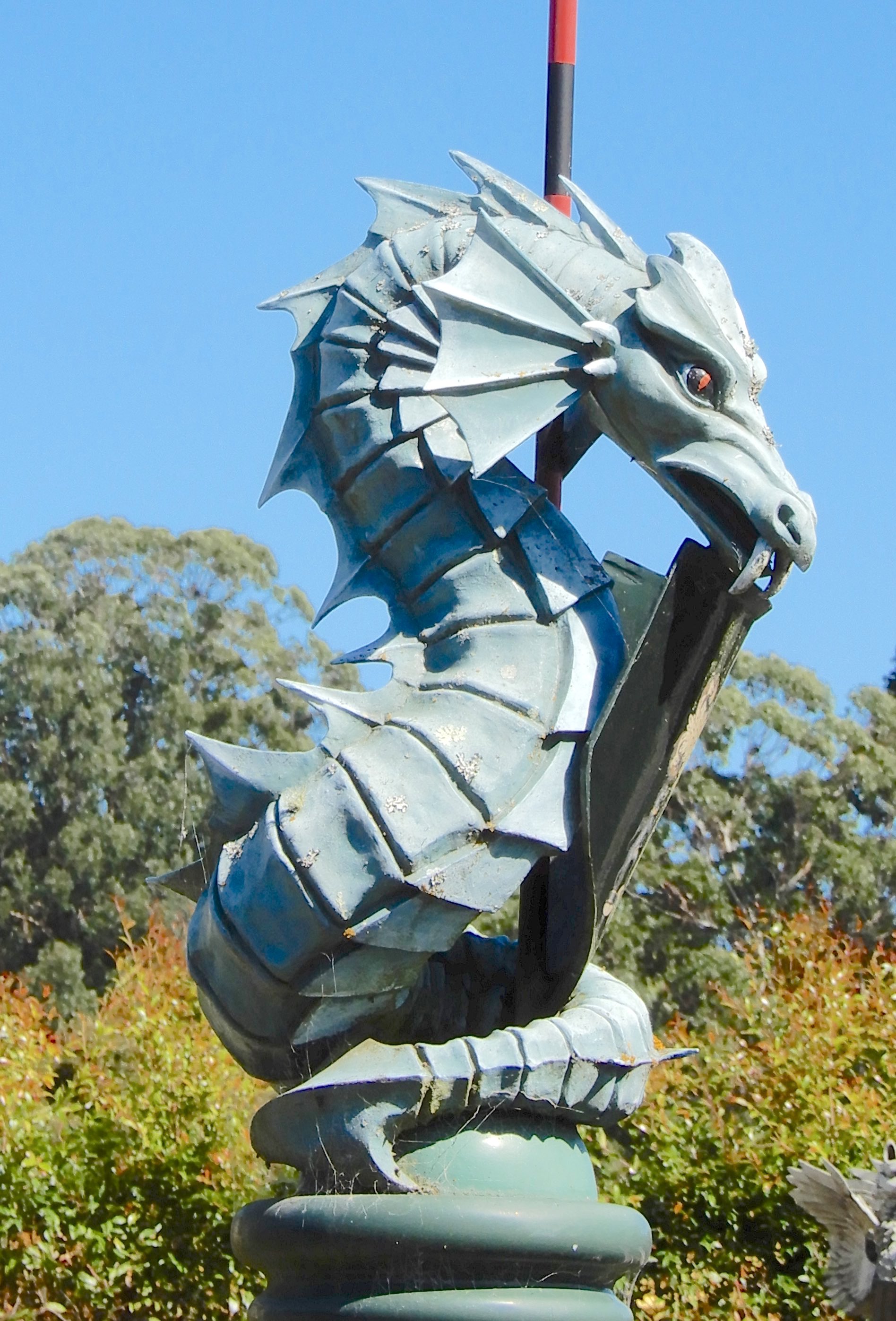
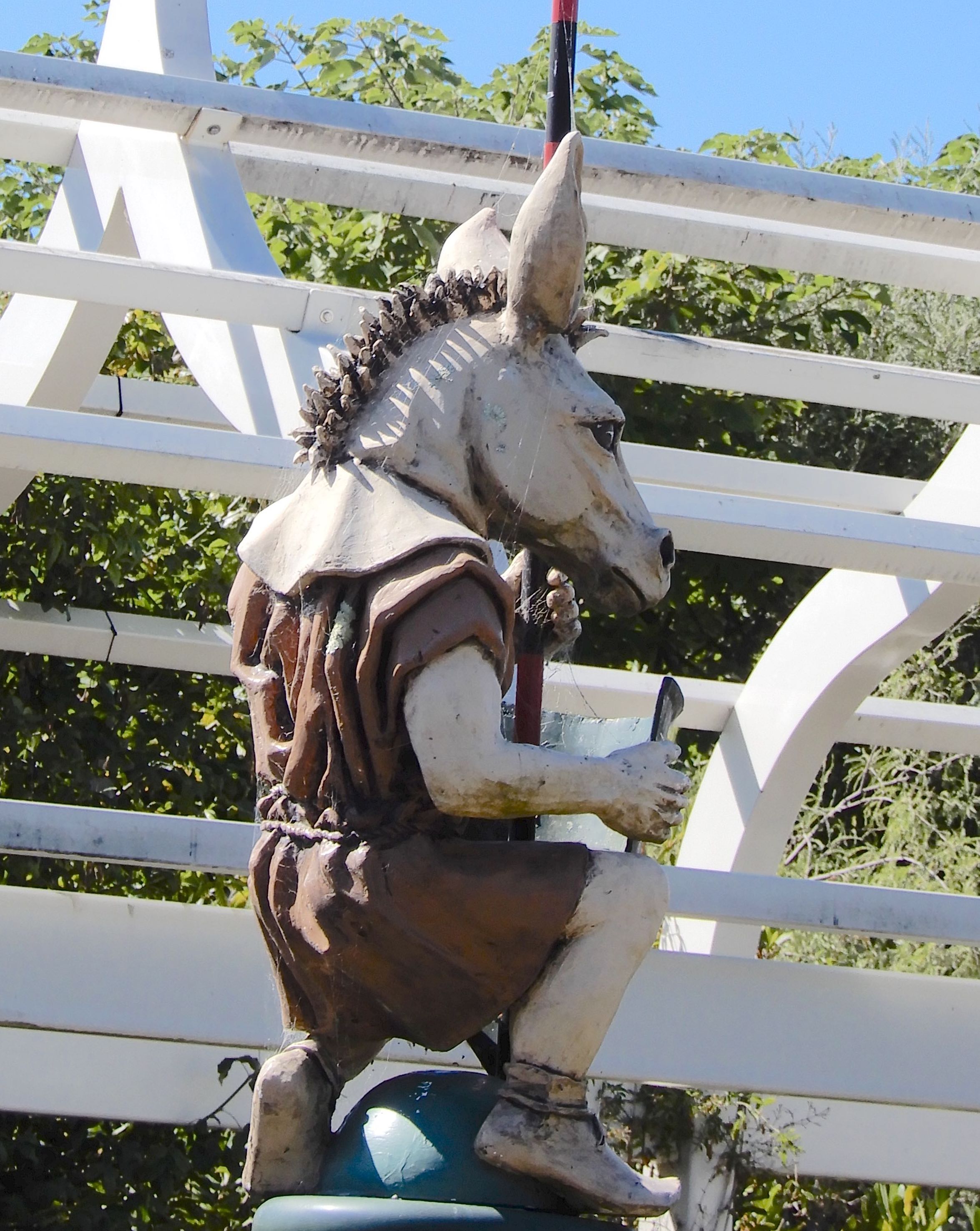
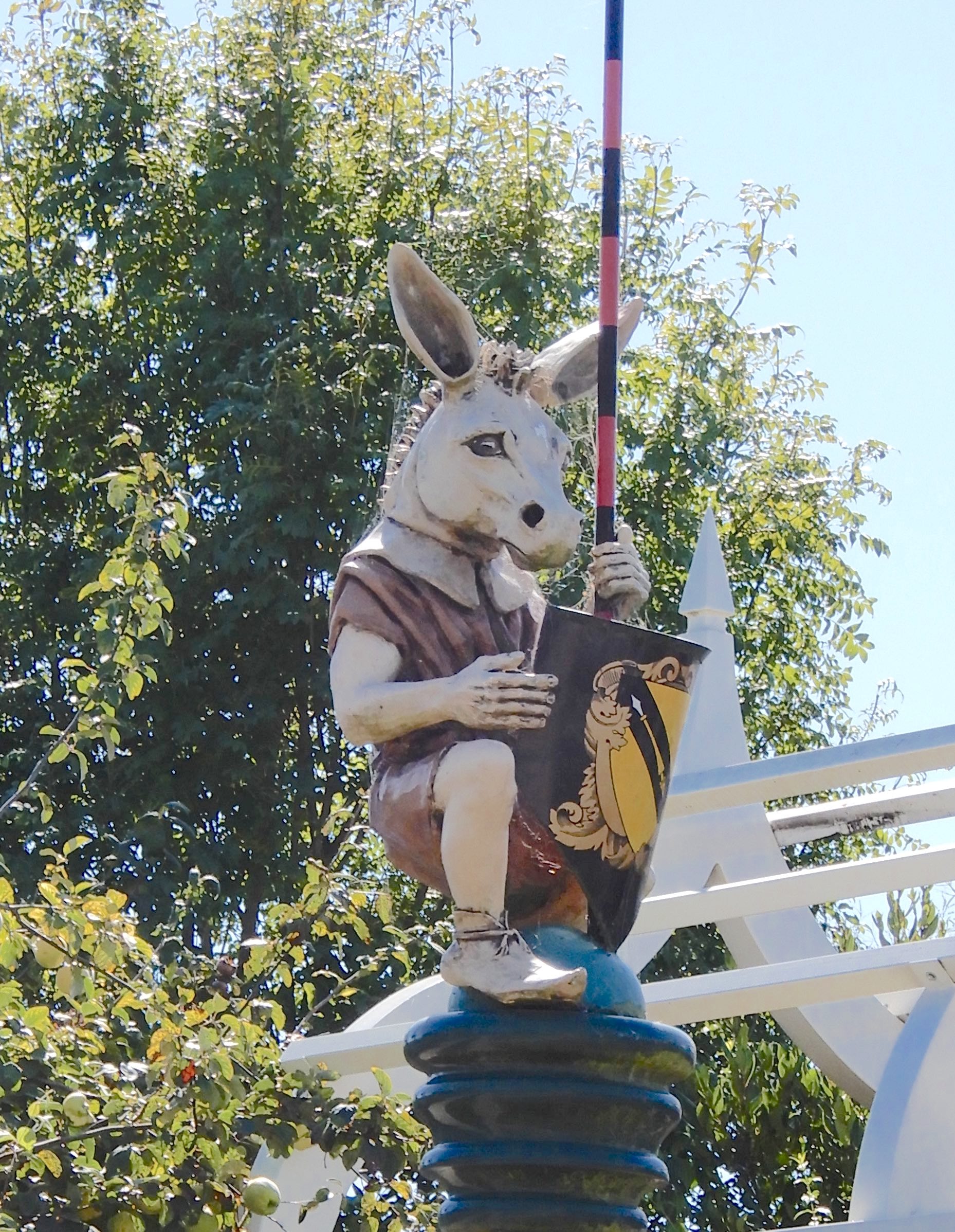
Mythical beasts on green and white striped poles each hold a flag of the Tudor Rose as well as a sculptural crest of some of the notorious personalities of the day. Although some of the shields can’t be seen from the angle of the photo, royalty are represented by the unicorn (Mary, Queen of Scots), the griffin (King Henry VIII) and the dragon (Queen Elizabeth I).


Lord Chancellors of the aforementioned royalty make an appearance with the Centaur (Sir Thomas More) and Satyr (Sir Francis Bacon).


Two favourites of Queen Elizabeth I, both described as a ‘privateer’, are upheld by the sea serpent (Sir Walter Raleigh) and the Phoenix (Sir Francis Drake). The most endearing is the lovable Bottom from Midsummer Night’s Dream holding the shield of Sir William Shakespeare.

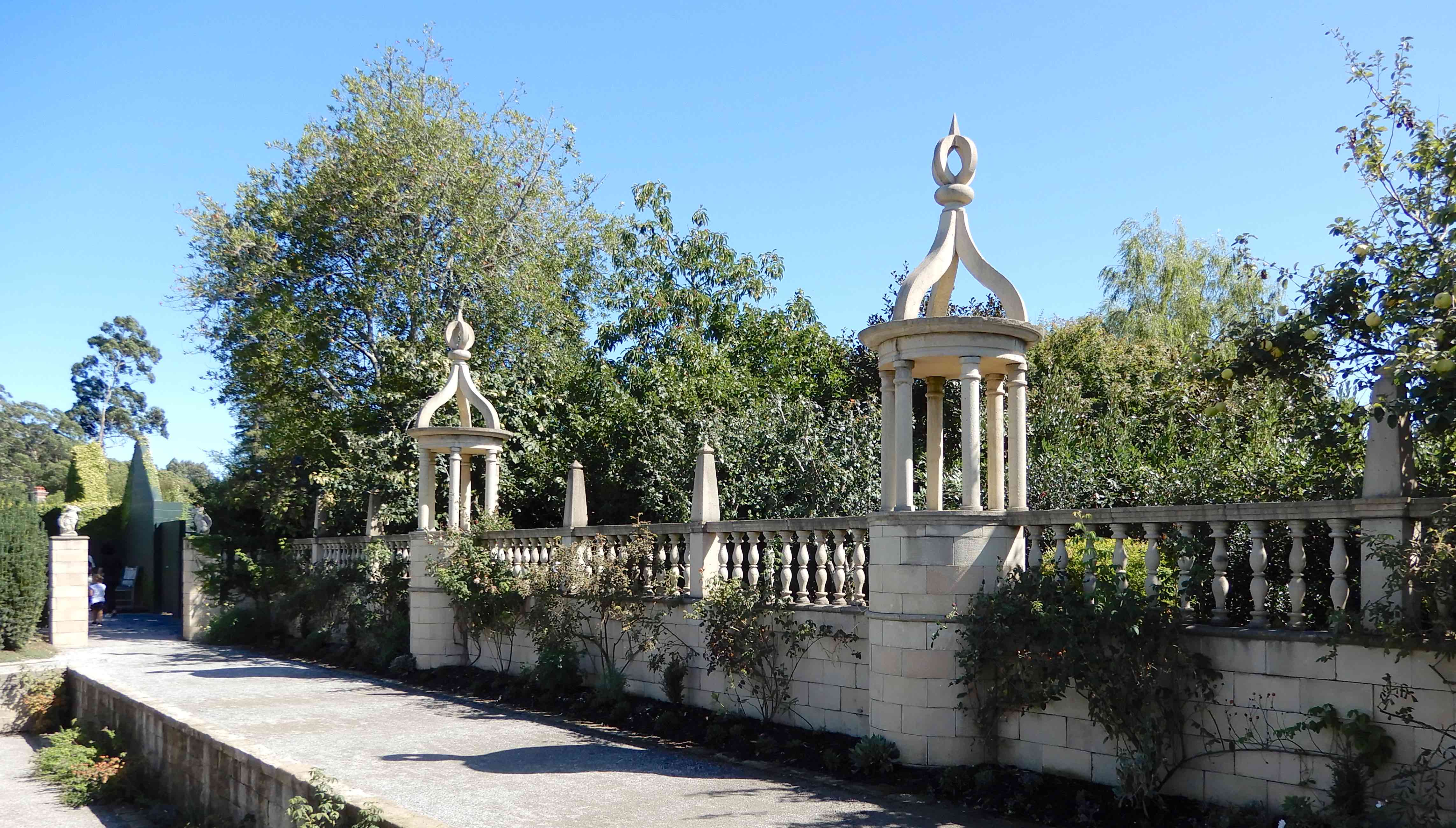
Chinese and Japanese imports flowed into Europe in the 18th century and created a fashion craze that became known as ‘Chinoiserie’. Garden design became an expression of the Western fantasy of Oriental art. This Chinoiserie Garden is quite simple. Once through the Bottle Gate and along the path to the Perfume Garden,


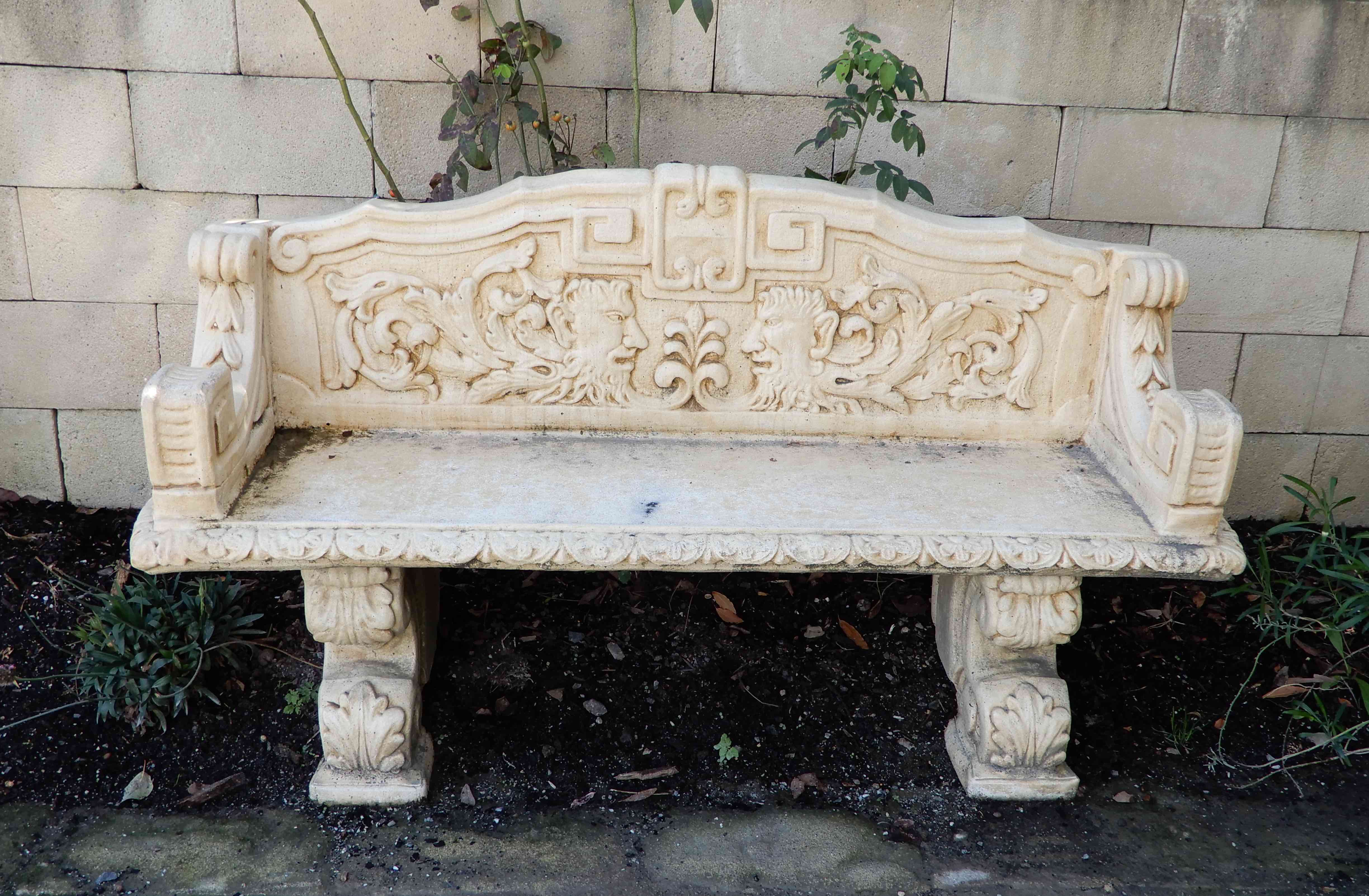
there are Chinoiserie seats and a Chinese Pavilion overlooking a sweeping lawn.

The pavilion is modelled on the ‘Chinese House’ at Stowe Landscape Gardens in England which was built in 1738. Like the original, the roof is copper and the colourful decoration gives it a theatrical touch.

Planting in the Tropical Garden has been designed so that the hardier plants offer protection to those more susceptible to Waikato winters. Exotic plants such as bromeliads and orchids sprinkle colour amongst the lush greenery and a trickling stream adds to the tranquil tropical atmosphere.


The next three Fantasy gardens led from Braithwaite Court where a Huddleston airship, full of gardening gadgets, is tethered. The airship is more than ornamental, it glides through the night delivering plants and pruning hard-to-reach hedges.

Essentially a form of outdoor conceptual art, the Concept Garden has been inspired by the square boxes of a legend on a map. Nine types of New Zealand landscape are symbolised in the blocks; pasture is represented by the grass, native bush by Muehlenbeckia astonii, urban areas by White Carpet roses, horticultural by citrus trees, tussock grassland by Carex buchananii, coniferous forest by Pinus mugo, scrubland by Leptospermum scoparium, wetland by Apodasmia and water bodies by the central pool.

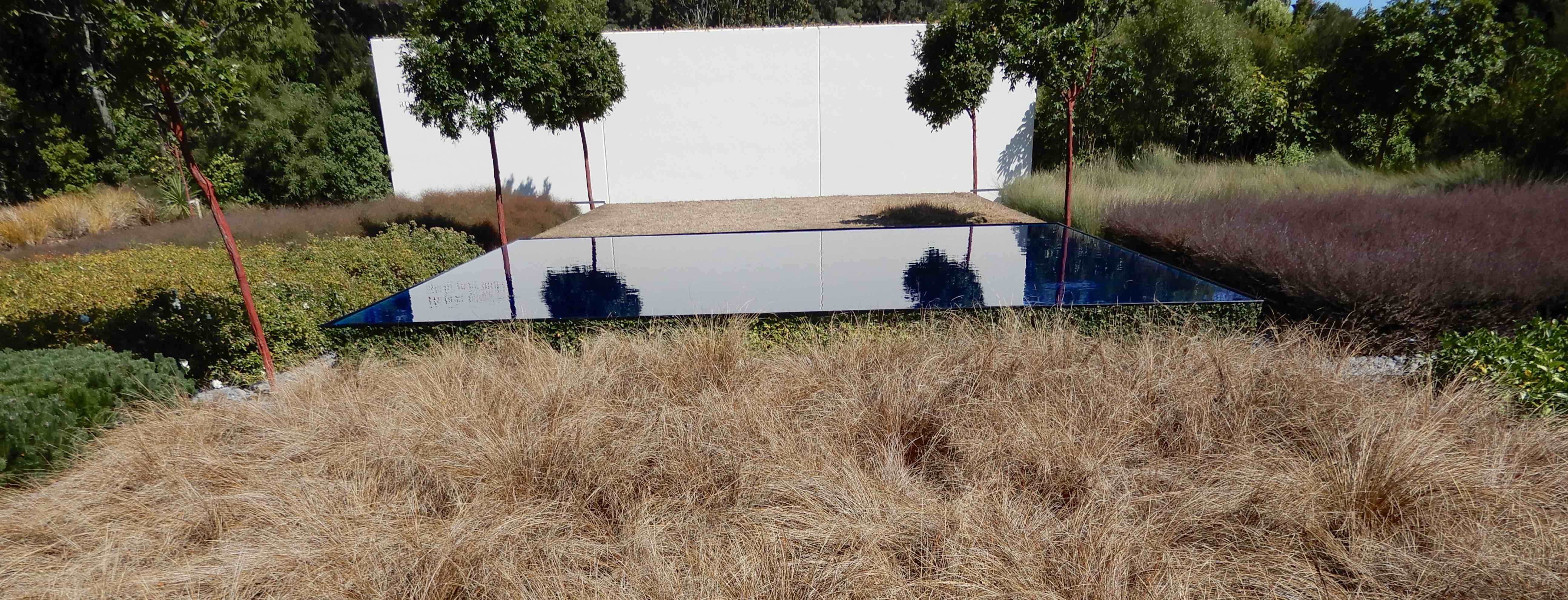
Two Māori whakataukī, or proverbs, appear in the garden. He peke tangata, apa he peke titoki, is inscribed on the white wall, meaning ‘the human family lives on while the branch of the titoki falls and decays’. Perhaps a suggestion that as the population grows, it is at the expense of natural environments. The other whakataukī is inscribed on a steel pipe, which will gradually rust away; the interpretation of this message is, ‘but in the end, nature is going to win’.

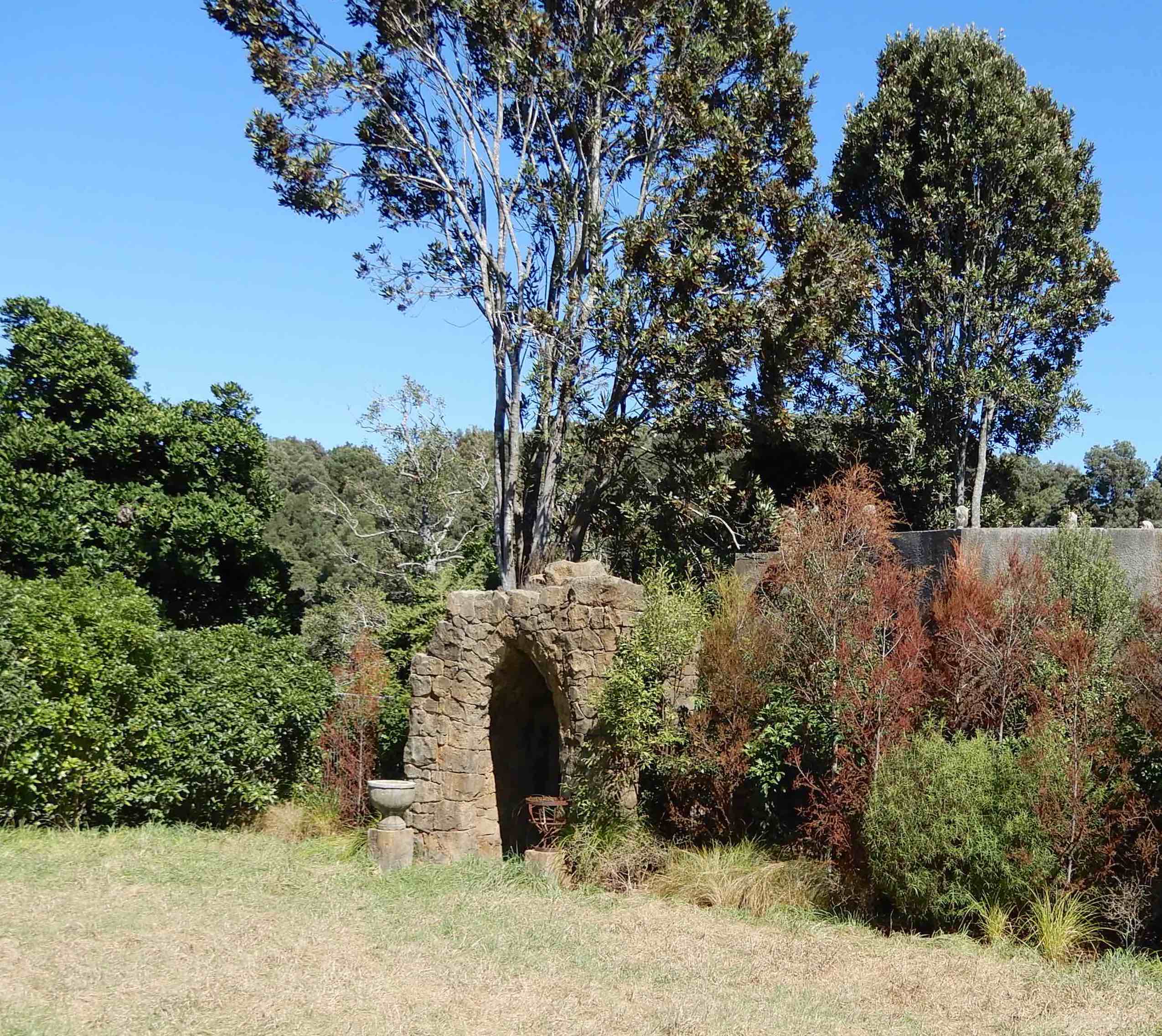
A change in attitude toward the formality of garden design came about with the Picturesque Garden movement in England during the 18th century. Gardens retained a natural look, some deliberately wild and overgrown, and often had a sequence of features representing a fantasy story or classical legend. The Picturesque Garden at Hamilton makes reference to the story of The Magic Flute, written by Mozart in 1791, along with Masonic symbolism found in the story. We entered through a cave guarded by a pair of sphinxes


and passed the figure of Papageno

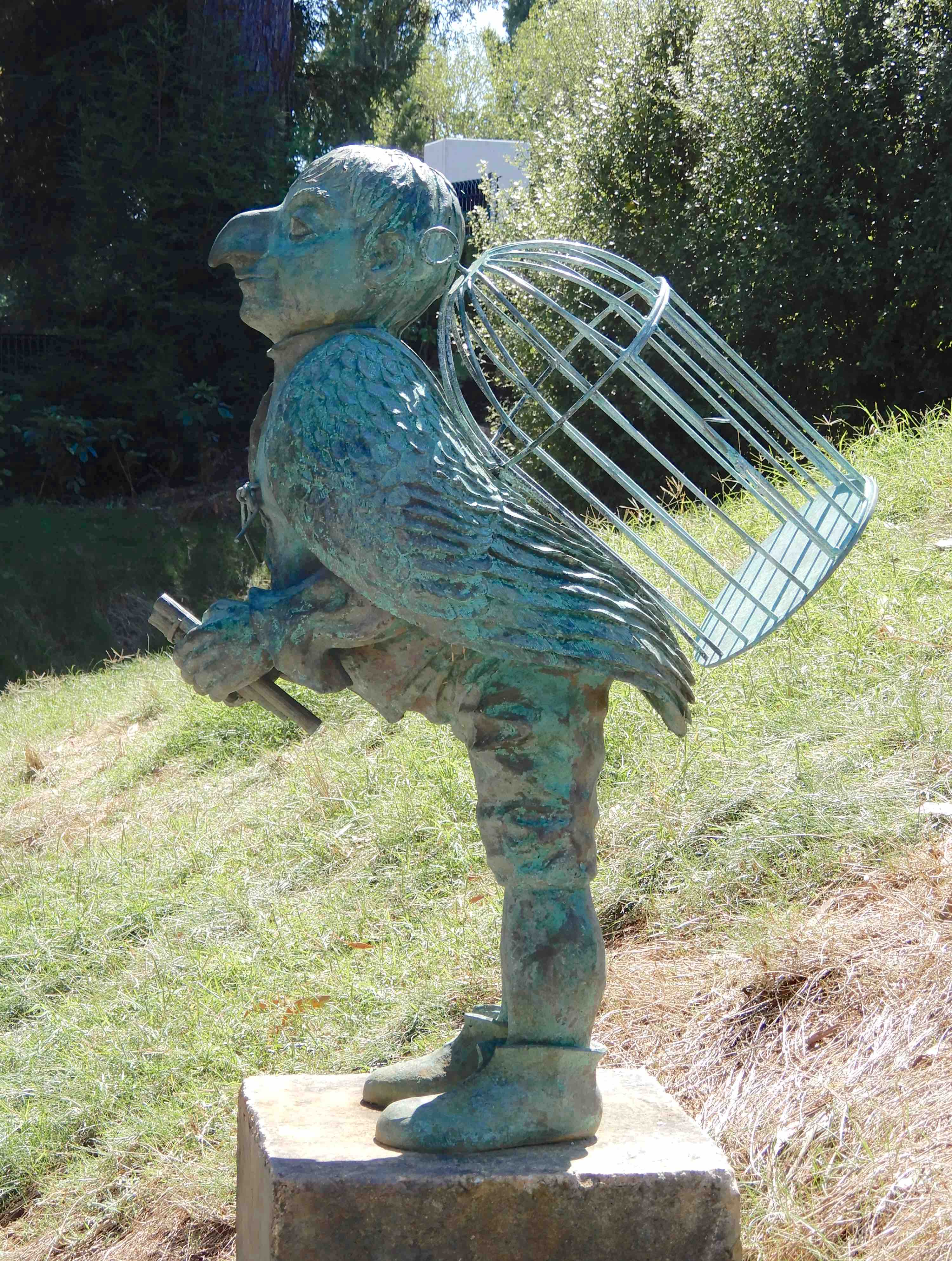
before reaching the Woodland Temple of the Queen of the Night.

The number three is significant to the Freemasons, as evinced by the three guardian angels, three portals to enter the temple and, through the dark passage, three temptresses represented in relief sculpture on the wall.


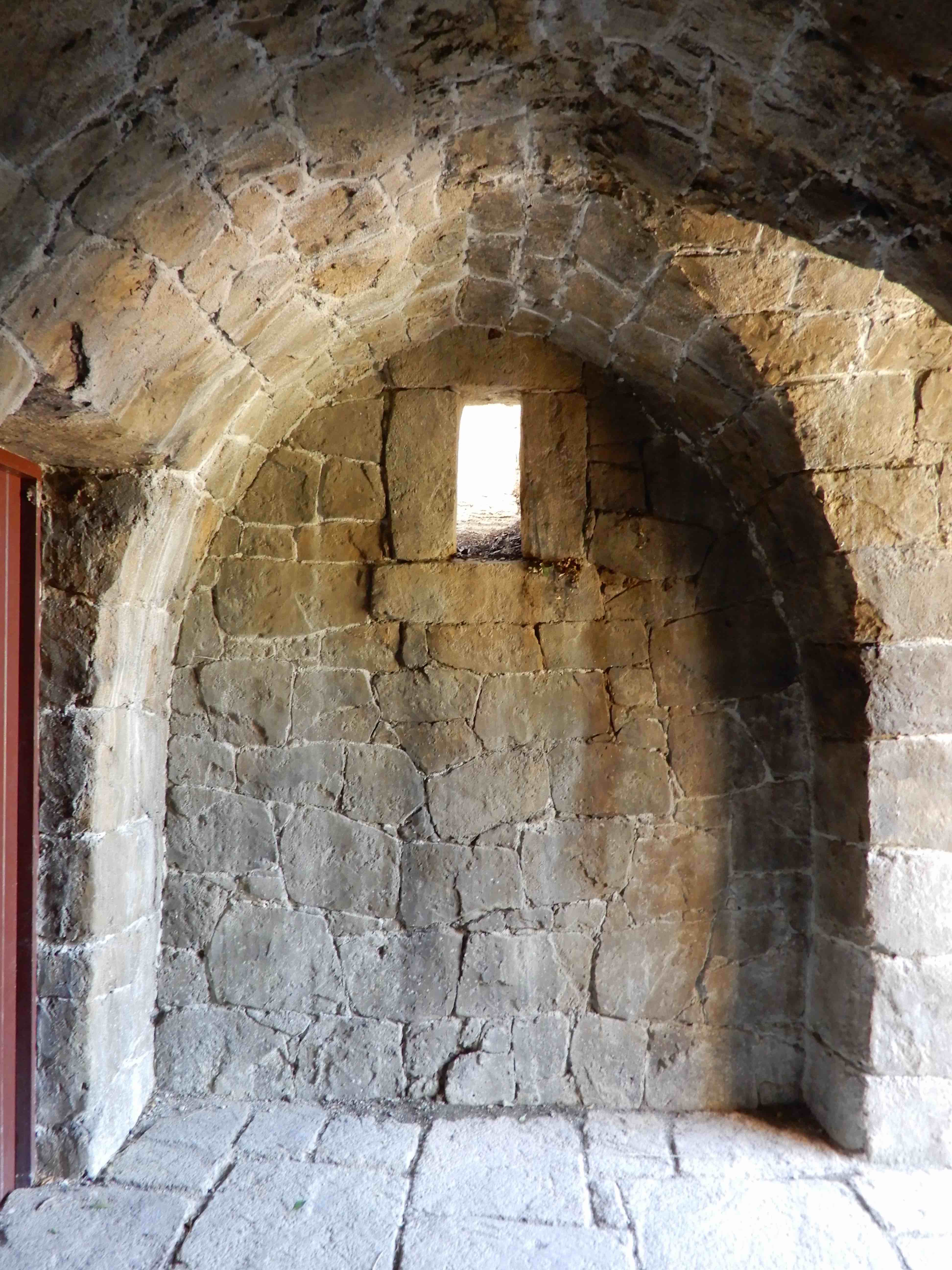

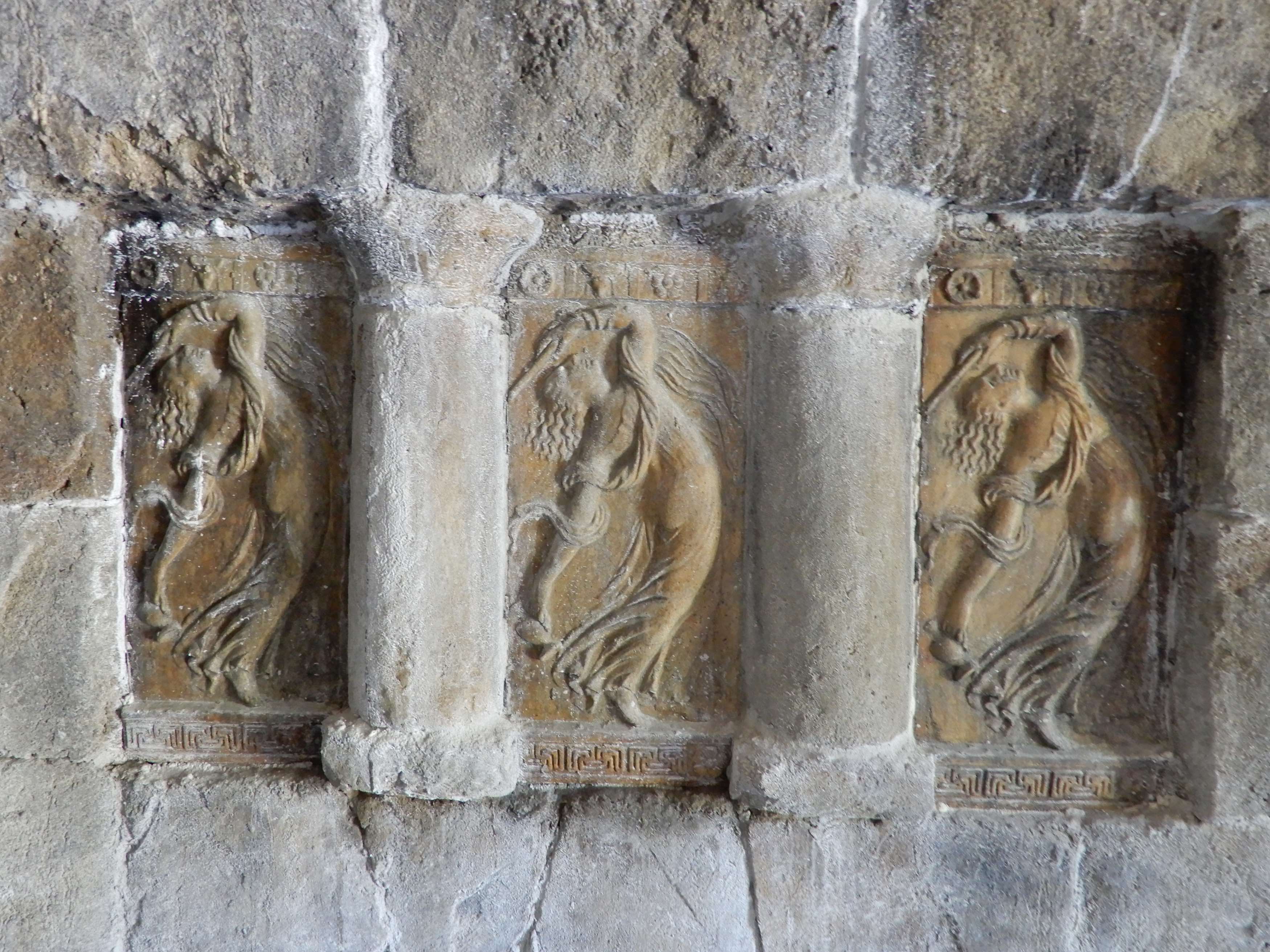
A table of food and wine awaited in a meadow

and the entrance to the cave where Tamino faced his last test is flanked by a brazier and bowl, symbolising fire and water. Opening a door at the end of the path, we wondered what could possibly top that experience.

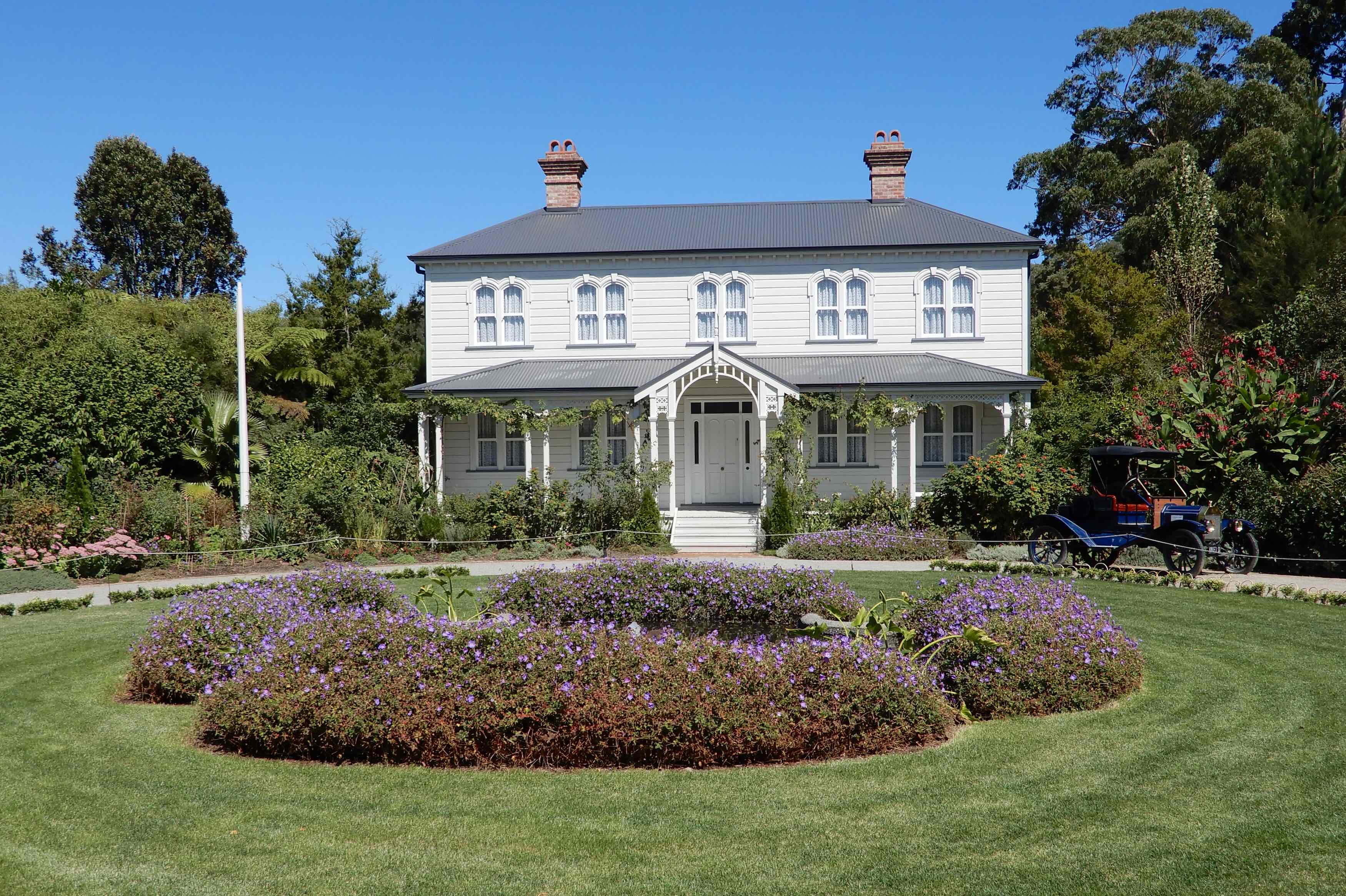
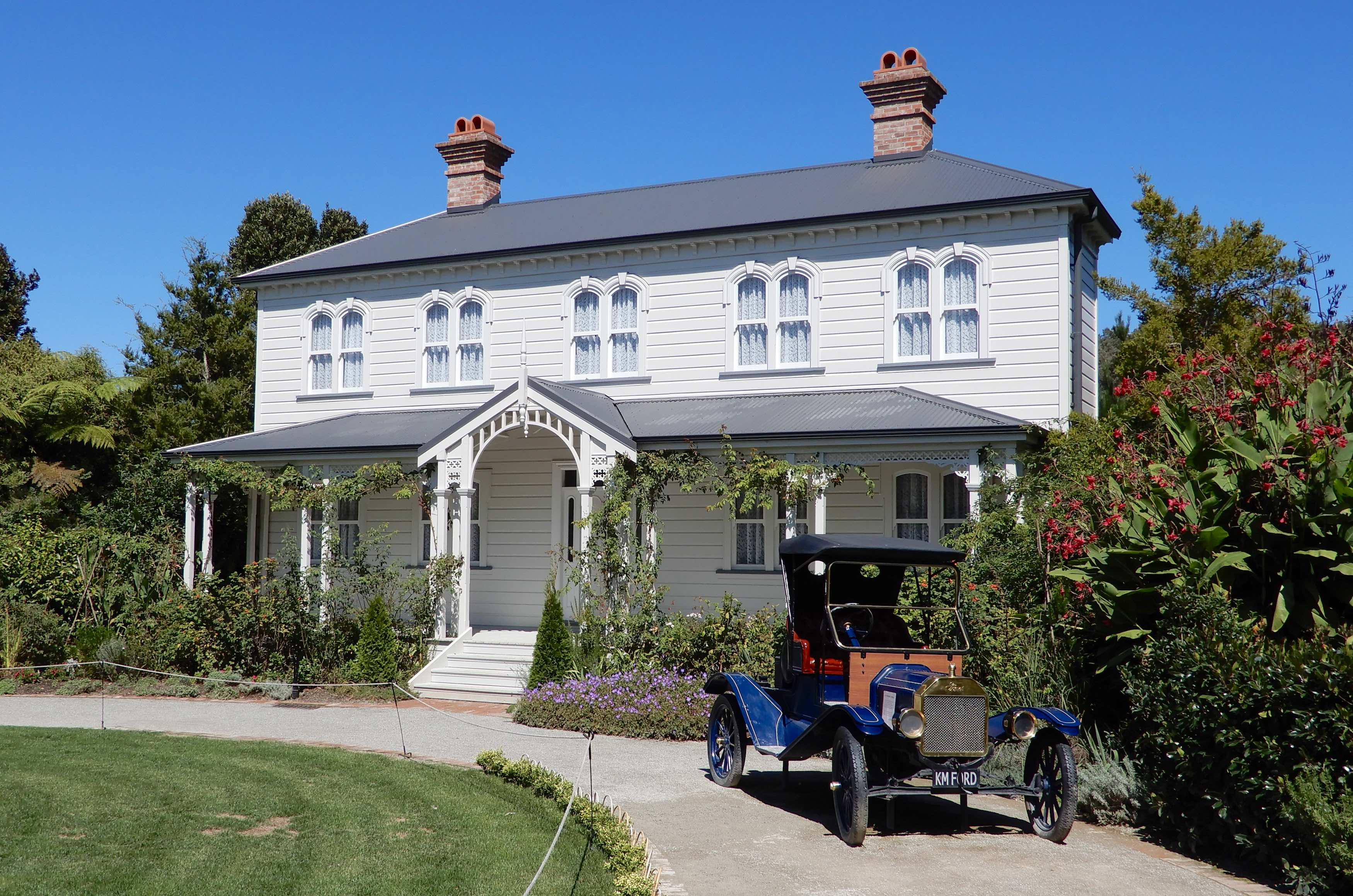
We weren’t disappointed. One of the foremost pioneers in modern literature, New Zealand born Katherine Mansfield wrote her short story, The Garden Party in 1922. Inspired by an event that took place in Wellington in 1907, the architecture, food and design detail of the Edwardian period has been recreated in the Mansfield Garden. Circular gravel driveways with a pond or fountain in the centre were a common theme
and the Model T Ford was a status symbol of the time.
The lawn tennis court is the setting of the party
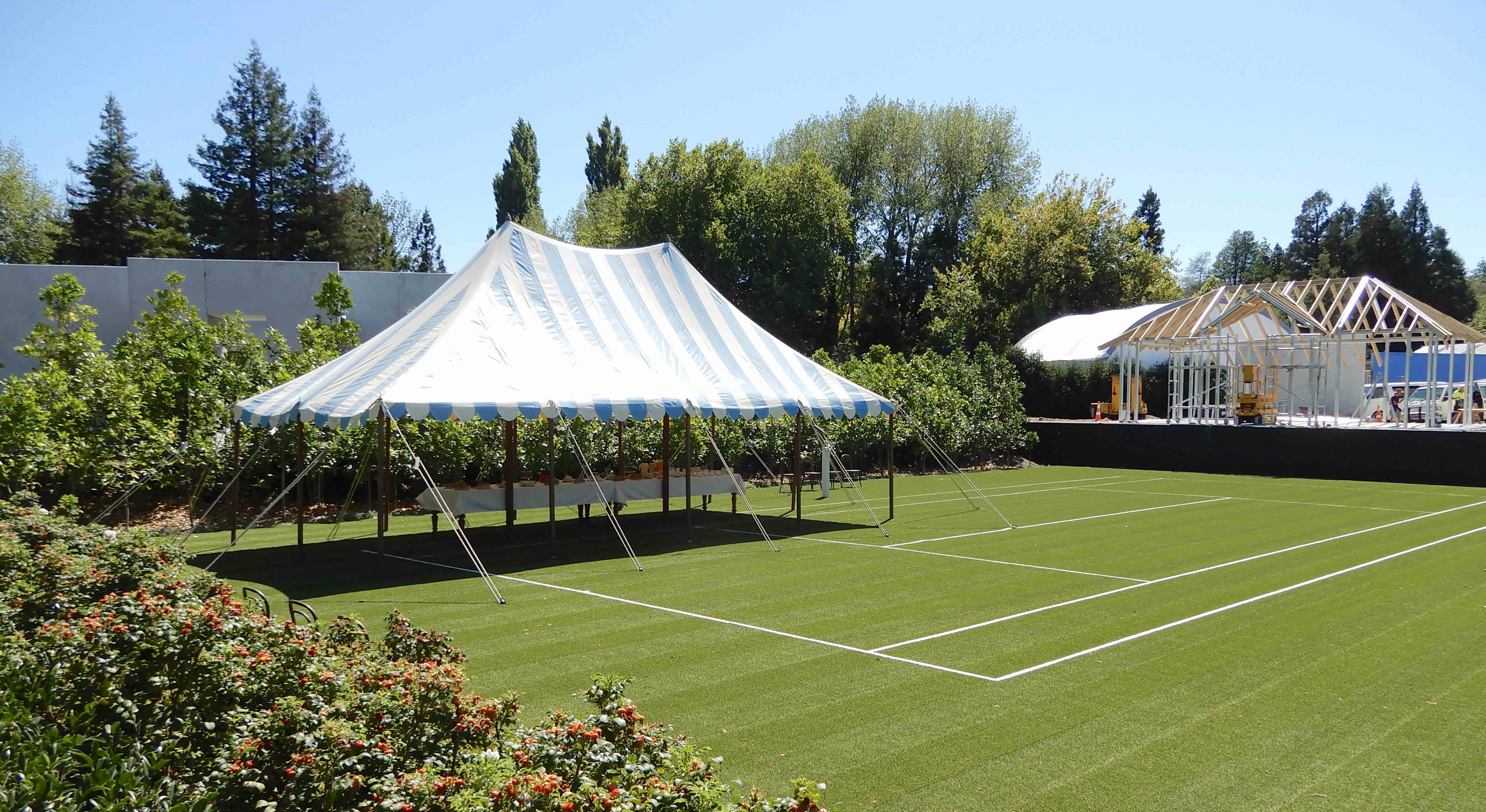
and workmen erected a marquee against the karaka hedge, specifically mentioned in the story, on the far side of the court.


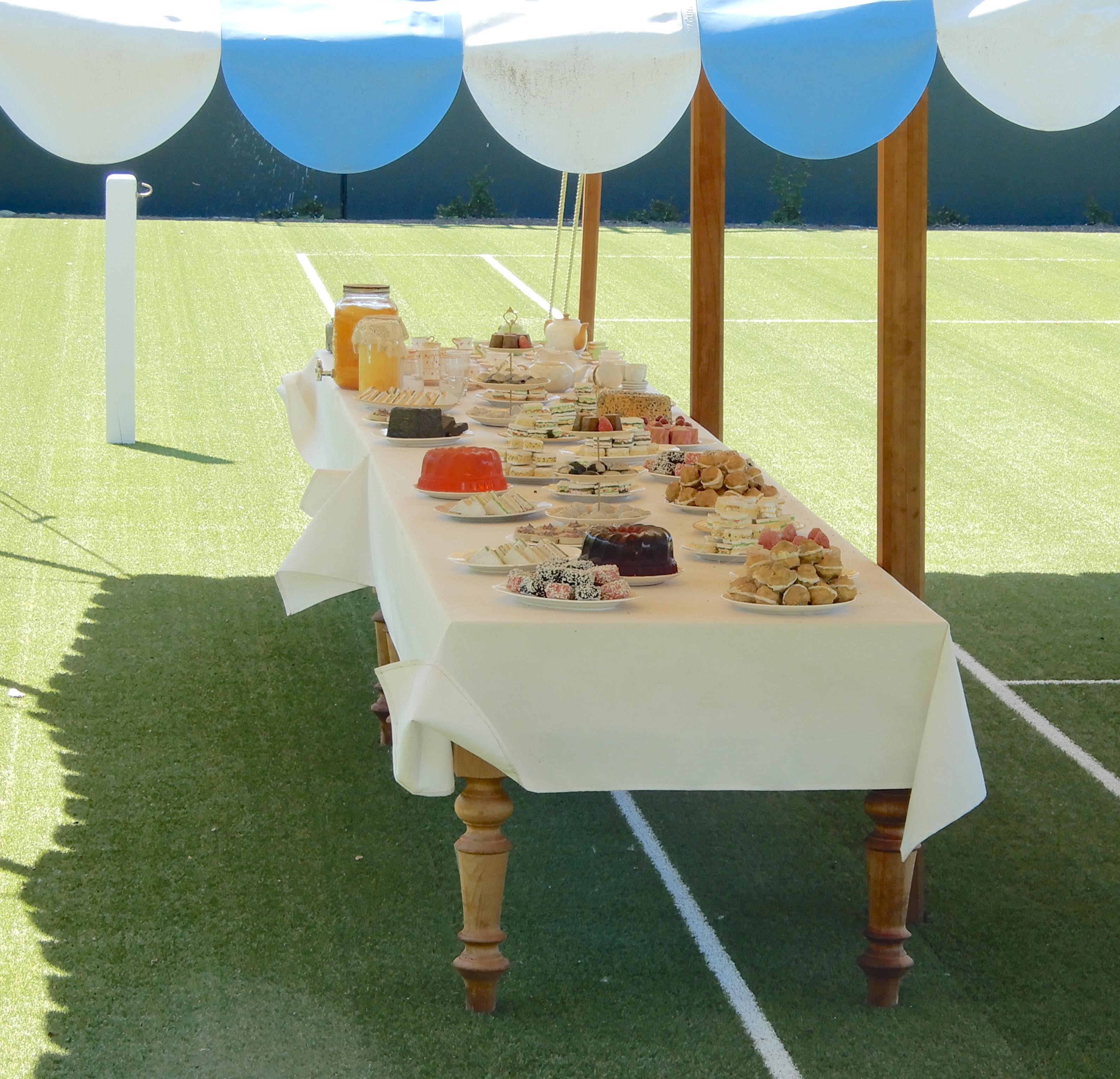
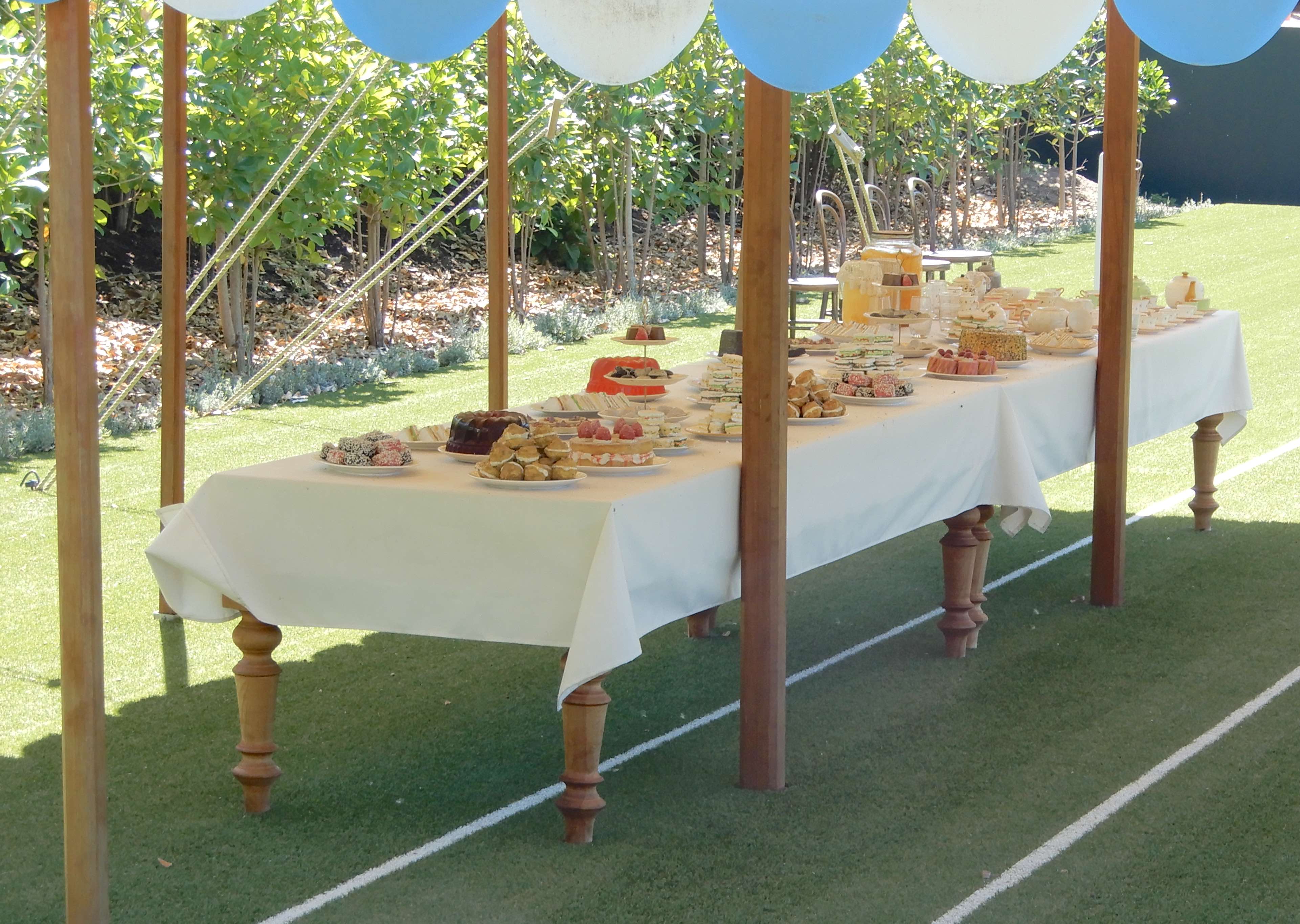
The banquet table is laden with mouth-watering fare. Fifteen kinds of sandwiches with the crusts cut off are suggested in the story, although only two were specified; cream cheese with lemon curd and egg & olive. ‘Godber’s famous cream puffs’ were also on the menu, a nod to James Godber, a very successful baker, confectioner and caterer in Wellington at the turn of the century. The delectable spread is actually made from concrete and resin to withstand the elements.
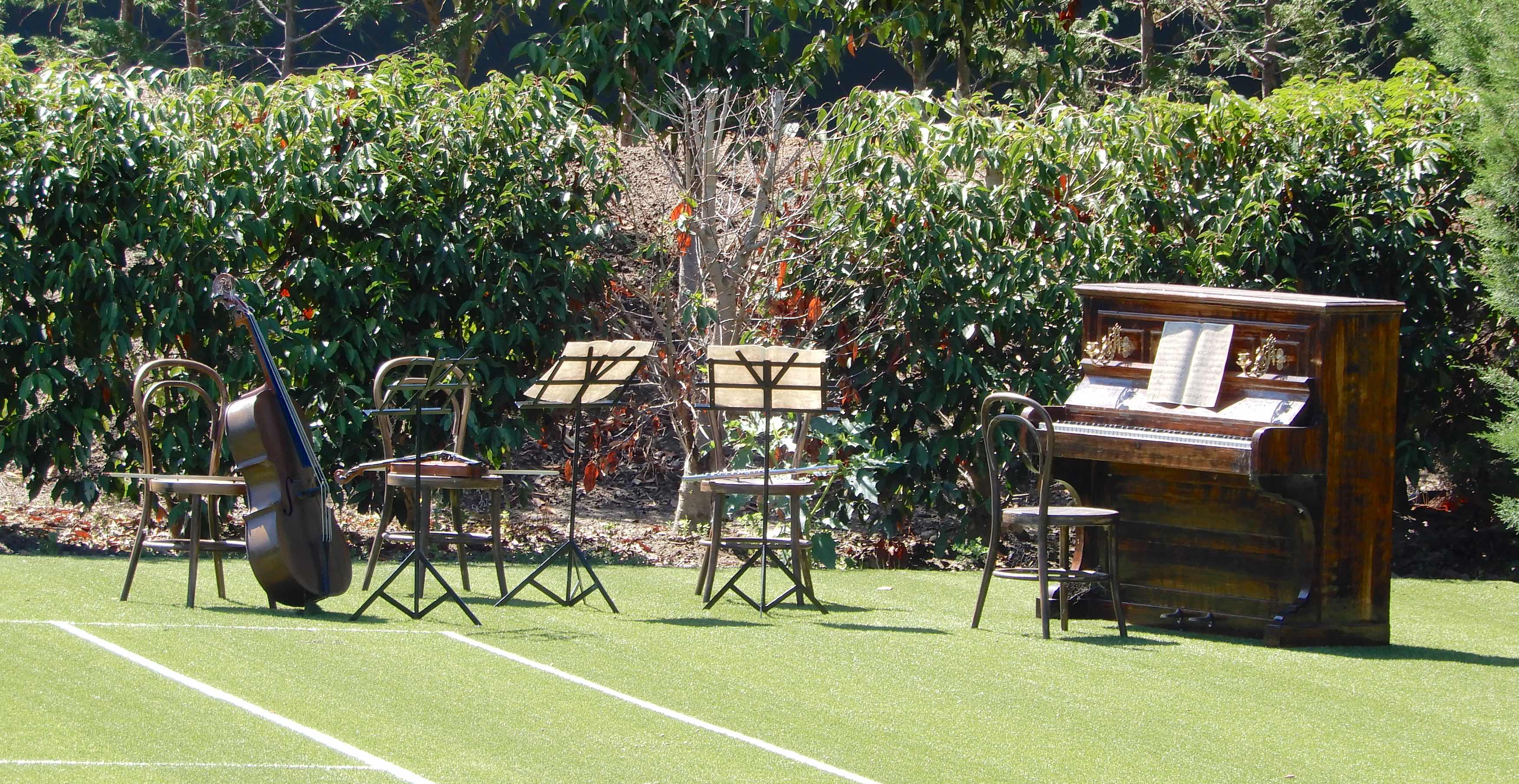
Yet another detail from the story is the placement of the ‘very small band’ in another corner of the tennis court.

Having read Katherine Mansfield’s short stories since our trip, this fantasy garden lacked nothing. Sadly, she died with tuberculosis in 1923 at the age of 34.




































 cannonhillchronicles