Barrow Creek

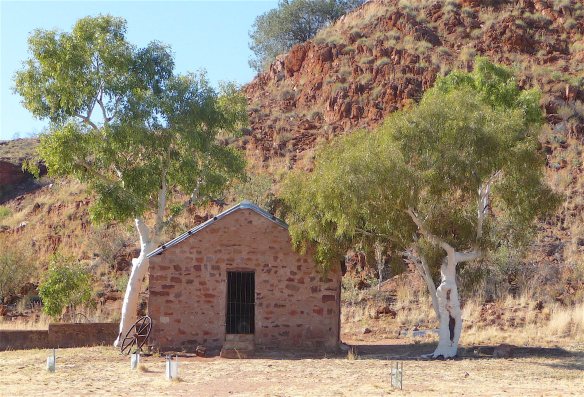
Barrow Creek is in the middle of nowhere. 1818km north of Adelaide, 1210km south of Darwin, there is a roadhouse/hotel and a telegraph station.
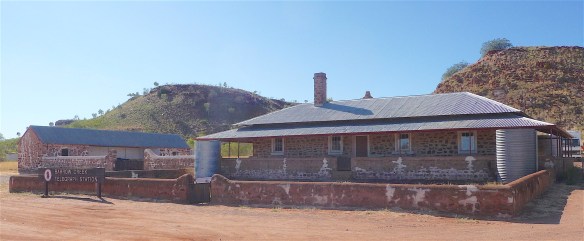
1.telegraph station

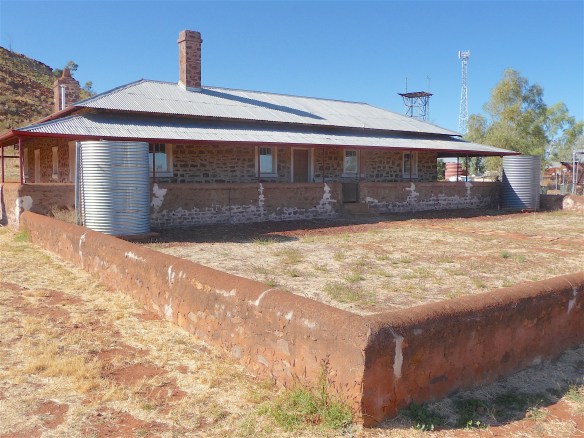
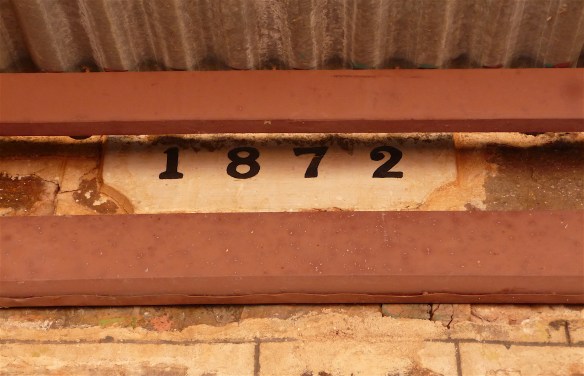
In 1860, John McDouall Stuart, on the return journey of his first attempt to cross Australia from south to north, named Barrow Creek after John Henry Barrow, the treasurer of South Australia. Dating back to 1871, the historic Overland Telegraph Station was one of 15 morse repeater stations across Australia and linking to Europe.
2.front

We spent some time wandering around the site that has been remarkably maintained.
3.wagon shed & blacksmith's hut

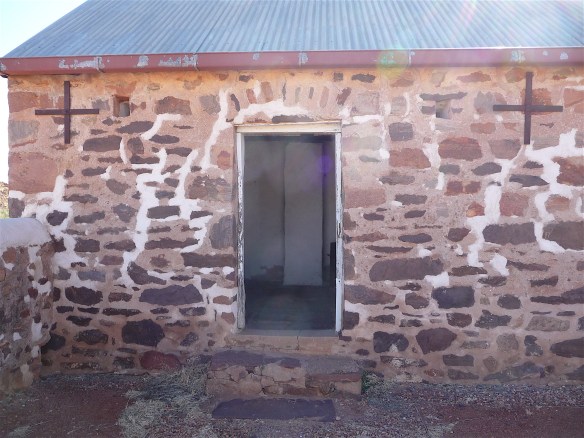
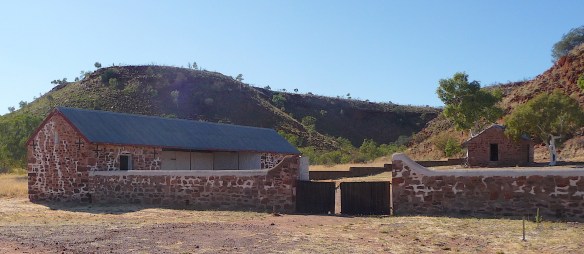
The original roof was destroyed during a gale in 1941 and was subsequently replaced with a lower pitched roof on a steel frame but the original stonework remains.
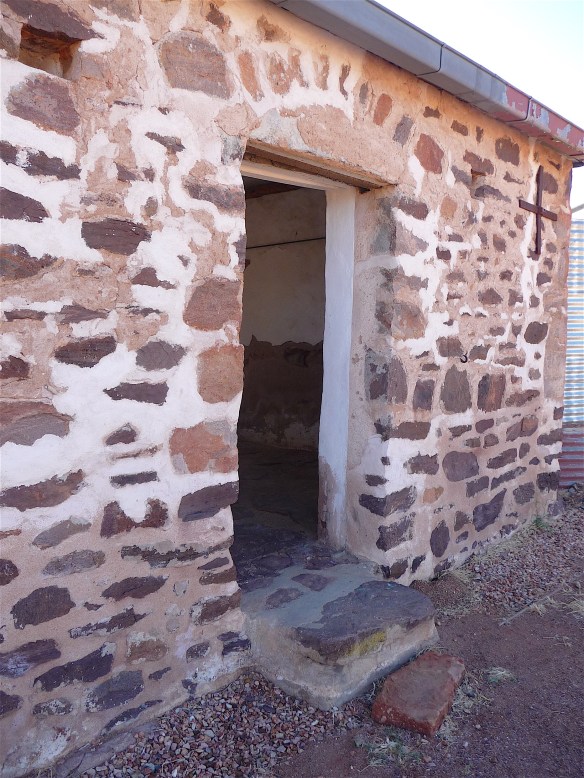
4.front door

The telegraph office at the front of the building

5.telegraph office

has views over the barren landscape.

These small windows were apparently for safely firing guns at the marauding aborigines.

8.telegraph office

In 1874, two telegraph station workers were killed by Aborigines and their graves are marked by a tombstone surrounded by a wall.

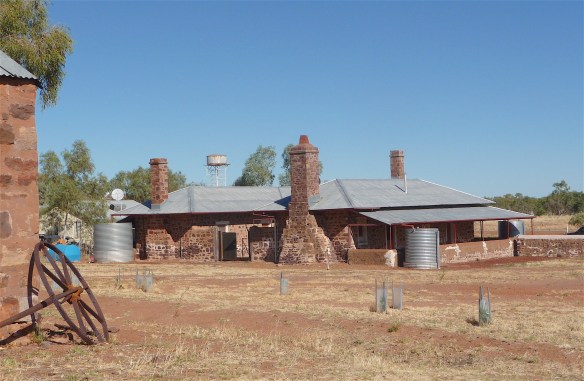
There is a central courtyard at the back of the building
9.back view

housing an underground cistern which collected rainwater from the roof.

10.cistern

Some of the windows reflect the need for protection from outside elements.

The blacksmith’s hut
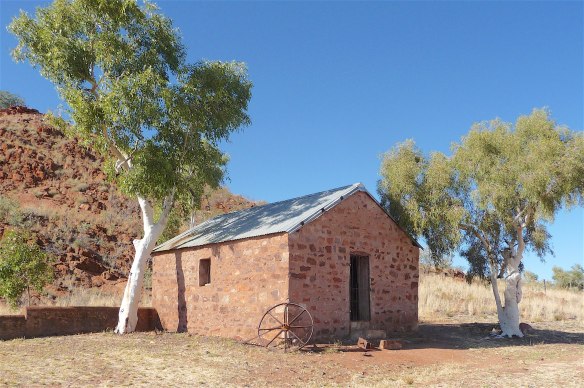
14.blacksmith's hut15.blacksmith's hut

has a collection of blacksmithing tools

16.blacksmith's hut17.blacksmith's hut

and this magnificent tree is a constant companion.
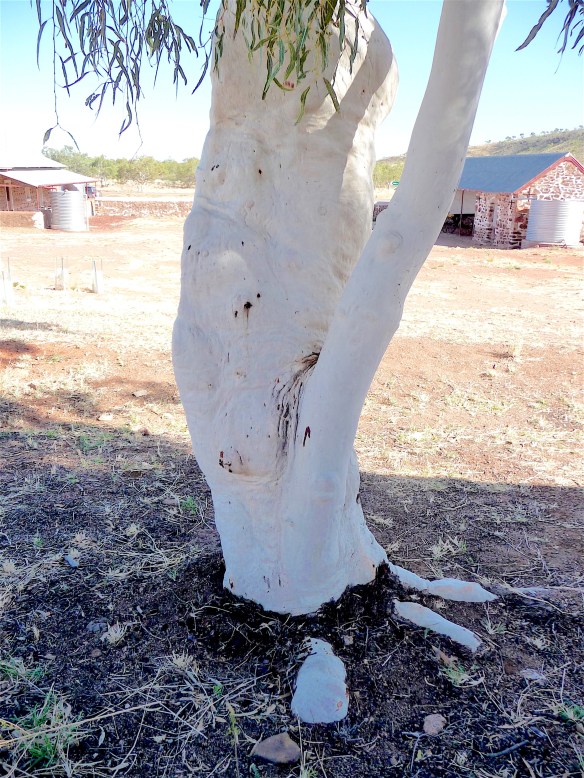
18.tree

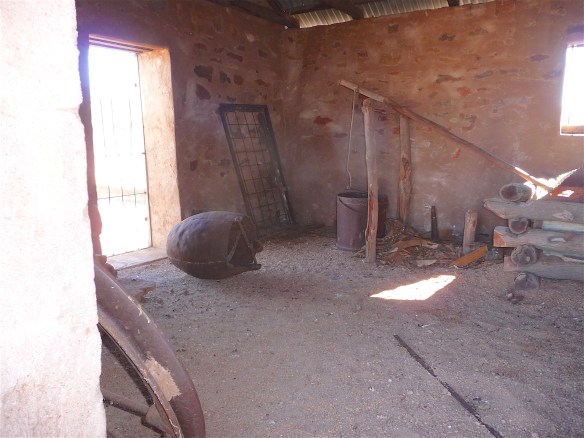
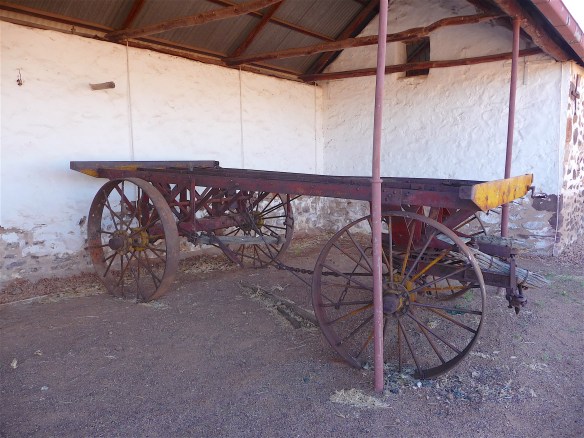
The wagon shed was constructed in 1875

19.wagon shed

with an open central section

20.wagon shed21.wagon shed

and enclosed room at each end.

22.wagon shed23.wagon shed24.wagon shed

In 1980, a microwave telecommunications link made Barrow Creek Telegraph Station redundant.

25.sign

Tom Roberts, the last linesman to live at the Station, came for a week in 1952 and stayed as caretaker until 1986.

Benabbio

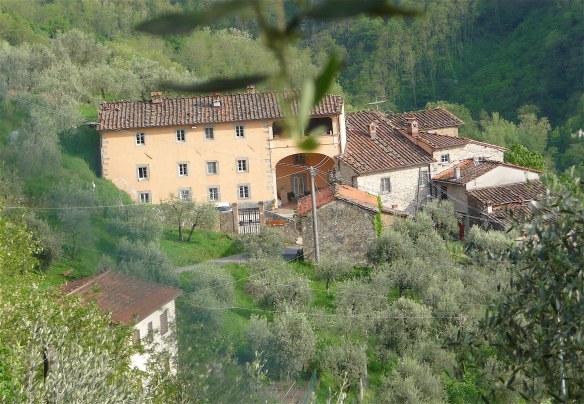
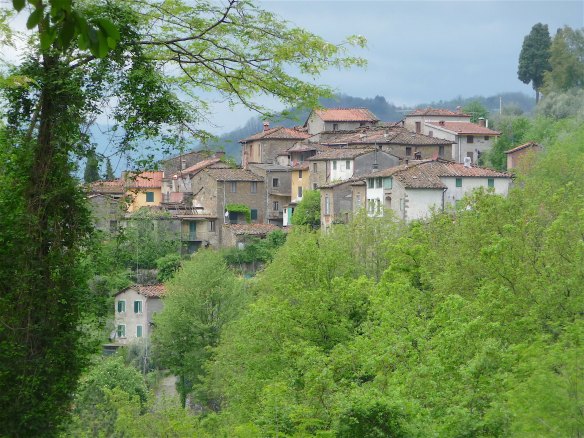
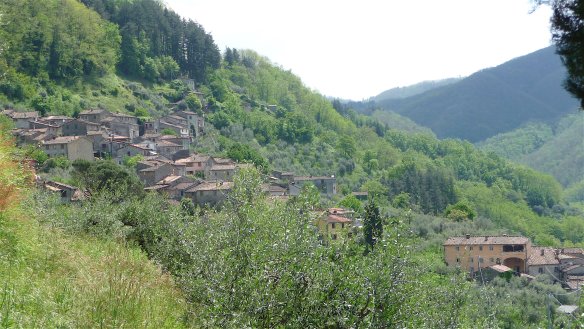
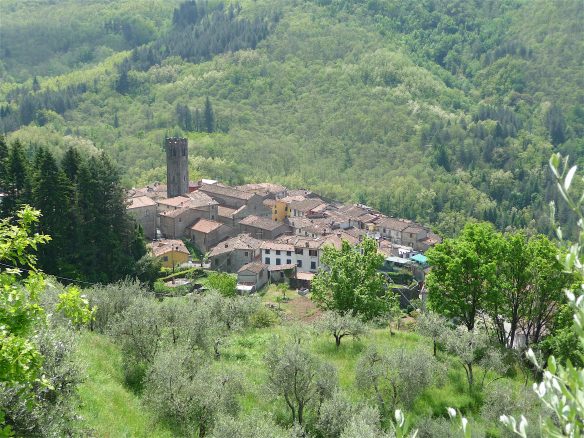
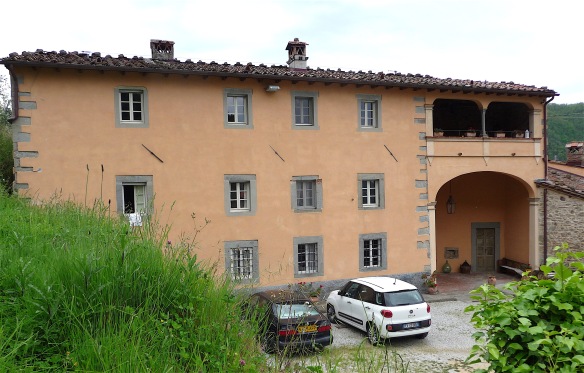
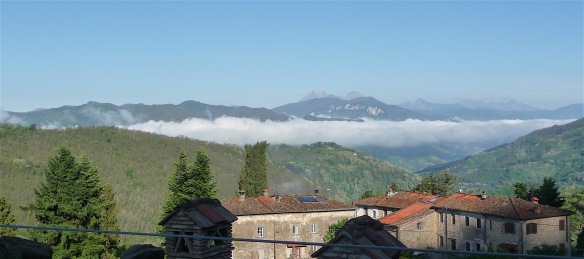
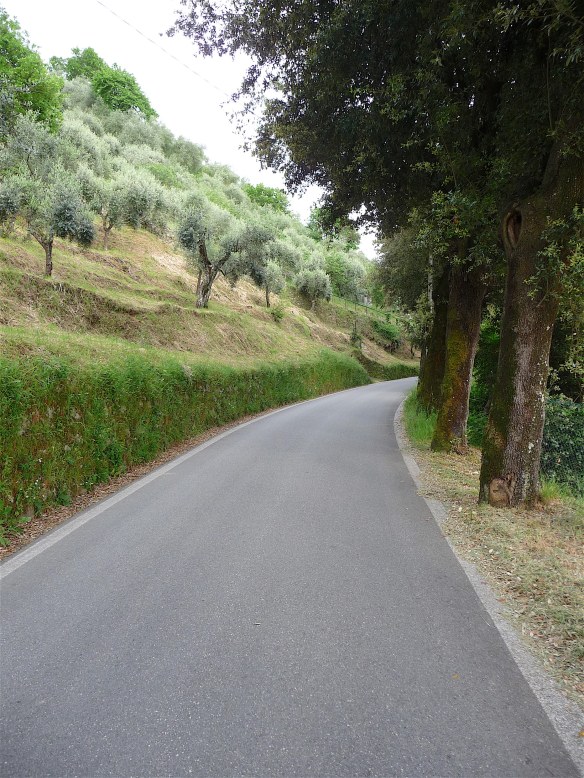
Benabbio is one of the mountain villages of Bagni di Lucca, dating back to 983AD. It was owned by the Lupari family and cousin Lupo swore to defend the Apennine Mountains against invaders. The drive to the village is narrow and winding with gorgeous views if you dare to look.
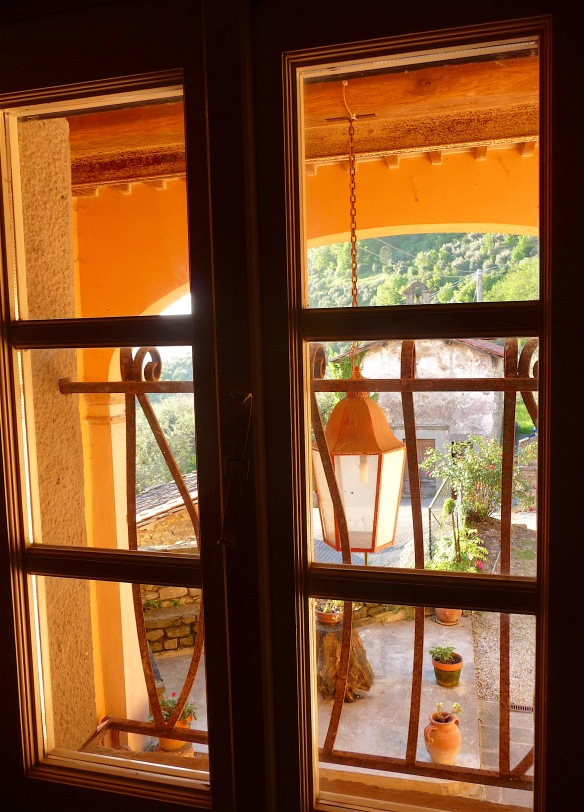
1.road2.road

Past the cemetery,

3.cemetery

the houses at the entrance to the village give a hint of the history awaiting.

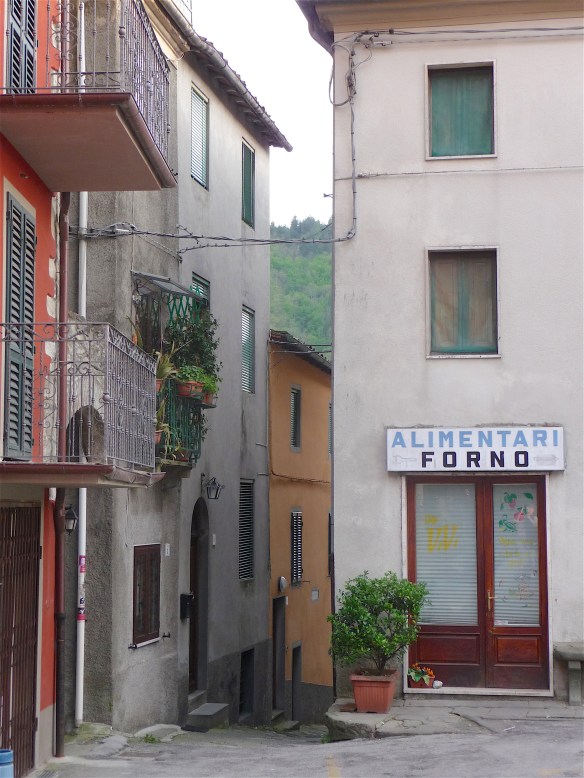
The road leads to the small Piazza Santa Maria, with a grocery store,

6.grocery store

newsagent,

7.newsagent

parish church and ristorante. We enjoyed some memorable evenings at Il Cavallino Bianco.

8.Il Cavallino Bianco

There were some intriguing alleyways leading off the piazza.

The stone steps took us further up the hill,

12.walkway steps

passing more rural properties

and the fabulous pizzeria, Acquolina in Bocca.

15.Acquolina in Bocca

Villa San Rocco was situated about halfway up the hill

16.Villa San Rocco

with much of the village to discover beyond.

18.P1090210

There was plenty of spring colour around, both wild and potted.

There were many walking paths through the surrounding hills

45.P1090814

with magnificent views of the stunning landscape

48.P109080649.P1090809

and the village below.

50.P109080551.P1090813

There were so many fragments of history to be seen on our wanderings.

Even the four-legged inhabitants look contented to be living in this wonderful village.

67.P1090796

There are too many amazing things about Benabbio to cover in one post, there will be more to come.

Sidmouth

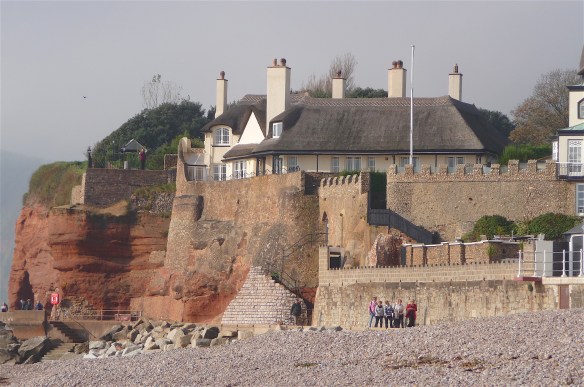
Continuing westward on our travels, we stumbled across Sidmouth, a seaside town on the coast of East Devon.

1.Sidmouth

It began to develop as a destination for ‘discriminating  visitors’ around 1800. Its popularity was a result of its climate and surroundings. We both remember the coffee and scrumptious cake we enjoyed at a café on The Esplanade.

2.Esplanade

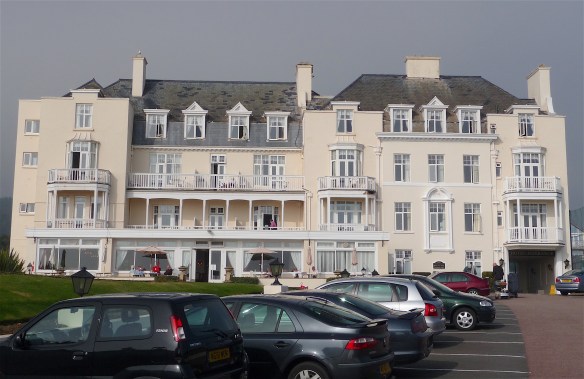
We wandered along the seafront, past the Belmont Hotel, a gorgeous luxury reminder of the Regency era.

3.The Belmont Hotel

The South West Coast Path, a 630 mile walk along stunning coastline, passes through Sidmouth.

4.Sidmouth5.Sidmouth

The striking red cliffs, formed 240 million years ago during the Triassic period, form part of the Jurassic Coast.

6.Sidmouth7.Sidmouth

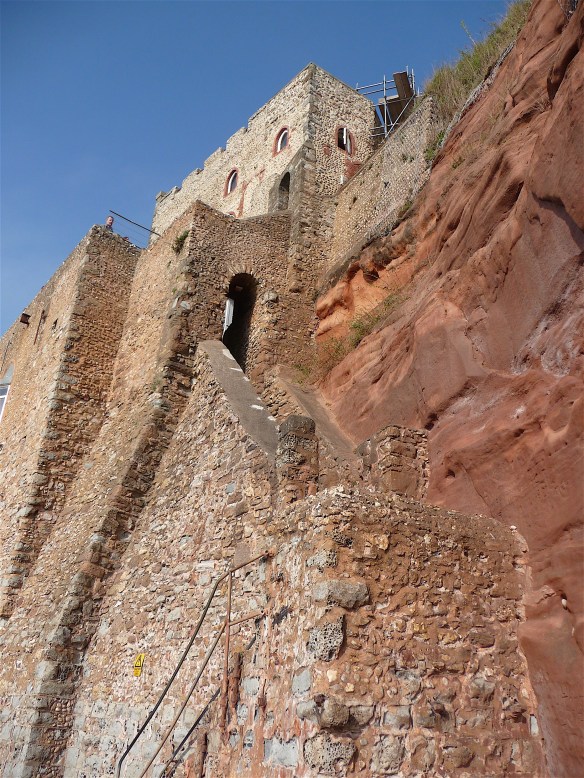
Once a 17th century lime kiln, the Clocktower Café is perched on the cliff with sensational views.

8.The Clocktower Cafe

The path around the cliff leads to Jacob’s Ladder beach, named after the series of wooden steps leading up to the cliff top gardens.

9.Jacobs Ladder beach

The 24  colourful beach huts at the base of the steps can be rented from April to September.

10.beach huts Jacobs ladder beach

The house on the cliff overlooking the beach was intriguing.

11.The Gazebo

The ‘Gazebo’ was built on Peak Hill in 1962 by playwright, R.F. Delderfield. You could have purchased it for £795,000 in February 2011.

11.The Gazebo copy

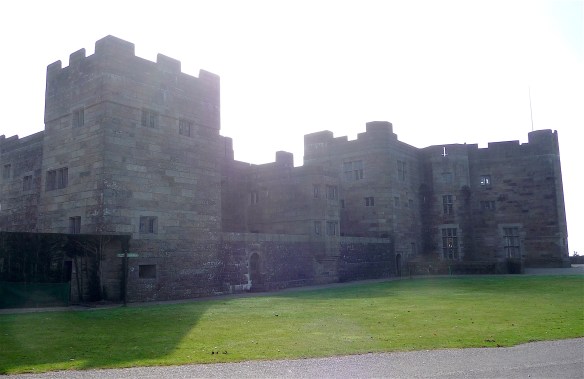
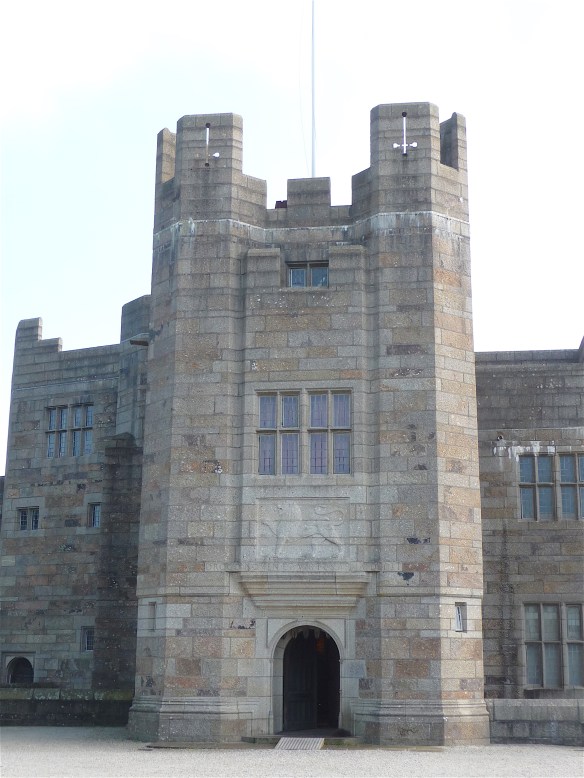
Not far from Sidmouth, on the edge of Dartmoor National Park, we discovered Castle Drogo.

12.Castle Drogo

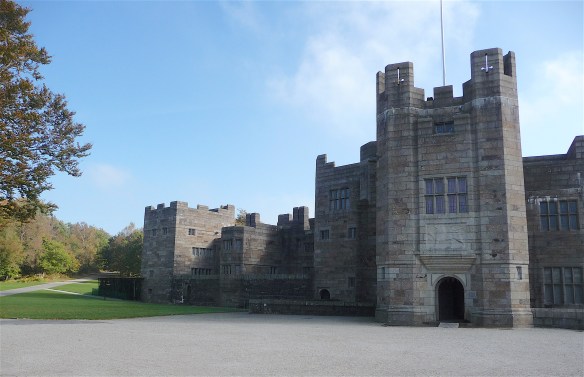
Although it appears to be a medieval castle, it was built from local granite between 1911 and 1930 for self made millionaire Julius Drewe. It was the last castle built in England and was delayed with the First World War and subsequent economic downturn.

13.Castle Drogo

Above the entrance was a sculpted lion and the Drewe family motto, ‘Drogo is my name and valour gave me arms.’

14.Castle Drogo14.Castle Drogo copy

Beyond the chapel

15.Castle Drogo chapel

the views across Devon were breathtaking.

16.Castle Drogo

Villa San Rocco

After leaving Ponte a Serraglio, the next two weeks were spent in the village of Benabbio at Villa San Rocco. The 10 bedroom villa would be home to the five budding luthiers attending the guitar making course and their partners. Villa San Rocco dates back to the 14th century and is believed to have been a seminary and pilgrims’ rest. In 1688, it was purchased and remodeled by a rich merchant family from Lucca and became Villa Bendetti.

1.outside

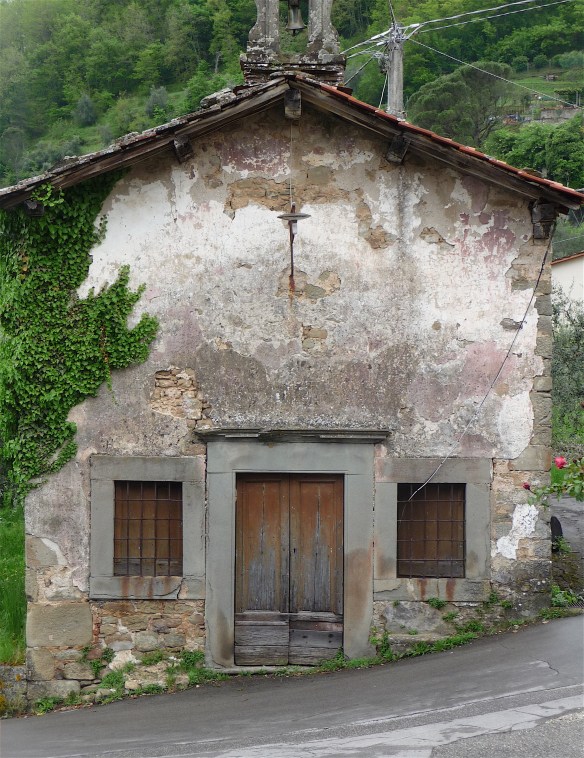
In 1960, it was bequeathed to an orphans’ association in Lucca and for the next twenty five years it became a summer residence for orphans and abandoned children. By the late 1980s, the villa was derelict and for two decades it was left to rot. In 2004, it was restored using local materials and traditional workmanship. The name was inspired by the chapel opposite the main gate dedicated to San Rocco, a patron saint of illnesses.

chapel

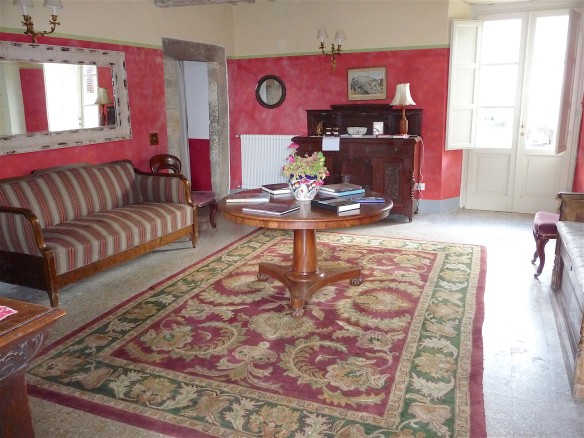
The entrance hall gives a hint of what lies within the walls of this amazing home.

2.entrance hall

The main salon was warm and inviting and many a musical evening was shared in here.

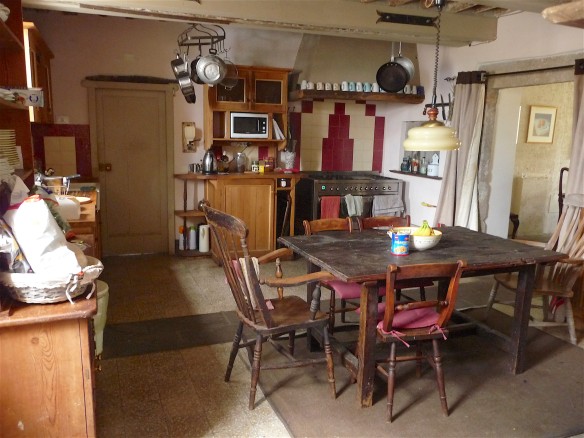
Some wondrous meals were created in the rustic kitchen

6.kitchen

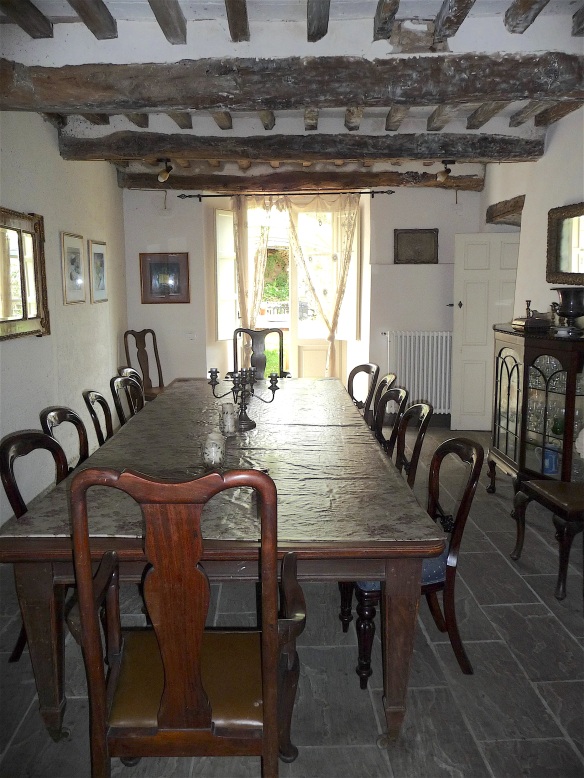
and enjoyed in the spacious dining room.

8.dining room

The smaller sitting room was decorated exquisitely.

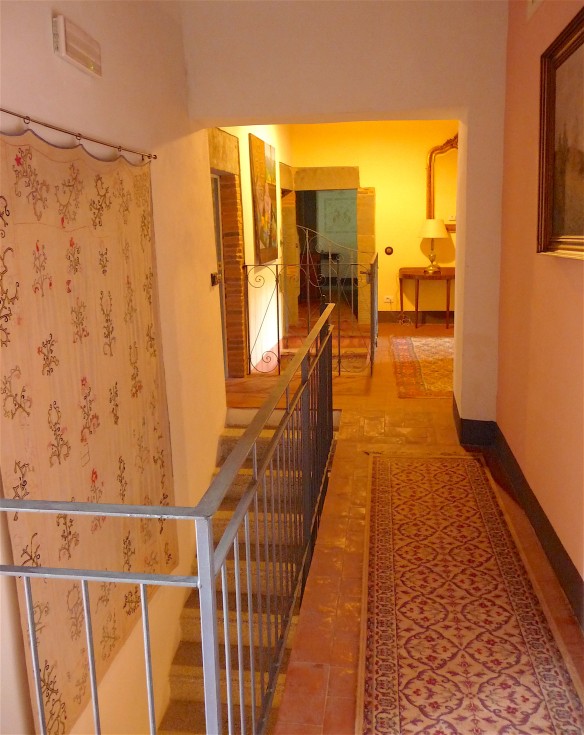
A glass pane on the first floor landing looked down to the chairs below

and along the hall was a lovely view to the front courtyard and chapel.

14.view to front

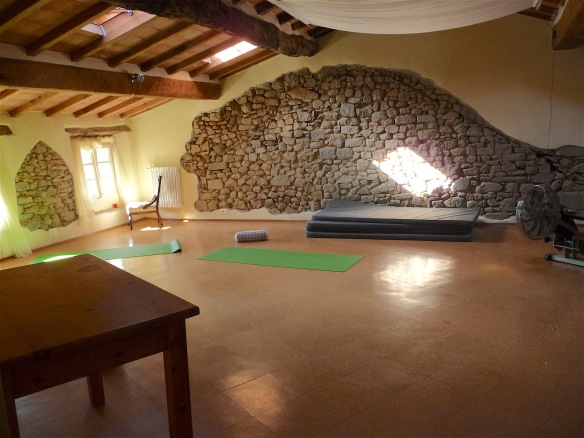
On this floor, as well as many bedrooms, was a very peaceful yoga room with warming, ambient light.

15.yoga room

The hallway on the top floor

16.upstairs hall1

led to more bedrooms.

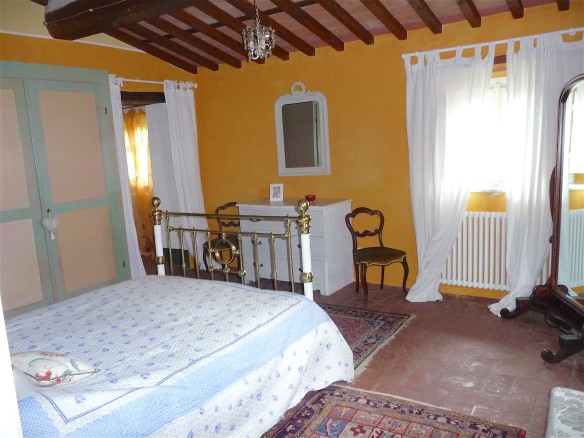
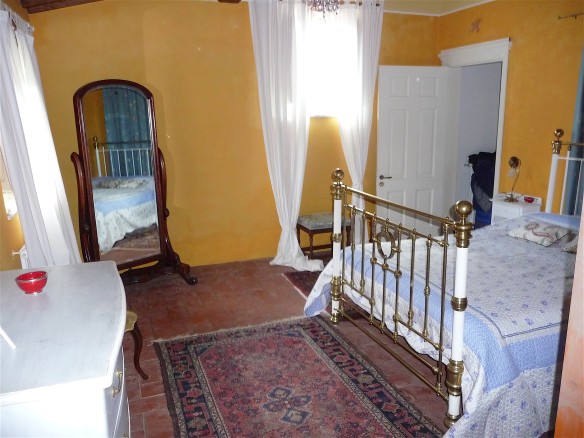
17.bedroom

I think ours was the best

18.our bedroom19.bedroom2

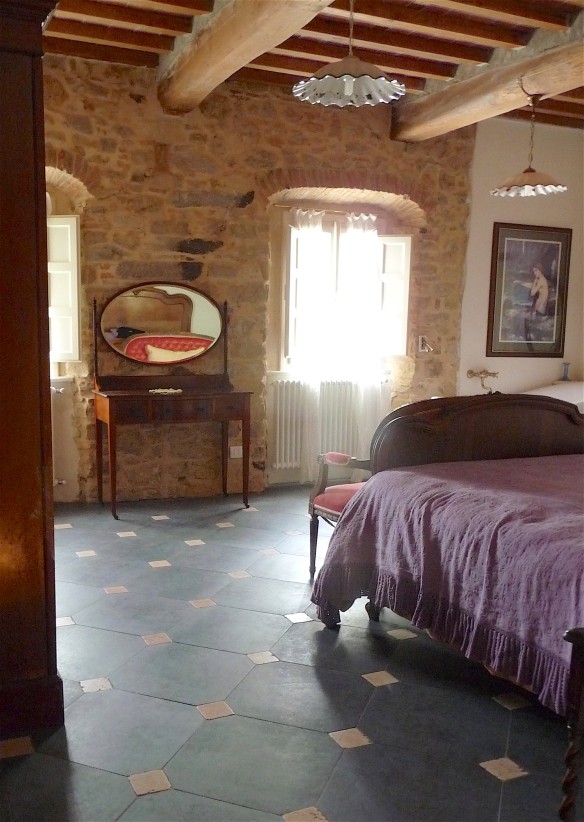
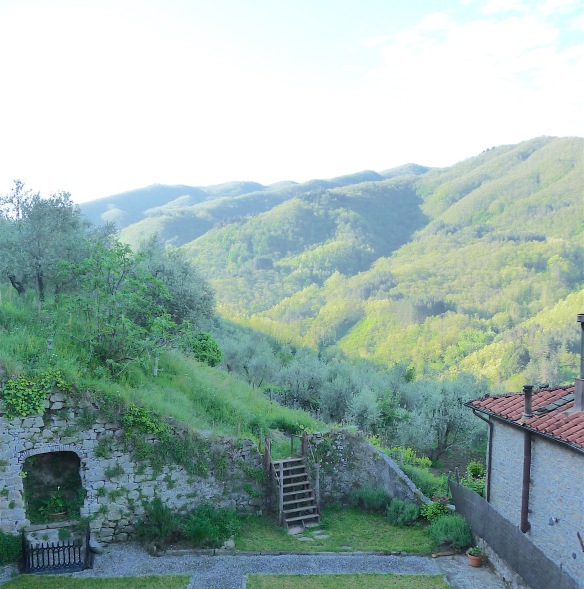
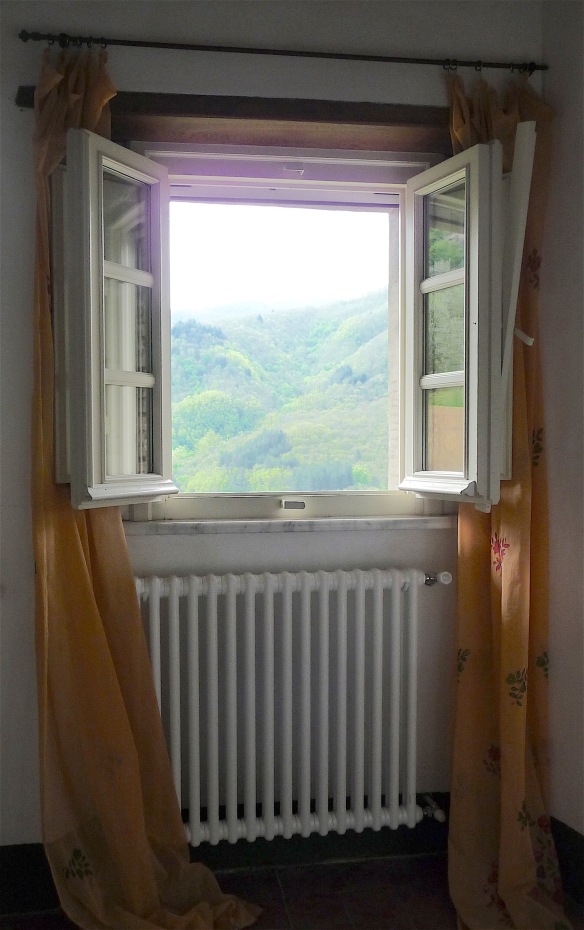
and the scenery on opening the shutters was breathtaking.

22.bedroom view221.bedroom view1

The bathroom was quaint

with more stunning views.

25.our bathroom view

A doorway across the hall from our bedroom opened to a balcony where we would gather for beverages at the end of the day.

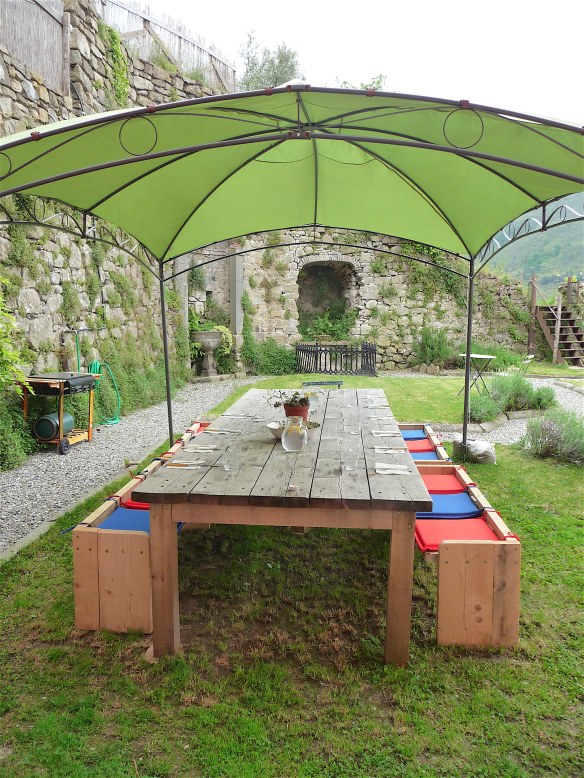
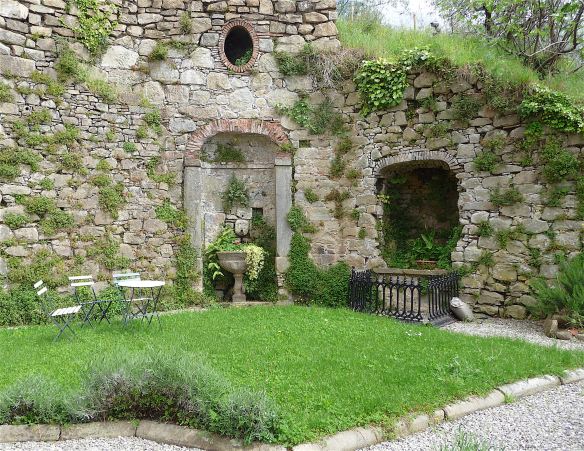
The courtyard garden was a perfect spot to relax and enjoy lunch.

28.garden129.garden

Intriguing alleys led to the workshop where the guitar course took place.

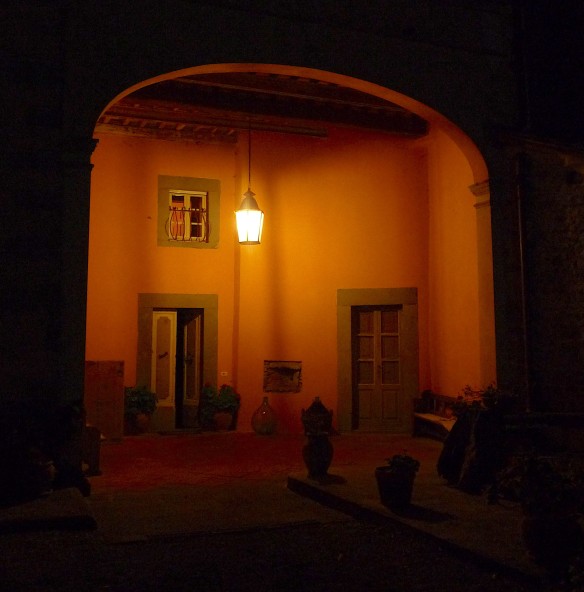
The night time glow was welcoming on returning from dinner in the village.

34.night

Villa San Rocco was a beautiful introduction to the two fabulous weeks that lay ahead.

Lacock Abbey

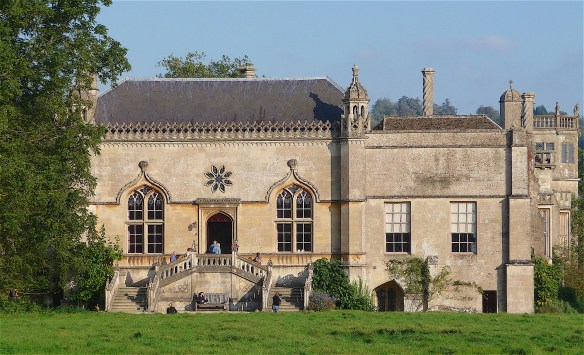
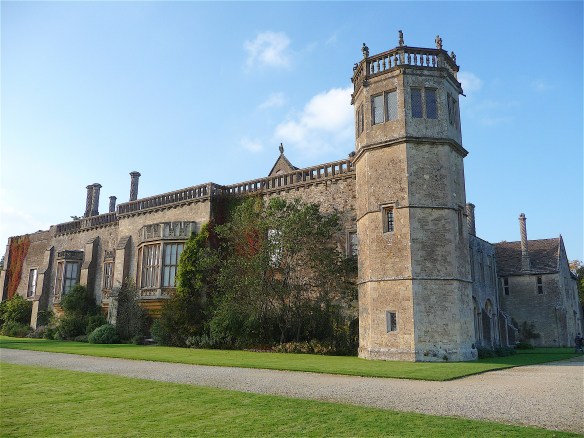
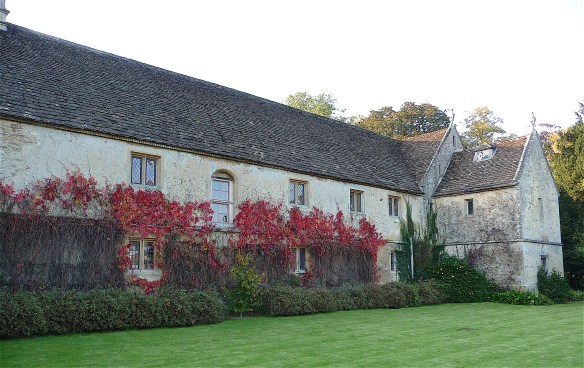
Lacock Abbey, in the village of Lacock, Wiltshire, was founded in 1232 and served as a nunnery until it was converted into a country house in 1540.

1.Lacock Abbey2.Lacock Abbey

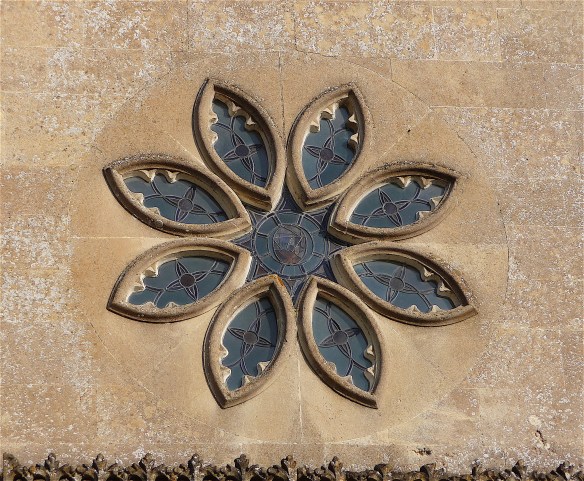
A lot of work had gone into the window above the entrance door.

3.Lacock Abbey

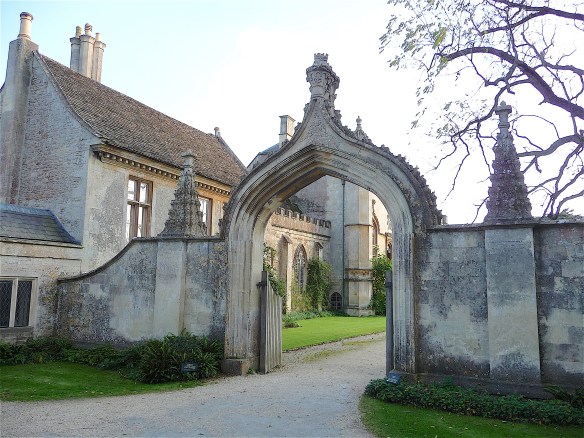
The Gothic Arch

4.Gothic Arch

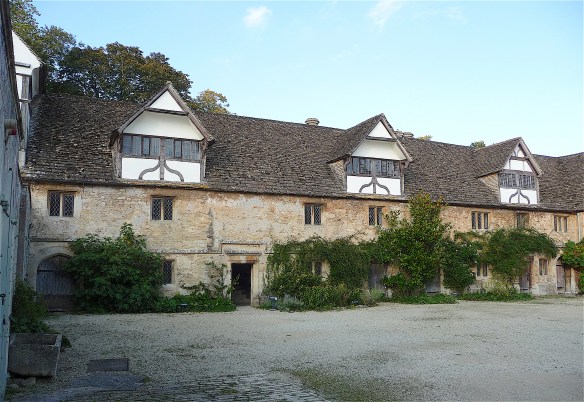
led to the Stable courtyard

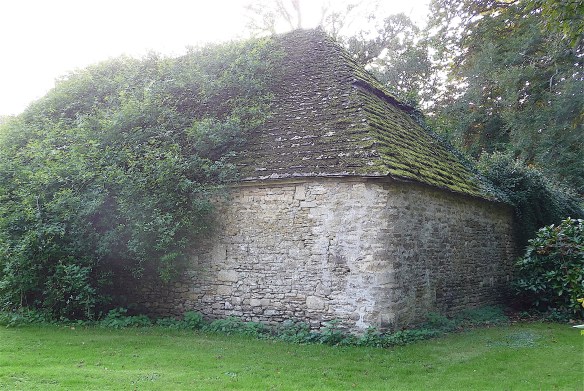
5.The Stable Courtyard with brewery & bakehouse

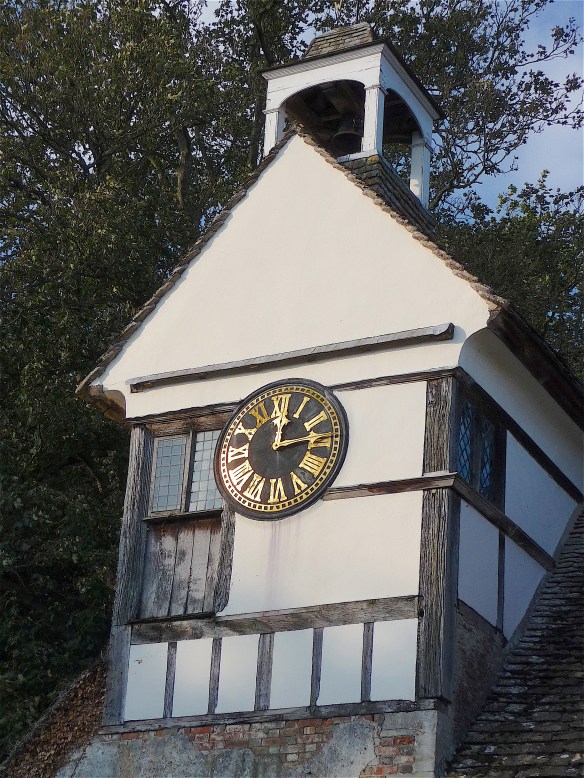
with its quirky Tudor clockhouse,

6.Clockhouse

bakehouse and brewery.

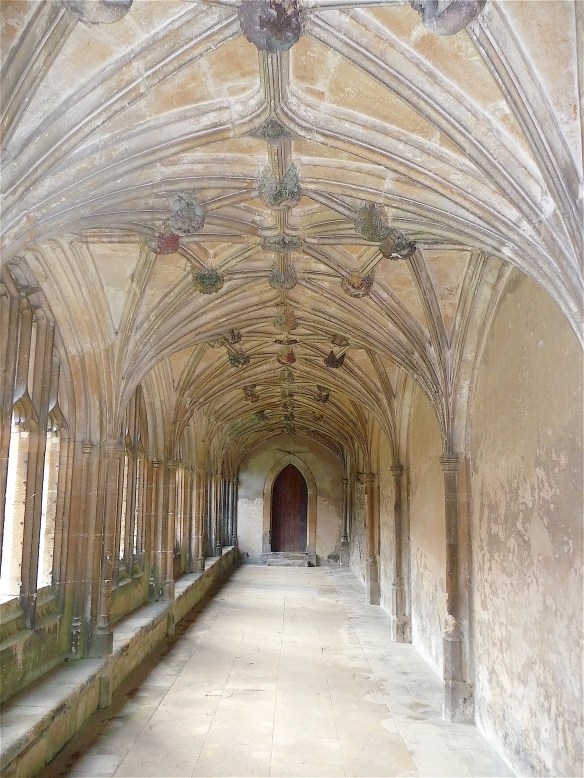
We spent some time wandering through the fascinating rooms. They may look familiar if you have seen the Harry Potter films, particularly the medieval cloisters.

14.cloisters

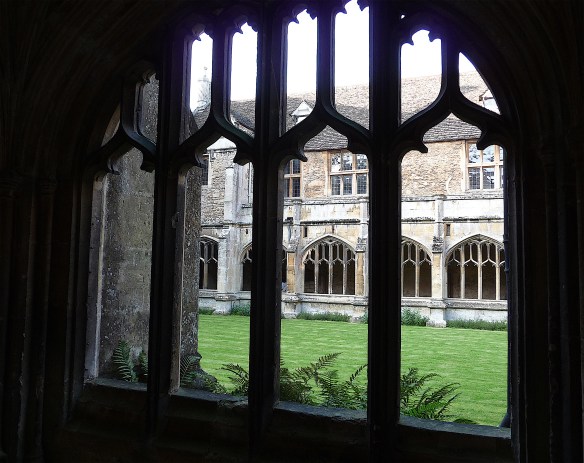
The internal cloister courtyard had a certain tranquility.

15.internal courtyard of the cloisters16.Lacock Abbey

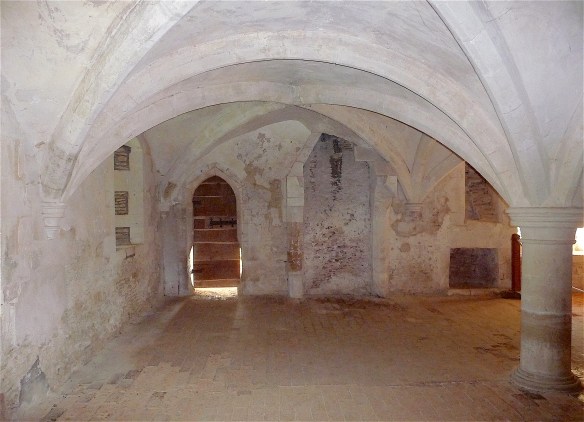
The Warming Room was the only room in the original Abbey where any warmth was provided and the 500 year old cauldron remains.

17.500 year old cauldron in the warming room

The Chaplain’s Room had a 14th century doorway and remnants of a medieval wall painting.

18.Chaplain's room

The valuables of the Abbey would have been housed in the Sacristy.

19.sacristy

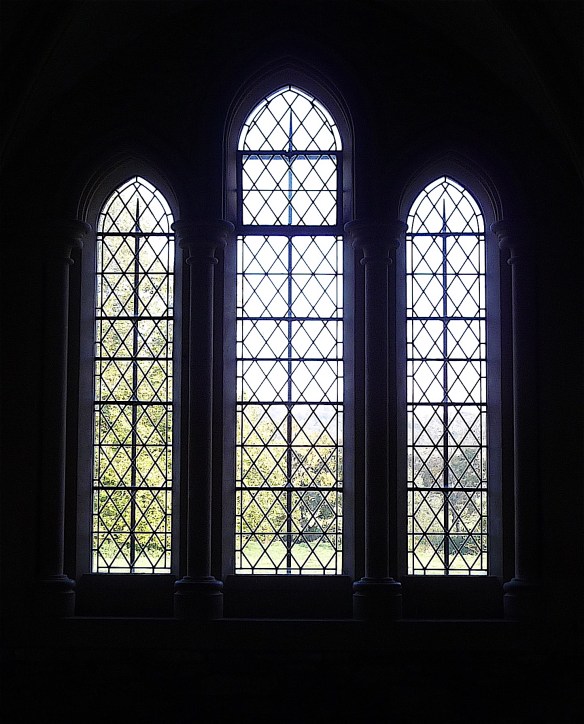
The Chapter House windows were stunning.

20.Chapter House windows

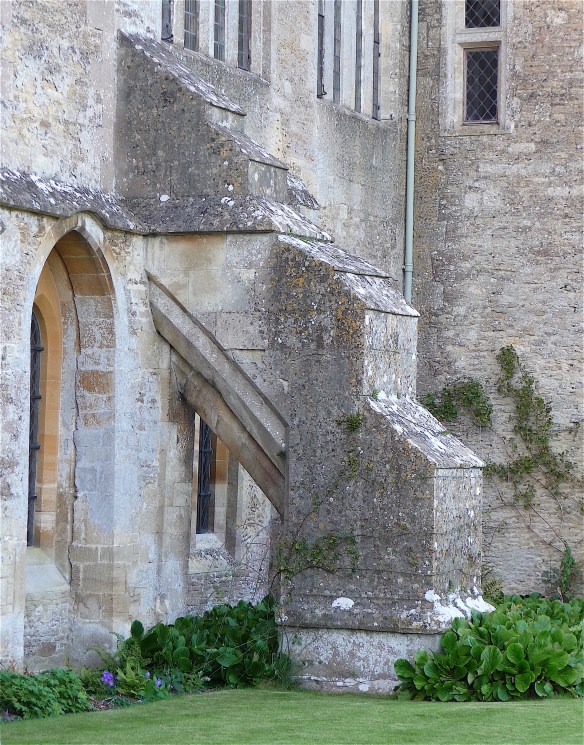
We strolled around the grounds, admiring the Abbey from all angles.

9.Lacock Abbey10.Lacock Abbey11.from the south12.Lacock Abbey21.Lacock Abbey22.Lacock Abbey23.Lacock Abbey

It would have been nice to have seen more of Lacock village – maybe next time.