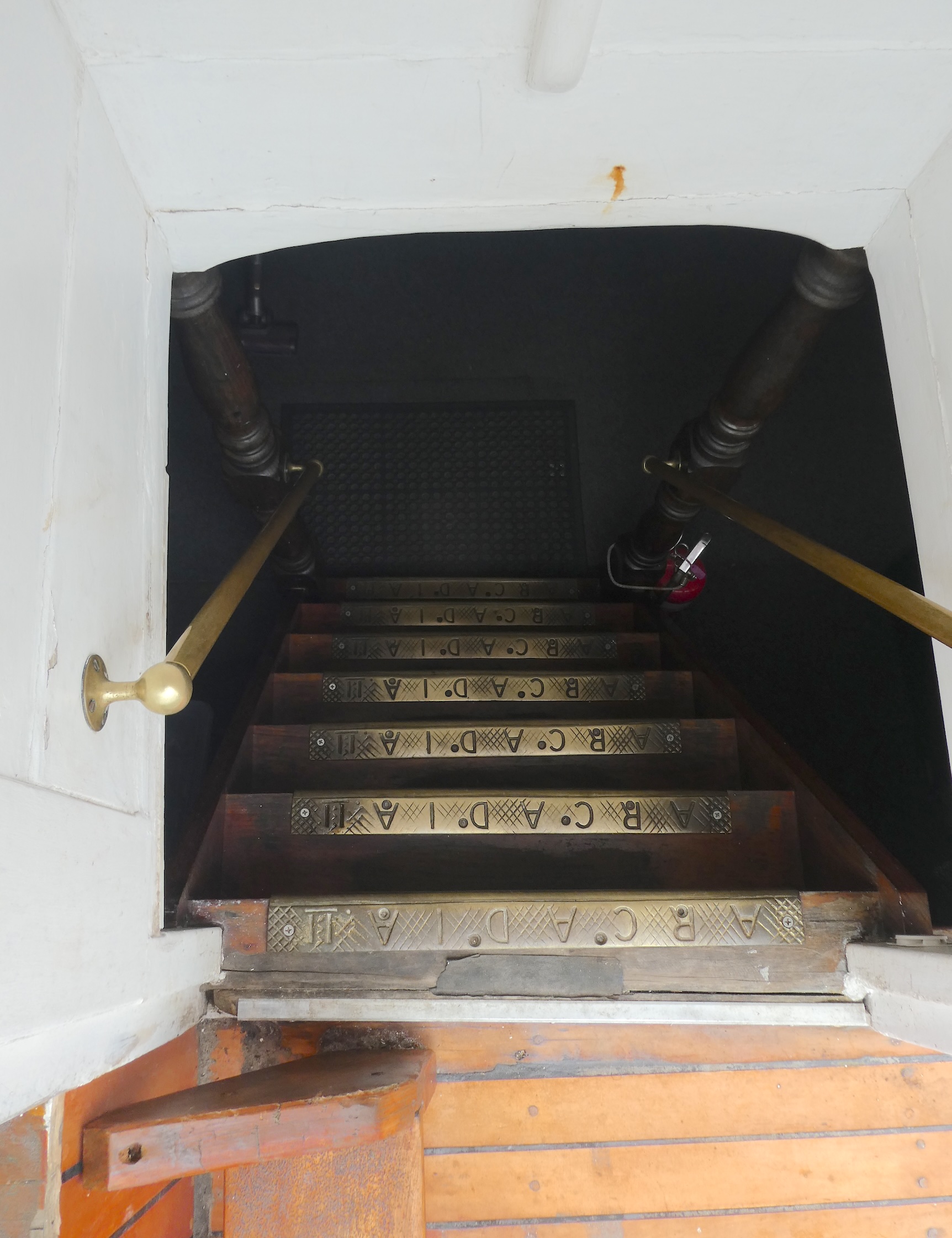
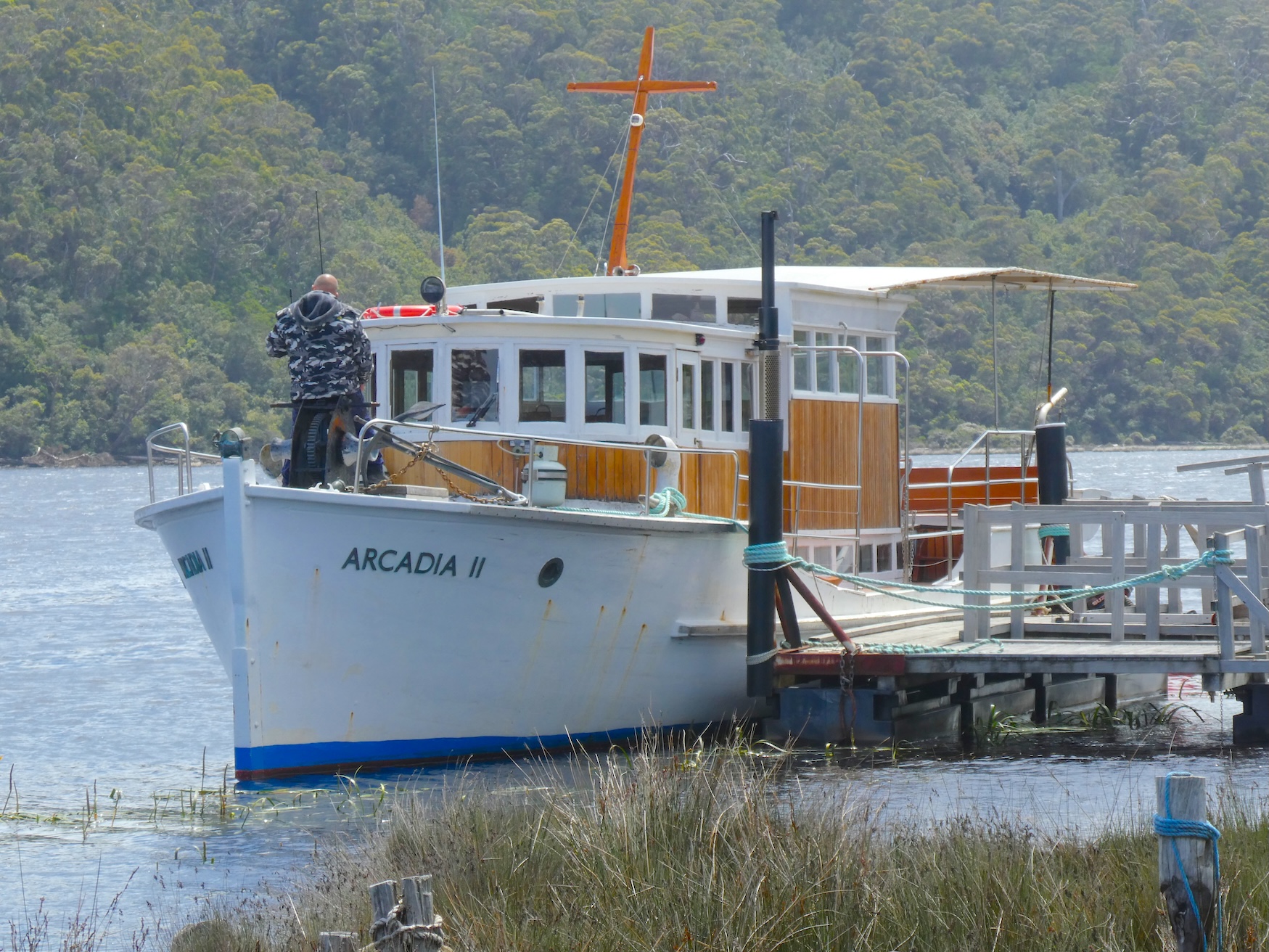
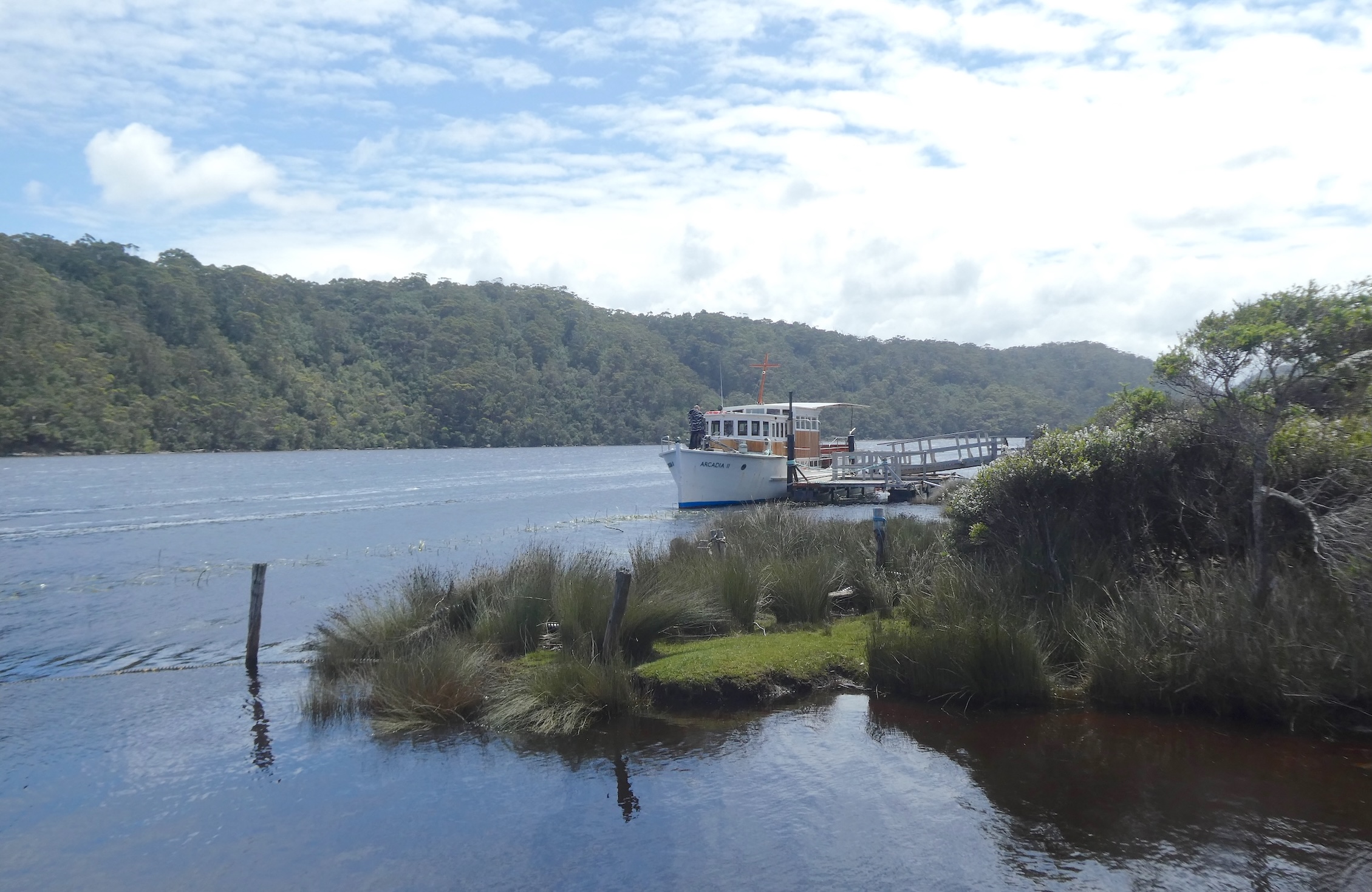
A leisurely way to experience the Tarkine Wilderness is to spend a few hours on the Pieman River aboard the heritage vessel, MV Arcadia II.
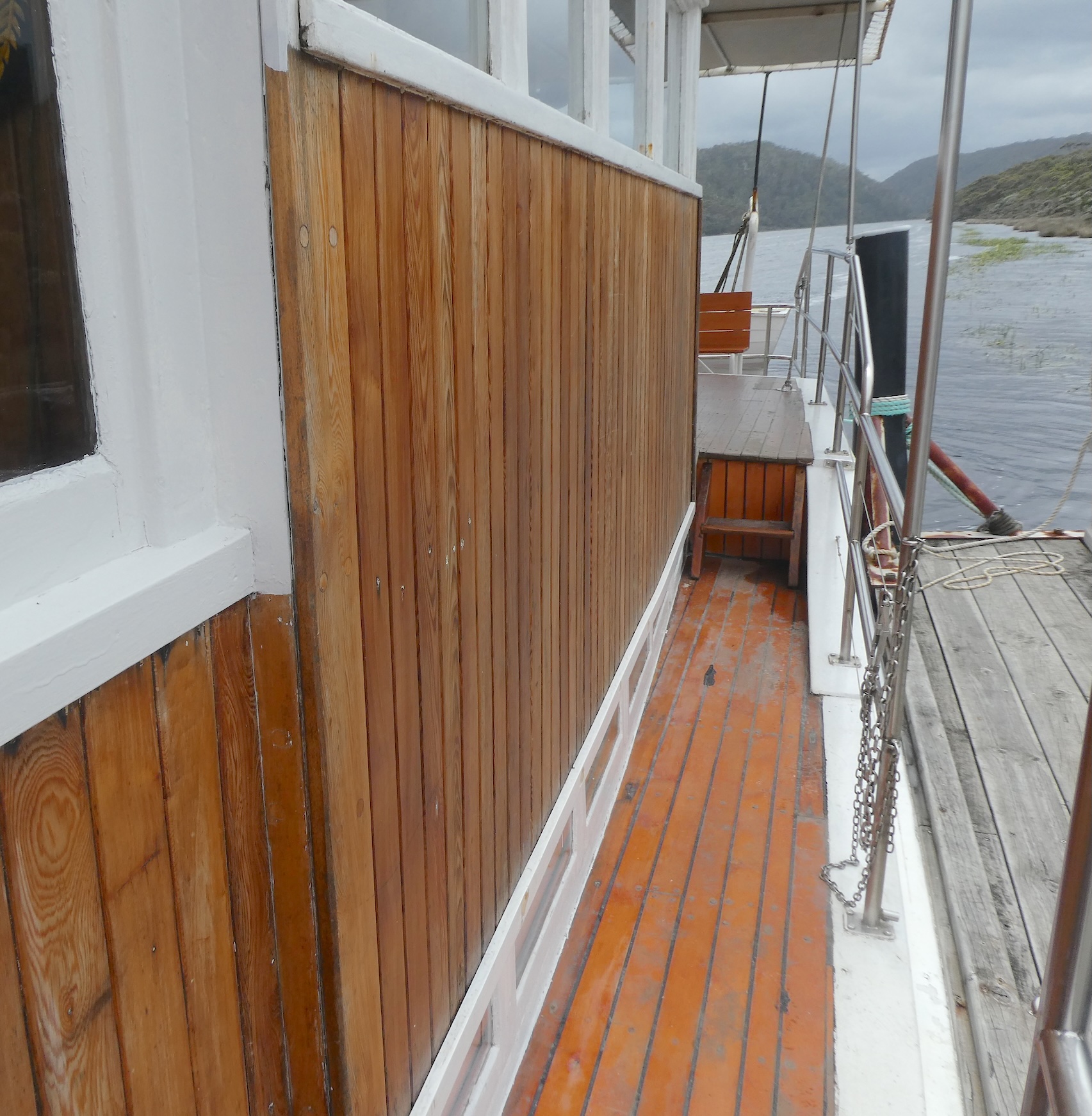
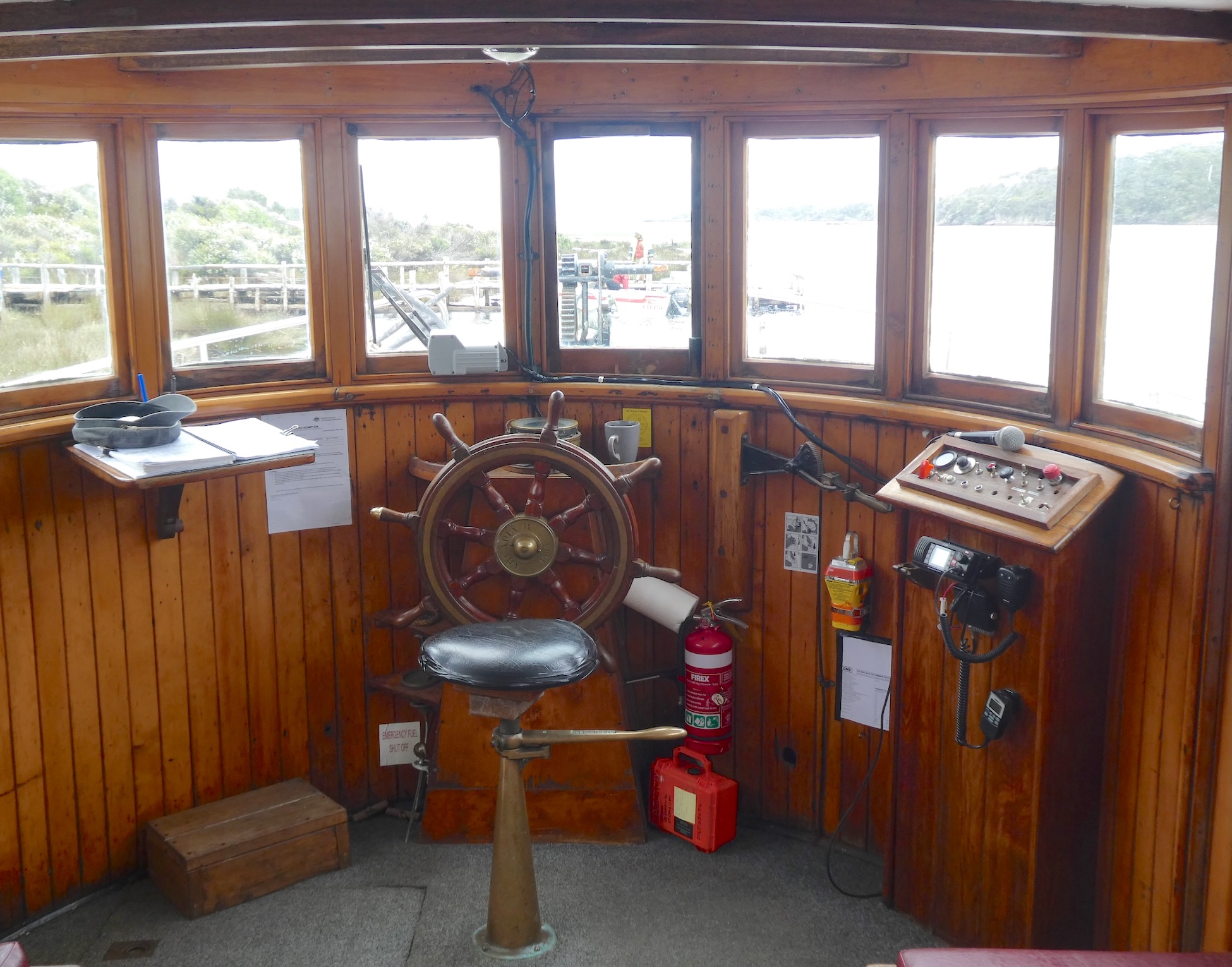
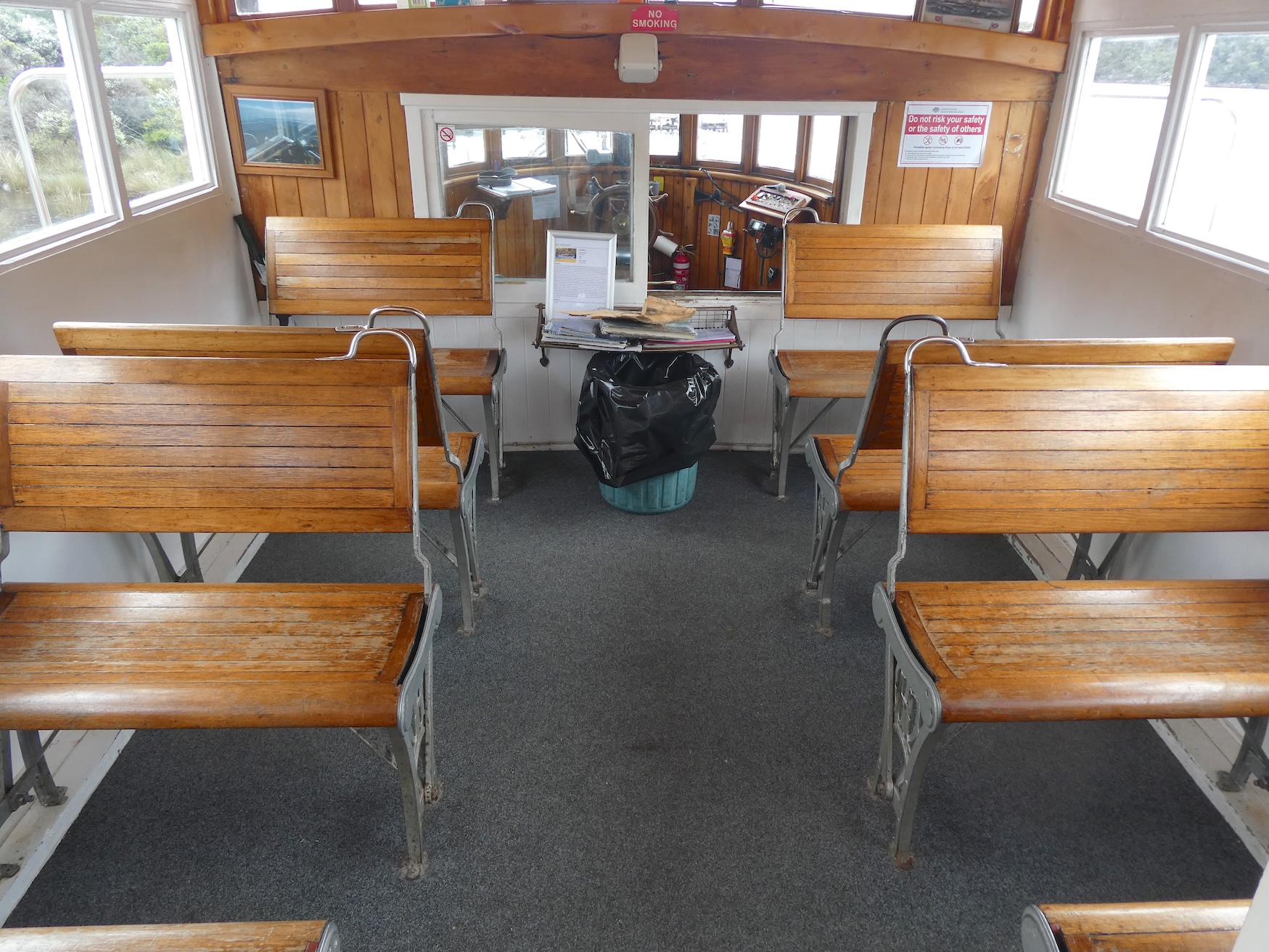
The 17 metre boat was built of Huon Pine in 1939 as a luxury pleasure craft based in Hobart. She was requisitioned to serve as a supply ship in New Guinea during the Second World War. Life became more peaceful as a scallop fishing boat on the east coast of Tasmania and then as a cruise boat on Macquarie Harbour and the Gordon River in 1961.
The Arcadia II has been cruising the Pieman River since 1970 and is the only Huon Pine river cruiser still operating anywhere in the world. A refurbishment in 2006 returned her to original pristine condition. I was hoping we had no need for the lifeboat.
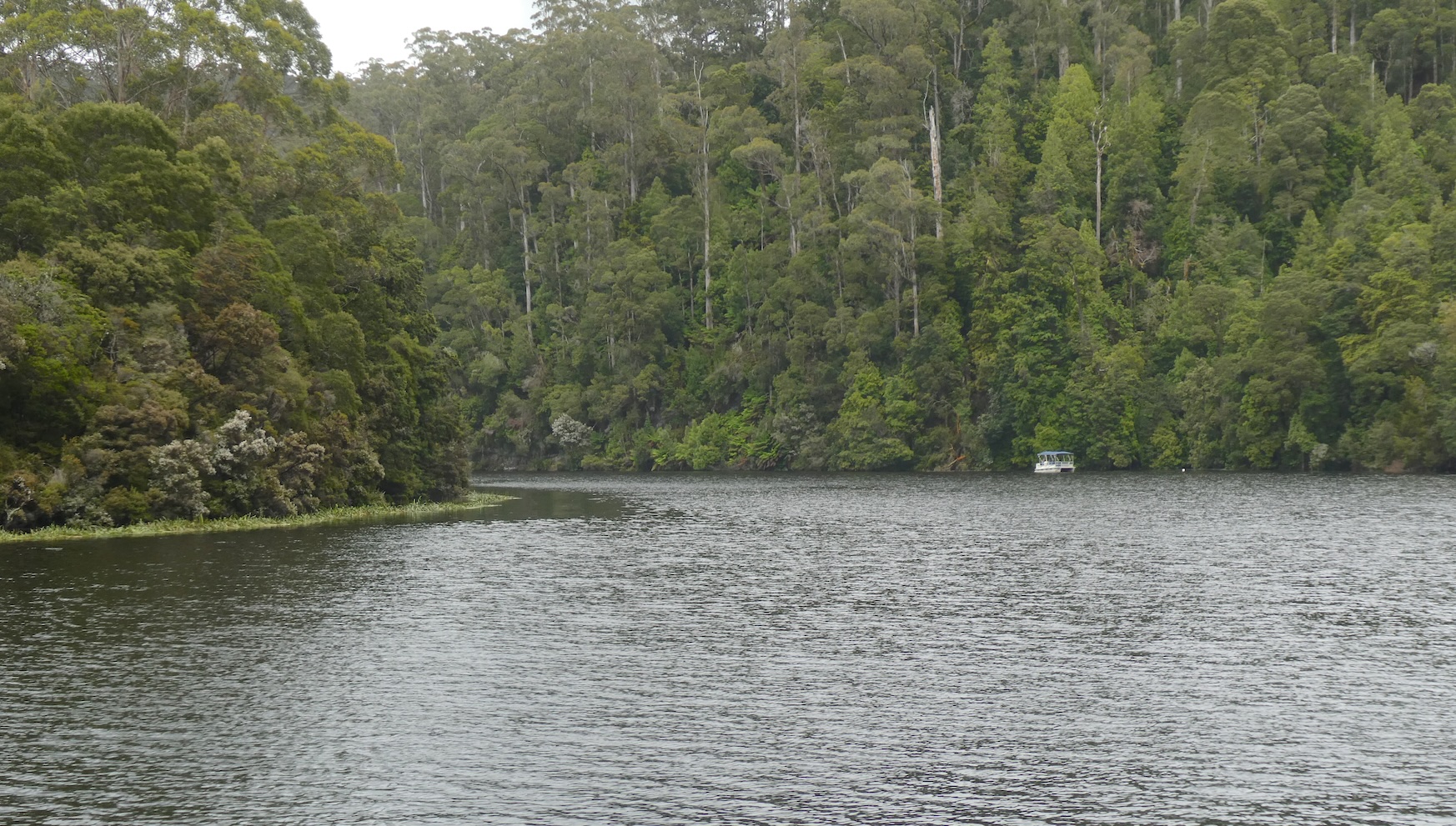
We departed from Corinna at 10am on a moody, overcast morning.
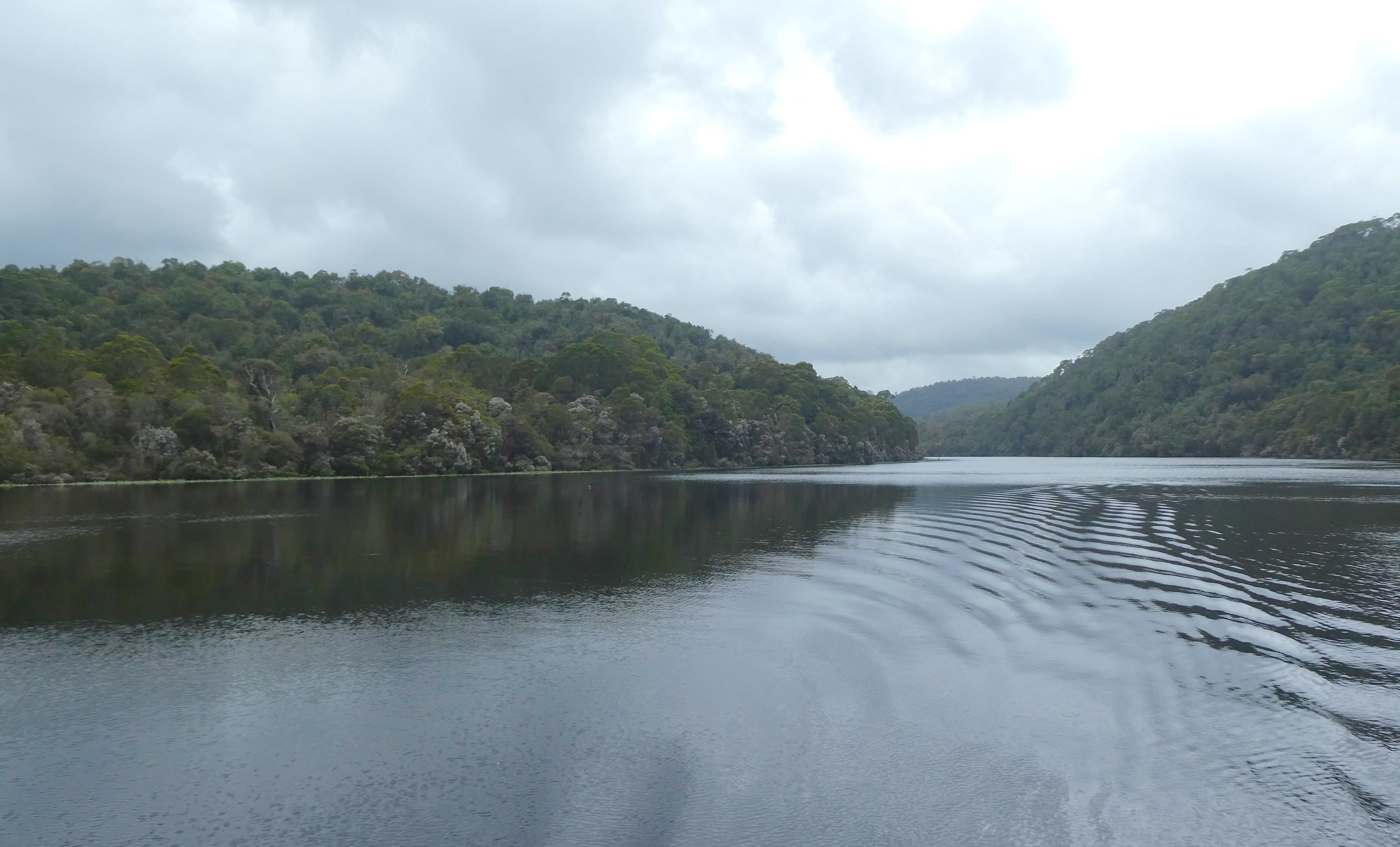
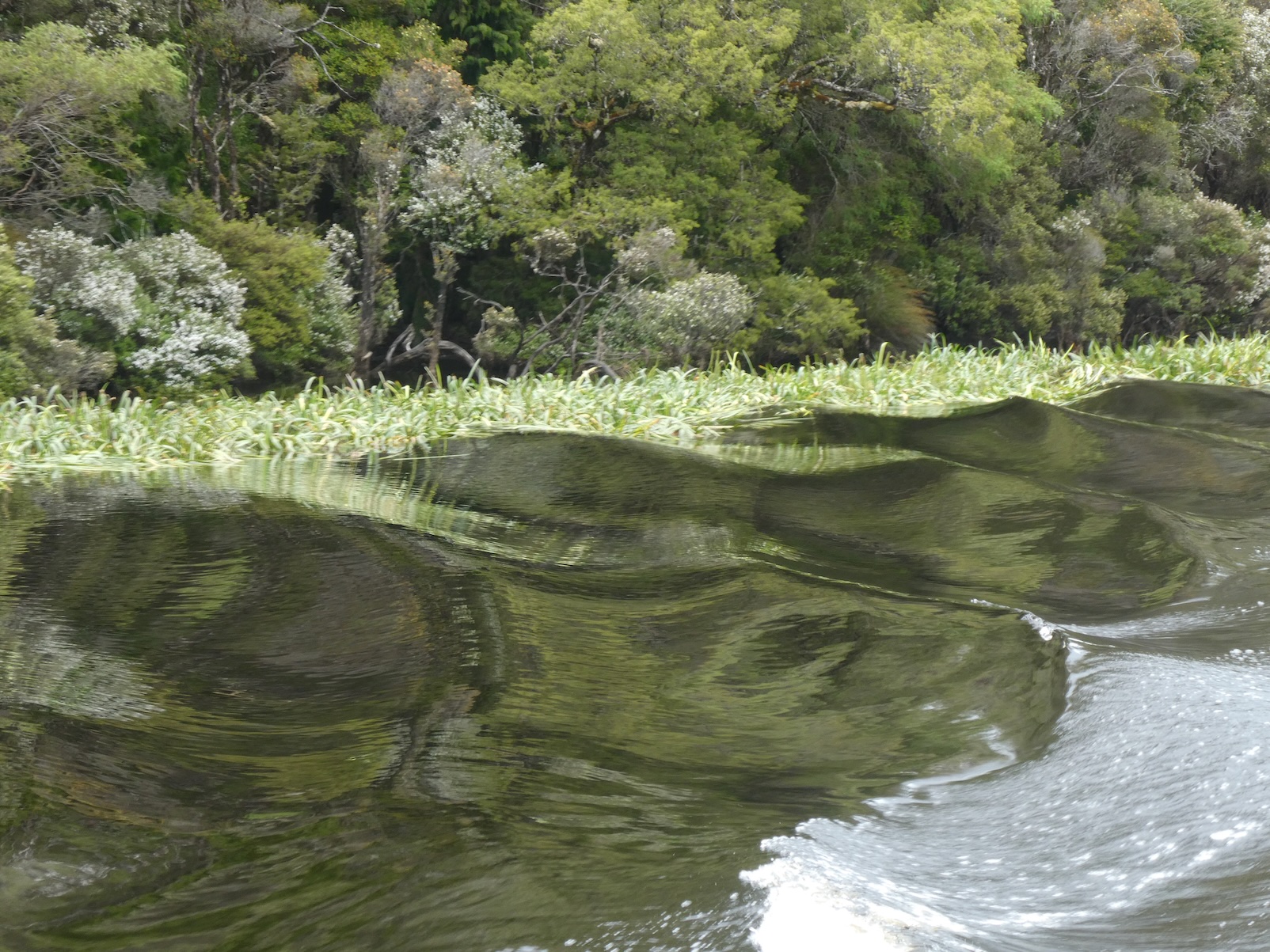
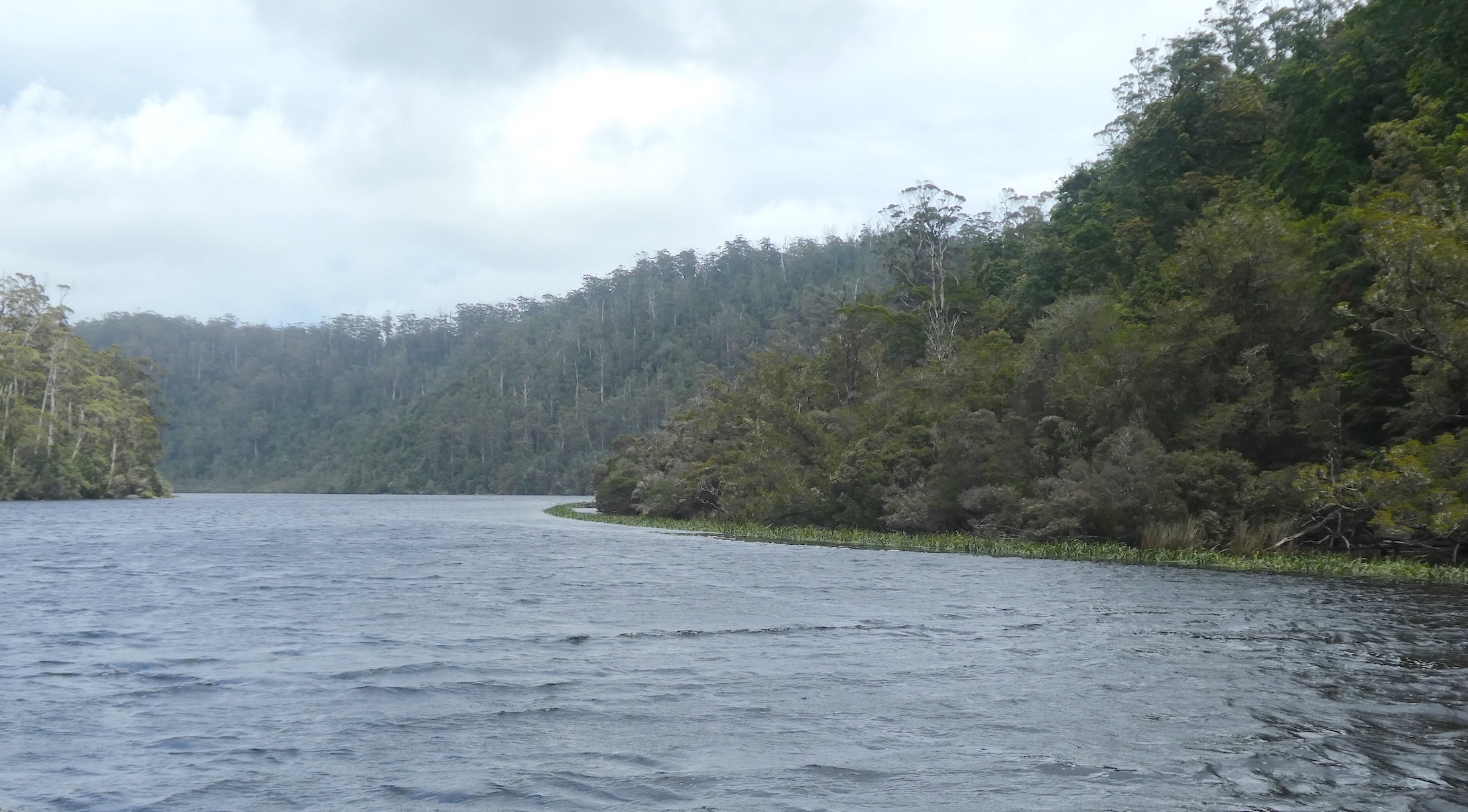
Huon Pines dipped their pendulous foliage in the tannin hued water
as we rounded a bend, leaving Corinna behind .
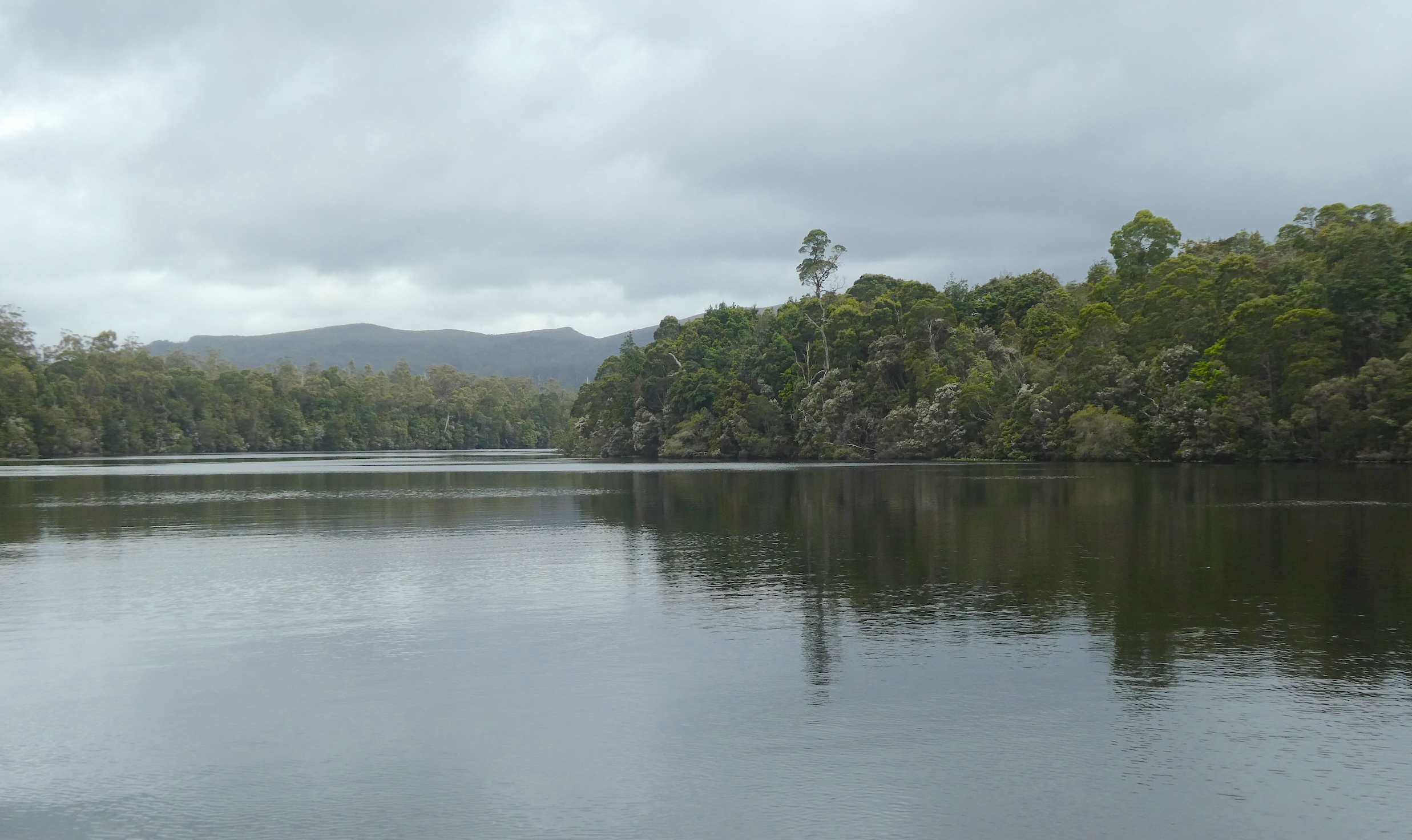
The 434 metre peak of Mount Donaldson, part of the Norfolk Range, loomed in the distance
as we passed the confluence of the Savage River, ending its 71.7km journey.
A little further downstream, the Donaldson River also flows into the Pieman after a 54km course from its source.
We were hopeful for a sighting of the ever elusive platypus and, keeping our eyes peeled, we weren’t disappointed.
We would have missed the sea eagles nest if it hadn’t been pointed out by the skipper.
Enjoying the tranquility, we were served hot chocolate, cake and biscuits – what could be better?
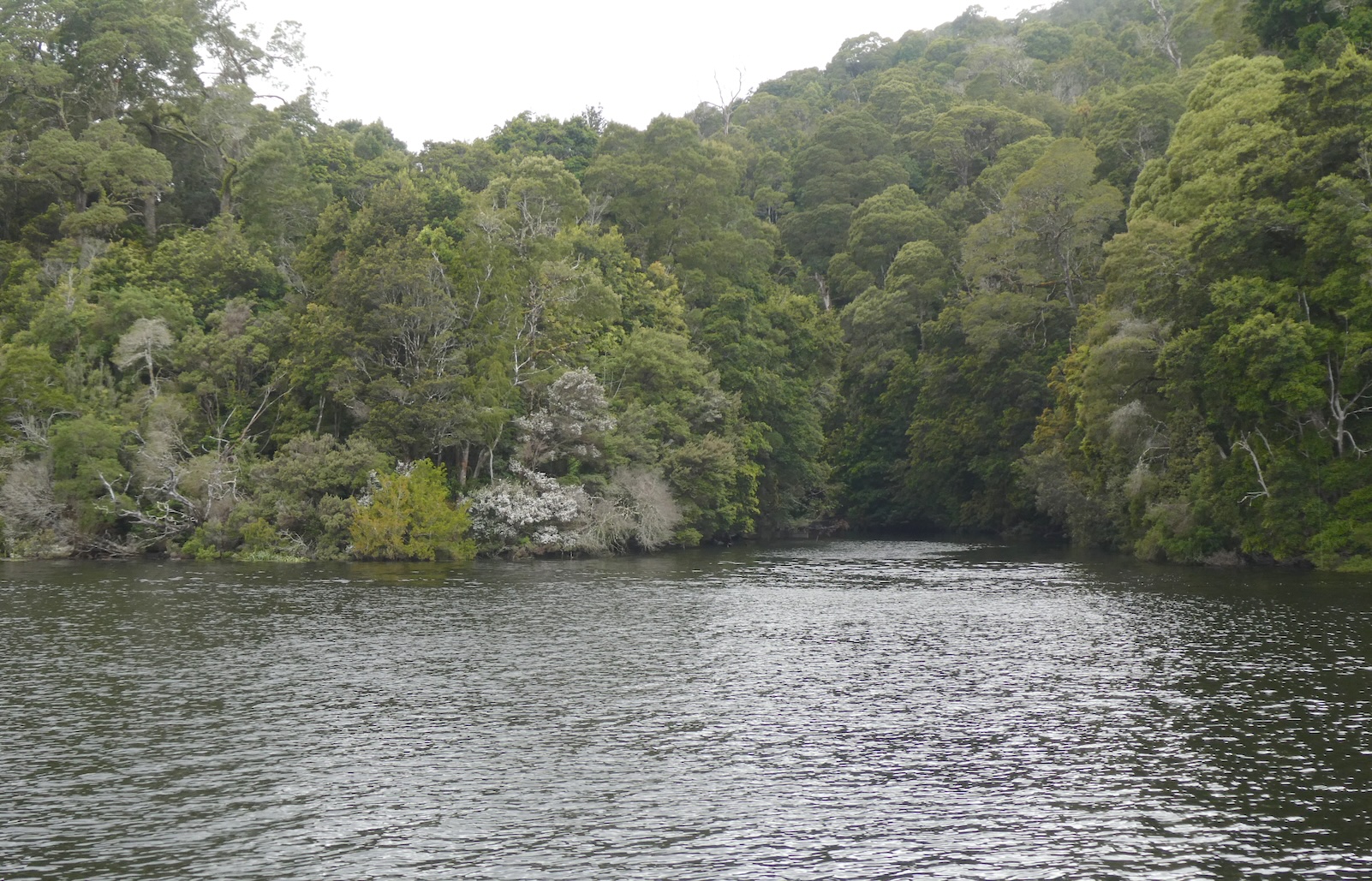
As the skies cleared and the forest vegetation changed, we soon arrived at our destination.
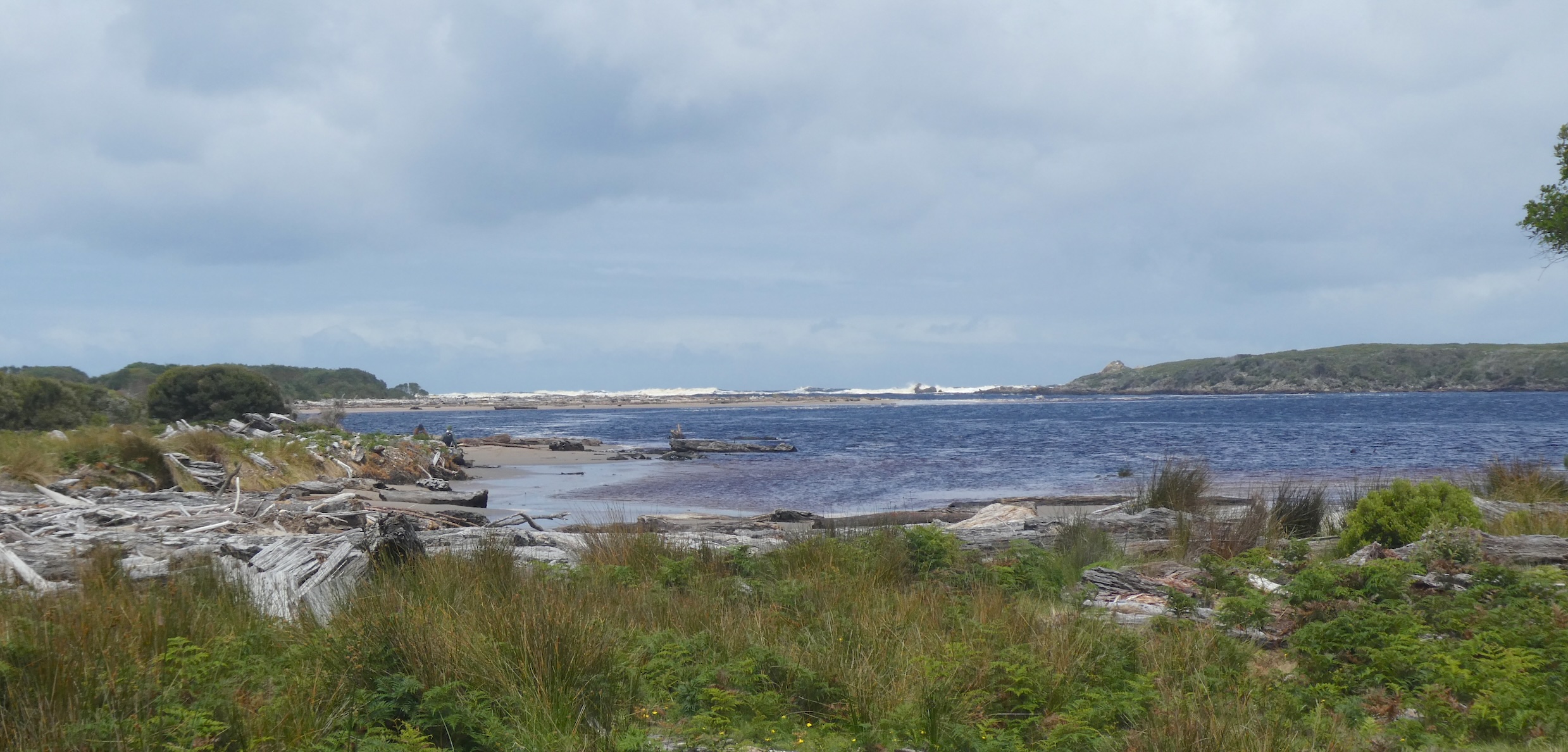
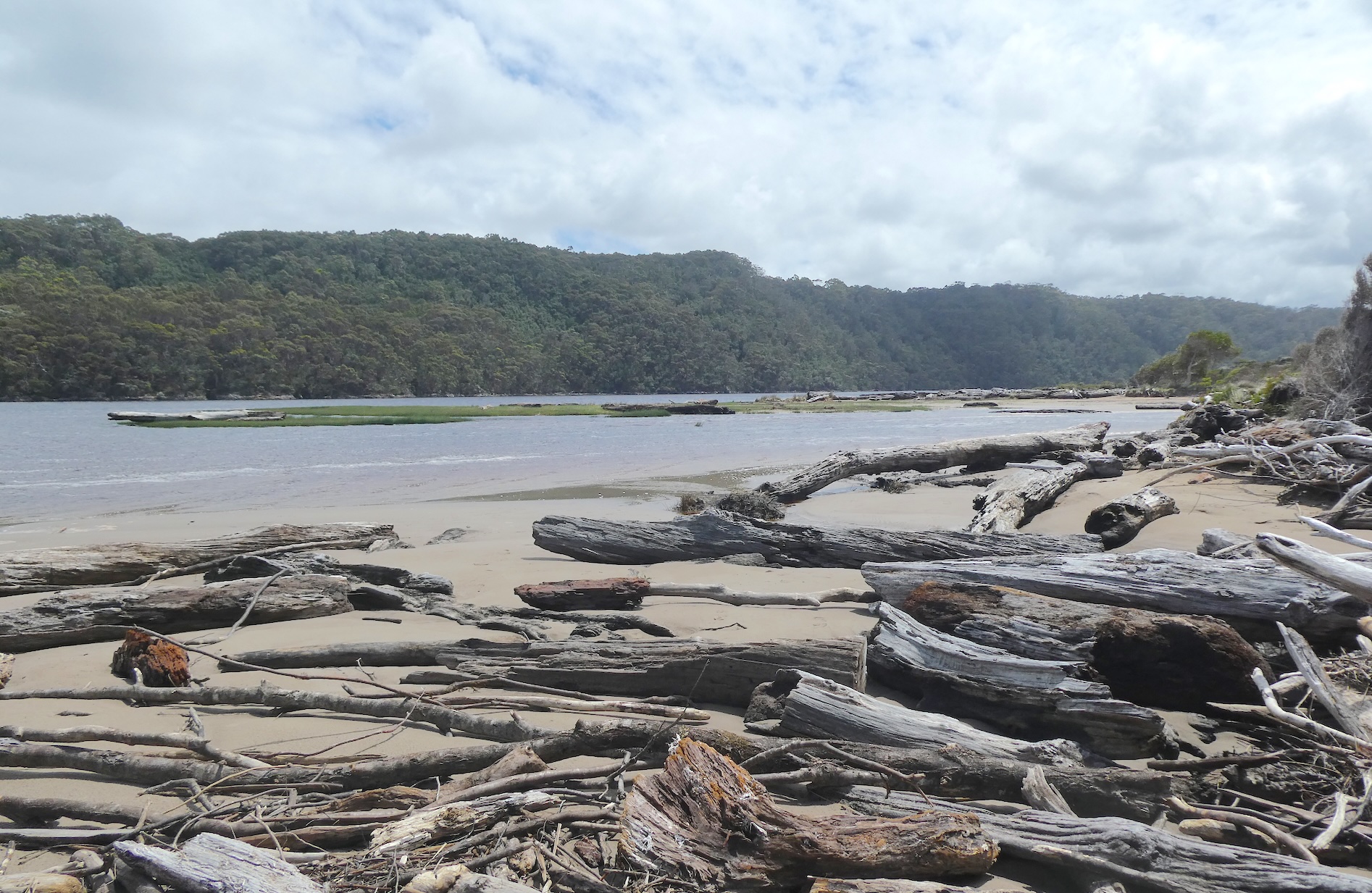
Pieman Heads, where the Pieman River meets the Indian Ocean, marks the southern extremity of the Arthur-Pieman Conservation Area.
Breathing in the freshest air on Earth, we walked a few hundred metres from the boat and perched amongst the driftwood to savour our tasty packed lunch.
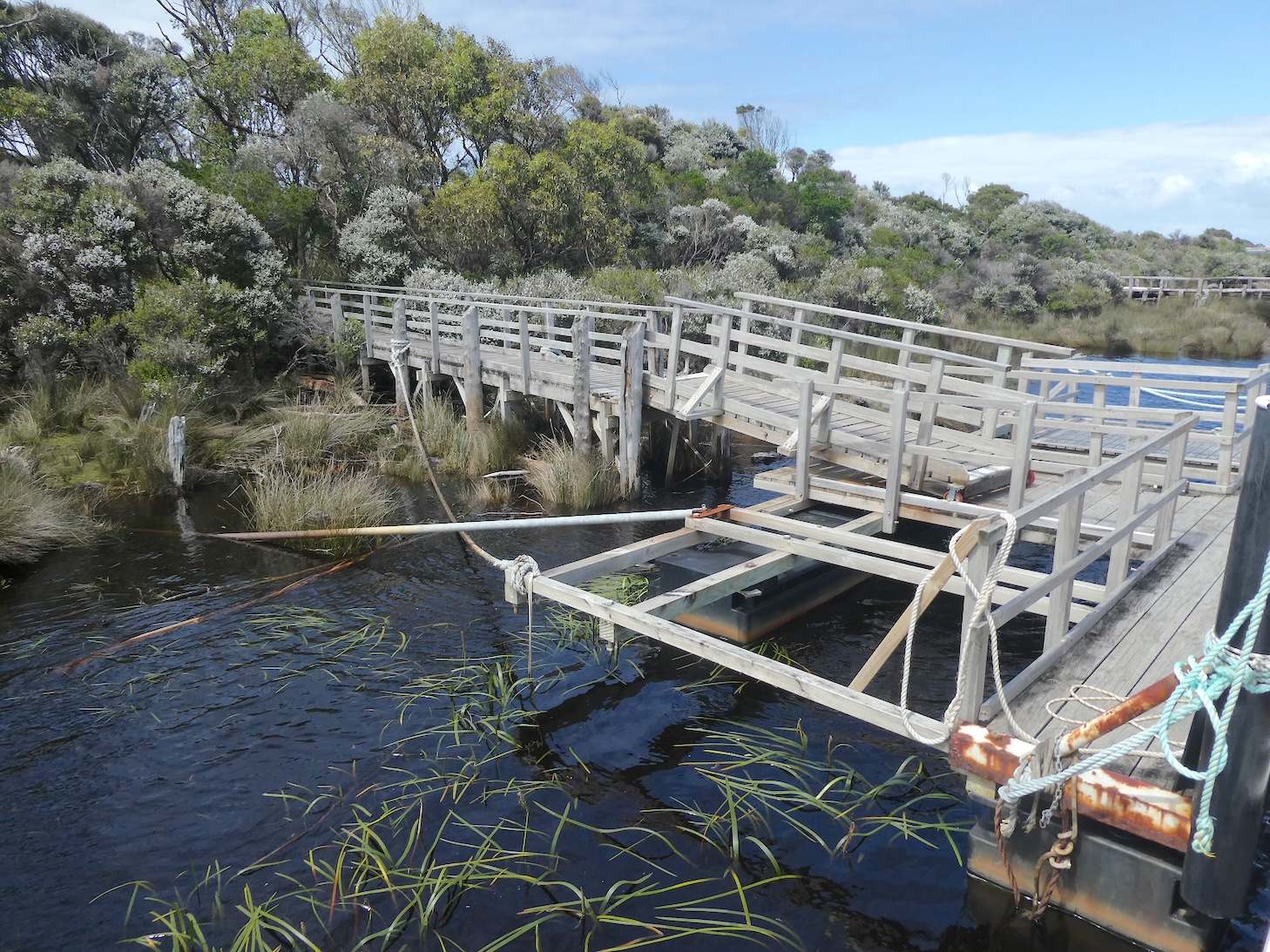
Strolling back an hour or so later, we came across an interesting structure. The Huon Pine timbers were recovered from the river in 2005 after spending forty years buried in silt and sand at the heads. They were part of the original Corinna barge, built in 1878, that transported prospectors, surveyors, livestock and general goods across the river using a cable and hand winch. From 1945, the barge plied up and down the river assisted by a power boat tied alongside. It’s life came to an end when, in 1964, it was washed away from its moorings in a flood and lost.
We returned to our more reliable form of transport
with nothing to do but relax and enjoy the ride.
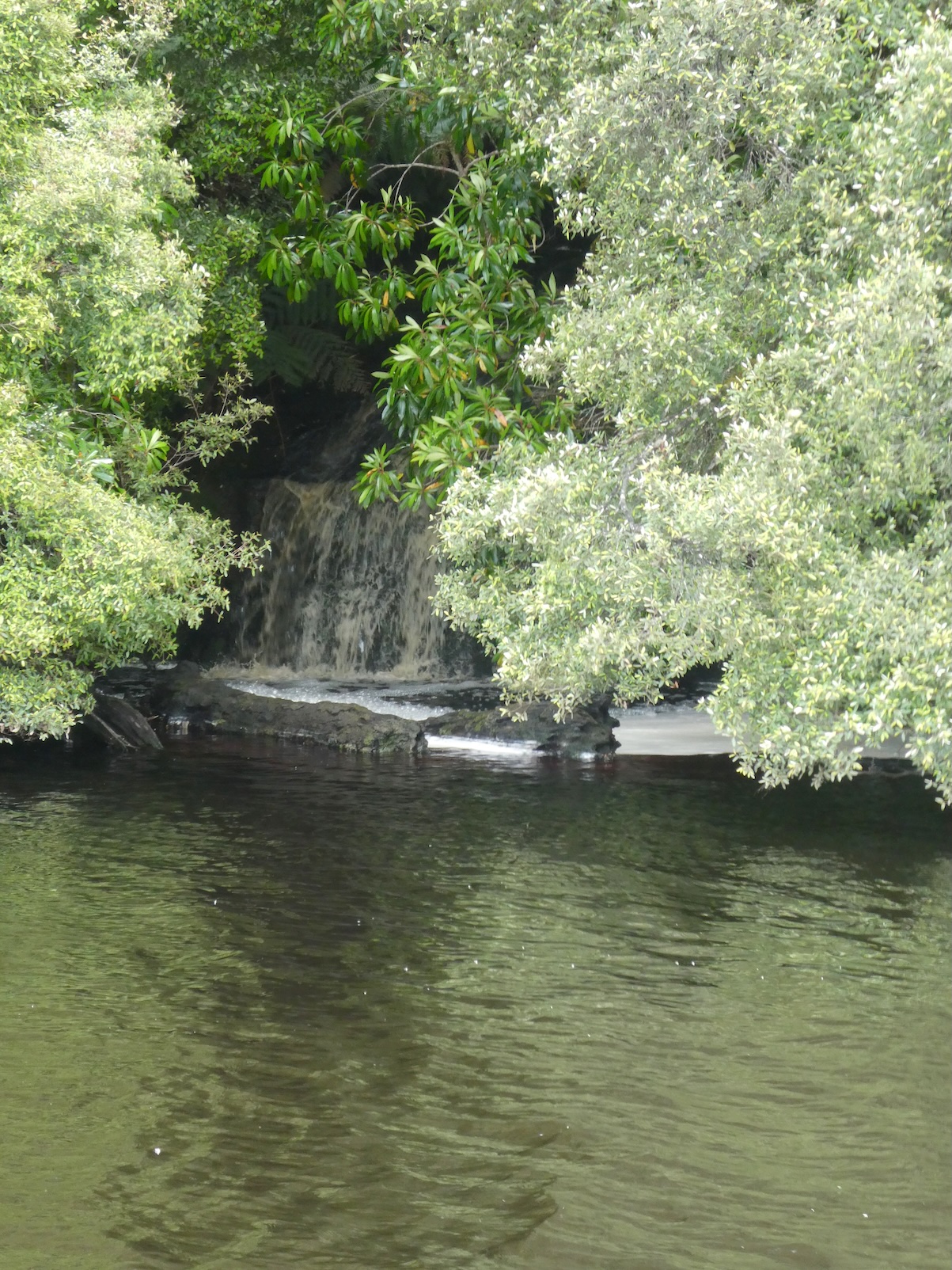
The mysterious stairway along the river, not far downstream from Corinna, leads to Lovers Falls.
There is a shorter cruise on a smaller craft, (Sweetwater Cruise) that ties up at the stairs to enable a walk to the waterfall. The only other way to reach them is by kayak.
Arriving back at Corinna at 2.30pm, we had time for a short walk before bevvies and a delicious dinner at the hotel.
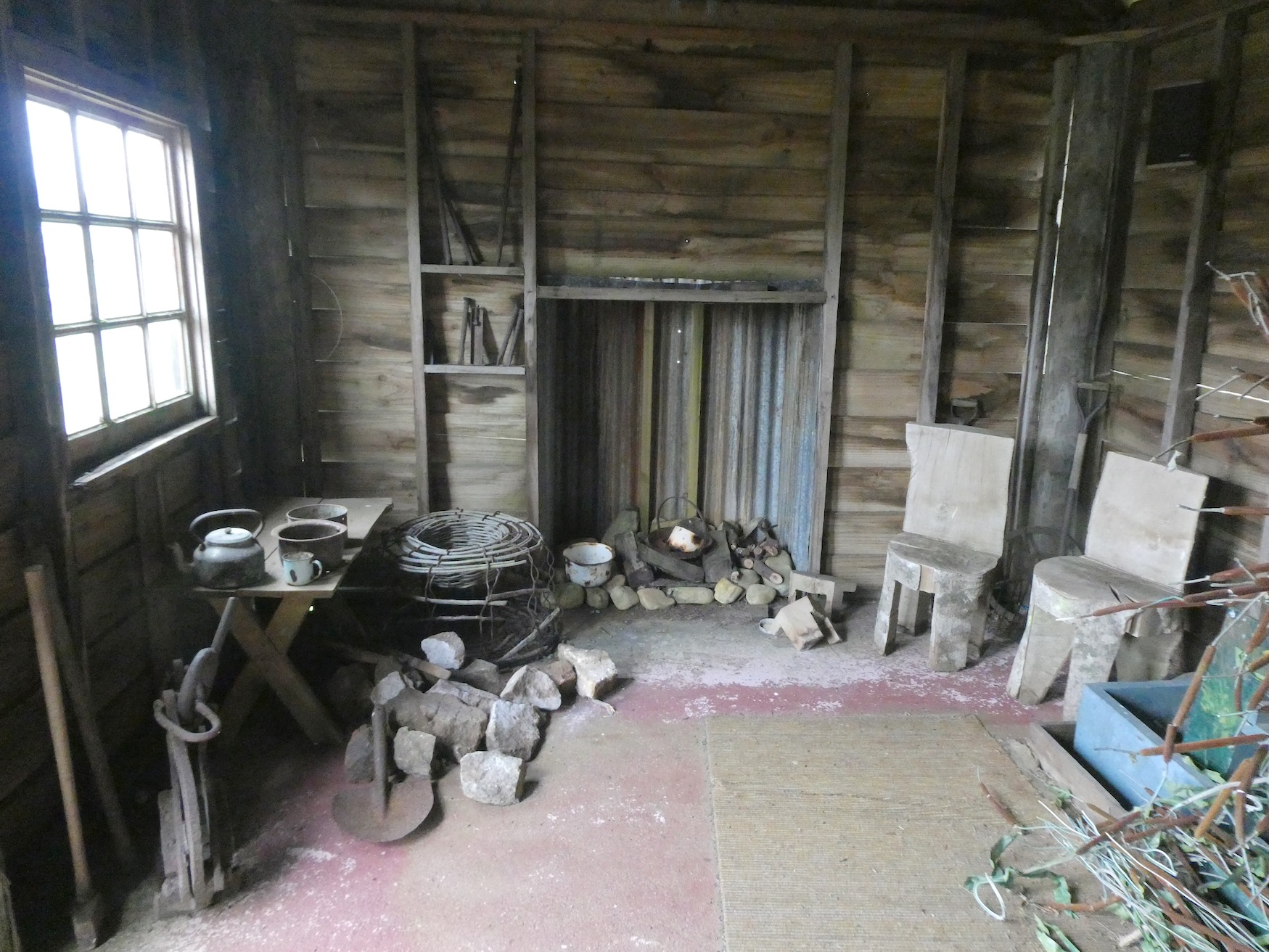
Driving through Waratah on our way to Corinna, we spied an interesting rustic cabin. We stopped to investigate and found Philosopher Smith’s hut, a replica of a typical miner’s hut from the late 1800s.
James ‘Philosopher’ Smith is credited with the discovery of tin at Mount Bischoff and the founding of Waratah in 1871.
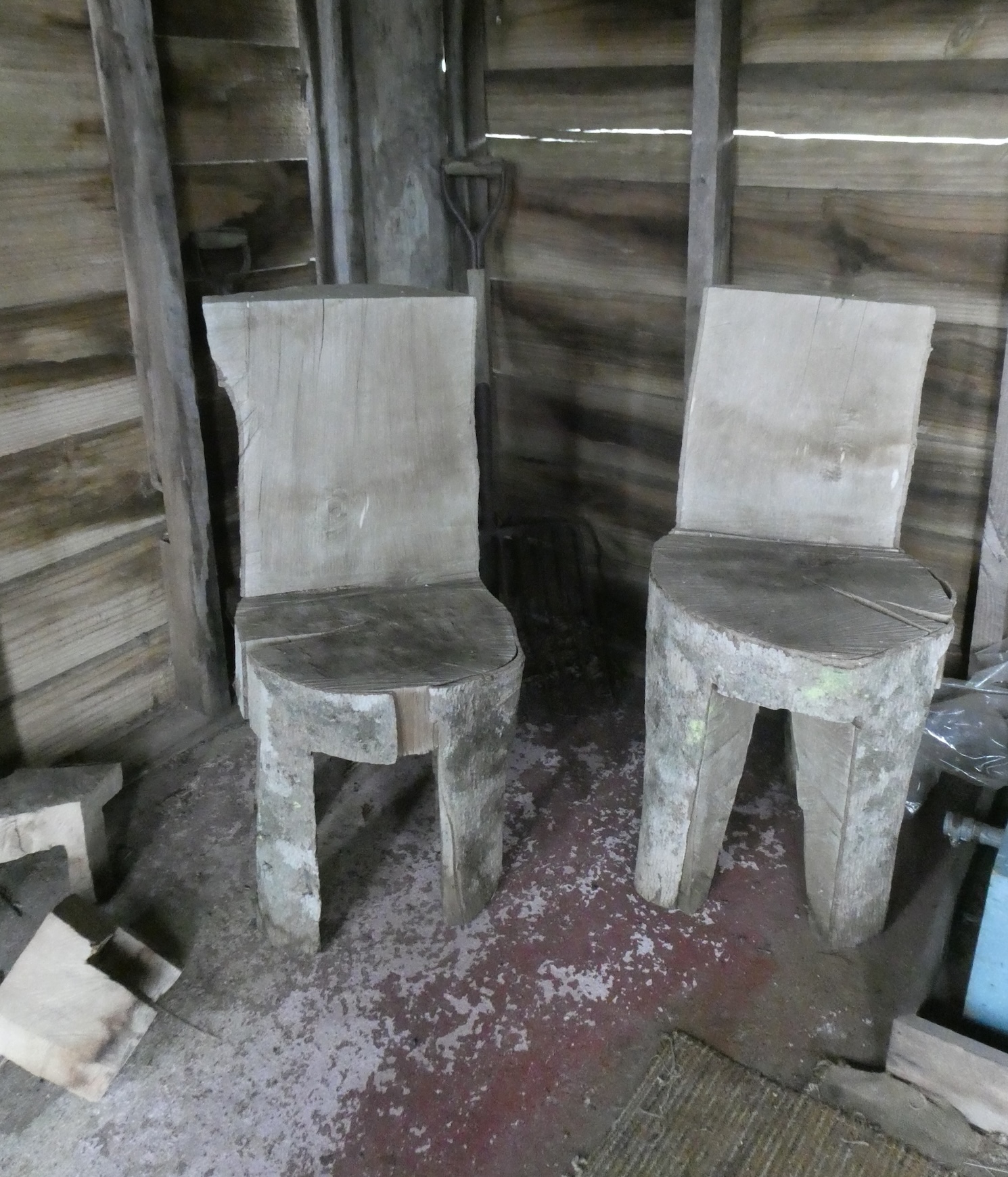
The interior was less than comfortable and displayed the equipment a prospector would have used when searching for minerals in the 1870s.
With time to spare before lunch, we moved on to explore the adjacent museum.
The former Courthouse building is now home to a collection of local historical photographs and artefacts. The main courtroom has retained the judge’s bench and witness box among other original features.
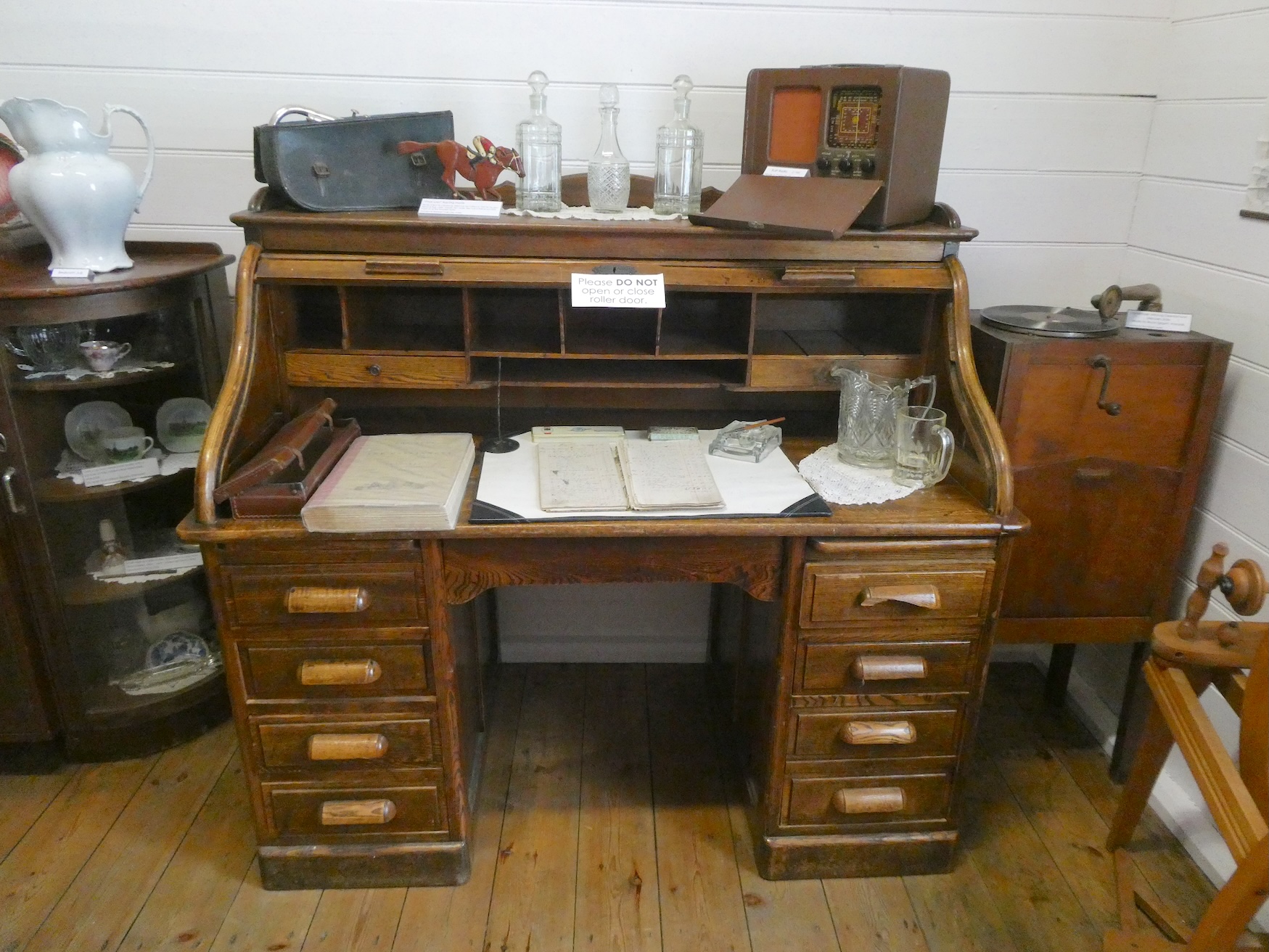
A roll-top desk has pride of place in an adjoining room with a neatly scribed ledger showing receipts and payments.
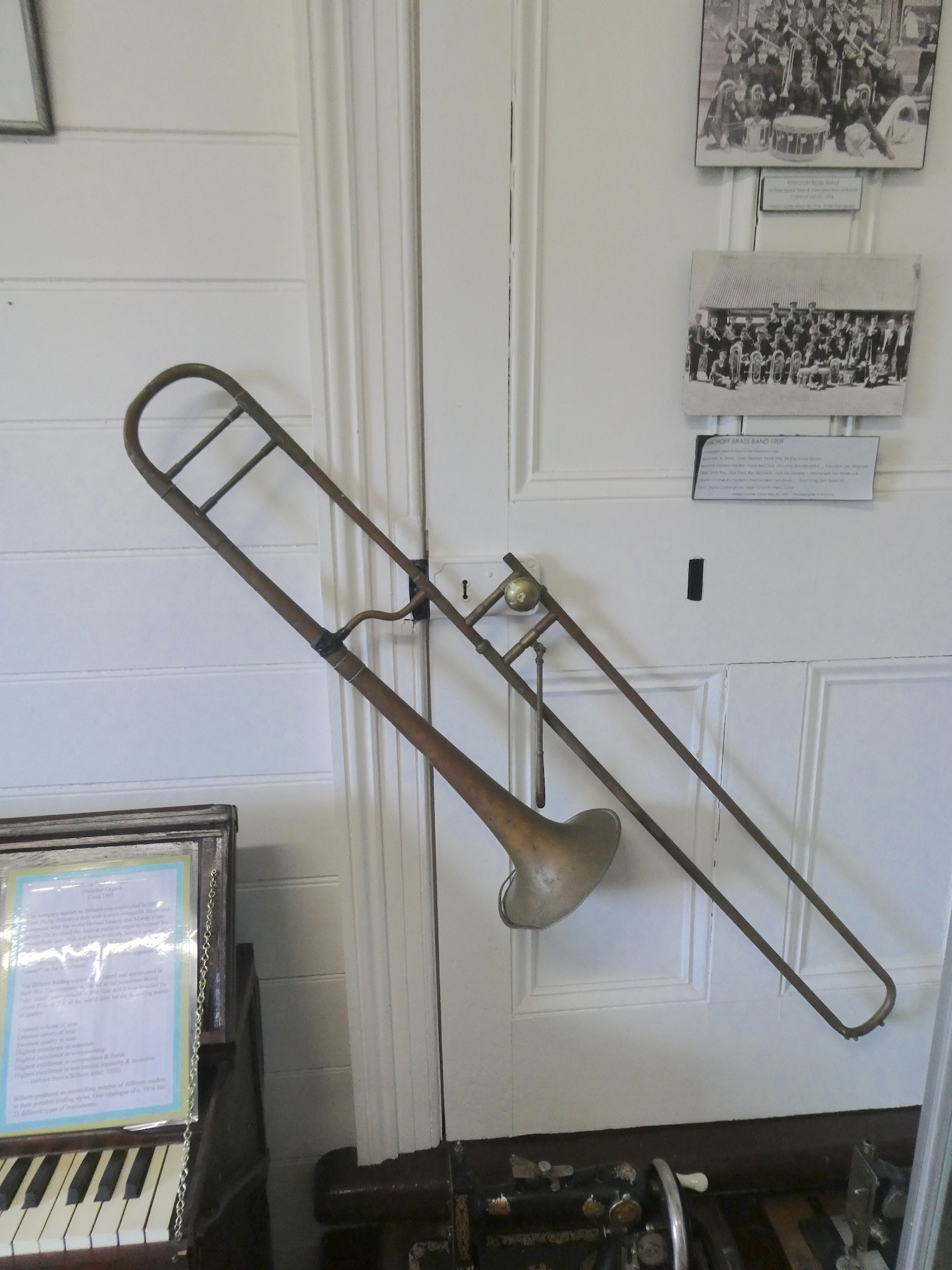
In the music room, vintage instruments, sheet music and old vinyl records reflect a time when music was an integral part of the social scene.
As expected, mining memorabilia abounds along with specimens of gemstones and minerals.
Among all the fascinating items, my favourite is this child’s dress. Despite the pretty trimmings, it does look a might scratchy.
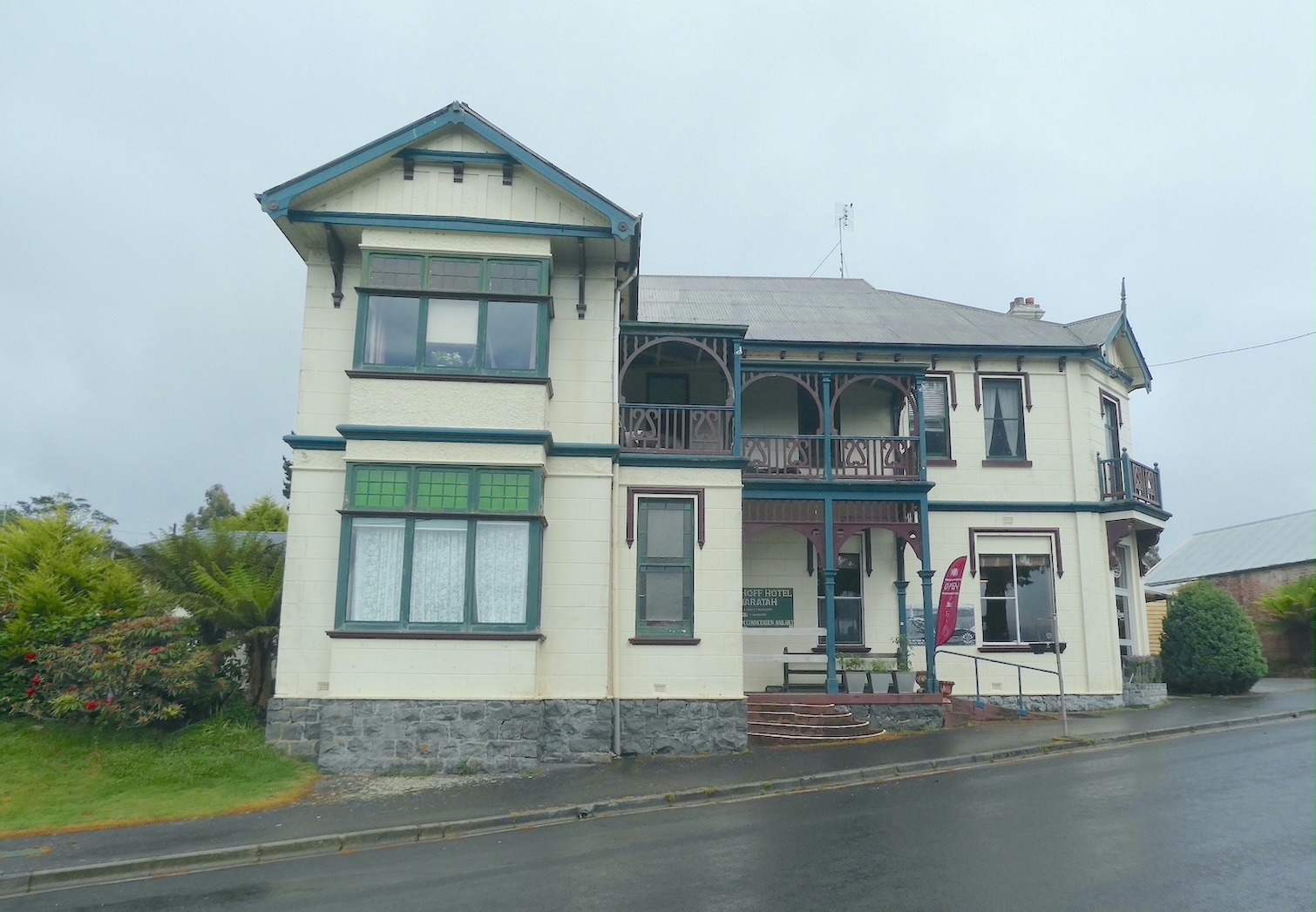
Our journey to Corinna took us through the former mining town of Waratah on the edge of Tasmania’s west coast wilderness. The plan was for lunch at the Bischoff Hotel, the only hotel remaining in the town. Originally built in 1879, it burned down in 1902 before being rebuilt and burning down again in 1909. The present Queen Anne style incarnation was completed later that same year.
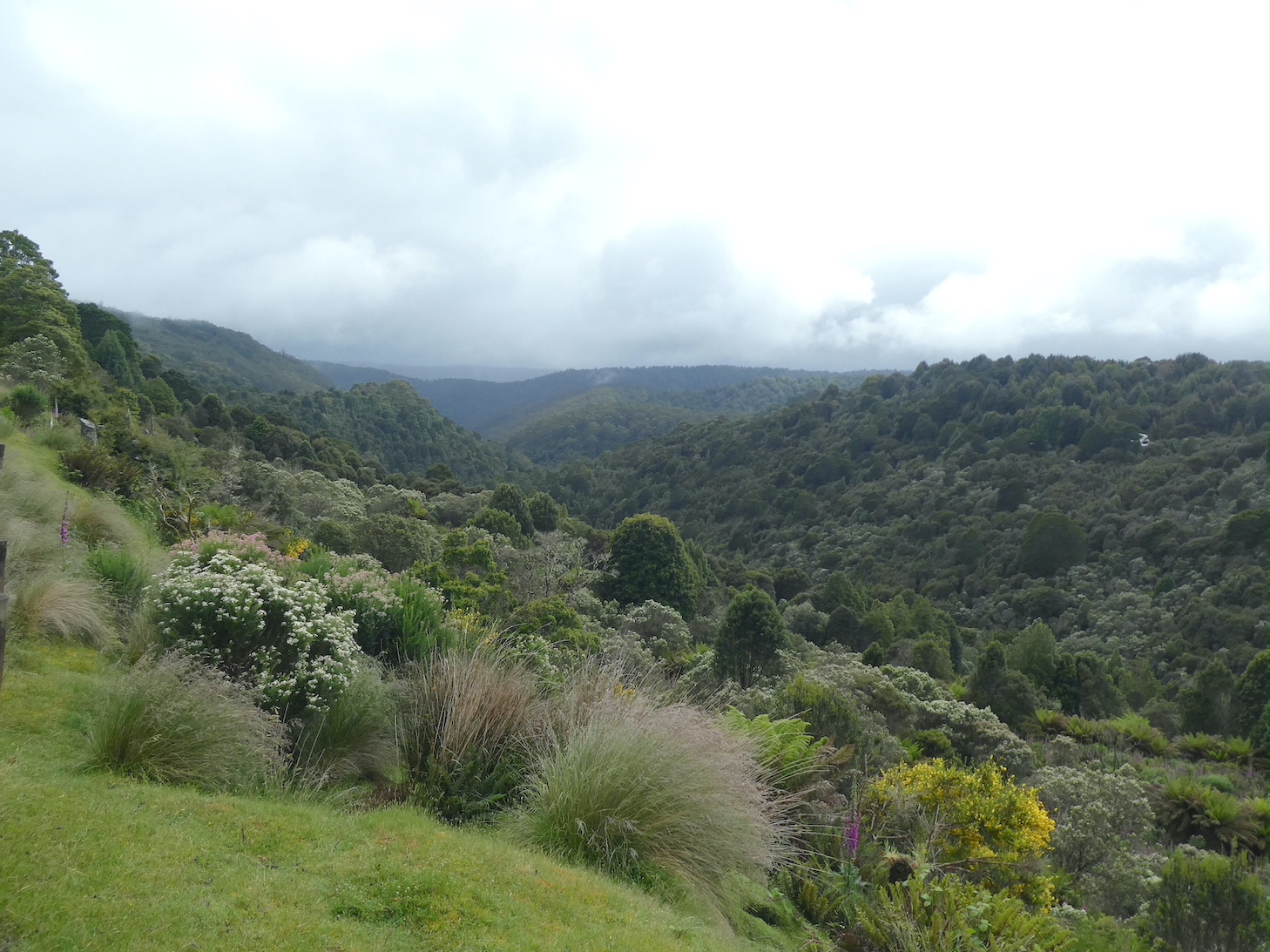
The view from the hotel is spectacular, even on a drizzly day
and the waterfall in the middle of town flows all year round. The water provided vital power to the mine directly through a series of seven water wheels and was later piped to the Waratah Power Station to produce hydro power.
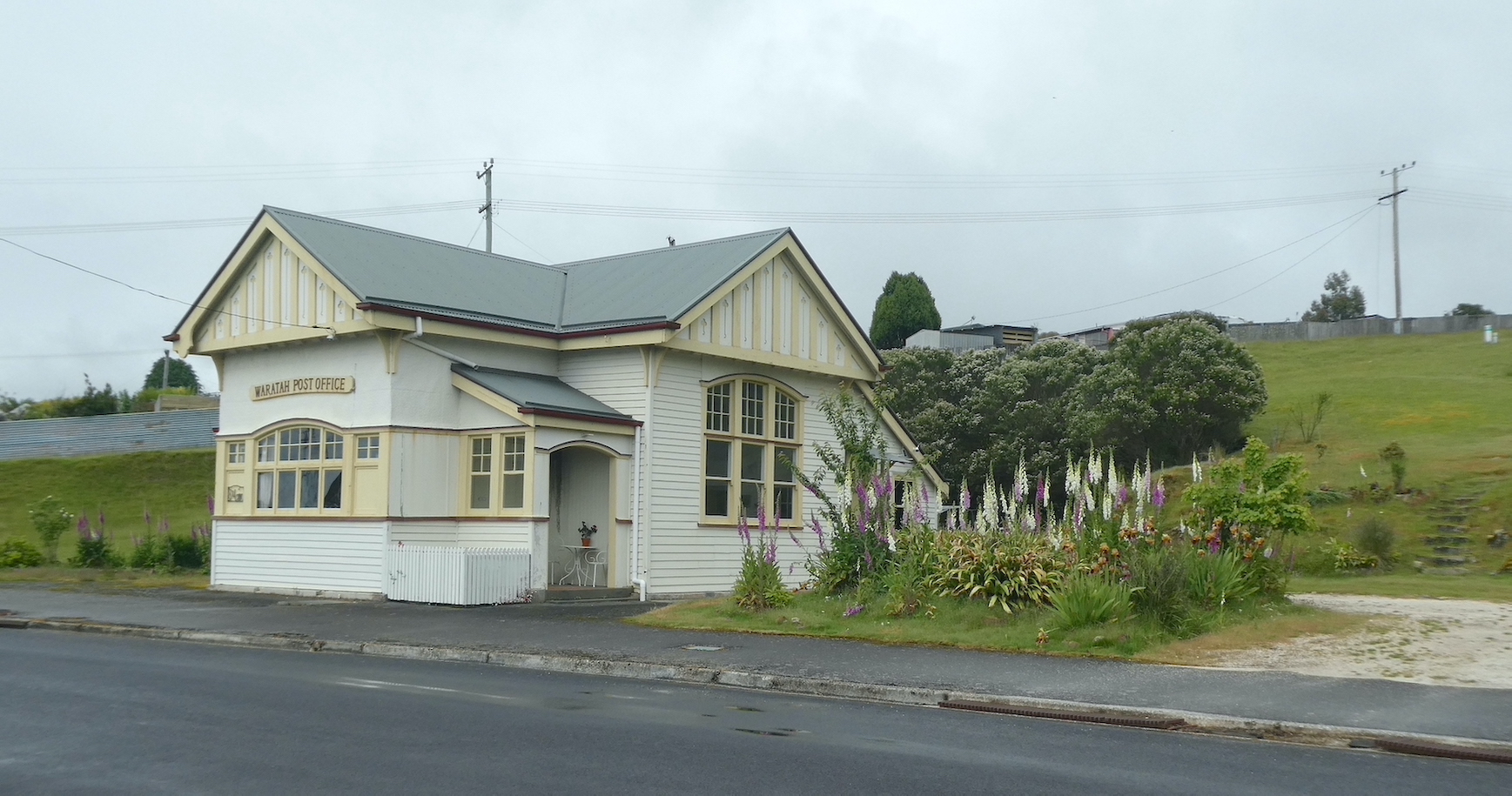
With some time to spare before dining, we set out to explore. The Waratah Post Office opened in 1882 and the current building replaced the original in 1913. It has been lovingly restored and is now available as luxury holiday accommodation.
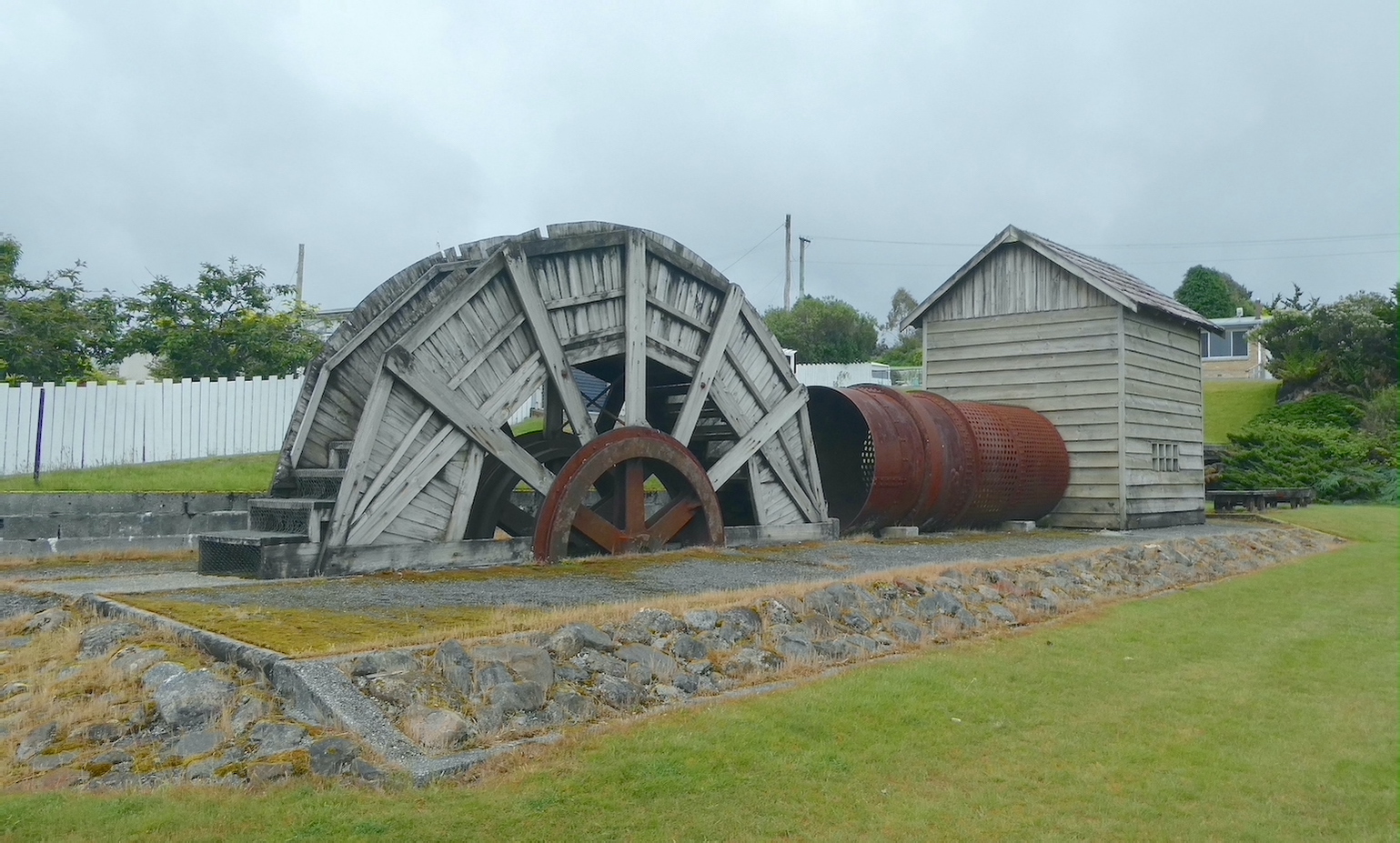
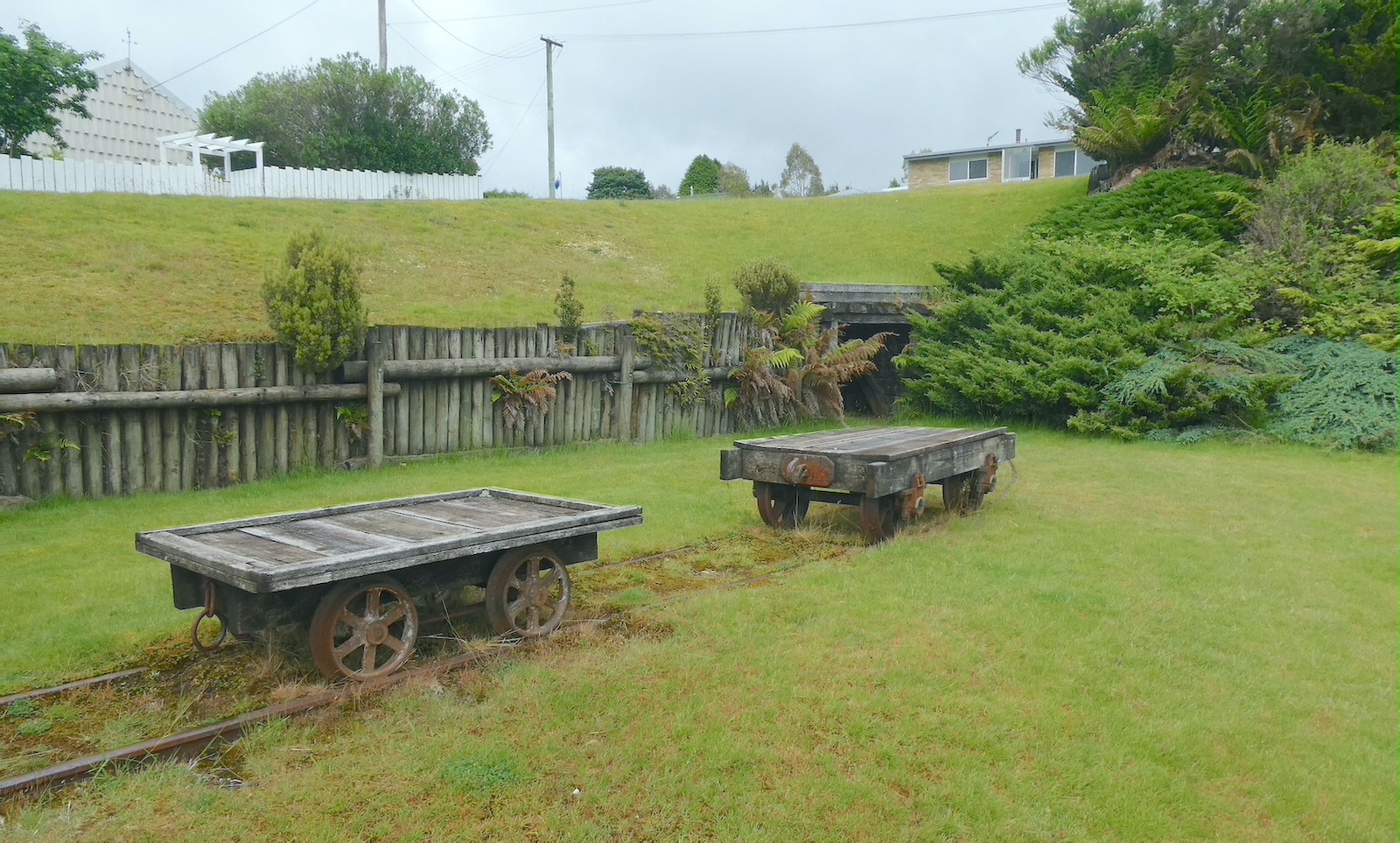
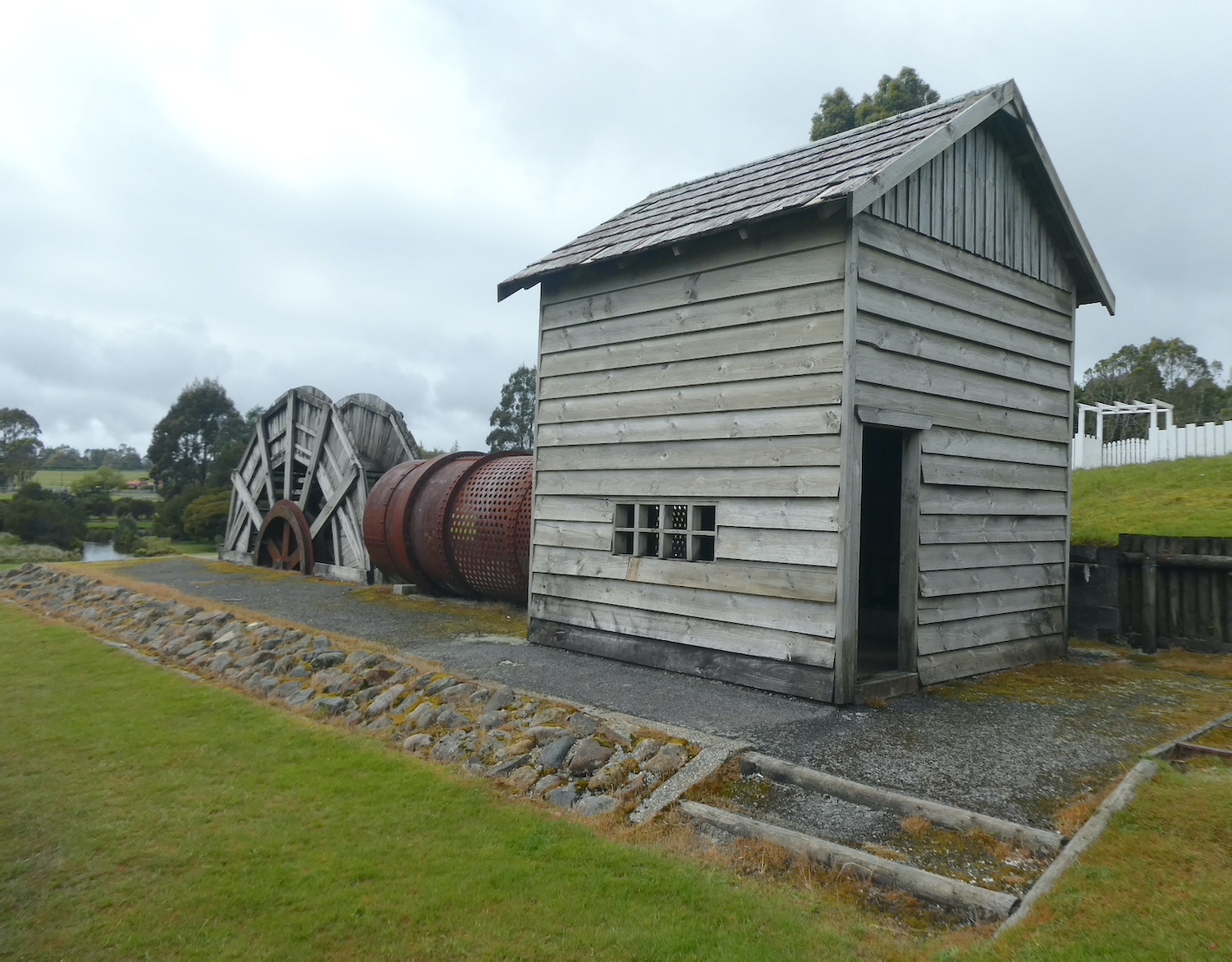
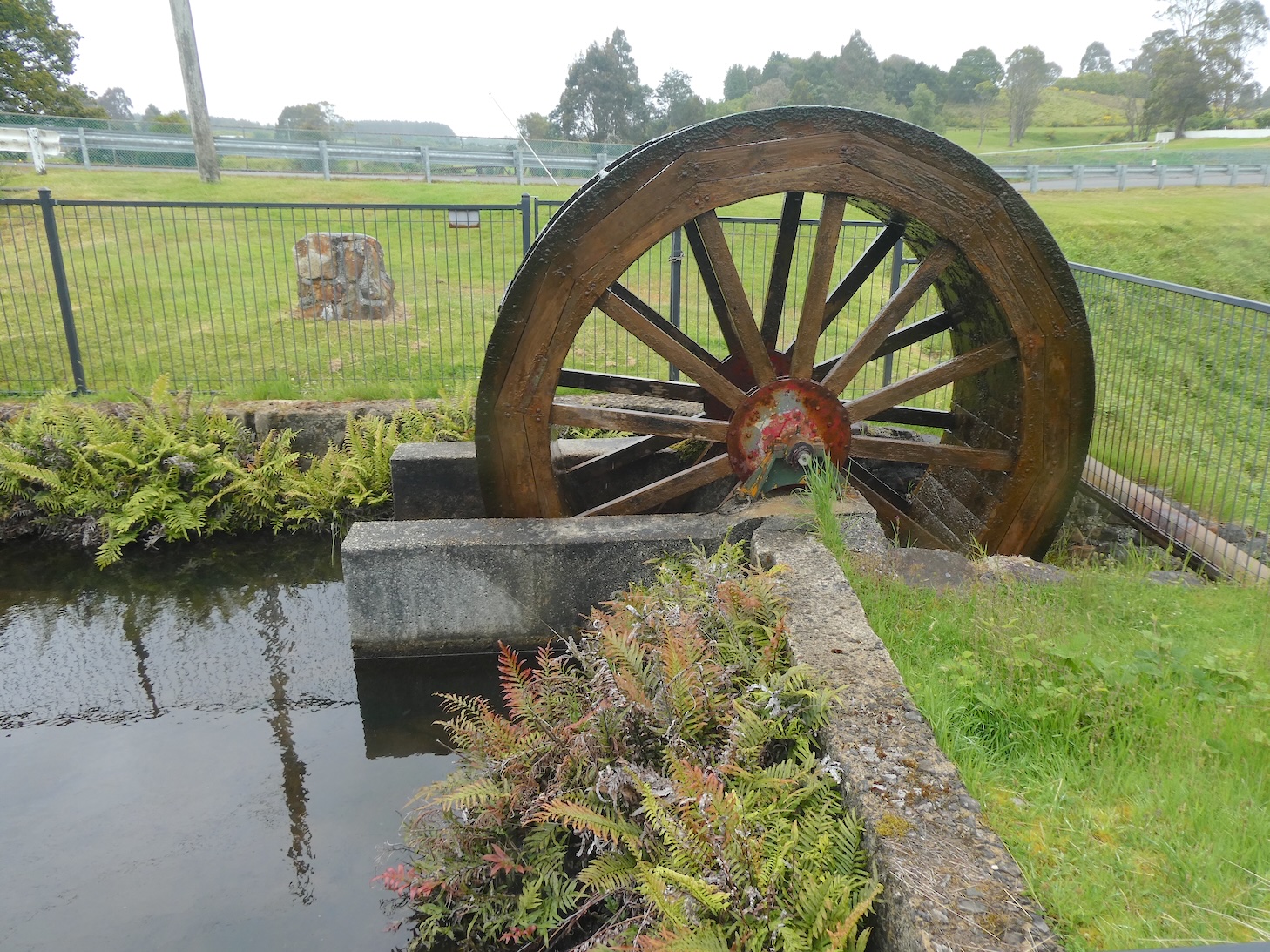
We made our way to the lake and came across an old waterwheel and pump house near what appeared to be an old entrance for the mine carts.
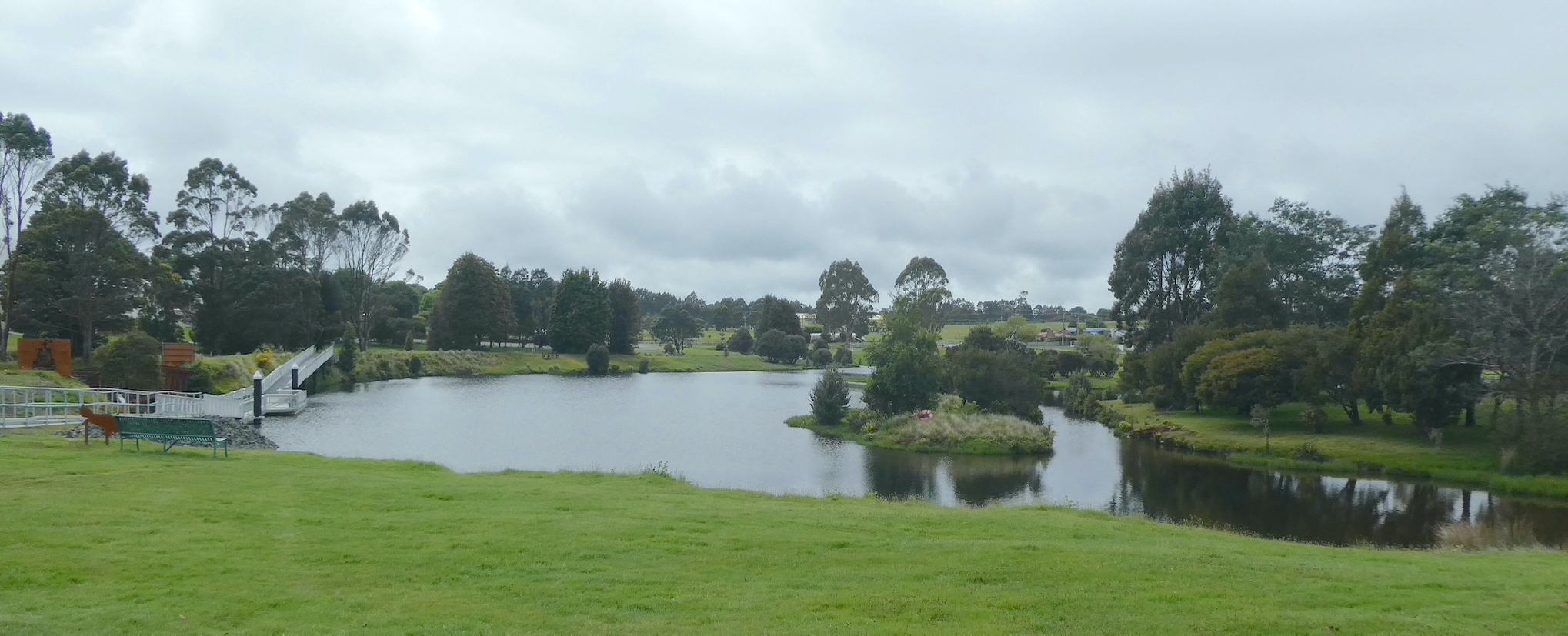
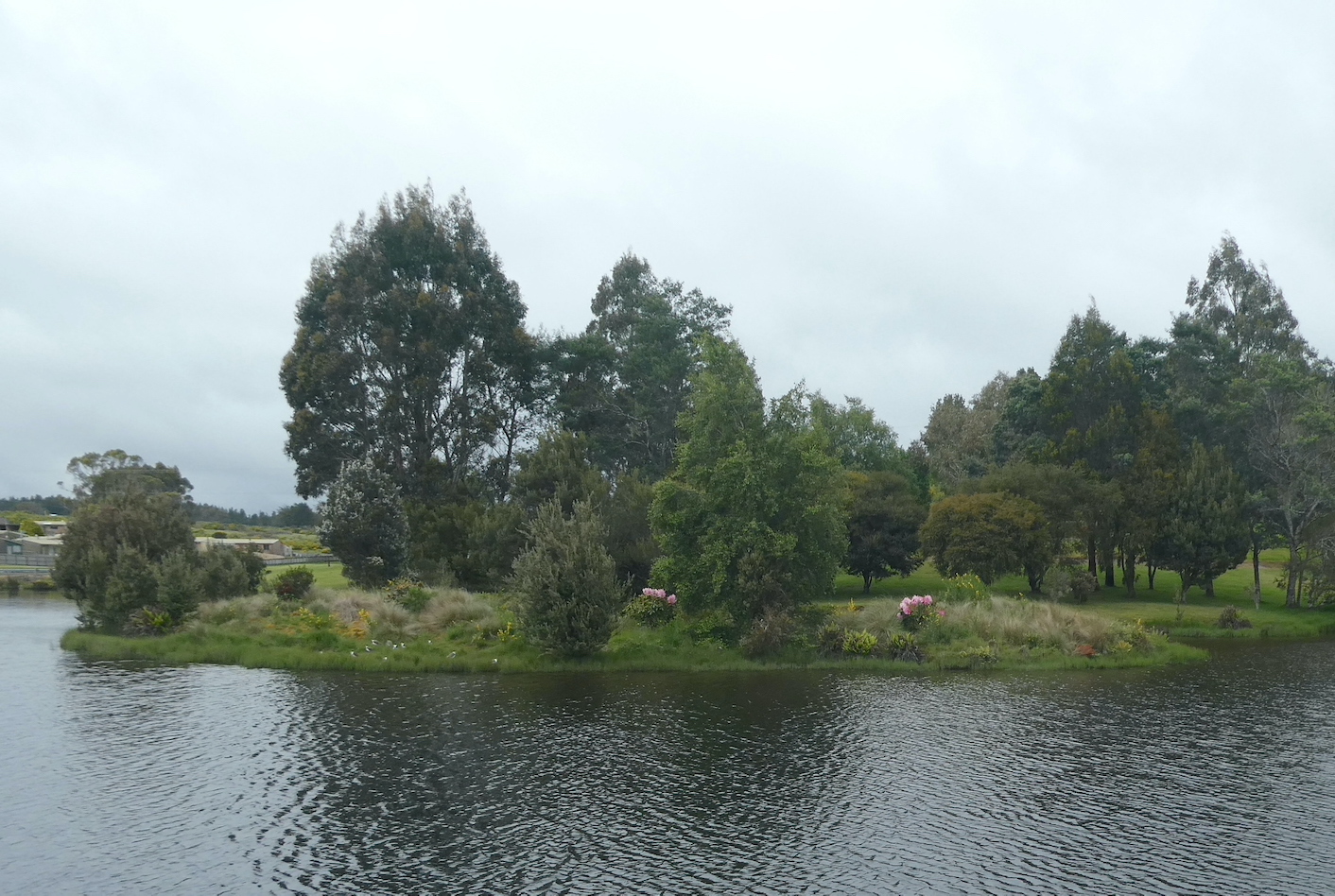
As we entered the town, we noticed how immaculate the public lawns and gardens were kept. Lake Waratah is a beautiful centrepiece.
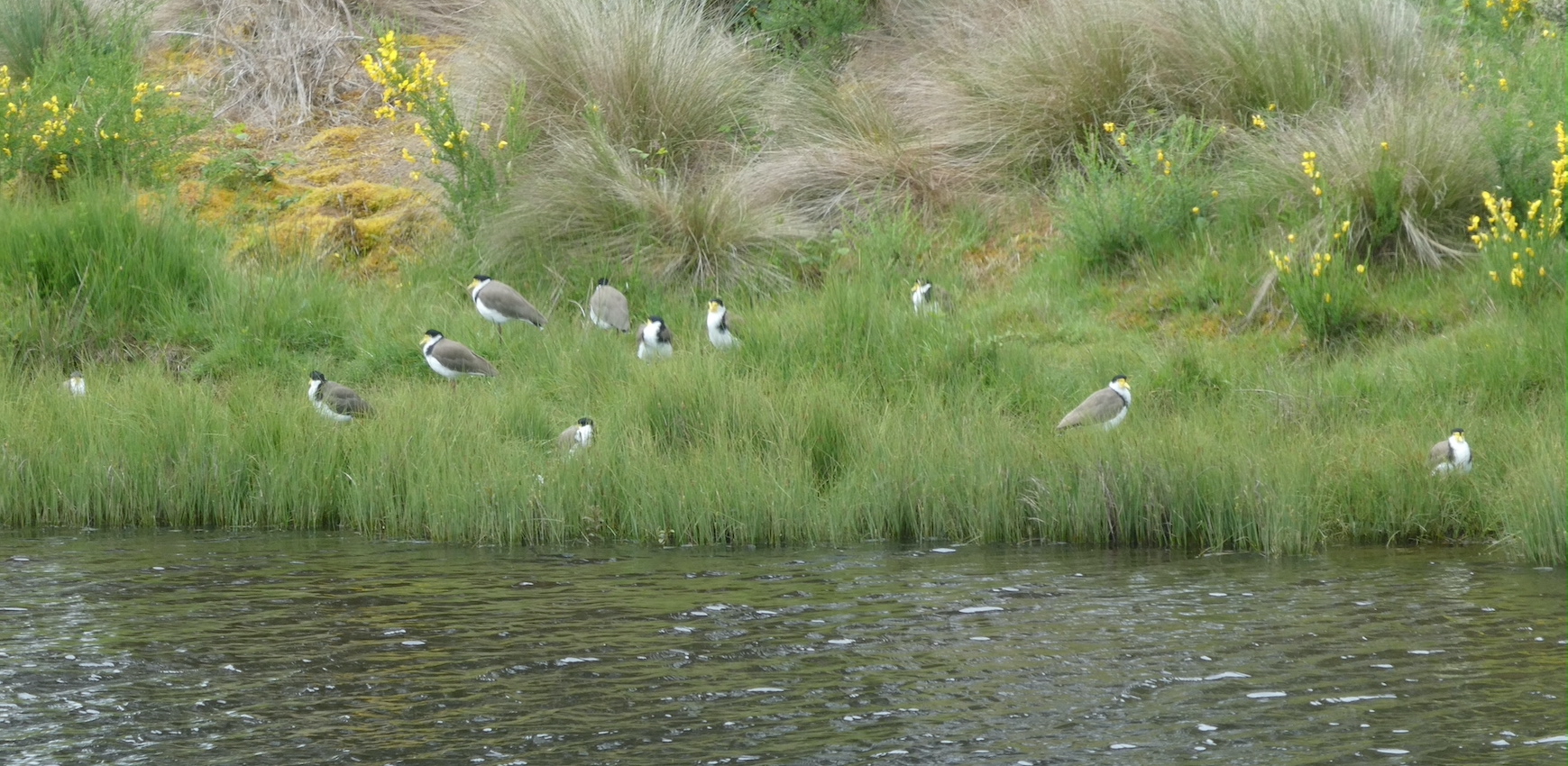
I have never seen a colony of masked lapwings in these numbers, they have chosen a lovely spot to call home.
We took a closer look at the iron truss rail bridge, built over the Waratah River in 1895, essential for getting people and supplies to Waratah and getting the ore out.
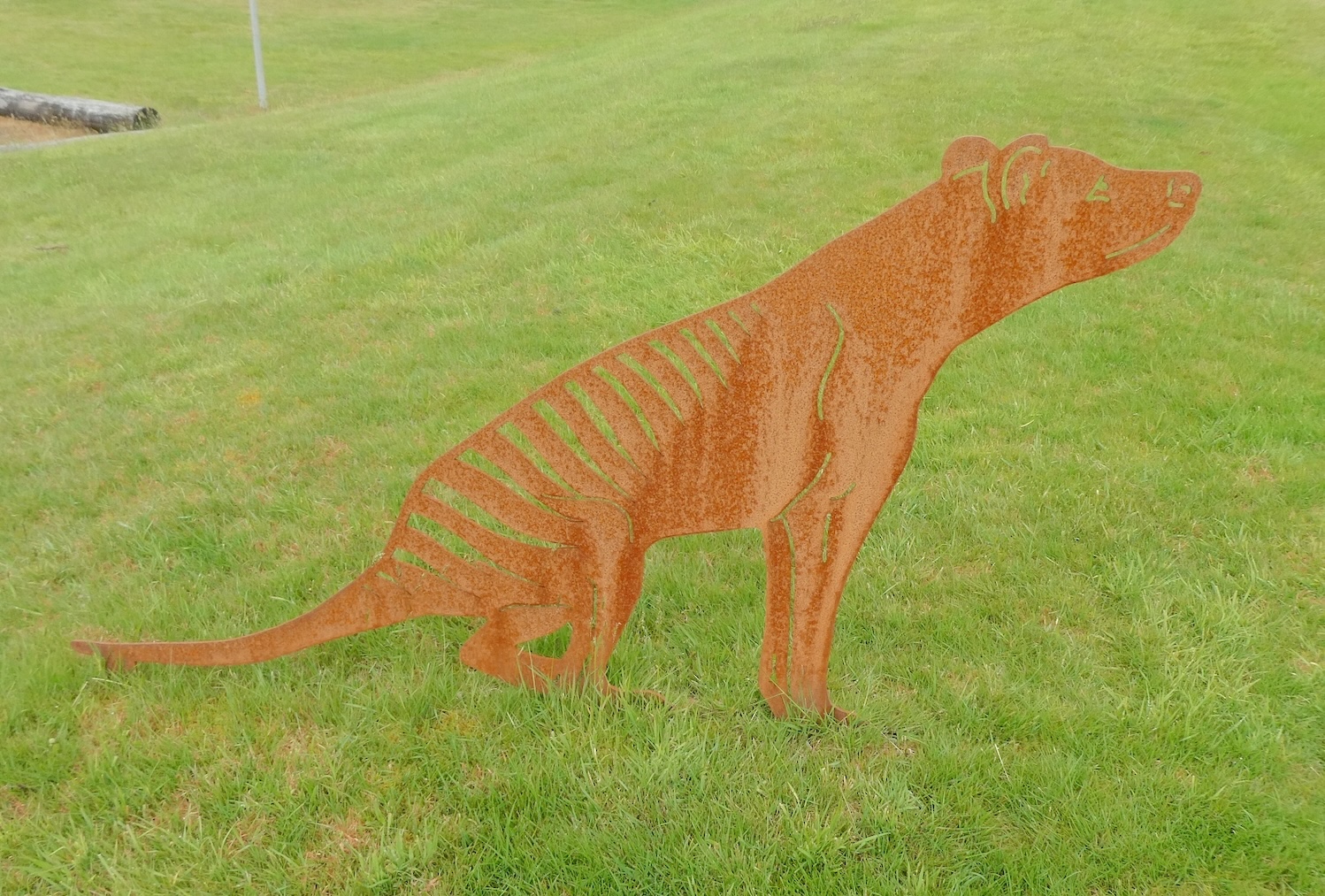
Waratah is known as one of the last bastions of the thylacine, thought by some to be extinct. We are ever hopeful of proving this theory wrong, it seems we are not alone.
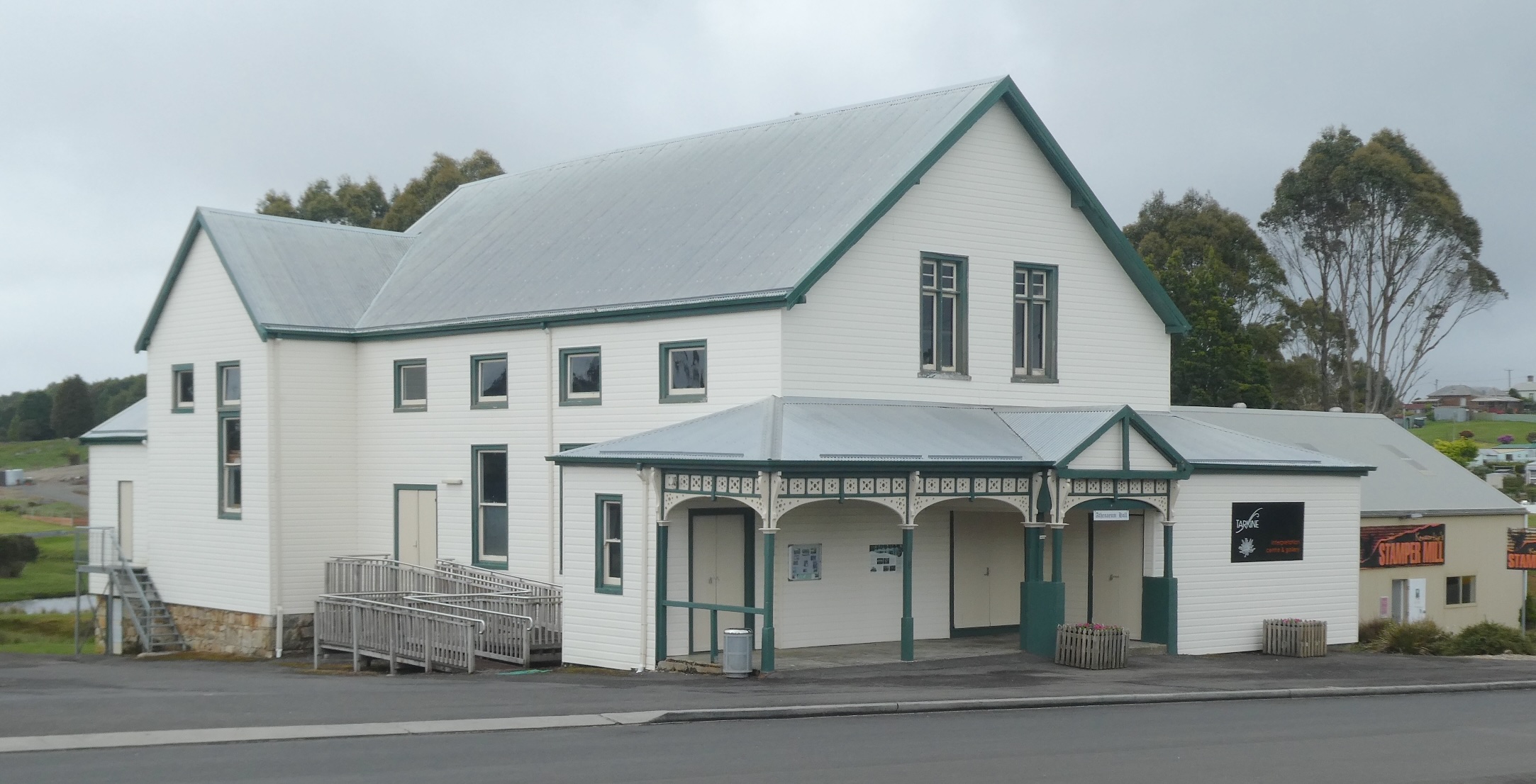
The Athenaeum Hall is a very impressive building completed in 1887 when the town was enjoying the economic prosperity provided by the tin mine. Built for the workers and families, it started as a library and later became the town hall and cinema. Today, it is home to the Tarkine Visitor Interpretation Centre and is still used for functions.
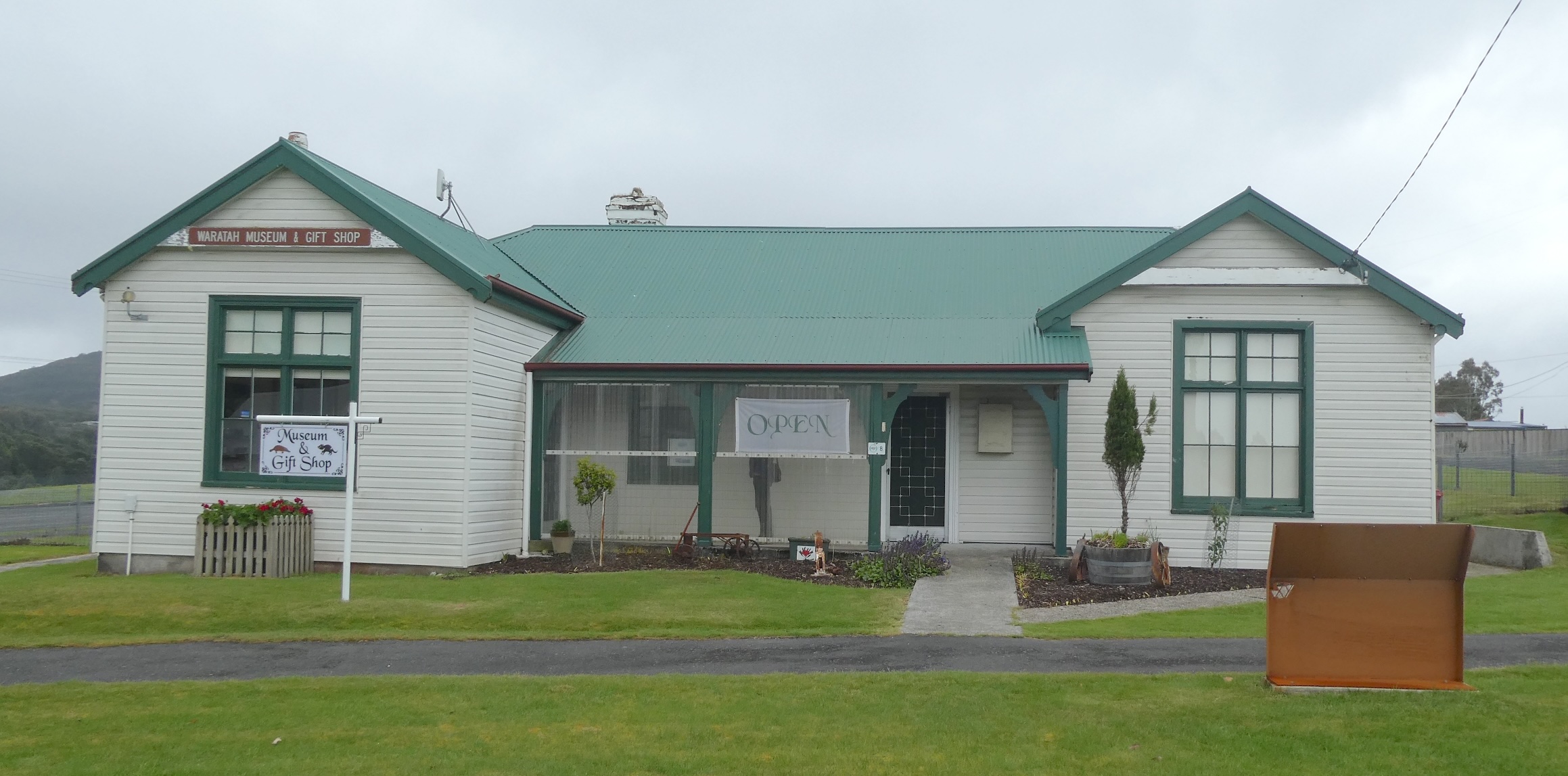
Across the road, the Waratah Museum occupies in the old Court House (that will be another post).
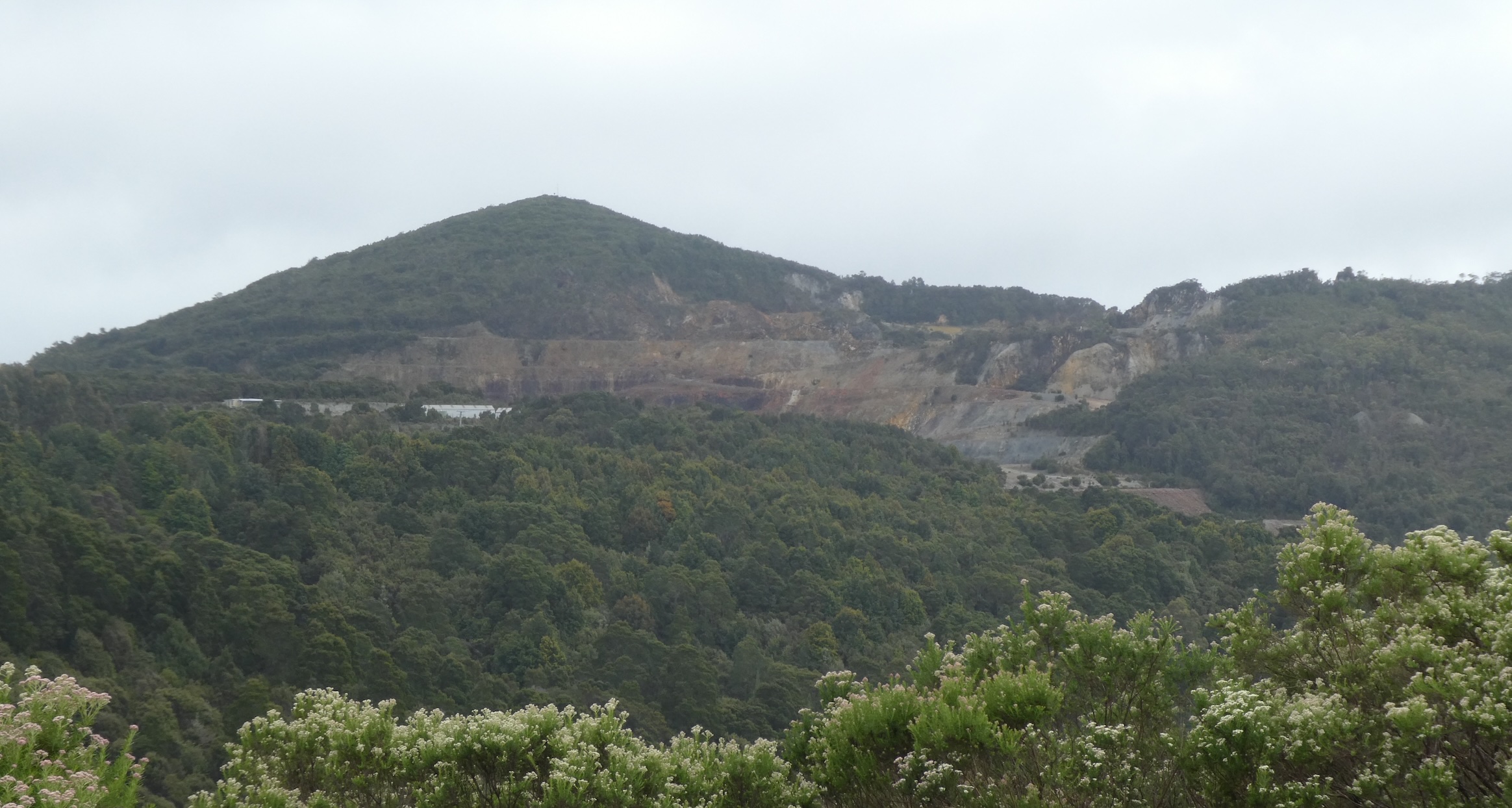
Despite a leisurely perambulation around the museum, we still had time for a walk to the bottom of the falls. The scarred landscape of the Mt. Bischoff mine loomed in the distance. Tin was discovered in the area in 1871 and by 1881, Mt. Bischoff was the richest tin mine in the world. The mine closed in 1947 after seventy years of continuous production but open cut mining resumed in 2008. Three years later, with resources depleted, it again closed and the pit is now flooded.
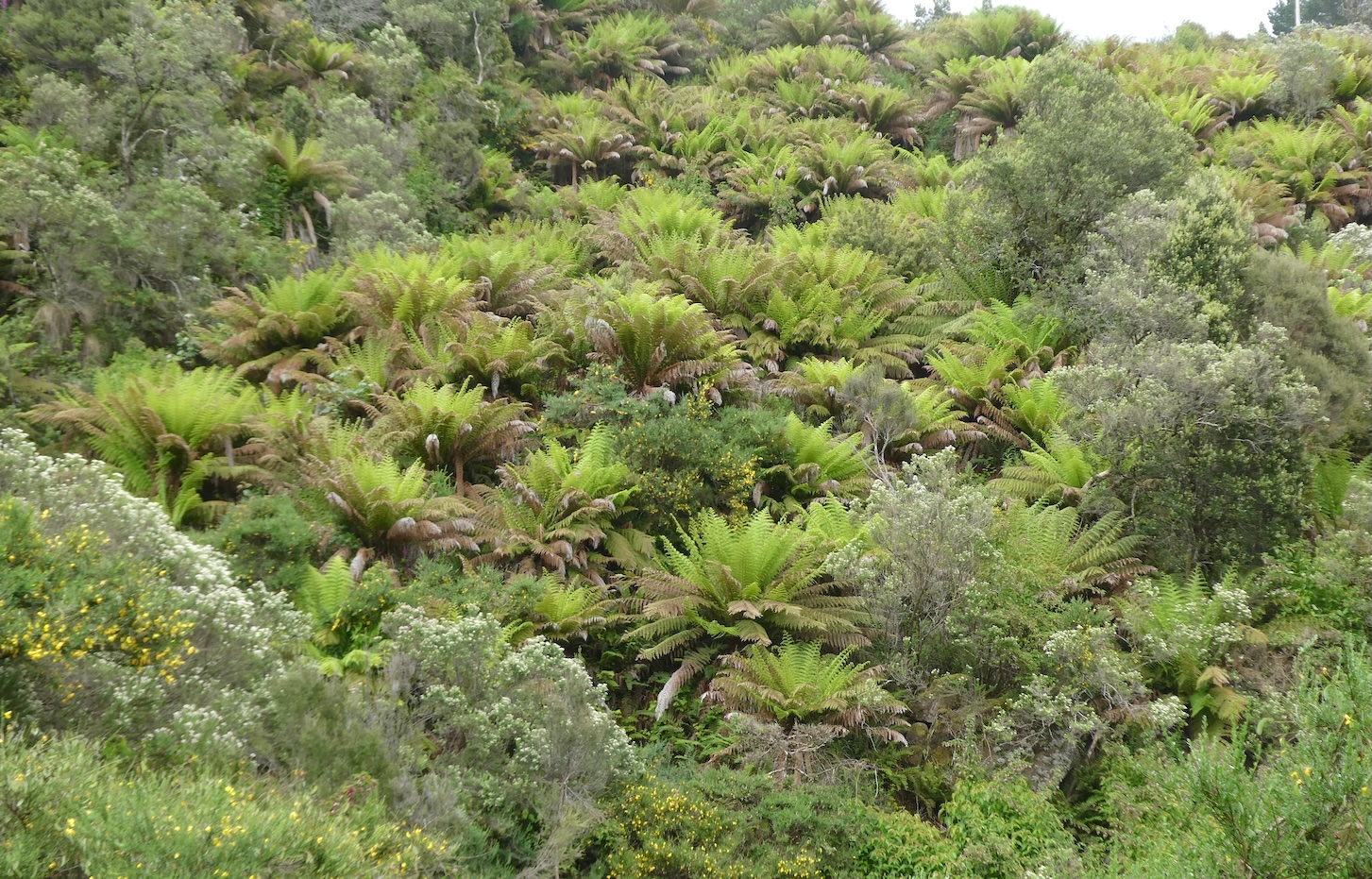
The walking trail was enveloped by tree ferns and verdant native vegetation
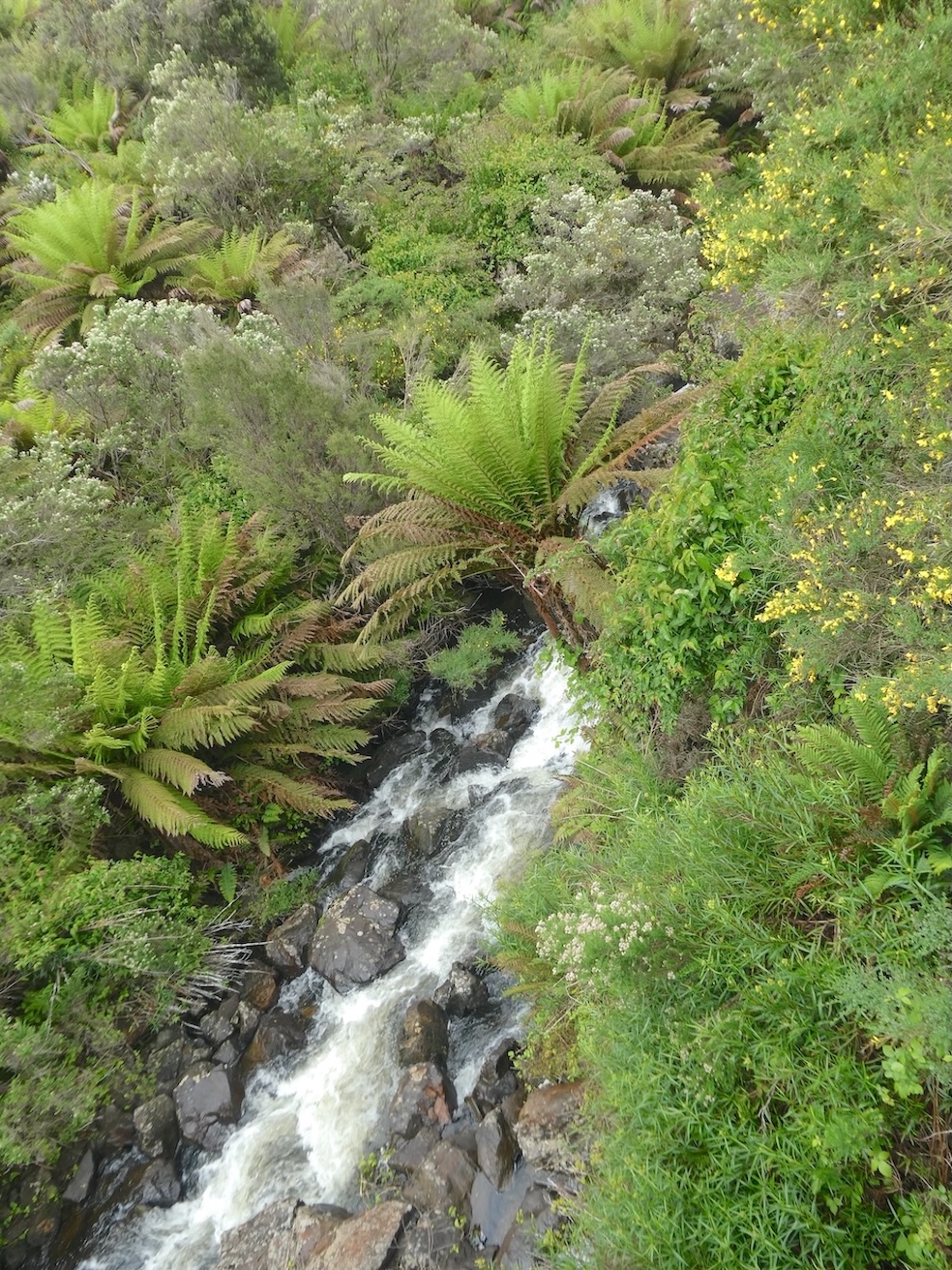
and the waterfall was magnificent after steady spring rain.
Returning to the top of the falls, the Waratah River wends its way over the cliff and continues ten kilometres before merging with the Arthur River.
The Dudley Kenworthy water wheel is named after the gentleman who recognised the potential to harness the year round water supply, making Waratah the first industrial site in Australia to be lit by hydro-electricity.
After a substantial lunch of delicious fish ’n’ chips and a schooner of stout, we were ready to tackle the long and winding road to Corinna.
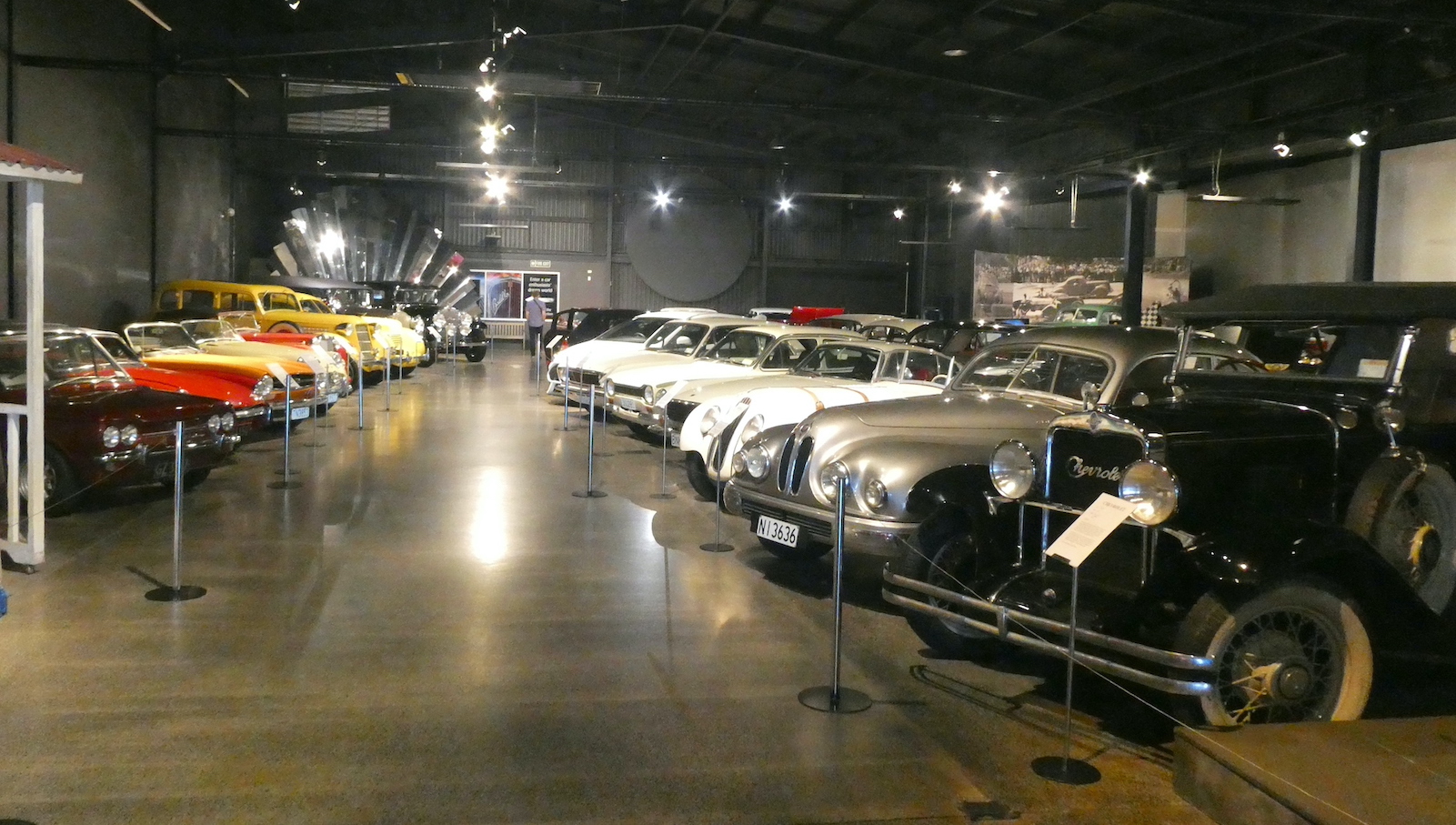
Following our sensory stimulation at the World of WearableArt Museum, we next ventured into the adjacent Nelson Classic Car Museum. I’m not really what you would call a ‘car enthusiast’, as long as it transports me from A to B in comfort I am happy. I do, however, appreciate the form and am of the opinion that when it comes to cars, and fashion for that matter, style and class are a thing of the past. The fabulous collection of vehicles began in 1967 and all have been fully restored and are presented in immaculate condition. Our attention was instantly drawn to ‘The Flamboyant Fifties’ section to our right
but we chose to traverse the museum in the other direction after spying an intriguing red Mini. It seems two blokes decided, over a beer, an attempt to break the land speed record in a 1964 Mini was a great idea. Guy Griffith and Garry Orton assembled a team, known as Project 64. Long story short, they did indeed set a new land speed record of 166mph (267kph) on Bonneville Salt Flats, Utah in 2016.
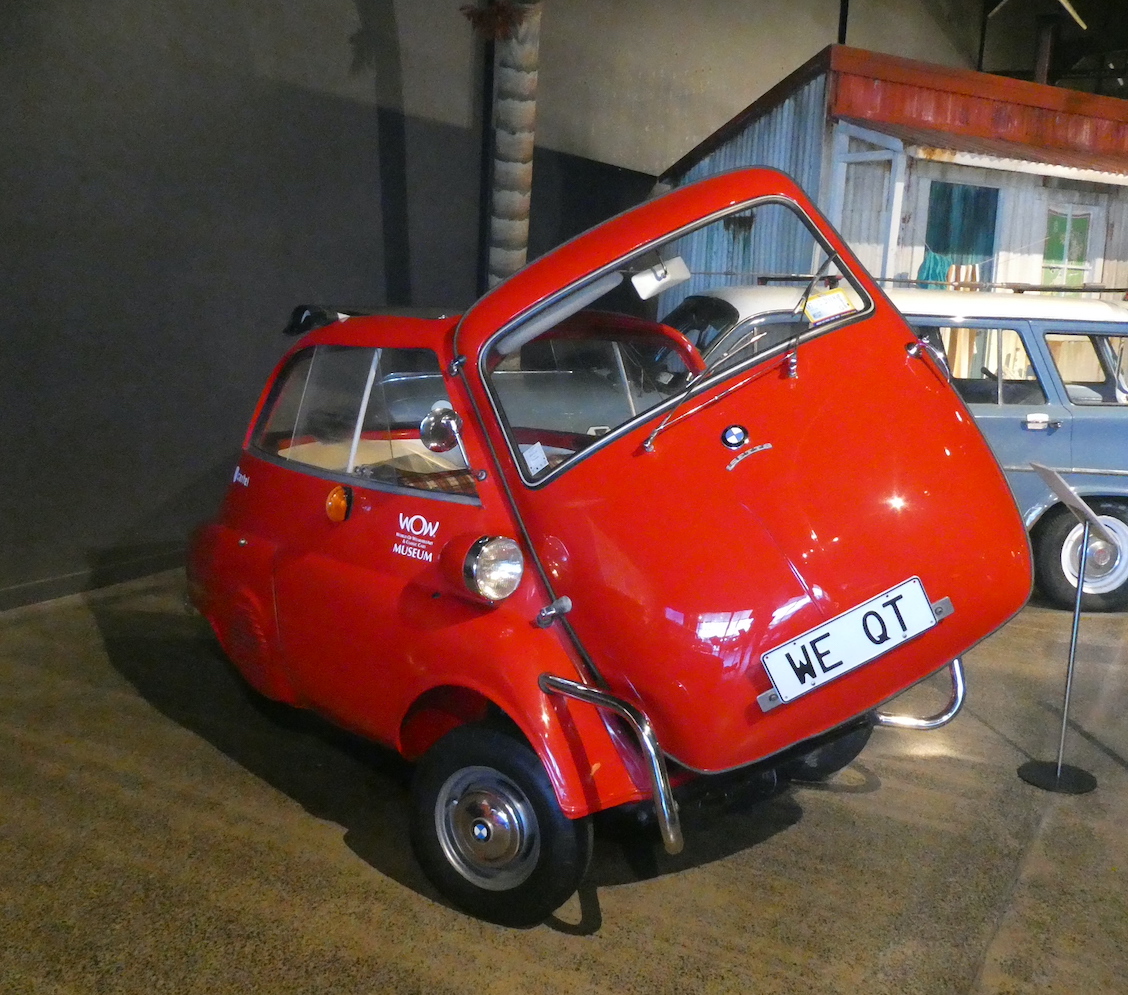
I suspect a more sedate history is attached to the cute little BMW Isetta parked in the next bay. The entire front end of the Italian-designed microcar opens out as a single door, along with the steering wheel and instrument panel. Driver and passenger were to exit through the canvas sunroof in the event of an accident. The right-hand drive version, produced under licence in England from 1957, meant the driver and engine were on the same side, so a 27kg counterweight was added to the left-hand side to compensate. Popularity waned until a three-wheeled version was introduced and it was therefore classed as a three-wheeled motorcycle, requiring only a motorcycle licence. Unfortunately, the three wheels made it more prone to rolling over.
Adding a touch of nostalgic ambience, some displays are accompanied by an innovative façade. A 1962 Holden station wagon has been packed for a beachside holiday
and a 1922 Hupmobile is parked suspiciously outside Luigi’s Barbershop.
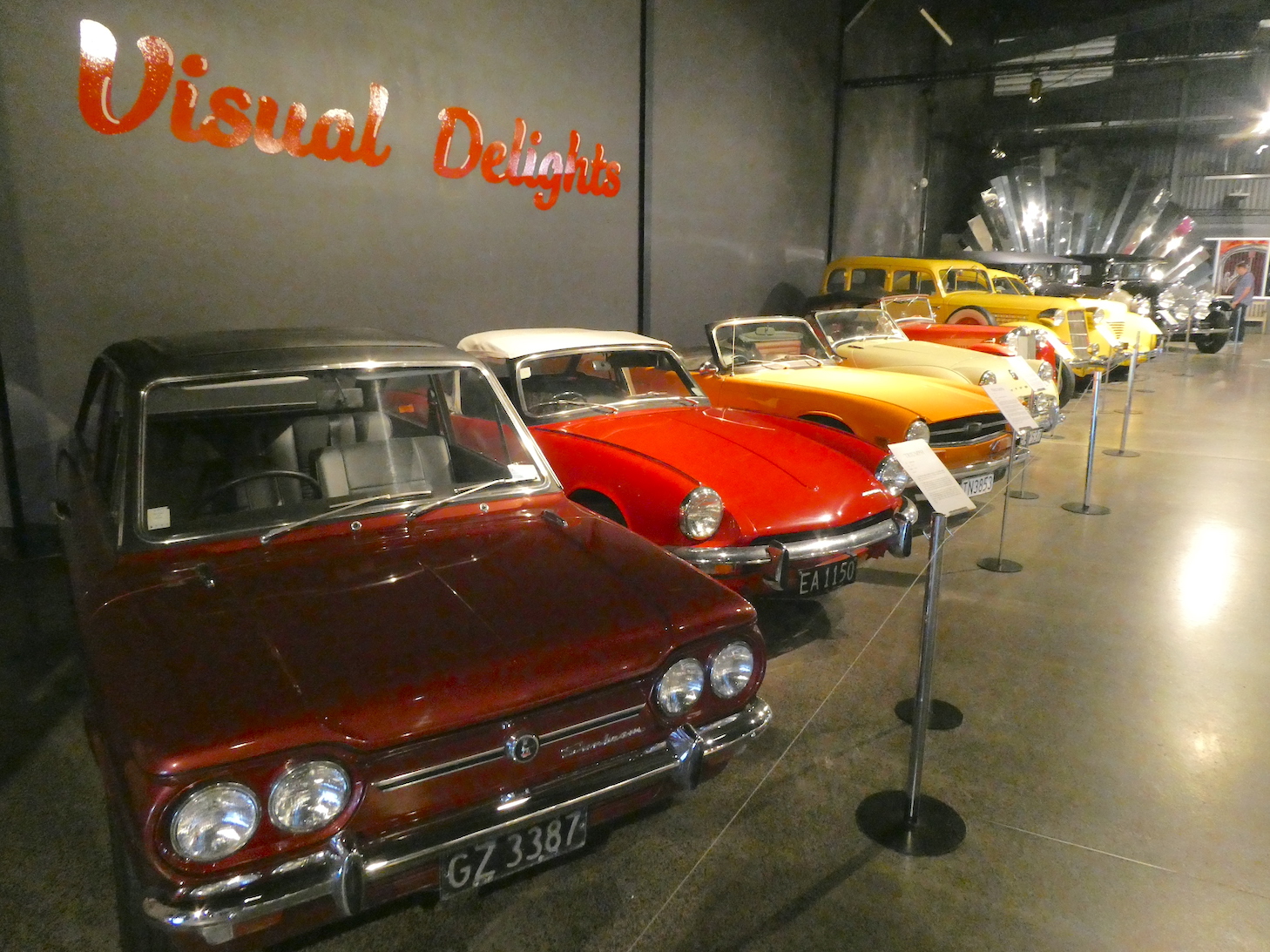
The next section was aptly named ‘Visual Delights’.
A dazzling line-up of 1960s sports cars opened with a Sunbeam Stiletto. Despite lacking the pizzazz of the classic convertibles, the Stiletto was considered a rival to the Mini Cooper in its day. Only around 9,000 of these cars were manufactured between 1967 and 1972.
A trio of tantalizing Triumphs
terminate in a time warp, back to the 1930s. Auburn automobiles, produced in America from 1900 to 1937, were renowned for being fast, good-looking and expensive. Business declined following the Great Depression and the Auburn 653 was developed in 1934 to offer more affordable models. Re-styled in 1935, it still wasn’t enough to save the company and all vehicle business came to a halt in 1937.
BMW were more successful during the same era with the 328 sports car. Produced from 1936 to 1940, the BMW 328 won its first race at the Nürburgring in 1936 and went on to achieve more than 100 class wins the following year. Incidentally, Frank Pratt won the 1948 Australian Grand Prix driving a 328.
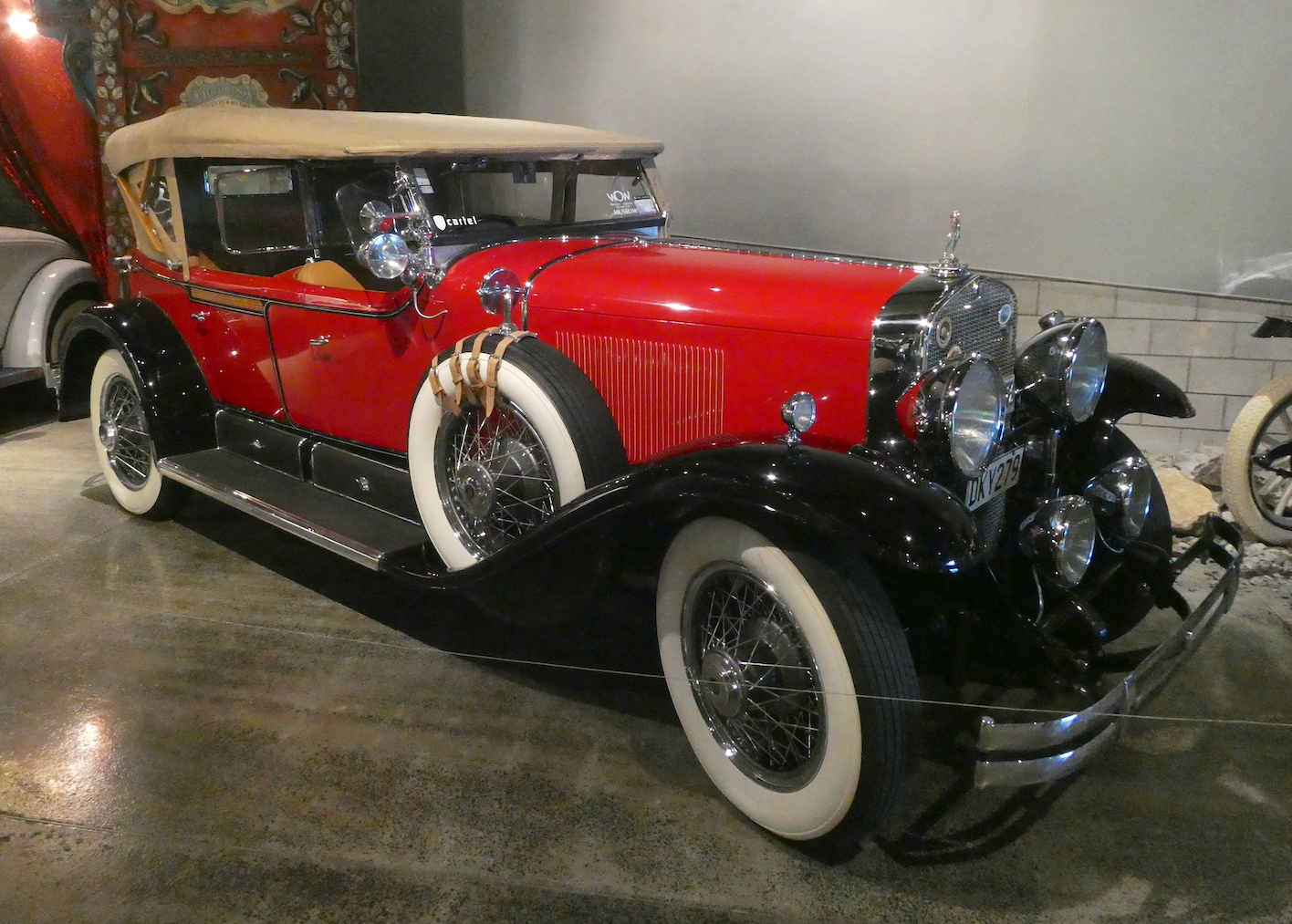
New innovations in the ‘sporty’ Cadillacs of 1929 included a synchronized 3-speed transmission, eliminating the need to double-clutch when changing gear, and four-wheel brakes requiring considerably less pedal pressure.
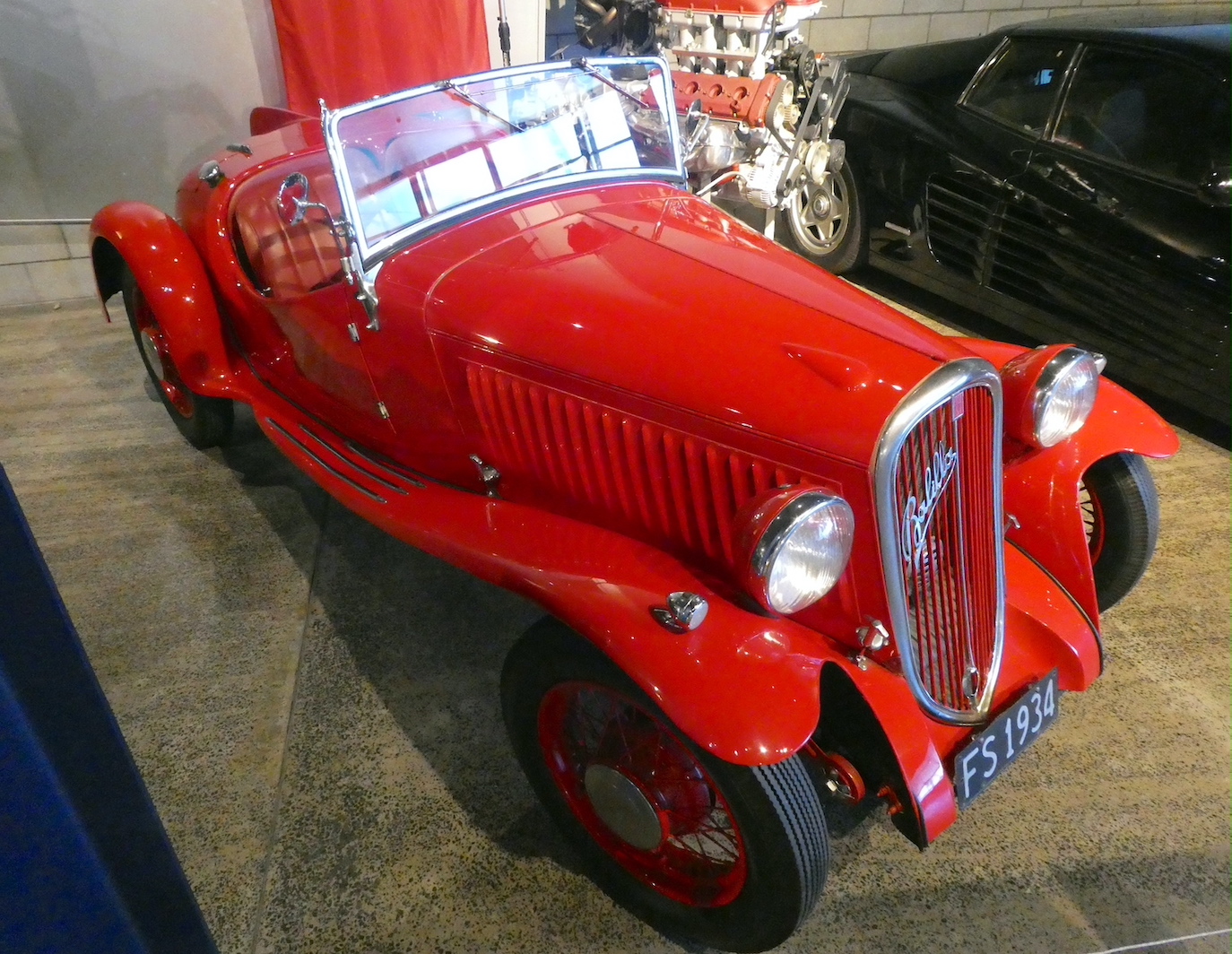
Looking a lot more ‘sporty’, the 1934 Fiat Balilla Spider, originally with the 3-speed ‘no-syncromesh’ gearbox, benefitted from an upgrade to a 4-speed transmission.
A recently restored 1900s Ford waited to find its place within the exhibition buildings.
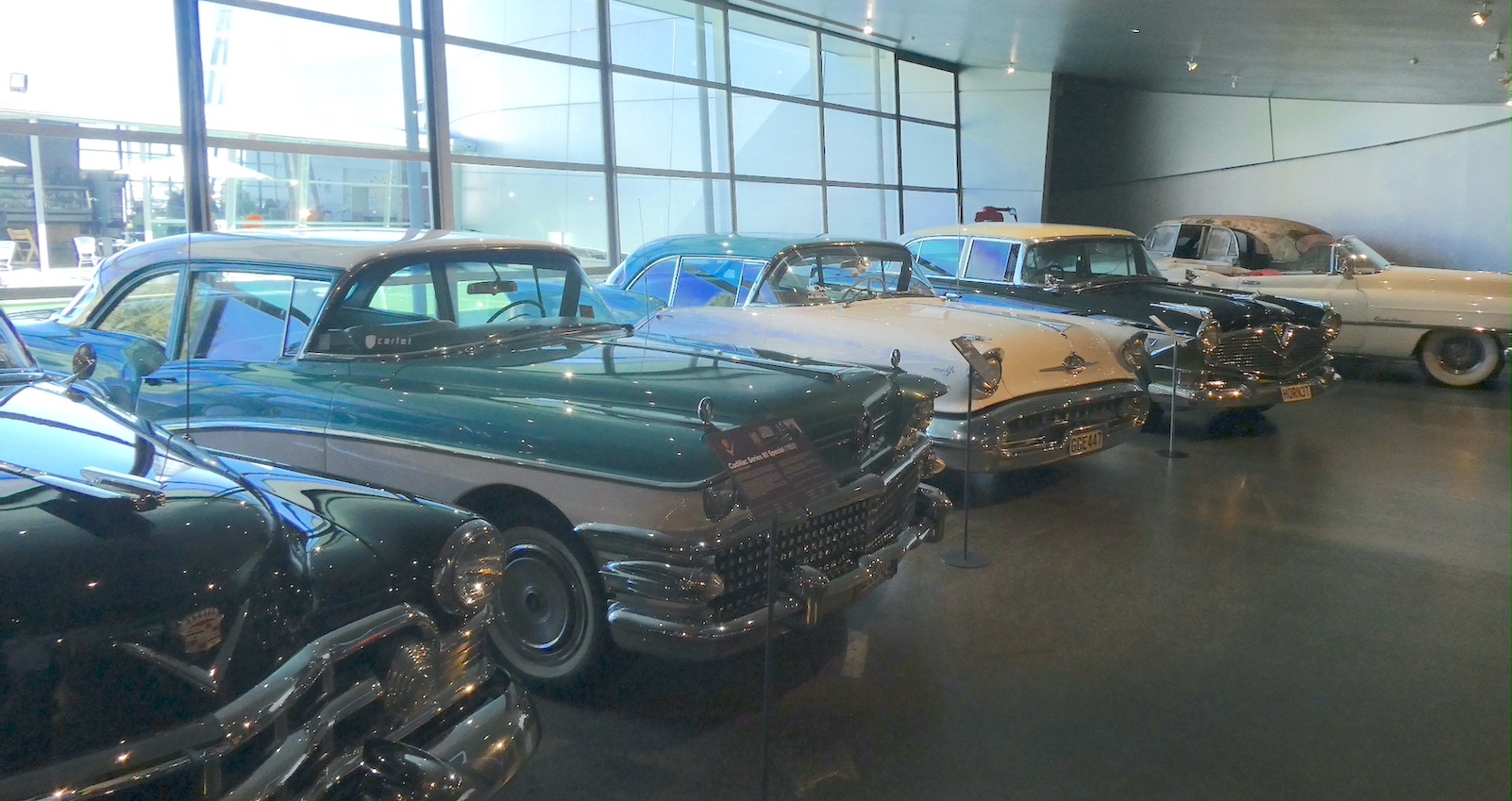
On a completely different scale, the 1959 Cadillac Coupe de Ville boasts the world’s largest tail fins on a production automobile. At the time, Cadillac’s design philosophy was heavily influenced by jet aircraft and the tail light arrangement represents the exhausts of a jet.
Back to the more ‘classic’ form
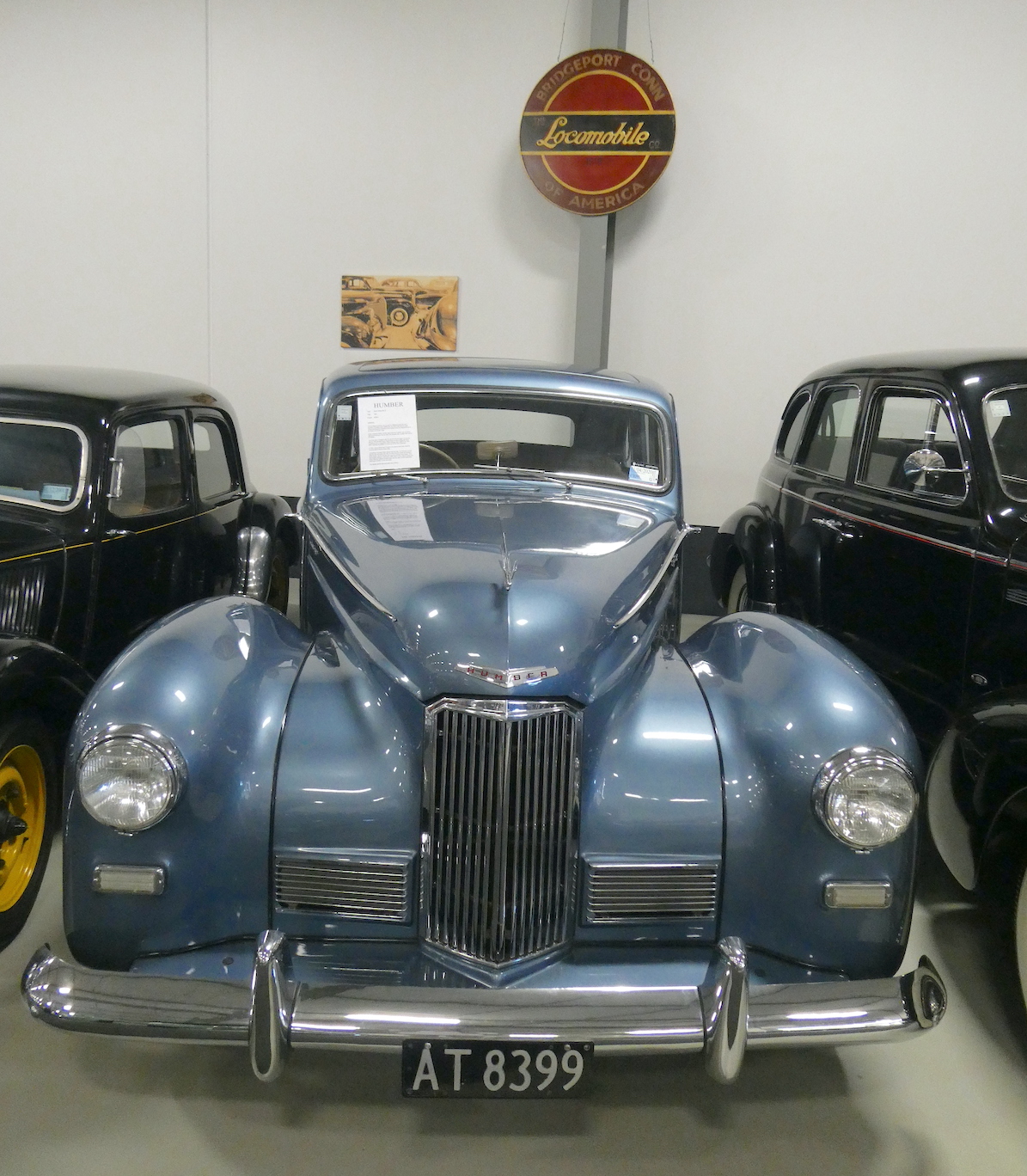
the Humber Super Snipe was produced by British-based Humber Limited from 1938 to 1967, the Mark III commenced in 1950.
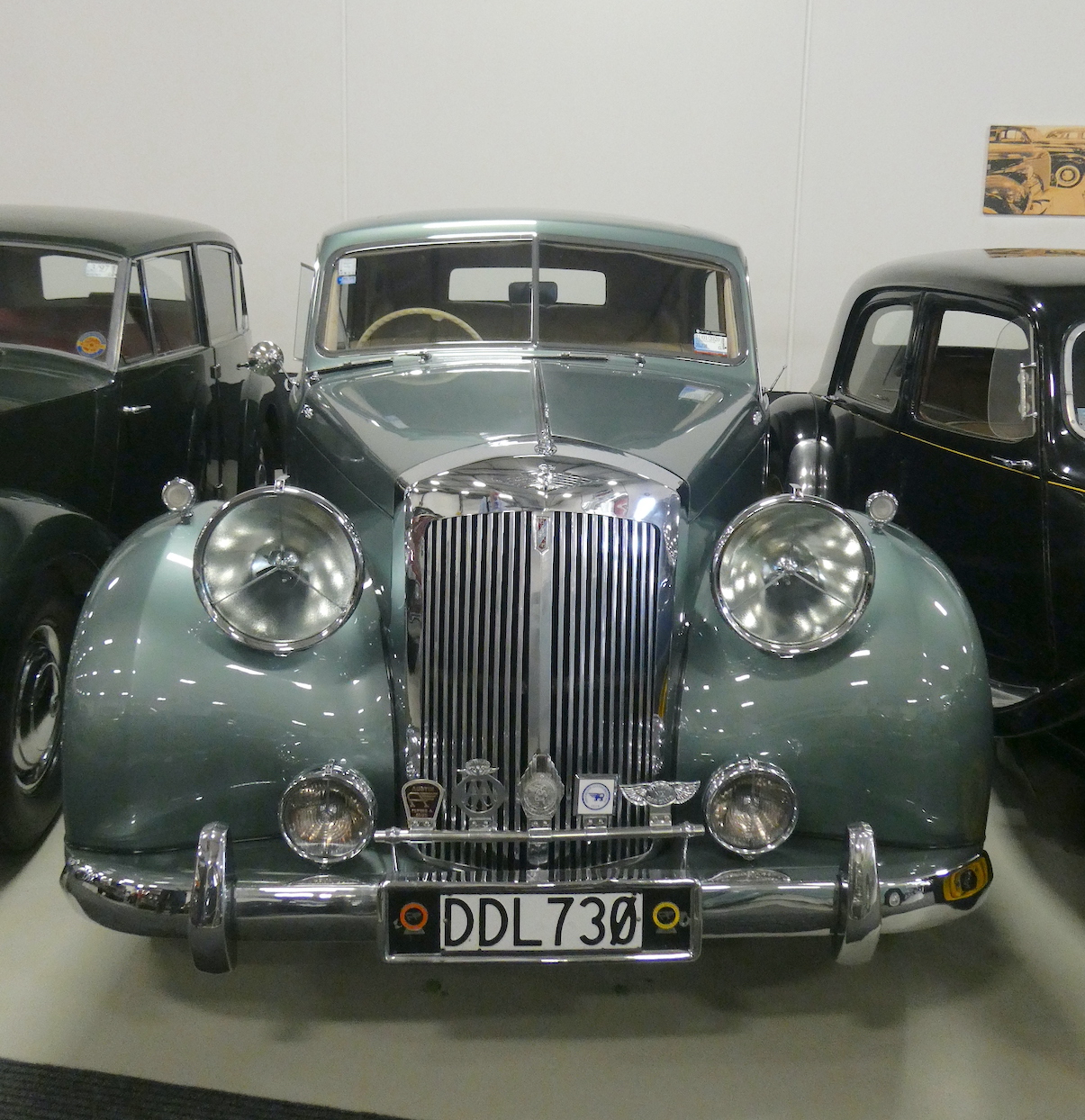
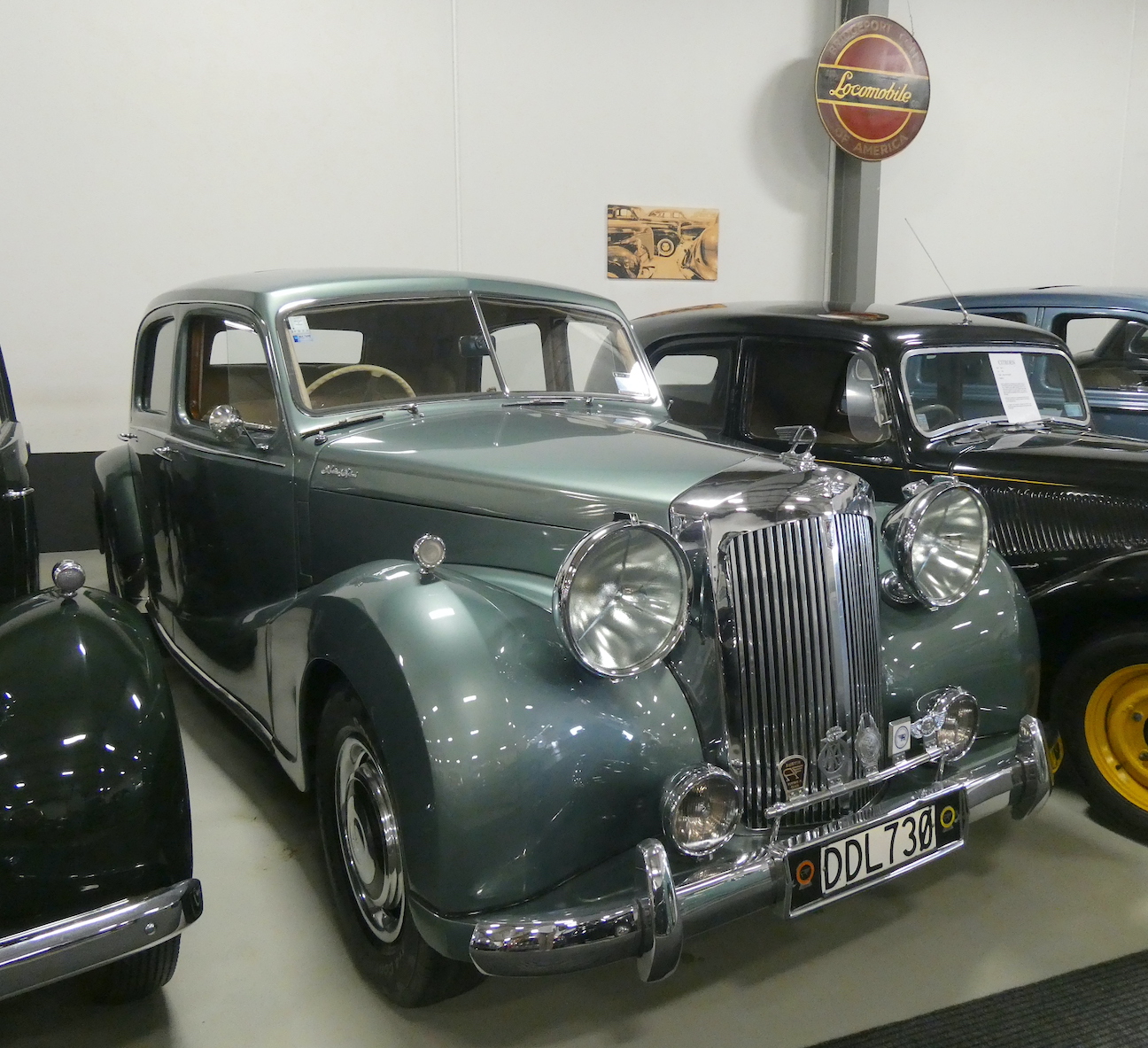
U.K. luxury car, the Austin Sheerline, was designed during WW II but production was delayed until 1947. The style was similar to the Rolls Royce or Bentley of the time but the Austin was around two-thirds of the price.
The Ford Motor Company introduced its De Luxe line in 1938 to bridge the gap between its base and luxury models. 1939 saw the first year of hydraulic brakes at Ford.
At the beginning of 1950, Britain was the leading exporter of cars, dominated by Morris and followed closely by Austin. These two companies merged to become the British Motor Company (BMC) in 1952. I have vivid memories of the drives home from primary school in Mum’s blue Morris Minor, affectionately known as Gertrude. If she didn’t have a clear run at top speed to tackle a particularly steep hill en route, we would slow to a halt before reaching the top, despite our verbal encouragement from the back seat. Encouragement turned to screams as mum juggled gear stick and clutch, my fear of careening rearward only allayed by the perfection of yet another hill start.
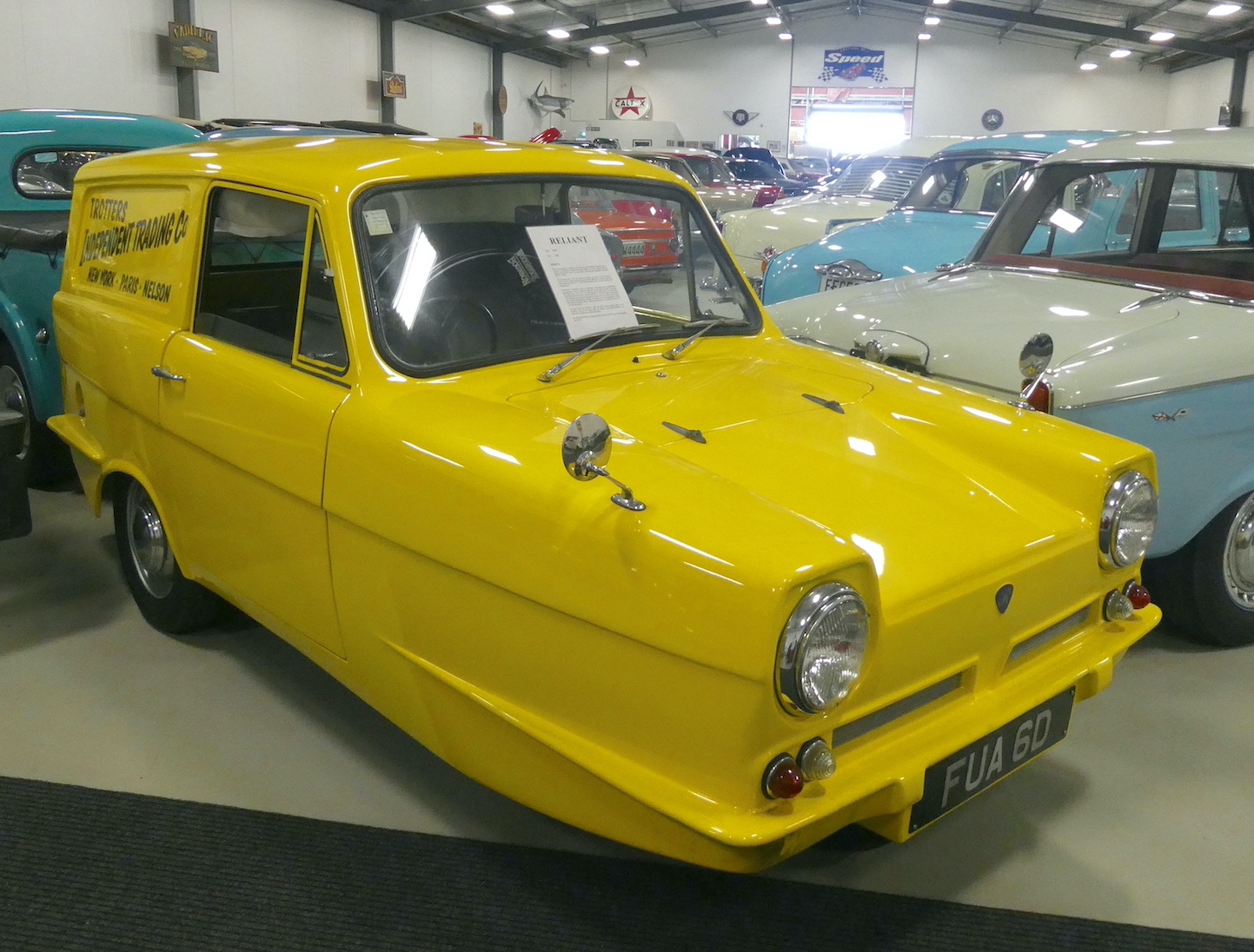
The Reliant Motor Company was founded in 1935 and are mostly remembered for their range of 3-wheeled vehicles. The Supervan III was introduced in 1956 and was the first to have a full fibreglass body. As I mentioned previously, 3-wheeled cars were popular as they didn’t require a car licence to drive. However, the EU changed this rule for vehicles over 550kg in 2001, severely affecting Reliant’s market share and they ended car production a year later.
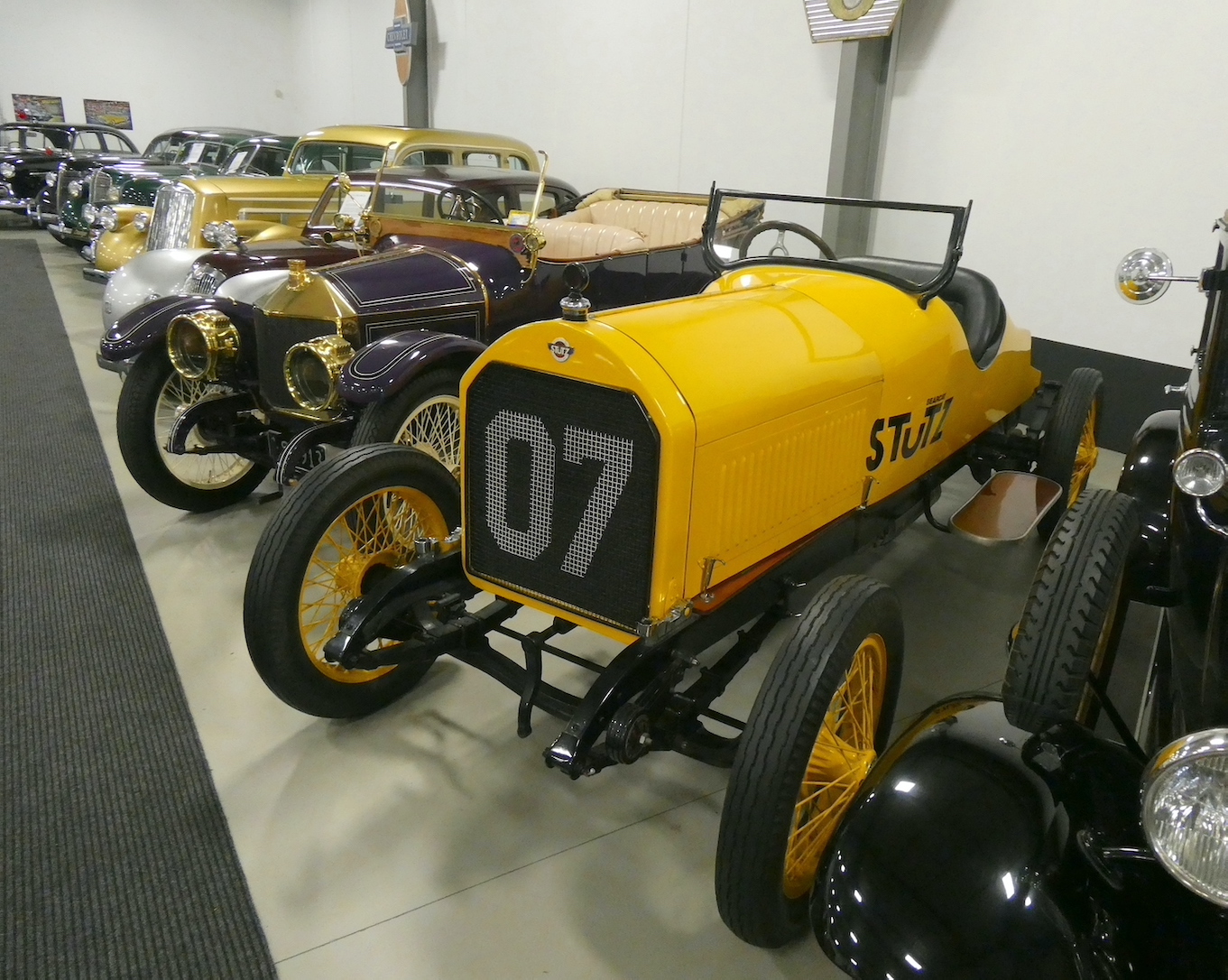
Winding the clock back to the World War I period, the Stutz Bearcat was named America’s racing champion in 1915. Although it was fast for the era, it was considered a ‘man’s car’ because the clutch was so stiff and the brakes required much force to operate. Supposedly, this prevented women from driving.
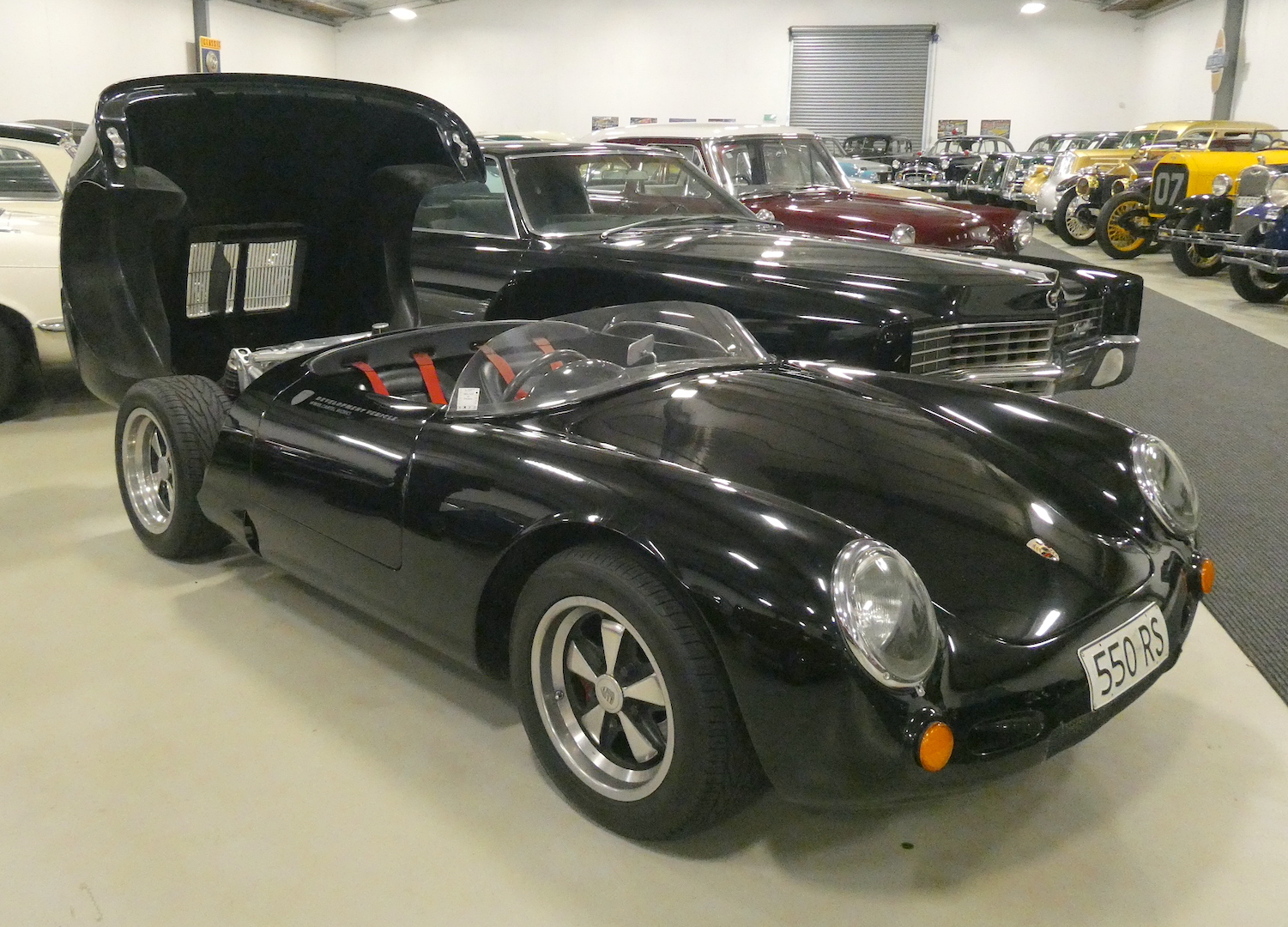
Porsche built only 90 of its first purpose-built racing cars, the 550 RS Spyder, between 1953 and 1956 and was the first car manufacturer to get race sponsorship. Apart from a successful race history, it is probably most famous for being the model James Dean was driving when he was killed. Avid Porsche collector, Jerry Seinfeld, sold his 1955 550 RS Spyder for $5,335,000 at auction in March 2016, a world record price for the model.
The Porsche 356 preceded the 550, with production starting in 1948. Although intended to be a road vehicle, the engineers couldn’t help themselves with a few tweaks to make it raceworthy.
The Jaguar XJS was unveiled in 1975 as a replacement for the iconic E-Type and, despite some initial market reticence with the new, angular lines, it went on to be one of British Leyland’s more successful ventures. A convertible model called the XJ-SC was introduced in 1983, the small rear seats were removed to make space for the removable soft top.
Surely one of the most beautiful cars of all time is the E-Type Jaguar (in my humble opinion). Produced between 1961 and 1974, it was surprisingly tasteful, unlike many fashions of that era. I would prefer a British racing green rather than Austin Powers’ psychedelic ‘Shaguar”.
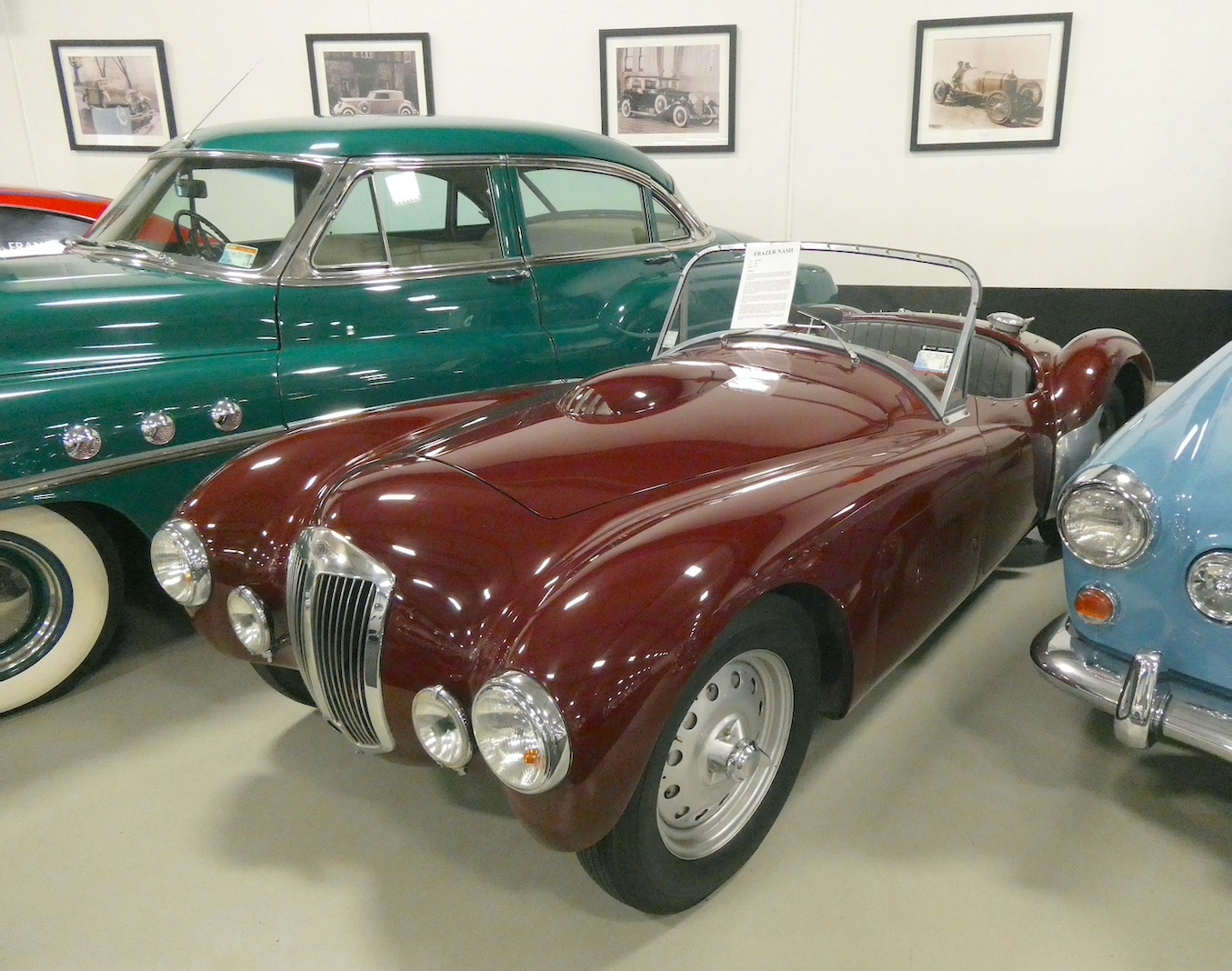
Frazer Nash sports cars were first manufactured in 1922, with the BMW 328 design used as the basis for the later models. All cars were built to order, meaning small numbers but many different models. Only 12 of the Frazer Nash Mille Miglia were made between 1948 and 1953.
GT Beetles were the only classic Beetle produced in Europe to be officially badged a ‘Beetle’. Built to celebrate the importation of Britain’s 300,000th Beetle, only 2500 were made in three unique colours – lemon yellow (1250), apple green (250) and tomato red (1000).
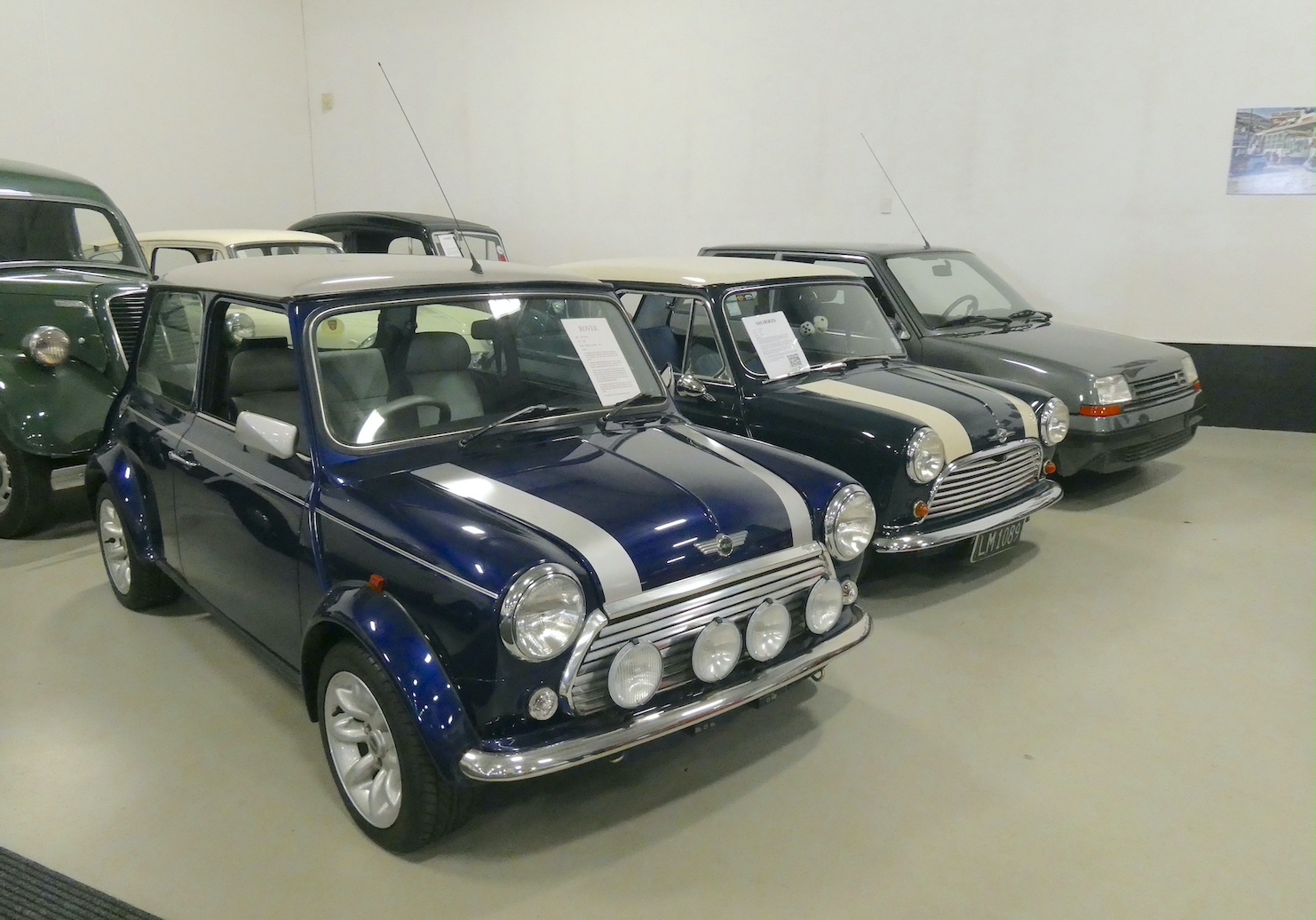
The Mini came about because of a fuel shortage caused by the 1956 Suez Crisis when petrol was rationed and sales of large cars slumped. The Mini was marketed under the Austin and Morris names until 1969 when the simple name ‘Mini’ replaced the separate brands. Rover Minis were the last of the original shape, built from 1996 until the end of production, after 41 years, in 2000.
We finally made it back to our starting point, at ‘The Flamboyant Fifties’.
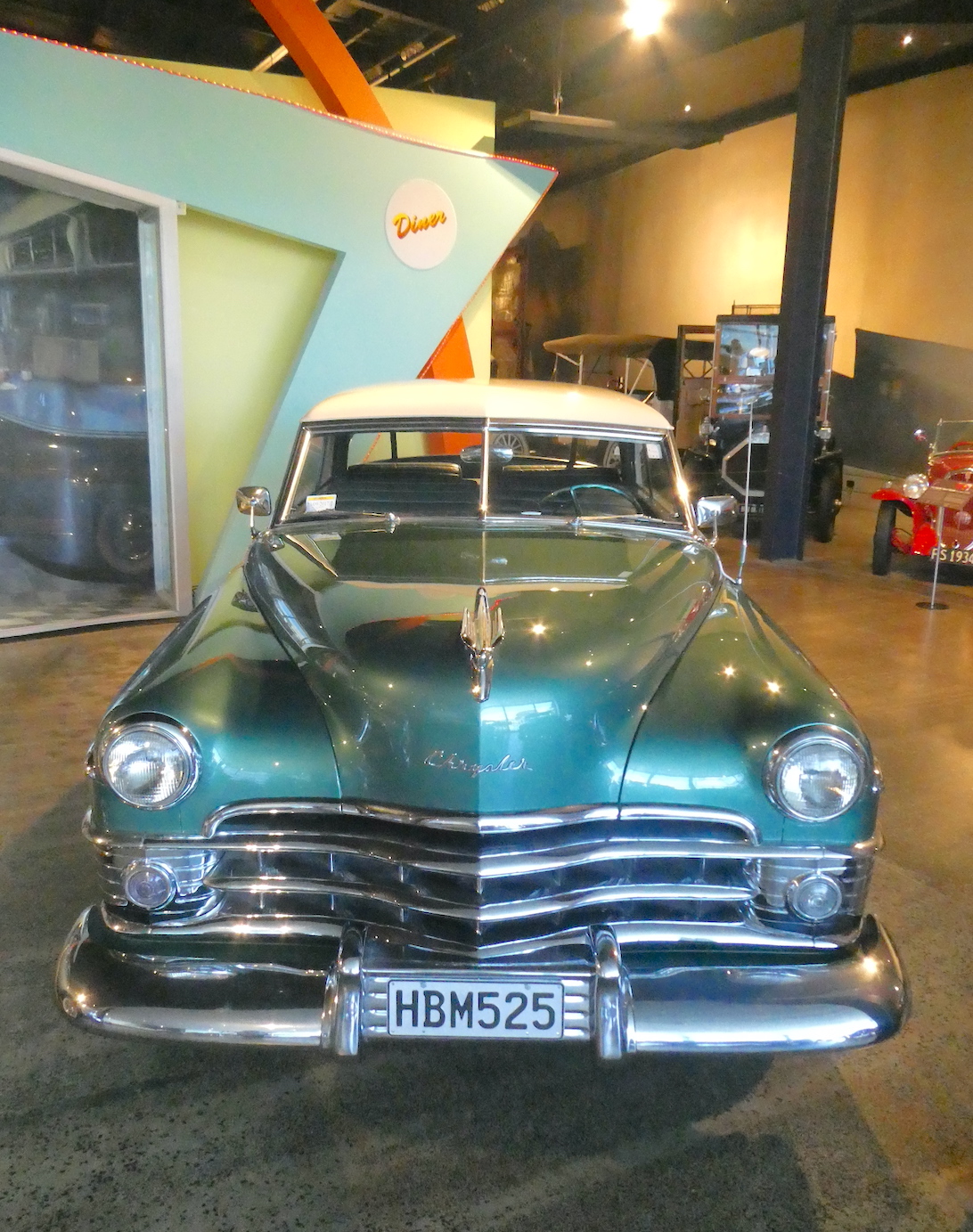
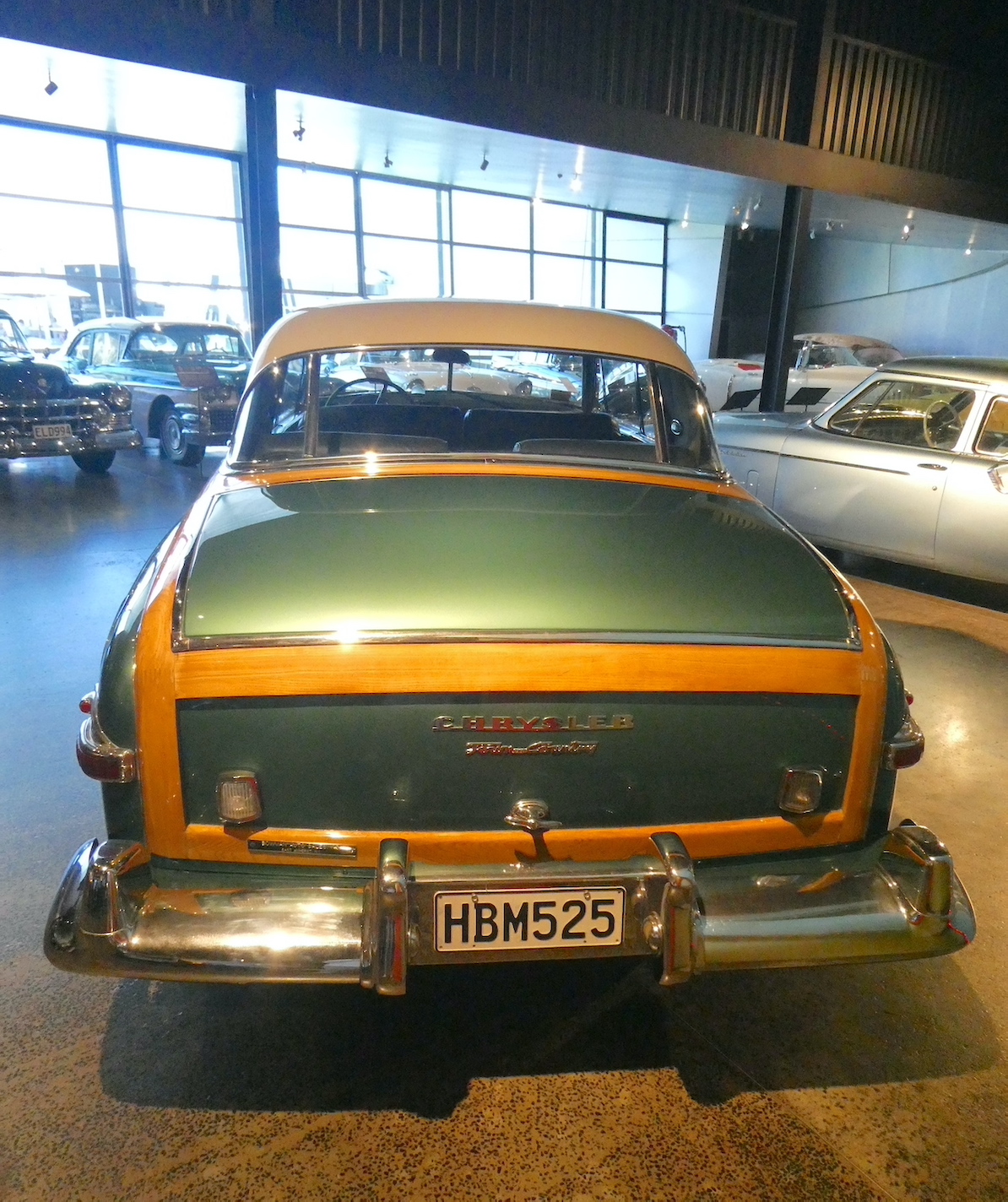
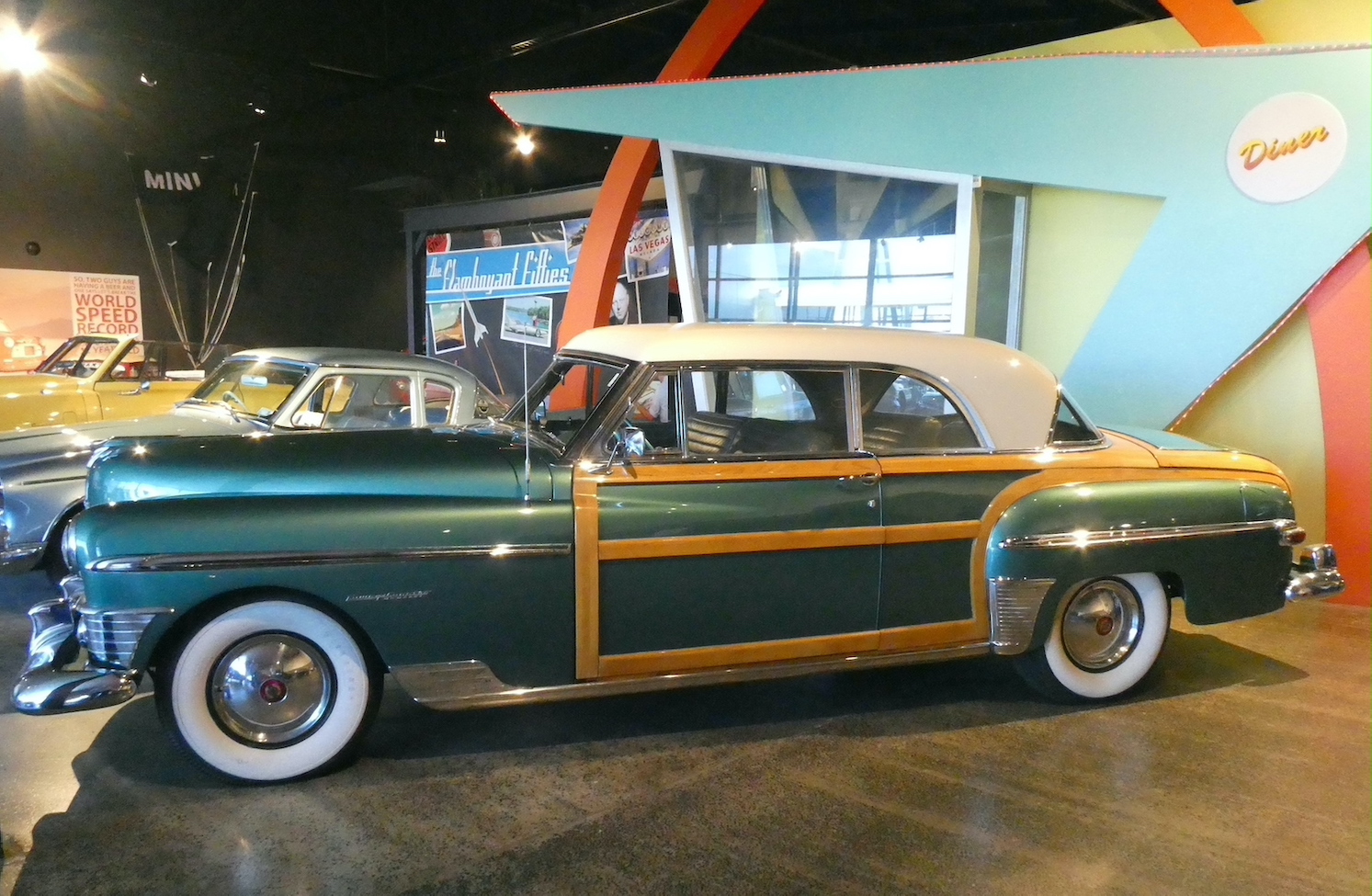
The scale of these extravagant American vehicles was boggling. I’ve always loved the old Morris Woody Wagons but Chrysler outdid themselves with the Town and Country Newport Coupe. Only 698 of these last true woodies were produced for one year only in 1950.
Built to celebrate Cadillac’s Golden Anniversary, a limited edition convertible version of the El Dorado concept car was released in 1953. More a method of testing the market, production was restricted to 532 vehicles.
Presumably beyond repair, a 1953 Buick has been laid to rest in a mock graveyard.
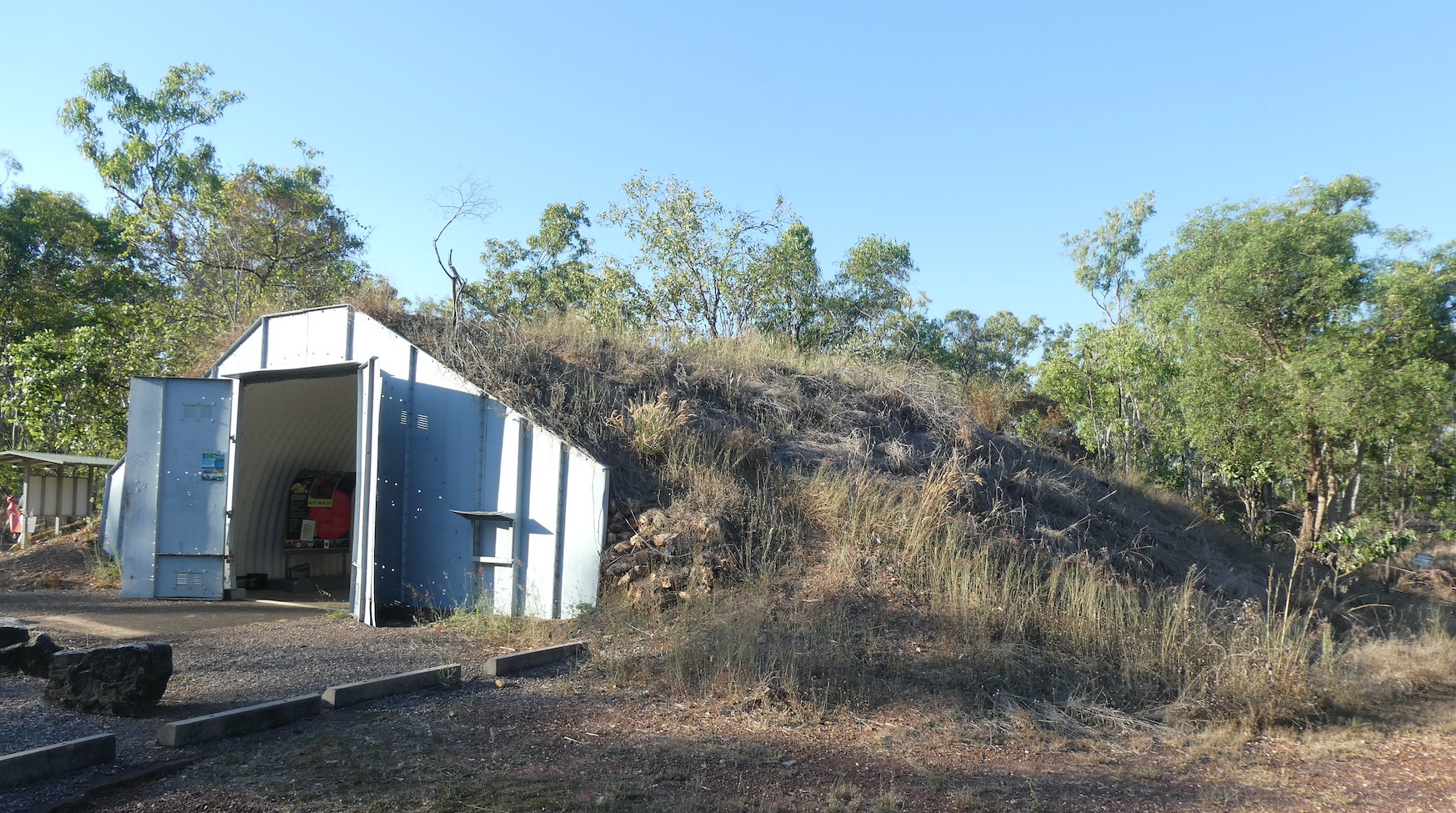
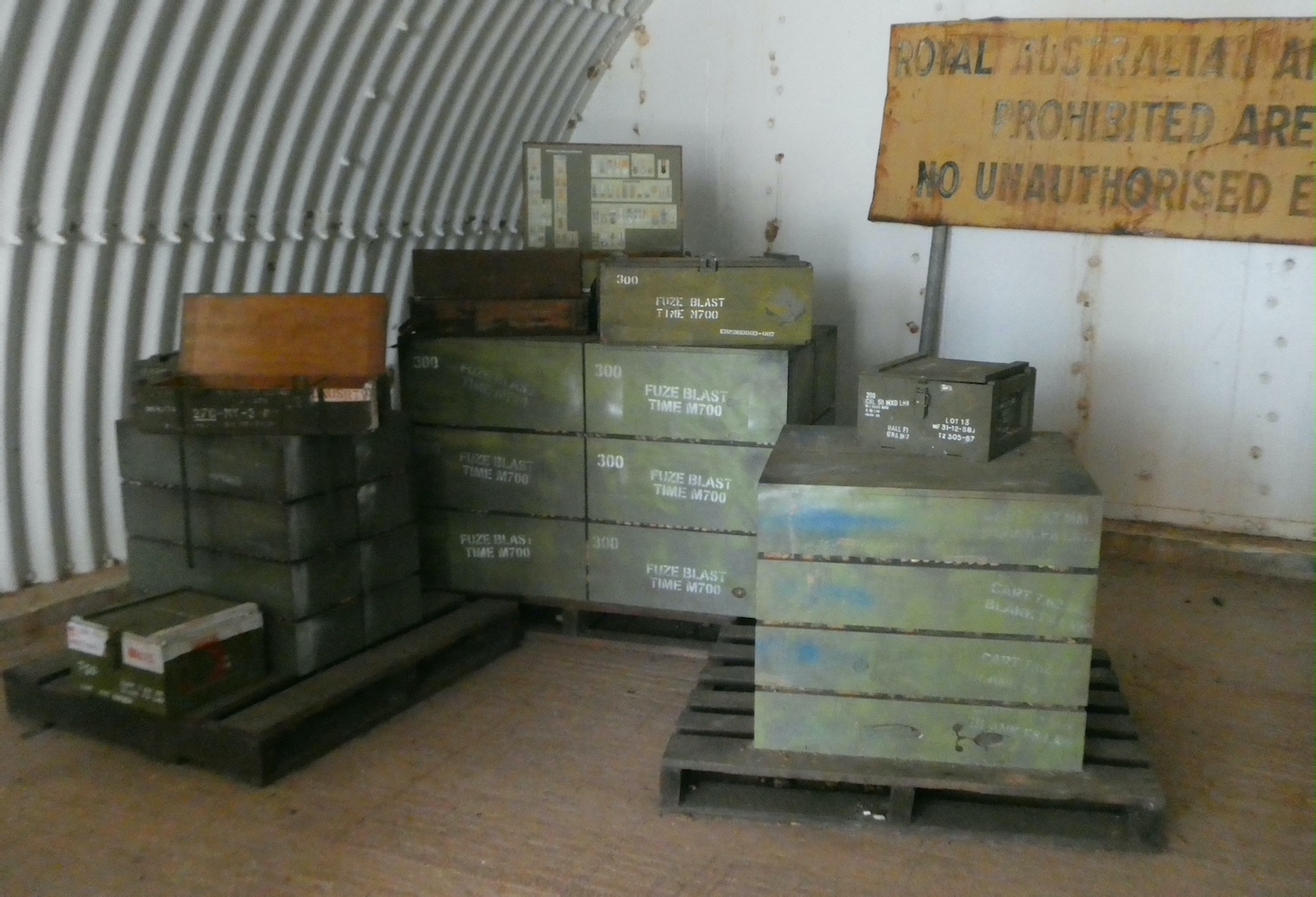
On the outskirts of the city named after the great scientist and naturalist, Charles Darwin National Park is full of surprises. Created in 1997, the five square miles provide a natural recreation area as well as protection for significant vegetation, Aboriginal and World War II history. Developed as an Explosive Ordnance Storage Area during World War II,eleven of the bunkers that housed the explosives during the war are still standing. Nine were set into the contours of the hills, the barrel vault constructions are covered with vegetated earth.
There is a display of memorabilia in one of the bunkers and a fascinating insight into Darwin’s role in the Pacific War.
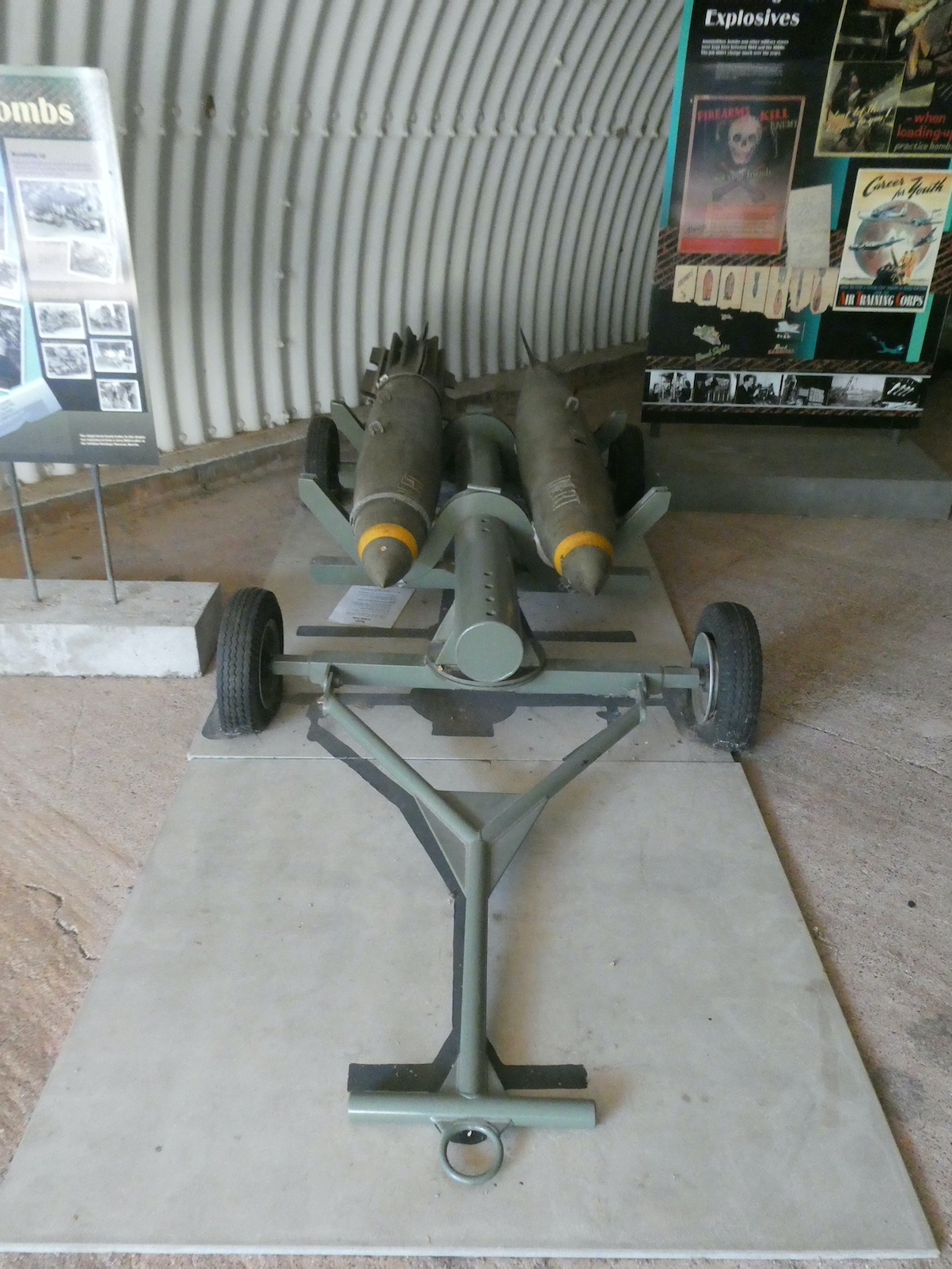
Bomb trolleys were used to move bombs weighing up to 1,000 lb (that’s about 450kg) to be loaded into aircraft and were common at bomber bases in the 1940s.
There are two free-standing storage sheds, one of which is now adorned with a magnificent work of art.
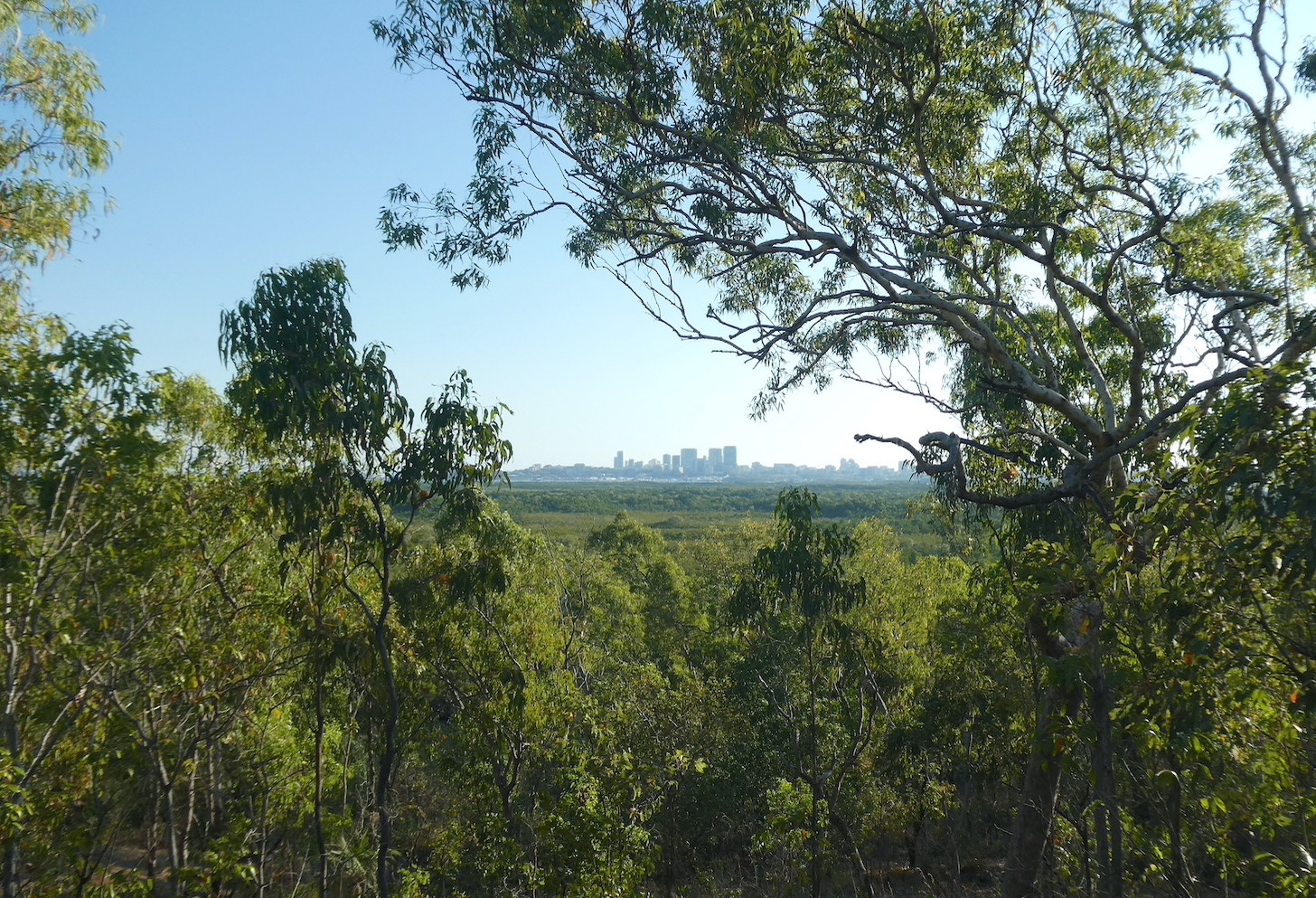
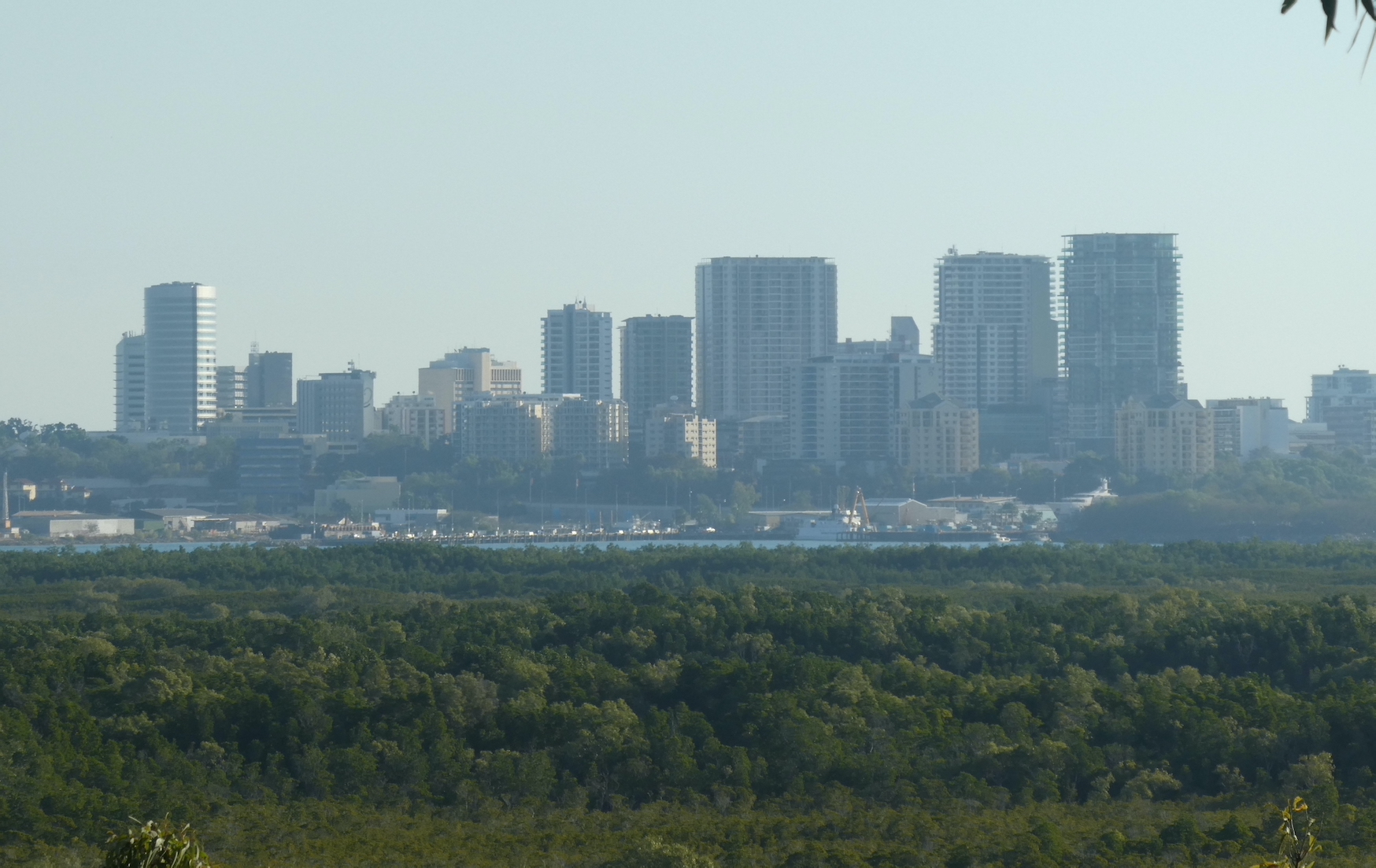
One of Australia’s most important wetlands is also protected by the park. The Port Darwin wetland comprises undisturbed mangrove forests, with 36 of the Northern Territory’s 51 mangrove species within its system of inlets, islands and bays. The vista from Charles Darwin Lookout is spectacular.





















































 cannonhillchronicles