ponderous project

When we first viewed our property (fifteen years ago), we were impressed with the pond and the rather large goldfish inhabitants. Michael landscaped the area with rocks and plants and created a smaller top pond, adding a cascade for completion. It is a lovely, peaceful setting to gaze upon from the kitchen window
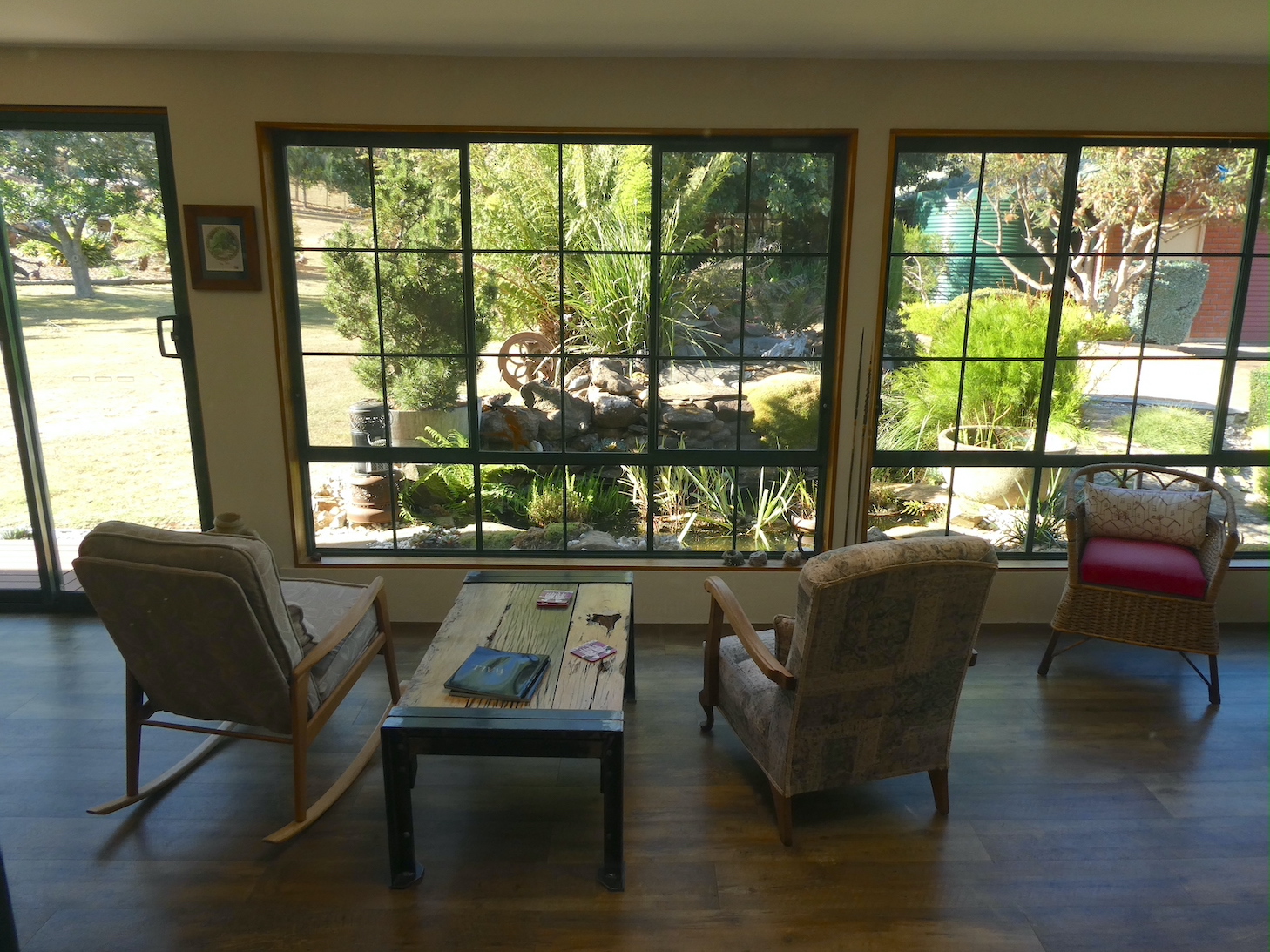
but Michael has lamented the ever present algae due, in part, to the lack of water depth and more recently the obvious presence of a leak in the liner.

Deciding on a pre-formed pond rather than replacing the liner, we set about the project we had been procrastinating on for months. The first job was to create easy access by relocating the pot pond and trimming plants.

The pond plants and surrounding rocks were removed to expose the liner

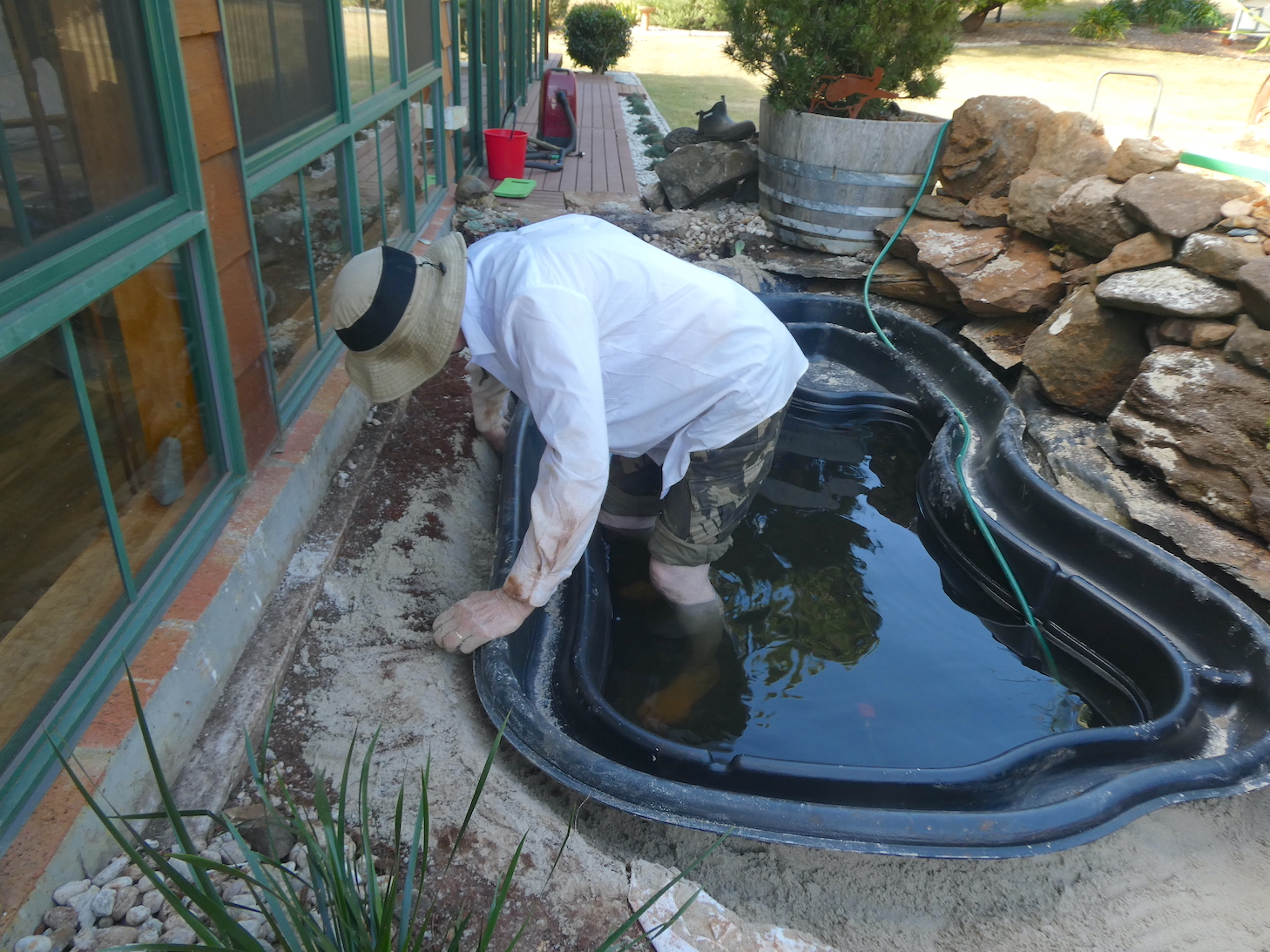
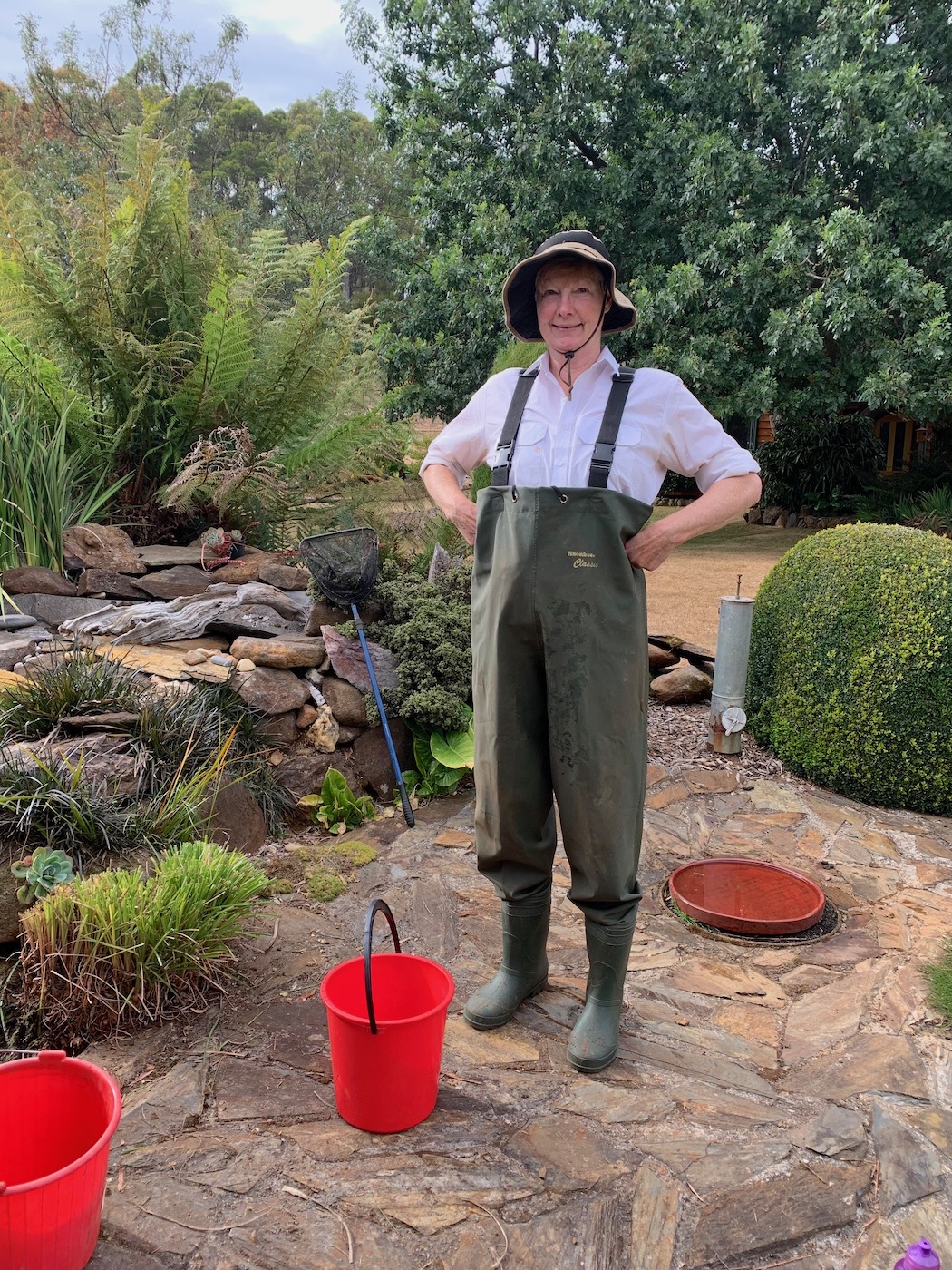
before I donned the appropriate outfit to bucket out the water which Michael diligently distributed around the garden (we were having a very dry summer).
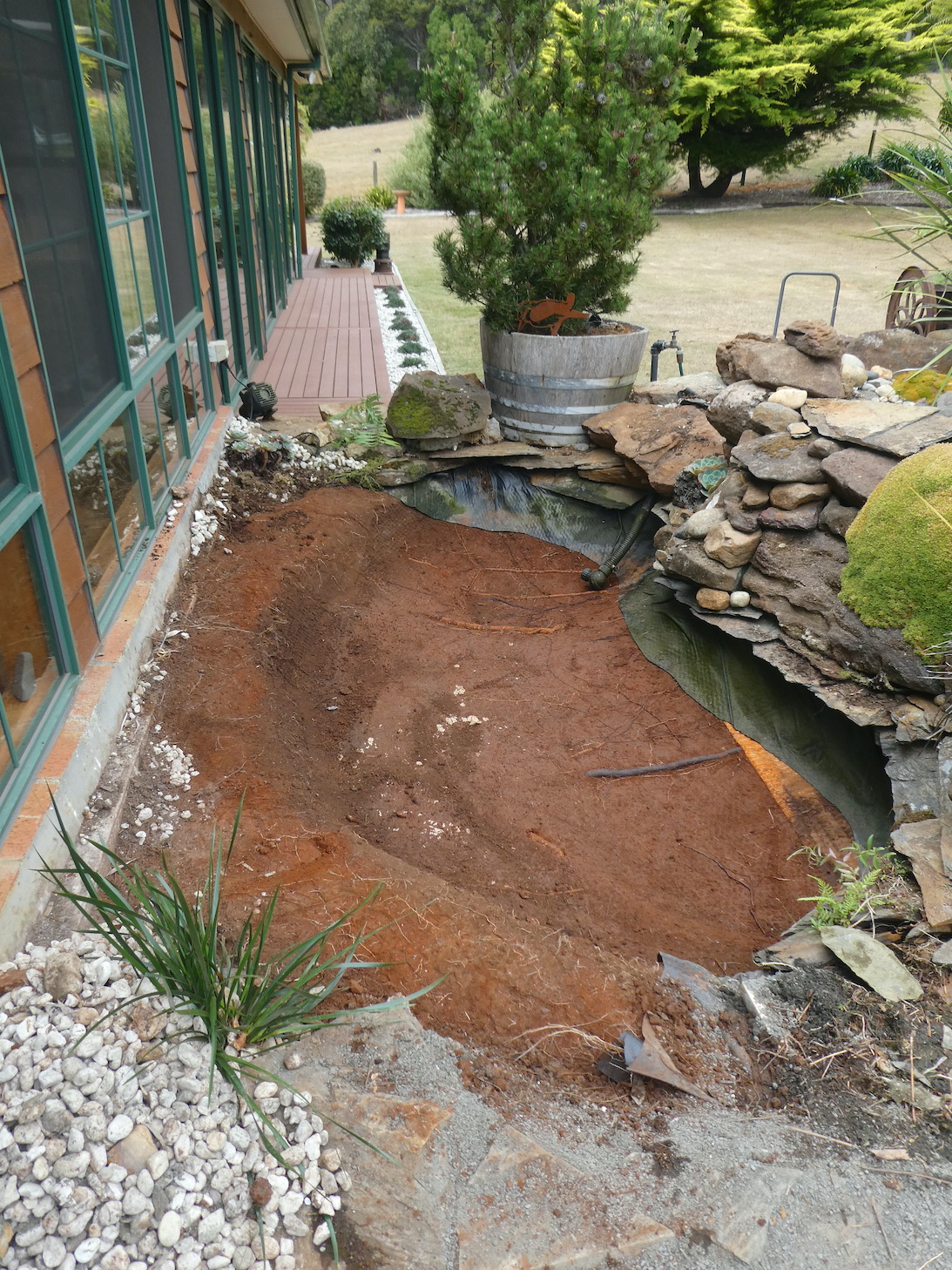
We pulled the old liner out (which did, indeed, have an obvious split)
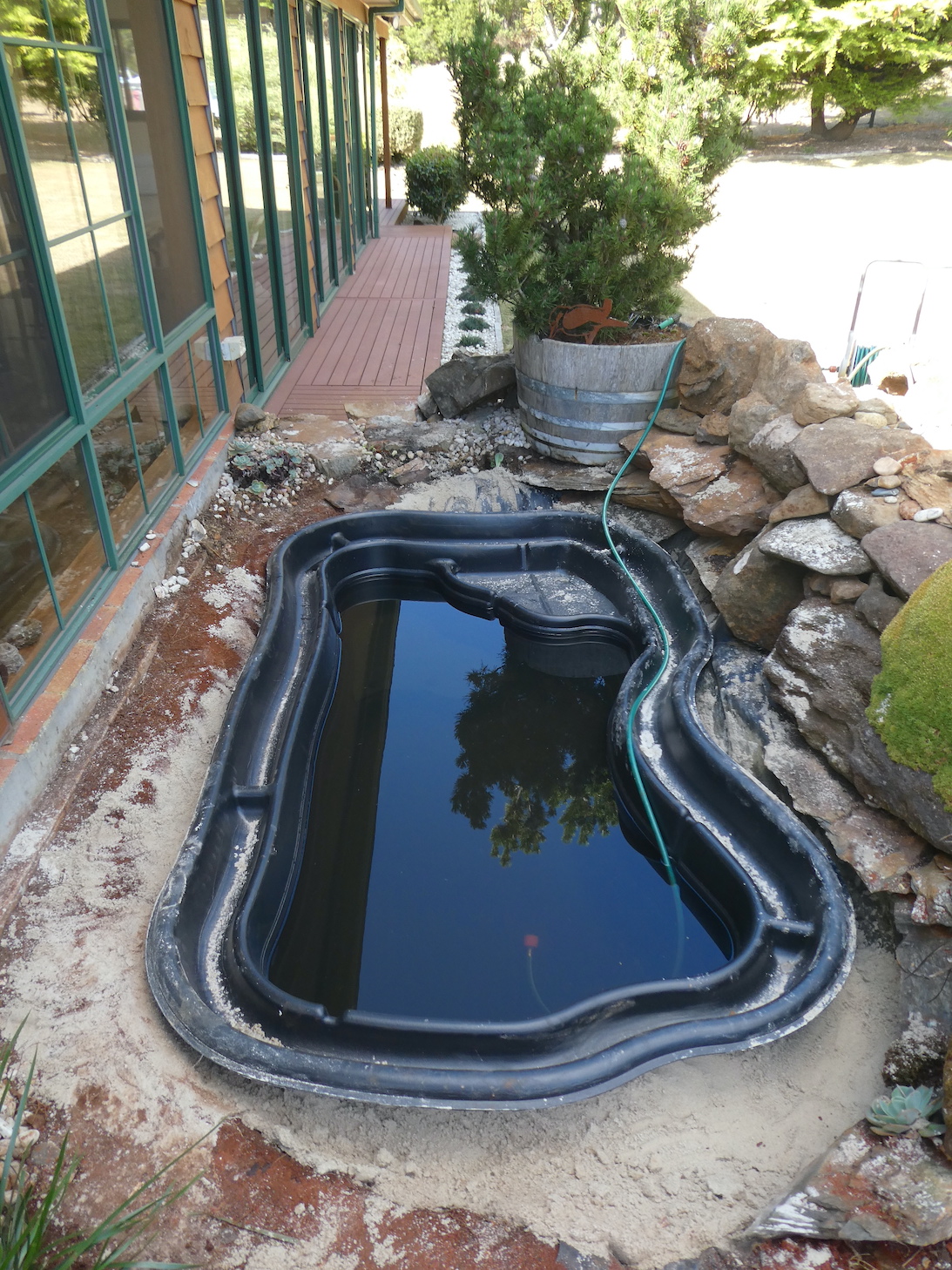
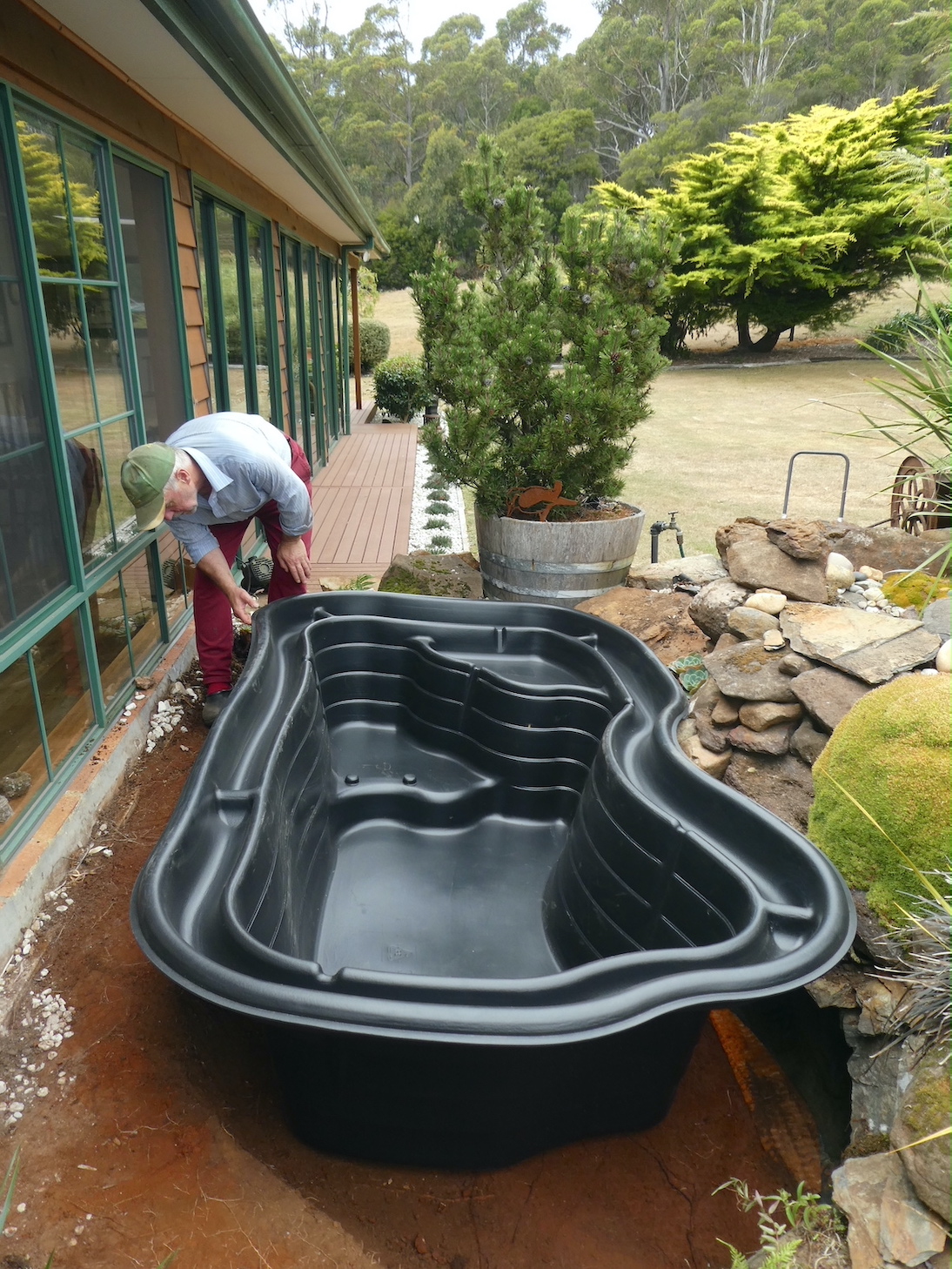
and tried the new pond for size.
Hoping to not encounter tree roots, the digging commenced.

With periodic fittings, and no underground impediments, the site was ready.

With a trailer load of sand on standby, the base was prepared

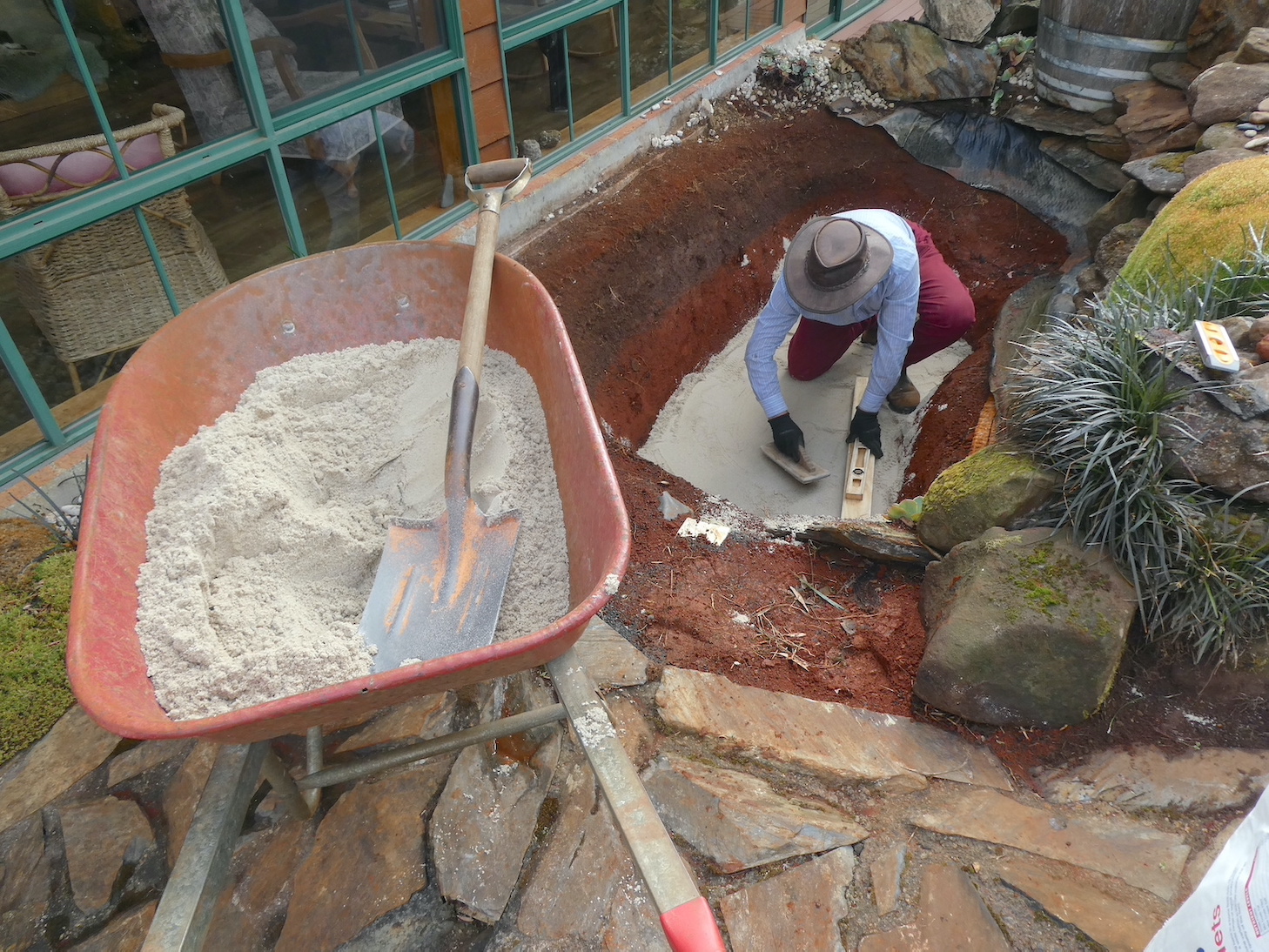
and the pond lined with plastic to protect it from the river stones.

Once levelled,

the task of packing the sand around the outside began. Between us, we came up with an ingenious plan to convey the sand into the tight spaces – a funnel made from a chook feed bag and a ring of builders strapping.
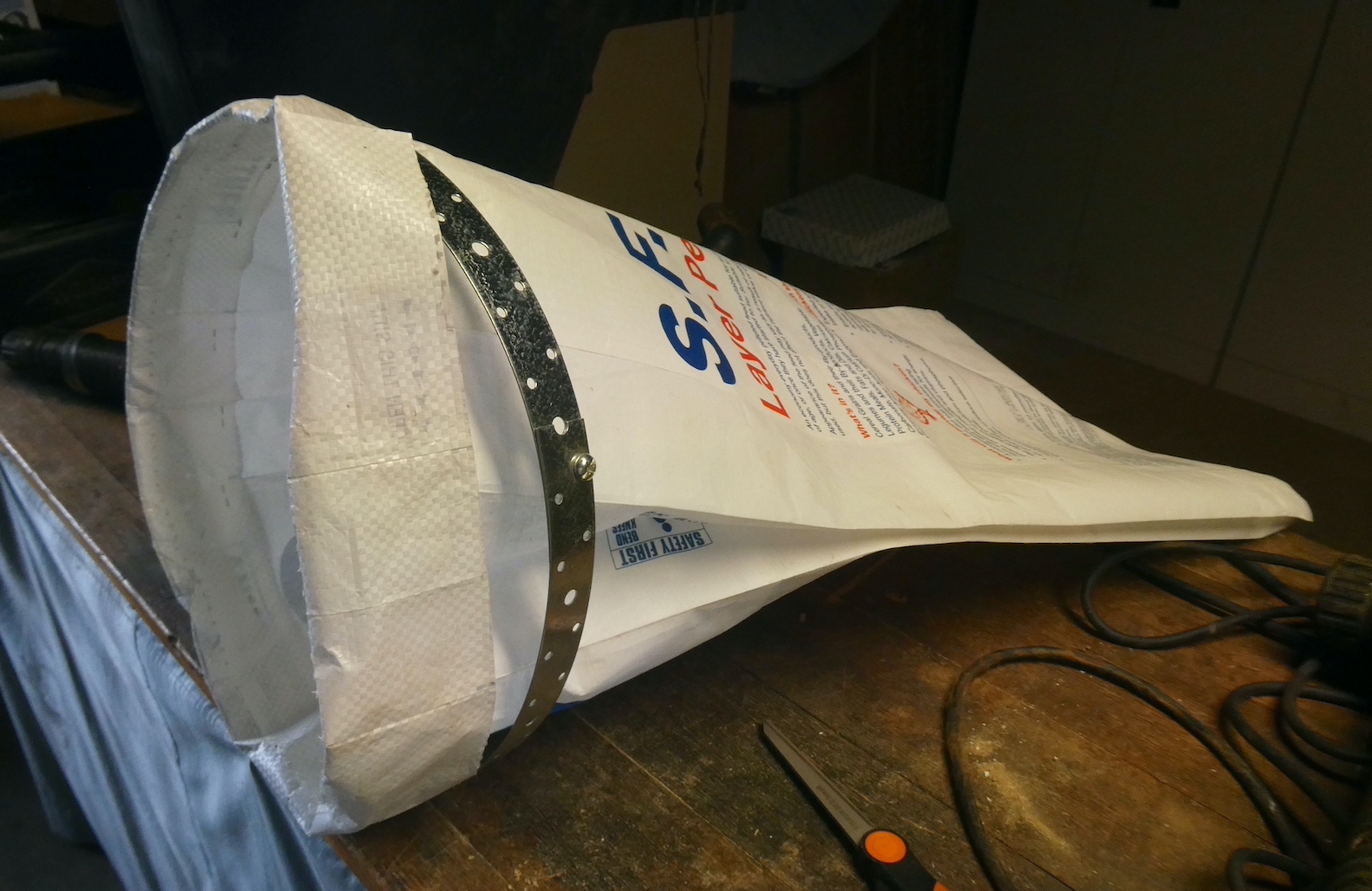
It worked brilliantly.

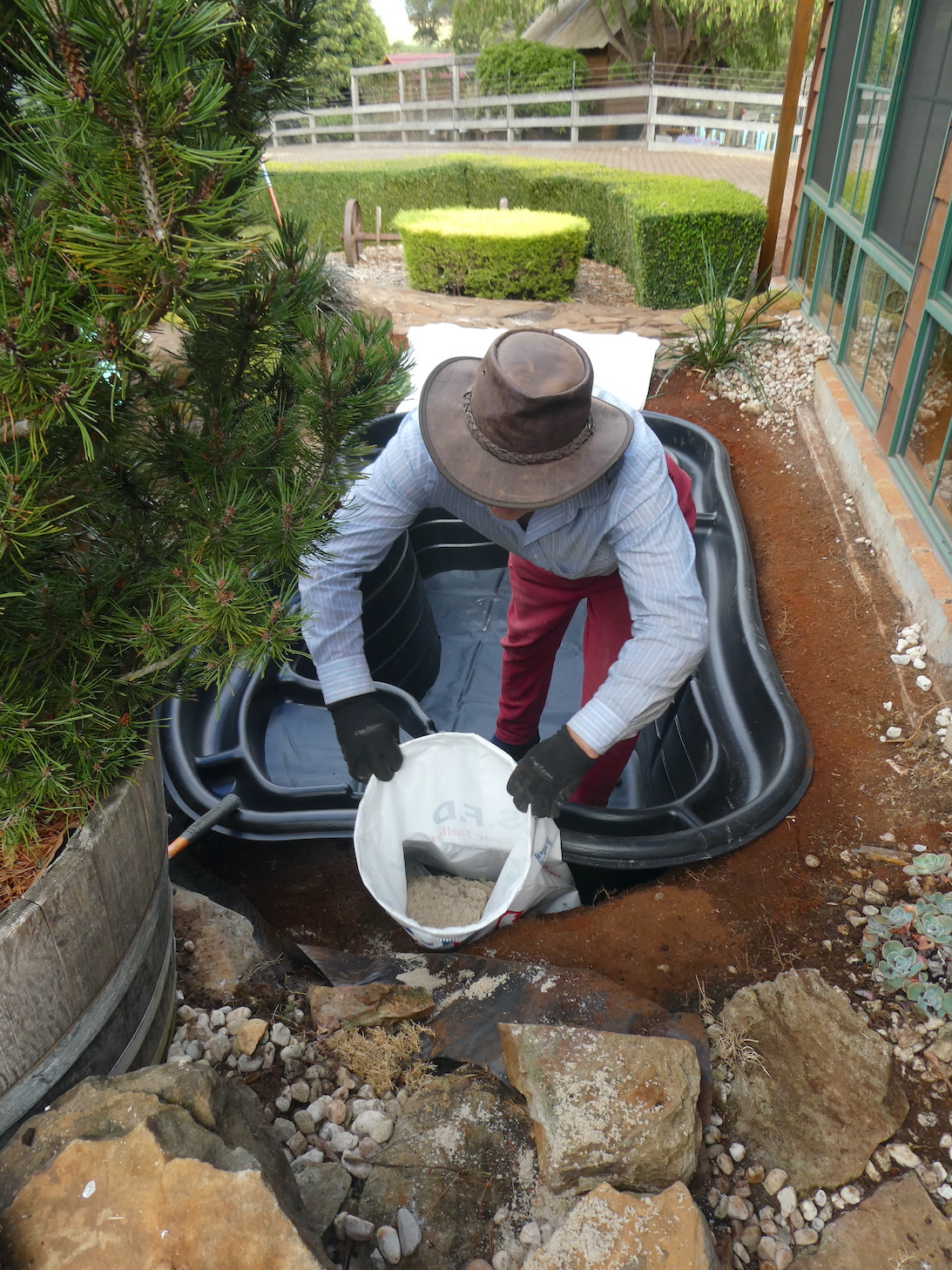
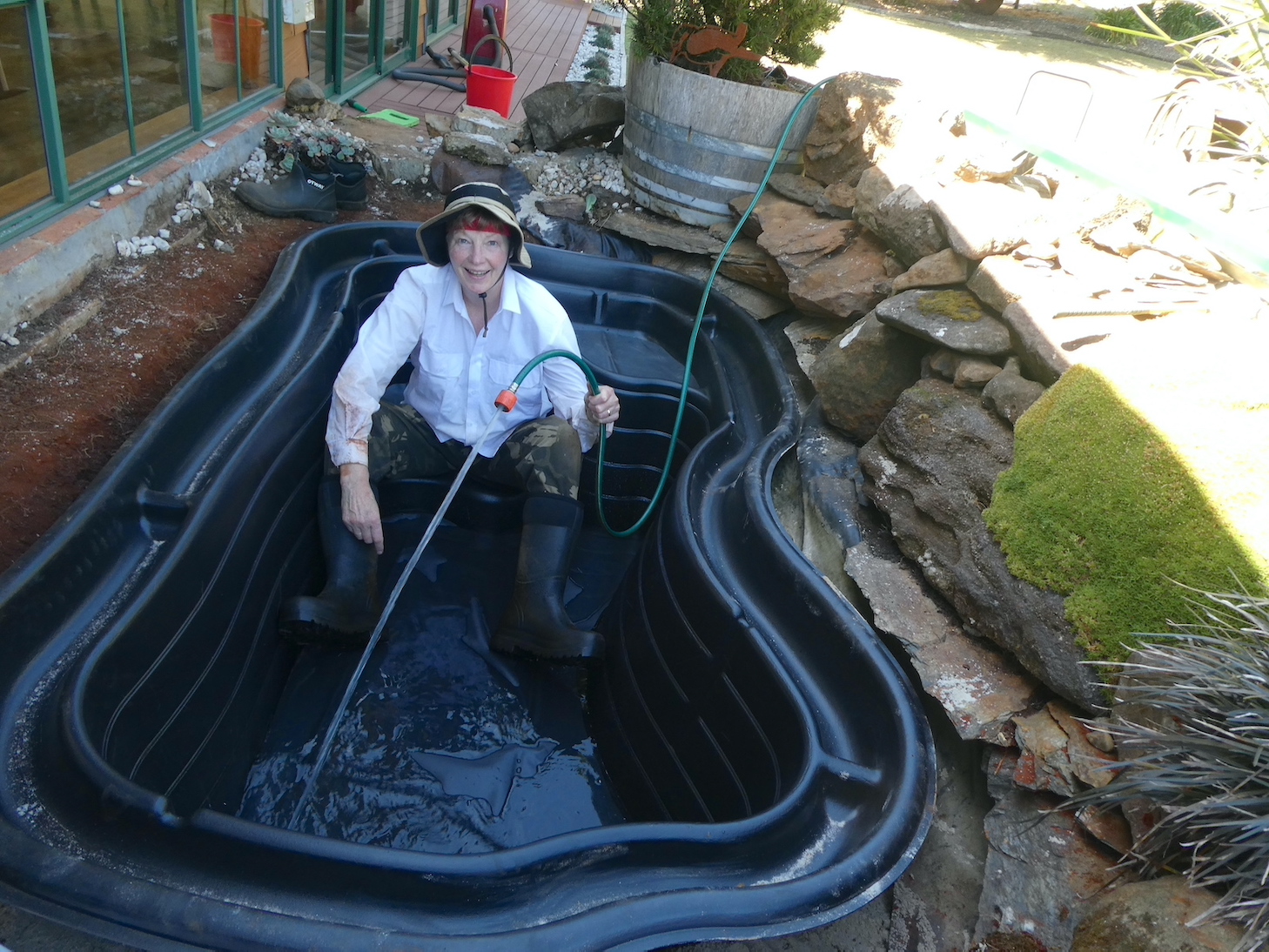
We had been advised to pack some sand, then fill some water and repeat in stages to avoid distortion of the pond shell.

The river stones from the old pond had been saved and I spent some time sorting them
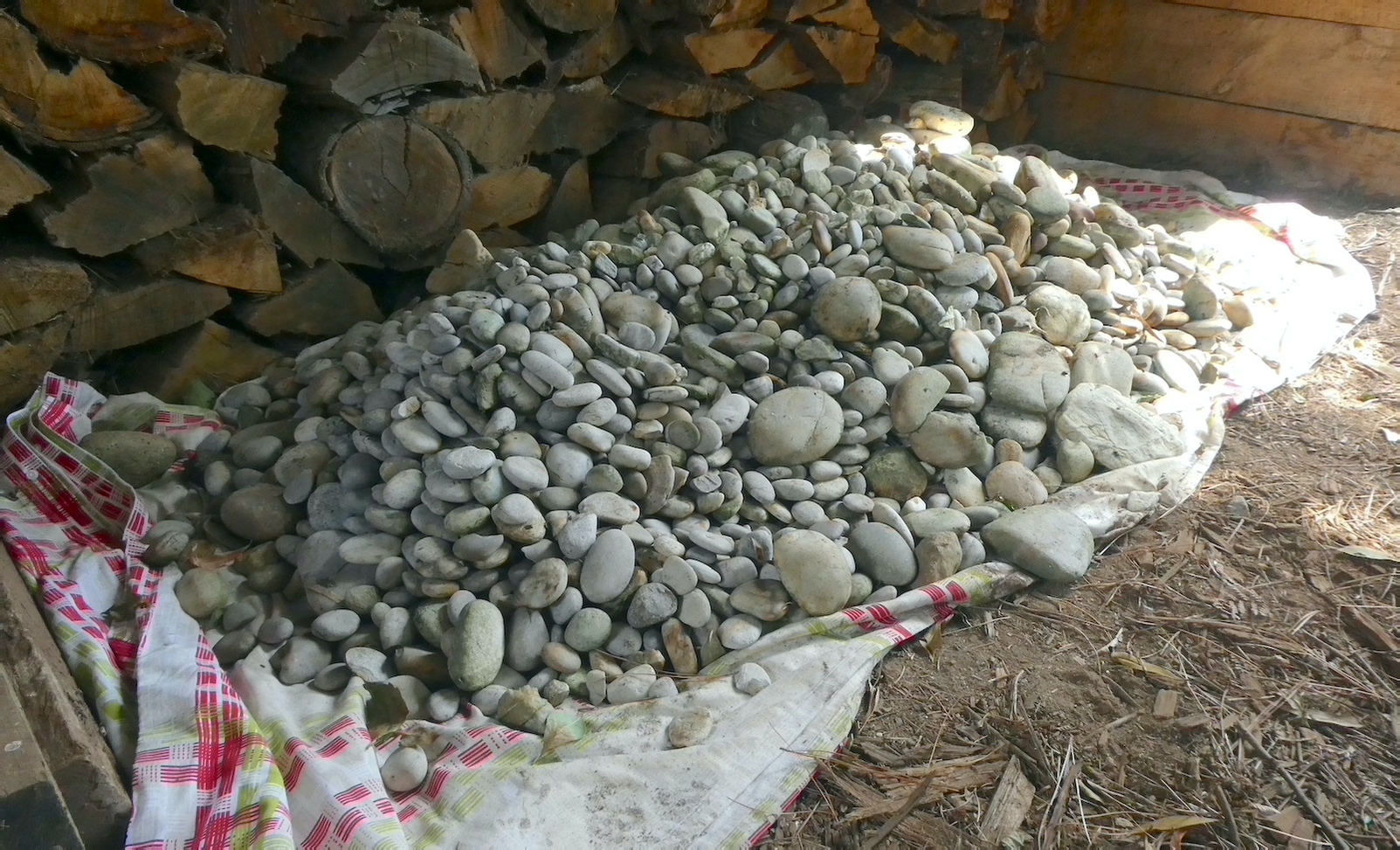
while Michael repotted the plants.

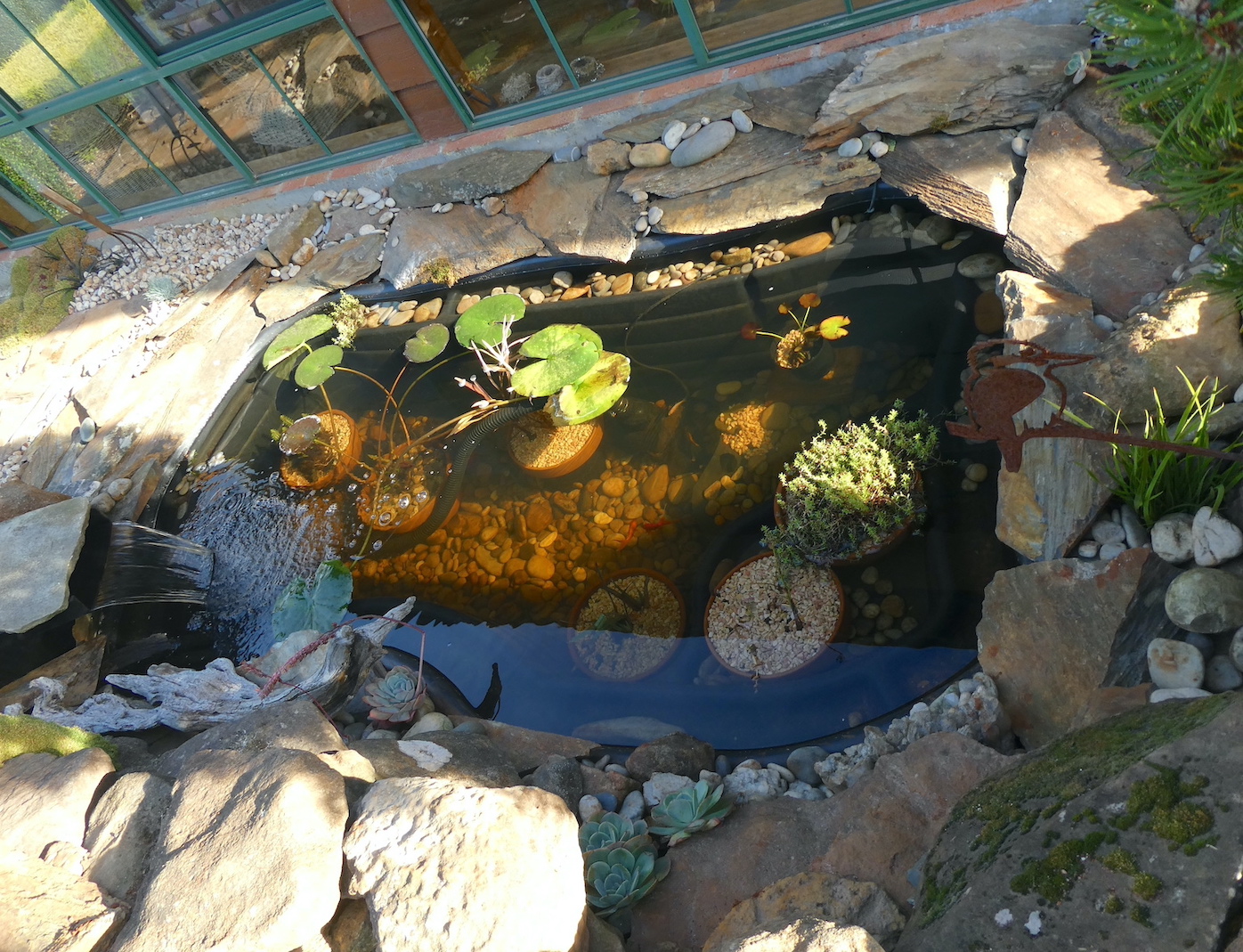
The fish were returned to their new home, along with the plants
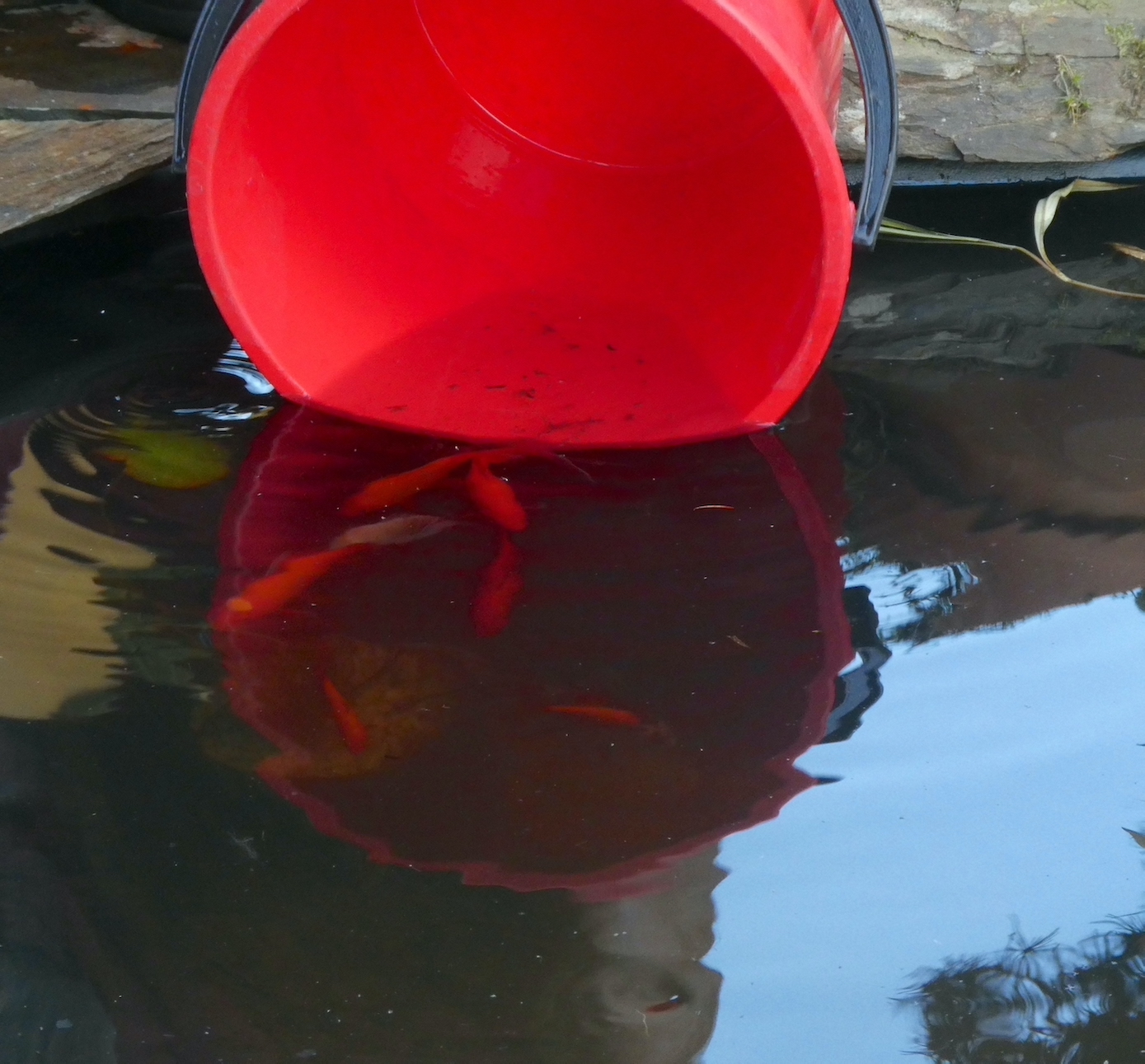
and a new cascade perfected the picture.

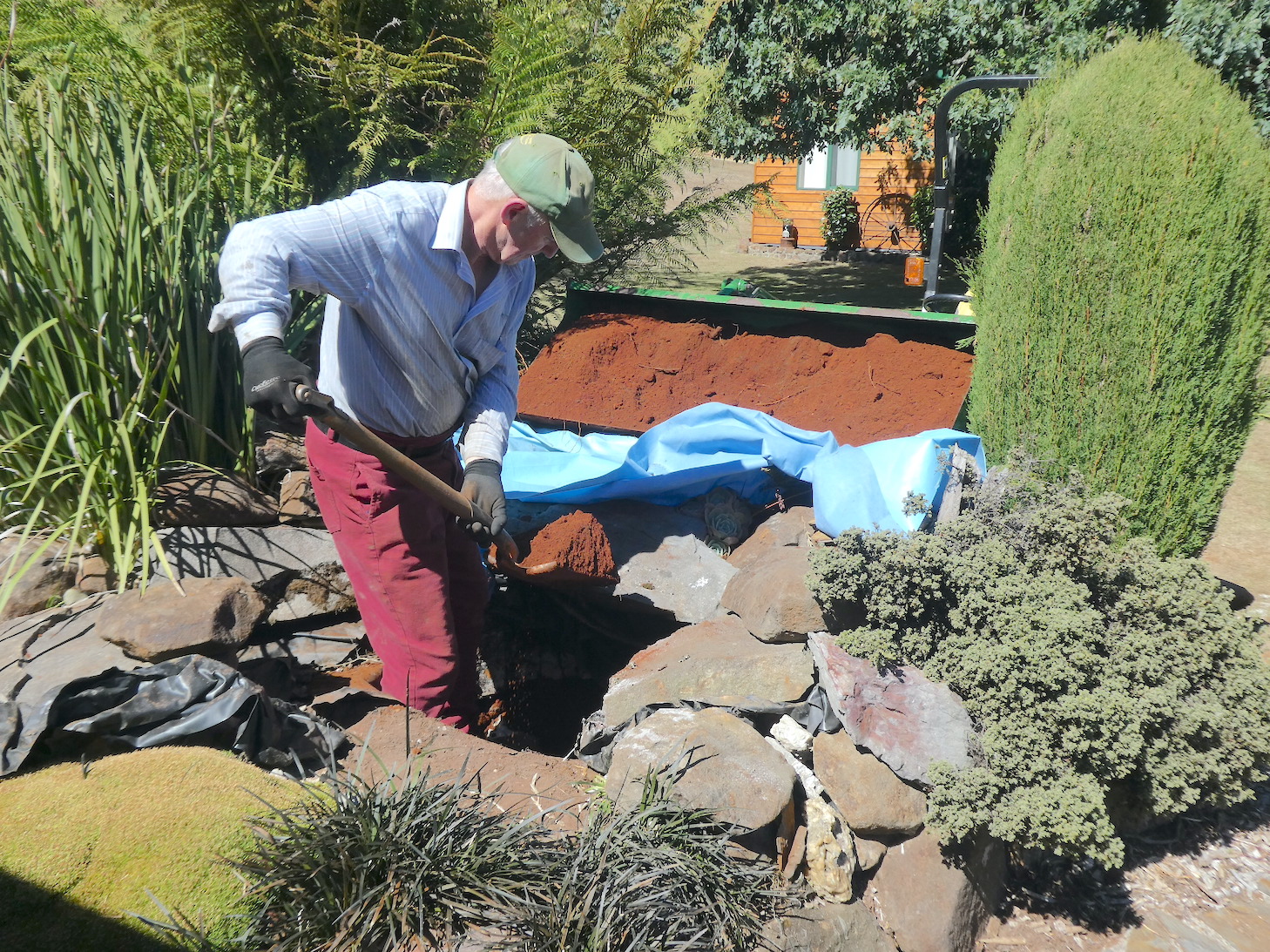
We then set about filling in the top pond,
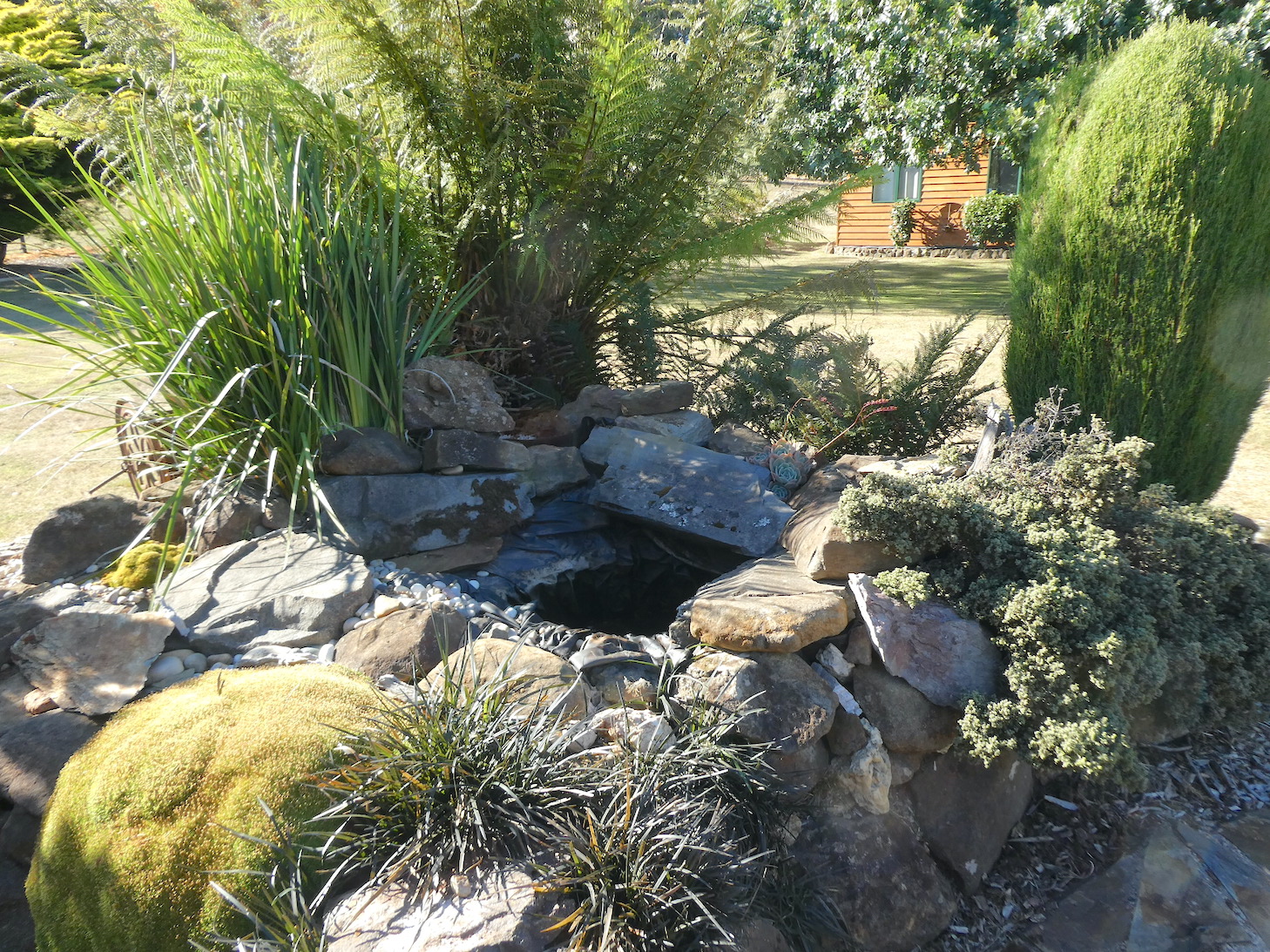
and after some further landscaping,

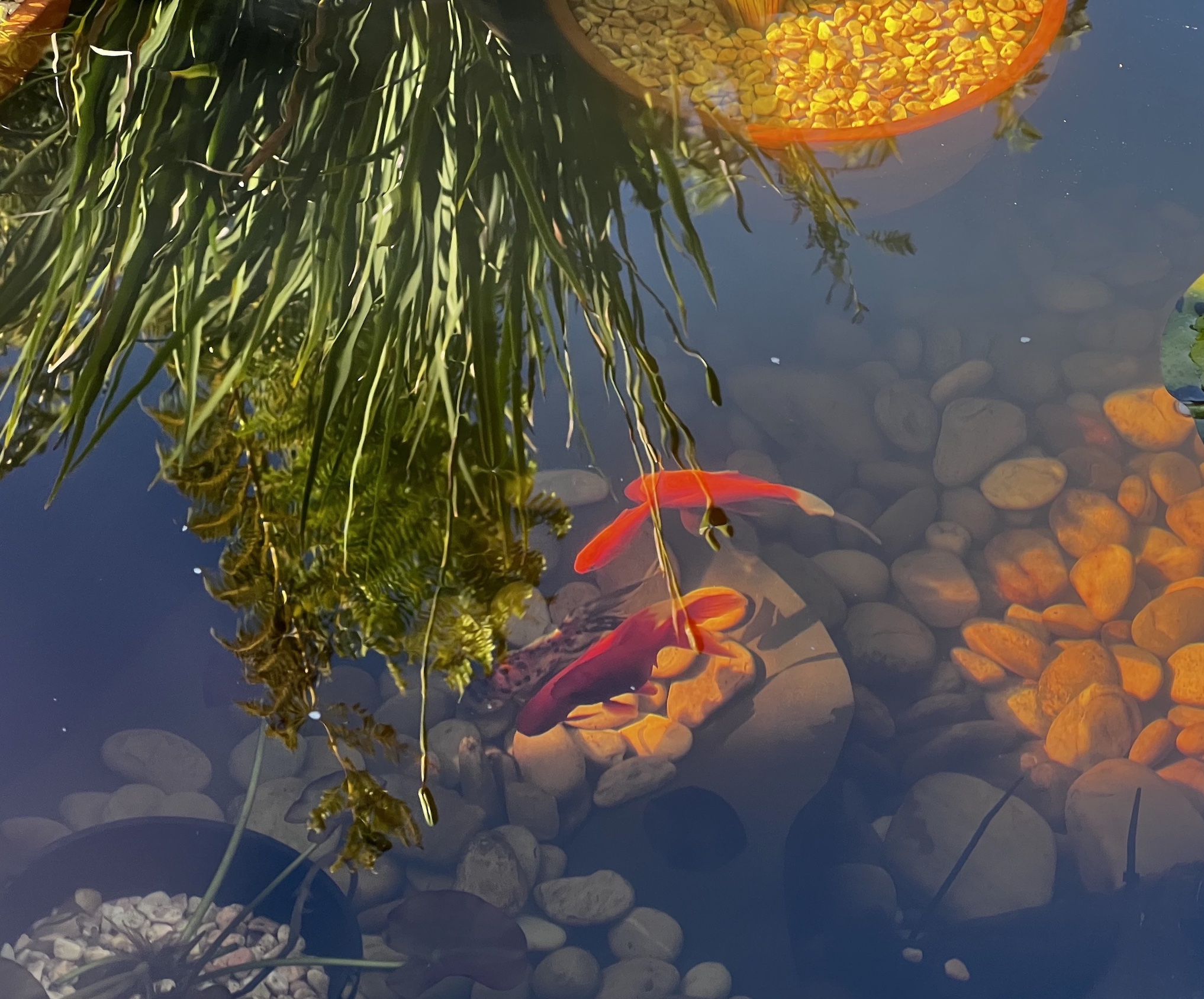
declared the project finished.
strenuous summer

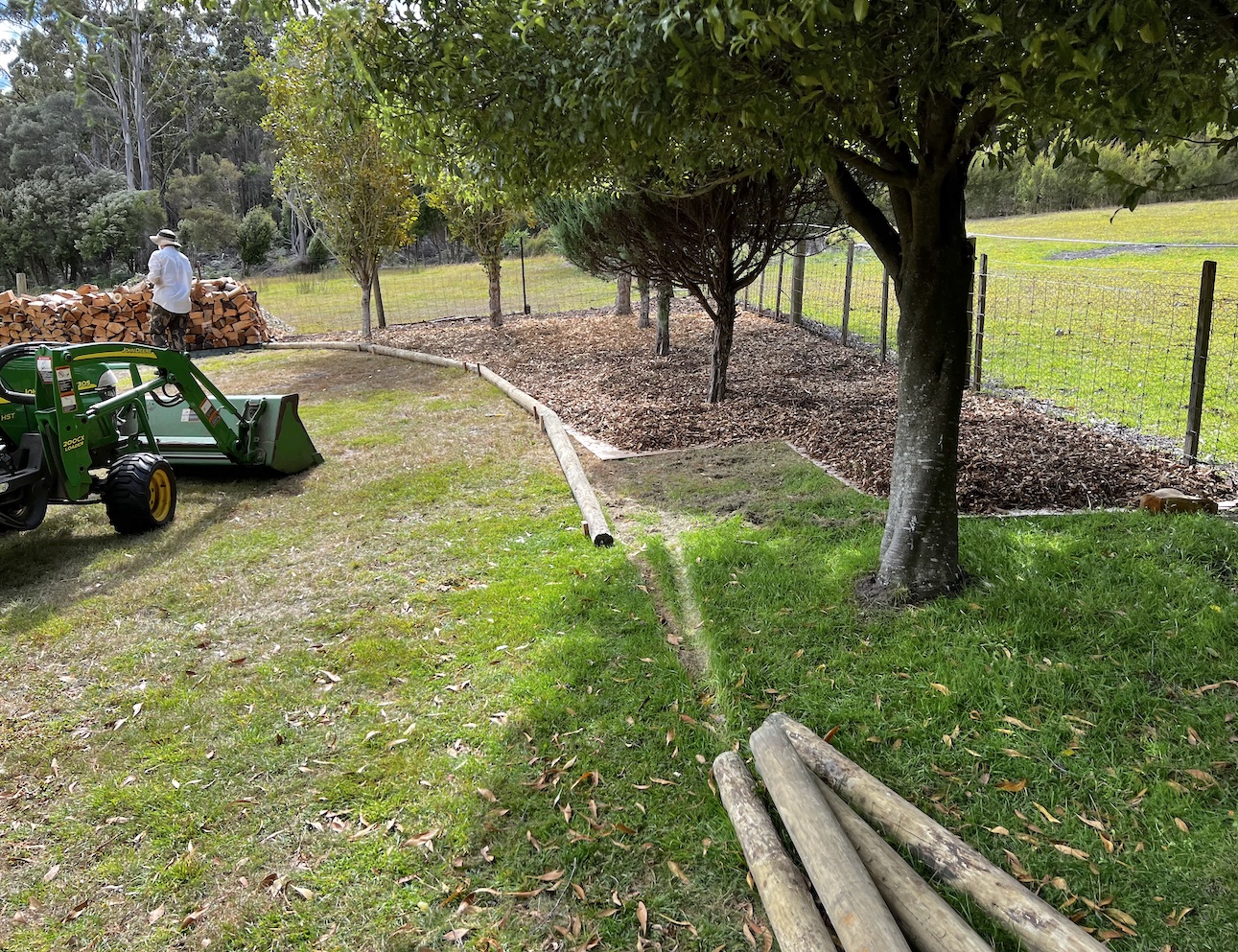
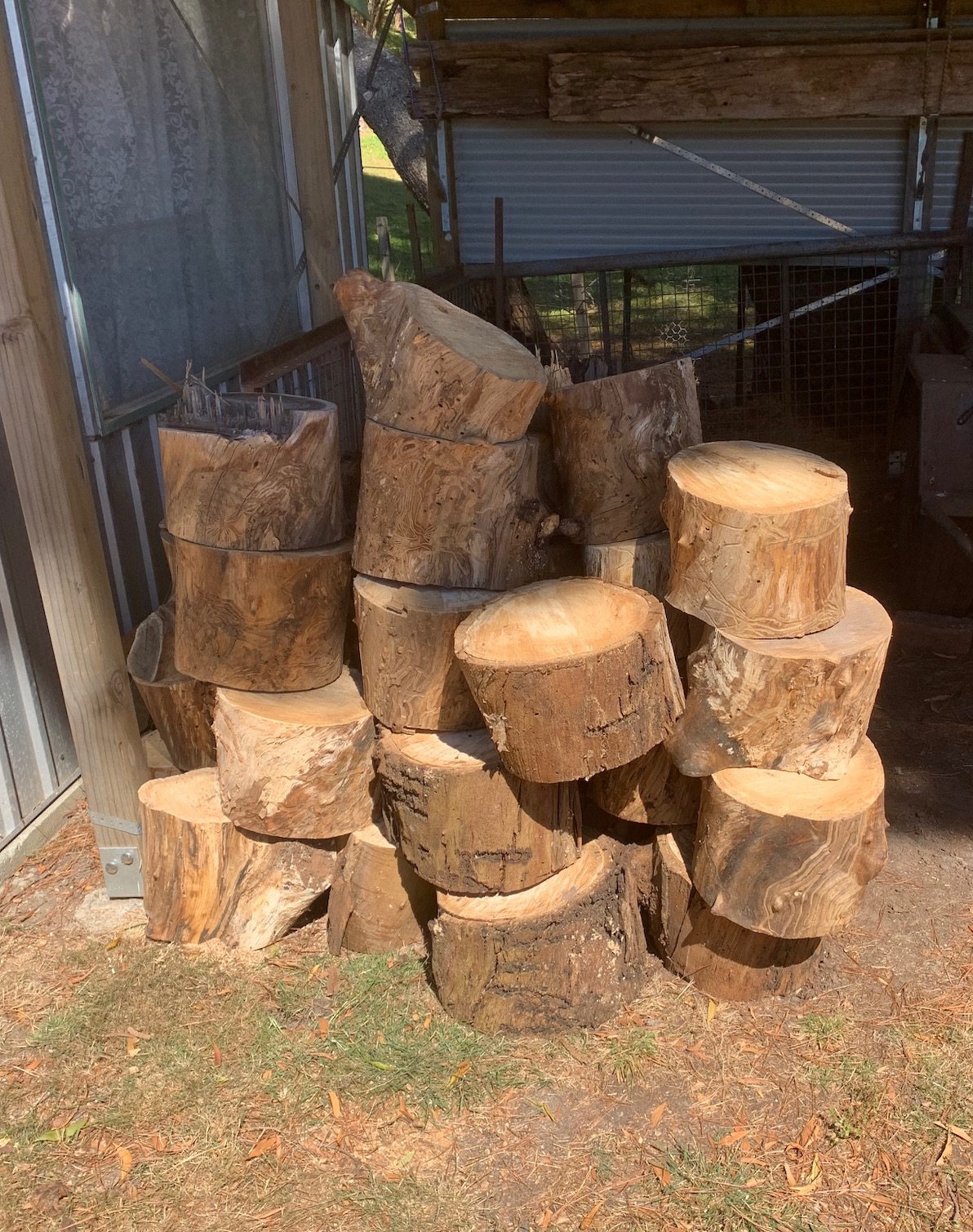
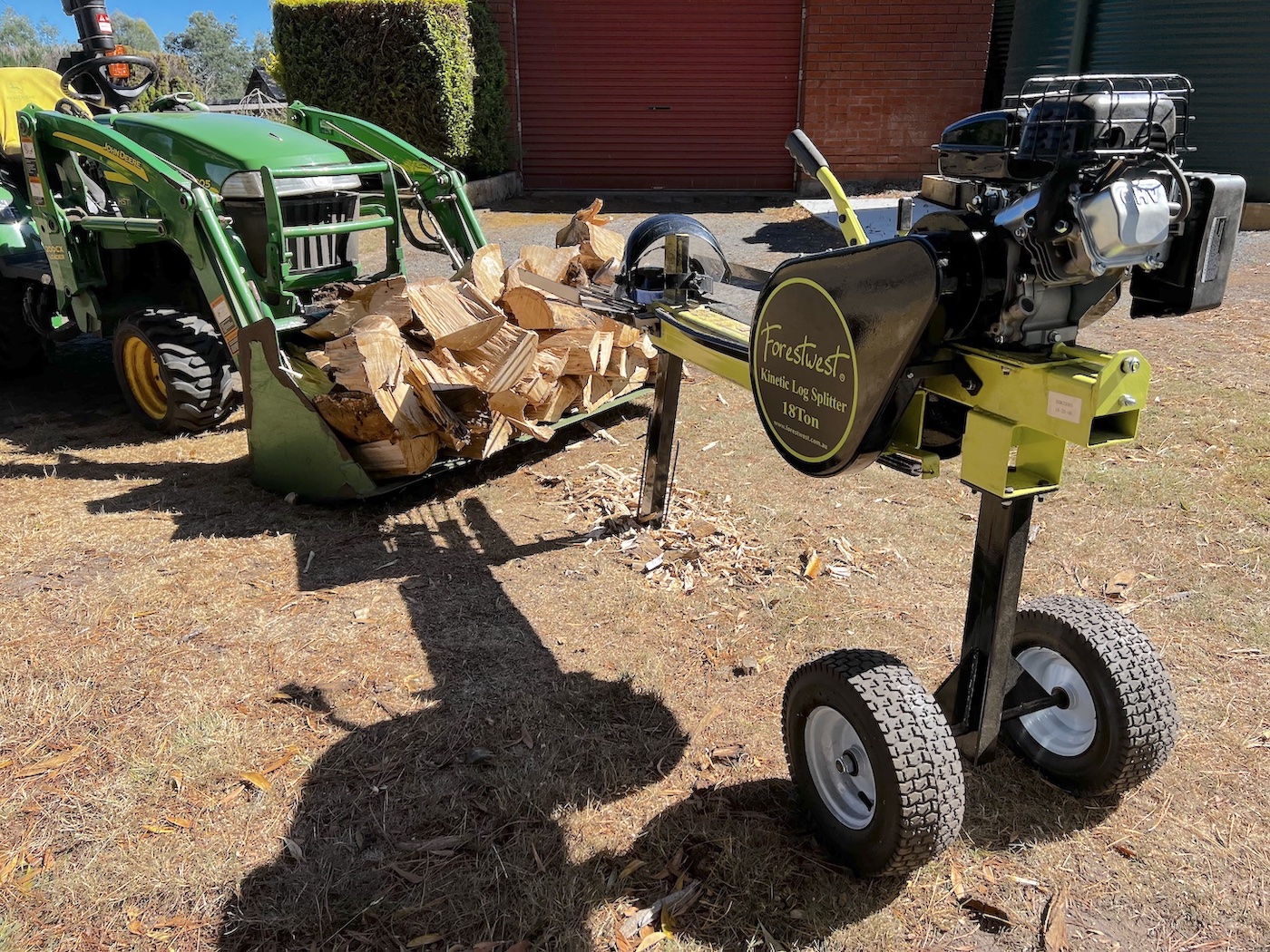
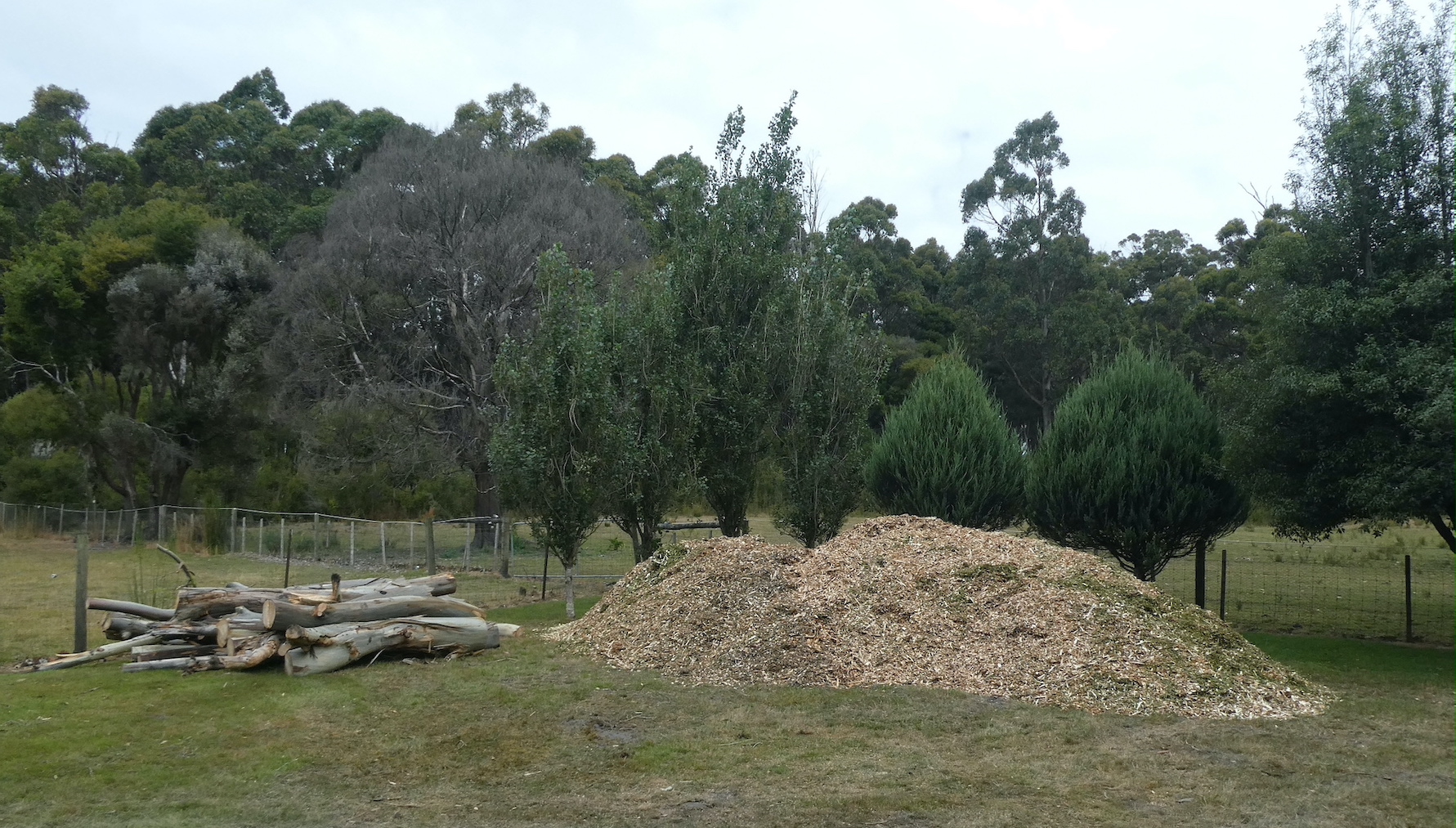
Early last year we had a few large trees removed and the timber was left in piles for us to turn into firewood. We finally got around to dealing with it this summer with many hours of chainsawing, splitting and stacking (not to mention swearing). Realising there were a further two trees that needed felling, we came up with yet another project to use the enormous pile of mulch that would ensue. The row of trees along the south-eastern boundary of the garden has always been difficult to traverse with the ride-on mower. We mapped out the area to mulch and laid 3-metre pine posts for the edging.

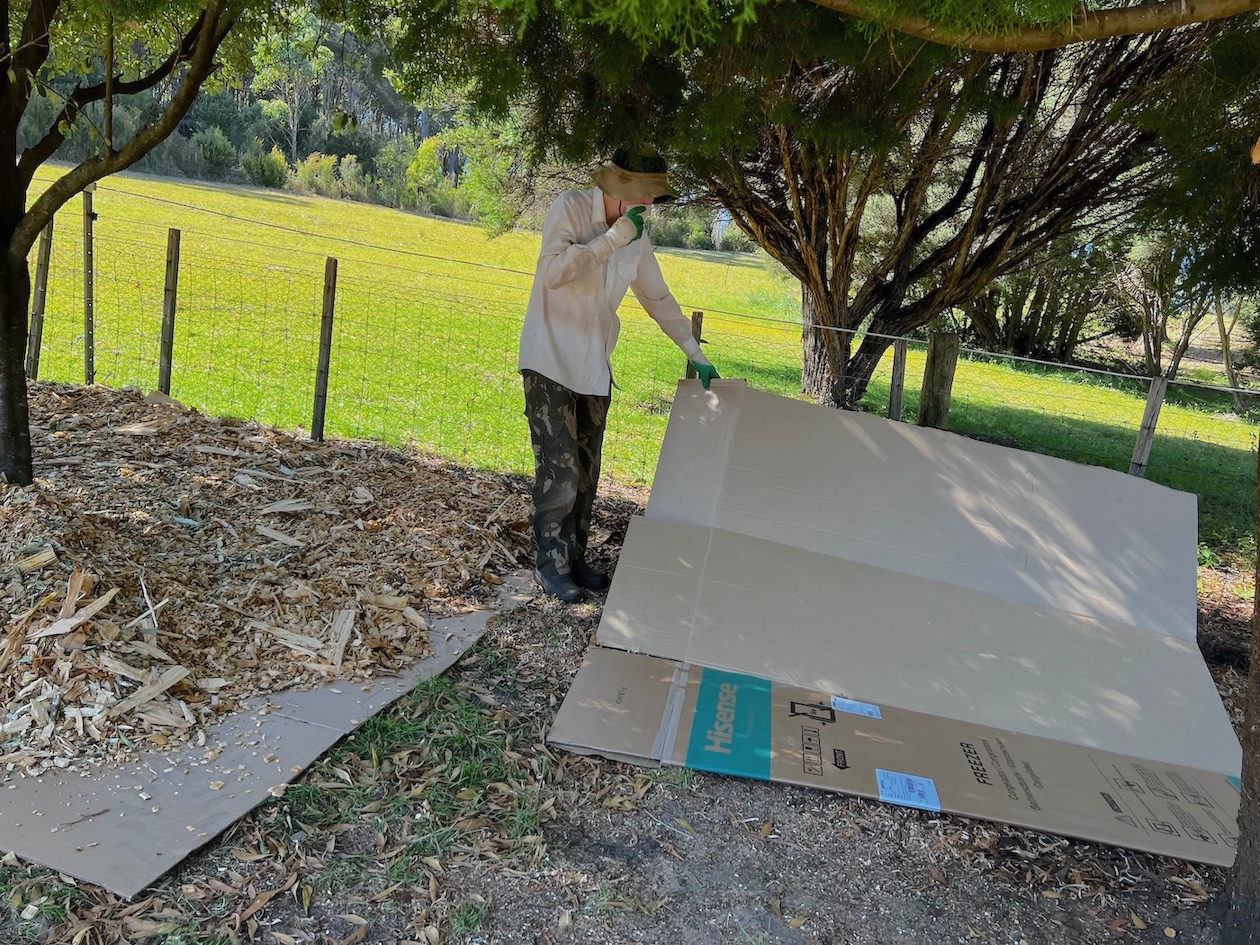
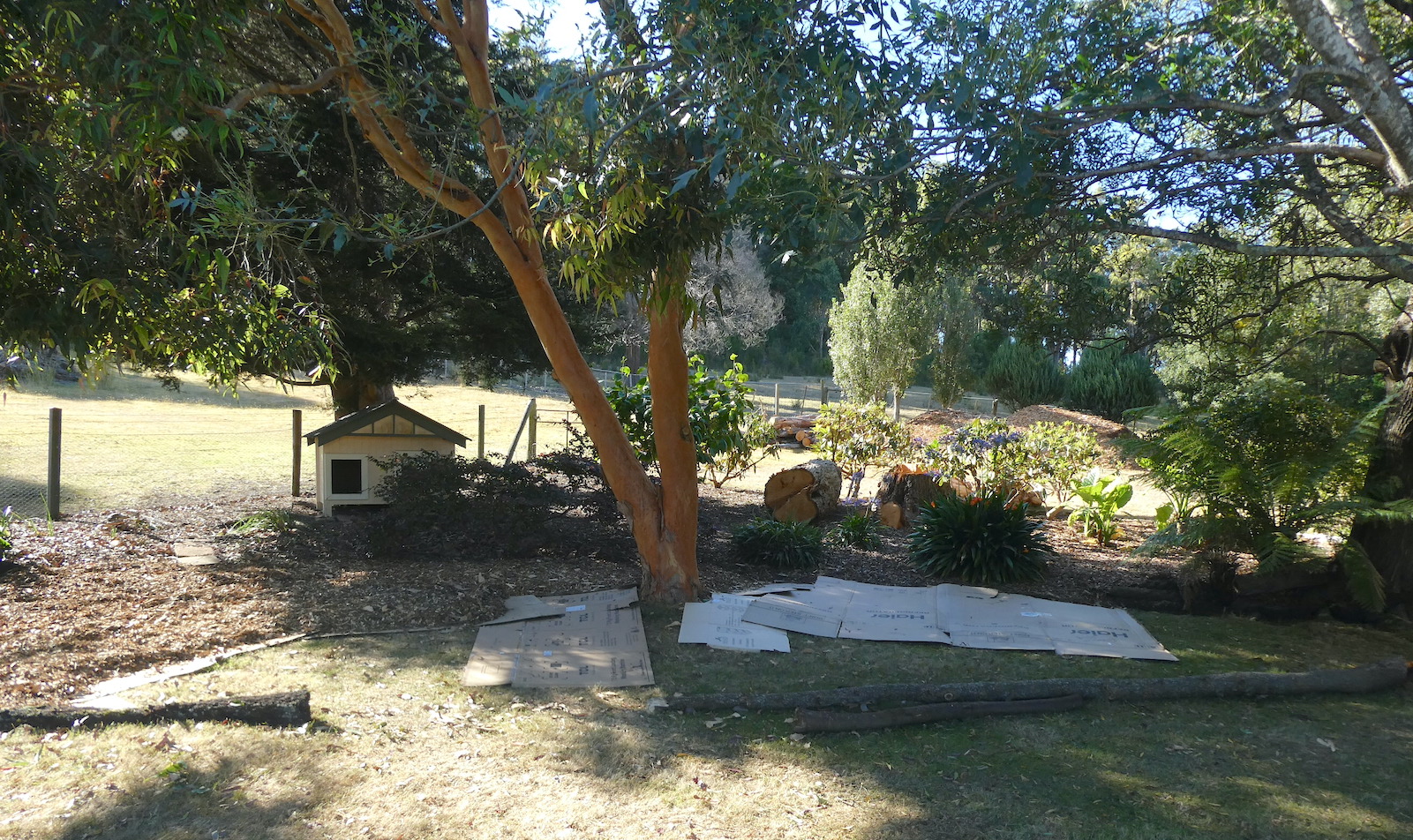
Procuring huge cardboard boxes from the dumpsters at local electrical stores, we laid them flat to repel the weeds. The remaining mulch from last year’s felling was used up first

before more cardboard and a hefty layer from the new pile.

We interspersed our weekend activities with more cutting

and splitting

to clear the way for the new border. The Tree Doctor returned to decimate the final specimen

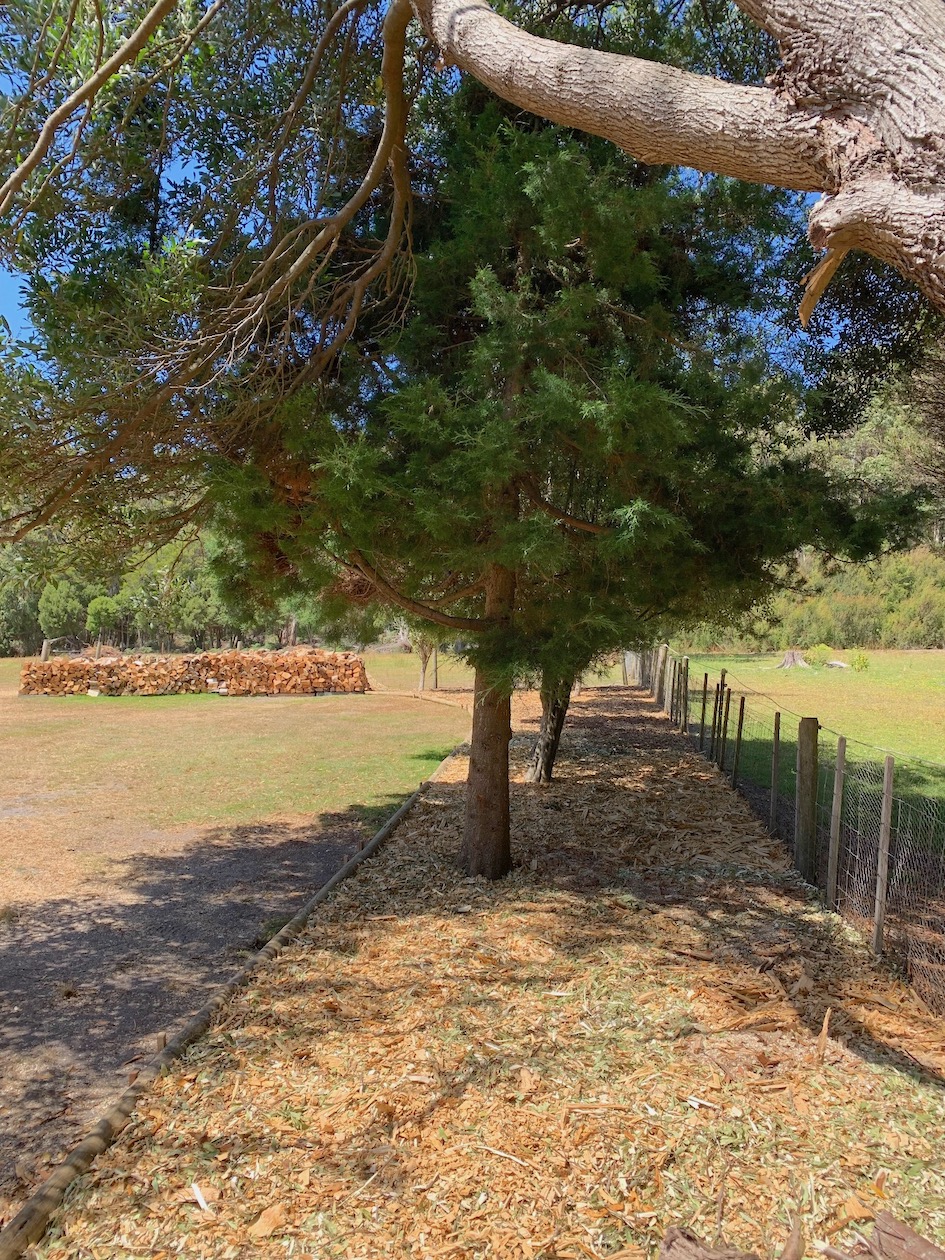
and we returned to mulching the new border with great fervour.

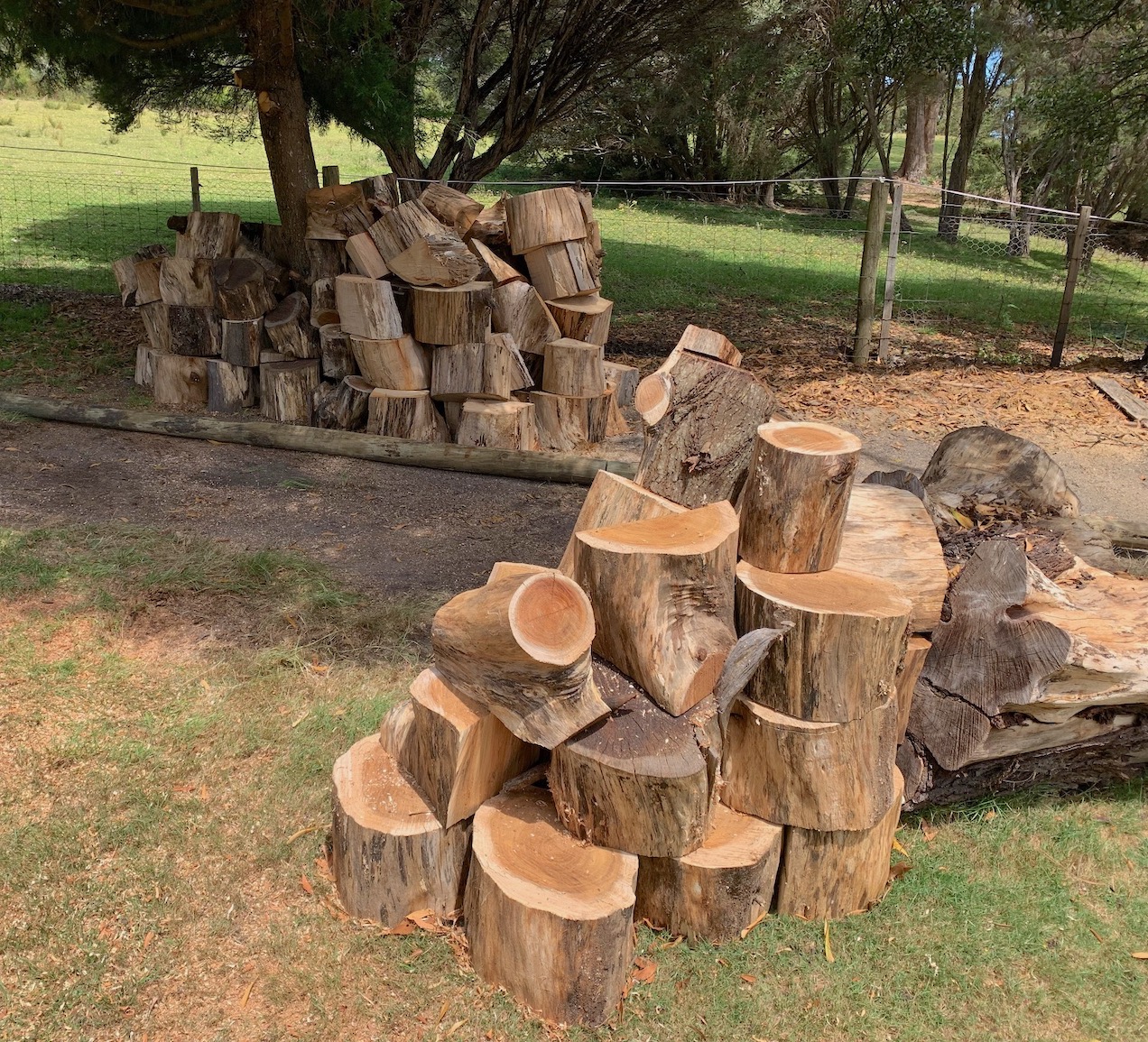
Alas, the piles of timber waiting for splitting seemed to be never ending

and with one monster left,

a massive effort saw the completion of our odyssey.

It is very rewarding to see the firewood stacked in preparation for coming winters.

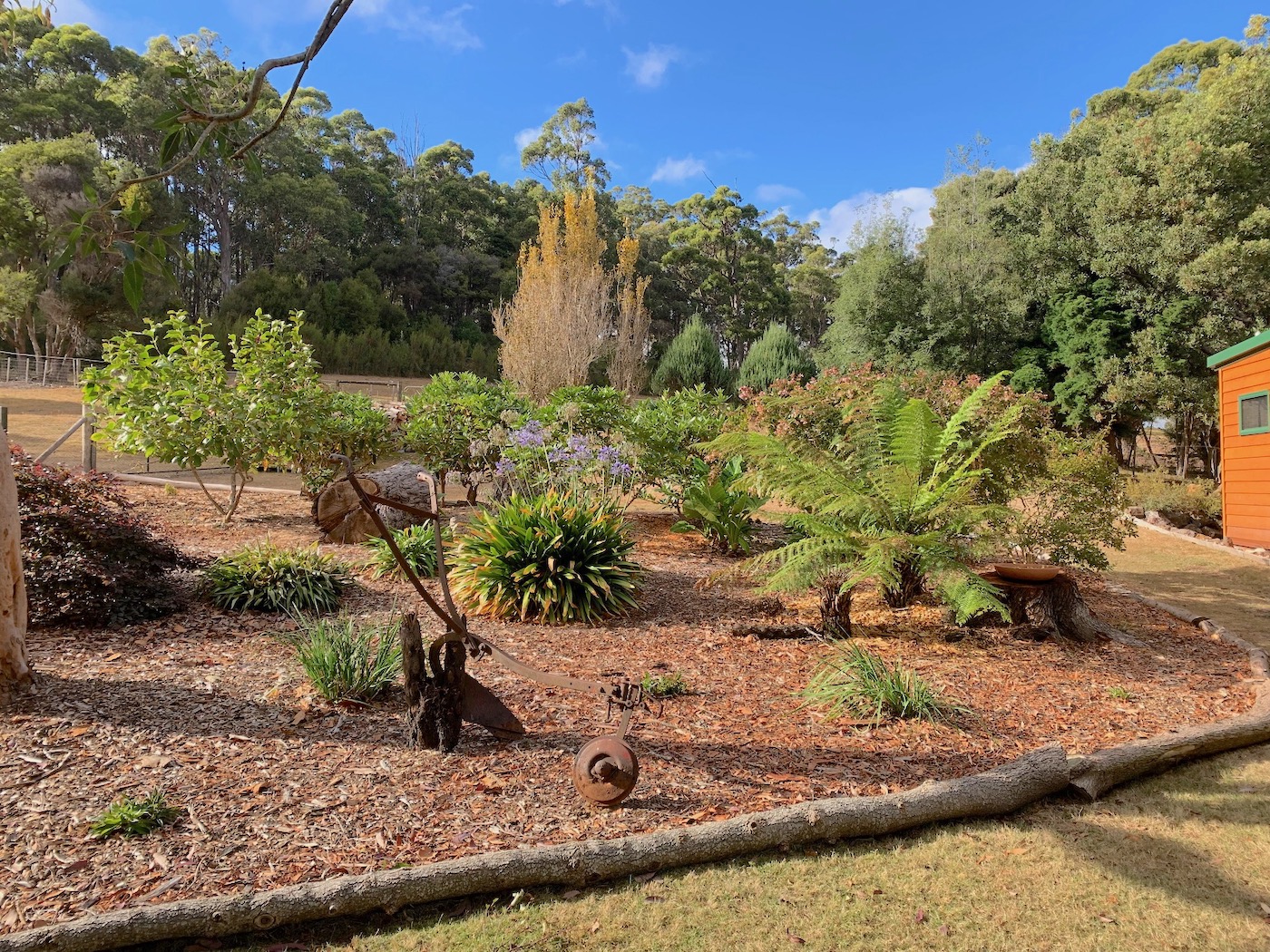
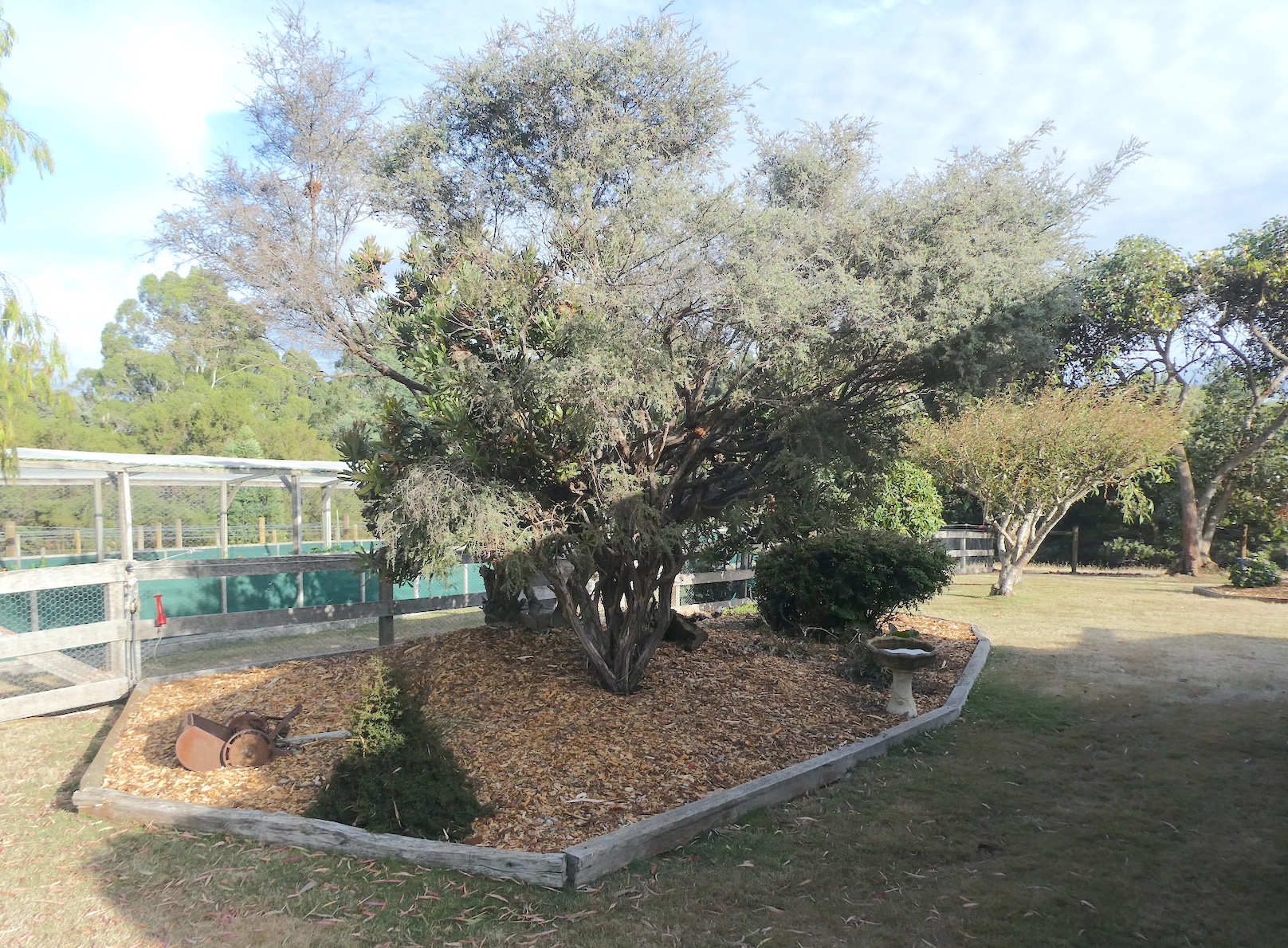
A feature has been made of the remaining stump of the once majestic blackwood tree

and the old plough has a new position front and centre.

precious Pinot

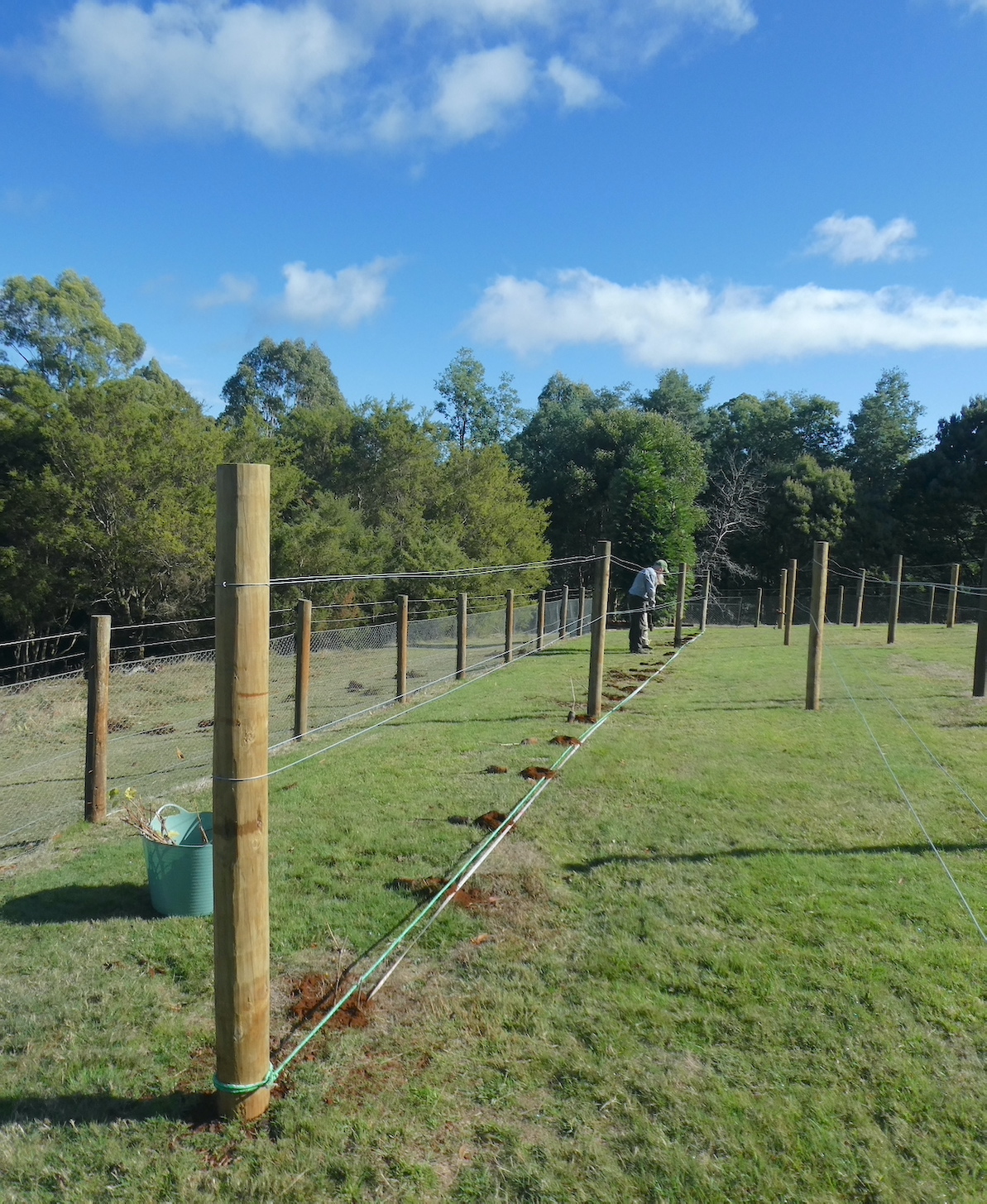
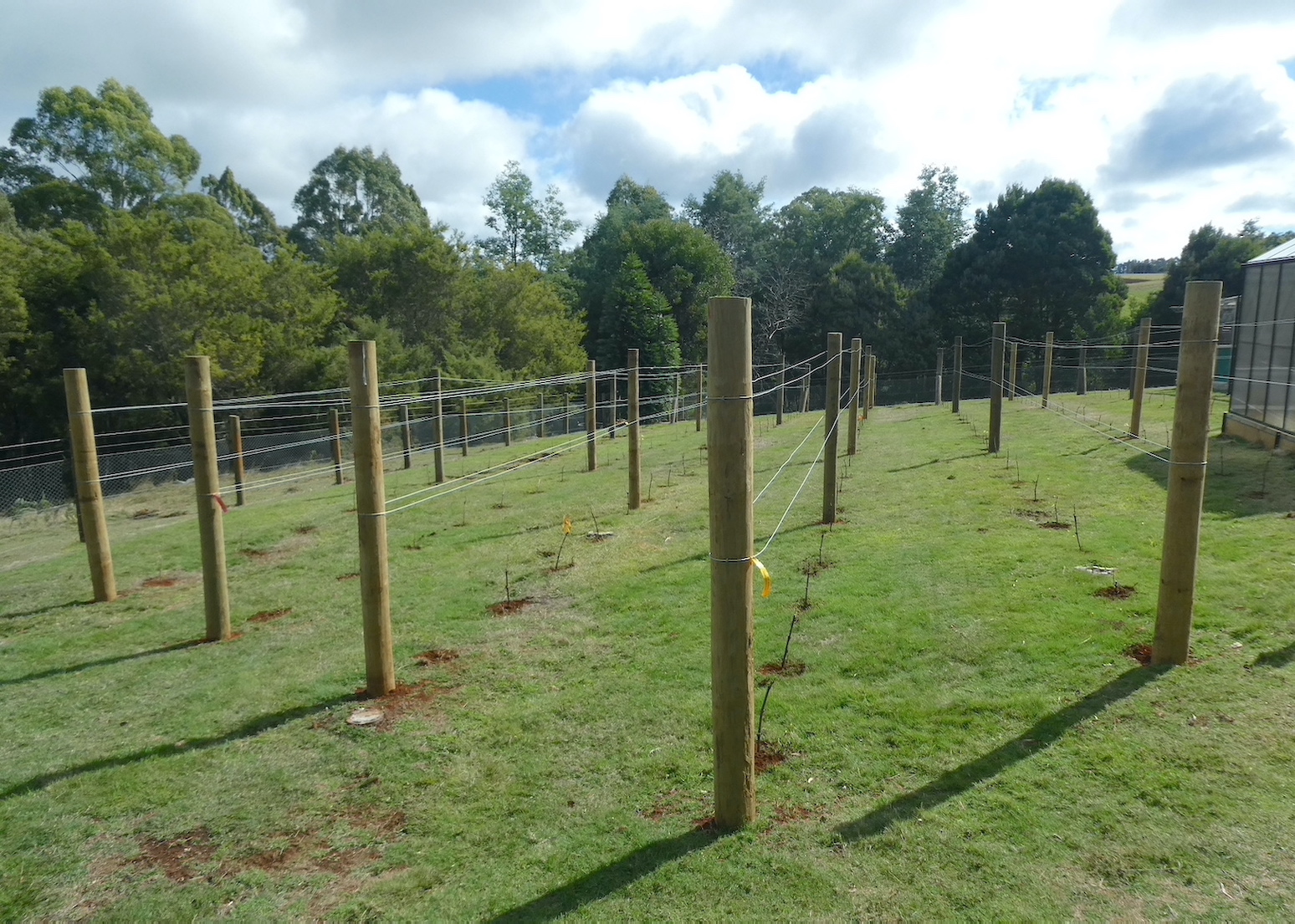
Last summer, a conversation over lunch with a friend revealed her desire to establish a micro-vineyard. However, finding the right parcel of land was proving difficult, at which point we offered a few options on our property. The area designated as ‘orchard’ when we moved here has, over the years, seen the demise of the aged fruit trees and we had intended moving the remaining plants. This plot was deemed perfect for the project. Posts were added to our already existing few just before the new year

and support wires were strung soon after.

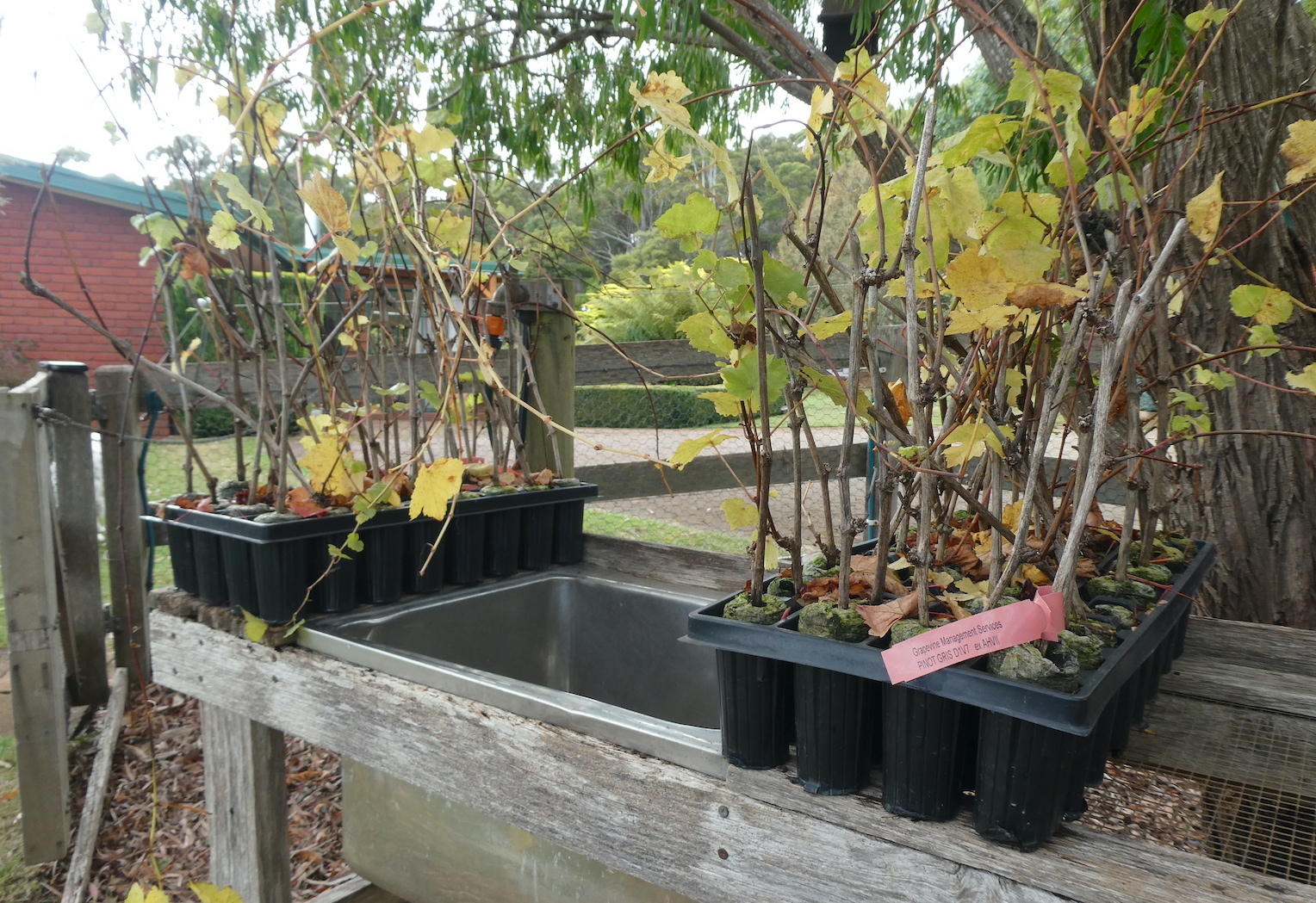
The vines were secured within the veggie enclosure through summer

until ready for planting in autumn.

Each vine was trimmed to the first two or three buds

while Michael took up the auger and embraced the arduous task of hole digging.

Each plant was placed into the precisely drilled holes, backfilled and watered

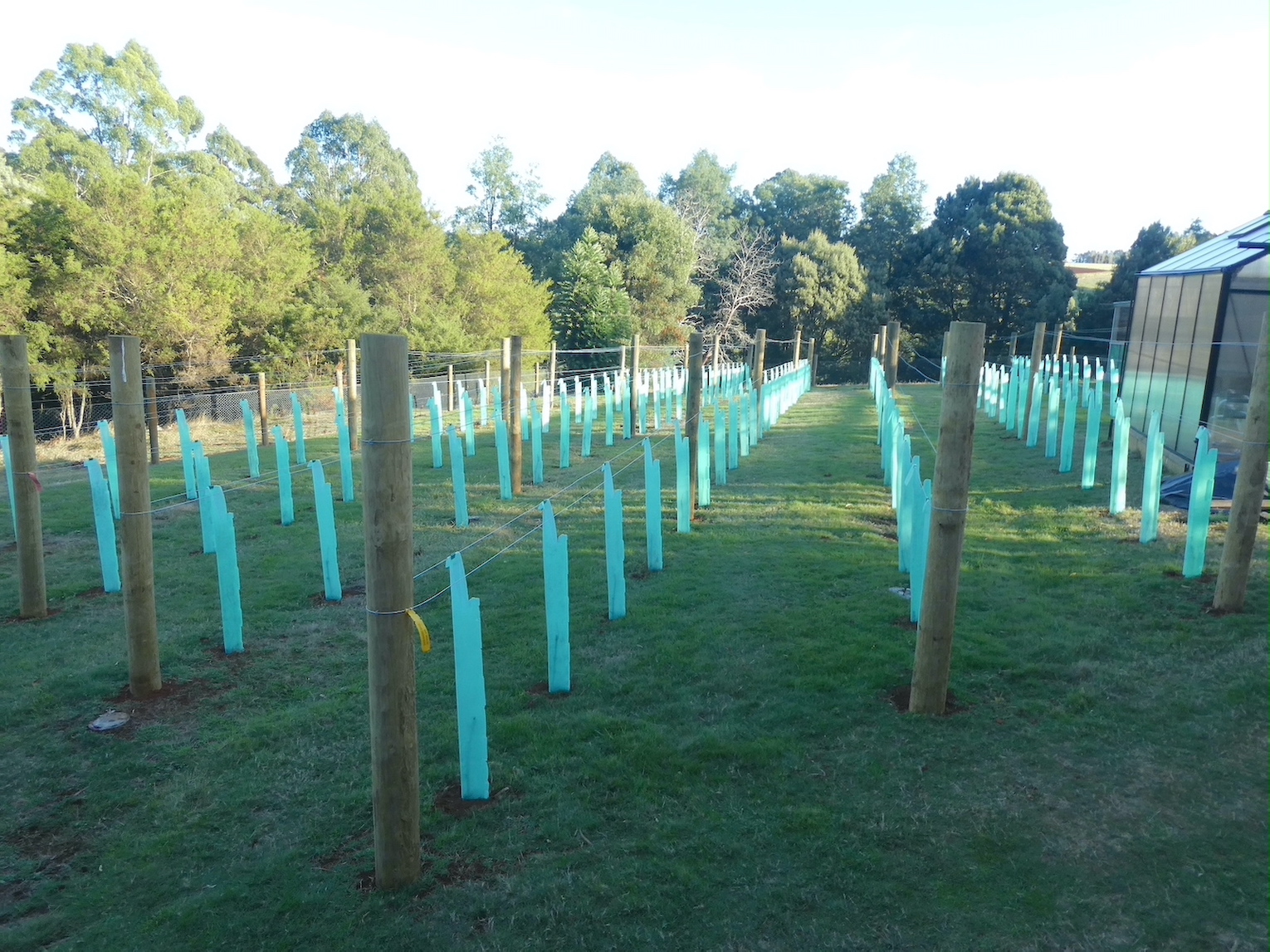
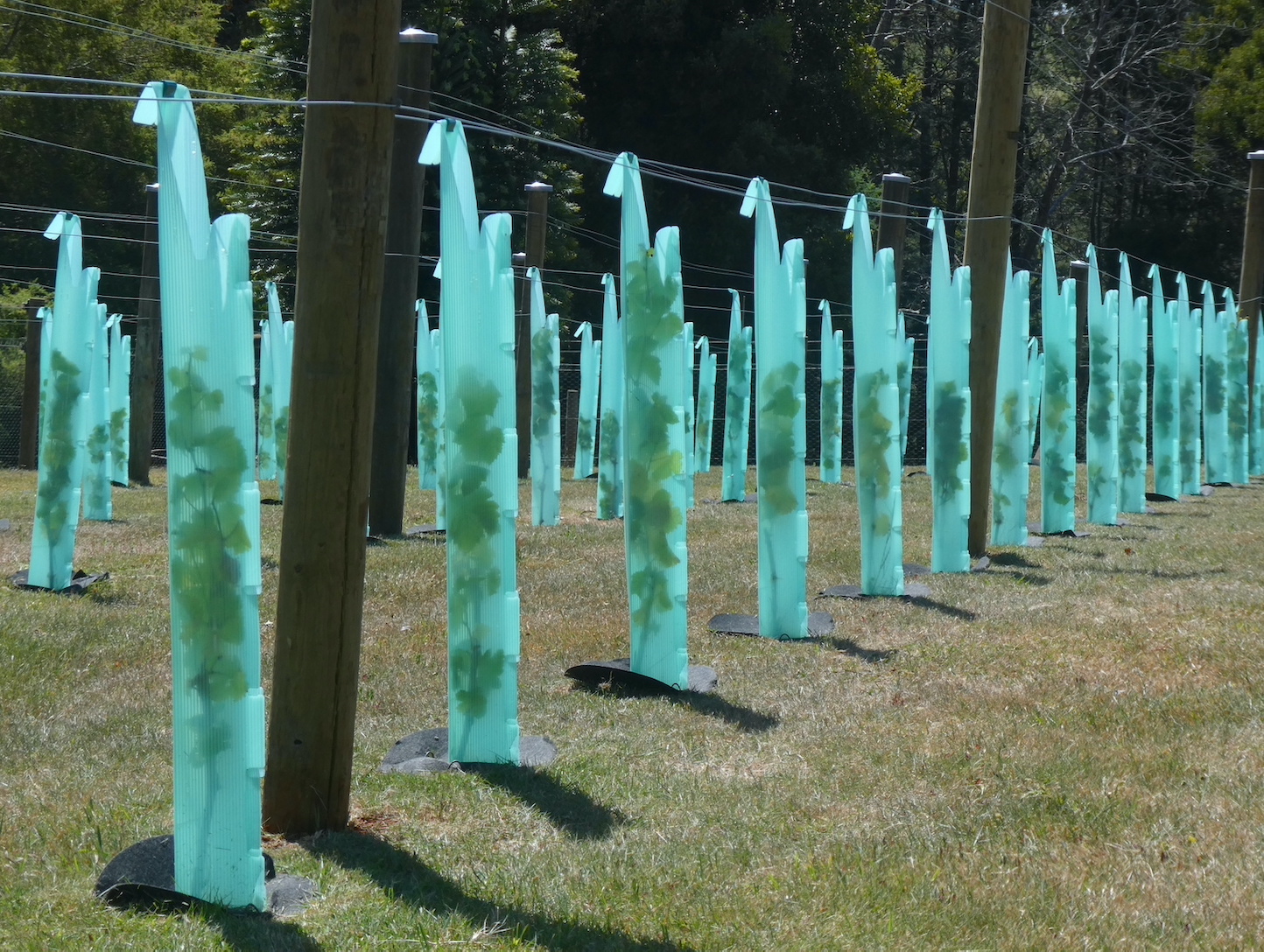
until 158 vines nestled in their new home.

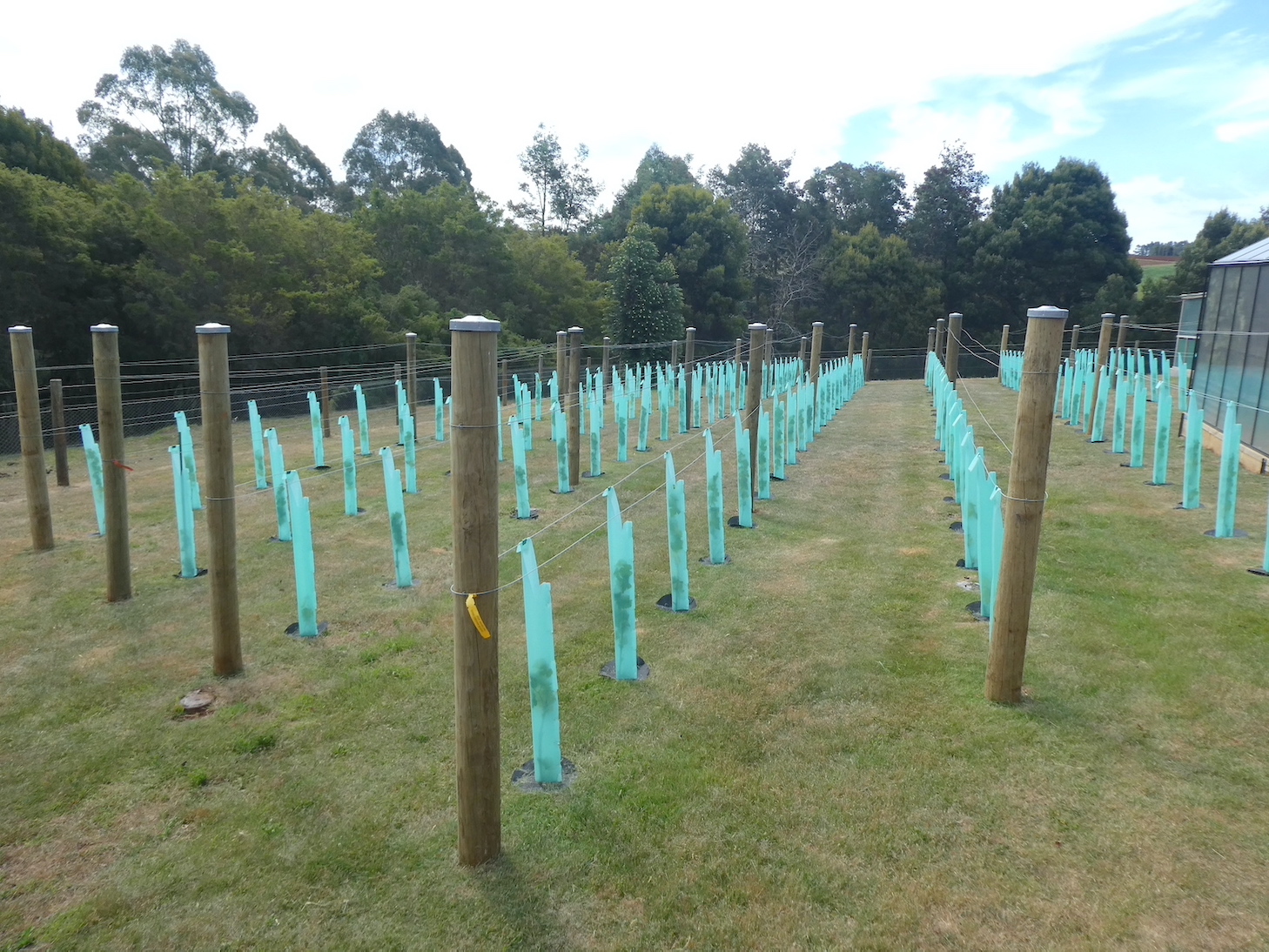
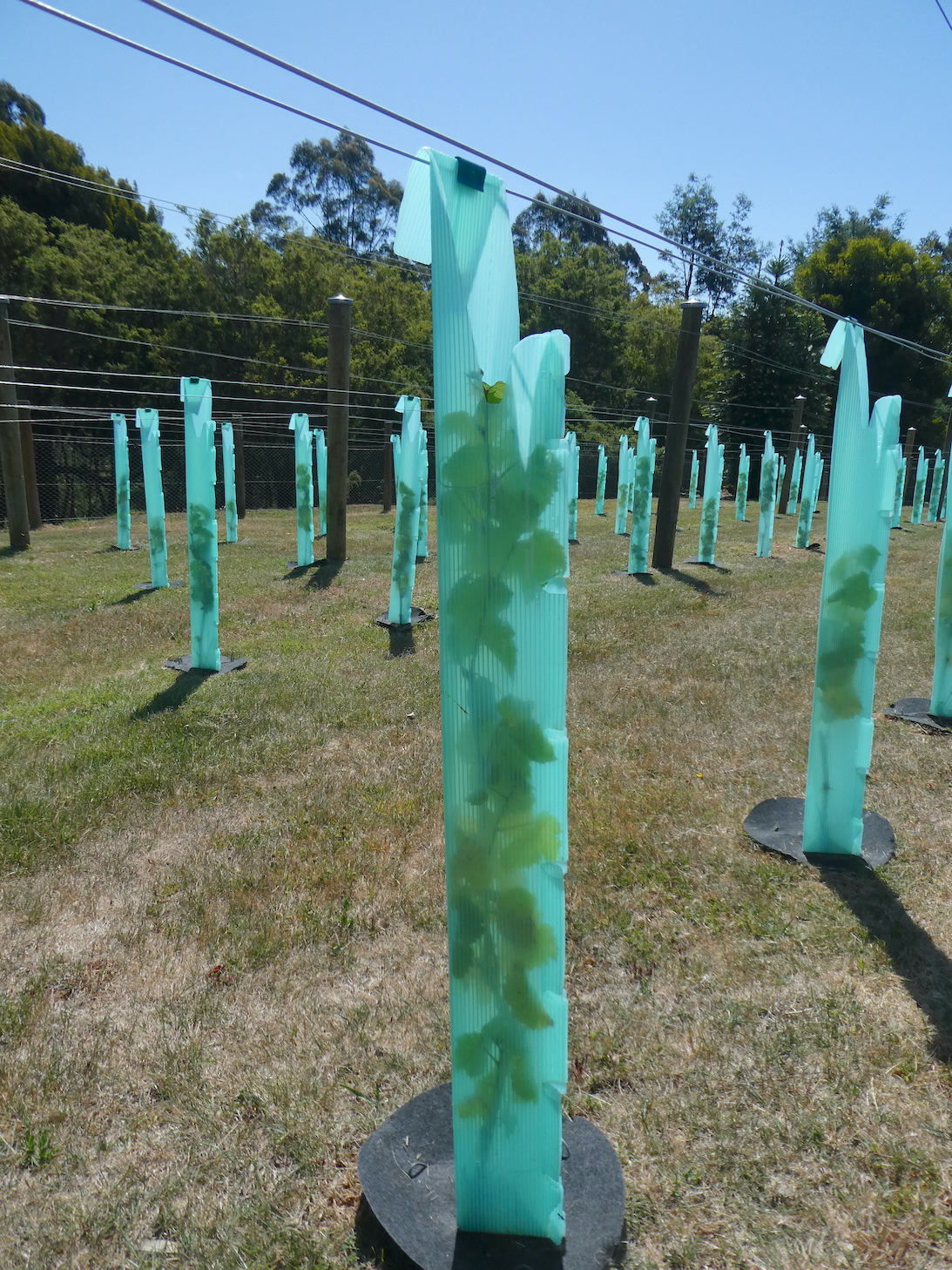
Tree guards would protect the youngsters through the winter months and stave off attacks by marauding wildlife.

There was nothing left to do but wait and let nature work her magic. Seven months later, they are thriving, safe from the dreaded spring winds within their corflute cocoons.

There are two rows of Pinot Gris and the rest are Pinot Noir, a few years away from the bottle yet but an exciting journey lies ahead.

grand greenhouse

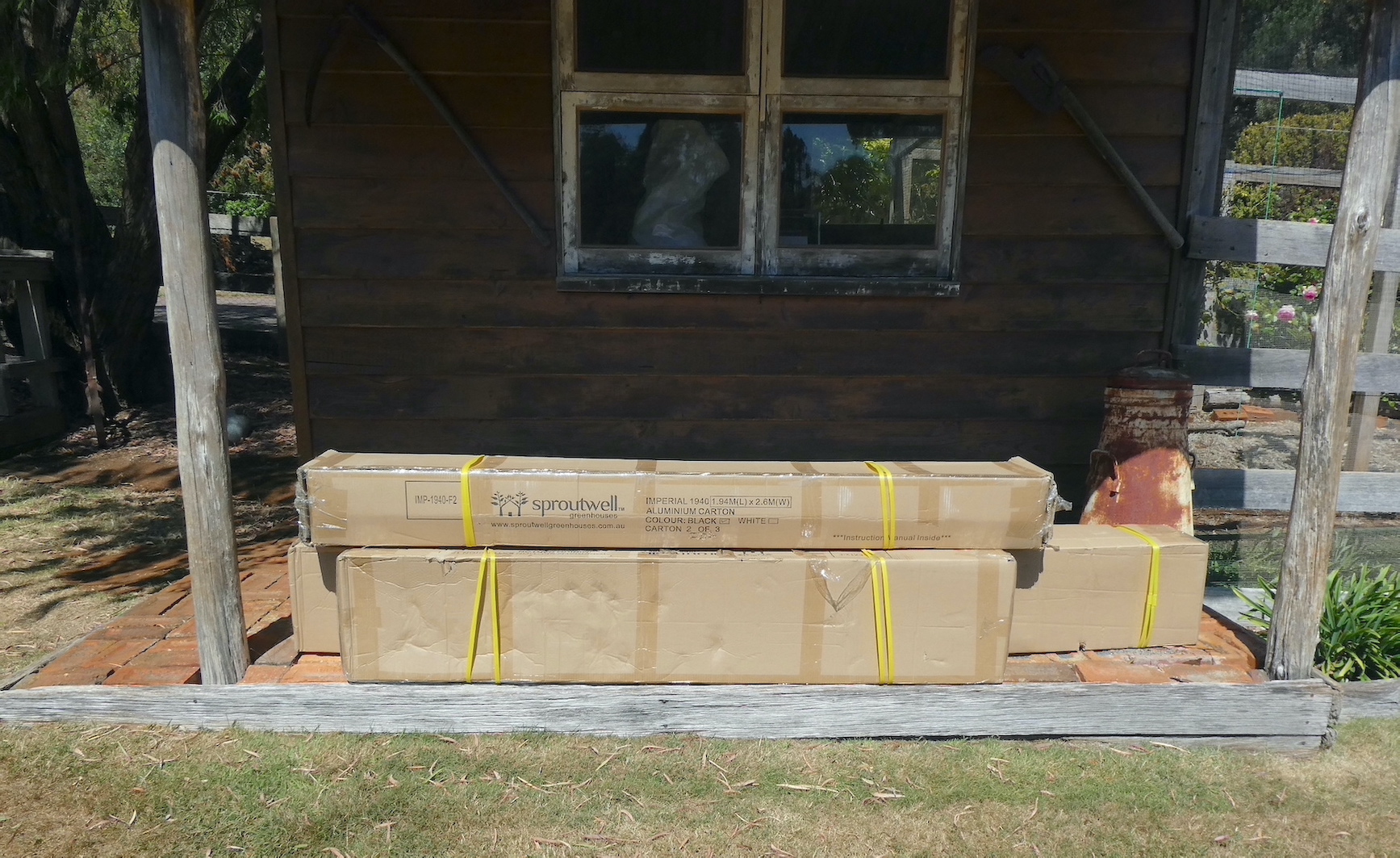
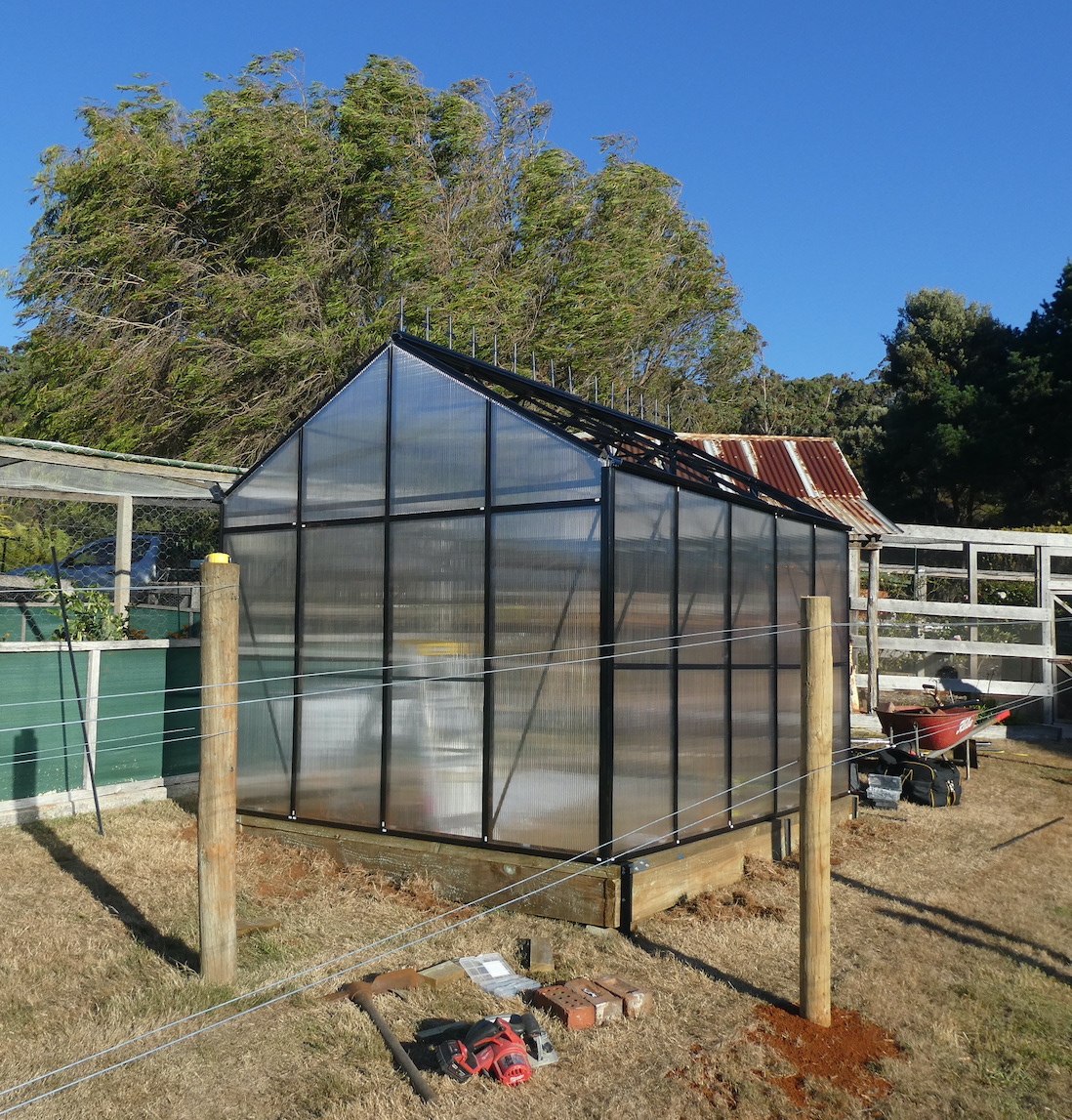
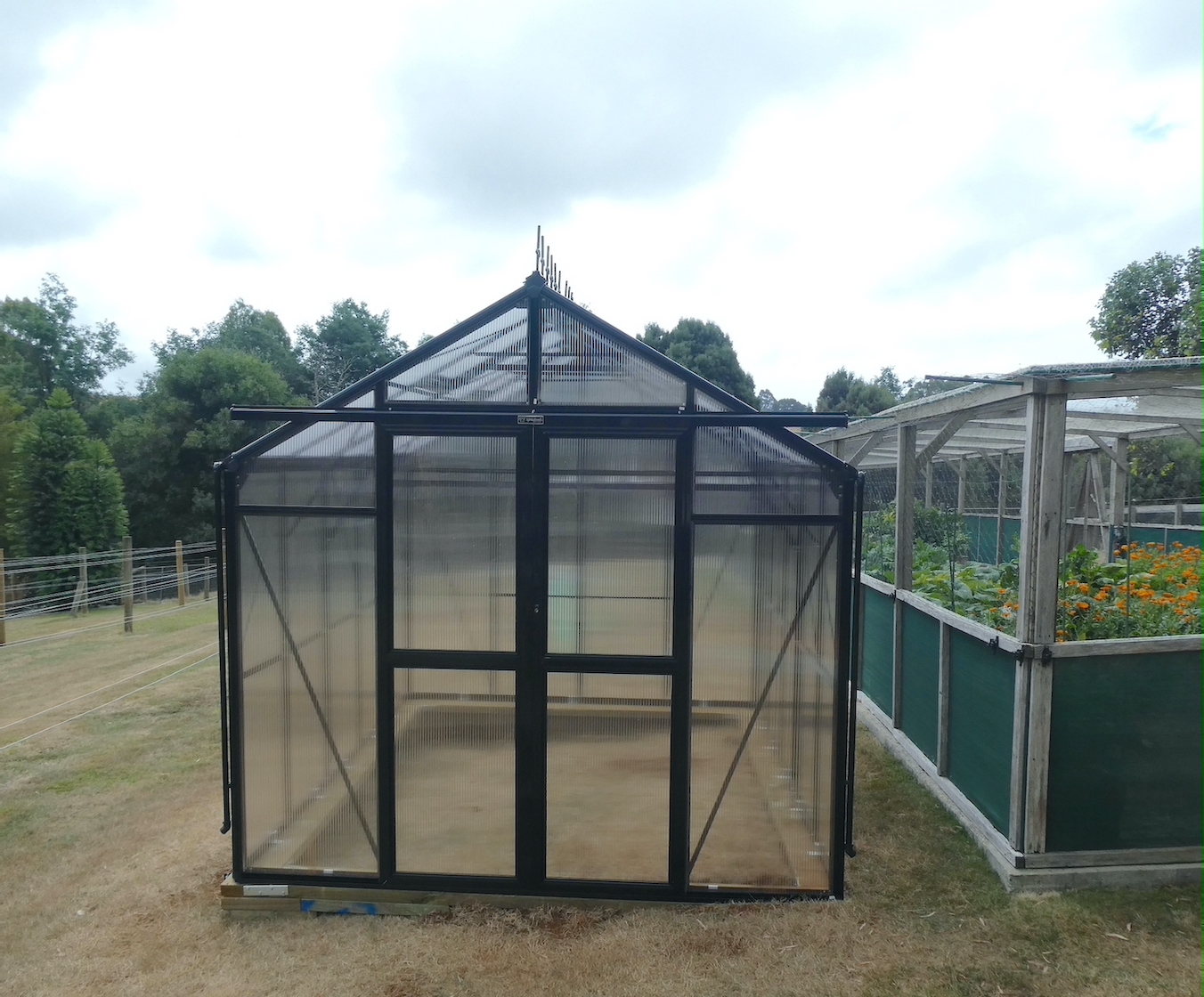
Although our veggie patch is prolific through summer, it tends to be somewhat limited once the colder months descend. After much contemplation, we took the plunge and ordered a greenhouse last February.

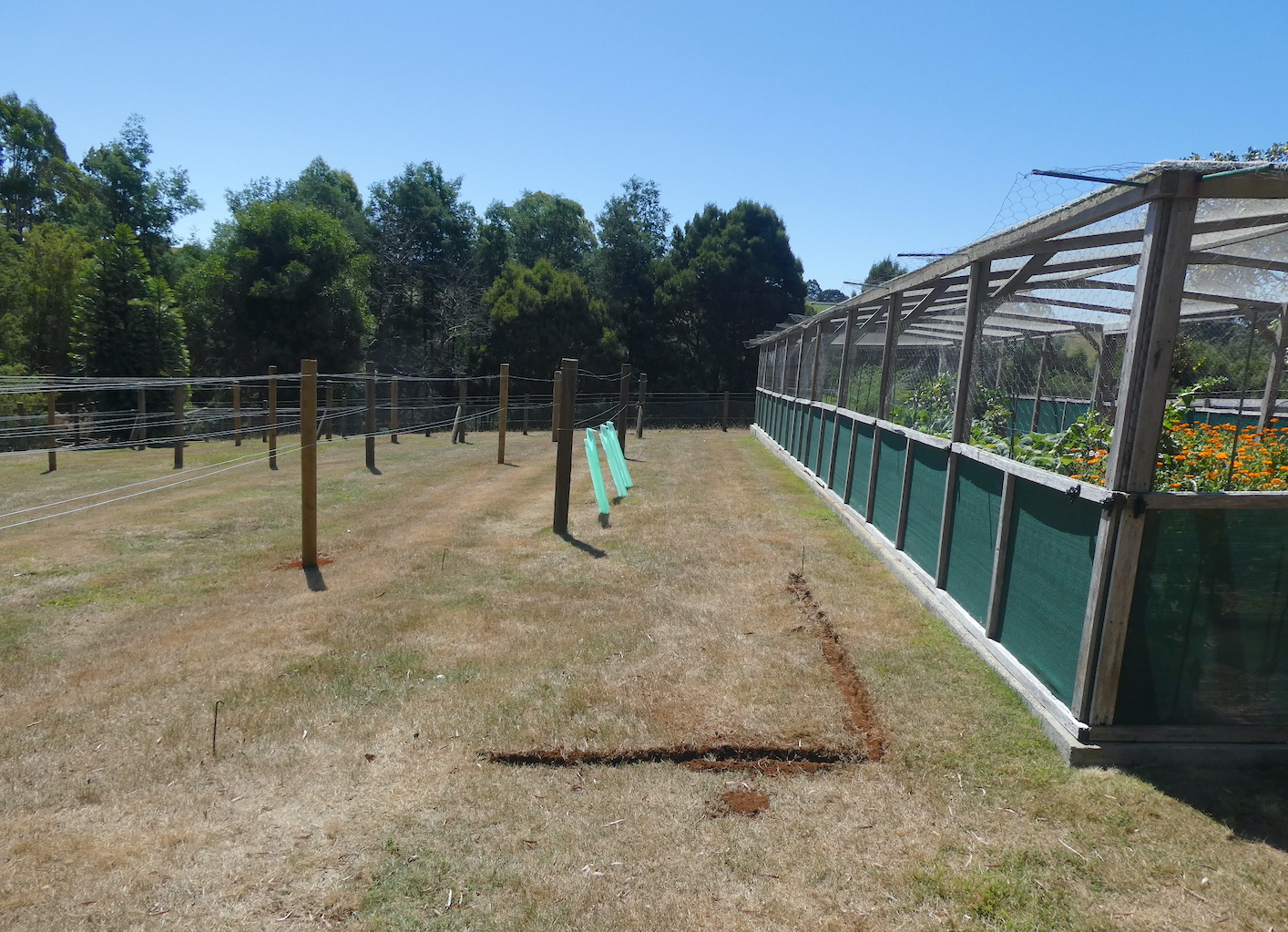
We chose a site adjacent to the vegetable enclosure with the potting shed and running water close by.

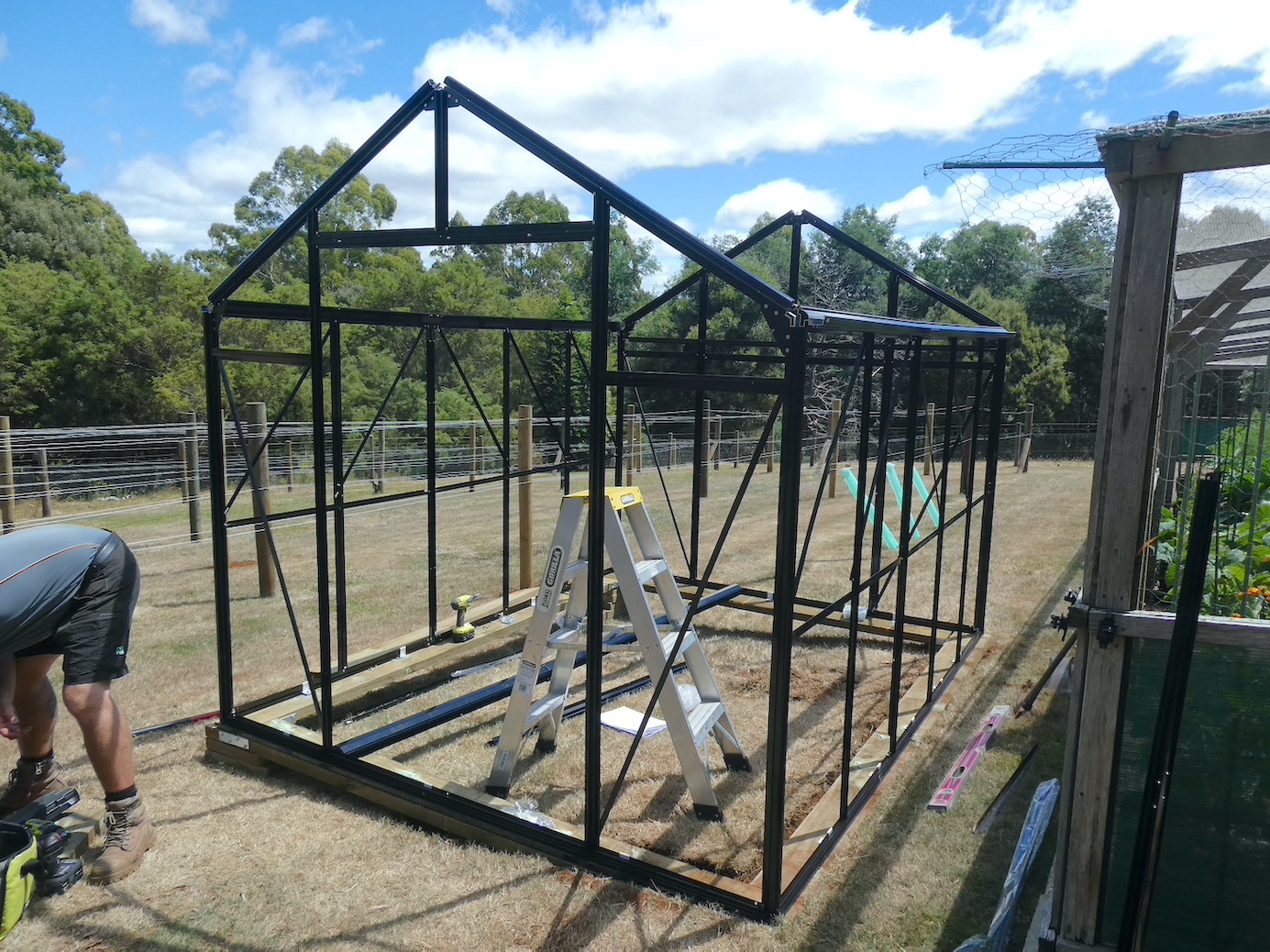
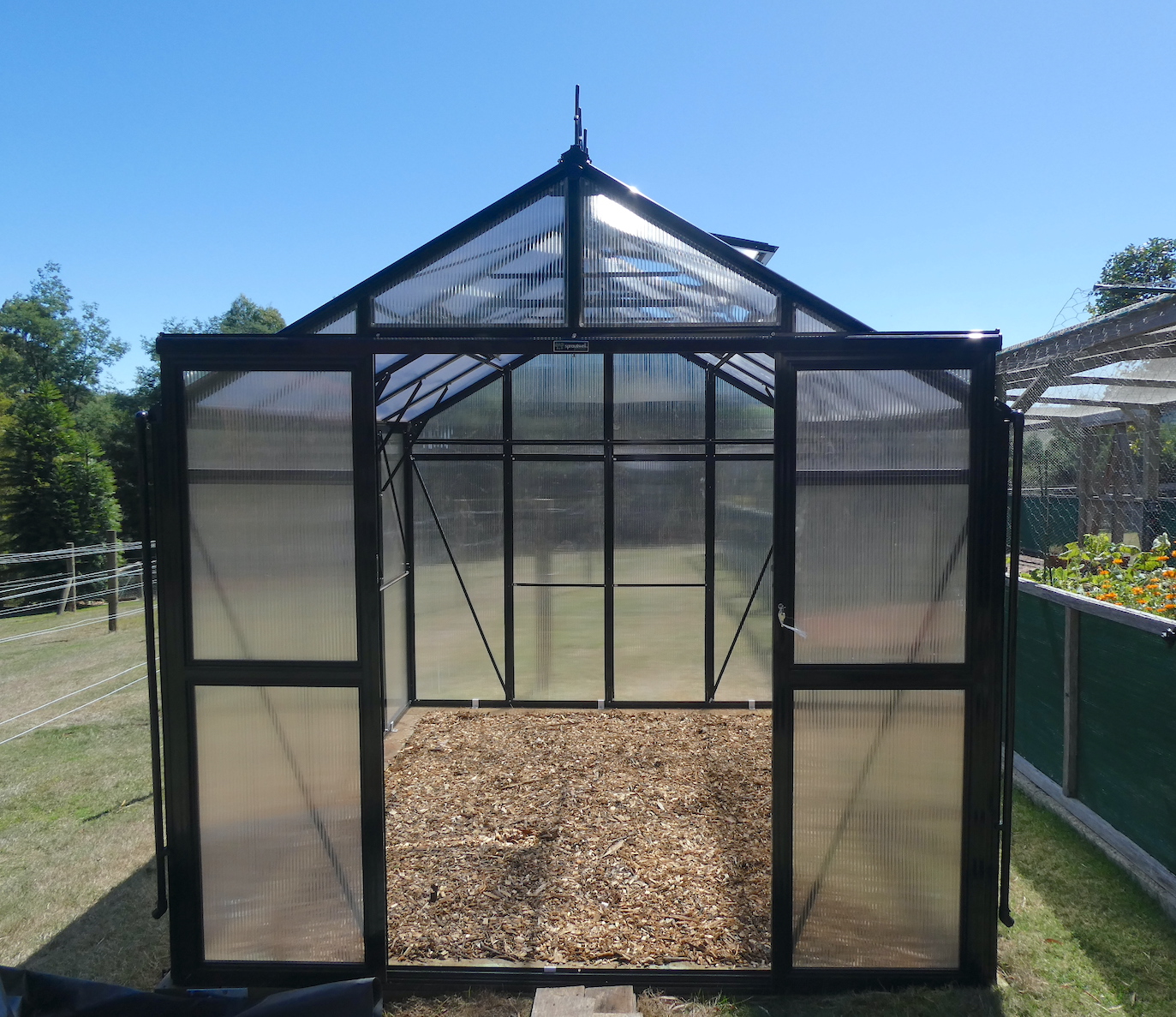
We have found that self-build is not always the easy option, with dubious instructions and missing pieces and so, we relied on those with prior experience. Even so, it took a little longer than the one day allocated to finish but the result was worth it.

We brought in a couple of scoops of earth for the base followed by a layer of blue metal to assist with drainage and a topping of mulch that can be watered down to increase humidity.

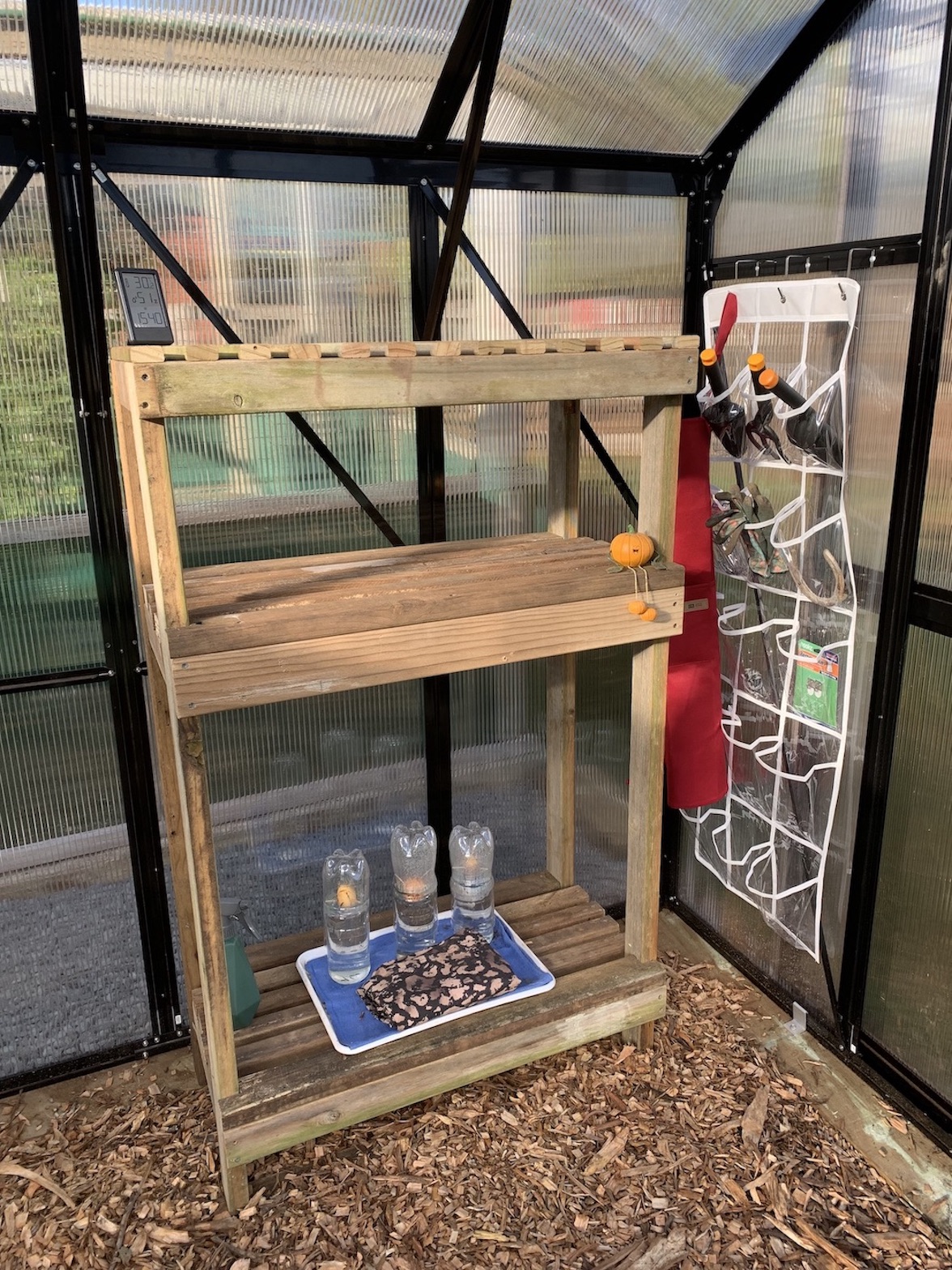
Michael constructed a staging shelf out of reclaimed timbers

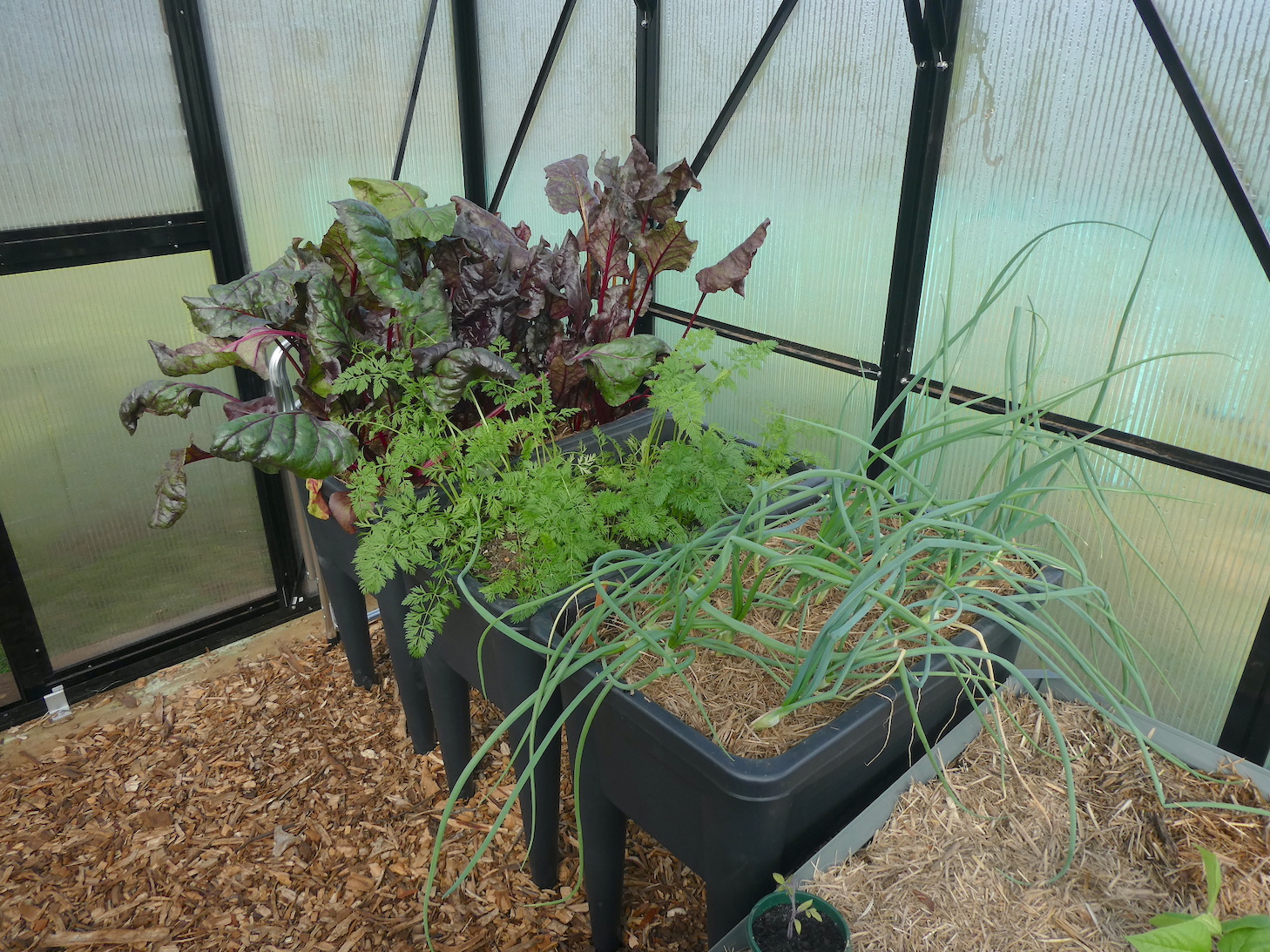
and we bought raised beds to fill the rest of the space. Once we realised how high the temperature reaches, we installed a sunshade on the northern side.

A temporary trestle provided the perfect environment to cure the butternuts in May. I then store them on a shelf high in the  potting shed where they last for a good six months.

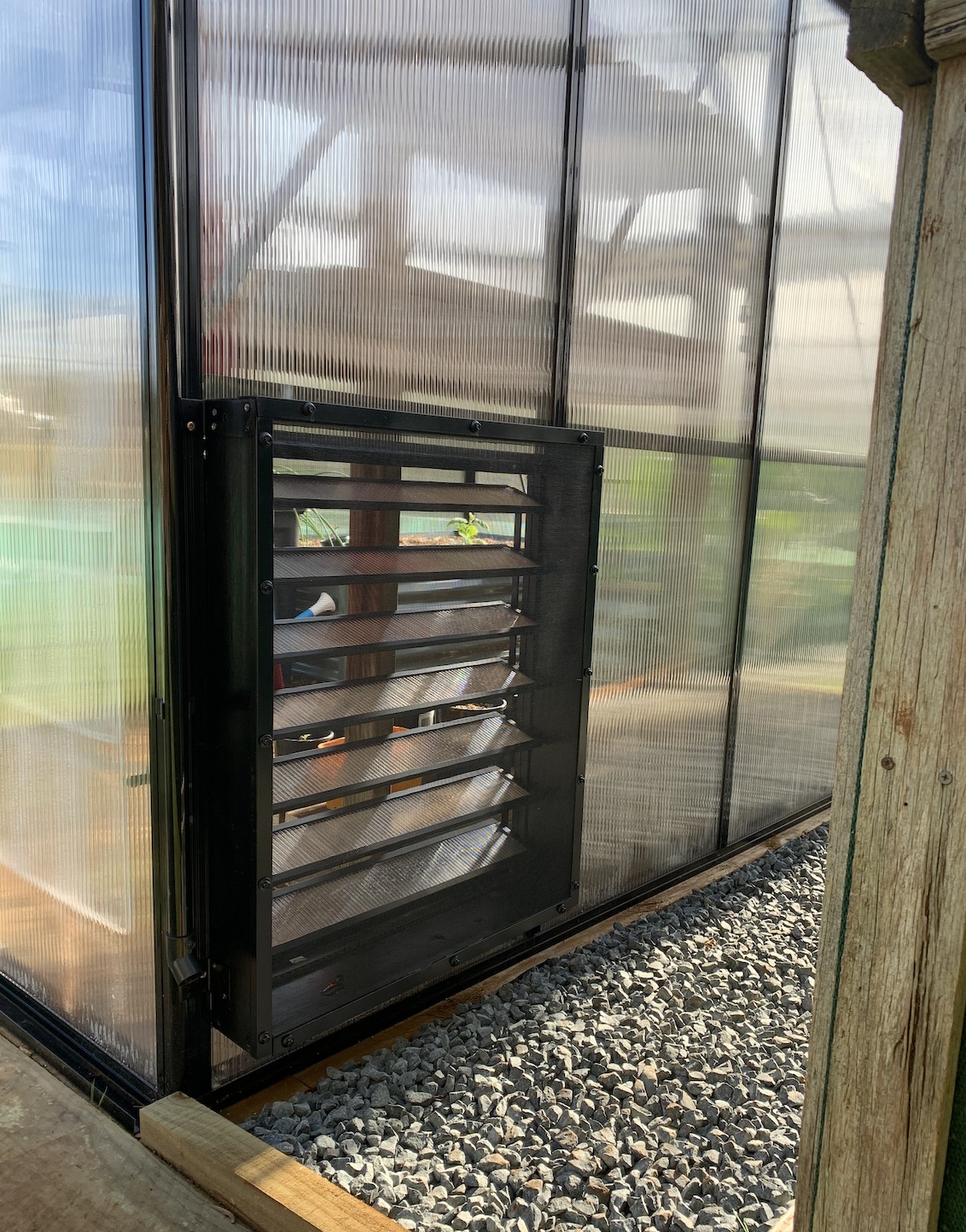
To help with temperature control, we added louvres to one of the panels and Michael cunningly created a screen to keep out creepy crawlies and resident reptiles.

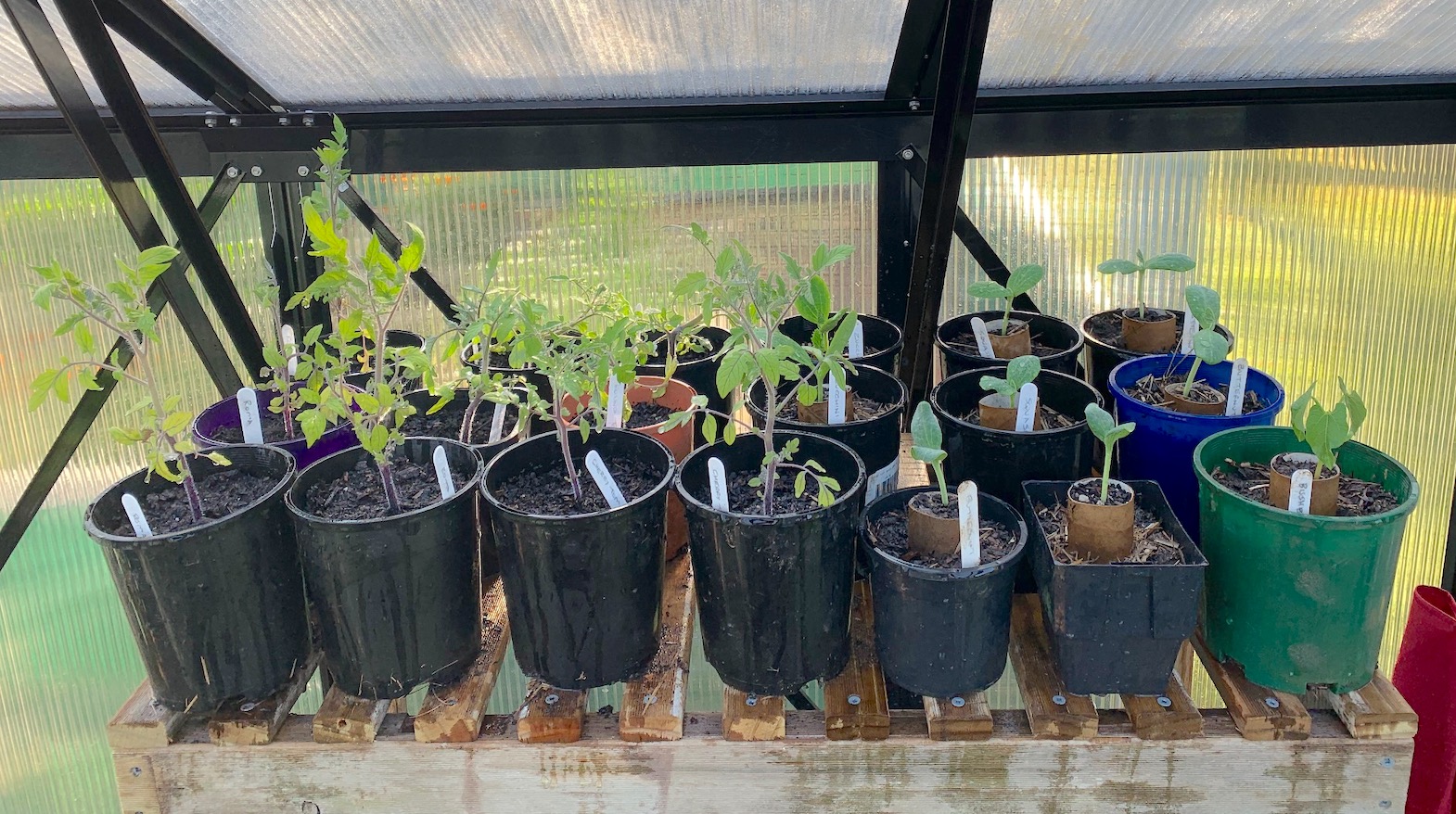
Being in the apprentice stage of greenhouse gardening, we weren’t sure which plants would be successful. We started with brassicas, beetroot, carrot, onion, capsicum, butternut and bush bean.

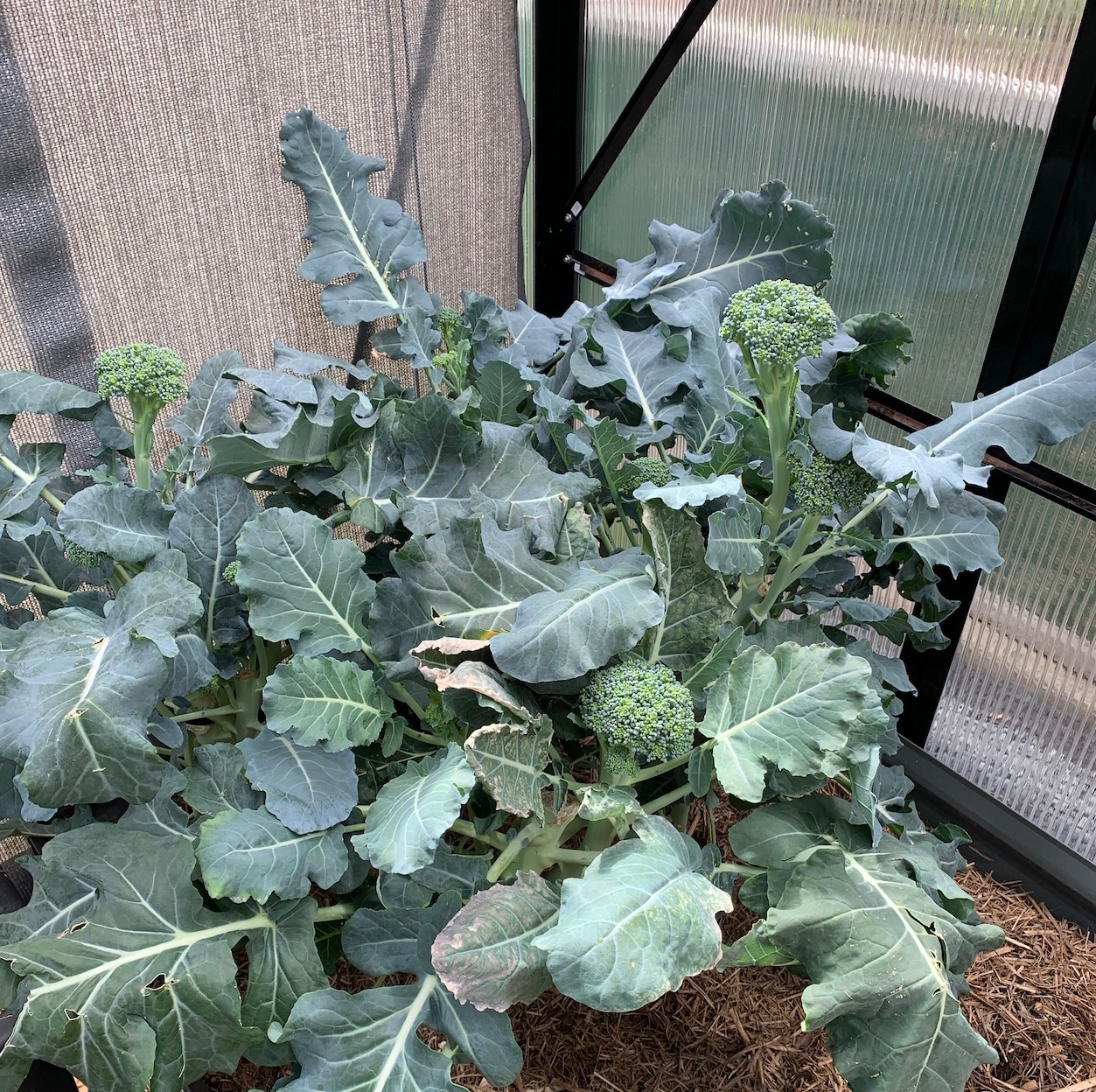
The first broccoli was very impressive and, three months on, we are still harvesting smaller florets.

The capsicum are thriving but yet to bear fruit.

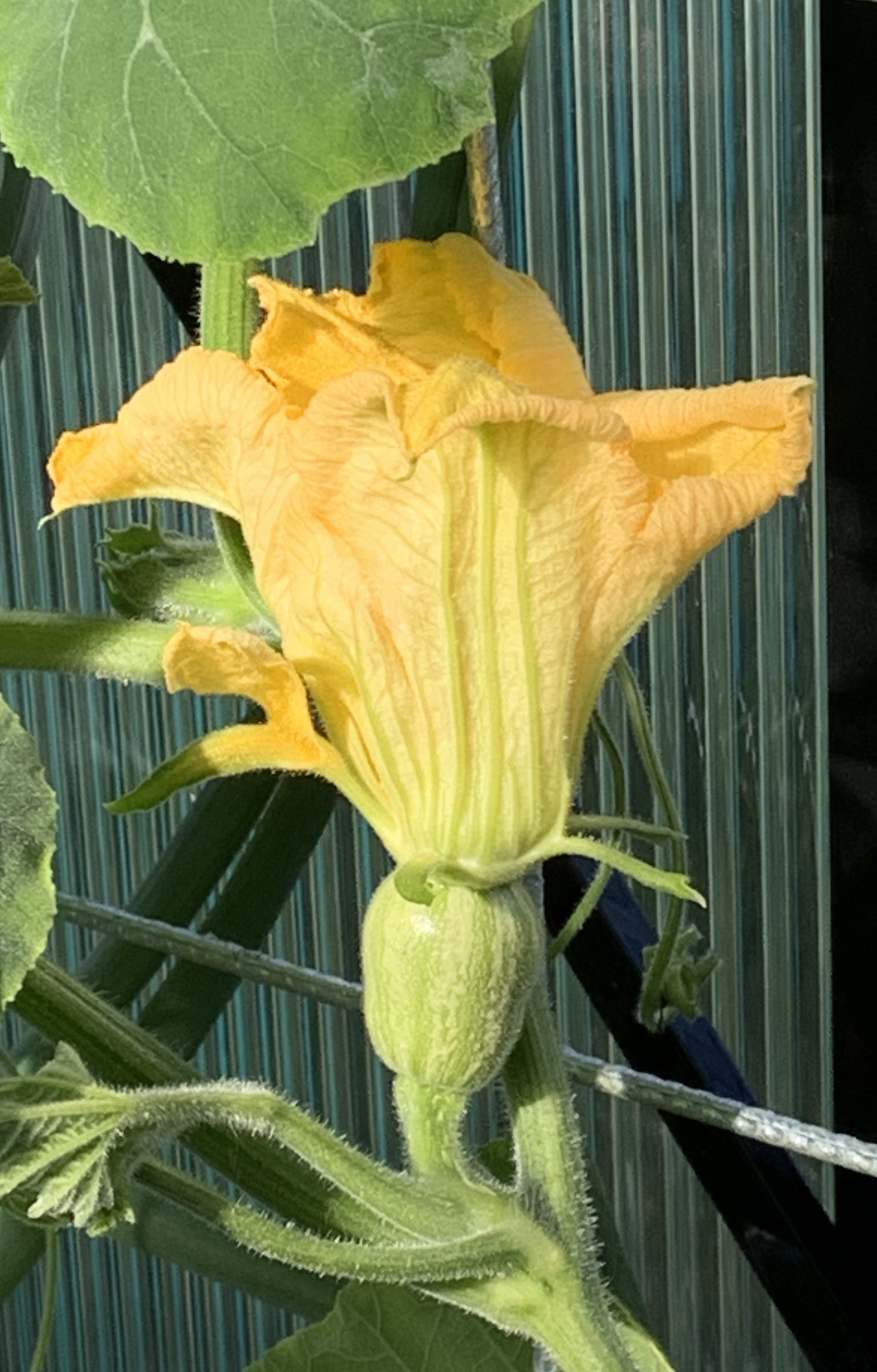
The bush bean and butternut are happy companions, we have harvested some beans but will have to be patient for the butternuts.

We have a plethora of seedlings ready to plant in another week or so, once the night time temperatures are a little more moderate.

My first attempt at striking Grevilleas from cuttings seems to be successful,

and after many months of coddling, the avocado stones have finally sprouted.
Michael has turned on the tap of creative juices once again and presented me with a stylish trug to collect the harvest

as well as a bespoke egg collecting box (the girls are giving us 5 to 6 eggs a day).

Of course, I needed a keyring befitting a fine greenhouse.

mulching mania

The arboreal aftermath left us with a monstrous mulch pile to deal with and so, I made it my mission to replenish every garden bed before the onset of winter.

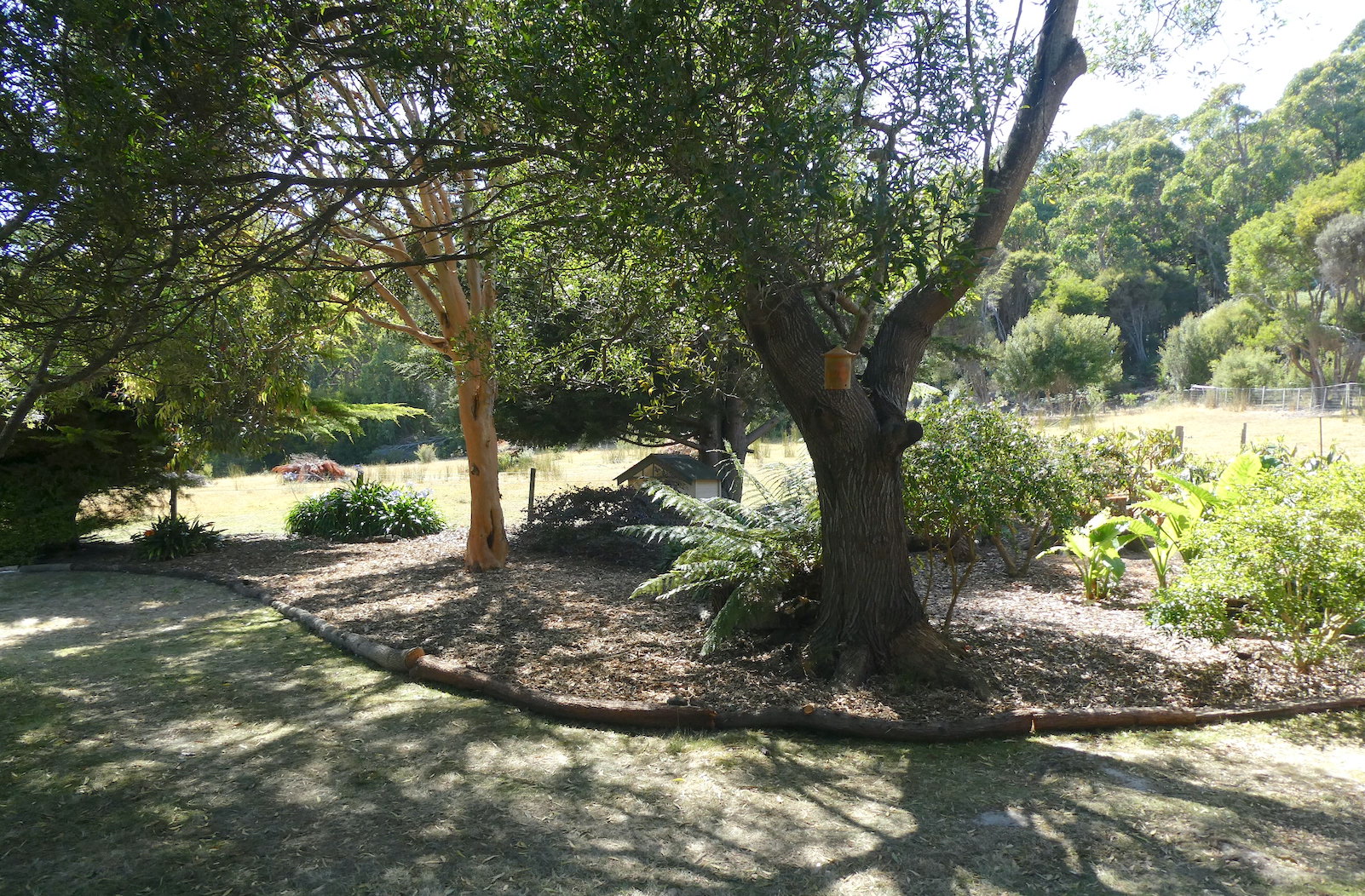
The Tree Doctor advised us to cover the exposed roots of a couple of large trees or they would certainly suffer. We moved the existing edging to extend the mulched area and procured some huge cardboard boxes from a local electrical store. After placing the cardboard as a weed mat, I dumped a hefty layer of mulch

and am very pleased with the result.

Come and have a look at the refreshed garden.

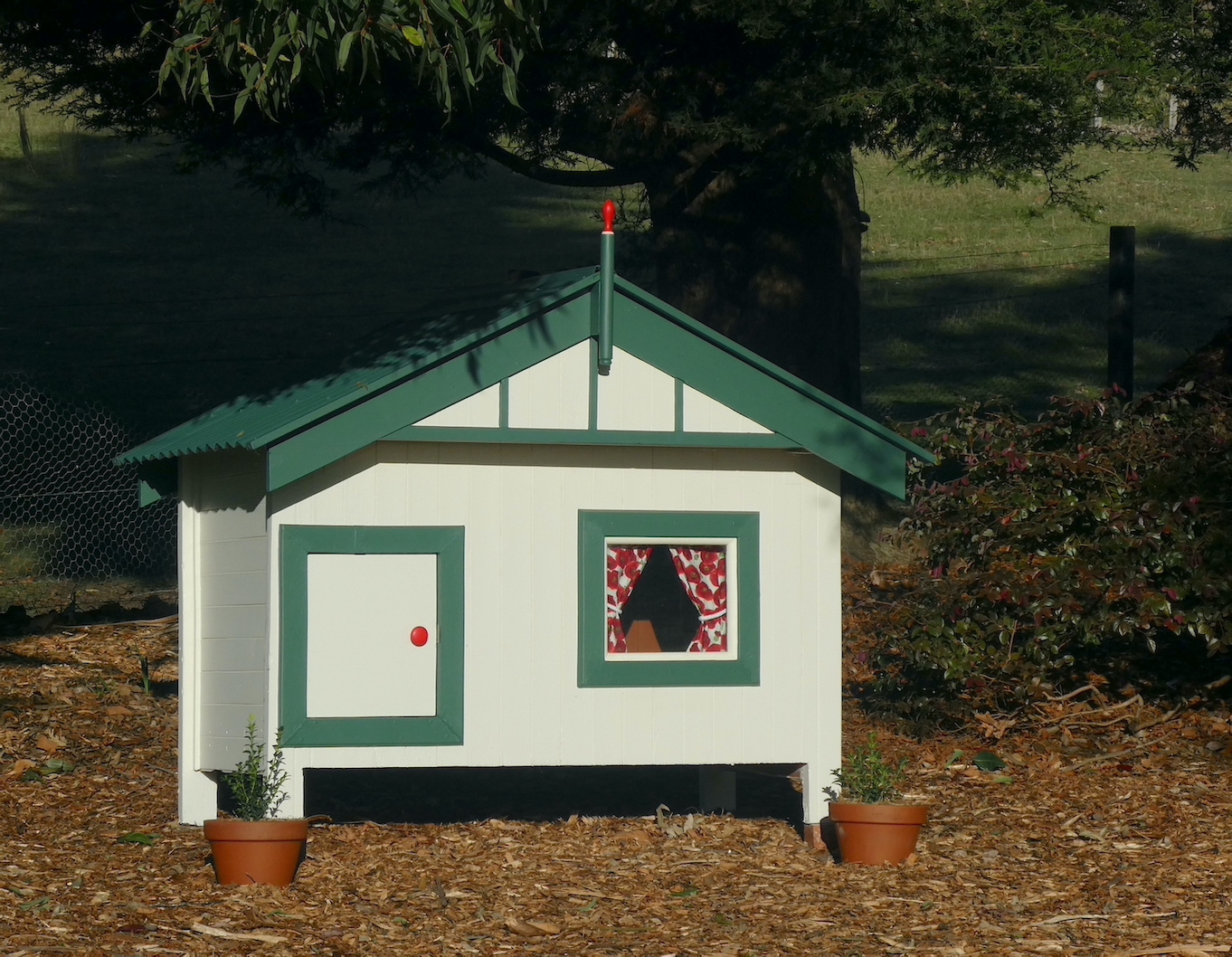
We then decided to rejuvenate the old dog kennel (that none of our dogs have actually used) and move it to a more prominent position.

With a fresh coat of paint, new bright curtains and the addition of a door and gable finial, she is flanked by a pair of potted English Box.