Fossil Bluff

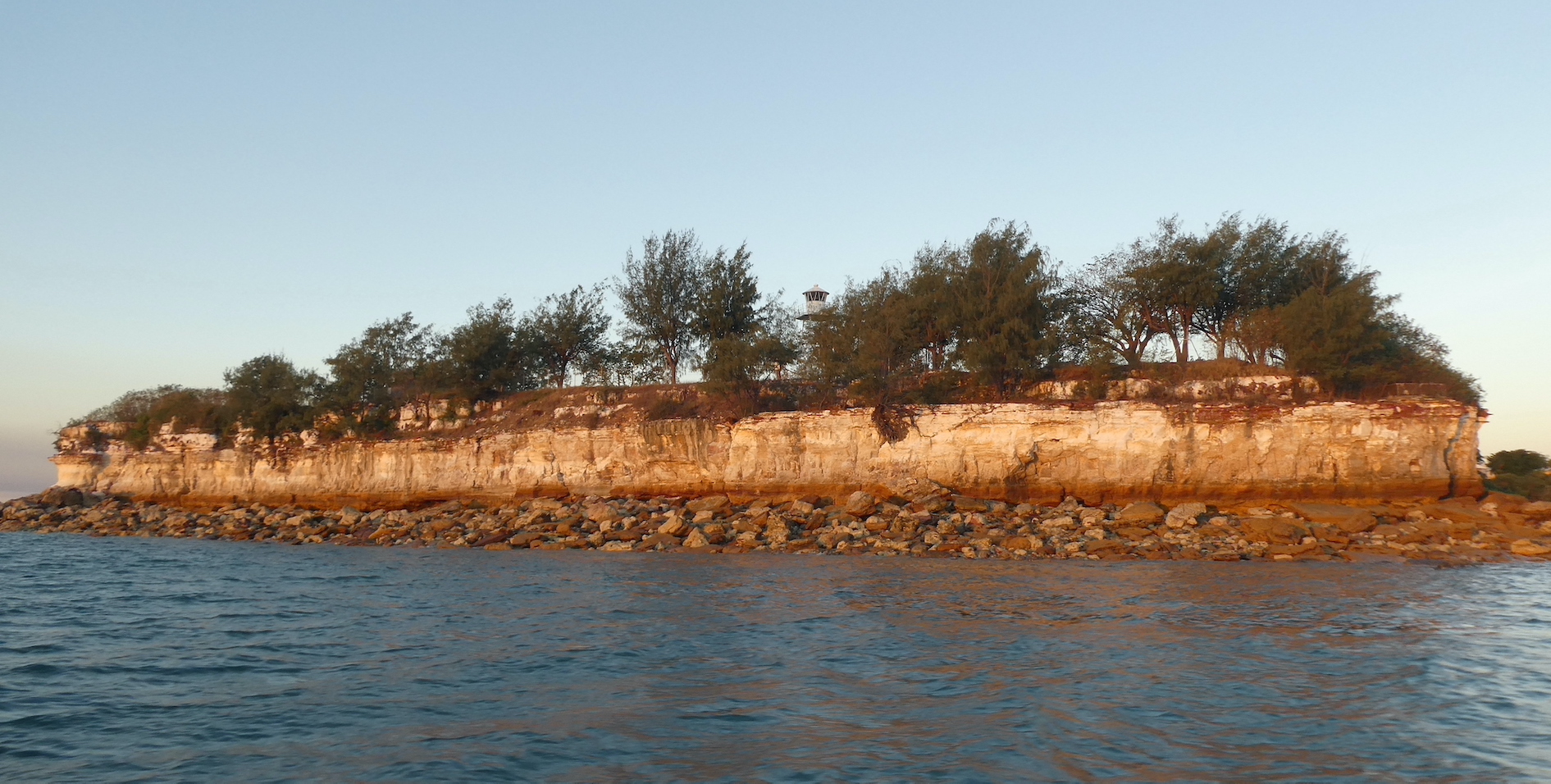
My first visit to Fossil Bluff at Wynyard in 2009 was a little disappointing. The tide was in and, although the sandstone cliff was spectacular and scenery stunning, I didn’t see any evidence of fossils.

More recently, we arrived at low tide to find the expansive beach of Freestone Cove with Fossil Bluff looming to the east
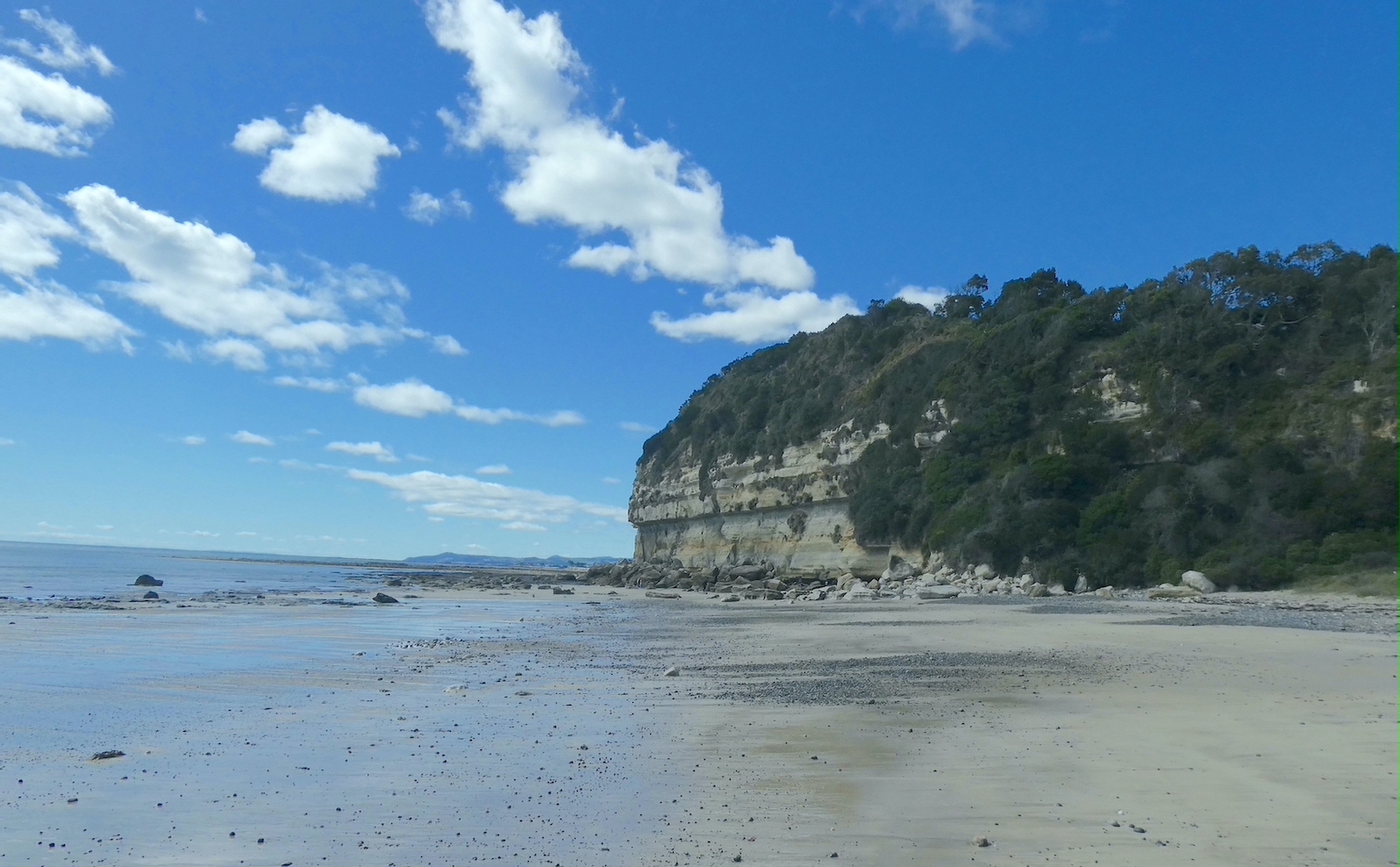
and Table Cape to the west.

We wandered among rocks, weathered and worn smooth by the incessant ebb and flow of the tide.

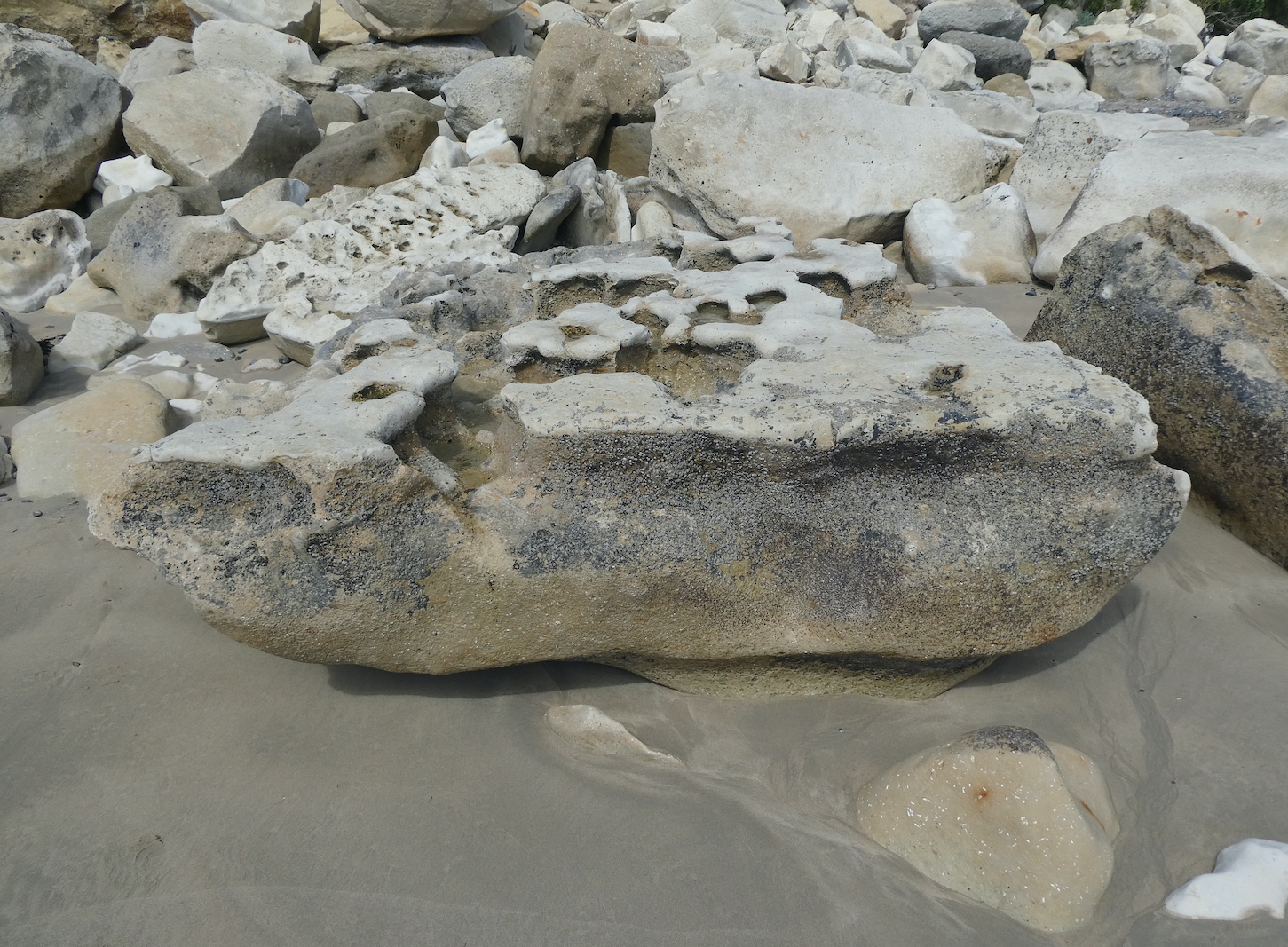
Fossil Bluff was created 275 million years ago by a tidewater glacier. The 25 metre sandstone cliffs are strewn with fossils, including the remains of the oldest marsupial found in Australia named Wynyardia bassiana in honour of the town.

The grey rock at the base of the cliff is Wynyard Tillite, deposited by the glacier between 303 and 293 million years ago while Australia was part of the super continent called Gondwana. Fossil Bluff sits on top of the tillite and it is clear to see where the sandstone and tillite meet.

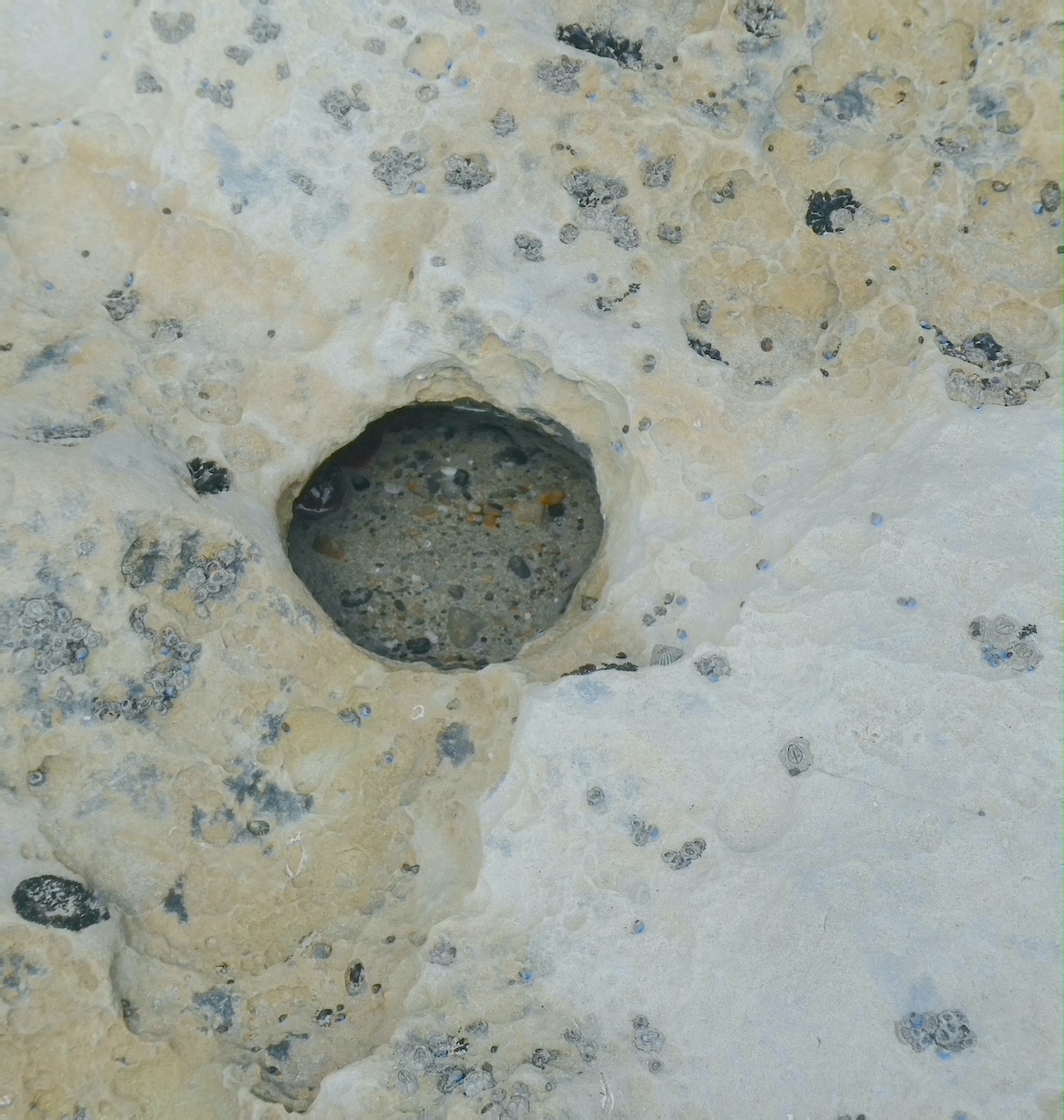
It wasn’t long before I spied a plethora of trilobites emerging from rock. One of the earliest known groups of arthropods, trilobites became extinct about 252 million years ago after existing in oceans for 270 million years.
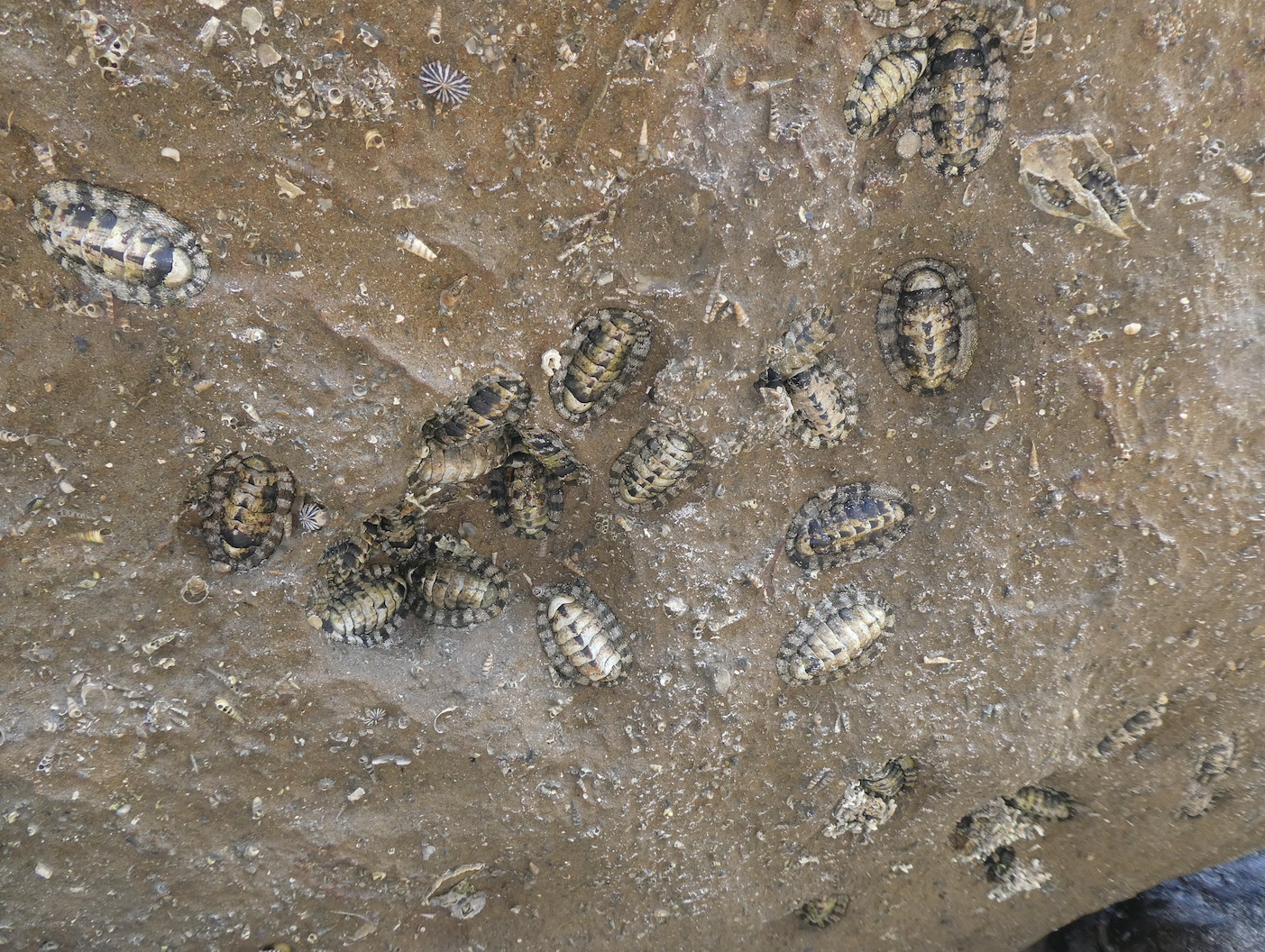
Myriad shells of varying shapes and sizes decorate every surface

along with ancient ancestors of the turritella sea snails.

Nature’s artwork surrounded us,

and with a little imagination, an ossified whale and porpoise.

A lone slab of tessellated rock seemed out of place among its gnarly neighbours.
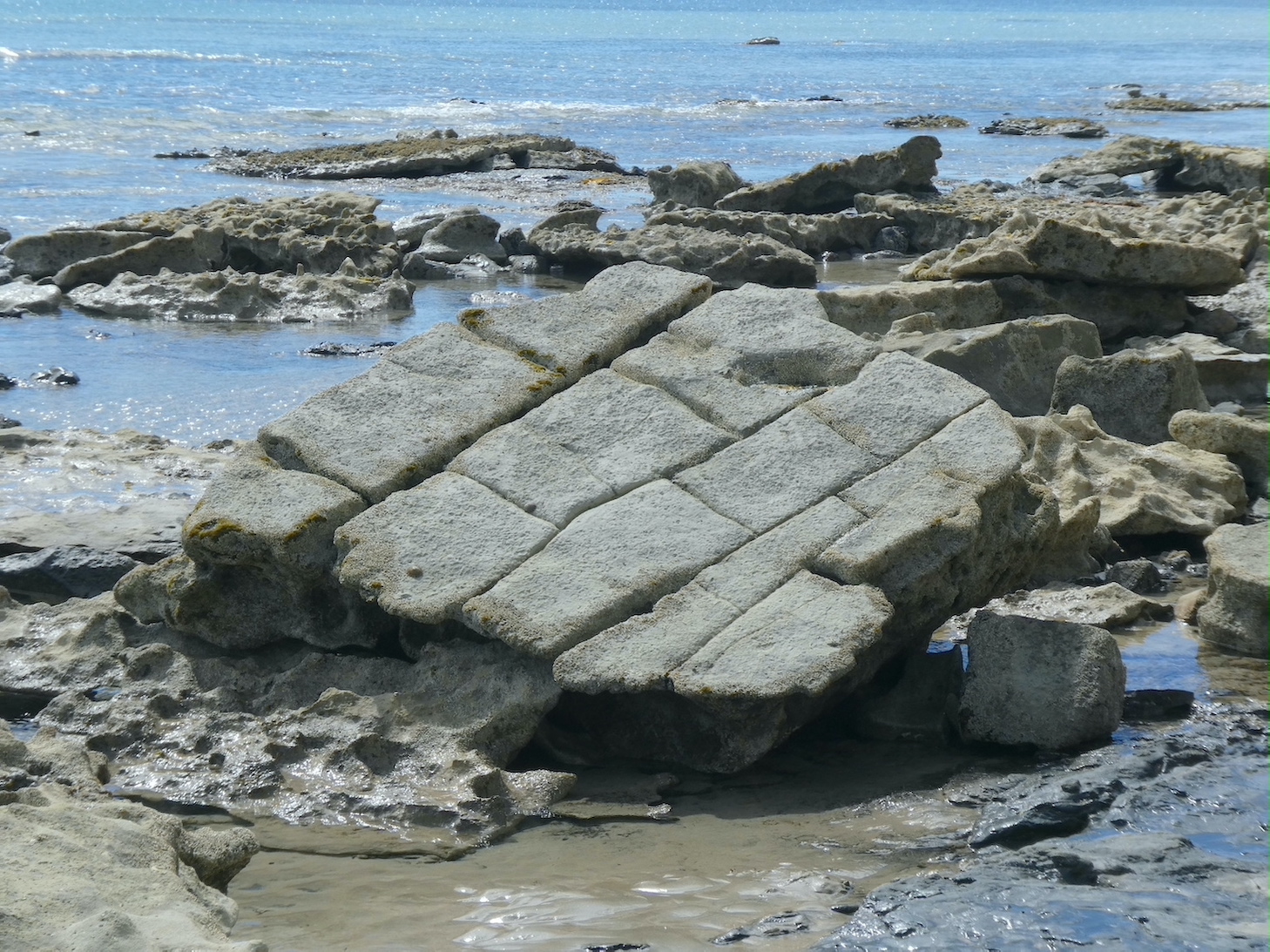
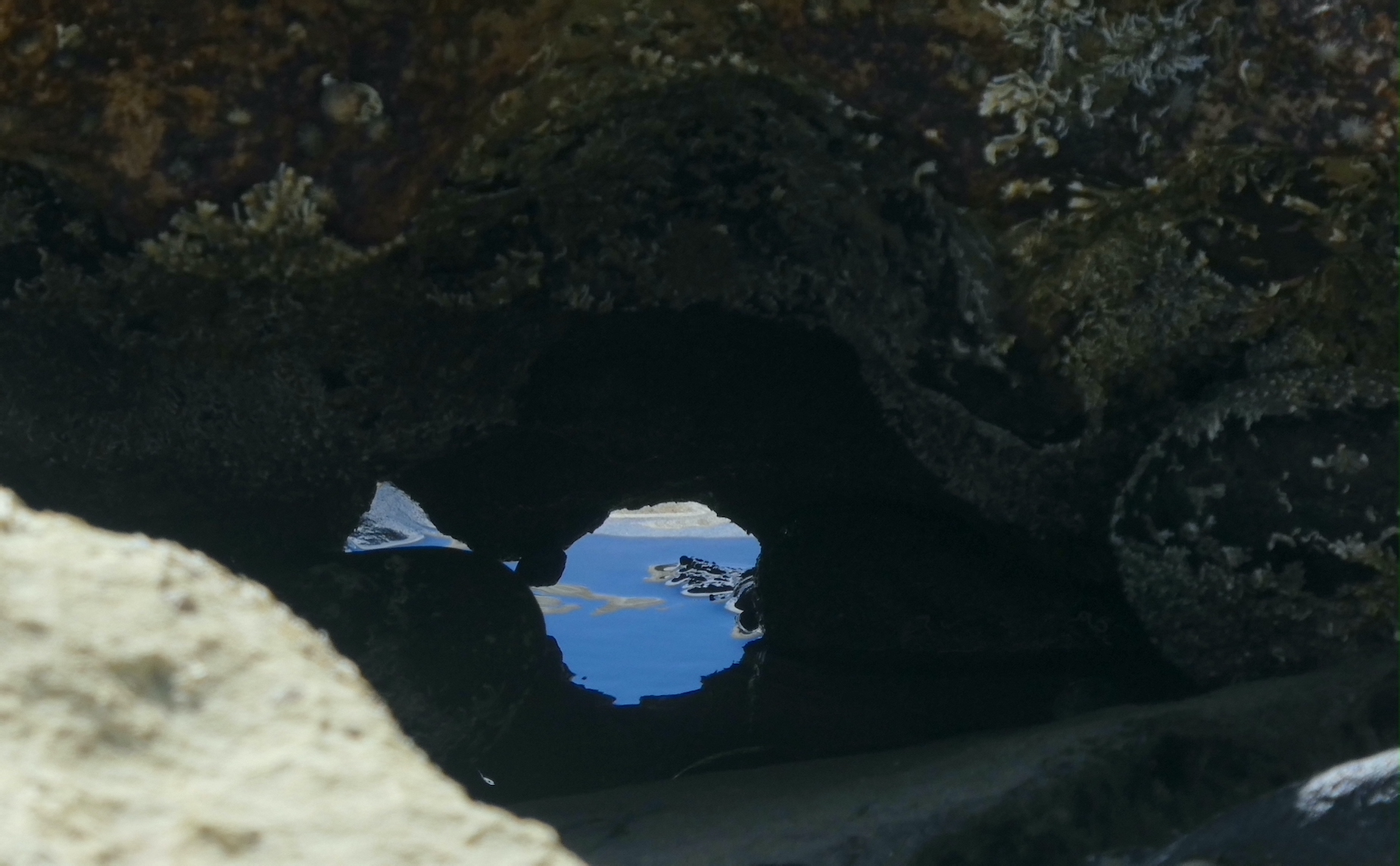
I was wondering why my niece was so interested in photographing this particular rock formation

until she showed me what she had captured. I stole her idea.
north to south

I had assumed our journey from the North Island to the South Island of New Zealand would be in a north-south direction. In actuality, the crossing of Cook Strait is from east to west. Named after Captain James Cook, who first mapped it in 1773, the waters of the strait are considered among the most dangerous and unpredictable in the world. The regular ferry service is often disrupted due to rough water and heavy swells from strong winds. Fortunately, our early morning sailing from Wellington was on a sea of glass.

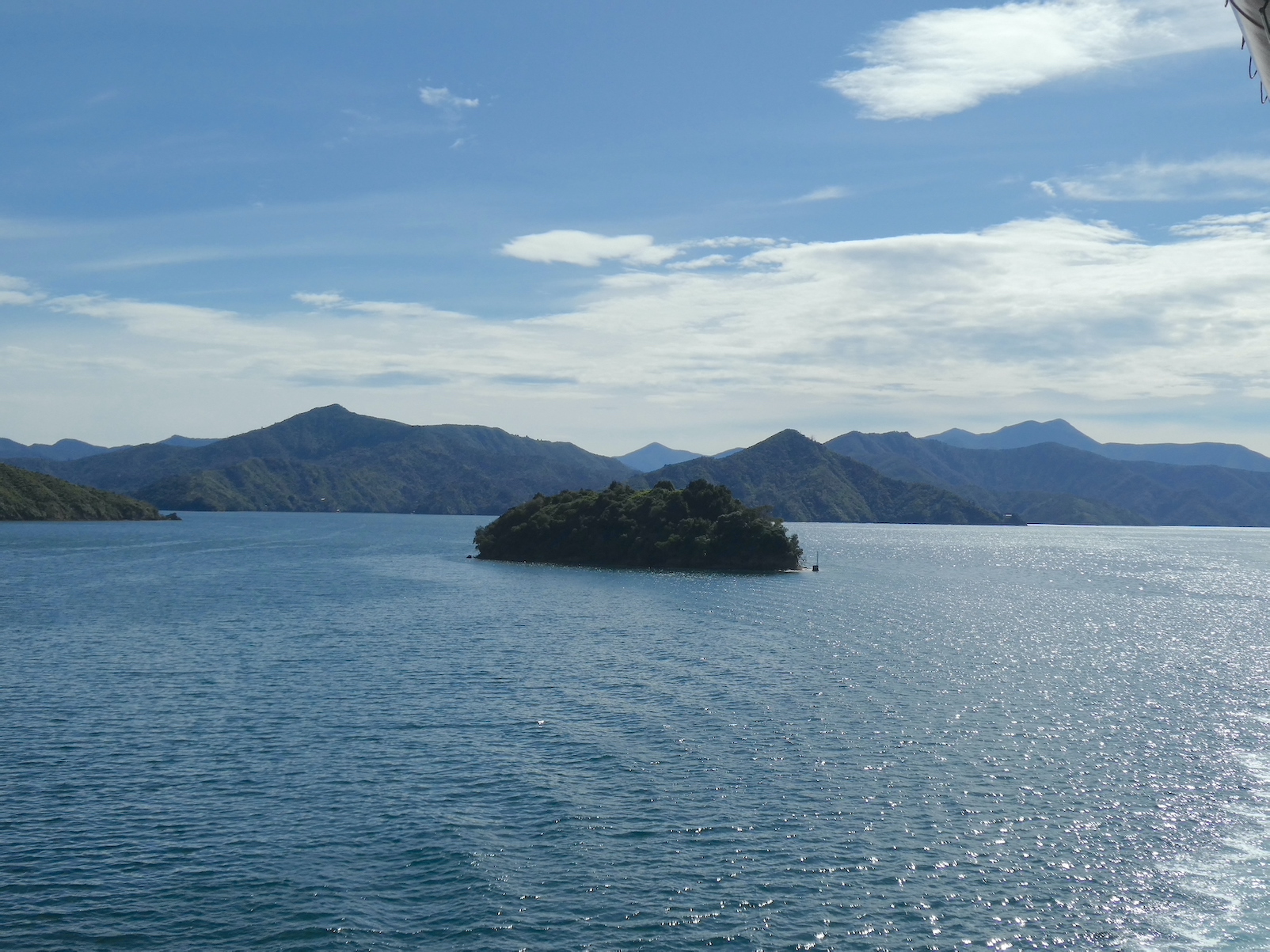
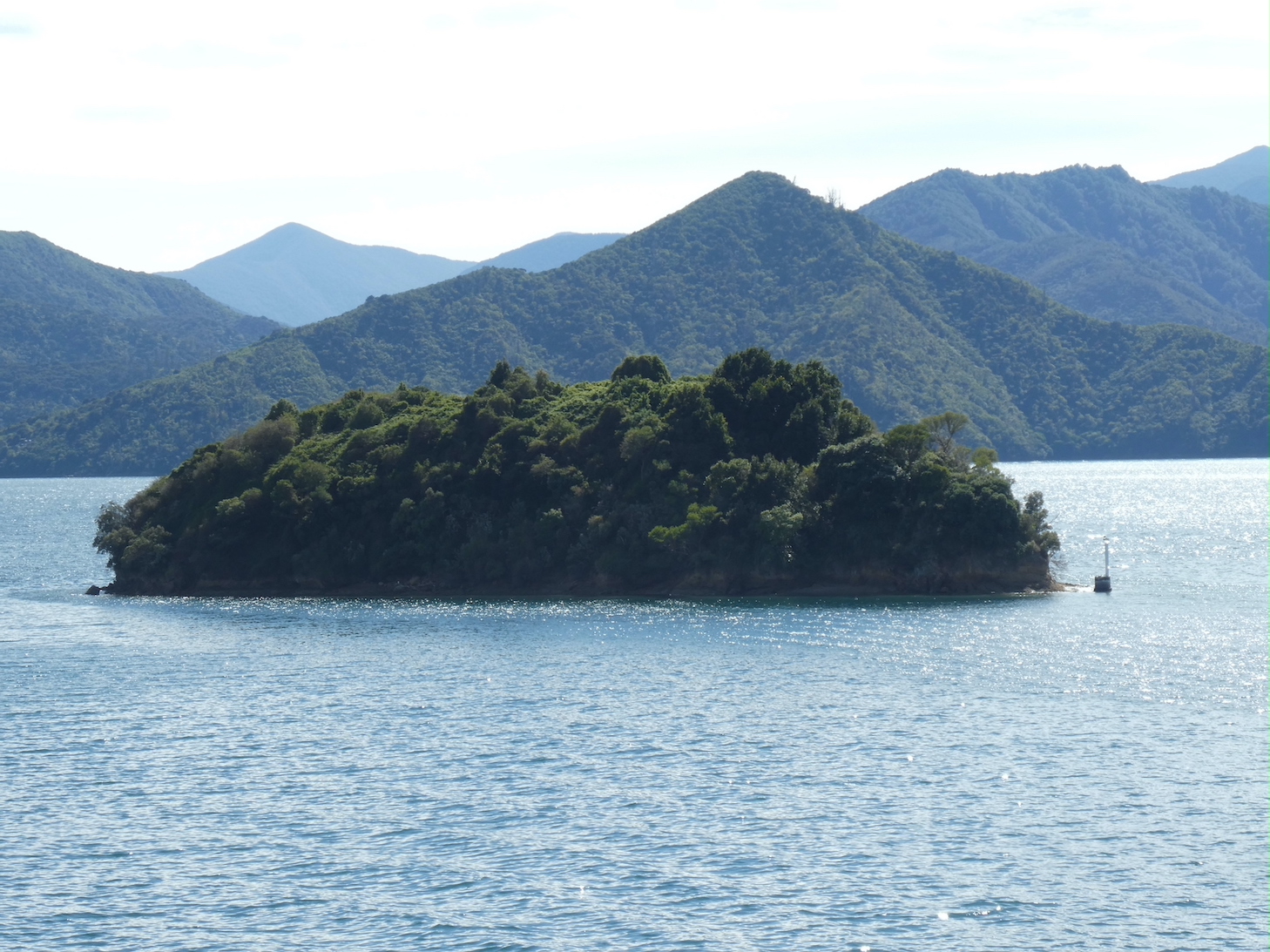
About half of the 70 kilometre voyage is in the strait before entering the spectacular Marlborough Sounds.

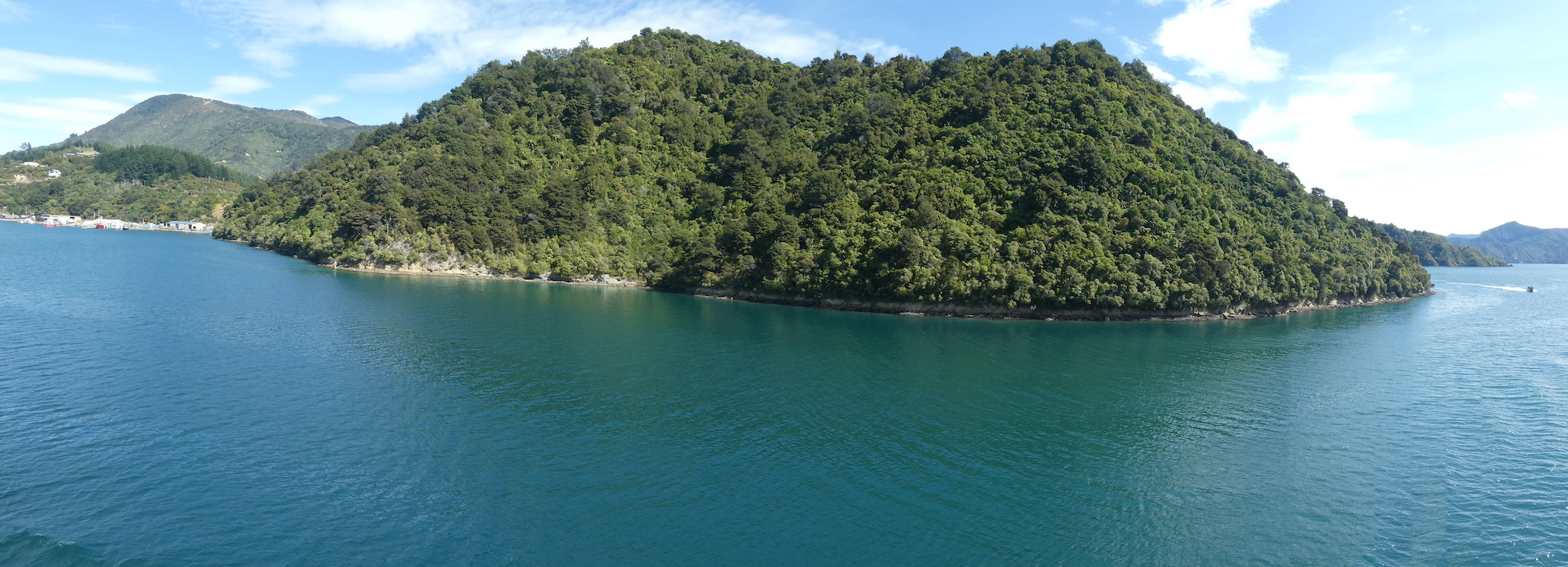
Many of the small settlements, surrounded by steep, wooded hills, are only accessible by boat.

With 1500 kilometres of coastline, the islands and peninsulas of the Sounds comprise one-fifth of New Zealand’s total.

Made up of four distinctly different Sounds (Queen Charlotte, Kenepuru, Pelorus and Mahua), it is boggling to think that 10,000 years ago, this stunning area was actually a valley.

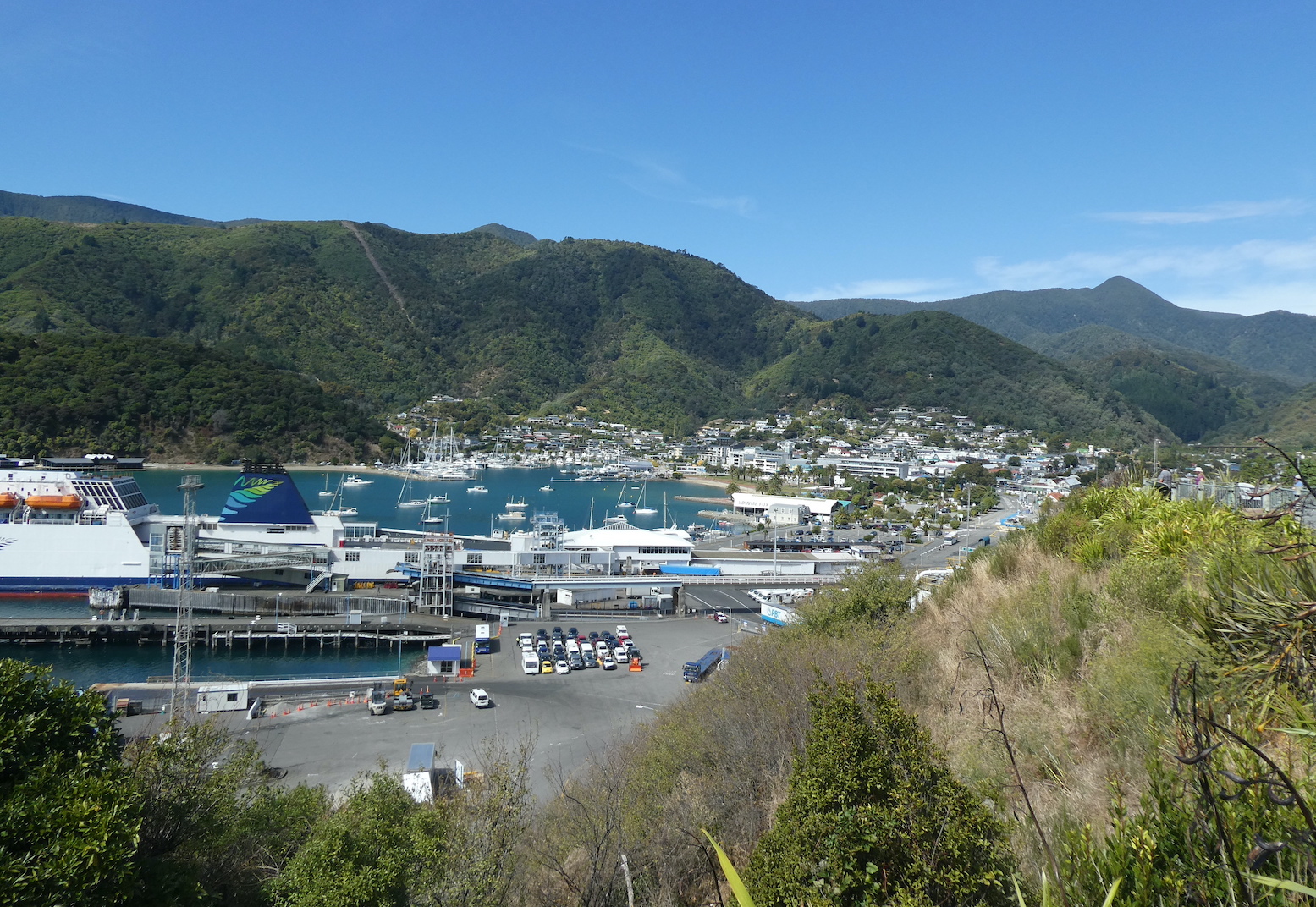
Three and a half hours after leaving Wellington, we arrived in Picton Harbour at the head of Queen Charlotte Sound.

As we drove out of town, we paused to look back at the breathtaking scenery and bustling harbour before continuing our South Island adventure.

boating bliss

Winter is the perfect time of year to visit friends in Darwin, especially when they own a boat.

No, not that one….this one.

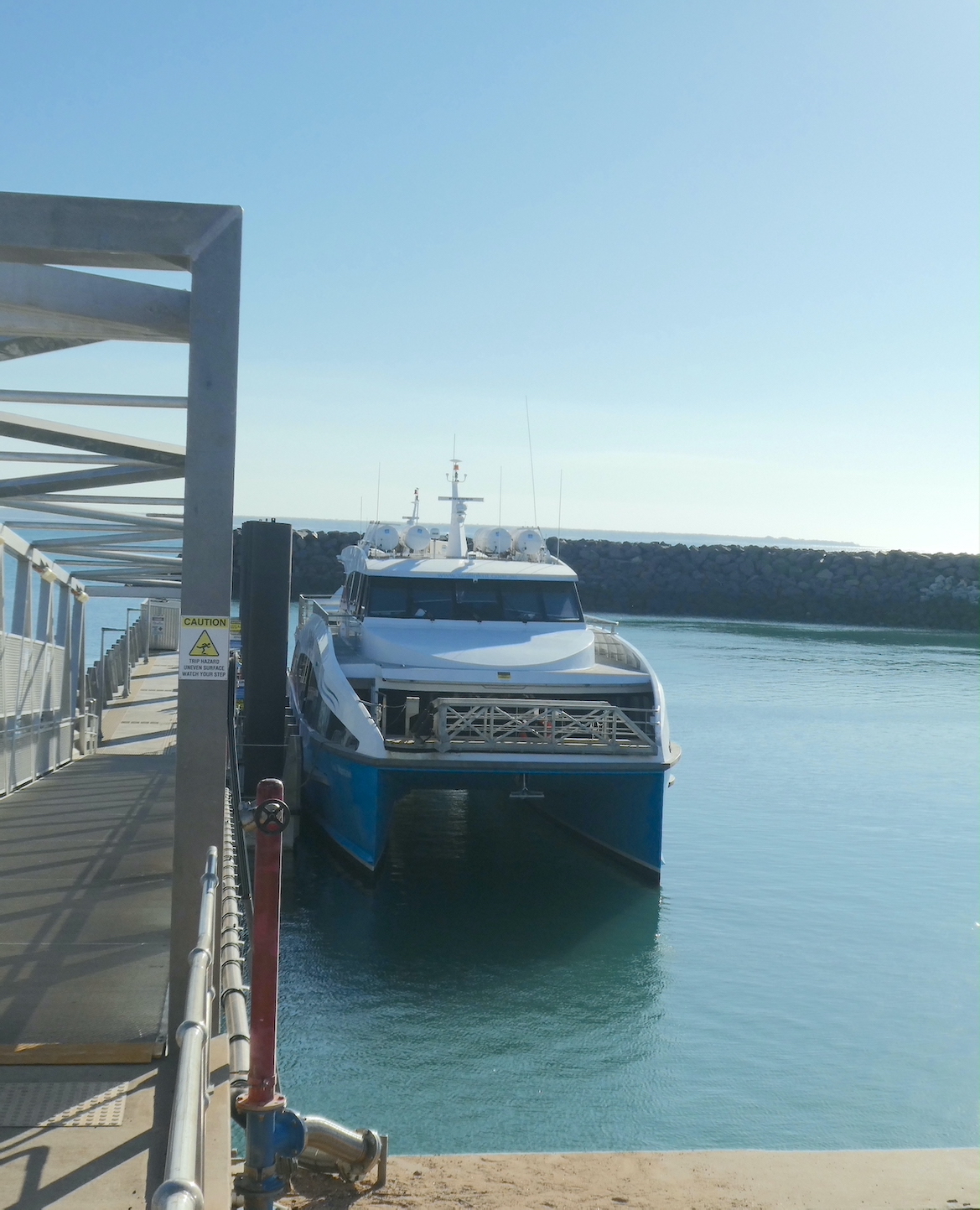
We set off on a sea of glass from Cullen Bay Ferry Wharf

and rounded the headland,

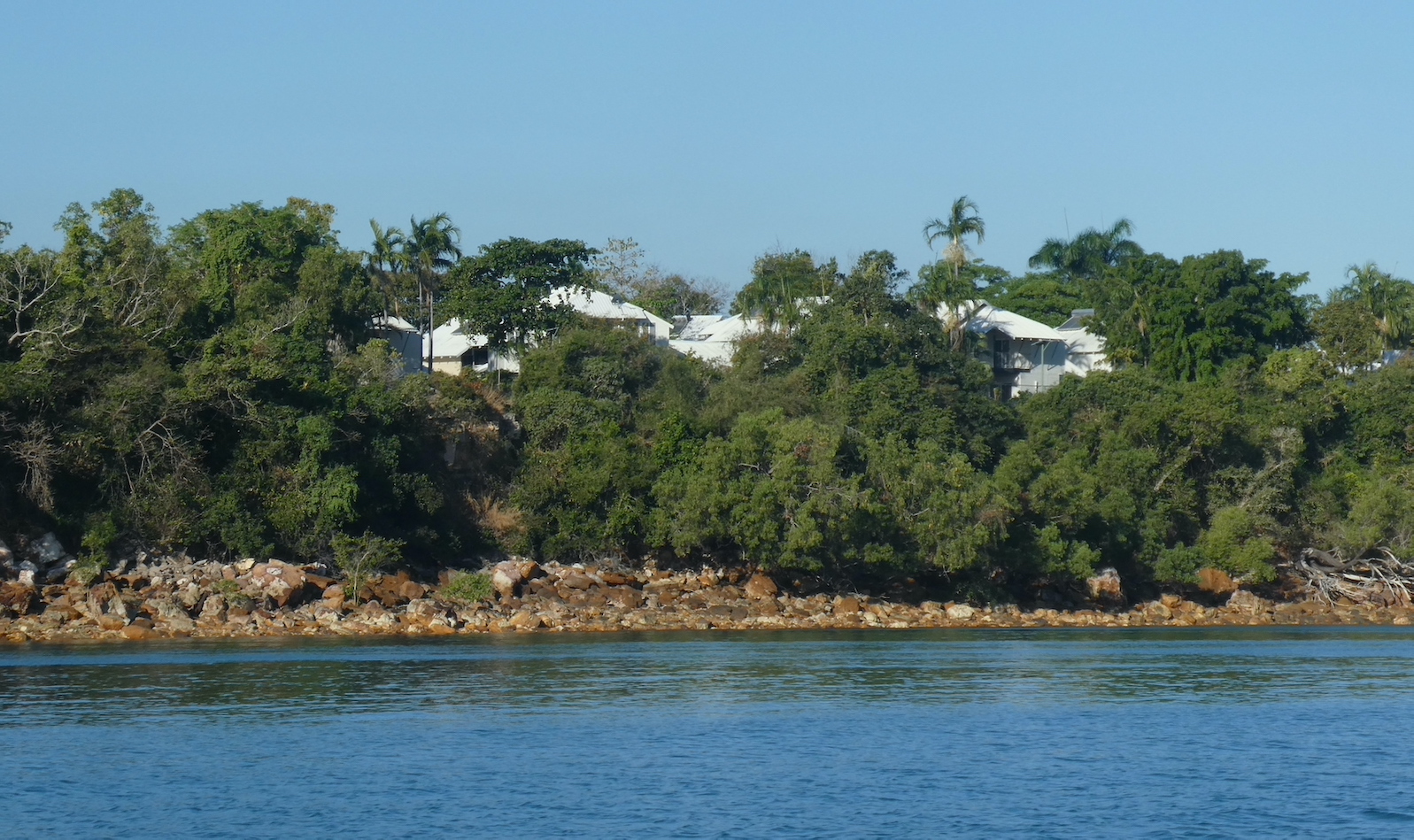
before the hint of tropical houses in the suburb of Larrakeyah peeked at us through the trees.

In the distance, Darwin city cut the colour blue with a swathe of silver and green.

Larrakeyah was one of the first parts of the city to be developed, with the colony’s first hospital built in 1874. It is named after the Larrakia people, the traditional custodians of the land.

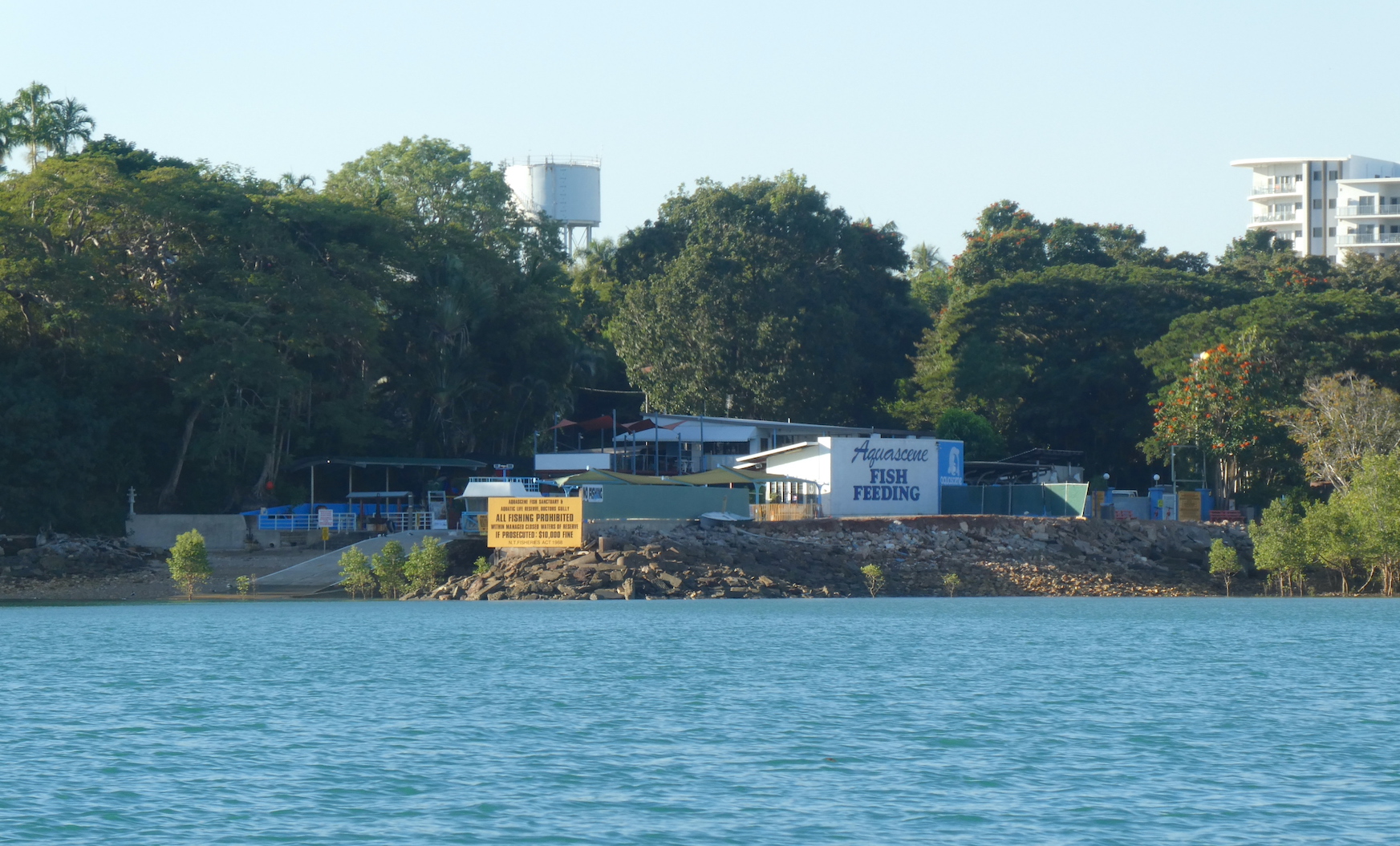
In 1869, Dr. Robert Peel, a surgeon with the first survey team, found water ‘…in a gully between Fort Point and Point Emery’. Aptly named Doctors Gully, it soon became a landing point. In the early 1950s, a nearby resident started throwing bread scraps to the fish that would gather at high tide and in 1981, Aquascene Fish Feeding was established. Visitors can now stand in the shallows and hand feed the fish in the waters of this official marine sanctuary.

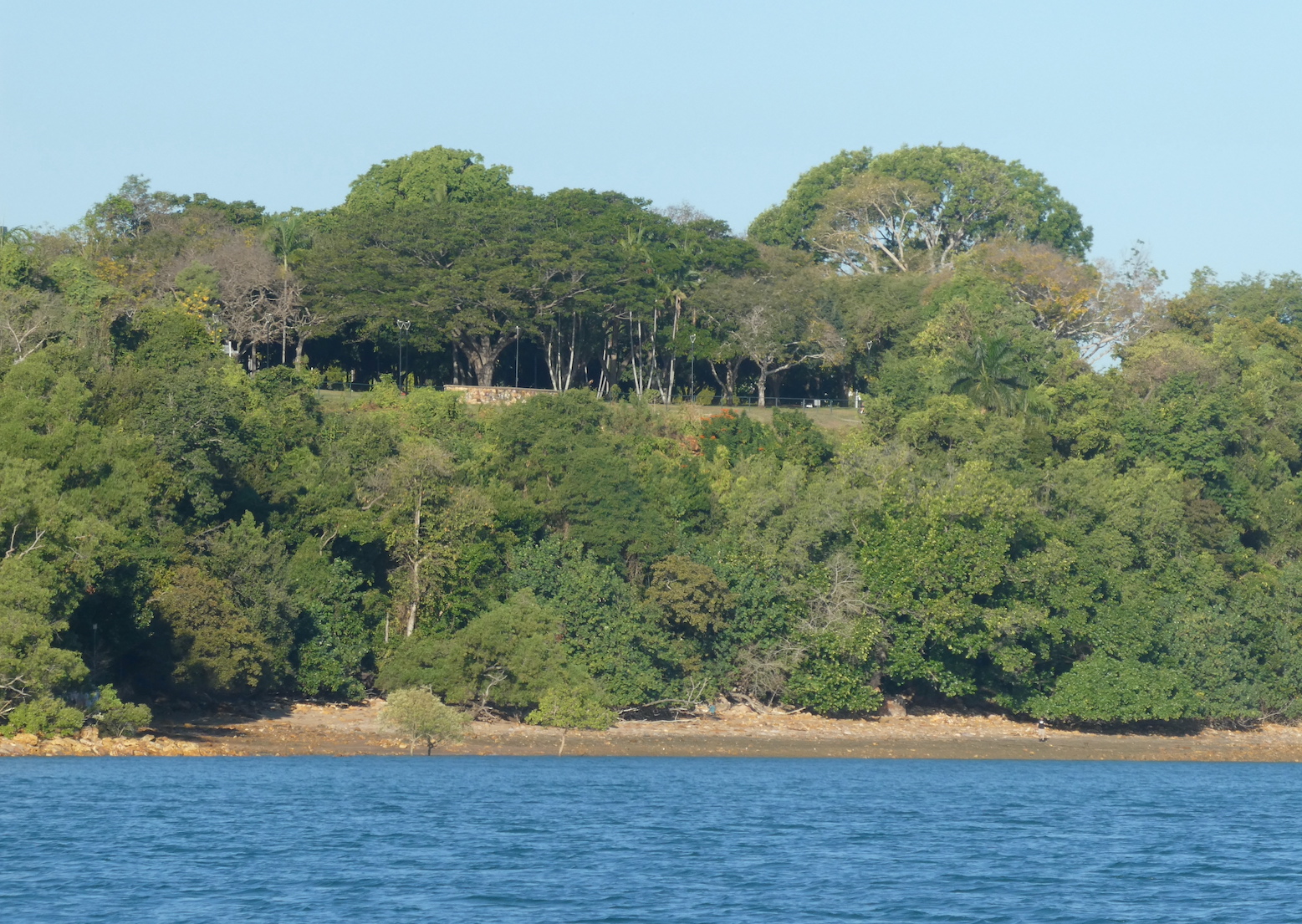
The Esplanade runs the length of the waterfront overlooking Darwin Harbour and alongside, Bicentennial Park is home to monuments and memorials as part of the WWII walking trail. Lookout Point is a good place to start.

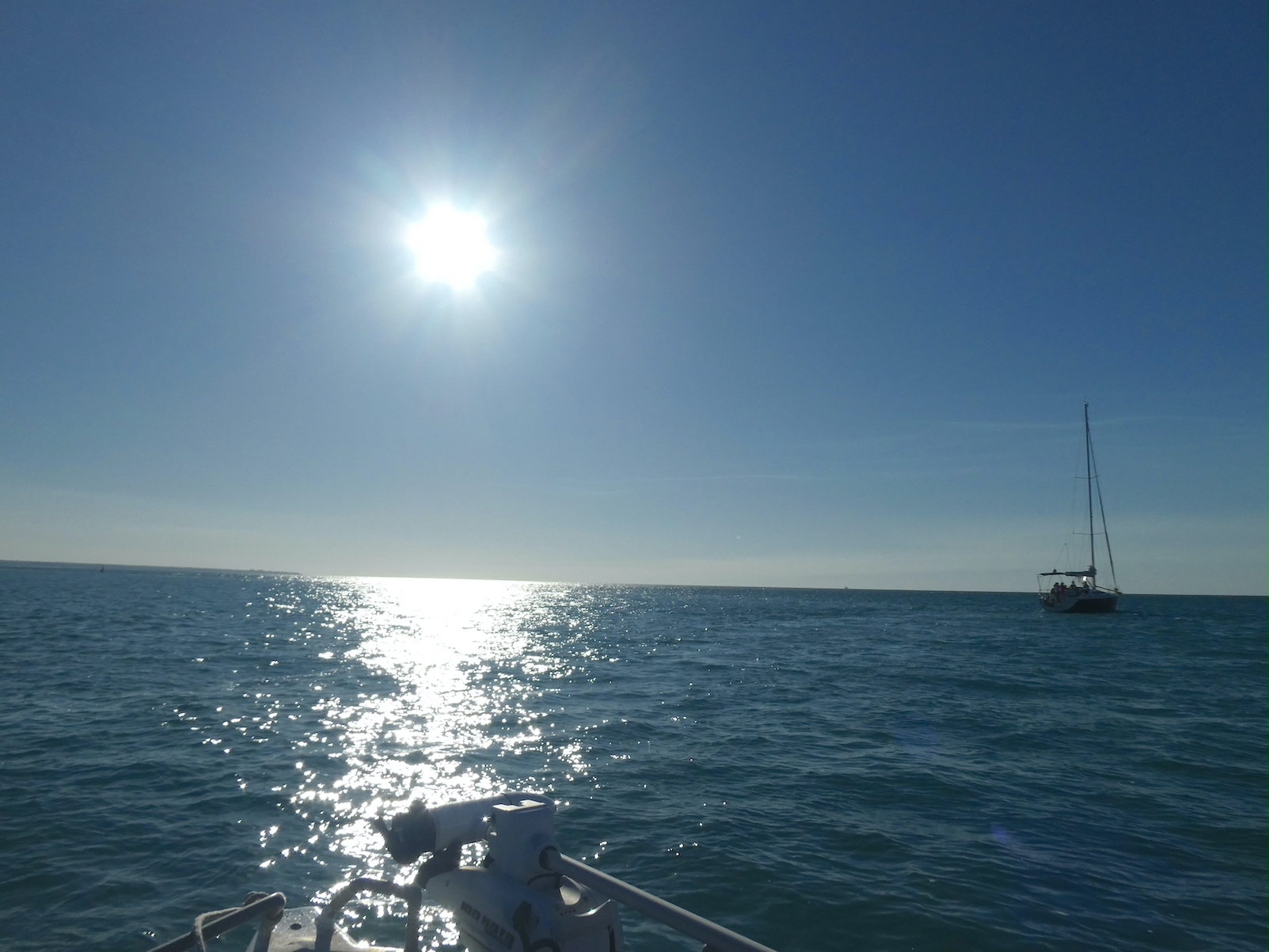
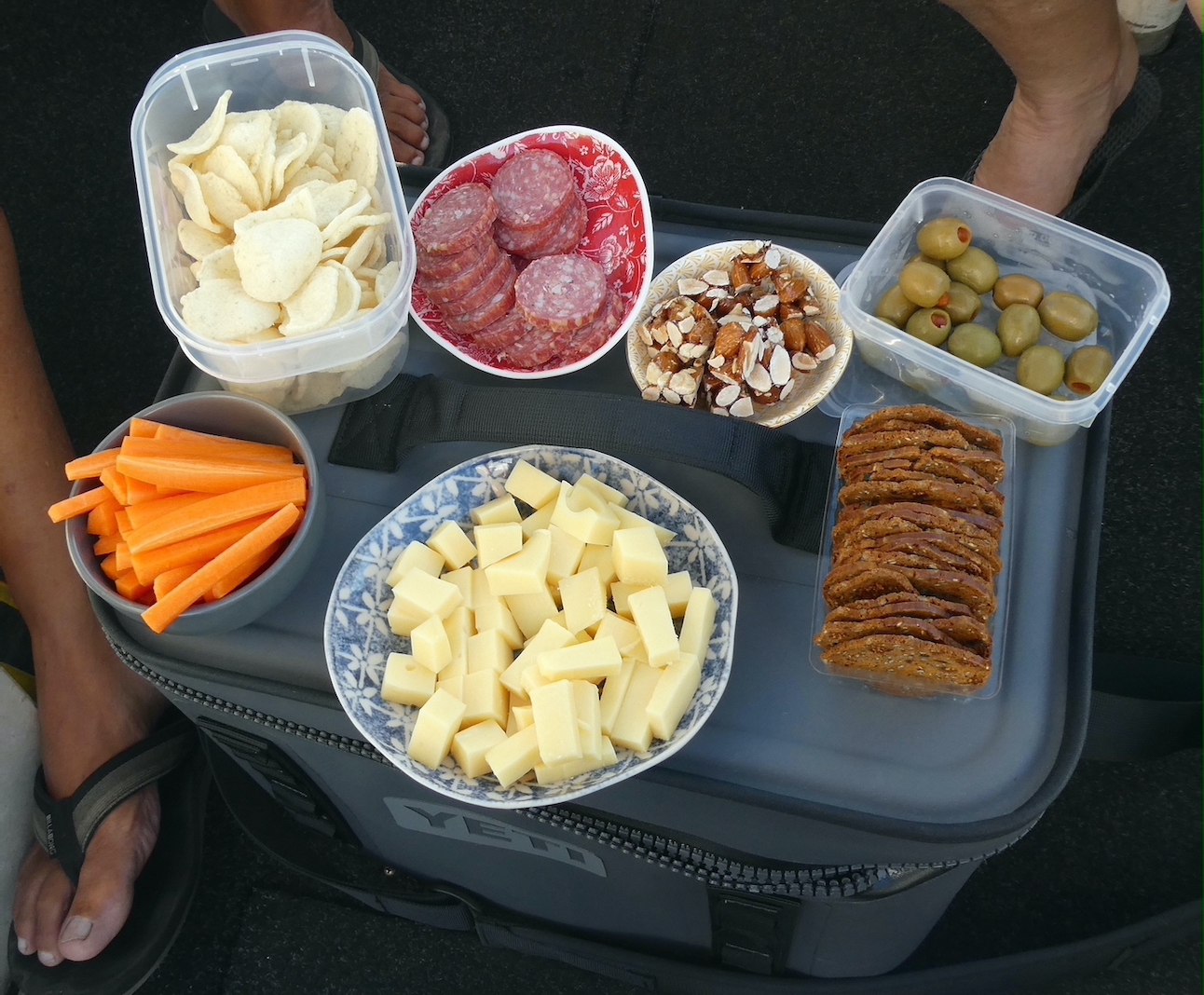
With calm waters and stupendous scenery, it was time to serve drinks and nibbles.

Continuing down the coast toward the end of the park,

the Deckchair Cinema operates seven nights a week in the dry season. Established in 1954, Darwin’s only independent cinema gives audiences the chance to watch a diverse range of movies that would otherwise go unseen on the big screen.

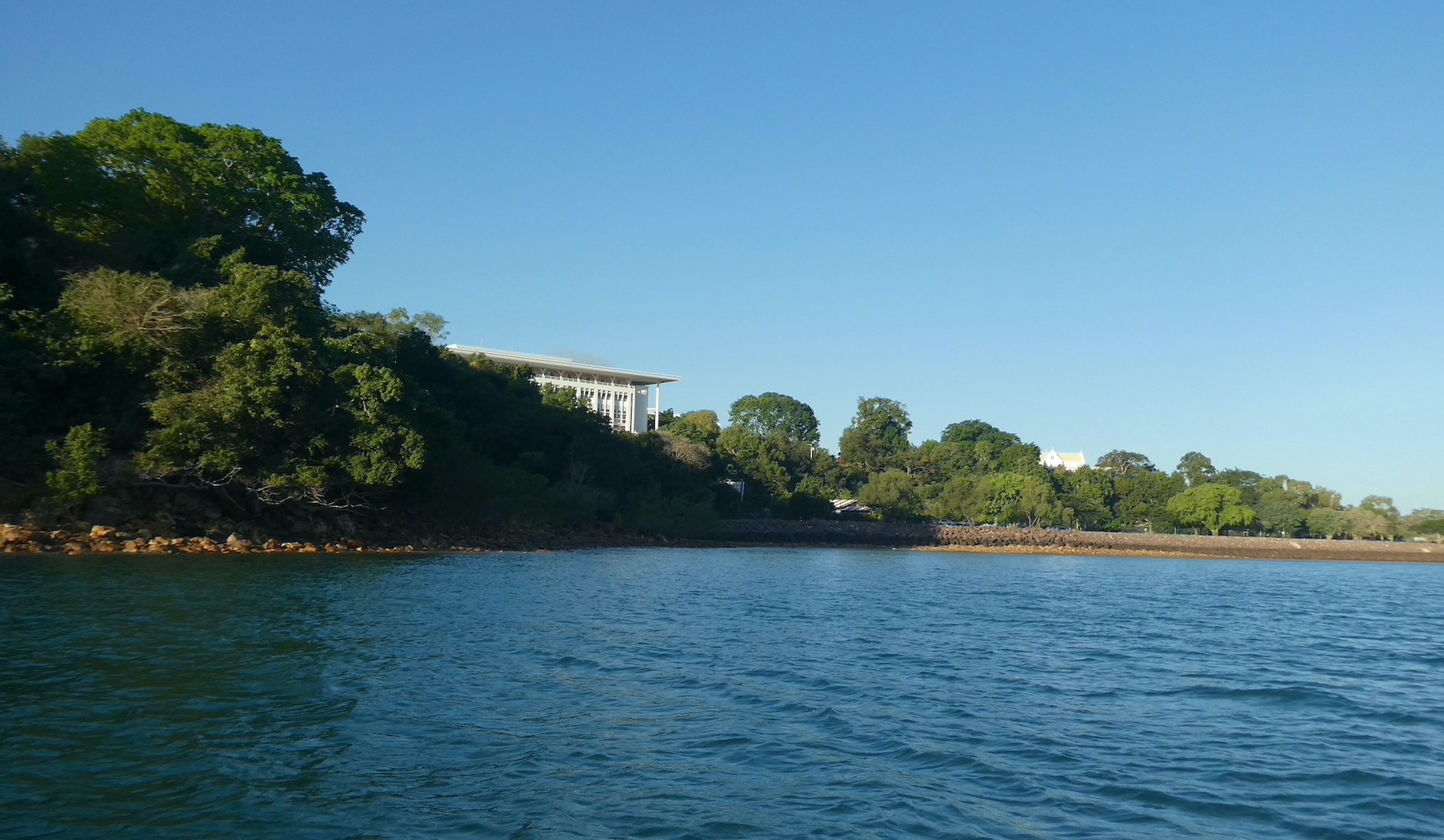
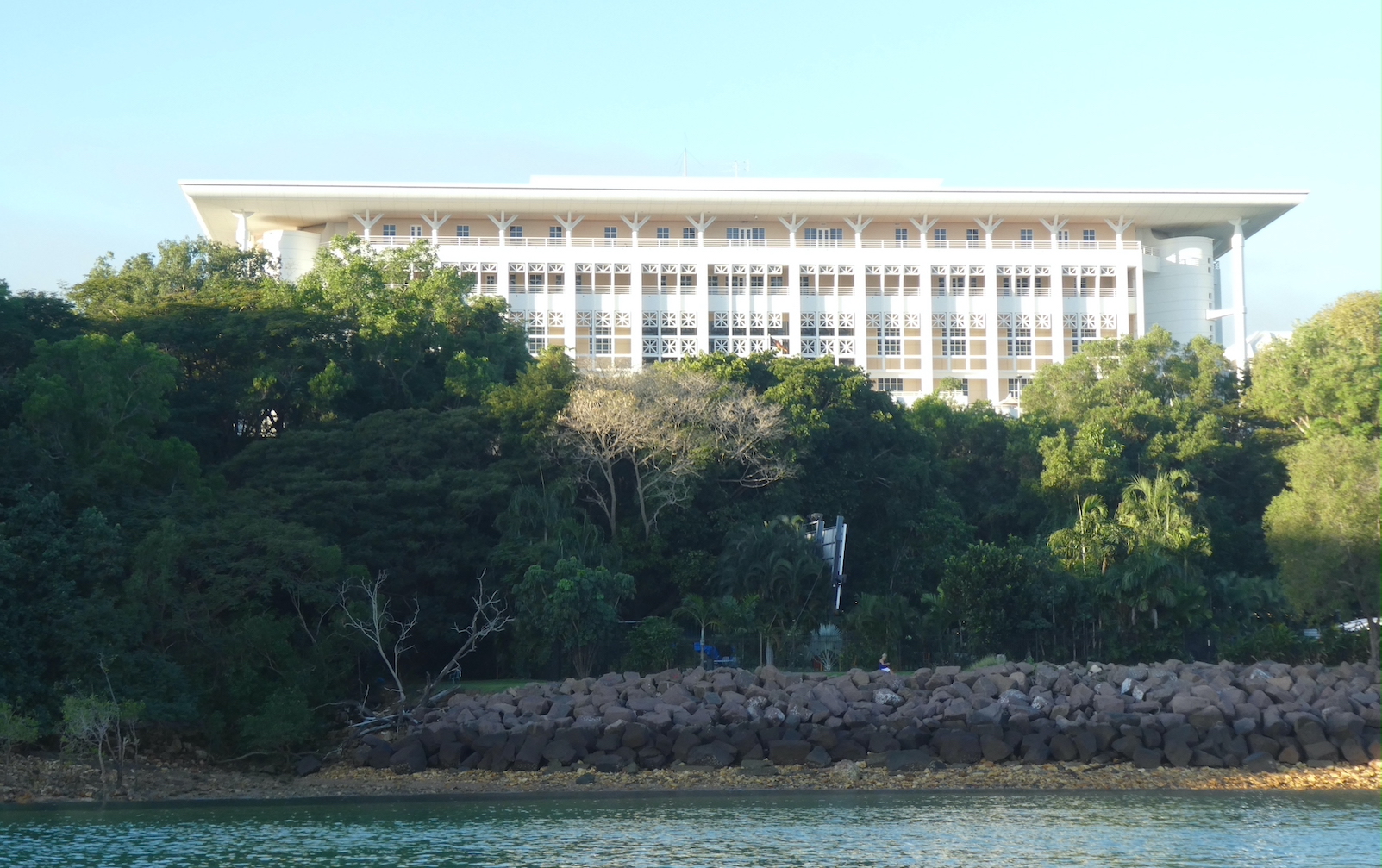
Adjacent to the cinema, Parliament House was opened in 1994 on the site of the Darwin Post Office that was bombed in February 1942.

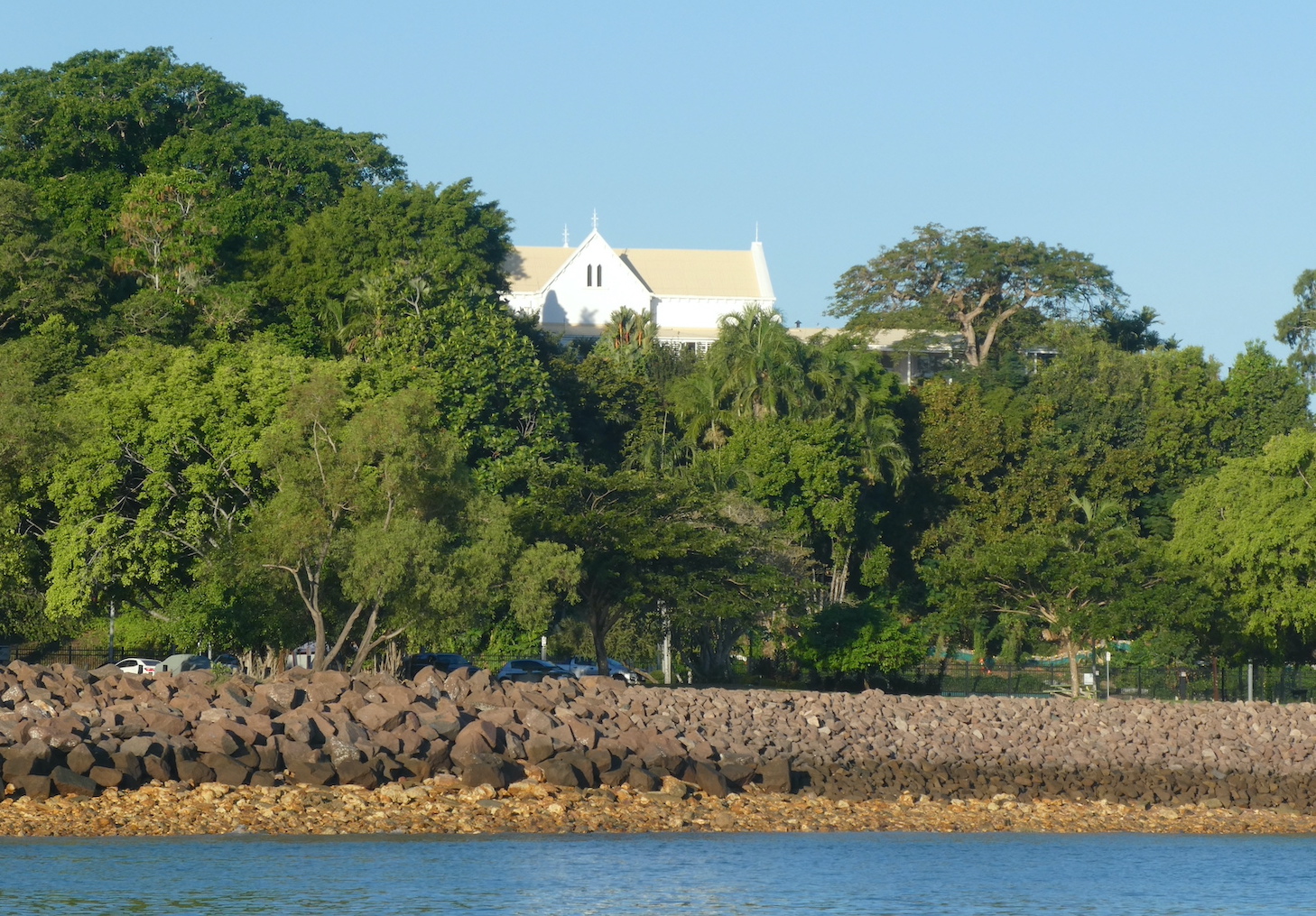
On the other side of the cinema, Government House is well hidden from view. It is the oldest European building in the Northern Territory and has been home to Government Residents and Administrators since 1871.

At the end of the Esplanade, Jervois Park marked our point of return

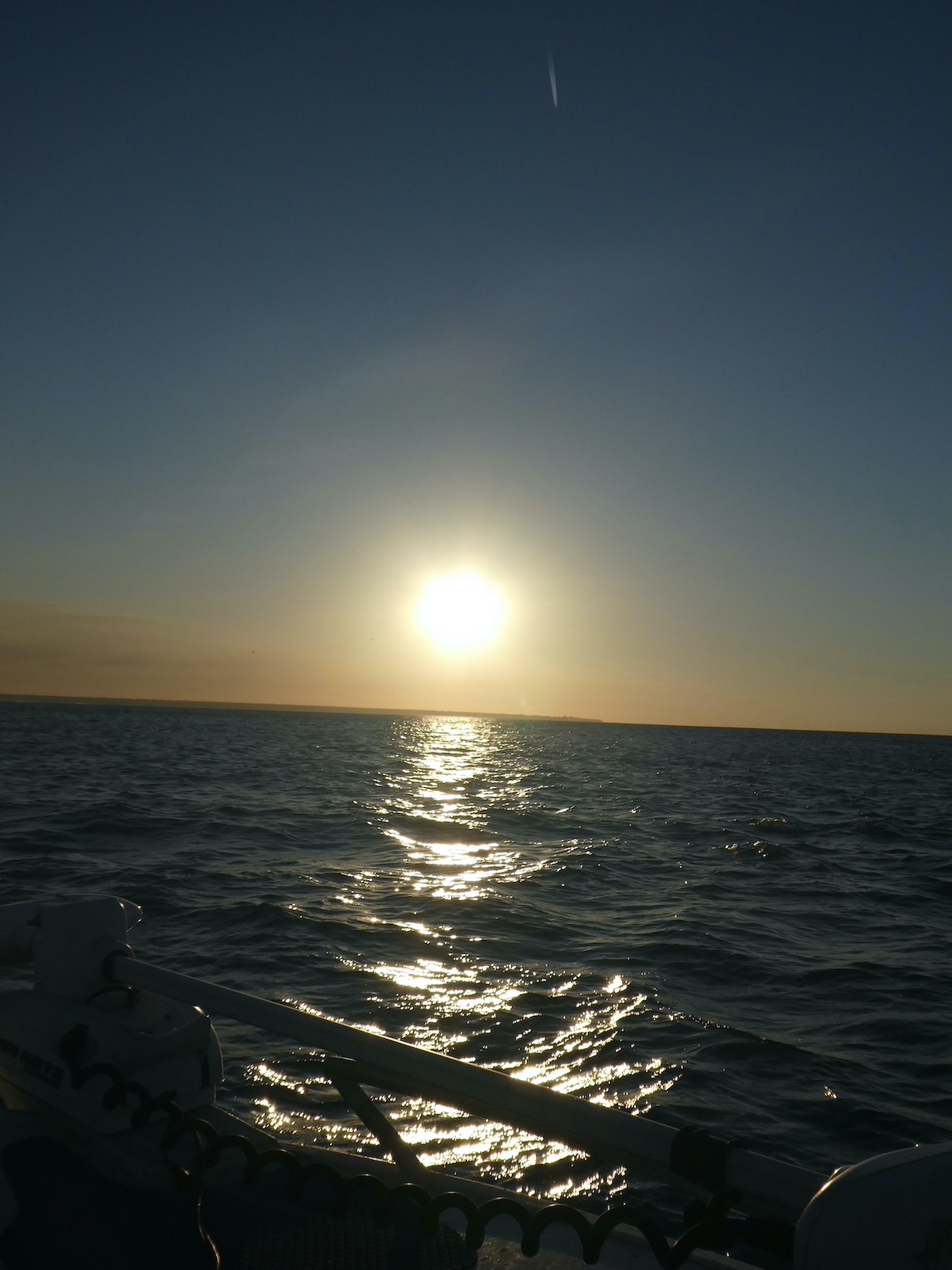
as the evening sun cast the cityscape in a new light.

The occupants of this fishing boat should probably have looked behind them.

On the horizon, eight jet skiers resembled the riders of the Apocolypse, fortunately not close enough to shatter the serenity.

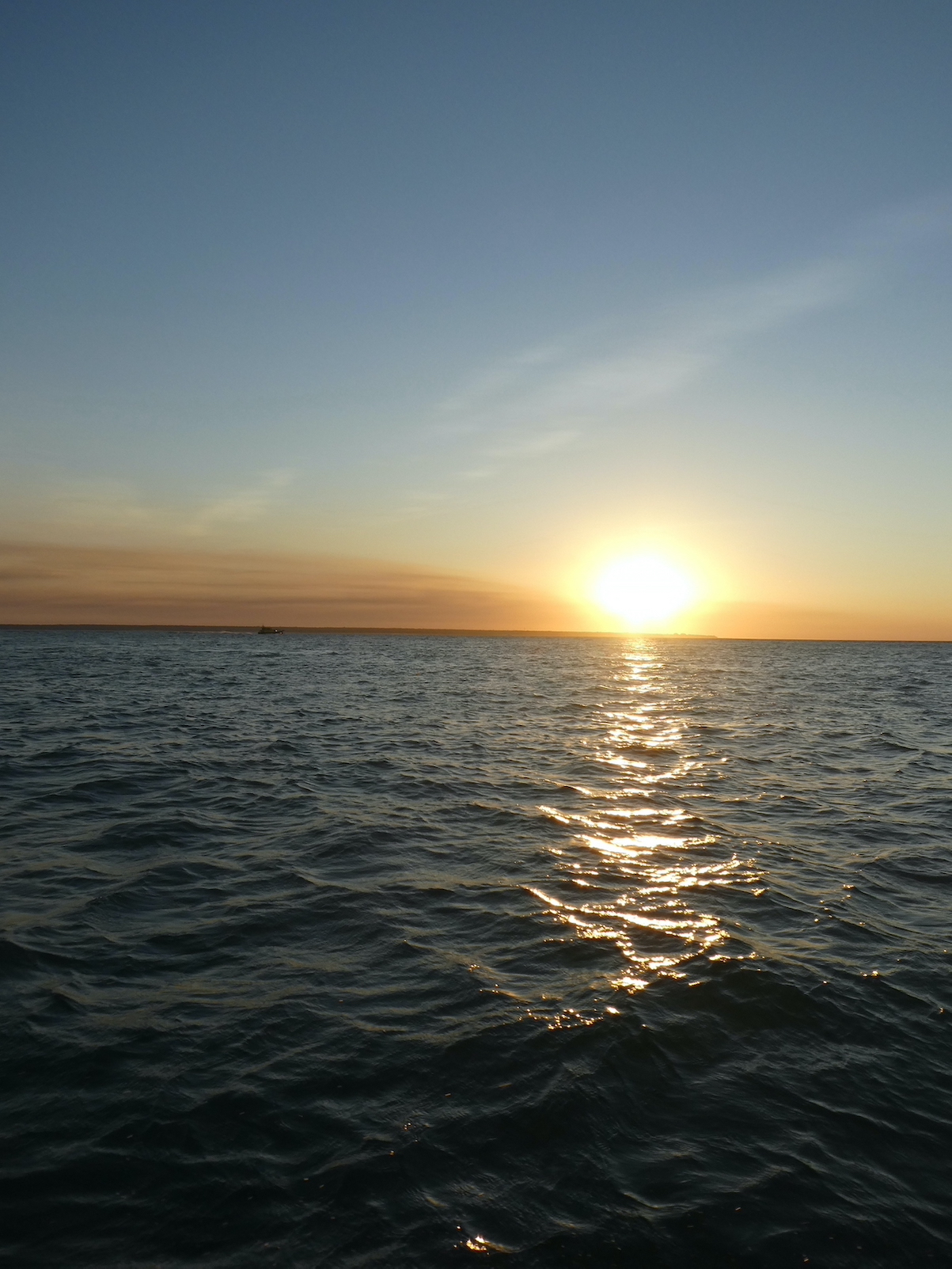
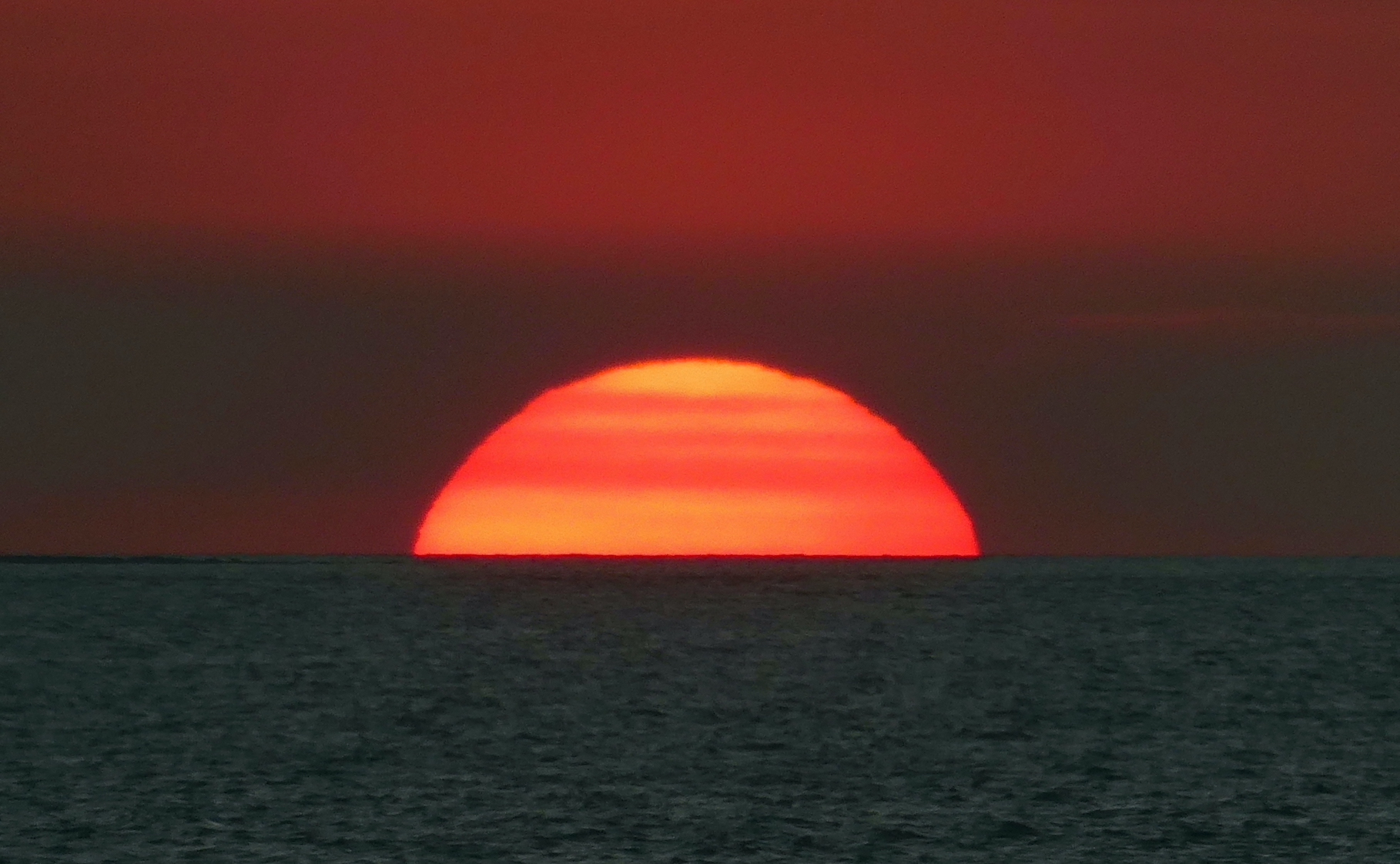
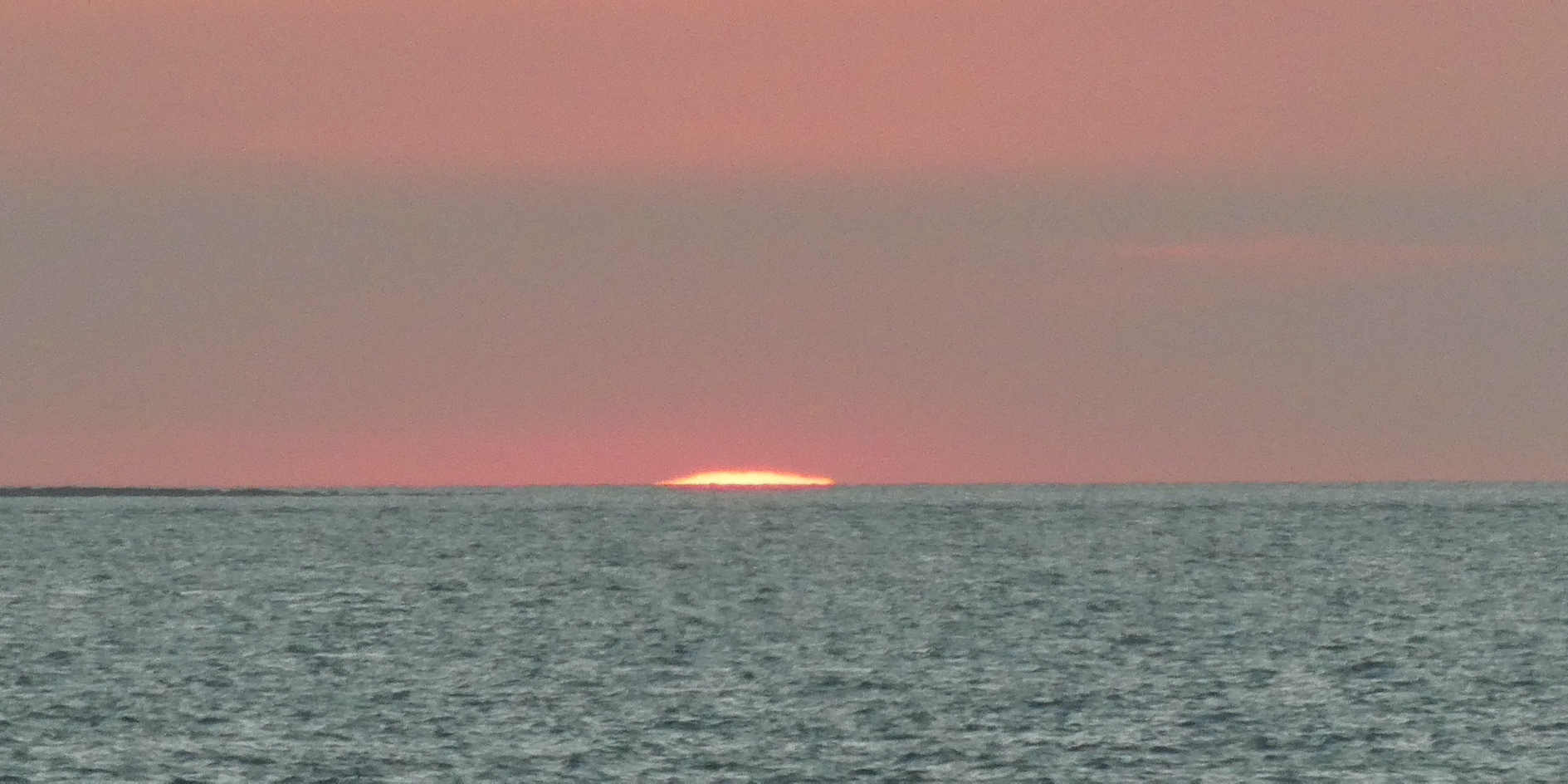
As Sol descended,

we returned to Cullen Bay

and another day came to a spectacular close.

Riomaggiore

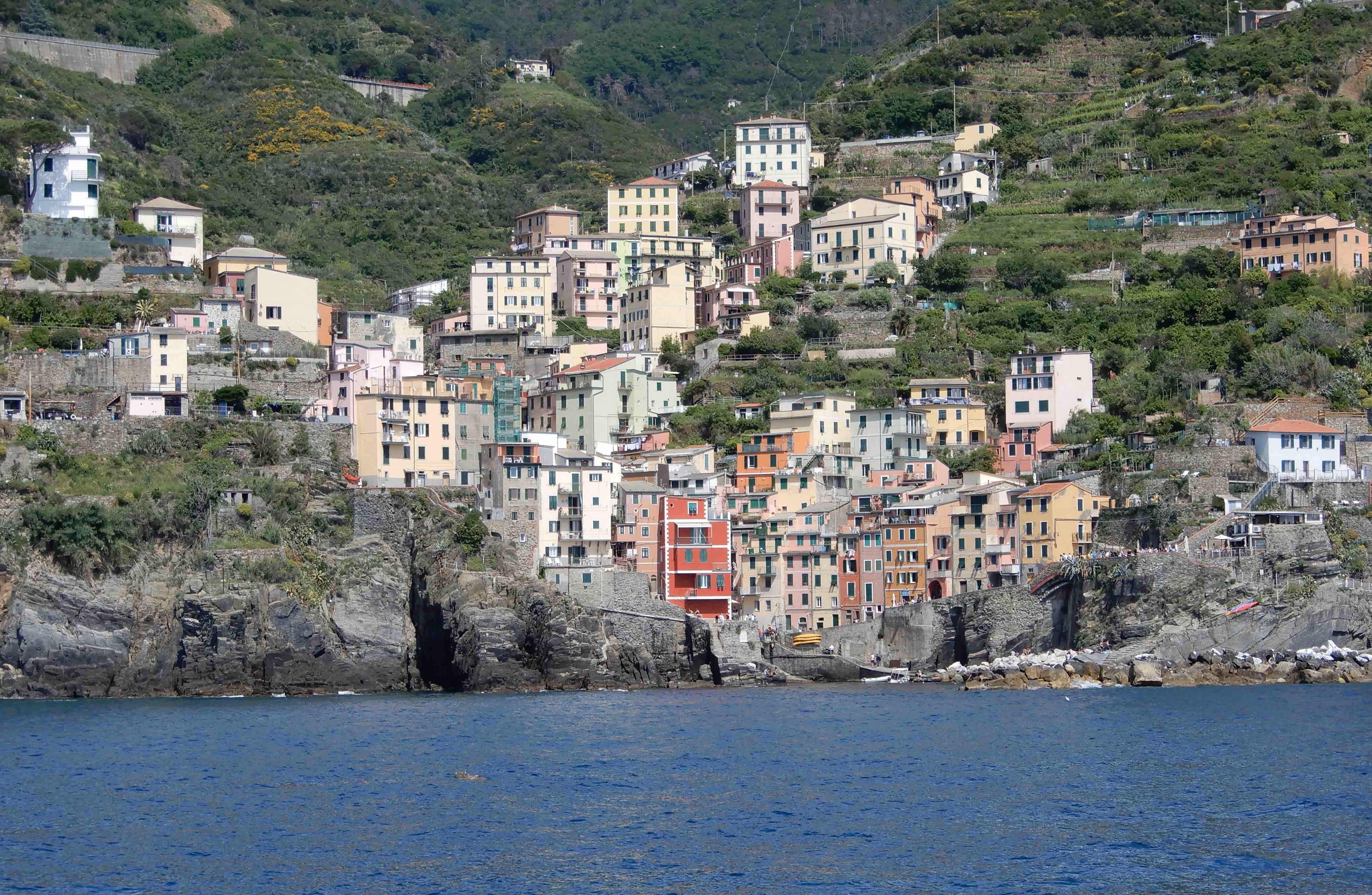
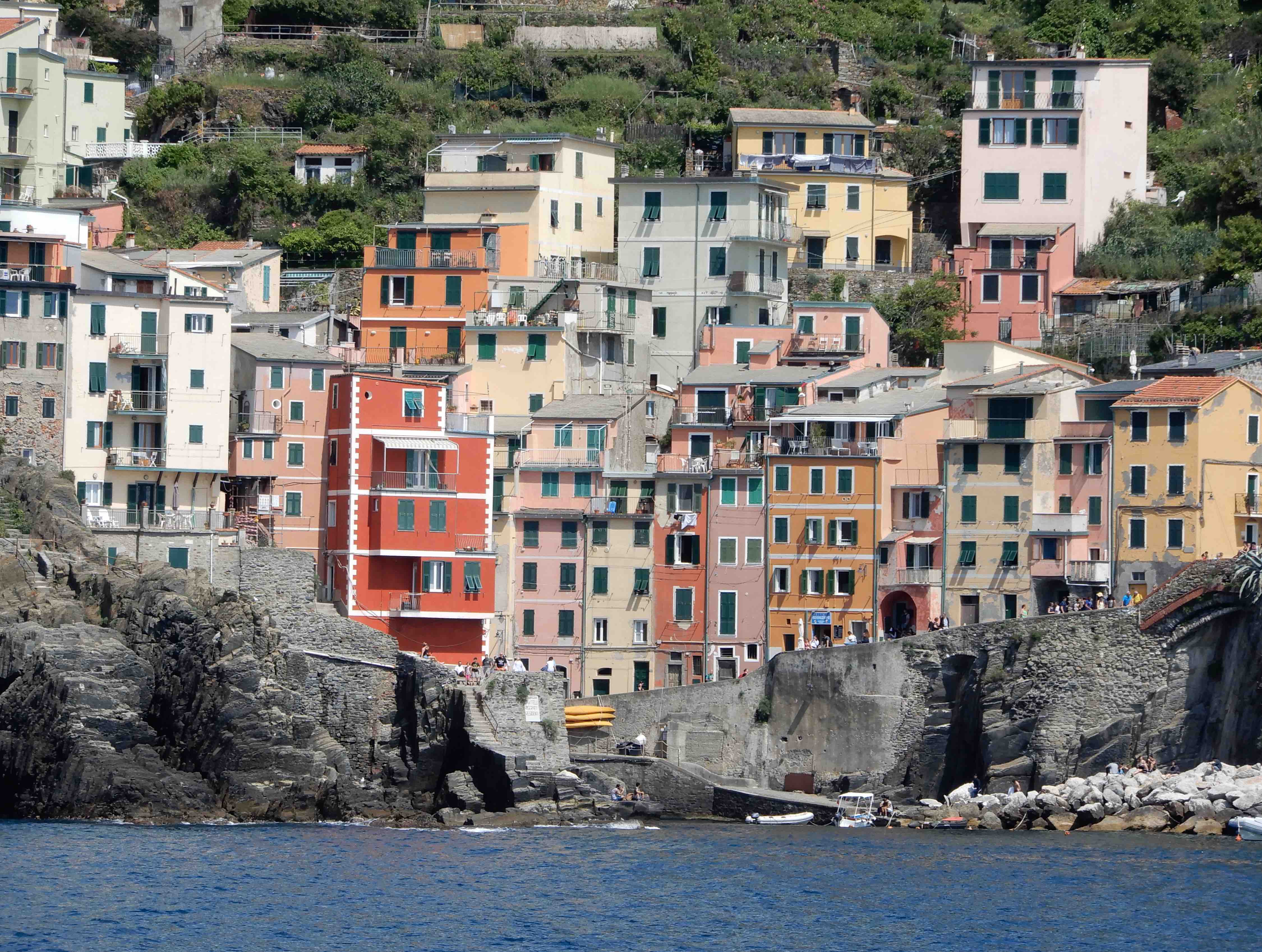
Although every town in the Cinque Terre has its own charm, for me Riomaggiore was the most magical. Approaching from the water, the village nestled in a valley between two steep hills

1.Riomaggiore

and the colourful buildings beckoned.

2.Riomaggiore

Alighting from the boat, we climbed a series of stone steps, rewarded with a spectacular view along the coastline we has just travelled.

3.Riomaggiore

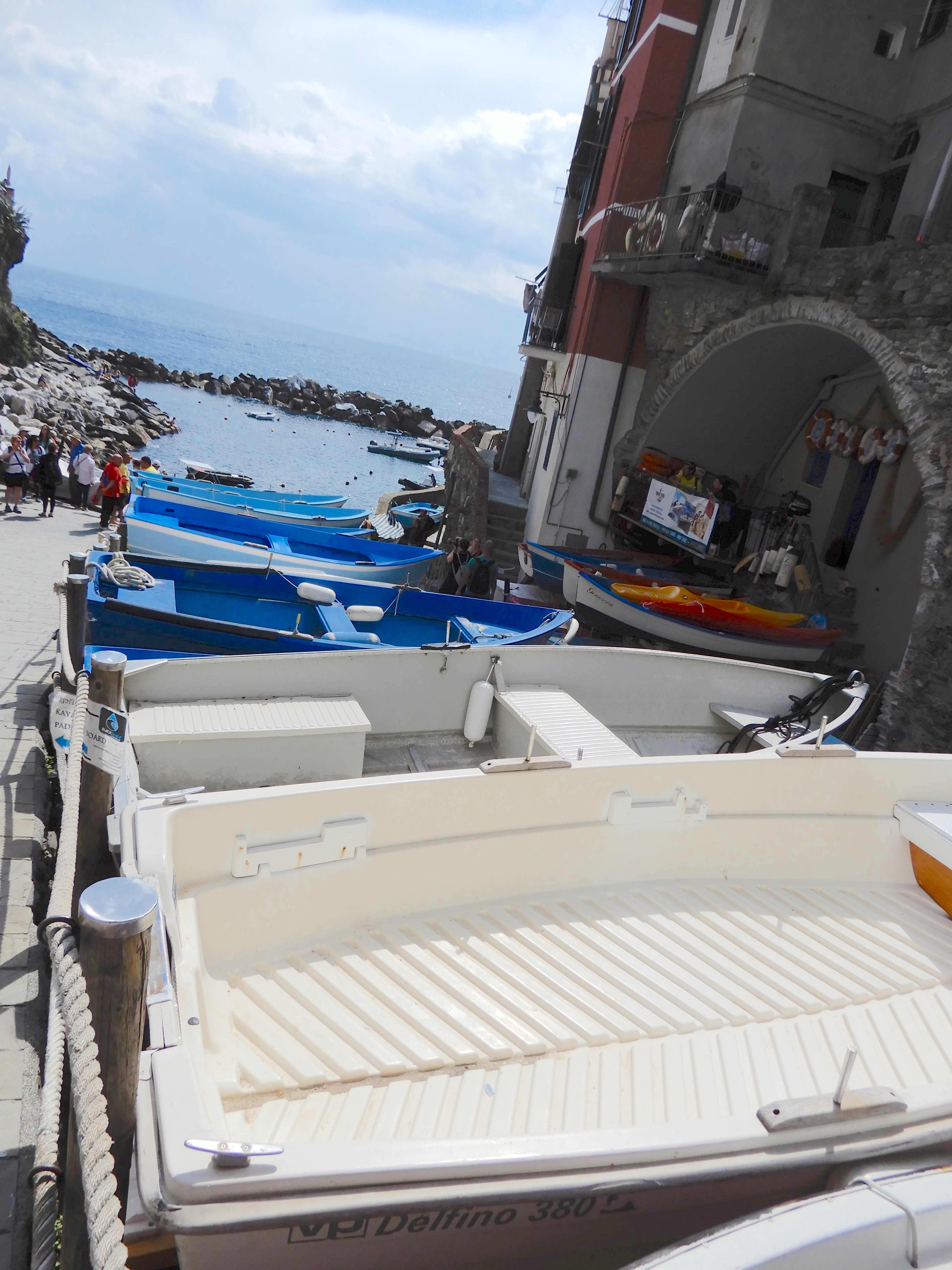
The small harbour of this 13th century village is beautiful. Despite tourist numbers, there was a feeling of tranquility as the fishing boats lazed upon the water

4.Riomaggiore5.Riomaggiore6.Riomaggiore

or patiently awaited their next outing.

7.Riomaggiore8.Riomaggiore9.Riomaggiore

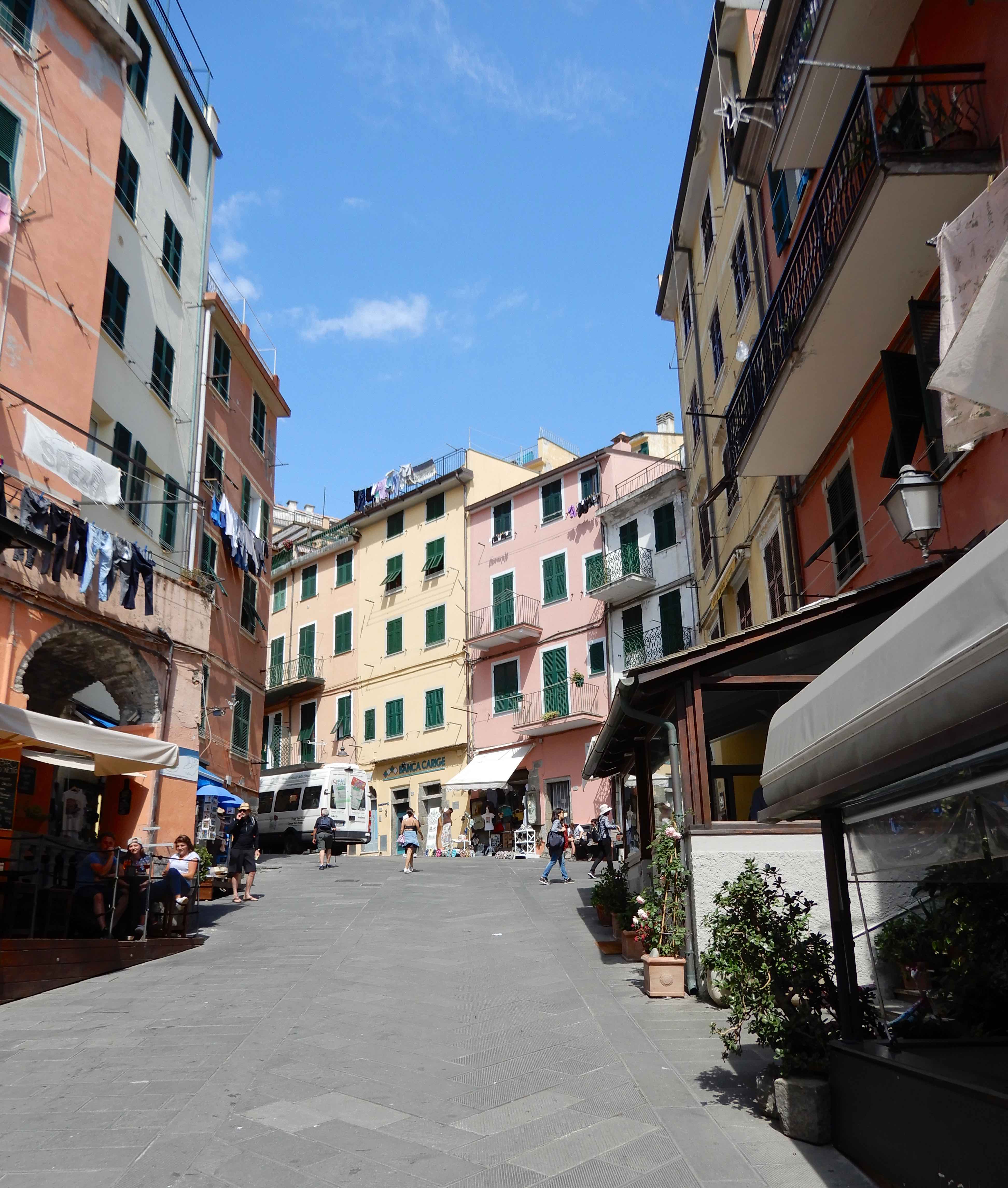
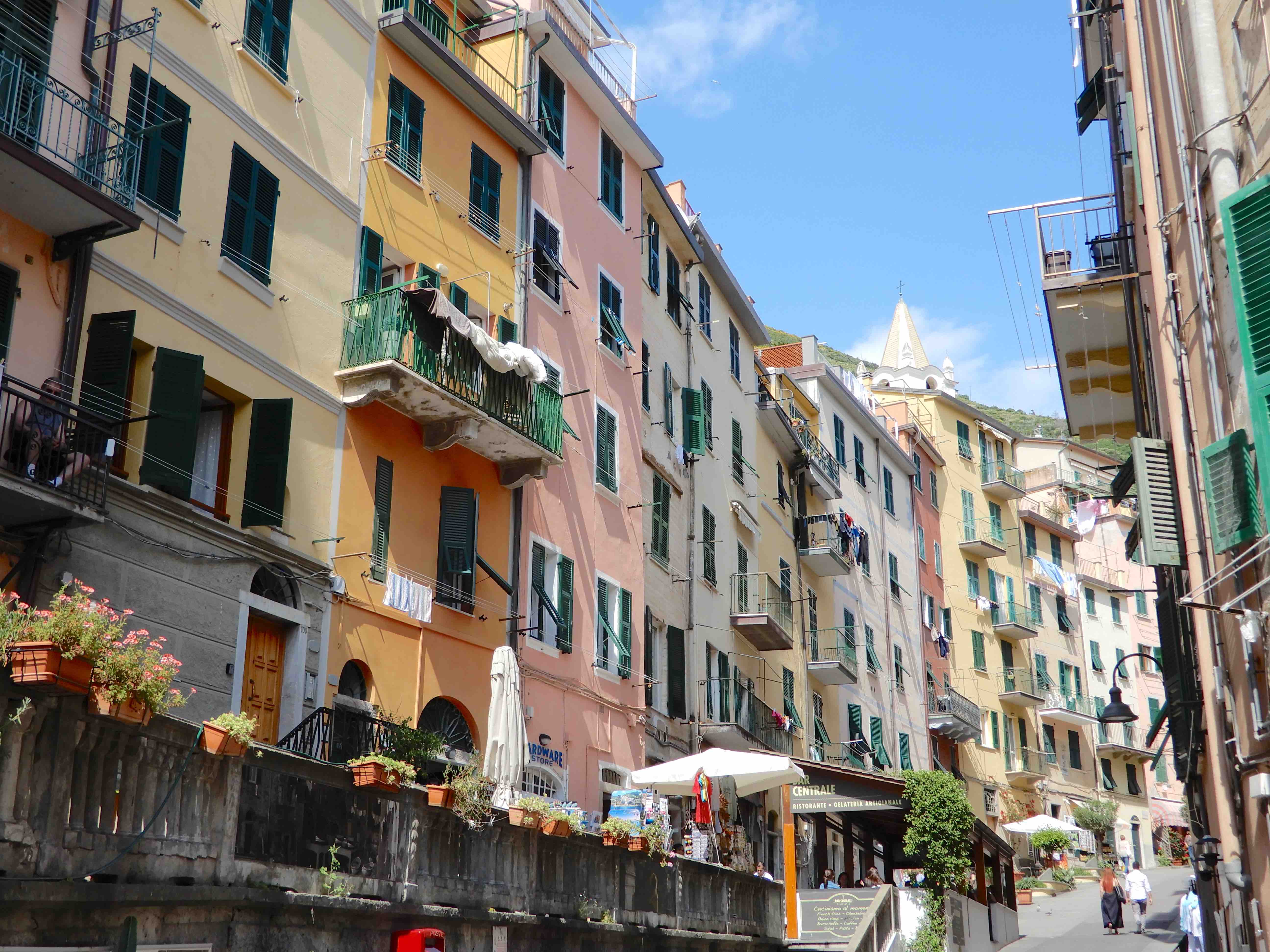
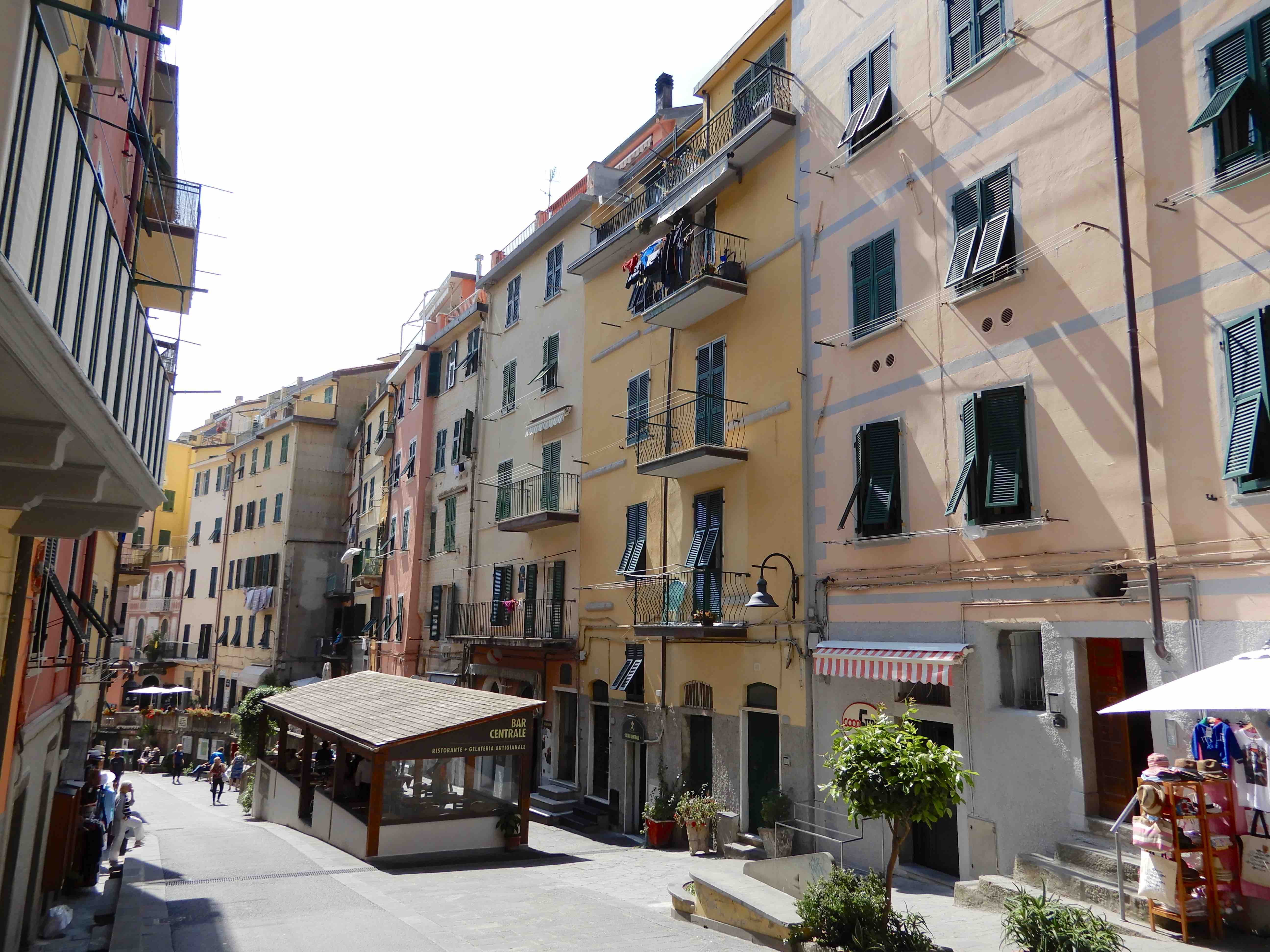
We wandered up the main thoroughfare, Via Colombo, lined with colourful dwellings, fascinating shops, restaurants and bars.

10.Via Colombo

13.Via Colombo14.Via Colombo

Retracing our steps, we digressed for beer and bruschetta at Il Maggiore

19.Via Colombo20.Via Colombo21.Il Maggiore

while others attended to the mundane chores of life.

A storm was threatening by the time we returned to the harbour,

25.storm brewing

wondering if we would arrive in Porto Venere before the heavens opened.

26.return boat

Back in Le Grazie, a gentle rain accompanied our walk to La Marinara for a pizza dinner and reflection on our wonderful day in Cinque Terre.

Monterosso

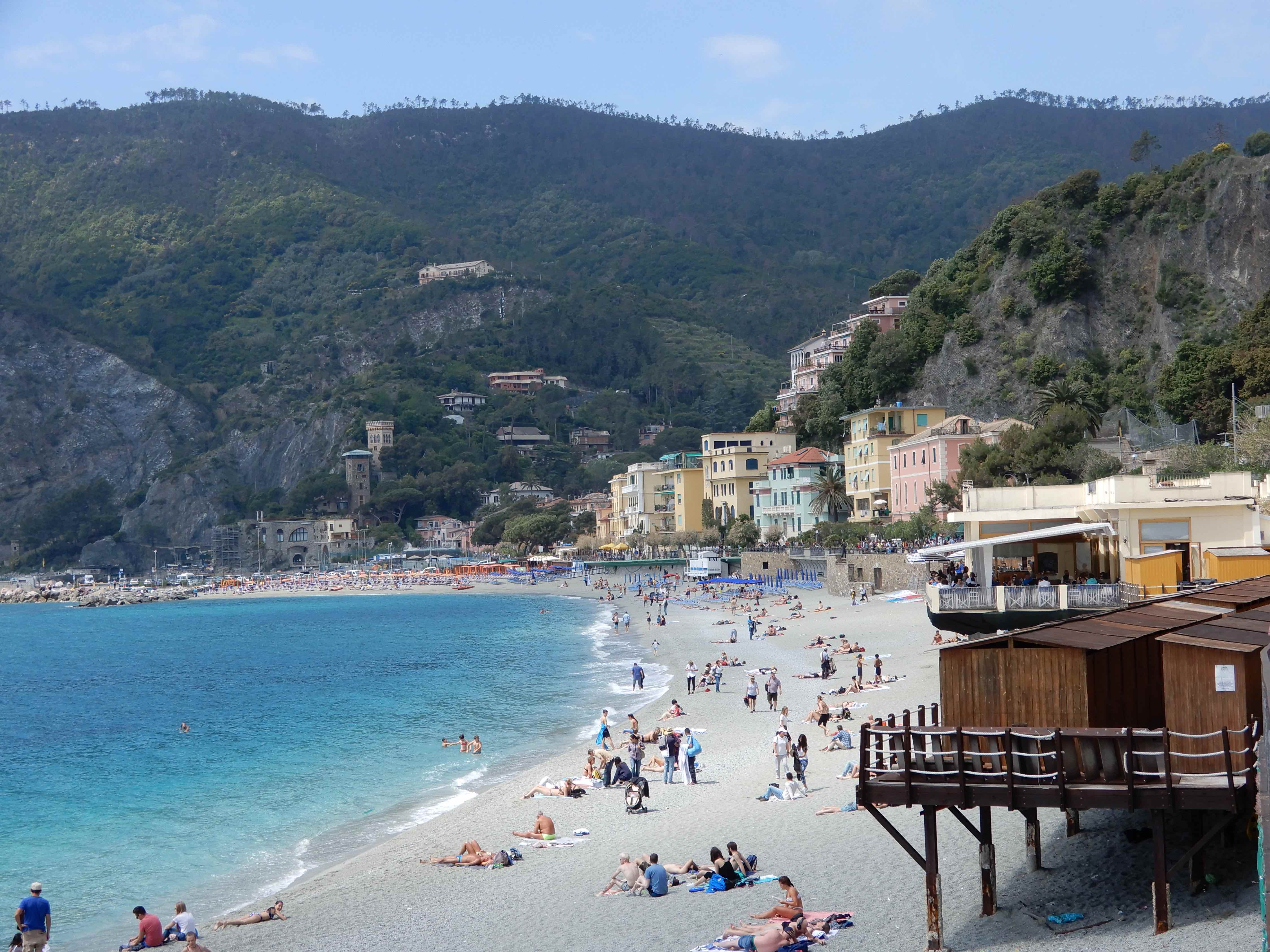
A short boat trip along the coast from Vernazza brought us to the next village of the Cinque Terre, Monterosso.

1.Monterosso

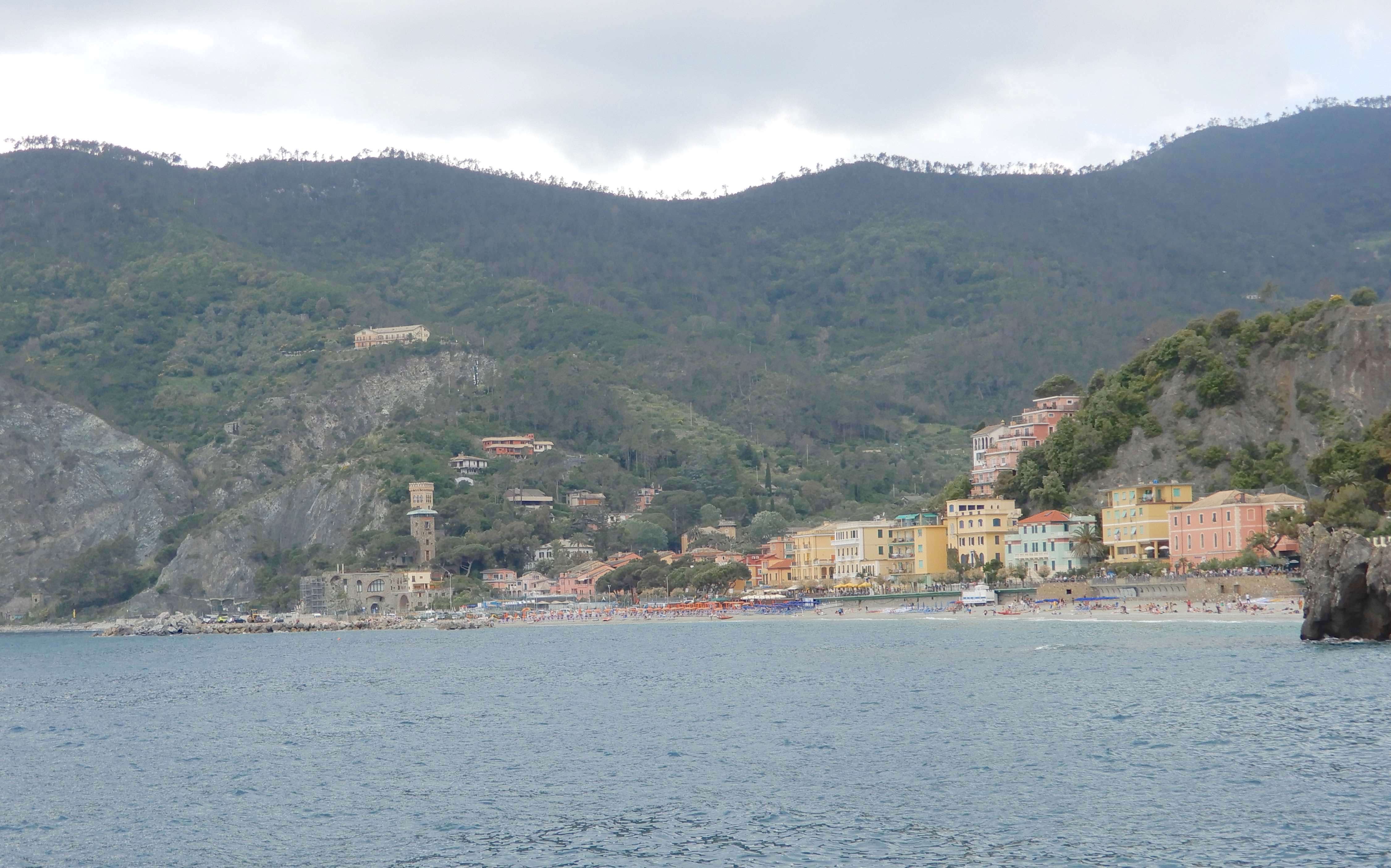
Dating back to Roman times, the oldest and most populated of the Cinque Terre villages is divided into two parts. The old, medieval village

2.Monterosso Vecchio

and the new, modern area known as Fegina

3.Fegina

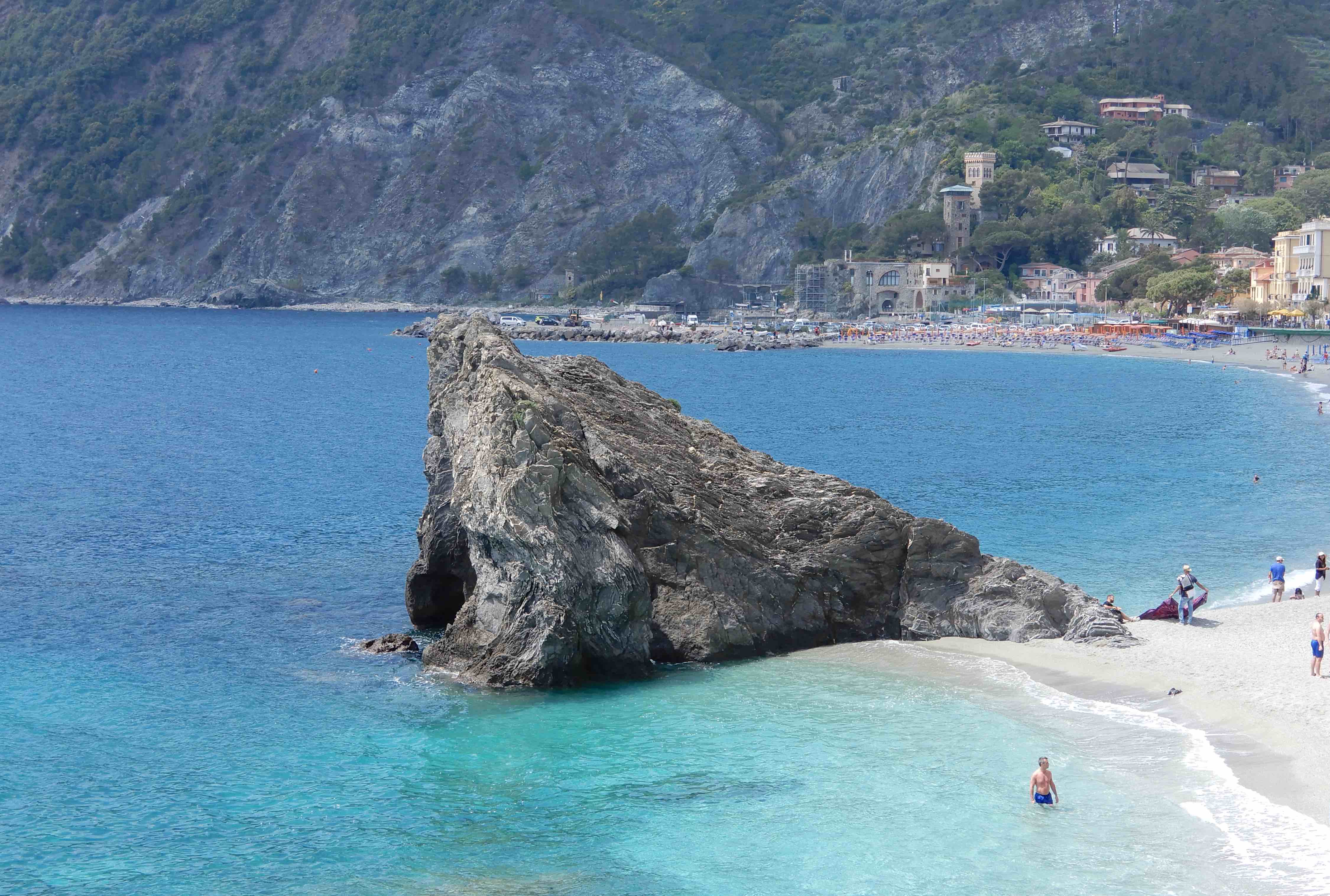
are separated by San Cristoforo hill.

4.San Cristoforo hill

A strong defence system was built on the hill in the 16th century with only three of the thirteen towers still standing. One of those is the Aurora Tower, with pride of place on the promontory it is now a private residence.

5.Torre Aurora

Ancient lookout turrets and fortress walls adorn the hillside.

Dominating the headland, the Convent of the Capuchin Friars has had a turbulent history since construction in 1619. Closed for the Napoleonic laws in 1816 and again for the Savoy laws in 1867, it has been used as a hospital and warehouse and eventually returned to the friars in 2006.

8.Convento Frati Cappuccini

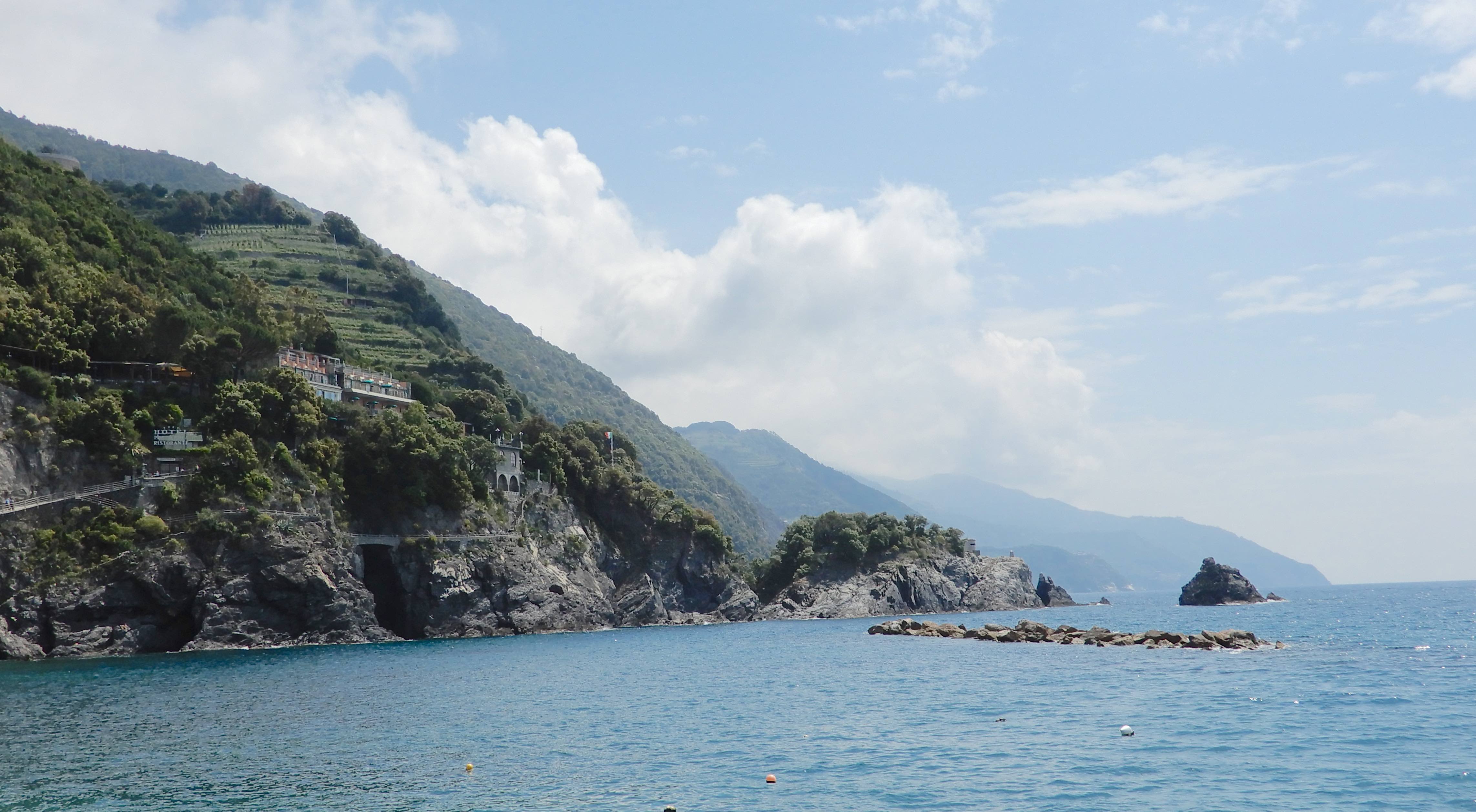
Across the bay on the other side of the old town, the Hotel Porto Roca clings to the rocky foundations of Punta Corone.

9.Hotel Porto Roca

In 1960, Giacinto Jacazzi, a fashion creator from Milan, fell in love with the village and bought the land. Rather than a family home, he decided to build a hotel so more people could enjoy it. Workers had to construct roads to the isolated site and fearless excavator drivers manoeuvred their machines on the edge of sheer cliffs.

10.Hotel Porto Roca

Three years later, the dream came true. I will definitely be staying here if we are lucky enough to return one day.

11.Hotel Porto Roca

The boat tied up in the harbour of Monterosso Vecchio,

12.Monterosso vecchio

we climbed some stairs and walked along the path to the new part of town. Fegina Beach is the biggest sand covered beach in the Cinque Terre and is a popular destination for tourists.

15.Fegina Beach14.Fegina Beach13.Fegina Beach

We enjoyed a seafood lunch overlooking the bay and then, armed with gelati, wandered along Via Fegina where majestic hotels and apartments afforded uninterrupted views of the coastline.

16.Via Fegina

Returning to the boat, we farewelled Monterosso for a sedate cruise back to Riomaggiore in time for aperitivo.

17.Monterosso Vecchio