Eilean Donan castle

Leaving Ben Nevis behind, we drove north through the Highlands, our destination the Isle of Skye. On the way, we stopped to explore Eilean Donan castle.
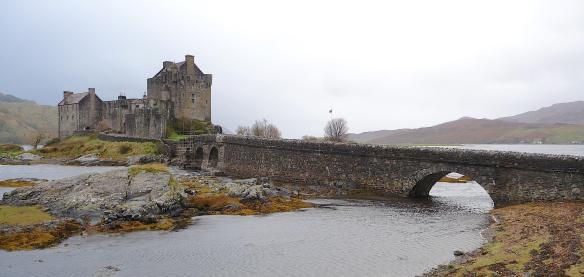
1.Eilean Donan Castle

The island of Donan, at the meeting point of Loch Duich, Loch Alsh and Loch Long was settled by Irish Saint, Bishop Donan in 634AD. The first fortified castle was built in the mid 13th century to protect the area from Viking invasion.
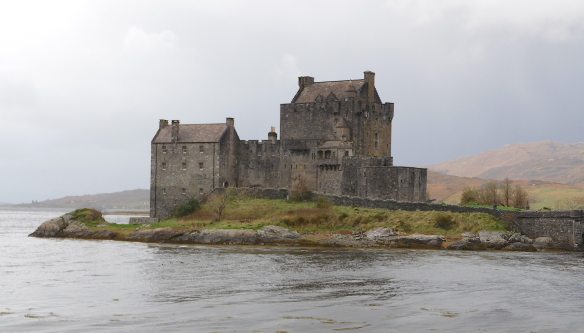
2.Eilean Donan Castle

It was partially destroyed in the Jacobite uprising in 1719 and then lay in ruins for nearly 200 years. Lieutenant Colonel John MacRae-Gilstrap bought the island in 1911, restored the castle over the next twenty years and added the bridge.

3.Eilean Donan Castle

The scenery was breathtaking, even on an overcast day.

4.Loch Long

Entering through the majestic doorway,

5.Entrance

we spent some time wandering through the restored interior, I photographed these Viking sculptures before realizing photography wasn’t permitted.
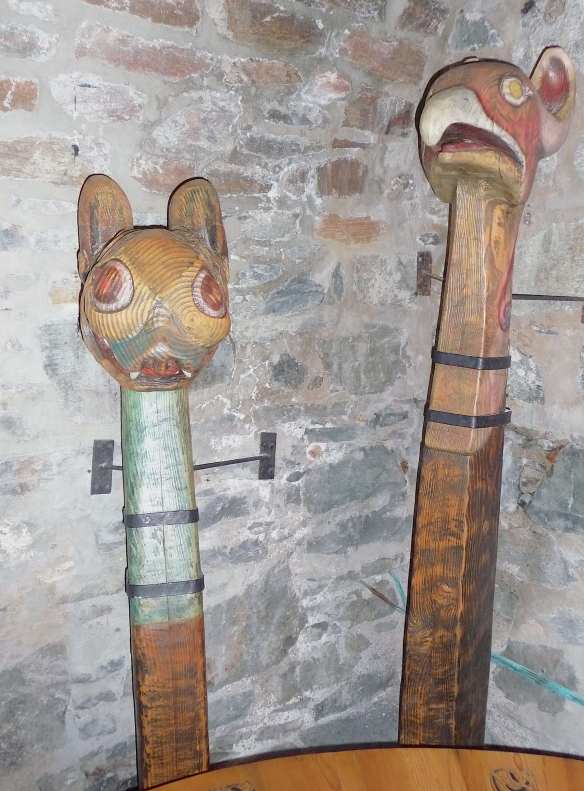
6.Viking sculptures

The exterior has been lovingly resurrected, I can see why it took twenty years.

7.Eilean Donan Castle8.Eilean Donan Castle

The castle is still owned by the MacRae family. The Clan MacRae War Memorial commemorates the 423 members of the Clan MacRae who died in World War l, including Lieutenant Colonel John McRae who wrote the poem ‘In Flanders Fields’.

9.Clan MacRae War Memorial & Field Guns

In stark contrast to the castle’s history, there was a sense of serenity about the misty waters.

10.Eilean Donan Castle11.Eilean Donan Castle12.Eilean Donan Castle

The bridge across Loch Long, built in 1990, connects the nearby villages of Dornie and Ardelve.

13.Dornie bridge

Scotland’s national flag, The Saltire, stands proudly at the perimeter of the castle. The patron saint of Scotland, St. Andrew, was apparently crucified on an X shaped cross, hence, the white saltire on a background of azure blue sky.

14.Eilean Donan Castle

Stirling Castle

Soon after arriving in Scotland I discovered my trusty old hiking boots were no longer waterproof. There was nothing else for it but to seek out a new pair so we ventured to Stirling for the big event. Newly booted, we paid a visit to Stirling Castle.

1-stirling-castle

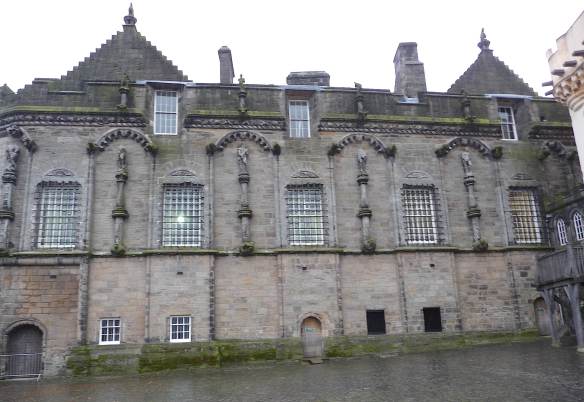
Dating from the early 12th century, the present buildings were mostly built between 1490 and 1600.

3-stirling-castle

Unfortunately, the Royal Palace was undergoing a £12 million refurbishment so there wasn’t a lot for us to see.

2-royal-palace4-eastern-view-royal-palace

Judging by the weather, the walkway between the Palace and the Great Hall was a necessity.

5-connecting-walkway-palace-to-great-hall

Just outside the castle walls lies Ballengeich Cemetery and gorgeous views across the River Forth and countryside beyond.
6-ballengeich-cemetery

The inclement weather put a dampener on the National Wallace Memorial, standing on the summit of Abbey Craig.

7-national-wallace-monument

The 13th century Scottish hero, Sir William Wallace, is commemorated by this 67 metre high sandstone tower, built in 1869.

8-national-wallace-monument

We didn’t explore the monument as we were short of time. We had a dinner date back in Greenock with some of Michael’s long lost relatives.

9-the-cannon-clan

Next time, we will visit the monument and climb the 246 steps to the top, hopefully on a clear day.

Chianti

After saying our goodbyes, we left Benabbio for a day of leisurely driving to our next destination near Cortona. By lunch time we were surrounded by the stunning scenery of the Chianti Valley and were lured by the trusty knife & fork symbol at Castello di Gabbiano.

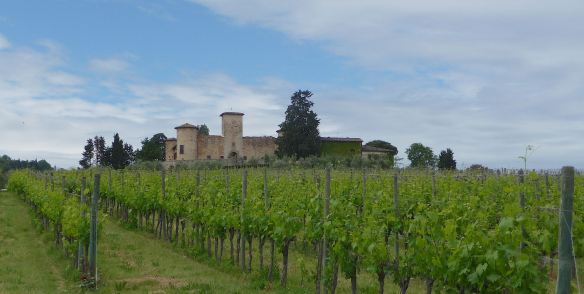
1-castello-di-gabbiano

Unfortunately, they didn’t serve lunch but we stayed a while to admire the magnificent 12th century castle, now a very inviting B&B.

2-castello-di-gabbiano3-castello-di-gabbiano

The castle has an interesting history

4-castello-di-gabbiano

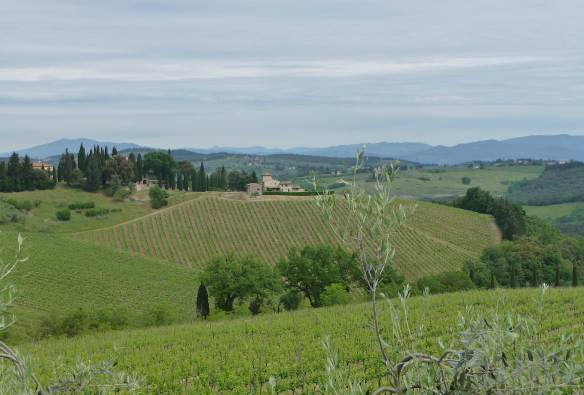
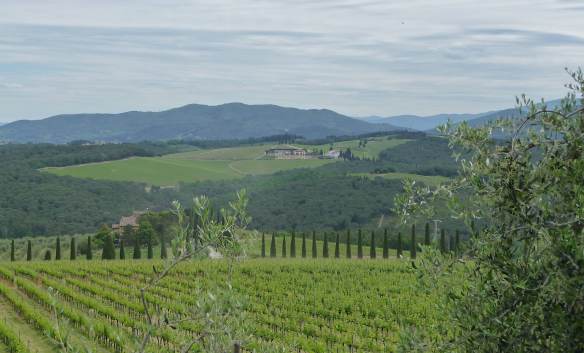
and is home to one of the oldest and best known wineries in the Chianti Classico region. The views over acres of vines, olives and woods were breathtaking.

5-castello-di-gabbiano6-castello-di-gabbiano7-castello-di-gabbiano8-castello-di-gabbiano

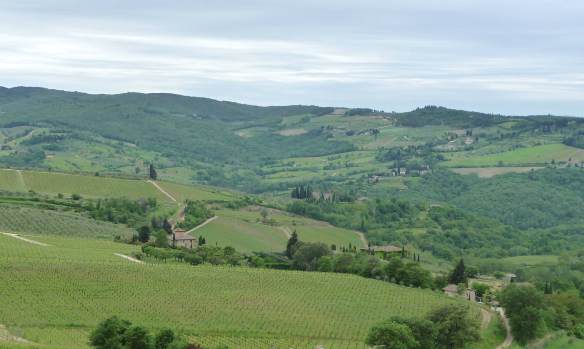
We continued to Greve in Chianti where we finally had some lunch. The drive slowed down as we ogled the scenery through the heart of old Tuscany.

9-chianti-valley

There seemed no end to the green rolling hills dotted with peaceful stone villas.

10-chianti-valley11-chianti-valley

We eventually left Chianti behind and found Camucia and our accommodation, relatively easily thanks to the detailed directions from the owner. After locating the caretaker, Isolina, ‘up the road and round the corner’, we poured a vino and settled in.

Conwy

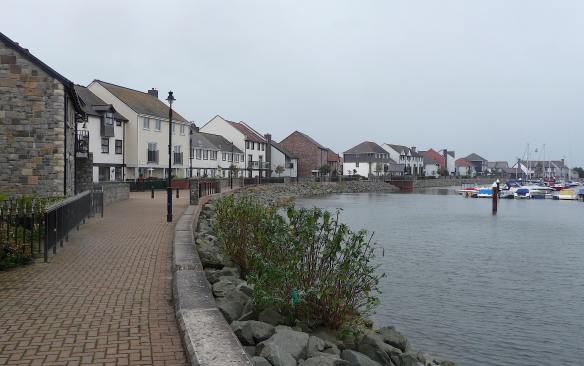
One of the most memorable B&Bs on our travels in Britain was Whinward House in Conwy, on the north coast of Wales. The 1890s Coaching Inn had been renovated beautifully and hosts, Chris & Janis made us very welcome. After a good night sleep

1-whinward-house

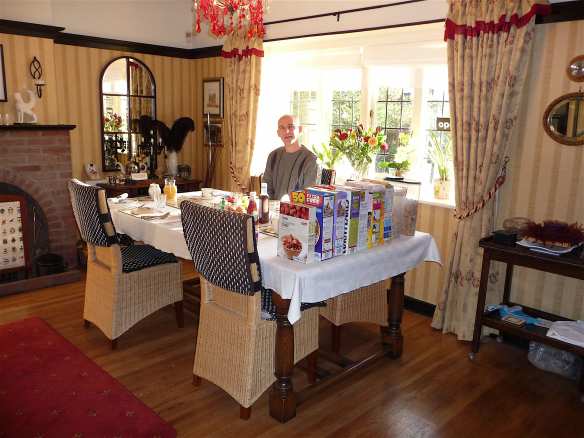
and a hearty home cooked breakfast,

2-whinward-house

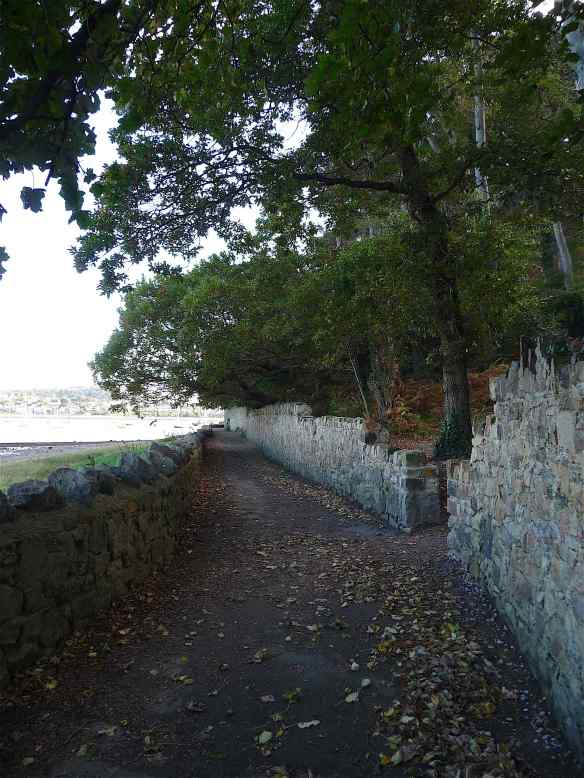
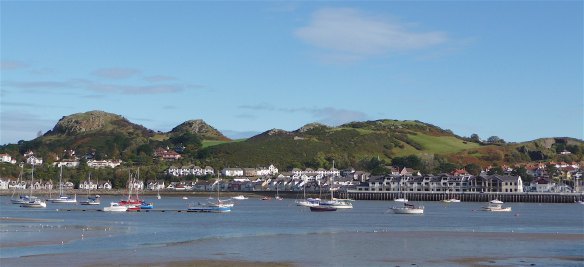
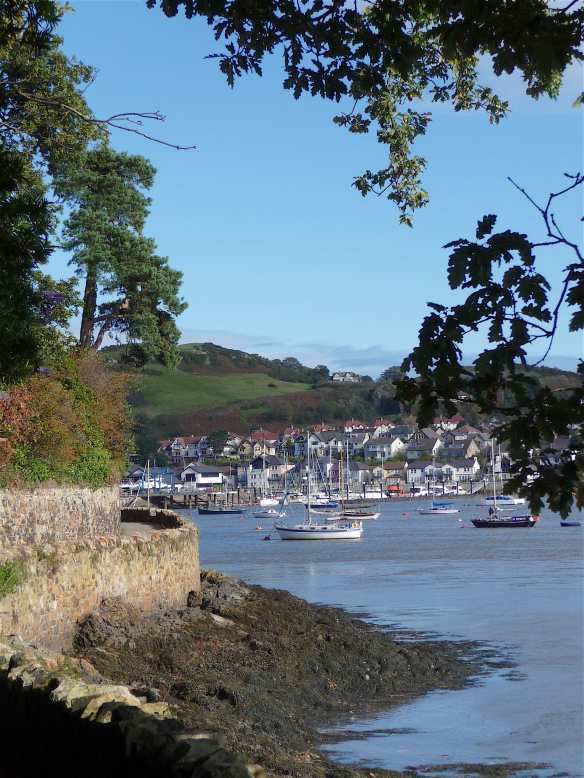
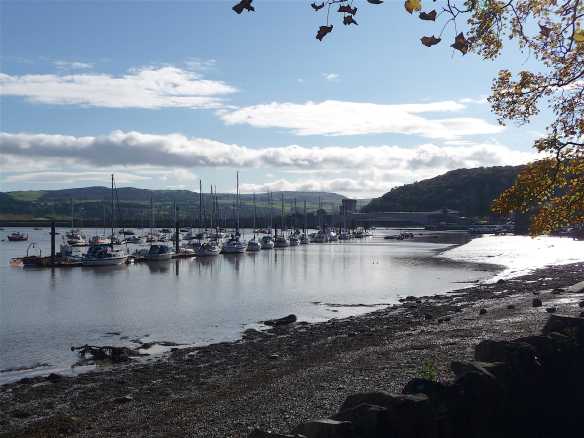
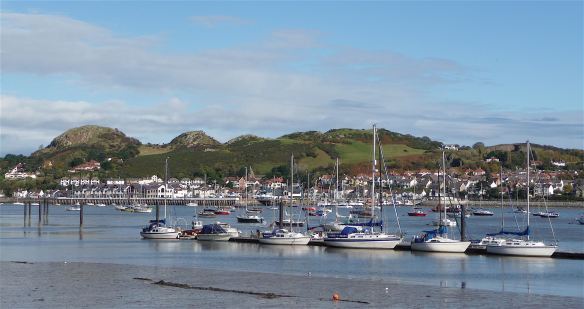
we strolled along the river walk

3-conwy4-conwy5-conwy6-conwy7-conwy

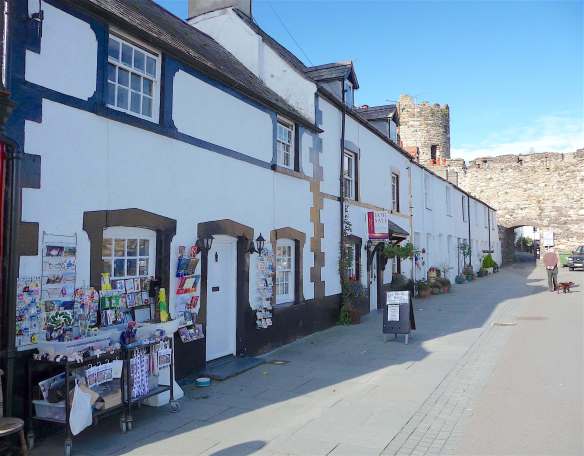
to the walled market town of Conwy.

8-conwy

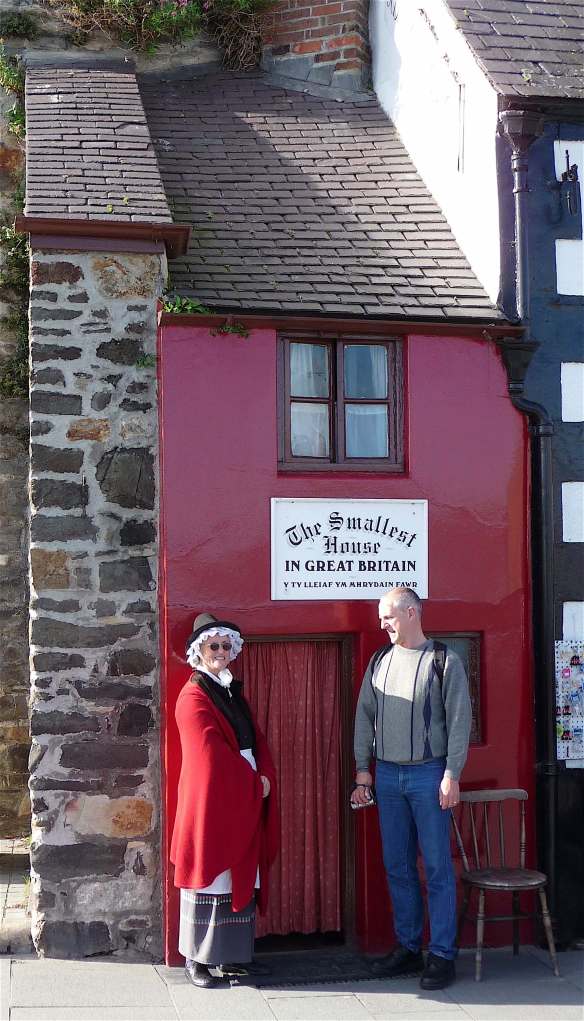
The smallest house in Great Britain, 3.05m x 1.8m, was occupied from the 16th century to 1900. The last tenant was a 6’3” fisherman and he was eventually forced to move out when the council declared the house unfit for human habitation.

9-smallest-house

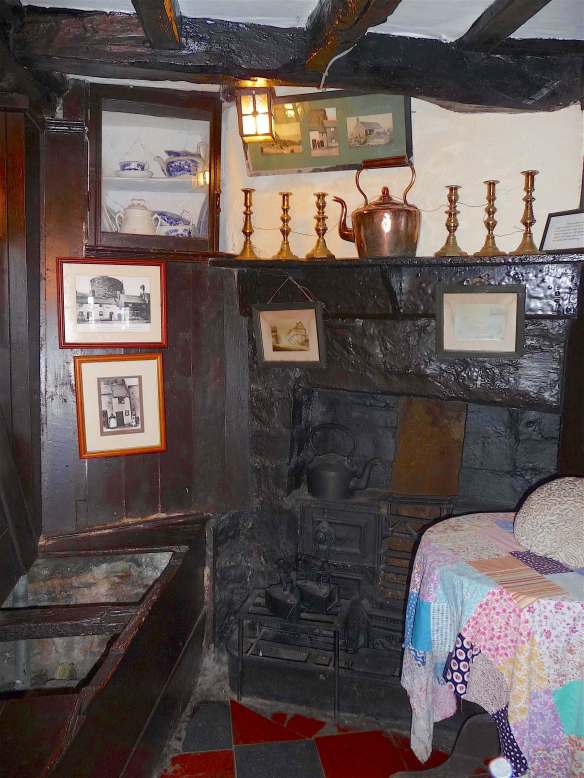
The living area on the ground floor had room for coal and an open fire

10-smallest-house

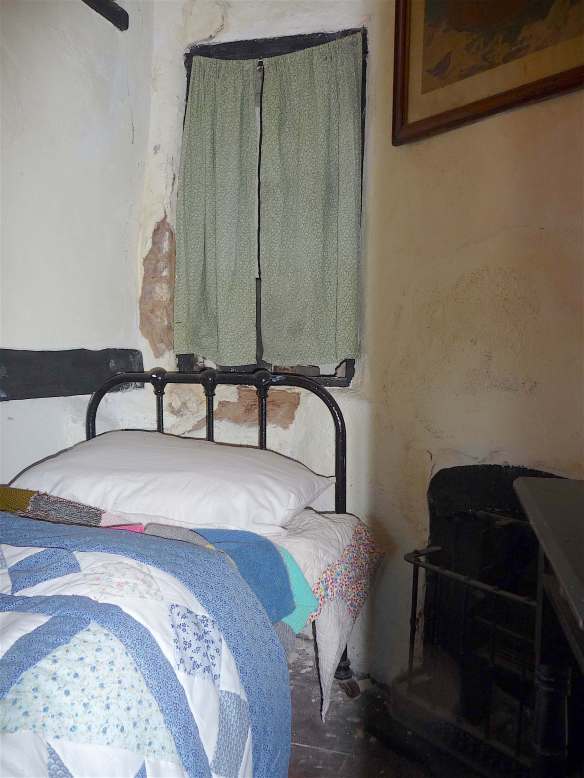
while the cosy bedroom was upstairs.

11-smallest-house

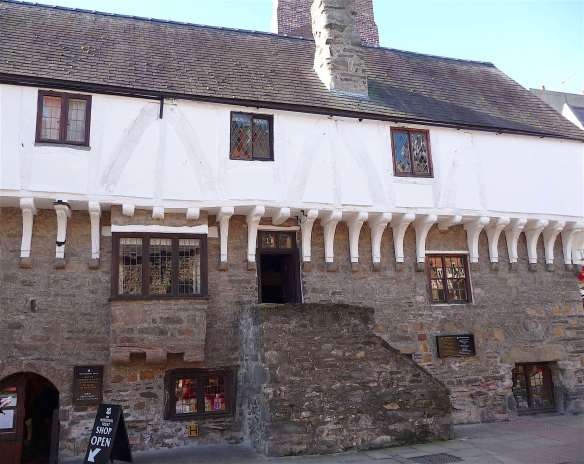
We explored Aberconwy House, a 14th century merchant’s house and the oldest recorded dwelling in Wales.

12-aberconwy-house

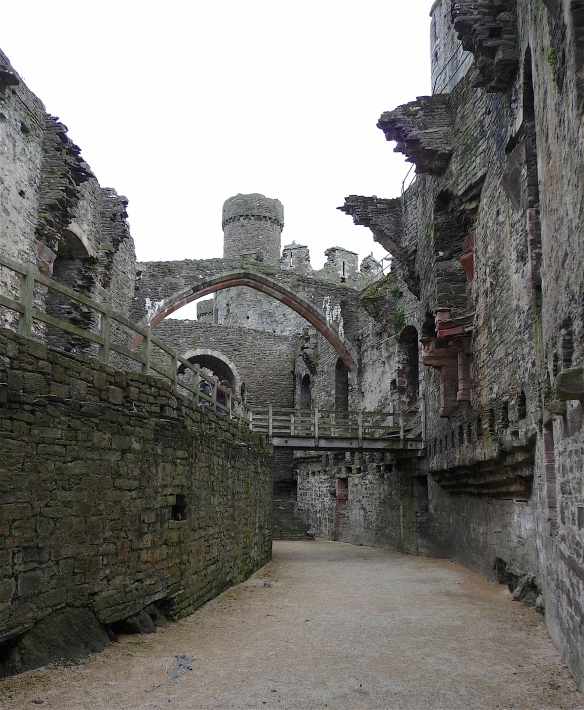
No visit to Conwy would be complete without experiencing the castle.

The castle and town walls were built between 1283 and 1289.

15-conwy-castle

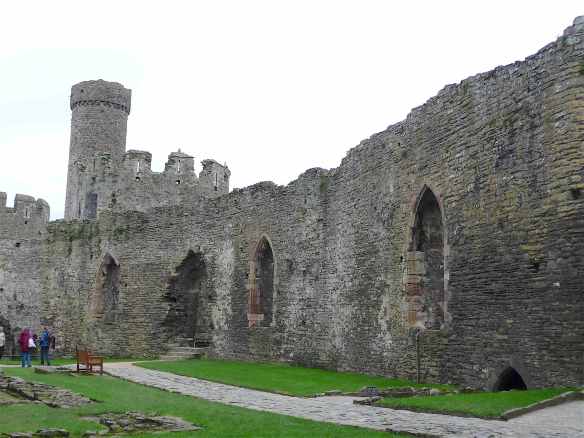
Glimpses of the River Conwy could be seen through the windows

and the interior of the castle has been remarkably preserved.

18-conwy-castle

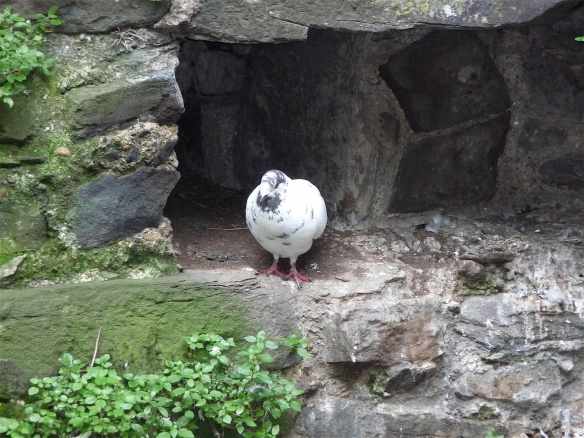
Someone had a very comfortable home.

21-pigeon

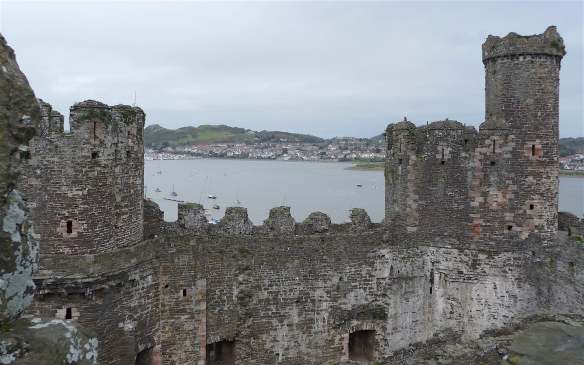
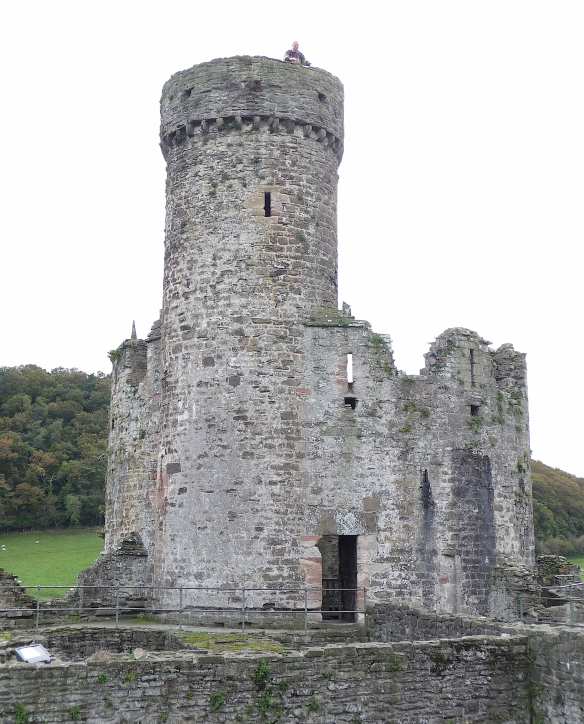
The perspective of the castle changed as we climbed higher

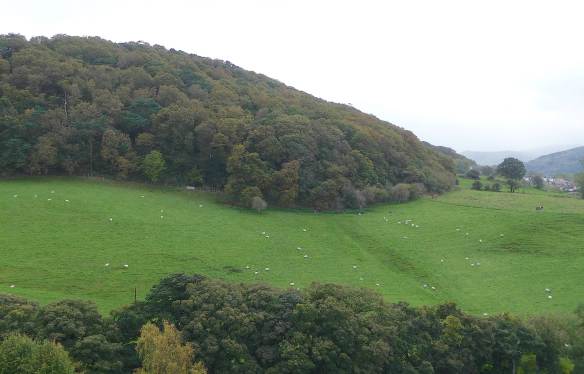
and the views of the river and countryside were beautiful.

25-conwy-castle26-view

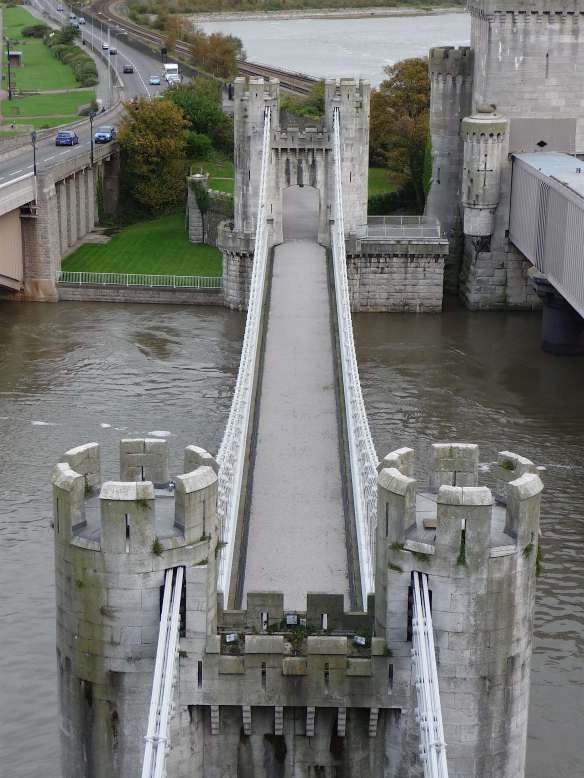
The suspension bridge was completed in 1826 to replace the ferry across the River Conwy and is now only open to pedestrians.

27-suspension-bridge

We bade farewell to Conwy Castle

28-conwy-castle

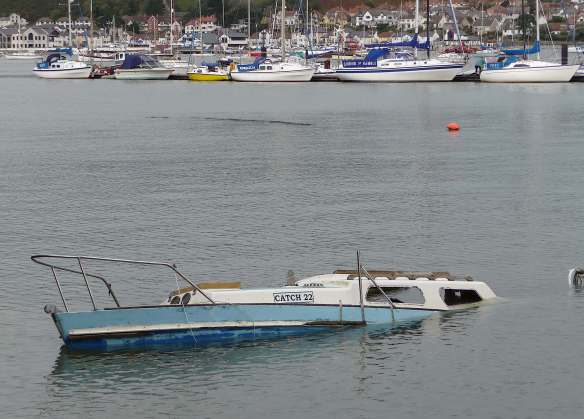
and returned along the river walk. The tide had risen, the name of this boat seemed very appropriate.

29-conwy

We wandered to the marina

30-conwy

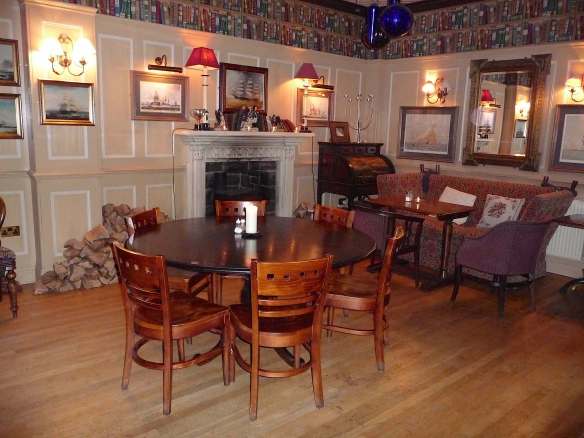
and enjoyed a wonderful meal at The Mulberry

31-the-mulberry

before another comfortable night at Whinward House.

Penrhyn Castle

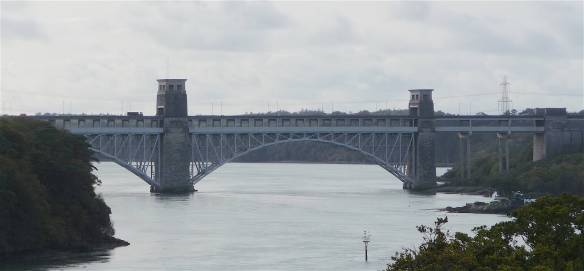
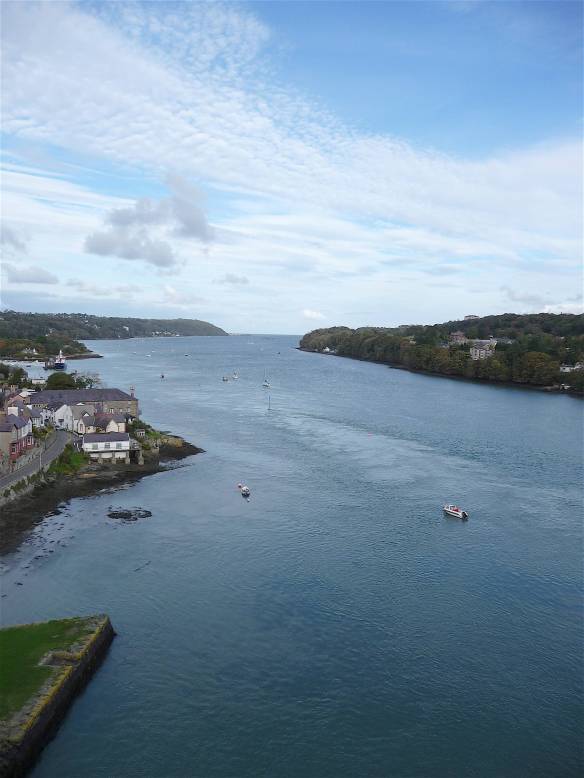
Leaving Caernarfon, we followed the Menai Strait northward with the Isle of Anglesey across the water to our left. The Menai Bridge was built to carry traffic between Anglesey and mainland Wales.

1-menai-bridge

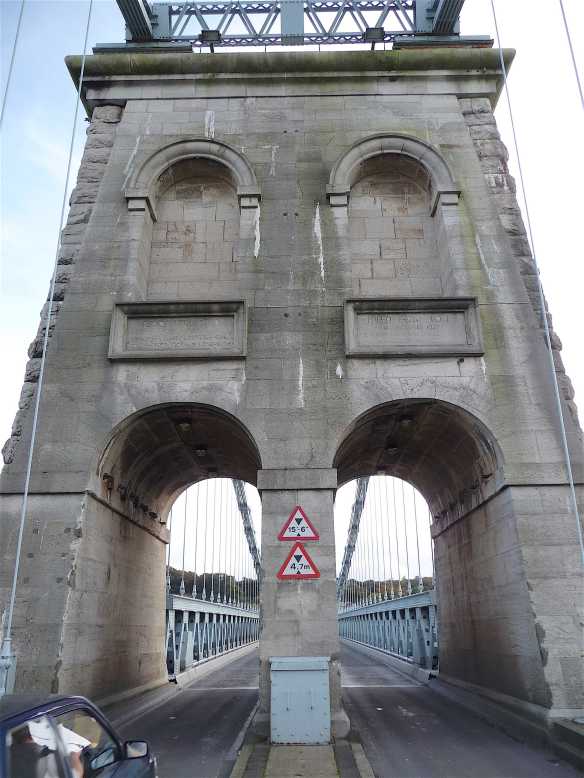
Construction began in 1819 with the towers on either side of the strait, built using stone from Penmon quarry on the island.

2-menai-bridge

It was the first iron suspension bridge of its kind in the world, completed in 1826.

3-menai-bridge

We walked across the bridge, stopping to admire the view northward to the Irish Sea.

4-menai-strait

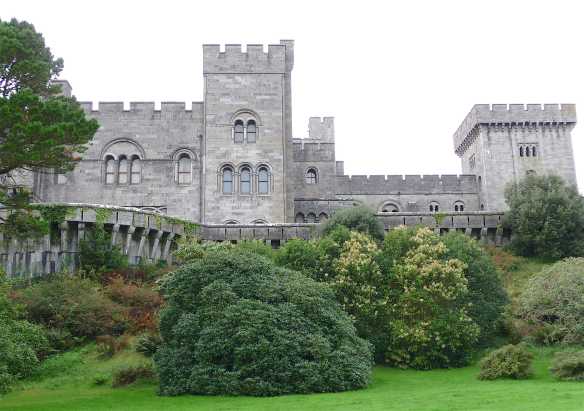
We couldn’t resist a visit to nearby Penrhyn Castle.

5-penrhyn-castle

It’s not really a castle at all but a country house built to resemble a Norman castle.

6-penrhyn-castle

Created between 1820 and 1833, Penrhyn was built on the site of a 14th century manor house and is now owned by the National Trust.

7-penrhyn-castle

After exploring the gorgeous restored interior, we strolled through the grounds.

8-penrhyn-castle9-penrhyn-castle10-penrhyn-castle

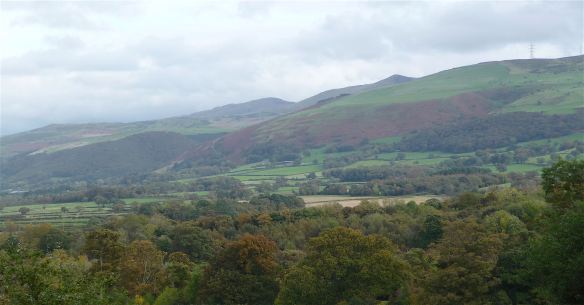
The countryside was breathtaking, with views across Snowdonia National Park

11-snowdonia-national-park

and north to Llandudno and the Great Orme.

12-the-great-orme13-the-great-orme

Whether you love or loathe the idea of a mock castle, you can’t help but be impressed by the workmanship.

14-penrhyn-castle