Arts Centre Market

There is no shortage of markets in Melbourne and of the few I have experienced, the Arts Centre Market is my favourite. The setting, on the lawns adjacent to the Arts Centre and along St. Kilda Road, allow plenty of space for browsing without feeling confined. The landmark spire towers 162 metres above the skirt, designed to represent the billowing of a ballerina’s tutu.

On the same theme, a bronze sculpture by Melbourne artist David Maughan, Les Belle Hélène, depicts two female ballet dancers who seem to be celebrating the sunshine on this magnificent winters day.

We arrived early and took our time investigating the unique treasures on offer and enjoying the bucolic atmosphere. Stallholders are selected based on the quality and originality of their locally produced wares, there was no end to the temptation.
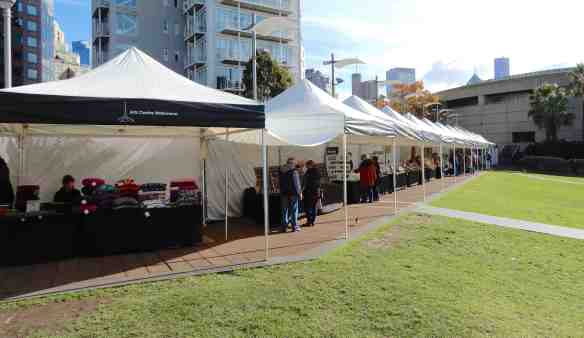
5.Arts Centre Market6.Arts Centre Market7.Indian Myna

Following our noses to the origin of the delectable aroma wafting through the air, we found Choo La La and their French praline nuts. As if the salivary glands weren’t already in overdrive, the free samples helped us choose between peanuts, almonds and macadamias (actually, they didn’t really help – we bought all three).

8.Chooh La La

After a perusal of the roadside stalls
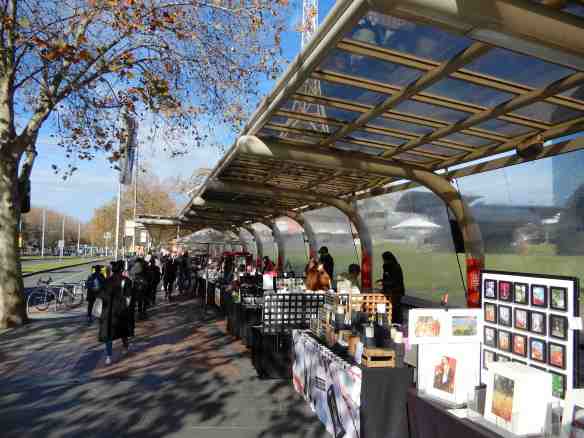
9.Arts Centre Market

it was time to think about lunch. There were many options but we couldn’t resist a ham & Swiss cheese crepe from the mobile French style Creperie, Street Crepes.

10.Street Crepes

Once the artist had created his masterpiece, we found a convenient bench by the National Gallery on which to sit and enjoy the result. It was delicious, just enough to fortify us for an afternoon ambling around the exhibitions at the NGV.

17.NGV

Liquid Light

While in Melbourne last year, we were fortunate to see the Liquid Light: 500 years of Venetian Glass exhibition at the NGV. The island of Murano in Venice has been home for hundreds of years to local artisans who have created the world famous Venetian glass. Evidence of glassmaking in Venice has been found as early as the 7th century but it wasn’t until the mid 15th century that Murano glassmaker Angelo Barovier produced a new glass formula, named cristallo, for its resemblance to rock crystal. The elaborate designs and vibrant colours have changed over the years but the exquisiteness is a constant.
1.installation

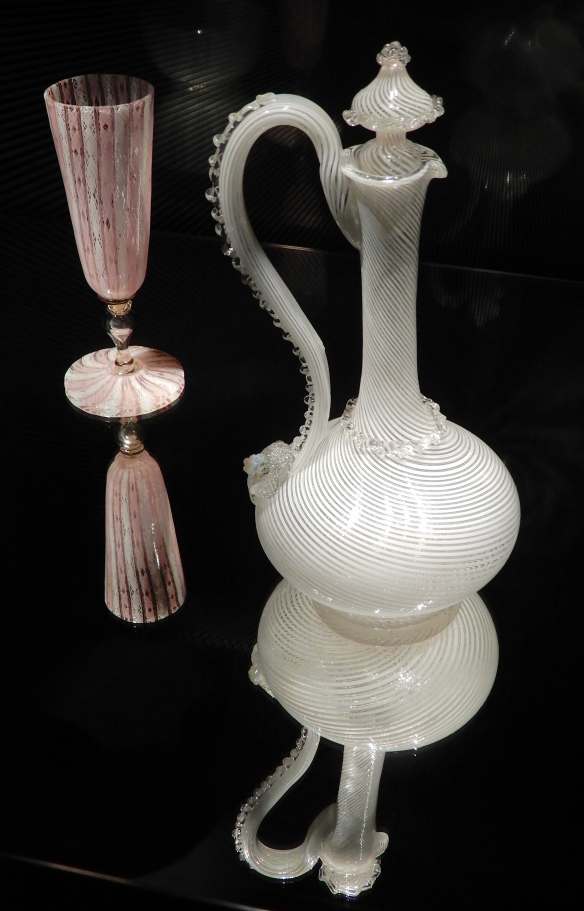
A new form of decoration called vetro a filigrana (filigree glass) emerged in the mid 16th century. Canes of white glass are embedded into the cristallo, the result is stunning.

4.wine glass & decanter 1880

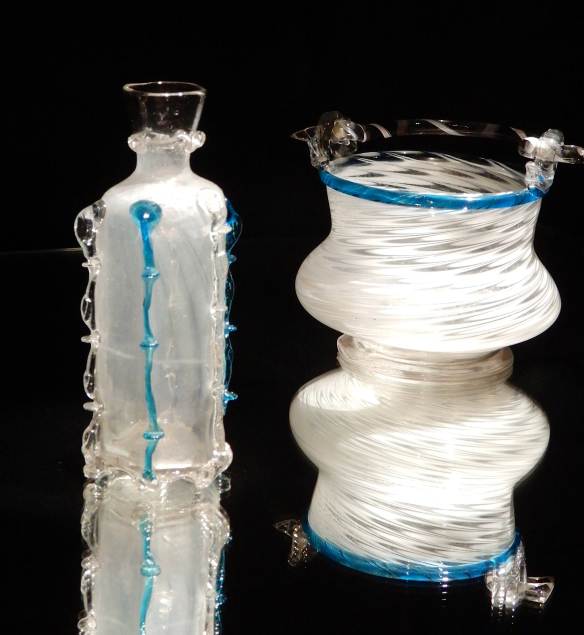
Another process that was developed around this time produced an opaque white glass, known as lattimo. It became popular in the 18th century when it was used to imitate porcelain.

5.bottle & bowl

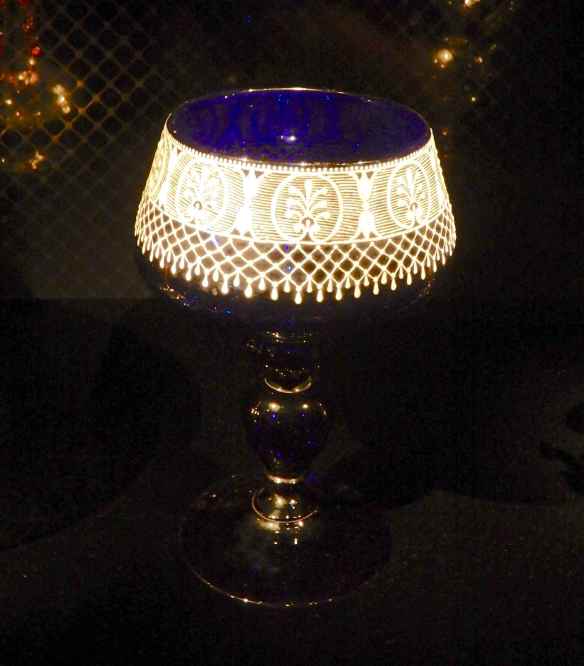
The earlier wine glasses weren’t a lot different to those we use today,

8.goblet 1880

except for the goblets with the ornately embellished stems. I would be very nervous drinking my wine from one of these.

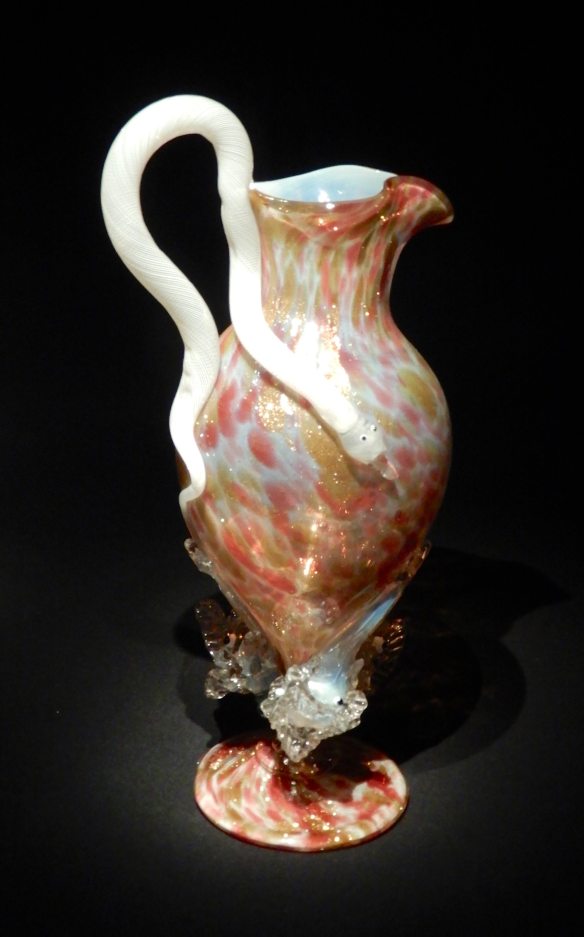
The Venetian glass industry suffered a decline in the 17th century in the wake of a financial crisis following the Italian plague of 1629-1631. A less expensive version of Venetian-style glass emerged and undercut the market for the authentic cristallo. Things went from bad to worse with the Napoleonic Wars and the industry all but collapsed by the mid 19th century. Fortunately, in 1866, The Venice and Murano Glass and Mosaic Company Ltd. was established and the glass making techniques of the 16th and 17th centuries were revived. It seemed that vases and jugs took on a simpler form

16.ewer 1880

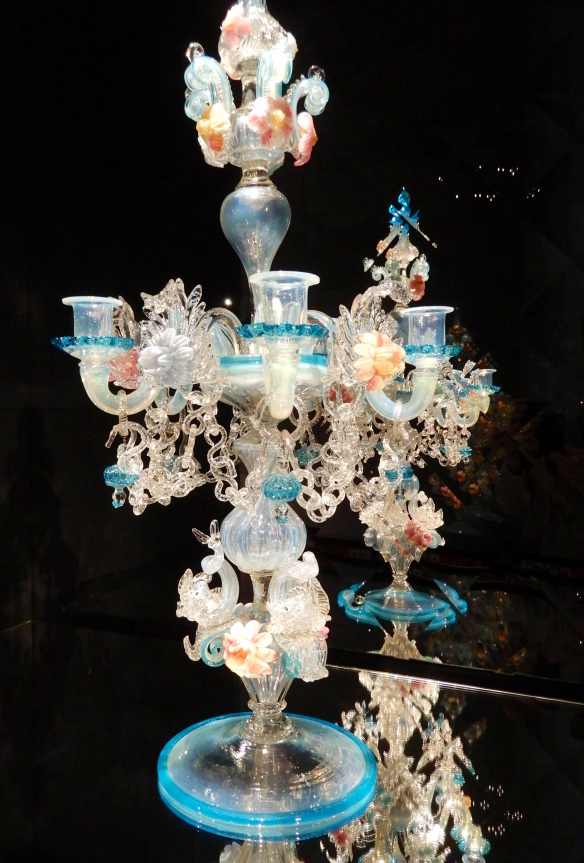
although the same can’t be said for this candelabrum.

17.Candelabrum 1880

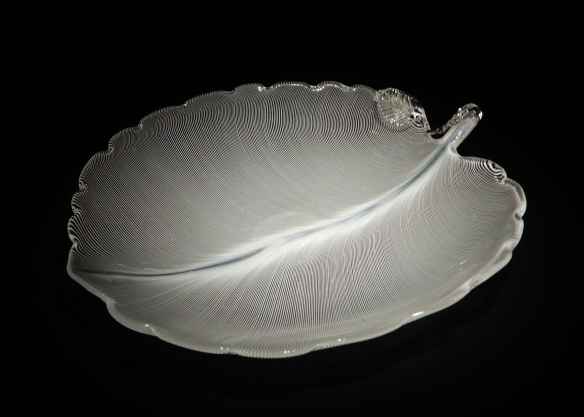
Moving into the 20th century, the same techniques were used to produce some beautiful, elegant pieces. Designed by Swedish Tyra Lundgren in 1938, this leaf dish is made with very fine vetro a fili decoration (white glass threads).

18.Venini & Co leaf dish 1950

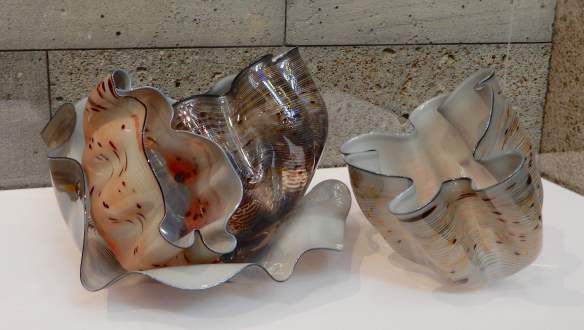
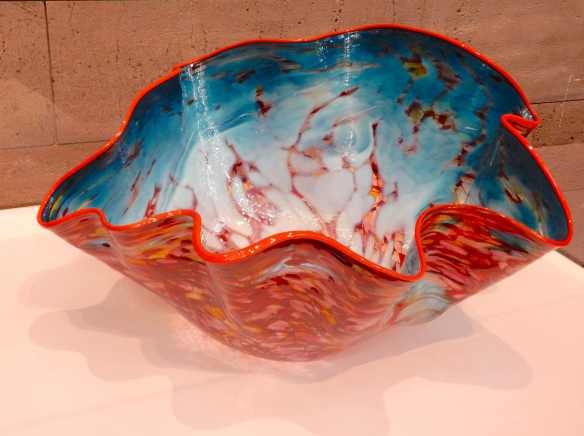
In the 1960s, Dale Chihuly was one of the first Americans to study glassmaking in Venice and in 1969, established the Pilchuk Glass School in Washington where he worked with Toots Zynsky and Richard Marquis. Chihuly began his Macchia series in the 1980s, named for the speckled effect of colours in the shell-like forms (macchia is Italian for spot).

19.Macchia series 198220.Macchia, Dale Chihuly 1993

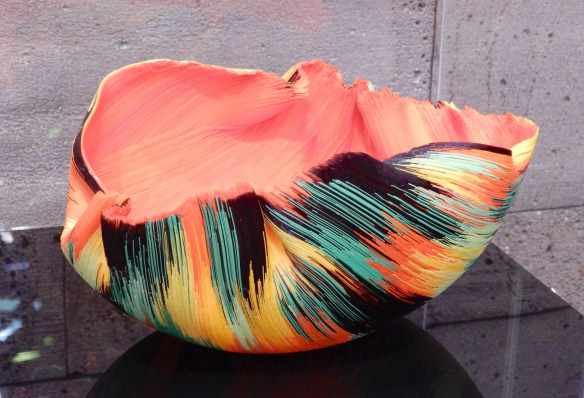
The vivid colours of the fine glass canes in this fascinating piece by Toots Zynsky were inspired by the plumage of exotic African birds.

21.Toots Zynsky 1990

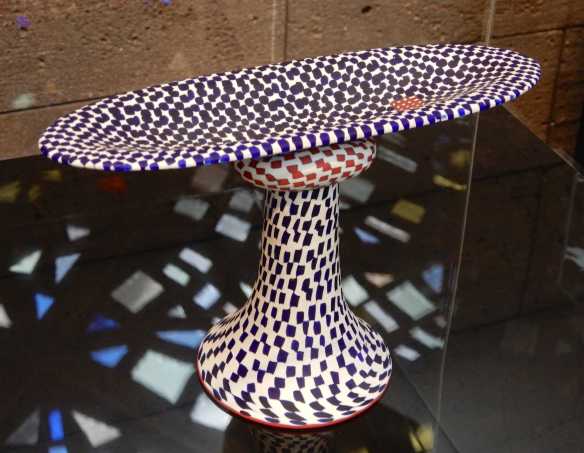
The name of the Marquiscarpa series is a combination of Richard’s surname and that of Carlo Scarpa to pay homage to the Italian architect. The footed platters have an intriguing mosaic appearance, created using glass canes sliced into cross sections.

22.Marquiscarpa #9, 1991

In the 21st century, the Venetian glass industry has to compete with the incursion of cheaper imports. Hopefully, ongoing collaborations between Muranese workshops and outside artists will secure its future.

Pugnaloni

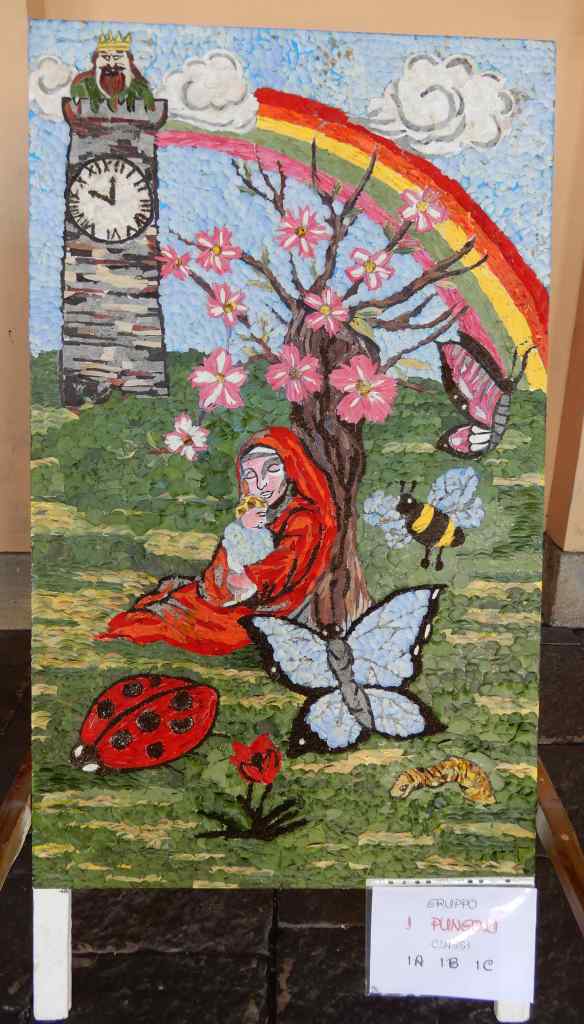
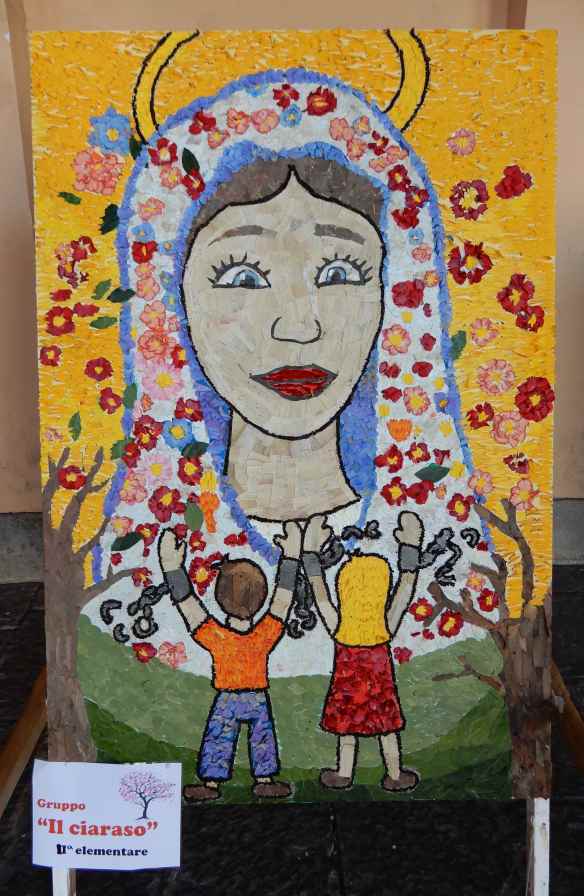
I was quite excited when I realised we would be in Acquapendente for the Festa dei Pugnaloni. The origin of the festival dates back to 1166AD when two farmers witnessed the blossoming of a dry cherry tree. This miracle was considered a good omen by the villagers who had been repressed under the reign of Emperor Federico I Barbarossa. Armed with prods and work tools, they destroyed the castle, drove out the tyrant and regained their freedom. The anniversary is celebrated on the third Sunday in May with a procession through the streets and much feasting. In ancient times, the peasants carried goads, implements used for prodding oxen, adorned with flowers to represent the weapons of battle and the cherry blossom.

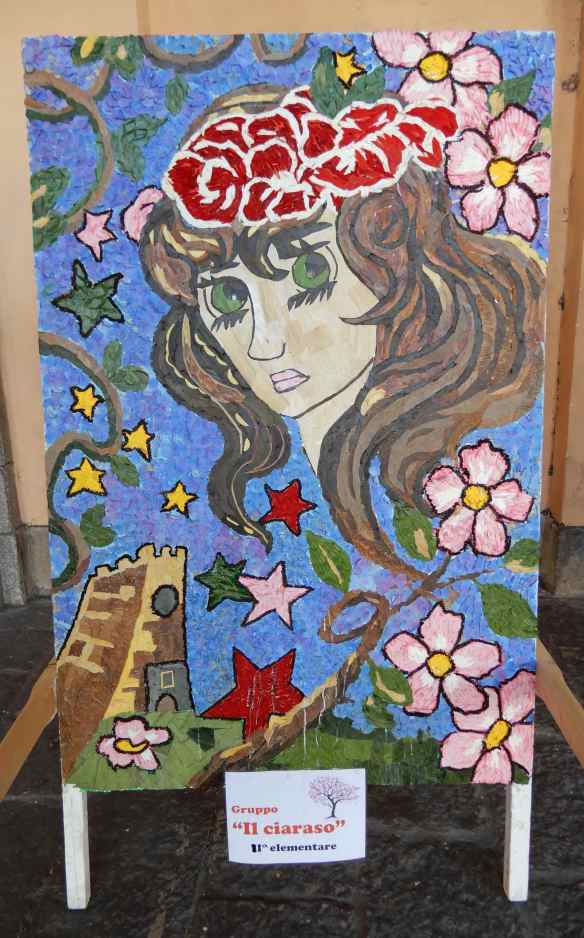
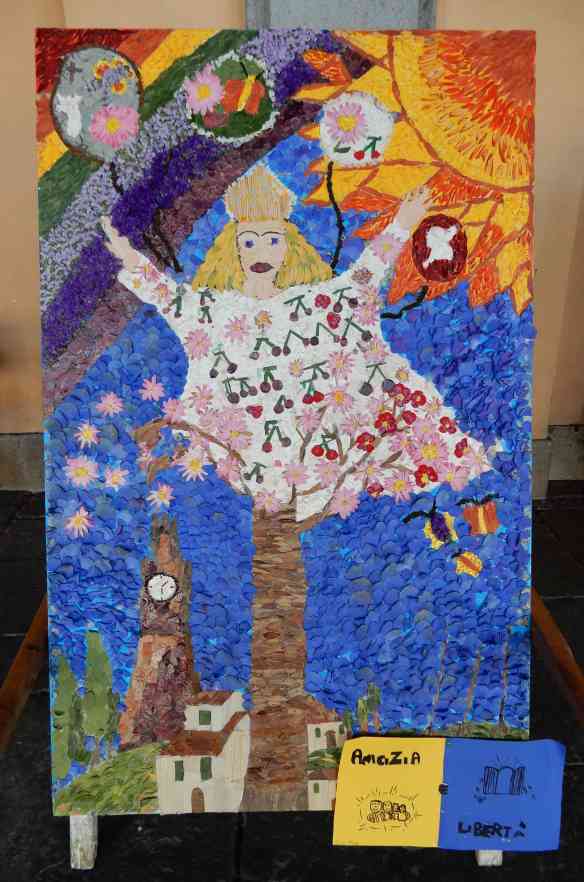
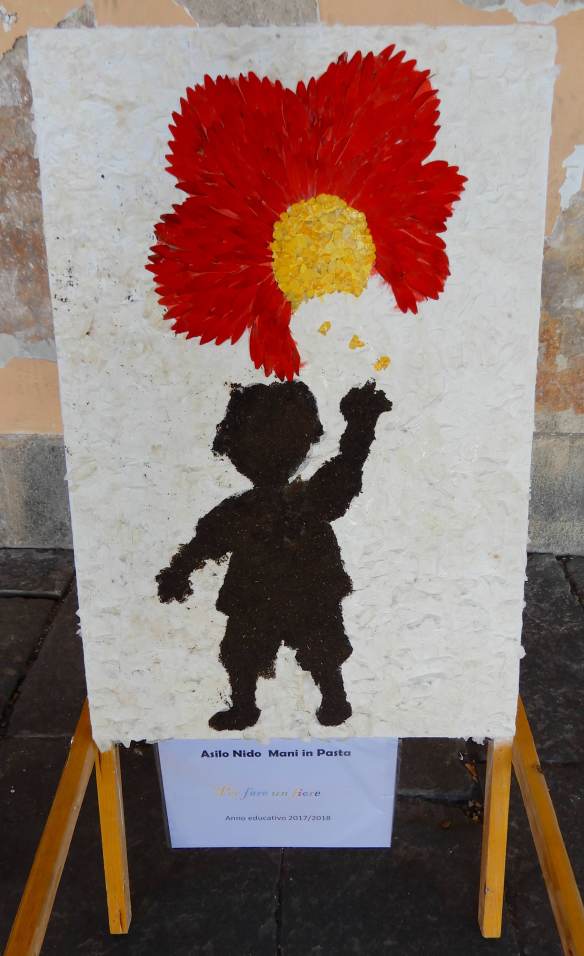
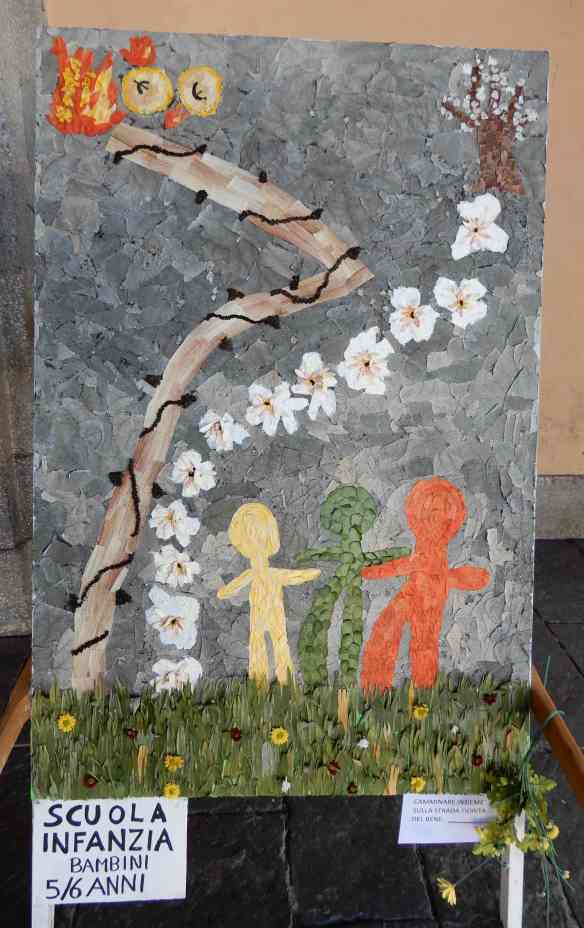
The pugnaloni have evolved over the centuries and are now superb works of art, created by different groups in the community. Large panels, 2.6 metres wide and 3.6 metres high, are covered with intricate mosaics of leaves and flower petals to create images inspired by the theme of peace and freedom. The week before the main event, we discovered some smaller versions exhibited in the loggia of the town hall.

1.mini Pugnaloni2.mini Pugnaloni3.mini Pugnaloni4.mini Pugnaloni

The Mini Pugnaloni gives the Aquesian children the opportunity to take part in this wonderful celebration.

5.mini Pugnaloni6.mini Pugnaloni7.mini Pugnaloni

We decided not to attend the festival after being advised by some locals that there would be a lot of inebriated people, they obviously thought we were crazy to even contemplate it. We revisited the town a couple of days later but could only find one on display at the town hall, the entry by a group named Via Francigena.

I think patience and a steady hand would be essential attributes for anyone undertaking this art, the results are spectacular.

12.Via Francigena

We later found out the remainder were exhibited in the Duomo and they take turns being centre stage at the town hall.

Acquapendente

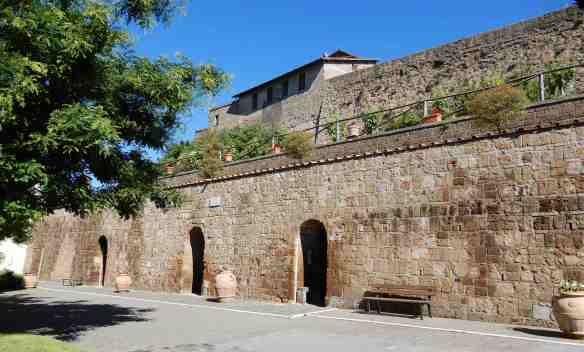
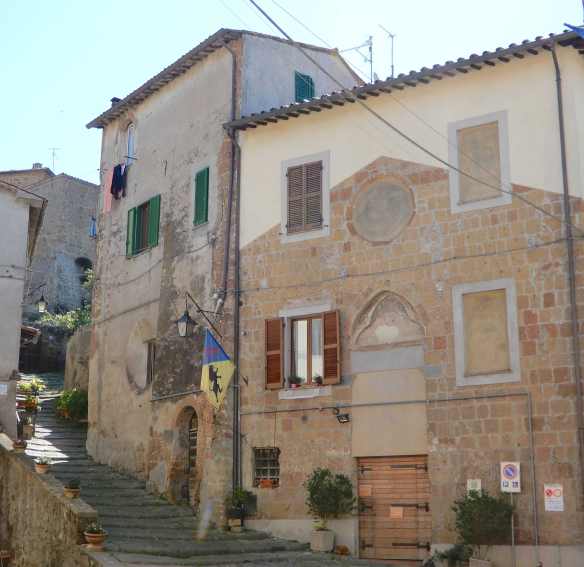
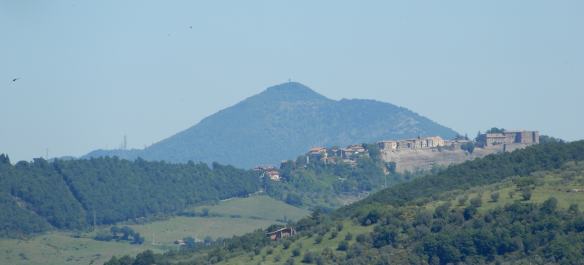
The nearest town to Montepozzo was a pleasant 4km drive away. Acquapendente, in northern Lazio, sits right at the borders of Tuscany to the west and Umbria to the east. First settled by the Etruscans, then Romans, it was established in the Middle Ages as a village and monastery by the Benedictine order. The name means “falling water” because of its vicinity to numerous small waterfalls flowing into the river Paglia. Our exploration of the town started at the Cathedral of San Sepolcro.  As far as Italian cathedrals go, it wasn’t particularly impressive from the outside. Built between 890 and 968, it was originally the church of a former Benedictine monastery, became a Romanesque church in the 12th century and eventually made it to cathedral status in 1649. Apparently, the crypt contains a blood-stained stone from the Holy Sepulchre in Jerusalem.

1.Cattedrale del Santo Sepolcro

We crossed the road for a look in the tourist information centre and found a range of local products and interesting artefacts.

We continued down Via Roma

10.Via Roma

past the City Museum

11.Museo della Città

and ventured into the Church of Saints Anthony and Catherine. The 19th century façade was easy to miss but the detail inside was lovely.

12.Chiesa dei Santi Antonio e Caterina

There was no shortage of colour in the streets

16.houses

as we made our way to the Church of Saint Agostino. Yet another unassuming façade belied a fascinating interior. Founded in 1290 by the Augustinian convent, it was rebuilt in 1747 after being completely destroyed by fire a year earlier.

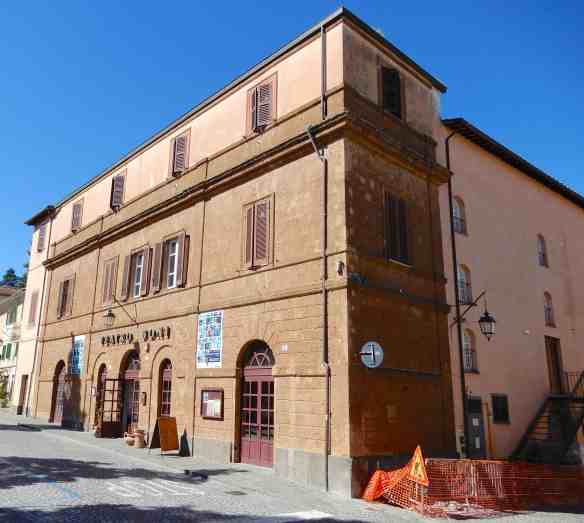
We passed the 19th century Boni Theatre

30.Teatro Boni

and around the corner, arrived at a beautiful piazza. The waters of Fonte del Rigombo flow from a natural spring, providing refreshment for both traveller and mount on their journey in medieval times. The fountain also became known as Mascheroni in the 19th century when the waters were framed architecturally with pilasters, cornices and grotesque masks around the water spouts.

31.Fonte del Rigombo

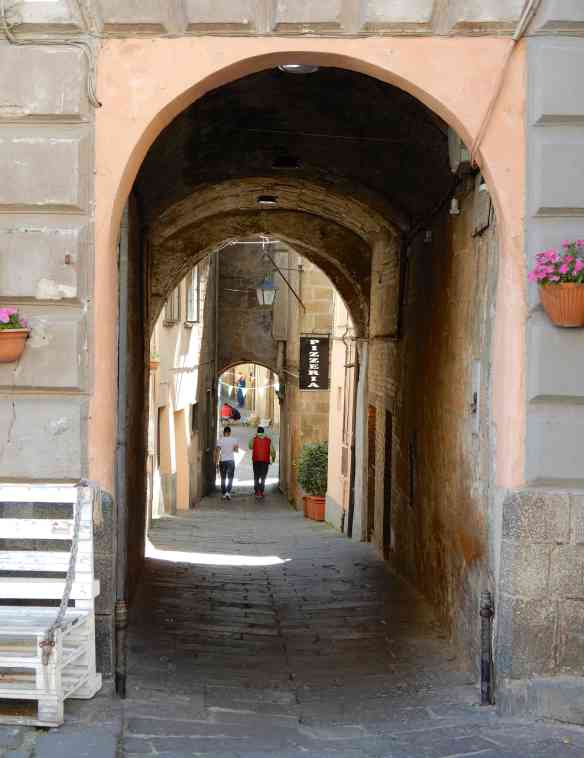
Cobblestoned side streets beckoned

36.Acquapendente

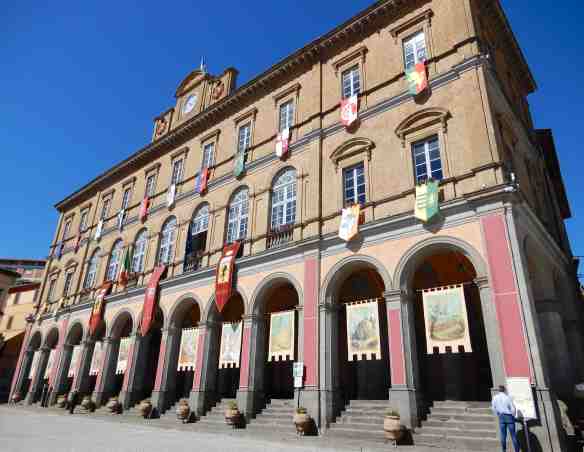
but we were on a mission as we reached Piazza Girolamo Fabrizio and the magnificent Town Hall.

37.Town Hall

Time for coffee & pastries,

38.pastries

the perfect setting to relax and watch the world go by.

Suitably replenished, we ambled further, enjoying the sights, sounds and sunshine.

66.strolling

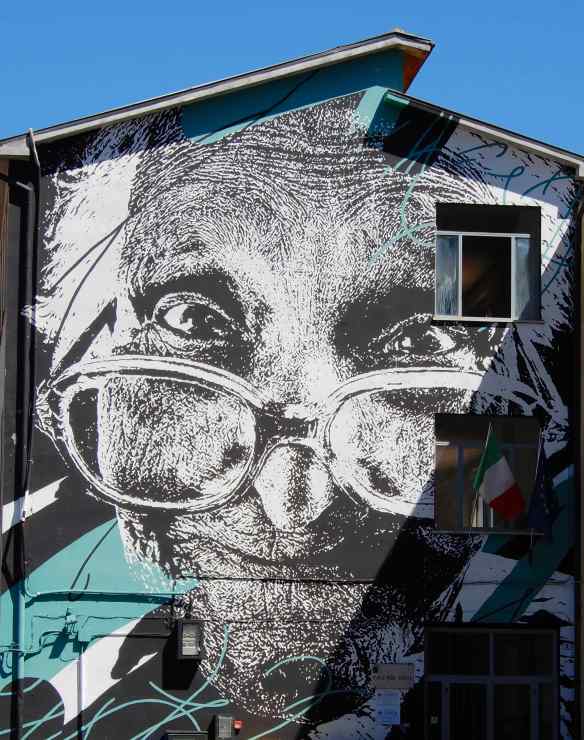
Throughout our rambling, we had noticed huge portrait paintings that appeared randomly on walls where least expected. They are entries in the Street Art section of The Urban Vision Festival, a two day festival each July that began in 2015.

82.Urban Vision

Just past the hospital,

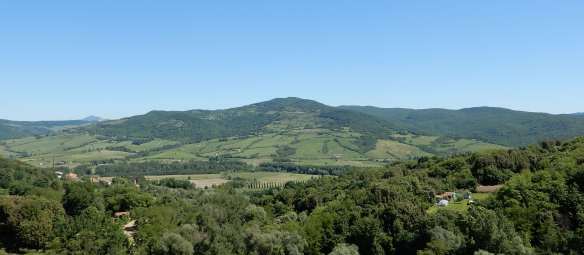
at the end of the town, we were rewarded with a spectacular vista across verdant countryside.

86.view87.view

Auckland

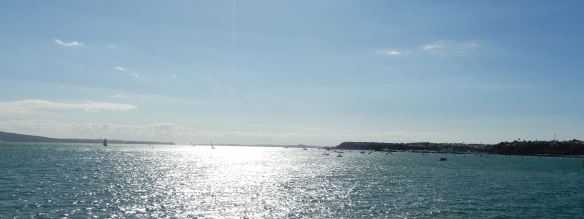
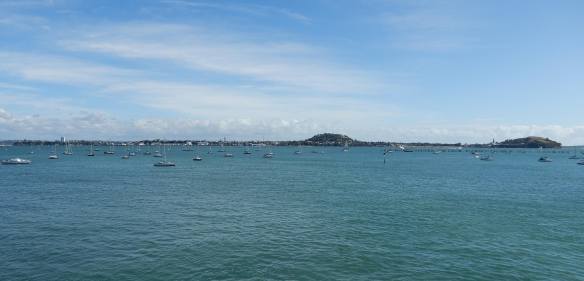
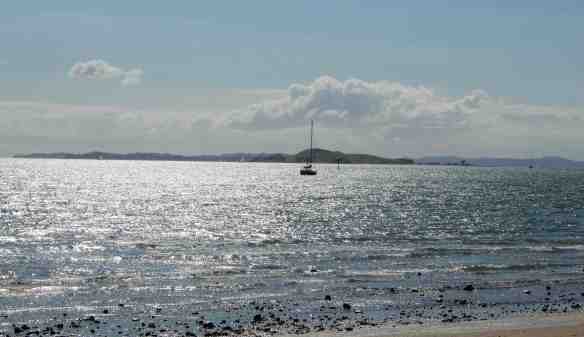
Our first day in Auckland dawned bright and sunny and we decided a ticket for the Hop On Hop Off bus was the best way to see the sights. Departing from Sky Tower, just down the road from our apartment, we were surprised by the amount of traffic and roadworks in Auckland. A huge extension to the waterfront precinct began last December, we weren’t enticed by the crowded construction site and remained on the bus as it travelled along Tamaki Drive on the way to Bastion Point. The views across Waitematā Harbour from the upper deck were breathtaking,

1.Waitematā Harbour2.Waitematā Harbour3.Waitematā Harbour

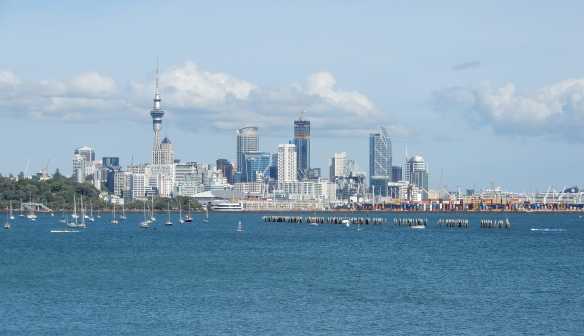
the city clearly visible, looking back across the water.

4.Auckland

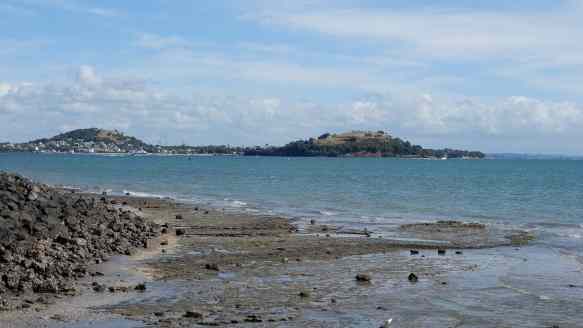
The volcanic cone of Maungauika forms the headland that is North Head Reserve, adjacent to the harbourside suburb of Devonport. There are underground tunnels and old gun emplacements to explore at the former military defence installation.

5.North Head

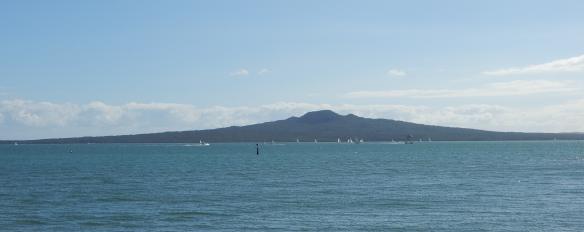
The symmetrical cone of Rangitoto Island is the youngest and largest volcano in the Auckland field, emerging a mere 600 years ago.

6.Rangitoto

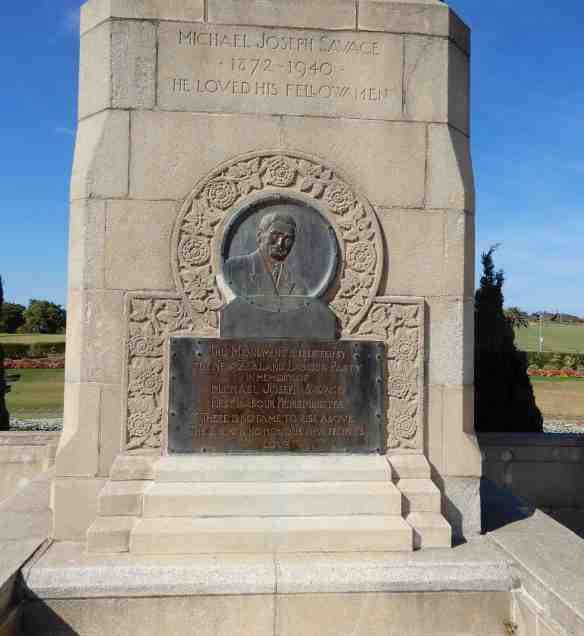
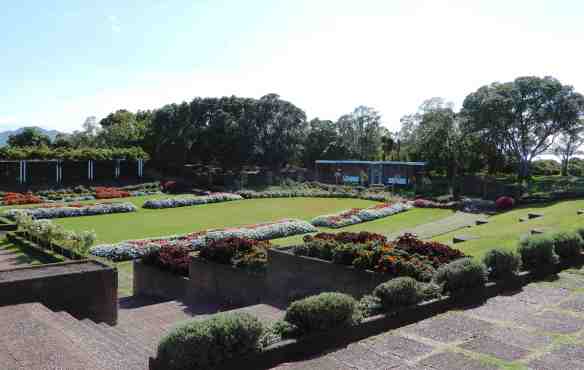
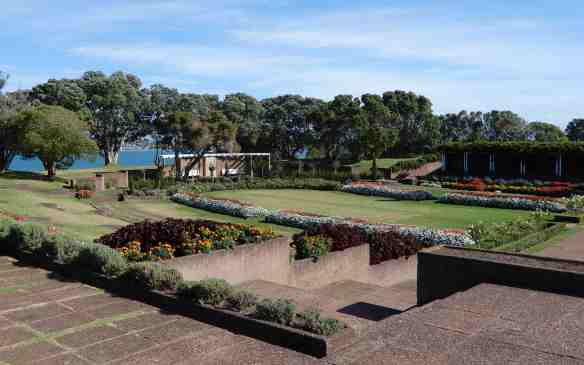
We alighted at Bastion Point to wander around the Michael Joseph Savage Memorial Park. Set on 49 hectares, the landscaped gardens, sunken pool and obelisk are a memorial to New Zealand’s first Labour Prime Minister.

7.Michael Savage Memorial

In office from 1935 until his death in 1940, Michael Savage is recognised as the founder of the Welfare State as well as creating a political alliance with the Māori Rātana movement.

8.Michael Savage Memorial

The gardens are immaculate, designed by two Auckland architects who won a national competition to design the memorial in 1941.

9.Michael Savage Memorial

10.Michael Savage Memorial

This site of a former gun emplacement affords a spectacular view of Auckland Harbour Bridge.

13.Auckland Harbour Bridge

We walked the steep path and steps from Bastion Point to Mission Bay, a popular beach with calm waters and plenty of cafes and bars.

14.Mission Bay

We had a different perspective of Devonport and North Head from the beach.

15.Devonport & North Head from Mission Bay

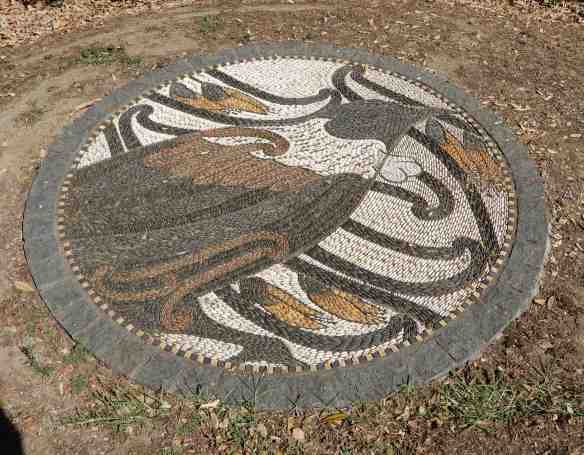
At the bottom of the steps, there are a series of beautiful pebble mosaics but no explanatory signage. I have since discovered the origin of this art, you can read about it here.

16.mosaic17.mosaic18.mosaic