Sails in the Desert

We knew our trip to Uluru would be a ‘once in a lifetime,’ so we decided to indulge ourselves with a three night stay at a luxury 5 star resort. We arrived at our oasis, ‘Sails in the Desert’ on a rather warm afternoon,
1.entrance

the majestic Casuarinas eagerly awaiting sundown.

Welcomed at reception with a refreshing lemon myrtle drink, we surveyed the stylish lobby.

Our room décor was stunning, the mystery of local Anangu creation stories splashed across the carpet,

6.our room

dotted along cushions

and revealed in artefacts. The Punu (wood carved animals) are hand carved by the Anangu people and decorated with walka (burnt patterns).

9.our room

Our balcony was small but we really didn’t have time to make use of it. We had a lovely, leafy view across the grounds

11.view from balcony

and along the balconies of the Terrace Rooms.

12.view from balcony

We couldn’t resist a closer look at how the other half live.

13.Terrace Room balcony

The grounds were beautifully kept

14.grounds

and a serpent path snaked its way through the trees.

The Ilkari Restaurant had an amazing buffet and a central grill station that cooked to order. At breakfast, the grill station offered freshly cooked eggs, pancakes and omelettes.

17.Ilkari Restaurant

For a casual meal or relaxing beverage, The Walpa Lobby Bar

and Pira Pool Bar were enticing options.

After spending a morning exploring The Olgas, the boys went in search of a beer while we girls chose some well earned pampering at the Red Ochre Spa.

22.Red Ochre Spa

After a cooling glass of lemon myrtle infused water,

23.spa

we were ushered to a double room, forced to endure a skin softening foot bath, followed by an invigorating Sea Salt exfoliation, ending with a decadent foot massage.

I enjoyed a relaxing herbal tea in comfort while Kay tortured herself further with a pedicure.

27.spa

We had a wonderful escape at ‘Sails in the Desert’,

a lifestyle I could definitely get used to.

Benabbio Castle

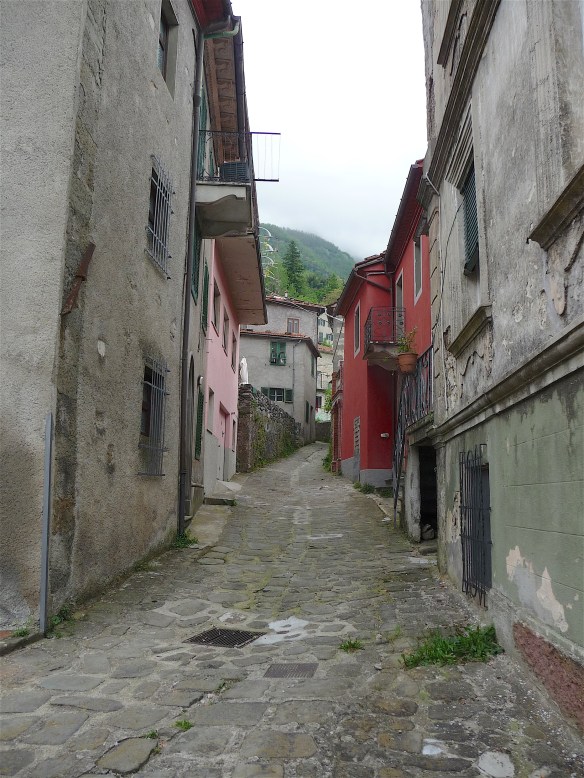
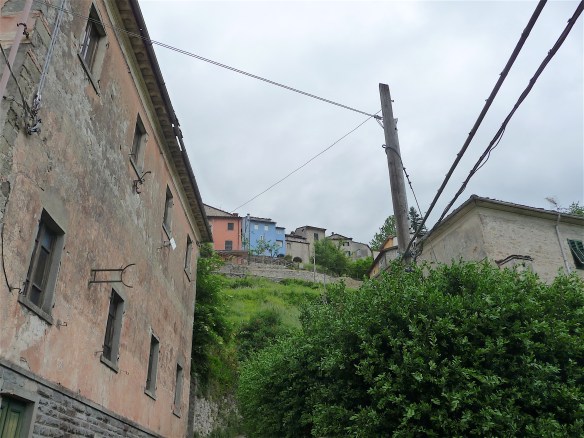
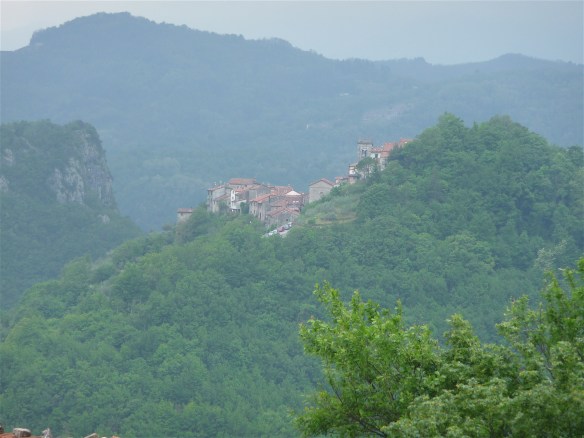
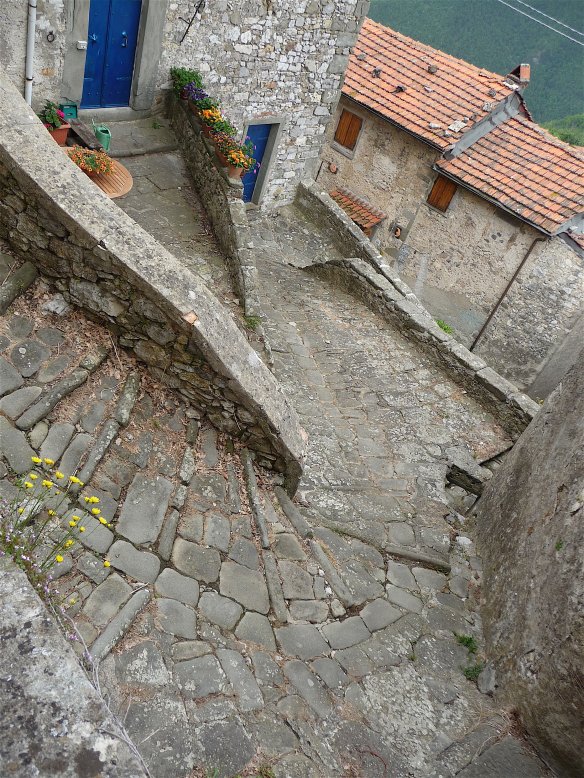
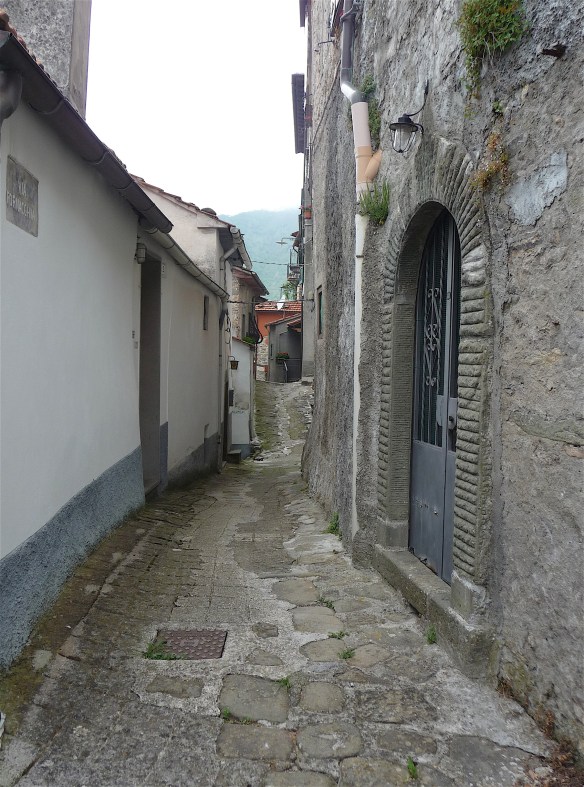
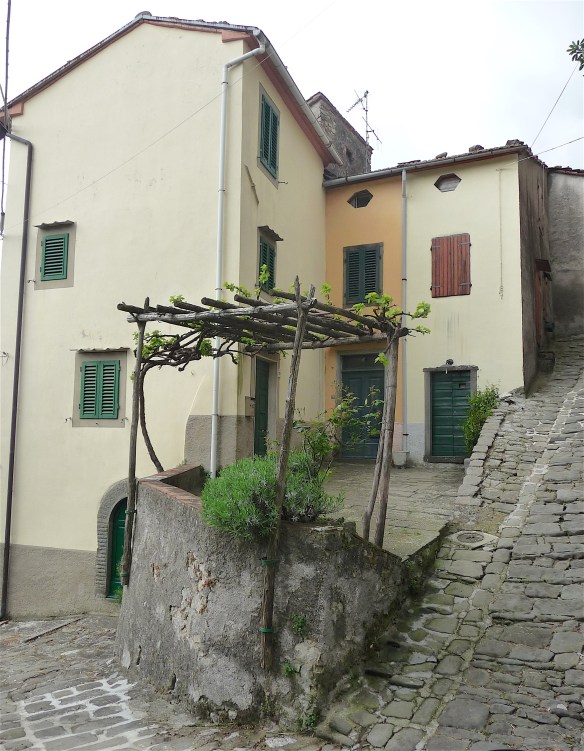
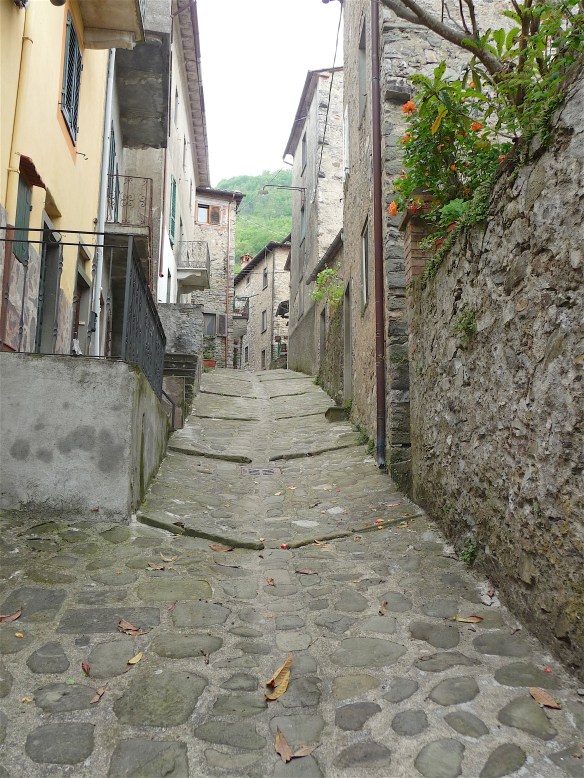
In the hills behind the village of Benabbio lie the ruins of Castle Benabbio. One afternoon, we took a walk to the top of the village and found the path that would take us there.

1.walk2.walk3.walk4.walk

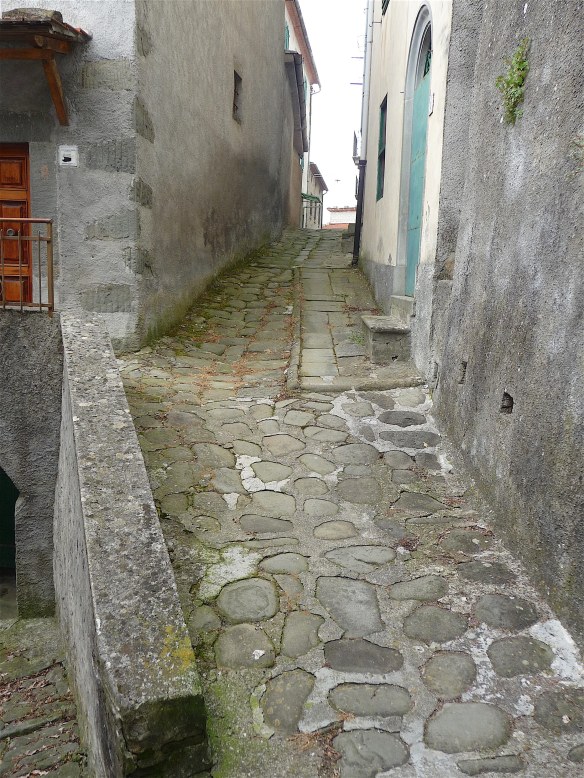
There were intriguing reminders of the past as we made our way further up the hill.

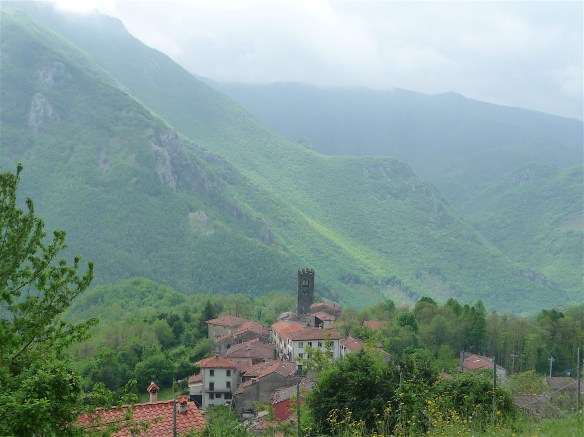
We left the village behind

9.walk

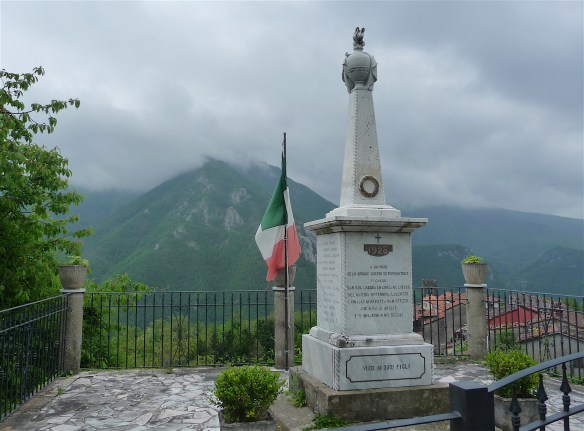
and the views across the valley and village were breathtaking.

10.walk11.walk12.walk13.view

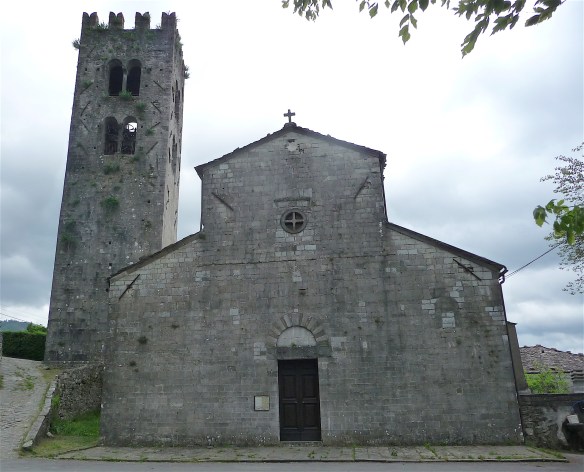
Within the castle walls is the ancient church of San Michele, founded in 1218.

14.church

It is thought to be the first parish church of Benabbio but ceased religious activities after the dismantling of the defenses of the castle in 1334.

In 1855, the old medieval cemetery was used to bury the 44 victims of a cholera epidemic. There is a plaque, in their memory, on the outside wall of the church.

18.church

The castle has been the site of archeological excavations for years, with many important finds. Some parts of the walls remain intact.

19.castle

The castle was owned by the Lupari family who swore to the City of Lucca to guard the Apennines against enemy invasion.

When war broke out between the Florentines and Lucchesi in 1334, Lupo Lupari deceived the Lucchese who, in turn, travelled to Benabbio to punish Lupo. They claimed the castle and the Lupari family fled to Bologna. However, legend has it that Lupo is buried in a tunnel accessible from the existing well.

24.well25.well

Hobart

Hobart is Australia’s second oldest capital city, after Sydney. It is an intriguing mix of old and new and the waterfront precinct is captivating. The Georgian sandstone warehouses lining the dock were built in the 1830s. The IXL Jam Factory is now the Henry Jones Art Hotel and others have been converted into businesses, galleries and restaurants.

1.Waterfront

There are many fabulous restaurants to choose from, with seafood the specialty. The Drunken Admiral is very popular,

2.Drunken Admiral

unfortunately we missed out without a reservation.

Looking across Victoria Dock,

5.Victoria Dock

Mures Lower Deck offers casual dining while the Upper Deck is a unique experience with fresh seafood caught, prepared and served by this local family owned business.

6.Victoria Dock

Strolling along Franklin Wharf, we encountered a series of bronze sculptures, a tribute to the Antarctic Expedition of 1899. Louis Bernacchi was raised in Tasmania and is immortalised in this, “Self Portrait, Louis and Joe”.

7.Bernacchi

Nearby are other sculptures depicting the penguins and seals of Antarctica

as well as some of the supplies and other animals present on the expedition.

Sullivans Cove, on the Derwent River, was the original landing point in 1804 of Hobart’s founder, Lieutenant Governor David Collins and the site of initial European settlement in the area.

13.Sullivan's Cove

Further along the wharf is Constitution Dock, the finishing line for the Sydney to Hobart yacht race. We were very excited to be there for the celebrations.

14.Sydney-Hobart

Wild Oats XI had claimed its third consecutive line honours. Even for someone who doesn’t know a thing about yachts, I think she is a magnificent vessel.

17.Wild Oats

The dock was bustling

but this gull had seen it all before.

22.seagull

This heritage travelling steam crane, built in 1899, sits proudly on the wharf since retirement in 1969.

23.steam crane

Elizabeth Street Pier underwent a transformation in 1997

24.Elizabeth St pier

and now comprises an apartment style hotel, conference centre and eateries.

Moored at the pier is a full size replica of the Lady Nelson, one of the vessels arriving in 1804 with the first free settlers. She now spends her days sailing the River Derwent with passengers who wish to enjoy a tall ship sailing experience.

27.Lady Nelson

A short walk across the lawns of Parliament Square is Salamanca Place. Each Saturday there is a very busy market

28.market

offering a great variety of wares, mostly from local artisans.

29.market

Even the world famous can be seen busking in Salamanca.

34.market

Behind the market stalls are rows of sandstone buildings built in the 1830s to house grain, wool, whale oil and imported goods. They have since been converted into restaurants, galleries, craft shops and offices.

35.Salamanca

There are many laneways and squares to discover around Salamanca

and the new is starting to encroach on the old.

38.Salamanca

When a break is needed from the shopping and exploring, Irish Murphy’s is the perfect spot

39.Irish Murphy's

for a light refreshment

40.Irish Murphy's

to give you the strength to carry on.

Eden Project

We had been told about the wonders of the Eden Project by, believe it or not, a friendly parking inspector while visiting Bath. On an overcast morning, we drove to St. Austell to see for ourselves. Created in a reclaimed Cornish clay pit, the 35 acre site was a spectacular vision.

1.Eden Project

White domes bulged from the surrounding landscape,

2.Eden Project

their magnitude truly appreciated the nearer we walked.

3.Eden Project

Eden Project is intended to make us think about the relationship between people and plants, as well as the sustainability of our planet. The tropical biome is fifty metres high and four of the world’s rainforest environments are re-created in nearly 4 acres.

4.rainforest biome

I was reluctant to expose my camera to the hot, steamy atmosphere

5.rainforest biome6.rainforest biome

and very relieved to enter the Mediterranean biome and a more agreeable climate.

7.mediterranean biome

There were some interesting installations

8.mediterranean biome9.mediterranean biome10.mediterranean biome

including sculptures depicting the Rites of Dionysus.

11.Rites of Dionysus sculptures

The Greek god of the vines and his followers seem to be enjoying themselves immensely.

12.Rites of Dionysus sculptures

The outdoor gardens represent the temperate regions of the world with more than 3,000 plant varieties.

13.outdoor gardens14.outdoor gardens

Meandering our way along the paths, we encountered many surprises.

15.outdoor gardens

The living sculpture of Eve is made mostly of clay from Eden, she looks very relaxed amongst the trees.

18.Eve

The Giant Steel Man sculpture keeps an eye on the Hemp exhibit

The Industrial Flame Plant is a comment on fossil fuels. We are warned that most varieties of the genus ‘Industrialis’ extract energy stored in fossilized plant remains from ancient forests. They convert raw materials into a variety of useful products and harmful emissions. Widespread overplanting causes environmental damage and climate change.

21.Industrial Flame Plant

WEEE Man is a 3.3 tonne, 7m high structure representing the amount of waste electrical and electronic equipment (WEEE) the average British household throws away in a lifetime.

22.WEEE Man

The Core building is an education facility with interactive exhibits, the structure of which is based on a sunflower.

23.Core building

The Nutcracker was designed to get us thinking about how much energy and resources we often use to do simple things. A wind of the handle transports a hazelnut through a series of cogs, wheels, pulleys and cranks before it is eventually cracked.

24.The Nutcracker

Seed was fascinating. The 70 tonne sculpture is at the epicenter of the Core building and is carved from a single piece of granite. The complex pattern of protrusions are based upon the geometric and mathematical principles of plant growth.

25.Seed

There was so much to see at Eden Project, I’m sure we missed some of it. We shall have to return one day.

Uluru

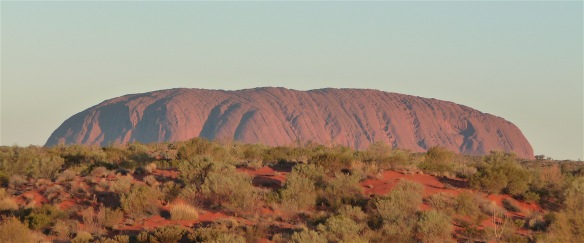
For many years, a visit to the centre of Australia was on our ‘must do’ list. After yearning to experience an iconic landmark and finally realising that dream, sometimes we are disappointed with the reality. As we approached Uluru, I was wondering if that would be the case this time. It wasn’t. The rock is awesome.

1.Uluru

Uluru is sacred to the Anangu, the Aboriginal people of the area. William Gosse first sighted it in 1873 and named it Ayers Rock in honour of the then Chief Secretary of South Australia, Sir Henry Ayers. Since then, both names have been used. Because of its great spiritual significance, the Anangu do not climb Uluru. The visitors guide suggests, ‘the climb is not prohibited, but we prefer that, as a guest on Anangu land, you will choose to respect our law and culture by not climbing.’ Alas, human nature is what it is.

2.climbing

We decided the best way to see the top was from a helicopter.

3.helicopter

The perspective from above showed the diverse features of this amazing sandstone formation. Standing 348m high, most of the bulk lies underground.

4.Uluru5.Uluru6.Uluru7.Uluru8.Uluru

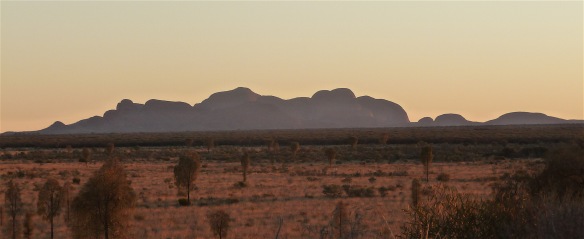
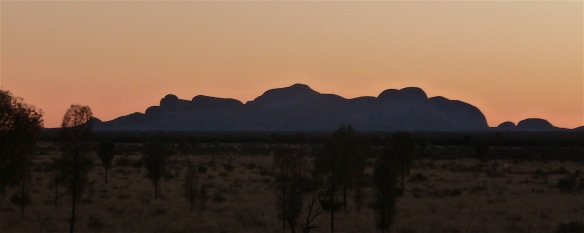
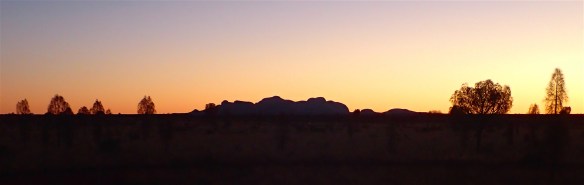
The vastness of the desert was absolutely breathtaking, with Kata Tjuta rising from the landscape to break the monotony.

9.Kata Tjuta

The township and holiday resorts of Yulara offer an oasis in the desert.

10.Yulara

We then embarked on the base walk, 10.6km around Uluru. Visitors are asked not to photograph certain sections for reasons related to the traditional beliefs of the Anangu people. Prior to our visit, I had expected the rock to be quite featureless. On the contrary, it is truly remarkable.

11.rock

19.rock

The walk was exhausting on a hot, dry day

24.walk

but the rewards were many.

31.rock

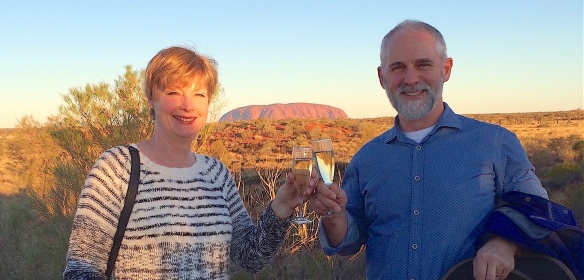
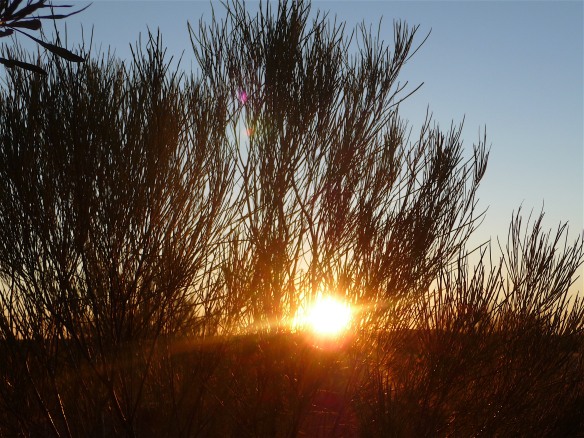
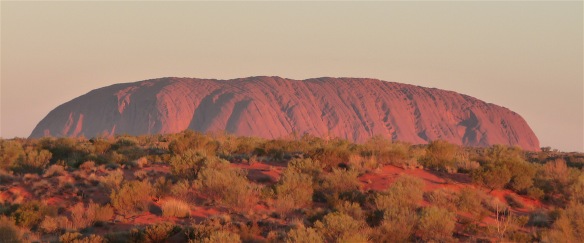
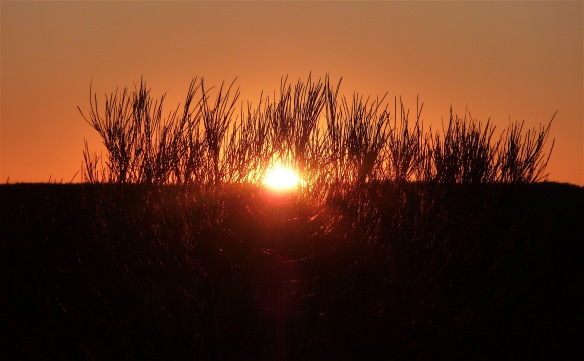
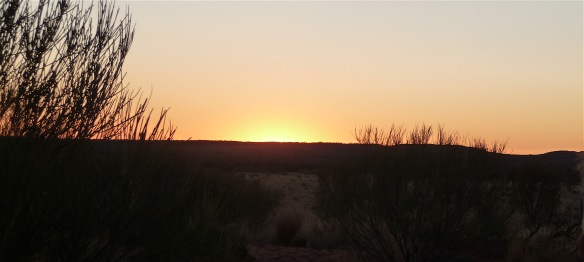
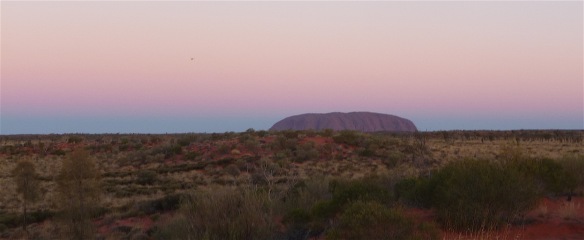
With the sun descending, we bid farewell to Uluru

36.rock

with a long, cold beer in our sights.