Civita di Bagnoregio

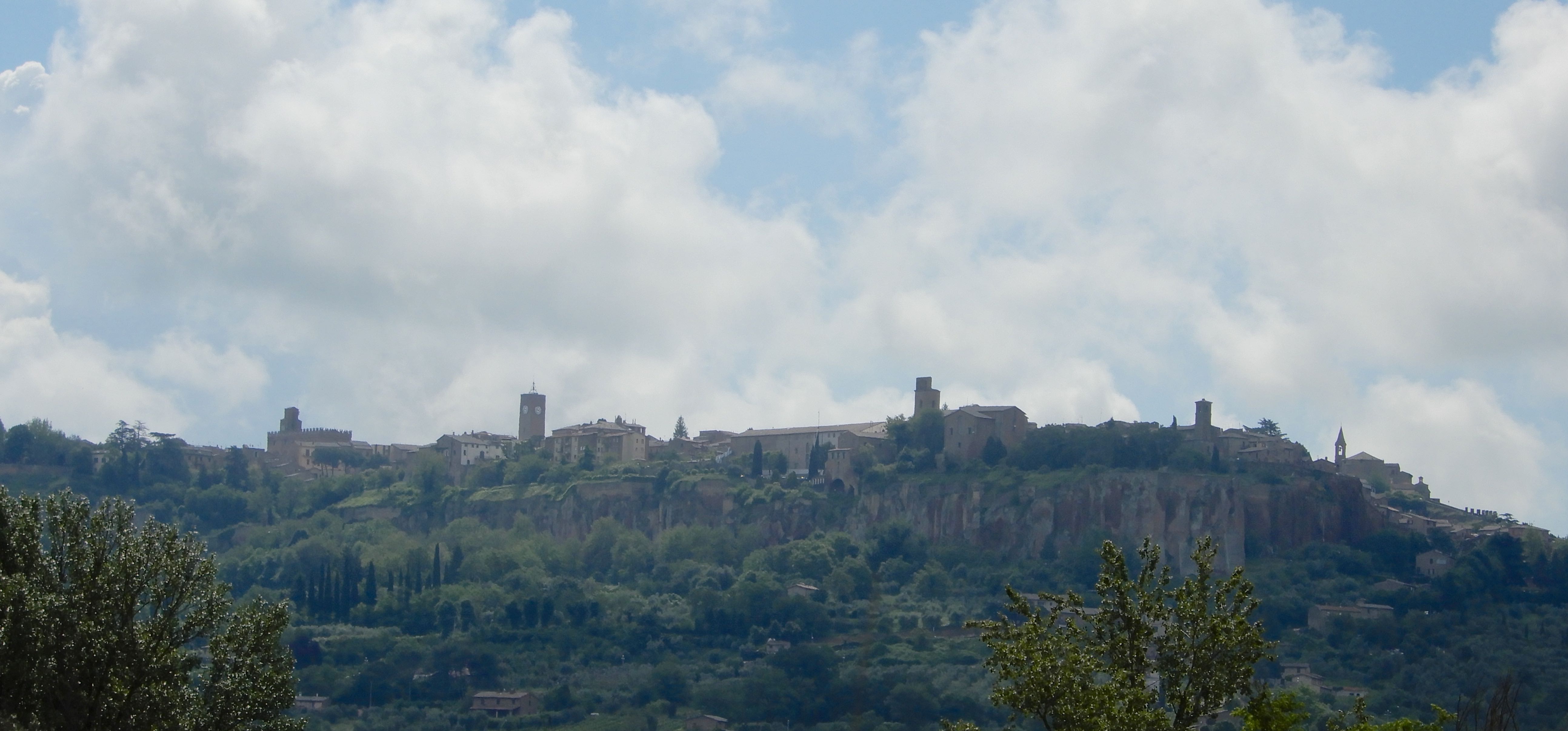
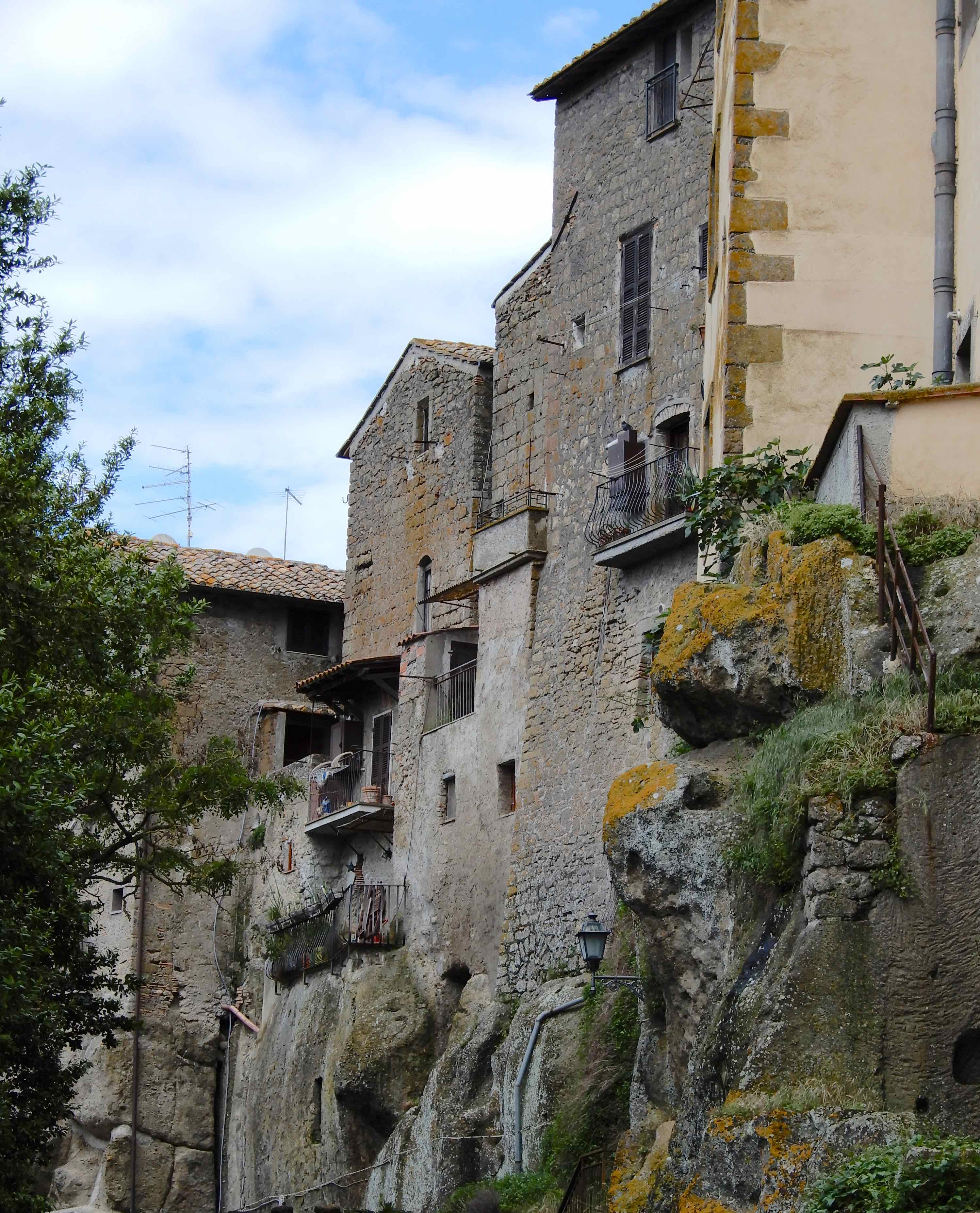
Despite the exhaustion from our adventures at Bomarzo, we couldn’t resist a detour to explore Civita di Bagnoregio. The two towns of Civita and Bagnoregio were once connected but by the 16th century, Civita had begun to disintegrate. The clay base below the tufa subsided and the cliff edges were weakened by the constant removal of stone to build houses. An earthquake in 1695 sealed its fate and the residents moved to Bagnoregio. There is now a permanent population of 12 in Civita, swelling to over 100 in the summer months, not to mention thousands of tourists. There is only one way into the town, across a long, steep footbridge.
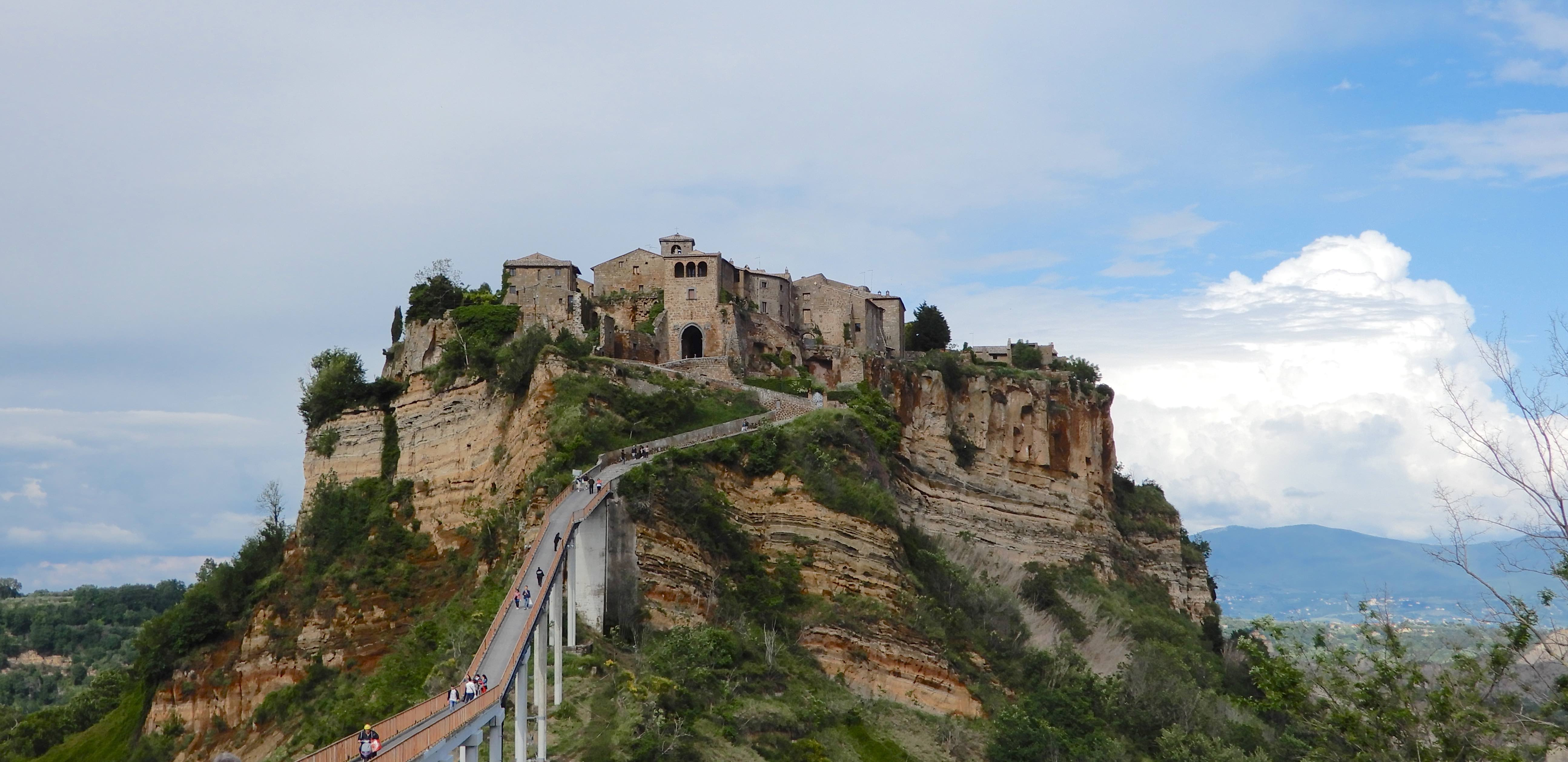
We parked the car in Bagnoregio and boarded a shuttle bus, the driver uninterested in collecting our €1 fare. A white-knuckle ride brought us to the start of the walkway with magnificent views across the valley.
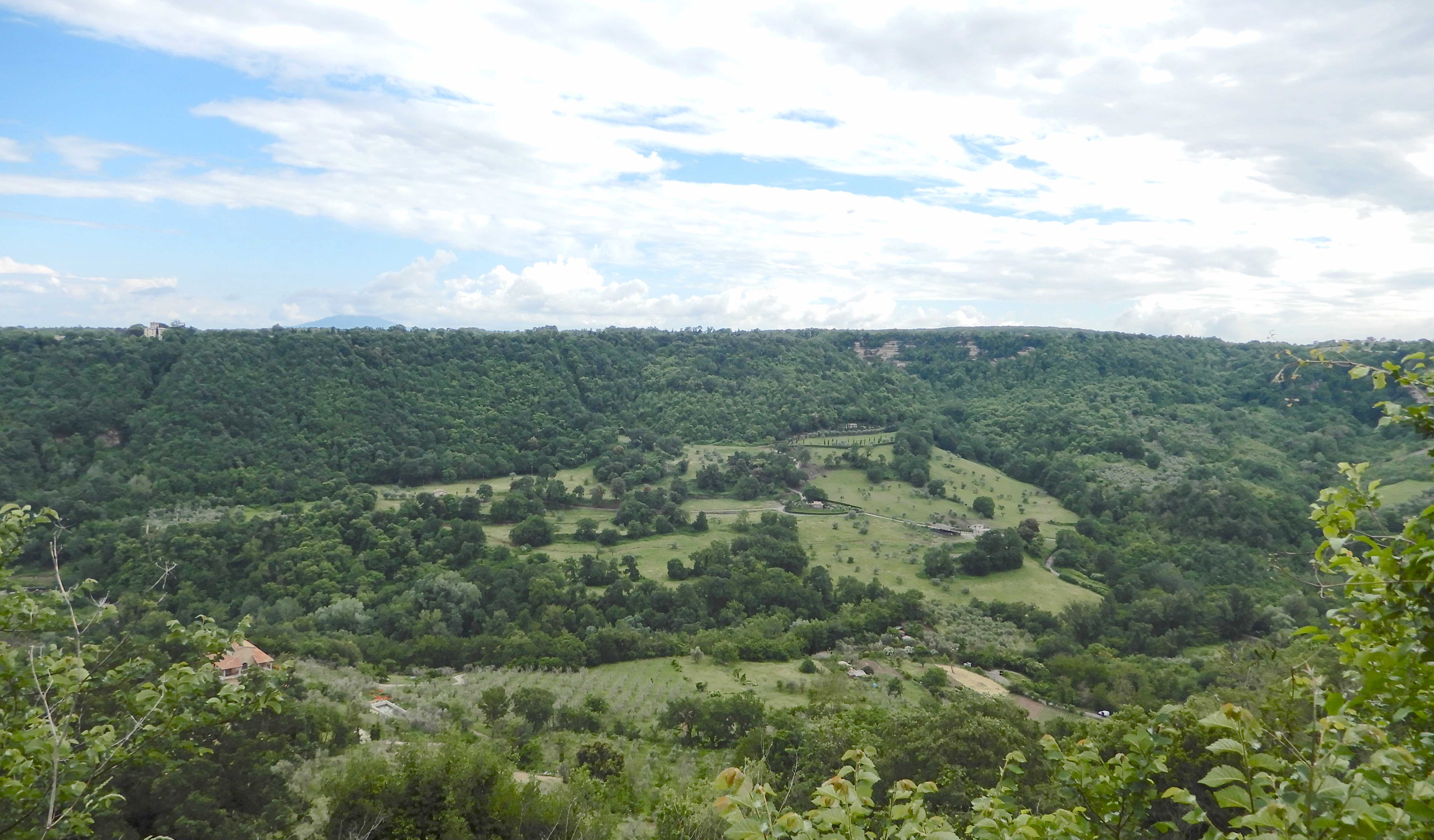
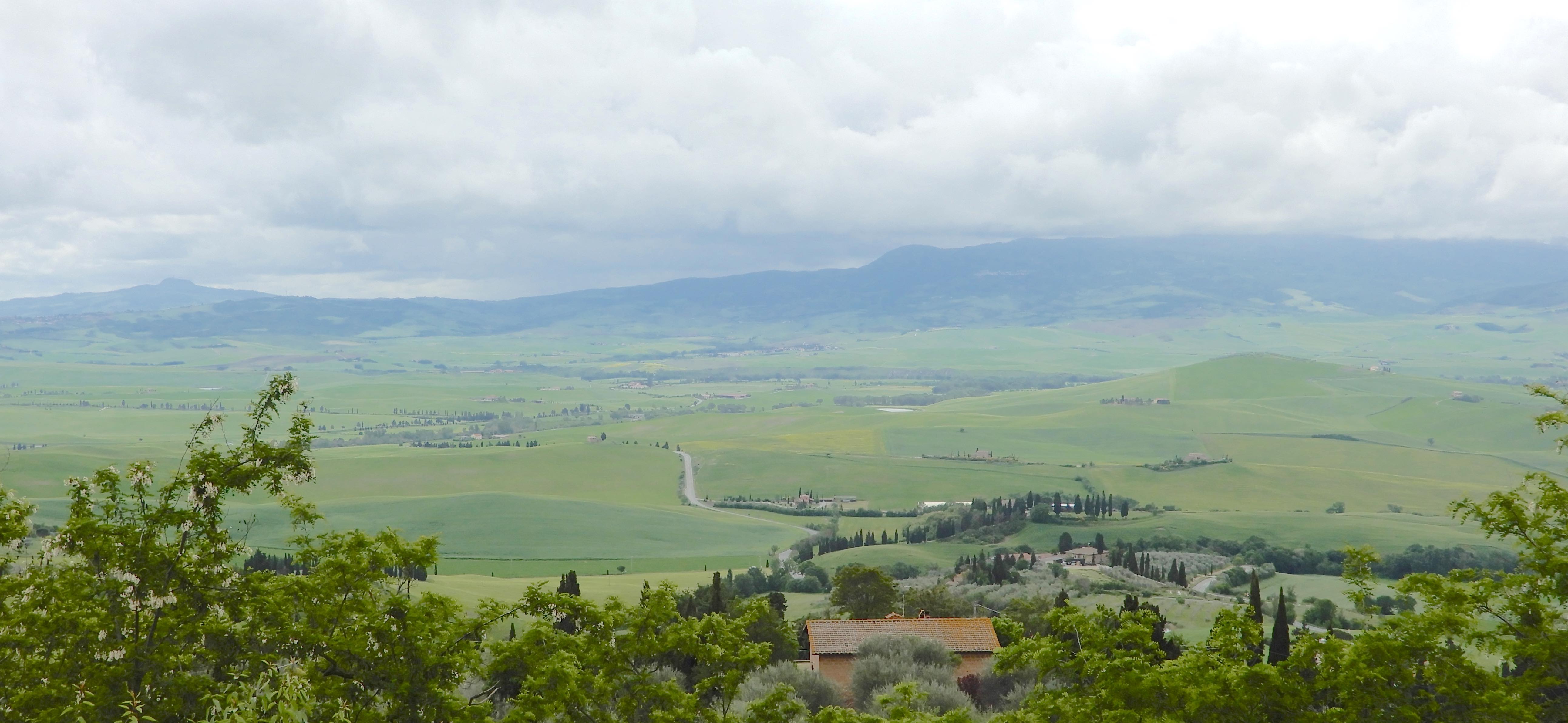
As we climbed, the vista opened up to the mountains beyond.

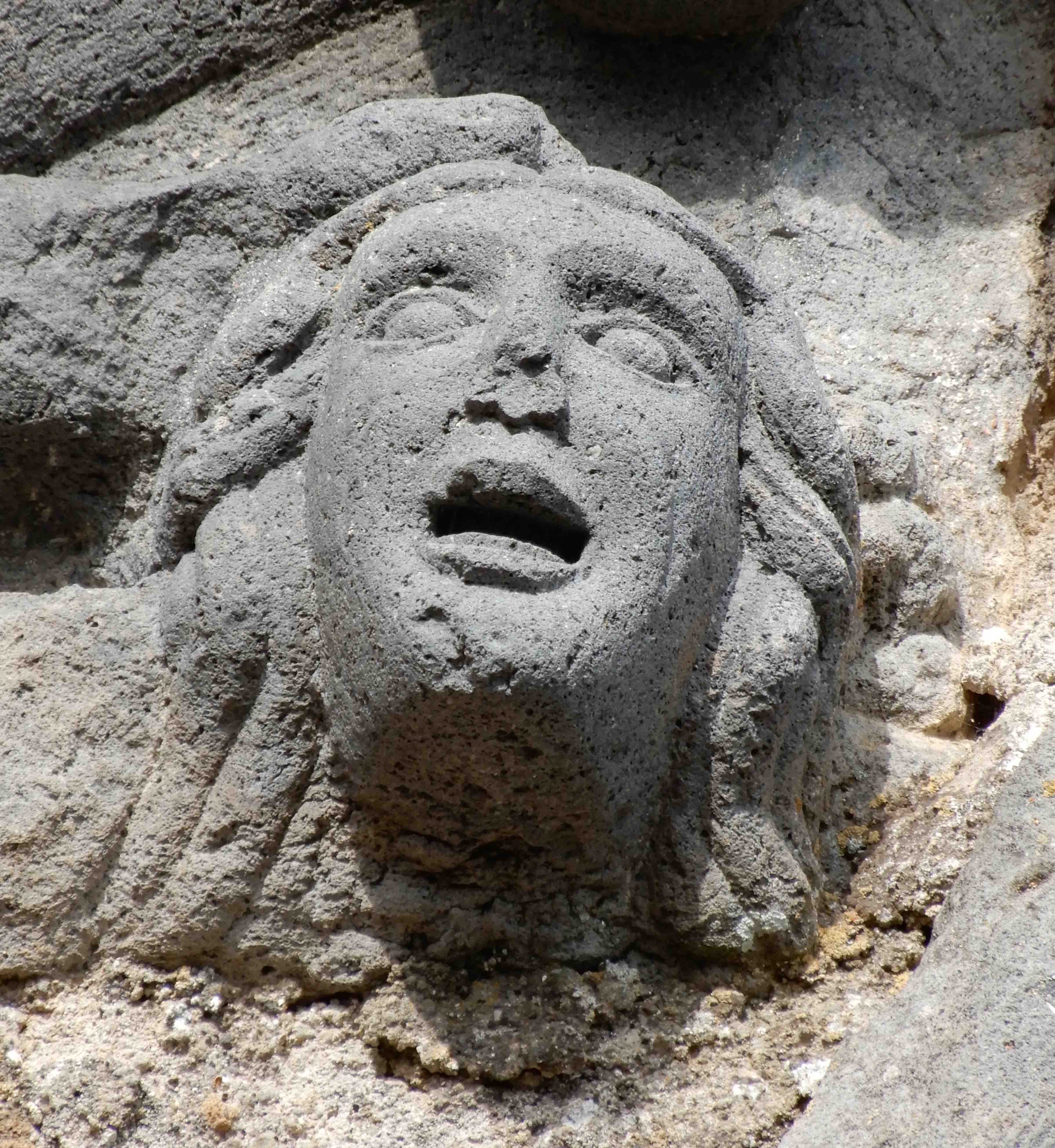
At the end of the bridge, we entered the town through the Porta Santa Maria, a stone doorway cut by the Etruscans 2500 years ago. Redecorated in the 12th century, the lions holding a human head are medieval symbols of the church.

The effort was definitely worth it, this magical place seemed frozen in time.

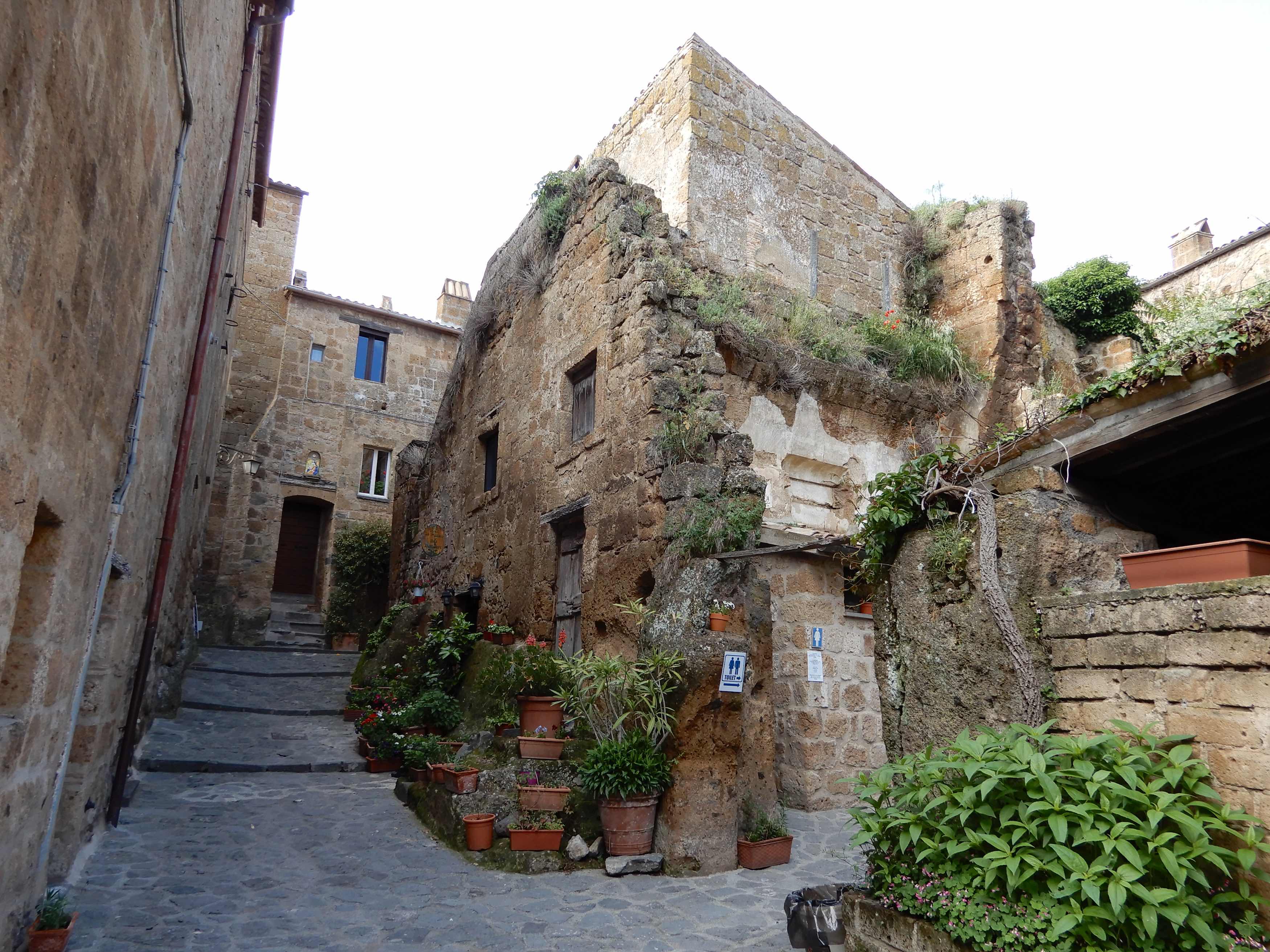
We wandered through streets unchanged since medieval times, the decorative door of the old palazzo and window above it has nothing but sky beyond. The rest of the building has long tumbled off the edge of the cliff.

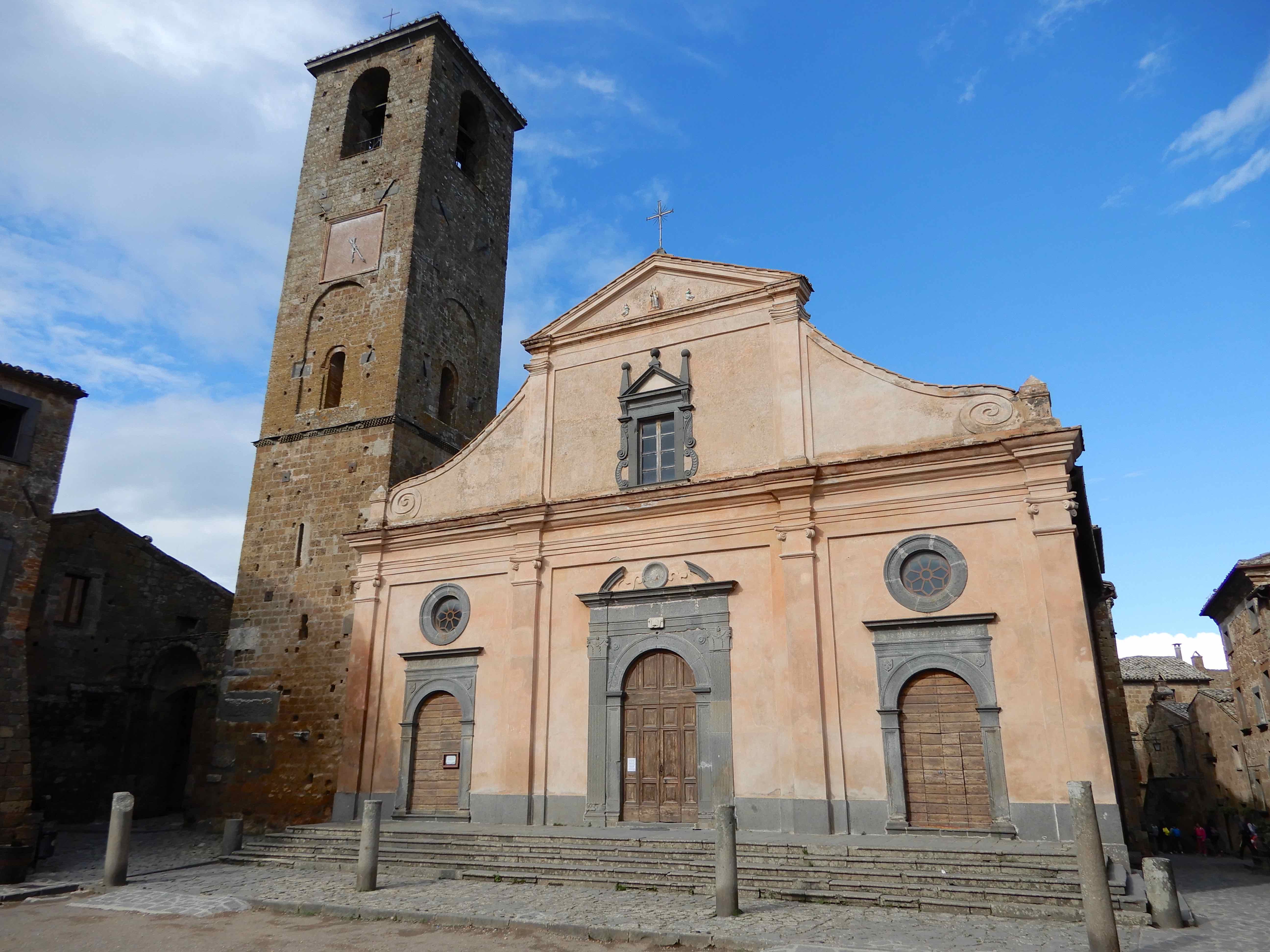
The main square, Piazza San Donato, takes the name of the 5th century Romanesque church dedicated to Saint Donato of Arezzo, a 4th century martyr. The only church in town, it was the cathedral of Bagnoregio until 1699 when damage from the previous earthquake rendered it unsafe.
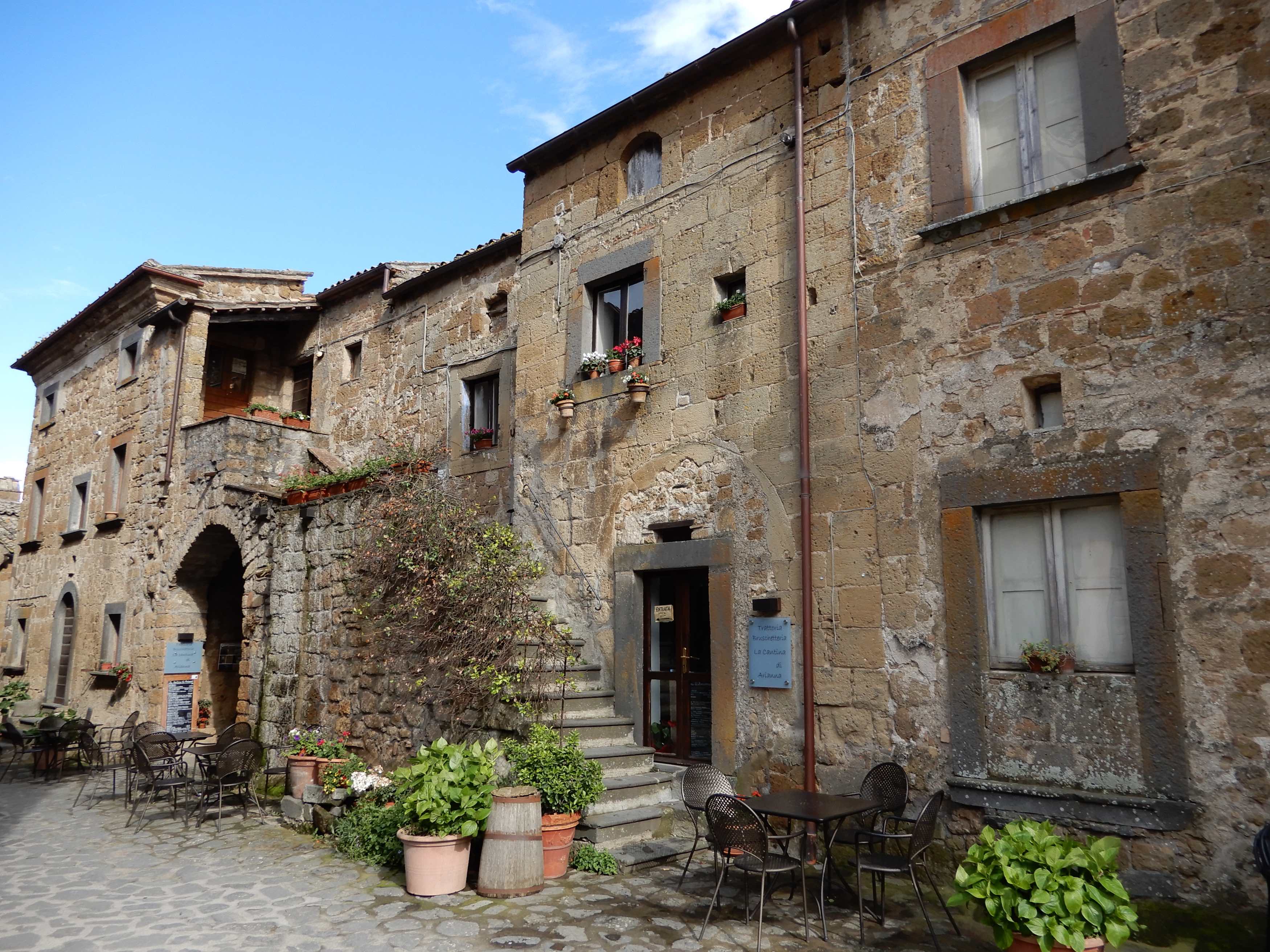
There was no shortage of eating establishments in the piazza, though the dinner crowds had yet to emerge.

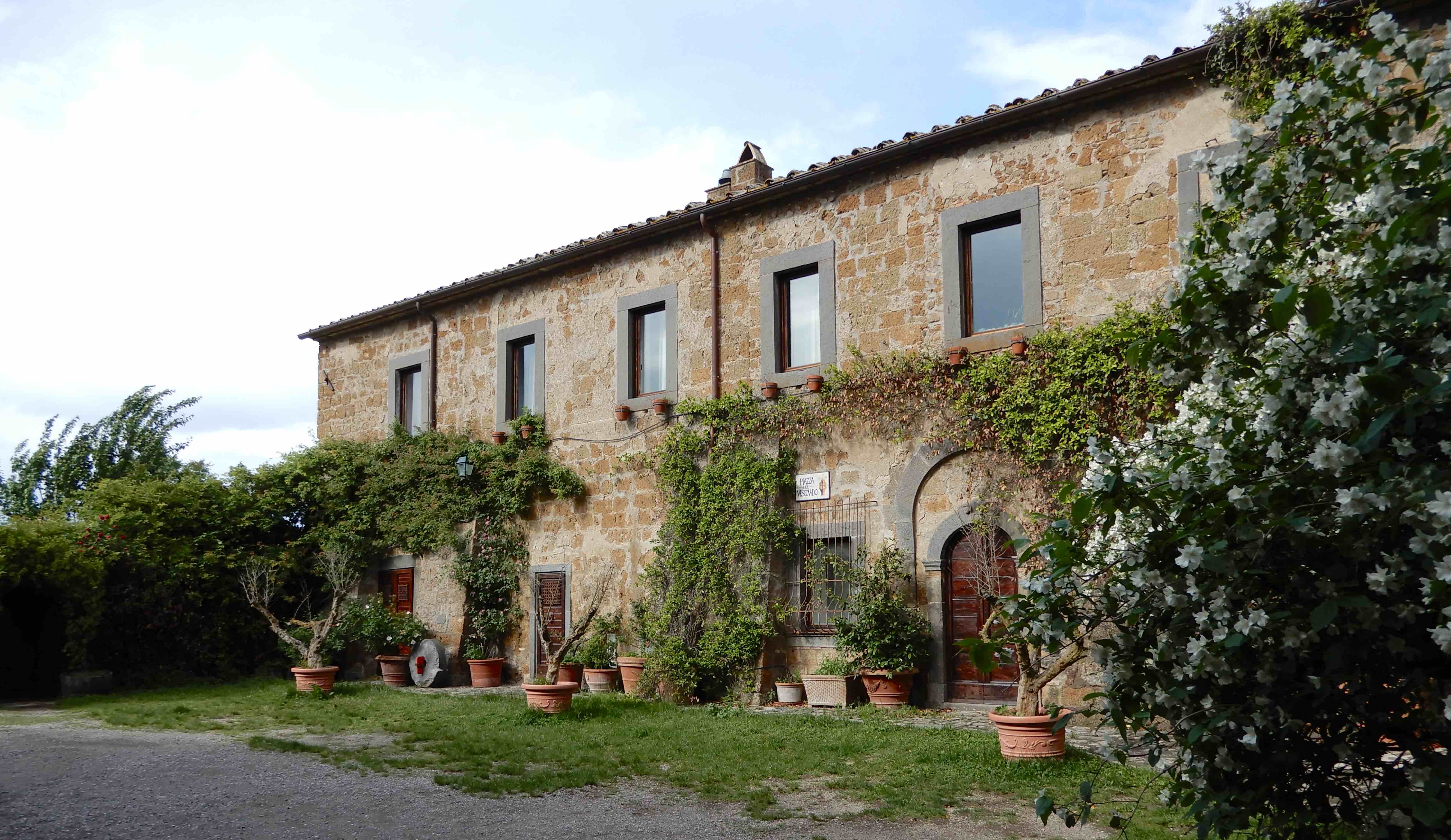
A double archway leads to the Piazza del Vescovado, the seat of the ancient bishop’s palace.

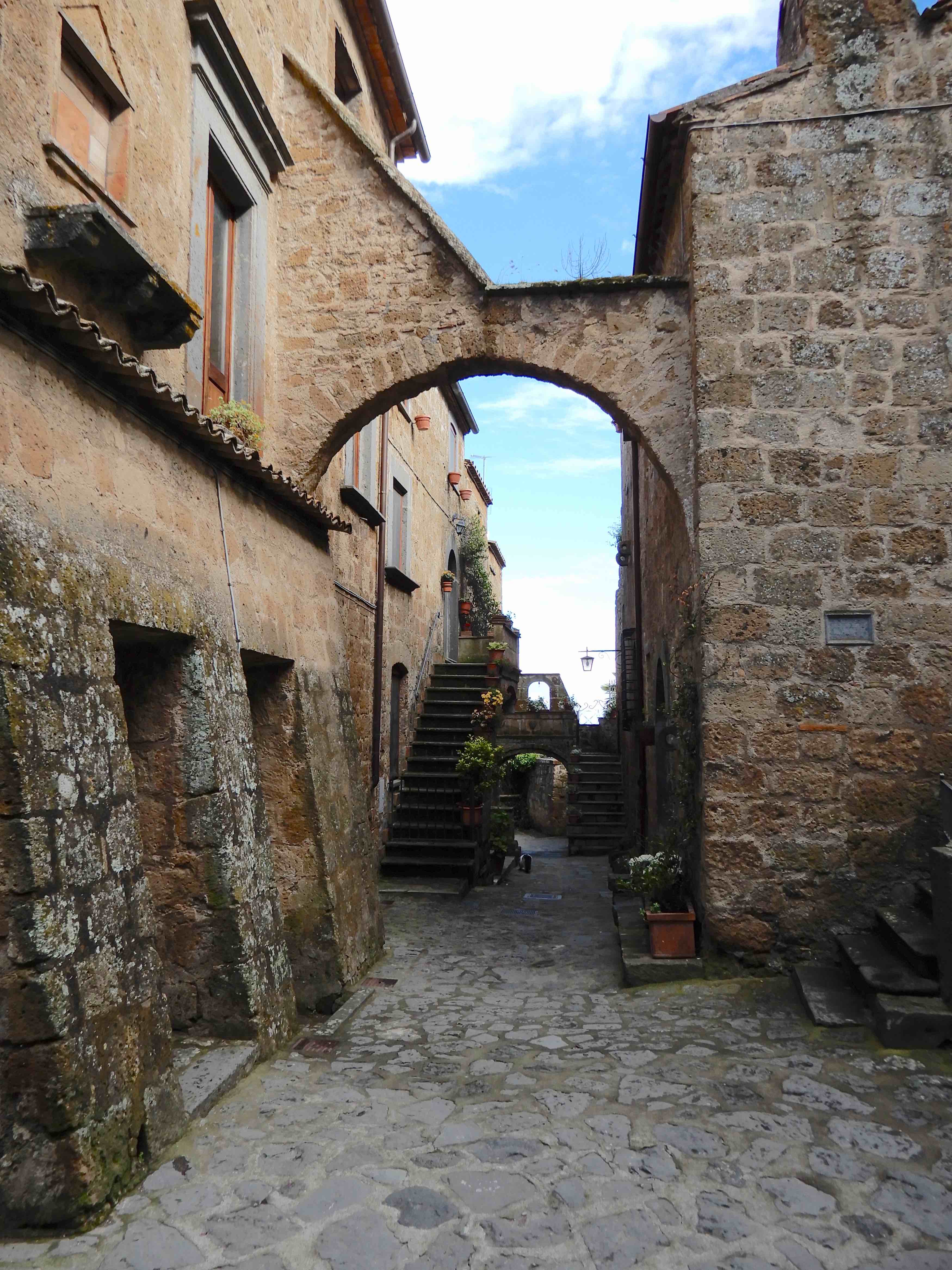
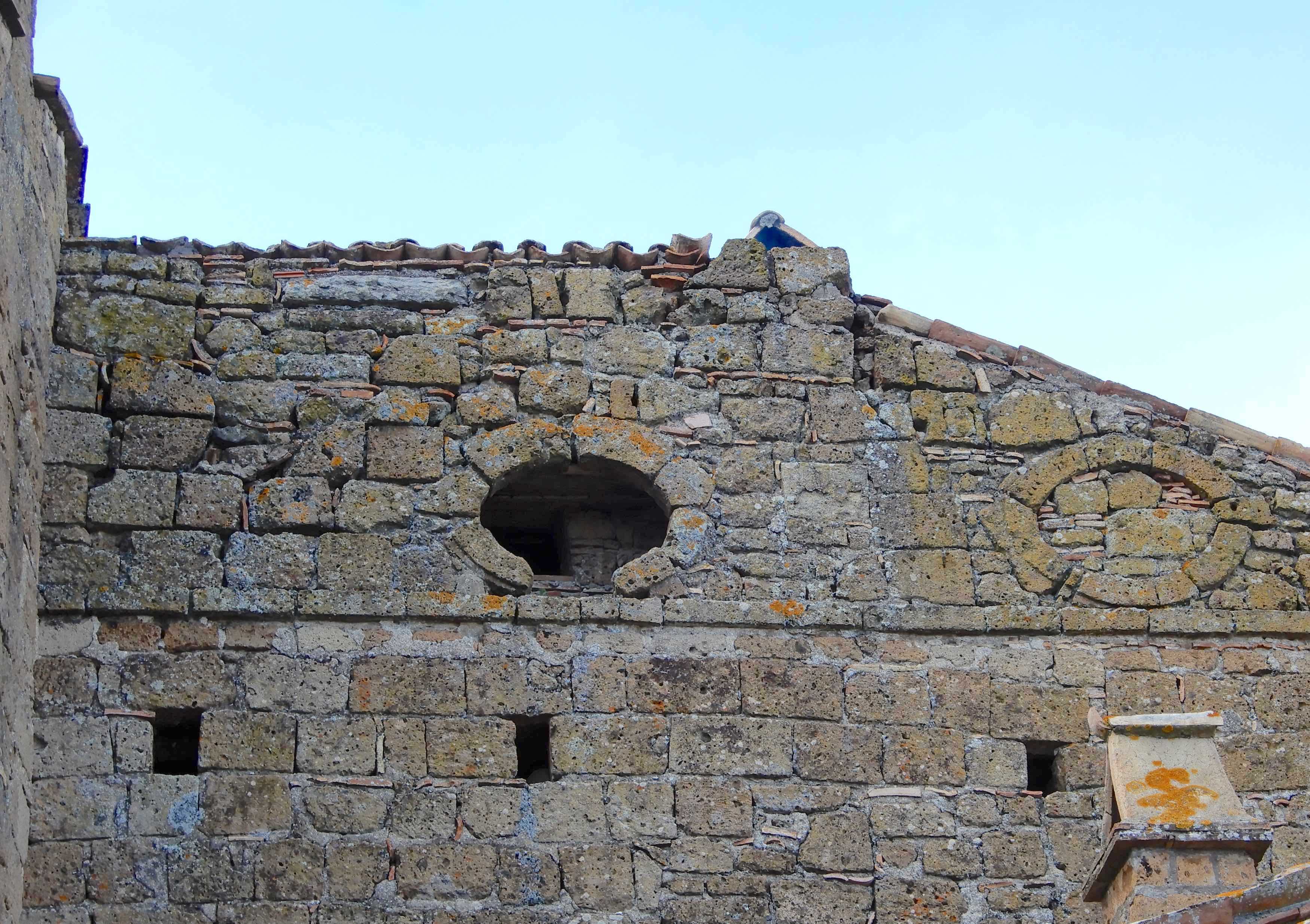
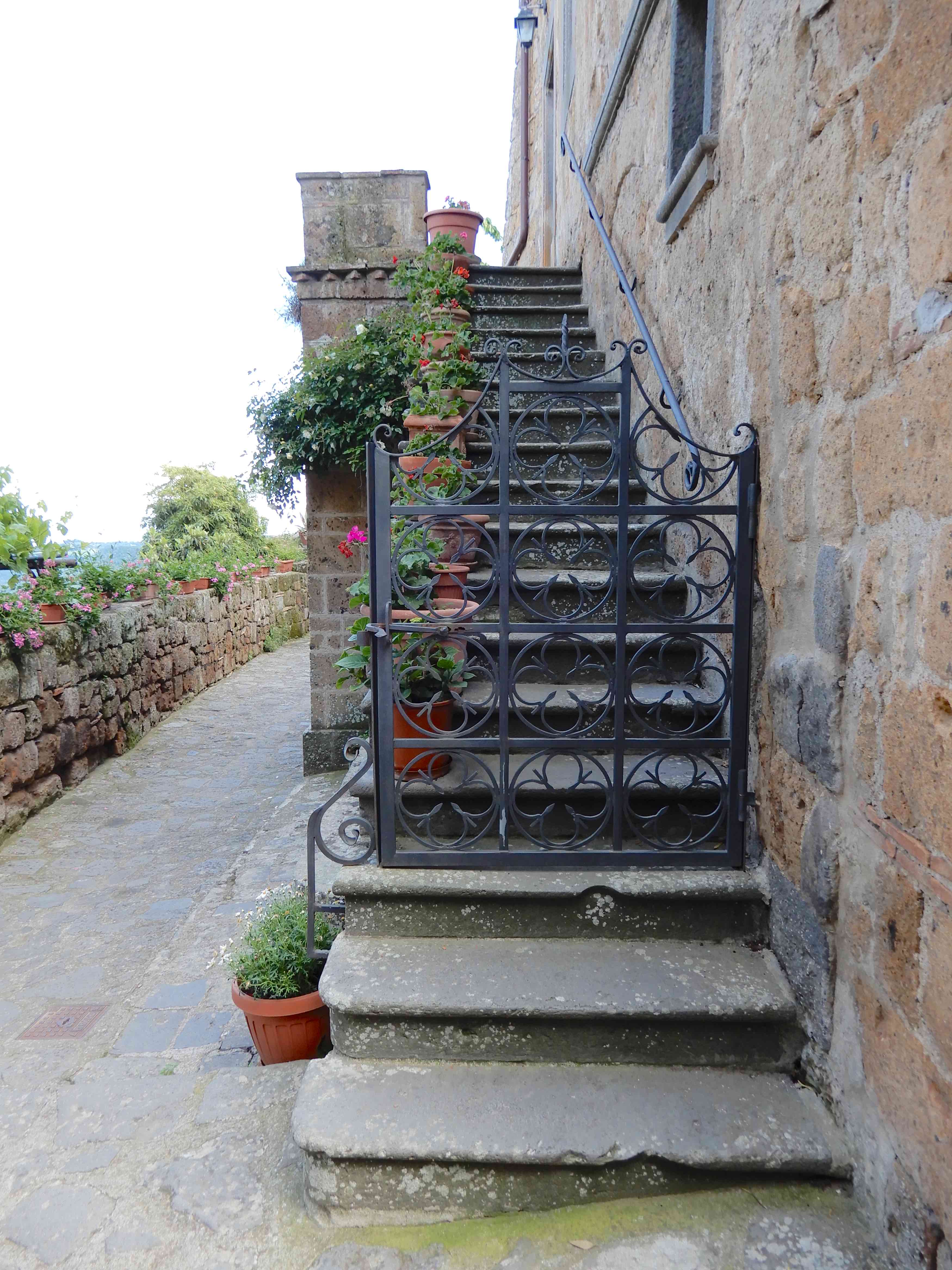
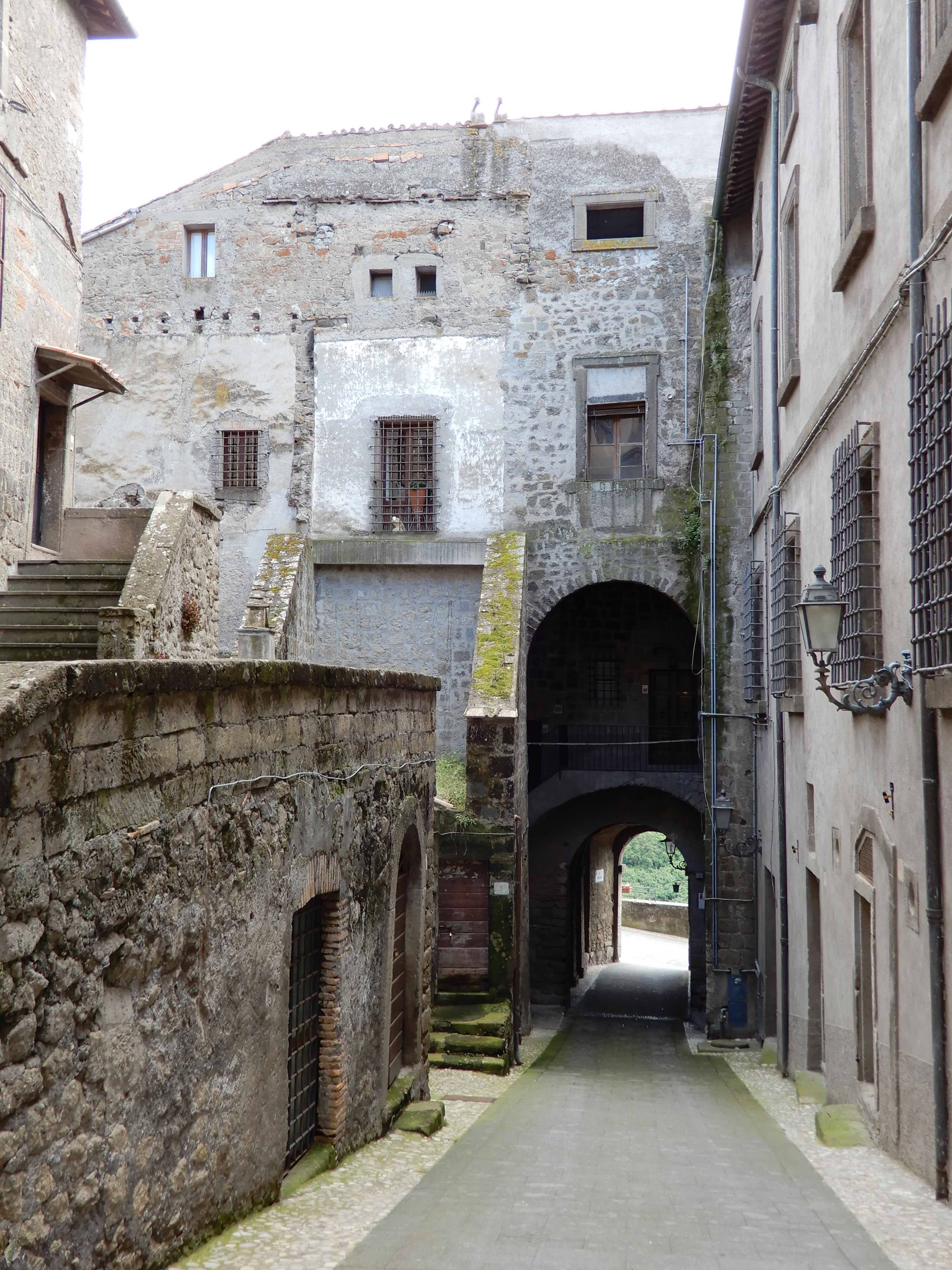
We ambled along the cobblestones, fascinated by the architecture and intricacy of alleyways, arches and stairs.
At the end of the village, a road leads to nowhere
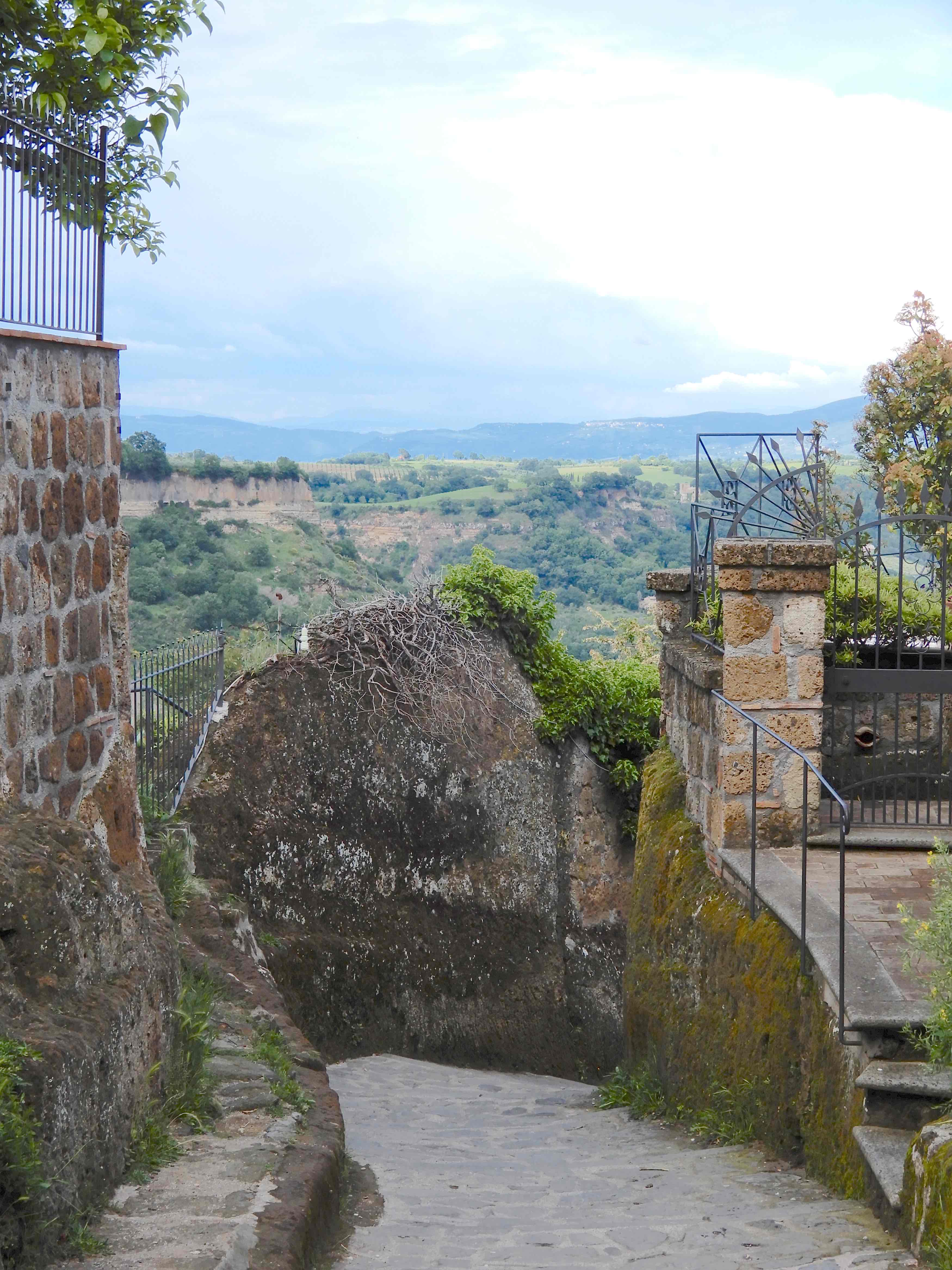
and an interesting set of steps descend into the tufa below.

The return journey was easier on the legs,

though we were tempted to hitch a ride.

The erosion on the surrounding hillsides hinted at the future of this beautiful landscape.

We waited for the bus in a lovely square with a bronze monument dedicated to Bonaventura Tecchi, a writer born in Bagnoregio in 1896.
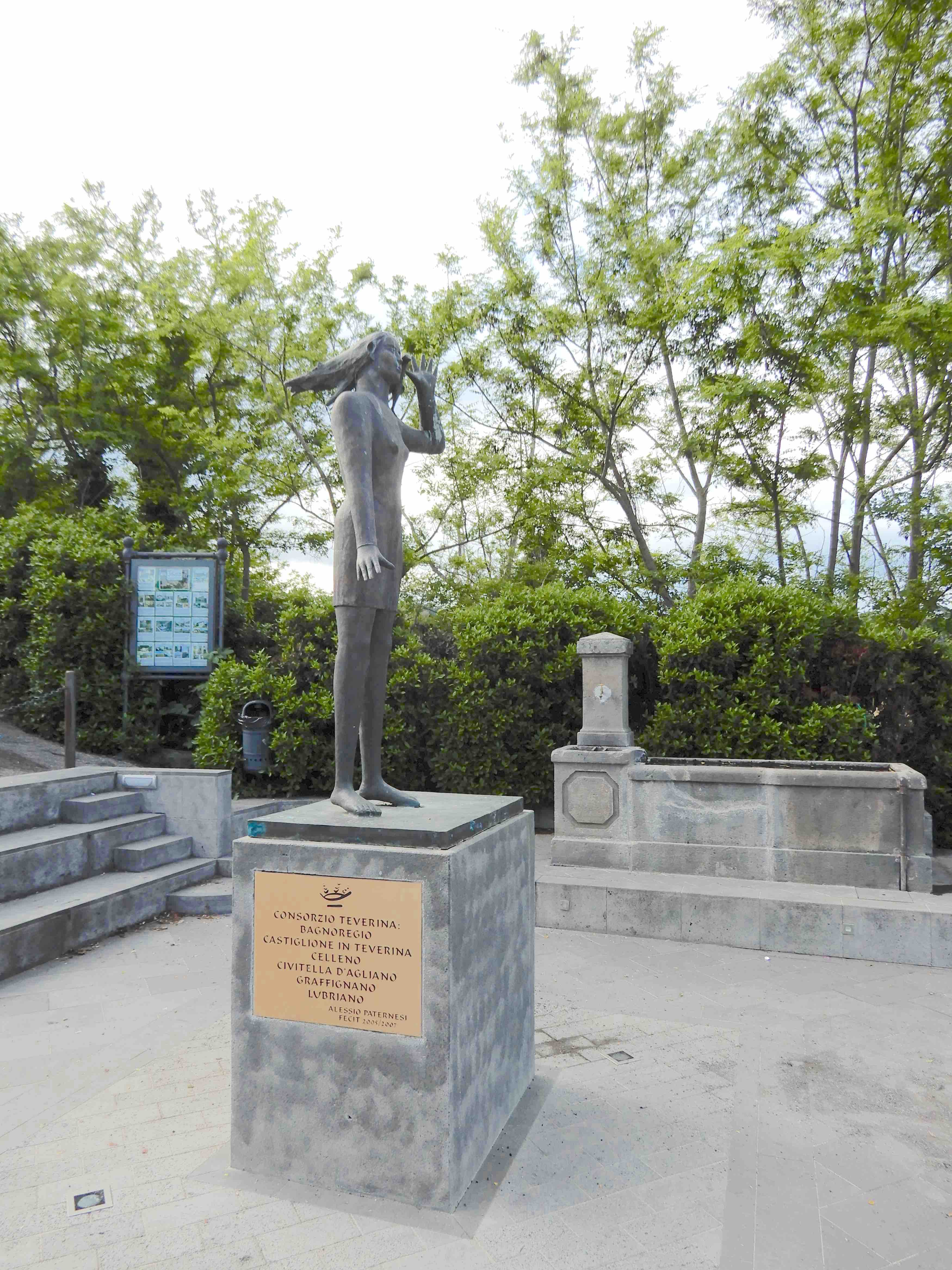
From here, ‘the dying town’ of Civita shone radiantly in the evening sun.

piccioni Italiani

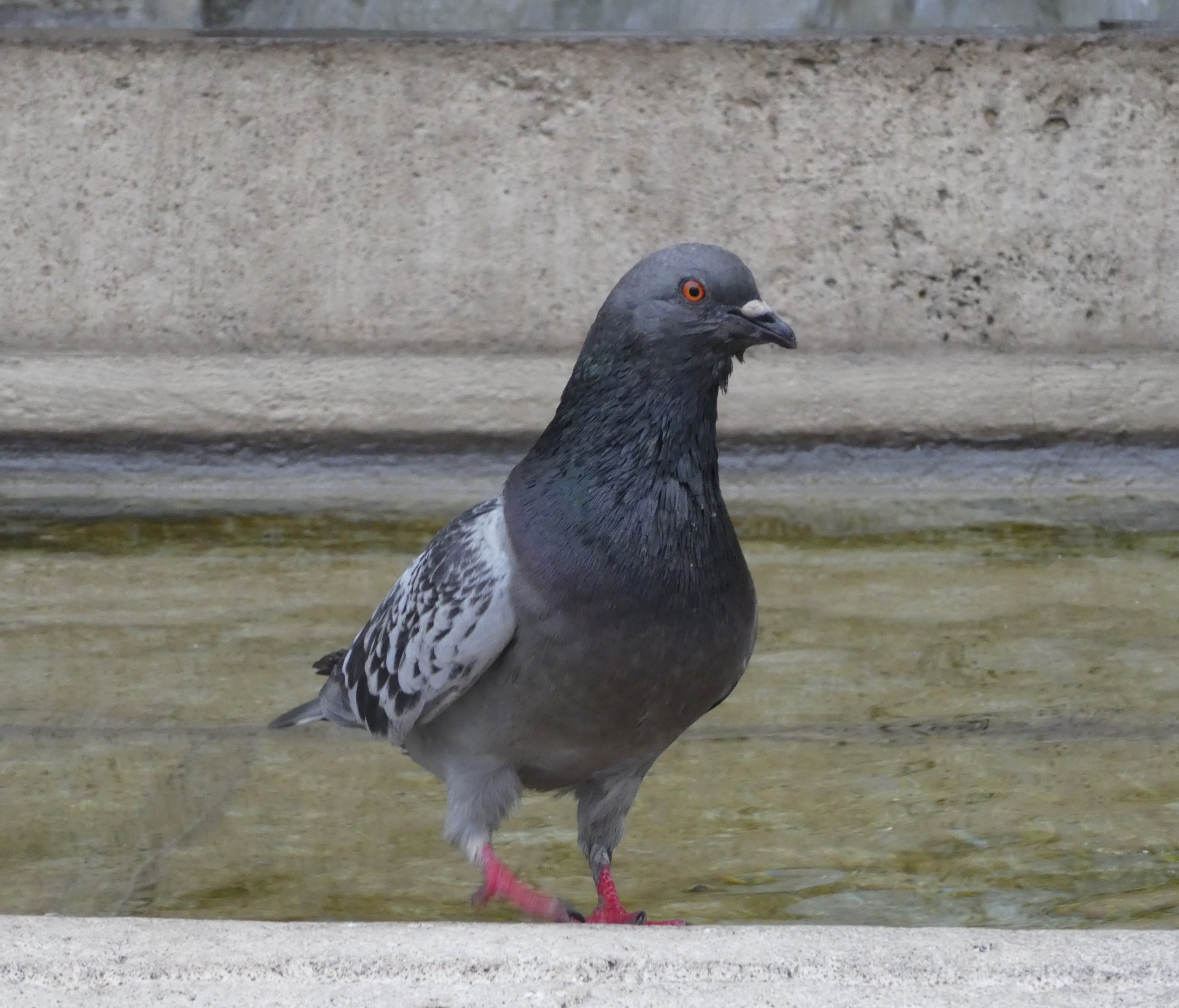
The mention of pigeons in Italy usually conjures images of tourists in Venice being smothered by masses of the unruly birds, left with hair dishevelled, clothing akimbo and the odd splattering of egesta. The feeding of pigeons in Piazza San Marco was legally banned in 2008 with a penalty up to €700 to discourage the practice. While we saw the occasional pigeon on our travels, they were very discreet and didn’t exhibit any manic flock behaviour. A paddle in the waters of Fontana dell’Acqua Felice cooled the feet on a warm day in Rome.

The ancient stonework of the Colosseum now serves as a comfortable columbarium. The word is from the Greek for pigeon or dove and describes the niches in walls designed for roosting and breeding.

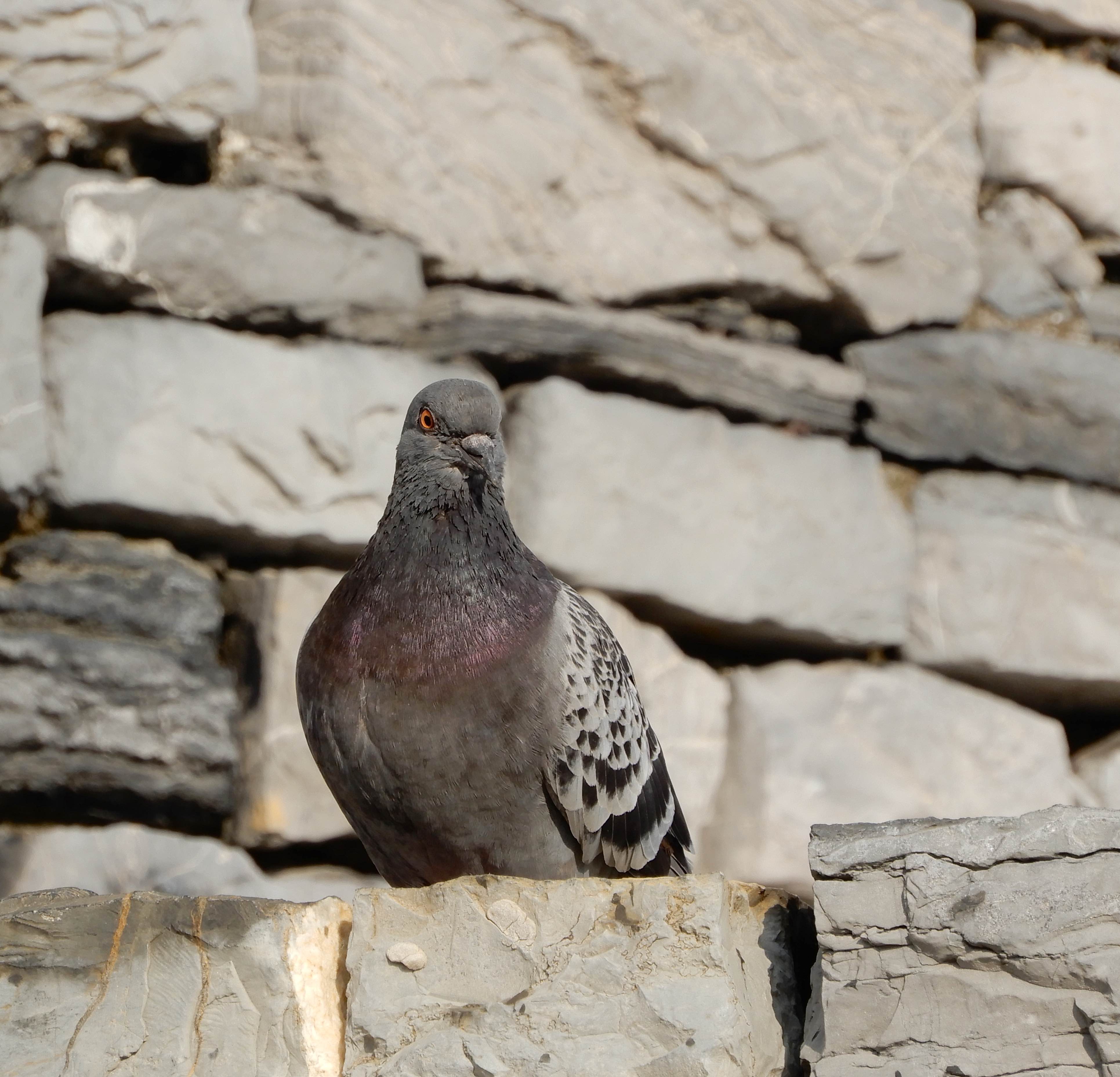
The merging of local and imported breeds over the centuries has led to an array of colours and markings. There aren’t many places better to enjoy the morning sun than the walls of Chiesa di San Pietro at Porto Venere.

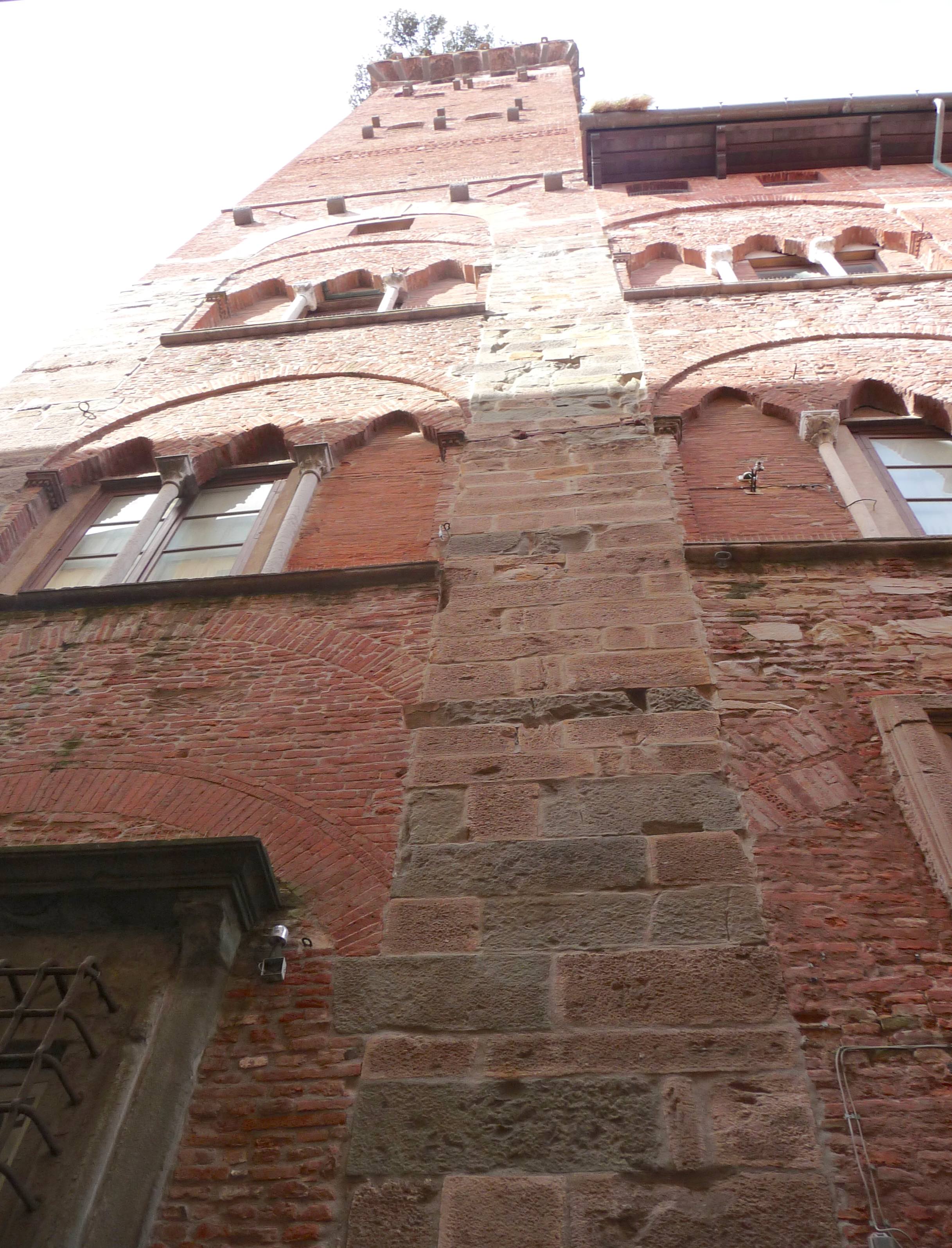
Pigeons have long been maligned as bearers of disease, possibly due to their indiscreet toilet habits and their link to the infection, psittacosis, which causes a pneumonia type illness in humans. Along with that, it seems they were responsible for the closure of five rooms in the Uffizi Gallery in April 2016. An infestation of ticks was discovered by a security guard and the rooms, displaying 15th century Italian paintings, were closed for two days to undergo pest control. The outbreak was blamed on the pigeons that perch on the Uffizi’s windows. No such problem in the Torre Guinigi at Lucca, there is plenty of aeration and fabulous views.

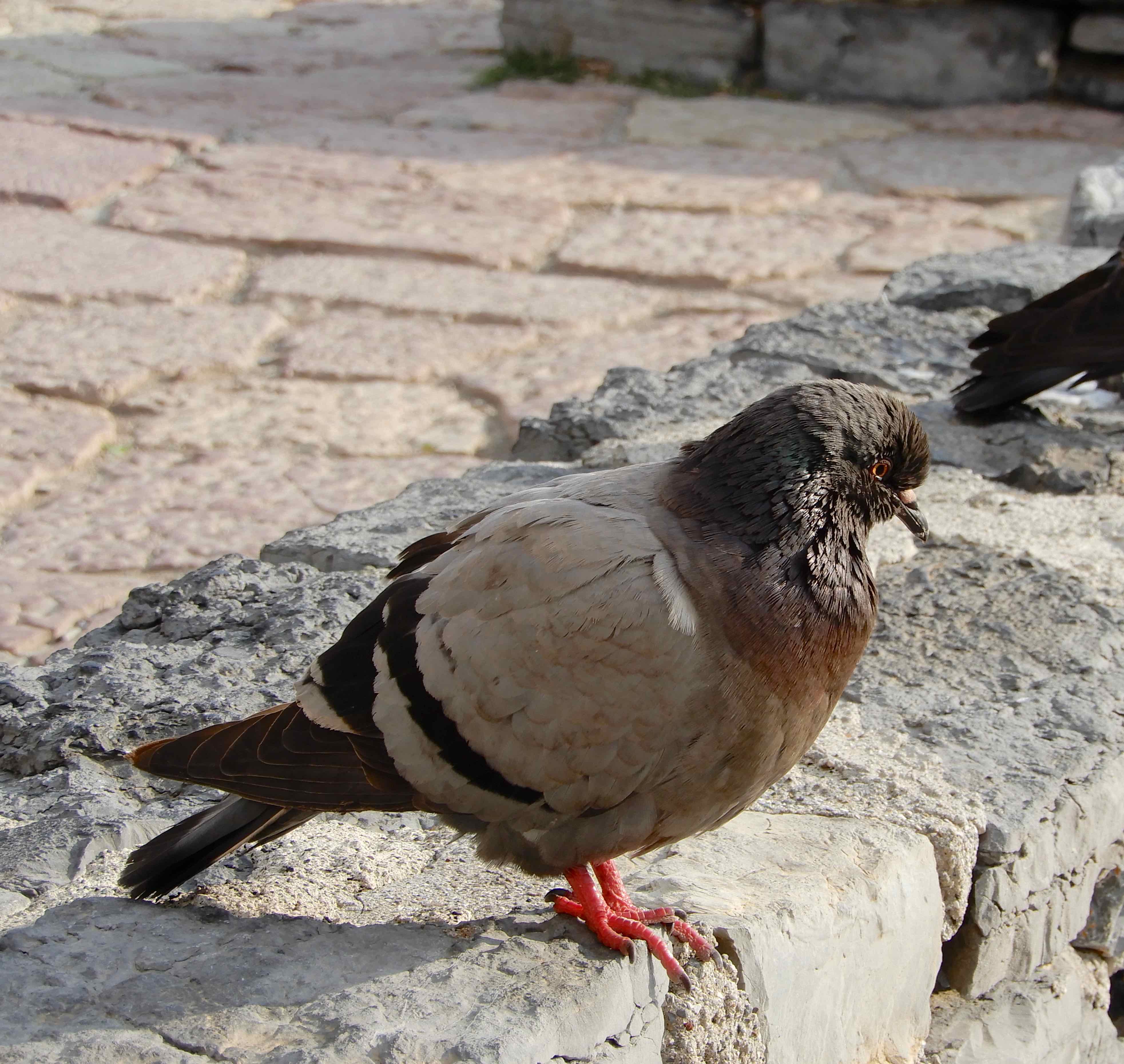
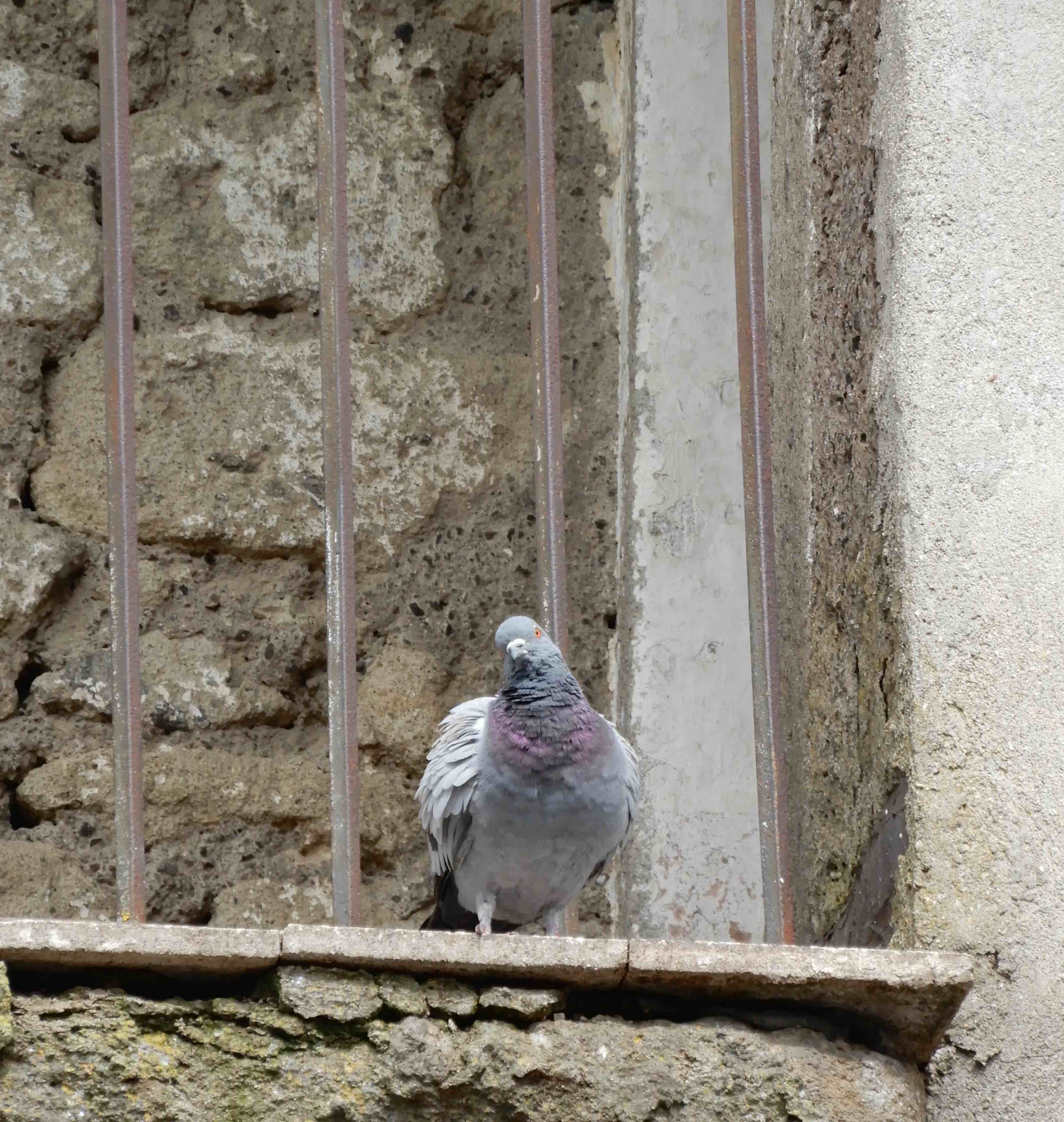
Pigeons obviously have a head for heights, what bird doesn’t? They can fly at altitudes of 6,000 feet or more with speeds up to 90 mph and can travel 700 miles in a single day. Some are happy to just find a quiet perch and admire the fabulous vista in Pienza.

One of the most intelligent birds on the planet, the pigeon can apparently recognise itself in a mirror as well as all 26 letters of the alphabet. Sounds like interesting research, some do look more inquisitive than others.

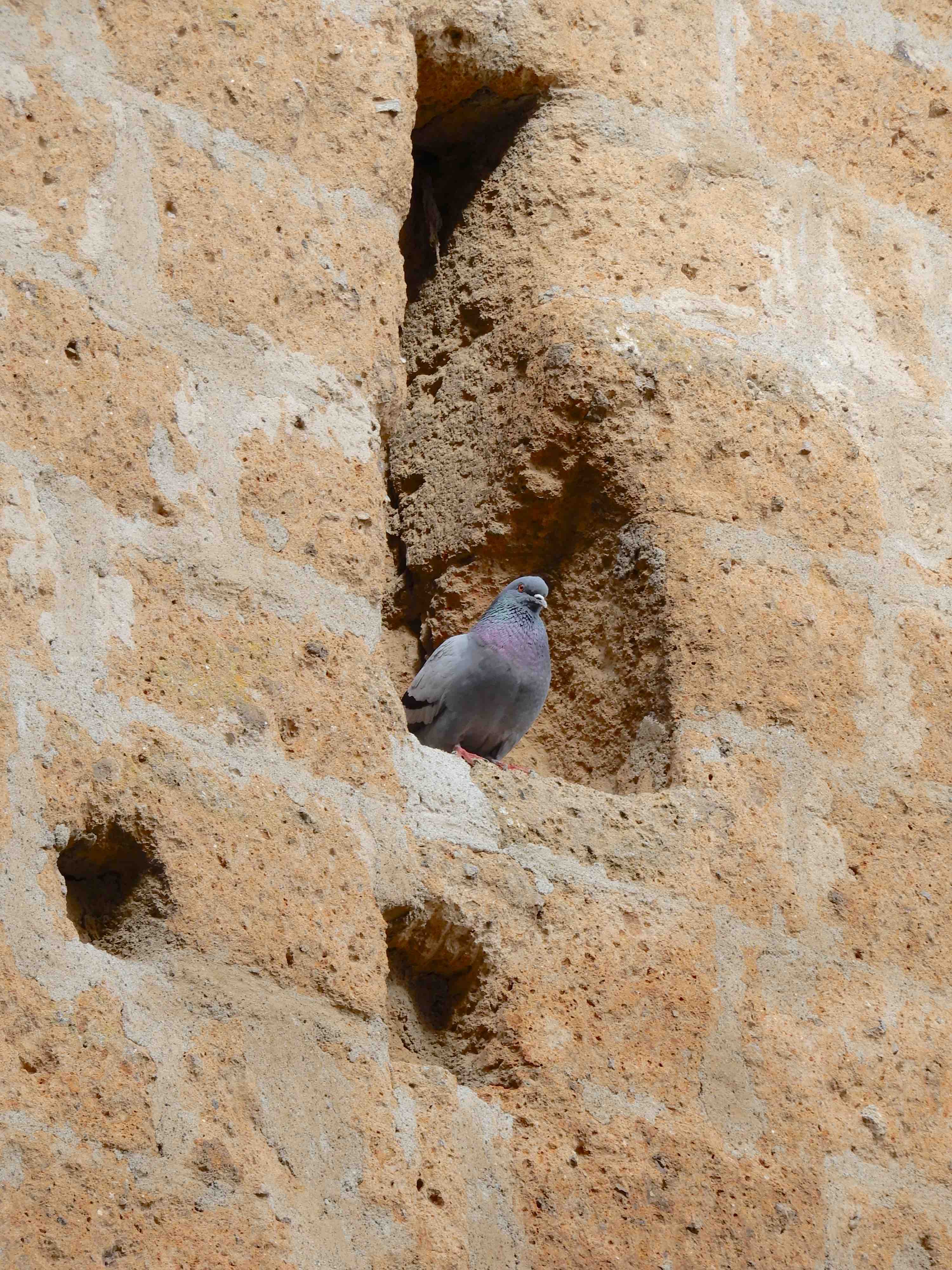
The belltower of Chiesa di San Donato in Bagnoregio provides a perfect niche from which to observe the wanderings of tourists in the piazza.

Pigeons have been used as messengers for centuries, the earliest reference dating back to 2500 BC. They have been credited with saving tens of thousands of lives in both World Wars with their efficient, reliable service. It wasn’t until 2006 that the last service, used by the police force in Orrisa, India, was disbanded. Presumably, the Orsini family relied on the birds to keep in touch at their palazzo in Pitigliano.

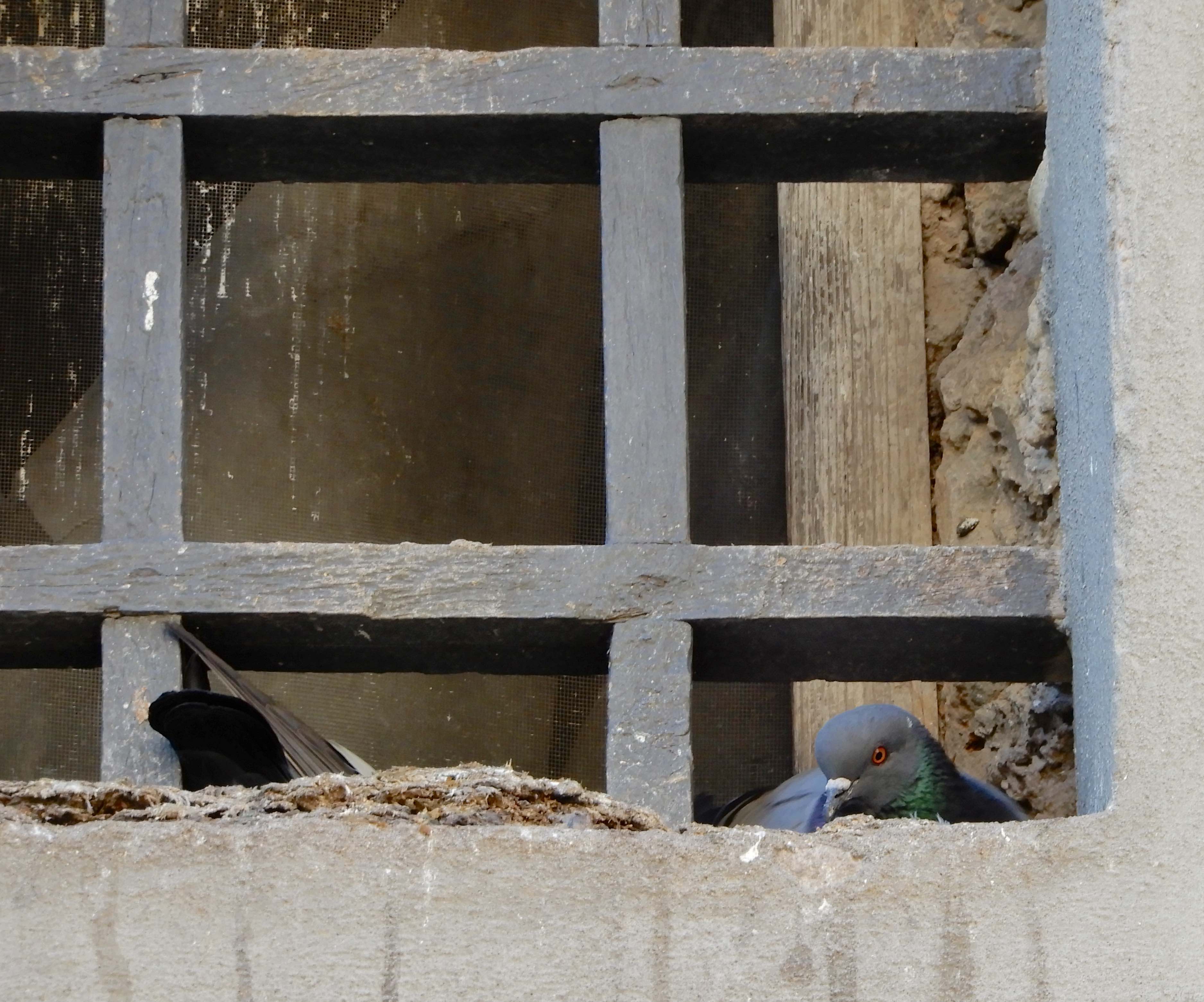
As well as breeding for food, sport and as messengers, pigeons were found to have another valuable resource. In the 16th century, their excrement was found to contain saltpetre, a substance used in the manufacture of gunpowder and fertiliser. It seemed to be in plentiful supply on the window ledges of Acquapendente.

The first mention of domesticated pigeons being used for food was in Egypt in 3000 BC and it is not unusual to find a piccione dish on menus throughout Tuscany. In January 2016, Italian celebrity chef, Carlo Cracco, caused controversy when he cooked a pigeon with turnips on Masterchef Italia. The president of the Italian Institute for the Protection of Animal and the Environment reported him to the police for encouraging people to cook wild animals. He overlooked the fact that pigeons are farmed for food and the law protecting pigeons only applies to wild ones. Of all the pigeons we encountered in Italy, this was by far my favourite.

Cascate del Mulino

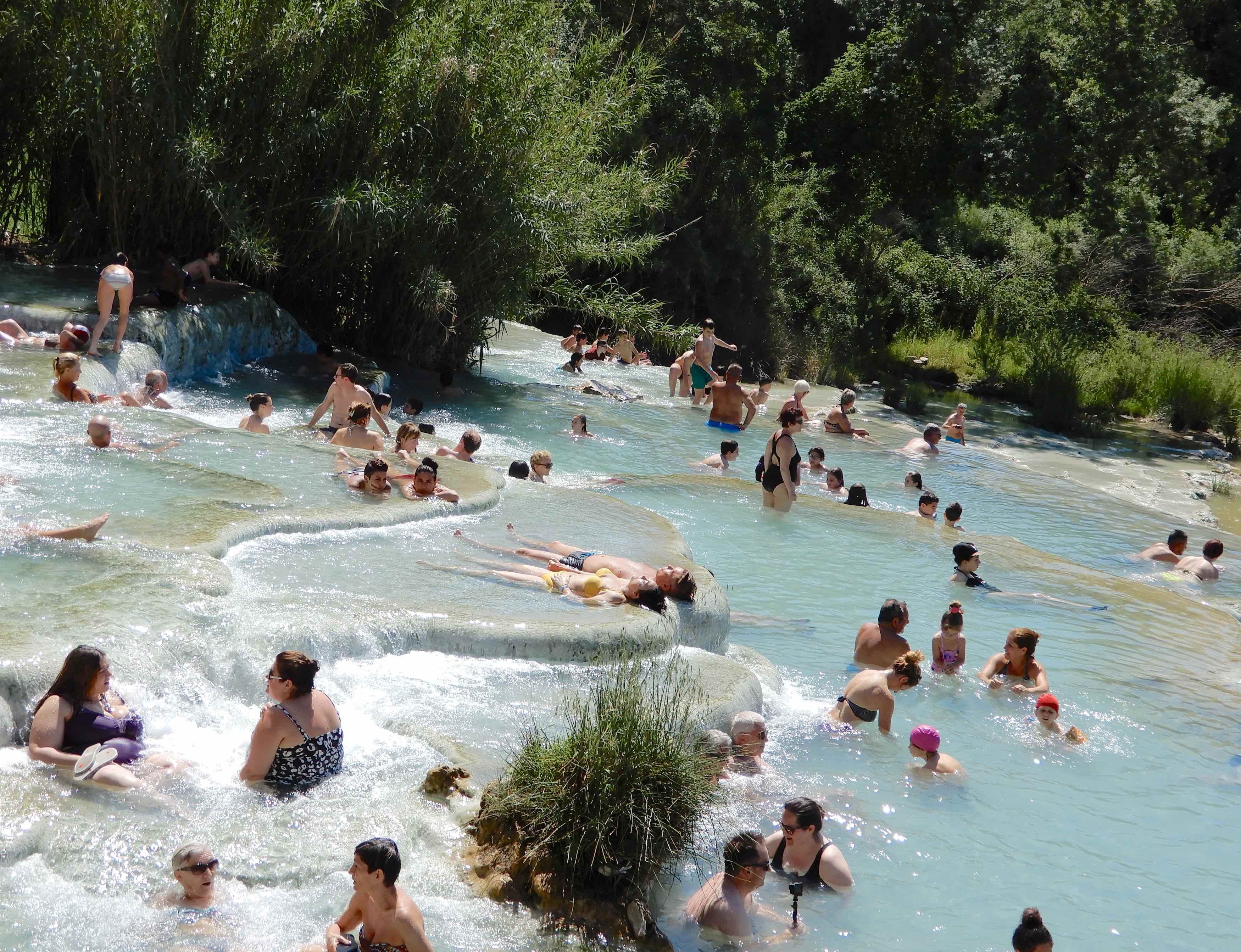
After a few hectic days, a soak in the healing waters of hot springs sounded like heaven. We made an early start to avoid the crowds at Terme di Saturnia, a group of thermal springs a few kilometres from the town of Saturnia.
According to medieval legend, during one of the many fights between the god Jupiter and his father Saturn, a lightning bolt thrown by Jupiter missed Saturn and hit the ground. The impact of the projectile formed a crater and its heat warms the water that continually fills the spring. The pool from the legend is actually enclosed in the 5-star Terme di Saturnia Spa Resort and from there, the water flows along a travertine channel, called Gorello, for just over a kilometre.

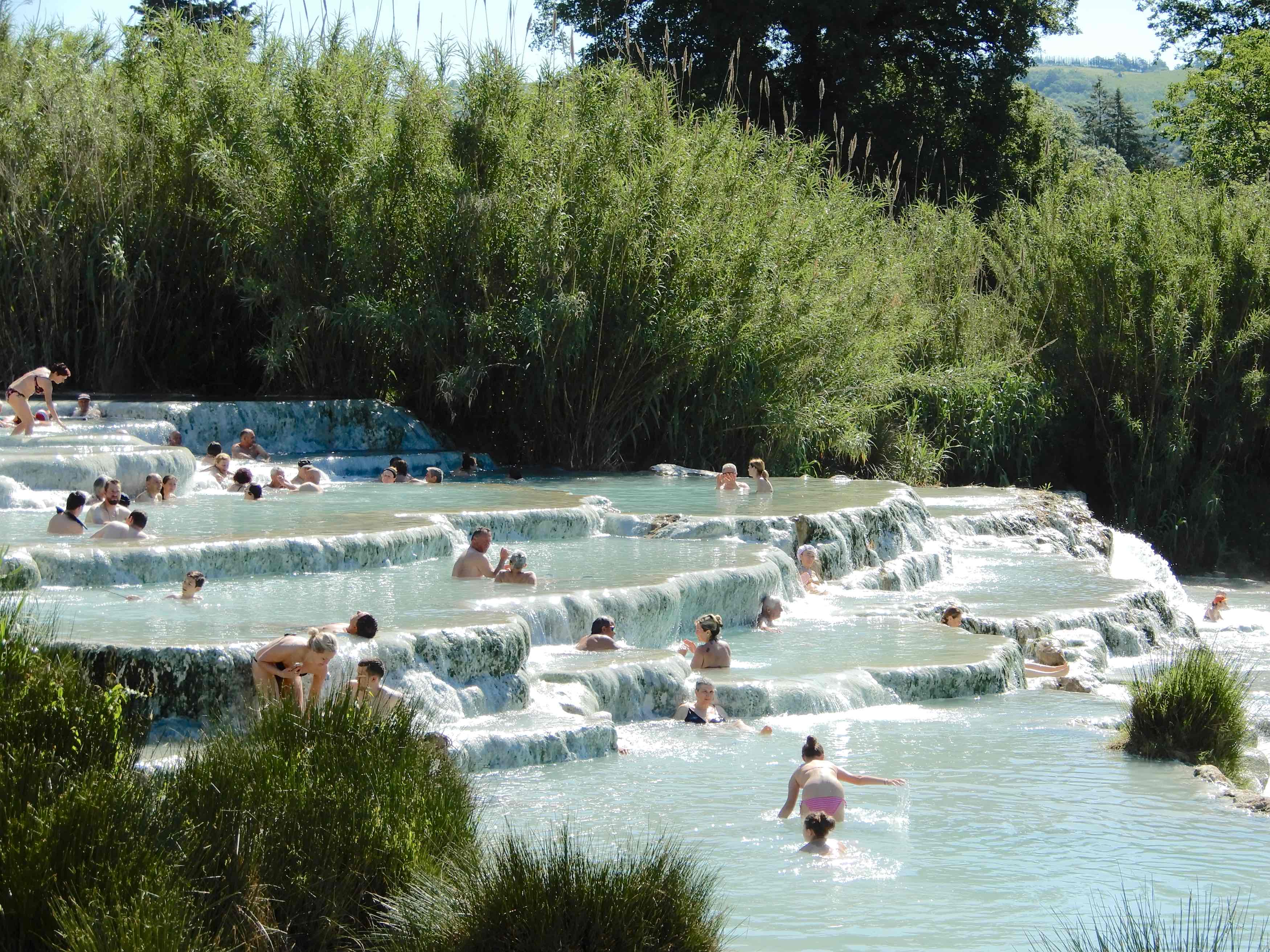
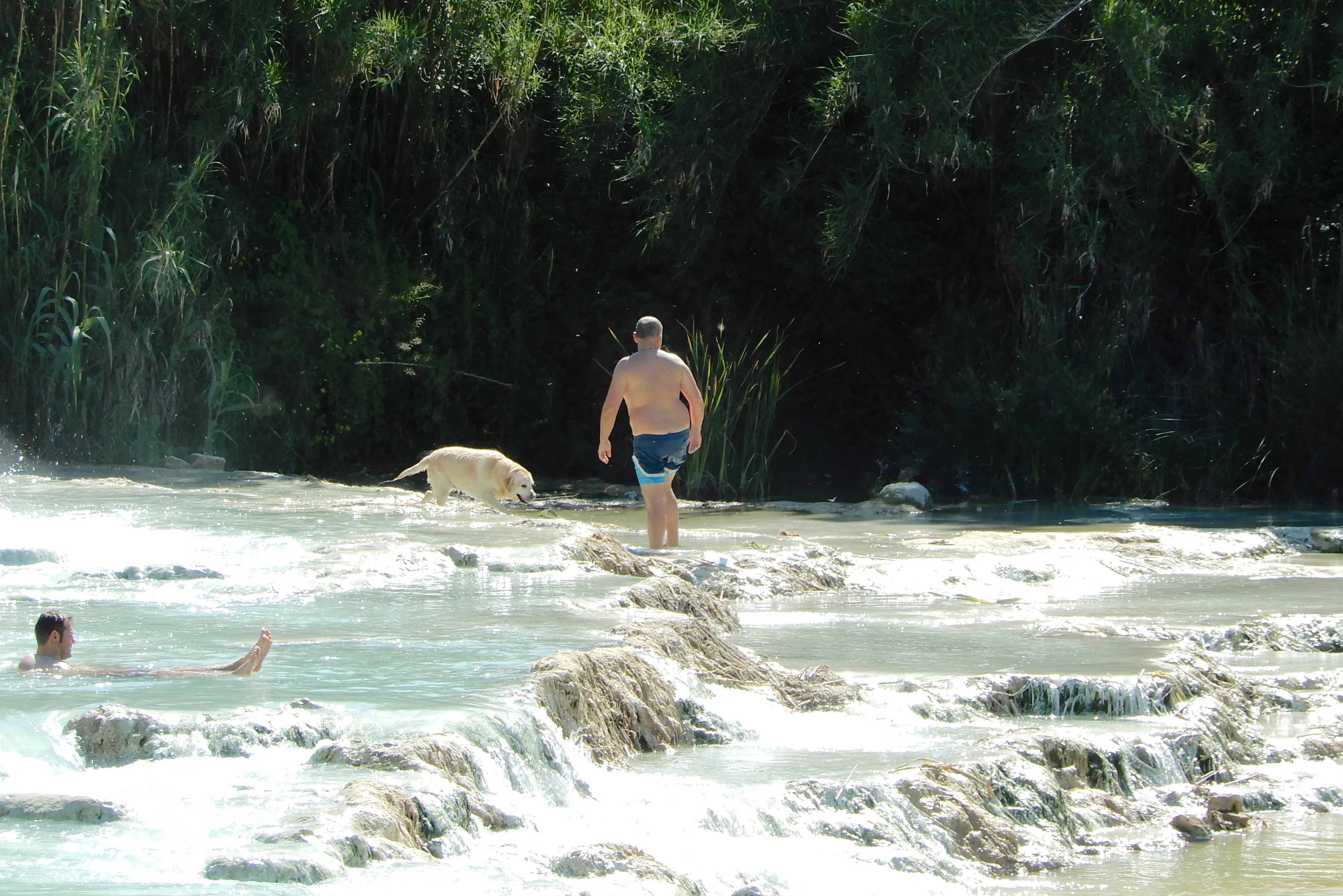
The gentle pace picks up as the water tumbles over rocks at a magnificent thermal waterfall.

Over thousands of years, the cascading water has created terraces and shimmering blue pools.

An old mill house lends its name to Cascate del Mulino (Mill Falls)

which used to consist of two waterfalls. The first is the one beside the mill house and the second one dropped from an elevated terrace (at the far end of this photo).

In October 2014, 140mm of rain and hail fell in two hours, floodwaters brought mud and debris and a landslide damaged the lower terracettes. It took six months to repair the damage and the second waterfall no longer exists. Fortunately, there is still much to enjoy.

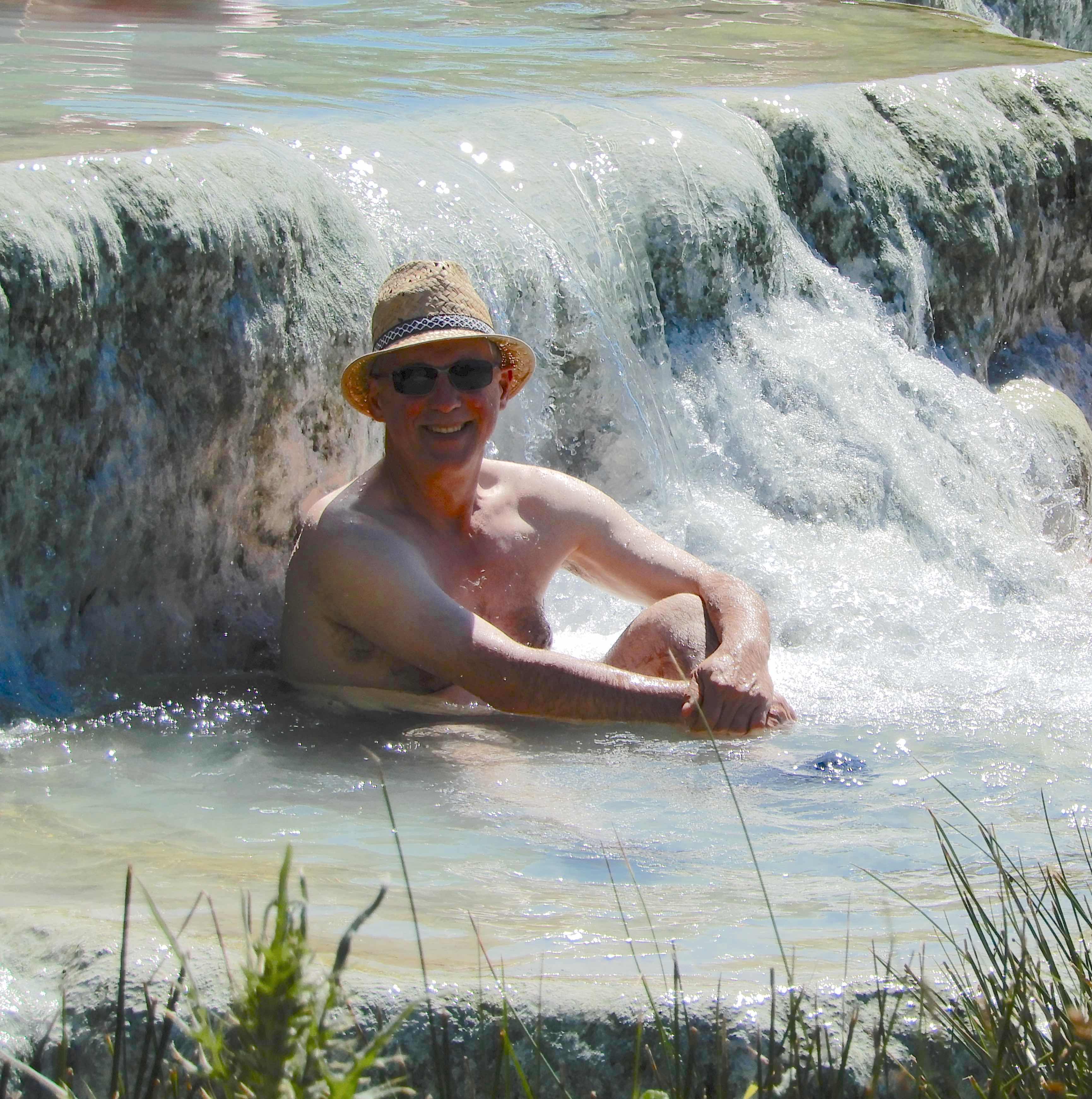
The water is a constant 37.5°C, the scientific composition described as, “a sulphurous-carbonic, sulphate-bicarbonate-alkaline mineral water, and includes among its peculiarities the presence of two dissolved gases such as hydrogen sulphide and carbon dioxide”. We soon got used to the odour, it certainly wasn’t overpowering. We found our own private space in one of the tiered pools, it was impossible to not be relaxed.

There are no changing facilities on site but a huge towel preserved a modicum of decorum, although I did notice one curious observer.

The early start certainly paid off, another couple of hours and it would be standing room only.

Bomarzo

After a morning spent wandering amongst the monsters at Parco di Mostri we were in need of light refreshment. The ancient hill town of Bomarzo was only a short drive away

and the neighbouring hamlet of Mugnano in Teverina rose on its own tufa mound.

The Etruscans populated Bomarzo until the Romans conquered it in the 5th century BC. The town has been repeatedly invaded and has changed hands several times before being sold to the city of Viterbo in 1298 and then given to the Orsini family in the 16th century. The building of Palazzo Orsini on the remains of an older medieval castle began in 1519. It is made up of two main buildings and occupies nearly half the town.

We parked the car on the outskirts and, at the risk of intruding, I just had to photograph this beautiful young couple sharing lunch.

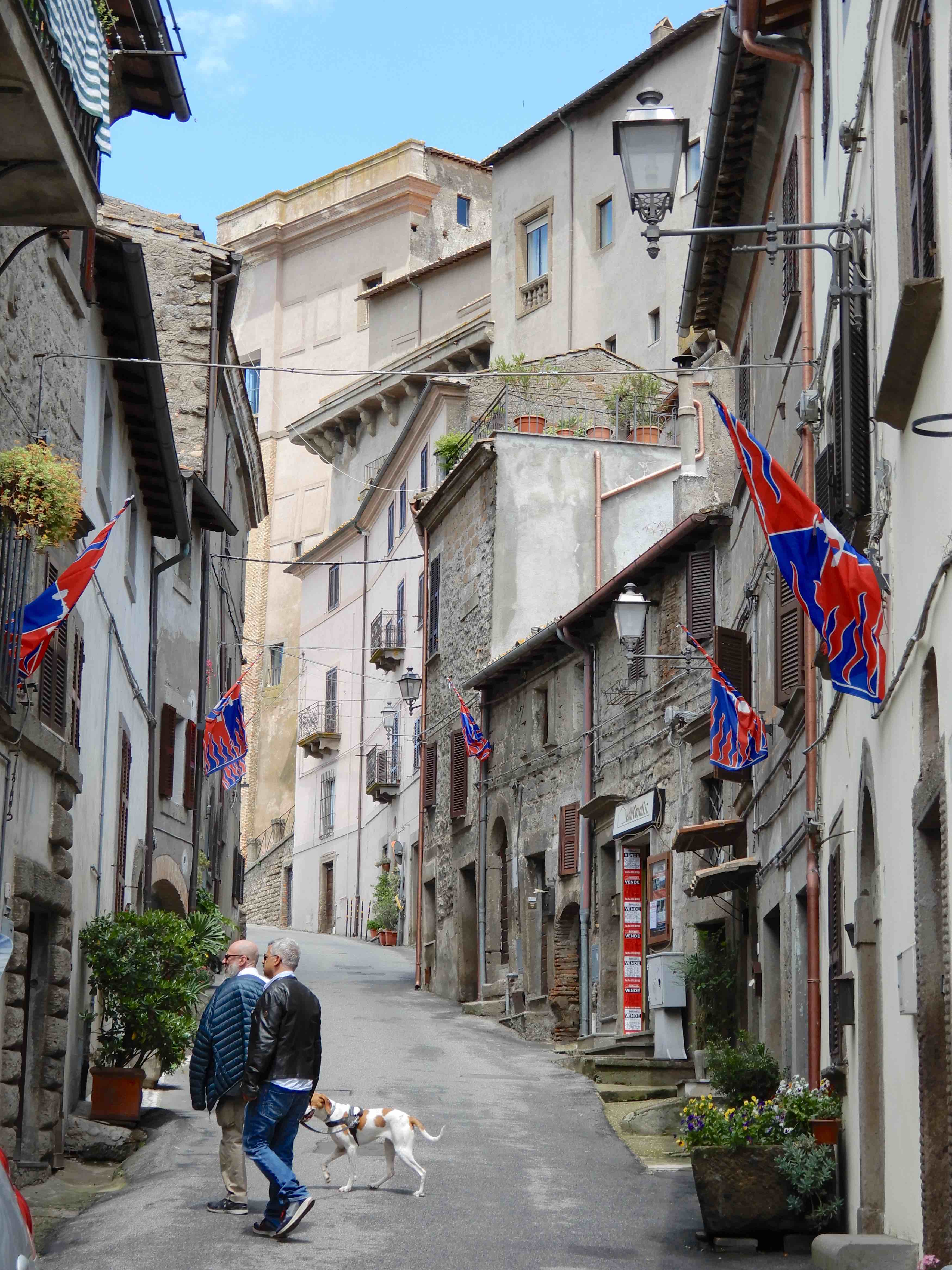
We slowly ascended the narrow streets,

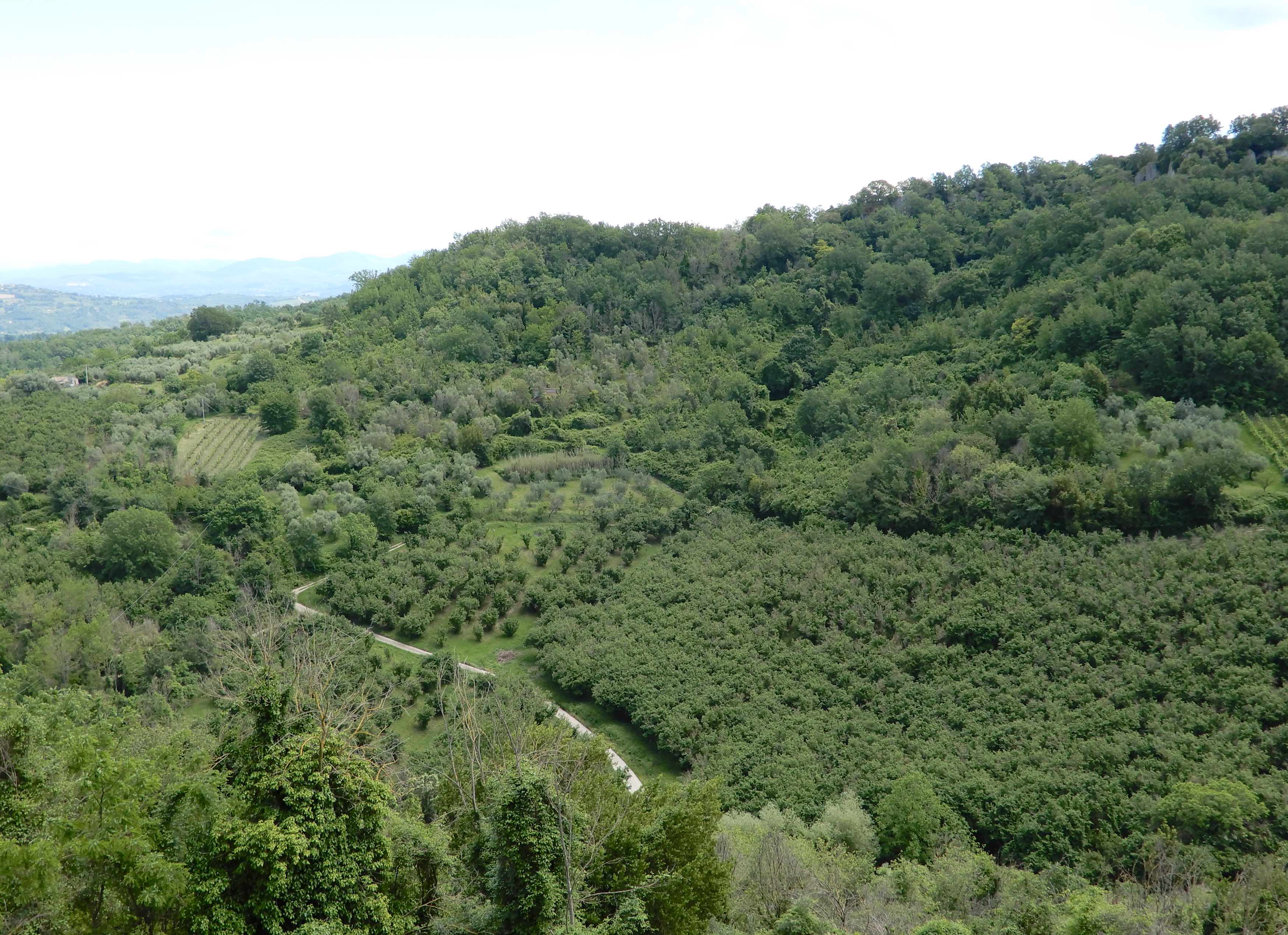
resting to admire the vista across olive groves.

Mugnano in Teverina was now below us and the town of Giove, across the River Tiber in Umbria, was visible in the distance.

With yet more climbing ahead we were very relieved to find an elevator to transport us to higher ground.

The panorama from the top was breathtaking,

the streets became alleyways

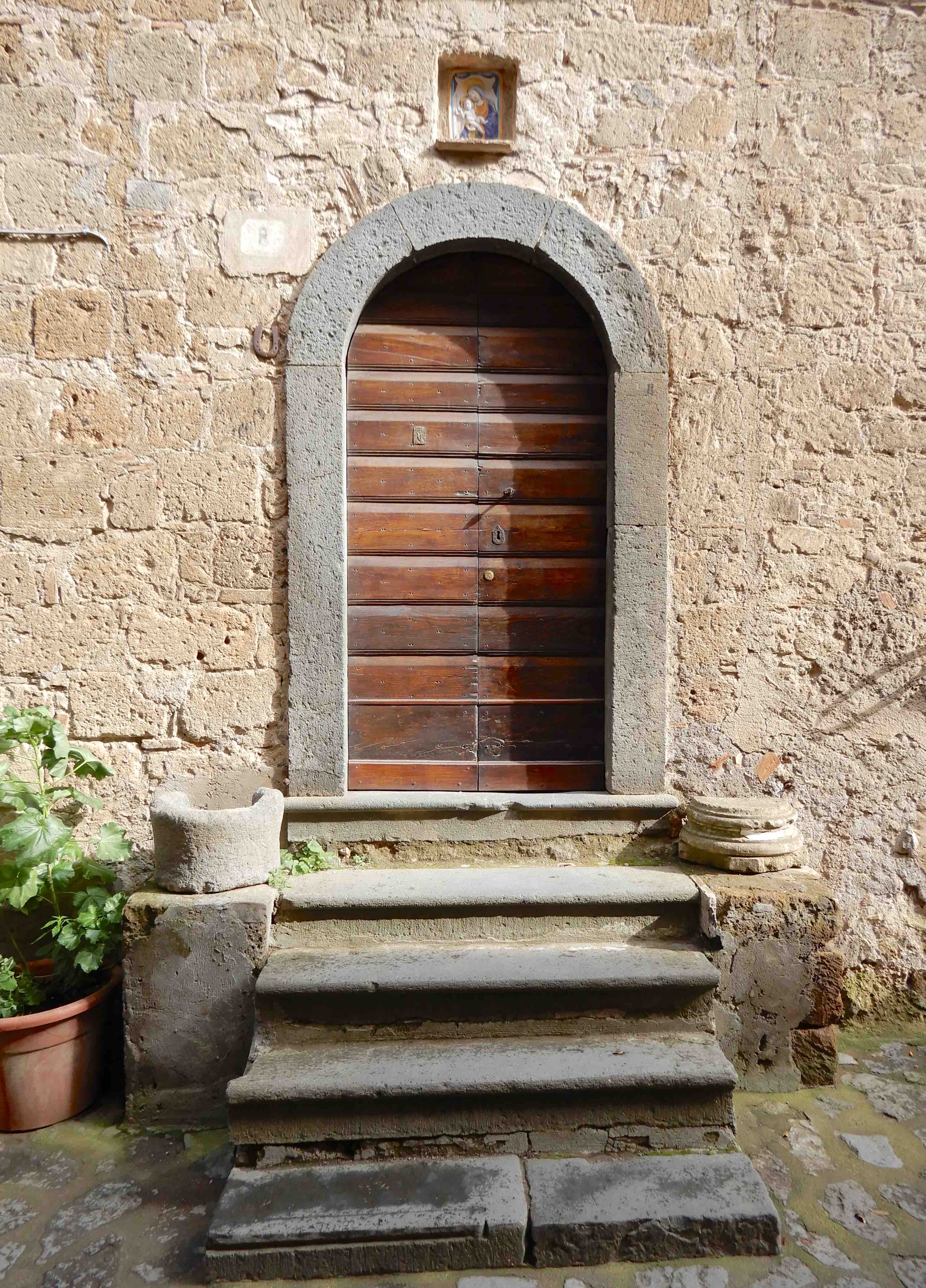
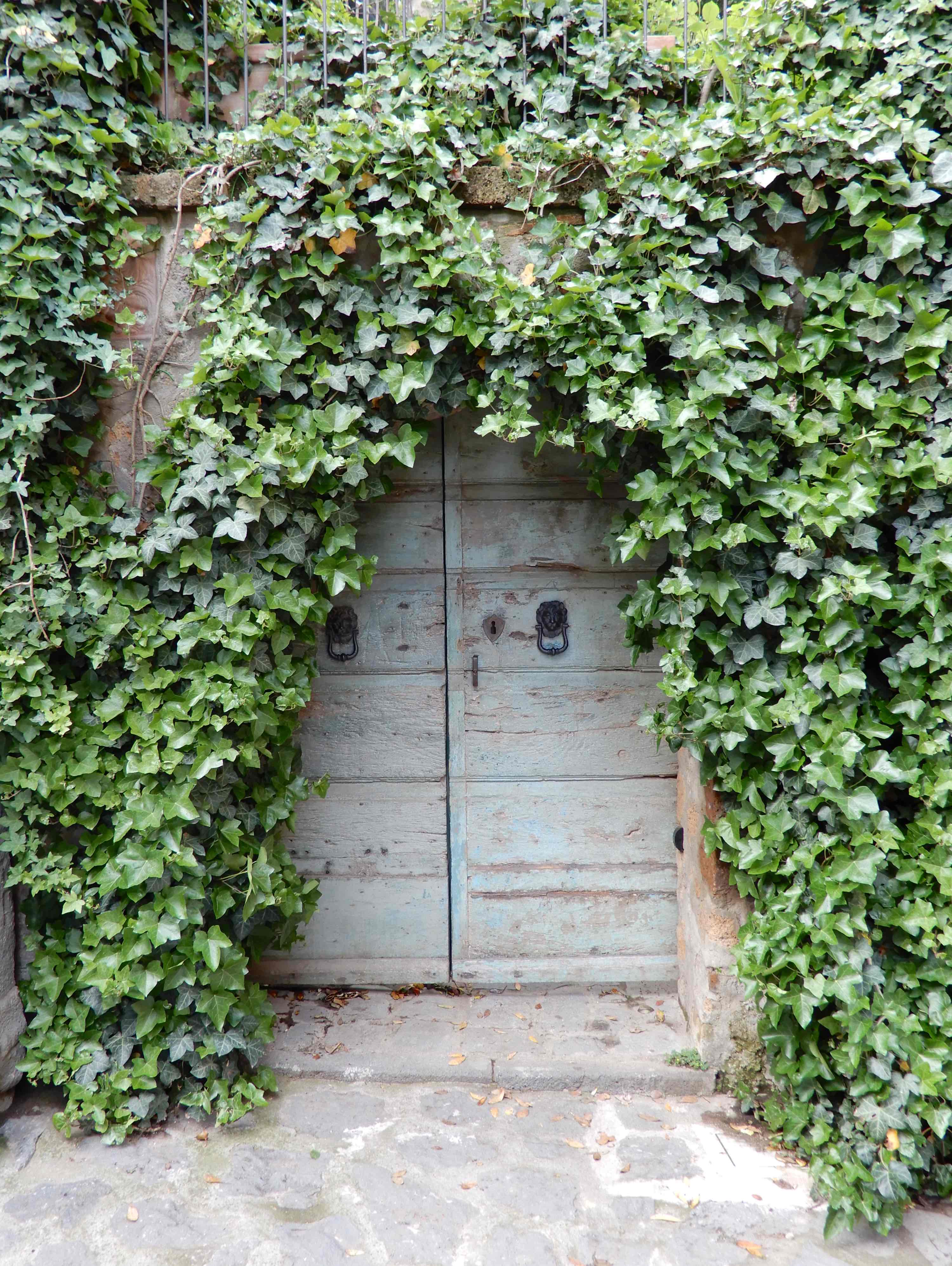
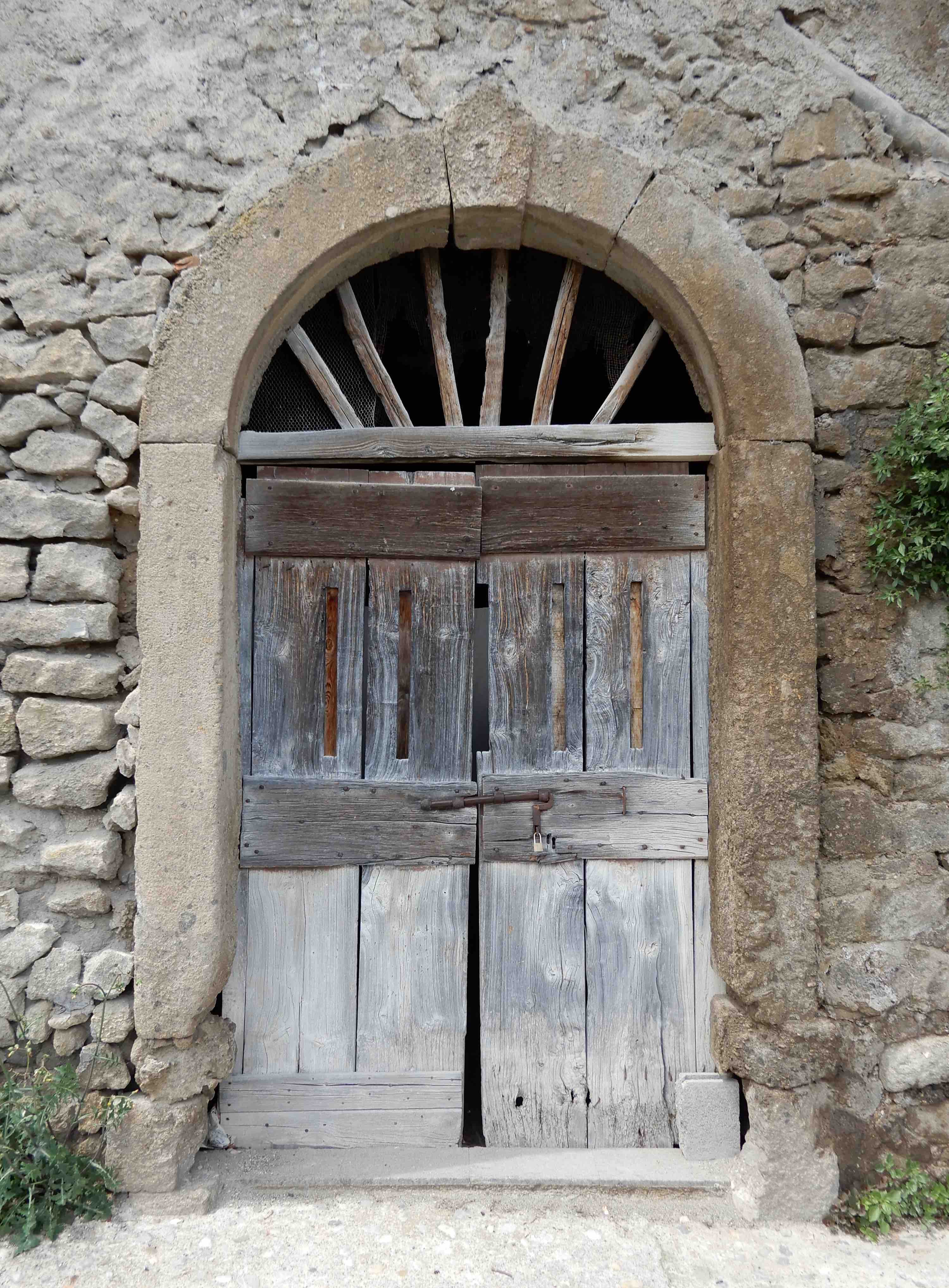
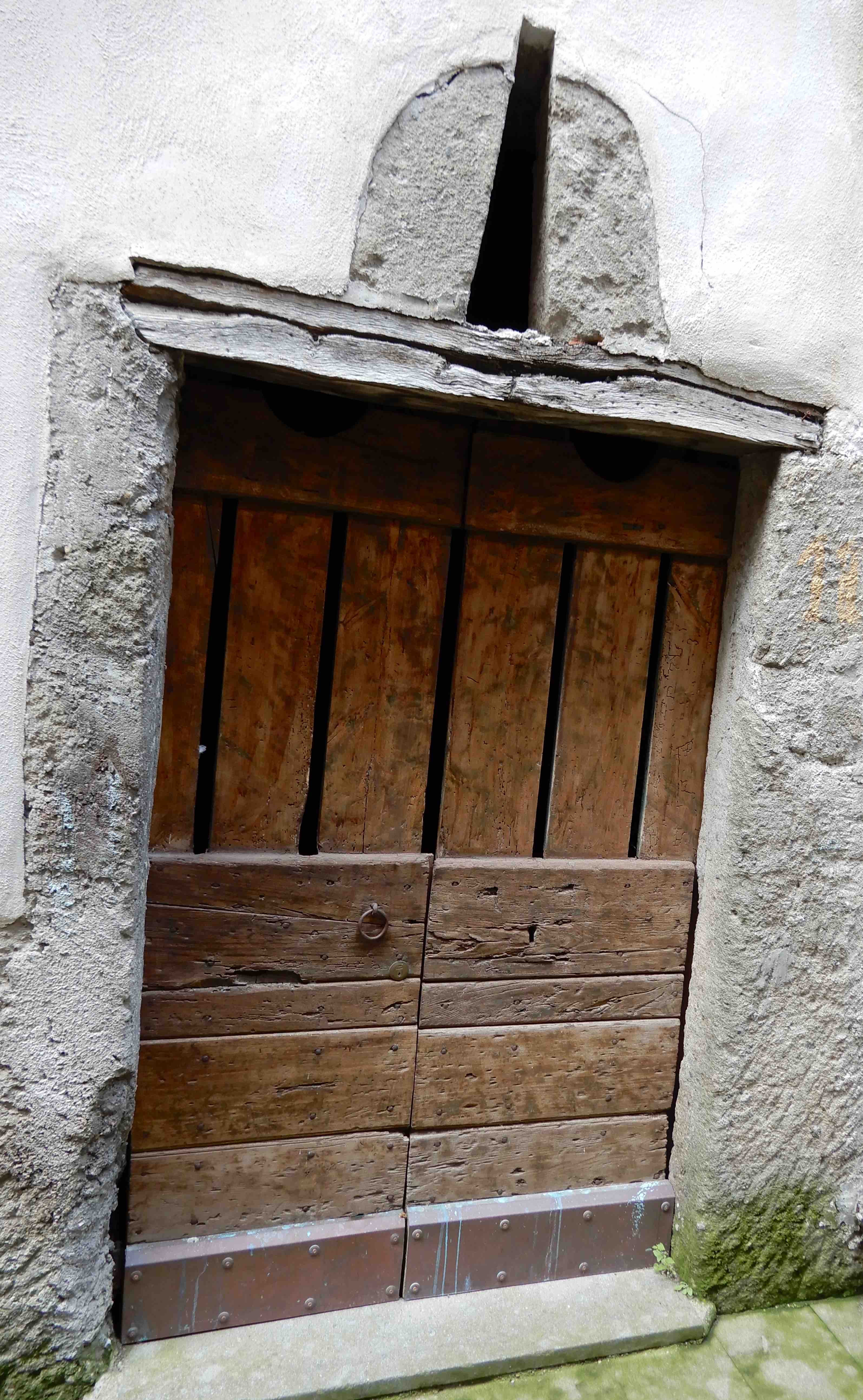
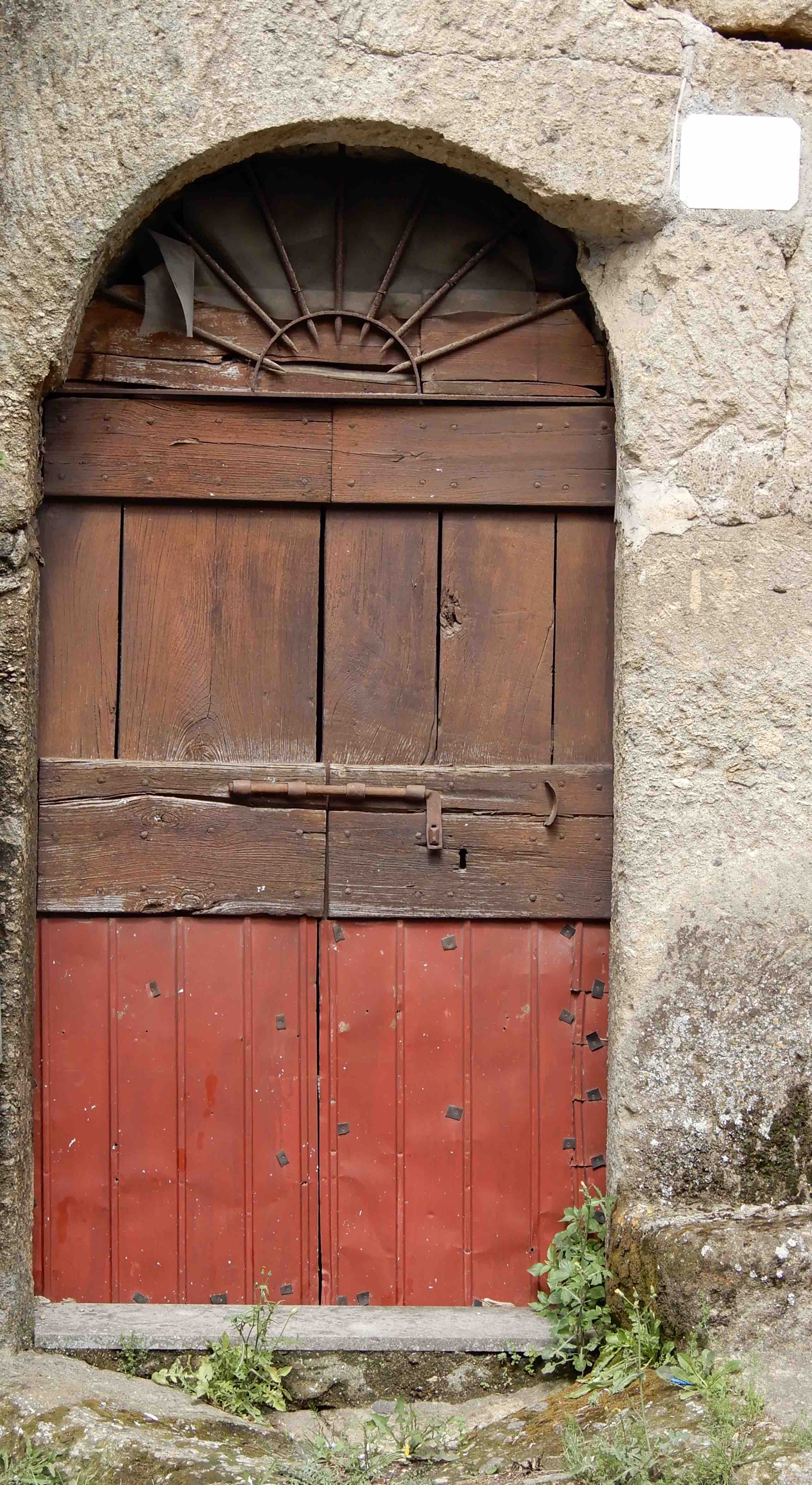
and the myriad doors were fascinating.

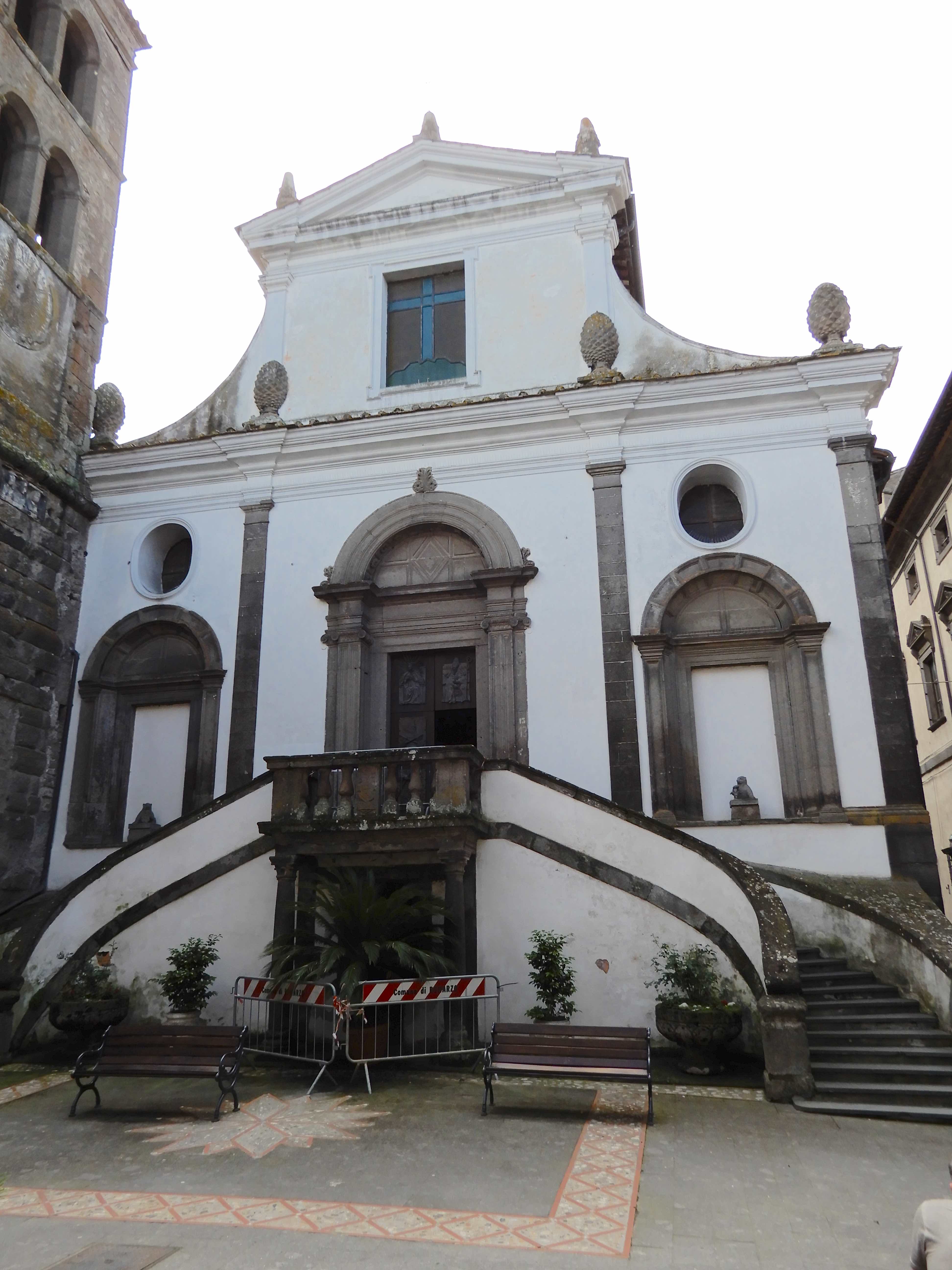
The 15th century cathedral of Bomarzo, dedicated to Santa Maria Assunta, was given a Renaissance façade and decorated with frescoes when Prince Orsini renovated it the following century.

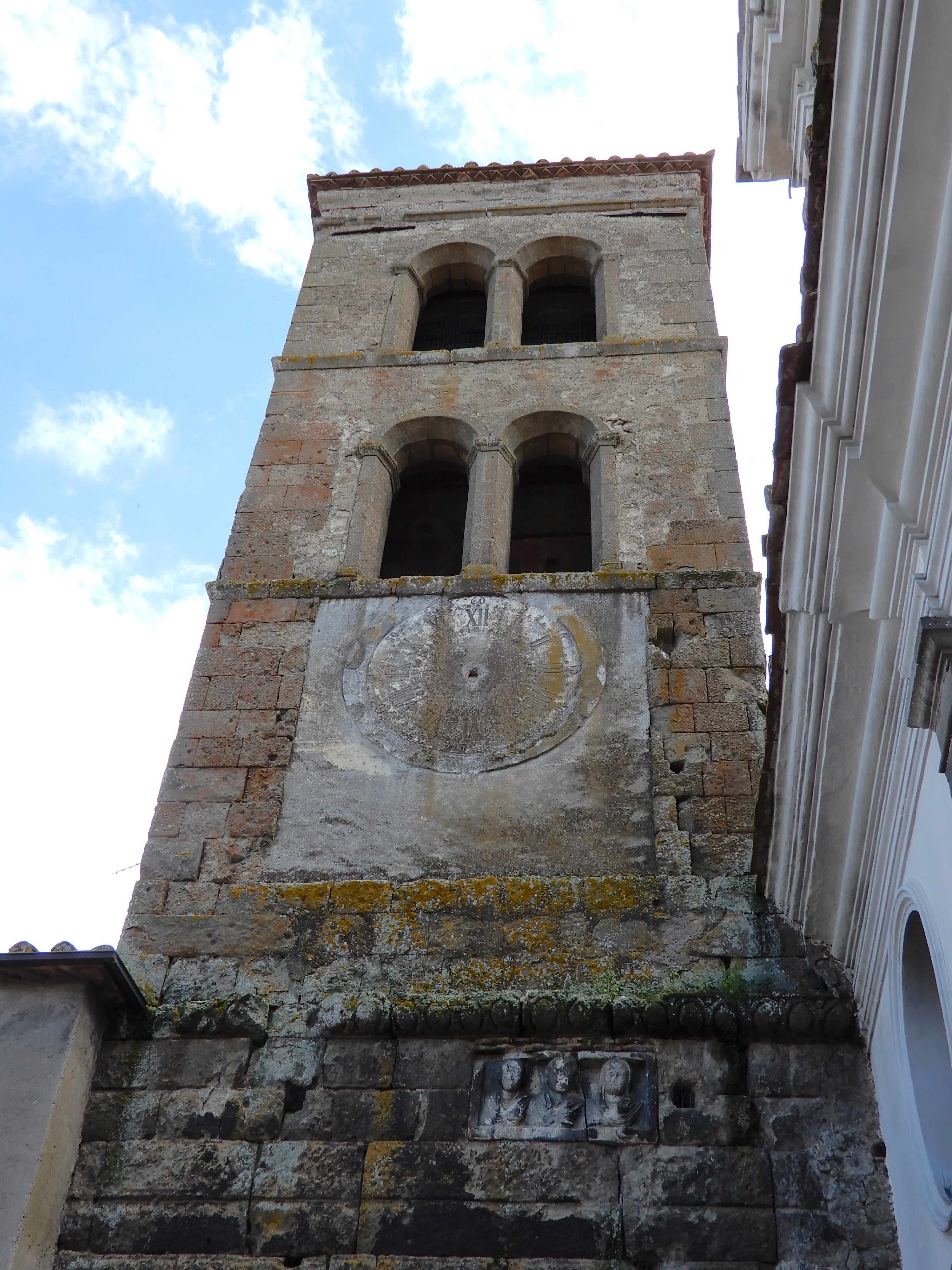
The fabulous belltower is built from blocks of peperino

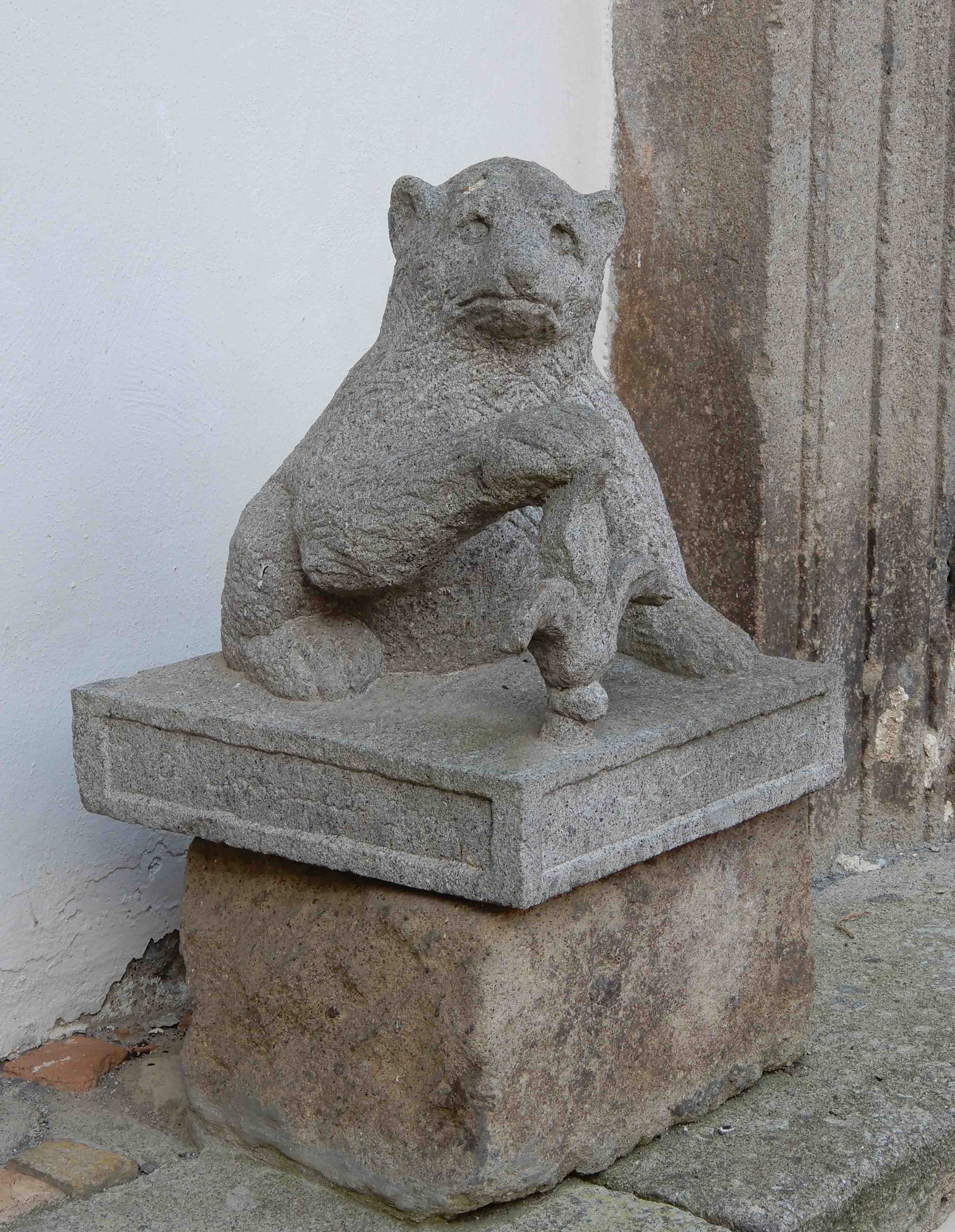
and the door is guarded by the Orsini symbol of bears, one with a rose and one with a lily, both of whom look rather unhappy.

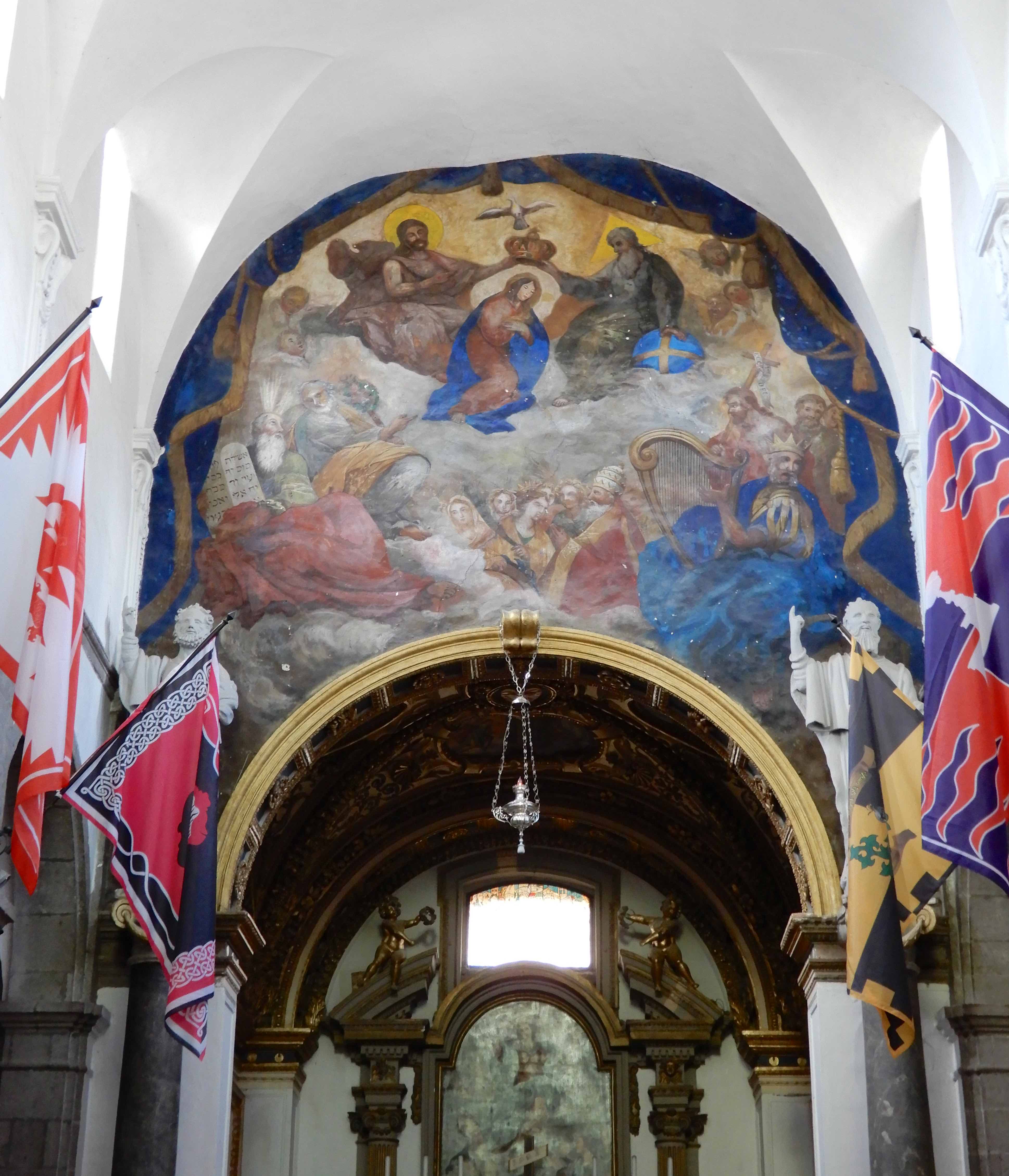
Inside, the church was light and airy with a stunning 17th century fresco depicting the coronation of the Virgin surrounded by angels and saints above the main altar.

Unfortunately, Palazzo Orsini was closed, we could only admire from the outside and imagine the spectacular views from within.

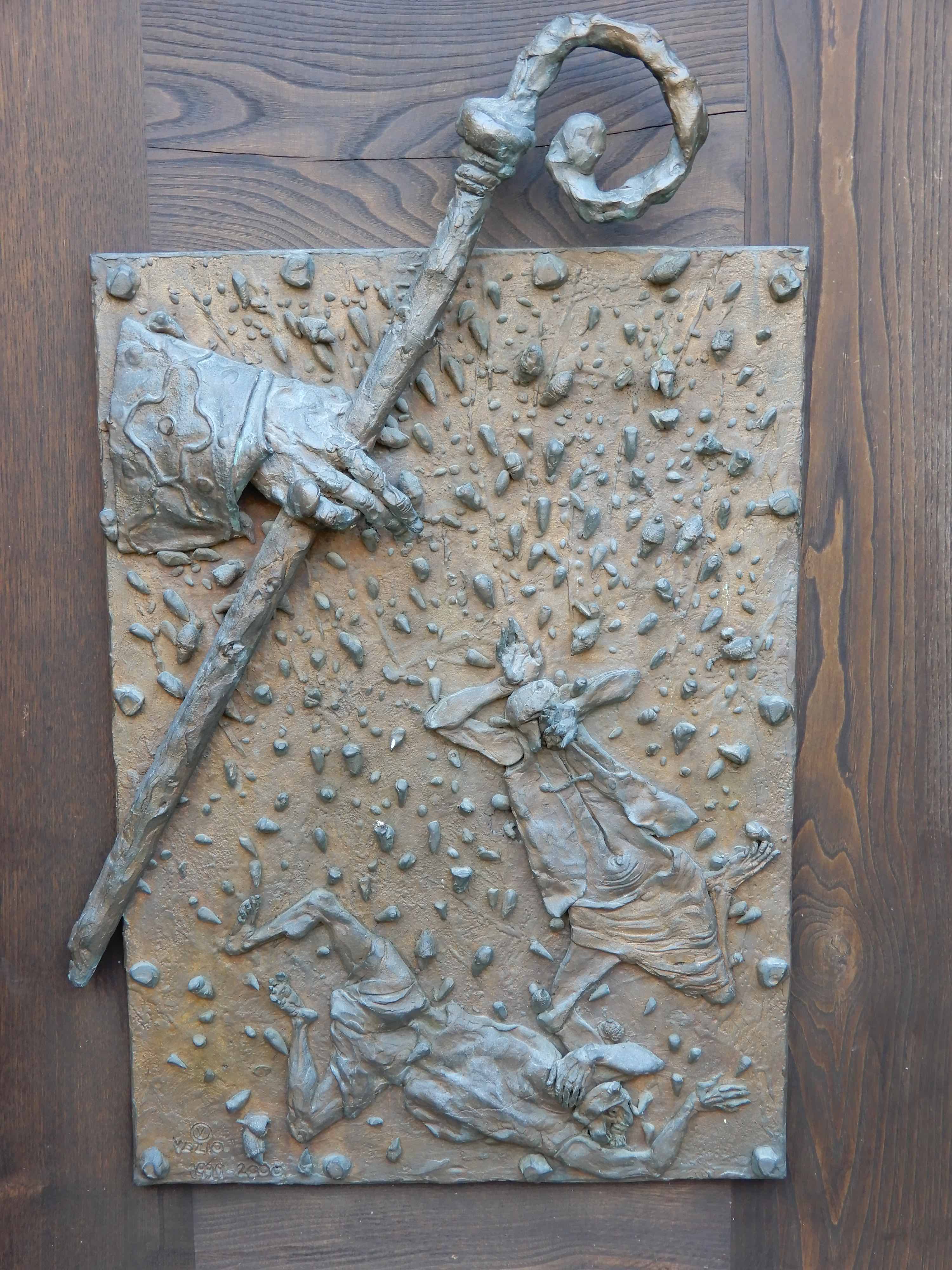
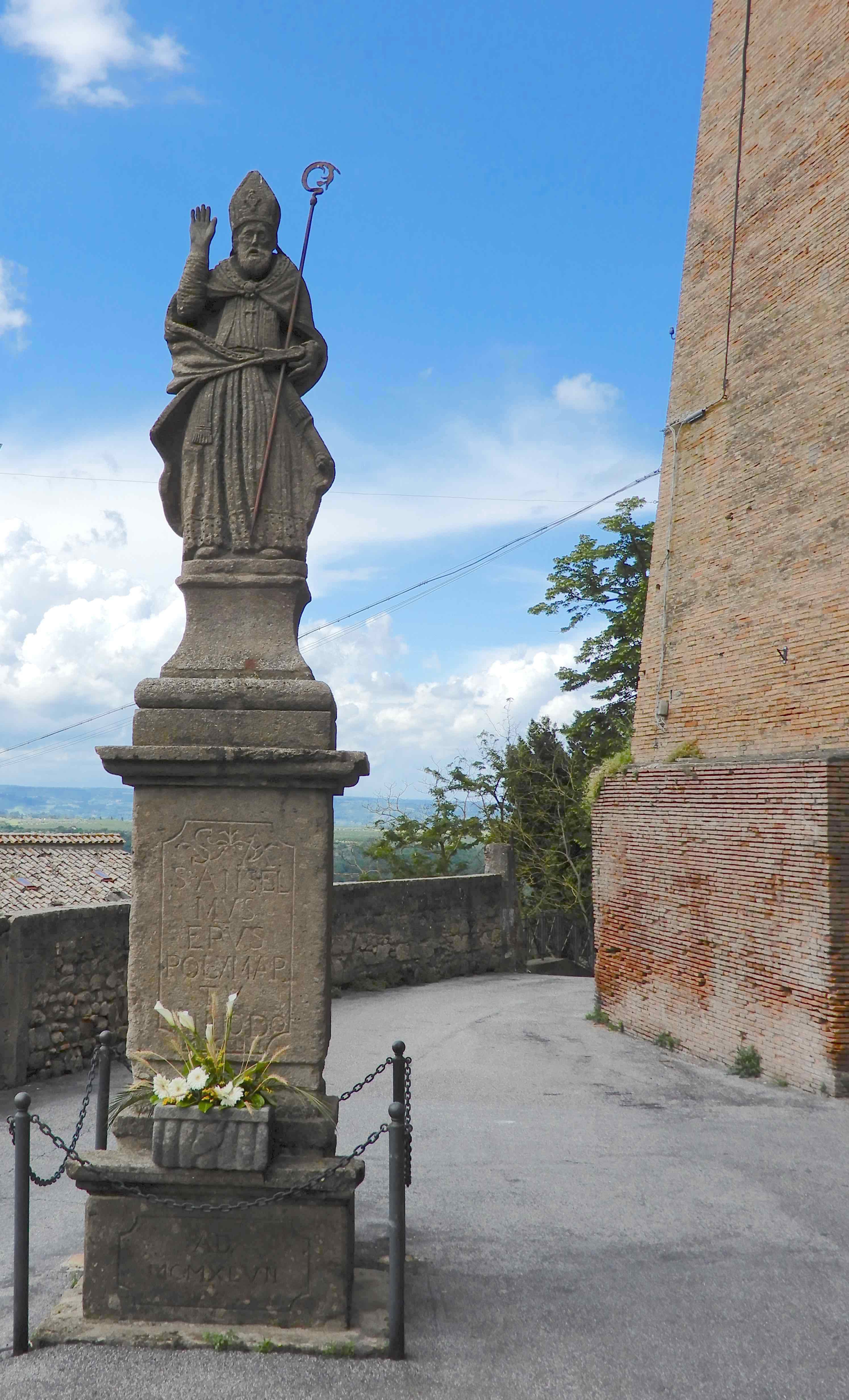
A statue of Saint Anselmo, a 6th century bishop of Bomarzo, has pride of place alongside the palace, his remains are interred beneath the main altar in the cathedral.

Our thoughts had turned to lunch but there didn’t seem to be the array of eateries we had become used to. Venturing further,

we passed a war memorial set against a dramatic cliff face. There was a list of names in memory of the fallen as well as a bronze bust depicting carabiniere Luciano Fosci, a military man who was shot dead while trying to block an angry crowd at a political demonstration in Somalia in 1952. He received the gold medal for civil merit.

A little further up the road

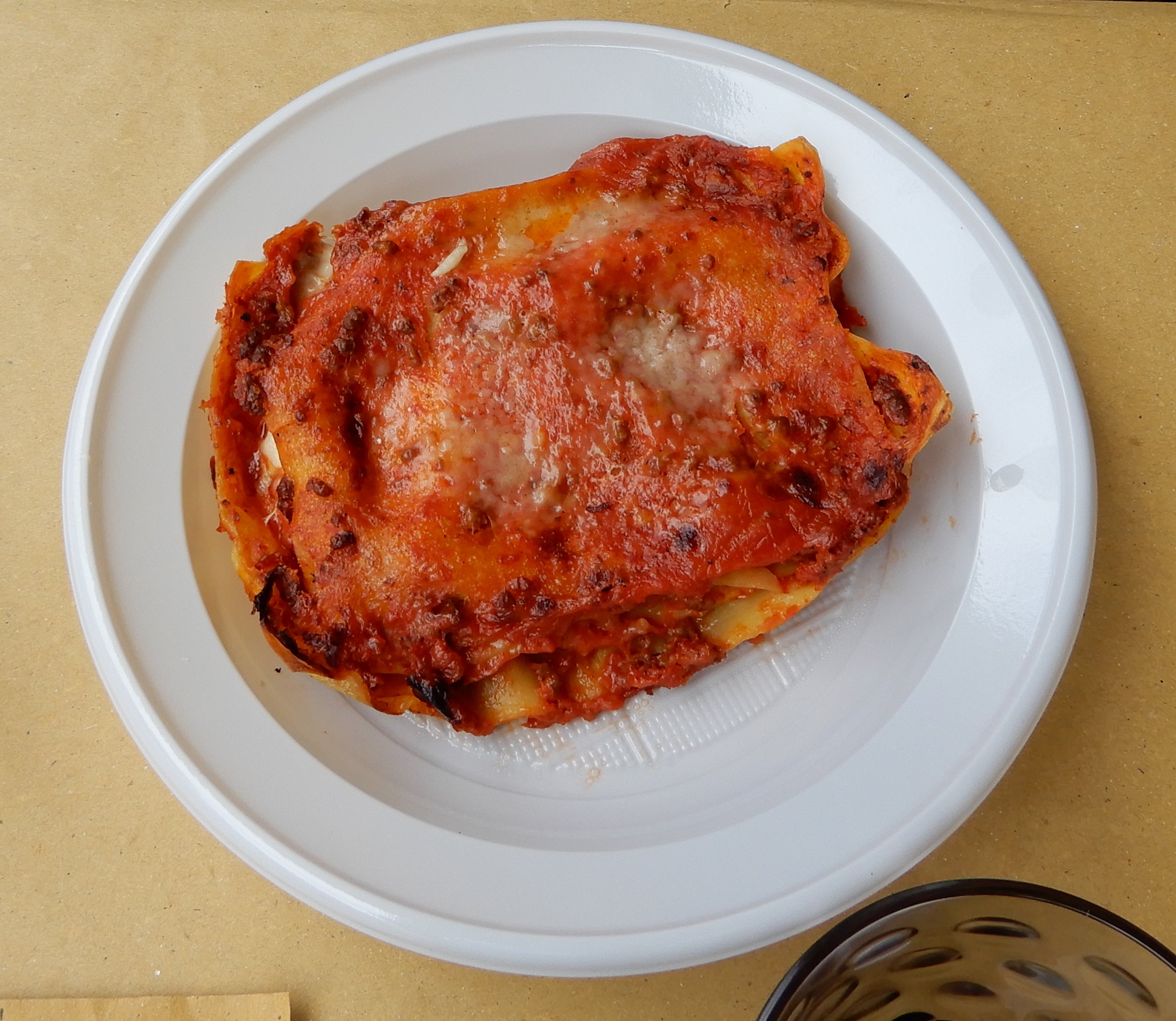
our perseverance paid off and we found a tiny cafe, seemingly the only place serving food in Bomarzo. What it lacked in ambience it made up for with friendliness and food. The meals were fresh, homemade and delicious

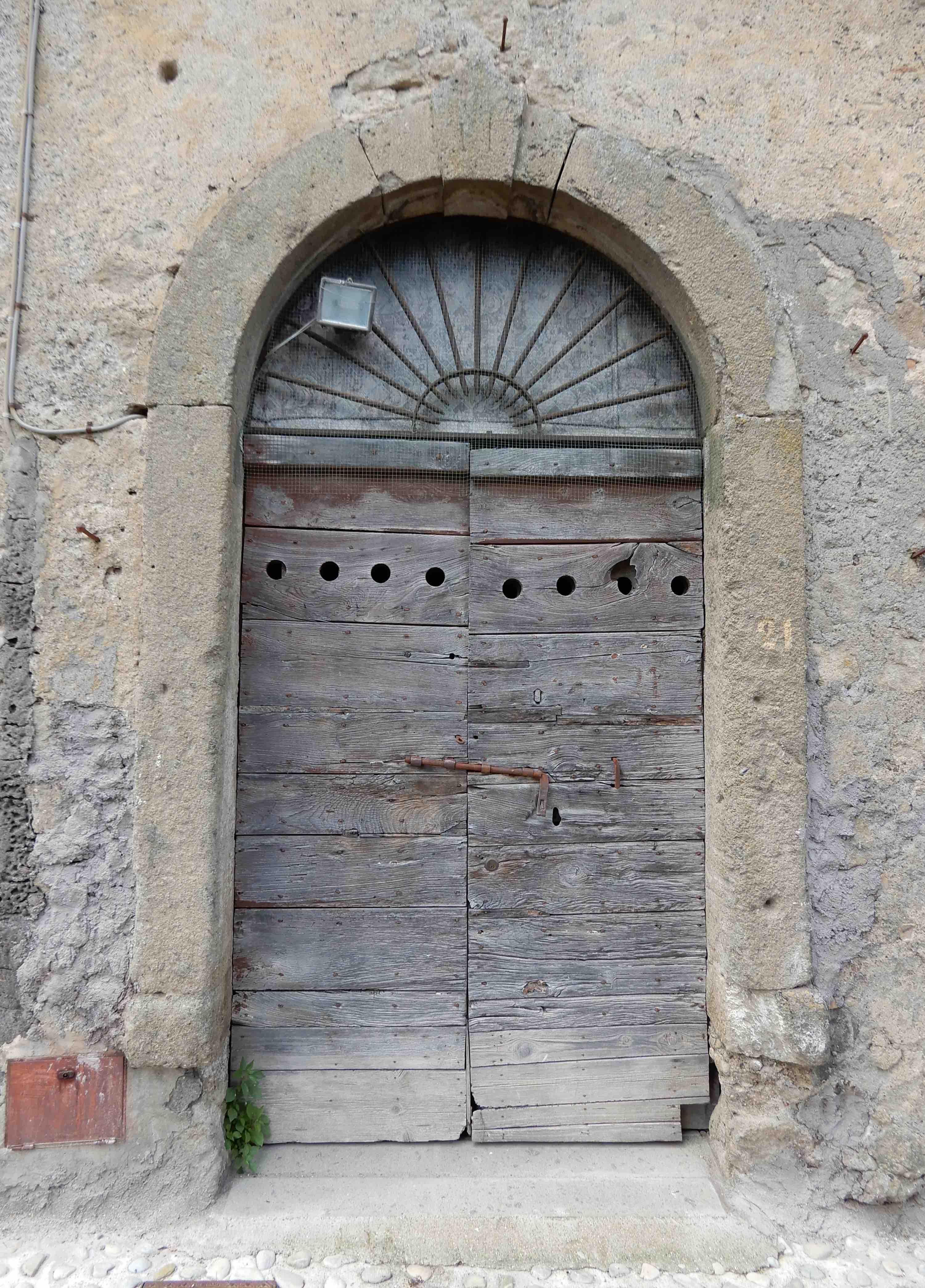
and the doorways across the road were equally as memorable.

nice natiche

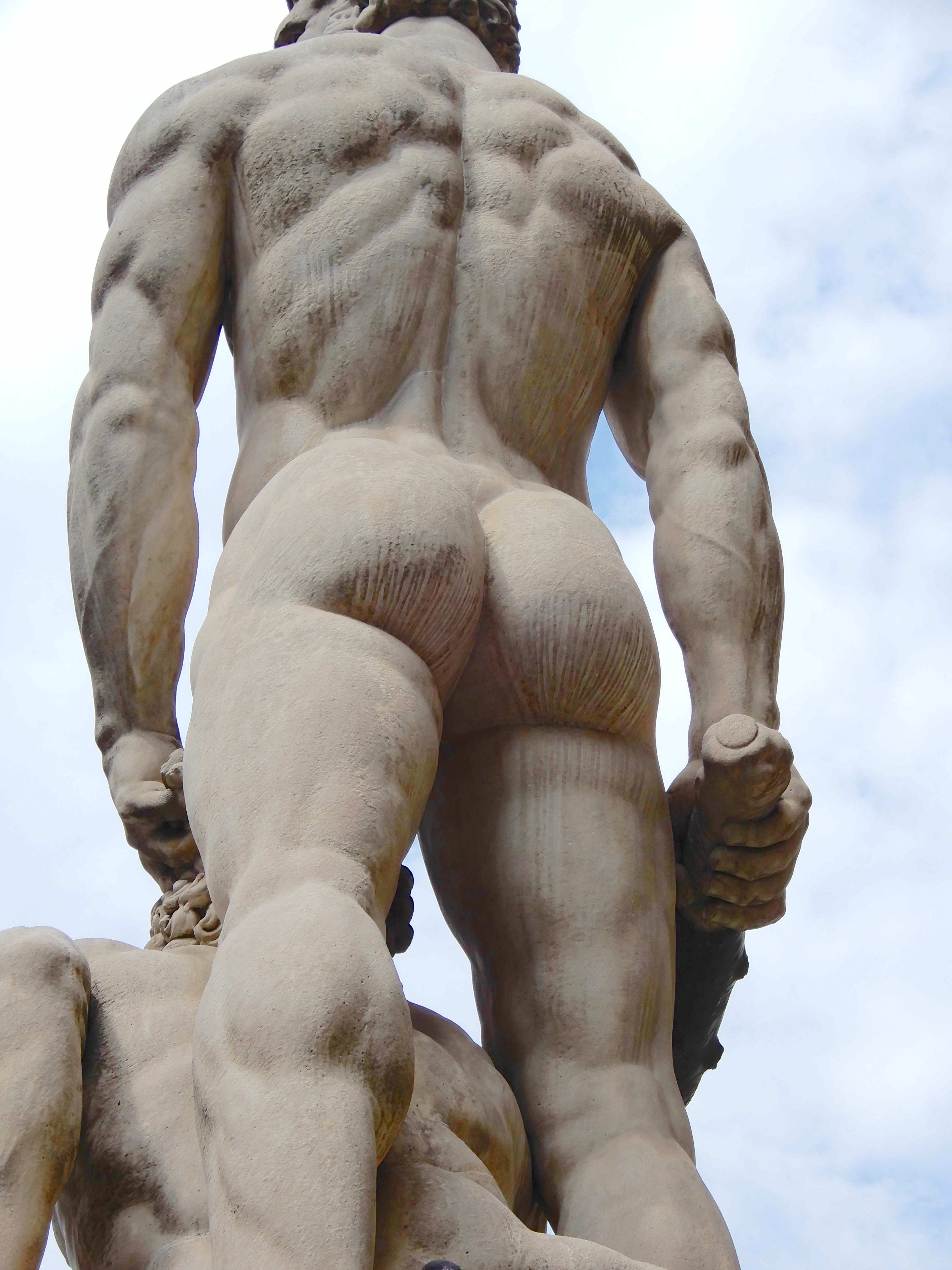
It is no secret that Italy is home to some of the most impressive classical statues in the world. The Piazza della Signoria in Florence has an abundance of marble crafted male genitalia, all notably underendowed (I will get to the reason for that shortly). In my opinion, the true forte of the 16th century sculptors was fashioning a fine set of buttocks. Florentine artist Baccio Bandinelli excelled himself with the spectacular derrière of Hercules, poised to slay Cacus for stealing his cattle.

The work was commissioned to stand to the right of the entrance of the Palazzo Vecchio, to balance Michelangelo’s David on the left. At around five metres tall, they are both rather imposing figures, although David is probably more widely known. Many aspersions have been cast on the size of David’s appendage and much has been written on the subject. Historians have reasoned that large penises were associated with unappealing characteristics such as foolishness, lust and ugliness, whereas a small member belonged to a rational, intellectual and authoritative man. In 2005, two Florentine doctors argued another theory that the impending fight with Goliath has caused some shrinkage due to fear. The reasoning is irrelevant, the point is, David’s real assets are viewed from behind.

There is a young man on the left of the doorway to the Palazzo Vecchio sporting a modestly poised fig leaf but he doesn’t rate a mention in any literature I could find. He may represent Adam and, although he is smaller in stature than Hercules and David, he too has a pleasing posterior.

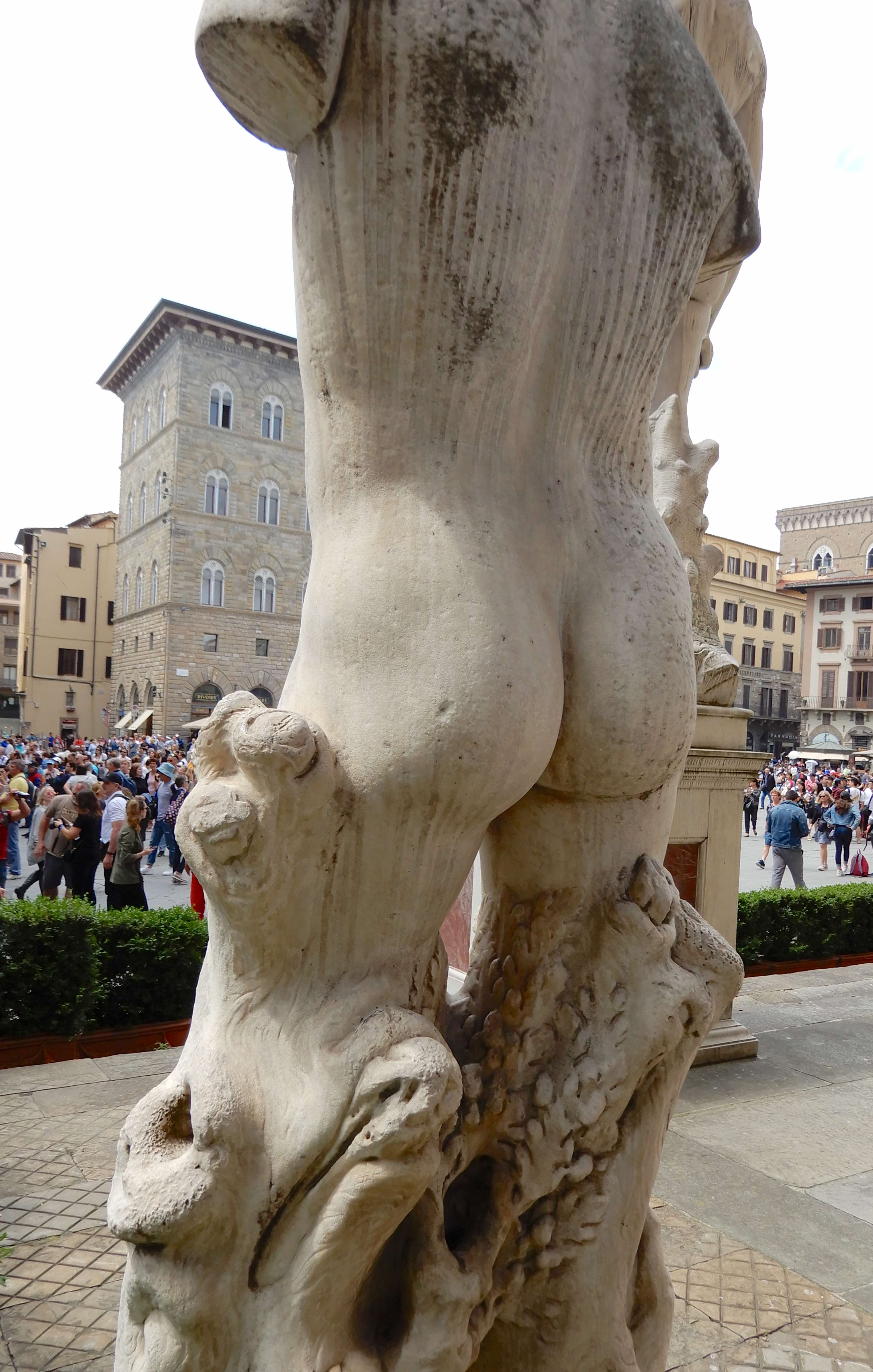
Across from the palazzo in the Loggia di Lanzi, Flemish sculptor, Giambologna, has continued the custom with his work, The Rape of the Sabine Women (I must clarify, at that time the term ‘rape’ referred to abduction or kidnapping not sexual assault).

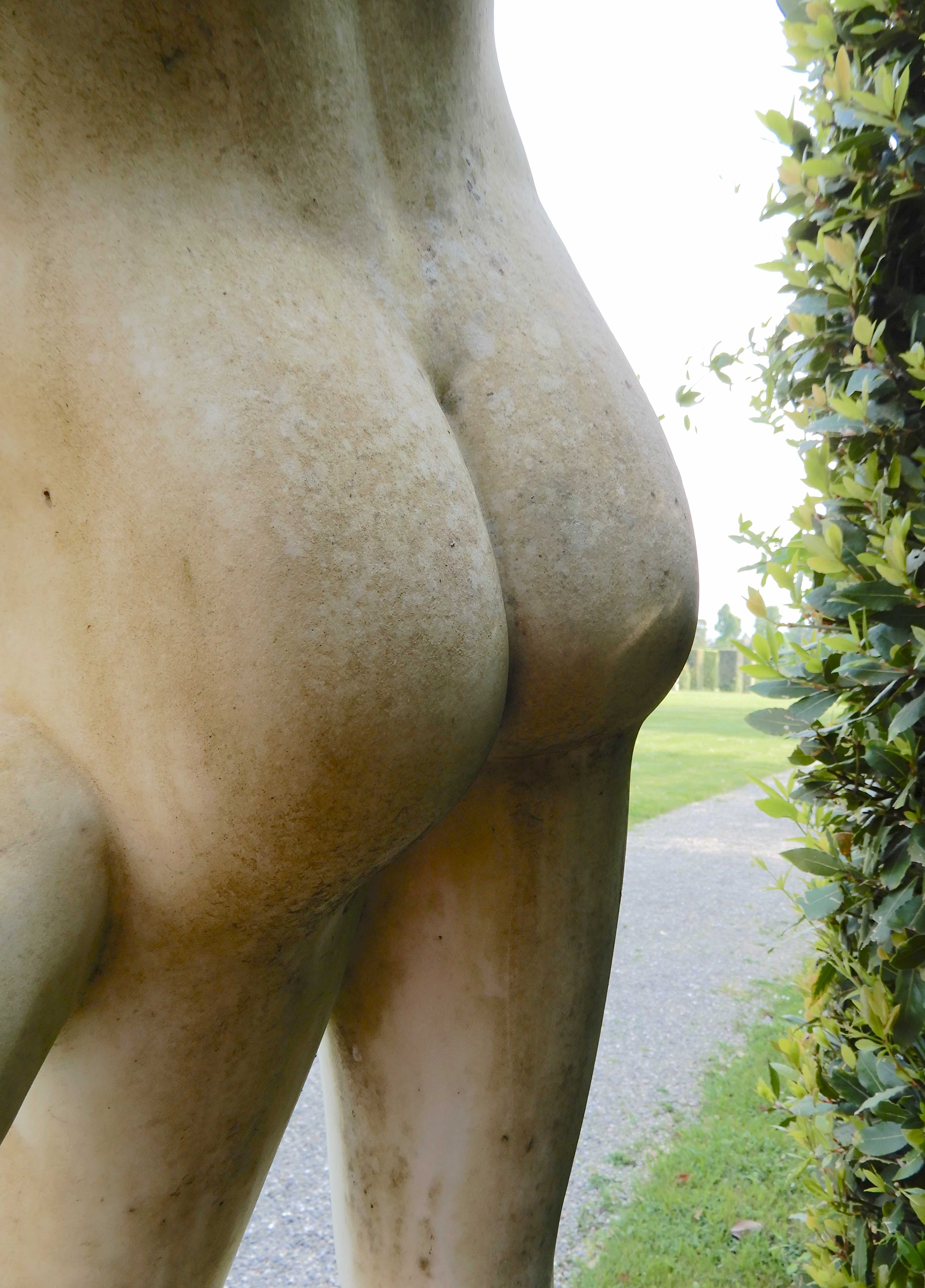
There are many more superb examples in the Piazza della Signoria although I wasn’t really aware of it at the time, I shall have to return for more extensive research. At Villa Reale di Marlia, the adolescent god Apollino presented a youthful rear

but this one had seen better days. Perhaps the marble will shine again with a good clean.

It seems it wasn’t only human bottoms that were given such attention to detail as we found at the Colosseum.