Spello

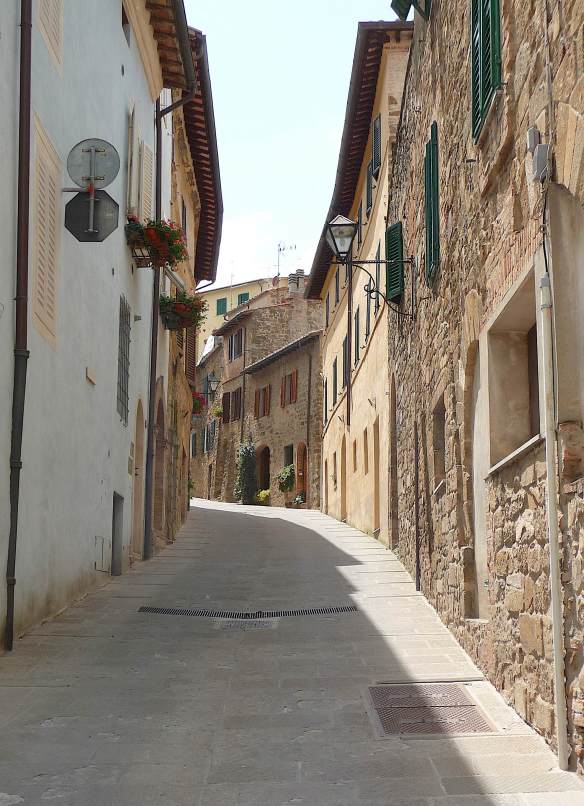
After consulting the map to plan another day trip from Il Castagno, we ventured across the border into Umbria. The warm day was overcast as we reached Spello, an ancient walled town that became a Roman colony, Hispellum, in the 1st century BC.
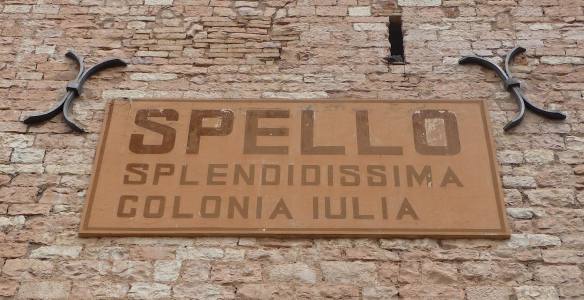
1.Portonaccio

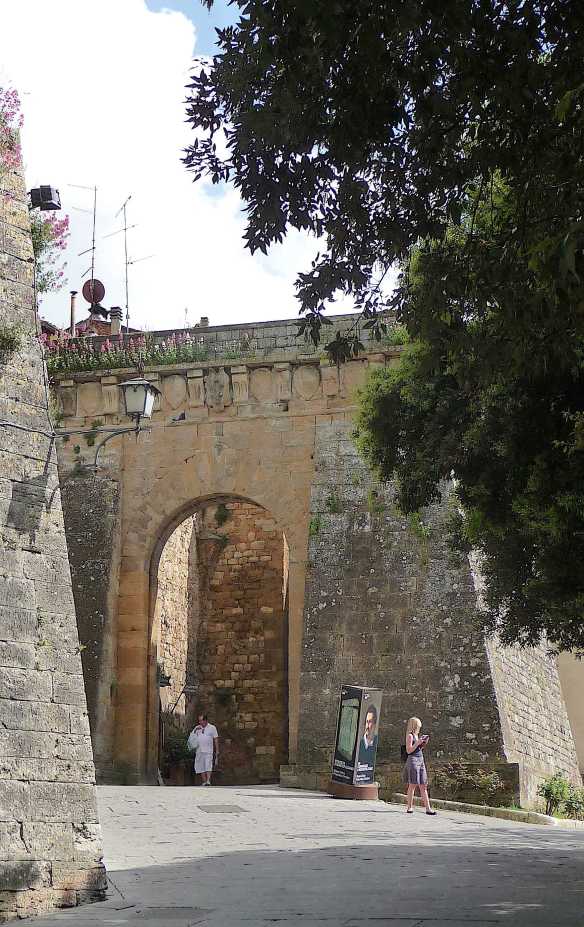
The town walls and arched entrance gates are remarkably intact, we began our walk at Porta Consolare.

2.Porta Consolare

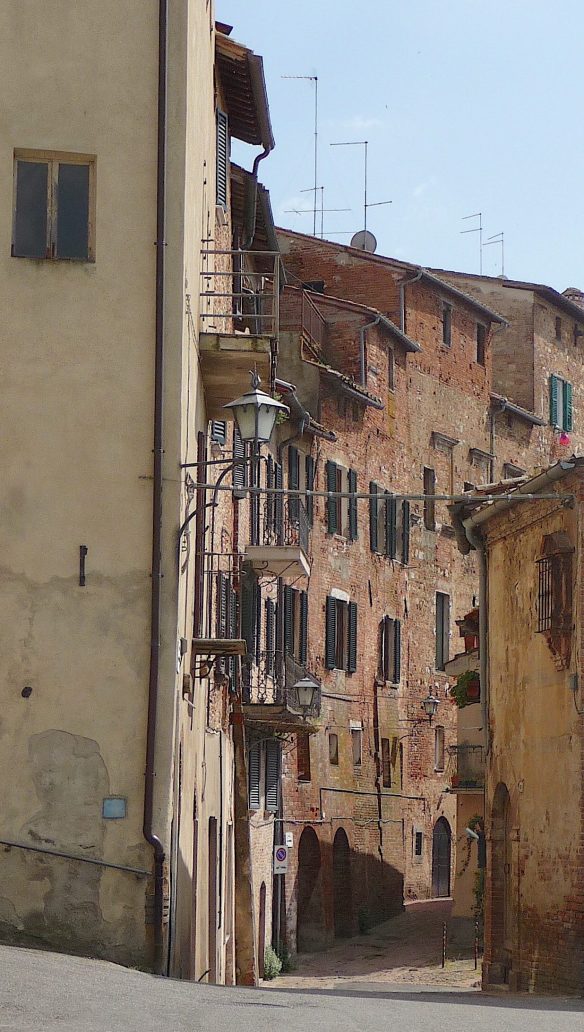
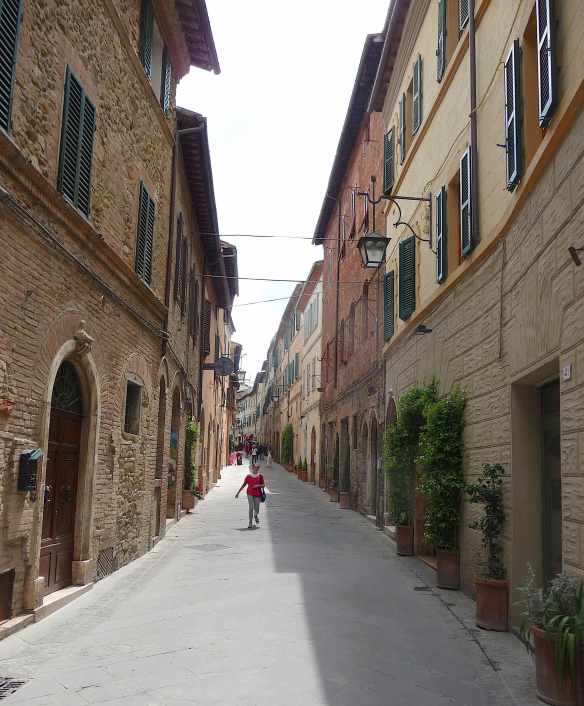
We were instantly enchanted by this place, with its beautiful architecture

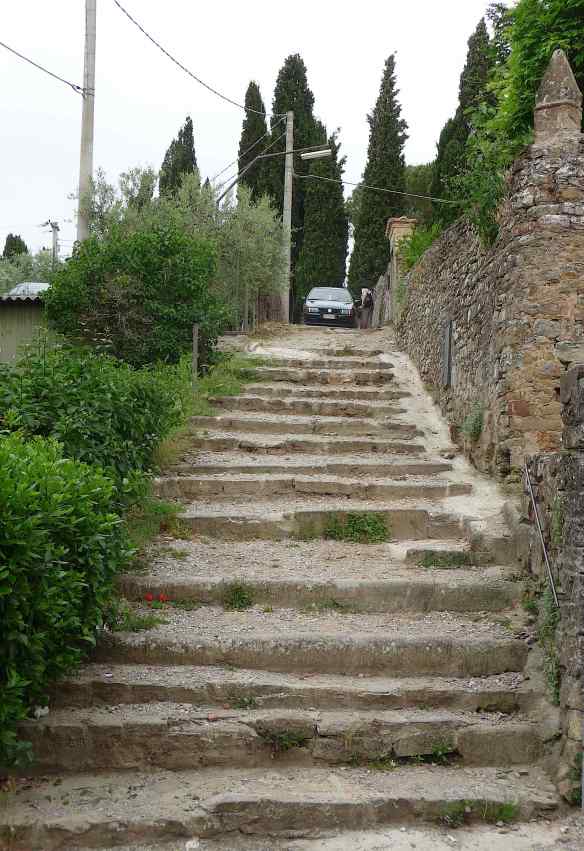
and narrow, stone streets.

12.street

13.street

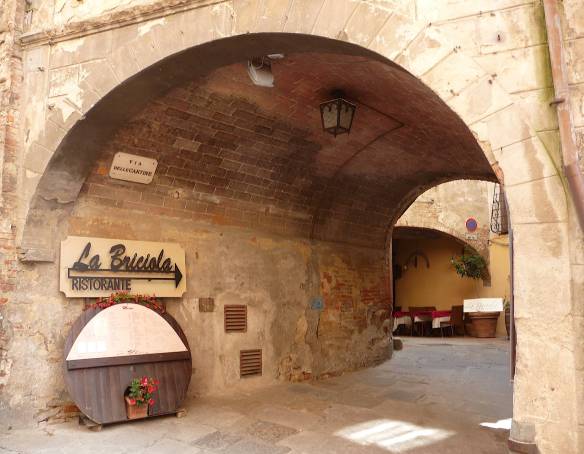
Magnificent arches led down intriguing alleyways.

We ambled our way to the top of the town, admiring the homes with more than a little envy.

Some windows had better views than others,

and, of course, those fabulous Italian doors were countless.

The most impressive doorway was that of the Baglioni Chapel, part of the Church of Santa Maria Maggiore.

44.Baglioni Chapel

The chapel is adorned with well preserved frescoes, painted by Pinturicchio in 1500AD, none of which I photographed.
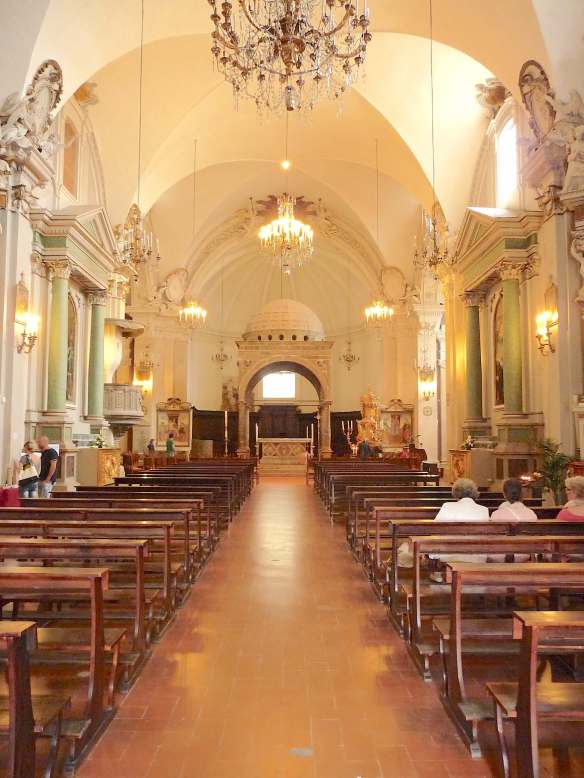
45.Baglioni Chapel

There was so much to admire in this wonderful, ancient town.

Porta dell’ Arce, a double limestone arc, was the original northern entrance to the Roman city.

We made our way back to the lower end of town, not forgetting to investigate the shops
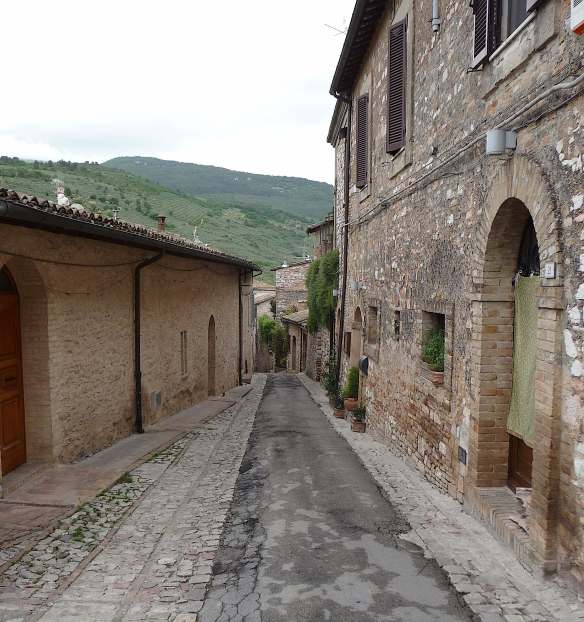
59.Spello

and admire the spectacular scenery along the way.
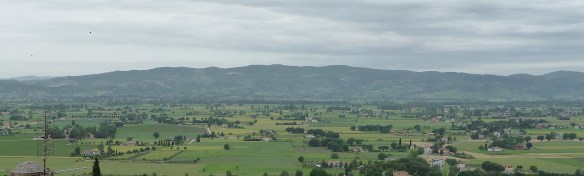
66.view

Ossaia

After a lazy afternoon at Il Castagno, we decided to dine in the nearby town of Ossaia. Rather than driving, we walked the easy 2km on a perfect spring evening.

1.road to Ossaia

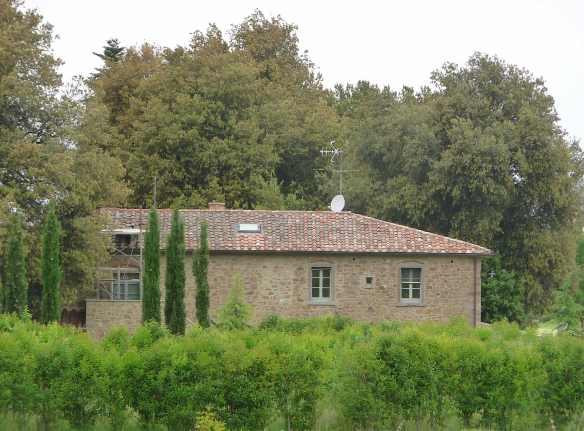
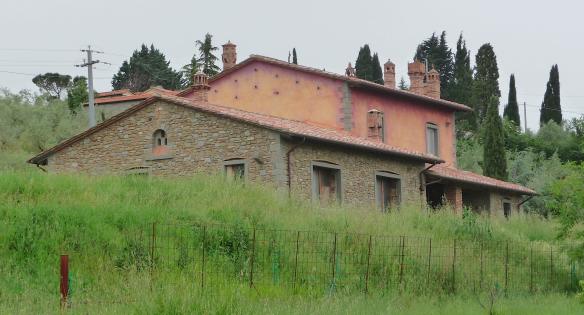
The countryside was peaceful, scattered with gorgeous rustic farmhouses.

2.chapel3.farmhouse4.farmhouse5.farmhouse

Ossaia literally means boneyard. There are apparently thousands of Roman soldiers who were defeated by Hannibal in 217BC at the Battle of Trasimeno, buried under the town.

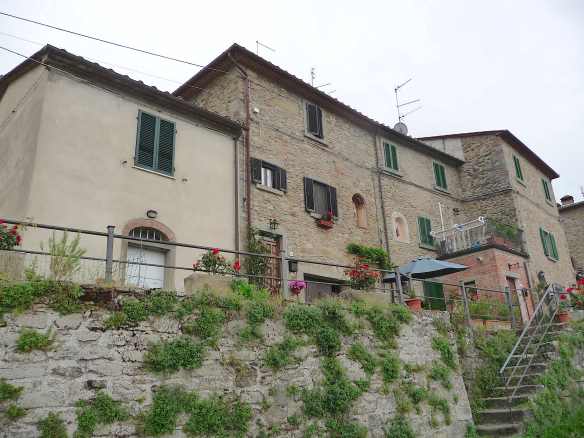
The small community was enchanting, with some beautiful homes.

8.town9.town

I’m not sure about this driveway, though.

10.town

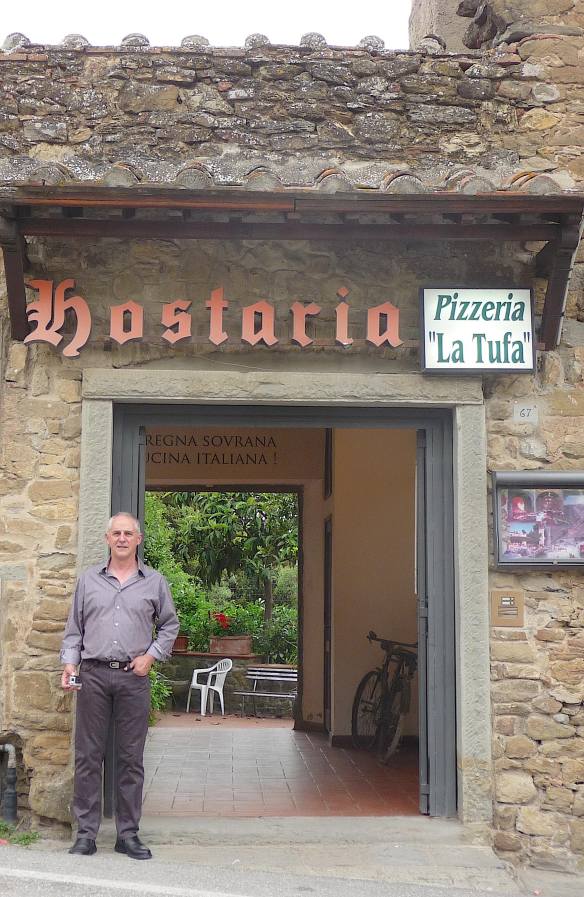
La Tufa had been recommended to us and we found it easily.

11.La Tufa

We wandered through

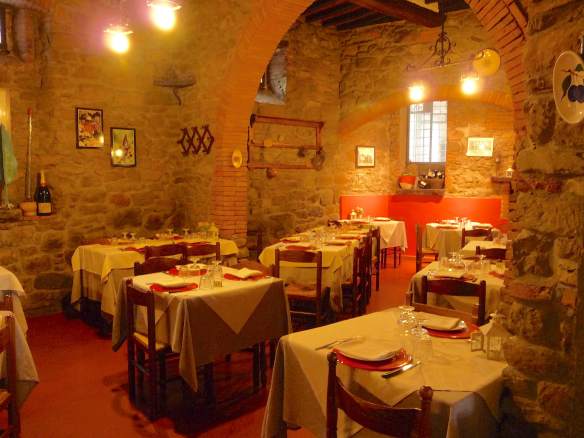
to the inviting restaurant

14.La Tufa

but on this warm night we opted for a table outside.

15.La Tufa

The pizzas were delicious

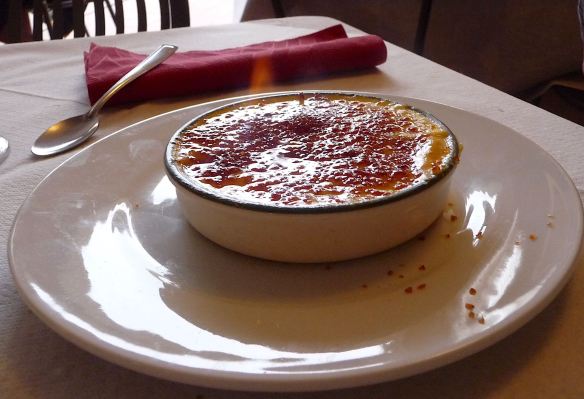
and we had just enough room for nonna tart and flaming crème brulee.

19.flaming creme brulee

The walk home was a little slower.

Camucia

Camucia was the nearest town to our rented villa, Il Castagno, and the ideal place to stock up on groceries and, of course, vino. Nestled at the foot of the hill on which Cortona sits, the town is small with beautiful streetscapes.

1.Camucia2.Camucia

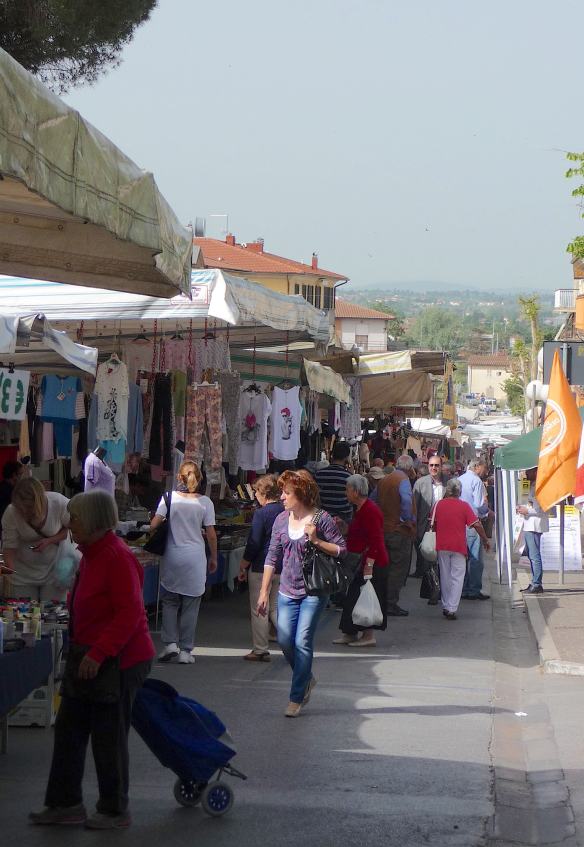
Thursday is market day in Camucia and we spent a gorgeous, sunny morning meandering amid the stalls.

3.market

There was everything imaginable for sale from clothes, shoes, toys and linens

4.market

to flowers and fresh fruit and vegetables.

5.market

I was too busy salivating at the array of fresh produce to take photos of it. Roasted pork was very popular, served from vans on Tuscan bread with the most exquisite crackling.

6.crispy pork by Piero

We returned to the villa for a lazy afternoon, I even had my first siesta.

Montepulciano

It was after siesta before we reached Montepulciano, another town I had longed to visit. Renowned for Vino Nobile di Montepulciano, a red wine produced in the surrounding vineyards, it is also a major producer of cheese, pork, lentils and honey. Entering at Porta al Prato,

1-town-wall2-porta-al-prato

it wasn’t long before the magic of this ancient town revealed itself.

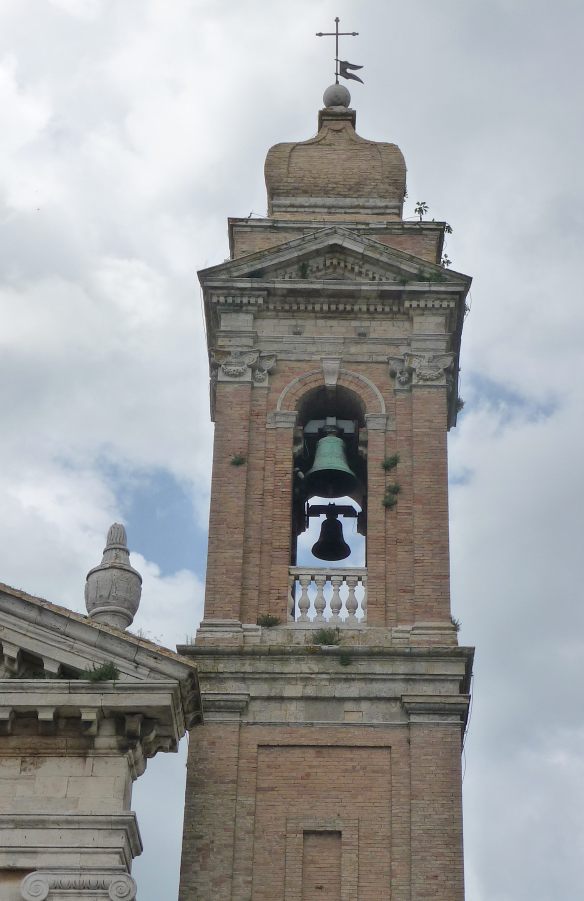
3-belltower4-montepulciano5-montepulciano

The 16th century Palazzo Avignonesi has a handsome smiling lions head either side of the entrance.

The intricate façade of Palazzo Bucelli is made up of sculptures, added in the early 1700s. Etruscan tombstone fragments, funerary urns and frieze plaques combine to create a magnificent feature.

8-palazzo-bucelli

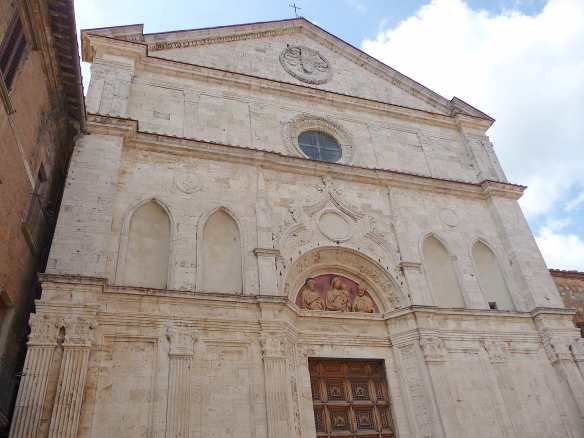
Chiesa di Sant’ Agostino was built in 1285AD and was completely renovated in the 15th century.

11-chiesa-di-sant-agostino

Above the imposing doorway is a beautiful carved portal featuring the Virgin and Child flanked by St. John and St. Augustine.

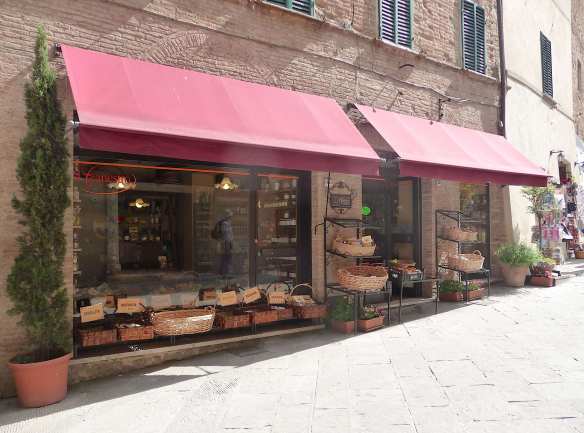
The shops were enticing

15-il-canestro16-shops

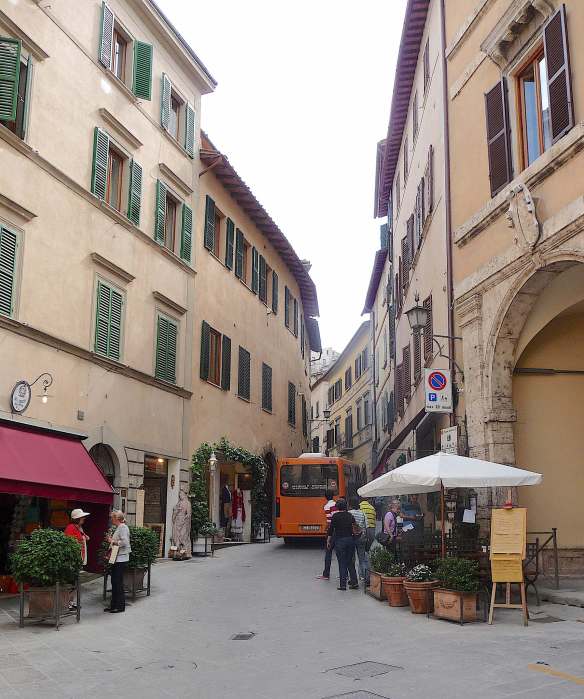
and the sight of a bus traversing the narrow streets seemed out of place.

17-bus

We explored as much as we could in the time we had

19-street

20-steps

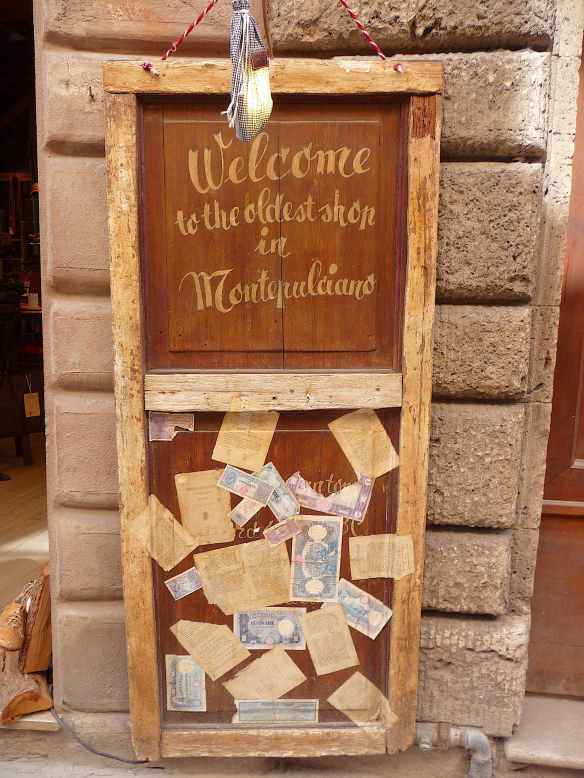
and our final discovery was the oldest shop in Montepulciano.

21-oldest-shop

It was superbly rustic with fabulous leather goods beckoning from every nook.

22-oldest-shop23-oldest-shop

The clock had beaten us and after a last gelati indugence, we made our way back to Il Castagno.

Montalcino

Montalcino is another gorgeous hill town in Tuscany, not far from Sant’ Antimo Abbey. Dating back to 814 AD, the town is renowned for its precious Brunello red wine. After parking the car, my first image was this beautiful bell tower.

1-santa-maria-del-soccorso

The Santa Maria del Soccorso was consecrated in 1330 and the bell tower was added in 1625.

2-santa-maria-del-soccorso

We wandered through the narrow, stone paved streets,

3-montalcino4-montalcino7-montalcino

occasionally catching glimpses down alleyways of the magnificent countryside.

5-montalcino6-view

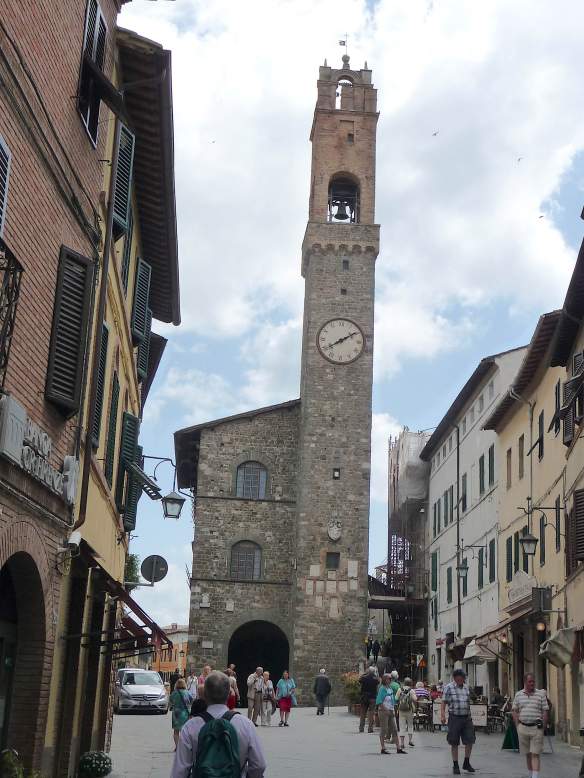
The main square of the Piazza del Popolo is watched over by the majestic clocktower of the Palazzo dei Priori, the city’s town hall.

8-palazzo-dei-priori

The loggia houses a statue of Cosimo de Medici, 16th century warlord and grand duke.

9-statue-of-cosimo-de-medici

The shops, cafés and restaurants were enticing

10-montalcino

and some of the doors quite grand.

We enjoyed a late lunch of delicious pizza at Il Grifo Ristorante Pizzeria.

The view across the rooftops from the rear of the restaurant was stunning.

16-il-grifo-view

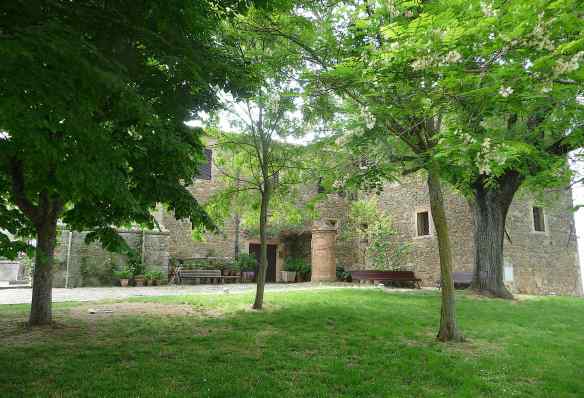
On the way back to the car, we crossed a lovely park

17-park

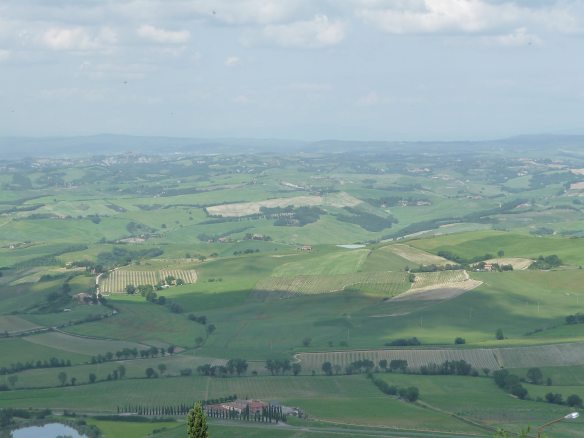
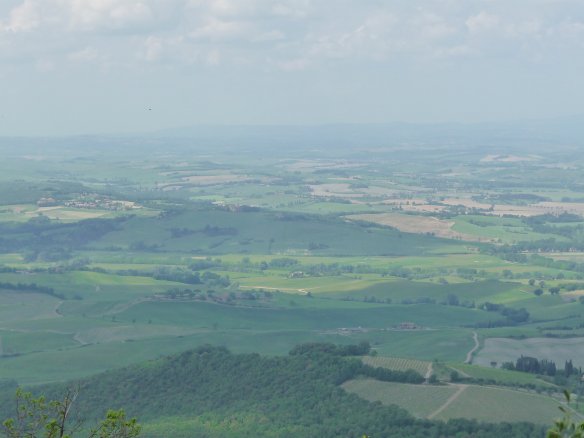
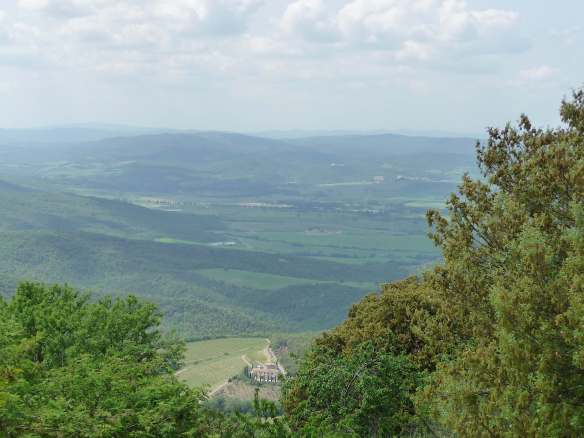
with another breathtaking vista of the Val d’Orcia.

18-val-dorcia19-val-dorcia20-val-dorcia

We had to tear ourselves away, time was running out as we made our way to the next objective – Montepulciano.