Avon amble

Having explored Shakespeare’s birthplace and home town, it was only right we would visit his place of rest. On the banks of the River Avon, Holy Trinity Church is the oldest building in Stratford. Dating back to 1210, much rebuilding was undertaken between 1465 and 1491. The original wooden spire was replaced in 1763.
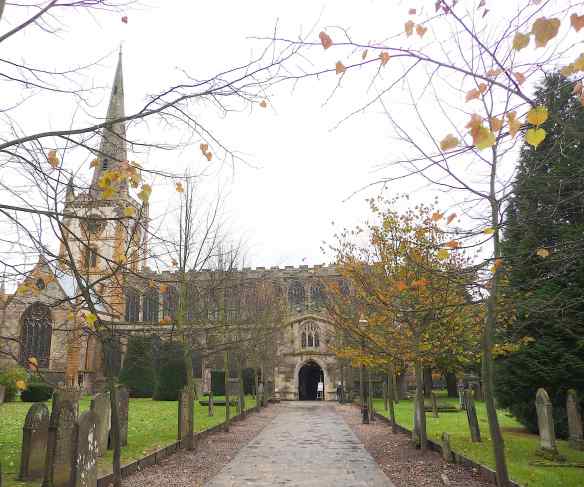
1.Holy Trinity Church

There were many fascinating gravestones, these two seemed to be connected in some way.
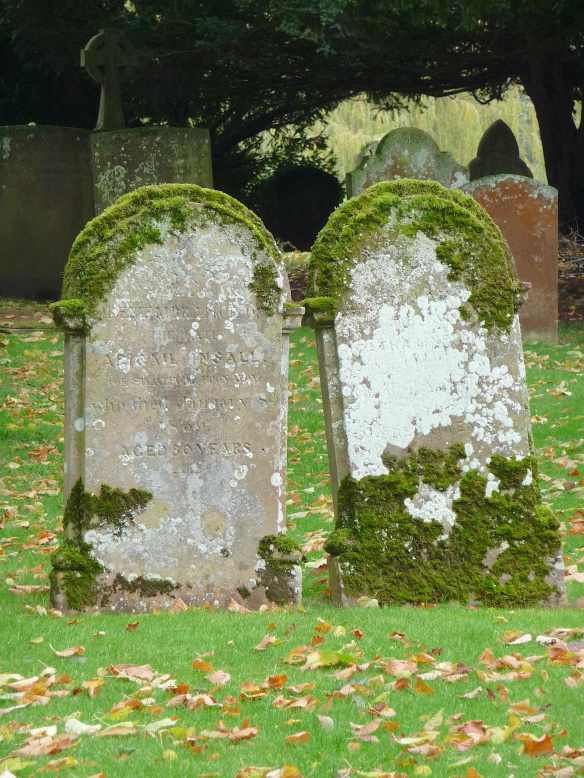
2.gravestones

I could find no information about Catharine Gill who died in 1868 at the age of 71 (on the right of the photo). However, I found that Abigail Insall, (on the left), who was buried in 1869 at 80 years of age, had lived in this gorgeous semi-detched early Georgian Town House at 4 Tyler Street. I liberated this photo from Google maps.
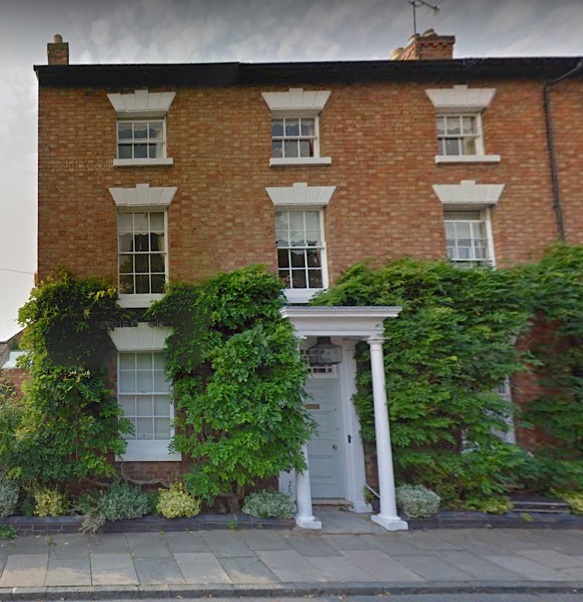
3.4 Tyler Street

The interior of the church was breathtaking
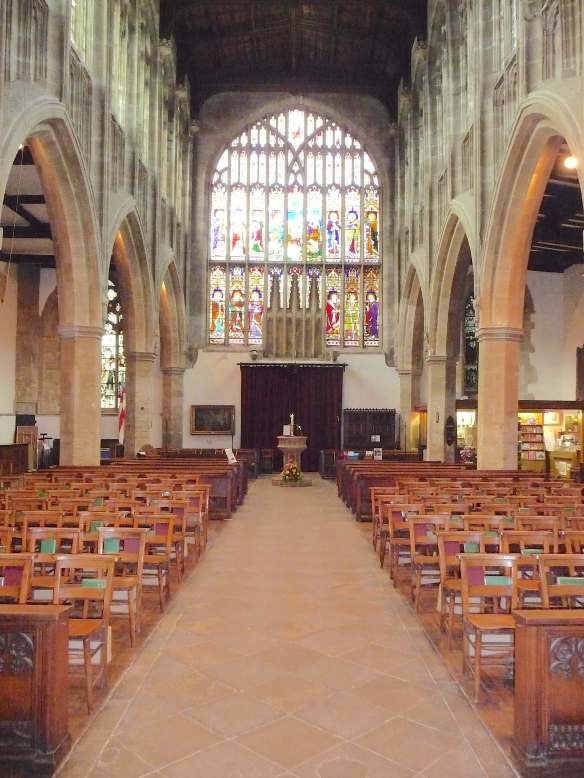
4.the nave and font

with several huge stained glass windows.
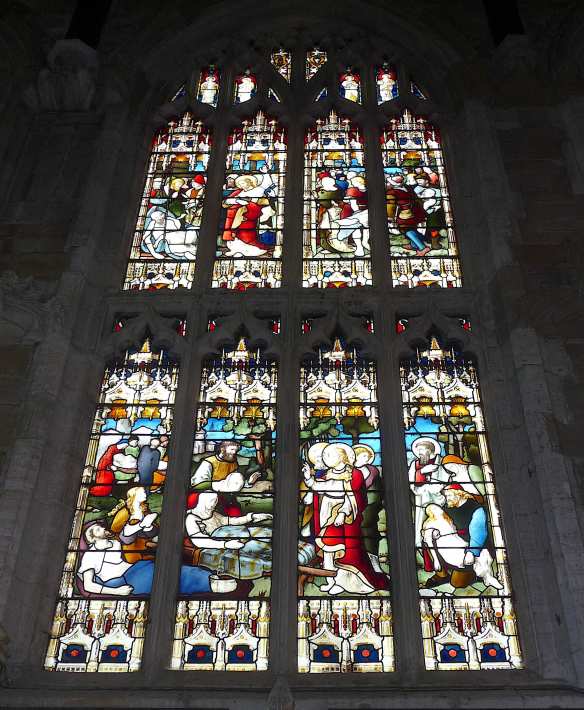
5.stained glass windows

William Shakespeare was buried in 1616 in the chancel alongside other members of his family.
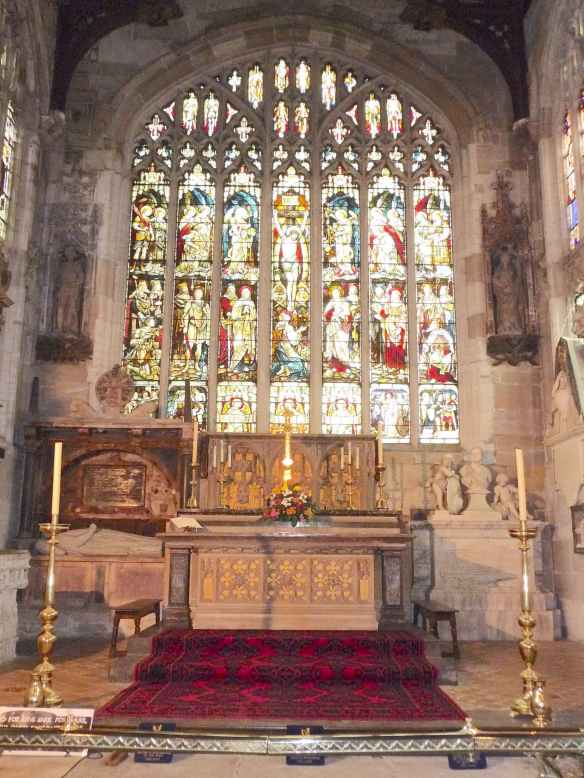
6.the chancel

During services, priests had to stand, which was particularly hard on the older ones. Small hinged seats, called misericords, were installed in the 15th century so the priests could rest, yet appear to be standing up. There are 26 of these misericords and each one has three carvings on the underside, only visible when the seat is folded up. There are no religious scenes but an interesting array of bawdy, theatrical faces – a reminder of the devil’s presence and his search for wayward souls.
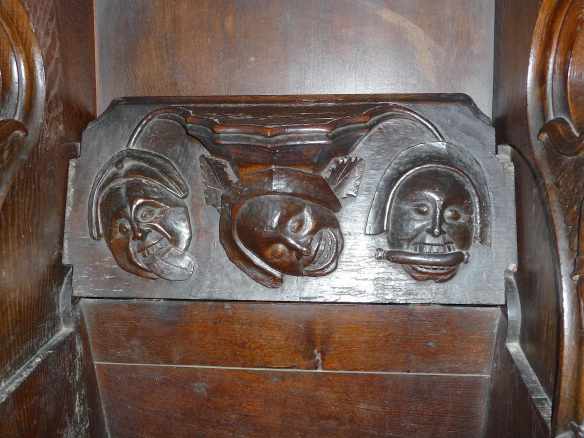
7.carvings on misericord seats

The impressive pipe organ dates from 1841 and has undergone several restorations.
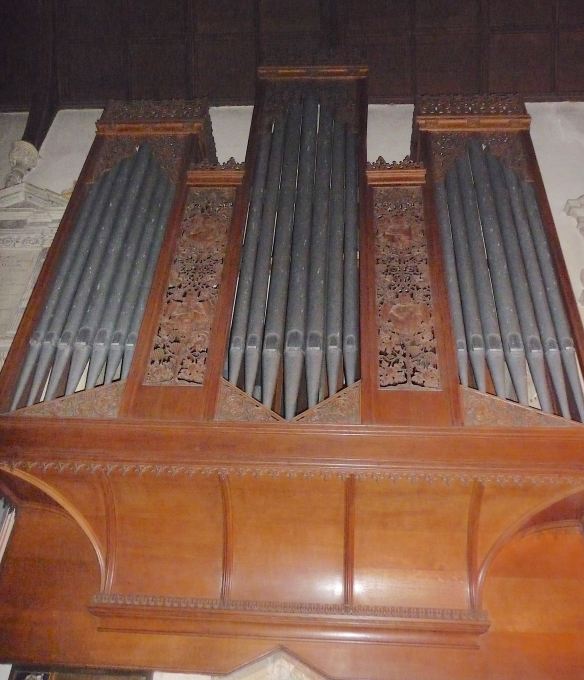
8.the organ

Leaving the church, we wandered along the banks of the River Avon enjoying a different perspective of Holy Trinity along the way.
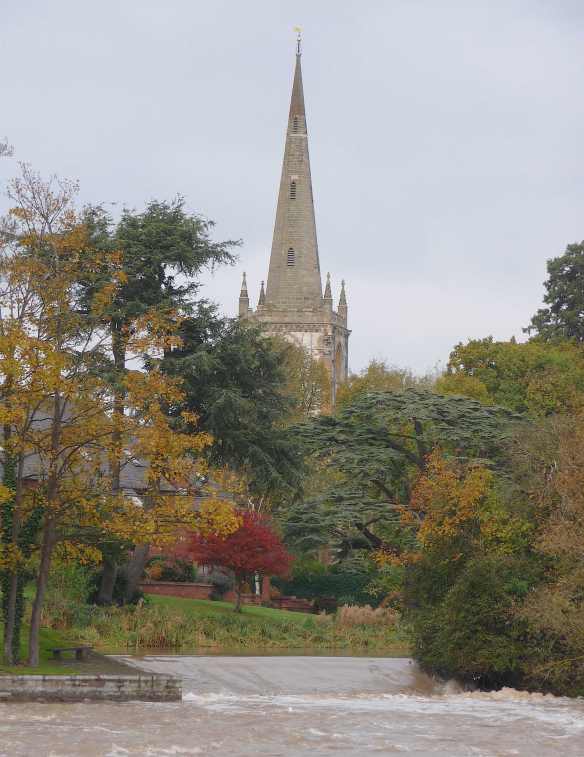
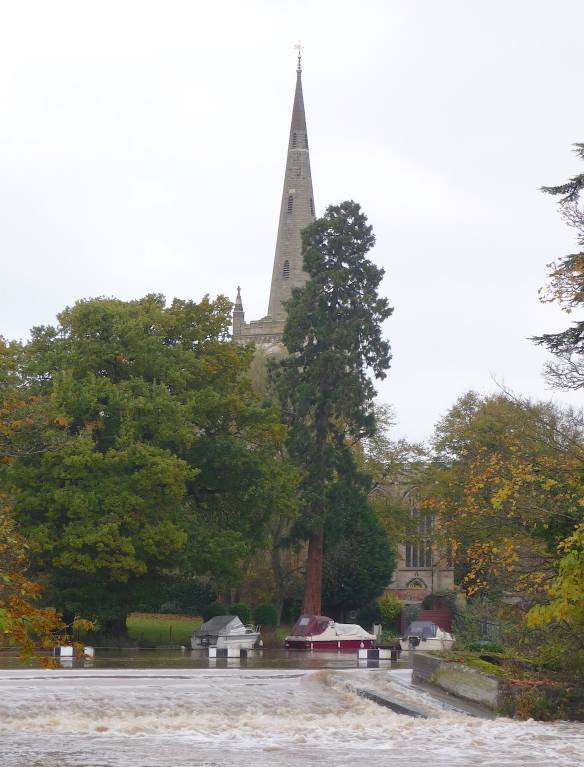
9.Holy Trinity Church10.Holy Trinity Church

The magnificent stained glass window in the chancel was more subdued from the outside.
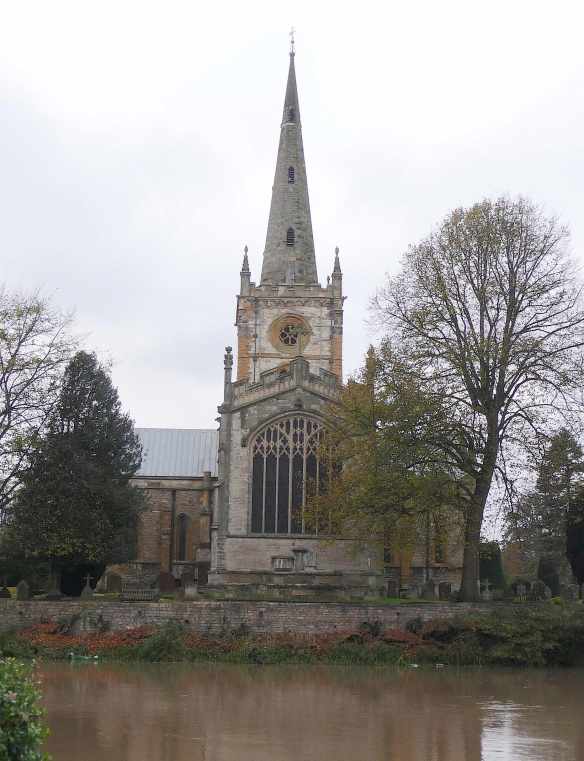
11.Holy Trinity Church from the east

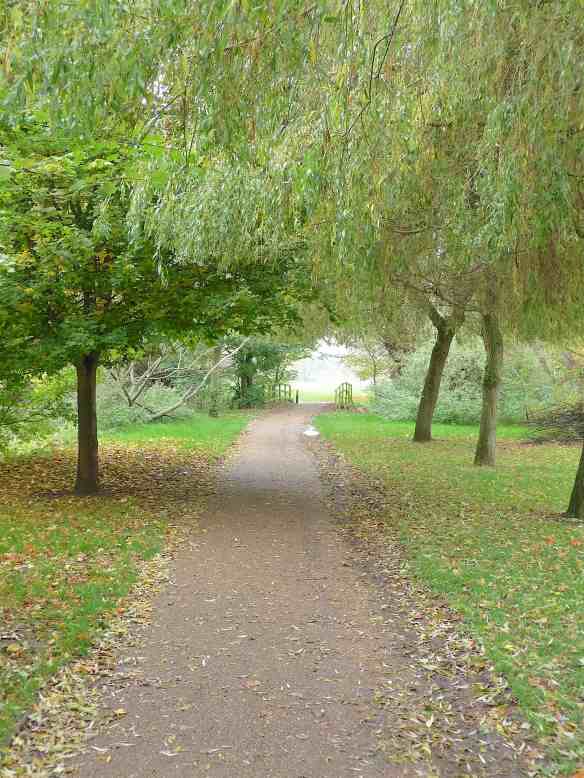
Autumn leaves littered the path

12.River Walk

and the geese were out for an afternoon walk.

The Tramway Bridge was built in 1822 to carry the horse tramway and is now a footbridge across the river.
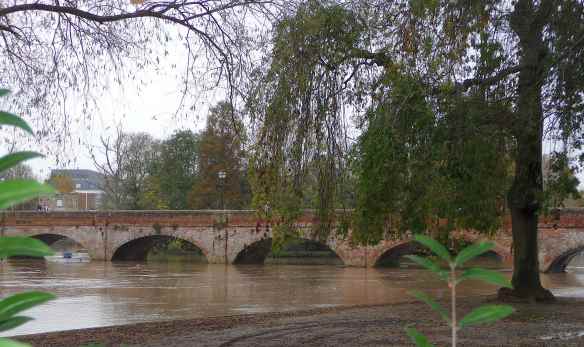
15.Tramway Bridge

100 metres to the east, road traffic crosses the river via Clopton Bridge. Built in the 15th century to replace an earlier timber bridge, the reflections from the 14 pointed arches on a clear day would be amazing.
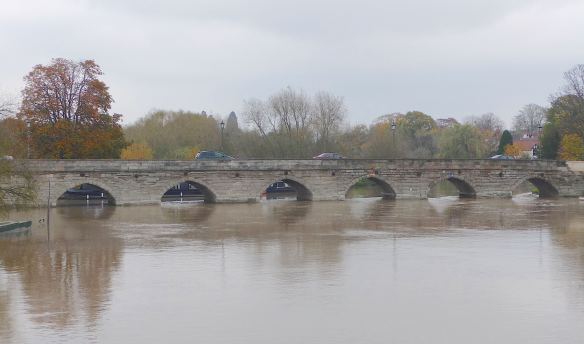
16.Clopton Bridge

Shakespeare’s Stratford

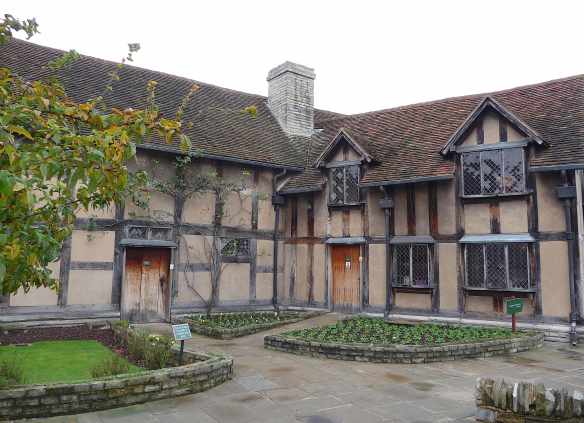
Stratford-upon-Avon is a wonderful town and no visit would be complete without a slathering of Shakespeare. It seemed logical to begin at the birthplace of the brilliant bard. William was the third of eight children born to John and Mary who owned the largest house on Henley Street.

1.Shakespeare's Birthplace

The early 16th century building also housed John Shakespeare’s successful glove making business.

2.Shakespeare's Birthplace

William lived here with his wife, Anne Hathaway, for the first five years of their marriage. After John’s death in 1601 William inherited the house and leased part of the property as The Maidenhead Inn. Photos of the interior weren’t allowed but they were as beautifully restored and maintained as the gardens and exterior.

3.Shakespeare's Birthplace4.Shakespeare's Birthplace5.Shakespeare's Birthplace

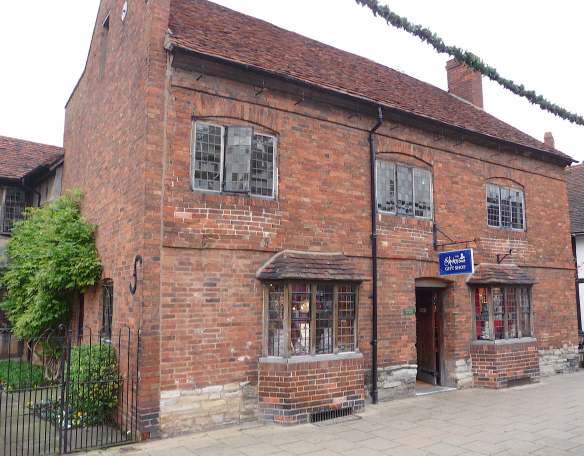
Of course, we exited via the gift shop.

6.The Shakespeare Gift Shop

We wandered along Henley Street, the shop windows already shining with Christmas decorations.

7.Henley St

The magnificent Tudor buildings have stood the test of time, despite many of them being destroyed by fire four times between 1594 and 1641.

We turned into High Street,

10.High St

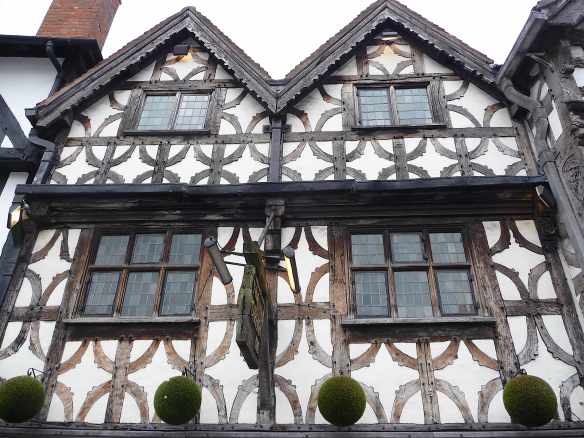
the intricate timber frontage of The Garrick Inn was stunning. Dating back to the 14th century, the oldest pub in town is reputedly haunted.

11.The Garrick Inn, High St

Next door, Harvard House had an equally impressive façade, adorned with various carvings.

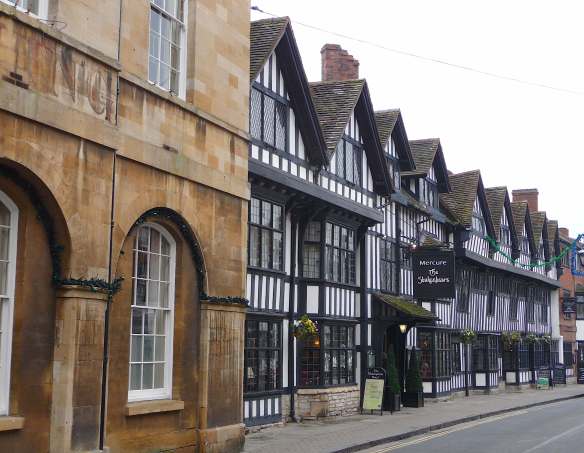
Crossing over Sheep Street, High Street changed its name to Chapel Street. The 4-star Mercure Shakespeare Hotel dates back to 1637 and each room is individually decorated and named after a Shakespearian play or character.

14.Mercure Stratford upon Avon Shakespeare Hotel, Chapel St

Shakespeare’s granddaughter, Elizabeth, married Thomas Nash in 1626 and they lived in a lovely Tudor house in Chapel Street

15.Nash's House

with a gorgeous traditional knot garden filled with herbs and aromatic plants.

16.Nash's House knot garden17.Nash's House garden

There were several sculptures depicting characters from the Bard’s plays and poetry.

18.statue Nash's House

I don’t know if Thomas enjoyed an ale or two but his house was conveniently close to The Falcon Hotel, built in the early 16th century with a second floor added in 1645.

19.The Falcon Hotel, Chapel St

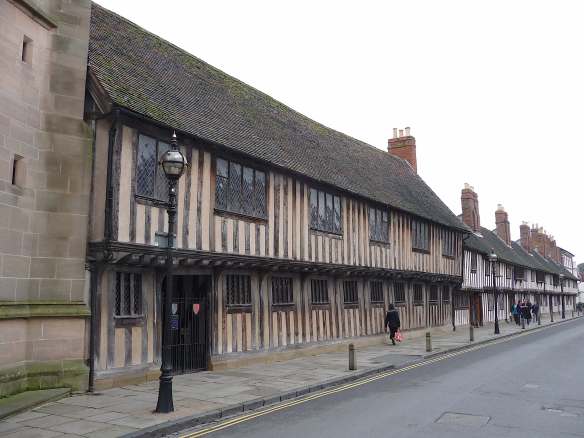
Further on, the road name changed to Church Street where we encountered a row of almshouses. Built in 1417-18 by the Guild of the Holy Cross for old or needy members of the guild, they were transferred to Stratford upon Avon Corporation in 1553 and enlarged to provide 24 homes for the elderly. Following refurbishment in the mid 1980s, there are now 11 self-contained units .

20.The Almshouses, Church St

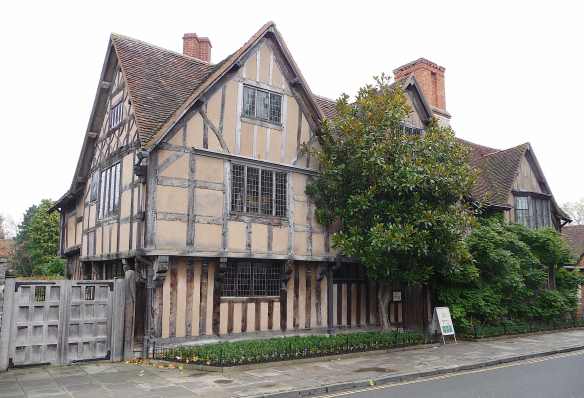
It wasn’t far before the Shakespeare story continued. William and Anne’s eldest daughter, Susanna (Elizabeth’s mother), married a local physician, John Hall in 1607. The rather impressive Hall’s Croft, built in 1613, was their home.

21.Hall's Croft22.Hall's Croft

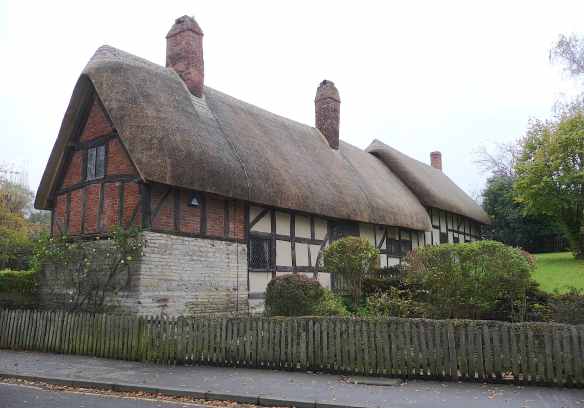
We were running out of time and so, only briefly stopped at Anne Hathaway’s cottage. Anne was born here in 1556 and lived with her family until she married Shakespeare.

23.Anne Hathaway's cottage24.Anne Hathaway's cottage

It would have been nice to linger in the beautiful gardens but we were on a mission to visit Mary Arden’s Farm…. but that’s another post.

Monks Barn Farm

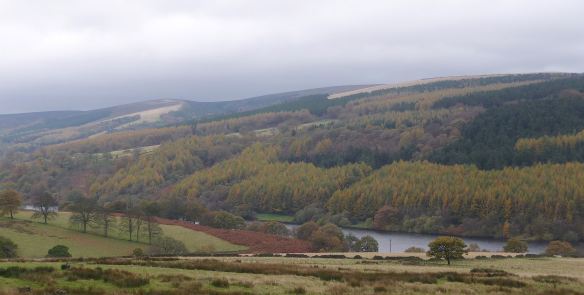
We left Marple after a leisurely breakfast, our southward journey taking us through the spectacular Peak District National Park.

1.Peak District National Park

Peak District became the first national park in the U.K. in 1951. Even on an overcast day, the scenery was breathtaking.

2.Peak District National Park

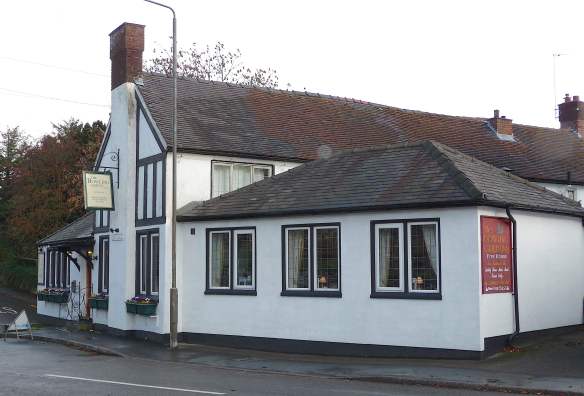
We had worked up an appetite by the time we left the park and stopped for lunch in Ashbourne at the quaint Bowling Green Inn.

3.The Bowling Green Inn, Ashbourne

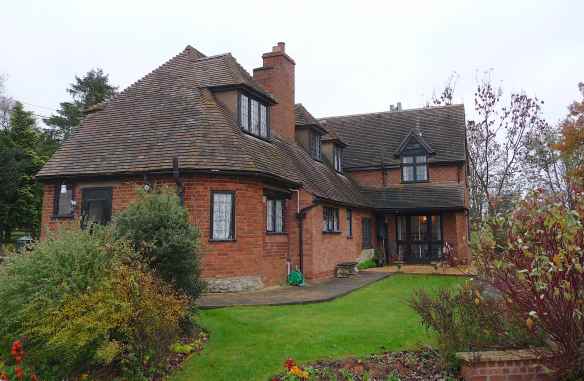
We were heading for Stratford-upon-Avon to spend some time exploring Shakespeare country. Our accommodation was 2 miles from Stratford at Monks Barn Farm, a 16th century working farm on the banks of the River Stour. The farmhouse B&B was gorgeous,

4.Monk's Barn Farm

4.Monks Barn Farm

6.Monk's Barn Farm

for some reason we were given the luxury of our own cottage.

5.Monks Barn Farm

The Grade II listed thatched barn is believed to have monastic connections, hence the name of the farm.

6.Monks Barn Farm

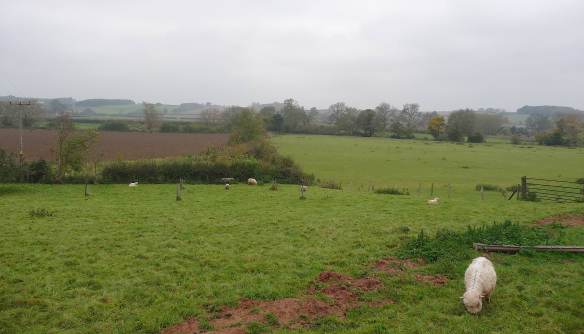
There were stunning views across the 100 acre farm, dotted with contented sheep quietly grazing the lush pasture.

7.Monks Barn Farm

The Greyface Dartmoor sheep were very cute and always happy to smile, “good morning”.

8.Monks Barn Farm

Marple Locks

On our way through Cheshire, we stayed overnight with my Uncle Jim who lived in the small town of Marple. We enjoyed an afternoon stroll along the Peak Forest Canal where a series of 16 locks raise the canal by 64 metres over the course of 1.6km. We began our walk at Marple Memorial Park where this fabulous chainsaw wood sculpture was commissioned after the demise of a large Copper Beech tree.

1.tree sculpture Memorial Prk

Local school children submitted ideas on the theme of nature and knowledge featuring animals and books. They also chose the name, Midnight, for the central owl character.

2.tree sculpture, Marple Memorial Park

Other animals carved in the wood include a fox, badger, mole, squirrel and hedgehog.

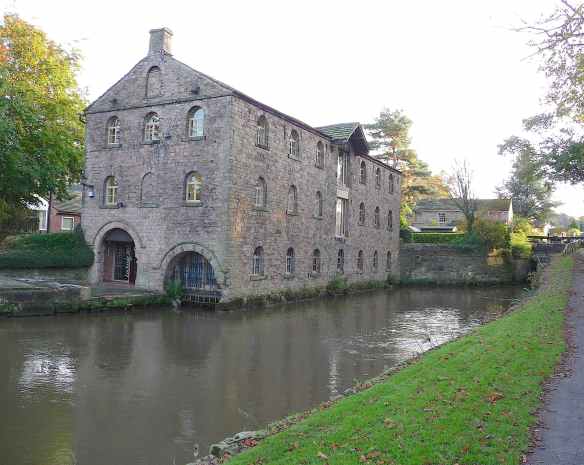
We started at Lock 9, by Oldknow’s Warehouse.

8.Oldknow's Warehouse

Samuel Oldknow was an English cotton manufacturer who promoted the construction of the canal, which opened in 1804. When commercial carrying ended, the locks became dilapidated and were impassable by the early 1960s. The Peak Forest Canal Society were instrumental in the restoration and re-opening of the Marple Locks in 1974.

9.Lock 9

Oldknow’s Warehouse has since been converted to offices. I can think of worse places to work.

10.Oldknow's Warehouse

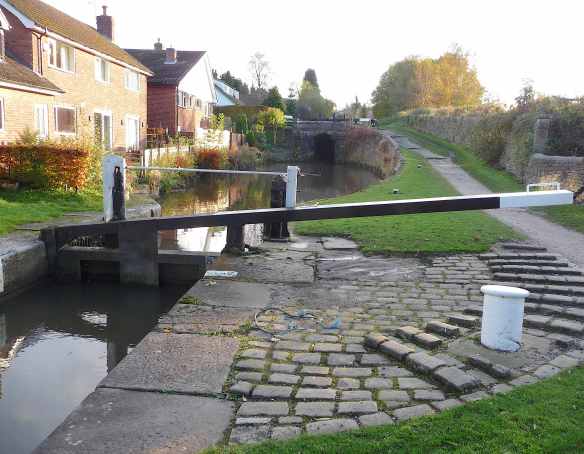
We continued our walk past Lock 10

11.Lock 10

and Lock 11.

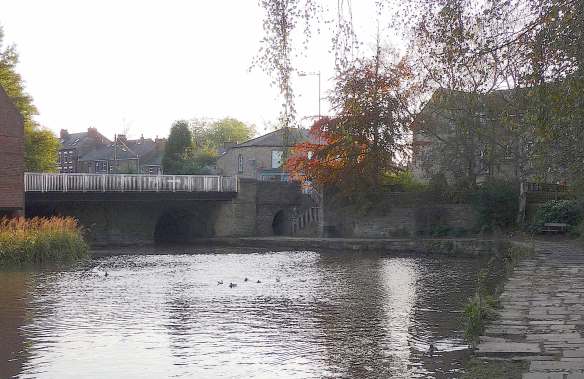
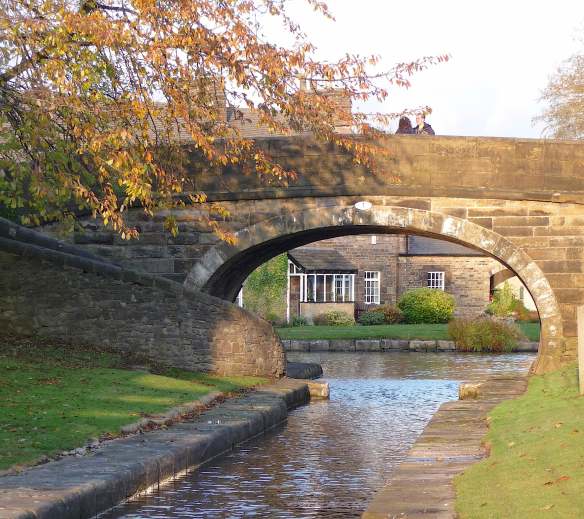
After Lock 12, we approached Posset Bridge, completed in 1804. The bridge has three arches, the left hand one has been filled in

14.Posset Bridge

and the right hand one is a narrow oval tunnel built to allow the horses to pass under the bridge after being untied from the boats.

15.Posset Bridge horse tunnel

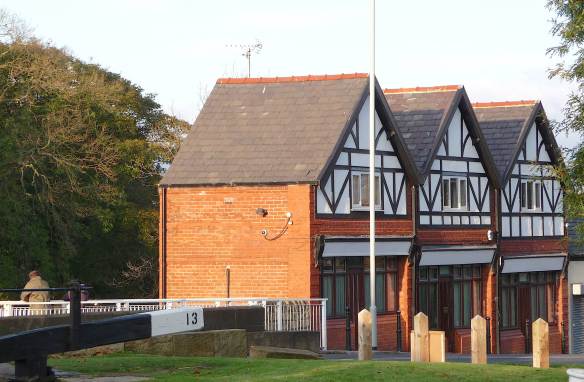
The canal continues through the middle arch to Lock 13 and more beautiful buildings, now office space.

16.Lock 13

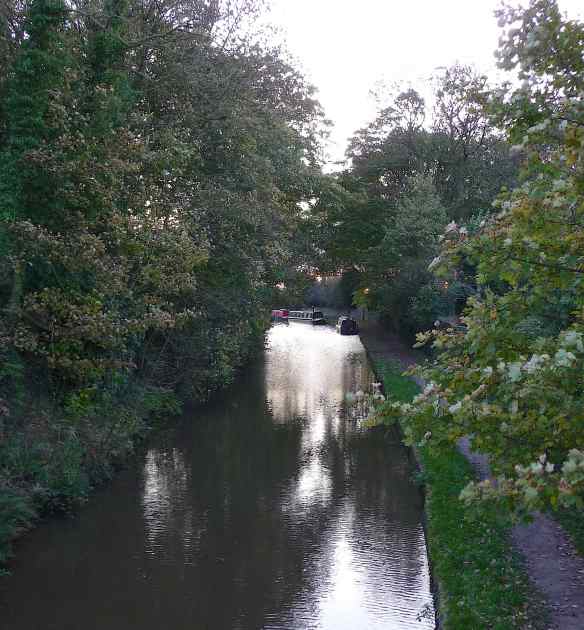
Between the locks, the canal is tranquil.

17.Peak Forest Canal

The Macclesfield Canal joins in just beyond Top Lock Bridge.

18.Top Lock Bridge19.Top Lock Bridge

This magnificent home has prime position

20.Macclesfield Canal

with the marina just around the corner.

21.Top Lock Marina

I think a canal boat holiday would be a great way to relax and see some stunning scenery. Maybe one day……

22.Macclesfield Canal

Lyme Park

Leaving the beautiful county of Yorkshire, we made our way south to the equally stunning county of Cheshire. We couldn’t resist a visit to Lyme Park estate. The largest house in the county, surrounded by 6 hectares of formal gardens, is set in a deer park of 550 hectares in the Peak District National Park. The entrance gate was impressive, I love the mysterious padlocked door.

1.entrance gate Lyme Park

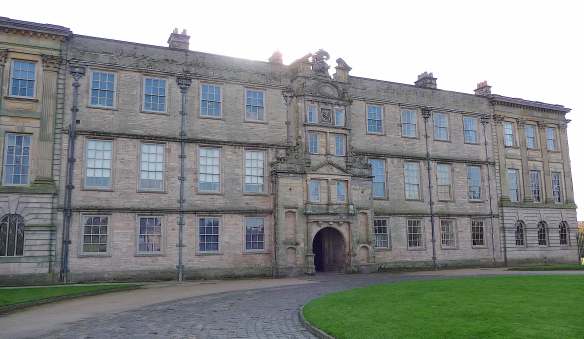
The house dates from the late 16th century and has been gradually developed since then, with modifications made by Italian architect, Giacomo Leoni, in the 1720s. The sweeping circular drive approaches the north front of the house.

2.north facade

The west front dates from the 18th century

3.west facade

as does the magnificent south front.

4.south facade

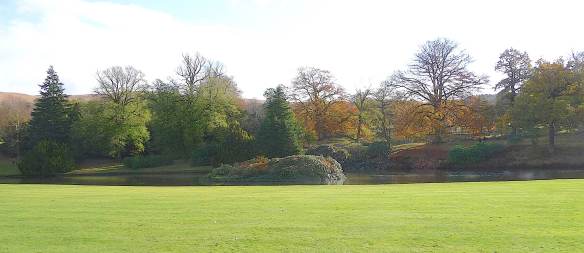
You may recognise this as Pemberley from the TV production of Pride & Prejudice. Who can forget the scene where, after taking a bath (fully clothed) in the lake, Colin Firth as Mr. Darcy encounters Miss Bennet, attired in his soaking wet, white shirt?

5.Lyme Park

Sorry, where was I? Oh yes, the gardens. The formal gardens were created in the late 19th century,

6.Lyme Park

the intricate Dutch garden was initially laid out as an Italian garden and is usually bursting with colour. Unfortunately, the summer bedding plants had finished in late autumn. The four cherub statues represent the elements of Earth, Fire, Air and Water.

7.Dutch garden

The Huntress, Diana,

8.statue of Diana

overlooks the Orangery Terrace

9. Orangery terrace

and an aged stone eagle majestically stands guard.

10.stone eagle

The Timber Yard is a cluster of buildings where we found a cosy café and quaint shops. Created in 1904, the café was once the joiner’s workshop and the ice cream parlour was the boiler house. During the war years, it was used as living quarters for the RAF. Some of the buildings are now residential cottages.

11.The Timber Yard

I can think of worse places to live.