Bath & Bulford

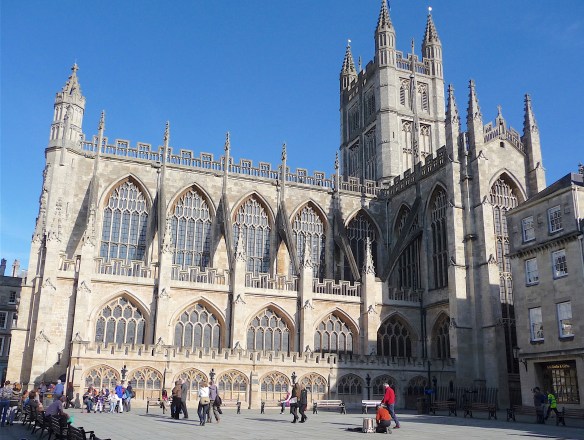
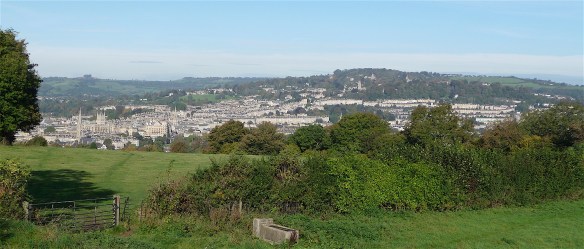
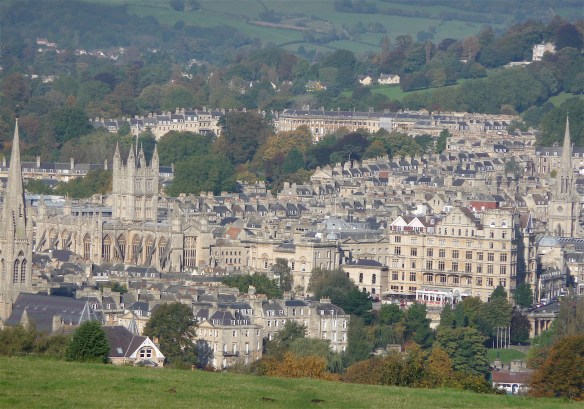
While staying in Wiltshire, we crossed the border into Somerset for a day trip to Bath.
1.Bath

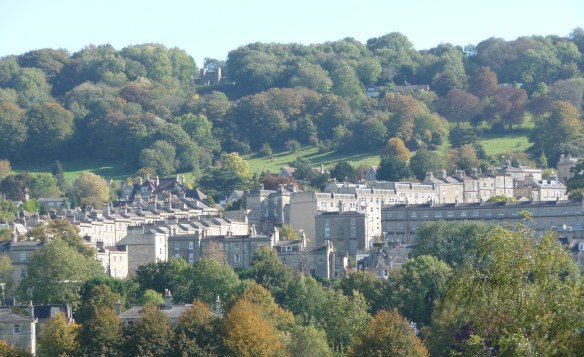
Known for it magnificent 18th century Georgian architecture
2.Bath

5.Bath

and natural hot springs, we headed for a tour of the original Roman Baths. Our attention was diverted to a gathering crowd and we joined them to find two g-string clad gents who proceeded to entertain with an array of cunning stunts for the next half hour.

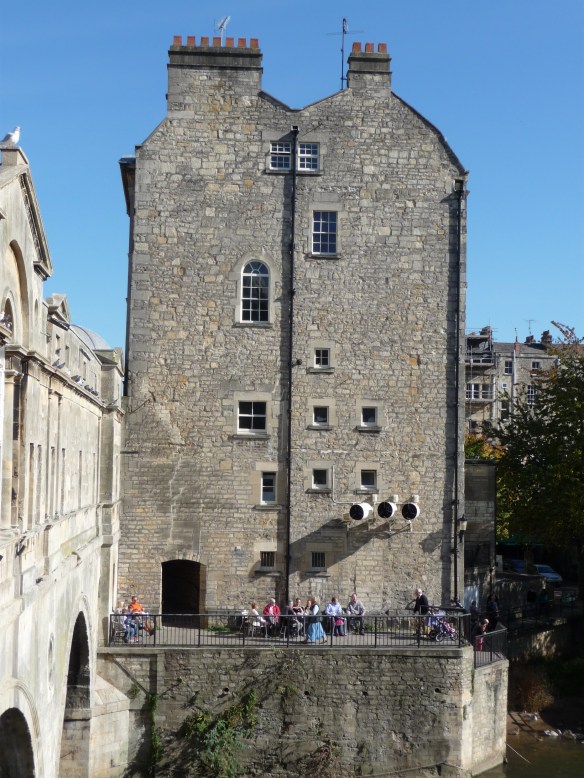
Some of the ladies enjoying a cuppa in the adjacent tea rooms had a bird’s eye view.

The grand finale of synchronised hand stands with sparklers in their bottoms was spectacular.

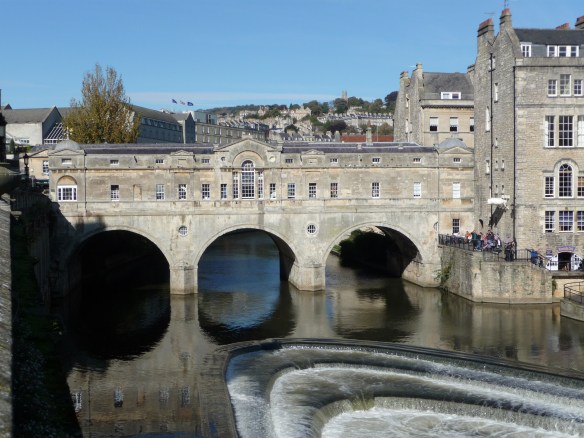
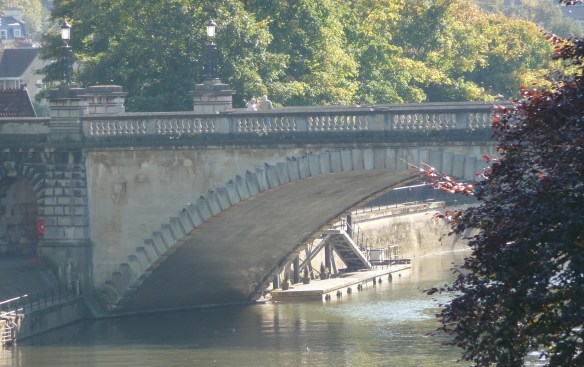
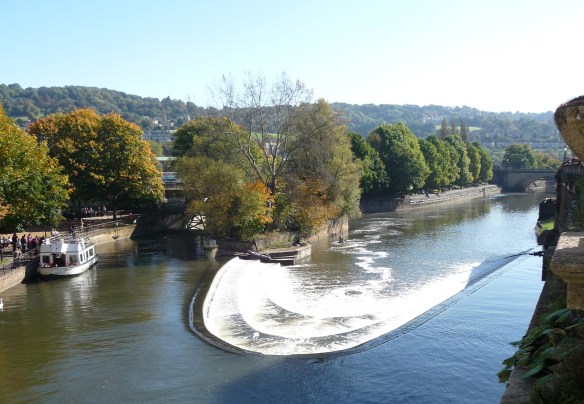
It was well worth the £5 we donated at the end. We never did see the Roman Baths! We strolled along the river
18.Bath19.Bath

22.Bath23.Bath24.Bath26.Bath

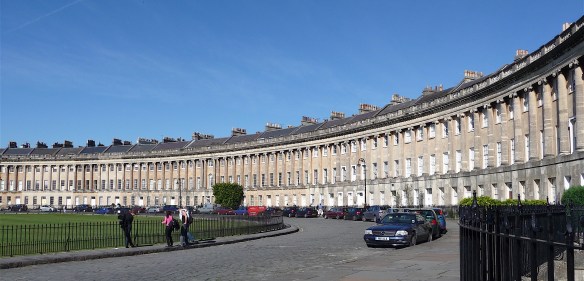
and made our way to Royal Crescent. The row of 30 terraced houses was built between 1767 & 1774 and is one of Bath’s most iconic landmarks.
27.Royal Cresc Bath

In need of a well earned lunch and a pint, we found The Curfew, a traditional British pub built in the 1820s.

We returned to our fabulous B&B in Bulford, The Dovecot.

30.Dovecot Bulford

The core of the house is the old 18th century dovecot for Bulford Manor.

Set on 6 very peaceful acres on the banks of the River Avon

38.Dovecot Bulford37.Dovecot Bulford

even the outbuildings had charm.

We found a pub in a nearby village, Upper Woodford, for dinner.
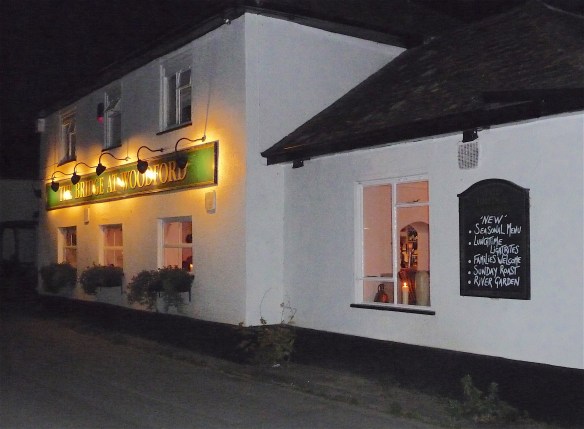
41.The Bridge Upp Woodford

This is not quite what we expected when ordering fish cakes in a pub.

42.The Bridge Upp Woodford

The bottle of South Australian white completed the day perfectly.
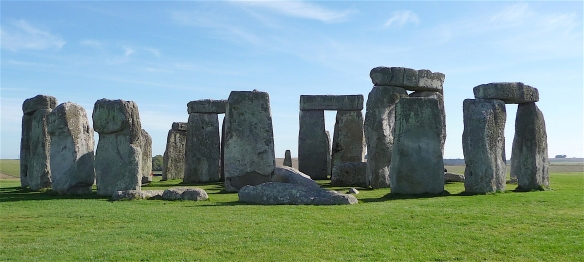
standing stones

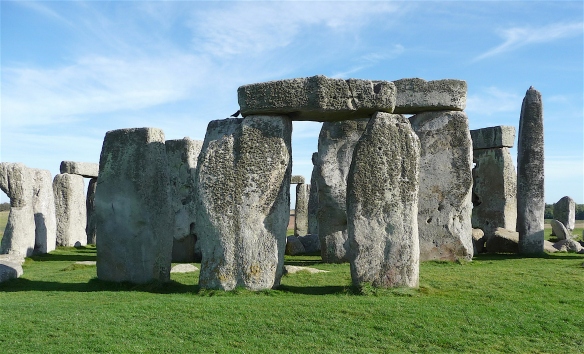
No trip to Wiltshire would be complete without a visit to Stonehenge. A path leads sightseers around the perimeter of the stones, the audio tour educating us through headsets as we marvel at the lost technology.
1.Stonehenge2.Stonehenge

It remains a mystery how these stones, the heaviest weighing around 45 tons, were moved into place as far back as 3150BC.

The view across Salisbury Plain is stunning.

6.Salisbury Plain

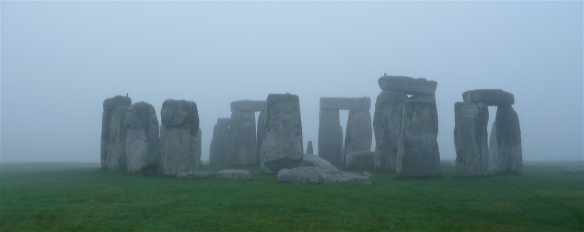
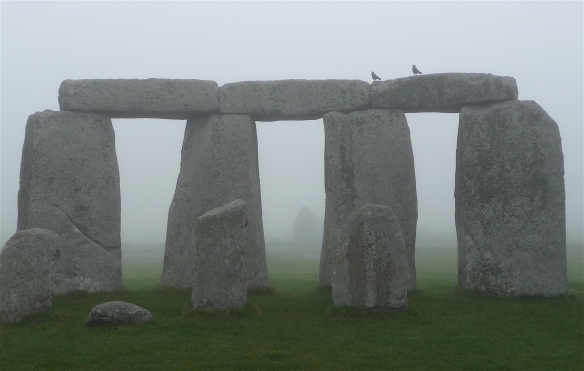
It is possible to walk amongst the stones with special access at sunrise and sunset. Early on a misty morning, we did just that.

7.Stonehenge8.Stonehenge

There are many theories about the meaning of the stones but most agree they were a centre for ceremonial activities, most likely a burial site.

The stones have faces, some more obvious than others.

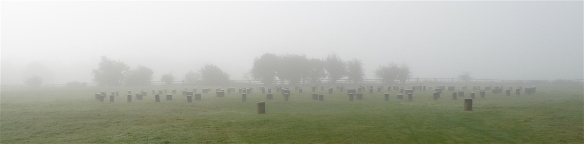
Woodhenge is another Neolithic site not far from Stonehenge. Built about 2300BC, it is believed to have been for ceremonial use. Originally a wooden structure, concrete posts now mark the positions of the original timbers.

16.Woodhenge

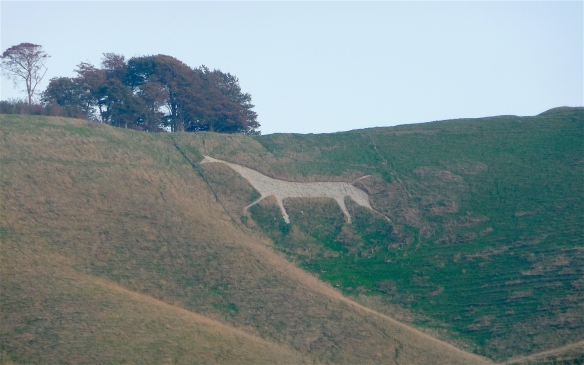
The White Horses of Wiltshire are scattered throughout the countryside. Cut into the chalk hillsides are eight figures of horses, the oldest believed to date back to 878AD.

17.Chalk Horse

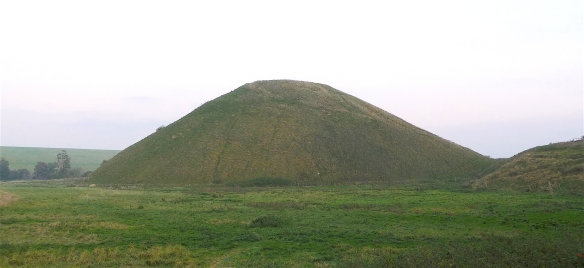
Another unsolved mystery in the history of Wiltshire is Silbury Hill. The largest man-made mound in Europe, it was built around 2400BC and compares in height and volume to the Egyptian pyramids. It apparently contains no burial and its original purpose is unknown.

18.Silbury Hill

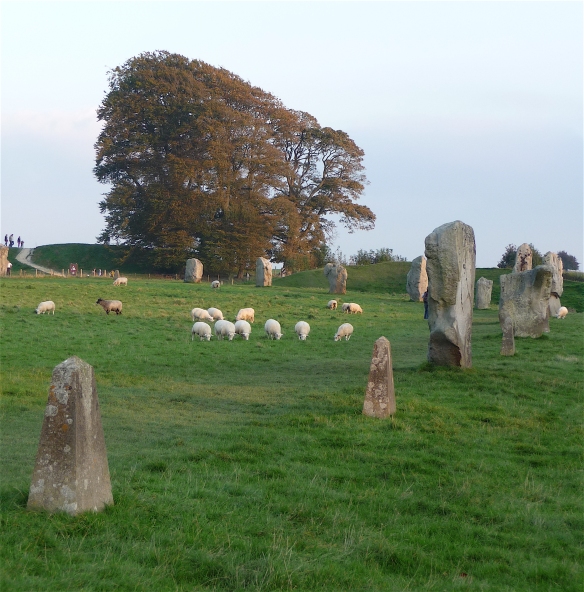
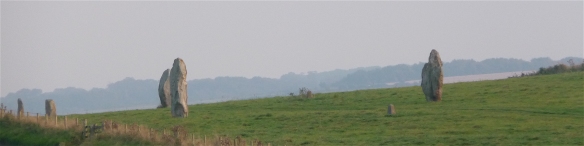
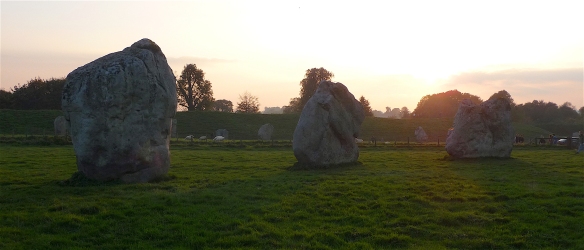
The Avebury henge, dating back to around 2600BC, is the largest stone circle in Britain.

19.Avebury

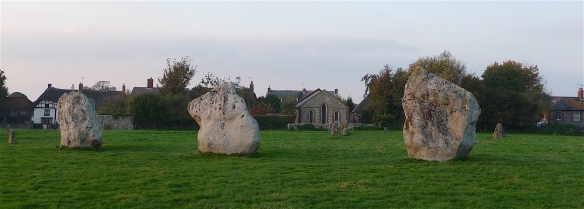
Once consisting of 154 stones, only 36 remain after they were removed to make way for crops and broken up to build houses in the 17th & 18th centuries.

20.Avebury21.Avebury

The faces at Avebury are a little more obscure.

The village was quaint and inviting

24.Avebury25.Avebury26.Avebury

but the shadows were lengthening and we had much to ponder over dinner.

27.Avebury

Isle of Wight

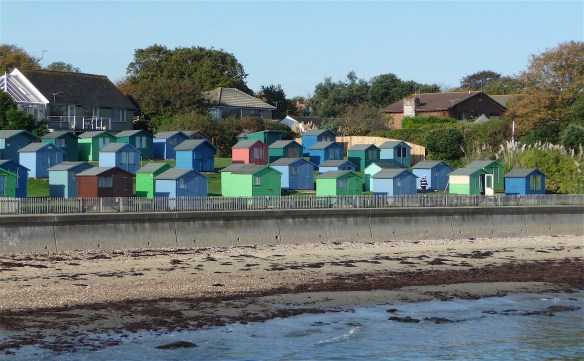
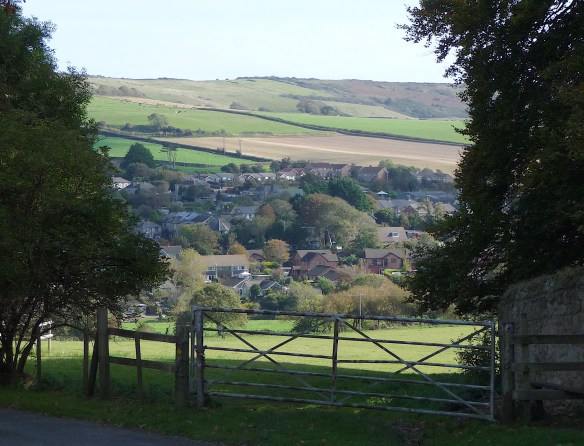
The Isle of Wight was a lovely surprise, so much to see and so much beauty in just 380 sq.km. We started early with a walk along Bembridge seafront

1.Bembridge2.Bembridge3.Bembridge

through peaceful countryside.

4.Bembridge

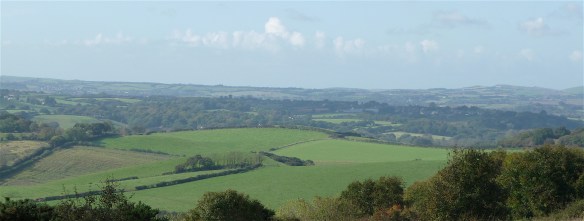
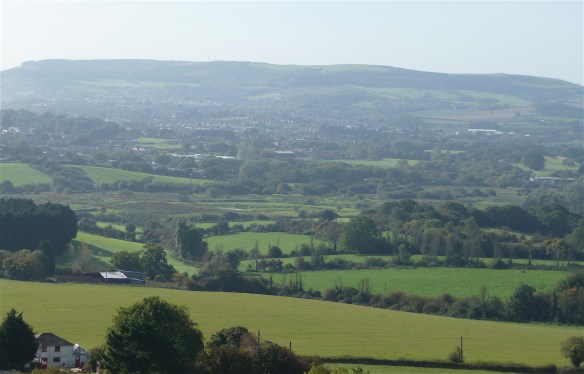
A short drive westward, we stopped at Adgestone Vineyard, the oldest vineyard in Britain. Unfortunately, there was no tasting but the views were breathtaking.

5.Adgestone Vineyard View6.Adgestone Vineyard View7.Adgestone Vineyard View

On to Arreton Barns, a traditional working craft village

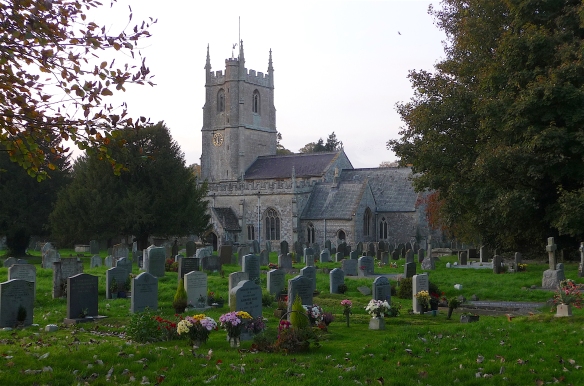
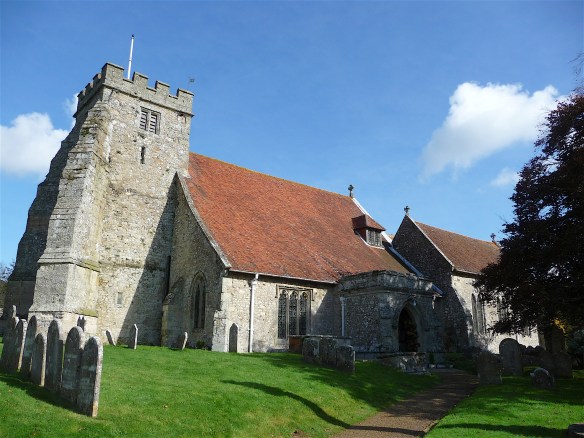
with the 12th century Church of St George.

11.Arreton Barns

Donkeys are one of my favourite animals. I’ve always wanted a couple but Michael says they’re too noisy. The Donkey Sanctuary was heaven, a deserving retirement for these beautiful creatures who have patiently walked the seashores with all shapes and sizes on their backs.

We were hoping for a raptor experience at the Owl & Falconry centre but it was closed. All we got was more stunning scenery.

18.Owl &Falconry Centre

After a delicious pub lunch at The White Lion in Niton

19.White Lion, Niton

we ventured on to Mottistone Manor. Dating from early 16th century, the house is not open to the public

20.MottistoneManor21.MottistoneManor

but the gardens are wondrous to stroll around.

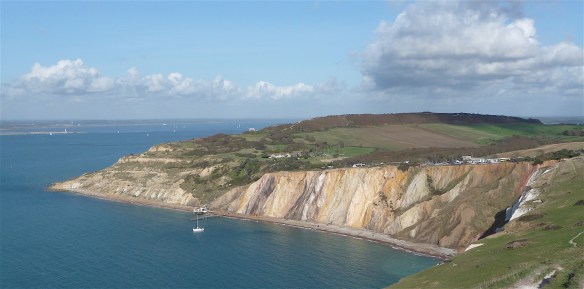
We continued driving to the most western point on the island. A short walk along the cliff top

28.The Needles

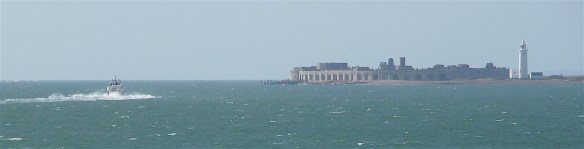
rewarded with magnificent views across the Solent to Hurst Castle, built by Henry VIII in 1544.

29.Hurst Castle

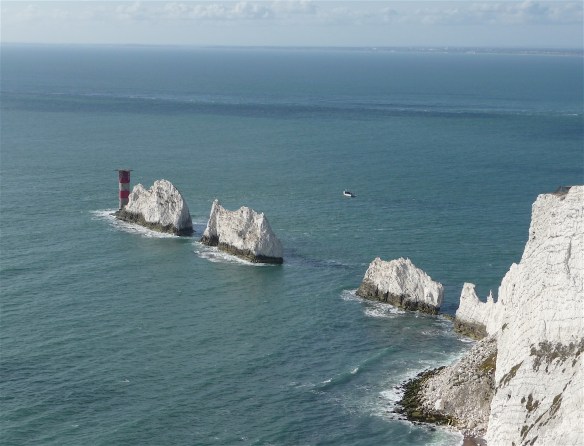
At the tip of the headland are The Needles, three distinctive stacks of chalk rising out of the sea.

31.The Needles

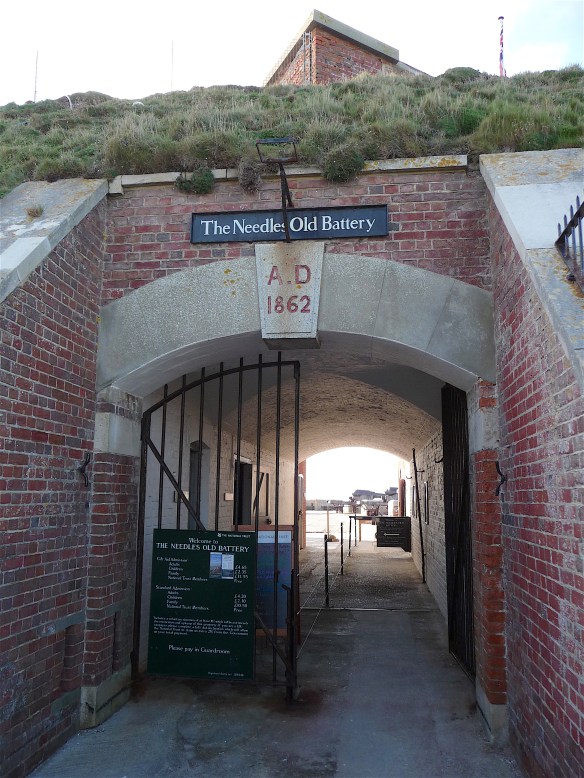
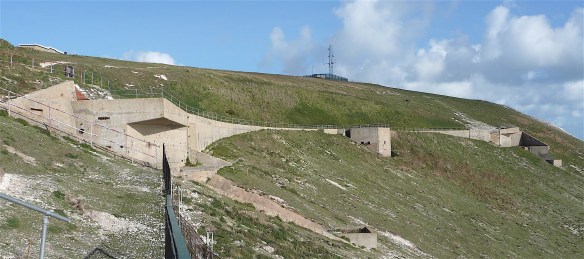
The Old Battery is a fort built in 1862 following the threat of French invasion.

34.The Needles

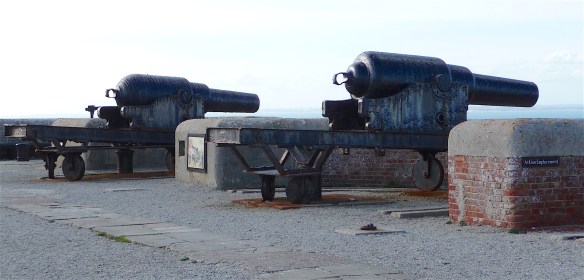
These two gun barrels are original from 1873.

35.The Needles

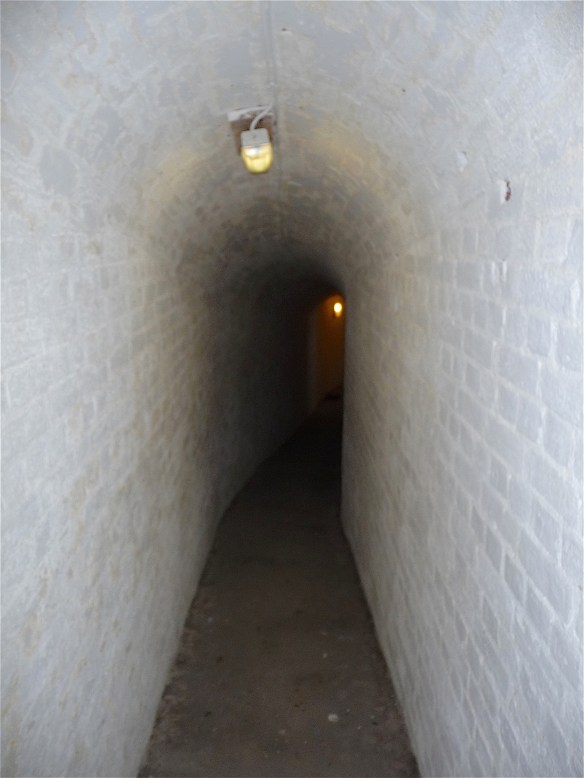
An underground tunnel

36.The Needles

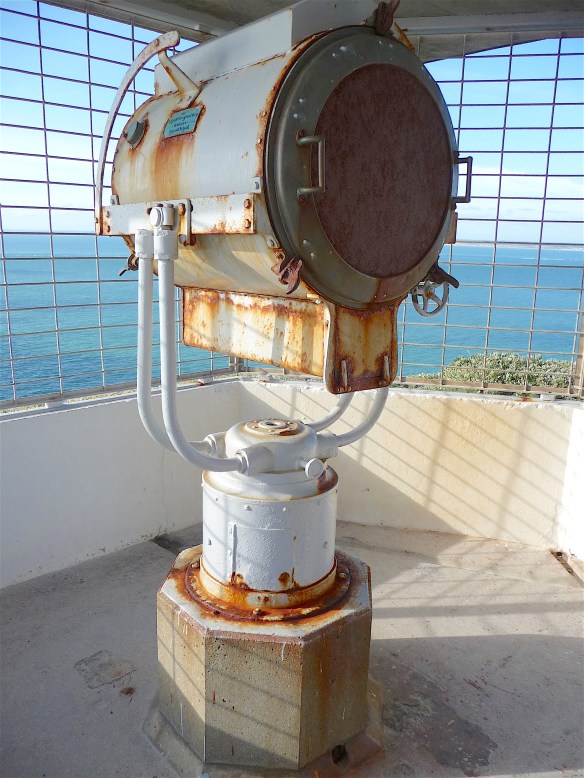
leads to an observation post housing a searchlight dating from 1899.

37.The Needles

Further up the headland is the New Battery where British space rockets were secretly tested in the 1950s & 60s. After testing, they were taken to Woomera in South Australia for launching.

38.The Needles

We made our way back to Bembridge for a well earned beverage and dinner. Next morning, we visited Bembridge Windmill. Built around 1700, it is the only remaining windmill on the Isle of Wight.

39.Bembridge Windmill

Last operated in 1913, most of the original machinery is intact.

Our final destination on the island was Yarmouth for the ferry journey back to the big island.

We appreciated a different perspective of Hurst Castle

49.Hurst Castle

and Lymington marina welcomed us back.

50.Lymington Marina

Arundel Castle

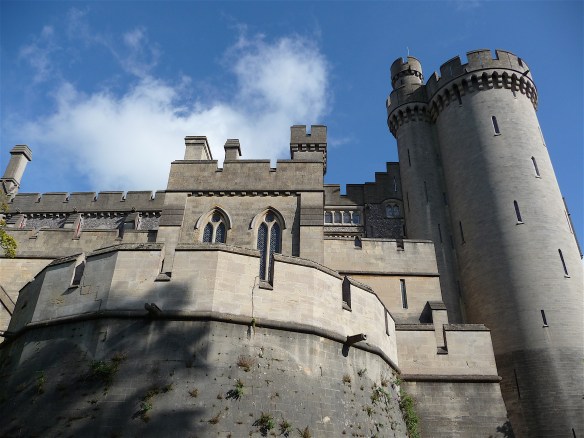
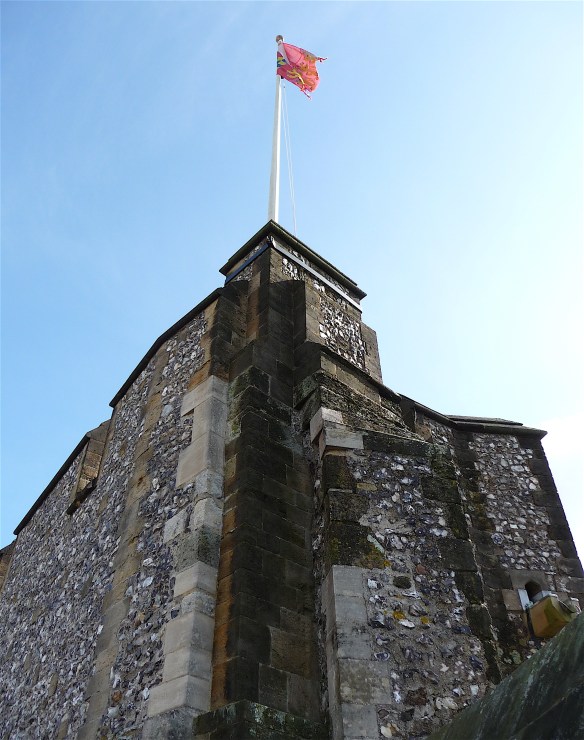
We didn’t really have a plan when we visited Britain, other than starting in London then driving in a clockwise direction. After a couple of days in Kent, we decided to head for Chichester to see the cathedral. We didn’t get there. On the way, we espied an enormous castle rising majestically out of the landscape.

1.Arundel2.Arundel

Built in 1067, Arundel Castle was damaged during the English Civil War, then restored in the 18th & 19th centuries.

3.Arundel4.Arundel

7.Arundel

It has been the home to the Duke of Norfolk for over 400 years.

8.Arundel9.Arundel13.Arundel

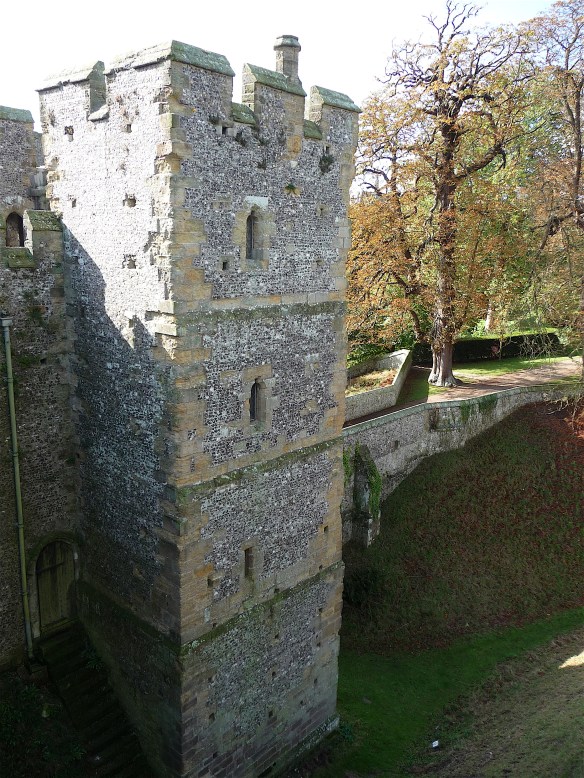
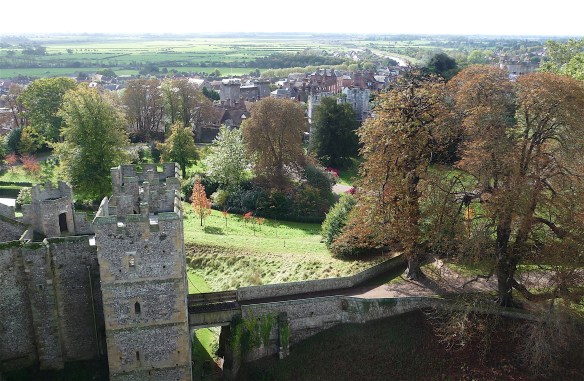
The grounds are magnificent, scattered with stunning outbuildings.

11.Arundel18.Arundel10.Arundel

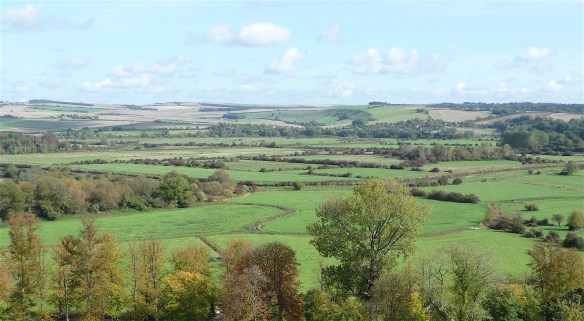
The views across the South Downs are breathtaking.

12.Arundel14.Arundel

It’s easy to imagine the knights in shining armour clattering up the worn stone steps.

15.Arundel

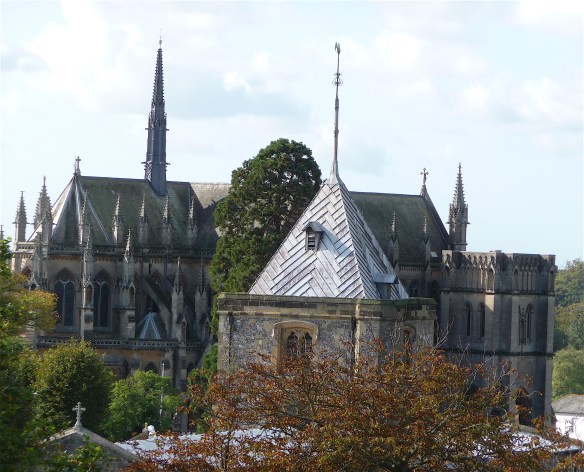
The Fitzalan Chapel, founded in 1390, is still the burial place of the Dukes of Norfolk. The window is a little more impressive from inside.

16.Arundel17.Arundel

We left Arundel a lot later than anticipated

19.Arundel

and continued westward. We detoured to enquire about the fares and timetable for the Isle of Wight ferry. Before we knew it, we were in the queue.

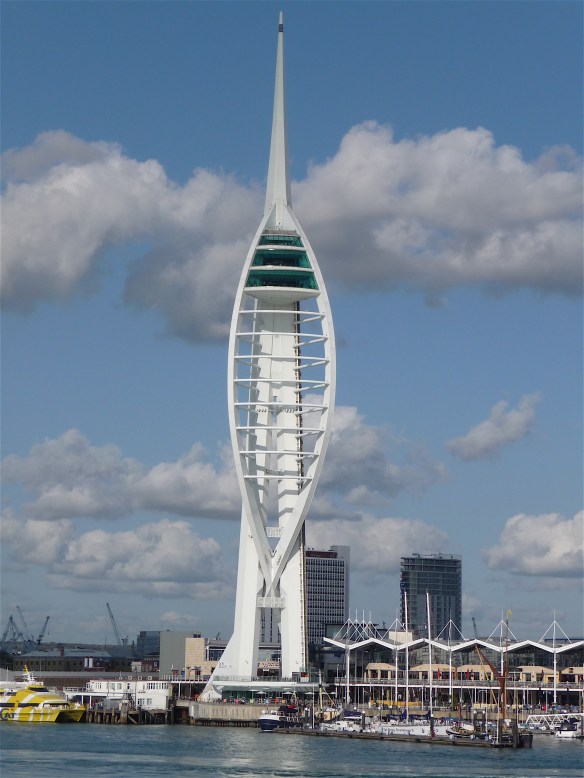
Leaving Portsmouth behind,

22.Portsmouth23.Portsmouth

with a locally brewed beverage in hand

24.Isle of W Ferry

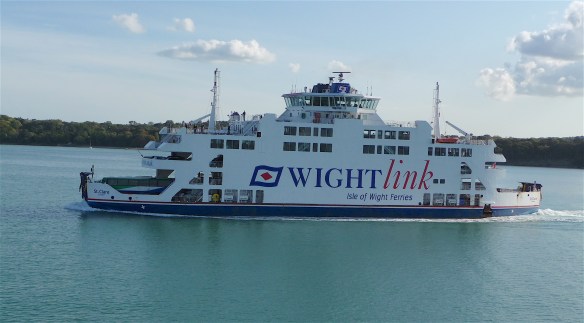
we crossed the Solent

25.Isle of W Ferry26.Isle of W Ferry27.Isle of W Ferry28.Isle of W Ferry

and settled in at the Windmill Inn, Bembridge.

29.Windmill Inn Bembridge

Kent

After five wonderful days in London, we caught the train from Charing Cross to Tonbridge, Kent, and picked up our hire car. We drove to Tunbridge Wells, where Michael grew up, and explored the town.

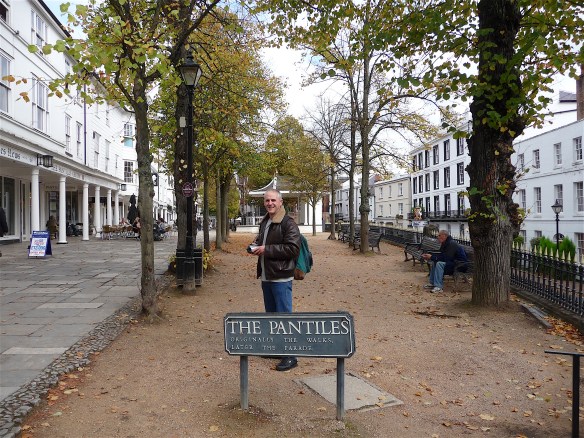
2.Pantiles

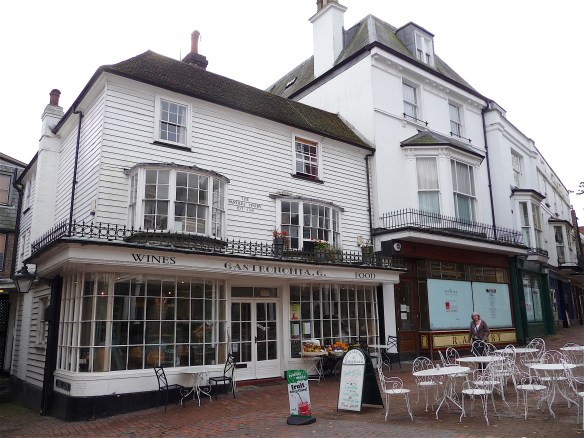
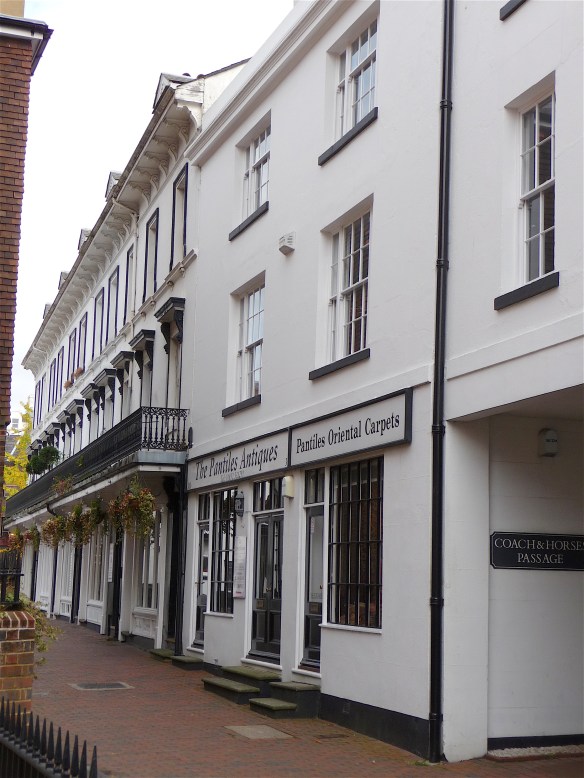
The Pantiles is a Georgian colonnade, named after the pantile paving on the Upper Walk in 1700. Now lined with shops, galleries and cafés

3.Pantiles4.Pantiles5.Pantiles

the area was created following the discovery of a  chalybeate spring in the early 17th century.

6.Pantiles

After lunch at The Duke of York

7.Pantiles Lunch

we visited High Rocks, which weren’t as high as they seemed to a young Michael. The drive was scenic

10.High Rocks

and the pub inviting.

We found our way through the back lanes to our B&B, The Duck & Drake, just outside Rolvenden.

12.Duck & Drake11.Duck & Drake13.Duck & Drake

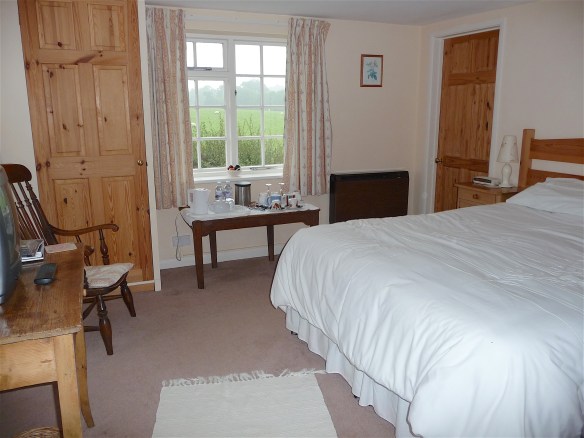
The room was lovely

14.Duck & Drake

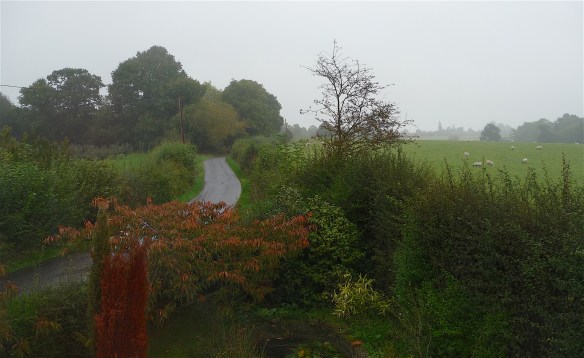
with a gorgeous view to greet us the next day.

15.Duck & Drake

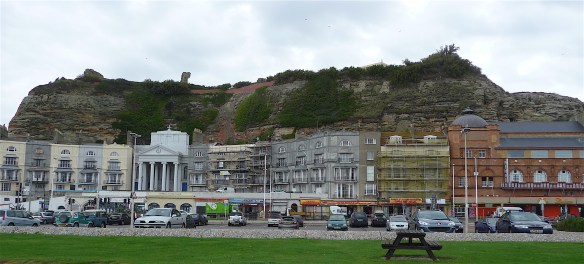
We stuck a pin in the map and headed for Hastings,

where the ruins of the castle, built by The Normans in 1070, sit proudly above the town.

21.Hastings

We took the easy way to the top

23.HastingsCliffRail

for a closer look at the ruins

and the magnificent view.

26.Hastings

Back in the car park, this young gull had made himself comfortable.

27.Gull

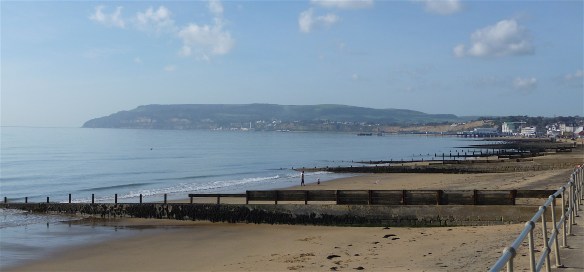
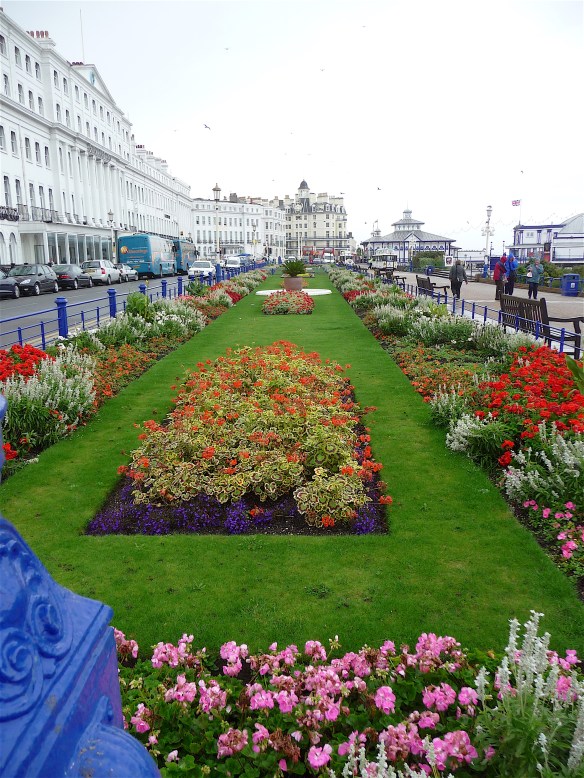
We drove on to Eastbourne

28.Eastbourne29.Eastbourne30.Eastbourne

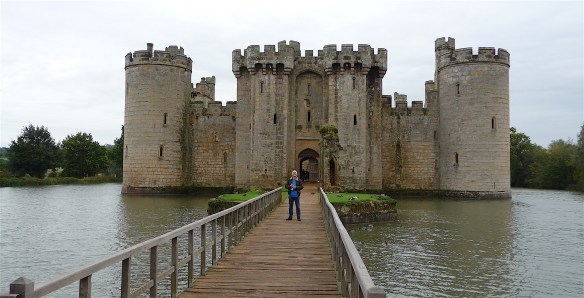
and after a leisurely lunch, we started back to The Duck & Drake, discovering Bodiam Castle along the way.

31.Bodiam Castle

Built in 1385 as both a defence and a comfortable home, the castle was used in Monty Python & The Holy Grail as Swamp Castle.


There were no curtains, https://www.youtube.com/watch?v=utuchVE_56M, but I think they would have obscured the scenery.

41.Bodiam Castle42.Bodiam Castle

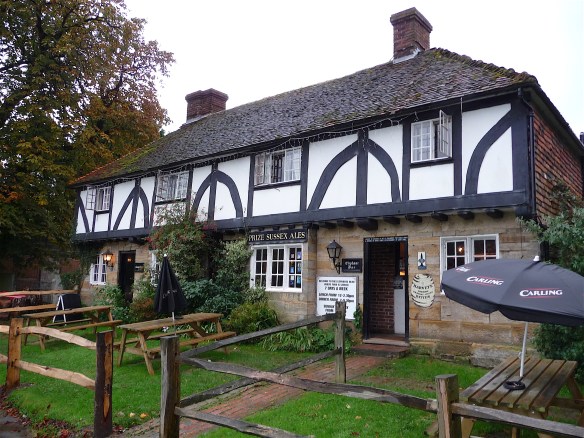
One last stop for a quick beverage at The Elephant Head

43.Elephant Head

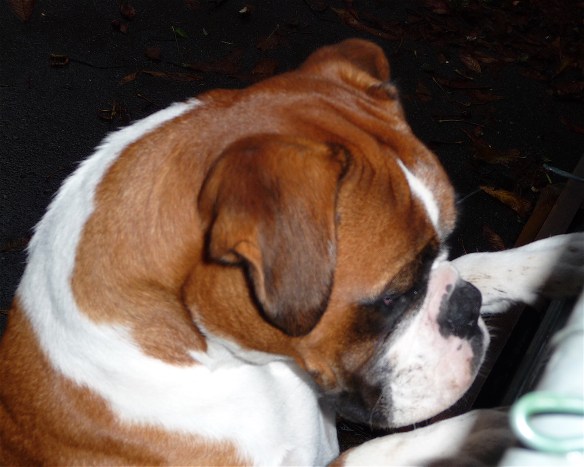
where we made a friend

44 Boxer

and we finished the day with a fabulous meal at The White Lion in Tenterden.