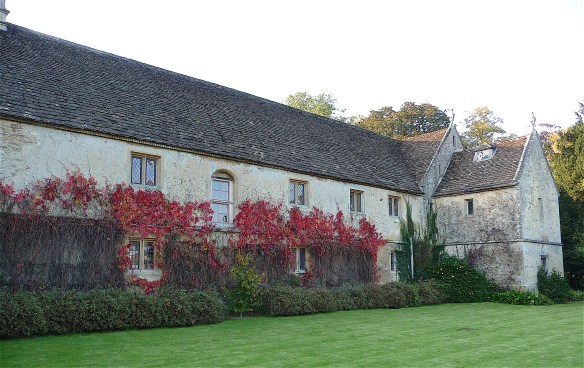
Trevigue Farm

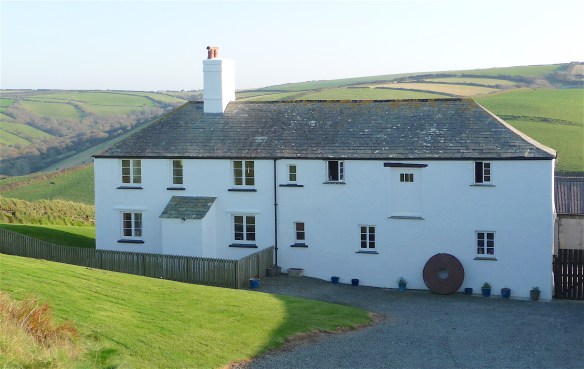
While travelling through Britain, we stayed at many wonderful B&Bs. Trevigue Farm was no exception.
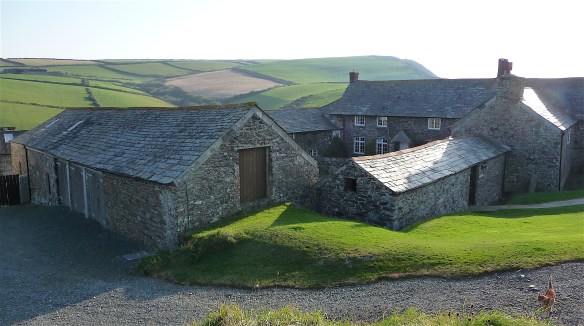
1.Trevigue Farm

We navigated the narrow lanes of Cornwall, getting momentarily lost in Crackington Haven, to find this beautiful 16th century farmhouse.
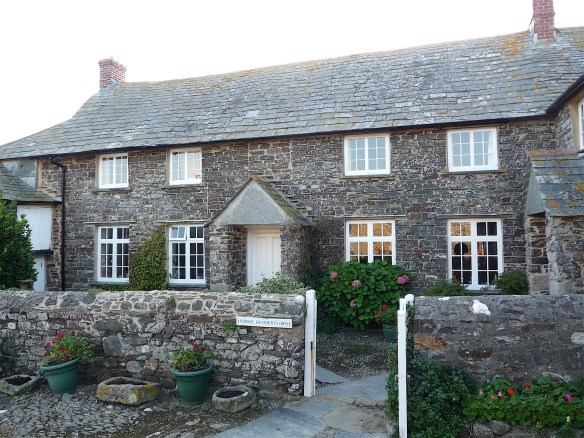
2.Trevigue Farm3.Trevigue Farm4.Trevigue Farm5.Trevigue Farm

Located high on the Cornish cliffs, this 200 acre farm is set around an ancient cobbled courtyard.
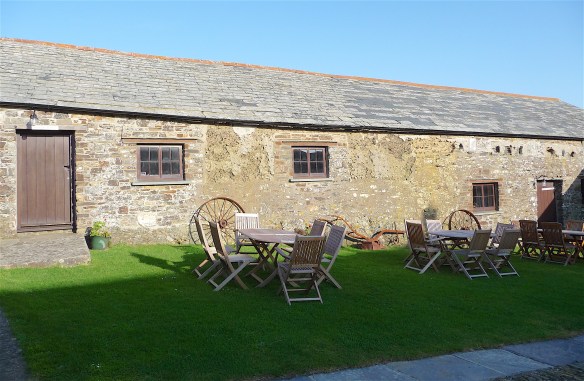
6.courtyard

We were welcomed into the gorgeous entrance hall
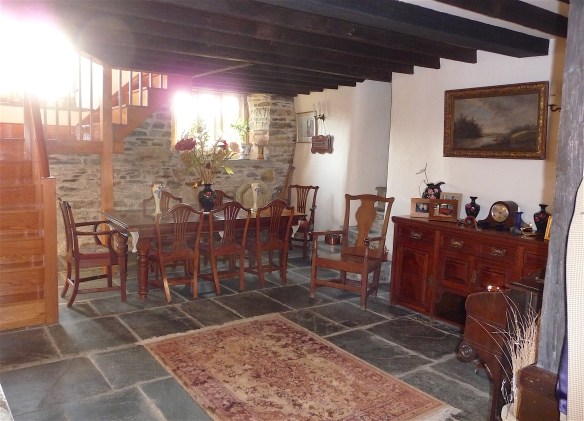
7.entrance hall

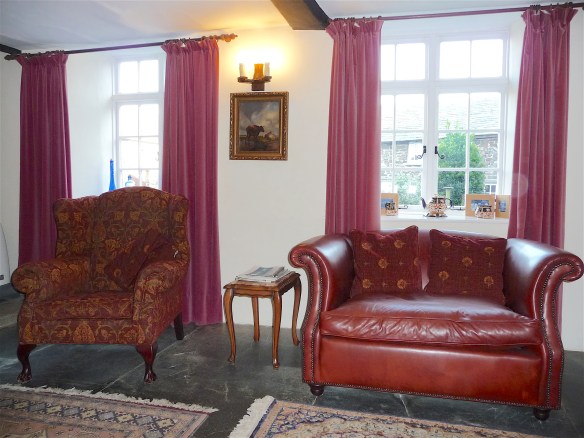
and shown to the sitting room

8.sitting room9.sitting room

where we enjoyed a cup of tea and home baked treats.
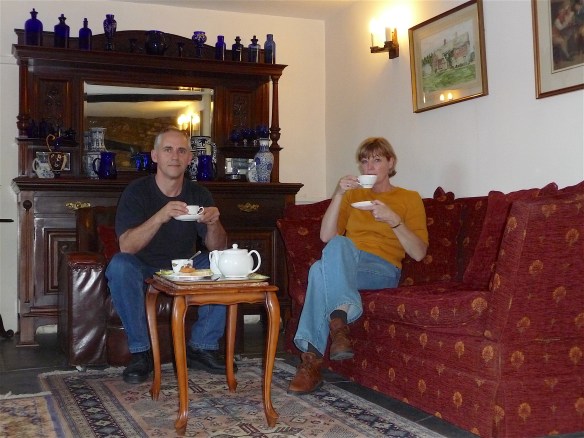
10.sitting room

There was a snug alcove tucked around the corner.
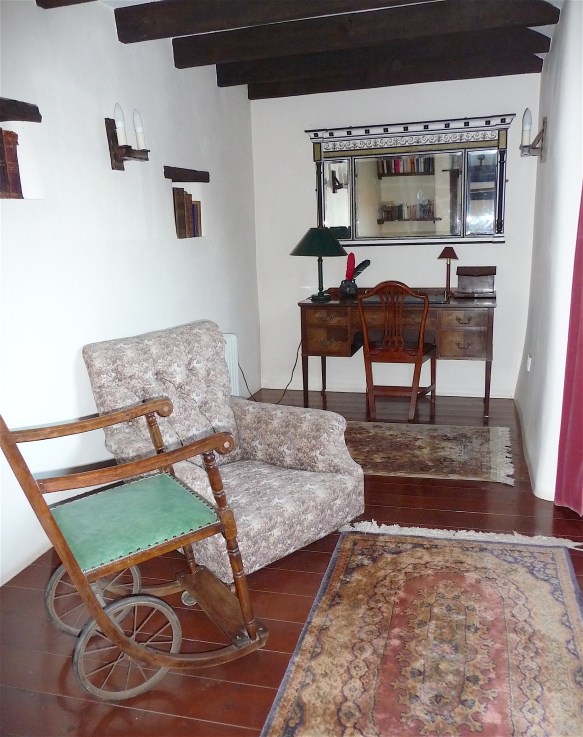
11.alcove

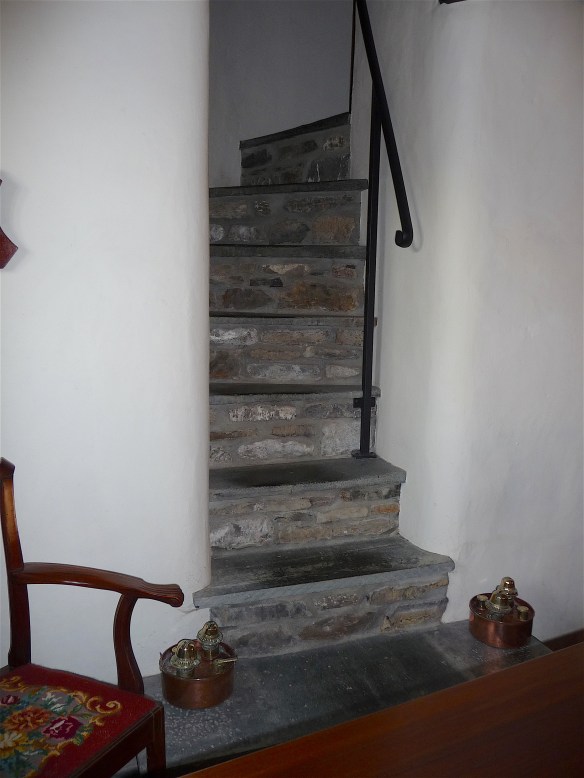
We were then led up the stairs

12.stairs

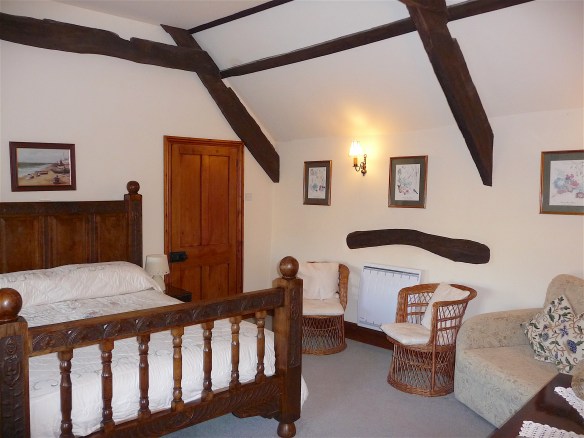
to our bedroom.

13.bedroom

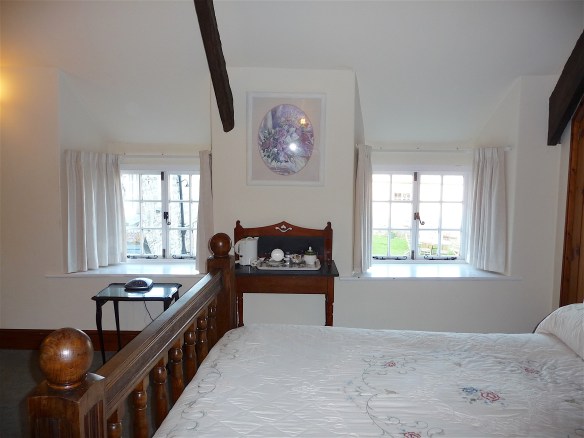
The room was magnificent with a huge French style bed, vaulted oak beamed ceiling
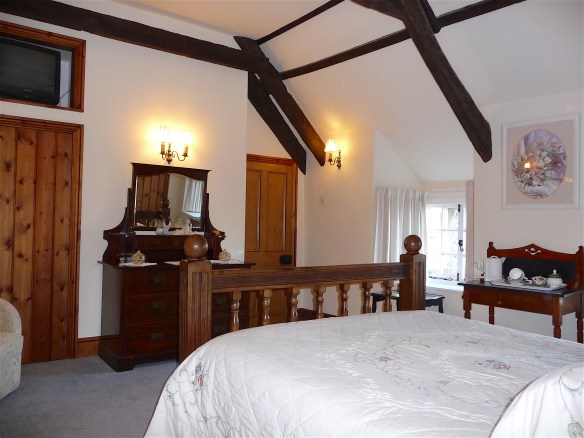
14.bedroom15.bedroom

and a lovely outlook over the courtyard.

16.bedroom view

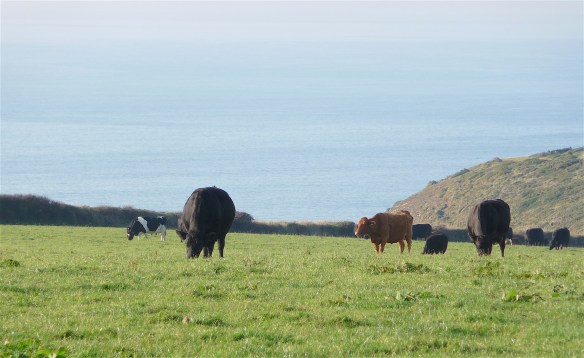
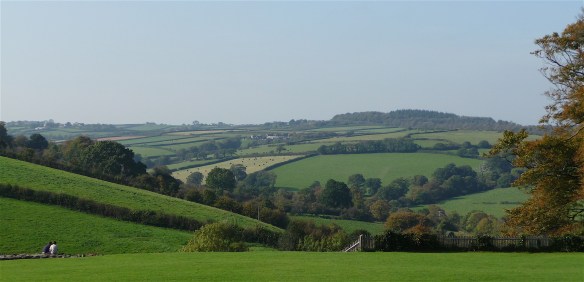
We strolled around the farm admiring the stunning views

17.view18.view

and the contented animals.

21.cows

22.cows

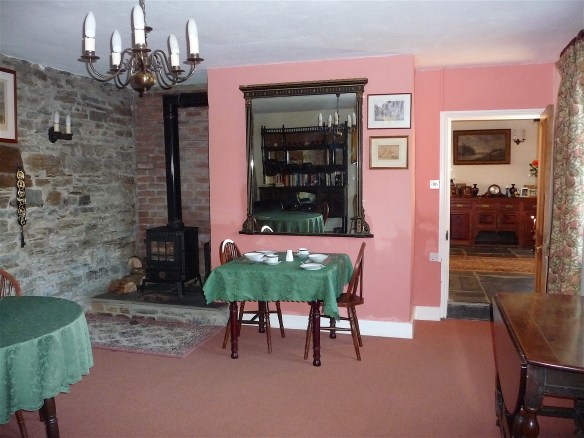
The next morning we were treated to a marvellous cooked breakfast in the cosy dining room
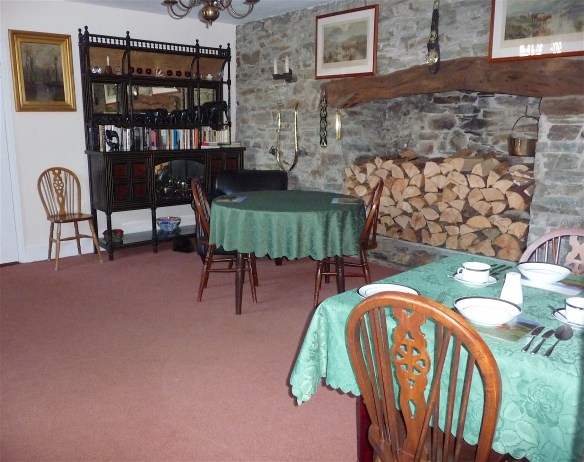
23.dining room24.dining room

before heading off for a day of discovery in Cornwall.

Launceston Castle

Following our adventure in Britain, our plan was to relocate to Tasmania and rent a house in Launceston while we searched for a property of our own. Little did we know, in the early 19th century, Launceston had been given the name of the town in Cornwall (although there it is pronounced ‘lawn-sten’). Known as the Gateway to Cornwall, Launceston is just across the border from Devon and so, to control the river crossing, a castle was built soon after the Norman Conquest of 1066.
2.Launceston Castle

Originally a wooden structure, the castle is set high on a grassy mound and was replaced with a circular stone keep in the 12th century.

3.Launceston Castle

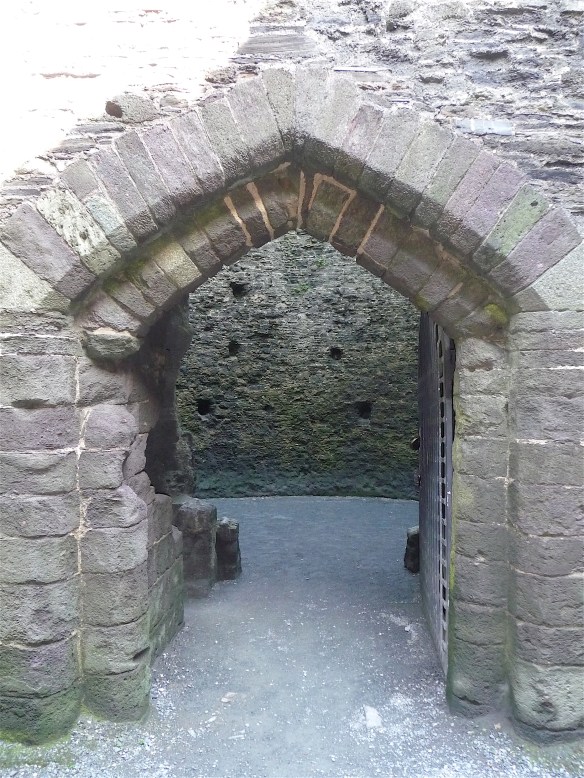
We wandered around the castle, marvelling at the stonework from so long ago.

4.Launceston Castle6.Launceston Castle7.Launceston Castle8.Launceston Castle9.Launceston castle

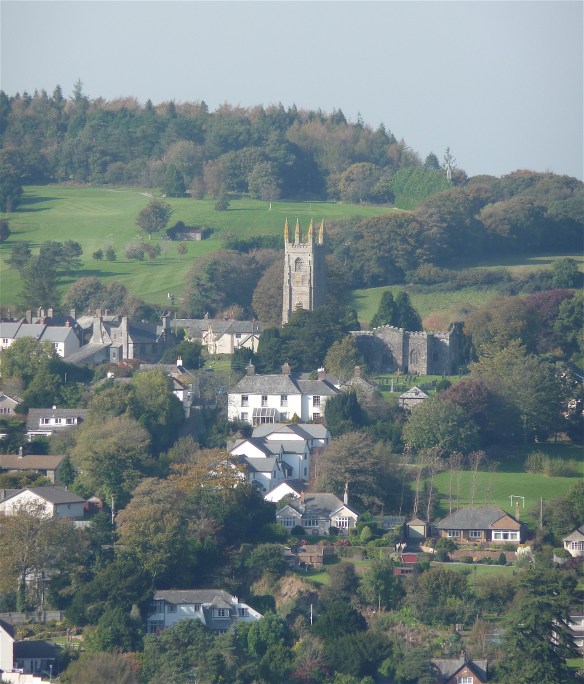
The views across the town and the Tamar Valley were breathtaking.

10.view11.view12.view13.view14.view

From the top, the remains of the moat are evident.

15.view

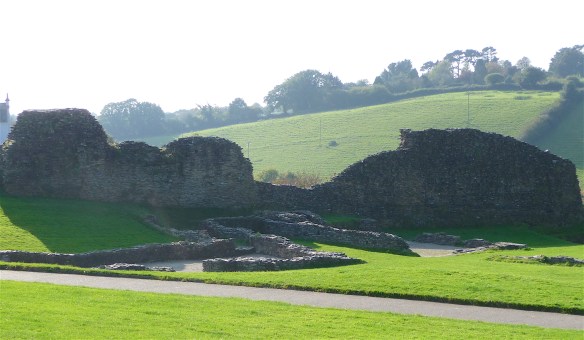
By the middle of the 17th century, after the Civil War, the castle was virtually in ruins

16.Launceston Castle17.Launceston Castle

and large parts of the wall are now missing.

18.view

In the 19th century, the castle area was landscaped and turned into a public park.

19.Launceston Castle

We ended our perfect day with a pint at the Bell Inn, a three storey 15th century Inn reputed to be the oldest public house in Launceston.

20.The Bell Inn

It doesn’t get much better than that.

Sidmouth

Continuing westward on our travels, we stumbled across Sidmouth, a seaside town on the coast of East Devon.

1.Sidmouth

It began to develop as a destination for ‘discriminating  visitors’ around 1800. Its popularity was a result of its climate and surroundings. We both remember the coffee and scrumptious cake we enjoyed at a café on The Esplanade.

2.Esplanade

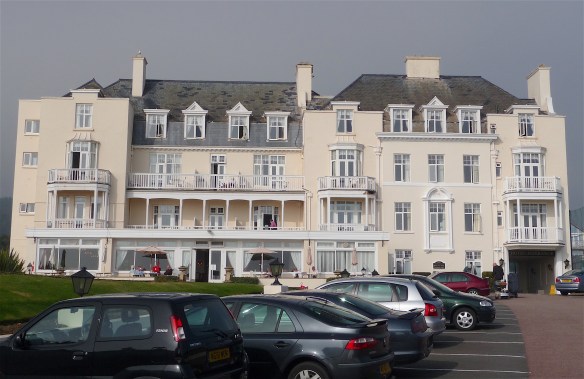
We wandered along the seafront, past the Belmont Hotel, a gorgeous luxury reminder of the Regency era.

3.The Belmont Hotel

The South West Coast Path, a 630 mile walk along stunning coastline, passes through Sidmouth.

4.Sidmouth5.Sidmouth

The striking red cliffs, formed 240 million years ago during the Triassic period, form part of the Jurassic Coast.

6.Sidmouth7.Sidmouth

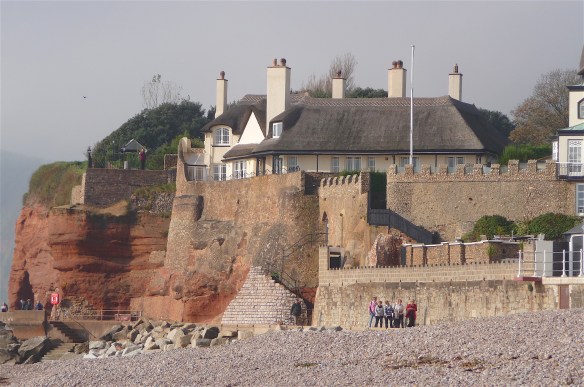
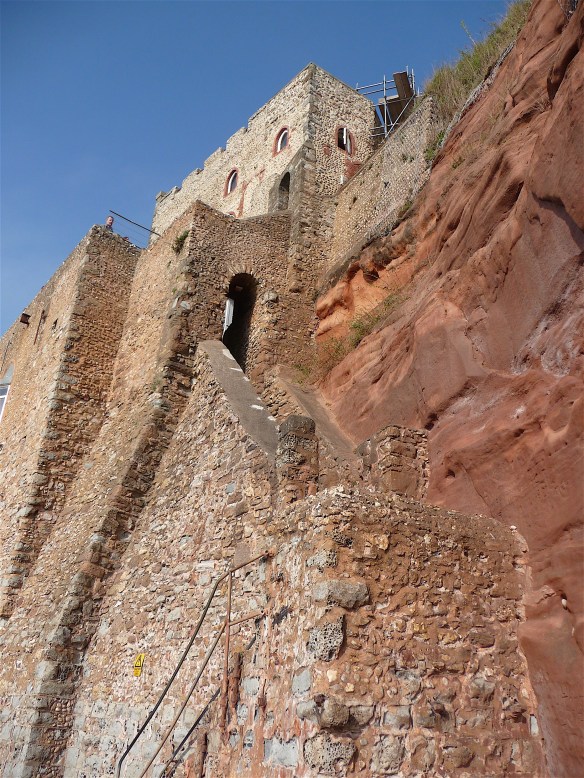
Once a 17th century lime kiln, the Clocktower Café is perched on the cliff with sensational views.

8.The Clocktower Cafe

The path around the cliff leads to Jacob’s Ladder beach, named after the series of wooden steps leading up to the cliff top gardens.

9.Jacobs Ladder beach

The 24  colourful beach huts at the base of the steps can be rented from April to September.

10.beach huts Jacobs ladder beach

The house on the cliff overlooking the beach was intriguing.

11.The Gazebo

The ‘Gazebo’ was built on Peak Hill in 1962 by playwright, R.F. Delderfield. You could have purchased it for £795,000 in February 2011.

11.The Gazebo copy

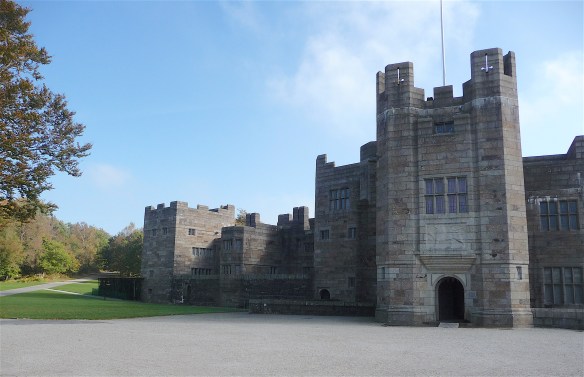
Not far from Sidmouth, on the edge of Dartmoor National Park, we discovered Castle Drogo.

12.Castle Drogo

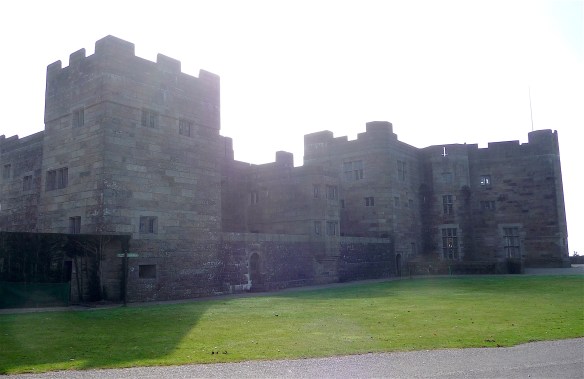
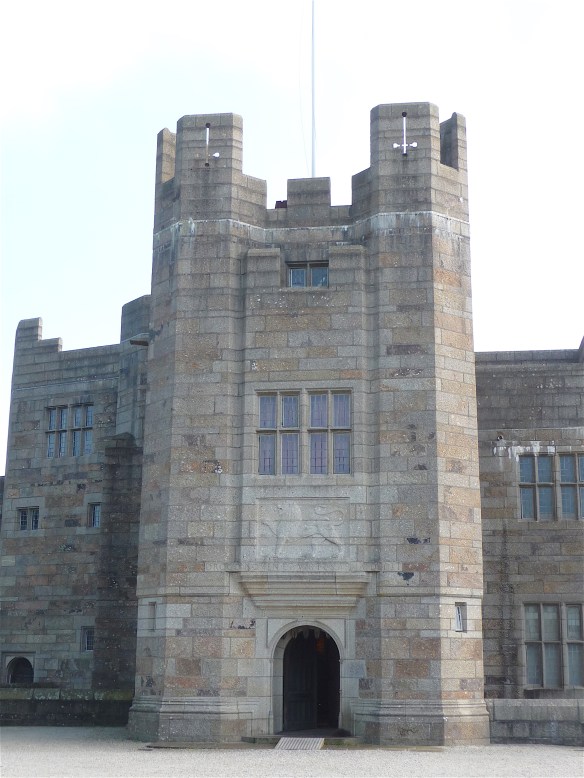
Although it appears to be a medieval castle, it was built from local granite between 1911 and 1930 for self made millionaire Julius Drewe. It was the last castle built in England and was delayed with the First World War and subsequent economic downturn.

13.Castle Drogo

Above the entrance was a sculpted lion and the Drewe family motto, ‘Drogo is my name and valour gave me arms.’

14.Castle Drogo14.Castle Drogo copy

Beyond the chapel

15.Castle Drogo chapel

the views across Devon were breathtaking.

16.Castle Drogo

Lacock Abbey

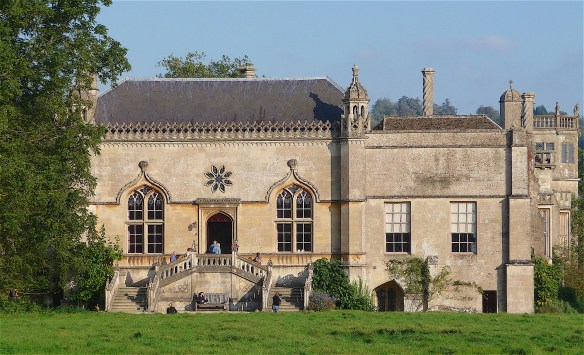
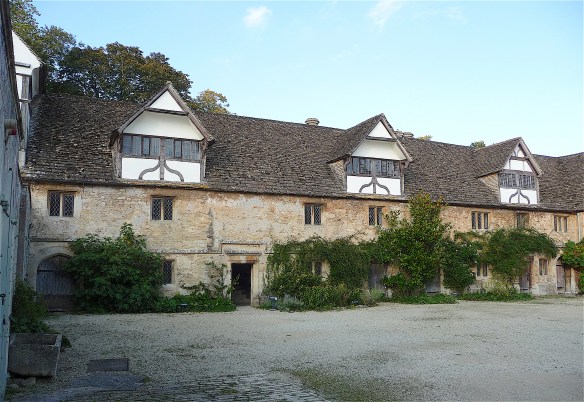
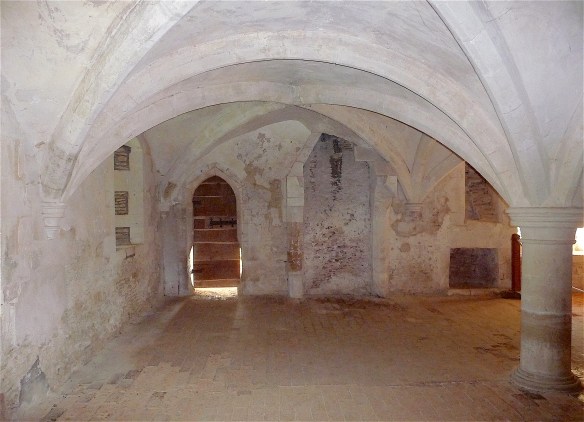
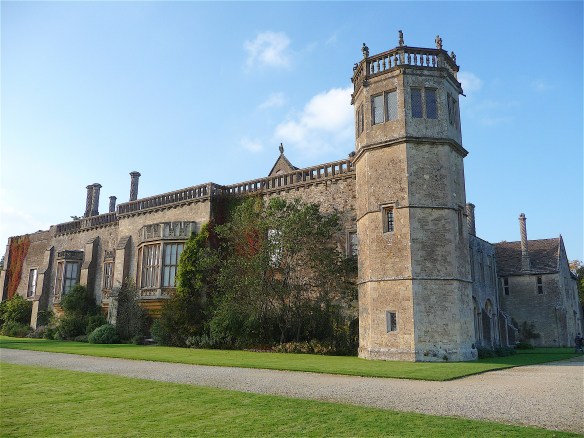
Lacock Abbey, in the village of Lacock, Wiltshire, was founded in 1232 and served as a nunnery until it was converted into a country house in 1540.

1.Lacock Abbey2.Lacock Abbey

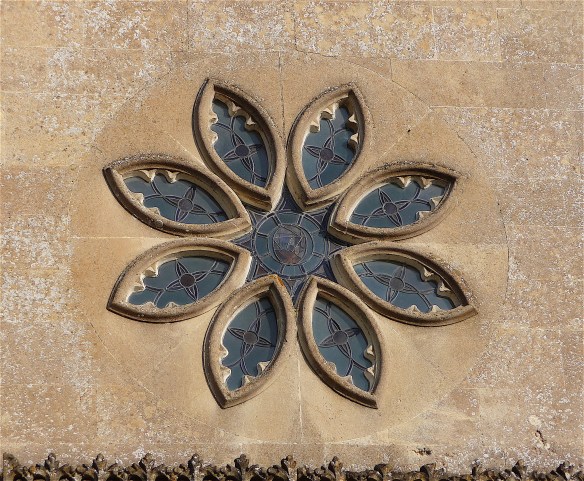
A lot of work had gone into the window above the entrance door.

3.Lacock Abbey

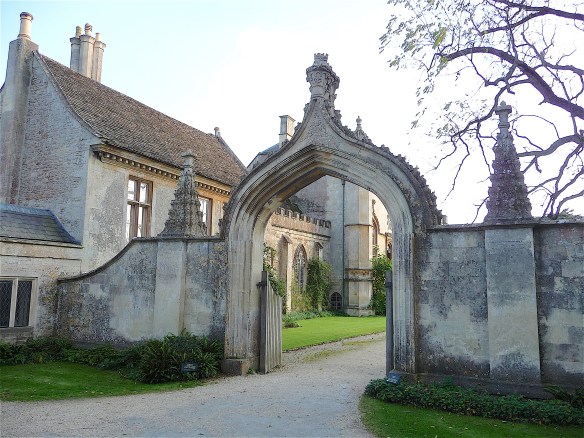
The Gothic Arch

4.Gothic Arch

led to the Stable courtyard

5.The Stable Courtyard with brewery & bakehouse

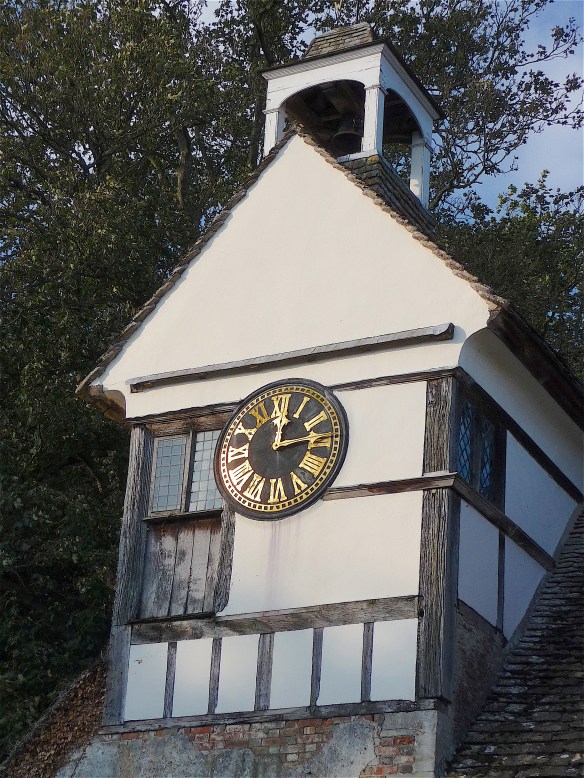
with its quirky Tudor clockhouse,

6.Clockhouse

bakehouse and brewery.

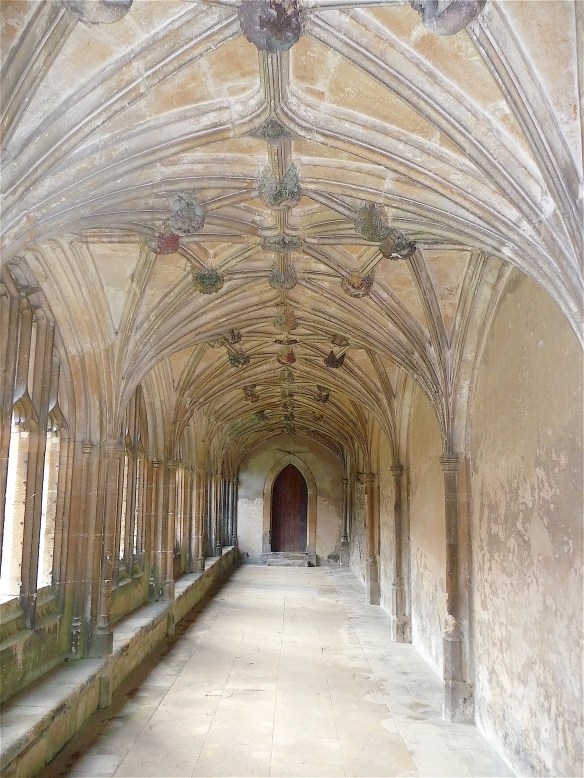
We spent some time wandering through the fascinating rooms. They may look familiar if you have seen the Harry Potter films, particularly the medieval cloisters.

14.cloisters

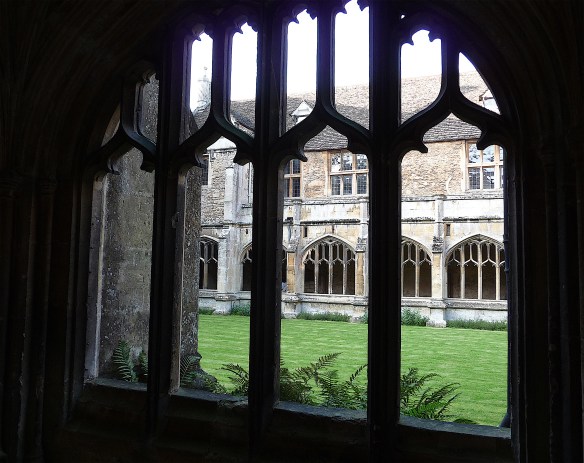
The internal cloister courtyard had a certain tranquility.

15.internal courtyard of the cloisters16.Lacock Abbey

The Warming Room was the only room in the original Abbey where any warmth was provided and the 500 year old cauldron remains.

17.500 year old cauldron in the warming room

The Chaplain’s Room had a 14th century doorway and remnants of a medieval wall painting.

18.Chaplain's room

The valuables of the Abbey would have been housed in the Sacristy.

19.sacristy

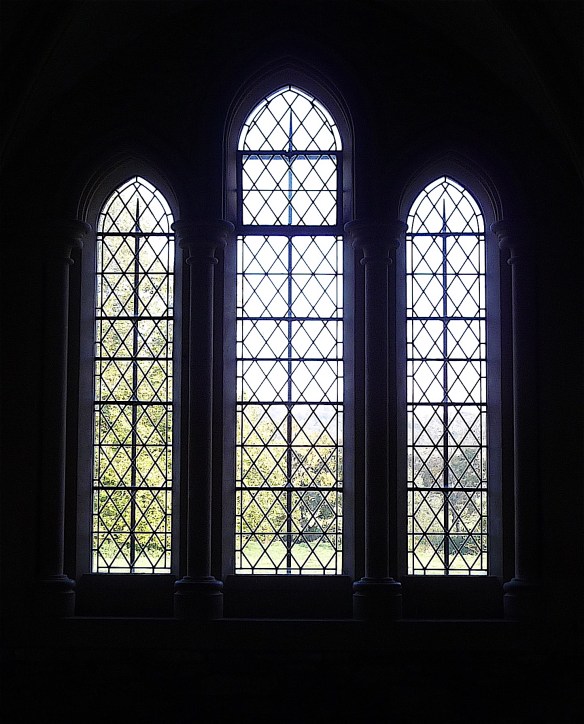
The Chapter House windows were stunning.

20.Chapter House windows

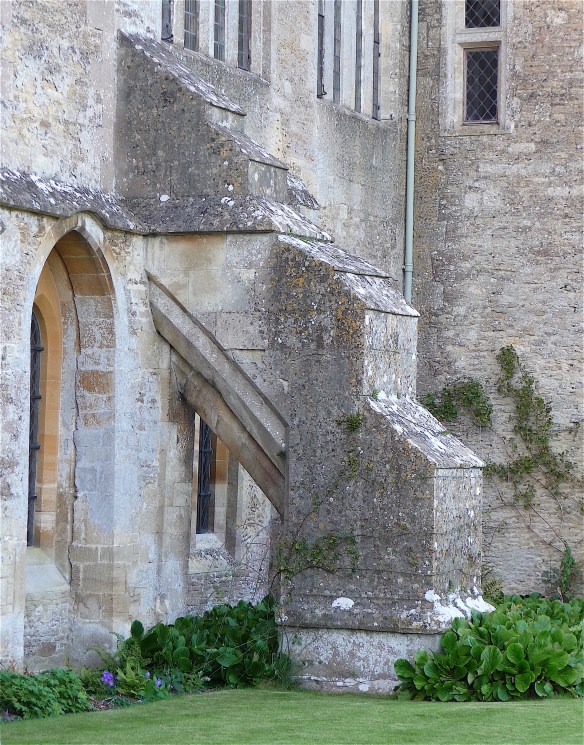
We strolled around the grounds, admiring the Abbey from all angles.

9.Lacock Abbey10.Lacock Abbey11.from the south12.Lacock Abbey21.Lacock Abbey22.Lacock Abbey23.Lacock Abbey

It would have been nice to have seen more of Lacock village – maybe next time.

Bradford-on-Avon

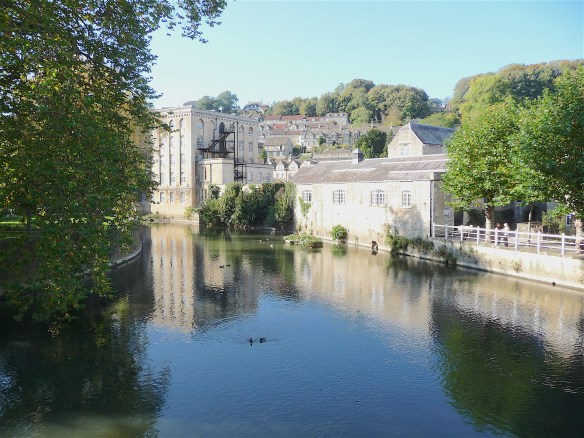
Returning from our day out in Bath we discovered the lovely town of Bradford-on-Avon. With Roman origins, it grew in the 17th century with a thriving woollen textile industry. We parked the car and walked to the river.

2.Bradford on Avon1.Bradford on Avon3.Bradford on Avon

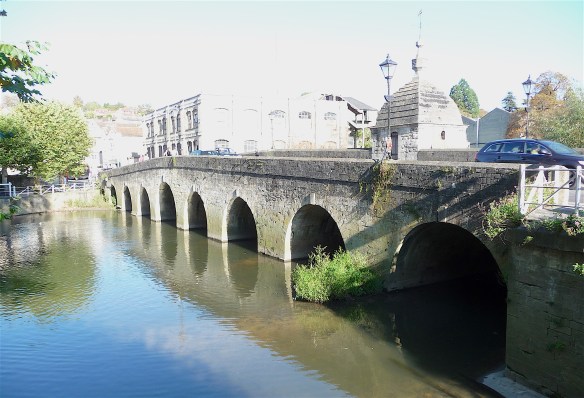
The Town Bridge was built in Norman times. The small building in the middle of the bridge was originally a chapel but later used as a town lockup. The unusual weather vane has a fish on top.

4.The Town Bridge5.Lock up

Many of the old textile factories have been converted into modern flats and apartments.

6.Bradford on Avon

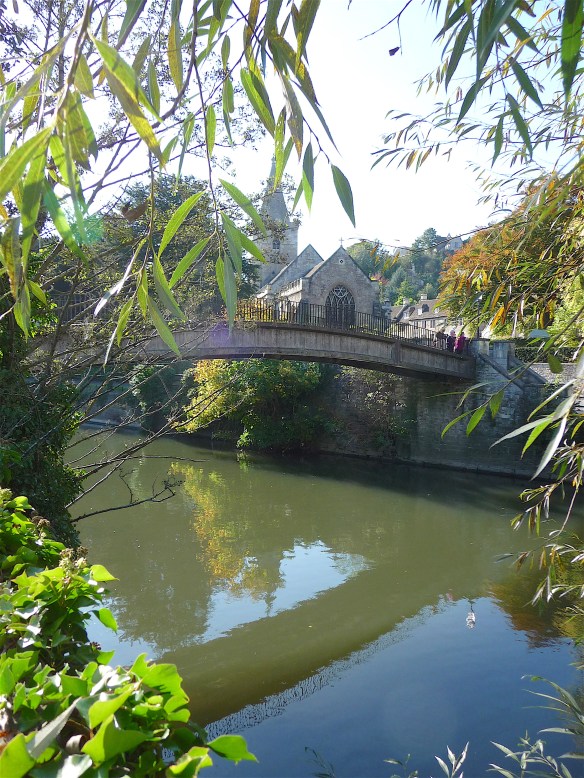
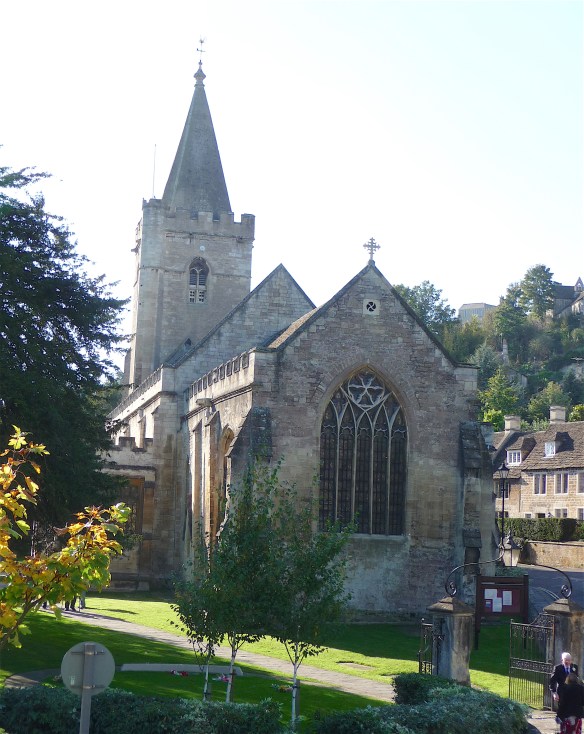
Holy Trinity Church is the original parish church and is Norman in origin. The tower and spire was replaced around 1480.

7.Bradford on Avon8.Holy Trinity Church

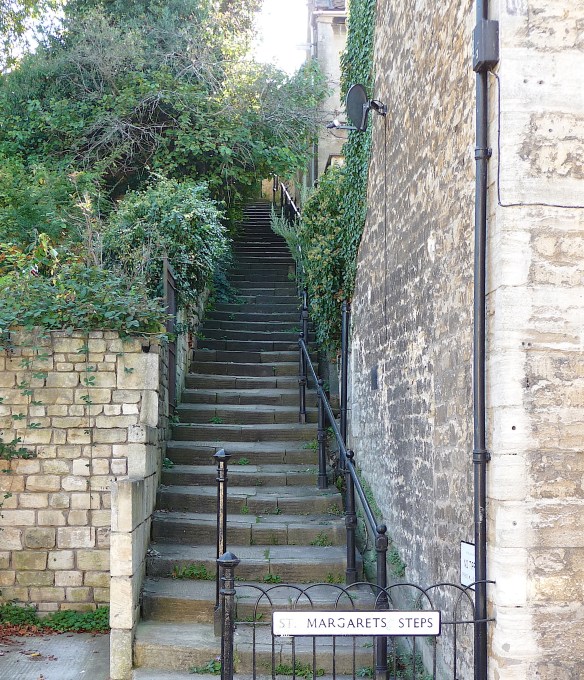
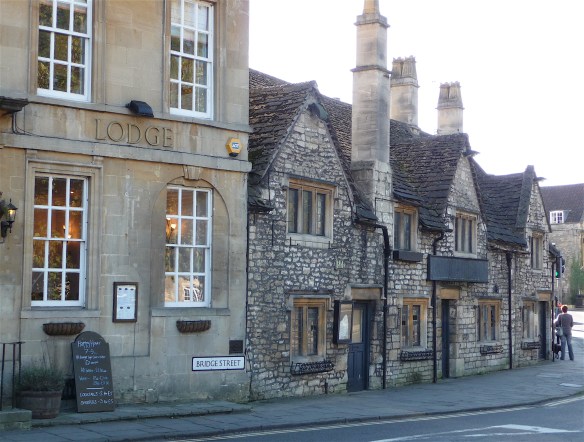
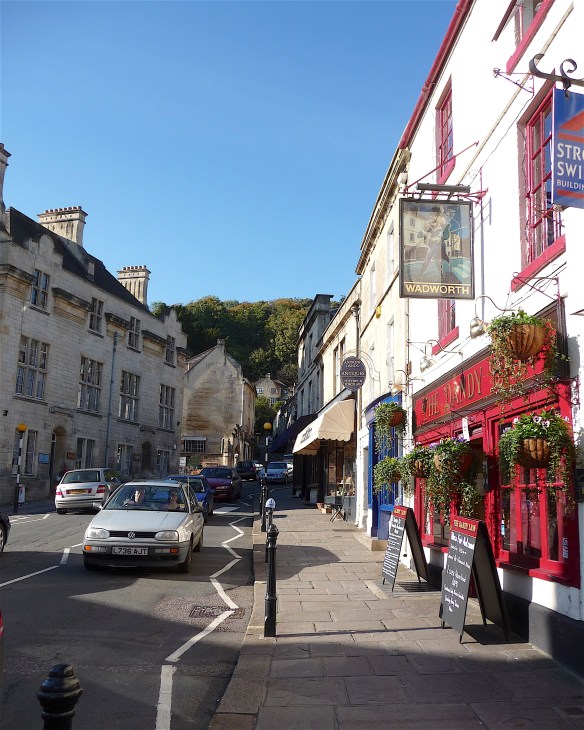
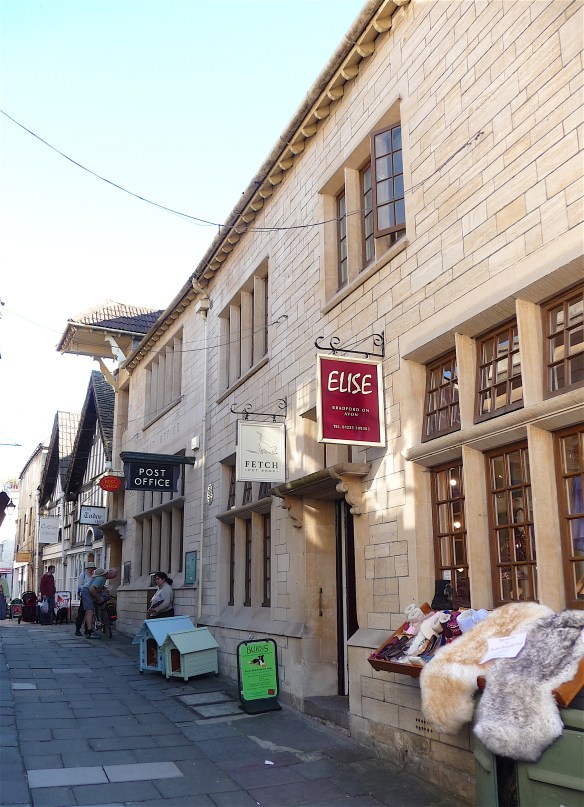
We wandered through the town with its quaint shops and buildings.

9.Bradford on Avon10.Bradford on Avon11.Bradford on Avon12.Bradford on Avon13.Bradford on Avon

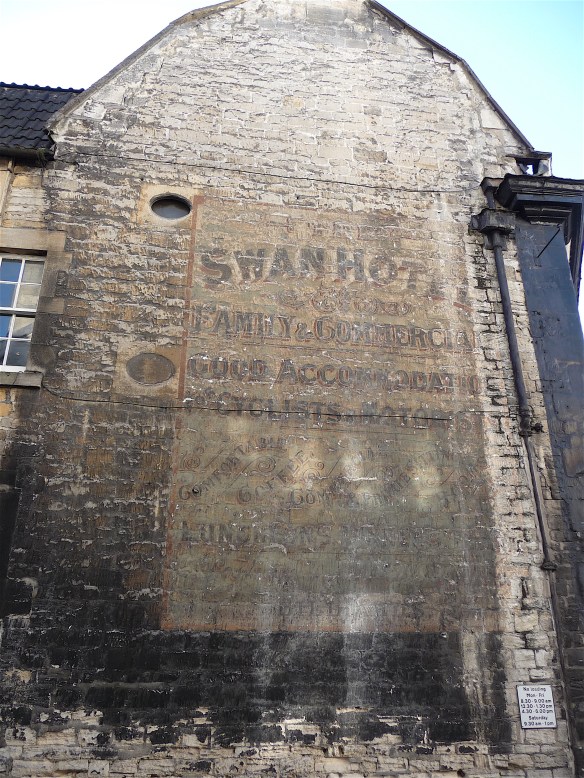
The Swan Hotel is one of the few buildings that are still used as they were originally intended. There has been a public house on the same site since the 1500s, though the current building is 17th century.

14.Swan Hotel

We would like to have had more time to sample the local ale but more adventures awaited.