Standley Chasm

A short drive from Simpsons Gap, in the West MacDonnell Ranges, is Angkerle Atwatye, as it is known by the local Aborigines. The European name was given in honour of the first school teacher in Alice Springs in 1914, Mrs. Ida Standley. The walking track follows a creek

1-walk

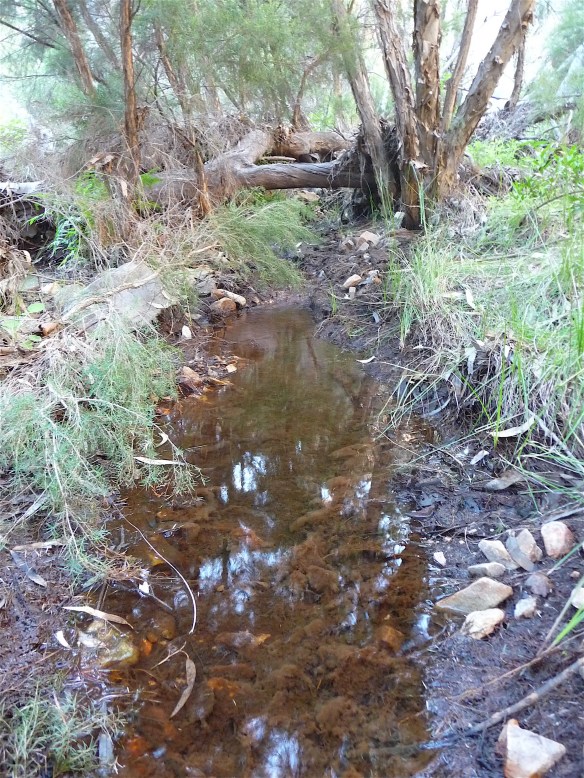
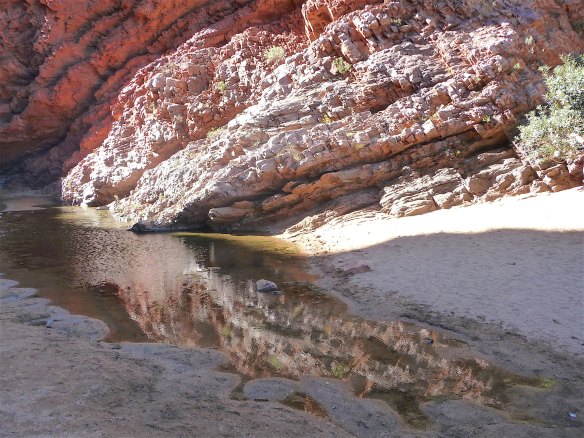
dotted with spring fed pools.

2-stream

Ferns and cycad palms are a reminder that this arid region was once lush

3-cycad

and the gum trees thrive in the moist gully floor.

4-cycad-gums

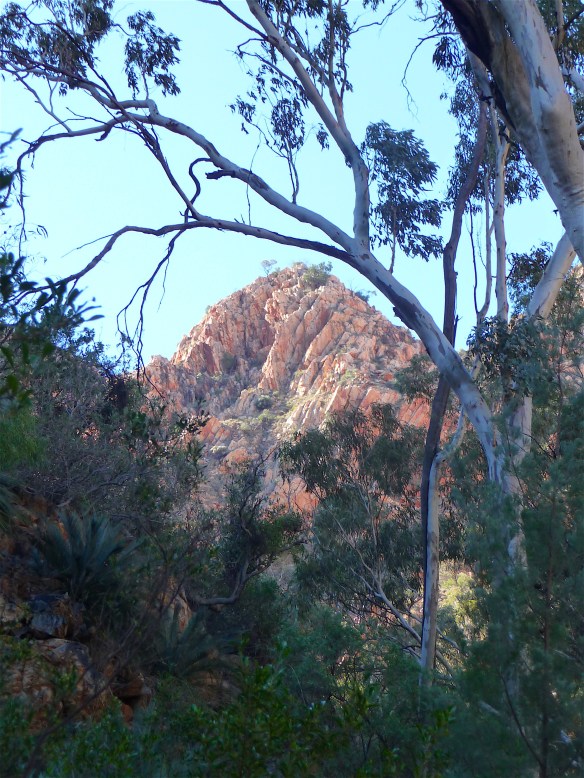
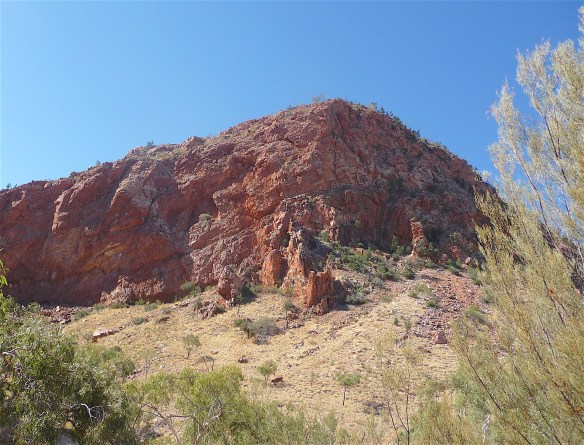
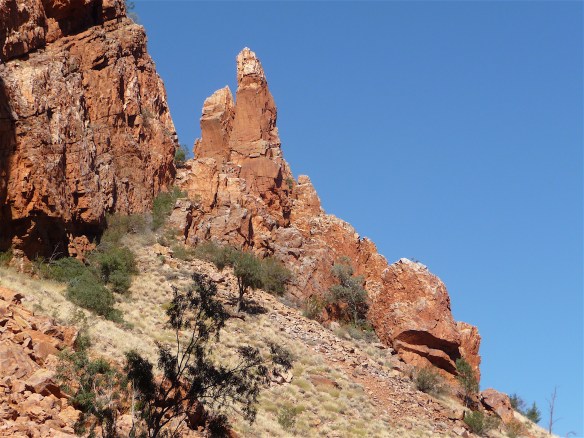
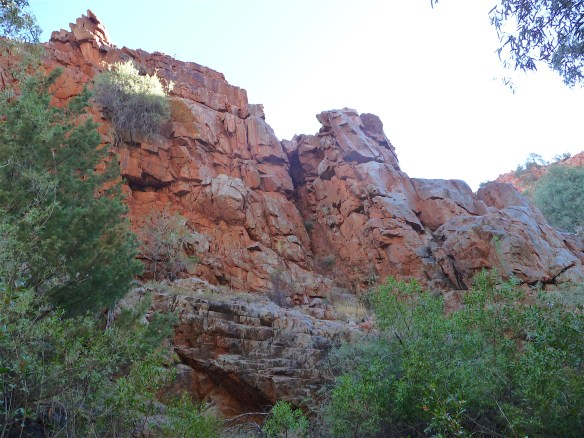
The red quartzite cliffs are magnificent,
5-cliffs6-cliffs7-cliffs

formed over millions of years as flood waters have cut their way through the Chewings Range.

8-cliffs

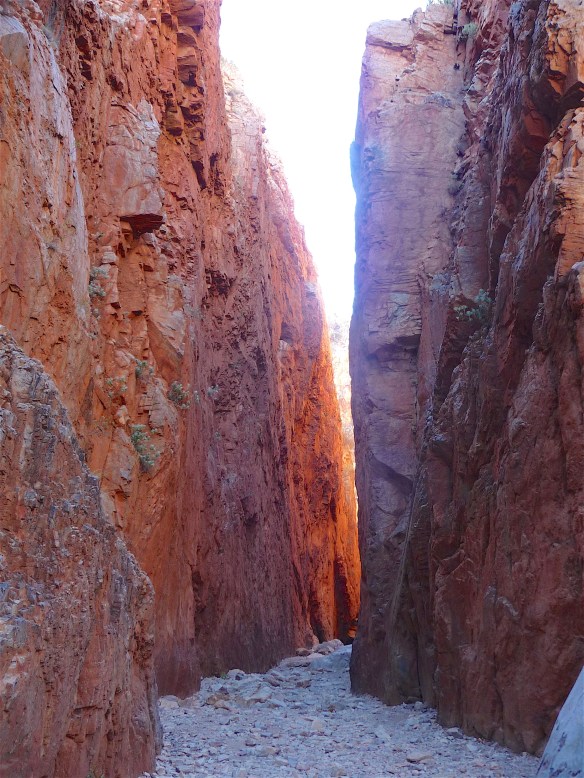
We finally reached the spectacle that is Standley Chasm,

9-chasm

the 80 metre high walls guarding the natural alleyway.
11-chasm

As we moved closer, the majesty beyond was revealed.

well I’ll bee….

One evening recently, as the sun was sinking, Michael saw a bee on our back verandah looking a little worse for wear. He recalled reading that sugar water can revive a struggling bee. He brought it inside, we mixed a potion and offered it on a teaspoon.

1.bee

It wasn’t long before the bee caught the scent and tucked in.

2.bee

She soon revived and we kept her safe until morning and released her back to the garden.

3.bee

Simpsons Gap

Returning from Uluru to Alice Springs, we passed some stunning landscape

as we headed for Simpsons Gap in the West MacDonnell Ranges. Flanked by towering cliffs,

5.Creekbed Walk6.Creekbed Walk7.Creekbed Walk9.Creekbed Walk

we followed the Creekbed Walk along the edge of Roe Creek.

10.Roe Creek

It’s hard to imagine how this sandy bed

12.Roe Creek

managed to carve the gorge that is Simpsons Gap.

14.Simpsons Gap15.Simpsons Gap

The permanent waterhole attracts an abundance of wildlife

16.Simpsons Gap

and is home to the black-footed rock wallaby. I think we were there at the wrong time of day to see any.

languorous lizards

A couple of years ago we adopted a pair of blotched bluetongue lizards. They had belonged to a friend who could no longer keep them and they had lived for the past four years in a glass vivarium. Their names were Fraggles and Spindleshanks and they were best friends.

1.Fraggles & Spindleshanks

We couldn’t bear to see them so confined so Michael constructed a lizard paradise. With plenty of leaf litter, rocks, plants and a hollow log for wintering in.

2.Fraggles & Spindleshanks

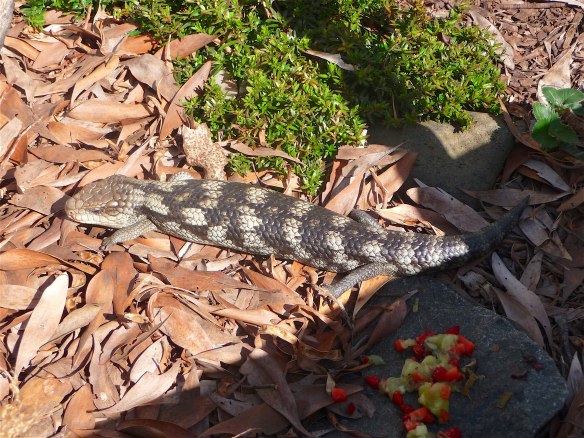
They would often lie together in the sunny spots.

3.Fraggles & Spindleshanks

Sadly, Fraggles passed away a few months later but Spindleshanks soldiered on without her companion.

4.Spindleshanks

I say ‘her’ because we had been told they were both female.

5.Spindleshanks

Not long after Fraggles’ passing, another blotched bluetongue appeared on our back verandah, looking very sorry for itself and covered in ticks. Michael removed the ticks and it seemed to be used to being handled. We kept it safe in the enclosure with Spindleshanks until it recovered.

6.Leonard

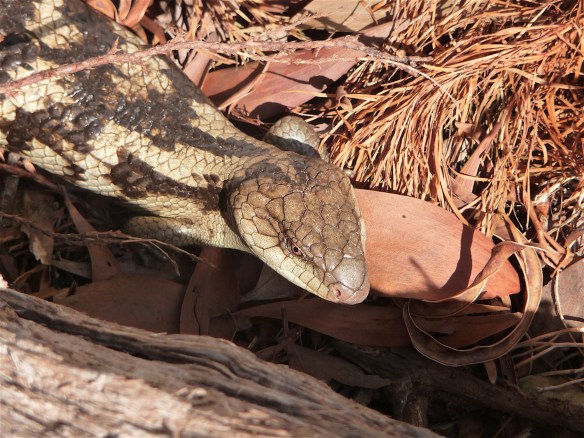
They bonded straight away. He was very inquisitive and certainly not afraid of the human presence.

7.Leonard

The longer, sunny days aided his recovery and all was happy in lizard land.

We didn’t realize quite how happy until five months later.

13.baby

Blotched bluetongues can have up to fifteen young.

14.baby

We were somewhat relieved to find just two.

We couldn’t bear to release them to become a meal for a kookaburra or tiger snake, they now reside at Wing’s Wildlife Park. http://wingswildlifepark.com.au

Kata Tjuta

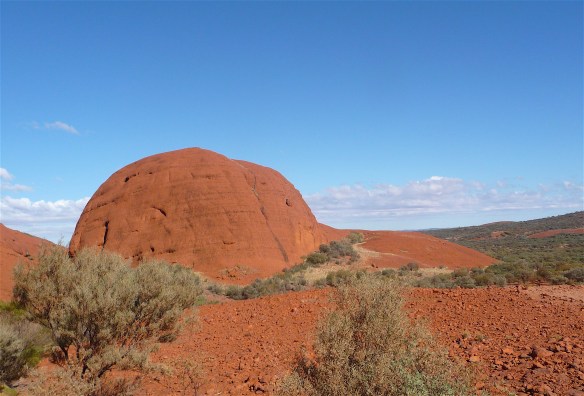
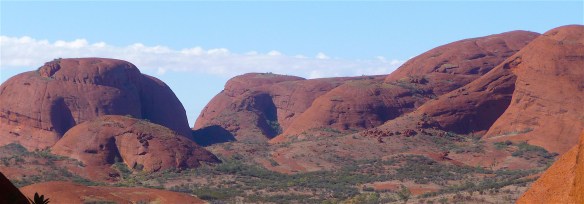
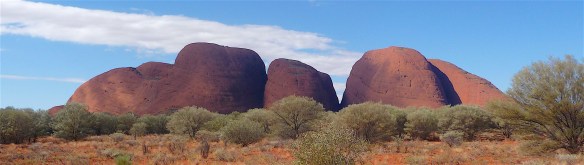
Kata Tjuta, meaning ‘many heads’ in Anangu language, is otherwise known as The Olgas, a group of 36 domed rock formations 25km east of Uluru.

The tallest peak, Mt Olga, is 198m higher than Uluru and was named in 1872 in honour of Queen Olga of Württemberg, the daughter of Tsar Nicholas I.

2.Kata Tjuta

We set out early and spent the morning exploring the magic of Kata Tjuta.

3.Kata Tjuta

The first part of the Valley of the Winds walk was quite easy along a gravel track

4.Valley of the Winds walk

with some stunning scenery.

5.walk

8.Kata Tjuta

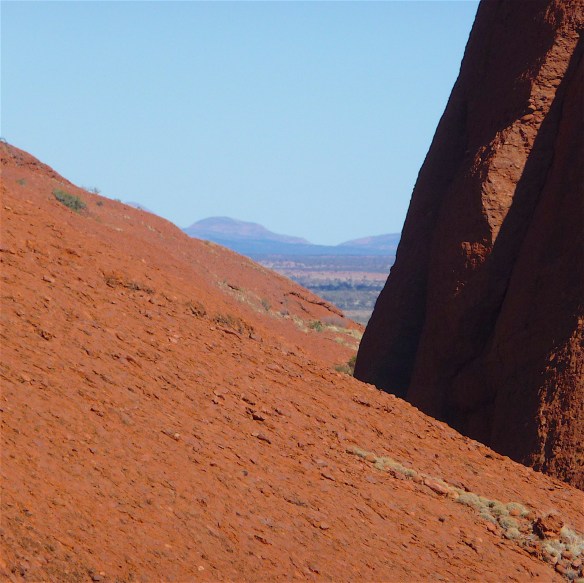
Karu Lookout gave a hint of the extent of this spectacular rock formation.

9.Karu lookout

We continued on past incredible escarpments

10.escarpment

and rock faces.

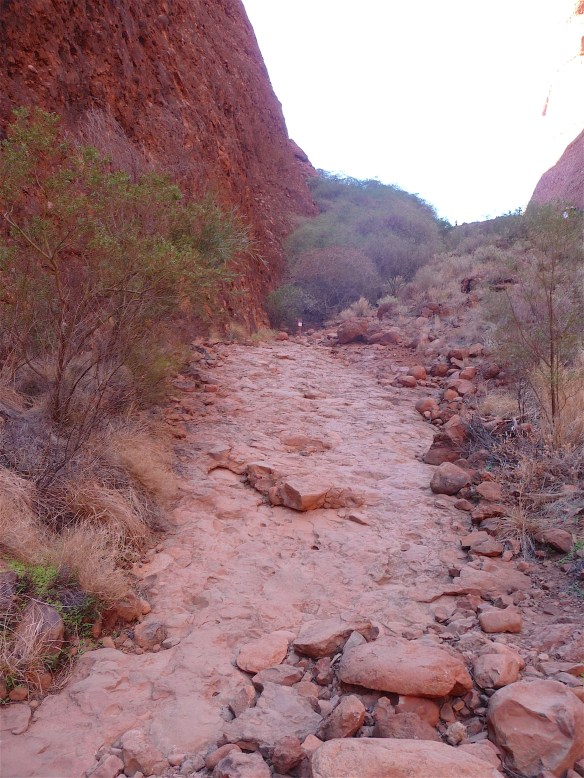
The path became narrow and rugged

13.path

as it meandered within the domes,

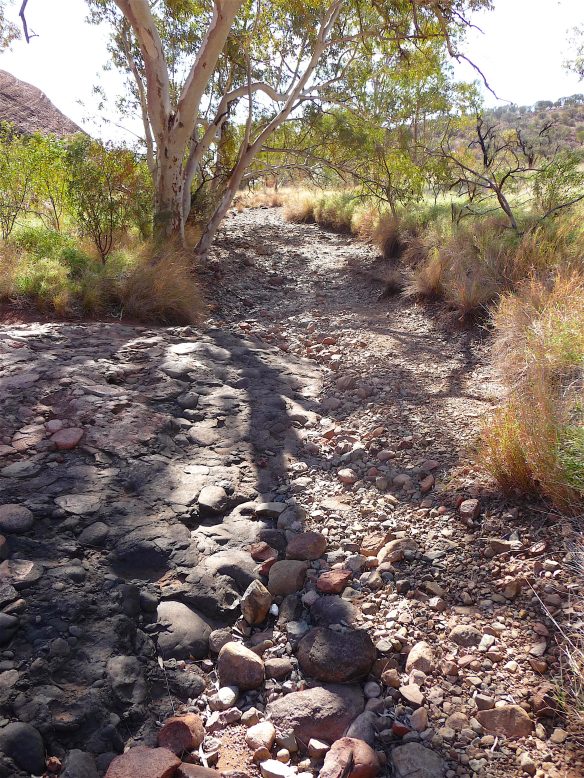
over trickling creek beds.

16.creek

In places, the trail all but disappeared and we had to scramble up the steep slopes.

The rock domes are the remains of erosion that began over 500 million years ago and extend six kilometres into the ground.

The track improved a little

22.track

just before we reached the gap in the rocks that is Karingana Lookout.

24.Karingana Lookout

From there, the path descended very steeply to the bottom of the valley to complete a circuit walk. We opted to retrace our steps instead, our feet sighing with relief as we drove away, with fabulous memories of Kata Tjuta.

25.Kata Tjuta