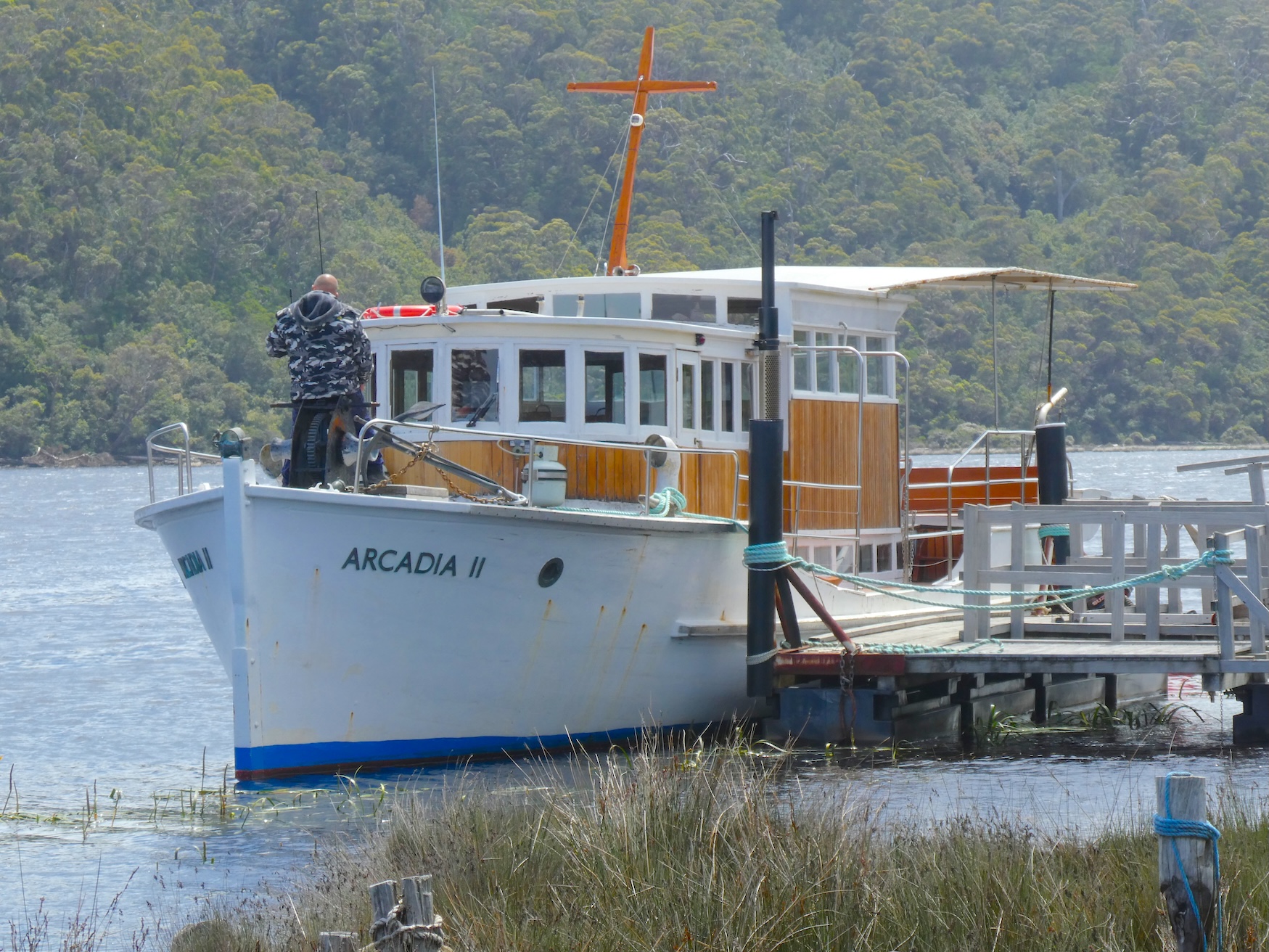
A leisurely way to experience the Tarkine Wilderness is to spend a few hours on the Pieman River aboard the heritage vessel, MV Arcadia II.

The 17 metre boat was built of Huon Pine in 1939 as a luxury pleasure craft based in Hobart. She was requisitioned to serve as a supply ship in New Guinea during the Second World War. Life became more peaceful as a scallop fishing boat on the east coast of Tasmania and then as a cruise boat on Macquarie Harbour and the Gordon River in 1961.
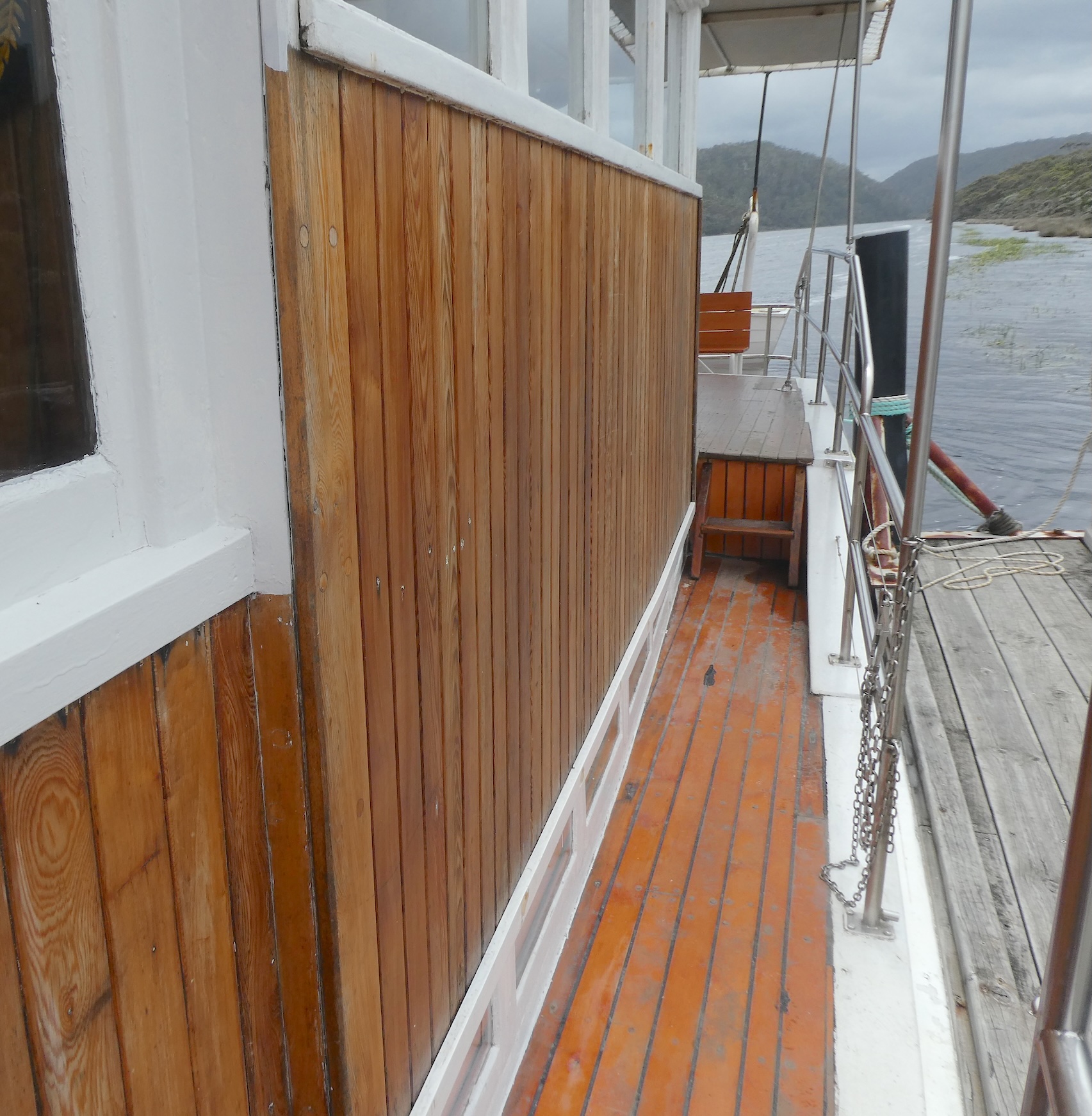

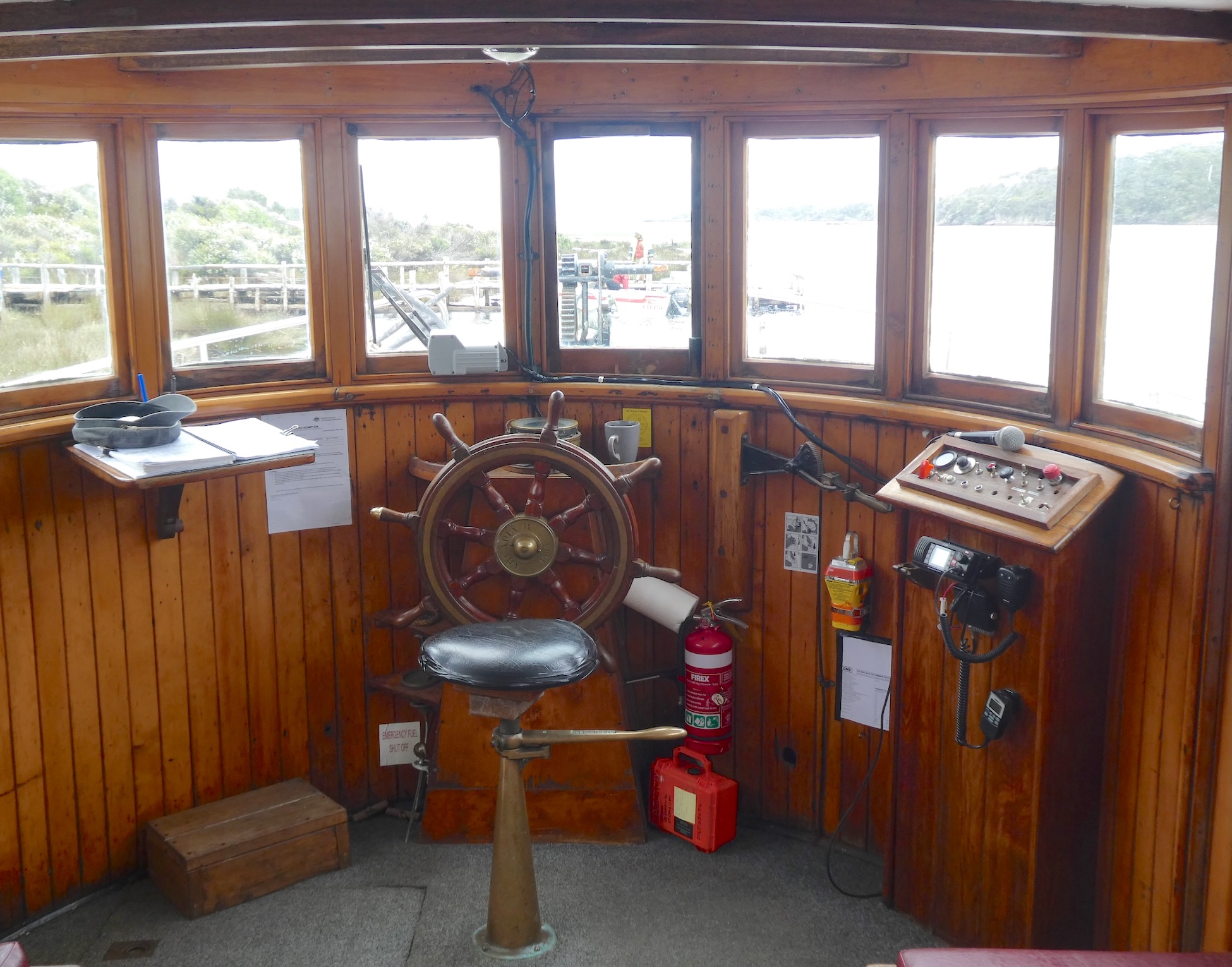
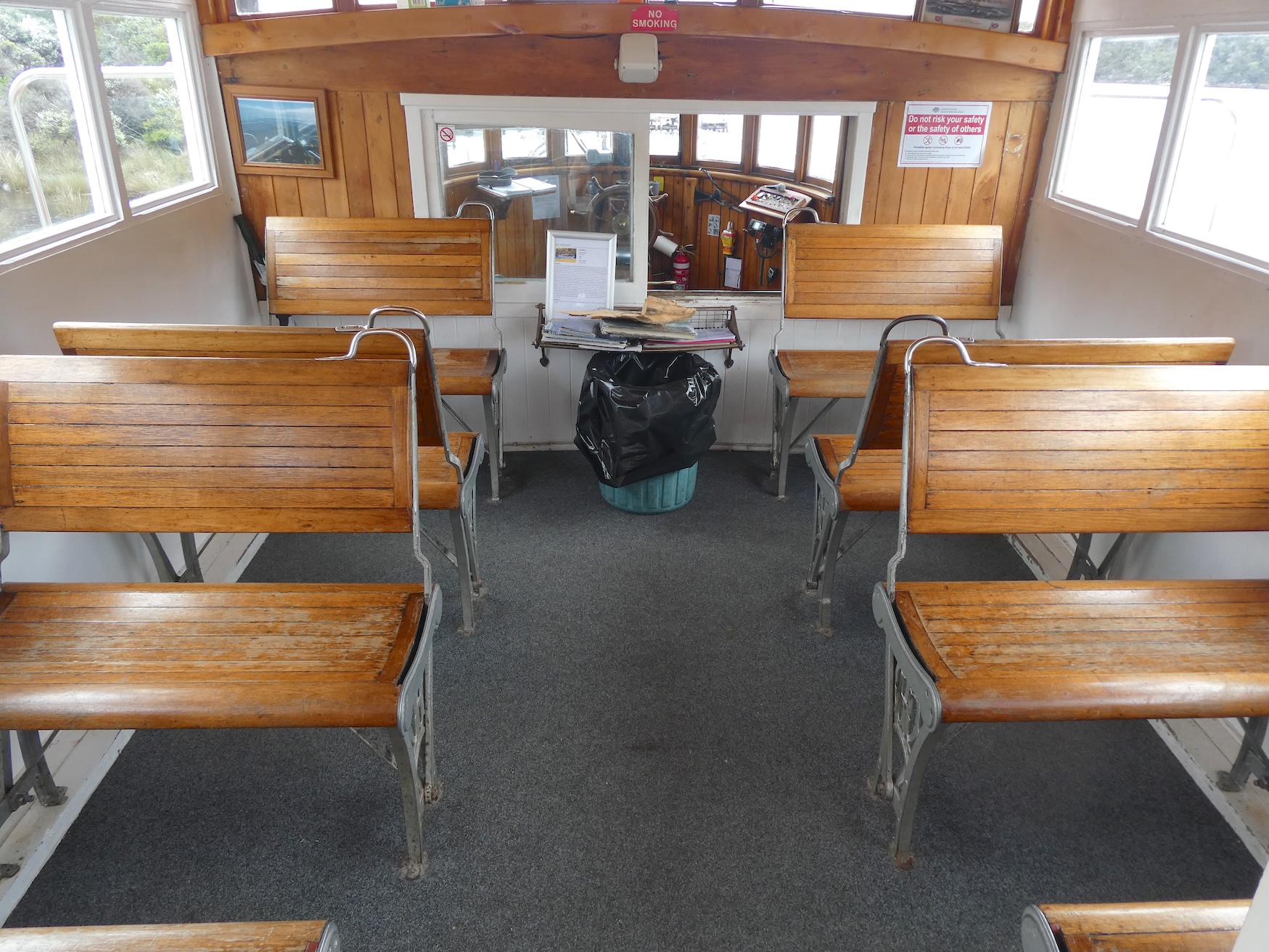
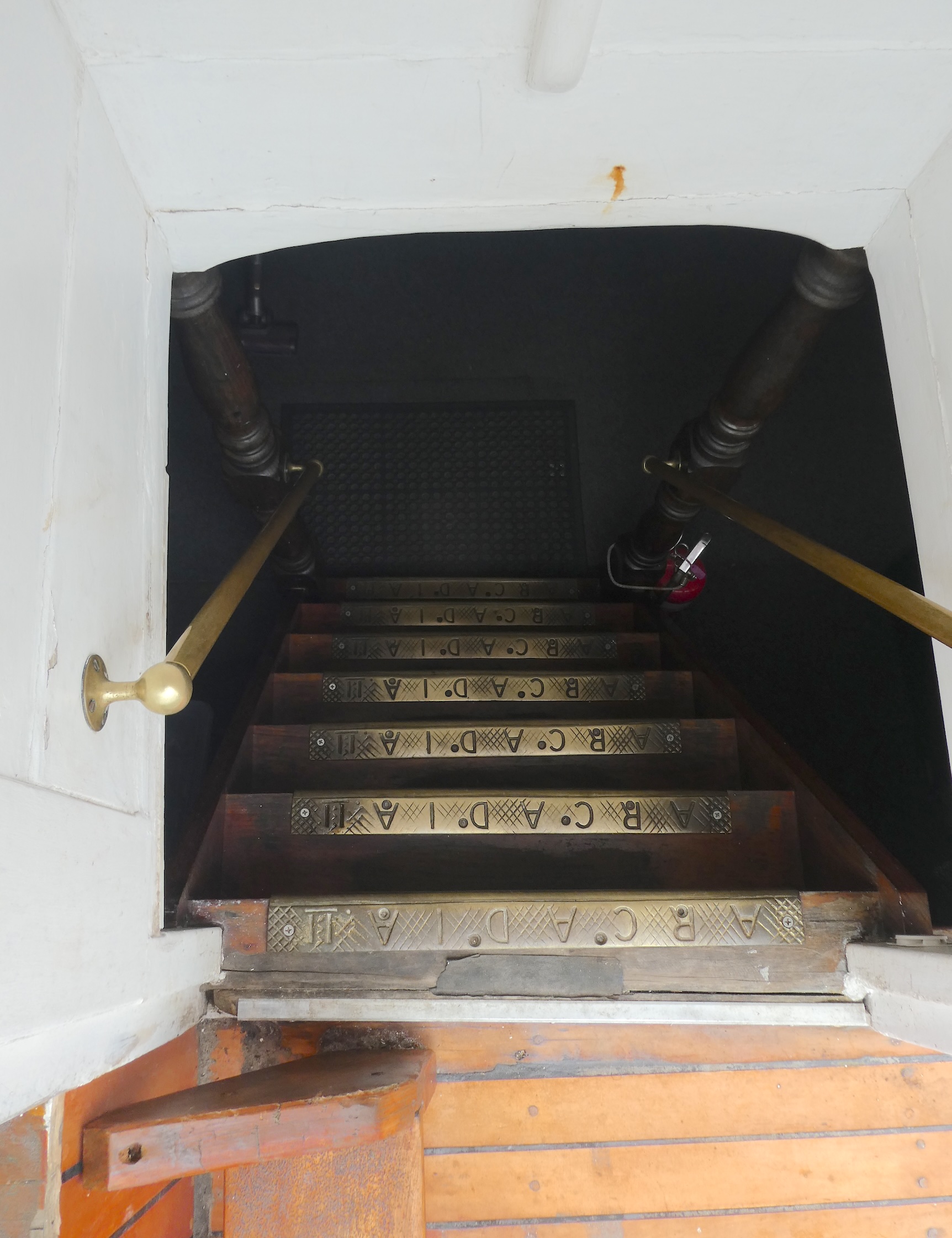
The Arcadia II has been cruising the Pieman River since 1970 and is the only Huon Pine river cruiser still operating anywhere in the world. A refurbishment in 2006 returned her to original pristine condition. I was hoping we had no need for the lifeboat.

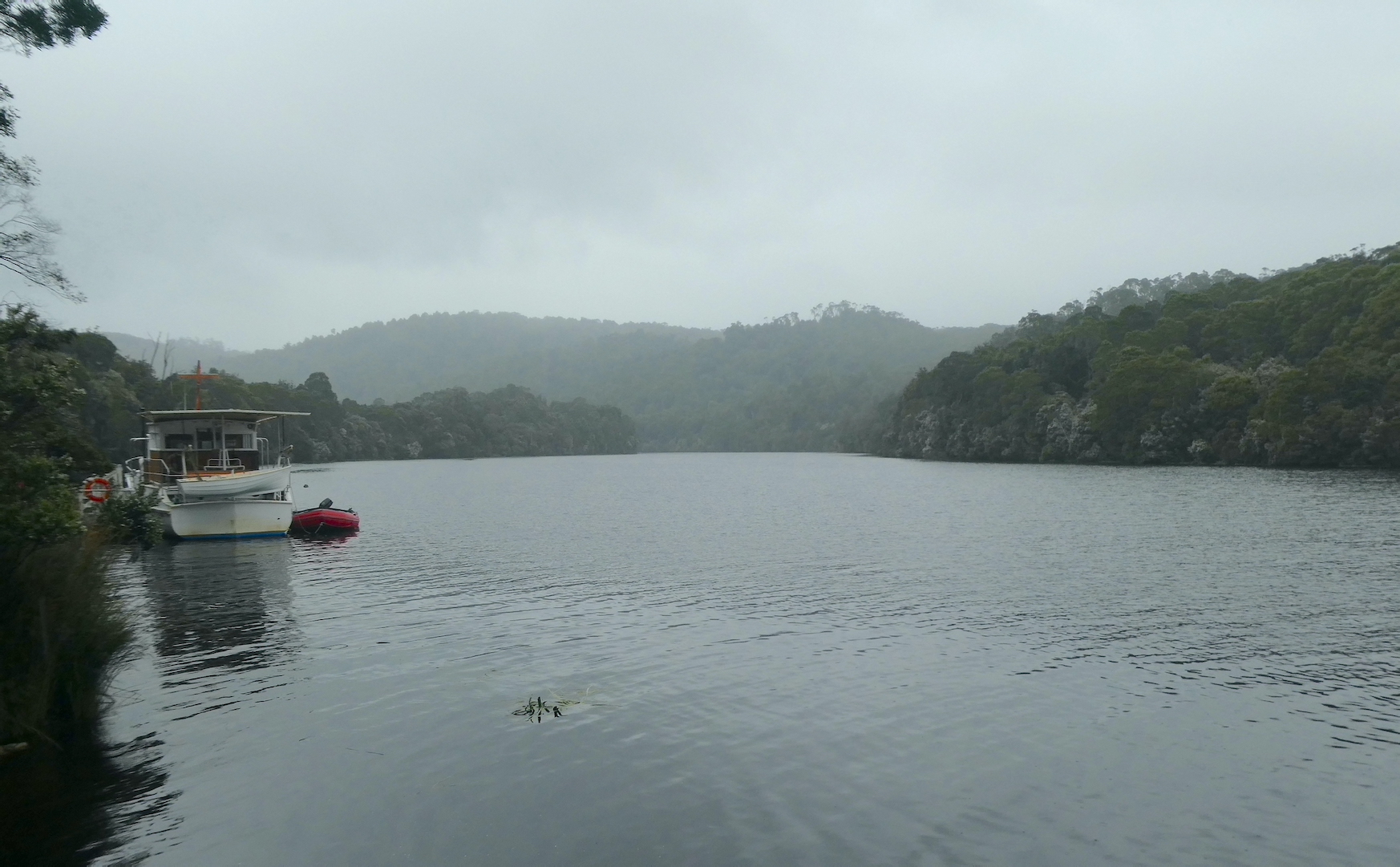
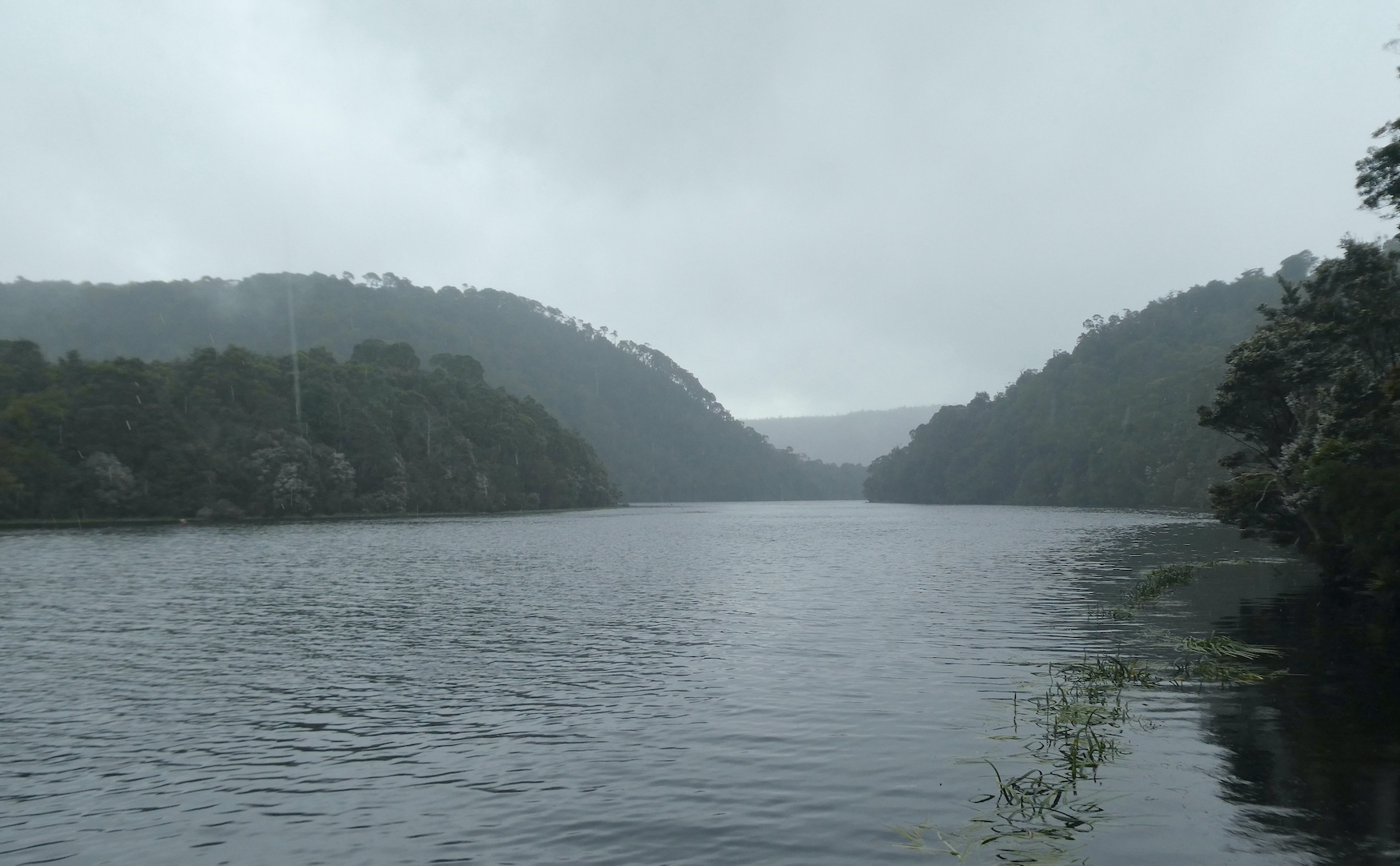
We departed from Corinna at 10am on a moody, overcast morning.

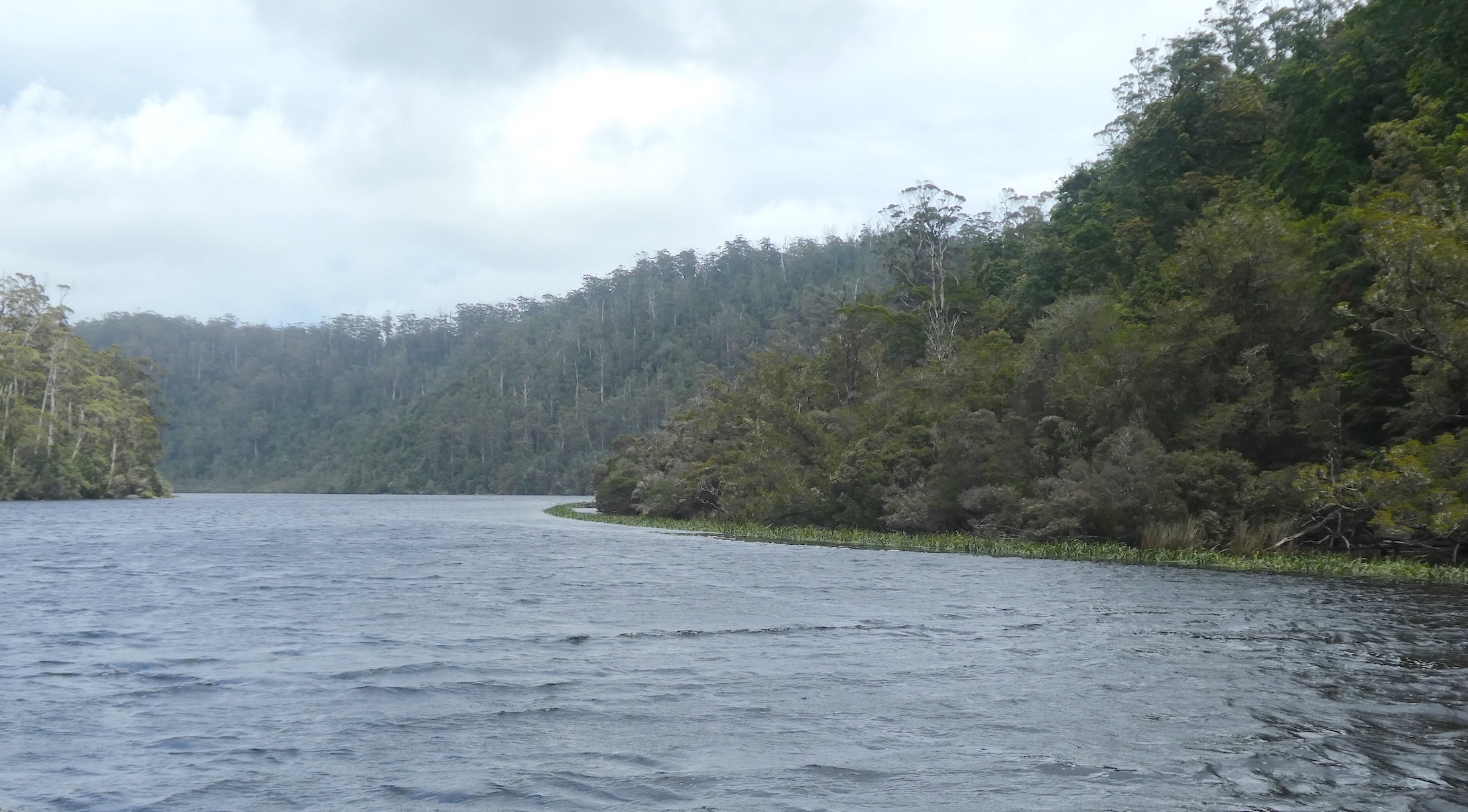
Huon Pines dipped their pendulous foliage in the tannin hued water

as we rounded a bend, leaving Corinna behind .

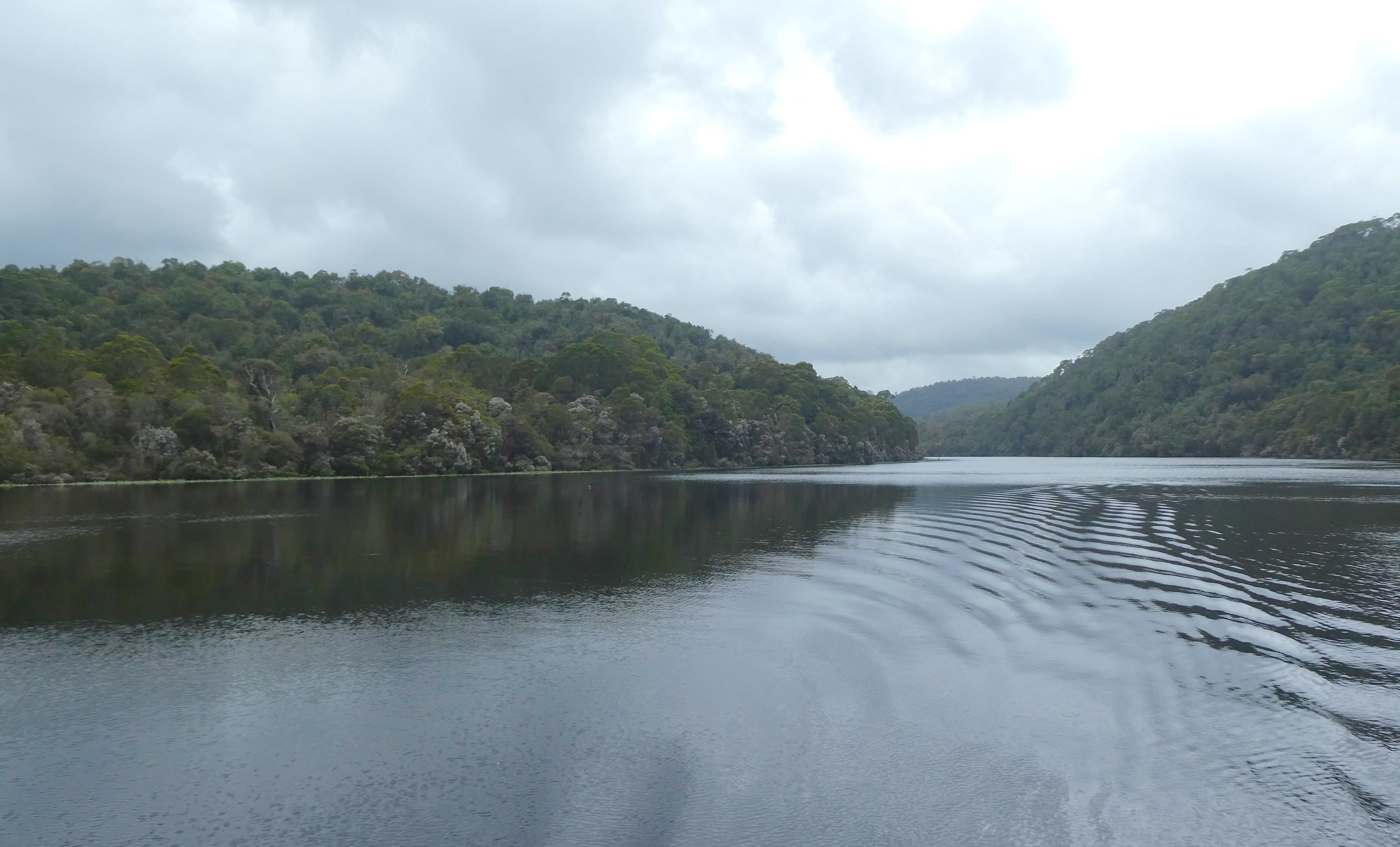
The 434 metre peak of Mount Donaldson, part of the Norfolk Range, loomed in the distance
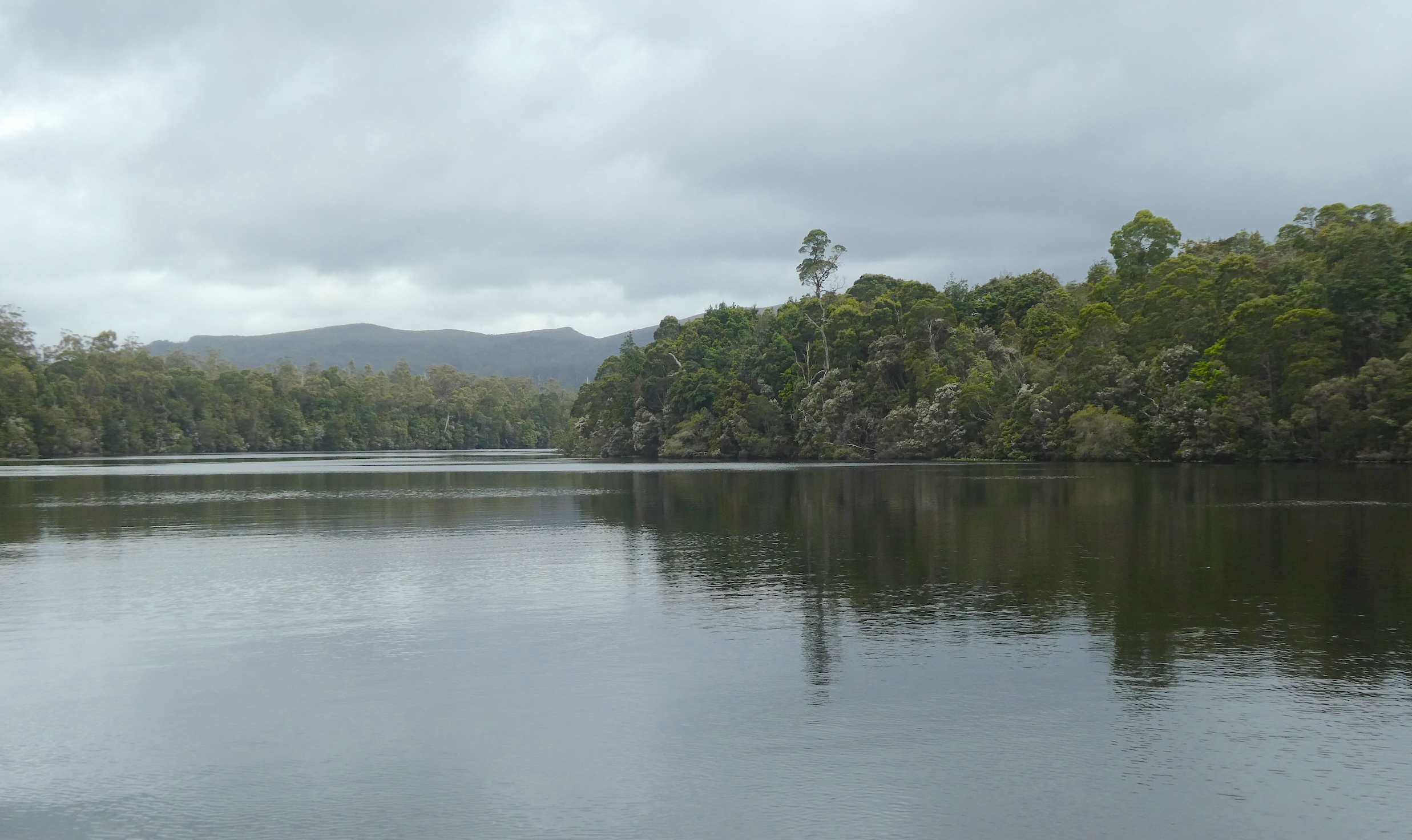

as we passed the confluence of the Savage River, ending its 71.7km journey.
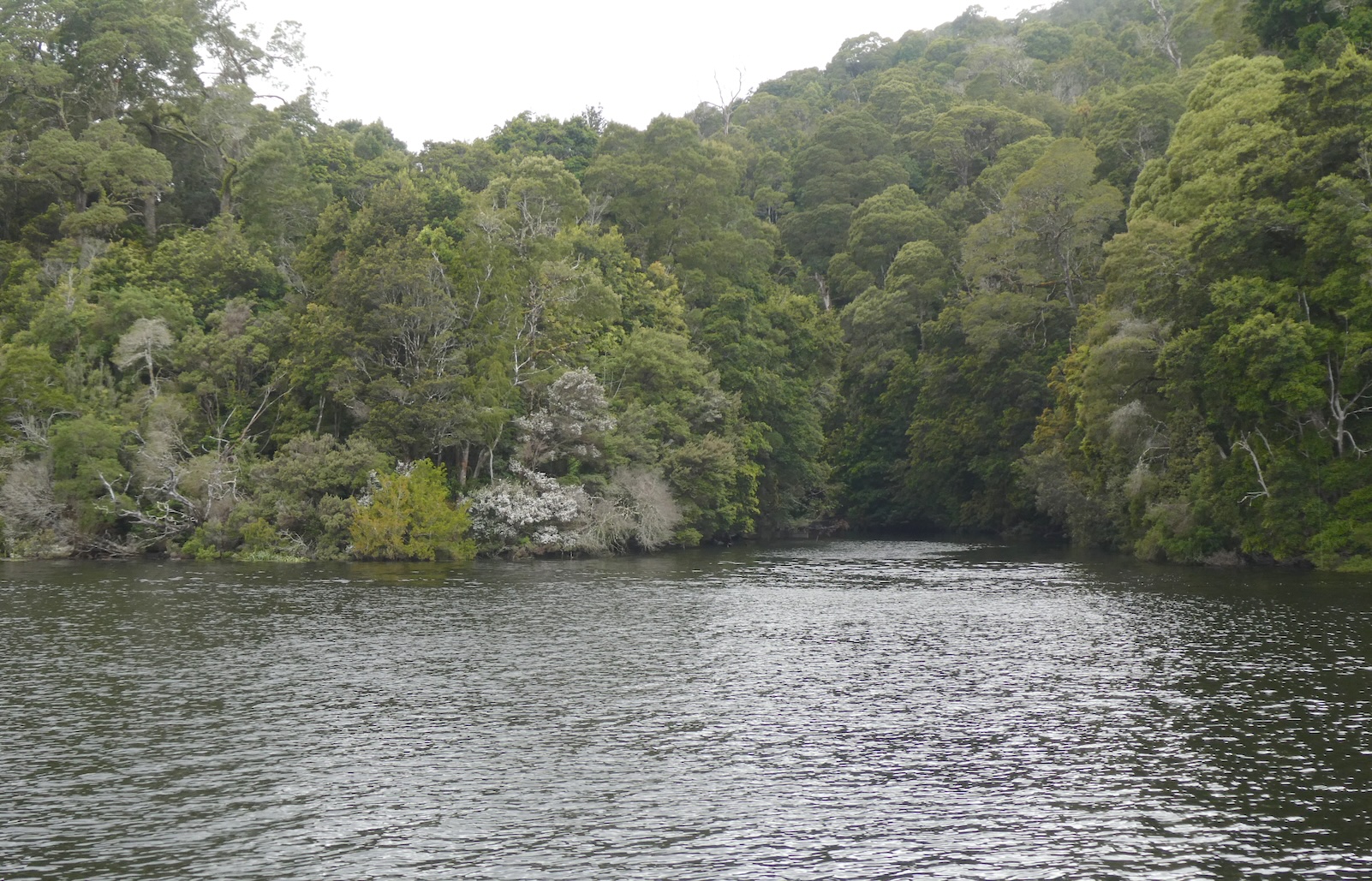
A little further downstream, the Donaldson River also flows into the Pieman after a 54km course from its source.
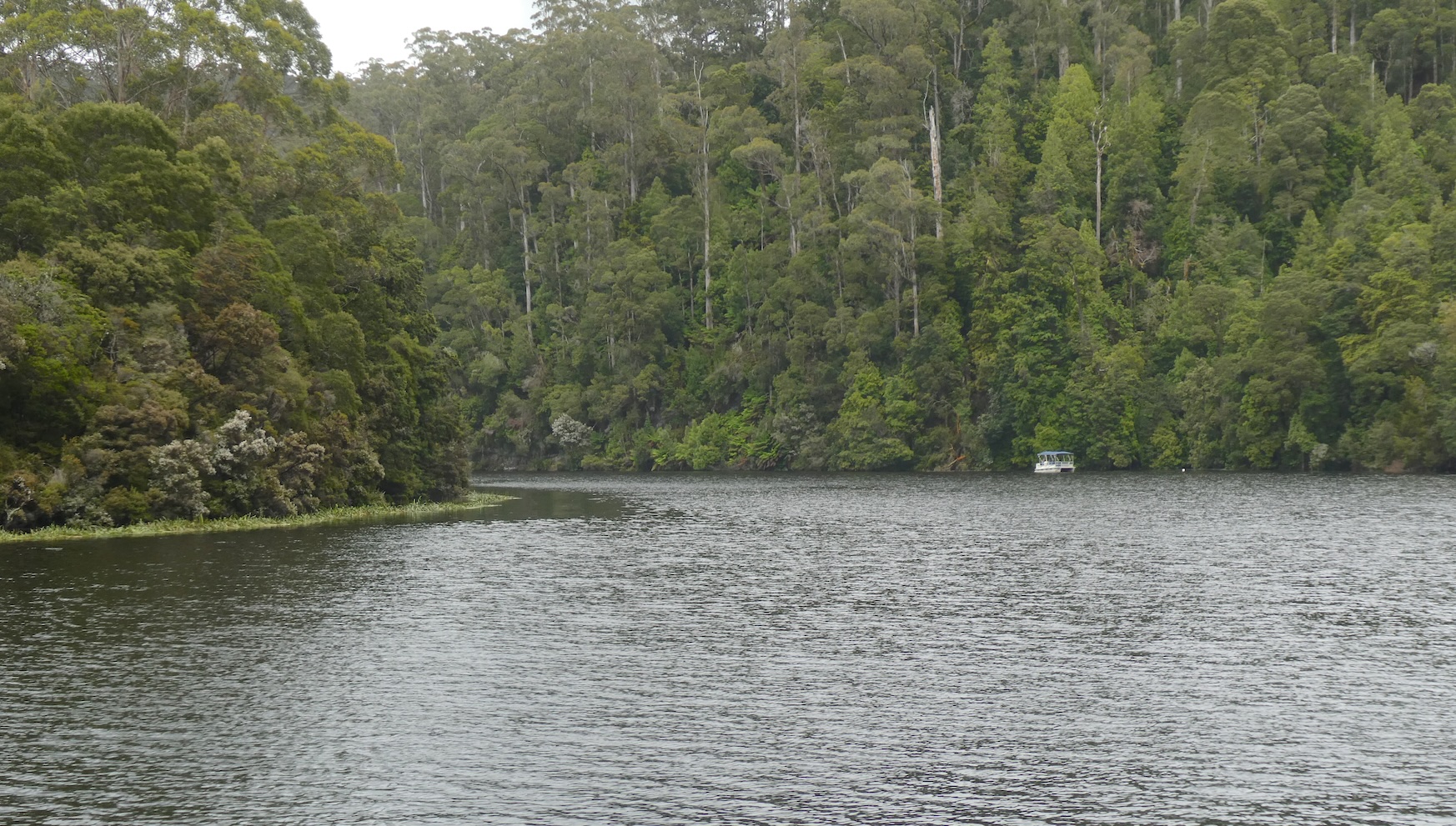
We were hopeful for a sighting of the ever elusive platypus and, keeping our eyes peeled, we weren’t disappointed.


We would have missed the sea eagles nest if it hadn’t been pointed out by the skipper.

Enjoying the tranquility, we were served hot chocolate, cake and biscuits – what could be better?

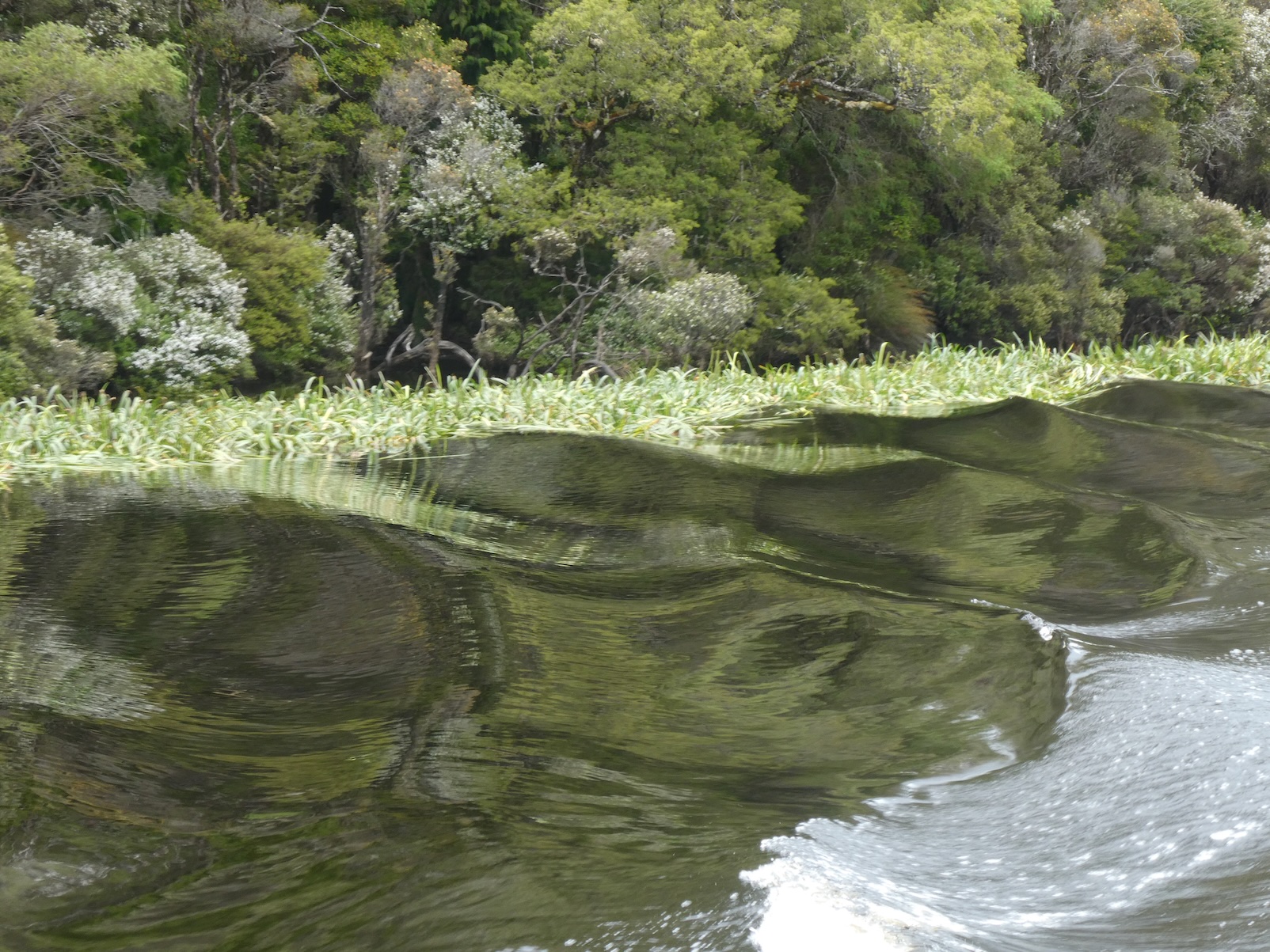
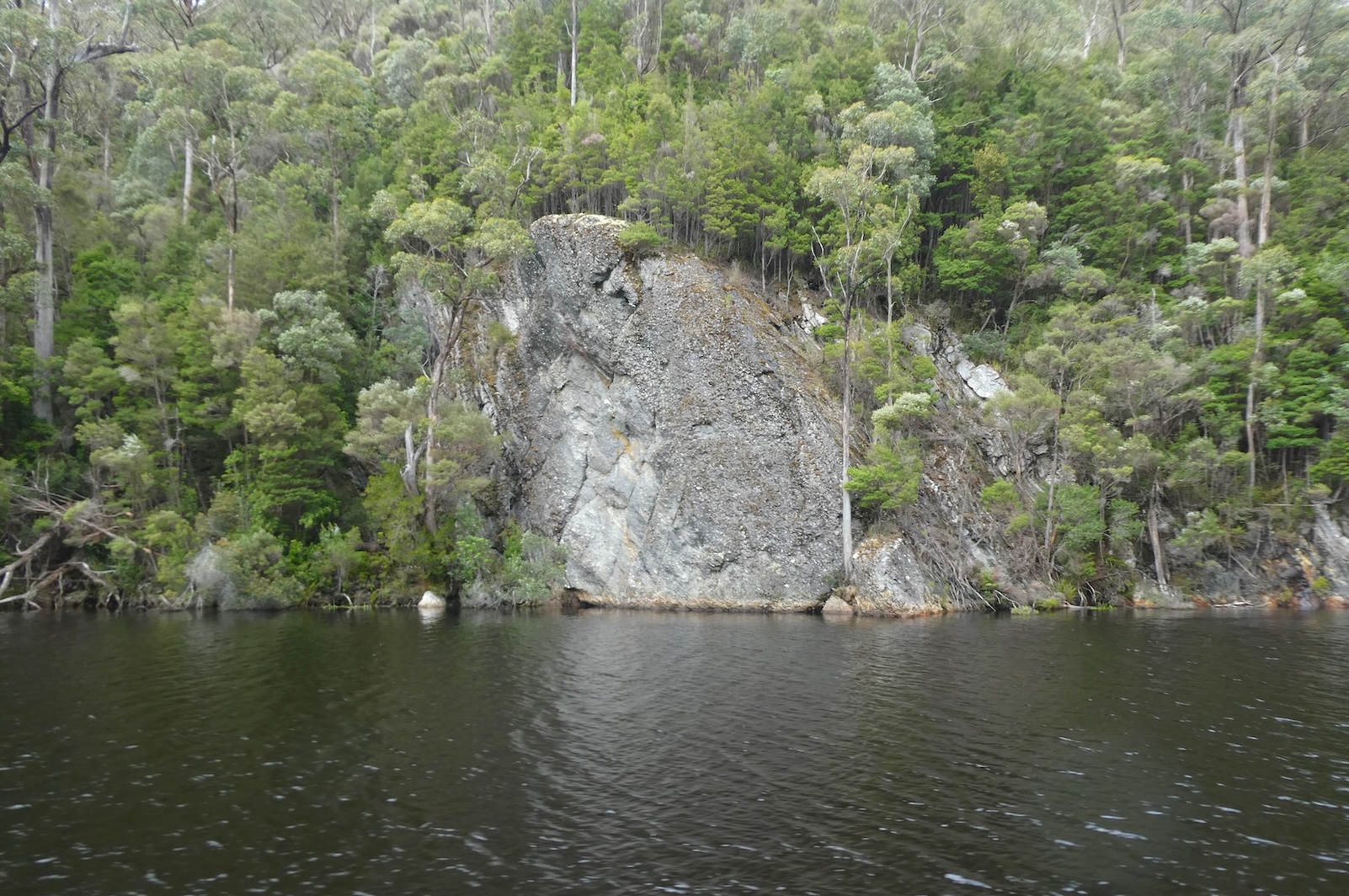
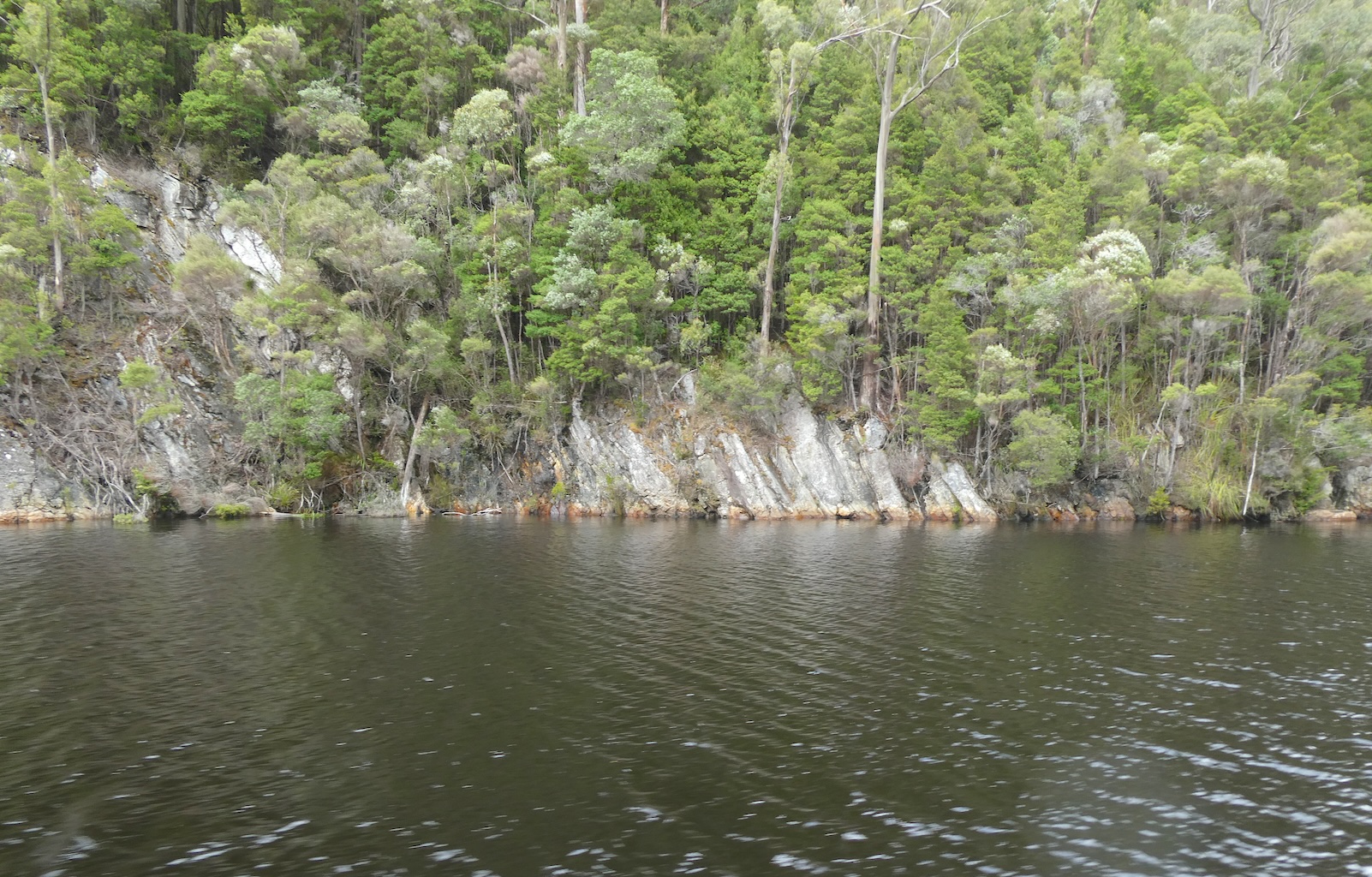
As the skies cleared and the forest vegetation changed, we soon arrived at our destination.


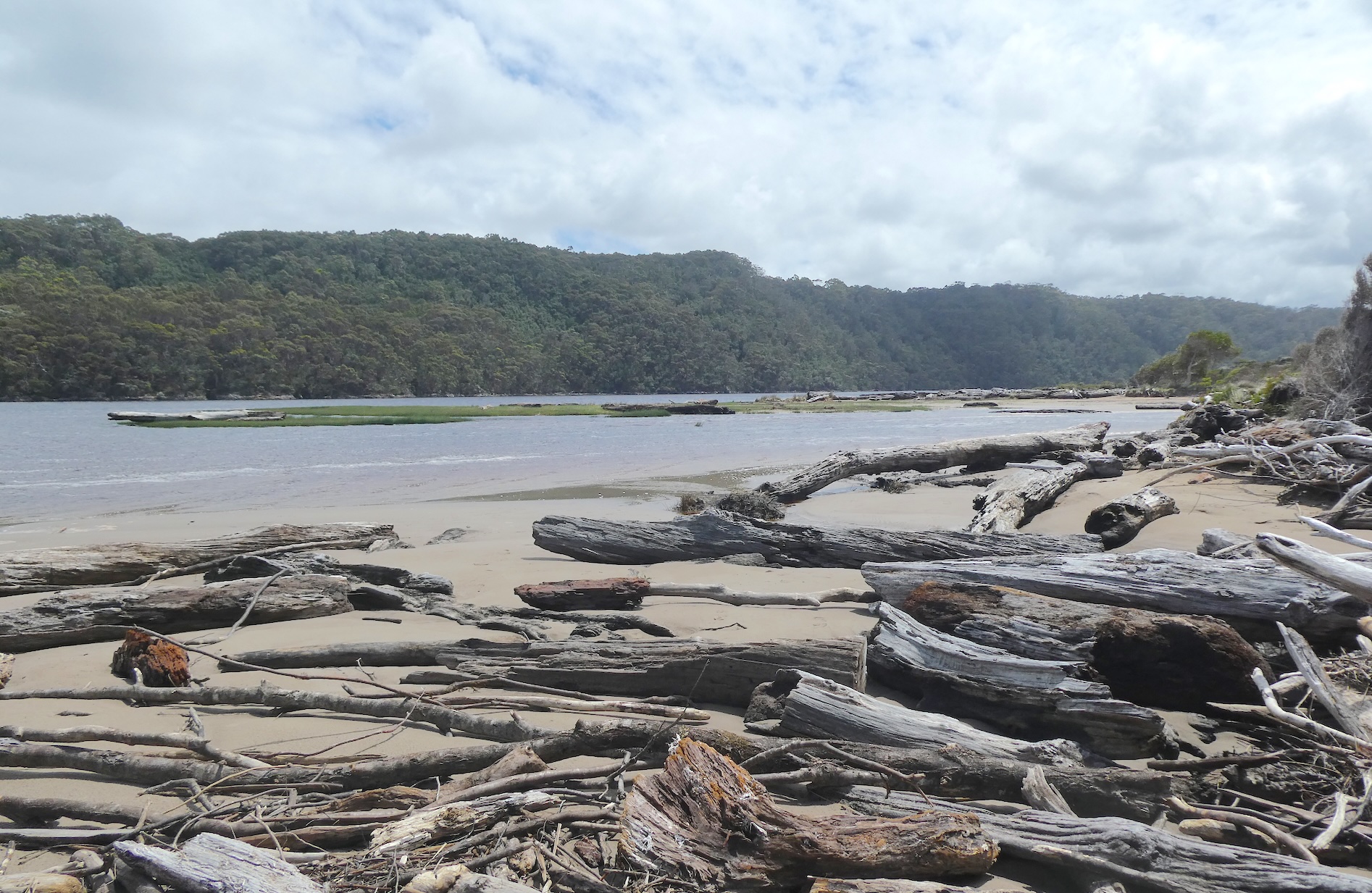
Pieman Heads, where the Pieman River meets the Indian Ocean, marks the southern extremity of the Arthur-Pieman Conservation Area.
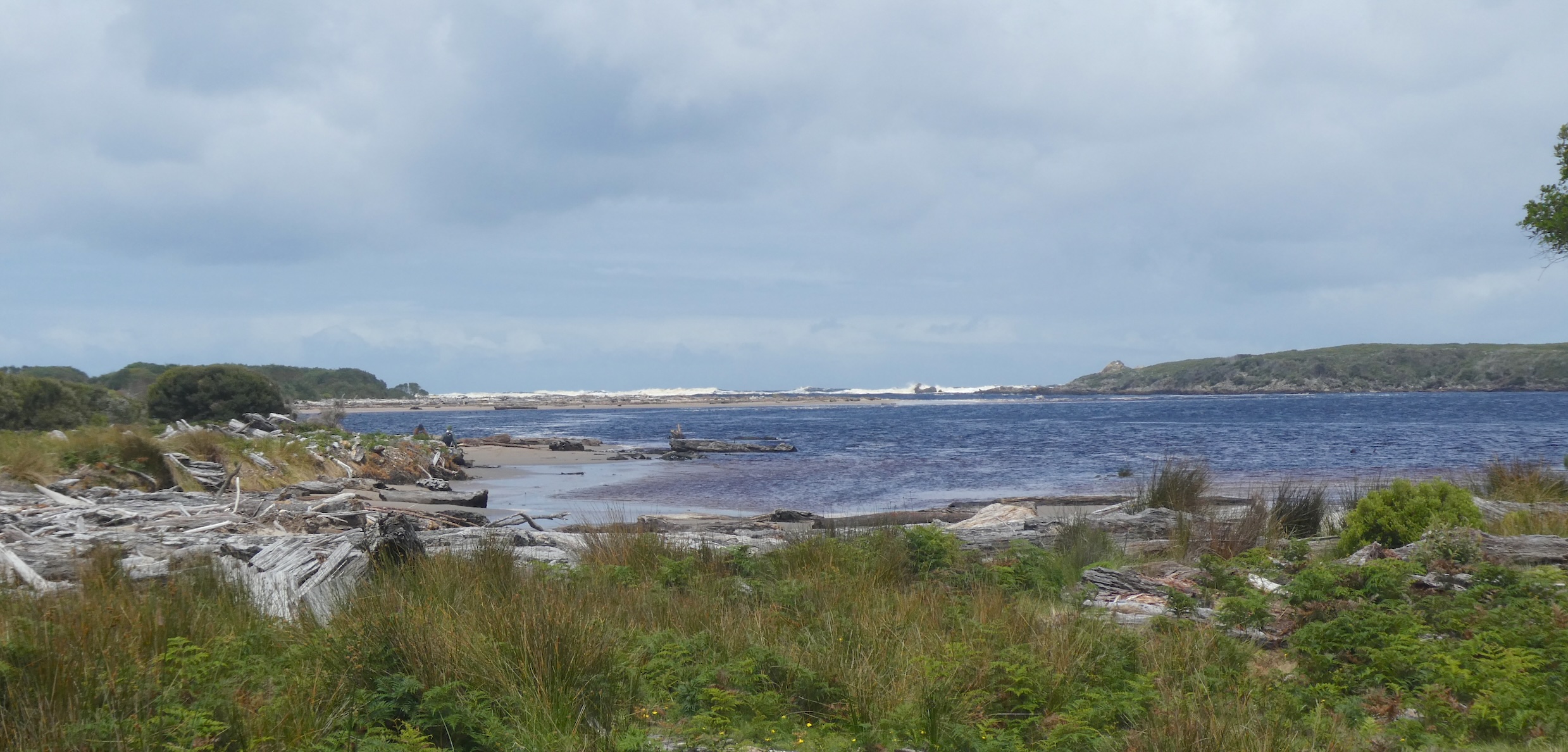
Breathing in the freshest air on Earth, we walked a few hundred metres from the boat and perched amongst the driftwood to savour our tasty packed lunch.
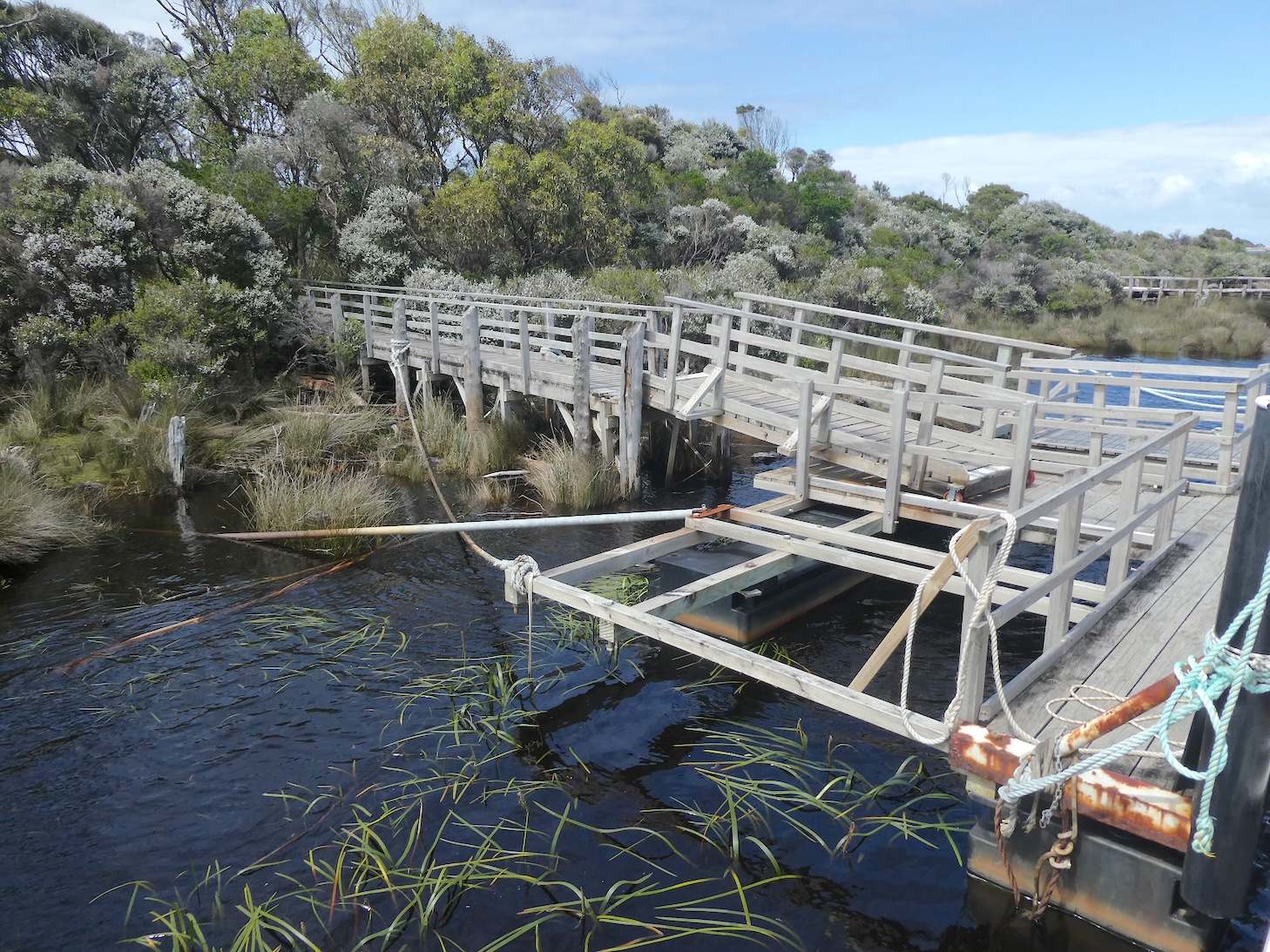
Strolling back an hour or so later, we came across an interesting structure. The Huon Pine timbers were recovered from the river in 2005 after spending forty years buried in silt and sand at the heads. They were part of the original Corinna barge, built in 1878, that transported prospectors, surveyors, livestock and general goods across the river using a cable and hand winch. From 1945, the barge plied up and down the river assisted by a power boat tied alongside. It’s life came to an end when, in 1964, it was washed away from its moorings in a flood and lost.

We returned to our more reliable form of transport
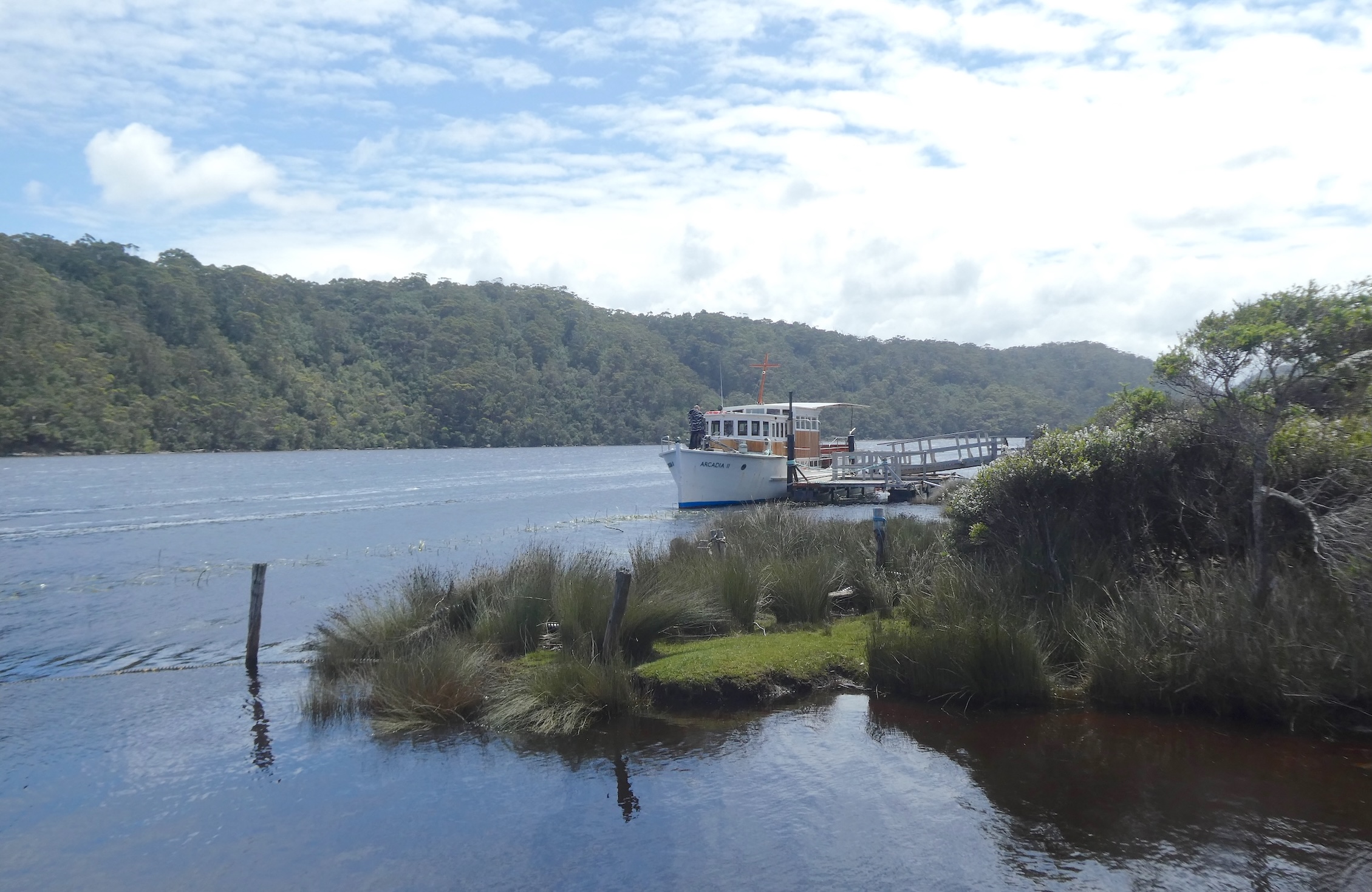
with nothing to do but relax and enjoy the ride.
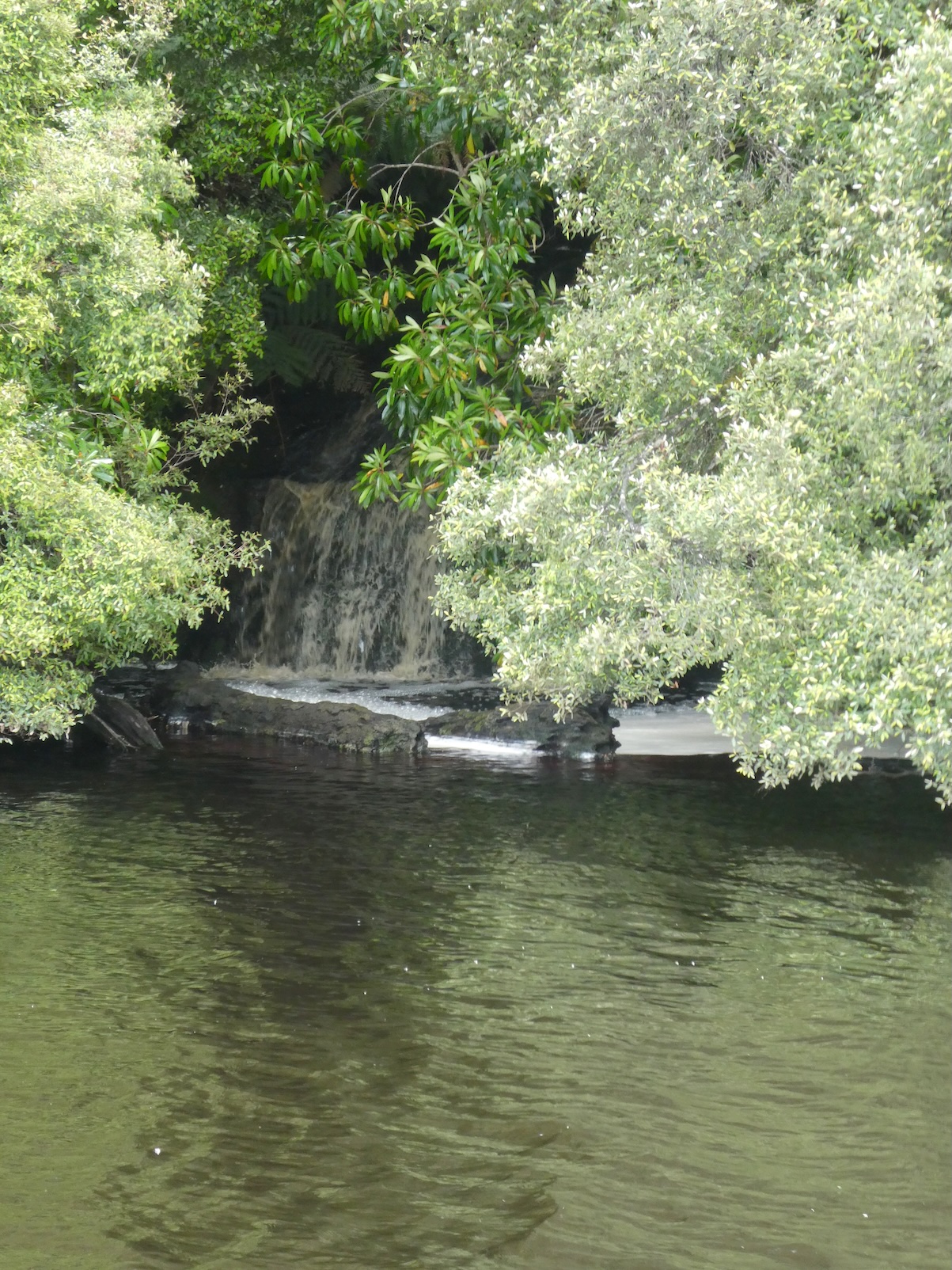

The mysterious stairway along the river, not far downstream from Corinna, leads to Lovers Falls.

There is a shorter cruise on a smaller craft, (Sweetwater Cruise) that ties up at the stairs to enable a walk to the waterfall. The only other way to reach them is by kayak.

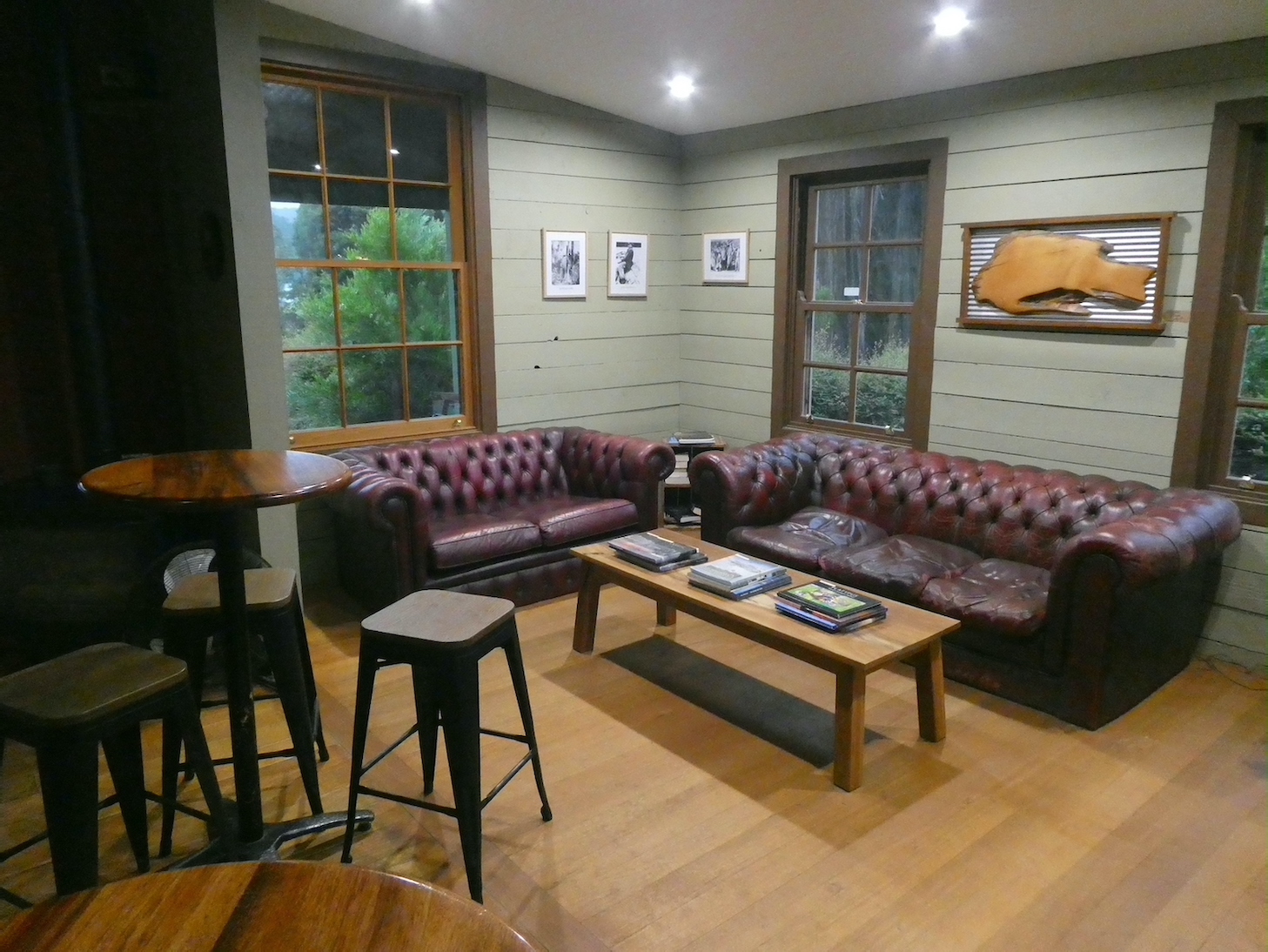
Arriving back at Corinna at 2.30pm, we had time for a short walk before bevvies and a delicious dinner at the hotel.












 cannonhillchronicles