Point Kean

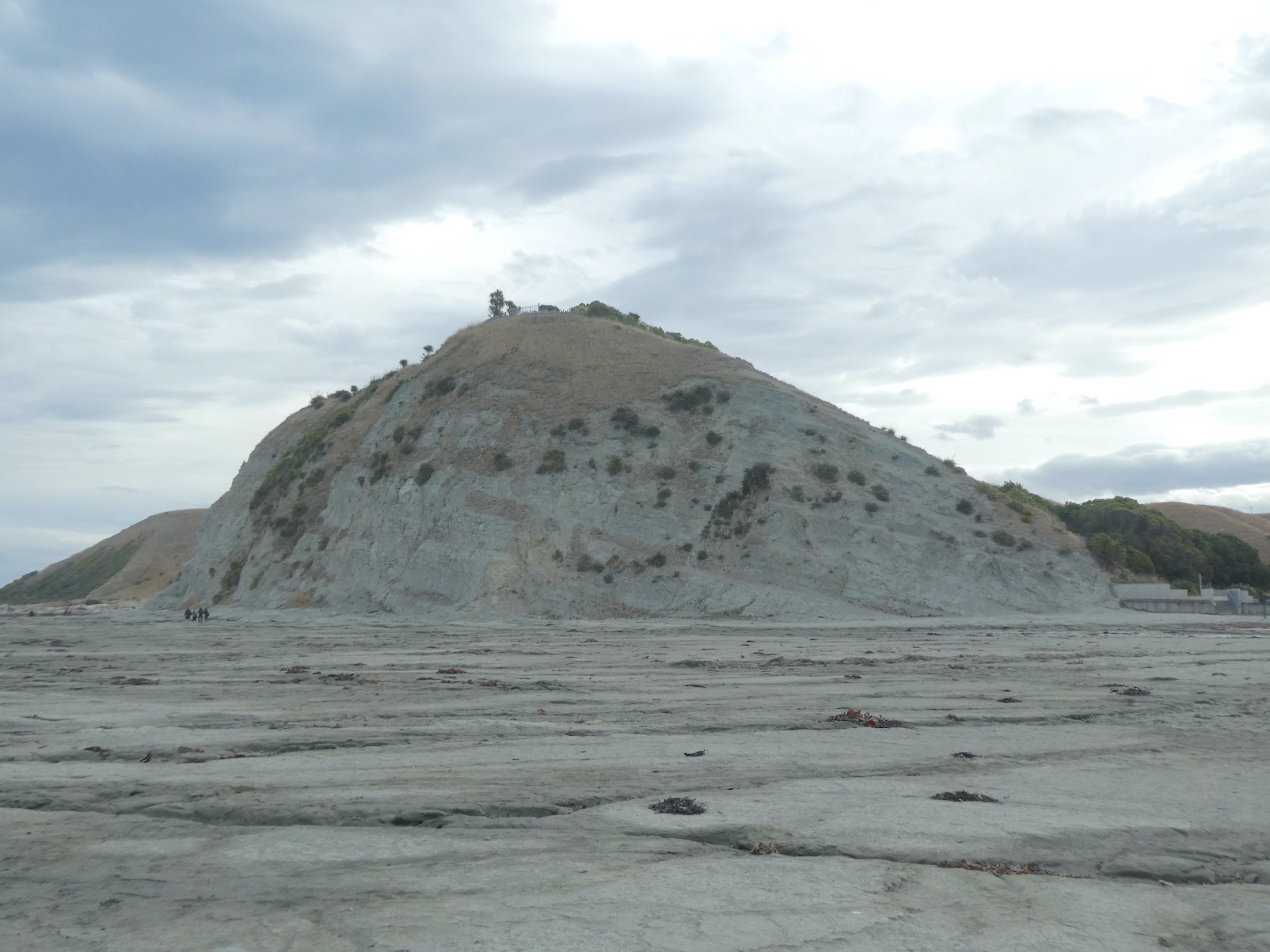
After feeding the farm animals at Wacky Stays, we drove to the Kaikoura Peninsula to visit the Point Kean seal colony. The view was spectacular looking back towards Kaikoura township and Armers Beach with the Seaward Kaikoura Range in the distance.

Major coastal uplift during the devastating earthquake of 2016 means areas of Point Kean Reef that were once the seabed are now visible. Kaikoura Peninsula sits right on the fault line that bisects the South Island of New Zealand. Not only did the ocean bed rise by up to two metres, the Seaward Kaikoura’s are some of the fastest growing mountains in the world.

While busily scanning the rocks for a glimpse of the seals

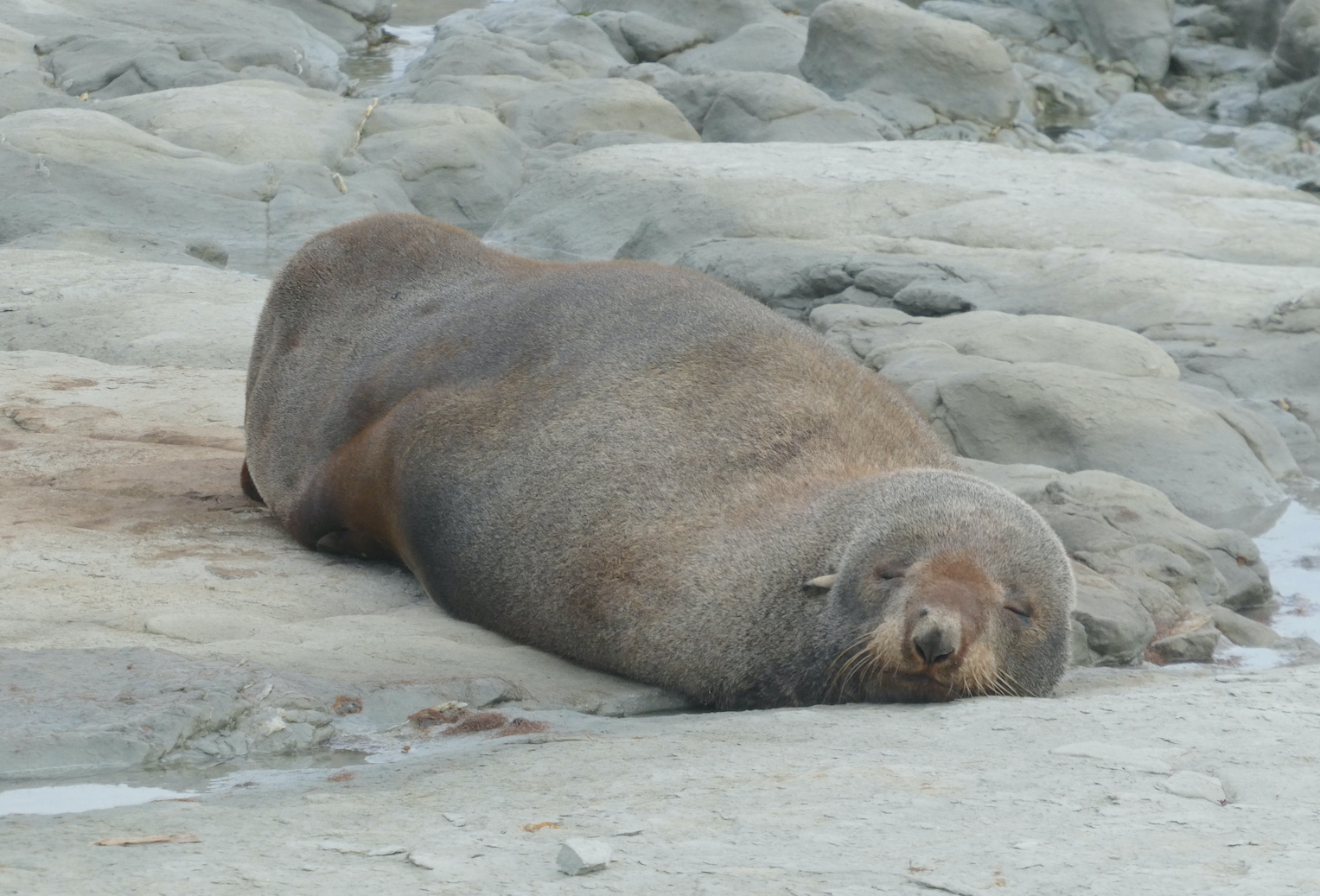
we almost missed the one basking right by our feet.

The New Zealand fur seal, known as kekeno in the Māori language, is smaller and darker in colour than its Australian cousin. Decimated by commercial sealing in the late 18th and early 19th centuries, numbers have now recovered and continue to increase.
We explored more of the reef

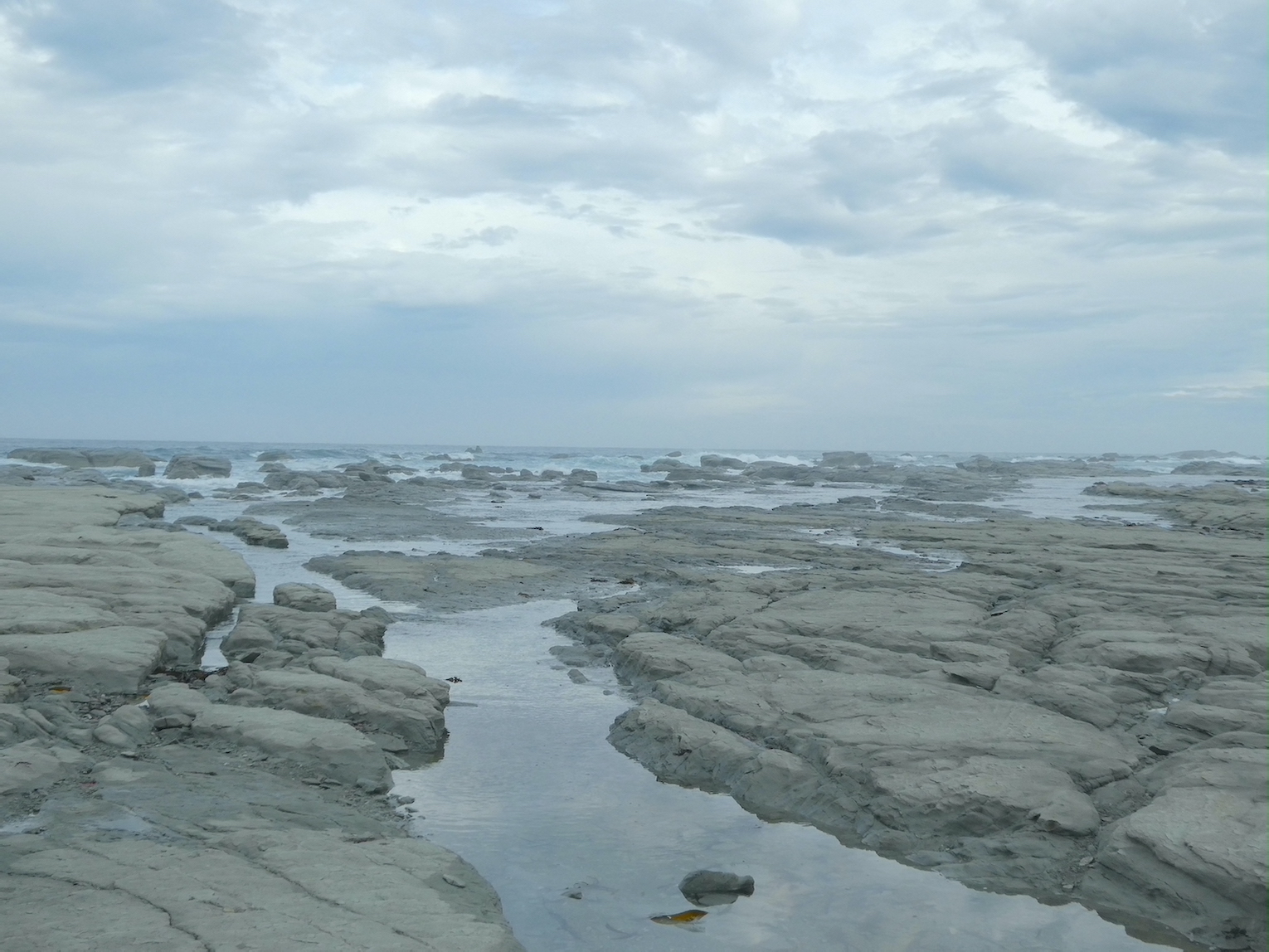
before climbing the steep incline to Point Kean Lookout .
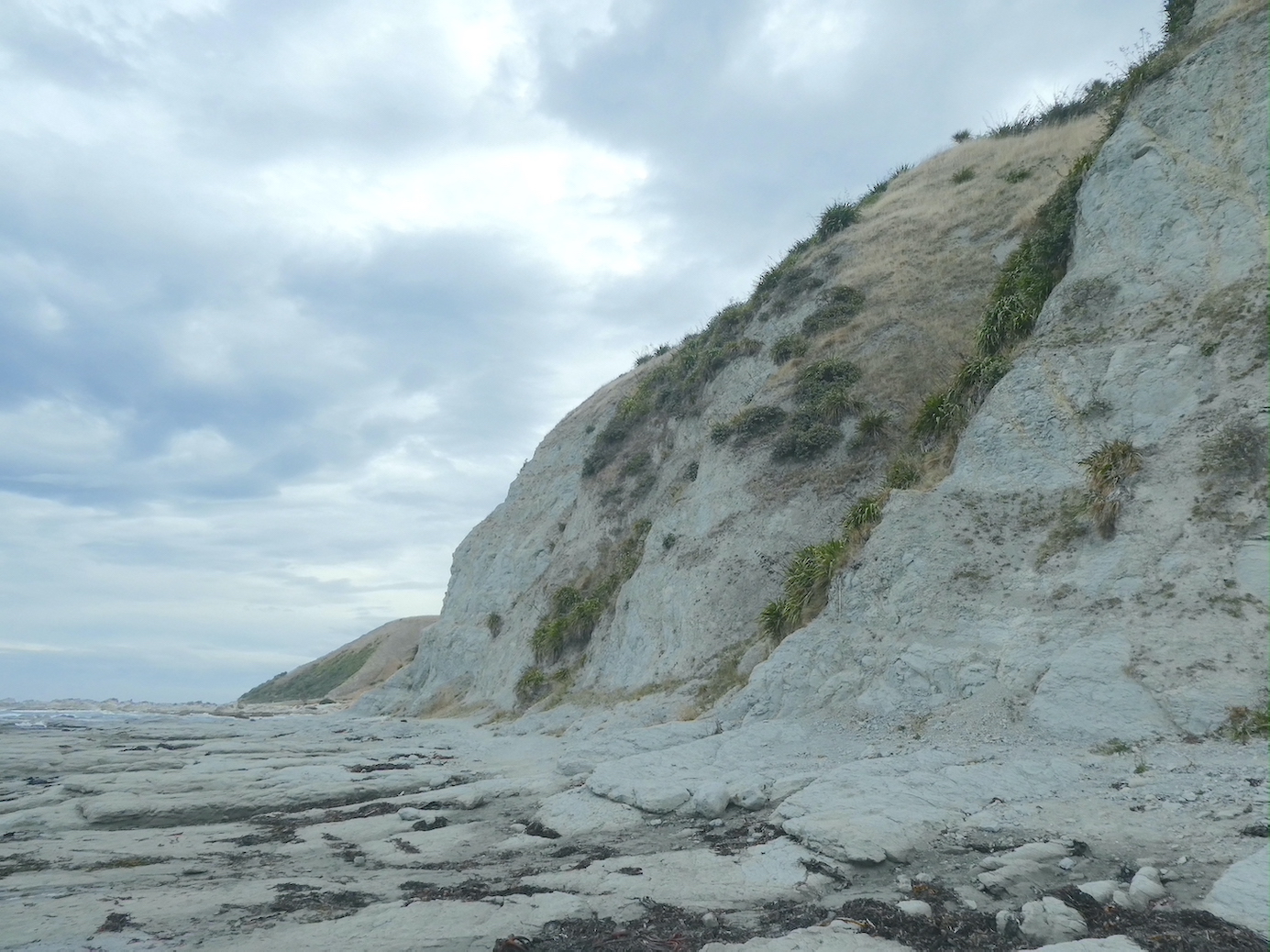
The stunning coastline and fascinating rock formations can really be appreciated from the lofty vantage point.
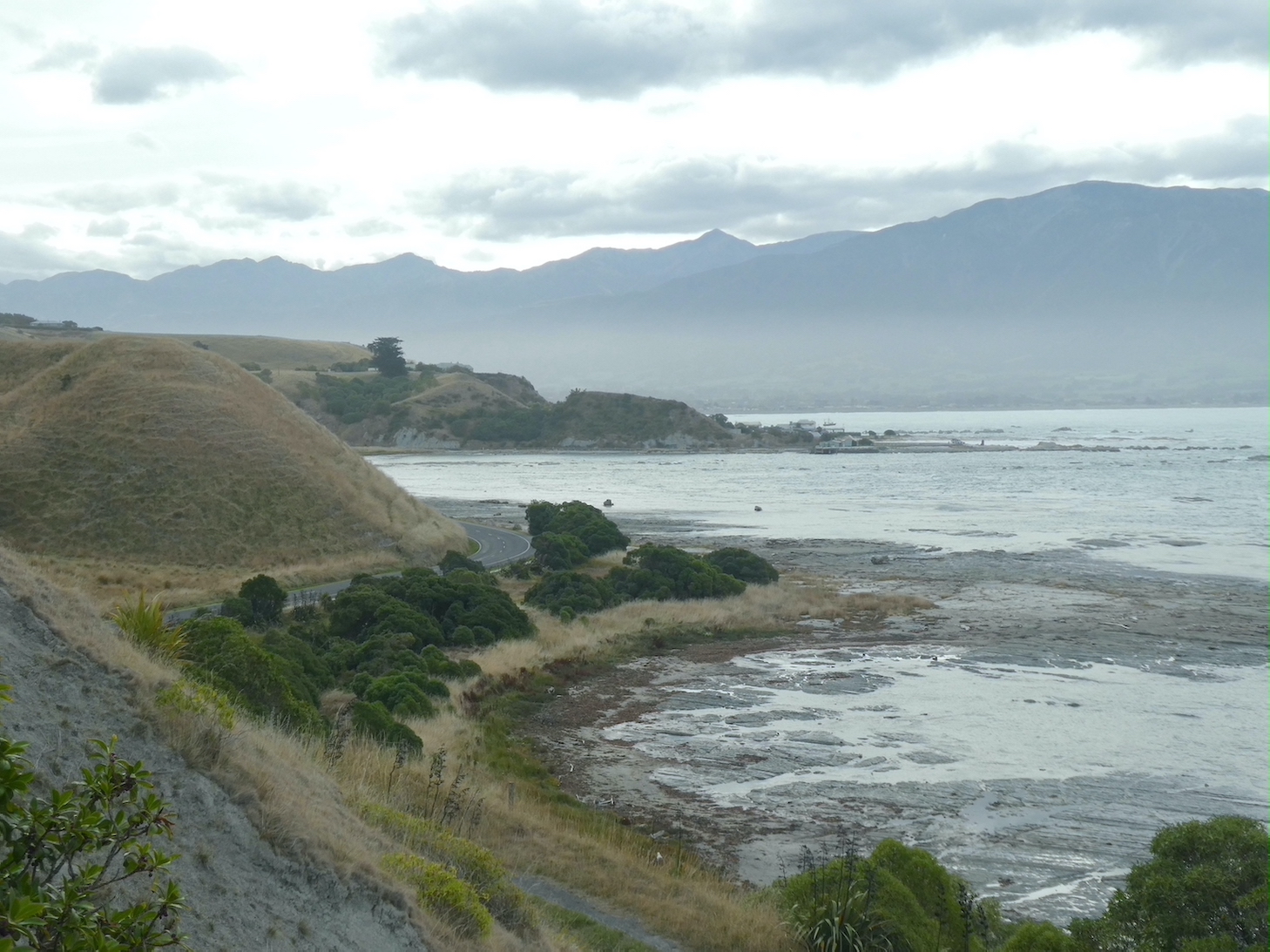
There are further walking trails along the clifftops we would have liked to follow but with evening approaching, it was time to seek out some fish’n’chips.

Wacky Stays

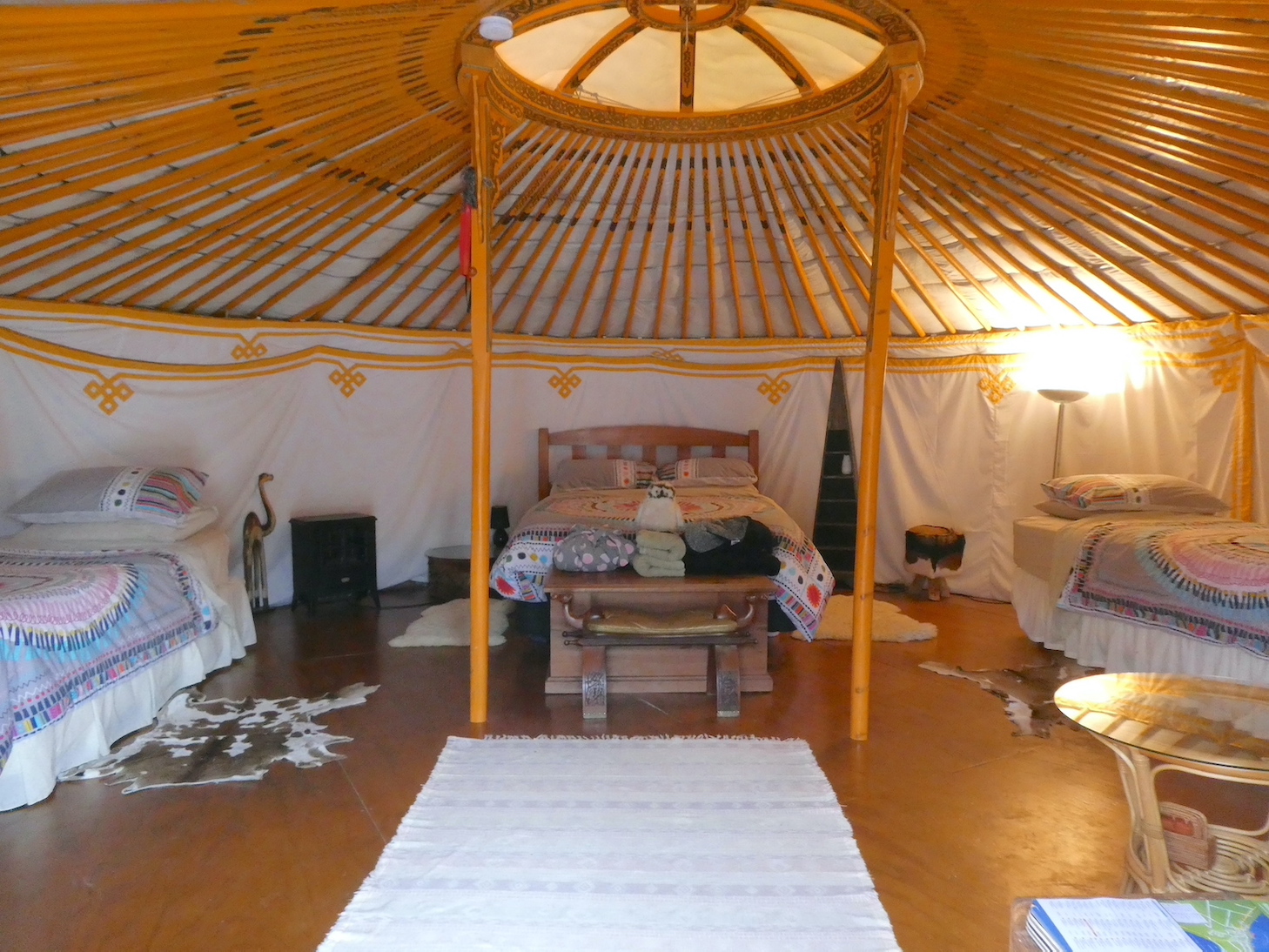
I’ve always wanted to stay in a yurt and the opportunity to realise my dream arose in Kaikoura. I  stumbled upon Wacky Stays when searching for accommodation and, though tempted by the other five unique offerings on the property, I snapped up the yurt. It was obvious on arrival at the farm that this was going to be a memorable stay.

Our friendly host, Kevin, greeted us and showed us to our comfy nook and adjacent private bathroom.

The seven-metre Mongolian yurt was spacious and comfortable and could easily house a family.

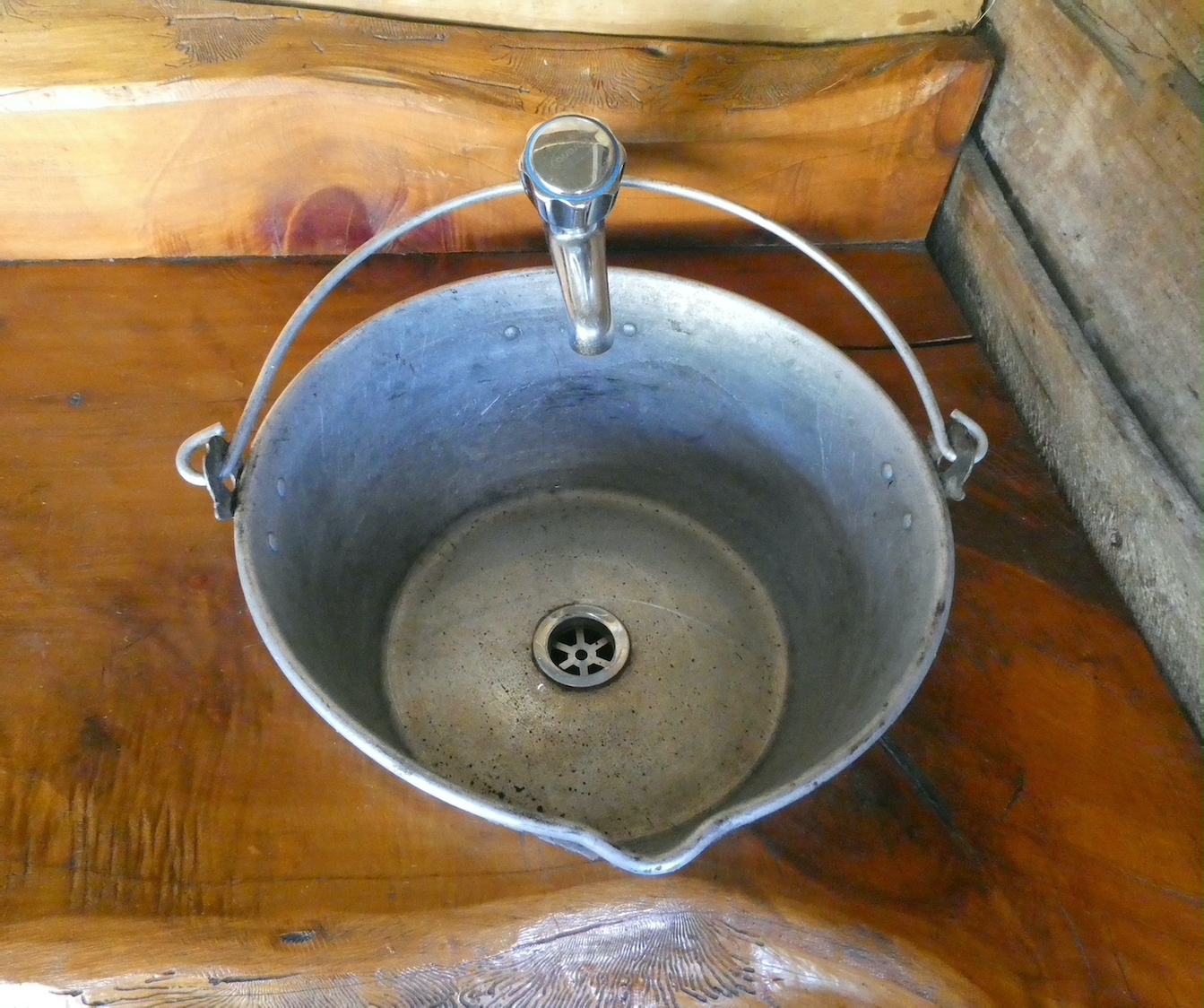
The bathroom and fully-equipped outdoor kitchen had all we could need.

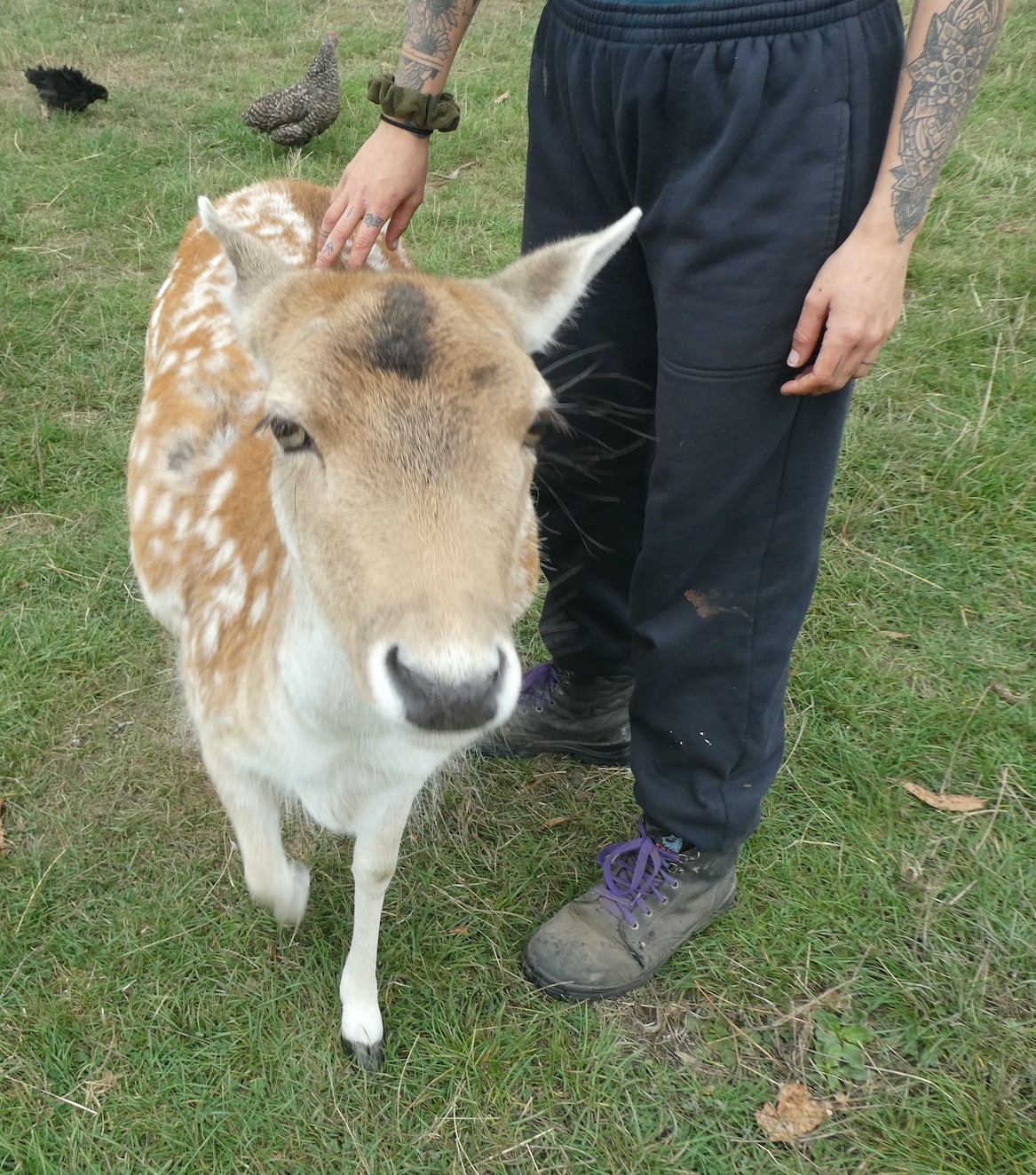
Each afternoon, guests are invited to join in the hand-feeding of the farm animals. Of course, we couldn’t resist that.
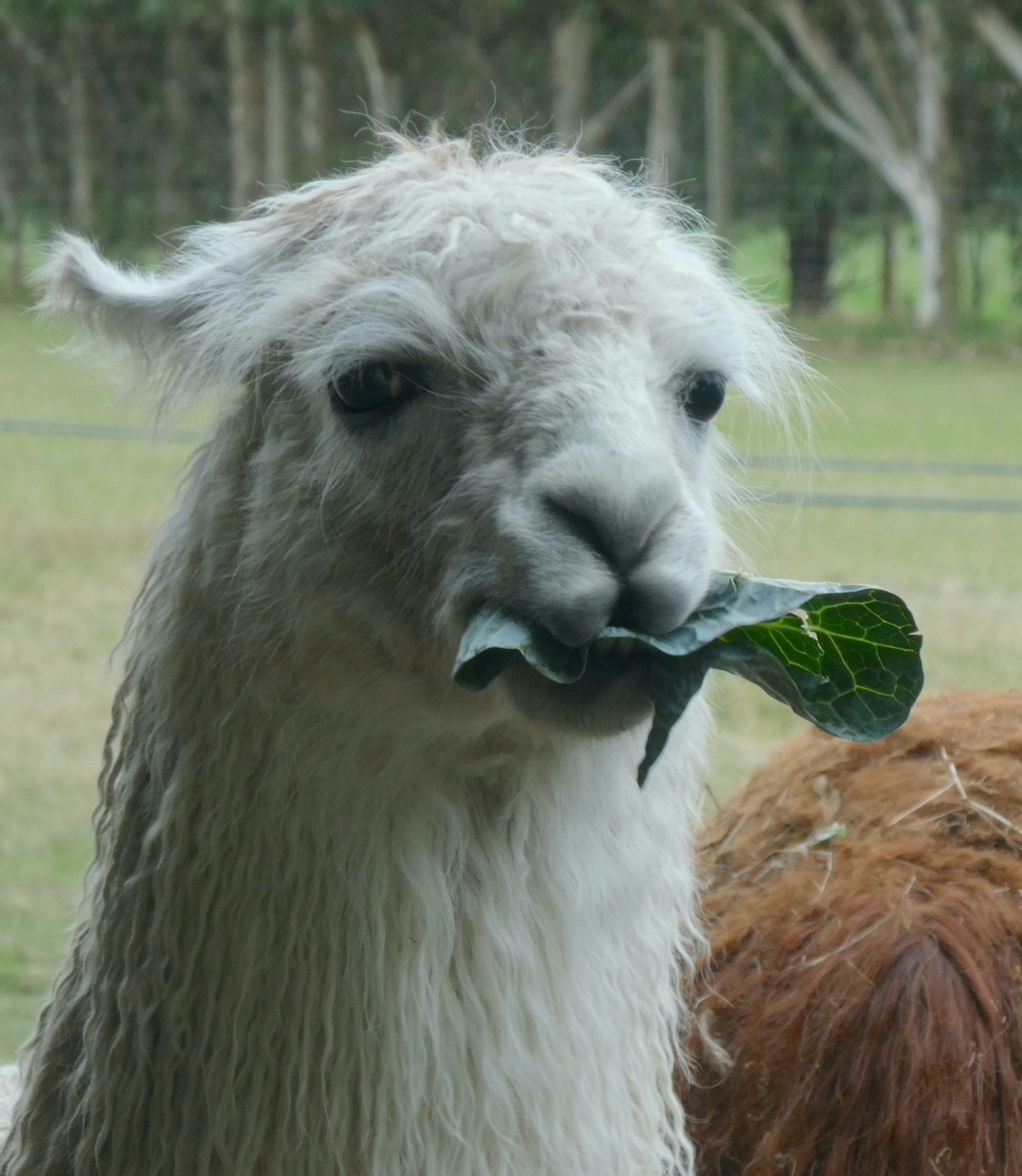
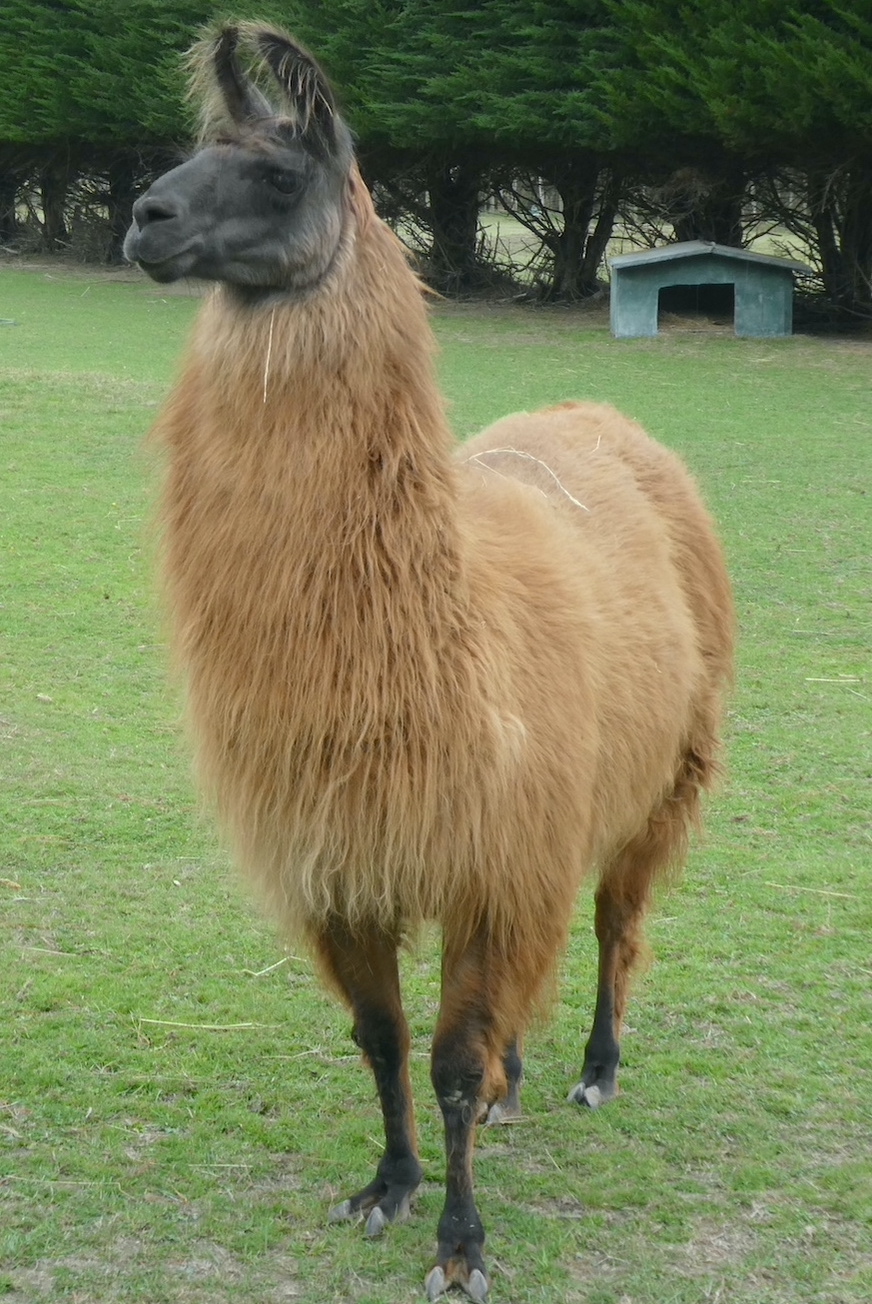
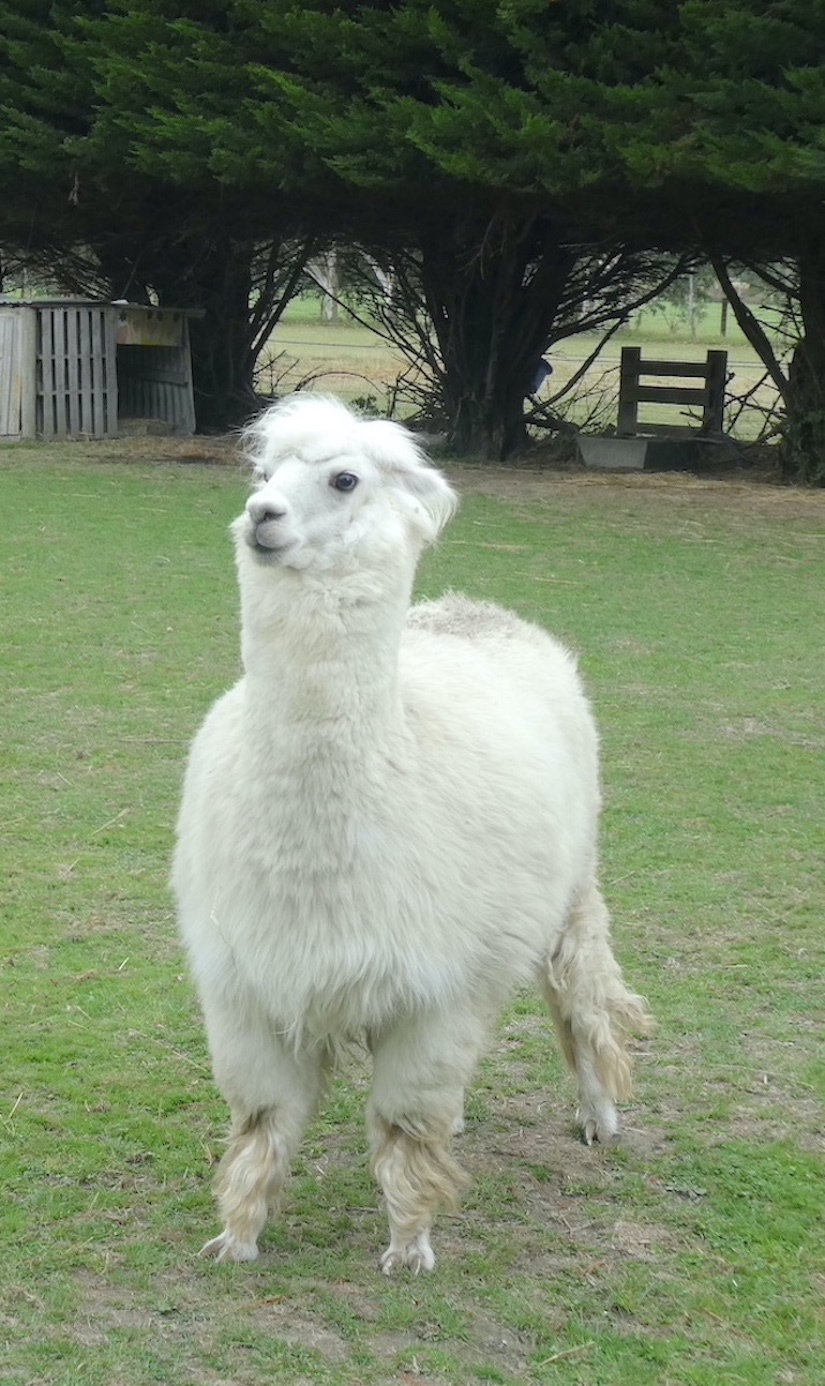
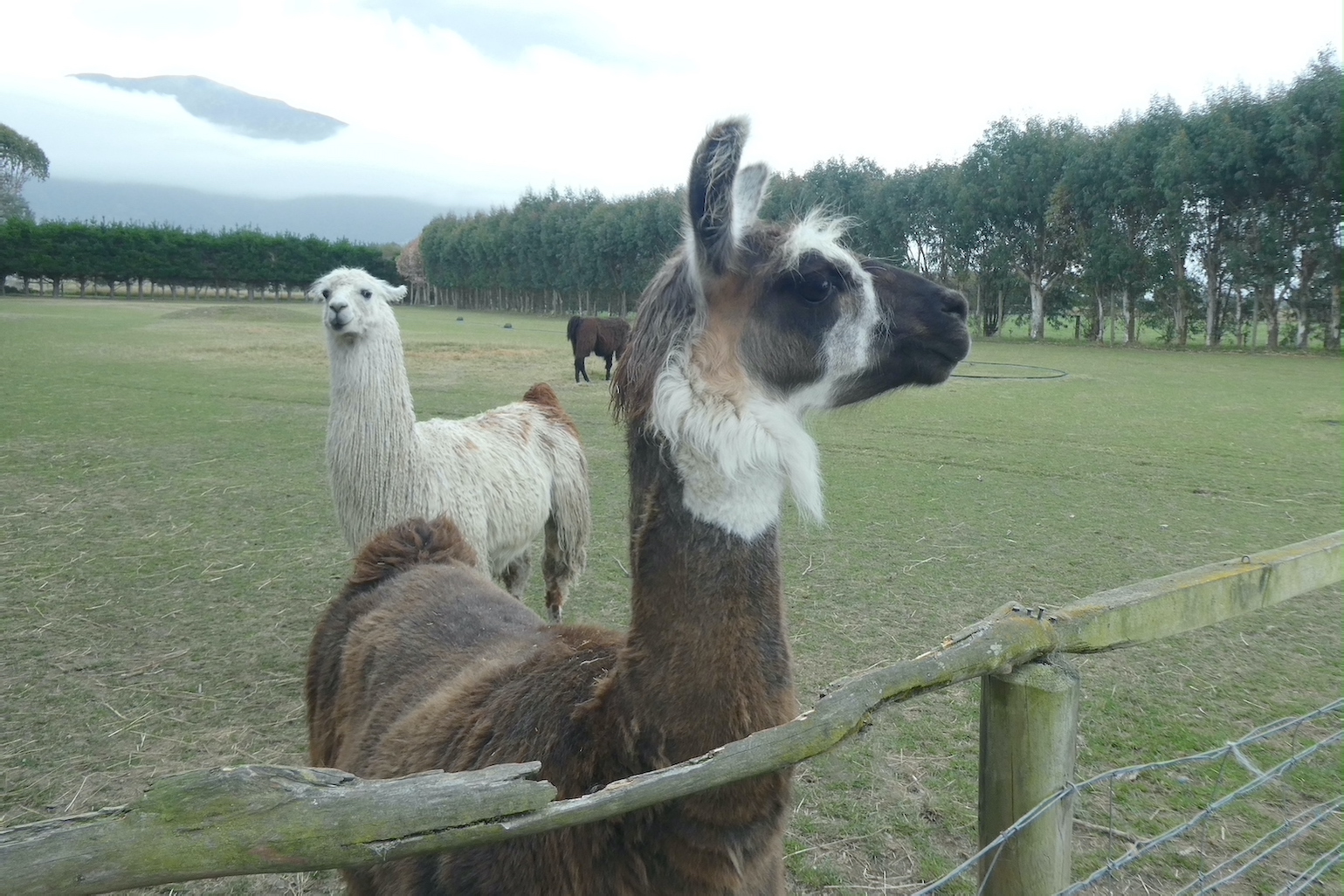
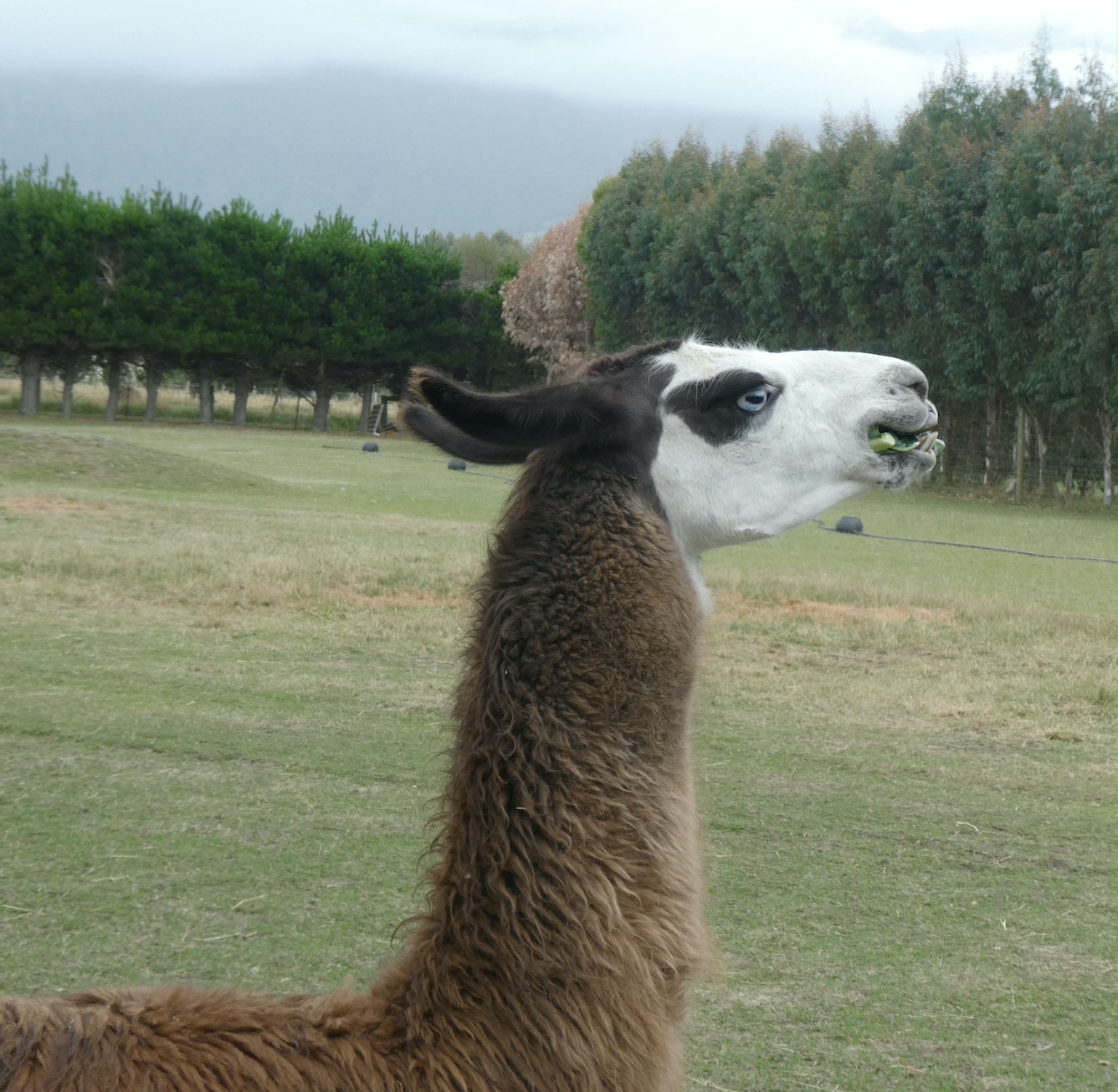
Unfortunately, we didn’t have the time to experience a llama trek but it would have been amazing to enjoy a walk with these majestic creatures.

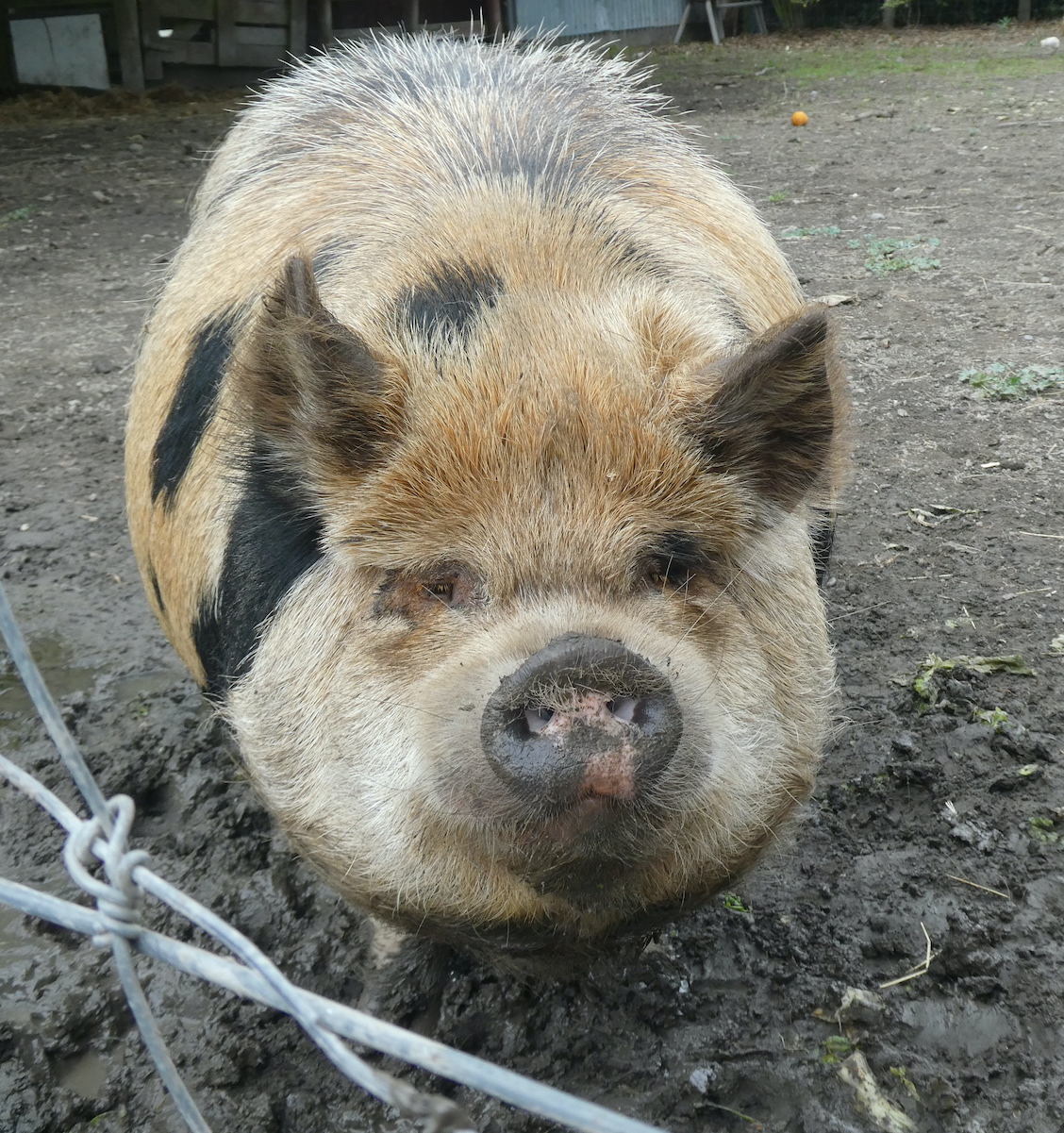
The pigs were very entertaining

while the ducks and sheep had a little more decorum.

After finishing off the greens, some filled up on hay,

others preferred a snooze.

I’m pleased we had our own bathroom.

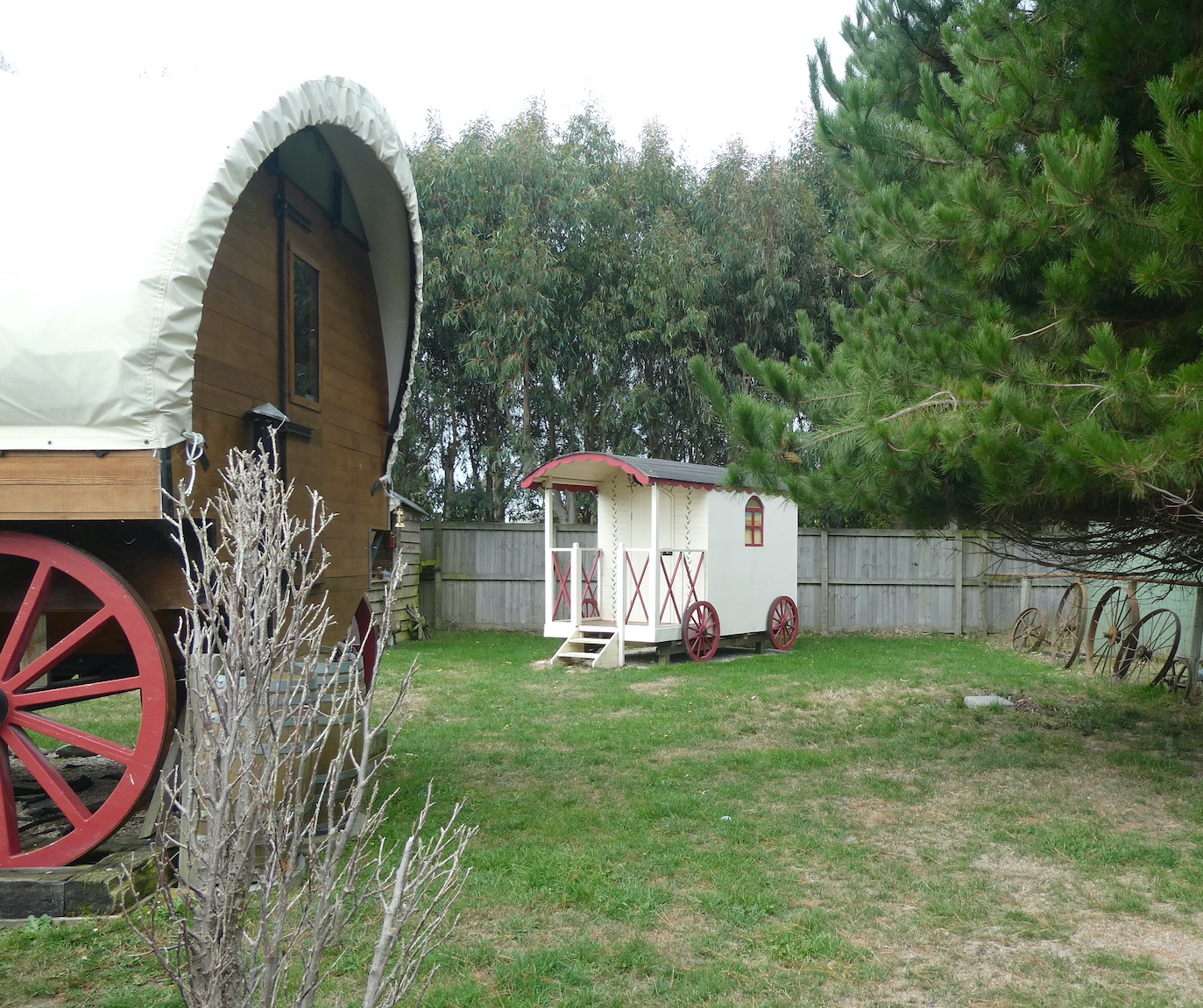
Our nearest neighbour was a 1940’s Bedford K series truck that has been converted to a Gypsy Caravan. There is a double bed above the driver’s cab, kitchen, lounge (with flat-screen TV) and onboard bathroom facilities.

On the far side of the truck, the restored Train Carriage, crafted from hardwood in 1889, has two bedrooms and everything needed for a self-catering holiday.

In a more secluded spot, the Colonial Wagon is perfect for a romantic getaway, with a super-king bed, cosy lounge area and outdoor kitchen.

A sleepout with two bunk beds provides combined accommodation for up to four guests.

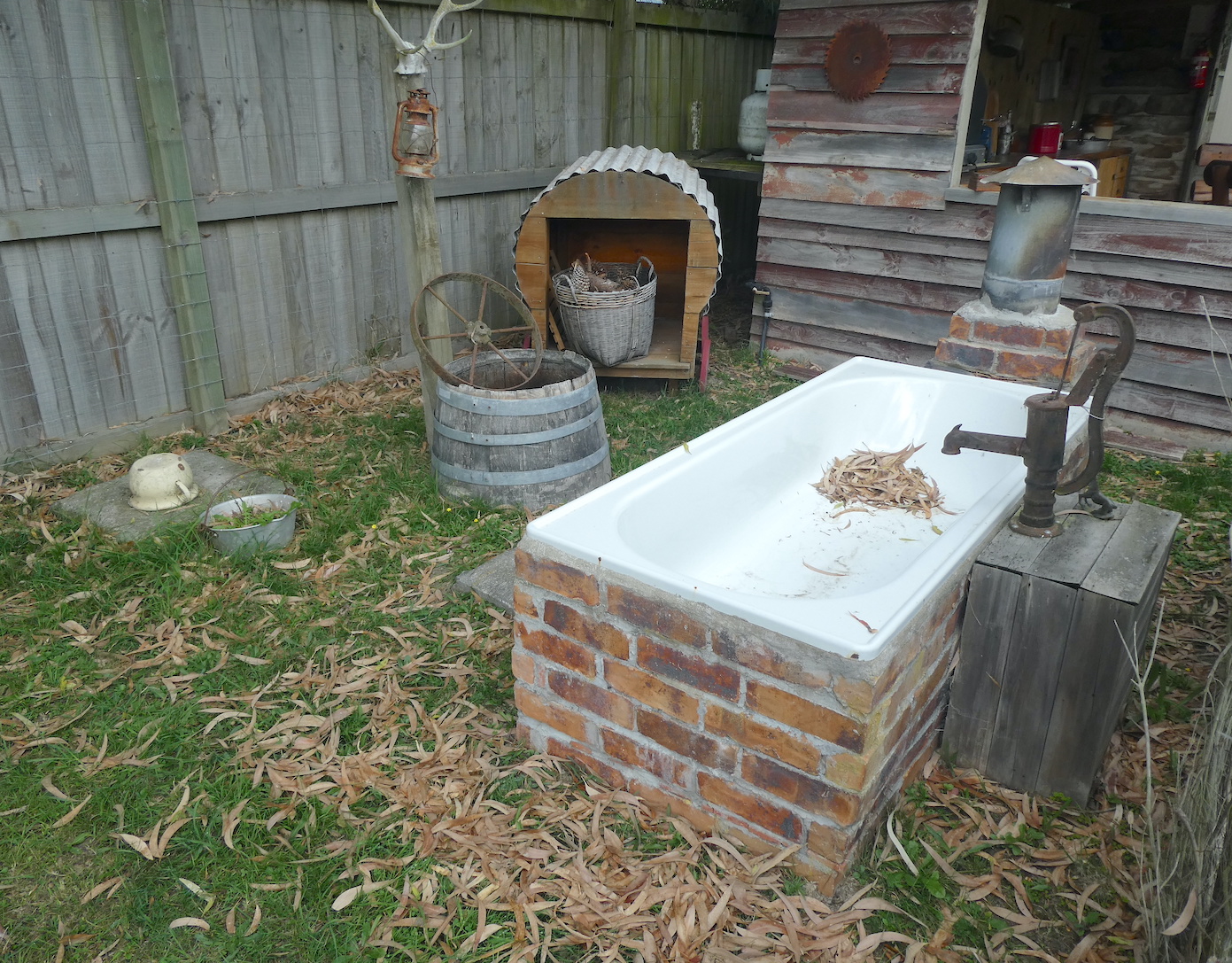
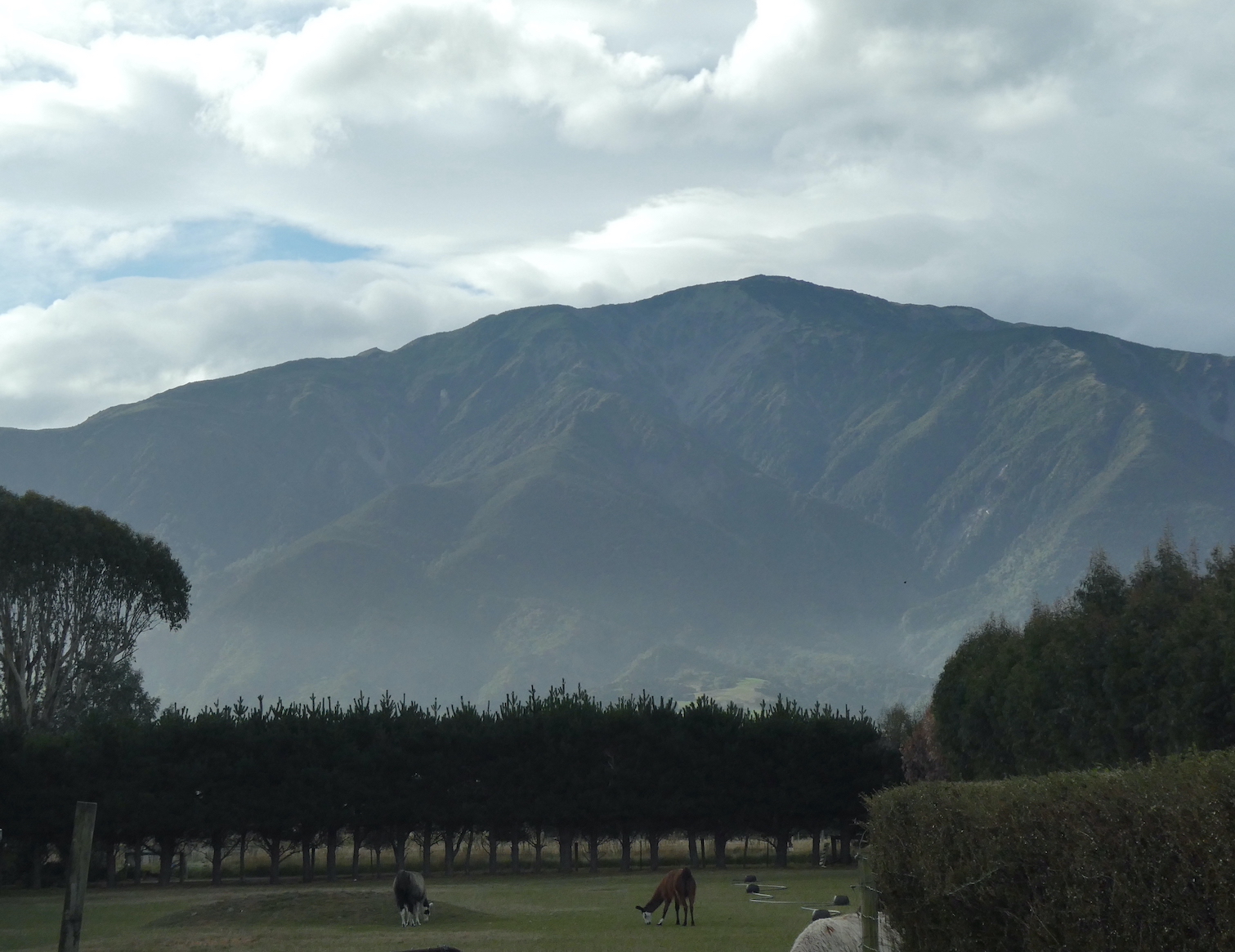
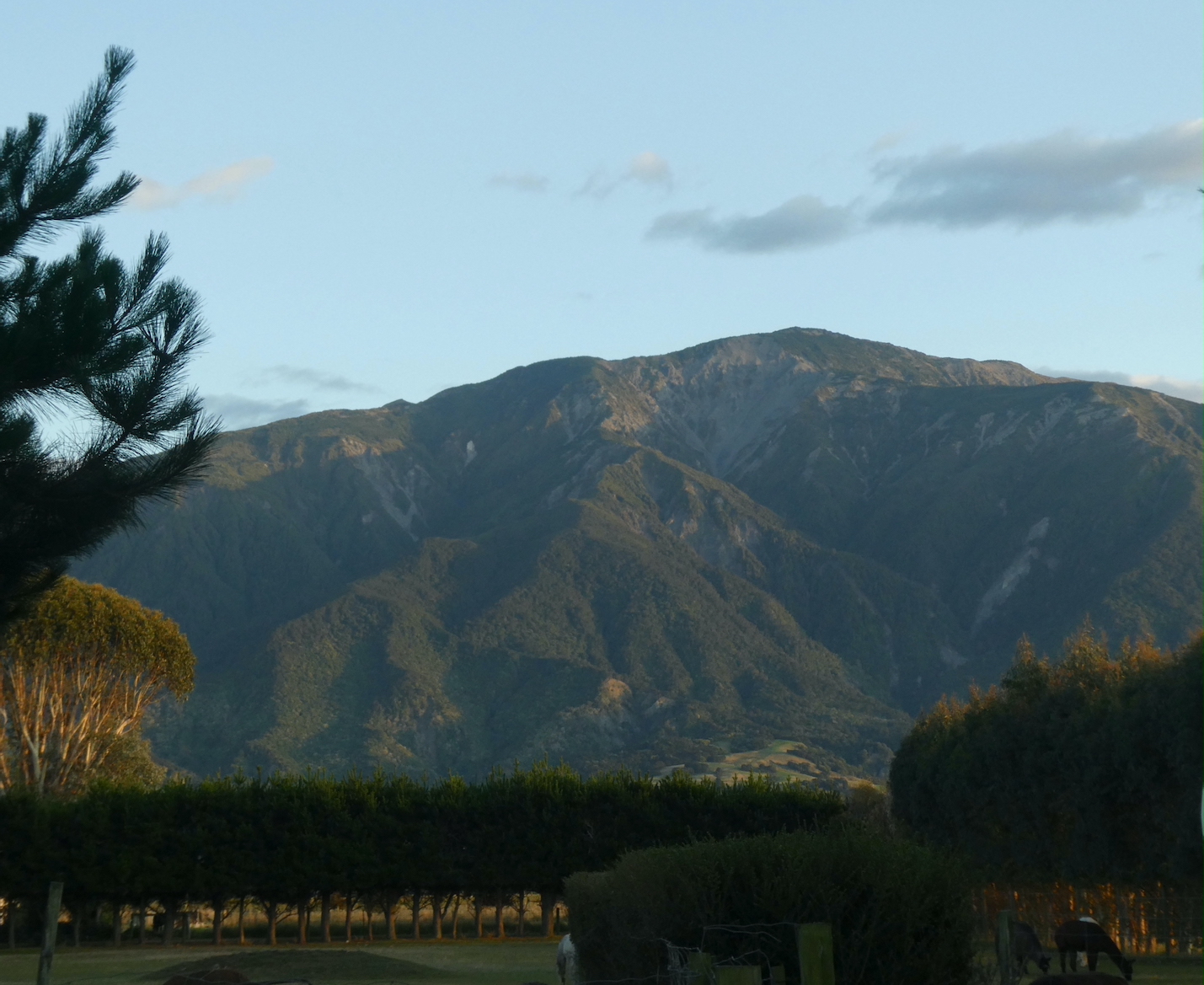
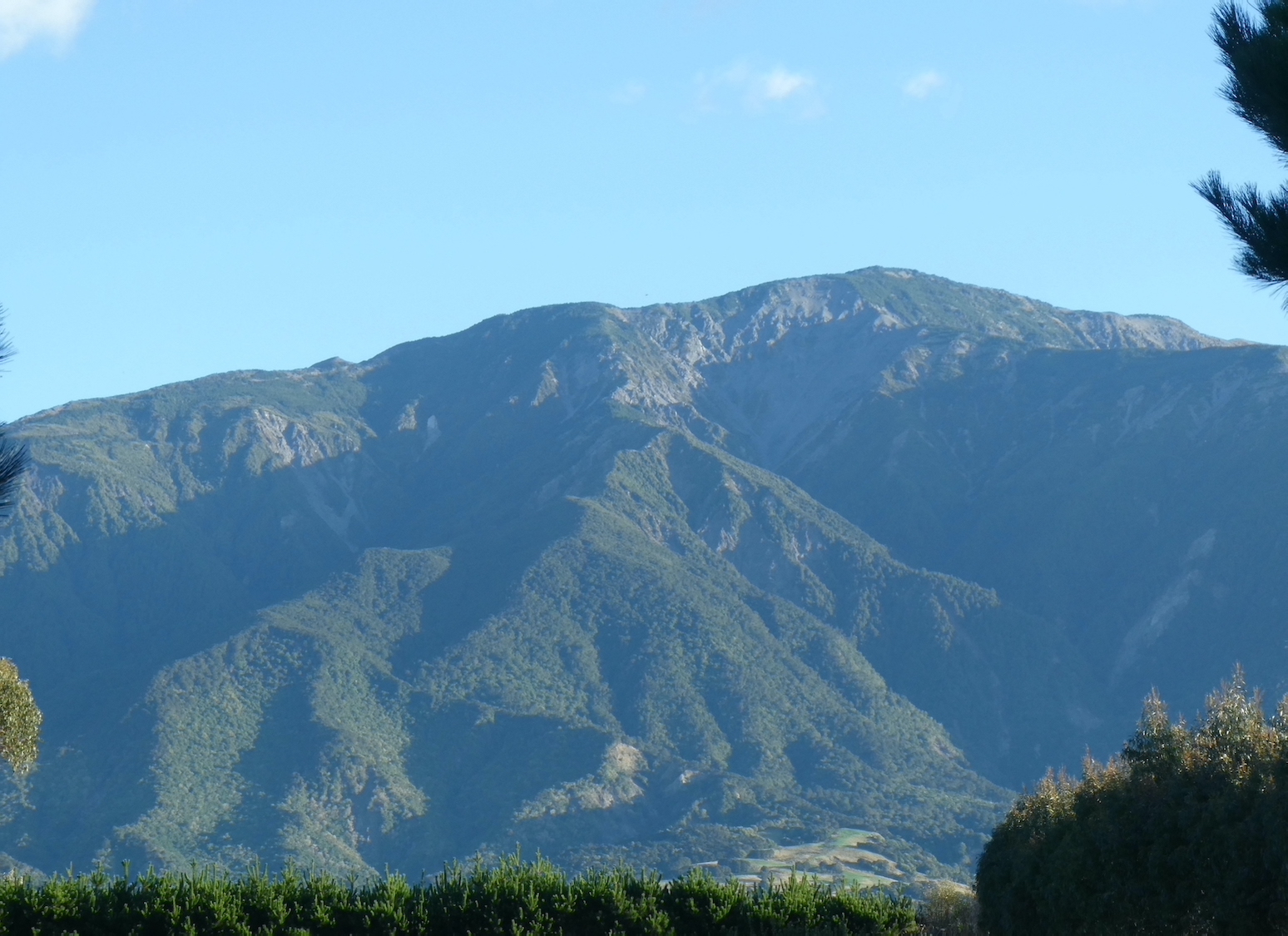
Panoramic views of Mount Fyffe can be enjoyed from the outdoor bath.

There is also a lovingly restored Farmers Cottage and seven-metre wide Teepee on the property, perhaps we will investigate next time. Kaikoura is well known for its delectable fish’n’chips and we indulged, take-away style, with a bottle of Marlborough Pinot Gris to commiserate our wonderful holiday coming to an end.

The next day, early morning rays of Sol highlighted our peaceful surroundings

as our toast went up in flames due to an unforeseen gas leak. A fitting end to the aforementioned memorable stay.

Chateau Tongariro

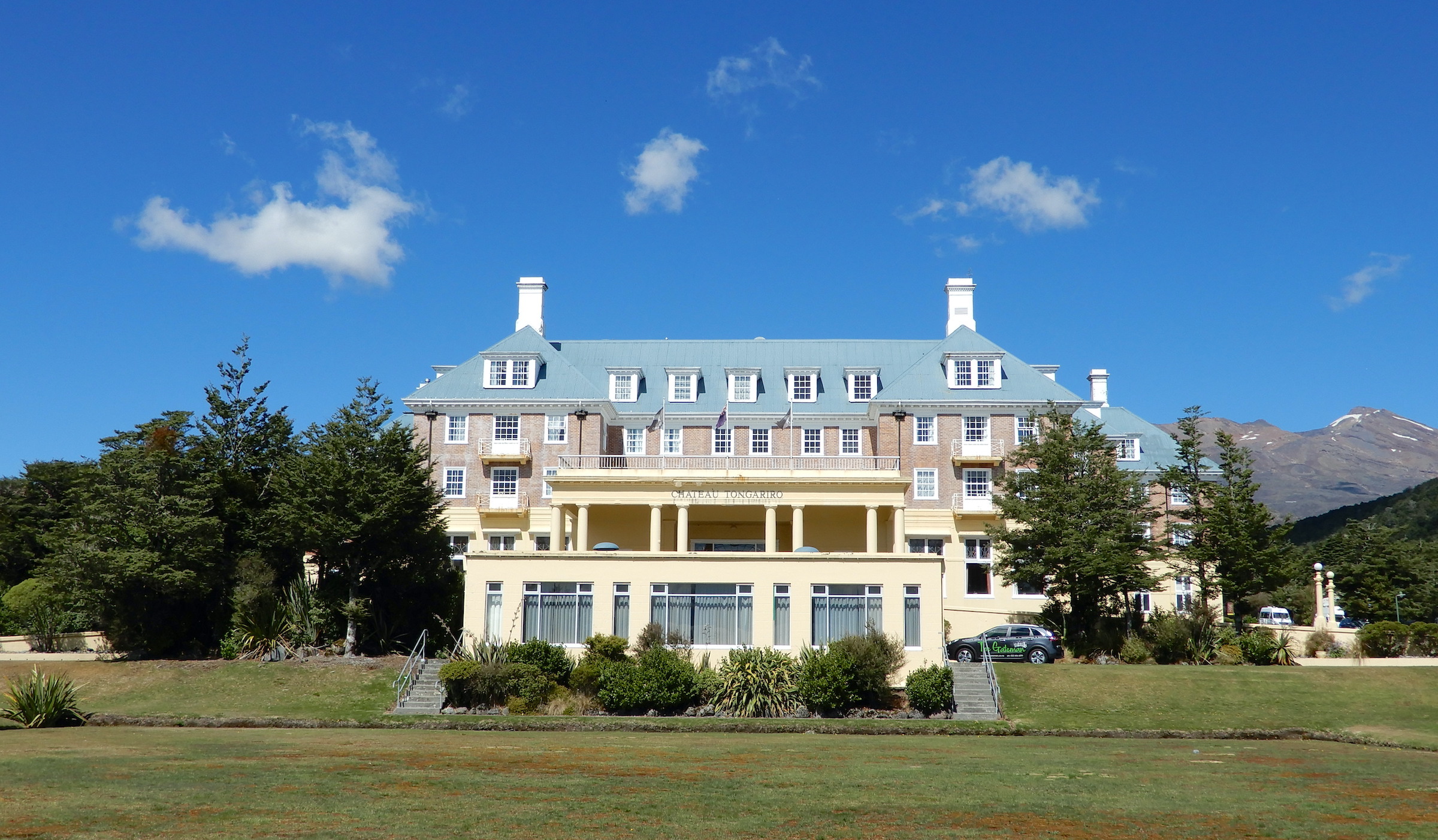
Having passed Chateau Tongariro as we arrived at Whakapapa village, we were eager for a peek inside. The neo-Georgian structure was completed in 1929, constructed of reinforced concrete but designed to resemble a traditional Georgian brick building. With the onset of the Depression, the anticipated tourism boom failed to arrive and in 1932, ownership was transferred to the Department of Tourist and Health Resorts which ran the hotel for the next 26 years. When the numbers of skiing tourists declined during World War II, the Chateau was commandeered as an asylum in 1942 until, three years later, Mount Ruapehu erupted and the patients were evacuated to Auckland. It then served as a rest and recuperation centre for returning Air Force personnel and eventually reopened to tourists in 1948.

The resort now has a nine hole golf course, fitness centre and spa as well as magnificent mountain views.

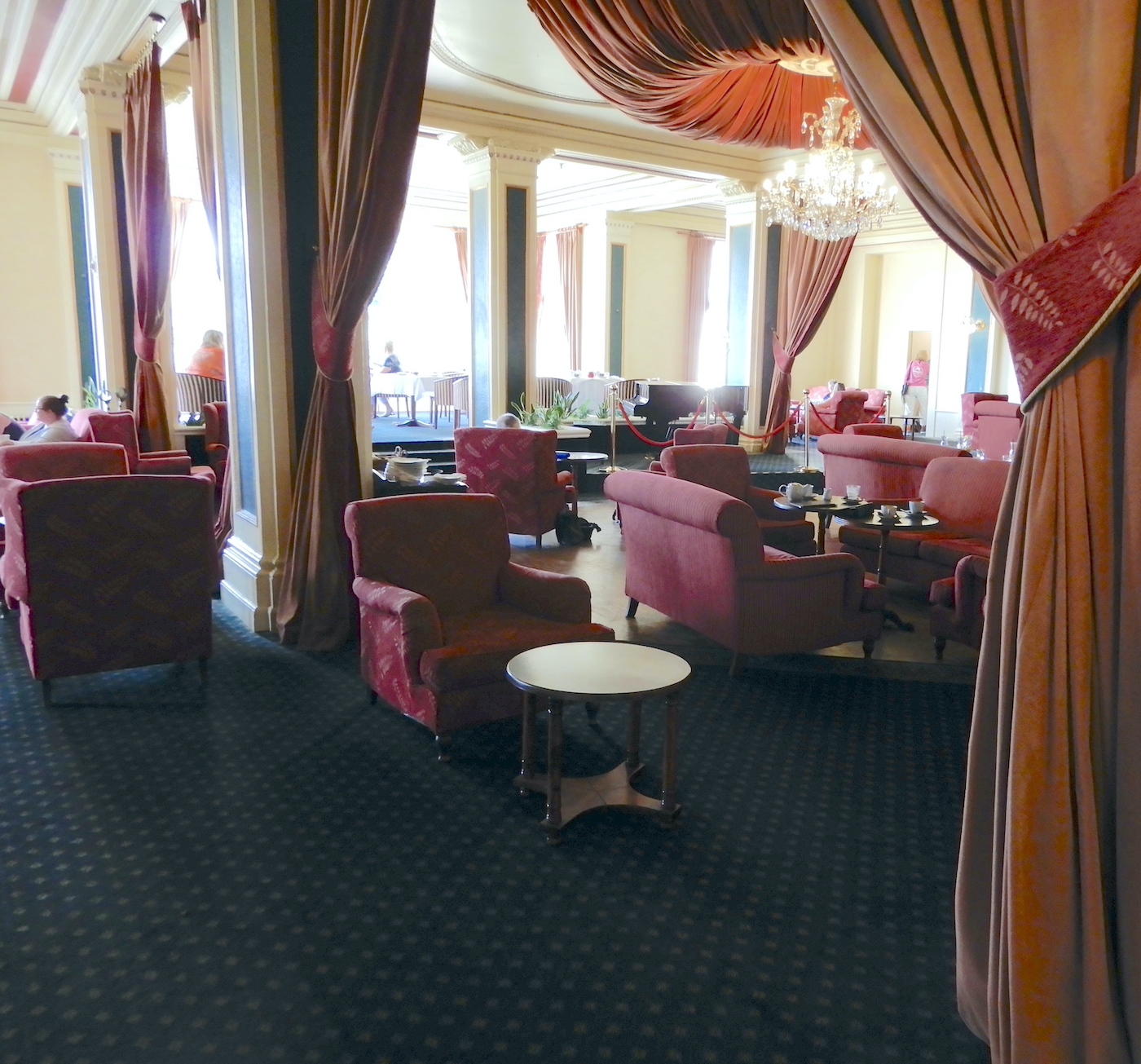
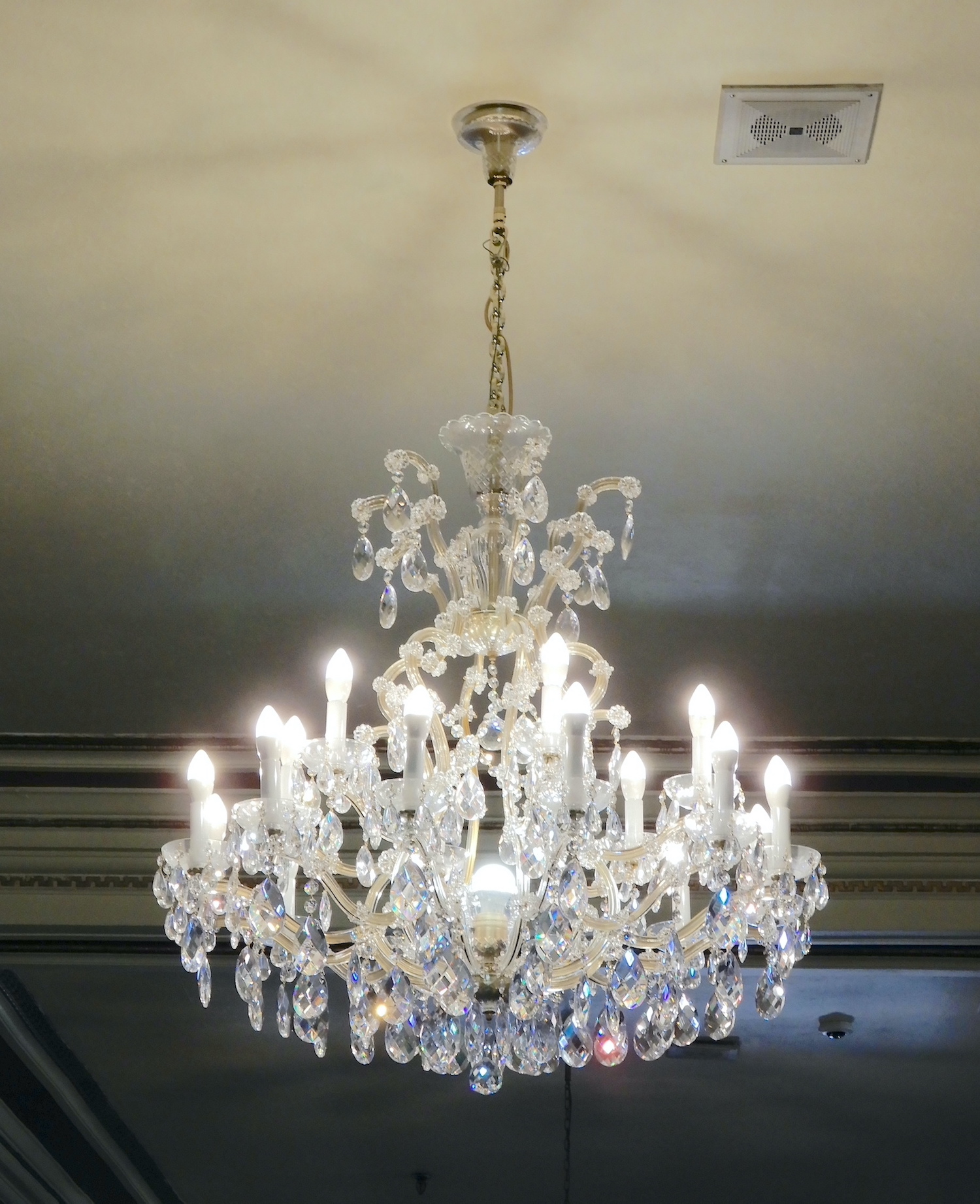
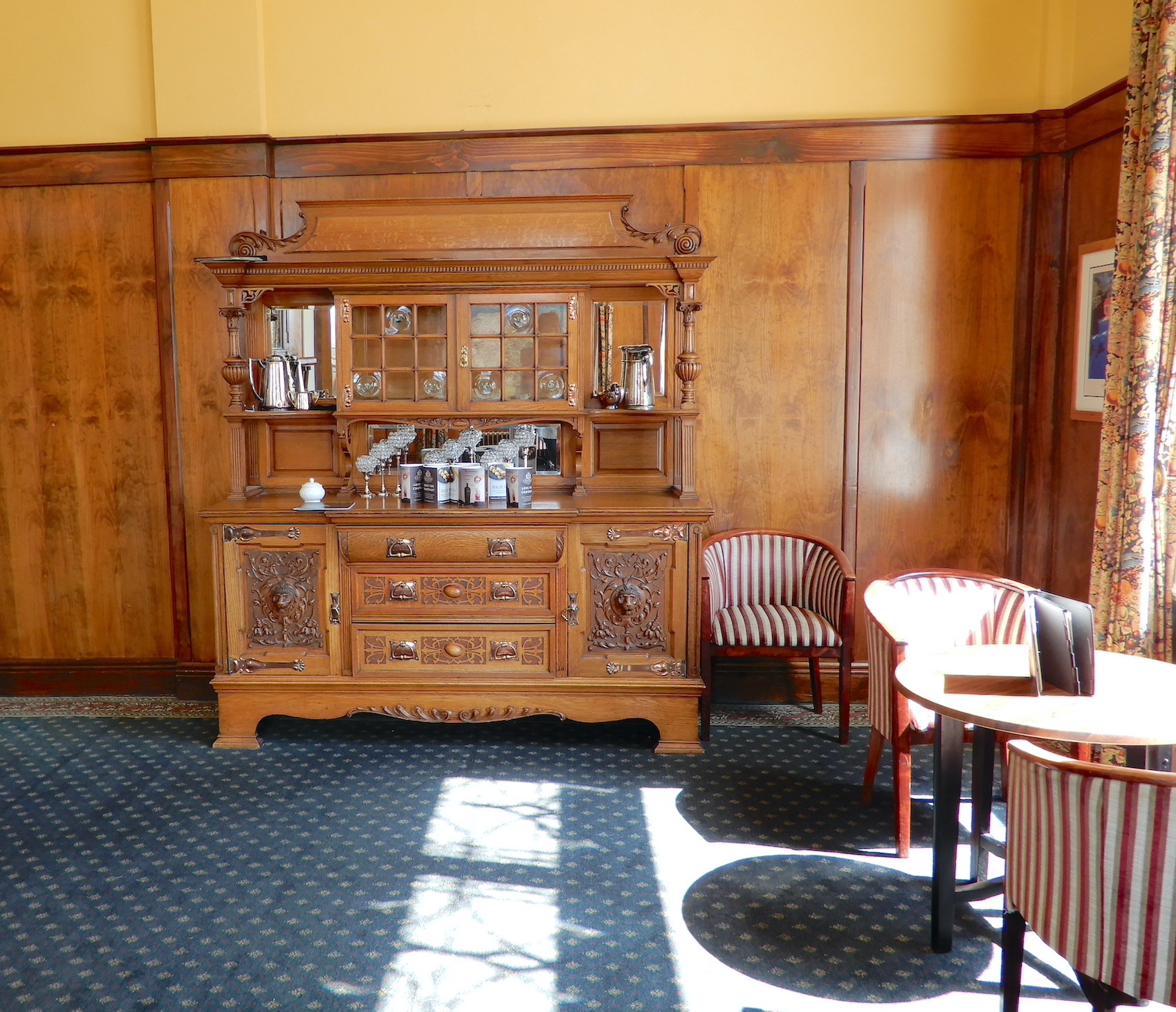
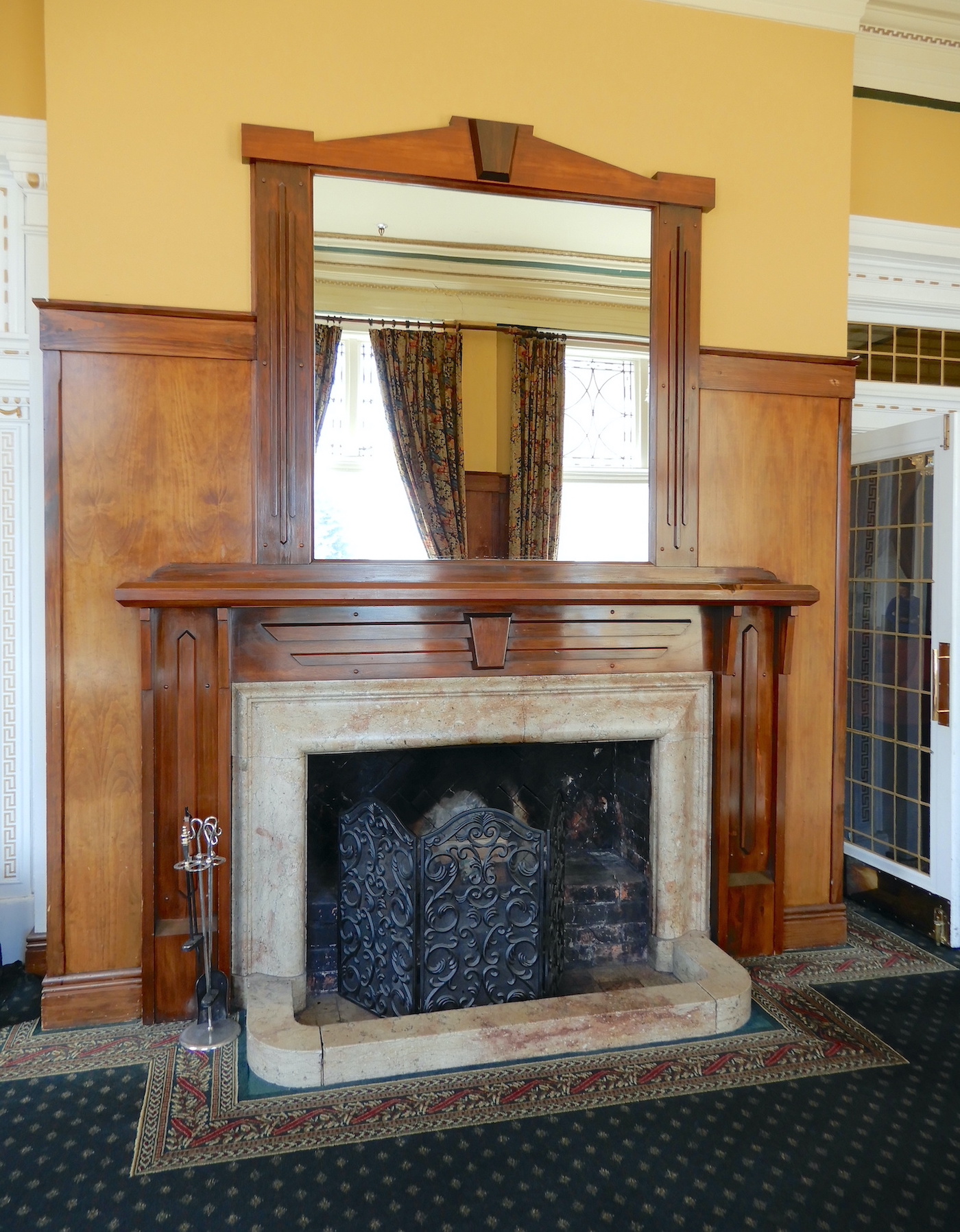
Despite extensive refurbishment over the years, the 1930’s style had been retained.

We settled into the comfortable chairs in the Ruapehu Lounge and ordered coffee, marvelling at the impeccable décor and wishing we were having cocktails instead.

Had we planned ahead, we could have indulged in High Tea in the adjoining  Ngauruhoe Room with another spectacular perspective of Mount Ngauruhoe.

Mead’s Wall

Having returned to the base of Mount Ruapehu on Sky Waka, we followed the signs to explore Mead’s Wall, named for William Perrett Mead, the first to reconnoitre the Whakapapa valley and subsequently form the Ruapehu Ski Club in 1913. The wall didn’t look particularly impressive from a distance but the 25 metre high west face has eight rock climbing routes for those who wish to indulge.

We walked the easy trail to the side of the wall, wondering how (or why) anyone would climb it.

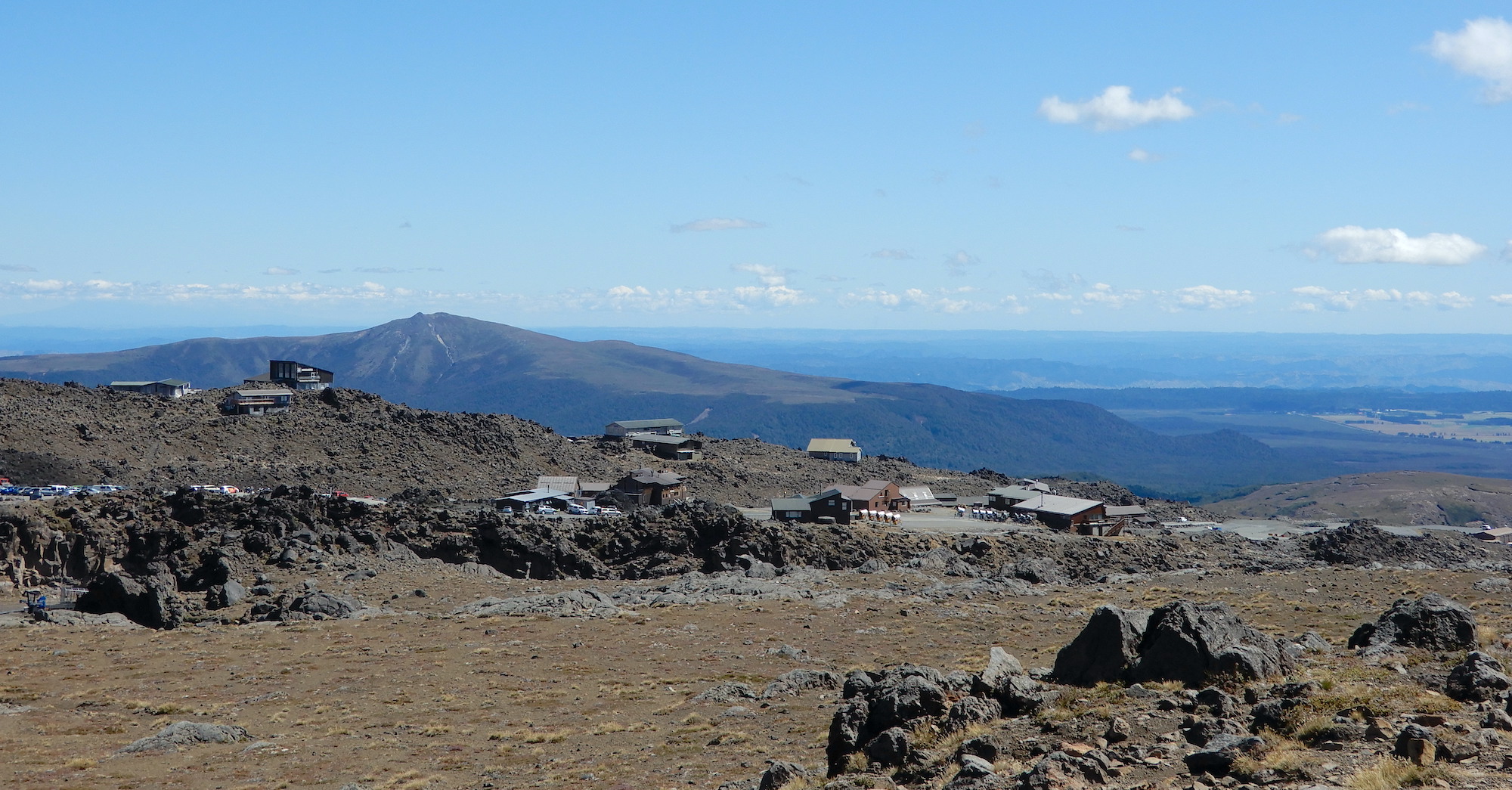
Looking back across the ski field, chalets dotted the barren landscape that becomes the beginners run, Happy Valley, when covered in snow.

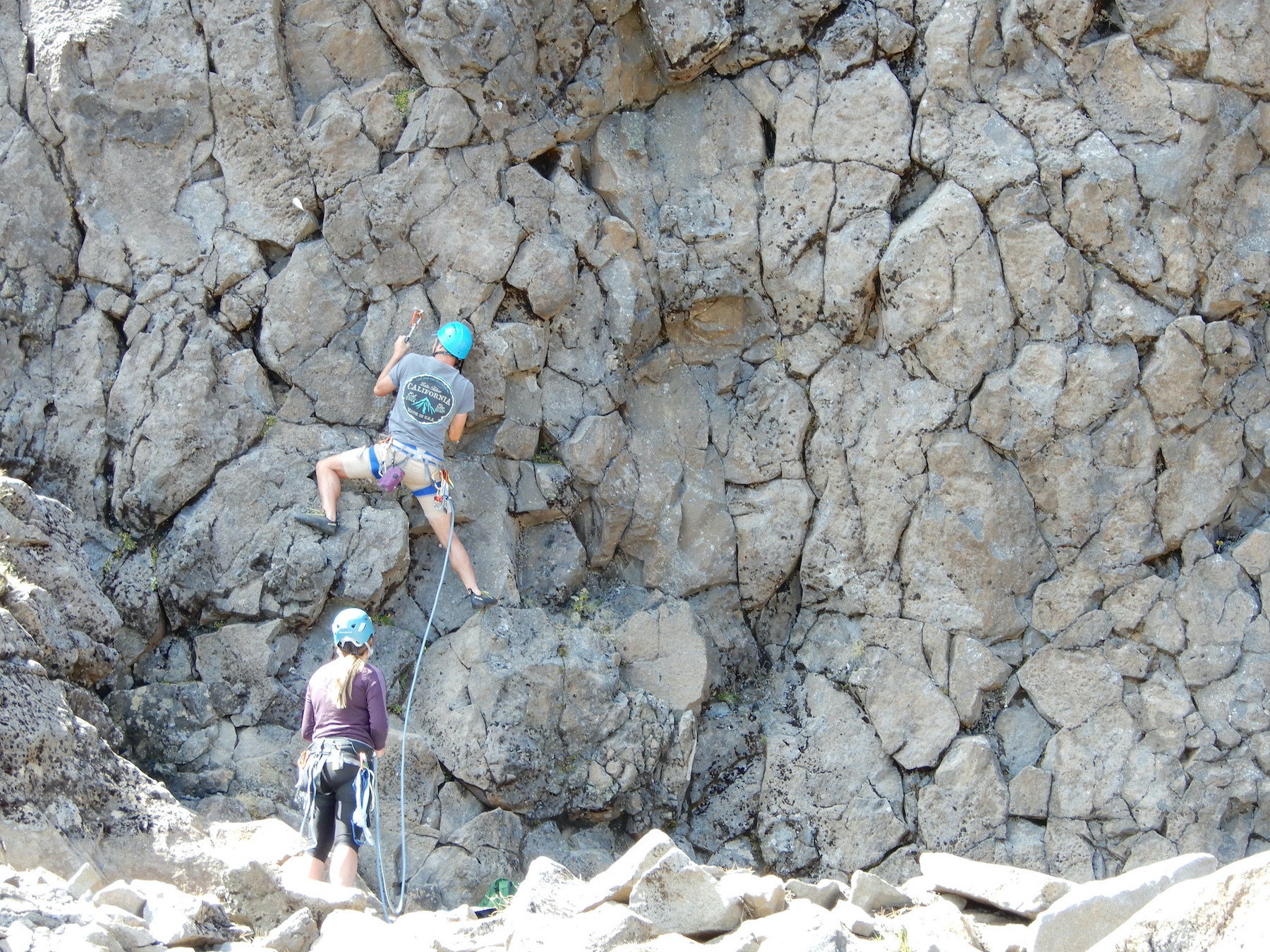
The east face of the wall presents a sheer drop of 45 metres, a little more challenging for those thrill-seekers with ropes, helmets and jelly legs

We were more excited to be standing in the vicinity of memorable Mordor scenes from The Lord of the Rings. These volcanic rocks, cliffs and ash were the location of Emyn Muil, the mountainous area where Frodo and Sam become lost on their way to the Black Gates of Mordor and first meet Gollum.

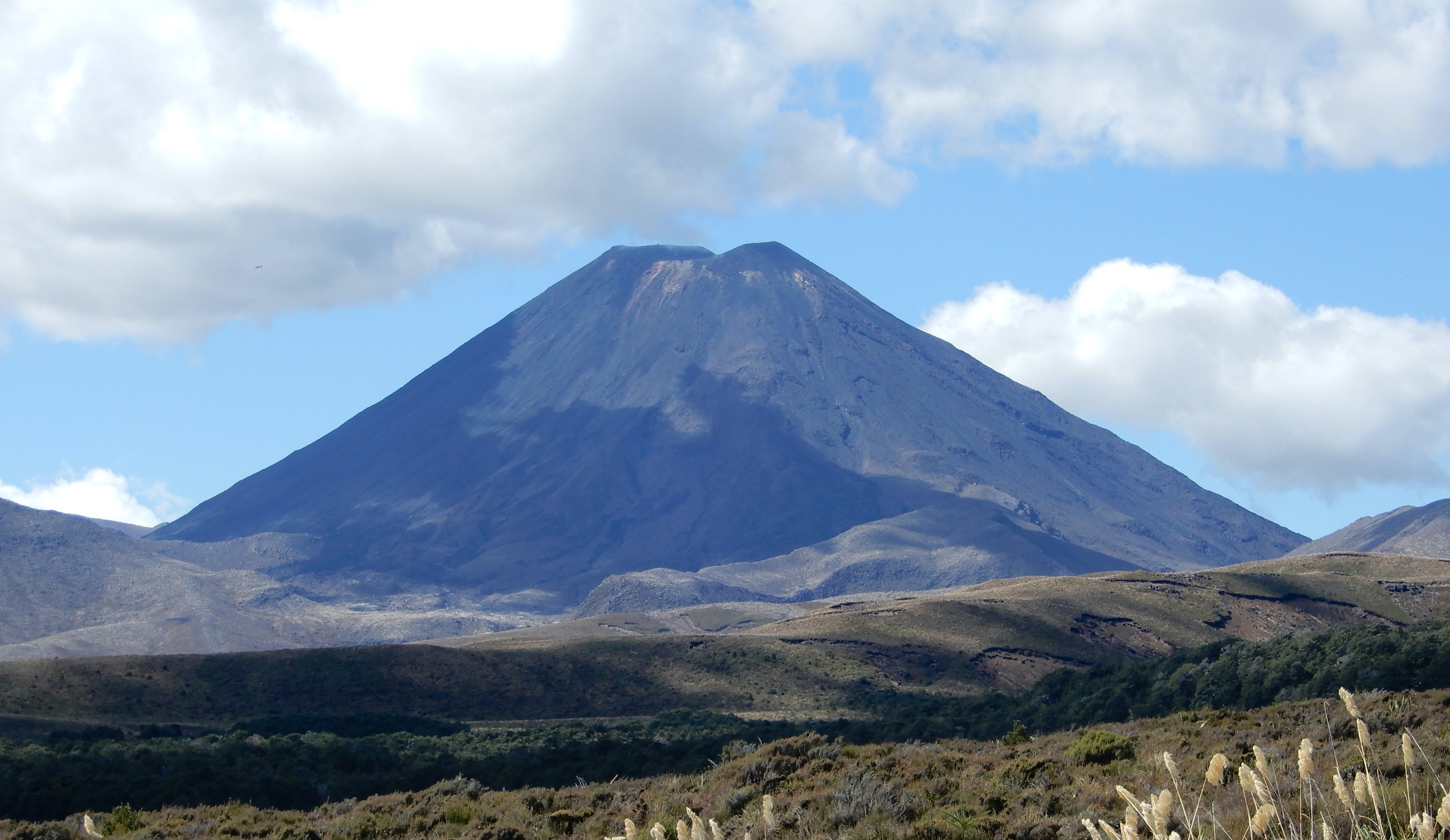
Beyond Mead’s Wall, the river valley wends its way through the Whakapapa Gorge, toward the conical shape of Mount Doom, I mean Mount Ngauruhoe.

Back to reality, as we were leaving a solo rock climbing lesson was just beginning, I couldn’t bear to watch.

Whakapapa

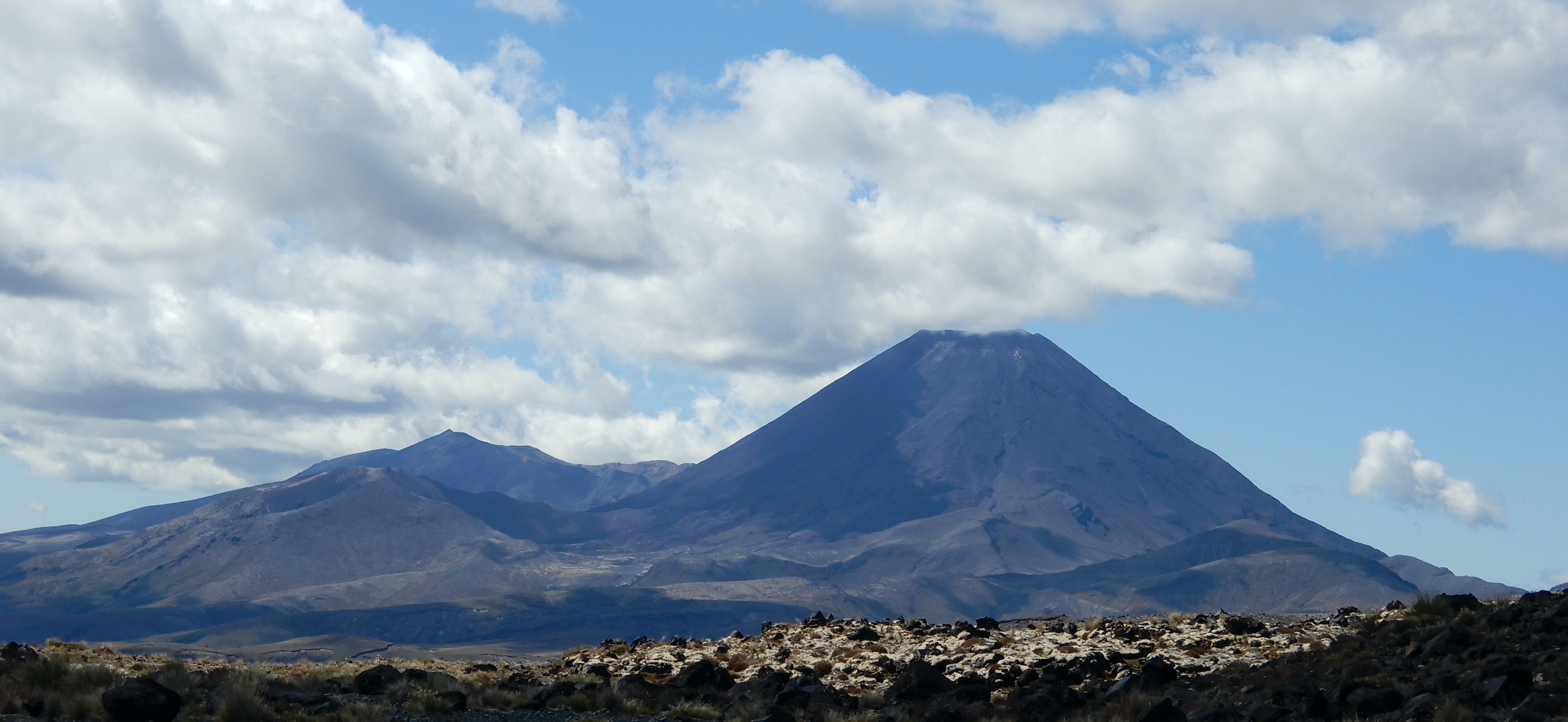
Tongariro National Park was a scenic forty minute drive from our haven at Motuoapa Bay. New Zealand’s first national park, Tongariro was gifted to the people by Te Heuheu Tukino IV, the Paramount Chief of local Māori tribe Ngati Tuwharetoa, in September 1887. The 80,000 hectare park is centred around three sacred volcanic peaks. A lookout on the way to our destination, Whakapapa Village, rewarded us with views of Mount Tongariro and Mount Ngauruhoe, the latter (on the right) may be recognised by The Lord of the Rings fans as Mount Doom.

From this height, the sweeping panorama across the Central Plateau was spectacular.

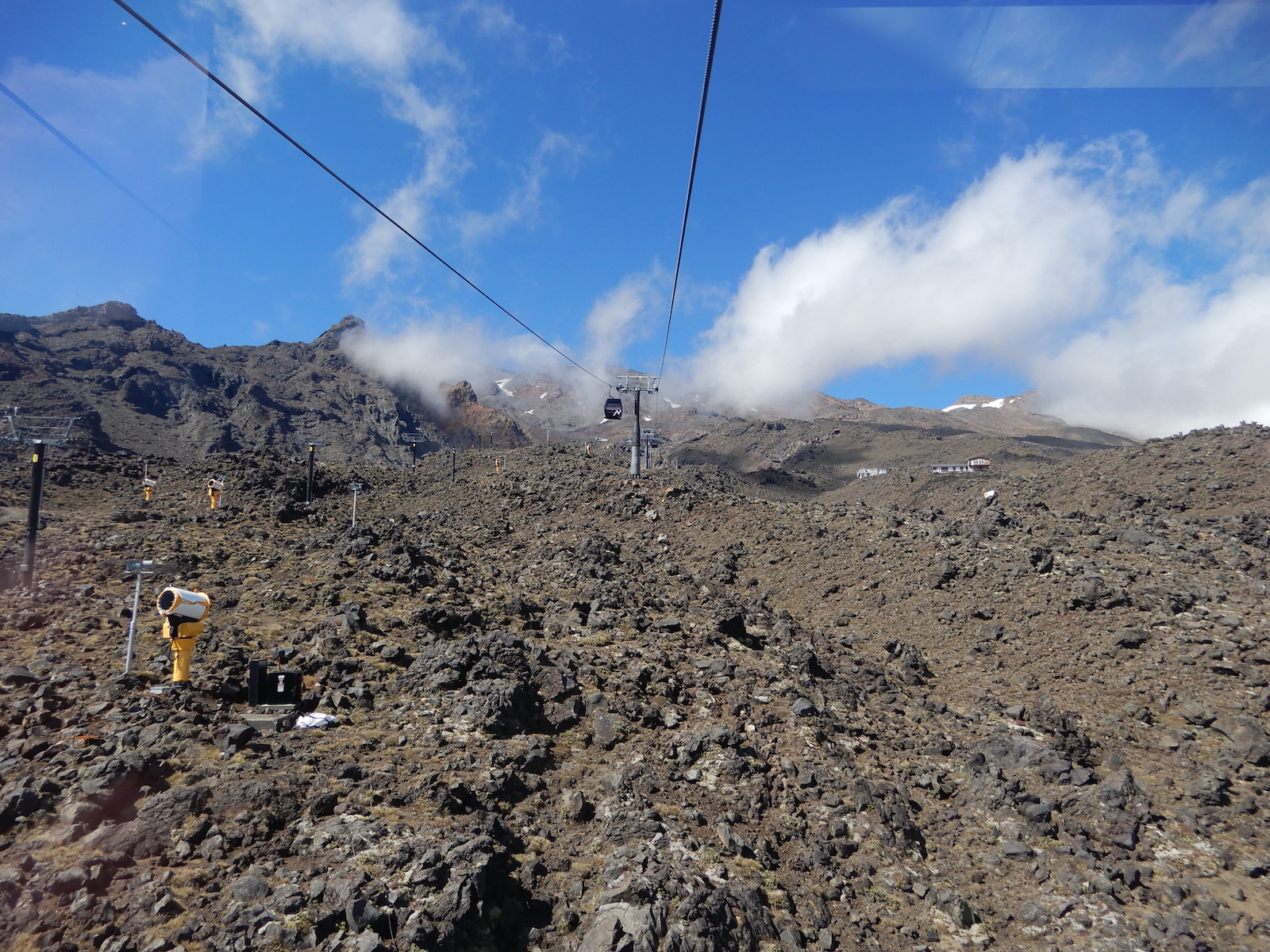
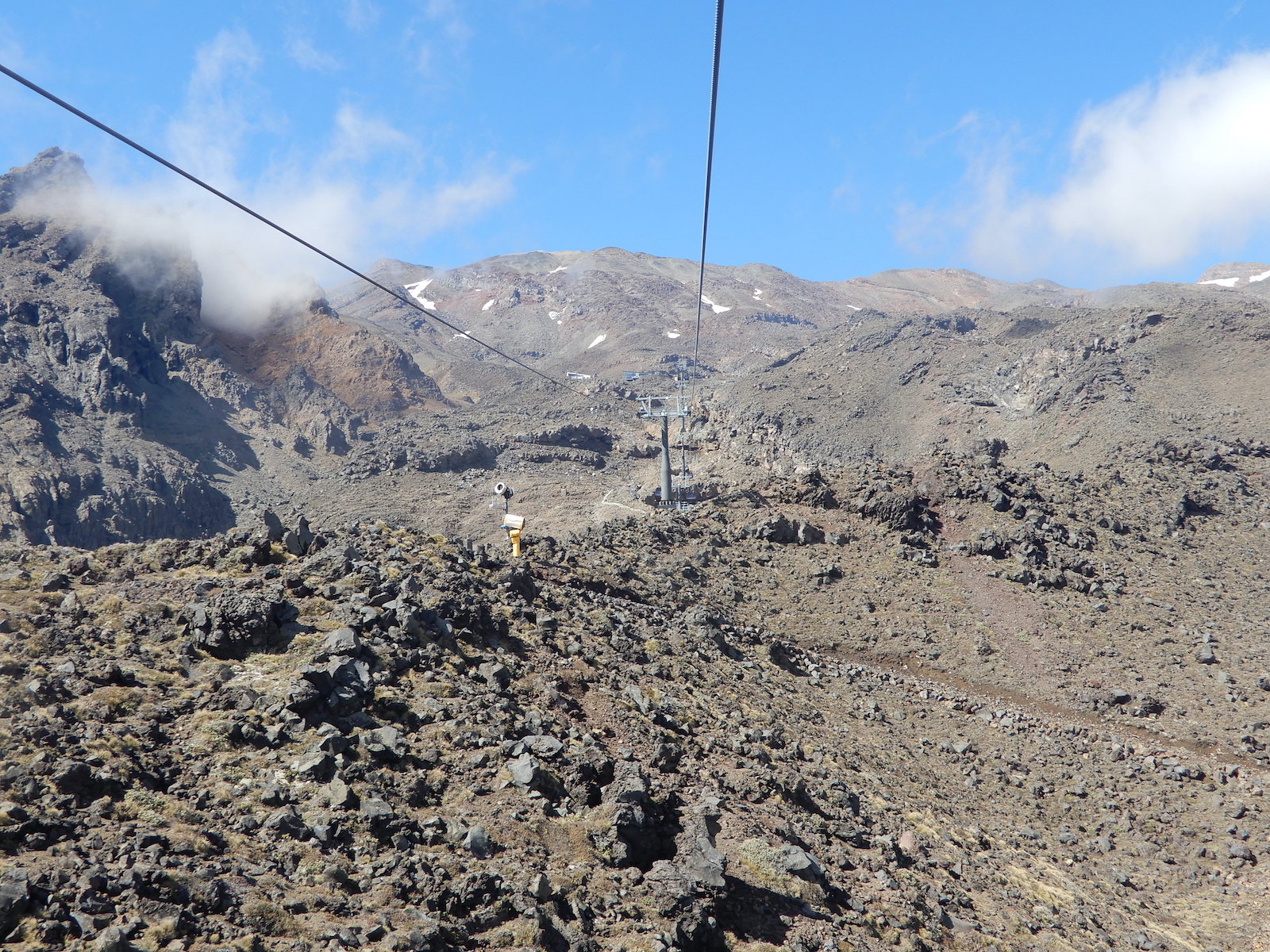
We parked the car at the village and considered our options, deciding on the Sky Waka gondola ride and buffet lunch combo. Mount Ruapehu is the centrepiece of the national park, the North Island’s highest peak is home to the largest ski field in New Zealand. The terrain in March is quite different to that during ski season, it is hard to imagine the Rock Garden Chairlift conveying skiers on the advanced beginners run.

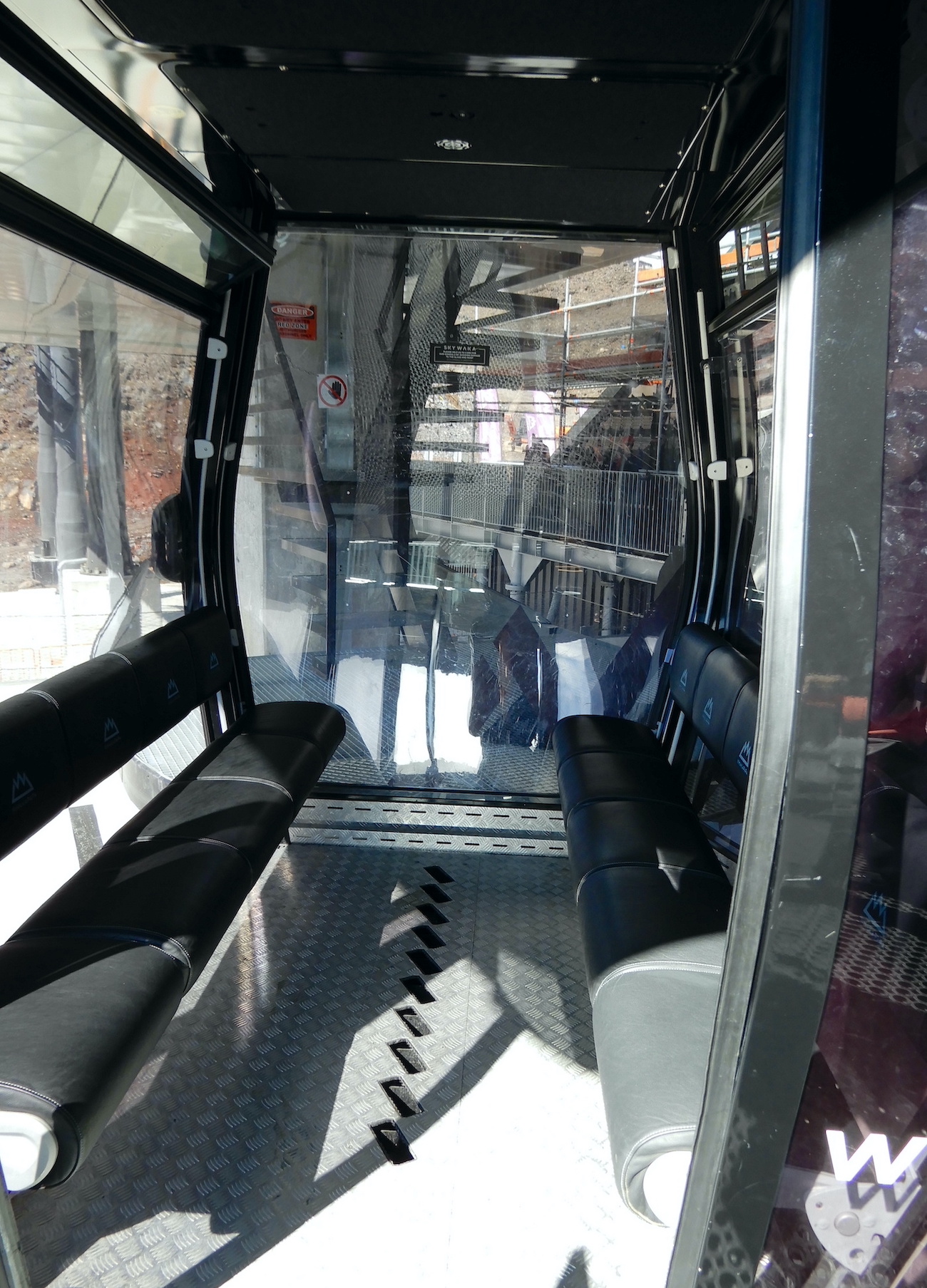
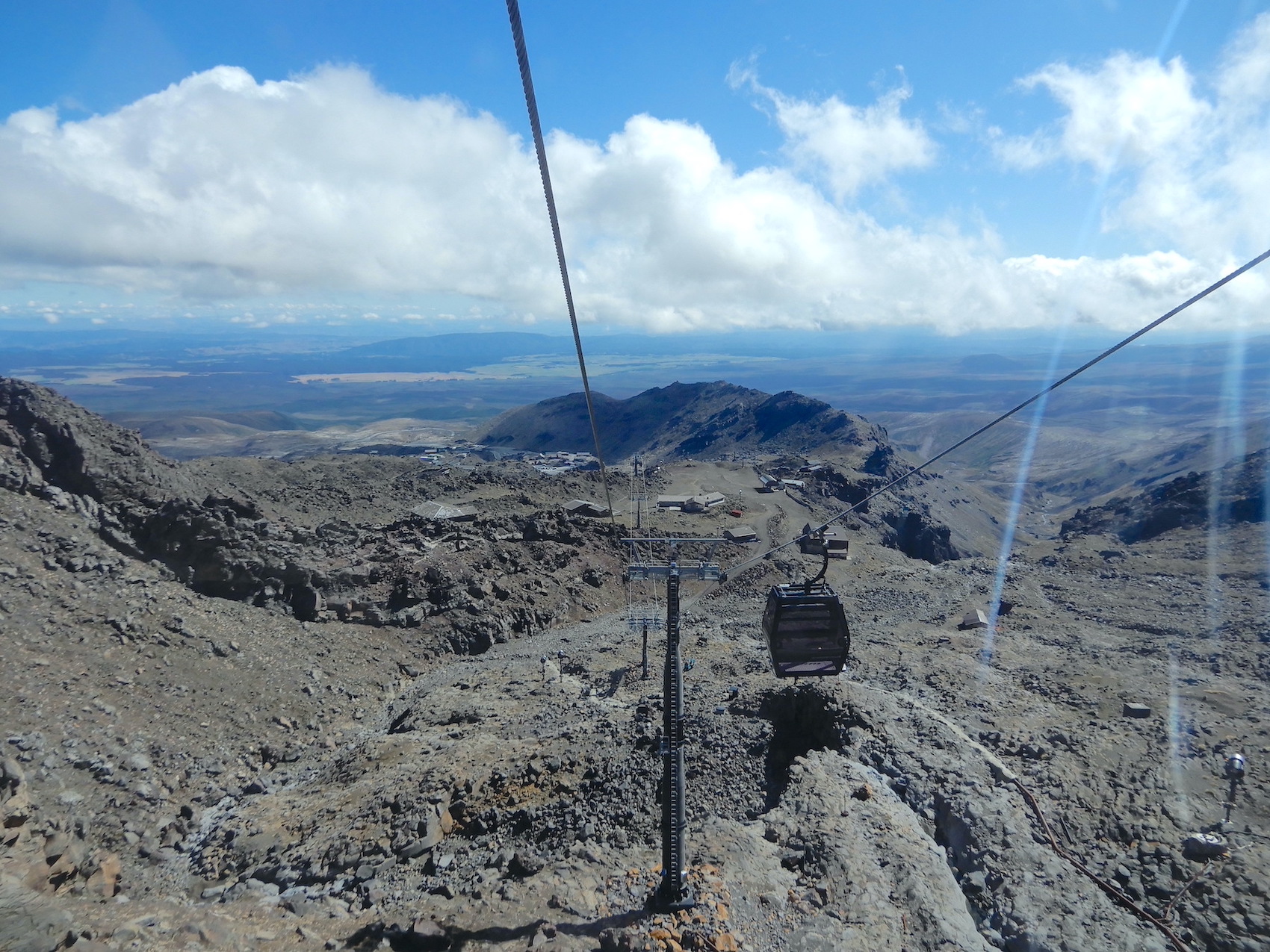
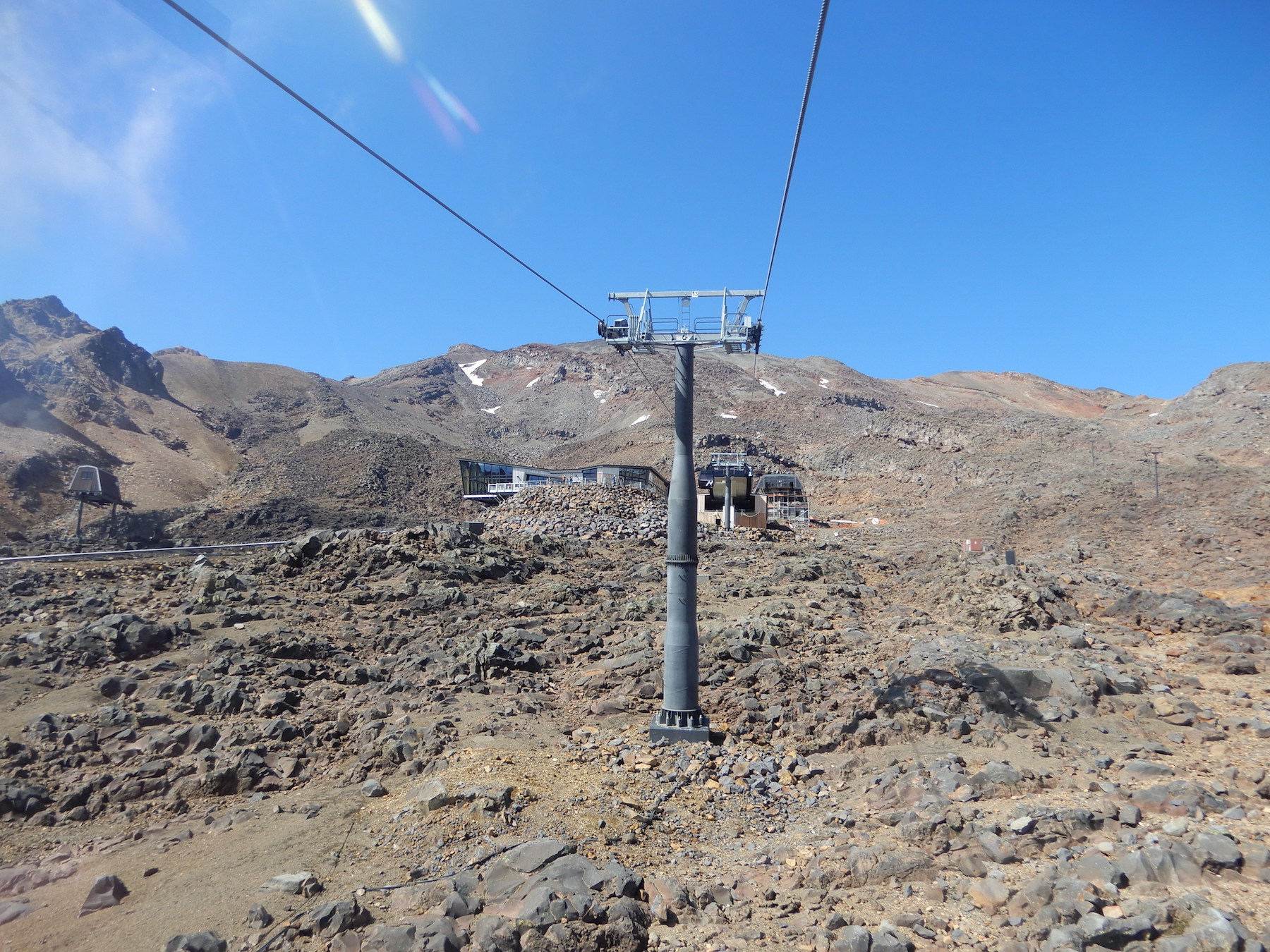
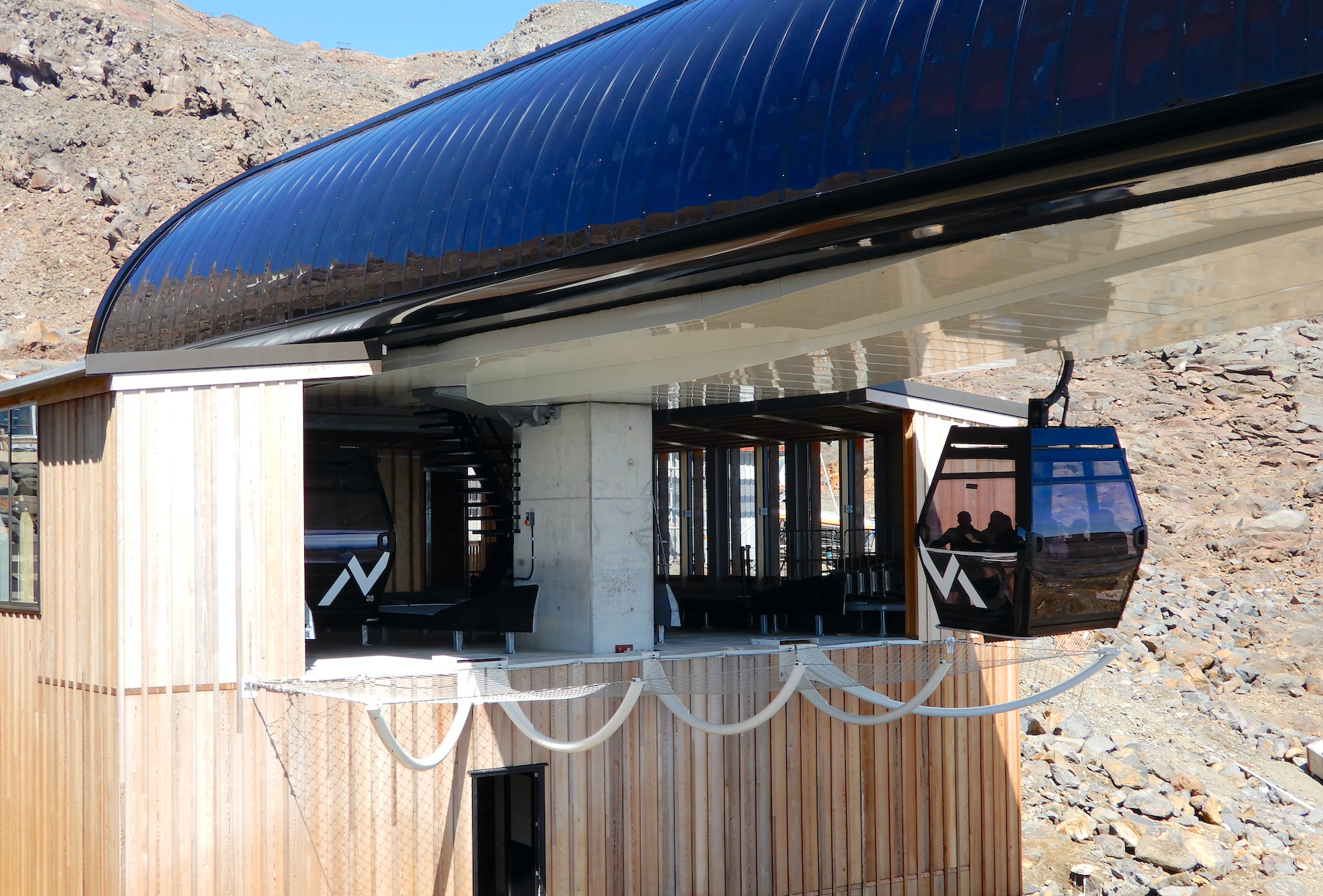
The $25 million Sky Waka gondola opened in July 2019 to transport 2,400 people an hour, a distance of 1.8km, up the northern slopes of Mount Ruapehu. It really didn’t feel as though we were travelling at 6 metres per second.

Back to The Lord of the Rings, scenes of Mordor were filmed on the rugged landscape of Whakapapa ski field and the slopes of Mount Ruapehu, including the scene where Isildur cuts off Sauron’s finger.

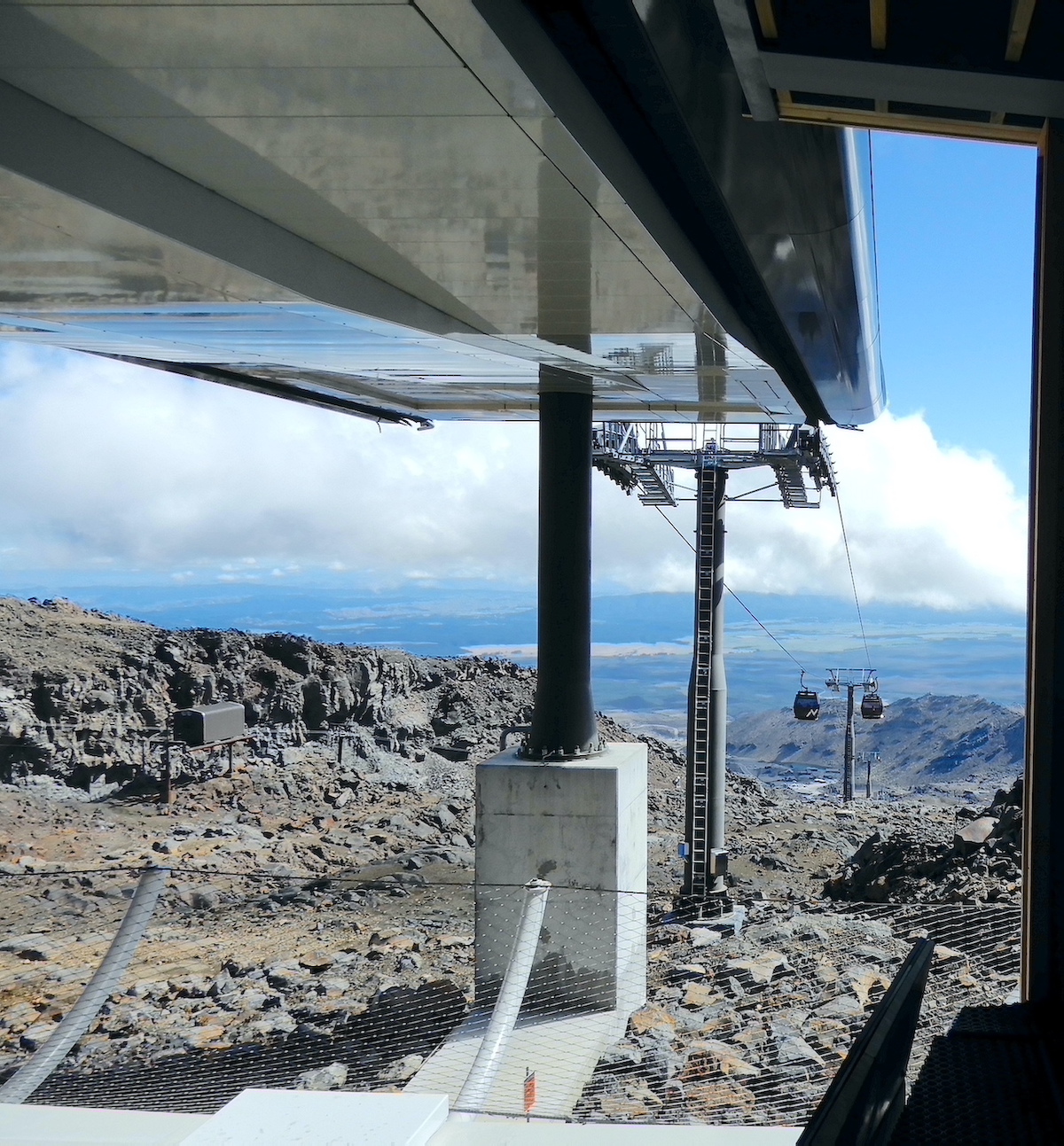
Our ride culminated at Knoll Ridge Chalet, a multi-storey eatery built in 2009 to replace the original café that was destroyed by fire earlier in the year.

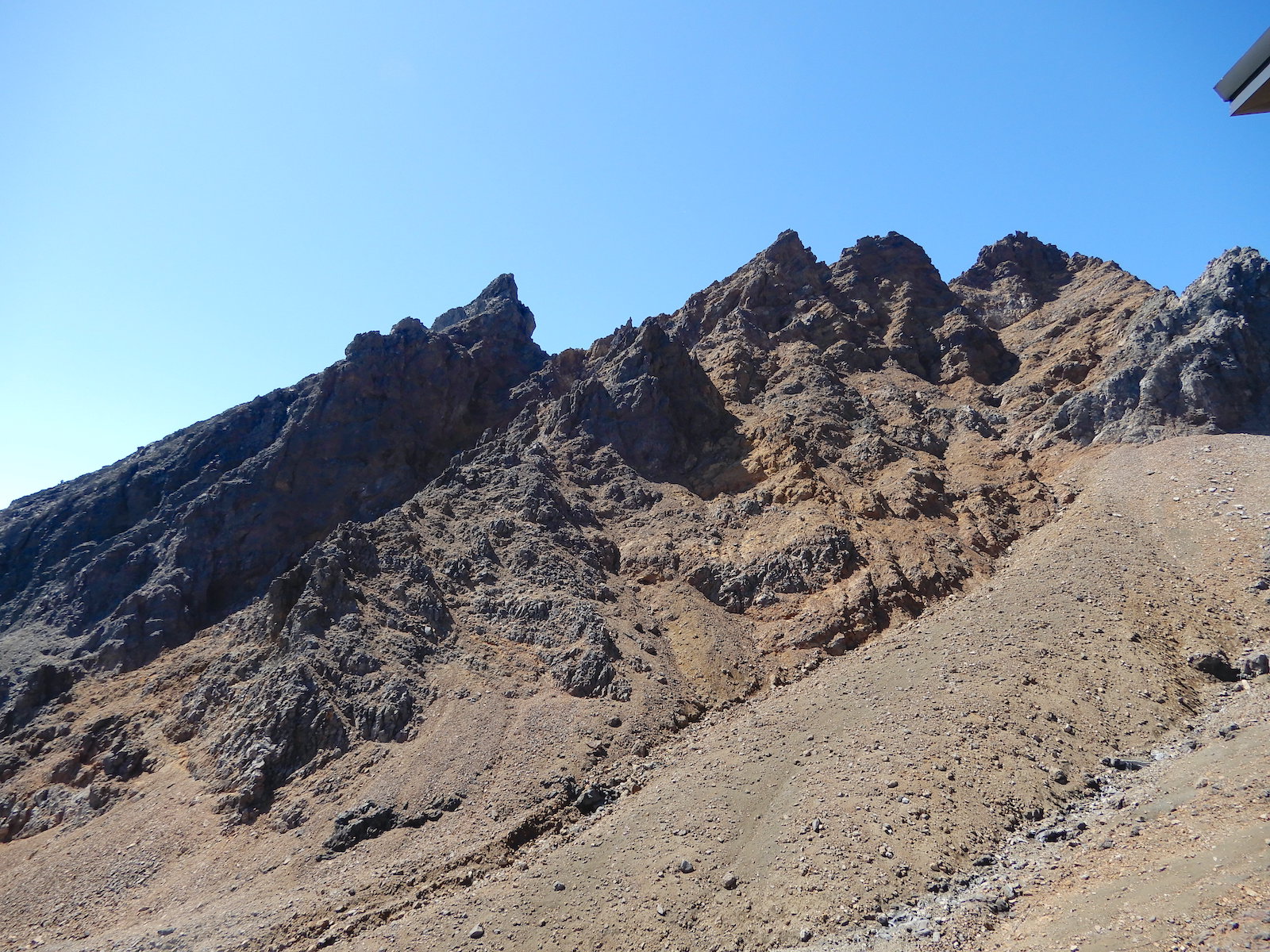
The magnificent Pinnacles Ridge was shrouded in cloud when we arrived and it was a bit cool for alfresco dining.

The Pinnacles Restaurant was warm and welcoming, the extensive use of timber created the feeling of a traditional mountain chalet.

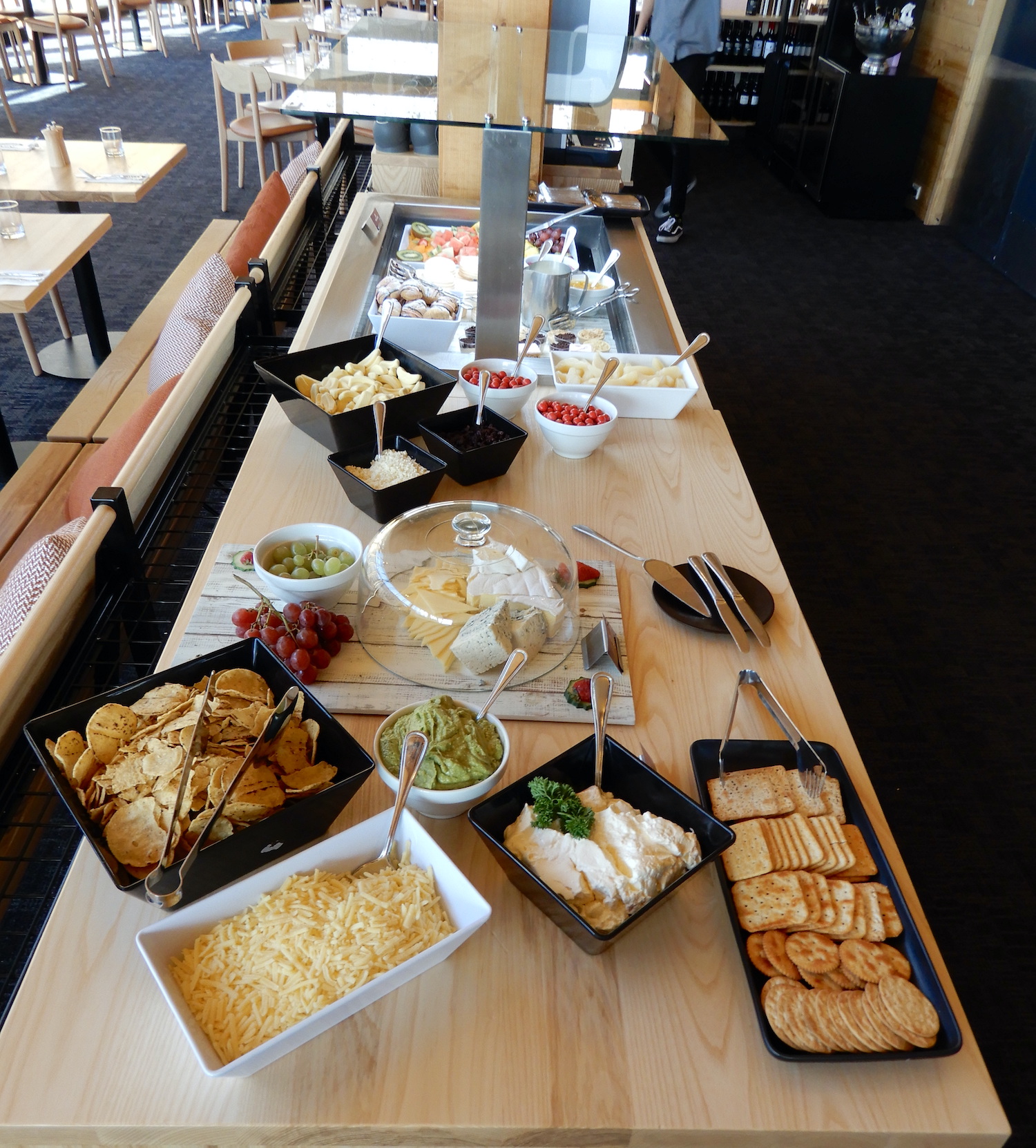
Lunch at the highest restaurant in New Zealand, at 2,020 metres above sea level, was delicious.

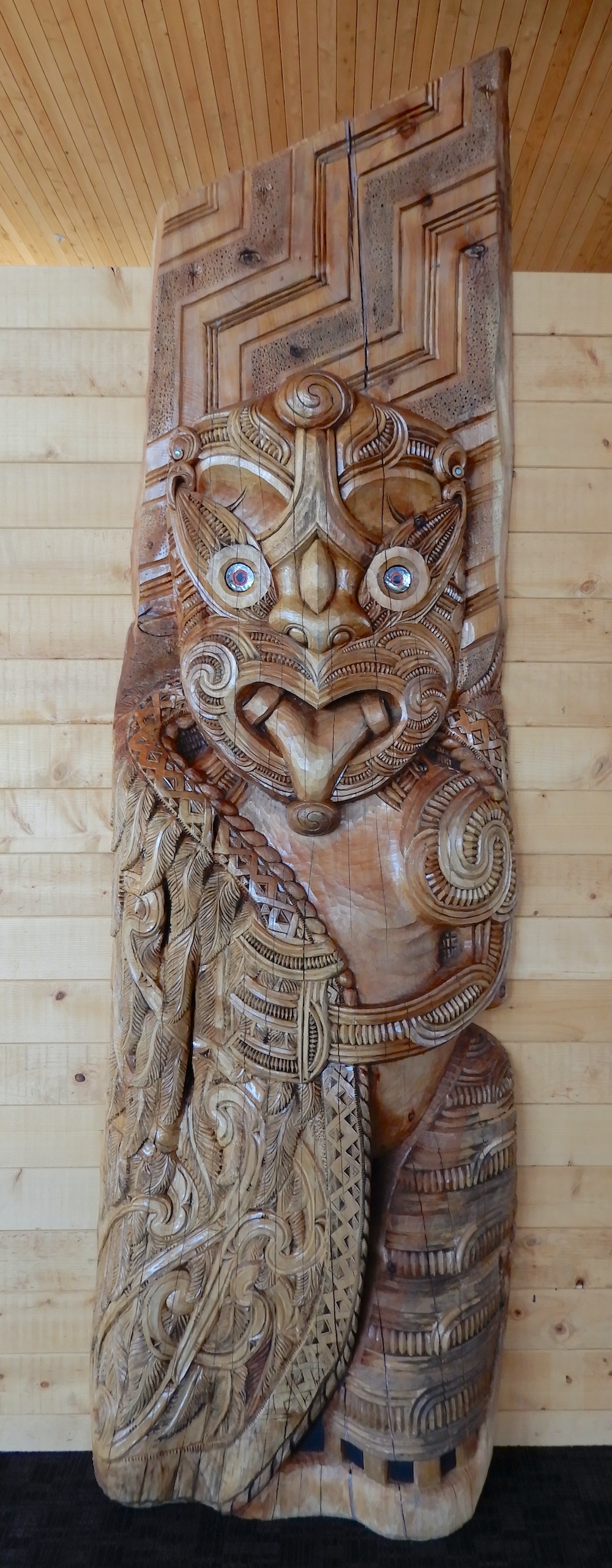
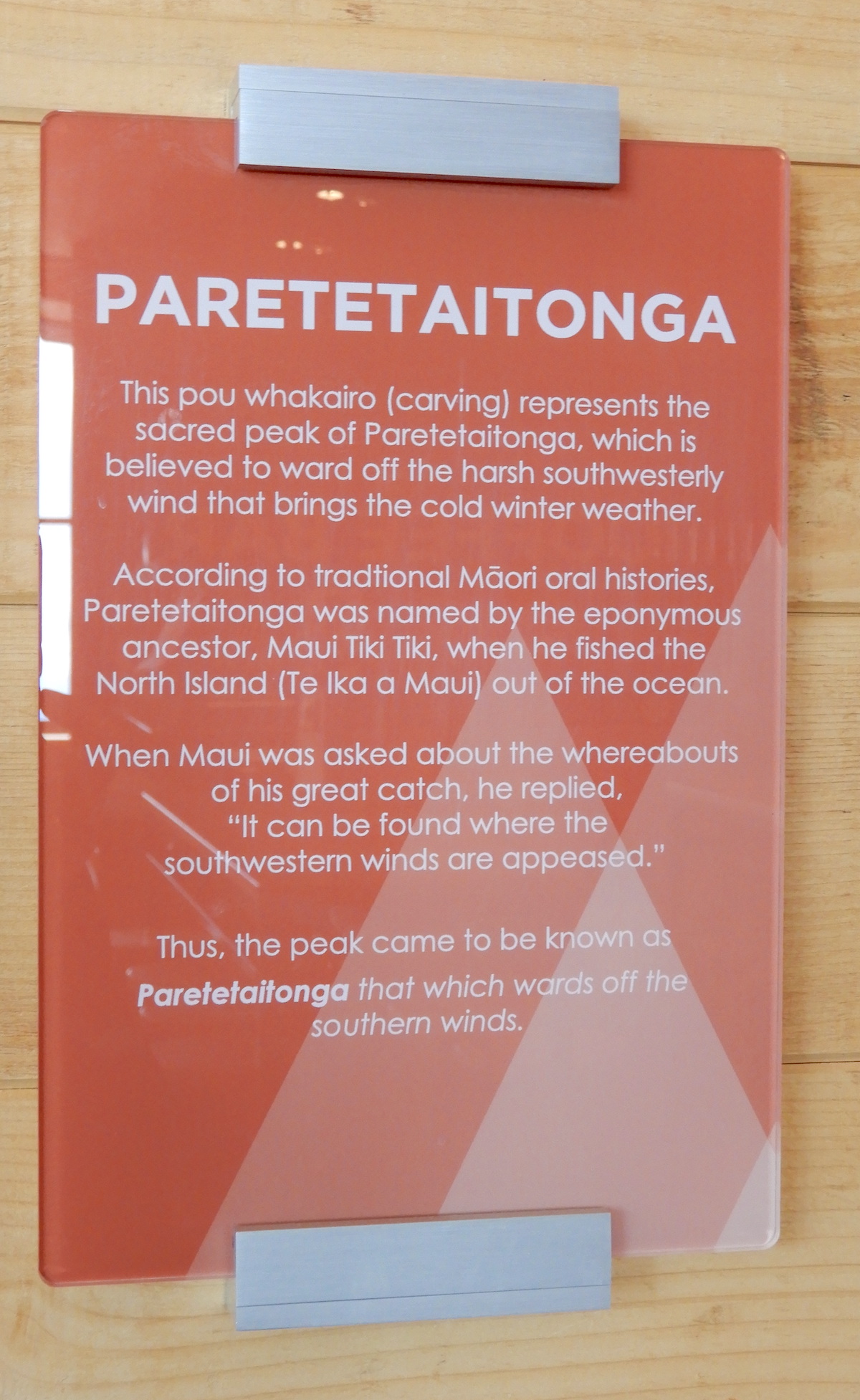
Mount Ruapehu is the largest active volcano in New Zealand and has three major peaks. There is a beautiful carving representing Paretetaitonga, the peak that wards off the southern winds.

By the time we finished lunch, the clouds had lifted from Pinnacles Ridge

and Sky Waka was the only way down

with more stupendous scenery to absorb.