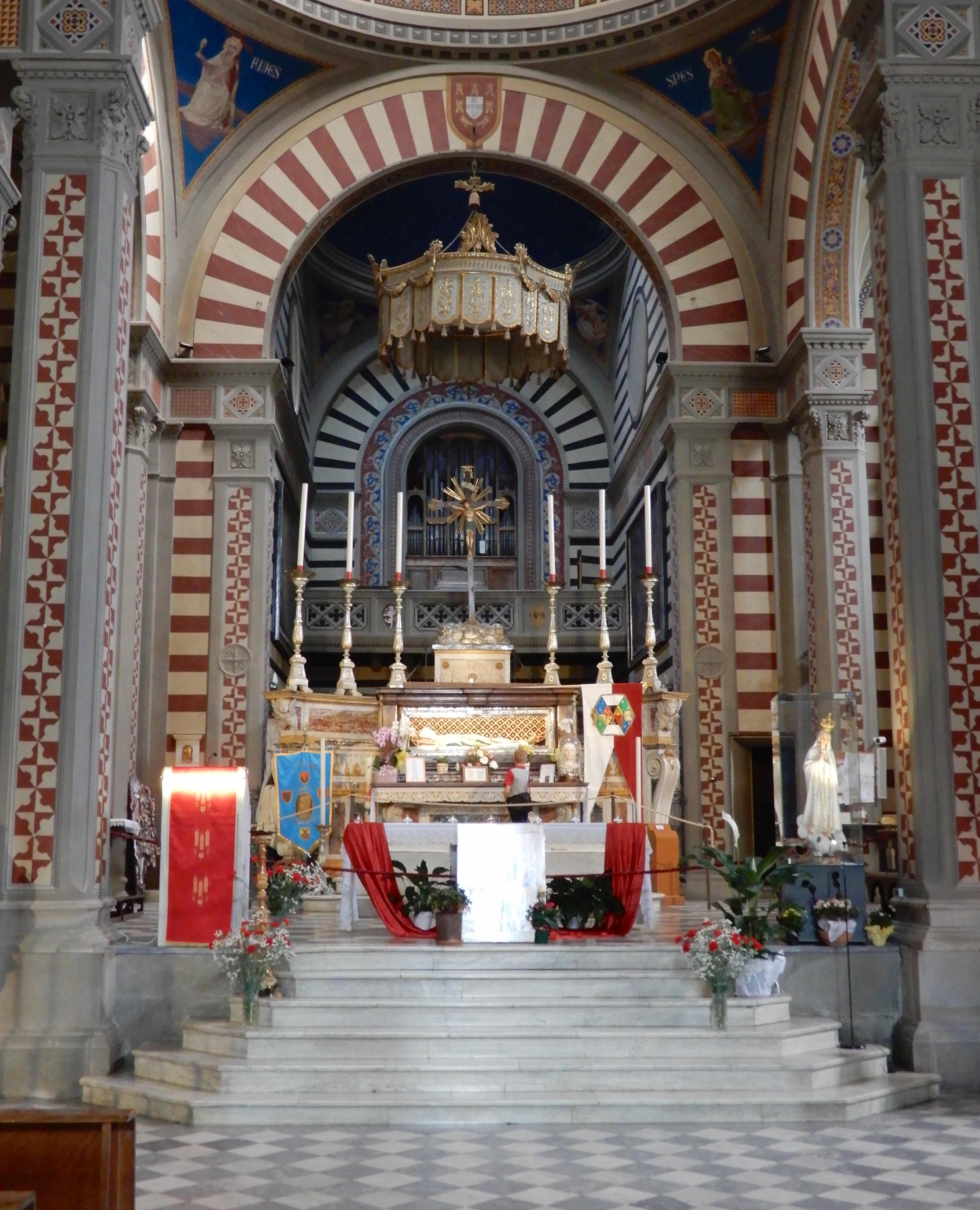
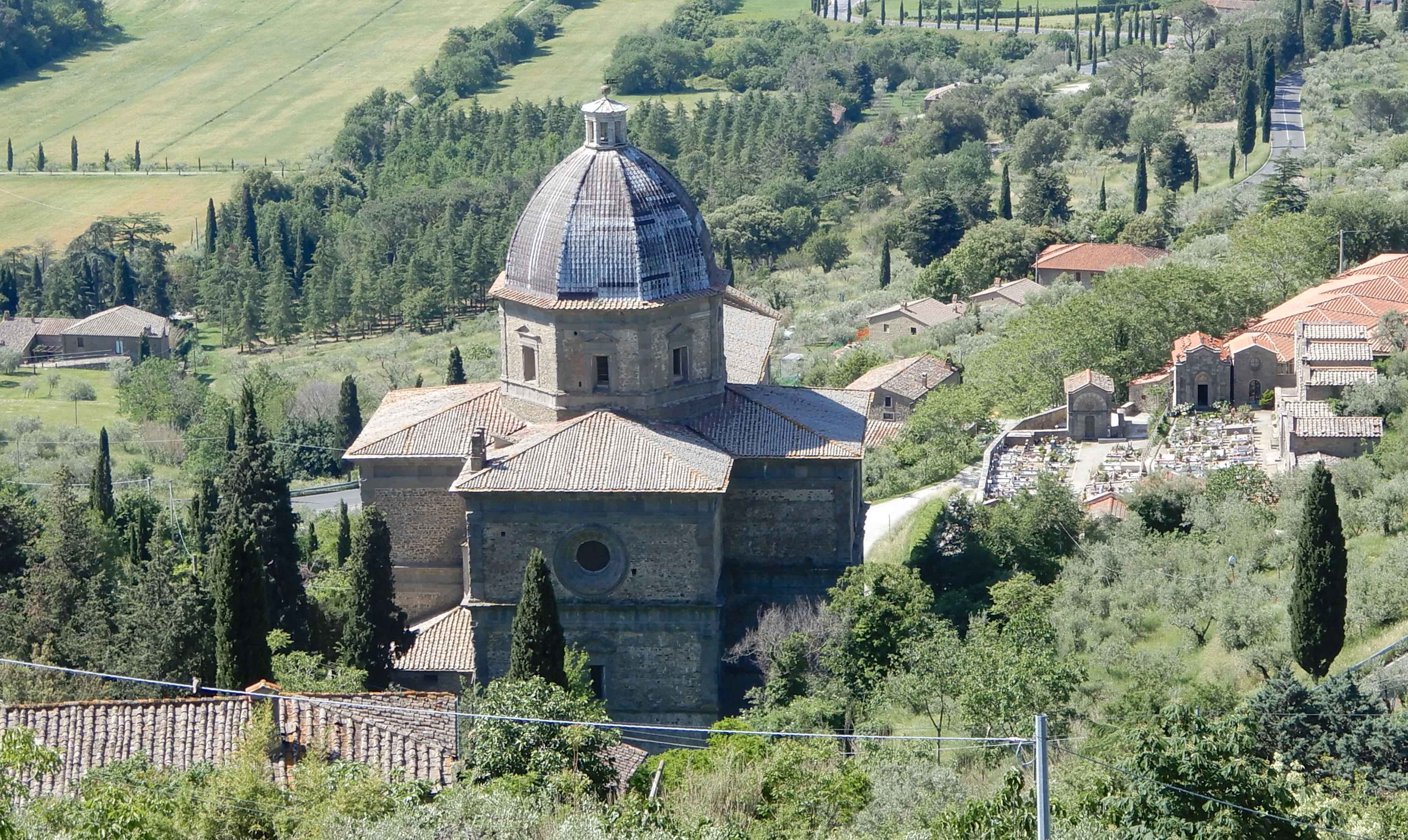
Remembering our first visit to Cortona and the strenuous postprandial walk to the top of the town, we opted to drive this time to explore the magnificent Basilica di Santa Margherita.
A church was built on the site by the Camaldolese monks in the 11th century, dedicated to St. Basil, but was damaged during the sack of Cortona in 1258. Efforts led by Margherita di Cortona resulted in the church and adjacent convent being rebuilt in 1288. The interior is spectacular.
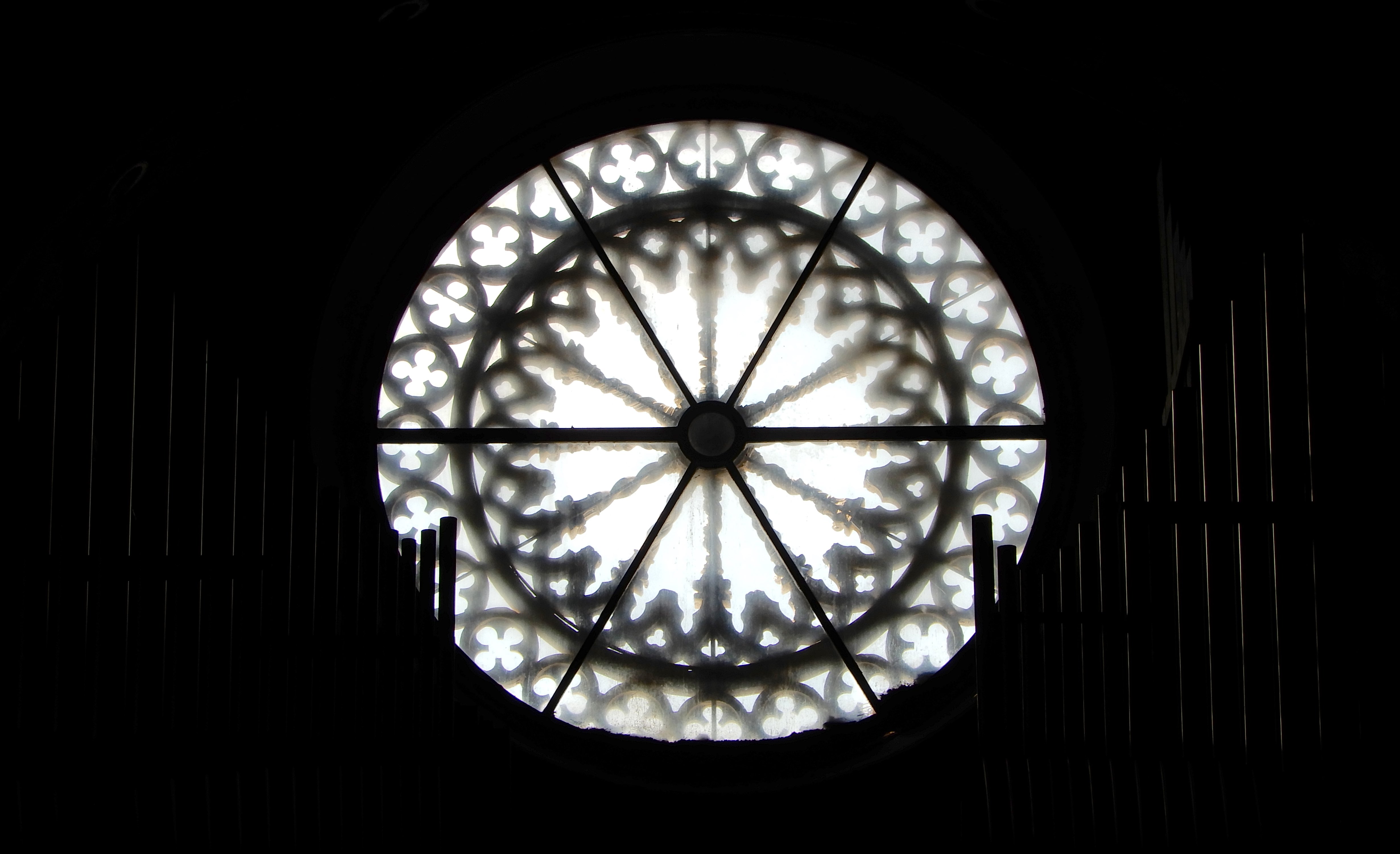
There have been many alterations over the centuries, the large rose window of the façade is one of the few remaining original features.
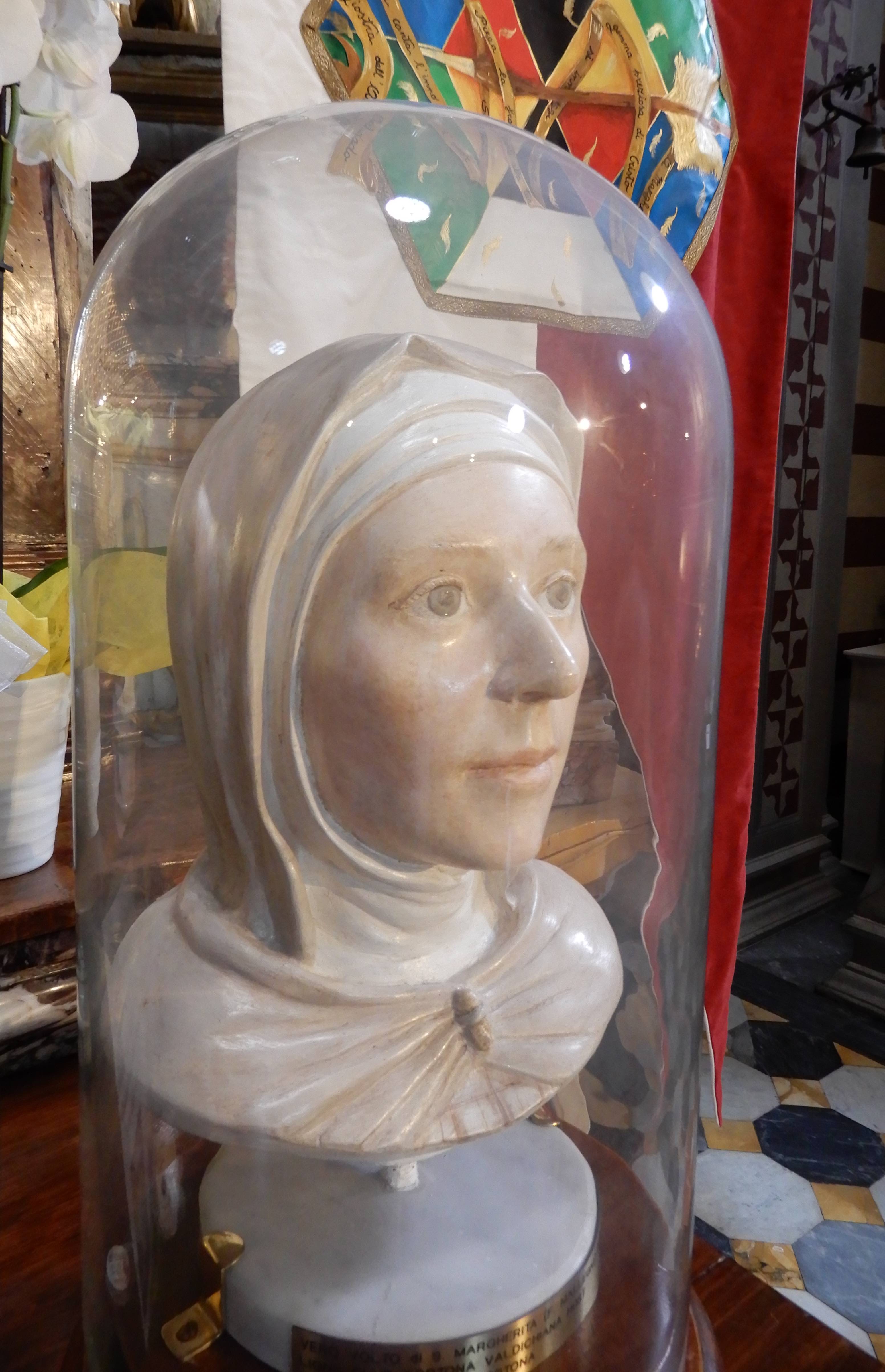
A marble depiction of Saint Margaret and a chapel commemorating the Cortonese war dead are to the side of the main aisle.
The most impressive display is above, with vibrant ceiling frescoes and stained glass windows presenting impossible angles.
Margaret lived the last years of her life in a small room at the back of the church until her death in 1297. She was buried in a wall of the chapel of St. Basil and her remains were transferred when a larger church was constructed in 1330. Her body is now displayed in a silver casket at the main altar.
Canonized in 1728, Saint Margaret didn’t have an enviable portfolio, being the patron saint of the falsely accused, homeless, insane, orphaned, mentally ill, midwives, penitents, single mothers, reformed prostitutes, stepchildren and tramps.
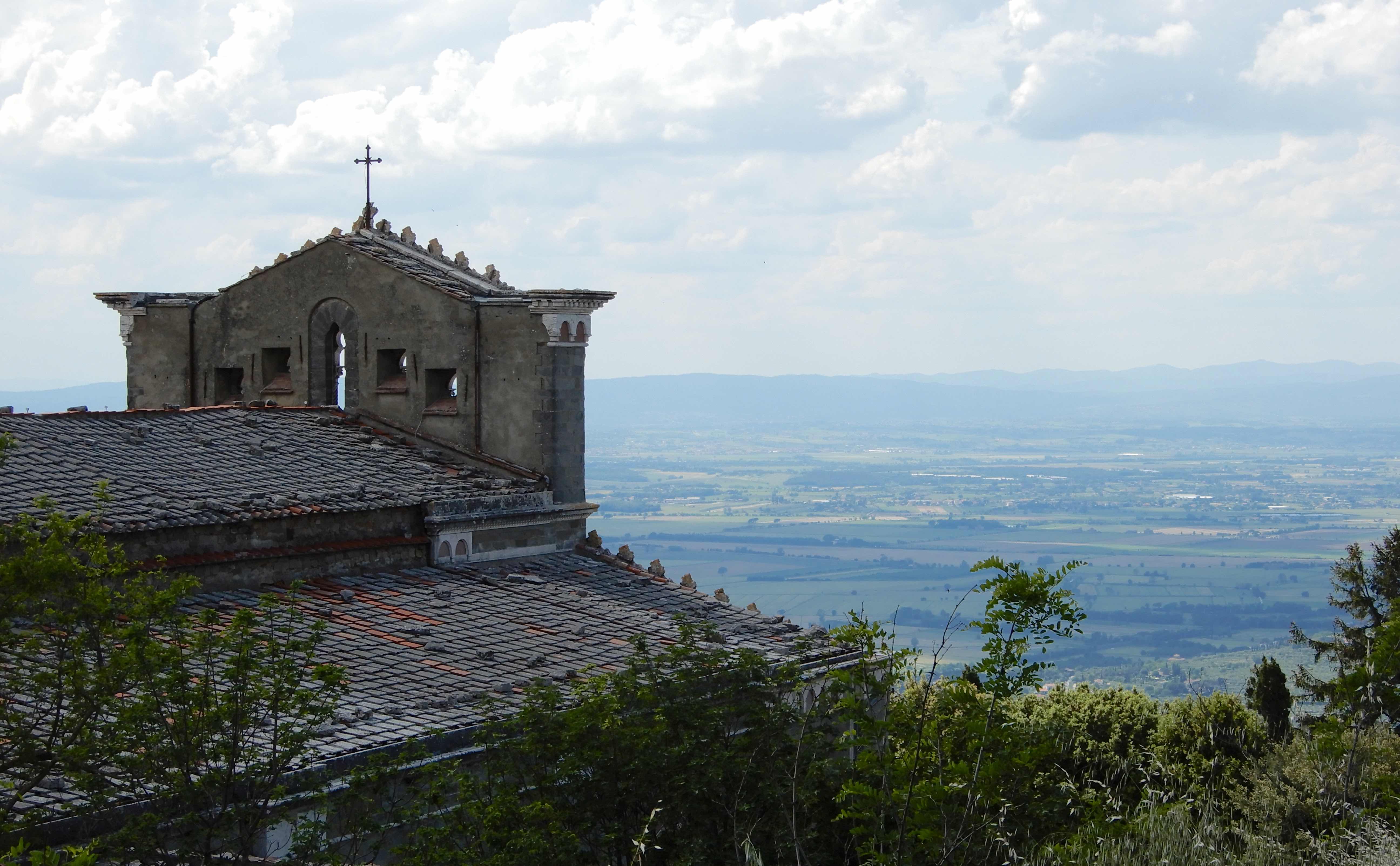
Beyond the rooftop of the neighbouring convent,
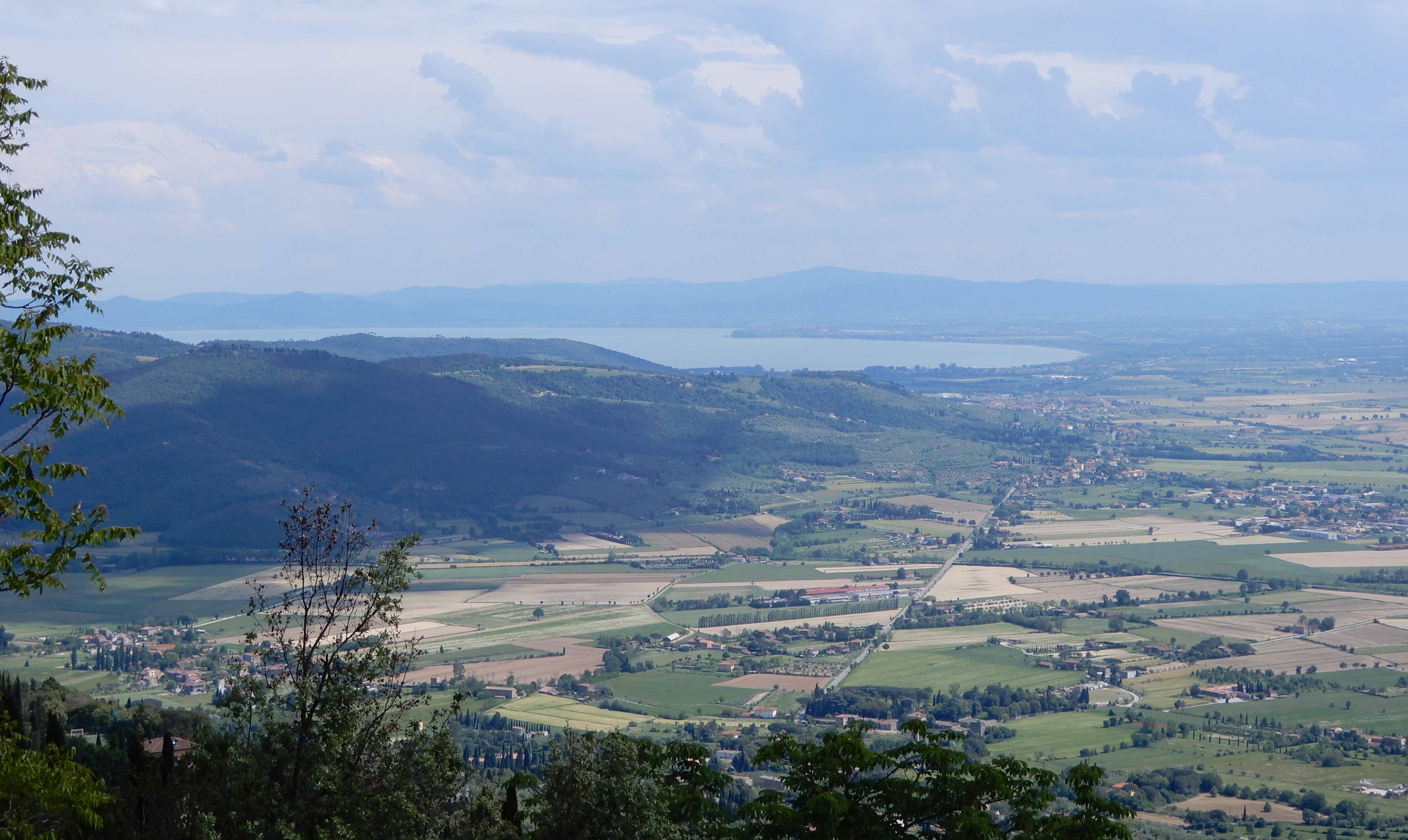
the vista across Lake Trasimeno and the Val di Chiana once again took our breath away.
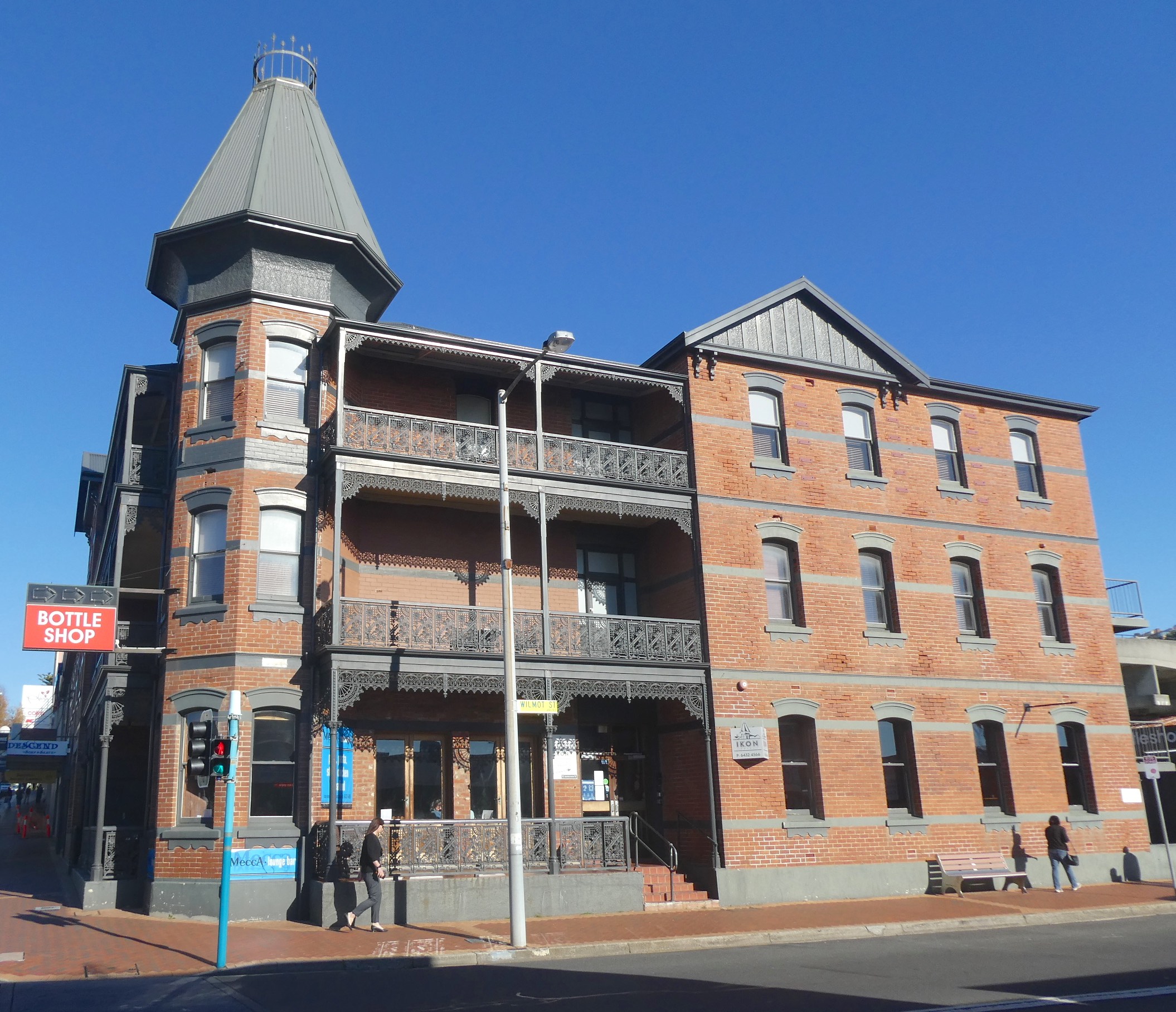
After discovering the beautiful Federation Homes of Burnie and delving further into the history of the town, I set out to investigate the civic buildings from this period. These are by no means the only significant heritage buildings in Burnie, they are merely the example promoted by the ‘Federation Walks of Burnie’ pamphlet. The prominent Ikon Hotel was established as the Club Hotel in 1912 by J.T. Alexander. The Alexander family pioneered European settlement at Table Cape and with support from his family, J.T. built his own hotel after leasing the Sea View (now the Beach Hotel) from 1902 to 1910.
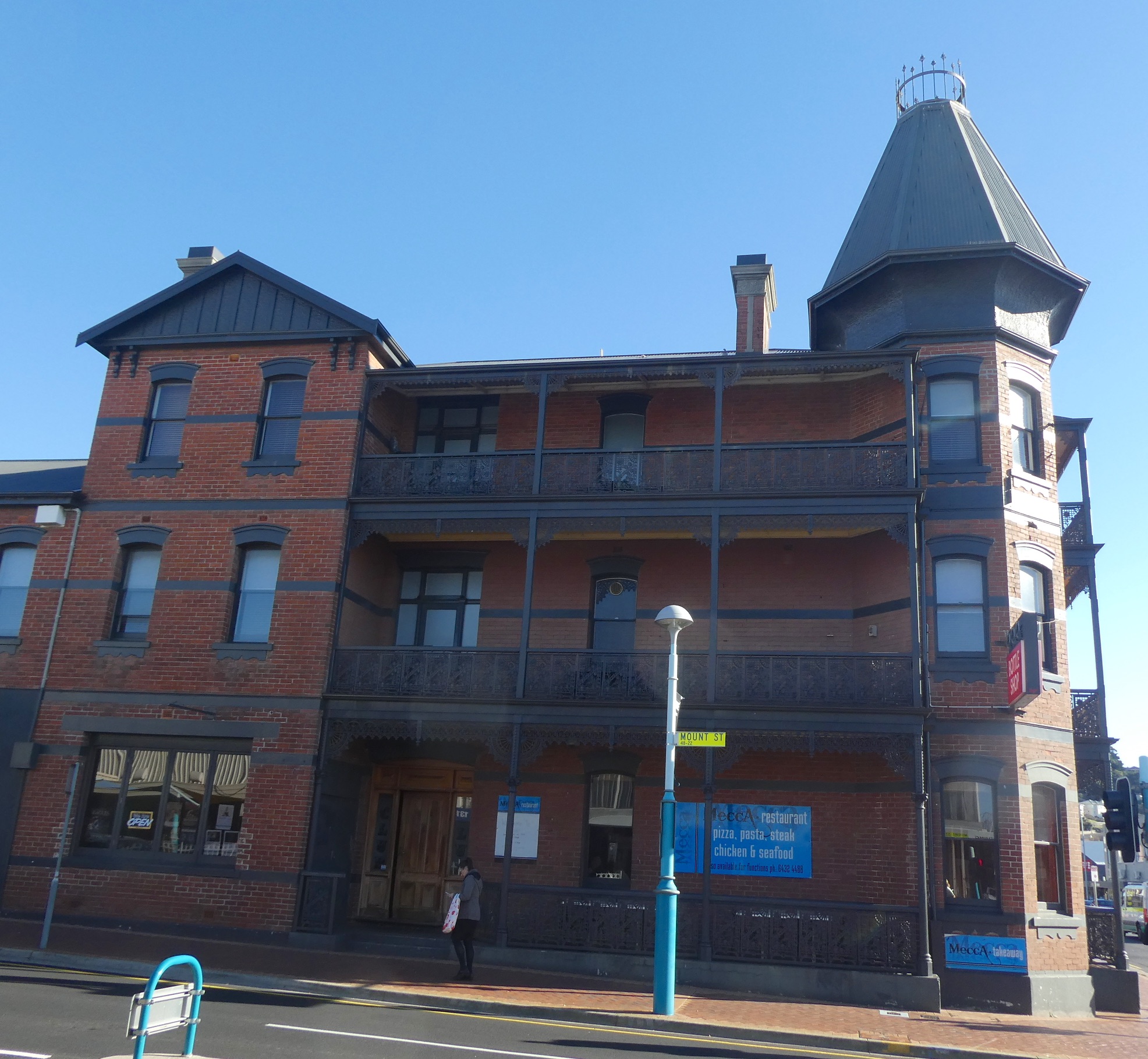
Known for his generosity to many needy families during the Great Depression, Alexander faced mounting debts and was forced to sell the hotel in 1933. The three storey building, dominated by the tall pyramidal tower, is an example of Federation Free Style architecture with very fine cast iron valances and balustrades.
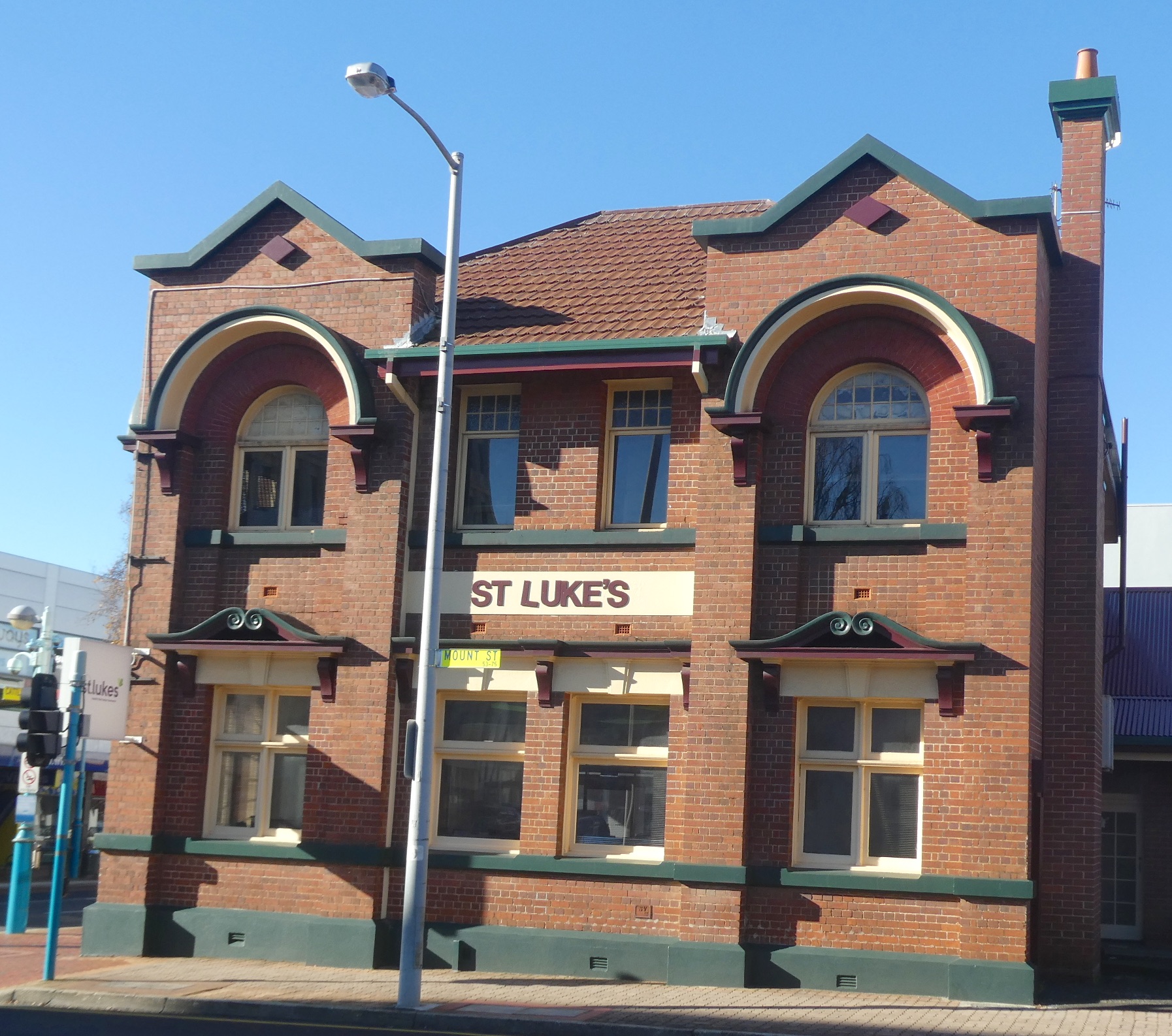
Built by the Hobart Bank in 1921, the St. Luke’s building is on the site originally used by the Don Trading Company as their wood yard. ‘Burnie Brick’ was used in the construction of many buildings of this era, dug and fired in the Cooee brickworks until 1967 when the clay was eventually exhausted and the business closed. Federation Free Style often incorporated features from other styles such as the Romanesque semi-circular arches and Art Nouveau pediments above the downstairs windows seen on St. Luke’s.
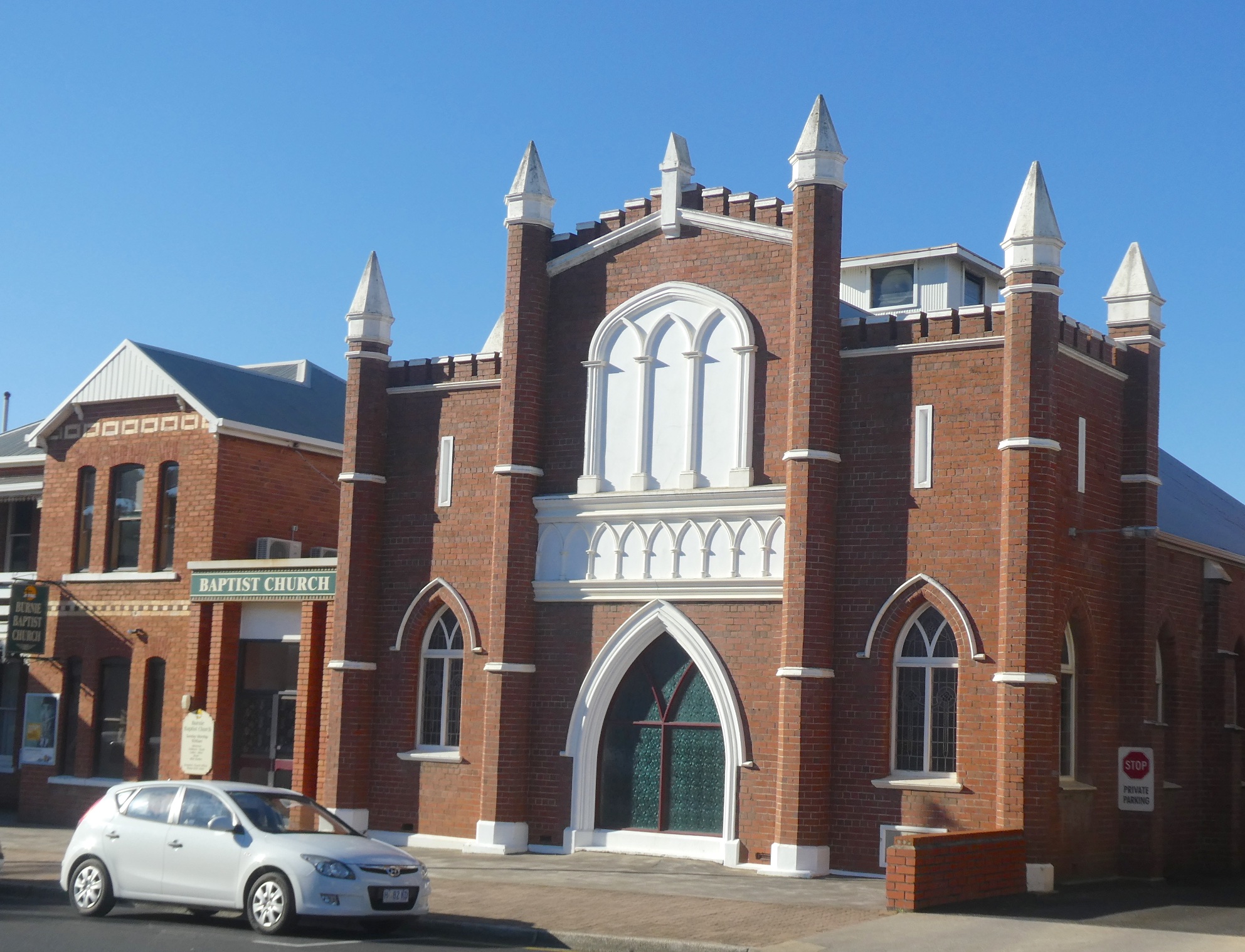
In 1899, a Baptist Church was established in the town with services held in the Town Hall. Funds were raised to purchase land and erect a purpose built weatherboard church and adjoining two-storey brick manse. By 1925, the church proved too small and the new brick version was completed almost entirely by voluntary labour of the parishioners. There are some medieval elements to the Federation Gothic style including pointed arch windows and doorways, blind turrets and arrow slits and a parapet resembling a battlement.
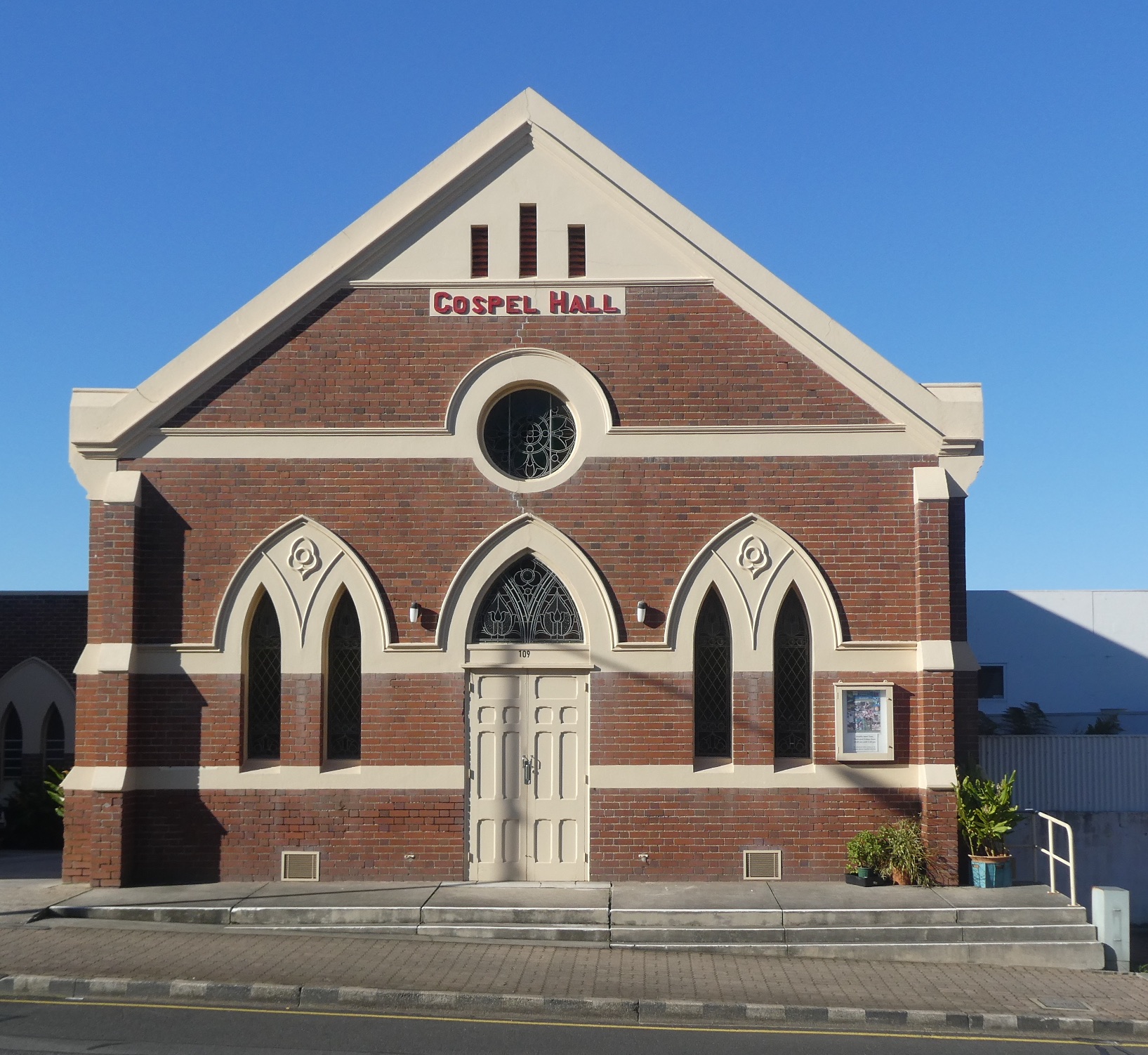
The Christian Brethren began services in Burnie in 1875 and a simple timber building was constructed a year later. The current Gospel Hall, built in 1915 and enlarged in 1930, is another example of Federation Gothic architecture with a steeply pitched roof, arched windows and the inclusion of Art Nouveau leadlight.
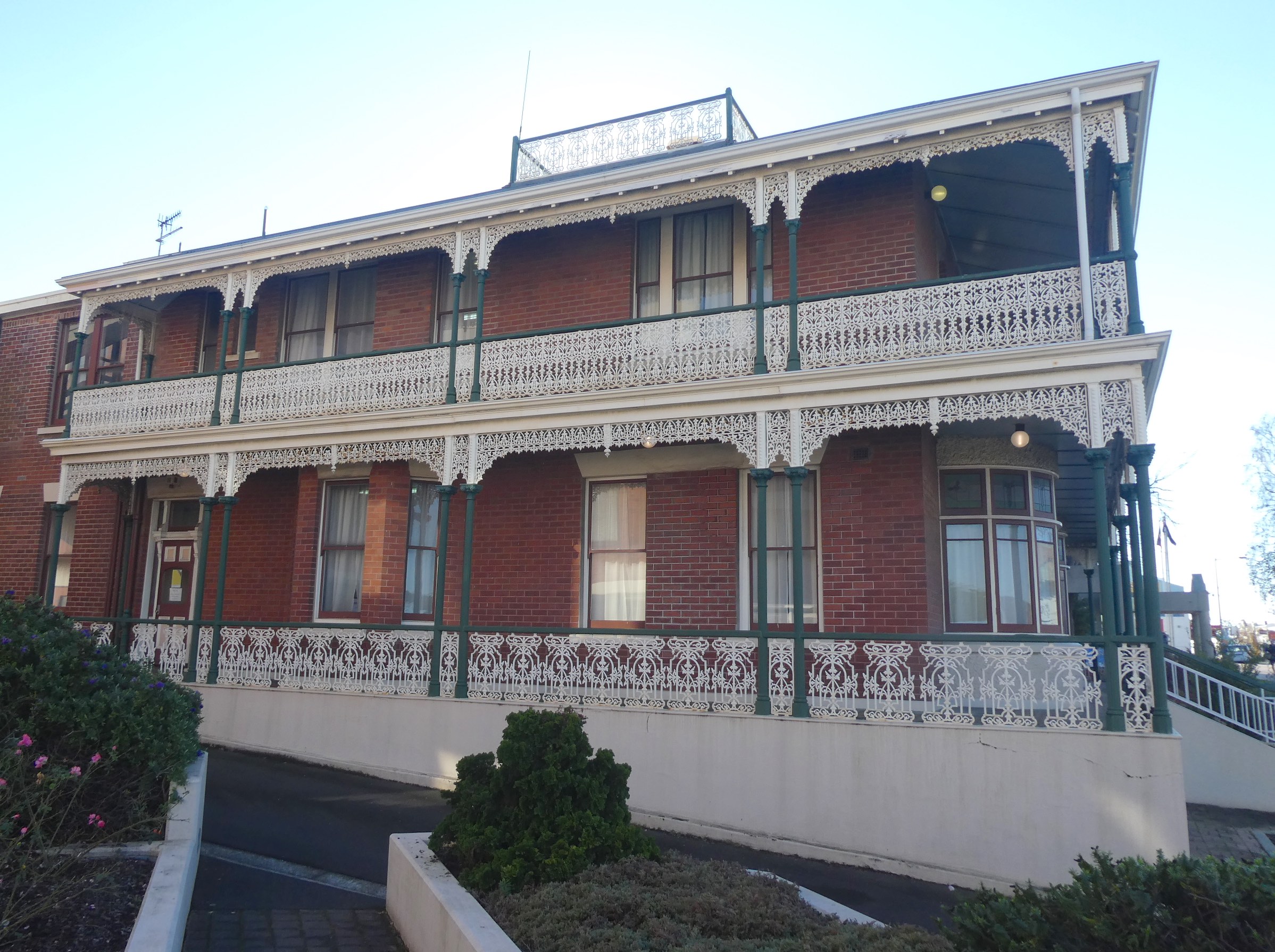
The current SES Regional Headquarters is housed in a magnificent two-storey Federation Filigree home originally built for the Lucadou-Wells family as a combined residence and dental surgery. The ornamental screening on verandahs and balconies was usually timber but in this case it is cast iron.
Constructed in the Federation Free Style for the Commercial Bank in 1913, I think this sandstone and brick structure is looking somewhat neglected. Known as the T.G.I.O. Building (Tasmanian Government Insurance Office) through the nineties, it is now inhabited by Steadfast Taswide Insurance Brokers.
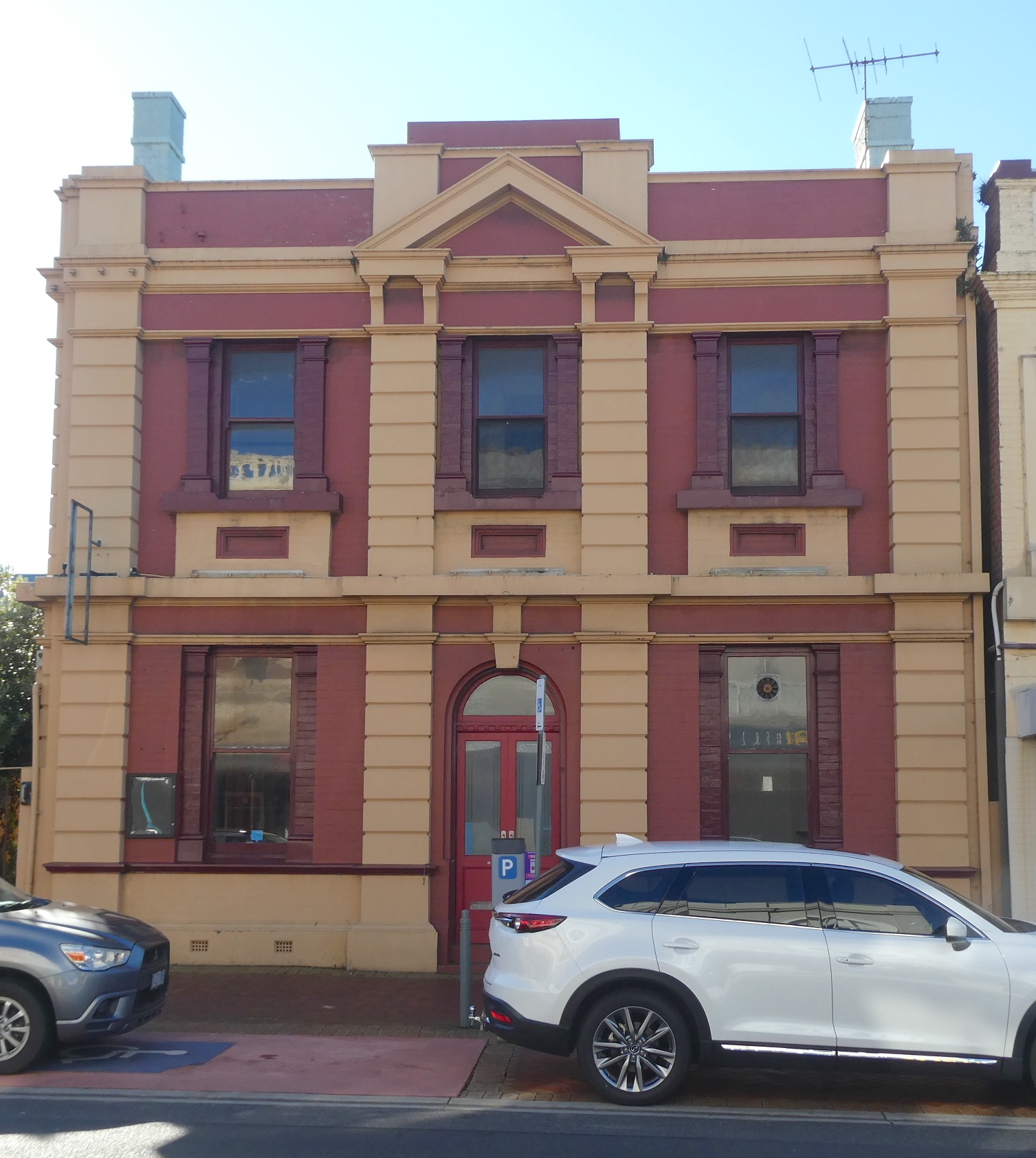
Another beautiful building sits sadly neglected. The former Burnie branch of the Launceston Bank for Savings opened in 1928 and was most recently the premises of the Spirit Bar, a welcoming hub offering Tasmanian beer, wine, cider and spirits as well as delicious fare and live music. The forlorn façade has deteriorated dismally since the unfortunate closure of Spirit Bar a couple of years ago.
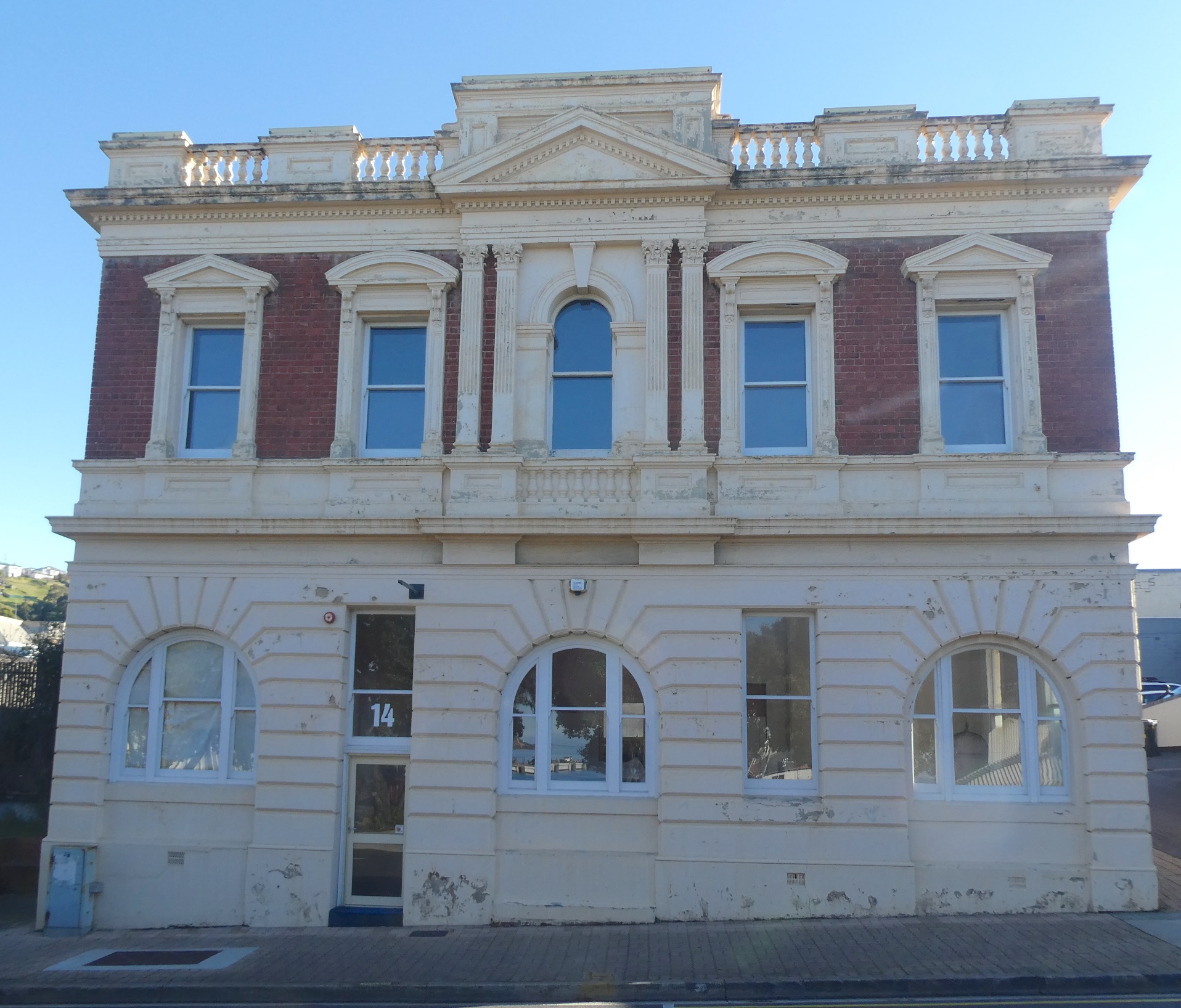
My disappointment reached a new level when I saw the condition of the Old Post Office. Purpose built in 1898, it is considered an important example of Federation Free Classical architecture. An enthusiastic couple bought the property in 2014 with plans to renovate but I can find no further reference to that story and it certainly appears deserted and decrepit.
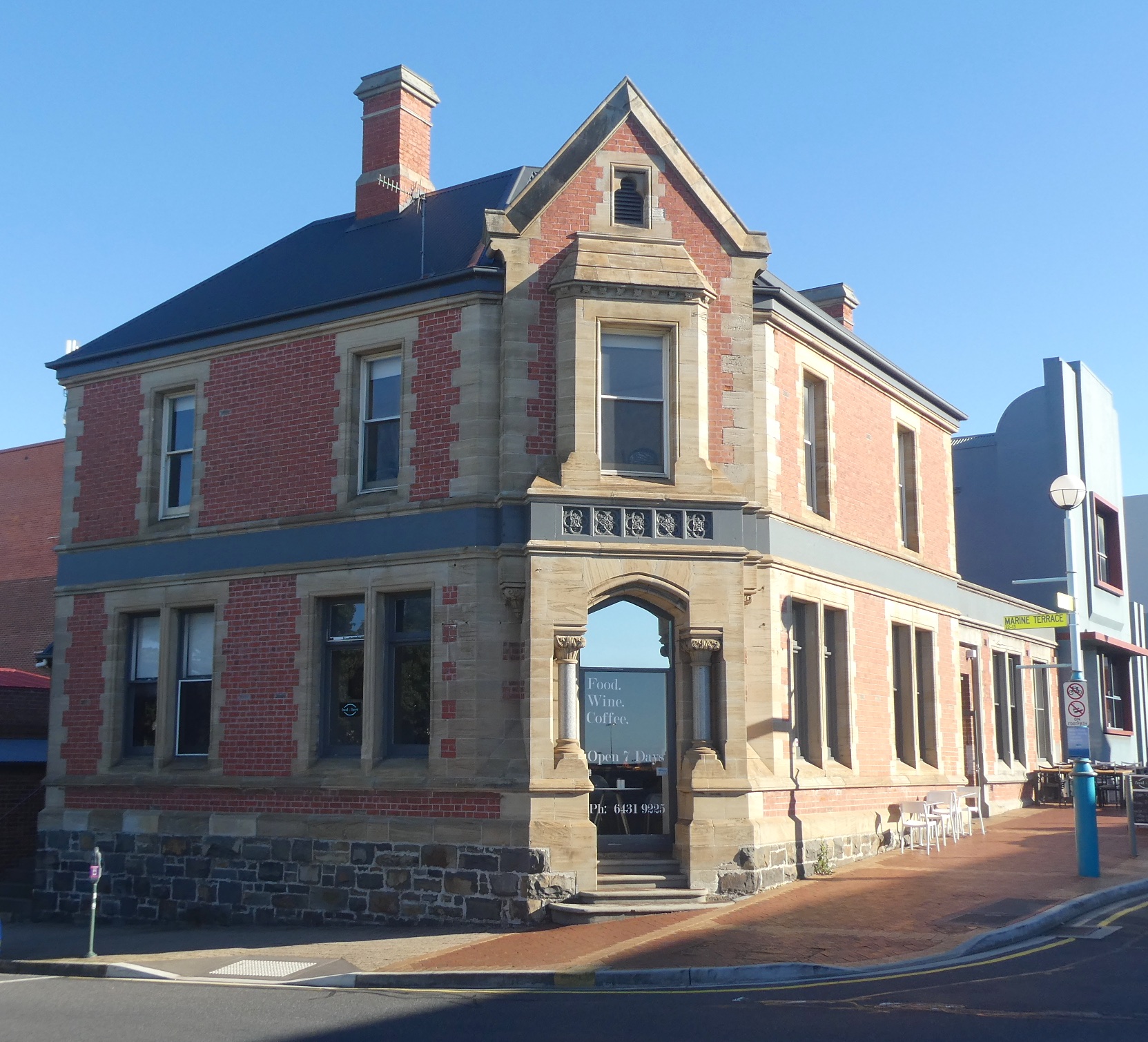
The former Bank of Van Diemen’s Land (V.D.L. Bank) building, just a few doors down from the Old Post Office, has been beautifully restored and maintained. Completed in 1892, the prominent corner position is ideal for what is now ‘Food & Brew’, a successful restaurant and wine bar serving Tasmanian produce and making the most of the stunning period architecture, both inside and out.
I fail to understand why some these buildings that are considered significant enough to be listed on the Heritage Register are not being maintained. Surely the conservation recommendation of, “this place should be retained” indicates an obligation to upkeep the premises? Perhaps some Council coffers could be allocated to restore Burnie’s historical buildings, especially those promoted in brochures to entice visitors to the town?
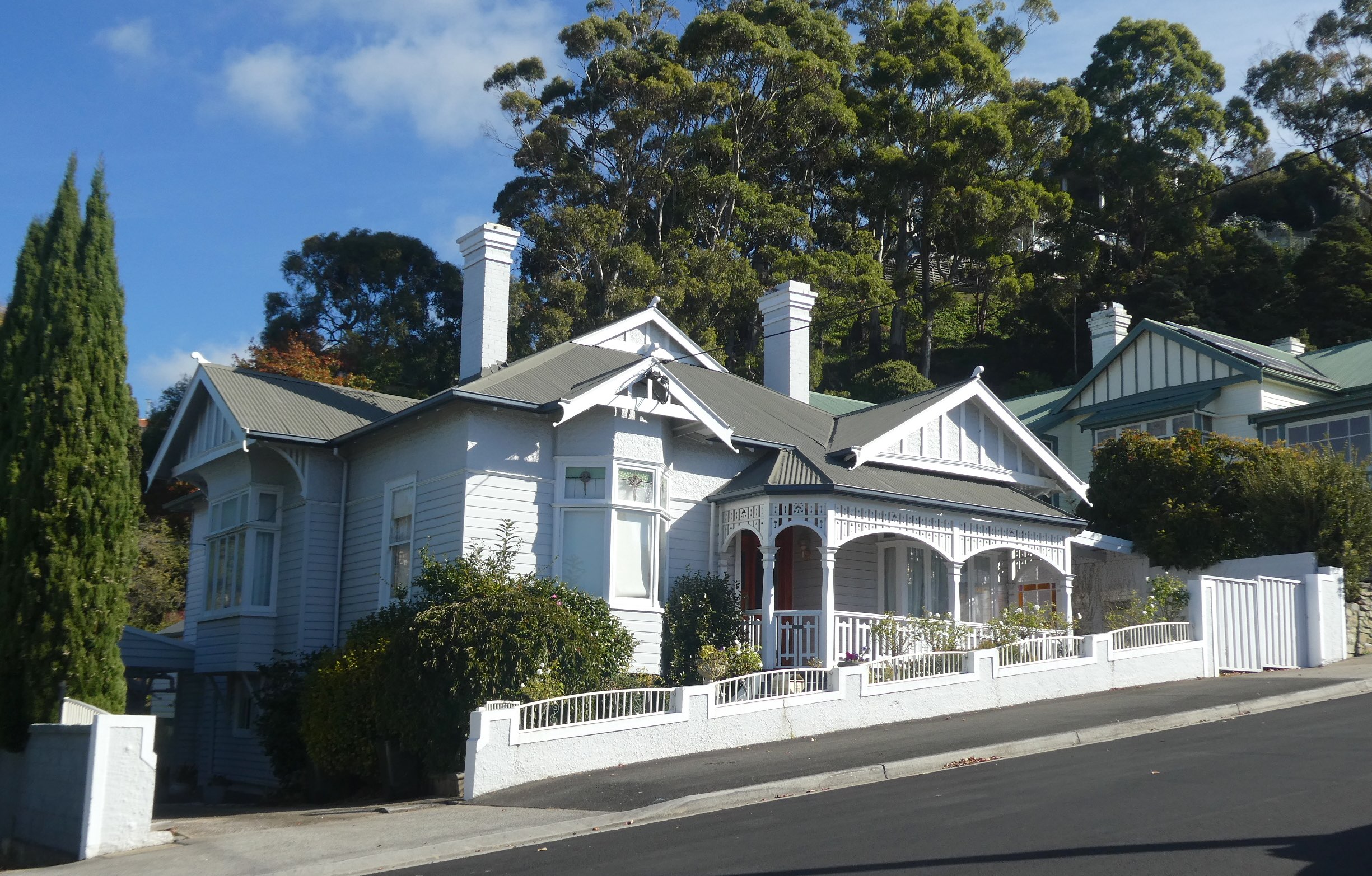
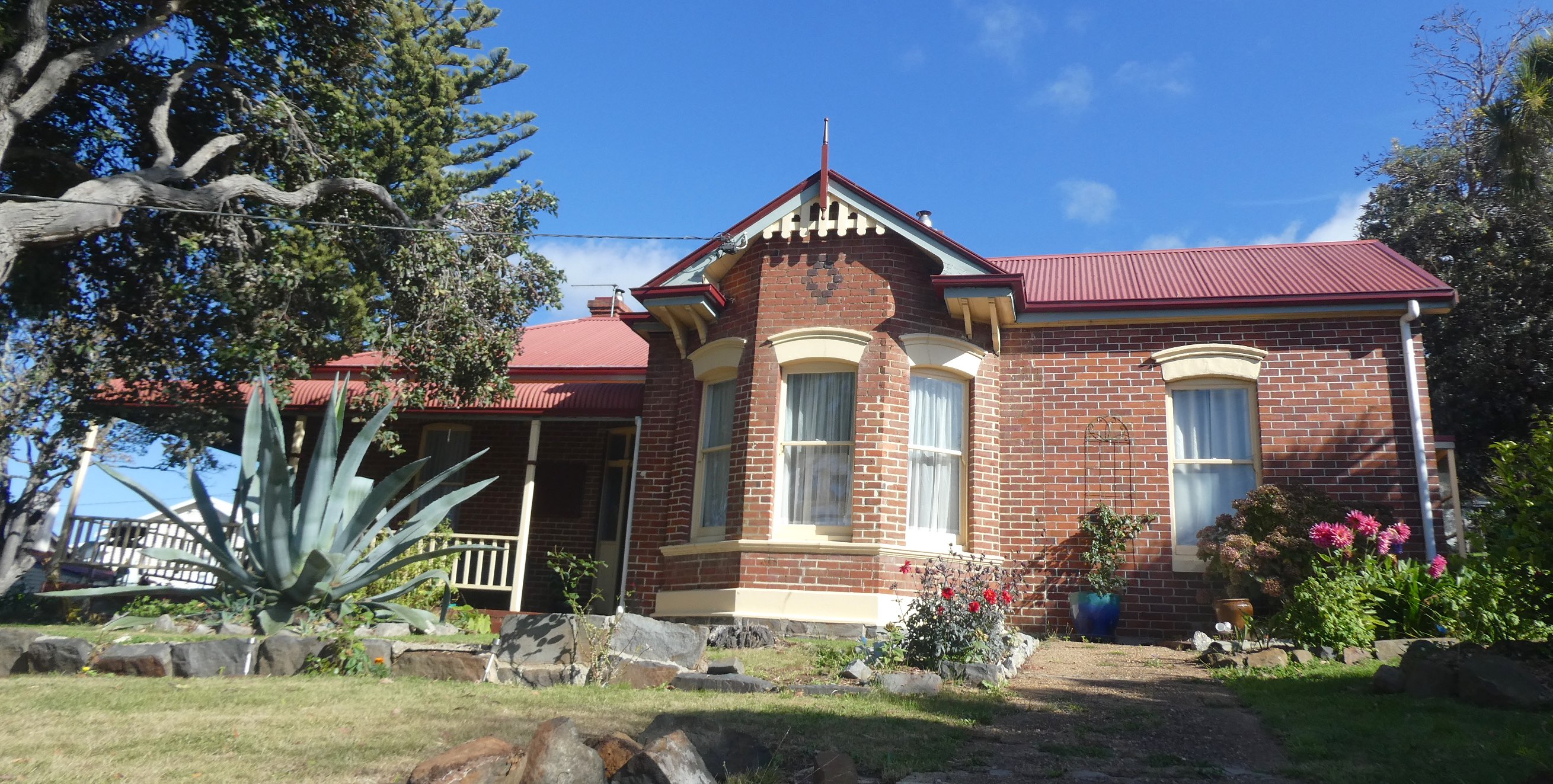
The town of Burnie in northwest Tasmania began to boom after the discovery of tin at Waratah in 1871. Two years later,the Mount Bischoff Tin Mining Company was floated and in 1875, the VDL Company moved its headquarters from Stanley to Burnie. The tin was transported to the Burnie Port, the horse-drawn wooden rail tramway was replaced in 1884 with steam trains and steel rails. The relevance of this (yes, I’m getting there) is that it brought the wealth and impetus to build the magnificent Federation architecture that abounds in Burnie today. Some time ago, I came across a leaflet for ‘Federation Walks of Burnie’ and only recently, on a sunny afternoon, indulged in a journey of discovery. It transpires that many of the buildings from this period are reflective of the Federation Queen Anne style, a fine example being the house known as Wyona.
Built in 1914 for Edward Alfred Joyce, a leading Tasmanian manufacturing jeweller, the house sits in a prominent position above the town on William Street on a bend where the name changes to Queen Street. Bow-windowed bays with prominent gables face both streets and a verandah projects diagonally between the two, making the most of views across the city and sea. The Tasmanian State Institute of Technology established a study centre at Wyona in 1983 and it is now the private residence of the Mayor of Burnie.
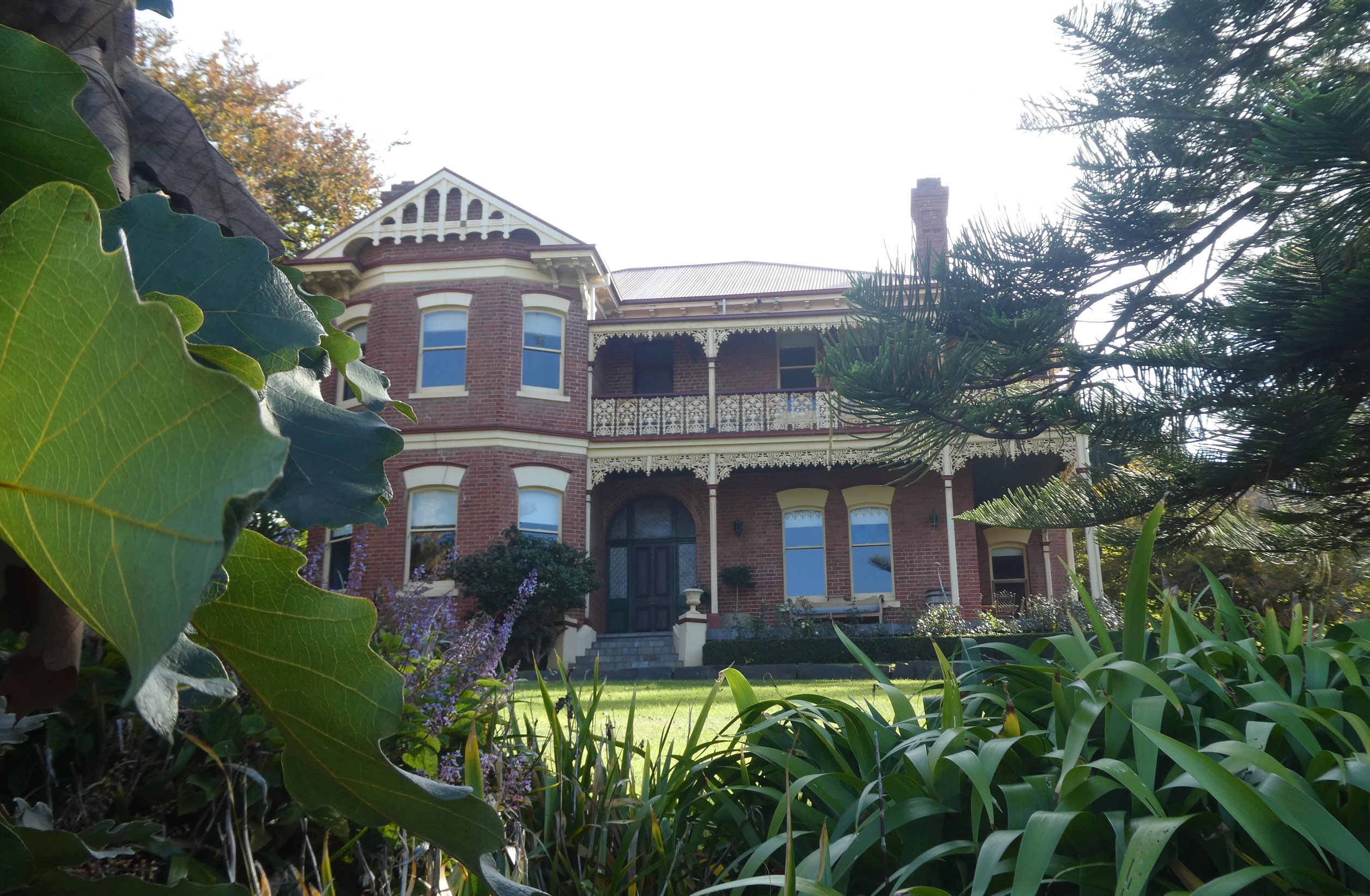
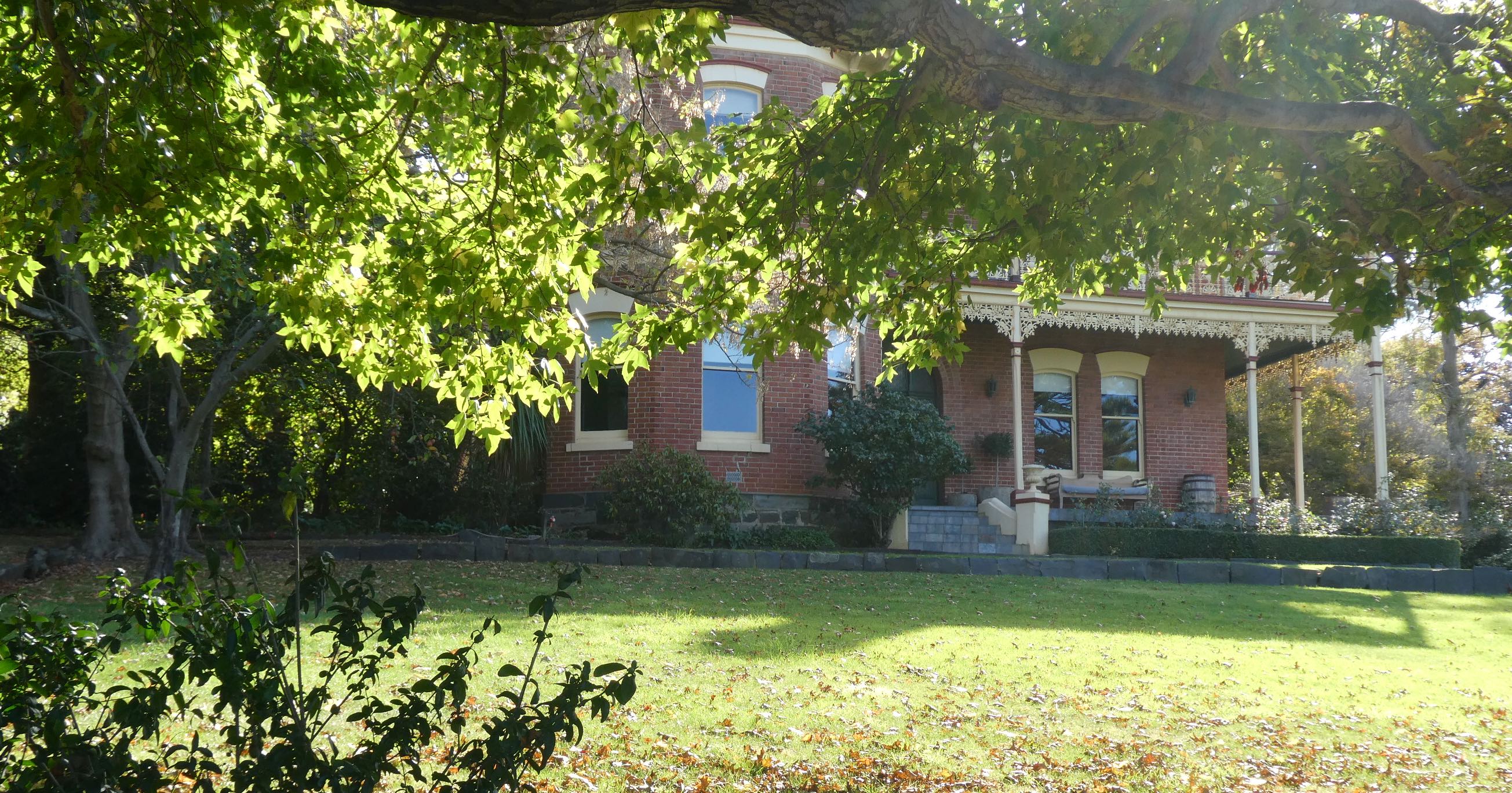
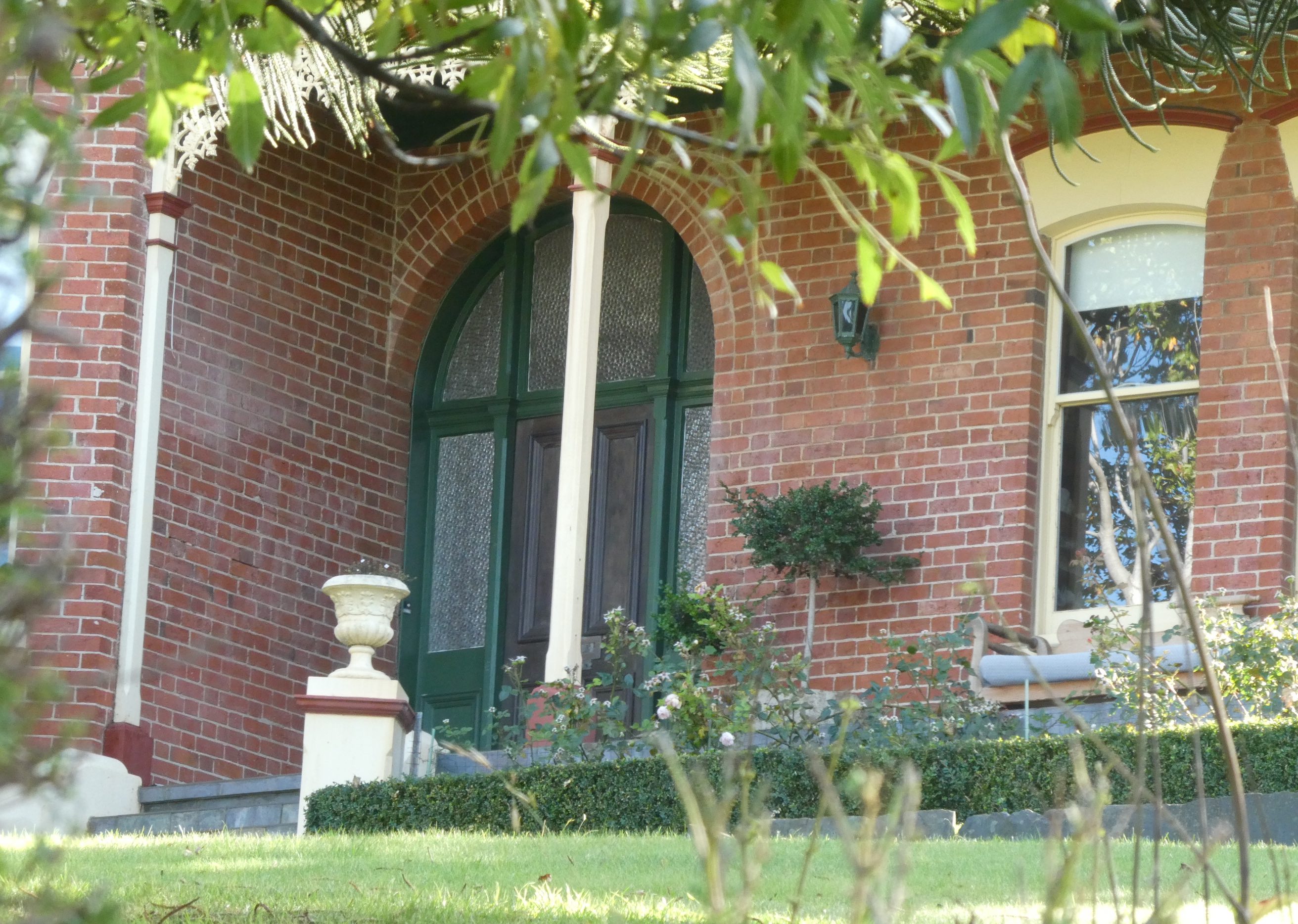
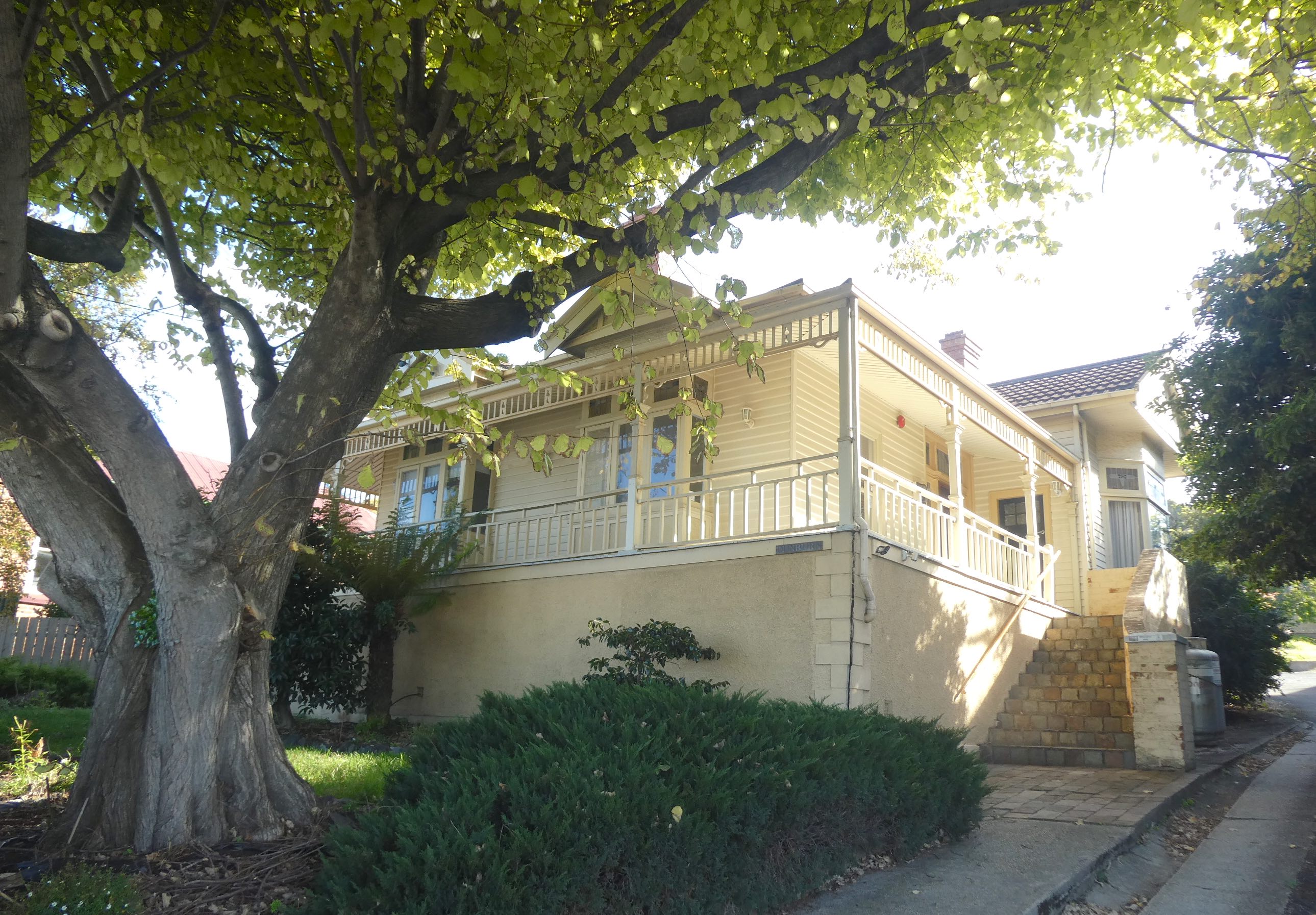
Continuing down Queen Street, Kandaha is a magnificent home built in 1888.
Set in an acre of immaculate gardens, the wide verandah is decorated with intricate cast iron brackets, fringe and railings. This was becoming rare, as cast iron was replaced in favour of machine-cut timber for balcony and verandah decoration by 1900.
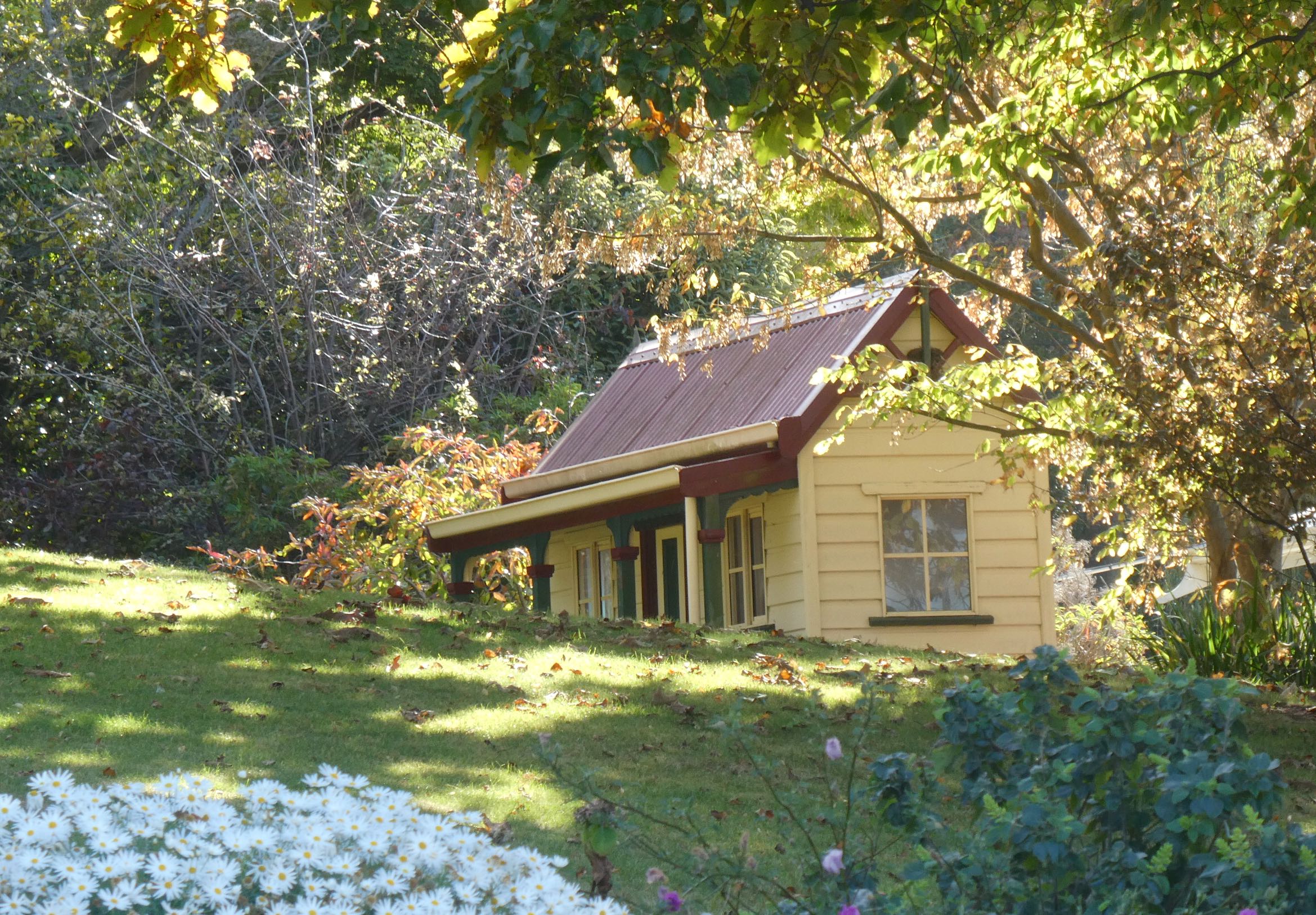
Outbuildings include the original laundry with Huon pine washtubs but I’m not sure if this is it.
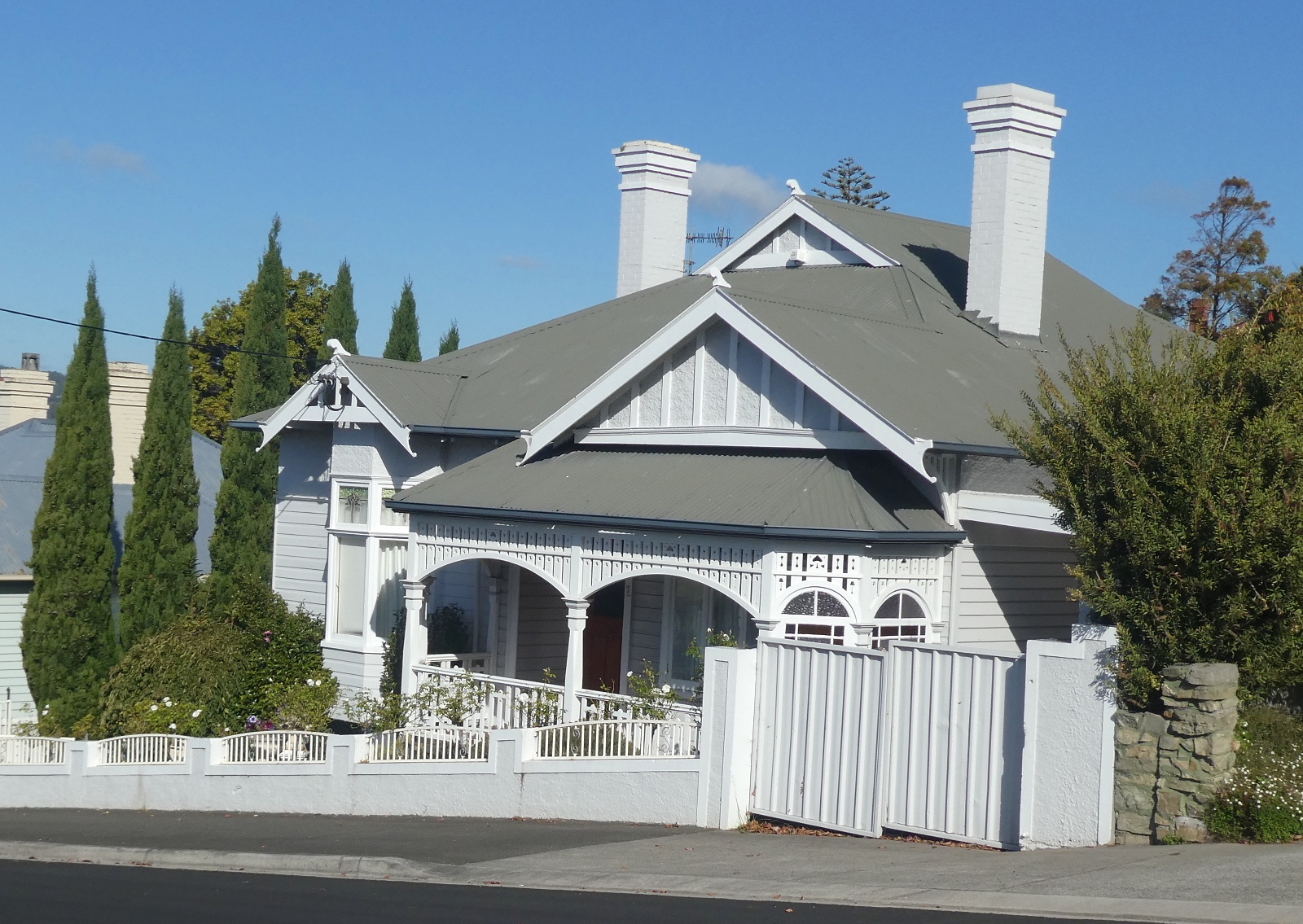
Queen Street was originally called Chaff Street and apparently became known as ‘Rotten Row’ due to the sub-standard housing at the time. Obviously, the area improved and in 1907 the street was renamed after Queen Alexandra of Denmark, wife of King Edward VII. In a region of rich timber resources, weatherboard became the preferred building material. Many Federation Queen Anne residences are an ‘L’ shape plan with a front room projecting forward toward the street and a verandah extending along the remainder of the frontage. Concealed within a mature garden, number 30 Queen Street was constructed in 1906 and has many of the additional characteristics of the era such as a prominent gable with half-timbered effect, valance and bargeboards with finial.
Francis Tallack is credited as being the ’architect of Burnie’ and was responsible for the construction of hotels and numerous business premises as well as private homes. Number 24 Queen Street was built by Tallack in 1910, the large front room windows face the sea and double verandah posts and curved timber have been used to create the decorative valance.
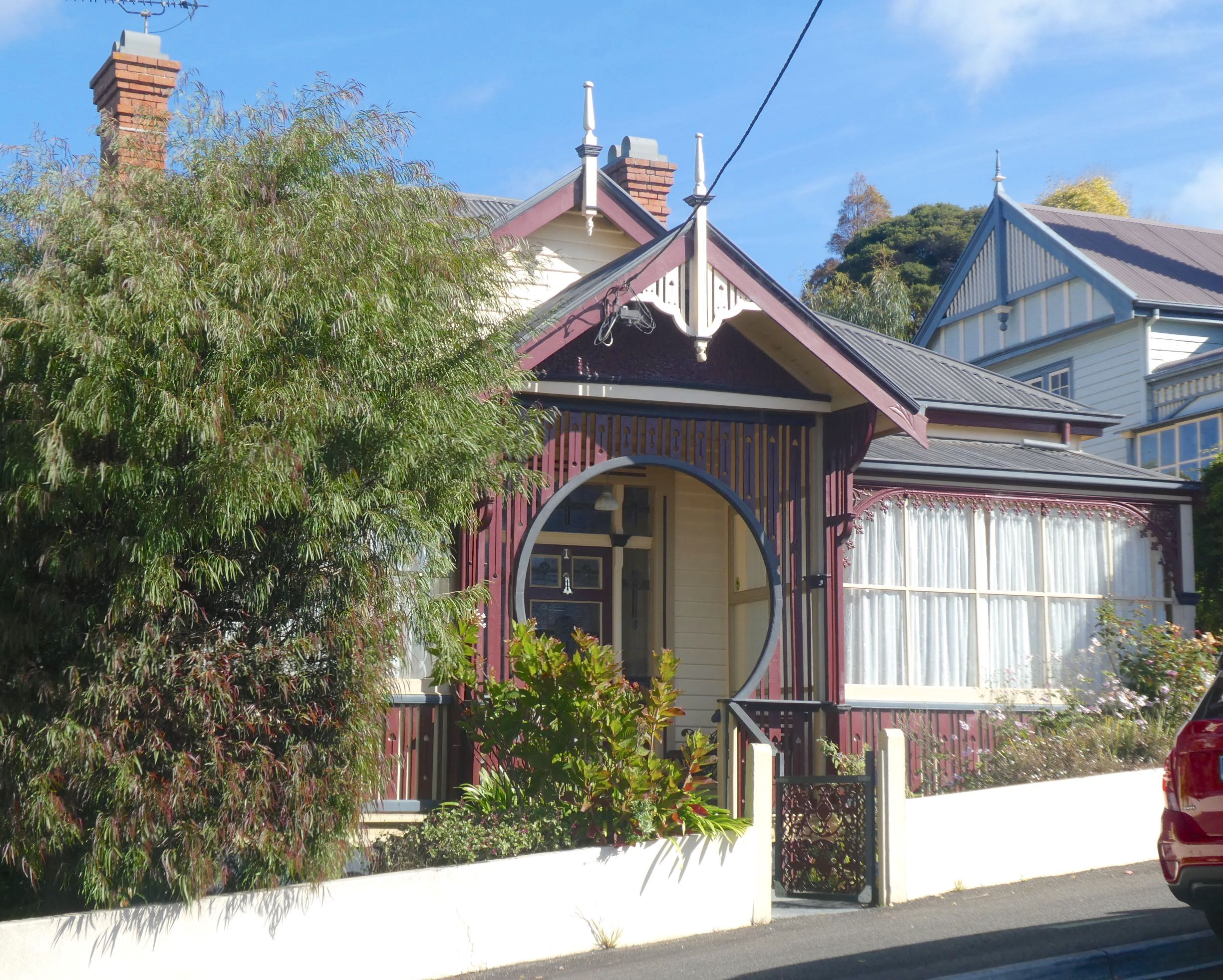
Just around the corner on Princes Street, number 1 is the house where Francis Tallack lived. The remarkable keyhole entrance is surrounded by decorative timber that continues along the verandah railing and the front door features Art Nouveau leadlight.
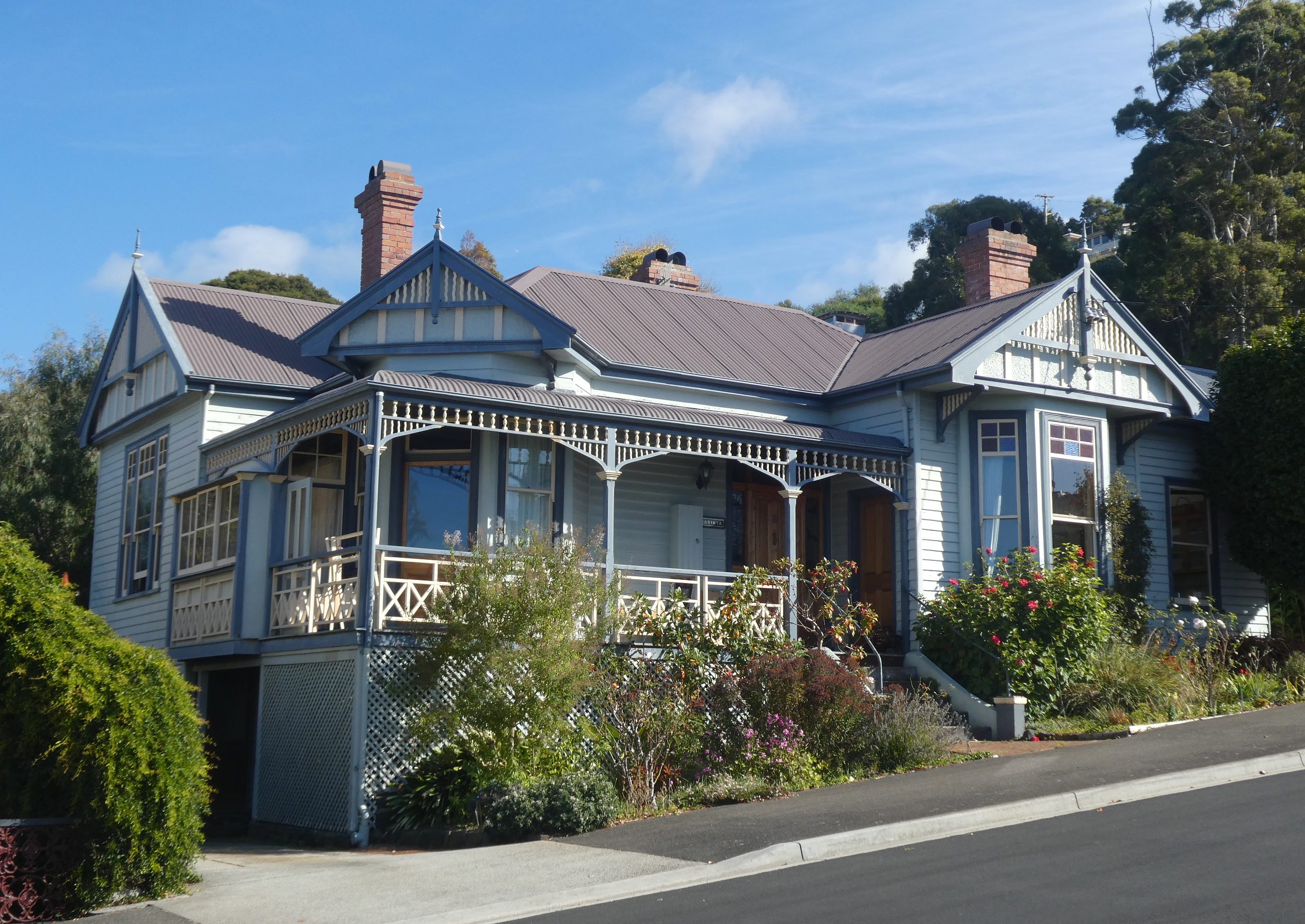
Princes Street is not a long street but the houses are stunning. It was originally the private driveway of a well-known homestead, Berthonville, and was renamed in 1907 after the three sons of King Edward VII and Queen Alexandra. Carinya (number 3) is beautifully maintained, decorative timber embellishments, tall chimneys and simple leadlight enhance the façade.
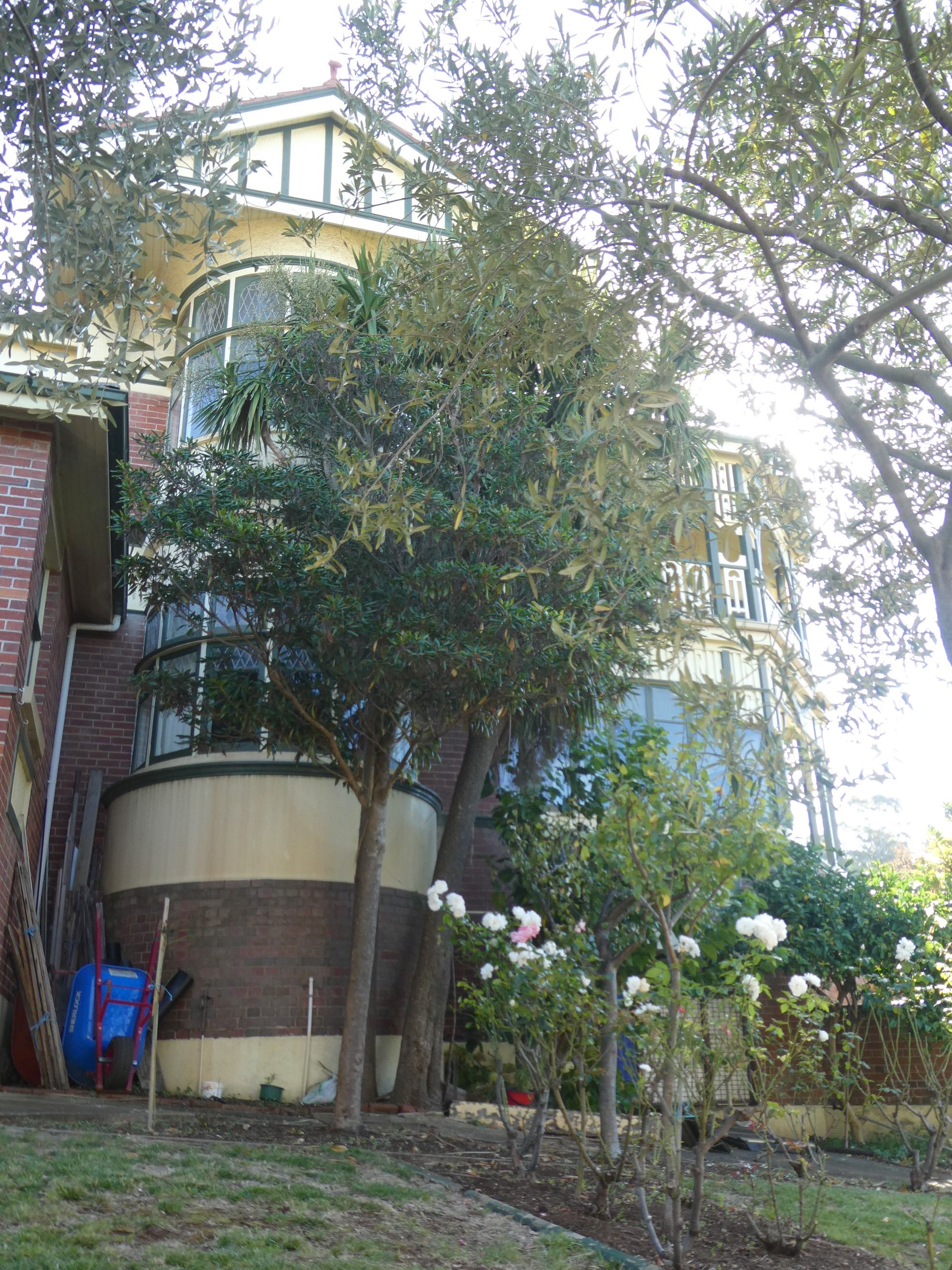
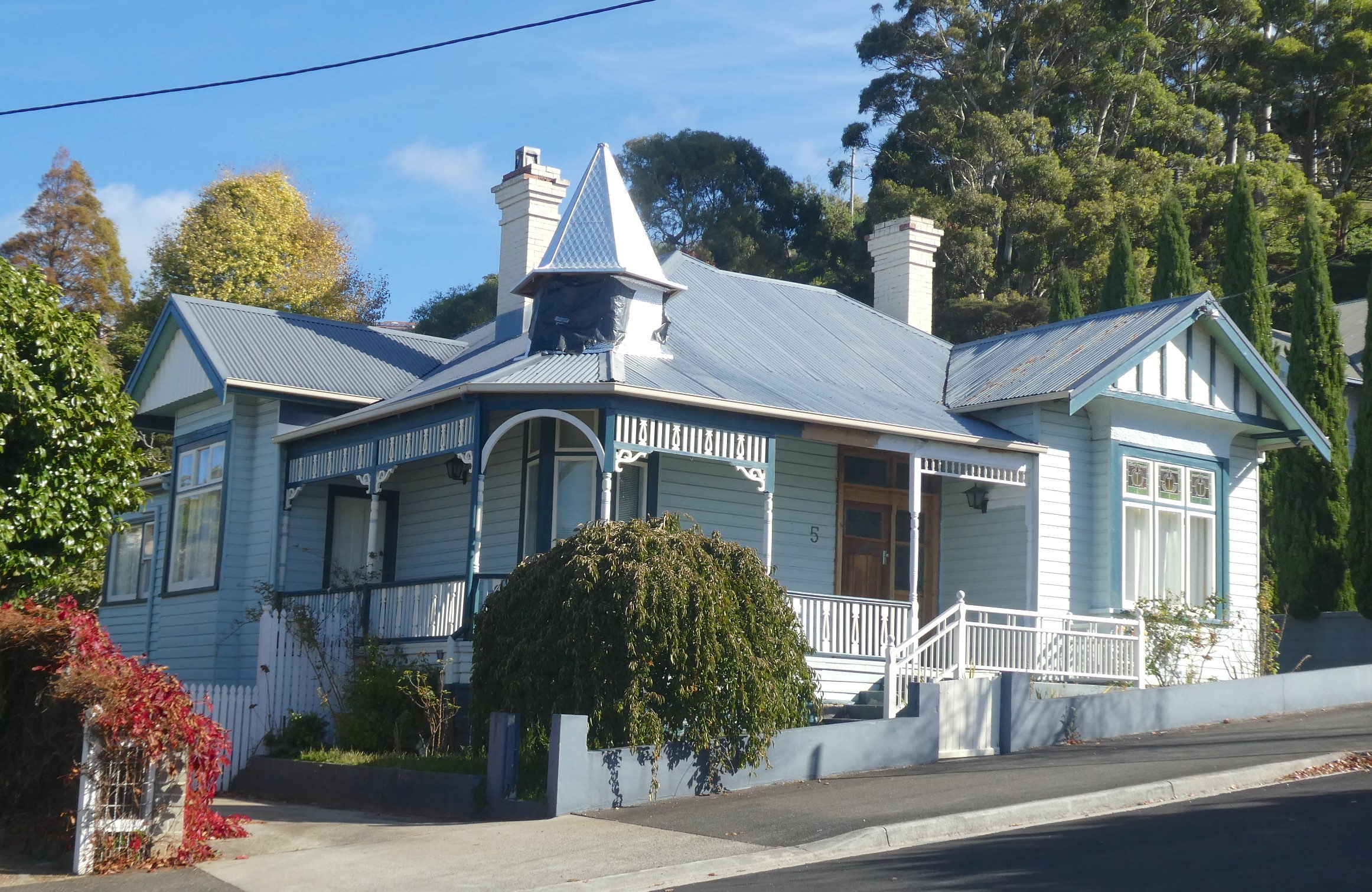
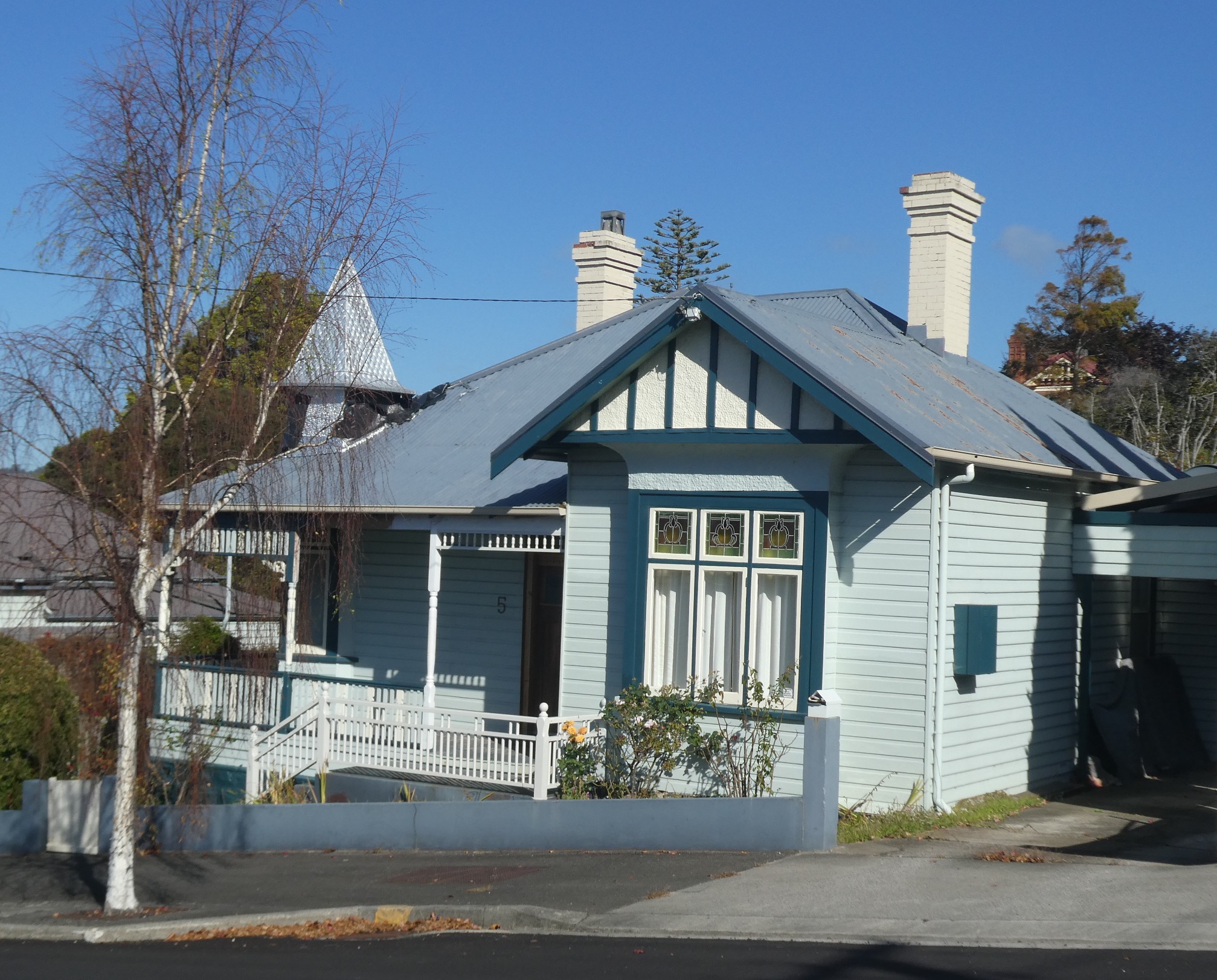
I would love to see inside these homes. The decorative timber continues into the hallways, mantels and wall panelling and some have the Art Nouveau touch of pressed metal ceilings. Number 5 Princes Street has an interesting turret, though I’m not sure if it is original or a later addition.
Heritage listed number 7 has all the features of the Federation Queen Anne style and is, again, superbly presented.
Across the road, another keyhole entrance leads to the verandah at number 2.
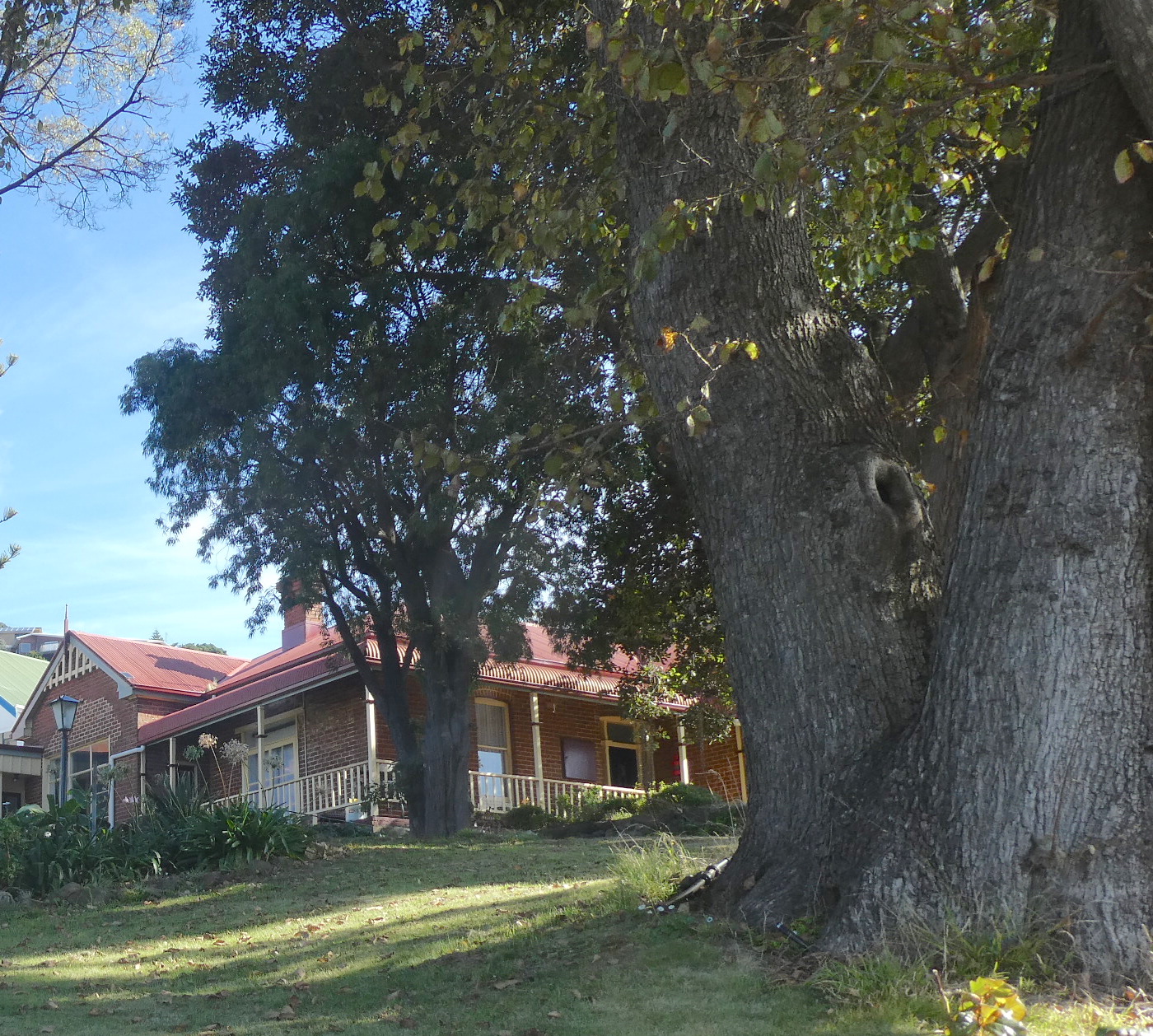
Back on Queen Street, number 22 was built in 1908 by Joseph Alexander who also built the heritage listed Ikon Hotel in Burnie. The warm red of ‘Burnie brick’ makes a change from the weatherboard façades of the era and is complemented by the paint colours on trimmings.
Nearing the end of my ‘guided’ stroll, number 20 Queen Street is a late example of the architectural style, having been constructed in 1923.
At the bottom of Queen Street, running parallel to the ocean, is Olive Street. This was the former driveway to the property known as Olive Grove, home to Joseph Law who built the Burnie Inn, the first licensed premises in Burnie that opened in 1847. Manresa, at number 7 Olive Street, was built around 1900 by Captain William Jones, a prominent local identity known as the ‘King of Burnie’. Jones was a very successful Burnie business owner and entrepreneur, owning the Burnie brickyard, hotels, butter factory, abattoir, cordial factory, timber and mining holdings and several farms. He lived in his mansion, Menai, in South Burnie and built Manresa for one of his sons.
As I delve further into the history of Burnie, I am boggled by the enterprising people who had vision for this town nearly two hundred years ago. Hopefully, the heritage of this region won’t be lost and will come to be appreciated by future generations.
We fell in love with Cortona on our first trip to Italy in 2014 and, even though it was a two hour drive from Montepozzo, we just had to revisit. Yes, it is another Etruscan hilltown but from an elevation of 600 metres, the panorama across the Val di Chiana and Lake Trasimeno is breathtaking.
The alluvial valley covers 2,300 square kilometres and is home to the Chianina cattle, the largest breed in the world and one of the oldest. The beef is sold at premium prices by approved butchers and you will pay handsomely for Bistecca alla Fiorentina in any ristorante.
The Chiesa di Santa Maria delle Grazie was built on the site of a former tannery where, in 1484, an image of the Madonna and Child, painted on the wall of a basin used for tanning leather, began to perform miracles. Because of the steep terrain and presence of a stream, the building wasn’t completed until 1525 and the original icon is still visible on the high altar in the church.
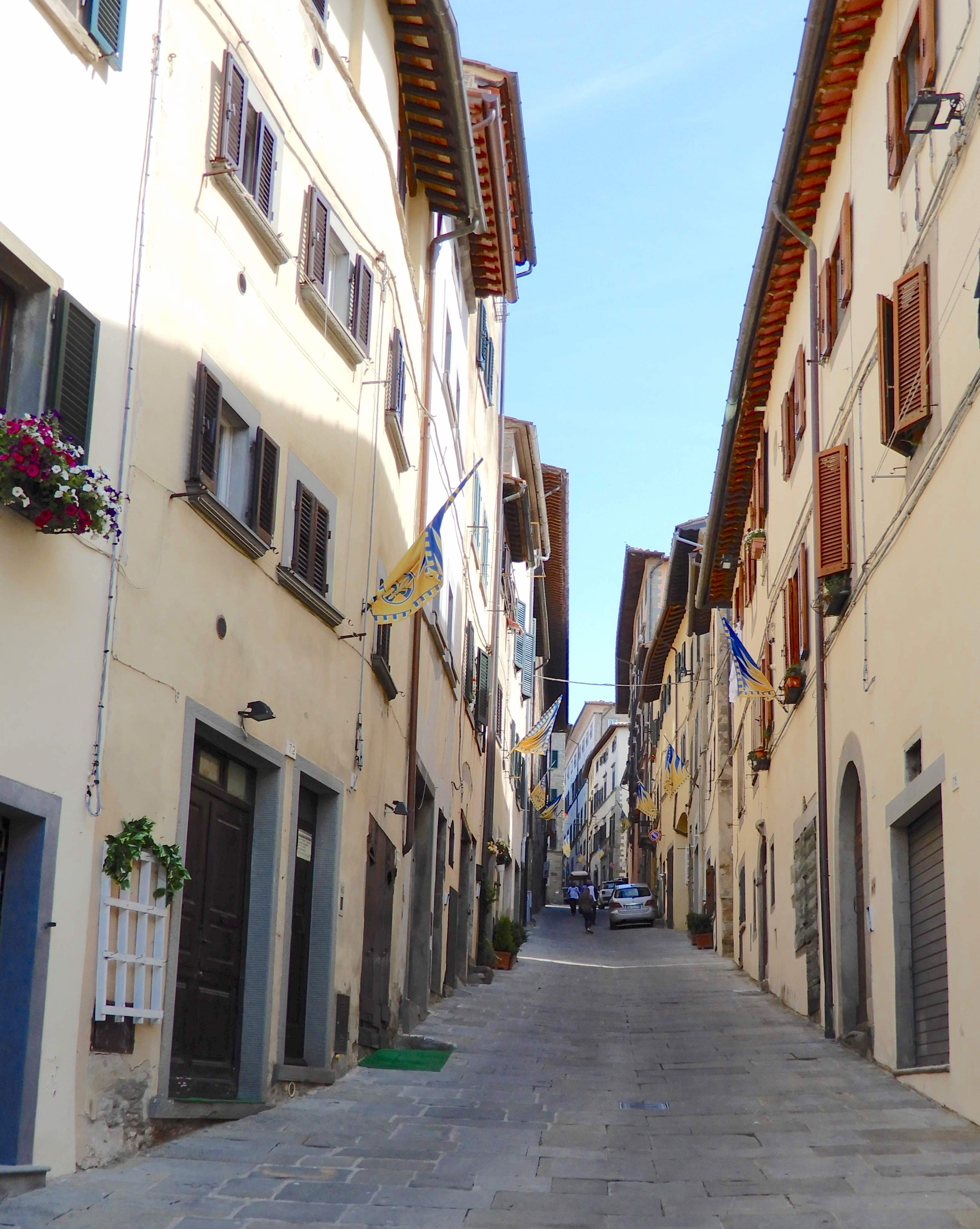
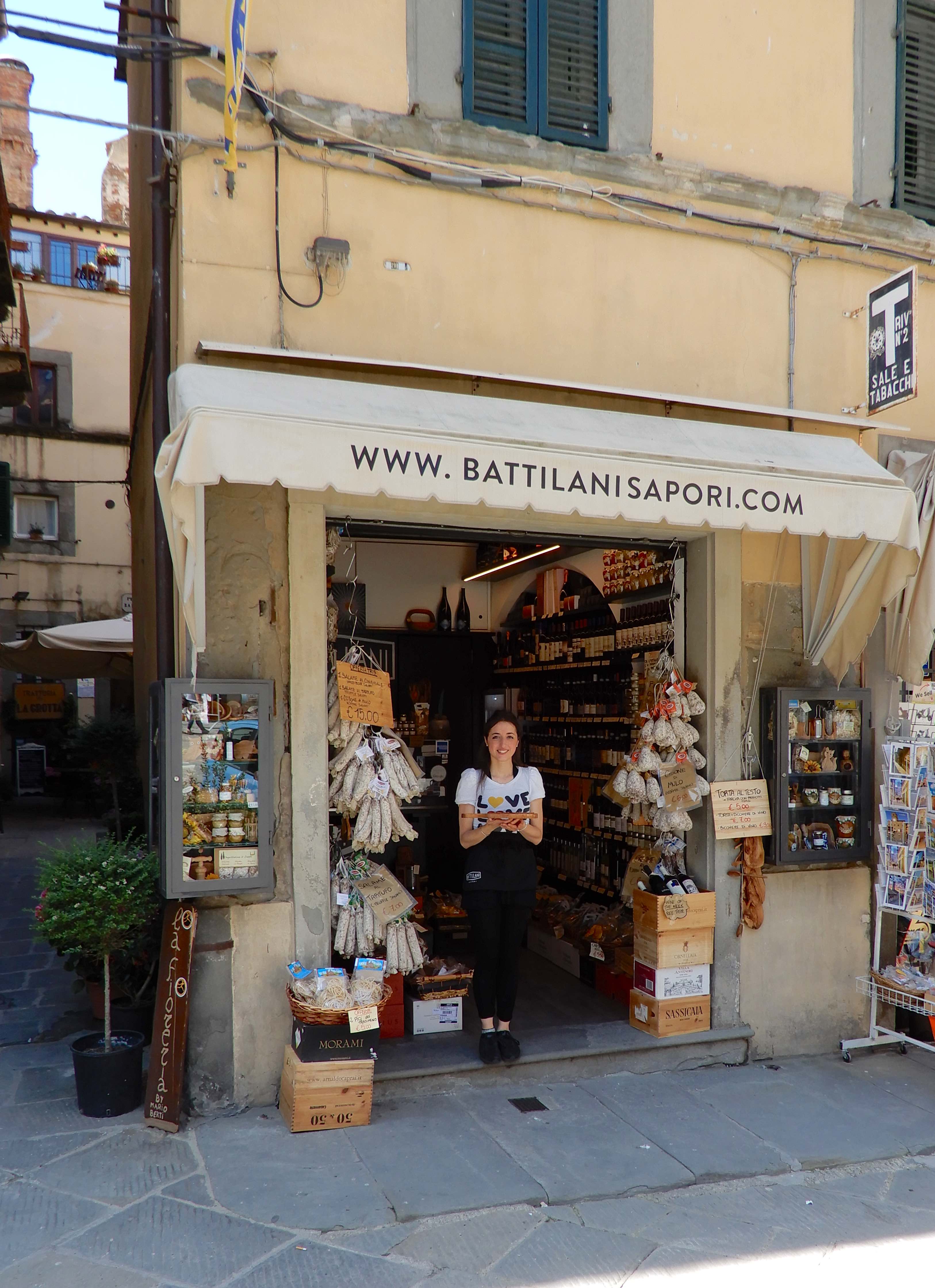
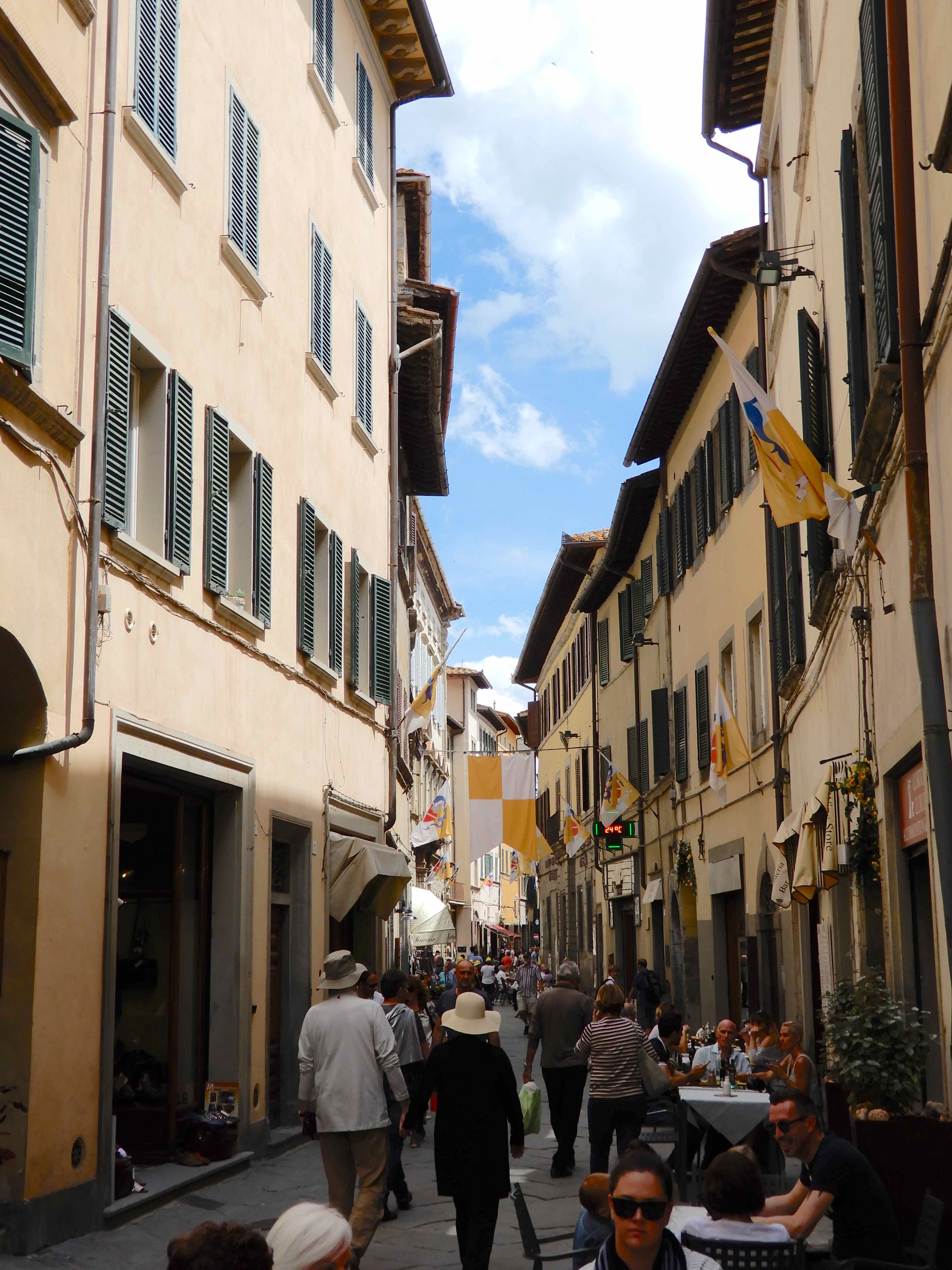
We made our way along narrow stone streets
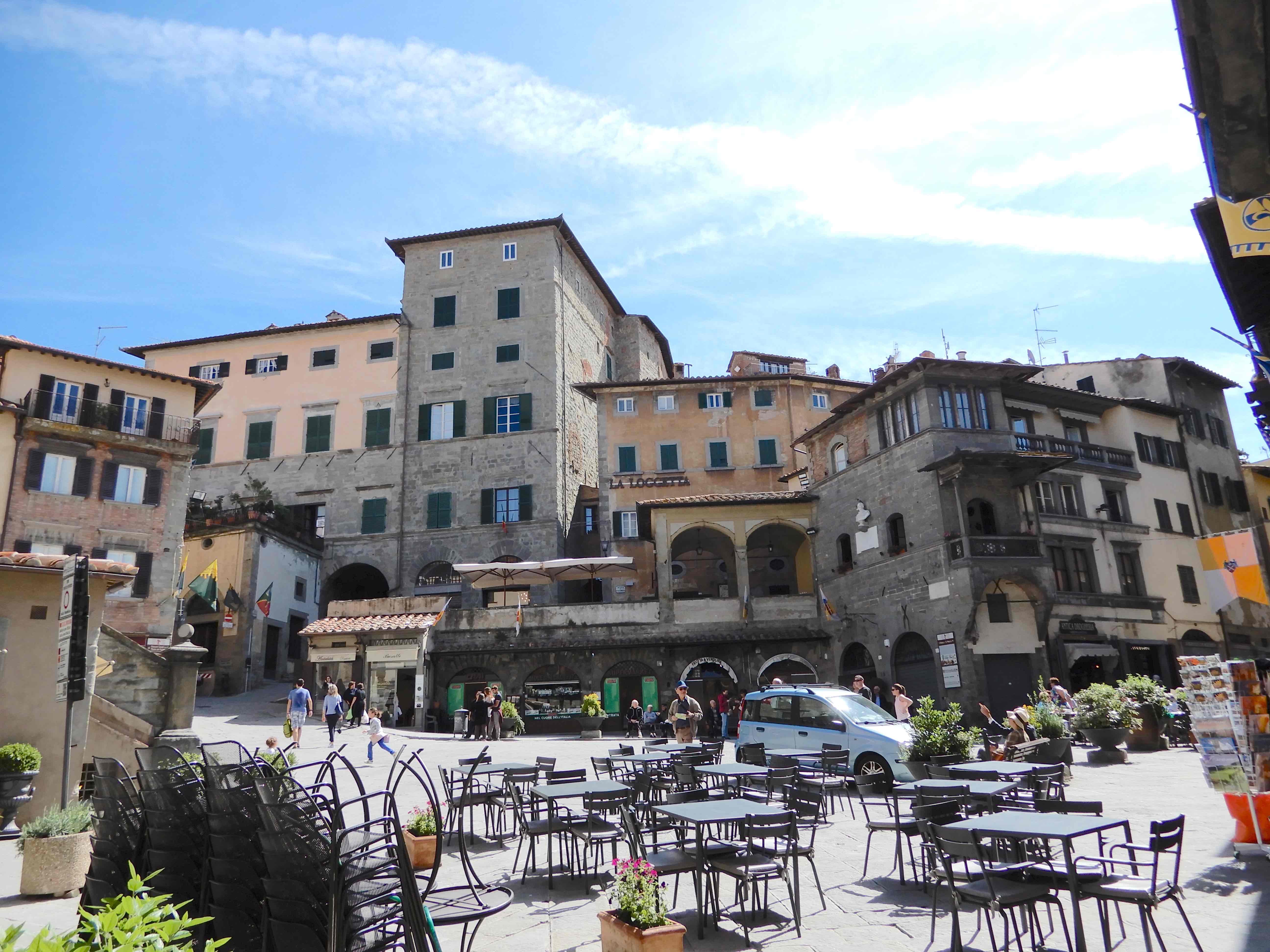
to Piazza della Repubblica, the centre of the city since Roman times. There was so much to take in around the piazza; gorgeous shops, medieval architecture and sunshine.
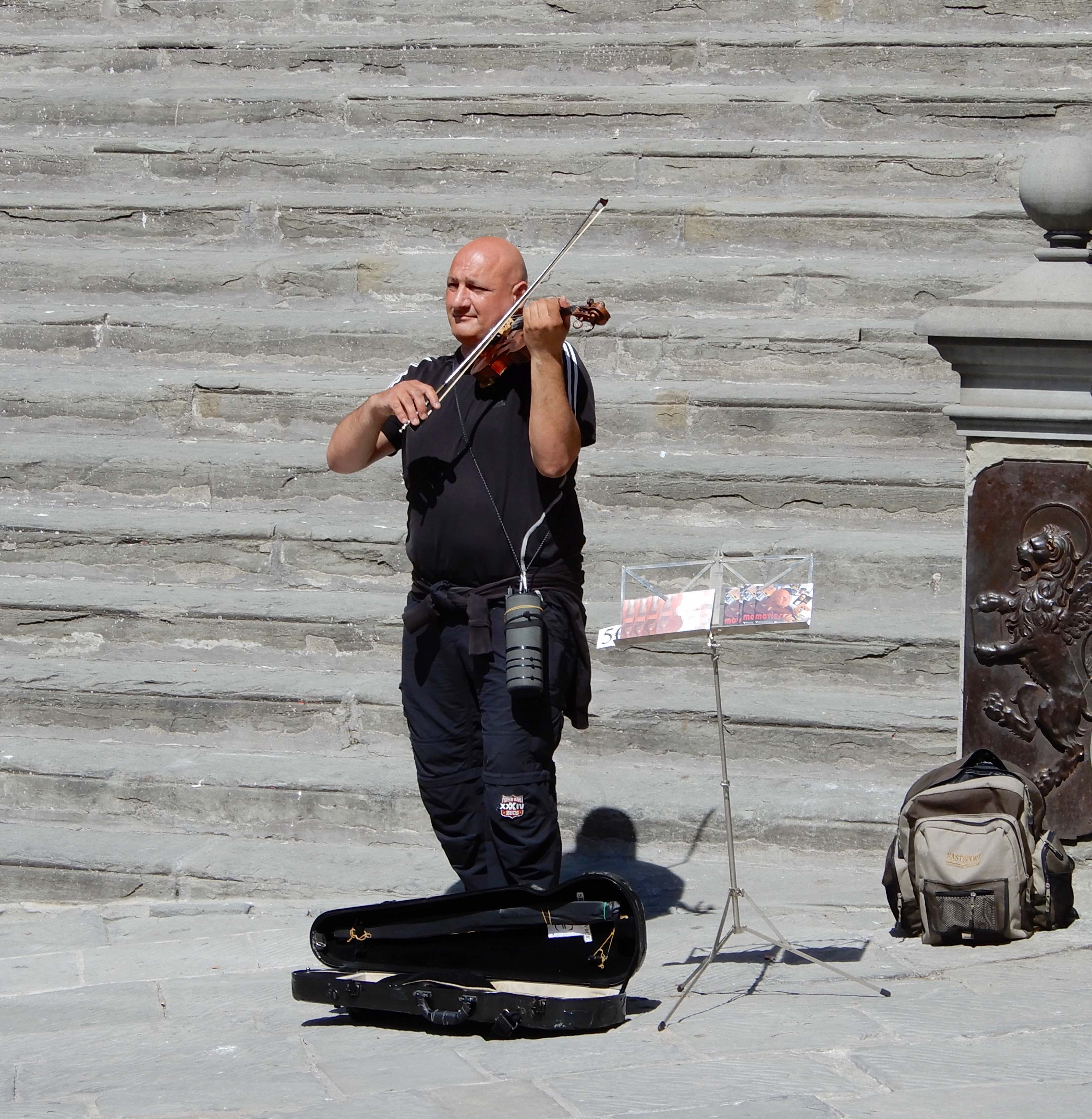
We enjoyed coffee & pastries while being serenaded from the steps of the Palazzo Comunale. The town hall was built in the 12th century on the ruins of the Forum of the Roman City and was extended in the 1500s.
Pietro Berrettini was a 17th century Italian Baroque painter and architect. Although he worked mainly in Rome and Florence, he was known by the name of his native town, Pietro da Cortona.
We wandered around Piazza Signorelli
before exploring the shops along Via Nazionale
and celebrating our purchases with an Aperol Spritz in Piazza Garibaldi.
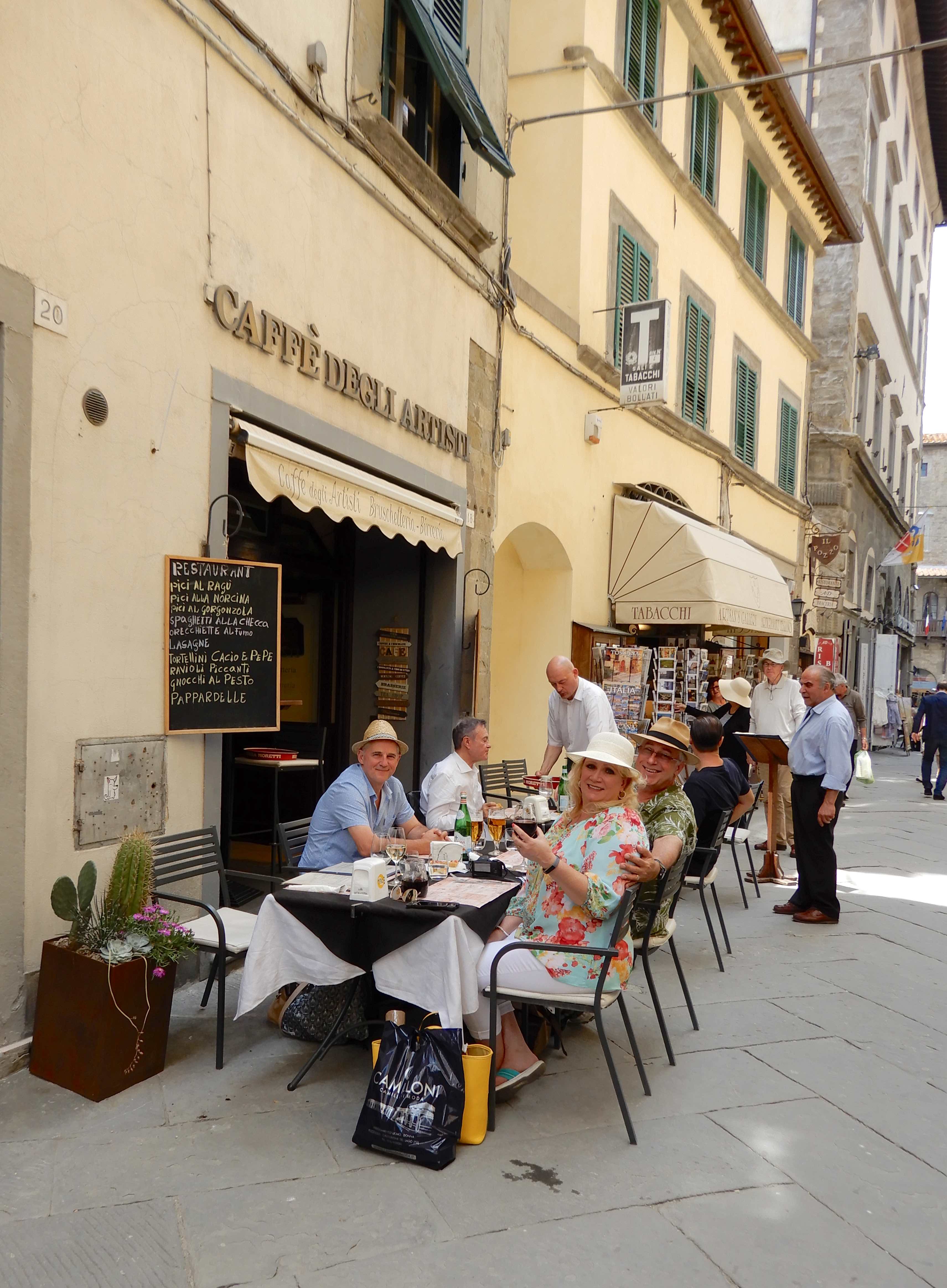
We retraced our steps to lunch at Caffè degli Artisti, seated in the street we savoured our surroundings as much as the food.
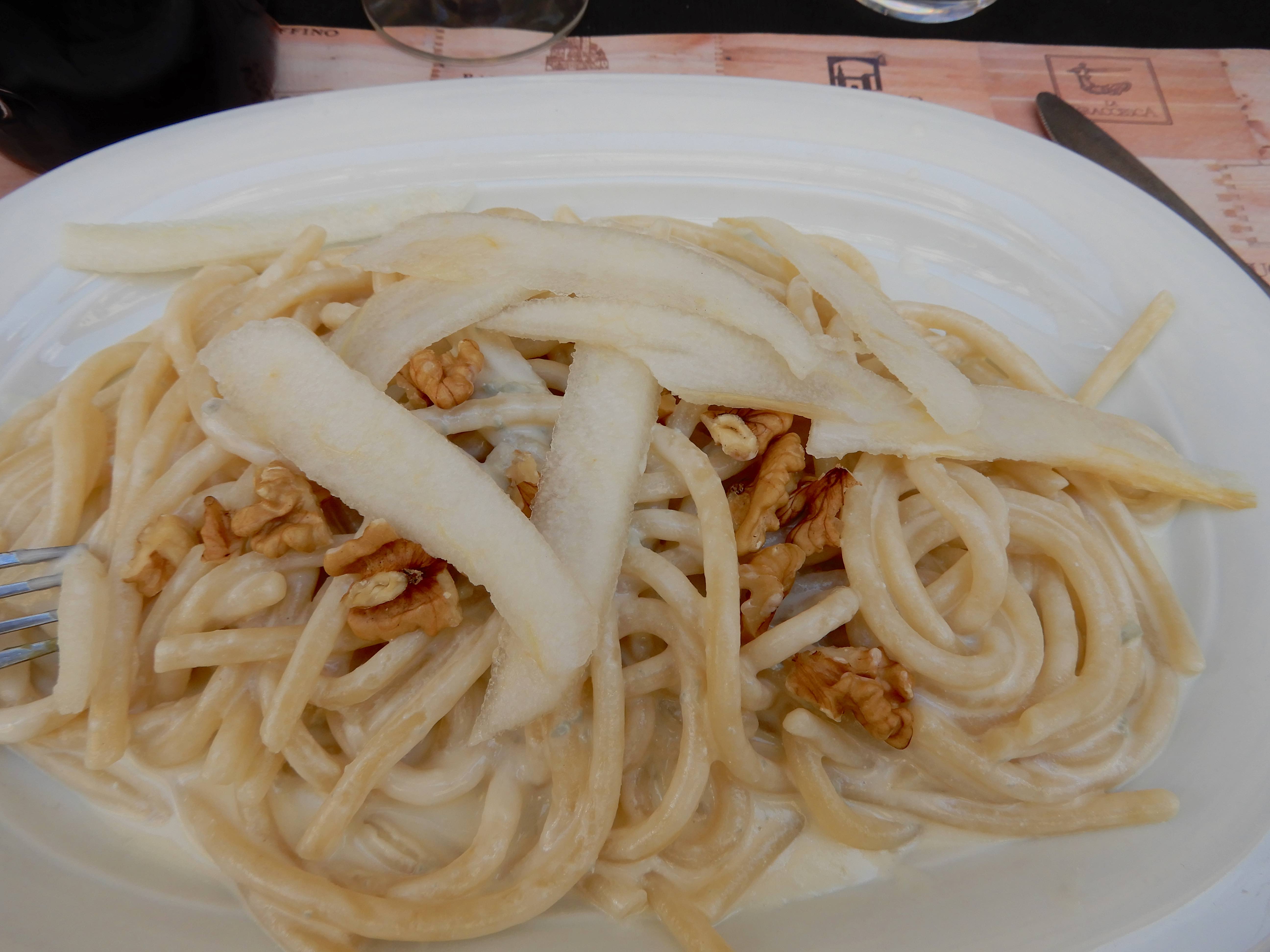
Starting with bruschetta, we decided on ravioli with butter & sage, pici with cream, porcini mushrooms, sausage & truffle sauce and pici with walnuts, gorgonzola cheese & pear.
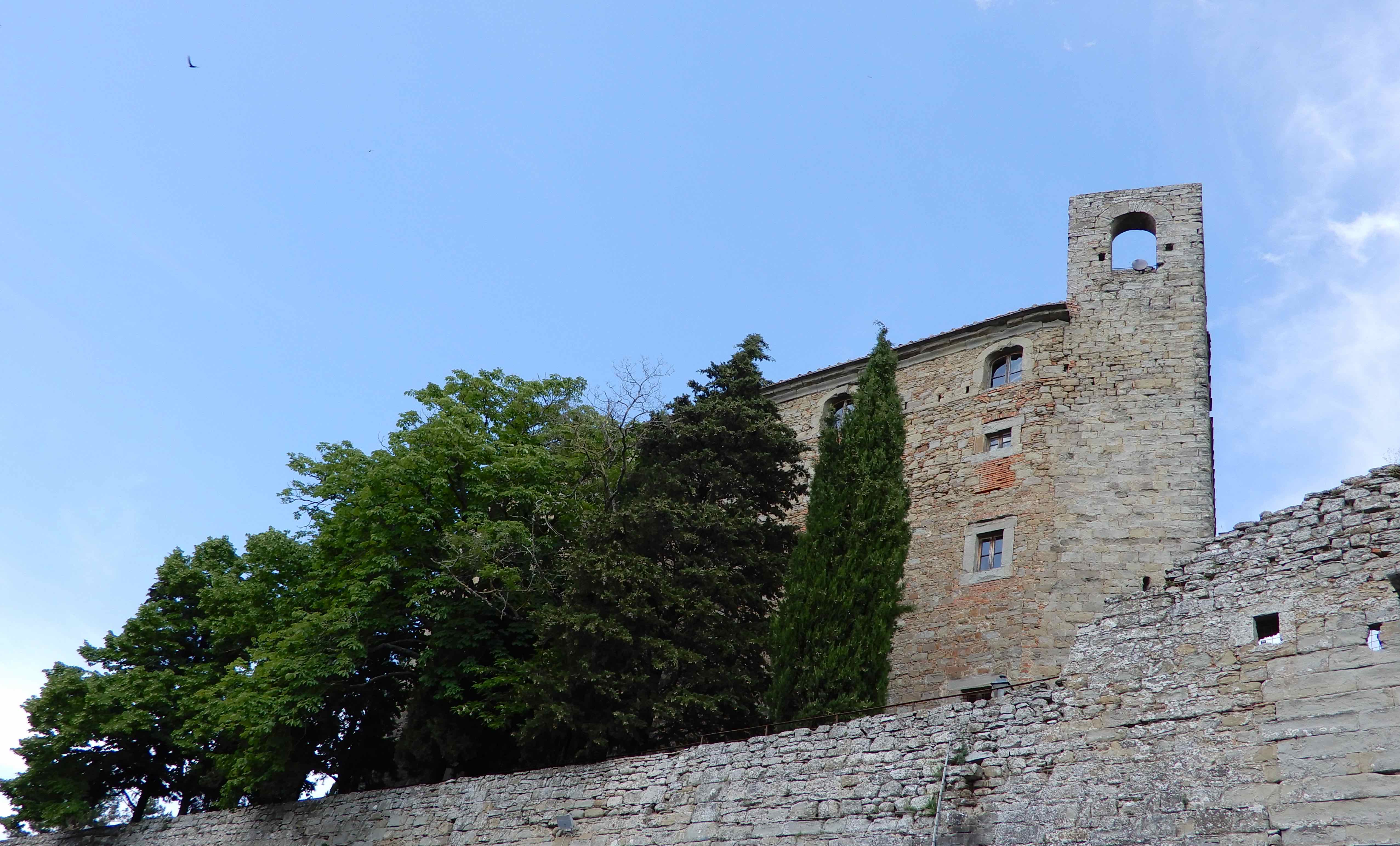
Reluctant to leave, we returned to the car and drove to the top of the town to see Fortezza del Girifalco and the fascinating Basilica di Santa Margherita but that is another story.
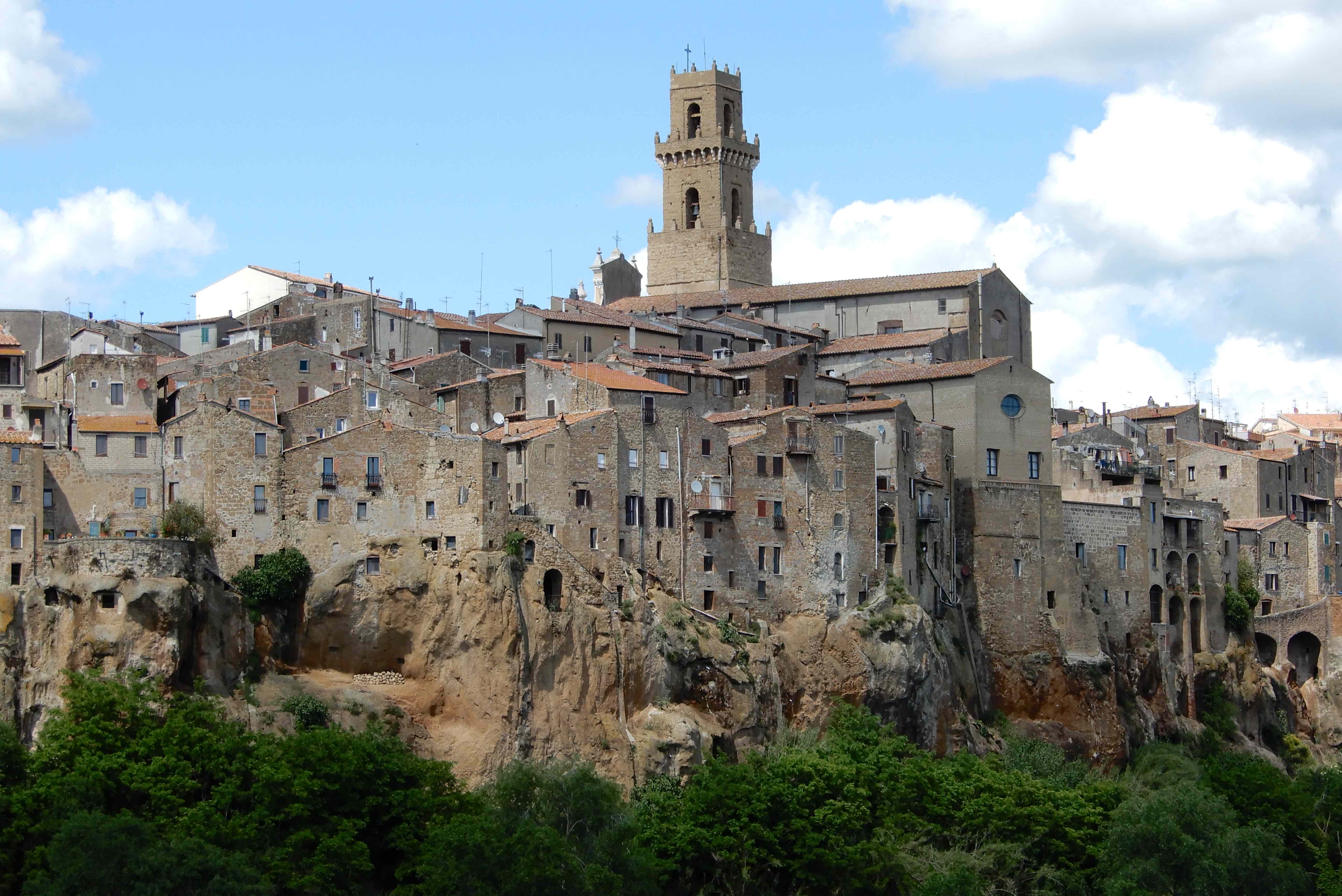
After our relaxing lunch in Saturnia, we detoured on the way home to explore Pitigliano. You might think we’d seen enough gorgeous medieval hilltop towns perched on tufa rock but it’s not something I could ever tire of.
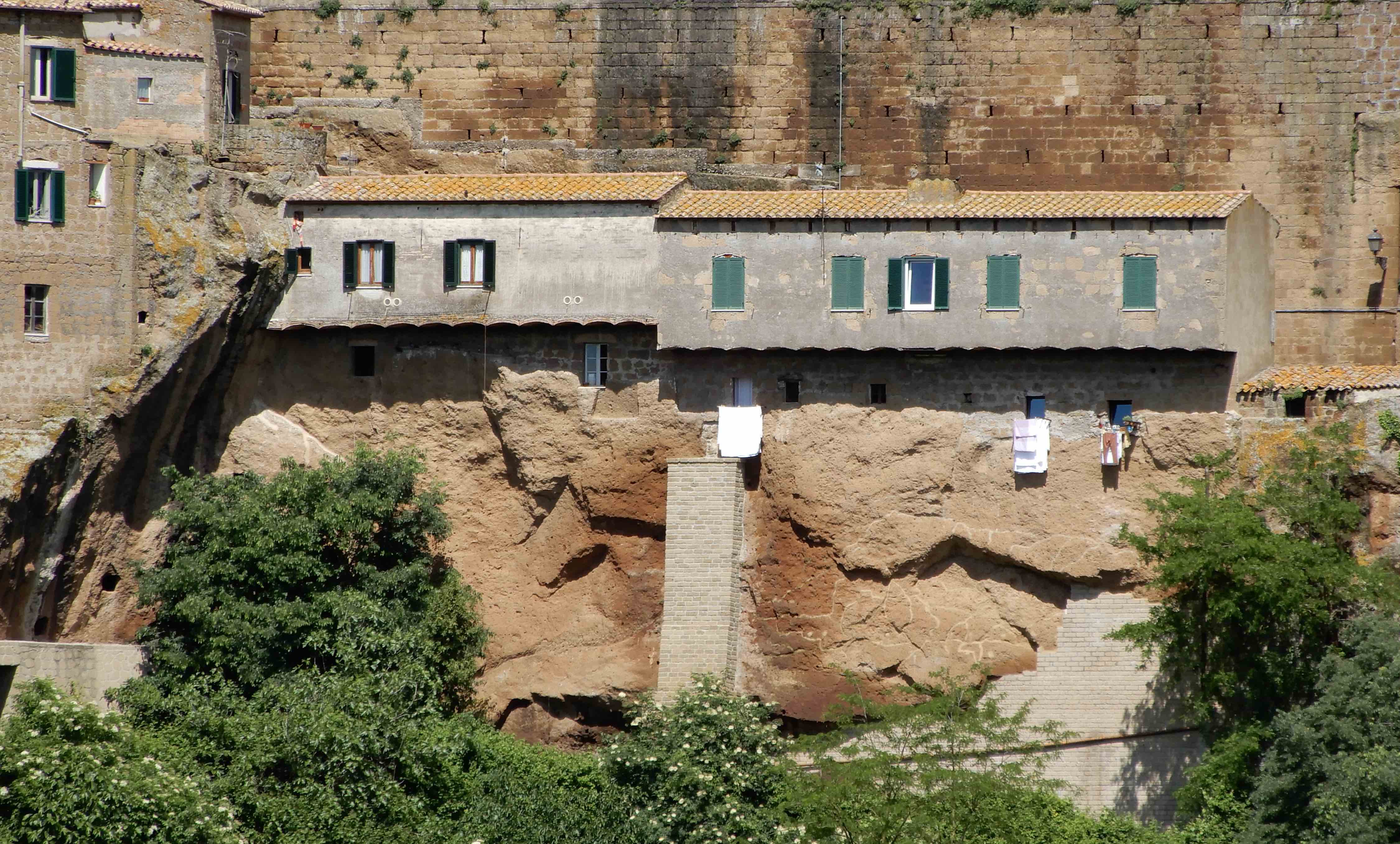
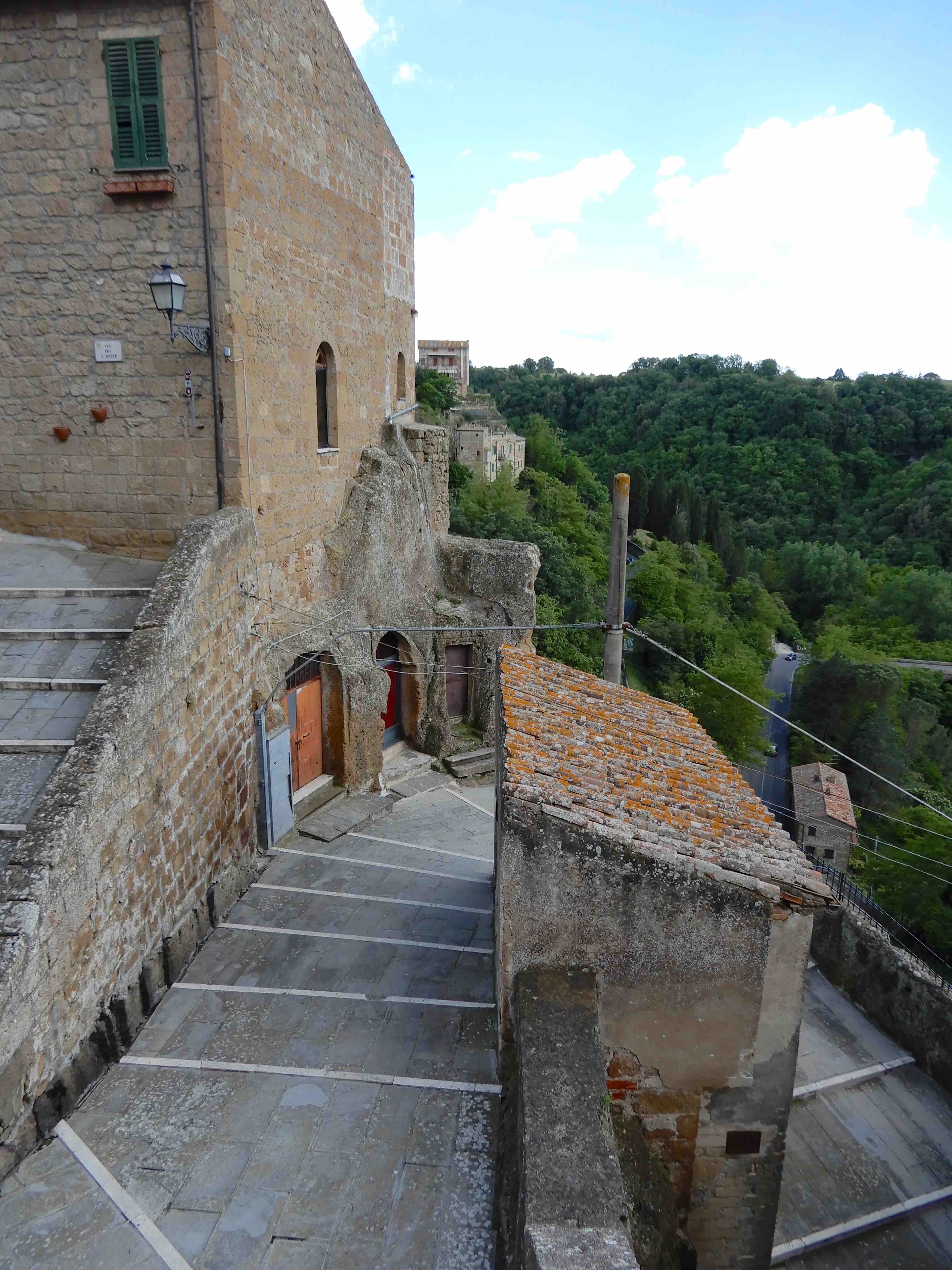
The town is also known as Piccola Gerusalemme or Little Jerusalem, as it became a haven for the Jews escaping from the ghettos of the cities in the 16th century. They lived happily here until 1622 when the residents were confined to the Jewish Quarter and remained so until the Jews were emancipated in the mid 19th century. Many of them moved to the cities and by World War II none were left. Houses seemed to emerge from the rock
as we made our way into town.
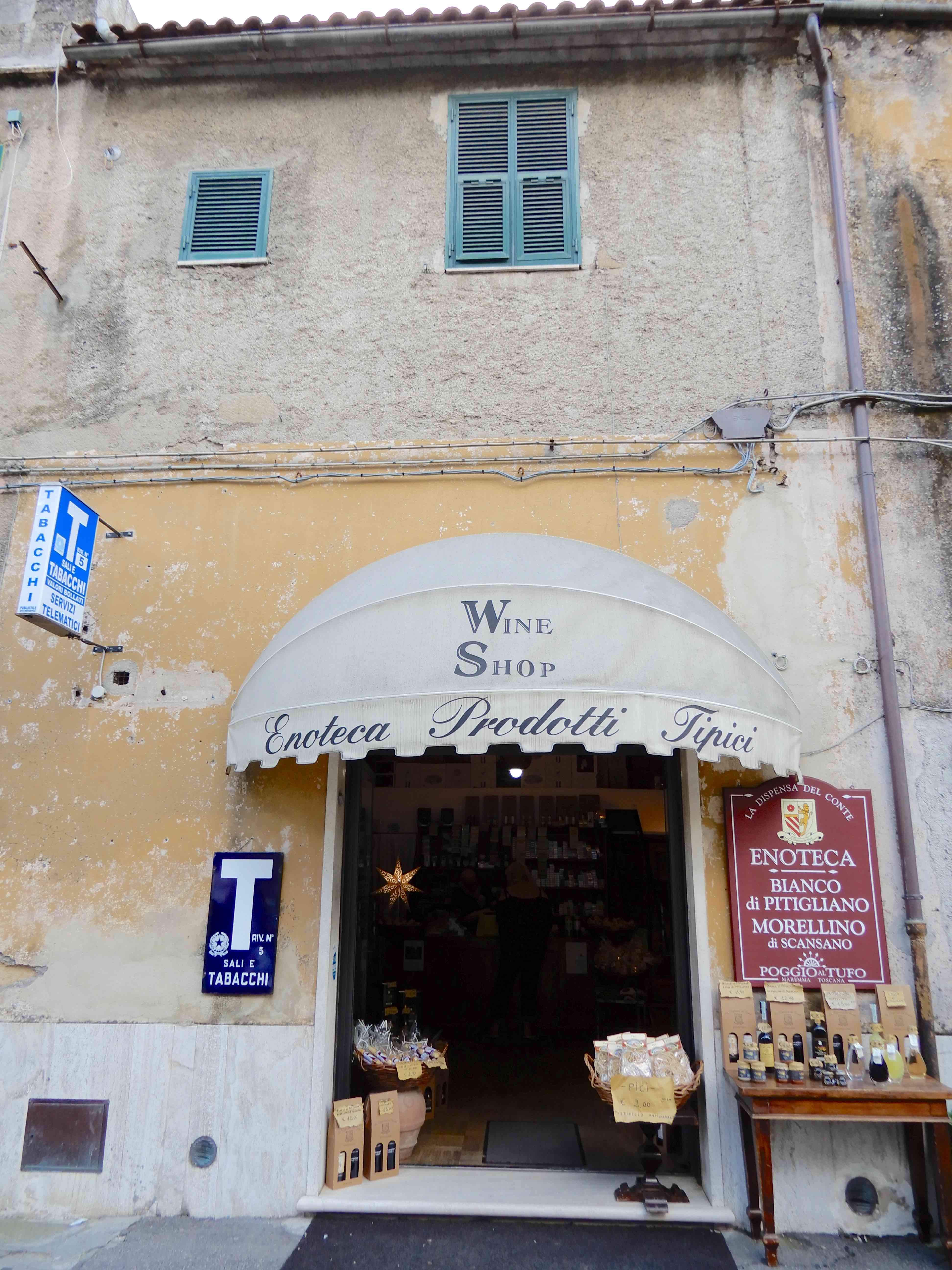
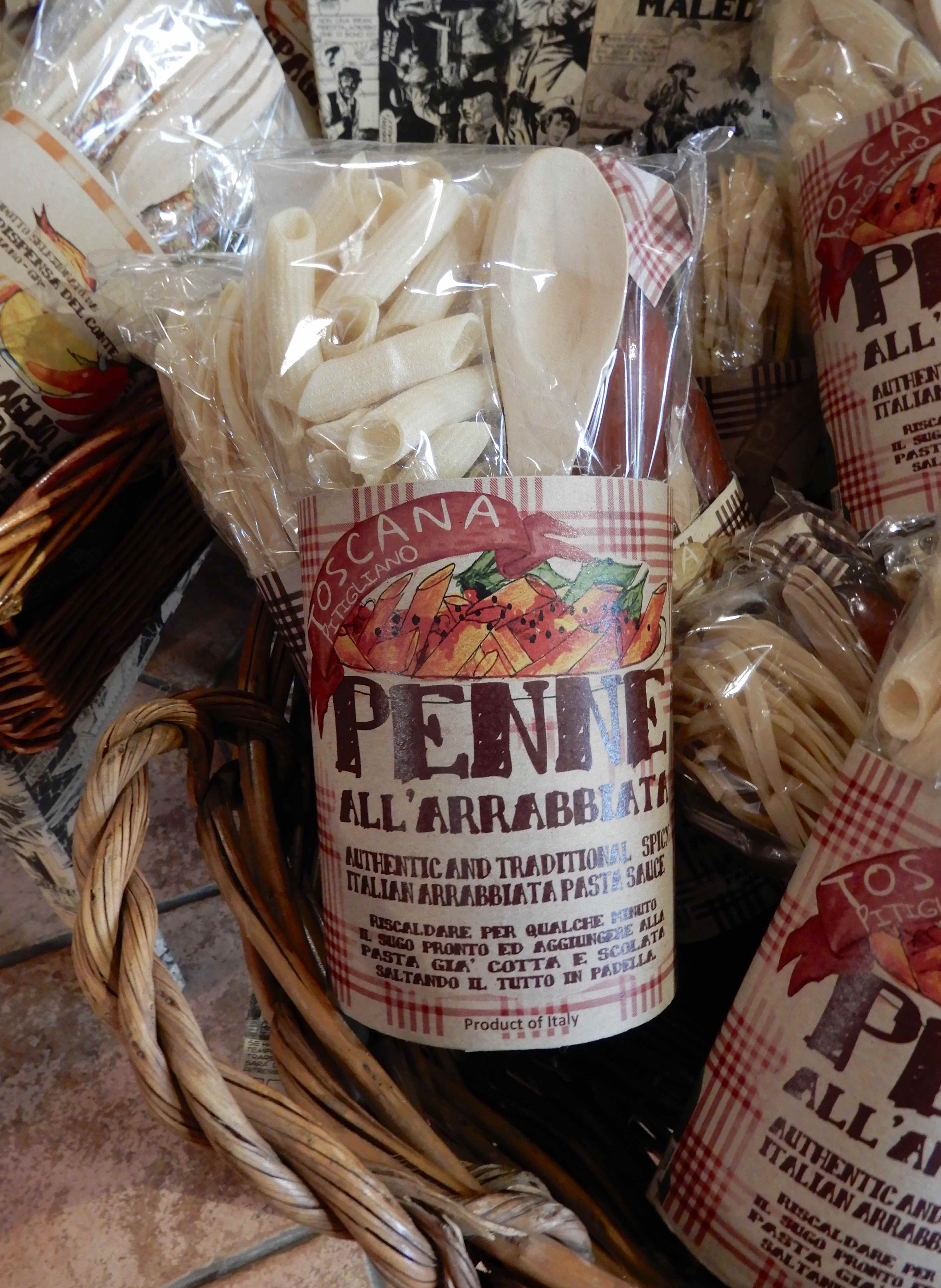
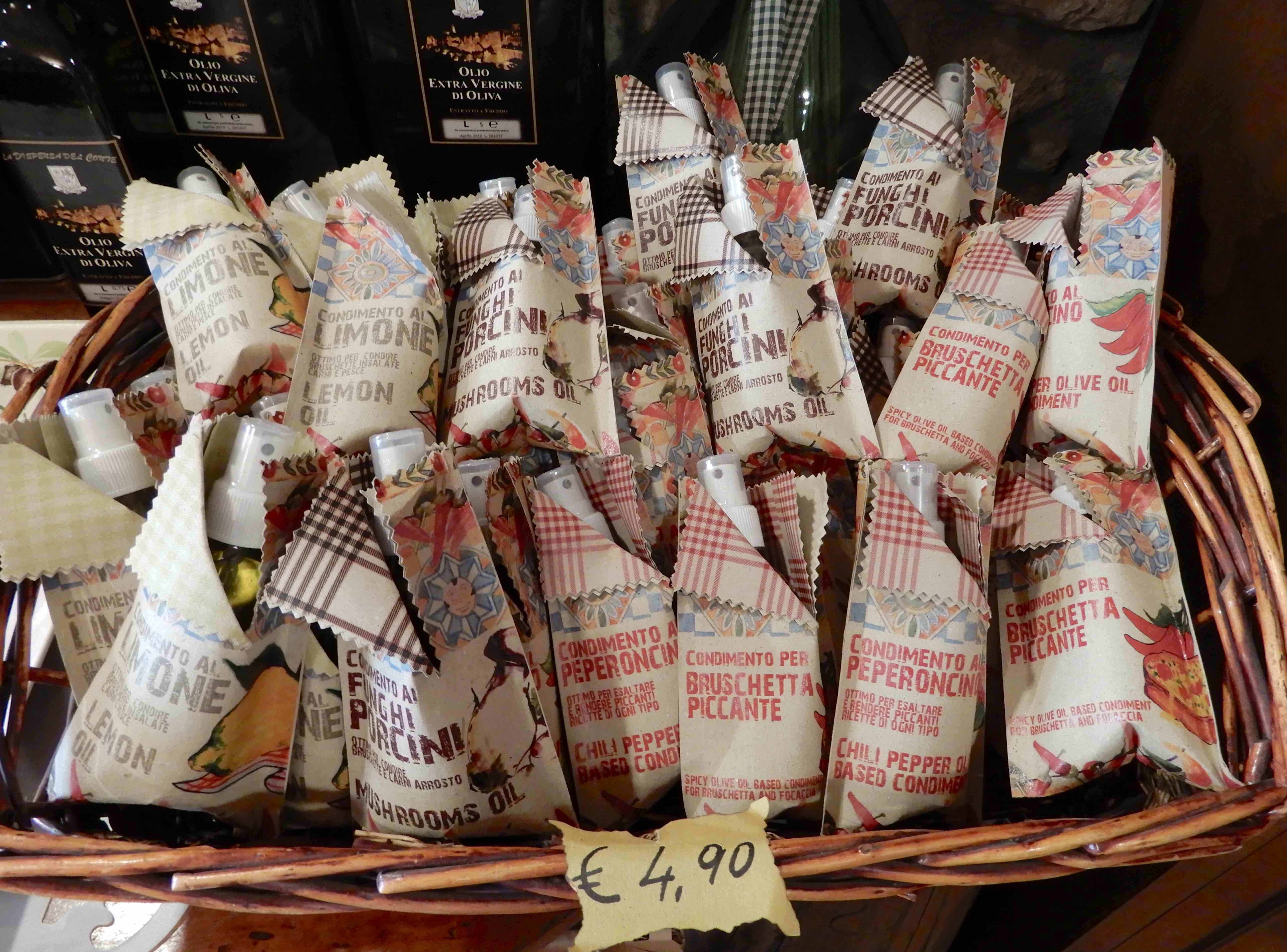
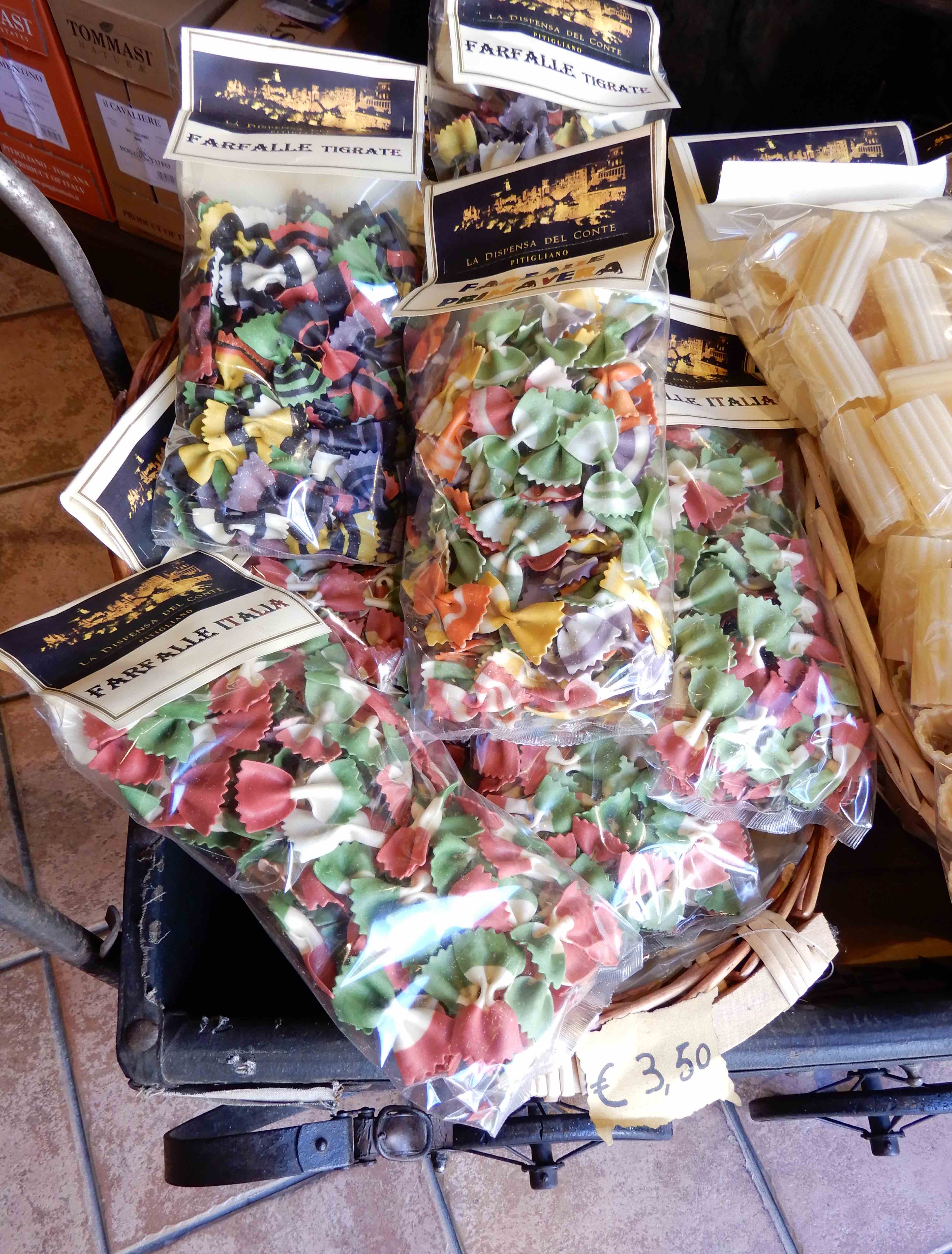
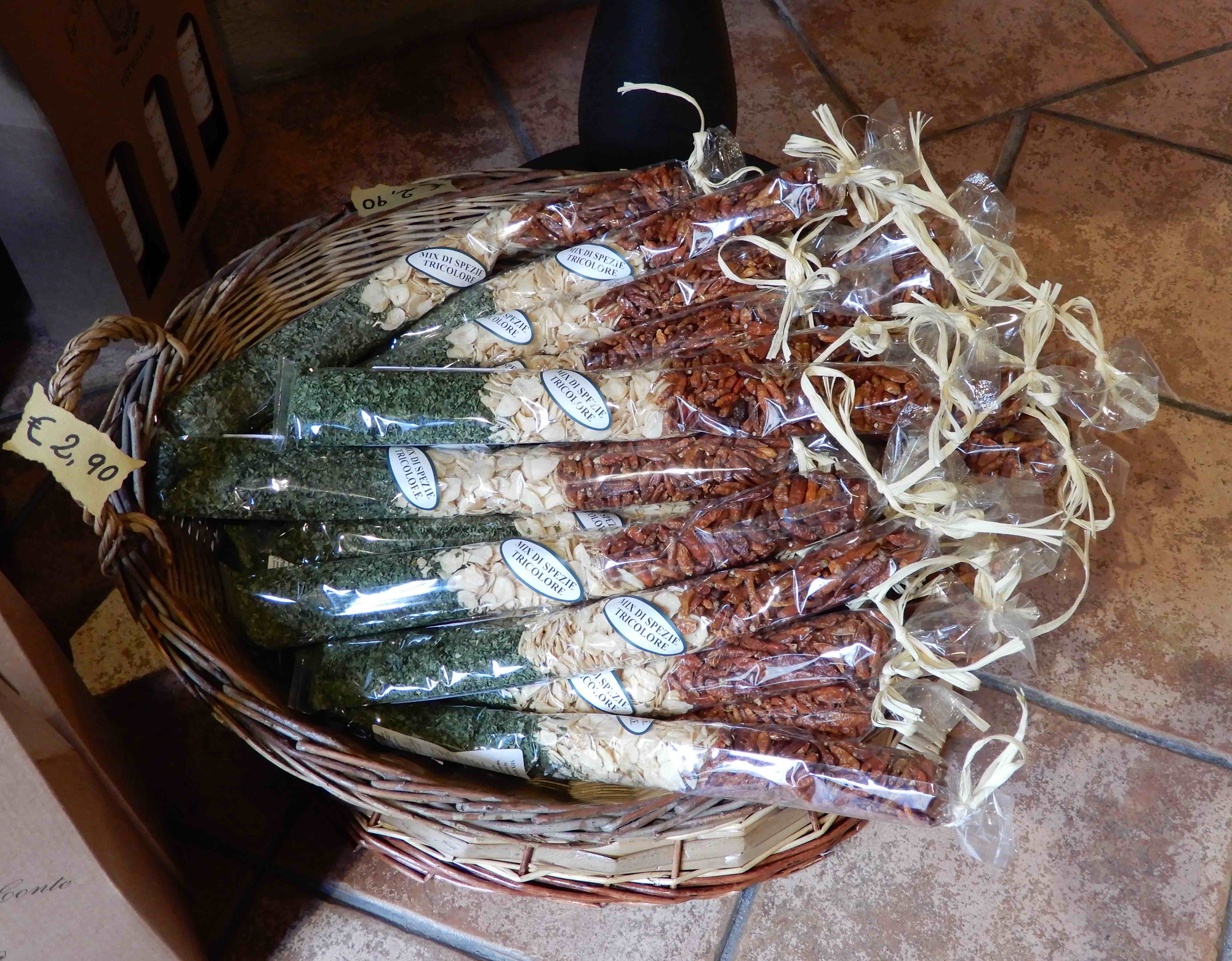
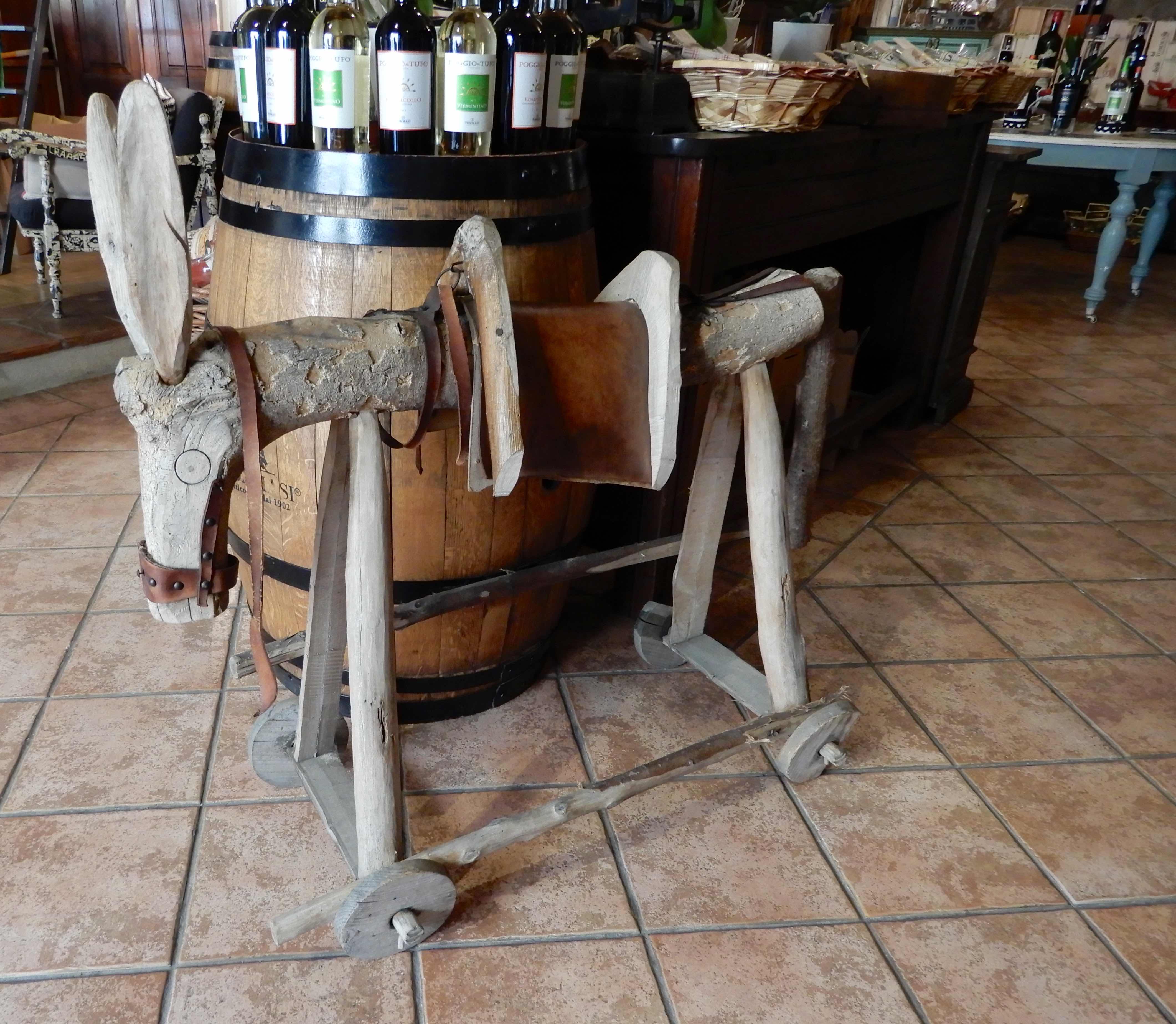
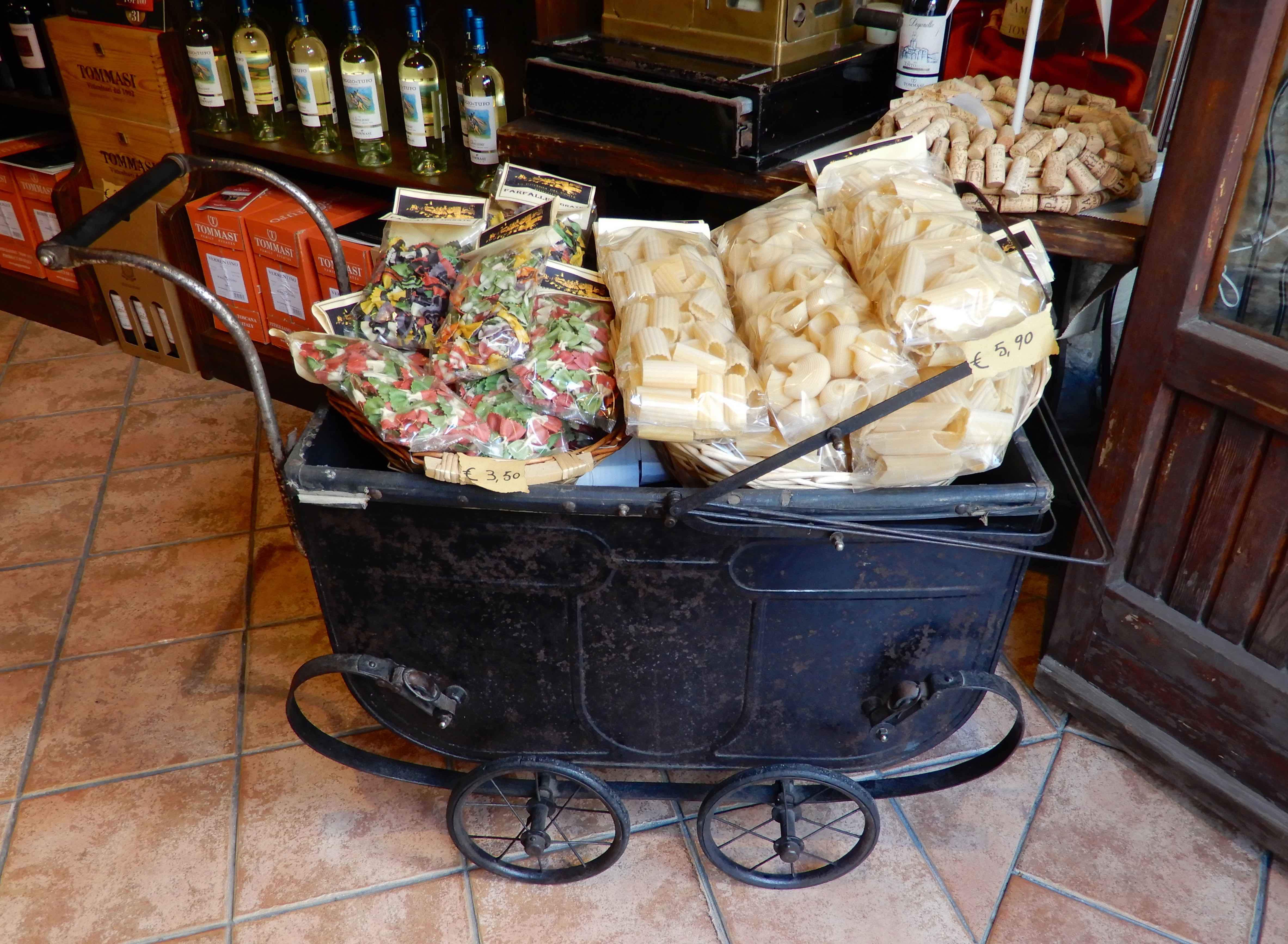
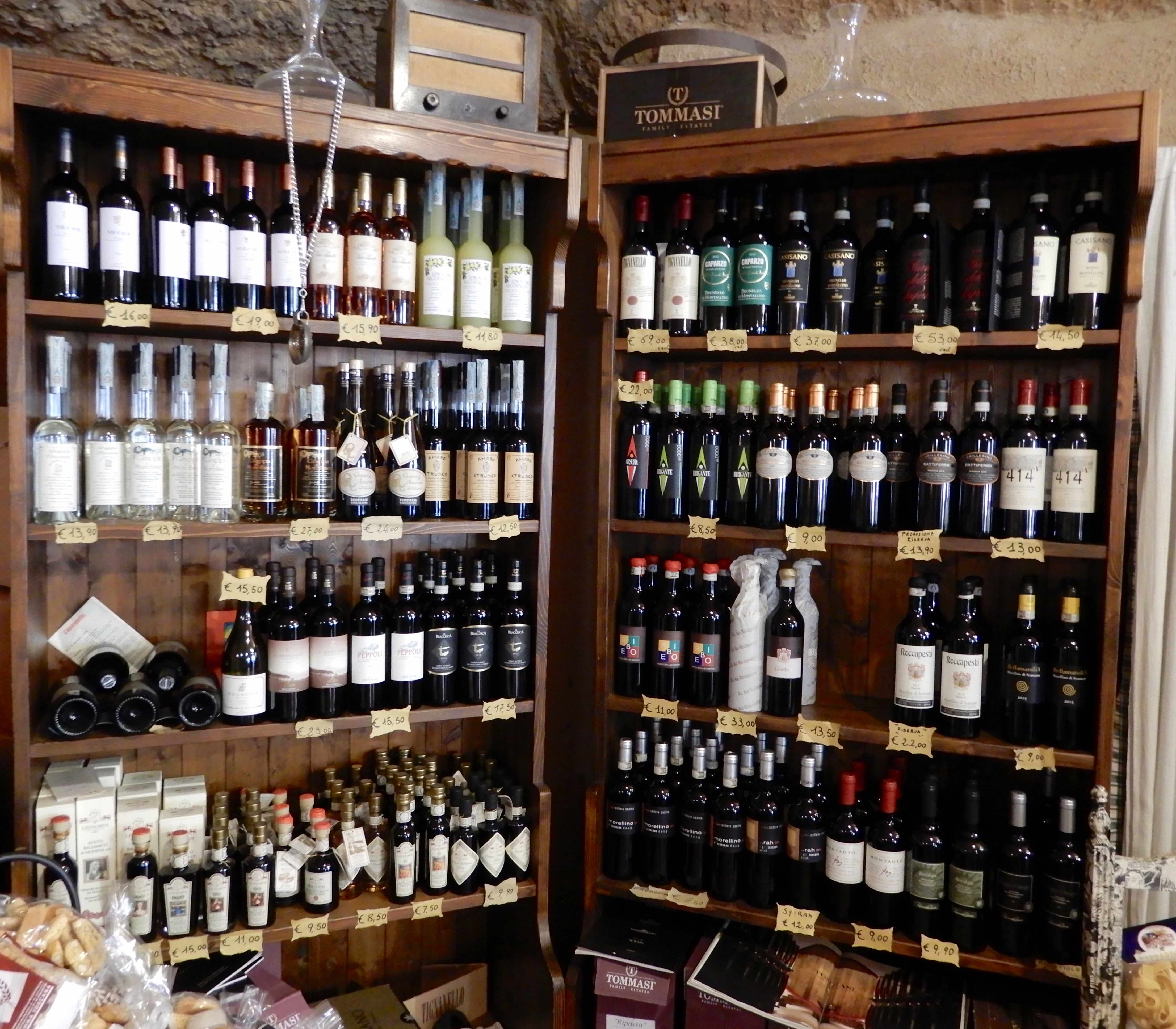
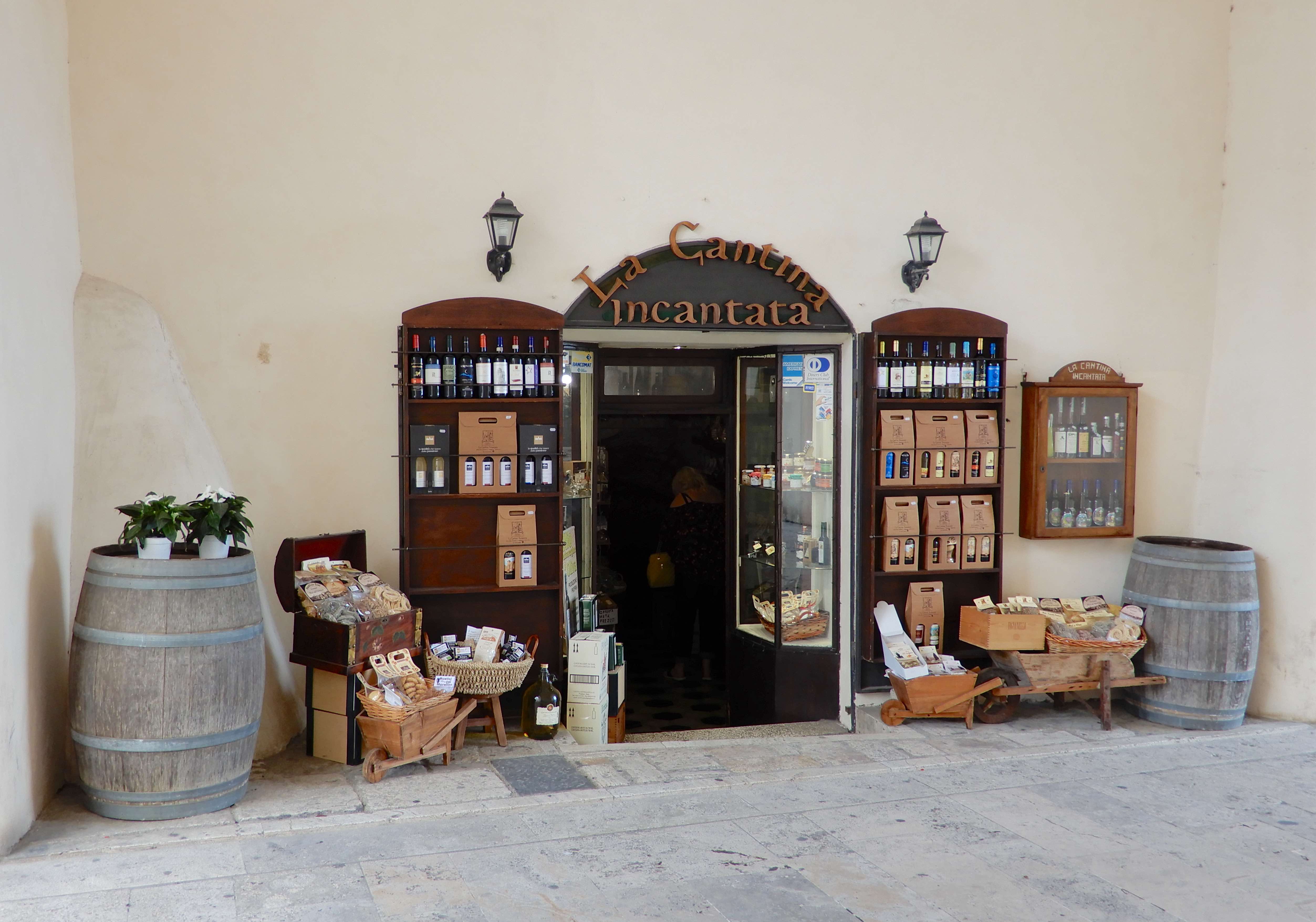
We didn’t get far before our attention was diverted by La Dispensa del Conte (The Count’s Pantry), a wonderland brimming with local produce.
With a few purchases in our bags, we wandered to the edge of town
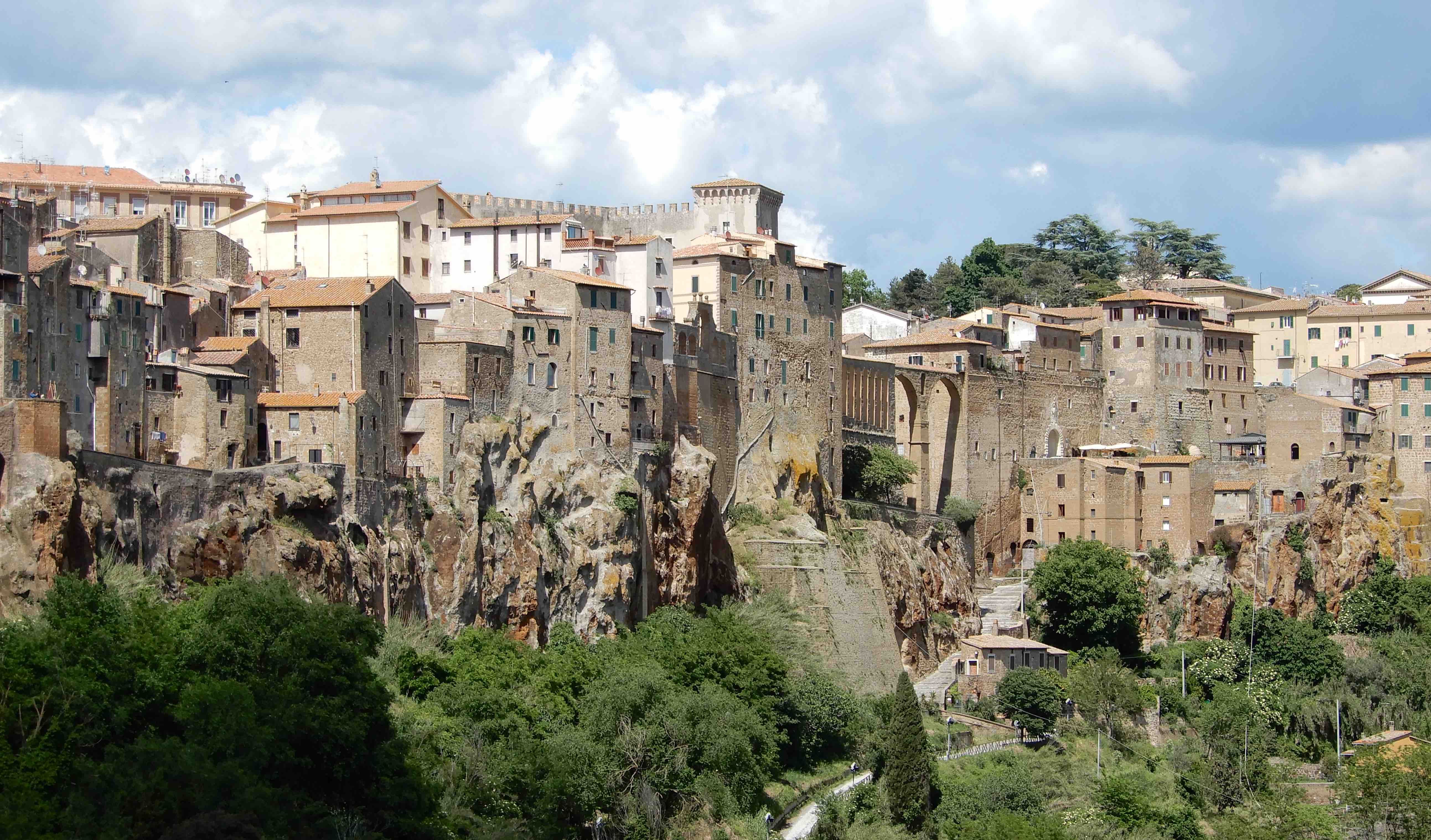
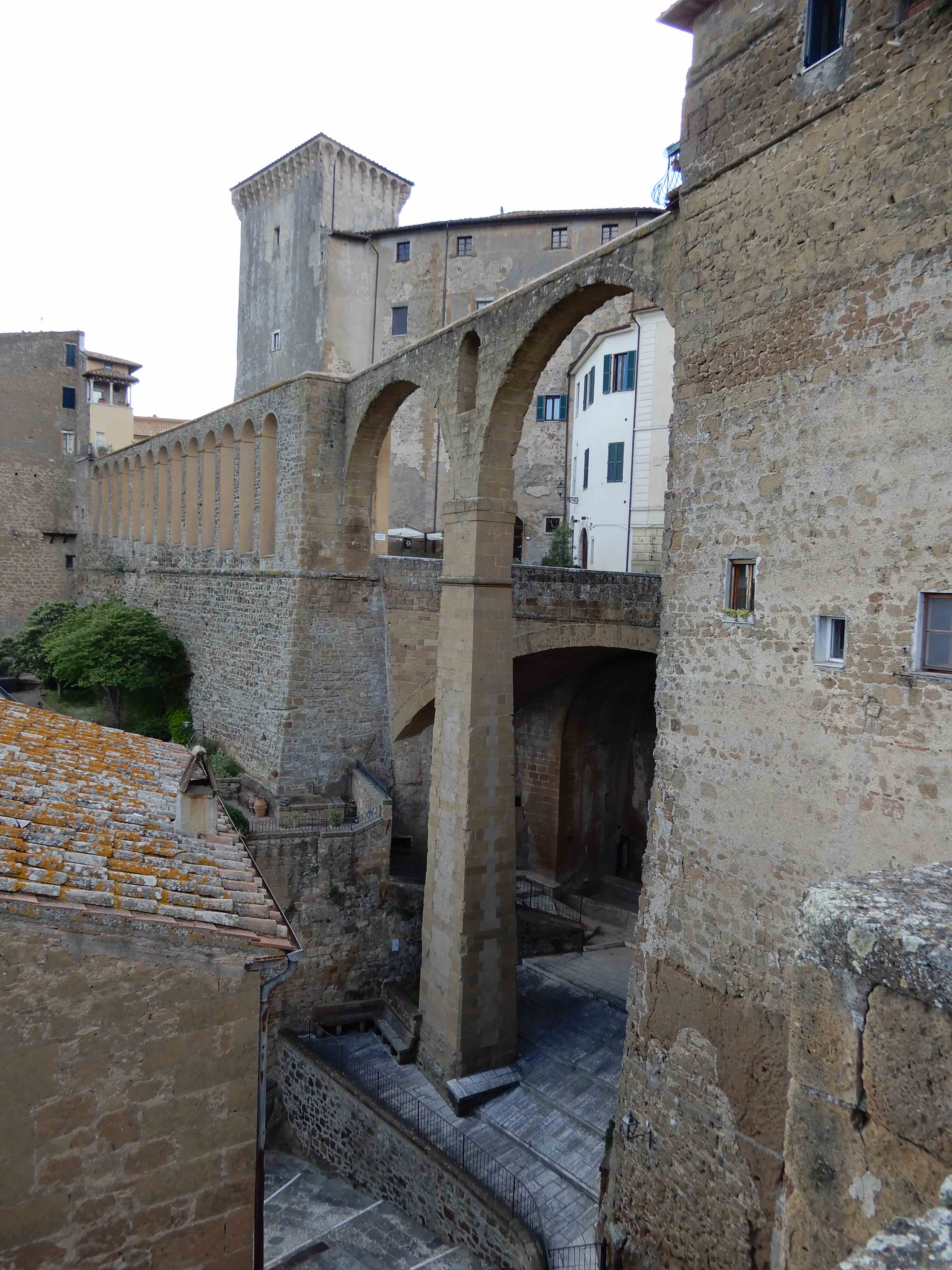
and discovered a spectacular structure with two large arches and thirteen smaller ones incorporated into the walls of the town. The Medici aqueduct was built between 1636 and 1639 to bring running water to the village and the Lorraines added the series of small arches in the 18th century.
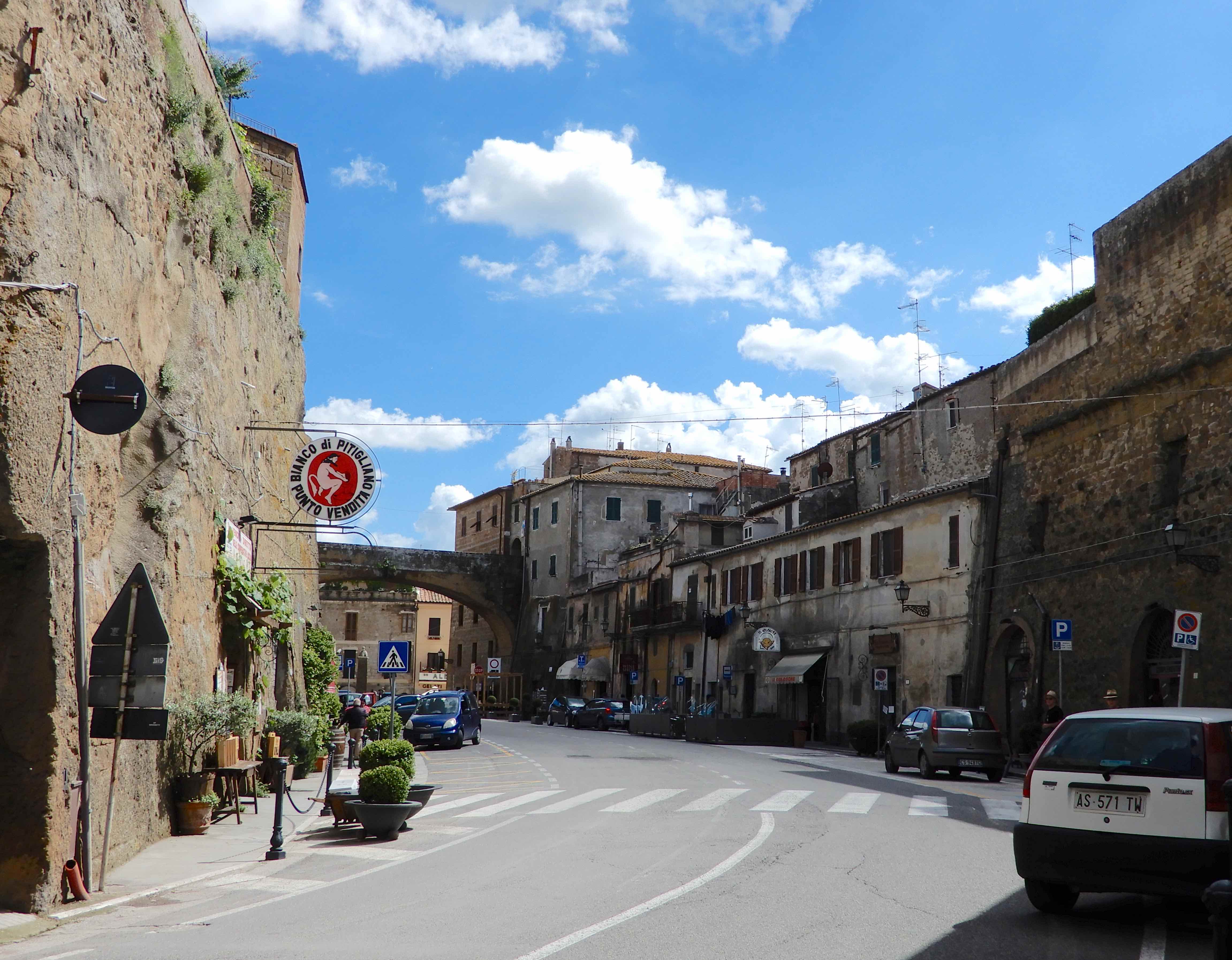
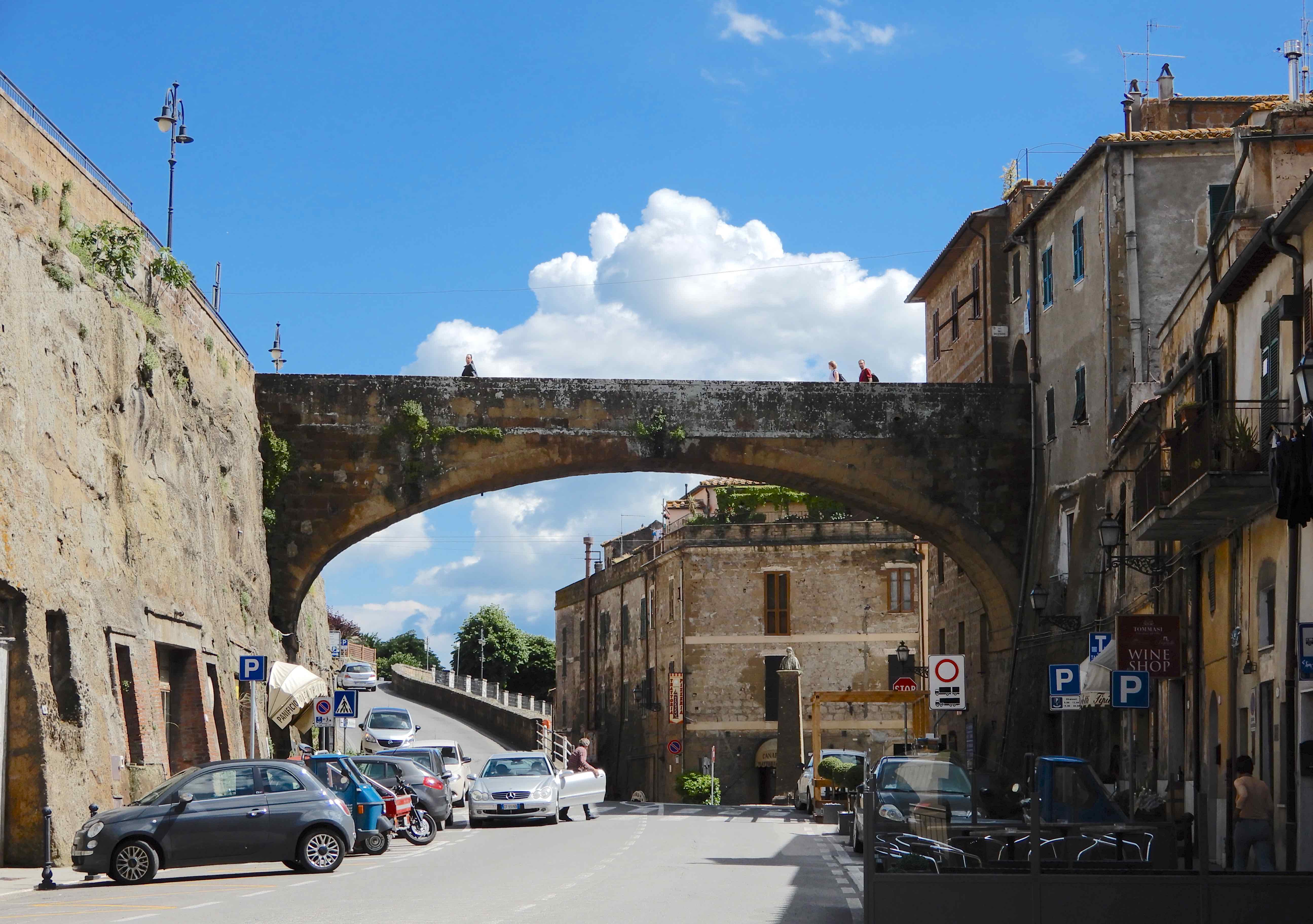
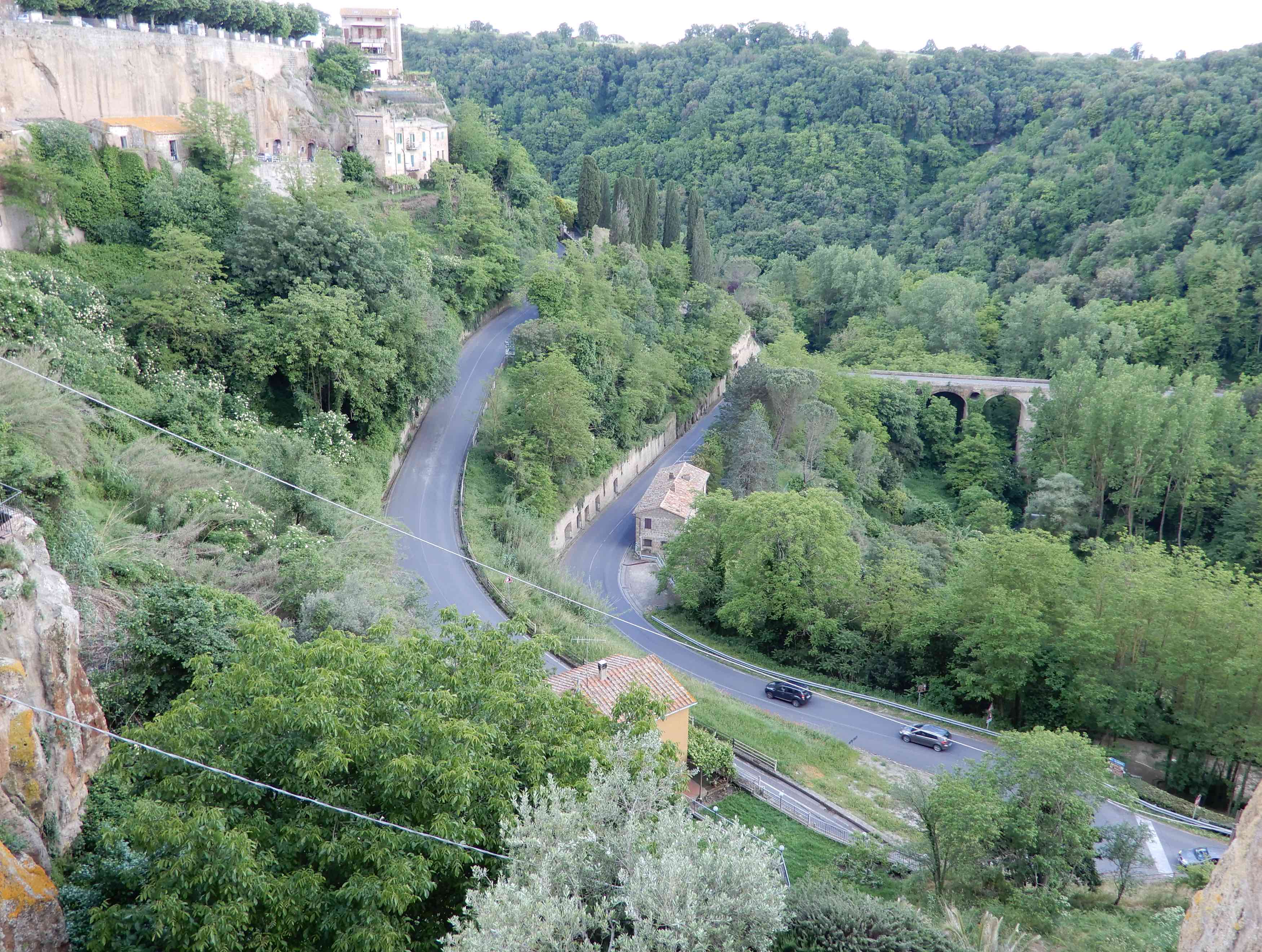
From there we had a great view of the road into town and the stunning arched bridge over which we would soon be driving.
Adjacent to the aqueduct, the 14th century Palazzo Orsini is now a museum. The twenty one rooms are filled with antique furniture, jewellery and wooden sculptures as well as sacred art and precious fabrics.
As we drove out of town, there seemed to be one gourmet paradise after another.
It would have been wonderful to spend more time in Pitigliano, there was so much more to see.





















































 cannonhillchronicles