Acacia abounds

Through the cold, damp haze of August, the first promise of spring starts to appear across the landscape. The expanse of green in the forest turns a lovely shade of yellow as the wattle trees flower. With over 1,000 species of Acacia worldwide, around 950 are native to Australia. We mainly have two species on our property, both are endemic to eastern Australia. Acacia melanoxylon grows to 40 metres in Tasmania, twice the height if its mainland siblings, and can live over 100 years. The Tasmanian blackwood is a beautiful tree and we are surrounded by them.
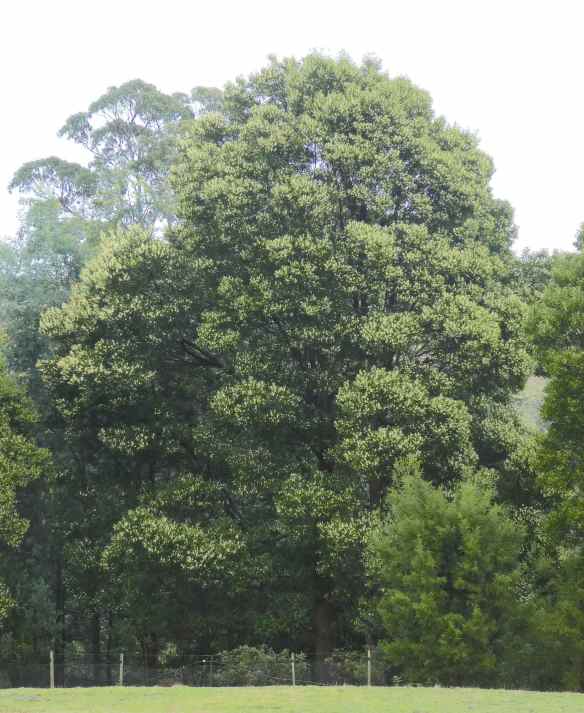
1.Tasmanian blackwood

The timber, with its variable colours and grains, is sought after for furniture making. The Aborigines used a hot infusion of roasted bark to bathe rheumatic joints. The same potion was used to stun fish to make them easier to catch. The creamy yellow flowers have a fluffy appearance and grow in clusters.
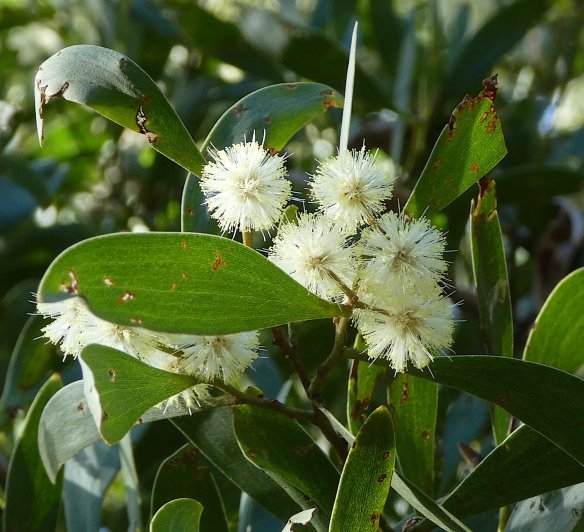
2.Tasmanian blackwood flowers

Our morning walks with Poppy look quite different when the wattles are flowering.
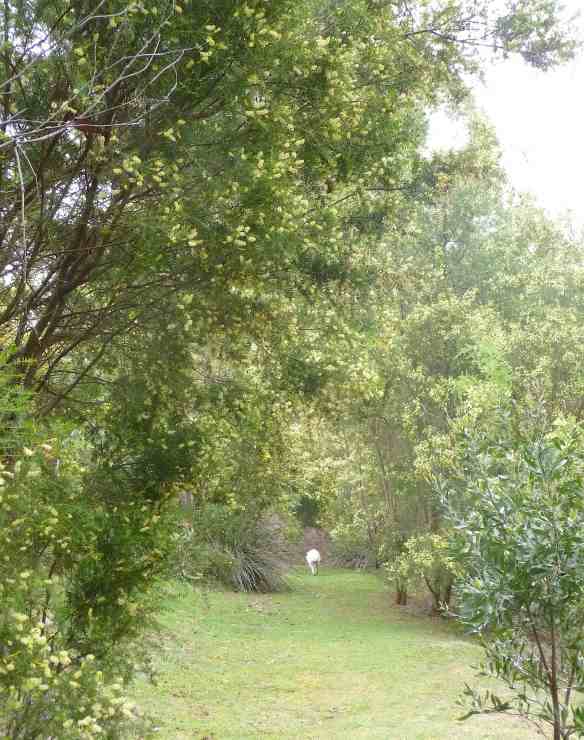
3.forest walk

Acacia verticillata is my favourite. Prickly Moses doesn’t actually have thorns but the small, flattened leaf stalks are prickly.
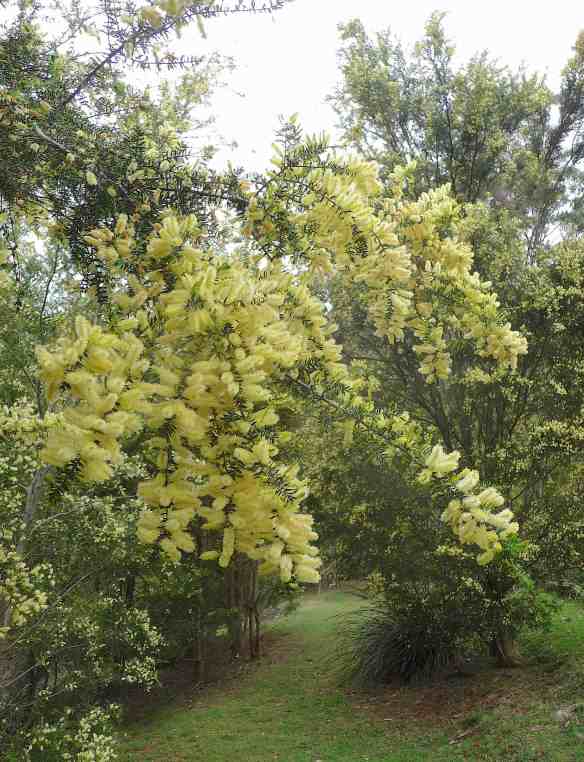
4.Prickly Moses

The flowers are quite different to the blackwood, a brighter yellow and cylindrical in shape.
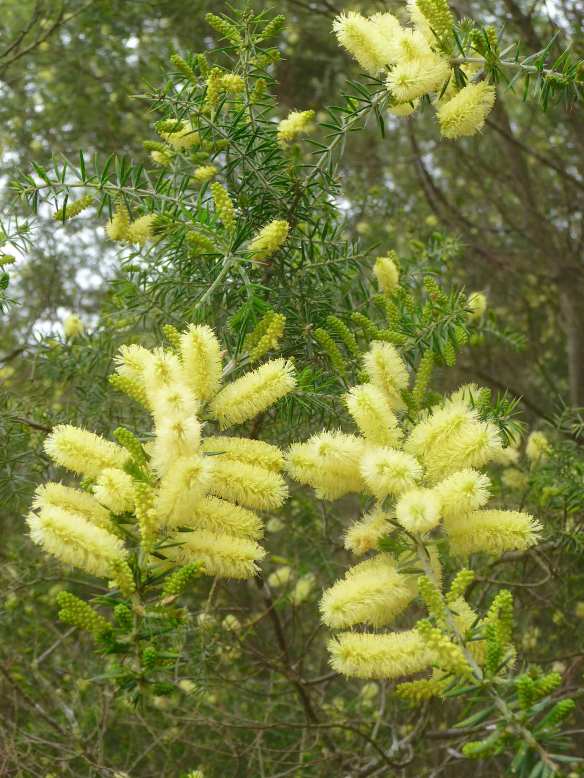
5.Prickly Moses

The dense, prickly foliage offers a safe home for little critters like bandicoots and birds.
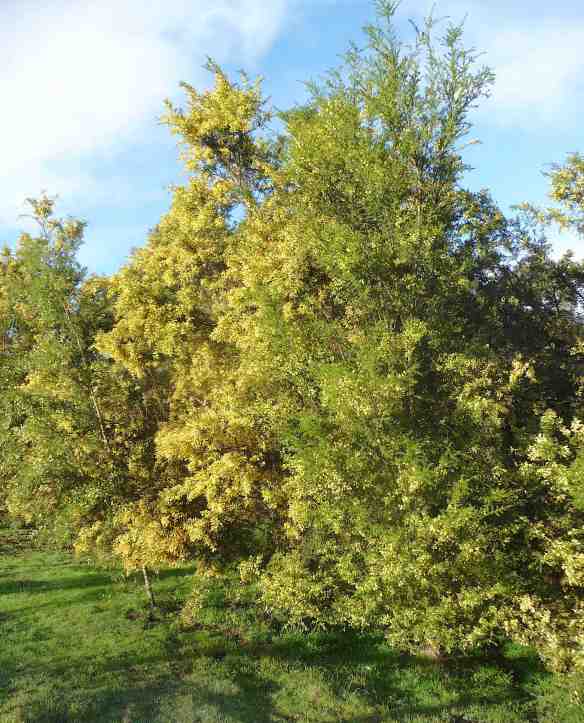
6.Prickly Moses

I have seen Acacia mucronata, or Narrow-leaved wattle, in the conservation area adjoining our property. It has creamy yellow cylindrical flowers and, not surprisingly, narrow leaves.
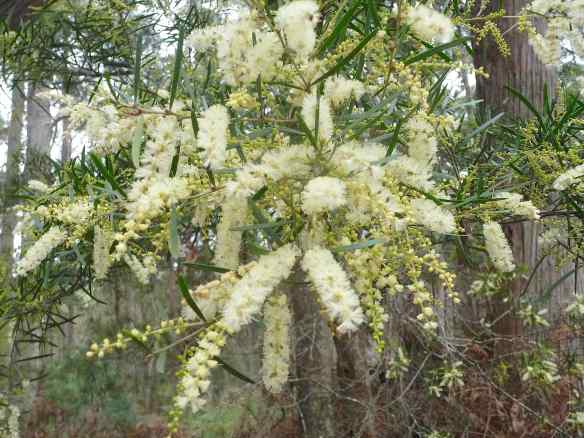
7.Narrow-leaved Wattle

I’ve often wondered why Acacias are called wattles. Apparently, it comes from the term, “wattle & daub”, a technique used by the early British settlers for building their huts. The branches were used to make the framework which were then daubed with mud (and perhaps a few cow pats). The Acacias were used mostly and so, they became known as wattles.

Boranup Forest

After a day of indulging in the digestible delights of the Margaret River region, it was time to walk off some of the damage. Boranup Karri Forest was the perfect destination. It is possible to drive through the forest but calories are not burned that way. We parked the car

1.Boranup Karri forest

and choosing a walking track,

2.Boranup Karri forest

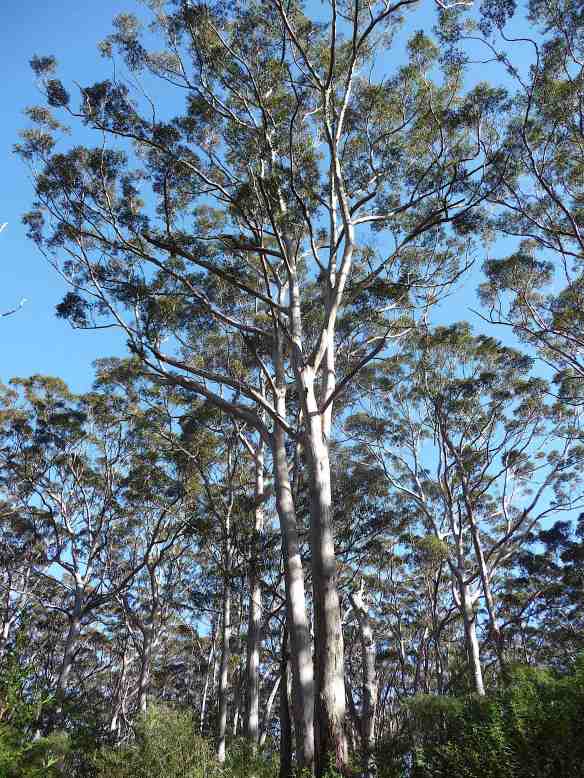
we were soon surrounded by towering Karri trees.

3.Karri forest4.Karri trees

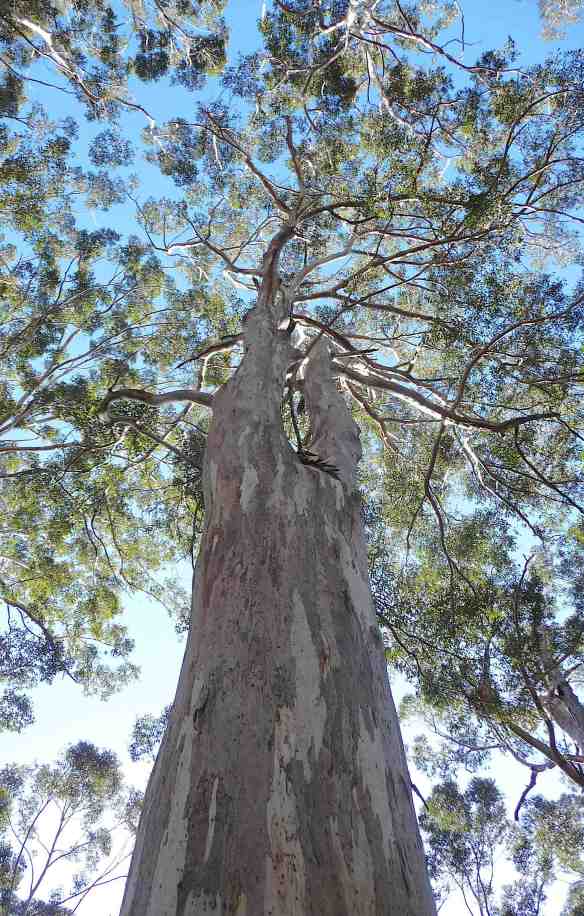
The Karri is a eucalypt, native to south western Australia, with a light coloured trunk that turns brown before it is shed.

5.Karri tree

The leaves are dark green on top and lighter underneath, hence the botanical name Eucalyptus diversicolor. The third tallest tree species in the world, mature trees branch only from the top third of the trunk.

6.Karri trees

At ground level, there were cosy homes for the wildlife

7.Karri tree

and a few early wildflowers added colour to the forest.

It’s hard to believe these magnificent trees are little more than 100 years old. The area was extensively logged between 1884 and 1913, the long, straight timber widely used in the building industry.

12.Karri forest

Hopefully, these trees will be left in the forest for future generations to enjoy.

13.Karri forest

Swallows Welcome

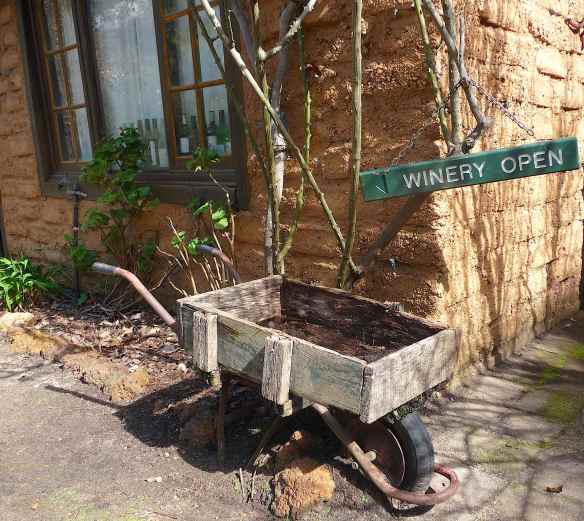
There are many fabulous wineries in the Margaret River region but Swallows Welcome, the smallest winery in the region, is really something special. Tim & Pat Negus first planted grapes in 1994 and the family run business has been producing wine since 1997. The rural setting is peaceful and the artistic influences are evident on arrival.

Patricia Negus is a well known watercolour artist, her illustrations of wildflowers and birds have graced the pages of many books. Tim & Pat built the mudbrick and timber Chapel of the Flowers, a serene gallery, to exhibit 102 of Pat’s works that are featured in Wildflowers of Southwest Australia (the plastic chairs were remnants of a recent social occasion).

9.Chapel of the Flowers

The beautiful leadlight windows create a subtle ambience.

The delights continue outside,

the garden is a testament to Pat’s love of nature.

31. honeyeater

We made our way, past the magnificent magnolia tree, to her studio, filled with stunning artwork, books and cards for sale.

We wandered through a gorgeous courtyard cottage garden,

inhabited by a few frogs

and the occasional snail.

45.snail

After all the distractions, we finally reached the tasting room,

46.tasting room

adorned with more colourful leadlight.

Pat guided us through the range of superb reds,

finishing with a nip of Pensioners Port. Tim’s self-portrait graces the label

51.tasting room

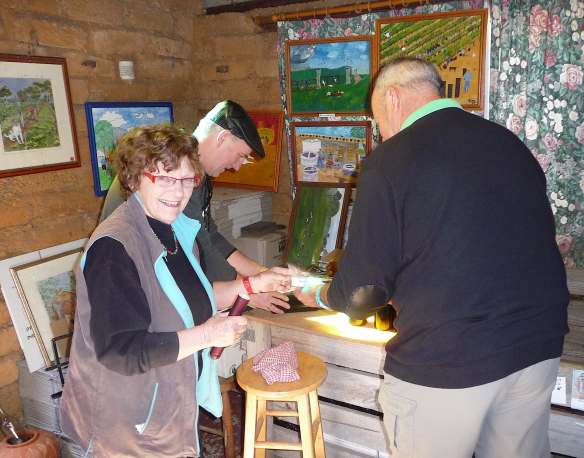
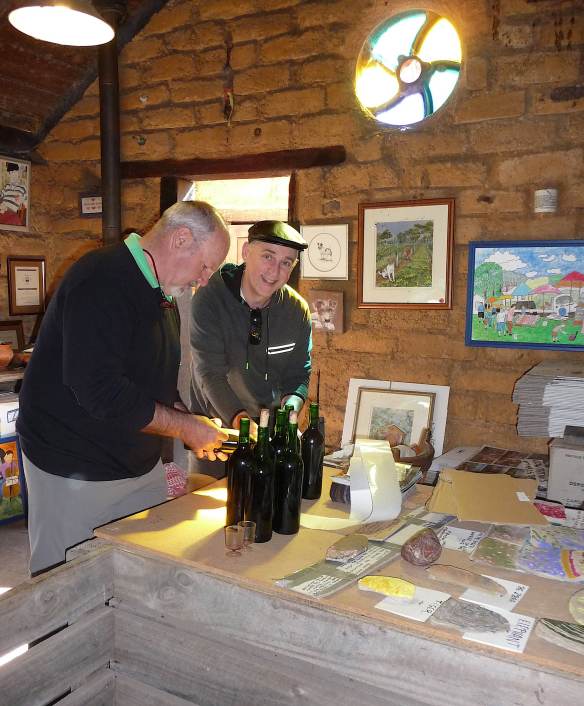
and his other works decorate the walls. Pat instructed the boys on the fine art of labelling

52.Pat, Michael and Dave

and they soon had a dozen ready to ship home.
53.labelling

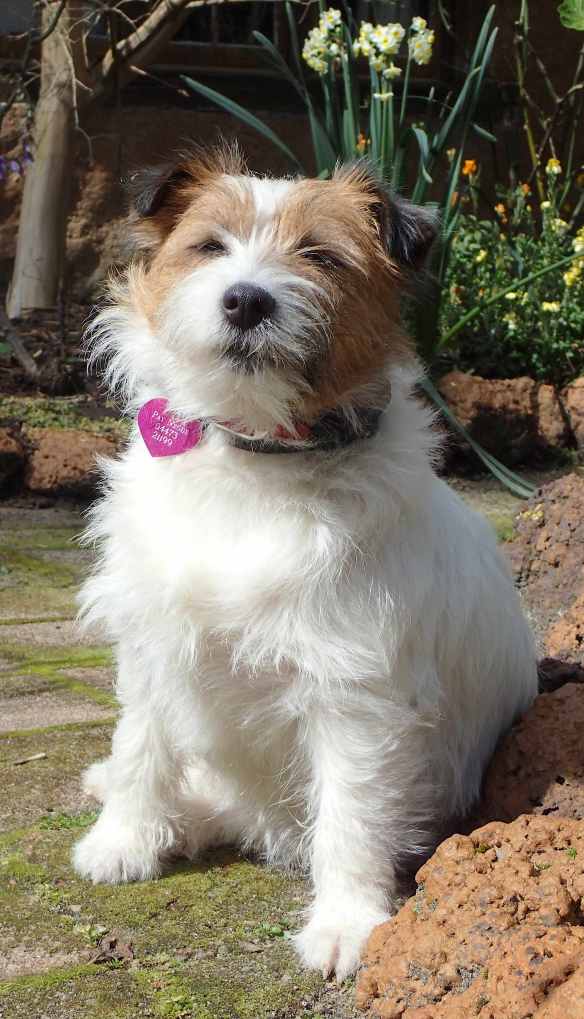
I could have lingered in that garden all day but lunch was beckoning. It’s a good life for some……..

54.winery dog

random rambling

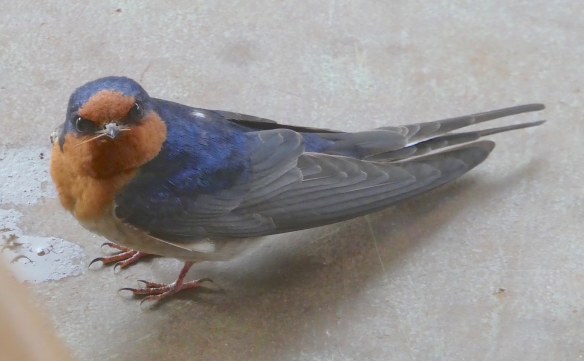
There are times when I feel compelled to take a photograph, whether it is something particularly beautiful or unusual, or both. I then wonder what I am going to do with that photo, so here are some of my random snaps to share with you. In spring, we had a pair of welcome swallows determined to nest close to our front door. Each time they started a nest, we devised cunning ways to deter their efforts. We eventually ended up with a 30cm strip of black plastic stapled to the top of our walls to prevent them attaching their mud to the cedar cladding. They finally got the message they weren’t welcome.

1.angry swallow

Michael came across this gorgeous mum keeping her eggs warm, while walking with Poppy in the forest.

2.forest bird

I love kookaburras, I spied this handsome fella in the garden before leaving for work one morning, keeping an eye out for a tasty breakfast morsel.

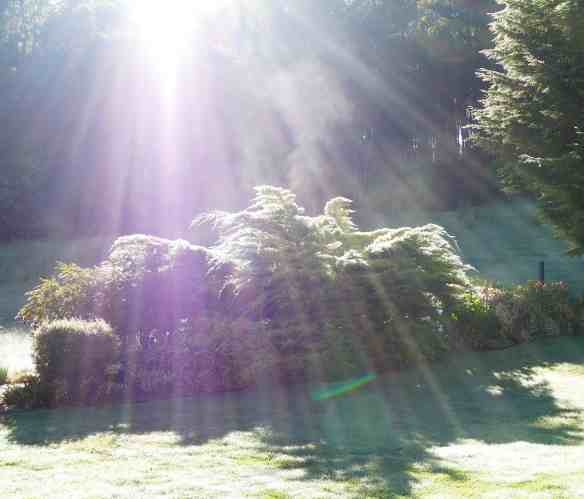
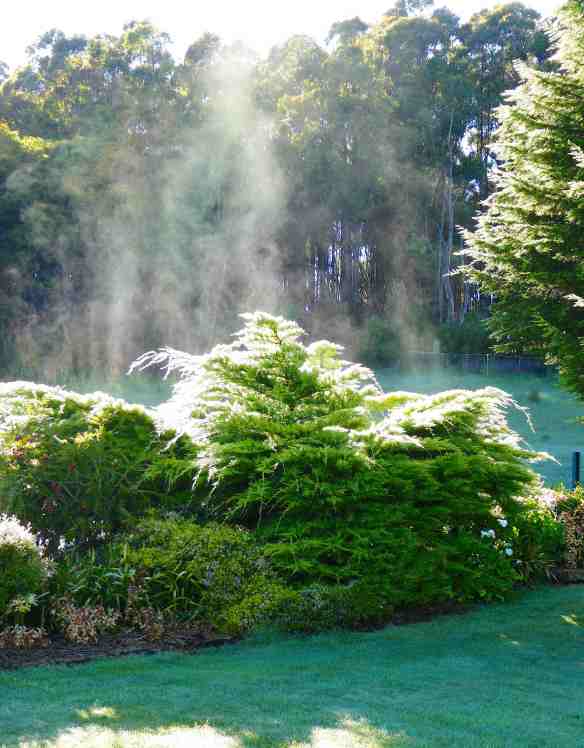
After a brief rain shower one summer morning, behind the stream of sunlight, the plants were letting off steam.

10.morning sunlight11.morning steam

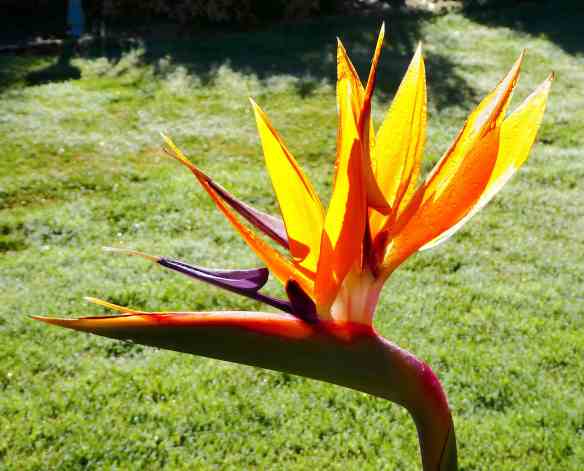
The strelitzia looked magnificent after the rain.

12.strelitzia

When we first moved to our house, there was an impressive stand of oriental poppies outside the lounge window, the same ones you can see on the header image of this blog. They then disappeared, my husband suspects I inadvertently poisoned them along with the weeds (he could be right). This year, just one bloomed and hopefully there will be more in the future.

The Japanese black pine seemed to be at impossible angles, reflected against the clear sky in the waters of our pond.

17.reflections18.reflections

I don’t know what these enormous moths had been up to but it looked like they were enjoying a well deserved rest.

The Tiger Lilies fell victim to our nocturnal furry critters last year and we had no blooms. For some reason, they left them alone this time around and they were stunning. Apparently, they are named because of their spots. Shouldn’t they be called Leopard Lilies?

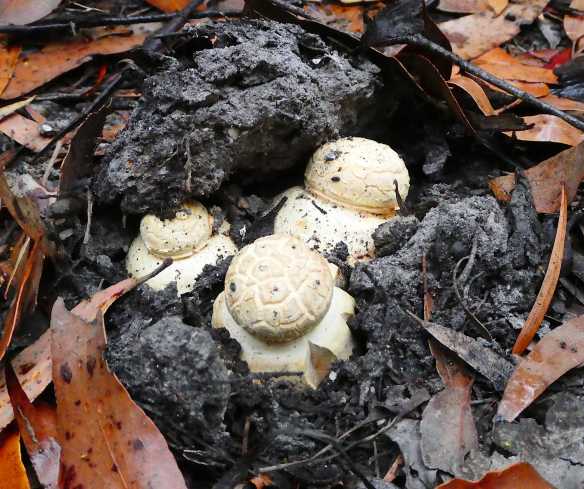
Walking in the forest, I saw these cute fungi emerging from the damp humus.

26.fungi

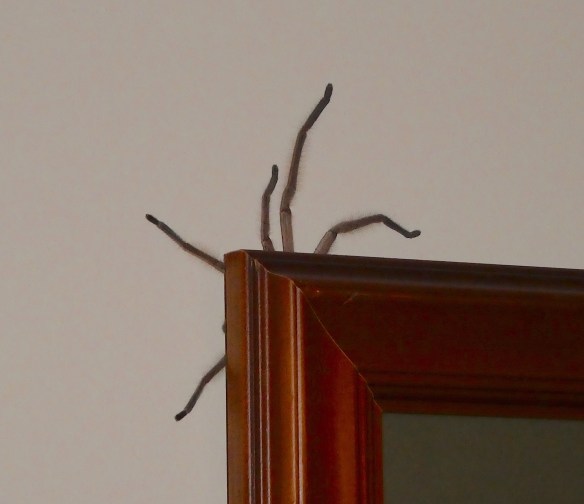
On my way to bed one night, I sensed I wasn’t alone. It’s nice to get a friendly wave, just not from five hands at the same time!

28.spider

No spiders were harmed, he was gently relocated out of doors. Finally, after a hard day working in the garden, there is nothing better than a draught of home brewed stout.

29.stout

Cheers!

30.stout

Kings Park

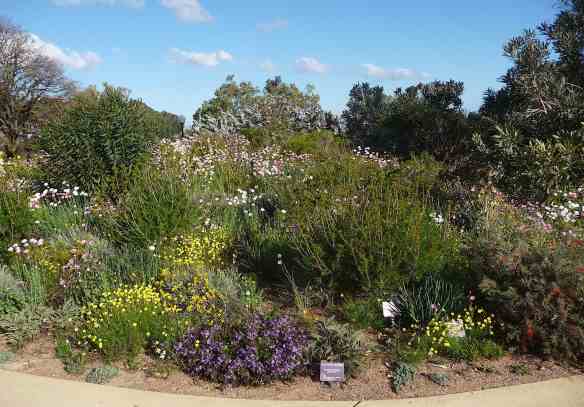
After four days and three nights aboard the Indian Pacific, we were greeted at East Perth railway station by our friends with whom we were to spend the next week. They wasted no time in showing us their beautiful city with a detour to Kings Park. The 1,000 acre park is larger than New York’s Central Park and is home to the Western Australian Botanic Garden. It seemed Spring had come early, with many of the plants in bloom.

1-kings-park

The State War Memorial is located within the park, the Cenotaph sits high on Mount Eliza.

5-cenotaph

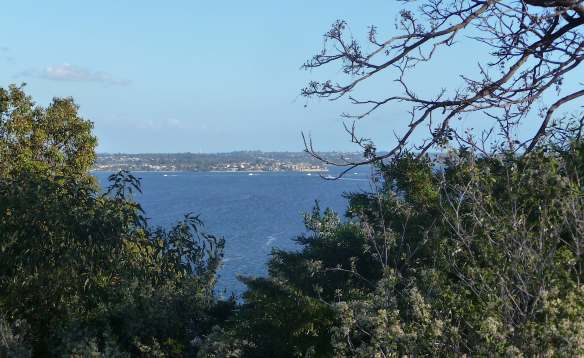
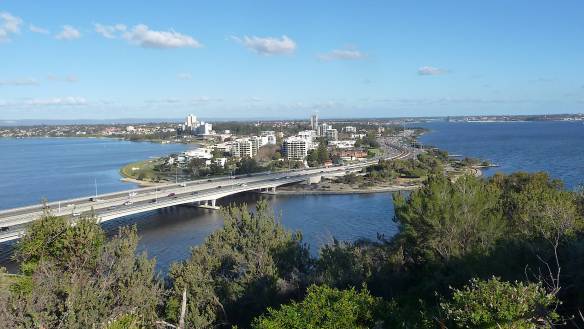
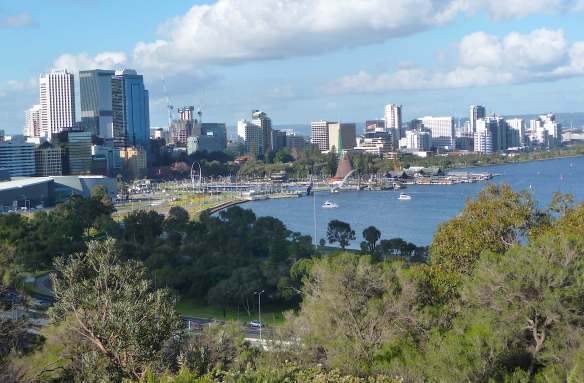
The views across the city of Perth,

6-perth

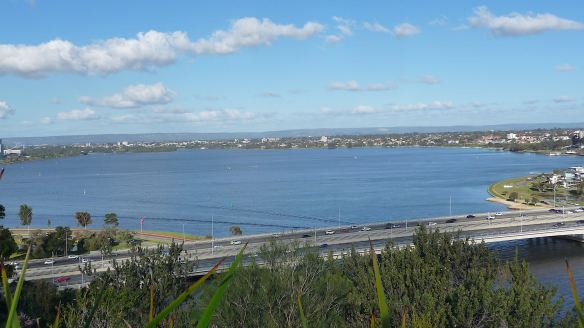
and the Swan River were breathtaking.

7-swan-river8-perth-water

The Narrows Bridge is made up of two road bridges with a railway bridge down the middle, linking the northern and southern suburbs.

9-the-narrows-bridge

We caught a glimpse of the Australian Ringneck Parrot

10-australian-ringneck-parrot

as we meandered past more brilliant colours.

I think we need a whole day to see Kings Park, we will just have to return.

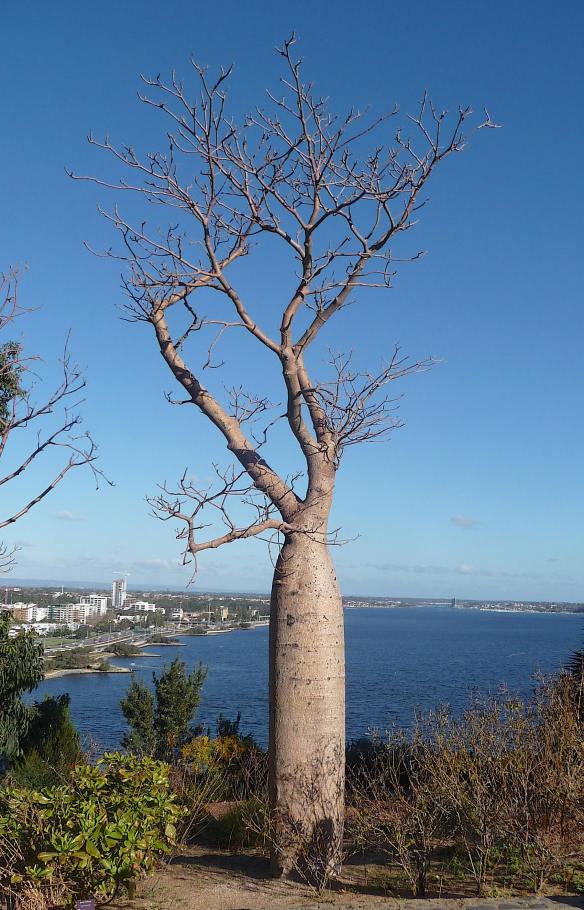
14-boab-tree