Desert Park

The last day of our Northern Territory holiday had arrived and we made the most of it at Alice Springs Desert Park. The ridge of Alhekulyele (Mt. Gillen) is a stunning backdrop to the 3,000 acre park.

We arrived in time for the Nature Theatre show to be entertained with demonstrations of free-flying birds of prey.

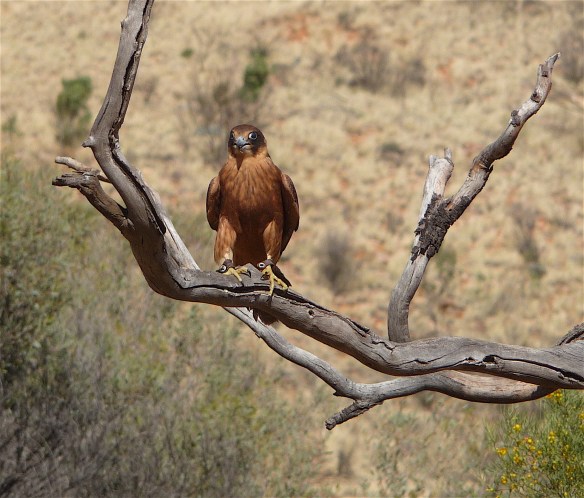
4-wedge-tailed-eagle

8-whistling-kite

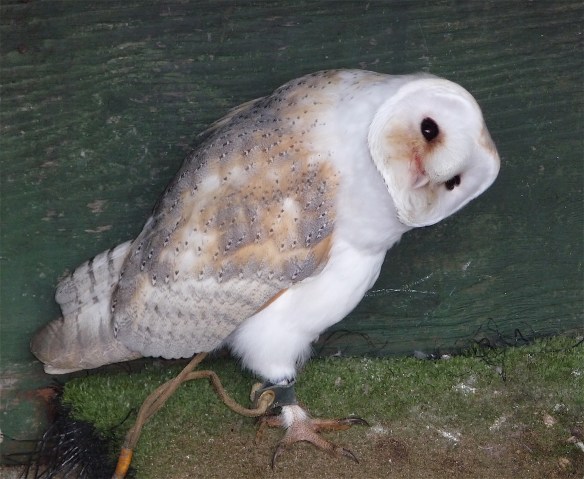
10-barn-owl

The bush stone-curlew stole my heart again.

The park has three re-created desert habitats to explore: Sand Country, Woodland and Desert Rivers. The Woodland habitat includes enclosures for dingoes

and kangaroos.

It was a bit early for the wildflowers but they were lending some bursts of colour.

The Desert Rivers habitat was full of life, from the magnificent perenties enjoying the sun,

39-perentie40-perentie

to the black cockatoos posing majestically in the trees.
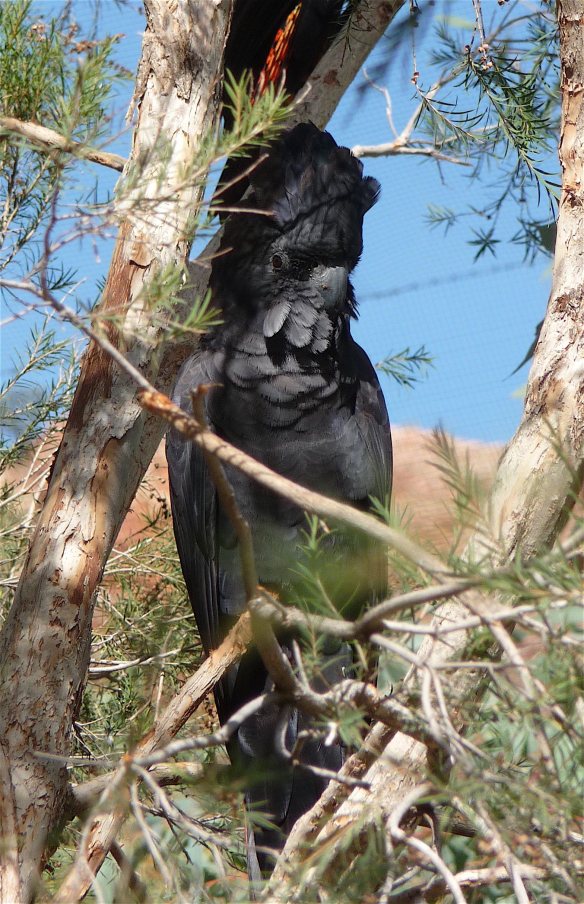
41-black-cockatoo

The waterholes were popular

while some preferred dry land.

We had the opportunity to learn more about the wedge-tailed eagle

50-wedge-tailed-eagle

and he very kindly posed for a photo.

51-wedge-tailed-eagle

The reptile house was home to some cute lizards

and snakes.

58-snake

The tawny frogmouth looked very regal.

59-tawny-frogmouth

Our day at the Desert Park was amazing

60-path

and we left with some very special memories.

Welsh Hawking Centre

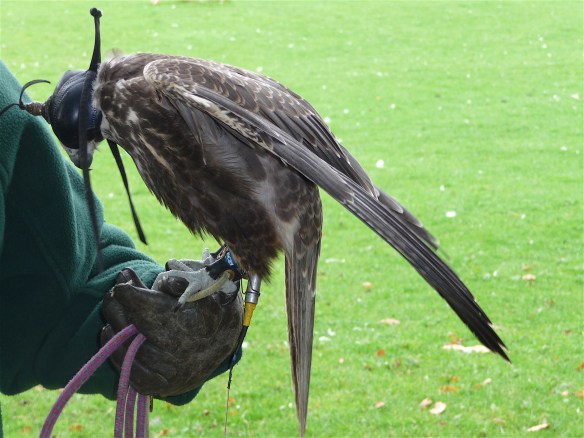
Birds of prey have always held a fascination for Michael. When we realised the Welsh Hawking Centre was not far from Penarth, it was immediately added to our list. Once October arrives in Britain, the tourist attractions slow down and the tourists disappear. We were the only visitors and were treated to the experience of watching the training of two falcons. One was put through the paces

1.falcon

while the other waited patiently on the sidelines.

2.falcon

After a few passes with the lure, there is a reward.

3.falcon

You can’t help but admire these beautiful creatures.

After more training with the lure,

7.falcon

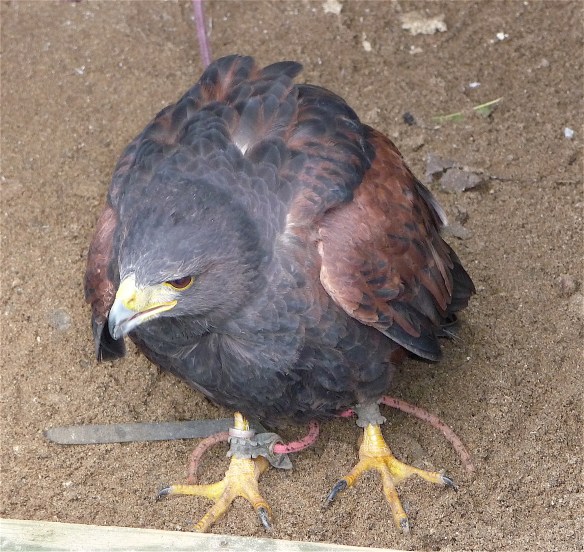
we met some other residents

8.eagle9.kite11.barn owl

13.chook14.horse15.rabbit

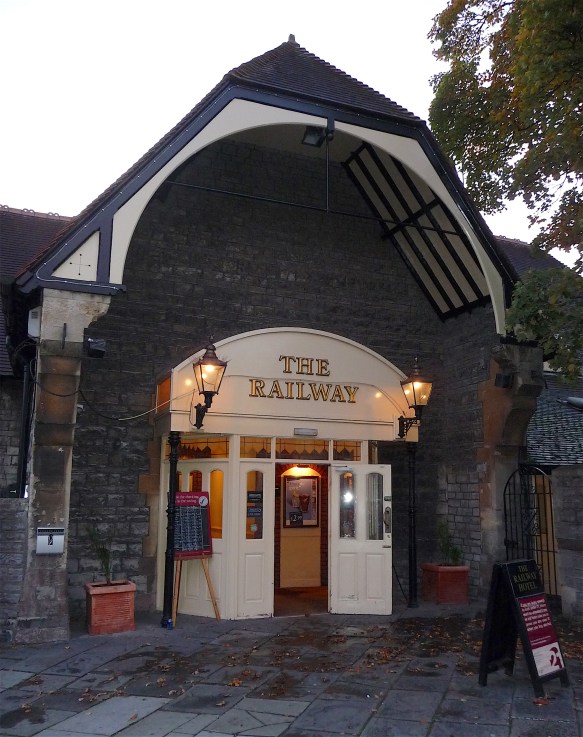
Returning to Penarth we dined for a second time at The Railway. The meals were amazing – for £2.99, how could we resist?

16.The Railway

Cosmeston

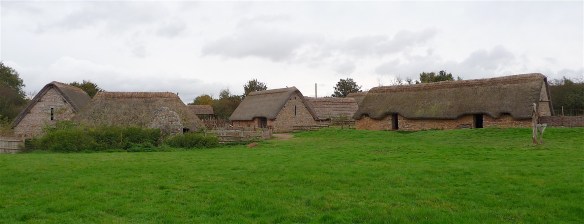
After wrenching ourselves away from Cornwall, we continued on our travels to Wales. Staying in Penarth, we were able to explore the surrounding Vale of Glamorgan. We discovered Cosmeston Medieval Village.

13.Cosmeston

The remains of 14th century stone buildings were unearthed during the development of Cosmeston Lakes Country Park in 1978.

1.Cosmeston

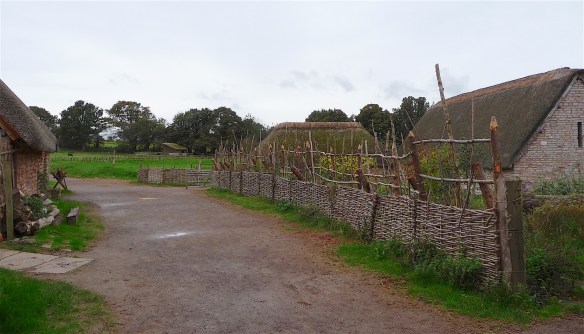
A unique archaeological project restored the medieval village of Cosmeston on its original site and foundations. We were greeted by a man dressed for the year 1350, then left to roam at will.

2.Cosmeston4.Cosmeston

5.Cosmeston

The pigs had a very cosy house.

There was plenty happening in 1350 – Britain was in its twelfth year of the Hundred Years War with France

9.Cosmeston10.Cosmeston

and was slowly recovering from the Black Death of 1348, which killed almost half the population.

13.Cosmeston

Some of the pigs were shy

17.Pig

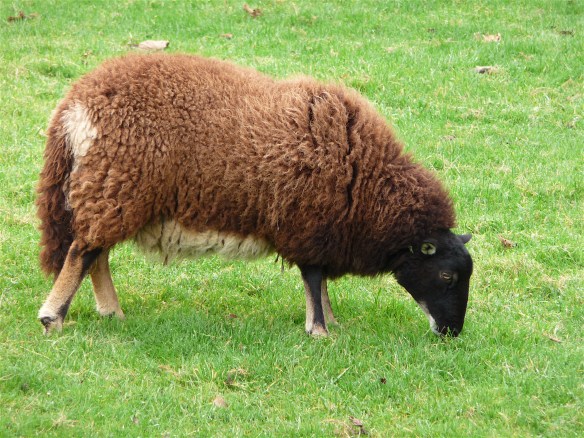
but the sheep seemed contented.

18.sheep

We wandered around Cosmeston Lakes, with 12 hectares of open water

19.Cosmeston

there was plenty of birdlife.

The park was beautiful

24.Cosmeston

and the autumn colours quite spectacular.

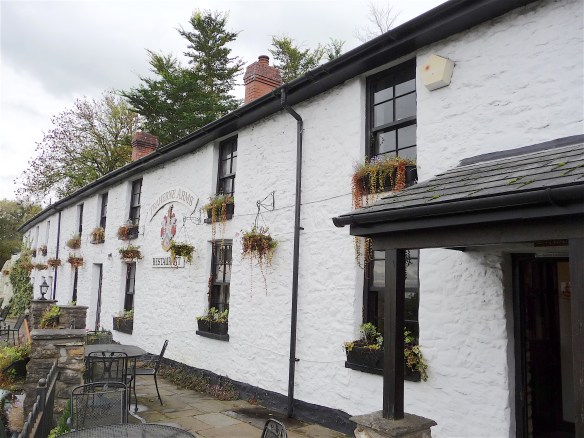
We had worked up a bit of a thirst and luckily, stumbled across the Traherne Arms. Situated on a hill called the Tumble, overlooking Cardiff, it was actually a very busy restaurant. The gentleman behind the bar was initially not very happy but took pity on us and served us a pint. He took the time out for a chat and then gave us a souvenir ‘Brains’ bar towel!

27.Traherne Arms

I like this story. Until the 19th Century it was known as the Tumbledown Dick Inn. Named after Richard, the son of Oliver Cromwell, following an ample lunch in the company of the Jones’ of Fonmon Castle, fell off his horse while descending the hill, giving him the alias of Tumbledown Dick.

crazy chooks

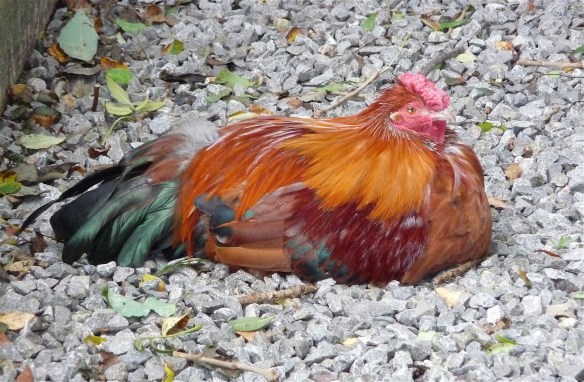
Two and a half years ago, we decided to get some chooks. We had chooks for many years before moving to Tassie. Always the ‘domestic reds’, purchased as point-of-lay from the local fodder store. They even had names, Satay and Tandoori were the first.

1.Satay & Tandoori

Then we moved to the country and had four, named after my mum and her three sisters – Jean, Doreen, Mavis and Susan.

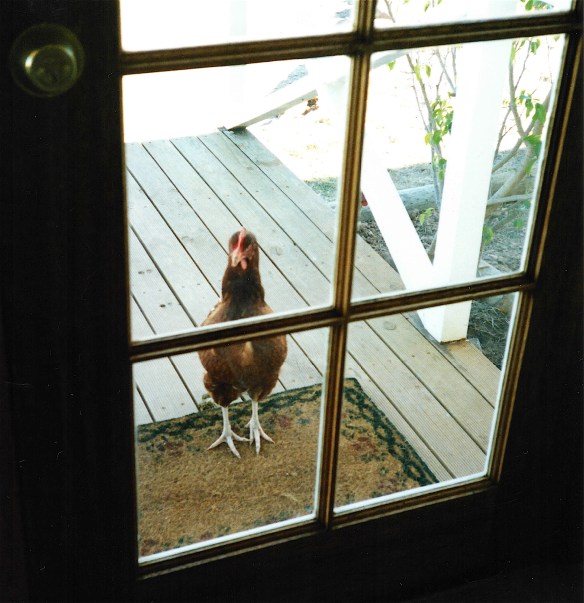
Lovely chooks, they’d sit on our laps, knock on the front door,

4.Jean

help with the gardening,

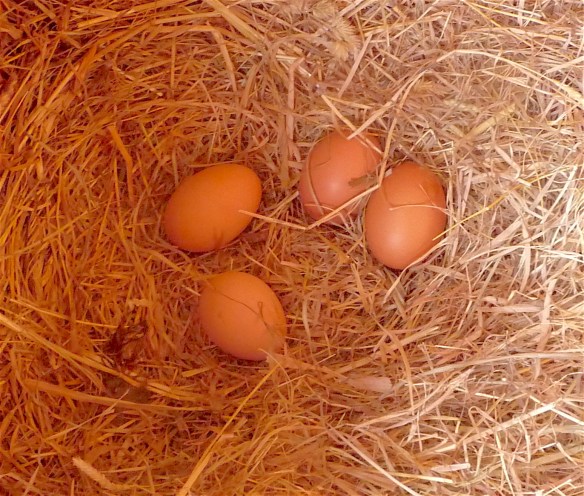
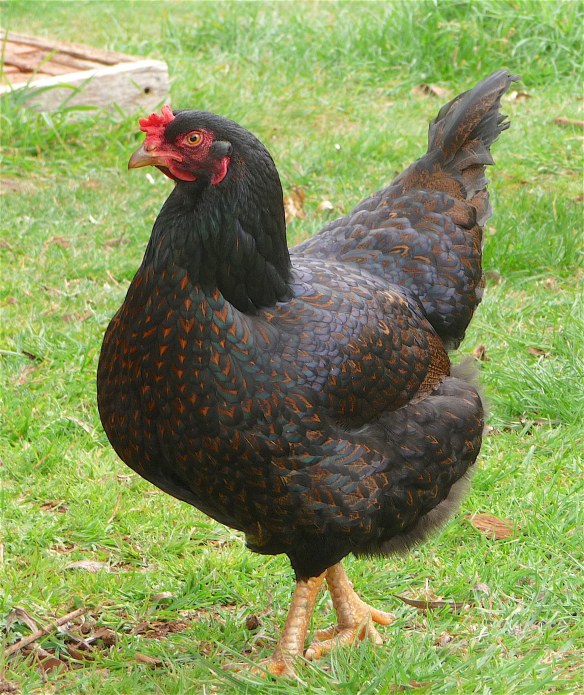
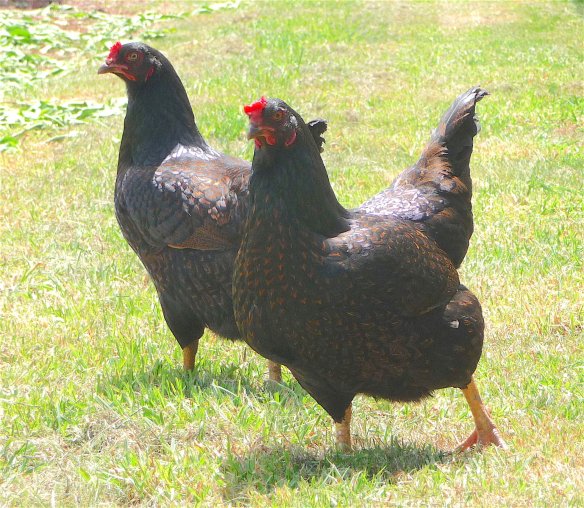
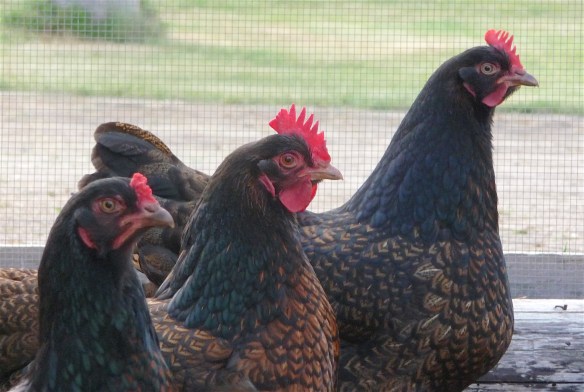
go to bed when asked, give us eggs in return for a comfortable home, food & water. We thought we’d do a bit of research for our Tassie chooks, something to withstand the harsher climate yet provide us with the eggs they were intended for. The number one recommended all-purpose fowl for a cool-temperate climate…..the Barnevelder.

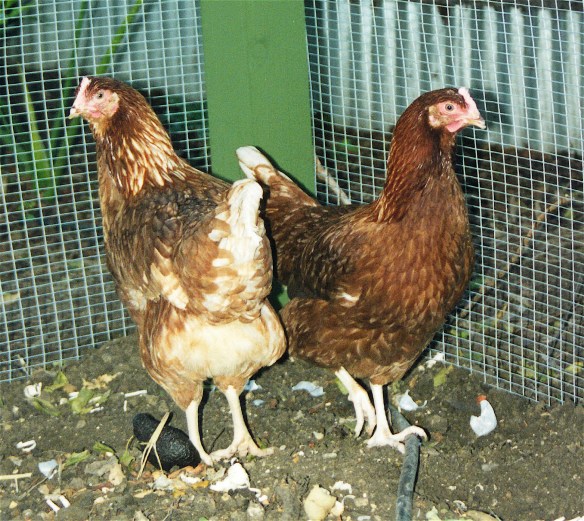
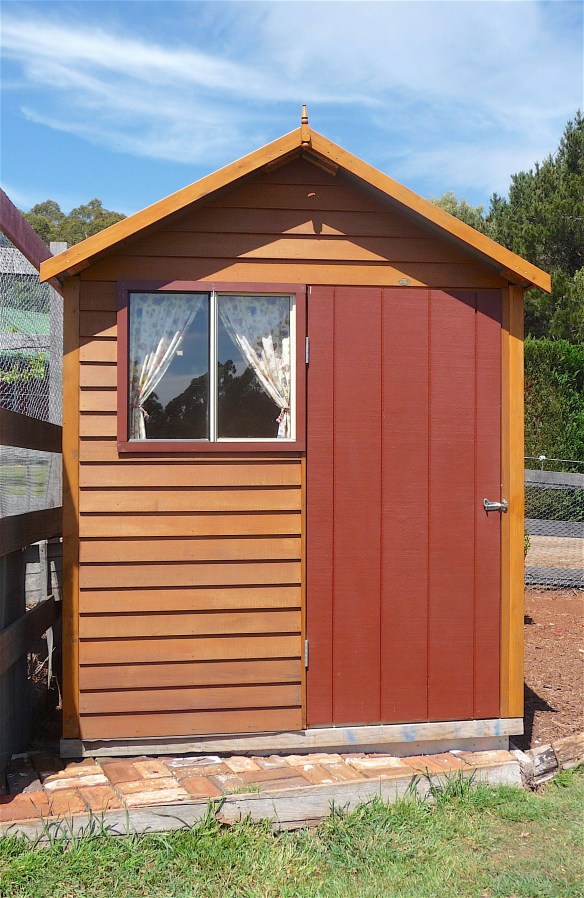
Adaptable, sedate, calm, quiet, easy to tame and train to the hand. Not to mention the lustrous satin-like plumage and glorious dark red-brown eggs. We built a house and a run, making sure it was impenetrable to lurking quolls (we don’t have foxes in Tasmania but the native quoll will do the same damage). We went to the local poultry show and agreed they were a fine looking specimen. We sought out a local breeder and brought home four, supposedly ‘point-of-lay’. The first morning, I opened the door to the chook house, greeted them with, ‘good morning girls’, and was met with a face full of feathers, dust and chook poo as they bounced off the walls in sheer terror. I thought to myself, ‘hmmm, that went well’, as I spat out the detritus. As time progressed, we realized the chook house wasn’t going to be big enough for these large birds. We built a new one

11. house

and decorated it with curtains and memorabilia designed to encourage normal chook behaviour.

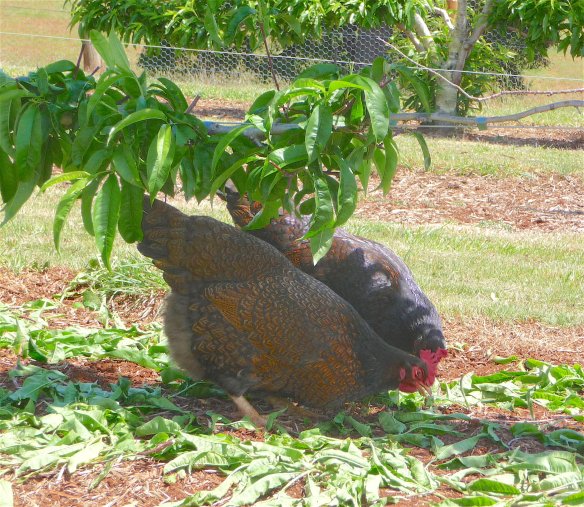
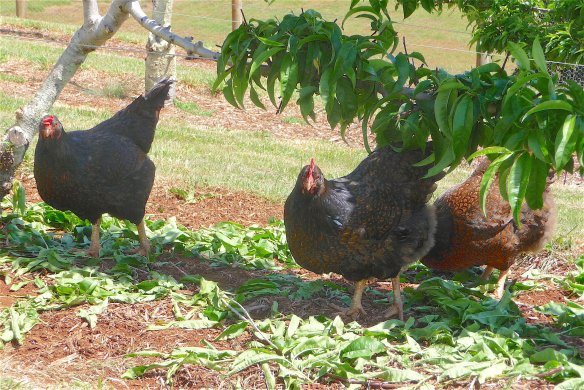
It has had the desired effect, to a degree. They are happy to free-range around the orchard

15.orchard16.orchard

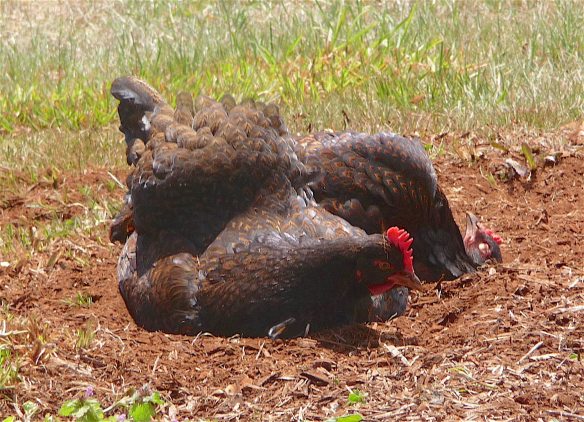
and dust baths are a regular treat.

21.dust bath

After seven months, they starting contributing toward their keep in a very sporadic manner.

22.eggs

We haven’t named them, apart from one we call Broody, a reflection of her habit when she should be laying.

23.Broody

The others have a few chosen nicknames but I won’t repeat them in print. After all this time, our dream of civilized chooks still eludes us. Their first instinct is to flee

24.run away

and the look of panic in our presence is never far away.

25.terror26.terror

If anyone would like four deranged hens, let me know. If you can catch them, you can keep them.

Wing’s Wildlife Park

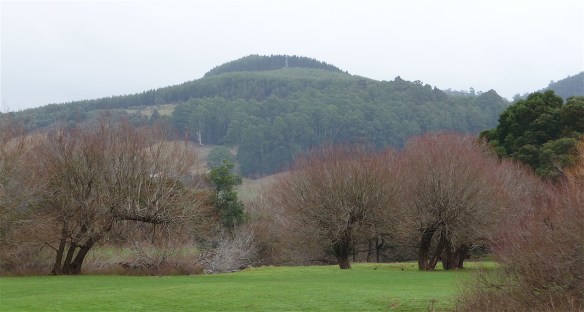
Wing’s Wildlife Park has the largest collection of Australian wildlife in Australia. A forty five minute drive from our door, the park is set in a stunning location at Gunns Plains

1.Gunns Plains

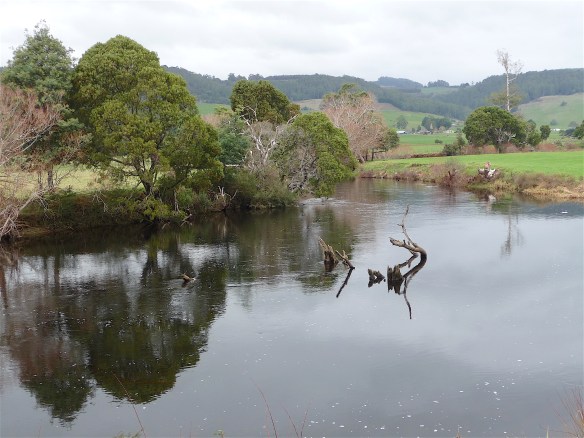
on the banks of the Leven River.

2.Leven River

In January 2011, the Leven River broke its banks and the wildlife park sustained extensive flood damage. The Wing family considered closing the park but with the help of some fantastic volunteers, they re-opened within two weeks. We arrived in time for the feeding of the Tasmanian Devils.

There were a number of assorted ducks and geese wandering around.

Most of the native animals have been rescued following injury. If they are able, they are released into their natural habitat when rehabilitated, otherwise they stay at the park for the rest of their lives.

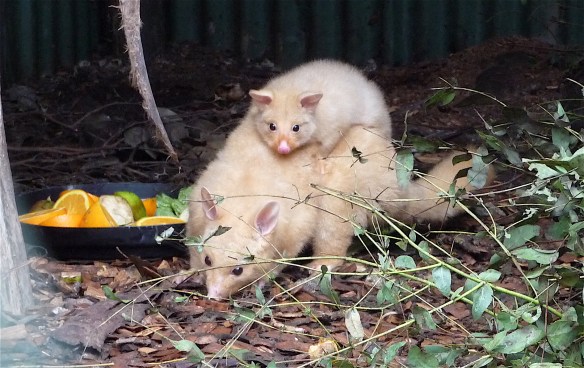
17.golden brushtail possum18.sugar glider

The eastern quoll is considered extinct on the mainland, but it does inhabit much of Tasmania.

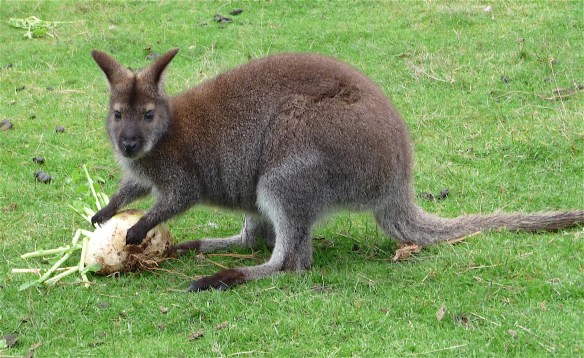
The Bennett’s wallaby has a wonderful enclosure.

22.Bennett's wallaby enclosure

Known as the red-necked wallaby on the mainland, they are a common sight in Tasmania.

23.Bennett's wallaby1

Pademelons are gorgeous creatures, they frequent our garden at night, although I don’t think albinos would fare too well in the wild.

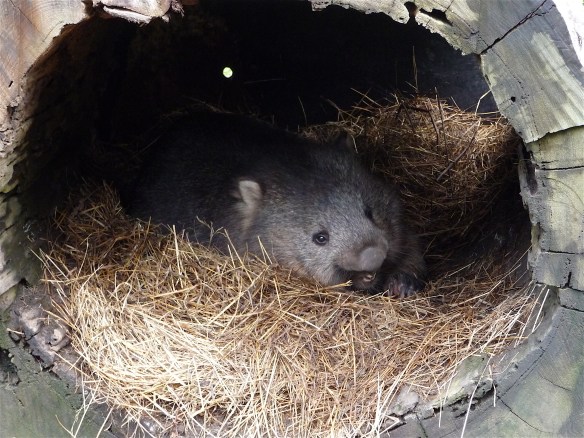
Wombats look so cuddly.

31.wombat1

This one was a bit of an acrobat.

We don’t have koalas in the wild in Tasmania

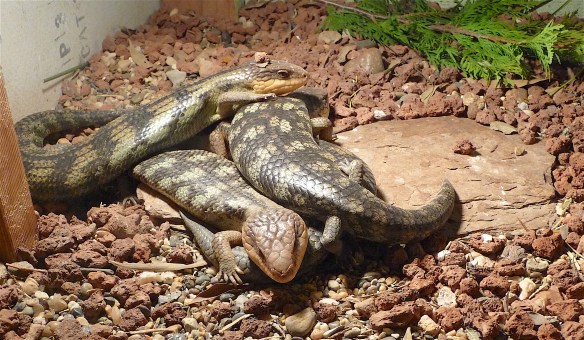
but we have plenty of lizards

38.blotched blue tongues

and birds.

The crab-eating macaque was deep in thought

The park was the first to import American bison into Tasmania.

54.bison

There are a variety of four-legged friends

and some very cute mums with baby.

The camels seemed to be having a hard time with their vegetables.

The animals have some gorgeous scenery to enjoy

74.view175.view5

and the poplar lined driveway is a beautiful farewell to a wonderful day.

76.view4