Though my memory is not as reliable as it once was, I had a vivid recollection of lunch at a tiny osteria somewhere near Villa Reale on our first trip to Italy. At that time, Michael was busy making a guitar so I was hoping to take him there before visiting the villa this time. As we neared the villa, things started to look familiar and there it was. La Bottega sulla Fraga was just as I remembered,
tucked away in a lovely, peaceful setting on Via Fraga
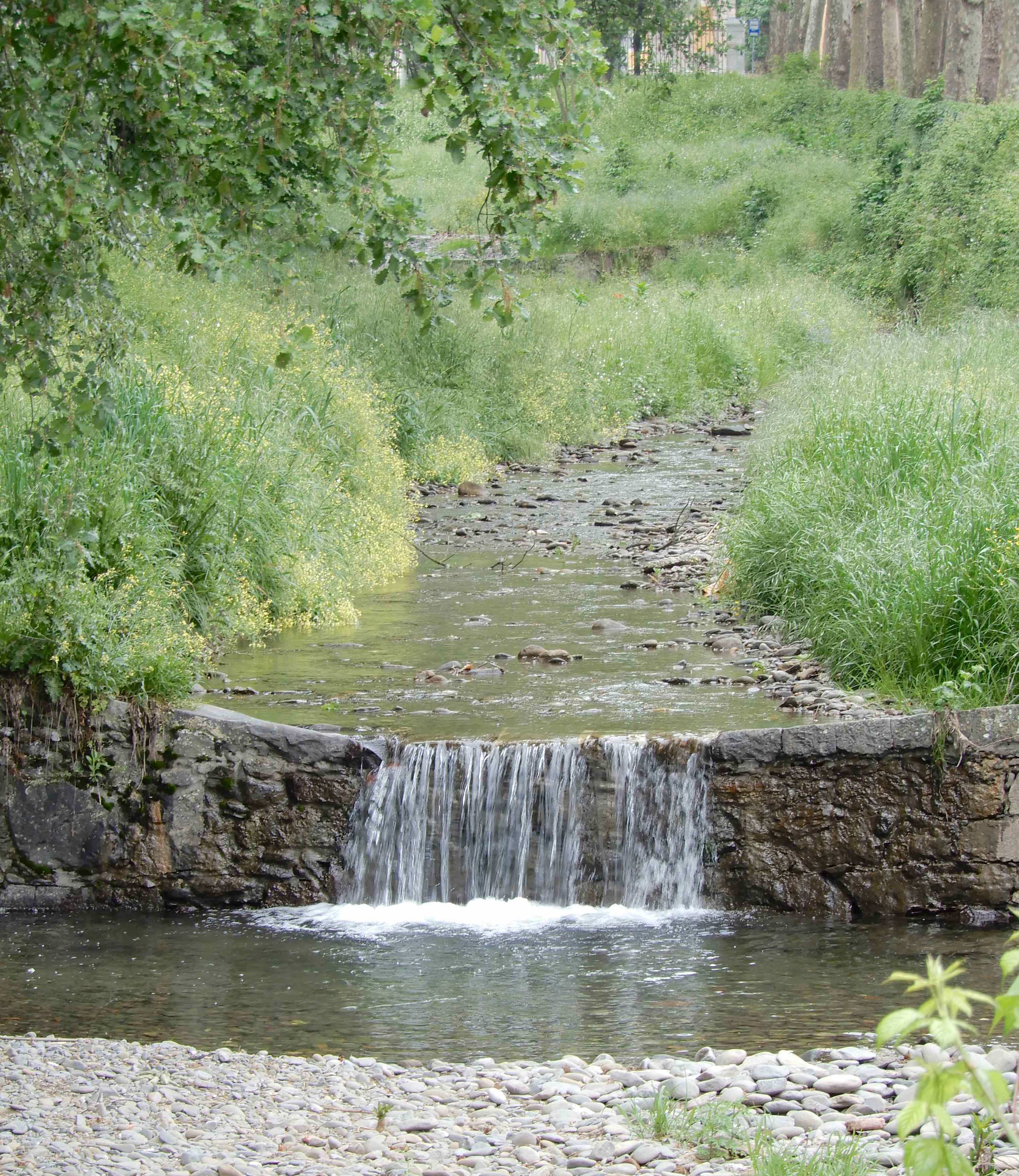
with the Fraga stream flowing gently on the other side of the road.
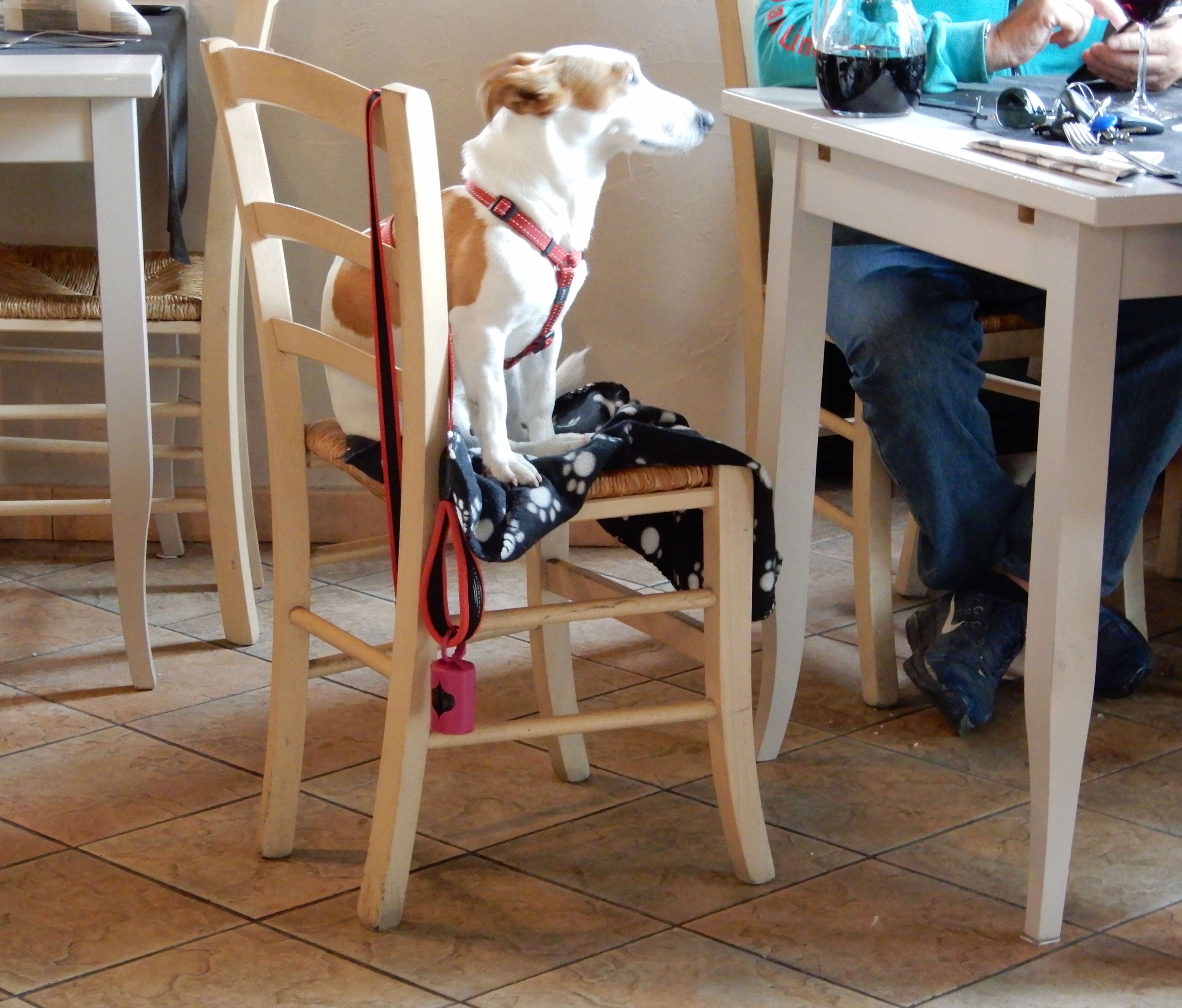
This former ancient butchery isn’t spacious and it seemed the place to be on a warm Sunday afternoon.
A table for two in the courtyard seemed to be waiting just for us along with a friendly welcome.
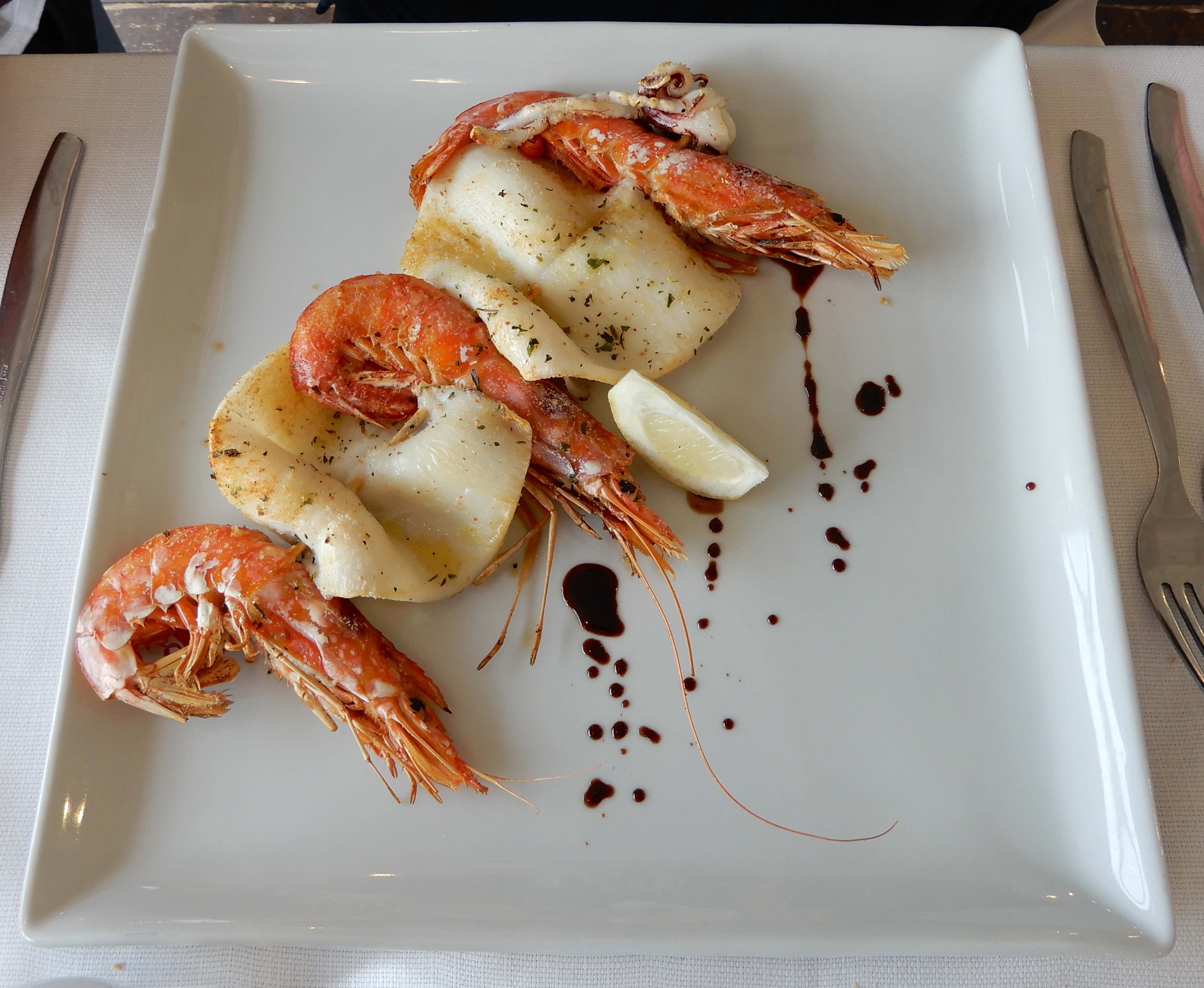
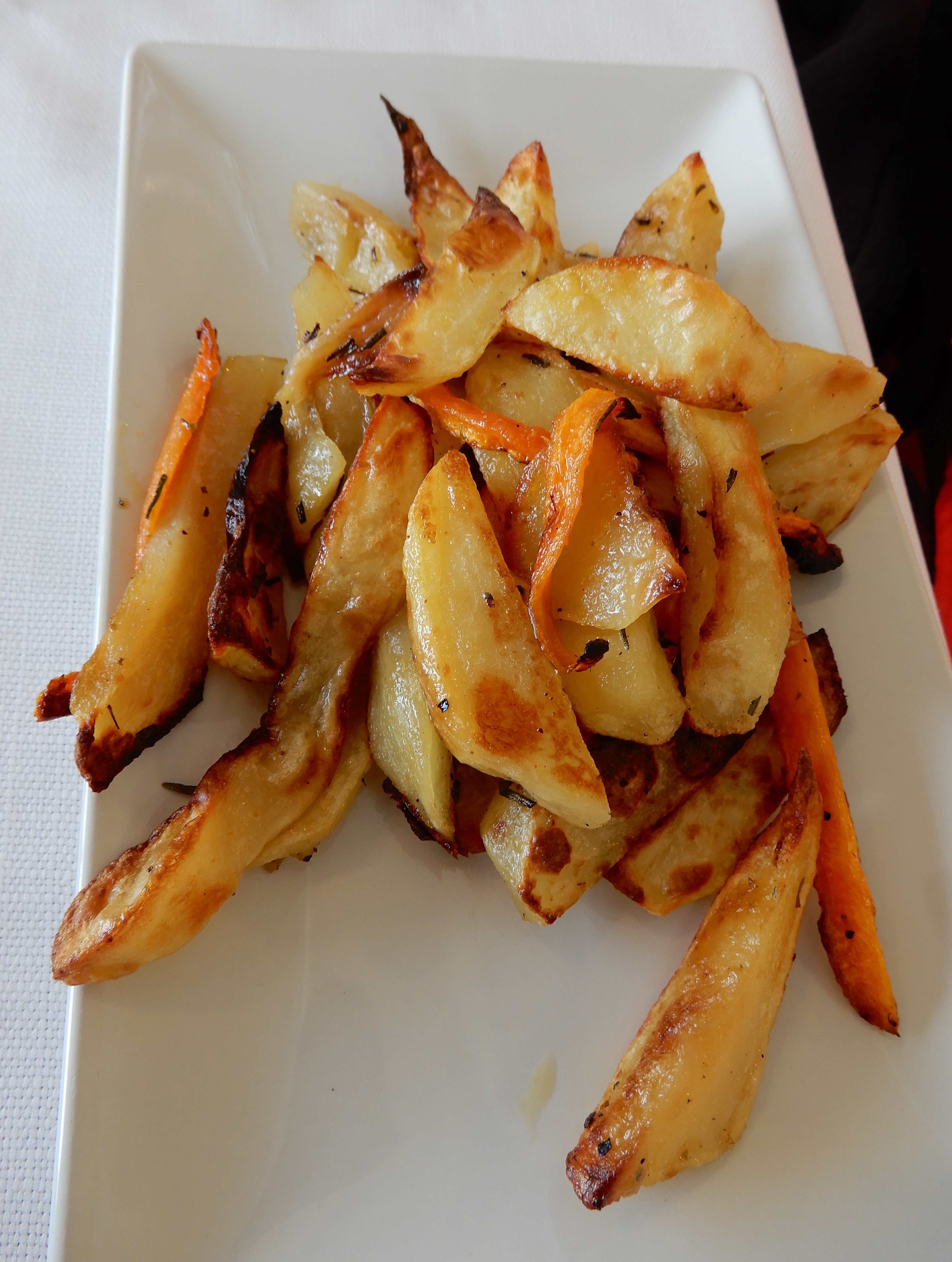
Our meals were delicious
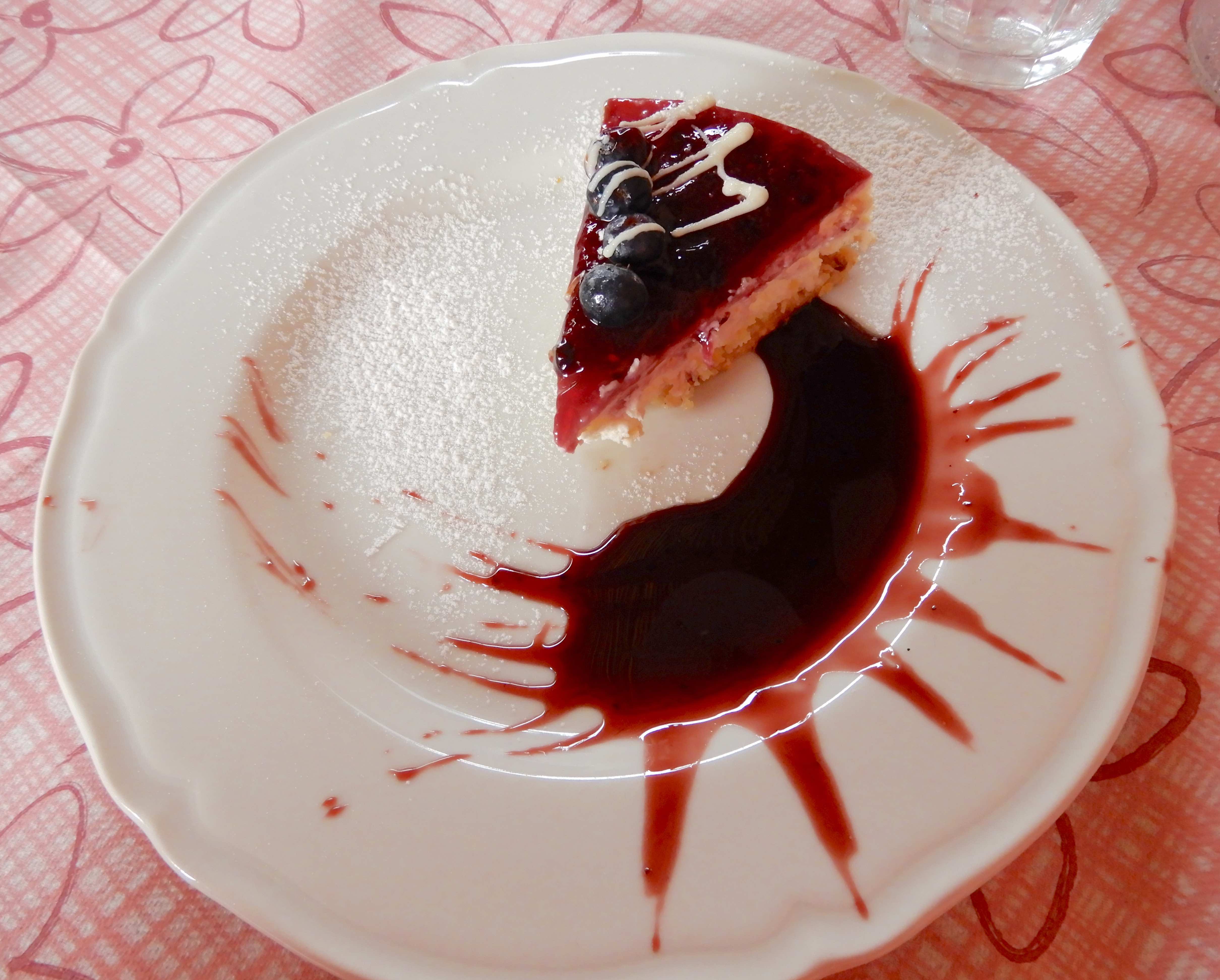
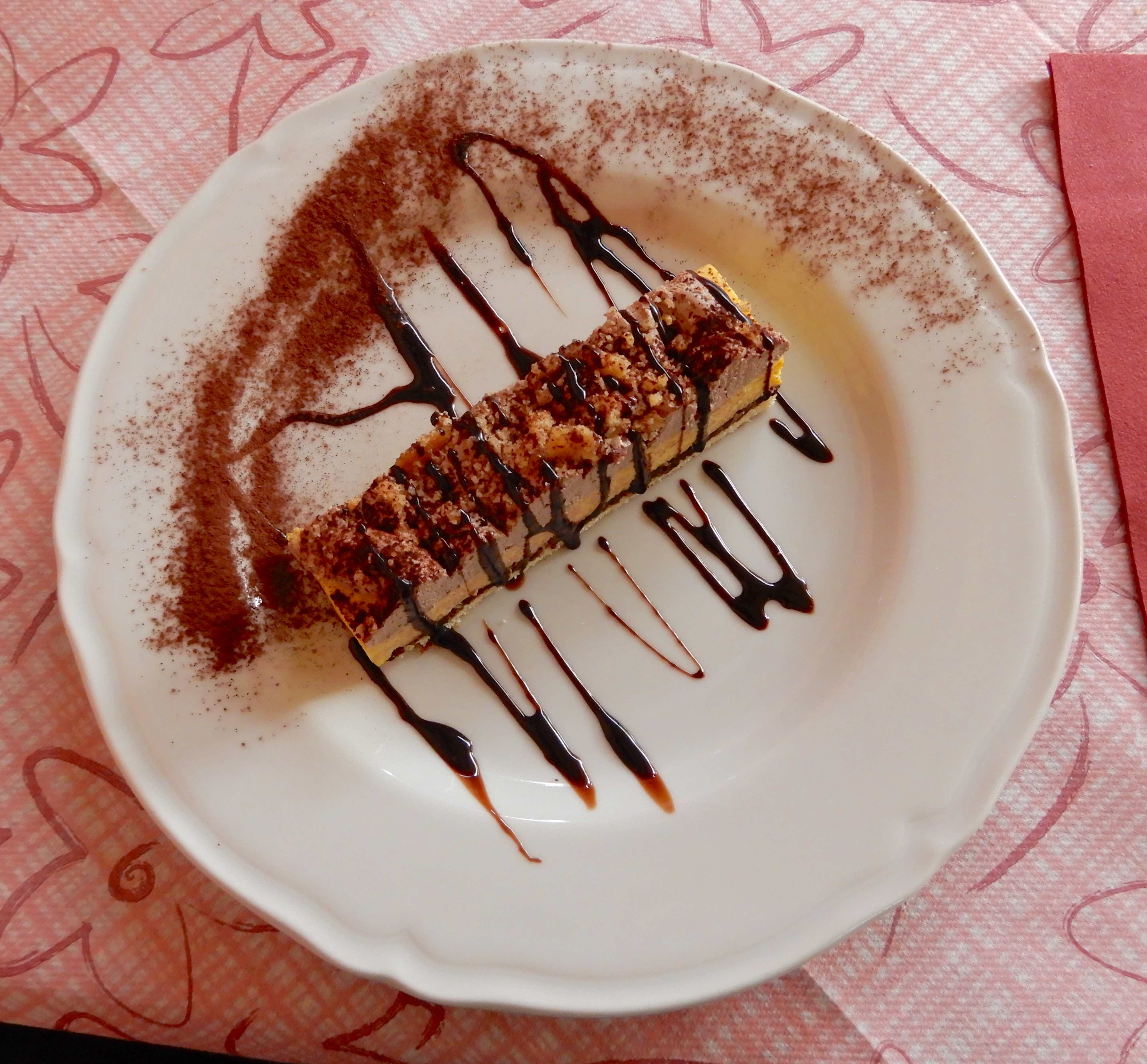
and of course, it would have been rude not to have dessert.
One of the best things about living in Tasmania is the four distinct seasons. As winter comes to an end, the stark beauty of the garden changes with the appearance of the first green shoots of spring bulbs.
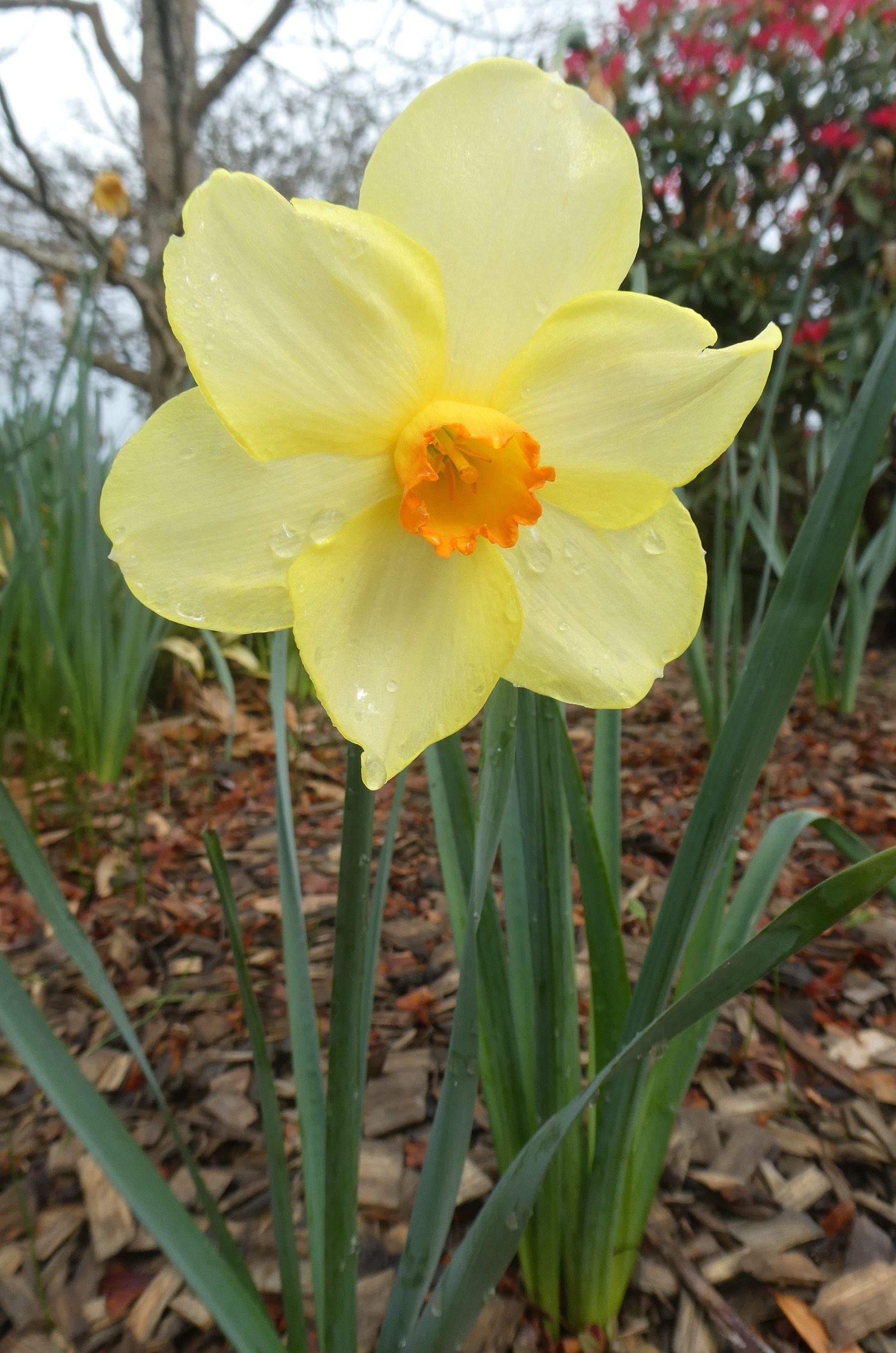
The daffodils were culled last year and hundreds of bulbs were given to a friend to enjoy the splendour in her own garden. There were plenty left to put on an impressive show.
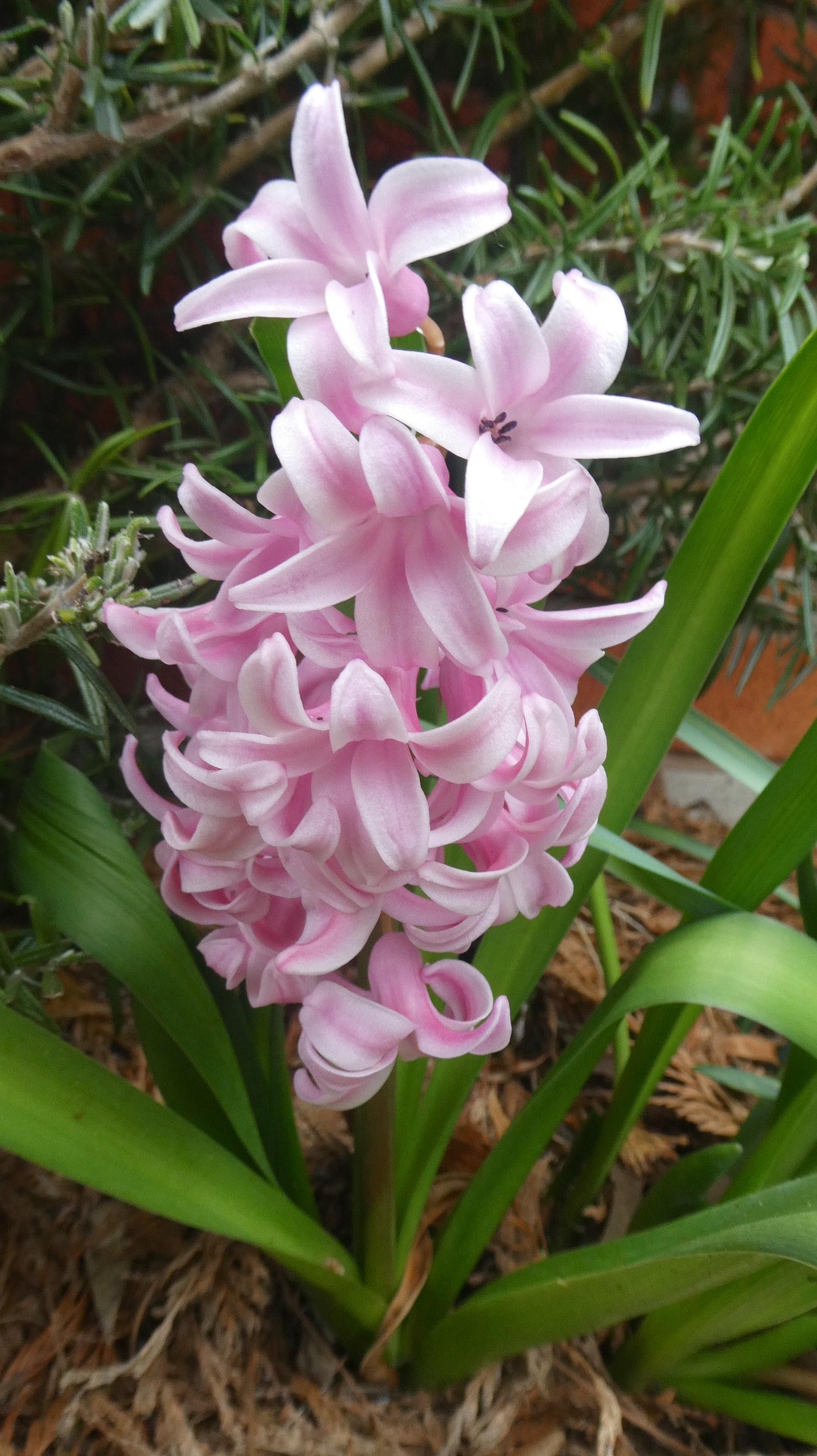
The delicate hyacinths briefly add colour to the rosemary hedge.
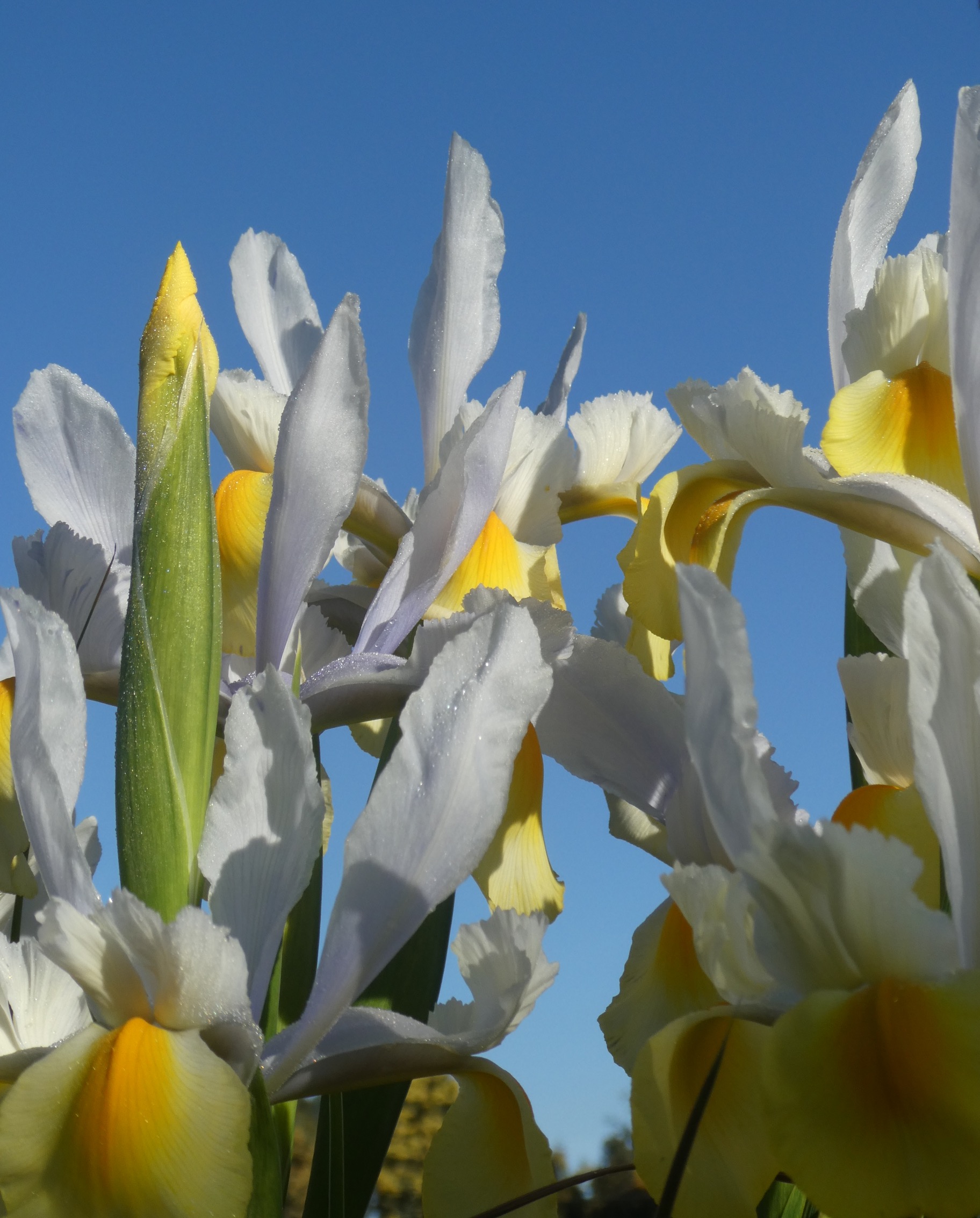
Iris Florentina never disappoints, they seem to appear in a new spot each year but I’m not sure I can bring myself to cull them.
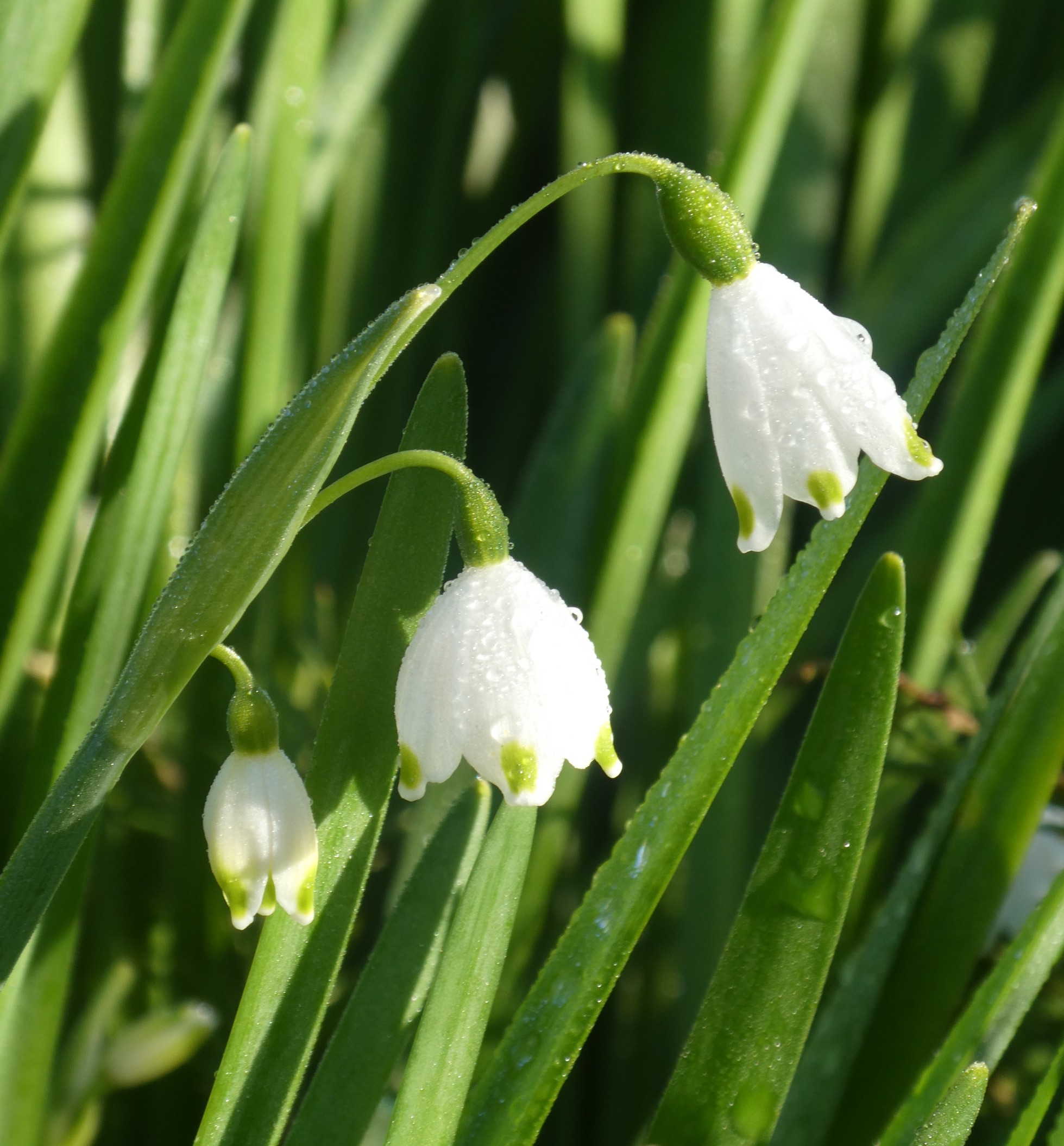
Snowbells and Spanish bluebells commingle with the daffodils and irises
while the elegant arum lilies would monopolise the entire garden if not kept in check.
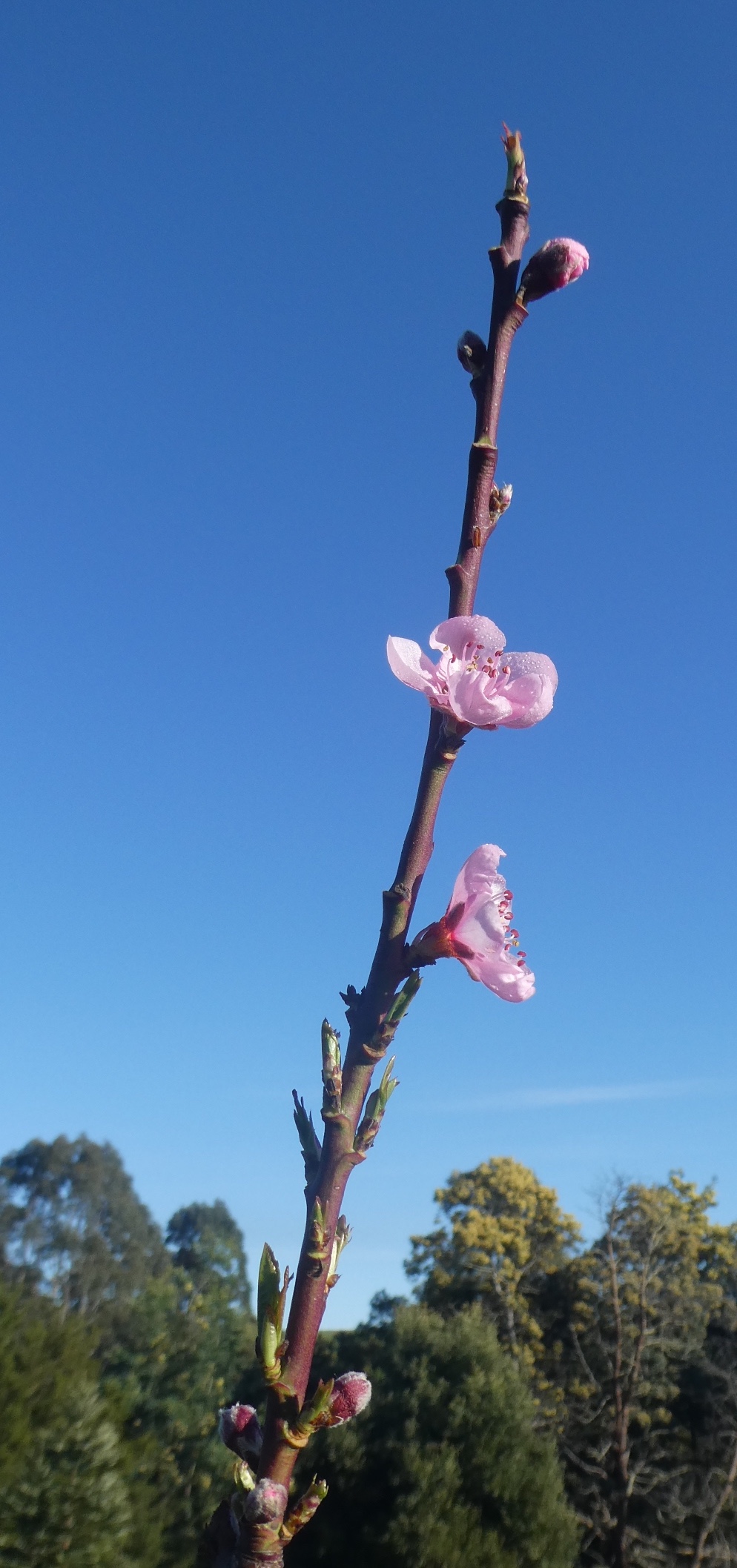
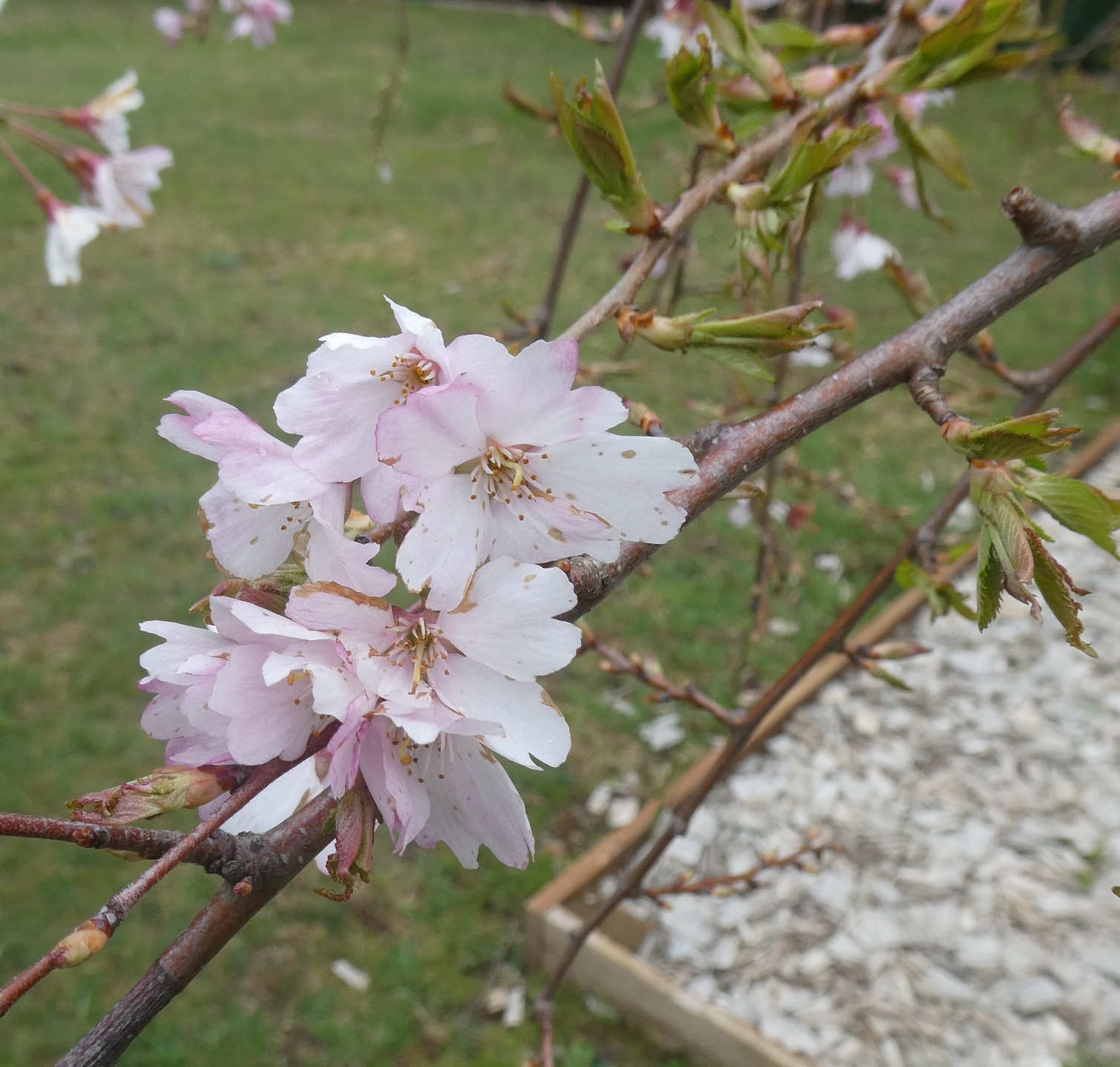
Blossoms are appearing on the fruit trees, hopefully the Roaring Forties won’t come too soon and blow them away, it would be nice to have some fruit this year.
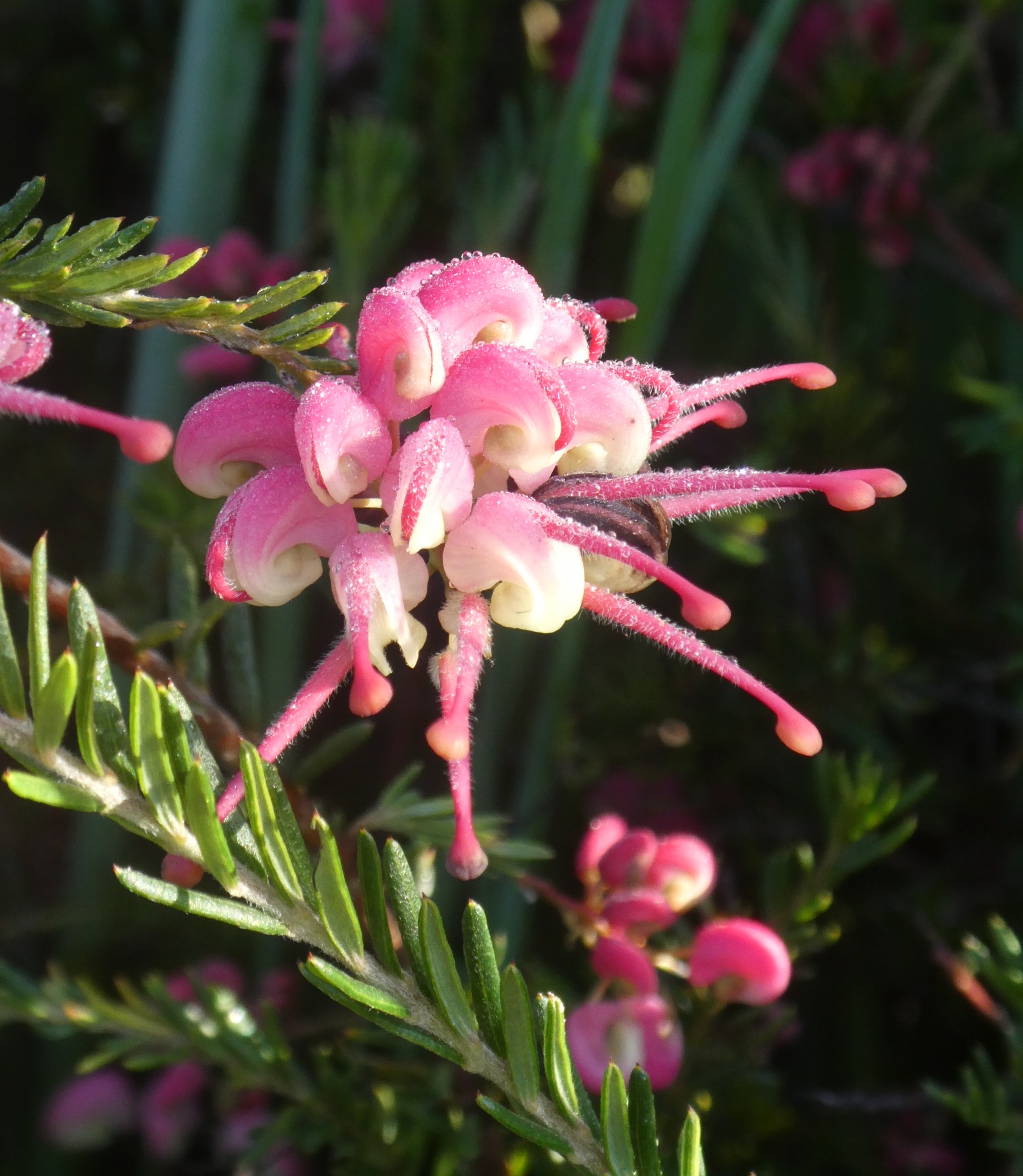
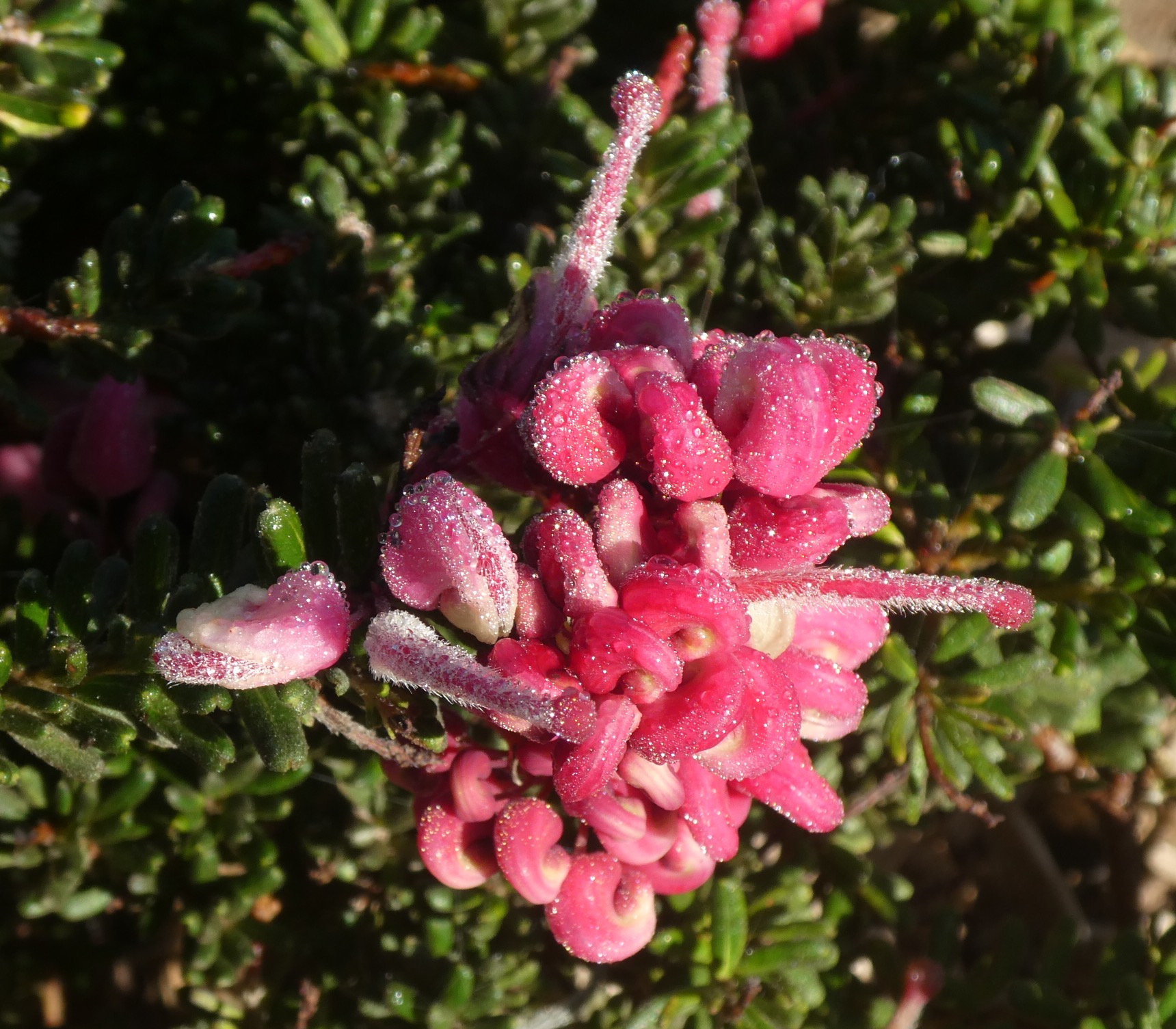
The grevilleas are ready for the birds and bees
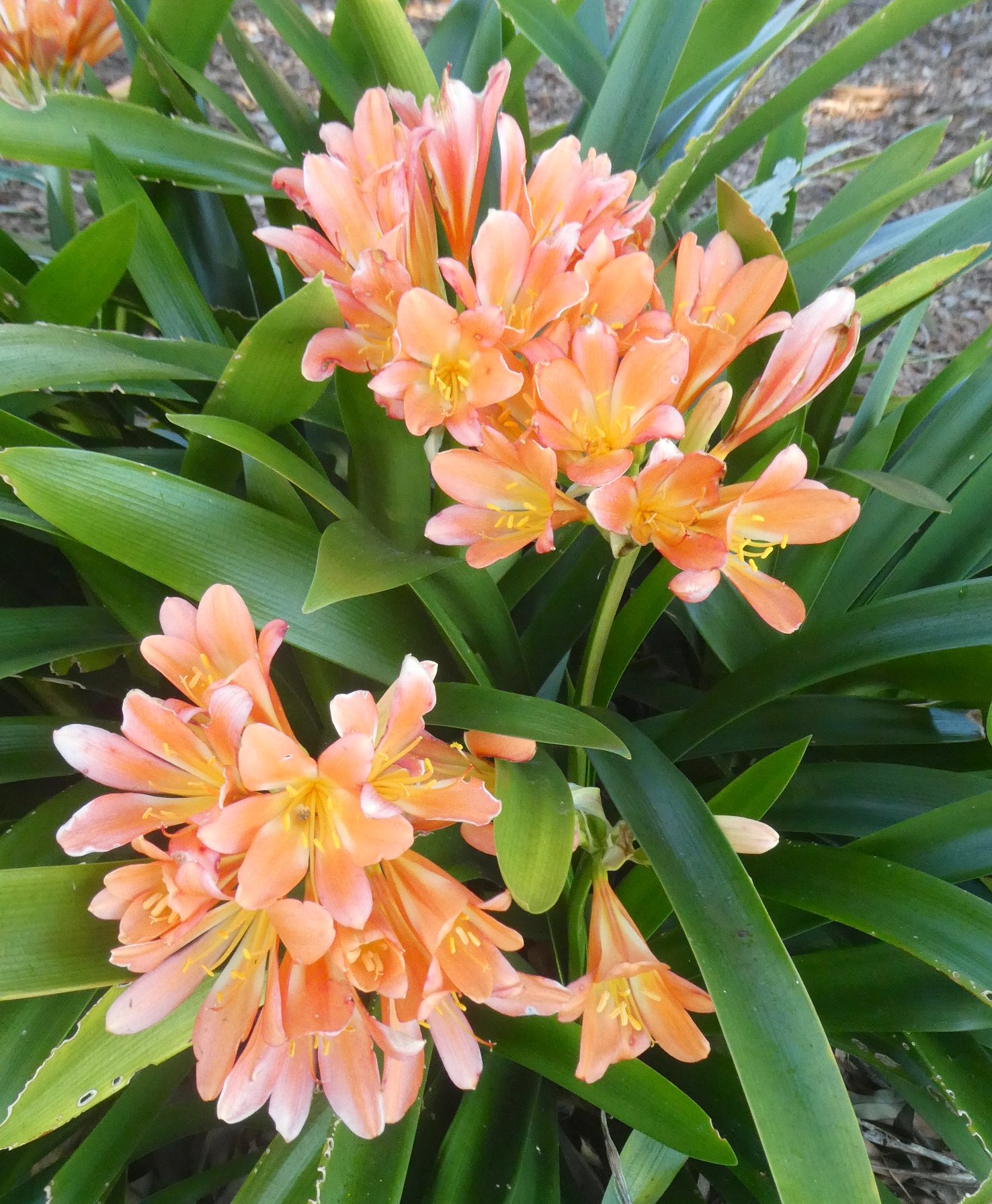
and the clivia are managing to withstand the wildlife.
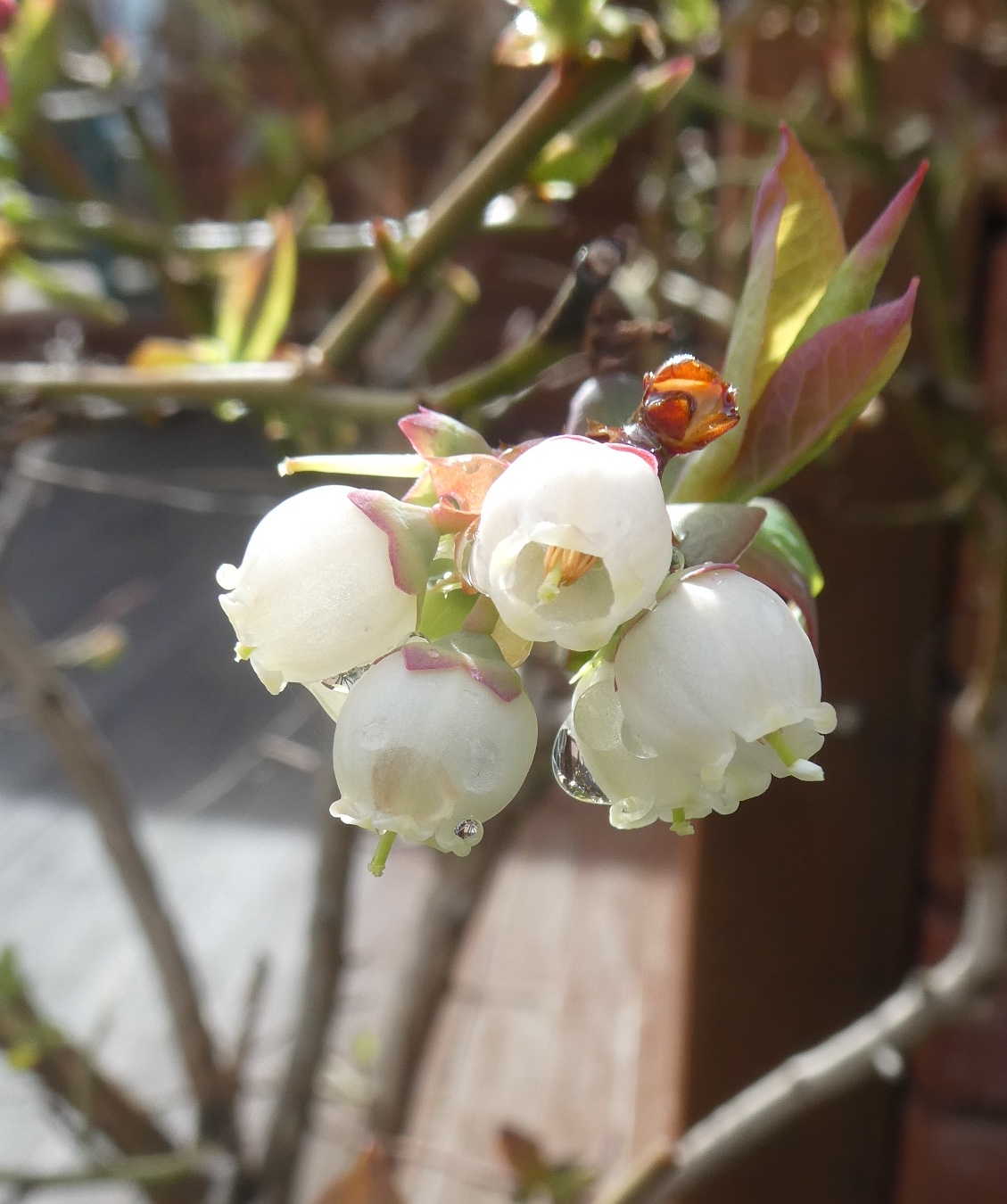
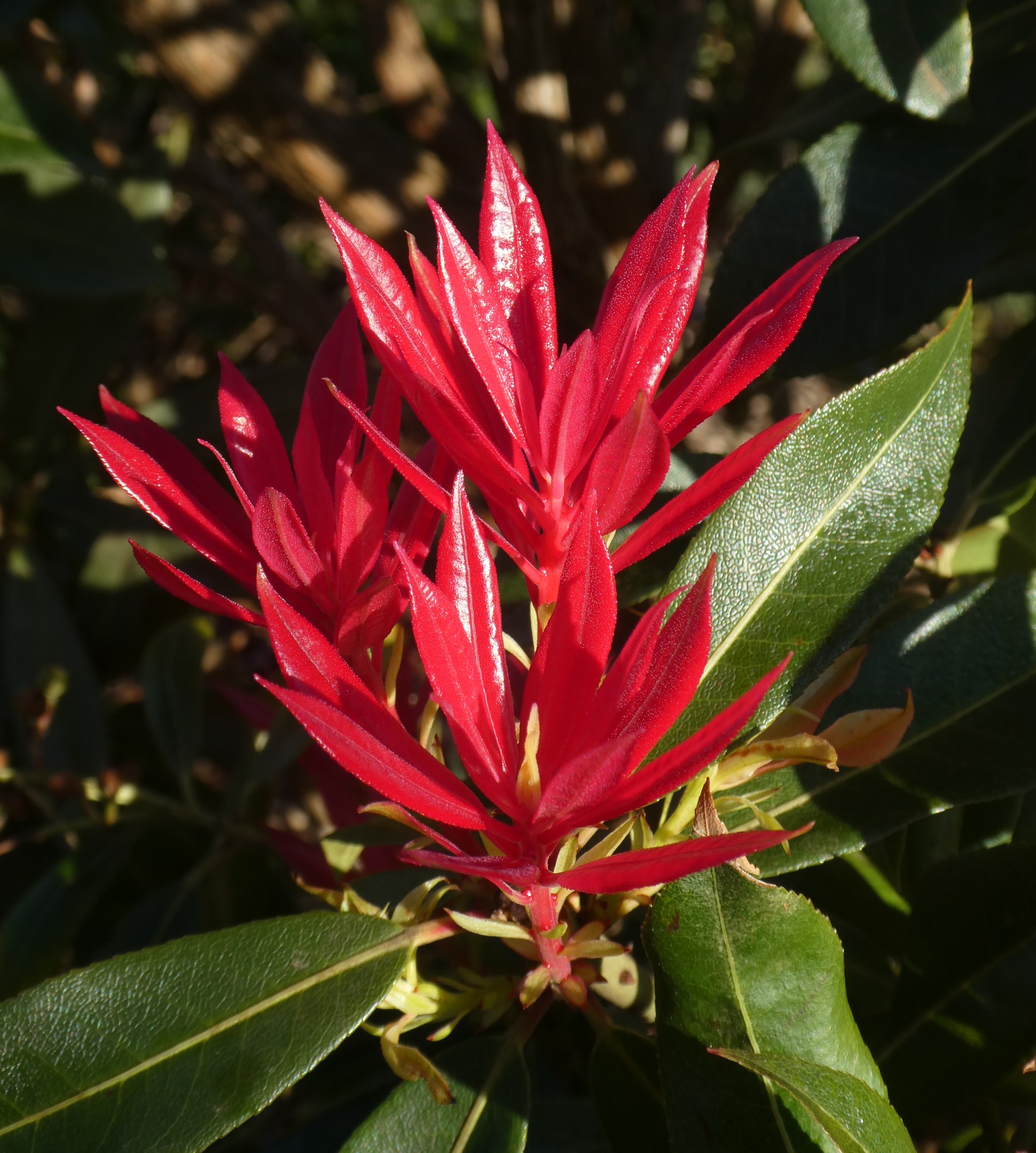
New leaves on the Pieris are a wonderful shade of red, soon to turn green and await the pendulous white “Lily-of-the-Valley” flowers.
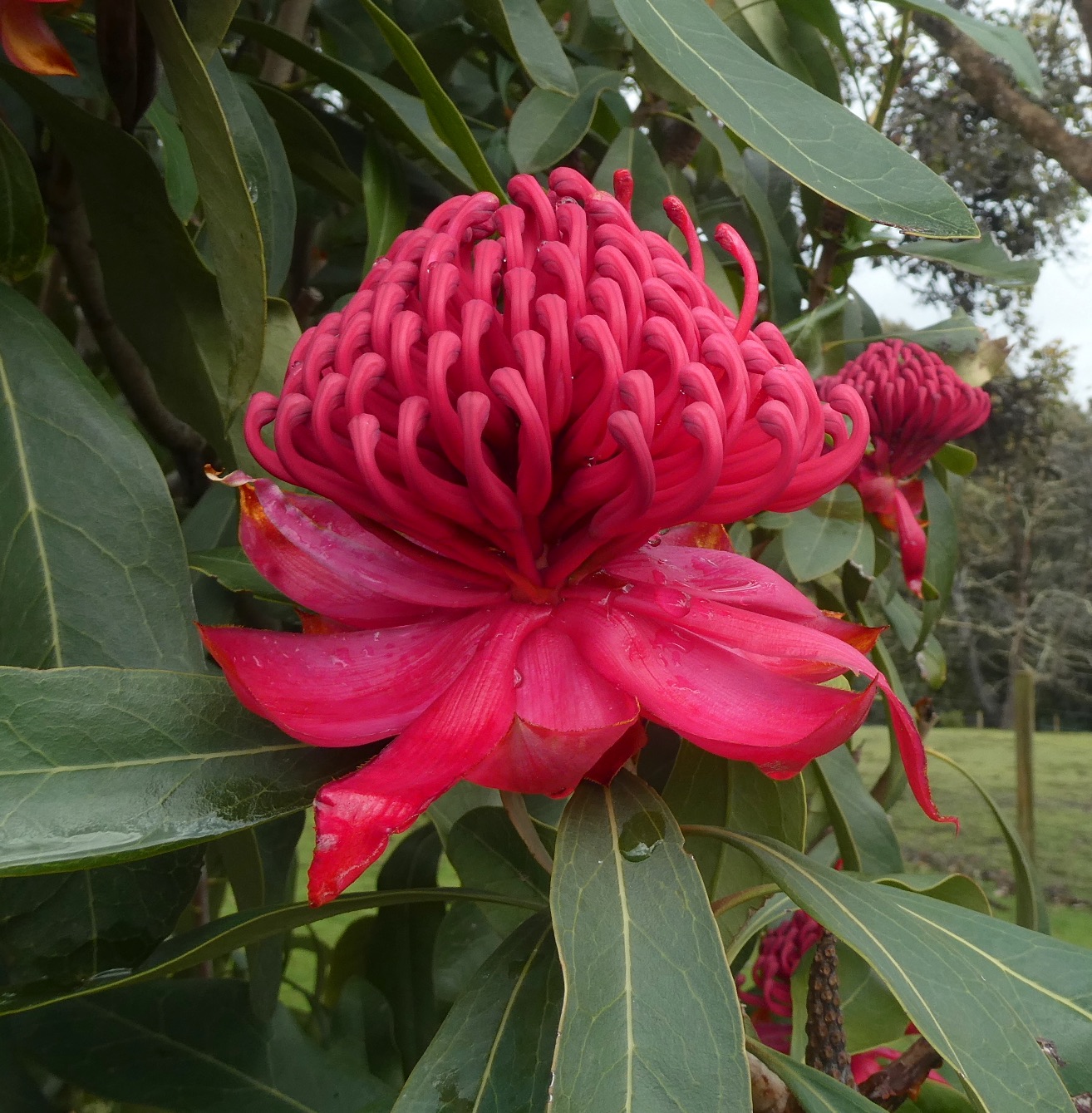
The Waratah is in full bloom
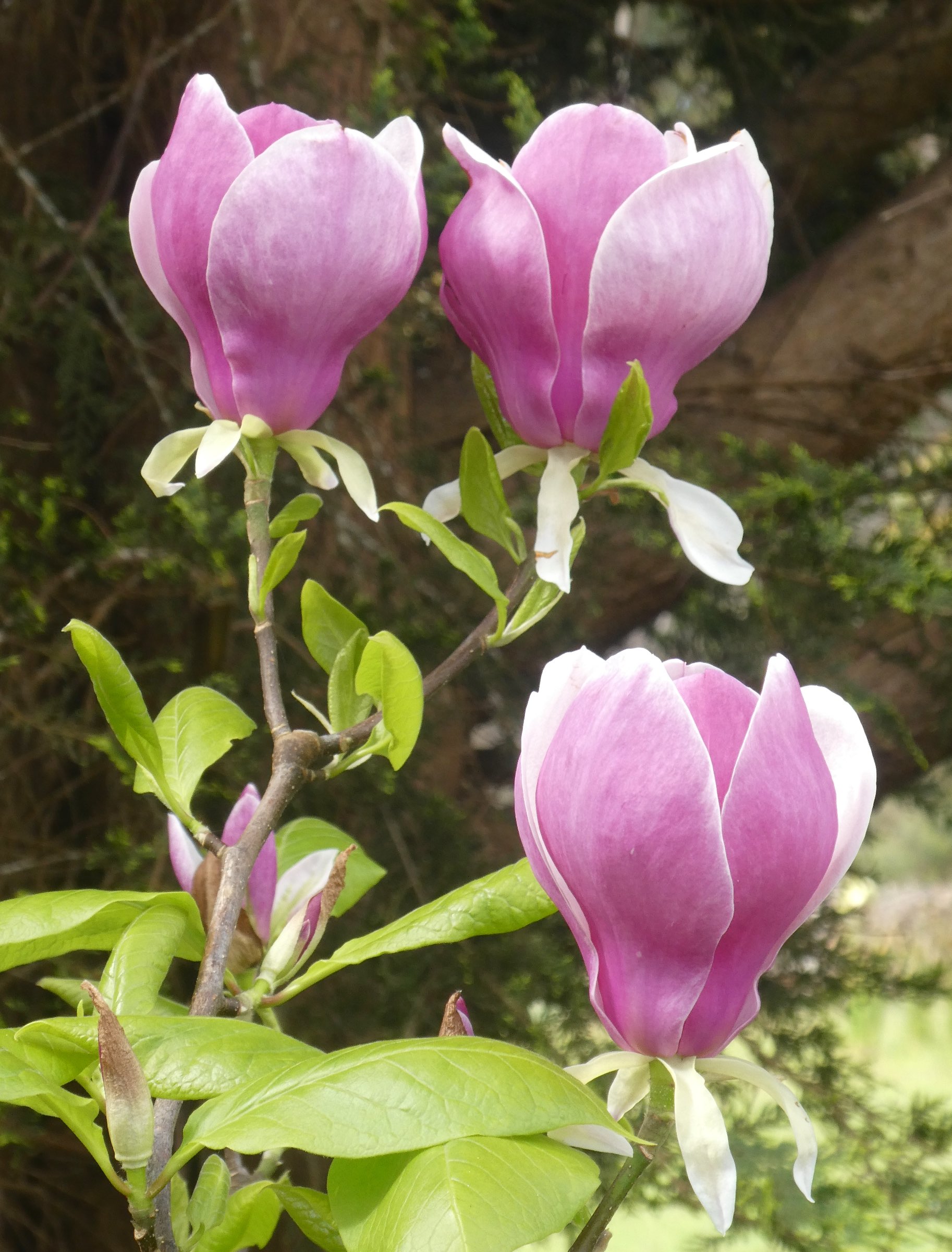
with the magnolia
and rhododendrons not far behind.
As the weather warms up, the garden will become an ever changing palette until winter slumber and the cycle will begin again.
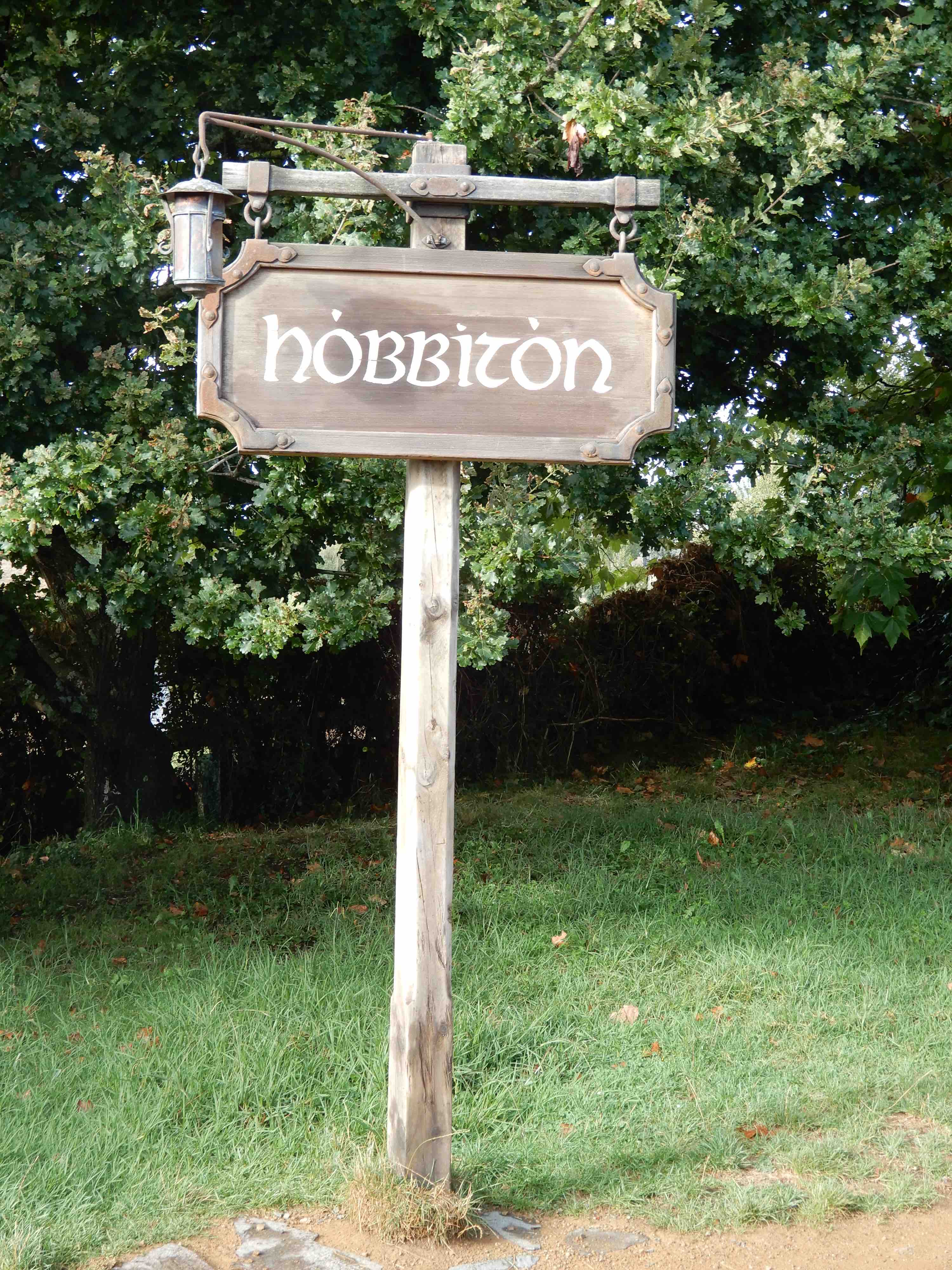
The reason we chose to stay at Matamata was its proximity to Hobbiton, the film location for The Lord of the Rings trilogy and The Hobbit trilogy. You don’t have to be a fan of these literary works to appreciate the beauty of The Shire but it adds to the fascination if able to picture the movie scenes as you wander around. Sir Peter Jackson spotted the 1,250 acre sheep farm while aerial scouting for film locations in September 1998. He, apparently, knocked on the door of the Alexander home, explained what he wanted, and was asked to come back later as they were watching the rugby! The original set was never intended to be a permanent fixture and was dismantled at the end of filming The Lord of the Rings. Two years later, The Shire was rebuilt for The Hobbit, this time from wood, concrete and bricks instead of polystyrene and plywood. We learned a lot of interesting facts on the bus ride through the farmland, arriving in Hobbiton eager to see more.
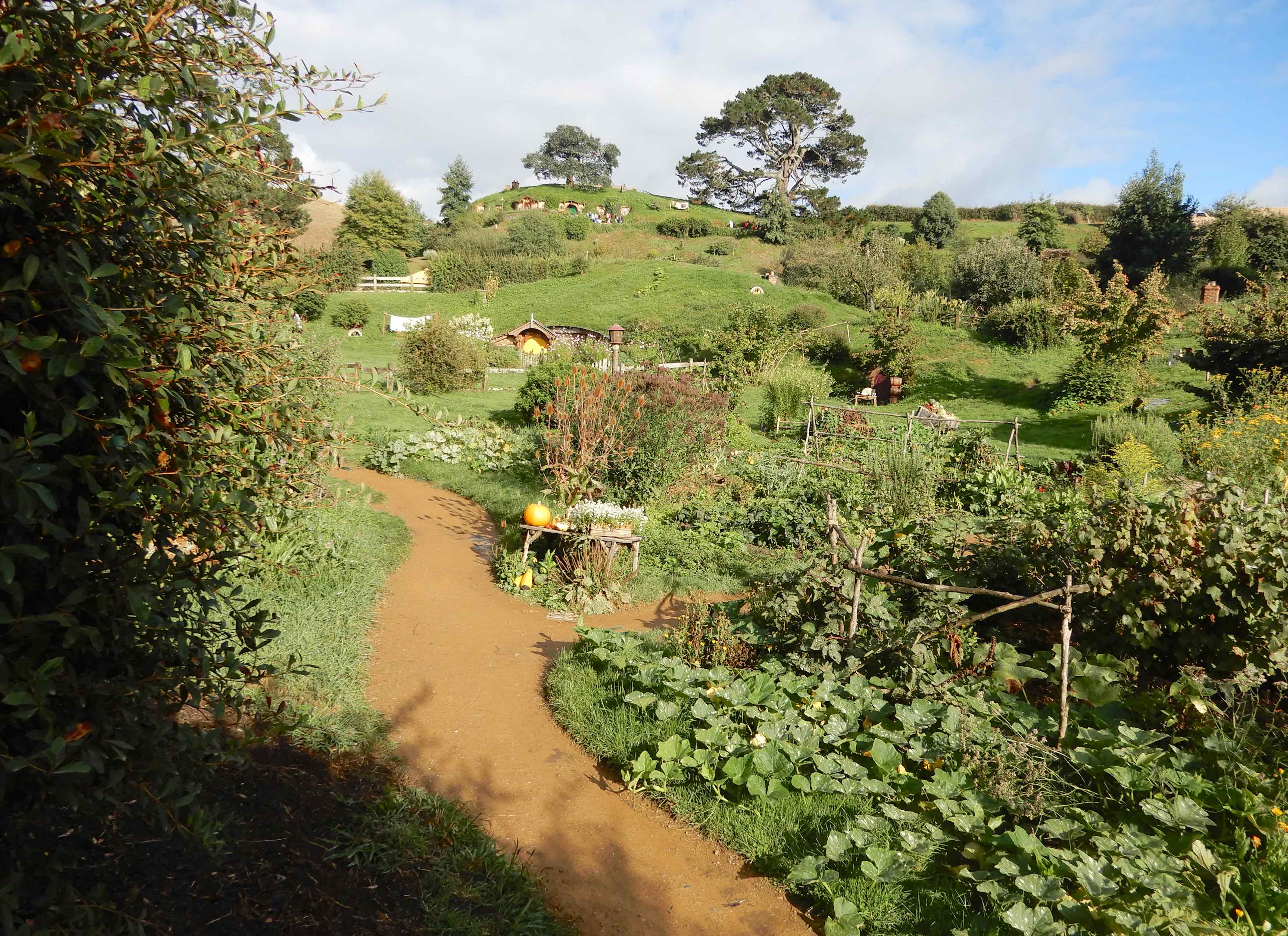
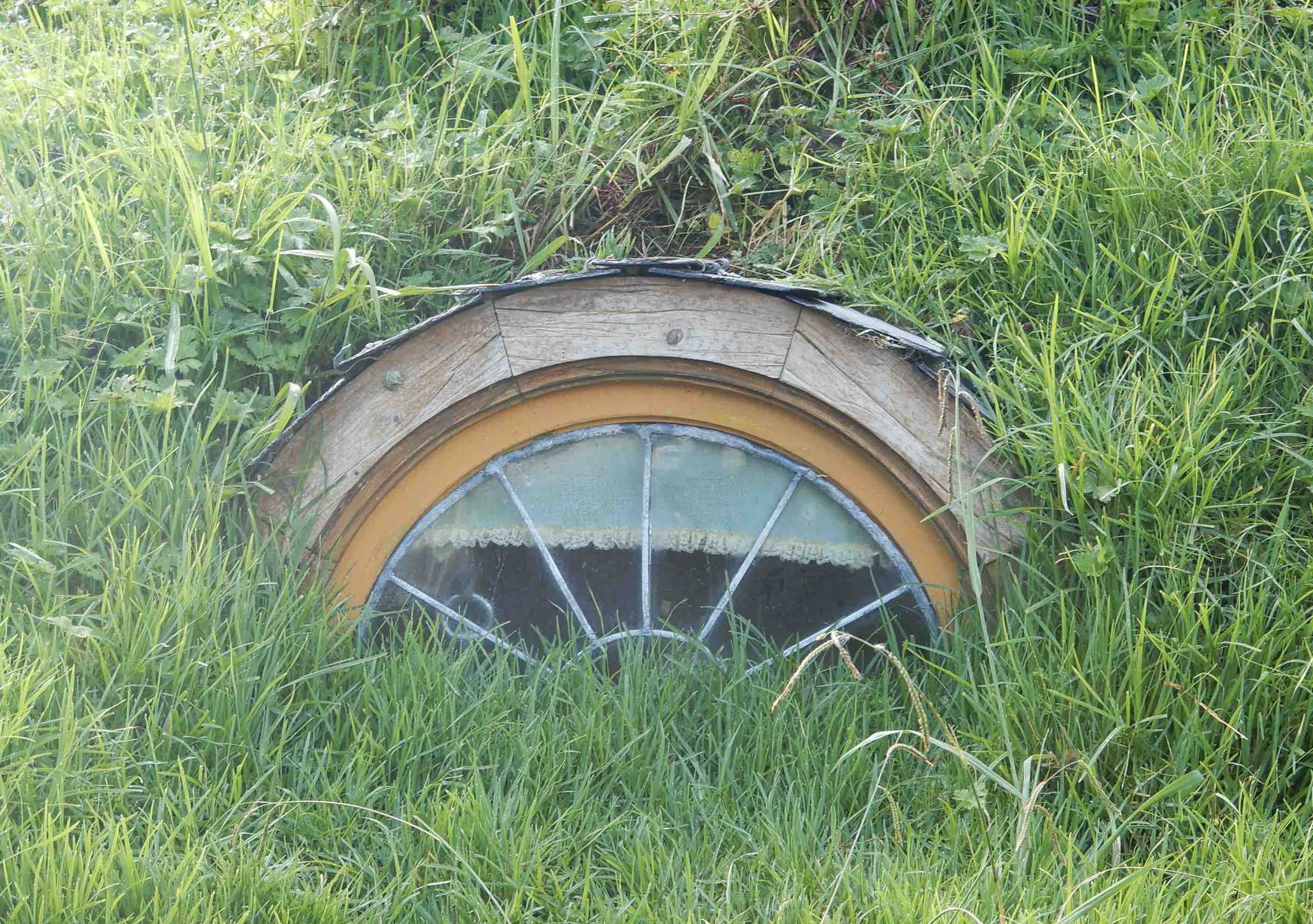
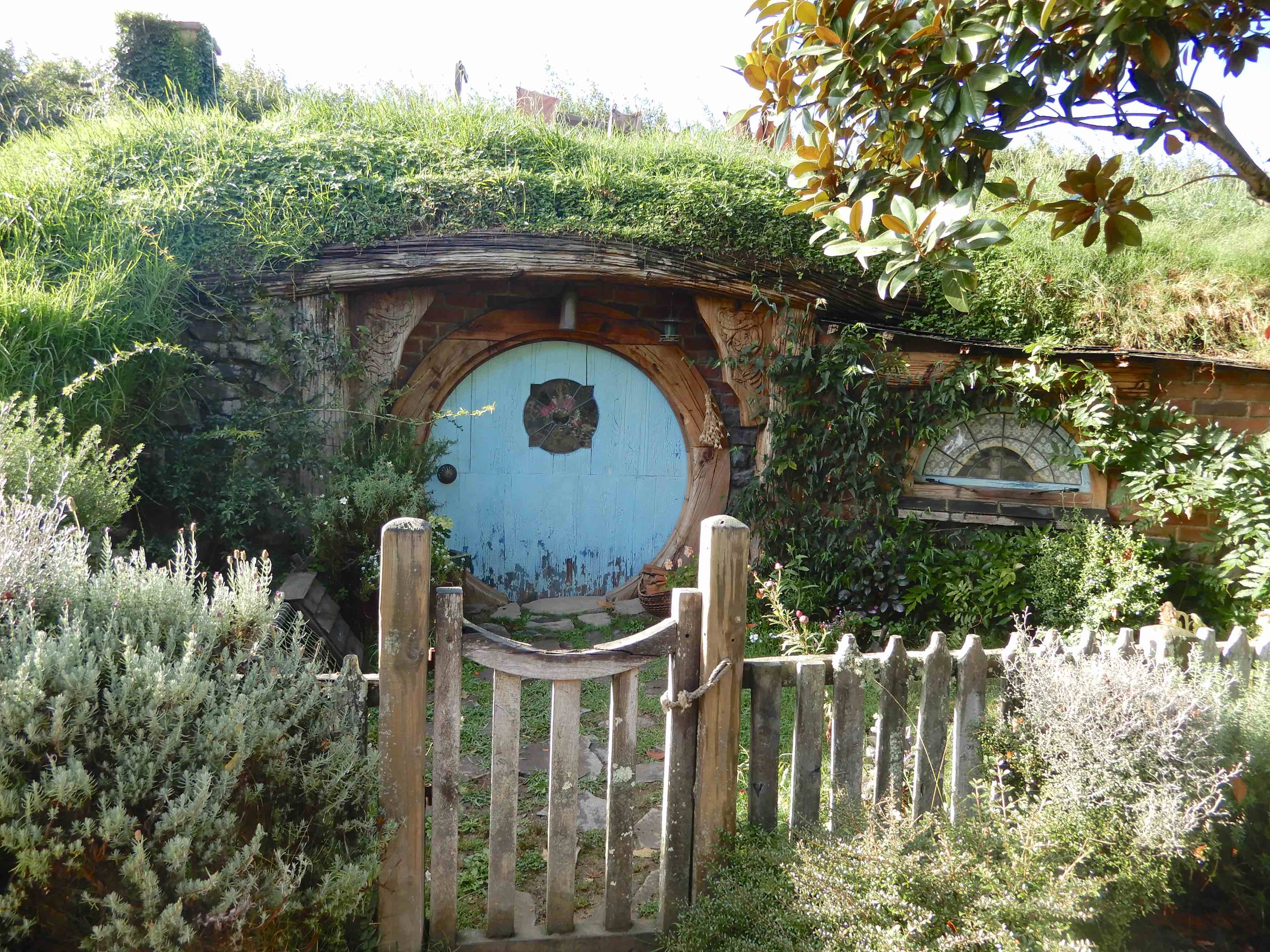
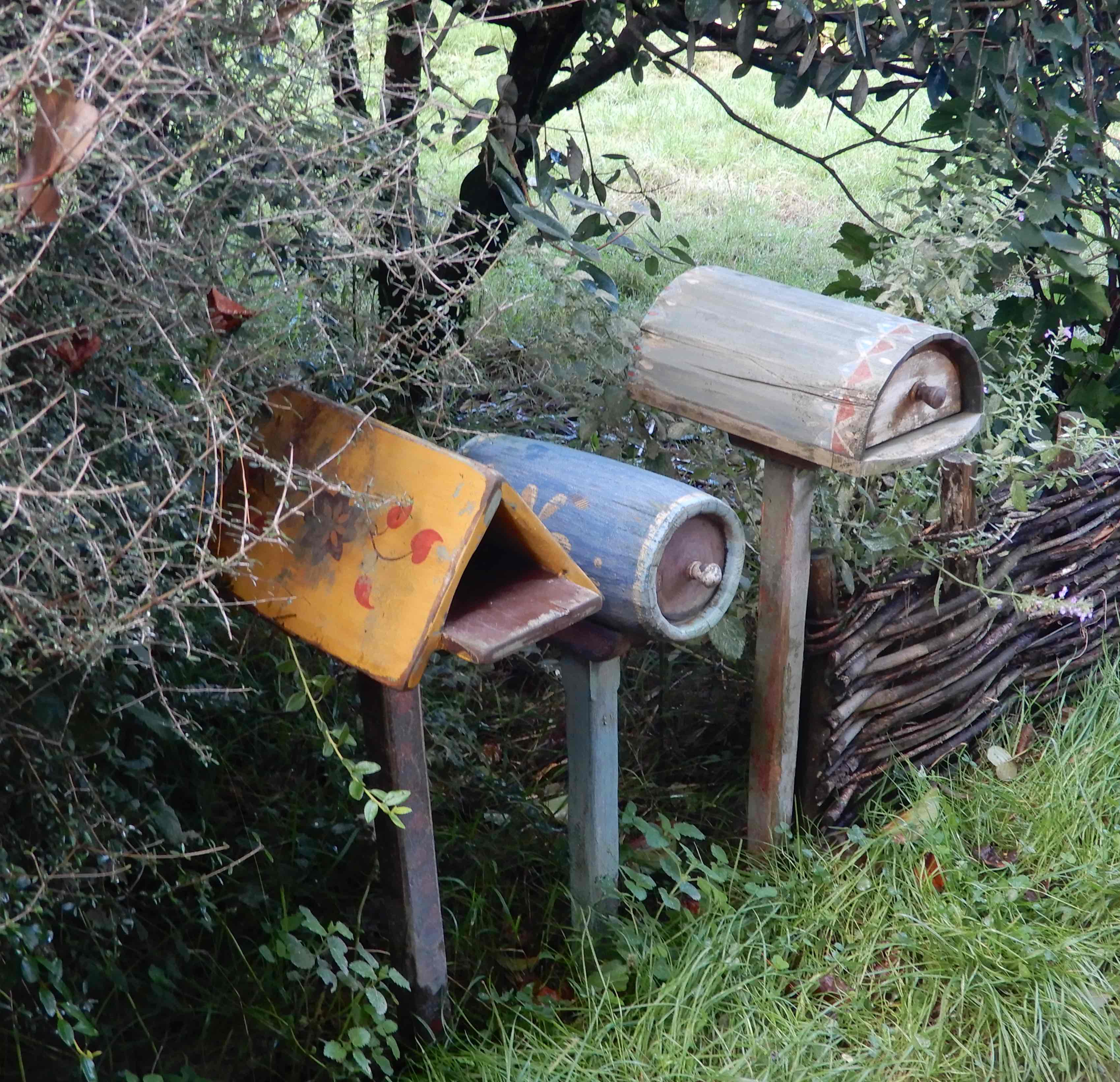
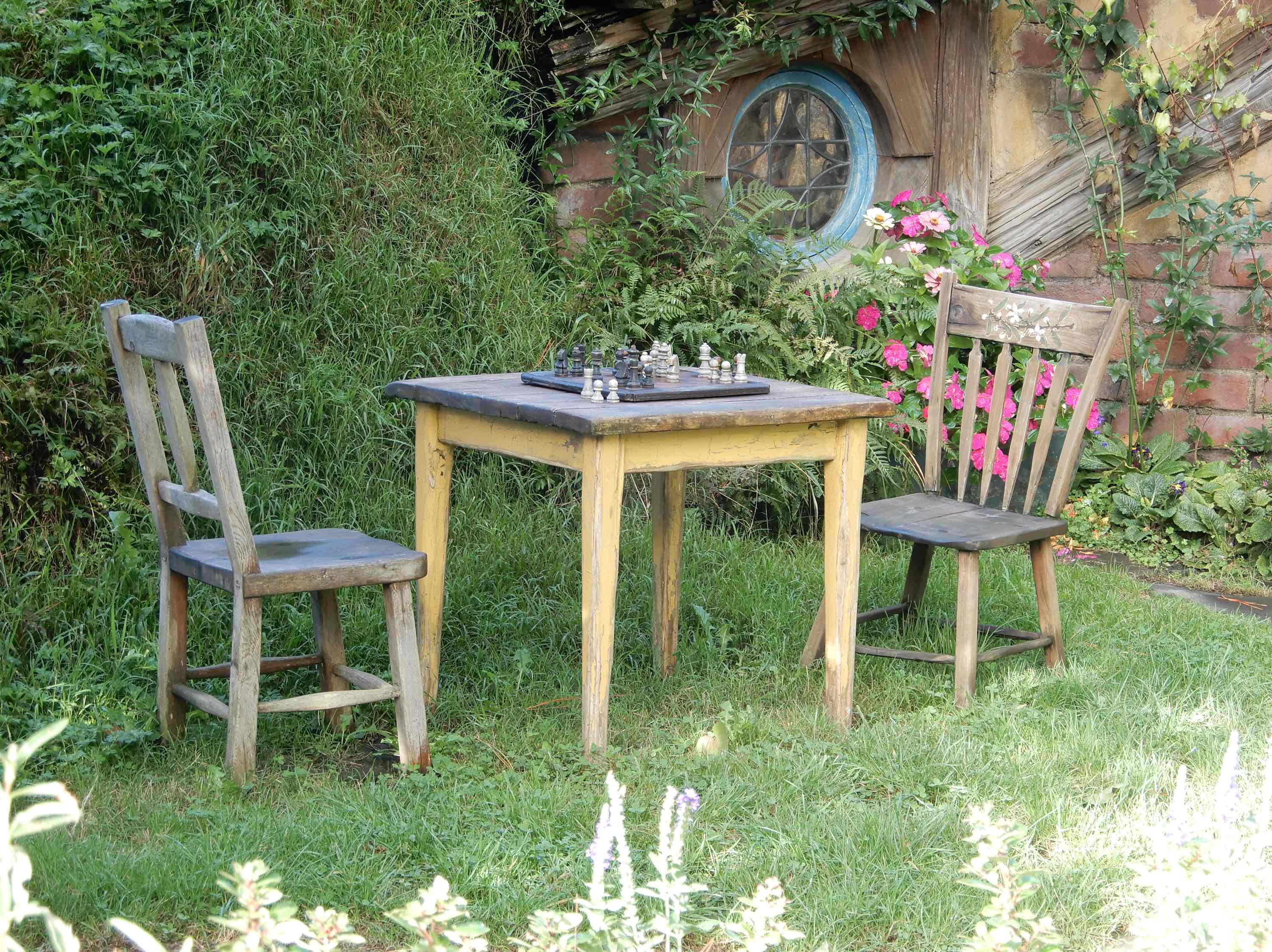
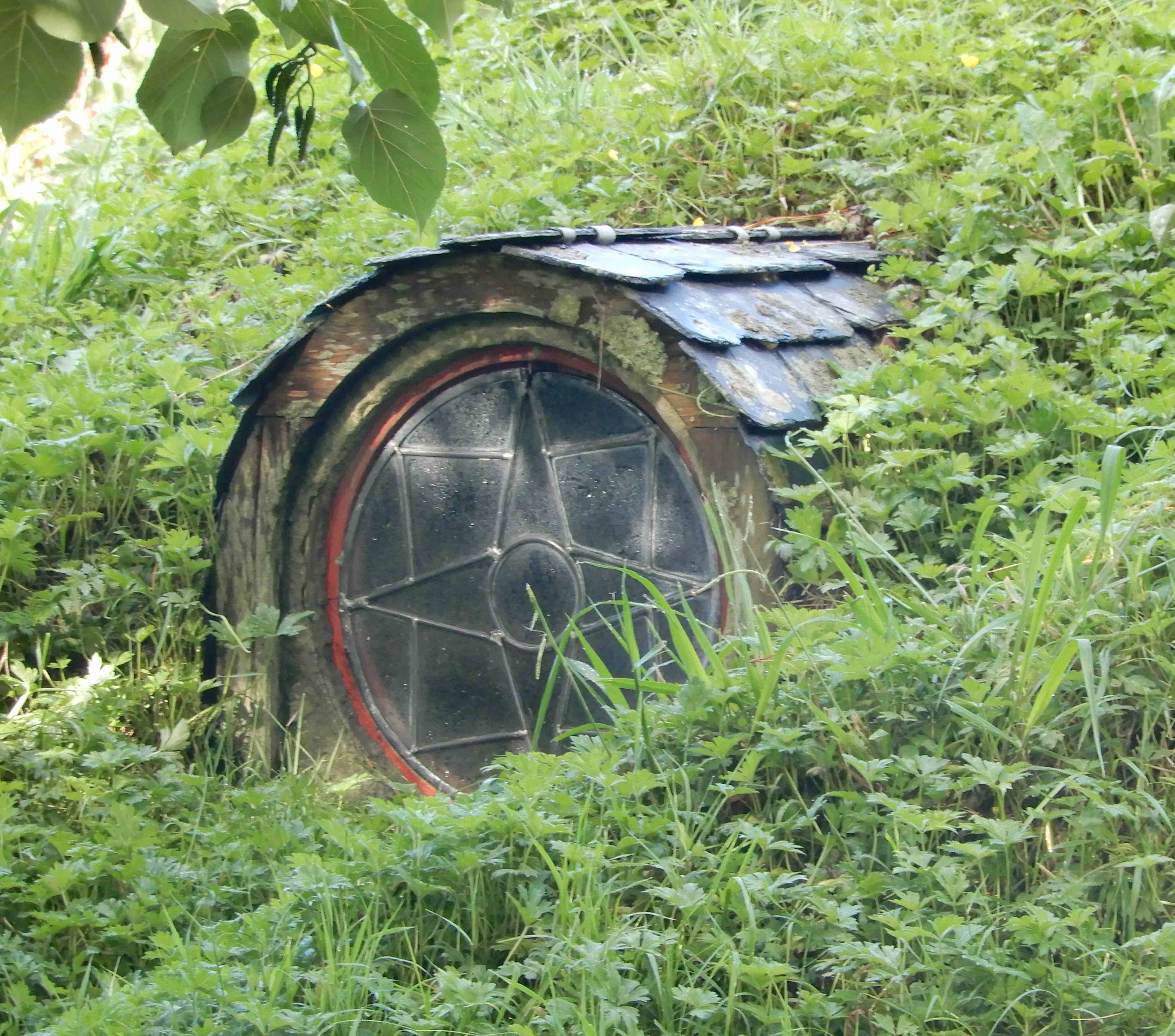
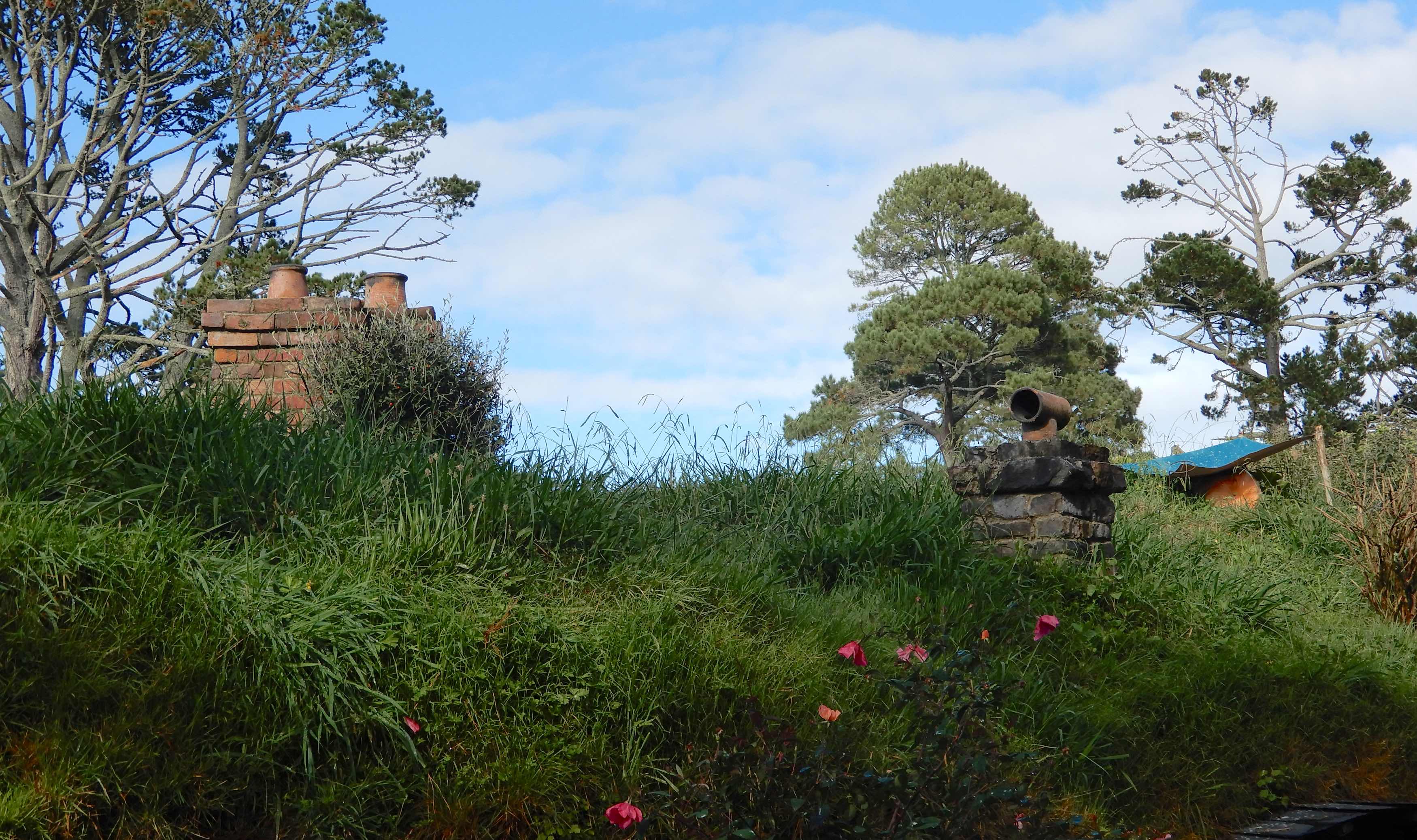
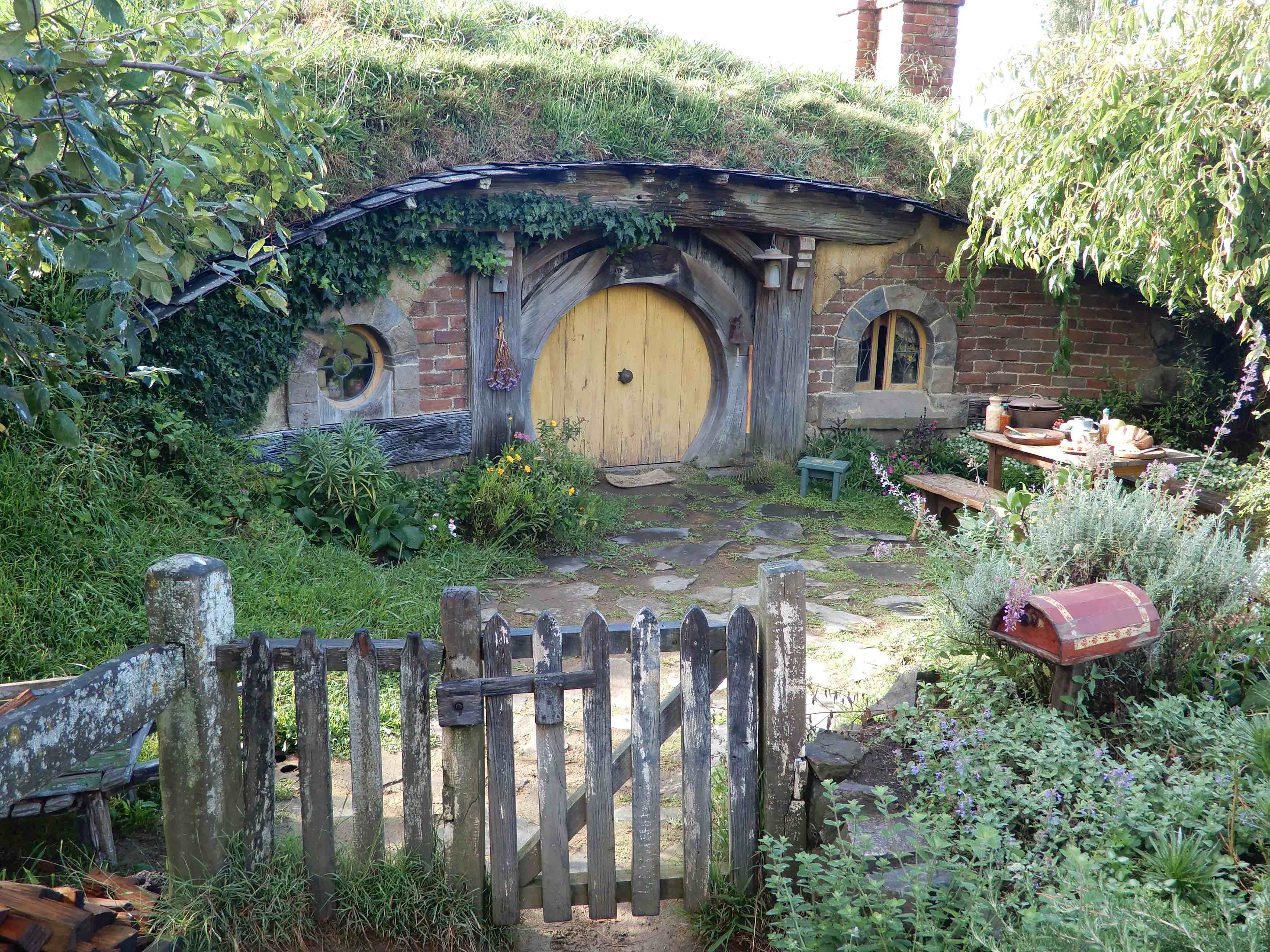
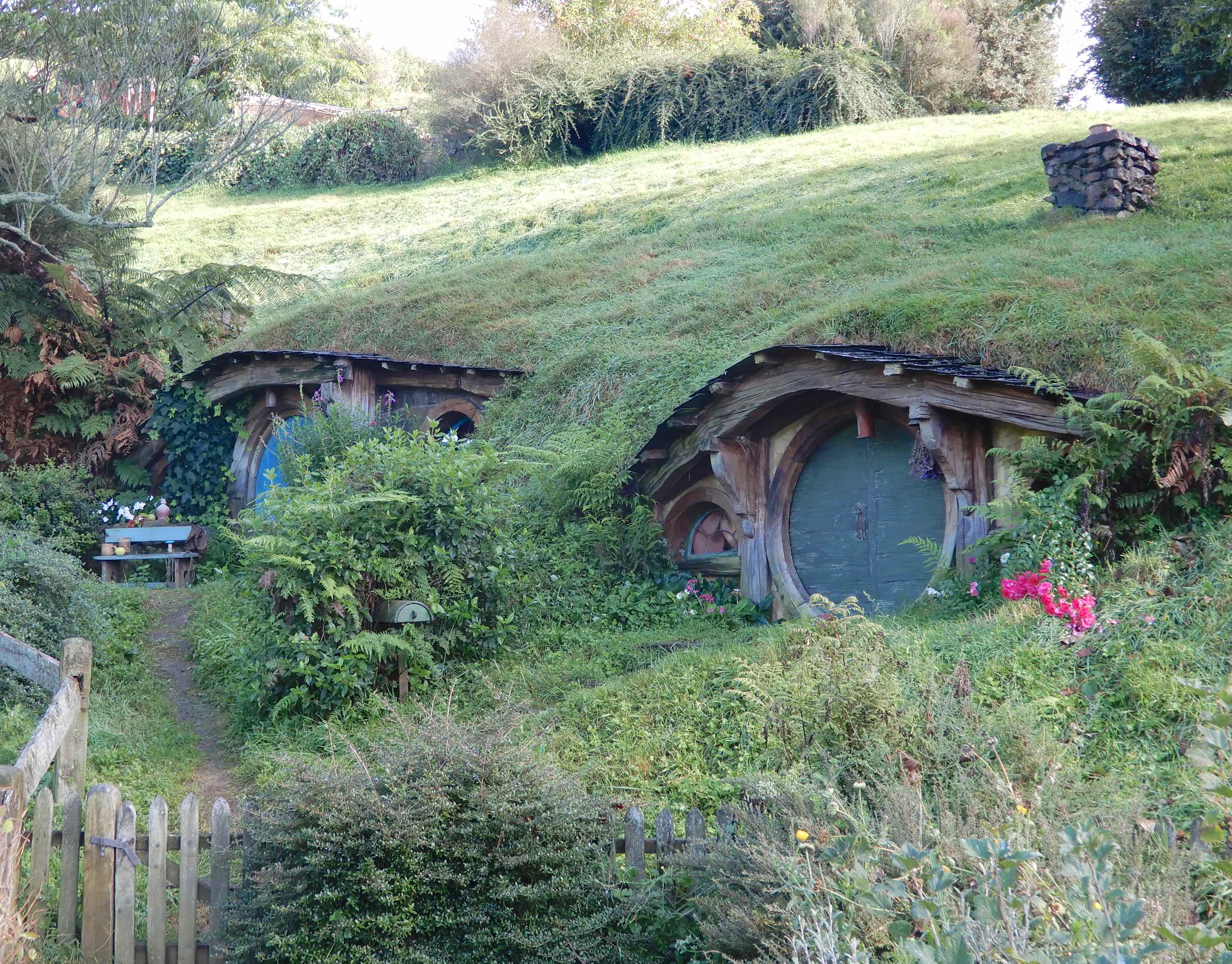
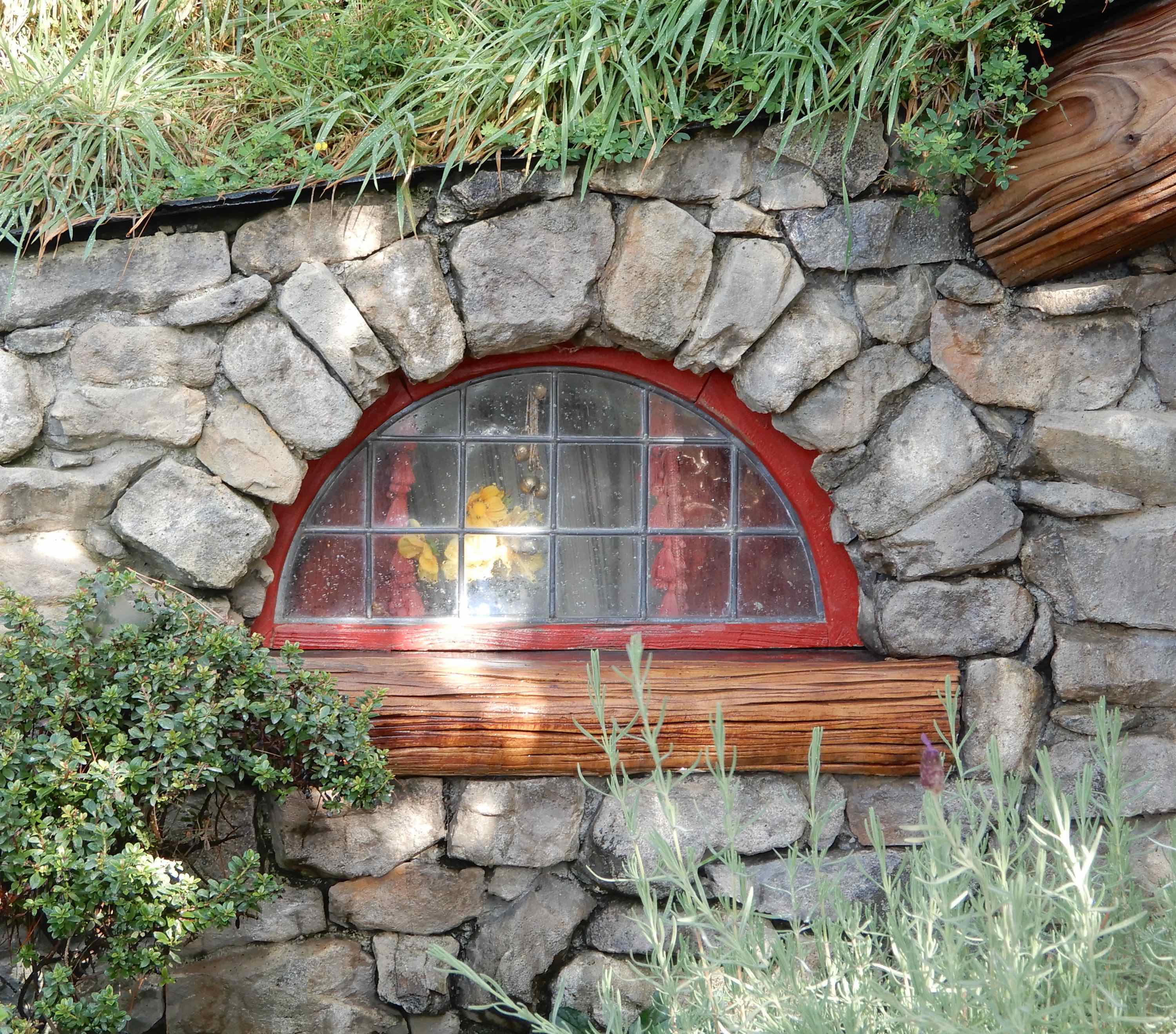
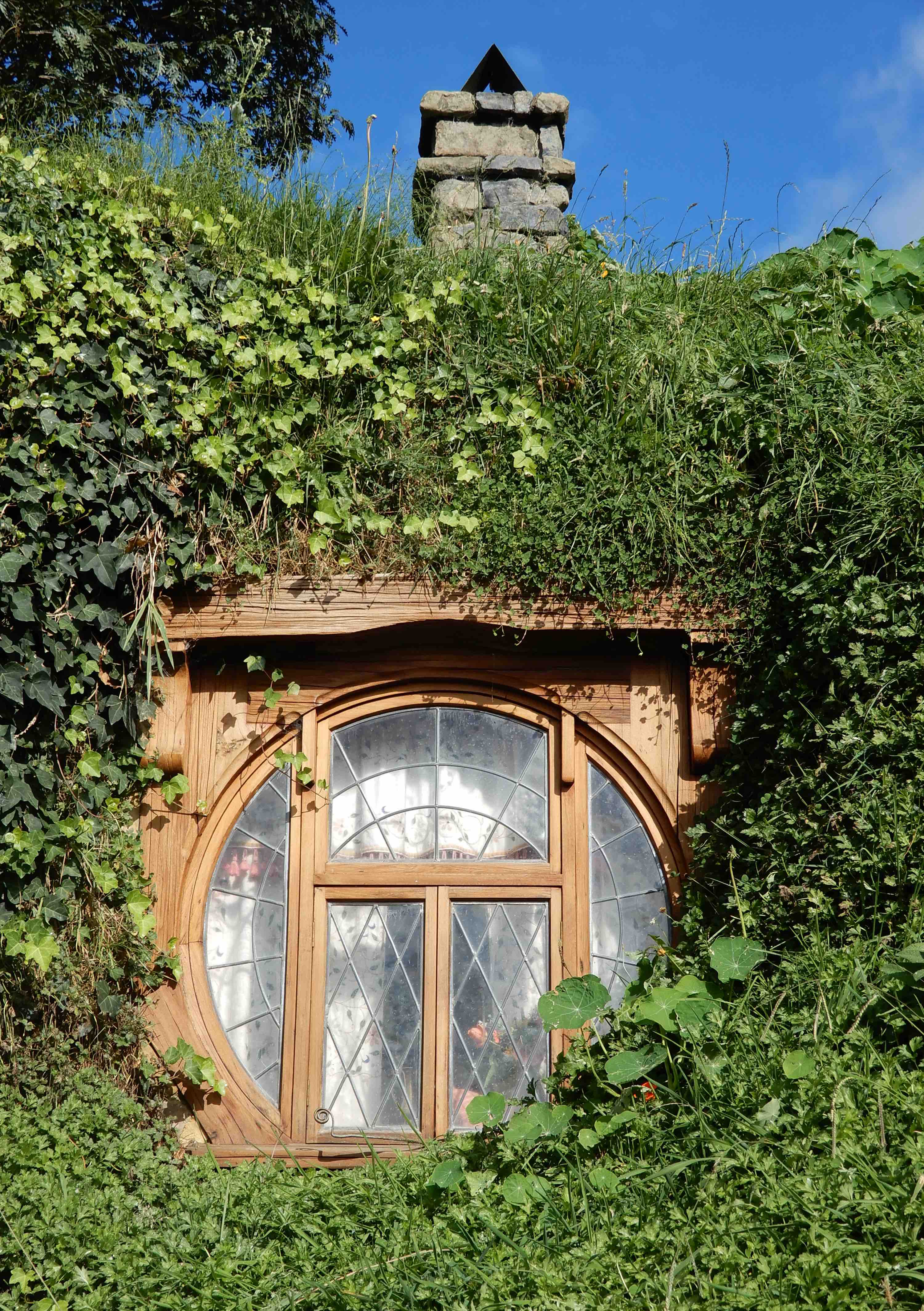
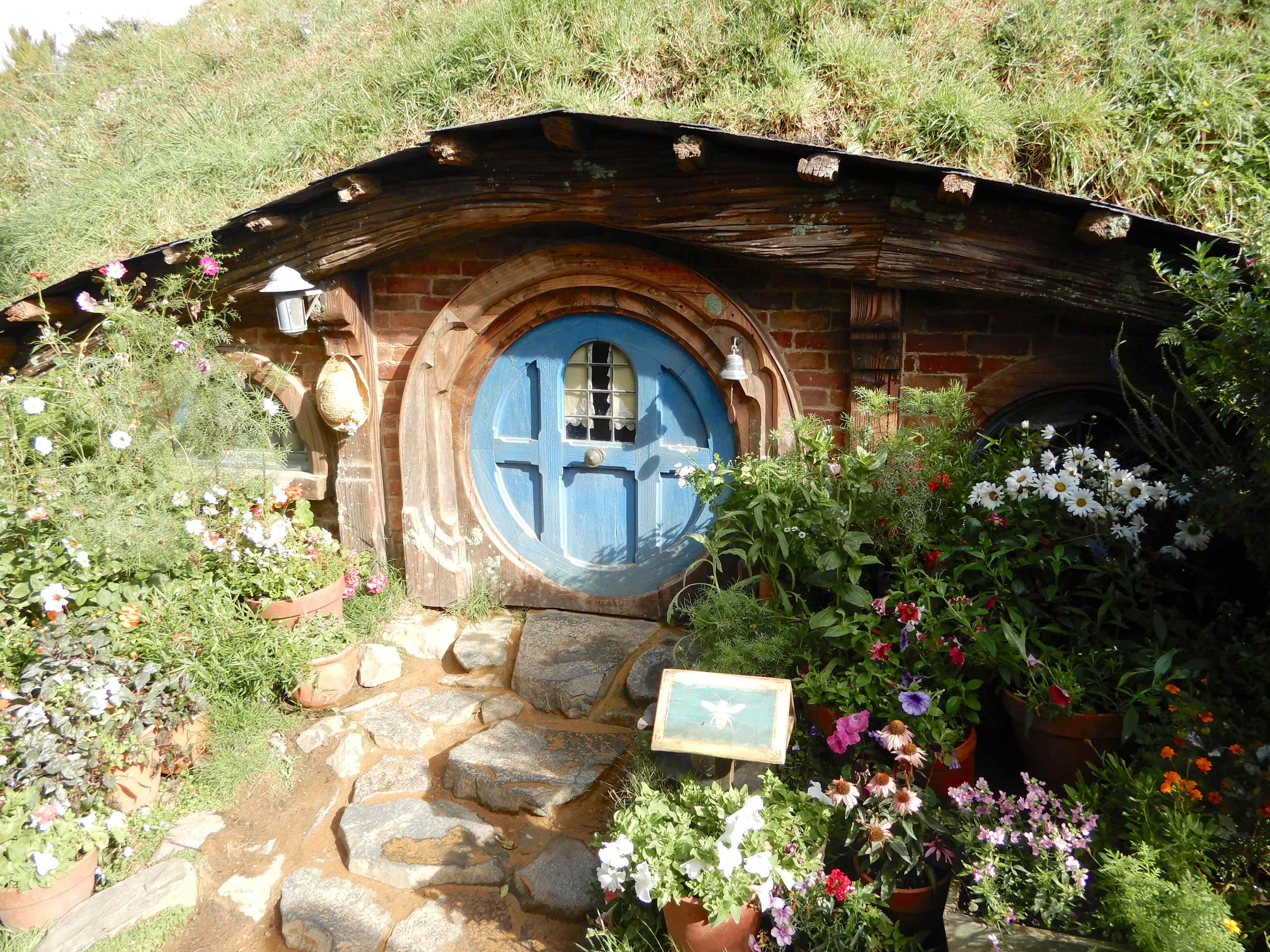
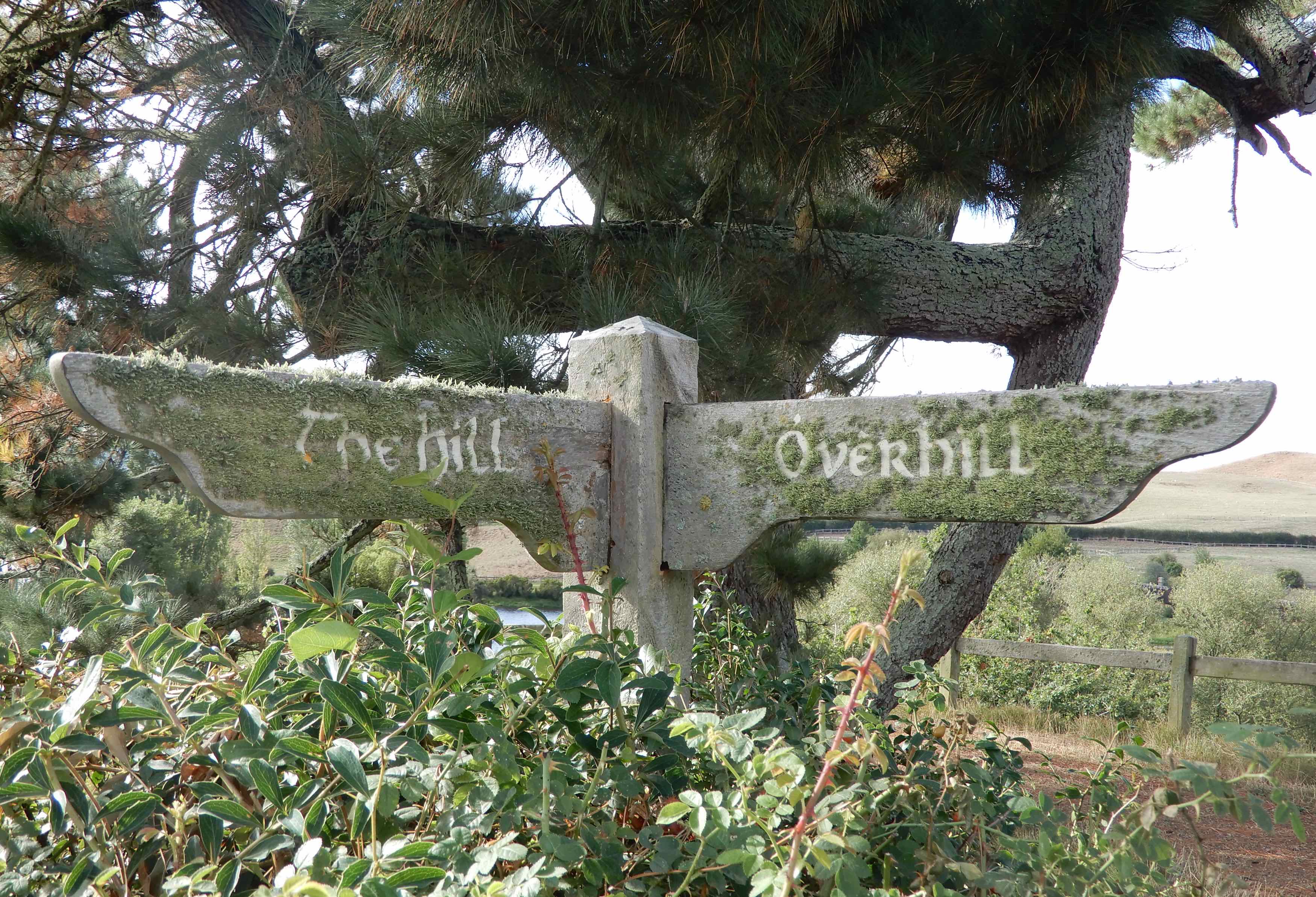
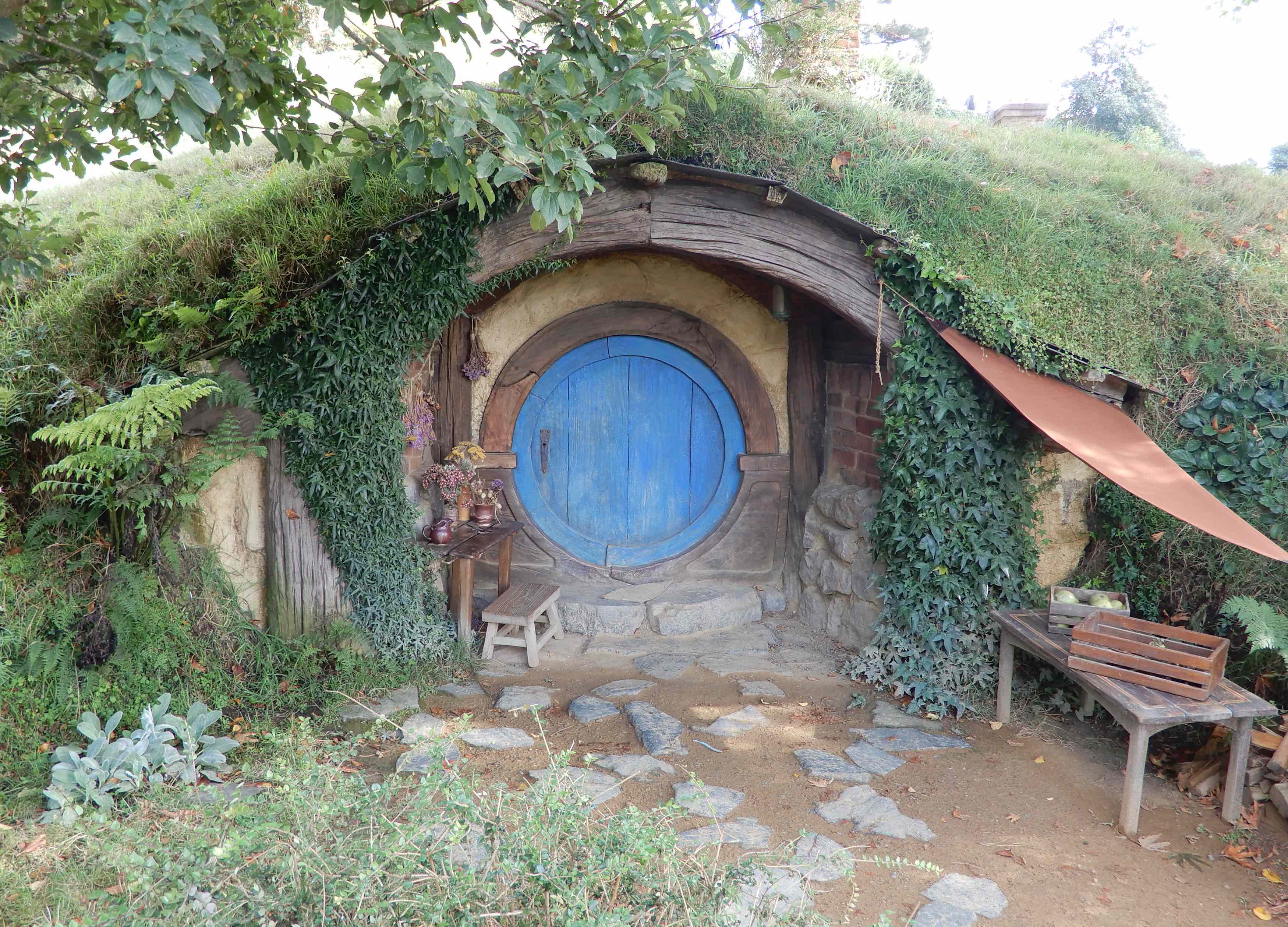
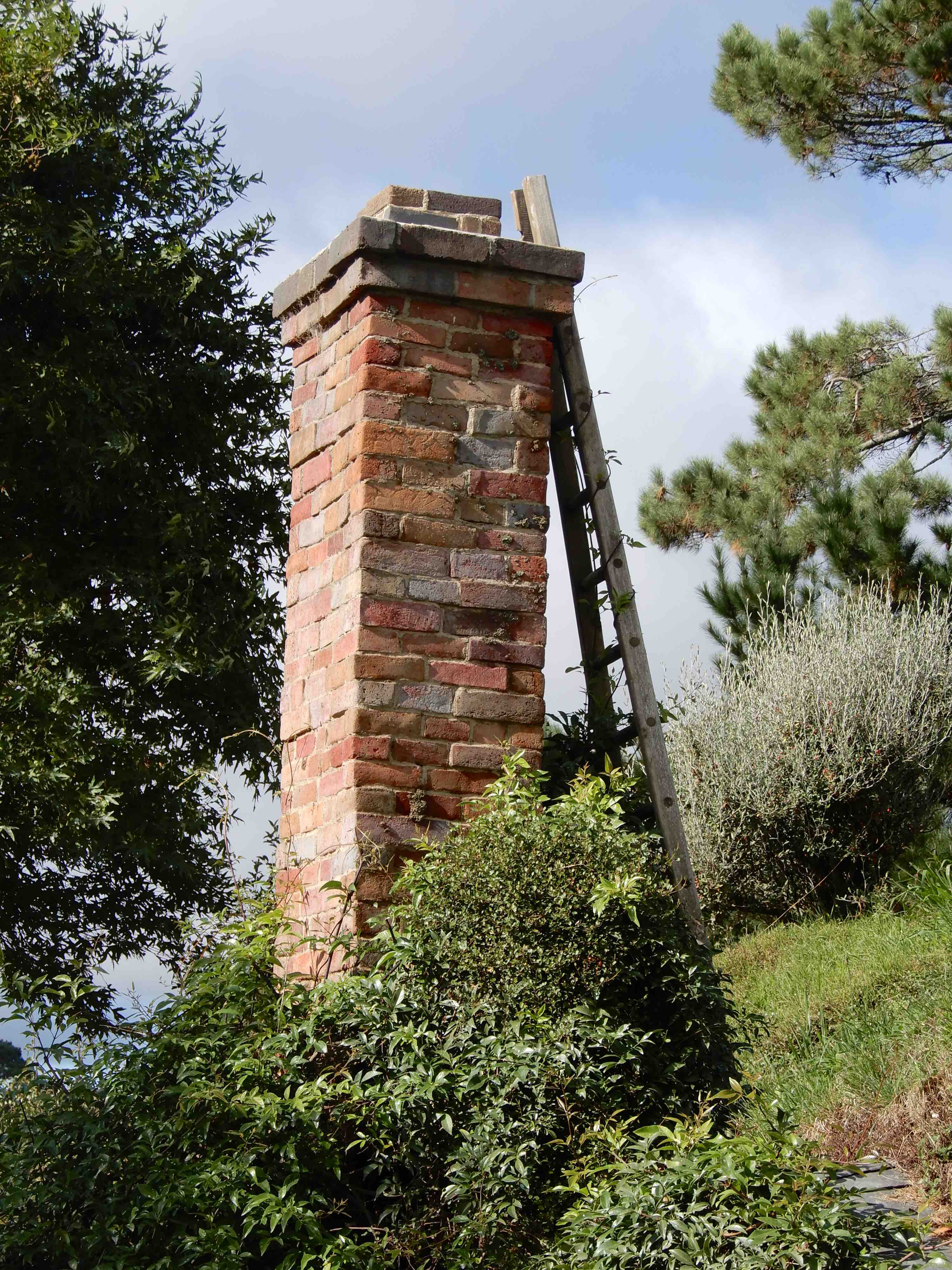
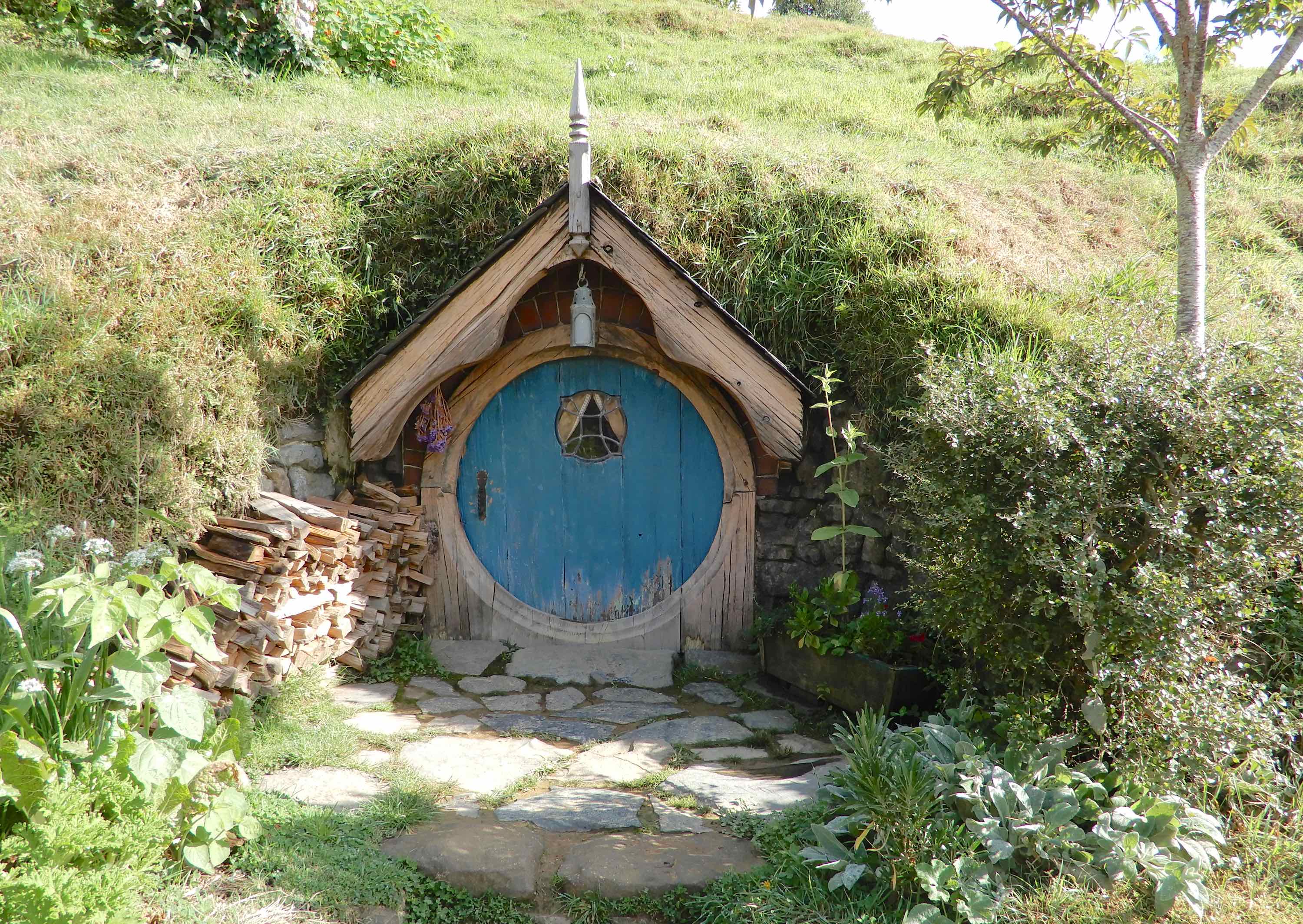
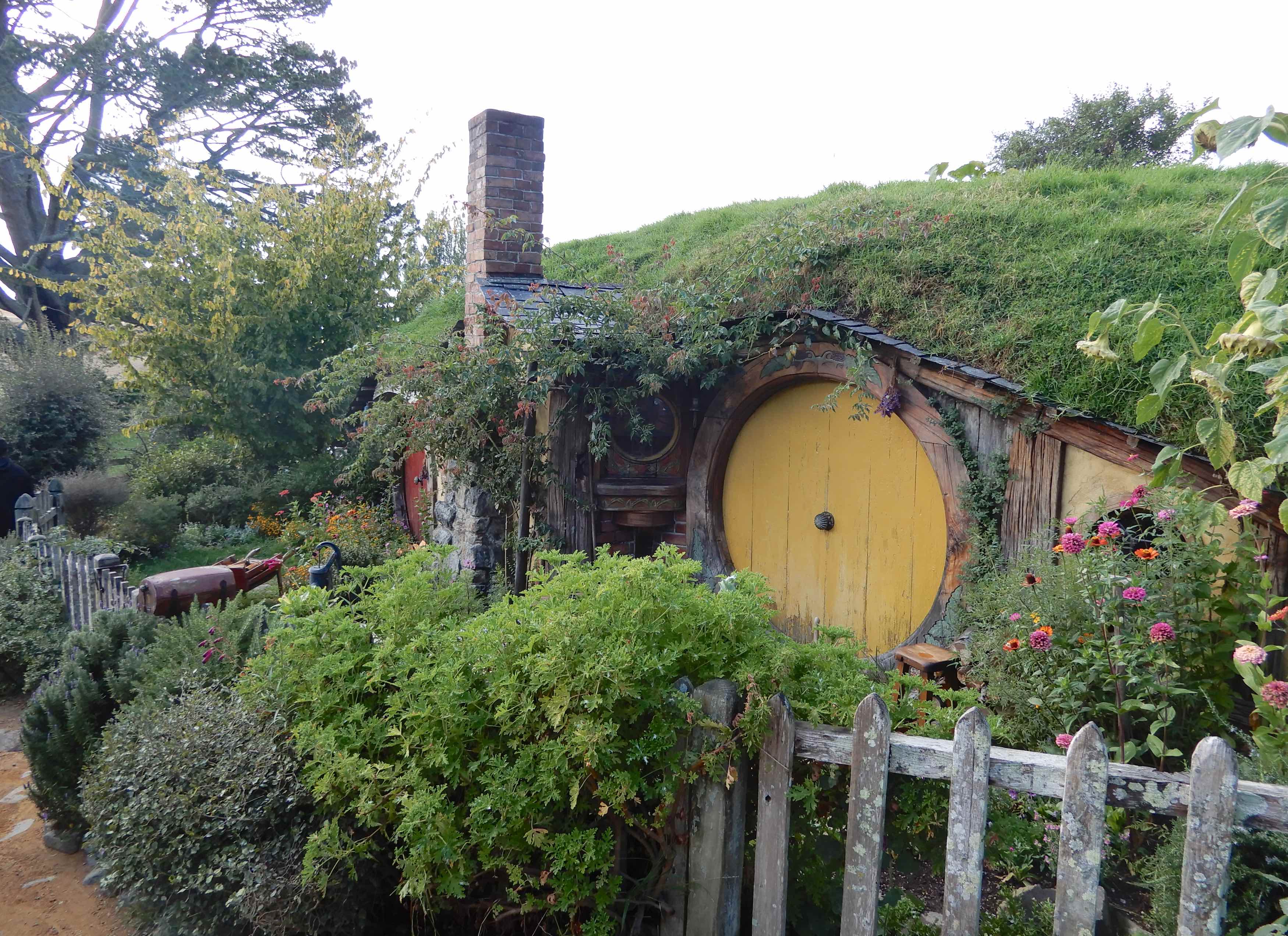
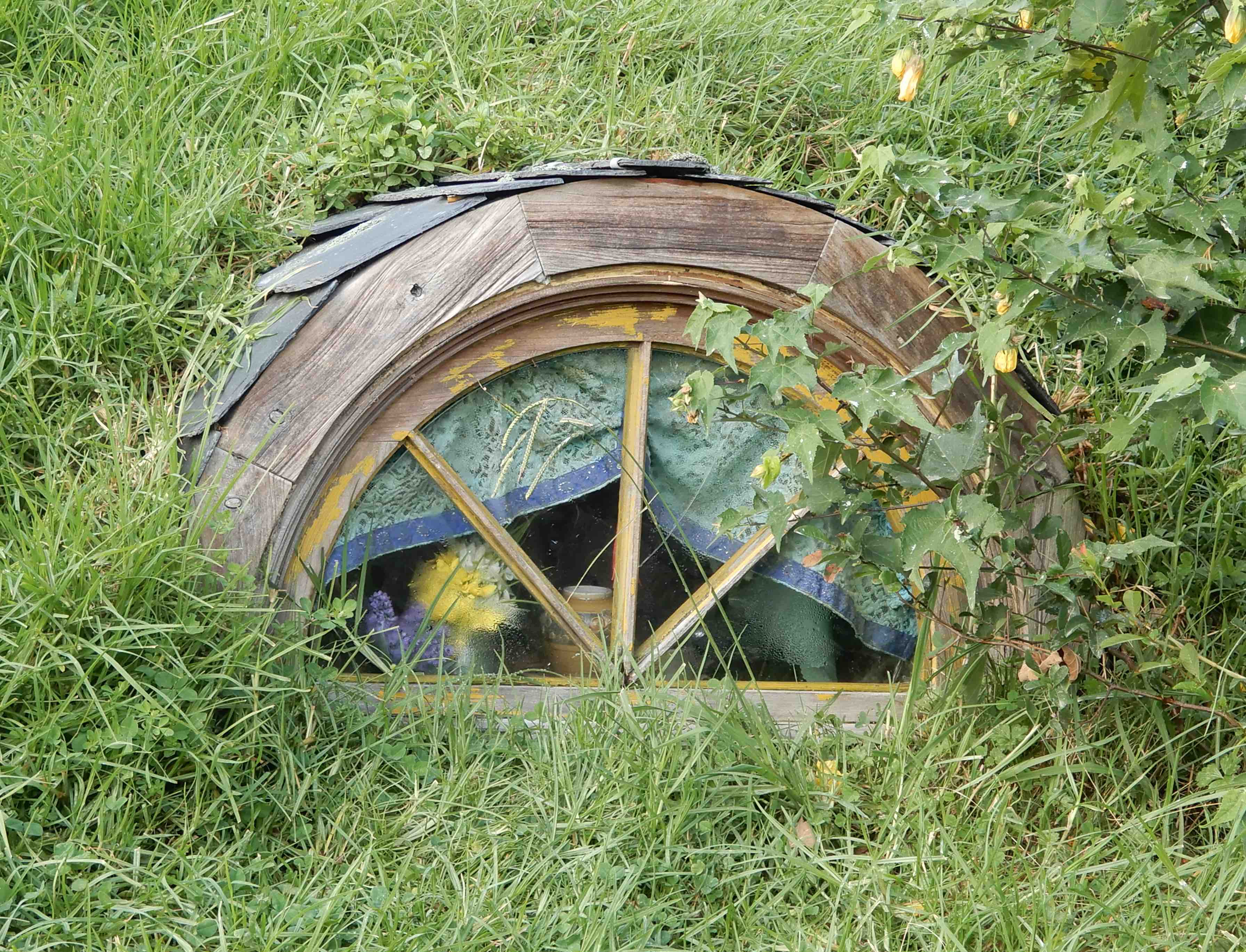
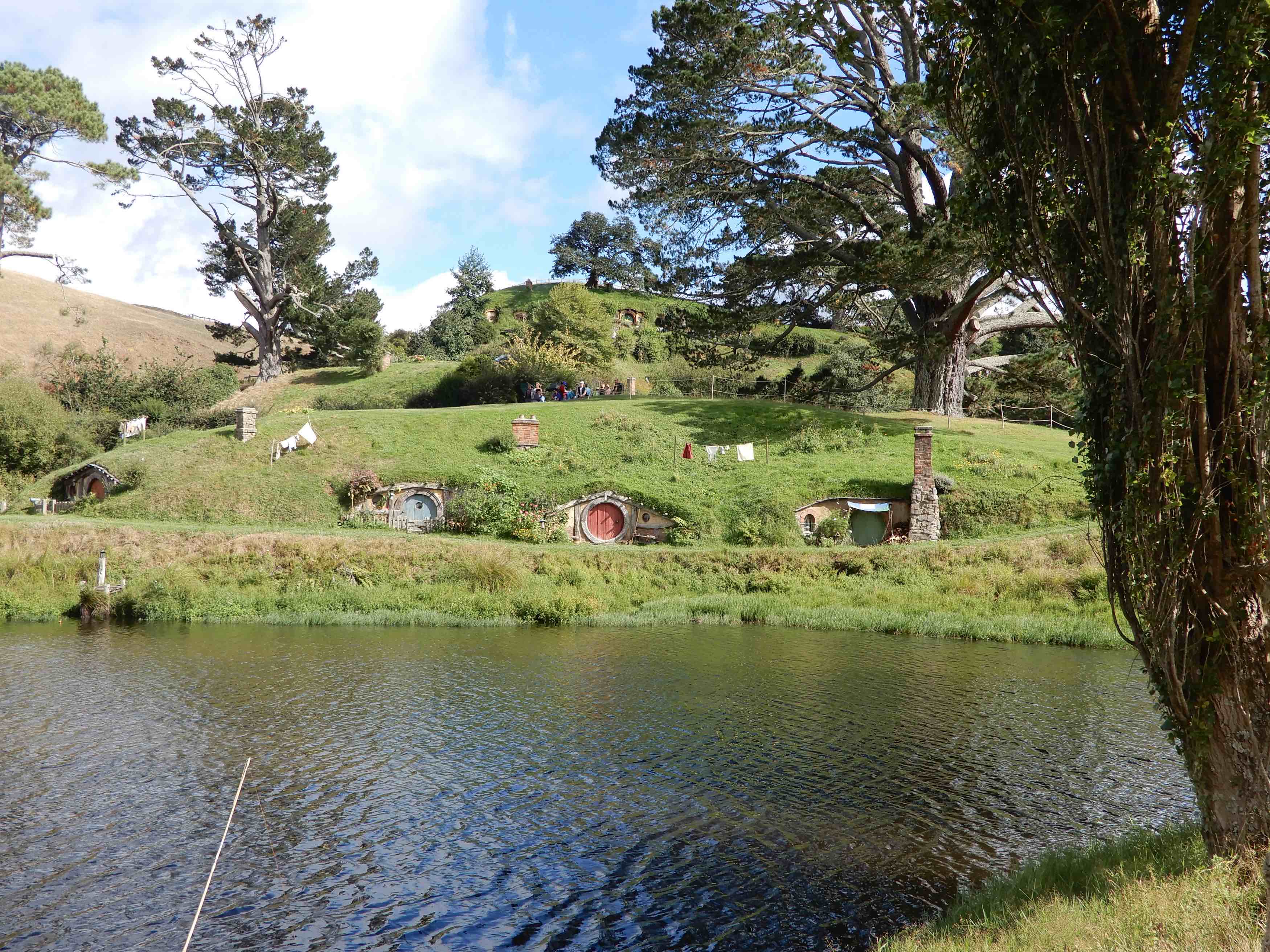
A short walk from the car park along Gandalf’s Cutting, we halted to take in the scene before us. Hobbit holes, 44 in all, dotted the green rolling hills, their chimney stacks and enchanting windows emerge sporadically from the landscape.
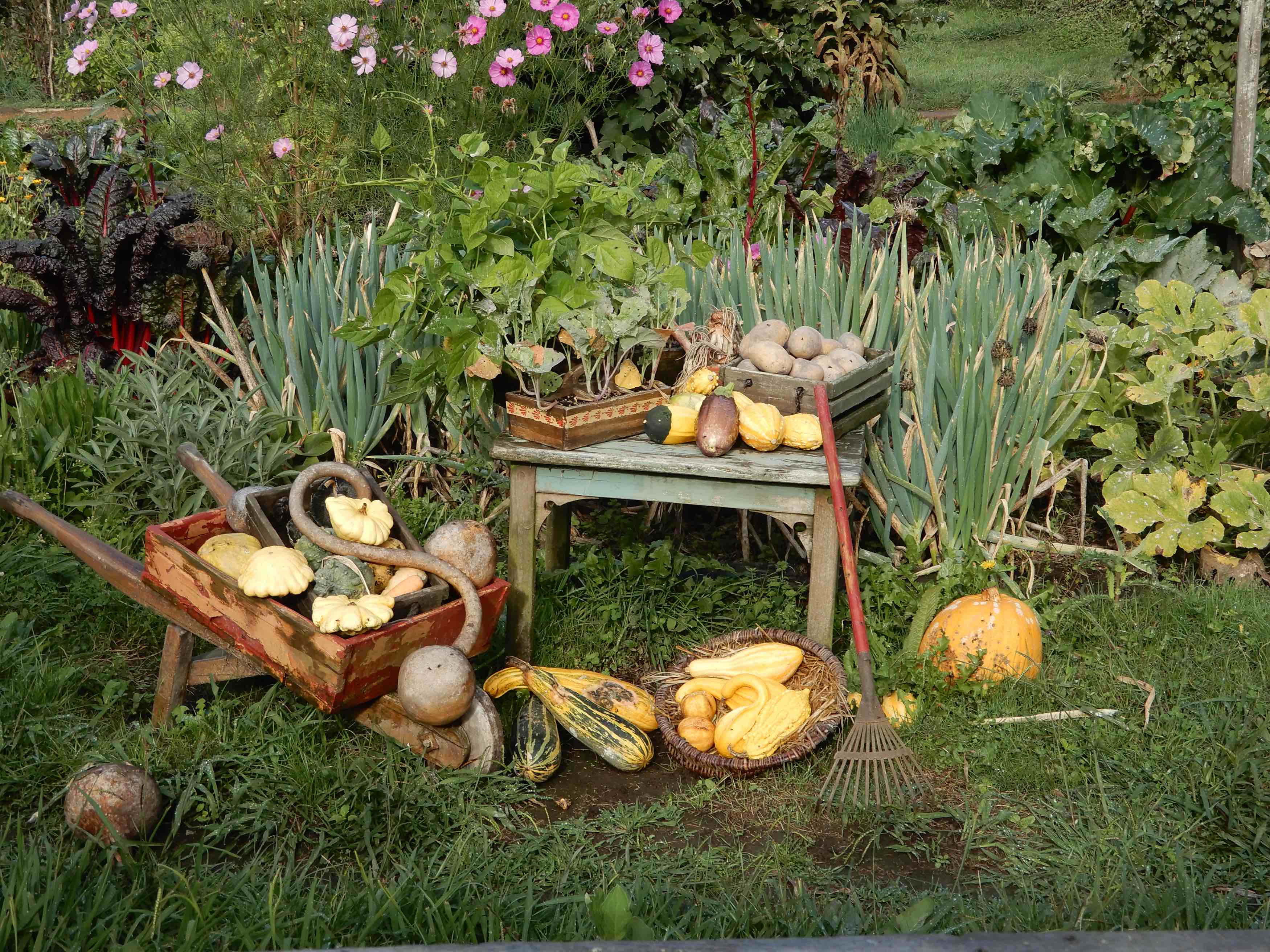
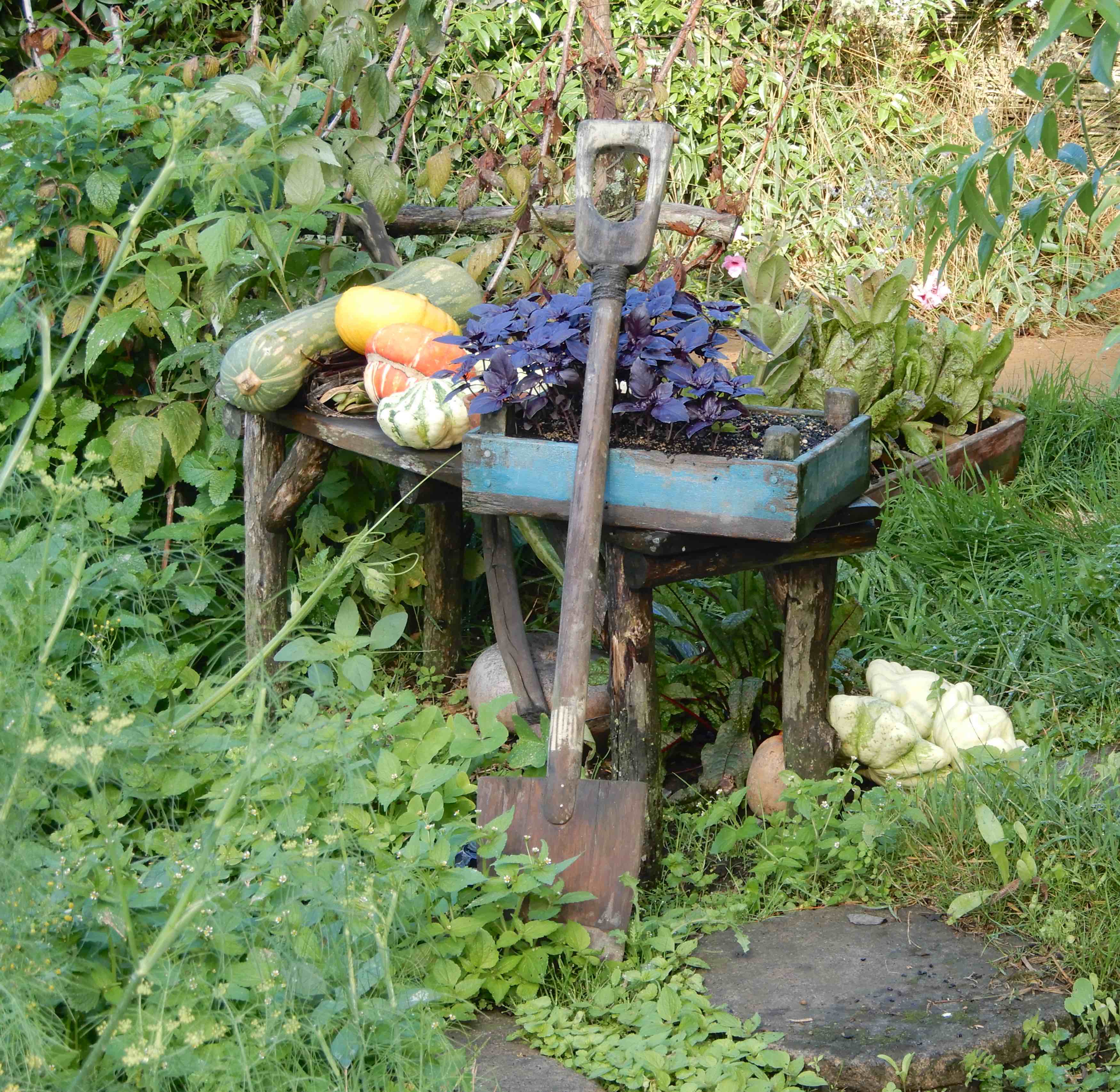
I can’t think of a job I would rather have than tending the gardens in Hobbiton. There are between 30 and 200 plants around each hobbit hole and all the fruit and vegetables are seasonal.
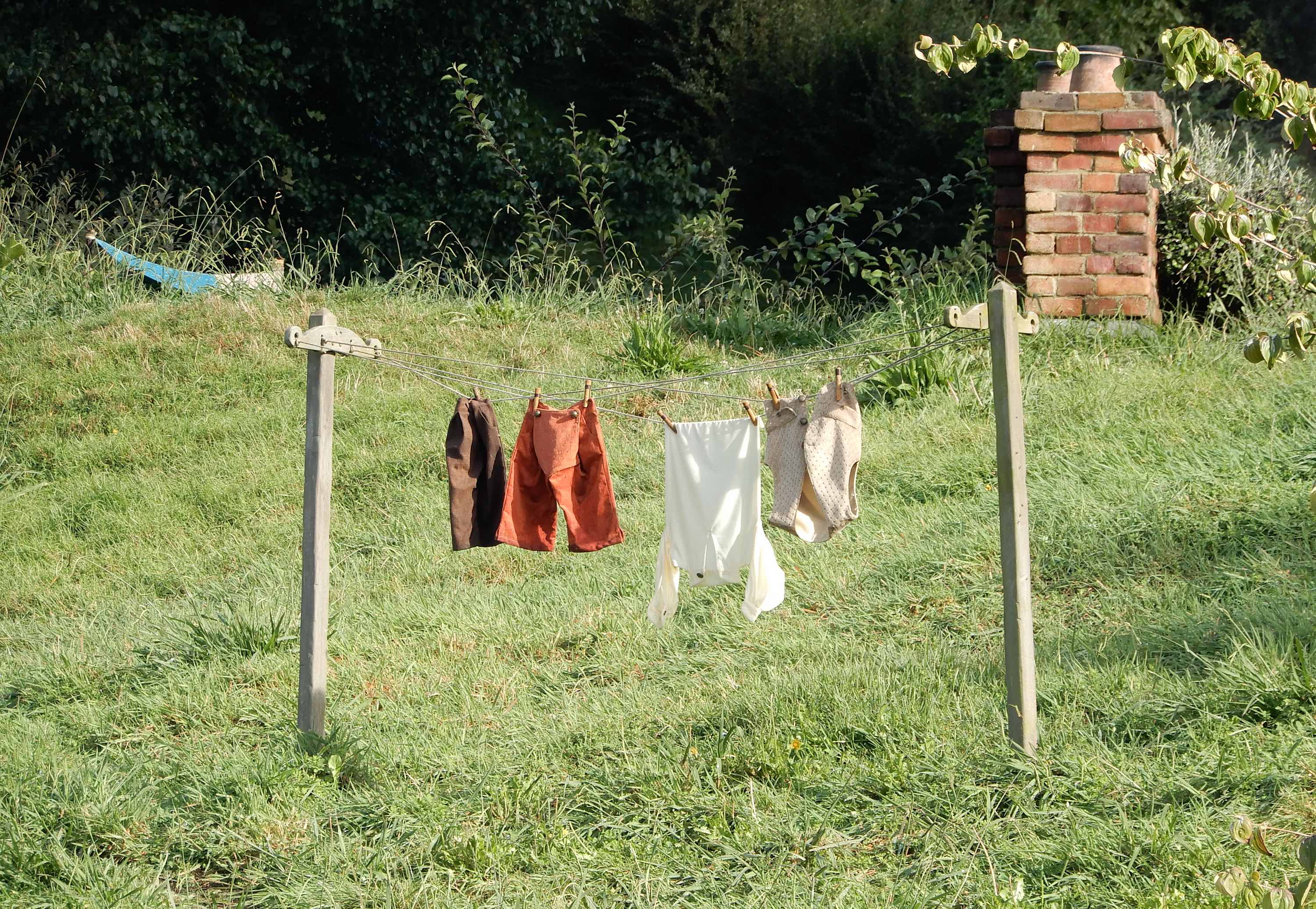
During filming, a person was employed to walk to the clothes lines and back to make a well-worn track.
Not all hobbit holes are equal. The poorer inhabitants live lower down the hill and the further up the hill you go, the homes are bigger with more manicured gardens.
Bilbo, at Bag End, is one of the wealthiest. The magnificent oak at the top of the hill is actually made from fibreglass and the silk leaves, imported from Taiwan, were individually painted and wired on to the branches.
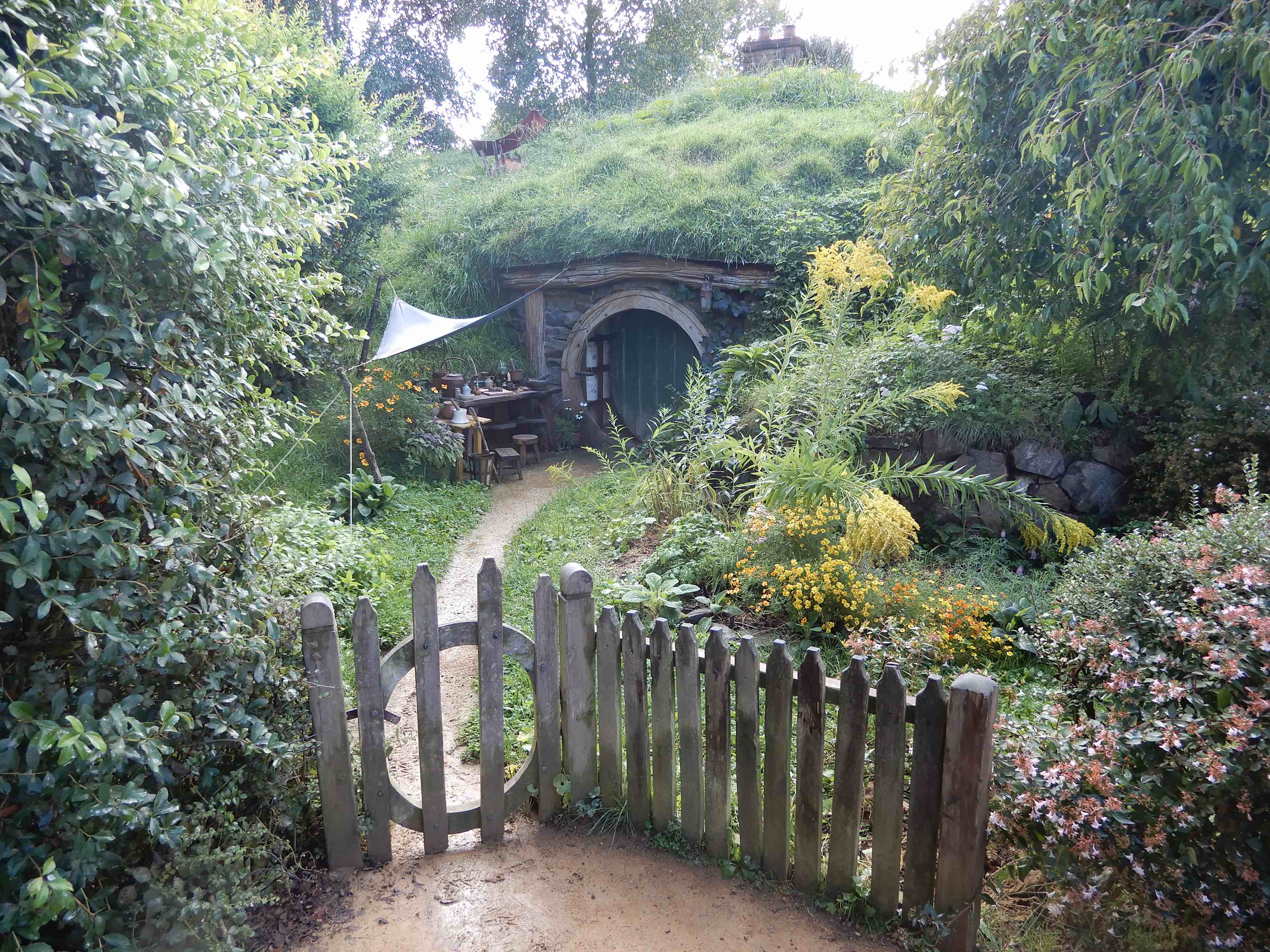
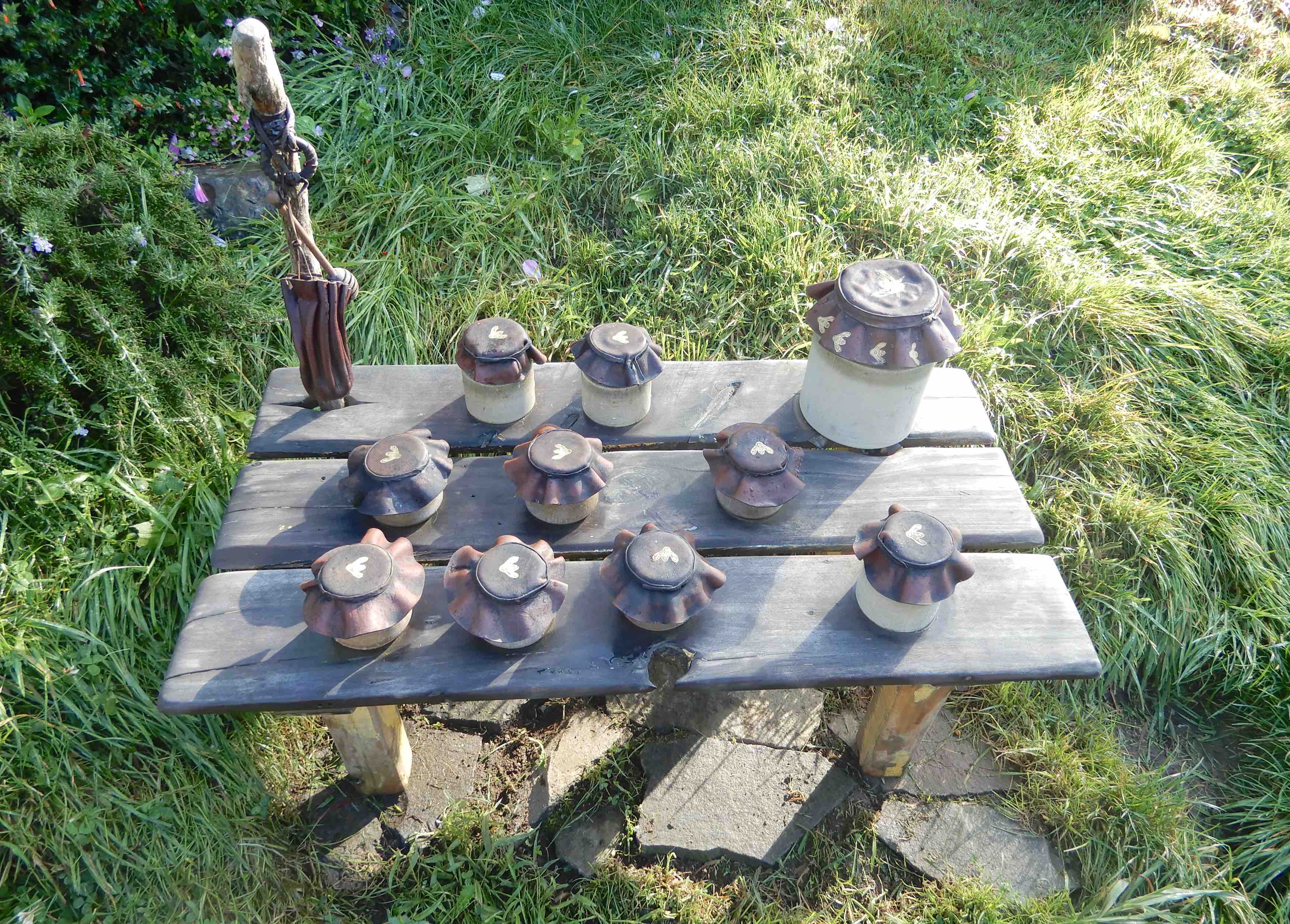
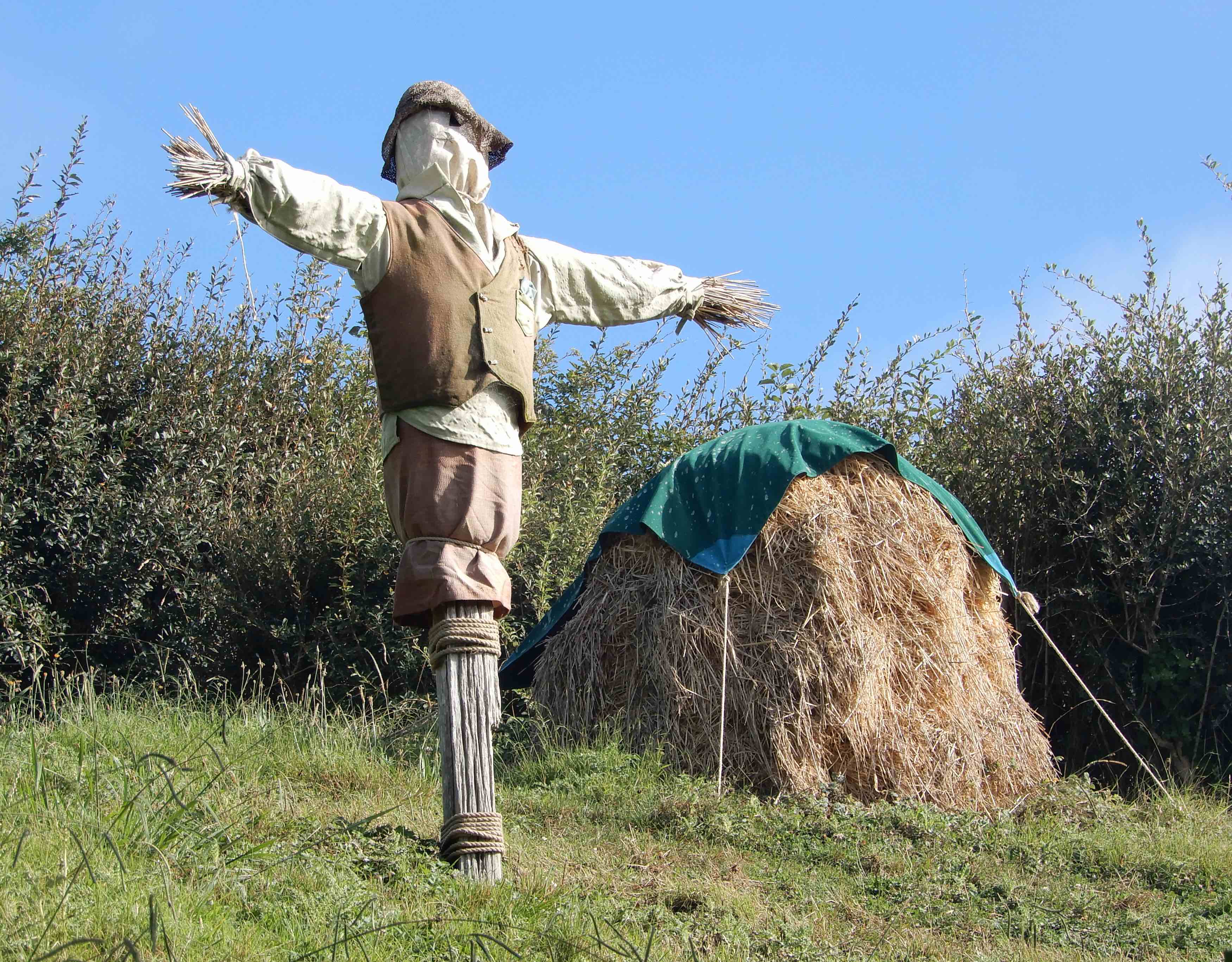
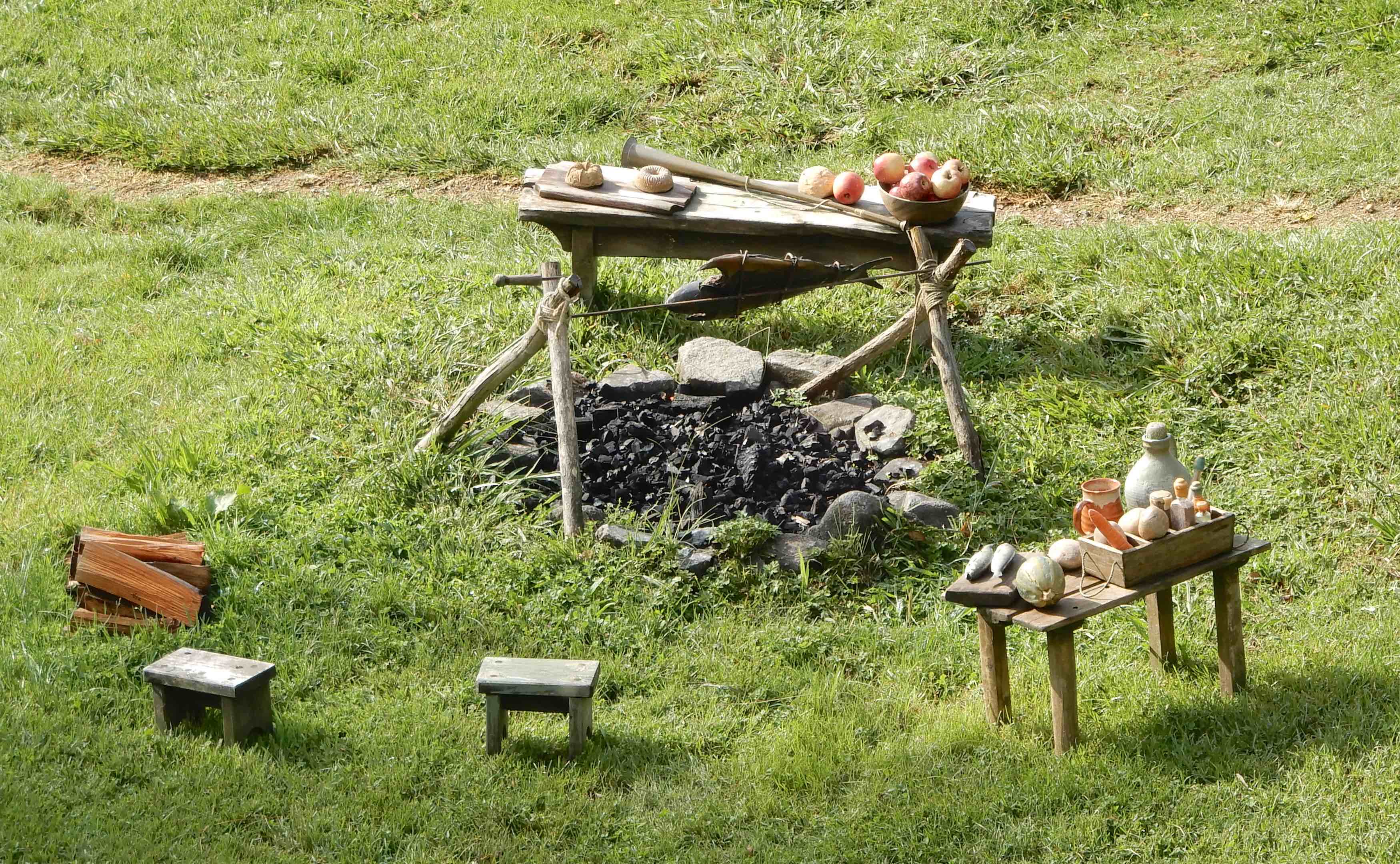
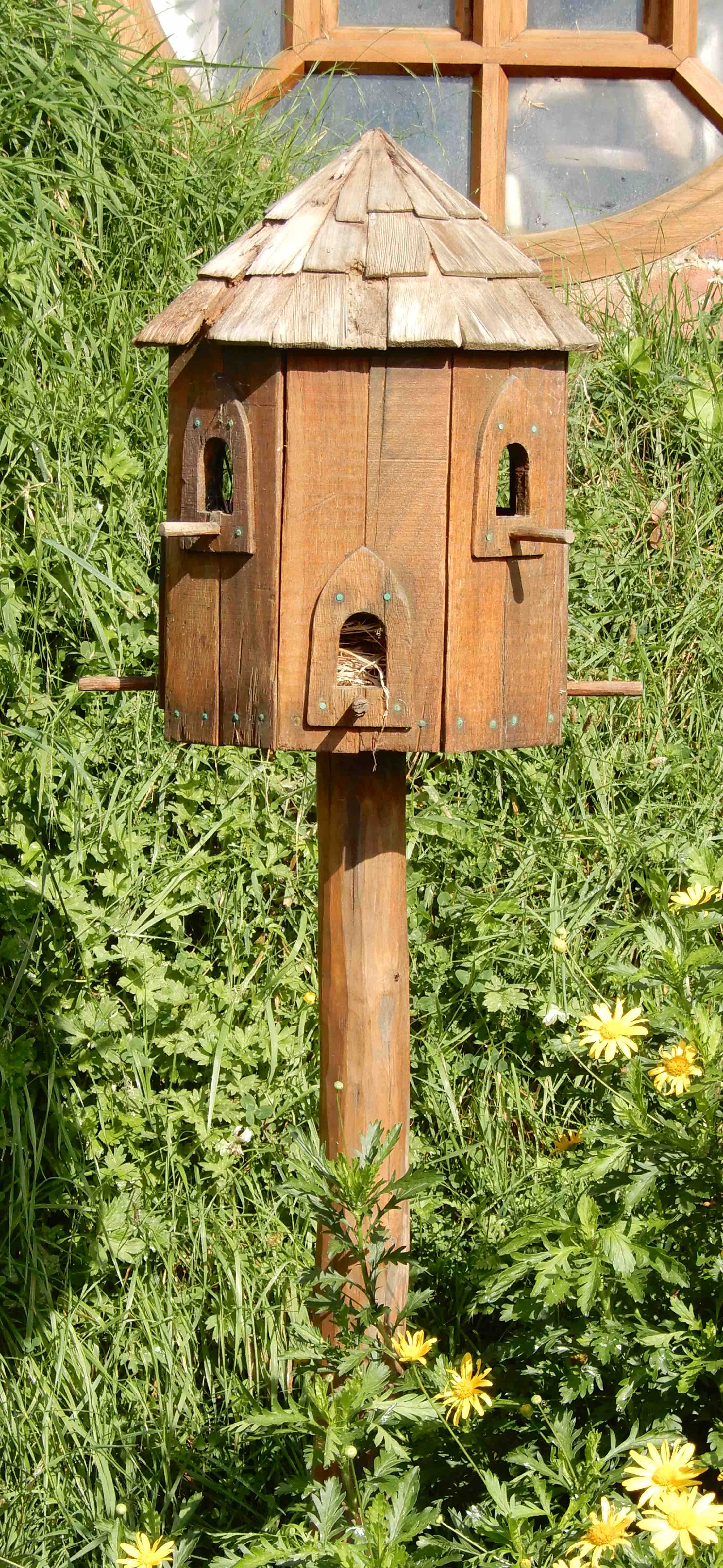
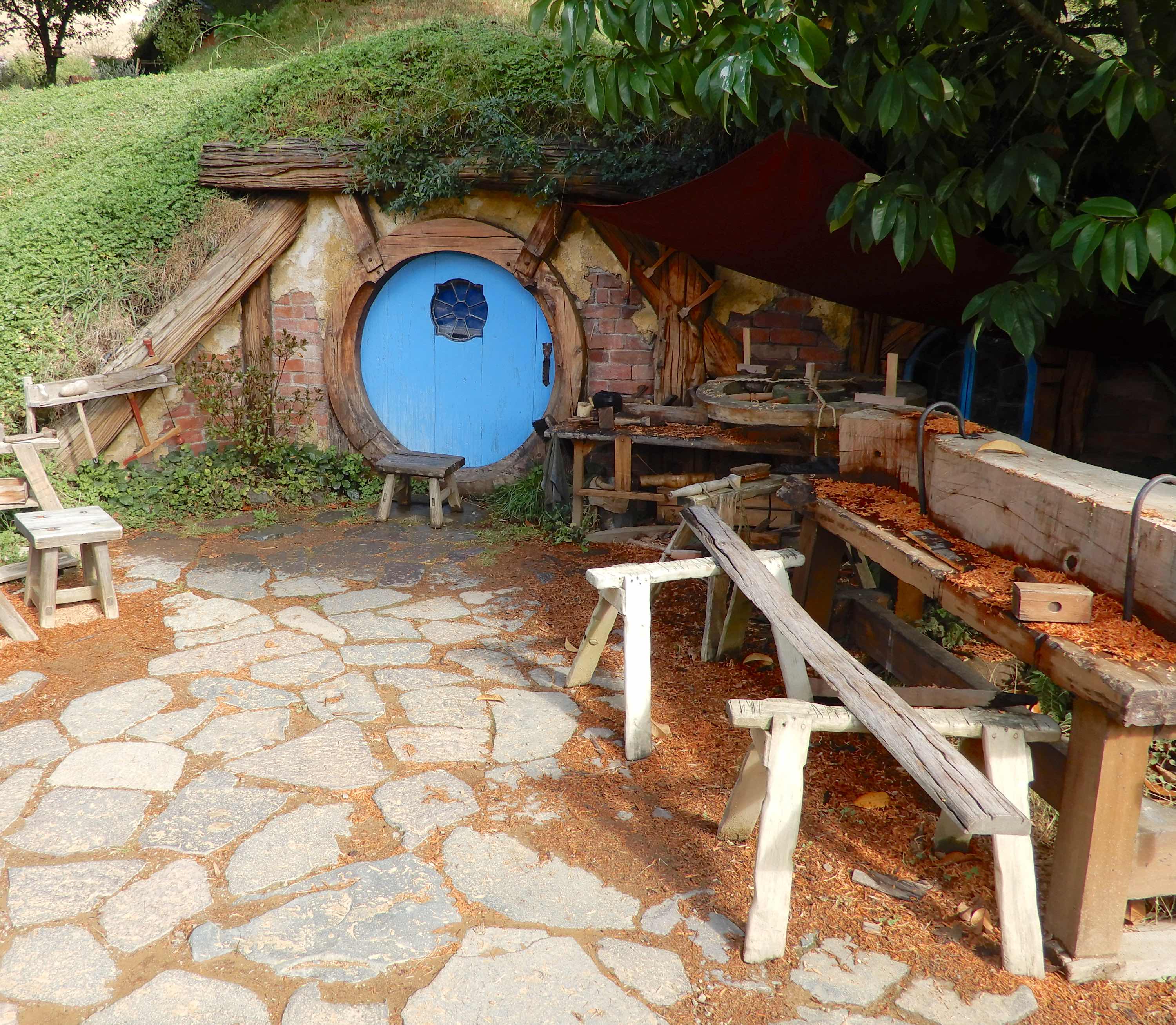
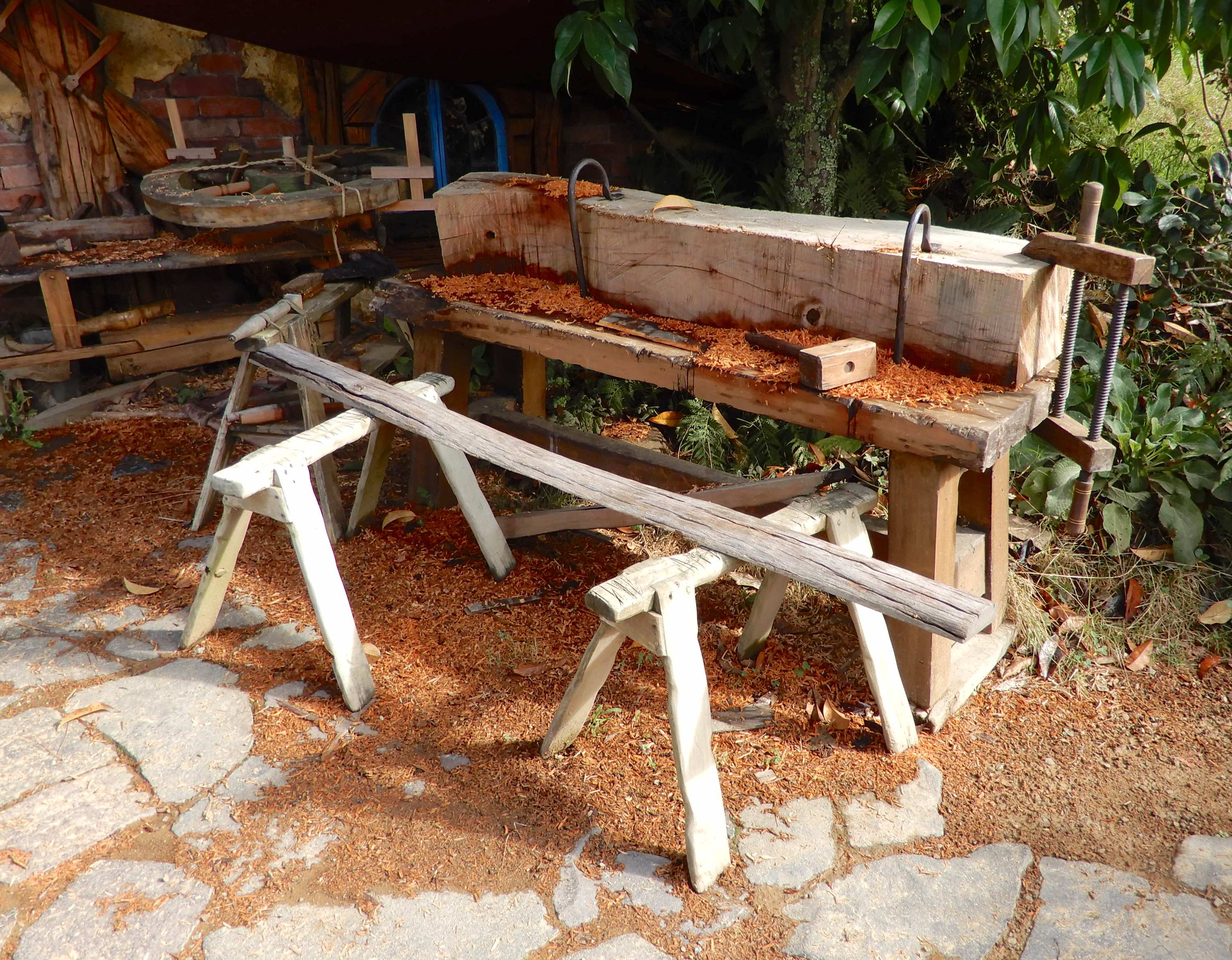
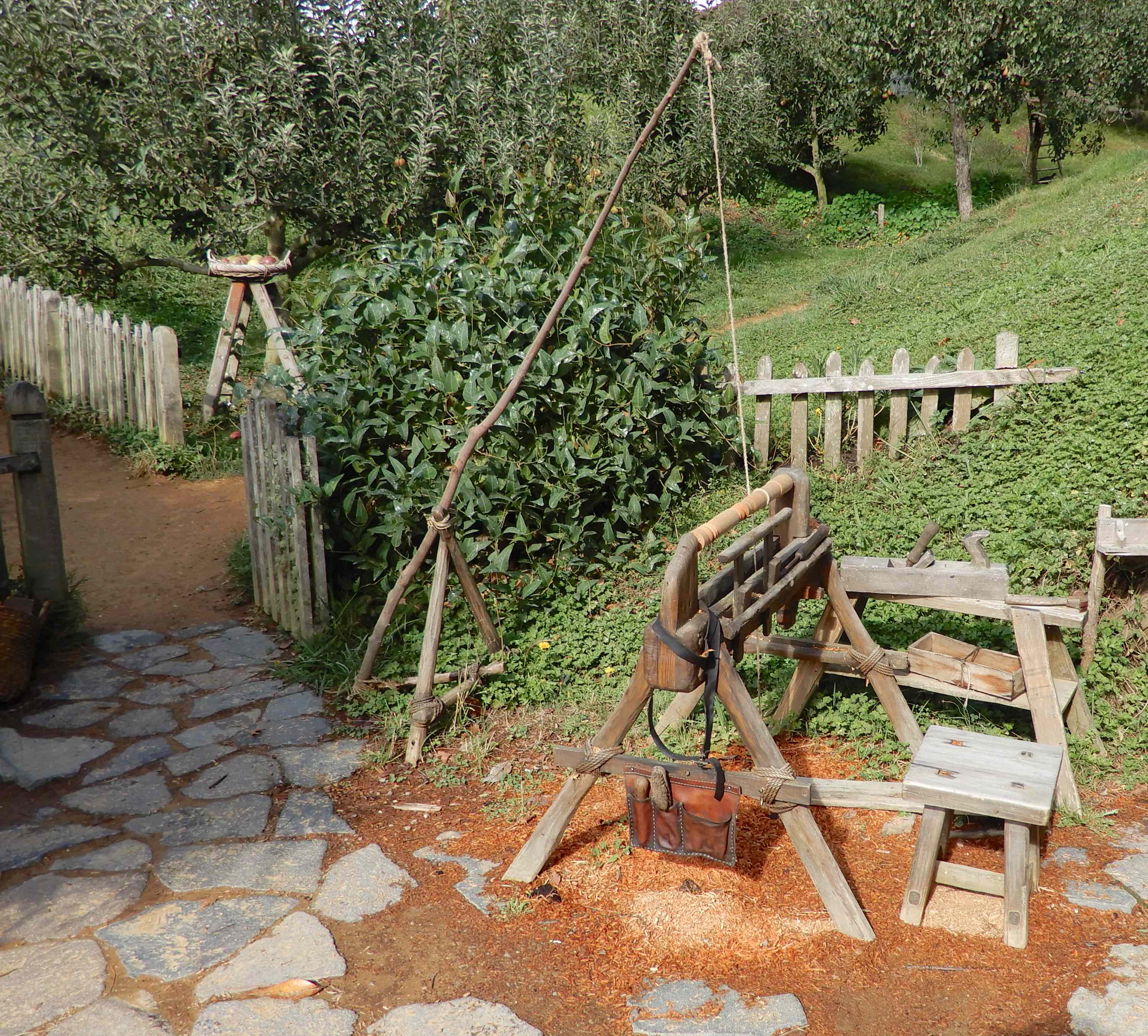
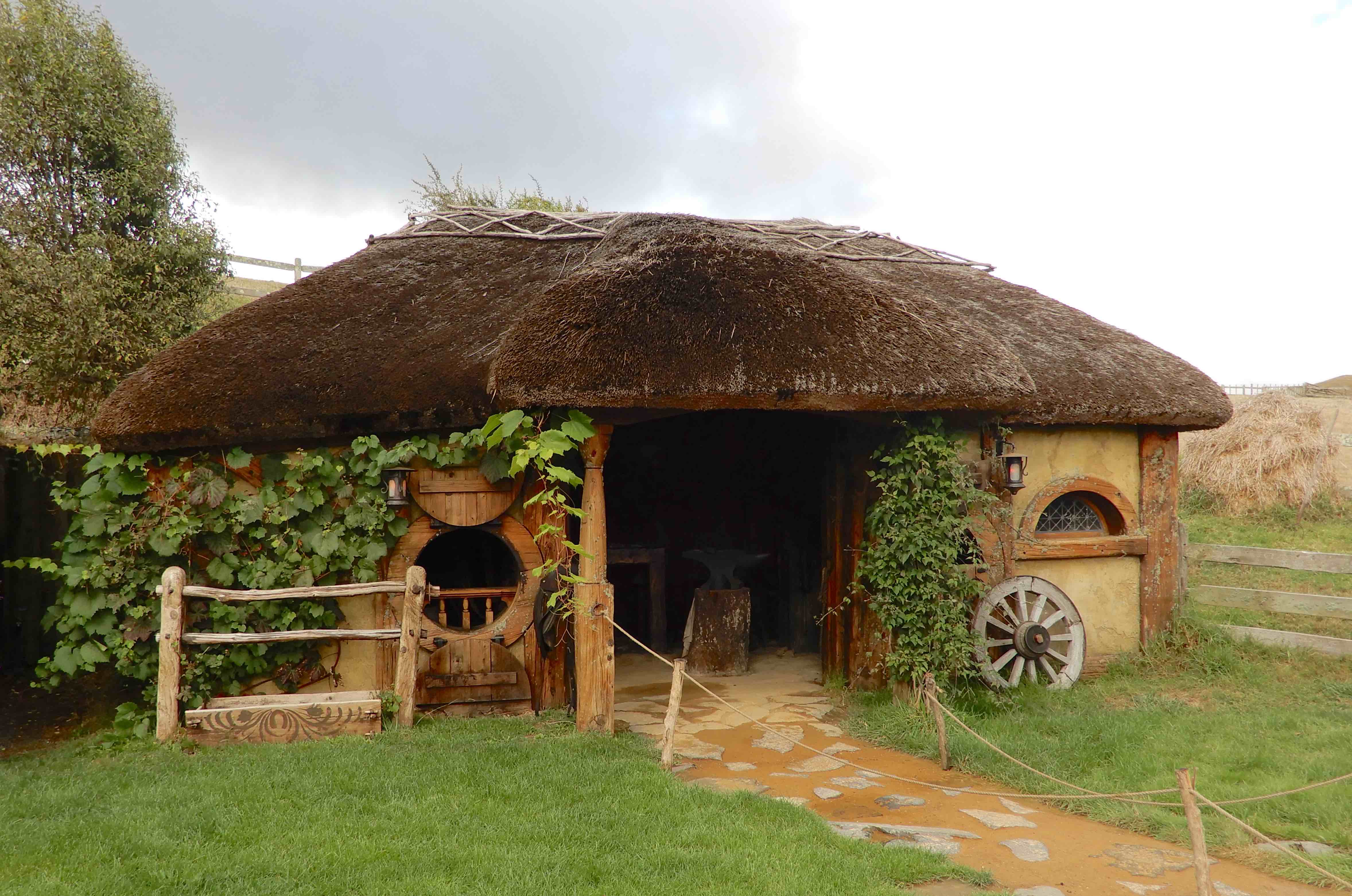
The occupations of the residents are depicted in great detail by some of the exterior props including beekeepers, loggers, bakers and cheesemakers.
Local frogs soon moved into the man made pond and they were so loud during filming, someone was paid to collect all the frogs and relocate them to another pond on the farm.
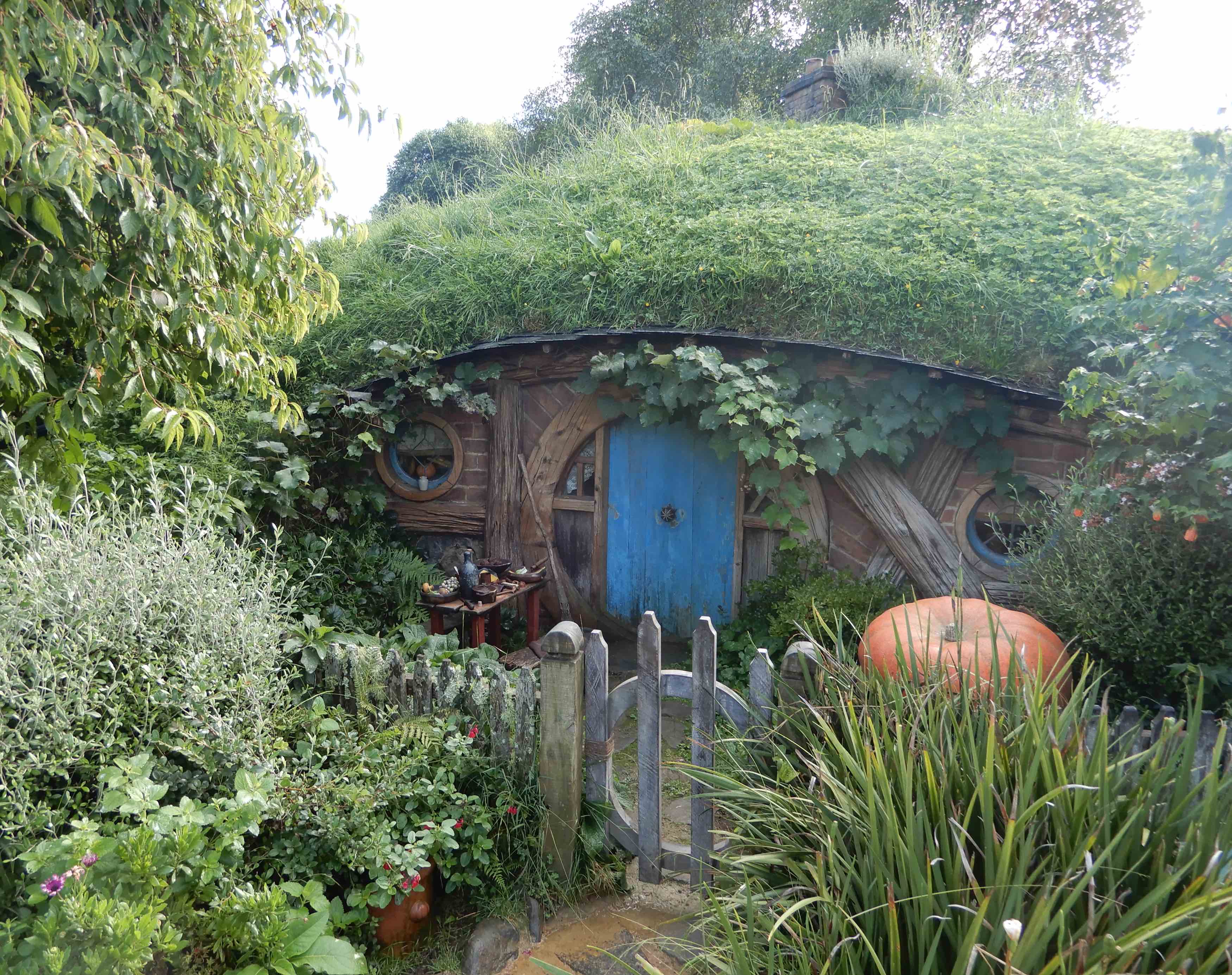
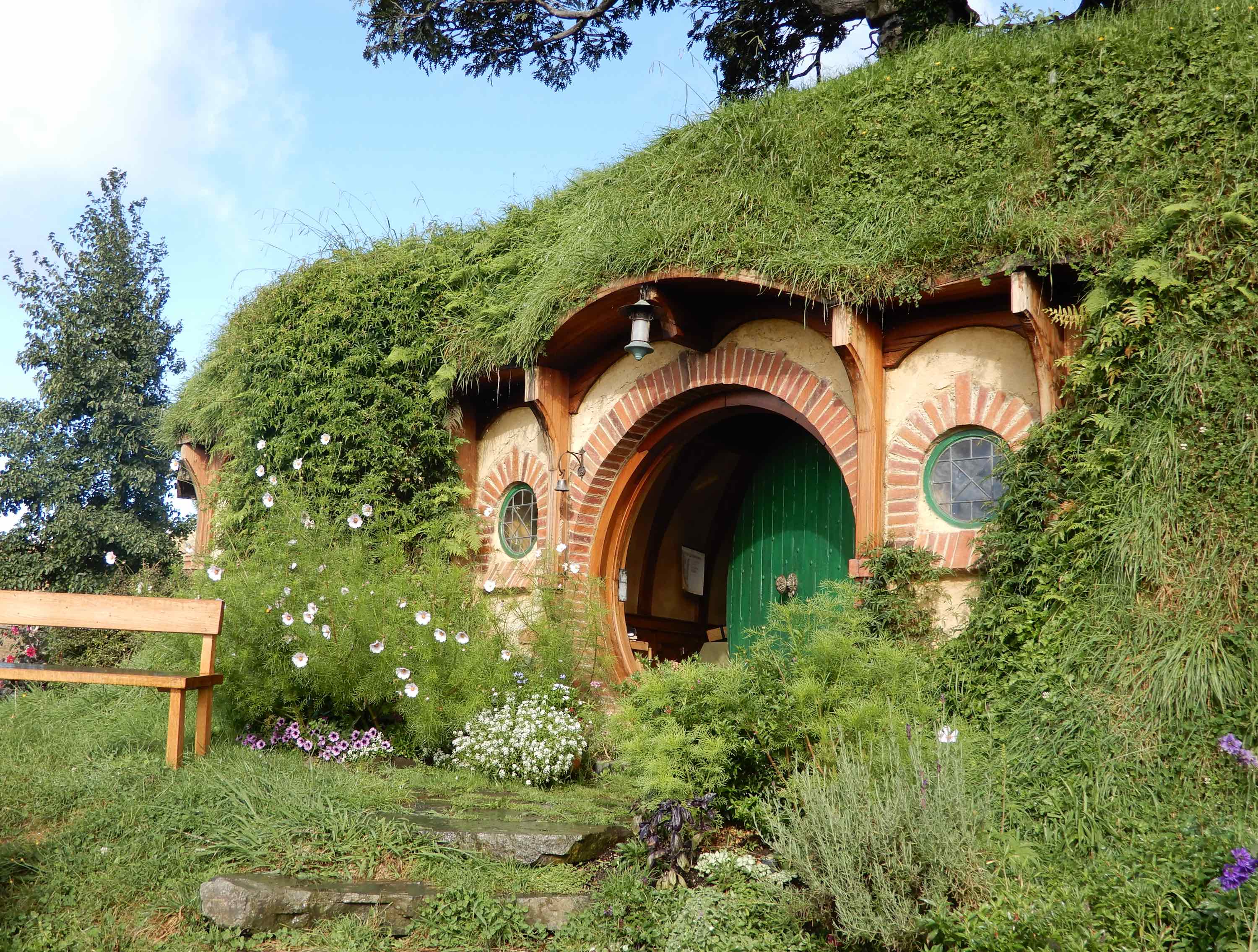
Most of the hobbit holes are just facades, the interior shots were filmed in a studio in Wellington, although the half open door at Bag End gives a hint of a cosy abode.
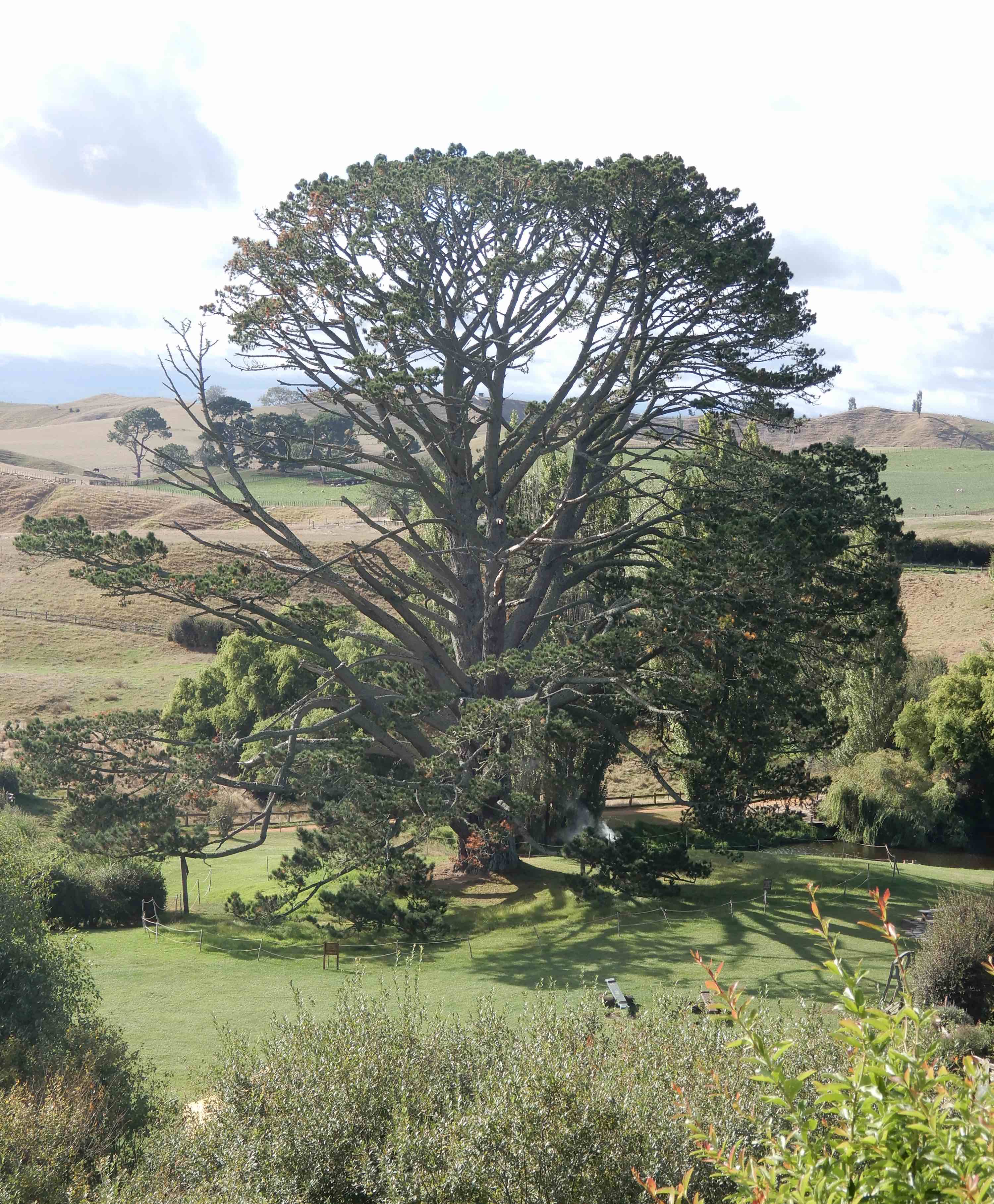
There was no need to manufacture leaves for the Party Tree, the perfect specimen as described in the books was found on the property.
The morning sunlight shone beatifically on some of the hobbit doors, Bag End is one that faces east. To create the scene where Bilbo and Gandalf are sitting facing a sunset, the crew had to get up early to film sunrises and play them backwards. It took seven attempts to capture the one we see in the movie.
The hobbit holes were built to two different scales. The smaller ones at 60% scale were used for scenes with Gandalf to make him look larger. To be cast as a hobbit you had to be 5’2” and they were filmed around the 90% scale doors.
There is a scene in The Lord of the Rings book where children are playing under plum trees but Peter Jackson thought plum trees would look too big. Instead, he had apple and pear trees planted and just before filming, all the fruit was stripped from the trees and replaced with fake ones. After all that effort, the scene never made it to the movie.
Samwise Gamgee lived at number 3 Bagshot Row, a lovely terrace of hobbit holes
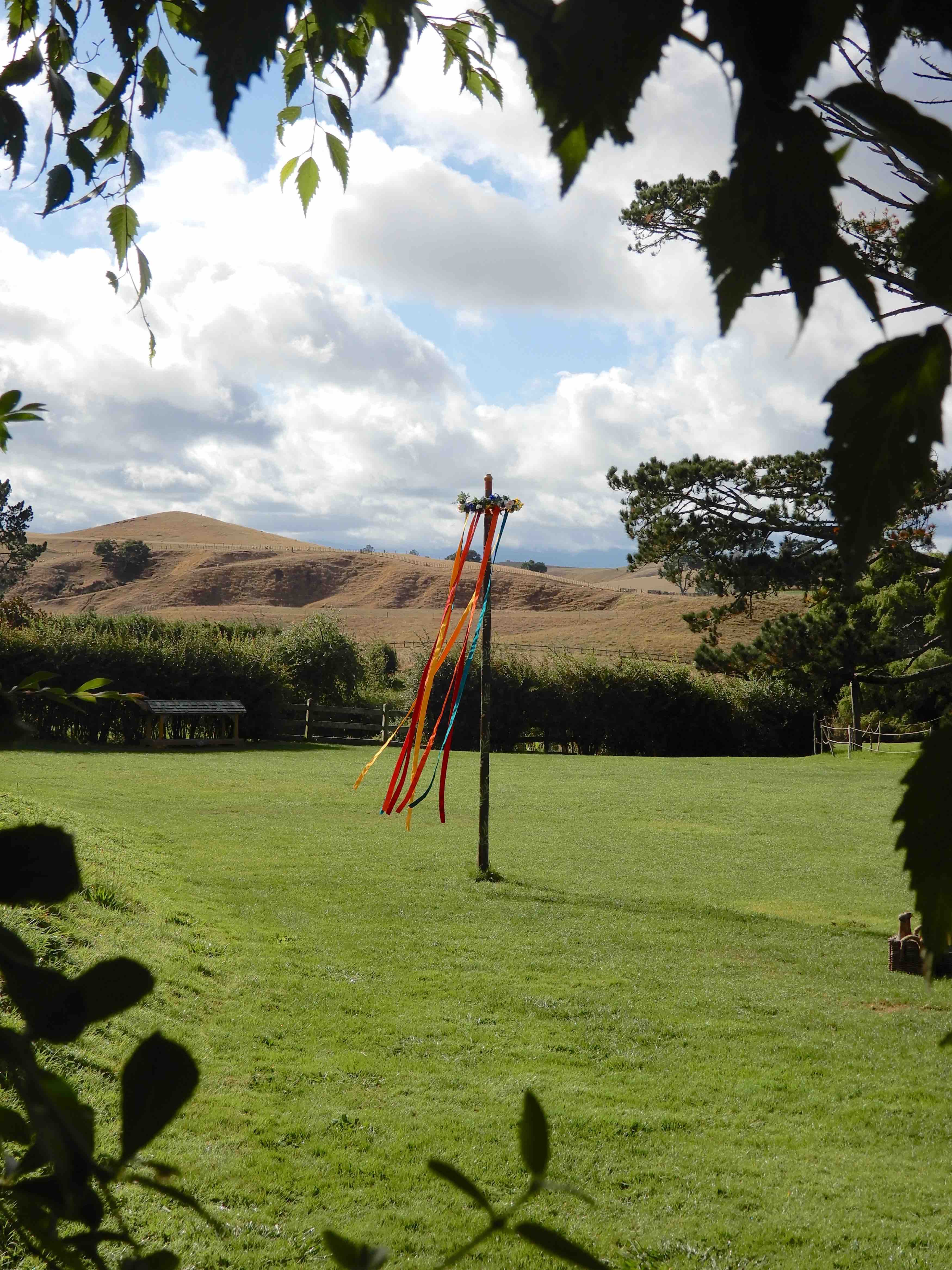
with convenient access to the Party Field.
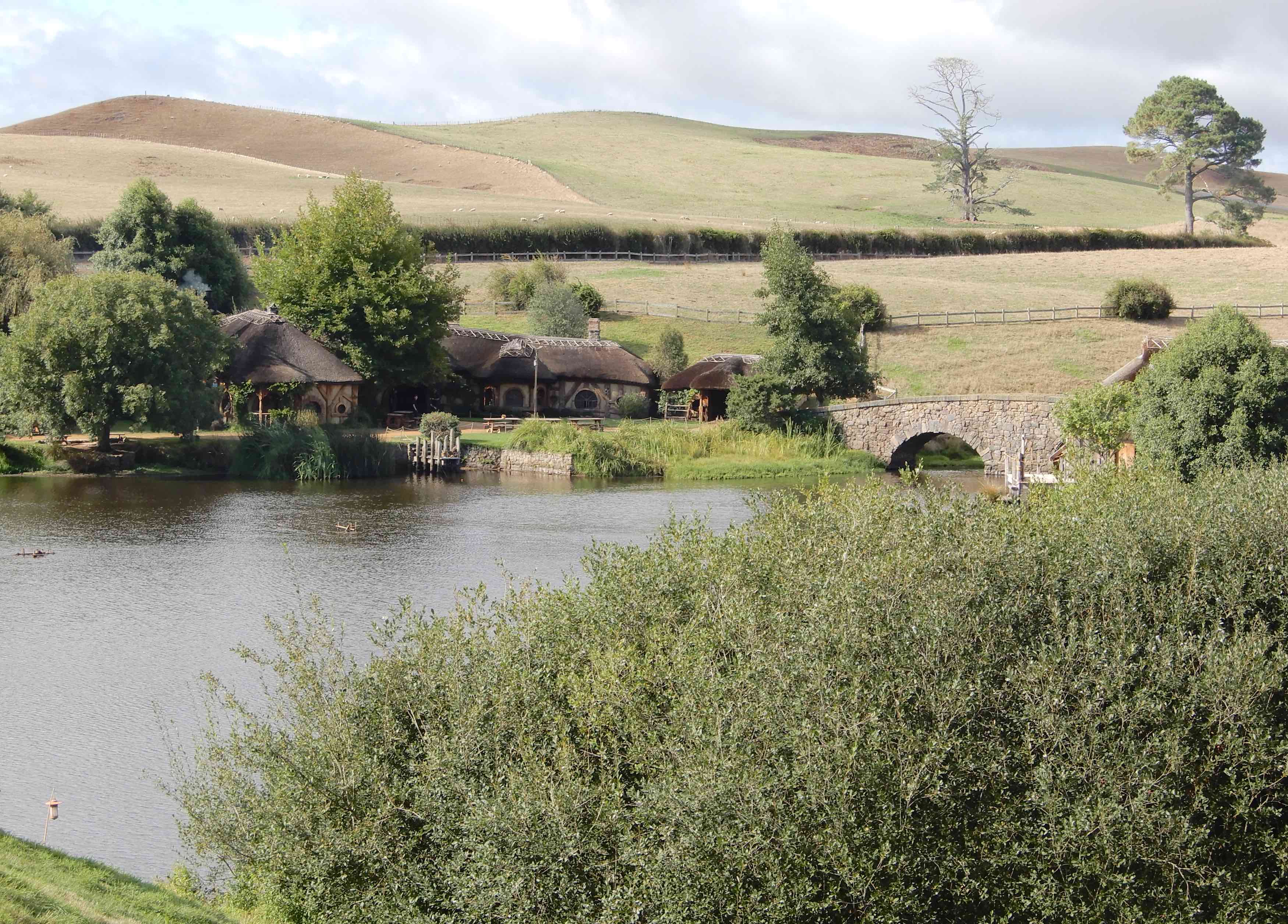
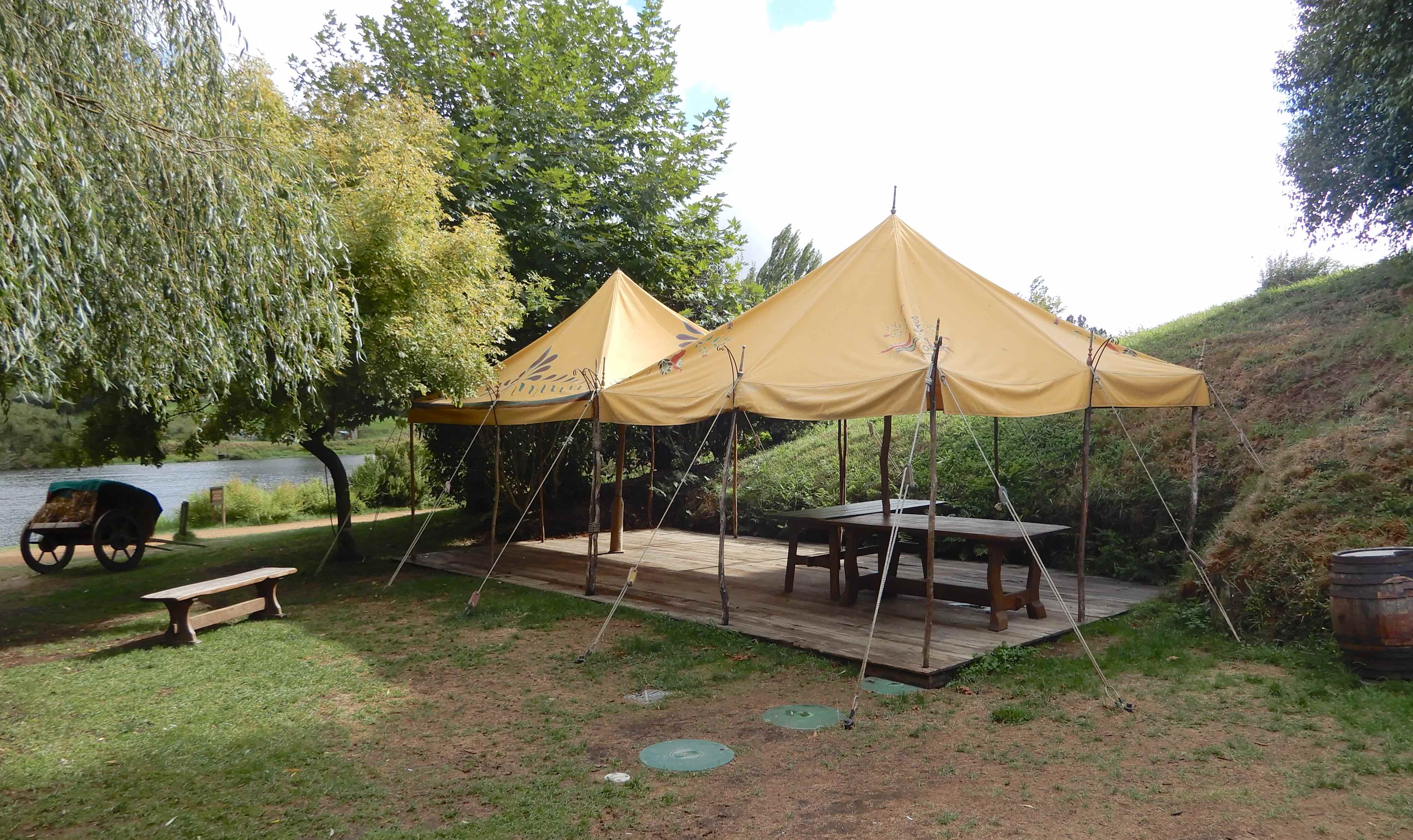
With the Green Dragon Inn in our sights,
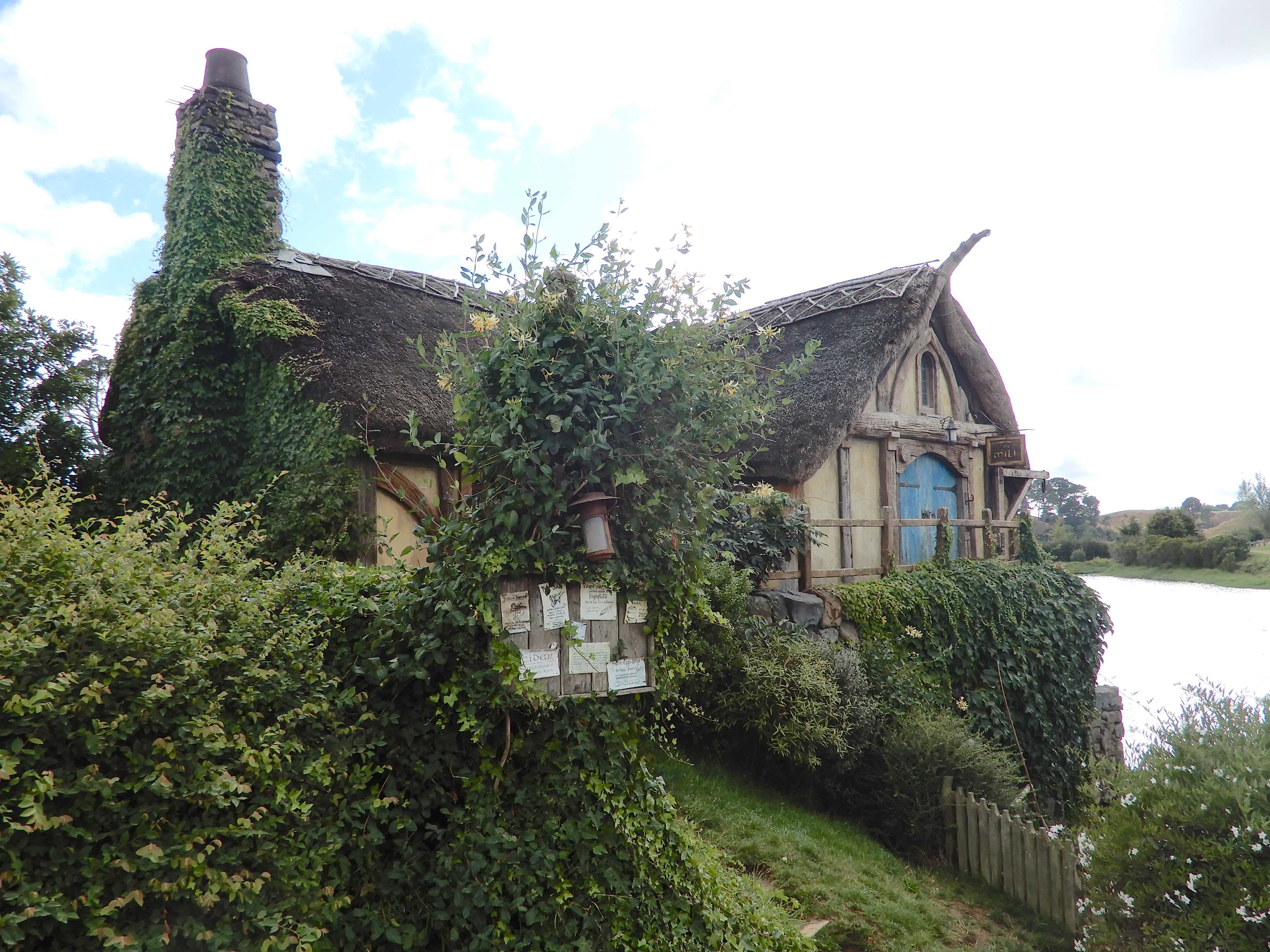
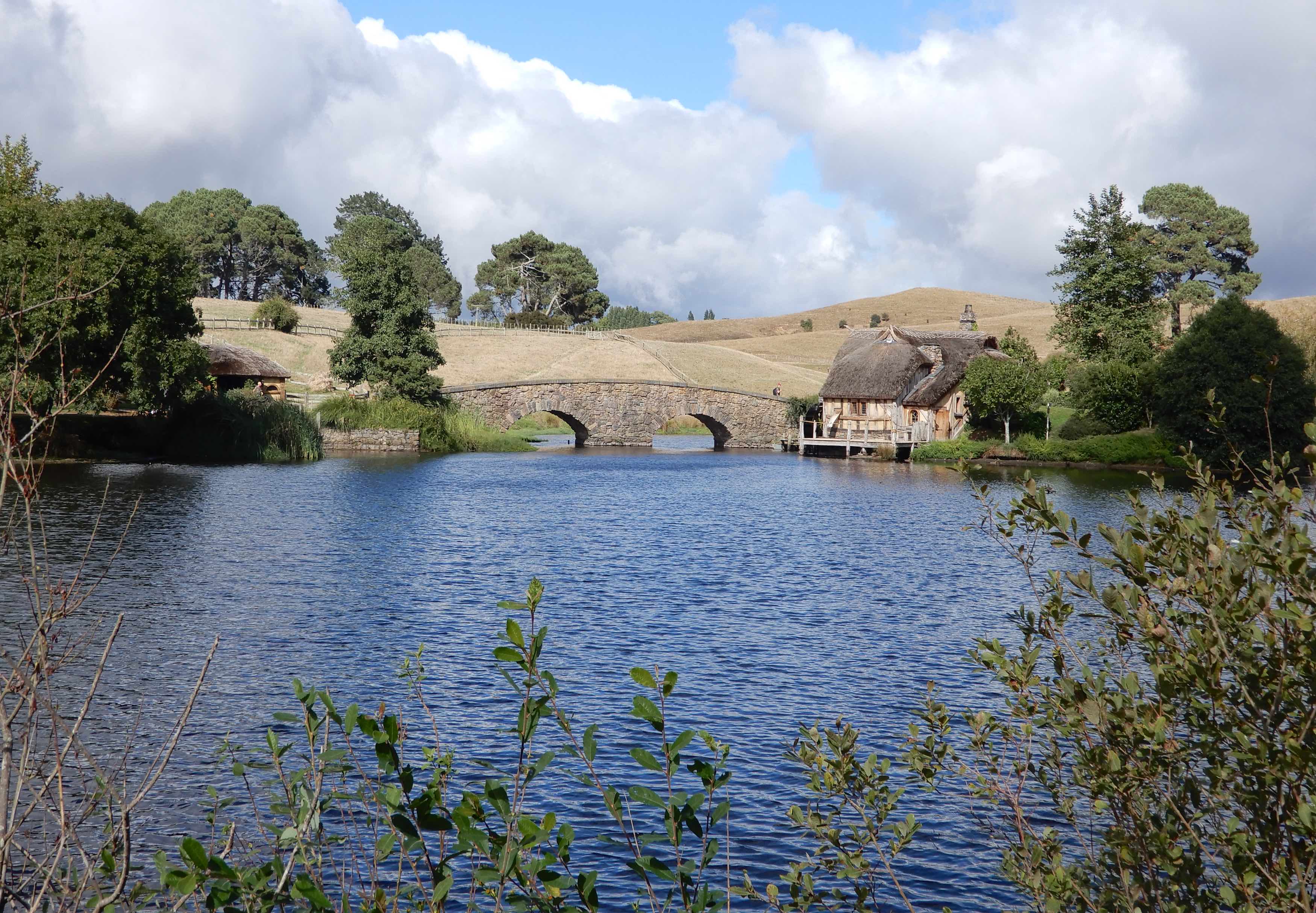
we meandered our way to the double arch stone bridge and the Old Mill where the large water wheel still turns.
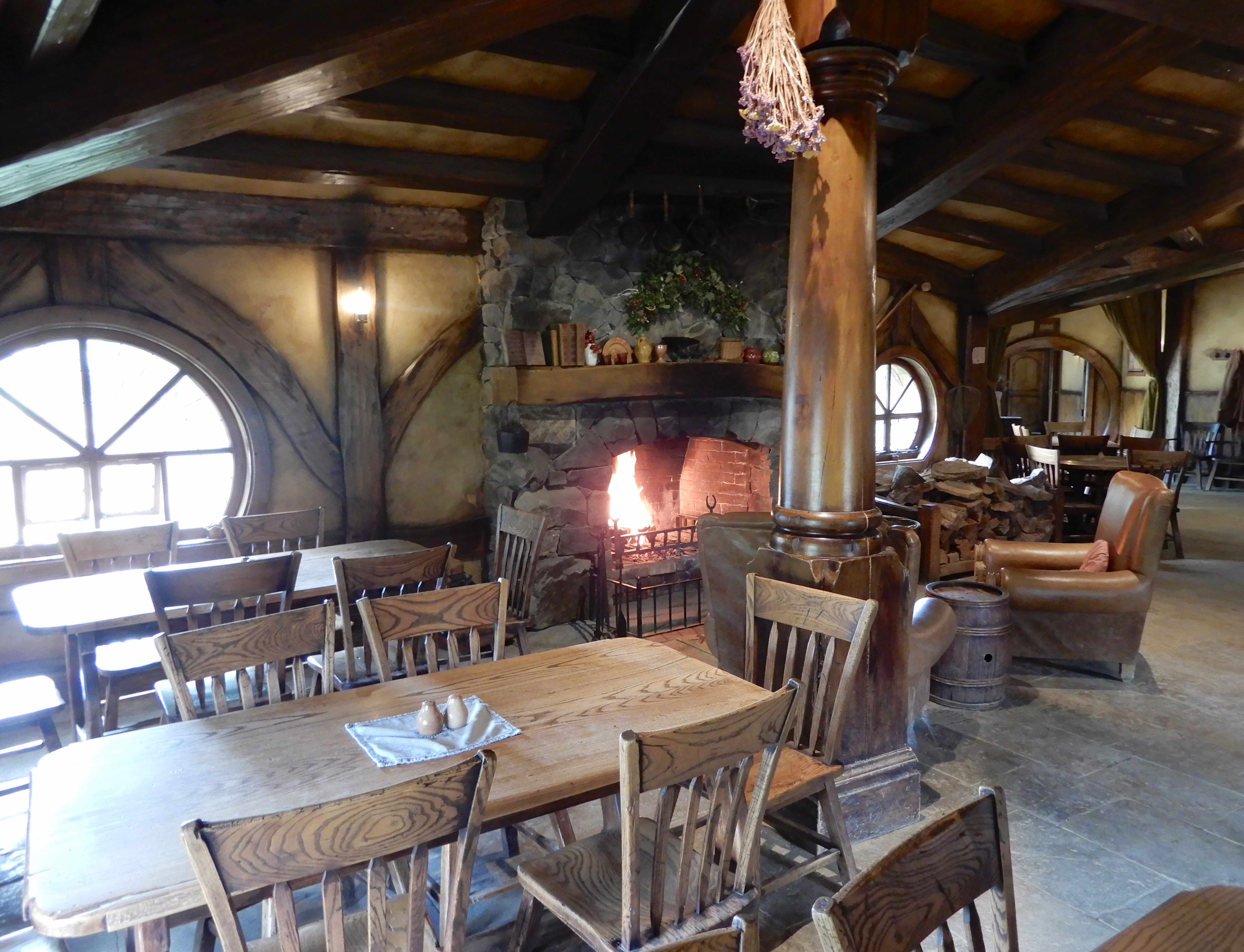
The Green Dragon Inn was added to Hobbiton in 2012
and the interior has been reconstructed to appear as it did in the films.
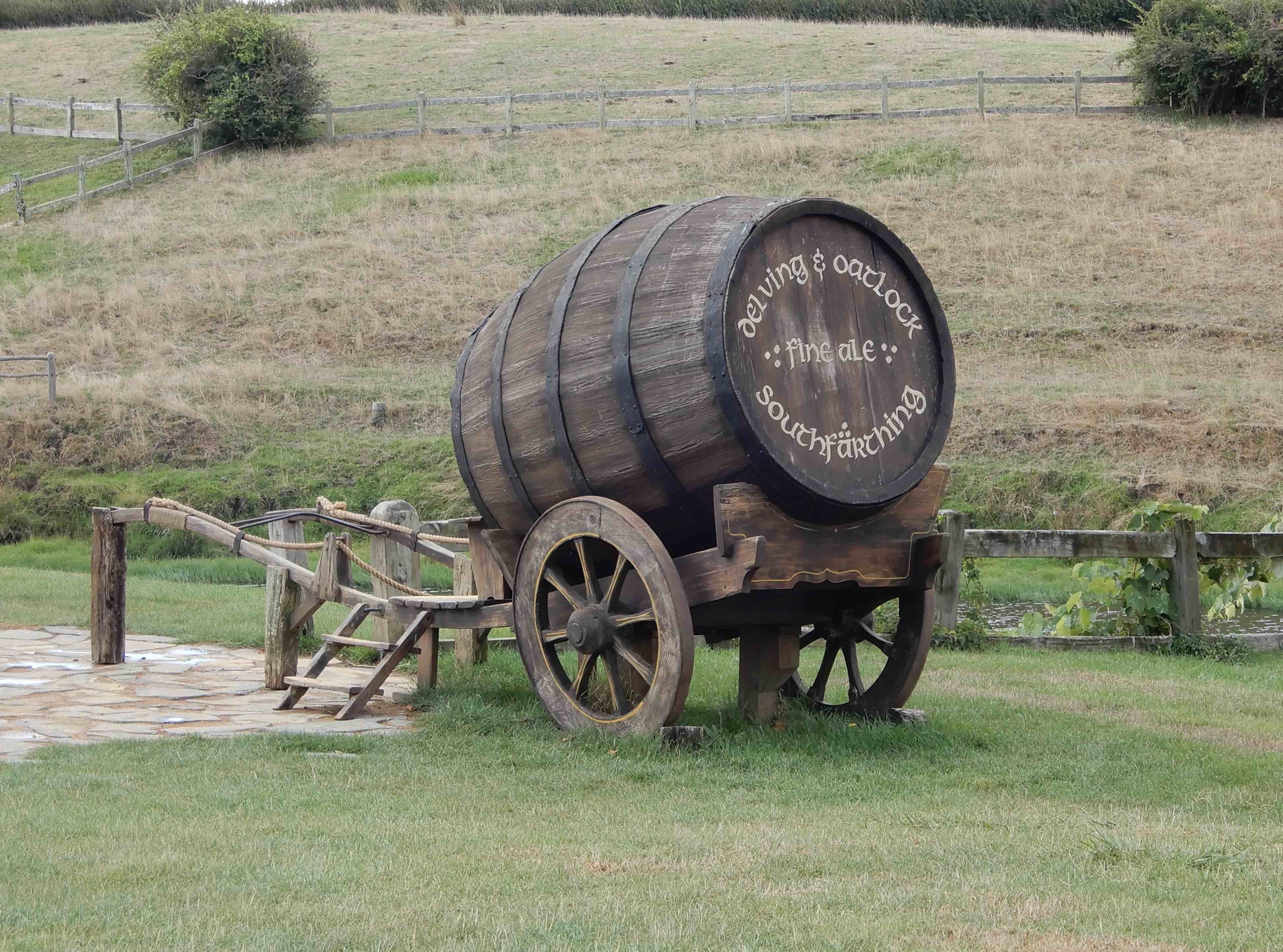
Our tour included a complimentary beverage from the Southfarthing range; Girdley Fine Grain Amber Ale, Sackville Apple Cider, Oatbarton Traditional English Ale or Frogmorton Ginger Beer. All are brewed at the Good George Brewery in Hamilton and available only at the Green Dragon Inn.
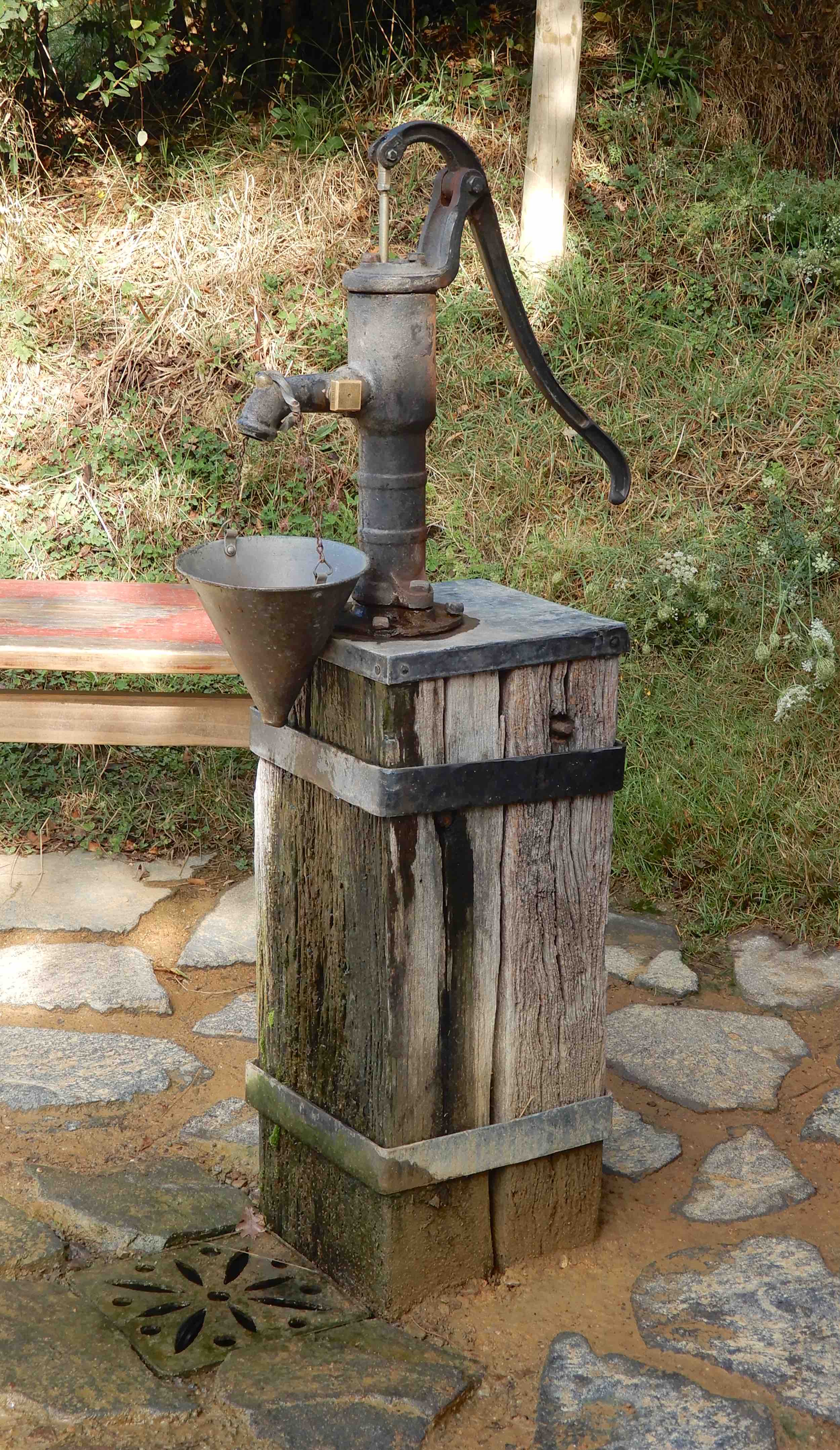
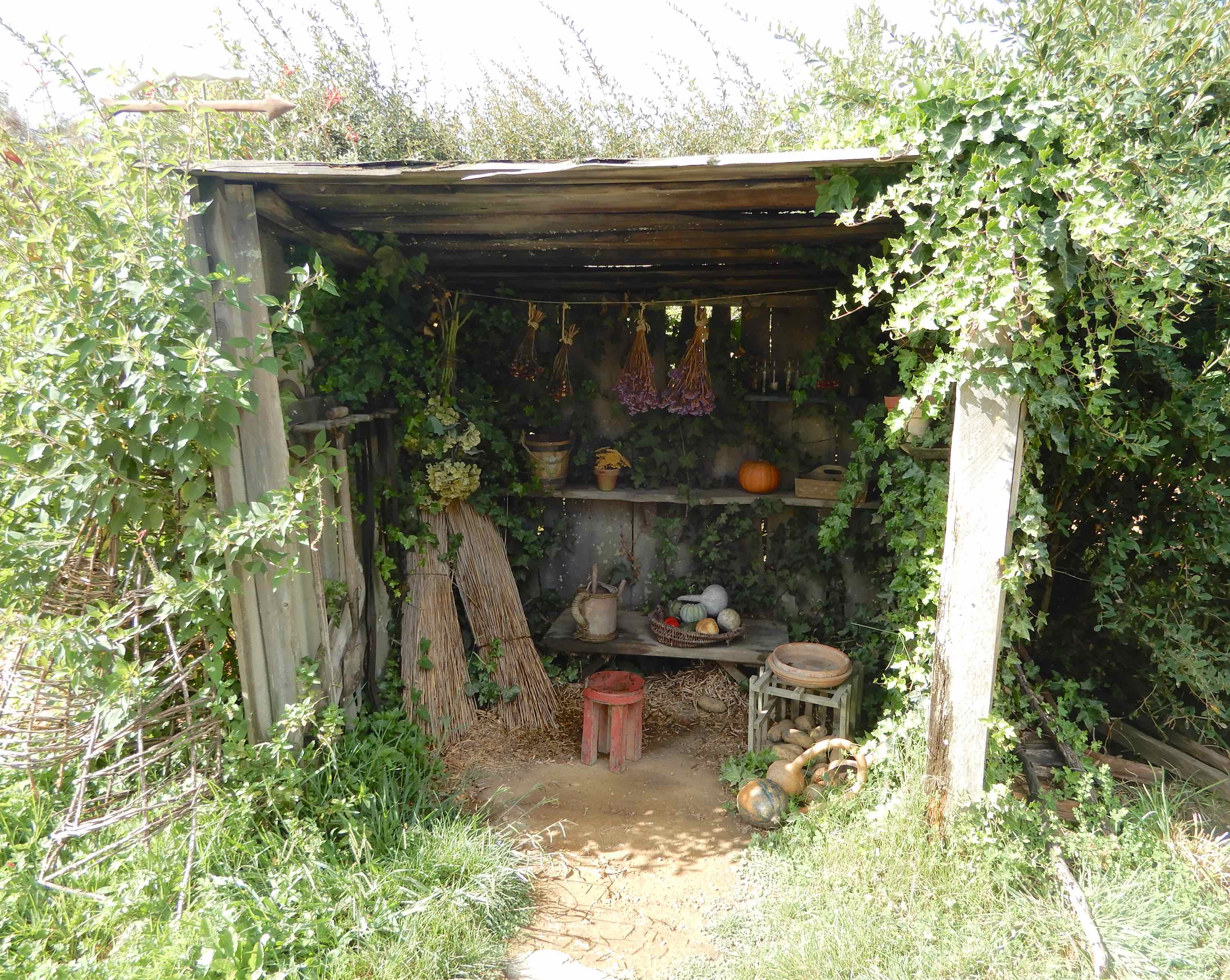
Our circuitous route returned us to the car park past flourishing vegetable gardens
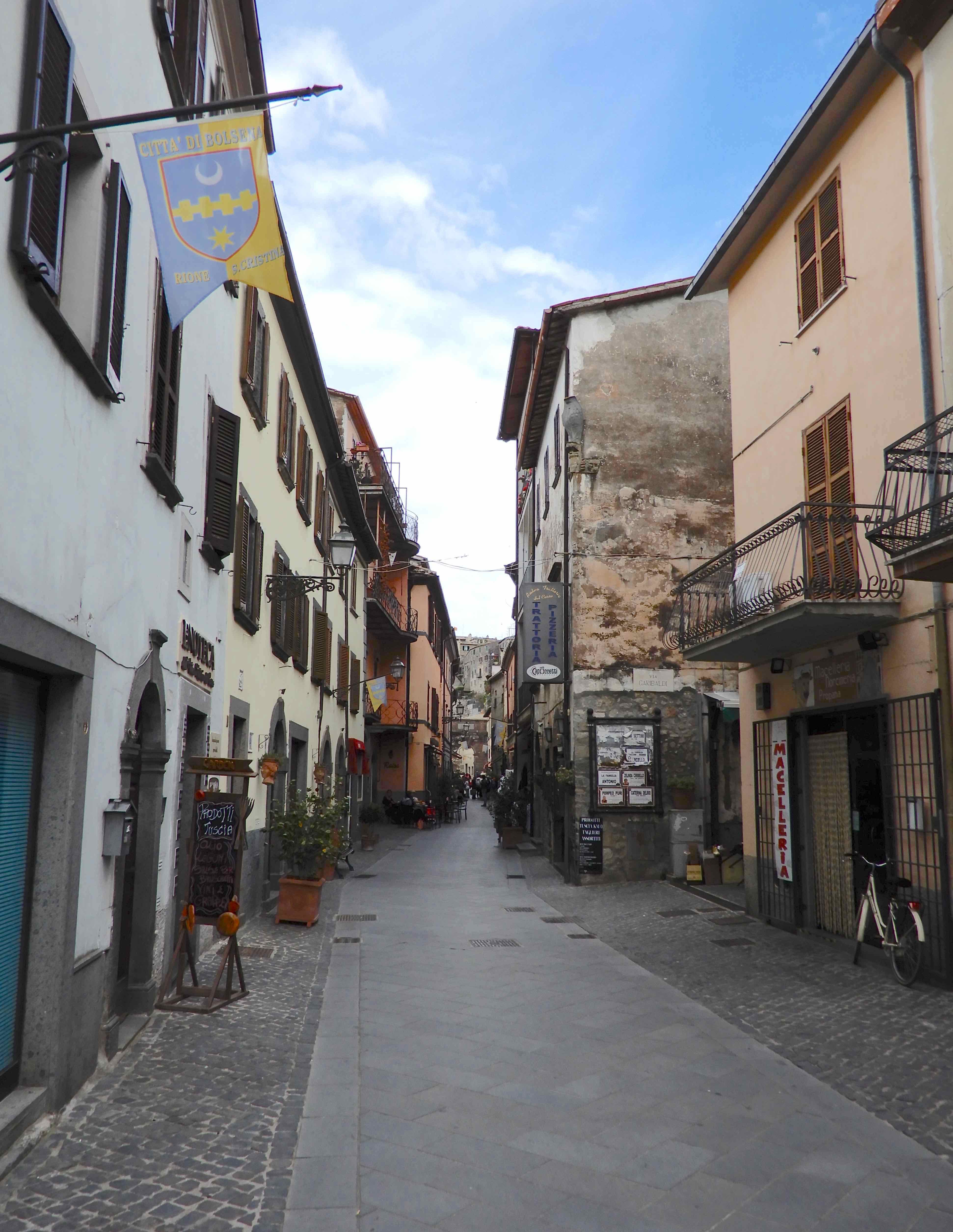
On our first trip to Italy, we discovered Bolsena when we chose a place on the map to break our journey from Cortona to Rome. Our brief sojourn left us wanting to return and see more of this beautiful town as well as explore the magnificent Castello Rocca Monaldeschi.
Refreshed from our sustenance at RetroGusto, we continued down Corso Cavour
to the medieval Fountain of San Rocco. Built in 1450, the spring water was deemed to be miraculous when San Rocco recovered from a thigh wound after drinking it.
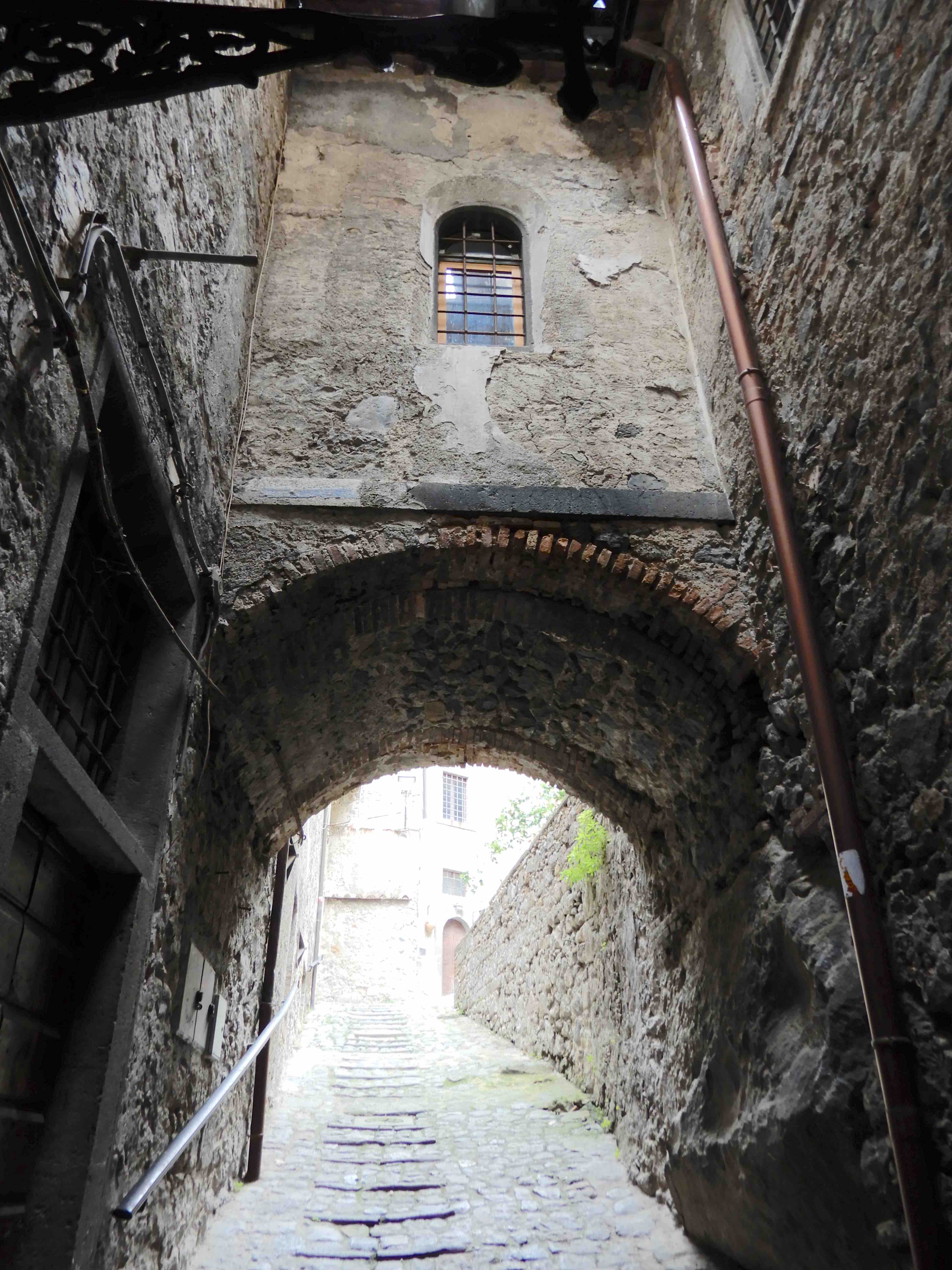
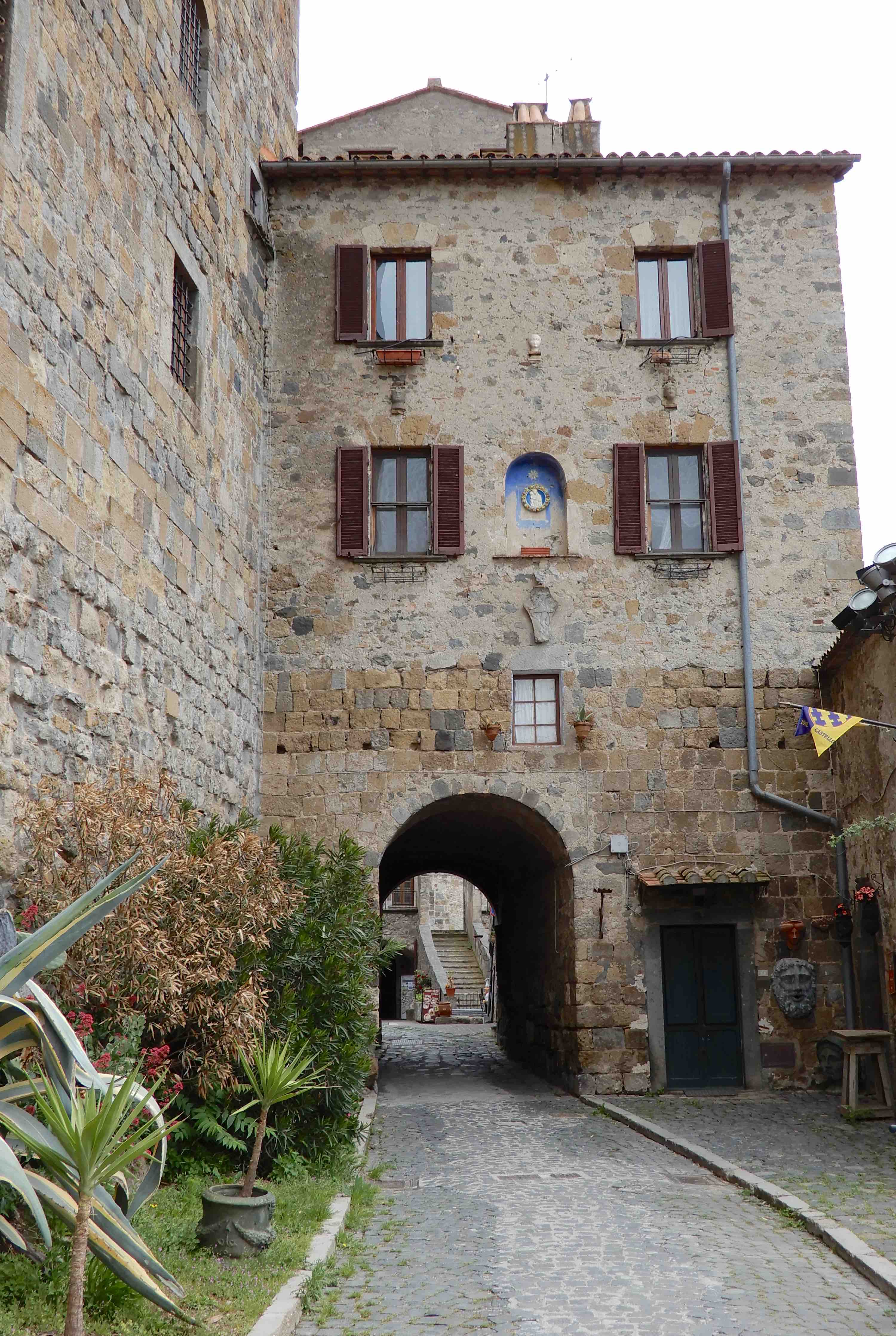
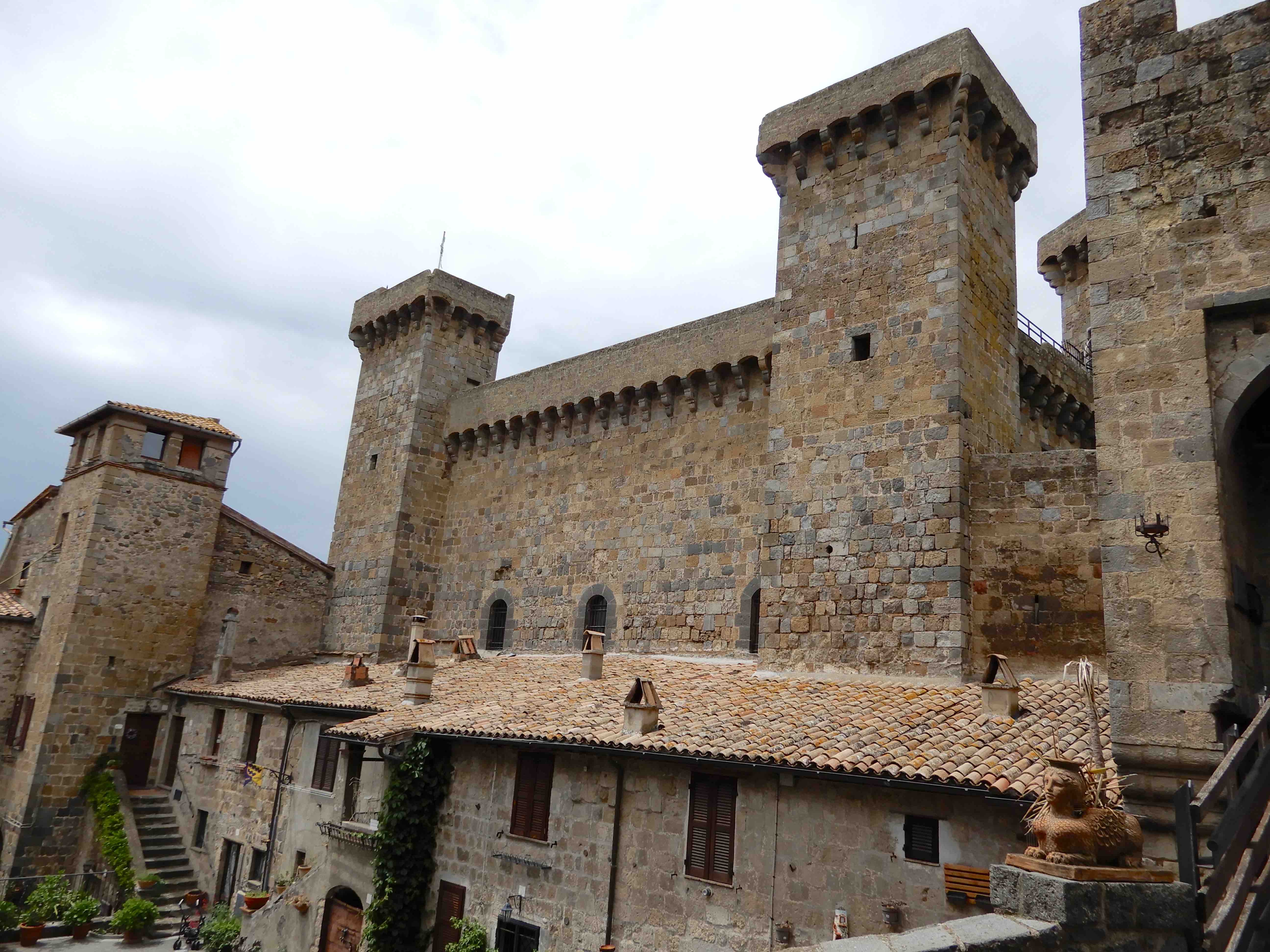
We made our way up ancient stone steps, along narrow alleys and through medieval arches to the castle.
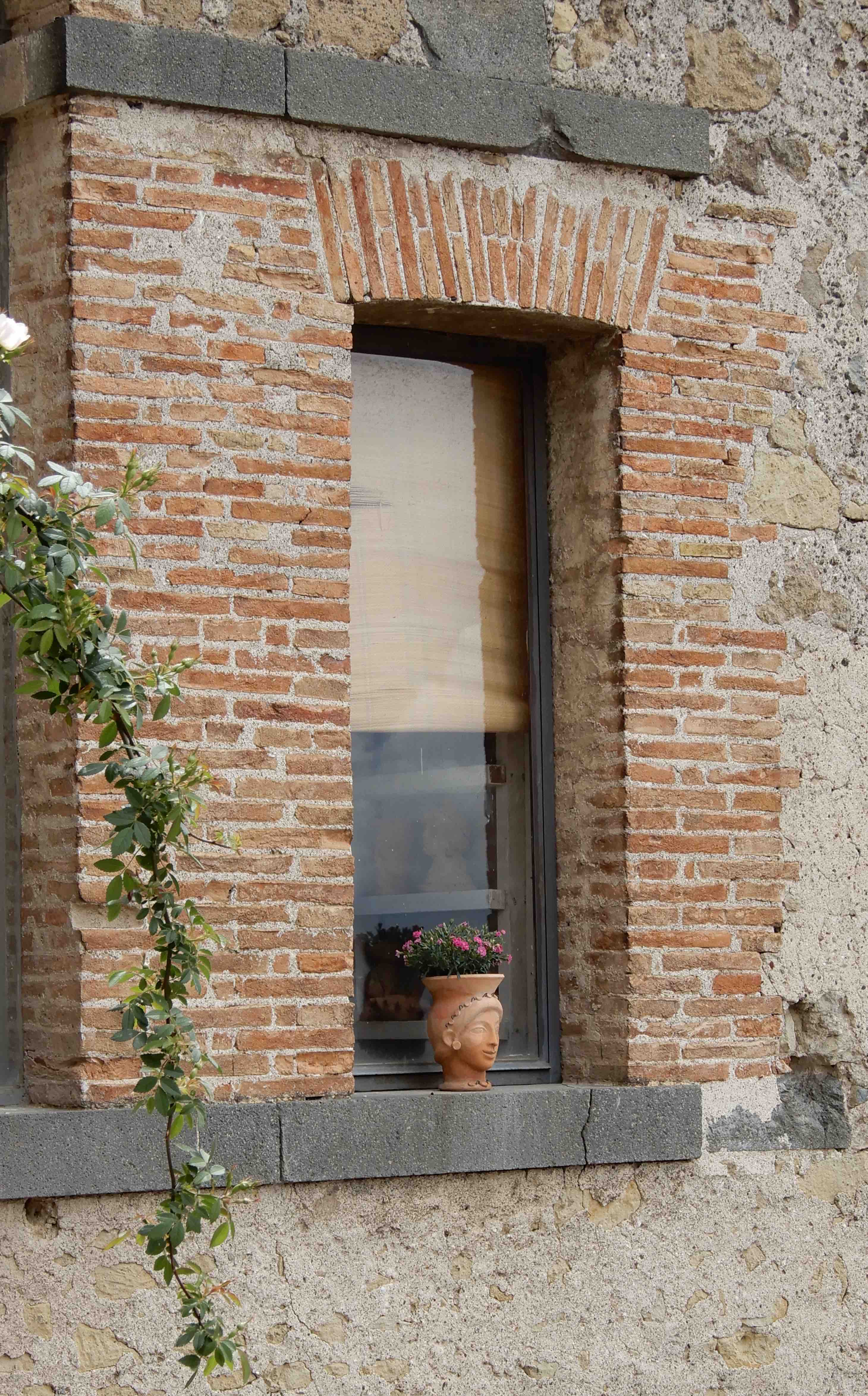
A thoughtfully positioned bench beckoned us to rest awhile and admire the vista across rooftops to Lake Bolsena under the gaze of insentient eyes.
A fortress was originally built above the town in 1156 to protect from invasion. In 1295, the Monaldeschi family of Orvieto asserted their power and moved in. The walls were reinforced and the castle extended with the addition of three more towers. The Monaldeschi ruled until the mid 15th century and over the ensuing years the fortress was robbed, burnt, restored and used as a prison and warehouse. Renovation work began in the 1970s and the restored fort has been home to the Territorial Museum of Lake Bolsena since 1990.
Unfortunately, the museum was closed but the climb had certainly been worth it. On the opposite side of Piazza Monaldeschi,
the 15th century Church of San Salvatore was intended to look more like a fortress than a religious building.
We returned to the car
and parked lakeside for lunch at Trattoria del Moro, an experience we had been looking forward to since our first visit.
Lake Bolsena is the largest volcanic lake in Europe, formed 370,000 years ago following the eruption of the Vulsini volcano which was active until 104BC. The lake covers an area of 115sq km, has a circumference of 43 km and a maximum depth of 151 metres. Impossible to envision from photographs.
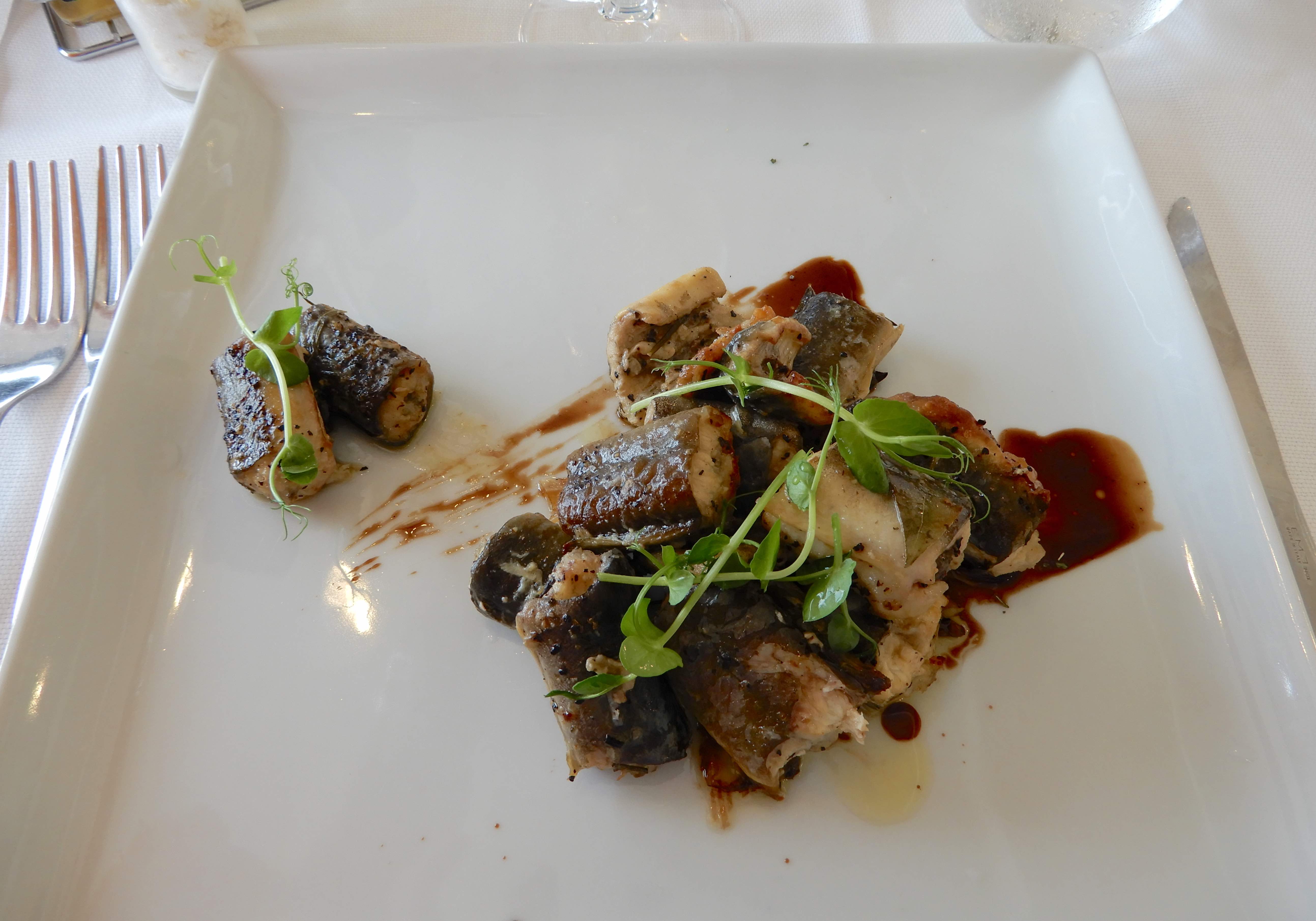
Our meals were equally as delicious, if not better, than we remembered.
The same can’t be said for the weather but the inclement conditions didn’t detract from the peaceful surroundings as we ambled back to the car.
I would like to think we will return again to Bolsena and Trattoria del Moro.
Our wonderful trip to Victoria was coming to an end and one of the things we had planned for our last day was Afternoon Tea at The Hotel Windsor. Established in 1883, this magnificent building was then known as The Grand Hotel and soon became recognised as the most stylish and luxurious accommodation in Melbourne.
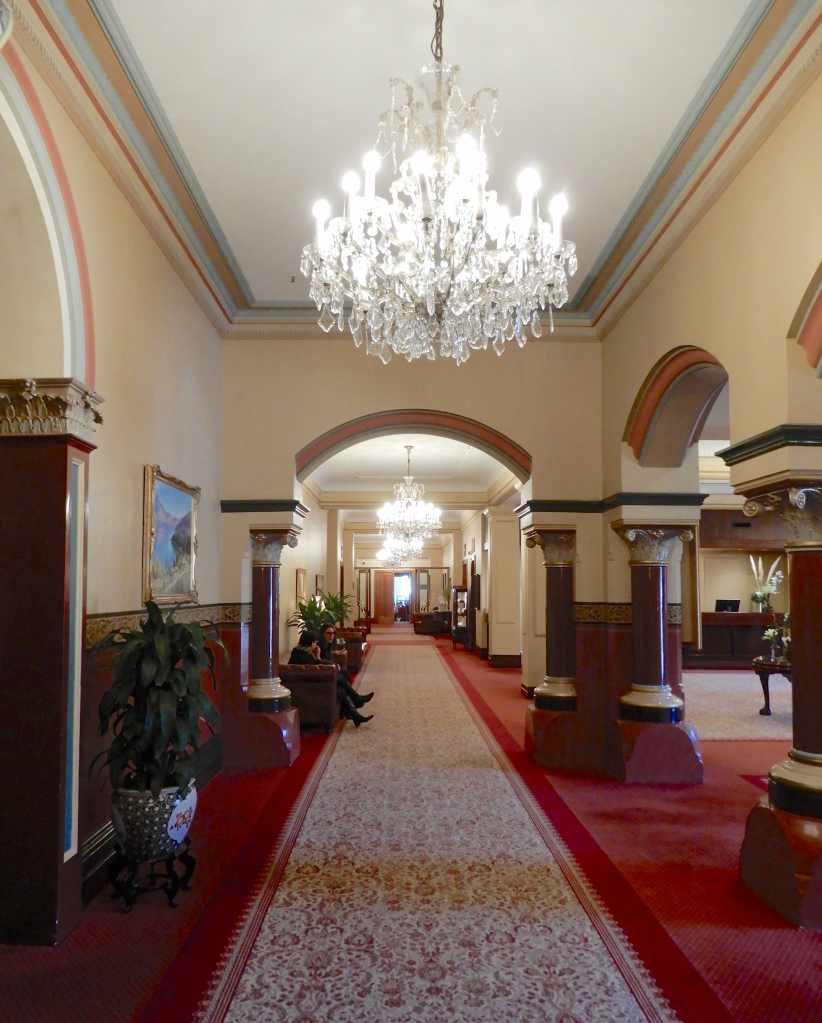
The property changed hands in 1886 and soon after, under the influence of the temperance movement’s teetotal ideals at the time, became The Grand Coffee Palace. Apparently, serving coffee isn’t quite as profitable as serving alcohol and ten years later, the liquor license was reinstated and The Grand Hotel was reborn. The name was changed to The Windsor following a luncheon attended by The Prince of Wales in 1923. Expansions, renovations and changes of ownership have ensued over the years and, under threat of demolition in 1976, the Victorian Government bought the hotel. As we stepped into the foyer, we were instantly transported to a time of elegance and etiquette.
The arched entrance to The Grand Ballroom features etched glass panes and cut ruby glass
and the cantilevered Grand Staircase, built of Stawell stone, rises 75 feet above the lobby.
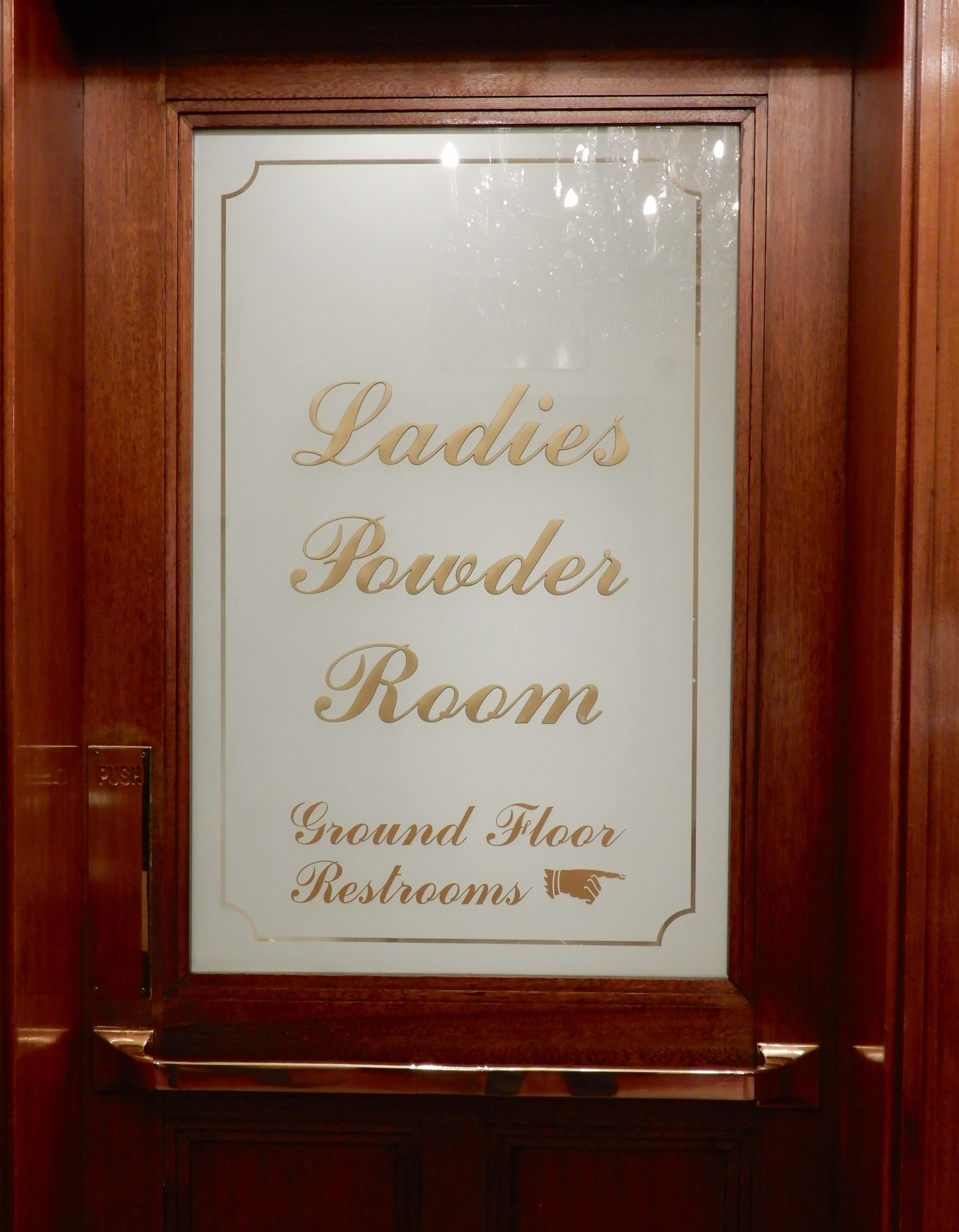
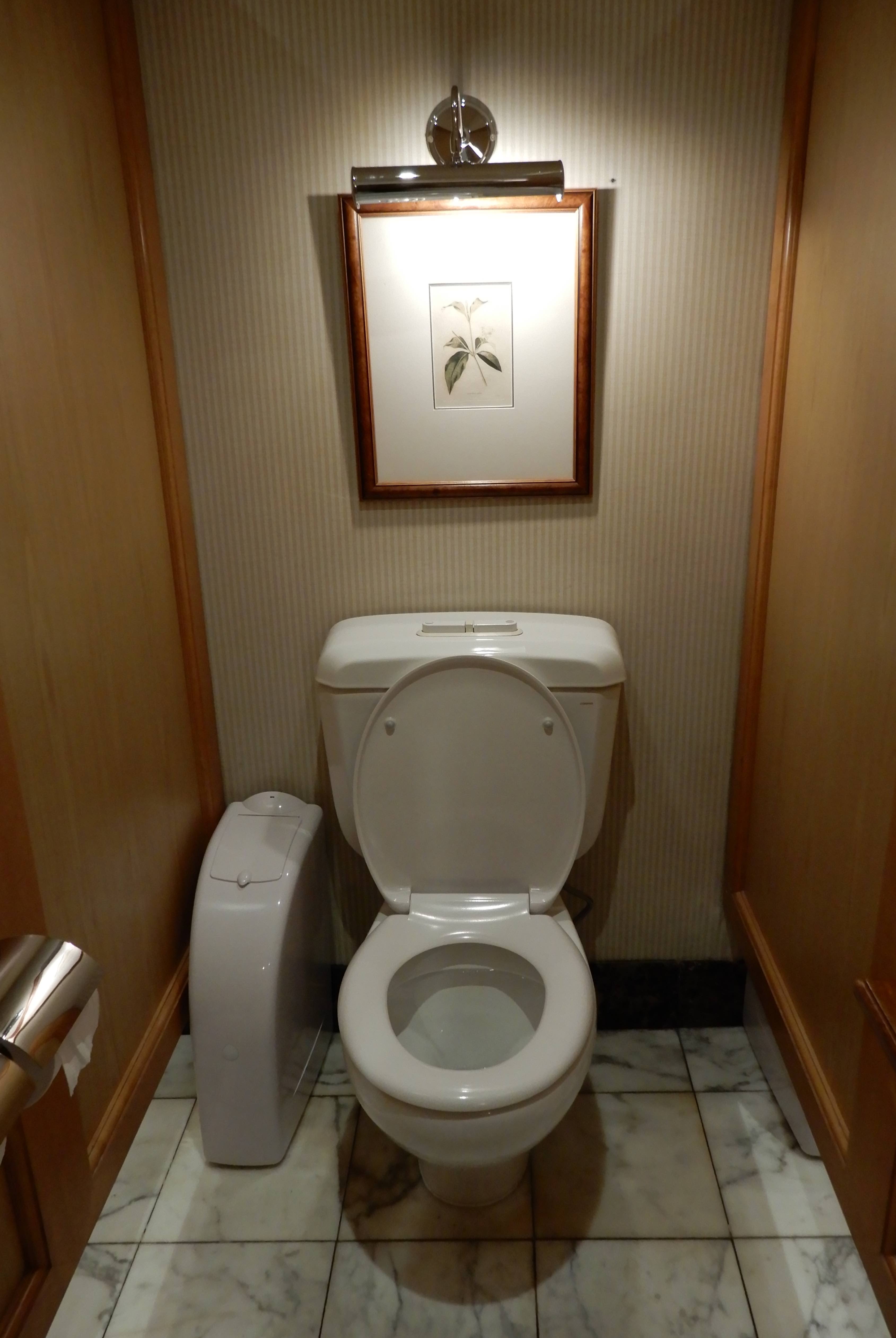
Even the Ladies Powder Room has an air of grandeur.
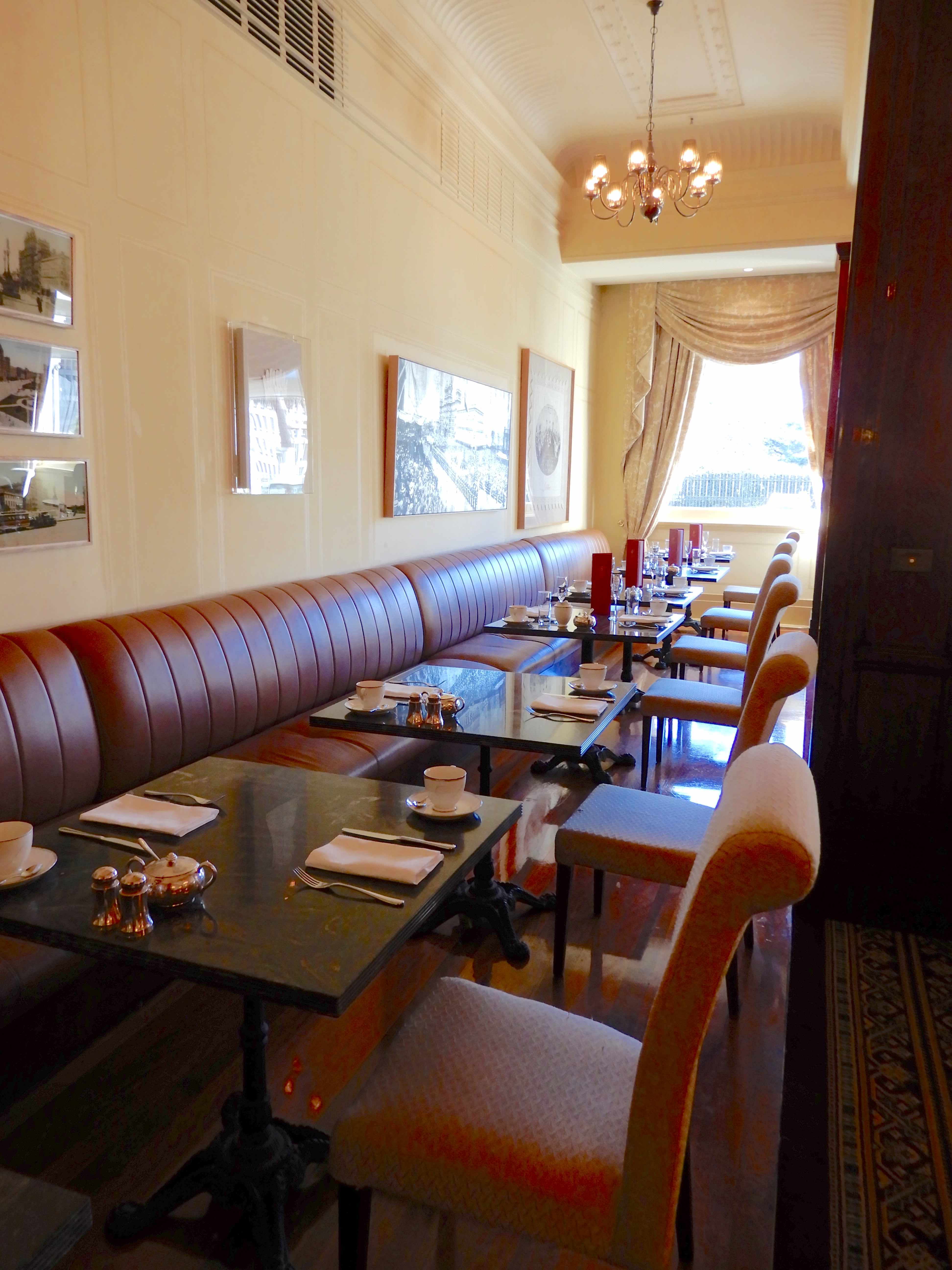
The sumptuous One Eleven lounge is the setting for The Windsor’s Afternoon Tea, a Melbourne institution served since 1883.
The custom of afternoon tea is said to have originated around the time gas lighting was introduced in the 1800s in Britain. This meant people could stay up later and eat their evening meal later, leaving a longer gap without food. One of Queen Victoria’s ladies-in-waiting is credited with the innovation when, in 1840, she began inviting friends to join her for afternoon beverages and delicious snacks. By 1880, the trend had spread to the homes of the upper classes and tea shops appeared across the country. After years of believing this to be called ‘High Tea’, I have discovered this is not the case. ‘High Tea’ was a substantial meal eaten at a high table by the working classes at the end of the day, around 5pm. What we were about to experience is known as ‘Low Tea’ in reference to the low drawing room tables the tea and delicacies were served from in upper class homes. By that definition, ours was probably ‘Middle Tea’. Greeted with a flute of sparkling wine, it wasn’t long before a three-tiered cake stand laden with mouthwatering morsels arrived.
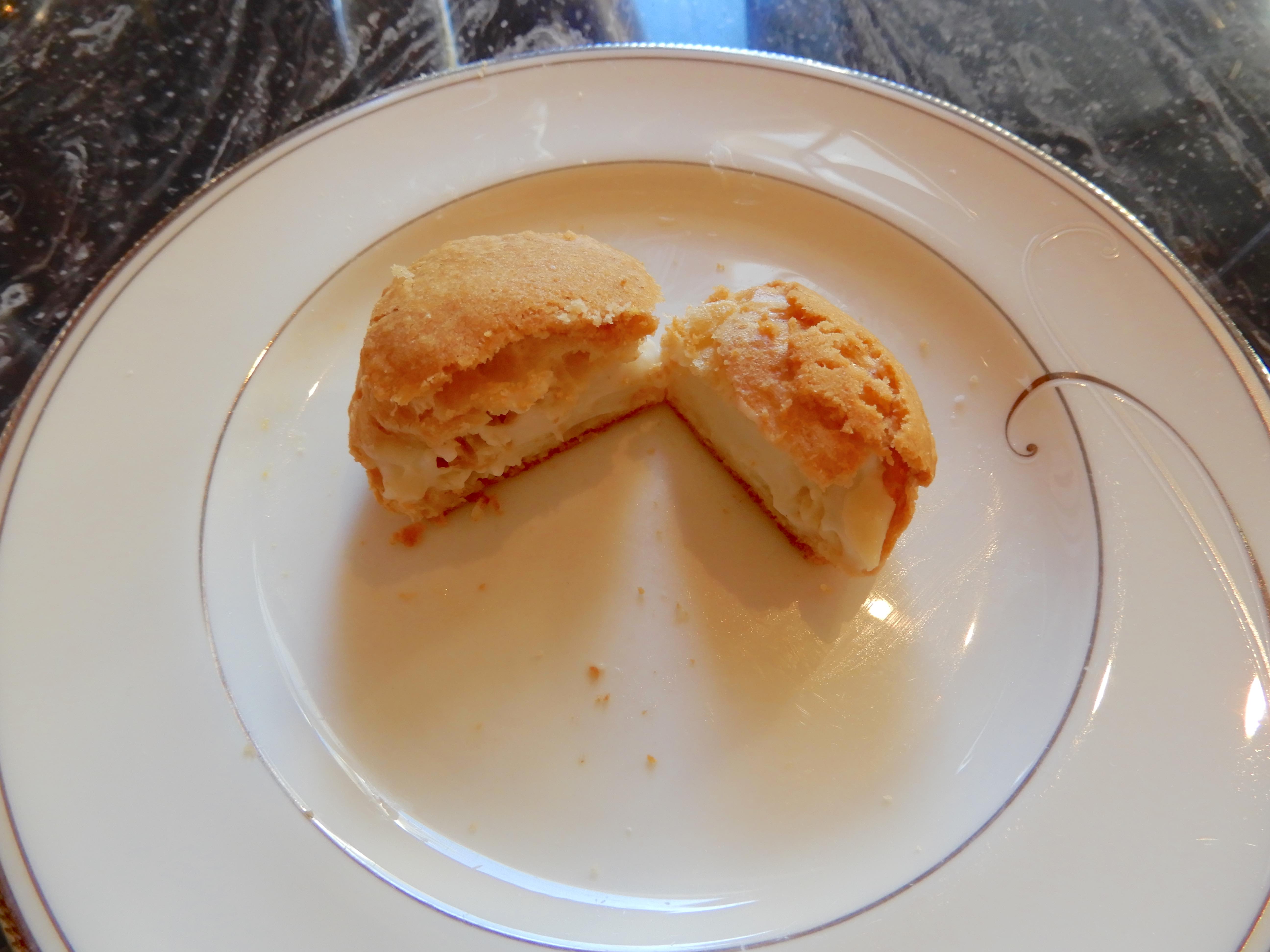
The menu changes seasonally, our winter warm savoury appetisers were roasted Jerusalem artichoke tart with ricotta, thyme & fine herbs and parmesan crusted gougere with a delicious Gruyere filling.
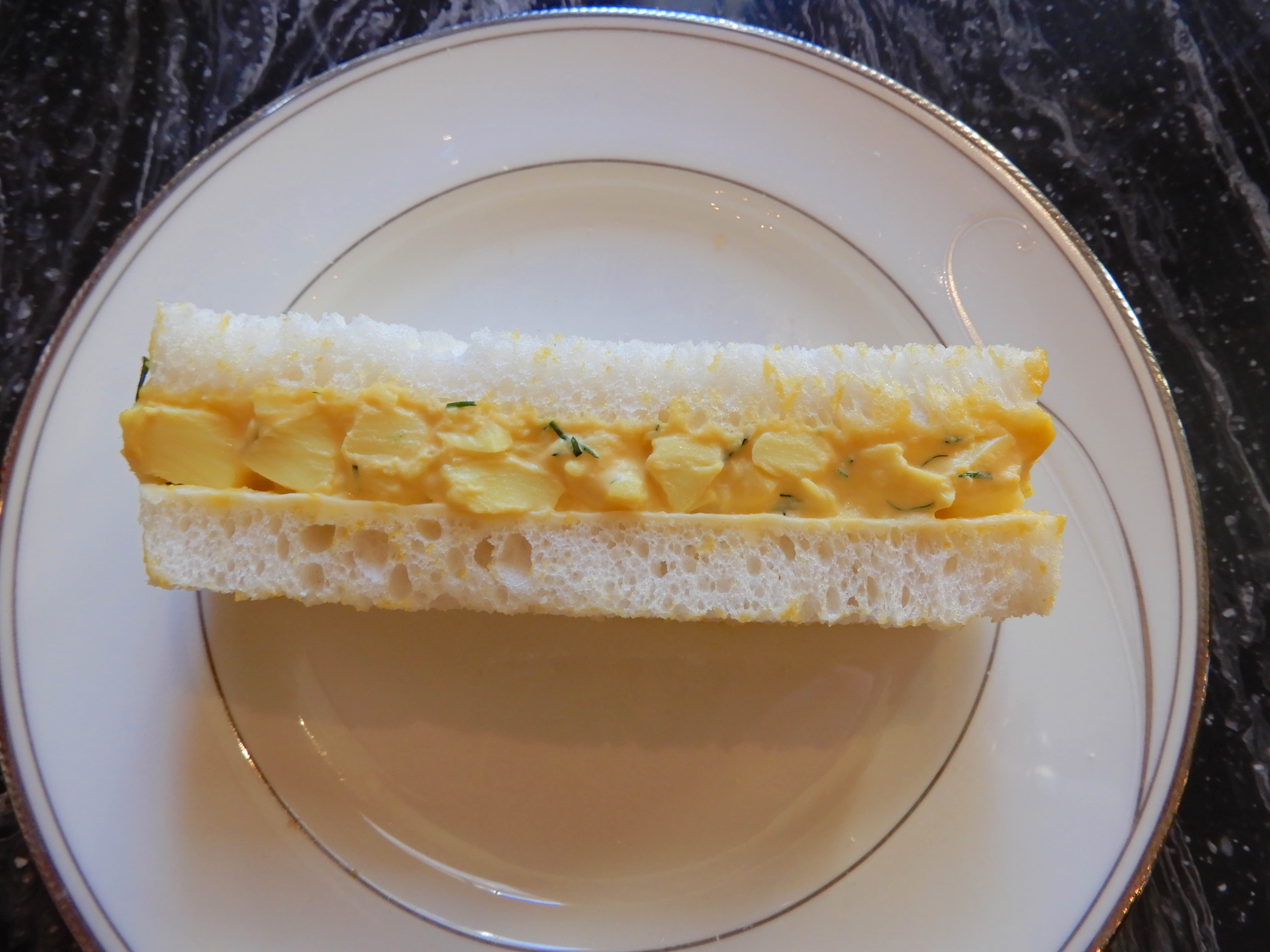
There were three varieties of melt-in-your-mouth ribbon sandwiches; free range egg with saffron aioli & mustard,smoked chicken Waldorf salad with Victorian walnuts and cucumber with peperonata & Yarra Valley fetta.
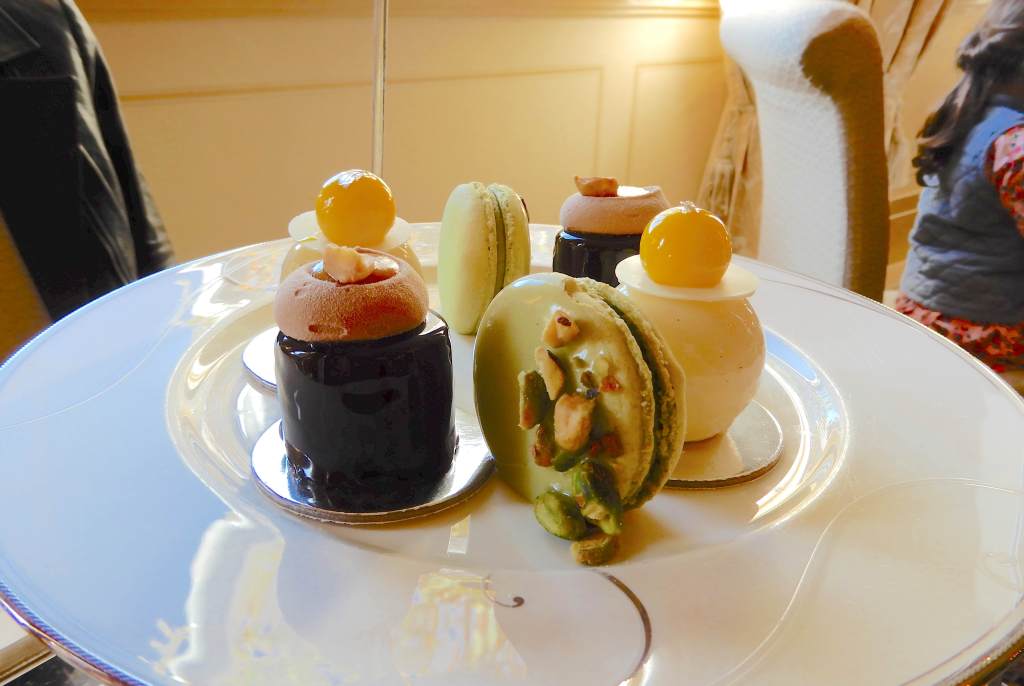
The patisserie presentation was exquisite, we couldn’t decide which to devour first; the pistachio macaron with roasted pistachio & Sicilian pistachio ganache, the vanilla and yuzu religieuse with vanilla bean mousse, yuzu sauce, cremeux & almond sponge or the longchamp with milk chocolate mousse & crispy hazelnut praline.
On arrival, we were asked to choose from a selection of eleven teas which were now served in individual silver teapots with an accompanying pot of hot water for those of us who enjoy our brew on the weak side. Freshly baked traditional and raisin scones with housemade jam and double cream completed the indulgence.
The two hour session seems ample when booking but we could happily have lingered all afternoon.