forest walk

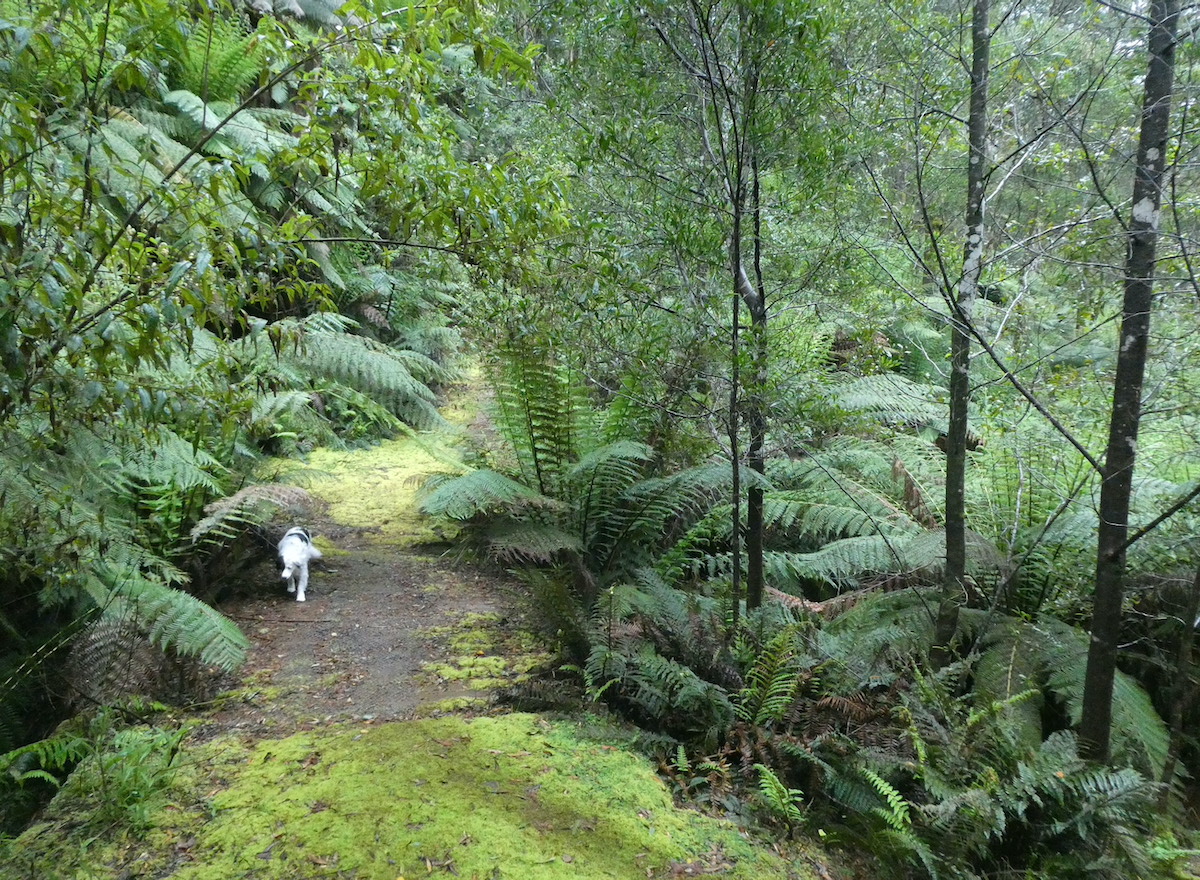
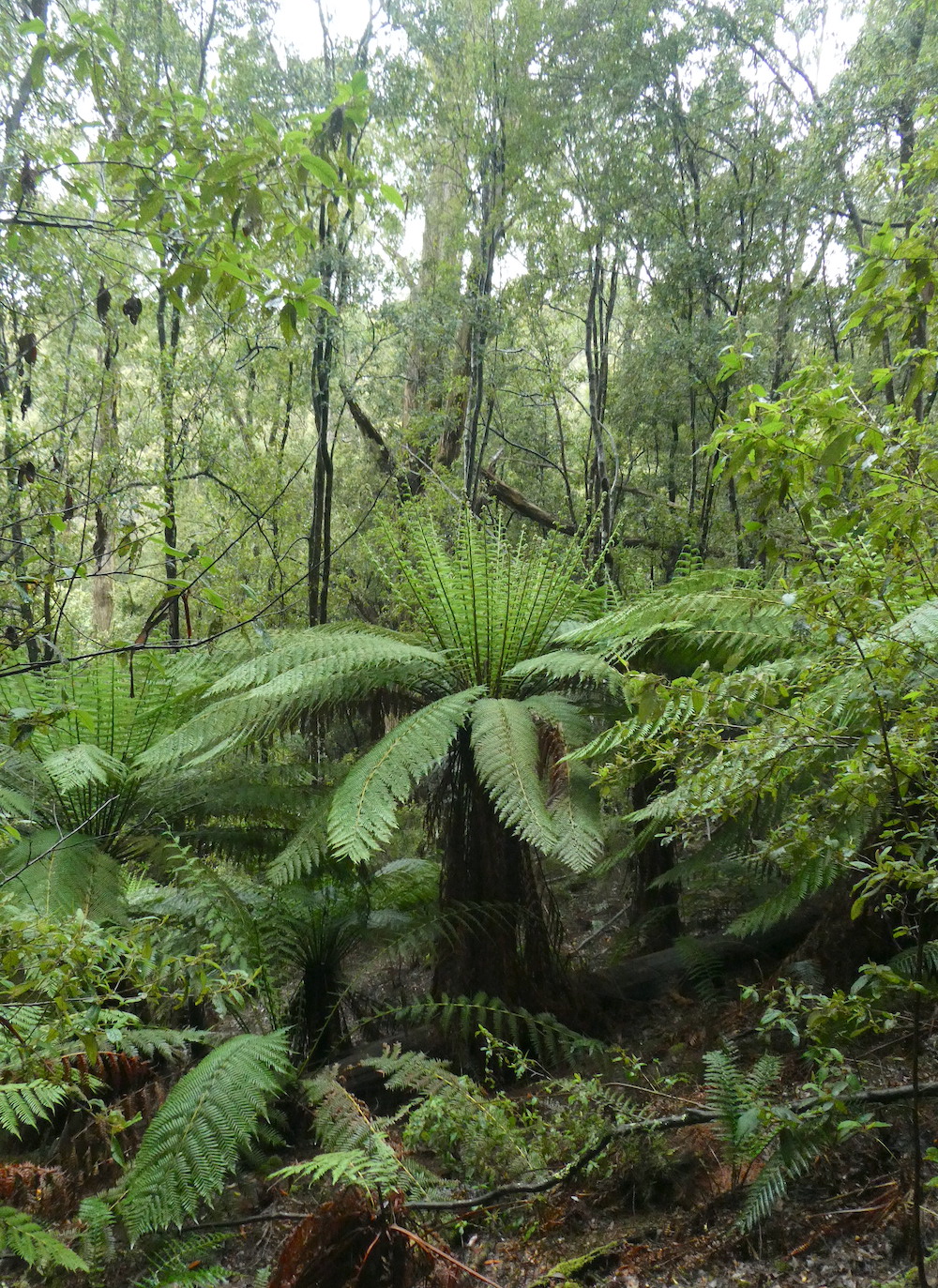
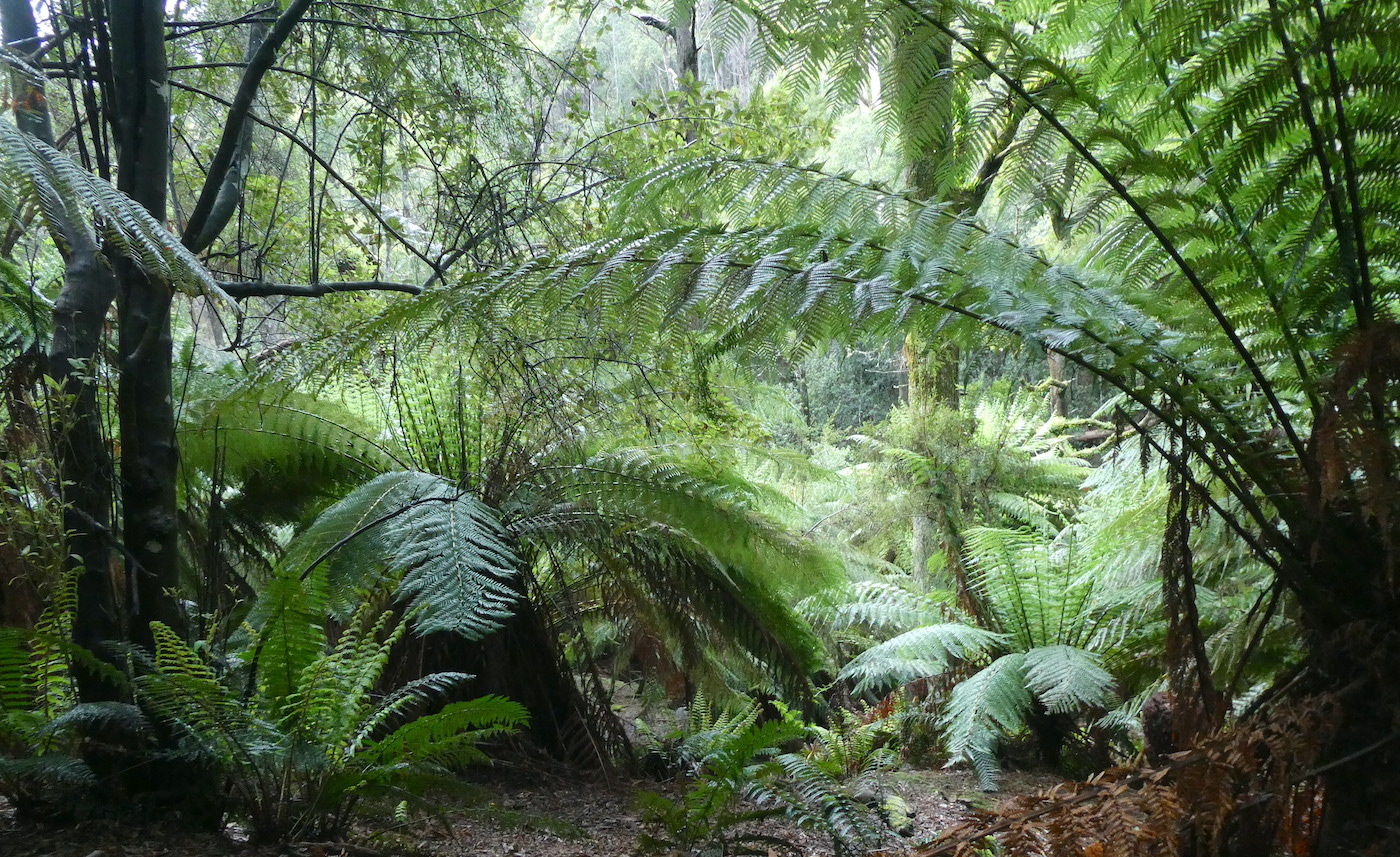
With Michael recently sidelined sporting a badly sprained ankle, I stepped in for Poppy-walking duty. Saturday is always the long walk down the steep hill into our forest. It had been quite a while since my last venture this way and I was amazed how much had changed. The tree ferns are enormous and every shade of green.

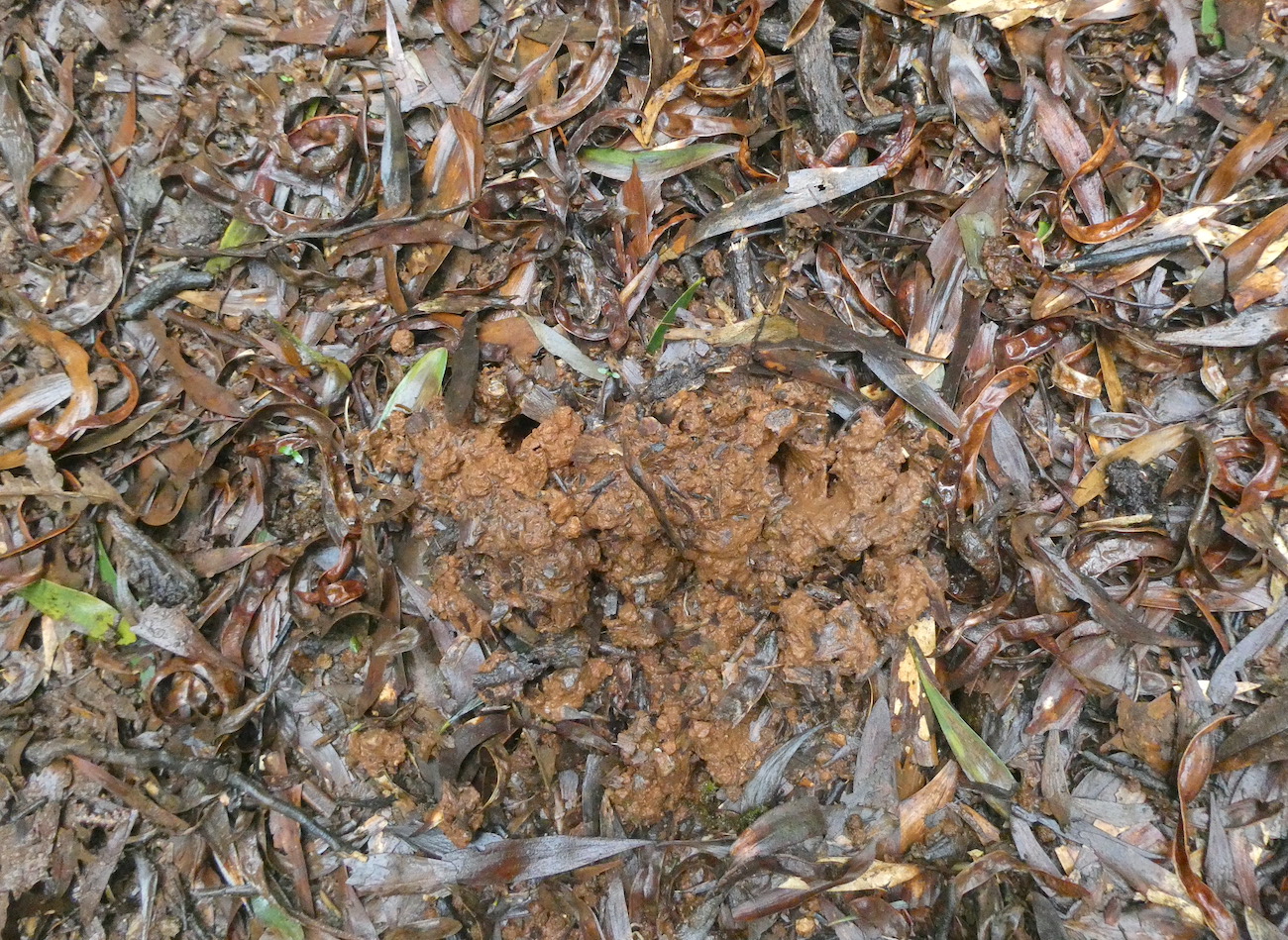
If Michael hadn’t pre-warned me about the crayfish burrows on the path, I probably would have stepped on them. Freshwater burrowing crayfish live in tunnel systems in muddy banks, only venturing out at night or in damp, overcast conditions. The Tasmanian genera has claws that open vertically to the body rather than horizontally to allow for larger claws in narrow tunnels. Characteristic ‘chimneys’, some as high as 40cm, announce the entrance to the burrow.

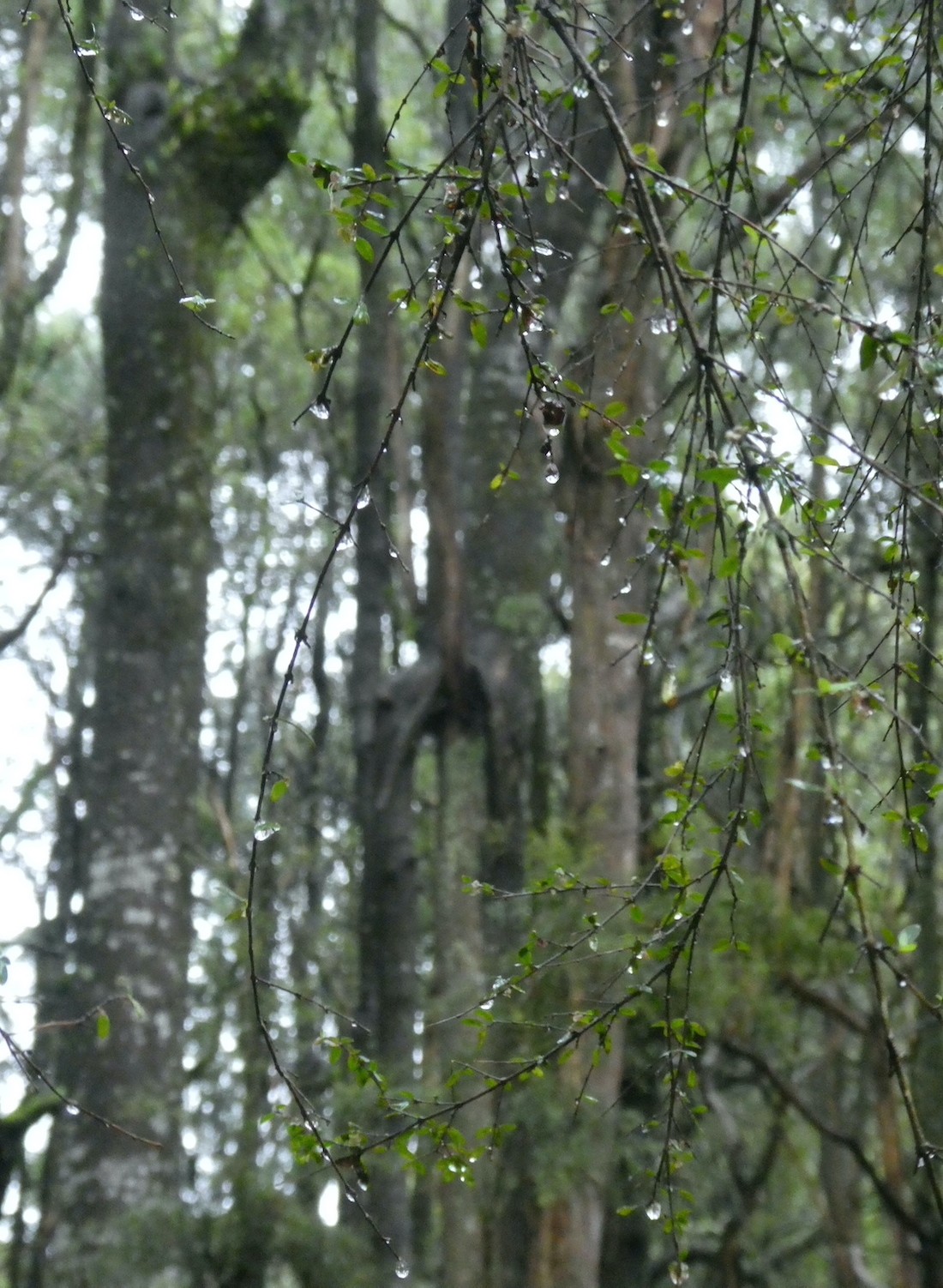
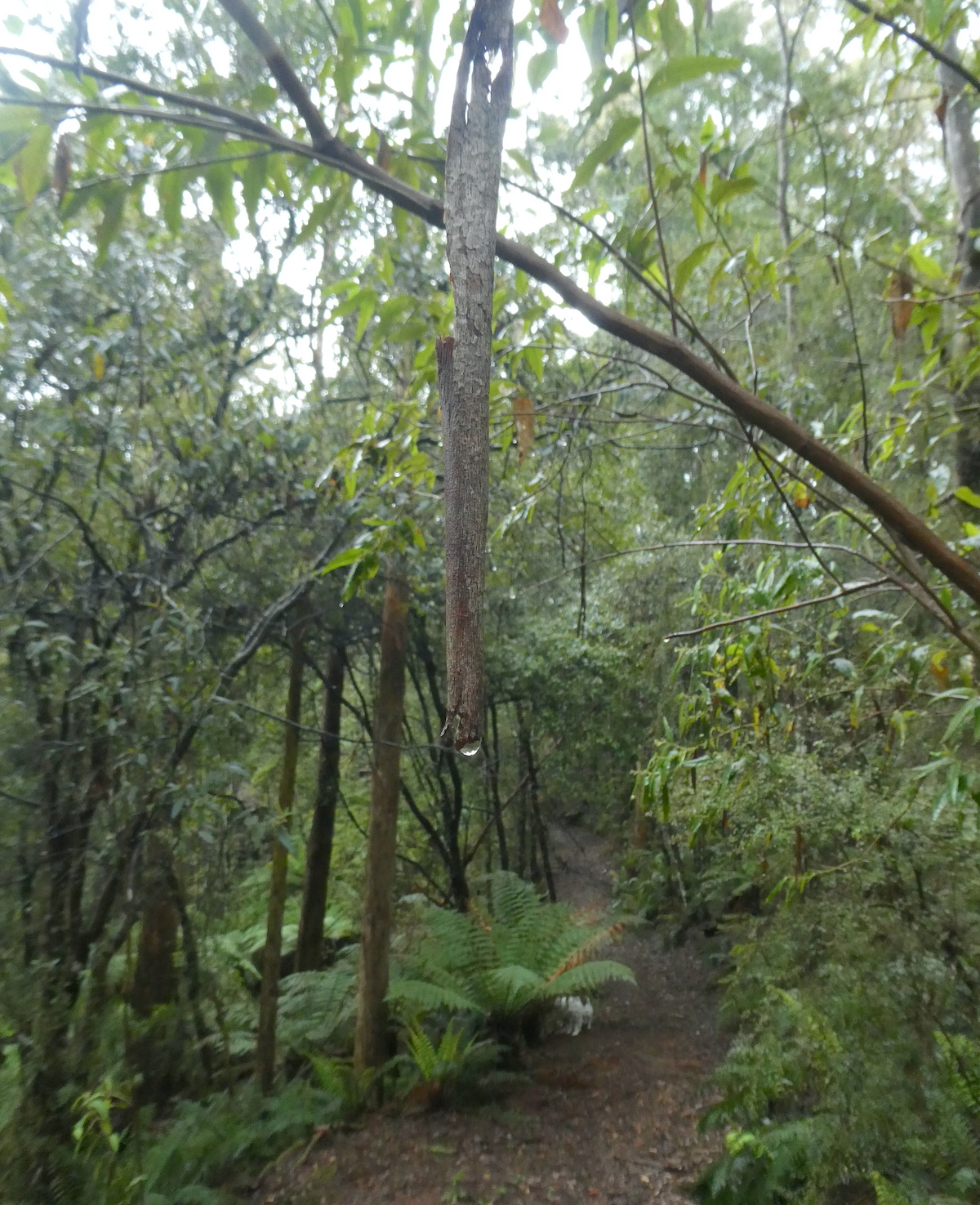
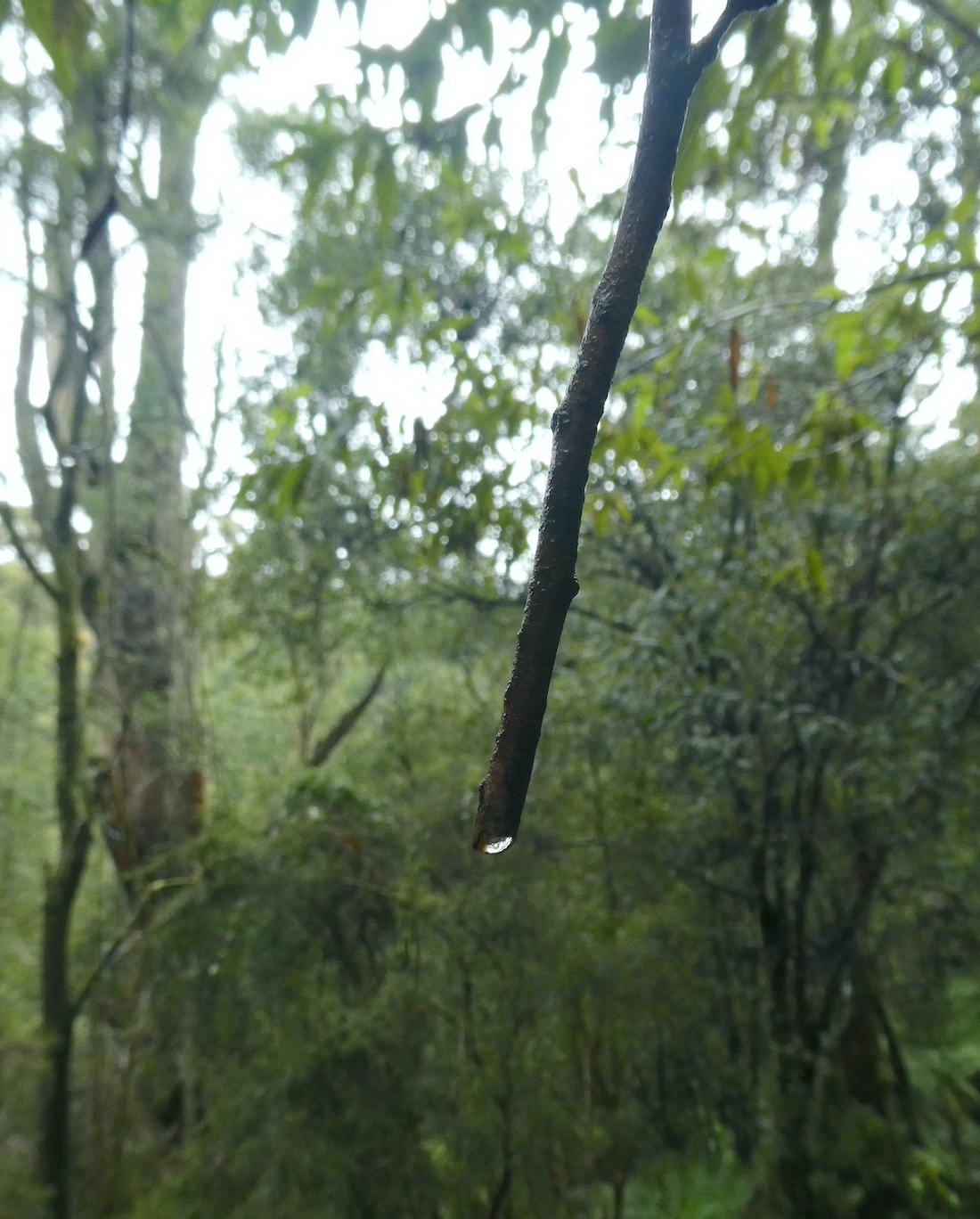
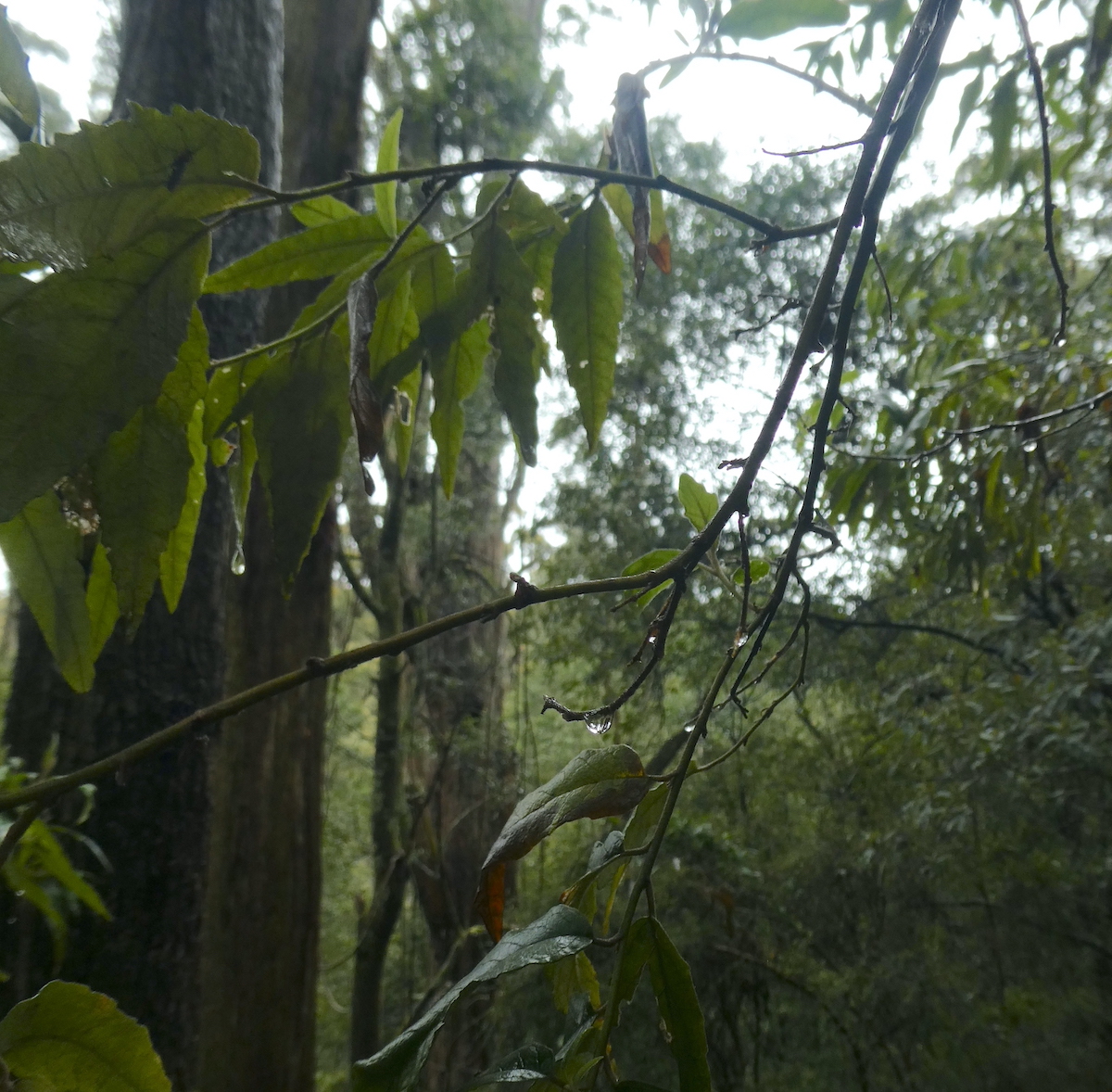
Remnants of an overnight rain shower sparkled on foliage

while contorted trees danced amongst their lofty companions.

I dutifully followed Poppy along the boundary of adjoining farmland

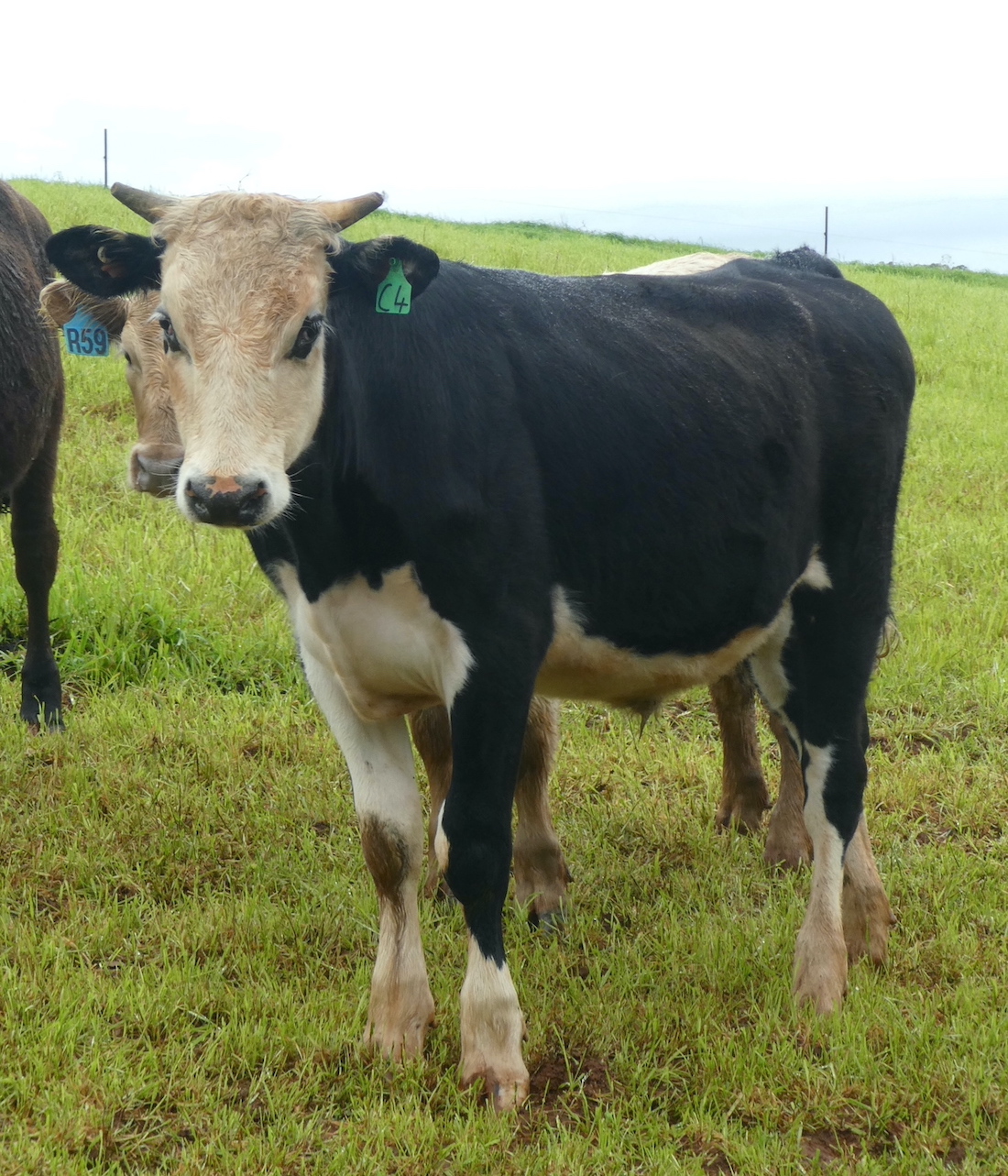
where we attracted the interest of neighbouring cattle who didn’t hesitate to take a closer look.

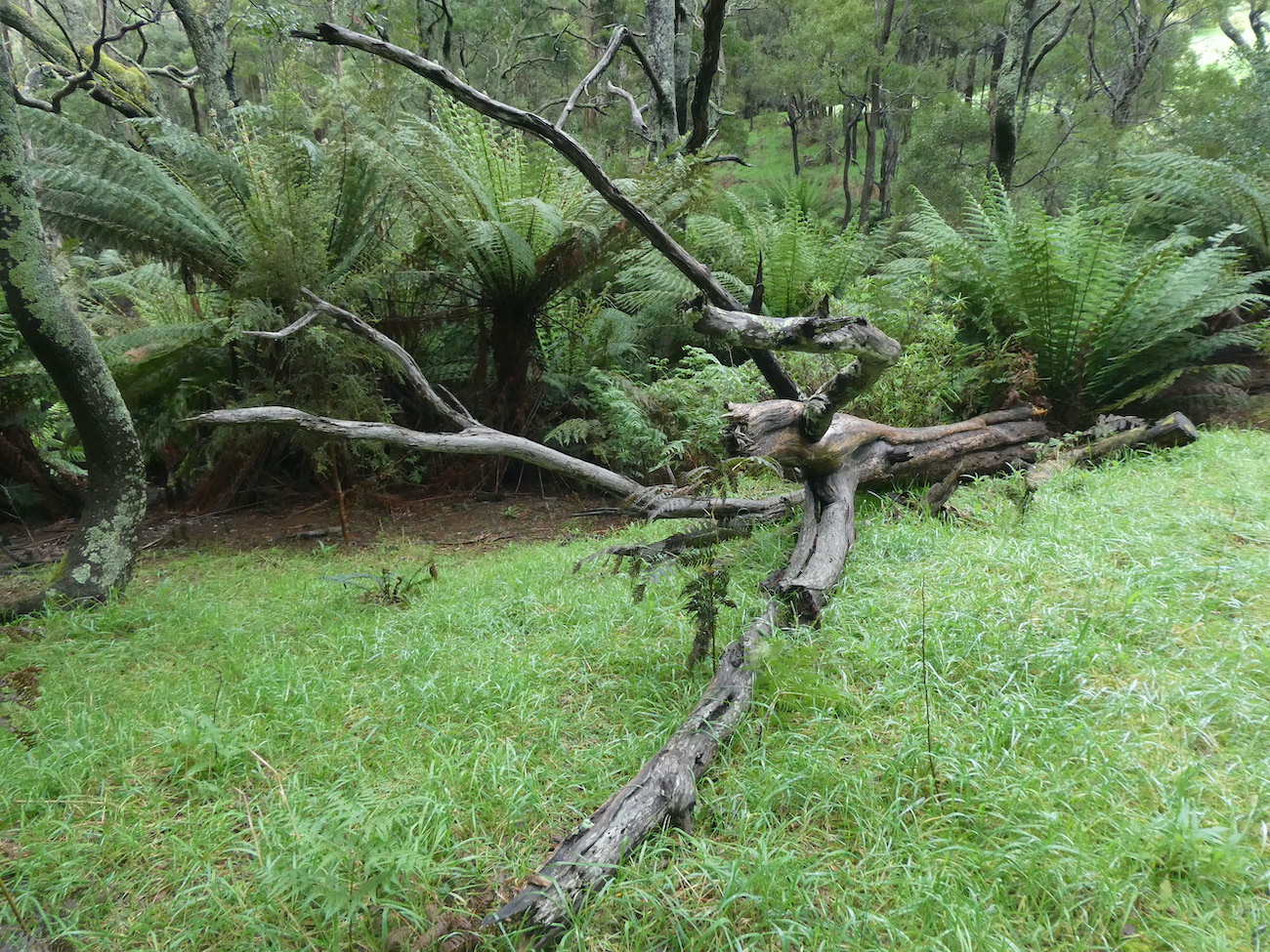
Our circuit returned us to the forest, the winter season has delivered more firewood from nature,

the manferns are thriving

and the stream is bubbling its way to the Blythe River.

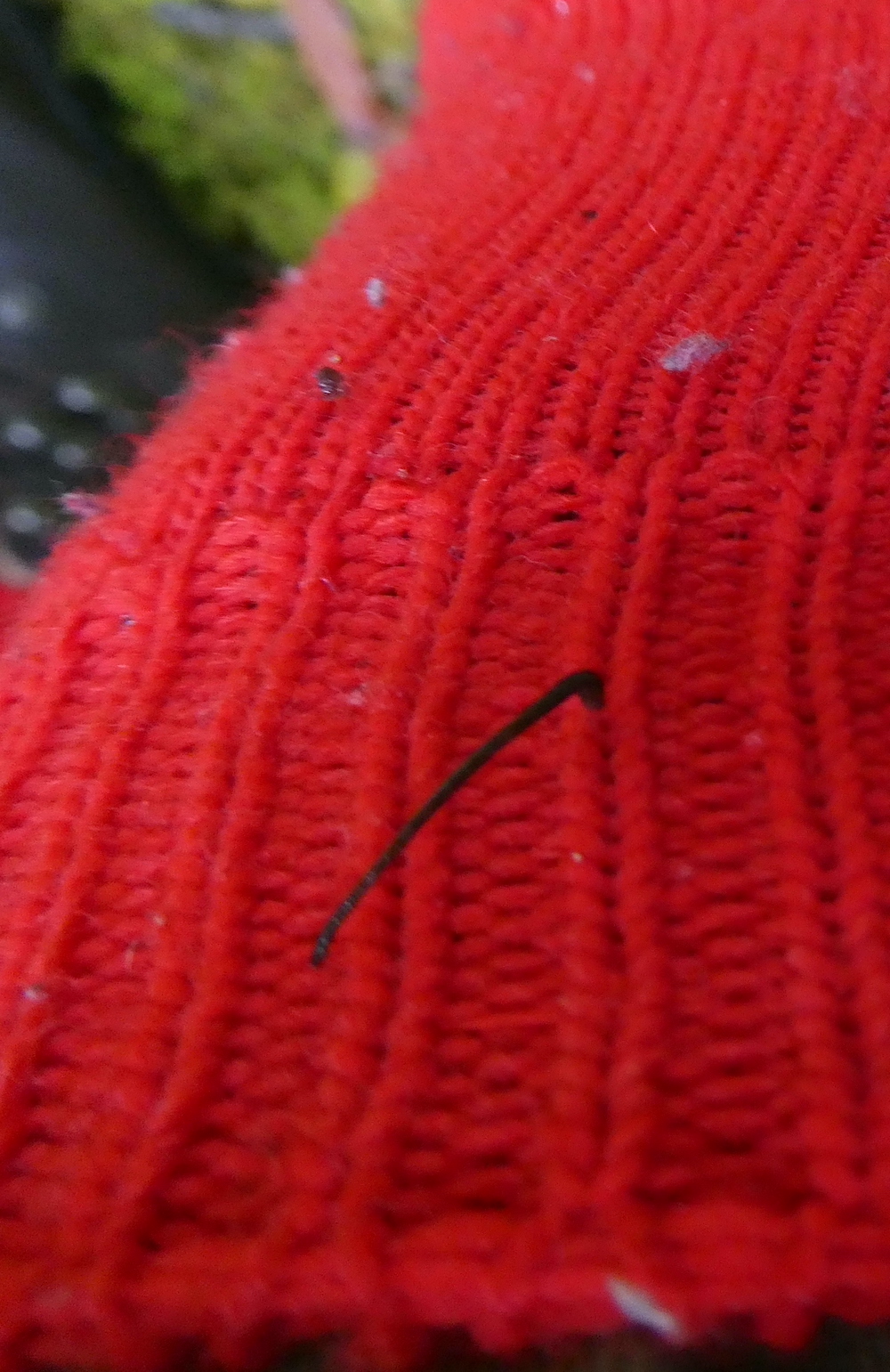
I wisely chose bright red socks for my pilgrimage, all the better to see the leeches that abound in the damp conditions.

miscellaneous moments

A few years ago, I posted ‘random rambling’, a selection of photos that didn’t really fit any one subject. I have since accumulated a few more that I thought I would share with you. The male blue wrens have been in their eclipse phase through winter and are now bobbing around the garden in their bright blue plumage in pursuit of the ladies.

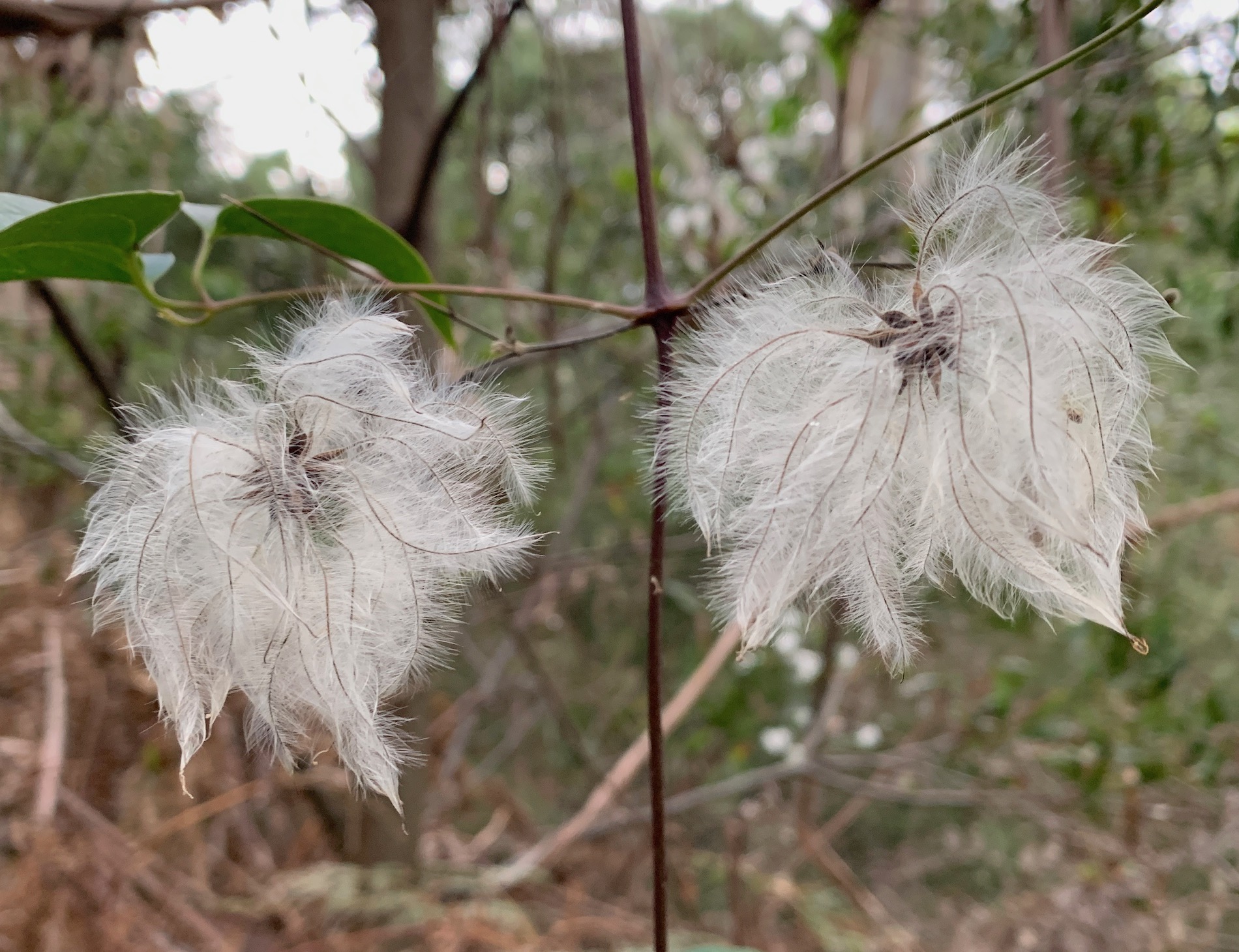
In the forest, flowers of wild white clematis transform in autumn to feathery seed floss.

Here is a bit of silliness. Spreading a few tons of mulch, Michael captured this from his perch on the tractor. He calls it, “burying the wife”.

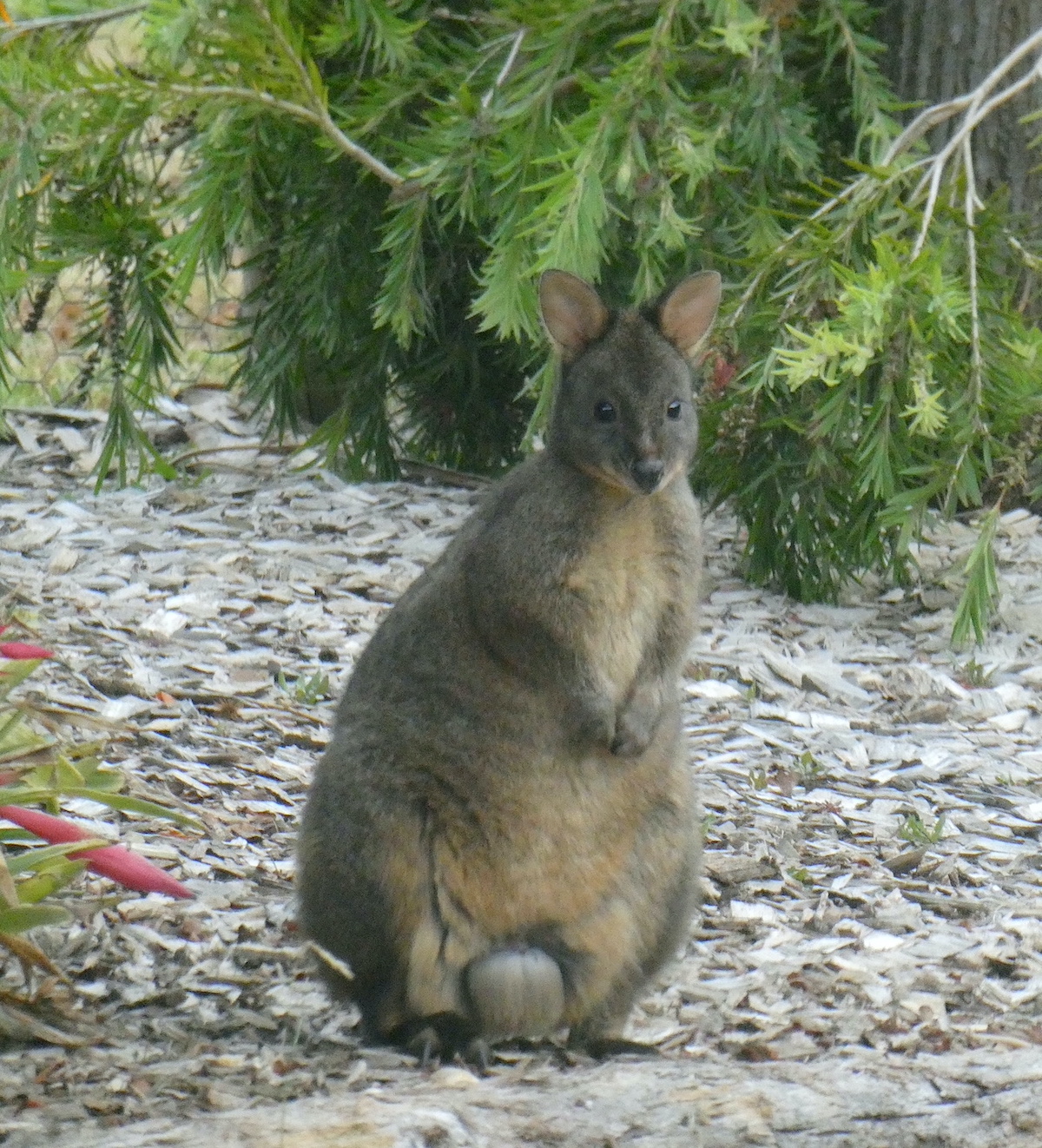
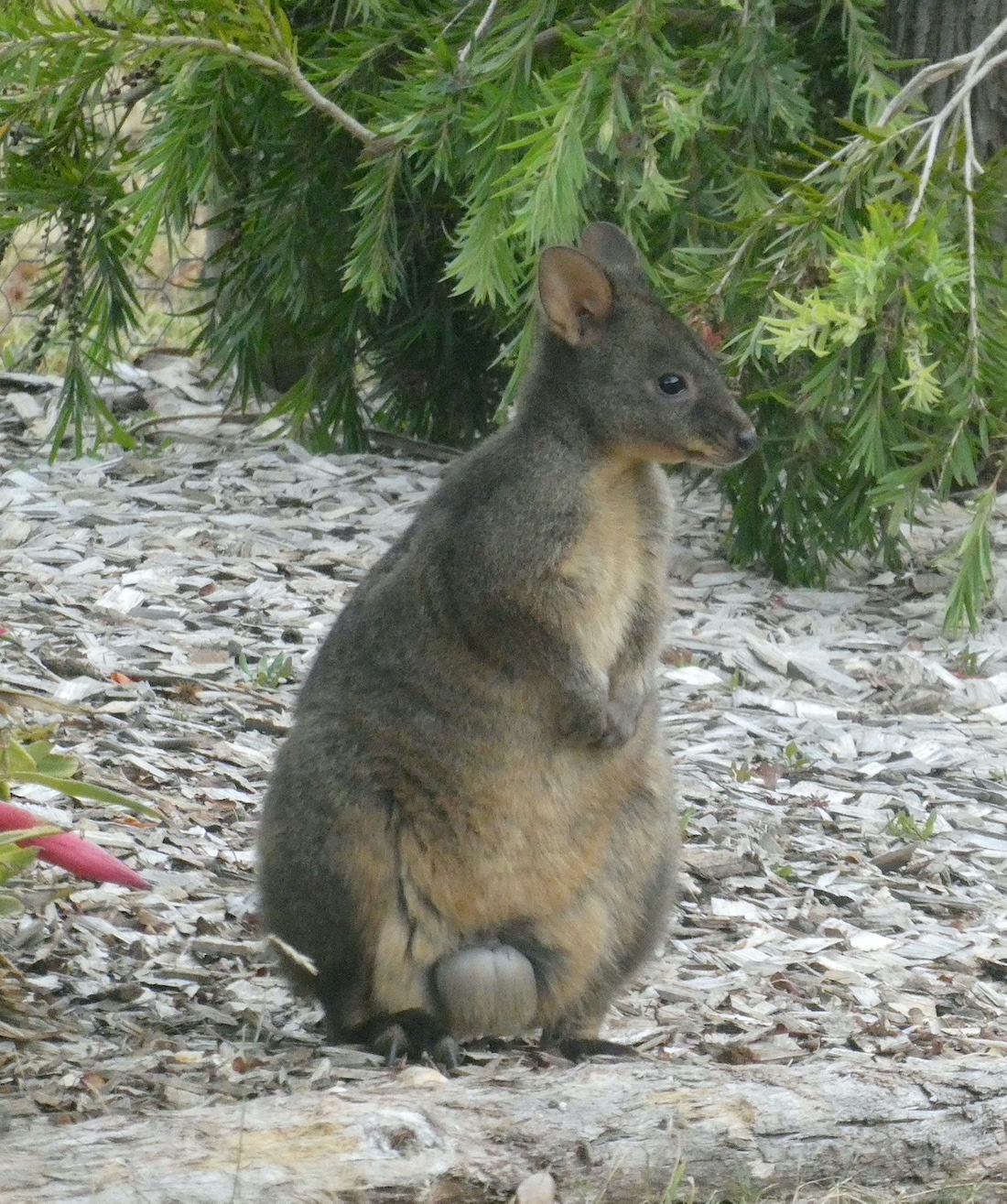
After dark, our garden becomes a marsupial playground and sometimes the critters are slow to leave come morning. This pademelon didn’t seem in any particular hurry to return to the forest.

The elegant art installation by a local orb spinner decorated the verandah. Backlit by the morning sun, it was fortunately too high to trap the unsuspecting human.

Sitting at the dining table one afternoon, I saw a flash of white in my peripheral vision. I assumed it was a sulphur-crested cockatoo but on closer inspection, a beautiful Grey Goshawk had landed in a tree just outside the window. The threatened species has a population currently estimated at less than 110 breeding pairs in Tasmania, we are hopeful our forest is home to at least one of those pairs.

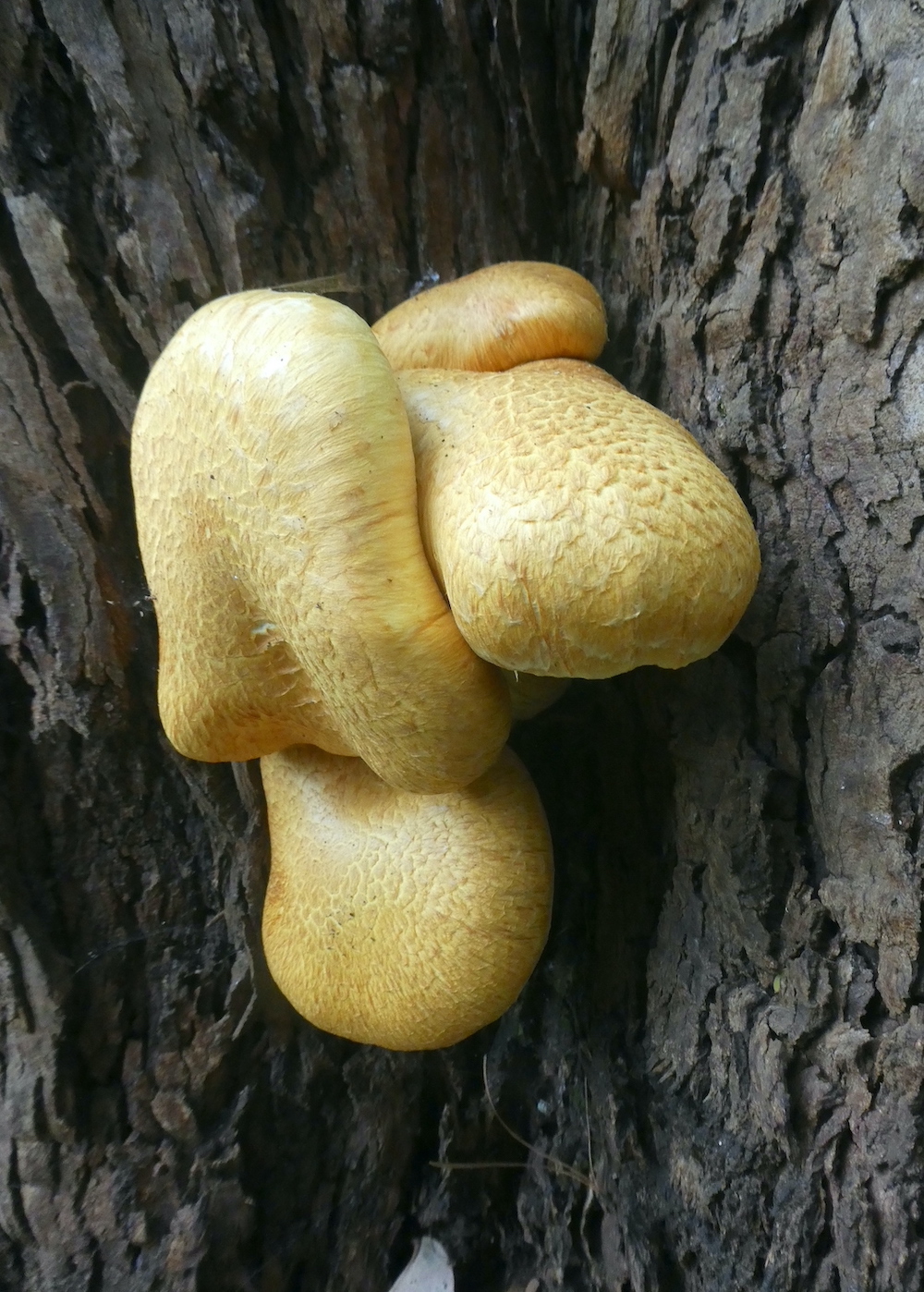
I spotted this humongous fungus in the crevice of a tree trunk in the garden,

ten days later, it had started to shrivel and change shape.

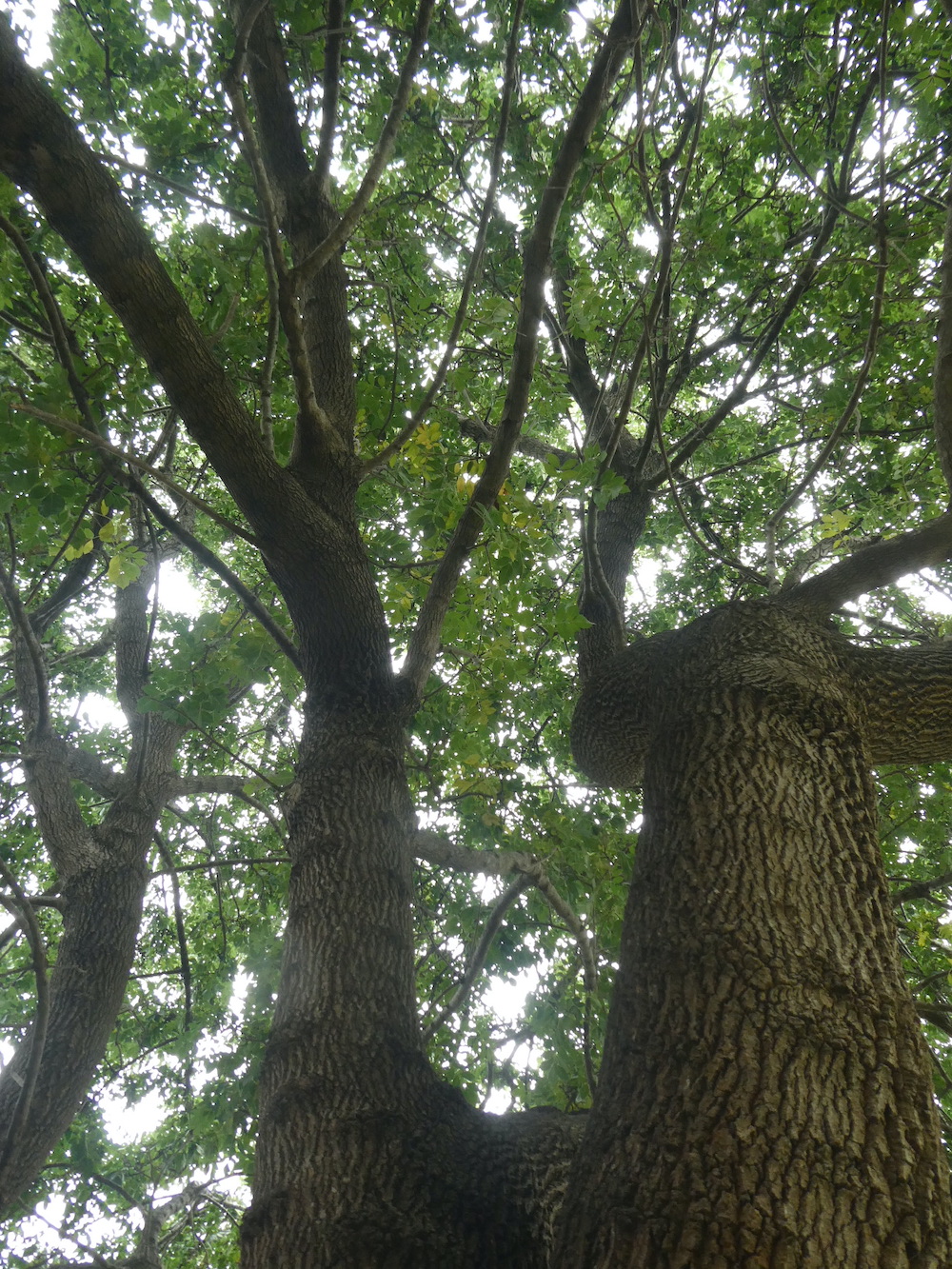
Our magnificent Golden Ash tree provides shelter through summer before the leaves turn gold in autumn and fall to the ground.

On this particular day, I looked up from my usual gardening position on my knees and was awed by the comfort of the canopy. I felt as though the tree was embracing me

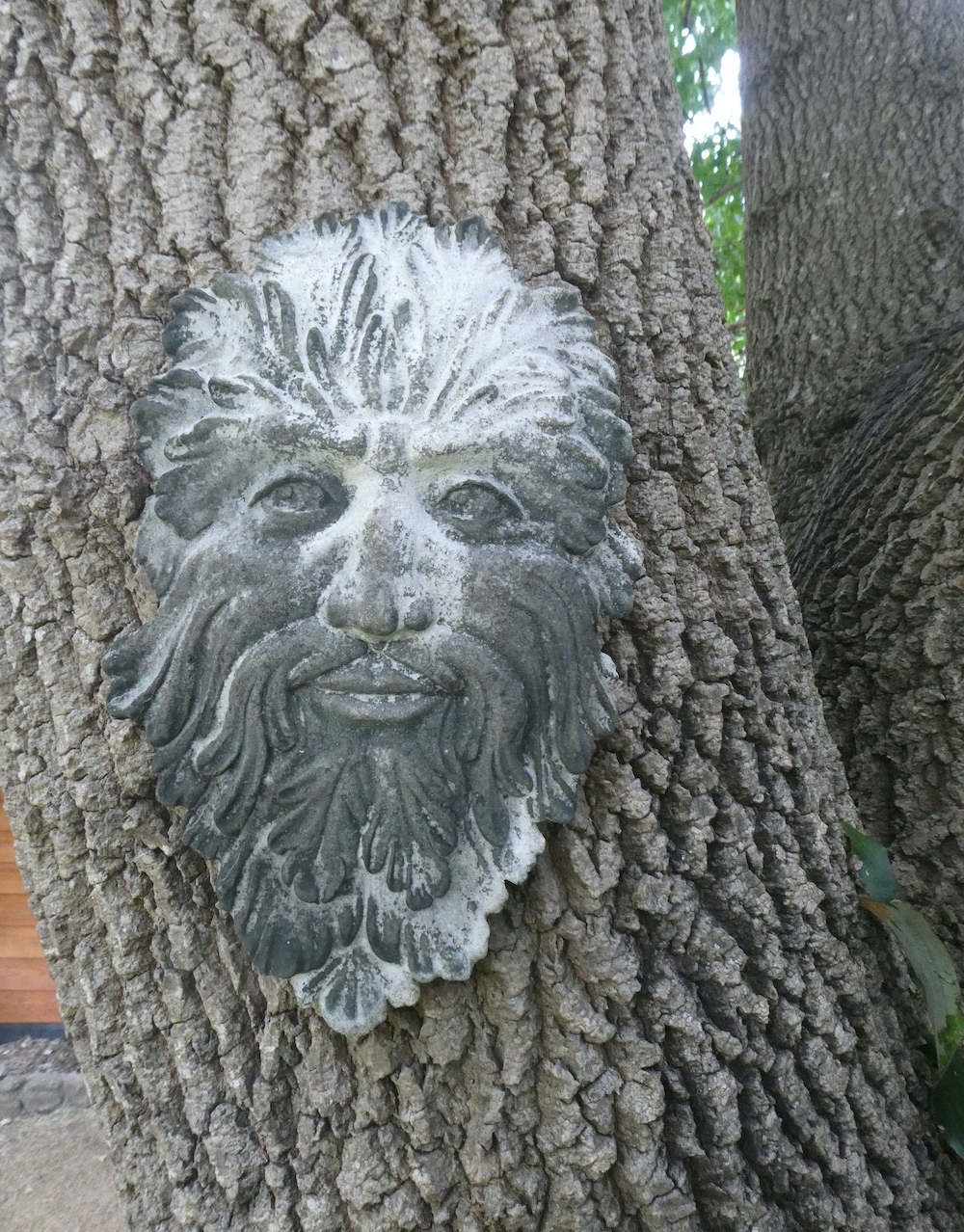
or maybe it was my handsome North Wind man?

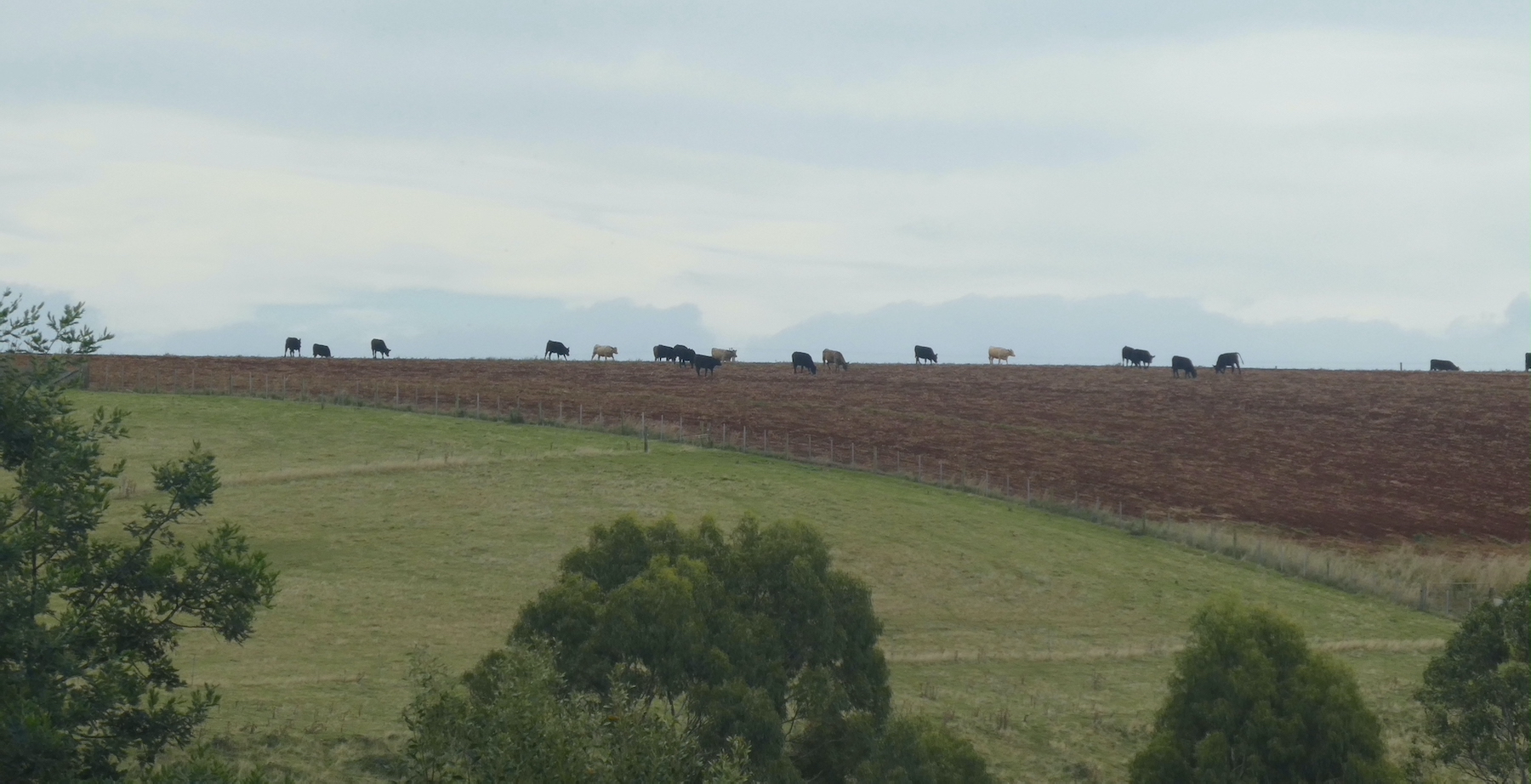
Looking out of the window one day, I could see black objects on the horizon (my eyesight isn’t what it used to be). I took a photo for identification purposes and confirmed nothing more exciting than the neighbouring cattle searching for tasty remnants in a barren field.

I discovered this delicate, white fungus while picking the last of our daffodils, it reminds me of coral. Apparently, it is called Shizophyllum commune and is very common on dead wood.

Our holly tree, once starved of light under a huge gum tree we have since removed, has flourished. I think this is proof that Christmas should be in winter.

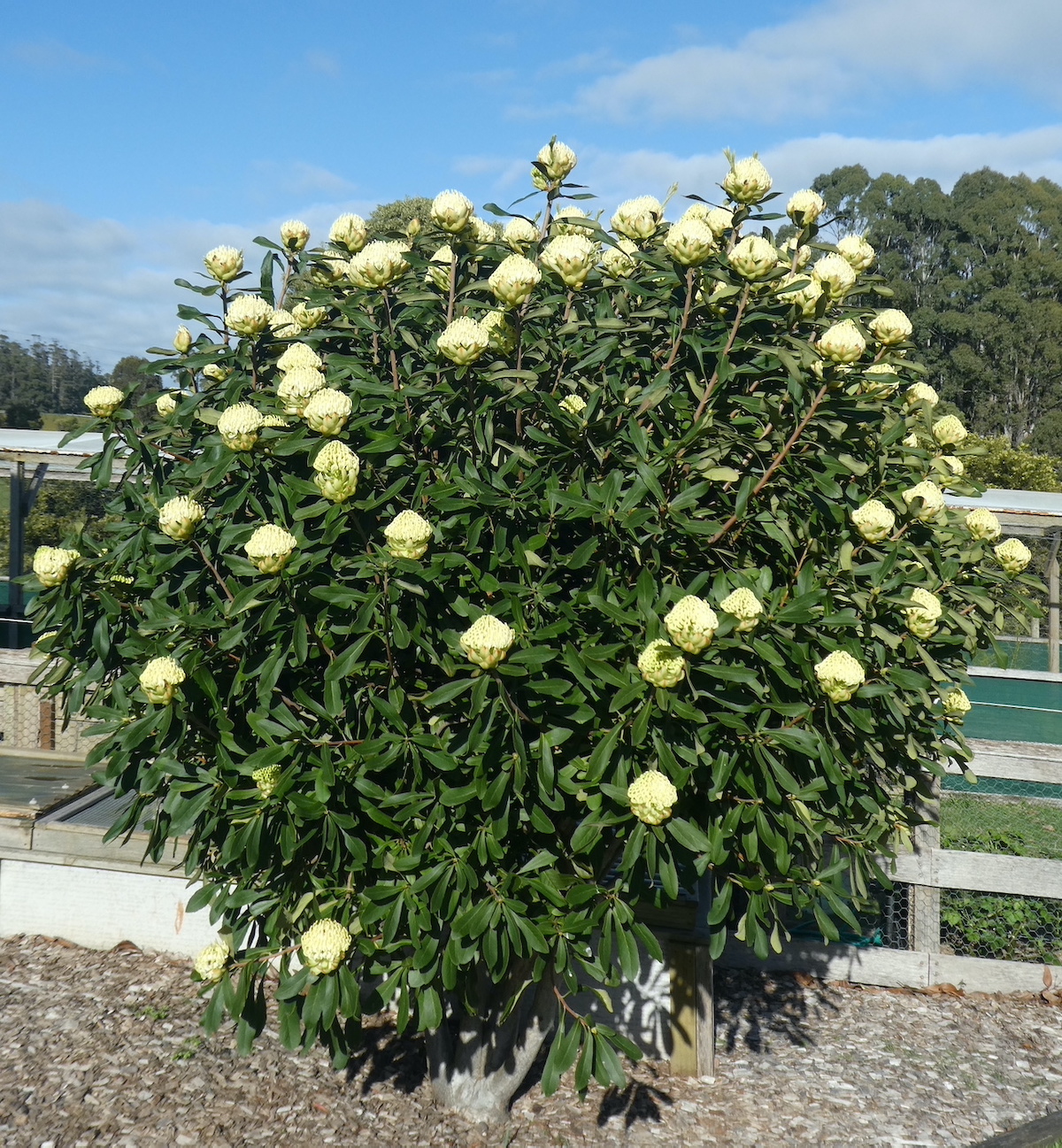
Both the red and yellow waratahs are presenting a stunning display this year

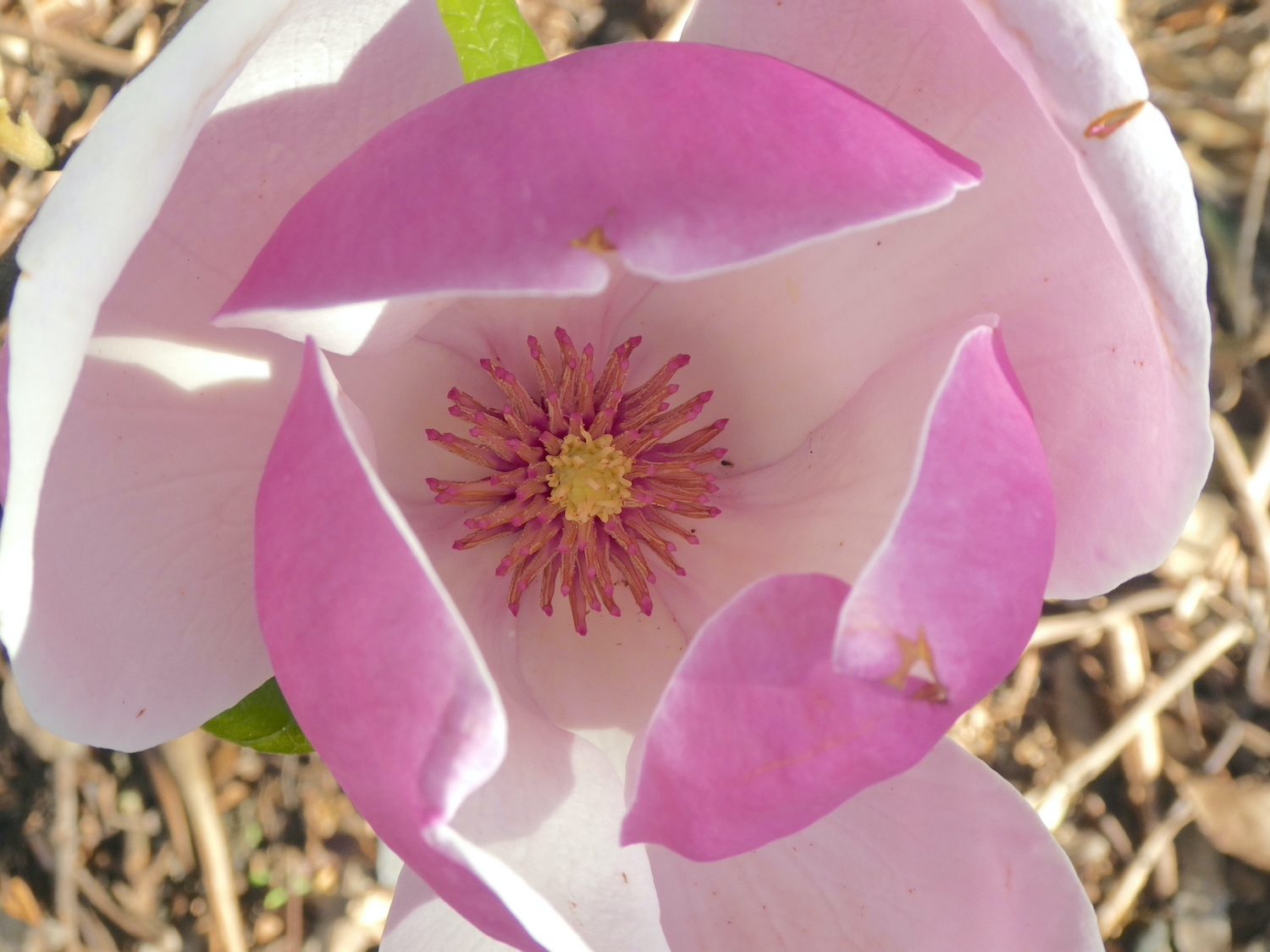
and the port wine magnolia is again in bloom.

Tolmer Falls

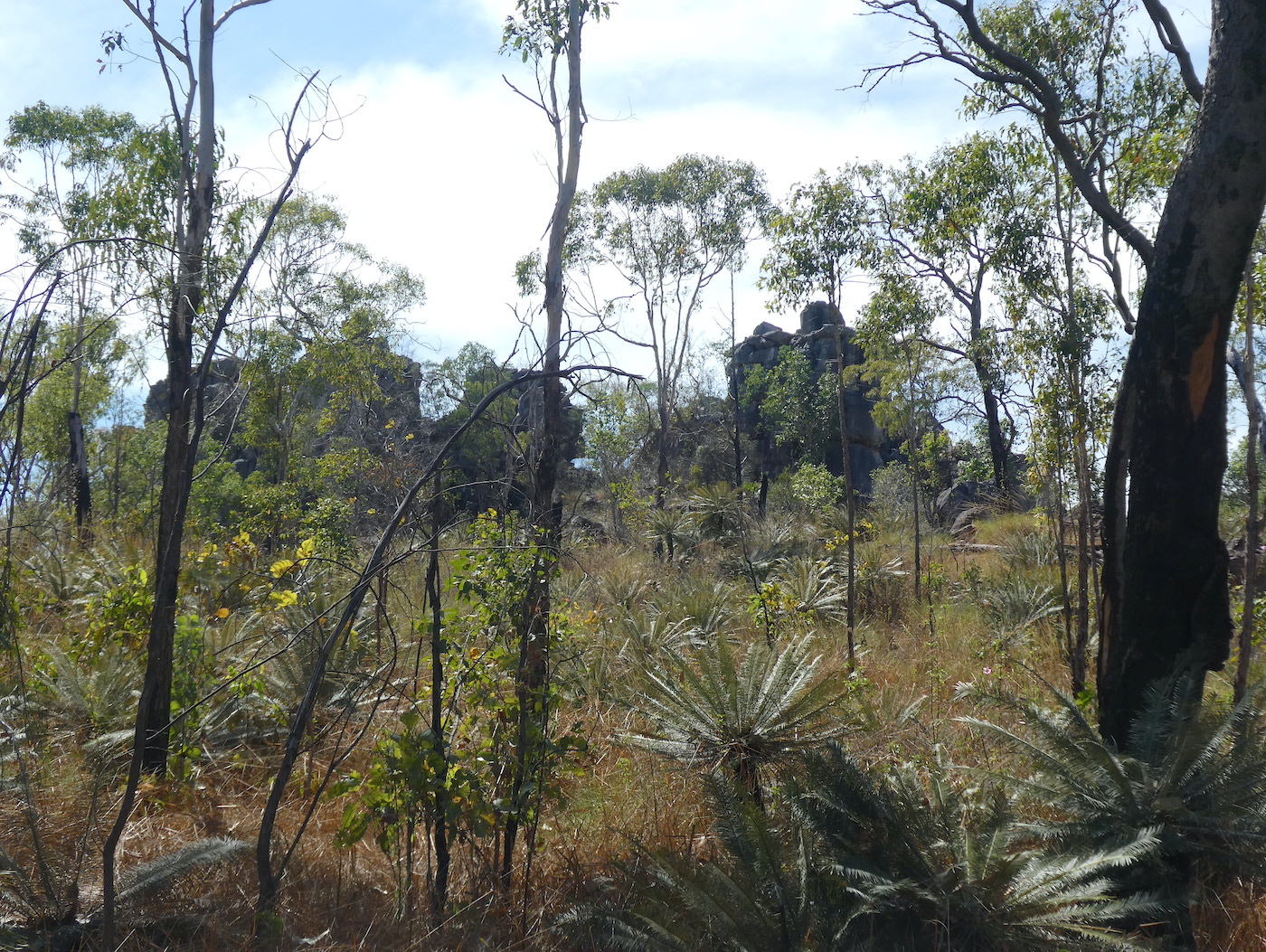
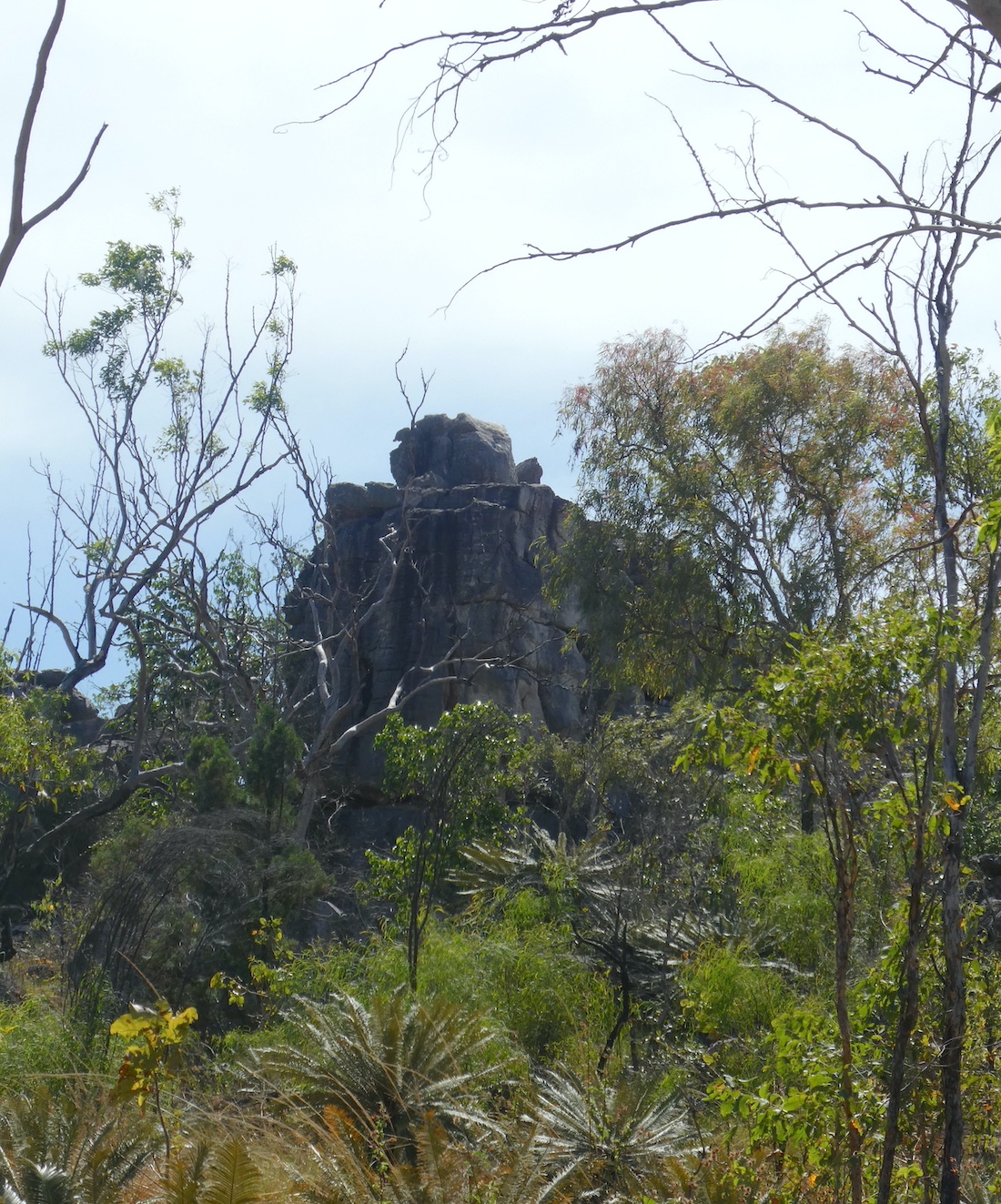
Feeling inspired by our Wangi Falls expedition, we ventured 10km further down the road to walk the 1.6km Tolmer Creek loop before lunch. The trail started with an easy amble along a flat path surrounded by scattered rock formations

and sporadic blooms of Sturt’s desert rose. The floral emblem of the Northern Territory, this delicate flower was named after the explorer Charles Sturt. Interestingly, the stylised version on the official flag has seven petals instead of five.

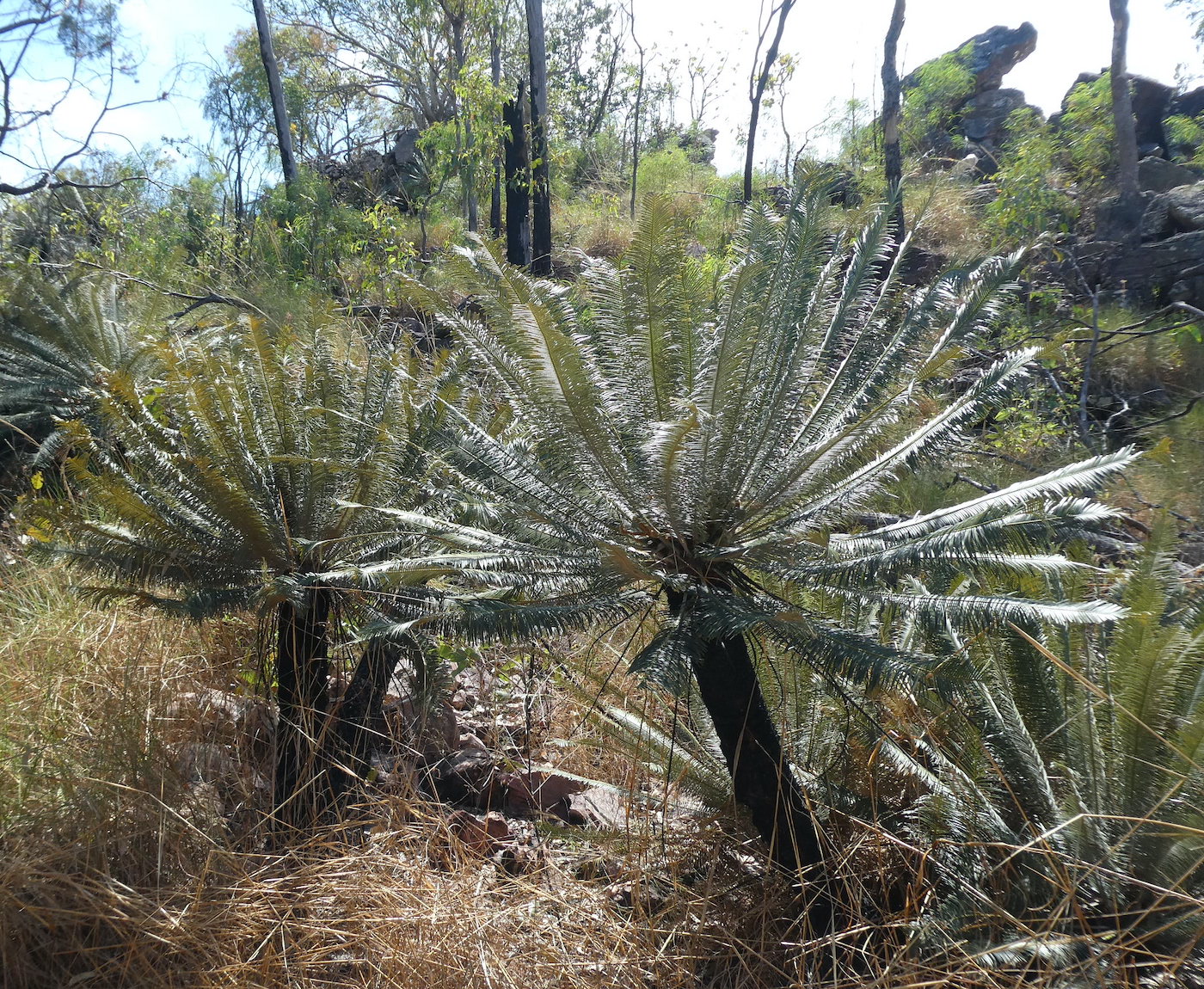
Hundreds of cycads dotted the prehistoric landscape.

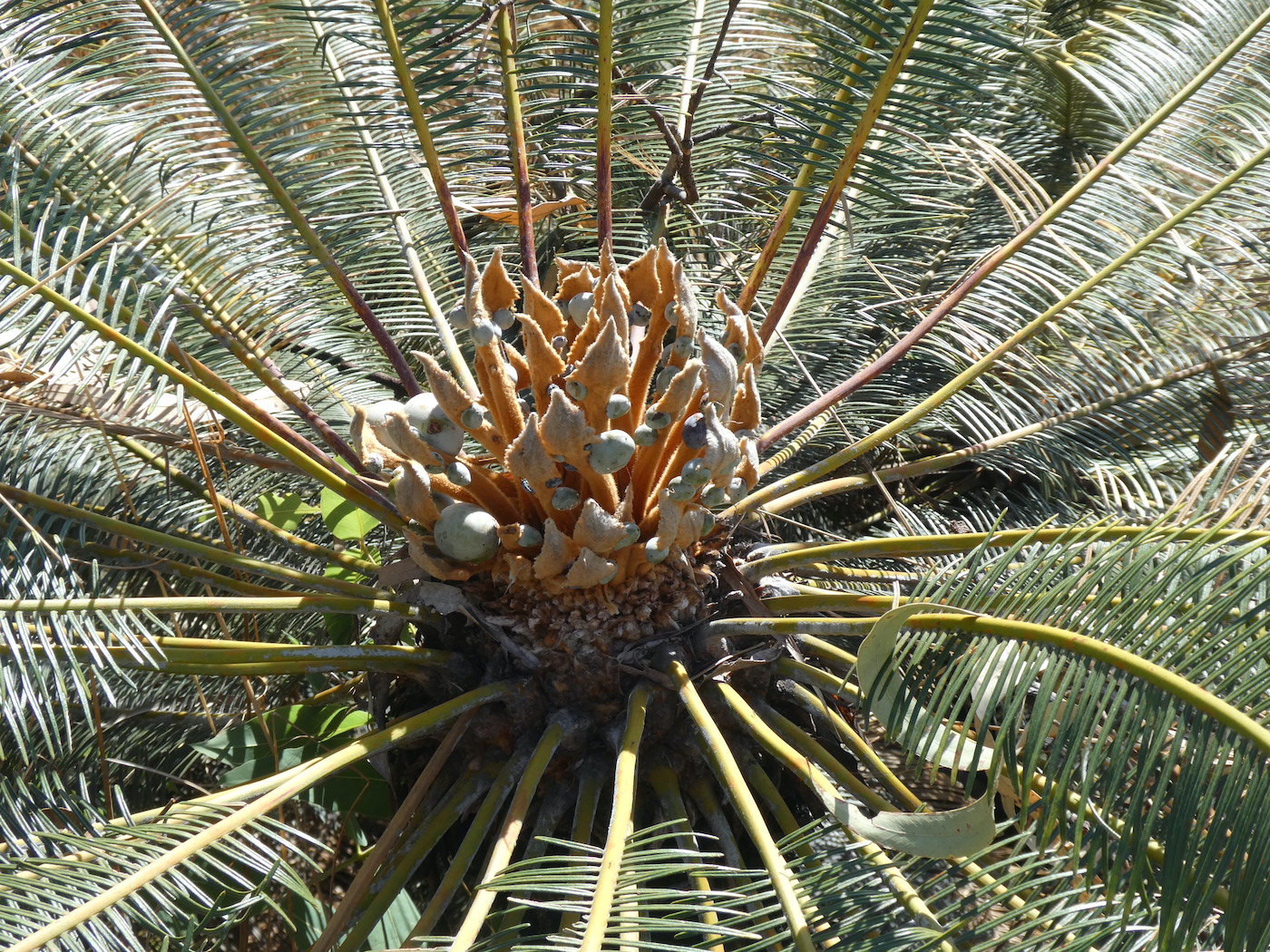
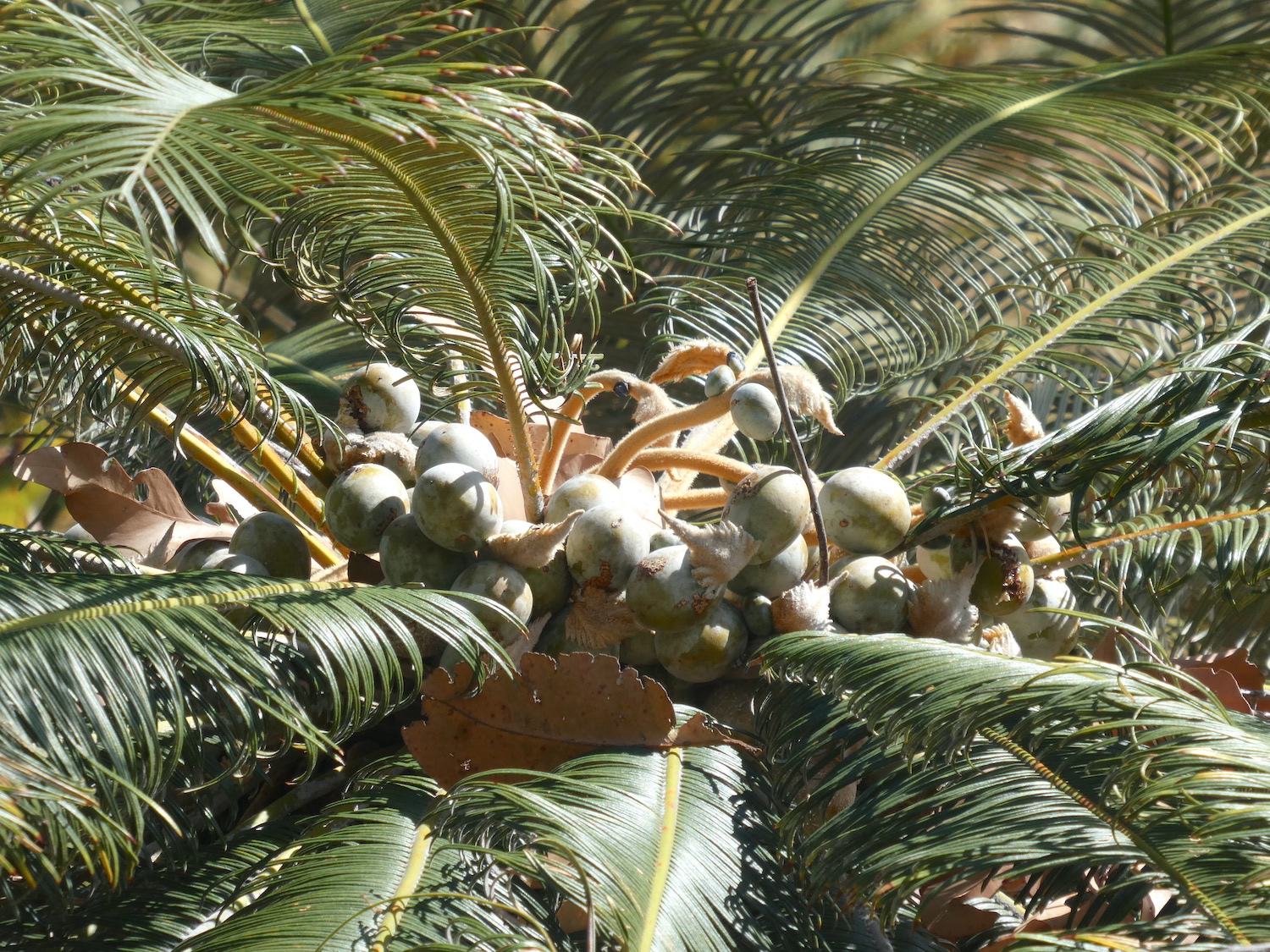
The male plants grow a large, pollen producing cone on the top of the trunk but the females grow a cluster of stalks that grow upward until the seeds at the end get heavy and they droop. They are not recommended for a bush tucker menu as they contain a neurotoxin and are poisonous.

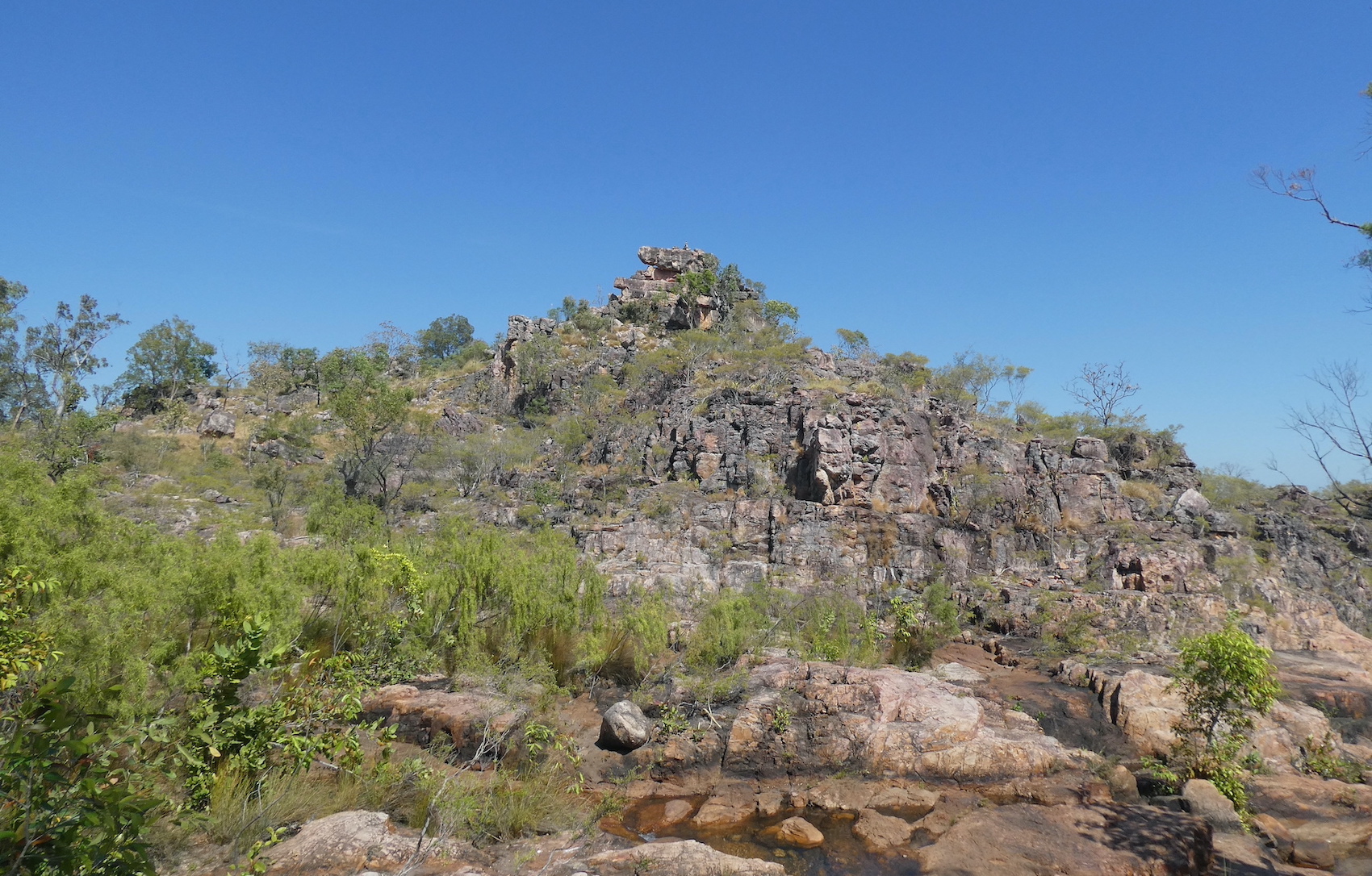
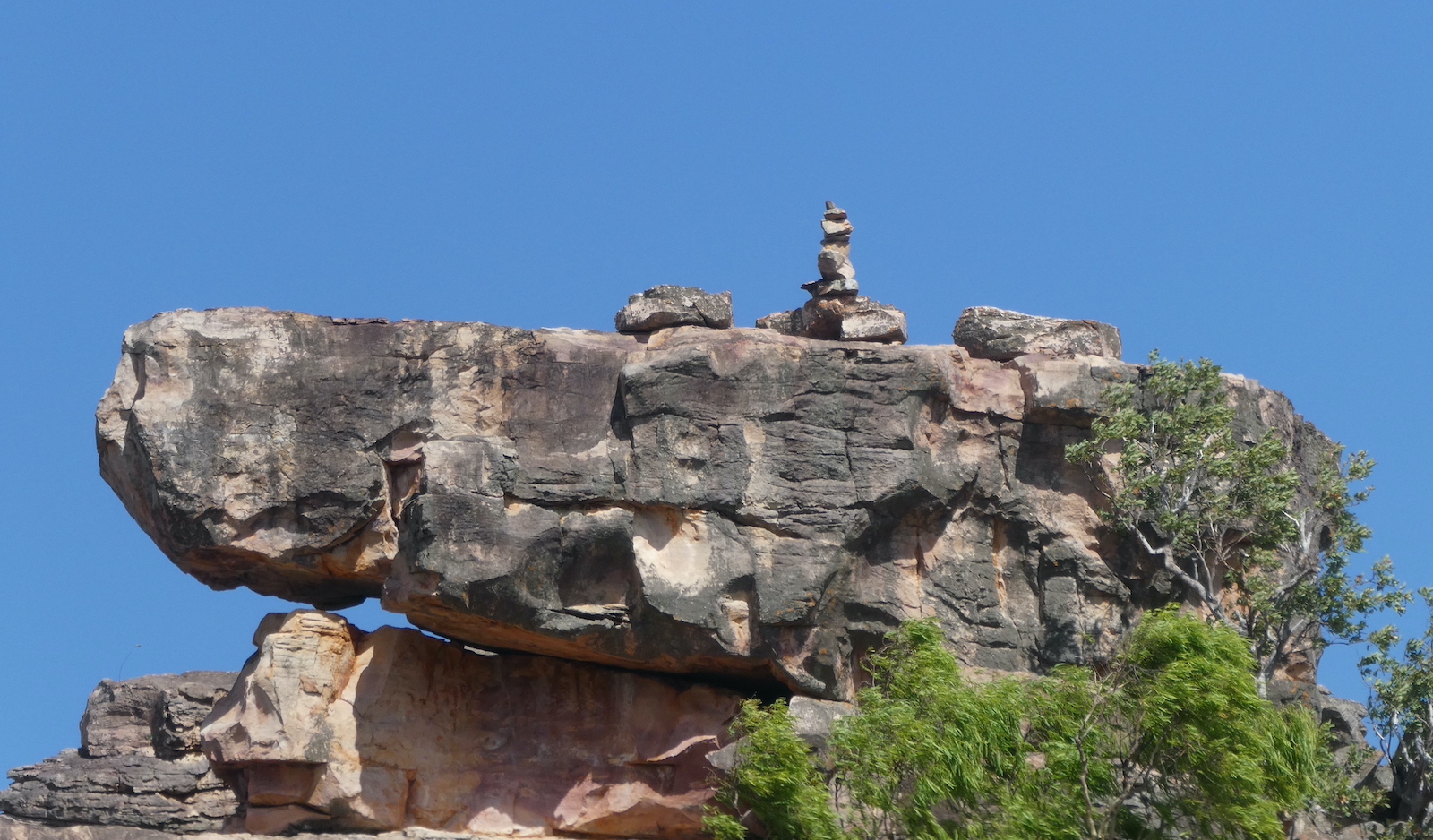
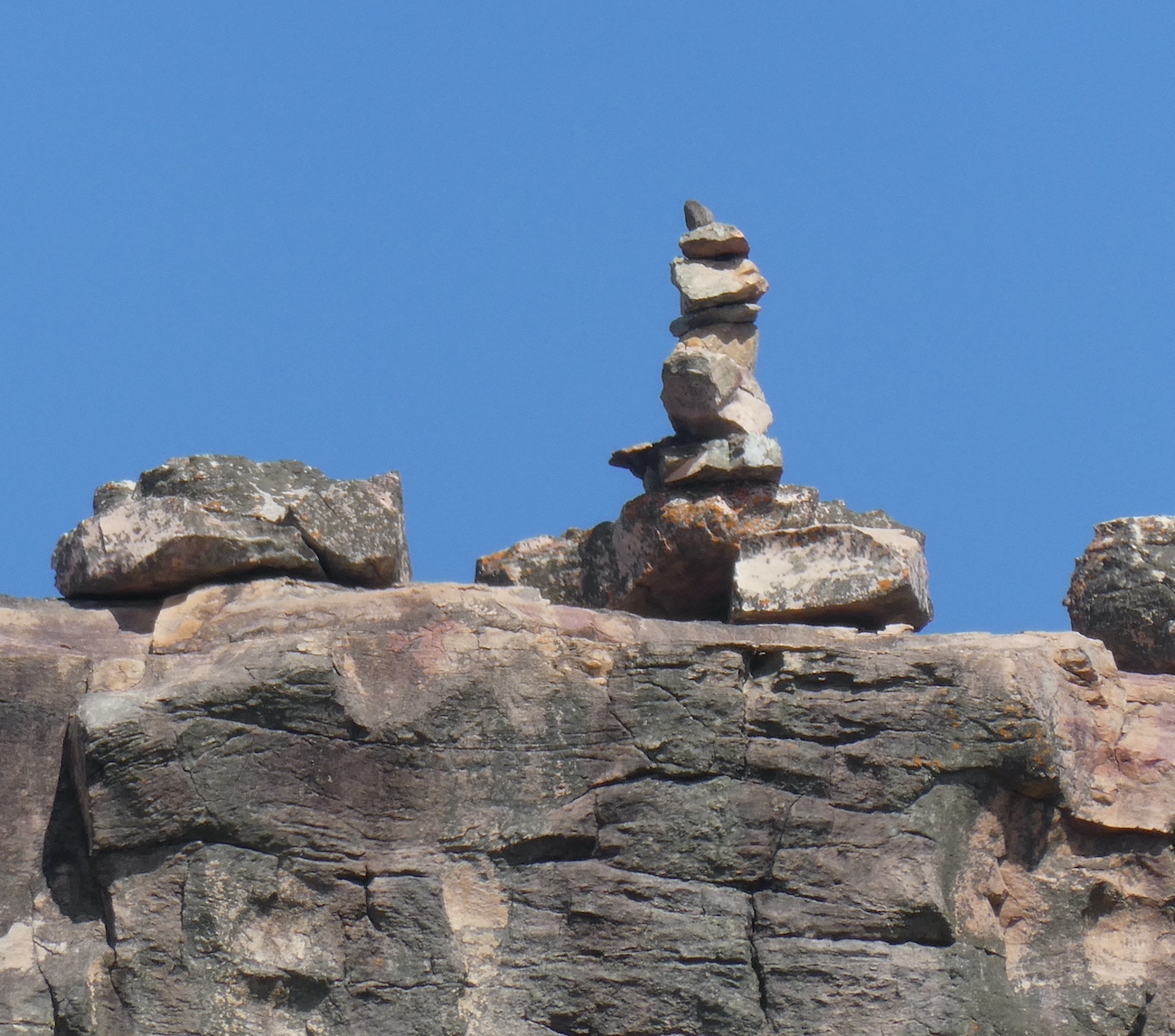
The track became steep and rocky as we neared the top of the falls, taking a moment to ponder some carefully constructed rock art.

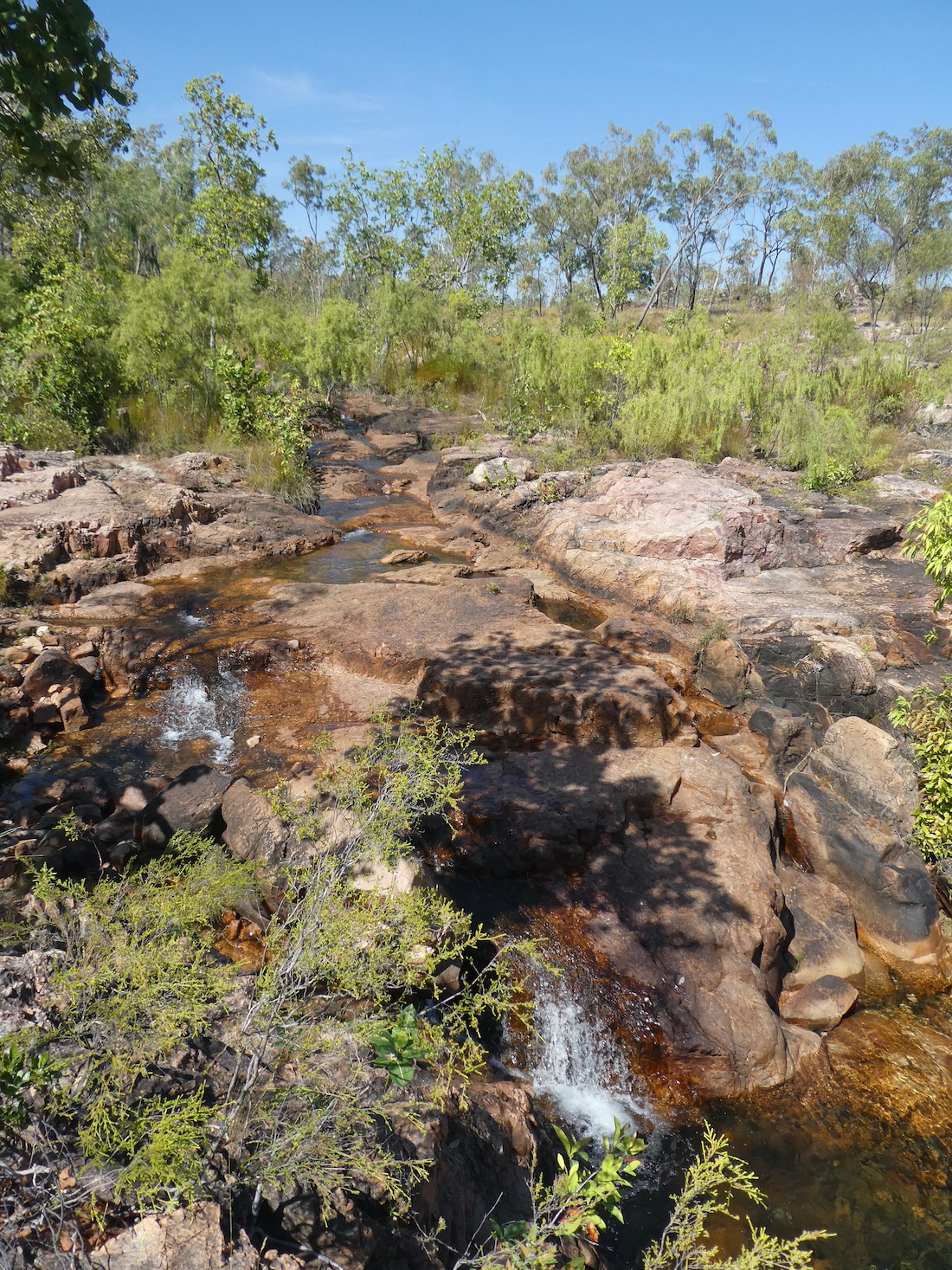
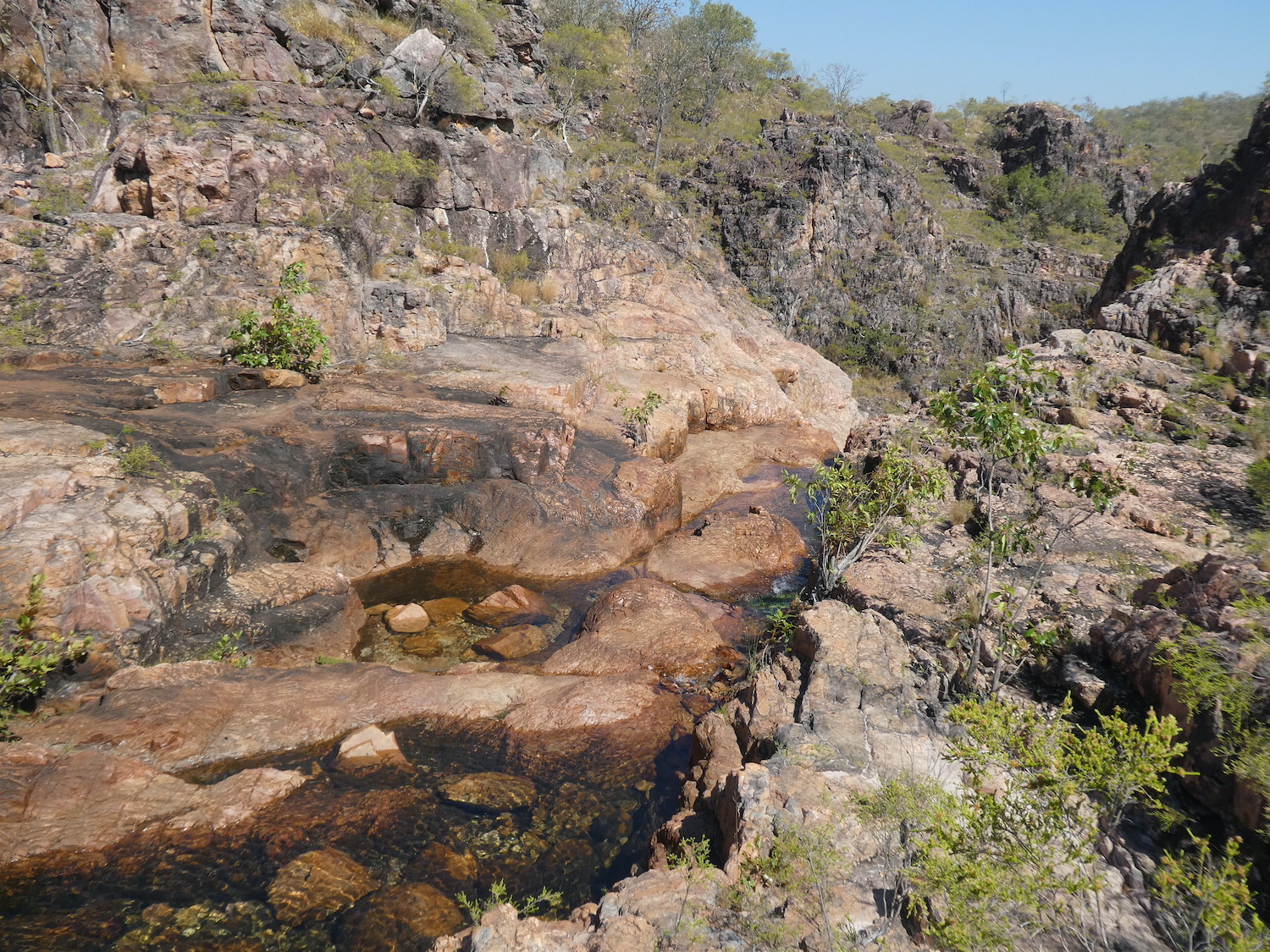
The crystal clear water of Tolmer Creek trickled its way over golden sandstone to the edge of the escarpment.

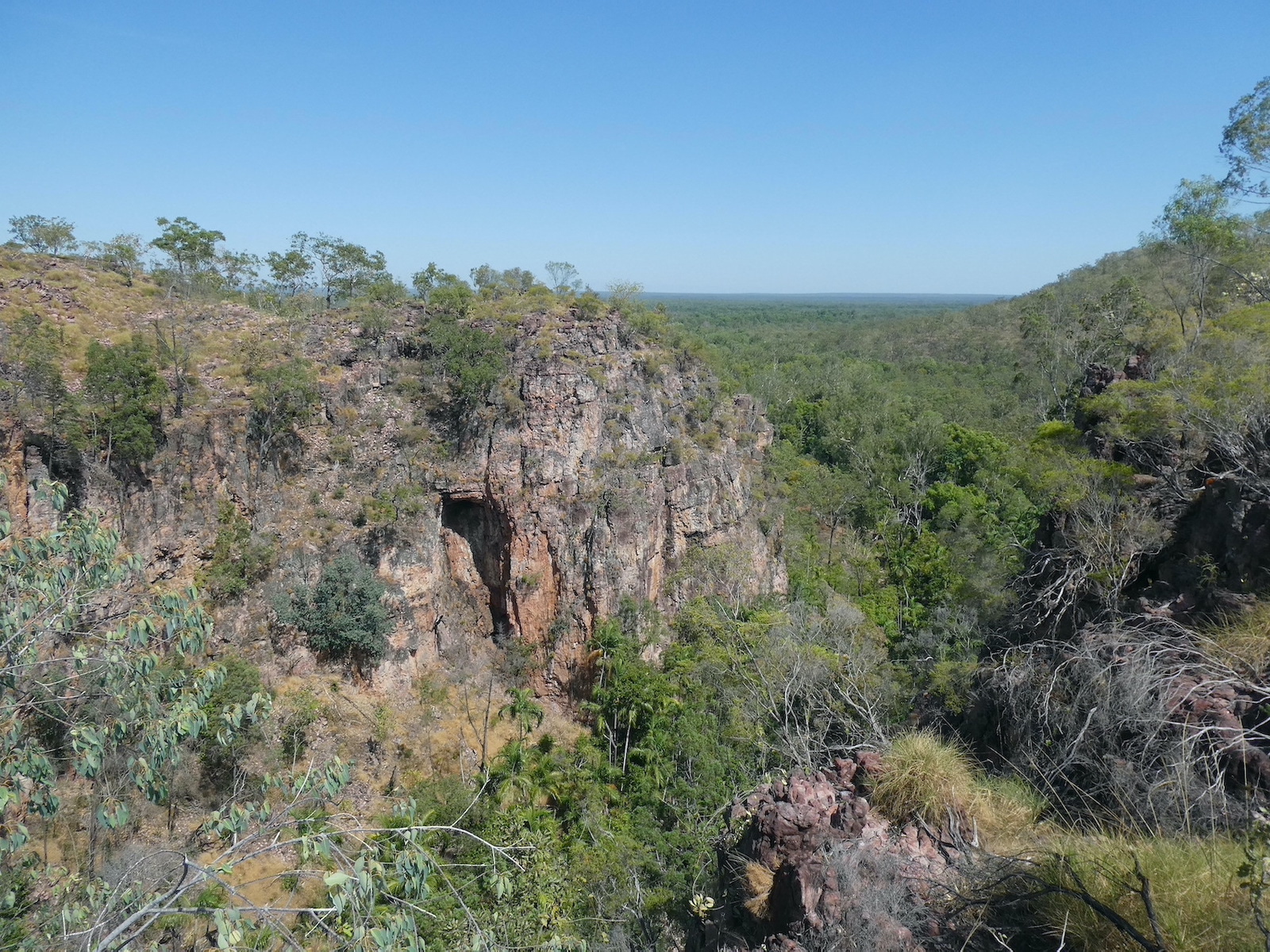
We were rewarded with awe-inspiring views and spectacular cliffs as we made our way to the viewing platform.

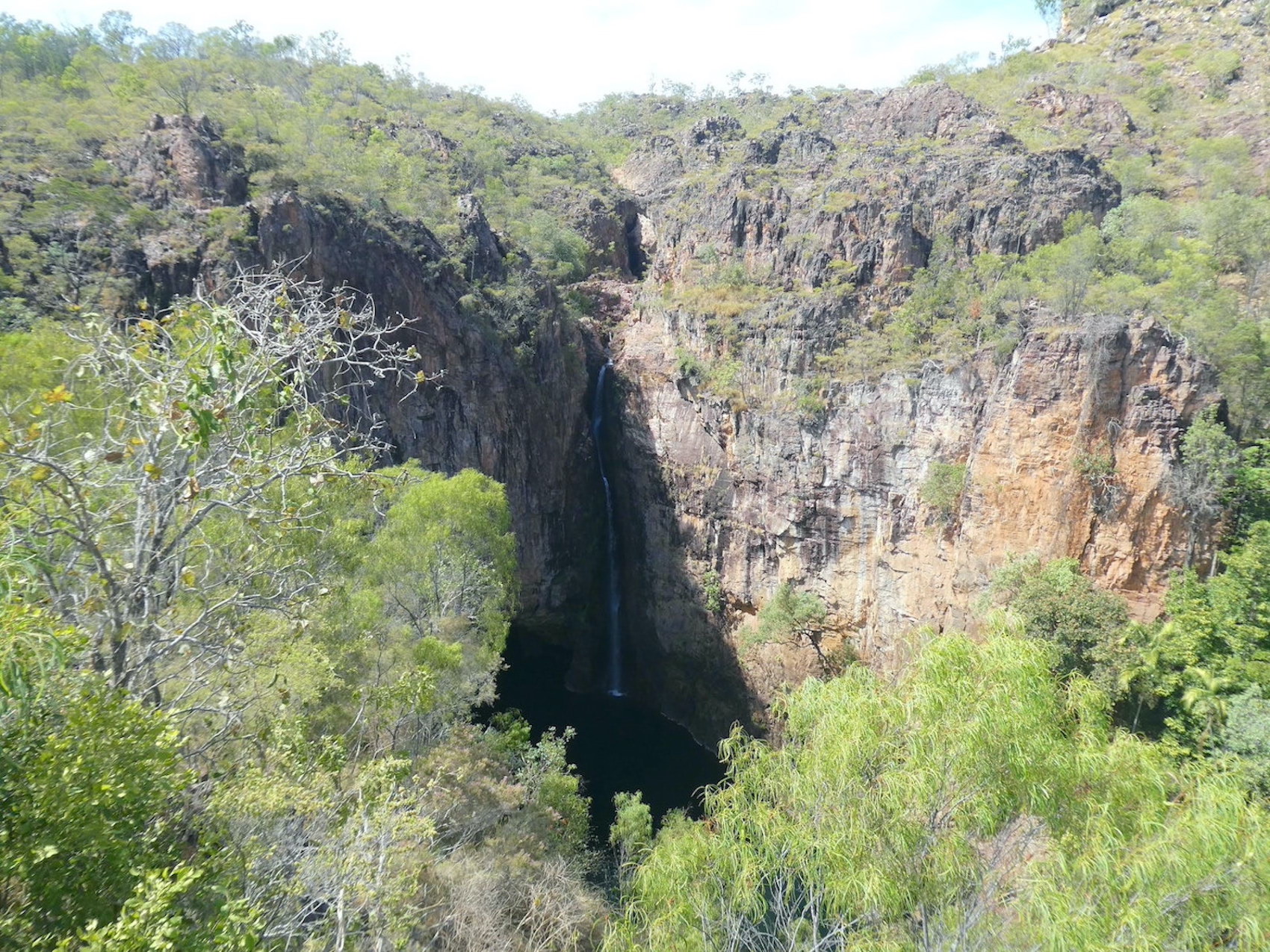
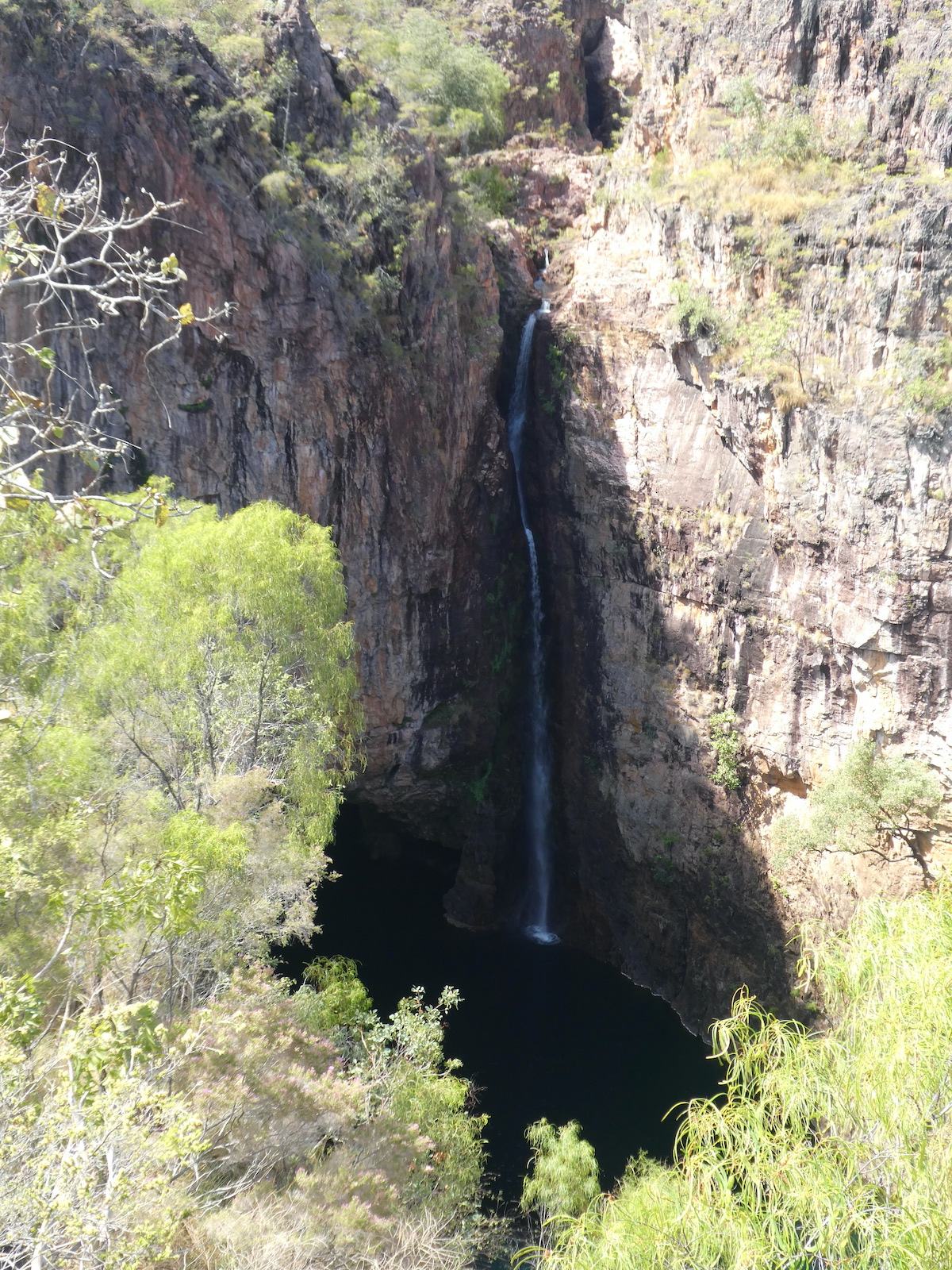
Explorer Frederick Henry Litchfield named the falls after his late father’s colleague in the South Australia Police, Alexander Tolmer. The water cascades over two high escarpments into a deep plunge pool where swimming is prohibited.

The panorama from the other side of the viewing platform was quite different but equally as impressive.

Myilly Point

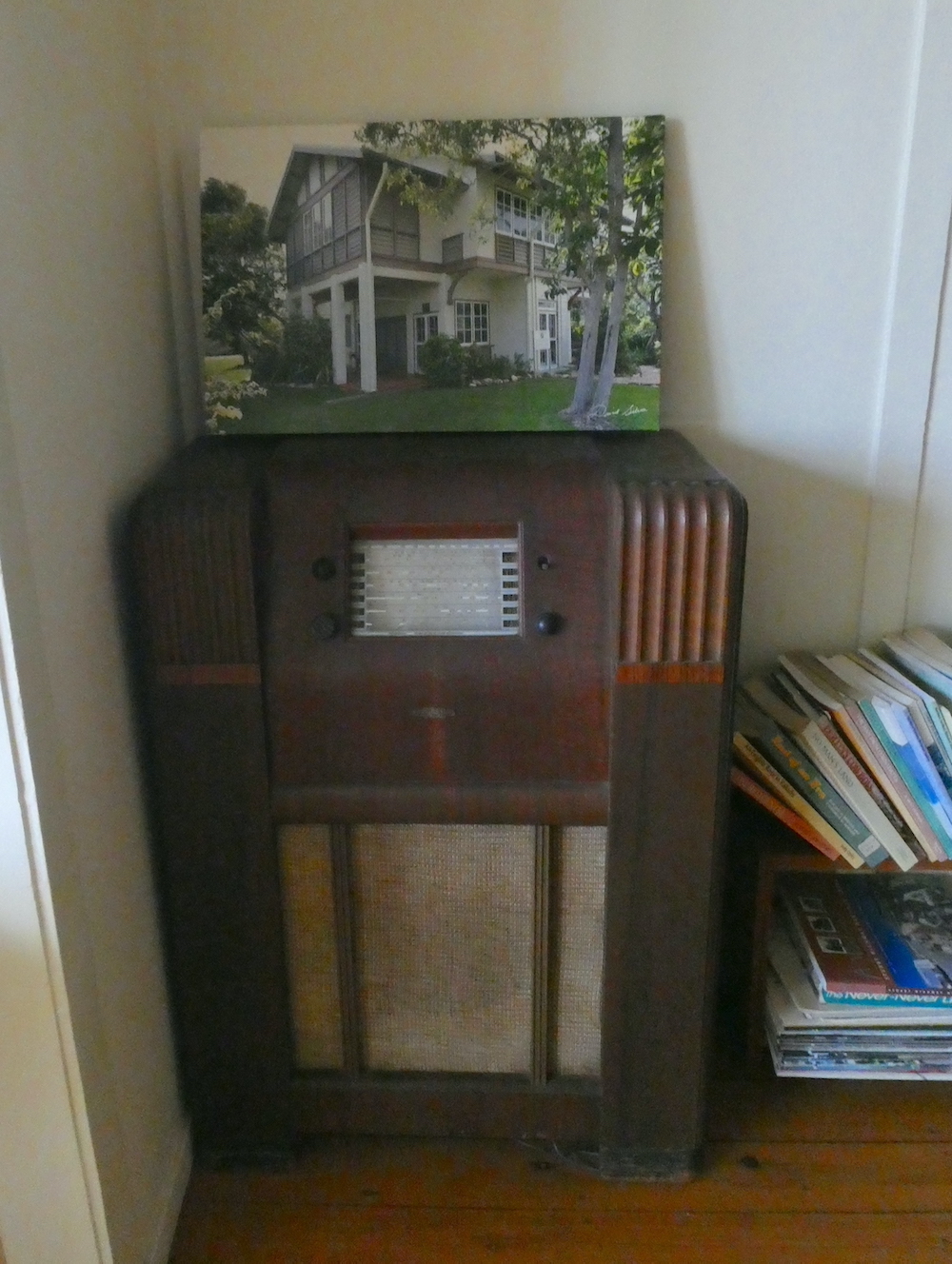
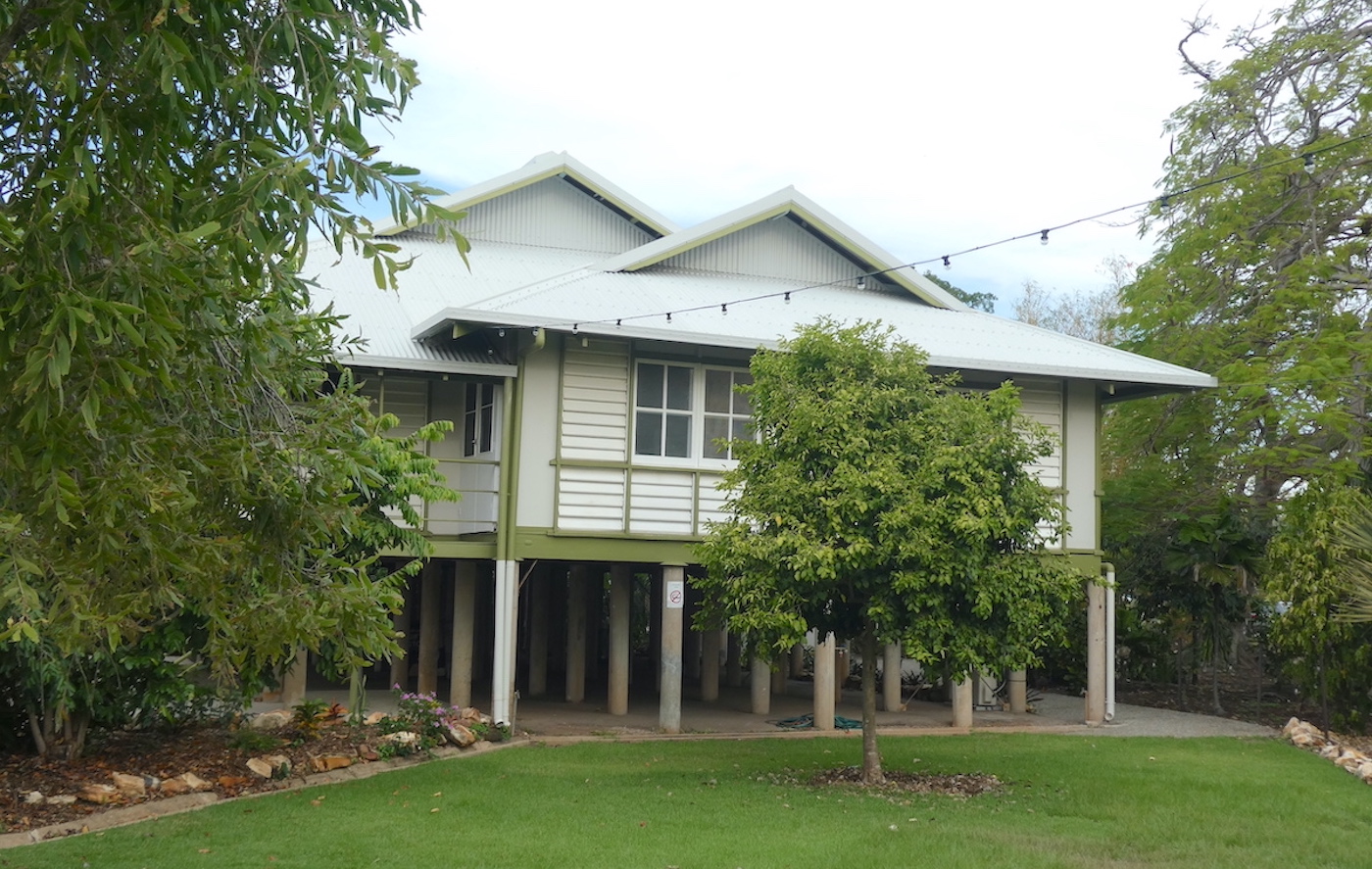
Darwin has long been an important strategic outpost from a military perspective. In the early 20th century, the need to attract senior public servants to the town led to the construction of four significant houses between 1936 and 1939, now known as the Myilly Point Heritage Precinct. Architect Beni Burnett was recruited from Malaysia, where he grew up with Scottish missionary parents, and was appointed the task of producing housing appropriate to the climate. The influence of his early years is shown in the tropical elements of the architecture of the three houses he designed. One was destroyed by Cyclone Tracy in 1974, another was damaged and remained vacant and boarded up to prevent access from itinerants until it was restored in 1988. A year later, it became the headquarters of the National Trust and known as Burnett House.

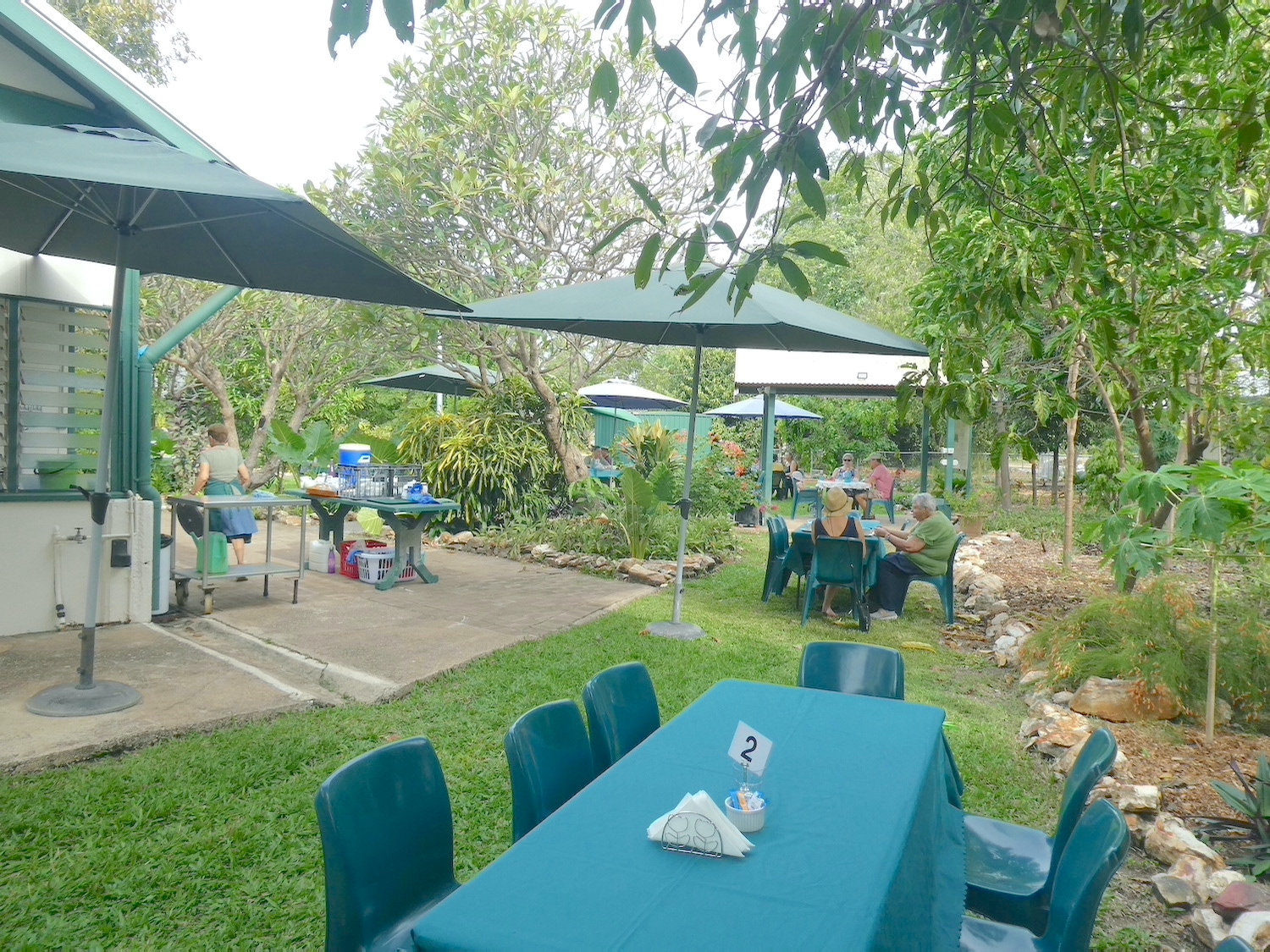
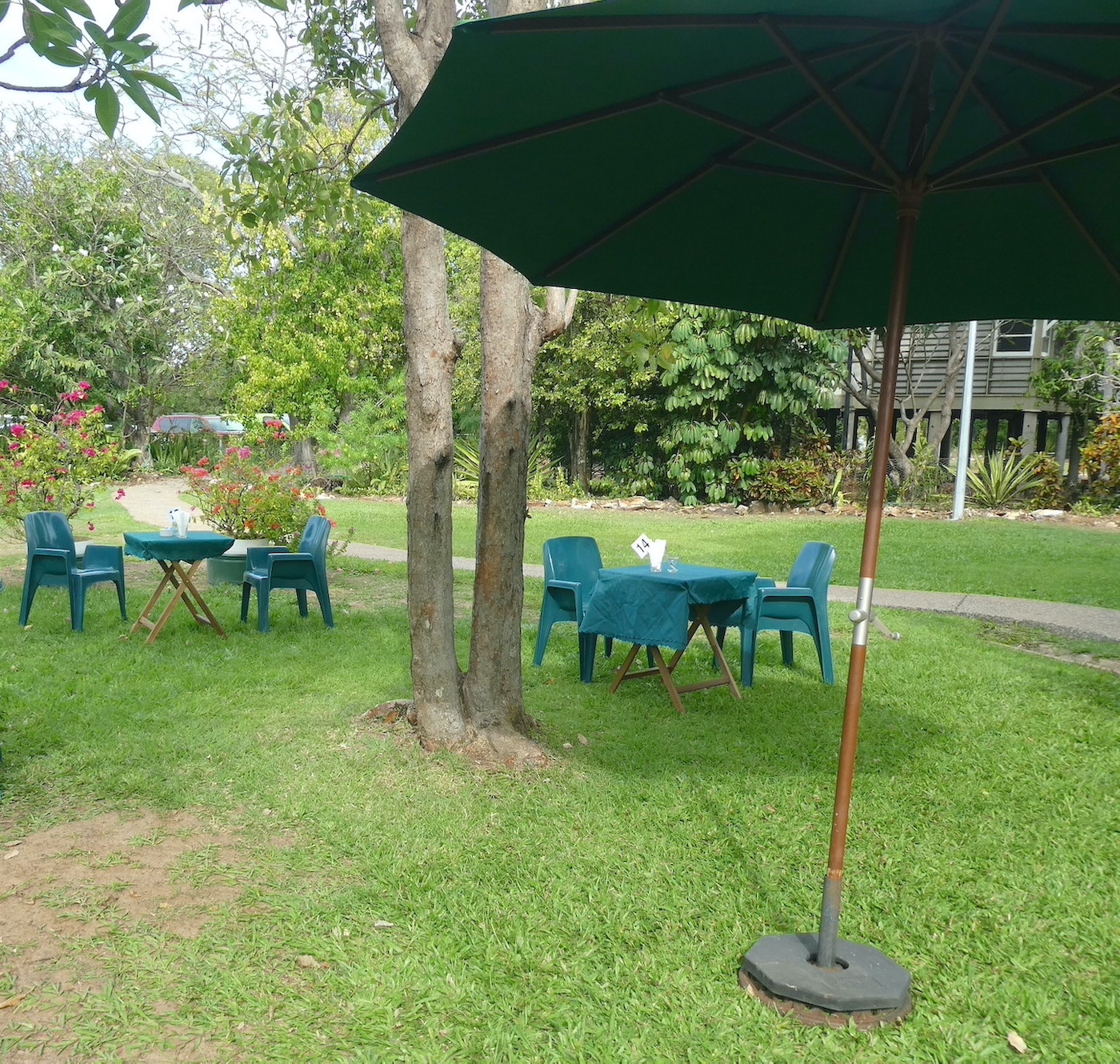
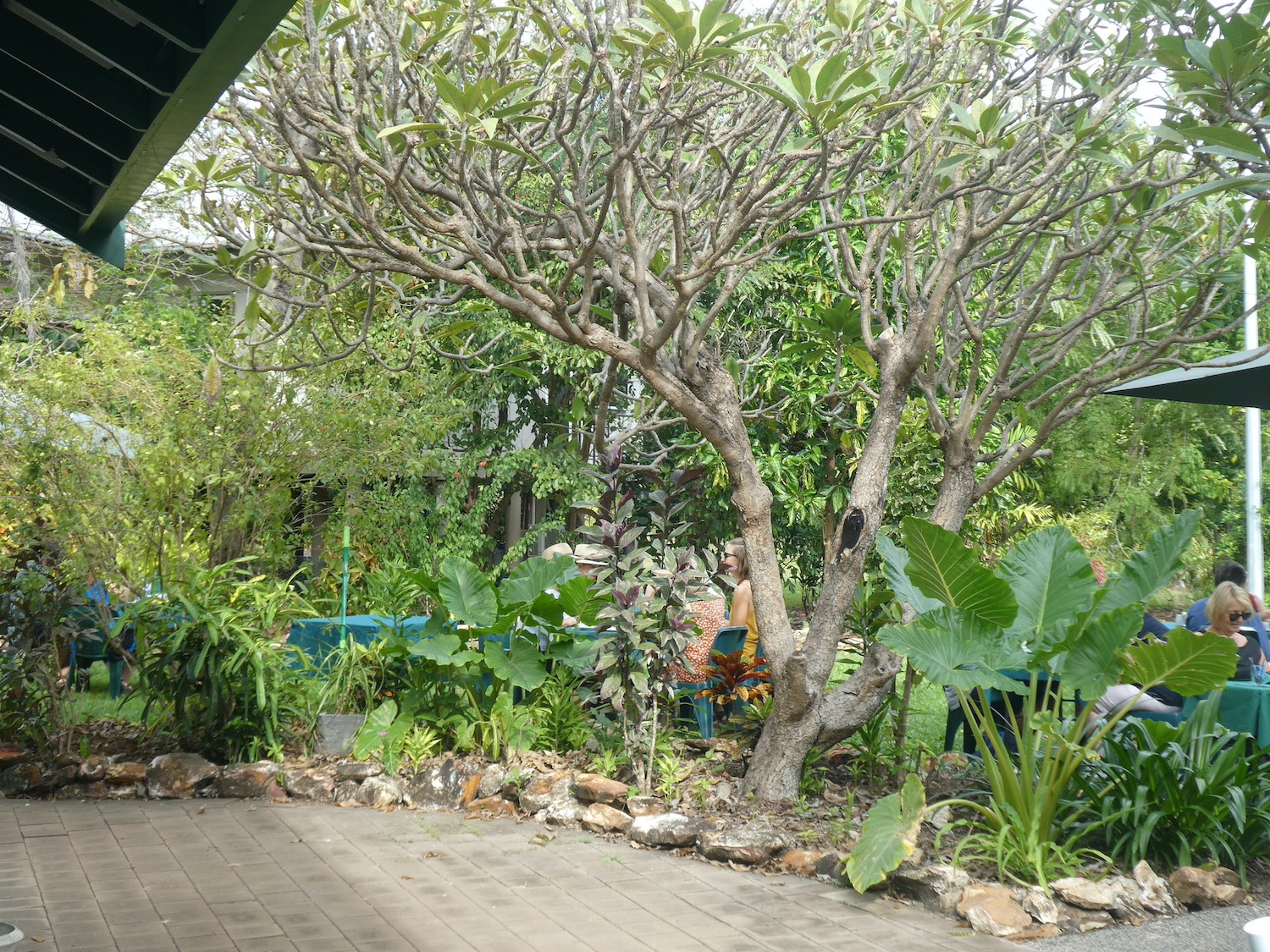
The only two-story house on the precinct and the only surviving example of B.C.G. Burnett’s Type ‘K’ design, Burnett House survived the bombing of Darwin during World War II with two bullet holes in the front fence. The Australian Women’s Army services were based here during the war and it was also as a rest area for nurses. Nowadays, the National Trust hosts afternoon teas once a month in the beautiful gardens, a lovely setting to while away a couple of hours on a balmy Sunday.

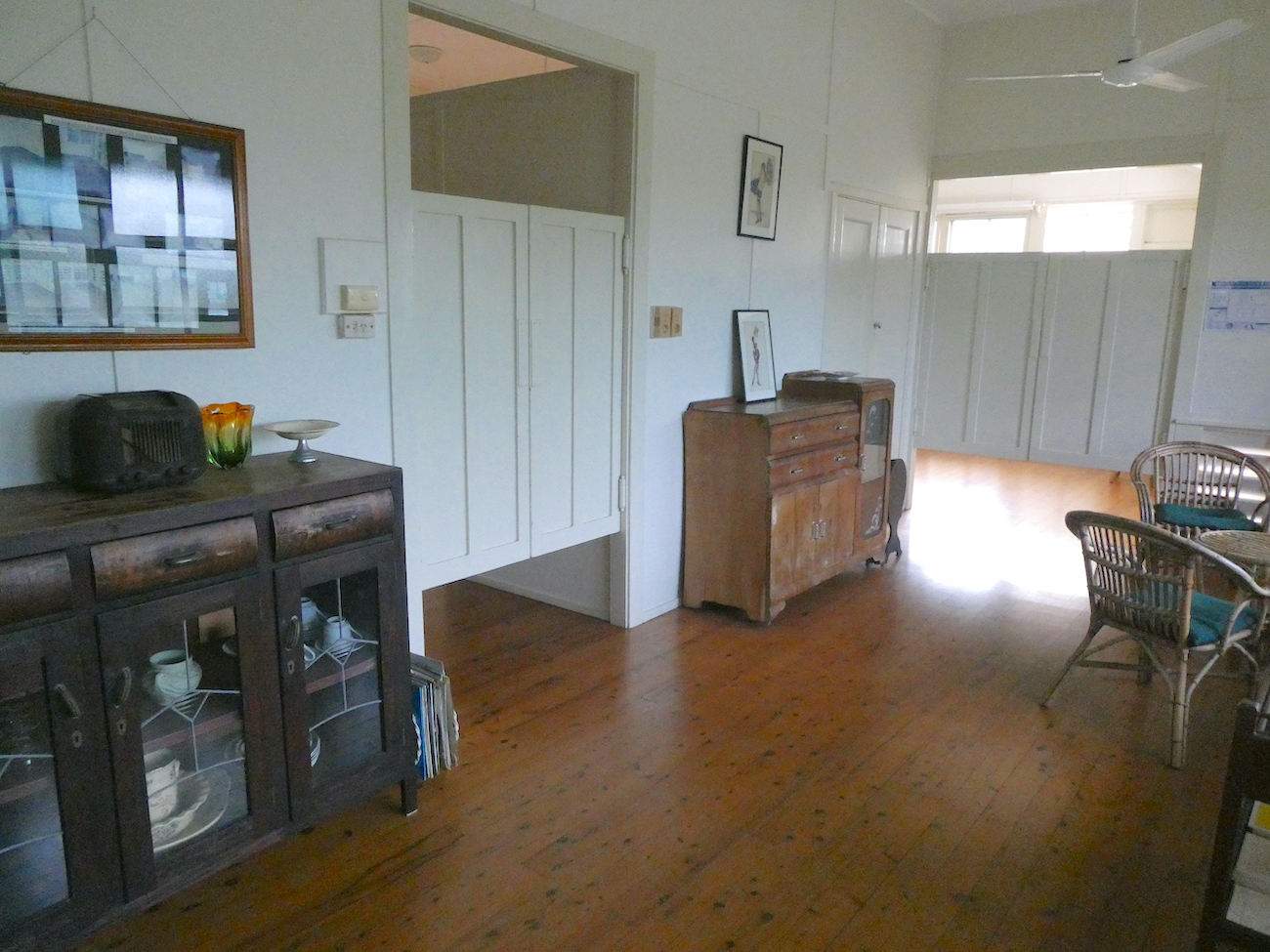
We were invited to wander through the house before leaving, an offer too good to refuse. What would have been the original living areas downstairs are now occupied by National Trust administration spaces, we made our way upstairs where the bathroom greeted us at the top. The upper floor bedrooms are spacious with three-quarter height partitions between rooms, information panels and photographs tell the history of the house.

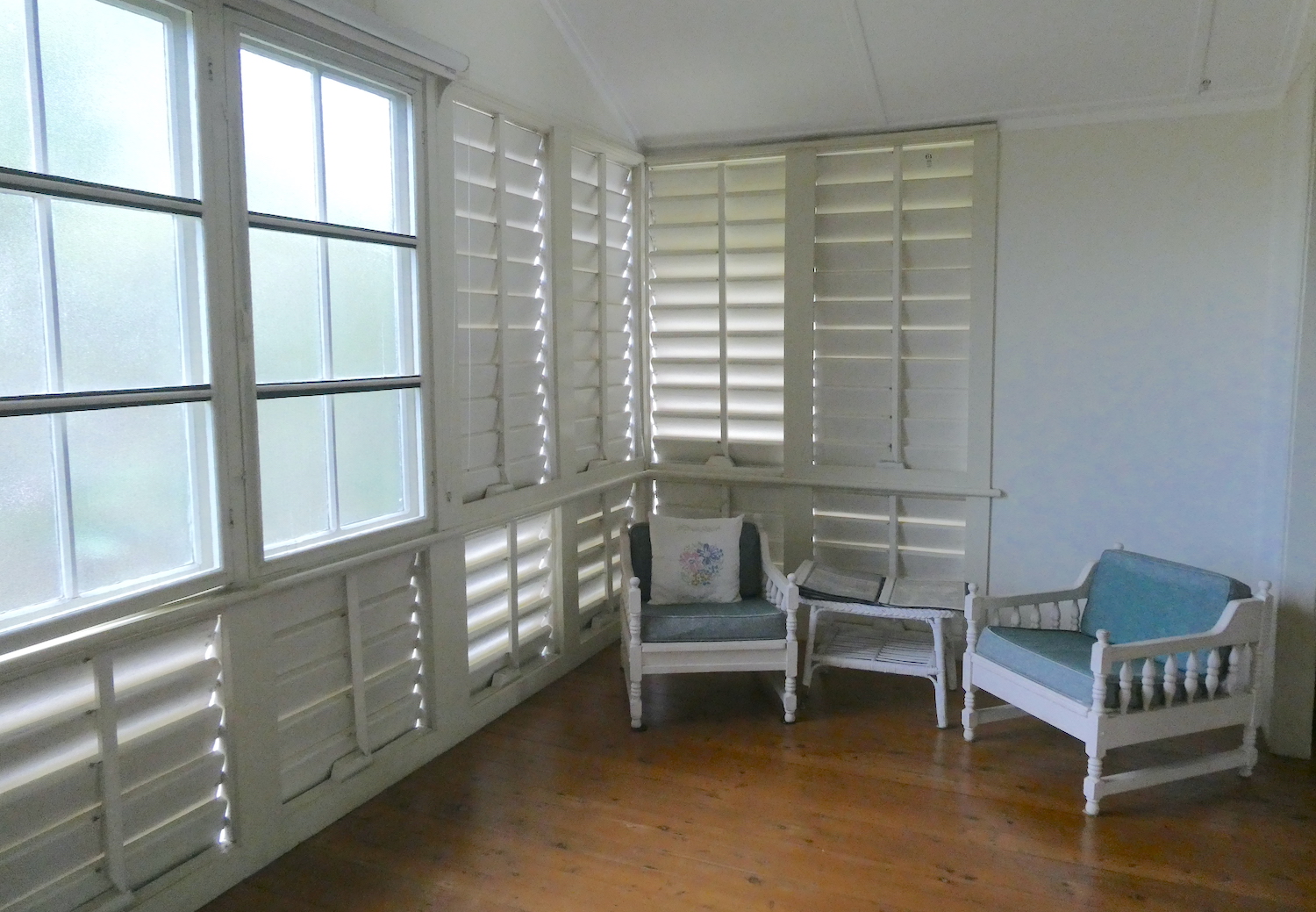
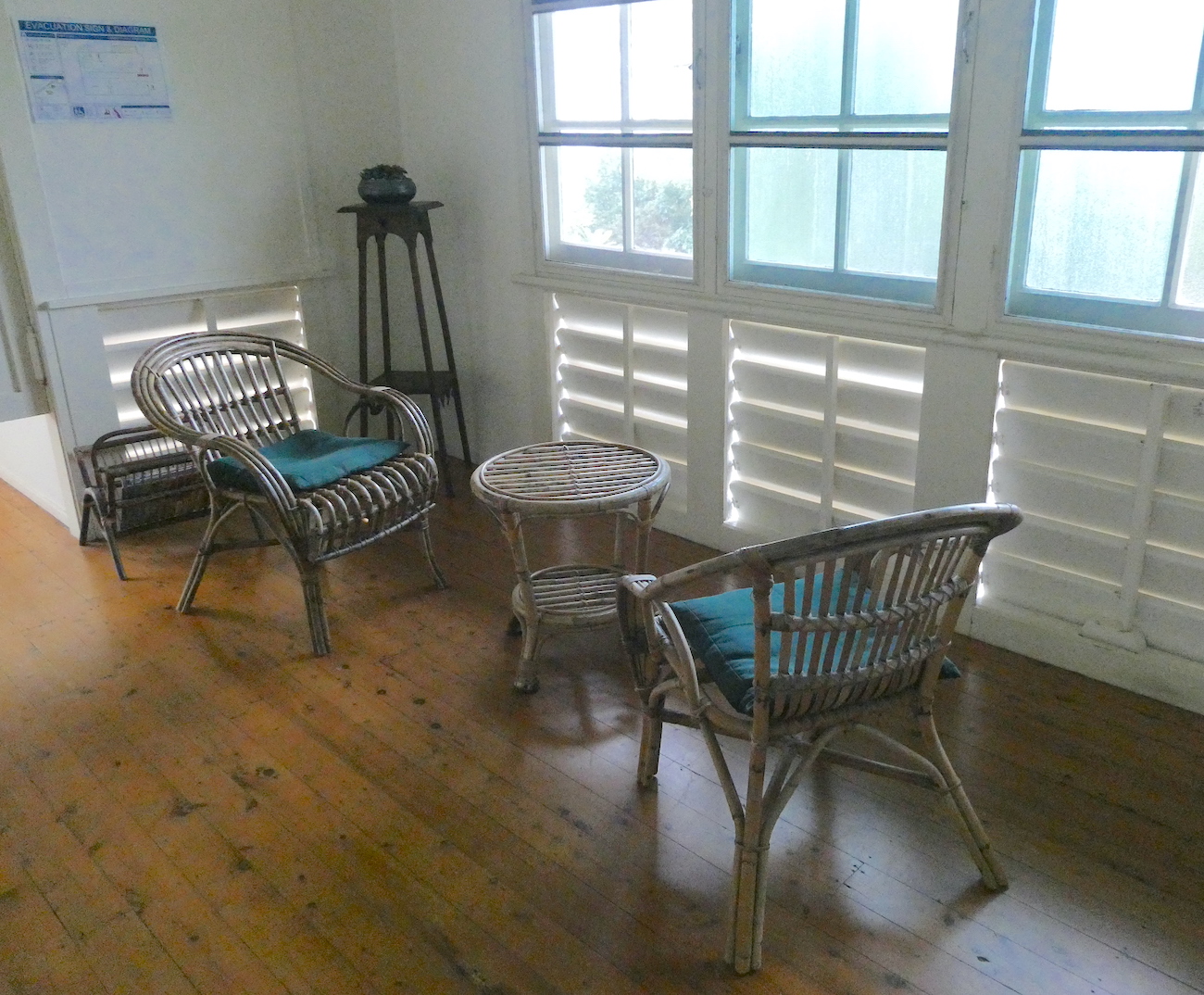
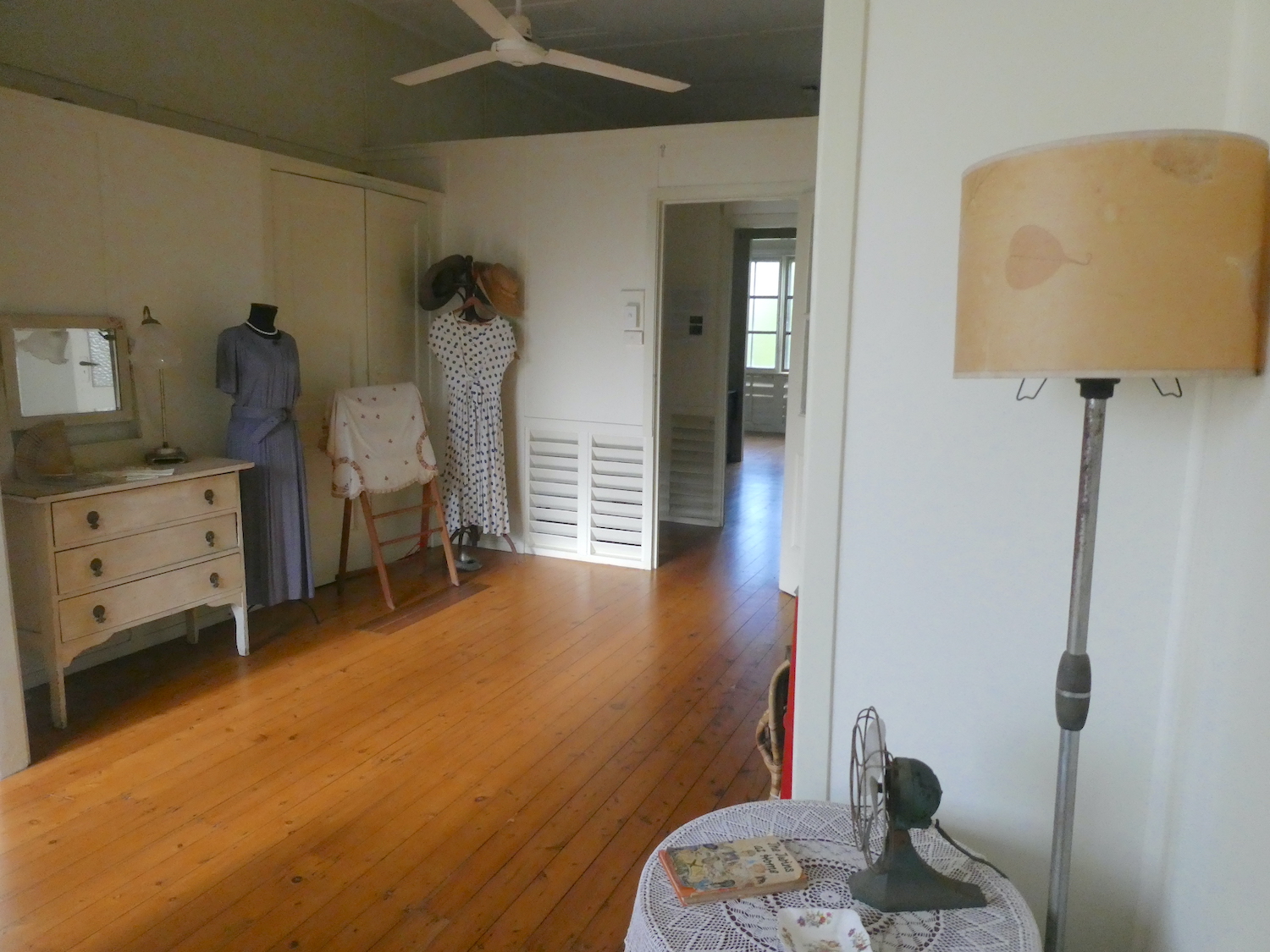
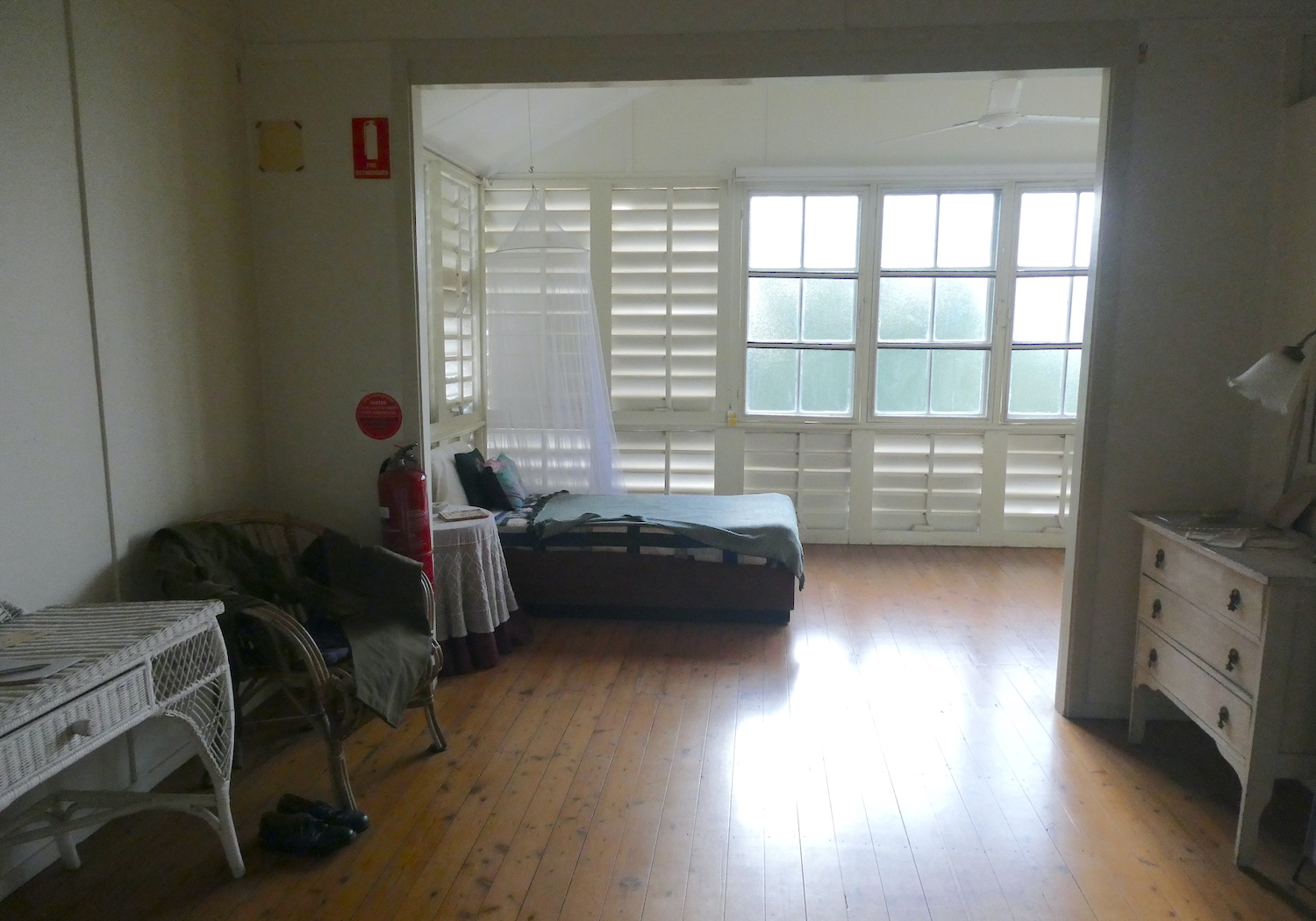
Presented as living areas, I could quite imagine enjoying a gin & tonic under the whirring ceiling fan with the scent of a tropical garden wafting through the louvres.

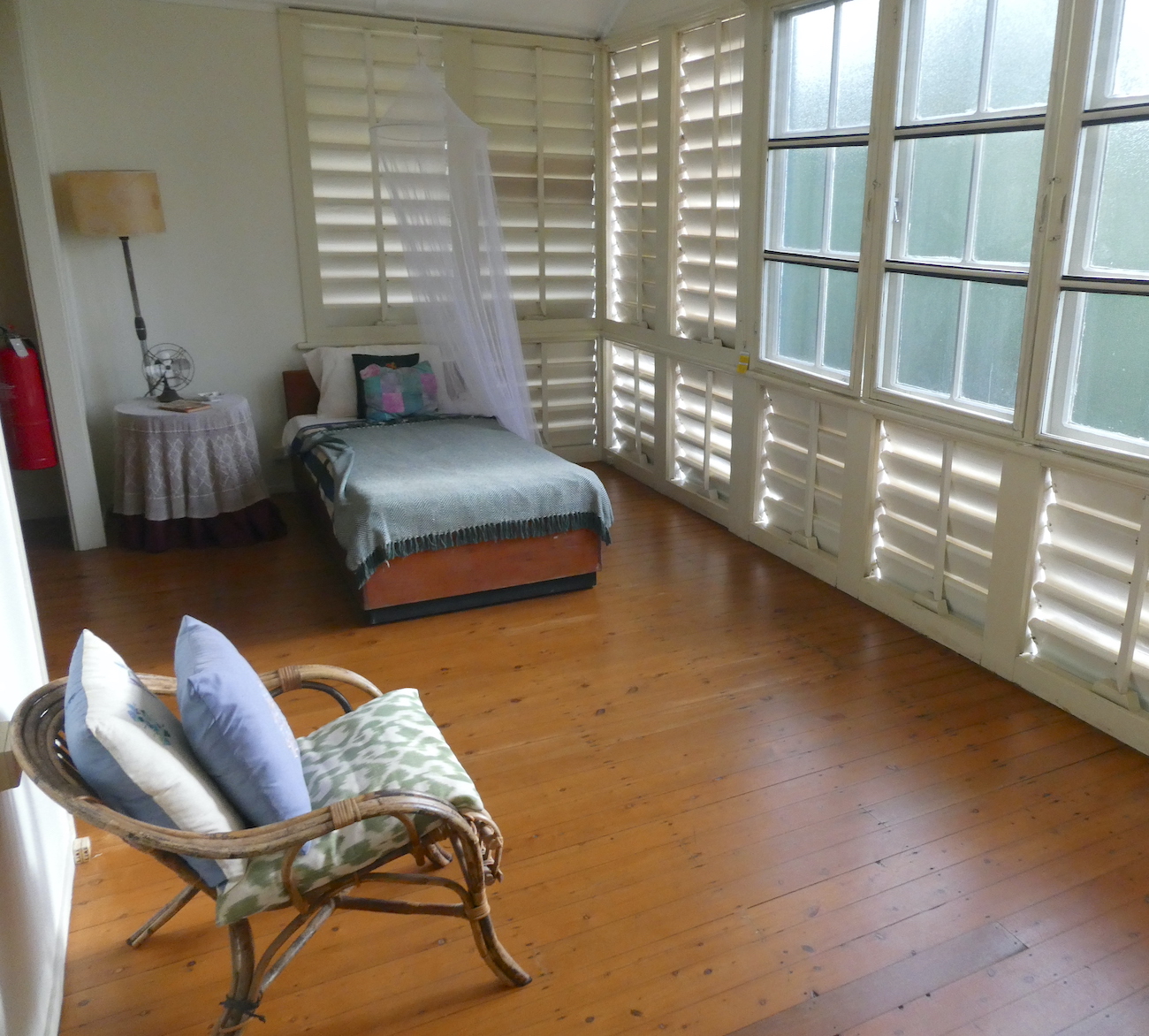
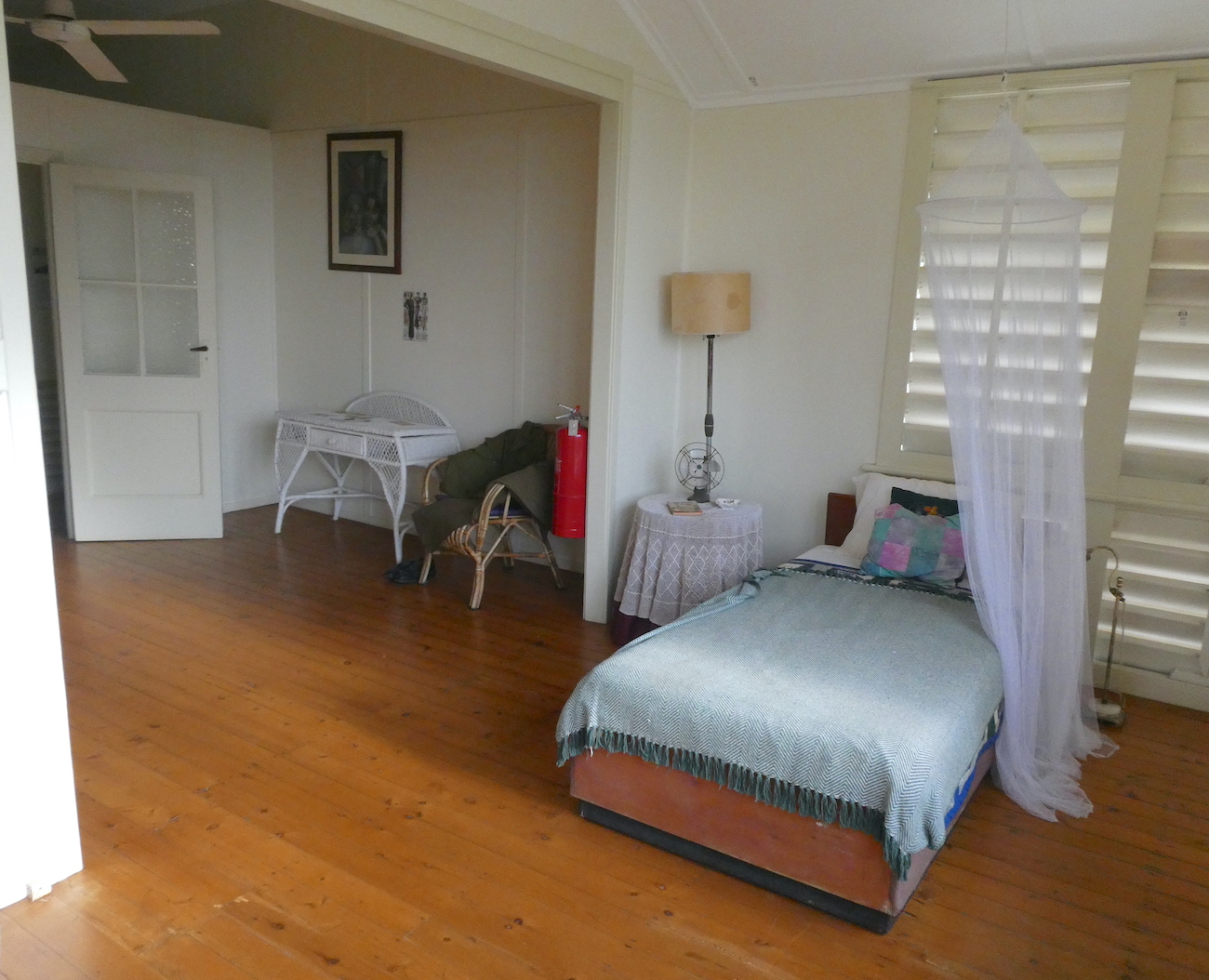
The bedroom exuded a peaceful ambience and has a spacious dressing area.
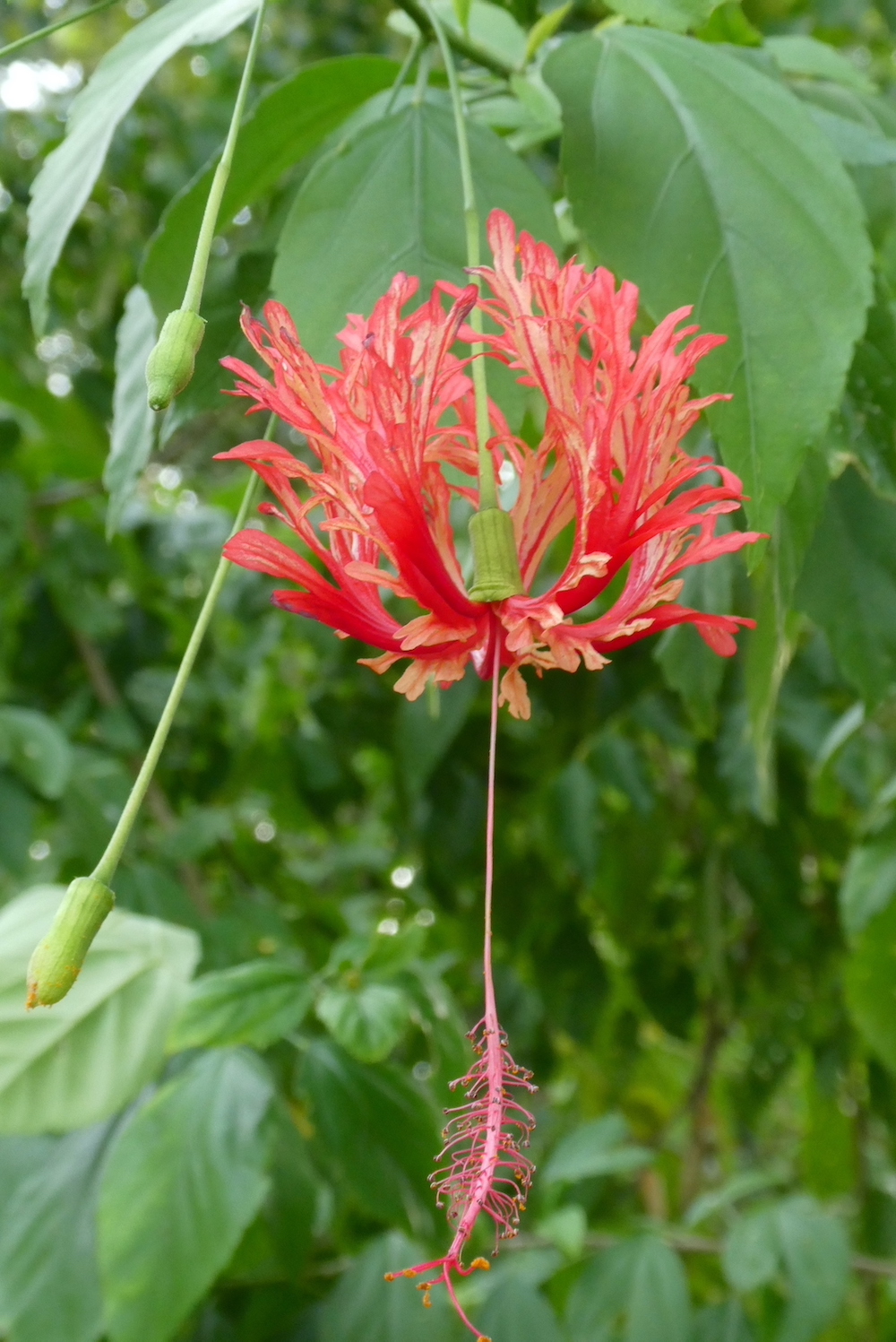
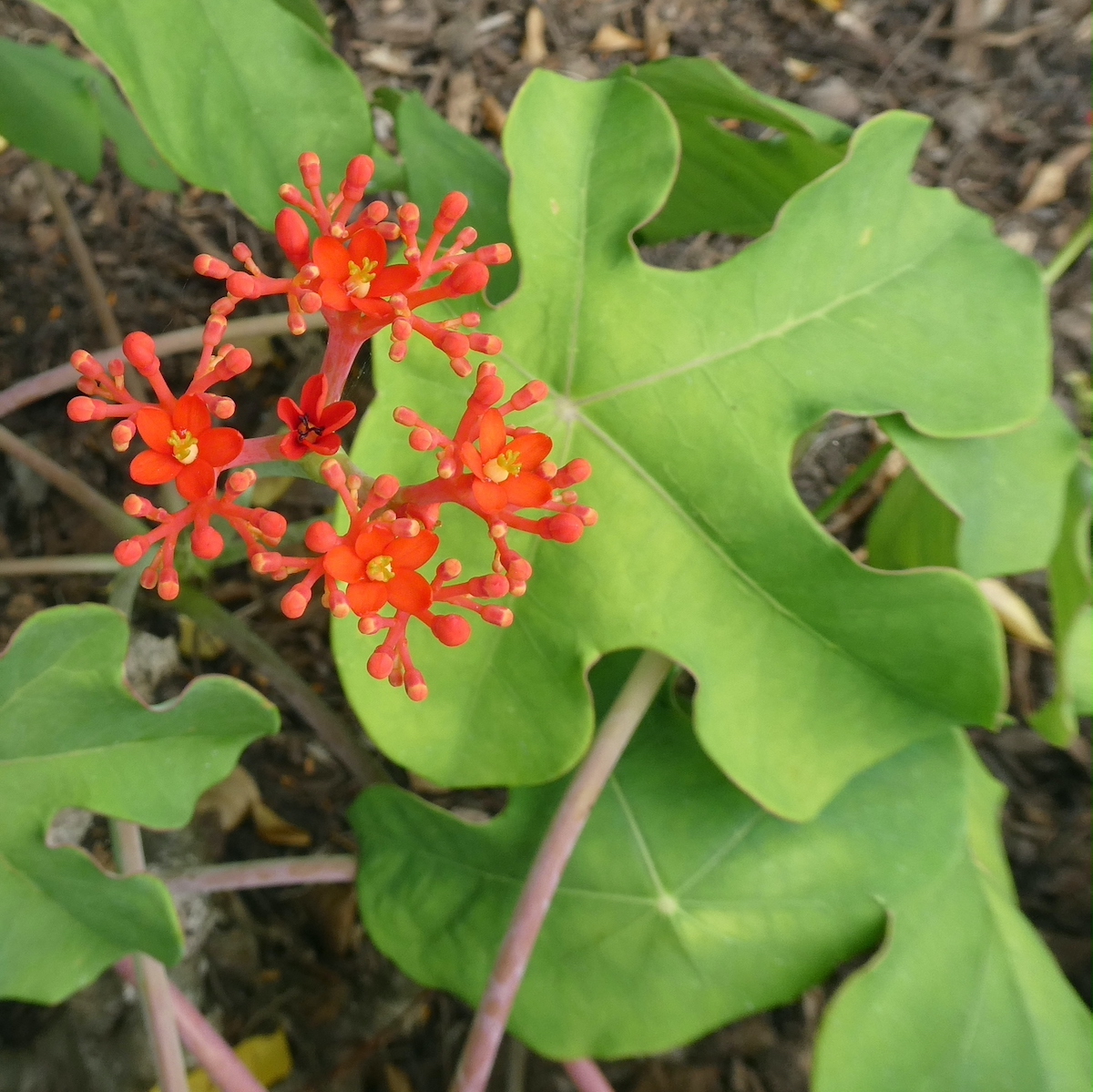
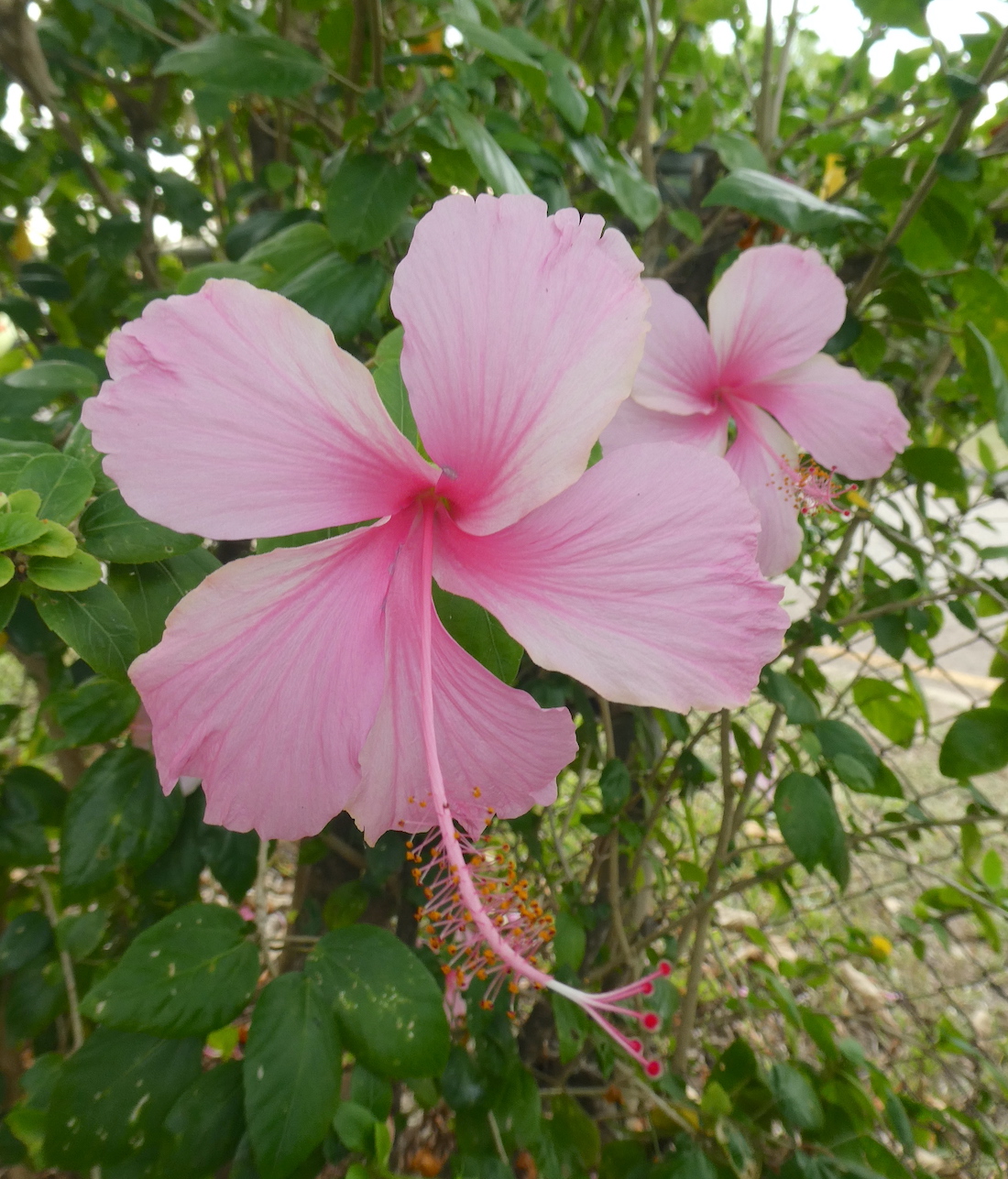
Outside, colourful tropical flowers abound in the immaculate garden.

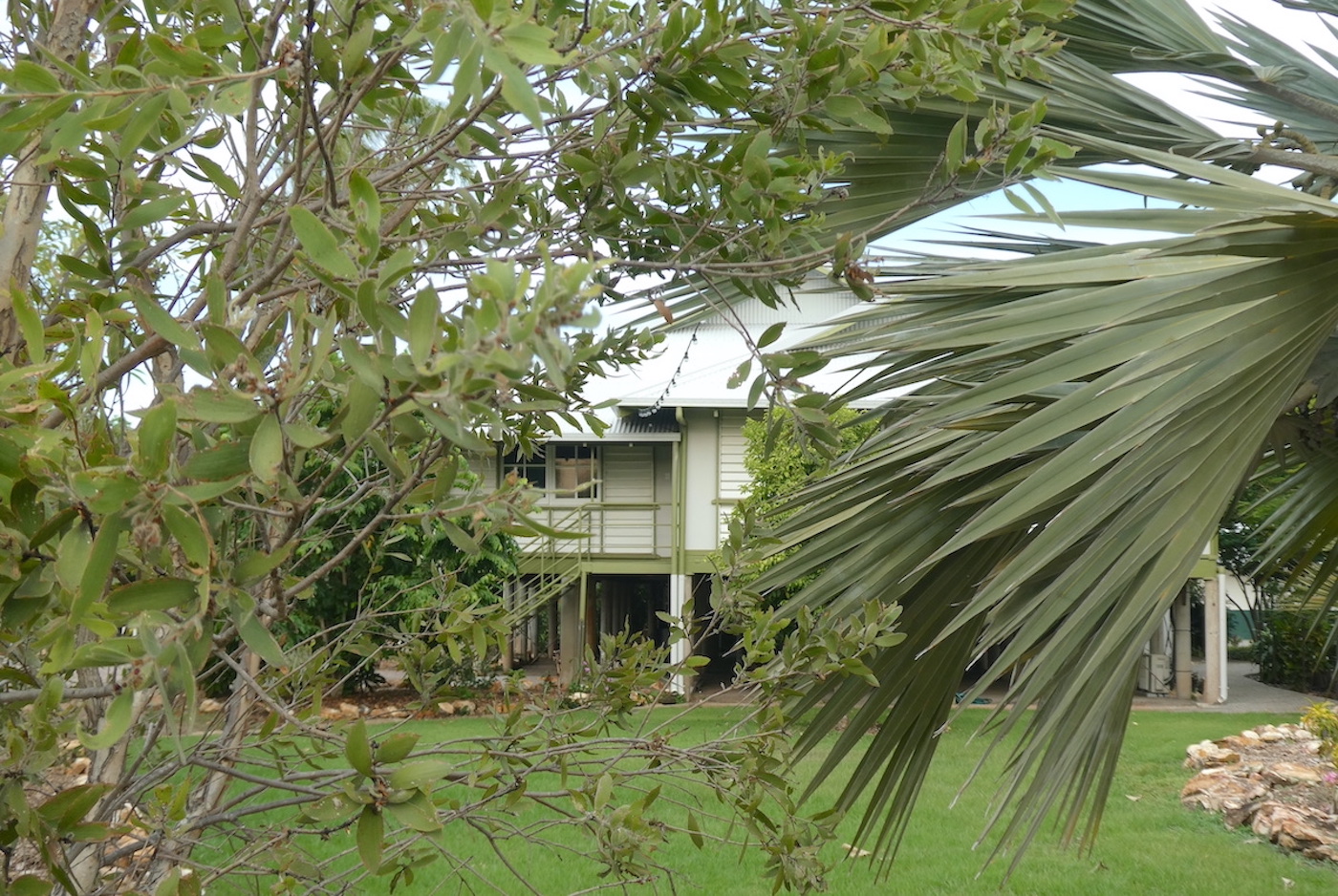
Adjacent to Burnett House, Audit House was designed by the Commonwealth Government and is an example of a large-scale housing form used in Darwin during 1920-1940.

Built for the Commonwealth Auditor in 1938, this house was also used during the war as part of a rest home for nurses. After the war, the Auditor no longer used the residence and there was a succession of occupants from various Government Departments. Unfortunately, we weren’t able to see inside but it looked very inviting, surrounded by a well-established tropical garden.

Wangi Falls

It is many years since I have been to Litchfield National Park and on my recent sojourn to Darwin, a visit was included on the agenda. Named after Frederick Henry Litchfield who explored the Northern Territory in the mid 1800s, the 1,500 square kilometre park is a comfortable 90 minute drive south of Darwin. The park has several stunning waterfalls and crystal clear swimming holes, the largest being Wangi Falls.
In 1883, surveyor David Lindsay named the falls after his youngest daughter, Gwendoline. Forty years later, Max Sargent took up the pastoral lease over the area and renamed the falls after his second daughter, Kathleen, who was born in 1954. The Townsend family took over the lease in 1961, built an outstation nearby and called it Wangi, the local aboriginal name for the area. Consequently, the falls became known as Wangi Falls. There are actually two cascades at Wangi, the morning sun wasn’t conducive to photographing the narrower stream flowing to the left of the main falls.
We set off on the Wangi Loop Walk, a 1.6 kilometre circuitous trail that climbs the escarpment to the top of the falls and returns on the other side of the pool. Colonies of flying foxes roosted above us, not bothering to seek shade for their morning slumber.

Meandering streams tumbled their way through the lush forest,

the canopy opened up to reveal a breathtaking vista as we neared the summit.

There is no view of the actual falls from the top and it is surprising that these trickling water courses create such a spectacle as they plummet over the cliff.

Smaller waterfalls accompanied us as we twisted and turned our way down a series of stone steps

to return to the pool for one last look at the majestic Wangi Falls.