Uluru

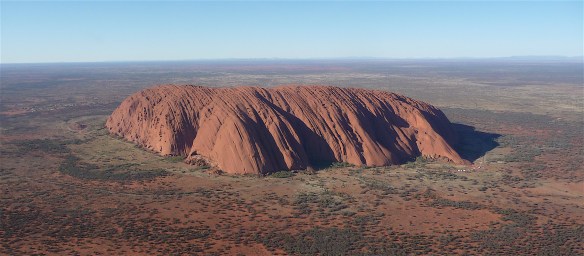
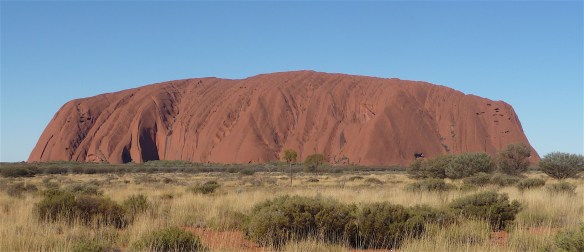
For many years, a visit to the centre of Australia was on our ‘must do’ list. After yearning to experience an iconic landmark and finally realising that dream, sometimes we are disappointed with the reality. As we approached Uluru, I was wondering if that would be the case this time. It wasn’t. The rock is awesome.
1.Uluru

Uluru is sacred to the Anangu, the Aboriginal people of the area. William Gosse first sighted it in 1873 and named it Ayers Rock in honour of the then Chief Secretary of South Australia, Sir Henry Ayers. Since then, both names have been used. Because of its great spiritual significance, the Anangu do not climb Uluru. The visitors guide suggests, ‘the climb is not prohibited, but we prefer that, as a guest on Anangu land, you will choose to respect our law and culture by not climbing.’ Alas, human nature is what it is.
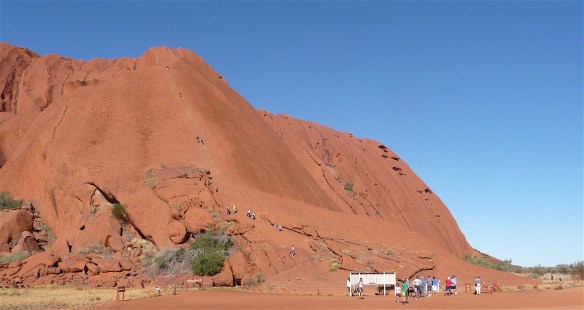
2.climbing

We decided the best way to see the top was from a helicopter.
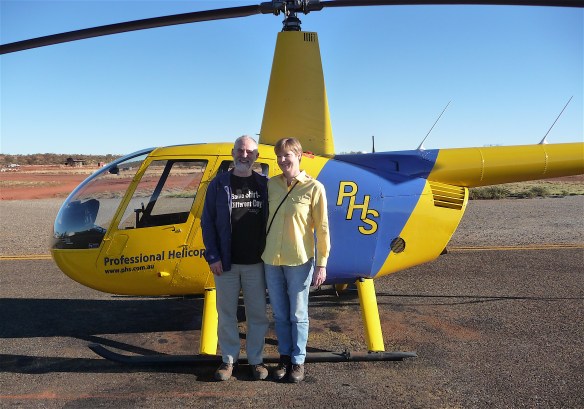
3.helicopter

The perspective from above showed the diverse features of this amazing sandstone formation. Standing 348m high, most of the bulk lies underground.

4.Uluru5.Uluru6.Uluru7.Uluru8.Uluru

The vastness of the desert was absolutely breathtaking, with Kata Tjuta rising from the landscape to break the monotony.
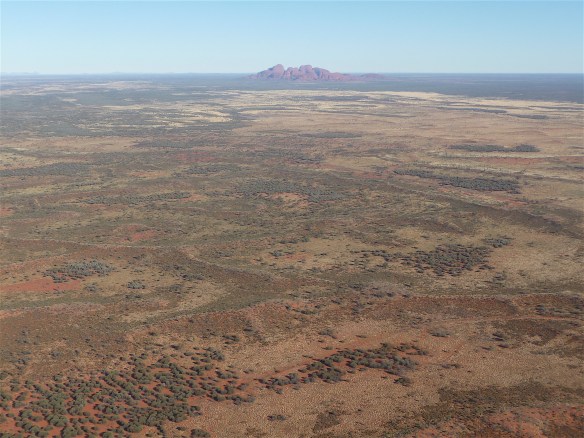
9.Kata Tjuta

The township and holiday resorts of Yulara offer an oasis in the desert.
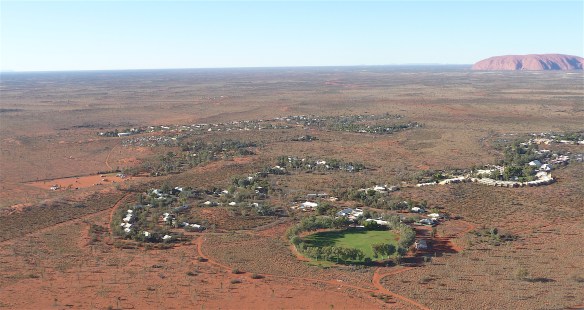
10.Yulara

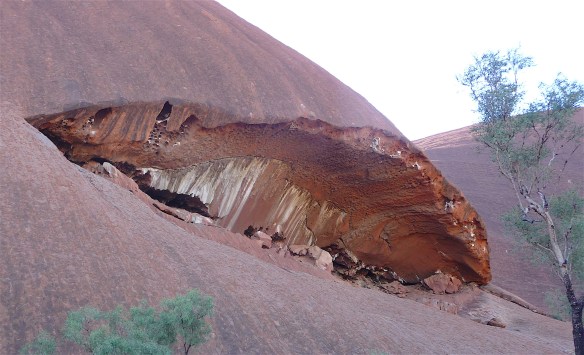
We then embarked on the base walk, 10.6km around Uluru. Visitors are asked not to photograph certain sections for reasons related to the traditional beliefs of the Anangu people. Prior to our visit, I had expected the rock to be quite featureless. On the contrary, it is truly remarkable.
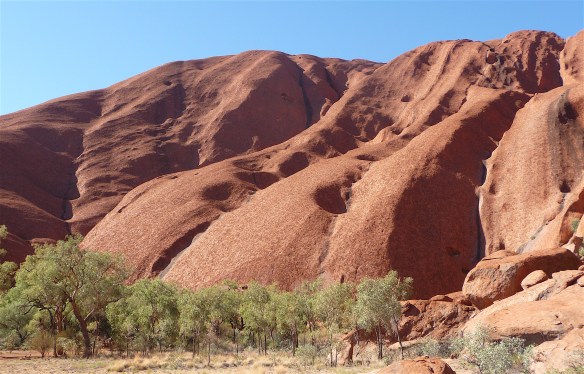
11.rock

19.rock

The walk was exhausting on a hot, dry day

24.walk

but the rewards were many.

31.rock

With the sun descending, we bid farewell to Uluru

36.rock

with a long, cold beer in our sights.

desert delights

As we journeyed through the Northern Territory, we were randomly distracted from the vastness of the desert by some very interesting features along the way. Central Mount Stuart is a mountain peak, about 200km north of Alice Springs, named in honour of the Scottish explorer John McDouall Stuart who reached the area in April 1860. He determined a point approximately 4km south of the peak to be the centre of Australia.

1.Central Mt Stuart

Stuart originally named the peak Central Mount Sturt after former expedition leader Charles Sturt but the name was changed soon after Stuart’s return to Adelaide.

I was very excited to find a winery in the desert, although there was little evidence of vines.

‘Shatto Mango’ at Ti-Tree, 180km north of Alice Springs had some surprisingly palatable offerings.

We tasted a crisp Mango Magic, fortified Mango Moonshine liqueur and sparkling Mango Mist. We even bought a couple of bottles.

Not too far down the road, we stopped at Aileron roadhouse

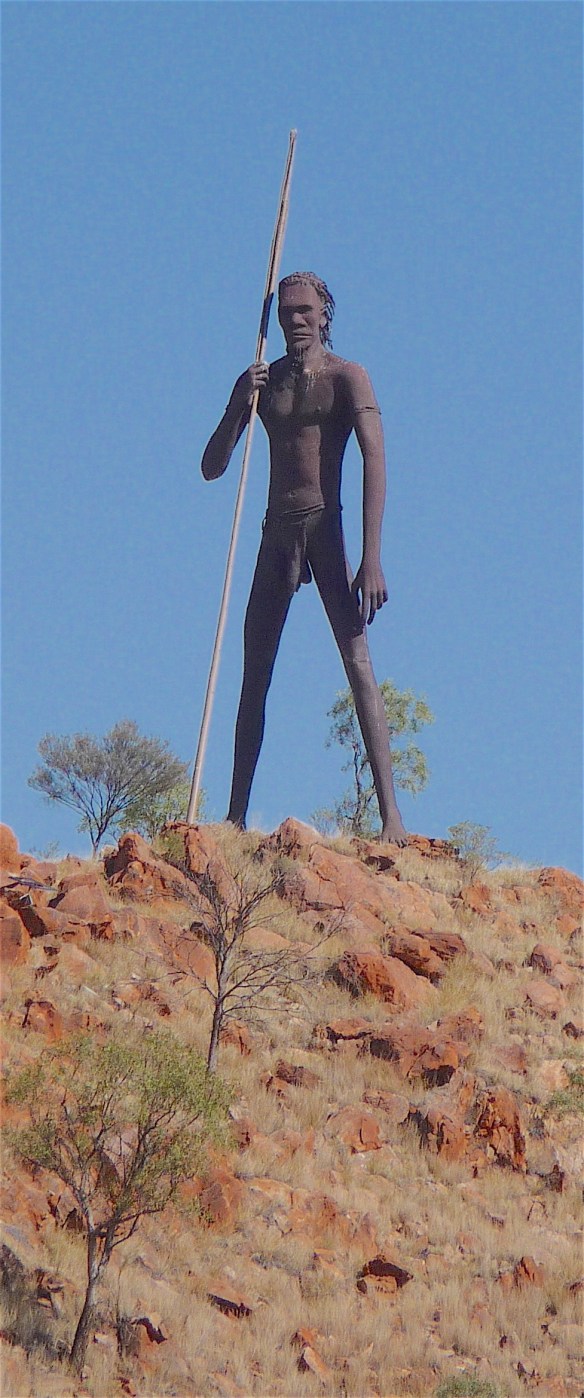
to meet ‘Anmatjere Man’. The statue, based on a traditional man from the local Anmatjere tribe, is 17 metres tall and weighs 8 tonne.

10.Aileron

He took twelve months to build and was joined three years later, in 2008, by a wife and child.

11.Aileron

30km north of Alice Springs is the Tropic of Capricorn marker, a stylized globe of the world on top of a 6.5 metre slanted pole.

In 1987, the local Alice Springs radio station ran a competition for design sketches from the public. The winner was a part time announcer for ABC radio. A local artist was commissioned to carve the Capricorn Goats in either side of the cement base.

90km west of Alice Springs, we had a brief stop at Stuarts Well roadhouse.

17.Stuarts Well

The pub/ campground is also the site of a camel farm, set on 9 acres at the foot of the James Ranges.

Continuing westward, we discovered the Cannonball Run Monument.

22.Cannonball Run

The race, run in 1994, was 3200km along the Stuart Highway from Darwin to Alice Springs and return.

23.Cannonball Run

On 24th May, a Ferrari F40 crashed into a checkpost killing the two Japanese occupants and two track officials. The cause of the accident was found to be excessive speed.

We lunched on the lawn under some magnificent gum trees at Curtin Springs, a cattle station 100km east of Ayers Rock. The station covers just over a million acres – that’s 100km long x 40km wide!

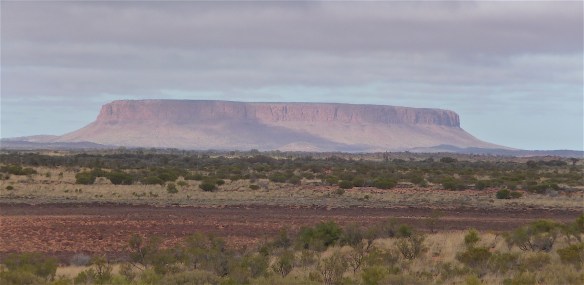
Back on the road, we soon spied Mt Conner, at the border of Curtin Springs station, often mistaken for Uluru by excitable tourists.
29.Mt Conner

There are so many wonderful surprises in the Australian outback, many we would have missed without our fabulous friends to guide us.

crazy chooks

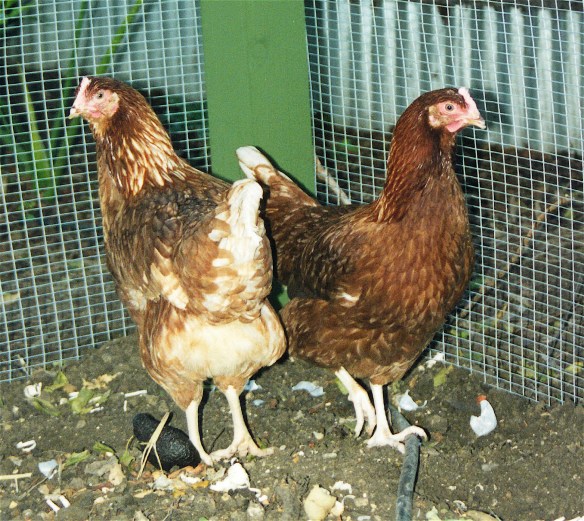
Two and a half years ago, we decided to get some chooks. We had chooks for many years before moving to Tassie. Always the ‘domestic reds’, purchased as point-of-lay from the local fodder store. They even had names, Satay and Tandoori were the first.

1.Satay & Tandoori

Then we moved to the country and had four, named after my mum and her three sisters – Jean, Doreen, Mavis and Susan.

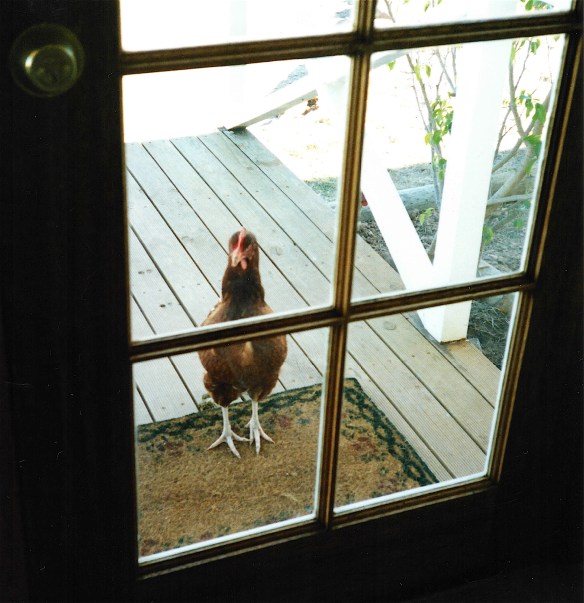
Lovely chooks, they’d sit on our laps, knock on the front door,

4.Jean

help with the gardening,

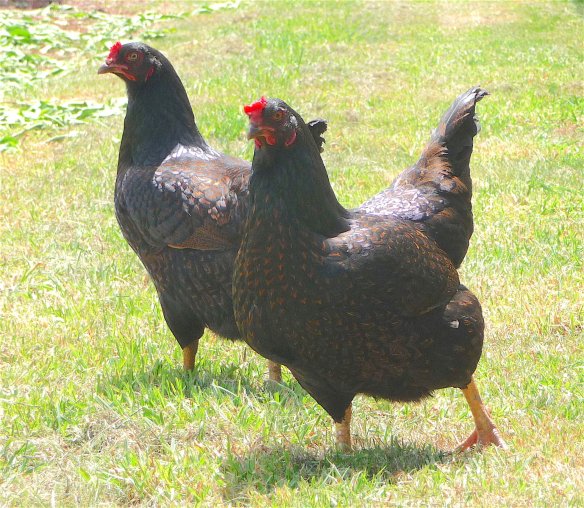
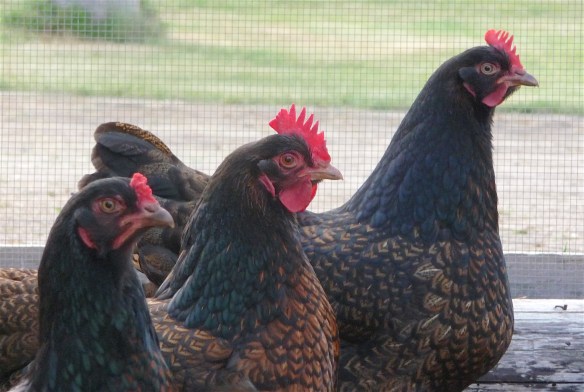
go to bed when asked, give us eggs in return for a comfortable home, food & water. We thought we’d do a bit of research for our Tassie chooks, something to withstand the harsher climate yet provide us with the eggs they were intended for. The number one recommended all-purpose fowl for a cool-temperate climate…..the Barnevelder.

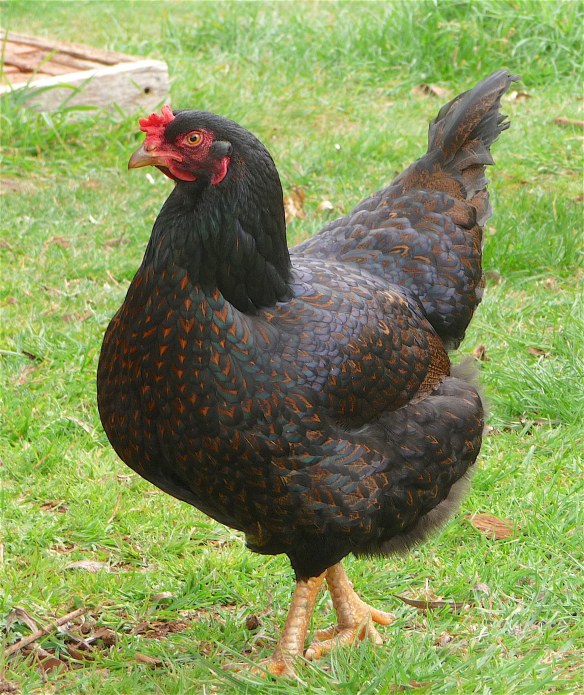
Adaptable, sedate, calm, quiet, easy to tame and train to the hand. Not to mention the lustrous satin-like plumage and glorious dark red-brown eggs. We built a house and a run, making sure it was impenetrable to lurking quolls (we don’t have foxes in Tasmania but the native quoll will do the same damage). We went to the local poultry show and agreed they were a fine looking specimen. We sought out a local breeder and brought home four, supposedly ‘point-of-lay’. The first morning, I opened the door to the chook house, greeted them with, ‘good morning girls’, and was met with a face full of feathers, dust and chook poo as they bounced off the walls in sheer terror. I thought to myself, ‘hmmm, that went well’, as I spat out the detritus. As time progressed, we realized the chook house wasn’t going to be big enough for these large birds. We built a new one

11. house

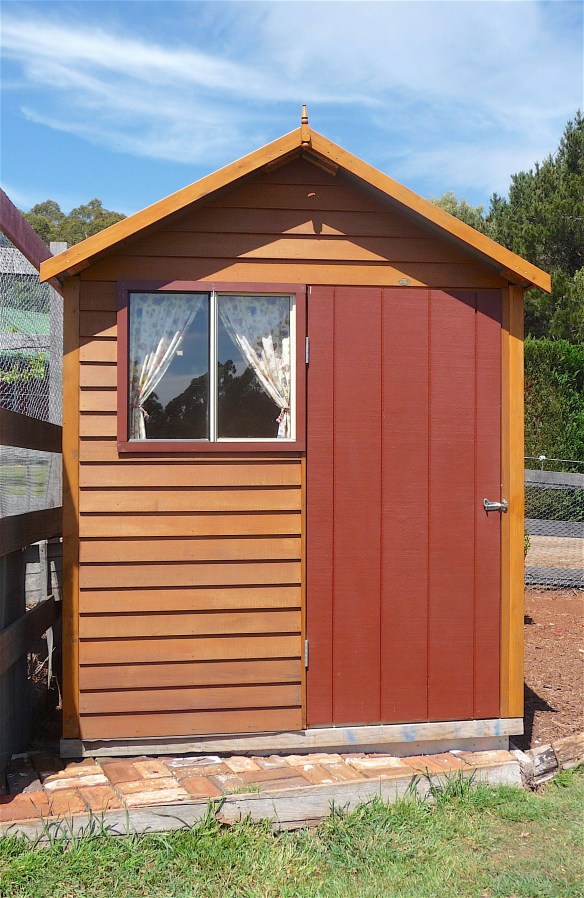
and decorated it with curtains and memorabilia designed to encourage normal chook behaviour.

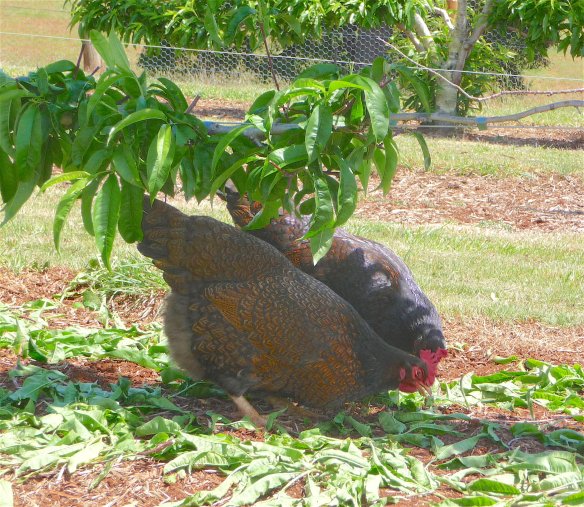
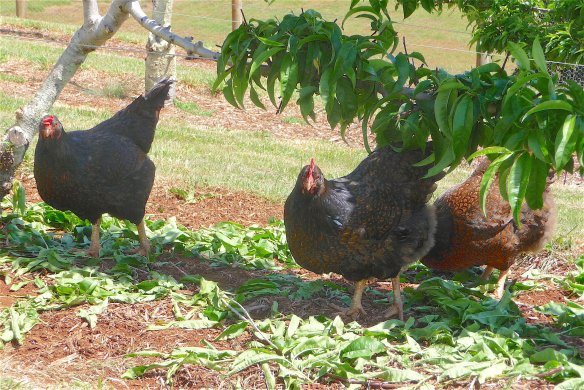
It has had the desired effect, to a degree. They are happy to free-range around the orchard

15.orchard16.orchard

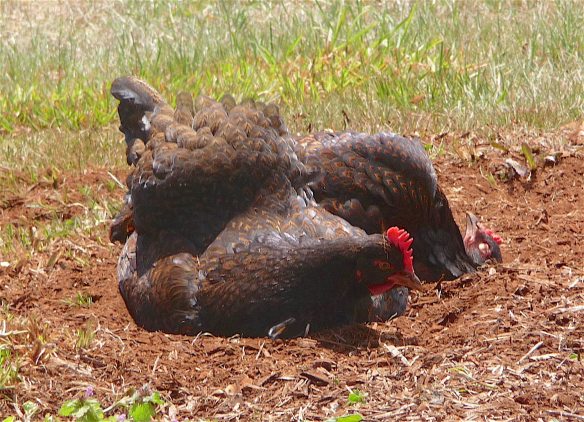
and dust baths are a regular treat.

21.dust bath

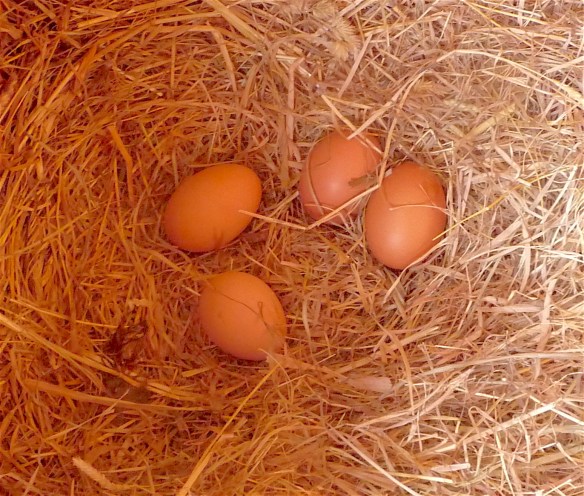
After seven months, they starting contributing toward their keep in a very sporadic manner.

22.eggs

We haven’t named them, apart from one we call Broody, a reflection of her habit when she should be laying.

23.Broody

The others have a few chosen nicknames but I won’t repeat them in print. After all this time, our dream of civilized chooks still eludes us. Their first instinct is to flee

24.run away

and the look of panic in our presence is never far away.

25.terror26.terror

If anyone would like four deranged hens, let me know. If you can catch them, you can keep them.

Barrow Creek

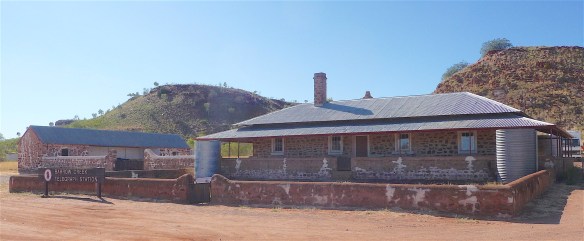
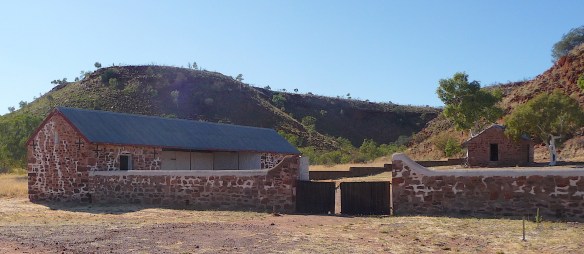
Barrow Creek is in the middle of nowhere. 1818km north of Adelaide, 1210km south of Darwin, there is a roadhouse/hotel and a telegraph station.

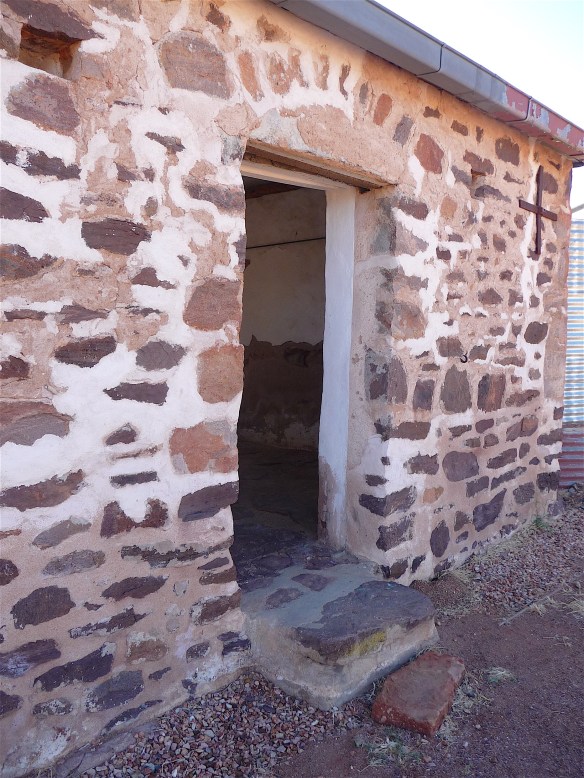
1.telegraph station

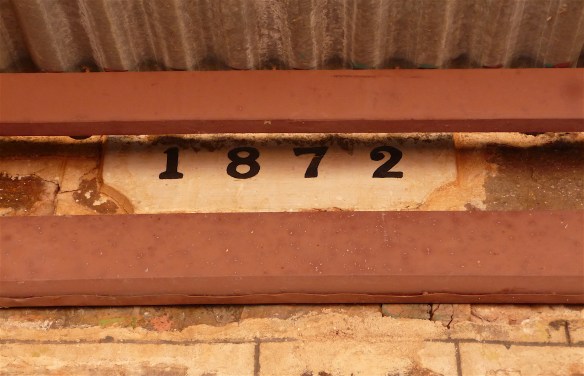
In 1860, John McDouall Stuart, on the return journey of his first attempt to cross Australia from south to north, named Barrow Creek after John Henry Barrow, the treasurer of South Australia. Dating back to 1871, the historic Overland Telegraph Station was one of 15 morse repeater stations across Australia and linking to Europe.

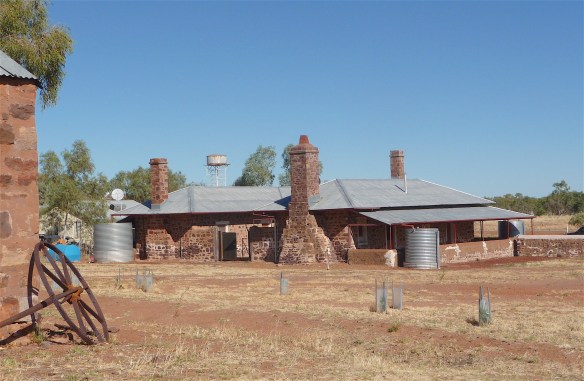
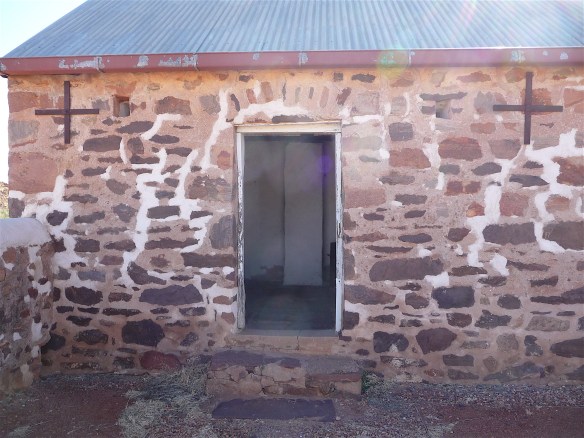
2.front

We spent some time wandering around the site that has been remarkably maintained.

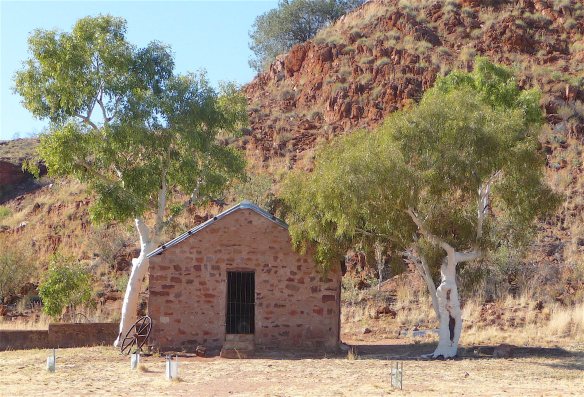
3.wagon shed & blacksmith's hut

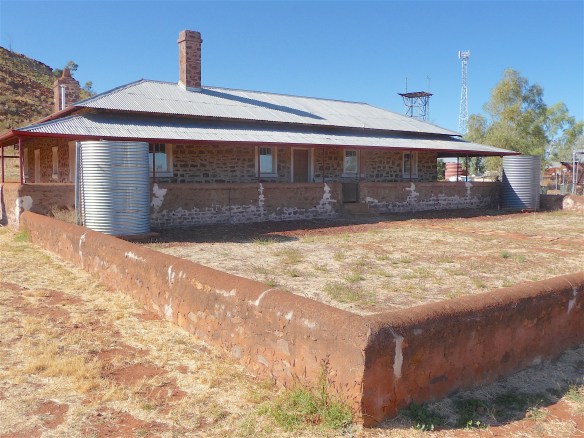
The original roof was destroyed during a gale in 1941 and was subsequently replaced with a lower pitched roof on a steel frame but the original stonework remains.

4.front door

The telegraph office at the front of the building

5.telegraph office

has views over the barren landscape.

These small windows were apparently for safely firing guns at the marauding aborigines.

8.telegraph office

In 1874, two telegraph station workers were killed by Aborigines and their graves are marked by a tombstone surrounded by a wall.

There is a central courtyard at the back of the building

9.back view

housing an underground cistern which collected rainwater from the roof.

10.cistern

Some of the windows reflect the need for protection from outside elements.

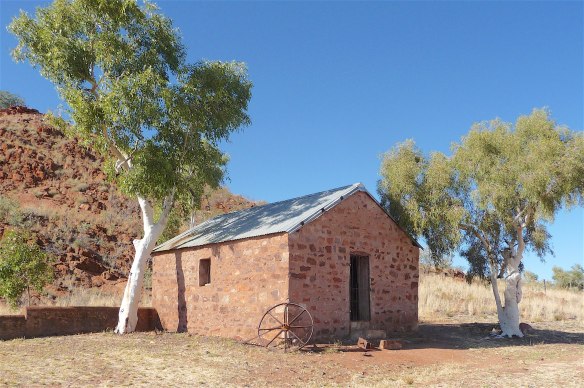
The blacksmith’s hut

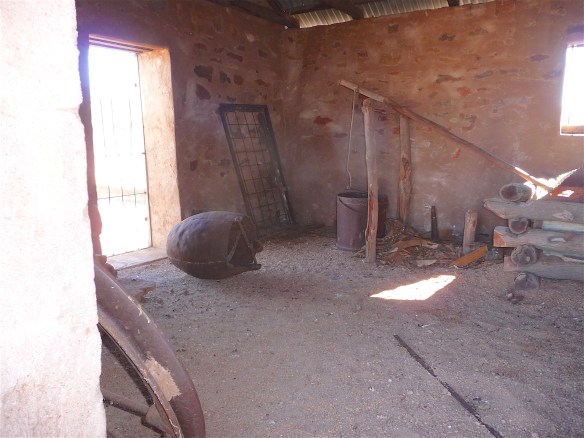
14.blacksmith's hut15.blacksmith's hut

has a collection of blacksmithing tools

16.blacksmith's hut17.blacksmith's hut

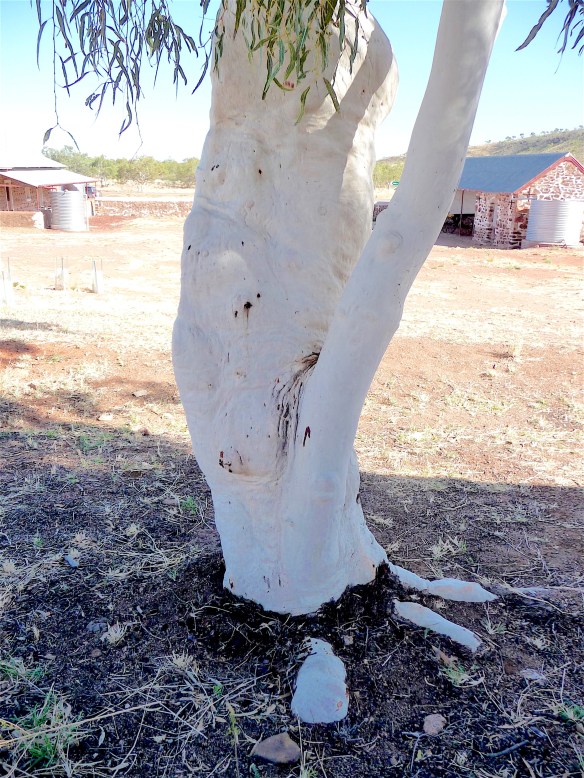
and this magnificent tree is a constant companion.

18.tree

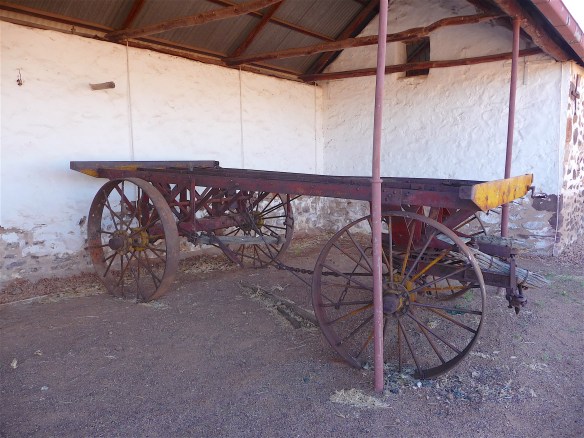
The wagon shed was constructed in 1875

19.wagon shed

with an open central section

20.wagon shed21.wagon shed

and enclosed room at each end.

22.wagon shed23.wagon shed24.wagon shed

In 1980, a microwave telecommunications link made Barrow Creek Telegraph Station redundant.

25.sign

Tom Roberts, the last linesman to live at the Station, came for a week in 1952 and stayed as caretaker until 1986.

Wing’s Wildlife Park

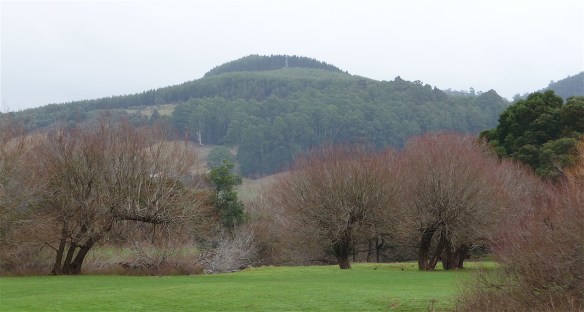
Wing’s Wildlife Park has the largest collection of Australian wildlife in Australia. A forty five minute drive from our door, the park is set in a stunning location at Gunns Plains

1.Gunns Plains

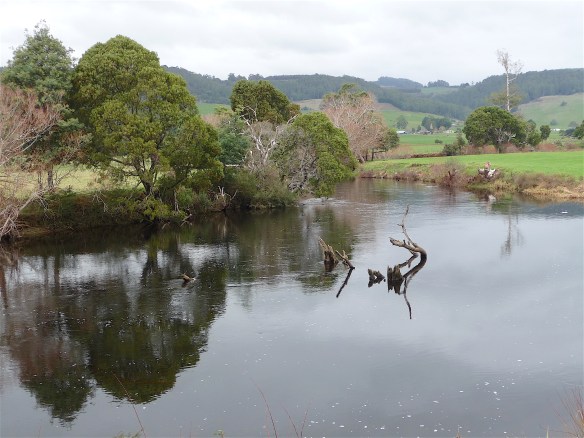
on the banks of the Leven River.

2.Leven River

In January 2011, the Leven River broke its banks and the wildlife park sustained extensive flood damage. The Wing family considered closing the park but with the help of some fantastic volunteers, they re-opened within two weeks. We arrived in time for the feeding of the Tasmanian Devils.

There were a number of assorted ducks and geese wandering around.

Most of the native animals have been rescued following injury. If they are able, they are released into their natural habitat when rehabilitated, otherwise they stay at the park for the rest of their lives.

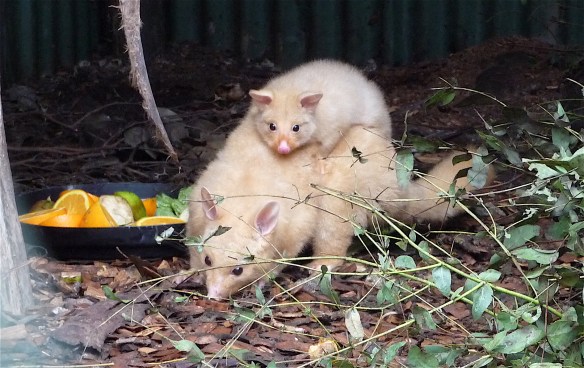
17.golden brushtail possum18.sugar glider

The eastern quoll is considered extinct on the mainland, but it does inhabit much of Tasmania.

The Bennett’s wallaby has a wonderful enclosure.

22.Bennett's wallaby enclosure

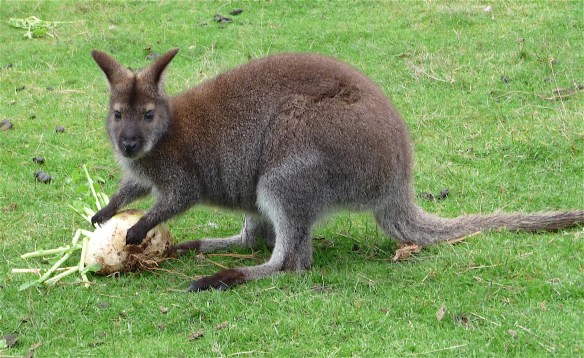
Known as the red-necked wallaby on the mainland, they are a common sight in Tasmania.

23.Bennett's wallaby1

Pademelons are gorgeous creatures, they frequent our garden at night, although I don’t think albinos would fare too well in the wild.

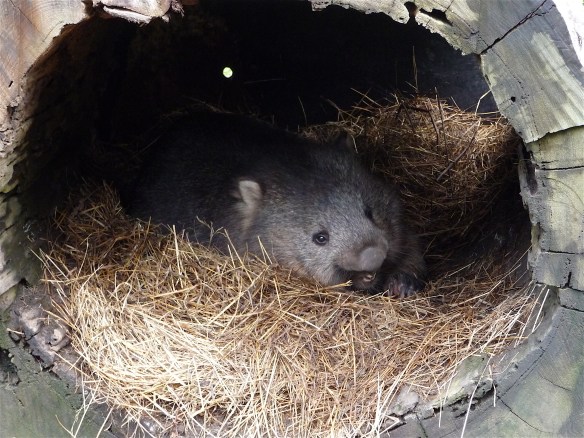
Wombats look so cuddly.

31.wombat1

This one was a bit of an acrobat.

We don’t have koalas in the wild in Tasmania

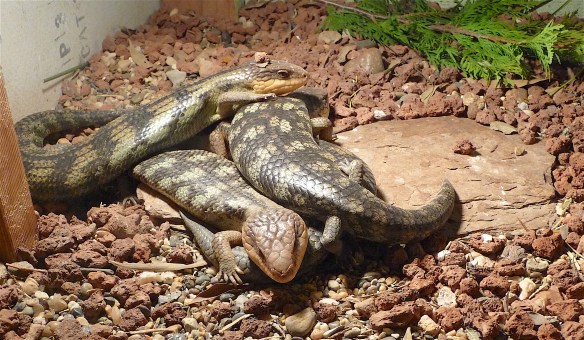
but we have plenty of lizards

38.blotched blue tongues

and birds.

The crab-eating macaque was deep in thought

The park was the first to import American bison into Tasmania.

54.bison

There are a variety of four-legged friends

and some very cute mums with baby.

The camels seemed to be having a hard time with their vegetables.

The animals have some gorgeous scenery to enjoy

74.view175.view5

and the poplar lined driveway is a beautiful farewell to a wonderful day.

76.view4