Johnson’s Beach

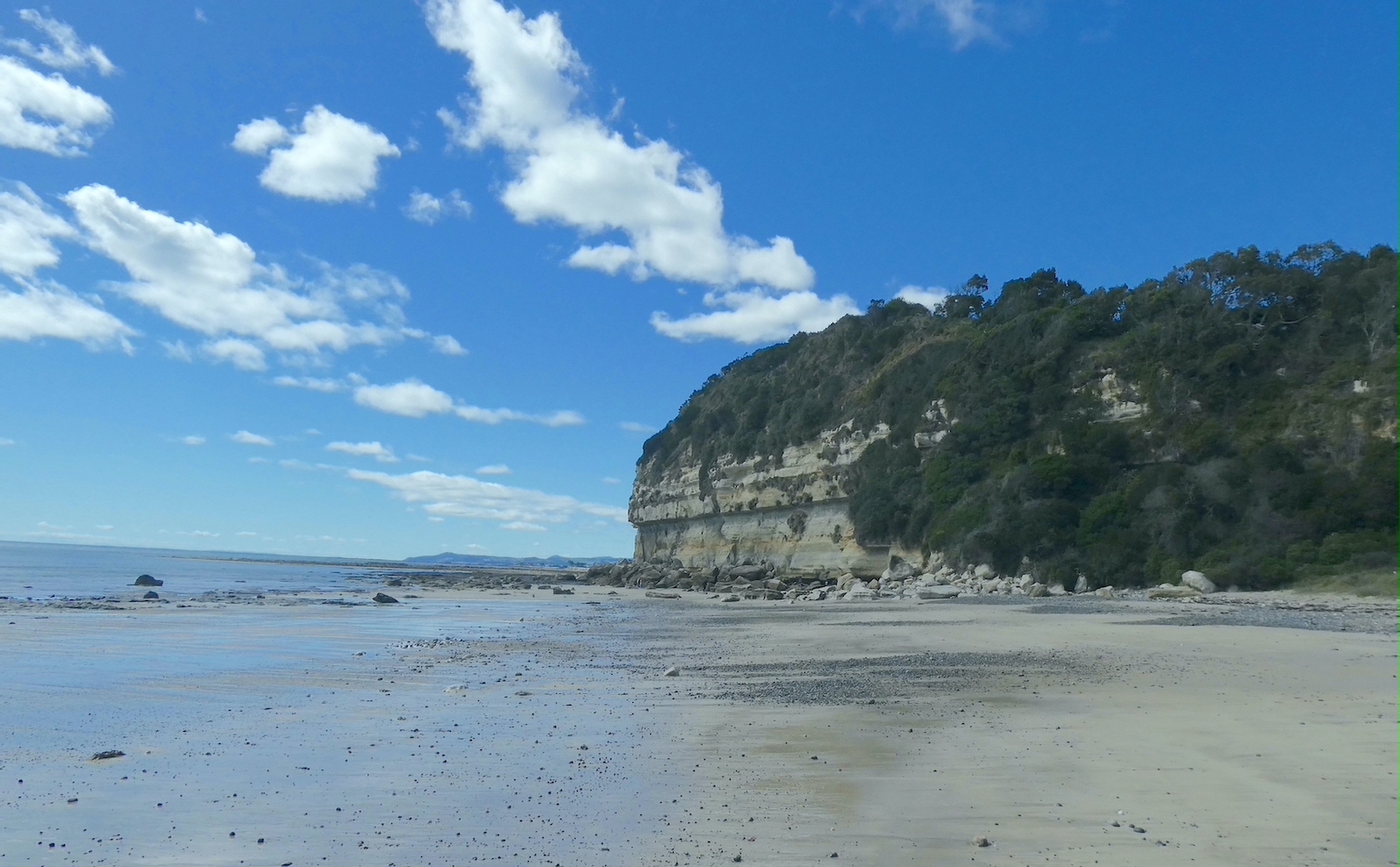
At the end of another winter, thoughts turn to warmer days, sunshine and walks along the beach. Just a 10 minute drive from us is the peaceful Johnson’s Beach at Penguin. Apparently, it is named after a certain Mr. Johnson who lived at the end of Clerke Street near the beach but he remains a mystery.

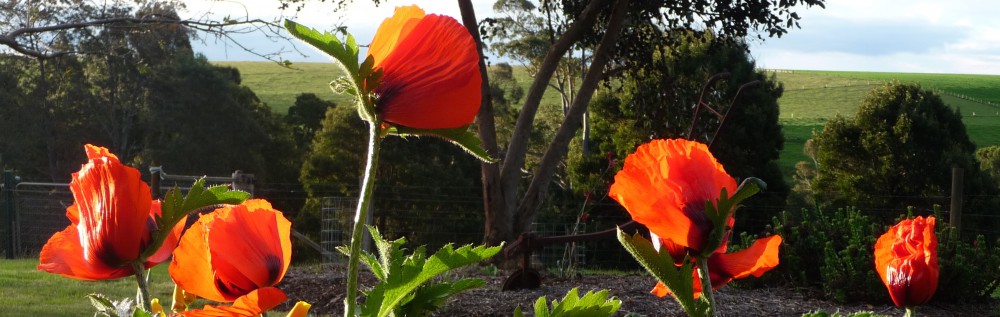
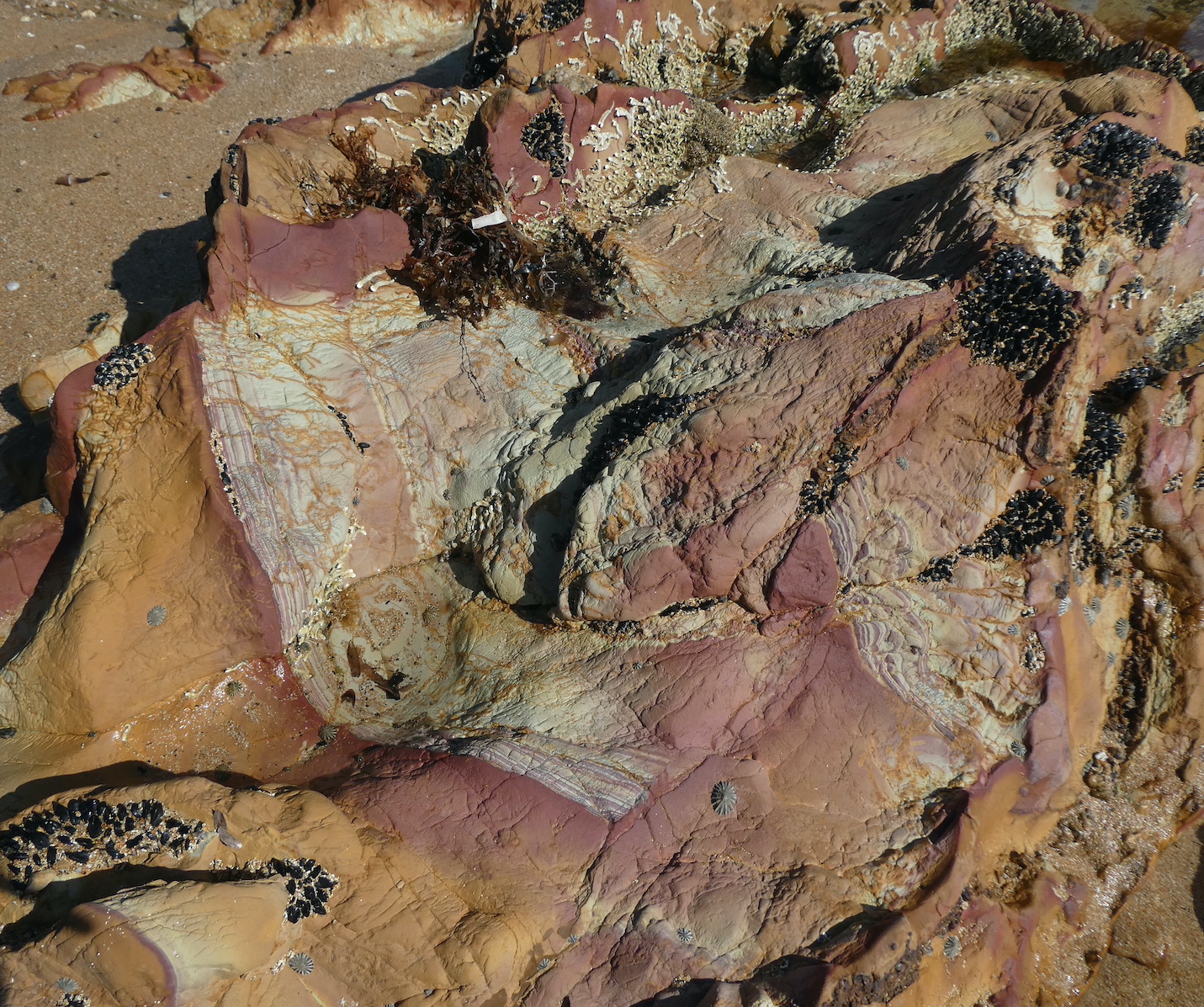
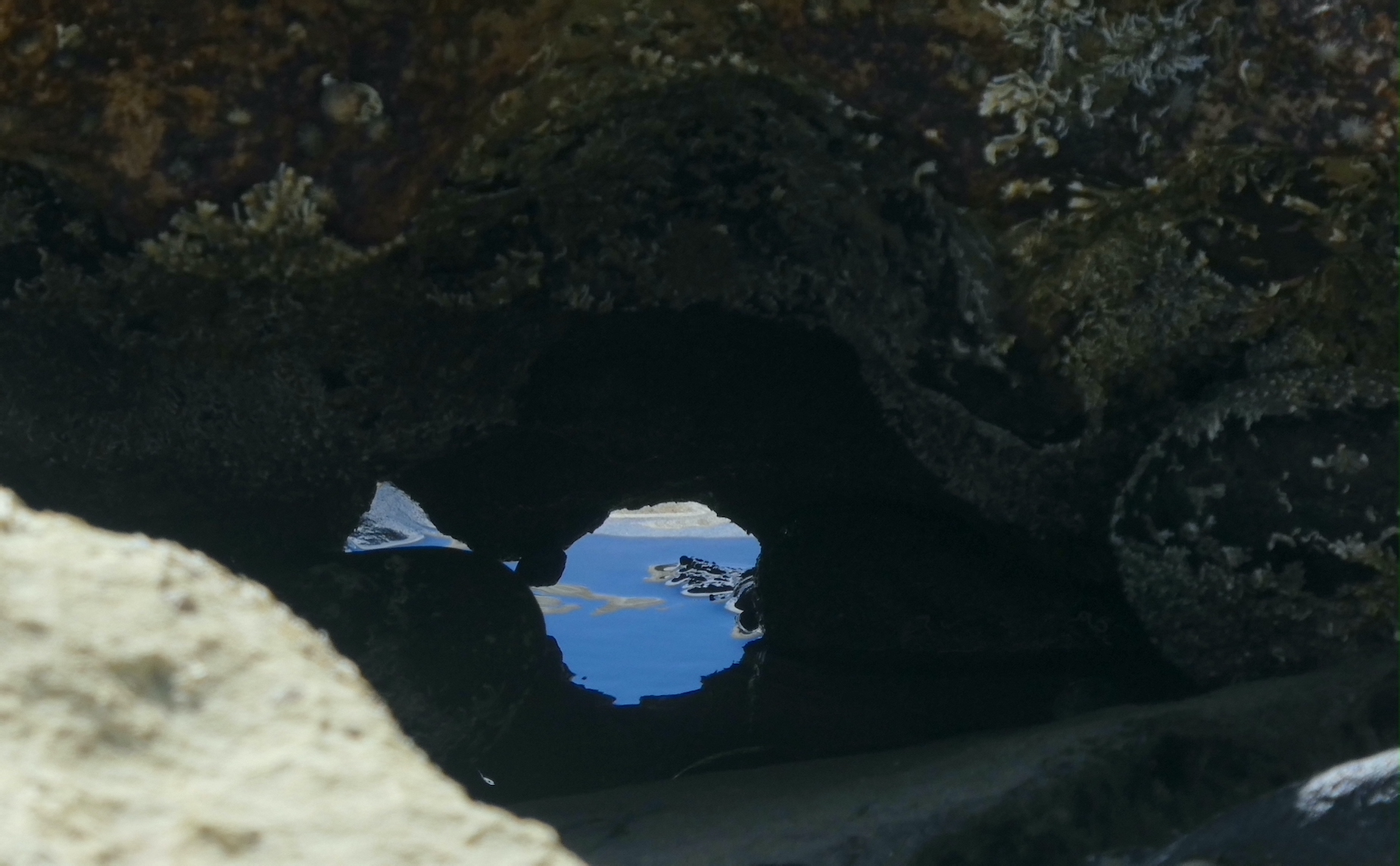
A stroll along the shore reveals art installations with a difference, courtesy of the artist in residence, Mother Nature. Magnificent rocks of all shapes and sizes are coloured with myriad earthy hues.

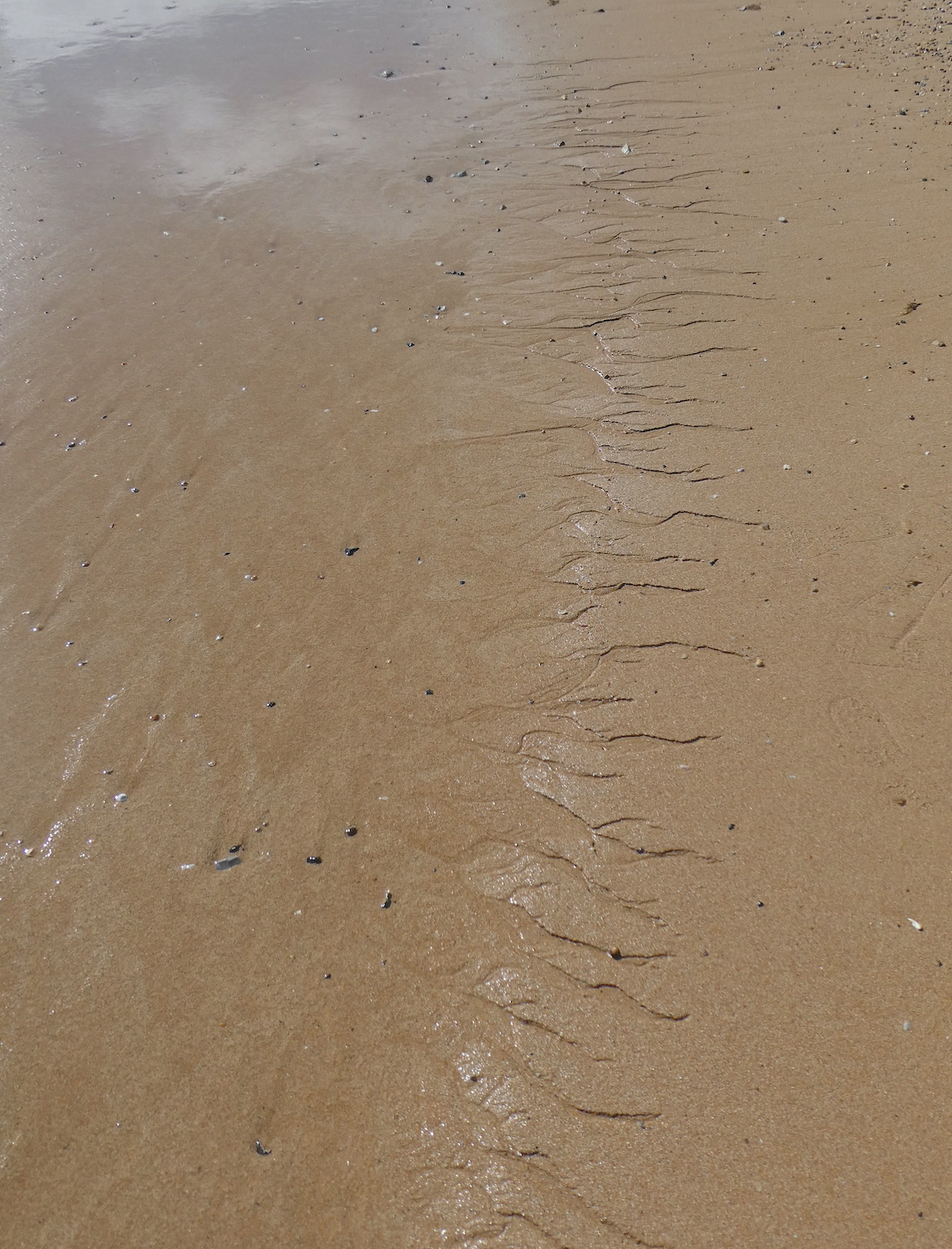
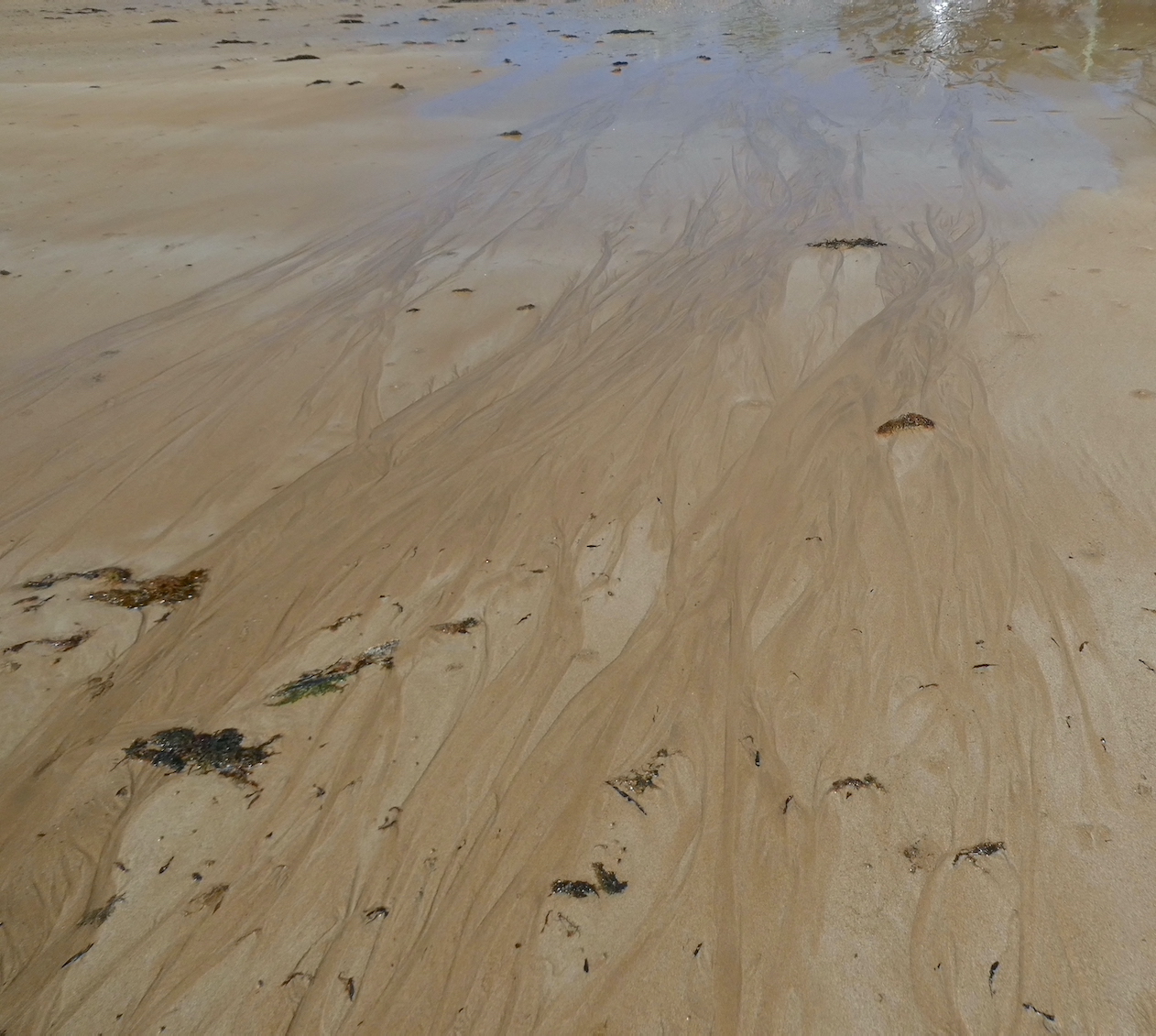
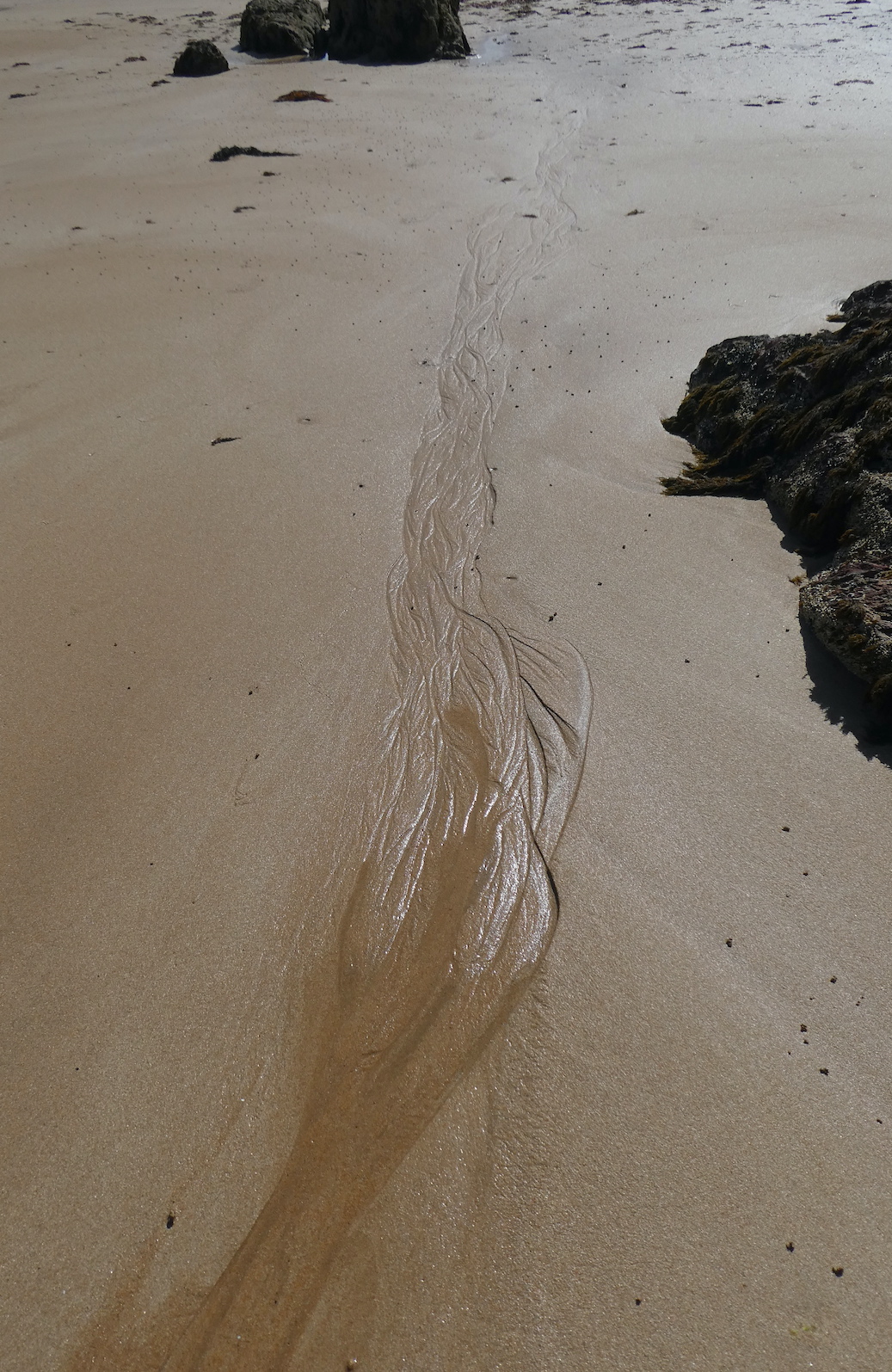
Subtle brush strokes and feathering etch the sand, following the retreating tide.

Smooth vanilla mounds are drizzled with raspberry coulis

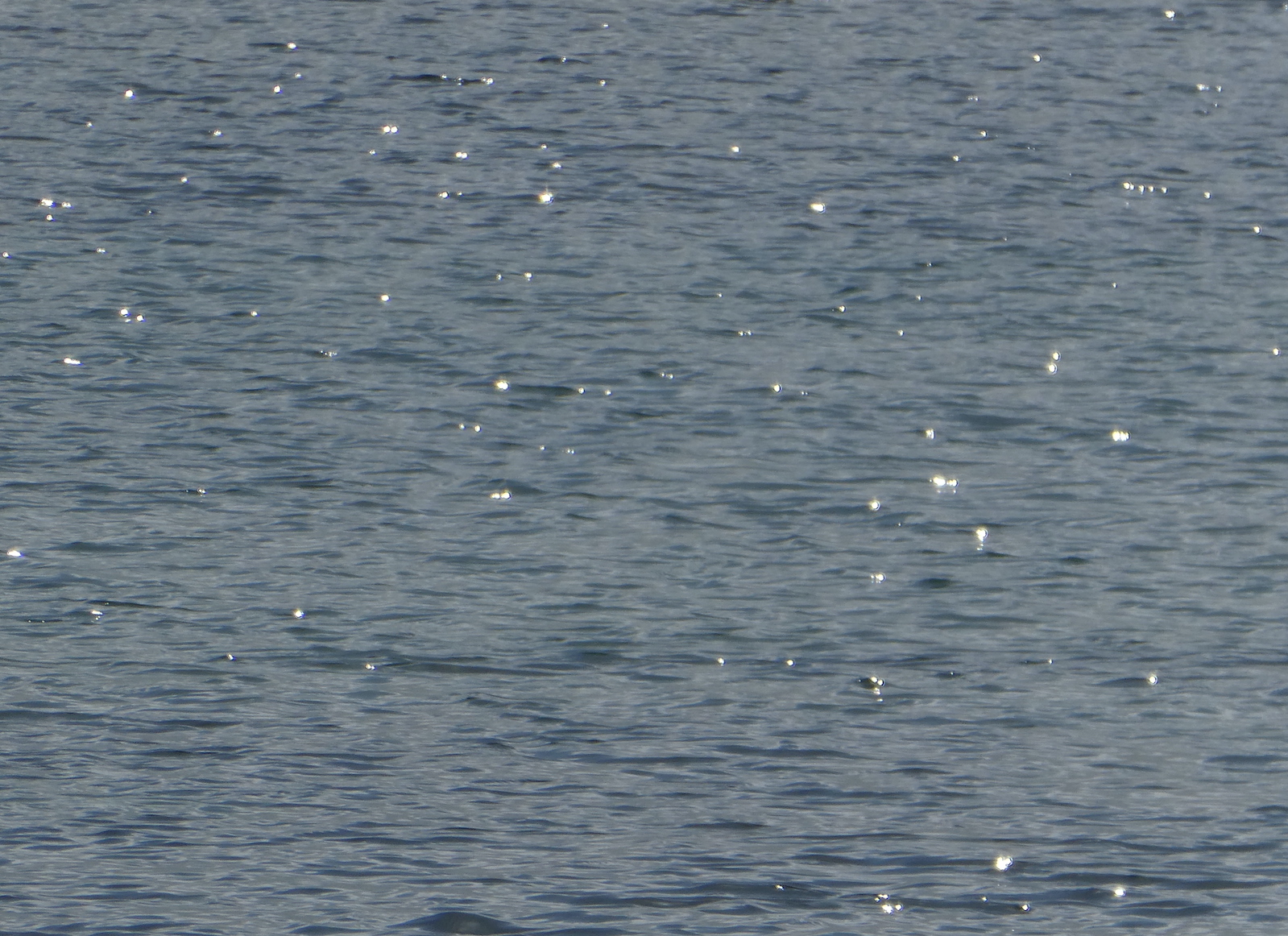
and diamonds sparkle on a watercolour background.

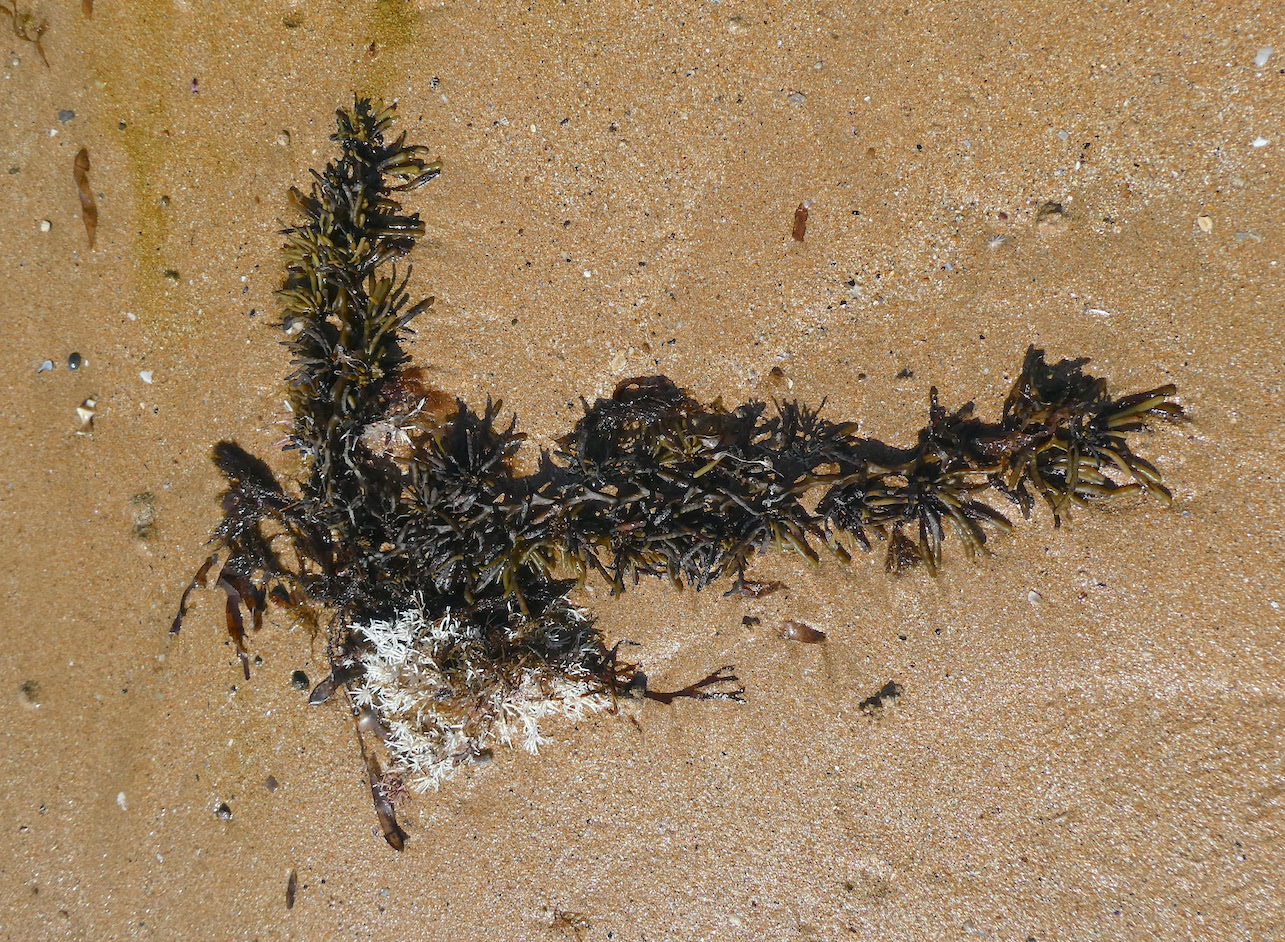
Elegant accessories have been discarded flippantly, awaiting a seat at the next salty soiree .

Returning to reality…. Spring isn’t far away and a drive to Penguin for a meander along Johnson’s Beach followed by a leisurely lunch is high on the agenda.

Fossil Bluff

My first visit to Fossil Bluff at Wynyard in 2009 was a little disappointing. The tide was in and, although the sandstone cliff was spectacular and scenery stunning, I didn’t see any evidence of fossils.

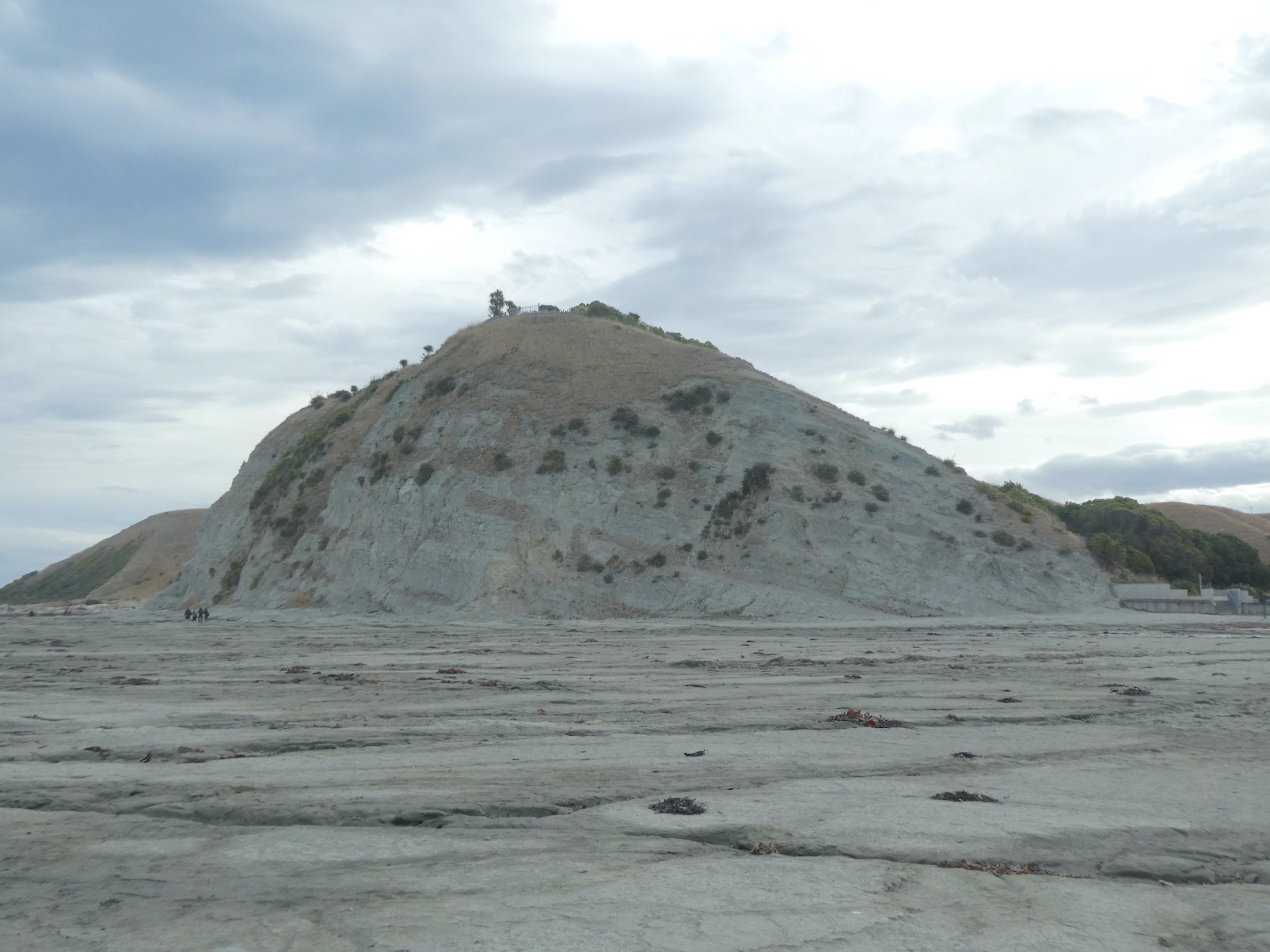
More recently, we arrived at low tide to find the expansive beach of Freestone Cove with Fossil Bluff looming to the east

and Table Cape to the west.

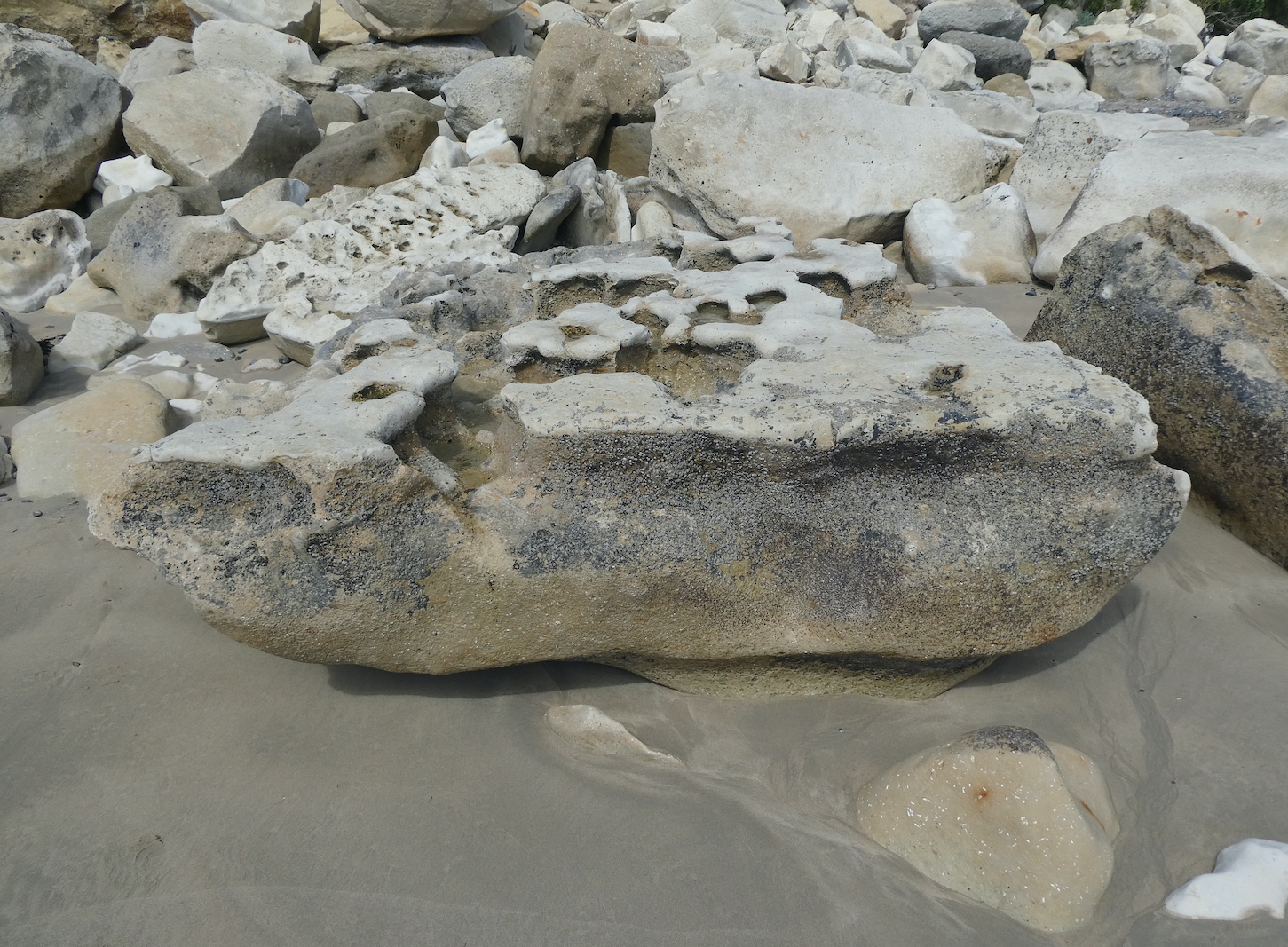
We wandered among rocks, weathered and worn smooth by the incessant ebb and flow of the tide.

Fossil Bluff was created 275 million years ago by a tidewater glacier. The 25 metre sandstone cliffs are strewn with fossils, including the remains of the oldest marsupial found in Australia named Wynyardia bassiana in honour of the town.

The grey rock at the base of the cliff is Wynyard Tillite, deposited by the glacier between 303 and 293 million years ago while Australia was part of the super continent called Gondwana. Fossil Bluff sits on top of the tillite and it is clear to see where the sandstone and tillite meet.

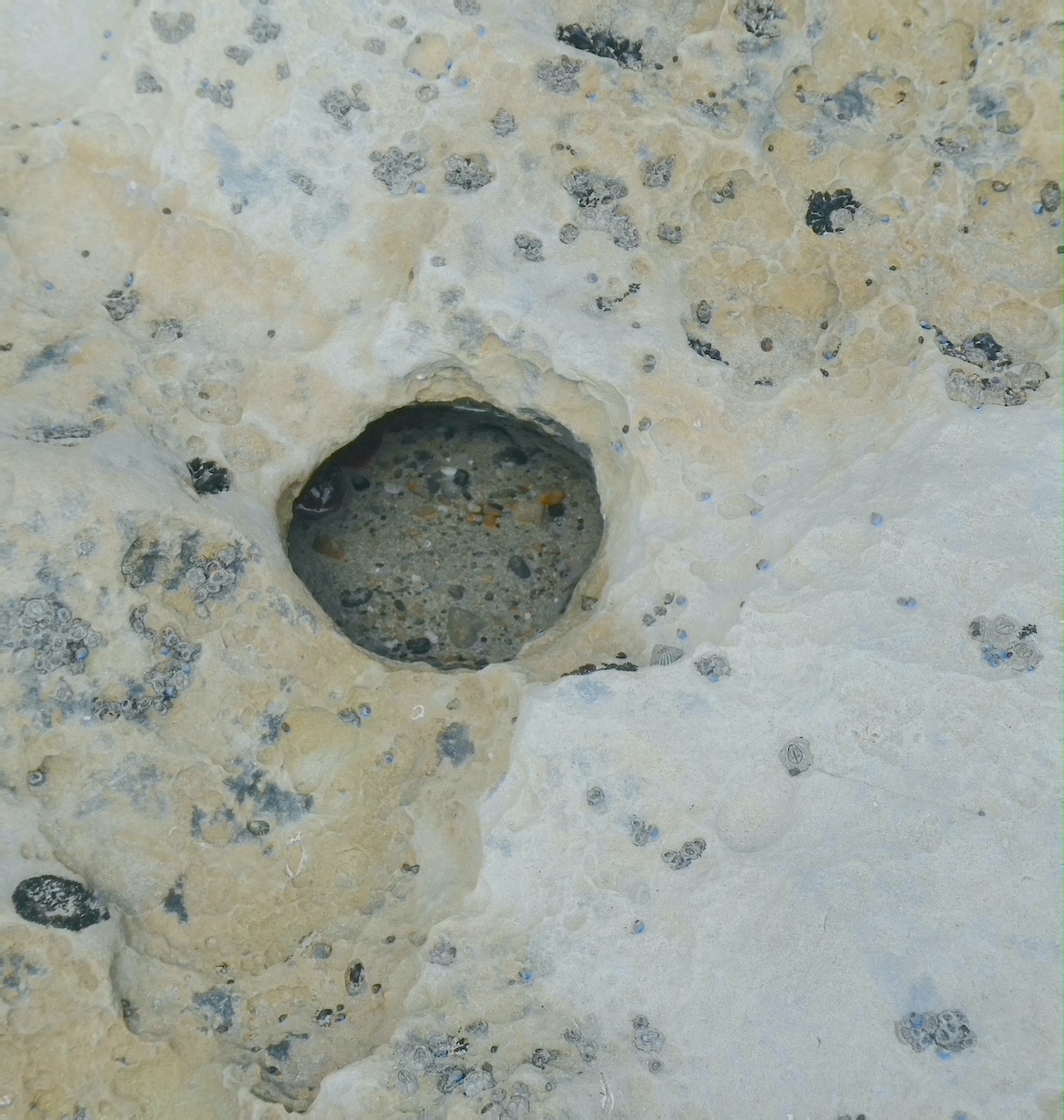
It wasn’t long before I spied a plethora of trilobites emerging from rock. One of the earliest known groups of arthropods, trilobites became extinct about 252 million years ago after existing in oceans for 270 million years.

Myriad shells of varying shapes and sizes decorate every surface

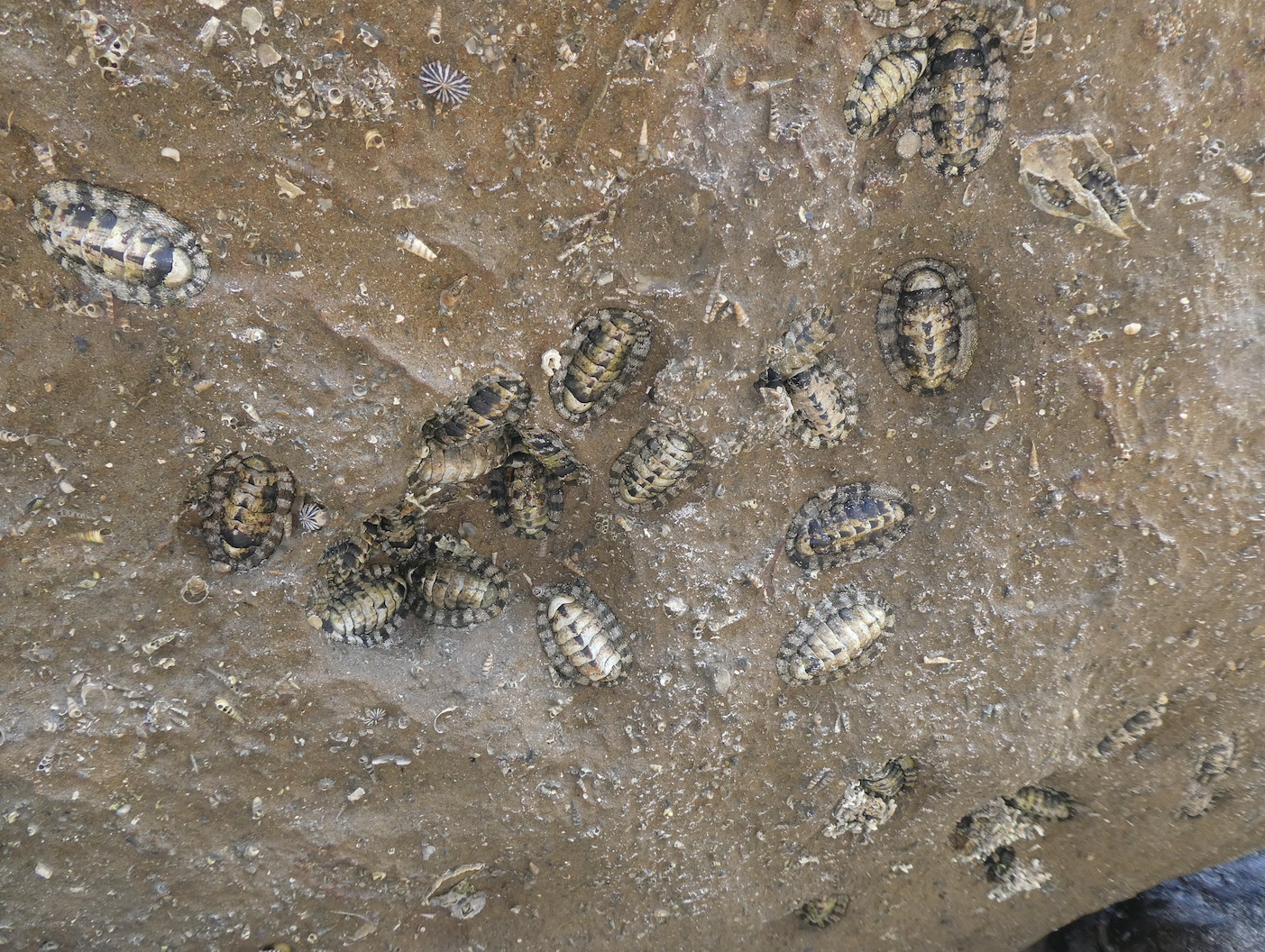
along with ancient ancestors of the turritella sea snails.

Nature’s artwork surrounded us,

and with a little imagination, an ossified whale and porpoise.

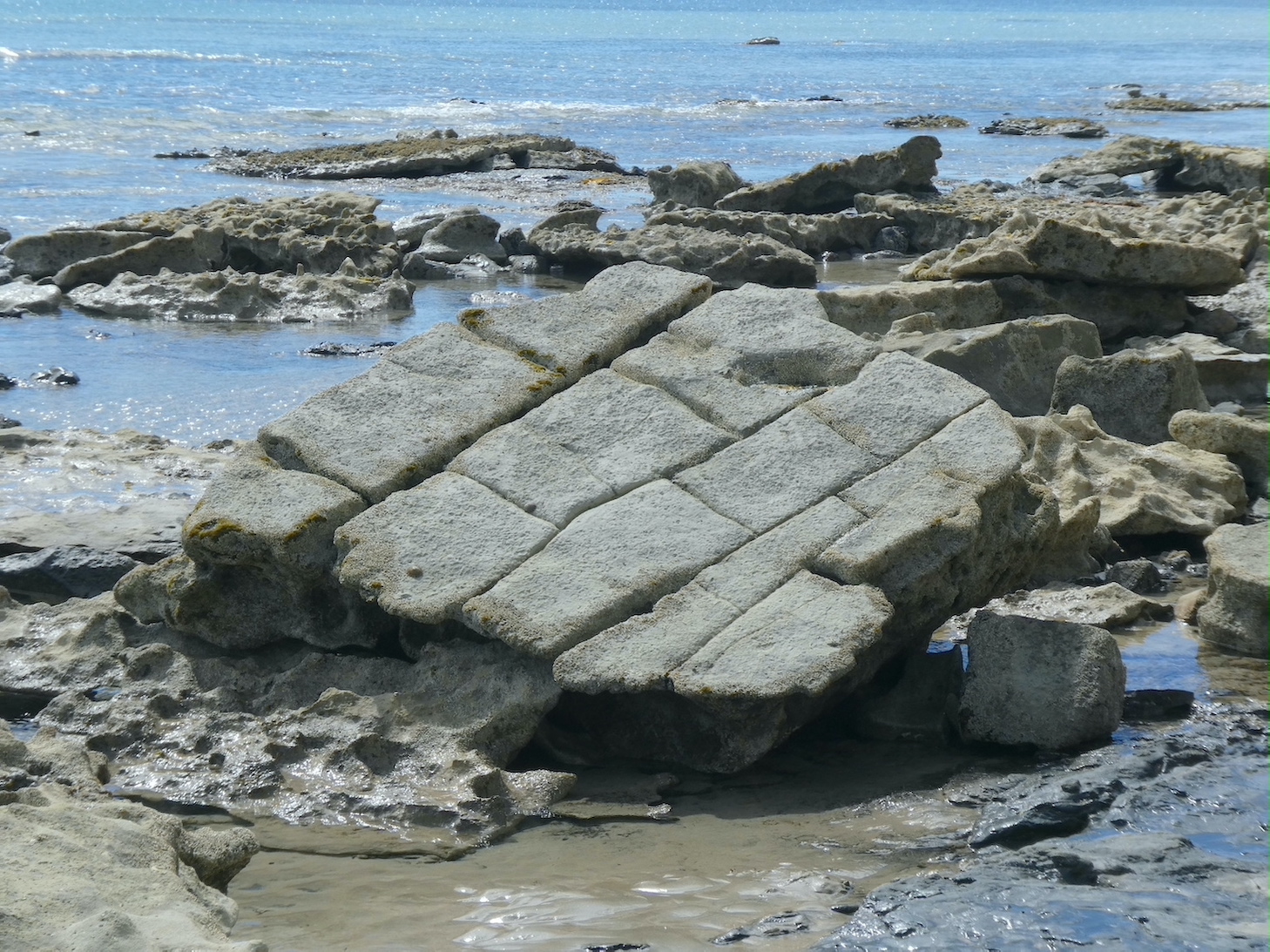
A lone slab of tessellated rock seemed out of place among its gnarly neighbours.

I was wondering why my niece was so interested in photographing this particular rock formation

until she showed me what she had captured. I stole her idea.

Point Kean

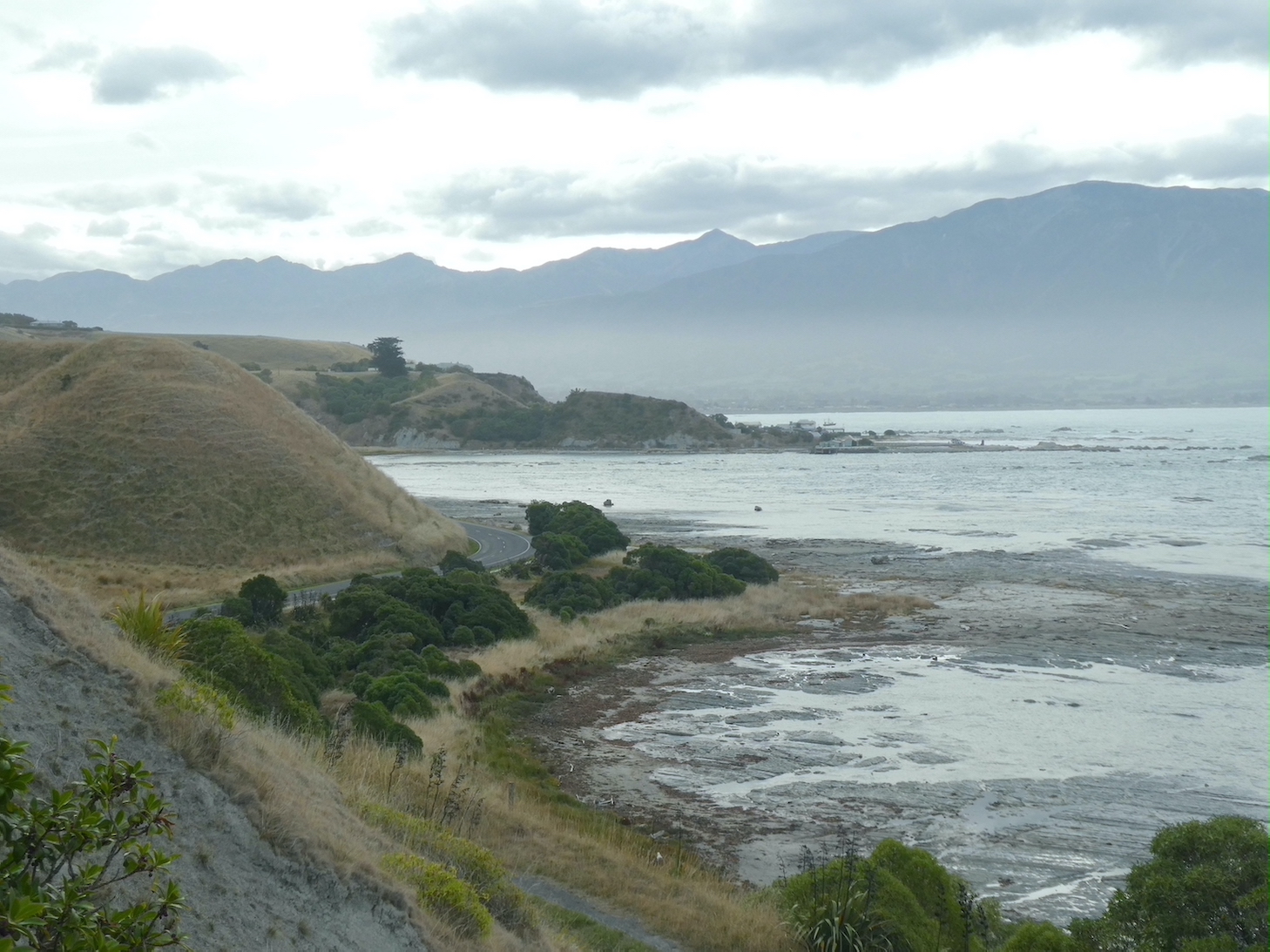
After feeding the farm animals at Wacky Stays, we drove to the Kaikoura Peninsula to visit the Point Kean seal colony. The view was spectacular looking back towards Kaikoura township and Armers Beach with the Seaward Kaikoura Range in the distance.

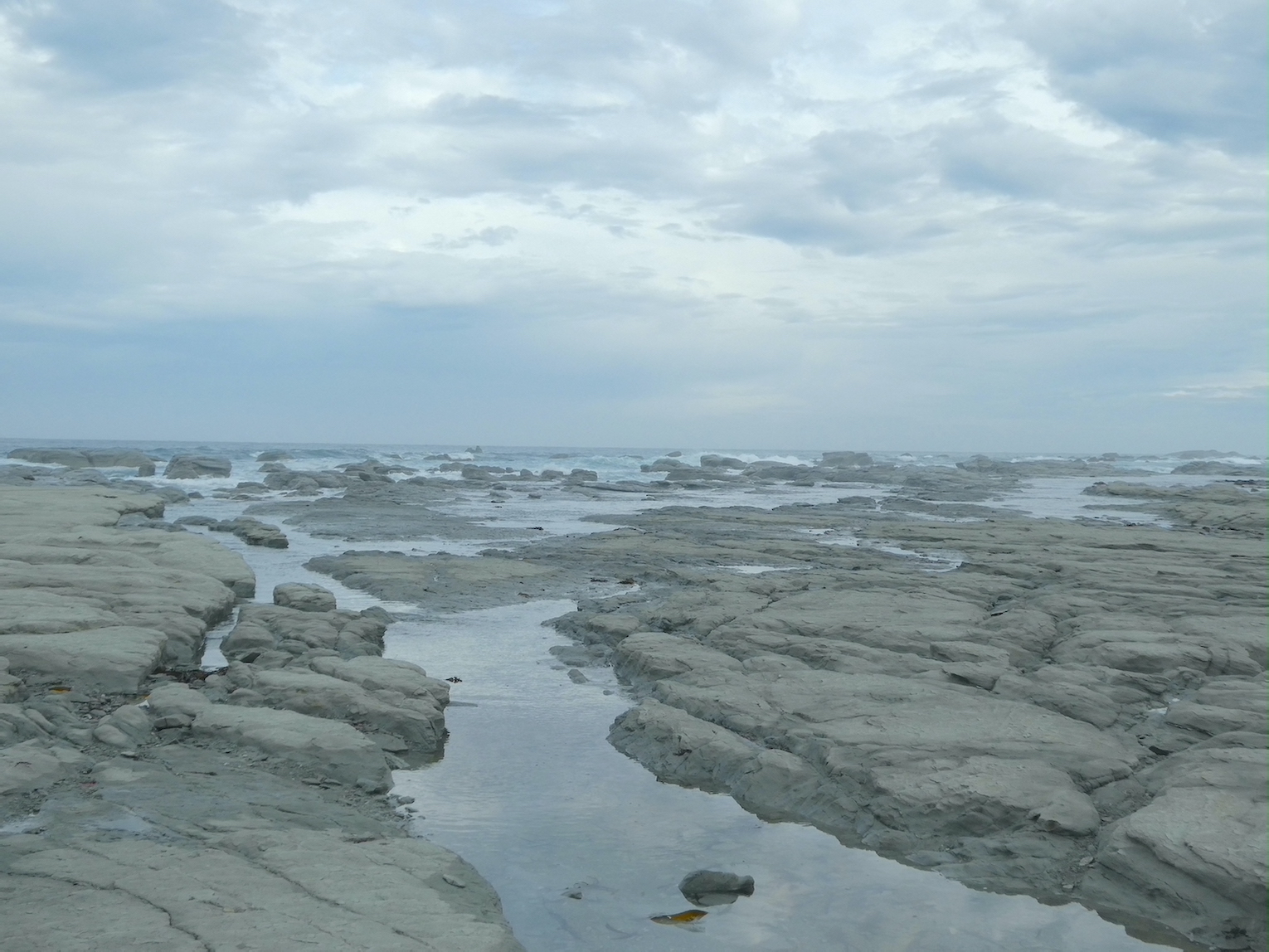
Major coastal uplift during the devastating earthquake of 2016 means areas of Point Kean Reef that were once the seabed are now visible. Kaikoura Peninsula sits right on the fault line that bisects the South Island of New Zealand. Not only did the ocean bed rise by up to two metres, the Seaward Kaikoura’s are some of the fastest growing mountains in the world.

While busily scanning the rocks for a glimpse of the seals

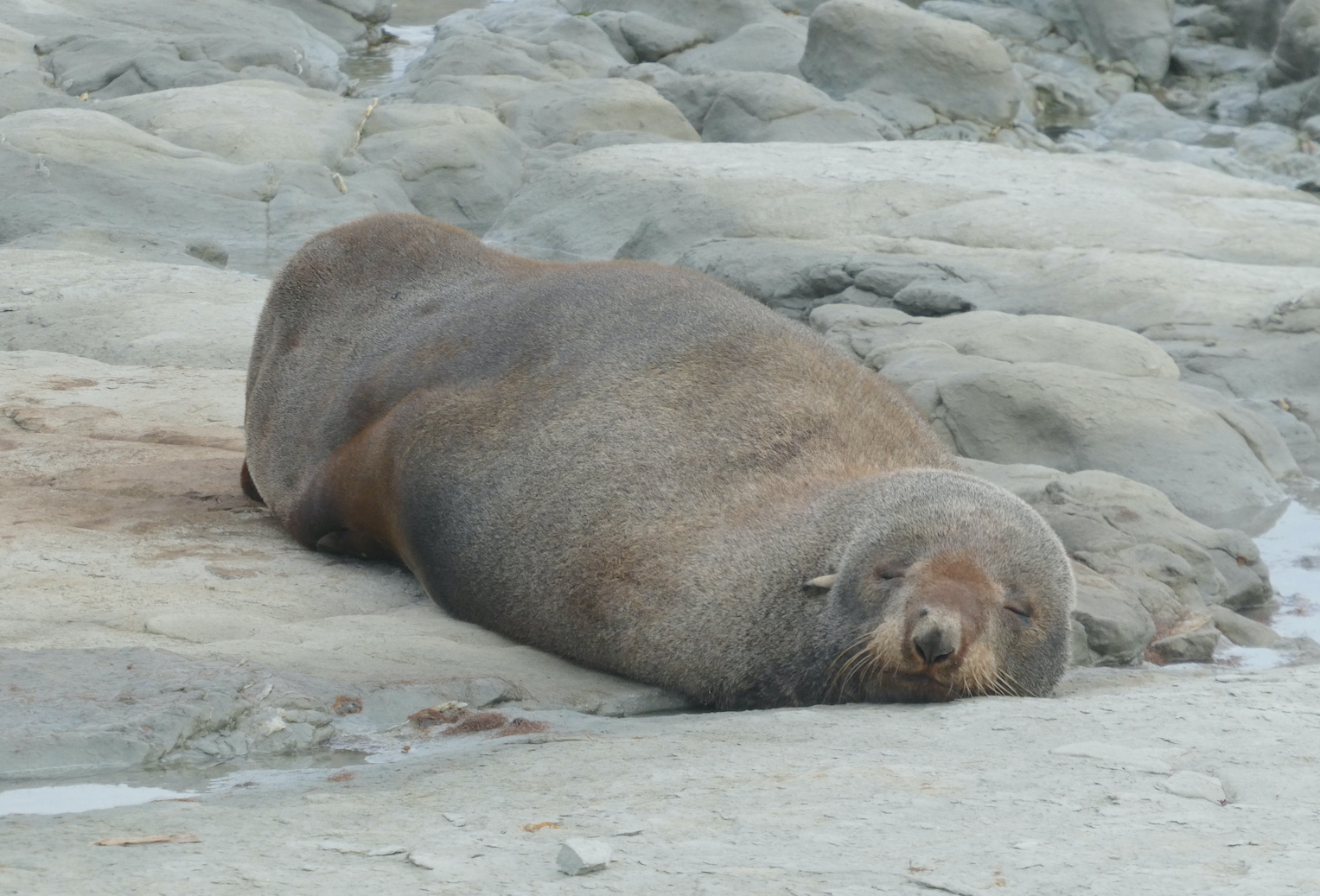
we almost missed the one basking right by our feet.

The New Zealand fur seal, known as kekeno in the Māori language, is smaller and darker in colour than its Australian cousin. Decimated by commercial sealing in the late 18th and early 19th centuries, numbers have now recovered and continue to increase.

We explored more of the reef

before climbing the steep incline to Point Kean Lookout .

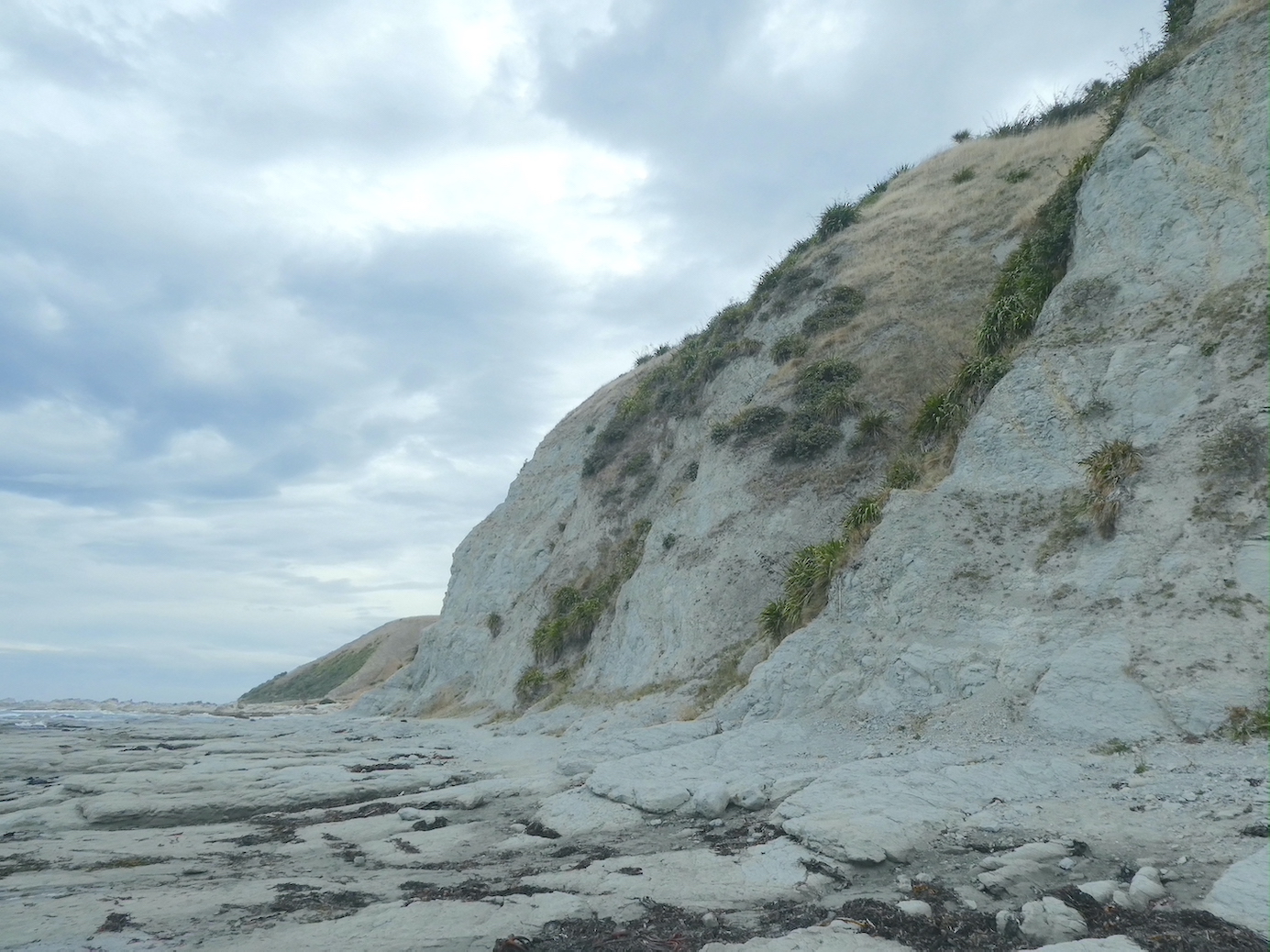
The stunning coastline and fascinating rock formations can really be appreciated from the lofty vantage point.

There are further walking trails along the clifftops we would have liked to follow but with evening approaching, it was time to seek out some fish’n’chips.

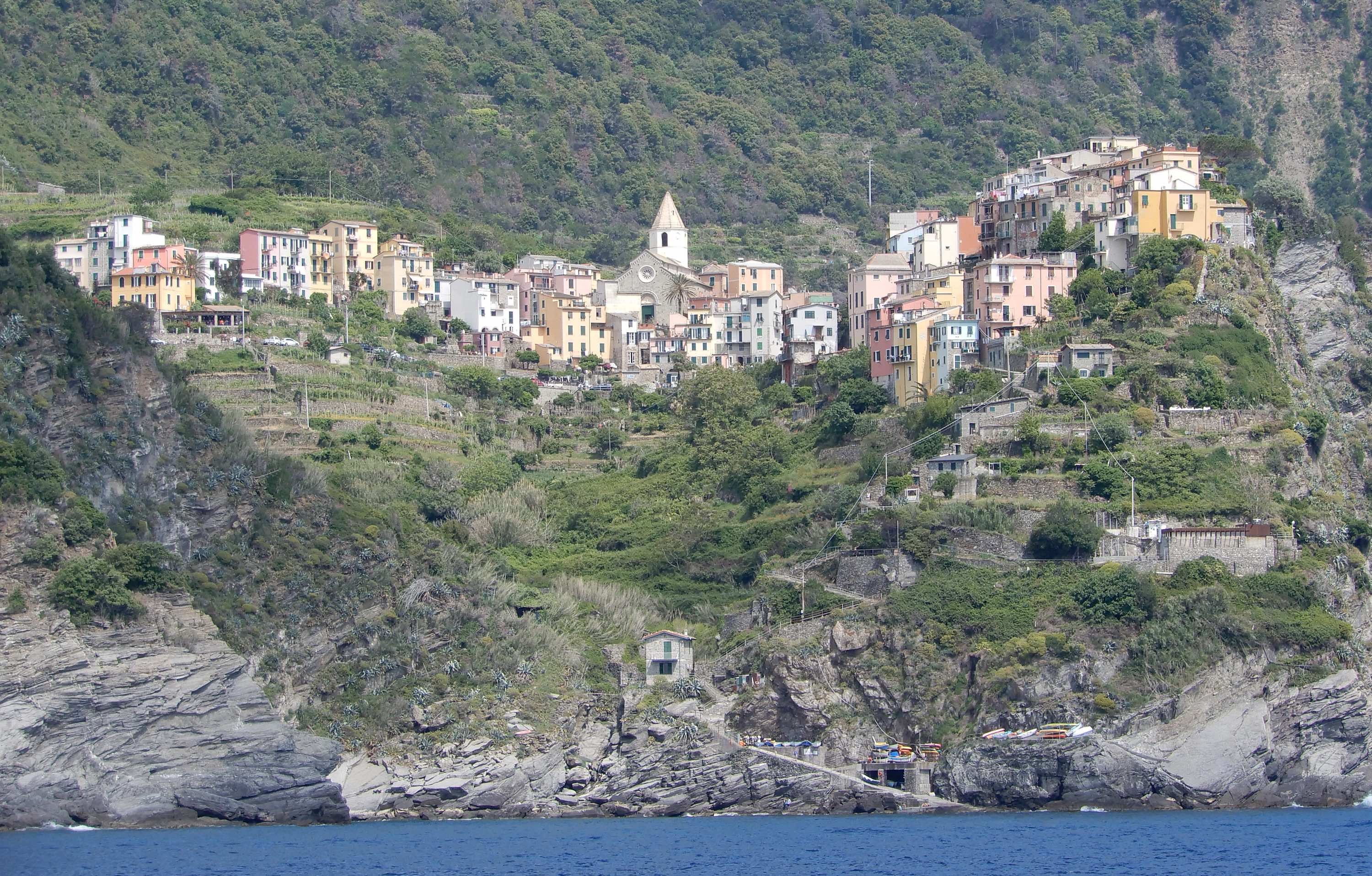
Vernazza

The village of Vernazza was our first onshore experience of the Cinque Terre, arriving late morning with a plan for coffee and pastries.

1.Vernazza

Dating back to the early 11th century, the fortified military base defended the coast from Saracen pirates. In the middle ages, the water went right up to the buildings and the boats would tie up there, as they do in Venice.
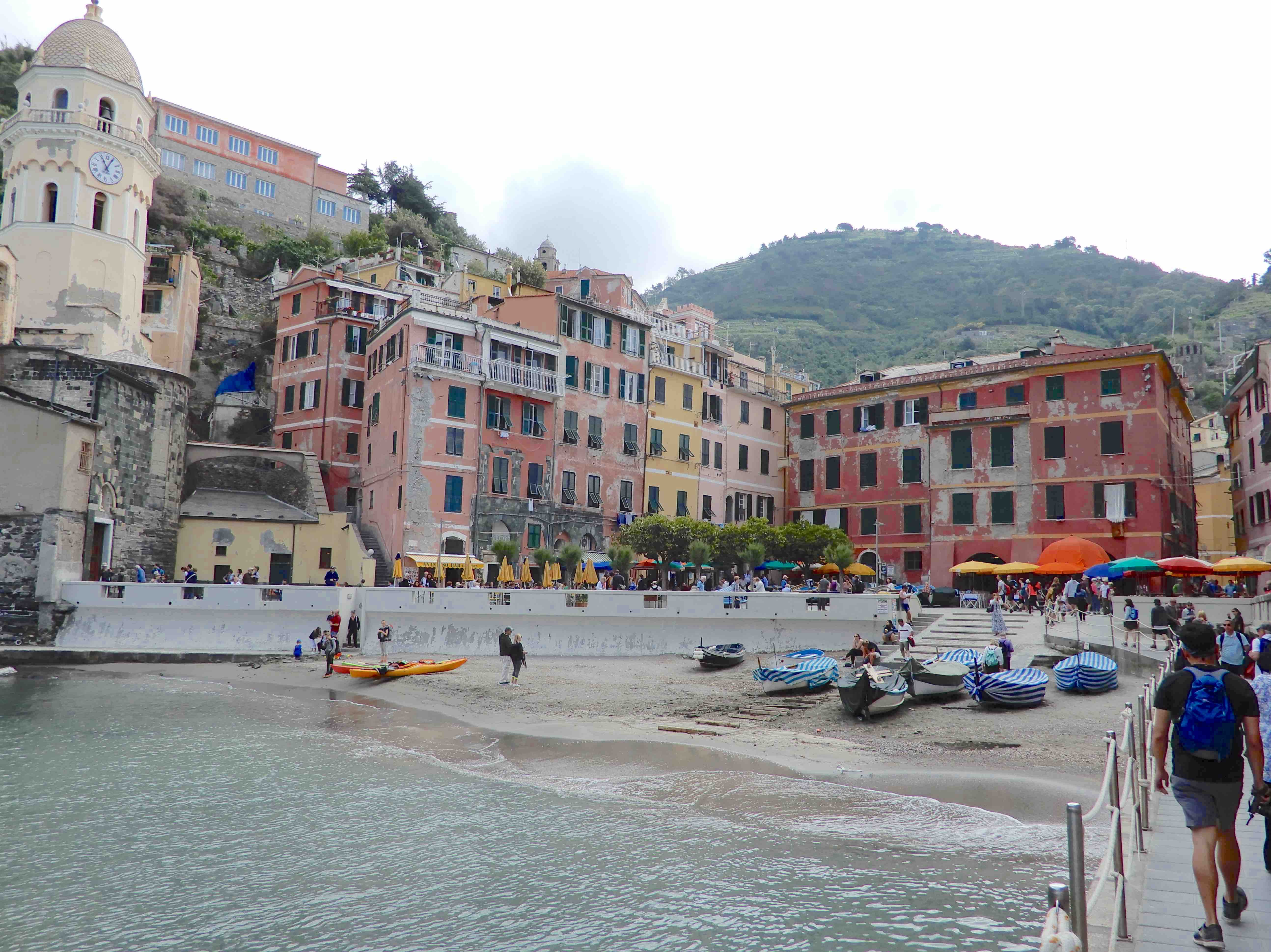
2.Vernazza

These days, they remain on buoys in the harbour unless rough weather is forecast, then they can be found in the main piazza.
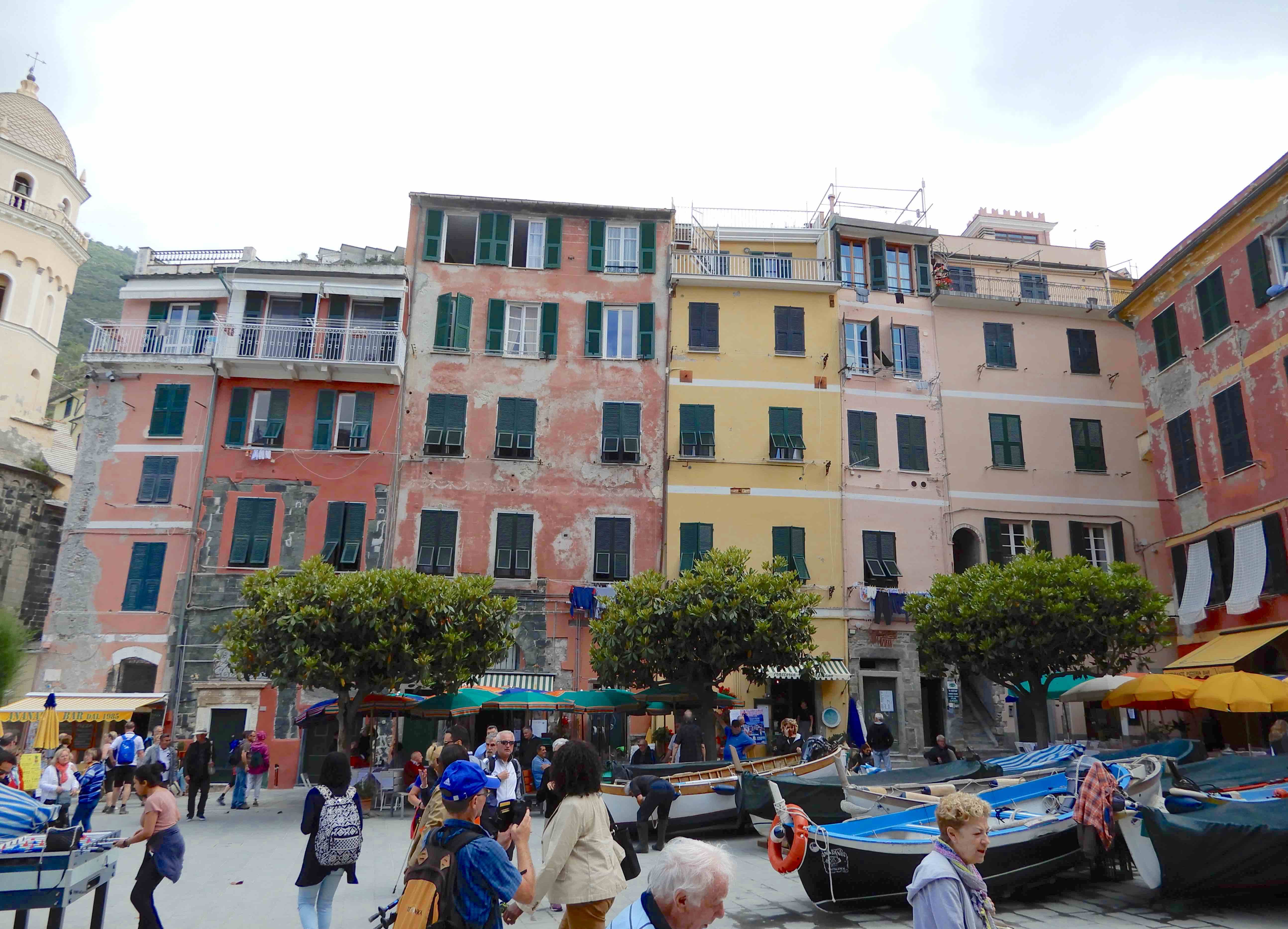
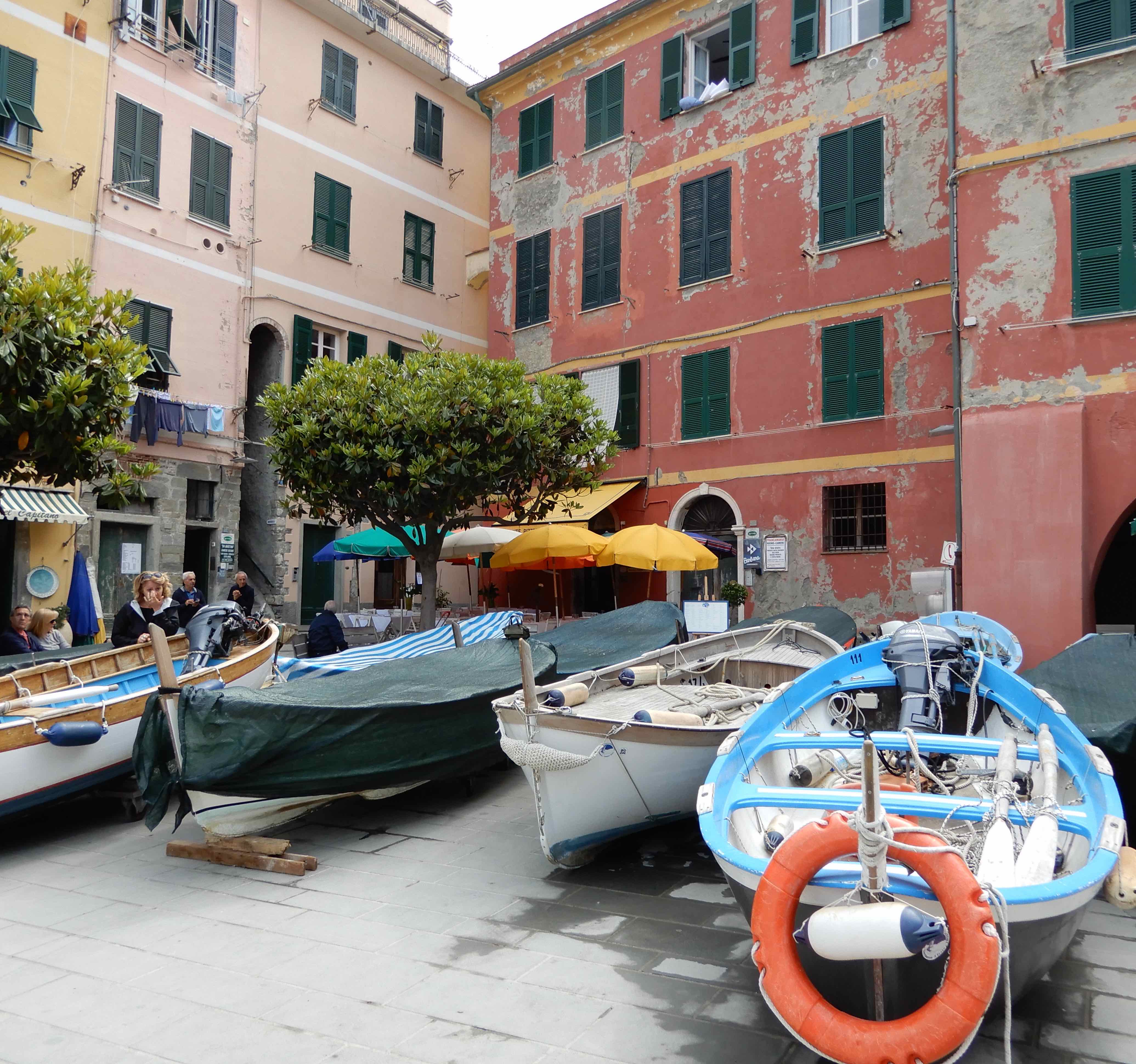
3.Piazza Guglielmo Marconi4.boats outside Albergo Barbara

Seated on a base of rocks at the entrance to the inlet, the parish church of Santa Margherita d’Antiochia was built in 1318.

5.Chiesa di Santa Margherita d'Antiochia

The views would be spectacular from the tower, almost as rewarding as those from the cemetery on top of the hill where, rather than being buried in the ground, the coffin is slid into something like a drawer in a wall, known as a loculo.

6.Chiesa di Santa Margherita d'Antiochia

In October 2011, Vernazza was devastated when torrential rains, resulting in flooding and mudslides, buried her under four metres of mud and debris. For months the village was uninhabitable and years later, restoration work still continues. It is hard to imagine the peaceful harbour
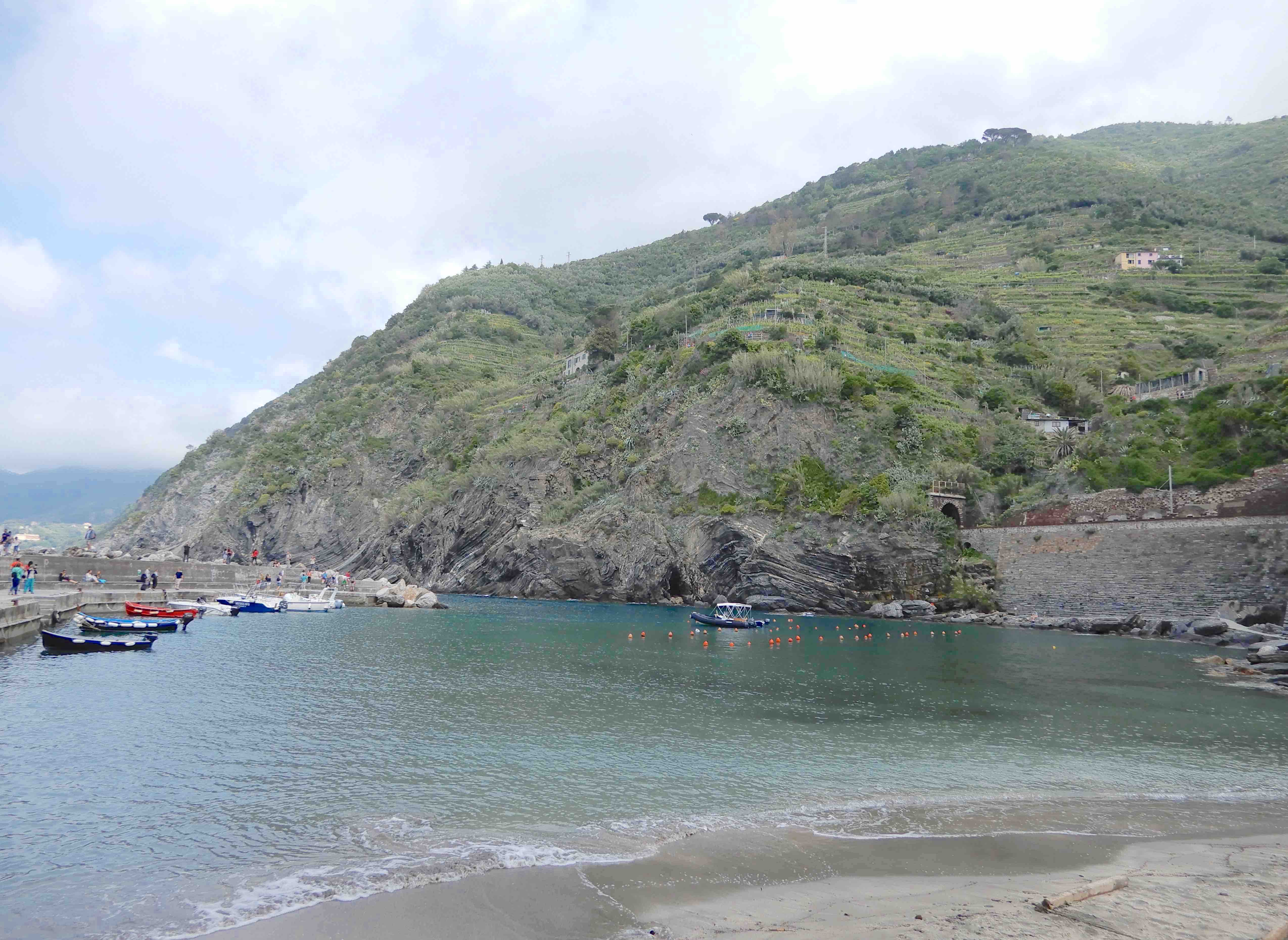
7.harbour8.harbour

and beautiful pastel shades of Liguria under siege from nature.

9.Vernazza

We wandered up the main thoroughfare, Via Roma, my aversion to crowds and having people in my photographs meant my eye was drawn to the upper level of the streetscape.
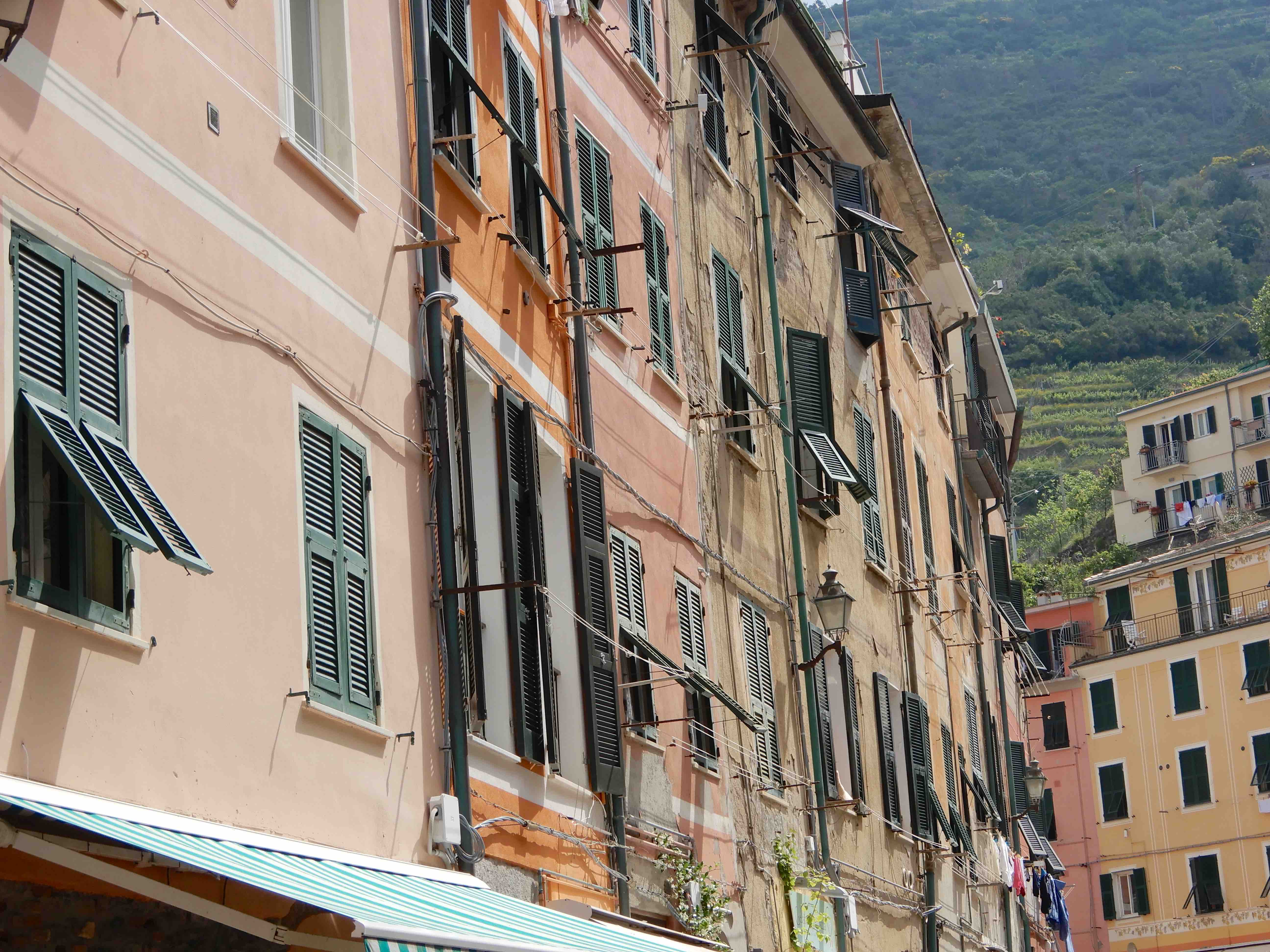
10.Via Roma

Returning to the harbour, houses seemed to be suspended above a cave entrance

11.cliff houses

which, it turned out, led to another beach.
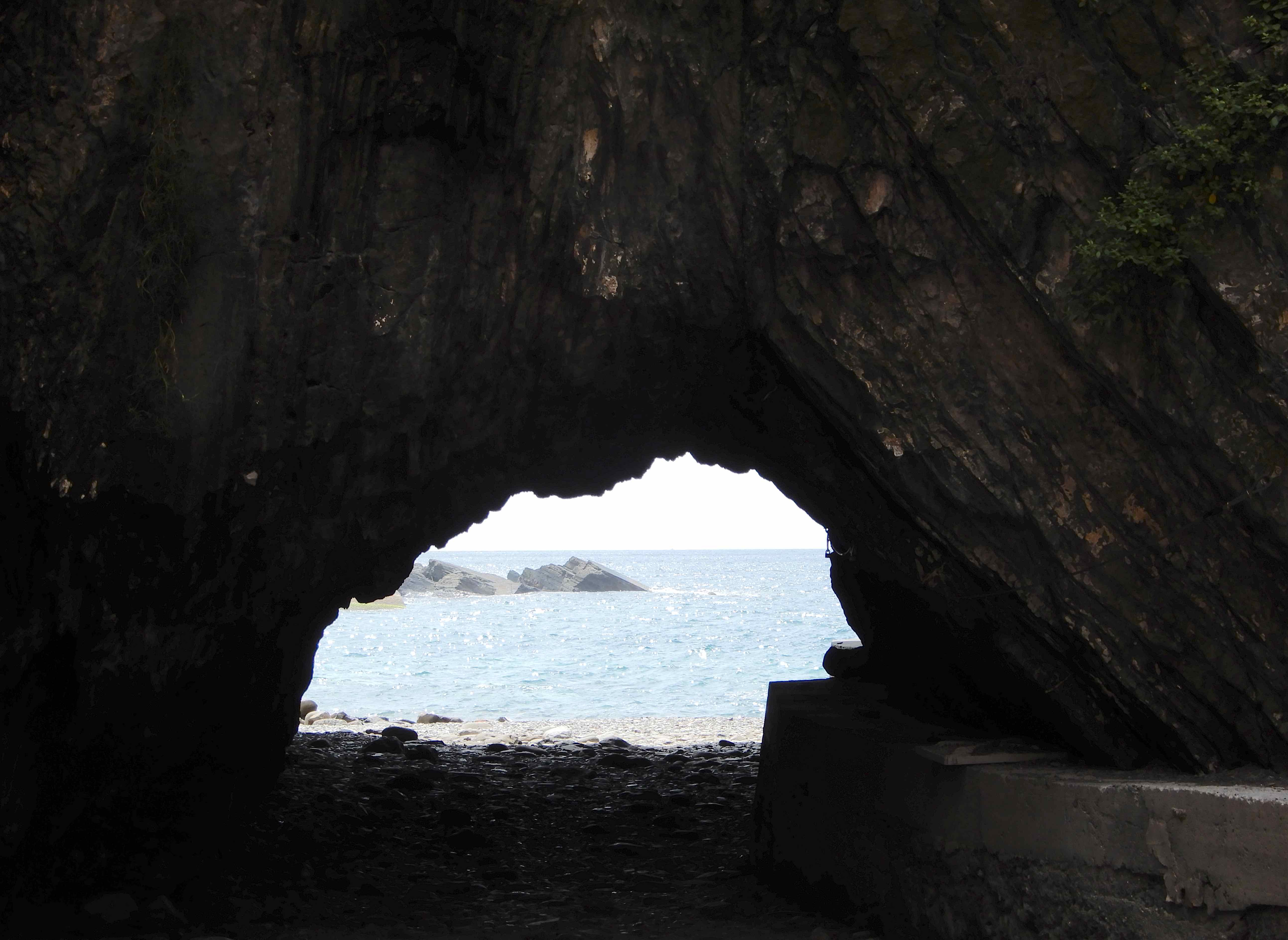
12.beach beyond

From this side of the harbour we could see the next town, Monterosso, in the distance.
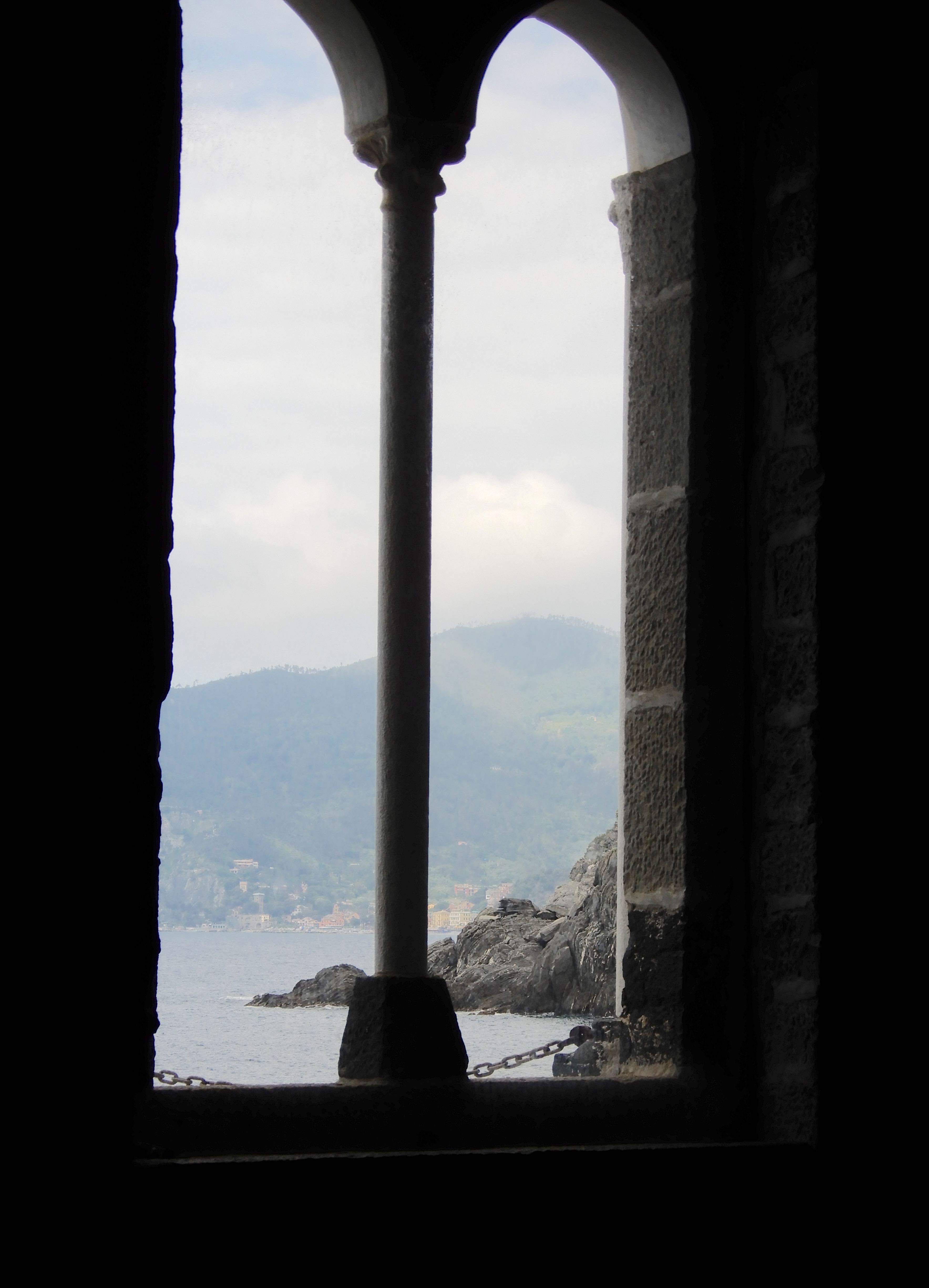
13.view to Monterosso

The remains of Doria Castle and its lookout tower stand proudly on the rocky promontory

14.Doria Castle

while below, on the terraces of the medieval watchtower, Ristorante Belforte has been serving quintessential Ligurian cuisine for the past fifty years.

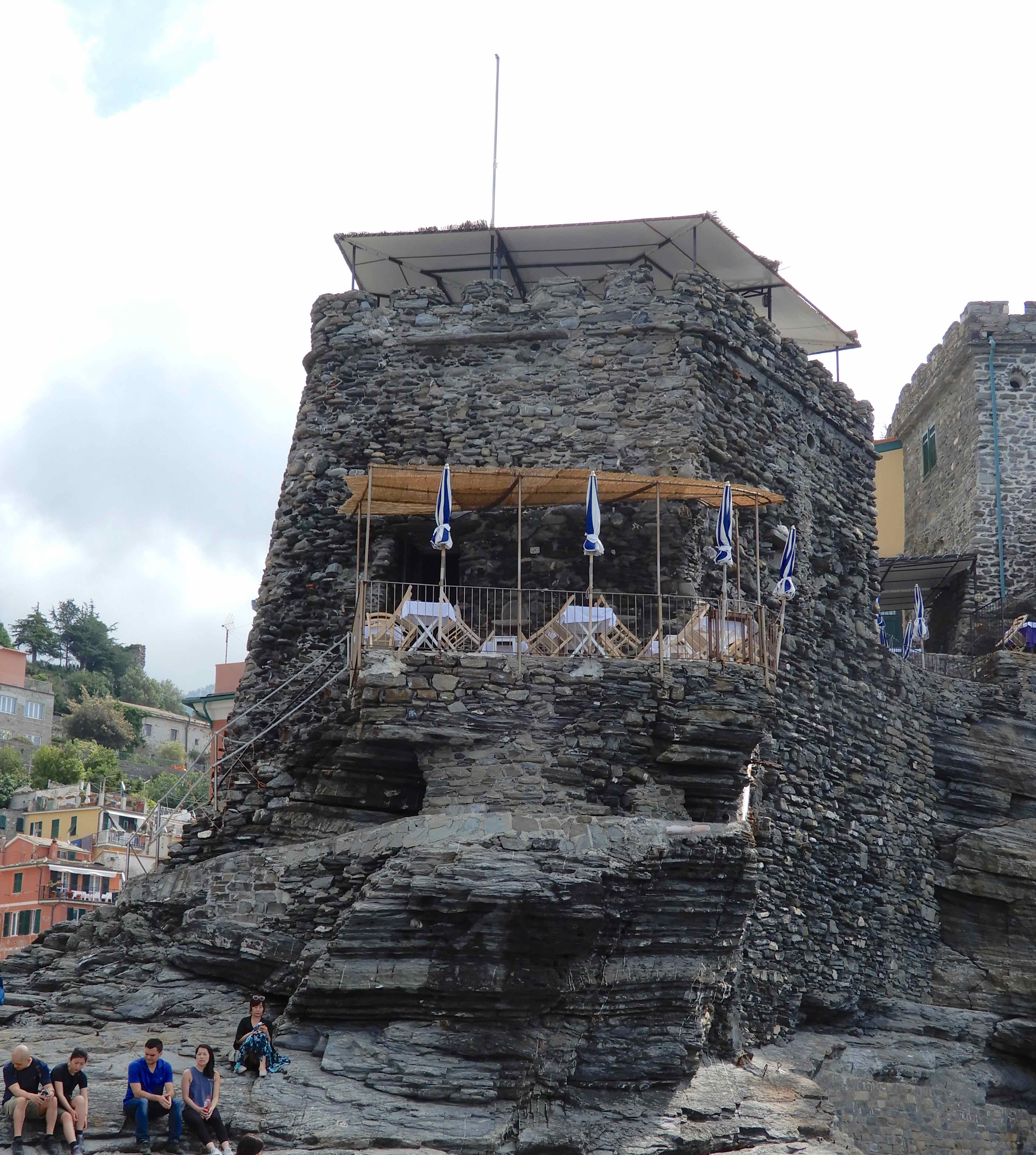
15.Doria Castle & restaurant16.Ristorante Belforte

We had time to admire the stunning rock formations

while waiting for the boat to take us to our next destination, Monterosso.

21.Monterosso

Cinque Terre

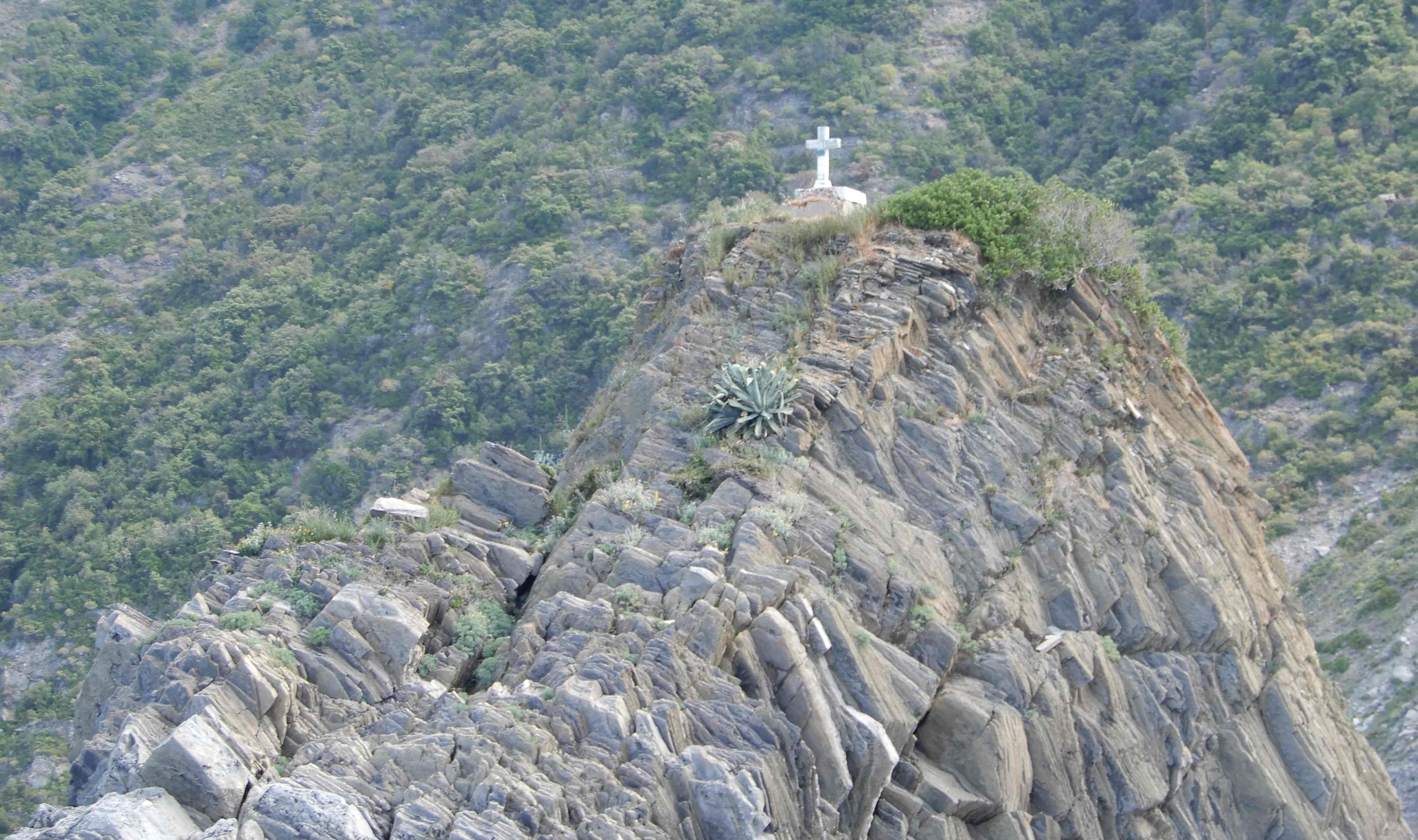
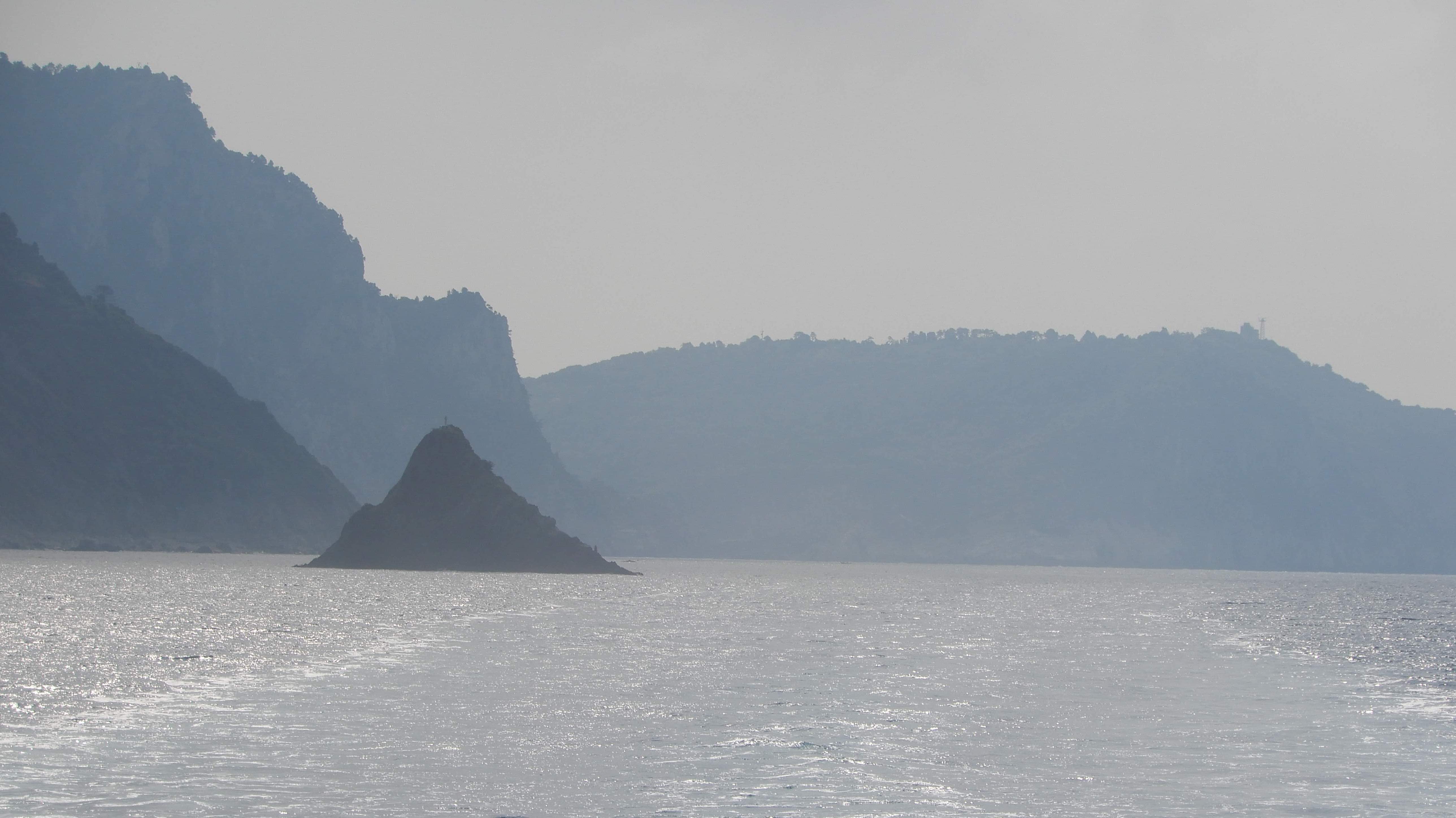
An overcast sky accompanied us on the morning of our Cinque Terre boat trip, with storms predicted for late afternoon. We passed Scoglio Ferale, the white cross on top is in memory of Luigi Garavaglio, a navy topographer who died when he fell from the rock while working in 1911.

1.Scoglio Ferale

The cliffs of Porto Venere and Palmaria Island faded in the sea mist as we moved further along the coast.

2.Scoglio Ferale

Farmhouses clung impossibly to cliffs

3.cliffside homes

threatening to crumble with the next deluge.

4.landslides

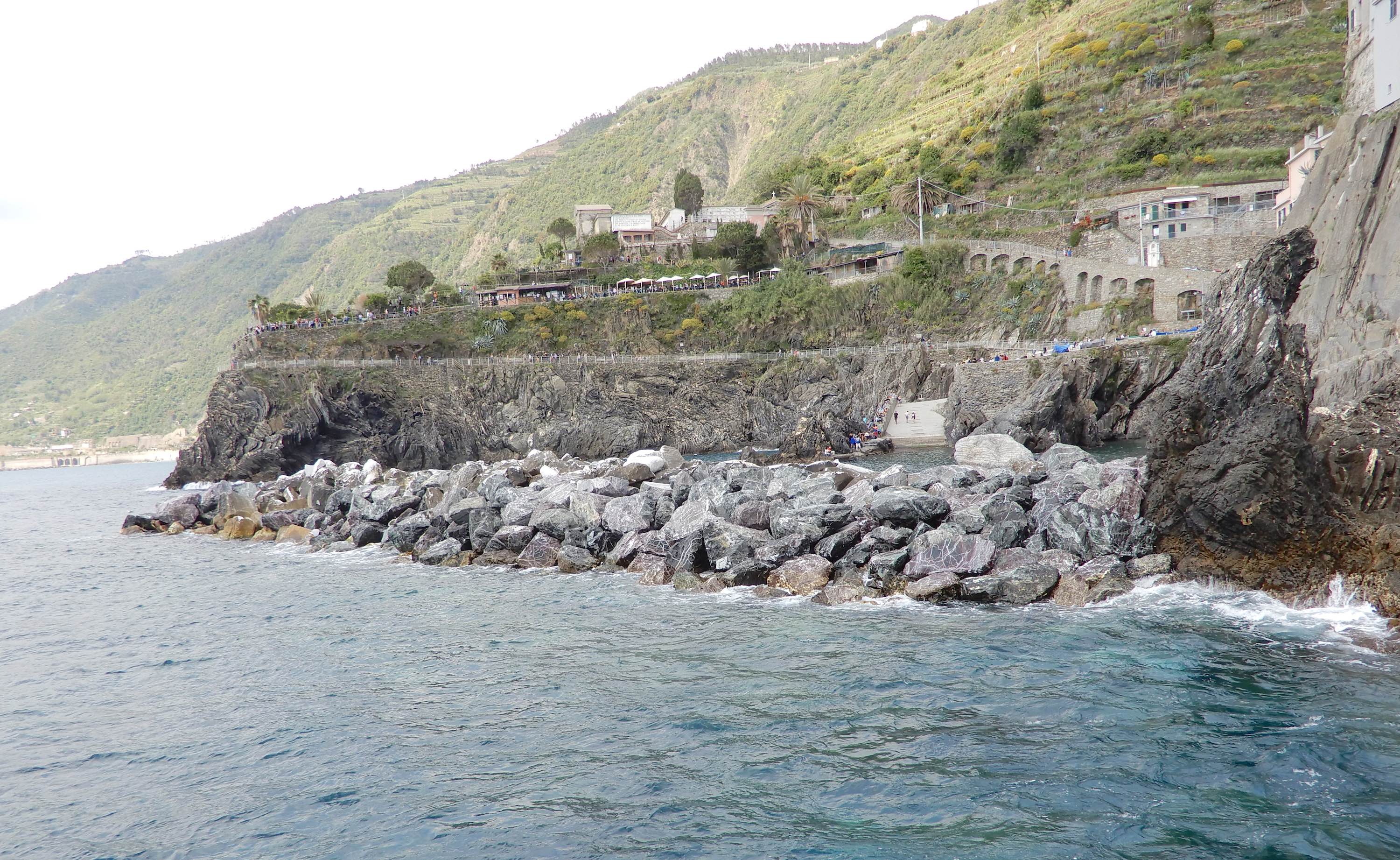
The first port of call was the village of Riomaggiore, we would come back here for aperitivo on the return journey (that’s another post).

5.Riomaggiore6.Riomaggiore

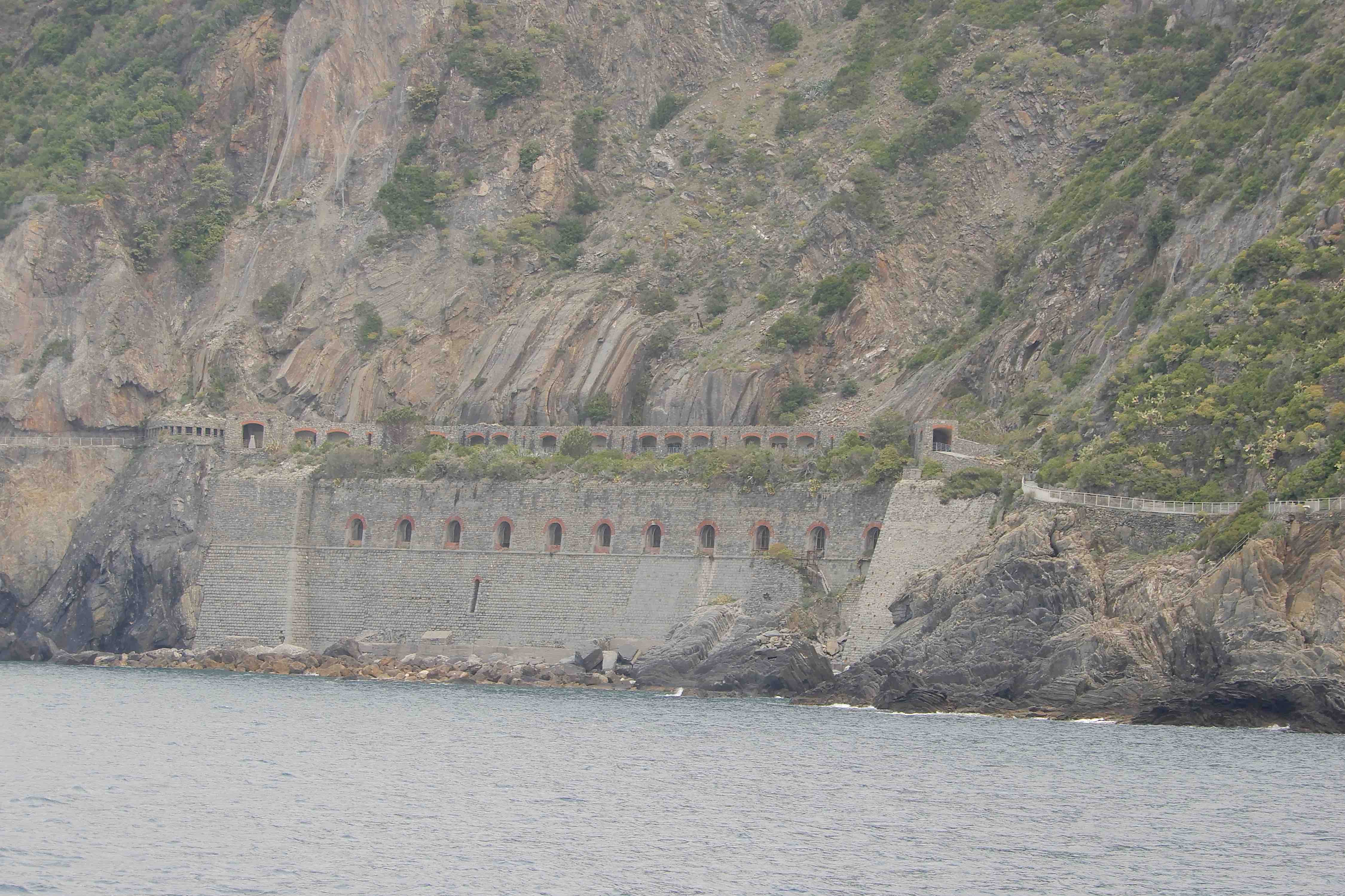
The five villages of the Cinque Terre are connected by a hiking trail, the 1km stretch between Riomaggiore and Manarola is known as Via dell’Amore or Lovers’ Lane. It dates back to the early 20th century when the railway was under construction and apparently was a place for lovers from the two villages to meet for romantic trysts. Unfortunately, this section has been closed since September 2012 when four women were injured in a rockslide and isn’t set to reopen until 2023.

7.Via dell'Amore

The stone walls and buildings of Manarola are fortress like, designed to deter pirates in ancient times.

8.Manarola

We had decided not to visit Manarola as time is limited on a one day cruise. Instead, we admired the village from the boat along with the stunning ‘zebra’ rocks as we left the harbour.

9.Manarola10.zebra rocks

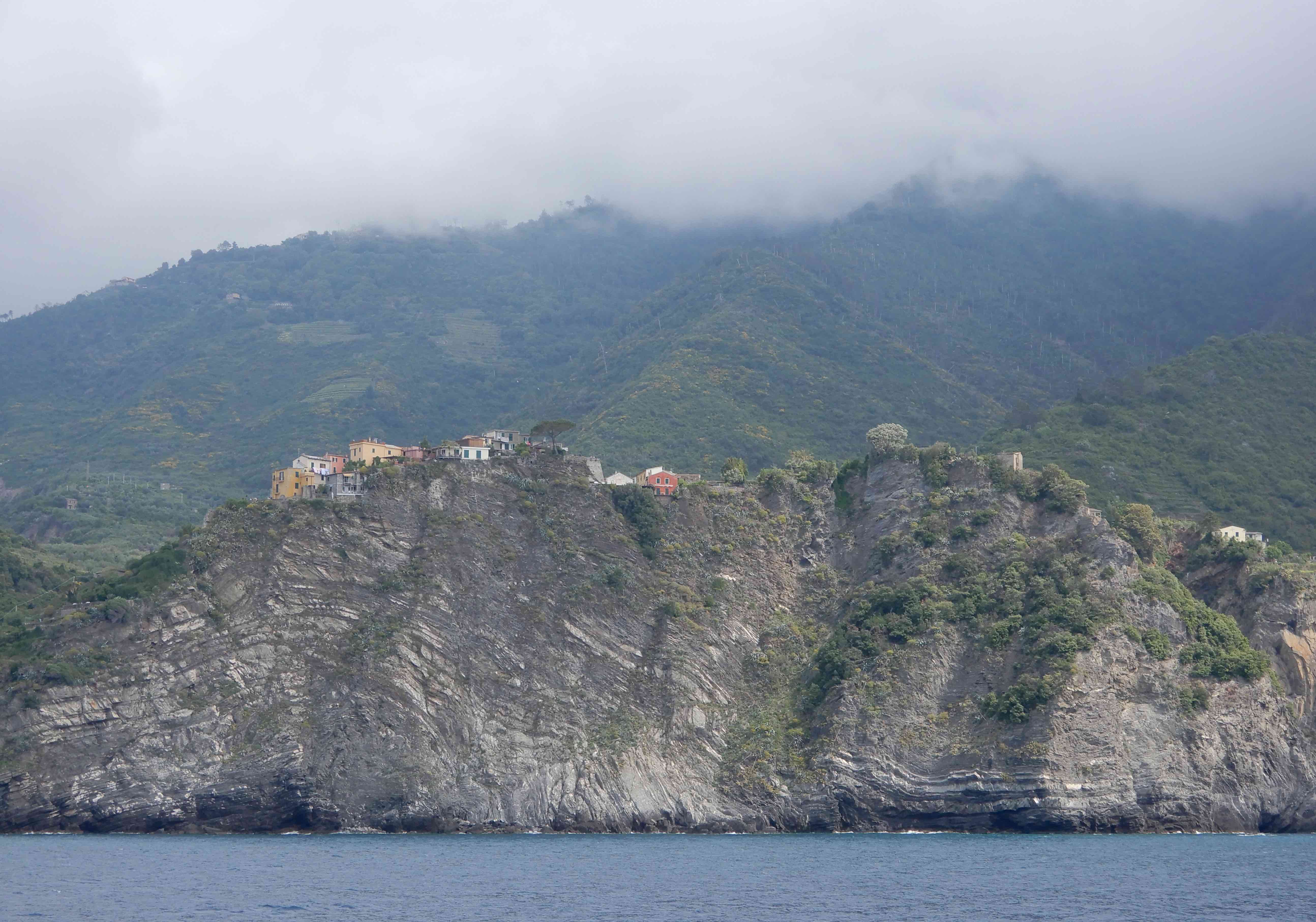
It wasn’t long before another group of houses appeared in the distance.

11.Corniglia

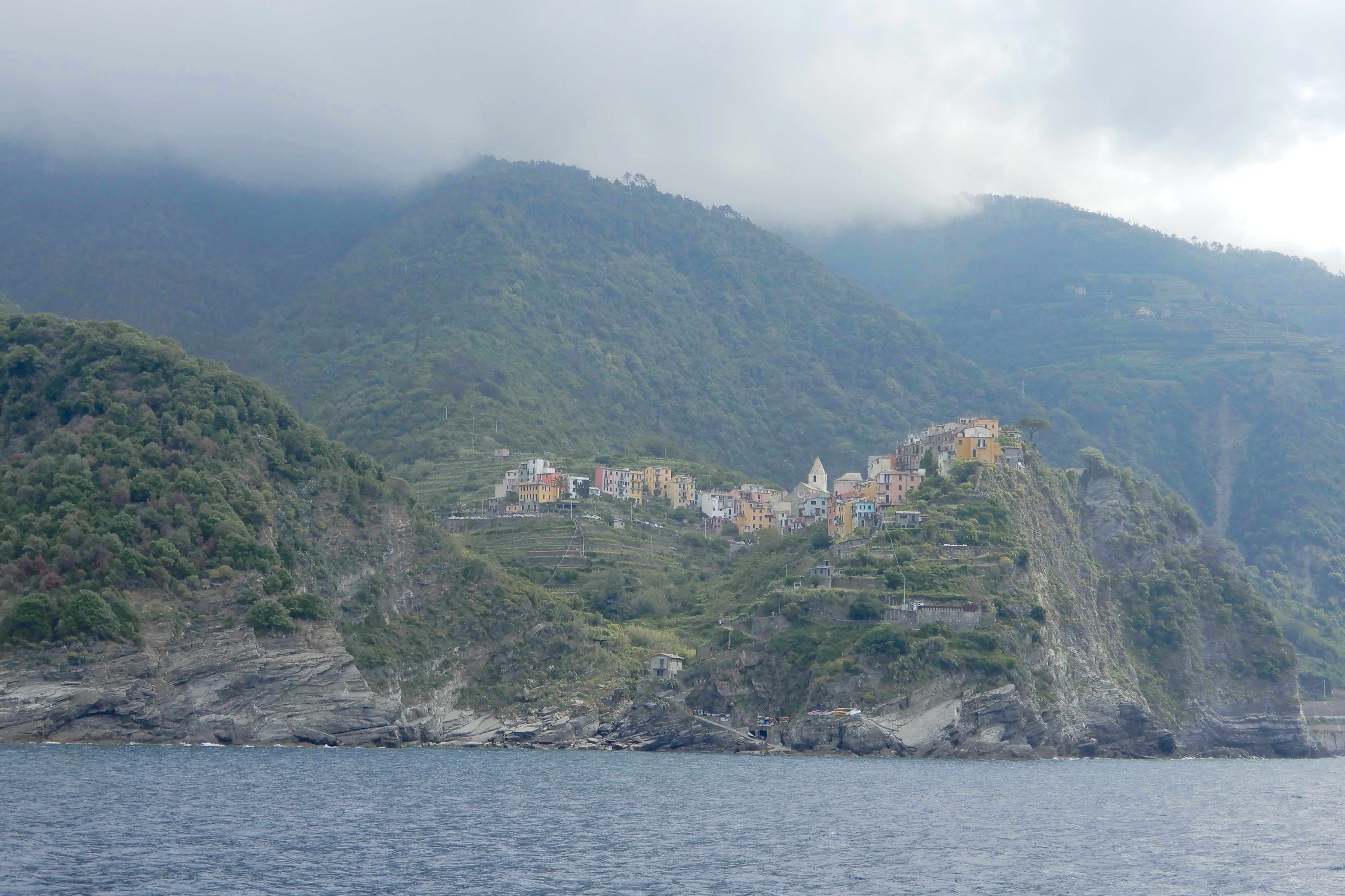
Corniglia, the middle village of the Cinque Terre, is the only one without a port. Reliant on farming rather than fishing, the terraced hillsides certainly look challenging. Not to mention the 370 steps to the sea.

12.Corniglia13.Corniglia14.Corniglia

The residents of the next village, Vernazza, are no strangers to farming on the steep slopes, either.

15.Vernazza

It was time to replenish with coffee and cake, a perfect reason to explore this village….