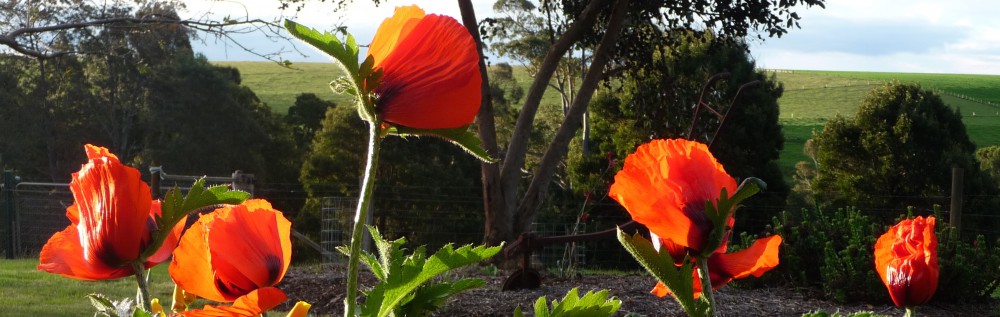
Tolmer Falls

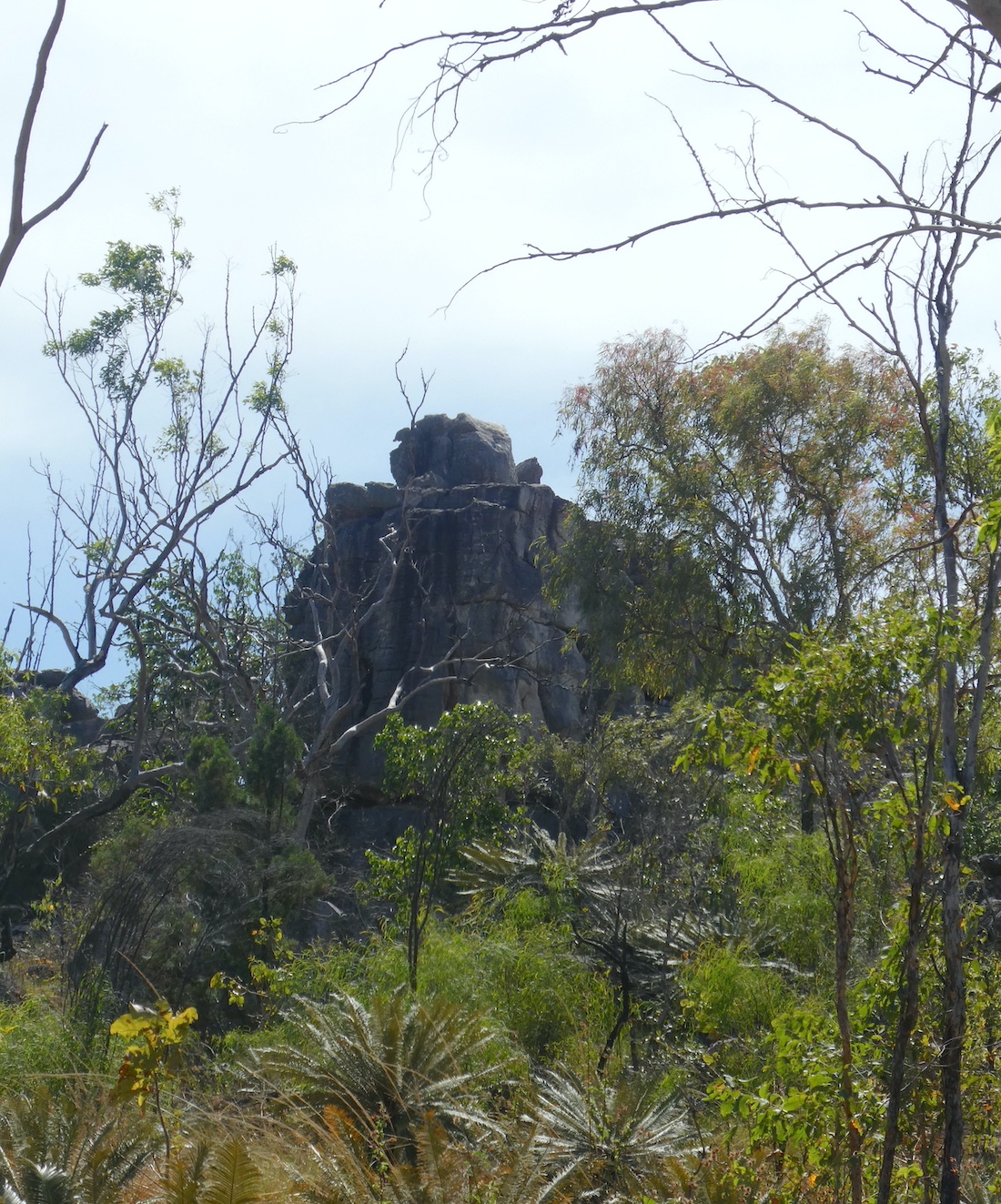
Feeling inspired by our Wangi Falls expedition, we ventured 10km further down the road to walk the 1.6km Tolmer Creek loop before lunch. The trail started with an easy amble along a flat path surrounded by scattered rock formations
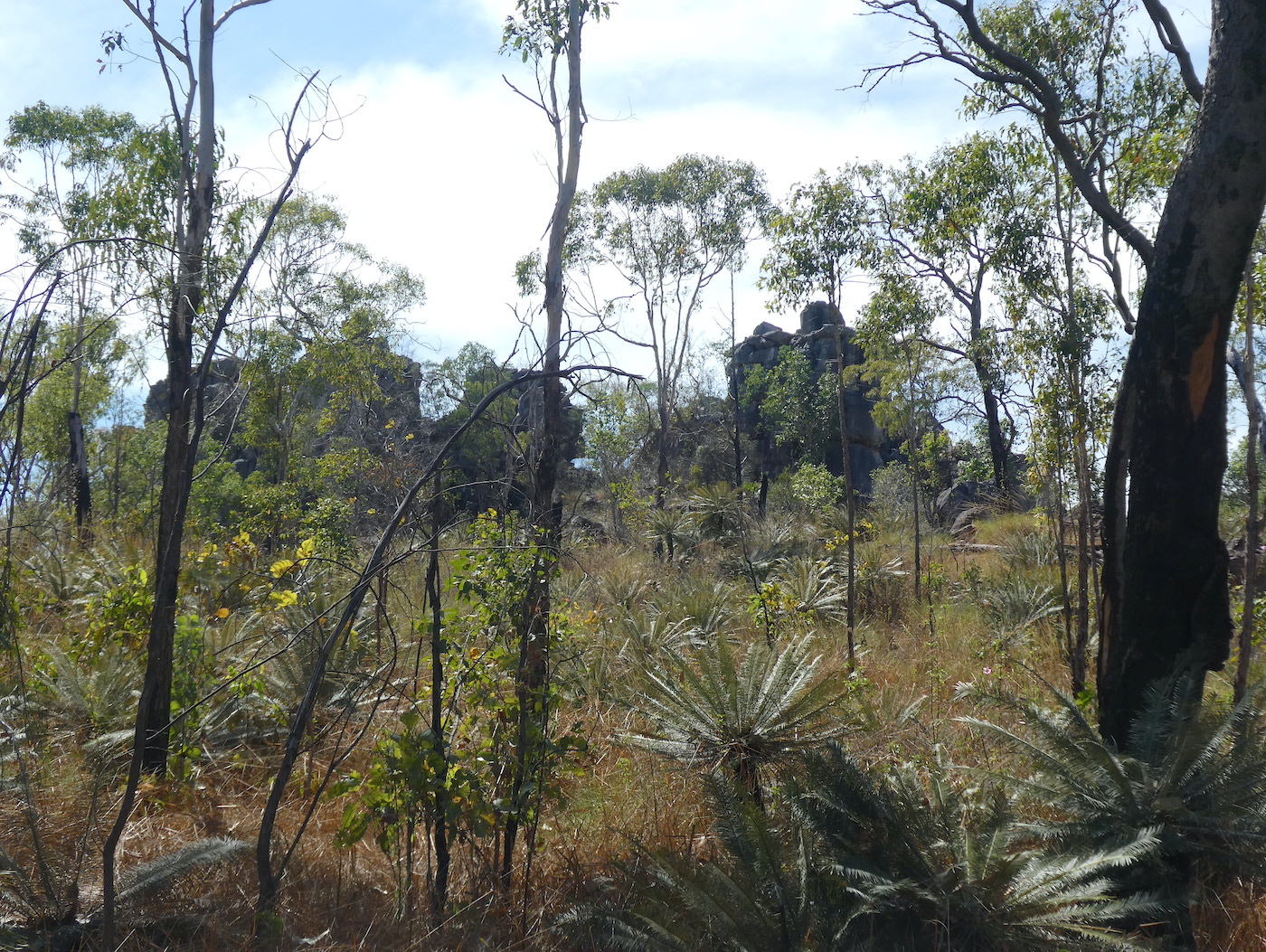
and sporadic blooms of Sturt’s desert rose. The floral emblem of the Northern Territory, this delicate flower was named after the explorer Charles Sturt. Interestingly, the stylised version on the official flag has seven petals instead of five.

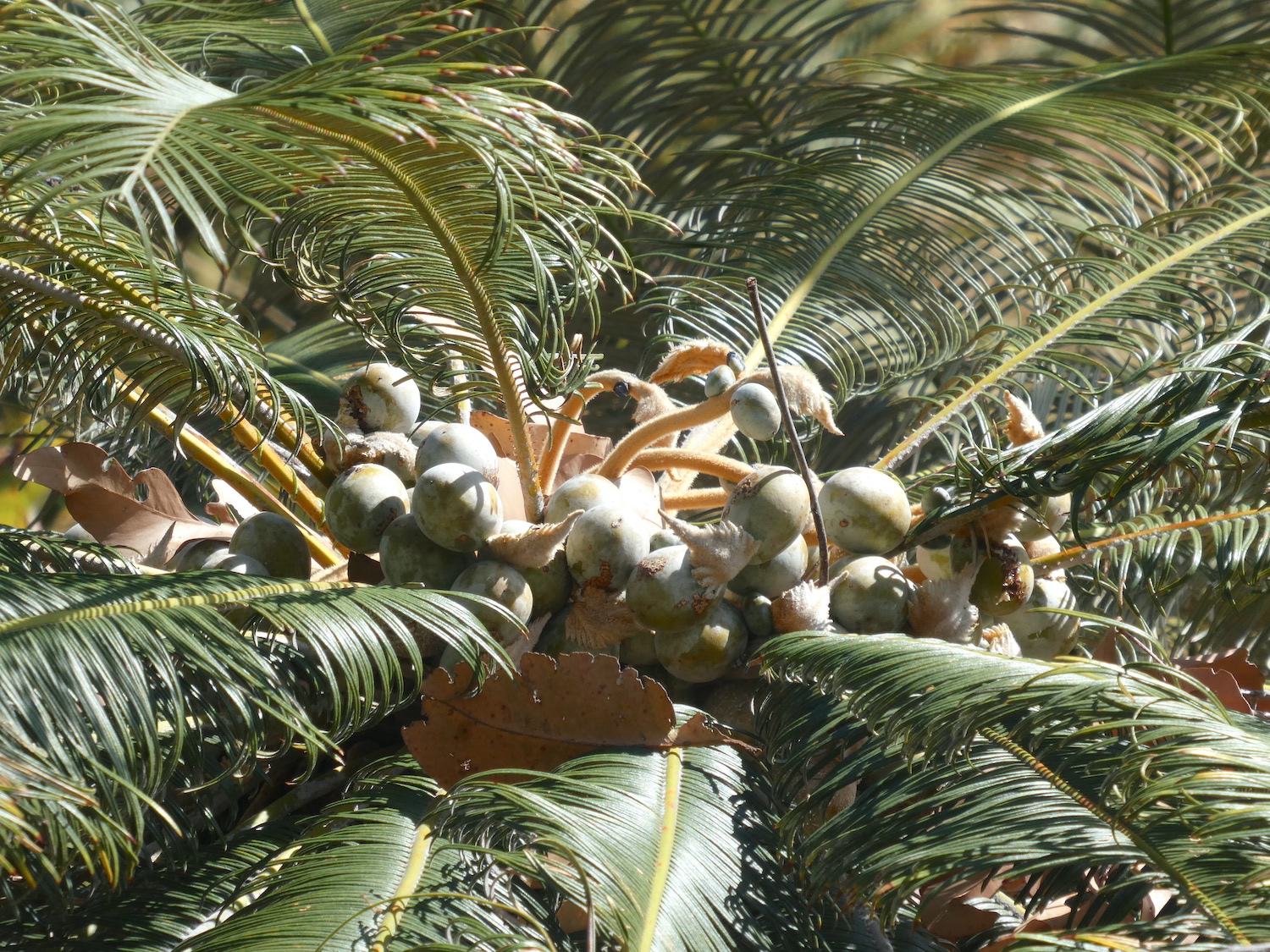
Hundreds of cycads dotted the prehistoric landscape.
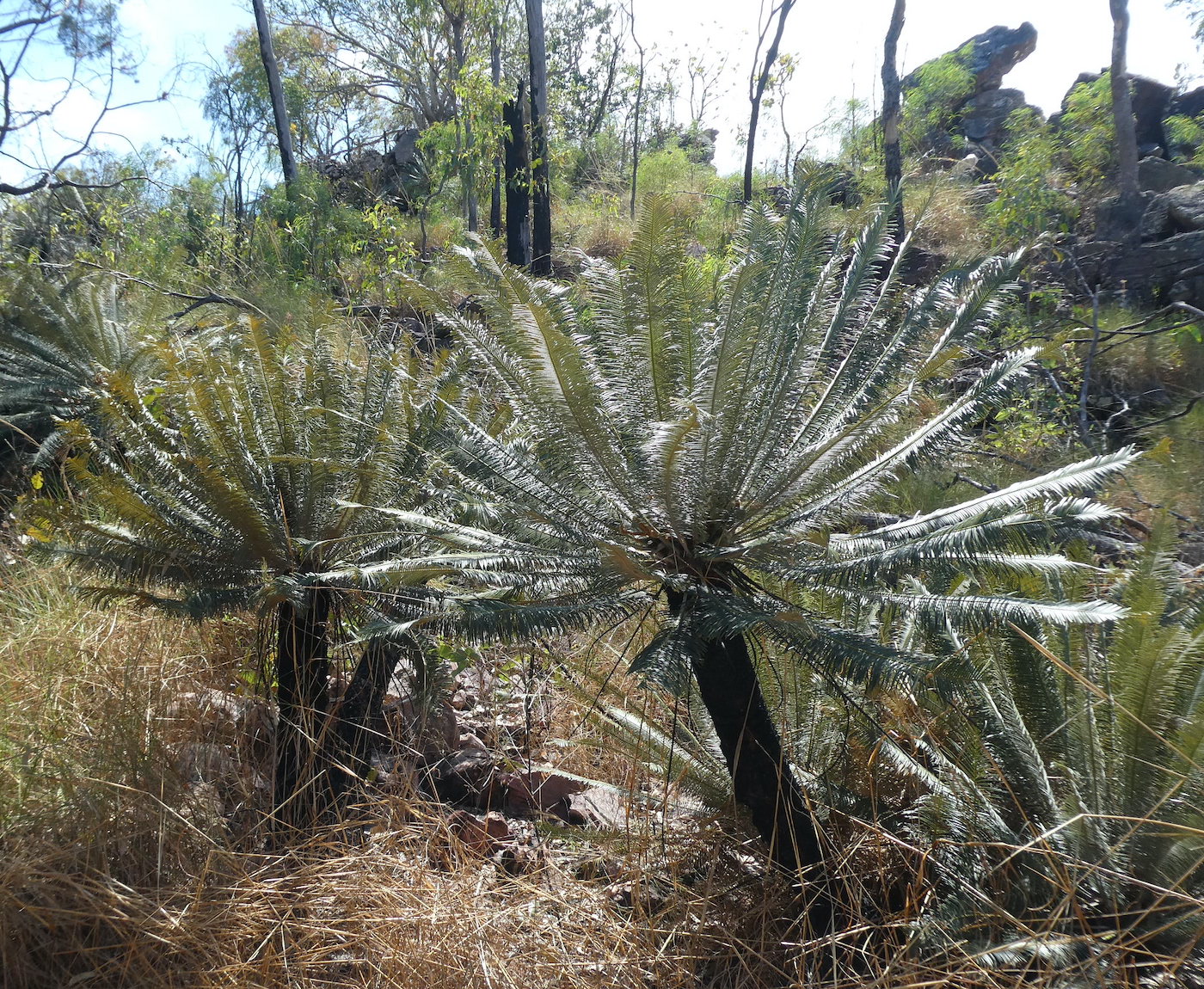
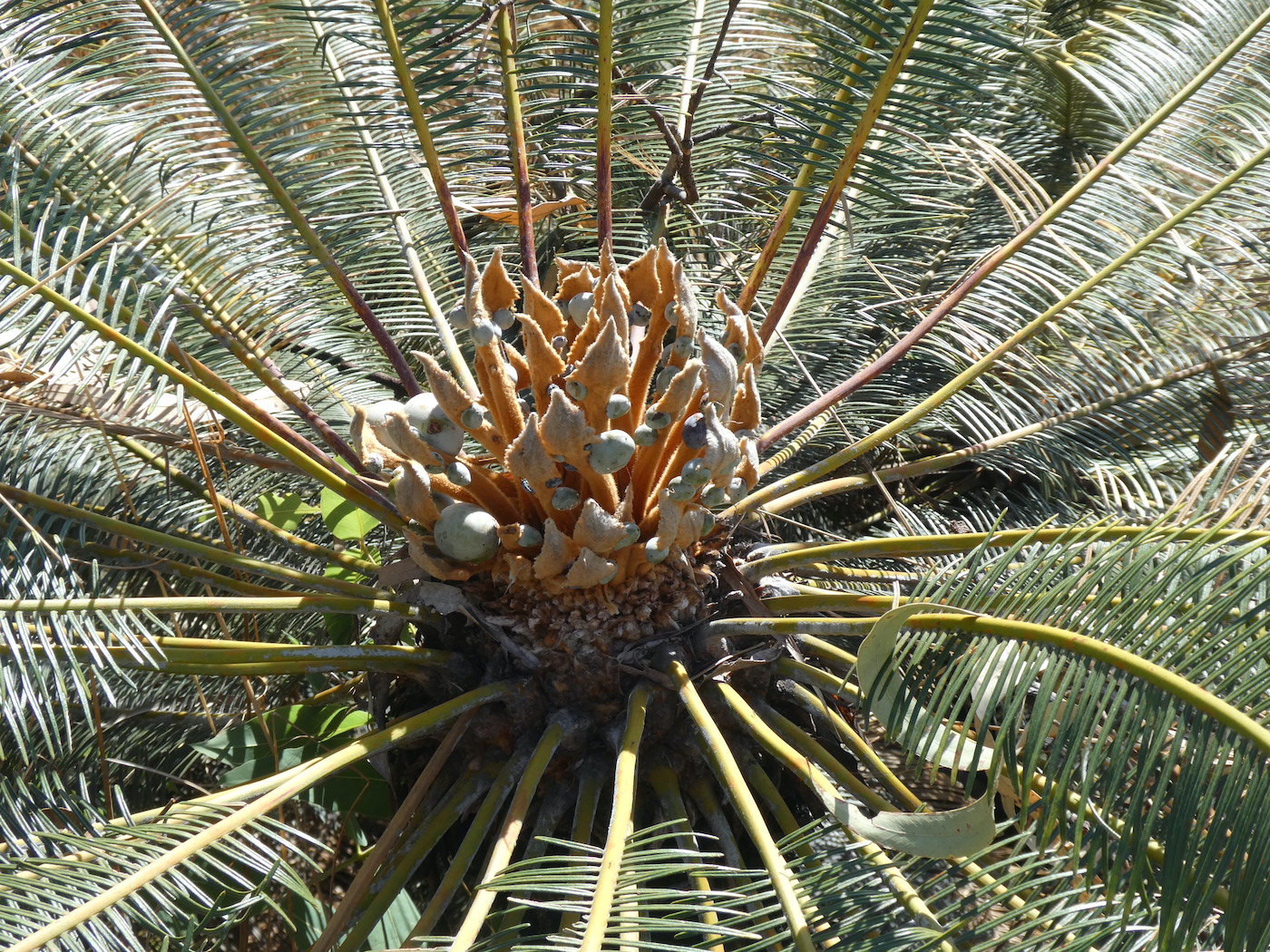
The male plants grow a large, pollen producing cone on the top of the trunk but the females grow a cluster of stalks that grow upward until the seeds at the end get heavy and they droop. They are not recommended for a bush tucker menu as they contain a neurotoxin and are poisonous.

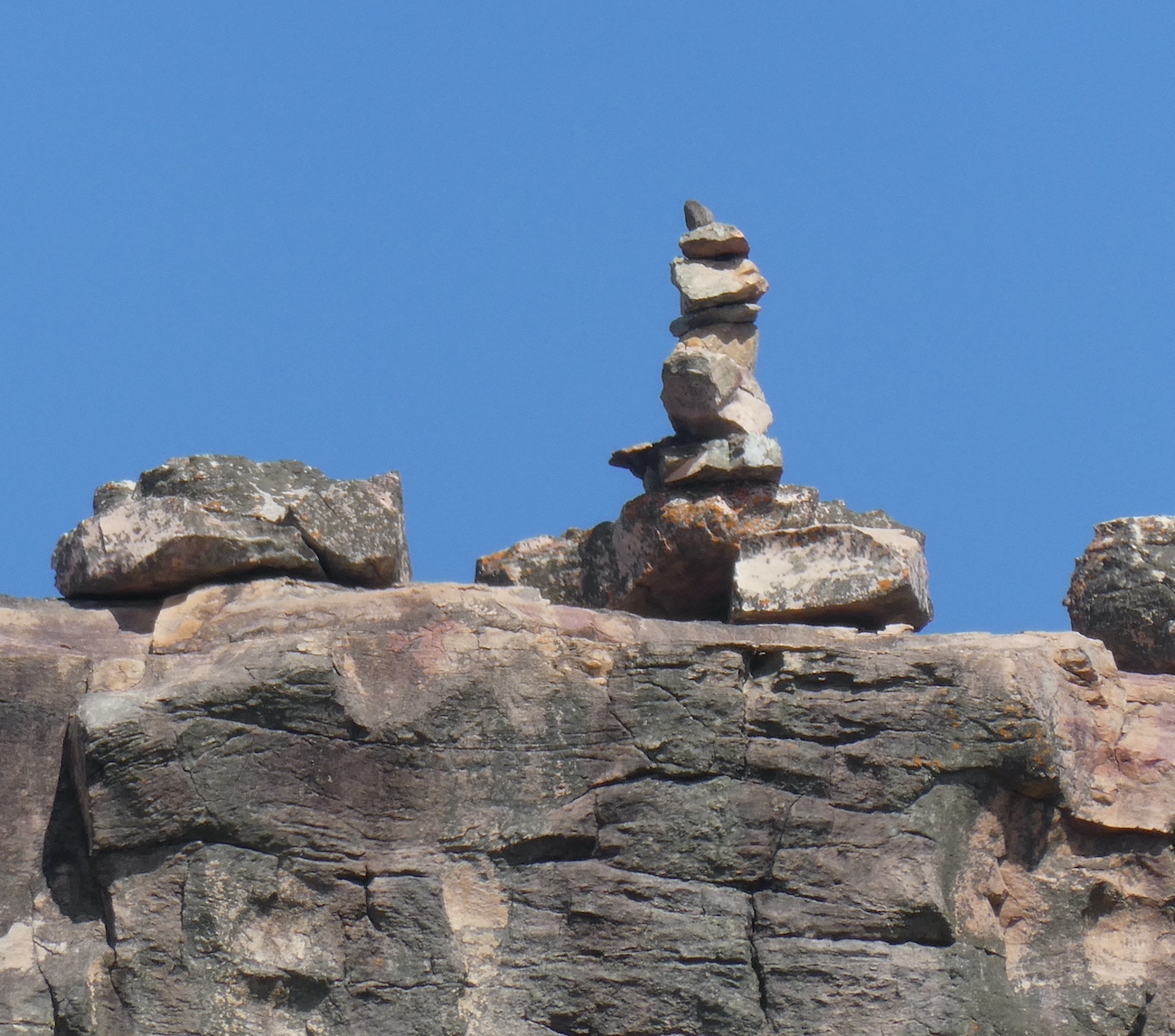
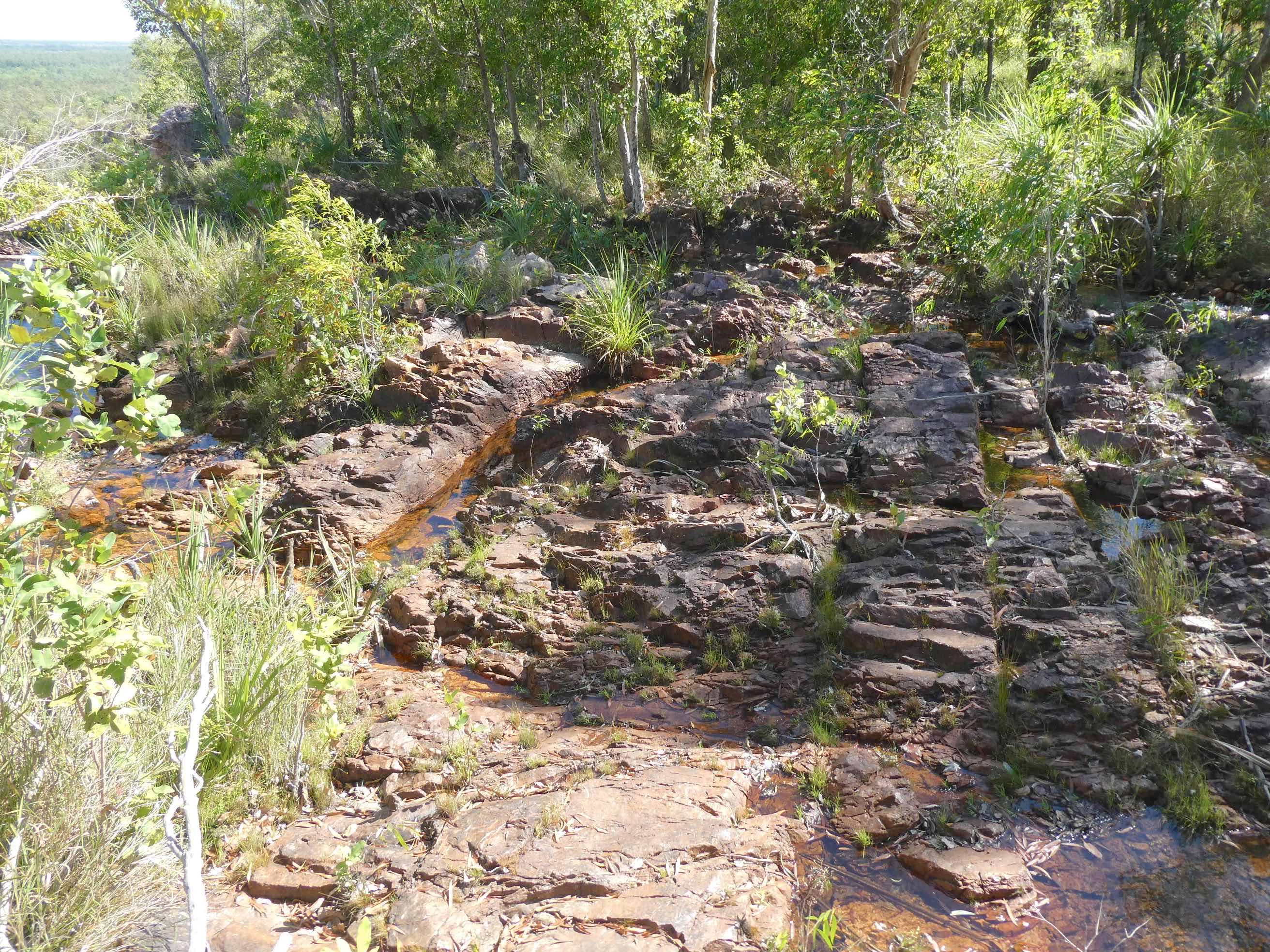
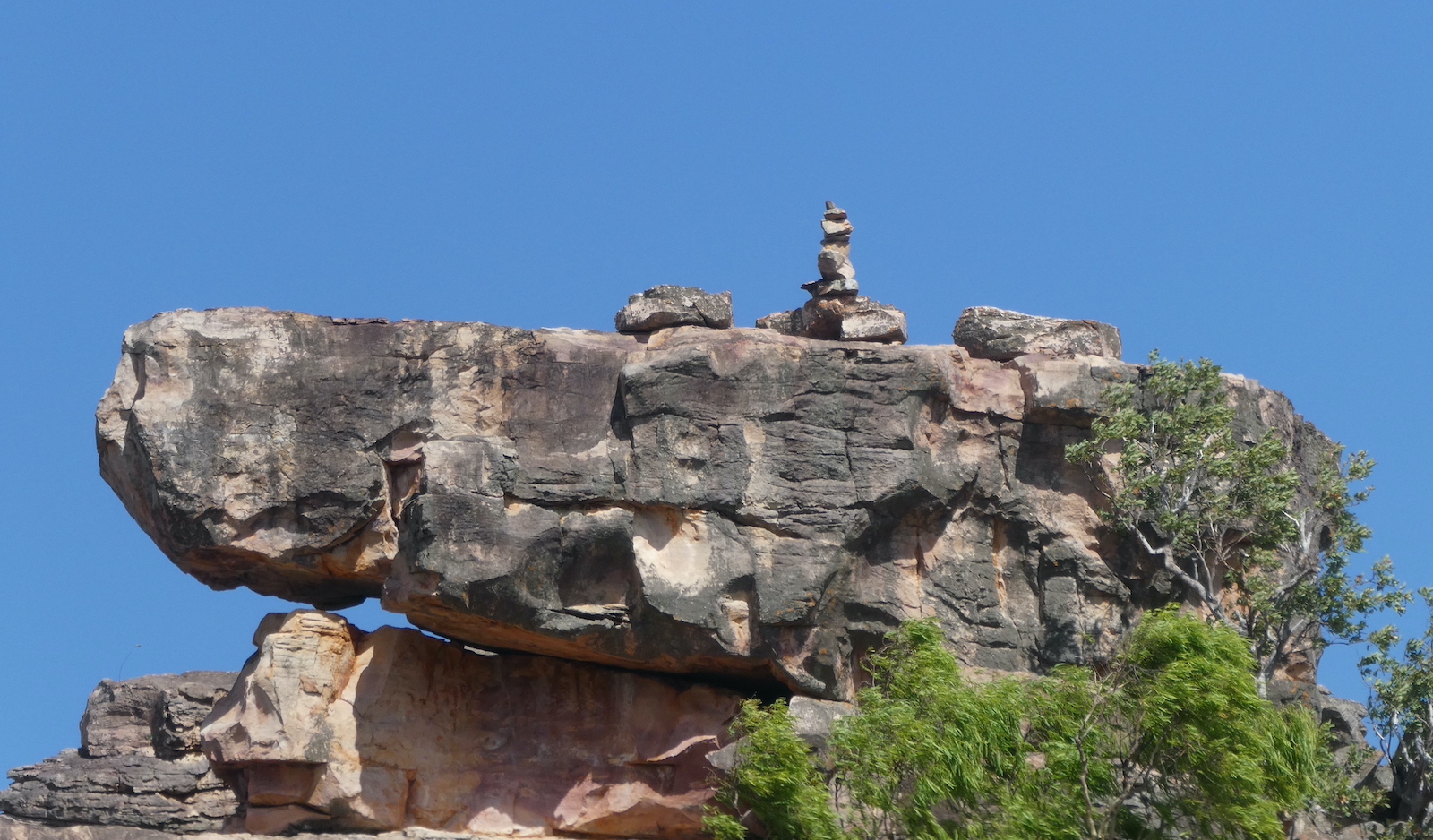
The track became steep and rocky as we neared the top of the falls, taking a moment to ponder some carefully constructed rock art.
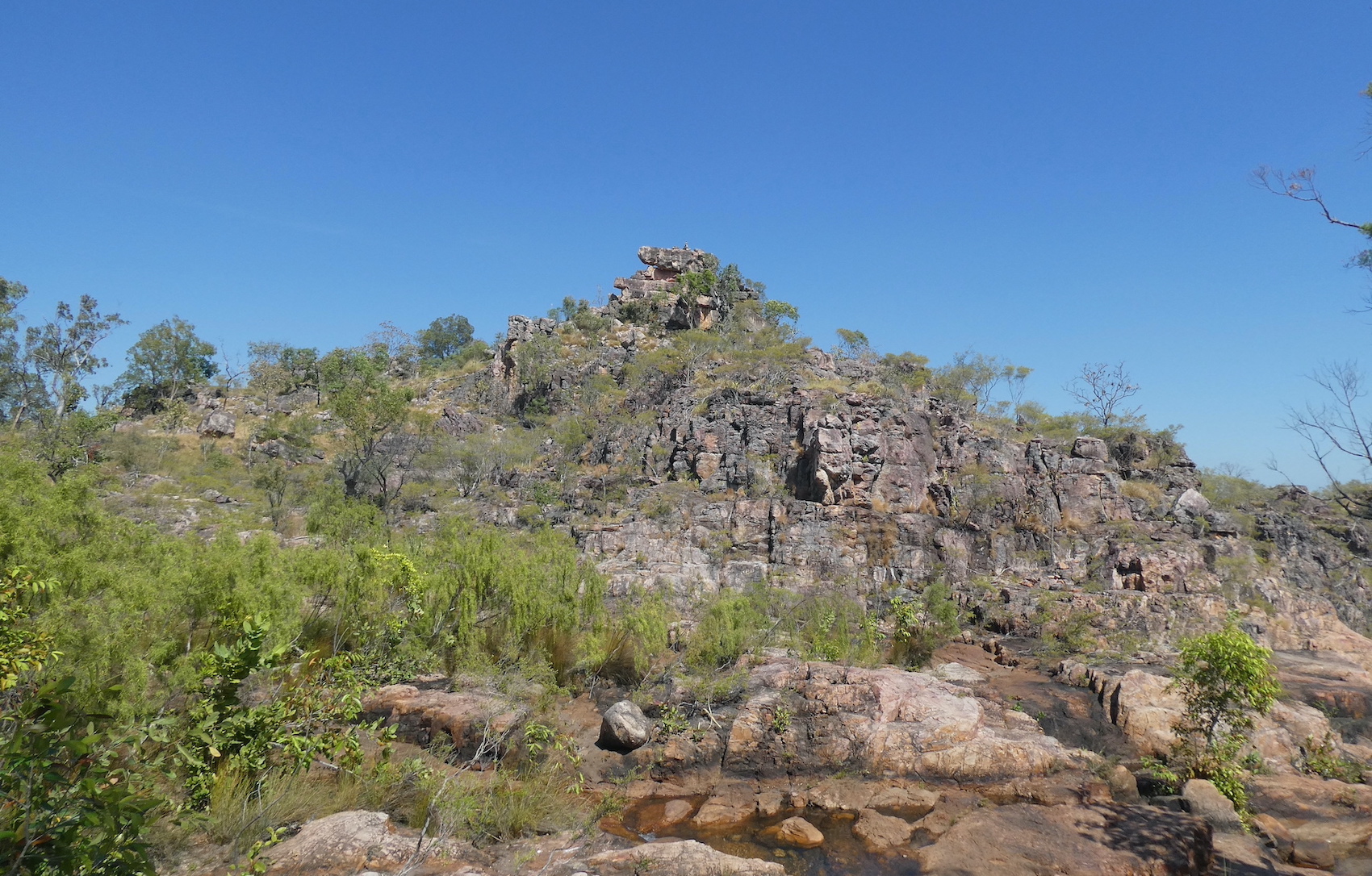
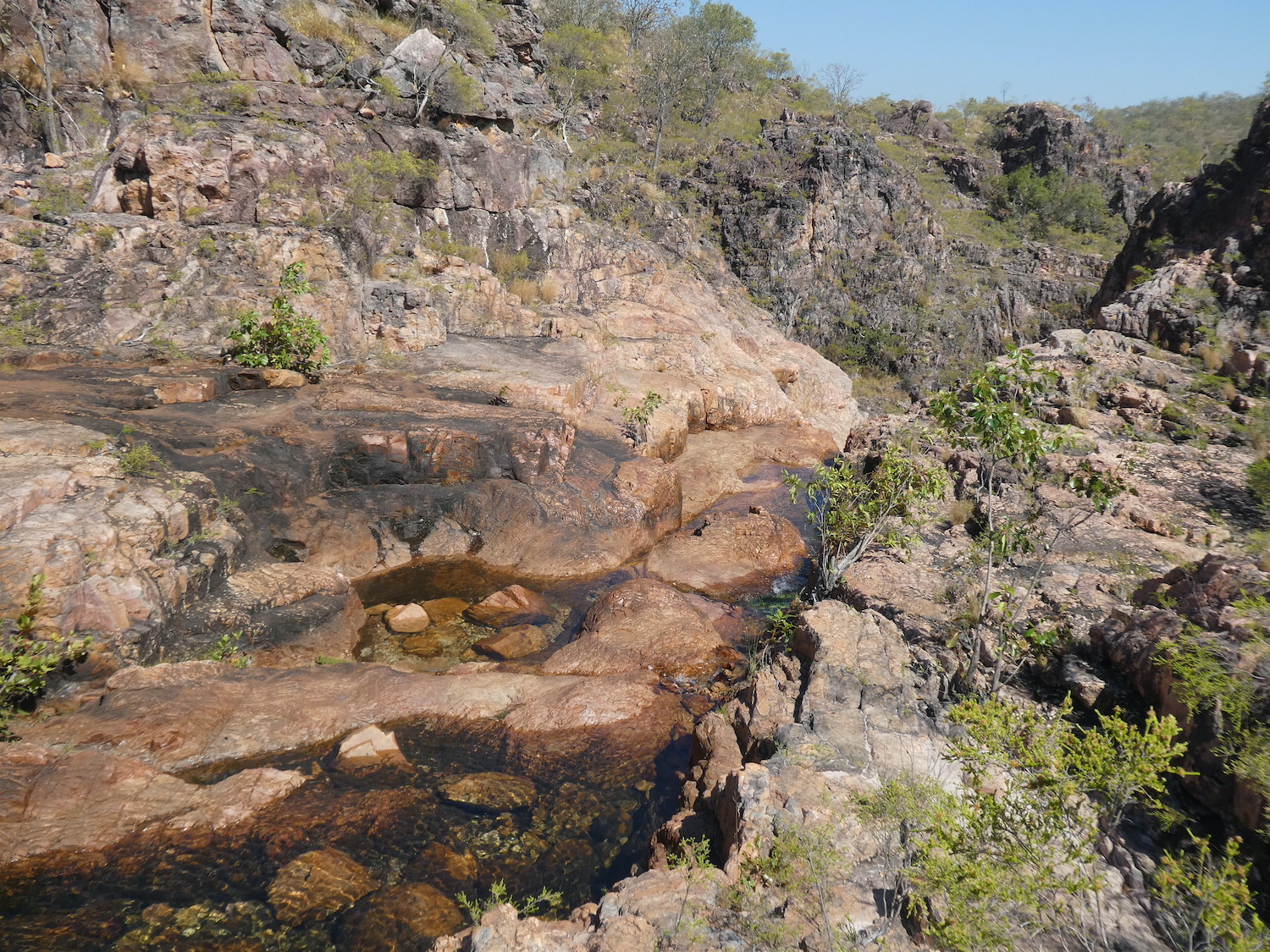
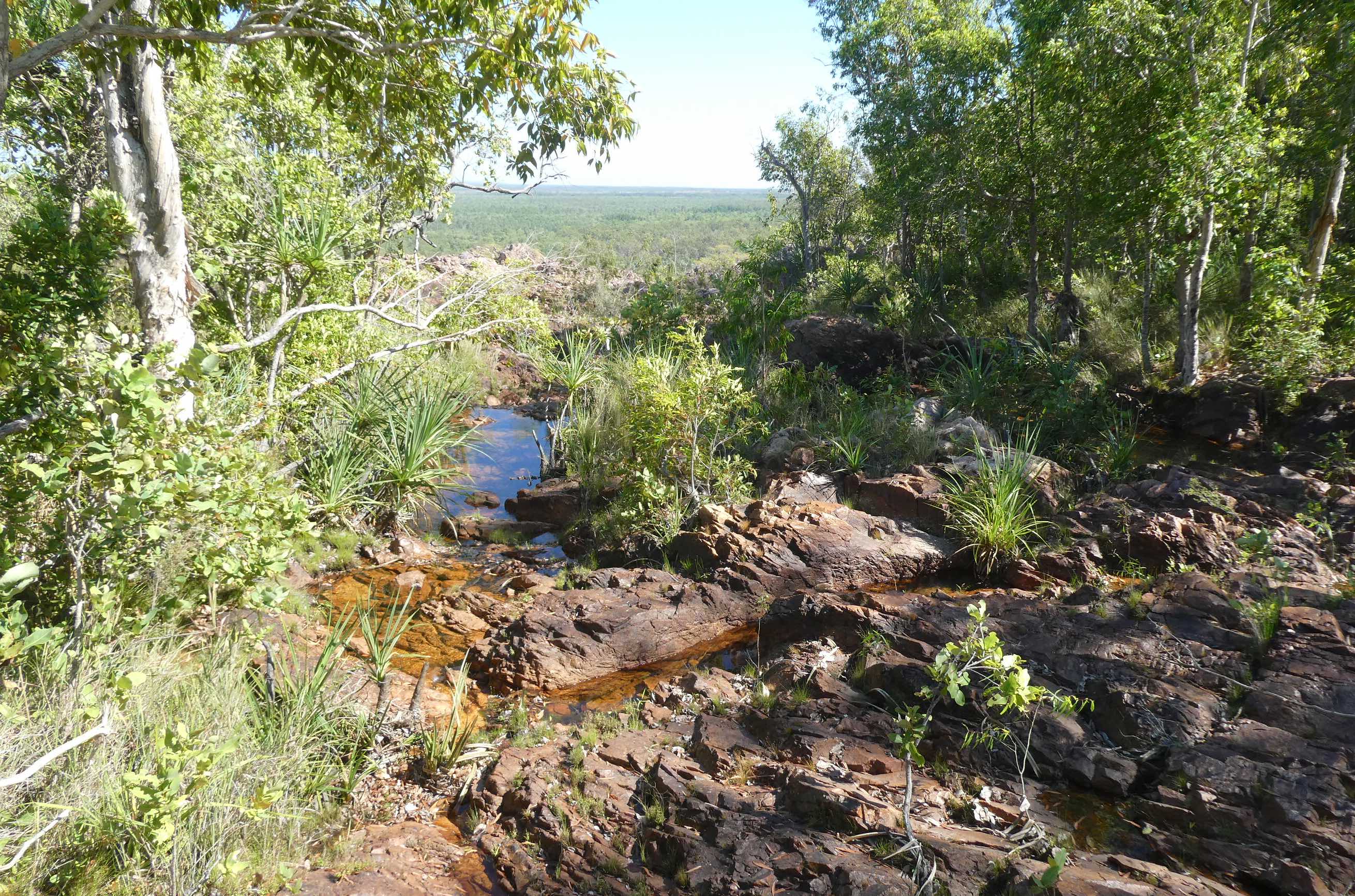
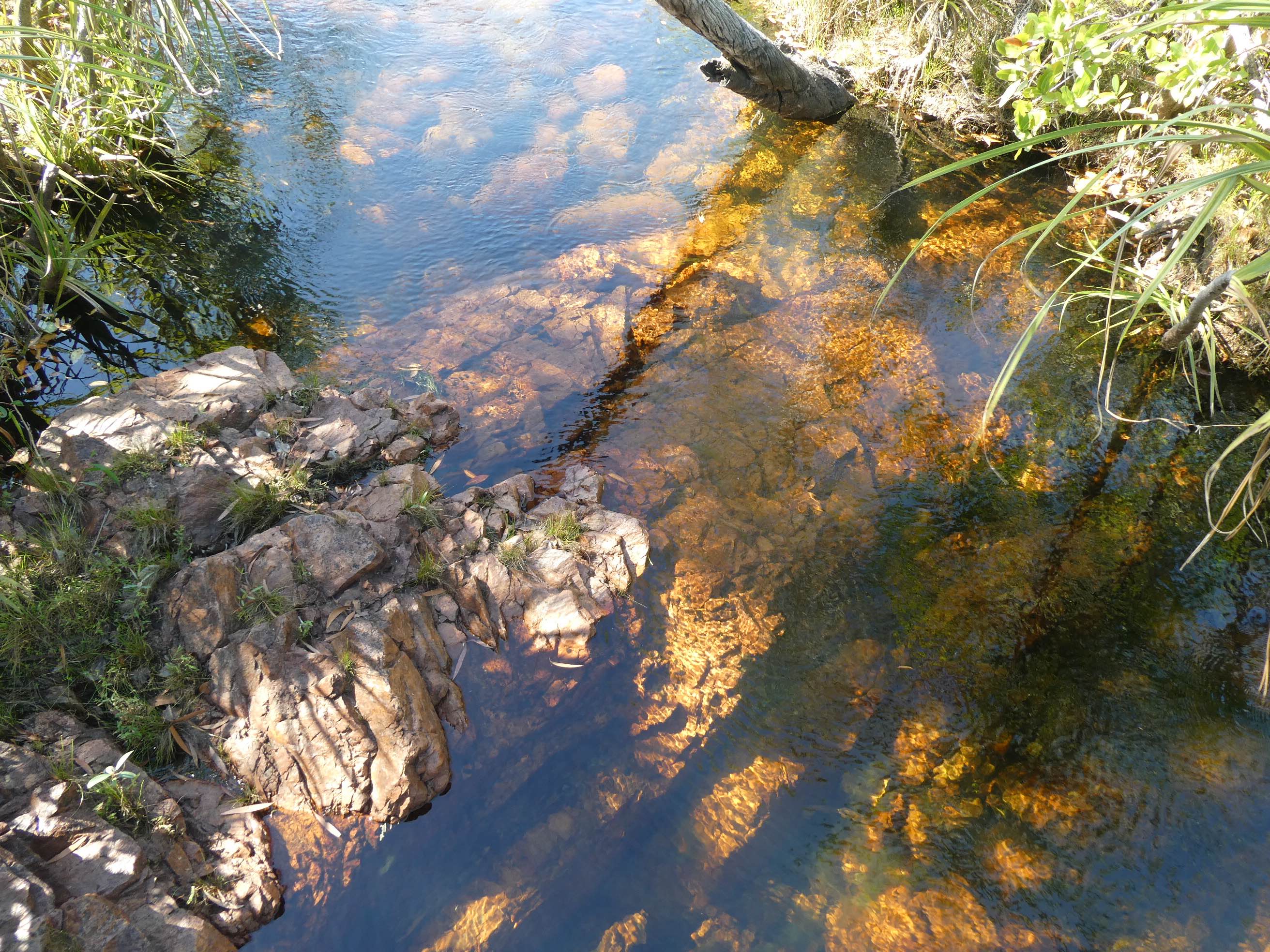
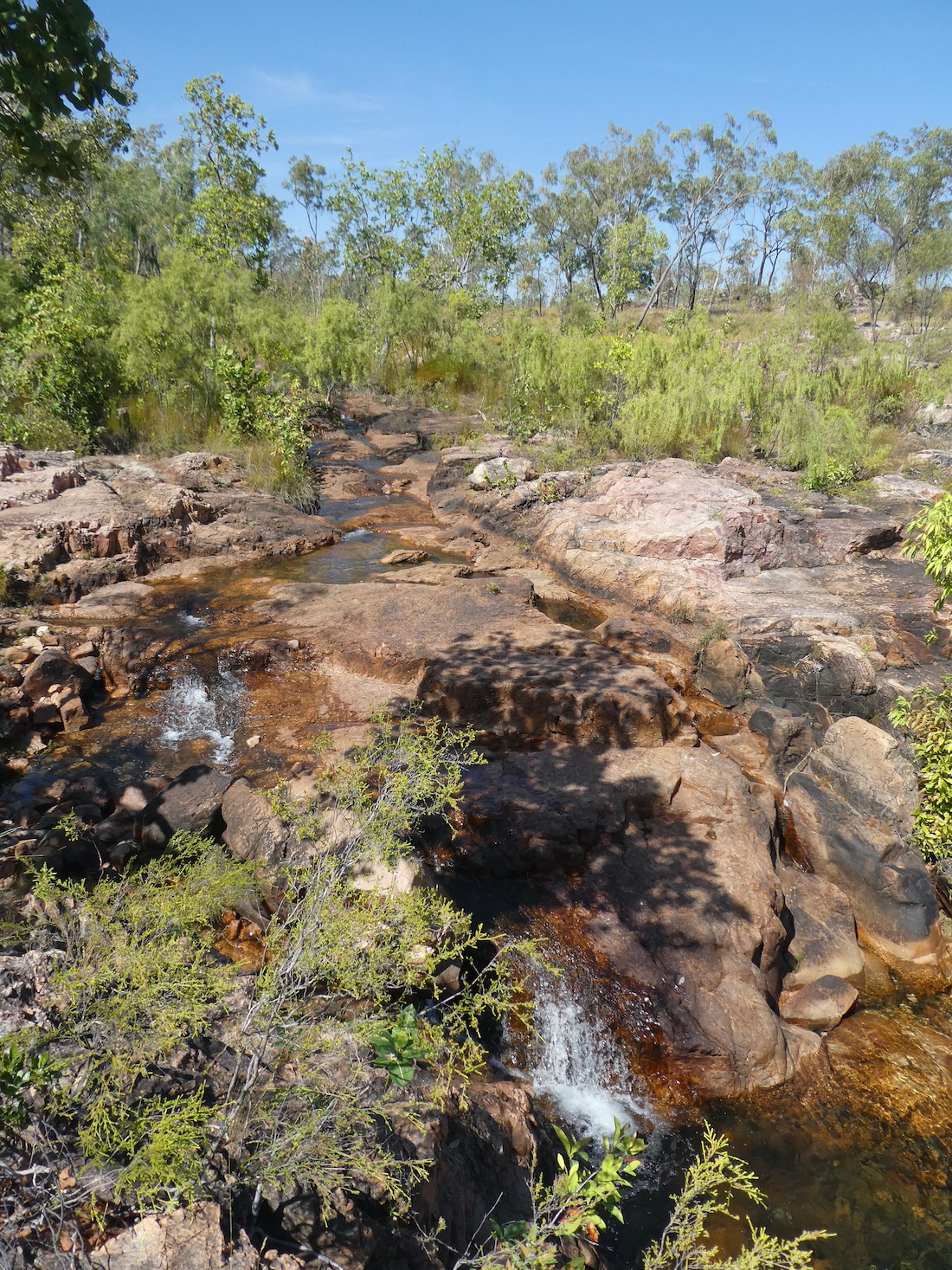
The crystal clear water of Tolmer Creek trickled its way over golden sandstone to the edge of the escarpment.

We were rewarded with awe-inspiring views and spectacular cliffs as we made our way to the viewing platform.

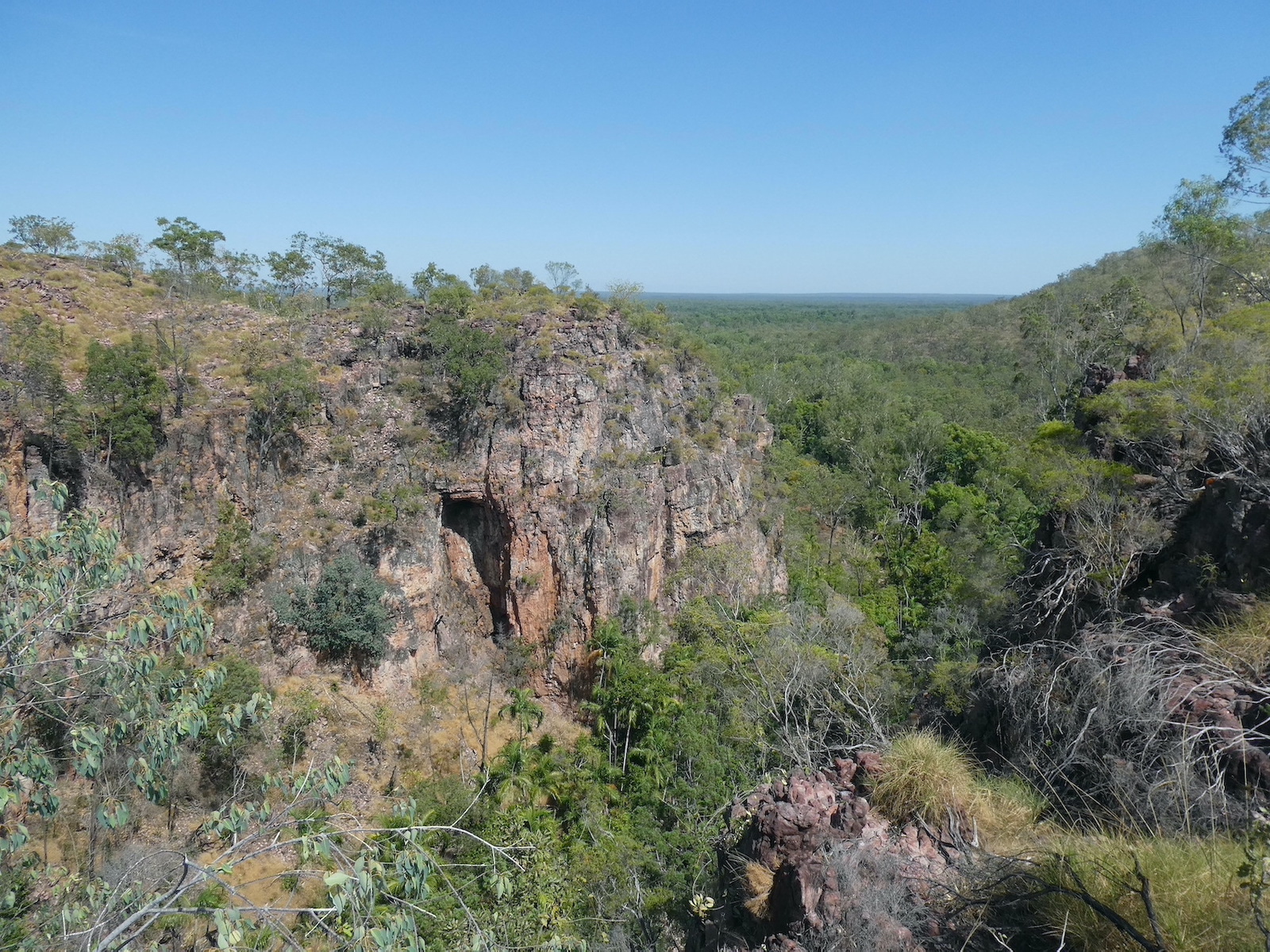
Explorer Frederick Henry Litchfield named the falls after his late father’s colleague in the South Australia Police, Alexander Tolmer. The water cascades over two high escarpments into a deep plunge pool where swimming is prohibited.
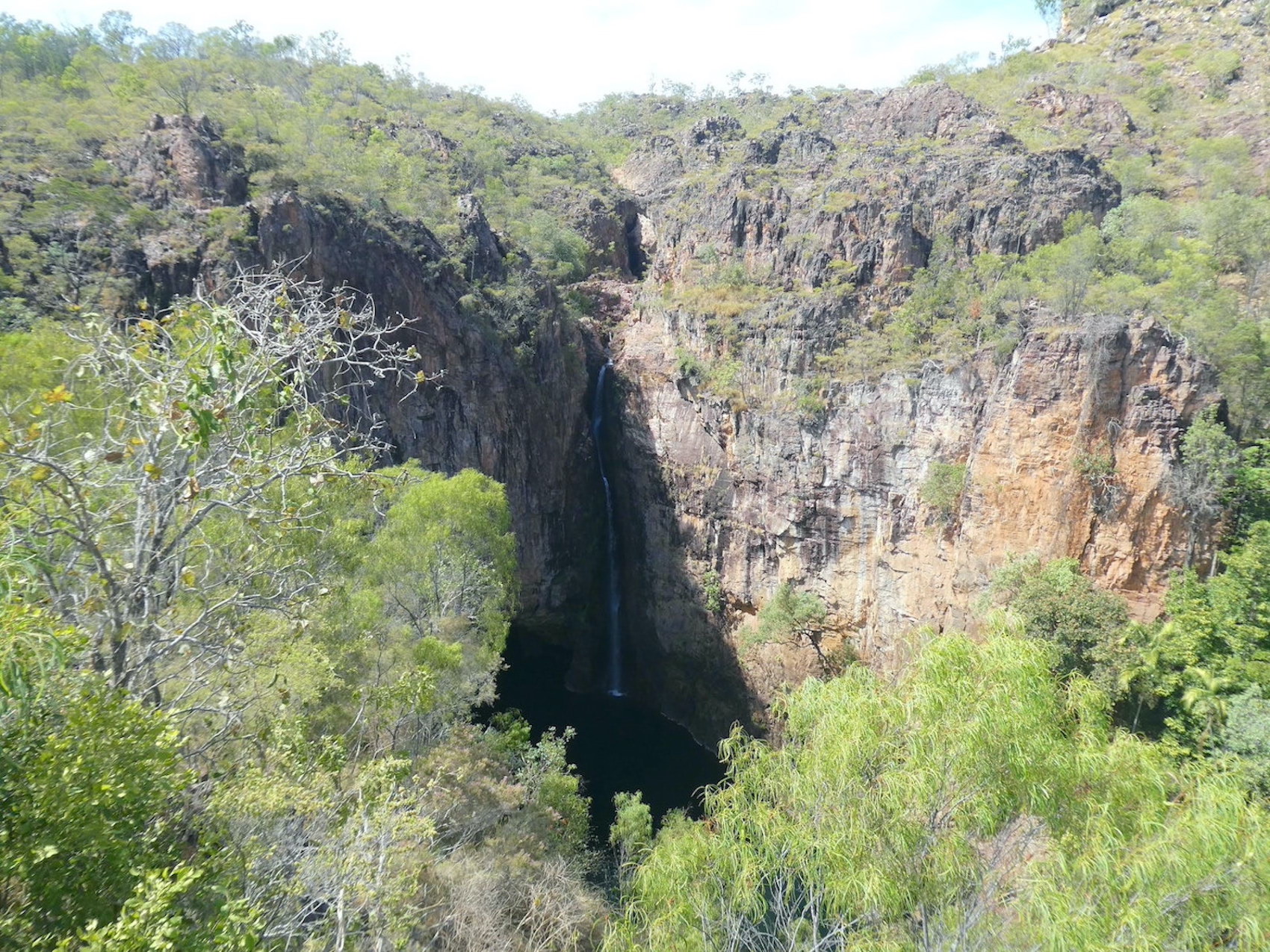
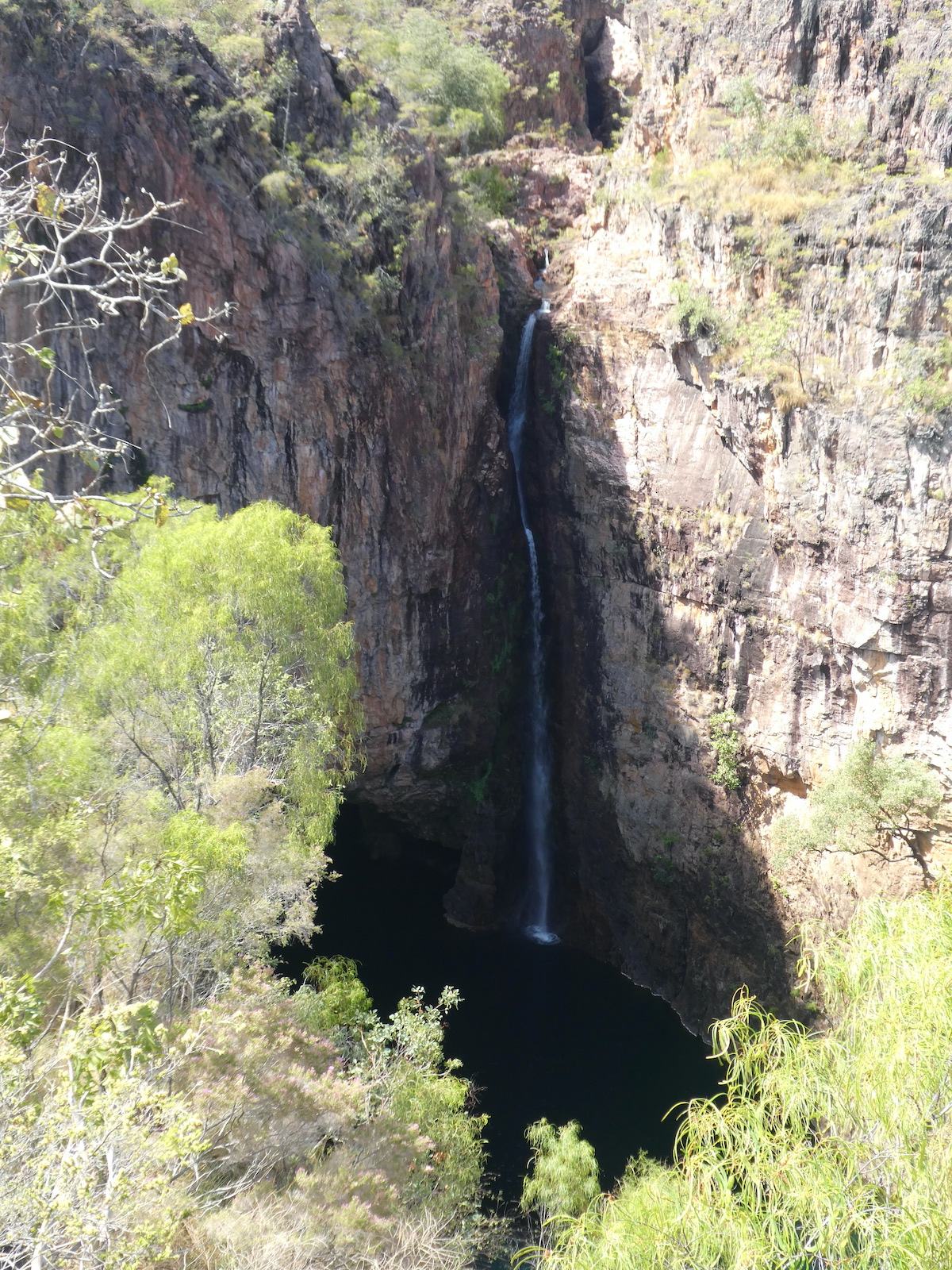
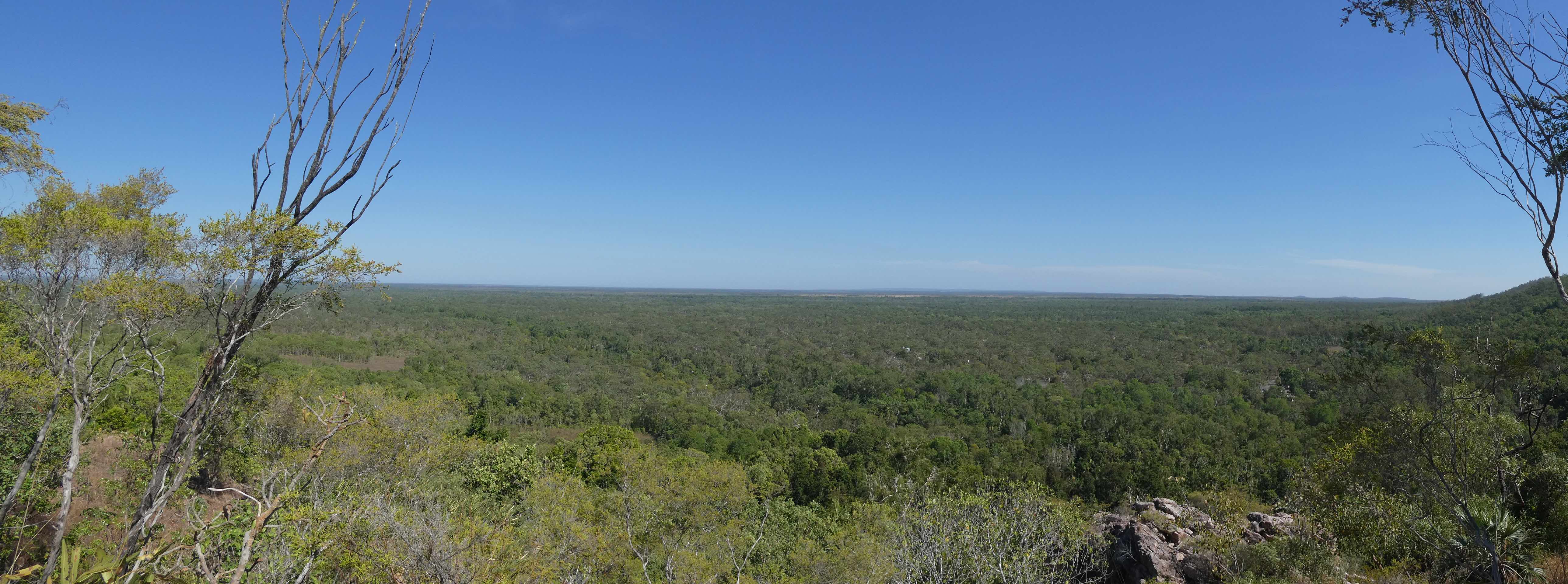
The panorama from the other side of the viewing platform was quite different but equally as impressive.

Motuoapa Bay

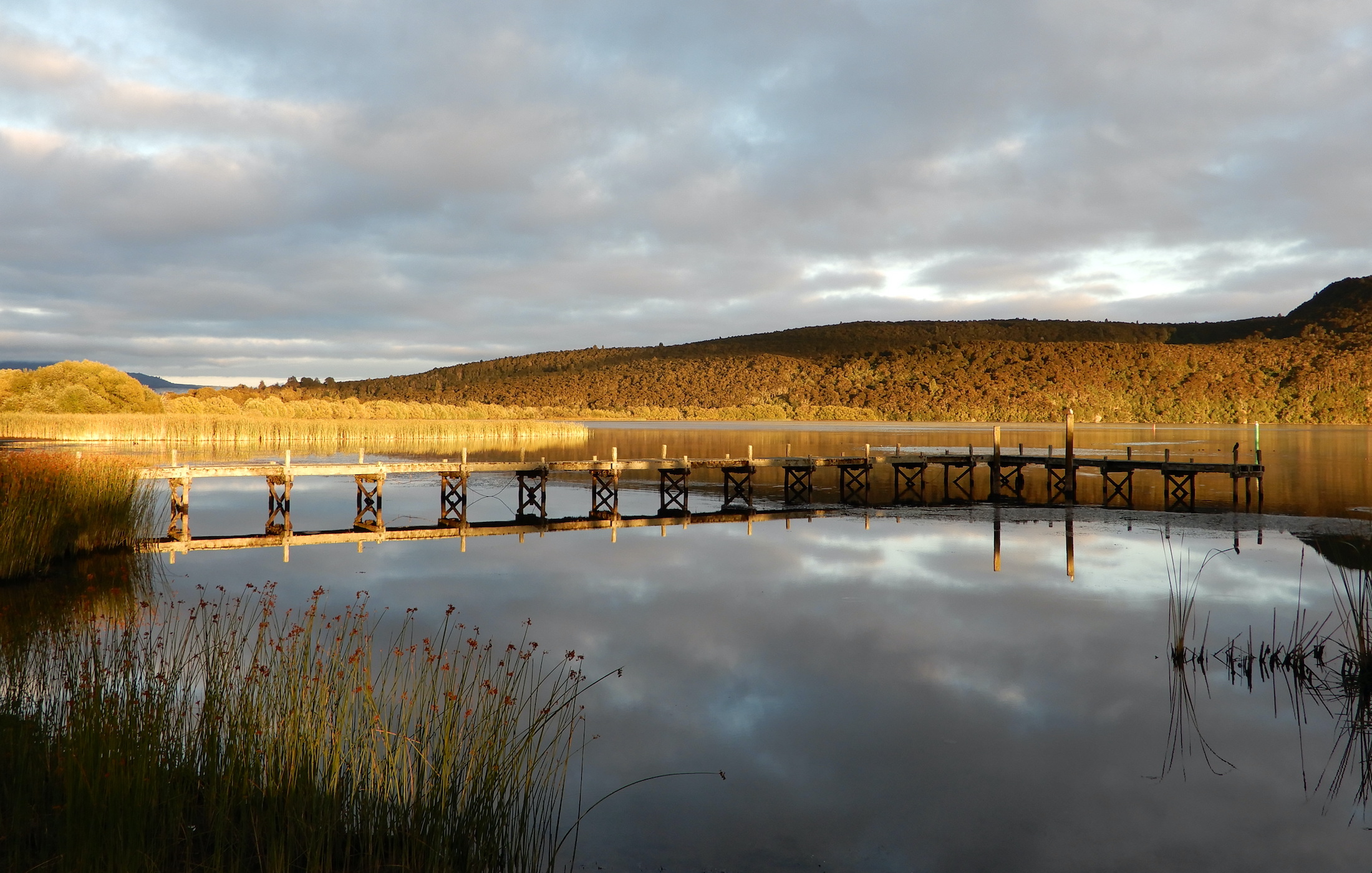
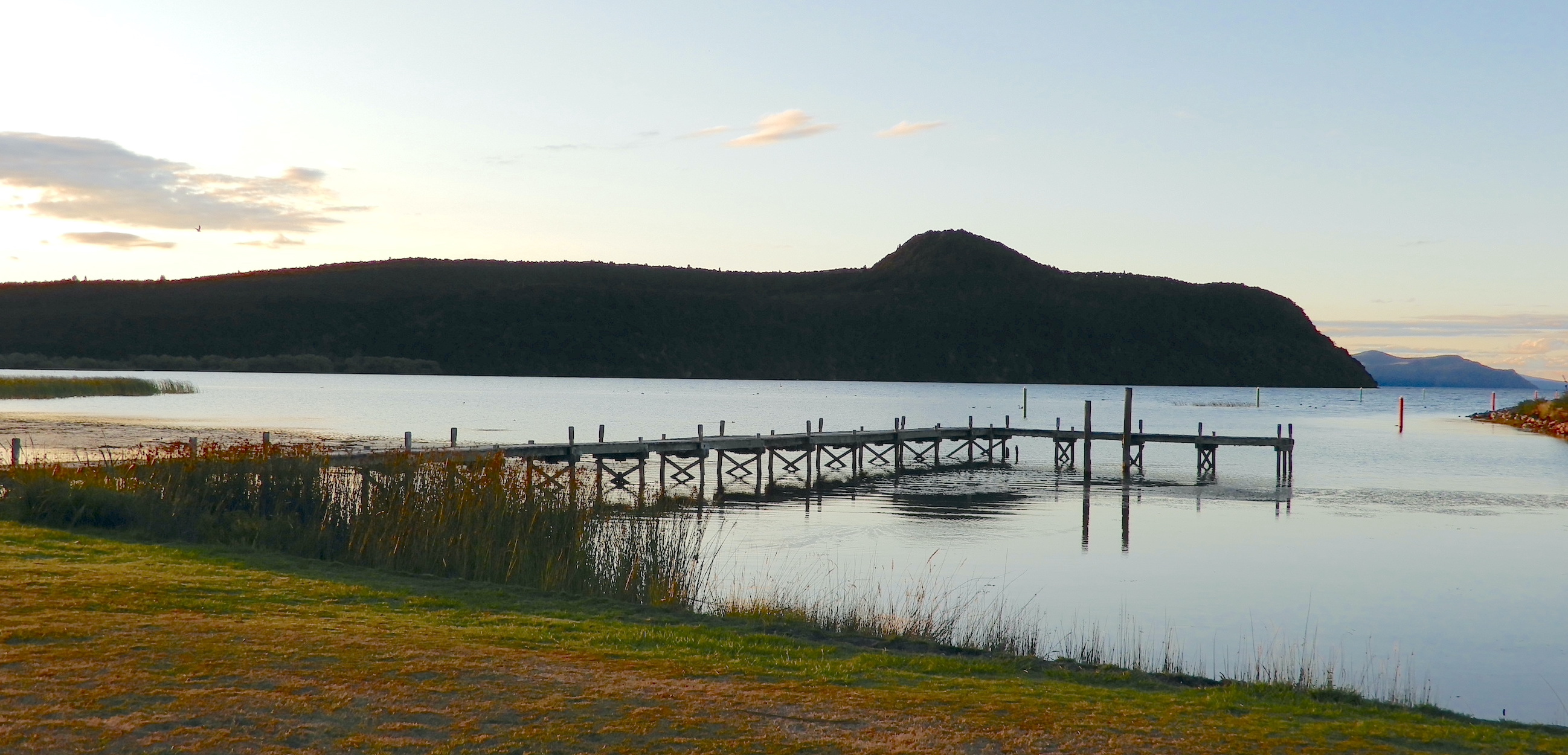
Our few days at the Lake House remain in my memory as the most idyllic sojourn of our trip. On the southern shore of Lake Taupo, Motuoapa Bay is a tranquil cove that is situated to capture the most beautiful sunrises and sunsets. A short stroll on our first evening delivered a fine example of things to come.

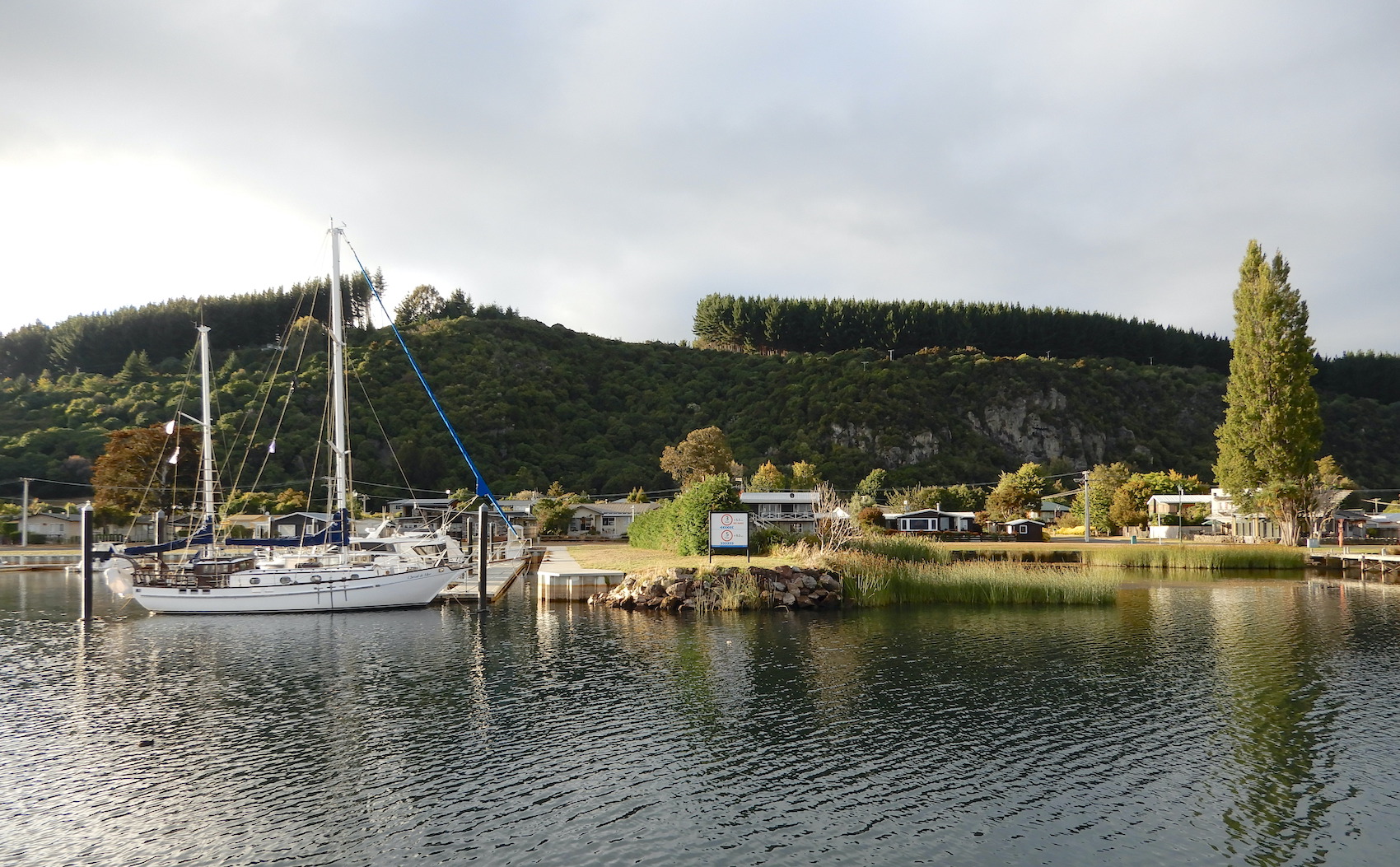
The bay is also the location of a fabulous marina and home to an assortment of pleasure craft. The $6 million redevelopment took 18 years from original plans to completion in November 2017. For those into statistics, over 39,000 cubic metres of sediment was removed from the original marina basin and channel before being turned into 5.5 acres of reclaimed land. Nearly 1,600 square metres of concrete floating docks offer 158 berths. There was very little activity during our stay.

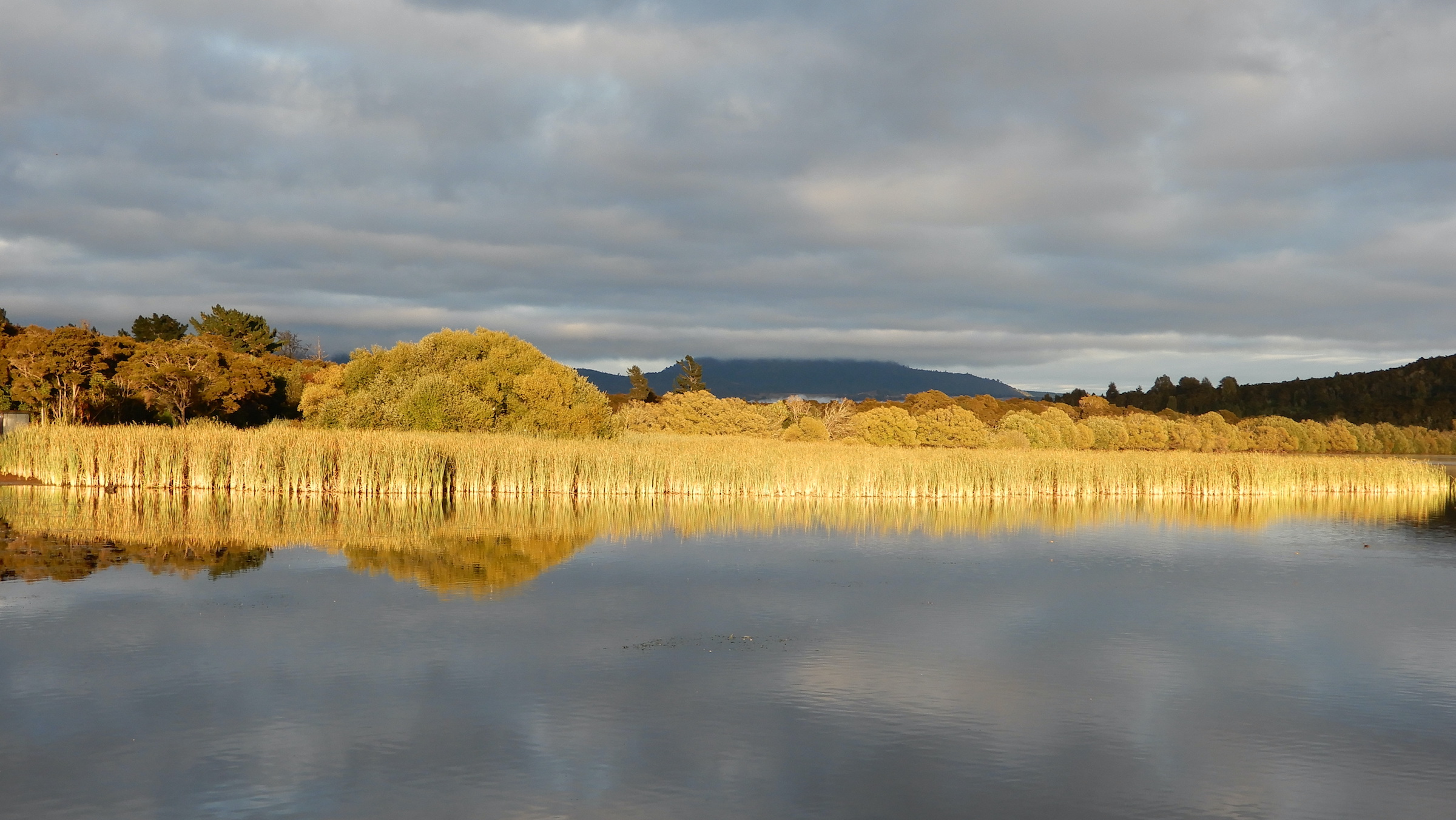
The next morning, with cups of tea in hand to warm against the chill, we ventured out in the early light.

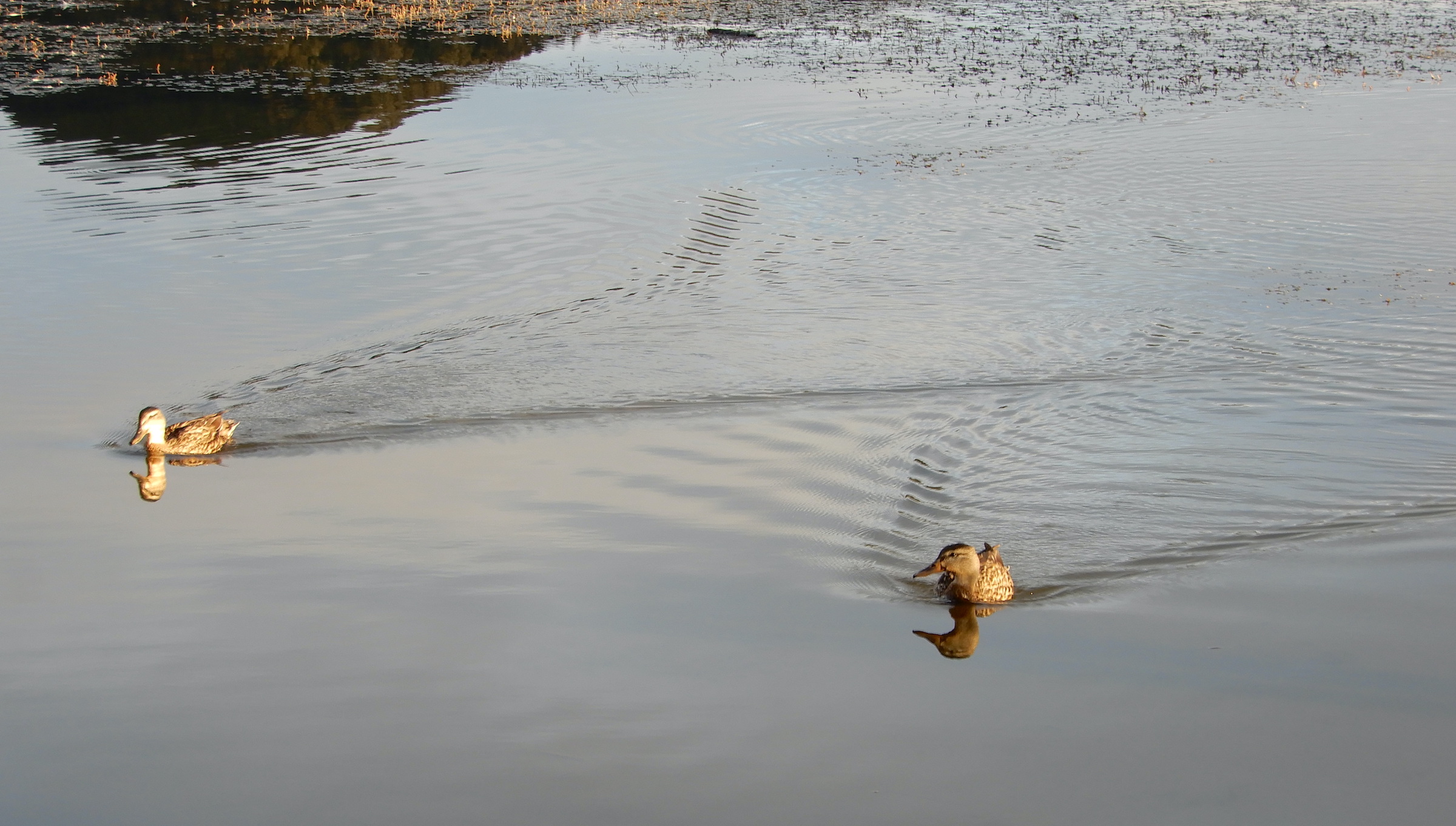
We weren’t the only ones enjoying the serenity.

Taking a closer look at the marina,

I wondered about the intriguing names on some of the boats.

We returned to our base to prepare for an exciting day out at Tongariro National Park.

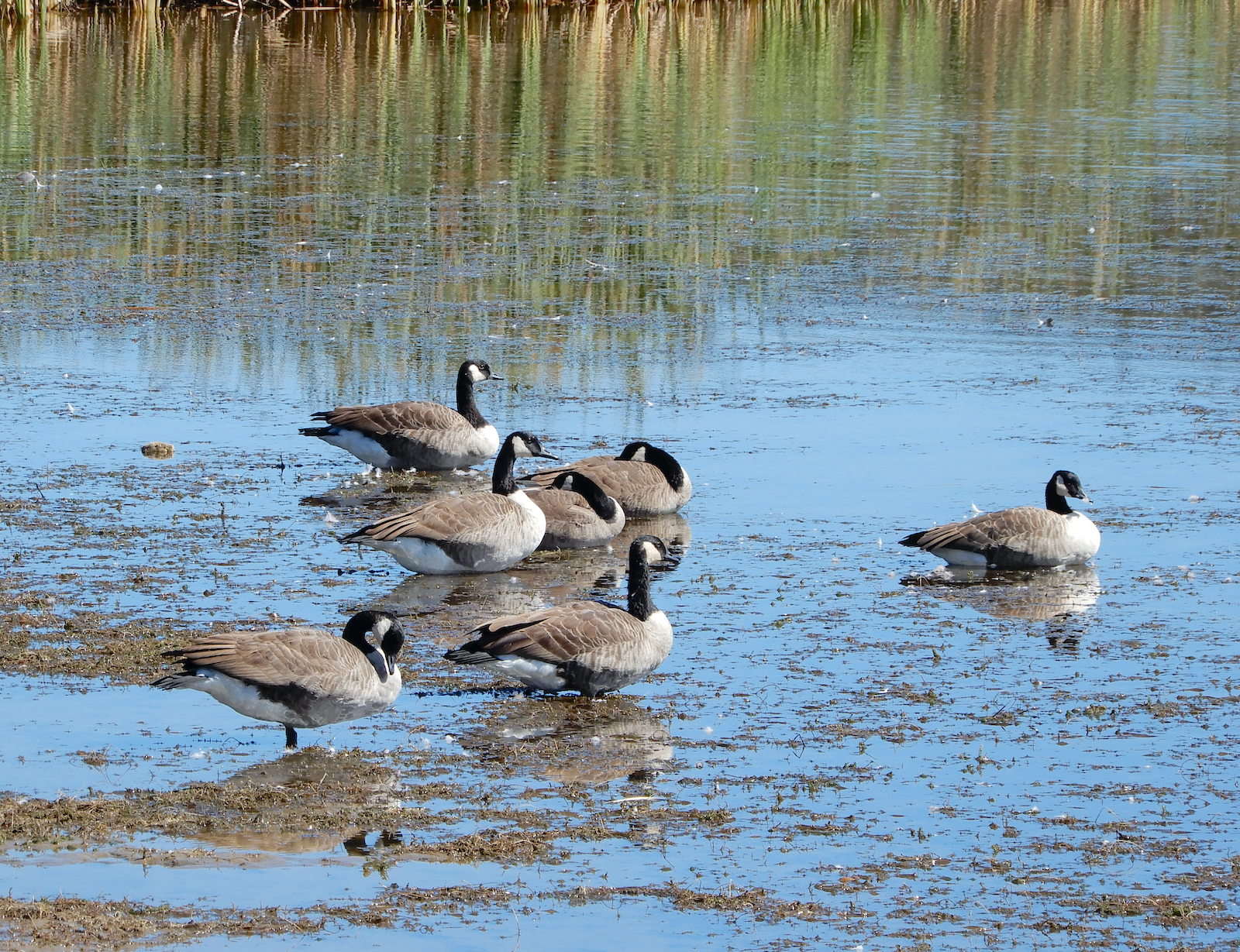
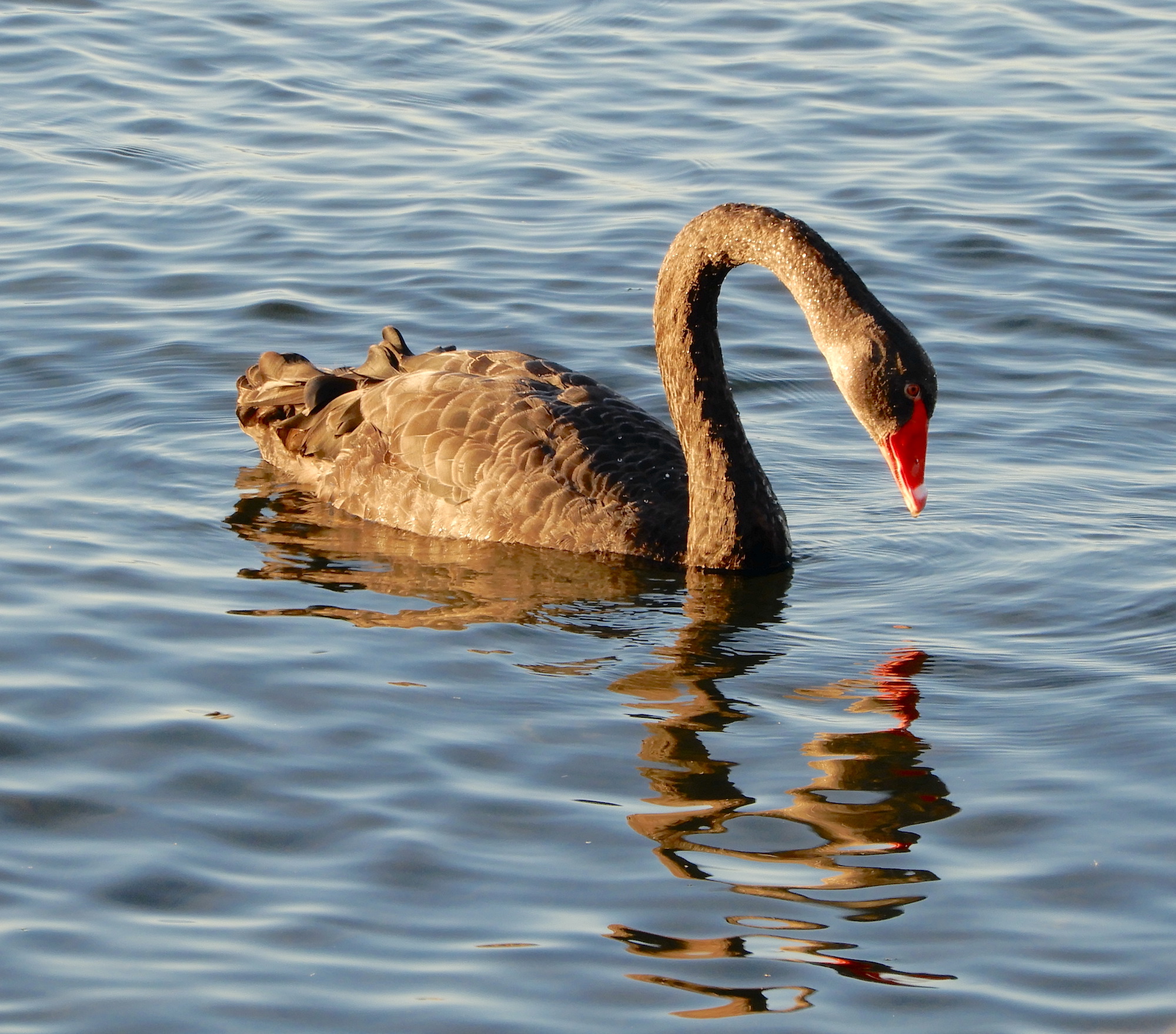
The following day was one of relaxation and, as the light began to fade, we couldn’t resist one last dose of the stunning surrounds. Canada geese and black swans were seeking their supper in the spotlight of a descending Sol.

Another round of the marina and still no sign of life.

We spied a few of these unusual birds and have since discovered they are California quail, an introduced game bird with an interesting head dress.

Reluctant as we were to leave Motuoapa Bay and the Lake House, there were new adventures awaiting.

Wangi Falls

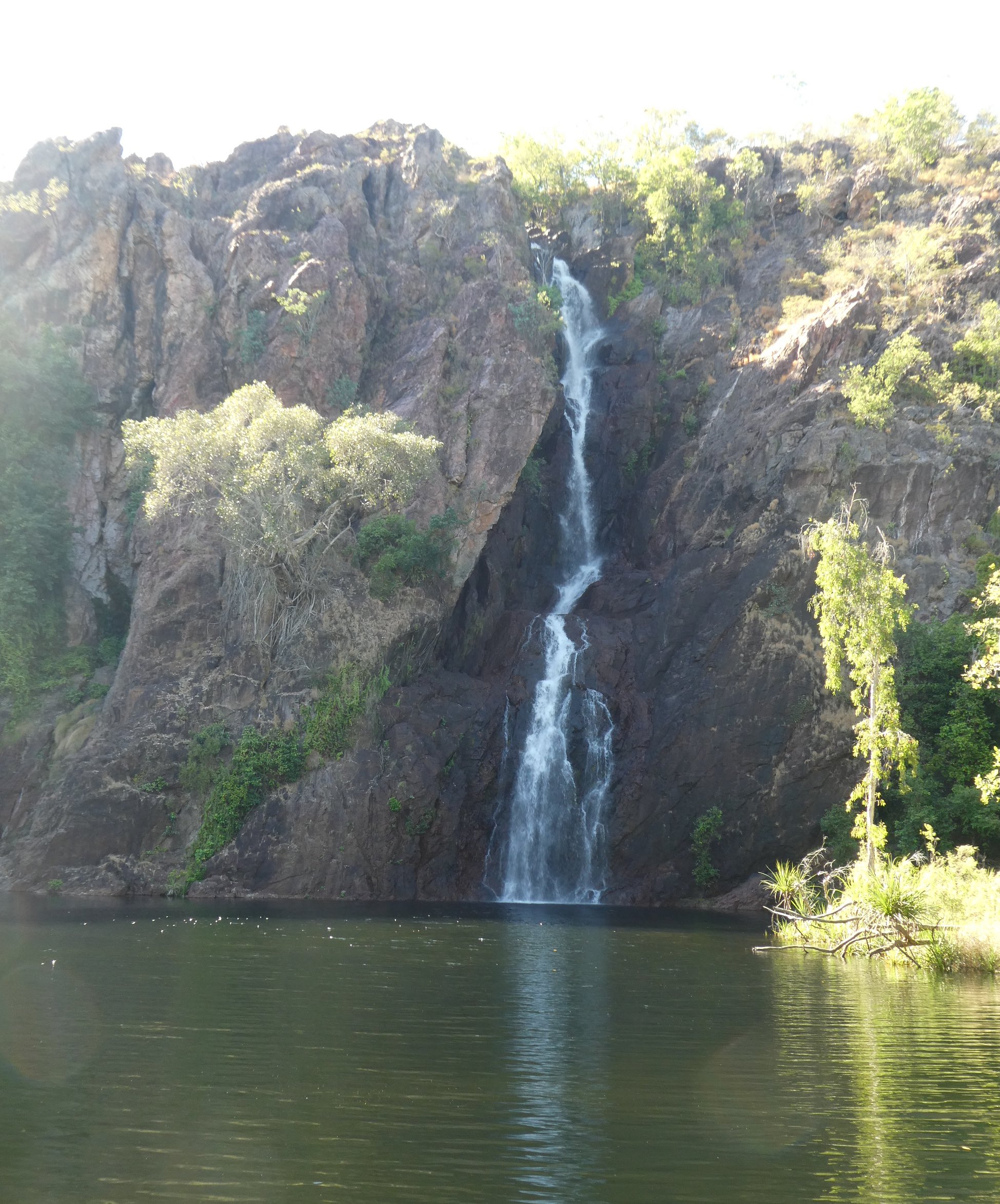
It is many years since I have been to Litchfield National Park and on my recent sojourn to Darwin, a visit was included on the agenda. Named after Frederick Henry Litchfield who explored the Northern Territory in the mid 1800s, the 1,500 square kilometre park is a comfortable 90 minute drive south of Darwin. The park has several stunning waterfalls and crystal clear swimming holes, the largest being Wangi Falls.

In 1883, surveyor David Lindsay named the falls after his youngest daughter, Gwendoline. Forty years later, Max Sargent took up the pastoral lease over the area and renamed the falls after his second daughter, Kathleen, who was born in 1954. The Townsend family took over the lease in 1961, built an outstation nearby and called it Wangi, the local aboriginal name for the area. Consequently, the falls became known as Wangi Falls. There are actually two cascades at Wangi, the morning sun wasn’t conducive to photographing the narrower stream flowing to the left of the main falls.

We set off on the Wangi Loop Walk, a 1.6 kilometre circuitous trail that climbs the escarpment to the top of the falls and returns on the other side of the pool. Colonies of flying foxes roosted above us, not bothering to seek shade for their morning slumber.

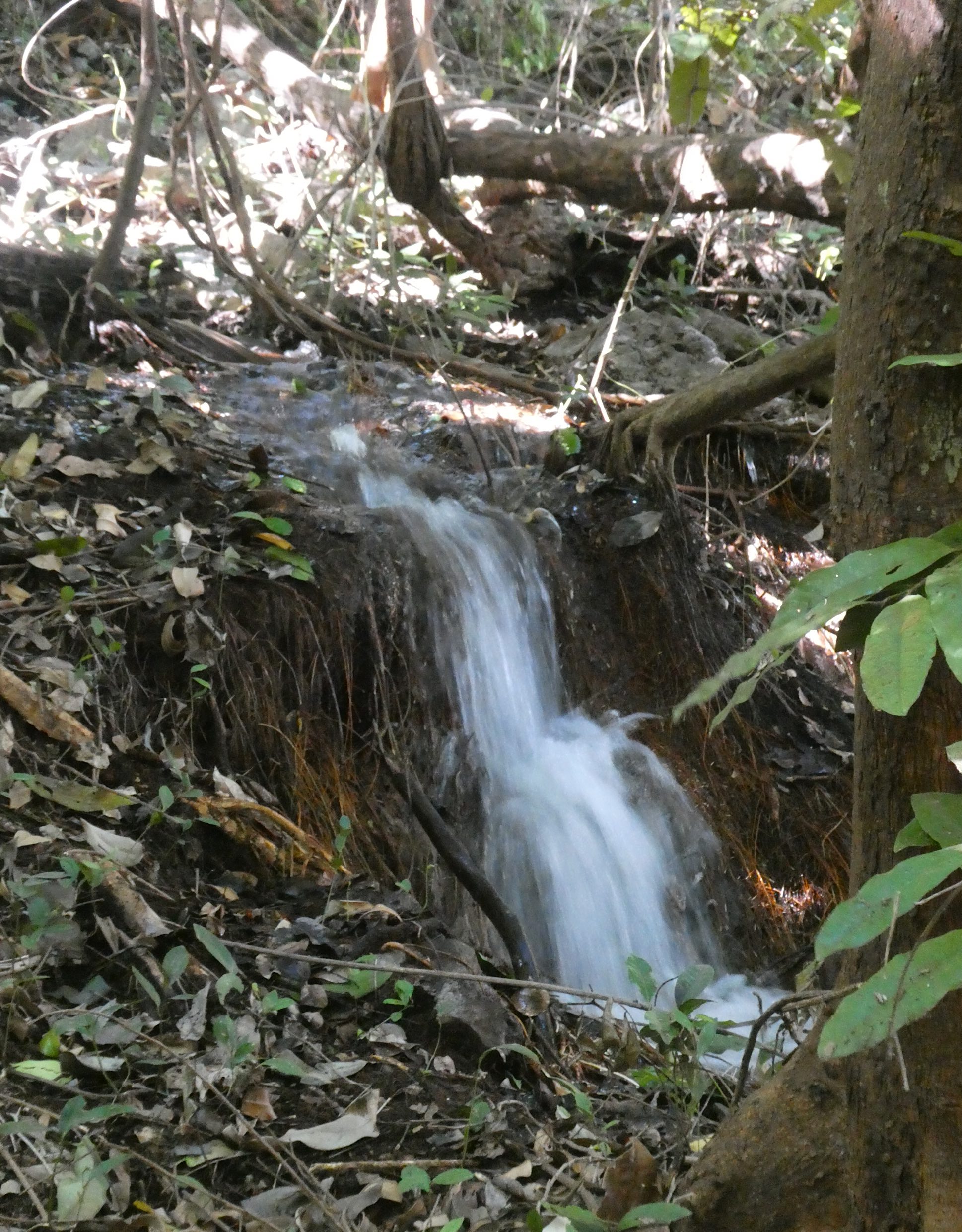
Meandering streams tumbled their way through the lush forest,

the canopy opened up to reveal a breathtaking vista as we neared the summit.

There is no view of the actual falls from the top and it is surprising that these trickling water courses create such a spectacle as they plummet over the cliff.

Smaller waterfalls accompanied us as we twisted and turned our way down a series of stone steps

to return to the pool for one last look at the majestic Wangi Falls.

frosty fingers

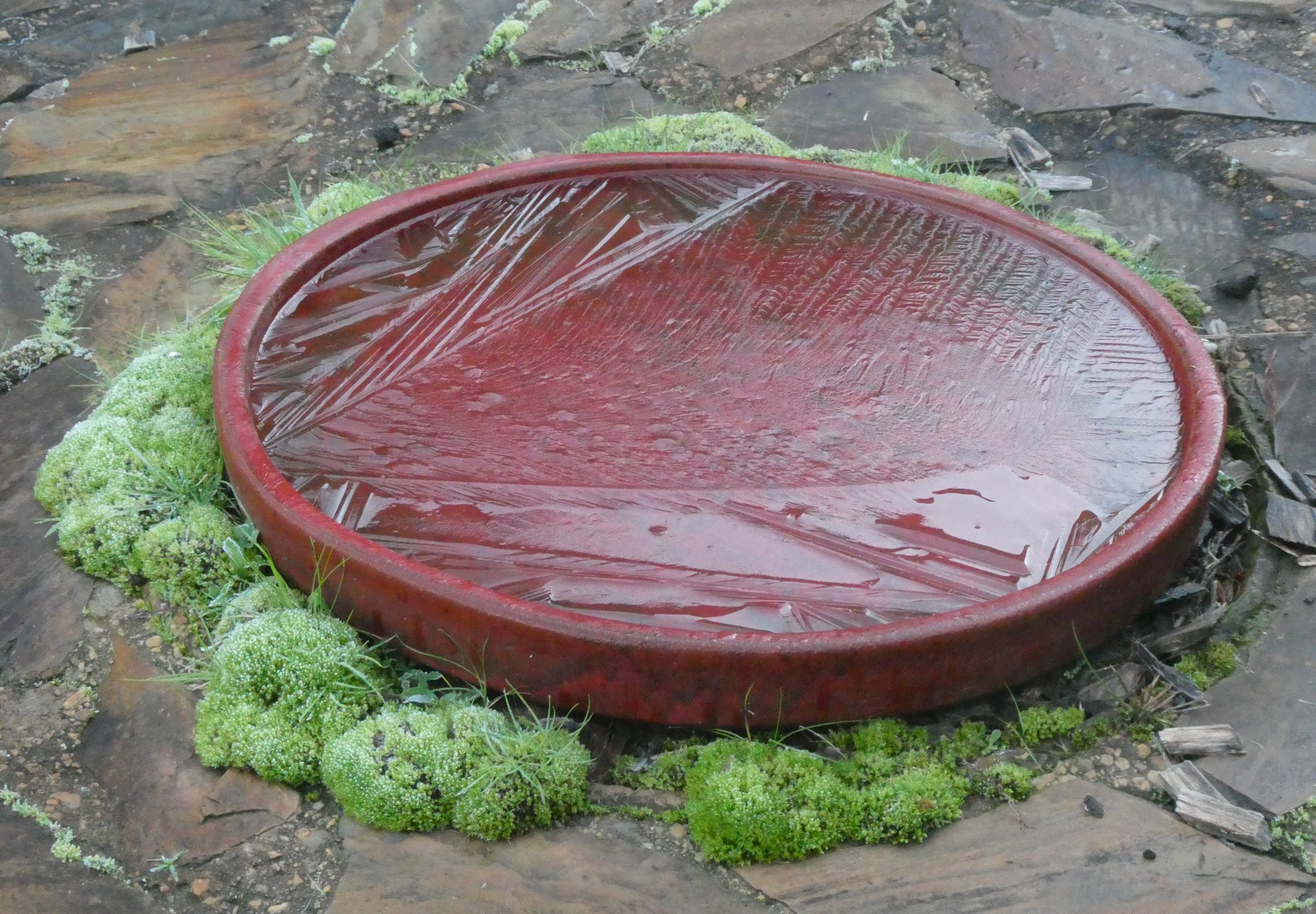
Having just returned from ten days in Darwin, I am struggling to adapt to the climate shock. Tasmanians are used to the four seasons and we enjoy the positive in each of them. Not long before my recent sojourn, I took Poppy for her morning walk into the Blythe Conservation Area that adjoins our property. There is no need to consult the BOM website to know the temperature has dipped into the minus, the frozen birdbaths are evident enough.

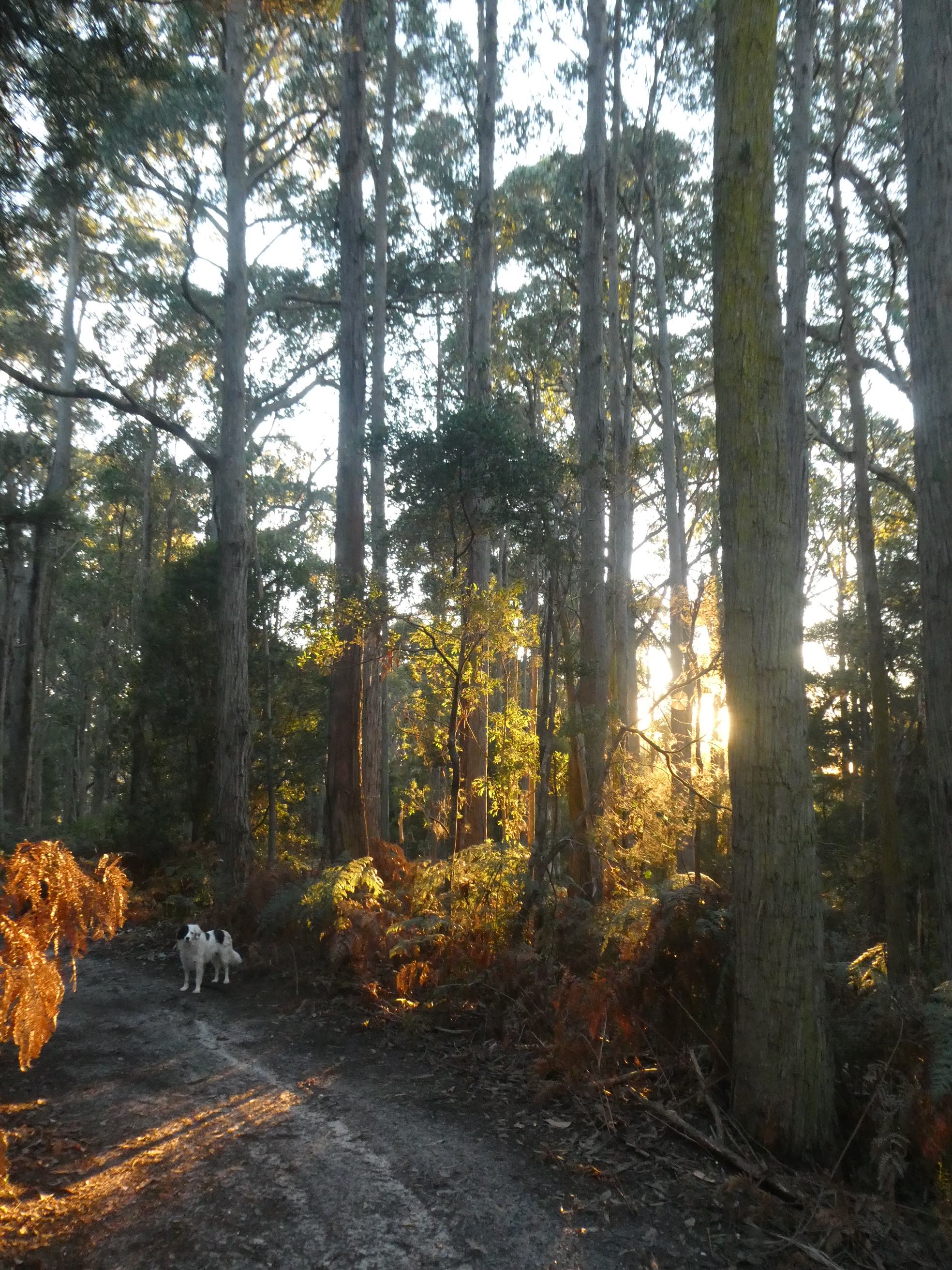
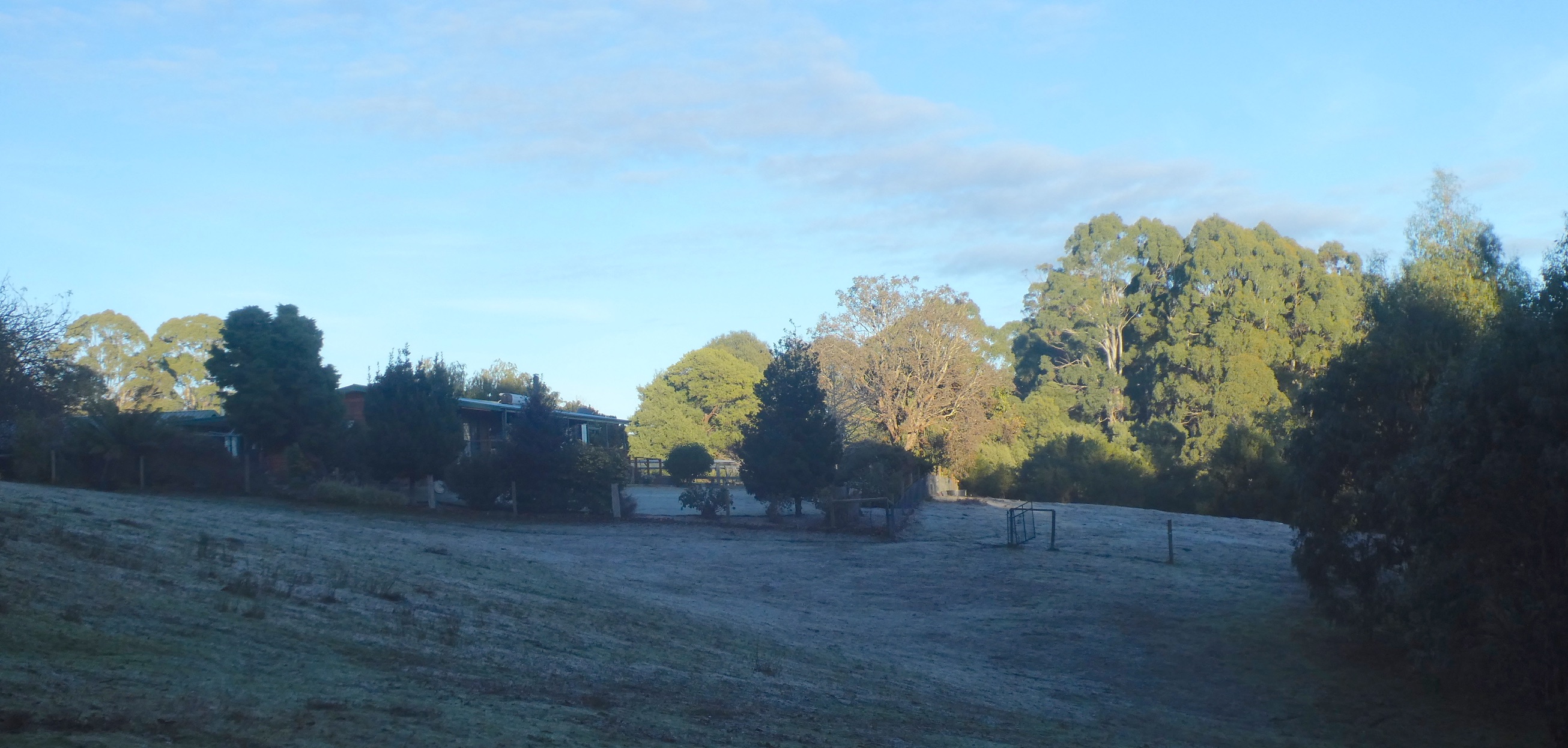
Risking frostbite to my digits, I transformed my thermal mittens to fingerless gloves (an ingenious design purchased at Cradle Mountain some years ago). Crossing the paddock, it seemed the forest was on fire with the trees reflecting the glow of early sunlight.

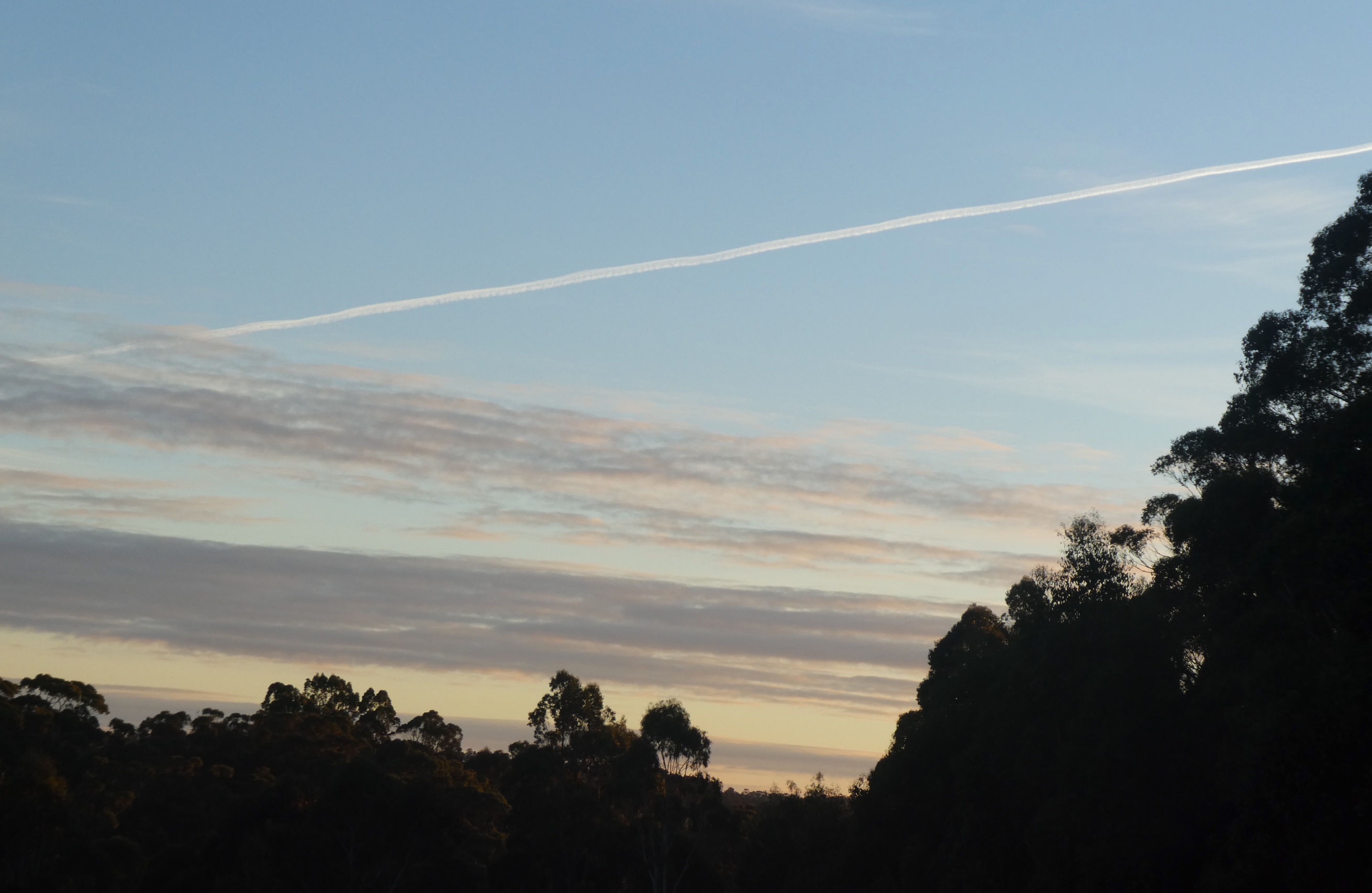
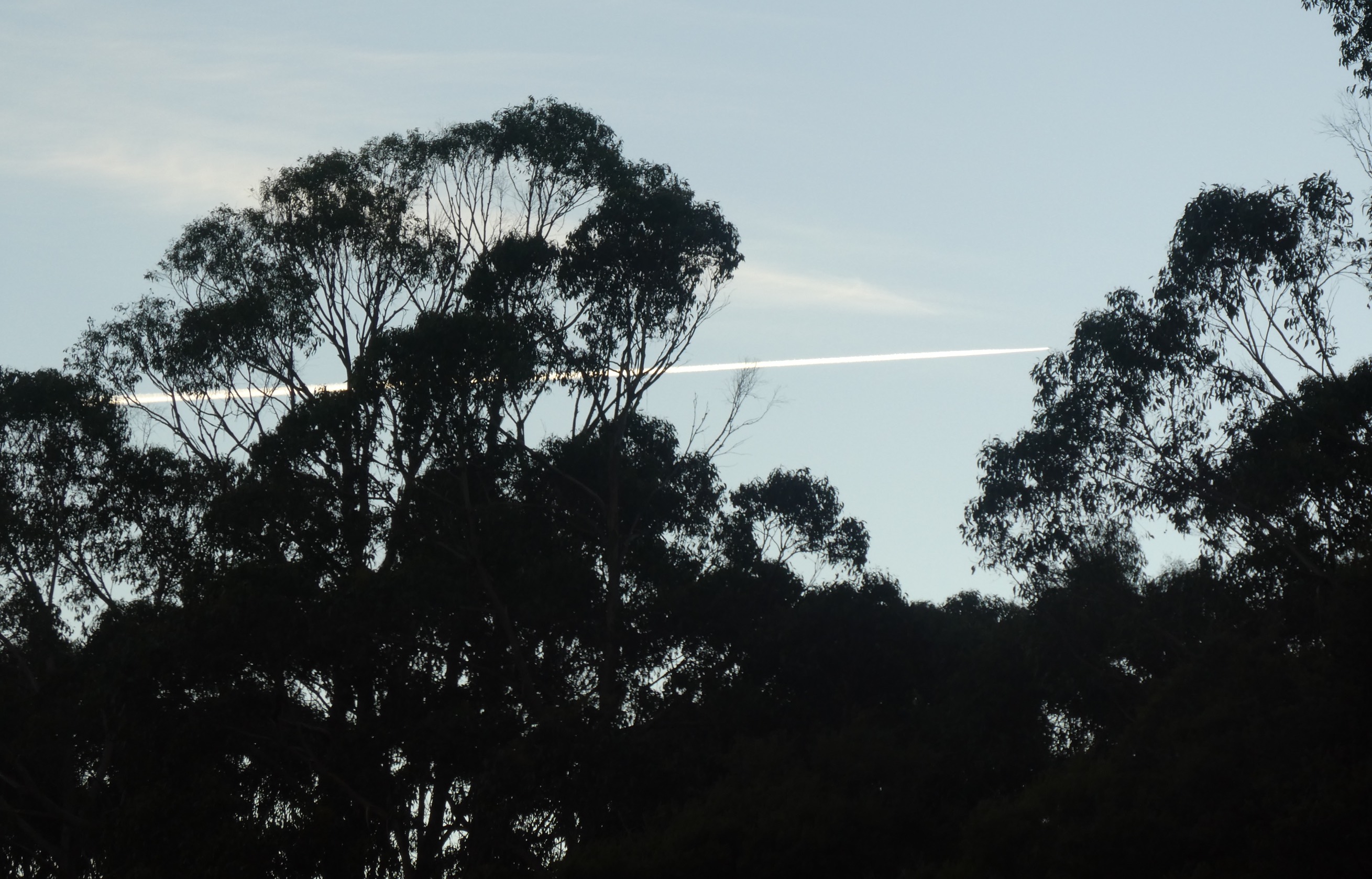
To the north, an aircraft’s vapour trail draws a line across the pale blue sky.

Looking back, the frost is heavy on our house roof

and the neighbour’s horses are rugged up against the cold.

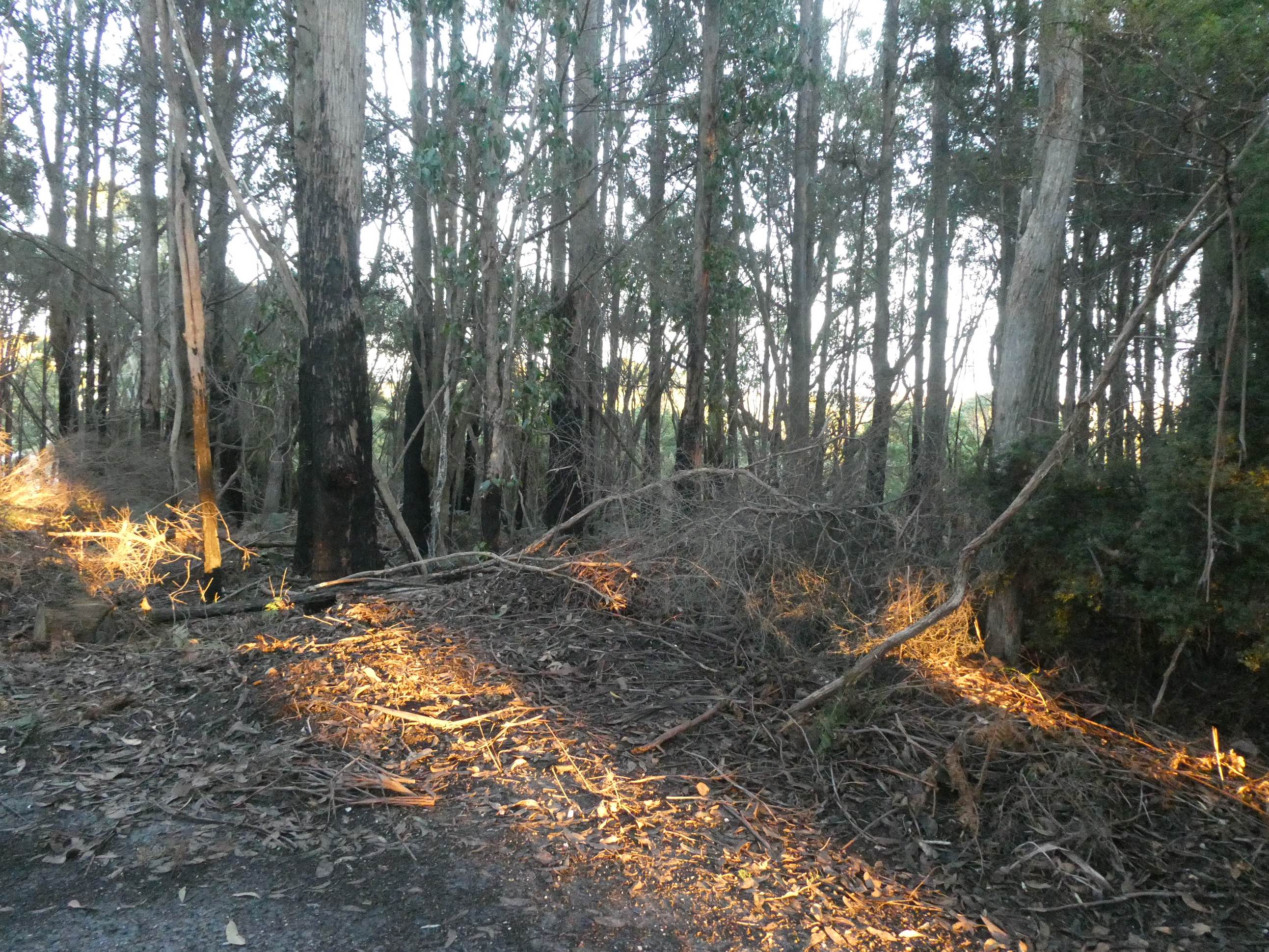
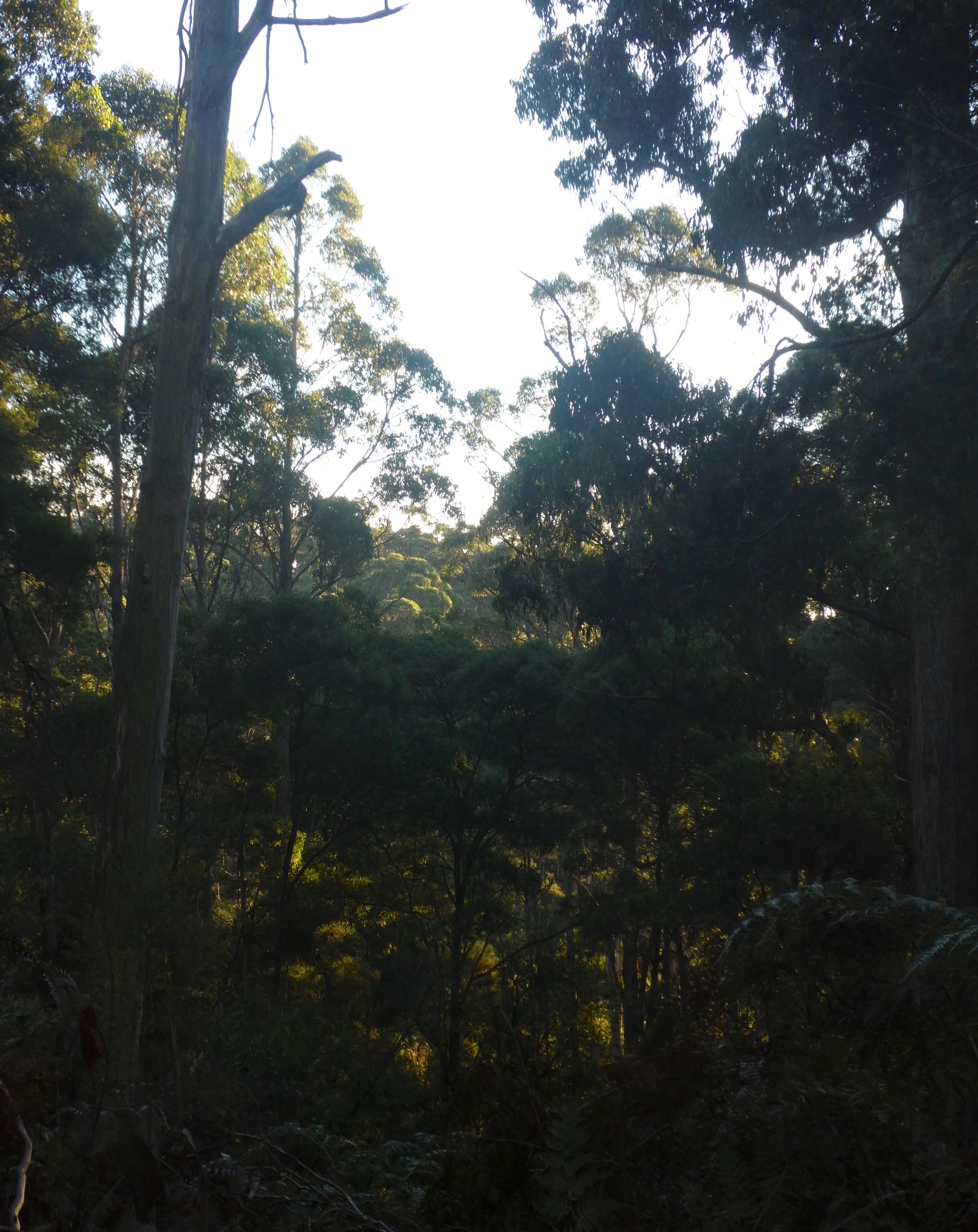
Once into the forest, brushfires of rising sun create autumnal hues

and someone is patiently waiting for me to catch up.

Further into the woodland, I have stumbled into paradise,

even Poppy takes a moment to appreciate the spectacle.

We may have trespassed into sacred sulphur-crested cockatoo territory at the end of the trail, the ear-piercing screeches from on high warned others of our presence.

Retracing our steps, highlights from ascending Sol lingered

and the frosty paddocks would soon warm to the glow.

Reclaimed garden edging and fallen leaves hold onto the frost

but the daffodils are promise of the coming spring.

snakey summer

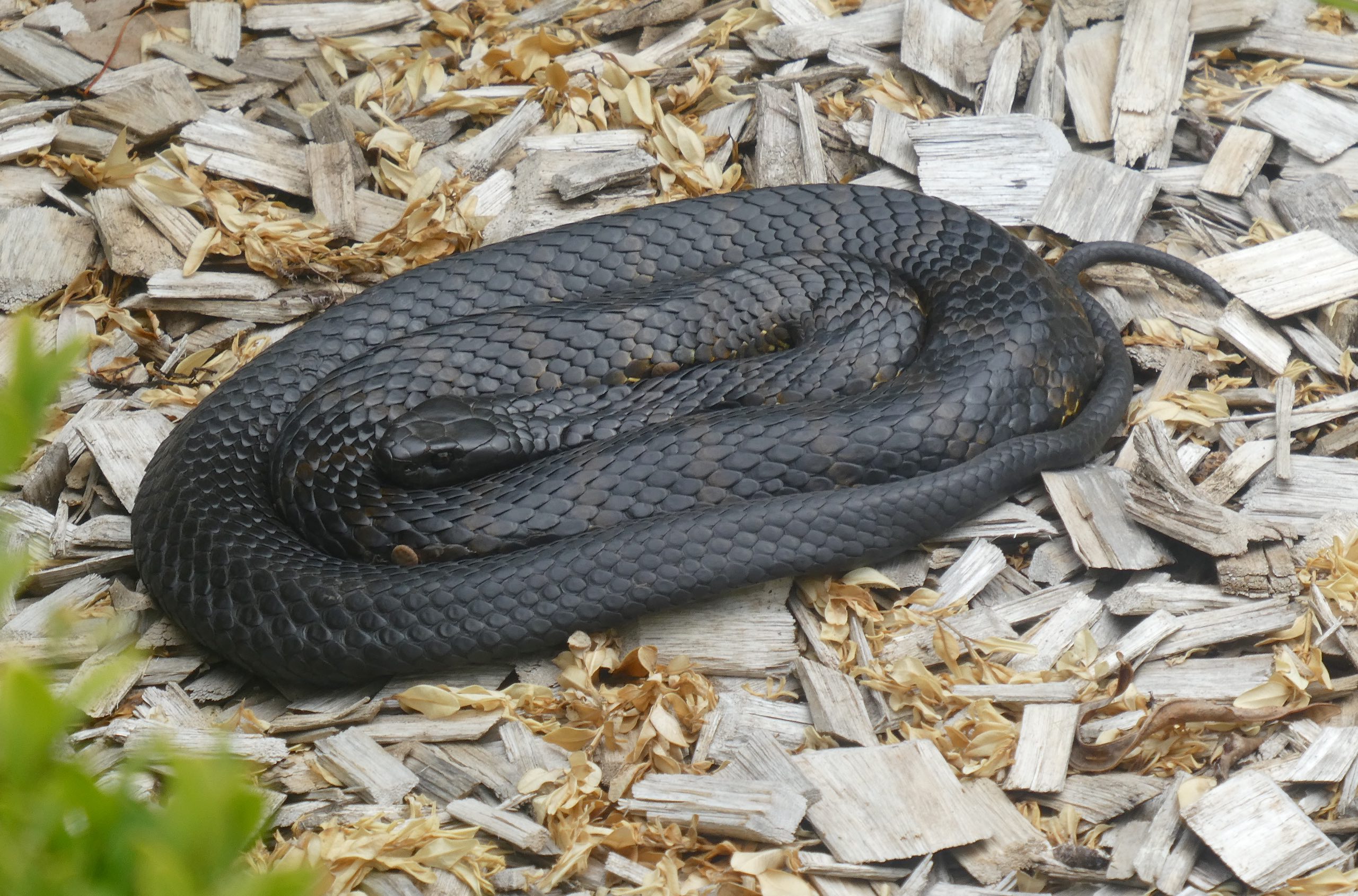
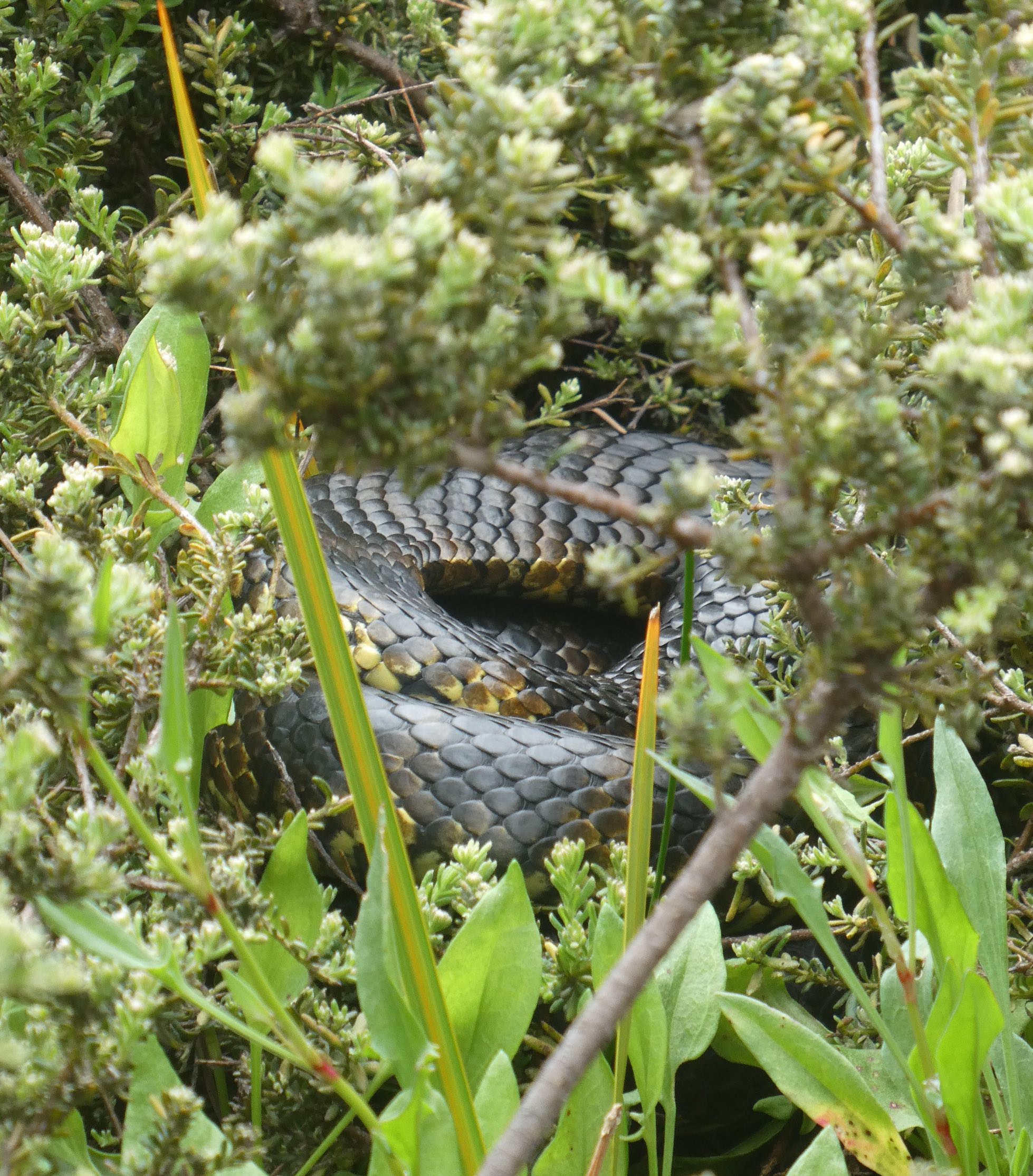
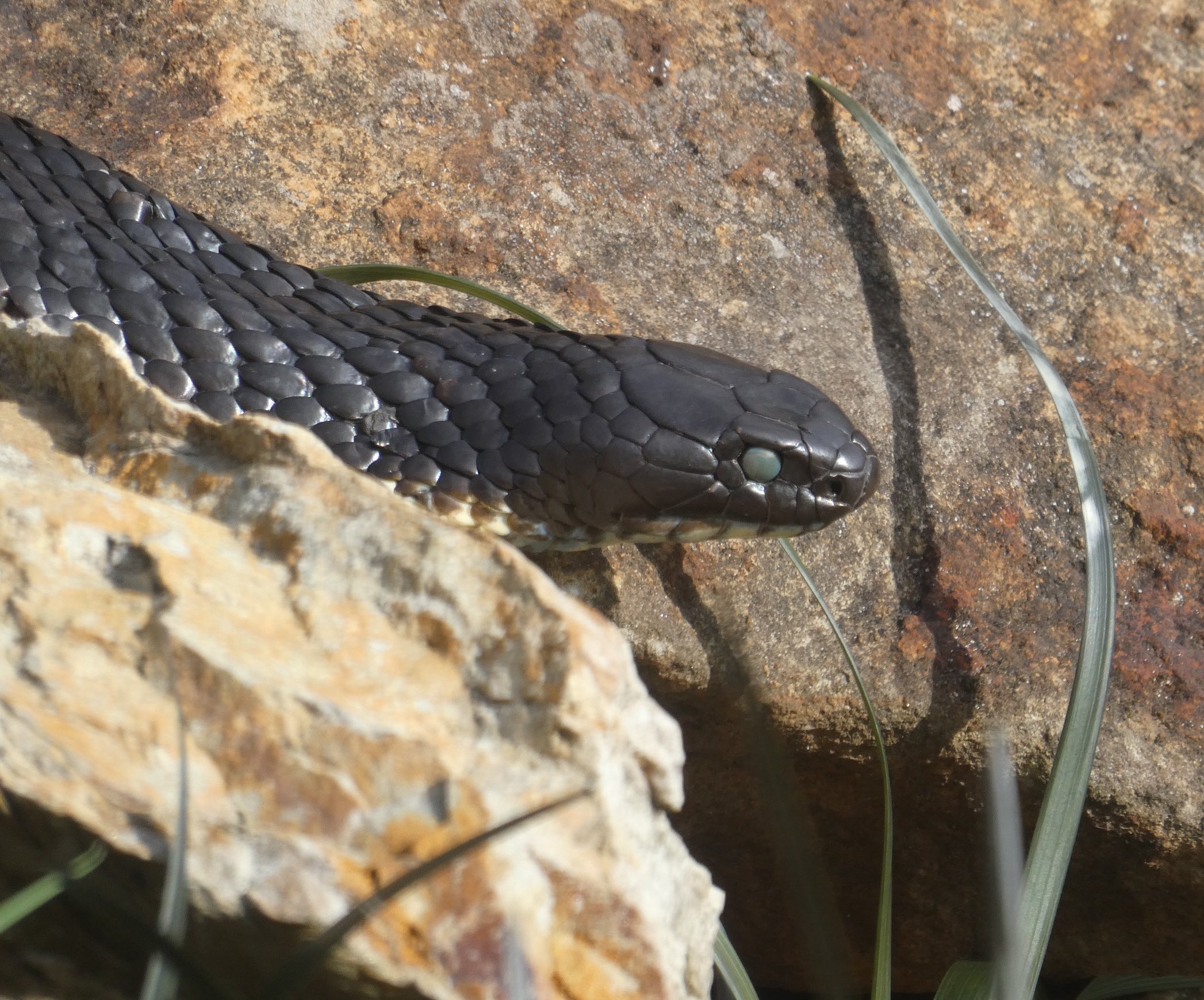
We have become accustomed to sharing our summer garden with tiger snakes, they have the perfect home around the pond and they have been very polite lodgers. Last year Michael had reconfigured the ponds and surrounding rocks and plants and, apart from a brief visit to check out the new design, no-one actually moved in. Our latest resident appeared early in the summer, curled up in a favourite spot to capture the morning sun.

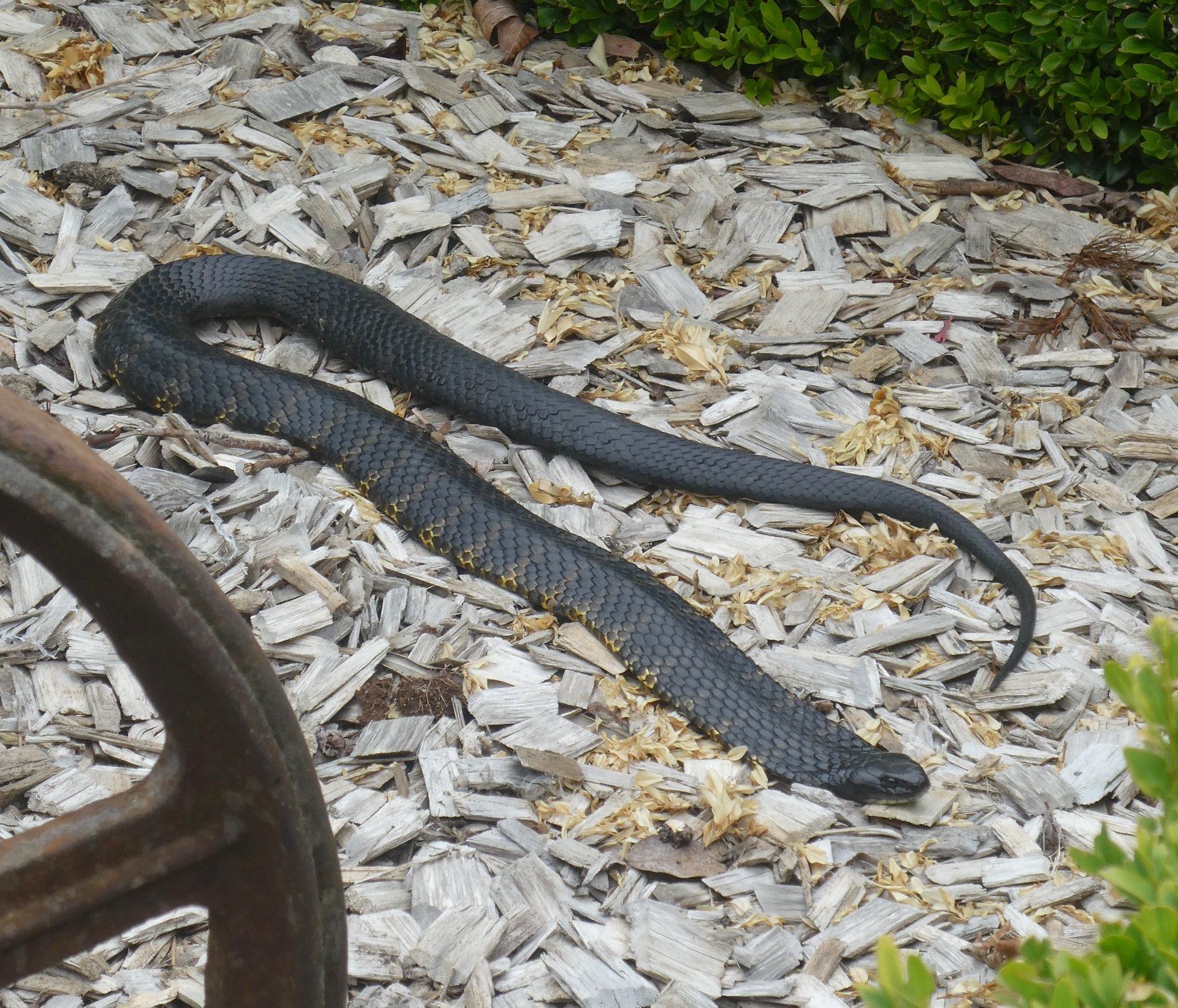
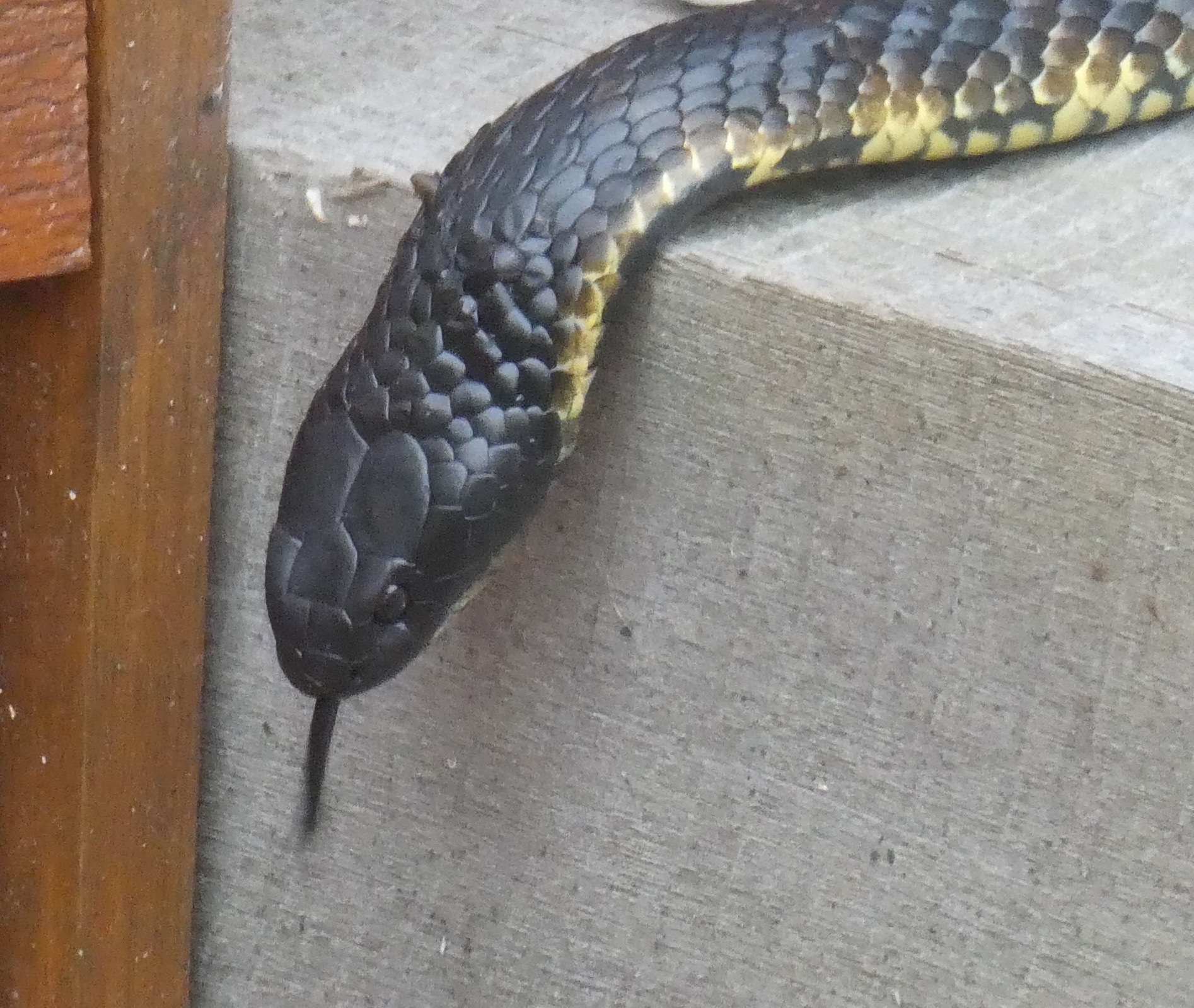
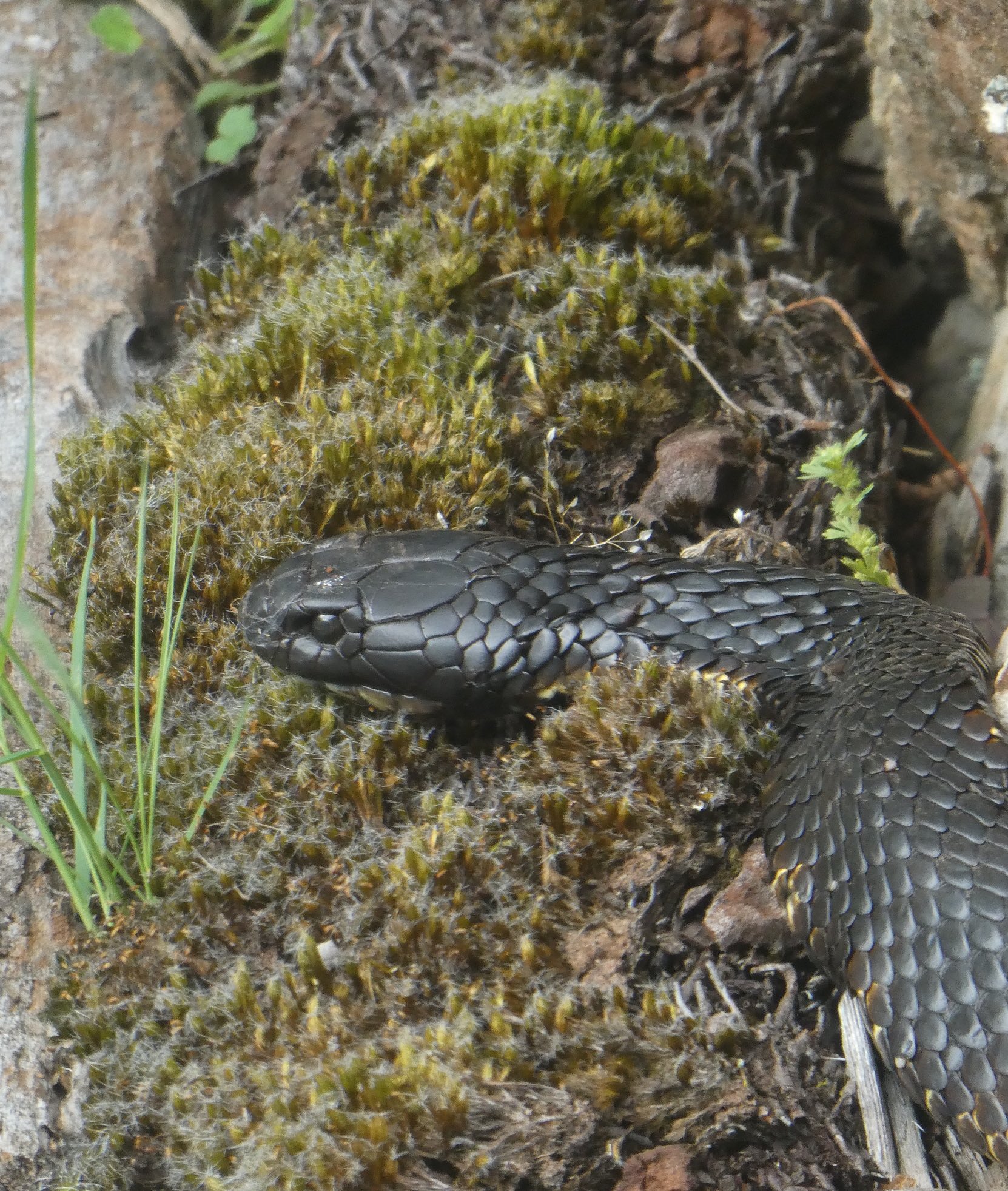
The weather has been unseasonal this year, with a very wet and mild November making the process of warming up quite difficult. Tasmanian tiger snakes are darker than their mainland cousins in order to absorb more heat but there is still a need to flatten out and speed up the process.

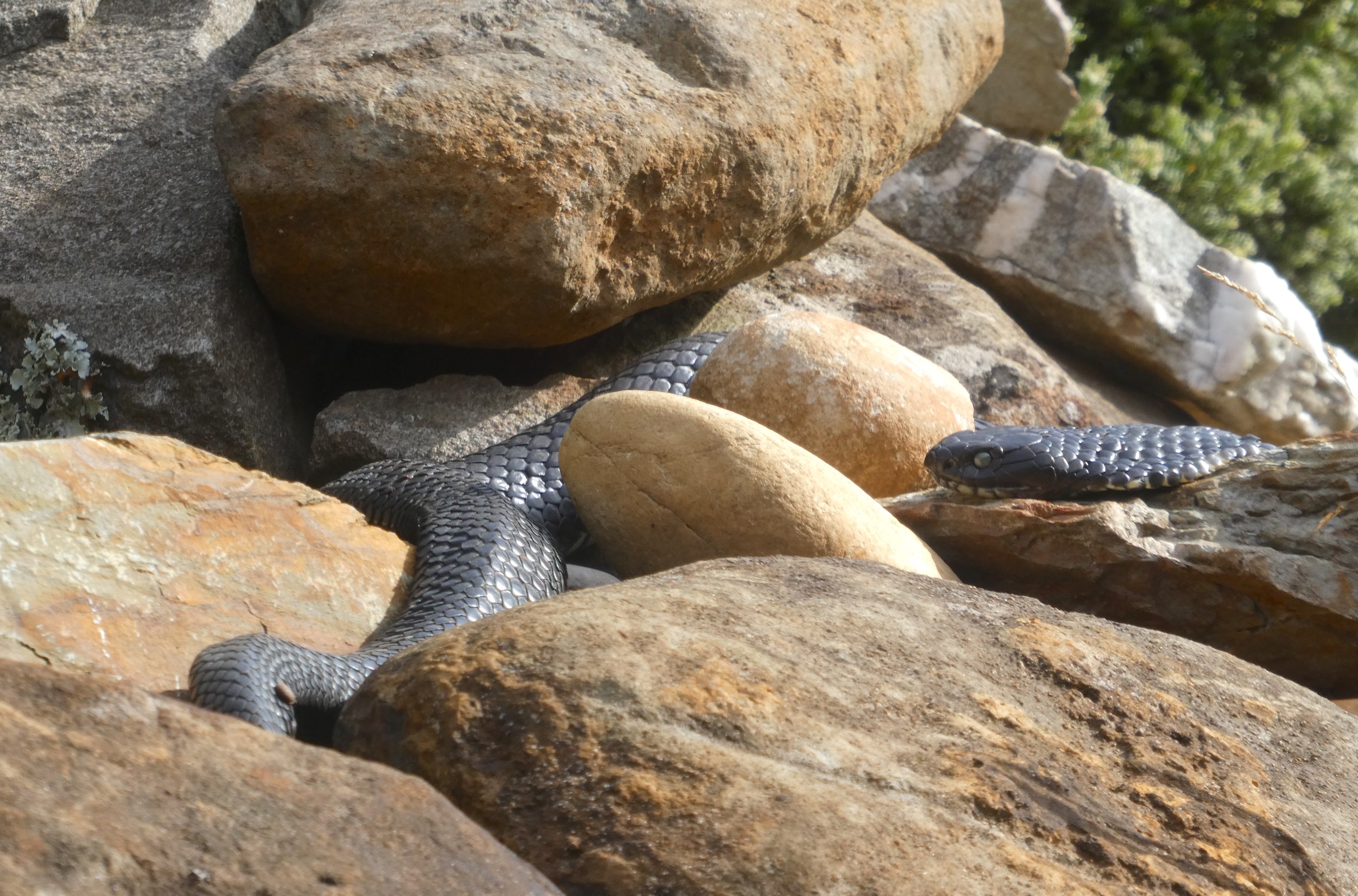
The rocks hold their warmth, a great place to stretch in the sun

until it gets too hot and then there is a shady grevillea to retreat to.

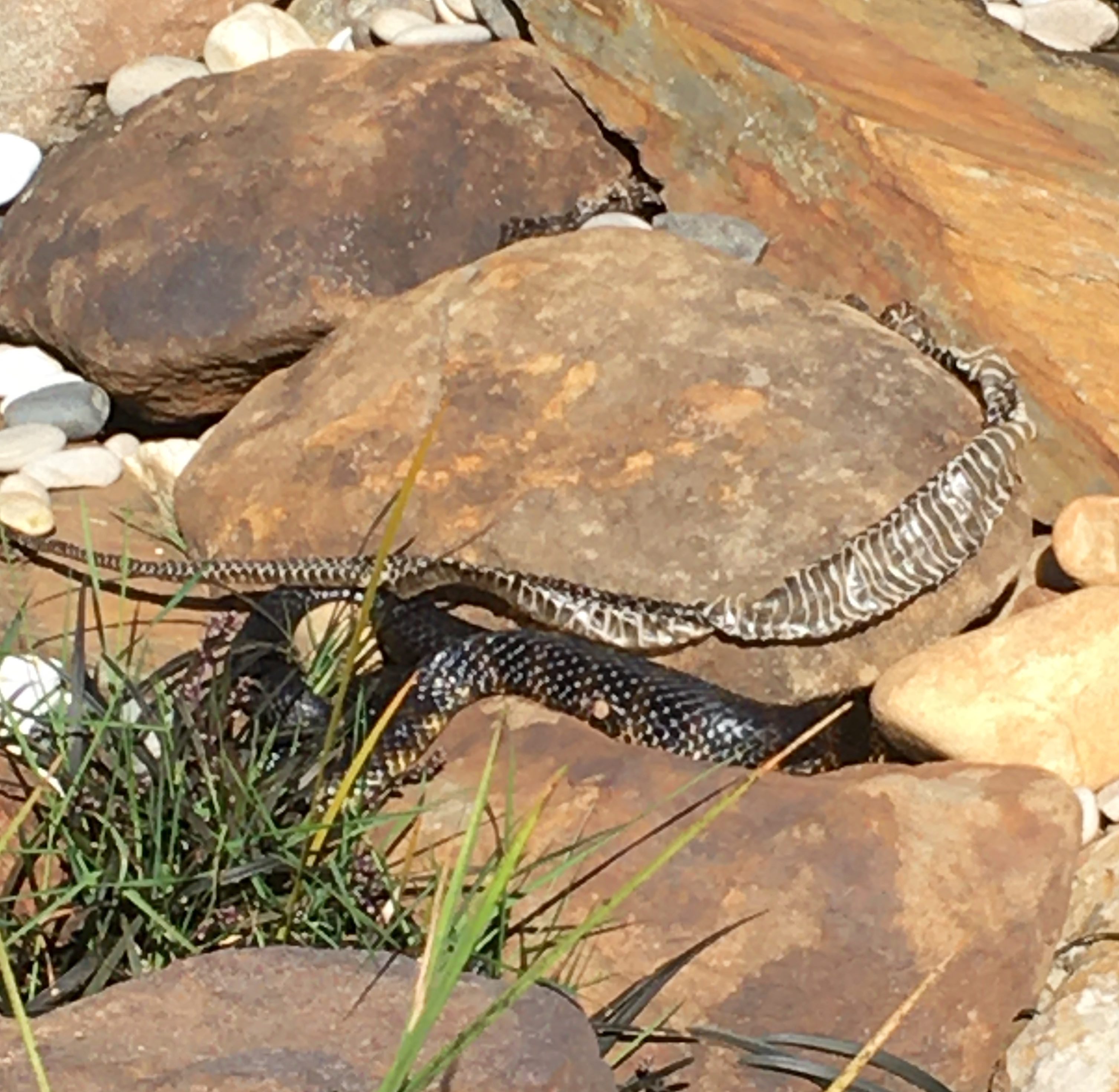
Being extremely vulnerable while shedding their skin, snakes are usually discreet about it. We were very surprised when we came in from gardening to find she had done so out in the open.

After a while, she changed her morning sunning spot, perhaps realising it warmed up earlier than her usual position.

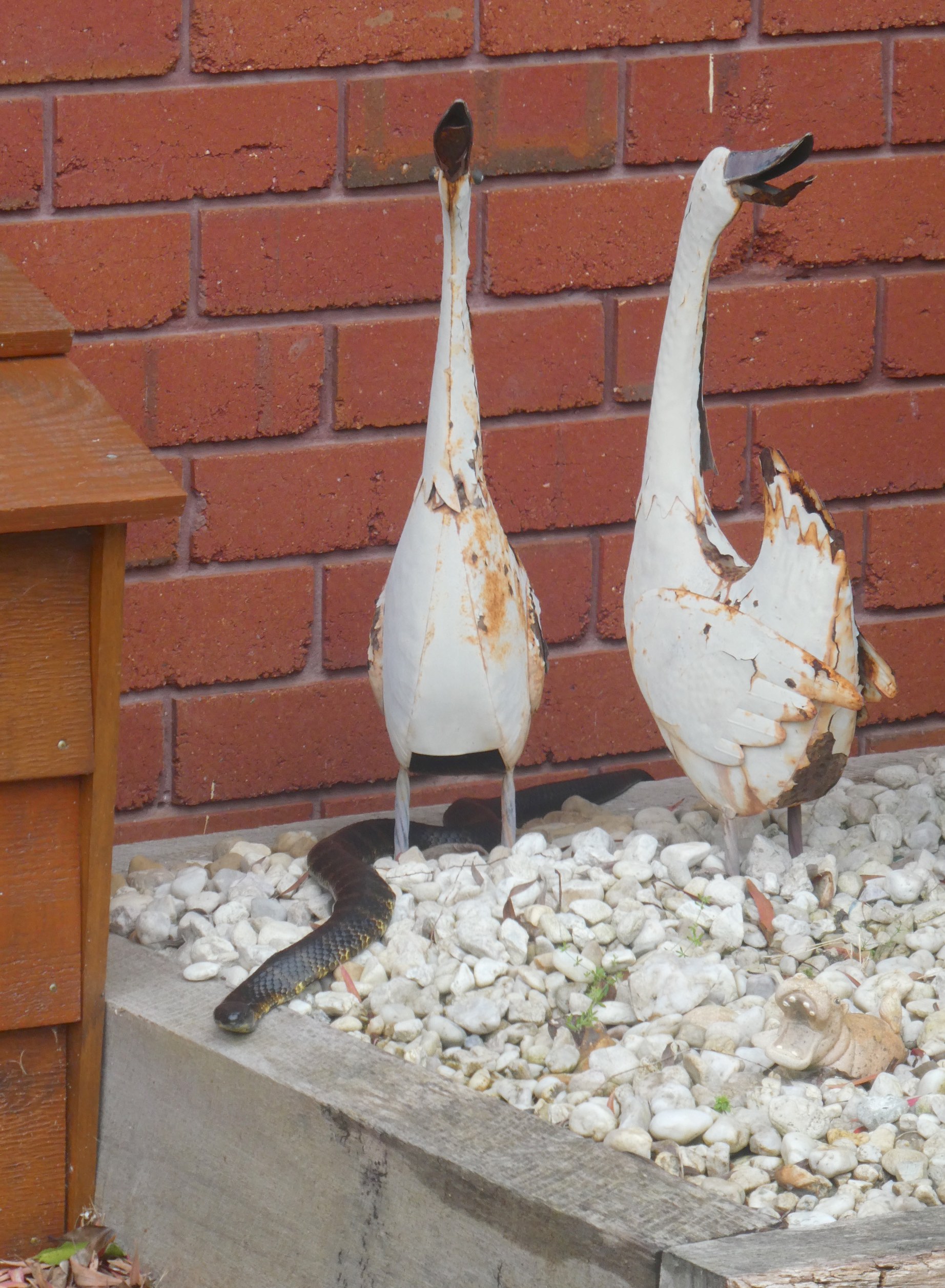
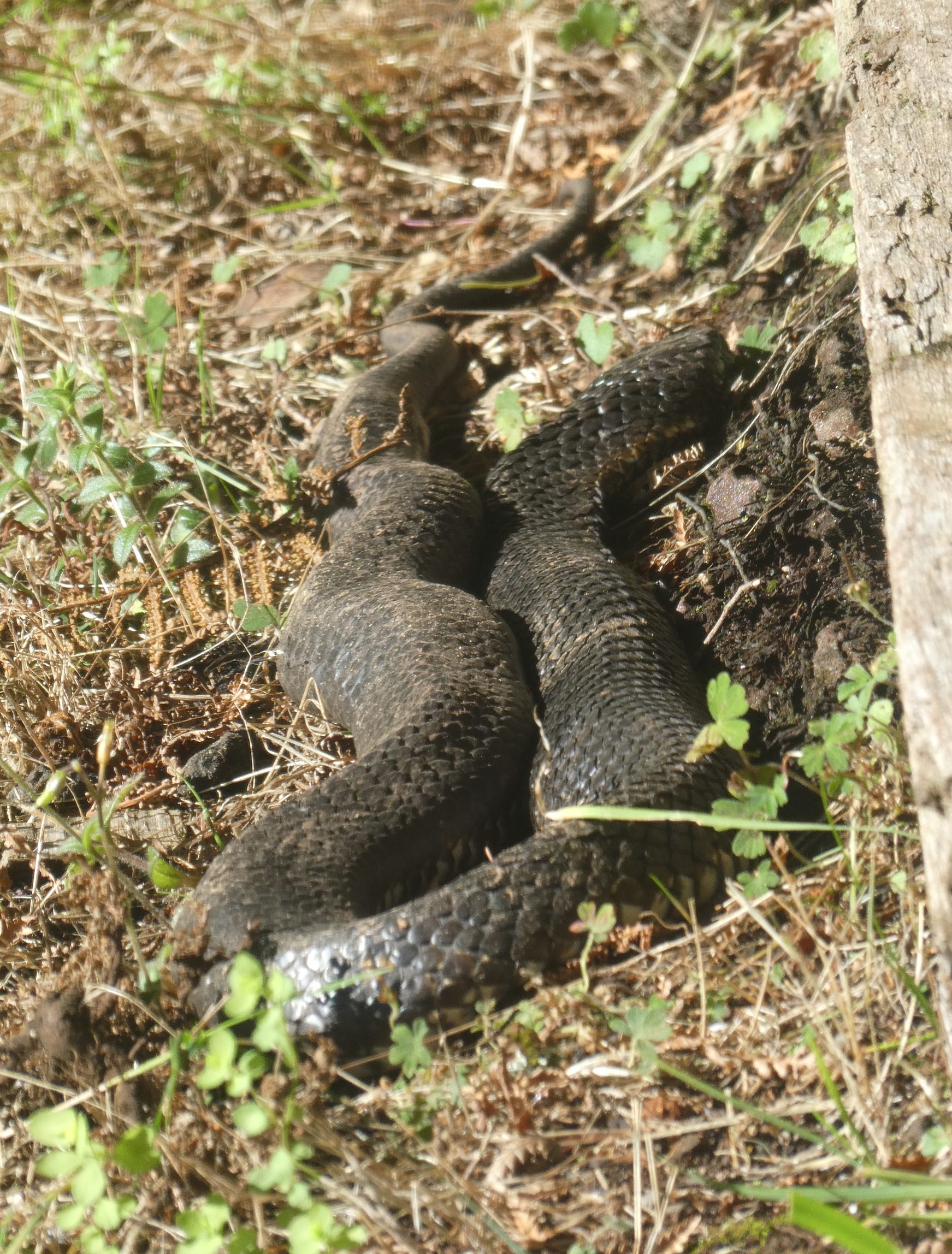
One morning we found her completely out of her comfort zone and wondered if she had been caught unawares the previous evening as the temperature can drop quickly once the sun starts its descent. She flattened out on the stones for a while

and finally made her way, very slowly, to her usual place under the box hedge.

Her home was actually in the rocks, we would see her go to bed each night around 5.30pm (no, we didn’t read her a bedtime story).

A few of weeks ago, we noticed she was looking dull, she was quite restless and her eyes were cloudy, a sure sign another skin shedding was imminent.

We kept a close eye on her movements and the camera within reach in the hope of witnessing and filming the shedding experience. It wasn’t to be, our last vision of her was in her tired, old skin and we haven’t seen her now for three weeks.

Hopefully, she has taken her shiny new self out to the forest to find a mate. Maybe she will return next year?