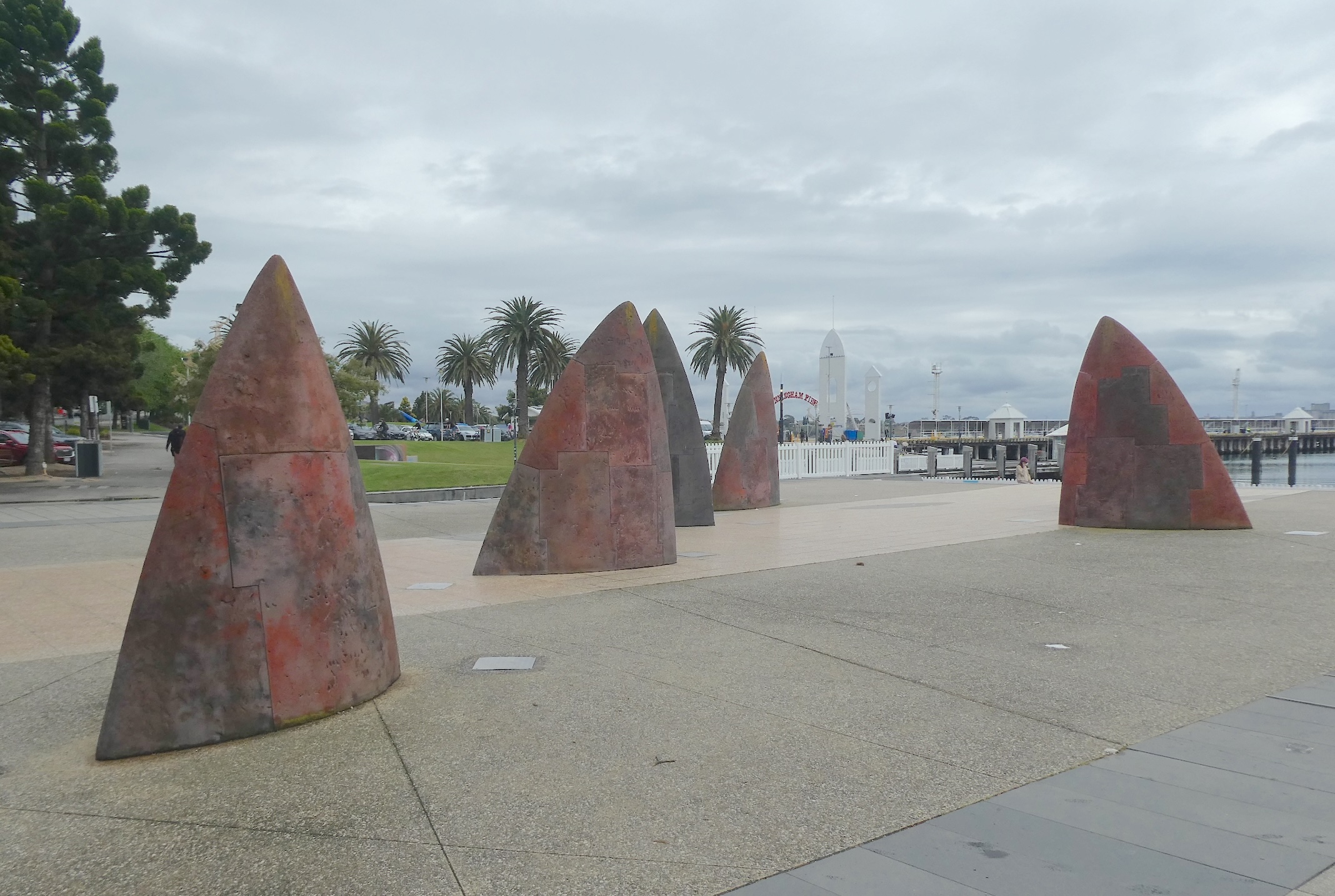
Since relocating to Tasmania in 2008 and enduring a very rough crossing of Bass Strait on the Spirit of Tasmania, our subsequent return trips to Adelaide have been by air. We decided to take our vehicle with us on our most recent visit and, with much trepidation, booked a day sail from Devonport. After a relaxing eleven hours on calm seas, we arrived in Geelong for two nights before embarking on an eight hour drive to Adelaide. We ventured out for a stroll along the waterfront to discover the many attractions, from heritage structures to modern works of art. We first noticed a collection of objects, resembling shark-fins, randomly scattered on the foreshore. The art installation ‘North North’ comprises seven (only five pictured) 2 to 3.5 metre high cement fins, all positioned on a different plane.
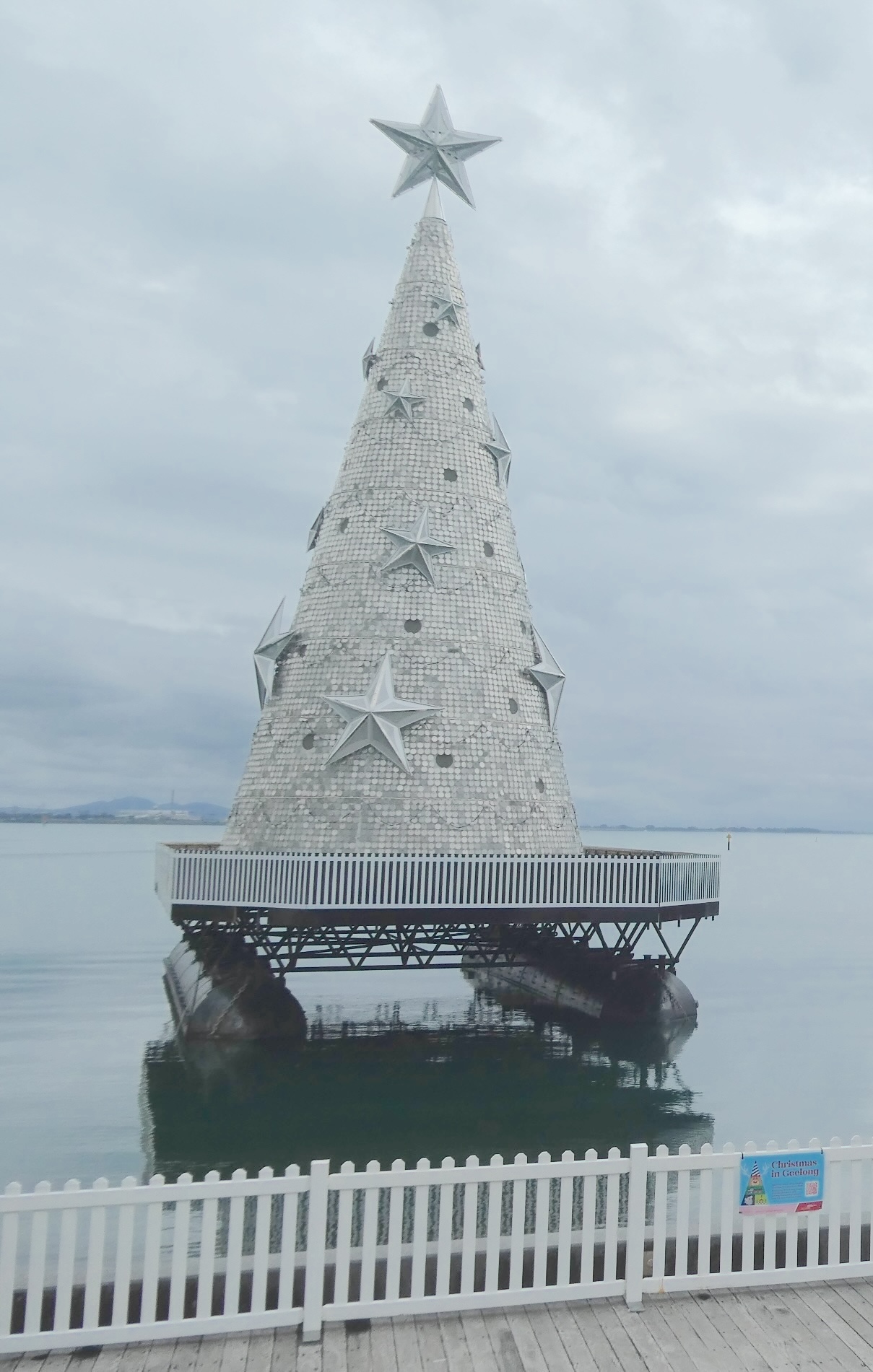
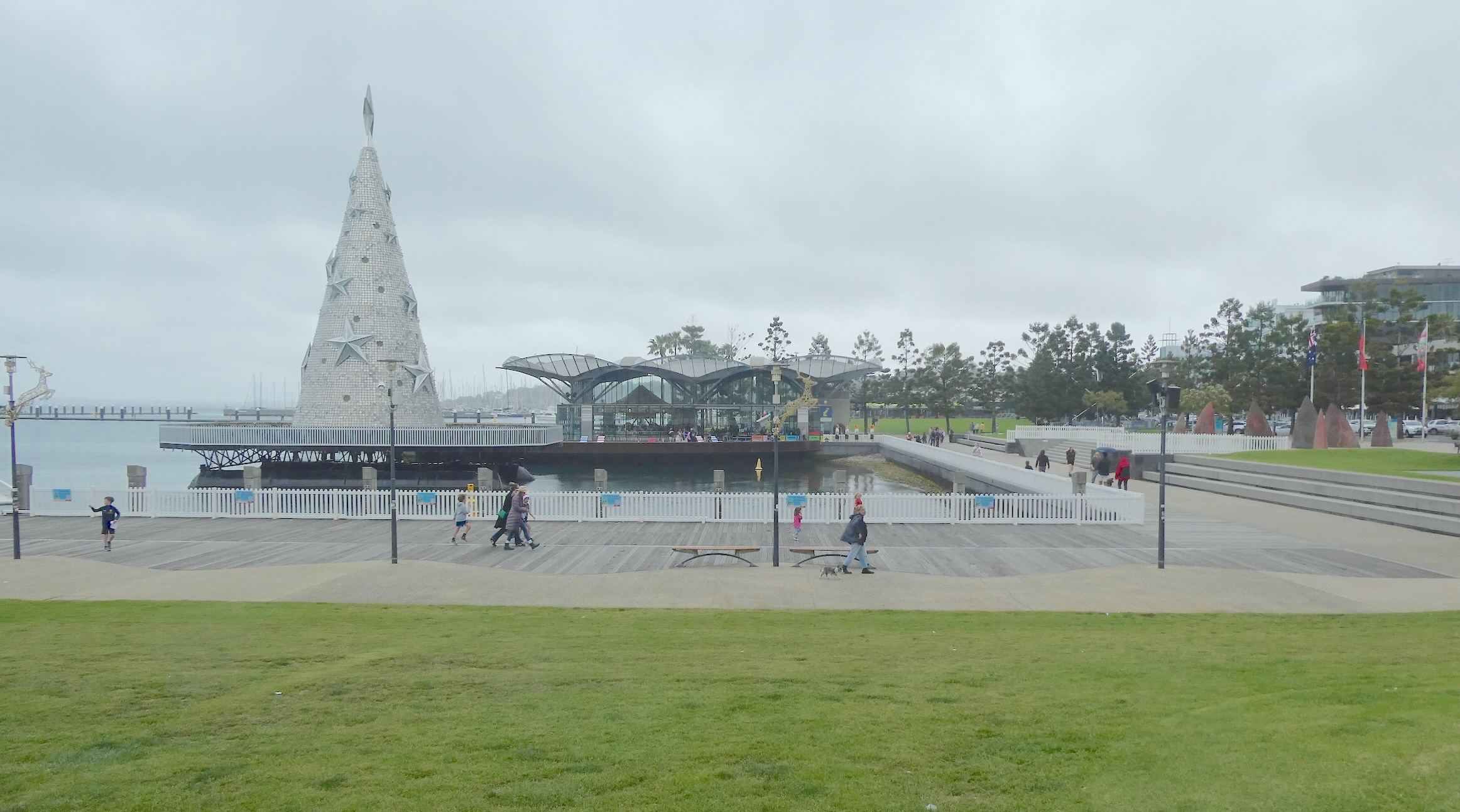
The Floating Christmas Tree is an annual feature of the city, with the initial lighting on the night of ‘Carols By The Bay’ at the end of November. It didn’t look particularly bright on this overcast morning but the nightly Sound and Light Shows, running for 6 minutes every 15 minutes, are apparently quite spectacular.
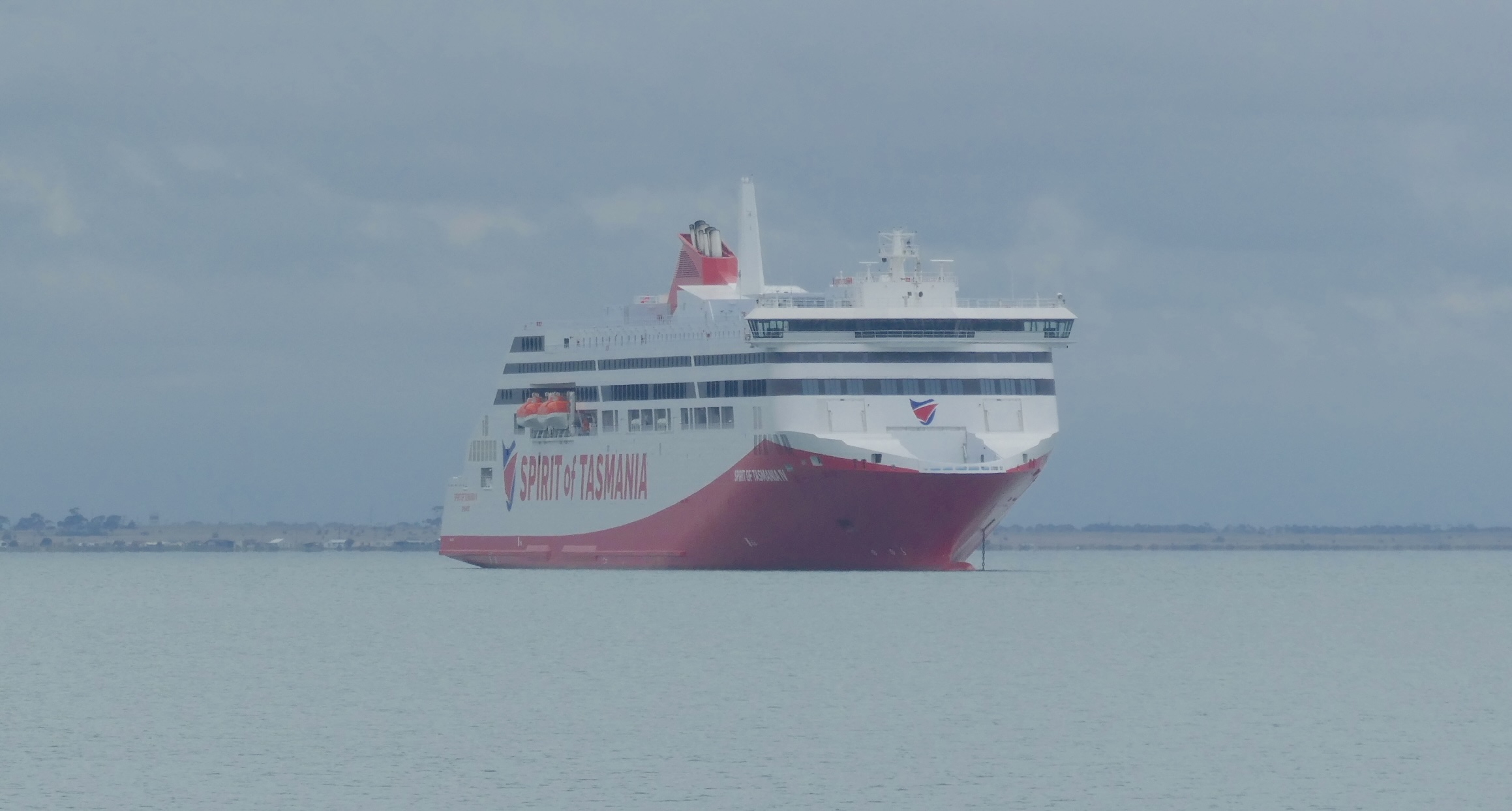
We were a bit befuddled to see the Spirit of Tasmania moored in the harbour until we realised it is one of the new ships. Version IV is awaiting upgrades to the intended berth after it was discovered the wharf was not strong enough!
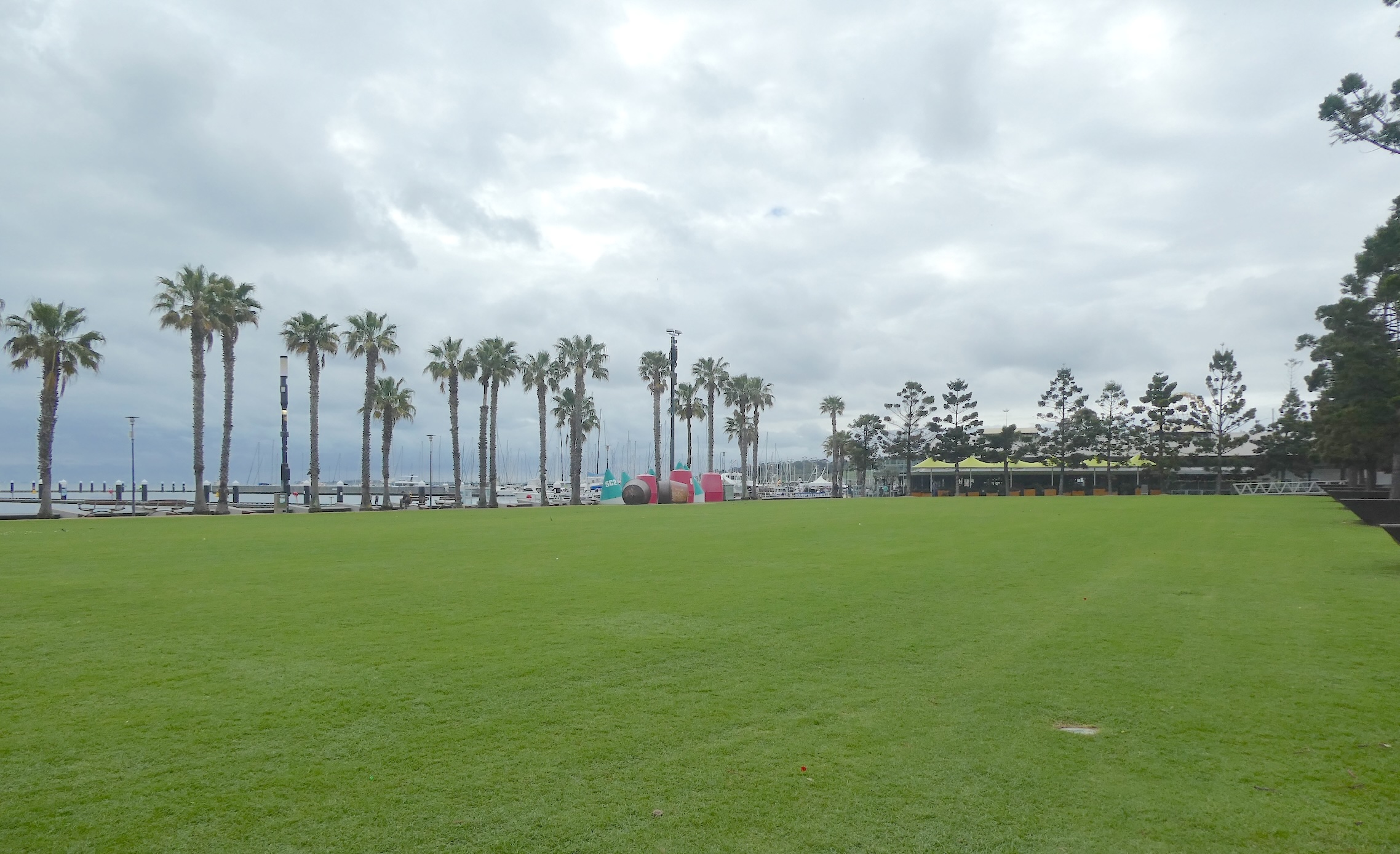
We set off across Steampacket Gardens, a lovely verdant open space named for the steamships that once docked in the area.
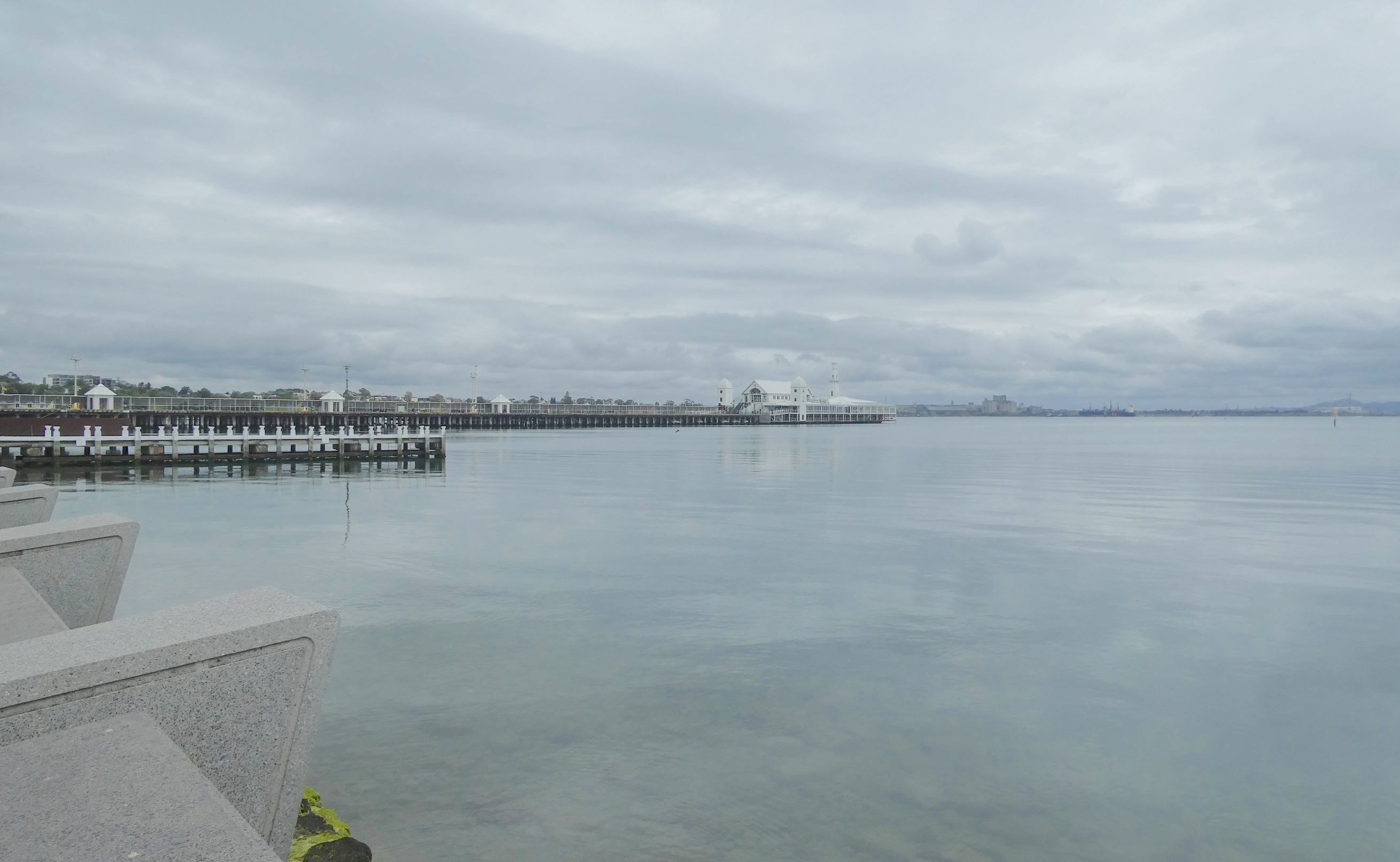
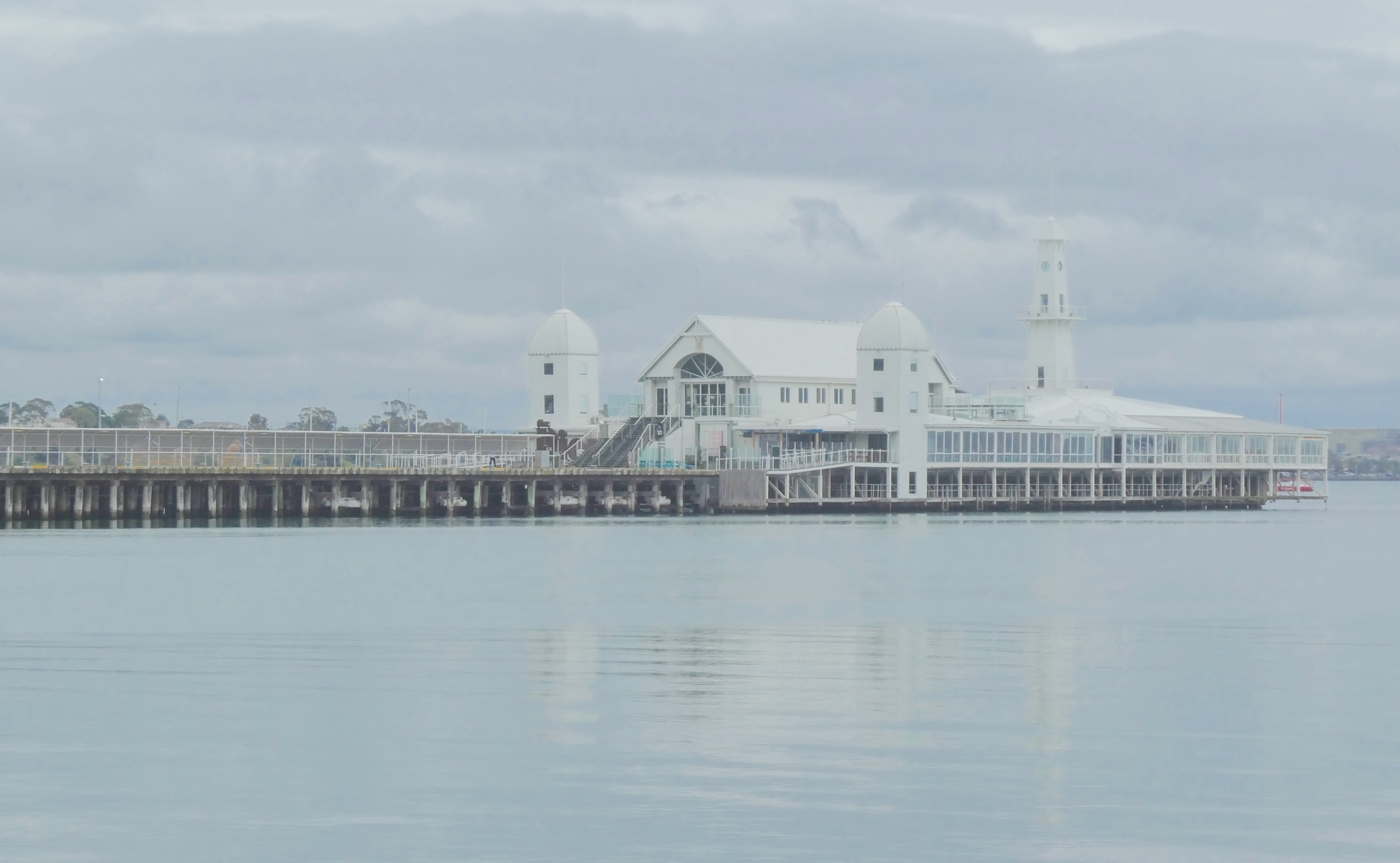
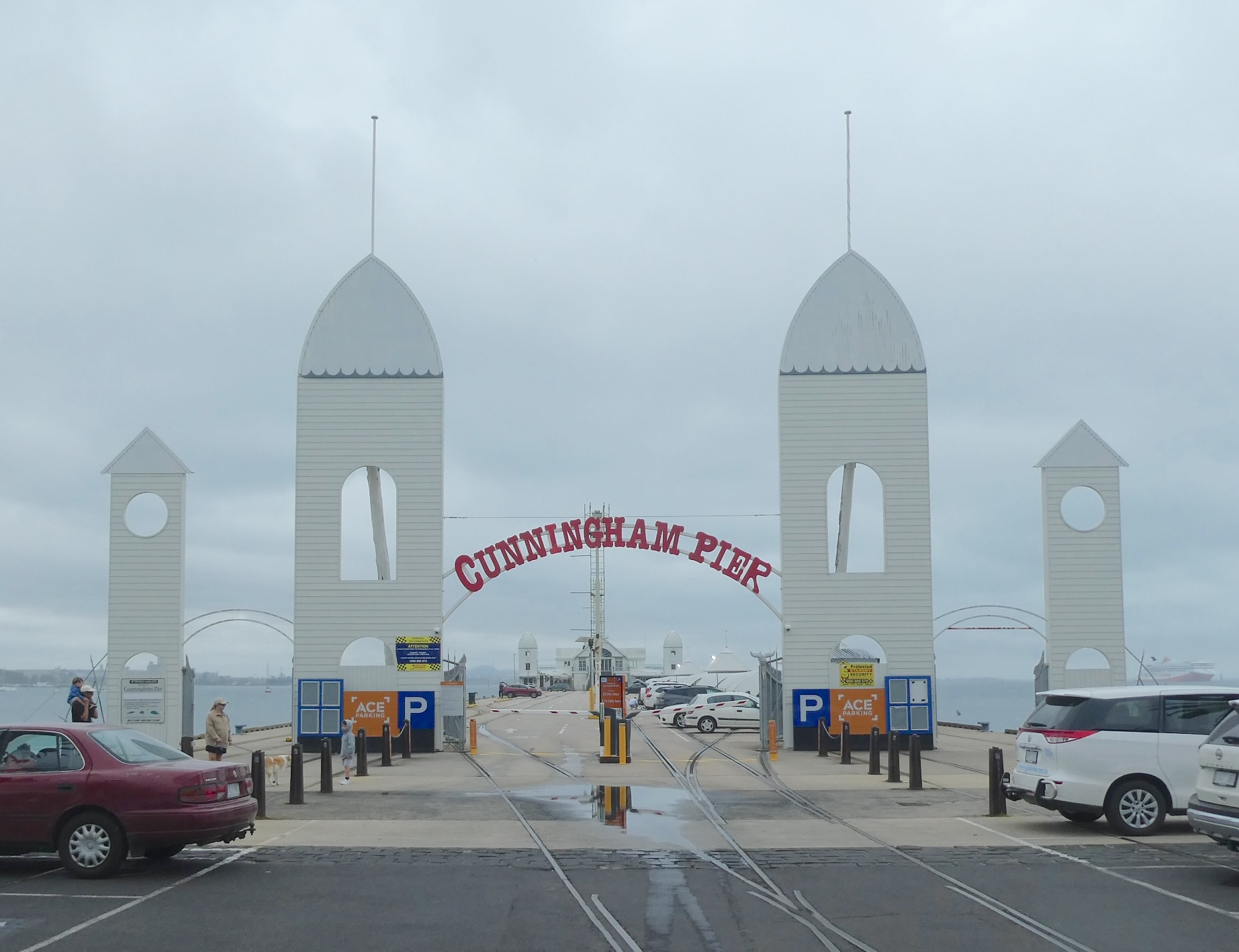
Following the path along the waters edge, we looked back at Cunningham Pier, stretching 250 metres into Corio Bay. Now commonly used as a fishermen’s pier, it was once part of the Geelong port system. The building at the end of the pier houses a restaurant and function centre.
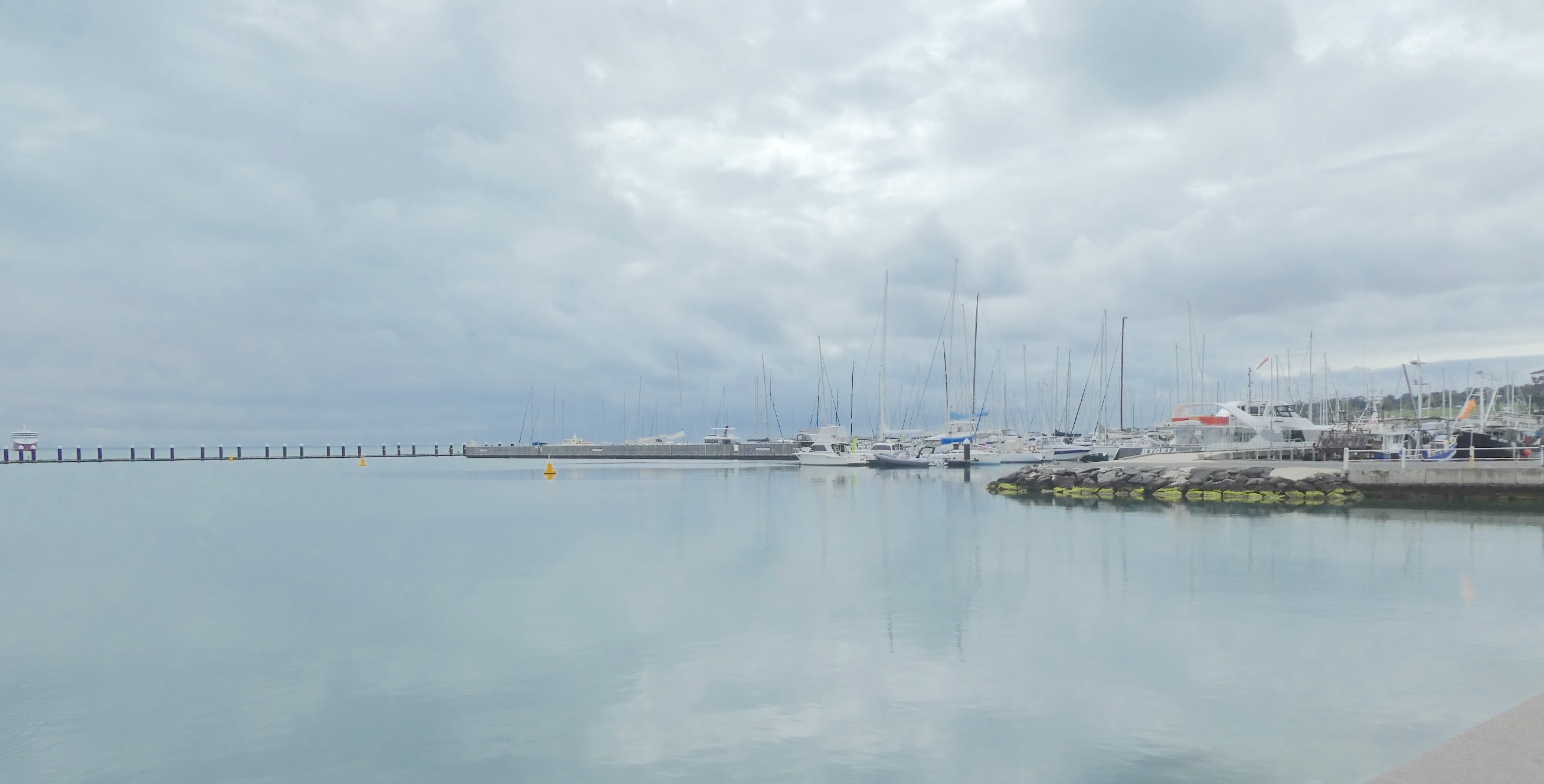
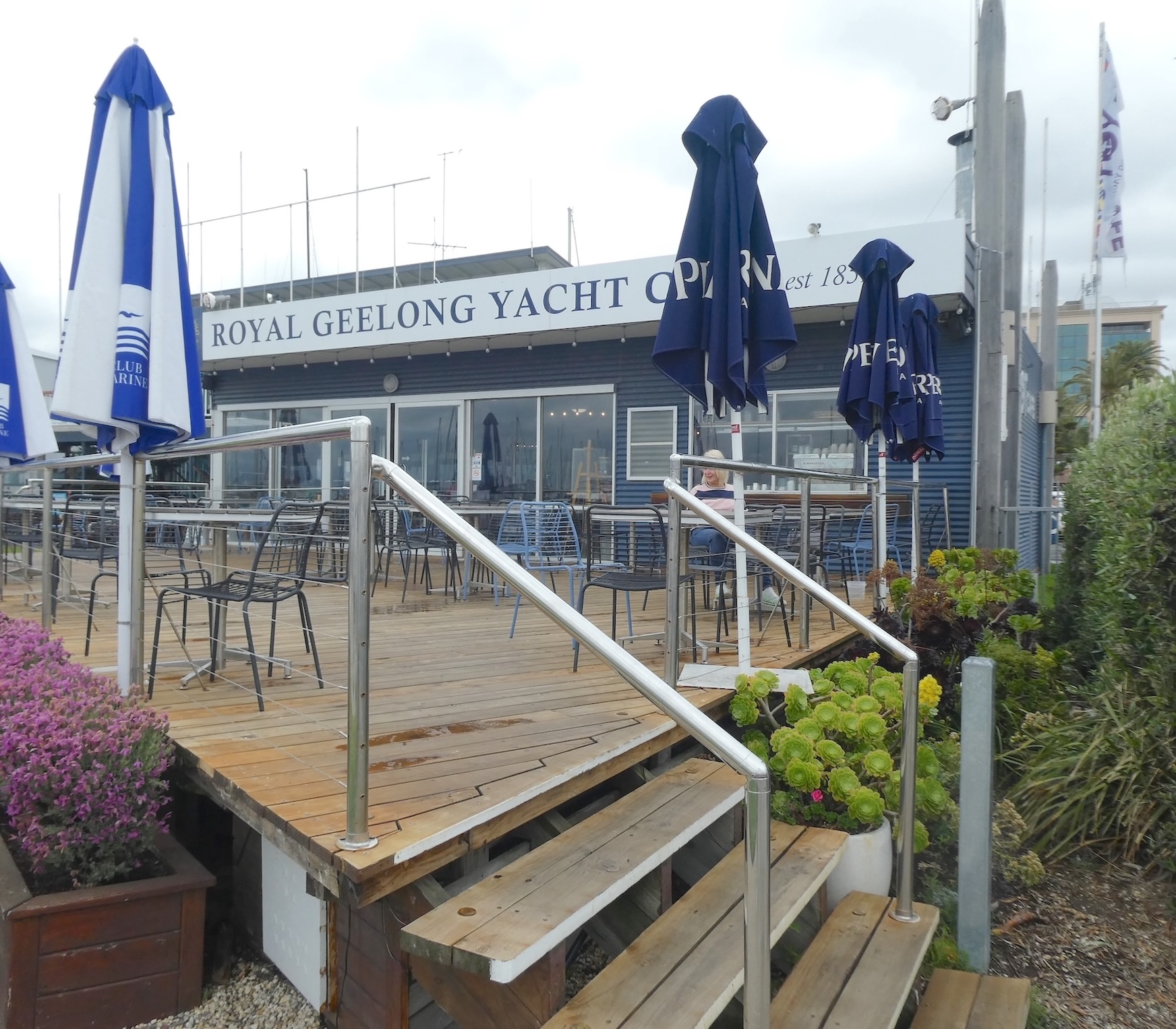
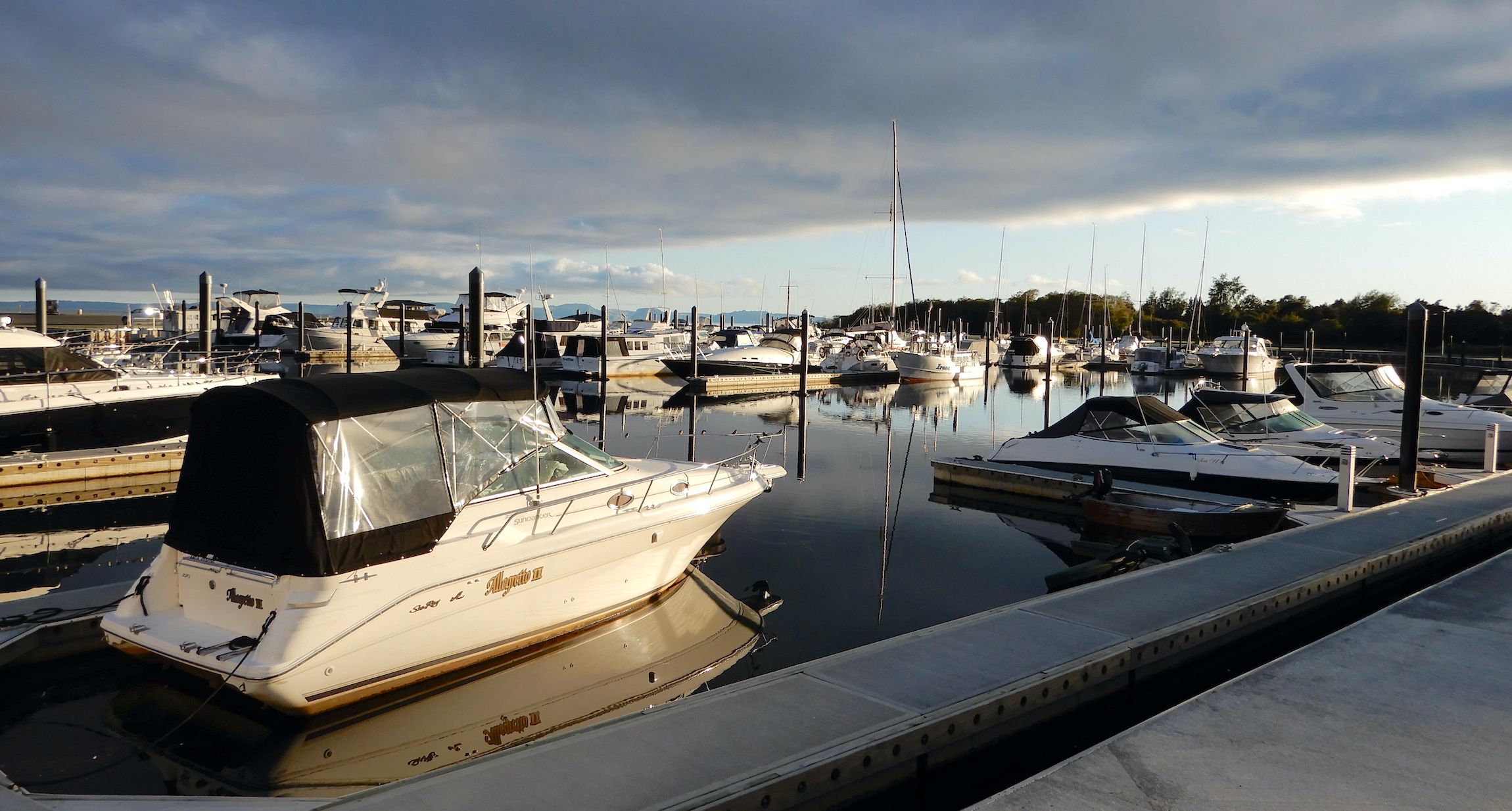
We continued on, past the Royal Geelong Yacht Club marina and club rooms. Their first regatta ran in 1859 and they now host Australia’s largest regatta, the Festival of Sails.
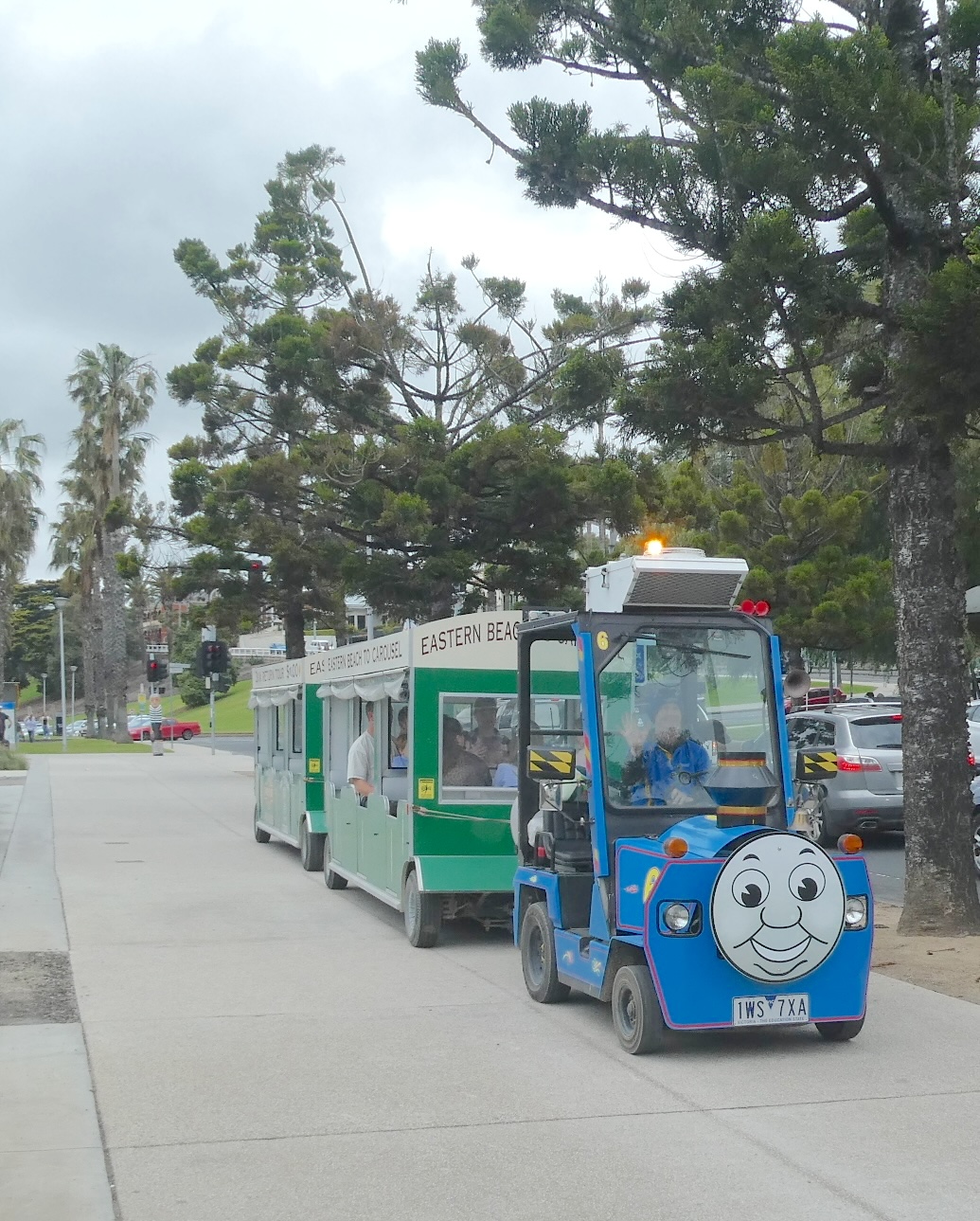
For those unable to enjoy the walk, the Eastern Beach Train provides a 20 minute return trip along the waterfront
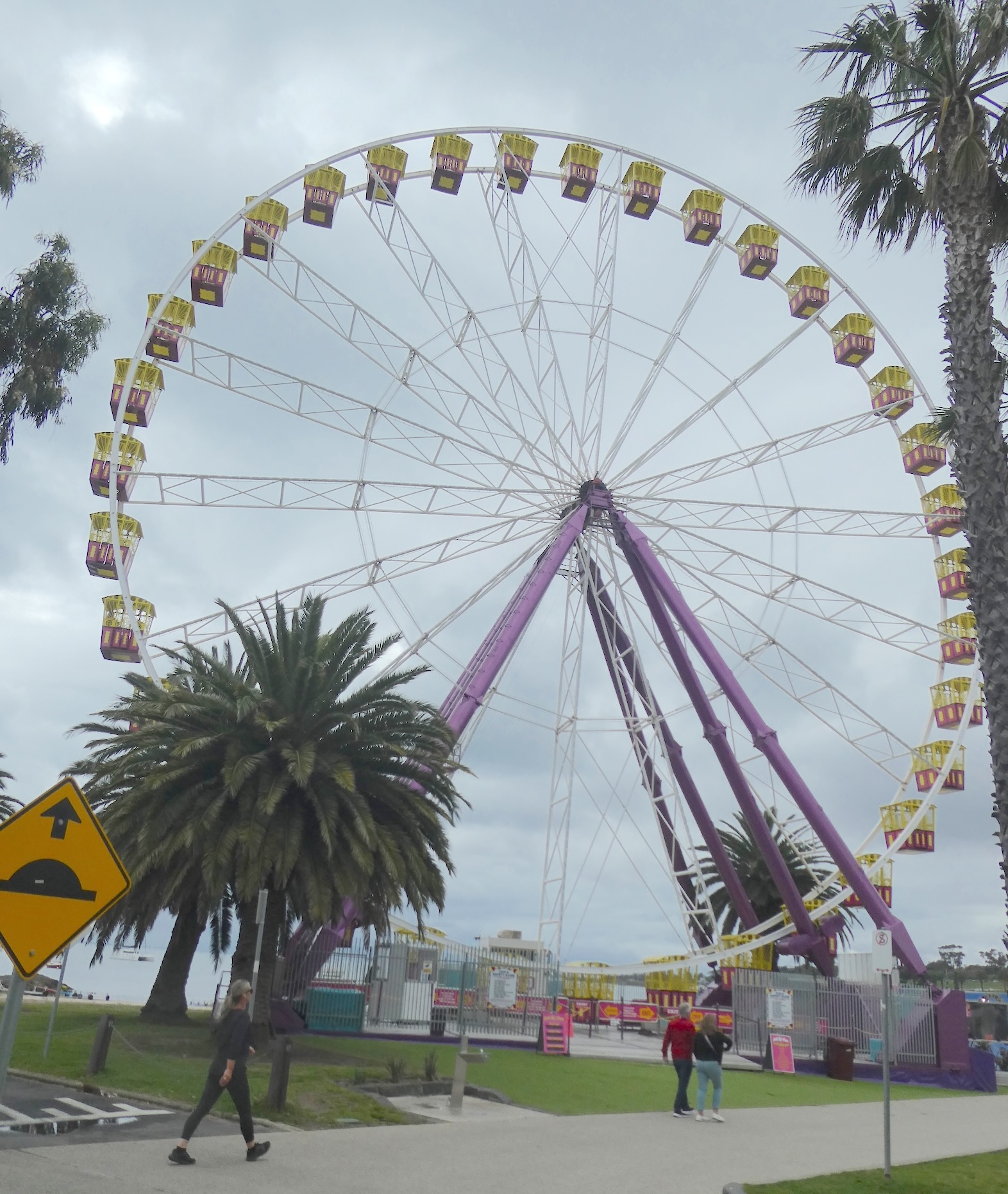
and the Giant Sky Wheel offers a different perspective.
Once past the yacht club,
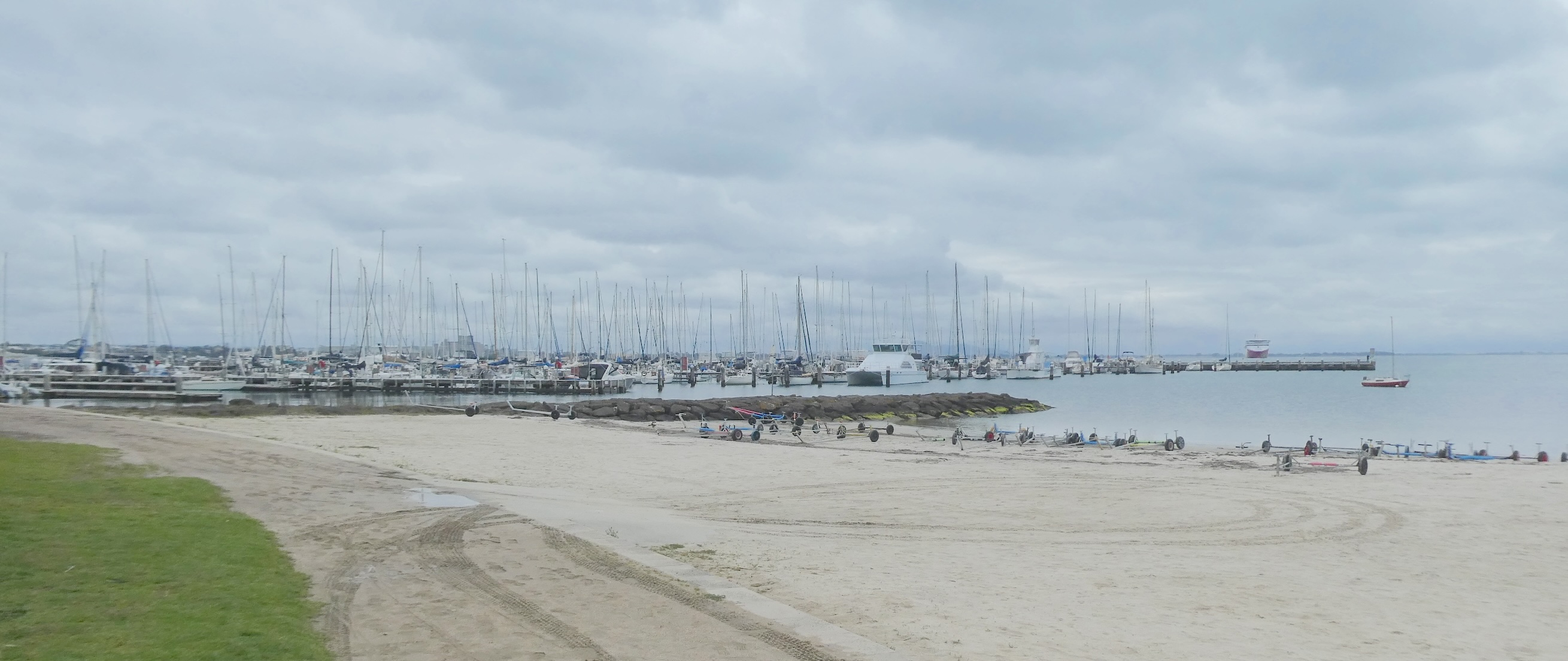
the pathway bisects the white sands of Eastern Beach and the eye-aching green of Eastern Beach Reserve.
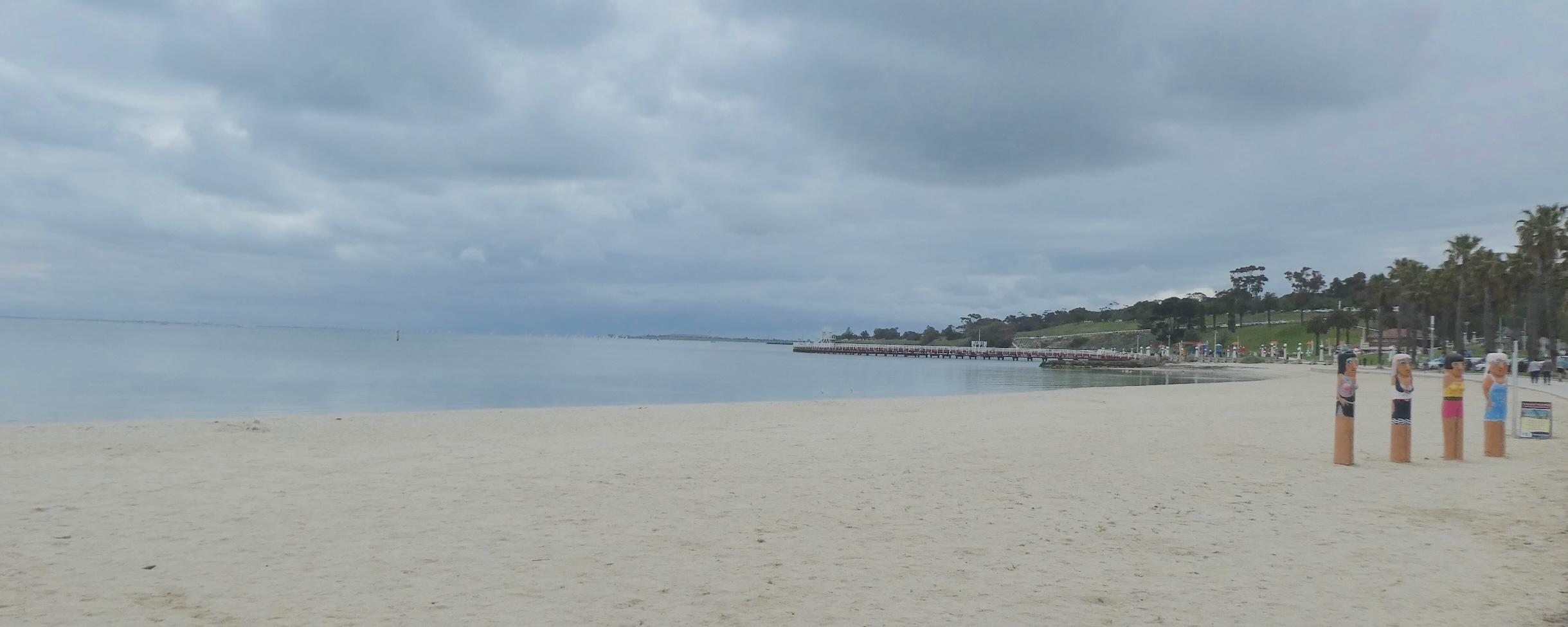
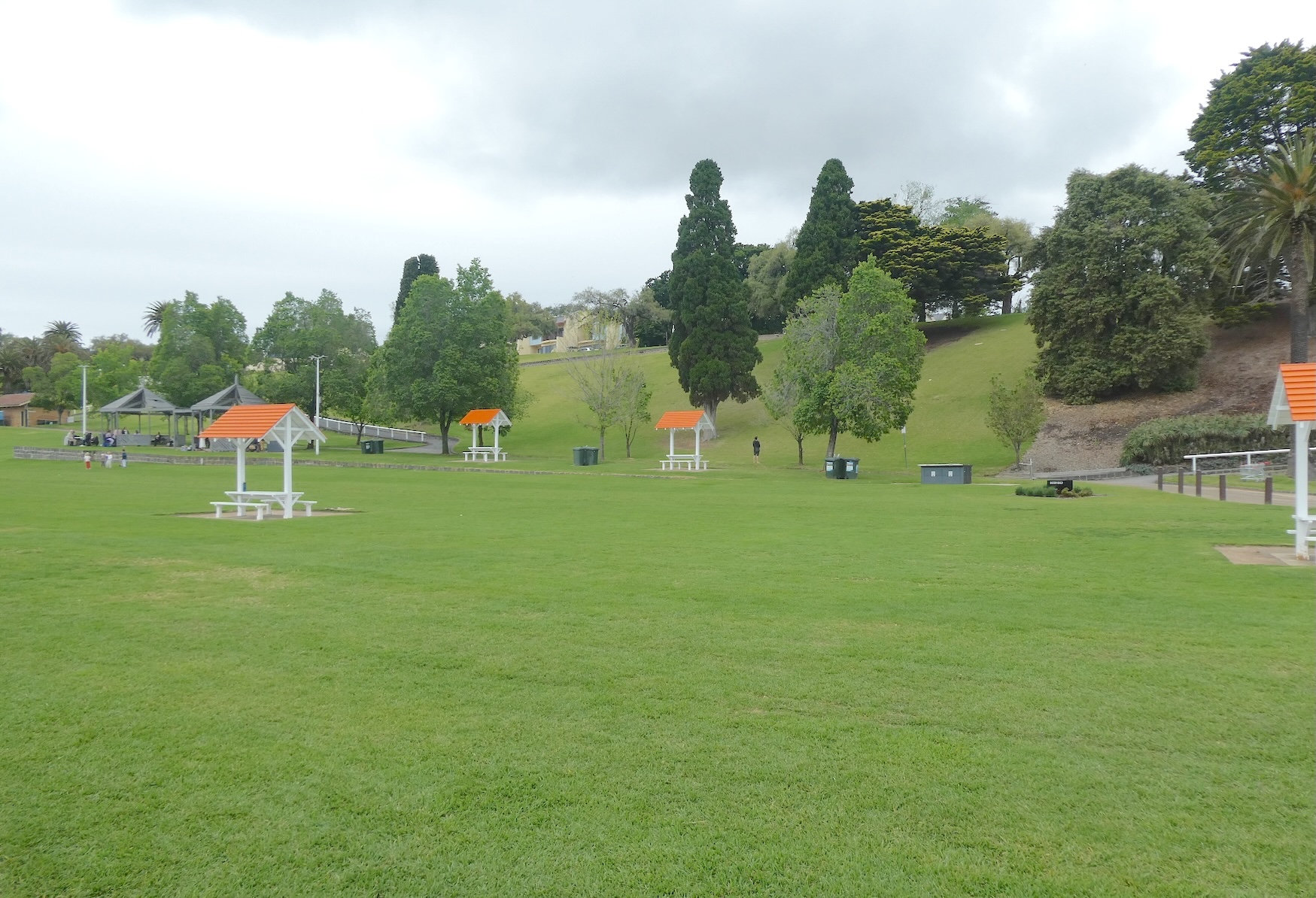
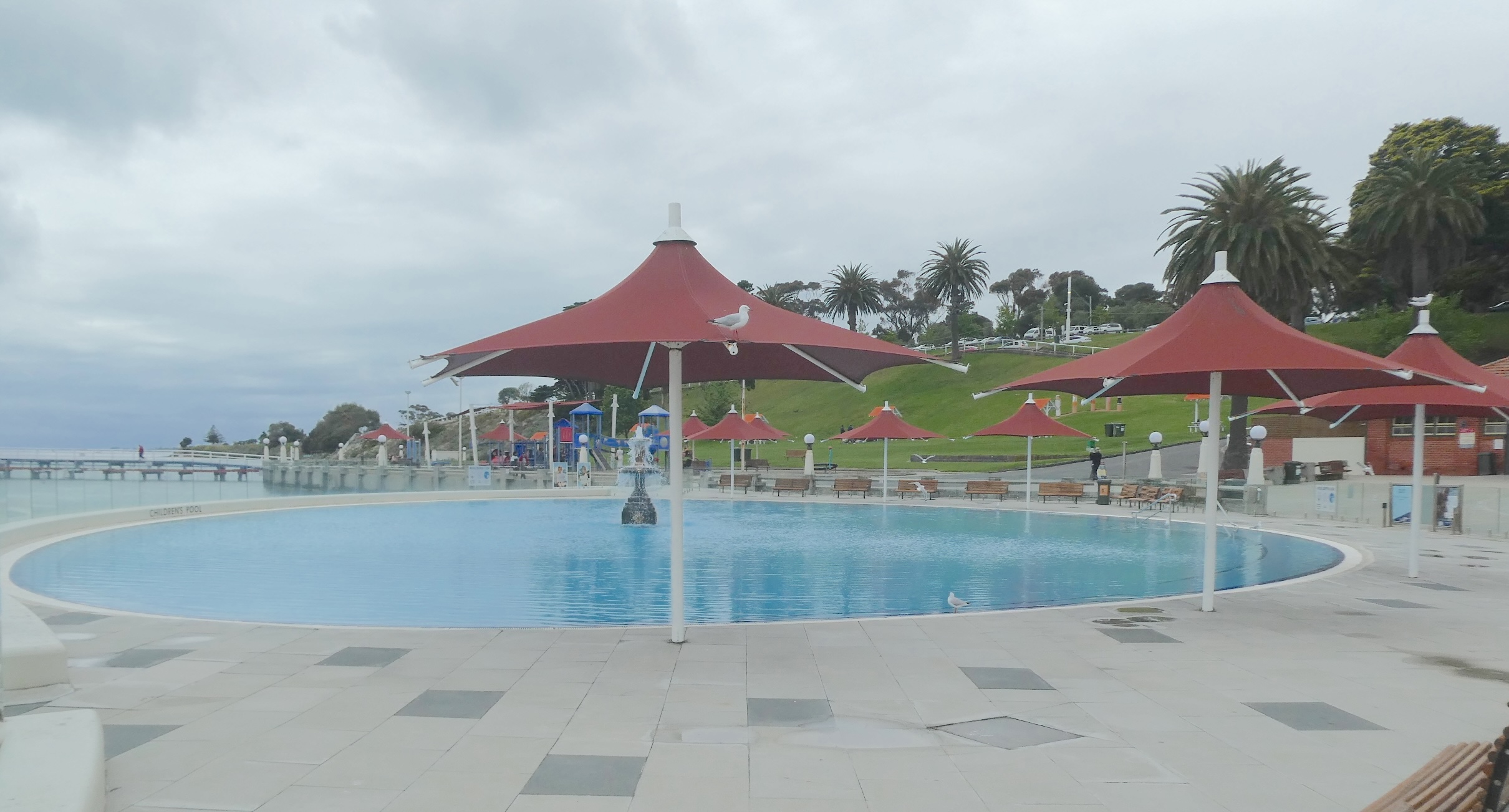
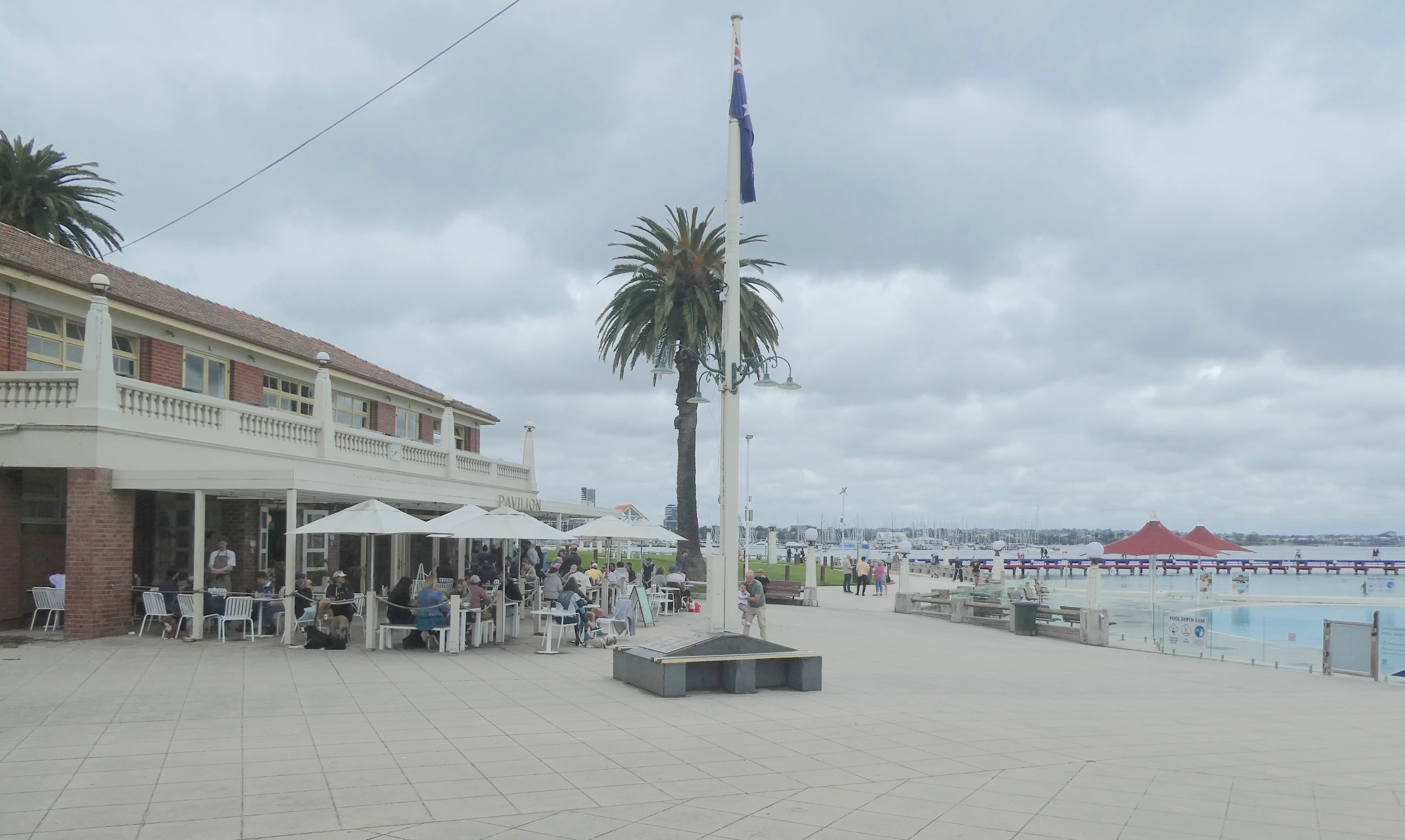
Much of the redevelopment of the east end of Eastern Beach was undertaken in the 1930s to promote tourism. The most striking addition is a huge swimming enclosure (I’ll get to that), a shallow children’s pool complete with fountain in the centre
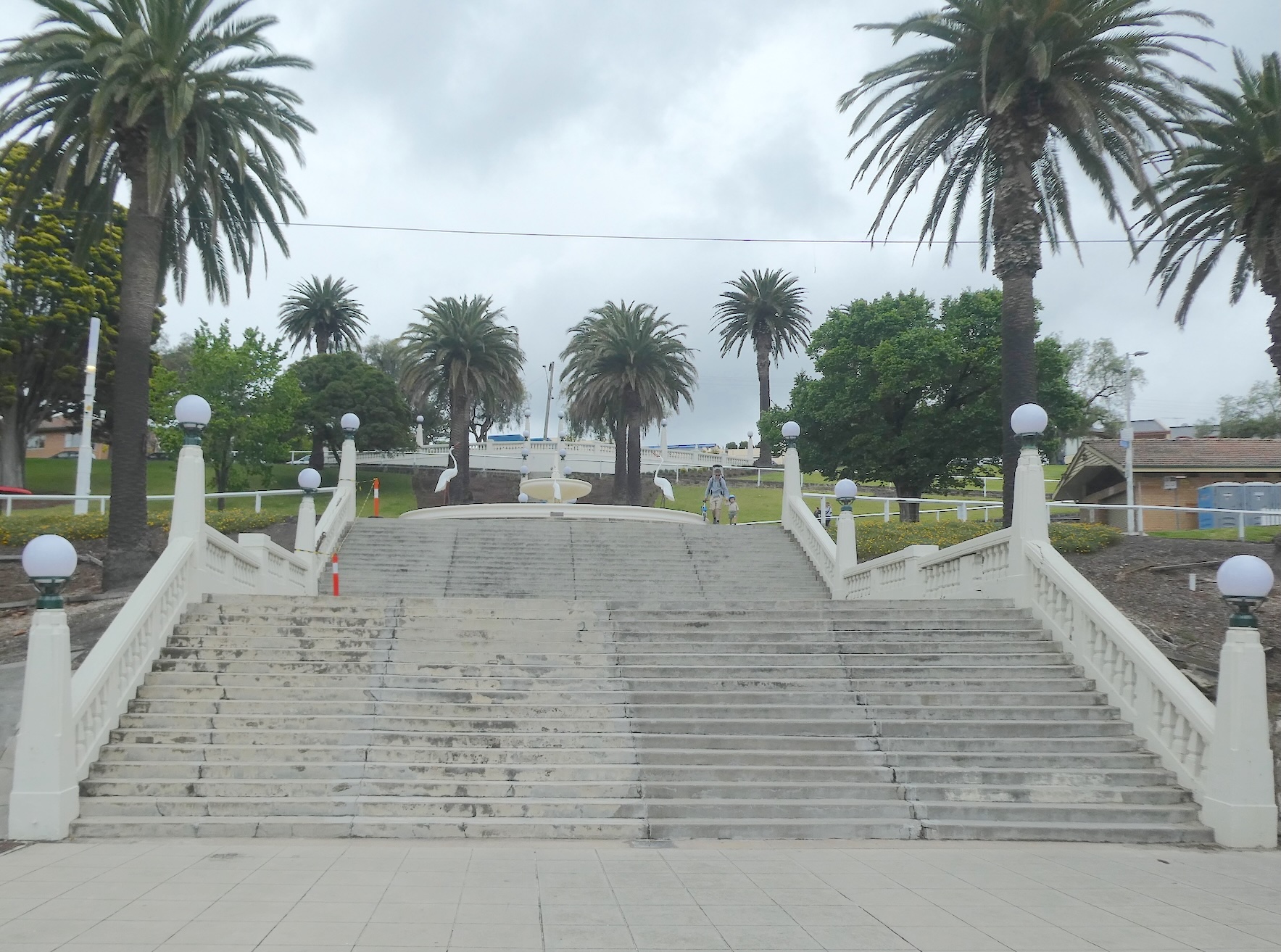
and iconic ‘Spanish Steps’ rising to Eastern Beach Road above.
A classic red brick Art Deco building serves as a kiosk with a fine dining restaurant on the upper level.
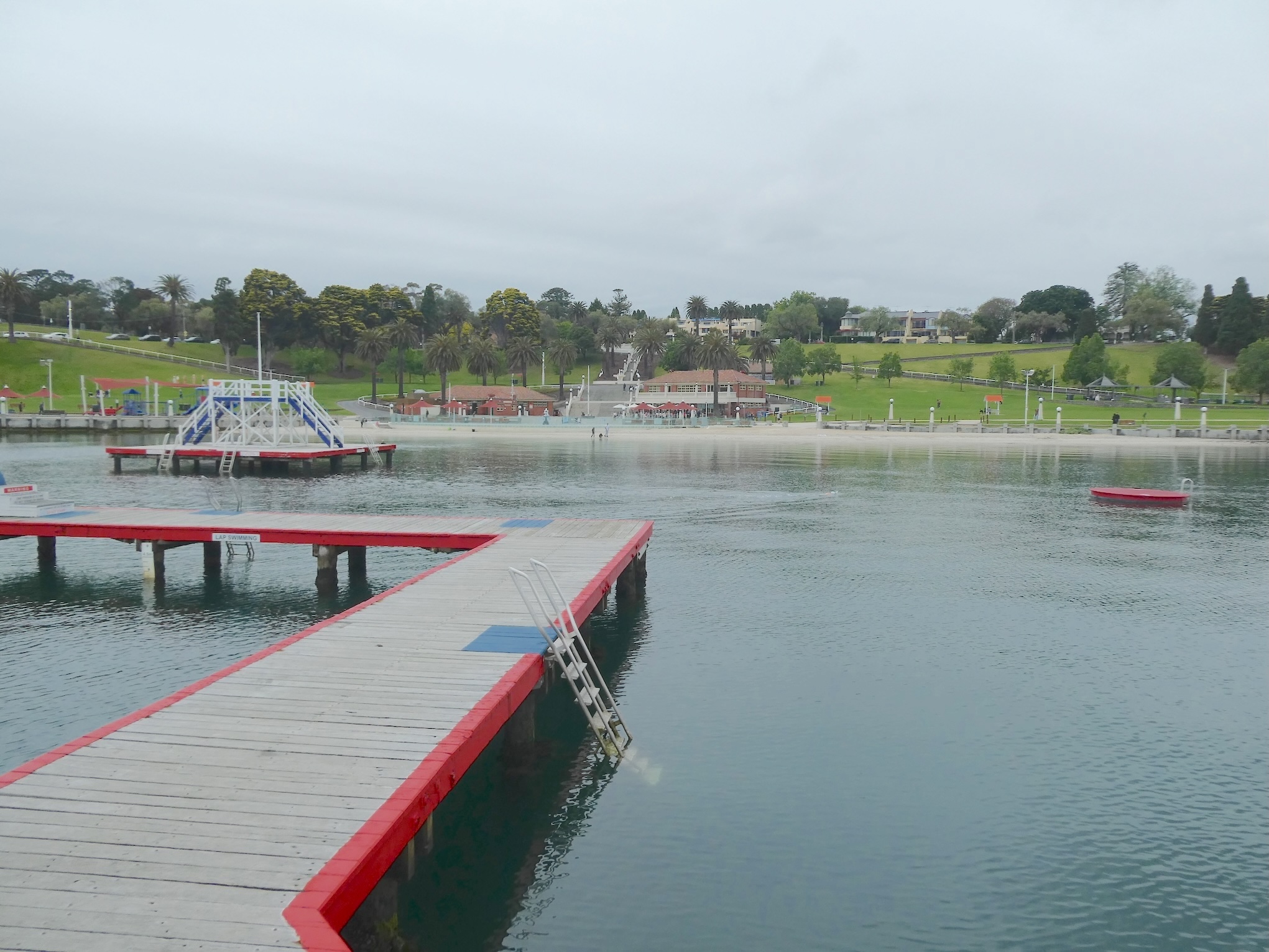
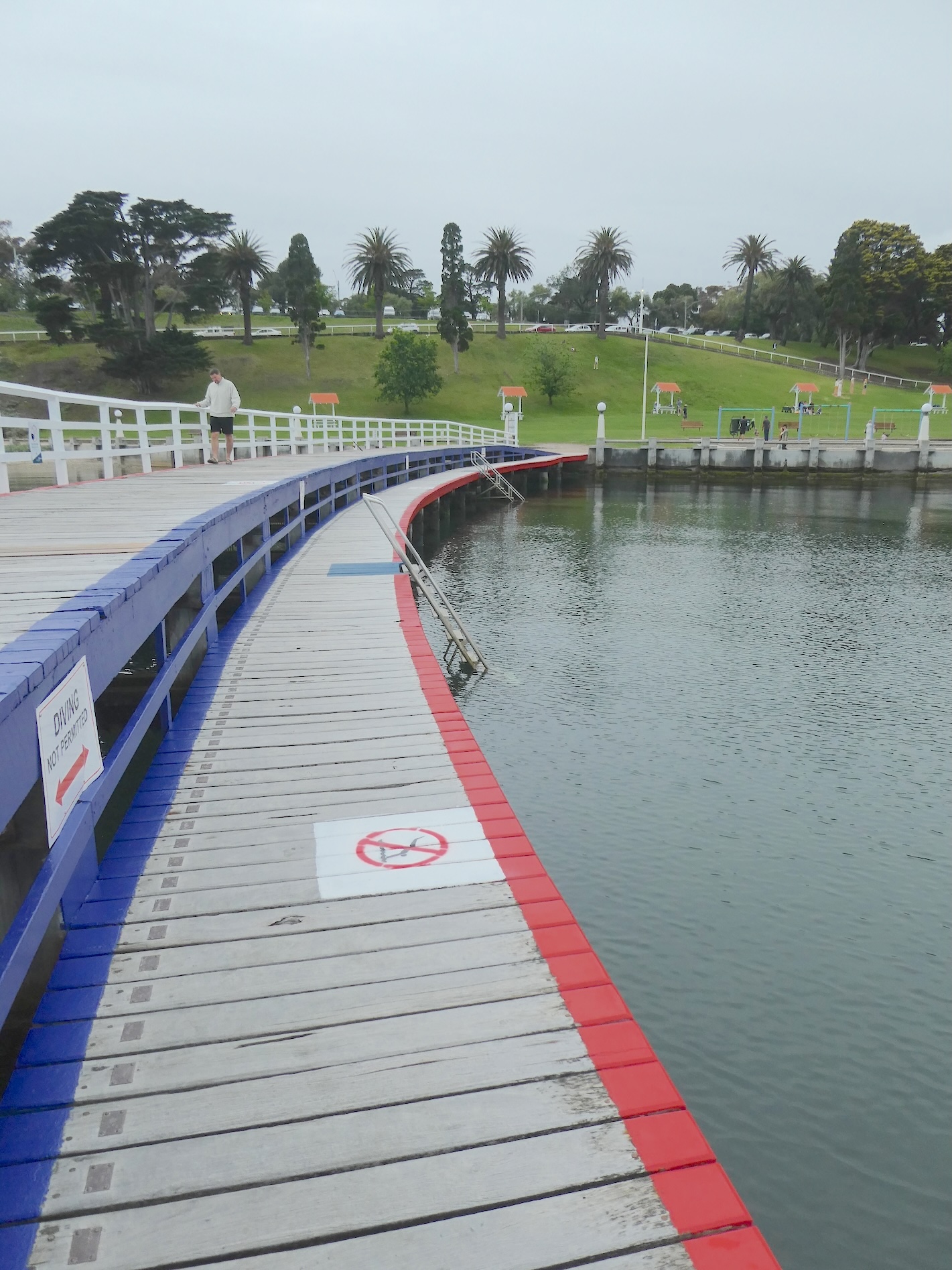
Back to the swimming enclosure. A double platform wooden structure sweeps in a half circle around eight and a half acres of seawater. Protected by shark-proof netting, there is a lap pool, diving tower, floating islands and lifeguards on duty in high season.
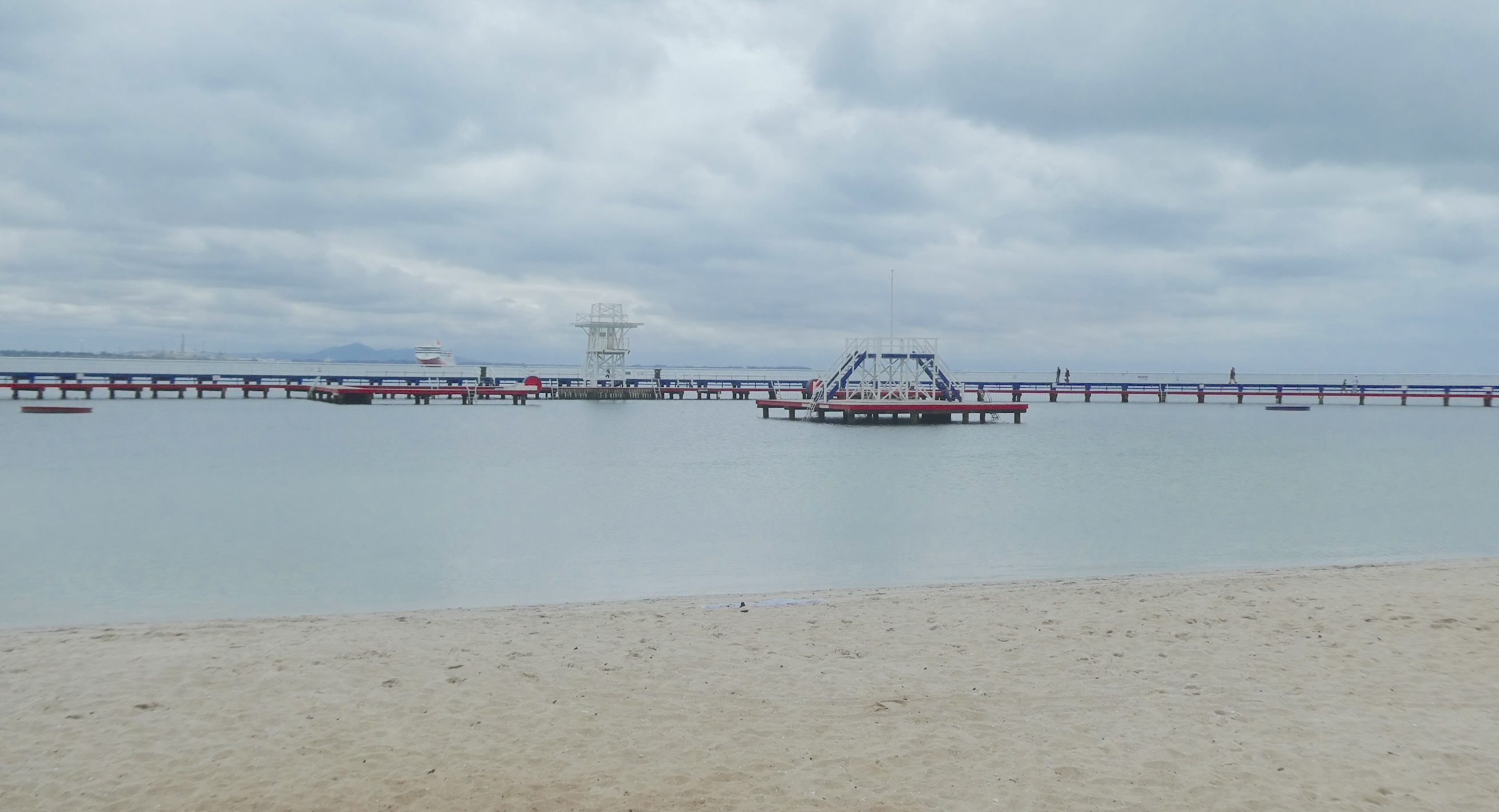
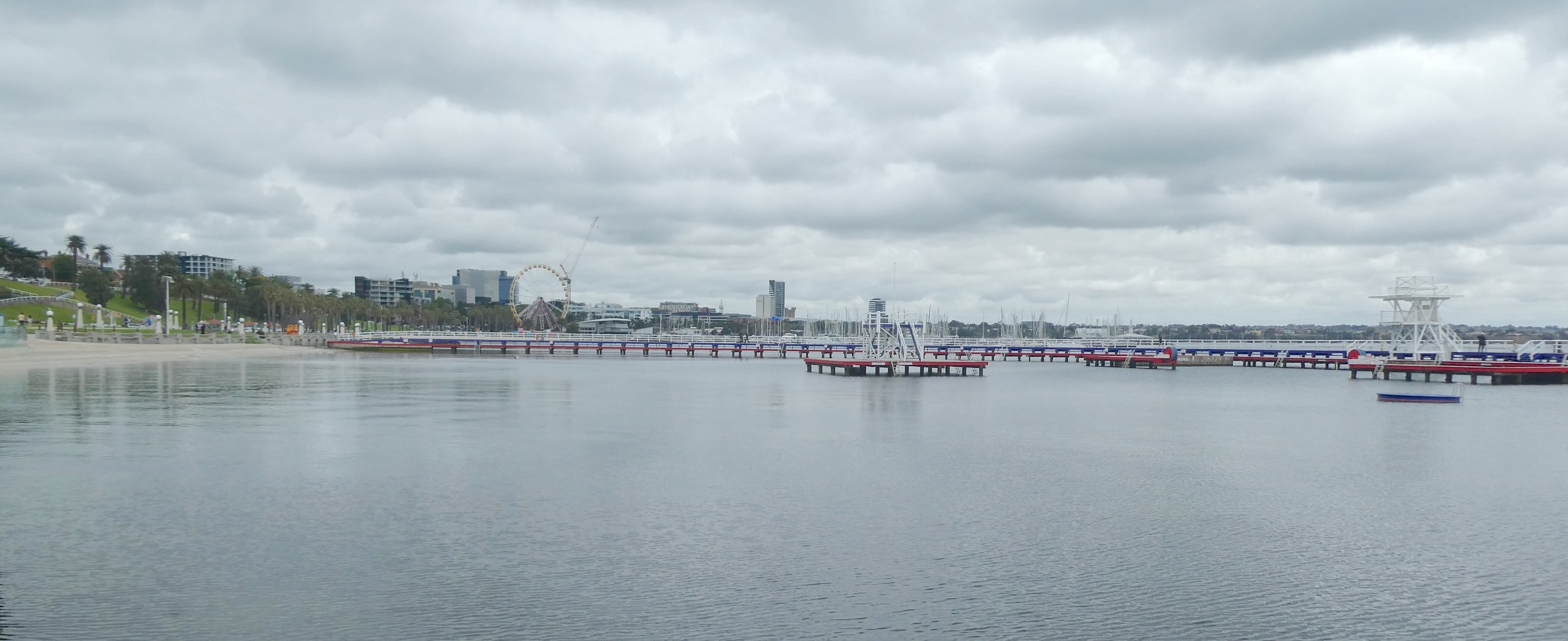
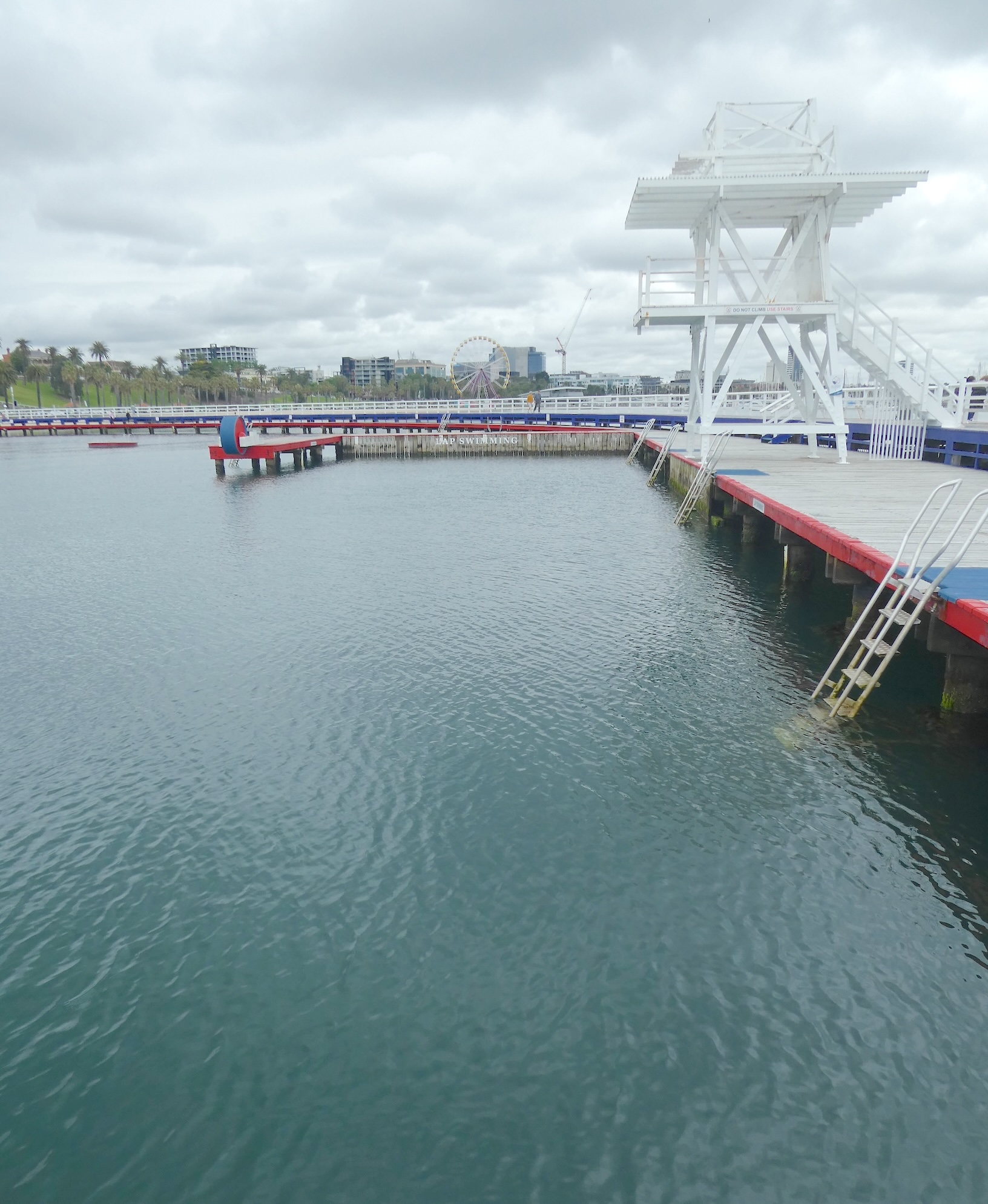
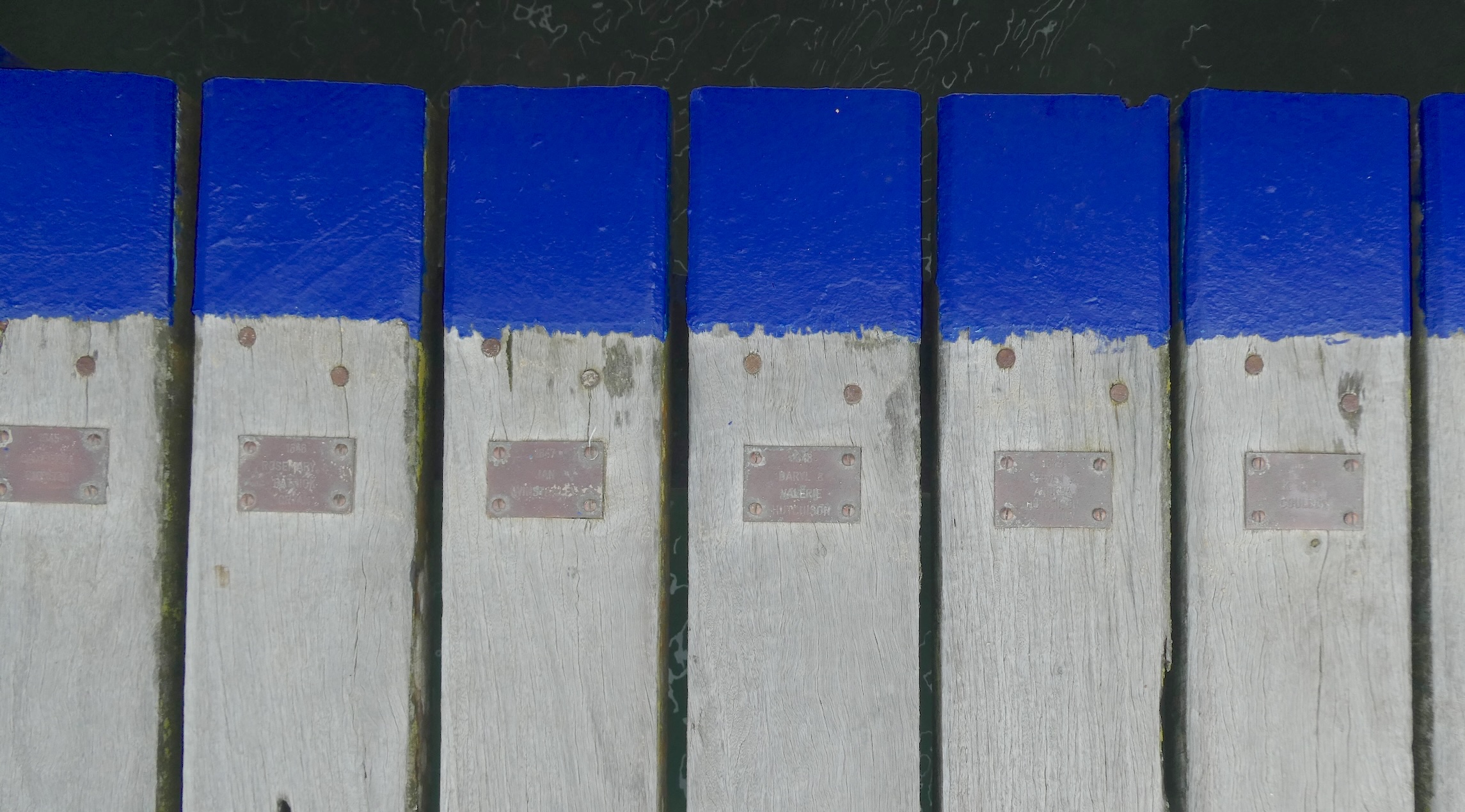
The boardwalk was rejuvenated in 1993 and locals were encouraged to buy planks inscribed with their names to help fund the project.
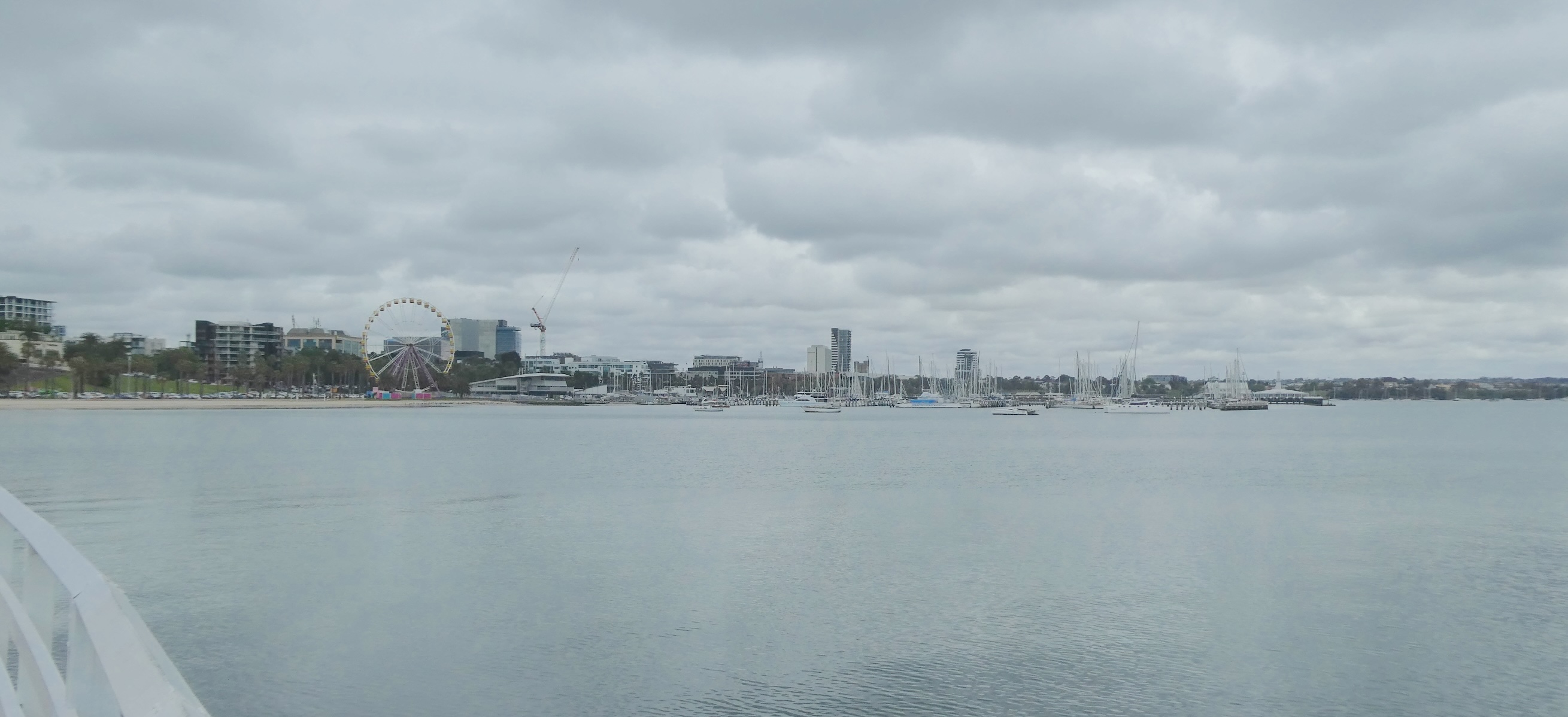
The view westward from the promenade shows the extent of the waterfront precinct.
We returned to our starting point. I neglected to mention the glass building adjacent to the Christmas tree. It houses an original Armitage-Herschell steam-driven, hand carved wooden carousel with 36 horses and two ornate chariots. Built around 1892, it was purchased and restored in 1996. Unfortunately, we didn’t realise it’s importance and didn’t take a closer look which means we also missed the music from the 1898 Gavioli Band organ accompanying the ride.
With the skies becoming increasingly inclement, we left Cunningham Pier in search of lunch.
If you are planning a stay in Geelong, whether for a night or extended period, I highly recommend the wonderful apartment we found. It is in a perfect location just off Little Malop Street, with secure parking. https://www.rentbyowner.com/property/modern-apartment-in-central-geelong/BC-12939097





















 cannonhillchronicles