hen haven

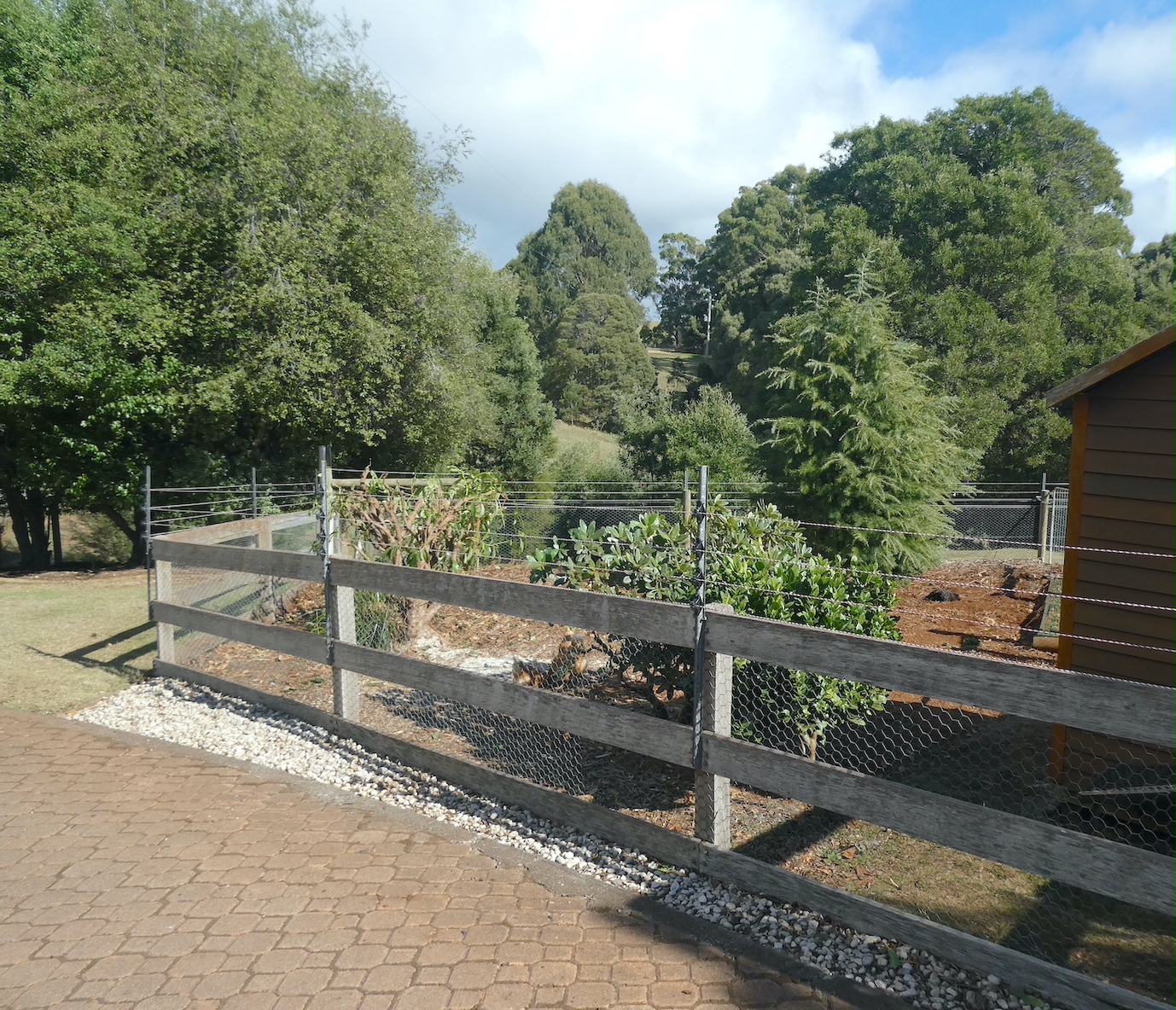
Our chooks have always had plenty of room to forage and scratch and play and, well, do what chooks do. Part of their run was completely enclosed and safe from predators and a larger area was fenced but otherwise open.

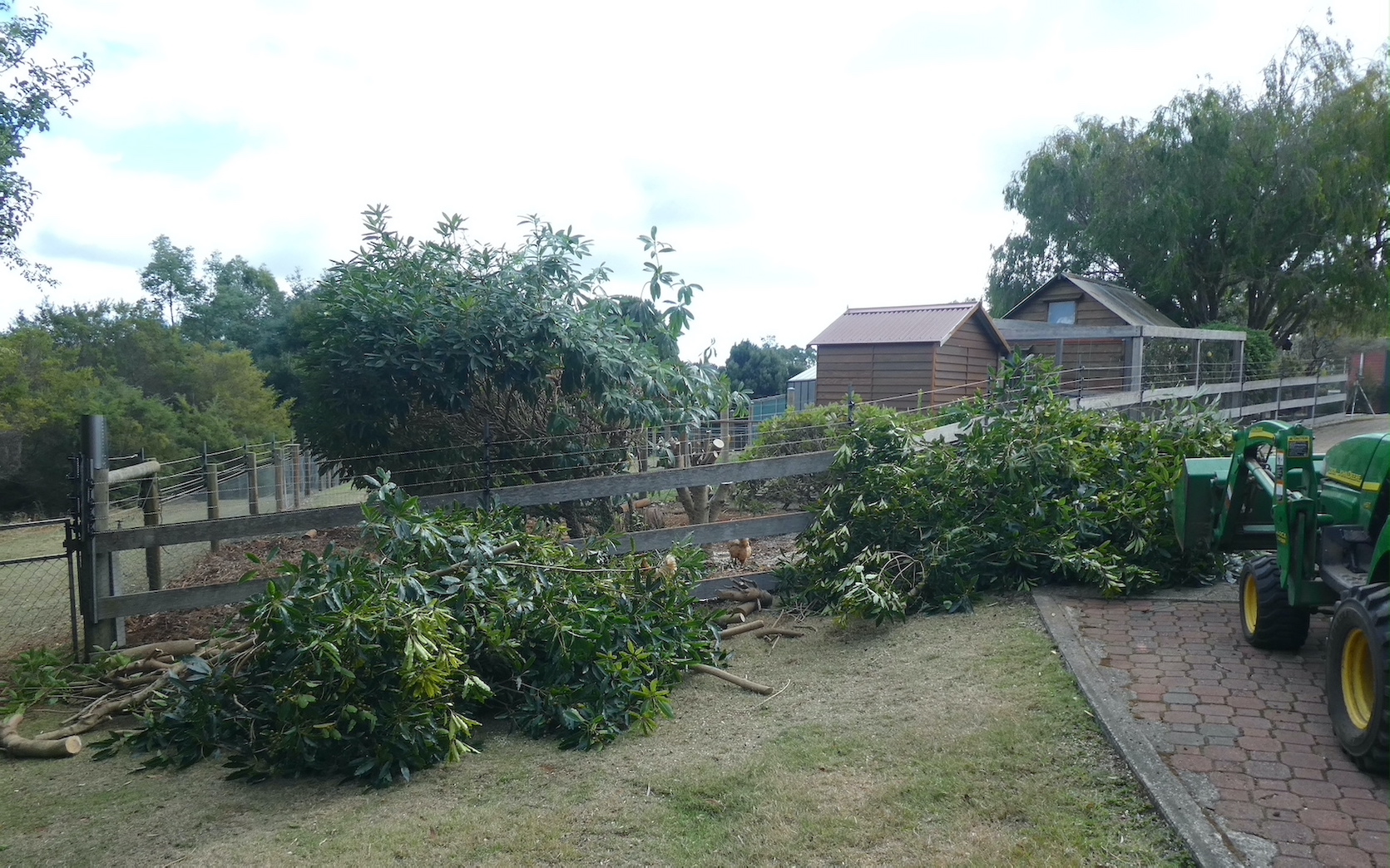
We had thought about enclosing the whole area for a while, mainly to keep the ornery sparrows from stealing the chook food, and finally tackled the mammoth project after visitations from raptors with eyes on our girls. The first task was to remove the huge native pittosporum, a favourite hotel for the sparrows and far too big to retain within the new run.

We proceeded with hole digging and post erecting,

and it wasn’t long before we realised the need to allow the girls to roam and shut them out of the work space. They were just a little too helpful.

Unfortunately, they make a terrible mess of any tidy garden space, something I had to ignore until the end of our mission.

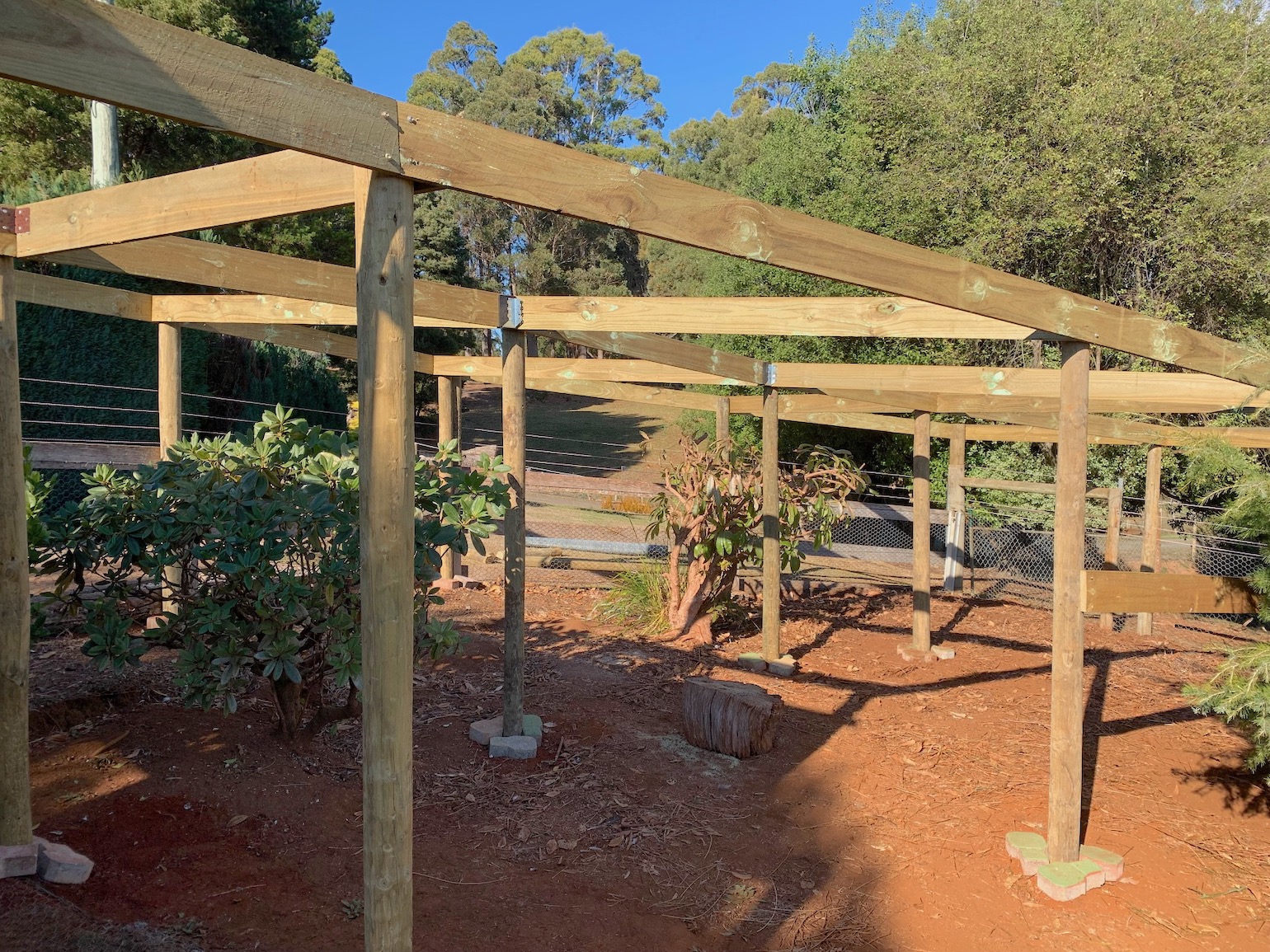
Once the boundary posts were in, we added the support beams

before continuing with the central posts and beams.
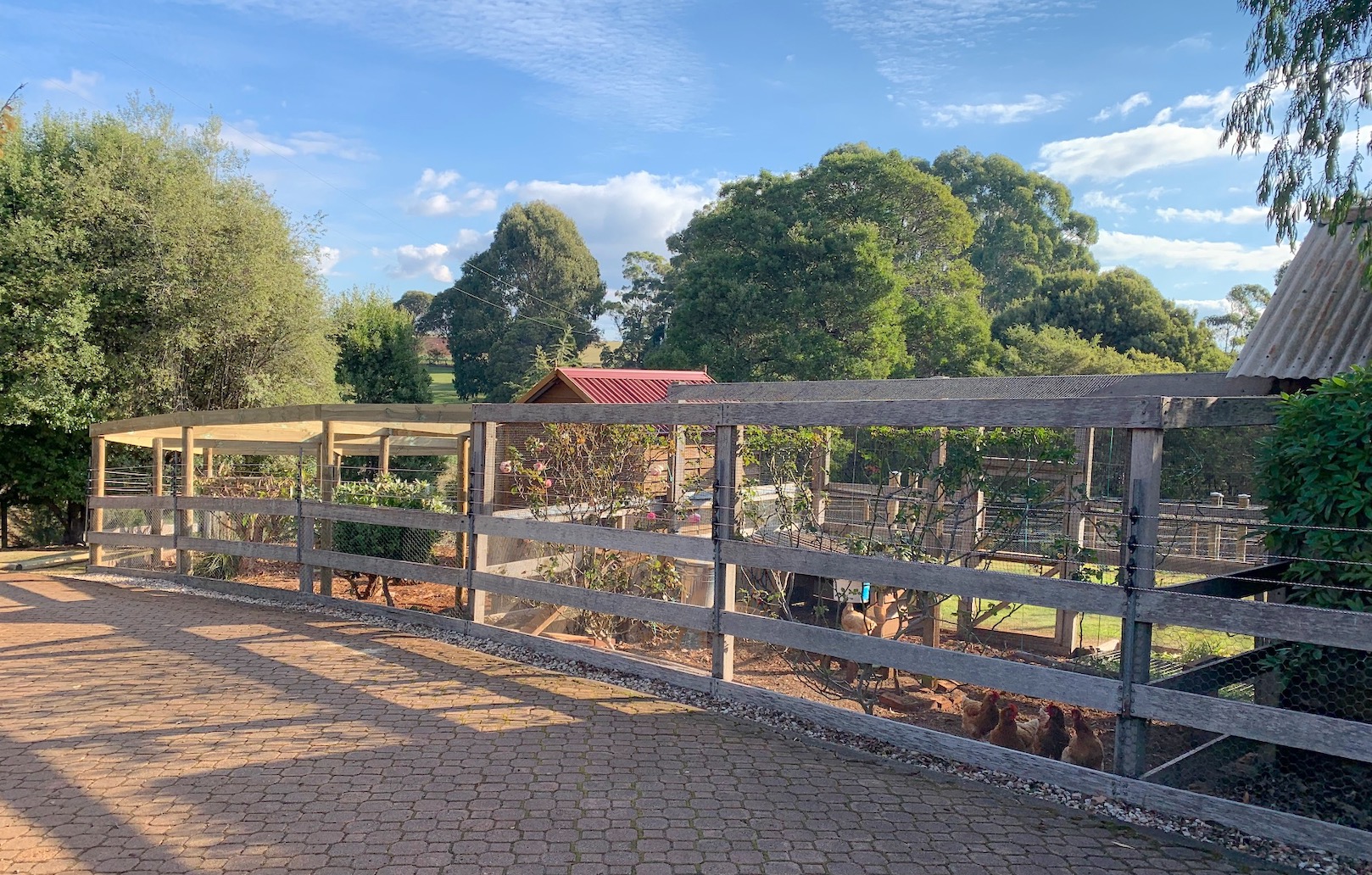
Next came the tricky part – the roof.

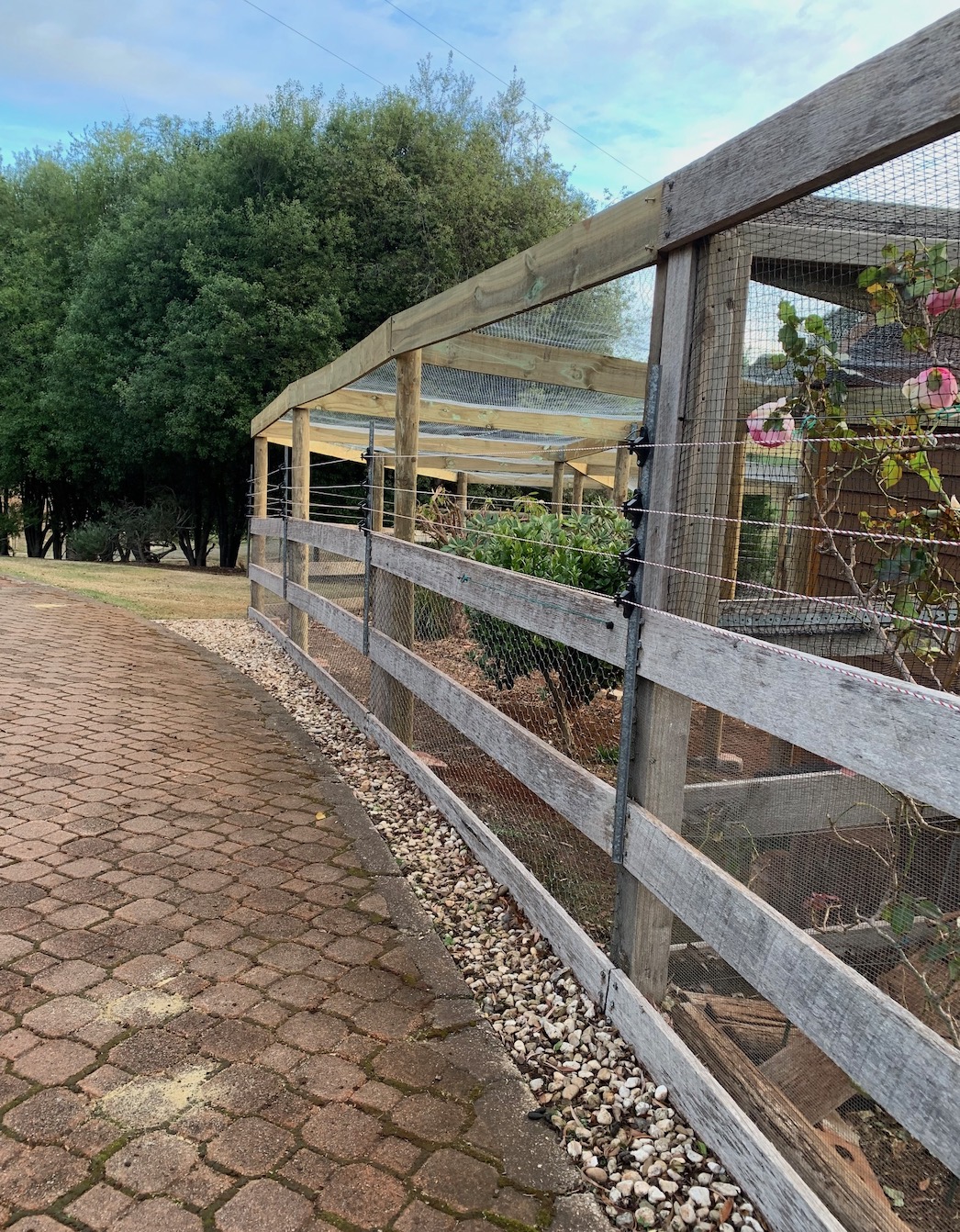
Accompanied by minor swearage, we manhandled the first section of wire into place and secured it, feeling inspired to carry on.

We soon finished the roof and used netting clips to join the sections.
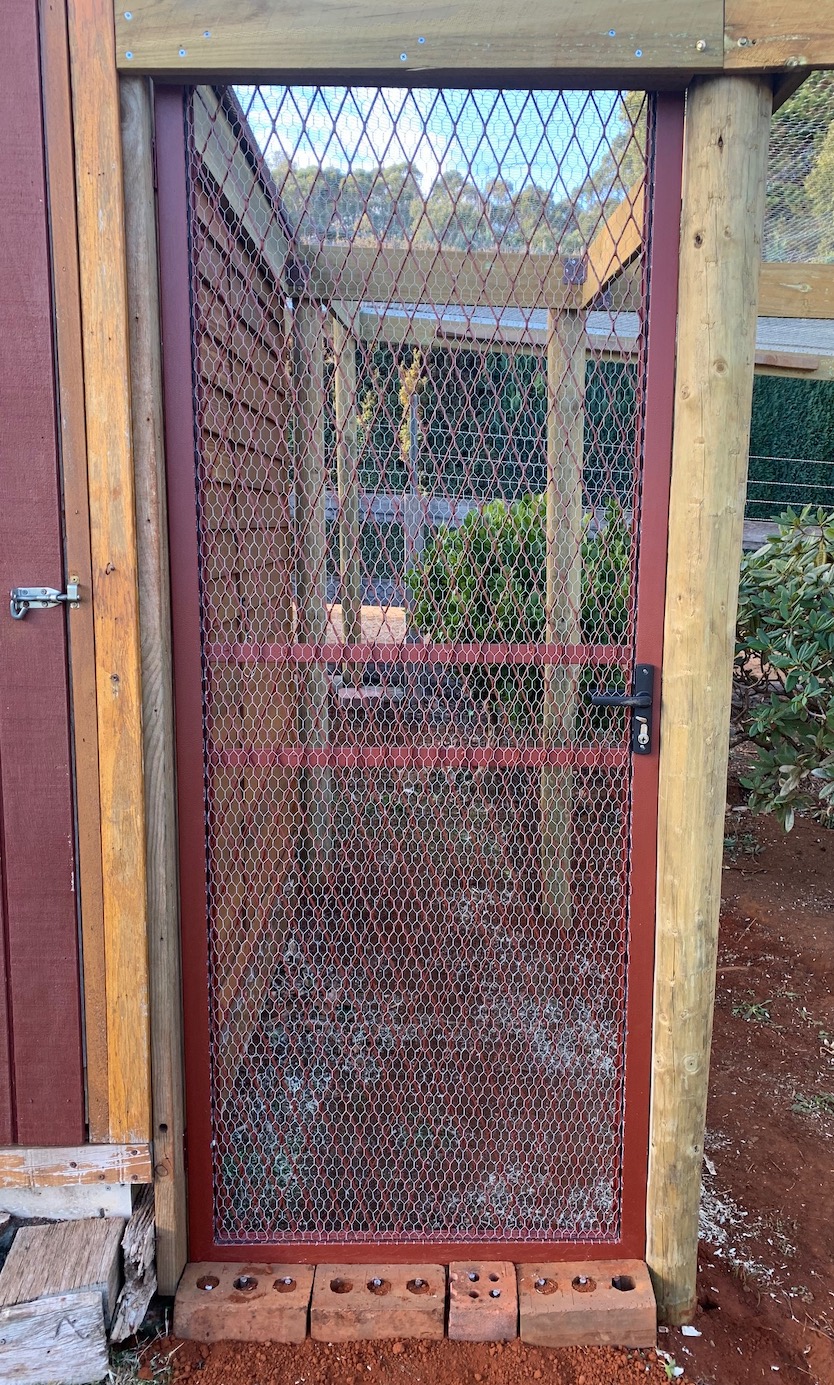
Rather than purchase a lightweight aluminium screen door from a local retailer, we sourced a solid steel model from the salvage yard at a quarter of the price. By the time we sprayed a coat of primer, spent hours painting two coats of colorbond and fixed the bird wire, I’m not sure the effort:reward ratio was favourable but it serves its purpose.

Once the wire sides were completed,
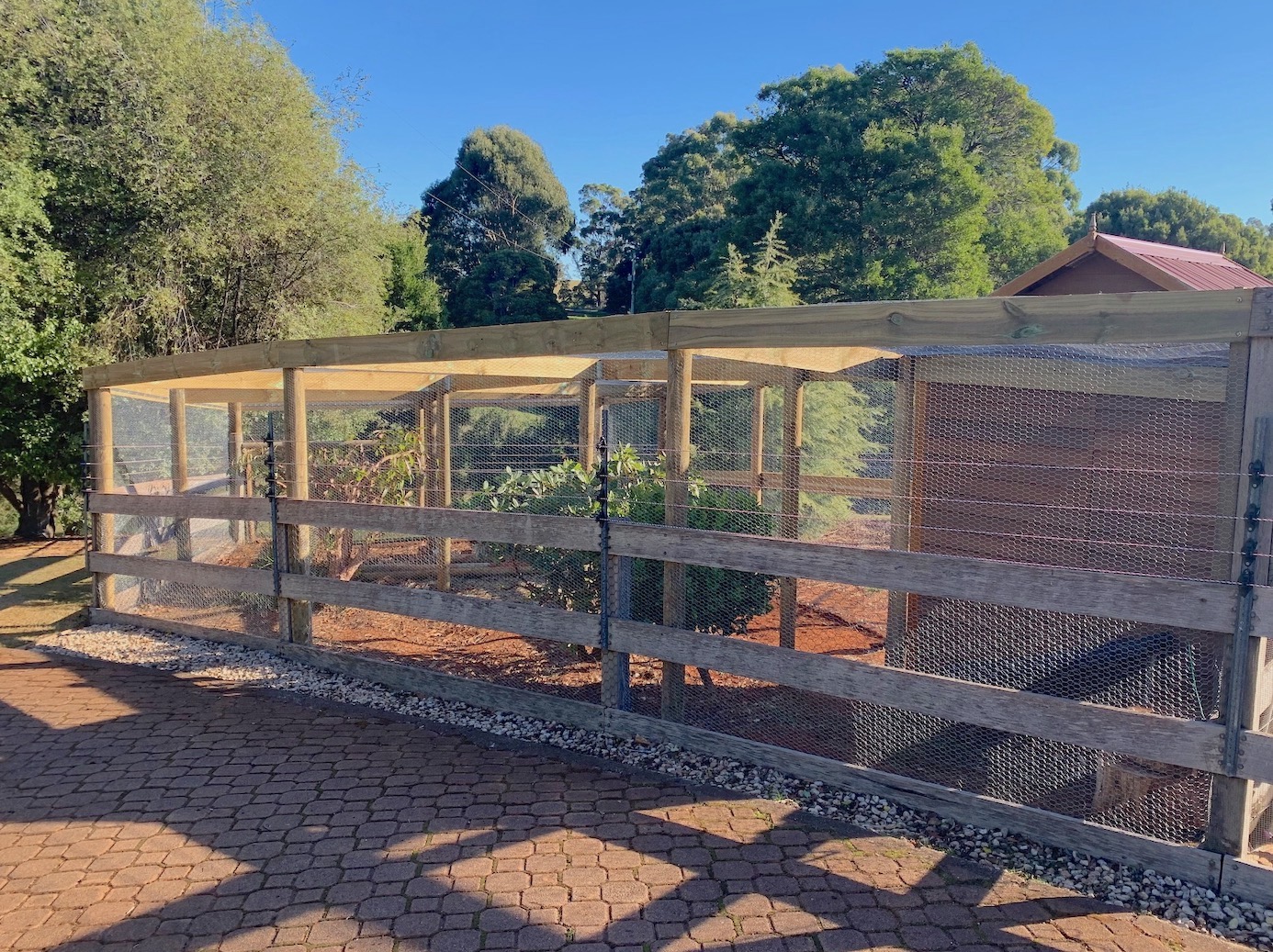
we removed the original boundary fence line and relocated the grazing cages inside the new run.

A place to shelter from inclement weather,

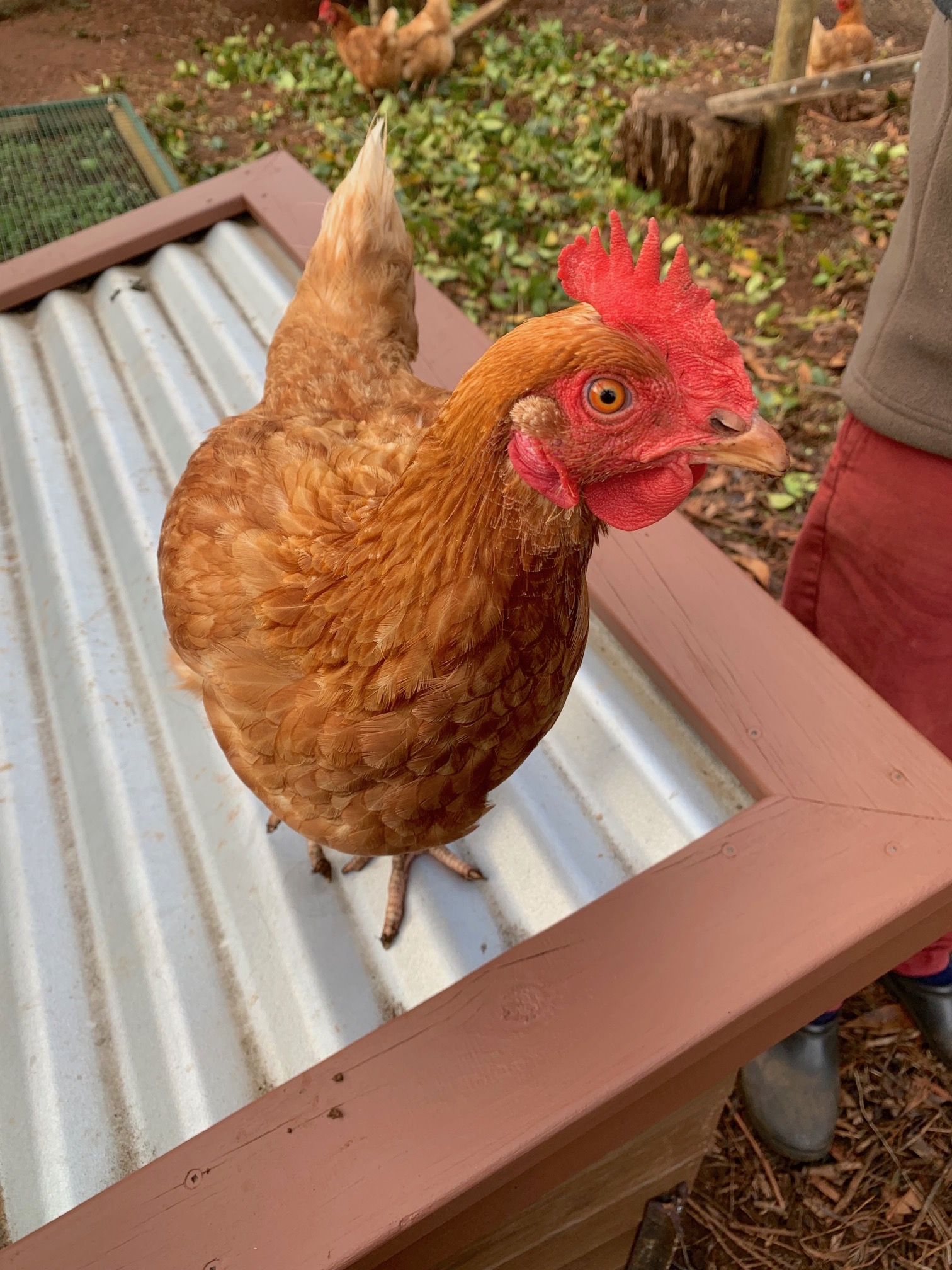
climbing frame
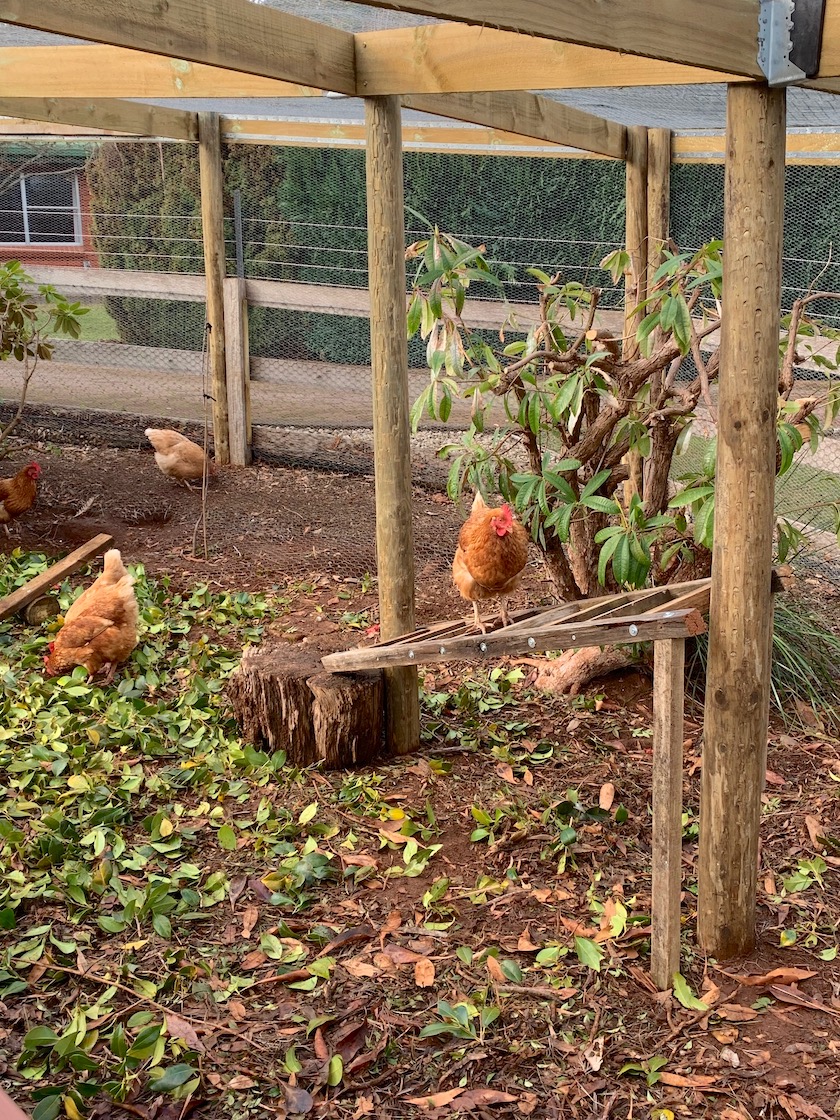
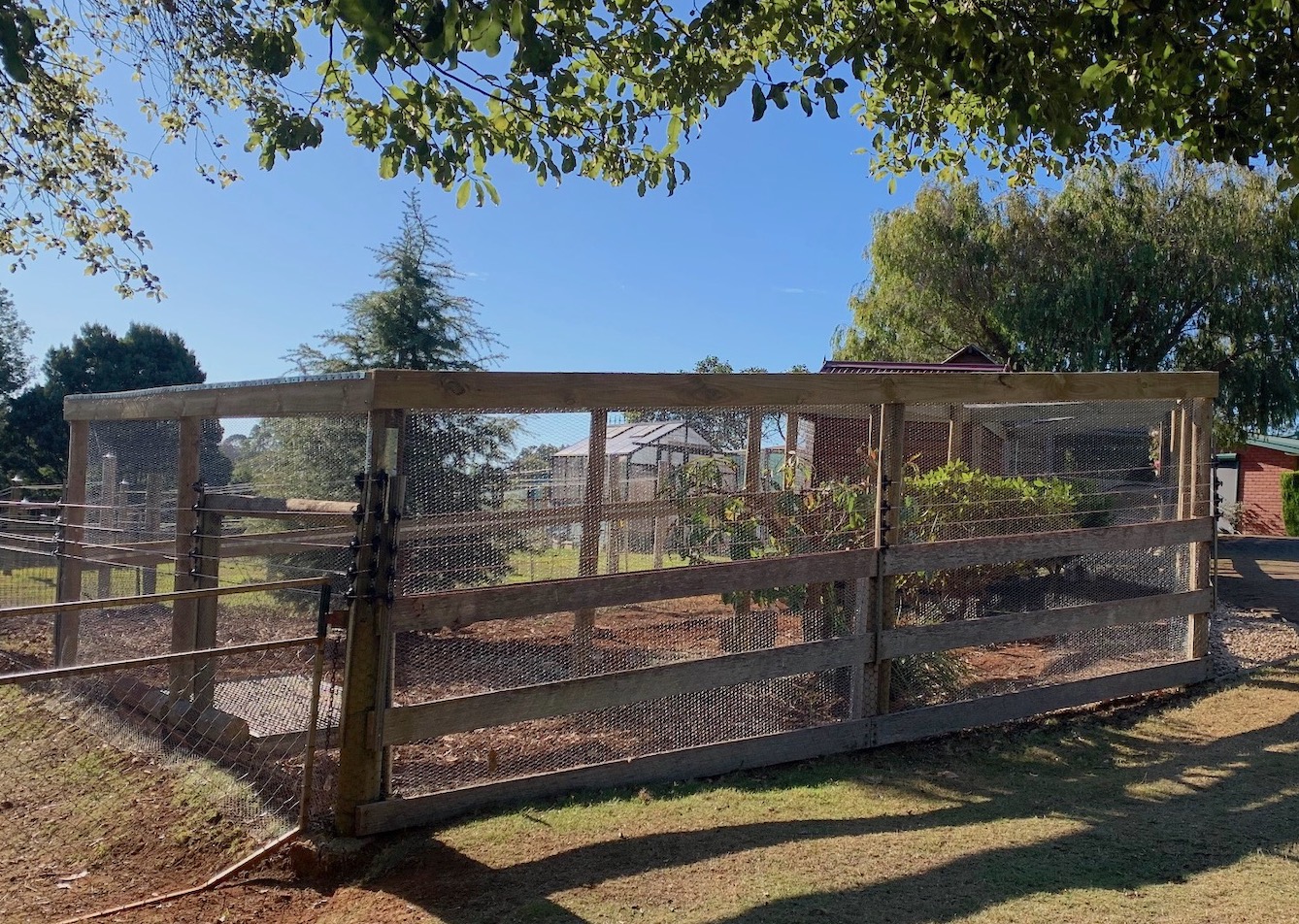
and seesaw completed the new enclosure.

We created a new border where the original fence line came down, added mulch, planted a few Kangaroo Paws and re-seeded the lawn area.

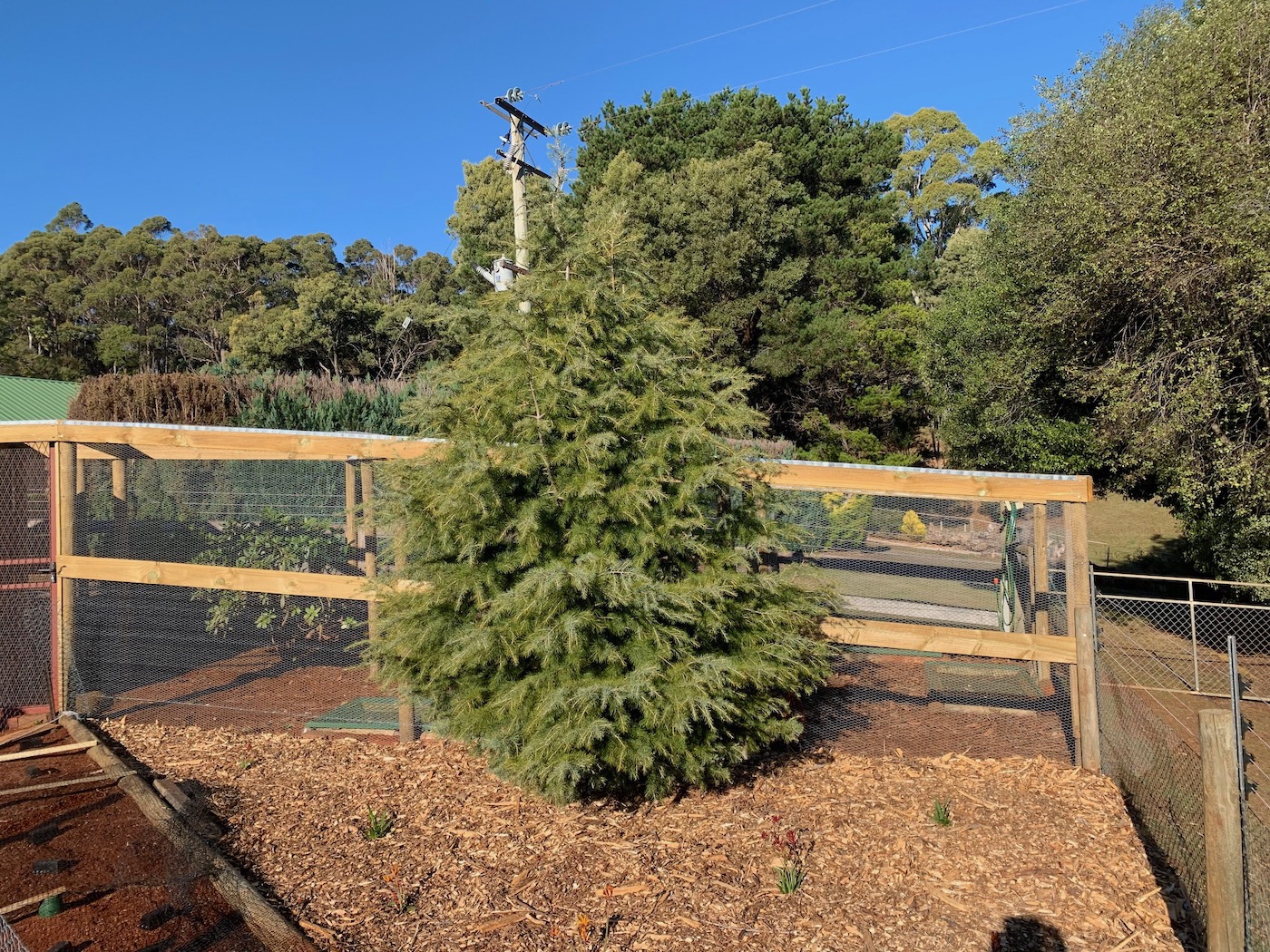
And planted two apple trees in the new yard. The chooks are wondering – what’s next?
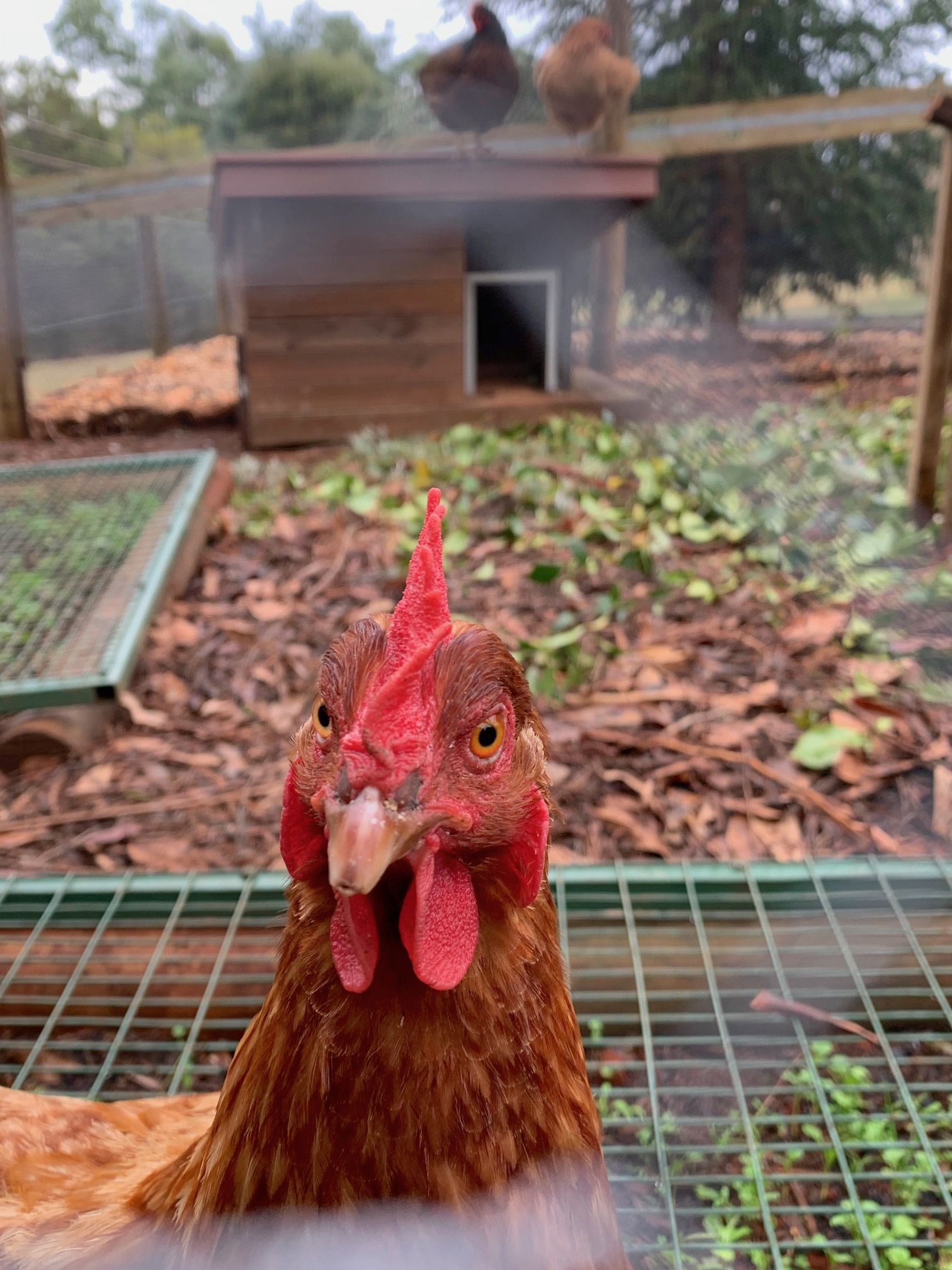
cockatoo chaos

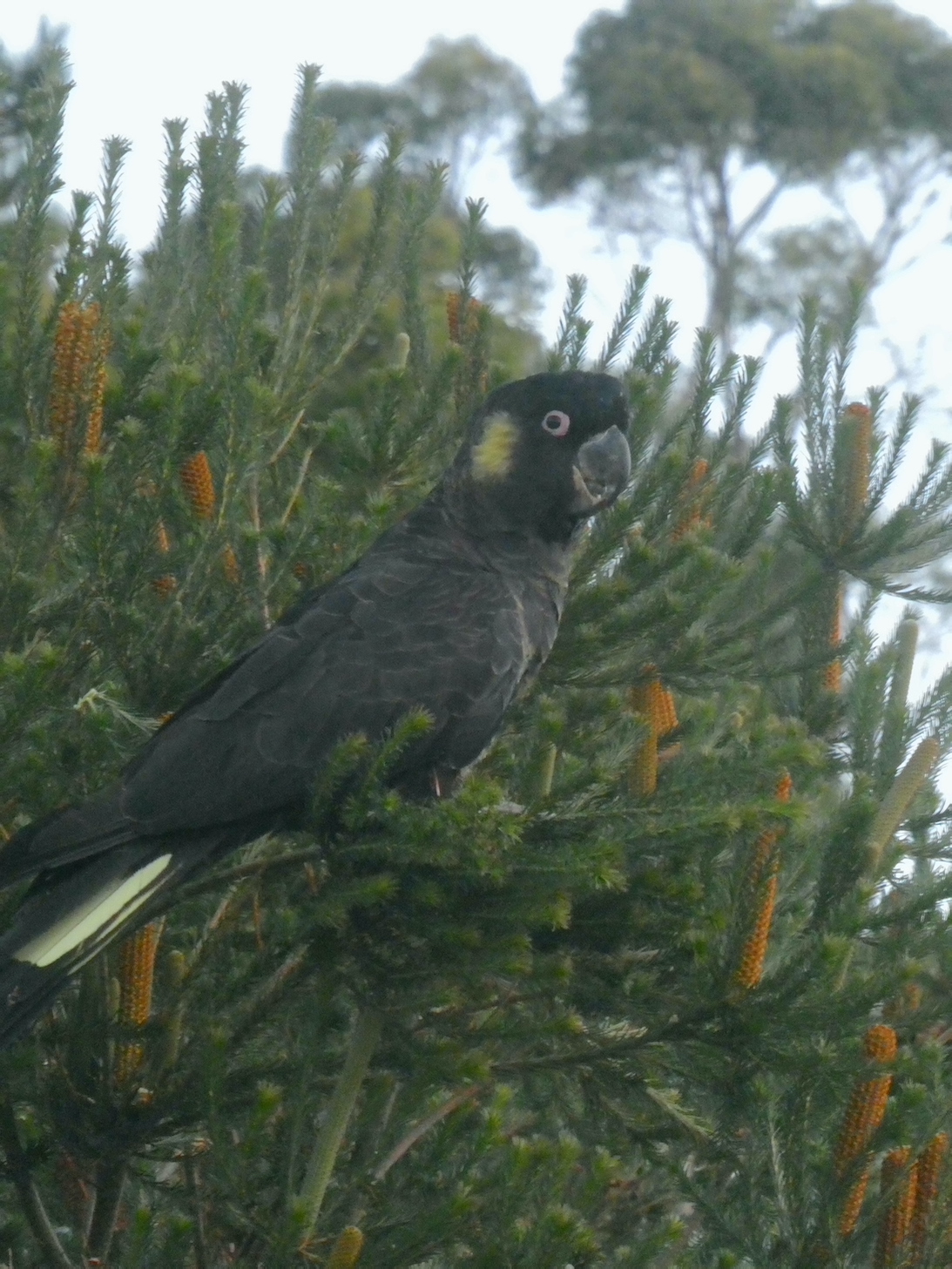
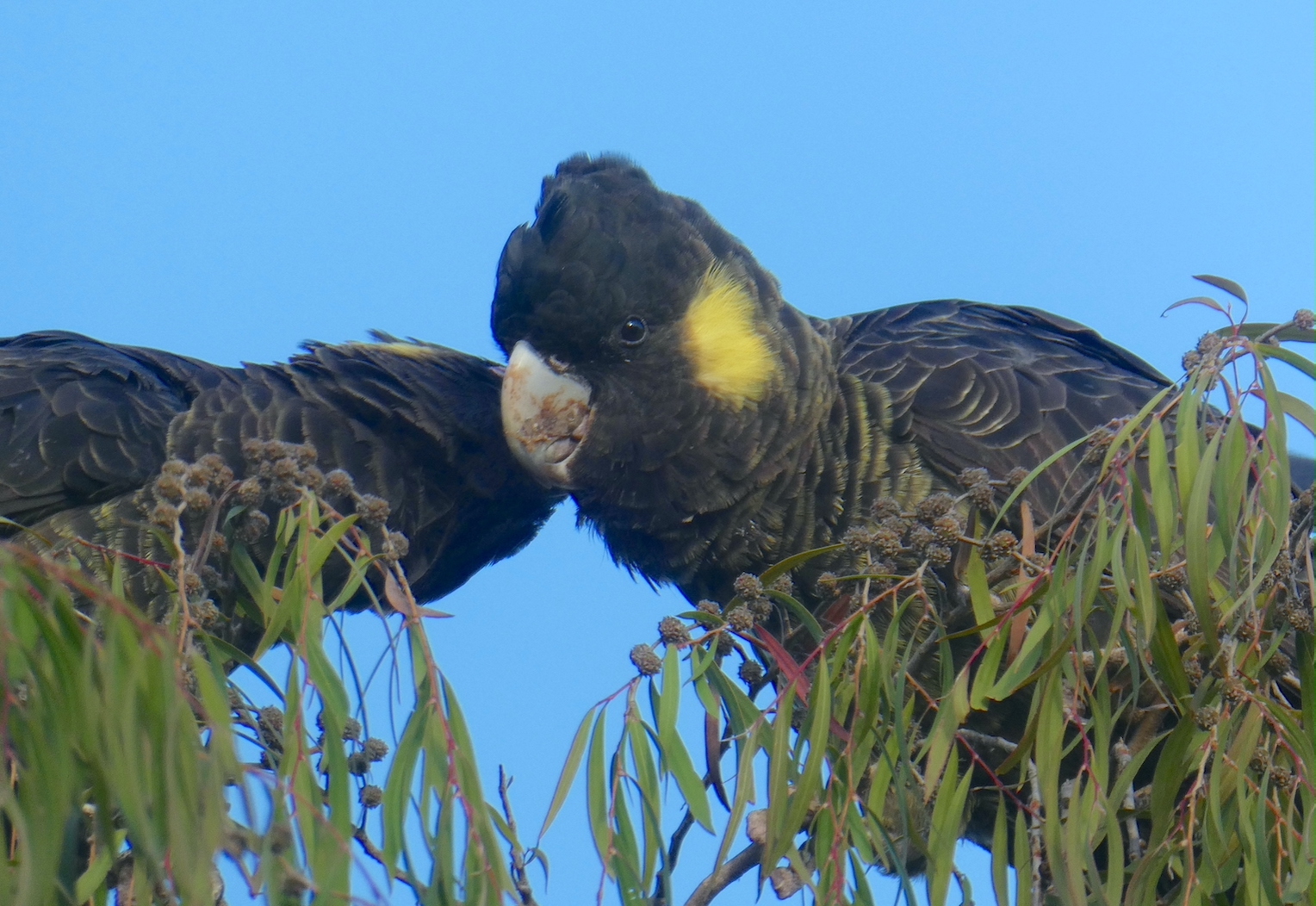
We have so many bird species in our garden I couldn’t even begin to name them. The biggest by far are the yellow-tailed black cockatoos. They are often in pairs quenching their thirst at the stock troughs, one will keep lookout in a nearby tree while the other sups and then they swap places. Then there are times when a whole flock will descend on the Banksia tree for a feast.

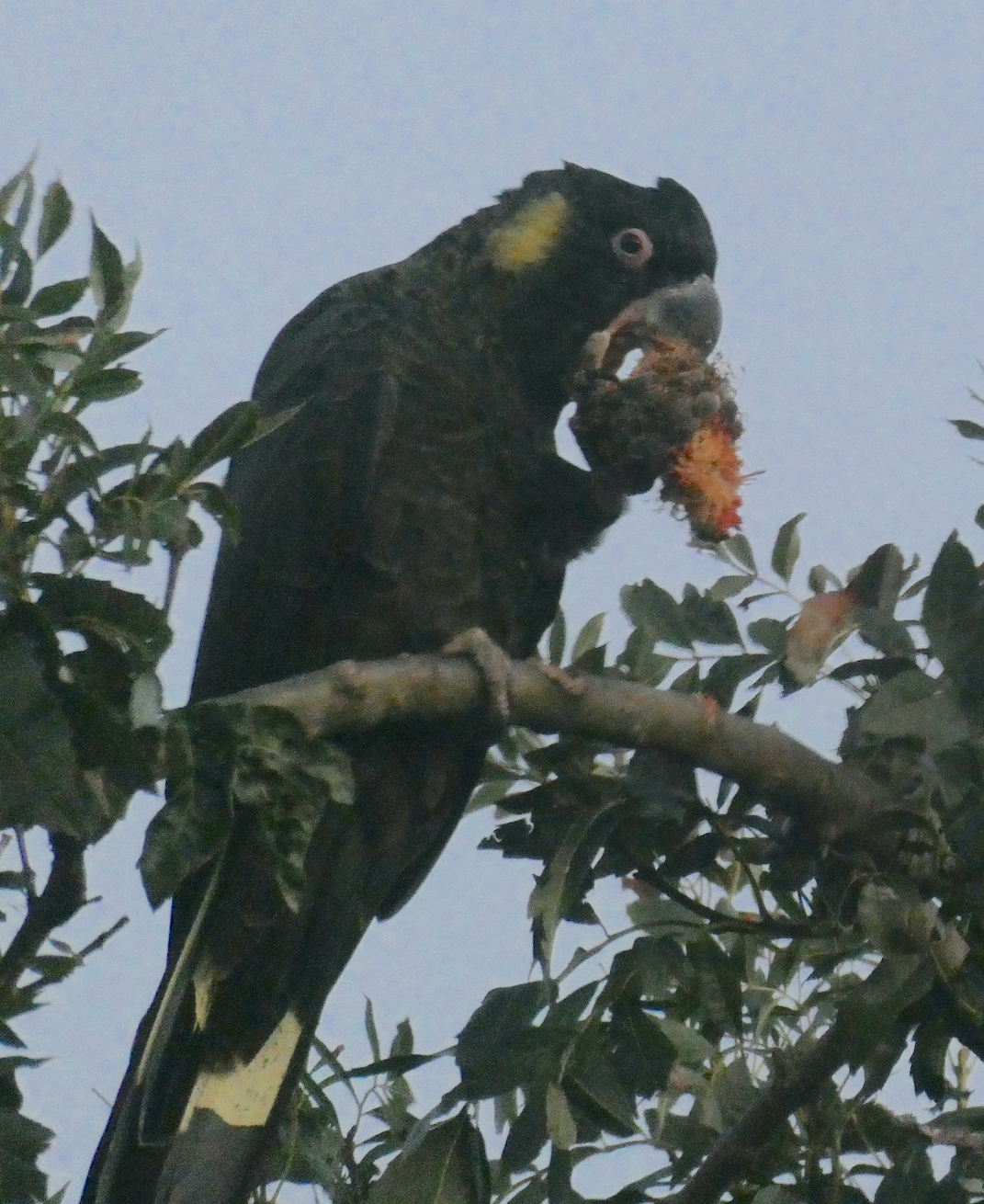
We hear them coming as they call to each other in their distinctive raucous, yet delightful, manner. They nibble the cones and break them open to eat the seeds.

I don’t begrudge their much needed nutrition but I wish they wouldn’t leave such a trail of destruction.

These stunning birds were first described in 1794 by the English naturalist George Shaw as Psittacus funereus, relating to the dark, sombre plumage as if dressed for a funeral. He seems to have missed the bright yellow cheek patches and tail band. Our magnificent peppermint tree is a popular spot to survey the surrounds before indulging in another Banskia banquet.

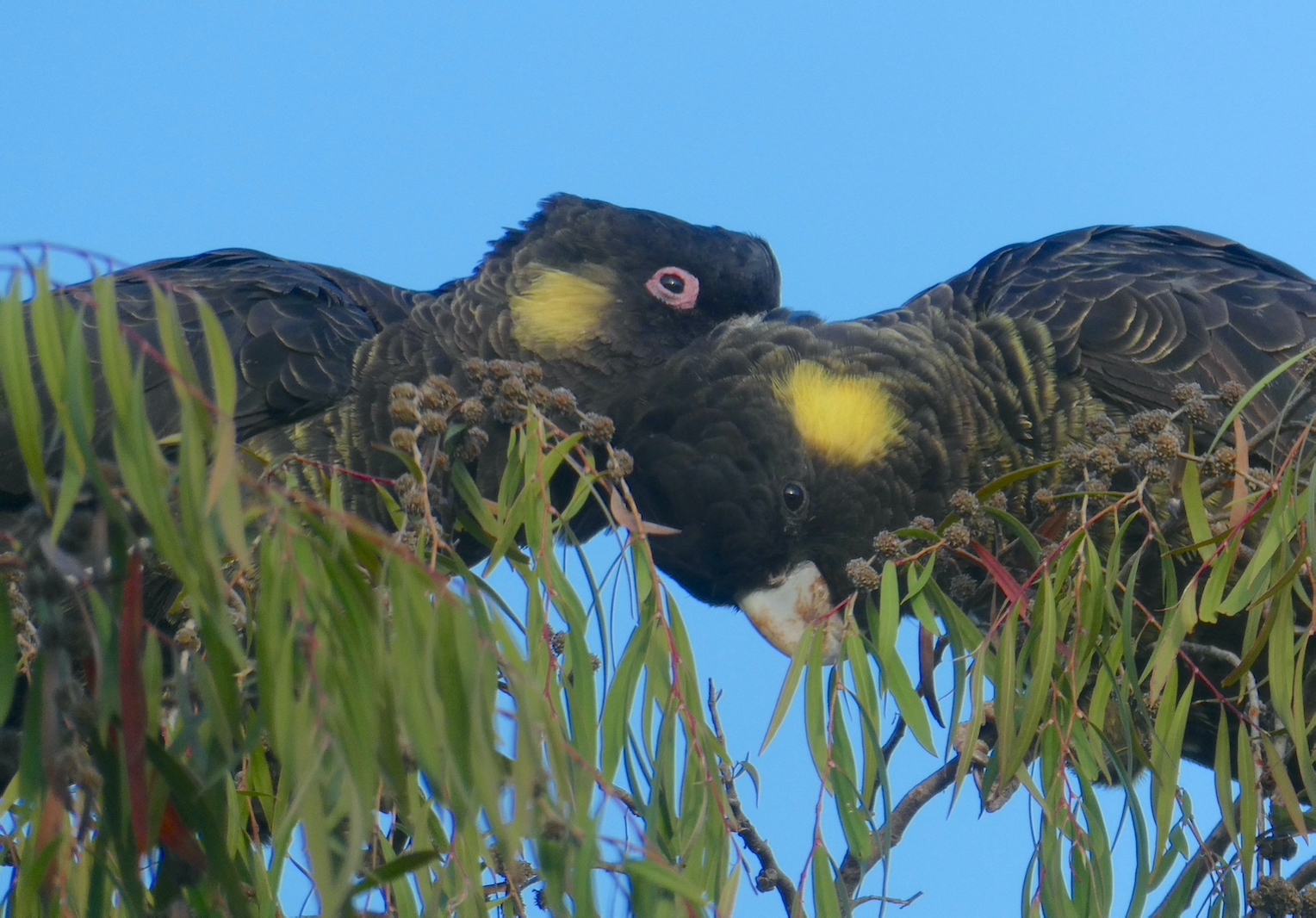
The body feathers are edged in yellow and those of the subspecies found in Tasmania have a more prominent scalloped appearance.

Adult males have pinkish red eye rings and black beaks

while females have grey eye rings, a bone coloured beak and brighter, more clearly defined yellow cheek patches.

The monogamous couples raise a single chick each year which will remain with them for 12 to 18 months. The constant ‘begging’ squawk of the young is enough to test any parental patience. One particular pair at Rotterdam Zoo stopped breeding when they were 41 and 37 years of age, though continued to bond closely. I suspect these two will be bringing offspring to dine before long.

With warmer weather around the corner, we look forward to seeing more of these beautiful creatures.

swallow summer

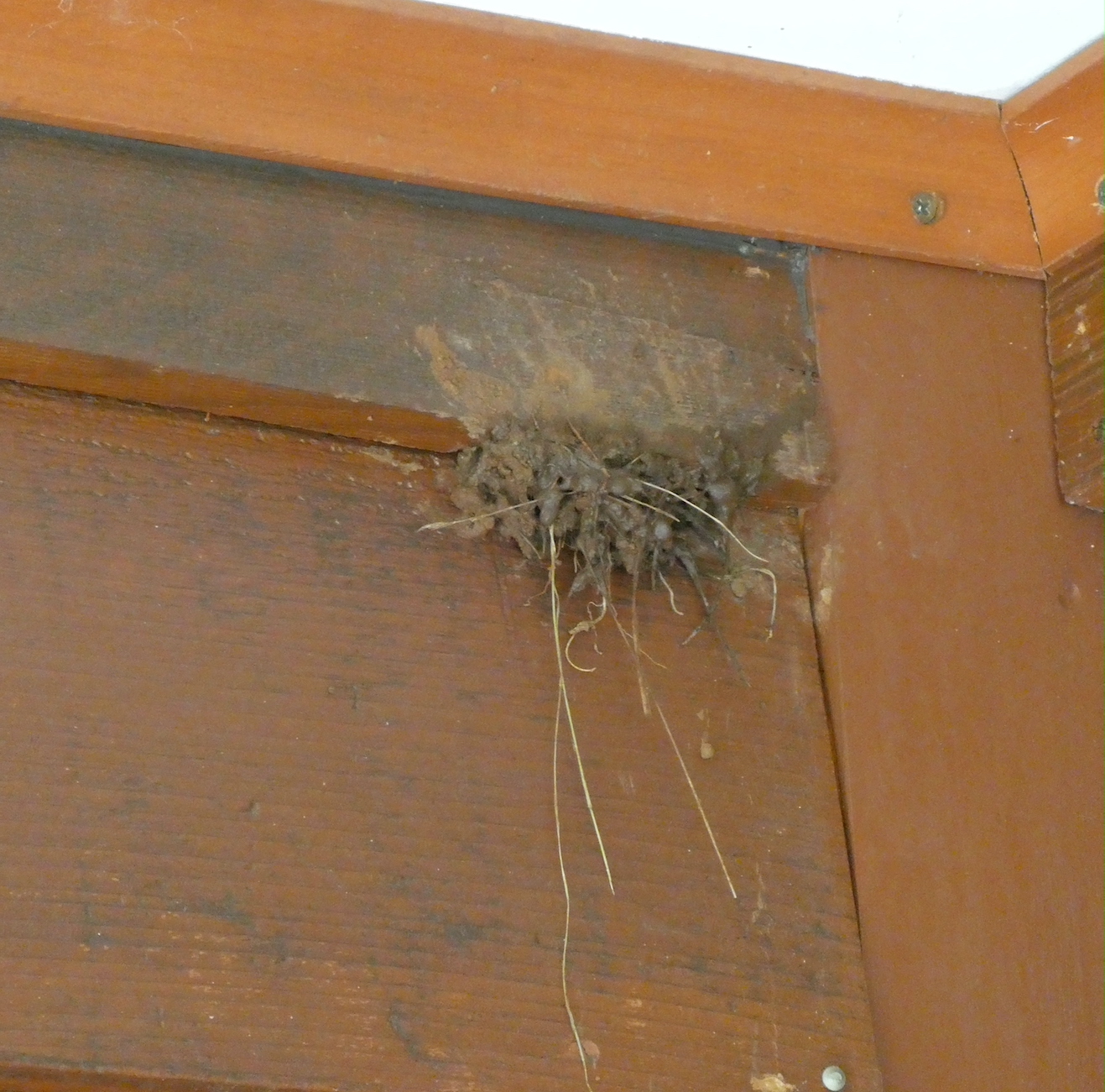
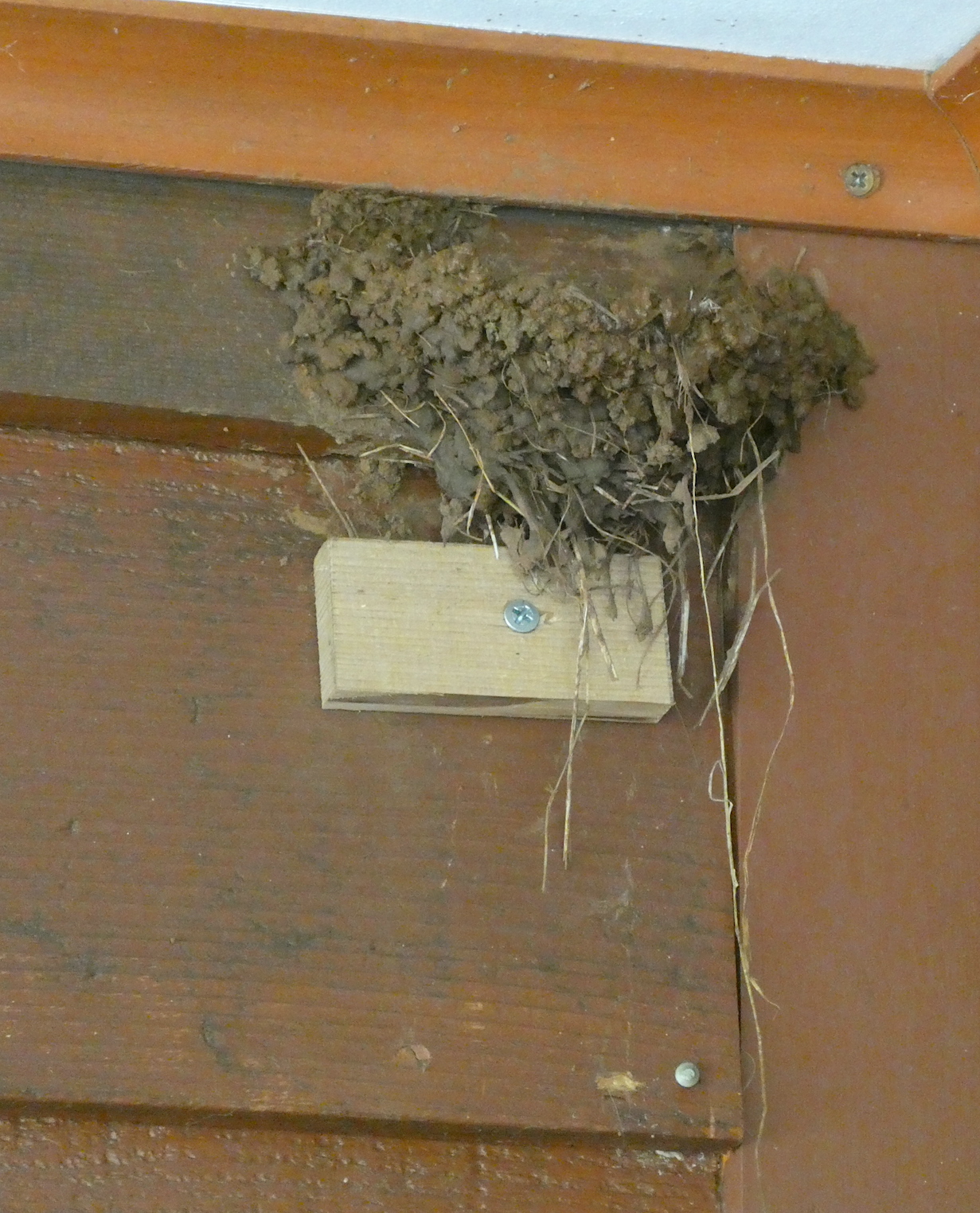
Over the years, there have been a few attempts by swallows to set up home on our cedar cladding. We resorted to inventive ways to deter them with success. In early January, a determined pair began construction in a cosy corner of the back deck.

We decided to allow them to share our space and made allowances for the anticipated mess that would ensue. The little birds worked tirelessly, collecting mud and grass

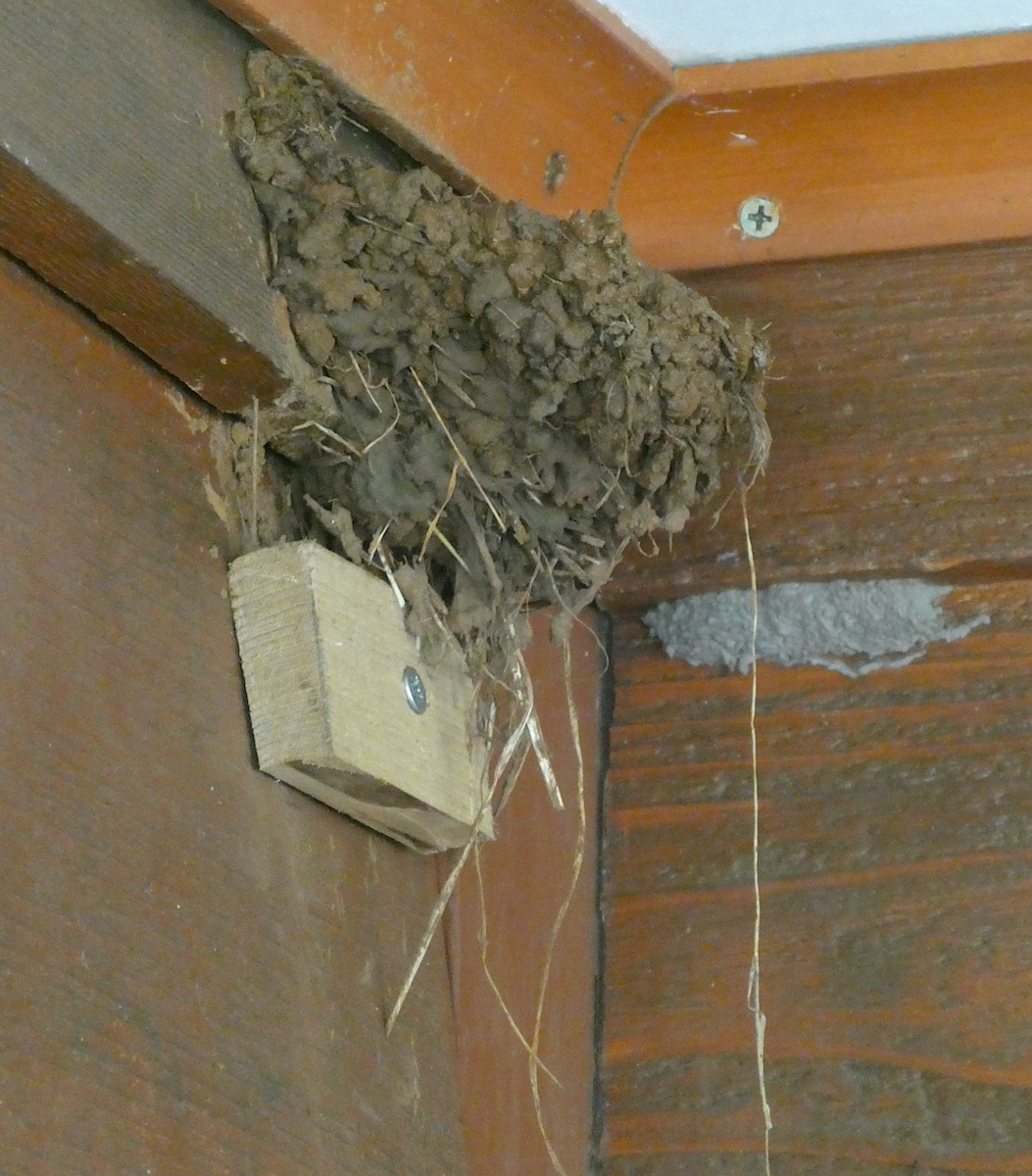
and three days later, the nest was complete.

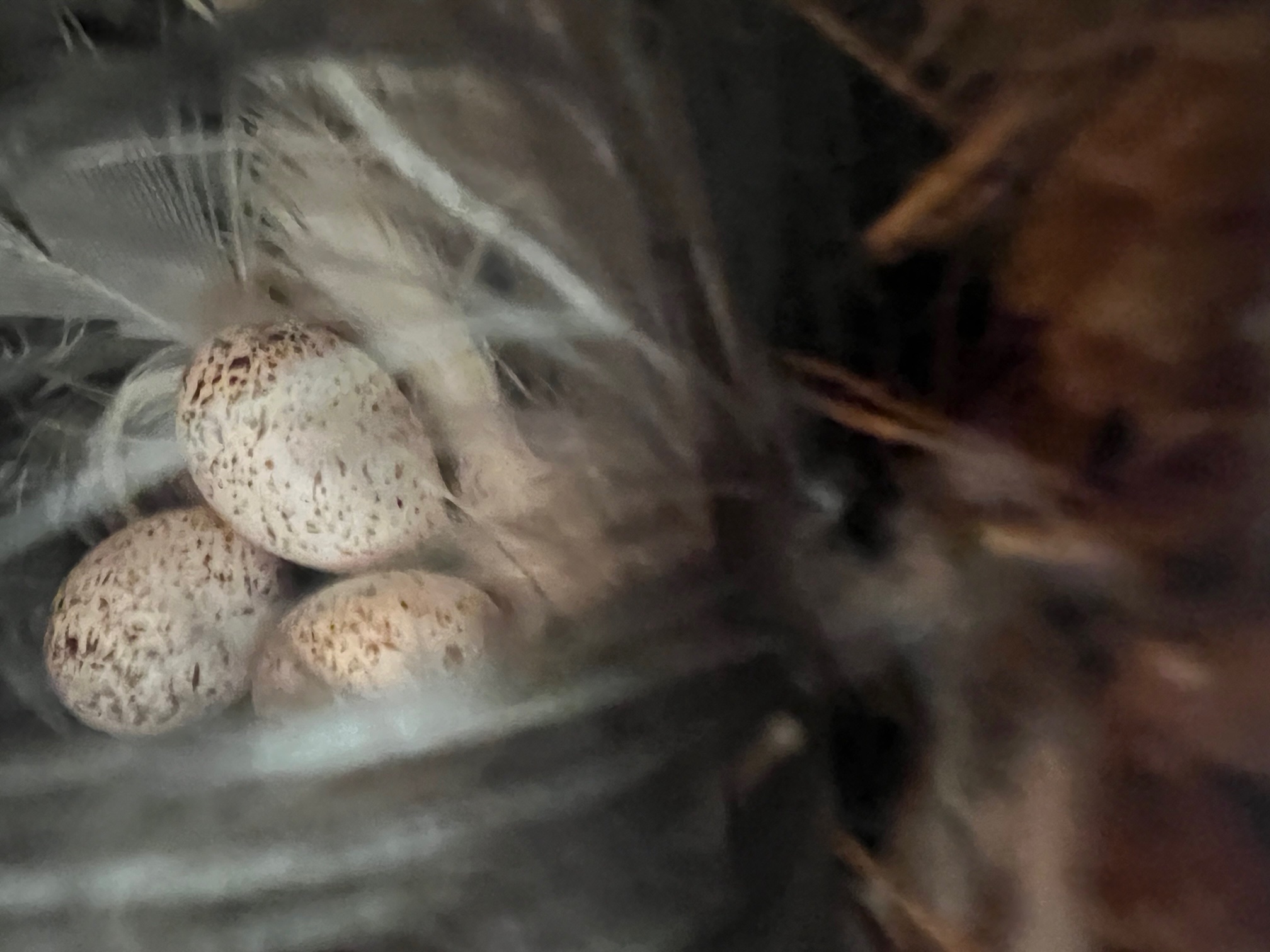
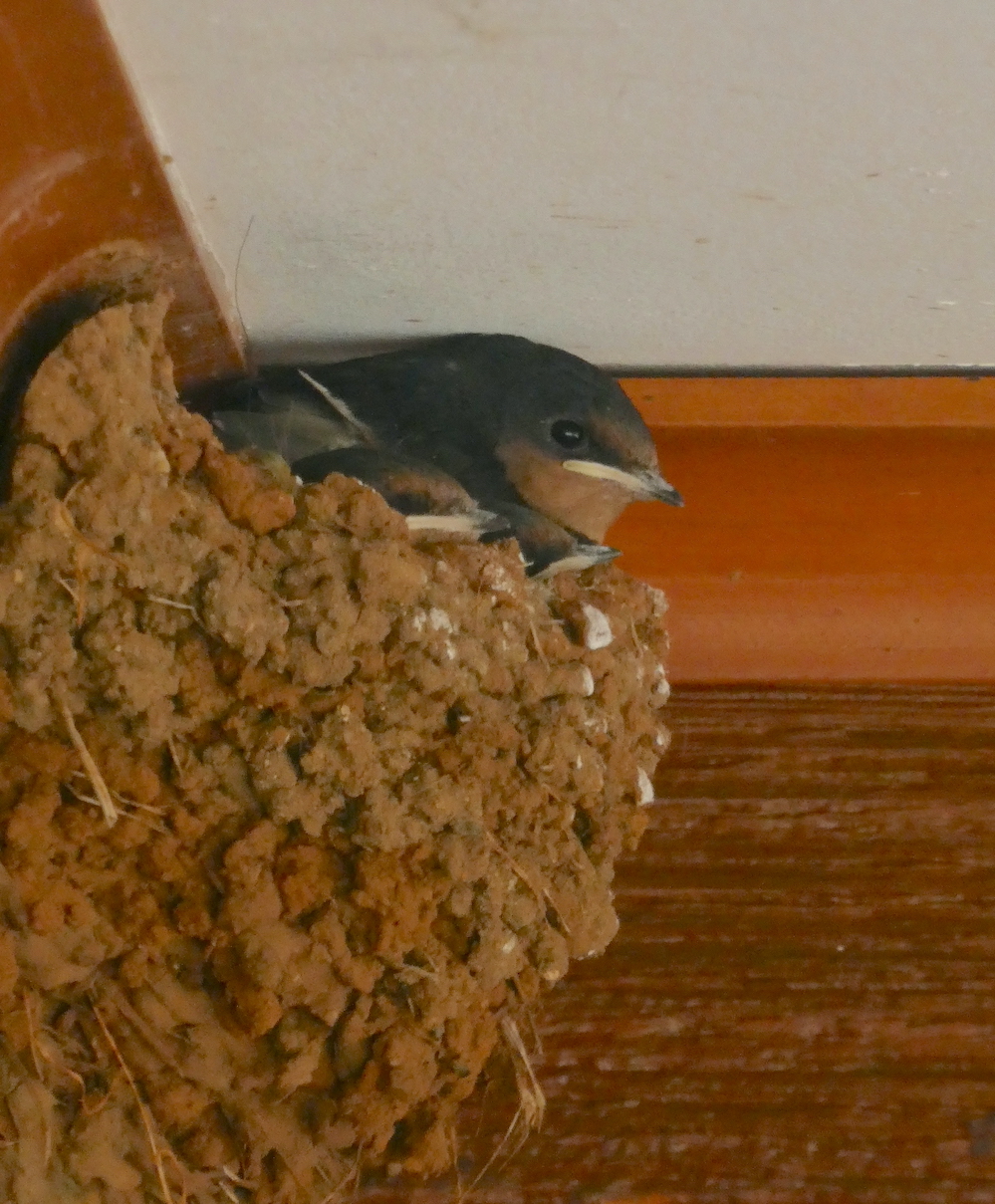
Welcome Swallow couples stay together for life, they both build the nest and feed the young, although the female alone incubates the eggs. Two and a half weeks went by and the parents seemed to be spending a lot of time away from the nest, so Michael reached up and took a photo.

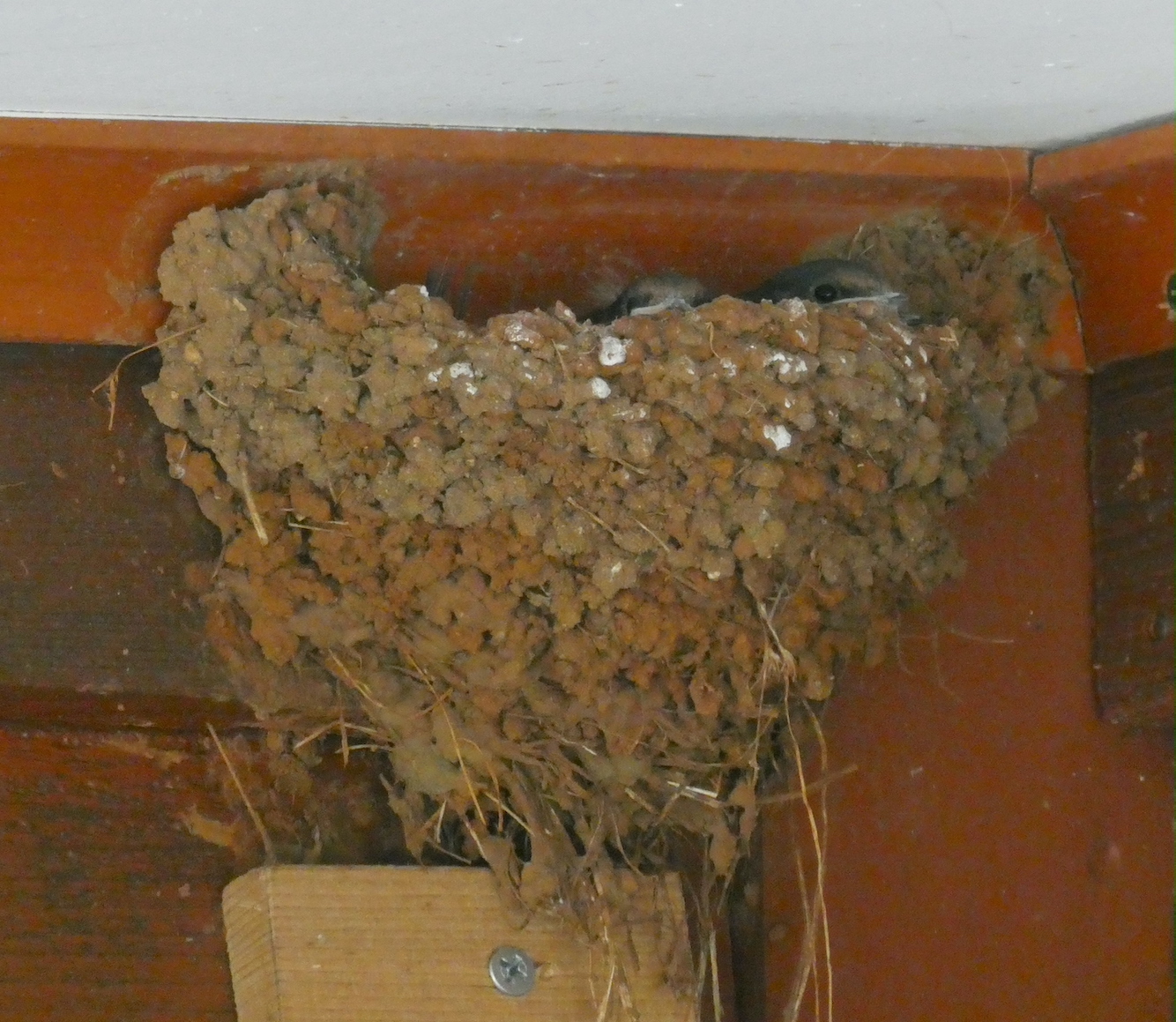
Another three weeks went by and we hadn’t heard any baby bird noises or calling for food, although the parents were still attentive. Time for another photo, there was no mistaking two tiny heads.

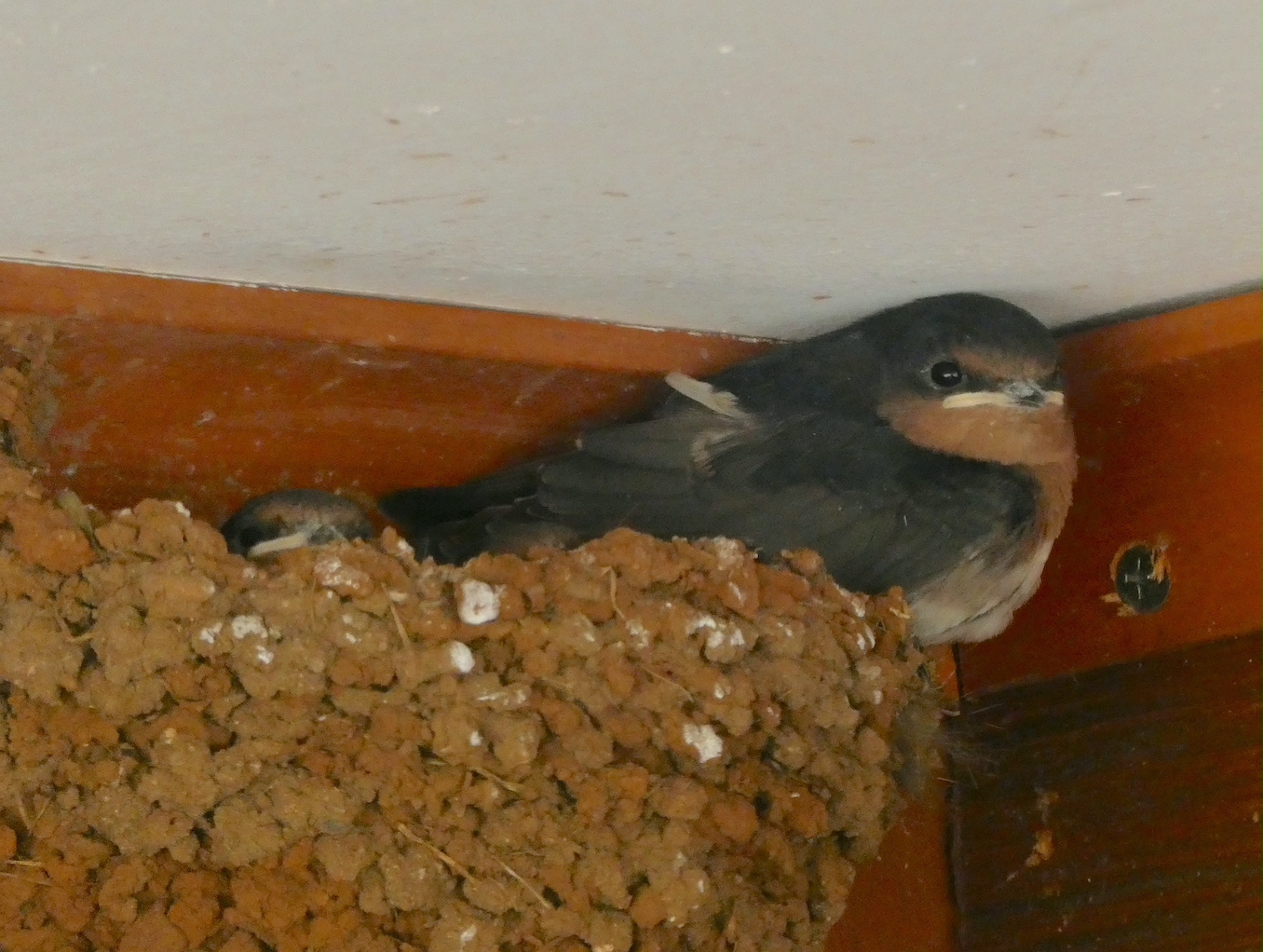
Of course, I became obsessed with trying to capture some special moments and three days later, two little heads popped up.

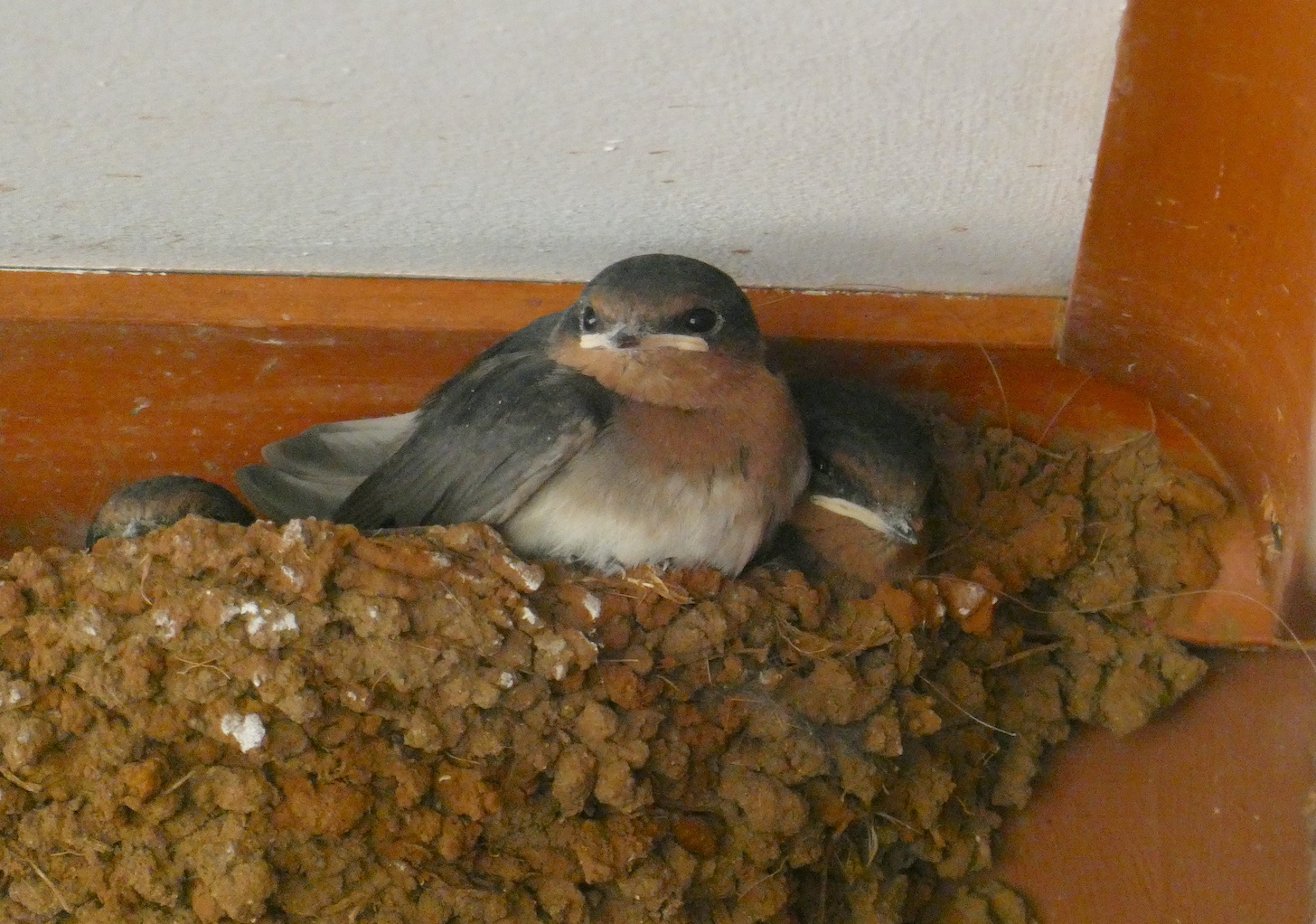
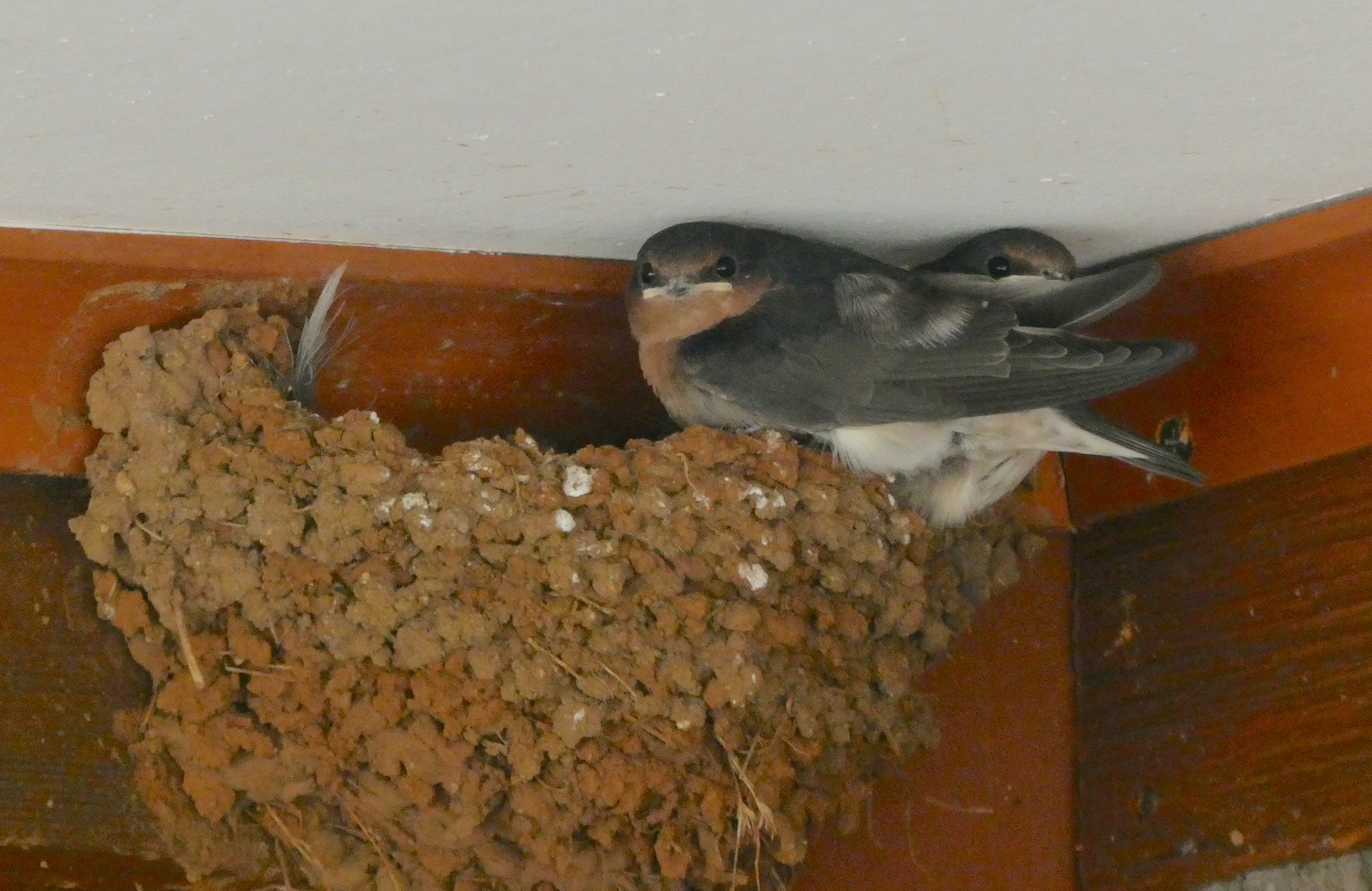
A third soon joined them

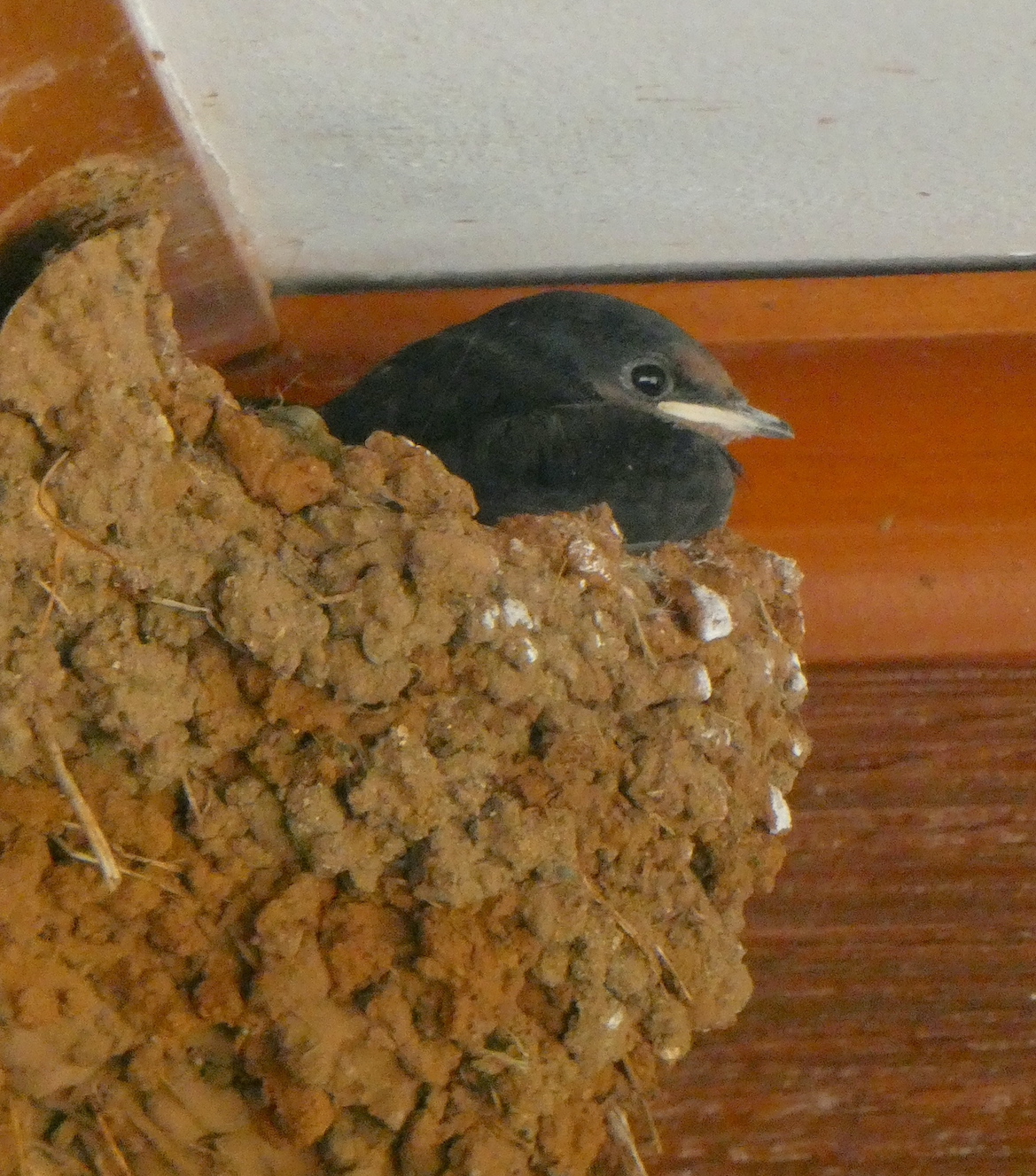
and within a couple of days they were starting to explore beyond their comfort zone.

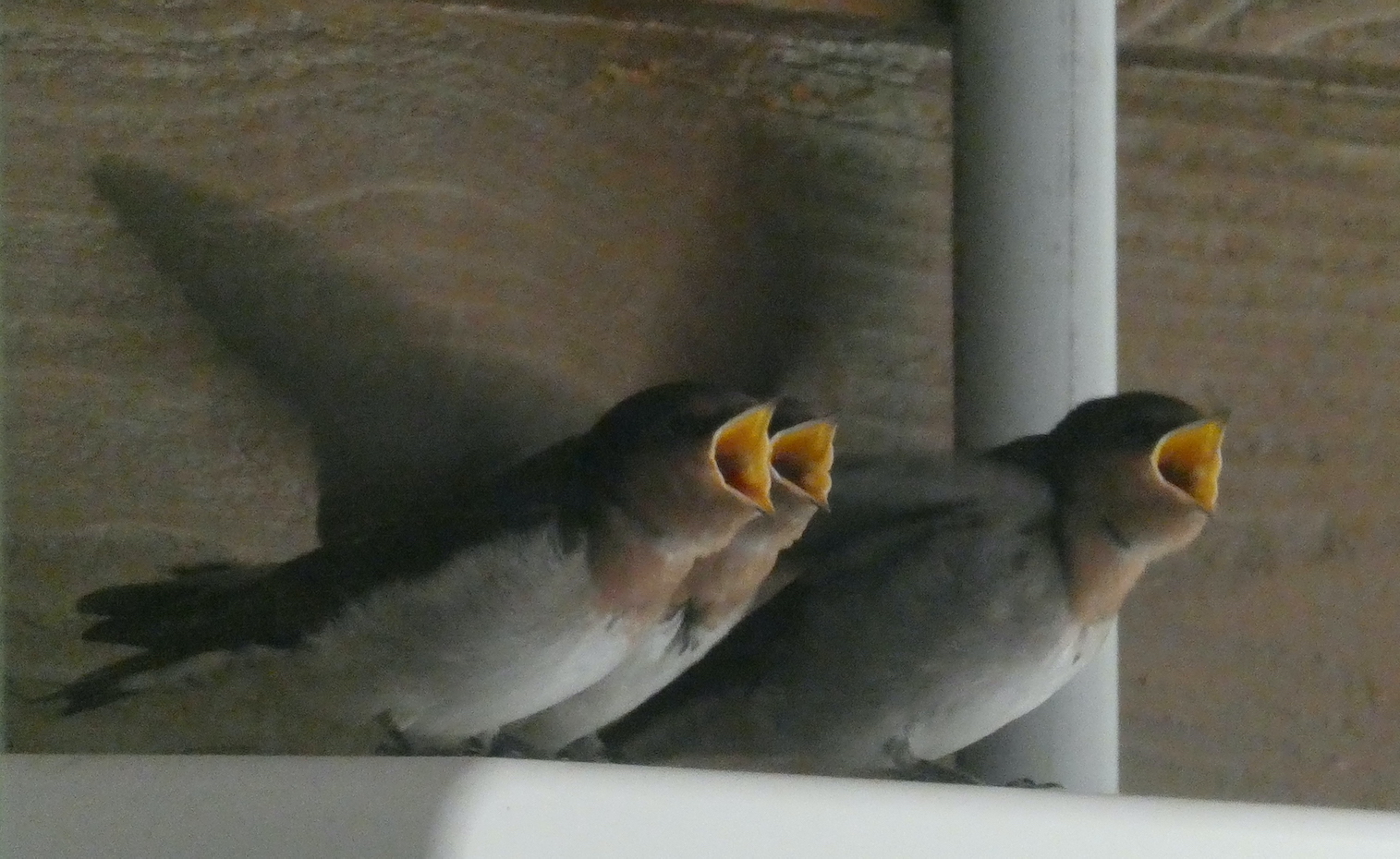
I was surprised by the lack of chirping, even when food was approaching.

They gradually ventured further each day and after a couple of weeks, no longer returned to the nest at night. We haven’t seen them for a few days now, hopefully they will return next year.

Zealandia

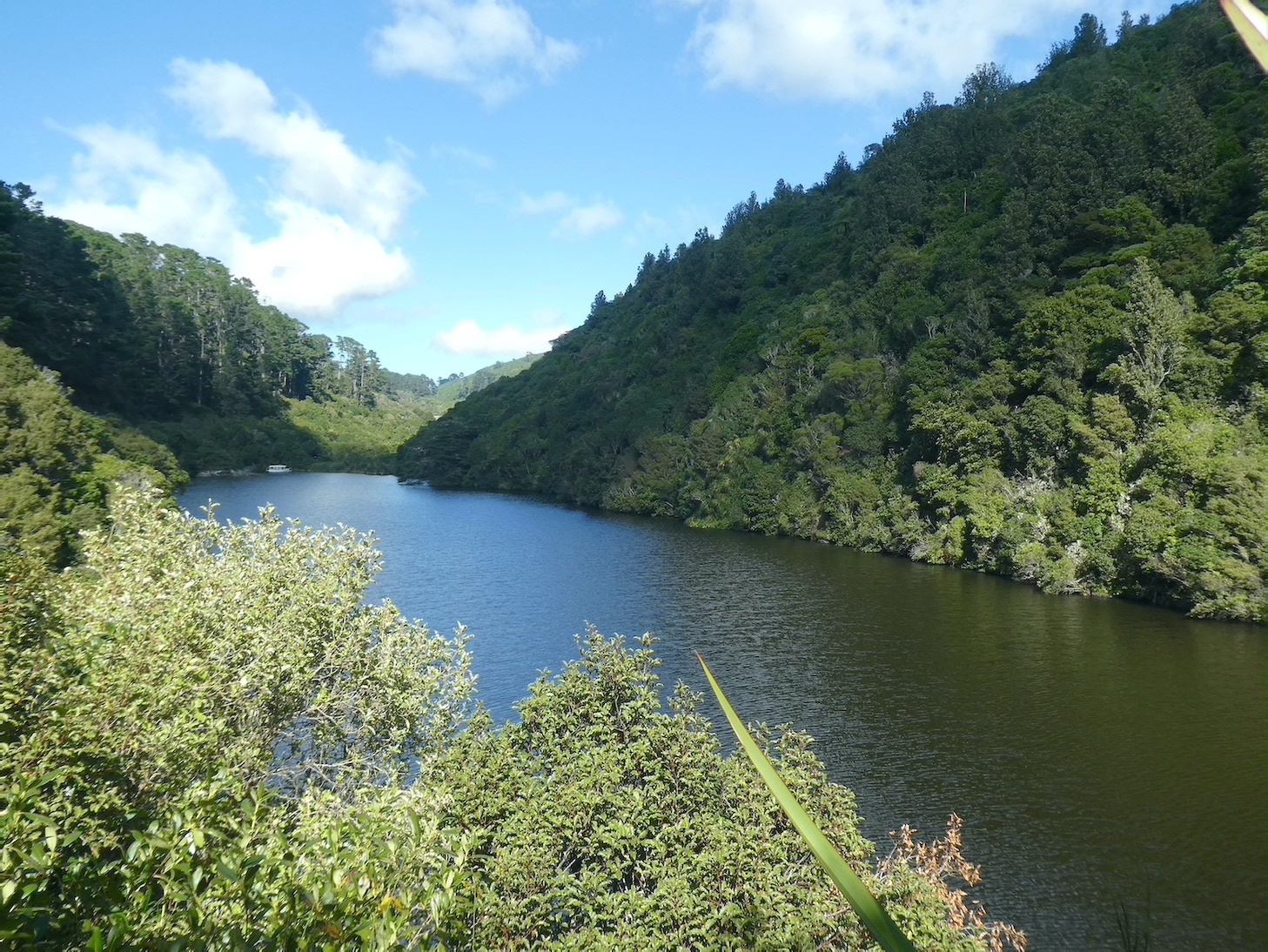
One of the places on our ‘must see’ list while in Aotearoa was Zealandia, the world’s first fully-fenced urban eco-sanctuary. For millions of years, native and endemic species had evolved without the need to defend themselves – until humans, and the mammals they introduced, managed to render at least 51 bird, 3 frog, 3 lizard, 1 freshwater fish, 1 bat, 4 plant, and a number of invertebrate species extinct. Formerly known as the Karori Wildlife Sanctuary, the 225 hectares (just under a square mile) of forest, surrounded by 8.6 kilometres of pest-exclusion fencing, has reintroduced 18 species of wildlife to the area after being absent for over 100 years. We exited the visitor centre to the magnificent view of Karori Reservoir.

Completed in 1878, the Karori Dam and valve tower hailed the beginning of the municipal water supply to Wellington City and continued to contribute until the late 20th century.

There are many kilometres of walking trails through the sanctuary, we headed up the main path that followed the lake.

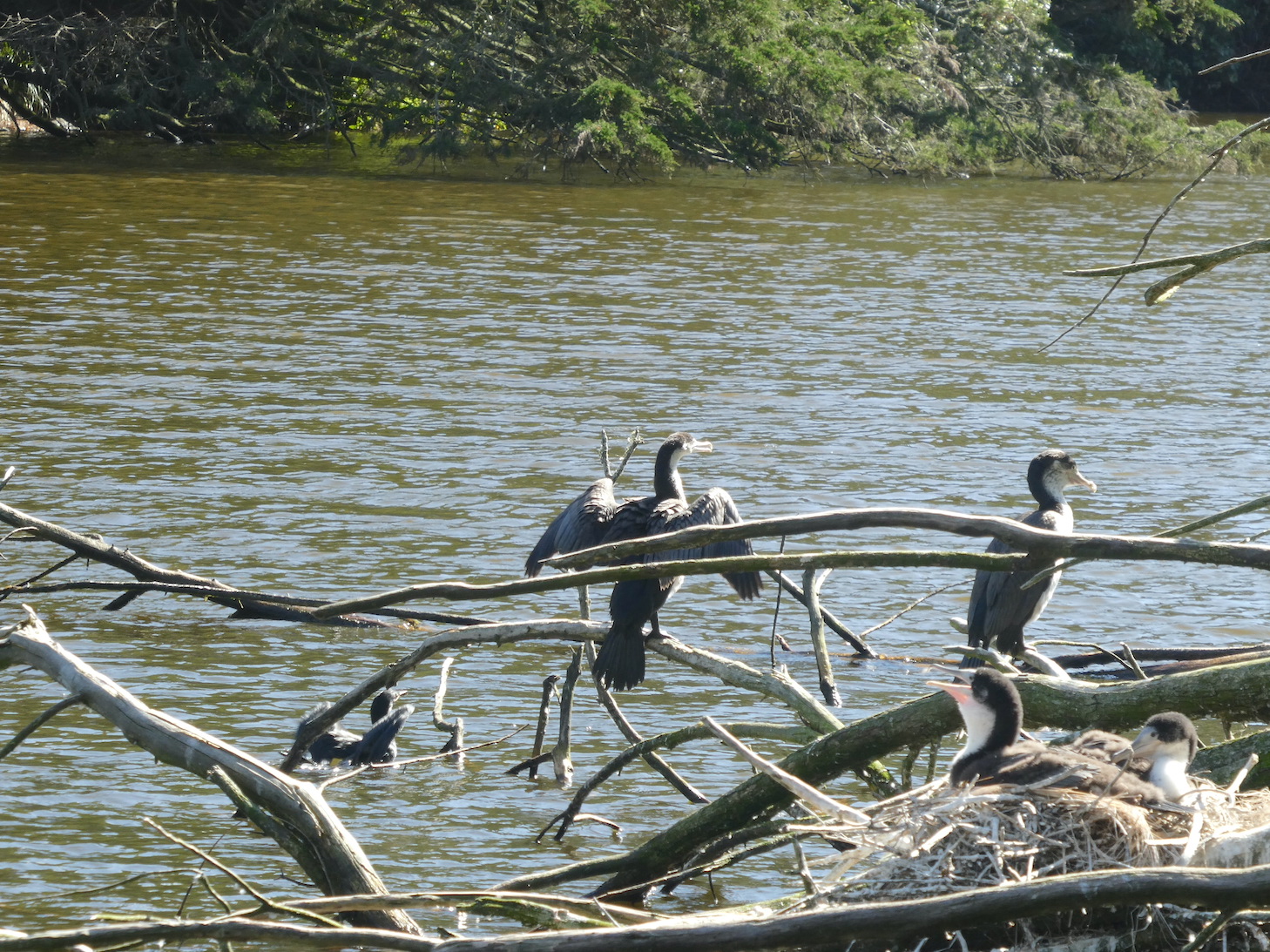
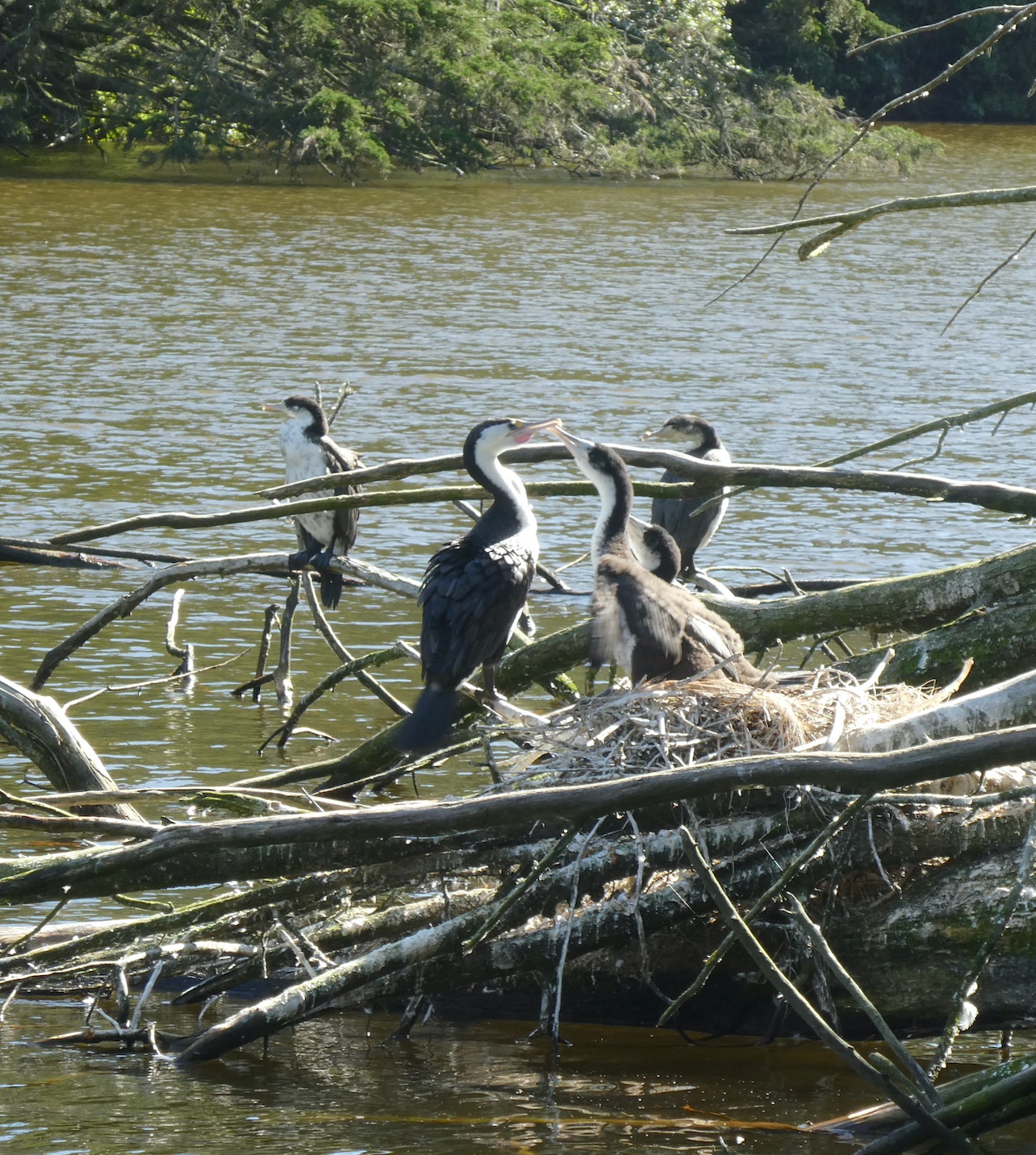
It wasn’t long before we encountered a gorgeous family of pied shags. Known in many countries as cormorants, they are brilliant swimmers and, because their feathers are not waterproof, can stay underwater for up to 30 seconds. Unfortunately, this means they get quickly waterlogged and cold and need to spend a lot of time preening and drying their feathers.

When a predator approaches a nesting colony, the chicks will jump into the water long before they can fly and are very good at climbing back up to the nest. Both parents build the nest, incubate the eggs and feed their adorable  young.

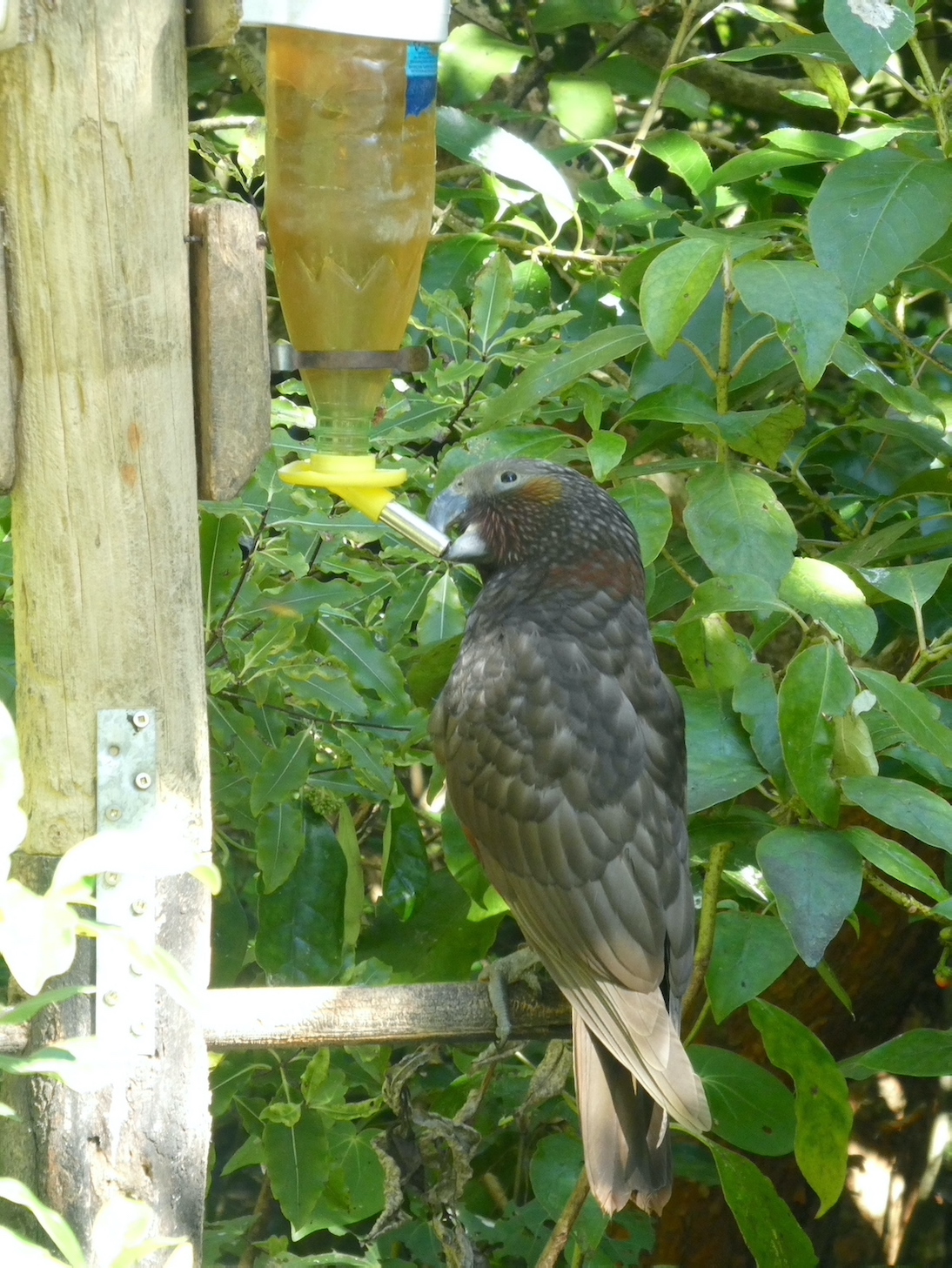
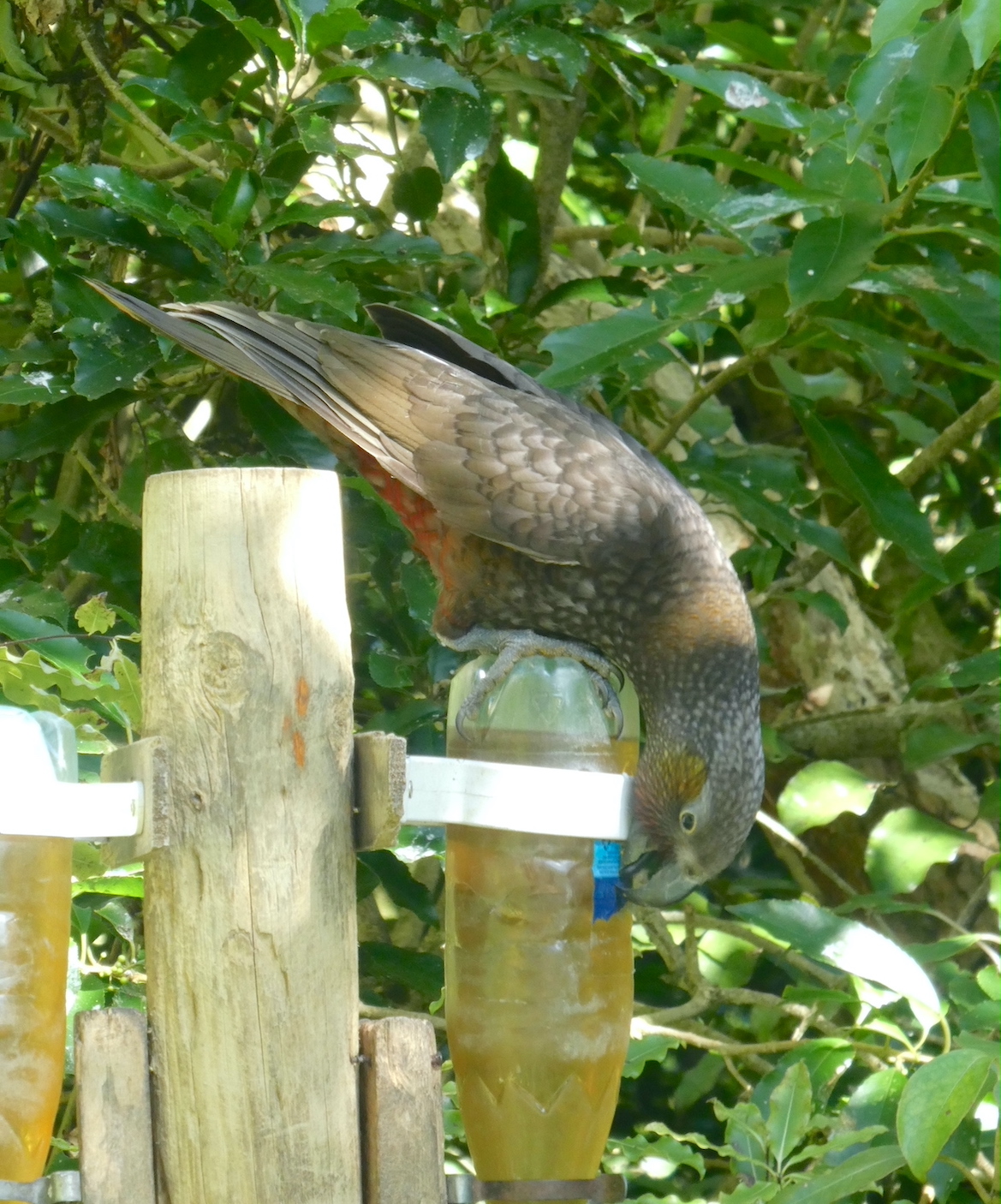
Further along the path, we encountered a pair of birds enjoying a drink at a sugar water bar.

The kākā is a large, olive-brown forest parrot with flashes of crimson and orange plumage under their wings. The word kā can mean ‘screech’ in Māori and so the name kākā is thought to be a reference to their loud call. Effectively extinct in Wellington since the early 20th century, fourteen captive-bred kākā were transferred from zoos between 2002 and 2007 and breeding has been very successful at Zealandia.

As the trail narrowed and foliage thickened,

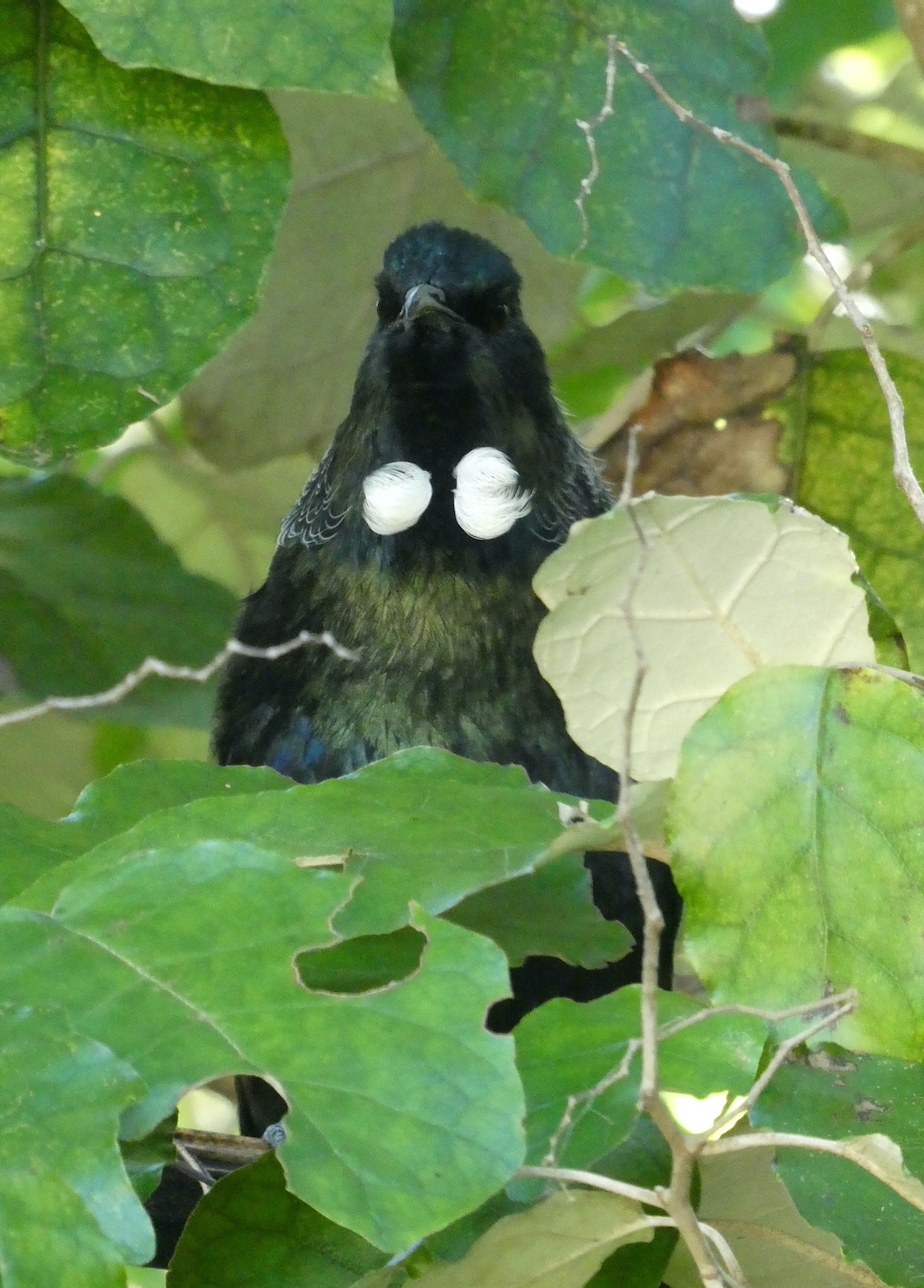
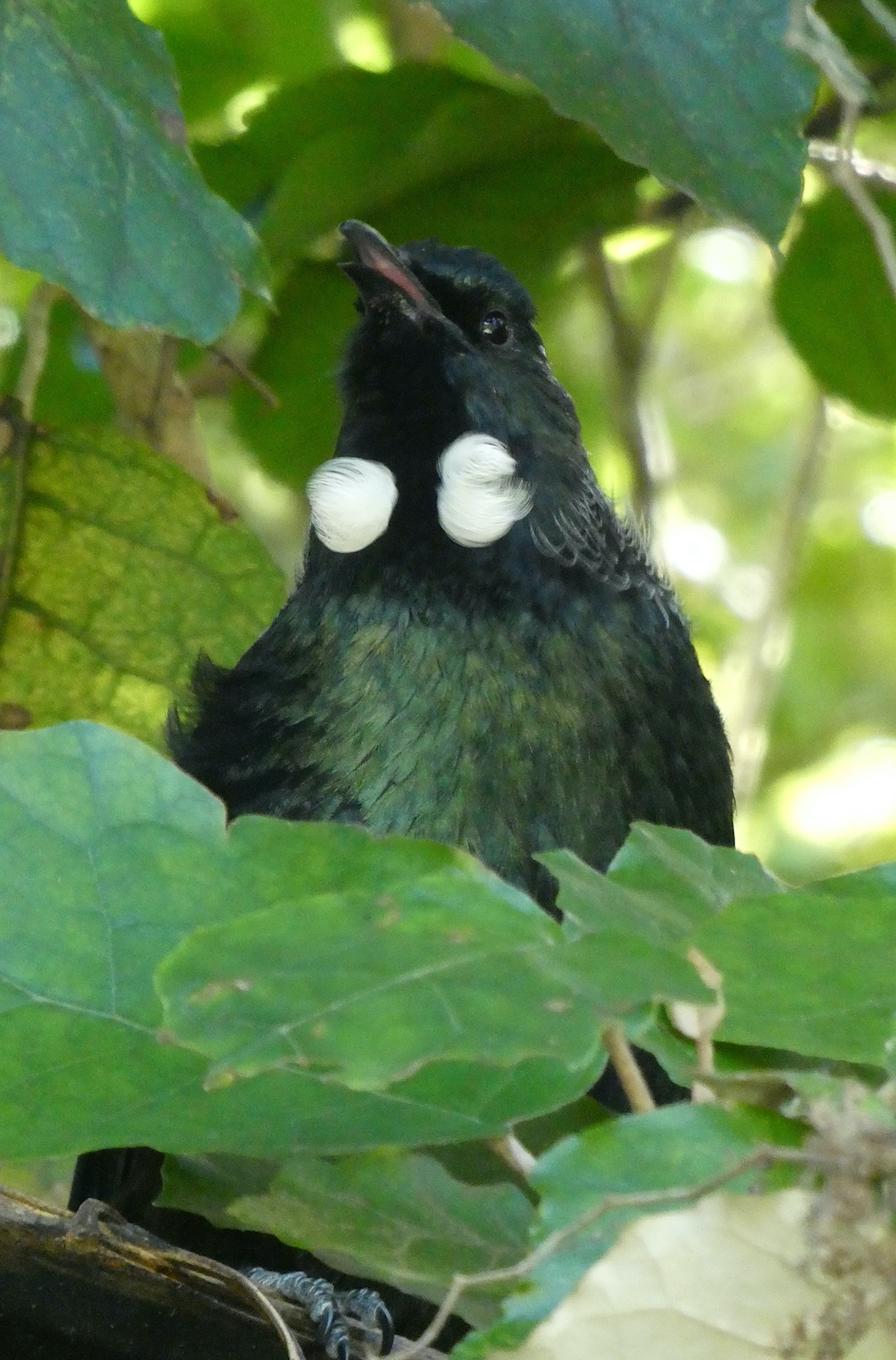
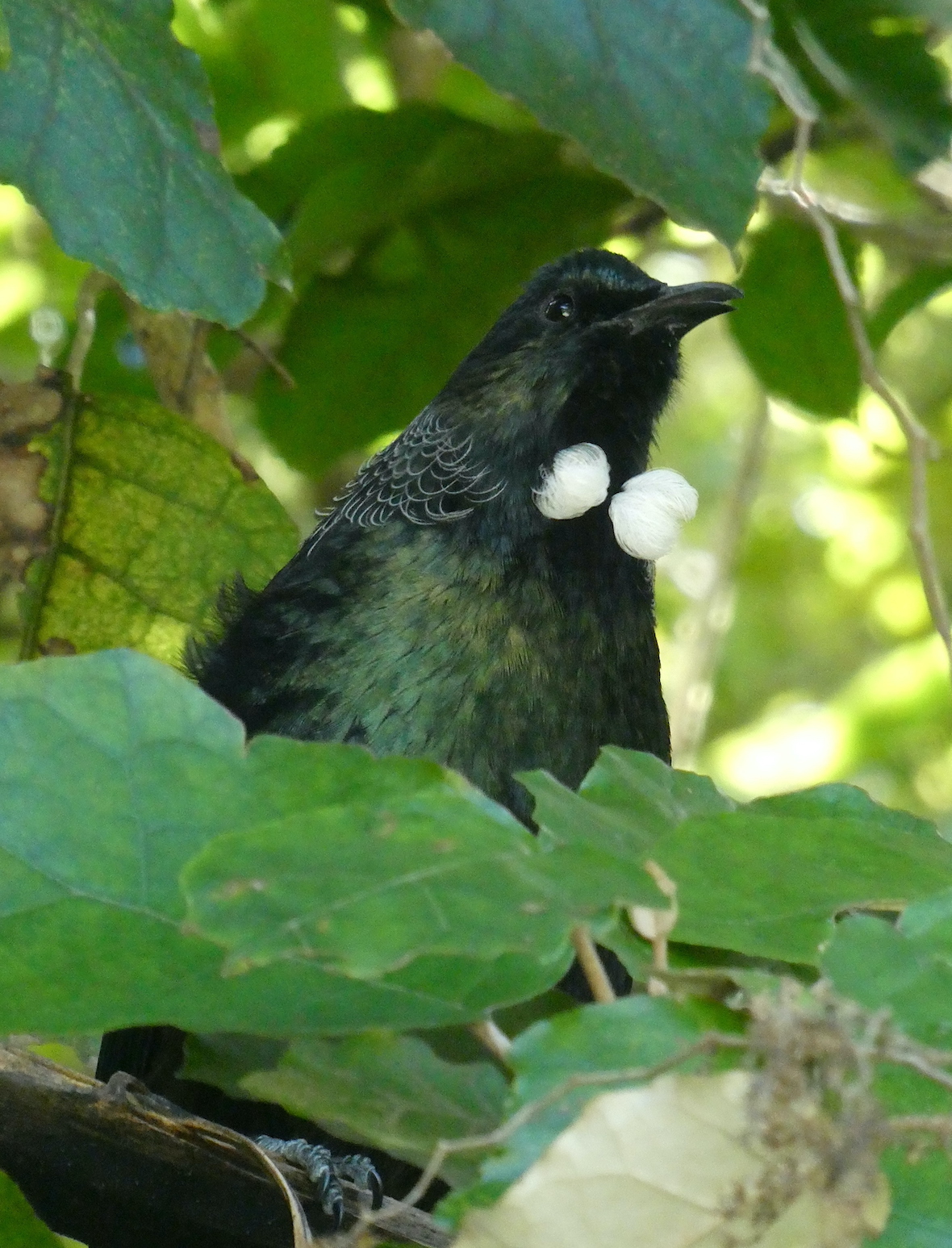
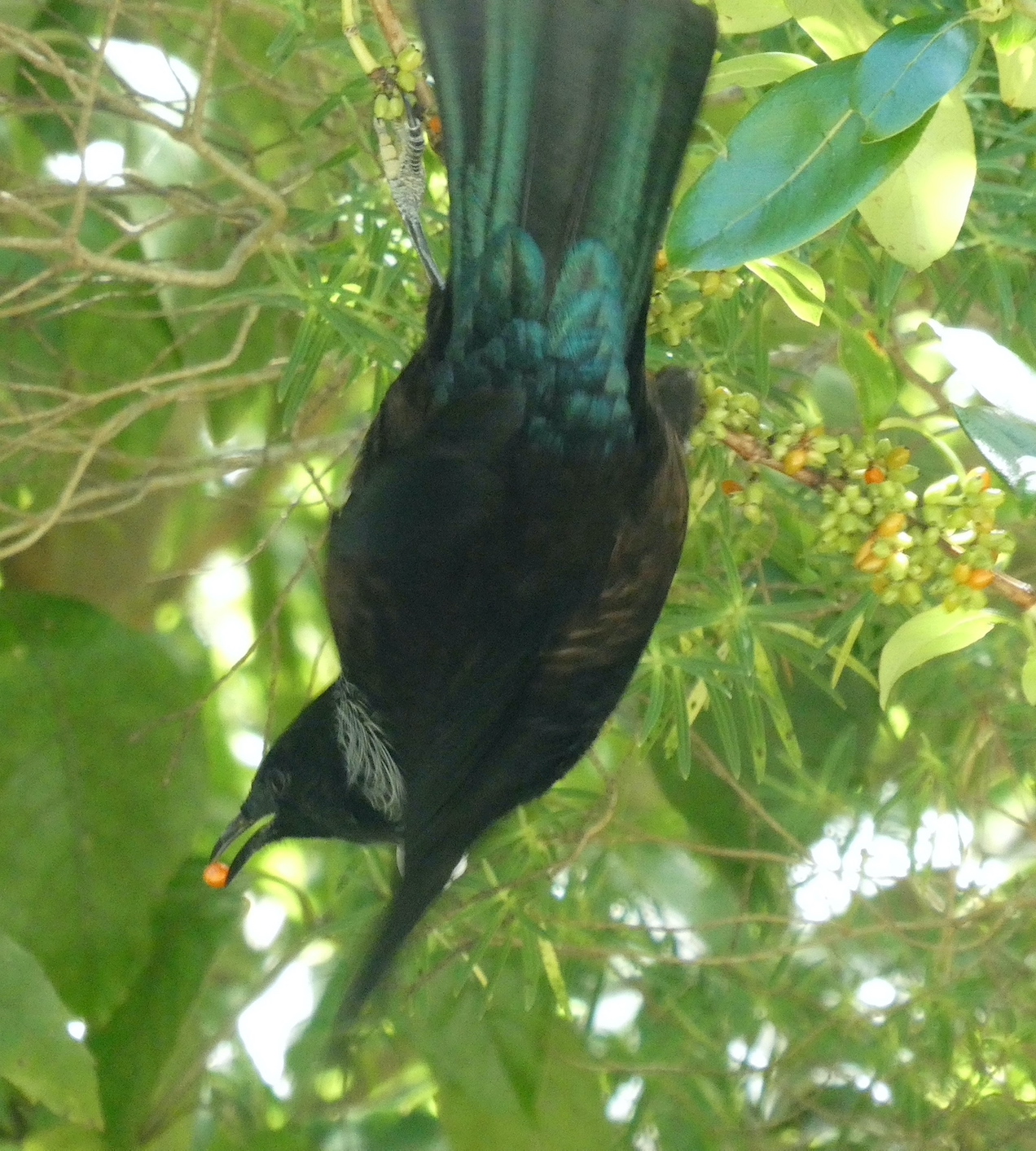
we could hear unusual clicks, croaks and bell-like sounds. Looking up, we spied a beautiful black bird with white pom-poms at its throat.

The tūī is known for its complex vocabulary and can mimic other birds, ringtones of phones, door chimes and even human speech thanks to its ‘double voice-box’. While watching and listening, mesmerised, it became evident in the sunlight that the dark plumage was actually a dazzling iridescent green.

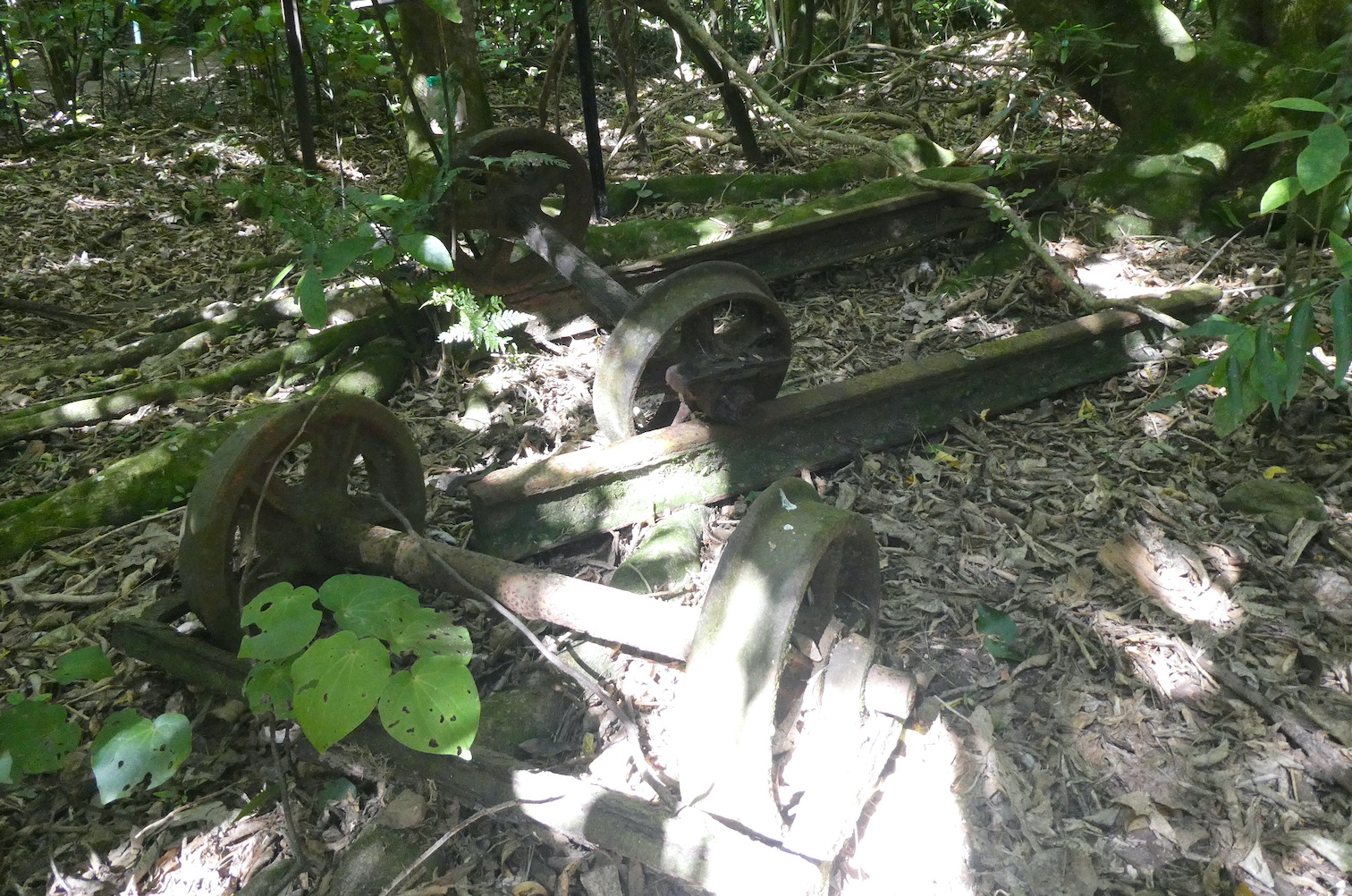
We stumbled upon what appeared to be old iron railway tracks in a clearing. Alluvial gold was discovered in the area in 1869 and local residents flocked to lay a claim. Two years later, quartz mining took its place with water wheels and crushing machinery installed. Presumably, these are remnants of the mine sites.

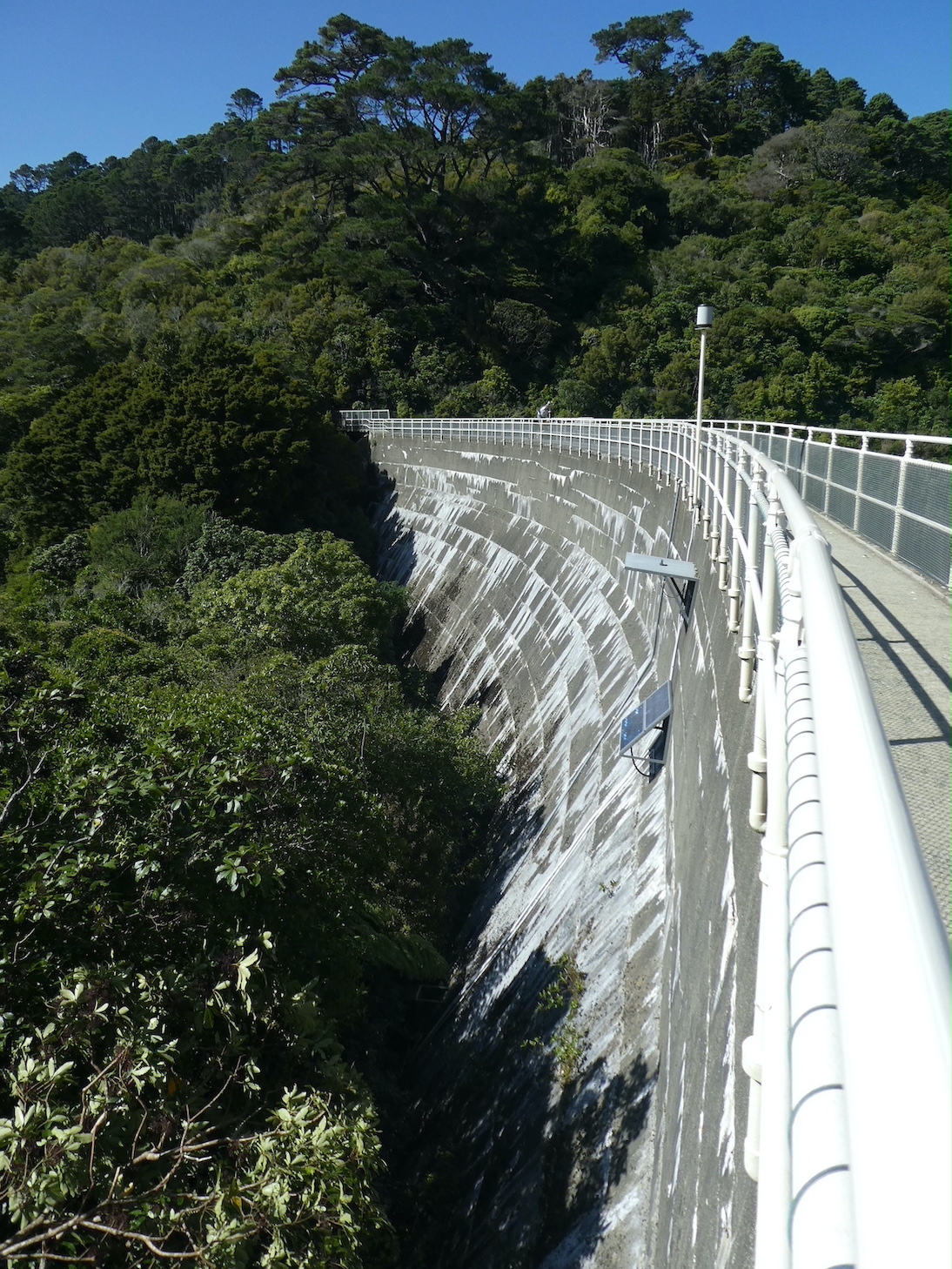
We traversed the upper dam wall, completed in 1908

and paused to take in the stunning vista across the upper reservoir toward urban Wellington.

We crossed a suspension bridge, enveloped by dense forest

to travel a different route back to our starting point. We didn’t expect to see the elusive tuatara but the mainly nocturnal creatures were basking in the sun.

Tuatara means ‘peaks on the back’ in Māori and they are considered to be messengers of Whiro, the god of death and disaster. Scientists refer to them as ‘living fossils’ because they are the only living members left of the Rhynchocophalian order. All other members became extinct around 65 millions years ago.

We first spotted these birds while staying at Motuoapa Bay. Though not a native species, the California quail is a welcome substitute for the now extinct New Zealand quail, helping to balance the ecosystem.

With a hint from this Tūī that lunch time was nigh,

we left Zealandia in search of sustenance.

happy hens

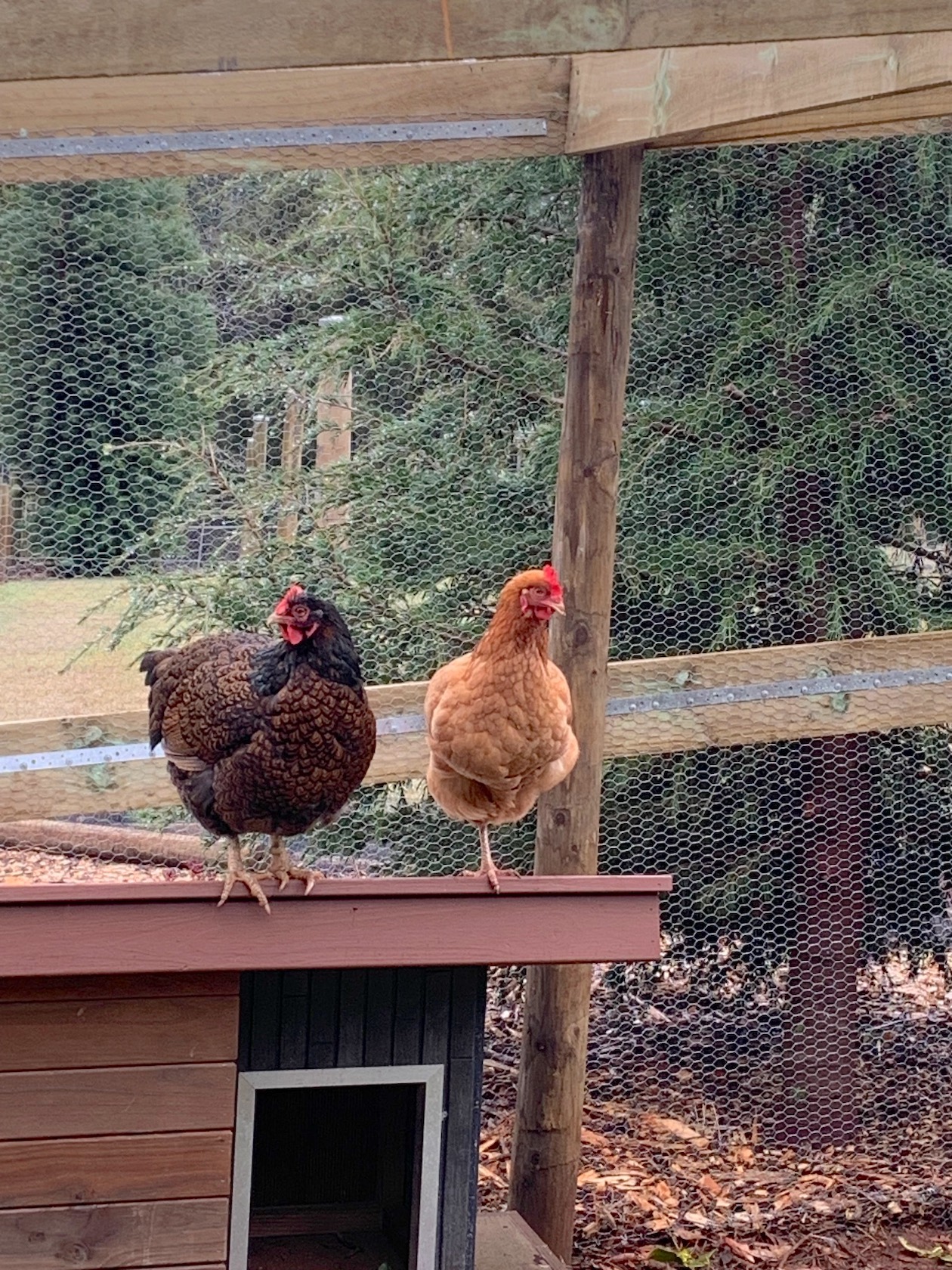
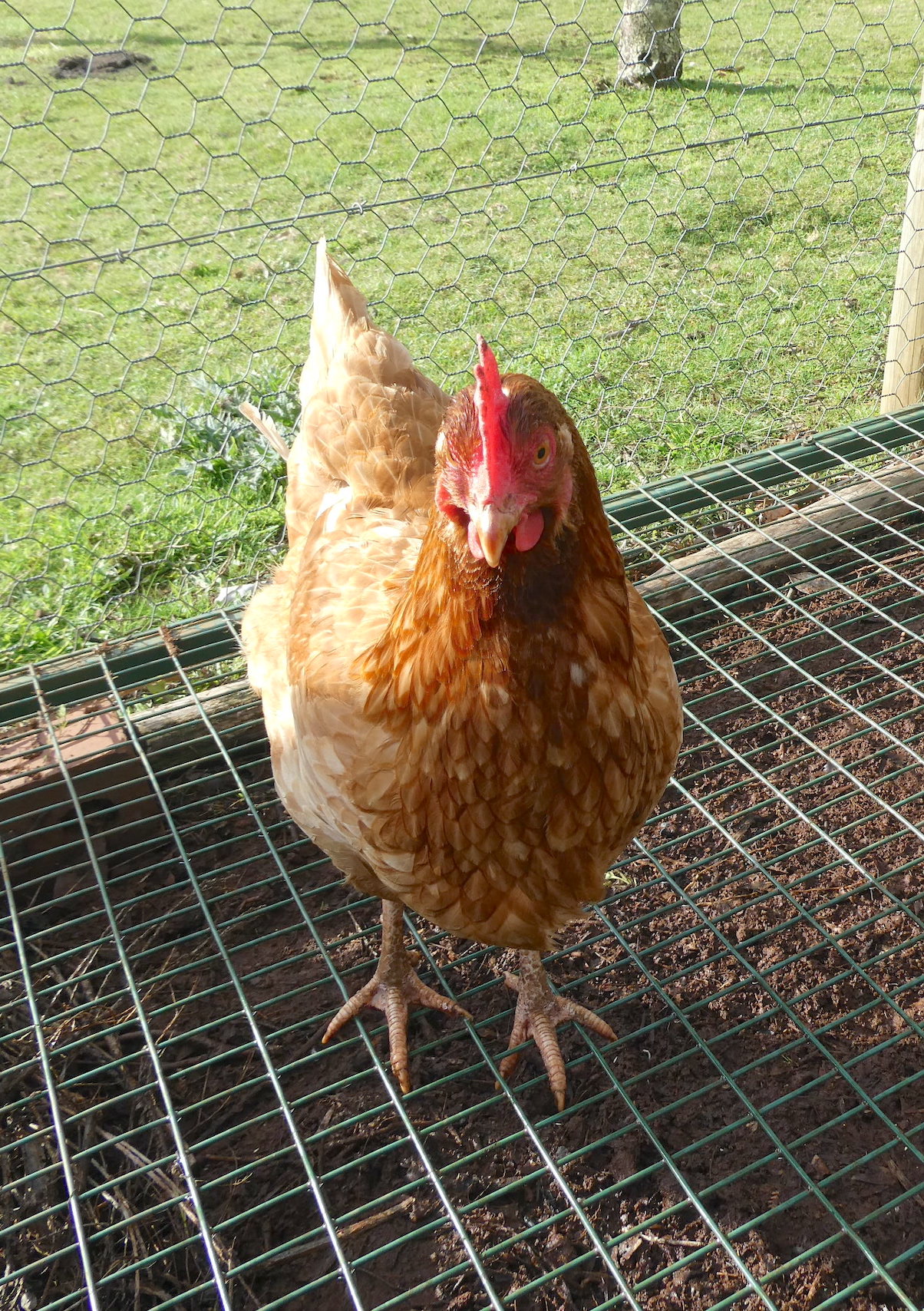
Our crazy Barnevelder chooks are now nine years old. Two died last year in their sleep and the remaining duo hadn’t produced an egg for many months. We don’t have the heart to despatch them and so, we welcomed four newcomers instead. This time, we veered from any particular breed and sourced them from a local “farm”. I didn’t realise the state they were in until I got them home, many feathers missing at the back end, they obviously had worms and possibly lice. We treated their ailments and have become very attached to these lovely red hens. They are intelligent (for chooks), inquisitive and each has her own personality.

Winter has been wet and dismal, our poor girls have endured without complaint. We took to the internet in search of ways to make life more interesting for them and made it our mission to cheer them up. Having seen videos of chooks playing on a swing, we were inspired to make one. Unfortunately, our girls haven’t seen the videos.

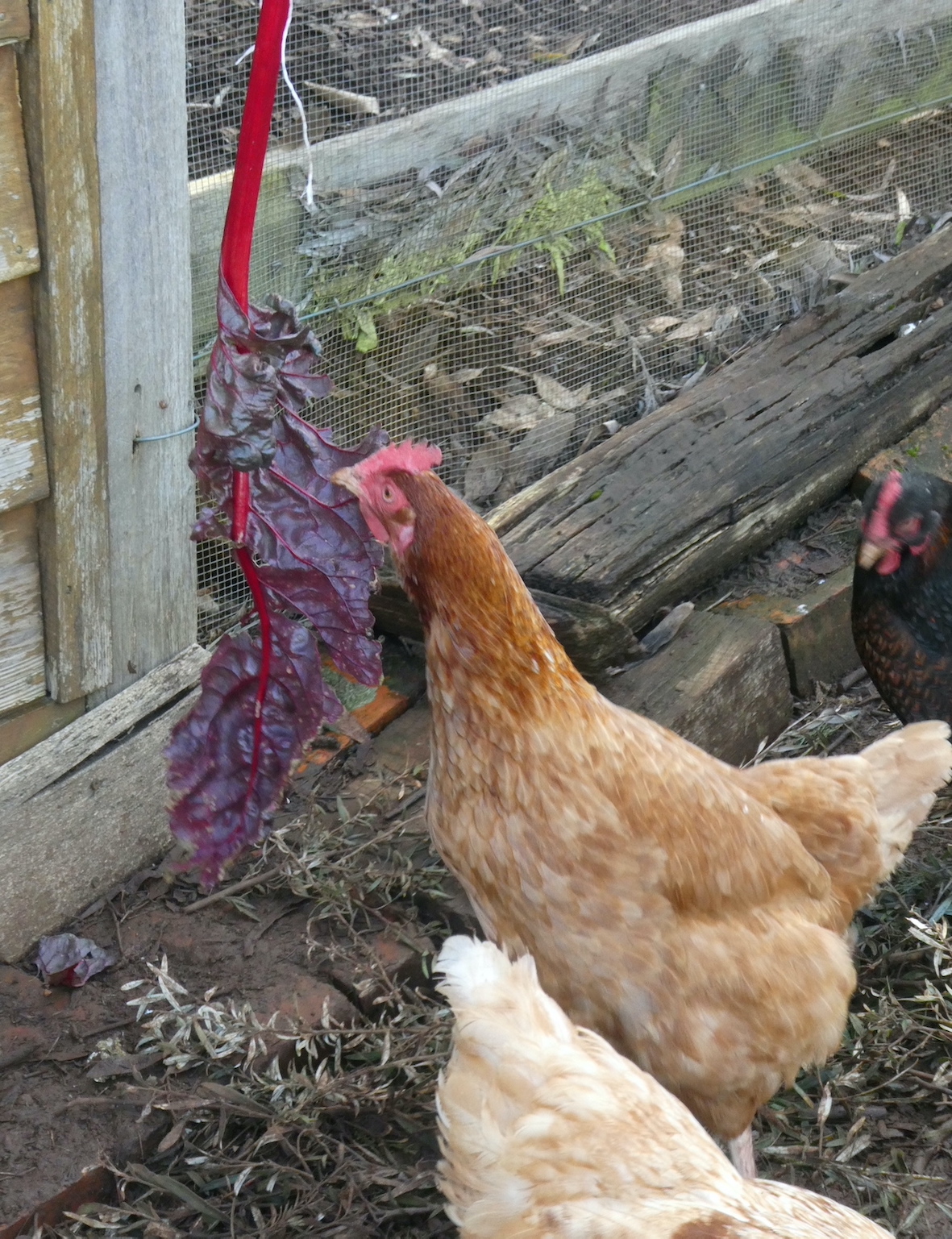
We then fashioned a couple of hooks on string to hang vegetables from (silverbeet is prolific in the veggie patch) and that was a hit, though they make short work of it.

At least the swing is getting some use, for hanging long grass over.

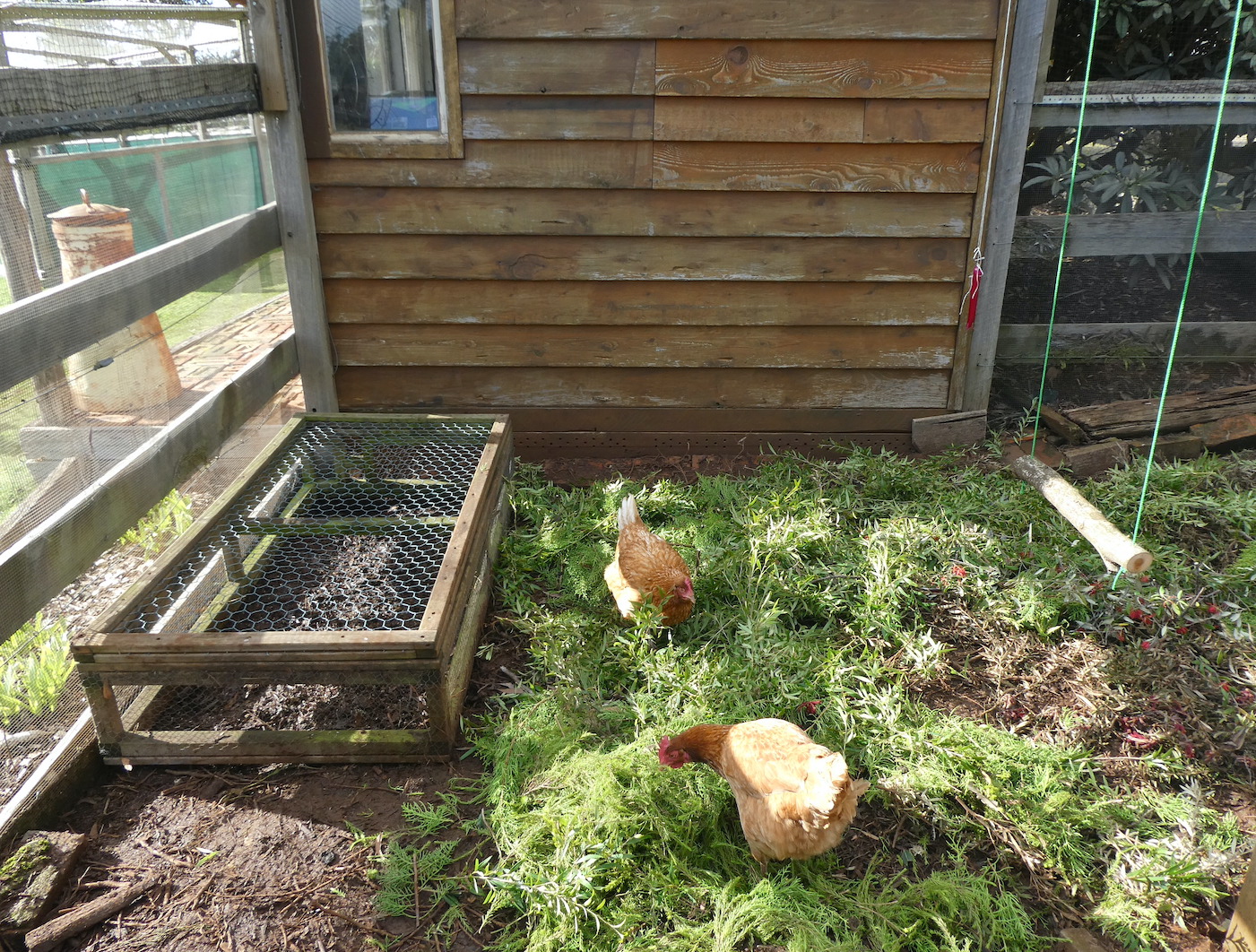
Next came a forage cage so the girls can nibble the greens that grow through without scratching and ripping them out of the ground. Someone was eager to try it out, adding her own brand of fertilizer as a bonus.

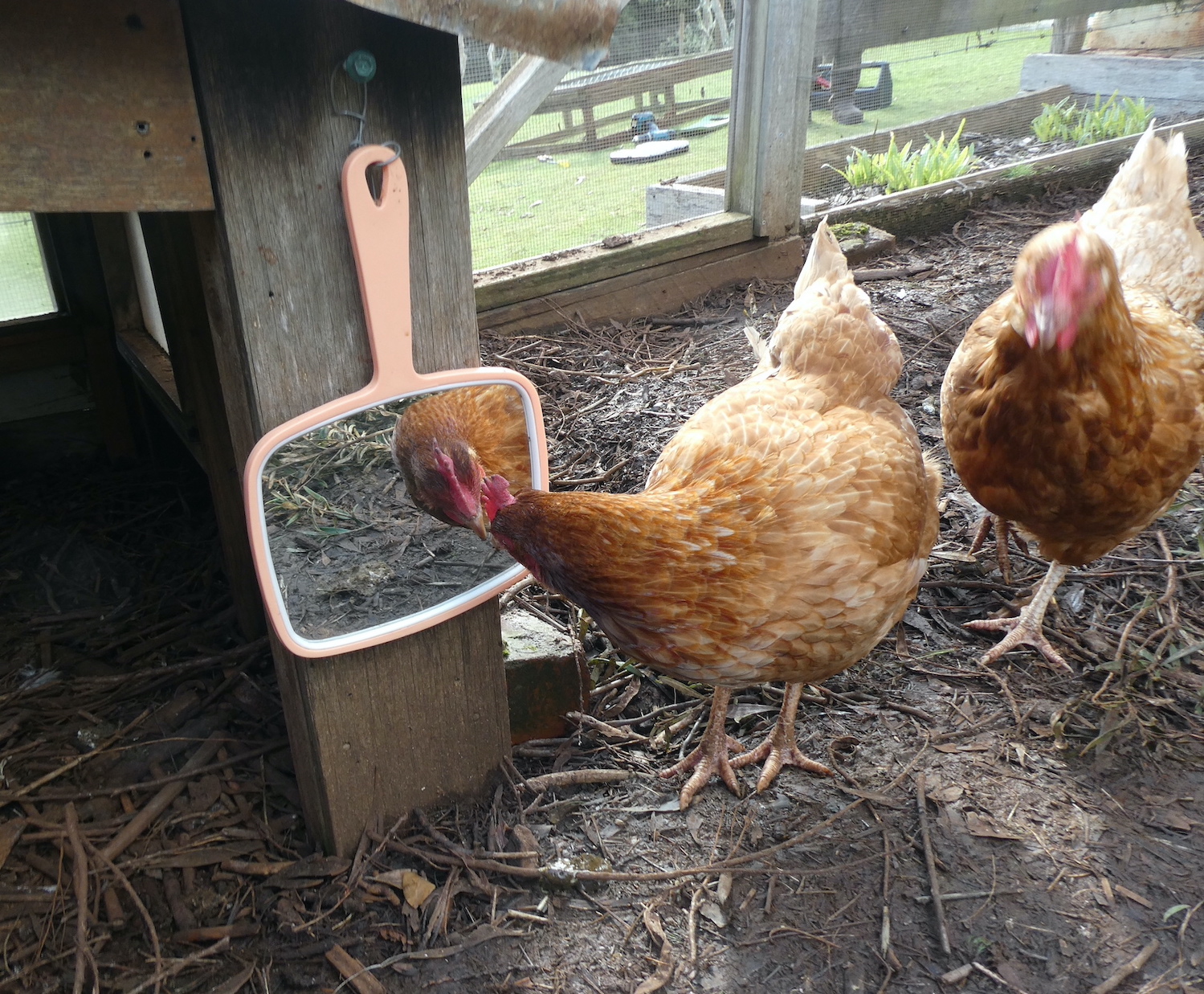
We gleaned from our search that chooks find mirrors fascinating, this was more successful than the swing.

So, they now have a playground in the secure pen.

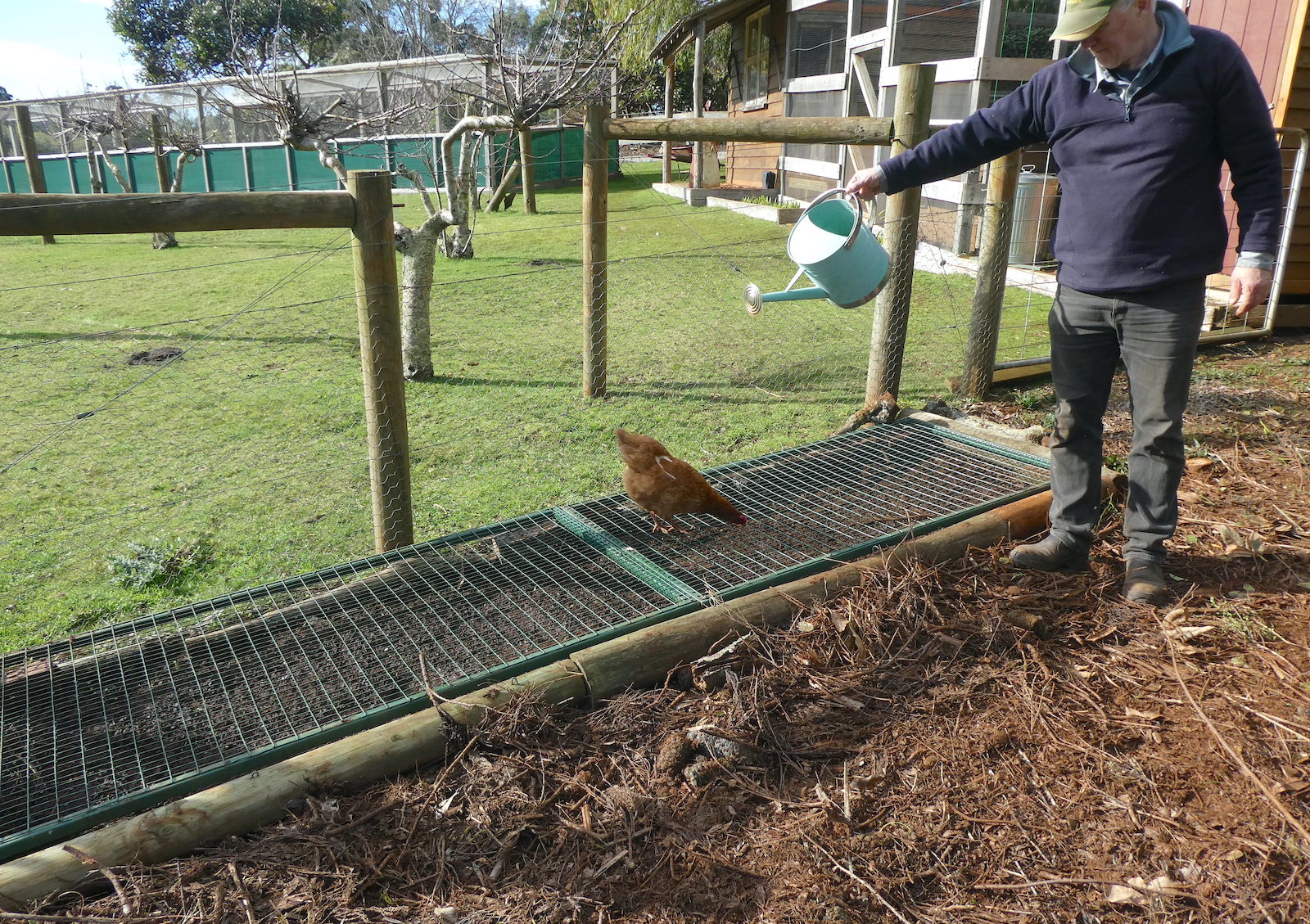
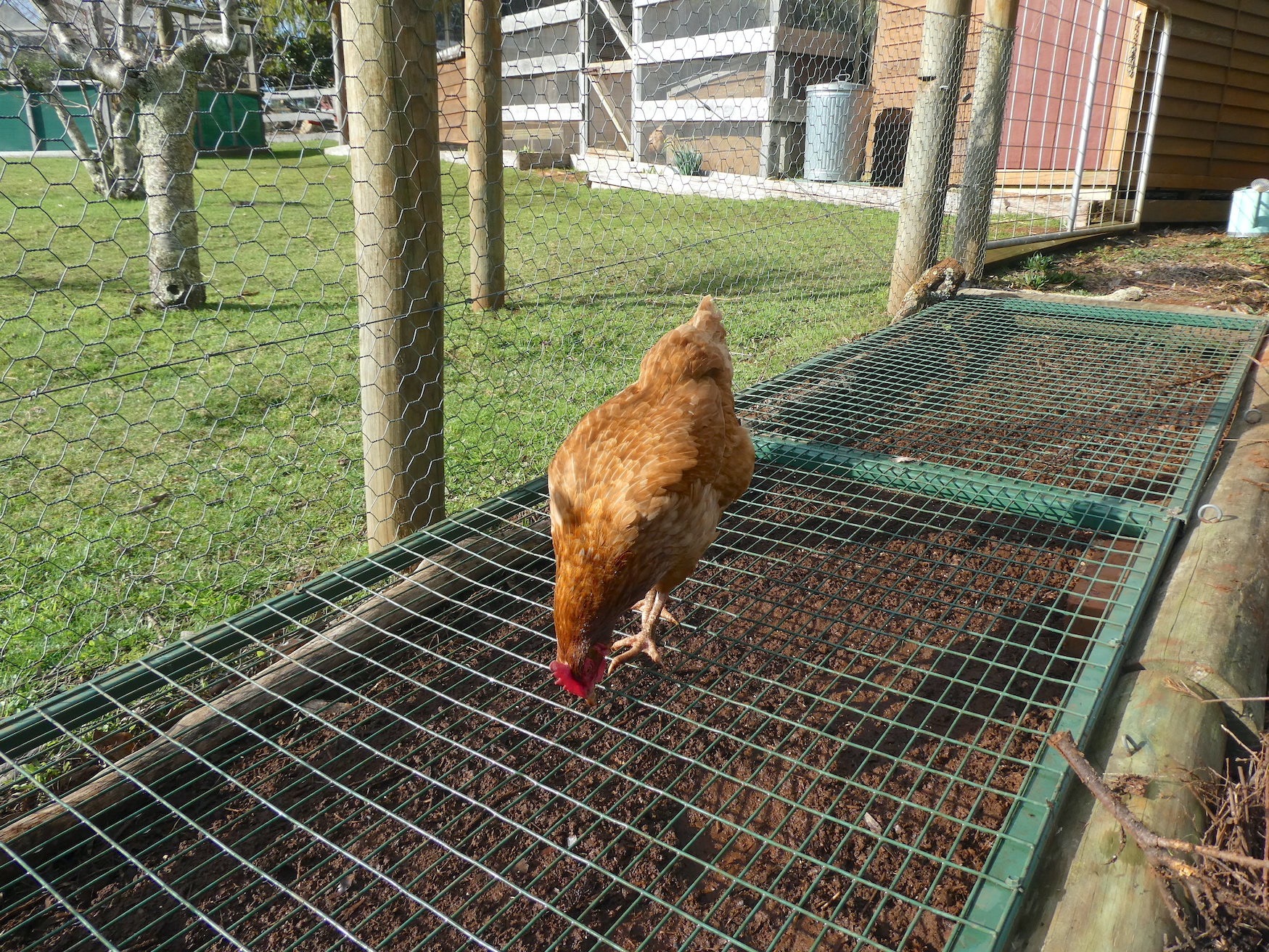
They also have a larger uncovered area that is fenced to prevent the destruction of our garden. We created another forage cage and the same cheeky chook couldn’t wait to check it out.

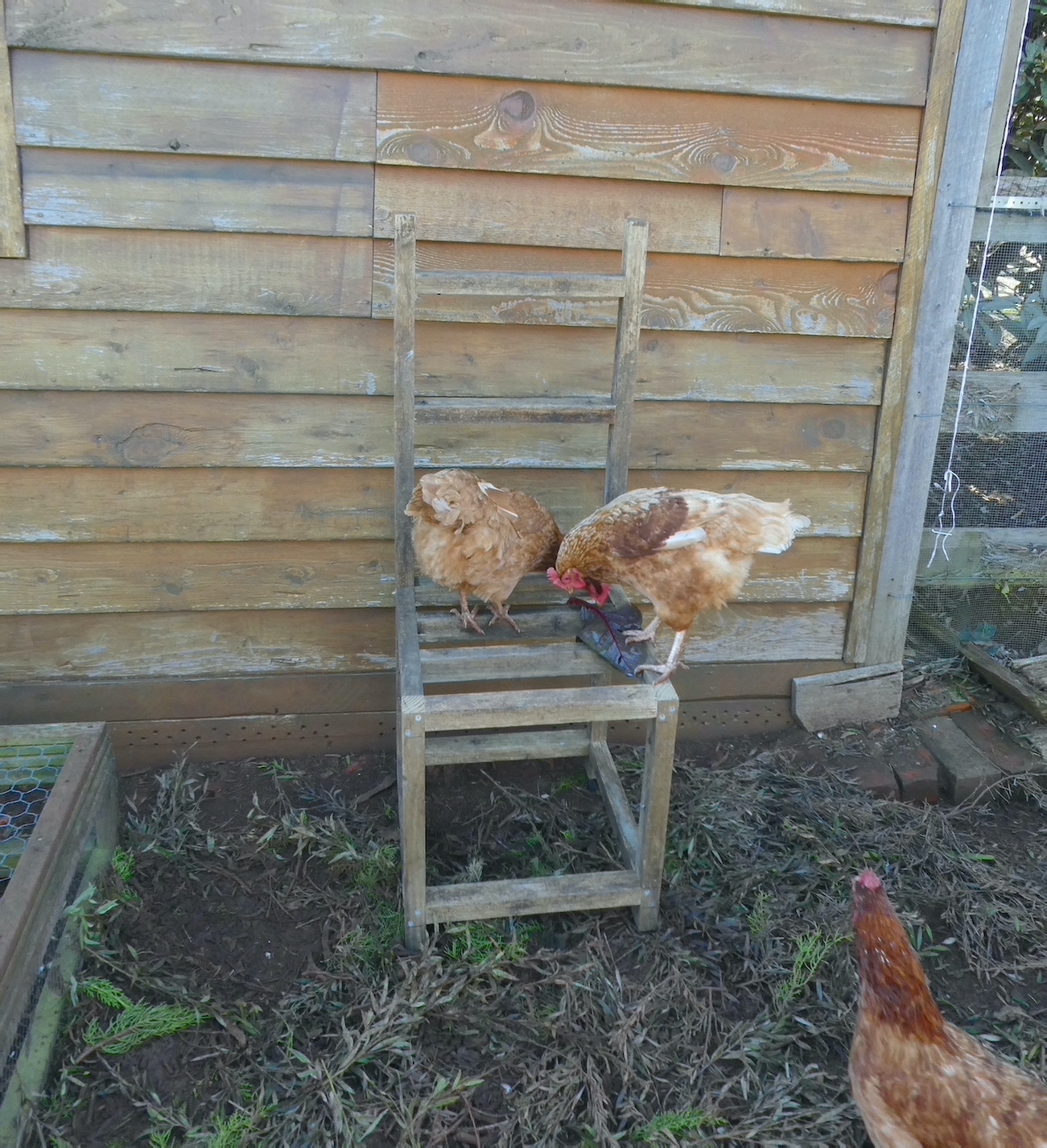
Last weekend, we added another novelty for them, a chair made out of old fencing posts.

I’m pleased to report, spring has sprung and we are now having more sunny days than wet ones. The forage mix is starting to grow

and the girls have all recovered their health and fluffy bums.

The two old girls are going strong and one has even started laying again.

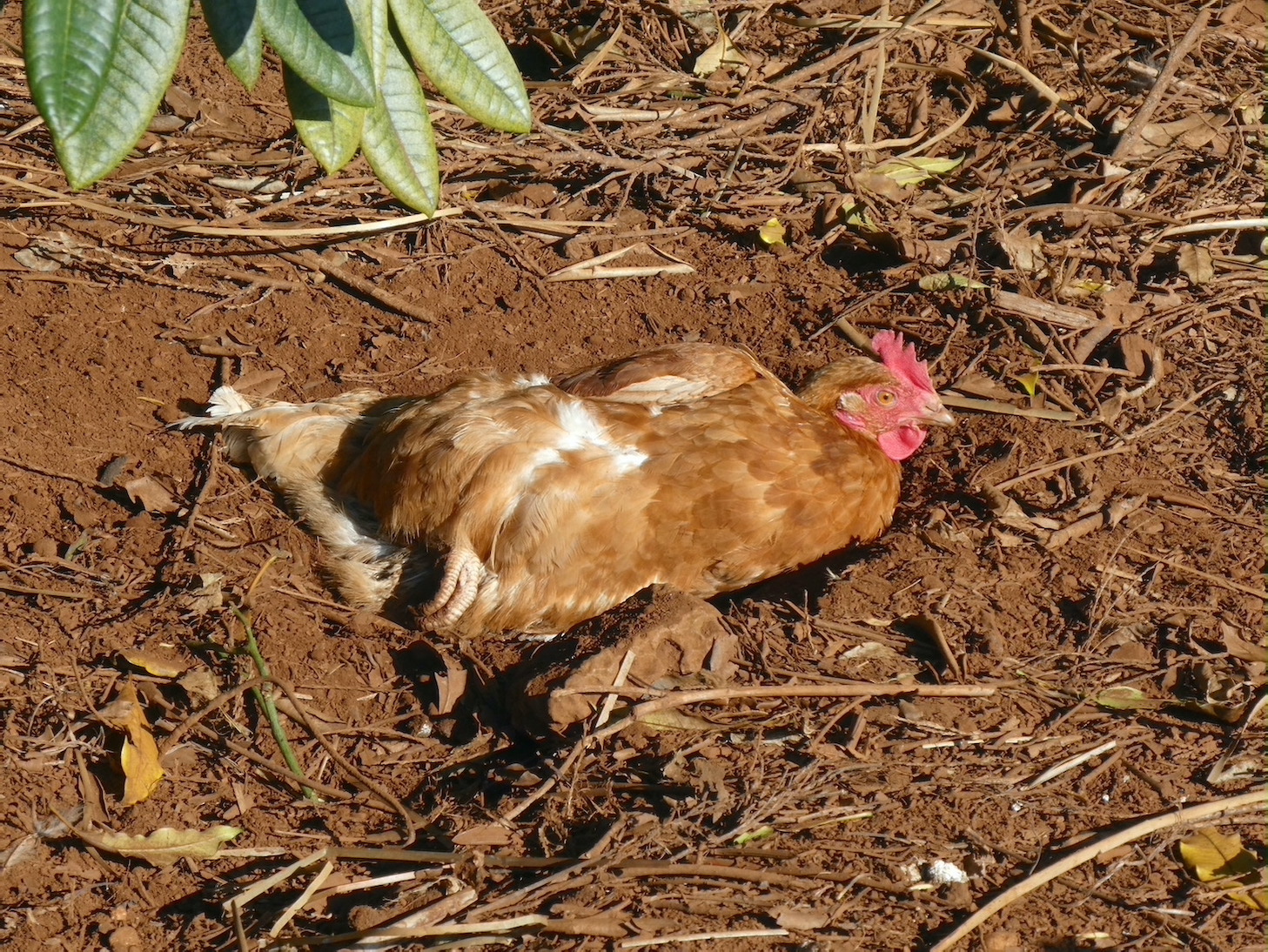
The ultimate indication of chook happiness is indulging in a dust bath in the warm sunshine.