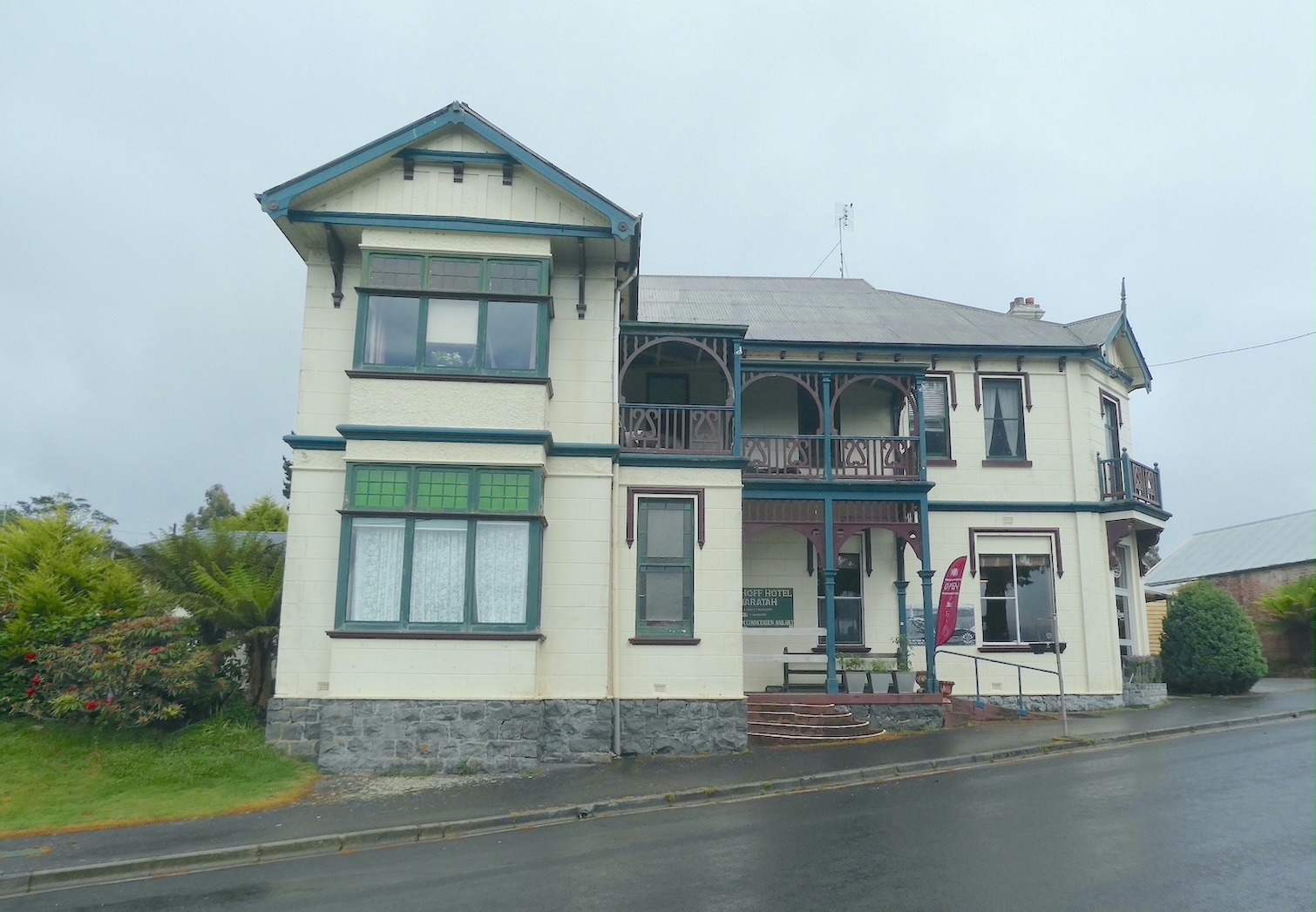
Our journey to Corinna took us through the former mining town of Waratah on the edge of Tasmania’s west coast wilderness. The plan was for lunch at the Bischoff Hotel, the only hotel remaining in the town. Originally built in 1879, it burned down in 1902 before being rebuilt and burning down again in 1909. The present Queen Anne style incarnation was completed later that same year.
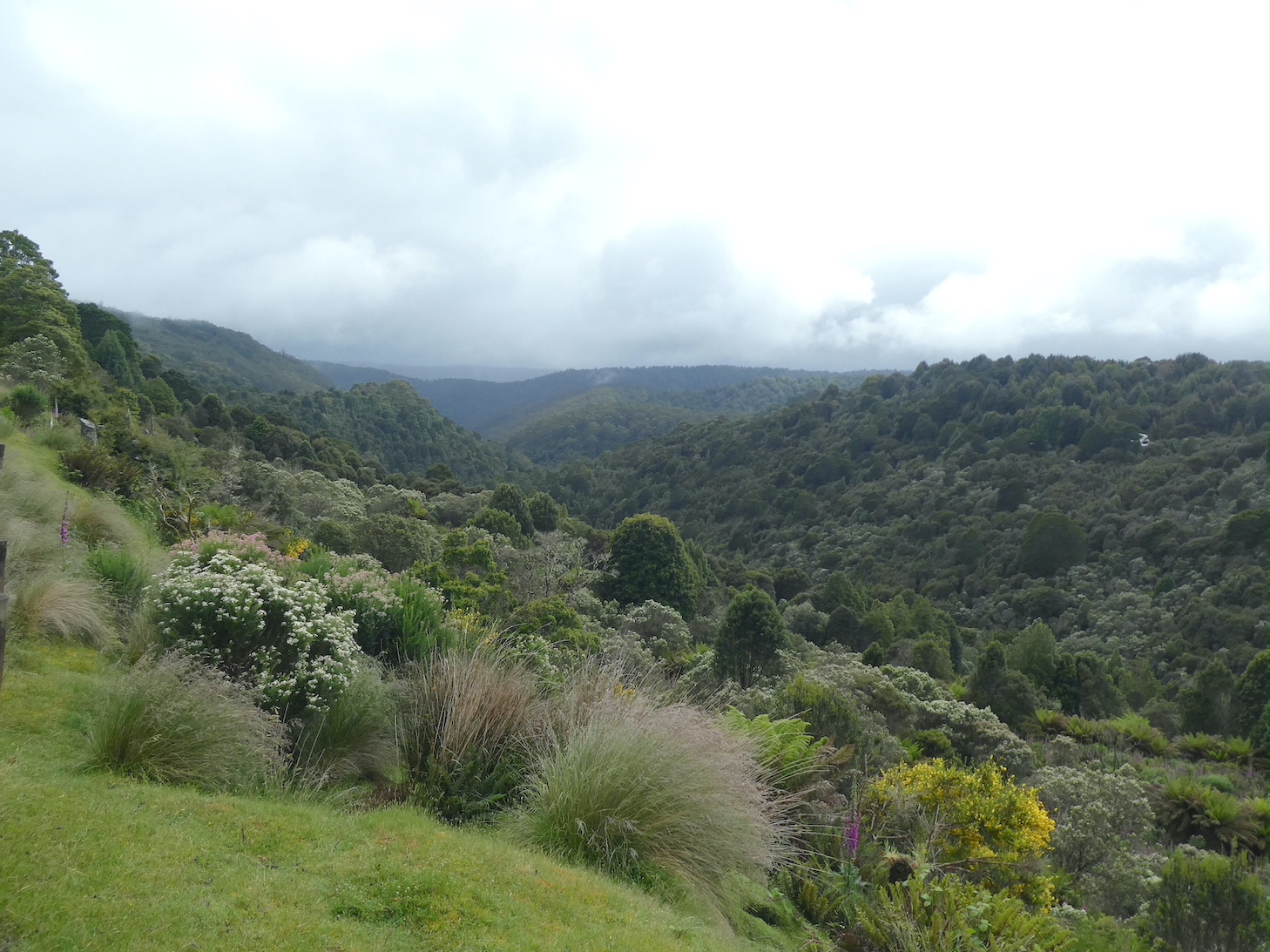
The view from the hotel is spectacular, even on a drizzly day
and the waterfall in the middle of town flows all year round. The water provided vital power to the mine directly through a series of seven water wheels and was later piped to the Waratah Power Station to produce hydro power.


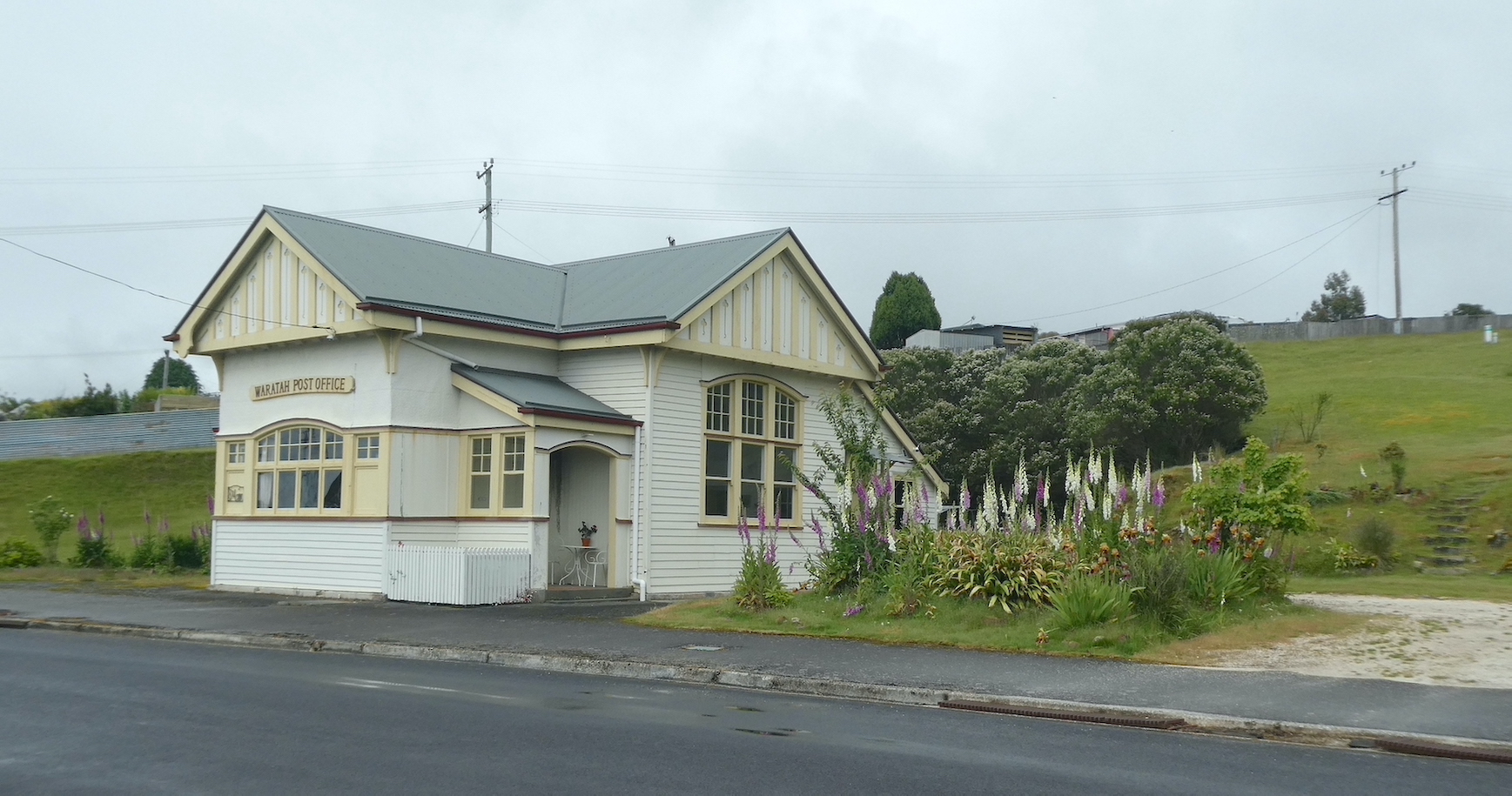
With some time to spare before dining, we set out to explore. The Waratah Post Office opened in 1882 and the current building replaced the original in 1913. It has been lovingly restored and is now available as luxury holiday accommodation.


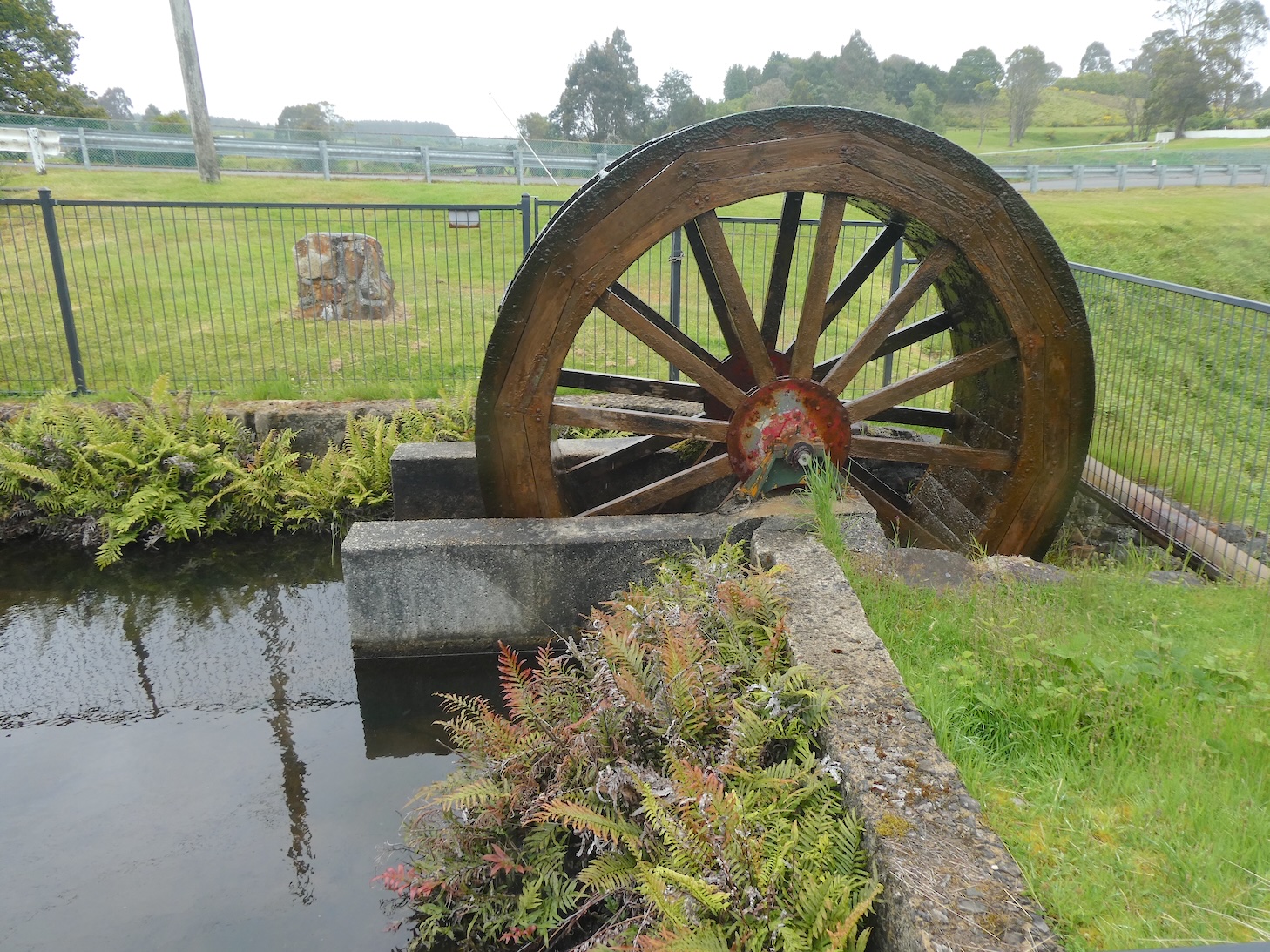
We made our way to the lake and came across an old waterwheel and pump house near what appeared to be an old entrance for the mine carts.
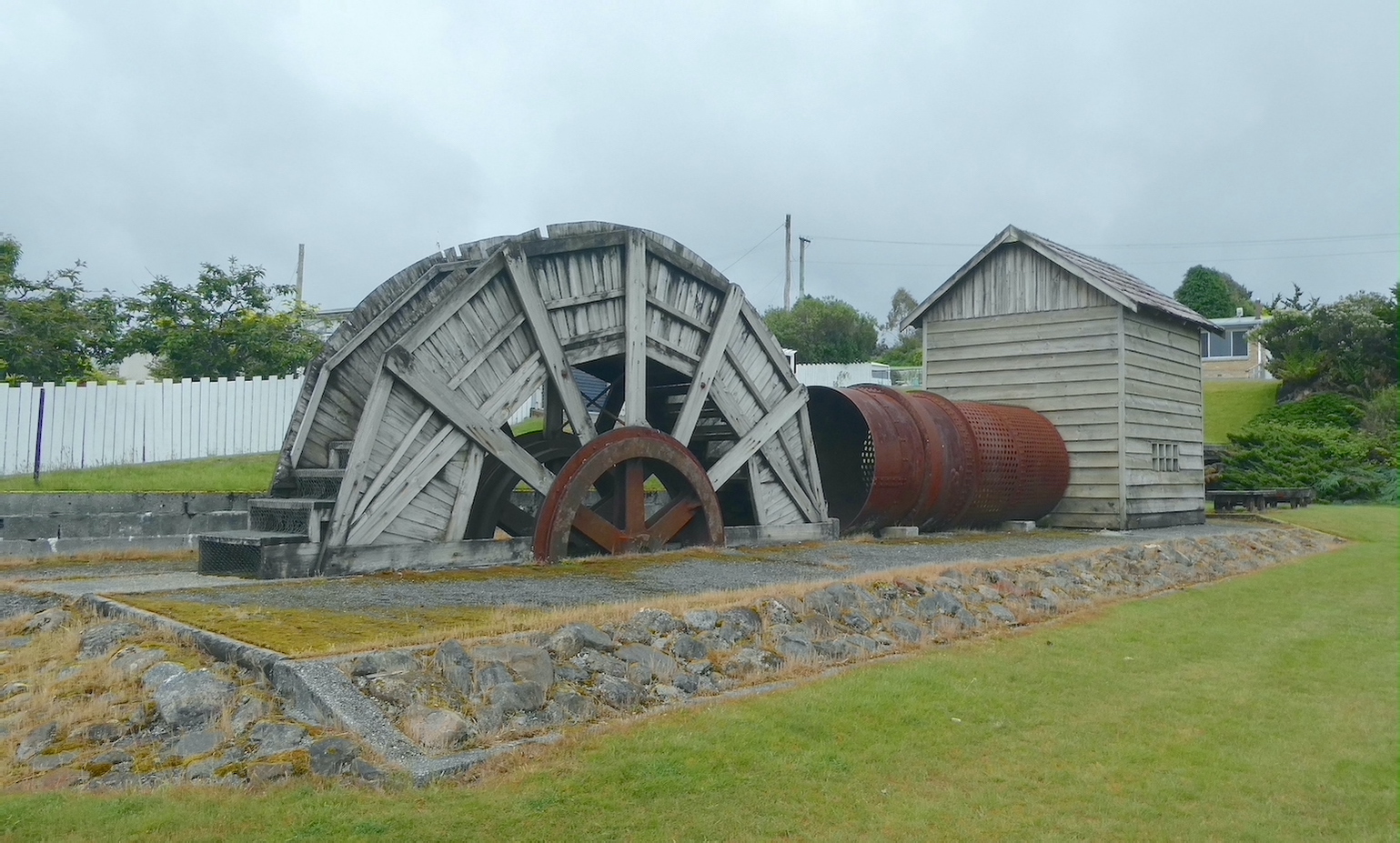
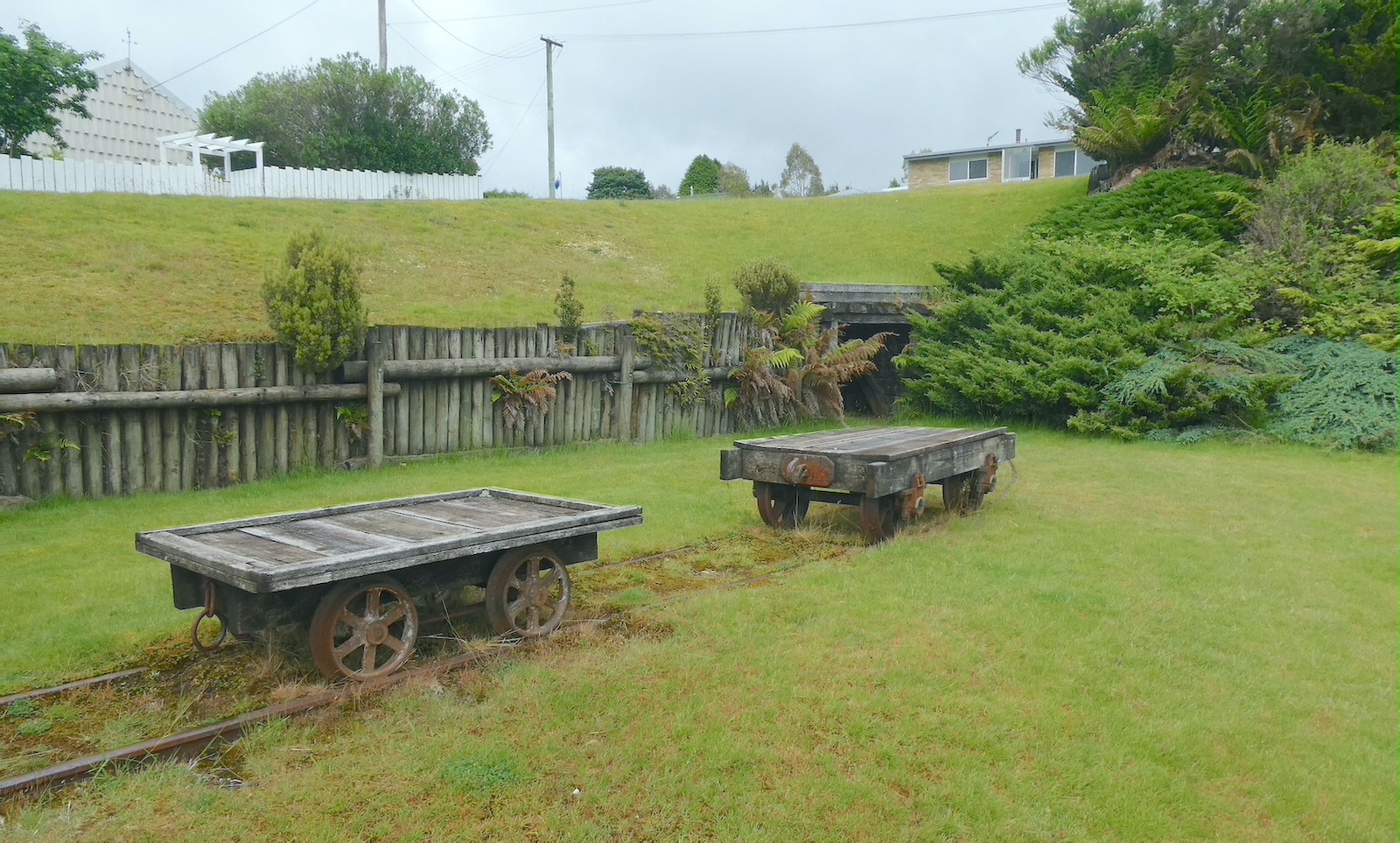

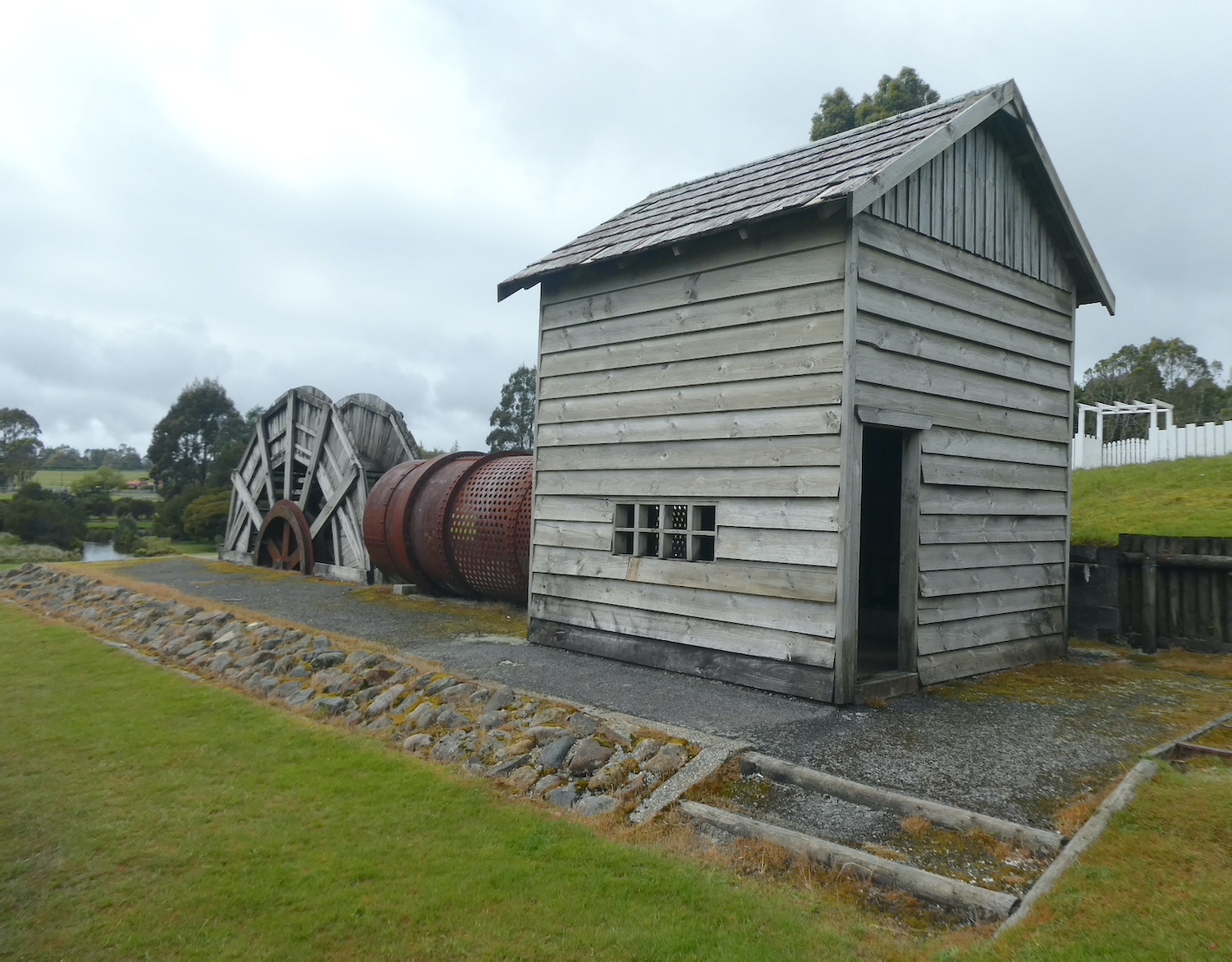
As we entered the town, we noticed how immaculate the public lawns and gardens were kept. Lake Waratah is a beautiful centrepiece.

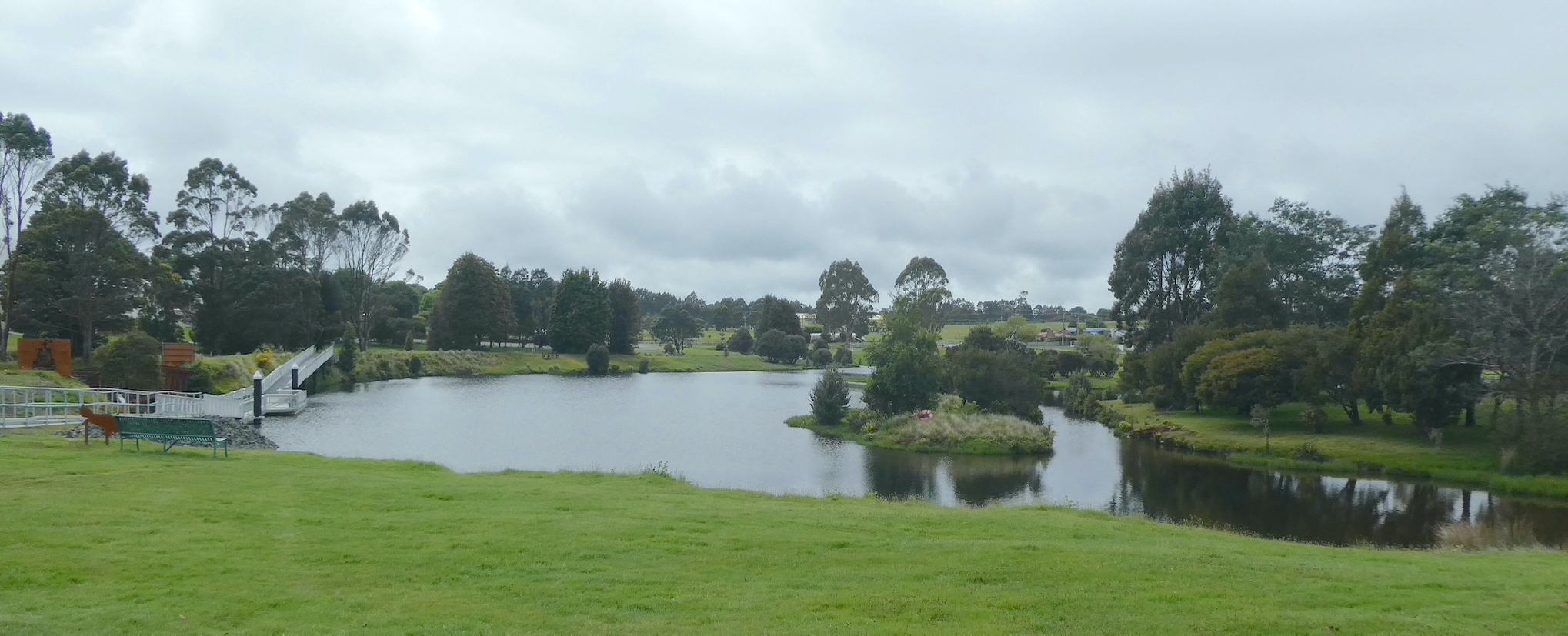
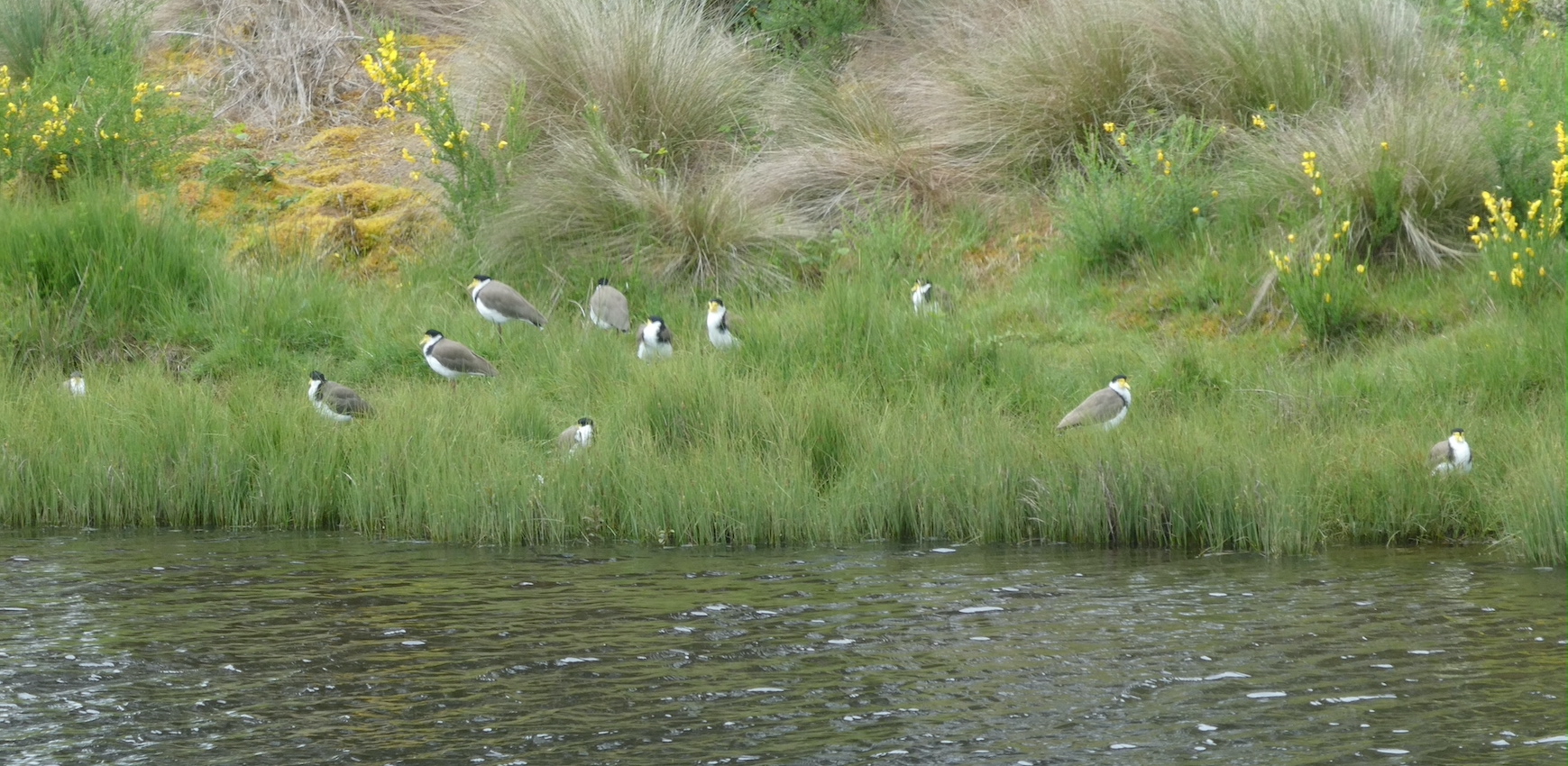
I have never seen a colony of masked lapwings in these numbers, they have chosen a lovely spot to call home.
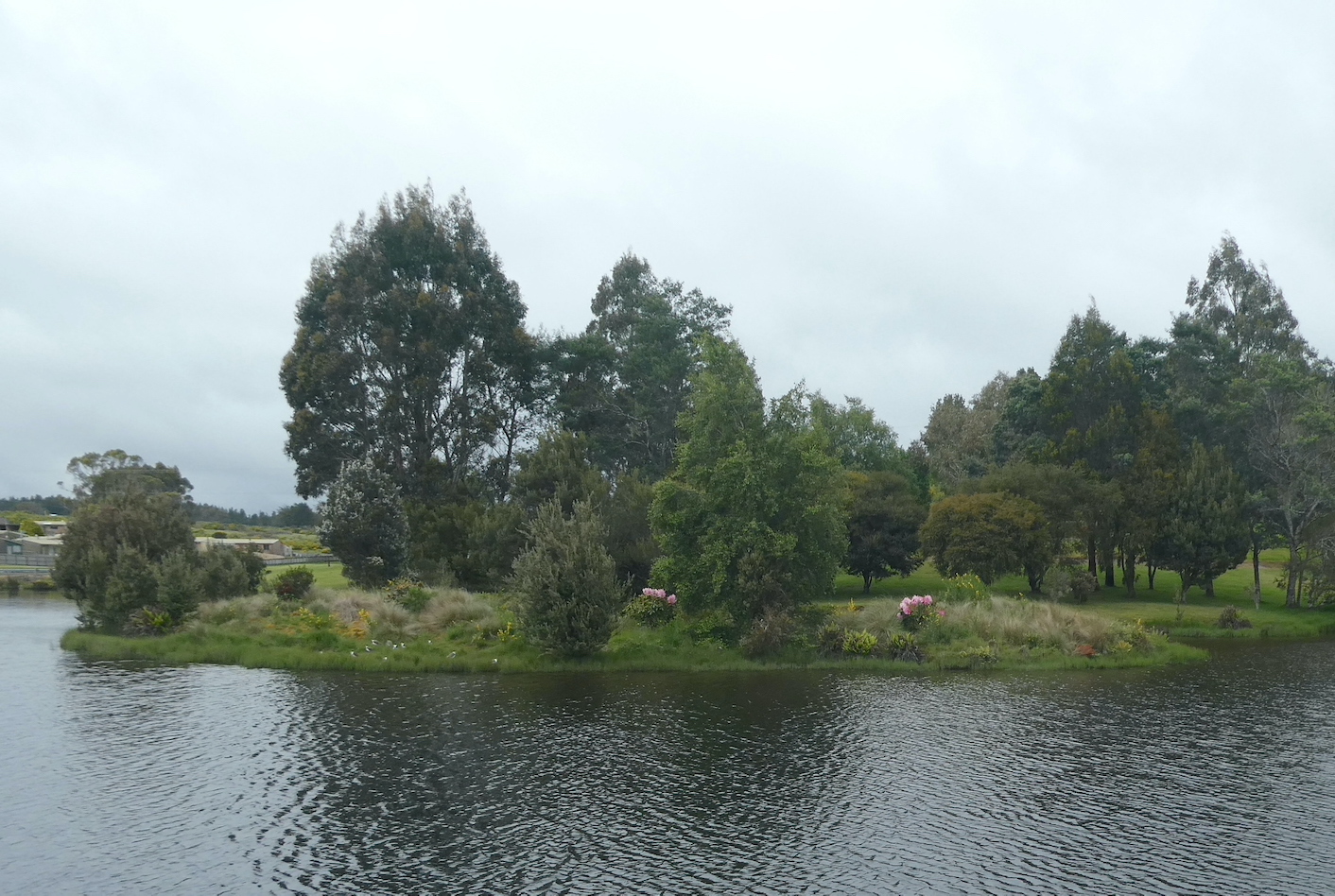
We took a closer look at the iron truss rail bridge, built over the Waratah River in 1895, essential for getting people and supplies to Waratah and getting the ore out.


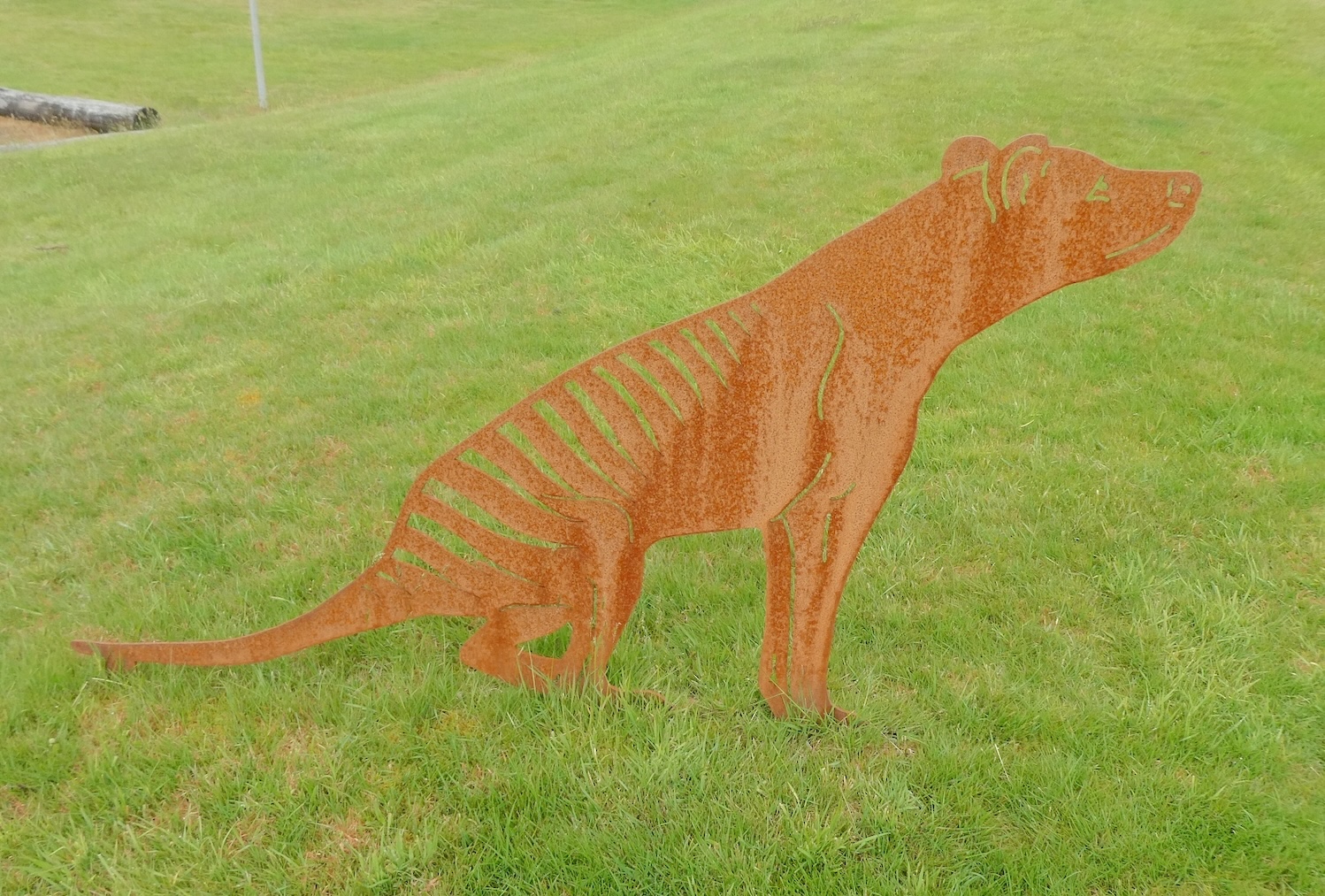
Waratah is known as one of the last bastions of the thylacine, thought by some to be extinct. We are ever hopeful of proving this theory wrong, it seems we are not alone.


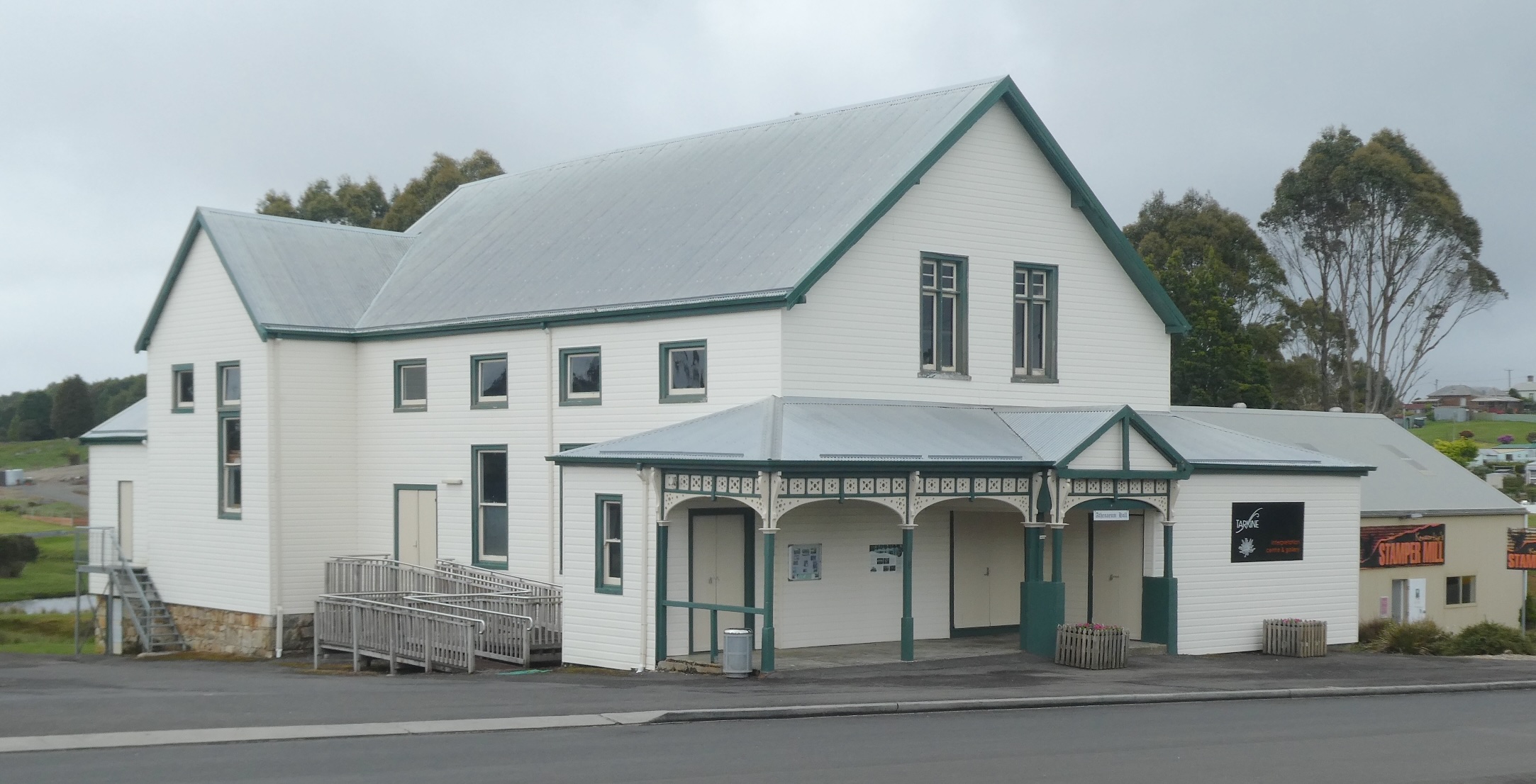
The Athenaeum Hall is a very impressive building completed in 1887 when the town was enjoying the economic prosperity provided by the tin mine. Built for the workers and families, it started as a library and later became the town hall and cinema. Today, it is home to the Tarkine Visitor Interpretation Centre and is still used for functions.
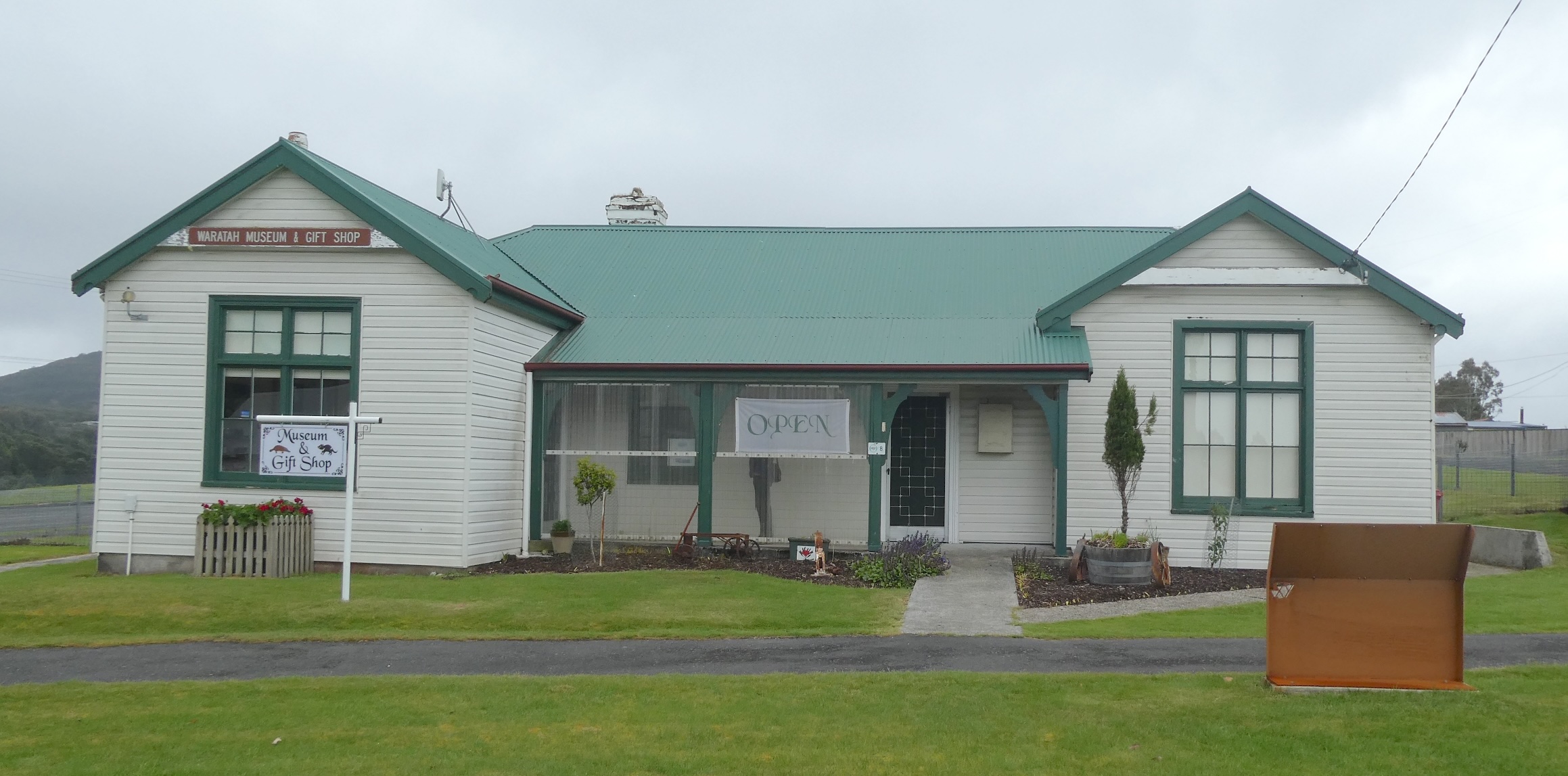
Across the road, the Waratah Museum occupies in the old Court House (that will be another post).
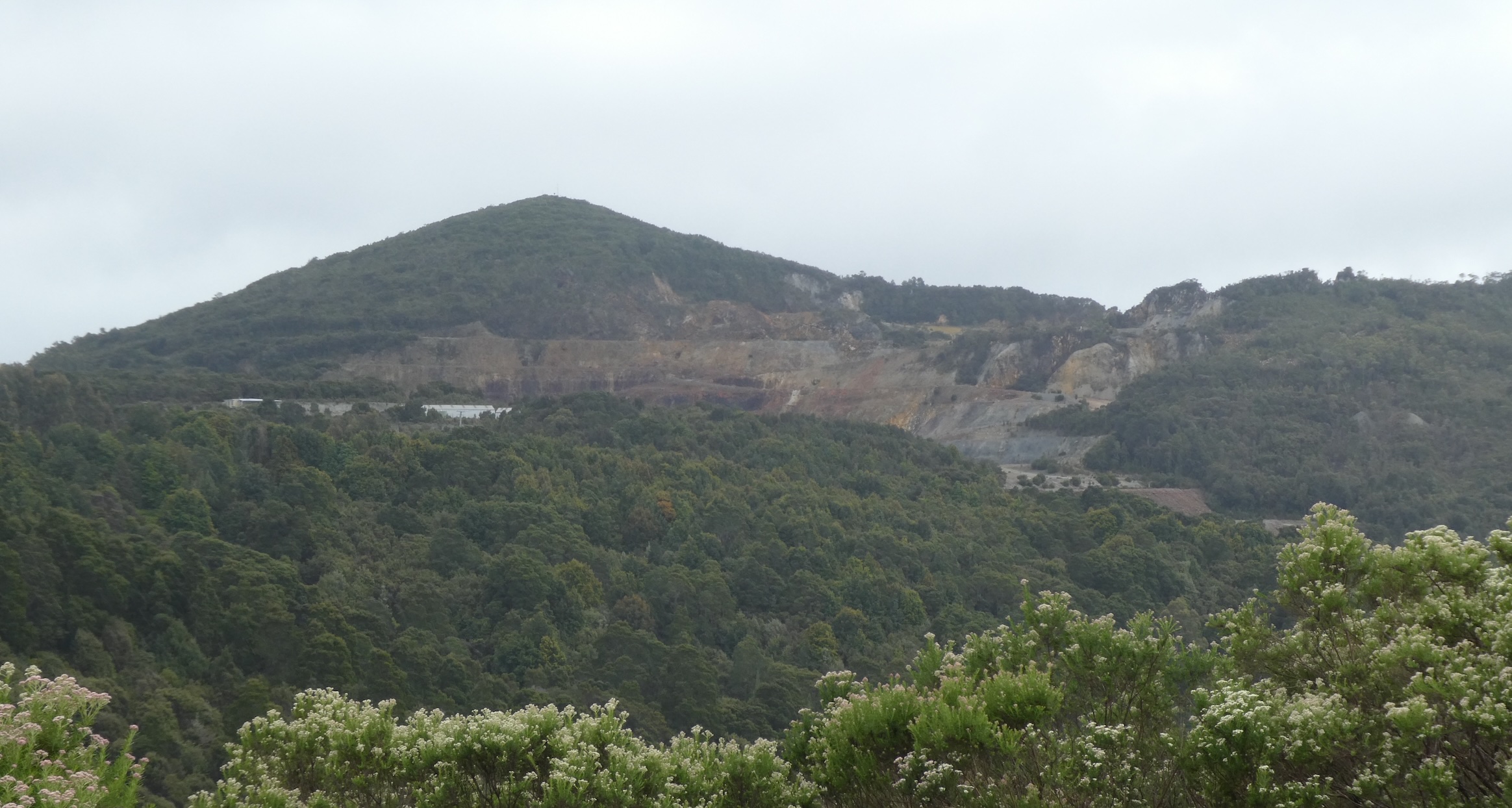
Despite a leisurely perambulation around the museum, we still had time for a walk to the bottom of the falls. The scarred landscape of the Mt. Bischoff mine loomed in the distance. Tin was discovered in the area in 1871 and by 1881, Mt. Bischoff was the richest tin mine in the world. The mine closed in 1947 after seventy years of continuous production but open cut mining resumed in 2008. Three years later, with resources depleted, it again closed and the pit is now flooded.
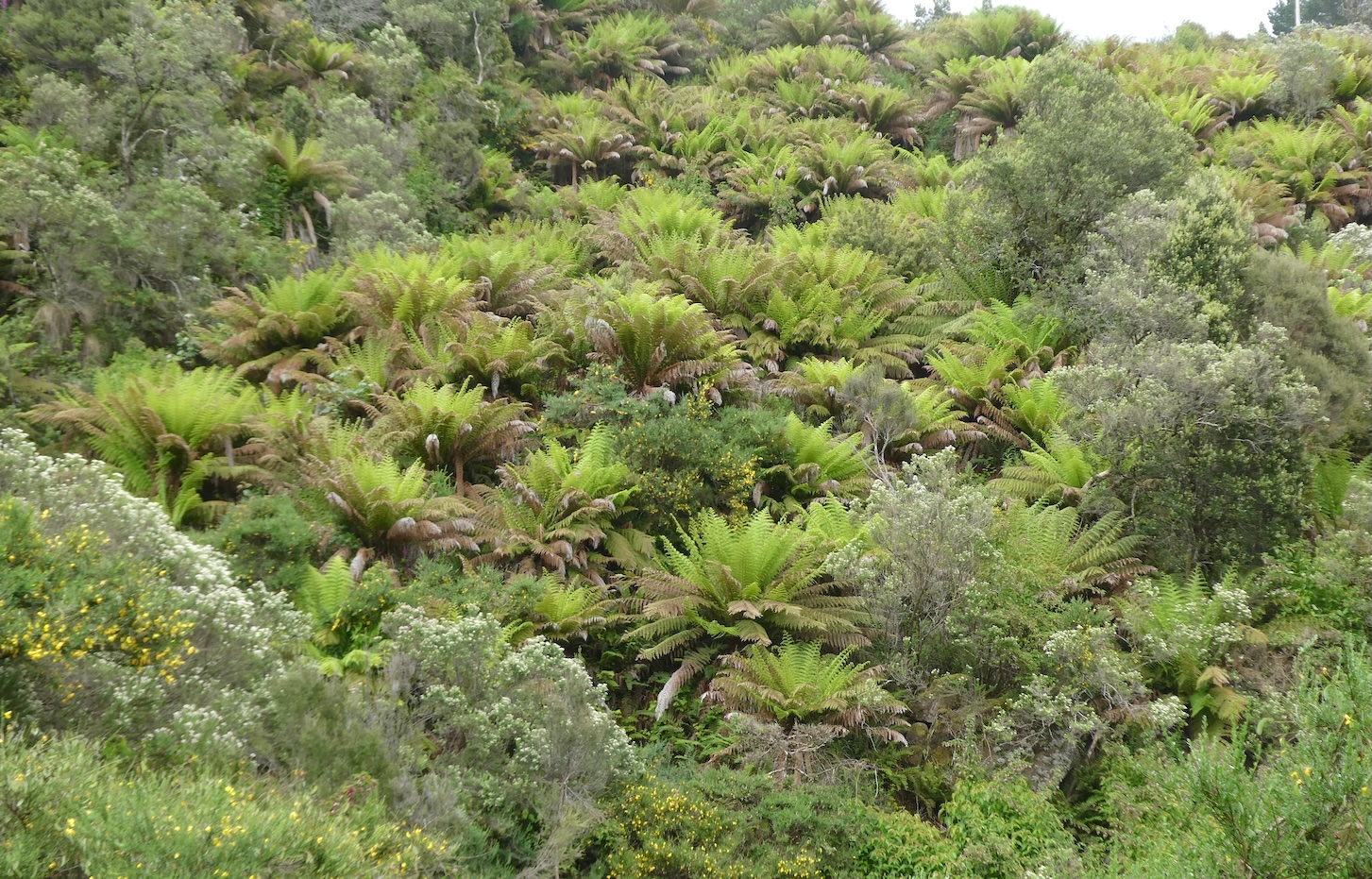
The walking trail was enveloped by tree ferns and verdant native vegetation
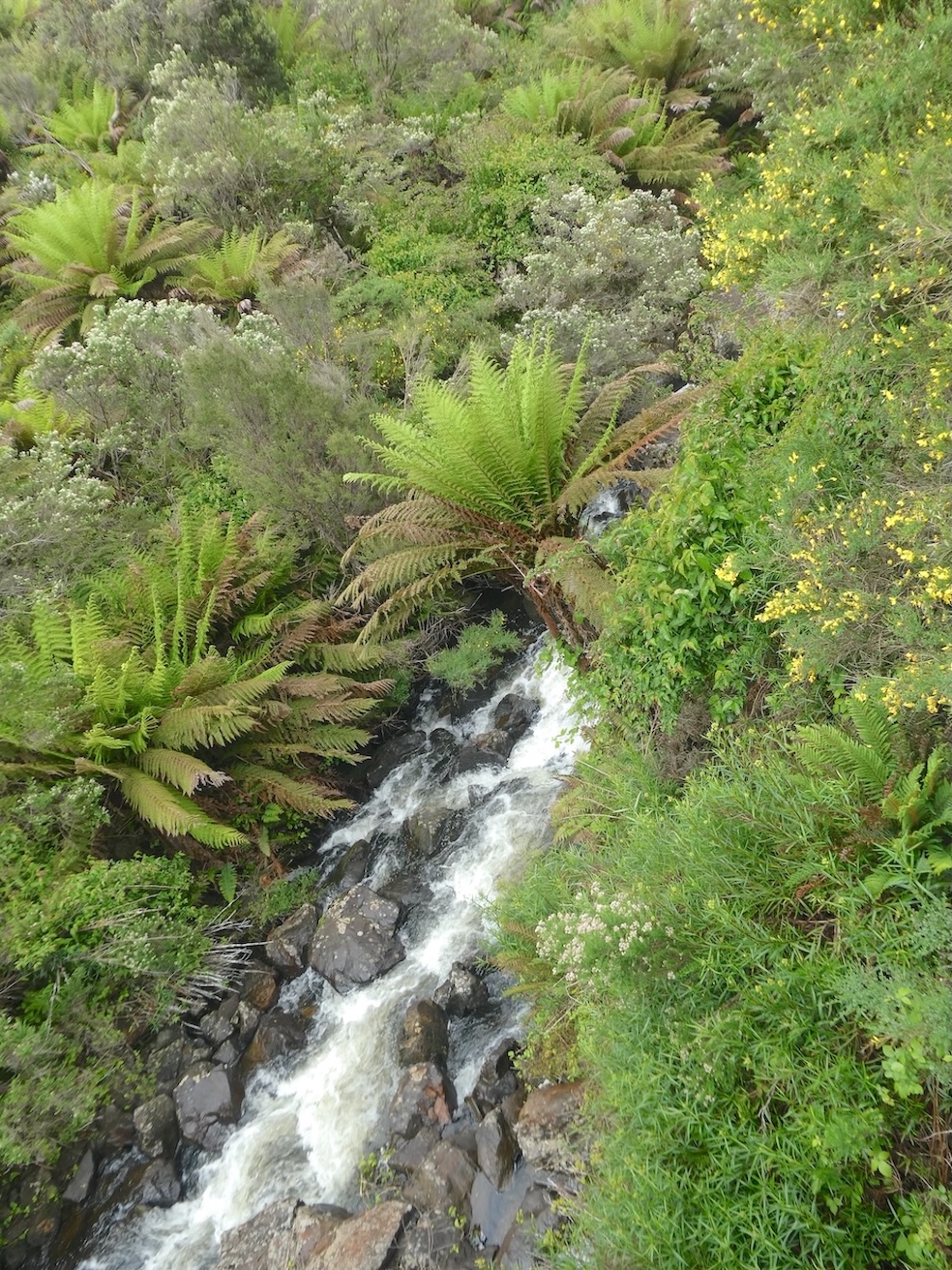
and the waterfall was magnificent after steady spring rain.

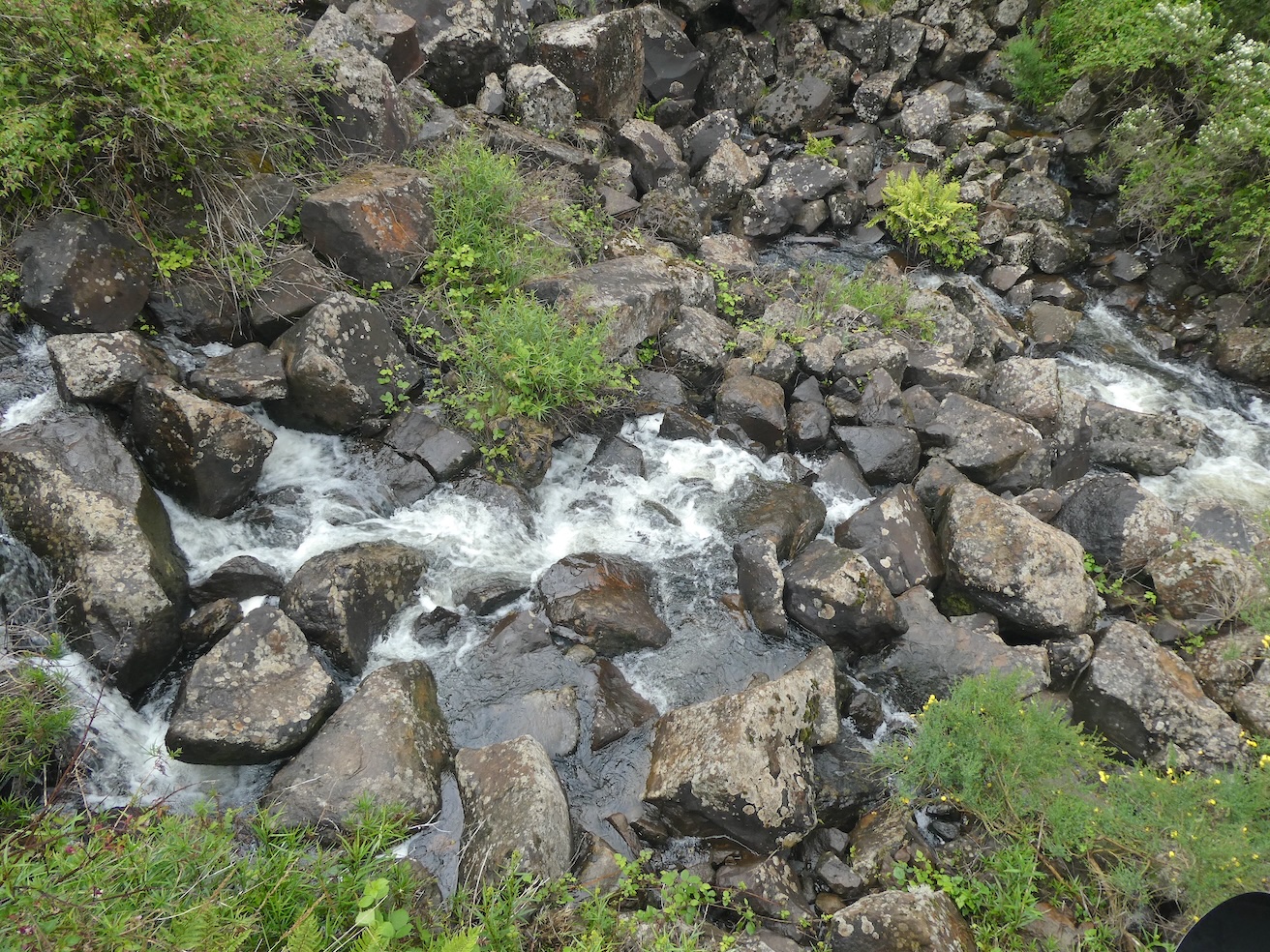
Returning to the top of the falls, the Waratah River wends its way over the cliff and continues ten kilometres before merging with the Arthur River.


The Dudley Kenworthy water wheel is named after the gentleman who recognised the potential to harness the year round water supply, making Waratah the first industrial site in Australia to be lit by hydro-electricity.

After a substantial lunch of delicious fish ’n’ chips and a schooner of stout, we were ready to tackle the long and winding road to Corinna.


Thanks for sharing, I didn’t know what a lovely, historic place Waratah is! 😊
LikeLike
Neither did I until we actually visited!
LikeLiked by 1 person
Great post Kathy. Michael and I thoroughly enjoyed our exploration of Waratah back in 2015 (gee that’s 10 years ago now!). It is such a lovely township with a very interesting history.
LikeLike
And it’s only an hours drive from home, I think we need a return visit in the snow this year ☃️
LikeLike
Pingback: Waratah museum | cannonhillchronicles
Pingback: Philosopher Falls Walk | cannonhillchronicles