tin roof, rusted

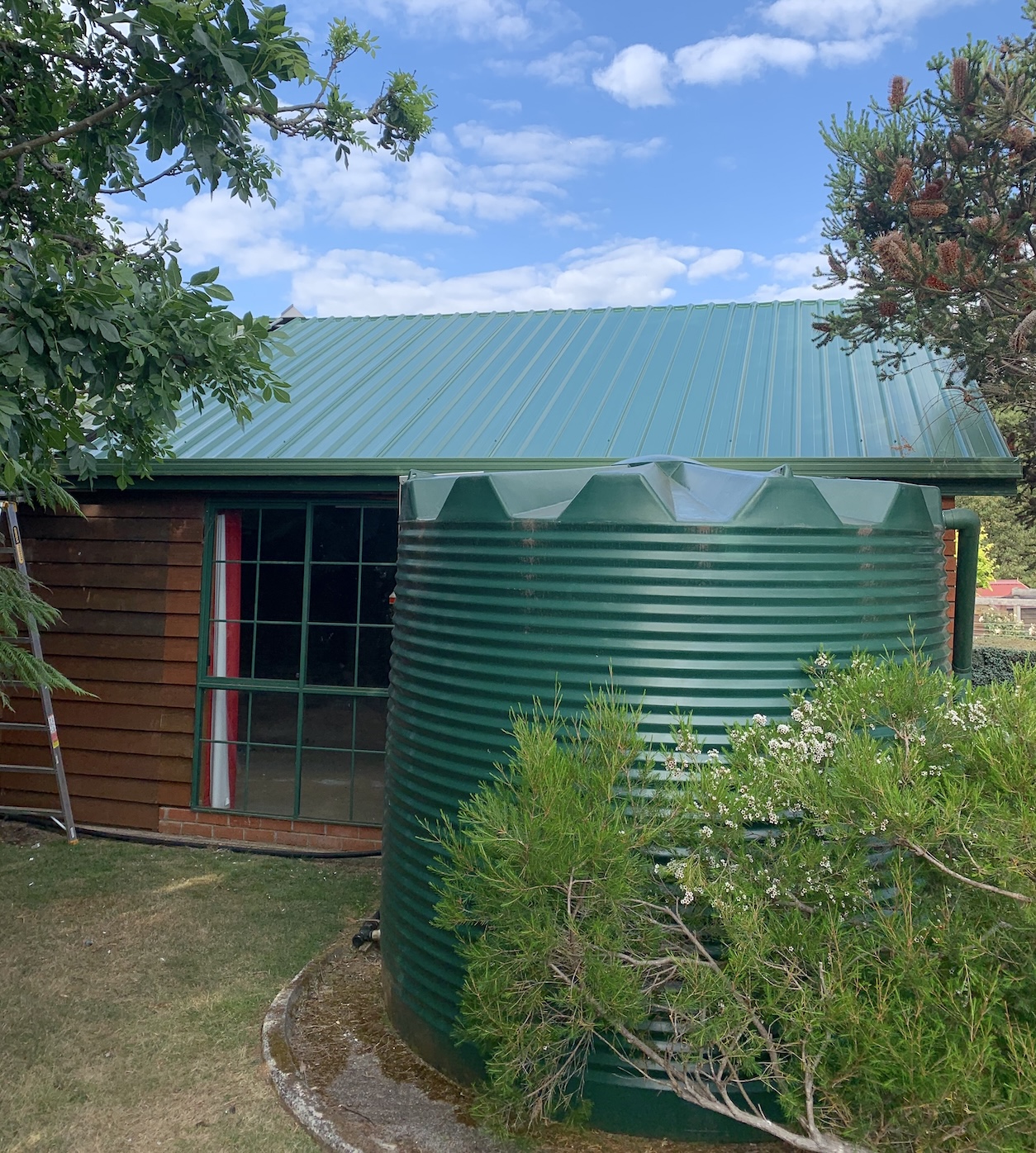
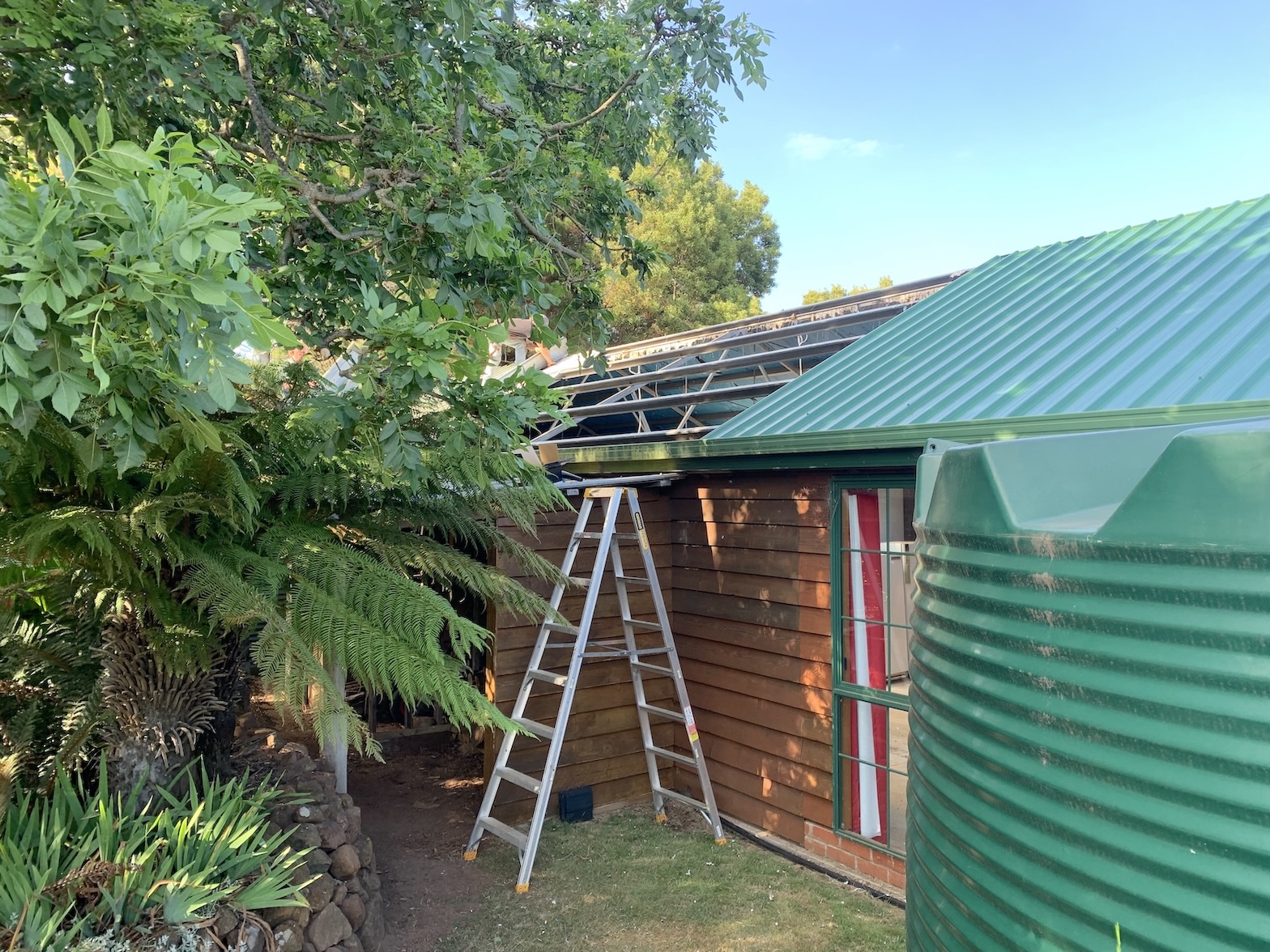
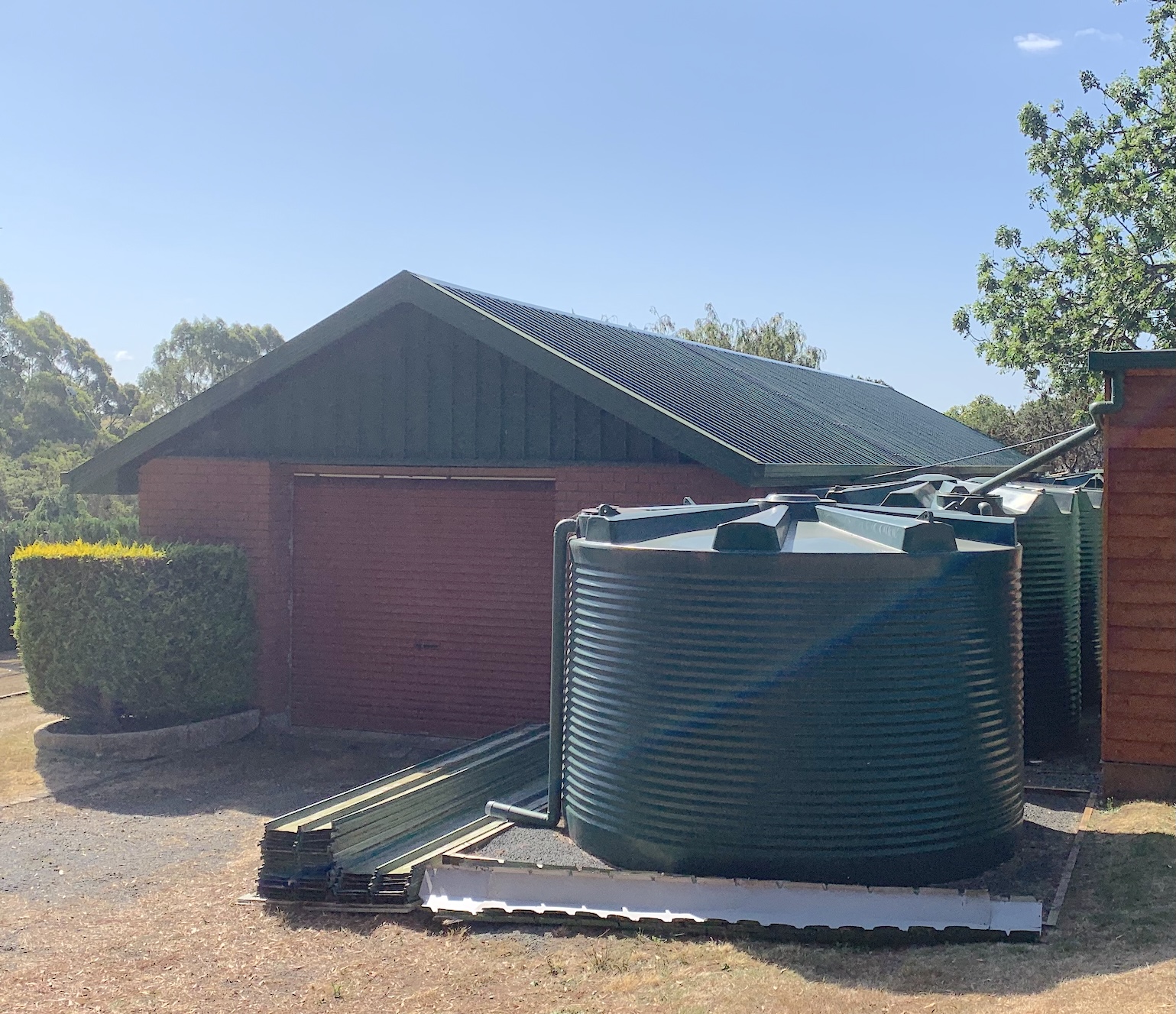
Another project that had been on the ‘to do’ list for a while was completed earlier this year. For some reason, half of the roof on the garage/workshop is clad in colorbond but the other half revealed itself over time to be painted galvanised sheets. As expected, the paint has deteriorated and the rusting eyesore had to go.

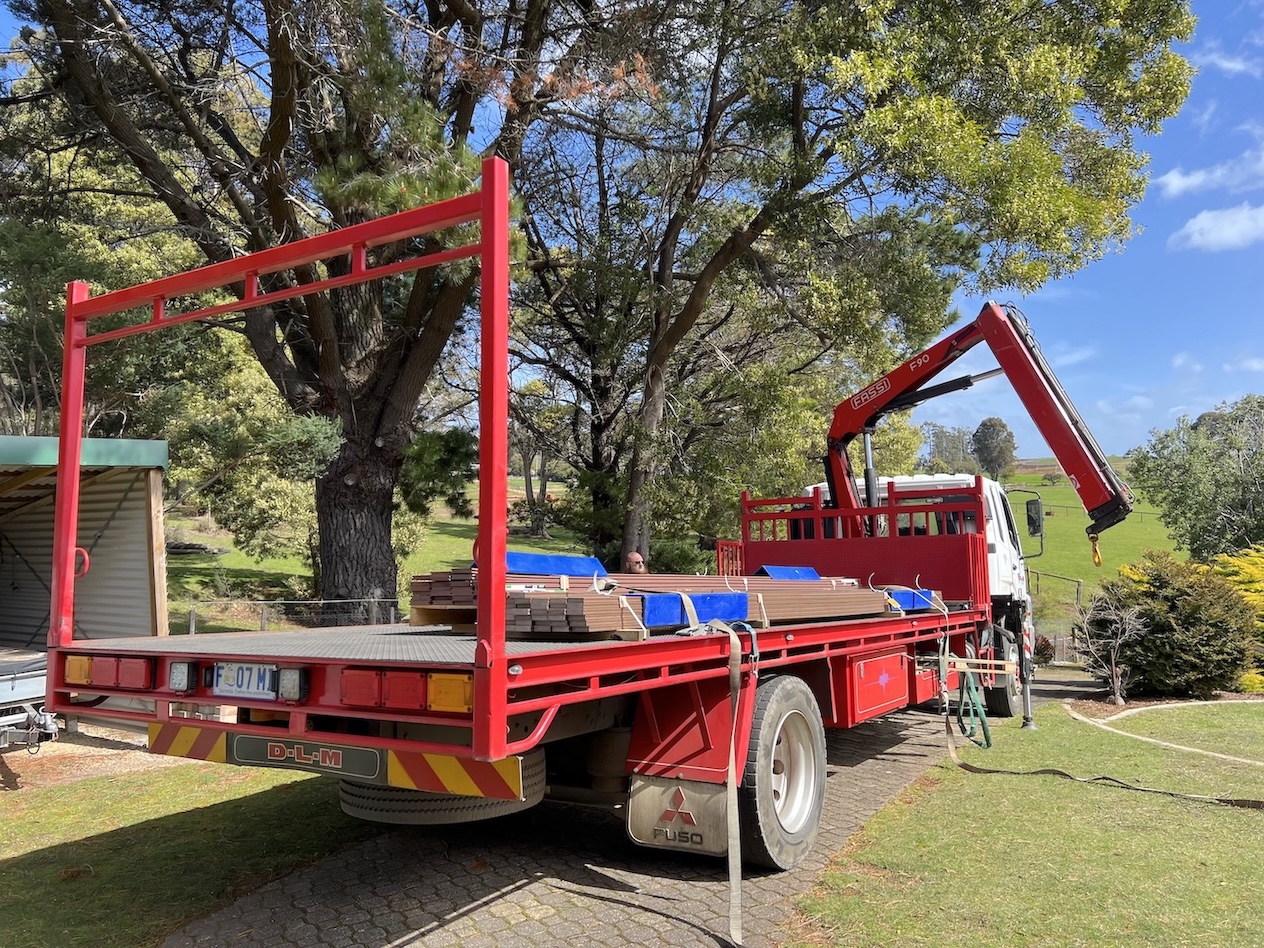
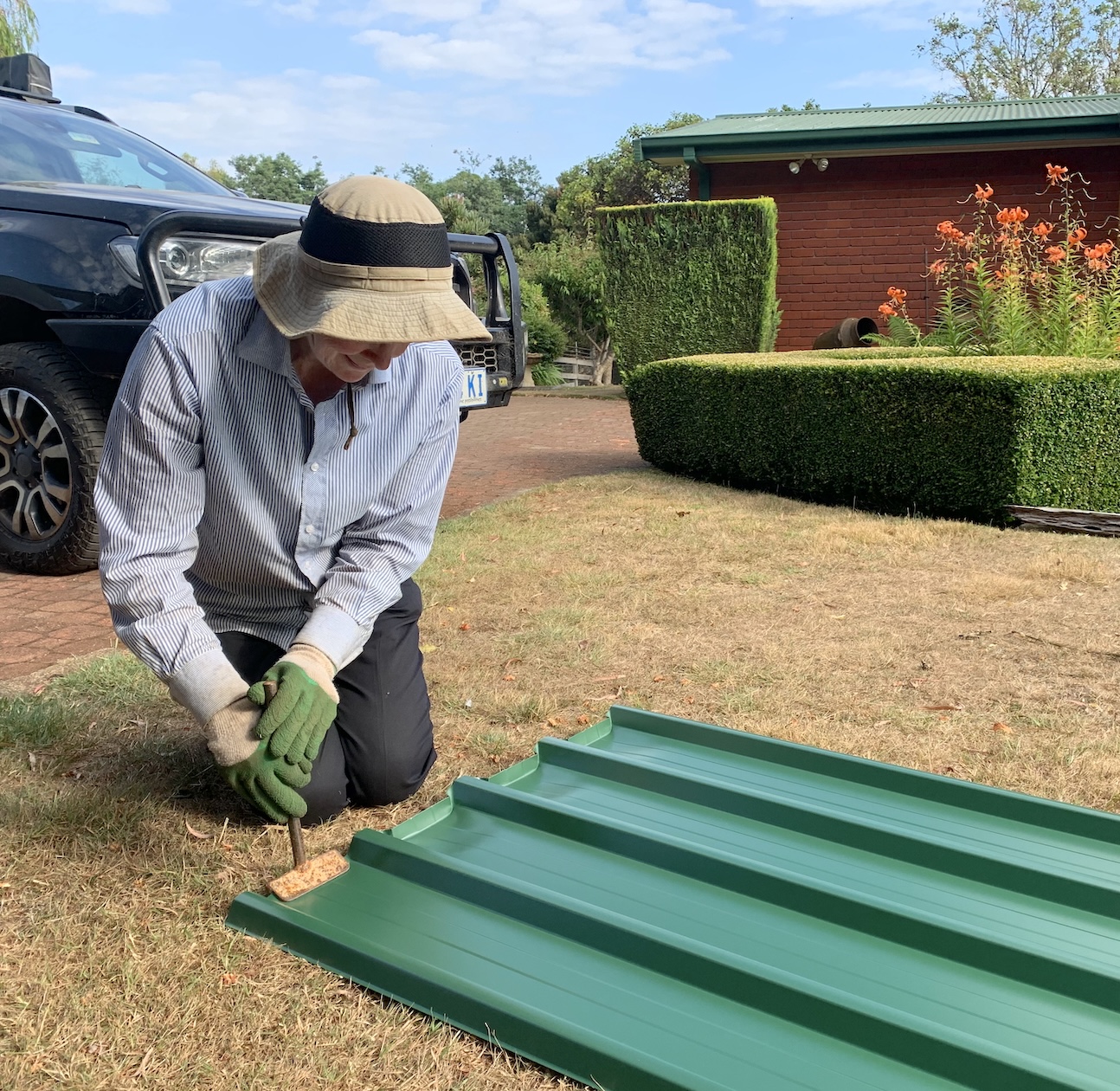
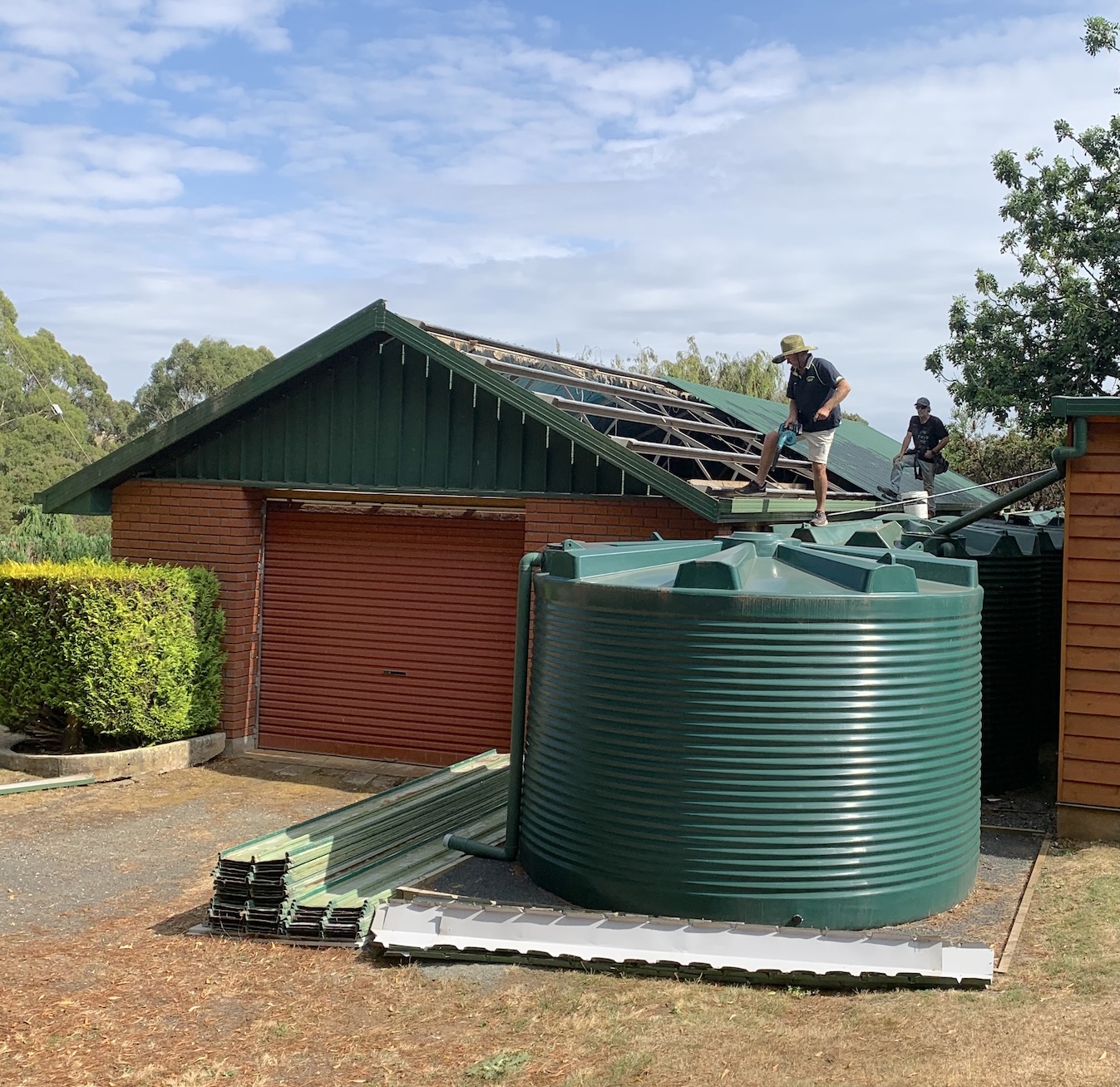
The builders were happy to accept our offer of labour to reduce the hours spent (and the dollars). On a sunny, windless day the project began. The new sheets were laid out on the lawn a few at a time

and after a crash course, I set about bending one end of the sheets to fit under the ridge cap.

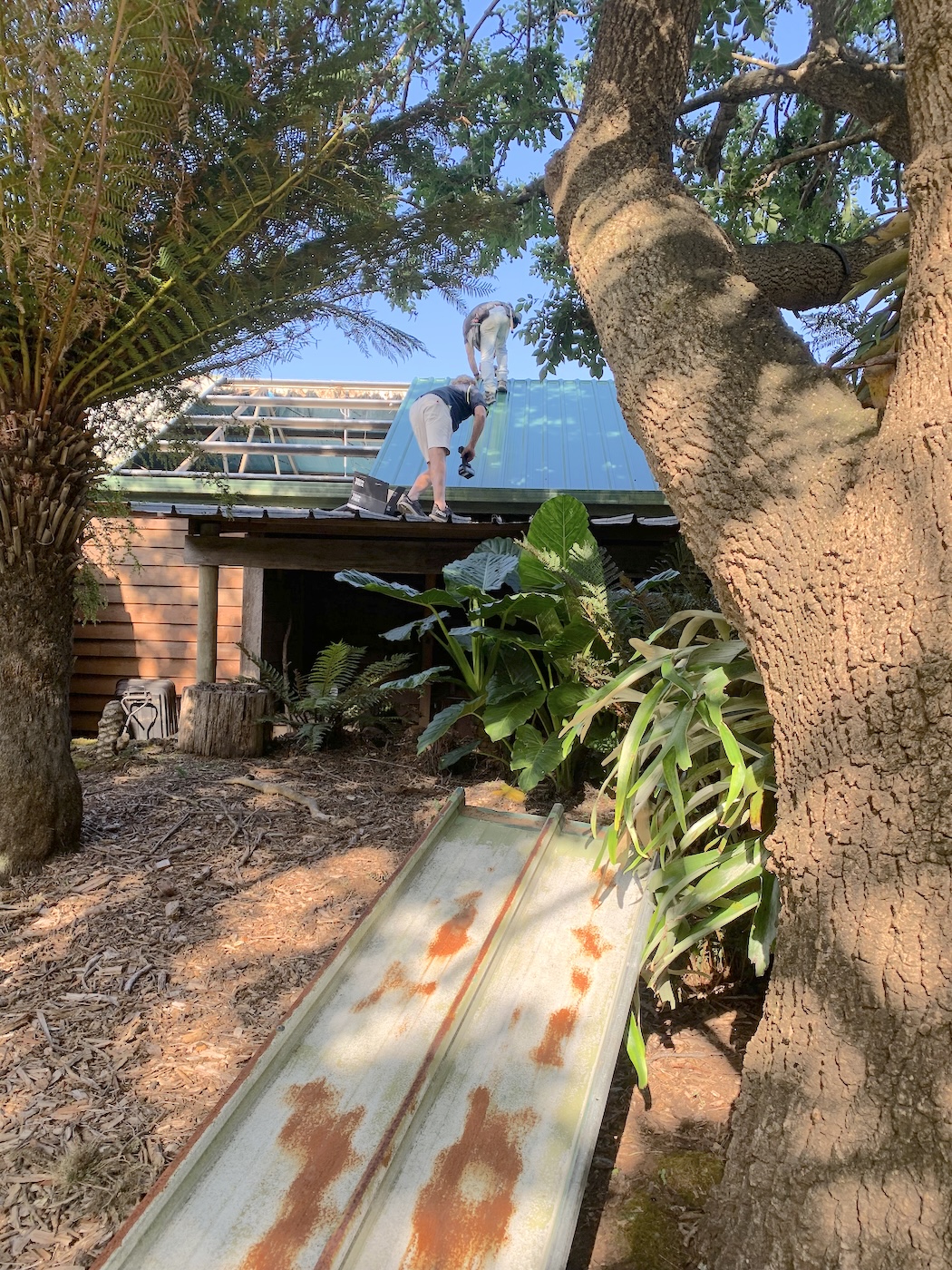
Meanwhile, the old ones were removed and handed down to us, we handed up the new ones to the roofers and relocated the old ones to a stack out of sight (they have since been collected for recycling).

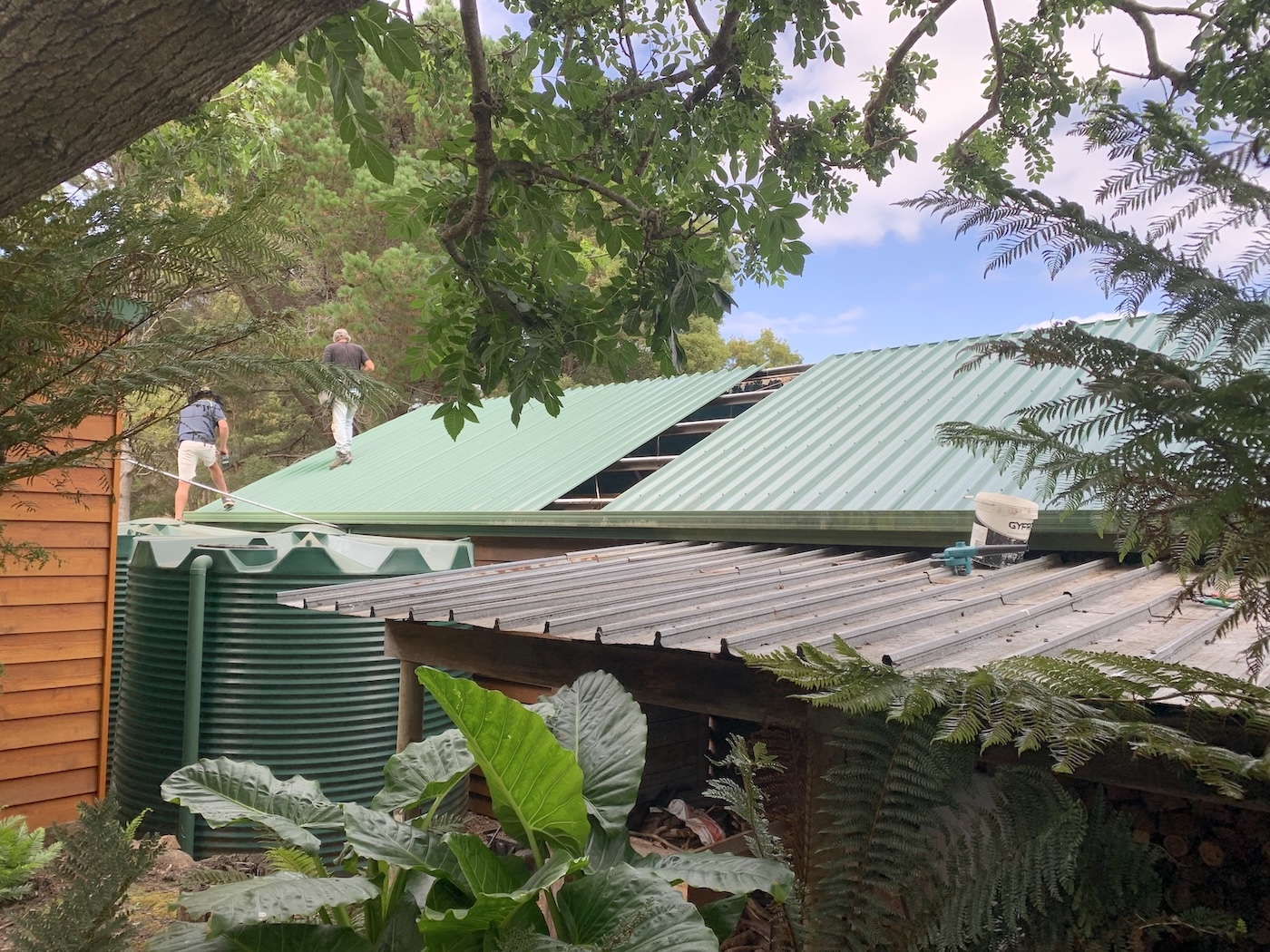
It wasn’t long before our well oiled machine saw results.

At this point, I reported that there were only eight sheets left and pondered whether there was enough to finish the job. A bit of head scratching and re-measuring found us one sheet short.

We quickly came up with a Plan B, deciding to use a sheet of polycarbonate to align with the workbench below and allow for natural light into the space. A gap was left

and work continued on the rest of the roof.

Lunch break was used to pick up the sheet of poly which slotted in perfectly. With the ridge cap in place

and fascias attached, we still had time to enjoy a beer together and admire our work.

canny composting

The compost bays we constructed when we created the veggie patch have slowly suffered the same fate as the raised beds. Two years ago we resurrected the beds to prevent further deterioration of the timbers and now it was time to do the same for these bays.

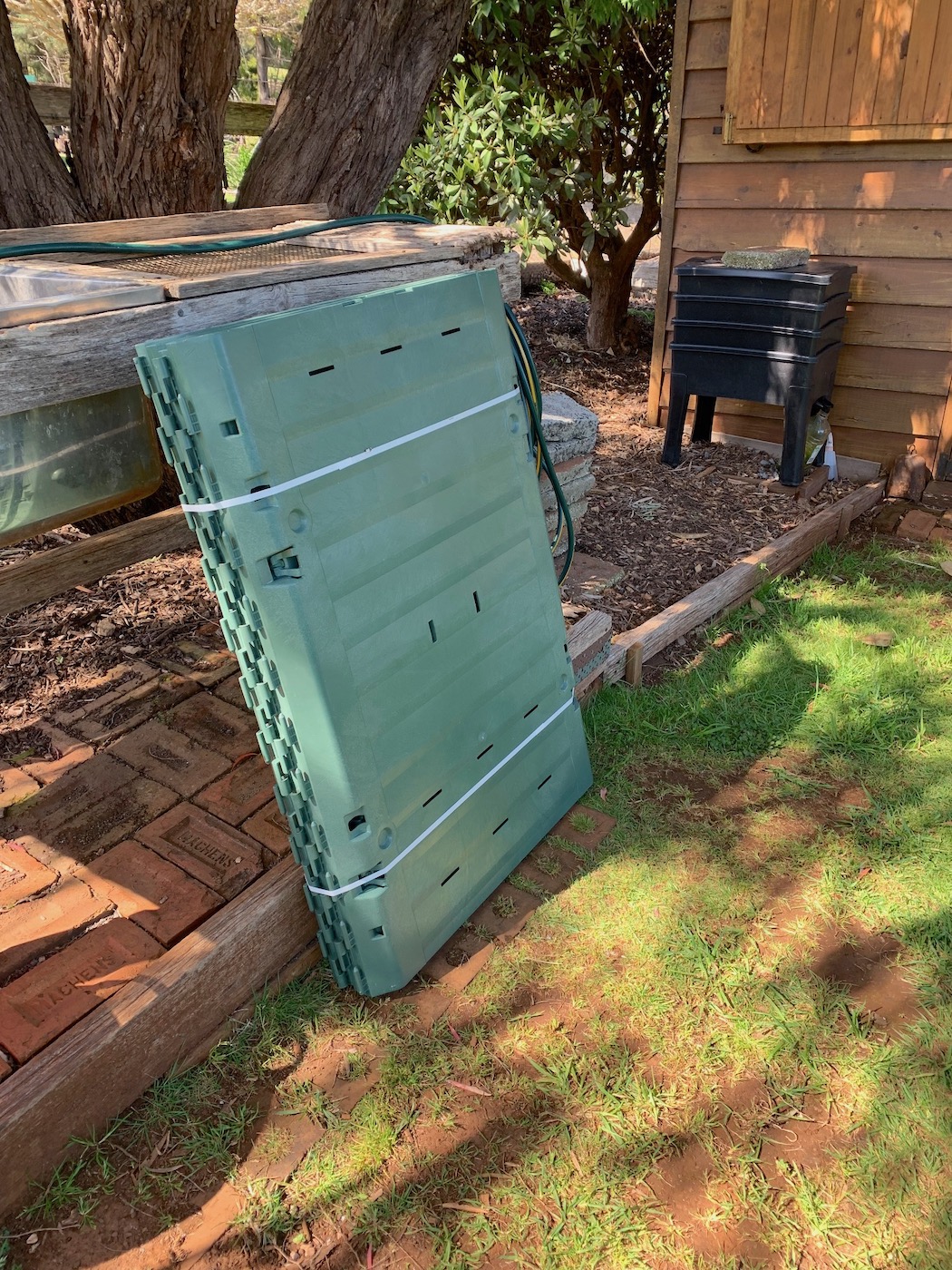
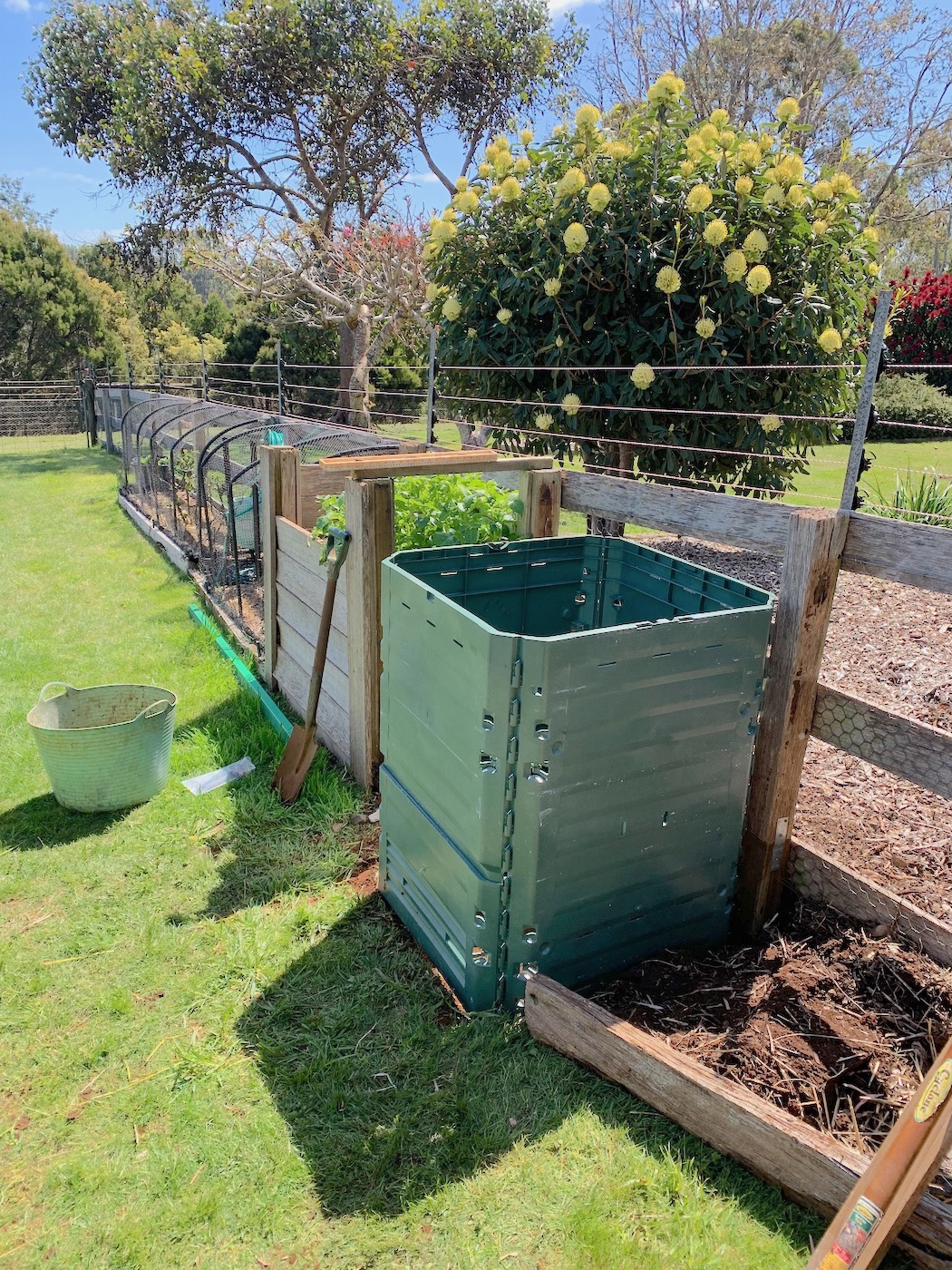
After much brainstorming, we decided the sensible thing was to buy ready made compost bins that would out live and look better than anything we could build. The three 600 litre bins were delivered and we wasted no time unpacking them.

Assembly was ridiculously easy,

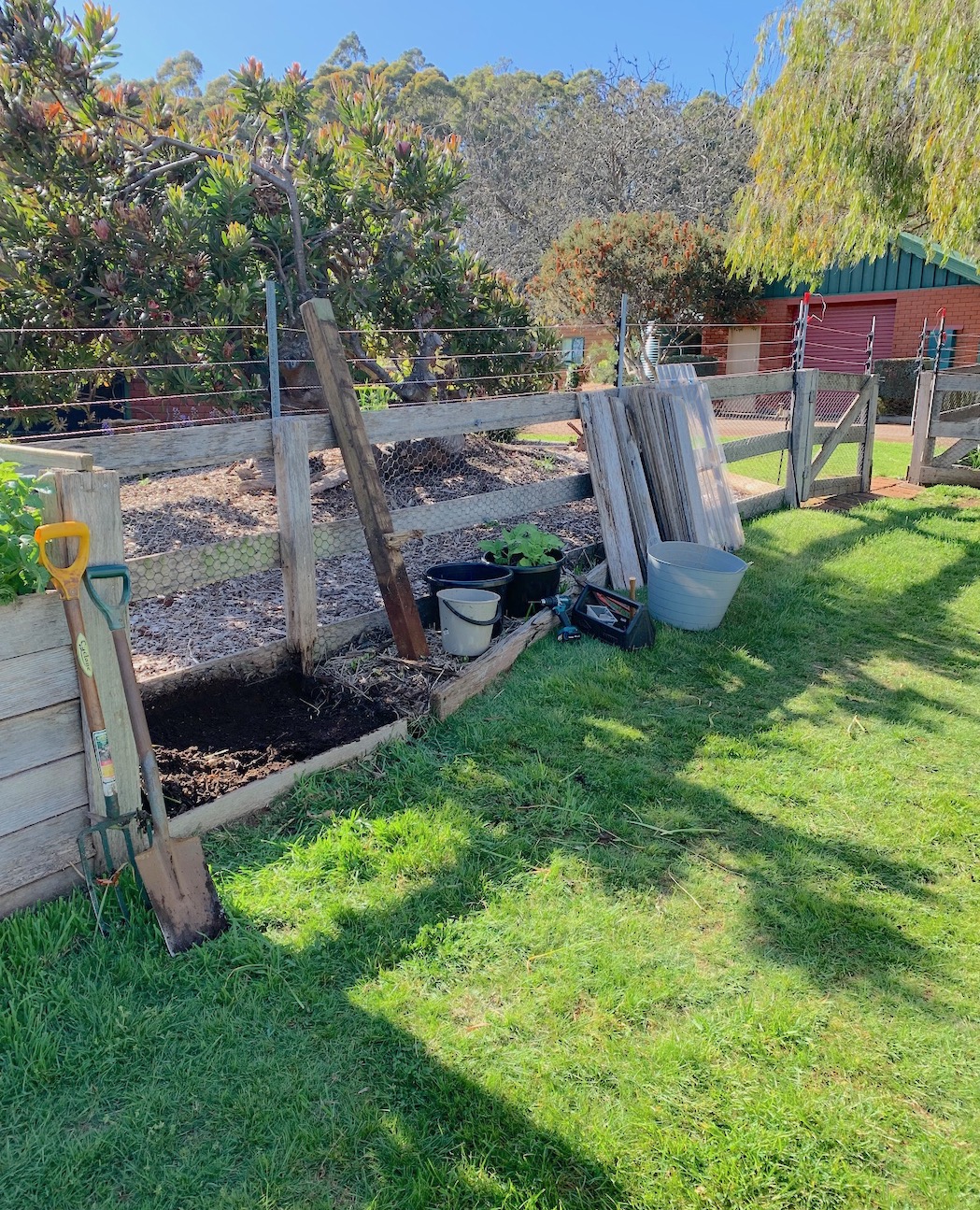
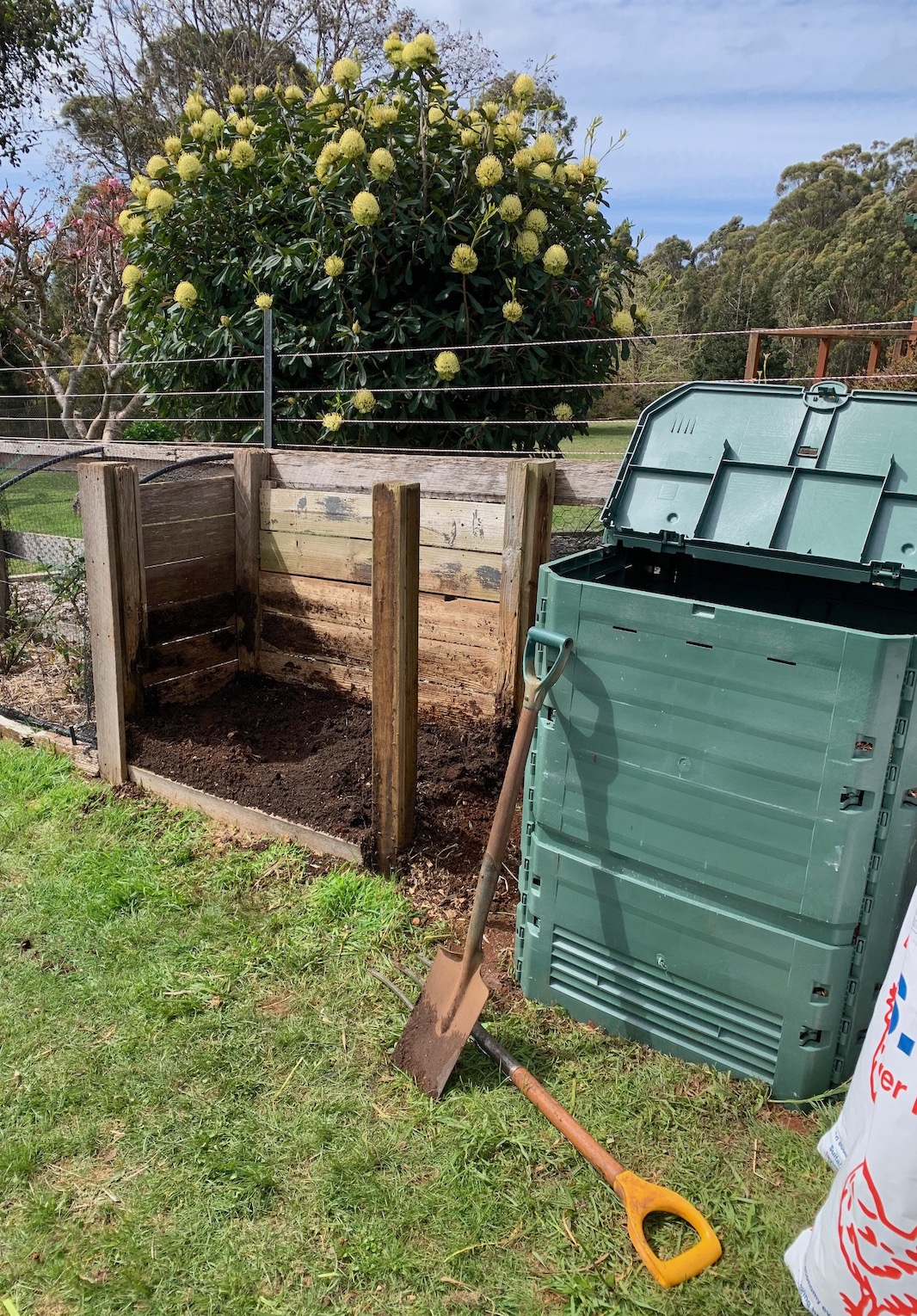
site preparation took a little longer. We emptied the contents of the first bay into wheel barrows and demolished the structure, saving any timbers worthy for future use.

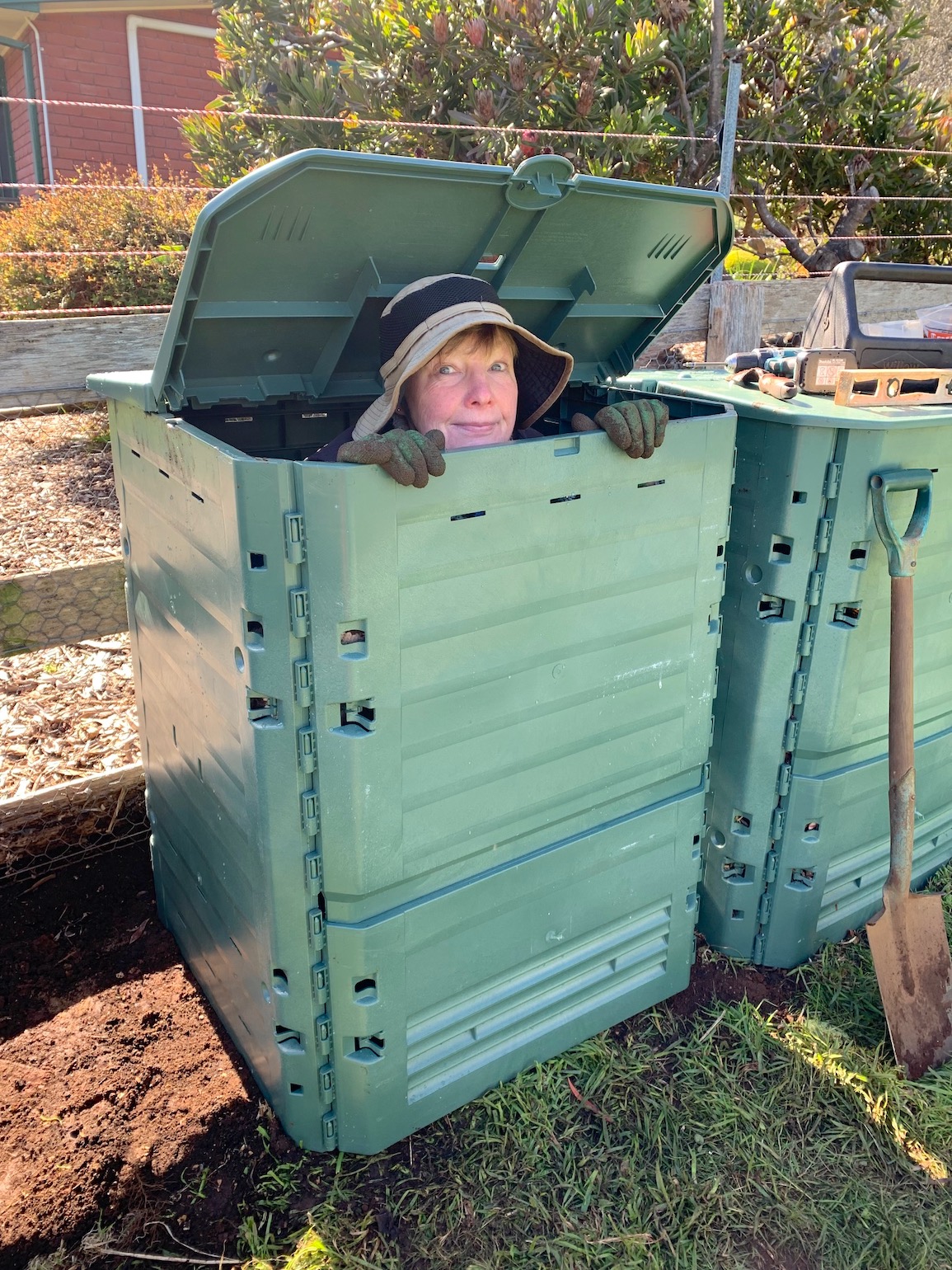
The new bin fit the space perfectly and the half-composted material was shovelled in.

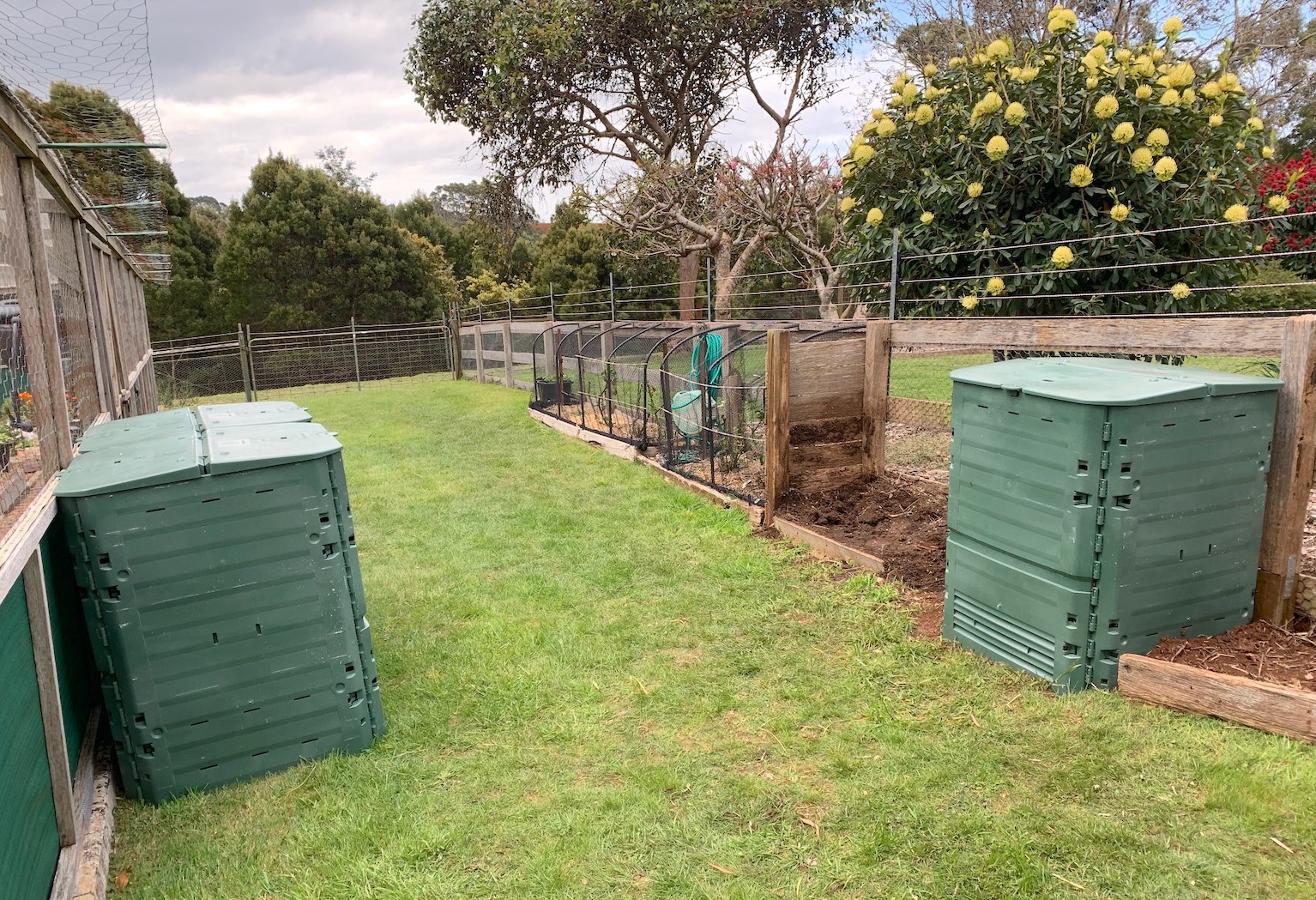
Potatoes were harvested from the random growth in the second bay before that, too, was emptied and demolished.

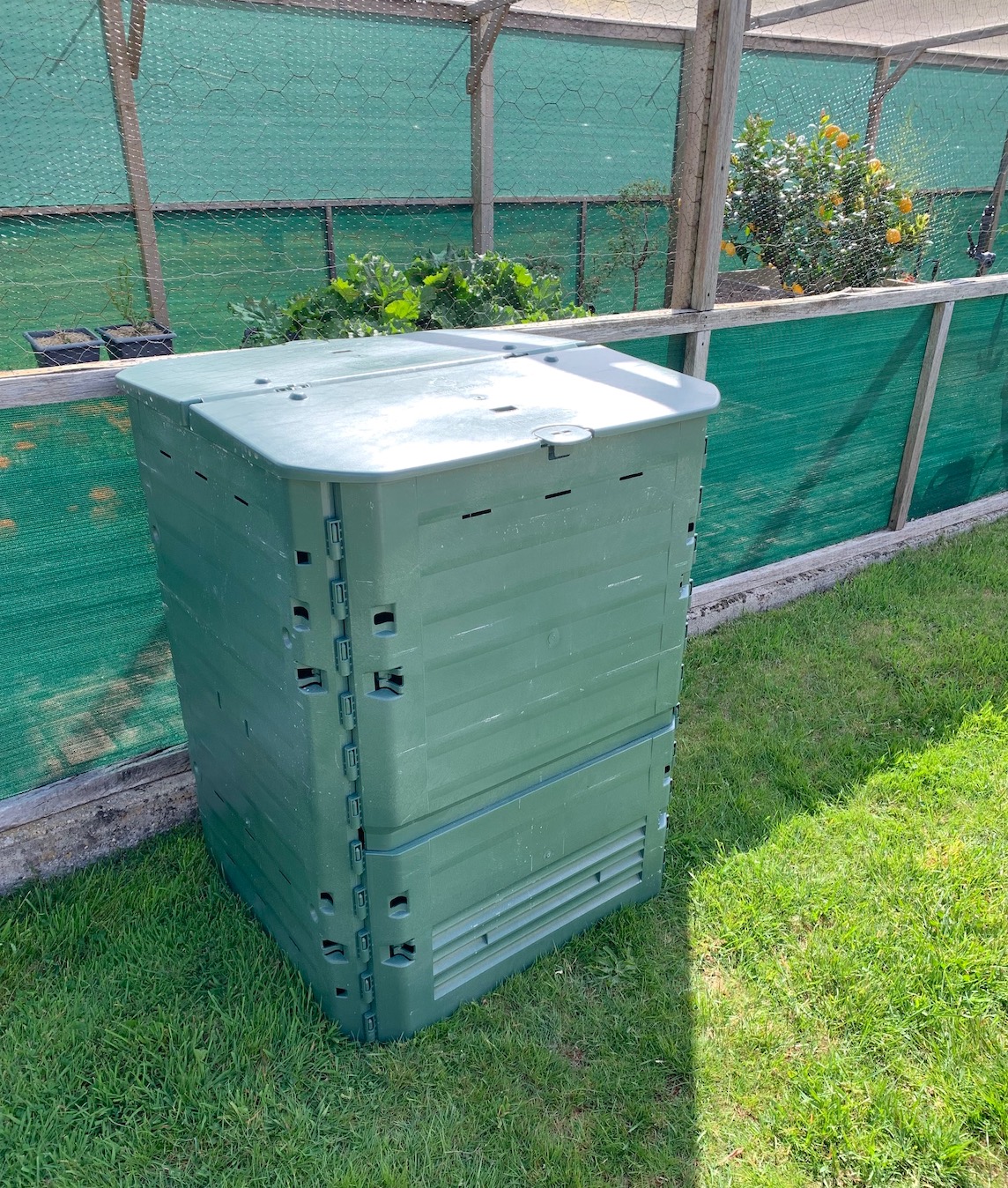
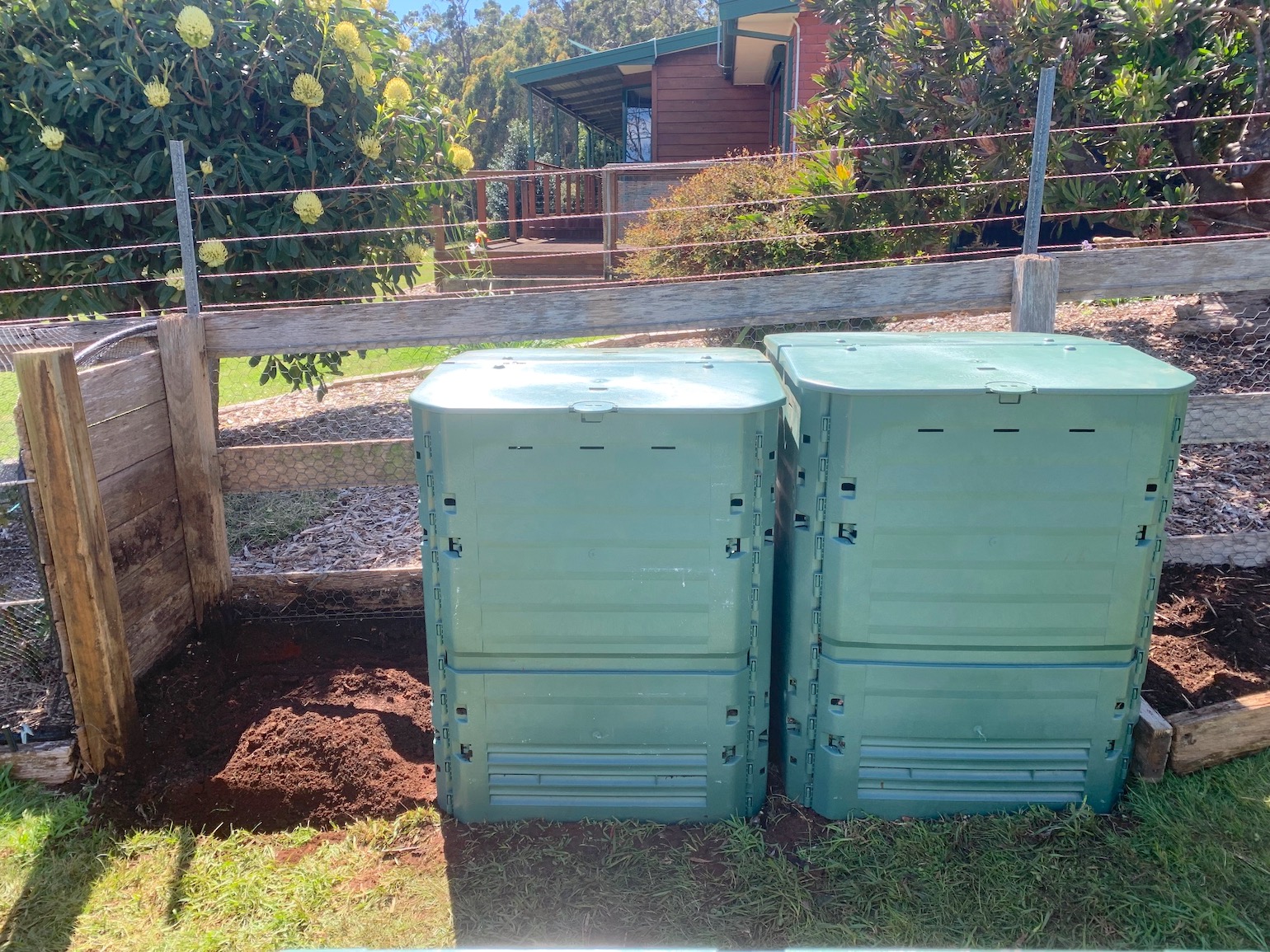
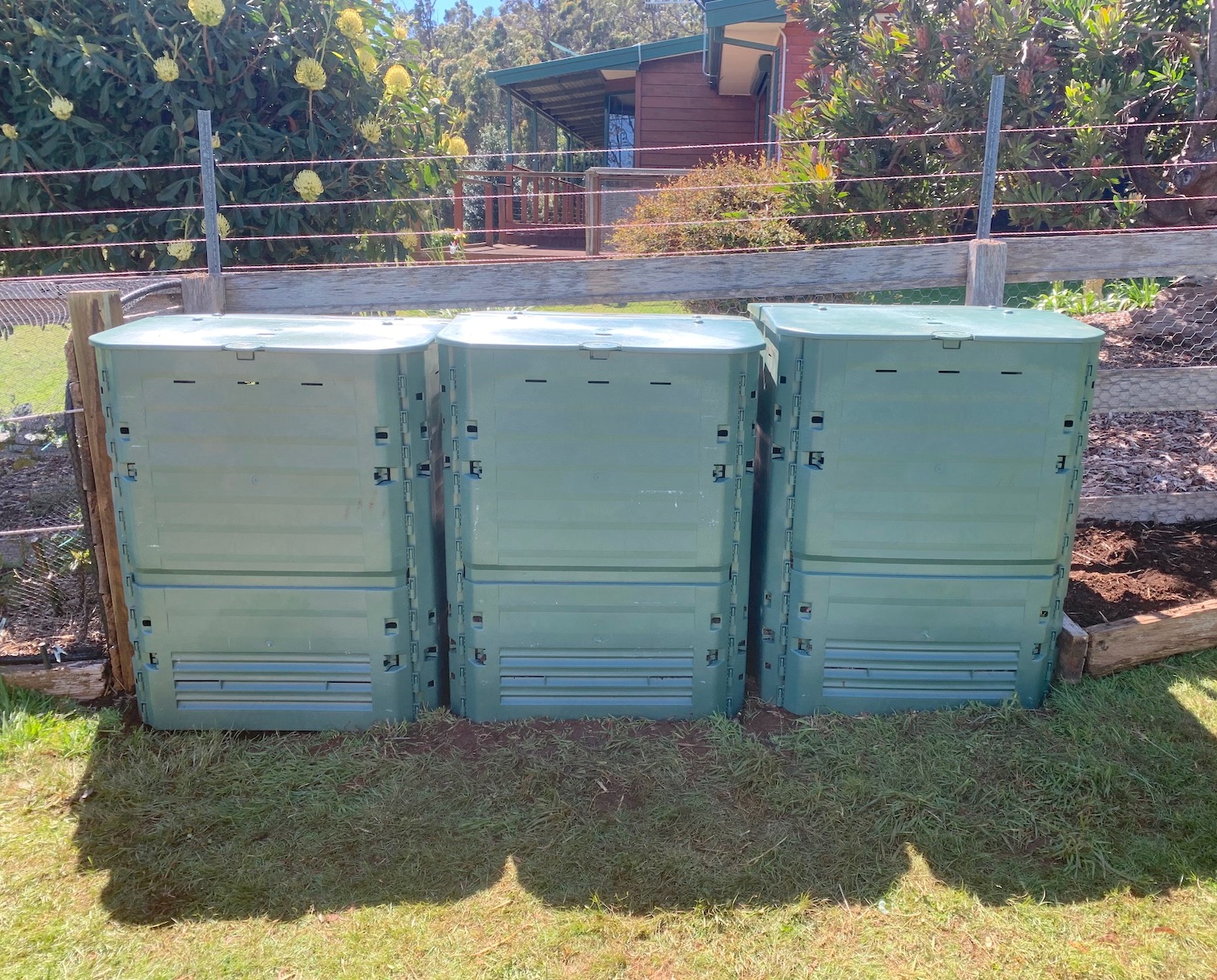
It didn’t take long to position the remaining two bins, replace the contents and admire our work.

It’s amazing what you can compost these days.

raising the bar

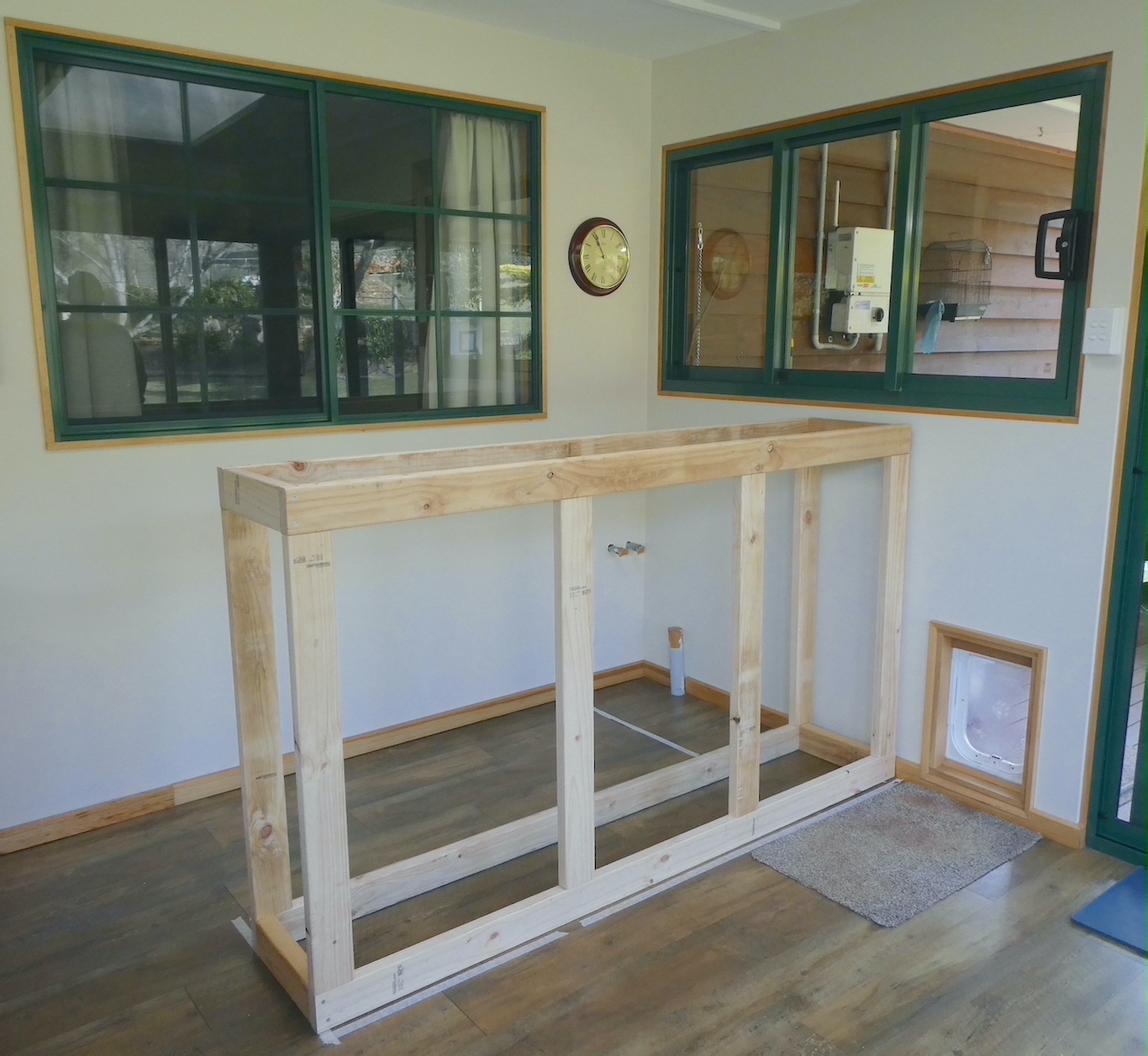
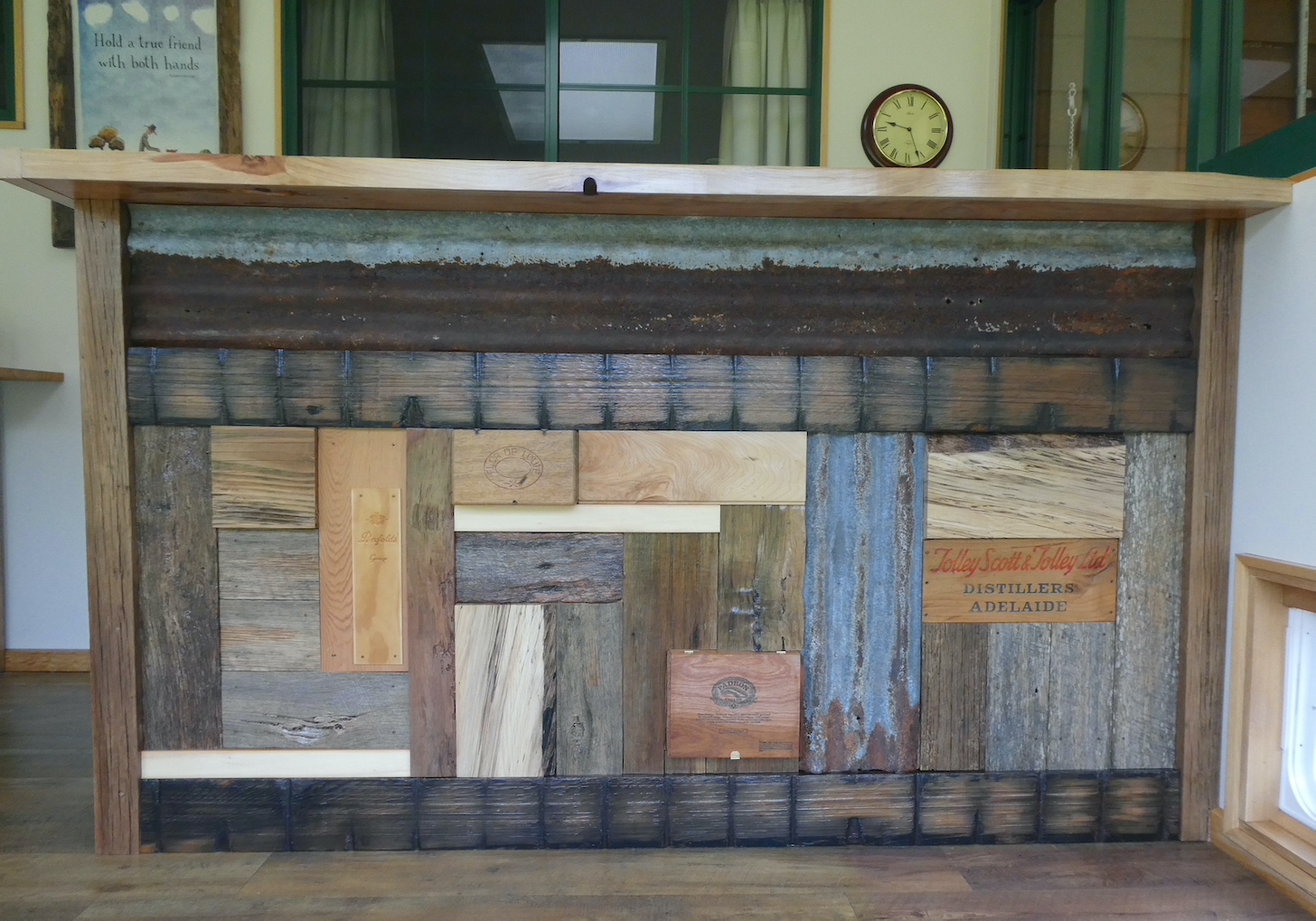
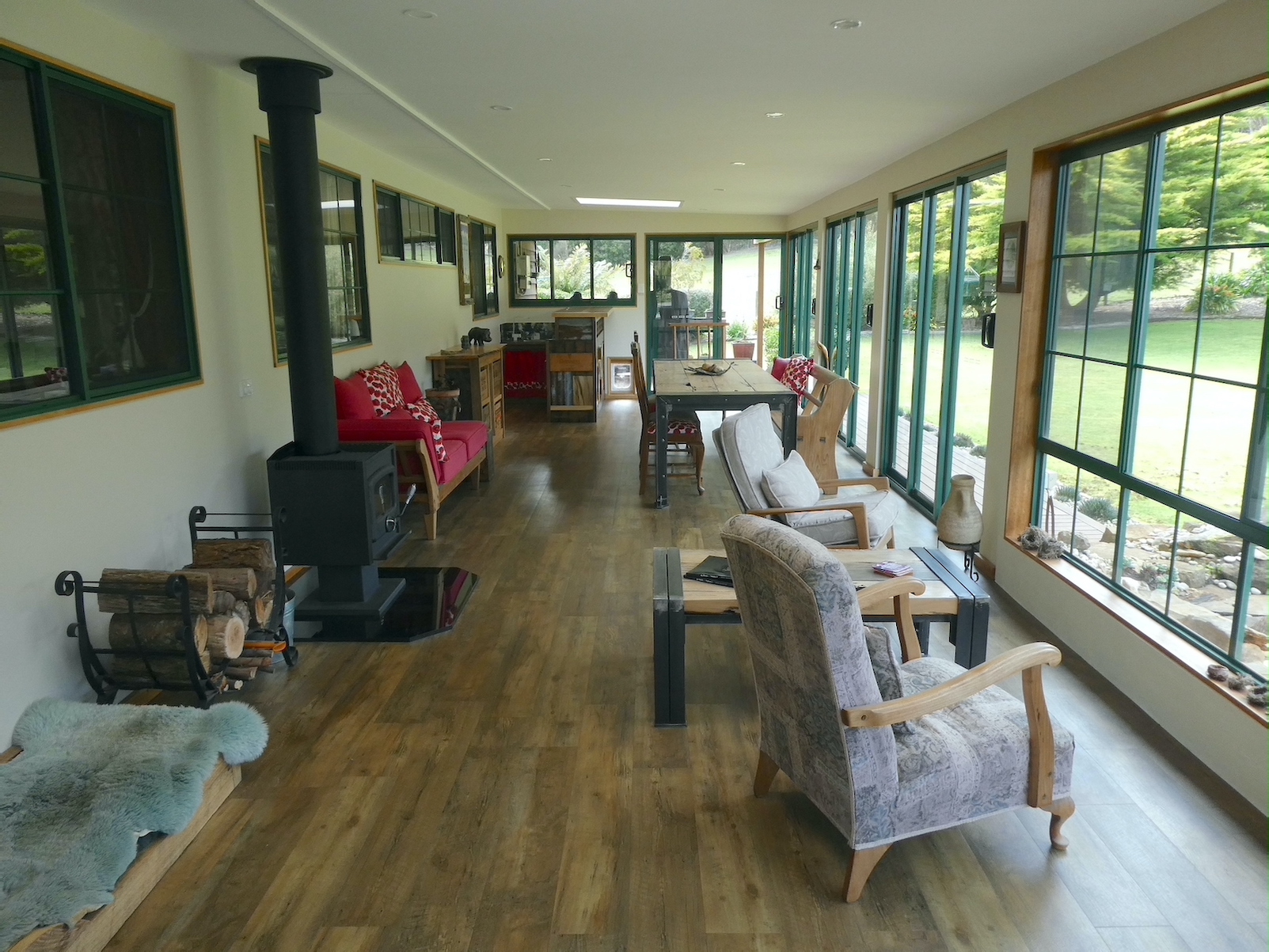
When we finished our renovation of the back verandah, our intention was to create a bespoke bar, the plumbing for which was installed at the time. Seven years on, we had a window of opportunity around our other projects. We started with a vague idea

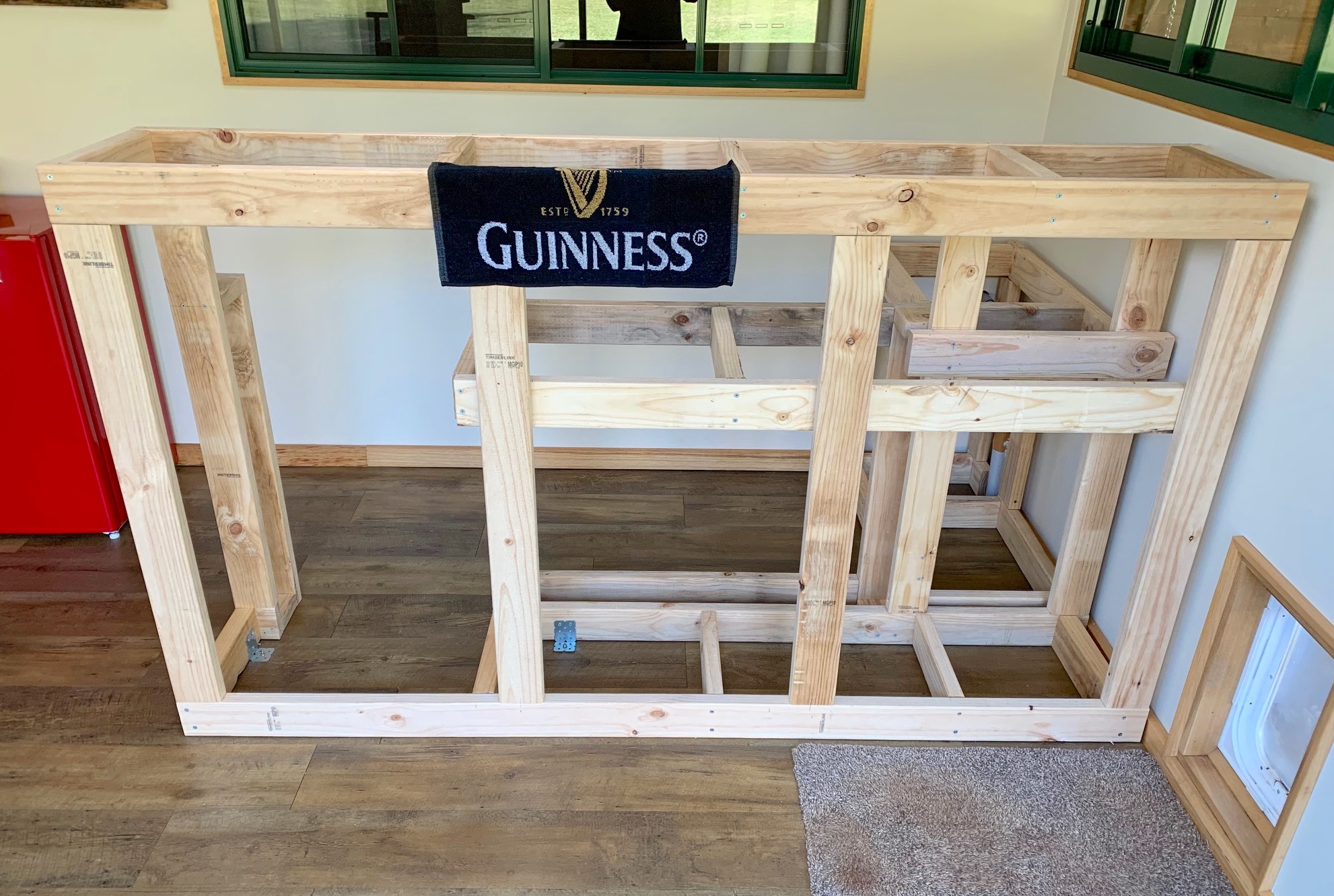
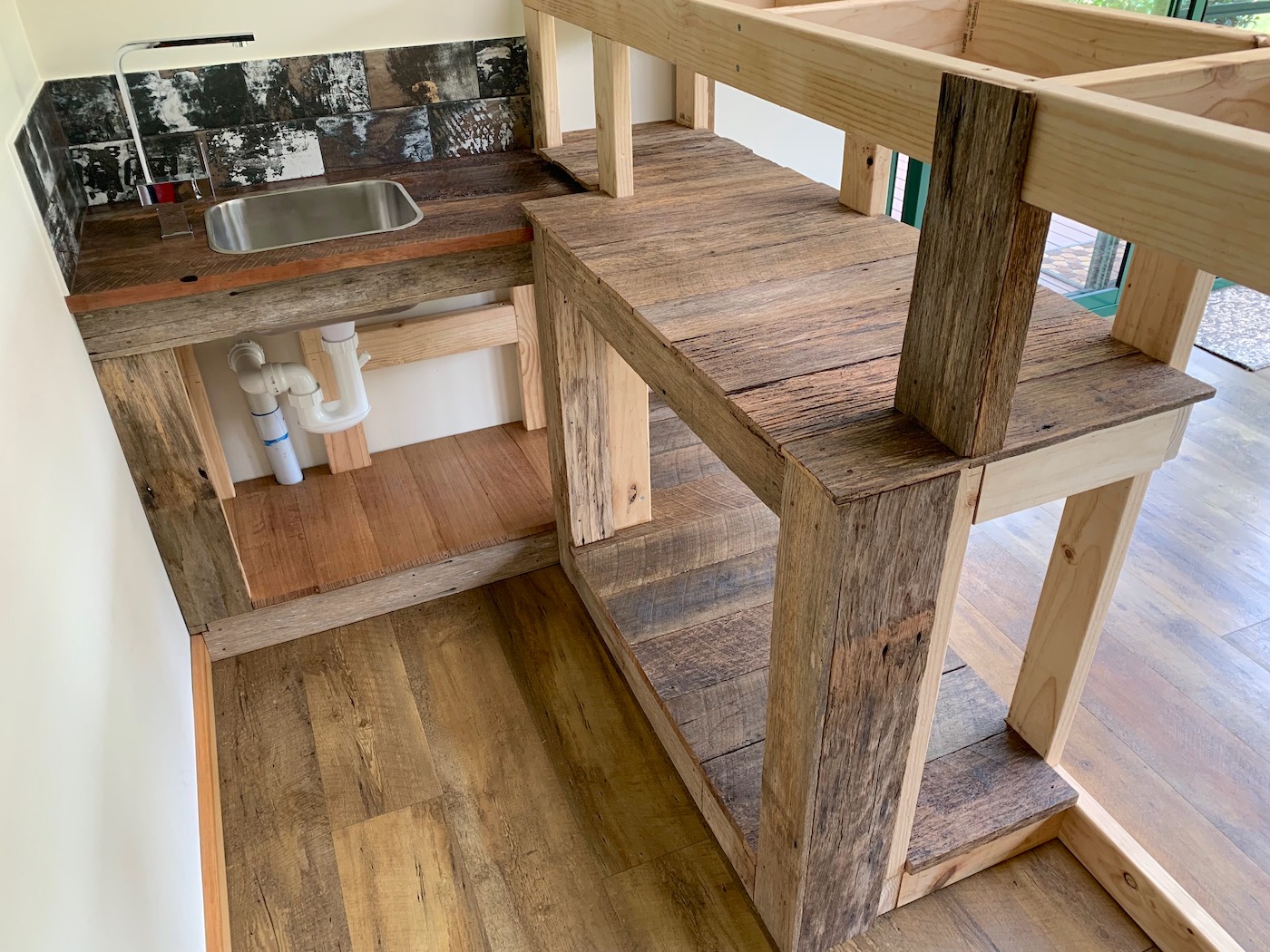
and a basic frame.

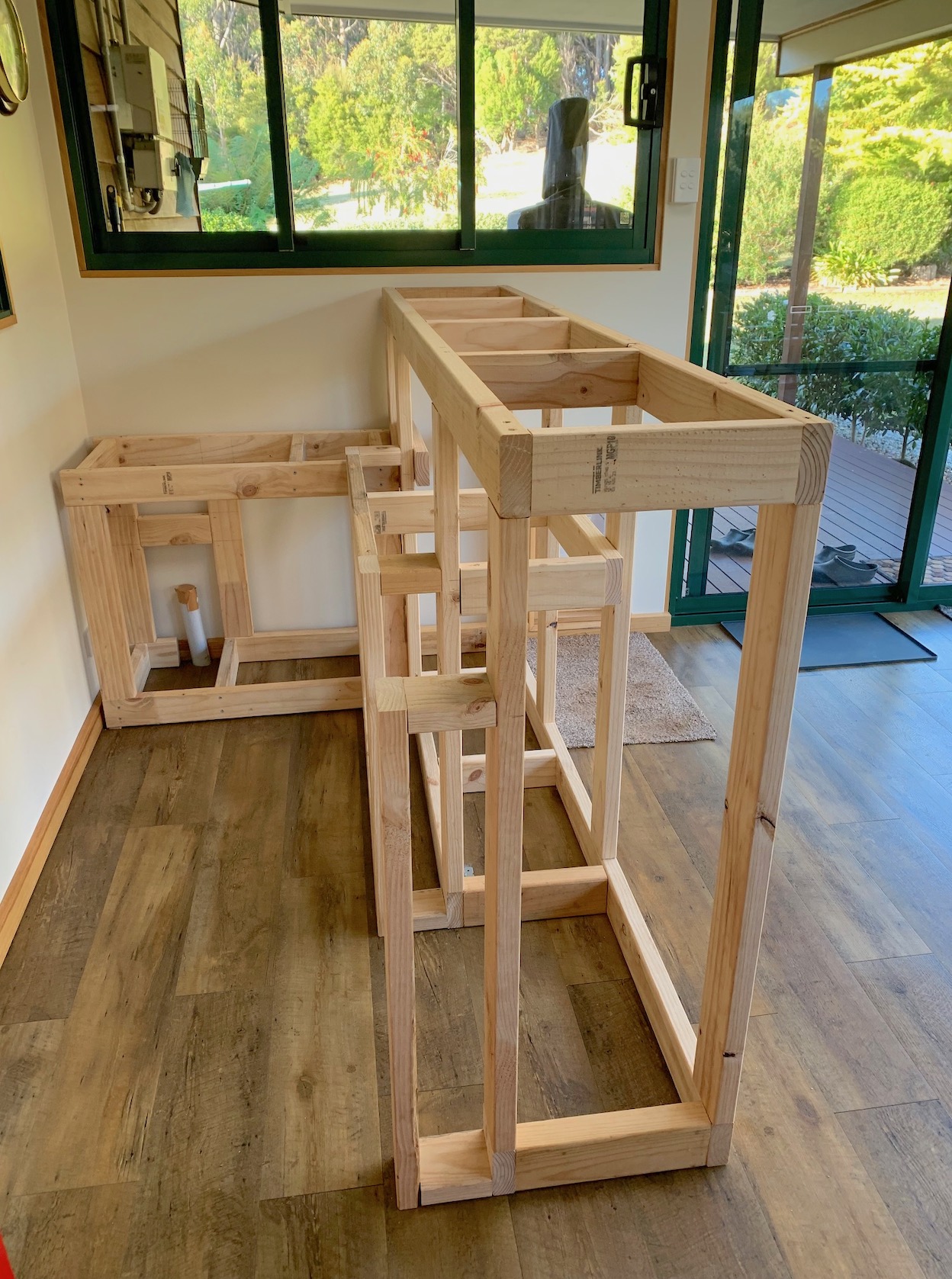
The framework for the sink section came next and before long, the skeleton was complete.

With a bit of inspiration,

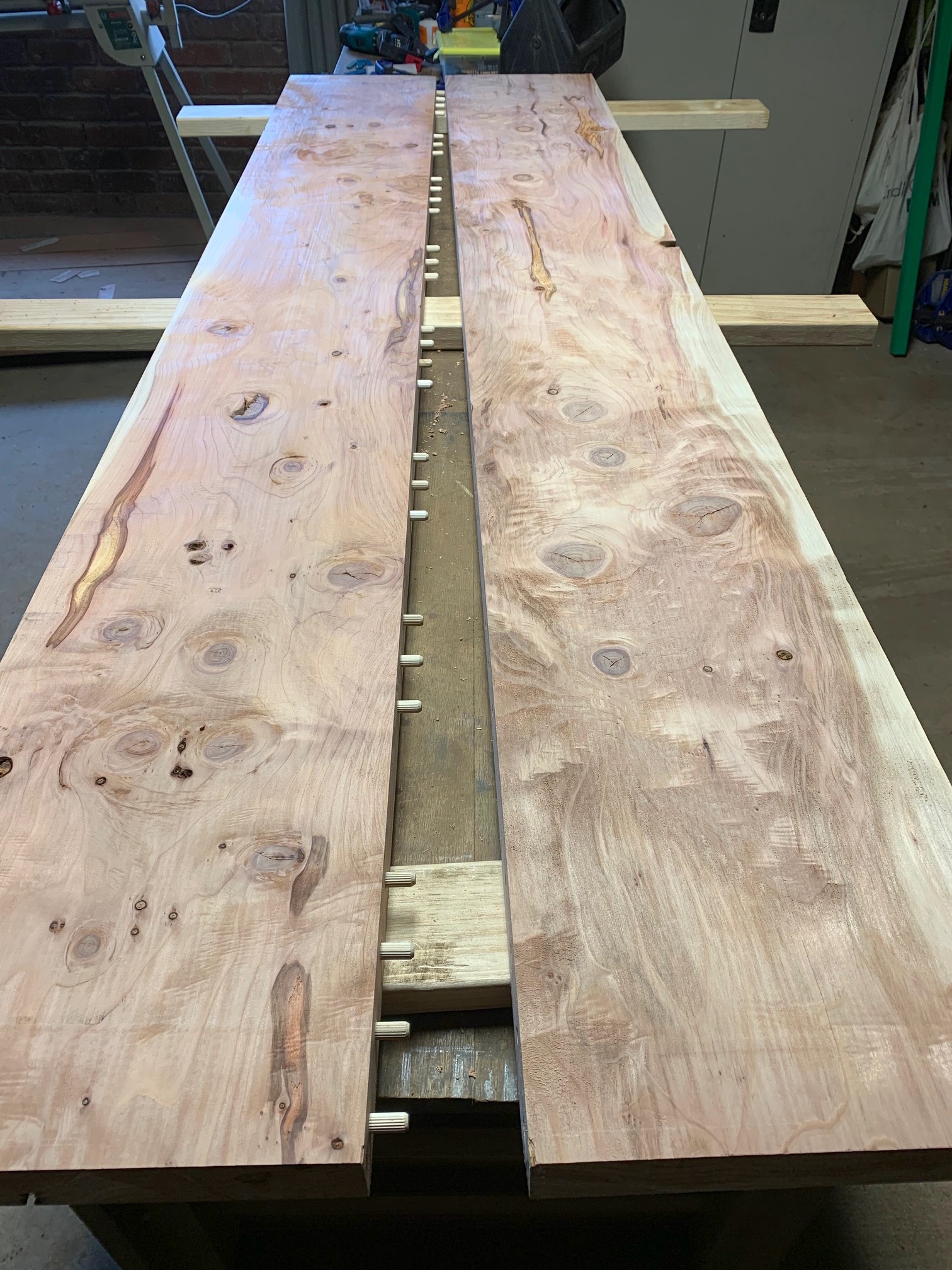
the next step was the bar top. Michael had acquired a couple of magnificent slabs of California redwood and spent many hours sanding them to perfection. We needed to join the two sides and embarked on the nerve-racking task with a newly purchased dowel jig kit.

The timber was too thick to use the jig as designed so we modified our approach with great success.

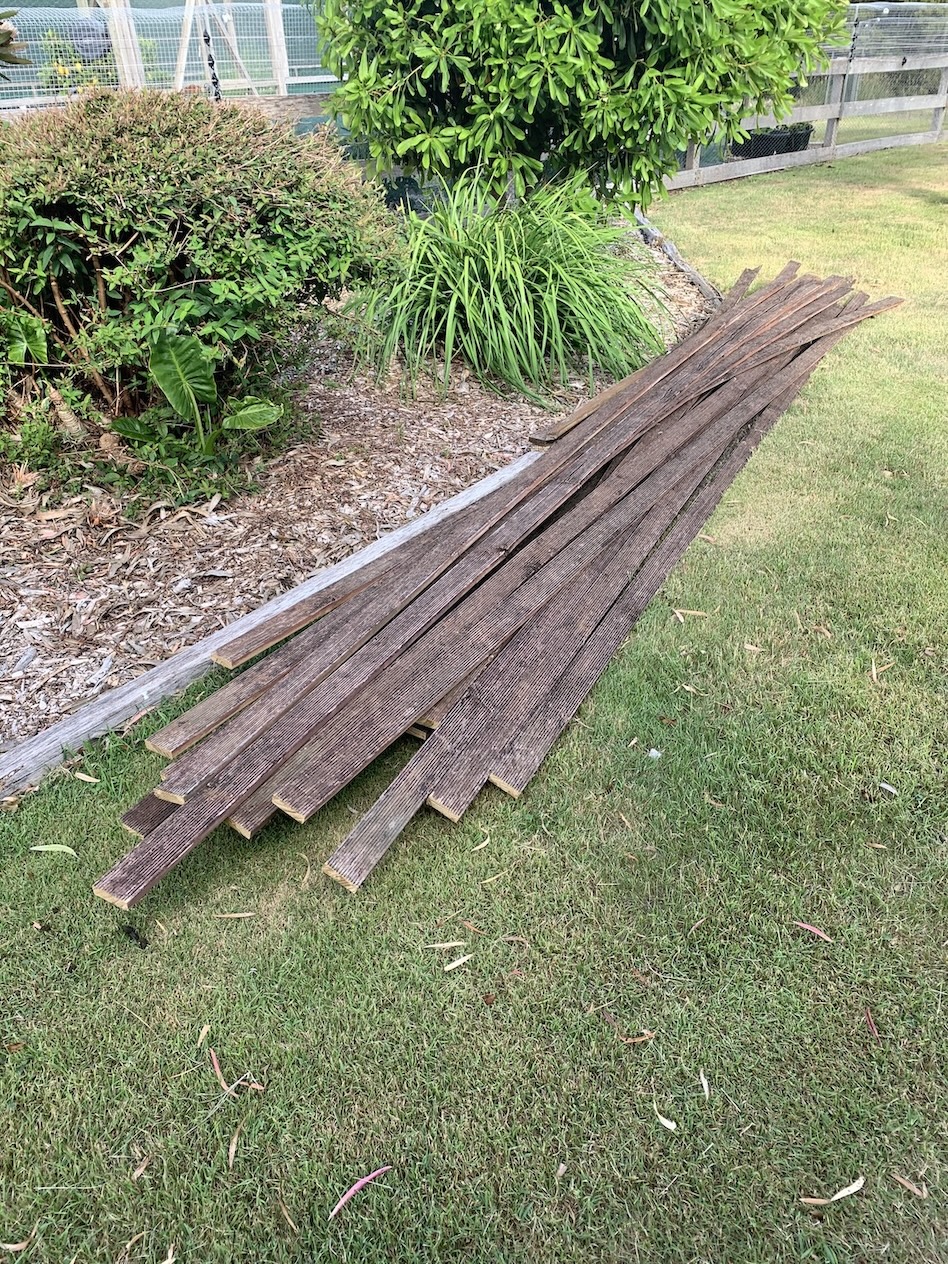
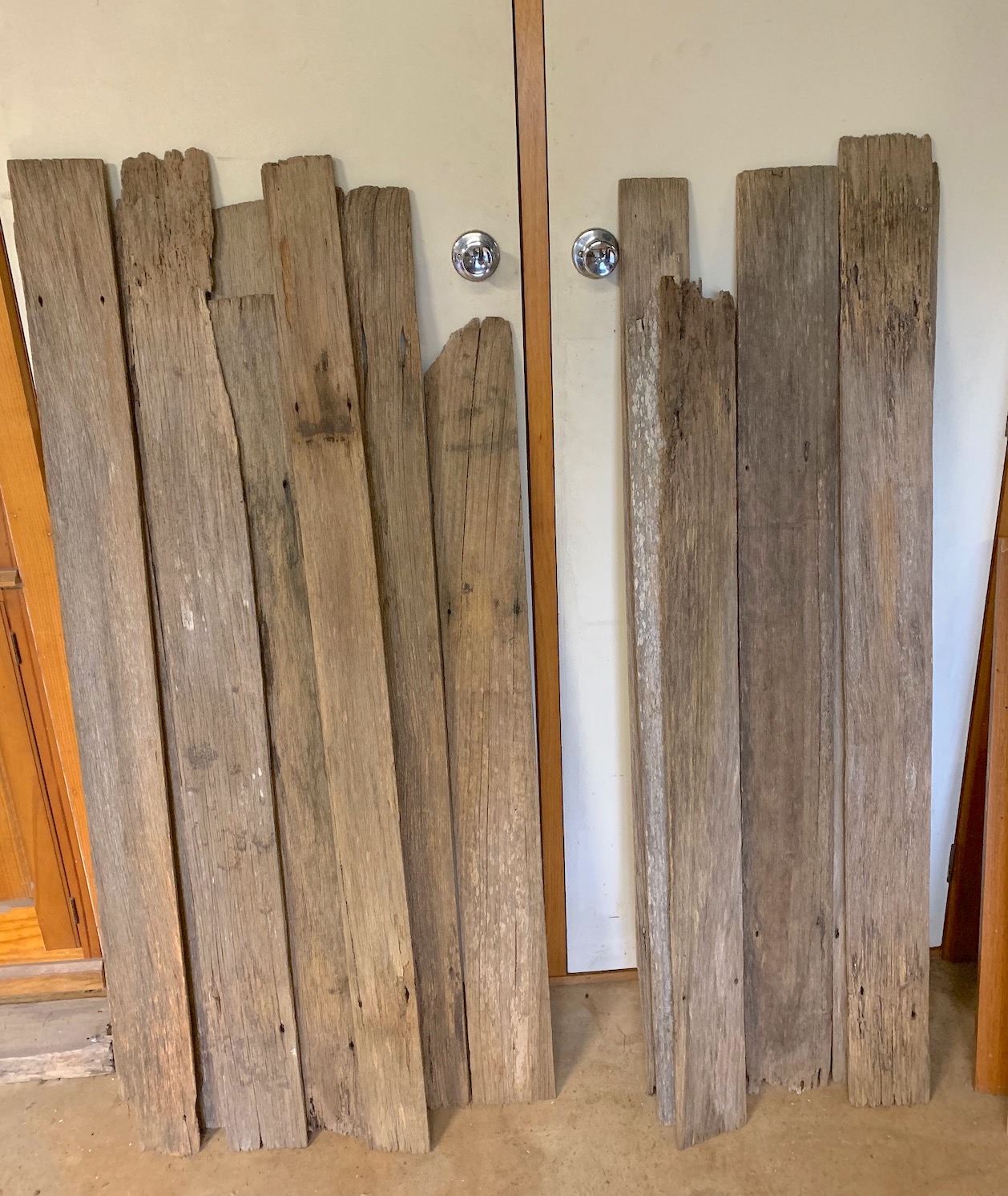
Our collection of reclaimed fence palings were finally put to use for shelving.

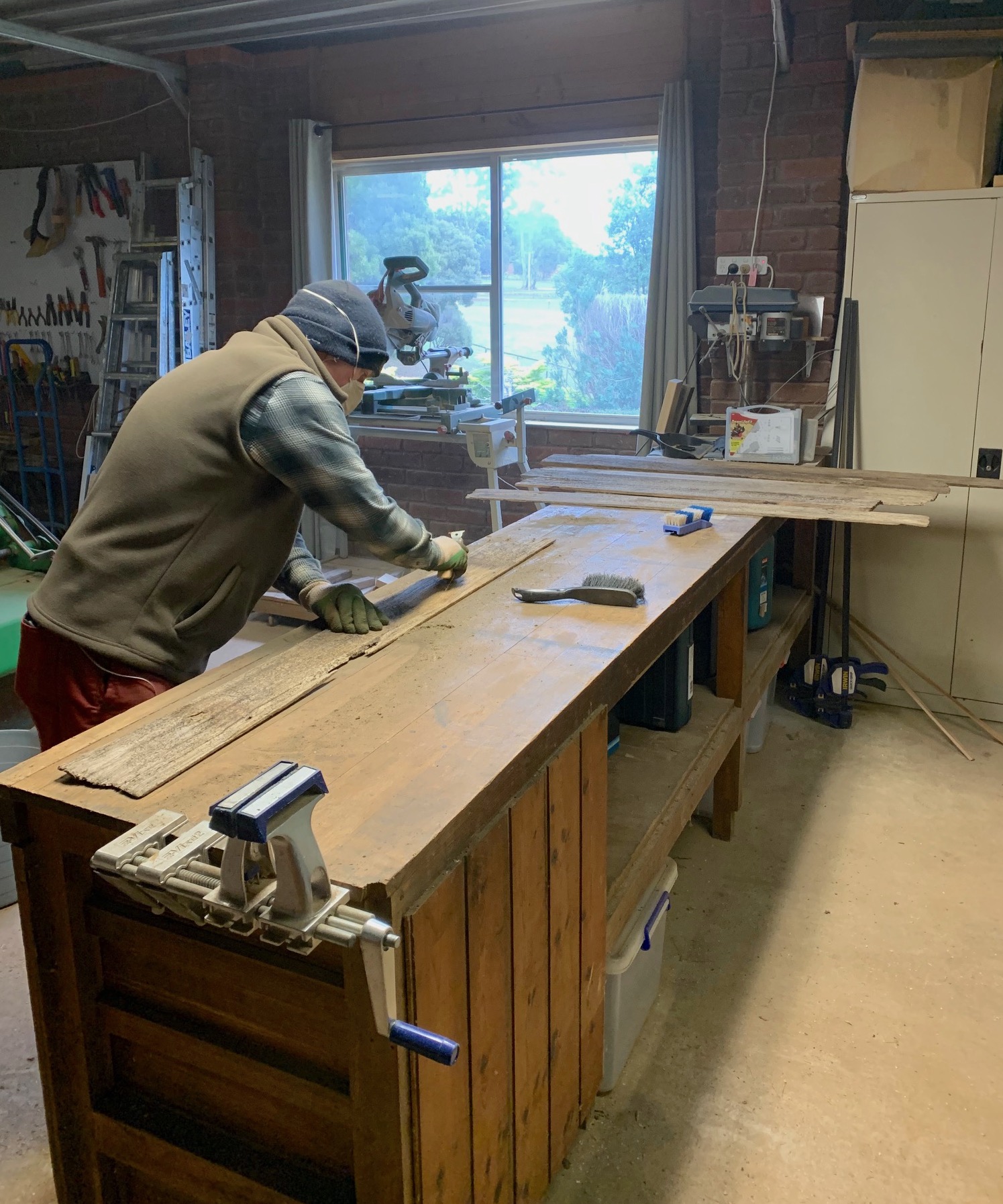
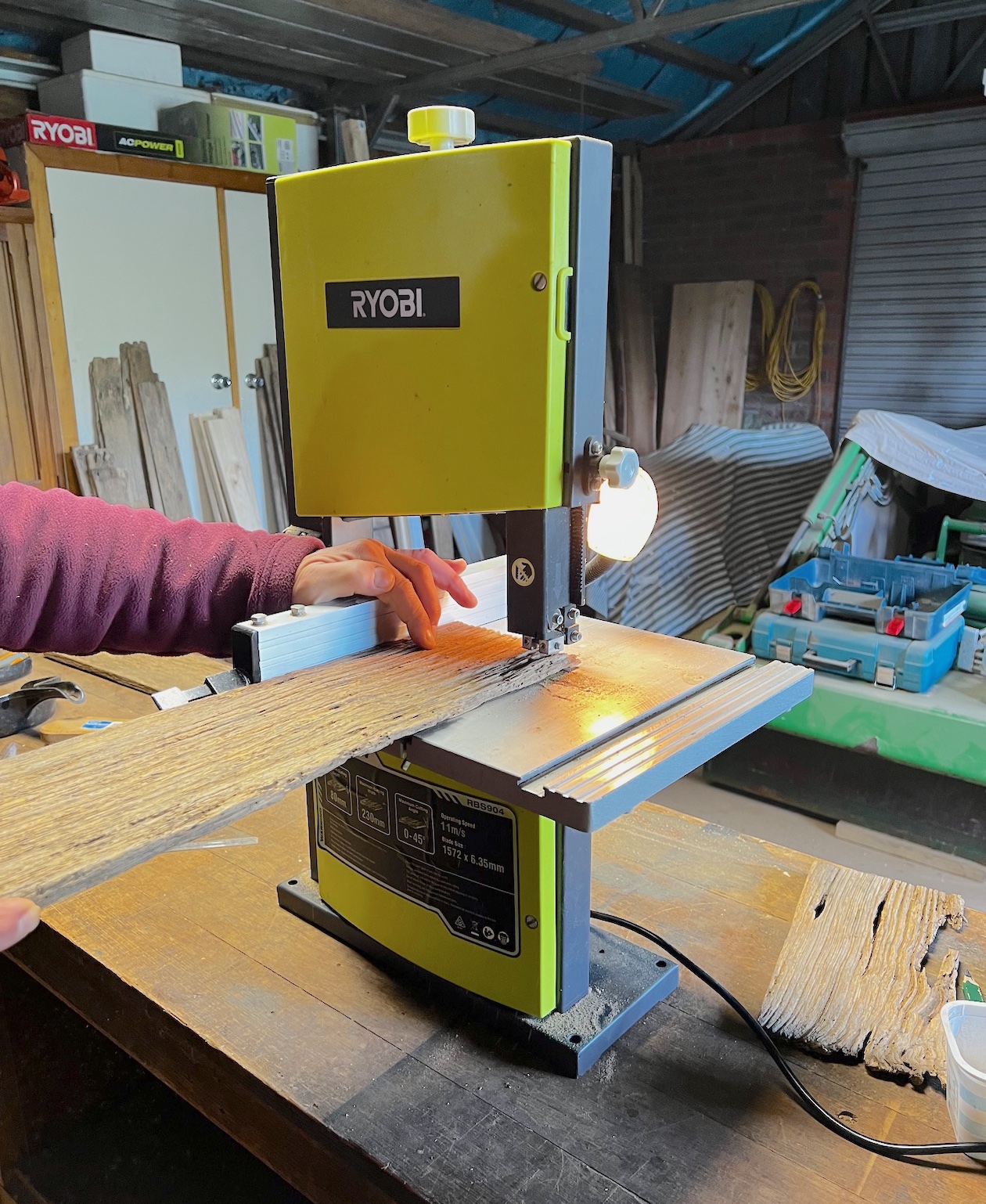
More hours of preparation with the invaluable help of Michael’s new toy.

At this point, our trusty old drop saw gave up the ghost so we added another new toy to the ever growing arsenal.

With shelving installed on the base of the bar, we moved on to the sink fitting.

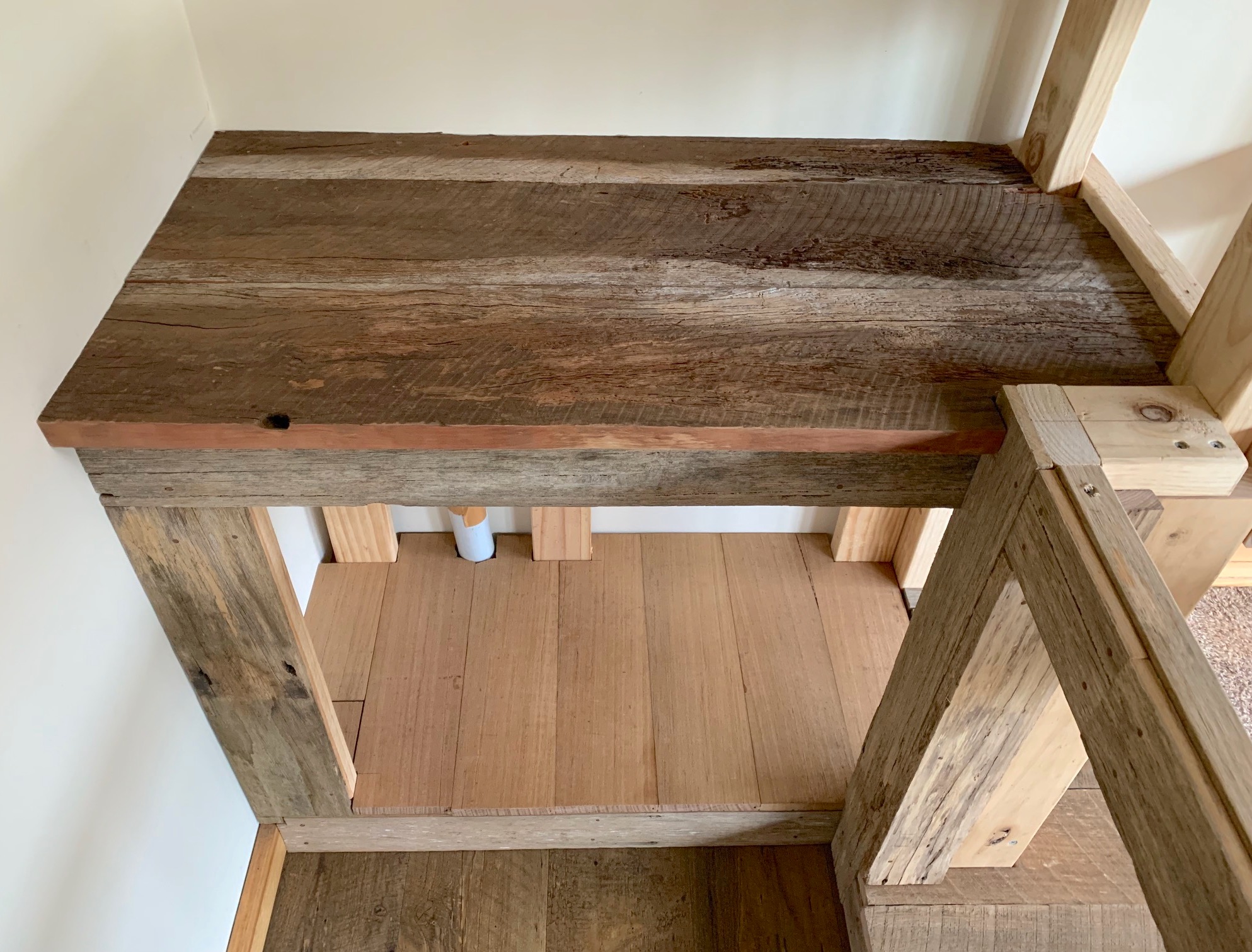
Some unidentified reclaimed timber we had lying around in the workshop made for the perfect sink bench.

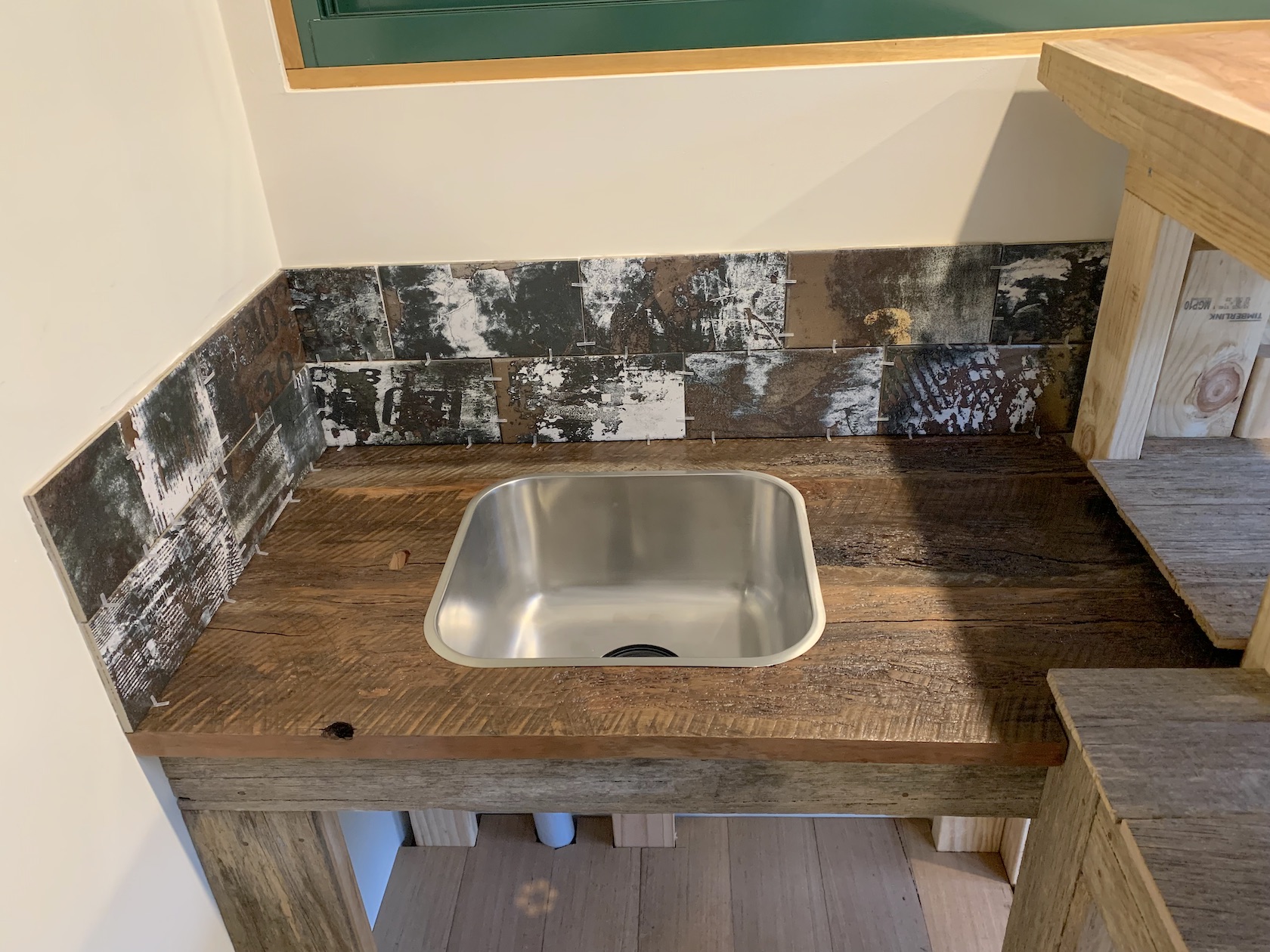
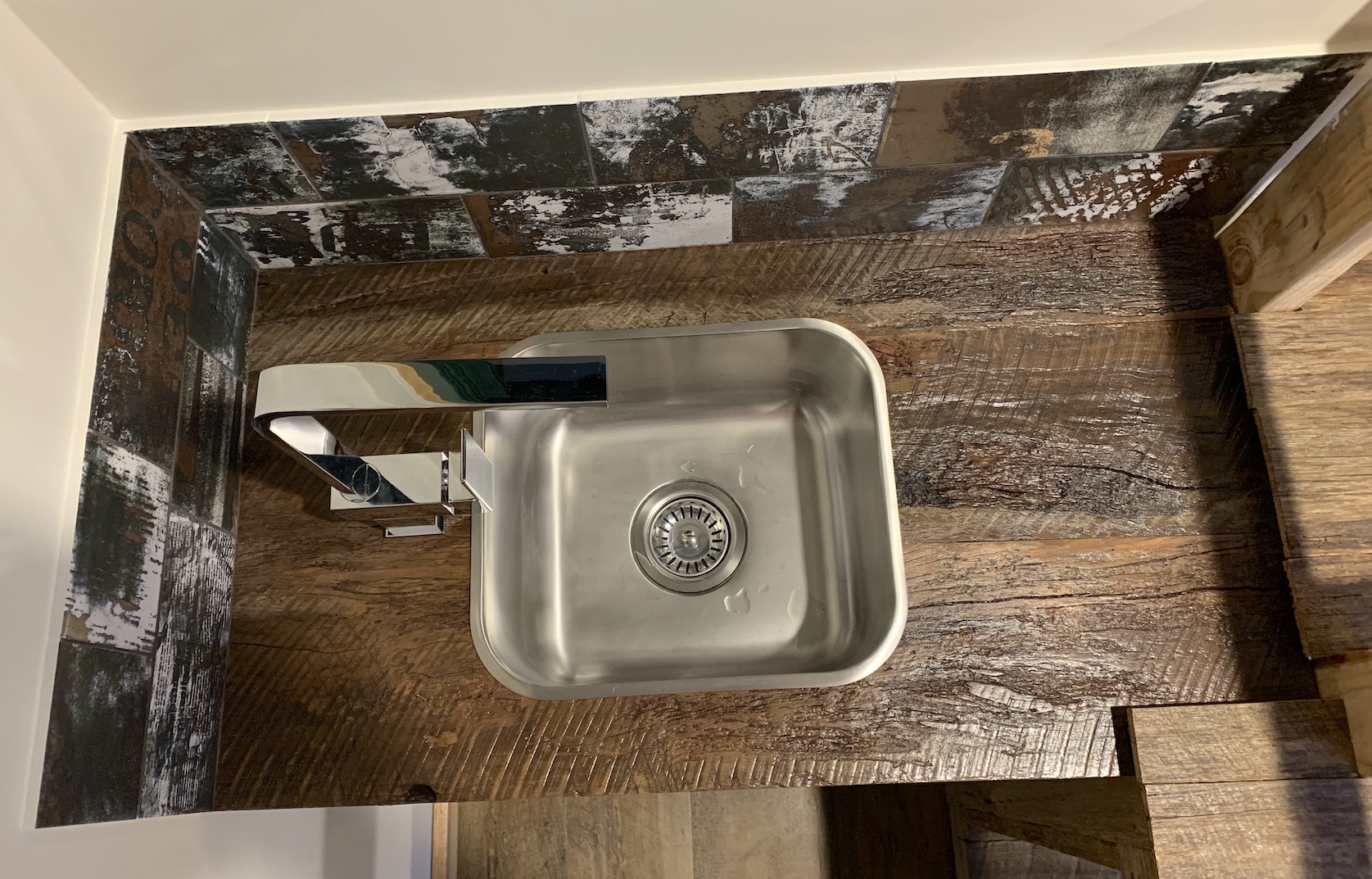
With tiled splash back and plumbing complete, the worktop shelving was added.

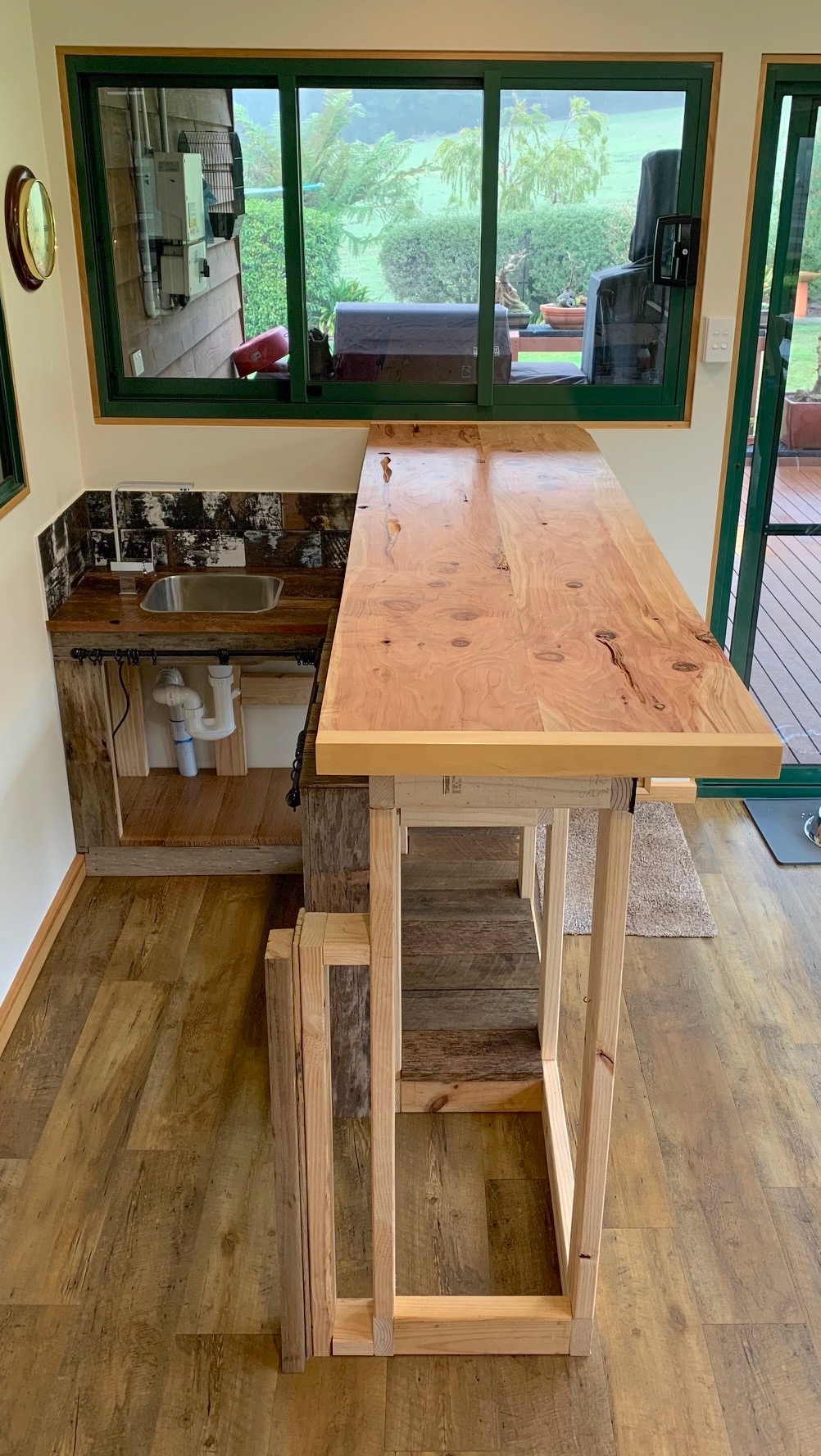
A strip of Huon pine to edge the bar top and a few coats of Cabothane later, it was fixed in place without drama.

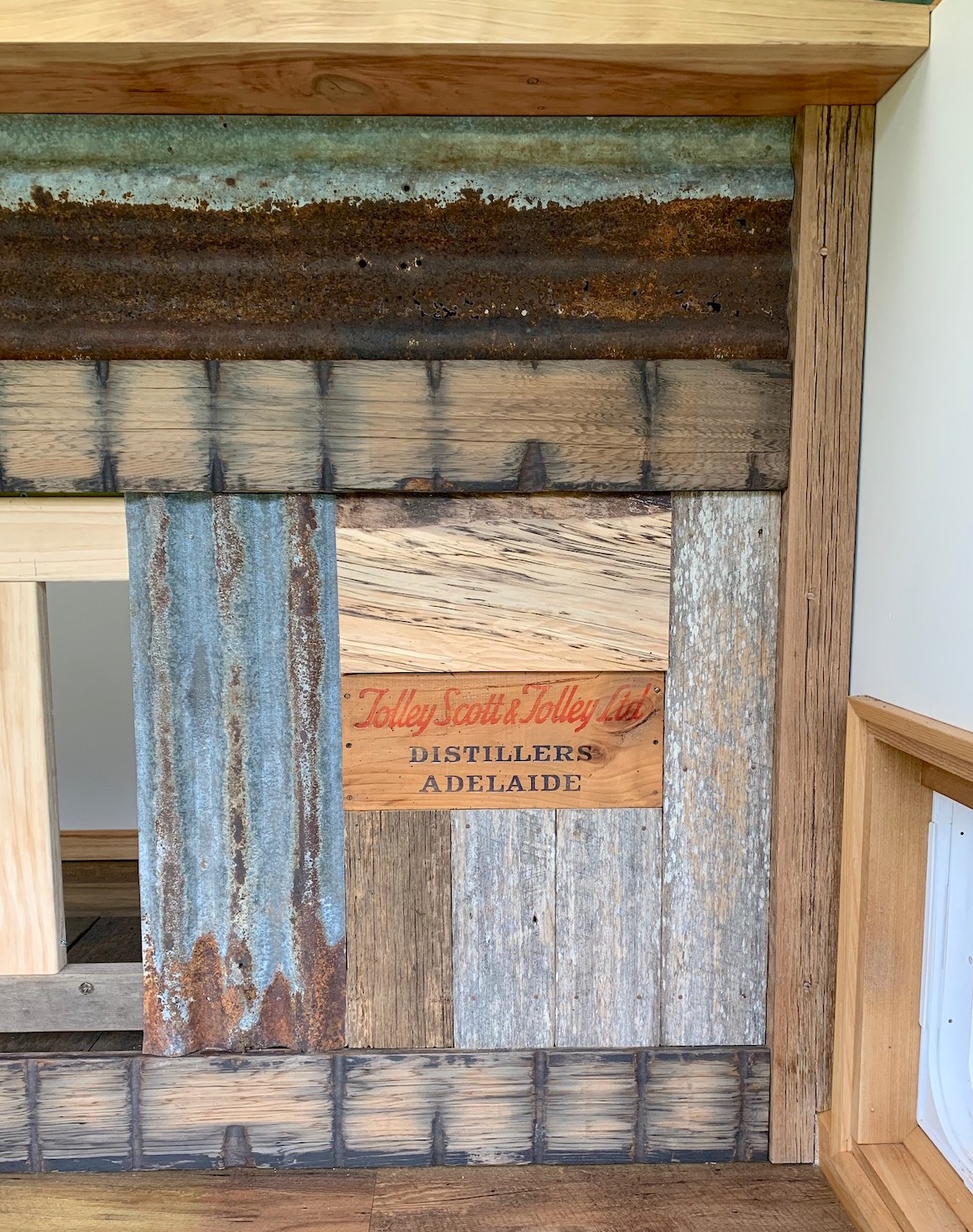
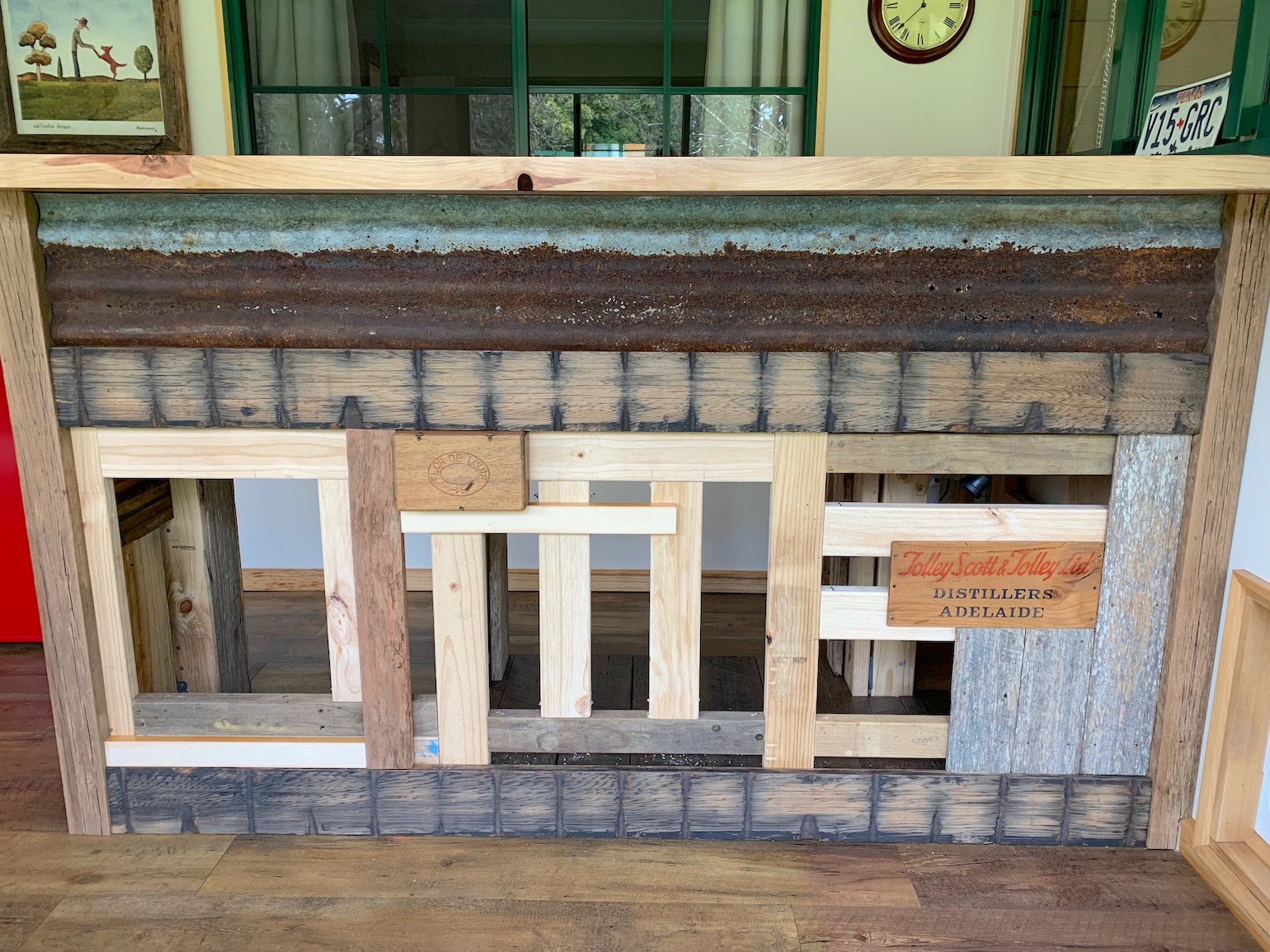
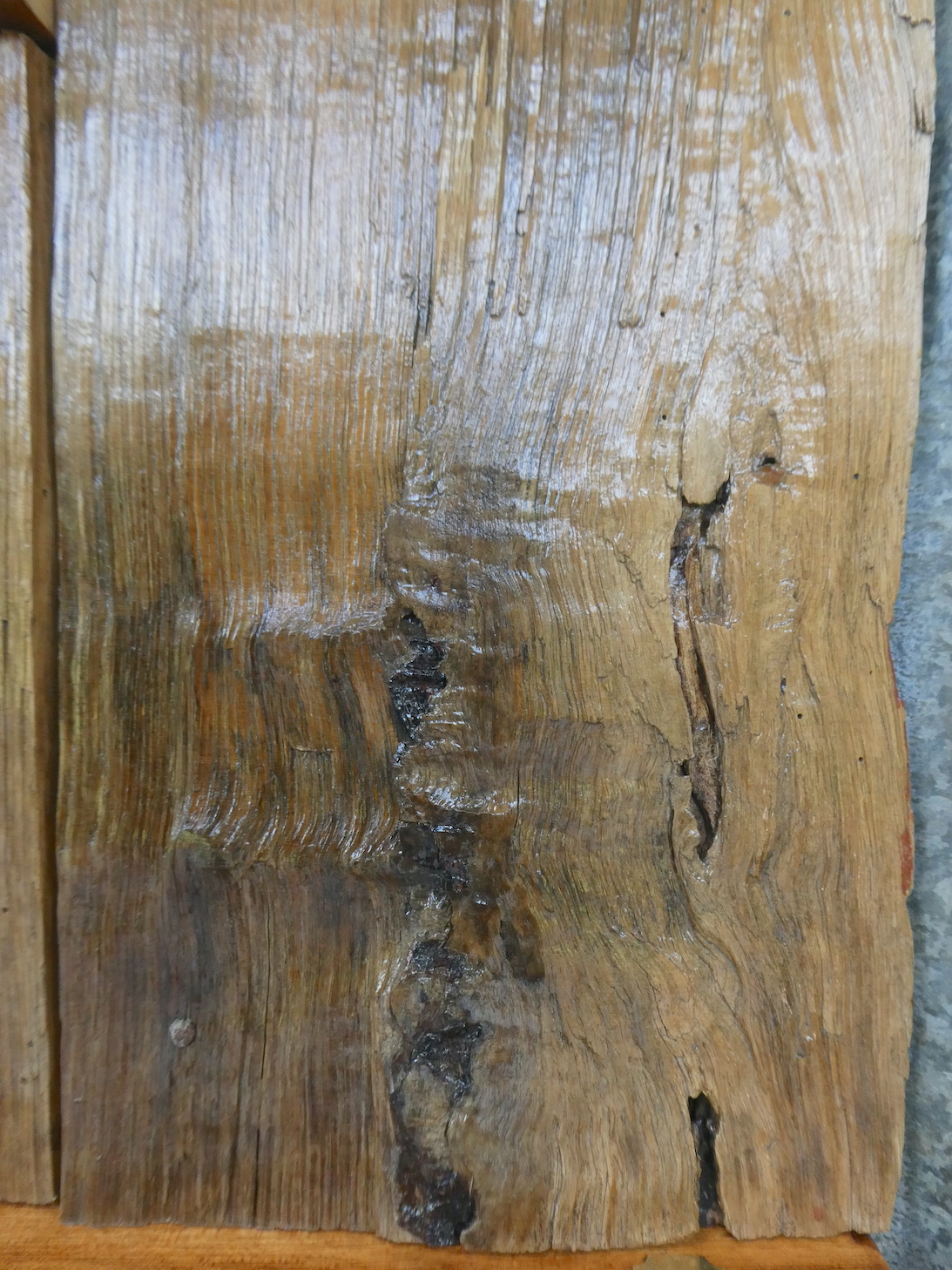
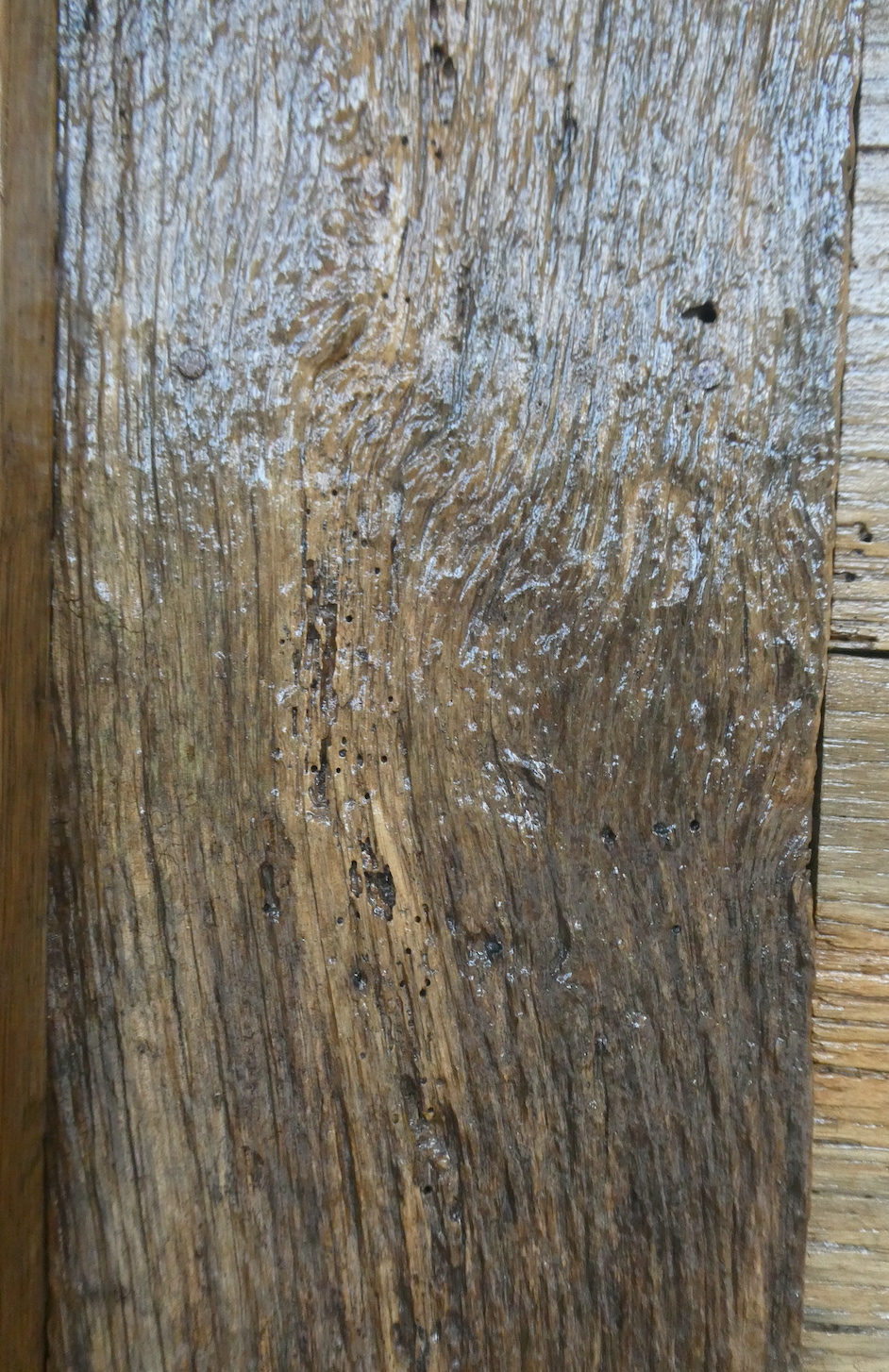
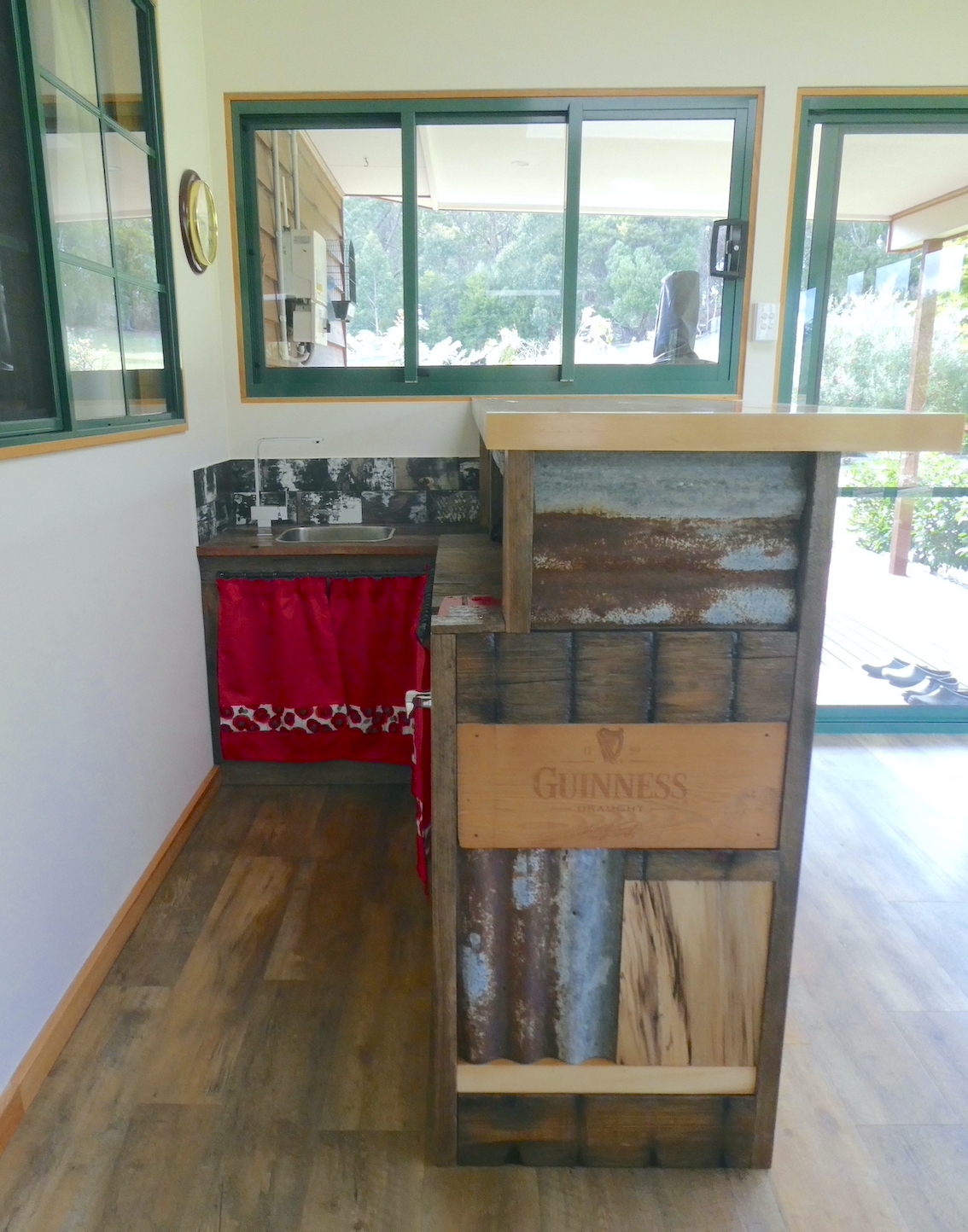
Now for the cladding. We had collected a few random pieces of timber over the years, starting with the King Billy planks from the old hydro water pipes, complete with marks from the strapping. We always intended them to be a feature on the bar.

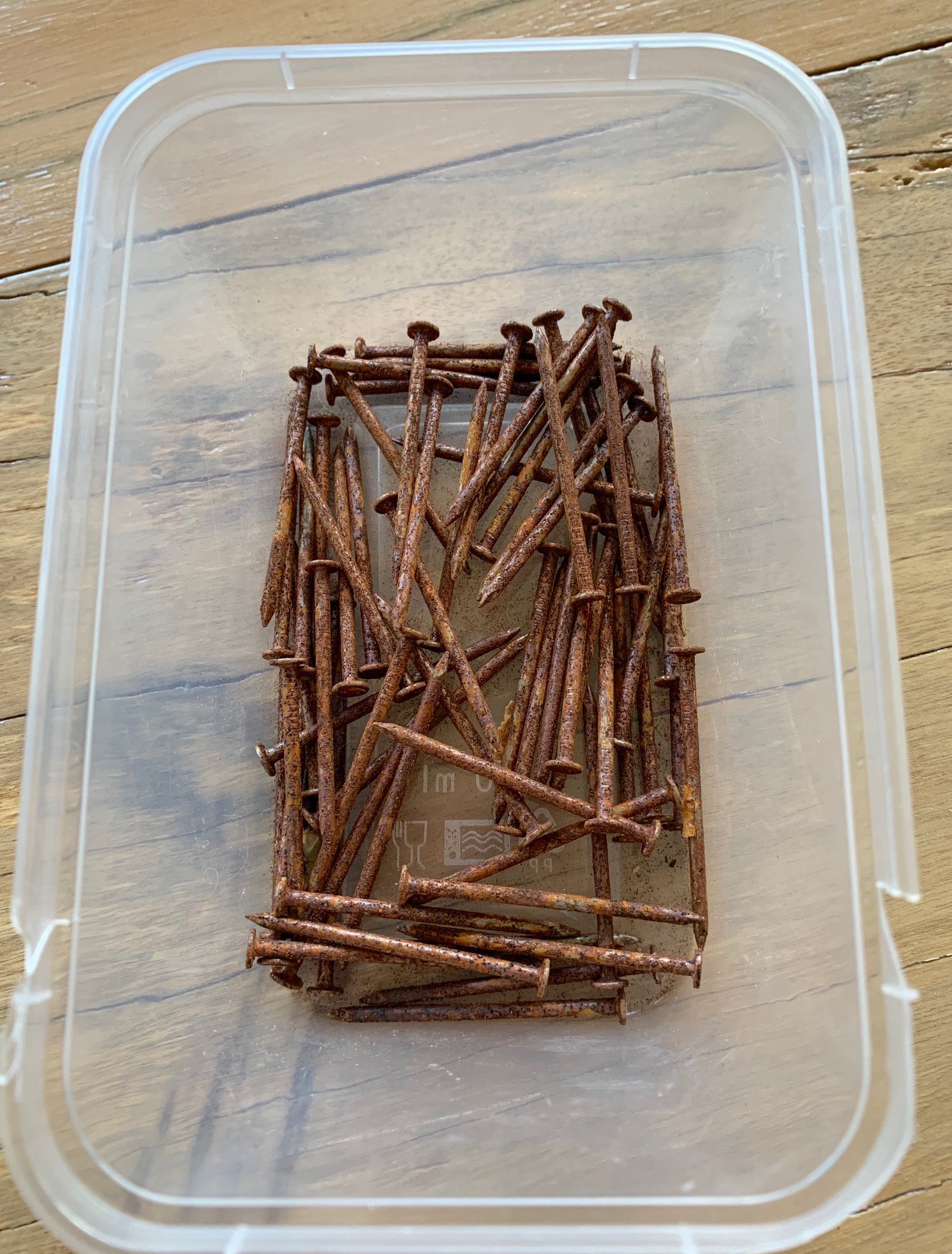
A concoction of vinegar and bleach easily rusted some nails to use on the other elements of the cladding.

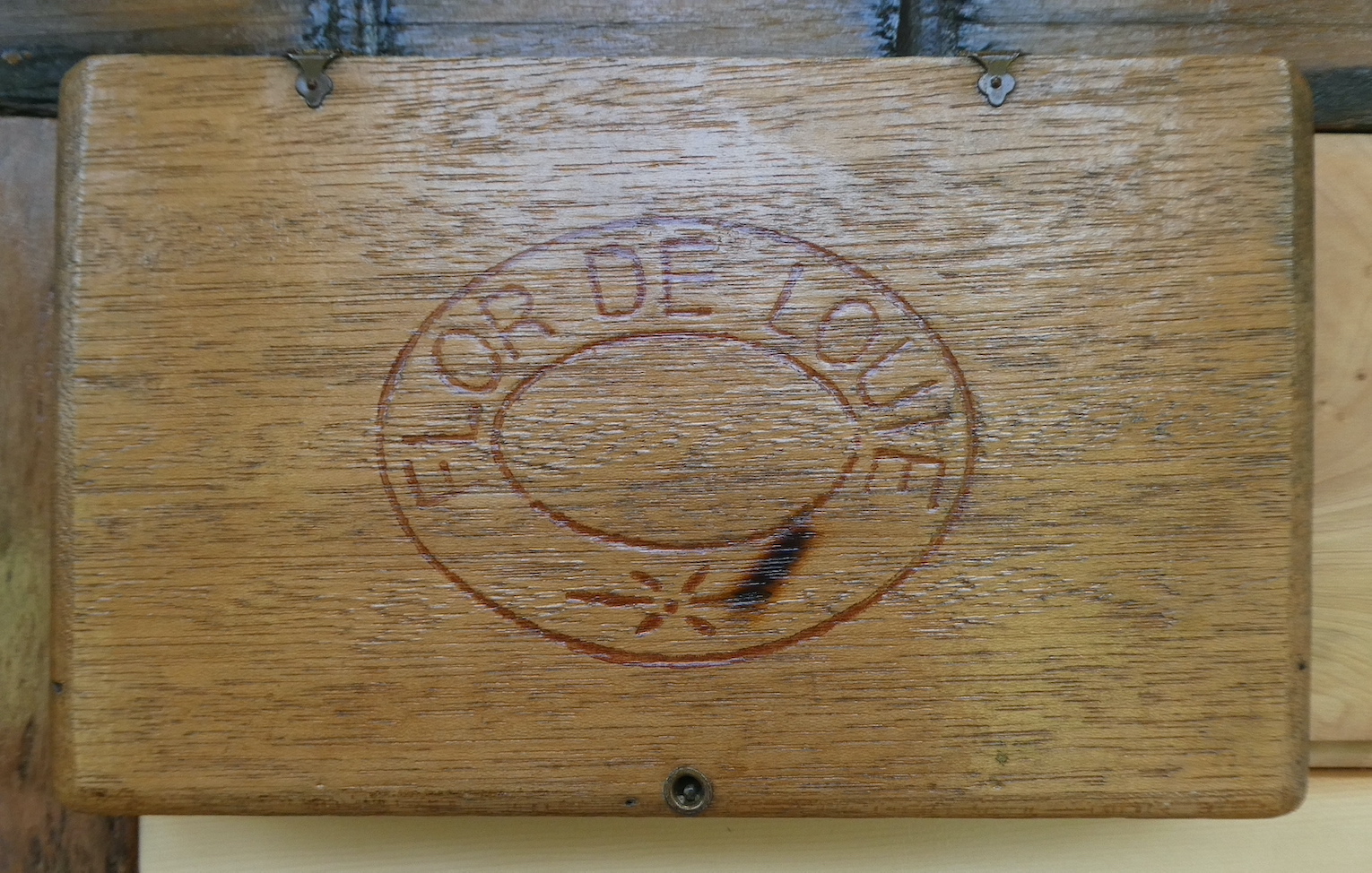
Our approach of “make it up as we go along” seemed to work well as we added an assortment of timbers, some feature panels and a couple of cigar boxes.

Cupboard curtains complemented the bar fridge as well as the soft furnishings in the room.

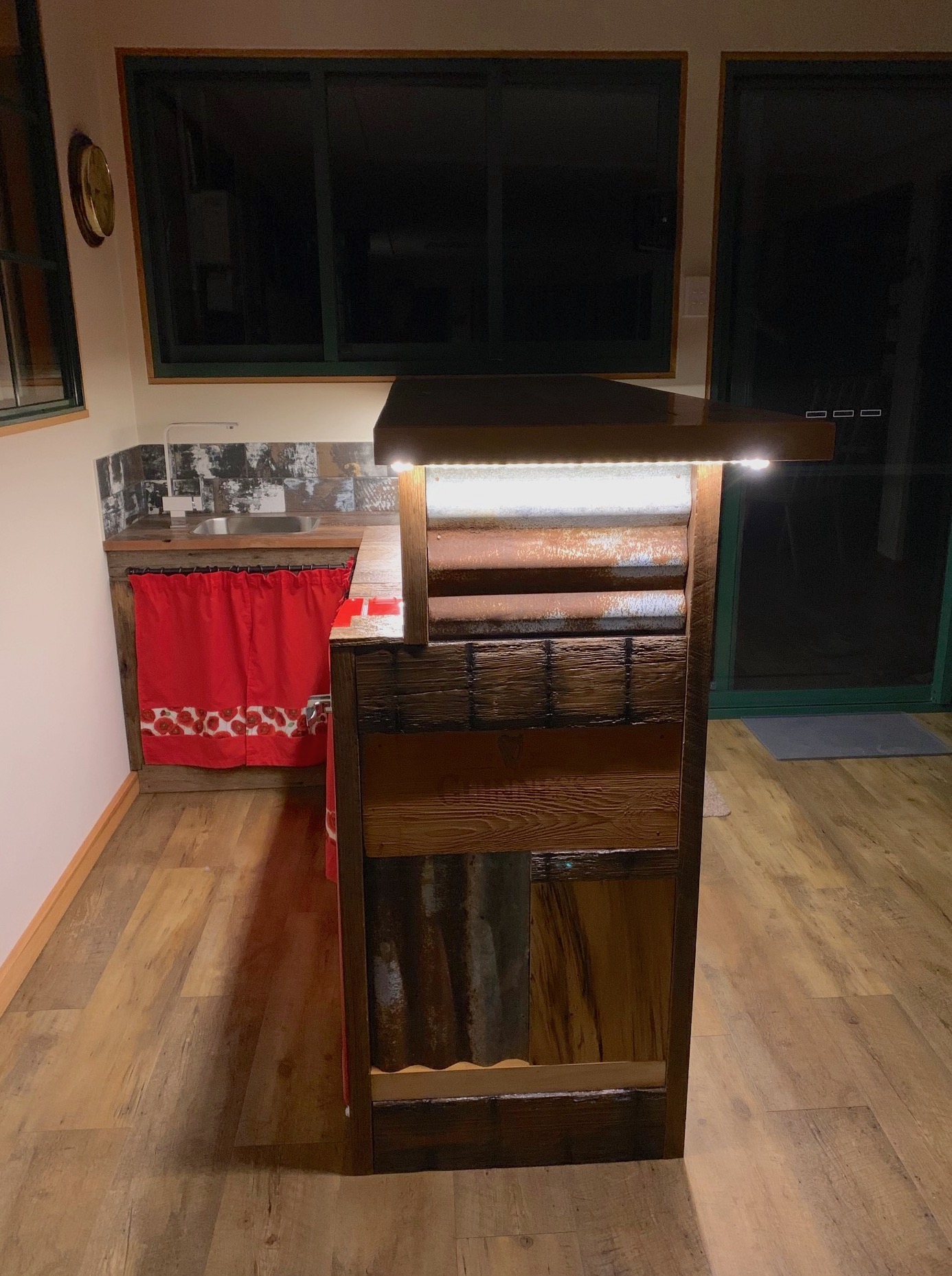
Another two coats of Cabothane on the bar top

and the addition of LED lights

and we have another project successfully concluded.

hen haven

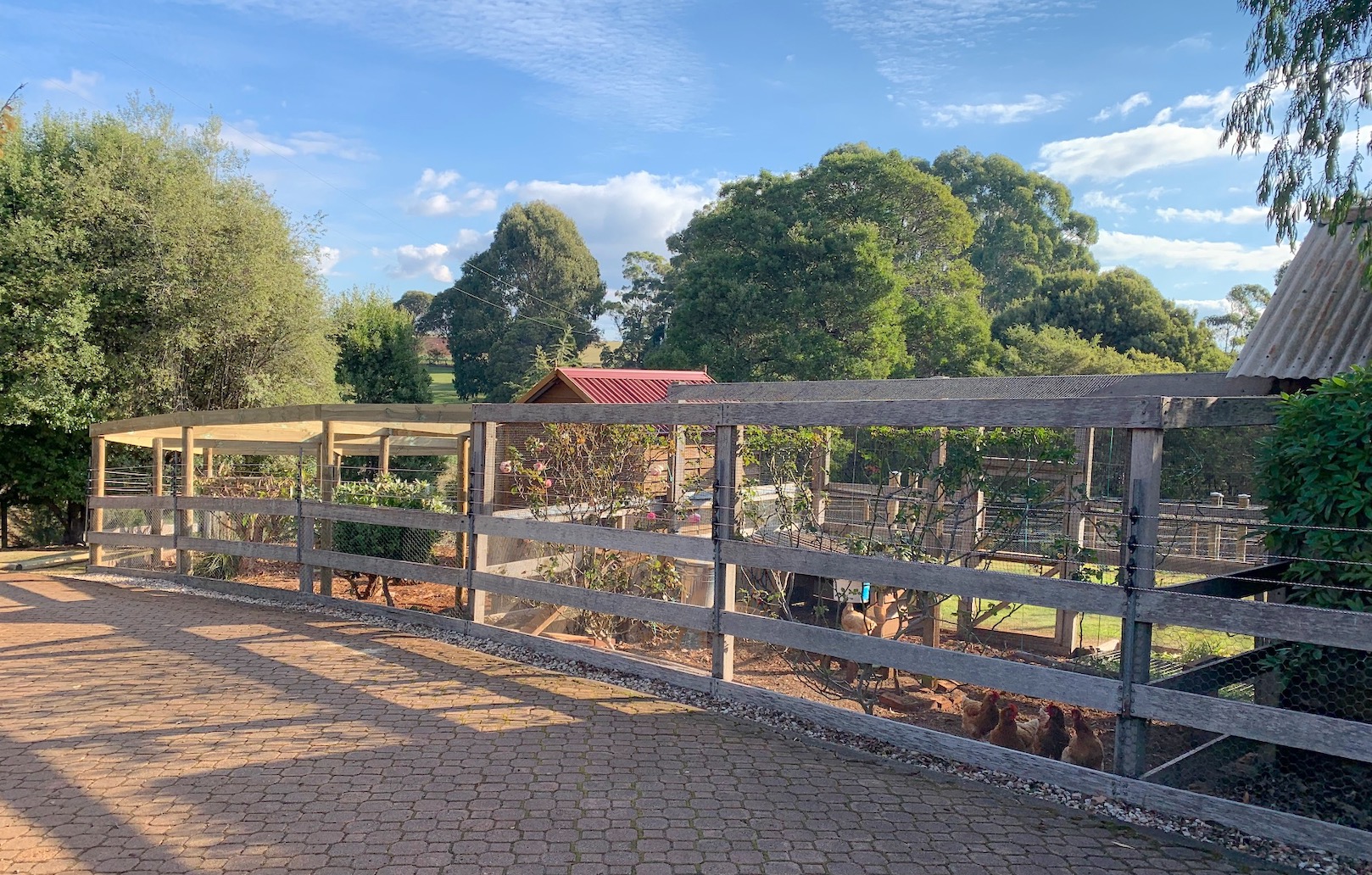
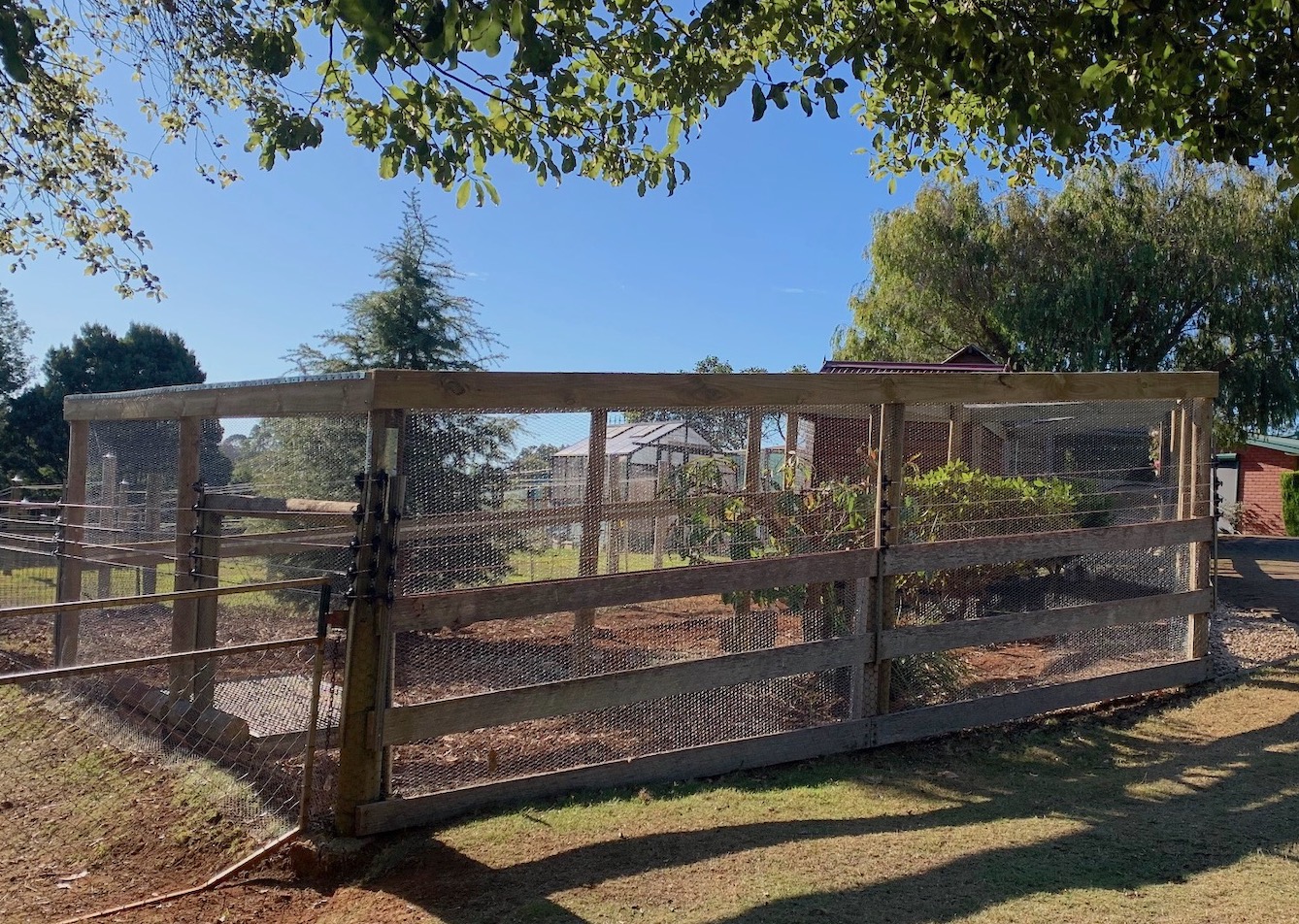
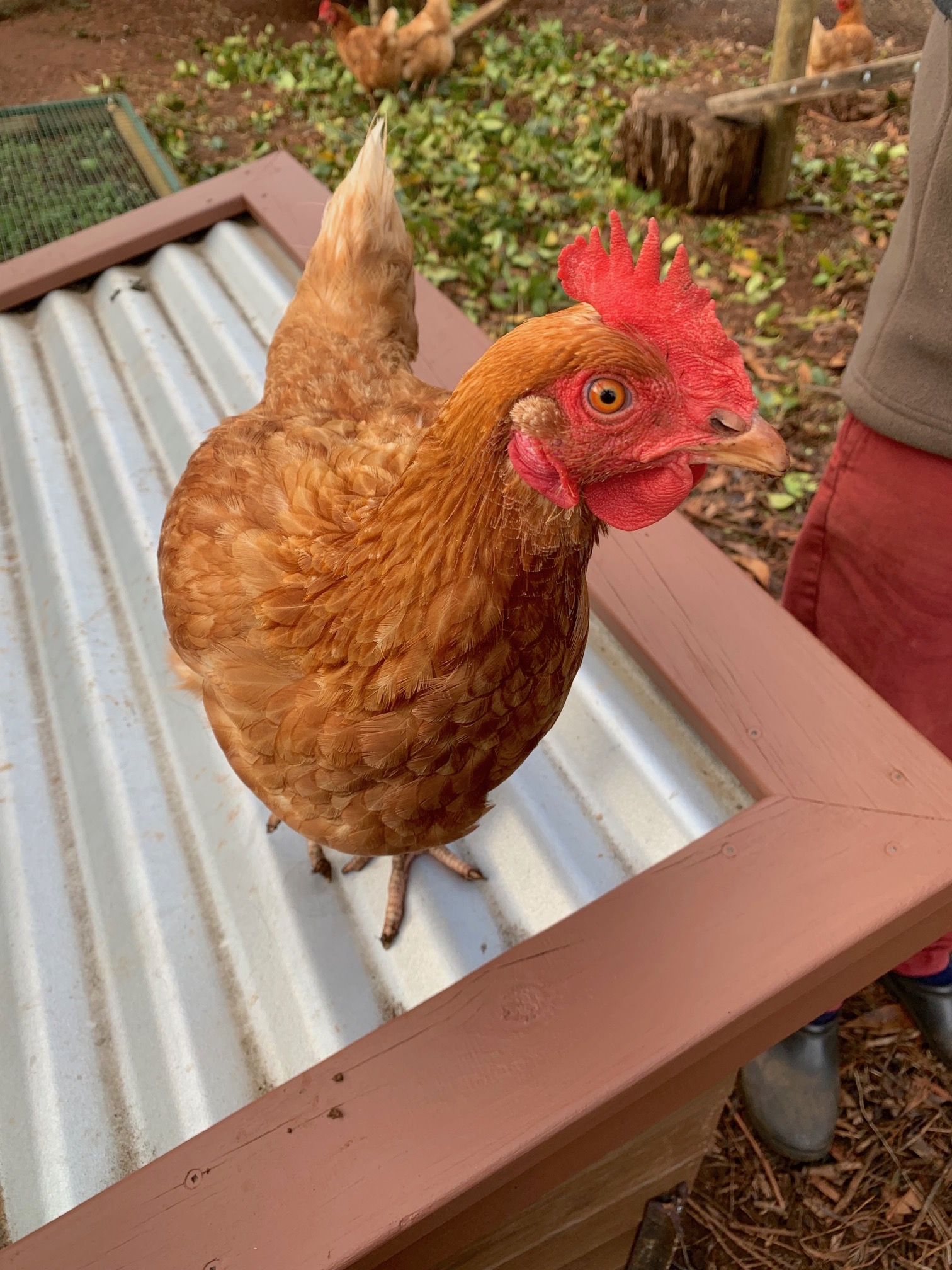
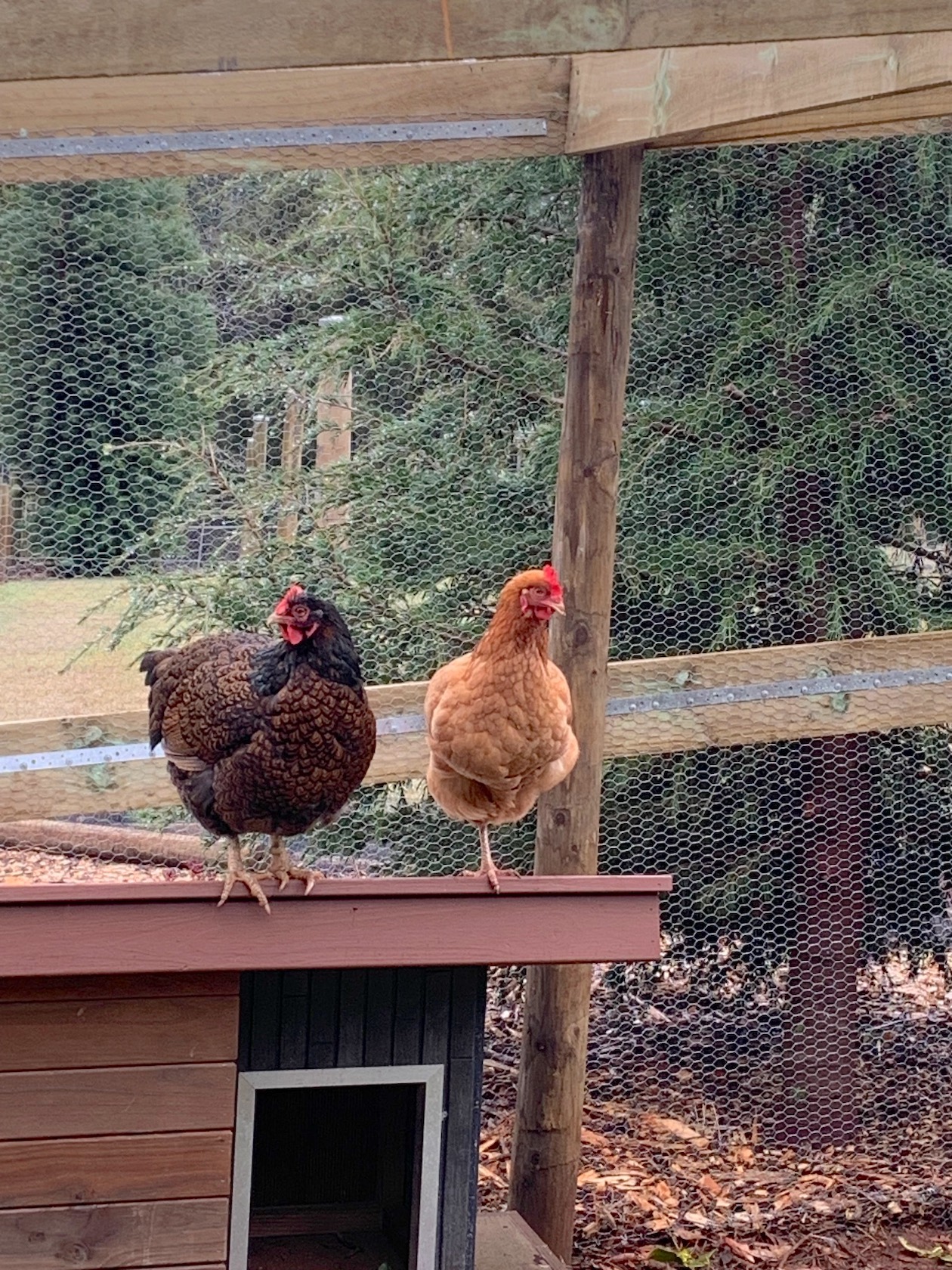
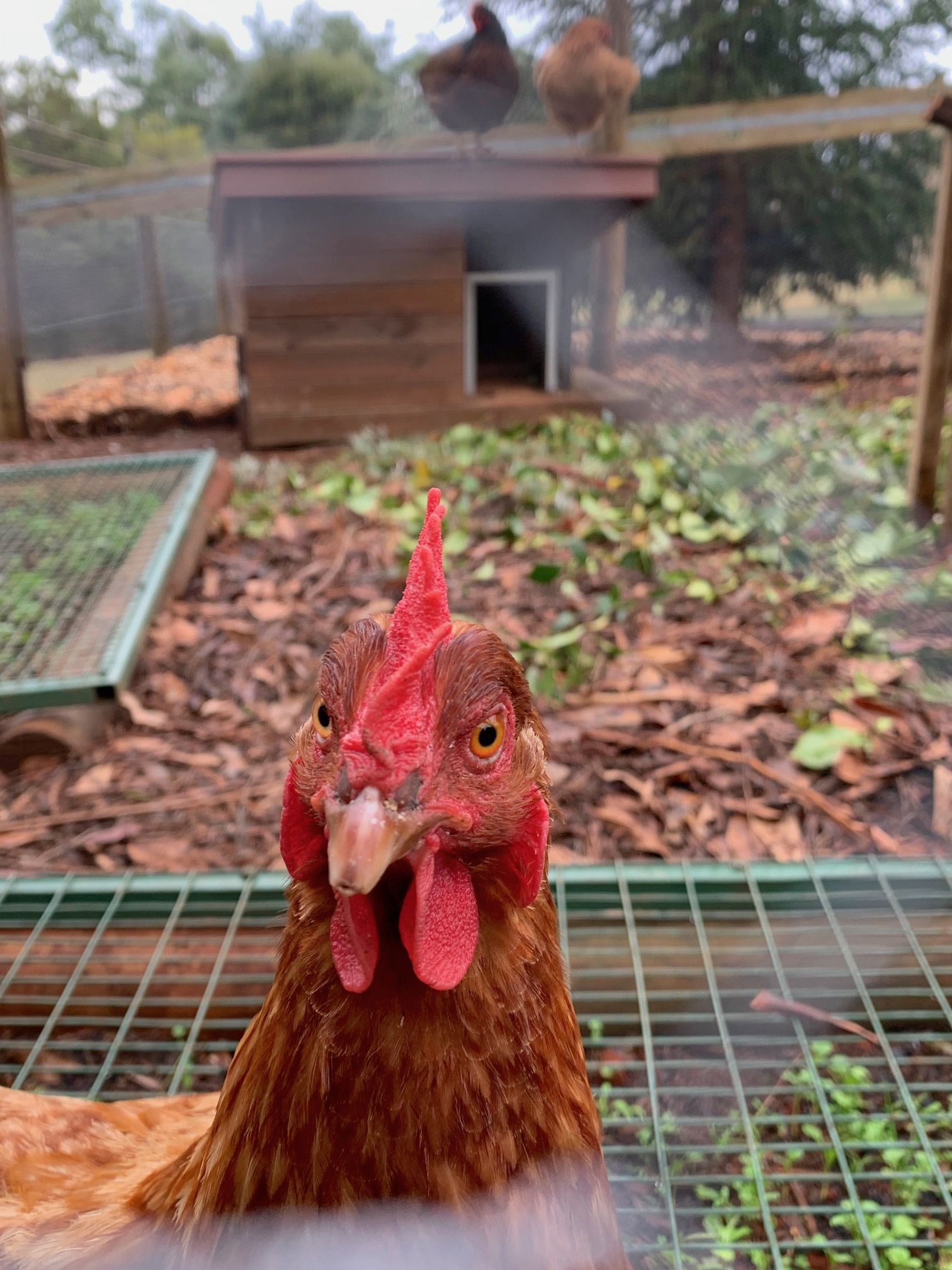
Our chooks have always had plenty of room to forage and scratch and play and, well, do what chooks do. Part of their run was completely enclosed and safe from predators and a larger area was fenced but otherwise open.

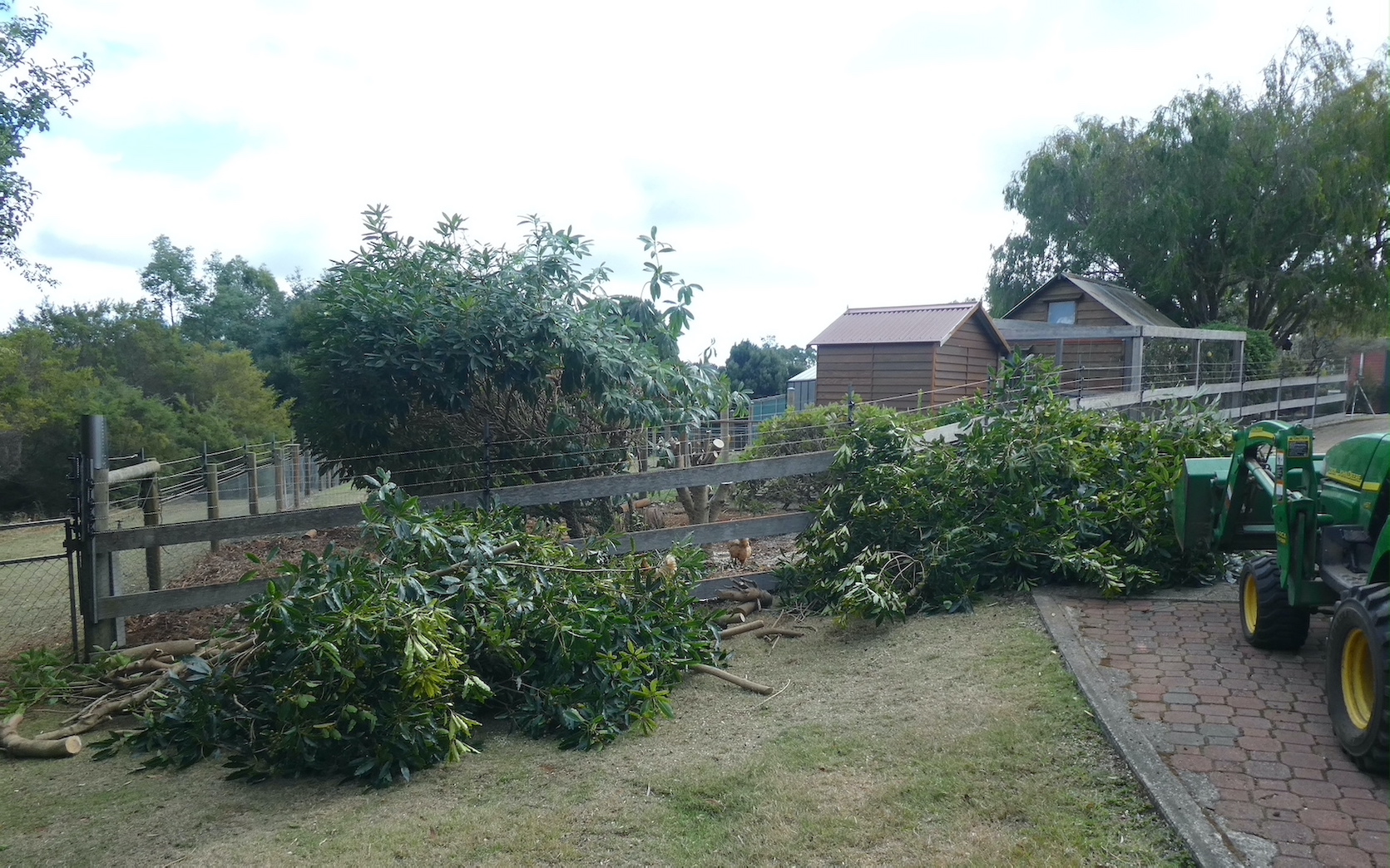
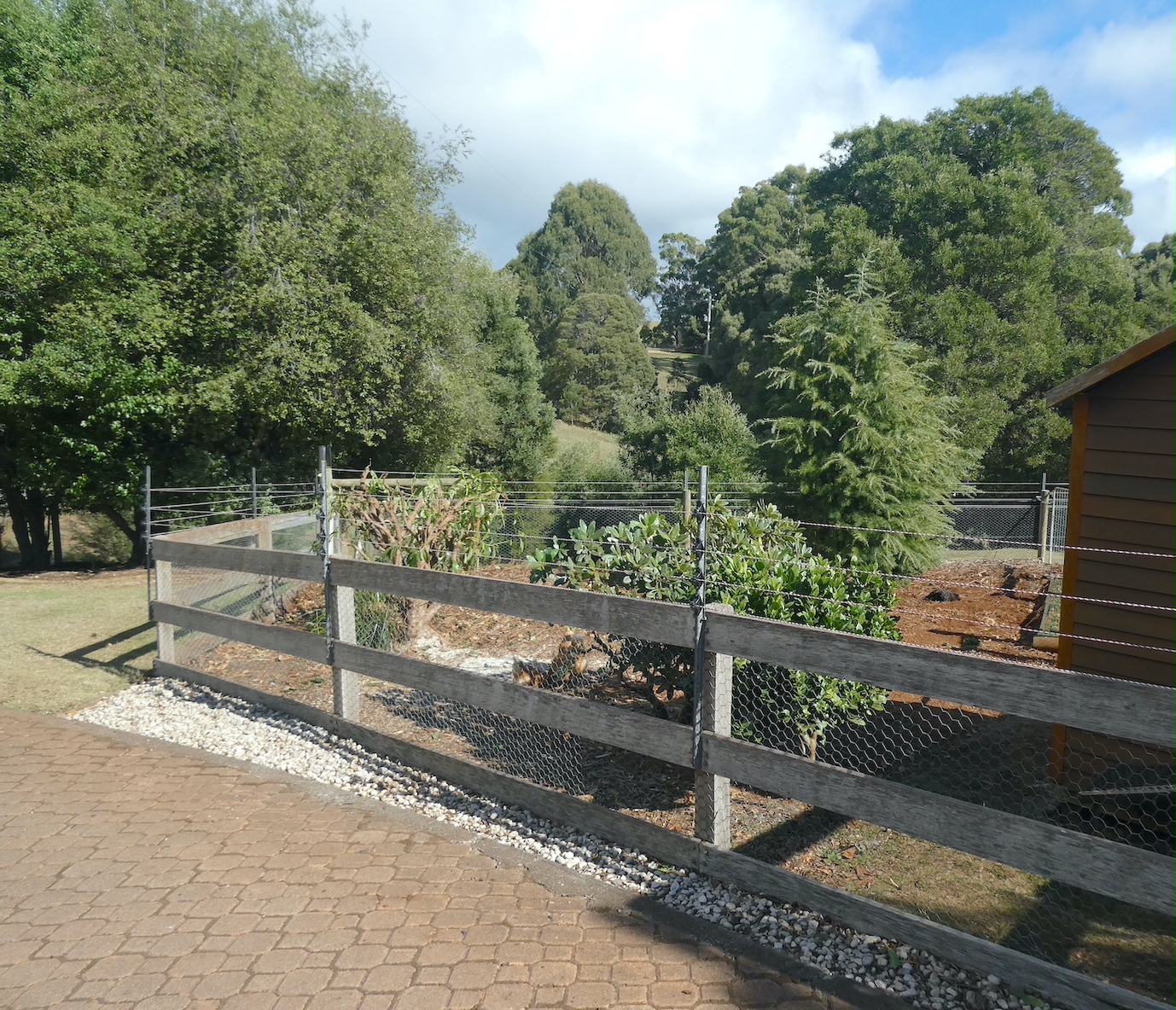
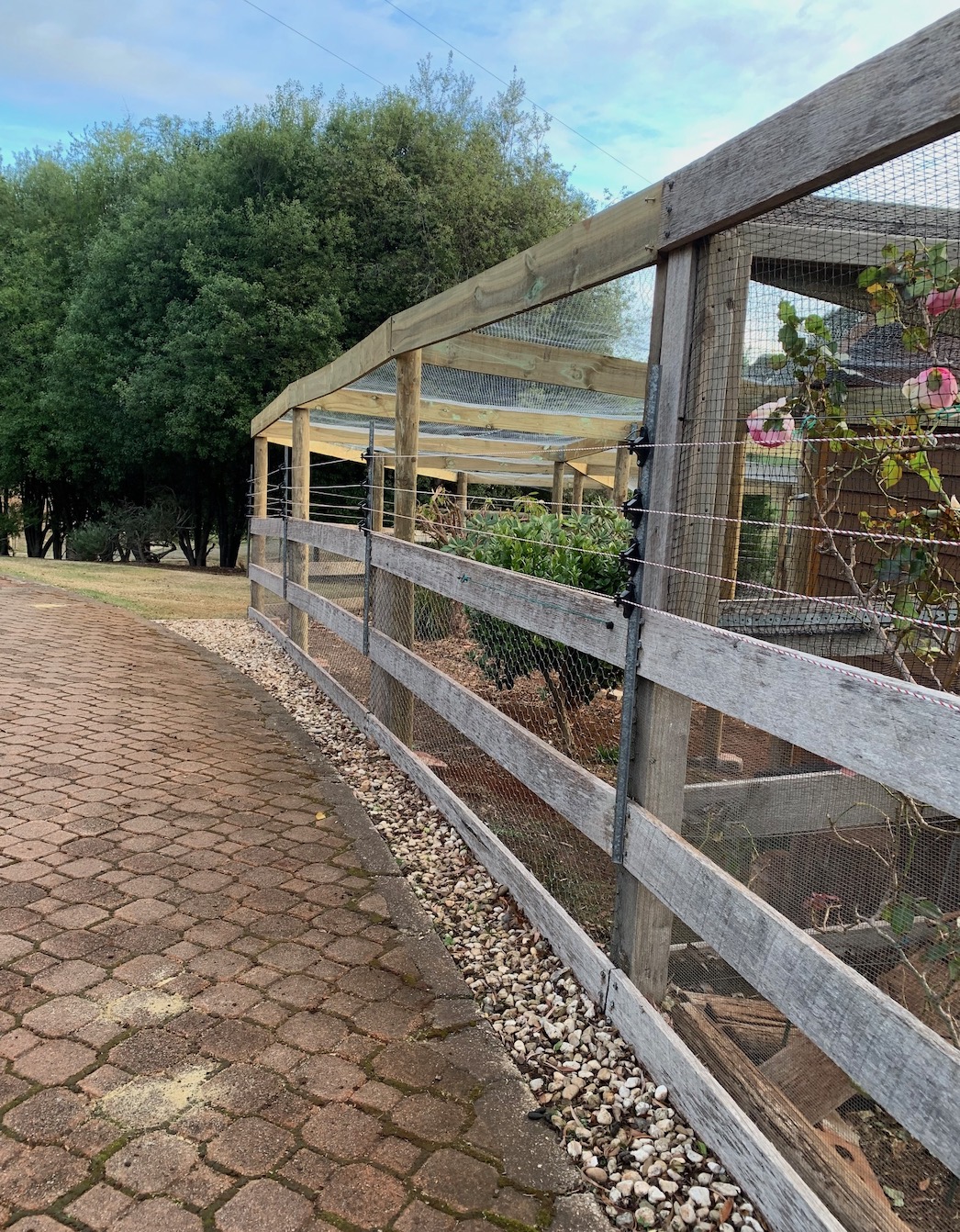
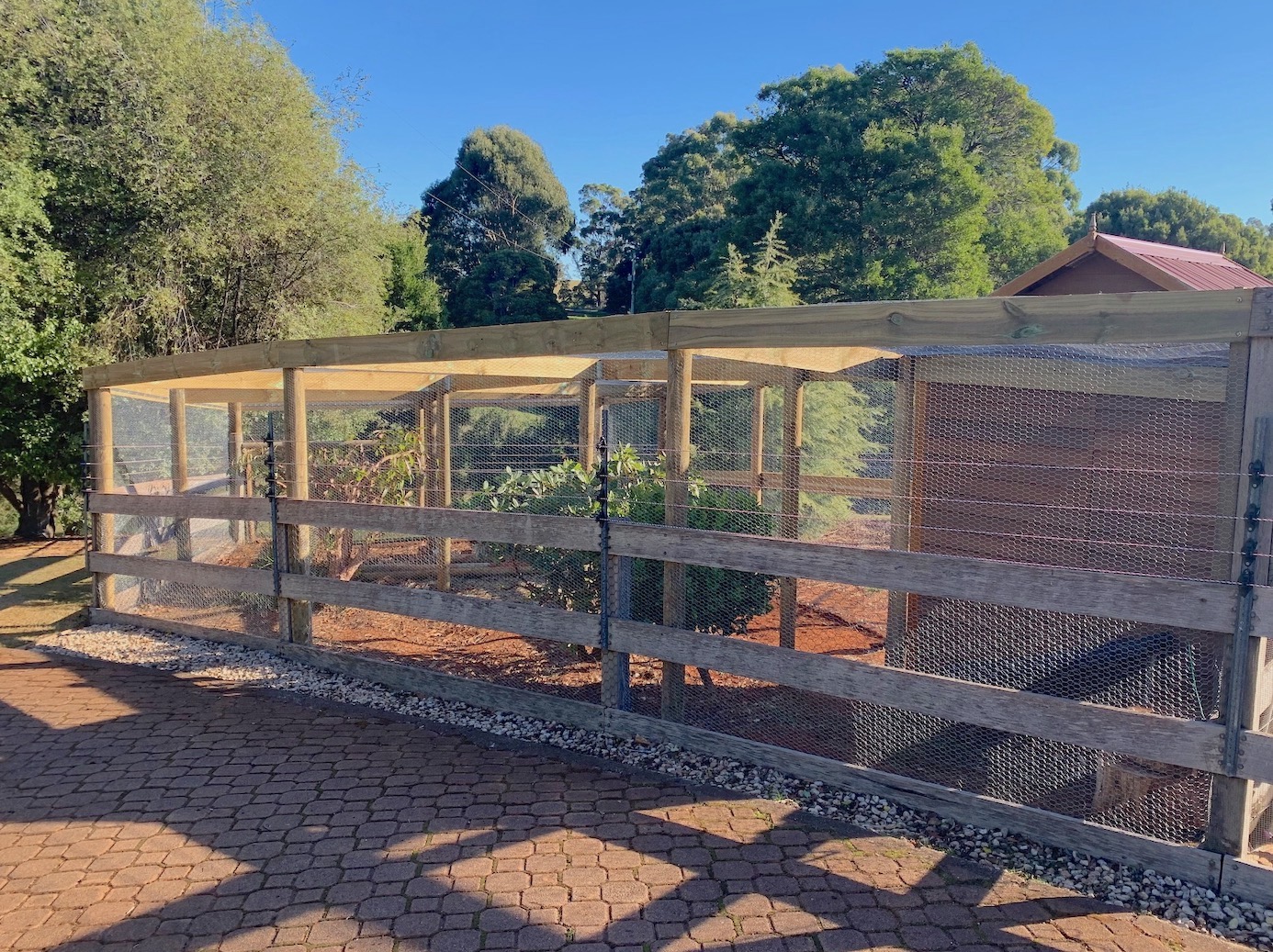
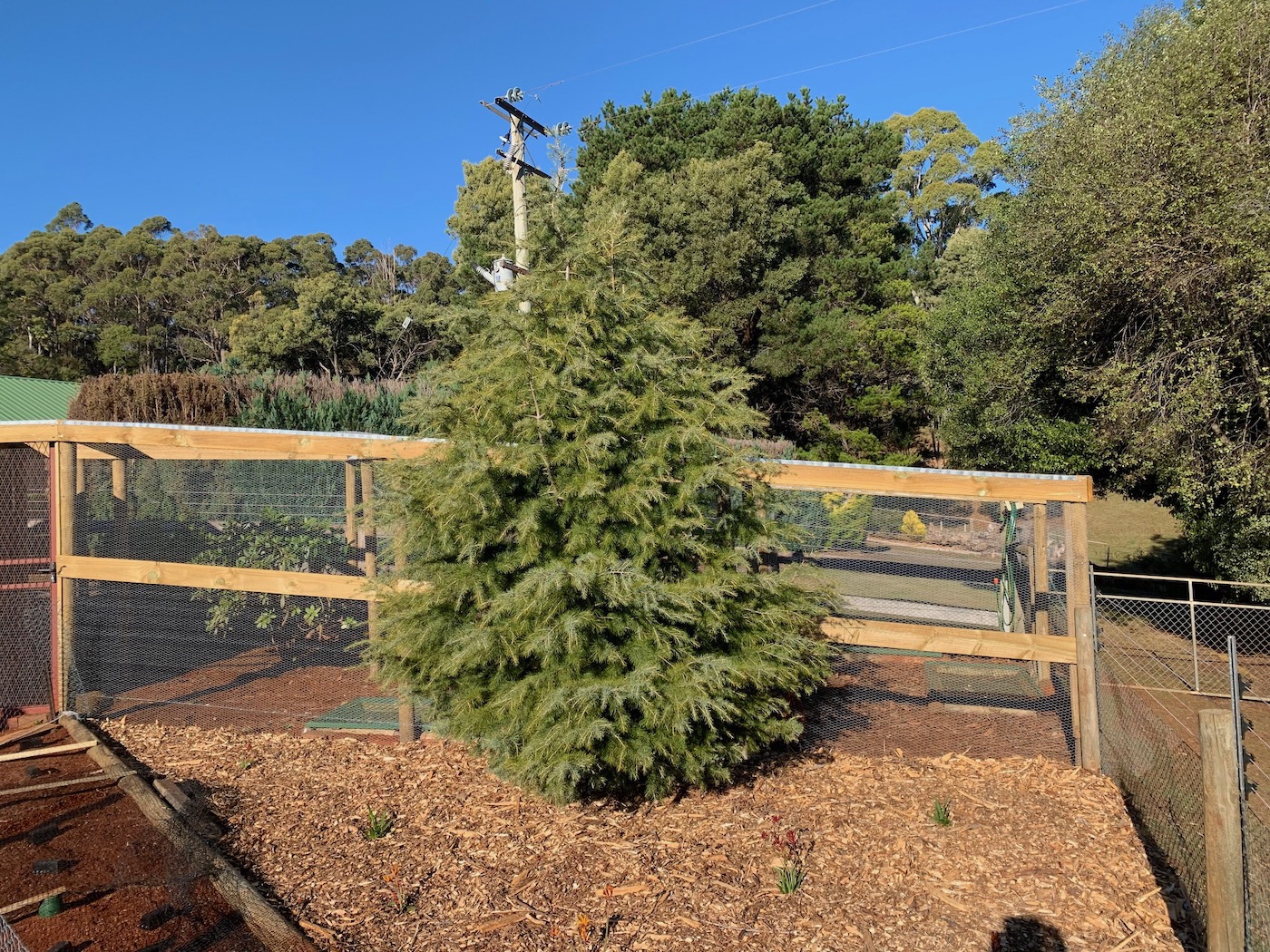
We had thought about enclosing the whole area for a while, mainly to keep the ornery sparrows from stealing the chook food, and finally tackled the mammoth project after visitations from raptors with eyes on our girls. The first task was to remove the huge native pittosporum, a favourite hotel for the sparrows and far too big to retain within the new run.

We proceeded with hole digging and post erecting,

and it wasn’t long before we realised the need to allow the girls to roam and shut them out of the work space. They were just a little too helpful.

Unfortunately, they make a terrible mess of any tidy garden space, something I had to ignore until the end of our mission.

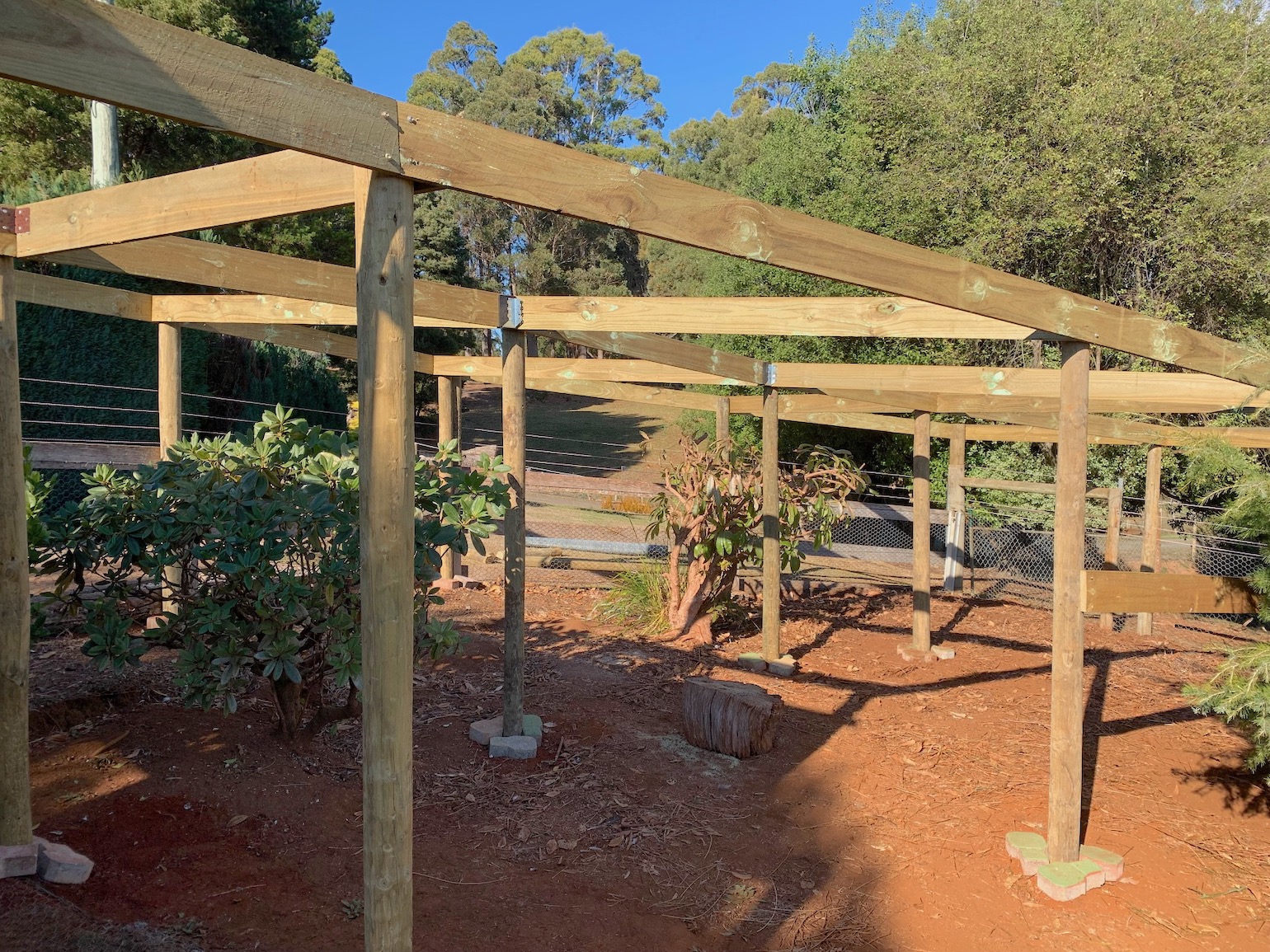
Once the boundary posts were in, we added the support beams

before continuing with the central posts and beams.

Next came the tricky part – the roof.

Accompanied by minor swearage, we manhandled the first section of wire into place and secured it, feeling inspired to carry on.

We soon finished the roof and used netting clips to join the sections.

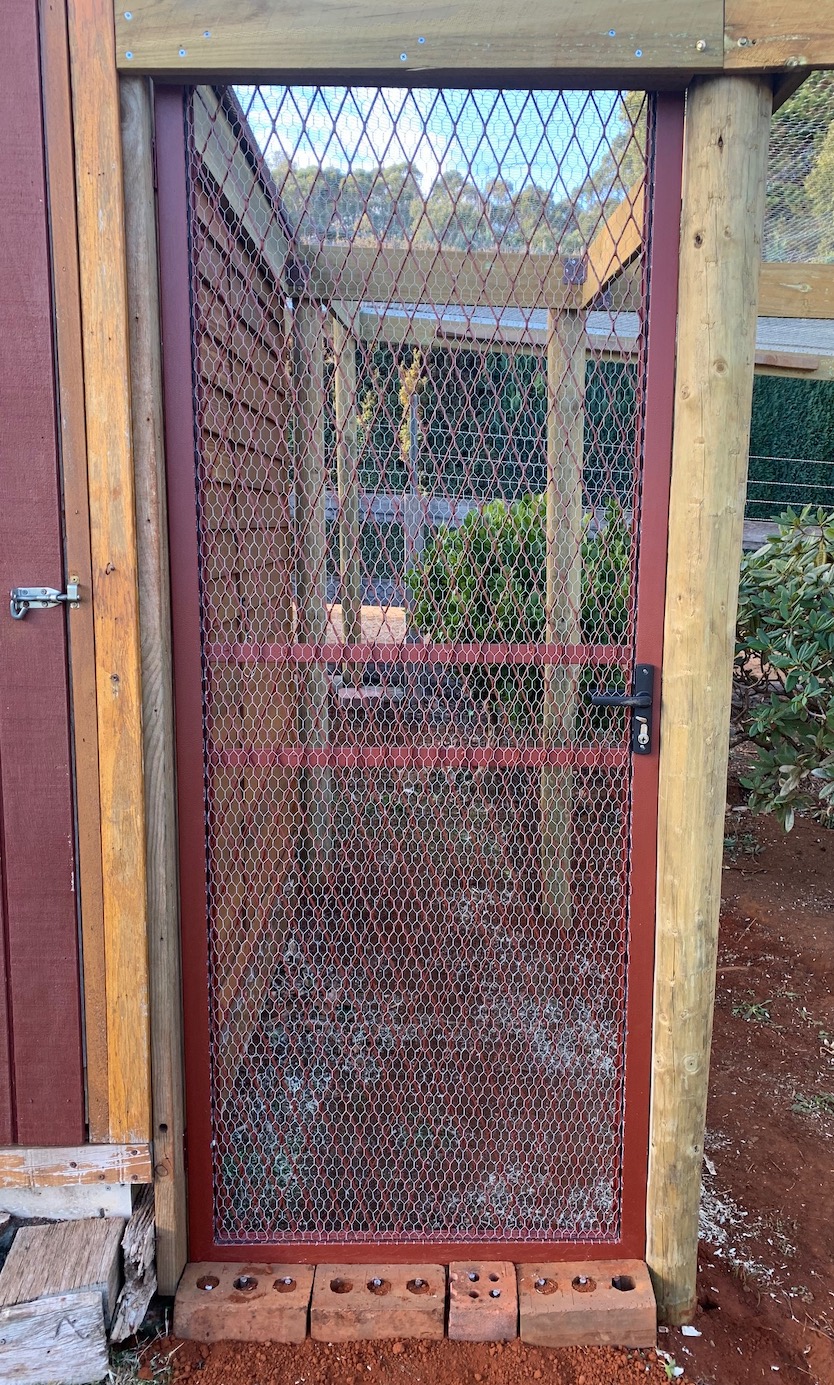
Rather than purchase a lightweight aluminium screen door from a local retailer, we sourced a solid steel model from the salvage yard at a quarter of the price. By the time we sprayed a coat of primer, spent hours painting two coats of colorbond and fixed the bird wire, I’m not sure the effort:reward ratio was favourable but it serves its purpose.

Once the wire sides were completed,

we removed the original boundary fence line and relocated the grazing cages inside the new run.

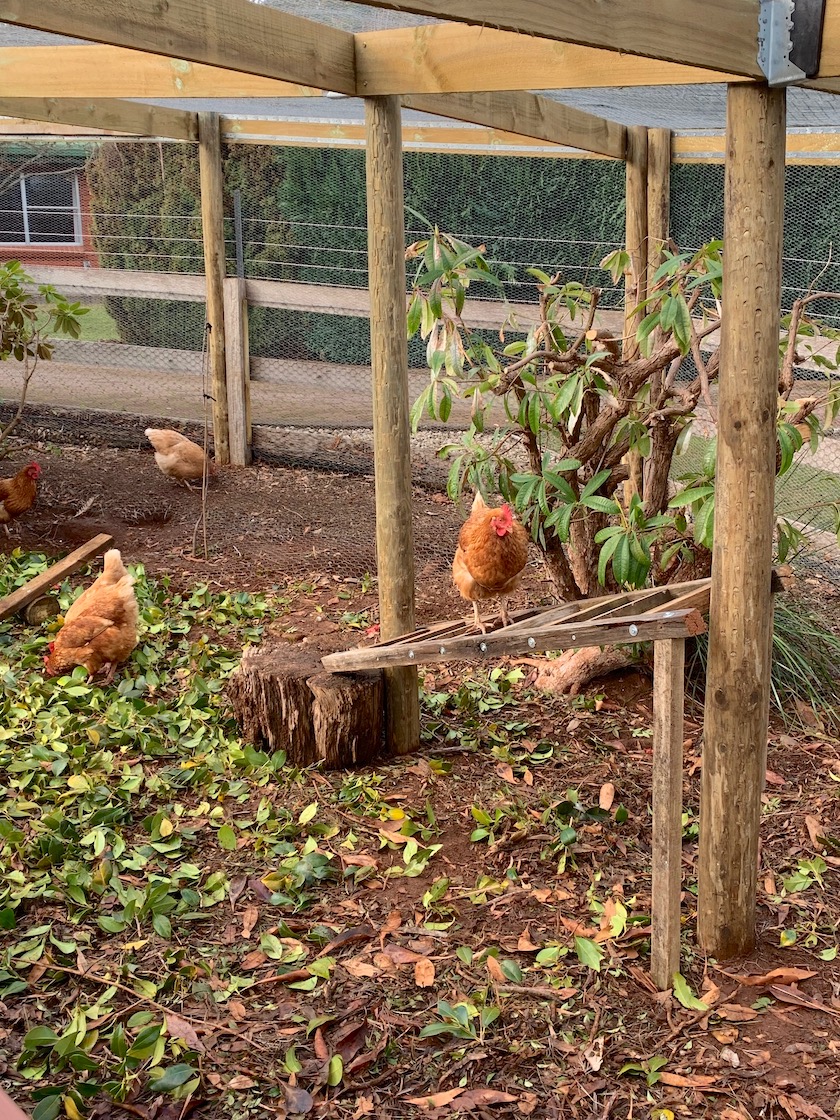
A place to shelter from inclement weather,

climbing frame

and seesaw completed the new enclosure.

We created a new border where the original fence line came down, added mulch, planted a few Kangaroo Paws and re-seeded the lawn area.

And planted two apple trees in the new yard. The chooks are wondering – what’s next?

ponderous project

When we first viewed our property (fifteen years ago), we were impressed with the pond and the rather large goldfish inhabitants. Michael landscaped the area with rocks and plants and created a smaller top pond, adding a cascade for completion. It is a lovely, peaceful setting to gaze upon from the kitchen window

but Michael has lamented the ever present algae due, in part, to the lack of water depth and more recently the obvious presence of a leak in the liner.

Deciding on a pre-formed pond rather than replacing the liner, we set about the project we had been procrastinating on for months. The first job was to create easy access by relocating the pot pond and trimming plants.

The pond plants and surrounding rocks were removed to expose the liner

before I donned the appropriate outfit to bucket out the water which Michael diligently distributed around the garden (we were having a very dry summer).

We pulled the old liner out (which did, indeed, have an obvious split)

and tried the new pond for size.

Hoping to not encounter tree roots, the digging commenced.

With periodic fittings, and no underground impediments, the site was ready.

With a trailer load of sand on standby, the base was prepared

and the pond lined with plastic to protect it from the river stones.

Once levelled,

the task of packing the sand around the outside began. Between us, we came up with an ingenious plan to convey the sand into the tight spaces – a funnel made from a chook feed bag and a ring of builders strapping.

It worked brilliantly.

We had been advised to pack some sand, then fill some water and repeat in stages to avoid distortion of the pond shell.

The river stones from the old pond had been saved and I spent some time sorting them

while Michael repotted the plants.

The fish were returned to their new home, along with the plants

and a new cascade perfected the picture.

We then set about filling in the top pond,

and after some further landscaping,

declared the project finished.